User login
Larry Beresford is an Oakland, Calif.-based freelance medical journalist with a breadth of experience writing about the policy, financial, clinical, management and human aspects of hospice, palliative care, end-of-life care, death, and dying. He is a longtime contributor to The Hospitalist, for which he covers re-admissions, pain management, palliative care, physician stress and burnout, quality improvement, waste prevention, practice management, innovation, and technology. He also contributes to Medscape. Learn more about his work at www.larryberesford.com; follow him on Twitter @larryberesford.
Rural Hospitalists Face Myriad Challenges, Rewards
Michael McMahon, MD, one of two hospitalists at Carilion Giles Community Hospital (CGCH), a 25-bed critical-access hospital in Pearisburg, Va., started practicing HM two years ago after spending three decades as a family physician in the town of 2,761. Although he feels a strong connection with his close-knit community, Dr. McMahon faces the overriding challenge many rural hospitalists encounter daily: lack of immediate, on-site access to essential medical specialty resources.
“In a setting like this, it’s just me and the emergency department doctor. There are no specialists,” Dr. McMahon says. “Our nearest general surgeon is responsive but lives 30 miles away. So I have to wear a lot of hats.”
The biggest question Dr. McMahon deals with regularly is whether patients can be taken care of in-house or need to be transferred to a larger hospital, such as Carilion Roanoke Memorial Hospital, a 700-bed CGCH affiliate that is 60 miles away.
“Some decisions are obvious, and others are gray areas,” he explains. “We don’t do dialysis here. If it’s serious trauma, they go. If it’s a [myocardial infarction] needing acute cardiac intervention, they go.”
But some patients don’t want to go and would rather rely on what Dr. McMahon can achieve with his practice-honed diagnostic skills. He also uses relationships developed over the years with cardiologists, nephrologists, neurologists, and others in Roanoke—about 60 miles away—for telephone consultations on tough cases.
“This job requires much more clinical judgment than you would need in other settings where you can lean on other people or on the medical technology,” Dr. McMahon explains. “I have a good feel for where my own line is and for what this facility can handle.”
Dr. McMahon is part of a growing rural HM movement. According to a recent survey by the American Hospital Association, the number of rural hospitals with HM coverage is growing. One in 6 hospitals with fewer than 25 beds had HM programs in 2009, double the penetration of six years before. For hospitals with 25 to 49 beds, nearly 1 in 3 had a hospitalist presence in 2009—twice the number as in 2003.
—Brian Bossard, MD, FACP, FHM, director, Inpatient Physician Associates, Lincoln, Neb.
In addition to the lack of specialist backup, recruiting doctors to fill hospitalist positions in rural settings can be a major challenge. Other issues include staffing and scheduling, providing on-call and off-hours backup, and the economic stressors on small hospitals that constrain their ability to offer competitive compensation.
But rural hospitalists also emphasize the lifestyle benefits of calling a rural community home, such as the absence of crime, a slower pace, easy access to outdoor recreation, and the satisfying personal relationships that can develop in smaller communities.
“I like rural hospital medicine,” says Larry Labul, DO, FACOI, SFHM, a hospitalist at Franklin Memorial Hospital in Farmington, Maine, population 7,760. “I like being a big fish in a small pond, doing my own procedures, managing patients in the ICU. If I sometimes don’t know how to manage a procedure, I have a choice: Learn how to do it or send the patients somewhere else.”
Hospitalists in rural areas often become integral parts of their communities, says John Nelson, MD, MHM, medical director of the hospitalist program at Overlake Hospital in Bellevue, Wash., a Seattle suburb.
“There’s a reasonable chance you know your patients socially,” says Dr. Nelson, co-founder and past president of SHM and practice-management columnist for The Hospitalist. “I’ve been in the same place for 11 years, and if I have any connection with my patient, it’s a strange coincidence.”

Too often for urban hospitalists, he says, the next patient is just the next patient, whereas in a rural community, the odds are better than even that the doctor at least knows someone in the patient’s family. “That gives you a whole different perspective on the work.”
The Challenge: Recruitment
Despite the virtues of small towns for those who can appreciate them, rural hospitals face an uphill battle in attracting the desired complement of hospitalists to staff their programs. HM’s explosive growth means the field generally has benefited from a seller’s market, and rural communities have struggled to fill both inpatient and outpatient positions.
“Recruiting is tough in rural areas, even as some metro areas are starting to fill up with hospitalists,” Dr. Nelson says. Michael Manning, MD, a hospitalist at Murphy Medical Center in Murphy, the westernmost town in North Carolina (population 1,568), says it’s especially hard if the nearest airport is hours away. “A small hospital’s efforts to advertise just gets lost unless the candidate is actively looking for a rural setting to practice. Here we’ve got hunting and fishing. I came for the whitewater kayaking,” Dr. Manning says.
The challenge is to convince people who have never visited the area that a rural hospital is a great place to practice, says Brian Bossard, MD, FACP, FHM, director of Inpatient Physician Associates in Lincoln, Neb. “There are lots of barriers to address in order to negotiate a positive outcome. The more rural it is, the harder the job of recruiting. What more can we offer a recruit? Sometimes it’s money, a signing bonus, a benefit package. With many recruiting efforts, the spouse is part of the equation.”
Recruiting doctors to rural areas starts by leading with the hospital’s strengths, such as high-quality care, manageable workloads, or sustainable schedules, Dr. Bossard says. Recruiters also focus on the advantages of living and raising children away from the big city. International medical school graduates have long been a recruitment target of rural hospitals, but they present bureaucratic hoops that some hospitals are unwilling to jump through. (Visit the-hospitalist.org to learn why Foreign Medical Grads can bolster your HM group staffing.) Other hospitals employ recruiting staff, recruitment firms, paid advertising, and old-fashioned word of mouth—talking with anyone and everyone who might know a physician who could be interested.
Fannie Vavoulis, medical recruiter for Chatham-Kent Health Alliance in Chatham, Ontario, agrees that it can be difficult to recruit physicians to a setting like her predominantly agricultural community. But she has enjoyed recent success, in part due to the efforts of a 25-member community volunteer group of local business and health leaders who woo physician candidates. “We use the volunteers to show them around, help find opportunities for their spouses, and offering ongoing mentorship once they come here,” Vavoulis relates.
continued below...
A Little Like Home

Rapid City, S.D., with a population of 68,000, isn’t the most rural of settings, although Rapid City Regional Hospital (RCRH) also serves a large rural catchment area, with affiliated rural satellites. But the Black Hills are worlds away from places like Chicago or Dallas or New York City, where many future hospitalists do their residencies.
Pushpa Poudel, MD, came to 400-bed RCRH in 2010 following a residency at Wyckoff Heights Medical Center in Brooklyn, N.Y. “The people I met on my interview days were nice, but I was more attracted to the work environment and the dedication I found in the hospital here,” he says.
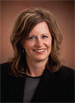
Dr. Poudel, who is from Nepal and attended medical school in Kathmandu, says the scenic Black Hills reminded him a little of home. After interviewing at RCRH, he went back to New York and talked two Nepalese physician friends into joining him there. Today, the multinational HM group at RCRH includes six hospitalists from Nepal, as well as others from India, Egypt, Costa Rica, and the Republic of Georgia. “We now have 28 hospitalists, and in the seven years since the program started, we’ve only lost one of them,” says Kristi Gylten, MBA, the service’s director.
All of the hospitalist group’s members meet candidates when they come for interviews. “They are the biggest sellers of the program,” Gylten says, although work-life balance, recreation in the Black Hills, and the reputation of the local school system are also draws. “Often the hardest part is just getting them to come out here. Once they come to Rapid City and see the community, it surprises them.”
—Larry Beresford
The Challenge: Expanded Scope
“This is a different brand of hospital medicine, with the potential for an expanded scope of practice,” says Dr. Bossard, whose group staffs hospitalist programs in Lincoln, Neb., and two rural communities in that state. “Physicians looking at your program need to understand that. Every hospital medicine program has its own identity and culture, but rural programs definitely have a culture of greater independence and autonomy.
“It’s a different breed of physician—a different culture and different standards of what hospitalists do and don’t do,” he explains.
Rural hospitalists often need to master procedures and medical specializations (including critical care) that many of their urban counterparts hand off to specialists. For conditions they can’t manage, the alternative is transferring the patient to a larger hospital, sometimes by ambulance or helicopter.
“Some physicians are uncomfortable with the level of expertise and procedural skills required to manage in this setting,” says Dr. Nelson, whose consulting firm regularly works with HM programs in rural areas. “But the hospital and the physician community are looking to the hospitalists as a resource to keep patients in the community as much as possible. If the hospitalists are too risk-averse, that may be a problem.”
—John Nelson, MD, MHM, hospitalist program medical director, Overlake Hospital, Bellevue, Wash., co-founder and past president of SHM
Dale Vizcarra, MD, a hospitalist at 60-bed St. Mary’s Healthcare Center in Pierre, S.D., has gotten used to not having on-site access to cardiology, anesthesiology, ENT, psychiatry, or pulmonology. “So you’re kind of piloting on your own,” she explains. “That could be hard for a new graduate who’s not used to flying solo.”
Dr. Vizcarra and a hospitalist partner navigate the lack of in-house specialist support by utilizing technology—for example, eICU-monitored beds or phoning physician colleagues in Sioux Falls. “The big question is, Do people know what they don’t know? It’s possible to be too quick—or not quick enough—to pick up the phone and ask for help,” she says.
Rural hospitals also face many of the same quality expectations and looming financial disincentives as their urban counterparts, but with fewer resources to devote to them. They conduct quality and safety projects and participate in SHM’s Project BOOST and similar quality initiatives. Three rural hospitals—Mariners Hospital in Tavernier, Fla., Miles Memorial Hospital in Damariscotta, Maine, and Sebasticook Valley Hospital in Palmyra, Maine—recently were named among the Leapfrog Group’s 65 top hospitals for 2011.1
A recent study by Karen Joynt, MD, MPH, of the Harvard School of Public Health and colleagues found that rural critical-access hospitals overall had fewer clinical capabilities, worse outcomes, and higher death rates for patients with heart attack, congestive heart failure, or pneumonia than their more urban counterparts.2 But Dr. Vizcarra says hospitalists can bring higher quality of care to rural hospitals.

“I also think staff satisfaction is better,” she says, adding that rural hospitals can try quality approaches tailored to the unique setting. “For example, because we have a lot of diabetic patients who are often noncompliant, we established a goal to have multiple members of our hospital team—from nurses to housekeeping—receive extra training in diabetes management and share it with patients. Sometimes it’s the person who hands out the food trays who has the best chance to reach the patient with this information.”
Dr. Vizcarra has lived in Pierre for 20 years and just became a hospitalist in April 2011. She loved primary care, but she says that “being a hospitalist in a clinical setting is a blast. There’s so much you can do—so many areas where you can improve care.”
The Challenge: Schedules
For a hospital to offer 24/7 hospitalist coverage on site, it generally requires at least three, if not four, full-time physicians dividing up days, nights, and weekends, allowing for vacations, sick days, and training time. Even so, a group of three or four hospitalists providing round-the-clock coverage is more likely to encounter some burnout than those programs that work seven-on/seven-off schedules. If the hospital is not able to afford four FTEs of salary—or to find physicians to fill those FTEs—it might decide that it doesn’t need hospitalists on site at night, Dr. Nelson says.
Alternatives include having the hospitalists take call from home, letting ED physicians do after-hours admits, or mobilizing community PCPs to divide up some of the coverage and call responsibility. Locums physicians are popular at rural hospitals, but they come at the expense of the personal relations and community integration that are counted among rural hospital medicine’s assets. Another approach, tried in some small hospitals where the caseload is insufficient to keep both a hospitalist and emergency doctor busy, is to combine the positions of ED doctor and hospitalist, then find physicians with the skills to fill both roles.
Increasingly, an alternative to supplementing hospitalists on the ground is telemedicine, which brings specialist expertise to rural hospitals long distance via telephone lines and video equipment. This concept may be more familiar in eICUs, but Atlanta-based Eagle Hospital Physicians also offers the services of hospitalists and neurologists via telemedicine links, says Richard Sanders, MPH, FACHE, the company’s director of telemedicine services. Specialists from Eagle’s pool of physicians serving hospitals across the Southeast work from wherever they have access to a telephone and Internet service.
“In order to address the issues rural hospitals and hospitalists face, we have to be innovative in our approach. Our hospital partners struggle with having patient volumes that require more hospitalists than they can recruit for, a problem exacerbated by the need for taking call at night, which can scare off some candidates,” Sanders says.
The peak time for telemedicine for the hospital that can manage partial on-site hospitalist coverage is the night shift—“typically the least productive time for hospitalists, with unpredictable volumes,” he says, “although you still need access to someone who can respond quickly.” Eagle also uses physician extenders as key members of its team and a video-equipped RP-7 robot that can move around the hospital as directed by the remote physician.
The Challenge: Extinction
Dr. McMahon, a Virginia native who practiced in the military after attending Medical College of Virginia, was recruited in 1980 by two residency colleagues who had secured jobs in Pearisburg, a small town in the western part of the state. “I’ve been here ever since,” he says. “I live and work with these people. I’m intimately involved in this community. I attend a lot of funerals. I’m the football team’s doctor, and I teach at the college of nursing.”
Dr. McMahon says that close-knit communities, such as Pearisburg, offer a different kind of medical care; he also says that kind of care is in danger of extinction. And he says something important will be lost if that happens.
Primary-care physicians (PCPs) help supplement the after-hours coverage provided by CGCH’s two staff hospitalists. “This is a community hospital, and we all work together,” Dr. McMahon says. “I know the family practice and internal medicine physicians and they know me.” But he also fears that this level of commitment may not continue much longer.
“We’re all aging in this community, and in another three to five years, the physicians are going to start to retire,” he says. “ … We’re a dying breed from the school of hard knocks and experience, and we’re being phased out in favor of technology-savvy younger doctors, for whom basic diagnostic skills are downplayed.
“There used to be more of a sense of camaraderie in medicine,” he notes. “Back in the day, when I first started here, we considered medicine a calling and not a job.”
For Dr. Vizcarra, the HM model of inpatient care represents a sea change in the connections between physicians and their patients.
“Now, in many small towns, you don’t see your doctor anymore when you’re in the hospital,” she says, adding disconnects can be magnified in small towns. “I try to compensate by providing patients with caring, compassionate, common-sense medicine when they are in the hospital. Usually, after the first day, it’s not an issue.”
Larry Beresford is a freelance writer in Oakland, Calif.
References
- The Leapfrog Group announces annual top hospitals list. The Leapfrog Group website. Available at: http://www.leapfroggroup.org/news/leapfrog_news/4810593. Accessed March 31, 2012.
- Joynt KE, Harris Y, Orav EJ, Jha AK. Quality of care and patient outcomes in critical access rural hospitals. JAMA. 2011;306(1):45-52.
Michael McMahon, MD, one of two hospitalists at Carilion Giles Community Hospital (CGCH), a 25-bed critical-access hospital in Pearisburg, Va., started practicing HM two years ago after spending three decades as a family physician in the town of 2,761. Although he feels a strong connection with his close-knit community, Dr. McMahon faces the overriding challenge many rural hospitalists encounter daily: lack of immediate, on-site access to essential medical specialty resources.
“In a setting like this, it’s just me and the emergency department doctor. There are no specialists,” Dr. McMahon says. “Our nearest general surgeon is responsive but lives 30 miles away. So I have to wear a lot of hats.”
The biggest question Dr. McMahon deals with regularly is whether patients can be taken care of in-house or need to be transferred to a larger hospital, such as Carilion Roanoke Memorial Hospital, a 700-bed CGCH affiliate that is 60 miles away.
“Some decisions are obvious, and others are gray areas,” he explains. “We don’t do dialysis here. If it’s serious trauma, they go. If it’s a [myocardial infarction] needing acute cardiac intervention, they go.”
But some patients don’t want to go and would rather rely on what Dr. McMahon can achieve with his practice-honed diagnostic skills. He also uses relationships developed over the years with cardiologists, nephrologists, neurologists, and others in Roanoke—about 60 miles away—for telephone consultations on tough cases.
“This job requires much more clinical judgment than you would need in other settings where you can lean on other people or on the medical technology,” Dr. McMahon explains. “I have a good feel for where my own line is and for what this facility can handle.”
Dr. McMahon is part of a growing rural HM movement. According to a recent survey by the American Hospital Association, the number of rural hospitals with HM coverage is growing. One in 6 hospitals with fewer than 25 beds had HM programs in 2009, double the penetration of six years before. For hospitals with 25 to 49 beds, nearly 1 in 3 had a hospitalist presence in 2009—twice the number as in 2003.
—Brian Bossard, MD, FACP, FHM, director, Inpatient Physician Associates, Lincoln, Neb.
In addition to the lack of specialist backup, recruiting doctors to fill hospitalist positions in rural settings can be a major challenge. Other issues include staffing and scheduling, providing on-call and off-hours backup, and the economic stressors on small hospitals that constrain their ability to offer competitive compensation.
But rural hospitalists also emphasize the lifestyle benefits of calling a rural community home, such as the absence of crime, a slower pace, easy access to outdoor recreation, and the satisfying personal relationships that can develop in smaller communities.
“I like rural hospital medicine,” says Larry Labul, DO, FACOI, SFHM, a hospitalist at Franklin Memorial Hospital in Farmington, Maine, population 7,760. “I like being a big fish in a small pond, doing my own procedures, managing patients in the ICU. If I sometimes don’t know how to manage a procedure, I have a choice: Learn how to do it or send the patients somewhere else.”
Hospitalists in rural areas often become integral parts of their communities, says John Nelson, MD, MHM, medical director of the hospitalist program at Overlake Hospital in Bellevue, Wash., a Seattle suburb.
“There’s a reasonable chance you know your patients socially,” says Dr. Nelson, co-founder and past president of SHM and practice-management columnist for The Hospitalist. “I’ve been in the same place for 11 years, and if I have any connection with my patient, it’s a strange coincidence.”
Too often for urban hospitalists, he says, the next patient is just the next patient, whereas in a rural community, the odds are better than even that the doctor at least knows someone in the patient’s family. “That gives you a whole different perspective on the work.”
The Challenge: Recruitment
Despite the virtues of small towns for those who can appreciate them, rural hospitals face an uphill battle in attracting the desired complement of hospitalists to staff their programs. HM’s explosive growth means the field generally has benefited from a seller’s market, and rural communities have struggled to fill both inpatient and outpatient positions.
“Recruiting is tough in rural areas, even as some metro areas are starting to fill up with hospitalists,” Dr. Nelson says. Michael Manning, MD, a hospitalist at Murphy Medical Center in Murphy, the westernmost town in North Carolina (population 1,568), says it’s especially hard if the nearest airport is hours away. “A small hospital’s efforts to advertise just gets lost unless the candidate is actively looking for a rural setting to practice. Here we’ve got hunting and fishing. I came for the whitewater kayaking,” Dr. Manning says.
The challenge is to convince people who have never visited the area that a rural hospital is a great place to practice, says Brian Bossard, MD, FACP, FHM, director of Inpatient Physician Associates in Lincoln, Neb. “There are lots of barriers to address in order to negotiate a positive outcome. The more rural it is, the harder the job of recruiting. What more can we offer a recruit? Sometimes it’s money, a signing bonus, a benefit package. With many recruiting efforts, the spouse is part of the equation.”
Recruiting doctors to rural areas starts by leading with the hospital’s strengths, such as high-quality care, manageable workloads, or sustainable schedules, Dr. Bossard says. Recruiters also focus on the advantages of living and raising children away from the big city. International medical school graduates have long been a recruitment target of rural hospitals, but they present bureaucratic hoops that some hospitals are unwilling to jump through. (Visit the-hospitalist.org to learn why Foreign Medical Grads can bolster your HM group staffing.) Other hospitals employ recruiting staff, recruitment firms, paid advertising, and old-fashioned word of mouth—talking with anyone and everyone who might know a physician who could be interested.
Fannie Vavoulis, medical recruiter for Chatham-Kent Health Alliance in Chatham, Ontario, agrees that it can be difficult to recruit physicians to a setting like her predominantly agricultural community. But she has enjoyed recent success, in part due to the efforts of a 25-member community volunteer group of local business and health leaders who woo physician candidates. “We use the volunteers to show them around, help find opportunities for their spouses, and offering ongoing mentorship once they come here,” Vavoulis relates.
continued below...
A Little Like Home
Rapid City, S.D., with a population of 68,000, isn’t the most rural of settings, although Rapid City Regional Hospital (RCRH) also serves a large rural catchment area, with affiliated rural satellites. But the Black Hills are worlds away from places like Chicago or Dallas or New York City, where many future hospitalists do their residencies.
Pushpa Poudel, MD, came to 400-bed RCRH in 2010 following a residency at Wyckoff Heights Medical Center in Brooklyn, N.Y. “The people I met on my interview days were nice, but I was more attracted to the work environment and the dedication I found in the hospital here,” he says.
Dr. Poudel, who is from Nepal and attended medical school in Kathmandu, says the scenic Black Hills reminded him a little of home. After interviewing at RCRH, he went back to New York and talked two Nepalese physician friends into joining him there. Today, the multinational HM group at RCRH includes six hospitalists from Nepal, as well as others from India, Egypt, Costa Rica, and the Republic of Georgia. “We now have 28 hospitalists, and in the seven years since the program started, we’ve only lost one of them,” says Kristi Gylten, MBA, the service’s director.
All of the hospitalist group’s members meet candidates when they come for interviews. “They are the biggest sellers of the program,” Gylten says, although work-life balance, recreation in the Black Hills, and the reputation of the local school system are also draws. “Often the hardest part is just getting them to come out here. Once they come to Rapid City and see the community, it surprises them.”
—Larry Beresford
The Challenge: Expanded Scope
“This is a different brand of hospital medicine, with the potential for an expanded scope of practice,” says Dr. Bossard, whose group staffs hospitalist programs in Lincoln, Neb., and two rural communities in that state. “Physicians looking at your program need to understand that. Every hospital medicine program has its own identity and culture, but rural programs definitely have a culture of greater independence and autonomy.
“It’s a different breed of physician—a different culture and different standards of what hospitalists do and don’t do,” he explains.
Rural hospitalists often need to master procedures and medical specializations (including critical care) that many of their urban counterparts hand off to specialists. For conditions they can’t manage, the alternative is transferring the patient to a larger hospital, sometimes by ambulance or helicopter.
“Some physicians are uncomfortable with the level of expertise and procedural skills required to manage in this setting,” says Dr. Nelson, whose consulting firm regularly works with HM programs in rural areas. “But the hospital and the physician community are looking to the hospitalists as a resource to keep patients in the community as much as possible. If the hospitalists are too risk-averse, that may be a problem.”
—John Nelson, MD, MHM, hospitalist program medical director, Overlake Hospital, Bellevue, Wash., co-founder and past president of SHM
Dale Vizcarra, MD, a hospitalist at 60-bed St. Mary’s Healthcare Center in Pierre, S.D., has gotten used to not having on-site access to cardiology, anesthesiology, ENT, psychiatry, or pulmonology. “So you’re kind of piloting on your own,” she explains. “That could be hard for a new graduate who’s not used to flying solo.”
Dr. Vizcarra and a hospitalist partner navigate the lack of in-house specialist support by utilizing technology—for example, eICU-monitored beds or phoning physician colleagues in Sioux Falls. “The big question is, Do people know what they don’t know? It’s possible to be too quick—or not quick enough—to pick up the phone and ask for help,” she says.
Rural hospitals also face many of the same quality expectations and looming financial disincentives as their urban counterparts, but with fewer resources to devote to them. They conduct quality and safety projects and participate in SHM’s Project BOOST and similar quality initiatives. Three rural hospitals—Mariners Hospital in Tavernier, Fla., Miles Memorial Hospital in Damariscotta, Maine, and Sebasticook Valley Hospital in Palmyra, Maine—recently were named among the Leapfrog Group’s 65 top hospitals for 2011.1
A recent study by Karen Joynt, MD, MPH, of the Harvard School of Public Health and colleagues found that rural critical-access hospitals overall had fewer clinical capabilities, worse outcomes, and higher death rates for patients with heart attack, congestive heart failure, or pneumonia than their more urban counterparts.2 But Dr. Vizcarra says hospitalists can bring higher quality of care to rural hospitals.
“I also think staff satisfaction is better,” she says, adding that rural hospitals can try quality approaches tailored to the unique setting. “For example, because we have a lot of diabetic patients who are often noncompliant, we established a goal to have multiple members of our hospital team—from nurses to housekeeping—receive extra training in diabetes management and share it with patients. Sometimes it’s the person who hands out the food trays who has the best chance to reach the patient with this information.”
Dr. Vizcarra has lived in Pierre for 20 years and just became a hospitalist in April 2011. She loved primary care, but she says that “being a hospitalist in a clinical setting is a blast. There’s so much you can do—so many areas where you can improve care.”
The Challenge: Schedules
For a hospital to offer 24/7 hospitalist coverage on site, it generally requires at least three, if not four, full-time physicians dividing up days, nights, and weekends, allowing for vacations, sick days, and training time. Even so, a group of three or four hospitalists providing round-the-clock coverage is more likely to encounter some burnout than those programs that work seven-on/seven-off schedules. If the hospital is not able to afford four FTEs of salary—or to find physicians to fill those FTEs—it might decide that it doesn’t need hospitalists on site at night, Dr. Nelson says.
Alternatives include having the hospitalists take call from home, letting ED physicians do after-hours admits, or mobilizing community PCPs to divide up some of the coverage and call responsibility. Locums physicians are popular at rural hospitals, but they come at the expense of the personal relations and community integration that are counted among rural hospital medicine’s assets. Another approach, tried in some small hospitals where the caseload is insufficient to keep both a hospitalist and emergency doctor busy, is to combine the positions of ED doctor and hospitalist, then find physicians with the skills to fill both roles.
Increasingly, an alternative to supplementing hospitalists on the ground is telemedicine, which brings specialist expertise to rural hospitals long distance via telephone lines and video equipment. This concept may be more familiar in eICUs, but Atlanta-based Eagle Hospital Physicians also offers the services of hospitalists and neurologists via telemedicine links, says Richard Sanders, MPH, FACHE, the company’s director of telemedicine services. Specialists from Eagle’s pool of physicians serving hospitals across the Southeast work from wherever they have access to a telephone and Internet service.
“In order to address the issues rural hospitals and hospitalists face, we have to be innovative in our approach. Our hospital partners struggle with having patient volumes that require more hospitalists than they can recruit for, a problem exacerbated by the need for taking call at night, which can scare off some candidates,” Sanders says.
The peak time for telemedicine for the hospital that can manage partial on-site hospitalist coverage is the night shift—“typically the least productive time for hospitalists, with unpredictable volumes,” he says, “although you still need access to someone who can respond quickly.” Eagle also uses physician extenders as key members of its team and a video-equipped RP-7 robot that can move around the hospital as directed by the remote physician.
The Challenge: Extinction
Dr. McMahon, a Virginia native who practiced in the military after attending Medical College of Virginia, was recruited in 1980 by two residency colleagues who had secured jobs in Pearisburg, a small town in the western part of the state. “I’ve been here ever since,” he says. “I live and work with these people. I’m intimately involved in this community. I attend a lot of funerals. I’m the football team’s doctor, and I teach at the college of nursing.”
Dr. McMahon says that close-knit communities, such as Pearisburg, offer a different kind of medical care; he also says that kind of care is in danger of extinction. And he says something important will be lost if that happens.
Primary-care physicians (PCPs) help supplement the after-hours coverage provided by CGCH’s two staff hospitalists. “This is a community hospital, and we all work together,” Dr. McMahon says. “I know the family practice and internal medicine physicians and they know me.” But he also fears that this level of commitment may not continue much longer.
“We’re all aging in this community, and in another three to five years, the physicians are going to start to retire,” he says. “ … We’re a dying breed from the school of hard knocks and experience, and we’re being phased out in favor of technology-savvy younger doctors, for whom basic diagnostic skills are downplayed.
“There used to be more of a sense of camaraderie in medicine,” he notes. “Back in the day, when I first started here, we considered medicine a calling and not a job.”
For Dr. Vizcarra, the HM model of inpatient care represents a sea change in the connections between physicians and their patients.
“Now, in many small towns, you don’t see your doctor anymore when you’re in the hospital,” she says, adding disconnects can be magnified in small towns. “I try to compensate by providing patients with caring, compassionate, common-sense medicine when they are in the hospital. Usually, after the first day, it’s not an issue.”
Larry Beresford is a freelance writer in Oakland, Calif.
References
- The Leapfrog Group announces annual top hospitals list. The Leapfrog Group website. Available at: http://www.leapfroggroup.org/news/leapfrog_news/4810593. Accessed March 31, 2012.
- Joynt KE, Harris Y, Orav EJ, Jha AK. Quality of care and patient outcomes in critical access rural hospitals. JAMA. 2011;306(1):45-52.
Michael McMahon, MD, one of two hospitalists at Carilion Giles Community Hospital (CGCH), a 25-bed critical-access hospital in Pearisburg, Va., started practicing HM two years ago after spending three decades as a family physician in the town of 2,761. Although he feels a strong connection with his close-knit community, Dr. McMahon faces the overriding challenge many rural hospitalists encounter daily: lack of immediate, on-site access to essential medical specialty resources.
“In a setting like this, it’s just me and the emergency department doctor. There are no specialists,” Dr. McMahon says. “Our nearest general surgeon is responsive but lives 30 miles away. So I have to wear a lot of hats.”
The biggest question Dr. McMahon deals with regularly is whether patients can be taken care of in-house or need to be transferred to a larger hospital, such as Carilion Roanoke Memorial Hospital, a 700-bed CGCH affiliate that is 60 miles away.
“Some decisions are obvious, and others are gray areas,” he explains. “We don’t do dialysis here. If it’s serious trauma, they go. If it’s a [myocardial infarction] needing acute cardiac intervention, they go.”
But some patients don’t want to go and would rather rely on what Dr. McMahon can achieve with his practice-honed diagnostic skills. He also uses relationships developed over the years with cardiologists, nephrologists, neurologists, and others in Roanoke—about 60 miles away—for telephone consultations on tough cases.
“This job requires much more clinical judgment than you would need in other settings where you can lean on other people or on the medical technology,” Dr. McMahon explains. “I have a good feel for where my own line is and for what this facility can handle.”
Dr. McMahon is part of a growing rural HM movement. According to a recent survey by the American Hospital Association, the number of rural hospitals with HM coverage is growing. One in 6 hospitals with fewer than 25 beds had HM programs in 2009, double the penetration of six years before. For hospitals with 25 to 49 beds, nearly 1 in 3 had a hospitalist presence in 2009—twice the number as in 2003.
—Brian Bossard, MD, FACP, FHM, director, Inpatient Physician Associates, Lincoln, Neb.
In addition to the lack of specialist backup, recruiting doctors to fill hospitalist positions in rural settings can be a major challenge. Other issues include staffing and scheduling, providing on-call and off-hours backup, and the economic stressors on small hospitals that constrain their ability to offer competitive compensation.
But rural hospitalists also emphasize the lifestyle benefits of calling a rural community home, such as the absence of crime, a slower pace, easy access to outdoor recreation, and the satisfying personal relationships that can develop in smaller communities.
“I like rural hospital medicine,” says Larry Labul, DO, FACOI, SFHM, a hospitalist at Franklin Memorial Hospital in Farmington, Maine, population 7,760. “I like being a big fish in a small pond, doing my own procedures, managing patients in the ICU. If I sometimes don’t know how to manage a procedure, I have a choice: Learn how to do it or send the patients somewhere else.”
Hospitalists in rural areas often become integral parts of their communities, says John Nelson, MD, MHM, medical director of the hospitalist program at Overlake Hospital in Bellevue, Wash., a Seattle suburb.
“There’s a reasonable chance you know your patients socially,” says Dr. Nelson, co-founder and past president of SHM and practice-management columnist for The Hospitalist. “I’ve been in the same place for 11 years, and if I have any connection with my patient, it’s a strange coincidence.”
Too often for urban hospitalists, he says, the next patient is just the next patient, whereas in a rural community, the odds are better than even that the doctor at least knows someone in the patient’s family. “That gives you a whole different perspective on the work.”
The Challenge: Recruitment
Despite the virtues of small towns for those who can appreciate them, rural hospitals face an uphill battle in attracting the desired complement of hospitalists to staff their programs. HM’s explosive growth means the field generally has benefited from a seller’s market, and rural communities have struggled to fill both inpatient and outpatient positions.
“Recruiting is tough in rural areas, even as some metro areas are starting to fill up with hospitalists,” Dr. Nelson says. Michael Manning, MD, a hospitalist at Murphy Medical Center in Murphy, the westernmost town in North Carolina (population 1,568), says it’s especially hard if the nearest airport is hours away. “A small hospital’s efforts to advertise just gets lost unless the candidate is actively looking for a rural setting to practice. Here we’ve got hunting and fishing. I came for the whitewater kayaking,” Dr. Manning says.
The challenge is to convince people who have never visited the area that a rural hospital is a great place to practice, says Brian Bossard, MD, FACP, FHM, director of Inpatient Physician Associates in Lincoln, Neb. “There are lots of barriers to address in order to negotiate a positive outcome. The more rural it is, the harder the job of recruiting. What more can we offer a recruit? Sometimes it’s money, a signing bonus, a benefit package. With many recruiting efforts, the spouse is part of the equation.”
Recruiting doctors to rural areas starts by leading with the hospital’s strengths, such as high-quality care, manageable workloads, or sustainable schedules, Dr. Bossard says. Recruiters also focus on the advantages of living and raising children away from the big city. International medical school graduates have long been a recruitment target of rural hospitals, but they present bureaucratic hoops that some hospitals are unwilling to jump through. (Visit the-hospitalist.org to learn why Foreign Medical Grads can bolster your HM group staffing.) Other hospitals employ recruiting staff, recruitment firms, paid advertising, and old-fashioned word of mouth—talking with anyone and everyone who might know a physician who could be interested.
Fannie Vavoulis, medical recruiter for Chatham-Kent Health Alliance in Chatham, Ontario, agrees that it can be difficult to recruit physicians to a setting like her predominantly agricultural community. But she has enjoyed recent success, in part due to the efforts of a 25-member community volunteer group of local business and health leaders who woo physician candidates. “We use the volunteers to show them around, help find opportunities for their spouses, and offering ongoing mentorship once they come here,” Vavoulis relates.
continued below...
A Little Like Home
Rapid City, S.D., with a population of 68,000, isn’t the most rural of settings, although Rapid City Regional Hospital (RCRH) also serves a large rural catchment area, with affiliated rural satellites. But the Black Hills are worlds away from places like Chicago or Dallas or New York City, where many future hospitalists do their residencies.
Pushpa Poudel, MD, came to 400-bed RCRH in 2010 following a residency at Wyckoff Heights Medical Center in Brooklyn, N.Y. “The people I met on my interview days were nice, but I was more attracted to the work environment and the dedication I found in the hospital here,” he says.
Dr. Poudel, who is from Nepal and attended medical school in Kathmandu, says the scenic Black Hills reminded him a little of home. After interviewing at RCRH, he went back to New York and talked two Nepalese physician friends into joining him there. Today, the multinational HM group at RCRH includes six hospitalists from Nepal, as well as others from India, Egypt, Costa Rica, and the Republic of Georgia. “We now have 28 hospitalists, and in the seven years since the program started, we’ve only lost one of them,” says Kristi Gylten, MBA, the service’s director.
All of the hospitalist group’s members meet candidates when they come for interviews. “They are the biggest sellers of the program,” Gylten says, although work-life balance, recreation in the Black Hills, and the reputation of the local school system are also draws. “Often the hardest part is just getting them to come out here. Once they come to Rapid City and see the community, it surprises them.”
—Larry Beresford
The Challenge: Expanded Scope
“This is a different brand of hospital medicine, with the potential for an expanded scope of practice,” says Dr. Bossard, whose group staffs hospitalist programs in Lincoln, Neb., and two rural communities in that state. “Physicians looking at your program need to understand that. Every hospital medicine program has its own identity and culture, but rural programs definitely have a culture of greater independence and autonomy.
“It’s a different breed of physician—a different culture and different standards of what hospitalists do and don’t do,” he explains.
Rural hospitalists often need to master procedures and medical specializations (including critical care) that many of their urban counterparts hand off to specialists. For conditions they can’t manage, the alternative is transferring the patient to a larger hospital, sometimes by ambulance or helicopter.
“Some physicians are uncomfortable with the level of expertise and procedural skills required to manage in this setting,” says Dr. Nelson, whose consulting firm regularly works with HM programs in rural areas. “But the hospital and the physician community are looking to the hospitalists as a resource to keep patients in the community as much as possible. If the hospitalists are too risk-averse, that may be a problem.”
—John Nelson, MD, MHM, hospitalist program medical director, Overlake Hospital, Bellevue, Wash., co-founder and past president of SHM
Dale Vizcarra, MD, a hospitalist at 60-bed St. Mary’s Healthcare Center in Pierre, S.D., has gotten used to not having on-site access to cardiology, anesthesiology, ENT, psychiatry, or pulmonology. “So you’re kind of piloting on your own,” she explains. “That could be hard for a new graduate who’s not used to flying solo.”
Dr. Vizcarra and a hospitalist partner navigate the lack of in-house specialist support by utilizing technology—for example, eICU-monitored beds or phoning physician colleagues in Sioux Falls. “The big question is, Do people know what they don’t know? It’s possible to be too quick—or not quick enough—to pick up the phone and ask for help,” she says.
Rural hospitals also face many of the same quality expectations and looming financial disincentives as their urban counterparts, but with fewer resources to devote to them. They conduct quality and safety projects and participate in SHM’s Project BOOST and similar quality initiatives. Three rural hospitals—Mariners Hospital in Tavernier, Fla., Miles Memorial Hospital in Damariscotta, Maine, and Sebasticook Valley Hospital in Palmyra, Maine—recently were named among the Leapfrog Group’s 65 top hospitals for 2011.1
A recent study by Karen Joynt, MD, MPH, of the Harvard School of Public Health and colleagues found that rural critical-access hospitals overall had fewer clinical capabilities, worse outcomes, and higher death rates for patients with heart attack, congestive heart failure, or pneumonia than their more urban counterparts.2 But Dr. Vizcarra says hospitalists can bring higher quality of care to rural hospitals.
“I also think staff satisfaction is better,” she says, adding that rural hospitals can try quality approaches tailored to the unique setting. “For example, because we have a lot of diabetic patients who are often noncompliant, we established a goal to have multiple members of our hospital team—from nurses to housekeeping—receive extra training in diabetes management and share it with patients. Sometimes it’s the person who hands out the food trays who has the best chance to reach the patient with this information.”
Dr. Vizcarra has lived in Pierre for 20 years and just became a hospitalist in April 2011. She loved primary care, but she says that “being a hospitalist in a clinical setting is a blast. There’s so much you can do—so many areas where you can improve care.”
The Challenge: Schedules
For a hospital to offer 24/7 hospitalist coverage on site, it generally requires at least three, if not four, full-time physicians dividing up days, nights, and weekends, allowing for vacations, sick days, and training time. Even so, a group of three or four hospitalists providing round-the-clock coverage is more likely to encounter some burnout than those programs that work seven-on/seven-off schedules. If the hospital is not able to afford four FTEs of salary—or to find physicians to fill those FTEs—it might decide that it doesn’t need hospitalists on site at night, Dr. Nelson says.
Alternatives include having the hospitalists take call from home, letting ED physicians do after-hours admits, or mobilizing community PCPs to divide up some of the coverage and call responsibility. Locums physicians are popular at rural hospitals, but they come at the expense of the personal relations and community integration that are counted among rural hospital medicine’s assets. Another approach, tried in some small hospitals where the caseload is insufficient to keep both a hospitalist and emergency doctor busy, is to combine the positions of ED doctor and hospitalist, then find physicians with the skills to fill both roles.
Increasingly, an alternative to supplementing hospitalists on the ground is telemedicine, which brings specialist expertise to rural hospitals long distance via telephone lines and video equipment. This concept may be more familiar in eICUs, but Atlanta-based Eagle Hospital Physicians also offers the services of hospitalists and neurologists via telemedicine links, says Richard Sanders, MPH, FACHE, the company’s director of telemedicine services. Specialists from Eagle’s pool of physicians serving hospitals across the Southeast work from wherever they have access to a telephone and Internet service.
“In order to address the issues rural hospitals and hospitalists face, we have to be innovative in our approach. Our hospital partners struggle with having patient volumes that require more hospitalists than they can recruit for, a problem exacerbated by the need for taking call at night, which can scare off some candidates,” Sanders says.
The peak time for telemedicine for the hospital that can manage partial on-site hospitalist coverage is the night shift—“typically the least productive time for hospitalists, with unpredictable volumes,” he says, “although you still need access to someone who can respond quickly.” Eagle also uses physician extenders as key members of its team and a video-equipped RP-7 robot that can move around the hospital as directed by the remote physician.
The Challenge: Extinction
Dr. McMahon, a Virginia native who practiced in the military after attending Medical College of Virginia, was recruited in 1980 by two residency colleagues who had secured jobs in Pearisburg, a small town in the western part of the state. “I’ve been here ever since,” he says. “I live and work with these people. I’m intimately involved in this community. I attend a lot of funerals. I’m the football team’s doctor, and I teach at the college of nursing.”
Dr. McMahon says that close-knit communities, such as Pearisburg, offer a different kind of medical care; he also says that kind of care is in danger of extinction. And he says something important will be lost if that happens.
Primary-care physicians (PCPs) help supplement the after-hours coverage provided by CGCH’s two staff hospitalists. “This is a community hospital, and we all work together,” Dr. McMahon says. “I know the family practice and internal medicine physicians and they know me.” But he also fears that this level of commitment may not continue much longer.
“We’re all aging in this community, and in another three to five years, the physicians are going to start to retire,” he says. “ … We’re a dying breed from the school of hard knocks and experience, and we’re being phased out in favor of technology-savvy younger doctors, for whom basic diagnostic skills are downplayed.
“There used to be more of a sense of camaraderie in medicine,” he notes. “Back in the day, when I first started here, we considered medicine a calling and not a job.”
For Dr. Vizcarra, the HM model of inpatient care represents a sea change in the connections between physicians and their patients.
“Now, in many small towns, you don’t see your doctor anymore when you’re in the hospital,” she says, adding disconnects can be magnified in small towns. “I try to compensate by providing patients with caring, compassionate, common-sense medicine when they are in the hospital. Usually, after the first day, it’s not an issue.”
Larry Beresford is a freelance writer in Oakland, Calif.
References
- The Leapfrog Group announces annual top hospitals list. The Leapfrog Group website. Available at: http://www.leapfroggroup.org/news/leapfrog_news/4810593. Accessed March 31, 2012.
- Joynt KE, Harris Y, Orav EJ, Jha AK. Quality of care and patient outcomes in critical access rural hospitals. JAMA. 2011;306(1):45-52.
Interns Learn Ultrasound-Guided Procedures
Internal medicine (IM) interns at the University of Texas Health Sciences Center in San Antonio are learning how to perform ultrasound-guided procedures (e.g. thoracentesis, paracentesis, lumbar puncture), gaining confidence in procedural skills that they can then take into residency and beyond,
according to an innovation poster presented at HM12.1 The procedure service, which is a monthlong, mandatory rotation for IM interns, had its origins in funds allocated for an additional chief resident position that focused on quality and patient safety and the championing of procedures by one of the program’s directors, says David Schmit, MD, a chief resident and the abstract’s lead author.
Three chief residents, who lead the service, developed and teach its structured curriculum, which includes an instructional video, didactic presentations on indications, contraindications, risks and benefits, practice on a simulator, and instruction in obtaining appropriate consents from patients. Trainees perform each procedure under the chief residents’ supervision and complete competency checklists. Many participants complete the required five supervised procedures while still interns. “We since opened the service to second-year residents” so they can go back and master its curriculum, Dr. Schmit says.
Results in the first seven months of the service included 342 procedures performed by medical trainees, with 100% success for paracentesis and thoracentesis; slightly lower rates were seen for lumbar puncture. The rate of pneumothorax resulting from procedures declined to 4% from 12.5%, and the overall complication rate was 2.6%. Equally important, Dr. Schmit says, were 85 requests for procedures that were not performed because trainees recognized contraindications or safety considerations.
Reference
Internal medicine (IM) interns at the University of Texas Health Sciences Center in San Antonio are learning how to perform ultrasound-guided procedures (e.g. thoracentesis, paracentesis, lumbar puncture), gaining confidence in procedural skills that they can then take into residency and beyond,
according to an innovation poster presented at HM12.1 The procedure service, which is a monthlong, mandatory rotation for IM interns, had its origins in funds allocated for an additional chief resident position that focused on quality and patient safety and the championing of procedures by one of the program’s directors, says David Schmit, MD, a chief resident and the abstract’s lead author.
Three chief residents, who lead the service, developed and teach its structured curriculum, which includes an instructional video, didactic presentations on indications, contraindications, risks and benefits, practice on a simulator, and instruction in obtaining appropriate consents from patients. Trainees perform each procedure under the chief residents’ supervision and complete competency checklists. Many participants complete the required five supervised procedures while still interns. “We since opened the service to second-year residents” so they can go back and master its curriculum, Dr. Schmit says.
Results in the first seven months of the service included 342 procedures performed by medical trainees, with 100% success for paracentesis and thoracentesis; slightly lower rates were seen for lumbar puncture. The rate of pneumothorax resulting from procedures declined to 4% from 12.5%, and the overall complication rate was 2.6%. Equally important, Dr. Schmit says, were 85 requests for procedures that were not performed because trainees recognized contraindications or safety considerations.
Reference
Internal medicine (IM) interns at the University of Texas Health Sciences Center in San Antonio are learning how to perform ultrasound-guided procedures (e.g. thoracentesis, paracentesis, lumbar puncture), gaining confidence in procedural skills that they can then take into residency and beyond,
according to an innovation poster presented at HM12.1 The procedure service, which is a monthlong, mandatory rotation for IM interns, had its origins in funds allocated for an additional chief resident position that focused on quality and patient safety and the championing of procedures by one of the program’s directors, says David Schmit, MD, a chief resident and the abstract’s lead author.
Three chief residents, who lead the service, developed and teach its structured curriculum, which includes an instructional video, didactic presentations on indications, contraindications, risks and benefits, practice on a simulator, and instruction in obtaining appropriate consents from patients. Trainees perform each procedure under the chief residents’ supervision and complete competency checklists. Many participants complete the required five supervised procedures while still interns. “We since opened the service to second-year residents” so they can go back and master its curriculum, Dr. Schmit says.
Results in the first seven months of the service included 342 procedures performed by medical trainees, with 100% success for paracentesis and thoracentesis; slightly lower rates were seen for lumbar puncture. The rate of pneumothorax resulting from procedures declined to 4% from 12.5%, and the overall complication rate was 2.6%. Equally important, Dr. Schmit says, were 85 requests for procedures that were not performed because trainees recognized contraindications or safety considerations.
Reference
Guidelines Urge Transfer of Subarachnoid Hemorrhage Patients
The new “Guidelines for the Management of Aneurysmal Subarachnoid Hemorrhage,” published online May 3 in Stroke, call for hospitals treating fewer than 10 aneurysmal subarachnoid hemorrhage (aSAH) cases per year to consider their immediate transfer to facilities that handle at least 35 such cases annually.1 The recommendation is based on research suggesting that 30-day death rates were significantly higher in low-volume facilities (39%) vs. facilities treating more than 35 cases per year (27%), reflecting the latter’s greater access to cerebrovascular surgeons, endovascular specialists, and neuro-intensive-care services.
This type of hemorrhage accounts for 5% of all strokes and affects more than 30,000 Americans annually.
Reference
The new “Guidelines for the Management of Aneurysmal Subarachnoid Hemorrhage,” published online May 3 in Stroke, call for hospitals treating fewer than 10 aneurysmal subarachnoid hemorrhage (aSAH) cases per year to consider their immediate transfer to facilities that handle at least 35 such cases annually.1 The recommendation is based on research suggesting that 30-day death rates were significantly higher in low-volume facilities (39%) vs. facilities treating more than 35 cases per year (27%), reflecting the latter’s greater access to cerebrovascular surgeons, endovascular specialists, and neuro-intensive-care services.
This type of hemorrhage accounts for 5% of all strokes and affects more than 30,000 Americans annually.
Reference
The new “Guidelines for the Management of Aneurysmal Subarachnoid Hemorrhage,” published online May 3 in Stroke, call for hospitals treating fewer than 10 aneurysmal subarachnoid hemorrhage (aSAH) cases per year to consider their immediate transfer to facilities that handle at least 35 such cases annually.1 The recommendation is based on research suggesting that 30-day death rates were significantly higher in low-volume facilities (39%) vs. facilities treating more than 35 cases per year (27%), reflecting the latter’s greater access to cerebrovascular surgeons, endovascular specialists, and neuro-intensive-care services.
This type of hemorrhage accounts for 5% of all strokes and affects more than 30,000 Americans annually.
Reference
By the Numbers: 2024
The year Medicare becomes insolvent, according to the Medicare Trustees Report for 2012, released in April. The date is the same as in the prior year’s report but is eight years later than the trustees believe funds would expire without the provisions contained in the Affordable Care Act to reward efficient, quality care. The trustees, who include the secretaries of the Treasury, Labor, Health and Human Services, and Social Security departments, say Medicare is stable for now, and Medicare expenditures in 2011, at $549 billion, were lower than expected. But action is still needed to secure its long-term future.1 The report states that Medicare’s Supplementary Medical Insurance Trust Fund is financially balanced, although some critics have offered far less sanguine projections for the future of the Medicare program, based on its annual and cumulative cash shortfalls.
Reference
The year Medicare becomes insolvent, according to the Medicare Trustees Report for 2012, released in April. The date is the same as in the prior year’s report but is eight years later than the trustees believe funds would expire without the provisions contained in the Affordable Care Act to reward efficient, quality care. The trustees, who include the secretaries of the Treasury, Labor, Health and Human Services, and Social Security departments, say Medicare is stable for now, and Medicare expenditures in 2011, at $549 billion, were lower than expected. But action is still needed to secure its long-term future.1 The report states that Medicare’s Supplementary Medical Insurance Trust Fund is financially balanced, although some critics have offered far less sanguine projections for the future of the Medicare program, based on its annual and cumulative cash shortfalls.
Reference
The year Medicare becomes insolvent, according to the Medicare Trustees Report for 2012, released in April. The date is the same as in the prior year’s report but is eight years later than the trustees believe funds would expire without the provisions contained in the Affordable Care Act to reward efficient, quality care. The trustees, who include the secretaries of the Treasury, Labor, Health and Human Services, and Social Security departments, say Medicare is stable for now, and Medicare expenditures in 2011, at $549 billion, were lower than expected. But action is still needed to secure its long-term future.1 The report states that Medicare’s Supplementary Medical Insurance Trust Fund is financially balanced, although some critics have offered far less sanguine projections for the future of the Medicare program, based on its annual and cumulative cash shortfalls.
Reference
Transitioning Children with Complex Healthcare Needs to Home
A new clinical report from the American Academy of Pediatrics recommends ways to manage the home care and care transitions of special-needs pediatric patients.1 As many as 10 million U.S. children have special needs based on prematurity, congenital disorders, developmental needs, technology dependencies, and “medical complexity.” Although they often have prolonged hospitalizations, most will go home.
In addition to recommendations for providing home care to keep children safe at home, the report explores complexities of the transition from the hospital—how to send children home with appropriate support, the importance of connecting them with a medical home, ensuring that parents are adequately trained to provide care, and evaluating community support.
Two key issues that can be addressed while a child with complex needs is still in the hospital are involving the primary-care physician (PCP) in discharge planning and making a candid appraisal of the family’s desire and ability to provide complex care at home.
Reference
A new clinical report from the American Academy of Pediatrics recommends ways to manage the home care and care transitions of special-needs pediatric patients.1 As many as 10 million U.S. children have special needs based on prematurity, congenital disorders, developmental needs, technology dependencies, and “medical complexity.” Although they often have prolonged hospitalizations, most will go home.
In addition to recommendations for providing home care to keep children safe at home, the report explores complexities of the transition from the hospital—how to send children home with appropriate support, the importance of connecting them with a medical home, ensuring that parents are adequately trained to provide care, and evaluating community support.
Two key issues that can be addressed while a child with complex needs is still in the hospital are involving the primary-care physician (PCP) in discharge planning and making a candid appraisal of the family’s desire and ability to provide complex care at home.
Reference
A new clinical report from the American Academy of Pediatrics recommends ways to manage the home care and care transitions of special-needs pediatric patients.1 As many as 10 million U.S. children have special needs based on prematurity, congenital disorders, developmental needs, technology dependencies, and “medical complexity.” Although they often have prolonged hospitalizations, most will go home.
In addition to recommendations for providing home care to keep children safe at home, the report explores complexities of the transition from the hospital—how to send children home with appropriate support, the importance of connecting them with a medical home, ensuring that parents are adequately trained to provide care, and evaluating community support.
Two key issues that can be addressed while a child with complex needs is still in the hospital are involving the primary-care physician (PCP) in discharge planning and making a candid appraisal of the family’s desire and ability to provide complex care at home.
Reference
South Carolina Hospitals Reduce Mislabeled Blood
South Carolina hospitals have succeeded in reducing the incidence of mislabeled blood specimens, an error that occurs in 1 of every 1,000 blood draws in U.S. hospitals and carries potentially life-threatening consequences. The South Carolina Hospital Association has released a toolkit from the project, aimed at helping hospitals prevent specimens that are drawn at a hospitalized patient’s bedside from being labeled with another patient’s name.1 In initial pilots at Palmetto Health Richland Hospital in Columbia starting in May 2011, then expanding to five other South Carolina hospitals, mislabeling of blood specimens was reduced by 90% in less than three months.
Under the “final check,” which follows a hospital’s normal identification verification procedures, the last three digits of the medical record number from the patient’s armband are read aloud by a nurse at the bedside in front of the patient and reconciled with the last three digits on the blood specimen container. This final check was found to require only a small change in the specimen-collecting process, with no additional money or staff time required. The use of only three digits and the vocal confirmation were considered keys to success, as was emphasizing a “just” culture—providers were not punished for systemic failures.
At Regional Medical Center in Orangeburg, a final check was piloted in an ED nursing unit, according to Gary Ferguson, BSMT, MHA, director of pathology and laboratory medicine. “Several unique features of the final check immediately interested me as a laboratory director—the first being its low cost and low impact to existing procedures,” Dr. Ferguson says.
For hospitalists, an erroneous lab result can mean redundant or unnecessary testing, even mismanagement of the patient, Dr. Ferguson says. On the piloted unit, mislabeled blood samples decreased to zero from 3.5 per month over the first three months of the project. It will next be rolled out in intensive- and coronary-care units.
Larry Beresford is a freelance writer in Oakland, Calif.
Reference
South Carolina hospitals have succeeded in reducing the incidence of mislabeled blood specimens, an error that occurs in 1 of every 1,000 blood draws in U.S. hospitals and carries potentially life-threatening consequences. The South Carolina Hospital Association has released a toolkit from the project, aimed at helping hospitals prevent specimens that are drawn at a hospitalized patient’s bedside from being labeled with another patient’s name.1 In initial pilots at Palmetto Health Richland Hospital in Columbia starting in May 2011, then expanding to five other South Carolina hospitals, mislabeling of blood specimens was reduced by 90% in less than three months.
Under the “final check,” which follows a hospital’s normal identification verification procedures, the last three digits of the medical record number from the patient’s armband are read aloud by a nurse at the bedside in front of the patient and reconciled with the last three digits on the blood specimen container. This final check was found to require only a small change in the specimen-collecting process, with no additional money or staff time required. The use of only three digits and the vocal confirmation were considered keys to success, as was emphasizing a “just” culture—providers were not punished for systemic failures.
At Regional Medical Center in Orangeburg, a final check was piloted in an ED nursing unit, according to Gary Ferguson, BSMT, MHA, director of pathology and laboratory medicine. “Several unique features of the final check immediately interested me as a laboratory director—the first being its low cost and low impact to existing procedures,” Dr. Ferguson says.
For hospitalists, an erroneous lab result can mean redundant or unnecessary testing, even mismanagement of the patient, Dr. Ferguson says. On the piloted unit, mislabeled blood samples decreased to zero from 3.5 per month over the first three months of the project. It will next be rolled out in intensive- and coronary-care units.
Larry Beresford is a freelance writer in Oakland, Calif.
Reference
South Carolina hospitals have succeeded in reducing the incidence of mislabeled blood specimens, an error that occurs in 1 of every 1,000 blood draws in U.S. hospitals and carries potentially life-threatening consequences. The South Carolina Hospital Association has released a toolkit from the project, aimed at helping hospitals prevent specimens that are drawn at a hospitalized patient’s bedside from being labeled with another patient’s name.1 In initial pilots at Palmetto Health Richland Hospital in Columbia starting in May 2011, then expanding to five other South Carolina hospitals, mislabeling of blood specimens was reduced by 90% in less than three months.
Under the “final check,” which follows a hospital’s normal identification verification procedures, the last three digits of the medical record number from the patient’s armband are read aloud by a nurse at the bedside in front of the patient and reconciled with the last three digits on the blood specimen container. This final check was found to require only a small change in the specimen-collecting process, with no additional money or staff time required. The use of only three digits and the vocal confirmation were considered keys to success, as was emphasizing a “just” culture—providers were not punished for systemic failures.
At Regional Medical Center in Orangeburg, a final check was piloted in an ED nursing unit, according to Gary Ferguson, BSMT, MHA, director of pathology and laboratory medicine. “Several unique features of the final check immediately interested me as a laboratory director—the first being its low cost and low impact to existing procedures,” Dr. Ferguson says.
For hospitalists, an erroneous lab result can mean redundant or unnecessary testing, even mismanagement of the patient, Dr. Ferguson says. On the piloted unit, mislabeled blood samples decreased to zero from 3.5 per month over the first three months of the project. It will next be rolled out in intensive- and coronary-care units.
Larry Beresford is a freelance writer in Oakland, Calif.
Reference
Rural Hospitalist Practice: First Among Equals
Louis O’Boyle, DO, FACP, FHM, says hospitalists with an entrepreneurial bent can use flexibility and creativity to design HM programs that meet the unique needs of small or rural hospitals. He owns a hospitalist practice, Advanced Inpatient Medicine, which serves 98-bed Wayne Memorial Hospital in Honesdale, Pa., population 4,874.
“In 2006, the largest group of community physicians locally said they were not going to do hospital coverage or take unassigned hospitalized patients anymore,” Dr. O’Boyle says. The hospital first brought in an out-of-town consultant to provide hospitalist services, but in 2009, Dr. O’Boyle seized the opportunity to fill the need. He formed his own company, which employs five hospitalists providing 24/7 coverage (clinicians rotate between 8 a.m.-to-4 p.m. shifts and 4 p.m.-to-8 a.m. shifts). The hospitalist on duty can often go home after the ED slows down, he says, although hiring a sixth hospitalist would make it easier to provide a 24-hour presence.

“Our hospitalists see an average of 12 patients a day, so we’re not running too hard. You can take time to do a good job, and still have supper with your kids some workdays. In a rural area, you can still get away with that,” Dr. O’Boyle says. “We have a good salary, work schedule, and caseload. We have a great team, with everyone on board with what we’re trying to do.”
Members of Dr. O’Boyle’s group sit on all of the hospital’s committees. Many have a say in changes that go on at the hospital. The group is active in quality and safety projects and research on readmission rates. The program has been so successful that he is negotiating to cover several other hospitals in the region.
“Another key to the success of this program is our fiscal responsibility, demonstrating the value we bring to the hospital,” he says. “We align our goals with the hospital’s goals. We have cut length of stay by an average of three-quarters of a day. We were very involved with the IT department in setting up EHR and CPOE to our specifications. There is a whole list of things we do to justify our worth, and our subsidy payment from the hospital is particularly low.”
Dr. O’Boyle, in addition to his practice-management responsibilities, works alongside his colleagues. “It’s not like I’m the boss—more like I’m first among equals,” he says. “We meet as a team once a month.”
Louis O’Boyle, DO, FACP, FHM, says hospitalists with an entrepreneurial bent can use flexibility and creativity to design HM programs that meet the unique needs of small or rural hospitals. He owns a hospitalist practice, Advanced Inpatient Medicine, which serves 98-bed Wayne Memorial Hospital in Honesdale, Pa., population 4,874.
“In 2006, the largest group of community physicians locally said they were not going to do hospital coverage or take unassigned hospitalized patients anymore,” Dr. O’Boyle says. The hospital first brought in an out-of-town consultant to provide hospitalist services, but in 2009, Dr. O’Boyle seized the opportunity to fill the need. He formed his own company, which employs five hospitalists providing 24/7 coverage (clinicians rotate between 8 a.m.-to-4 p.m. shifts and 4 p.m.-to-8 a.m. shifts). The hospitalist on duty can often go home after the ED slows down, he says, although hiring a sixth hospitalist would make it easier to provide a 24-hour presence.
“Our hospitalists see an average of 12 patients a day, so we’re not running too hard. You can take time to do a good job, and still have supper with your kids some workdays. In a rural area, you can still get away with that,” Dr. O’Boyle says. “We have a good salary, work schedule, and caseload. We have a great team, with everyone on board with what we’re trying to do.”
Members of Dr. O’Boyle’s group sit on all of the hospital’s committees. Many have a say in changes that go on at the hospital. The group is active in quality and safety projects and research on readmission rates. The program has been so successful that he is negotiating to cover several other hospitals in the region.
“Another key to the success of this program is our fiscal responsibility, demonstrating the value we bring to the hospital,” he says. “We align our goals with the hospital’s goals. We have cut length of stay by an average of three-quarters of a day. We were very involved with the IT department in setting up EHR and CPOE to our specifications. There is a whole list of things we do to justify our worth, and our subsidy payment from the hospital is particularly low.”
Dr. O’Boyle, in addition to his practice-management responsibilities, works alongside his colleagues. “It’s not like I’m the boss—more like I’m first among equals,” he says. “We meet as a team once a month.”
Louis O’Boyle, DO, FACP, FHM, says hospitalists with an entrepreneurial bent can use flexibility and creativity to design HM programs that meet the unique needs of small or rural hospitals. He owns a hospitalist practice, Advanced Inpatient Medicine, which serves 98-bed Wayne Memorial Hospital in Honesdale, Pa., population 4,874.
“In 2006, the largest group of community physicians locally said they were not going to do hospital coverage or take unassigned hospitalized patients anymore,” Dr. O’Boyle says. The hospital first brought in an out-of-town consultant to provide hospitalist services, but in 2009, Dr. O’Boyle seized the opportunity to fill the need. He formed his own company, which employs five hospitalists providing 24/7 coverage (clinicians rotate between 8 a.m.-to-4 p.m. shifts and 4 p.m.-to-8 a.m. shifts). The hospitalist on duty can often go home after the ED slows down, he says, although hiring a sixth hospitalist would make it easier to provide a 24-hour presence.
“Our hospitalists see an average of 12 patients a day, so we’re not running too hard. You can take time to do a good job, and still have supper with your kids some workdays. In a rural area, you can still get away with that,” Dr. O’Boyle says. “We have a good salary, work schedule, and caseload. We have a great team, with everyone on board with what we’re trying to do.”
Members of Dr. O’Boyle’s group sit on all of the hospital’s committees. Many have a say in changes that go on at the hospital. The group is active in quality and safety projects and research on readmission rates. The program has been so successful that he is negotiating to cover several other hospitals in the region.
“Another key to the success of this program is our fiscal responsibility, demonstrating the value we bring to the hospital,” he says. “We align our goals with the hospital’s goals. We have cut length of stay by an average of three-quarters of a day. We were very involved with the IT department in setting up EHR and CPOE to our specifications. There is a whole list of things we do to justify our worth, and our subsidy payment from the hospital is particularly low.”
Dr. O’Boyle, in addition to his practice-management responsibilities, works alongside his colleagues. “It’s not like I’m the boss—more like I’m first among equals,” he says. “We meet as a team once a month.”
Rural Healthcare Facts
The obstacles faced by healthcare providers and patients in rural areas are vastly different than those in urban areas. Rural Americans face a unique combination of factors that create disparities in healthcare not found in urban areas:
- Only about 10% of physicians practice in rural America despite the fact that nearly one-fourth of the population lives in these areas.
- Rural residents tend to be poorer. On the average, per capita income is $7,417 lower than in urban areas, and rural Americans are more likely to live below the poverty line. The disparity in incomes is even greater for minorities living in rural areas. Nearly 24% of rural children live in poverty.
- Hypertension is higher in rural than urban areas (101.3 per 1,000 individuals in MSAs and 128.8 per 1,000 individuals in non-MSAs).
- 20% of nonmetropolitan counties lack mental health services, compared with 5% of metropolitan counties.
- Medicare payments to rural hospitals and physicians are dramatically less than those to their urban counterparts for equivalent services. And more than 470 rural hospitals have closed in the past 25 years.
- Medicare patients with acute myocardial infarction (AMI) who were treated in rural hospitals were less likely than those treated in urban hospitals to receive recommended treatments and had significantly higher adjusted 30-day post-AMI death rates from all causes than those in urban hospitals.
- Rural residents have greater transportation difficulties reaching healthcare providers, often traveling great distances to reach a doctor or hospital.
Source: www.ruralhealthweb.org
The obstacles faced by healthcare providers and patients in rural areas are vastly different than those in urban areas. Rural Americans face a unique combination of factors that create disparities in healthcare not found in urban areas:
- Only about 10% of physicians practice in rural America despite the fact that nearly one-fourth of the population lives in these areas.
- Rural residents tend to be poorer. On the average, per capita income is $7,417 lower than in urban areas, and rural Americans are more likely to live below the poverty line. The disparity in incomes is even greater for minorities living in rural areas. Nearly 24% of rural children live in poverty.
- Hypertension is higher in rural than urban areas (101.3 per 1,000 individuals in MSAs and 128.8 per 1,000 individuals in non-MSAs).
- 20% of nonmetropolitan counties lack mental health services, compared with 5% of metropolitan counties.
- Medicare payments to rural hospitals and physicians are dramatically less than those to their urban counterparts for equivalent services. And more than 470 rural hospitals have closed in the past 25 years.
- Medicare patients with acute myocardial infarction (AMI) who were treated in rural hospitals were less likely than those treated in urban hospitals to receive recommended treatments and had significantly higher adjusted 30-day post-AMI death rates from all causes than those in urban hospitals.
- Rural residents have greater transportation difficulties reaching healthcare providers, often traveling great distances to reach a doctor or hospital.
Source: www.ruralhealthweb.org
The obstacles faced by healthcare providers and patients in rural areas are vastly different than those in urban areas. Rural Americans face a unique combination of factors that create disparities in healthcare not found in urban areas:
- Only about 10% of physicians practice in rural America despite the fact that nearly one-fourth of the population lives in these areas.
- Rural residents tend to be poorer. On the average, per capita income is $7,417 lower than in urban areas, and rural Americans are more likely to live below the poverty line. The disparity in incomes is even greater for minorities living in rural areas. Nearly 24% of rural children live in poverty.
- Hypertension is higher in rural than urban areas (101.3 per 1,000 individuals in MSAs and 128.8 per 1,000 individuals in non-MSAs).
- 20% of nonmetropolitan counties lack mental health services, compared with 5% of metropolitan counties.
- Medicare payments to rural hospitals and physicians are dramatically less than those to their urban counterparts for equivalent services. And more than 470 rural hospitals have closed in the past 25 years.
- Medicare patients with acute myocardial infarction (AMI) who were treated in rural hospitals were less likely than those treated in urban hospitals to receive recommended treatments and had significantly higher adjusted 30-day post-AMI death rates from all causes than those in urban hospitals.
- Rural residents have greater transportation difficulties reaching healthcare providers, often traveling great distances to reach a doctor or hospital.
Source: www.ruralhealthweb.org
Resources for the Rural Hospitalist
SHM immediate past president Joseph Ming Wah Li, MD, SFHM, practices hospital medicine at Beth Israel Deaconess Medical Center in Boston, but Oklahoma is where he grew up, went to medical school, and performed rural rotations. Some parts of hospitalist practice are the same at big and small hospitals, urban and rural settings, he says.
“Recruitment of high-quality physicians is always a challenge,” Dr. Li says. “That’s where SHM can help.”
SHM’s Career Center, official publications, and the SHM annual meeting are excellent avenues for recruitment, Dr. Li says. SHM also offers online practice-management tools and a variety of collaborative resources—SQUINT, a searchable repository of innovative QI methods and systems, and an electronic QI toolkit known as eQUIPS—to help rural hospitalists.
Based in Kansas City, the National Rural Health Association (www.ruralhealthweb.org) provides additional resources for small, rural hospitals. The NRHA is working with the Office of the National Coordinator for Health IT and 62 Regional Extension Centers to help rural providers with EHR adoption and implementation, guiding them to meet meaningful-use standards.
“NRHA is a member organization with multiple constituencies,” says Brock Slabach, senior vice president for member services. “If anybody in hospital medicine works in a rural community and wants to connect with an organization like ours, we don’t have a lot of hospitalist members, but we would welcome them.”
SHM immediate past president Joseph Ming Wah Li, MD, SFHM, practices hospital medicine at Beth Israel Deaconess Medical Center in Boston, but Oklahoma is where he grew up, went to medical school, and performed rural rotations. Some parts of hospitalist practice are the same at big and small hospitals, urban and rural settings, he says.
“Recruitment of high-quality physicians is always a challenge,” Dr. Li says. “That’s where SHM can help.”
SHM’s Career Center, official publications, and the SHM annual meeting are excellent avenues for recruitment, Dr. Li says. SHM also offers online practice-management tools and a variety of collaborative resources—SQUINT, a searchable repository of innovative QI methods and systems, and an electronic QI toolkit known as eQUIPS—to help rural hospitalists.
Based in Kansas City, the National Rural Health Association (www.ruralhealthweb.org) provides additional resources for small, rural hospitals. The NRHA is working with the Office of the National Coordinator for Health IT and 62 Regional Extension Centers to help rural providers with EHR adoption and implementation, guiding them to meet meaningful-use standards.
“NRHA is a member organization with multiple constituencies,” says Brock Slabach, senior vice president for member services. “If anybody in hospital medicine works in a rural community and wants to connect with an organization like ours, we don’t have a lot of hospitalist members, but we would welcome them.”
SHM immediate past president Joseph Ming Wah Li, MD, SFHM, practices hospital medicine at Beth Israel Deaconess Medical Center in Boston, but Oklahoma is where he grew up, went to medical school, and performed rural rotations. Some parts of hospitalist practice are the same at big and small hospitals, urban and rural settings, he says.
“Recruitment of high-quality physicians is always a challenge,” Dr. Li says. “That’s where SHM can help.”
SHM’s Career Center, official publications, and the SHM annual meeting are excellent avenues for recruitment, Dr. Li says. SHM also offers online practice-management tools and a variety of collaborative resources—SQUINT, a searchable repository of innovative QI methods and systems, and an electronic QI toolkit known as eQUIPS—to help rural hospitalists.
Based in Kansas City, the National Rural Health Association (www.ruralhealthweb.org) provides additional resources for small, rural hospitals. The NRHA is working with the Office of the National Coordinator for Health IT and 62 Regional Extension Centers to help rural providers with EHR adoption and implementation, guiding them to meet meaningful-use standards.
“NRHA is a member organization with multiple constituencies,” says Brock Slabach, senior vice president for member services. “If anybody in hospital medicine works in a rural community and wants to connect with an organization like ours, we don’t have a lot of hospitalist members, but we would welcome them.”
ONLINE EXCLUSIVE: International Clinicians Can Bolster Rural HM Group Recruiting Efforts
Where do rural hospitals look if they are having trouble attracting hospitalists to their communities—and keeping them there? One target should be graduates of international medical schools. Brian Bossard, MD, FACP, FHM, director of Inpatient Physician Associates in Lincoln, Neb., estimates that he has recruited 40 physicians to HM practice at the three hospitals his group serves, and at least a dozen of them were international medical graduates (IMGs).
Dr. Bossard works closely with a specialized immigration attorney, Elahe Najfabadi of the Offices of Carl Shusterman in Los Angeles. “There are lots of barriers to address to negotiate positive outcomes,” Dr. Bossard says. “You need an attorney you can rely on thoroughly.”
—Brian Bossard, MD, FACP, FHM, director of Inpatient Physician Associates in Lincoln, Neb.
There are basically two categories of visas for IMGs: H-1B visas, which are capped nationally but allow doctors the flexibility to move around, and J-1 visas, which allow clinicians to remain in the U.S. while completing their medical studies. J-1 visas expire after two years, but physicians often are granted waivers and remain in the U.S.
According to Najfabadi, each state is allowed 30 physician J-1 visa waivers annually. Physicians must work in underserved areas, including rural communities, and those physicians must stay in the job for three years.
When it comes to the J-1 waiver program, timelines, deadlines, requirements for employers, and other regulations vary by state.
“In one state, we’ve had cases where the state wants verification of the doctor’s approved immigration status before issuing the medical license,” Najfabadi says.
The Immigration and Naturalization Service requires a valid license or a letter from the state that the physician is eligible in order to grant an H-1B permit. Najfabadi encourages potential rural employers of IMGs to learn the rules in their state, and to take advantage of such resources such as the IMG Task Force (http://www.imgtaskforce.org/).
“What I have found is that we get exceedingly high-quality physicians to provide care in rural communities,” Dr. Bossard says. “I love working with them.”
Larry Beresford is a freelance writer in Oakland, Calif.
Where do rural hospitals look if they are having trouble attracting hospitalists to their communities—and keeping them there? One target should be graduates of international medical schools. Brian Bossard, MD, FACP, FHM, director of Inpatient Physician Associates in Lincoln, Neb., estimates that he has recruited 40 physicians to HM practice at the three hospitals his group serves, and at least a dozen of them were international medical graduates (IMGs).
Dr. Bossard works closely with a specialized immigration attorney, Elahe Najfabadi of the Offices of Carl Shusterman in Los Angeles. “There are lots of barriers to address to negotiate positive outcomes,” Dr. Bossard says. “You need an attorney you can rely on thoroughly.”
—Brian Bossard, MD, FACP, FHM, director of Inpatient Physician Associates in Lincoln, Neb.
There are basically two categories of visas for IMGs: H-1B visas, which are capped nationally but allow doctors the flexibility to move around, and J-1 visas, which allow clinicians to remain in the U.S. while completing their medical studies. J-1 visas expire after two years, but physicians often are granted waivers and remain in the U.S.
According to Najfabadi, each state is allowed 30 physician J-1 visa waivers annually. Physicians must work in underserved areas, including rural communities, and those physicians must stay in the job for three years.
When it comes to the J-1 waiver program, timelines, deadlines, requirements for employers, and other regulations vary by state.
“In one state, we’ve had cases where the state wants verification of the doctor’s approved immigration status before issuing the medical license,” Najfabadi says.
The Immigration and Naturalization Service requires a valid license or a letter from the state that the physician is eligible in order to grant an H-1B permit. Najfabadi encourages potential rural employers of IMGs to learn the rules in their state, and to take advantage of such resources such as the IMG Task Force (http://www.imgtaskforce.org/).
“What I have found is that we get exceedingly high-quality physicians to provide care in rural communities,” Dr. Bossard says. “I love working with them.”
Larry Beresford is a freelance writer in Oakland, Calif.
Where do rural hospitals look if they are having trouble attracting hospitalists to their communities—and keeping them there? One target should be graduates of international medical schools. Brian Bossard, MD, FACP, FHM, director of Inpatient Physician Associates in Lincoln, Neb., estimates that he has recruited 40 physicians to HM practice at the three hospitals his group serves, and at least a dozen of them were international medical graduates (IMGs).
Dr. Bossard works closely with a specialized immigration attorney, Elahe Najfabadi of the Offices of Carl Shusterman in Los Angeles. “There are lots of barriers to address to negotiate positive outcomes,” Dr. Bossard says. “You need an attorney you can rely on thoroughly.”
—Brian Bossard, MD, FACP, FHM, director of Inpatient Physician Associates in Lincoln, Neb.
There are basically two categories of visas for IMGs: H-1B visas, which are capped nationally but allow doctors the flexibility to move around, and J-1 visas, which allow clinicians to remain in the U.S. while completing their medical studies. J-1 visas expire after two years, but physicians often are granted waivers and remain in the U.S.
According to Najfabadi, each state is allowed 30 physician J-1 visa waivers annually. Physicians must work in underserved areas, including rural communities, and those physicians must stay in the job for three years.
When it comes to the J-1 waiver program, timelines, deadlines, requirements for employers, and other regulations vary by state.
“In one state, we’ve had cases where the state wants verification of the doctor’s approved immigration status before issuing the medical license,” Najfabadi says.
The Immigration and Naturalization Service requires a valid license or a letter from the state that the physician is eligible in order to grant an H-1B permit. Najfabadi encourages potential rural employers of IMGs to learn the rules in their state, and to take advantage of such resources such as the IMG Task Force (http://www.imgtaskforce.org/).
“What I have found is that we get exceedingly high-quality physicians to provide care in rural communities,” Dr. Bossard says. “I love working with them.”
Larry Beresford is a freelance writer in Oakland, Calif.