User login
AVAHO
div[contains(@class, 'header__large-screen')]
div[contains(@class, 'read-next-article')]
div[contains(@class, 'nav-primary')]
nav[contains(@class, 'nav-primary')]
section[contains(@class, 'footer-nav-section-wrapper')]
footer[@id='footer']
div[contains(@class, 'main-prefix')]
section[contains(@class, 'nav-hidden')]
div[contains(@class, 'ce-card-content')]
nav[contains(@class, 'nav-ce-stack')]

NICE Endorses Chemo-Free First-Line Options for EGFR NSCLC
NICE Endorses Chemo-Free First-Line Options for EGFR NSCLC
The National Institute for Health and Care Excellence (NICE) has recommended amivantamab (Rybrevant) plus lazertinib (Lazcluze) as a first-line option for adults with previously untreated advanced non–small-cell lung cancer (NSCLC) harboring epidermal growth factor receptor (EGFR) exon 19 deletions or exon 21 L858R substitution mutations.
In final draft guidance, NICE said the combination therapy should be funded by the NHS in England for eligible patients when it is the most appropriate option. Around 1115 people are expected to benefit.
Lung cancer is the third most common cancer and the leading cause of cancer mortality in the UK. It accounted for 10% of all new cancer diagnoses and 20% of cancer deaths in 2020. Approximately 31,000 people received NSCLC diagnoses in England in 2021, comprising 91% of all lung cancer cases. EGFR mutation-positive NSCLC is more common in women, non-smokers, and individuals from Asian ethnic backgrounds.
Welcoming the decision, Virginia Harrison, research trustee, EGFR+ UK, said, “This is a meaningful advance for patients and their families facing this diagnosis. [It] provides something the EGFR community urgently needs: more choice in first-line treatment.”
How Practice May Shift
The recommendation adds an alternative to existing standards, including osimertinib monotherapy or osimertinib plus pemetrexed/platinum-based chemotherapy. Clinical specialists noted that no single standard care exists for this patient group.
Younger patients and those willing to accept greater side effects may choose between amivantamab plus lazertinib or osimertinib plus chemotherapy. Patients older than 80 years might prefer osimertinib monotherapy due to adverse event considerations.
Mechanism of Action and Clinical Evidence
Amivantamab is a bispecific antibody that simultaneously binds EGFR and mesenchymal-epithelial transition receptors, blocking downstream signaling pathways that drive tumor growth and promoting immune-mediated cancer cell killing. Lazertinib is an oral third-generation EGFR TKI that selectively inhibits mutant EGFR signaling. Together, the agents provides complementary suppression of EGFR-driven tumour growth and resistance mechanisms.
The NICE recommendation is supported by results from the phase 3 MARIPOSA trial, which met its primary endpoint of progression-free survival (PFS). Treatment with amivantamab plus lazertinib significantly prolonged median PFS to 23.7 months compared with 16.6 months with osimertinib. The combination also demonstrated a significant improvement in overall survival, reducing the risk for death by 25% vs osimertinib. Median OS was not reached in the combination arm and was 36.7 months with osimertinib.
The most common adverse reactions with the combination included rash, nail toxicity, hypoalbuminaemia, hepatotoxicity, and stomatitis.
A Medicines and Healthcare products Regulatory Agency-approved subcutaneous formulation of amivantamab, authorized after the committee’s initial meeting, may further improve tolerability and convenience. Administration-related reactions occurred in 63% of patients with the intravenous formulation vs 14% with the subcutaneous formulation. Clinicians expect subcutaneous dosing to replace intravenous use in practice.
Dosing, Access, and Implementation
Amivantamab is administered every 2 weeks, either intravenously or subcutaneously. Lazertinib is taken as a daily oral tablet.
Rybrevant costs £1079 for a 350-mg per 7-mL vial. Lazcluze is priced at £4128.50 for 56 x 80-mg tablets and £6192.75 for 28 x 240-mg tablets. Confidential NHS discounts are available through simple patient access schemes.
Integrated care boards, NHS England, and local authorities must implement the guidance within 90 days of publication. For drugs receiving positive draft recommendations for routine commissioning, interim funding becomes accessible from the Cancer Drugs Fund budget starting from the point of marketing authorisation or publication of draft guidance.
The National Institute for Health and Care Excellence (NICE) has recommended amivantamab (Rybrevant) plus lazertinib (Lazcluze) as a first-line option for adults with previously untreated advanced non–small-cell lung cancer (NSCLC) harboring epidermal growth factor receptor (EGFR) exon 19 deletions or exon 21 L858R substitution mutations.
In final draft guidance, NICE said the combination therapy should be funded by the NHS in England for eligible patients when it is the most appropriate option. Around 1115 people are expected to benefit.
Lung cancer is the third most common cancer and the leading cause of cancer mortality in the UK. It accounted for 10% of all new cancer diagnoses and 20% of cancer deaths in 2020. Approximately 31,000 people received NSCLC diagnoses in England in 2021, comprising 91% of all lung cancer cases. EGFR mutation-positive NSCLC is more common in women, non-smokers, and individuals from Asian ethnic backgrounds.
Welcoming the decision, Virginia Harrison, research trustee, EGFR+ UK, said, “This is a meaningful advance for patients and their families facing this diagnosis. [It] provides something the EGFR community urgently needs: more choice in first-line treatment.”
How Practice May Shift
The recommendation adds an alternative to existing standards, including osimertinib monotherapy or osimertinib plus pemetrexed/platinum-based chemotherapy. Clinical specialists noted that no single standard care exists for this patient group.
Younger patients and those willing to accept greater side effects may choose between amivantamab plus lazertinib or osimertinib plus chemotherapy. Patients older than 80 years might prefer osimertinib monotherapy due to adverse event considerations.
Mechanism of Action and Clinical Evidence
Amivantamab is a bispecific antibody that simultaneously binds EGFR and mesenchymal-epithelial transition receptors, blocking downstream signaling pathways that drive tumor growth and promoting immune-mediated cancer cell killing. Lazertinib is an oral third-generation EGFR TKI that selectively inhibits mutant EGFR signaling. Together, the agents provides complementary suppression of EGFR-driven tumour growth and resistance mechanisms.
The NICE recommendation is supported by results from the phase 3 MARIPOSA trial, which met its primary endpoint of progression-free survival (PFS). Treatment with amivantamab plus lazertinib significantly prolonged median PFS to 23.7 months compared with 16.6 months with osimertinib. The combination also demonstrated a significant improvement in overall survival, reducing the risk for death by 25% vs osimertinib. Median OS was not reached in the combination arm and was 36.7 months with osimertinib.
The most common adverse reactions with the combination included rash, nail toxicity, hypoalbuminaemia, hepatotoxicity, and stomatitis.
A Medicines and Healthcare products Regulatory Agency-approved subcutaneous formulation of amivantamab, authorized after the committee’s initial meeting, may further improve tolerability and convenience. Administration-related reactions occurred in 63% of patients with the intravenous formulation vs 14% with the subcutaneous formulation. Clinicians expect subcutaneous dosing to replace intravenous use in practice.
Dosing, Access, and Implementation
Amivantamab is administered every 2 weeks, either intravenously or subcutaneously. Lazertinib is taken as a daily oral tablet.
Rybrevant costs £1079 for a 350-mg per 7-mL vial. Lazcluze is priced at £4128.50 for 56 x 80-mg tablets and £6192.75 for 28 x 240-mg tablets. Confidential NHS discounts are available through simple patient access schemes.
Integrated care boards, NHS England, and local authorities must implement the guidance within 90 days of publication. For drugs receiving positive draft recommendations for routine commissioning, interim funding becomes accessible from the Cancer Drugs Fund budget starting from the point of marketing authorisation or publication of draft guidance.
The National Institute for Health and Care Excellence (NICE) has recommended amivantamab (Rybrevant) plus lazertinib (Lazcluze) as a first-line option for adults with previously untreated advanced non–small-cell lung cancer (NSCLC) harboring epidermal growth factor receptor (EGFR) exon 19 deletions or exon 21 L858R substitution mutations.
In final draft guidance, NICE said the combination therapy should be funded by the NHS in England for eligible patients when it is the most appropriate option. Around 1115 people are expected to benefit.
Lung cancer is the third most common cancer and the leading cause of cancer mortality in the UK. It accounted for 10% of all new cancer diagnoses and 20% of cancer deaths in 2020. Approximately 31,000 people received NSCLC diagnoses in England in 2021, comprising 91% of all lung cancer cases. EGFR mutation-positive NSCLC is more common in women, non-smokers, and individuals from Asian ethnic backgrounds.
Welcoming the decision, Virginia Harrison, research trustee, EGFR+ UK, said, “This is a meaningful advance for patients and their families facing this diagnosis. [It] provides something the EGFR community urgently needs: more choice in first-line treatment.”
How Practice May Shift
The recommendation adds an alternative to existing standards, including osimertinib monotherapy or osimertinib plus pemetrexed/platinum-based chemotherapy. Clinical specialists noted that no single standard care exists for this patient group.
Younger patients and those willing to accept greater side effects may choose between amivantamab plus lazertinib or osimertinib plus chemotherapy. Patients older than 80 years might prefer osimertinib monotherapy due to adverse event considerations.
Mechanism of Action and Clinical Evidence
Amivantamab is a bispecific antibody that simultaneously binds EGFR and mesenchymal-epithelial transition receptors, blocking downstream signaling pathways that drive tumor growth and promoting immune-mediated cancer cell killing. Lazertinib is an oral third-generation EGFR TKI that selectively inhibits mutant EGFR signaling. Together, the agents provides complementary suppression of EGFR-driven tumour growth and resistance mechanisms.
The NICE recommendation is supported by results from the phase 3 MARIPOSA trial, which met its primary endpoint of progression-free survival (PFS). Treatment with amivantamab plus lazertinib significantly prolonged median PFS to 23.7 months compared with 16.6 months with osimertinib. The combination also demonstrated a significant improvement in overall survival, reducing the risk for death by 25% vs osimertinib. Median OS was not reached in the combination arm and was 36.7 months with osimertinib.
The most common adverse reactions with the combination included rash, nail toxicity, hypoalbuminaemia, hepatotoxicity, and stomatitis.
A Medicines and Healthcare products Regulatory Agency-approved subcutaneous formulation of amivantamab, authorized after the committee’s initial meeting, may further improve tolerability and convenience. Administration-related reactions occurred in 63% of patients with the intravenous formulation vs 14% with the subcutaneous formulation. Clinicians expect subcutaneous dosing to replace intravenous use in practice.
Dosing, Access, and Implementation
Amivantamab is administered every 2 weeks, either intravenously or subcutaneously. Lazertinib is taken as a daily oral tablet.
Rybrevant costs £1079 for a 350-mg per 7-mL vial. Lazcluze is priced at £4128.50 for 56 x 80-mg tablets and £6192.75 for 28 x 240-mg tablets. Confidential NHS discounts are available through simple patient access schemes.
Integrated care boards, NHS England, and local authorities must implement the guidance within 90 days of publication. For drugs receiving positive draft recommendations for routine commissioning, interim funding becomes accessible from the Cancer Drugs Fund budget starting from the point of marketing authorisation or publication of draft guidance.
NICE Endorses Chemo-Free First-Line Options for EGFR NSCLC
NICE Endorses Chemo-Free First-Line Options for EGFR NSCLC
Marathon Runners May Have Higher Colon Cancer Risk
Marathon Runners May Have Higher Colon Cancer Risk
Intensive long-distance running could be a risk for advanced adenomas (AAs) for the colon, a small prospective study reported this summer at the American Society of Clinical Oncology (ASCO) 2025.
Refined screening strategies for this running population are therefore warranted, and pathologic and epidemiologic evaluations should explore causation and ancillary risk factors in this unique population, according to Timothy L. Cannon, MD, oncologist at Inova Schar Cancer Institute in Fairfax, Virginia, and colleagues.
The full study (NCT 05419531), which is currently being reviewed for publication, looked at colonoscopy results from 100 marathon and ultramarathon runners and found that almost half had polyps, and 15% (95% CI, 7.9-22.4) had confirmed AAs).
The AA rate was higher than the 4.5% to 6% seen in adults in their late 40s in the general population and was higher even than the 12% found in Alaska Natives, who are at heightened risk for colon cancer.
"After meeting 3 extreme endurance athletes — 2 who ran 100-mile ultramarathons and 1 lady who ran dozens of triathlons — with stage IV colon cancer before age 40, I began to be suspicious of a link," Cannon told Medscape Medical News. At least 2 of them said they were told that bleeding after long runs was common, which they took to mean as normal. "I could imagine multiple reasons that endurance runners would be predisposed to cancer, with my initial focus on the inflammation and cell turnover incited by the well-described ischemia and runner's colitis."
Study Details
From October 2022 to December 2024, 100 eligible participants aged 35 to 50 years had colonoscopies. The median age was 42.5 years; 55 participants were female and 45 were male. In terms of endurance eligibility, all had completed at ≥ 2 registered ultramarathons (50 km or longer) or 5 registered marathons (26.2 miles). Patients were excluded if they were known or suspected to have inflammatory bowel disease, familial adenomatous polyposis, or Lynch syndrome (hereditary nonpolyposis colorectal cancer).
The historical 1.2% in average-risk individuals aged 40-49 years was used for the expected rate of AAs, defined as lesions > 10 mm, lesions with 25% tubulovillous features, or high-grade dysplasia.
In other findings, 39 had ≥ 1 adenoma and had ≥ 3 adenomas but did not meet AA criteria and were not included in the 15% with AA.
While no colon cancer was detected in the cohort, Cannon said 30% experienced rectal bleeding after exercise, especially those with AAs compared with those without: 53% vs 22%. "While rectal bleeding had a significant association with finding advanced adenomas on the colonoscopy, there were still many with advanced adenomas who reported no bleeding," he said.
Runner's colitis, or trots, is a common condition thought to be related to ischemia, mechanical stress, or adverse impact on the gut microbiome. "Mechanism is the huge question that I certainly can't answer at this point," Cannon said. "At some distance, blood flow gets diverted from the splanchnic circulation to the legs, and gut ischemia seems to ensue. I envision high rates of disorderly cell turnover and more opportunities for mutagenesis. This needs to be studied, and what I am describing is certainly either an oversimplification or simply not related at all."
The authors noted that exercise-induced gastrointestinal injury is likely associated with reduced blood flow to the intestines during long-distance running, but not evidence has linked this bowel ischemia to carcinogenesis.
Diet could be another factor. "I am fascinated with runners' diets. They seem to consume, on average, a huge amount of ultraprocessed bars and goos. They also may drink from plastic bottles far more than the average person. These are just 2 of many possibilities," Cannon said. "Nearly a third of our participants were vegan or vegetarian. We are planning a second, more detailed, survey or our participants. We will really dig down on these questions as well as specifics regarding their training regimens."
Commenting on the study but not involved in it, Thomas F. Imperiale, MD, professor of gastroenterology and hepatology at Indiana University Indianapolis, said that while the findings are provocative, several methodological issues require consideration in subsequent research.
"First, the comparative benchmark of advanced adenoma prevalence of 1.2% is based on screening colonoscopy data from 25 years ago. At the very least, a concurrent benchmark should be used," he told Medscape Medical News. The second issue is the absence of a control group of persons who may exercise but who do not run marathons. "This addition would strengthen study validity more than using a concurrent comparison."
The case group of long-distance runners and a control group of nonmarathon runners could be compared for prevalence of AAs with adjustment for age, sex, race or ethnicity, family history of colorectal cancer, diet, other physical activity, tobacco use history, BMI or waist circumference, ethanol use, and perhaps other early-life exposures and indication for colonoscopy. "Last, it would be interesting to know whether and how often the 100 participants developed symptoms possibly consistent with colonic ischemia either during or after long-distance runs, which might provide indirect support for the presumptive mechanism of action."
In other comments, Hamed Khalili, MD, MPH, gastroenterologist at Massachusetts General Hospital and associate professor at Harvard Medical School, both in Boston, called the results very preliminary. "The sample size is small, and the comparator group is a historical control, so it's unclear whether the observed differences are just a sampling issue," he said.
Cannon has this advice for physicians: "Please don't dismiss symptoms of runner's colitis as benign. This condition requires investigation," he said. While he hasn't seen any expert recommendation to treat postrunning bleeding any differently from other causes of melena or hematochezia, both of which would normally merit a colonoscopy, in practice many gastroenterologists dismiss this type of bleeding as benign. "If larger studies confirm our findings, I don't think it's out of the question that marathoners will have unique screening recommendations. But this study is not robust enough, of course, to merit such a recommendation."
His group is planning a study on the runner's microbiome and on the proteome of the colonic tissue in this group.
Cannon reported having no relevant conflicts of interest to disclose. Imperiale and Khalili reported having no conflicts of interest relevant to their comments on the study.
A version of this article first appeared on Medscape.com.
Intensive long-distance running could be a risk for advanced adenomas (AAs) for the colon, a small prospective study reported this summer at the American Society of Clinical Oncology (ASCO) 2025.
Refined screening strategies for this running population are therefore warranted, and pathologic and epidemiologic evaluations should explore causation and ancillary risk factors in this unique population, according to Timothy L. Cannon, MD, oncologist at Inova Schar Cancer Institute in Fairfax, Virginia, and colleagues.
The full study (NCT 05419531), which is currently being reviewed for publication, looked at colonoscopy results from 100 marathon and ultramarathon runners and found that almost half had polyps, and 15% (95% CI, 7.9-22.4) had confirmed AAs).
The AA rate was higher than the 4.5% to 6% seen in adults in their late 40s in the general population and was higher even than the 12% found in Alaska Natives, who are at heightened risk for colon cancer.
"After meeting 3 extreme endurance athletes — 2 who ran 100-mile ultramarathons and 1 lady who ran dozens of triathlons — with stage IV colon cancer before age 40, I began to be suspicious of a link," Cannon told Medscape Medical News. At least 2 of them said they were told that bleeding after long runs was common, which they took to mean as normal. "I could imagine multiple reasons that endurance runners would be predisposed to cancer, with my initial focus on the inflammation and cell turnover incited by the well-described ischemia and runner's colitis."
Study Details
From October 2022 to December 2024, 100 eligible participants aged 35 to 50 years had colonoscopies. The median age was 42.5 years; 55 participants were female and 45 were male. In terms of endurance eligibility, all had completed at ≥ 2 registered ultramarathons (50 km or longer) or 5 registered marathons (26.2 miles). Patients were excluded if they were known or suspected to have inflammatory bowel disease, familial adenomatous polyposis, or Lynch syndrome (hereditary nonpolyposis colorectal cancer).
The historical 1.2% in average-risk individuals aged 40-49 years was used for the expected rate of AAs, defined as lesions > 10 mm, lesions with 25% tubulovillous features, or high-grade dysplasia.
In other findings, 39 had ≥ 1 adenoma and had ≥ 3 adenomas but did not meet AA criteria and were not included in the 15% with AA.
While no colon cancer was detected in the cohort, Cannon said 30% experienced rectal bleeding after exercise, especially those with AAs compared with those without: 53% vs 22%. "While rectal bleeding had a significant association with finding advanced adenomas on the colonoscopy, there were still many with advanced adenomas who reported no bleeding," he said.
Runner's colitis, or trots, is a common condition thought to be related to ischemia, mechanical stress, or adverse impact on the gut microbiome. "Mechanism is the huge question that I certainly can't answer at this point," Cannon said. "At some distance, blood flow gets diverted from the splanchnic circulation to the legs, and gut ischemia seems to ensue. I envision high rates of disorderly cell turnover and more opportunities for mutagenesis. This needs to be studied, and what I am describing is certainly either an oversimplification or simply not related at all."
The authors noted that exercise-induced gastrointestinal injury is likely associated with reduced blood flow to the intestines during long-distance running, but not evidence has linked this bowel ischemia to carcinogenesis.
Diet could be another factor. "I am fascinated with runners' diets. They seem to consume, on average, a huge amount of ultraprocessed bars and goos. They also may drink from plastic bottles far more than the average person. These are just 2 of many possibilities," Cannon said. "Nearly a third of our participants were vegan or vegetarian. We are planning a second, more detailed, survey or our participants. We will really dig down on these questions as well as specifics regarding their training regimens."
Commenting on the study but not involved in it, Thomas F. Imperiale, MD, professor of gastroenterology and hepatology at Indiana University Indianapolis, said that while the findings are provocative, several methodological issues require consideration in subsequent research.
"First, the comparative benchmark of advanced adenoma prevalence of 1.2% is based on screening colonoscopy data from 25 years ago. At the very least, a concurrent benchmark should be used," he told Medscape Medical News. The second issue is the absence of a control group of persons who may exercise but who do not run marathons. "This addition would strengthen study validity more than using a concurrent comparison."
The case group of long-distance runners and a control group of nonmarathon runners could be compared for prevalence of AAs with adjustment for age, sex, race or ethnicity, family history of colorectal cancer, diet, other physical activity, tobacco use history, BMI or waist circumference, ethanol use, and perhaps other early-life exposures and indication for colonoscopy. "Last, it would be interesting to know whether and how often the 100 participants developed symptoms possibly consistent with colonic ischemia either during or after long-distance runs, which might provide indirect support for the presumptive mechanism of action."
In other comments, Hamed Khalili, MD, MPH, gastroenterologist at Massachusetts General Hospital and associate professor at Harvard Medical School, both in Boston, called the results very preliminary. "The sample size is small, and the comparator group is a historical control, so it's unclear whether the observed differences are just a sampling issue," he said.
Cannon has this advice for physicians: "Please don't dismiss symptoms of runner's colitis as benign. This condition requires investigation," he said. While he hasn't seen any expert recommendation to treat postrunning bleeding any differently from other causes of melena or hematochezia, both of which would normally merit a colonoscopy, in practice many gastroenterologists dismiss this type of bleeding as benign. "If larger studies confirm our findings, I don't think it's out of the question that marathoners will have unique screening recommendations. But this study is not robust enough, of course, to merit such a recommendation."
His group is planning a study on the runner's microbiome and on the proteome of the colonic tissue in this group.
Cannon reported having no relevant conflicts of interest to disclose. Imperiale and Khalili reported having no conflicts of interest relevant to their comments on the study.
A version of this article first appeared on Medscape.com.
Intensive long-distance running could be a risk for advanced adenomas (AAs) for the colon, a small prospective study reported this summer at the American Society of Clinical Oncology (ASCO) 2025.
Refined screening strategies for this running population are therefore warranted, and pathologic and epidemiologic evaluations should explore causation and ancillary risk factors in this unique population, according to Timothy L. Cannon, MD, oncologist at Inova Schar Cancer Institute in Fairfax, Virginia, and colleagues.
The full study (NCT 05419531), which is currently being reviewed for publication, looked at colonoscopy results from 100 marathon and ultramarathon runners and found that almost half had polyps, and 15% (95% CI, 7.9-22.4) had confirmed AAs).
The AA rate was higher than the 4.5% to 6% seen in adults in their late 40s in the general population and was higher even than the 12% found in Alaska Natives, who are at heightened risk for colon cancer.
"After meeting 3 extreme endurance athletes — 2 who ran 100-mile ultramarathons and 1 lady who ran dozens of triathlons — with stage IV colon cancer before age 40, I began to be suspicious of a link," Cannon told Medscape Medical News. At least 2 of them said they were told that bleeding after long runs was common, which they took to mean as normal. "I could imagine multiple reasons that endurance runners would be predisposed to cancer, with my initial focus on the inflammation and cell turnover incited by the well-described ischemia and runner's colitis."
Study Details
From October 2022 to December 2024, 100 eligible participants aged 35 to 50 years had colonoscopies. The median age was 42.5 years; 55 participants were female and 45 were male. In terms of endurance eligibility, all had completed at ≥ 2 registered ultramarathons (50 km or longer) or 5 registered marathons (26.2 miles). Patients were excluded if they were known or suspected to have inflammatory bowel disease, familial adenomatous polyposis, or Lynch syndrome (hereditary nonpolyposis colorectal cancer).
The historical 1.2% in average-risk individuals aged 40-49 years was used for the expected rate of AAs, defined as lesions > 10 mm, lesions with 25% tubulovillous features, or high-grade dysplasia.
In other findings, 39 had ≥ 1 adenoma and had ≥ 3 adenomas but did not meet AA criteria and were not included in the 15% with AA.
While no colon cancer was detected in the cohort, Cannon said 30% experienced rectal bleeding after exercise, especially those with AAs compared with those without: 53% vs 22%. "While rectal bleeding had a significant association with finding advanced adenomas on the colonoscopy, there were still many with advanced adenomas who reported no bleeding," he said.
Runner's colitis, or trots, is a common condition thought to be related to ischemia, mechanical stress, or adverse impact on the gut microbiome. "Mechanism is the huge question that I certainly can't answer at this point," Cannon said. "At some distance, blood flow gets diverted from the splanchnic circulation to the legs, and gut ischemia seems to ensue. I envision high rates of disorderly cell turnover and more opportunities for mutagenesis. This needs to be studied, and what I am describing is certainly either an oversimplification or simply not related at all."
The authors noted that exercise-induced gastrointestinal injury is likely associated with reduced blood flow to the intestines during long-distance running, but not evidence has linked this bowel ischemia to carcinogenesis.
Diet could be another factor. "I am fascinated with runners' diets. They seem to consume, on average, a huge amount of ultraprocessed bars and goos. They also may drink from plastic bottles far more than the average person. These are just 2 of many possibilities," Cannon said. "Nearly a third of our participants were vegan or vegetarian. We are planning a second, more detailed, survey or our participants. We will really dig down on these questions as well as specifics regarding their training regimens."
Commenting on the study but not involved in it, Thomas F. Imperiale, MD, professor of gastroenterology and hepatology at Indiana University Indianapolis, said that while the findings are provocative, several methodological issues require consideration in subsequent research.
"First, the comparative benchmark of advanced adenoma prevalence of 1.2% is based on screening colonoscopy data from 25 years ago. At the very least, a concurrent benchmark should be used," he told Medscape Medical News. The second issue is the absence of a control group of persons who may exercise but who do not run marathons. "This addition would strengthen study validity more than using a concurrent comparison."
The case group of long-distance runners and a control group of nonmarathon runners could be compared for prevalence of AAs with adjustment for age, sex, race or ethnicity, family history of colorectal cancer, diet, other physical activity, tobacco use history, BMI or waist circumference, ethanol use, and perhaps other early-life exposures and indication for colonoscopy. "Last, it would be interesting to know whether and how often the 100 participants developed symptoms possibly consistent with colonic ischemia either during or after long-distance runs, which might provide indirect support for the presumptive mechanism of action."
In other comments, Hamed Khalili, MD, MPH, gastroenterologist at Massachusetts General Hospital and associate professor at Harvard Medical School, both in Boston, called the results very preliminary. "The sample size is small, and the comparator group is a historical control, so it's unclear whether the observed differences are just a sampling issue," he said.
Cannon has this advice for physicians: "Please don't dismiss symptoms of runner's colitis as benign. This condition requires investigation," he said. While he hasn't seen any expert recommendation to treat postrunning bleeding any differently from other causes of melena or hematochezia, both of which would normally merit a colonoscopy, in practice many gastroenterologists dismiss this type of bleeding as benign. "If larger studies confirm our findings, I don't think it's out of the question that marathoners will have unique screening recommendations. But this study is not robust enough, of course, to merit such a recommendation."
His group is planning a study on the runner's microbiome and on the proteome of the colonic tissue in this group.
Cannon reported having no relevant conflicts of interest to disclose. Imperiale and Khalili reported having no conflicts of interest relevant to their comments on the study.
A version of this article first appeared on Medscape.com.
Marathon Runners May Have Higher Colon Cancer Risk
Marathon Runners May Have Higher Colon Cancer Risk
Non-Operative Management Effective in Patients With Rectal Cancer Showing Clinical Complete Response to Neoadjuvant Therapy
TOPLINE:
Non-operative management achieved 95% distant relapse-free survival at 30 months in patients with stage II-III rectal cancer showing a clinical complete response to total neoadjuvant therapy, while maintaining successful salvage surgery options among 15% of those who experienced local regrowth according to a phase 2 trial.
METHODOLOGY:
- Researchers conducted an investigator-driven, multicentre, single-arm, phase 2 trial enrolling 180 patients (median age, 62 years; 44% women) with stage II-III adenocarcinoma of the lower-to-middle rectum across four cancer centres in Italy from June 2018 to August 2023.
- Treatment consisted of induction chemotherapy with 4 cycles of capecitabine (1000 mg/m2 orally twice daily on days 1-14 every 3 weeks) and oxaliplatin (130 mg/m2 intravenously on day 1 every 3 weeks), followed by chemoradiotherapy with 50-54 Gy in 25 fractions for 5 weeks.
- The analysis included 179 evaluable patients: 47 (26%) who achieved a clinical complete response were assigned to nonoperative management, 107 (60%) underwent surgery after therapy, and 18 (10%) underwent surgery after study discontinuation.
- The primary outcome was 30-month distant relapse-free survival in the non-operative management group, and secondary outcomes included local relapse-free or regrowth-free survival (local regrowth after non-operative management and local relapse after surgery).
TAKEAWAY:
- After a median follow-up of 35 months, 30-month distant relapse-free survival reached 95% in the non-operative management group vs 74% in the surgery group and 74% in the overall population.
- Among patients undergoing non-operative management, 15% experienced tumour regrowth in the rectal wall within 2 years, corresponding to a 2-year risk for local regrowth of 17%, and cumulative risks for local relapse were 11% at 2 years and 16% at 3 years among those in the surgery group.
- The most common adverse events of grade 3-4 were diarrhoea (4%), lymphopenia (4%), and neutropenia (4%). Overall, 17% of patients had a serious adverse event, with bowel obstruction (4%) and thromboembolism (3%) being the most common adverse events.
- Circulating tumour DNA positivity after total neoadjuvant therapy showed significant prognostic value, with the positive status associated with worse distant relapse-free survival (P = .0032) and progression-free survival (P = .0028) among patients in the non-operative management group.
IN PRACTICE:
“Nonoperative management ensures excellent distant disease control with organ preservation after clinical complete response,” the authors wrote. “As a watch-and-wait approach becomes a recognised standard in international guidelines, the integration of ctDNA [circulating tumour DNA] and possibly other novel biomarkers, adds a crucial dimension to risk stratification and underscores the potential for personalised treatment approaches,” they added.
SOURCE:
This study was led by Alessio Amatu, MD, and Giorgio Patelli, MD, Niguarda Cancer Center, Grande Ospedale Metropolitano Niguarda, Milan, Italy. It was published online in The Lancet Oncology .
LIMITATIONS:
This study was powered only to estimate 30-month distant relapse-free survival for the non-operative management group, potentially limiting statistical power for subgroup and molecular analyses. The single-arm design without randomisation did not directly address whether rectal surgery might provide added value in cases of clinical complete response. The specific induction-based total neoadjuvant therapy strategy used might not have fully reflected evolving practices. Additionally, the racial homogeneity of the study population limited generalisability beyond predominantly White populations.
DISCLOSURES:
This study was funded by Fondazione AIRC ETS, Fondazione Oncologia Niguarda ETS, Grande Ospedale Metropolitano Niguarda, Ministero della Salute, and AIRC 5xMille 2018. Several authors reported receiving grants or honoraria and having other ties with various sources. Full disclosures are noted in the original article.
This article was created using several editorial tools, including AI, as part of the process. Human editors reviewed this content before publication.A version of this article first appeared on Medscape.com.
TOPLINE:
Non-operative management achieved 95% distant relapse-free survival at 30 months in patients with stage II-III rectal cancer showing a clinical complete response to total neoadjuvant therapy, while maintaining successful salvage surgery options among 15% of those who experienced local regrowth according to a phase 2 trial.
METHODOLOGY:
- Researchers conducted an investigator-driven, multicentre, single-arm, phase 2 trial enrolling 180 patients (median age, 62 years; 44% women) with stage II-III adenocarcinoma of the lower-to-middle rectum across four cancer centres in Italy from June 2018 to August 2023.
- Treatment consisted of induction chemotherapy with 4 cycles of capecitabine (1000 mg/m2 orally twice daily on days 1-14 every 3 weeks) and oxaliplatin (130 mg/m2 intravenously on day 1 every 3 weeks), followed by chemoradiotherapy with 50-54 Gy in 25 fractions for 5 weeks.
- The analysis included 179 evaluable patients: 47 (26%) who achieved a clinical complete response were assigned to nonoperative management, 107 (60%) underwent surgery after therapy, and 18 (10%) underwent surgery after study discontinuation.
- The primary outcome was 30-month distant relapse-free survival in the non-operative management group, and secondary outcomes included local relapse-free or regrowth-free survival (local regrowth after non-operative management and local relapse after surgery).
TAKEAWAY:
- After a median follow-up of 35 months, 30-month distant relapse-free survival reached 95% in the non-operative management group vs 74% in the surgery group and 74% in the overall population.
- Among patients undergoing non-operative management, 15% experienced tumour regrowth in the rectal wall within 2 years, corresponding to a 2-year risk for local regrowth of 17%, and cumulative risks for local relapse were 11% at 2 years and 16% at 3 years among those in the surgery group.
- The most common adverse events of grade 3-4 were diarrhoea (4%), lymphopenia (4%), and neutropenia (4%). Overall, 17% of patients had a serious adverse event, with bowel obstruction (4%) and thromboembolism (3%) being the most common adverse events.
- Circulating tumour DNA positivity after total neoadjuvant therapy showed significant prognostic value, with the positive status associated with worse distant relapse-free survival (P = .0032) and progression-free survival (P = .0028) among patients in the non-operative management group.
IN PRACTICE:
“Nonoperative management ensures excellent distant disease control with organ preservation after clinical complete response,” the authors wrote. “As a watch-and-wait approach becomes a recognised standard in international guidelines, the integration of ctDNA [circulating tumour DNA] and possibly other novel biomarkers, adds a crucial dimension to risk stratification and underscores the potential for personalised treatment approaches,” they added.
SOURCE:
This study was led by Alessio Amatu, MD, and Giorgio Patelli, MD, Niguarda Cancer Center, Grande Ospedale Metropolitano Niguarda, Milan, Italy. It was published online in The Lancet Oncology .
LIMITATIONS:
This study was powered only to estimate 30-month distant relapse-free survival for the non-operative management group, potentially limiting statistical power for subgroup and molecular analyses. The single-arm design without randomisation did not directly address whether rectal surgery might provide added value in cases of clinical complete response. The specific induction-based total neoadjuvant therapy strategy used might not have fully reflected evolving practices. Additionally, the racial homogeneity of the study population limited generalisability beyond predominantly White populations.
DISCLOSURES:
This study was funded by Fondazione AIRC ETS, Fondazione Oncologia Niguarda ETS, Grande Ospedale Metropolitano Niguarda, Ministero della Salute, and AIRC 5xMille 2018. Several authors reported receiving grants or honoraria and having other ties with various sources. Full disclosures are noted in the original article.
This article was created using several editorial tools, including AI, as part of the process. Human editors reviewed this content before publication.A version of this article first appeared on Medscape.com.
TOPLINE:
Non-operative management achieved 95% distant relapse-free survival at 30 months in patients with stage II-III rectal cancer showing a clinical complete response to total neoadjuvant therapy, while maintaining successful salvage surgery options among 15% of those who experienced local regrowth according to a phase 2 trial.
METHODOLOGY:
- Researchers conducted an investigator-driven, multicentre, single-arm, phase 2 trial enrolling 180 patients (median age, 62 years; 44% women) with stage II-III adenocarcinoma of the lower-to-middle rectum across four cancer centres in Italy from June 2018 to August 2023.
- Treatment consisted of induction chemotherapy with 4 cycles of capecitabine (1000 mg/m2 orally twice daily on days 1-14 every 3 weeks) and oxaliplatin (130 mg/m2 intravenously on day 1 every 3 weeks), followed by chemoradiotherapy with 50-54 Gy in 25 fractions for 5 weeks.
- The analysis included 179 evaluable patients: 47 (26%) who achieved a clinical complete response were assigned to nonoperative management, 107 (60%) underwent surgery after therapy, and 18 (10%) underwent surgery after study discontinuation.
- The primary outcome was 30-month distant relapse-free survival in the non-operative management group, and secondary outcomes included local relapse-free or regrowth-free survival (local regrowth after non-operative management and local relapse after surgery).
TAKEAWAY:
- After a median follow-up of 35 months, 30-month distant relapse-free survival reached 95% in the non-operative management group vs 74% in the surgery group and 74% in the overall population.
- Among patients undergoing non-operative management, 15% experienced tumour regrowth in the rectal wall within 2 years, corresponding to a 2-year risk for local regrowth of 17%, and cumulative risks for local relapse were 11% at 2 years and 16% at 3 years among those in the surgery group.
- The most common adverse events of grade 3-4 were diarrhoea (4%), lymphopenia (4%), and neutropenia (4%). Overall, 17% of patients had a serious adverse event, with bowel obstruction (4%) and thromboembolism (3%) being the most common adverse events.
- Circulating tumour DNA positivity after total neoadjuvant therapy showed significant prognostic value, with the positive status associated with worse distant relapse-free survival (P = .0032) and progression-free survival (P = .0028) among patients in the non-operative management group.
IN PRACTICE:
“Nonoperative management ensures excellent distant disease control with organ preservation after clinical complete response,” the authors wrote. “As a watch-and-wait approach becomes a recognised standard in international guidelines, the integration of ctDNA [circulating tumour DNA] and possibly other novel biomarkers, adds a crucial dimension to risk stratification and underscores the potential for personalised treatment approaches,” they added.
SOURCE:
This study was led by Alessio Amatu, MD, and Giorgio Patelli, MD, Niguarda Cancer Center, Grande Ospedale Metropolitano Niguarda, Milan, Italy. It was published online in The Lancet Oncology .
LIMITATIONS:
This study was powered only to estimate 30-month distant relapse-free survival for the non-operative management group, potentially limiting statistical power for subgroup and molecular analyses. The single-arm design without randomisation did not directly address whether rectal surgery might provide added value in cases of clinical complete response. The specific induction-based total neoadjuvant therapy strategy used might not have fully reflected evolving practices. Additionally, the racial homogeneity of the study population limited generalisability beyond predominantly White populations.
DISCLOSURES:
This study was funded by Fondazione AIRC ETS, Fondazione Oncologia Niguarda ETS, Grande Ospedale Metropolitano Niguarda, Ministero della Salute, and AIRC 5xMille 2018. Several authors reported receiving grants or honoraria and having other ties with various sources. Full disclosures are noted in the original article.
This article was created using several editorial tools, including AI, as part of the process. Human editors reviewed this content before publication.A version of this article first appeared on Medscape.com.
Neuropathic Pain in Cancer: A Personalised Approach
Neuropathic pain in individuals with cancer remains a challenging clinical problem that requires advanced pharmacologic skills and a clear understanding of the molecular mechanisms that drive it.
At the 32nd Annual Congress of the Italian Society of Palliative Care, 3 experts outlined an updated framework that begins with basic biology and leads to the most appropriate therapeutic choice.
Fibre Reprogramming
Diego Maria Michele Fornasari, professor of pharmacology and director of the Postgraduate School of Specialization in Pharmacology and Clinical Toxicology at the University of Milan, Milan, Italy, outlined how a healthy nerve fibre becomes chronically hyperexcitable.
“The pathogenic mechanisms of pain, even though we experience hundreds of different pains, can be counted on the fingers of one hand,” he said.
In oncology, nerve injury caused by tumour compression, chemotherapy, or radiotherapy initiates a molecular cascade that reshapes the nerve fibre.
“The injured area is reprogrammed because the neuron attempts to regenerate, and to regenerate it must express proteins seen during embryonic life,” Fornasari said.
This process leads to the appearance of embryonic sodium channels (particularly Nav1.3), which impart abnormally high electrical activity to neurones.
The second mechanism involves the loss of a protective physiologic feature, namely, intermittent failure of signal conduction. Under normal conditions, occasional conduction failures reduce pain intensity. In neuropathic pain, overexpression of hyperpolarisation–activated cyclic nucleotide-gated channels, the same channels that govern sinoatrial node automaticity, makes the neuron hyperexcitable and unable to modulate transmission. The result is that “all stimuli reach the spinal cord and the central nervous system.”
Fornasari illustrated the concerns regarding pain in bone metastases. “The tumour cell is an intelligent cell, capable of producing substances that can interfere with nociceptive mechanisms,” he said.
He also highlighted the mechanisms of pain in patients with bone metastases. Prostate cancer cells that metastasised to the bone that produce tumour cells produce large amounts of nerve growth factor, which does not promote growth in adult neurones but causes hypertrophy and sprouting of nerve fibres. “Each of these ‘spikes’ is actually a neuropathic lesion of the fibre,” Fornasari explained, clarifying how this mechanism contributes to the often-devastating intensity of pain from bone metastases.
Diagnostic Precision
Francesca Dina Ricchini, oncologist and palliative care specialist working in the Palliative Care Unit at the National Cancer Institute in Milan, Italy, addressed the translation of molecular knowledge into clinical diagnosis. “It is very important to be able to translate these concepts into diagnostic tools,” she said.
Neuropathic involvement affects approximately 40% of individuals with cancer, with 20% presenting with pure neuropathic pain and another 20% with mixed pain.
Approximately 75% of cases are related to the disease itself, and the remainder are related to oncologic treatments. Despite its prevalence, neuropathic pain remains underdiagnosed, contributing to suboptimal analgesia and an impaired quality of life.
Screening tools such as PainDETECT, DN4, and the LANSS scale can support assessment, but Ricchini cautioned that “they are tools that can be used as aids but do not make a diagnosis on their own and have not been validated in oncology patients.”
She noted that quantitative sensory testing (QST) complements clinical judgement by quantifying sensory thresholds for thermal, mechanical, and pain stimuli, aiding in the identification of neuropathic pain mechanisms, particularly in oncology settings. QST can complement clinical judgement and diagnostic algorithms developed by the International Association for the Study of Pain to help clinicians systematically identify neuropathic components.
“The key is to start from symptoms, what the patient tells us,” Ricchini added.
However, bedside assessments remain essential. Simple tool needles, cotton, and the clinician’s thumb allow the evaluation of hyperalgesia, allodynia, and other neuropathic features of the affected area. With careful history taking and physical examination, clinicians can often reach an accurate diagnosis without complex testing.
Opioid Use
Sebastiano Mercadante, director of the Anesthesia & Intensive Care and Pain Relief and Supportive Care Unit in La Maddalena Cancer Center Palermo at the University of Palermo in Palermo, Italy, discussed opioid therapy in neuropathic pain. “Responsiveness to opioid drugs varies from patient to patient,” he said.
Opioids develop tolerance and have a ceiling effect that is driven by adverse events. Mercadante emphasised the need to “optimise their use” by staying within the therapeutic window where the benefits outweigh the harm.
Responsiveness depends on genetic polymorphisms affecting receptors and metabolism, pain patterns, age, sex, and psychological distress. “Those with the worst response are patients with significant psychological distress,” he noted.
The opioid escalation index helps to stratify patients. Slow escalation predicts a better prognosis, whereas rapid escalation should prompt specialist involvement and evaluation of factors such as delirium, anxiety, and depression in patients.
Drug Strategies
Switching opioids can be helpful when they become less effective. Mercadante explained that switching opioids “can facilitate receptor internalisation, excluding from continuous stimulation,” allowing “receptor refreshing” and allowing an overstimulated system to be cleared and restoring analgesia. Switching to methadone, when conducted by experienced clinicians, often yields substantial benefits for patients.
Fornasari clarified the mechanisms of action of gabapentinoids, which act on the alpha-2-delta subunit of calcium channels by restoring normal channel numbers rather than by closing them. This distinction is important because it is a slow mechanism that requires approximately 2 weeks for full effect, which is crucial information for clinicians who often discontinue treatment prematurely after a few days of treatment.
Antidepressants, including amitriptyline and serotonin-norepinephrine reuptake inhibitors such as duloxetine, strengthen descending inhibitory pathways by increasing serotonin and noradrenaline levels.
Fornasari also mentioned desvenlafaxine, the active metabolite of venlafaxine, which “has greater activity on descending noradrenergic pathways” and could be particularly useful when the predominant component is noradrenergic.
Topical Options
Capsaicin is an option for chemotherapy-induced peripheral neuropathy.
Chemotherapy-induced neuropathy, the expert explained, is related to the overexpression of transient receptor potential cation channel subfamily V member 1, also known as the capsaicin receptor. Topical capsaicin abnormally stimulates these receptors, causing a massive influx of calcium that “defunctionalises the fibre” for periods ranging from a week to 2 months.
Clinical Takeaways
Therefore, neuropathic pain, particularly in patients with cancer, requires a multimodal approach that begins with an understanding of the molecular mechanisms to develop personalised treatment options. As Fornasari concluded, “Often, a lack of knowledge of a drug’s mechanism of action leads to its inappropriate, and ultimately ineffective, use.” The challenge for clinicians is to translate this knowledge into tangible improvements for patients, remembering that each patient is unique and requires personalised care that goes beyond standardised protocols.
Clinicians aim to translate these insights into meaningful relief, recognising that each patient requires tailored care.
Practical Guidance
- Accurate diagnosis: Screening tools should only be used as support, and decisions should be on the basis of a detailed history and physical examination. In individuals with cancer, the interview always began with the patient’s account.
- Recognising negative prognostic factors: Neuropathic pain, incident pain, psychological distress, delirium, and unrealistic expectations indicate a more difficult course and require a more intensive approach.
- Opioids should be used wisely: Dose escalation should be monitored, rotation should be considered when needed, and psychological factors should be assessed throughout care. As experts have noted, clinicians should try at least 2 or 3 opioids and at least 2 routes of administration before considering invasive procedures.
- Integrating adjuvant medicines early: Gabapentin and other antidepressants are not third-line treatments for individuals with cancer. Adequately dosed for at least 2 weeks to allow therapeutic benefit.
- Consider topical options: In localised peripheral neuropathies, capsaicin can be a valid addition to treatment.
- Use of non-opioid medicines: Some individuals respond exceptionally well to anti-inflammatory agents, with effects that can match those of high morphine doses.
This story was translated from Univadis Italy, part of the this news organization Professional Network.
A version of this article appeared on Medscape.com.
Neuropathic pain in individuals with cancer remains a challenging clinical problem that requires advanced pharmacologic skills and a clear understanding of the molecular mechanisms that drive it.
At the 32nd Annual Congress of the Italian Society of Palliative Care, 3 experts outlined an updated framework that begins with basic biology and leads to the most appropriate therapeutic choice.
Fibre Reprogramming
Diego Maria Michele Fornasari, professor of pharmacology and director of the Postgraduate School of Specialization in Pharmacology and Clinical Toxicology at the University of Milan, Milan, Italy, outlined how a healthy nerve fibre becomes chronically hyperexcitable.
“The pathogenic mechanisms of pain, even though we experience hundreds of different pains, can be counted on the fingers of one hand,” he said.
In oncology, nerve injury caused by tumour compression, chemotherapy, or radiotherapy initiates a molecular cascade that reshapes the nerve fibre.
“The injured area is reprogrammed because the neuron attempts to regenerate, and to regenerate it must express proteins seen during embryonic life,” Fornasari said.
This process leads to the appearance of embryonic sodium channels (particularly Nav1.3), which impart abnormally high electrical activity to neurones.
The second mechanism involves the loss of a protective physiologic feature, namely, intermittent failure of signal conduction. Under normal conditions, occasional conduction failures reduce pain intensity. In neuropathic pain, overexpression of hyperpolarisation–activated cyclic nucleotide-gated channels, the same channels that govern sinoatrial node automaticity, makes the neuron hyperexcitable and unable to modulate transmission. The result is that “all stimuli reach the spinal cord and the central nervous system.”
Fornasari illustrated the concerns regarding pain in bone metastases. “The tumour cell is an intelligent cell, capable of producing substances that can interfere with nociceptive mechanisms,” he said.
He also highlighted the mechanisms of pain in patients with bone metastases. Prostate cancer cells that metastasised to the bone that produce tumour cells produce large amounts of nerve growth factor, which does not promote growth in adult neurones but causes hypertrophy and sprouting of nerve fibres. “Each of these ‘spikes’ is actually a neuropathic lesion of the fibre,” Fornasari explained, clarifying how this mechanism contributes to the often-devastating intensity of pain from bone metastases.
Diagnostic Precision
Francesca Dina Ricchini, oncologist and palliative care specialist working in the Palliative Care Unit at the National Cancer Institute in Milan, Italy, addressed the translation of molecular knowledge into clinical diagnosis. “It is very important to be able to translate these concepts into diagnostic tools,” she said.
Neuropathic involvement affects approximately 40% of individuals with cancer, with 20% presenting with pure neuropathic pain and another 20% with mixed pain.
Approximately 75% of cases are related to the disease itself, and the remainder are related to oncologic treatments. Despite its prevalence, neuropathic pain remains underdiagnosed, contributing to suboptimal analgesia and an impaired quality of life.
Screening tools such as PainDETECT, DN4, and the LANSS scale can support assessment, but Ricchini cautioned that “they are tools that can be used as aids but do not make a diagnosis on their own and have not been validated in oncology patients.”
She noted that quantitative sensory testing (QST) complements clinical judgement by quantifying sensory thresholds for thermal, mechanical, and pain stimuli, aiding in the identification of neuropathic pain mechanisms, particularly in oncology settings. QST can complement clinical judgement and diagnostic algorithms developed by the International Association for the Study of Pain to help clinicians systematically identify neuropathic components.
“The key is to start from symptoms, what the patient tells us,” Ricchini added.
However, bedside assessments remain essential. Simple tool needles, cotton, and the clinician’s thumb allow the evaluation of hyperalgesia, allodynia, and other neuropathic features of the affected area. With careful history taking and physical examination, clinicians can often reach an accurate diagnosis without complex testing.
Opioid Use
Sebastiano Mercadante, director of the Anesthesia & Intensive Care and Pain Relief and Supportive Care Unit in La Maddalena Cancer Center Palermo at the University of Palermo in Palermo, Italy, discussed opioid therapy in neuropathic pain. “Responsiveness to opioid drugs varies from patient to patient,” he said.
Opioids develop tolerance and have a ceiling effect that is driven by adverse events. Mercadante emphasised the need to “optimise their use” by staying within the therapeutic window where the benefits outweigh the harm.
Responsiveness depends on genetic polymorphisms affecting receptors and metabolism, pain patterns, age, sex, and psychological distress. “Those with the worst response are patients with significant psychological distress,” he noted.
The opioid escalation index helps to stratify patients. Slow escalation predicts a better prognosis, whereas rapid escalation should prompt specialist involvement and evaluation of factors such as delirium, anxiety, and depression in patients.
Drug Strategies
Switching opioids can be helpful when they become less effective. Mercadante explained that switching opioids “can facilitate receptor internalisation, excluding from continuous stimulation,” allowing “receptor refreshing” and allowing an overstimulated system to be cleared and restoring analgesia. Switching to methadone, when conducted by experienced clinicians, often yields substantial benefits for patients.
Fornasari clarified the mechanisms of action of gabapentinoids, which act on the alpha-2-delta subunit of calcium channels by restoring normal channel numbers rather than by closing them. This distinction is important because it is a slow mechanism that requires approximately 2 weeks for full effect, which is crucial information for clinicians who often discontinue treatment prematurely after a few days of treatment.
Antidepressants, including amitriptyline and serotonin-norepinephrine reuptake inhibitors such as duloxetine, strengthen descending inhibitory pathways by increasing serotonin and noradrenaline levels.
Fornasari also mentioned desvenlafaxine, the active metabolite of venlafaxine, which “has greater activity on descending noradrenergic pathways” and could be particularly useful when the predominant component is noradrenergic.
Topical Options
Capsaicin is an option for chemotherapy-induced peripheral neuropathy.
Chemotherapy-induced neuropathy, the expert explained, is related to the overexpression of transient receptor potential cation channel subfamily V member 1, also known as the capsaicin receptor. Topical capsaicin abnormally stimulates these receptors, causing a massive influx of calcium that “defunctionalises the fibre” for periods ranging from a week to 2 months.
Clinical Takeaways
Therefore, neuropathic pain, particularly in patients with cancer, requires a multimodal approach that begins with an understanding of the molecular mechanisms to develop personalised treatment options. As Fornasari concluded, “Often, a lack of knowledge of a drug’s mechanism of action leads to its inappropriate, and ultimately ineffective, use.” The challenge for clinicians is to translate this knowledge into tangible improvements for patients, remembering that each patient is unique and requires personalised care that goes beyond standardised protocols.
Clinicians aim to translate these insights into meaningful relief, recognising that each patient requires tailored care.
Practical Guidance
- Accurate diagnosis: Screening tools should only be used as support, and decisions should be on the basis of a detailed history and physical examination. In individuals with cancer, the interview always began with the patient’s account.
- Recognising negative prognostic factors: Neuropathic pain, incident pain, psychological distress, delirium, and unrealistic expectations indicate a more difficult course and require a more intensive approach.
- Opioids should be used wisely: Dose escalation should be monitored, rotation should be considered when needed, and psychological factors should be assessed throughout care. As experts have noted, clinicians should try at least 2 or 3 opioids and at least 2 routes of administration before considering invasive procedures.
- Integrating adjuvant medicines early: Gabapentin and other antidepressants are not third-line treatments for individuals with cancer. Adequately dosed for at least 2 weeks to allow therapeutic benefit.
- Consider topical options: In localised peripheral neuropathies, capsaicin can be a valid addition to treatment.
- Use of non-opioid medicines: Some individuals respond exceptionally well to anti-inflammatory agents, with effects that can match those of high morphine doses.
This story was translated from Univadis Italy, part of the this news organization Professional Network.
A version of this article appeared on Medscape.com.
Neuropathic pain in individuals with cancer remains a challenging clinical problem that requires advanced pharmacologic skills and a clear understanding of the molecular mechanisms that drive it.
At the 32nd Annual Congress of the Italian Society of Palliative Care, 3 experts outlined an updated framework that begins with basic biology and leads to the most appropriate therapeutic choice.
Fibre Reprogramming
Diego Maria Michele Fornasari, professor of pharmacology and director of the Postgraduate School of Specialization in Pharmacology and Clinical Toxicology at the University of Milan, Milan, Italy, outlined how a healthy nerve fibre becomes chronically hyperexcitable.
“The pathogenic mechanisms of pain, even though we experience hundreds of different pains, can be counted on the fingers of one hand,” he said.
In oncology, nerve injury caused by tumour compression, chemotherapy, or radiotherapy initiates a molecular cascade that reshapes the nerve fibre.
“The injured area is reprogrammed because the neuron attempts to regenerate, and to regenerate it must express proteins seen during embryonic life,” Fornasari said.
This process leads to the appearance of embryonic sodium channels (particularly Nav1.3), which impart abnormally high electrical activity to neurones.
The second mechanism involves the loss of a protective physiologic feature, namely, intermittent failure of signal conduction. Under normal conditions, occasional conduction failures reduce pain intensity. In neuropathic pain, overexpression of hyperpolarisation–activated cyclic nucleotide-gated channels, the same channels that govern sinoatrial node automaticity, makes the neuron hyperexcitable and unable to modulate transmission. The result is that “all stimuli reach the spinal cord and the central nervous system.”
Fornasari illustrated the concerns regarding pain in bone metastases. “The tumour cell is an intelligent cell, capable of producing substances that can interfere with nociceptive mechanisms,” he said.
He also highlighted the mechanisms of pain in patients with bone metastases. Prostate cancer cells that metastasised to the bone that produce tumour cells produce large amounts of nerve growth factor, which does not promote growth in adult neurones but causes hypertrophy and sprouting of nerve fibres. “Each of these ‘spikes’ is actually a neuropathic lesion of the fibre,” Fornasari explained, clarifying how this mechanism contributes to the often-devastating intensity of pain from bone metastases.
Diagnostic Precision
Francesca Dina Ricchini, oncologist and palliative care specialist working in the Palliative Care Unit at the National Cancer Institute in Milan, Italy, addressed the translation of molecular knowledge into clinical diagnosis. “It is very important to be able to translate these concepts into diagnostic tools,” she said.
Neuropathic involvement affects approximately 40% of individuals with cancer, with 20% presenting with pure neuropathic pain and another 20% with mixed pain.
Approximately 75% of cases are related to the disease itself, and the remainder are related to oncologic treatments. Despite its prevalence, neuropathic pain remains underdiagnosed, contributing to suboptimal analgesia and an impaired quality of life.
Screening tools such as PainDETECT, DN4, and the LANSS scale can support assessment, but Ricchini cautioned that “they are tools that can be used as aids but do not make a diagnosis on their own and have not been validated in oncology patients.”
She noted that quantitative sensory testing (QST) complements clinical judgement by quantifying sensory thresholds for thermal, mechanical, and pain stimuli, aiding in the identification of neuropathic pain mechanisms, particularly in oncology settings. QST can complement clinical judgement and diagnostic algorithms developed by the International Association for the Study of Pain to help clinicians systematically identify neuropathic components.
“The key is to start from symptoms, what the patient tells us,” Ricchini added.
However, bedside assessments remain essential. Simple tool needles, cotton, and the clinician’s thumb allow the evaluation of hyperalgesia, allodynia, and other neuropathic features of the affected area. With careful history taking and physical examination, clinicians can often reach an accurate diagnosis without complex testing.
Opioid Use
Sebastiano Mercadante, director of the Anesthesia & Intensive Care and Pain Relief and Supportive Care Unit in La Maddalena Cancer Center Palermo at the University of Palermo in Palermo, Italy, discussed opioid therapy in neuropathic pain. “Responsiveness to opioid drugs varies from patient to patient,” he said.
Opioids develop tolerance and have a ceiling effect that is driven by adverse events. Mercadante emphasised the need to “optimise their use” by staying within the therapeutic window where the benefits outweigh the harm.
Responsiveness depends on genetic polymorphisms affecting receptors and metabolism, pain patterns, age, sex, and psychological distress. “Those with the worst response are patients with significant psychological distress,” he noted.
The opioid escalation index helps to stratify patients. Slow escalation predicts a better prognosis, whereas rapid escalation should prompt specialist involvement and evaluation of factors such as delirium, anxiety, and depression in patients.
Drug Strategies
Switching opioids can be helpful when they become less effective. Mercadante explained that switching opioids “can facilitate receptor internalisation, excluding from continuous stimulation,” allowing “receptor refreshing” and allowing an overstimulated system to be cleared and restoring analgesia. Switching to methadone, when conducted by experienced clinicians, often yields substantial benefits for patients.
Fornasari clarified the mechanisms of action of gabapentinoids, which act on the alpha-2-delta subunit of calcium channels by restoring normal channel numbers rather than by closing them. This distinction is important because it is a slow mechanism that requires approximately 2 weeks for full effect, which is crucial information for clinicians who often discontinue treatment prematurely after a few days of treatment.
Antidepressants, including amitriptyline and serotonin-norepinephrine reuptake inhibitors such as duloxetine, strengthen descending inhibitory pathways by increasing serotonin and noradrenaline levels.
Fornasari also mentioned desvenlafaxine, the active metabolite of venlafaxine, which “has greater activity on descending noradrenergic pathways” and could be particularly useful when the predominant component is noradrenergic.
Topical Options
Capsaicin is an option for chemotherapy-induced peripheral neuropathy.
Chemotherapy-induced neuropathy, the expert explained, is related to the overexpression of transient receptor potential cation channel subfamily V member 1, also known as the capsaicin receptor. Topical capsaicin abnormally stimulates these receptors, causing a massive influx of calcium that “defunctionalises the fibre” for periods ranging from a week to 2 months.
Clinical Takeaways
Therefore, neuropathic pain, particularly in patients with cancer, requires a multimodal approach that begins with an understanding of the molecular mechanisms to develop personalised treatment options. As Fornasari concluded, “Often, a lack of knowledge of a drug’s mechanism of action leads to its inappropriate, and ultimately ineffective, use.” The challenge for clinicians is to translate this knowledge into tangible improvements for patients, remembering that each patient is unique and requires personalised care that goes beyond standardised protocols.
Clinicians aim to translate these insights into meaningful relief, recognising that each patient requires tailored care.
Practical Guidance
- Accurate diagnosis: Screening tools should only be used as support, and decisions should be on the basis of a detailed history and physical examination. In individuals with cancer, the interview always began with the patient’s account.
- Recognising negative prognostic factors: Neuropathic pain, incident pain, psychological distress, delirium, and unrealistic expectations indicate a more difficult course and require a more intensive approach.
- Opioids should be used wisely: Dose escalation should be monitored, rotation should be considered when needed, and psychological factors should be assessed throughout care. As experts have noted, clinicians should try at least 2 or 3 opioids and at least 2 routes of administration before considering invasive procedures.
- Integrating adjuvant medicines early: Gabapentin and other antidepressants are not third-line treatments for individuals with cancer. Adequately dosed for at least 2 weeks to allow therapeutic benefit.
- Consider topical options: In localised peripheral neuropathies, capsaicin can be a valid addition to treatment.
- Use of non-opioid medicines: Some individuals respond exceptionally well to anti-inflammatory agents, with effects that can match those of high morphine doses.
This story was translated from Univadis Italy, part of the this news organization Professional Network.
A version of this article appeared on Medscape.com.
FDA Okays CAR T-Cell Therapy for Marginal Zone Lymphoma
The FDA has approved lisocabtagene maraleucel (Breyanzi, Bristol Myers Squibb) for relapsed or refractory marginal zone lymphoma (MZL) in adults after at least two prior lines of systemic therapy.
Lisocabtagene maraleucel (liso–cel) is now the only CD19-directed chimeric antigen receptor (CAR) T–cell therapy approved for MZL. The approval marks liso-cel’s fifth indication, the most of any CD19-directed CAR T–cell therapy, BMS said in a press release.
Prior approvals are also in the relapsed or refractory setting and include large B-cell lymphoma, follicular lymphoma, mantle cell lymphoma, and chronic lymphocytic leukemia/small lymphocytic lymphoma.
MZL is a slow-growing subtype of non-Hodgkin lymphoma (NHL), accounting for about 7% of all NHL cases and typically diagnosed in older adults. Prognosis is generally favorable, but in patients who relapse or become refractory, NHL can transform into diffuse large B-cell lymphoma.
Basis for Approval
Liso-cel’s new approval was based on the MZL cohort of the single arm TRANSFORM FL trial, which included 66 patients in the third or later lines; 95.5% responded to the one-time treatment, with 62.1% having a complete response. Responses were durable in 90.1% of patients at 2 years, according to the BMS press release.
In terms of safety, 76% of MZL patients developed cytokine release syndrome, which was grade 3 or worse in 4.5%. Nervous system disorders included headache (21%, grade ≥ 3 in 1.5%), encephalopathy (21%, grade ≥ 3 in 1.5%), tremor (21%), dizziness (16%), and aphasia (10%).
Labeling also warns of hypersensitivity reactions, serious infections, prolonged cytopenias, hypogammaglobulinemia, and secondary malignancies.
Cost of Treatment
One-time treatment costs $567,237.18, according to drugs.com. BMS noted liso-cel is broadly covered by commercial and government insurance programs.
M. Alexander Otto is a physician assistant with a master’s degree in medical science and a journalism degree from Newhouse. He is an award–winning medical journalist who worked for several major news outlets before joining this news organization. Alex is also an MIT Knight Science Journalism fellow. Email: [email protected]
A version of this article first appeared on Medscape.com.
The FDA has approved lisocabtagene maraleucel (Breyanzi, Bristol Myers Squibb) for relapsed or refractory marginal zone lymphoma (MZL) in adults after at least two prior lines of systemic therapy.
Lisocabtagene maraleucel (liso–cel) is now the only CD19-directed chimeric antigen receptor (CAR) T–cell therapy approved for MZL. The approval marks liso-cel’s fifth indication, the most of any CD19-directed CAR T–cell therapy, BMS said in a press release.
Prior approvals are also in the relapsed or refractory setting and include large B-cell lymphoma, follicular lymphoma, mantle cell lymphoma, and chronic lymphocytic leukemia/small lymphocytic lymphoma.
MZL is a slow-growing subtype of non-Hodgkin lymphoma (NHL), accounting for about 7% of all NHL cases and typically diagnosed in older adults. Prognosis is generally favorable, but in patients who relapse or become refractory, NHL can transform into diffuse large B-cell lymphoma.
Basis for Approval
Liso-cel’s new approval was based on the MZL cohort of the single arm TRANSFORM FL trial, which included 66 patients in the third or later lines; 95.5% responded to the one-time treatment, with 62.1% having a complete response. Responses were durable in 90.1% of patients at 2 years, according to the BMS press release.
In terms of safety, 76% of MZL patients developed cytokine release syndrome, which was grade 3 or worse in 4.5%. Nervous system disorders included headache (21%, grade ≥ 3 in 1.5%), encephalopathy (21%, grade ≥ 3 in 1.5%), tremor (21%), dizziness (16%), and aphasia (10%).
Labeling also warns of hypersensitivity reactions, serious infections, prolonged cytopenias, hypogammaglobulinemia, and secondary malignancies.
Cost of Treatment
One-time treatment costs $567,237.18, according to drugs.com. BMS noted liso-cel is broadly covered by commercial and government insurance programs.
M. Alexander Otto is a physician assistant with a master’s degree in medical science and a journalism degree from Newhouse. He is an award–winning medical journalist who worked for several major news outlets before joining this news organization. Alex is also an MIT Knight Science Journalism fellow. Email: [email protected]
A version of this article first appeared on Medscape.com.
The FDA has approved lisocabtagene maraleucel (Breyanzi, Bristol Myers Squibb) for relapsed or refractory marginal zone lymphoma (MZL) in adults after at least two prior lines of systemic therapy.
Lisocabtagene maraleucel (liso–cel) is now the only CD19-directed chimeric antigen receptor (CAR) T–cell therapy approved for MZL. The approval marks liso-cel’s fifth indication, the most of any CD19-directed CAR T–cell therapy, BMS said in a press release.
Prior approvals are also in the relapsed or refractory setting and include large B-cell lymphoma, follicular lymphoma, mantle cell lymphoma, and chronic lymphocytic leukemia/small lymphocytic lymphoma.
MZL is a slow-growing subtype of non-Hodgkin lymphoma (NHL), accounting for about 7% of all NHL cases and typically diagnosed in older adults. Prognosis is generally favorable, but in patients who relapse or become refractory, NHL can transform into diffuse large B-cell lymphoma.
Basis for Approval
Liso-cel’s new approval was based on the MZL cohort of the single arm TRANSFORM FL trial, which included 66 patients in the third or later lines; 95.5% responded to the one-time treatment, with 62.1% having a complete response. Responses were durable in 90.1% of patients at 2 years, according to the BMS press release.
In terms of safety, 76% of MZL patients developed cytokine release syndrome, which was grade 3 or worse in 4.5%. Nervous system disorders included headache (21%, grade ≥ 3 in 1.5%), encephalopathy (21%, grade ≥ 3 in 1.5%), tremor (21%), dizziness (16%), and aphasia (10%).
Labeling also warns of hypersensitivity reactions, serious infections, prolonged cytopenias, hypogammaglobulinemia, and secondary malignancies.
Cost of Treatment
One-time treatment costs $567,237.18, according to drugs.com. BMS noted liso-cel is broadly covered by commercial and government insurance programs.
M. Alexander Otto is a physician assistant with a master’s degree in medical science and a journalism degree from Newhouse. He is an award–winning medical journalist who worked for several major news outlets before joining this news organization. Alex is also an MIT Knight Science Journalism fellow. Email: [email protected]
A version of this article first appeared on Medscape.com.
Single-Incision Robotic Surgery Exhibits Safety, Feasibility in Colorectal Cases
Single-Incision Robotic Surgery Exhibits Safety, Feasibility in Colorectal Cases
TOPLINE: A novel single-incision robotic surgery technique for colorectal procedures demonstrated feasibility with 0% conversion to open surgery rate; only 1 case required additional ports. The technique achieved a 30-day all-severity morbidity rate of 20% and major morbidity of 6%.
METHODOLOGY:
- Researchers conducted a retrospective review to report a unique, single-incision robotic surgery technique that uses a fascial wound protector device and multiport robotic surgical system in colorectal surgery.
- Analysis included 50 patients (60% women) with mean ages of 53.5 years and median BMI of 27.2 kg/m2.
- Study was performed at a single quaternary, urban, academic institution from December 2023 to April 2025.
- Patients aged ≥ 18 years with colorectal indications who underwent robotic single-incision surgery using a Da Vinci multiport robotic platform were included.
TAKEAWAY:
- Conversion to open surgery rate was 0%; 1 case required additional robotic ports.
- The 30-day all-severity morbidity rate was 20%; 30-day major morbidity was 6%.
- Pathologies treated included Crohn's disease (26%), diverticulitis (22%), colon cancer (16%), colostomy status (8%), and rectal cancer (4%).
- Successful procedures included right-sided colectomies (14%), left-sided colectomies (28%), total colectomy (4%), rectal resection (4%), small bowel procedures (22%), and ostomy creation/reversal (18%).
IN PRACTICE: "Our rSIS technique utilizing a multiport robotic system is safe and feasible across a wide spectrum of colorectal procedures," wrote the study authors.
LIMITATIONS: According to the authors, reproducible successful completion of surgeries using this technique may be challenging in populations requiring deep pelvic dissections, especially in narrow male pelvis cases, and in patients with very high BMI and significant intra-abdominal adipose tissue.
DISCLOSURES: The authors report no financial support was received for this study and declare no competing interests.
This article was created using several editorial tools, including AI, as part of the process. Human editors reviewed this content before publication.
TOPLINE: A novel single-incision robotic surgery technique for colorectal procedures demonstrated feasibility with 0% conversion to open surgery rate; only 1 case required additional ports. The technique achieved a 30-day all-severity morbidity rate of 20% and major morbidity of 6%.
METHODOLOGY:
- Researchers conducted a retrospective review to report a unique, single-incision robotic surgery technique that uses a fascial wound protector device and multiport robotic surgical system in colorectal surgery.
- Analysis included 50 patients (60% women) with mean ages of 53.5 years and median BMI of 27.2 kg/m2.
- Study was performed at a single quaternary, urban, academic institution from December 2023 to April 2025.
- Patients aged ≥ 18 years with colorectal indications who underwent robotic single-incision surgery using a Da Vinci multiport robotic platform were included.
TAKEAWAY:
- Conversion to open surgery rate was 0%; 1 case required additional robotic ports.
- The 30-day all-severity morbidity rate was 20%; 30-day major morbidity was 6%.
- Pathologies treated included Crohn's disease (26%), diverticulitis (22%), colon cancer (16%), colostomy status (8%), and rectal cancer (4%).
- Successful procedures included right-sided colectomies (14%), left-sided colectomies (28%), total colectomy (4%), rectal resection (4%), small bowel procedures (22%), and ostomy creation/reversal (18%).
IN PRACTICE: "Our rSIS technique utilizing a multiport robotic system is safe and feasible across a wide spectrum of colorectal procedures," wrote the study authors.
LIMITATIONS: According to the authors, reproducible successful completion of surgeries using this technique may be challenging in populations requiring deep pelvic dissections, especially in narrow male pelvis cases, and in patients with very high BMI and significant intra-abdominal adipose tissue.
DISCLOSURES: The authors report no financial support was received for this study and declare no competing interests.
This article was created using several editorial tools, including AI, as part of the process. Human editors reviewed this content before publication.
TOPLINE: A novel single-incision robotic surgery technique for colorectal procedures demonstrated feasibility with 0% conversion to open surgery rate; only 1 case required additional ports. The technique achieved a 30-day all-severity morbidity rate of 20% and major morbidity of 6%.
METHODOLOGY:
- Researchers conducted a retrospective review to report a unique, single-incision robotic surgery technique that uses a fascial wound protector device and multiport robotic surgical system in colorectal surgery.
- Analysis included 50 patients (60% women) with mean ages of 53.5 years and median BMI of 27.2 kg/m2.
- Study was performed at a single quaternary, urban, academic institution from December 2023 to April 2025.
- Patients aged ≥ 18 years with colorectal indications who underwent robotic single-incision surgery using a Da Vinci multiport robotic platform were included.
TAKEAWAY:
- Conversion to open surgery rate was 0%; 1 case required additional robotic ports.
- The 30-day all-severity morbidity rate was 20%; 30-day major morbidity was 6%.
- Pathologies treated included Crohn's disease (26%), diverticulitis (22%), colon cancer (16%), colostomy status (8%), and rectal cancer (4%).
- Successful procedures included right-sided colectomies (14%), left-sided colectomies (28%), total colectomy (4%), rectal resection (4%), small bowel procedures (22%), and ostomy creation/reversal (18%).
IN PRACTICE: "Our rSIS technique utilizing a multiport robotic system is safe and feasible across a wide spectrum of colorectal procedures," wrote the study authors.
LIMITATIONS: According to the authors, reproducible successful completion of surgeries using this technique may be challenging in populations requiring deep pelvic dissections, especially in narrow male pelvis cases, and in patients with very high BMI and significant intra-abdominal adipose tissue.
DISCLOSURES: The authors report no financial support was received for this study and declare no competing interests.
This article was created using several editorial tools, including AI, as part of the process. Human editors reviewed this content before publication.
Single-Incision Robotic Surgery Exhibits Safety, Feasibility in Colorectal Cases
Single-Incision Robotic Surgery Exhibits Safety, Feasibility in Colorectal Cases
UK Approves Targeted Therapy for Cervical Cancer
UK Approves Targeted Therapy for Cervical Cancer
The Medicines and Healthcare products Regulatory Agency (MHRA) has approved tisotumab vedotin (Genmab AS) for adults with recurrent or metastatic cervical cancer.
The decision, made via the International Recognition Procedure, applies to patients whose disease has progressed after prior systemic therapy. It provides a new treatment option for a high-risk group with limited alternatives.
How the Treatment Works
Tisotumab vedotin is an antibody-drug conjugate that combines a tissue factor-directed human monoclonal antibody with monomethyl auristatin E, a microtubule-disrupting agent. The therapy targets tissue factor, which is overexpressed in a several solid tumours, including recurrent cervical cancer.
It is administered as a 30-minute intravenous infusion once every 3 weeks.
What Trials Showed
The approval is based on evidence from multiple clinical studies demonstrating tisotumab vedotin's efficacy in previously treated patients.
In the phase 2 innovaTV 204 study, 102 patients were enrolled and 101 received at least 1 dose of tisotumab vedotin. The confirmed objective response rate was 24%, including seven complete responses and 17 partial responses, demonstrating clinically meaningful activity in a heavily pretreated population.
Further evidence came from the phase 3 innovaTV-301 trial, which randomly assigned 502 patients to receive either tisotumab vedotin or investigator's-choice chemotherapy.
Median overall survival was 11.5 months with the new therapy compared with 9.5 months in the chemotherapy arm, translating to roughly a 30% reduction in the risk for death. The confirmed objective response rate was also significantly higher with tisotumab vedotin—17.8% vs 5.2%—underscoring its advantage over standard treatment options.
Safety and Tolerability
Ocular toxicity and peripheral neuropathy were the most notable adverse reactions.
Common treatment-related events in the phase 2 study included alopecia (38%), epistaxis (30%), nausea, conjunctivitis (26%), and fatigue (26%).
Grade 3 or higher treatment-related adverse events occurred in about 28% of patients. Clinicians should be alert to conjunctivitis and keratitis as well as sensory neuropathic symptoms (numbness, tingling, or a burning sensation in the hands and feet).
Julian Beach, interim executive director of healthcare quality and access at the MHRA, said that patient safety is the agency's "top priority." "We will continue to monitor its safety closely as it becomes more widely used," he added.
The Summary of Product Characteristics and Patient Information Leaflets will be published on the MHRA website within 7 days of approval.
A version of this article first appeared on Medscape.com.
The Medicines and Healthcare products Regulatory Agency (MHRA) has approved tisotumab vedotin (Genmab AS) for adults with recurrent or metastatic cervical cancer.
The decision, made via the International Recognition Procedure, applies to patients whose disease has progressed after prior systemic therapy. It provides a new treatment option for a high-risk group with limited alternatives.
How the Treatment Works
Tisotumab vedotin is an antibody-drug conjugate that combines a tissue factor-directed human monoclonal antibody with monomethyl auristatin E, a microtubule-disrupting agent. The therapy targets tissue factor, which is overexpressed in a several solid tumours, including recurrent cervical cancer.
It is administered as a 30-minute intravenous infusion once every 3 weeks.
What Trials Showed
The approval is based on evidence from multiple clinical studies demonstrating tisotumab vedotin's efficacy in previously treated patients.
In the phase 2 innovaTV 204 study, 102 patients were enrolled and 101 received at least 1 dose of tisotumab vedotin. The confirmed objective response rate was 24%, including seven complete responses and 17 partial responses, demonstrating clinically meaningful activity in a heavily pretreated population.
Further evidence came from the phase 3 innovaTV-301 trial, which randomly assigned 502 patients to receive either tisotumab vedotin or investigator's-choice chemotherapy.
Median overall survival was 11.5 months with the new therapy compared with 9.5 months in the chemotherapy arm, translating to roughly a 30% reduction in the risk for death. The confirmed objective response rate was also significantly higher with tisotumab vedotin—17.8% vs 5.2%—underscoring its advantage over standard treatment options.
Safety and Tolerability
Ocular toxicity and peripheral neuropathy were the most notable adverse reactions.
Common treatment-related events in the phase 2 study included alopecia (38%), epistaxis (30%), nausea, conjunctivitis (26%), and fatigue (26%).
Grade 3 or higher treatment-related adverse events occurred in about 28% of patients. Clinicians should be alert to conjunctivitis and keratitis as well as sensory neuropathic symptoms (numbness, tingling, or a burning sensation in the hands and feet).
Julian Beach, interim executive director of healthcare quality and access at the MHRA, said that patient safety is the agency's "top priority." "We will continue to monitor its safety closely as it becomes more widely used," he added.
The Summary of Product Characteristics and Patient Information Leaflets will be published on the MHRA website within 7 days of approval.
A version of this article first appeared on Medscape.com.
The Medicines and Healthcare products Regulatory Agency (MHRA) has approved tisotumab vedotin (Genmab AS) for adults with recurrent or metastatic cervical cancer.
The decision, made via the International Recognition Procedure, applies to patients whose disease has progressed after prior systemic therapy. It provides a new treatment option for a high-risk group with limited alternatives.
How the Treatment Works
Tisotumab vedotin is an antibody-drug conjugate that combines a tissue factor-directed human monoclonal antibody with monomethyl auristatin E, a microtubule-disrupting agent. The therapy targets tissue factor, which is overexpressed in a several solid tumours, including recurrent cervical cancer.
It is administered as a 30-minute intravenous infusion once every 3 weeks.
What Trials Showed
The approval is based on evidence from multiple clinical studies demonstrating tisotumab vedotin's efficacy in previously treated patients.
In the phase 2 innovaTV 204 study, 102 patients were enrolled and 101 received at least 1 dose of tisotumab vedotin. The confirmed objective response rate was 24%, including seven complete responses and 17 partial responses, demonstrating clinically meaningful activity in a heavily pretreated population.
Further evidence came from the phase 3 innovaTV-301 trial, which randomly assigned 502 patients to receive either tisotumab vedotin or investigator's-choice chemotherapy.
Median overall survival was 11.5 months with the new therapy compared with 9.5 months in the chemotherapy arm, translating to roughly a 30% reduction in the risk for death. The confirmed objective response rate was also significantly higher with tisotumab vedotin—17.8% vs 5.2%—underscoring its advantage over standard treatment options.
Safety and Tolerability
Ocular toxicity and peripheral neuropathy were the most notable adverse reactions.
Common treatment-related events in the phase 2 study included alopecia (38%), epistaxis (30%), nausea, conjunctivitis (26%), and fatigue (26%).
Grade 3 or higher treatment-related adverse events occurred in about 28% of patients. Clinicians should be alert to conjunctivitis and keratitis as well as sensory neuropathic symptoms (numbness, tingling, or a burning sensation in the hands and feet).
Julian Beach, interim executive director of healthcare quality and access at the MHRA, said that patient safety is the agency's "top priority." "We will continue to monitor its safety closely as it becomes more widely used," he added.
The Summary of Product Characteristics and Patient Information Leaflets will be published on the MHRA website within 7 days of approval.
A version of this article first appeared on Medscape.com.
UK Approves Targeted Therapy for Cervical Cancer
UK Approves Targeted Therapy for Cervical Cancer
FDA OKs Blood-Based Test to Help Diagnose Prostate Cancer
FDA OKs Blood-Based Test to Help Diagnose Prostate Cancer
The FDA has granted Cleveland Diagnostics' IsoPSA test premarket approval (PMA) to help detect prostate cancer in men aged ≥ 50 years with elevated PSA levels.
IsoPSA is a blood assay that detects variations of the PSA protein that signal a higher likelihood of high-grade tumors. It is one of several biomarker tests included in the National Comprehensive Cancer Network's guidelines on early detection of prostate cancer.
Cleveland Diagnostics noted that 75% of prostate biopsies are negative for high-grade disease. IsoPSA and similar tests aim to help identify men who need a biopsy while allowing others avoid an unnecessary procedure.
IsoPSA has been available since 2020 under the FDA's Laboratory-Developed Test rubric, meaning that blood samples had to be shipped for analysis to Cleveland Diagnostics' lab. With the PMA, testing can now be done at CLIA-certified labs across the country.
The company expects the approval should increase access to IsoPSA and reduce turnaround time. "We remain focused on executing our commercial strategy and expanding access to IsoPSA," company President and CEO Arnon Chait, PhD, said in a press release.
The approval was based, in part, on a prospective validation study of 888 men scheduled for prostate biopsy. IsoPSA demonstrated an AUC of 0.783 for high-grade tumors, with a sensitivity of 90.2% and a specificity of 45.5%. In a real-world clinical utility study with 900 patients, IsoPSA testing led to a 55% decrease in biopsy recommendations.
The test is covered by Medicare and a growing number of commercial payers, Cleveland Diagnostics said.
M. Alexander Otto is a physician assistant with a master's degree in medical science and a journalism degree from Newhouse. He is an award-winning medical journalist who worked for several major news outlets before joining Medscape Medical News. Alex is also an MIT Knight Science Journalism Fellow. Email: [email protected].
A version of this article first appeared on Medscape.com.
The FDA has granted Cleveland Diagnostics' IsoPSA test premarket approval (PMA) to help detect prostate cancer in men aged ≥ 50 years with elevated PSA levels.
IsoPSA is a blood assay that detects variations of the PSA protein that signal a higher likelihood of high-grade tumors. It is one of several biomarker tests included in the National Comprehensive Cancer Network's guidelines on early detection of prostate cancer.
Cleveland Diagnostics noted that 75% of prostate biopsies are negative for high-grade disease. IsoPSA and similar tests aim to help identify men who need a biopsy while allowing others avoid an unnecessary procedure.
IsoPSA has been available since 2020 under the FDA's Laboratory-Developed Test rubric, meaning that blood samples had to be shipped for analysis to Cleveland Diagnostics' lab. With the PMA, testing can now be done at CLIA-certified labs across the country.
The company expects the approval should increase access to IsoPSA and reduce turnaround time. "We remain focused on executing our commercial strategy and expanding access to IsoPSA," company President and CEO Arnon Chait, PhD, said in a press release.
The approval was based, in part, on a prospective validation study of 888 men scheduled for prostate biopsy. IsoPSA demonstrated an AUC of 0.783 for high-grade tumors, with a sensitivity of 90.2% and a specificity of 45.5%. In a real-world clinical utility study with 900 patients, IsoPSA testing led to a 55% decrease in biopsy recommendations.
The test is covered by Medicare and a growing number of commercial payers, Cleveland Diagnostics said.
M. Alexander Otto is a physician assistant with a master's degree in medical science and a journalism degree from Newhouse. He is an award-winning medical journalist who worked for several major news outlets before joining Medscape Medical News. Alex is also an MIT Knight Science Journalism Fellow. Email: [email protected].
A version of this article first appeared on Medscape.com.
The FDA has granted Cleveland Diagnostics' IsoPSA test premarket approval (PMA) to help detect prostate cancer in men aged ≥ 50 years with elevated PSA levels.
IsoPSA is a blood assay that detects variations of the PSA protein that signal a higher likelihood of high-grade tumors. It is one of several biomarker tests included in the National Comprehensive Cancer Network's guidelines on early detection of prostate cancer.
Cleveland Diagnostics noted that 75% of prostate biopsies are negative for high-grade disease. IsoPSA and similar tests aim to help identify men who need a biopsy while allowing others avoid an unnecessary procedure.
IsoPSA has been available since 2020 under the FDA's Laboratory-Developed Test rubric, meaning that blood samples had to be shipped for analysis to Cleveland Diagnostics' lab. With the PMA, testing can now be done at CLIA-certified labs across the country.
The company expects the approval should increase access to IsoPSA and reduce turnaround time. "We remain focused on executing our commercial strategy and expanding access to IsoPSA," company President and CEO Arnon Chait, PhD, said in a press release.
The approval was based, in part, on a prospective validation study of 888 men scheduled for prostate biopsy. IsoPSA demonstrated an AUC of 0.783 for high-grade tumors, with a sensitivity of 90.2% and a specificity of 45.5%. In a real-world clinical utility study with 900 patients, IsoPSA testing led to a 55% decrease in biopsy recommendations.
The test is covered by Medicare and a growing number of commercial payers, Cleveland Diagnostics said.
M. Alexander Otto is a physician assistant with a master's degree in medical science and a journalism degree from Newhouse. He is an award-winning medical journalist who worked for several major news outlets before joining Medscape Medical News. Alex is also an MIT Knight Science Journalism Fellow. Email: [email protected].
A version of this article first appeared on Medscape.com.
FDA OKs Blood-Based Test to Help Diagnose Prostate Cancer
FDA OKs Blood-Based Test to Help Diagnose Prostate Cancer
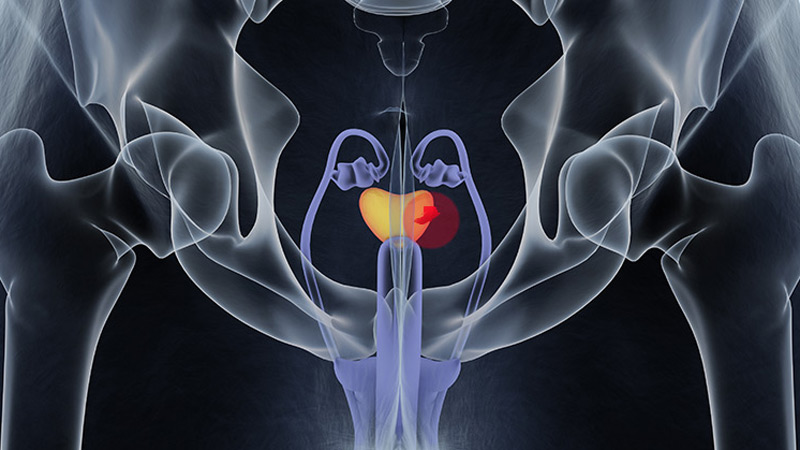
GLP-1s May Improve Colon Cancer Outcomes
Treatment with a GLP-1 receptor agonist (RA) may offer a survival advantage in patients with colon cancer and obesity.
In a real-world analysis of nearly 7000 patients with colon cancer, those taking a GLP-1 RA were less than half as likely to die within 5 years compared with those who weren’t on a GLP-1 drug.
The association between GLP-1 exposure and lower 5–year mortality in colon cancer was “robust” and appeared to be concentrated in patients with severe obesity (BMI ≥ 35), lead investigator Raphael E. Cuomo, PhD, with University of California San Diego, told this news organization.
The apparent protective effect “persisted after controlling for differences in disease severity and demographics, as well as differences in circulating carcinoembryonic antigen, a biomarker of disease aggressiveness,” Cuomo said.
The study was published online in Cancer Investigation.
Effects Beyond Glucose-Lowering
Colon cancer remains a major global cause of cancer-related deaths, and obesity is both a risk factor and a driver of worse outcomes.
Beyond regulating blood sugar, GLP-1 drugs reduce systemic inflammation, improve insulin sensitivity, and promote weight loss. Prior preclinical work has also suggested they may prevent cancer cell growth, trigger cancer cell death, and reshape the tumor microenvironment.
To investigate further, Cuomo analyzed electronic health records of 6871 patients diagnosed with primary colon cancer before 2019 — of which 103 had at least 1 documented prescription for a GLP-1 drug within 5 years of diagnosis.
Five–year mortality was significantly lower in GLP-1 RA users than in nonusers (15.5% vs 37.1%; P < .001). A significant reduction in 5–year mortality among GLP-1 RA users was evident in an unadjusted model (odds ratio [OR], 0.38; P < .001) and persisted in fully adjusted models (OR, 0.28; P < .001).
When stratified by BMI, the odds of 5-year mortality with GLP-1 use was reduced only in patients with Class II obesity (BMI ≥ 35: fully adjusted hazard ratio [HR], 0.051; P = .004). In this group, fully adjusted hazard ratios suggested markedly lower risk for death (HR, 0.07; P = .009).
Beyond mortality, GLP-1 users also experienced fewer late cardiovascular events and had fewer markers of advanced colon cancer progression in the final months of follow-up, “which suggests that GLP-1 drugs exert benefits through both oncologic and cardiometabolic pathways,” Cuomo told this news organization.
Intriguing and Promising — but Further Studies Needed
“To further study the potential of GLP-1 therapy as an adjunct to standard care in colon cancer, randomized trials should be conducted with stratification by BMI, diabetes status, and disease severity, with endpoints spanning overall and cancerspecific survival and major cardiovascular events,” Cuomo said.
“We also need prospective translational studies integrating dosing/timing, adherence, tumor genomics, and serial biomarkers (including ctDNA and metabolic panels) to elucidate mechanisms, assess the role of adiposity and insulin resistance, and identify the patient subgroups most likely to benefit,” he noted.
For now, GLP1 medications are an option in “eligible colon cancer patients with severe obesity or diabetes who meet standard metabolic indications,” Cuomo told this news organization.
Commenting on this study for this news organization, David Greenwald, MD, director of Clinical Gastroenterology and Endoscopy at Icahn School of Medicine at Mount Sinai Hospital in New York City, noted “other studies have showed a lower risk of developing colorectal cancer in the first place and then improved survival.”
Greenwald cited a recent study that found people with diabetes who took GLP-1 RAs had a 44% lower risk of developing colorectal cancer than those who took insulin, and a 25% lower risk than those who took metformin.
The effects of GLP-1s in colon cancer are “very intriguing and very promising but more research is needed to confirm whether this is really true and the mechanisms behind it,” said Greenwald.
In terms of the lowering risk of developing colorectal cancer, “probably first and foremost is that the drugs are really effective in promoting weight loss. And if you can reduce obesity in the population, you do all sorts of good things — reduce diabetes, reduce heart disease, and maybe reduce colorectal cancer,” Greenwald said.
This study had no specific funding. Cuomo and Greenwald had no relevant disclosures.
A version of this article first appeared on Medscape.com.
Treatment with a GLP-1 receptor agonist (RA) may offer a survival advantage in patients with colon cancer and obesity.
In a real-world analysis of nearly 7000 patients with colon cancer, those taking a GLP-1 RA were less than half as likely to die within 5 years compared with those who weren’t on a GLP-1 drug.
The association between GLP-1 exposure and lower 5–year mortality in colon cancer was “robust” and appeared to be concentrated in patients with severe obesity (BMI ≥ 35), lead investigator Raphael E. Cuomo, PhD, with University of California San Diego, told this news organization.
The apparent protective effect “persisted after controlling for differences in disease severity and demographics, as well as differences in circulating carcinoembryonic antigen, a biomarker of disease aggressiveness,” Cuomo said.
The study was published online in Cancer Investigation.
Effects Beyond Glucose-Lowering
Colon cancer remains a major global cause of cancer-related deaths, and obesity is both a risk factor and a driver of worse outcomes.
Beyond regulating blood sugar, GLP-1 drugs reduce systemic inflammation, improve insulin sensitivity, and promote weight loss. Prior preclinical work has also suggested they may prevent cancer cell growth, trigger cancer cell death, and reshape the tumor microenvironment.
To investigate further, Cuomo analyzed electronic health records of 6871 patients diagnosed with primary colon cancer before 2019 — of which 103 had at least 1 documented prescription for a GLP-1 drug within 5 years of diagnosis.
Five–year mortality was significantly lower in GLP-1 RA users than in nonusers (15.5% vs 37.1%; P < .001). A significant reduction in 5–year mortality among GLP-1 RA users was evident in an unadjusted model (odds ratio [OR], 0.38; P < .001) and persisted in fully adjusted models (OR, 0.28; P < .001).
When stratified by BMI, the odds of 5-year mortality with GLP-1 use was reduced only in patients with Class II obesity (BMI ≥ 35: fully adjusted hazard ratio [HR], 0.051; P = .004). In this group, fully adjusted hazard ratios suggested markedly lower risk for death (HR, 0.07; P = .009).
Beyond mortality, GLP-1 users also experienced fewer late cardiovascular events and had fewer markers of advanced colon cancer progression in the final months of follow-up, “which suggests that GLP-1 drugs exert benefits through both oncologic and cardiometabolic pathways,” Cuomo told this news organization.
Intriguing and Promising — but Further Studies Needed
“To further study the potential of GLP-1 therapy as an adjunct to standard care in colon cancer, randomized trials should be conducted with stratification by BMI, diabetes status, and disease severity, with endpoints spanning overall and cancerspecific survival and major cardiovascular events,” Cuomo said.
“We also need prospective translational studies integrating dosing/timing, adherence, tumor genomics, and serial biomarkers (including ctDNA and metabolic panels) to elucidate mechanisms, assess the role of adiposity and insulin resistance, and identify the patient subgroups most likely to benefit,” he noted.
For now, GLP1 medications are an option in “eligible colon cancer patients with severe obesity or diabetes who meet standard metabolic indications,” Cuomo told this news organization.
Commenting on this study for this news organization, David Greenwald, MD, director of Clinical Gastroenterology and Endoscopy at Icahn School of Medicine at Mount Sinai Hospital in New York City, noted “other studies have showed a lower risk of developing colorectal cancer in the first place and then improved survival.”
Greenwald cited a recent study that found people with diabetes who took GLP-1 RAs had a 44% lower risk of developing colorectal cancer than those who took insulin, and a 25% lower risk than those who took metformin.
The effects of GLP-1s in colon cancer are “very intriguing and very promising but more research is needed to confirm whether this is really true and the mechanisms behind it,” said Greenwald.
In terms of the lowering risk of developing colorectal cancer, “probably first and foremost is that the drugs are really effective in promoting weight loss. And if you can reduce obesity in the population, you do all sorts of good things — reduce diabetes, reduce heart disease, and maybe reduce colorectal cancer,” Greenwald said.
This study had no specific funding. Cuomo and Greenwald had no relevant disclosures.
A version of this article first appeared on Medscape.com.
Treatment with a GLP-1 receptor agonist (RA) may offer a survival advantage in patients with colon cancer and obesity.
In a real-world analysis of nearly 7000 patients with colon cancer, those taking a GLP-1 RA were less than half as likely to die within 5 years compared with those who weren’t on a GLP-1 drug.
The association between GLP-1 exposure and lower 5–year mortality in colon cancer was “robust” and appeared to be concentrated in patients with severe obesity (BMI ≥ 35), lead investigator Raphael E. Cuomo, PhD, with University of California San Diego, told this news organization.
The apparent protective effect “persisted after controlling for differences in disease severity and demographics, as well as differences in circulating carcinoembryonic antigen, a biomarker of disease aggressiveness,” Cuomo said.
The study was published online in Cancer Investigation.
Effects Beyond Glucose-Lowering
Colon cancer remains a major global cause of cancer-related deaths, and obesity is both a risk factor and a driver of worse outcomes.
Beyond regulating blood sugar, GLP-1 drugs reduce systemic inflammation, improve insulin sensitivity, and promote weight loss. Prior preclinical work has also suggested they may prevent cancer cell growth, trigger cancer cell death, and reshape the tumor microenvironment.
To investigate further, Cuomo analyzed electronic health records of 6871 patients diagnosed with primary colon cancer before 2019 — of which 103 had at least 1 documented prescription for a GLP-1 drug within 5 years of diagnosis.
Five–year mortality was significantly lower in GLP-1 RA users than in nonusers (15.5% vs 37.1%; P < .001). A significant reduction in 5–year mortality among GLP-1 RA users was evident in an unadjusted model (odds ratio [OR], 0.38; P < .001) and persisted in fully adjusted models (OR, 0.28; P < .001).
When stratified by BMI, the odds of 5-year mortality with GLP-1 use was reduced only in patients with Class II obesity (BMI ≥ 35: fully adjusted hazard ratio [HR], 0.051; P = .004). In this group, fully adjusted hazard ratios suggested markedly lower risk for death (HR, 0.07; P = .009).
Beyond mortality, GLP-1 users also experienced fewer late cardiovascular events and had fewer markers of advanced colon cancer progression in the final months of follow-up, “which suggests that GLP-1 drugs exert benefits through both oncologic and cardiometabolic pathways,” Cuomo told this news organization.
Intriguing and Promising — but Further Studies Needed
“To further study the potential of GLP-1 therapy as an adjunct to standard care in colon cancer, randomized trials should be conducted with stratification by BMI, diabetes status, and disease severity, with endpoints spanning overall and cancerspecific survival and major cardiovascular events,” Cuomo said.
“We also need prospective translational studies integrating dosing/timing, adherence, tumor genomics, and serial biomarkers (including ctDNA and metabolic panels) to elucidate mechanisms, assess the role of adiposity and insulin resistance, and identify the patient subgroups most likely to benefit,” he noted.
For now, GLP1 medications are an option in “eligible colon cancer patients with severe obesity or diabetes who meet standard metabolic indications,” Cuomo told this news organization.
Commenting on this study for this news organization, David Greenwald, MD, director of Clinical Gastroenterology and Endoscopy at Icahn School of Medicine at Mount Sinai Hospital in New York City, noted “other studies have showed a lower risk of developing colorectal cancer in the first place and then improved survival.”
Greenwald cited a recent study that found people with diabetes who took GLP-1 RAs had a 44% lower risk of developing colorectal cancer than those who took insulin, and a 25% lower risk than those who took metformin.
The effects of GLP-1s in colon cancer are “very intriguing and very promising but more research is needed to confirm whether this is really true and the mechanisms behind it,” said Greenwald.
In terms of the lowering risk of developing colorectal cancer, “probably first and foremost is that the drugs are really effective in promoting weight loss. And if you can reduce obesity in the population, you do all sorts of good things — reduce diabetes, reduce heart disease, and maybe reduce colorectal cancer,” Greenwald said.
This study had no specific funding. Cuomo and Greenwald had no relevant disclosures.
A version of this article first appeared on Medscape.com.
FROM CANCER INVESTIGATION
Does This Bacterial Toxin Drive Early CRC Risk?
Recent studies have cited an alarming increase in early-onset colorectal cancer (CRC) rates, raising concern among gastroenterologists, public health experts, and patients alike. Approximately 10% of CRC cases now occur in those under age 50, and that proportion continues to grow. Between 2000 and 2016, colon cancer rose by 13% and rectal cancer by 16% among those aged 40–49.
According to recently published data from the Surveillance, Epidemiology and End Results Program, between 2019 and 2022, CRC incidence among patients aged 45–49 rose by approximately 12% per year.
A Potential Bacterial Connection
What accounts for this disturbing spike? A research group from the University of California, San Diego, may have uncovered part of the answer.
In their study of 981 CRC genomes, most carried mutations suggestive of prior exposure to colibactin, a toxin produced by certain Escherichia coli (E coli) strains. Patients with extremely early-onset CRC (aged < 40 years) were 3 times more likely to have colibactin-suggestive mutations than patients older than 70. Crucially, colonic exposure to colibactin was linked to an adenomatous polyposis coli driver mutation.
These findings suggest that colibactin-induced injury in the gut microbiome may accelerate cancer development in some individuals. Environmental factors may contribute to the rise in early-onset CRC as well, such as consuming red meats, carcinogens from grilling, and processed meats and other highly processed foods; low fiber intake; lack of fruits and vegetables; drinking alcohol; lack of exercise; obesity; and colibactin exposure.
In this video, we will take a closer look at how E coli and colibactin may increase CRC risk.
Bacteria’s Cancer-Causing Properties
The idea that bacteria has cancer-causing properties isn’t new. In the 1970s, researchers linked Streptococcus bovis type 1 (now called Streptococcus gallolyticus) to CRC in a subset of patients with bacterial endocarditis stemming from right-sided colon cancer. Similarly, Helicobacter pylori infection has long been associated with increased gastric cancer risk.
Today, E coli infection is emerging as another possible contributor to CRC, especially via certain pathogenic strains containing the polyketide synthase (pks) genomic island, which encodes the colibactin and is sometimes present in the colon mucosa of patients with CRC.
Colibactin and DNA Damage
Colibactin-producing pks+ E coli strains can cause DNA double-strand breaks, one pathway to carcinogenesis. In animal studies, pks+ E coli strains have been linked to both increased risk for CRC and CRC progression.
In an important study published in Nature, Pleguezuelos-Manzano and colleagues repeatedly exposed intestinal organoids to pks+ E coli over 5 months and then performed whole genome sequencing. The result was a concerning potential for short insertions and deletions and single–base substitutions.
The authors concluded that their “study describes the distinct mutational signature in colorectal cancer and implies that the underlying mutational process results directly from past exposure to bacteria carrying the colibactin-producing pks pathogenicity island.”
Other E coli virulence factors may also contribute. For example, alpha-hemolysin may downregulate DNA mismatch repair proteins. In other words, E coli is probably just a contributing factor for the development of CRC, not the sole cause.
Biofilms and Inflammation
Previous studies have associated dense bacterial biofilms, particularly antibiotic-resistant strains, with CRC. This raises the possibility that widespread antibiotic overuse could predispose certain individuals to CRC development.
Biofilms normally separate the colon mucosal epithelium from bacteria and are essential for protecting against inflammation. In a 2018 study in Science, Dejea and colleagues concluded that “tumor-prone mice colonized with E coli (expressing colibactin), and enterotoxigenic B fragilis showed increased interleukin-17 in the colon and DNA damage in colonic epithelium with faster tumor onset and greater mortality, compared to mice with either bacteria strain alone. These data suggest an unexpected link between early neoplasia of the colon and tumorigenic bacteria.”
Additional research revealed that E coli can create a pro-carcinogenic environment by stimulating mucosal inflammation, hindering DNA and mismatch repair mechanisms, and altering immune responses.
Dysbiosis and Diet
Colibactin can also drive dysbiosis and imbalance in bacteria in the colon, which fuels inflammation and disrupts mucosal barrier integrity. This creates a vicious cycle in which chronic inflammation can further drive additional mucus deterioration and dysbiosis.
In mouse models where the colon mucosal barrier is damaged with dextrin sulfate sodium (DSS), pks+ E coli gains better access to colon epithelium, causes injury, and can even lead to chronic colitis. Colibactin can also hinder epithelial recovery after DSS treatment.
Diet plays a central role in this process. Low fiber consumption can disrupt the barrier between the colon mucus layer and the colon’s exterior layer where bacteria live. A traditional Western diet may bolster bacteria that degrade the mucus layer when the bacteria consume the glycosylated portion as an energy source.
Fortunately, diet is modifiable. High–fiber diets (ideally 25-30 g/d) boost short–chain fatty acids in the colon. This is important because short-chain fatty acids can decrease intercellular pH and impede Enterobacteriaceae replication, yet another reason why we should encourage patients to eat a diet high in vegetables, fruits, and [green] salads.
Two Types of Bacterial Drivers
There appear to be two broad types of bacteria associated with CRC development. It’s been hypothesized that there are “driver” bacteria that might initiate the development of CRC, possibly by creating oxidative stress and causing DNA breaks. Several potential pathogenic bacteria have been identified, including E coli, Enterococcus faecalis, and Bacteroides fragilis. Unfortunately, there are also bacteria such as Fusobacterium species and Streptococcus gallolyticus with the potential to alter intestinal permeability, resulting in downstream effects that can allow colon cancers to expand. Fusobacterium species and Streptococcus gallolyticus have the potential to cause DNA double–strand breaks in the intestine, which can produce chromosomal precariousness.
These secondary bacteria can also lead to DNA epigenetic changes and gene mutations. However, it should be emphasized that “the direct causation of imprinted DNA changes resulting from a direct interaction between bacteria and host cells is not so far established.”
E coli produces compounds called cyclomodulins, which can cause DNA breaks and potentially trigger cell cycle arrest and even cell death through activation of the DNA damage checkpoint pathway. The DNA damage checkpoint pathway is a cellular signaling network that helps detect DNA lesions and allows for genetic stability by stopping growth to allow for repair and simulating cell survival or apoptosis. A key cyclomodulin that E coli makes is colibactin, produced by the pks locus. Other cyclomodulins include cytolethal distending toxin, cytotoxic necrotizing factor, and cycle-inhibiting factor.
Previous research has shown that E coli is the only culturable bacteria found near CRC. A groundbreaking 1998 study employing PCR technology found E coli in 60% of colon polyp adenomas and an alarming 77% of CRC biopsies.
E coli’s capability to downregulate essential DNA mismatch repair proteins has been implicated in colorectal carcinogenesis. Interestingly, when the genetic region responsible for producing colibactin is deleted in animals, the bacteria aren’t able to promote cancer.
Mechanistically, colibactin causes double-stranded DNA breaks, eukaryotic cell cycle arrest, and chromosome abnormalities. It also alkylates DNA. This occurs when the cyclopropane ring of colibactin interacts with the N3 position of adenine in DNA, forming a covalent bond and creating a DNA adduct. DNA adducts occur when a chemical moiety from an environmental or dietary source binds to DNA base. Colibactin can cause DNA interstrand cross-links to form via alkalization of adenine residues on opposing DNA strands, a crucial step in DNA damage. DNA adducts can occur through carcinogens in N-nitroso compounds, such as in processed meats and in polycyclic aromatic hydrocarbons found in cigarette smoke. Colibactin-induced damage may also stimulate the senescence–associated secretory phenotype pathway, increasing proinflammatory cytokines.
E coli and Inflammatory Bowel Disease
E coli, the primary colibactin producer in the human intestinal microbiome, is found at higher bacterial percentages in the microbiomes of patients with inflammatory bowel disease (IBD). In a study by Dubinsky and colleagues, “the medium relative levels of colibactin–encoding E. coli were about threefold higher in IBD.”
Researchers have also postulated that antibiotics and microbiome dysbiosis may create conditions that allow colibactin–producing bacteria to overpopulate.
Future Directions
Not every patient with CRC carries a colorectal mutational signature, but these findings underscore the need for continued vigilance and prevention.
From a public health standpoint, our advice remains consistent: Promote high-fiber diets with more vegetables and less red meat; avoid highly processed foods; avoid alcohol; encourage exercise; and address overweight and obesity. Our goal is to create the best possible colon environment to prevent DNA damage from bacterial and environmental carcinogens.
In the future, we need more research to clarify exactly how E coli and colibactin increase early–onset CRC risk and whether antibiotics and dysbiosis facilitate their ability to damage the DNA of colon mucosa. It’s still unclear why younger patients are at greater risk. In time, we may be able to screen for colibactin–producing bacteria such as E coli and manipulate the fecal microbiome to prevent damage.
A recent mouse study in Nature by Jans and colleagues suggests it might be possible to block bacterial adhesion and hopefully mitigate damage caused by colibactin. With continued work, colibactin–targeted strategies could become a part of CRC prevention.
Benjamin H. Levy III, MD, is a gastroenterologist at the University of Chicago. In 2017, Levy, a previous Fulbright Fellow in France, also started a gastroenterology clinic for refugees resettling in Chicago. His clinical projects focus on the development of colorectal cancer screening campaigns. Levy, who gave a TEDx Talk about building health education campaigns using music and concerts, organizes "Tune It Up: A Concert To Raise Colorectal Cancer Awareness" with the American College of Gastroenterology (ACG). He frequently publishes on a variety of gastroenterology topics and serves on ACG’s Public Relations Committee and FDA-Related Matters Committee.
A version of this article first appeared on Medscape.com.
Recent studies have cited an alarming increase in early-onset colorectal cancer (CRC) rates, raising concern among gastroenterologists, public health experts, and patients alike. Approximately 10% of CRC cases now occur in those under age 50, and that proportion continues to grow. Between 2000 and 2016, colon cancer rose by 13% and rectal cancer by 16% among those aged 40–49.
According to recently published data from the Surveillance, Epidemiology and End Results Program, between 2019 and 2022, CRC incidence among patients aged 45–49 rose by approximately 12% per year.
A Potential Bacterial Connection
What accounts for this disturbing spike? A research group from the University of California, San Diego, may have uncovered part of the answer.
In their study of 981 CRC genomes, most carried mutations suggestive of prior exposure to colibactin, a toxin produced by certain Escherichia coli (E coli) strains. Patients with extremely early-onset CRC (aged < 40 years) were 3 times more likely to have colibactin-suggestive mutations than patients older than 70. Crucially, colonic exposure to colibactin was linked to an adenomatous polyposis coli driver mutation.
These findings suggest that colibactin-induced injury in the gut microbiome may accelerate cancer development in some individuals. Environmental factors may contribute to the rise in early-onset CRC as well, such as consuming red meats, carcinogens from grilling, and processed meats and other highly processed foods; low fiber intake; lack of fruits and vegetables; drinking alcohol; lack of exercise; obesity; and colibactin exposure.
In this video, we will take a closer look at how E coli and colibactin may increase CRC risk.
Bacteria’s Cancer-Causing Properties
The idea that bacteria has cancer-causing properties isn’t new. In the 1970s, researchers linked Streptococcus bovis type 1 (now called Streptococcus gallolyticus) to CRC in a subset of patients with bacterial endocarditis stemming from right-sided colon cancer. Similarly, Helicobacter pylori infection has long been associated with increased gastric cancer risk.
Today, E coli infection is emerging as another possible contributor to CRC, especially via certain pathogenic strains containing the polyketide synthase (pks) genomic island, which encodes the colibactin and is sometimes present in the colon mucosa of patients with CRC.
Colibactin and DNA Damage
Colibactin-producing pks+ E coli strains can cause DNA double-strand breaks, one pathway to carcinogenesis. In animal studies, pks+ E coli strains have been linked to both increased risk for CRC and CRC progression.
In an important study published in Nature, Pleguezuelos-Manzano and colleagues repeatedly exposed intestinal organoids to pks+ E coli over 5 months and then performed whole genome sequencing. The result was a concerning potential for short insertions and deletions and single–base substitutions.
The authors concluded that their “study describes the distinct mutational signature in colorectal cancer and implies that the underlying mutational process results directly from past exposure to bacteria carrying the colibactin-producing pks pathogenicity island.”
Other E coli virulence factors may also contribute. For example, alpha-hemolysin may downregulate DNA mismatch repair proteins. In other words, E coli is probably just a contributing factor for the development of CRC, not the sole cause.
Biofilms and Inflammation
Previous studies have associated dense bacterial biofilms, particularly antibiotic-resistant strains, with CRC. This raises the possibility that widespread antibiotic overuse could predispose certain individuals to CRC development.
Biofilms normally separate the colon mucosal epithelium from bacteria and are essential for protecting against inflammation. In a 2018 study in Science, Dejea and colleagues concluded that “tumor-prone mice colonized with E coli (expressing colibactin), and enterotoxigenic B fragilis showed increased interleukin-17 in the colon and DNA damage in colonic epithelium with faster tumor onset and greater mortality, compared to mice with either bacteria strain alone. These data suggest an unexpected link between early neoplasia of the colon and tumorigenic bacteria.”
Additional research revealed that E coli can create a pro-carcinogenic environment by stimulating mucosal inflammation, hindering DNA and mismatch repair mechanisms, and altering immune responses.
Dysbiosis and Diet
Colibactin can also drive dysbiosis and imbalance in bacteria in the colon, which fuels inflammation and disrupts mucosal barrier integrity. This creates a vicious cycle in which chronic inflammation can further drive additional mucus deterioration and dysbiosis.
In mouse models where the colon mucosal barrier is damaged with dextrin sulfate sodium (DSS), pks+ E coli gains better access to colon epithelium, causes injury, and can even lead to chronic colitis. Colibactin can also hinder epithelial recovery after DSS treatment.
Diet plays a central role in this process. Low fiber consumption can disrupt the barrier between the colon mucus layer and the colon’s exterior layer where bacteria live. A traditional Western diet may bolster bacteria that degrade the mucus layer when the bacteria consume the glycosylated portion as an energy source.
Fortunately, diet is modifiable. High–fiber diets (ideally 25-30 g/d) boost short–chain fatty acids in the colon. This is important because short-chain fatty acids can decrease intercellular pH and impede Enterobacteriaceae replication, yet another reason why we should encourage patients to eat a diet high in vegetables, fruits, and [green] salads.
Two Types of Bacterial Drivers
There appear to be two broad types of bacteria associated with CRC development. It’s been hypothesized that there are “driver” bacteria that might initiate the development of CRC, possibly by creating oxidative stress and causing DNA breaks. Several potential pathogenic bacteria have been identified, including E coli, Enterococcus faecalis, and Bacteroides fragilis. Unfortunately, there are also bacteria such as Fusobacterium species and Streptococcus gallolyticus with the potential to alter intestinal permeability, resulting in downstream effects that can allow colon cancers to expand. Fusobacterium species and Streptococcus gallolyticus have the potential to cause DNA double–strand breaks in the intestine, which can produce chromosomal precariousness.
These secondary bacteria can also lead to DNA epigenetic changes and gene mutations. However, it should be emphasized that “the direct causation of imprinted DNA changes resulting from a direct interaction between bacteria and host cells is not so far established.”
E coli produces compounds called cyclomodulins, which can cause DNA breaks and potentially trigger cell cycle arrest and even cell death through activation of the DNA damage checkpoint pathway. The DNA damage checkpoint pathway is a cellular signaling network that helps detect DNA lesions and allows for genetic stability by stopping growth to allow for repair and simulating cell survival or apoptosis. A key cyclomodulin that E coli makes is colibactin, produced by the pks locus. Other cyclomodulins include cytolethal distending toxin, cytotoxic necrotizing factor, and cycle-inhibiting factor.
Previous research has shown that E coli is the only culturable bacteria found near CRC. A groundbreaking 1998 study employing PCR technology found E coli in 60% of colon polyp adenomas and an alarming 77% of CRC biopsies.
E coli’s capability to downregulate essential DNA mismatch repair proteins has been implicated in colorectal carcinogenesis. Interestingly, when the genetic region responsible for producing colibactin is deleted in animals, the bacteria aren’t able to promote cancer.
Mechanistically, colibactin causes double-stranded DNA breaks, eukaryotic cell cycle arrest, and chromosome abnormalities. It also alkylates DNA. This occurs when the cyclopropane ring of colibactin interacts with the N3 position of adenine in DNA, forming a covalent bond and creating a DNA adduct. DNA adducts occur when a chemical moiety from an environmental or dietary source binds to DNA base. Colibactin can cause DNA interstrand cross-links to form via alkalization of adenine residues on opposing DNA strands, a crucial step in DNA damage. DNA adducts can occur through carcinogens in N-nitroso compounds, such as in processed meats and in polycyclic aromatic hydrocarbons found in cigarette smoke. Colibactin-induced damage may also stimulate the senescence–associated secretory phenotype pathway, increasing proinflammatory cytokines.
E coli and Inflammatory Bowel Disease
E coli, the primary colibactin producer in the human intestinal microbiome, is found at higher bacterial percentages in the microbiomes of patients with inflammatory bowel disease (IBD). In a study by Dubinsky and colleagues, “the medium relative levels of colibactin–encoding E. coli were about threefold higher in IBD.”
Researchers have also postulated that antibiotics and microbiome dysbiosis may create conditions that allow colibactin–producing bacteria to overpopulate.
Future Directions
Not every patient with CRC carries a colorectal mutational signature, but these findings underscore the need for continued vigilance and prevention.
From a public health standpoint, our advice remains consistent: Promote high-fiber diets with more vegetables and less red meat; avoid highly processed foods; avoid alcohol; encourage exercise; and address overweight and obesity. Our goal is to create the best possible colon environment to prevent DNA damage from bacterial and environmental carcinogens.
In the future, we need more research to clarify exactly how E coli and colibactin increase early–onset CRC risk and whether antibiotics and dysbiosis facilitate their ability to damage the DNA of colon mucosa. It’s still unclear why younger patients are at greater risk. In time, we may be able to screen for colibactin–producing bacteria such as E coli and manipulate the fecal microbiome to prevent damage.
A recent mouse study in Nature by Jans and colleagues suggests it might be possible to block bacterial adhesion and hopefully mitigate damage caused by colibactin. With continued work, colibactin–targeted strategies could become a part of CRC prevention.
Benjamin H. Levy III, MD, is a gastroenterologist at the University of Chicago. In 2017, Levy, a previous Fulbright Fellow in France, also started a gastroenterology clinic for refugees resettling in Chicago. His clinical projects focus on the development of colorectal cancer screening campaigns. Levy, who gave a TEDx Talk about building health education campaigns using music and concerts, organizes "Tune It Up: A Concert To Raise Colorectal Cancer Awareness" with the American College of Gastroenterology (ACG). He frequently publishes on a variety of gastroenterology topics and serves on ACG’s Public Relations Committee and FDA-Related Matters Committee.
A version of this article first appeared on Medscape.com.
Recent studies have cited an alarming increase in early-onset colorectal cancer (CRC) rates, raising concern among gastroenterologists, public health experts, and patients alike. Approximately 10% of CRC cases now occur in those under age 50, and that proportion continues to grow. Between 2000 and 2016, colon cancer rose by 13% and rectal cancer by 16% among those aged 40–49.
According to recently published data from the Surveillance, Epidemiology and End Results Program, between 2019 and 2022, CRC incidence among patients aged 45–49 rose by approximately 12% per year.
A Potential Bacterial Connection
What accounts for this disturbing spike? A research group from the University of California, San Diego, may have uncovered part of the answer.
In their study of 981 CRC genomes, most carried mutations suggestive of prior exposure to colibactin, a toxin produced by certain Escherichia coli (E coli) strains. Patients with extremely early-onset CRC (aged < 40 years) were 3 times more likely to have colibactin-suggestive mutations than patients older than 70. Crucially, colonic exposure to colibactin was linked to an adenomatous polyposis coli driver mutation.
These findings suggest that colibactin-induced injury in the gut microbiome may accelerate cancer development in some individuals. Environmental factors may contribute to the rise in early-onset CRC as well, such as consuming red meats, carcinogens from grilling, and processed meats and other highly processed foods; low fiber intake; lack of fruits and vegetables; drinking alcohol; lack of exercise; obesity; and colibactin exposure.
In this video, we will take a closer look at how E coli and colibactin may increase CRC risk.
Bacteria’s Cancer-Causing Properties
The idea that bacteria has cancer-causing properties isn’t new. In the 1970s, researchers linked Streptococcus bovis type 1 (now called Streptococcus gallolyticus) to CRC in a subset of patients with bacterial endocarditis stemming from right-sided colon cancer. Similarly, Helicobacter pylori infection has long been associated with increased gastric cancer risk.
Today, E coli infection is emerging as another possible contributor to CRC, especially via certain pathogenic strains containing the polyketide synthase (pks) genomic island, which encodes the colibactin and is sometimes present in the colon mucosa of patients with CRC.
Colibactin and DNA Damage
Colibactin-producing pks+ E coli strains can cause DNA double-strand breaks, one pathway to carcinogenesis. In animal studies, pks+ E coli strains have been linked to both increased risk for CRC and CRC progression.
In an important study published in Nature, Pleguezuelos-Manzano and colleagues repeatedly exposed intestinal organoids to pks+ E coli over 5 months and then performed whole genome sequencing. The result was a concerning potential for short insertions and deletions and single–base substitutions.
The authors concluded that their “study describes the distinct mutational signature in colorectal cancer and implies that the underlying mutational process results directly from past exposure to bacteria carrying the colibactin-producing pks pathogenicity island.”
Other E coli virulence factors may also contribute. For example, alpha-hemolysin may downregulate DNA mismatch repair proteins. In other words, E coli is probably just a contributing factor for the development of CRC, not the sole cause.
Biofilms and Inflammation
Previous studies have associated dense bacterial biofilms, particularly antibiotic-resistant strains, with CRC. This raises the possibility that widespread antibiotic overuse could predispose certain individuals to CRC development.
Biofilms normally separate the colon mucosal epithelium from bacteria and are essential for protecting against inflammation. In a 2018 study in Science, Dejea and colleagues concluded that “tumor-prone mice colonized with E coli (expressing colibactin), and enterotoxigenic B fragilis showed increased interleukin-17 in the colon and DNA damage in colonic epithelium with faster tumor onset and greater mortality, compared to mice with either bacteria strain alone. These data suggest an unexpected link between early neoplasia of the colon and tumorigenic bacteria.”
Additional research revealed that E coli can create a pro-carcinogenic environment by stimulating mucosal inflammation, hindering DNA and mismatch repair mechanisms, and altering immune responses.
Dysbiosis and Diet
Colibactin can also drive dysbiosis and imbalance in bacteria in the colon, which fuels inflammation and disrupts mucosal barrier integrity. This creates a vicious cycle in which chronic inflammation can further drive additional mucus deterioration and dysbiosis.
In mouse models where the colon mucosal barrier is damaged with dextrin sulfate sodium (DSS), pks+ E coli gains better access to colon epithelium, causes injury, and can even lead to chronic colitis. Colibactin can also hinder epithelial recovery after DSS treatment.
Diet plays a central role in this process. Low fiber consumption can disrupt the barrier between the colon mucus layer and the colon’s exterior layer where bacteria live. A traditional Western diet may bolster bacteria that degrade the mucus layer when the bacteria consume the glycosylated portion as an energy source.
Fortunately, diet is modifiable. High–fiber diets (ideally 25-30 g/d) boost short–chain fatty acids in the colon. This is important because short-chain fatty acids can decrease intercellular pH and impede Enterobacteriaceae replication, yet another reason why we should encourage patients to eat a diet high in vegetables, fruits, and [green] salads.
Two Types of Bacterial Drivers
There appear to be two broad types of bacteria associated with CRC development. It’s been hypothesized that there are “driver” bacteria that might initiate the development of CRC, possibly by creating oxidative stress and causing DNA breaks. Several potential pathogenic bacteria have been identified, including E coli, Enterococcus faecalis, and Bacteroides fragilis. Unfortunately, there are also bacteria such as Fusobacterium species and Streptococcus gallolyticus with the potential to alter intestinal permeability, resulting in downstream effects that can allow colon cancers to expand. Fusobacterium species and Streptococcus gallolyticus have the potential to cause DNA double–strand breaks in the intestine, which can produce chromosomal precariousness.
These secondary bacteria can also lead to DNA epigenetic changes and gene mutations. However, it should be emphasized that “the direct causation of imprinted DNA changes resulting from a direct interaction between bacteria and host cells is not so far established.”
E coli produces compounds called cyclomodulins, which can cause DNA breaks and potentially trigger cell cycle arrest and even cell death through activation of the DNA damage checkpoint pathway. The DNA damage checkpoint pathway is a cellular signaling network that helps detect DNA lesions and allows for genetic stability by stopping growth to allow for repair and simulating cell survival or apoptosis. A key cyclomodulin that E coli makes is colibactin, produced by the pks locus. Other cyclomodulins include cytolethal distending toxin, cytotoxic necrotizing factor, and cycle-inhibiting factor.
Previous research has shown that E coli is the only culturable bacteria found near CRC. A groundbreaking 1998 study employing PCR technology found E coli in 60% of colon polyp adenomas and an alarming 77% of CRC biopsies.
E coli’s capability to downregulate essential DNA mismatch repair proteins has been implicated in colorectal carcinogenesis. Interestingly, when the genetic region responsible for producing colibactin is deleted in animals, the bacteria aren’t able to promote cancer.
Mechanistically, colibactin causes double-stranded DNA breaks, eukaryotic cell cycle arrest, and chromosome abnormalities. It also alkylates DNA. This occurs when the cyclopropane ring of colibactin interacts with the N3 position of adenine in DNA, forming a covalent bond and creating a DNA adduct. DNA adducts occur when a chemical moiety from an environmental or dietary source binds to DNA base. Colibactin can cause DNA interstrand cross-links to form via alkalization of adenine residues on opposing DNA strands, a crucial step in DNA damage. DNA adducts can occur through carcinogens in N-nitroso compounds, such as in processed meats and in polycyclic aromatic hydrocarbons found in cigarette smoke. Colibactin-induced damage may also stimulate the senescence–associated secretory phenotype pathway, increasing proinflammatory cytokines.
E coli and Inflammatory Bowel Disease
E coli, the primary colibactin producer in the human intestinal microbiome, is found at higher bacterial percentages in the microbiomes of patients with inflammatory bowel disease (IBD). In a study by Dubinsky and colleagues, “the medium relative levels of colibactin–encoding E. coli were about threefold higher in IBD.”
Researchers have also postulated that antibiotics and microbiome dysbiosis may create conditions that allow colibactin–producing bacteria to overpopulate.
Future Directions
Not every patient with CRC carries a colorectal mutational signature, but these findings underscore the need for continued vigilance and prevention.
From a public health standpoint, our advice remains consistent: Promote high-fiber diets with more vegetables and less red meat; avoid highly processed foods; avoid alcohol; encourage exercise; and address overweight and obesity. Our goal is to create the best possible colon environment to prevent DNA damage from bacterial and environmental carcinogens.
In the future, we need more research to clarify exactly how E coli and colibactin increase early–onset CRC risk and whether antibiotics and dysbiosis facilitate their ability to damage the DNA of colon mucosa. It’s still unclear why younger patients are at greater risk. In time, we may be able to screen for colibactin–producing bacteria such as E coli and manipulate the fecal microbiome to prevent damage.
A recent mouse study in Nature by Jans and colleagues suggests it might be possible to block bacterial adhesion and hopefully mitigate damage caused by colibactin. With continued work, colibactin–targeted strategies could become a part of CRC prevention.
Benjamin H. Levy III, MD, is a gastroenterologist at the University of Chicago. In 2017, Levy, a previous Fulbright Fellow in France, also started a gastroenterology clinic for refugees resettling in Chicago. His clinical projects focus on the development of colorectal cancer screening campaigns. Levy, who gave a TEDx Talk about building health education campaigns using music and concerts, organizes "Tune It Up: A Concert To Raise Colorectal Cancer Awareness" with the American College of Gastroenterology (ACG). He frequently publishes on a variety of gastroenterology topics and serves on ACG’s Public Relations Committee and FDA-Related Matters Committee.
A version of this article first appeared on Medscape.com.