User login
Aloha
In July, 2021, JAMA published a study about physicians’ sartorial habits, basically saying that people prefer doctors to dress “professionally.” Even today the white coat still carries some weight.
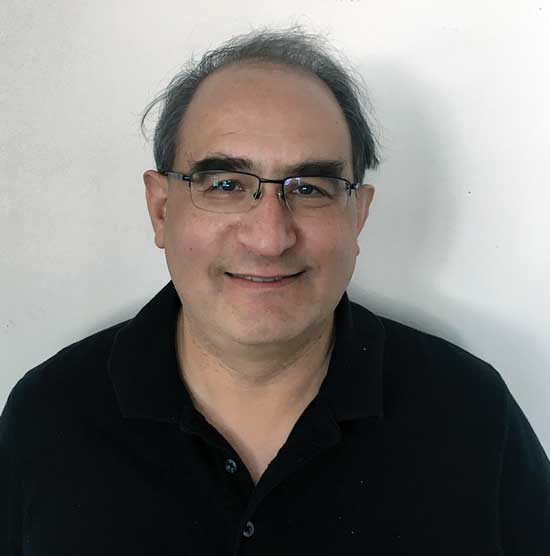
And I still don’t care.
Today, like every workday since June 2006, I put on my standard patient-seeing attire: shorts, sneakers, and a Hawaiian shirt. The only significant change has been the addition of a face mask since March 2020.
I have no plans to change anytime between now and retirement. I live in Phoenix, the hottest major city in the U.S., and have no desire to be uncomfortable because someone doesn’t think I look professional. It’s even become, albeit unintentionally, a trademark of sorts.
Now, as always, I let my patients be the judge. If someone isn’t happy with my appearance, or feels it makes me less competent, they certainly have the right to feel that way. There are plenty of other neurologists here who dress to higher standards (though jackets and ties, outside of the Mayo Clinic down the road, are getting pretty hard to find).
This is one of the things I like about having a small solo practice. I can be who I am, not who some administrator or dress code specialist says I have to be.
I do my best for my patients, and those who know me are aware that my complete lack of fashion sense doesn’t represent (I hope) an equal lack of medical care. Most of them seem to come back, so I guess I’m doing something right.
But it brings up the question of what should a doctor look like? In a world of changing demographics the stereotype of a neatly-dressed middle-aged white male certainly isn’t it anymore.
Nor should there be. Medicine should be open to all with the drive, brains, and talent who want to follow to path of Hippocrates. Maybe I’m naive, but I still see this as a calling more than a job. Judging someone’s medical competence solely on their sex, race, appearance, or fashion sense is foolhardy.
Dr. Block has a solo neurology practice in Scottsdale, Ariz.
In July, 2021, JAMA published a study about physicians’ sartorial habits, basically saying that people prefer doctors to dress “professionally.” Even today the white coat still carries some weight.
And I still don’t care.
Today, like every workday since June 2006, I put on my standard patient-seeing attire: shorts, sneakers, and a Hawaiian shirt. The only significant change has been the addition of a face mask since March 2020.
I have no plans to change anytime between now and retirement. I live in Phoenix, the hottest major city in the U.S., and have no desire to be uncomfortable because someone doesn’t think I look professional. It’s even become, albeit unintentionally, a trademark of sorts.
Now, as always, I let my patients be the judge. If someone isn’t happy with my appearance, or feels it makes me less competent, they certainly have the right to feel that way. There are plenty of other neurologists here who dress to higher standards (though jackets and ties, outside of the Mayo Clinic down the road, are getting pretty hard to find).
This is one of the things I like about having a small solo practice. I can be who I am, not who some administrator or dress code specialist says I have to be.
I do my best for my patients, and those who know me are aware that my complete lack of fashion sense doesn’t represent (I hope) an equal lack of medical care. Most of them seem to come back, so I guess I’m doing something right.
But it brings up the question of what should a doctor look like? In a world of changing demographics the stereotype of a neatly-dressed middle-aged white male certainly isn’t it anymore.
Nor should there be. Medicine should be open to all with the drive, brains, and talent who want to follow to path of Hippocrates. Maybe I’m naive, but I still see this as a calling more than a job. Judging someone’s medical competence solely on their sex, race, appearance, or fashion sense is foolhardy.
Dr. Block has a solo neurology practice in Scottsdale, Ariz.
In July, 2021, JAMA published a study about physicians’ sartorial habits, basically saying that people prefer doctors to dress “professionally.” Even today the white coat still carries some weight.
And I still don’t care.
Today, like every workday since June 2006, I put on my standard patient-seeing attire: shorts, sneakers, and a Hawaiian shirt. The only significant change has been the addition of a face mask since March 2020.
I have no plans to change anytime between now and retirement. I live in Phoenix, the hottest major city in the U.S., and have no desire to be uncomfortable because someone doesn’t think I look professional. It’s even become, albeit unintentionally, a trademark of sorts.
Now, as always, I let my patients be the judge. If someone isn’t happy with my appearance, or feels it makes me less competent, they certainly have the right to feel that way. There are plenty of other neurologists here who dress to higher standards (though jackets and ties, outside of the Mayo Clinic down the road, are getting pretty hard to find).
This is one of the things I like about having a small solo practice. I can be who I am, not who some administrator or dress code specialist says I have to be.
I do my best for my patients, and those who know me are aware that my complete lack of fashion sense doesn’t represent (I hope) an equal lack of medical care. Most of them seem to come back, so I guess I’m doing something right.
But it brings up the question of what should a doctor look like? In a world of changing demographics the stereotype of a neatly-dressed middle-aged white male certainly isn’t it anymore.
Nor should there be. Medicine should be open to all with the drive, brains, and talent who want to follow to path of Hippocrates. Maybe I’m naive, but I still see this as a calling more than a job. Judging someone’s medical competence solely on their sex, race, appearance, or fashion sense is foolhardy.
Dr. Block has a solo neurology practice in Scottsdale, Ariz.
When the juggling act becomes impossible
Objectivity is tough, but essential: a critical part of patient care, allowing you to make appropriate decisions based on facts and circumstances, not emotions. We’re supposed to be compassionate Vulcans – able to logically weigh possibilities and treatment options under pressure, and at the same time exhibit empathy and sensitivity.
For the most part, all of us become very good at this juggling act. But we’re only human, and once the ability to do that with a given person is lost, it’s gone for good.
Have you ever lost objectivity with a patient? I have. Generally it involves the patient being so difficult, unpleasant, or dislikable that it exceeds my ability to remain impartial and pragmatic in their care.
I don’t know any physician it hasn’t happened to. And when it does, ending the doctor-patient relationship is the only effective answer.
It’s never easy sending that letter, telling someone that they need to seek care elsewhere, and often the specific reason is harder to define. In patients who are overtly rude or noncompliant it’s easy. But often a loss in objectivity is from something less tangible, such as the vagaries of personal chemistry.
I try to get along with all my patients. I really do. That’s part of the job. But sometimes, for whatever reason, it’s just an impossible task. Too many conflicts and differences of opinion over treatments, tests, diagnosis, what they read on Facebook … whatever.
Regardless of cause, professionalism requires that it be the end of the road. If I can’t objectively weigh a patient’s symptoms and treatment options, then I’m not going to be able to do my very best for them. And my very best is what every patient deserves.
Dr. Block has a solo neurology practice in Scottsdale, Ariz.
Objectivity is tough, but essential: a critical part of patient care, allowing you to make appropriate decisions based on facts and circumstances, not emotions. We’re supposed to be compassionate Vulcans – able to logically weigh possibilities and treatment options under pressure, and at the same time exhibit empathy and sensitivity.
For the most part, all of us become very good at this juggling act. But we’re only human, and once the ability to do that with a given person is lost, it’s gone for good.
Have you ever lost objectivity with a patient? I have. Generally it involves the patient being so difficult, unpleasant, or dislikable that it exceeds my ability to remain impartial and pragmatic in their care.
I don’t know any physician it hasn’t happened to. And when it does, ending the doctor-patient relationship is the only effective answer.
It’s never easy sending that letter, telling someone that they need to seek care elsewhere, and often the specific reason is harder to define. In patients who are overtly rude or noncompliant it’s easy. But often a loss in objectivity is from something less tangible, such as the vagaries of personal chemistry.
I try to get along with all my patients. I really do. That’s part of the job. But sometimes, for whatever reason, it’s just an impossible task. Too many conflicts and differences of opinion over treatments, tests, diagnosis, what they read on Facebook … whatever.
Regardless of cause, professionalism requires that it be the end of the road. If I can’t objectively weigh a patient’s symptoms and treatment options, then I’m not going to be able to do my very best for them. And my very best is what every patient deserves.
Dr. Block has a solo neurology practice in Scottsdale, Ariz.
Objectivity is tough, but essential: a critical part of patient care, allowing you to make appropriate decisions based on facts and circumstances, not emotions. We’re supposed to be compassionate Vulcans – able to logically weigh possibilities and treatment options under pressure, and at the same time exhibit empathy and sensitivity.
For the most part, all of us become very good at this juggling act. But we’re only human, and once the ability to do that with a given person is lost, it’s gone for good.
Have you ever lost objectivity with a patient? I have. Generally it involves the patient being so difficult, unpleasant, or dislikable that it exceeds my ability to remain impartial and pragmatic in their care.
I don’t know any physician it hasn’t happened to. And when it does, ending the doctor-patient relationship is the only effective answer.
It’s never easy sending that letter, telling someone that they need to seek care elsewhere, and often the specific reason is harder to define. In patients who are overtly rude or noncompliant it’s easy. But often a loss in objectivity is from something less tangible, such as the vagaries of personal chemistry.
I try to get along with all my patients. I really do. That’s part of the job. But sometimes, for whatever reason, it’s just an impossible task. Too many conflicts and differences of opinion over treatments, tests, diagnosis, what they read on Facebook … whatever.
Regardless of cause, professionalism requires that it be the end of the road. If I can’t objectively weigh a patient’s symptoms and treatment options, then I’m not going to be able to do my very best for them. And my very best is what every patient deserves.
Dr. Block has a solo neurology practice in Scottsdale, Ariz.
Working without a net
My first hospital consult was also on my first day of practice, in July, 1998.
I was in a small room, subleased from an oncology group. My schedule, as first day schedules are, was sparse.
Around noon one of the oncology docs asked me to come to his exam room, so I went across the hall. There he had a lady in her late 50s, with known metastatic cancer. He’d brought her in for a few days of worsening headaches and diplopia, and my 10-second neurological exam showed dysconjugate gaze and dysarthria. He said he was admitting her to the hospital, and asked if I’d consult on her.
I hung out in the hospital’s MRI control room later that day, waiting for her images to come up. I was nervous, maybe even a little scared. In spite of having survived medical school, residency, and fellowship, I was worried I’d screwed up the case, somehow. If the MRI was normal, I’d look like an idiot. My career would be over, on day one. No one would ever consult me again.
Of course, the MRI showed a brainstem metastasis (in addition to other places), and my initial differential was correct. Good for me, terrible for the patient. I ordered Decadron, called the oncologist, spoke to the patient and her family, and went home. I followed her for maybe a another few days, mainly because I didn’t know what the protocol was for signing off.
Self-doubt is common in all fields, especially when starting out, but probably strongest in medicine. A lot depends on us getting the right answer – quickly – in cases like that one. In my case this was compounded by its being my first day of practice. There was no attending I could call for help. I was working without a net.
But the years of training paid off, I got the case right, and moved on. Twenty-three years later it seems silly that I was so worried. Nowadays I order the MRI, move to the next patient, and try not to think about it until the results come back or a nurse calls with a status change. If my initial impression is wrong, I move down the differential list.
But
It’s what makes us better doctors.
Dr. Block has a solo neurology practice in Scottsdale, Ariz.
My first hospital consult was also on my first day of practice, in July, 1998.
I was in a small room, subleased from an oncology group. My schedule, as first day schedules are, was sparse.
Around noon one of the oncology docs asked me to come to his exam room, so I went across the hall. There he had a lady in her late 50s, with known metastatic cancer. He’d brought her in for a few days of worsening headaches and diplopia, and my 10-second neurological exam showed dysconjugate gaze and dysarthria. He said he was admitting her to the hospital, and asked if I’d consult on her.
I hung out in the hospital’s MRI control room later that day, waiting for her images to come up. I was nervous, maybe even a little scared. In spite of having survived medical school, residency, and fellowship, I was worried I’d screwed up the case, somehow. If the MRI was normal, I’d look like an idiot. My career would be over, on day one. No one would ever consult me again.
Of course, the MRI showed a brainstem metastasis (in addition to other places), and my initial differential was correct. Good for me, terrible for the patient. I ordered Decadron, called the oncologist, spoke to the patient and her family, and went home. I followed her for maybe a another few days, mainly because I didn’t know what the protocol was for signing off.
Self-doubt is common in all fields, especially when starting out, but probably strongest in medicine. A lot depends on us getting the right answer – quickly – in cases like that one. In my case this was compounded by its being my first day of practice. There was no attending I could call for help. I was working without a net.
But the years of training paid off, I got the case right, and moved on. Twenty-three years later it seems silly that I was so worried. Nowadays I order the MRI, move to the next patient, and try not to think about it until the results come back or a nurse calls with a status change. If my initial impression is wrong, I move down the differential list.
But
It’s what makes us better doctors.
Dr. Block has a solo neurology practice in Scottsdale, Ariz.
My first hospital consult was also on my first day of practice, in July, 1998.
I was in a small room, subleased from an oncology group. My schedule, as first day schedules are, was sparse.
Around noon one of the oncology docs asked me to come to his exam room, so I went across the hall. There he had a lady in her late 50s, with known metastatic cancer. He’d brought her in for a few days of worsening headaches and diplopia, and my 10-second neurological exam showed dysconjugate gaze and dysarthria. He said he was admitting her to the hospital, and asked if I’d consult on her.
I hung out in the hospital’s MRI control room later that day, waiting for her images to come up. I was nervous, maybe even a little scared. In spite of having survived medical school, residency, and fellowship, I was worried I’d screwed up the case, somehow. If the MRI was normal, I’d look like an idiot. My career would be over, on day one. No one would ever consult me again.
Of course, the MRI showed a brainstem metastasis (in addition to other places), and my initial differential was correct. Good for me, terrible for the patient. I ordered Decadron, called the oncologist, spoke to the patient and her family, and went home. I followed her for maybe a another few days, mainly because I didn’t know what the protocol was for signing off.
Self-doubt is common in all fields, especially when starting out, but probably strongest in medicine. A lot depends on us getting the right answer – quickly – in cases like that one. In my case this was compounded by its being my first day of practice. There was no attending I could call for help. I was working without a net.
But the years of training paid off, I got the case right, and moved on. Twenty-three years later it seems silly that I was so worried. Nowadays I order the MRI, move to the next patient, and try not to think about it until the results come back or a nurse calls with a status change. If my initial impression is wrong, I move down the differential list.
But
It’s what makes us better doctors.
Dr. Block has a solo neurology practice in Scottsdale, Ariz.
Good news is no news
I’ve become kind of a hermit. At least, as much as someone who drives a car, goes to the store, and sees patients 5 days a week can be.
It seemed like the news was always dominated by another senseless mass shooting, an increasingly dysfunctional government, an environmental crisis going to hell (with us along for the ride), and endlessly escalating inflammatory political pundits (who always seem to get far more coverage than they deserve. Personally, I don’t think they deserve any, regardless of which side they’re on).
As things got worse, I became more obsessed with reading about them. I’d read the news on my iPad before bed, and when I first woke up, and several times a day at work.
It was driving me nuts. Perhaps it’s my personality to worry too much about these things. I was losing sleep and wasting valuable time at home and work.
I came to a decision. It was time to stop.
I deleted all my news apps and bookmarks. I’d go to lengths to avoid all news. If in a restaurant where a TV was on, I’d sit with my back to it. I stopped going to the doctor’s lounge (with its TVs constantly on a news network). When I had to wait to pick up my car at the shop, I sat outside and played games on my phone rather than use the waiting room with its blaring TV.
This doesn’t mean I’m completely unplugged. I still read interesting stories about science or history. I check the weather forecast. Family members occasionally send me amusing articles that I look at. I read online medical articles. I use the Internet to look things up. But I make a conscious effort not to look at headlines or other stuff on the periphery.
I’m not stupid or naive enough to believe that the insanity and acrimony won’t continue happening. But the bottom line is that obviously I can’t control or change it.
So I try not to let it upset me any more. If the only way to do that is to completely not read it and not know, I’m fine with that. After almost 50 years of reading news (I started when I was about 7, with my parent’s subscription to Newsweek), I’ve completely stopped.
Instead of reading the day’s events I now mindlessly play Toon Blast or read history books on my iPad before bed. Perhaps a waste of time, but no more so than getting upset, losing sleep, getting ulcers, and going gray over things I can’t control.
I have more time in the morning and my work day, since I’m not spending it scanning headlines.
Now my world is restricted to my family, friends, dogs, and job. Things I enjoy and have control over. Those around me have been told that I wish to discuss nothing about current events, and they respect that.
Now I sleep better, worry less (at least about those things), and have more time to focus on my immediate world. And that’s fine with me. It may be the way of the ostrich, but at this point in my life, that’s what I prefer.
Dr. Block has a solo neurology practice in Scottsdale, Ariz.
I’ve become kind of a hermit. At least, as much as someone who drives a car, goes to the store, and sees patients 5 days a week can be.
It seemed like the news was always dominated by another senseless mass shooting, an increasingly dysfunctional government, an environmental crisis going to hell (with us along for the ride), and endlessly escalating inflammatory political pundits (who always seem to get far more coverage than they deserve. Personally, I don’t think they deserve any, regardless of which side they’re on).
As things got worse, I became more obsessed with reading about them. I’d read the news on my iPad before bed, and when I first woke up, and several times a day at work.
It was driving me nuts. Perhaps it’s my personality to worry too much about these things. I was losing sleep and wasting valuable time at home and work.
I came to a decision. It was time to stop.
I deleted all my news apps and bookmarks. I’d go to lengths to avoid all news. If in a restaurant where a TV was on, I’d sit with my back to it. I stopped going to the doctor’s lounge (with its TVs constantly on a news network). When I had to wait to pick up my car at the shop, I sat outside and played games on my phone rather than use the waiting room with its blaring TV.
This doesn’t mean I’m completely unplugged. I still read interesting stories about science or history. I check the weather forecast. Family members occasionally send me amusing articles that I look at. I read online medical articles. I use the Internet to look things up. But I make a conscious effort not to look at headlines or other stuff on the periphery.
I’m not stupid or naive enough to believe that the insanity and acrimony won’t continue happening. But the bottom line is that obviously I can’t control or change it.
So I try not to let it upset me any more. If the only way to do that is to completely not read it and not know, I’m fine with that. After almost 50 years of reading news (I started when I was about 7, with my parent’s subscription to Newsweek), I’ve completely stopped.
Instead of reading the day’s events I now mindlessly play Toon Blast or read history books on my iPad before bed. Perhaps a waste of time, but no more so than getting upset, losing sleep, getting ulcers, and going gray over things I can’t control.
I have more time in the morning and my work day, since I’m not spending it scanning headlines.
Now my world is restricted to my family, friends, dogs, and job. Things I enjoy and have control over. Those around me have been told that I wish to discuss nothing about current events, and they respect that.
Now I sleep better, worry less (at least about those things), and have more time to focus on my immediate world. And that’s fine with me. It may be the way of the ostrich, but at this point in my life, that’s what I prefer.
Dr. Block has a solo neurology practice in Scottsdale, Ariz.
I’ve become kind of a hermit. At least, as much as someone who drives a car, goes to the store, and sees patients 5 days a week can be.
It seemed like the news was always dominated by another senseless mass shooting, an increasingly dysfunctional government, an environmental crisis going to hell (with us along for the ride), and endlessly escalating inflammatory political pundits (who always seem to get far more coverage than they deserve. Personally, I don’t think they deserve any, regardless of which side they’re on).
As things got worse, I became more obsessed with reading about them. I’d read the news on my iPad before bed, and when I first woke up, and several times a day at work.
It was driving me nuts. Perhaps it’s my personality to worry too much about these things. I was losing sleep and wasting valuable time at home and work.
I came to a decision. It was time to stop.
I deleted all my news apps and bookmarks. I’d go to lengths to avoid all news. If in a restaurant where a TV was on, I’d sit with my back to it. I stopped going to the doctor’s lounge (with its TVs constantly on a news network). When I had to wait to pick up my car at the shop, I sat outside and played games on my phone rather than use the waiting room with its blaring TV.
This doesn’t mean I’m completely unplugged. I still read interesting stories about science or history. I check the weather forecast. Family members occasionally send me amusing articles that I look at. I read online medical articles. I use the Internet to look things up. But I make a conscious effort not to look at headlines or other stuff on the periphery.
I’m not stupid or naive enough to believe that the insanity and acrimony won’t continue happening. But the bottom line is that obviously I can’t control or change it.
So I try not to let it upset me any more. If the only way to do that is to completely not read it and not know, I’m fine with that. After almost 50 years of reading news (I started when I was about 7, with my parent’s subscription to Newsweek), I’ve completely stopped.
Instead of reading the day’s events I now mindlessly play Toon Blast or read history books on my iPad before bed. Perhaps a waste of time, but no more so than getting upset, losing sleep, getting ulcers, and going gray over things I can’t control.
I have more time in the morning and my work day, since I’m not spending it scanning headlines.
Now my world is restricted to my family, friends, dogs, and job. Things I enjoy and have control over. Those around me have been told that I wish to discuss nothing about current events, and they respect that.
Now I sleep better, worry less (at least about those things), and have more time to focus on my immediate world. And that’s fine with me. It may be the way of the ostrich, but at this point in my life, that’s what I prefer.
Dr. Block has a solo neurology practice in Scottsdale, Ariz.
Walking the dog and fetching happiness
To go back to last week’s column, some of the best advice I ever got came from those early days when I was just starting my solo practice.
One of the family docs I met was a bit off the path. He was in a small medical building, maybe three to four offices total. It wasn’t rundown, but was obviously an older building, and not located near the hospital.
When I went in, it was clear he’d been there a while, and hadn’t bothered to redecorate at all (granted, in 2021, neither have I). The lobby reminded me more of my grandparents’ living room than a medical practice. I watched as the receptionist artfully ran through answering several lines, putting people on hold, and scheduling appointments, before she turned to me.
As soon as I started my spiel (“Hi, I’m a new neurologist in the area”) she got up and went to get the doctor. She said he always wanted to meet the new doctors who came in.
Dr. Charlie took me back to his office. His desk was covered with charts in no obvious order, and the bookcases with various journals. There was a feeling of comfortable, intentional, messiness.
He was 67 at the time, obviously still enjoying his work. He told me he’d been in solo practice since day 1, recommended it to all starting out (23 years later I’ll agree with that), and offered me this piece of advice:
“Treat your practice like you would your dog. Enjoy it, take care of it, and it will serve you well. But never, ever, let it be your master. If you do, you’ll be miserable. Raise it the right way and you’ll always be happy.”
After the brief meeting he walked me up front and I went on to the next office.
In the years to come I encountered him on and off rounding at the hospital or sending each other letters about a patient. He retired a few years later and died in 2007.
I still think about him. I’ve had one practice and owned several dogs during that time, and he was really right.
In solo practice I probably haven’t made as much money as I would have in a larger group. But I have more time to do as I wish, no one else to argue with me about a new direction for the practice, computer upgrades, or staff changes. I see, within the limits allowed by my overhead, as many or as few patients as I want. I can take vacations and days off. I have time to goof off with my staff and spend extra minutes with patients who need it. Medicine is a high-stress field, but at least I can keep the stress as low as possible.
On the flip side, I see the people he warned me about. New docs who come out with guns blazing, cramming their schedule as full as possible until they can’t possibly see more patients. Their staff gets overworked and has a high turnover. They themselves burn out quickly and either melt down or close down.
So I’ll pass the same advice to all others starting out. I still recommend solo practice. And
As I say to my dogs every day, “you guys are awesome.”
Dr. Block has a solo neurology practice in Scottsdale, Ariz.
To go back to last week’s column, some of the best advice I ever got came from those early days when I was just starting my solo practice.
One of the family docs I met was a bit off the path. He was in a small medical building, maybe three to four offices total. It wasn’t rundown, but was obviously an older building, and not located near the hospital.
When I went in, it was clear he’d been there a while, and hadn’t bothered to redecorate at all (granted, in 2021, neither have I). The lobby reminded me more of my grandparents’ living room than a medical practice. I watched as the receptionist artfully ran through answering several lines, putting people on hold, and scheduling appointments, before she turned to me.
As soon as I started my spiel (“Hi, I’m a new neurologist in the area”) she got up and went to get the doctor. She said he always wanted to meet the new doctors who came in.
Dr. Charlie took me back to his office. His desk was covered with charts in no obvious order, and the bookcases with various journals. There was a feeling of comfortable, intentional, messiness.
He was 67 at the time, obviously still enjoying his work. He told me he’d been in solo practice since day 1, recommended it to all starting out (23 years later I’ll agree with that), and offered me this piece of advice:
“Treat your practice like you would your dog. Enjoy it, take care of it, and it will serve you well. But never, ever, let it be your master. If you do, you’ll be miserable. Raise it the right way and you’ll always be happy.”
After the brief meeting he walked me up front and I went on to the next office.
In the years to come I encountered him on and off rounding at the hospital or sending each other letters about a patient. He retired a few years later and died in 2007.
I still think about him. I’ve had one practice and owned several dogs during that time, and he was really right.
In solo practice I probably haven’t made as much money as I would have in a larger group. But I have more time to do as I wish, no one else to argue with me about a new direction for the practice, computer upgrades, or staff changes. I see, within the limits allowed by my overhead, as many or as few patients as I want. I can take vacations and days off. I have time to goof off with my staff and spend extra minutes with patients who need it. Medicine is a high-stress field, but at least I can keep the stress as low as possible.
On the flip side, I see the people he warned me about. New docs who come out with guns blazing, cramming their schedule as full as possible until they can’t possibly see more patients. Their staff gets overworked and has a high turnover. They themselves burn out quickly and either melt down or close down.
So I’ll pass the same advice to all others starting out. I still recommend solo practice. And
As I say to my dogs every day, “you guys are awesome.”
Dr. Block has a solo neurology practice in Scottsdale, Ariz.
To go back to last week’s column, some of the best advice I ever got came from those early days when I was just starting my solo practice.
One of the family docs I met was a bit off the path. He was in a small medical building, maybe three to four offices total. It wasn’t rundown, but was obviously an older building, and not located near the hospital.
When I went in, it was clear he’d been there a while, and hadn’t bothered to redecorate at all (granted, in 2021, neither have I). The lobby reminded me more of my grandparents’ living room than a medical practice. I watched as the receptionist artfully ran through answering several lines, putting people on hold, and scheduling appointments, before she turned to me.
As soon as I started my spiel (“Hi, I’m a new neurologist in the area”) she got up and went to get the doctor. She said he always wanted to meet the new doctors who came in.
Dr. Charlie took me back to his office. His desk was covered with charts in no obvious order, and the bookcases with various journals. There was a feeling of comfortable, intentional, messiness.
He was 67 at the time, obviously still enjoying his work. He told me he’d been in solo practice since day 1, recommended it to all starting out (23 years later I’ll agree with that), and offered me this piece of advice:
“Treat your practice like you would your dog. Enjoy it, take care of it, and it will serve you well. But never, ever, let it be your master. If you do, you’ll be miserable. Raise it the right way and you’ll always be happy.”
After the brief meeting he walked me up front and I went on to the next office.
In the years to come I encountered him on and off rounding at the hospital or sending each other letters about a patient. He retired a few years later and died in 2007.
I still think about him. I’ve had one practice and owned several dogs during that time, and he was really right.
In solo practice I probably haven’t made as much money as I would have in a larger group. But I have more time to do as I wish, no one else to argue with me about a new direction for the practice, computer upgrades, or staff changes. I see, within the limits allowed by my overhead, as many or as few patients as I want. I can take vacations and days off. I have time to goof off with my staff and spend extra minutes with patients who need it. Medicine is a high-stress field, but at least I can keep the stress as low as possible.
On the flip side, I see the people he warned me about. New docs who come out with guns blazing, cramming their schedule as full as possible until they can’t possibly see more patients. Their staff gets overworked and has a high turnover. They themselves burn out quickly and either melt down or close down.
So I’ll pass the same advice to all others starting out. I still recommend solo practice. And
As I say to my dogs every day, “you guys are awesome.”
Dr. Block has a solo neurology practice in Scottsdale, Ariz.
Walking through time
In the Phoenix summer days of 1998 I did a lot of walking. It wasn’t for exercise, though it was pretty good for that, I guess.
I had privileges at three hospitals, and used their staff directories to make a map of every medical office building in the area I was trying to start my practice in. I was 32, idealistic, married for a year, a child on the way, and we’d just bought our first house. So I had a lot of incentive.
The Phoenix summer isn’t conducive to walking, especially in standard medical office attire (I didn’t give that up until 2006). But I did it. I went into one office after another, introduced myself, gave them my CV, some business cards, and my pager number (yeah, I had a pager). I cooled off and drank water in my car as I drove to the next building – wash, rinse, repeat.
Occasionally the doctors I met would have a few minutes to meet me, which I appreciated. One of them, who’d been in the same boat a few years earlier himself, invited me back to his office, and we chatted for maybe 10 minutes.
We got along, and worked well together for several years. We tended to round at the same times of day and so ran into each other a lot. He sent me patients, I sent him patients, and when we met on rounds we’d talk about nothing in particular for a few minutes.
After I cut back on my hospital work I didn’t see him as much, though we still referred patients back and forth and occasionally crossed paths while covering weekends.
I found out that he retired recently.
It gave me an odd pause. I thought of our first encounter 23 years ago, me trying to get started in my profession, him established, but close enough to recall what it was like to be starting out that he spared a few minutes for me. Remembering that, I still try to make an effort to meet new physicians who come by for the same reason. Hell, they might end up taking care of me someday. Assuming a medical career is 30-40 years, I’m past the halfway point.
Not today, not tomorrow, but in the years to come my generation of physicians will start to retire, walking away from a role that has defined both our personal and professional lives.
I both am and am not looking forward to it. This was just another reminder that .
Dr. Block has a solo neurology practice in Scottsdale, Ariz.
In the Phoenix summer days of 1998 I did a lot of walking. It wasn’t for exercise, though it was pretty good for that, I guess.
I had privileges at three hospitals, and used their staff directories to make a map of every medical office building in the area I was trying to start my practice in. I was 32, idealistic, married for a year, a child on the way, and we’d just bought our first house. So I had a lot of incentive.
The Phoenix summer isn’t conducive to walking, especially in standard medical office attire (I didn’t give that up until 2006). But I did it. I went into one office after another, introduced myself, gave them my CV, some business cards, and my pager number (yeah, I had a pager). I cooled off and drank water in my car as I drove to the next building – wash, rinse, repeat.
Occasionally the doctors I met would have a few minutes to meet me, which I appreciated. One of them, who’d been in the same boat a few years earlier himself, invited me back to his office, and we chatted for maybe 10 minutes.
We got along, and worked well together for several years. We tended to round at the same times of day and so ran into each other a lot. He sent me patients, I sent him patients, and when we met on rounds we’d talk about nothing in particular for a few minutes.
After I cut back on my hospital work I didn’t see him as much, though we still referred patients back and forth and occasionally crossed paths while covering weekends.
I found out that he retired recently.
It gave me an odd pause. I thought of our first encounter 23 years ago, me trying to get started in my profession, him established, but close enough to recall what it was like to be starting out that he spared a few minutes for me. Remembering that, I still try to make an effort to meet new physicians who come by for the same reason. Hell, they might end up taking care of me someday. Assuming a medical career is 30-40 years, I’m past the halfway point.
Not today, not tomorrow, but in the years to come my generation of physicians will start to retire, walking away from a role that has defined both our personal and professional lives.
I both am and am not looking forward to it. This was just another reminder that .
Dr. Block has a solo neurology practice in Scottsdale, Ariz.
In the Phoenix summer days of 1998 I did a lot of walking. It wasn’t for exercise, though it was pretty good for that, I guess.
I had privileges at three hospitals, and used their staff directories to make a map of every medical office building in the area I was trying to start my practice in. I was 32, idealistic, married for a year, a child on the way, and we’d just bought our first house. So I had a lot of incentive.
The Phoenix summer isn’t conducive to walking, especially in standard medical office attire (I didn’t give that up until 2006). But I did it. I went into one office after another, introduced myself, gave them my CV, some business cards, and my pager number (yeah, I had a pager). I cooled off and drank water in my car as I drove to the next building – wash, rinse, repeat.
Occasionally the doctors I met would have a few minutes to meet me, which I appreciated. One of them, who’d been in the same boat a few years earlier himself, invited me back to his office, and we chatted for maybe 10 minutes.
We got along, and worked well together for several years. We tended to round at the same times of day and so ran into each other a lot. He sent me patients, I sent him patients, and when we met on rounds we’d talk about nothing in particular for a few minutes.
After I cut back on my hospital work I didn’t see him as much, though we still referred patients back and forth and occasionally crossed paths while covering weekends.
I found out that he retired recently.
It gave me an odd pause. I thought of our first encounter 23 years ago, me trying to get started in my profession, him established, but close enough to recall what it was like to be starting out that he spared a few minutes for me. Remembering that, I still try to make an effort to meet new physicians who come by for the same reason. Hell, they might end up taking care of me someday. Assuming a medical career is 30-40 years, I’m past the halfway point.
Not today, not tomorrow, but in the years to come my generation of physicians will start to retire, walking away from a role that has defined both our personal and professional lives.
I both am and am not looking forward to it. This was just another reminder that .
Dr. Block has a solo neurology practice in Scottsdale, Ariz.
Being a good neighbor
My neighbor’s house got burglarized recently.
They were on vacation, and so the thieves were able to take their time inside late at night. The neighborhood wasn’t aware anything was going on until they’d left, with a lot of jewelry and other valuables. As of this writing, they haven’t been caught.
I’m not the kind of person who needs to be close with my neighbors. Some people want a cohesive bunch that does stuff together. That’s not me. I’m fine just being collegial. I wave, I say hi, I let them know if they left a garage door open. I keep to myself and hope they do the same. If we’d been suspicious about a burglary, though, I definitely would have called 911, but all of us were asleep.
I get along with the family that lives there. We occasionally chat about nothing in particular when getting the mail or rolling out the recycling can. I’m pretty sure they don’t vote the way I do, or have the same religious beliefs, but that’s life. I mean, isn’t that the point of America, or even civilization? That we’re all supposed to get along, accept our differences, and work together for the common good? In spite of politicians trying to push the country as an us-against-them narrative, the bottom line is that .
I and the rest of the block offered them any help we could provide in the aftermath. A burglary isn’t as serious as a house fire or medical emergency, but it’s still something that you want to assist with if possible.
A crisis, minor or major, is a good time to step back from the inflammatory rhetoric that television’s talking heads and pundits push. The majority of us live in peace with our neighbors, want to help them if needed, and don’t take any joy in their predicaments – regardless of what we each might believe. After all, next time it could be me.
Dr. Block has a solo neurology practice in Scottsdale, Ariz.
My neighbor’s house got burglarized recently.
They were on vacation, and so the thieves were able to take their time inside late at night. The neighborhood wasn’t aware anything was going on until they’d left, with a lot of jewelry and other valuables. As of this writing, they haven’t been caught.
I’m not the kind of person who needs to be close with my neighbors. Some people want a cohesive bunch that does stuff together. That’s not me. I’m fine just being collegial. I wave, I say hi, I let them know if they left a garage door open. I keep to myself and hope they do the same. If we’d been suspicious about a burglary, though, I definitely would have called 911, but all of us were asleep.
I get along with the family that lives there. We occasionally chat about nothing in particular when getting the mail or rolling out the recycling can. I’m pretty sure they don’t vote the way I do, or have the same religious beliefs, but that’s life. I mean, isn’t that the point of America, or even civilization? That we’re all supposed to get along, accept our differences, and work together for the common good? In spite of politicians trying to push the country as an us-against-them narrative, the bottom line is that .
I and the rest of the block offered them any help we could provide in the aftermath. A burglary isn’t as serious as a house fire or medical emergency, but it’s still something that you want to assist with if possible.
A crisis, minor or major, is a good time to step back from the inflammatory rhetoric that television’s talking heads and pundits push. The majority of us live in peace with our neighbors, want to help them if needed, and don’t take any joy in their predicaments – regardless of what we each might believe. After all, next time it could be me.
Dr. Block has a solo neurology practice in Scottsdale, Ariz.
My neighbor’s house got burglarized recently.
They were on vacation, and so the thieves were able to take their time inside late at night. The neighborhood wasn’t aware anything was going on until they’d left, with a lot of jewelry and other valuables. As of this writing, they haven’t been caught.
I’m not the kind of person who needs to be close with my neighbors. Some people want a cohesive bunch that does stuff together. That’s not me. I’m fine just being collegial. I wave, I say hi, I let them know if they left a garage door open. I keep to myself and hope they do the same. If we’d been suspicious about a burglary, though, I definitely would have called 911, but all of us were asleep.
I get along with the family that lives there. We occasionally chat about nothing in particular when getting the mail or rolling out the recycling can. I’m pretty sure they don’t vote the way I do, or have the same religious beliefs, but that’s life. I mean, isn’t that the point of America, or even civilization? That we’re all supposed to get along, accept our differences, and work together for the common good? In spite of politicians trying to push the country as an us-against-them narrative, the bottom line is that .
I and the rest of the block offered them any help we could provide in the aftermath. A burglary isn’t as serious as a house fire or medical emergency, but it’s still something that you want to assist with if possible.
A crisis, minor or major, is a good time to step back from the inflammatory rhetoric that television’s talking heads and pundits push. The majority of us live in peace with our neighbors, want to help them if needed, and don’t take any joy in their predicaments – regardless of what we each might believe. After all, next time it could be me.
Dr. Block has a solo neurology practice in Scottsdale, Ariz.
Treating the unvaccinated
The following is not anything I’m doing. It’s written solely as a thought exercise.
I don’t think it’s illegal, any more than if I refused to see smokers, or gum chewers. I mean, it’s my practice. I’m the only one here.
It’s certainly unethical, though. Part of being a doctor is caring for those who need our help. I’m vaccinated, so hopefully I’m at lower risk of getting sick if exposed. But that’s not a guarantee.
The vaccine is 95% effective. But that still means 1 in 20 vaccinated people can still contract the disease. Of course, people who aren’t vaccinated have no protection at all, aside from their immune system.
If the decision to not vaccinate, or not wear a mask, only affected themselves, I wouldn’t have as much of an issue with it. Like bungee jumping, the consequences of something going wrong affect only the person who made the choice (not including costs to the health care system or loved ones, now caretakers).
But with an easily spread infectious disease, a better analogy is probably that of drunk drivers. Their actions affect not only themselves, but everyone else on (or near) the road: other drivers, their passengers, pedestrians. ...
In a neurology practice not all of my patients have great immune systems. Sure, there are healthy migraine patients, but I also see patients with multiple sclerosis (on drugs like Ocrevus), patients with myasthenia gravis (on steroids or Imuran), and other folks whose survival depends on keeping their immune systems working at a suboptimal level. Not to mention those with malignancies, leukemias, and lymphomas.
These people have no real defense against the virus, and many of them can’t even get the vaccine. They depend on precautions, herd immunity, and luck. So, to protect them, maybe I should keep the unvaccinated out. Granted, this isn’t a guarantee, either, and doesn’t protect them during more mundane activities, such as grocery shopping or filling up their car.
Besides, the unvaccinated have their own, unrelated, neurological issues. Migraines, seizures, neuropathy, and so they need to see me. My job is to help anyone who needs me. Isn’t that what being a doctor is all about?
It’s an interesting question. Like most things in medicine, there is no black or white, just different shades of gray.
Dr. Block has a solo neurology practice in Scottsdale, Ariz.
The following is not anything I’m doing. It’s written solely as a thought exercise.
I don’t think it’s illegal, any more than if I refused to see smokers, or gum chewers. I mean, it’s my practice. I’m the only one here.
It’s certainly unethical, though. Part of being a doctor is caring for those who need our help. I’m vaccinated, so hopefully I’m at lower risk of getting sick if exposed. But that’s not a guarantee.
The vaccine is 95% effective. But that still means 1 in 20 vaccinated people can still contract the disease. Of course, people who aren’t vaccinated have no protection at all, aside from their immune system.
If the decision to not vaccinate, or not wear a mask, only affected themselves, I wouldn’t have as much of an issue with it. Like bungee jumping, the consequences of something going wrong affect only the person who made the choice (not including costs to the health care system or loved ones, now caretakers).
But with an easily spread infectious disease, a better analogy is probably that of drunk drivers. Their actions affect not only themselves, but everyone else on (or near) the road: other drivers, their passengers, pedestrians. ...
In a neurology practice not all of my patients have great immune systems. Sure, there are healthy migraine patients, but I also see patients with multiple sclerosis (on drugs like Ocrevus), patients with myasthenia gravis (on steroids or Imuran), and other folks whose survival depends on keeping their immune systems working at a suboptimal level. Not to mention those with malignancies, leukemias, and lymphomas.
These people have no real defense against the virus, and many of them can’t even get the vaccine. They depend on precautions, herd immunity, and luck. So, to protect them, maybe I should keep the unvaccinated out. Granted, this isn’t a guarantee, either, and doesn’t protect them during more mundane activities, such as grocery shopping or filling up their car.
Besides, the unvaccinated have their own, unrelated, neurological issues. Migraines, seizures, neuropathy, and so they need to see me. My job is to help anyone who needs me. Isn’t that what being a doctor is all about?
It’s an interesting question. Like most things in medicine, there is no black or white, just different shades of gray.
Dr. Block has a solo neurology practice in Scottsdale, Ariz.
The following is not anything I’m doing. It’s written solely as a thought exercise.
I don’t think it’s illegal, any more than if I refused to see smokers, or gum chewers. I mean, it’s my practice. I’m the only one here.
It’s certainly unethical, though. Part of being a doctor is caring for those who need our help. I’m vaccinated, so hopefully I’m at lower risk of getting sick if exposed. But that’s not a guarantee.
The vaccine is 95% effective. But that still means 1 in 20 vaccinated people can still contract the disease. Of course, people who aren’t vaccinated have no protection at all, aside from their immune system.
If the decision to not vaccinate, or not wear a mask, only affected themselves, I wouldn’t have as much of an issue with it. Like bungee jumping, the consequences of something going wrong affect only the person who made the choice (not including costs to the health care system or loved ones, now caretakers).
But with an easily spread infectious disease, a better analogy is probably that of drunk drivers. Their actions affect not only themselves, but everyone else on (or near) the road: other drivers, their passengers, pedestrians. ...
In a neurology practice not all of my patients have great immune systems. Sure, there are healthy migraine patients, but I also see patients with multiple sclerosis (on drugs like Ocrevus), patients with myasthenia gravis (on steroids or Imuran), and other folks whose survival depends on keeping their immune systems working at a suboptimal level. Not to mention those with malignancies, leukemias, and lymphomas.
These people have no real defense against the virus, and many of them can’t even get the vaccine. They depend on precautions, herd immunity, and luck. So, to protect them, maybe I should keep the unvaccinated out. Granted, this isn’t a guarantee, either, and doesn’t protect them during more mundane activities, such as grocery shopping or filling up their car.
Besides, the unvaccinated have their own, unrelated, neurological issues. Migraines, seizures, neuropathy, and so they need to see me. My job is to help anyone who needs me. Isn’t that what being a doctor is all about?
It’s an interesting question. Like most things in medicine, there is no black or white, just different shades of gray.
Dr. Block has a solo neurology practice in Scottsdale, Ariz.
Time’s little reminders
I don’t see anyone under 18. After all, I’m not a child neurologist.
People will occasionally argue with this policy, claiming that it’s too rigid. Why not 17½? I know that some adult neurologists do see teenagers.
But not me. It’s easier to just have a solid line and stick by it.
So, by habit, I often note someone’s birthday on the schedule to make sure they’re old enough to see me. And, over the years, this has made me realize the passage of time more than a lot of things.
Not much changes in my office. I’ve been in the same building since 2013, had the same furniture for longer, and the same staff since 2004. So it’s easy to lose track of how long I’ve been doing this.
But when I started out I didn’t see anyone born after 1979. Today that’s crept up to 2003. How the hell did that happen?
With that came the even more sobering realization that my kids are now all old enough to be my patients.
Time flies by in this world. You do the same thing day in and day out, and suddenly you’re 20 years older and starting to think about retirement.
We all see ourselves in the mirror each day, but rarely notice the changes. Watching patients grow older, seeing the minimum birth year for them advance, even being surprised when a drug I thought had just come out is now generic – those are the reminders of time’s passage that get my attention at work.
Not that it’s a bad thing. After 20 years I still enjoy this job, and it allows me to support my family. I can’t ask for much more than that.
But each morning I scan through the names and birthdays on my schedule, and am amazed when I think about how clearly I remember my first day of medical school, college, and even high school like it had just happened.
Dr. Block has a solo neurology practice in Scottsdale, Ariz.
I don’t see anyone under 18. After all, I’m not a child neurologist.
People will occasionally argue with this policy, claiming that it’s too rigid. Why not 17½? I know that some adult neurologists do see teenagers.
But not me. It’s easier to just have a solid line and stick by it.
So, by habit, I often note someone’s birthday on the schedule to make sure they’re old enough to see me. And, over the years, this has made me realize the passage of time more than a lot of things.
Not much changes in my office. I’ve been in the same building since 2013, had the same furniture for longer, and the same staff since 2004. So it’s easy to lose track of how long I’ve been doing this.
But when I started out I didn’t see anyone born after 1979. Today that’s crept up to 2003. How the hell did that happen?
With that came the even more sobering realization that my kids are now all old enough to be my patients.
Time flies by in this world. You do the same thing day in and day out, and suddenly you’re 20 years older and starting to think about retirement.
We all see ourselves in the mirror each day, but rarely notice the changes. Watching patients grow older, seeing the minimum birth year for them advance, even being surprised when a drug I thought had just come out is now generic – those are the reminders of time’s passage that get my attention at work.
Not that it’s a bad thing. After 20 years I still enjoy this job, and it allows me to support my family. I can’t ask for much more than that.
But each morning I scan through the names and birthdays on my schedule, and am amazed when I think about how clearly I remember my first day of medical school, college, and even high school like it had just happened.
Dr. Block has a solo neurology practice in Scottsdale, Ariz.
I don’t see anyone under 18. After all, I’m not a child neurologist.
People will occasionally argue with this policy, claiming that it’s too rigid. Why not 17½? I know that some adult neurologists do see teenagers.
But not me. It’s easier to just have a solid line and stick by it.
So, by habit, I often note someone’s birthday on the schedule to make sure they’re old enough to see me. And, over the years, this has made me realize the passage of time more than a lot of things.
Not much changes in my office. I’ve been in the same building since 2013, had the same furniture for longer, and the same staff since 2004. So it’s easy to lose track of how long I’ve been doing this.
But when I started out I didn’t see anyone born after 1979. Today that’s crept up to 2003. How the hell did that happen?
With that came the even more sobering realization that my kids are now all old enough to be my patients.
Time flies by in this world. You do the same thing day in and day out, and suddenly you’re 20 years older and starting to think about retirement.
We all see ourselves in the mirror each day, but rarely notice the changes. Watching patients grow older, seeing the minimum birth year for them advance, even being surprised when a drug I thought had just come out is now generic – those are the reminders of time’s passage that get my attention at work.
Not that it’s a bad thing. After 20 years I still enjoy this job, and it allows me to support my family. I can’t ask for much more than that.
But each morning I scan through the names and birthdays on my schedule, and am amazed when I think about how clearly I remember my first day of medical school, college, and even high school like it had just happened.
Dr. Block has a solo neurology practice in Scottsdale, Ariz.
On a scale of 1-5 ... How frustrating is this?
Like most American doctors, I take a variety of insurances and insurance plans.
Some of these, particularly HMOs, require a referring physician to send me a written, insurance-approved, referral (AKA authorization) before the visit, to submit with my bill.
Medical visits of all kinds are generally billed on a scale from 1 (brief/simple issue) to 5 (lots of time needed/very complicated).
After 23 years, I’m used to this.
But recently a new wrinkle has emerged.
In the last month I’ve gotten two referrals (both from the same internist), except these state, very clearly, that charges for any visit cannot exceed level 3.
And they’re telling me this before I’ve ever seen the patients, or have any idea how complicated they are, or how long a list of questions they and/or their families will have.
No.
I faxed them back asking for a referral allowing me to bill up to level 5 if needed. I might charge less than that, but none of us know how complicated or long a visit will be until someone comes in. There’s no crystal ball in medicine.
I’m sure someone will say I’m a money-grubbing doctor who couldn’t care less about the patient.
That’s far from the truth. I’m here for the patients. I like helping them. It’s why I do this.
But I can’t help anyone if I can’t afford to keep the office lights on, either.
I never heard back from them. Maybe they decided the patients didn’t need me that much. Maybe they sent them to another neurologist and took my name off their referral list. Maybe they never even noticed my return fax.
What will happen now, I have no idea. Maybe this was something that office tried, to see if I noticed. Maybe it’s the start of the next wave of medical cutbacks. Maybe it was a staff error at the other end.
But either way, This isn’t an amusement park or thrift store. People with problems need time, and time costs money. I need to pay my staff, my rent, and my mortgage. If I can’t do those things, I won’t be able to help anyone.
That’s just, for better or worse, the way it is.
Dr. Block has a solo neurology practice in Scottsdale, Ariz.
Like most American doctors, I take a variety of insurances and insurance plans.
Some of these, particularly HMOs, require a referring physician to send me a written, insurance-approved, referral (AKA authorization) before the visit, to submit with my bill.
Medical visits of all kinds are generally billed on a scale from 1 (brief/simple issue) to 5 (lots of time needed/very complicated).
After 23 years, I’m used to this.
But recently a new wrinkle has emerged.
In the last month I’ve gotten two referrals (both from the same internist), except these state, very clearly, that charges for any visit cannot exceed level 3.
And they’re telling me this before I’ve ever seen the patients, or have any idea how complicated they are, or how long a list of questions they and/or their families will have.
No.
I faxed them back asking for a referral allowing me to bill up to level 5 if needed. I might charge less than that, but none of us know how complicated or long a visit will be until someone comes in. There’s no crystal ball in medicine.
I’m sure someone will say I’m a money-grubbing doctor who couldn’t care less about the patient.
That’s far from the truth. I’m here for the patients. I like helping them. It’s why I do this.
But I can’t help anyone if I can’t afford to keep the office lights on, either.
I never heard back from them. Maybe they decided the patients didn’t need me that much. Maybe they sent them to another neurologist and took my name off their referral list. Maybe they never even noticed my return fax.
What will happen now, I have no idea. Maybe this was something that office tried, to see if I noticed. Maybe it’s the start of the next wave of medical cutbacks. Maybe it was a staff error at the other end.
But either way, This isn’t an amusement park or thrift store. People with problems need time, and time costs money. I need to pay my staff, my rent, and my mortgage. If I can’t do those things, I won’t be able to help anyone.
That’s just, for better or worse, the way it is.
Dr. Block has a solo neurology practice in Scottsdale, Ariz.
Like most American doctors, I take a variety of insurances and insurance plans.
Some of these, particularly HMOs, require a referring physician to send me a written, insurance-approved, referral (AKA authorization) before the visit, to submit with my bill.
Medical visits of all kinds are generally billed on a scale from 1 (brief/simple issue) to 5 (lots of time needed/very complicated).
After 23 years, I’m used to this.
But recently a new wrinkle has emerged.
In the last month I’ve gotten two referrals (both from the same internist), except these state, very clearly, that charges for any visit cannot exceed level 3.
And they’re telling me this before I’ve ever seen the patients, or have any idea how complicated they are, or how long a list of questions they and/or their families will have.
No.
I faxed them back asking for a referral allowing me to bill up to level 5 if needed. I might charge less than that, but none of us know how complicated or long a visit will be until someone comes in. There’s no crystal ball in medicine.
I’m sure someone will say I’m a money-grubbing doctor who couldn’t care less about the patient.
That’s far from the truth. I’m here for the patients. I like helping them. It’s why I do this.
But I can’t help anyone if I can’t afford to keep the office lights on, either.
I never heard back from them. Maybe they decided the patients didn’t need me that much. Maybe they sent them to another neurologist and took my name off their referral list. Maybe they never even noticed my return fax.
What will happen now, I have no idea. Maybe this was something that office tried, to see if I noticed. Maybe it’s the start of the next wave of medical cutbacks. Maybe it was a staff error at the other end.
But either way, This isn’t an amusement park or thrift store. People with problems need time, and time costs money. I need to pay my staff, my rent, and my mortgage. If I can’t do those things, I won’t be able to help anyone.
That’s just, for better or worse, the way it is.
Dr. Block has a solo neurology practice in Scottsdale, Ariz.