User login
Where’s the line on refusing to treat smokers?
We all dismiss patients who are noncompliant with treatment. The threshold varies between us, but all of us have fired (for example) an epilepsy patient who won’t take the meds and is in and out of the emergency department.
What about smokers? Do they count?
A recent article in Anesthesiology News (2014 September) featured a surgical group that won’t do elective hernia repairs on patients who don’t quit smoking. I can see their point. Smoking increases the risk of complications, which hurt the patient. So, having a good patient outcome depends on their condition, too. And, honestly, I don’t blame the surgeons for refusing to do nonurgent cases under these circumstances.
What about neurologists, though?
Smoking is a big one. The literature has no shortage of data on it worsening migraines and multiple sclerosis, increasing the risk of stroke and peripheral vascular disease, contributing to vascular dementia ... and many other things.
I always tell smokers that they should quit, but should I be going beyond that? Refuse to treat migraines until someone quits smoking? The other conditions I mentioned have enough serious health risks that I don’t think it’s ethical to withhold care over smoking.
At my first job, I had a partner who took this approach. She routinely told migraineurs who smoked that they couldn’t return to her until they’d quit. Her view was that then she could treat them to her best ability without tobacco as a confounding factor, or they’d simply not come back.
I can understand this approach, and, in a perfect world, would do it myself. I certainly don’t support tobacco use and wish I had a magic bullet to help them quit. But I don’t. I can preach it, explain why they should quit, review the risks, send them to their internist for cessation ... but I’m still not sure I’d flat out turn them away.
I’m trying to help them. Refusing to provide care, even in the name of quitting smoking, is only going to alienate them. They may get turned off to seeing doctors altogether and consequently develop other issues. I don’t want them to smoke, but none of us is without our vices, either.
I’m also not them, and don’t know what’s going on in their lives. Maybe they are taking care of a parent with a terminal condition, going through a divorce, have a terrible job, or a million other stressors and just don’t have the will right now to quit tobacco.
Migraines, in the grand scheme of medicine, are certainly a lower-risk issue than surgical complications. So, while I disapprove of tobacco and encourage smokers to stop, my door remains open to them. Part of caring for my patients is accepting them as they are and trying to work with them inside that framework.
Dr. Block has a solo neurology practice in Scottsdale, Ariz.
We all dismiss patients who are noncompliant with treatment. The threshold varies between us, but all of us have fired (for example) an epilepsy patient who won’t take the meds and is in and out of the emergency department.
What about smokers? Do they count?
A recent article in Anesthesiology News (2014 September) featured a surgical group that won’t do elective hernia repairs on patients who don’t quit smoking. I can see their point. Smoking increases the risk of complications, which hurt the patient. So, having a good patient outcome depends on their condition, too. And, honestly, I don’t blame the surgeons for refusing to do nonurgent cases under these circumstances.
What about neurologists, though?
Smoking is a big one. The literature has no shortage of data on it worsening migraines and multiple sclerosis, increasing the risk of stroke and peripheral vascular disease, contributing to vascular dementia ... and many other things.
I always tell smokers that they should quit, but should I be going beyond that? Refuse to treat migraines until someone quits smoking? The other conditions I mentioned have enough serious health risks that I don’t think it’s ethical to withhold care over smoking.
At my first job, I had a partner who took this approach. She routinely told migraineurs who smoked that they couldn’t return to her until they’d quit. Her view was that then she could treat them to her best ability without tobacco as a confounding factor, or they’d simply not come back.
I can understand this approach, and, in a perfect world, would do it myself. I certainly don’t support tobacco use and wish I had a magic bullet to help them quit. But I don’t. I can preach it, explain why they should quit, review the risks, send them to their internist for cessation ... but I’m still not sure I’d flat out turn them away.
I’m trying to help them. Refusing to provide care, even in the name of quitting smoking, is only going to alienate them. They may get turned off to seeing doctors altogether and consequently develop other issues. I don’t want them to smoke, but none of us is without our vices, either.
I’m also not them, and don’t know what’s going on in their lives. Maybe they are taking care of a parent with a terminal condition, going through a divorce, have a terrible job, or a million other stressors and just don’t have the will right now to quit tobacco.
Migraines, in the grand scheme of medicine, are certainly a lower-risk issue than surgical complications. So, while I disapprove of tobacco and encourage smokers to stop, my door remains open to them. Part of caring for my patients is accepting them as they are and trying to work with them inside that framework.
Dr. Block has a solo neurology practice in Scottsdale, Ariz.
We all dismiss patients who are noncompliant with treatment. The threshold varies between us, but all of us have fired (for example) an epilepsy patient who won’t take the meds and is in and out of the emergency department.
What about smokers? Do they count?
A recent article in Anesthesiology News (2014 September) featured a surgical group that won’t do elective hernia repairs on patients who don’t quit smoking. I can see their point. Smoking increases the risk of complications, which hurt the patient. So, having a good patient outcome depends on their condition, too. And, honestly, I don’t blame the surgeons for refusing to do nonurgent cases under these circumstances.
What about neurologists, though?
Smoking is a big one. The literature has no shortage of data on it worsening migraines and multiple sclerosis, increasing the risk of stroke and peripheral vascular disease, contributing to vascular dementia ... and many other things.
I always tell smokers that they should quit, but should I be going beyond that? Refuse to treat migraines until someone quits smoking? The other conditions I mentioned have enough serious health risks that I don’t think it’s ethical to withhold care over smoking.
At my first job, I had a partner who took this approach. She routinely told migraineurs who smoked that they couldn’t return to her until they’d quit. Her view was that then she could treat them to her best ability without tobacco as a confounding factor, or they’d simply not come back.
I can understand this approach, and, in a perfect world, would do it myself. I certainly don’t support tobacco use and wish I had a magic bullet to help them quit. But I don’t. I can preach it, explain why they should quit, review the risks, send them to their internist for cessation ... but I’m still not sure I’d flat out turn them away.
I’m trying to help them. Refusing to provide care, even in the name of quitting smoking, is only going to alienate them. They may get turned off to seeing doctors altogether and consequently develop other issues. I don’t want them to smoke, but none of us is without our vices, either.
I’m also not them, and don’t know what’s going on in their lives. Maybe they are taking care of a parent with a terminal condition, going through a divorce, have a terrible job, or a million other stressors and just don’t have the will right now to quit tobacco.
Migraines, in the grand scheme of medicine, are certainly a lower-risk issue than surgical complications. So, while I disapprove of tobacco and encourage smokers to stop, my door remains open to them. Part of caring for my patients is accepting them as they are and trying to work with them inside that framework.
Dr. Block has a solo neurology practice in Scottsdale, Ariz.
Why you’ll find no TV in my waiting room
I don’t want a TV in my waiting room. Absolutely, positively, not.
I get plenty of letters, calls, and faxes offering me a “free” one. Recently, it’s even expanded to include tablets connected to the programming, so patients can continue watching the same stuff after being taken back.
Still, I’m not interested.
Why? Maybe other doctors would jump at the opportunity, but not me. Visits to the doctor can be very stressful for some people, and I try to keep things as tranquil as possible. Silence, the sound of my secretary on the phone muted by the glass window, the quiet hum of the air conditioner ... I think that’s enough.
I see migraine patients, and the last thing they want during a headache is extraneous noise. Likewise, I see a lot of the older crowd with hearing problems. Trying to keep sound down, so they can understand my secretary, helps a lot.
I try hard to run on time, so the wait usually isn’t more than a few minutes. It’s easy to fill that with one of the literary offerings I keep around, and many people bring their own books and iPads anyway these days. I don’t see a need to provide video entertainment.
The choice of programming also concerns me. While they tell me it’s customizable, that still doesn’t mean I’ll agree with everything they show. And since I’m not about to watch it all myself to check, I don’t even want to start.
I worry about the “free” part. It isn’t free. Nothing is. The TV, and tablets, and their programming, are all paid for by advertising. This is primarily from drug companies. While many of them have useful products, those decisions are between me and my patients, not them and a commercial that ends with “ask your doctor.” They’re here for my advice, not to be told what brand-name medications they should be on (which often aren’t covered by their insurance) when a generic I might suggest is better. Advertising often portrays products in an unrealistic light, with the TV leaving me the dirty job of putting a damper on expectations.
And the last thing I want is them seeing a charlatan selling snake oil, using their MD title to give it legitimacy (but I’m not going to name names).
The world is full of medical information sources, and my patients can find them easily without me forcing one upon them. My lobby may be their only quiet moment in a tumultuous day, and I’ll try to preserve that. It’s the least I can do.
Dr. Block has a solo neurology practice in Scottsdale, Ariz.
I don’t want a TV in my waiting room. Absolutely, positively, not.
I get plenty of letters, calls, and faxes offering me a “free” one. Recently, it’s even expanded to include tablets connected to the programming, so patients can continue watching the same stuff after being taken back.
Still, I’m not interested.
Why? Maybe other doctors would jump at the opportunity, but not me. Visits to the doctor can be very stressful for some people, and I try to keep things as tranquil as possible. Silence, the sound of my secretary on the phone muted by the glass window, the quiet hum of the air conditioner ... I think that’s enough.
I see migraine patients, and the last thing they want during a headache is extraneous noise. Likewise, I see a lot of the older crowd with hearing problems. Trying to keep sound down, so they can understand my secretary, helps a lot.
I try hard to run on time, so the wait usually isn’t more than a few minutes. It’s easy to fill that with one of the literary offerings I keep around, and many people bring their own books and iPads anyway these days. I don’t see a need to provide video entertainment.
The choice of programming also concerns me. While they tell me it’s customizable, that still doesn’t mean I’ll agree with everything they show. And since I’m not about to watch it all myself to check, I don’t even want to start.
I worry about the “free” part. It isn’t free. Nothing is. The TV, and tablets, and their programming, are all paid for by advertising. This is primarily from drug companies. While many of them have useful products, those decisions are between me and my patients, not them and a commercial that ends with “ask your doctor.” They’re here for my advice, not to be told what brand-name medications they should be on (which often aren’t covered by their insurance) when a generic I might suggest is better. Advertising often portrays products in an unrealistic light, with the TV leaving me the dirty job of putting a damper on expectations.
And the last thing I want is them seeing a charlatan selling snake oil, using their MD title to give it legitimacy (but I’m not going to name names).
The world is full of medical information sources, and my patients can find them easily without me forcing one upon them. My lobby may be their only quiet moment in a tumultuous day, and I’ll try to preserve that. It’s the least I can do.
Dr. Block has a solo neurology practice in Scottsdale, Ariz.
I don’t want a TV in my waiting room. Absolutely, positively, not.
I get plenty of letters, calls, and faxes offering me a “free” one. Recently, it’s even expanded to include tablets connected to the programming, so patients can continue watching the same stuff after being taken back.
Still, I’m not interested.
Why? Maybe other doctors would jump at the opportunity, but not me. Visits to the doctor can be very stressful for some people, and I try to keep things as tranquil as possible. Silence, the sound of my secretary on the phone muted by the glass window, the quiet hum of the air conditioner ... I think that’s enough.
I see migraine patients, and the last thing they want during a headache is extraneous noise. Likewise, I see a lot of the older crowd with hearing problems. Trying to keep sound down, so they can understand my secretary, helps a lot.
I try hard to run on time, so the wait usually isn’t more than a few minutes. It’s easy to fill that with one of the literary offerings I keep around, and many people bring their own books and iPads anyway these days. I don’t see a need to provide video entertainment.
The choice of programming also concerns me. While they tell me it’s customizable, that still doesn’t mean I’ll agree with everything they show. And since I’m not about to watch it all myself to check, I don’t even want to start.
I worry about the “free” part. It isn’t free. Nothing is. The TV, and tablets, and their programming, are all paid for by advertising. This is primarily from drug companies. While many of them have useful products, those decisions are between me and my patients, not them and a commercial that ends with “ask your doctor.” They’re here for my advice, not to be told what brand-name medications they should be on (which often aren’t covered by their insurance) when a generic I might suggest is better. Advertising often portrays products in an unrealistic light, with the TV leaving me the dirty job of putting a damper on expectations.
And the last thing I want is them seeing a charlatan selling snake oil, using their MD title to give it legitimacy (but I’m not going to name names).
The world is full of medical information sources, and my patients can find them easily without me forcing one upon them. My lobby may be their only quiet moment in a tumultuous day, and I’ll try to preserve that. It’s the least I can do.
Dr. Block has a solo neurology practice in Scottsdale, Ariz.
Incidentalomas: You can hate them but can’t ignore them
We order a lot of MRIs. Patients, in general, want a lot of MRIs (as long as insurance covers them). We have all this cool technology, so why not use it?
For the most part we’re doing them to rule-out bad things such as gliomas and ginormous aneurysms so we can say: “It looks fine, so I think you’re just having headaches/migraines/anxiety attacks, whatever.”
Unfortunately, as technology improves, we end up with a whole new issue that previous generations of neurologists didn’t have to deal with: the hated incidentaloma. And, often, this can be insanely frustrating. Just because an abnormality isn’t related to the symptoms doesn’t mean you can forget about it, either.
It’s amazing how many scans come back with small meningiomas, aneurysms, microadenomas, etc. Once you find them, you (and the patient) are stuck with it.
I usually try to downplay these findings, as they’re typically irrelevant. But, even then, you’re now obligated to repeat the scans every 1-5 years (depending on what you found) to make sure the thingamajig is stable. Which only drives up costs for the patient and their insurance.
Then there’s the aspect of how the patient sees this. Most are perfectly fine when you explain it to them, but you get some who are panicked (“OMG! I have a brain tumor!”) and require quite a bit of time to calm down.
There are others who latch onto it, and insist, against all rational evidence, that it’s the sole cause of their symptoms. They will often call at 2:00 a.m. for the slightest change in their symptoms or just go straight to an emergency department “because I have an aneurysm.” Trying to get them to accept that the finding is incidental is often a challenge, with them often seeking multiple other opinions.
In the best case, though, the finding is a nuisance to all involved. I have to enter that patient in my scheduled reminders to order a follow-up study. If they don’t respond to a phone call, or regular letter, I have to send them a certified letter. From their view they have to work another MRI into what’s probably a busy schedule. Depending on their deductible, they may have to pay a decent amount of money for it. And then it may add paperwork next time they apply for life insurance.
What’s to be done for it? Nothing that I can think of. If we don’t pursue the testing, we become legally liable if the lesion grows. The patient could decline it, but most don’t. And, as scans improve, the number of incidentalomas will increase.
The revolution that MRI has brought to neurology can’t be understated. But, at the same time, it has its drawbacks. For both patients and neurologists, dealing with the incidentals and their consequences is one of them.
Dr. Block has a solo neurology practice in Scottsdale, Ariz.
We order a lot of MRIs. Patients, in general, want a lot of MRIs (as long as insurance covers them). We have all this cool technology, so why not use it?
For the most part we’re doing them to rule-out bad things such as gliomas and ginormous aneurysms so we can say: “It looks fine, so I think you’re just having headaches/migraines/anxiety attacks, whatever.”
Unfortunately, as technology improves, we end up with a whole new issue that previous generations of neurologists didn’t have to deal with: the hated incidentaloma. And, often, this can be insanely frustrating. Just because an abnormality isn’t related to the symptoms doesn’t mean you can forget about it, either.
It’s amazing how many scans come back with small meningiomas, aneurysms, microadenomas, etc. Once you find them, you (and the patient) are stuck with it.
I usually try to downplay these findings, as they’re typically irrelevant. But, even then, you’re now obligated to repeat the scans every 1-5 years (depending on what you found) to make sure the thingamajig is stable. Which only drives up costs for the patient and their insurance.
Then there’s the aspect of how the patient sees this. Most are perfectly fine when you explain it to them, but you get some who are panicked (“OMG! I have a brain tumor!”) and require quite a bit of time to calm down.
There are others who latch onto it, and insist, against all rational evidence, that it’s the sole cause of their symptoms. They will often call at 2:00 a.m. for the slightest change in their symptoms or just go straight to an emergency department “because I have an aneurysm.” Trying to get them to accept that the finding is incidental is often a challenge, with them often seeking multiple other opinions.
In the best case, though, the finding is a nuisance to all involved. I have to enter that patient in my scheduled reminders to order a follow-up study. If they don’t respond to a phone call, or regular letter, I have to send them a certified letter. From their view they have to work another MRI into what’s probably a busy schedule. Depending on their deductible, they may have to pay a decent amount of money for it. And then it may add paperwork next time they apply for life insurance.
What’s to be done for it? Nothing that I can think of. If we don’t pursue the testing, we become legally liable if the lesion grows. The patient could decline it, but most don’t. And, as scans improve, the number of incidentalomas will increase.
The revolution that MRI has brought to neurology can’t be understated. But, at the same time, it has its drawbacks. For both patients and neurologists, dealing with the incidentals and their consequences is one of them.
Dr. Block has a solo neurology practice in Scottsdale, Ariz.
We order a lot of MRIs. Patients, in general, want a lot of MRIs (as long as insurance covers them). We have all this cool technology, so why not use it?
For the most part we’re doing them to rule-out bad things such as gliomas and ginormous aneurysms so we can say: “It looks fine, so I think you’re just having headaches/migraines/anxiety attacks, whatever.”
Unfortunately, as technology improves, we end up with a whole new issue that previous generations of neurologists didn’t have to deal with: the hated incidentaloma. And, often, this can be insanely frustrating. Just because an abnormality isn’t related to the symptoms doesn’t mean you can forget about it, either.
It’s amazing how many scans come back with small meningiomas, aneurysms, microadenomas, etc. Once you find them, you (and the patient) are stuck with it.
I usually try to downplay these findings, as they’re typically irrelevant. But, even then, you’re now obligated to repeat the scans every 1-5 years (depending on what you found) to make sure the thingamajig is stable. Which only drives up costs for the patient and their insurance.
Then there’s the aspect of how the patient sees this. Most are perfectly fine when you explain it to them, but you get some who are panicked (“OMG! I have a brain tumor!”) and require quite a bit of time to calm down.
There are others who latch onto it, and insist, against all rational evidence, that it’s the sole cause of their symptoms. They will often call at 2:00 a.m. for the slightest change in their symptoms or just go straight to an emergency department “because I have an aneurysm.” Trying to get them to accept that the finding is incidental is often a challenge, with them often seeking multiple other opinions.
In the best case, though, the finding is a nuisance to all involved. I have to enter that patient in my scheduled reminders to order a follow-up study. If they don’t respond to a phone call, or regular letter, I have to send them a certified letter. From their view they have to work another MRI into what’s probably a busy schedule. Depending on their deductible, they may have to pay a decent amount of money for it. And then it may add paperwork next time they apply for life insurance.
What’s to be done for it? Nothing that I can think of. If we don’t pursue the testing, we become legally liable if the lesion grows. The patient could decline it, but most don’t. And, as scans improve, the number of incidentalomas will increase.
The revolution that MRI has brought to neurology can’t be understated. But, at the same time, it has its drawbacks. For both patients and neurologists, dealing with the incidentals and their consequences is one of them.
Dr. Block has a solo neurology practice in Scottsdale, Ariz.
'Tis the season for busy practices
The season’s upon us …
The holidays always seem to be a battle of extremes in my practice. A time of year when people are supposed to relax instead becomes a time of insane stressors for many. And those of us in the medical profession get stuck picking up the pieces.
People either want to put things off until the new year or need them addressed urgently. Migraine phone calls go up. Seizure medications are forgotten. Tempers flare (try getting a parking space at Costco if you don’t believe me).
College students come home and want to be worked in during their break. Patients with physical limitations who are traveling need notes written to assist them. People with migraines want them controlled so they don’t ruin their holidays. Those with Parkinson’s disease (and other movement disorders) often want to get “tuned-up” for family gatherings. People visiting relatives leave their medications behind and request replacements called to pharmacies far, far away (often at 2:00 a.m.).
It’s a season for injuries. Back pain from lifting and carrying trees, boxes, and decorations. Concussions from standing up in a low attic. Carpal tunnel syndrome from writing and mailing lots of cards.
The end of the year also brings deductibles into play. People suddenly find they’ve met theirs and call in wanting MRI scans done and medications refilled before the ball drops, usually giving my staff little time to negotiate through the authorization process.
Although everyone else wants time off for the holidays, many are angry when we do, too. The Friday after Thanksgiving traditionally gets a few angry messages from people unhappy that we’re closed.
Of course, human illness never takes time off, so those of us who cover hospitals still see our share of strokes, encephalopathies, and other acute neurologic disorders. Helping others, regardless of when they need us, is part of what we signed up for.
Somewhere in the controlled insanity of a medical practice, it’s often easy to lose sight of our own families and priorities. So try to focus on yours. It’s good to remember who you’re really working for.
Dr. Block has a solo neurology practice in Scottsdale, Ariz.
The season’s upon us …
The holidays always seem to be a battle of extremes in my practice. A time of year when people are supposed to relax instead becomes a time of insane stressors for many. And those of us in the medical profession get stuck picking up the pieces.
People either want to put things off until the new year or need them addressed urgently. Migraine phone calls go up. Seizure medications are forgotten. Tempers flare (try getting a parking space at Costco if you don’t believe me).
College students come home and want to be worked in during their break. Patients with physical limitations who are traveling need notes written to assist them. People with migraines want them controlled so they don’t ruin their holidays. Those with Parkinson’s disease (and other movement disorders) often want to get “tuned-up” for family gatherings. People visiting relatives leave their medications behind and request replacements called to pharmacies far, far away (often at 2:00 a.m.).
It’s a season for injuries. Back pain from lifting and carrying trees, boxes, and decorations. Concussions from standing up in a low attic. Carpal tunnel syndrome from writing and mailing lots of cards.
The end of the year also brings deductibles into play. People suddenly find they’ve met theirs and call in wanting MRI scans done and medications refilled before the ball drops, usually giving my staff little time to negotiate through the authorization process.
Although everyone else wants time off for the holidays, many are angry when we do, too. The Friday after Thanksgiving traditionally gets a few angry messages from people unhappy that we’re closed.
Of course, human illness never takes time off, so those of us who cover hospitals still see our share of strokes, encephalopathies, and other acute neurologic disorders. Helping others, regardless of when they need us, is part of what we signed up for.
Somewhere in the controlled insanity of a medical practice, it’s often easy to lose sight of our own families and priorities. So try to focus on yours. It’s good to remember who you’re really working for.
Dr. Block has a solo neurology practice in Scottsdale, Ariz.
The season’s upon us …
The holidays always seem to be a battle of extremes in my practice. A time of year when people are supposed to relax instead becomes a time of insane stressors for many. And those of us in the medical profession get stuck picking up the pieces.
People either want to put things off until the new year or need them addressed urgently. Migraine phone calls go up. Seizure medications are forgotten. Tempers flare (try getting a parking space at Costco if you don’t believe me).
College students come home and want to be worked in during their break. Patients with physical limitations who are traveling need notes written to assist them. People with migraines want them controlled so they don’t ruin their holidays. Those with Parkinson’s disease (and other movement disorders) often want to get “tuned-up” for family gatherings. People visiting relatives leave their medications behind and request replacements called to pharmacies far, far away (often at 2:00 a.m.).
It’s a season for injuries. Back pain from lifting and carrying trees, boxes, and decorations. Concussions from standing up in a low attic. Carpal tunnel syndrome from writing and mailing lots of cards.
The end of the year also brings deductibles into play. People suddenly find they’ve met theirs and call in wanting MRI scans done and medications refilled before the ball drops, usually giving my staff little time to negotiate through the authorization process.
Although everyone else wants time off for the holidays, many are angry when we do, too. The Friday after Thanksgiving traditionally gets a few angry messages from people unhappy that we’re closed.
Of course, human illness never takes time off, so those of us who cover hospitals still see our share of strokes, encephalopathies, and other acute neurologic disorders. Helping others, regardless of when they need us, is part of what we signed up for.
Somewhere in the controlled insanity of a medical practice, it’s often easy to lose sight of our own families and priorities. So try to focus on yours. It’s good to remember who you’re really working for.
Dr. Block has a solo neurology practice in Scottsdale, Ariz.
The 'Spidey Sense' of doctors
Of all the things you learn in training, one of the most nebulous, but useful, is “Spidey Sense.”
In comics, Spider-Man had a power called Spidey Sense, which caused a skull-base tingling when danger was present. It was a prescient, clairvoyant ability that allowed him to take action to protect himself.
Somewhere along the line, most doctors I know get a similar ability, but it warns us when something is seriously wrong with a patient. Often, it fires before you even have a rational reason to be worried, and it’s almost never wrong.
As a senior in medical school, I heard a conversation between a resident and an attending. The resident was talking about how she’d seen a patient in the emergency department who she sent to the ICU without a concrete reason. An hour after arriving, the patient suffered a cardiac arrest and was successfully resuscitated. The attending told her that this was one of the most critical skills to develop: knowing when patients are really sick, even before you have any obvious reason to think they are.
I have no idea when I learned it. At some point it was just there. I assume it’s a result of years of medical training making you subconsciously recognize a bad situation. It doesn’t fire very often, but when it does it can’t be ignored. Sometimes even a few words typed on my schedule will set it off.
My staff knows when it’s hit me because I’ll bring an MRI order up to the front desk before I’ve completed the appointment and tell them to start working on it.
Not every sick patient sets it off. In fact, obviously sick people never do. In those cases, it’s not needed. But when the tingling starts when you first start talking to someone … don’t ignore it.
There are a lot of intangibles in medicine, and this is one of them. I can’t explain it, but it’s one of the most important skills I’ve learned, although I have no idea when I did. I’m just glad it’s there.
Dr. Block has a solo neurology practice in Scottsdale, Ariz.
Of all the things you learn in training, one of the most nebulous, but useful, is “Spidey Sense.”
In comics, Spider-Man had a power called Spidey Sense, which caused a skull-base tingling when danger was present. It was a prescient, clairvoyant ability that allowed him to take action to protect himself.
Somewhere along the line, most doctors I know get a similar ability, but it warns us when something is seriously wrong with a patient. Often, it fires before you even have a rational reason to be worried, and it’s almost never wrong.
As a senior in medical school, I heard a conversation between a resident and an attending. The resident was talking about how she’d seen a patient in the emergency department who she sent to the ICU without a concrete reason. An hour after arriving, the patient suffered a cardiac arrest and was successfully resuscitated. The attending told her that this was one of the most critical skills to develop: knowing when patients are really sick, even before you have any obvious reason to think they are.
I have no idea when I learned it. At some point it was just there. I assume it’s a result of years of medical training making you subconsciously recognize a bad situation. It doesn’t fire very often, but when it does it can’t be ignored. Sometimes even a few words typed on my schedule will set it off.
My staff knows when it’s hit me because I’ll bring an MRI order up to the front desk before I’ve completed the appointment and tell them to start working on it.
Not every sick patient sets it off. In fact, obviously sick people never do. In those cases, it’s not needed. But when the tingling starts when you first start talking to someone … don’t ignore it.
There are a lot of intangibles in medicine, and this is one of them. I can’t explain it, but it’s one of the most important skills I’ve learned, although I have no idea when I did. I’m just glad it’s there.
Dr. Block has a solo neurology practice in Scottsdale, Ariz.
Of all the things you learn in training, one of the most nebulous, but useful, is “Spidey Sense.”
In comics, Spider-Man had a power called Spidey Sense, which caused a skull-base tingling when danger was present. It was a prescient, clairvoyant ability that allowed him to take action to protect himself.
Somewhere along the line, most doctors I know get a similar ability, but it warns us when something is seriously wrong with a patient. Often, it fires before you even have a rational reason to be worried, and it’s almost never wrong.
As a senior in medical school, I heard a conversation between a resident and an attending. The resident was talking about how she’d seen a patient in the emergency department who she sent to the ICU without a concrete reason. An hour after arriving, the patient suffered a cardiac arrest and was successfully resuscitated. The attending told her that this was one of the most critical skills to develop: knowing when patients are really sick, even before you have any obvious reason to think they are.
I have no idea when I learned it. At some point it was just there. I assume it’s a result of years of medical training making you subconsciously recognize a bad situation. It doesn’t fire very often, but when it does it can’t be ignored. Sometimes even a few words typed on my schedule will set it off.
My staff knows when it’s hit me because I’ll bring an MRI order up to the front desk before I’ve completed the appointment and tell them to start working on it.
Not every sick patient sets it off. In fact, obviously sick people never do. In those cases, it’s not needed. But when the tingling starts when you first start talking to someone … don’t ignore it.
There are a lot of intangibles in medicine, and this is one of them. I can’t explain it, but it’s one of the most important skills I’ve learned, although I have no idea when I did. I’m just glad it’s there.
Dr. Block has a solo neurology practice in Scottsdale, Ariz.
The reasons why I don’t take your insurance
I take most, but not all insurances. I suspect the majority of doctors today would say the same.
I see a lot of articles about how patients who now have insurance can’t find doctors to see them. And, of course, generally this is blamed on doctors.
The problem is that people often equate insurance with health care, and they aren’t the same. If your insurance reimbursement is minimal, the odds are that no one in health care will be contracted with it. There may be a few newbie docs who figure they can make up the loss by sheer volume. As a result, they get badly overwhelmed, with long waiting-room times and a few months’ delay for appointments. As soon as they get established, they will drop the insurance. This creates a revolving door of doctors for some plans, as new docs use them to get started, then run away screaming and burned out at the first chance they get.
People often get upset and use the “You don’t care, you’re only in this for the money!” line when they find out I don’t take their insurance. My staff hears it frequently.
On the contrary, I do care. If I didn’t, I’d likely get out of medicine entirely. The fact that I’m still doing this after 16 years says that much.
But, in order to take care of people, I also have to pay my rent, staff, insurance, and all the other amounts that make up an overhead. If I can’t keep my office open, then I’m not able to help anyone.
This gets tricky, as some insurances will pay less than the amount needed for me to stay in practice. Some will argue that it’s better than nothing, but, if you’re not making enough to meet overhead, then nothing and less than the amount needed for me to stay in practice mean pretty much the same thing.
If I don’t take your insurance, I’m sorry. This has nothing to do with you. It means that company has decided not to pay me enough to cover my expenses (their decision, not mine), and so I had to drop them in order to continue helping others.
Like all other doctors, I’m forced to decide what works best for both me and the highest number of my patients. To continue caring for people, I need to stay open, and I select the insurances that will allow me to do that. I can’t be everyone’s doctor.
So please, don’t be angry if I no longer take your insurance. In a perfect world, overhead and business decisions wouldn’t play such a key role in medicine. But our world is far from perfect and always will be.
Dr. Block has a solo neurology practice in Scottsdale, Ariz.
I take most, but not all insurances. I suspect the majority of doctors today would say the same.
I see a lot of articles about how patients who now have insurance can’t find doctors to see them. And, of course, generally this is blamed on doctors.
The problem is that people often equate insurance with health care, and they aren’t the same. If your insurance reimbursement is minimal, the odds are that no one in health care will be contracted with it. There may be a few newbie docs who figure they can make up the loss by sheer volume. As a result, they get badly overwhelmed, with long waiting-room times and a few months’ delay for appointments. As soon as they get established, they will drop the insurance. This creates a revolving door of doctors for some plans, as new docs use them to get started, then run away screaming and burned out at the first chance they get.
People often get upset and use the “You don’t care, you’re only in this for the money!” line when they find out I don’t take their insurance. My staff hears it frequently.
On the contrary, I do care. If I didn’t, I’d likely get out of medicine entirely. The fact that I’m still doing this after 16 years says that much.
But, in order to take care of people, I also have to pay my rent, staff, insurance, and all the other amounts that make up an overhead. If I can’t keep my office open, then I’m not able to help anyone.
This gets tricky, as some insurances will pay less than the amount needed for me to stay in practice. Some will argue that it’s better than nothing, but, if you’re not making enough to meet overhead, then nothing and less than the amount needed for me to stay in practice mean pretty much the same thing.
If I don’t take your insurance, I’m sorry. This has nothing to do with you. It means that company has decided not to pay me enough to cover my expenses (their decision, not mine), and so I had to drop them in order to continue helping others.
Like all other doctors, I’m forced to decide what works best for both me and the highest number of my patients. To continue caring for people, I need to stay open, and I select the insurances that will allow me to do that. I can’t be everyone’s doctor.
So please, don’t be angry if I no longer take your insurance. In a perfect world, overhead and business decisions wouldn’t play such a key role in medicine. But our world is far from perfect and always will be.
Dr. Block has a solo neurology practice in Scottsdale, Ariz.
I take most, but not all insurances. I suspect the majority of doctors today would say the same.
I see a lot of articles about how patients who now have insurance can’t find doctors to see them. And, of course, generally this is blamed on doctors.
The problem is that people often equate insurance with health care, and they aren’t the same. If your insurance reimbursement is minimal, the odds are that no one in health care will be contracted with it. There may be a few newbie docs who figure they can make up the loss by sheer volume. As a result, they get badly overwhelmed, with long waiting-room times and a few months’ delay for appointments. As soon as they get established, they will drop the insurance. This creates a revolving door of doctors for some plans, as new docs use them to get started, then run away screaming and burned out at the first chance they get.
People often get upset and use the “You don’t care, you’re only in this for the money!” line when they find out I don’t take their insurance. My staff hears it frequently.
On the contrary, I do care. If I didn’t, I’d likely get out of medicine entirely. The fact that I’m still doing this after 16 years says that much.
But, in order to take care of people, I also have to pay my rent, staff, insurance, and all the other amounts that make up an overhead. If I can’t keep my office open, then I’m not able to help anyone.
This gets tricky, as some insurances will pay less than the amount needed for me to stay in practice. Some will argue that it’s better than nothing, but, if you’re not making enough to meet overhead, then nothing and less than the amount needed for me to stay in practice mean pretty much the same thing.
If I don’t take your insurance, I’m sorry. This has nothing to do with you. It means that company has decided not to pay me enough to cover my expenses (their decision, not mine), and so I had to drop them in order to continue helping others.
Like all other doctors, I’m forced to decide what works best for both me and the highest number of my patients. To continue caring for people, I need to stay open, and I select the insurances that will allow me to do that. I can’t be everyone’s doctor.
So please, don’t be angry if I no longer take your insurance. In a perfect world, overhead and business decisions wouldn’t play such a key role in medicine. But our world is far from perfect and always will be.
Dr. Block has a solo neurology practice in Scottsdale, Ariz.
The dilemma of using drugs of questionable benefit
Recently, an article in JAMA Internal Medicine suggested that more than 50% of nursing home patients with advanced dementia are on “medications of questionable benefit.” The study went on to define those drugs as memantine, cholinesterase inhibitors, and statins.
Shocker, huh?
“Questionable benefit” is in the eyes of the beholder. Two of the above drugs have FDA indications for advanced dementia (statins for dyslipidemia), so you could argue there’s nothing “questionable” about it. The FDA says we can do it, so we will.
Right, but we all use drugs off label in this business without hesitation. So why should we think twice about using them on label?
It’s a valid point. Why do we prescribe these drugs to advanced dementia patients? How many of you have actually seen meaningful clinical benefit with them in this group, not just graphed points on a detail piece?
I use them, too, but I try to lower expectations with patients and their families. If all they see are direct-to-consumer ads, they’ll think this is a cure. Nope.
The fact is that the best we can do today is to slow progression ... somewhat. So if they’re already in end-stage disease, why bother? At some point, trying to keep these patients alive becomes more of an emotional torture for their families. All of us have seen these patients. How many of us want to live like that? I’m going to say none.
So, if their use in this population is “questionable,” I have to question why we do it at all.
This is where medicine gets hazy. On one side are those who claim that anyone with end-stage dementia should be treated with comfort care only. On the other are those who argue we need to do everything possible to keep them alive (usually politicians, not doctors). But most people are in a gray middle.
There’s also a big difference between what we can do and what we should do. This point, unfortunately, is often lost in the complex web of patient care. Advanced dementia patient = memantine + cholinesterase inhibitor. Medicine becomes a flowchart rather than a thinking specialty.
Then there’s the families. None of us wants to destroy hope. So we go with “Well, let’s try this medicine and see what happens.” It is, admittedly, easier than saying “I have nothing that will make a meaningful difference.” People see these advertised and want to believe these magical drugs will fix what ails grandma.
There’s also nursing staff, leaving Post-It notes on the chart that say “Patient has Alzheimer’s disease. Do you want to start Aricept?” I see that here and there, too. I think most of us okay it, because it’s easier than saying “What’s the point?”
Hiding in the background is, lastly, the specter of a malpractice suit. Even if the patient is beyond you making them worse, there’s always another neurologist out there willing to testify (for a fee) that by not prescribing these drugs, you fell beneath the standard of care.
The practice of using these drugs in end-stage dementia is indeed questionable. But the possible answers, and the dilemmas they put us in, often lead to doing what’s possible instead of simply necessary.
And when that happens, the only ones who benefit are the legal profession and drug companies.
Dr. Block has a solo neurology practice in Scottsdale, Ariz.
Recently, an article in JAMA Internal Medicine suggested that more than 50% of nursing home patients with advanced dementia are on “medications of questionable benefit.” The study went on to define those drugs as memantine, cholinesterase inhibitors, and statins.
Shocker, huh?
“Questionable benefit” is in the eyes of the beholder. Two of the above drugs have FDA indications for advanced dementia (statins for dyslipidemia), so you could argue there’s nothing “questionable” about it. The FDA says we can do it, so we will.
Right, but we all use drugs off label in this business without hesitation. So why should we think twice about using them on label?
It’s a valid point. Why do we prescribe these drugs to advanced dementia patients? How many of you have actually seen meaningful clinical benefit with them in this group, not just graphed points on a detail piece?
I use them, too, but I try to lower expectations with patients and their families. If all they see are direct-to-consumer ads, they’ll think this is a cure. Nope.
The fact is that the best we can do today is to slow progression ... somewhat. So if they’re already in end-stage disease, why bother? At some point, trying to keep these patients alive becomes more of an emotional torture for their families. All of us have seen these patients. How many of us want to live like that? I’m going to say none.
So, if their use in this population is “questionable,” I have to question why we do it at all.
This is where medicine gets hazy. On one side are those who claim that anyone with end-stage dementia should be treated with comfort care only. On the other are those who argue we need to do everything possible to keep them alive (usually politicians, not doctors). But most people are in a gray middle.
There’s also a big difference between what we can do and what we should do. This point, unfortunately, is often lost in the complex web of patient care. Advanced dementia patient = memantine + cholinesterase inhibitor. Medicine becomes a flowchart rather than a thinking specialty.
Then there’s the families. None of us wants to destroy hope. So we go with “Well, let’s try this medicine and see what happens.” It is, admittedly, easier than saying “I have nothing that will make a meaningful difference.” People see these advertised and want to believe these magical drugs will fix what ails grandma.
There’s also nursing staff, leaving Post-It notes on the chart that say “Patient has Alzheimer’s disease. Do you want to start Aricept?” I see that here and there, too. I think most of us okay it, because it’s easier than saying “What’s the point?”
Hiding in the background is, lastly, the specter of a malpractice suit. Even if the patient is beyond you making them worse, there’s always another neurologist out there willing to testify (for a fee) that by not prescribing these drugs, you fell beneath the standard of care.
The practice of using these drugs in end-stage dementia is indeed questionable. But the possible answers, and the dilemmas they put us in, often lead to doing what’s possible instead of simply necessary.
And when that happens, the only ones who benefit are the legal profession and drug companies.
Dr. Block has a solo neurology practice in Scottsdale, Ariz.
Recently, an article in JAMA Internal Medicine suggested that more than 50% of nursing home patients with advanced dementia are on “medications of questionable benefit.” The study went on to define those drugs as memantine, cholinesterase inhibitors, and statins.
Shocker, huh?
“Questionable benefit” is in the eyes of the beholder. Two of the above drugs have FDA indications for advanced dementia (statins for dyslipidemia), so you could argue there’s nothing “questionable” about it. The FDA says we can do it, so we will.
Right, but we all use drugs off label in this business without hesitation. So why should we think twice about using them on label?
It’s a valid point. Why do we prescribe these drugs to advanced dementia patients? How many of you have actually seen meaningful clinical benefit with them in this group, not just graphed points on a detail piece?
I use them, too, but I try to lower expectations with patients and their families. If all they see are direct-to-consumer ads, they’ll think this is a cure. Nope.
The fact is that the best we can do today is to slow progression ... somewhat. So if they’re already in end-stage disease, why bother? At some point, trying to keep these patients alive becomes more of an emotional torture for their families. All of us have seen these patients. How many of us want to live like that? I’m going to say none.
So, if their use in this population is “questionable,” I have to question why we do it at all.
This is where medicine gets hazy. On one side are those who claim that anyone with end-stage dementia should be treated with comfort care only. On the other are those who argue we need to do everything possible to keep them alive (usually politicians, not doctors). But most people are in a gray middle.
There’s also a big difference between what we can do and what we should do. This point, unfortunately, is often lost in the complex web of patient care. Advanced dementia patient = memantine + cholinesterase inhibitor. Medicine becomes a flowchart rather than a thinking specialty.
Then there’s the families. None of us wants to destroy hope. So we go with “Well, let’s try this medicine and see what happens.” It is, admittedly, easier than saying “I have nothing that will make a meaningful difference.” People see these advertised and want to believe these magical drugs will fix what ails grandma.
There’s also nursing staff, leaving Post-It notes on the chart that say “Patient has Alzheimer’s disease. Do you want to start Aricept?” I see that here and there, too. I think most of us okay it, because it’s easier than saying “What’s the point?”
Hiding in the background is, lastly, the specter of a malpractice suit. Even if the patient is beyond you making them worse, there’s always another neurologist out there willing to testify (for a fee) that by not prescribing these drugs, you fell beneath the standard of care.
The practice of using these drugs in end-stage dementia is indeed questionable. But the possible answers, and the dilemmas they put us in, often lead to doing what’s possible instead of simply necessary.
And when that happens, the only ones who benefit are the legal profession and drug companies.
Dr. Block has a solo neurology practice in Scottsdale, Ariz.
The top 10 things drug reps do to tick me off
I generally like drug reps. Some doctors don’t want to deal with them, but I don’t mind. Most are people just trying to support their families, like me. I don’t do lunches anymore, but I never mind briefly chatting and signing for samples.
I’ve fired a few, though. Obviously, I can’t get them tossed from their jobs, but I tell them to never set foot in my office again.
What sort of things really tick me off?
1. Excessive pushiness. Yes, I know you have to sell a product. But endlessly emphasizing it and asking for my support is irritating. I signed for your samples.
2. Not respecting time constraints. Most reps know that doctors only have a few seconds to sign and exchange a few words and respect that, but some will chatter on about their drug at length, even when I’m obviously trying to run to see a patient. My responsibility is to those who need my help, not to those trying to show me a slick iPad graphic.
3. Stalking me. I’ve had reps follow me over to the hospital and out to my car while still talking. Don’t make me get a restraining order.
4. Wasting my staff’s time. My awesome receptionist is very busy. She also is not the one prescribing your product. Do not interfere with her job by rambling about your drug’s dosing, mechanism of action, plan coverage, or pretty much anything. I am paying her. You aren’t. She has a patient to check out, 12 things to fax, an MRI to schedule, and two calls on hold. When you are done talking to me, you are done here. Pack up your bag and move on.
5. Overt rudeness to me and my staff. Believe it or not, I’ve had reps blatantly accuse my secretary of lying to them about such things as not scheduling lunches or not needing samples. Telling her to just “get the doctor” won’t get you anywhere. She runs the office up front, and if you cross her you won’t get to me, either. I will back her up every time.
6. Trespassing. Back before we installed a lock on the door between the lobby and office, I had a rep just walk on back without checking in with the staff. He came to my office and interrupted me with a patient. If your company encourages this, you should work somewhere else. This is a fast way to be told to get out and never come back.
7. Discuss politics. You are welcome to your viewpoints. So am I. They have no place in the interaction between a doctor and a rep. Around the 2012 election, one rep expressed viewpoints that were extreme to the point of being delusional. When she discovered that none of us agreed with her, she became quite angry and confrontational. I told her to never come back.
8. Whip out my prescribing data. Allegedly, mine is shielded, but some reps still seem to be able to access it. Quoting to me (or showing me graphs) as to how much of your product I’m writing vs. another company’s is rude. I will make my decisions based on my patients’ needs, not your sales figures.
9. Selling to my patients. They see enough direct-to-consumer advertising on TV. And magazines. And online. If they ask you questions, I have no problem with you answering them, but don’t start randomly handing them your sales brochures and telling them your drug is better than whatever I have them on.
10. Telling me that my prescribing your drug can help improve your salary or bonus. Like I don’t know that. But, again, that doesn’t and shouldn’t ever factor in to how I manage a patient. Their health, not your car payments, is my concern.
I don’t think I’m unreasonable. Like them, I have a job to do. And, at my office, the patients will always be my priority. As it should be.
Dr. Block has a solo neurology practice in Scottsdale, Ariz.
I generally like drug reps. Some doctors don’t want to deal with them, but I don’t mind. Most are people just trying to support their families, like me. I don’t do lunches anymore, but I never mind briefly chatting and signing for samples.
I’ve fired a few, though. Obviously, I can’t get them tossed from their jobs, but I tell them to never set foot in my office again.
What sort of things really tick me off?
1. Excessive pushiness. Yes, I know you have to sell a product. But endlessly emphasizing it and asking for my support is irritating. I signed for your samples.
2. Not respecting time constraints. Most reps know that doctors only have a few seconds to sign and exchange a few words and respect that, but some will chatter on about their drug at length, even when I’m obviously trying to run to see a patient. My responsibility is to those who need my help, not to those trying to show me a slick iPad graphic.
3. Stalking me. I’ve had reps follow me over to the hospital and out to my car while still talking. Don’t make me get a restraining order.
4. Wasting my staff’s time. My awesome receptionist is very busy. She also is not the one prescribing your product. Do not interfere with her job by rambling about your drug’s dosing, mechanism of action, plan coverage, or pretty much anything. I am paying her. You aren’t. She has a patient to check out, 12 things to fax, an MRI to schedule, and two calls on hold. When you are done talking to me, you are done here. Pack up your bag and move on.
5. Overt rudeness to me and my staff. Believe it or not, I’ve had reps blatantly accuse my secretary of lying to them about such things as not scheduling lunches or not needing samples. Telling her to just “get the doctor” won’t get you anywhere. She runs the office up front, and if you cross her you won’t get to me, either. I will back her up every time.
6. Trespassing. Back before we installed a lock on the door between the lobby and office, I had a rep just walk on back without checking in with the staff. He came to my office and interrupted me with a patient. If your company encourages this, you should work somewhere else. This is a fast way to be told to get out and never come back.
7. Discuss politics. You are welcome to your viewpoints. So am I. They have no place in the interaction between a doctor and a rep. Around the 2012 election, one rep expressed viewpoints that were extreme to the point of being delusional. When she discovered that none of us agreed with her, she became quite angry and confrontational. I told her to never come back.
8. Whip out my prescribing data. Allegedly, mine is shielded, but some reps still seem to be able to access it. Quoting to me (or showing me graphs) as to how much of your product I’m writing vs. another company’s is rude. I will make my decisions based on my patients’ needs, not your sales figures.
9. Selling to my patients. They see enough direct-to-consumer advertising on TV. And magazines. And online. If they ask you questions, I have no problem with you answering them, but don’t start randomly handing them your sales brochures and telling them your drug is better than whatever I have them on.
10. Telling me that my prescribing your drug can help improve your salary or bonus. Like I don’t know that. But, again, that doesn’t and shouldn’t ever factor in to how I manage a patient. Their health, not your car payments, is my concern.
I don’t think I’m unreasonable. Like them, I have a job to do. And, at my office, the patients will always be my priority. As it should be.
Dr. Block has a solo neurology practice in Scottsdale, Ariz.
I generally like drug reps. Some doctors don’t want to deal with them, but I don’t mind. Most are people just trying to support their families, like me. I don’t do lunches anymore, but I never mind briefly chatting and signing for samples.
I’ve fired a few, though. Obviously, I can’t get them tossed from their jobs, but I tell them to never set foot in my office again.
What sort of things really tick me off?
1. Excessive pushiness. Yes, I know you have to sell a product. But endlessly emphasizing it and asking for my support is irritating. I signed for your samples.
2. Not respecting time constraints. Most reps know that doctors only have a few seconds to sign and exchange a few words and respect that, but some will chatter on about their drug at length, even when I’m obviously trying to run to see a patient. My responsibility is to those who need my help, not to those trying to show me a slick iPad graphic.
3. Stalking me. I’ve had reps follow me over to the hospital and out to my car while still talking. Don’t make me get a restraining order.
4. Wasting my staff’s time. My awesome receptionist is very busy. She also is not the one prescribing your product. Do not interfere with her job by rambling about your drug’s dosing, mechanism of action, plan coverage, or pretty much anything. I am paying her. You aren’t. She has a patient to check out, 12 things to fax, an MRI to schedule, and two calls on hold. When you are done talking to me, you are done here. Pack up your bag and move on.
5. Overt rudeness to me and my staff. Believe it or not, I’ve had reps blatantly accuse my secretary of lying to them about such things as not scheduling lunches or not needing samples. Telling her to just “get the doctor” won’t get you anywhere. She runs the office up front, and if you cross her you won’t get to me, either. I will back her up every time.
6. Trespassing. Back before we installed a lock on the door between the lobby and office, I had a rep just walk on back without checking in with the staff. He came to my office and interrupted me with a patient. If your company encourages this, you should work somewhere else. This is a fast way to be told to get out and never come back.
7. Discuss politics. You are welcome to your viewpoints. So am I. They have no place in the interaction between a doctor and a rep. Around the 2012 election, one rep expressed viewpoints that were extreme to the point of being delusional. When she discovered that none of us agreed with her, she became quite angry and confrontational. I told her to never come back.
8. Whip out my prescribing data. Allegedly, mine is shielded, but some reps still seem to be able to access it. Quoting to me (or showing me graphs) as to how much of your product I’m writing vs. another company’s is rude. I will make my decisions based on my patients’ needs, not your sales figures.
9. Selling to my patients. They see enough direct-to-consumer advertising on TV. And magazines. And online. If they ask you questions, I have no problem with you answering them, but don’t start randomly handing them your sales brochures and telling them your drug is better than whatever I have them on.
10. Telling me that my prescribing your drug can help improve your salary or bonus. Like I don’t know that. But, again, that doesn’t and shouldn’t ever factor in to how I manage a patient. Their health, not your car payments, is my concern.
I don’t think I’m unreasonable. Like them, I have a job to do. And, at my office, the patients will always be my priority. As it should be.
Dr. Block has a solo neurology practice in Scottsdale, Ariz.
Too little time and no money for meet-and-greet interviews
I don’t do meet-and-greets.
It is not that we get a huge number of calls for them. Maybe once a week a new patient will call, asking to “interview” me to see if we’re a good match and to review my credentials.

I’m not playing this game. My credentials are on my office website, as well as many rate-a-doc sites that I have no affiliation with. I’m not running a concierge practice where I ask you to pay up front.
My time is valuable. If you need a neurologist, I’m happy to see you and try to help. But your insurance doesn’t pay me to do “interviews.” And when we’ve quoted people a fee for the time, they get indignant and hang up. They tell my secretary they’ll take their business elsewhere, which is fine with me.
I have to wonder how many other neurologists they go through with this routine. I don’t know any who do this, at least in my area of town. By the time they call my office, they’ve likely already tried five other neurologists.
I suppose some will argue in favor of it, maybe as a way of weeding out people who you really don’t want in your practice or with whom you are genuinely a bad personality match. To me, it’s not worth it.
Unfortunately, modern medicine is trying to squeeze as many dollars out of the limited office time you have. I already work through lunch. I’m not going to take unpaid visits just so that people can decide if my dress habits, hygiene, or personality are up to their standards.
I see patients as they come. If they don’t like me, nobody is forcing them to stay. But I’m not going to do a complimentary meet-and-greet so they can judge me or try to get free medical advice.
Dr. Block has a solo neurology practice in Scottsdale, Ariz.
I don’t do meet-and-greets.
It is not that we get a huge number of calls for them. Maybe once a week a new patient will call, asking to “interview” me to see if we’re a good match and to review my credentials.
I’m not playing this game. My credentials are on my office website, as well as many rate-a-doc sites that I have no affiliation with. I’m not running a concierge practice where I ask you to pay up front.
My time is valuable. If you need a neurologist, I’m happy to see you and try to help. But your insurance doesn’t pay me to do “interviews.” And when we’ve quoted people a fee for the time, they get indignant and hang up. They tell my secretary they’ll take their business elsewhere, which is fine with me.
I have to wonder how many other neurologists they go through with this routine. I don’t know any who do this, at least in my area of town. By the time they call my office, they’ve likely already tried five other neurologists.
I suppose some will argue in favor of it, maybe as a way of weeding out people who you really don’t want in your practice or with whom you are genuinely a bad personality match. To me, it’s not worth it.
Unfortunately, modern medicine is trying to squeeze as many dollars out of the limited office time you have. I already work through lunch. I’m not going to take unpaid visits just so that people can decide if my dress habits, hygiene, or personality are up to their standards.
I see patients as they come. If they don’t like me, nobody is forcing them to stay. But I’m not going to do a complimentary meet-and-greet so they can judge me or try to get free medical advice.
Dr. Block has a solo neurology practice in Scottsdale, Ariz.
I don’t do meet-and-greets.
It is not that we get a huge number of calls for them. Maybe once a week a new patient will call, asking to “interview” me to see if we’re a good match and to review my credentials.
I’m not playing this game. My credentials are on my office website, as well as many rate-a-doc sites that I have no affiliation with. I’m not running a concierge practice where I ask you to pay up front.
My time is valuable. If you need a neurologist, I’m happy to see you and try to help. But your insurance doesn’t pay me to do “interviews.” And when we’ve quoted people a fee for the time, they get indignant and hang up. They tell my secretary they’ll take their business elsewhere, which is fine with me.
I have to wonder how many other neurologists they go through with this routine. I don’t know any who do this, at least in my area of town. By the time they call my office, they’ve likely already tried five other neurologists.
I suppose some will argue in favor of it, maybe as a way of weeding out people who you really don’t want in your practice or with whom you are genuinely a bad personality match. To me, it’s not worth it.
Unfortunately, modern medicine is trying to squeeze as many dollars out of the limited office time you have. I already work through lunch. I’m not going to take unpaid visits just so that people can decide if my dress habits, hygiene, or personality are up to their standards.
I see patients as they come. If they don’t like me, nobody is forcing them to stay. But I’m not going to do a complimentary meet-and-greet so they can judge me or try to get free medical advice.
Dr. Block has a solo neurology practice in Scottsdale, Ariz.
Choosing one’s field is as much success as failure
How did you pick your field?
Neurology, for me, was a combination of personal likes and dislikes. I found it interesting, but also learned I didn’t enjoy most other branches of medicine.
Like other medical students, I went through a series of rotations, gradually crossing things off my list. Eventually, I found that internal medicine fit my personality best, but I didn’t like having to know something about everything. Neurology was a good fit for the way my mind and temperament work. Now, after 16 years in practice, I have no regrets. I still like the job, in spite of having to deal with insurance companies, excessive paperwork, and hospital administrators.
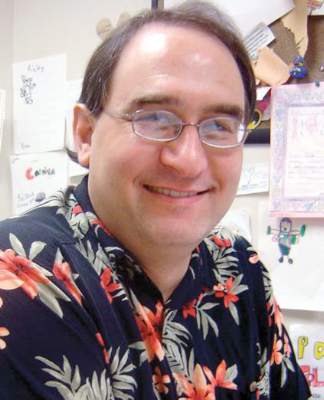
I’m not an adrenaline junkie, living to run in and save lives at the drop of a hat. Nor am I someone who enjoys procedures. I’m the thinking type, and happy to spend my days sitting behind a desk and trying to look smart. I’d have to say I nailed it, my atypical wardrobe notwithstanding.
Medical fields, like cars and music, are incredibly diverse. There’s something out there for every personality type. And that’s excluding all the subspecialties a field gets further broken down to. (In my world there’s movement disorder docs, epileptologists, and stroke-ologists, to name a few.)
When I was in training, an adviser told me that one’s choice of field is as much success as failure. By becoming a neurologist, I’m admitting that I’ve failed to understand pretty much everything else in medicine. On the opposite side, an internist has conceded failure to understand any given organ system in depth.
Most importantly, you don’t care that you’ve failed the rest. This frees you to focus only on what you enjoy and what interests you, and to not worry about anything else.
Using this argument, the best care is from someone who failed everything else. Or, in a better light, who only does one thing, but does it well. No matter how you play it, it’s what works out best for all involved – especially our patients.
Dr. Block has a solo neurology practice in Scottsdale, Ariz.
How did you pick your field?
Neurology, for me, was a combination of personal likes and dislikes. I found it interesting, but also learned I didn’t enjoy most other branches of medicine.
Like other medical students, I went through a series of rotations, gradually crossing things off my list. Eventually, I found that internal medicine fit my personality best, but I didn’t like having to know something about everything. Neurology was a good fit for the way my mind and temperament work. Now, after 16 years in practice, I have no regrets. I still like the job, in spite of having to deal with insurance companies, excessive paperwork, and hospital administrators.
I’m not an adrenaline junkie, living to run in and save lives at the drop of a hat. Nor am I someone who enjoys procedures. I’m the thinking type, and happy to spend my days sitting behind a desk and trying to look smart. I’d have to say I nailed it, my atypical wardrobe notwithstanding.
Medical fields, like cars and music, are incredibly diverse. There’s something out there for every personality type. And that’s excluding all the subspecialties a field gets further broken down to. (In my world there’s movement disorder docs, epileptologists, and stroke-ologists, to name a few.)
When I was in training, an adviser told me that one’s choice of field is as much success as failure. By becoming a neurologist, I’m admitting that I’ve failed to understand pretty much everything else in medicine. On the opposite side, an internist has conceded failure to understand any given organ system in depth.
Most importantly, you don’t care that you’ve failed the rest. This frees you to focus only on what you enjoy and what interests you, and to not worry about anything else.
Using this argument, the best care is from someone who failed everything else. Or, in a better light, who only does one thing, but does it well. No matter how you play it, it’s what works out best for all involved – especially our patients.
Dr. Block has a solo neurology practice in Scottsdale, Ariz.
How did you pick your field?
Neurology, for me, was a combination of personal likes and dislikes. I found it interesting, but also learned I didn’t enjoy most other branches of medicine.
Like other medical students, I went through a series of rotations, gradually crossing things off my list. Eventually, I found that internal medicine fit my personality best, but I didn’t like having to know something about everything. Neurology was a good fit for the way my mind and temperament work. Now, after 16 years in practice, I have no regrets. I still like the job, in spite of having to deal with insurance companies, excessive paperwork, and hospital administrators.
I’m not an adrenaline junkie, living to run in and save lives at the drop of a hat. Nor am I someone who enjoys procedures. I’m the thinking type, and happy to spend my days sitting behind a desk and trying to look smart. I’d have to say I nailed it, my atypical wardrobe notwithstanding.
Medical fields, like cars and music, are incredibly diverse. There’s something out there for every personality type. And that’s excluding all the subspecialties a field gets further broken down to. (In my world there’s movement disorder docs, epileptologists, and stroke-ologists, to name a few.)
When I was in training, an adviser told me that one’s choice of field is as much success as failure. By becoming a neurologist, I’m admitting that I’ve failed to understand pretty much everything else in medicine. On the opposite side, an internist has conceded failure to understand any given organ system in depth.
Most importantly, you don’t care that you’ve failed the rest. This frees you to focus only on what you enjoy and what interests you, and to not worry about anything else.
Using this argument, the best care is from someone who failed everything else. Or, in a better light, who only does one thing, but does it well. No matter how you play it, it’s what works out best for all involved – especially our patients.
Dr. Block has a solo neurology practice in Scottsdale, Ariz.