User login
Free teledermatology clinic helps underserved patients initiate AD care
A in other underserved areas in the United States.
Washington, D.C., has “staggering health disparities that are among the largest in the country,” and Ward 8 and surrounding areas in the southeastern part of the city are “dermatology deserts,” said Adam Friedman, MD, professor and chair of dermatology at George Washington University, Washington, who started the program in 2021 with a pilot project. Dr. Friedman spoke about the project, which has since been expanded to include alopecia areata, at the Revolutionizing Atopic Dermatitis conference in April and in an interview after the meeting.

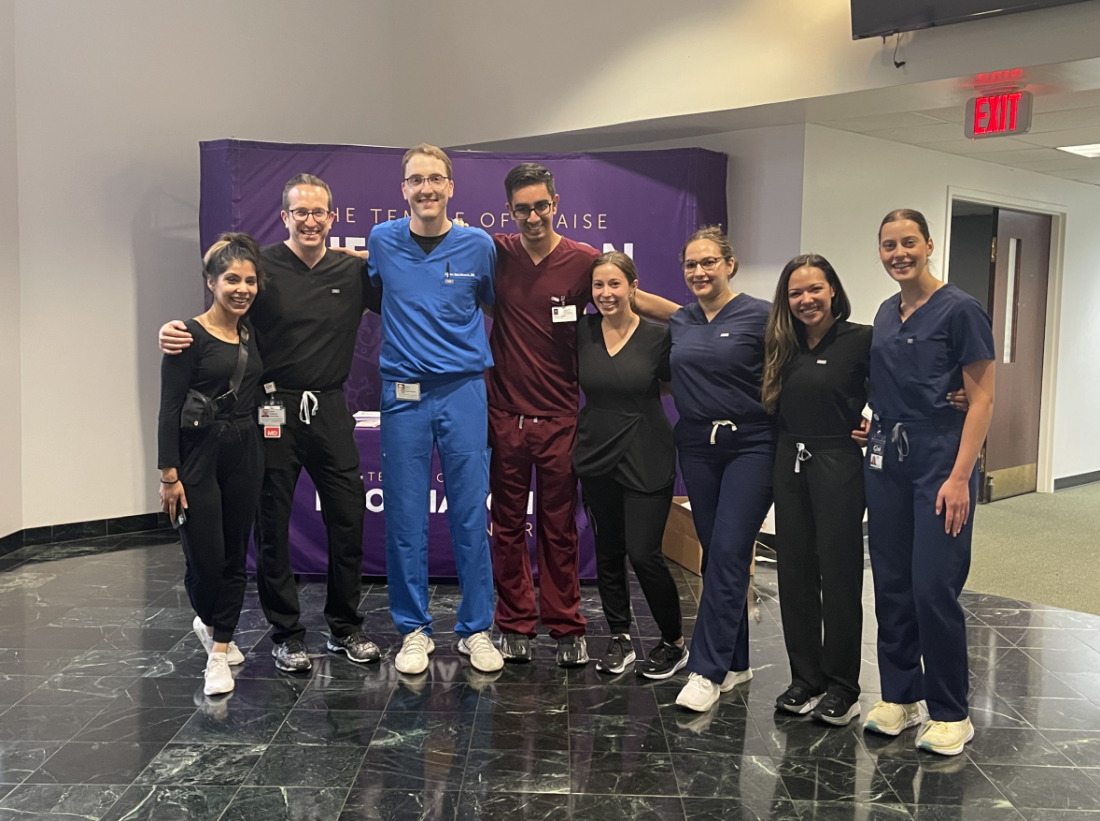
Patients who attend the clinics – held at the Temple of Praise Church in a residential area of Ward 8, a predominantly Black community with a 30% poverty rate – are entered into the GW Medical Faculty Associates medical records system and educated on telemedicine best practices (such as not having light behind them during a session) and how to use telemedicine with their own device.
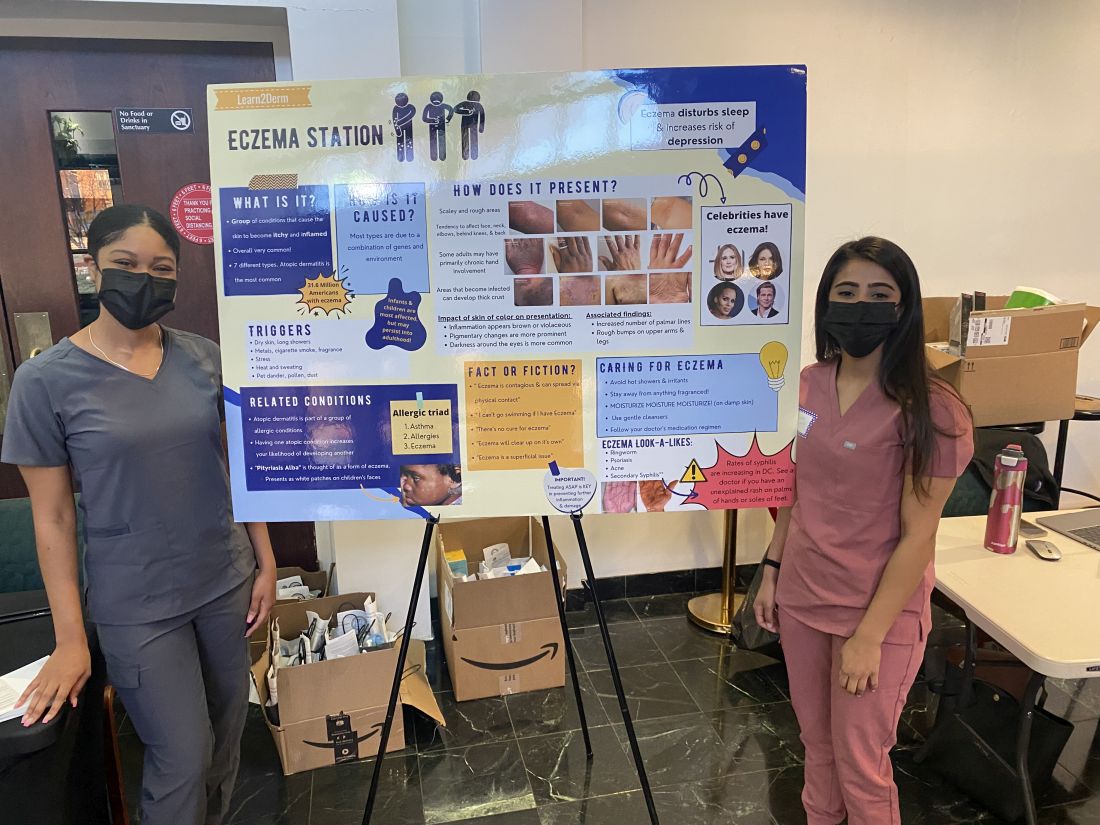
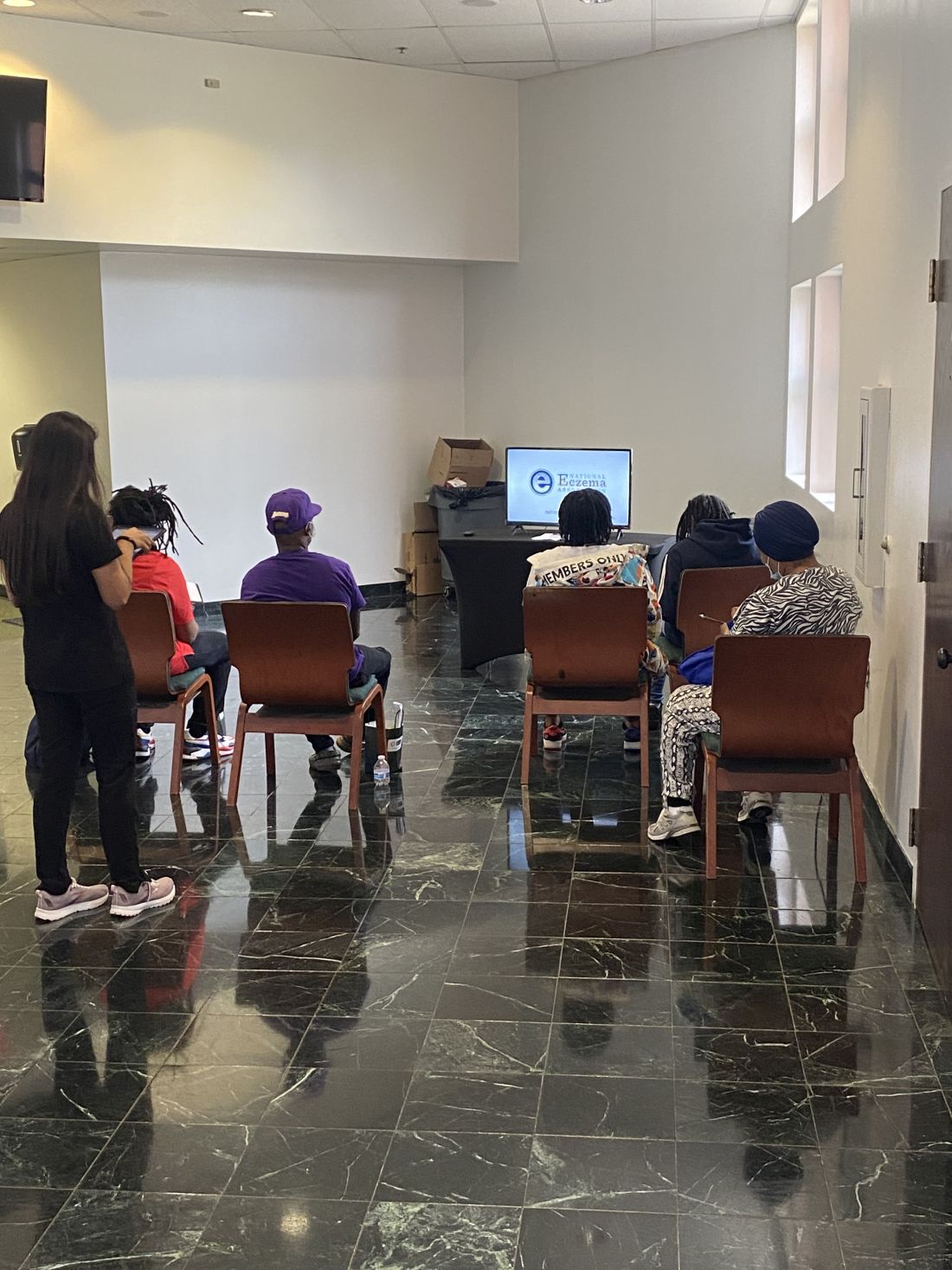
Those with AD who participate learn about the condition through an image-rich poster showing how it appears in various skin tones, handouts, National Eczema Association films, and discussion with medical students who staff the clinics under Dr. Friedman’s on-site supervision. Participants with alopecia areata similarly can view a poster and converse about the condition.
Patients then have a free 20-minute telehealth visit with a GWU dermatology resident in a private room, and a medical student volunteer nearby to assist with the technology if needed. They leave with a treatment plan, which often includes prescriptions, and a follow-up telemedicine appointment.
The program “is meant to be a stepping point for initiating care ... to set someone up for success for recurrent telehealth visits in the future” and for treatment before symptoms become too severe, Dr. Friedman said in an interview. “We want to demystify telemedicine and educate on the disease state and dispel myths ... so the patient understands why it’s happening” and how it can be treated.
The pilot project, funded with a grant from Pfizer, involved five 2-hour clinics held on Mondays from 4 p.m. to 6 p.m., that together served almost 50 adult and pediatric patients. Grants from Pfizer and Eli Lilly enabled additional clinics in the spring of 2023 and into the summer. And in June, GWU and Pfizer announced a $1 million national grant program focused on broad implementation of what they’ve coined the “Teledermatology Help Desk Clinic” model.
Practices or organizations that secure grants will utilize GWU’s experience and meet with an advisory council of experts in dermatology telemedicine and community advocacy. Having a “long-term plan” and commitment to sustainability is an important element of the model, said Dr. Friedman, who is chairing the grant program.
Patients deem clinic ‘extremely’ helpful
As one of the most prevalent skin disorders – and one with a documented history of elevated risk for specific populations – AD was a good starting point for the teledermatology clinic program. Patients who identify as Black have a higher incidence and prevalence of AD than those who identify as White and Hispanic, and they tend to have more severe disease. Yet they account for fewer visits to dermatologists for AD.
One cross-sectional study of about 3,500 adults in the United States with AD documented that racial/ethnic and socioeconomic disparities reduce outpatient utilization of AD care and increase urgent care and hospital utilization. And in a longitudinal cohort study of children in the United States with AD, Black children with poorly controlled AD were significantly less likely than White children to see a dermatologist.
Like other programs, the GWU department of dermatology had pivoted to telehealth in 2020, and a published survey of patients who attended telehealth appointments during the early part of the pandemic showed that it was generally well liked – and not only for social distancing, but for time efficiency and because transportation was not needed. Only 10% of the 168 patients who completed the survey (out of 894 asked) reported they were unlikely to undertake another telehealth visit. For 10%, eczema was the reason for the visit.
However, only 1% of the survey respondents were from Ward 8, which “begged the question, did those who really need access know this was an option?” Dr. Friedman said at the RAD meeting. He wondered whether there was not only a dermatology desert in Ward 8, but a “technology desert” as well.
Findings from a patient satisfaction survey taken at the end of the pilot program are encouraging, Dr. Friedman said. While data on follow-up visits has not been collected yet, “what I do now have a sense of” is that “the entry point [afforded by the clinics] changed the course in terms of patients’ understanding of the disease and how they feel about its management.”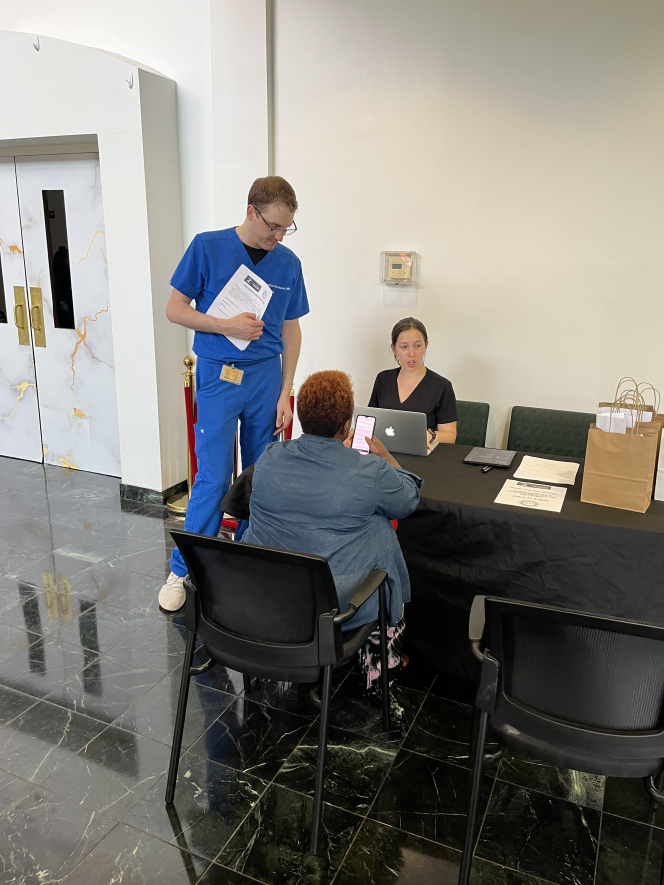
About 94% of survey respondents indicated the clinic was “extremely” helpful and the remainder said it was “very” helpful; 90% said telehealth significantly changed how they will manage their condition; and 97% said it is “extremely” important to continue the clinics. The majority of patients – 70% – indicated they did not have a dermatologist.
Education about AD at the clinics covers moisturizers/emollients, bathing habits, soaps and detergents, trigger avoidance, and the role of stress and environmental factors in disease exacerbation. Trade samples of moisturizers, mild cleansers, and other products have increasingly been available.
For prescriptions of topical steroids and other commonly prescribed medications, Dr. Friedman and associates combed GoodRx for coupons and surveyed local pharmacies for self-pay pricing to identify least expensive options. Patients with AD who were deemed likely candidates for more advanced therapies in the future were educated about these possibilities.
Alopecia areata
The addition of alopecia areata drew patients with other forms of hair loss as well, but “we weren’t going to turn anyone away who did not have that specific autoimmune form of hair loss,” Dr. Friedman said. Depending on the diagnosis, prescriptions were written for minoxidil and 5-alpha reductase inhibitors.
Important for follow-up is GWU’s acceptance of Medicaid and the availability of both a sliding scale for self-pay and services that assist patients in registering for Medicaid and, if eligible, other insurance plans.
Building partnerships, earning trust
Establishment of the teledermatology clinic program took legwork and relationship building. “You can’t just show up. That’s not enough,” said Dr. Friedman, who also directs the dermatology residency program at GWU. “You have to show through action and through investment of time and energy that you are legitimate, that you’re really there for the long haul.”
Dr. Friedman had assistance from the Rodham Institute, which was established at GWU (and until recently was housed there) and has a history of engagement with local stakeholders such as community centers, church leadership, politicians, and others in the Washington area. He was put in touch with Bishop Deborah Webb at the Temple of Praise Church, a community pillar in Ward 8, and from there “it was a courtship,” he said, with trust to be built and logistics to be worked out. (Budgets for the clinics, he noted, have included compensation to the church and gift cards for church volunteers who are present at the clinics.)
In the meantime, medical student volunteers from GWU, Howard University, and Georgetown University were trained in telemedicine and attended a “boot camp” on AD “so they’d be able to talk with anyone about it,” Dr. Friedman said.
Advertising “was a learning experience,” he said, and was ultimately multipronged, involving church service announcements, flyers, and, most importantly, Facebook and Instagram advertisements. (People were asked to call a dedicated phone line to schedule an appointment and were invited to register in the GW Medical Faculty Associates records system, though walk-ins to the clinics were still welcomed.)
In a comment, Misty Eleryan, MD, MS, a Mohs micrographic surgeon and dermatologist in Santa Monica, Calif., said dermatology deserts are often found in rural areas and/or areas “with a higher population of marginalized communities, such as Black, Brown, or poorer individuals” – communities that tend to rely on care from urgent care or ED physicians who are unaware of how skin conditions present on darker skin tones.
Programs that educate patients about various presentations of skin conditions are helpful not only for the patients themselves, but could also enable them to help friends, family members, and colleagues, said Dr. Eleryan, who did her residency training at GWU.
“Access,” she noted, is more than just physical access to a person, place, or thing. Referring to a “five A’s” framework described several decades ago, Dr. Eleryan said access to care is characterized by affordability, availability (extent to which the physician has the requisite resources, such as personnel and technology, to meet the patient’s needs), accessibility (geographic), accommodation (extent to which the physician can meet the patient’s constraints and preferences – such as hours of operation, how communications are handled, ability to receive care without prior appointments), and acceptability (extent to which the patient is comfortable with the “more immutable characteristics” of the physician and vice versa).
The GWU program, she said, “is a great start.”
Dr. Friedman said he’s fully invested. There has long been a perception, “rightfully so, that underserved communities are overlooked especially by large institutions. One attendee told me she never expected in her lifetime to see something like this clinic and someone who looked like me caring about her community. ... It certainly says a great deal about the work we need to put in to repair longstanding injury.”
Dr. Friedman disclosed that, in addition to being a recipient of grants from Pfizer and Lilly, he is a speaker for Lilly. Dr. Eleryan said she has no relevant disclosures.
A in other underserved areas in the United States.
Washington, D.C., has “staggering health disparities that are among the largest in the country,” and Ward 8 and surrounding areas in the southeastern part of the city are “dermatology deserts,” said Adam Friedman, MD, professor and chair of dermatology at George Washington University, Washington, who started the program in 2021 with a pilot project. Dr. Friedman spoke about the project, which has since been expanded to include alopecia areata, at the Revolutionizing Atopic Dermatitis conference in April and in an interview after the meeting.
Patients who attend the clinics – held at the Temple of Praise Church in a residential area of Ward 8, a predominantly Black community with a 30% poverty rate – are entered into the GW Medical Faculty Associates medical records system and educated on telemedicine best practices (such as not having light behind them during a session) and how to use telemedicine with their own device.
Those with AD who participate learn about the condition through an image-rich poster showing how it appears in various skin tones, handouts, National Eczema Association films, and discussion with medical students who staff the clinics under Dr. Friedman’s on-site supervision. Participants with alopecia areata similarly can view a poster and converse about the condition.
Patients then have a free 20-minute telehealth visit with a GWU dermatology resident in a private room, and a medical student volunteer nearby to assist with the technology if needed. They leave with a treatment plan, which often includes prescriptions, and a follow-up telemedicine appointment.
The program “is meant to be a stepping point for initiating care ... to set someone up for success for recurrent telehealth visits in the future” and for treatment before symptoms become too severe, Dr. Friedman said in an interview. “We want to demystify telemedicine and educate on the disease state and dispel myths ... so the patient understands why it’s happening” and how it can be treated.
The pilot project, funded with a grant from Pfizer, involved five 2-hour clinics held on Mondays from 4 p.m. to 6 p.m., that together served almost 50 adult and pediatric patients. Grants from Pfizer and Eli Lilly enabled additional clinics in the spring of 2023 and into the summer. And in June, GWU and Pfizer announced a $1 million national grant program focused on broad implementation of what they’ve coined the “Teledermatology Help Desk Clinic” model.
Practices or organizations that secure grants will utilize GWU’s experience and meet with an advisory council of experts in dermatology telemedicine and community advocacy. Having a “long-term plan” and commitment to sustainability is an important element of the model, said Dr. Friedman, who is chairing the grant program.
Patients deem clinic ‘extremely’ helpful
As one of the most prevalent skin disorders – and one with a documented history of elevated risk for specific populations – AD was a good starting point for the teledermatology clinic program. Patients who identify as Black have a higher incidence and prevalence of AD than those who identify as White and Hispanic, and they tend to have more severe disease. Yet they account for fewer visits to dermatologists for AD.
One cross-sectional study of about 3,500 adults in the United States with AD documented that racial/ethnic and socioeconomic disparities reduce outpatient utilization of AD care and increase urgent care and hospital utilization. And in a longitudinal cohort study of children in the United States with AD, Black children with poorly controlled AD were significantly less likely than White children to see a dermatologist.
Like other programs, the GWU department of dermatology had pivoted to telehealth in 2020, and a published survey of patients who attended telehealth appointments during the early part of the pandemic showed that it was generally well liked – and not only for social distancing, but for time efficiency and because transportation was not needed. Only 10% of the 168 patients who completed the survey (out of 894 asked) reported they were unlikely to undertake another telehealth visit. For 10%, eczema was the reason for the visit.
However, only 1% of the survey respondents were from Ward 8, which “begged the question, did those who really need access know this was an option?” Dr. Friedman said at the RAD meeting. He wondered whether there was not only a dermatology desert in Ward 8, but a “technology desert” as well.
Findings from a patient satisfaction survey taken at the end of the pilot program are encouraging, Dr. Friedman said. While data on follow-up visits has not been collected yet, “what I do now have a sense of” is that “the entry point [afforded by the clinics] changed the course in terms of patients’ understanding of the disease and how they feel about its management.”
About 94% of survey respondents indicated the clinic was “extremely” helpful and the remainder said it was “very” helpful; 90% said telehealth significantly changed how they will manage their condition; and 97% said it is “extremely” important to continue the clinics. The majority of patients – 70% – indicated they did not have a dermatologist.
Education about AD at the clinics covers moisturizers/emollients, bathing habits, soaps and detergents, trigger avoidance, and the role of stress and environmental factors in disease exacerbation. Trade samples of moisturizers, mild cleansers, and other products have increasingly been available.
For prescriptions of topical steroids and other commonly prescribed medications, Dr. Friedman and associates combed GoodRx for coupons and surveyed local pharmacies for self-pay pricing to identify least expensive options. Patients with AD who were deemed likely candidates for more advanced therapies in the future were educated about these possibilities.
Alopecia areata
The addition of alopecia areata drew patients with other forms of hair loss as well, but “we weren’t going to turn anyone away who did not have that specific autoimmune form of hair loss,” Dr. Friedman said. Depending on the diagnosis, prescriptions were written for minoxidil and 5-alpha reductase inhibitors.
Important for follow-up is GWU’s acceptance of Medicaid and the availability of both a sliding scale for self-pay and services that assist patients in registering for Medicaid and, if eligible, other insurance plans.
Building partnerships, earning trust
Establishment of the teledermatology clinic program took legwork and relationship building. “You can’t just show up. That’s not enough,” said Dr. Friedman, who also directs the dermatology residency program at GWU. “You have to show through action and through investment of time and energy that you are legitimate, that you’re really there for the long haul.”
Dr. Friedman had assistance from the Rodham Institute, which was established at GWU (and until recently was housed there) and has a history of engagement with local stakeholders such as community centers, church leadership, politicians, and others in the Washington area. He was put in touch with Bishop Deborah Webb at the Temple of Praise Church, a community pillar in Ward 8, and from there “it was a courtship,” he said, with trust to be built and logistics to be worked out. (Budgets for the clinics, he noted, have included compensation to the church and gift cards for church volunteers who are present at the clinics.)
In the meantime, medical student volunteers from GWU, Howard University, and Georgetown University were trained in telemedicine and attended a “boot camp” on AD “so they’d be able to talk with anyone about it,” Dr. Friedman said.
Advertising “was a learning experience,” he said, and was ultimately multipronged, involving church service announcements, flyers, and, most importantly, Facebook and Instagram advertisements. (People were asked to call a dedicated phone line to schedule an appointment and were invited to register in the GW Medical Faculty Associates records system, though walk-ins to the clinics were still welcomed.)
In a comment, Misty Eleryan, MD, MS, a Mohs micrographic surgeon and dermatologist in Santa Monica, Calif., said dermatology deserts are often found in rural areas and/or areas “with a higher population of marginalized communities, such as Black, Brown, or poorer individuals” – communities that tend to rely on care from urgent care or ED physicians who are unaware of how skin conditions present on darker skin tones.
Programs that educate patients about various presentations of skin conditions are helpful not only for the patients themselves, but could also enable them to help friends, family members, and colleagues, said Dr. Eleryan, who did her residency training at GWU.
“Access,” she noted, is more than just physical access to a person, place, or thing. Referring to a “five A’s” framework described several decades ago, Dr. Eleryan said access to care is characterized by affordability, availability (extent to which the physician has the requisite resources, such as personnel and technology, to meet the patient’s needs), accessibility (geographic), accommodation (extent to which the physician can meet the patient’s constraints and preferences – such as hours of operation, how communications are handled, ability to receive care without prior appointments), and acceptability (extent to which the patient is comfortable with the “more immutable characteristics” of the physician and vice versa).
The GWU program, she said, “is a great start.”
Dr. Friedman said he’s fully invested. There has long been a perception, “rightfully so, that underserved communities are overlooked especially by large institutions. One attendee told me she never expected in her lifetime to see something like this clinic and someone who looked like me caring about her community. ... It certainly says a great deal about the work we need to put in to repair longstanding injury.”
Dr. Friedman disclosed that, in addition to being a recipient of grants from Pfizer and Lilly, he is a speaker for Lilly. Dr. Eleryan said she has no relevant disclosures.
A in other underserved areas in the United States.
Washington, D.C., has “staggering health disparities that are among the largest in the country,” and Ward 8 and surrounding areas in the southeastern part of the city are “dermatology deserts,” said Adam Friedman, MD, professor and chair of dermatology at George Washington University, Washington, who started the program in 2021 with a pilot project. Dr. Friedman spoke about the project, which has since been expanded to include alopecia areata, at the Revolutionizing Atopic Dermatitis conference in April and in an interview after the meeting.
Patients who attend the clinics – held at the Temple of Praise Church in a residential area of Ward 8, a predominantly Black community with a 30% poverty rate – are entered into the GW Medical Faculty Associates medical records system and educated on telemedicine best practices (such as not having light behind them during a session) and how to use telemedicine with their own device.
Those with AD who participate learn about the condition through an image-rich poster showing how it appears in various skin tones, handouts, National Eczema Association films, and discussion with medical students who staff the clinics under Dr. Friedman’s on-site supervision. Participants with alopecia areata similarly can view a poster and converse about the condition.
Patients then have a free 20-minute telehealth visit with a GWU dermatology resident in a private room, and a medical student volunteer nearby to assist with the technology if needed. They leave with a treatment plan, which often includes prescriptions, and a follow-up telemedicine appointment.
The program “is meant to be a stepping point for initiating care ... to set someone up for success for recurrent telehealth visits in the future” and for treatment before symptoms become too severe, Dr. Friedman said in an interview. “We want to demystify telemedicine and educate on the disease state and dispel myths ... so the patient understands why it’s happening” and how it can be treated.
The pilot project, funded with a grant from Pfizer, involved five 2-hour clinics held on Mondays from 4 p.m. to 6 p.m., that together served almost 50 adult and pediatric patients. Grants from Pfizer and Eli Lilly enabled additional clinics in the spring of 2023 and into the summer. And in June, GWU and Pfizer announced a $1 million national grant program focused on broad implementation of what they’ve coined the “Teledermatology Help Desk Clinic” model.
Practices or organizations that secure grants will utilize GWU’s experience and meet with an advisory council of experts in dermatology telemedicine and community advocacy. Having a “long-term plan” and commitment to sustainability is an important element of the model, said Dr. Friedman, who is chairing the grant program.
Patients deem clinic ‘extremely’ helpful
As one of the most prevalent skin disorders – and one with a documented history of elevated risk for specific populations – AD was a good starting point for the teledermatology clinic program. Patients who identify as Black have a higher incidence and prevalence of AD than those who identify as White and Hispanic, and they tend to have more severe disease. Yet they account for fewer visits to dermatologists for AD.
One cross-sectional study of about 3,500 adults in the United States with AD documented that racial/ethnic and socioeconomic disparities reduce outpatient utilization of AD care and increase urgent care and hospital utilization. And in a longitudinal cohort study of children in the United States with AD, Black children with poorly controlled AD were significantly less likely than White children to see a dermatologist.
Like other programs, the GWU department of dermatology had pivoted to telehealth in 2020, and a published survey of patients who attended telehealth appointments during the early part of the pandemic showed that it was generally well liked – and not only for social distancing, but for time efficiency and because transportation was not needed. Only 10% of the 168 patients who completed the survey (out of 894 asked) reported they were unlikely to undertake another telehealth visit. For 10%, eczema was the reason for the visit.
However, only 1% of the survey respondents were from Ward 8, which “begged the question, did those who really need access know this was an option?” Dr. Friedman said at the RAD meeting. He wondered whether there was not only a dermatology desert in Ward 8, but a “technology desert” as well.
Findings from a patient satisfaction survey taken at the end of the pilot program are encouraging, Dr. Friedman said. While data on follow-up visits has not been collected yet, “what I do now have a sense of” is that “the entry point [afforded by the clinics] changed the course in terms of patients’ understanding of the disease and how they feel about its management.”
About 94% of survey respondents indicated the clinic was “extremely” helpful and the remainder said it was “very” helpful; 90% said telehealth significantly changed how they will manage their condition; and 97% said it is “extremely” important to continue the clinics. The majority of patients – 70% – indicated they did not have a dermatologist.
Education about AD at the clinics covers moisturizers/emollients, bathing habits, soaps and detergents, trigger avoidance, and the role of stress and environmental factors in disease exacerbation. Trade samples of moisturizers, mild cleansers, and other products have increasingly been available.
For prescriptions of topical steroids and other commonly prescribed medications, Dr. Friedman and associates combed GoodRx for coupons and surveyed local pharmacies for self-pay pricing to identify least expensive options. Patients with AD who were deemed likely candidates for more advanced therapies in the future were educated about these possibilities.
Alopecia areata
The addition of alopecia areata drew patients with other forms of hair loss as well, but “we weren’t going to turn anyone away who did not have that specific autoimmune form of hair loss,” Dr. Friedman said. Depending on the diagnosis, prescriptions were written for minoxidil and 5-alpha reductase inhibitors.
Important for follow-up is GWU’s acceptance of Medicaid and the availability of both a sliding scale for self-pay and services that assist patients in registering for Medicaid and, if eligible, other insurance plans.
Building partnerships, earning trust
Establishment of the teledermatology clinic program took legwork and relationship building. “You can’t just show up. That’s not enough,” said Dr. Friedman, who also directs the dermatology residency program at GWU. “You have to show through action and through investment of time and energy that you are legitimate, that you’re really there for the long haul.”
Dr. Friedman had assistance from the Rodham Institute, which was established at GWU (and until recently was housed there) and has a history of engagement with local stakeholders such as community centers, church leadership, politicians, and others in the Washington area. He was put in touch with Bishop Deborah Webb at the Temple of Praise Church, a community pillar in Ward 8, and from there “it was a courtship,” he said, with trust to be built and logistics to be worked out. (Budgets for the clinics, he noted, have included compensation to the church and gift cards for church volunteers who are present at the clinics.)
In the meantime, medical student volunteers from GWU, Howard University, and Georgetown University were trained in telemedicine and attended a “boot camp” on AD “so they’d be able to talk with anyone about it,” Dr. Friedman said.
Advertising “was a learning experience,” he said, and was ultimately multipronged, involving church service announcements, flyers, and, most importantly, Facebook and Instagram advertisements. (People were asked to call a dedicated phone line to schedule an appointment and were invited to register in the GW Medical Faculty Associates records system, though walk-ins to the clinics were still welcomed.)
In a comment, Misty Eleryan, MD, MS, a Mohs micrographic surgeon and dermatologist in Santa Monica, Calif., said dermatology deserts are often found in rural areas and/or areas “with a higher population of marginalized communities, such as Black, Brown, or poorer individuals” – communities that tend to rely on care from urgent care or ED physicians who are unaware of how skin conditions present on darker skin tones.
Programs that educate patients about various presentations of skin conditions are helpful not only for the patients themselves, but could also enable them to help friends, family members, and colleagues, said Dr. Eleryan, who did her residency training at GWU.
“Access,” she noted, is more than just physical access to a person, place, or thing. Referring to a “five A’s” framework described several decades ago, Dr. Eleryan said access to care is characterized by affordability, availability (extent to which the physician has the requisite resources, such as personnel and technology, to meet the patient’s needs), accessibility (geographic), accommodation (extent to which the physician can meet the patient’s constraints and preferences – such as hours of operation, how communications are handled, ability to receive care without prior appointments), and acceptability (extent to which the patient is comfortable with the “more immutable characteristics” of the physician and vice versa).
The GWU program, she said, “is a great start.”
Dr. Friedman said he’s fully invested. There has long been a perception, “rightfully so, that underserved communities are overlooked especially by large institutions. One attendee told me she never expected in her lifetime to see something like this clinic and someone who looked like me caring about her community. ... It certainly says a great deal about the work we need to put in to repair longstanding injury.”
Dr. Friedman disclosed that, in addition to being a recipient of grants from Pfizer and Lilly, he is a speaker for Lilly. Dr. Eleryan said she has no relevant disclosures.
Commentary: Abrocitinib, Malignancy Risk, and S aureus in AD, August 2023

The excellent short-term efficacy of the drug was well maintained up to 48 weeks, with only a slight loss of efficacy over time. Abrocitinib is a small molecule. We wouldn't expect a loss of efficacy due to the anti-drug antibodies that we see for large-molecule biologic drugs. I suspect that the slight loss of efficacy over time is a form of tachyphylaxis that is, to my thinking, probably due to poor adherence. Shocking, I know! Patients may not be fully adherent to treatment, even in a clinical trial. I think we should encourage patients to use 7-day pill boxes to aid better long-term adherence and outcomes.
Long-term safety is a critical issue with any new drug, certainly with a Janus kinase (JAK) inhibitor. Reich and colleagues concluded, "The long-term safety profile was manageable and consistent with previous reports." That conclusion seems reasonable to me. The most common side effects were upper respiratory tract infections. There may be a slight signal for increased risk for oral herpes infection, particularly at the higher dose. If this safety profile endures with longer-term data in larger numbers of people, it will be very reassuring.
The study by Wan and colleagues is another extremely well-done, important study by the premier dermatoepidemiology research team at the University of Pennsylvania. The study used an outstanding database from the United Kingdom that encompassed the clinical care experience of hundreds of thousands of children and adults with atopic dermatitis and millions of control patients without atopic dermatitis. With this many patients, the study has tremendous power to detect risk differences between groups.
With all that power, this study’s findings are very reassuring that there is no meaningful overall increased risk for malignancy in children or adults with atopic dermatitis. And while there was a statistically significant increased risk for lymphoma in children with severe atopic dermatitis, that risk is small … very small. Similarly, adults with severe AD had a twofold higher risk for noncutaneous T-cell lymphoma (CTCL), but since non-CTCL is rare, patients with severe AD shouldn't lose any sleep over it..
Simpson and colleagues' study of the effect of dupilumab on Staphylococcus aureus surprised me. Of course, we could expect that S aureus counts would be reduced with dupilumab; as barrier function is restored, surely S aureus counts would go down too. But, fascinatingly, with dupilumab treatment, S aureus counts decreased almost immediately, at both 3 and 7 days, before there was apparent clinical improvement in the skin rash. Simpson and colleagues suggest that the drop in S aureus counts could be due to improvement in immune function when interleukins 4 and 13 are blocked. Whether or not that is true, it is striking how fast S aureus counts improved, long before normal skin barrier function is restored.
Here's a fun fact: Atopic dermatitis is a little less common, about 10% less common, in people born second or later in the birth order. Lisik and colleagues did a meta-analysis of 114 studies and found this marginally lower rate in those born second or later compared with those born first. I'm not sure that there is any clinically meaningful significance to this, but I found it interesting (even though I was born first, and my younger brother had atopic dermatitis).
The excellent short-term efficacy of the drug was well maintained up to 48 weeks, with only a slight loss of efficacy over time. Abrocitinib is a small molecule. We wouldn't expect a loss of efficacy due to the anti-drug antibodies that we see for large-molecule biologic drugs. I suspect that the slight loss of efficacy over time is a form of tachyphylaxis that is, to my thinking, probably due to poor adherence. Shocking, I know! Patients may not be fully adherent to treatment, even in a clinical trial. I think we should encourage patients to use 7-day pill boxes to aid better long-term adherence and outcomes.
Long-term safety is a critical issue with any new drug, certainly with a Janus kinase (JAK) inhibitor. Reich and colleagues concluded, "The long-term safety profile was manageable and consistent with previous reports." That conclusion seems reasonable to me. The most common side effects were upper respiratory tract infections. There may be a slight signal for increased risk for oral herpes infection, particularly at the higher dose. If this safety profile endures with longer-term data in larger numbers of people, it will be very reassuring.
The study by Wan and colleagues is another extremely well-done, important study by the premier dermatoepidemiology research team at the University of Pennsylvania. The study used an outstanding database from the United Kingdom that encompassed the clinical care experience of hundreds of thousands of children and adults with atopic dermatitis and millions of control patients without atopic dermatitis. With this many patients, the study has tremendous power to detect risk differences between groups.
With all that power, this study’s findings are very reassuring that there is no meaningful overall increased risk for malignancy in children or adults with atopic dermatitis. And while there was a statistically significant increased risk for lymphoma in children with severe atopic dermatitis, that risk is small … very small. Similarly, adults with severe AD had a twofold higher risk for noncutaneous T-cell lymphoma (CTCL), but since non-CTCL is rare, patients with severe AD shouldn't lose any sleep over it..
Simpson and colleagues' study of the effect of dupilumab on Staphylococcus aureus surprised me. Of course, we could expect that S aureus counts would be reduced with dupilumab; as barrier function is restored, surely S aureus counts would go down too. But, fascinatingly, with dupilumab treatment, S aureus counts decreased almost immediately, at both 3 and 7 days, before there was apparent clinical improvement in the skin rash. Simpson and colleagues suggest that the drop in S aureus counts could be due to improvement in immune function when interleukins 4 and 13 are blocked. Whether or not that is true, it is striking how fast S aureus counts improved, long before normal skin barrier function is restored.
Here's a fun fact: Atopic dermatitis is a little less common, about 10% less common, in people born second or later in the birth order. Lisik and colleagues did a meta-analysis of 114 studies and found this marginally lower rate in those born second or later compared with those born first. I'm not sure that there is any clinically meaningful significance to this, but I found it interesting (even though I was born first, and my younger brother had atopic dermatitis).
The excellent short-term efficacy of the drug was well maintained up to 48 weeks, with only a slight loss of efficacy over time. Abrocitinib is a small molecule. We wouldn't expect a loss of efficacy due to the anti-drug antibodies that we see for large-molecule biologic drugs. I suspect that the slight loss of efficacy over time is a form of tachyphylaxis that is, to my thinking, probably due to poor adherence. Shocking, I know! Patients may not be fully adherent to treatment, even in a clinical trial. I think we should encourage patients to use 7-day pill boxes to aid better long-term adherence and outcomes.
Long-term safety is a critical issue with any new drug, certainly with a Janus kinase (JAK) inhibitor. Reich and colleagues concluded, "The long-term safety profile was manageable and consistent with previous reports." That conclusion seems reasonable to me. The most common side effects were upper respiratory tract infections. There may be a slight signal for increased risk for oral herpes infection, particularly at the higher dose. If this safety profile endures with longer-term data in larger numbers of people, it will be very reassuring.
The study by Wan and colleagues is another extremely well-done, important study by the premier dermatoepidemiology research team at the University of Pennsylvania. The study used an outstanding database from the United Kingdom that encompassed the clinical care experience of hundreds of thousands of children and adults with atopic dermatitis and millions of control patients without atopic dermatitis. With this many patients, the study has tremendous power to detect risk differences between groups.
With all that power, this study’s findings are very reassuring that there is no meaningful overall increased risk for malignancy in children or adults with atopic dermatitis. And while there was a statistically significant increased risk for lymphoma in children with severe atopic dermatitis, that risk is small … very small. Similarly, adults with severe AD had a twofold higher risk for noncutaneous T-cell lymphoma (CTCL), but since non-CTCL is rare, patients with severe AD shouldn't lose any sleep over it..
Simpson and colleagues' study of the effect of dupilumab on Staphylococcus aureus surprised me. Of course, we could expect that S aureus counts would be reduced with dupilumab; as barrier function is restored, surely S aureus counts would go down too. But, fascinatingly, with dupilumab treatment, S aureus counts decreased almost immediately, at both 3 and 7 days, before there was apparent clinical improvement in the skin rash. Simpson and colleagues suggest that the drop in S aureus counts could be due to improvement in immune function when interleukins 4 and 13 are blocked. Whether or not that is true, it is striking how fast S aureus counts improved, long before normal skin barrier function is restored.
Here's a fun fact: Atopic dermatitis is a little less common, about 10% less common, in people born second or later in the birth order. Lisik and colleagues did a meta-analysis of 114 studies and found this marginally lower rate in those born second or later compared with those born first. I'm not sure that there is any clinically meaningful significance to this, but I found it interesting (even though I was born first, and my younger brother had atopic dermatitis).
Sibship composition and size alter the risk for atopic dermatitis
Key clinical point: Having siblings and being born second or later is associated with a marginally reduced lifetime risk of developing atopic dermatitis (AD).
Major finding: Children born in the birth order ≥2 vs 1 had a 9% lower risk for ever AD (pooled risk ratio [RR] 0.91; 95% CI 0.84-0.98), and a sibship size ≥2 vs 1 was associated with an 8% lower risk for ever AD (RR 0.92; 95% CI 0.86-0.97) and a 10% lower risk for current AD (RR 0.90; 95% CI 0.83-0.98).
Study details: Findings are from a meta-analysis of 102 observational studies that analyzed the association between birth order or sibship size and the risk for AD.
Disclosures: This study did not disclose the source of funding. H Kankaanranta declared receiving lecture and consulting fees from various sources. The other authors declared no conflicts of interest.
Source: Lisik D et al. Birth order, sibship size, and risk of atopic dermatitis, food allergy, and atopy: A systematic review and meta‐analysis. Clin Transl Allergy. 2023;13(6):e12270 (Jun 17). Doi: 10.1002/clt2.12270
Key clinical point: Having siblings and being born second or later is associated with a marginally reduced lifetime risk of developing atopic dermatitis (AD).
Major finding: Children born in the birth order ≥2 vs 1 had a 9% lower risk for ever AD (pooled risk ratio [RR] 0.91; 95% CI 0.84-0.98), and a sibship size ≥2 vs 1 was associated with an 8% lower risk for ever AD (RR 0.92; 95% CI 0.86-0.97) and a 10% lower risk for current AD (RR 0.90; 95% CI 0.83-0.98).
Study details: Findings are from a meta-analysis of 102 observational studies that analyzed the association between birth order or sibship size and the risk for AD.
Disclosures: This study did not disclose the source of funding. H Kankaanranta declared receiving lecture and consulting fees from various sources. The other authors declared no conflicts of interest.
Source: Lisik D et al. Birth order, sibship size, and risk of atopic dermatitis, food allergy, and atopy: A systematic review and meta‐analysis. Clin Transl Allergy. 2023;13(6):e12270 (Jun 17). Doi: 10.1002/clt2.12270
Key clinical point: Having siblings and being born second or later is associated with a marginally reduced lifetime risk of developing atopic dermatitis (AD).
Major finding: Children born in the birth order ≥2 vs 1 had a 9% lower risk for ever AD (pooled risk ratio [RR] 0.91; 95% CI 0.84-0.98), and a sibship size ≥2 vs 1 was associated with an 8% lower risk for ever AD (RR 0.92; 95% CI 0.86-0.97) and a 10% lower risk for current AD (RR 0.90; 95% CI 0.83-0.98).
Study details: Findings are from a meta-analysis of 102 observational studies that analyzed the association between birth order or sibship size and the risk for AD.
Disclosures: This study did not disclose the source of funding. H Kankaanranta declared receiving lecture and consulting fees from various sources. The other authors declared no conflicts of interest.
Source: Lisik D et al. Birth order, sibship size, and risk of atopic dermatitis, food allergy, and atopy: A systematic review and meta‐analysis. Clin Transl Allergy. 2023;13(6):e12270 (Jun 17). Doi: 10.1002/clt2.12270
Probiotic intake by breastfeeding mothers halves the incidence of atopic dermatitis in children
Key clinical point: Probiotic intake by breastfeeding mothers reduced atopic dermatitis (AD) incidence in children by half, whereas in children receiving probiotic supplementation, AD incidence decreased by 22% only.
Major finding: Probiotic intake by pregnant and breastfeeding mothers, pregnant and breastfeeding mothers and children, and pregnant mothers and children reduced the incidence of pediatric AD by 49% (relative risk [RR] 0.51; 95% CI 0.39-0.66), 39% (RR 0.61; 95% CI 0.43-0.86), and 27% (RR 0.73; 95% CI 0.63-0.86), respectively. Children receiving probiotics vs placebo had a 22% lower incidence of AD (RR 0.78; 95% CI 0.64-0.94).
Study details: Findings are from a systematic review and meta-analysis of 75 studies on the prophylactic (n = 8754 participants) or therapeutic (n = 2021 children) effects of probiotics in children age ≤ 18 years, including 17 studies involving 2844 children who received probiotics or placebo.
Disclosures: This study did not declare the source of funding. M Steinhoff declared receiving research funds from and serving as an advisor and consultant for various organizations.
Source: Husein-ElAhmed H and Steinhoff M. Meta-analysis on preventive and therapeutic effects of probiotic supplementation in infant atopic dermatitis. J Dtsch Dermatol Ges. 2023 (Jun 22). Doi: 10.1111/ddg.15120
Key clinical point: Probiotic intake by breastfeeding mothers reduced atopic dermatitis (AD) incidence in children by half, whereas in children receiving probiotic supplementation, AD incidence decreased by 22% only.
Major finding: Probiotic intake by pregnant and breastfeeding mothers, pregnant and breastfeeding mothers and children, and pregnant mothers and children reduced the incidence of pediatric AD by 49% (relative risk [RR] 0.51; 95% CI 0.39-0.66), 39% (RR 0.61; 95% CI 0.43-0.86), and 27% (RR 0.73; 95% CI 0.63-0.86), respectively. Children receiving probiotics vs placebo had a 22% lower incidence of AD (RR 0.78; 95% CI 0.64-0.94).
Study details: Findings are from a systematic review and meta-analysis of 75 studies on the prophylactic (n = 8754 participants) or therapeutic (n = 2021 children) effects of probiotics in children age ≤ 18 years, including 17 studies involving 2844 children who received probiotics or placebo.
Disclosures: This study did not declare the source of funding. M Steinhoff declared receiving research funds from and serving as an advisor and consultant for various organizations.
Source: Husein-ElAhmed H and Steinhoff M. Meta-analysis on preventive and therapeutic effects of probiotic supplementation in infant atopic dermatitis. J Dtsch Dermatol Ges. 2023 (Jun 22). Doi: 10.1111/ddg.15120
Key clinical point: Probiotic intake by breastfeeding mothers reduced atopic dermatitis (AD) incidence in children by half, whereas in children receiving probiotic supplementation, AD incidence decreased by 22% only.
Major finding: Probiotic intake by pregnant and breastfeeding mothers, pregnant and breastfeeding mothers and children, and pregnant mothers and children reduced the incidence of pediatric AD by 49% (relative risk [RR] 0.51; 95% CI 0.39-0.66), 39% (RR 0.61; 95% CI 0.43-0.86), and 27% (RR 0.73; 95% CI 0.63-0.86), respectively. Children receiving probiotics vs placebo had a 22% lower incidence of AD (RR 0.78; 95% CI 0.64-0.94).
Study details: Findings are from a systematic review and meta-analysis of 75 studies on the prophylactic (n = 8754 participants) or therapeutic (n = 2021 children) effects of probiotics in children age ≤ 18 years, including 17 studies involving 2844 children who received probiotics or placebo.
Disclosures: This study did not declare the source of funding. M Steinhoff declared receiving research funds from and serving as an advisor and consultant for various organizations.
Source: Husein-ElAhmed H and Steinhoff M. Meta-analysis on preventive and therapeutic effects of probiotic supplementation in infant atopic dermatitis. J Dtsch Dermatol Ges. 2023 (Jun 22). Doi: 10.1111/ddg.15120
History of herpes zoster predicts recurrence during treatment of atopic dermatitis with upadacitinib
Key clinical point: A history of herpes zoster (HZ) infection is a predictive factor for the occurrence of HZ in patients with moderate-to-severe atopic dermatitis (AD) during upadacitinib therapy.
Major finding: The incidence of a history of HZ was significantly higher in patients with vs without the occurrence of HZ in the 15 mg upadacitinib (70% vs 3%), 30 mg upadacitinib (100% vs 10%), and overall (79% vs 5%) groups (all P < .01). HZ history was significantly associated with the occurrence of HZ during treatment in the 15 mg upadacitinib (adjusted odds ratio [aOR] 172) and overall (aOR 74.6) groups (both P < .01).
Study details: Findings are from a retrospective analysis of 112 patients aged ≥12 years with moderate-to-severe AD who received 15 mg upadacitinib (n = 78) or 30 mg upadacitinib (n = 34) daily for 3-9 months.
Disclosures: This study did not declare the funding source. All authors, except E Fujimoto, declared receiving research funding or lecture fees from AbbVie GK.
Source: Hagino T et al. Background factors predicting the occurrence of herpes zoster in atopic dermatitis patients treated with upadacitinib. J Dermatol. 2023 (Jul 3). Doi: 10.1111/1346-8138.16879
Key clinical point: A history of herpes zoster (HZ) infection is a predictive factor for the occurrence of HZ in patients with moderate-to-severe atopic dermatitis (AD) during upadacitinib therapy.
Major finding: The incidence of a history of HZ was significantly higher in patients with vs without the occurrence of HZ in the 15 mg upadacitinib (70% vs 3%), 30 mg upadacitinib (100% vs 10%), and overall (79% vs 5%) groups (all P < .01). HZ history was significantly associated with the occurrence of HZ during treatment in the 15 mg upadacitinib (adjusted odds ratio [aOR] 172) and overall (aOR 74.6) groups (both P < .01).
Study details: Findings are from a retrospective analysis of 112 patients aged ≥12 years with moderate-to-severe AD who received 15 mg upadacitinib (n = 78) or 30 mg upadacitinib (n = 34) daily for 3-9 months.
Disclosures: This study did not declare the funding source. All authors, except E Fujimoto, declared receiving research funding or lecture fees from AbbVie GK.
Source: Hagino T et al. Background factors predicting the occurrence of herpes zoster in atopic dermatitis patients treated with upadacitinib. J Dermatol. 2023 (Jul 3). Doi: 10.1111/1346-8138.16879
Key clinical point: A history of herpes zoster (HZ) infection is a predictive factor for the occurrence of HZ in patients with moderate-to-severe atopic dermatitis (AD) during upadacitinib therapy.
Major finding: The incidence of a history of HZ was significantly higher in patients with vs without the occurrence of HZ in the 15 mg upadacitinib (70% vs 3%), 30 mg upadacitinib (100% vs 10%), and overall (79% vs 5%) groups (all P < .01). HZ history was significantly associated with the occurrence of HZ during treatment in the 15 mg upadacitinib (adjusted odds ratio [aOR] 172) and overall (aOR 74.6) groups (both P < .01).
Study details: Findings are from a retrospective analysis of 112 patients aged ≥12 years with moderate-to-severe AD who received 15 mg upadacitinib (n = 78) or 30 mg upadacitinib (n = 34) daily for 3-9 months.
Disclosures: This study did not declare the funding source. All authors, except E Fujimoto, declared receiving research funding or lecture fees from AbbVie GK.
Source: Hagino T et al. Background factors predicting the occurrence of herpes zoster in atopic dermatitis patients treated with upadacitinib. J Dermatol. 2023 (Jul 3). Doi: 10.1111/1346-8138.16879
Atopic dermatitis decreases lung function in infants
Key clinical point: Infants with atopic dermatitis (AD) experience significant bronchial obstruction regardless of disease severity, food sensitivity, and a history of recurrent wheezing.
Major finding: Tidal breath analysis revealed that the AD vs control group had significantly lower time to peak tidal expiratory flow (TPTEF; P = .001), exhaled volume to peak tidal expiratory flow (VPTEF; P = .001), TPTEF/expiratory time (P < .001), VPTEF/total expiratory volume (P < .001), expiratory flow when 25% of tidal volume remains in the lungs (P < .001), and respiratory rate (P = .007), with no differences observed within the AD group when these parameters were compared based on disease severity, food sensitivity, and a history of recurrent wheezing (all P > .05).
Study details: This prospective cross-sectional study included 150 infants aged 0-3 years with AD and 80 control infants of similar age without chronic disease, acute or chronic infection, history of prematurity, developmental delay, neurometabolic disease, or atopy.
Disclosures: This study did not receive any funding. The authors declared no conflicts of interest.
Source: Koksal ZG and Uysal P. Beyond the skin: Reduced lung function associated with atopic dermatitis in infants. J Allergy Clin Immunol Pract. 2023 (Jul 3). Doi: 10.1016/j.jaip.2023.06.055
Key clinical point: Infants with atopic dermatitis (AD) experience significant bronchial obstruction regardless of disease severity, food sensitivity, and a history of recurrent wheezing.
Major finding: Tidal breath analysis revealed that the AD vs control group had significantly lower time to peak tidal expiratory flow (TPTEF; P = .001), exhaled volume to peak tidal expiratory flow (VPTEF; P = .001), TPTEF/expiratory time (P < .001), VPTEF/total expiratory volume (P < .001), expiratory flow when 25% of tidal volume remains in the lungs (P < .001), and respiratory rate (P = .007), with no differences observed within the AD group when these parameters were compared based on disease severity, food sensitivity, and a history of recurrent wheezing (all P > .05).
Study details: This prospective cross-sectional study included 150 infants aged 0-3 years with AD and 80 control infants of similar age without chronic disease, acute or chronic infection, history of prematurity, developmental delay, neurometabolic disease, or atopy.
Disclosures: This study did not receive any funding. The authors declared no conflicts of interest.
Source: Koksal ZG and Uysal P. Beyond the skin: Reduced lung function associated with atopic dermatitis in infants. J Allergy Clin Immunol Pract. 2023 (Jul 3). Doi: 10.1016/j.jaip.2023.06.055
Key clinical point: Infants with atopic dermatitis (AD) experience significant bronchial obstruction regardless of disease severity, food sensitivity, and a history of recurrent wheezing.
Major finding: Tidal breath analysis revealed that the AD vs control group had significantly lower time to peak tidal expiratory flow (TPTEF; P = .001), exhaled volume to peak tidal expiratory flow (VPTEF; P = .001), TPTEF/expiratory time (P < .001), VPTEF/total expiratory volume (P < .001), expiratory flow when 25% of tidal volume remains in the lungs (P < .001), and respiratory rate (P = .007), with no differences observed within the AD group when these parameters were compared based on disease severity, food sensitivity, and a history of recurrent wheezing (all P > .05).
Study details: This prospective cross-sectional study included 150 infants aged 0-3 years with AD and 80 control infants of similar age without chronic disease, acute or chronic infection, history of prematurity, developmental delay, neurometabolic disease, or atopy.
Disclosures: This study did not receive any funding. The authors declared no conflicts of interest.
Source: Koksal ZG and Uysal P. Beyond the skin: Reduced lung function associated with atopic dermatitis in infants. J Allergy Clin Immunol Pract. 2023 (Jul 3). Doi: 10.1016/j.jaip.2023.06.055
Baricitinib improves outcomes in moderate-to-severe atopic dermatitis
Key clinical point: In patients with moderate-to-severe atopic dermatitis (AD), baricitinib with or without topical corticosteroids (TCS) resulted in rapid achievement of the recommended absolute Eczema Area and Severity Index (EASI) and SCORing of AD (SCORAD) outcomes, which were sustained until week 16.
Major finding: An EASI score of ≤7 and a SCORAD score of <25 were achieved by significantly more patients receiving baricitinib (2 or 4 mg) vs placebo at all timepoints from week 1 (all P ≤ .01 and all P ≤ .05, respectively) and those receiving 4 mg baricitinib + TCS vs placebo + TCS at all timepoints from week 2 (all P ≤ .05 for both).
Study details: This post hoc analysis included 1316 patients with moderate-to-severe AD who received baricitinib (2 or 4 mg) or placebo in BREEZE-AD1/AD2 or baricitinib (2 or 4 mg)+TCS or placebo+TCS in BREEZE-AD7 for 16 weeks.
Disclosures: This study was funded by Eli Lilly and Company. Some authors reported ties with various organizations, including Eli Lilly. Three authors declared being current or former employees or shareholders of Eli Lilly.
Source: Thyssen JP et al. Baricitinib provides rapid and sustained improvements in absolute EASI and SCORAD outcomes in adults with moderate-to-severe atopic dermatitis. J Dermatolog Treat. 2023;34(1):2216322 (Jun 21). Doi: 10.1080/09546634.2023.2216322
Key clinical point: In patients with moderate-to-severe atopic dermatitis (AD), baricitinib with or without topical corticosteroids (TCS) resulted in rapid achievement of the recommended absolute Eczema Area and Severity Index (EASI) and SCORing of AD (SCORAD) outcomes, which were sustained until week 16.
Major finding: An EASI score of ≤7 and a SCORAD score of <25 were achieved by significantly more patients receiving baricitinib (2 or 4 mg) vs placebo at all timepoints from week 1 (all P ≤ .01 and all P ≤ .05, respectively) and those receiving 4 mg baricitinib + TCS vs placebo + TCS at all timepoints from week 2 (all P ≤ .05 for both).
Study details: This post hoc analysis included 1316 patients with moderate-to-severe AD who received baricitinib (2 or 4 mg) or placebo in BREEZE-AD1/AD2 or baricitinib (2 or 4 mg)+TCS or placebo+TCS in BREEZE-AD7 for 16 weeks.
Disclosures: This study was funded by Eli Lilly and Company. Some authors reported ties with various organizations, including Eli Lilly. Three authors declared being current or former employees or shareholders of Eli Lilly.
Source: Thyssen JP et al. Baricitinib provides rapid and sustained improvements in absolute EASI and SCORAD outcomes in adults with moderate-to-severe atopic dermatitis. J Dermatolog Treat. 2023;34(1):2216322 (Jun 21). Doi: 10.1080/09546634.2023.2216322
Key clinical point: In patients with moderate-to-severe atopic dermatitis (AD), baricitinib with or without topical corticosteroids (TCS) resulted in rapid achievement of the recommended absolute Eczema Area and Severity Index (EASI) and SCORing of AD (SCORAD) outcomes, which were sustained until week 16.
Major finding: An EASI score of ≤7 and a SCORAD score of <25 were achieved by significantly more patients receiving baricitinib (2 or 4 mg) vs placebo at all timepoints from week 1 (all P ≤ .01 and all P ≤ .05, respectively) and those receiving 4 mg baricitinib + TCS vs placebo + TCS at all timepoints from week 2 (all P ≤ .05 for both).
Study details: This post hoc analysis included 1316 patients with moderate-to-severe AD who received baricitinib (2 or 4 mg) or placebo in BREEZE-AD1/AD2 or baricitinib (2 or 4 mg)+TCS or placebo+TCS in BREEZE-AD7 for 16 weeks.
Disclosures: This study was funded by Eli Lilly and Company. Some authors reported ties with various organizations, including Eli Lilly. Three authors declared being current or former employees or shareholders of Eli Lilly.
Source: Thyssen JP et al. Baricitinib provides rapid and sustained improvements in absolute EASI and SCORAD outcomes in adults with moderate-to-severe atopic dermatitis. J Dermatolog Treat. 2023;34(1):2216322 (Jun 21). Doi: 10.1080/09546634.2023.2216322
Upadacitinib offers long-term benefits against treatment-resistant moderate-to-severe atopic dermatitis
Key clinical point: Upadacitinib demonstrated an acceptable safety profile and led to significant and sustained improvements in disease signs and symptoms through 48 weeks of observation in patients with moderate-to-severe atopic dermatitis (AD) who were unresponsive to conventional treatments.
Major finding: At weeks 16 and 48, an Eczema Area and Severity Index-75 response was achieved by 78.2% and 87.6% of patients, respectively, with a significant reduction in mean sleeplessness, skin pain, and itch Numeric Rating Scale scores (all P < .001). Most adverse events were of mild-to-moderate severity.
Study details: This real-world prospective study included 146 adult patients with moderate-to-severe AD who were unresponsive, intolerant, or had contraindications to the approved therapies for moderate-to-severe AD and received 15 or 30 mg upadacitinib alone or combined with corticosteroids for 48 weeks.
Disclosures: This study did not receive any funding. Some authors, including the lead author, declared serving as investigators, speakers, advisory board members, or consultants for or receiving lecture or speaker honoraria, research grants, or personal fees from various sources.
Source: Chiricozzi A et al. Long-term effectiveness and safety of upadacitinib for atopic dermatitis in a real-world setting: An interim analysis through 48 weeks of observation. Am J Clin Dermatol. 2023 (Jun 15). Doi: 10.1007/s40257-023-00798-0
Key clinical point: Upadacitinib demonstrated an acceptable safety profile and led to significant and sustained improvements in disease signs and symptoms through 48 weeks of observation in patients with moderate-to-severe atopic dermatitis (AD) who were unresponsive to conventional treatments.
Major finding: At weeks 16 and 48, an Eczema Area and Severity Index-75 response was achieved by 78.2% and 87.6% of patients, respectively, with a significant reduction in mean sleeplessness, skin pain, and itch Numeric Rating Scale scores (all P < .001). Most adverse events were of mild-to-moderate severity.
Study details: This real-world prospective study included 146 adult patients with moderate-to-severe AD who were unresponsive, intolerant, or had contraindications to the approved therapies for moderate-to-severe AD and received 15 or 30 mg upadacitinib alone or combined with corticosteroids for 48 weeks.
Disclosures: This study did not receive any funding. Some authors, including the lead author, declared serving as investigators, speakers, advisory board members, or consultants for or receiving lecture or speaker honoraria, research grants, or personal fees from various sources.
Source: Chiricozzi A et al. Long-term effectiveness and safety of upadacitinib for atopic dermatitis in a real-world setting: An interim analysis through 48 weeks of observation. Am J Clin Dermatol. 2023 (Jun 15). Doi: 10.1007/s40257-023-00798-0
Key clinical point: Upadacitinib demonstrated an acceptable safety profile and led to significant and sustained improvements in disease signs and symptoms through 48 weeks of observation in patients with moderate-to-severe atopic dermatitis (AD) who were unresponsive to conventional treatments.
Major finding: At weeks 16 and 48, an Eczema Area and Severity Index-75 response was achieved by 78.2% and 87.6% of patients, respectively, with a significant reduction in mean sleeplessness, skin pain, and itch Numeric Rating Scale scores (all P < .001). Most adverse events were of mild-to-moderate severity.
Study details: This real-world prospective study included 146 adult patients with moderate-to-severe AD who were unresponsive, intolerant, or had contraindications to the approved therapies for moderate-to-severe AD and received 15 or 30 mg upadacitinib alone or combined with corticosteroids for 48 weeks.
Disclosures: This study did not receive any funding. Some authors, including the lead author, declared serving as investigators, speakers, advisory board members, or consultants for or receiving lecture or speaker honoraria, research grants, or personal fees from various sources.
Source: Chiricozzi A et al. Long-term effectiveness and safety of upadacitinib for atopic dermatitis in a real-world setting: An interim analysis through 48 weeks of observation. Am J Clin Dermatol. 2023 (Jun 15). Doi: 10.1007/s40257-023-00798-0
Dupilumab rapidly reduces Staphylococcus aureus abundance in moderate-to-severe atopic dermatitis
Key clinical point: Dupilumab rapidly reduced the skin abundance of Staphylococcus aureus in patients with moderate-to-severe atopic dermatitis (AD), and the reduction correlated with improvements in all AD severity measurements except itch.
Major finding: At day 3, the dupilumab vs placebo group showed a 7.5-fold reduction (P = .02) in the skin abundance of S. aureus. A significant positive correlation was observed between the reduction in abundance and SCORing Atopic Dermatitis score with dupilumab (repeated measure correlation coefficient 0.39; P < .001), which was similar for other AD severity measurements except pruritus Numeric Rating Scale score.
Study details: Findings are from the multicenter, double-blind ADRN09 trial including 71 adult patients with moderate-to-severe AD who were randomly assigned to receive dupilumab (n = 45) or placebo (n = 26).
Disclosures: This study was supported by the US National Institute of Allergy and Infectious Diseases and the National Center for Advancing Translational Sciences, Colorado. Some authors declared serving as consultants or investigators for and receiving research grants from various organizations.
Source: Simpson EL et al. Rapid reduction in Staphylococcus aureus in atopic dermatitis subjects following dupilumab treatment. J Allergy Clin Immunol. 2023 (Jun 12). Doi: 10.1016/j.jaci.2023.05.026
Key clinical point: Dupilumab rapidly reduced the skin abundance of Staphylococcus aureus in patients with moderate-to-severe atopic dermatitis (AD), and the reduction correlated with improvements in all AD severity measurements except itch.
Major finding: At day 3, the dupilumab vs placebo group showed a 7.5-fold reduction (P = .02) in the skin abundance of S. aureus. A significant positive correlation was observed between the reduction in abundance and SCORing Atopic Dermatitis score with dupilumab (repeated measure correlation coefficient 0.39; P < .001), which was similar for other AD severity measurements except pruritus Numeric Rating Scale score.
Study details: Findings are from the multicenter, double-blind ADRN09 trial including 71 adult patients with moderate-to-severe AD who were randomly assigned to receive dupilumab (n = 45) or placebo (n = 26).
Disclosures: This study was supported by the US National Institute of Allergy and Infectious Diseases and the National Center for Advancing Translational Sciences, Colorado. Some authors declared serving as consultants or investigators for and receiving research grants from various organizations.
Source: Simpson EL et al. Rapid reduction in Staphylococcus aureus in atopic dermatitis subjects following dupilumab treatment. J Allergy Clin Immunol. 2023 (Jun 12). Doi: 10.1016/j.jaci.2023.05.026
Key clinical point: Dupilumab rapidly reduced the skin abundance of Staphylococcus aureus in patients with moderate-to-severe atopic dermatitis (AD), and the reduction correlated with improvements in all AD severity measurements except itch.
Major finding: At day 3, the dupilumab vs placebo group showed a 7.5-fold reduction (P = .02) in the skin abundance of S. aureus. A significant positive correlation was observed between the reduction in abundance and SCORing Atopic Dermatitis score with dupilumab (repeated measure correlation coefficient 0.39; P < .001), which was similar for other AD severity measurements except pruritus Numeric Rating Scale score.
Study details: Findings are from the multicenter, double-blind ADRN09 trial including 71 adult patients with moderate-to-severe AD who were randomly assigned to receive dupilumab (n = 45) or placebo (n = 26).
Disclosures: This study was supported by the US National Institute of Allergy and Infectious Diseases and the National Center for Advancing Translational Sciences, Colorado. Some authors declared serving as consultants or investigators for and receiving research grants from various organizations.
Source: Simpson EL et al. Rapid reduction in Staphylococcus aureus in atopic dermatitis subjects following dupilumab treatment. J Allergy Clin Immunol. 2023 (Jun 12). Doi: 10.1016/j.jaci.2023.05.026
Atopic dermatitis not associated with malignancy overall but increases the risk for lymphoma
Key clinical point: Atopic dermatitis (AD) is not associated with an overall increased risk for malignancy in children and adults; however, the risk for lymphoma is significantly higher in both children and adults with severe AD.
Major finding: The risk for overall malignancy was similar between the AD and non-AD groups of children (adjusted hazard ratio [aHR] 1.02; 95% CI 0.92-1.12) and adults (aHR 1.00; 95% CI 0.99-1.02); however, the risk for lymphoma (non-cutaneous T-cell type) was significantly higher in children (aHR 3.18; 95% CI 1.41-7.16) and adults (aHR 1.95; 95% CI 1.62-2.36) with severe AD.
Study details: This population-based cohort study included matched children (<18 years) with (n = 409,431) and without (n = 1,809,029) AD and matched adults with (n = 625,083) and without (n = 2,678,888) AD.
Disclosures: This study was funded by Pfizer, Inc. Some authors declared receiving research grants, consulting fees, or honoraria from Pfizer, Inc., and others. AR Lemeshow declared being an employee of Pfizer, Inc.
Source: Wan J et al. Malignancy risk in patients with atopic dermatitis: A population-based cohort study. Br J Dermatol. 2023;189(1):53-61 (Jul 7). Doi: 10.1093/bjd/ljad072
Key clinical point: Atopic dermatitis (AD) is not associated with an overall increased risk for malignancy in children and adults; however, the risk for lymphoma is significantly higher in both children and adults with severe AD.
Major finding: The risk for overall malignancy was similar between the AD and non-AD groups of children (adjusted hazard ratio [aHR] 1.02; 95% CI 0.92-1.12) and adults (aHR 1.00; 95% CI 0.99-1.02); however, the risk for lymphoma (non-cutaneous T-cell type) was significantly higher in children (aHR 3.18; 95% CI 1.41-7.16) and adults (aHR 1.95; 95% CI 1.62-2.36) with severe AD.
Study details: This population-based cohort study included matched children (<18 years) with (n = 409,431) and without (n = 1,809,029) AD and matched adults with (n = 625,083) and without (n = 2,678,888) AD.
Disclosures: This study was funded by Pfizer, Inc. Some authors declared receiving research grants, consulting fees, or honoraria from Pfizer, Inc., and others. AR Lemeshow declared being an employee of Pfizer, Inc.
Source: Wan J et al. Malignancy risk in patients with atopic dermatitis: A population-based cohort study. Br J Dermatol. 2023;189(1):53-61 (Jul 7). Doi: 10.1093/bjd/ljad072
Key clinical point: Atopic dermatitis (AD) is not associated with an overall increased risk for malignancy in children and adults; however, the risk for lymphoma is significantly higher in both children and adults with severe AD.
Major finding: The risk for overall malignancy was similar between the AD and non-AD groups of children (adjusted hazard ratio [aHR] 1.02; 95% CI 0.92-1.12) and adults (aHR 1.00; 95% CI 0.99-1.02); however, the risk for lymphoma (non-cutaneous T-cell type) was significantly higher in children (aHR 3.18; 95% CI 1.41-7.16) and adults (aHR 1.95; 95% CI 1.62-2.36) with severe AD.
Study details: This population-based cohort study included matched children (<18 years) with (n = 409,431) and without (n = 1,809,029) AD and matched adults with (n = 625,083) and without (n = 2,678,888) AD.
Disclosures: This study was funded by Pfizer, Inc. Some authors declared receiving research grants, consulting fees, or honoraria from Pfizer, Inc., and others. AR Lemeshow declared being an employee of Pfizer, Inc.
Source: Wan J et al. Malignancy risk in patients with atopic dermatitis: A population-based cohort study. Br J Dermatol. 2023;189(1):53-61 (Jul 7). Doi: 10.1093/bjd/ljad072