User login
New data forecast more oral PDE4 inhibitors for psoriasis
NEW ORLEANS – according to results of a phase 2 clinical trial presented as a late-breaker at the annual meeting of the American Academy of Dermatology.
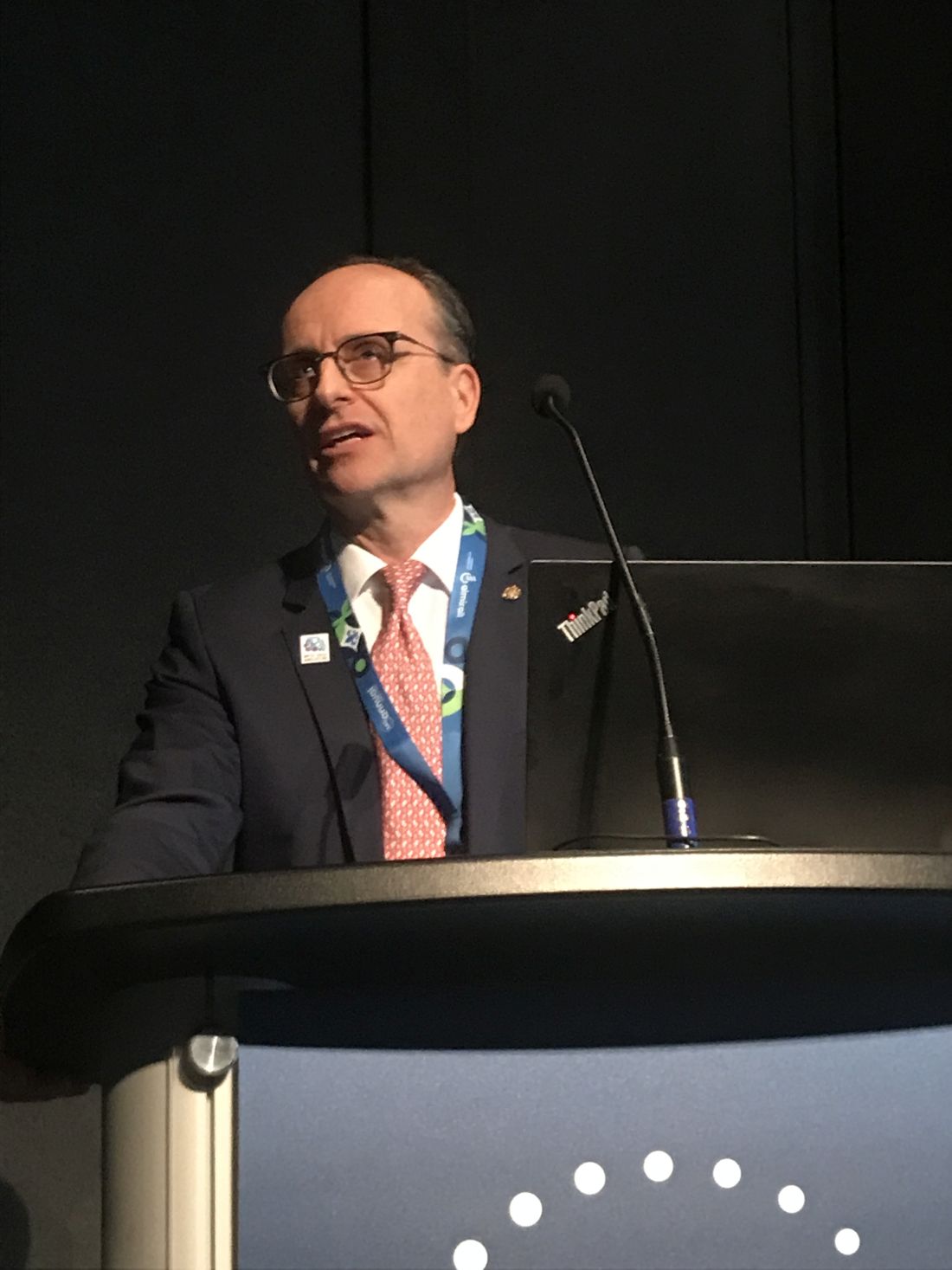
The phase 2b data, which are prompting a phase 3 trial, suggest that the drug, called orismilast, “is a potential new addition to the psoriasis armamentarium,” reported Lars E. French, MD, professor and chair, department of dermatology, Ludwig Maximilian University of Munich (Germany).
At the same session, findings from another study supported off-label use of oral roflumilast (Daliresp and generic), a PDE4 inhibitor approved for severe chronic obstructive pulmonary disease (COPD). The only PDE4 inhibitors with an indication for psoriasis are roflumilast, approved as a cream (Zoryve), and apremilast (Otezla), approved as an oral therapy.
Phase 2 study of orismilast
In the orismilast trial, Dr. French attributed the efficacy observed to the potency of orismilast on the B and D subtypes of PDE4 associated with inflammation. One clue is that these specific subtypes are overly expressed in the skin of patients with either psoriasis or atopic dermatitis.
“When compared to apremilast, orismilast is at least two to fivefold more potent on all PDE4 isoforms and up to 39 times more potent on some of the PDE4 B and D isoforms,” said Dr. French, referring to preclinical findings in human whole blood and blood cells and in a mouse model of chronic inflammation.
The efficacy of orismilast in an immediate-release oral formulation was previously demonstrated in a recently published phase 2a trial, but the newest study tested a modified-release formulation of orismilast to test its potential to improve tolerability.
In the study, 202 adult patients with moderate to severe psoriasis (Psoriasis Area Severity Index [PASI] score ≥ 12) were randomly assigned to one of three doses of orismilast or to placebo. Each of the three doses – 20 mg, 30 mg, or 40 mg – were administered twice daily. The primary endpoint was change in PASI score at 16 weeks. Secondary endpoints included PASI 75 responses (signifying 75% clearance) and safety.
Relative to placebo, which was associated with a PASI improvement of 17%, all three of the tested orismilast doses were superior in a dose-dependent manner. The rates of response were 53%, 61%, and 64% for the 20-mg, 30-mg, and 40-mg twice-daily doses, respectively.
The PASI improvements were rapid, Dr. French said. At 4 weeks, PASI scores climbed from baseline by nearly 40% for those on all orismilast doses, which was more than double the improvement in the placebo group.
In the intention-to-treat analysis with missing data counted as nonresponders, the proportion of patients reaching PASI-75 scores at 16 weeks were 39%, 49%, 45%, and 17%, in the 20-mg, 30-mg, 40-mg, and placebo groups, respectively. The proportion of patients experiencing complete or near-complete skin clearance defined by a PASI 90 were 24%, 22%, 28%, and 8%, respectively.
The side-effect profile was consistent with other PDE4 inhibitors. The most common adverse events included gastrointestinal complaints, such as diarrhea and nausea, as well as headache and dizziness. But the majority of these events were of low grade, and they were largely confined to the first 4 weeks of treatment, which is a pattern reported with other PDE4 inhibitors in psoriasis and other chronic inflammatory diseases, such as COPD, according to Dr. French.
“There were no discontinuations for a treatment-related adverse event in the arms receiving either the 20-mg or the 30-mg doses,” Dr. French reported. There were only two serious adverse events, and neither were considered by trial investigators to be related to orismilast.
Based on the limited therapeutic gain but greater risk for adverse events on the 40-mg twice-daily dose, “the question is now whether to move forward with the 20-mg or the 30-mg dose,” said Dr. French, who said planning of a phase 3 trial is underway.
Phase 2 study of roflumilast
However, this was not the only set of data on an oral PDE4 inhibitor presented as a late-breaker at the AAD meeting. For clinicians looking for a more immediate and less expensive alternative to apremilast, another study indicated that off-label use of oral roflumilast is an option.
In an investigator-initiated, multicenter, double-blind, placebo-controlled trial conducted in Denmark, the rate of response to oral roflumilast at 24 weeks, including the clear or almost clear response, was on the same general order of magnitude as that seen in the orismilast study, reported Alexander Egeberg, MD, PhD, professor of dermatology, University of Copenhagen.
“At 24 weeks, 21.7% had achieved a PASI 90, and 8.7% achieved a PASI 100,” Dr. Egeberg said.
Oral roflumilast has been available for the treatment of COPD for more than 10 years and is now available in a generic formulation. This study was conducted independent of any pharmaceutical company involvement, and the high rate of response and low risk of adverse events suggests that patients can benefit from a PDE4 inhibitor in a very low-cost form.
“Generic oral roflumilast is cheaper than a Starbucks coffee,” Dr. Egeberg said.
In this trial, 46 patients were randomly assigned to placebo or to the COPD-approved roflumilast dose of 500 mcg once daily. The primary endpoint was change in PASI scores from baseline to week 12, which Dr. Egeberg pointed out is a shorter time frame than the 16 weeks more typical of psoriasis treatment studies.
At week 12, the median improvement in PASI was 34.8% in the roflumilast group versus 0% in the placebo group. Patients were then followed for an additional 12 weeks, but those randomized to placebo were switched to the active treatment. By week 24, the switch patients had largely caught up to those initiated on roflumilast for median PASI improvement (39.1% vs. 43.5%).
Similar to orismilast, roflumilast “was generally well tolerated,” Dr. Egeberg said. The adverse events were consistent with those associated with PDE4 inhibitors in previous trials, whether in psoriasis or COPD. There was only one serious adverse event, and it was not considered treatment related. Discontinuations for adverse events “were very low.”
In a population with a relatively high rate of smoking, Dr. Egeberg further reported, lung function was improved, a remark initially interpreted as a joke by some attending the presentation. However, Dr. Egeberg confirmed that lung function was monitored, and objective improvements were recorded.
By Danish law, the investigators were required to inform the manufacturers of roflumilast. Despite the results of this study, he is not aware of any plans to seek an indication for roflumilast in psoriasis, but he noted that the drug is readily available at a low price.
For those willing to offer this therapy off label, “you can start using it tomorrow if you’d like,” he said.
Dr. French reports financial relationships with Almirall, Amgen, Biotest, Galderma, Janssen Cilag, Leo Pharma, Pincell, Regeneron, UCB, and UNION Therapeutics, which provided funding for this trial. Dr. Egeberg reports financial relationships with Eli Lilly, Galderma, Janssen-Cilag, Novartis, and Pfizer.
A version of this article first appeared on Medscape.com.
NEW ORLEANS – according to results of a phase 2 clinical trial presented as a late-breaker at the annual meeting of the American Academy of Dermatology.
The phase 2b data, which are prompting a phase 3 trial, suggest that the drug, called orismilast, “is a potential new addition to the psoriasis armamentarium,” reported Lars E. French, MD, professor and chair, department of dermatology, Ludwig Maximilian University of Munich (Germany).
At the same session, findings from another study supported off-label use of oral roflumilast (Daliresp and generic), a PDE4 inhibitor approved for severe chronic obstructive pulmonary disease (COPD). The only PDE4 inhibitors with an indication for psoriasis are roflumilast, approved as a cream (Zoryve), and apremilast (Otezla), approved as an oral therapy.
Phase 2 study of orismilast
In the orismilast trial, Dr. French attributed the efficacy observed to the potency of orismilast on the B and D subtypes of PDE4 associated with inflammation. One clue is that these specific subtypes are overly expressed in the skin of patients with either psoriasis or atopic dermatitis.
“When compared to apremilast, orismilast is at least two to fivefold more potent on all PDE4 isoforms and up to 39 times more potent on some of the PDE4 B and D isoforms,” said Dr. French, referring to preclinical findings in human whole blood and blood cells and in a mouse model of chronic inflammation.
The efficacy of orismilast in an immediate-release oral formulation was previously demonstrated in a recently published phase 2a trial, but the newest study tested a modified-release formulation of orismilast to test its potential to improve tolerability.
In the study, 202 adult patients with moderate to severe psoriasis (Psoriasis Area Severity Index [PASI] score ≥ 12) were randomly assigned to one of three doses of orismilast or to placebo. Each of the three doses – 20 mg, 30 mg, or 40 mg – were administered twice daily. The primary endpoint was change in PASI score at 16 weeks. Secondary endpoints included PASI 75 responses (signifying 75% clearance) and safety.
Relative to placebo, which was associated with a PASI improvement of 17%, all three of the tested orismilast doses were superior in a dose-dependent manner. The rates of response were 53%, 61%, and 64% for the 20-mg, 30-mg, and 40-mg twice-daily doses, respectively.
The PASI improvements were rapid, Dr. French said. At 4 weeks, PASI scores climbed from baseline by nearly 40% for those on all orismilast doses, which was more than double the improvement in the placebo group.
In the intention-to-treat analysis with missing data counted as nonresponders, the proportion of patients reaching PASI-75 scores at 16 weeks were 39%, 49%, 45%, and 17%, in the 20-mg, 30-mg, 40-mg, and placebo groups, respectively. The proportion of patients experiencing complete or near-complete skin clearance defined by a PASI 90 were 24%, 22%, 28%, and 8%, respectively.
The side-effect profile was consistent with other PDE4 inhibitors. The most common adverse events included gastrointestinal complaints, such as diarrhea and nausea, as well as headache and dizziness. But the majority of these events were of low grade, and they were largely confined to the first 4 weeks of treatment, which is a pattern reported with other PDE4 inhibitors in psoriasis and other chronic inflammatory diseases, such as COPD, according to Dr. French.
“There were no discontinuations for a treatment-related adverse event in the arms receiving either the 20-mg or the 30-mg doses,” Dr. French reported. There were only two serious adverse events, and neither were considered by trial investigators to be related to orismilast.
Based on the limited therapeutic gain but greater risk for adverse events on the 40-mg twice-daily dose, “the question is now whether to move forward with the 20-mg or the 30-mg dose,” said Dr. French, who said planning of a phase 3 trial is underway.
Phase 2 study of roflumilast
However, this was not the only set of data on an oral PDE4 inhibitor presented as a late-breaker at the AAD meeting. For clinicians looking for a more immediate and less expensive alternative to apremilast, another study indicated that off-label use of oral roflumilast is an option.
In an investigator-initiated, multicenter, double-blind, placebo-controlled trial conducted in Denmark, the rate of response to oral roflumilast at 24 weeks, including the clear or almost clear response, was on the same general order of magnitude as that seen in the orismilast study, reported Alexander Egeberg, MD, PhD, professor of dermatology, University of Copenhagen.
“At 24 weeks, 21.7% had achieved a PASI 90, and 8.7% achieved a PASI 100,” Dr. Egeberg said.
Oral roflumilast has been available for the treatment of COPD for more than 10 years and is now available in a generic formulation. This study was conducted independent of any pharmaceutical company involvement, and the high rate of response and low risk of adverse events suggests that patients can benefit from a PDE4 inhibitor in a very low-cost form.
“Generic oral roflumilast is cheaper than a Starbucks coffee,” Dr. Egeberg said.
In this trial, 46 patients were randomly assigned to placebo or to the COPD-approved roflumilast dose of 500 mcg once daily. The primary endpoint was change in PASI scores from baseline to week 12, which Dr. Egeberg pointed out is a shorter time frame than the 16 weeks more typical of psoriasis treatment studies.
At week 12, the median improvement in PASI was 34.8% in the roflumilast group versus 0% in the placebo group. Patients were then followed for an additional 12 weeks, but those randomized to placebo were switched to the active treatment. By week 24, the switch patients had largely caught up to those initiated on roflumilast for median PASI improvement (39.1% vs. 43.5%).
Similar to orismilast, roflumilast “was generally well tolerated,” Dr. Egeberg said. The adverse events were consistent with those associated with PDE4 inhibitors in previous trials, whether in psoriasis or COPD. There was only one serious adverse event, and it was not considered treatment related. Discontinuations for adverse events “were very low.”
In a population with a relatively high rate of smoking, Dr. Egeberg further reported, lung function was improved, a remark initially interpreted as a joke by some attending the presentation. However, Dr. Egeberg confirmed that lung function was monitored, and objective improvements were recorded.
By Danish law, the investigators were required to inform the manufacturers of roflumilast. Despite the results of this study, he is not aware of any plans to seek an indication for roflumilast in psoriasis, but he noted that the drug is readily available at a low price.
For those willing to offer this therapy off label, “you can start using it tomorrow if you’d like,” he said.
Dr. French reports financial relationships with Almirall, Amgen, Biotest, Galderma, Janssen Cilag, Leo Pharma, Pincell, Regeneron, UCB, and UNION Therapeutics, which provided funding for this trial. Dr. Egeberg reports financial relationships with Eli Lilly, Galderma, Janssen-Cilag, Novartis, and Pfizer.
A version of this article first appeared on Medscape.com.
NEW ORLEANS – according to results of a phase 2 clinical trial presented as a late-breaker at the annual meeting of the American Academy of Dermatology.
The phase 2b data, which are prompting a phase 3 trial, suggest that the drug, called orismilast, “is a potential new addition to the psoriasis armamentarium,” reported Lars E. French, MD, professor and chair, department of dermatology, Ludwig Maximilian University of Munich (Germany).
At the same session, findings from another study supported off-label use of oral roflumilast (Daliresp and generic), a PDE4 inhibitor approved for severe chronic obstructive pulmonary disease (COPD). The only PDE4 inhibitors with an indication for psoriasis are roflumilast, approved as a cream (Zoryve), and apremilast (Otezla), approved as an oral therapy.
Phase 2 study of orismilast
In the orismilast trial, Dr. French attributed the efficacy observed to the potency of orismilast on the B and D subtypes of PDE4 associated with inflammation. One clue is that these specific subtypes are overly expressed in the skin of patients with either psoriasis or atopic dermatitis.
“When compared to apremilast, orismilast is at least two to fivefold more potent on all PDE4 isoforms and up to 39 times more potent on some of the PDE4 B and D isoforms,” said Dr. French, referring to preclinical findings in human whole blood and blood cells and in a mouse model of chronic inflammation.
The efficacy of orismilast in an immediate-release oral formulation was previously demonstrated in a recently published phase 2a trial, but the newest study tested a modified-release formulation of orismilast to test its potential to improve tolerability.
In the study, 202 adult patients with moderate to severe psoriasis (Psoriasis Area Severity Index [PASI] score ≥ 12) were randomly assigned to one of three doses of orismilast or to placebo. Each of the three doses – 20 mg, 30 mg, or 40 mg – were administered twice daily. The primary endpoint was change in PASI score at 16 weeks. Secondary endpoints included PASI 75 responses (signifying 75% clearance) and safety.
Relative to placebo, which was associated with a PASI improvement of 17%, all three of the tested orismilast doses were superior in a dose-dependent manner. The rates of response were 53%, 61%, and 64% for the 20-mg, 30-mg, and 40-mg twice-daily doses, respectively.
The PASI improvements were rapid, Dr. French said. At 4 weeks, PASI scores climbed from baseline by nearly 40% for those on all orismilast doses, which was more than double the improvement in the placebo group.
In the intention-to-treat analysis with missing data counted as nonresponders, the proportion of patients reaching PASI-75 scores at 16 weeks were 39%, 49%, 45%, and 17%, in the 20-mg, 30-mg, 40-mg, and placebo groups, respectively. The proportion of patients experiencing complete or near-complete skin clearance defined by a PASI 90 were 24%, 22%, 28%, and 8%, respectively.
The side-effect profile was consistent with other PDE4 inhibitors. The most common adverse events included gastrointestinal complaints, such as diarrhea and nausea, as well as headache and dizziness. But the majority of these events were of low grade, and they were largely confined to the first 4 weeks of treatment, which is a pattern reported with other PDE4 inhibitors in psoriasis and other chronic inflammatory diseases, such as COPD, according to Dr. French.
“There were no discontinuations for a treatment-related adverse event in the arms receiving either the 20-mg or the 30-mg doses,” Dr. French reported. There were only two serious adverse events, and neither were considered by trial investigators to be related to orismilast.
Based on the limited therapeutic gain but greater risk for adverse events on the 40-mg twice-daily dose, “the question is now whether to move forward with the 20-mg or the 30-mg dose,” said Dr. French, who said planning of a phase 3 trial is underway.
Phase 2 study of roflumilast
However, this was not the only set of data on an oral PDE4 inhibitor presented as a late-breaker at the AAD meeting. For clinicians looking for a more immediate and less expensive alternative to apremilast, another study indicated that off-label use of oral roflumilast is an option.
In an investigator-initiated, multicenter, double-blind, placebo-controlled trial conducted in Denmark, the rate of response to oral roflumilast at 24 weeks, including the clear or almost clear response, was on the same general order of magnitude as that seen in the orismilast study, reported Alexander Egeberg, MD, PhD, professor of dermatology, University of Copenhagen.
“At 24 weeks, 21.7% had achieved a PASI 90, and 8.7% achieved a PASI 100,” Dr. Egeberg said.
Oral roflumilast has been available for the treatment of COPD for more than 10 years and is now available in a generic formulation. This study was conducted independent of any pharmaceutical company involvement, and the high rate of response and low risk of adverse events suggests that patients can benefit from a PDE4 inhibitor in a very low-cost form.
“Generic oral roflumilast is cheaper than a Starbucks coffee,” Dr. Egeberg said.
In this trial, 46 patients were randomly assigned to placebo or to the COPD-approved roflumilast dose of 500 mcg once daily. The primary endpoint was change in PASI scores from baseline to week 12, which Dr. Egeberg pointed out is a shorter time frame than the 16 weeks more typical of psoriasis treatment studies.
At week 12, the median improvement in PASI was 34.8% in the roflumilast group versus 0% in the placebo group. Patients were then followed for an additional 12 weeks, but those randomized to placebo were switched to the active treatment. By week 24, the switch patients had largely caught up to those initiated on roflumilast for median PASI improvement (39.1% vs. 43.5%).
Similar to orismilast, roflumilast “was generally well tolerated,” Dr. Egeberg said. The adverse events were consistent with those associated with PDE4 inhibitors in previous trials, whether in psoriasis or COPD. There was only one serious adverse event, and it was not considered treatment related. Discontinuations for adverse events “were very low.”
In a population with a relatively high rate of smoking, Dr. Egeberg further reported, lung function was improved, a remark initially interpreted as a joke by some attending the presentation. However, Dr. Egeberg confirmed that lung function was monitored, and objective improvements were recorded.
By Danish law, the investigators were required to inform the manufacturers of roflumilast. Despite the results of this study, he is not aware of any plans to seek an indication for roflumilast in psoriasis, but he noted that the drug is readily available at a low price.
For those willing to offer this therapy off label, “you can start using it tomorrow if you’d like,” he said.
Dr. French reports financial relationships with Almirall, Amgen, Biotest, Galderma, Janssen Cilag, Leo Pharma, Pincell, Regeneron, UCB, and UNION Therapeutics, which provided funding for this trial. Dr. Egeberg reports financial relationships with Eli Lilly, Galderma, Janssen-Cilag, Novartis, and Pfizer.
A version of this article first appeared on Medscape.com.
AT AAD 2023
Severe atopic dermatitis linked with significant overall morbidity
Key clinical point: Compared with mild atopic dermatitis (AD), severe AD results in an increased risk for overall morbidity.
Major finding: Patients with severe vs mild AD had a significantly increased risk for other dermatitis, extragenital herpes, urticaria, impetigo, cellulitis, varicella zoster virus, abscess, sepsis, conjunctivitis, alopecia areata, asthma, allergic rhinitis and conjunctivitis, stress-related and somatoform diseases, intervertebral disc disorders, osteoporosis, and lymphomas (all P < .001), as well as condylomas, rosacea, certain psychiatric disorders, migraine, sleep apnea, other sleep disorders, hypertension, atherosclerosis, enthesopathies, and drug-induced cataract (all P < .05). However, patients with moderate or severe vs mild AD had a lower risk for prostate cancer (P < .05).
Study details: The data come from a retrospective real-world cohort study including 124,038 patients with mild (n = 53,046), moderate (n = 46,296), or severe (n = 24,696) AD.
Disclosures: This study was sponsored by AbbVie. Some authors reported ties, including employment and stock ownership, with AbbVie and others.
Source: Kiiski V et al. Effect of disease severity on comorbid conditions in atopic dermatitis: Nationwide registry-based investigation in Finnish adults. Acta Derm Venereol. 2023;103:adv00882 (Mar 8). Doi: 10.2340/actadv.v103.4447
Key clinical point: Compared with mild atopic dermatitis (AD), severe AD results in an increased risk for overall morbidity.
Major finding: Patients with severe vs mild AD had a significantly increased risk for other dermatitis, extragenital herpes, urticaria, impetigo, cellulitis, varicella zoster virus, abscess, sepsis, conjunctivitis, alopecia areata, asthma, allergic rhinitis and conjunctivitis, stress-related and somatoform diseases, intervertebral disc disorders, osteoporosis, and lymphomas (all P < .001), as well as condylomas, rosacea, certain psychiatric disorders, migraine, sleep apnea, other sleep disorders, hypertension, atherosclerosis, enthesopathies, and drug-induced cataract (all P < .05). However, patients with moderate or severe vs mild AD had a lower risk for prostate cancer (P < .05).
Study details: The data come from a retrospective real-world cohort study including 124,038 patients with mild (n = 53,046), moderate (n = 46,296), or severe (n = 24,696) AD.
Disclosures: This study was sponsored by AbbVie. Some authors reported ties, including employment and stock ownership, with AbbVie and others.
Source: Kiiski V et al. Effect of disease severity on comorbid conditions in atopic dermatitis: Nationwide registry-based investigation in Finnish adults. Acta Derm Venereol. 2023;103:adv00882 (Mar 8). Doi: 10.2340/actadv.v103.4447
Key clinical point: Compared with mild atopic dermatitis (AD), severe AD results in an increased risk for overall morbidity.
Major finding: Patients with severe vs mild AD had a significantly increased risk for other dermatitis, extragenital herpes, urticaria, impetigo, cellulitis, varicella zoster virus, abscess, sepsis, conjunctivitis, alopecia areata, asthma, allergic rhinitis and conjunctivitis, stress-related and somatoform diseases, intervertebral disc disorders, osteoporosis, and lymphomas (all P < .001), as well as condylomas, rosacea, certain psychiatric disorders, migraine, sleep apnea, other sleep disorders, hypertension, atherosclerosis, enthesopathies, and drug-induced cataract (all P < .05). However, patients with moderate or severe vs mild AD had a lower risk for prostate cancer (P < .05).
Study details: The data come from a retrospective real-world cohort study including 124,038 patients with mild (n = 53,046), moderate (n = 46,296), or severe (n = 24,696) AD.
Disclosures: This study was sponsored by AbbVie. Some authors reported ties, including employment and stock ownership, with AbbVie and others.
Source: Kiiski V et al. Effect of disease severity on comorbid conditions in atopic dermatitis: Nationwide registry-based investigation in Finnish adults. Acta Derm Venereol. 2023;103:adv00882 (Mar 8). Doi: 10.2340/actadv.v103.4447
Skin biomarkers in infants aged 2 months predictive of future atopic dermatitis onset
Key clinical point: Stratum corneum (SC) lipid and cytokine levels in infants aged 2 months can predict the future onset of atopic dermatitis (AD) up to 2 years of age.
Major finding: The SC levels of protein-bound ceramides were decreased (P = .0058), whereas those of unsaturated sphingomyelin (P < .0001), thymic stromal lymphopoietin (P = .0032), and interleukin-13 (IL13; P < .0001) increased in infants with vs without a family history of atopic diseases. A combination of family history and high IL13, high 26:1-sphingomyelin, and low O30:0(C22S)-ceramide levels had a strong predictive power for AD onset by 2 years of age (adjusted odds ratio 54.0; 95% CI 9.2-317.5).
Study details: This observational study included 111 asymptomatic infants with or without a family history of atopic diseases who underwent skin tape strip analysis at 2 months of age.
Disclosures: This study was funded by Edelstein Family Chair of Pediatric Allergy-Immunology at National Jewish Health, Denver, Colorado, and the Korea Environment Industry and Technology Institute (KEITI) through Environmental Health Action Program, funded by Korea Ministry of Environment. Some authors reported ties with various organizations.
Source: Berdyshev E et al. Stratum corneum lipid and cytokine biomarkers at two months of age predict the future onset of atopic dermatitis. J Allergy Clin Immunol. 2023 (Feb 22). Doi: 10.1016/j.jaci.2023.02.013
Key clinical point: Stratum corneum (SC) lipid and cytokine levels in infants aged 2 months can predict the future onset of atopic dermatitis (AD) up to 2 years of age.
Major finding: The SC levels of protein-bound ceramides were decreased (P = .0058), whereas those of unsaturated sphingomyelin (P < .0001), thymic stromal lymphopoietin (P = .0032), and interleukin-13 (IL13; P < .0001) increased in infants with vs without a family history of atopic diseases. A combination of family history and high IL13, high 26:1-sphingomyelin, and low O30:0(C22S)-ceramide levels had a strong predictive power for AD onset by 2 years of age (adjusted odds ratio 54.0; 95% CI 9.2-317.5).
Study details: This observational study included 111 asymptomatic infants with or without a family history of atopic diseases who underwent skin tape strip analysis at 2 months of age.
Disclosures: This study was funded by Edelstein Family Chair of Pediatric Allergy-Immunology at National Jewish Health, Denver, Colorado, and the Korea Environment Industry and Technology Institute (KEITI) through Environmental Health Action Program, funded by Korea Ministry of Environment. Some authors reported ties with various organizations.
Source: Berdyshev E et al. Stratum corneum lipid and cytokine biomarkers at two months of age predict the future onset of atopic dermatitis. J Allergy Clin Immunol. 2023 (Feb 22). Doi: 10.1016/j.jaci.2023.02.013
Key clinical point: Stratum corneum (SC) lipid and cytokine levels in infants aged 2 months can predict the future onset of atopic dermatitis (AD) up to 2 years of age.
Major finding: The SC levels of protein-bound ceramides were decreased (P = .0058), whereas those of unsaturated sphingomyelin (P < .0001), thymic stromal lymphopoietin (P = .0032), and interleukin-13 (IL13; P < .0001) increased in infants with vs without a family history of atopic diseases. A combination of family history and high IL13, high 26:1-sphingomyelin, and low O30:0(C22S)-ceramide levels had a strong predictive power for AD onset by 2 years of age (adjusted odds ratio 54.0; 95% CI 9.2-317.5).
Study details: This observational study included 111 asymptomatic infants with or without a family history of atopic diseases who underwent skin tape strip analysis at 2 months of age.
Disclosures: This study was funded by Edelstein Family Chair of Pediatric Allergy-Immunology at National Jewish Health, Denver, Colorado, and the Korea Environment Industry and Technology Institute (KEITI) through Environmental Health Action Program, funded by Korea Ministry of Environment. Some authors reported ties with various organizations.
Source: Berdyshev E et al. Stratum corneum lipid and cytokine biomarkers at two months of age predict the future onset of atopic dermatitis. J Allergy Clin Immunol. 2023 (Feb 22). Doi: 10.1016/j.jaci.2023.02.013
Crisaborole improves sleep outcomes in pediatric mild-to-moderate atopic dermatitis
Key clinical point: Crisaborole was effective in reducing sleep disturbance in pediatric patients with mild-to-moderate atopic dermatitis (AD).
Major finding: At day 29, a significantly lower proportion of patients reported sleep disturbance in the crisaborole vs vehicle group (48.5% vs 57.7%; P = .001). Crisaborole led to a 32.2% decrease in the proportion of infants with ≥1 night of disturbed sleep.
Study details: This post hoc analysis included infants aged 3 to <24 months (CARE 1; n = 137), patients aged 2 to <16 years (pooled CORE 1/CORE 2; n = 1227), and families of patients aged 2 to <18 years (pooled CORE 1/CORE 2; n = 1313) with mild-to-moderate AD who received crisaborole or vehicle twice daily for 28 days.
Disclosures: This study was sponsored by Pfizer Inc. Some authors declared serving as speakers and consultants for or receiving speaker and consulting fees from various sources, including Pfizer. Six authors declared being employees of and holding stocks in Pfizer Inc.
Source: Fowler J et al. Impact of crisaborole on sleep outcomes in pediatric patients with mild-to-moderate atopic dermatitis. Dermatol Ther (Heidelb). 2023 (Feb 22). Doi: 10.1007/s13555-023-00899-y
Key clinical point: Crisaborole was effective in reducing sleep disturbance in pediatric patients with mild-to-moderate atopic dermatitis (AD).
Major finding: At day 29, a significantly lower proportion of patients reported sleep disturbance in the crisaborole vs vehicle group (48.5% vs 57.7%; P = .001). Crisaborole led to a 32.2% decrease in the proportion of infants with ≥1 night of disturbed sleep.
Study details: This post hoc analysis included infants aged 3 to <24 months (CARE 1; n = 137), patients aged 2 to <16 years (pooled CORE 1/CORE 2; n = 1227), and families of patients aged 2 to <18 years (pooled CORE 1/CORE 2; n = 1313) with mild-to-moderate AD who received crisaborole or vehicle twice daily for 28 days.
Disclosures: This study was sponsored by Pfizer Inc. Some authors declared serving as speakers and consultants for or receiving speaker and consulting fees from various sources, including Pfizer. Six authors declared being employees of and holding stocks in Pfizer Inc.
Source: Fowler J et al. Impact of crisaborole on sleep outcomes in pediatric patients with mild-to-moderate atopic dermatitis. Dermatol Ther (Heidelb). 2023 (Feb 22). Doi: 10.1007/s13555-023-00899-y
Key clinical point: Crisaborole was effective in reducing sleep disturbance in pediatric patients with mild-to-moderate atopic dermatitis (AD).
Major finding: At day 29, a significantly lower proportion of patients reported sleep disturbance in the crisaborole vs vehicle group (48.5% vs 57.7%; P = .001). Crisaborole led to a 32.2% decrease in the proportion of infants with ≥1 night of disturbed sleep.
Study details: This post hoc analysis included infants aged 3 to <24 months (CARE 1; n = 137), patients aged 2 to <16 years (pooled CORE 1/CORE 2; n = 1227), and families of patients aged 2 to <18 years (pooled CORE 1/CORE 2; n = 1313) with mild-to-moderate AD who received crisaborole or vehicle twice daily for 28 days.
Disclosures: This study was sponsored by Pfizer Inc. Some authors declared serving as speakers and consultants for or receiving speaker and consulting fees from various sources, including Pfizer. Six authors declared being employees of and holding stocks in Pfizer Inc.
Source: Fowler J et al. Impact of crisaborole on sleep outcomes in pediatric patients with mild-to-moderate atopic dermatitis. Dermatol Ther (Heidelb). 2023 (Feb 22). Doi: 10.1007/s13555-023-00899-y
Atopic dermatitis is positively linked with the risk for gastroesophageal reflux disease
Key clinical point: Adult patients with atopic dermatitis (AD) are at an increased risk of developing subsequent gastroesophageal reflux disease (GERD).
Major finding: Patients with AD vs matched control individuals had a 15% higher risk for subsequent GERD (adjusted hazard ratio [aHR] 1.15; P = .0013), with the risk being higher in women (aHR 1.17; P = .0120) vs men (aHR 1.15; P = .0343) with AD.
Study details: The data come from a retrospective population-based cohort study including 9164 patients aged ≥20 years with AD and 9164 matched control individuals without AD.
Disclosures: This study was supported by a grant of the National Research Foundation of Korea funded by the Ministry of Education, Science, and Technology. The authors declared no conflicts of interest.
Source: Lee SW et al. Atopic dermatitis and risk of gastroesophageal reflux disease: A nationwide population-based study. PLoS One. 2023;18(2):e0281883 (Feb 17). Doi: 10.1371/journal.pone.0281883
Key clinical point: Adult patients with atopic dermatitis (AD) are at an increased risk of developing subsequent gastroesophageal reflux disease (GERD).
Major finding: Patients with AD vs matched control individuals had a 15% higher risk for subsequent GERD (adjusted hazard ratio [aHR] 1.15; P = .0013), with the risk being higher in women (aHR 1.17; P = .0120) vs men (aHR 1.15; P = .0343) with AD.
Study details: The data come from a retrospective population-based cohort study including 9164 patients aged ≥20 years with AD and 9164 matched control individuals without AD.
Disclosures: This study was supported by a grant of the National Research Foundation of Korea funded by the Ministry of Education, Science, and Technology. The authors declared no conflicts of interest.
Source: Lee SW et al. Atopic dermatitis and risk of gastroesophageal reflux disease: A nationwide population-based study. PLoS One. 2023;18(2):e0281883 (Feb 17). Doi: 10.1371/journal.pone.0281883
Key clinical point: Adult patients with atopic dermatitis (AD) are at an increased risk of developing subsequent gastroesophageal reflux disease (GERD).
Major finding: Patients with AD vs matched control individuals had a 15% higher risk for subsequent GERD (adjusted hazard ratio [aHR] 1.15; P = .0013), with the risk being higher in women (aHR 1.17; P = .0120) vs men (aHR 1.15; P = .0343) with AD.
Study details: The data come from a retrospective population-based cohort study including 9164 patients aged ≥20 years with AD and 9164 matched control individuals without AD.
Disclosures: This study was supported by a grant of the National Research Foundation of Korea funded by the Ministry of Education, Science, and Technology. The authors declared no conflicts of interest.
Source: Lee SW et al. Atopic dermatitis and risk of gastroesophageal reflux disease: A nationwide population-based study. PLoS One. 2023;18(2):e0281883 (Feb 17). Doi: 10.1371/journal.pone.0281883
Season of birth influences the risk for atopic dermatitis in early infancy
Key clinical point: Environmental conditions characterized by the month of birth affect the risk of developing eczema and atopic dermatitis (AD) in infants until 1 year of age.
Major finding: With infants born in spring as a reference, those born in autumn had the highest risk for eczema at 6 months (adjusted odds ratio [aOR] 2.19; 95% CI 2.10-2.30) and 1 year (aOR 1.08; 95% CI 1.02-1.14) of age and for physician-diagnosed AD up to 1 year of age (aOR 1.33; 95% CI 1.20-1.47), whereas those born in summer had the highest risk for eczema at the age of 1 month (aOR 1.19; 95% CI 1.14-1.24).
Study details: This study analyzed the data of 81,615 infants from a prospective birth cohort study, the Japan Environment and Children’s Study (JECS).
Disclosures: The JECS is supported by the Ministry of the Environment, Japan. The authors declared no conflicts of interest.
Source: Tsuchida A et al. Season of birth and atopic dermatitis in early infancy: Results from the Japan Environment and Children’s Study. BMC Pediatr. 2023;23(1):78 (Feb 15). Doi: 10.1186/s12887-023-03878-6
Key clinical point: Environmental conditions characterized by the month of birth affect the risk of developing eczema and atopic dermatitis (AD) in infants until 1 year of age.
Major finding: With infants born in spring as a reference, those born in autumn had the highest risk for eczema at 6 months (adjusted odds ratio [aOR] 2.19; 95% CI 2.10-2.30) and 1 year (aOR 1.08; 95% CI 1.02-1.14) of age and for physician-diagnosed AD up to 1 year of age (aOR 1.33; 95% CI 1.20-1.47), whereas those born in summer had the highest risk for eczema at the age of 1 month (aOR 1.19; 95% CI 1.14-1.24).
Study details: This study analyzed the data of 81,615 infants from a prospective birth cohort study, the Japan Environment and Children’s Study (JECS).
Disclosures: The JECS is supported by the Ministry of the Environment, Japan. The authors declared no conflicts of interest.
Source: Tsuchida A et al. Season of birth and atopic dermatitis in early infancy: Results from the Japan Environment and Children’s Study. BMC Pediatr. 2023;23(1):78 (Feb 15). Doi: 10.1186/s12887-023-03878-6
Key clinical point: Environmental conditions characterized by the month of birth affect the risk of developing eczema and atopic dermatitis (AD) in infants until 1 year of age.
Major finding: With infants born in spring as a reference, those born in autumn had the highest risk for eczema at 6 months (adjusted odds ratio [aOR] 2.19; 95% CI 2.10-2.30) and 1 year (aOR 1.08; 95% CI 1.02-1.14) of age and for physician-diagnosed AD up to 1 year of age (aOR 1.33; 95% CI 1.20-1.47), whereas those born in summer had the highest risk for eczema at the age of 1 month (aOR 1.19; 95% CI 1.14-1.24).
Study details: This study analyzed the data of 81,615 infants from a prospective birth cohort study, the Japan Environment and Children’s Study (JECS).
Disclosures: The JECS is supported by the Ministry of the Environment, Japan. The authors declared no conflicts of interest.
Source: Tsuchida A et al. Season of birth and atopic dermatitis in early infancy: Results from the Japan Environment and Children’s Study. BMC Pediatr. 2023;23(1):78 (Feb 15). Doi: 10.1186/s12887-023-03878-6
Pruritus reduction crucial for improving other inflammatory symptoms in nemolizumab-treated atopic dermatitis
Key clinical point: Patients with atopic dermatitis (AD) who experienced greater pruritus reductions after nemolizumab treatment also showed clinically meaningful improvements in other pruritus and cutaneous symptoms.
Major finding: At week 16, a greater proportion of pruritus Visual Analogy Scale (VAS) responders (≥50% improvement) vs nonresponders achieved a pruritus VAS score of <30 mm (81.6% vs 0%), ≥50% improvement in the Eczema Area and Severity Index score (65.3% vs 44.7%), ≥4-point improvement in pruritus numerical rating scale score (89.6% vs 2.1%), and 5-level itch score of ≤1 (42.9% vs 3.2%).
Study details: This post hoc analysis of the Nemolizumab-JP01 study Part A included 215 patients with inadequately controlled AD who had been randomly assigned to receive subcutaneous 60 mg nemolizumab (n = 143) or placebo (n = 72) every 4 weeks for 16 weeks.
Disclosures: This study was funded by Maruho. Some authors declared receiving grants or personal fees from various organizations, including Maruho. Two authors declared being employees of Maruho.
Source: Kabashima K et al for the Nemolizumab-JP01 Study Group. Clinically meaningful improvements in cutaneous lesions and quality of life measures in patients with atopic dermatitis with greater pruritus reductions after treatment with 60 mg nemolizumab subcutaneously every 4 weeks: Subgroup analysis from a phase 3, randomized, controlled trial. J Dermatolog Treat. 2023;1-13 (Feb 13). Doi: 10.1080/09546634.2023.2177096
Key clinical point: Patients with atopic dermatitis (AD) who experienced greater pruritus reductions after nemolizumab treatment also showed clinically meaningful improvements in other pruritus and cutaneous symptoms.
Major finding: At week 16, a greater proportion of pruritus Visual Analogy Scale (VAS) responders (≥50% improvement) vs nonresponders achieved a pruritus VAS score of <30 mm (81.6% vs 0%), ≥50% improvement in the Eczema Area and Severity Index score (65.3% vs 44.7%), ≥4-point improvement in pruritus numerical rating scale score (89.6% vs 2.1%), and 5-level itch score of ≤1 (42.9% vs 3.2%).
Study details: This post hoc analysis of the Nemolizumab-JP01 study Part A included 215 patients with inadequately controlled AD who had been randomly assigned to receive subcutaneous 60 mg nemolizumab (n = 143) or placebo (n = 72) every 4 weeks for 16 weeks.
Disclosures: This study was funded by Maruho. Some authors declared receiving grants or personal fees from various organizations, including Maruho. Two authors declared being employees of Maruho.
Source: Kabashima K et al for the Nemolizumab-JP01 Study Group. Clinically meaningful improvements in cutaneous lesions and quality of life measures in patients with atopic dermatitis with greater pruritus reductions after treatment with 60 mg nemolizumab subcutaneously every 4 weeks: Subgroup analysis from a phase 3, randomized, controlled trial. J Dermatolog Treat. 2023;1-13 (Feb 13). Doi: 10.1080/09546634.2023.2177096
Key clinical point: Patients with atopic dermatitis (AD) who experienced greater pruritus reductions after nemolizumab treatment also showed clinically meaningful improvements in other pruritus and cutaneous symptoms.
Major finding: At week 16, a greater proportion of pruritus Visual Analogy Scale (VAS) responders (≥50% improvement) vs nonresponders achieved a pruritus VAS score of <30 mm (81.6% vs 0%), ≥50% improvement in the Eczema Area and Severity Index score (65.3% vs 44.7%), ≥4-point improvement in pruritus numerical rating scale score (89.6% vs 2.1%), and 5-level itch score of ≤1 (42.9% vs 3.2%).
Study details: This post hoc analysis of the Nemolizumab-JP01 study Part A included 215 patients with inadequately controlled AD who had been randomly assigned to receive subcutaneous 60 mg nemolizumab (n = 143) or placebo (n = 72) every 4 weeks for 16 weeks.
Disclosures: This study was funded by Maruho. Some authors declared receiving grants or personal fees from various organizations, including Maruho. Two authors declared being employees of Maruho.
Source: Kabashima K et al for the Nemolizumab-JP01 Study Group. Clinically meaningful improvements in cutaneous lesions and quality of life measures in patients with atopic dermatitis with greater pruritus reductions after treatment with 60 mg nemolizumab subcutaneously every 4 weeks: Subgroup analysis from a phase 3, randomized, controlled trial. J Dermatolog Treat. 2023;1-13 (Feb 13). Doi: 10.1080/09546634.2023.2177096
Study reveals an association between atopic dermatitis and e-cigarette use among US adults
Key clinical point: Use of e-cigarettes is significantly associated with the development of atopic dermatitis (AD) in the US adult population.
Major finding: E-cigarette use was significantly associated with AD (adjusted odds ratio 1.35; P < .001). The association was significant in women (P < .001) but not in men (P = .5).
Study details: This population-based study analyzed the data of 28,563 adults from the US National Health Interview Survey 2021.
Disclosures: This study did not receive any funding. Some authors declared serving as consultants, speakers, investigators, or advisors for or receiving speaking fees from various organizations.
Source: Smith B et al. Association between electronic cigarette use and atopic dermatitis among United States adults. J Am Acad Dermatol. 2023 (Feb 24). Doi: 10.1016/j.jaad.2023.02.027.
Key clinical point: Use of e-cigarettes is significantly associated with the development of atopic dermatitis (AD) in the US adult population.
Major finding: E-cigarette use was significantly associated with AD (adjusted odds ratio 1.35; P < .001). The association was significant in women (P < .001) but not in men (P = .5).
Study details: This population-based study analyzed the data of 28,563 adults from the US National Health Interview Survey 2021.
Disclosures: This study did not receive any funding. Some authors declared serving as consultants, speakers, investigators, or advisors for or receiving speaking fees from various organizations.
Source: Smith B et al. Association between electronic cigarette use and atopic dermatitis among United States adults. J Am Acad Dermatol. 2023 (Feb 24). Doi: 10.1016/j.jaad.2023.02.027.
Key clinical point: Use of e-cigarettes is significantly associated with the development of atopic dermatitis (AD) in the US adult population.
Major finding: E-cigarette use was significantly associated with AD (adjusted odds ratio 1.35; P < .001). The association was significant in women (P < .001) but not in men (P = .5).
Study details: This population-based study analyzed the data of 28,563 adults from the US National Health Interview Survey 2021.
Disclosures: This study did not receive any funding. Some authors declared serving as consultants, speakers, investigators, or advisors for or receiving speaking fees from various organizations.
Source: Smith B et al. Association between electronic cigarette use and atopic dermatitis among United States adults. J Am Acad Dermatol. 2023 (Feb 24). Doi: 10.1016/j.jaad.2023.02.027.
Increased prevalence of allergic contact dermatitis in patients with atopic dermatitis
Key clinical point: After patch testing, the frequency of allergic contact dermatitis (ACD) diagnosis was higher among patients with atopic dermatitis (AD) than among individuals without AD.
Major finding: Among patients with AD vs individuals without AD, the diagnosis rate of ACD (54.8% vs 47.3%; P < .0001), particularly ACD to cosmetics (7.0% vs 5.7%; P = .0007), medicaments (2.3% vs 1.7%; P = .02), dyes (1.9% vs 1.4%; P = .036), and foods contacting the skin (0.4% vs 0.1%; P = .003), was significantly higher.
Study details: This retrospective study included 15,737 individuals who underwent patch testing, of which 5641 were diagnosed with AD.
Disclosures: This study did not receive any funding. The authors declared no conflicts of interest.
Source: Qian MF et al. Prevalence of allergic contact dermatitis following patch testing in patients with atopic dermatitis: A retrospective United States claims-based study. J Am Acad Dermatol. 2023 (Feb 10). Doi: 10.1016/j.jaad.2022.12.051
Key clinical point: After patch testing, the frequency of allergic contact dermatitis (ACD) diagnosis was higher among patients with atopic dermatitis (AD) than among individuals without AD.
Major finding: Among patients with AD vs individuals without AD, the diagnosis rate of ACD (54.8% vs 47.3%; P < .0001), particularly ACD to cosmetics (7.0% vs 5.7%; P = .0007), medicaments (2.3% vs 1.7%; P = .02), dyes (1.9% vs 1.4%; P = .036), and foods contacting the skin (0.4% vs 0.1%; P = .003), was significantly higher.
Study details: This retrospective study included 15,737 individuals who underwent patch testing, of which 5641 were diagnosed with AD.
Disclosures: This study did not receive any funding. The authors declared no conflicts of interest.
Source: Qian MF et al. Prevalence of allergic contact dermatitis following patch testing in patients with atopic dermatitis: A retrospective United States claims-based study. J Am Acad Dermatol. 2023 (Feb 10). Doi: 10.1016/j.jaad.2022.12.051
Key clinical point: After patch testing, the frequency of allergic contact dermatitis (ACD) diagnosis was higher among patients with atopic dermatitis (AD) than among individuals without AD.
Major finding: Among patients with AD vs individuals without AD, the diagnosis rate of ACD (54.8% vs 47.3%; P < .0001), particularly ACD to cosmetics (7.0% vs 5.7%; P = .0007), medicaments (2.3% vs 1.7%; P = .02), dyes (1.9% vs 1.4%; P = .036), and foods contacting the skin (0.4% vs 0.1%; P = .003), was significantly higher.
Study details: This retrospective study included 15,737 individuals who underwent patch testing, of which 5641 were diagnosed with AD.
Disclosures: This study did not receive any funding. The authors declared no conflicts of interest.
Source: Qian MF et al. Prevalence of allergic contact dermatitis following patch testing in patients with atopic dermatitis: A retrospective United States claims-based study. J Am Acad Dermatol. 2023 (Feb 10). Doi: 10.1016/j.jaad.2022.12.051
Upadacitinib effective for moderate-to-severe atopic dermatitis in daily practice
Key clinical point: In real-life settings, upadacitinib was effective and safe in patients with moderate-to-severe atopic dermatitis (AD), including those with prior inadequate response to dupilumab or baricitinib.
Major finding: At week 16, the mean Eczema Area and Severity Index and Numerical Rating Scale pruritus scores decreased significantly from 16.6 to 5.7 and 7.0 to 3.7, respectively (both P < .001), with rapid improvement being observed in the first 4 weeks. Adverse events were mostly mild in severity.
Study details: This prospective multicenter observational study included 47 adult patients with moderate-to-severe AD from the Dutch BioDay registry who received upadacitinib (15 or 30 mg once daily), of which 23 and 14 had not or inadequately responded to previous dupilumab and baricitinib therapies, respectively.
Disclosures: The BioDay registry is sponsored by Eli Lilly and others. Some authors reported ties with various sources, including the BioDay registry sponsors.
Source: Boesjes CM et al. Effectiveness of upadacitinib in patients with atopic dermatitis including those with inadequate response to dupilumab and/or baricitinib: Results from the BioDay Registry. Acta Derm Venereol. 2023;103:adv00872 (Feb 16). Doi: 10.2340/actadv.v103.5243
Key clinical point: In real-life settings, upadacitinib was effective and safe in patients with moderate-to-severe atopic dermatitis (AD), including those with prior inadequate response to dupilumab or baricitinib.
Major finding: At week 16, the mean Eczema Area and Severity Index and Numerical Rating Scale pruritus scores decreased significantly from 16.6 to 5.7 and 7.0 to 3.7, respectively (both P < .001), with rapid improvement being observed in the first 4 weeks. Adverse events were mostly mild in severity.
Study details: This prospective multicenter observational study included 47 adult patients with moderate-to-severe AD from the Dutch BioDay registry who received upadacitinib (15 or 30 mg once daily), of which 23 and 14 had not or inadequately responded to previous dupilumab and baricitinib therapies, respectively.
Disclosures: The BioDay registry is sponsored by Eli Lilly and others. Some authors reported ties with various sources, including the BioDay registry sponsors.
Source: Boesjes CM et al. Effectiveness of upadacitinib in patients with atopic dermatitis including those with inadequate response to dupilumab and/or baricitinib: Results from the BioDay Registry. Acta Derm Venereol. 2023;103:adv00872 (Feb 16). Doi: 10.2340/actadv.v103.5243
Key clinical point: In real-life settings, upadacitinib was effective and safe in patients with moderate-to-severe atopic dermatitis (AD), including those with prior inadequate response to dupilumab or baricitinib.
Major finding: At week 16, the mean Eczema Area and Severity Index and Numerical Rating Scale pruritus scores decreased significantly from 16.6 to 5.7 and 7.0 to 3.7, respectively (both P < .001), with rapid improvement being observed in the first 4 weeks. Adverse events were mostly mild in severity.
Study details: This prospective multicenter observational study included 47 adult patients with moderate-to-severe AD from the Dutch BioDay registry who received upadacitinib (15 or 30 mg once daily), of which 23 and 14 had not or inadequately responded to previous dupilumab and baricitinib therapies, respectively.
Disclosures: The BioDay registry is sponsored by Eli Lilly and others. Some authors reported ties with various sources, including the BioDay registry sponsors.
Source: Boesjes CM et al. Effectiveness of upadacitinib in patients with atopic dermatitis including those with inadequate response to dupilumab and/or baricitinib: Results from the BioDay Registry. Acta Derm Venereol. 2023;103:adv00872 (Feb 16). Doi: 10.2340/actadv.v103.5243