User login
Clinical Guidelines Hub only
AAN issues nonvalvular atrial fibrillation stroke prevention guideline
A new evidence-based guideline on how to identify and treat patients with nonvalvular atrial fibrillation to prevent cardioembolic stroke from the American Academy of Neurology suggests when to conduct cardiac rhythm monitoring and offer anticoagulation, including newer agents in place of warfarin.
But the guideline might already be outdated in not considering the results of the recent CRYSTAL-AF study, in which long-term cardiac rhythm monitoring of patients with a previous cryptogenic stroke detected asymptomatic patients at a significantly higher rate than did standard monitoring methods.

The guideline also extends the routine use of anticoagulation for patients with nonvalvular atrial fibrillation (NVAF) who are generally undertreated or whose health was thought a possible barrier to their use, such as those aged 75 years or older, those with mild dementia, and those at moderate risk of falls.
"Cognizant of the global reach of the AAN [American Academy of Neurology], the guideline also examines the evidence base for a treatment alternative to warfarin or its analogues for patients in developing countries who may not have access to the new oral anticoagulants," said lead author Dr. Antonio Culebras in an interview.
"The World Health Organization has determined that atrial fibrillation has reached near-epidemic proportions," observed Dr. Culebras of the State University of New York, Syracuse. "Approximately 1 in 20 individuals with AF will have a stroke unless treated appropriately."
The risk for stroke among patients with NVAF is highest in those with a history of transient ischemic attack (TIA) or prior stroke, at an absolute value of around 10% per year. Patients with "lone NVAF," meaning they have no additional risk factors, have less than a 2% increased risk of stroke per year.
The AAN issued a practice parameter on this topic in 1998 (Neurology 1998;51:671-3). At the time, warfarin, adjusted to an international normalized ratio (INR) of 2.0, was, and largely remains, the recommended standard for patients at risk for cardioembolic stroke. Aspirin was the only recommended alterative for those unable to receive the vitamin K antagonist or who were deemed to be at low risk of stroke, although the evidence was scanty.
Since then, several new oral anticoagulant agents have become available, including the direct thrombin inhibitor dabigatran (Pradaxa), and two factor Xa inhibitors – rivaroxaban (Xarelto) and apixaban (Eliquis) – which have been shown to be at least as effective as, if not more effective than, warfarin. Cardiac rhythm monitoring via a variety of methods has also been introduced as a means to try to detect NVAF in asymptomatic patients.
The aim of the AAN guideline (Neurology 2014;82:716-24) was therefore to look at the latest evidence on the detection of AF using new technologies, as well as the use of treatments to reduce the risk of stroke without increasing the risk of hemorrhage versus the long-standing standard of therapy, warfarin. Data published from 1998 to March 2013 were considered in the preparation of the guideline.
Cardiac rhythm monitoring for NVAF
Seventeen studies were found that examined the use of cardiac monitoring technologies to detect new cases of NVAF. The most common methods used were 24-hour Holter monitoring and serial electrocardiograms, but some emerging evidence on newer technologies was included. The proportion of patients identified with NVAF ranged from 0% to 23%, with the average detection rate 10.7% in all of the studies included.
"The guideline addresses the question of long-term monitoring of patients with NVAF," Dr. Culebras said. "It recommends that clinicians ‘might’ [level C evidence] obtain outpatient cardiac rhythm studies in patients with cryptogenic stroke without known NVAF to identify patients with occult NVAF." He added that the guideline also recommends that monitoring might be needed for prolonged periods of 1 or more weeks rather than for shorter periods, such as 24 hours.
However, at the time the guideline was being prepared, recent data from the CRYSTAL-AF study were not available, and this means the guideline is already outdated, Dr. Richard A. Bernstein, professor of neurology at Northwestern University, Chicago, said in an interview. He was not a guideline author.
Dr. Bernstein was on the steering committee for the CRYSTAL-AF trial, which assessed the performance of Medtronic’s Reveal XT Insertable Cardiac Monitor and found that the implanted device could detect NVAF better than serial ECGs or Holter monitoring (8.6% vs. 1.4%; P = .0006); most (74%) cases of NVAF found were asymptomatic.*
"CRYSTAL-AF represents the state of the art for cardiac monitoring in cryptogenic stroke patients and makes the AAN guidelines obsolete," Dr. Berstein said. "[The study] shows that even intermediate-term monitoring (less than 1 month) will miss the majority of AF in this population, and that most of the AF we find with long-term (greater than 1 year) monitoring is likely to be clinically significant."
With regard to the AAN guideline, he added: "There is no discussion of truly long-term monitoring in the guideline, which is unfortunate." That said, "anything that gets neurologists thinking about long-term cardiac monitoring is likely to be beneficial."
Anticoagulation for stroke prevention
The AAN guideline also provides general recommendations on the use of novel oral anticoagulant agents (NOACs) as alternatives to warfarin. Specifically, it notes that in comparison with warfarin, these NOACs are probably at least as effective (rivaroxaban) or more effective (dabigatran and apixaban). Additionally, while apixaban is also likely to be more effective than aspirin, it is associated with a similar risk for bleeding. NOACs have the following advantages over warfarin: an overall lower risk of intracranial hemorrhage and no need for routine anticoagulant monitoring.
From a practical perspective, the AAN guideline suggests that clinicians have the following options available: warfarin to reach an INR of 2.0-3.0, dabigatran 150 mg twice daily, rivaroxaban 15-20 mg/dL, apixaban 2.5-5 mg twice a day, and triflusal 600 mg plus acenocoumarol to reach an INR target of 1.25-2.0. If a patient is already taking warfarin and is well controlled, then they should remain on that therapy and not switch to a newer oral anticoagulant.
The guideline also notes that clopidogrel plus aspirin is probably less effective than warfarin, but the combination is probably better than aspirin alone. However, the risk of hemorrhage is higher.
Where used, triflusal plus acenocoumarol is "likely more effective" than acenocoumarol alone. Triflusal is an antiplatelet drug related to aspirin, used in Europe, Latin America, and Southeast Asia. Acenocoumarol is mostly used in European countries.
Dr. Culebras explained that the guideline was not intended to dictate which treatment to use. "The guideline leaves room on purpose for clinicians to use their judgment," he said. "The overall objective of the guideline is to reduce therapeutic uncertainty and not to issue commandments for treatment."
Although Dr. Bernstein was critical of the guidelines for not advocating the use of anticoagulants strongly enough, he said that the recommendations on anticoagulant choice are "reasonable in that they impute potential clinical profiles of patients who might particularly benefit from one NOAC over another, without making a claim that these recommendations are based on solid data. This reflects how doctors make decisions when we don’t have direct comparative studies, and I think that is helpful."
The guideline was developed with financial support from the American Academy of Neurology. None of the authors received reimbursement, honoraria, or stipends for their participation in the development of the guideline.
Dr. Culebras has received one-time funding for travel from J. Uriach & Co, and he serves on the editorial boards of MedLink, UpToDate.com, and the International Journal of Stroke. He has received royalties from Informa Healthcare and Cambridge University Press, and has held stock in Clinical Stroke Research. Other authors reported current or past ties to companies marketing oral anticoagulants and stroke treatments.
Dr. Bernstein was on the steering committee for the CRYSTAL-AF study and is a paid speaker, researcher, and consultant for Medtronic, Bristol-Myers Squibb, Pfizer, Boehringer Ingelheim, and Lifewatch.
*Correction, 4/8/2014: The article previously misstated what the implantable device was detecting in the CRYSTAL-AF study.

|
|
These guidelines are a missed opportunity to empower neurologists to advocate in favor of anticoagulation to prevent stroke. The biggest public health problem in AF is that only half of patients who need anticoagulation are getting it. This disgraceful state of affairs results in patients having cardioembolic strokes that are fatal or worse and that could have been prevented. We neurologists see these complications of inadequate treatment and should be on the front lines of prevention. These tepid guidelines give as much space to bleeding as they do to ischemic stroke prevention, which is inappropriate, and I fear will make neurologists, who are not terribly assertive under any circumstances, even less willing to push doctors to use anticoagulants.
I would have been happier with a single page that said: "Stop using aspirin. Patients fear major stroke more than they fear bleeding or death, and they are right. Stop undertreating your patients and start preventing strokes."
Dr. Richard A. Bernstein is professor of neurology and director of the stroke program at Northwestern University, Chicago.
|
|
|
These guidelines are a missed opportunity to empower neurologists to advocate in favor of anticoagulation to prevent stroke. The biggest public health problem in AF is that only half of patients who need anticoagulation are getting it. This disgraceful state of affairs results in patients having cardioembolic strokes that are fatal or worse and that could have been prevented. We neurologists see these complications of inadequate treatment and should be on the front lines of prevention. These tepid guidelines give as much space to bleeding as they do to ischemic stroke prevention, which is inappropriate, and I fear will make neurologists, who are not terribly assertive under any circumstances, even less willing to push doctors to use anticoagulants.
I would have been happier with a single page that said: "Stop using aspirin. Patients fear major stroke more than they fear bleeding or death, and they are right. Stop undertreating your patients and start preventing strokes."
Dr. Richard A. Bernstein is professor of neurology and director of the stroke program at Northwestern University, Chicago.
|
|
|
These guidelines are a missed opportunity to empower neurologists to advocate in favor of anticoagulation to prevent stroke. The biggest public health problem in AF is that only half of patients who need anticoagulation are getting it. This disgraceful state of affairs results in patients having cardioembolic strokes that are fatal or worse and that could have been prevented. We neurologists see these complications of inadequate treatment and should be on the front lines of prevention. These tepid guidelines give as much space to bleeding as they do to ischemic stroke prevention, which is inappropriate, and I fear will make neurologists, who are not terribly assertive under any circumstances, even less willing to push doctors to use anticoagulants.
I would have been happier with a single page that said: "Stop using aspirin. Patients fear major stroke more than they fear bleeding or death, and they are right. Stop undertreating your patients and start preventing strokes."
Dr. Richard A. Bernstein is professor of neurology and director of the stroke program at Northwestern University, Chicago.
A new evidence-based guideline on how to identify and treat patients with nonvalvular atrial fibrillation to prevent cardioembolic stroke from the American Academy of Neurology suggests when to conduct cardiac rhythm monitoring and offer anticoagulation, including newer agents in place of warfarin.
But the guideline might already be outdated in not considering the results of the recent CRYSTAL-AF study, in which long-term cardiac rhythm monitoring of patients with a previous cryptogenic stroke detected asymptomatic patients at a significantly higher rate than did standard monitoring methods.
The guideline also extends the routine use of anticoagulation for patients with nonvalvular atrial fibrillation (NVAF) who are generally undertreated or whose health was thought a possible barrier to their use, such as those aged 75 years or older, those with mild dementia, and those at moderate risk of falls.
"Cognizant of the global reach of the AAN [American Academy of Neurology], the guideline also examines the evidence base for a treatment alternative to warfarin or its analogues for patients in developing countries who may not have access to the new oral anticoagulants," said lead author Dr. Antonio Culebras in an interview.
"The World Health Organization has determined that atrial fibrillation has reached near-epidemic proportions," observed Dr. Culebras of the State University of New York, Syracuse. "Approximately 1 in 20 individuals with AF will have a stroke unless treated appropriately."
The risk for stroke among patients with NVAF is highest in those with a history of transient ischemic attack (TIA) or prior stroke, at an absolute value of around 10% per year. Patients with "lone NVAF," meaning they have no additional risk factors, have less than a 2% increased risk of stroke per year.
The AAN issued a practice parameter on this topic in 1998 (Neurology 1998;51:671-3). At the time, warfarin, adjusted to an international normalized ratio (INR) of 2.0, was, and largely remains, the recommended standard for patients at risk for cardioembolic stroke. Aspirin was the only recommended alterative for those unable to receive the vitamin K antagonist or who were deemed to be at low risk of stroke, although the evidence was scanty.
Since then, several new oral anticoagulant agents have become available, including the direct thrombin inhibitor dabigatran (Pradaxa), and two factor Xa inhibitors – rivaroxaban (Xarelto) and apixaban (Eliquis) – which have been shown to be at least as effective as, if not more effective than, warfarin. Cardiac rhythm monitoring via a variety of methods has also been introduced as a means to try to detect NVAF in asymptomatic patients.
The aim of the AAN guideline (Neurology 2014;82:716-24) was therefore to look at the latest evidence on the detection of AF using new technologies, as well as the use of treatments to reduce the risk of stroke without increasing the risk of hemorrhage versus the long-standing standard of therapy, warfarin. Data published from 1998 to March 2013 were considered in the preparation of the guideline.
Cardiac rhythm monitoring for NVAF
Seventeen studies were found that examined the use of cardiac monitoring technologies to detect new cases of NVAF. The most common methods used were 24-hour Holter monitoring and serial electrocardiograms, but some emerging evidence on newer technologies was included. The proportion of patients identified with NVAF ranged from 0% to 23%, with the average detection rate 10.7% in all of the studies included.
"The guideline addresses the question of long-term monitoring of patients with NVAF," Dr. Culebras said. "It recommends that clinicians ‘might’ [level C evidence] obtain outpatient cardiac rhythm studies in patients with cryptogenic stroke without known NVAF to identify patients with occult NVAF." He added that the guideline also recommends that monitoring might be needed for prolonged periods of 1 or more weeks rather than for shorter periods, such as 24 hours.
However, at the time the guideline was being prepared, recent data from the CRYSTAL-AF study were not available, and this means the guideline is already outdated, Dr. Richard A. Bernstein, professor of neurology at Northwestern University, Chicago, said in an interview. He was not a guideline author.
Dr. Bernstein was on the steering committee for the CRYSTAL-AF trial, which assessed the performance of Medtronic’s Reveal XT Insertable Cardiac Monitor and found that the implanted device could detect NVAF better than serial ECGs or Holter monitoring (8.6% vs. 1.4%; P = .0006); most (74%) cases of NVAF found were asymptomatic.*
"CRYSTAL-AF represents the state of the art for cardiac monitoring in cryptogenic stroke patients and makes the AAN guidelines obsolete," Dr. Berstein said. "[The study] shows that even intermediate-term monitoring (less than 1 month) will miss the majority of AF in this population, and that most of the AF we find with long-term (greater than 1 year) monitoring is likely to be clinically significant."
With regard to the AAN guideline, he added: "There is no discussion of truly long-term monitoring in the guideline, which is unfortunate." That said, "anything that gets neurologists thinking about long-term cardiac monitoring is likely to be beneficial."
Anticoagulation for stroke prevention
The AAN guideline also provides general recommendations on the use of novel oral anticoagulant agents (NOACs) as alternatives to warfarin. Specifically, it notes that in comparison with warfarin, these NOACs are probably at least as effective (rivaroxaban) or more effective (dabigatran and apixaban). Additionally, while apixaban is also likely to be more effective than aspirin, it is associated with a similar risk for bleeding. NOACs have the following advantages over warfarin: an overall lower risk of intracranial hemorrhage and no need for routine anticoagulant monitoring.
From a practical perspective, the AAN guideline suggests that clinicians have the following options available: warfarin to reach an INR of 2.0-3.0, dabigatran 150 mg twice daily, rivaroxaban 15-20 mg/dL, apixaban 2.5-5 mg twice a day, and triflusal 600 mg plus acenocoumarol to reach an INR target of 1.25-2.0. If a patient is already taking warfarin and is well controlled, then they should remain on that therapy and not switch to a newer oral anticoagulant.
The guideline also notes that clopidogrel plus aspirin is probably less effective than warfarin, but the combination is probably better than aspirin alone. However, the risk of hemorrhage is higher.
Where used, triflusal plus acenocoumarol is "likely more effective" than acenocoumarol alone. Triflusal is an antiplatelet drug related to aspirin, used in Europe, Latin America, and Southeast Asia. Acenocoumarol is mostly used in European countries.
Dr. Culebras explained that the guideline was not intended to dictate which treatment to use. "The guideline leaves room on purpose for clinicians to use their judgment," he said. "The overall objective of the guideline is to reduce therapeutic uncertainty and not to issue commandments for treatment."
Although Dr. Bernstein was critical of the guidelines for not advocating the use of anticoagulants strongly enough, he said that the recommendations on anticoagulant choice are "reasonable in that they impute potential clinical profiles of patients who might particularly benefit from one NOAC over another, without making a claim that these recommendations are based on solid data. This reflects how doctors make decisions when we don’t have direct comparative studies, and I think that is helpful."
The guideline was developed with financial support from the American Academy of Neurology. None of the authors received reimbursement, honoraria, or stipends for their participation in the development of the guideline.
Dr. Culebras has received one-time funding for travel from J. Uriach & Co, and he serves on the editorial boards of MedLink, UpToDate.com, and the International Journal of Stroke. He has received royalties from Informa Healthcare and Cambridge University Press, and has held stock in Clinical Stroke Research. Other authors reported current or past ties to companies marketing oral anticoagulants and stroke treatments.
Dr. Bernstein was on the steering committee for the CRYSTAL-AF study and is a paid speaker, researcher, and consultant for Medtronic, Bristol-Myers Squibb, Pfizer, Boehringer Ingelheim, and Lifewatch.
*Correction, 4/8/2014: The article previously misstated what the implantable device was detecting in the CRYSTAL-AF study.
A new evidence-based guideline on how to identify and treat patients with nonvalvular atrial fibrillation to prevent cardioembolic stroke from the American Academy of Neurology suggests when to conduct cardiac rhythm monitoring and offer anticoagulation, including newer agents in place of warfarin.
But the guideline might already be outdated in not considering the results of the recent CRYSTAL-AF study, in which long-term cardiac rhythm monitoring of patients with a previous cryptogenic stroke detected asymptomatic patients at a significantly higher rate than did standard monitoring methods.
The guideline also extends the routine use of anticoagulation for patients with nonvalvular atrial fibrillation (NVAF) who are generally undertreated or whose health was thought a possible barrier to their use, such as those aged 75 years or older, those with mild dementia, and those at moderate risk of falls.
"Cognizant of the global reach of the AAN [American Academy of Neurology], the guideline also examines the evidence base for a treatment alternative to warfarin or its analogues for patients in developing countries who may not have access to the new oral anticoagulants," said lead author Dr. Antonio Culebras in an interview.
"The World Health Organization has determined that atrial fibrillation has reached near-epidemic proportions," observed Dr. Culebras of the State University of New York, Syracuse. "Approximately 1 in 20 individuals with AF will have a stroke unless treated appropriately."
The risk for stroke among patients with NVAF is highest in those with a history of transient ischemic attack (TIA) or prior stroke, at an absolute value of around 10% per year. Patients with "lone NVAF," meaning they have no additional risk factors, have less than a 2% increased risk of stroke per year.
The AAN issued a practice parameter on this topic in 1998 (Neurology 1998;51:671-3). At the time, warfarin, adjusted to an international normalized ratio (INR) of 2.0, was, and largely remains, the recommended standard for patients at risk for cardioembolic stroke. Aspirin was the only recommended alterative for those unable to receive the vitamin K antagonist or who were deemed to be at low risk of stroke, although the evidence was scanty.
Since then, several new oral anticoagulant agents have become available, including the direct thrombin inhibitor dabigatran (Pradaxa), and two factor Xa inhibitors – rivaroxaban (Xarelto) and apixaban (Eliquis) – which have been shown to be at least as effective as, if not more effective than, warfarin. Cardiac rhythm monitoring via a variety of methods has also been introduced as a means to try to detect NVAF in asymptomatic patients.
The aim of the AAN guideline (Neurology 2014;82:716-24) was therefore to look at the latest evidence on the detection of AF using new technologies, as well as the use of treatments to reduce the risk of stroke without increasing the risk of hemorrhage versus the long-standing standard of therapy, warfarin. Data published from 1998 to March 2013 were considered in the preparation of the guideline.
Cardiac rhythm monitoring for NVAF
Seventeen studies were found that examined the use of cardiac monitoring technologies to detect new cases of NVAF. The most common methods used were 24-hour Holter monitoring and serial electrocardiograms, but some emerging evidence on newer technologies was included. The proportion of patients identified with NVAF ranged from 0% to 23%, with the average detection rate 10.7% in all of the studies included.
"The guideline addresses the question of long-term monitoring of patients with NVAF," Dr. Culebras said. "It recommends that clinicians ‘might’ [level C evidence] obtain outpatient cardiac rhythm studies in patients with cryptogenic stroke without known NVAF to identify patients with occult NVAF." He added that the guideline also recommends that monitoring might be needed for prolonged periods of 1 or more weeks rather than for shorter periods, such as 24 hours.
However, at the time the guideline was being prepared, recent data from the CRYSTAL-AF study were not available, and this means the guideline is already outdated, Dr. Richard A. Bernstein, professor of neurology at Northwestern University, Chicago, said in an interview. He was not a guideline author.
Dr. Bernstein was on the steering committee for the CRYSTAL-AF trial, which assessed the performance of Medtronic’s Reveal XT Insertable Cardiac Monitor and found that the implanted device could detect NVAF better than serial ECGs or Holter monitoring (8.6% vs. 1.4%; P = .0006); most (74%) cases of NVAF found were asymptomatic.*
"CRYSTAL-AF represents the state of the art for cardiac monitoring in cryptogenic stroke patients and makes the AAN guidelines obsolete," Dr. Berstein said. "[The study] shows that even intermediate-term monitoring (less than 1 month) will miss the majority of AF in this population, and that most of the AF we find with long-term (greater than 1 year) monitoring is likely to be clinically significant."
With regard to the AAN guideline, he added: "There is no discussion of truly long-term monitoring in the guideline, which is unfortunate." That said, "anything that gets neurologists thinking about long-term cardiac monitoring is likely to be beneficial."
Anticoagulation for stroke prevention
The AAN guideline also provides general recommendations on the use of novel oral anticoagulant agents (NOACs) as alternatives to warfarin. Specifically, it notes that in comparison with warfarin, these NOACs are probably at least as effective (rivaroxaban) or more effective (dabigatran and apixaban). Additionally, while apixaban is also likely to be more effective than aspirin, it is associated with a similar risk for bleeding. NOACs have the following advantages over warfarin: an overall lower risk of intracranial hemorrhage and no need for routine anticoagulant monitoring.
From a practical perspective, the AAN guideline suggests that clinicians have the following options available: warfarin to reach an INR of 2.0-3.0, dabigatran 150 mg twice daily, rivaroxaban 15-20 mg/dL, apixaban 2.5-5 mg twice a day, and triflusal 600 mg plus acenocoumarol to reach an INR target of 1.25-2.0. If a patient is already taking warfarin and is well controlled, then they should remain on that therapy and not switch to a newer oral anticoagulant.
The guideline also notes that clopidogrel plus aspirin is probably less effective than warfarin, but the combination is probably better than aspirin alone. However, the risk of hemorrhage is higher.
Where used, triflusal plus acenocoumarol is "likely more effective" than acenocoumarol alone. Triflusal is an antiplatelet drug related to aspirin, used in Europe, Latin America, and Southeast Asia. Acenocoumarol is mostly used in European countries.
Dr. Culebras explained that the guideline was not intended to dictate which treatment to use. "The guideline leaves room on purpose for clinicians to use their judgment," he said. "The overall objective of the guideline is to reduce therapeutic uncertainty and not to issue commandments for treatment."
Although Dr. Bernstein was critical of the guidelines for not advocating the use of anticoagulants strongly enough, he said that the recommendations on anticoagulant choice are "reasonable in that they impute potential clinical profiles of patients who might particularly benefit from one NOAC over another, without making a claim that these recommendations are based on solid data. This reflects how doctors make decisions when we don’t have direct comparative studies, and I think that is helpful."
The guideline was developed with financial support from the American Academy of Neurology. None of the authors received reimbursement, honoraria, or stipends for their participation in the development of the guideline.
Dr. Culebras has received one-time funding for travel from J. Uriach & Co, and he serves on the editorial boards of MedLink, UpToDate.com, and the International Journal of Stroke. He has received royalties from Informa Healthcare and Cambridge University Press, and has held stock in Clinical Stroke Research. Other authors reported current or past ties to companies marketing oral anticoagulants and stroke treatments.
Dr. Bernstein was on the steering committee for the CRYSTAL-AF study and is a paid speaker, researcher, and consultant for Medtronic, Bristol-Myers Squibb, Pfizer, Boehringer Ingelheim, and Lifewatch.
*Correction, 4/8/2014: The article previously misstated what the implantable device was detecting in the CRYSTAL-AF study.
FROM NEUROLOGY

ADA backs second gestational diabetes screening option
SAN FRANCISCO – Updated guidelines from the American Diabetes Association open the door to using a two-step approach to gestational diabetes screening.
Screening is still recommended for undiagnosed type 2 diabetes at the first prenatal visit in those with risk factors, and for gestational diabetes mellitus (GDM) between weeks 24 and 28 of gestation.
What’s changed in the 2014 Standards of Medical Care in Diabetes (Diabetes Care 2014;37(suppl 1):S14-80) is how that screening is accomplished, Dr. Richard W. Grant, chair of the ADA professional practice committee, said at the annual advanced postgraduate course held by the American Diabetes Association.
In prior years, the ADA adopted the International Association of Diabetes and Pregnancy Study Groups (IADPSG) 2009 recommendation that a 2-hour, 75-gram oral glucose tolerance test (OGTT) be performed the morning after a fast of at least an 8 hours.
A two-step approach was added this year to reflect the 2013 National Institutes of Health Consensus Guidelines recommendation for a 1-hour, 50-gram glucose tolerance screening test followed by a fasting OGTT on another day, if the test is abnormal.
One-step vs. two-step approach
"The issues for these two approaches are the sensitivity with which you can diagnose GDM and the difficulty in implementing these two approaches," said Dr. Grant, a research scientist with Kaiser Permanente Northern California, Oakland.
The one-step approach tends to be more sensitive and diagnoses a broader range of GDM, but it may be a barrier to screening because it requires the patient to fast for 8 hours, he said. Though the one-step approach allows for a diagnosis of GDM within the context of a single office visit, critics also argue its tight diagnostic glucose cut points could dramatically increase the prevalence of GDM from about 5%-6% to 15%-20%, and bring added health care costs and interventions without clear evidence of improved outcomes.

On the other hand, the two-step approach may be more palatable to women because it avoids the up-front fasting requirement, but it could miss GDM in women with an abnormal screen who fail to return for a second visit.
"The bottom line is we need to make sure we do gestational diabetes screening, whichever method we use," Dr. Grant said. "What’s more important is that all women in early pregnancy get screened."
During a discussion following the presentation, a Canadian attendee said similar recommendations released last fall in Canada allowing two screening methods, albeit with different diagnostic thresholds, have resulted in confusion, particularly among referring obstetricians and endocrinologists.
Dr. Grant said there shouldn’t be confusion surrounding the new option as long as recommendations are consistent within an institution.
"I don’t think it’s actually going to make people change what they’re doing currently," he said in an interview. "There’s not a good reason to jump from one to another if you’ve already chosen an approach."
In a separate interview, Dr. R. Harsha Rao, with the Center for Diabetes and Endocrinology at the University of Pittsburgh, said he can see the rationale for the one-step method, but that the two-step approach is almost implanted in the DNA of American obstetricians and that this behavior pattern will be difficult to change for practical reasons alone.
"Patients don’t like 75 grams of Glucola; it’s an awful-tasting substance," he said. "I’ve had patients tell me they felt like [vomiting] when they got the 75-gram Glucola load, and as it is, ‘I’m pregnant and already feeling nauseated.’ "
In addition, there’s the added stress of waiting for a second appointment and a definitive diagnosis for women who screen positive.
The ADA’s bimodal approach to gestational screening reflects an overarching theme of individualized care for diabetes in the 2014 standards. The guidelines are updated annually and this year they contain 232 recommendations, of which 52% are based on high level A or B evidence.
Individualized diabetes care
"One of the themes that comes out in looking at the data very carefully is that you can’t have a one-size-fits-all approach," Dr. Grant observed.
To that end, the guidelines maintain an earlier recommendation raising the systolic blood pressure target goal for hypertension to 140 mm Hg, but also allow a target goal of less than 130 mm Hg in certain populations, such as younger patients.
Dr. Grant observed that the ADA’s position was confirmed by the U.S. Preventive Services Task Force’s recent endorsement of GDM screening using the two-step approach.
"The USPSTF said that the two-step method is an accurate approach, which is what the ADA also says," he remarked.
Based on the recently revised 2013 ADA nutrition position paper (described in the next section below), the guidelines also encourage individualized dietary approaches rather recommending one particular diet over another, Dr. Grant said.
Other revisions include:
• Clarification that the hemoglobin A1c test is just one of three methods to diagnose diabetes in asymptomatic patients, along with the fasting plasma glucose or 75-gram, 2-hour OGTT;
• An expanded chapter on neuropathy screening and treatment, including B level evidentiary support to test for distal symmetric polyneuropathy;
• Added emphasis on the need to ask patients about symptomatic and asymptomatic hypoglycemia and perform ongoing assessments of cognitive function; and
• Added emphasis on a patient-centered communication style that assesses literacy, but also the often overlooked issue of numeracy.
"It’s really quite impressive how many patients don’t get numbers, but we as physicians speak in numbers," Dr. Grant said.
The recent controversial 2013 American College of Cardiology/American Heart Association cholesterol guideline could not be reviewed in time to for this year’s guidelines, but it will be something to keep an eye out for next year.
ADA dodges dietary dogma
Highlights of the American Diabetes Association’s nutrition recommendations, updated in late 2013, and also presented at the meeting by Patti Urbanski, M.Ed., a member of the ADA Nutrition Recommendations Writing Group Committee, include:
• Select an "eating pattern" based on an individual’s personal and cultural preferences; literacy and numeracy; readiness; and ability to change, because no one dietary plan – be it the Mediterranean, low-carb, or DASH (Dietary Approaches to Stop Hypertension) diet – is best.
• In the absence of evidence supporting an ideal percentage of calories from carbohydrates, protein, or fat for all patients with diabetes, macronutrient distribution should be based on individualized assessment of current eating patterns, preferences, and goals.
• Reduce energy intake/carbohydrate portions and number of servings per meal, as indicated by individual assessment.
• Early referral to registered dietitians and nutritionists for nutrition therapy.
• First-ever call to avoid sugar-sweetened beverages.
• Continued support to limit sodium intake to 2,300 mg/day, as recommended for the general population, with lower sodium targets an option for those with comorbid hypertension.
• Routine supplementation with oxidants, such as vitamin E and C and carotene, is not advised, nor is routine use of micronutrients such as chromium, magnesium, and vitamin D to improve glycemic control.
Dr. Grant disclosed no conflicts of interest.
SAN FRANCISCO – Updated guidelines from the American Diabetes Association open the door to using a two-step approach to gestational diabetes screening.
Screening is still recommended for undiagnosed type 2 diabetes at the first prenatal visit in those with risk factors, and for gestational diabetes mellitus (GDM) between weeks 24 and 28 of gestation.
What’s changed in the 2014 Standards of Medical Care in Diabetes (Diabetes Care 2014;37(suppl 1):S14-80) is how that screening is accomplished, Dr. Richard W. Grant, chair of the ADA professional practice committee, said at the annual advanced postgraduate course held by the American Diabetes Association.
In prior years, the ADA adopted the International Association of Diabetes and Pregnancy Study Groups (IADPSG) 2009 recommendation that a 2-hour, 75-gram oral glucose tolerance test (OGTT) be performed the morning after a fast of at least an 8 hours.
A two-step approach was added this year to reflect the 2013 National Institutes of Health Consensus Guidelines recommendation for a 1-hour, 50-gram glucose tolerance screening test followed by a fasting OGTT on another day, if the test is abnormal.
One-step vs. two-step approach
"The issues for these two approaches are the sensitivity with which you can diagnose GDM and the difficulty in implementing these two approaches," said Dr. Grant, a research scientist with Kaiser Permanente Northern California, Oakland.
The one-step approach tends to be more sensitive and diagnoses a broader range of GDM, but it may be a barrier to screening because it requires the patient to fast for 8 hours, he said. Though the one-step approach allows for a diagnosis of GDM within the context of a single office visit, critics also argue its tight diagnostic glucose cut points could dramatically increase the prevalence of GDM from about 5%-6% to 15%-20%, and bring added health care costs and interventions without clear evidence of improved outcomes.
On the other hand, the two-step approach may be more palatable to women because it avoids the up-front fasting requirement, but it could miss GDM in women with an abnormal screen who fail to return for a second visit.
"The bottom line is we need to make sure we do gestational diabetes screening, whichever method we use," Dr. Grant said. "What’s more important is that all women in early pregnancy get screened."
During a discussion following the presentation, a Canadian attendee said similar recommendations released last fall in Canada allowing two screening methods, albeit with different diagnostic thresholds, have resulted in confusion, particularly among referring obstetricians and endocrinologists.
Dr. Grant said there shouldn’t be confusion surrounding the new option as long as recommendations are consistent within an institution.
"I don’t think it’s actually going to make people change what they’re doing currently," he said in an interview. "There’s not a good reason to jump from one to another if you’ve already chosen an approach."
In a separate interview, Dr. R. Harsha Rao, with the Center for Diabetes and Endocrinology at the University of Pittsburgh, said he can see the rationale for the one-step method, but that the two-step approach is almost implanted in the DNA of American obstetricians and that this behavior pattern will be difficult to change for practical reasons alone.
"Patients don’t like 75 grams of Glucola; it’s an awful-tasting substance," he said. "I’ve had patients tell me they felt like [vomiting] when they got the 75-gram Glucola load, and as it is, ‘I’m pregnant and already feeling nauseated.’ "
In addition, there’s the added stress of waiting for a second appointment and a definitive diagnosis for women who screen positive.
The ADA’s bimodal approach to gestational screening reflects an overarching theme of individualized care for diabetes in the 2014 standards. The guidelines are updated annually and this year they contain 232 recommendations, of which 52% are based on high level A or B evidence.
Individualized diabetes care
"One of the themes that comes out in looking at the data very carefully is that you can’t have a one-size-fits-all approach," Dr. Grant observed.
To that end, the guidelines maintain an earlier recommendation raising the systolic blood pressure target goal for hypertension to 140 mm Hg, but also allow a target goal of less than 130 mm Hg in certain populations, such as younger patients.
Dr. Grant observed that the ADA’s position was confirmed by the U.S. Preventive Services Task Force’s recent endorsement of GDM screening using the two-step approach.
"The USPSTF said that the two-step method is an accurate approach, which is what the ADA also says," he remarked.
Based on the recently revised 2013 ADA nutrition position paper (described in the next section below), the guidelines also encourage individualized dietary approaches rather recommending one particular diet over another, Dr. Grant said.
Other revisions include:
• Clarification that the hemoglobin A1c test is just one of three methods to diagnose diabetes in asymptomatic patients, along with the fasting plasma glucose or 75-gram, 2-hour OGTT;
• An expanded chapter on neuropathy screening and treatment, including B level evidentiary support to test for distal symmetric polyneuropathy;
• Added emphasis on the need to ask patients about symptomatic and asymptomatic hypoglycemia and perform ongoing assessments of cognitive function; and
• Added emphasis on a patient-centered communication style that assesses literacy, but also the often overlooked issue of numeracy.
"It’s really quite impressive how many patients don’t get numbers, but we as physicians speak in numbers," Dr. Grant said.
The recent controversial 2013 American College of Cardiology/American Heart Association cholesterol guideline could not be reviewed in time to for this year’s guidelines, but it will be something to keep an eye out for next year.
ADA dodges dietary dogma
Highlights of the American Diabetes Association’s nutrition recommendations, updated in late 2013, and also presented at the meeting by Patti Urbanski, M.Ed., a member of the ADA Nutrition Recommendations Writing Group Committee, include:
• Select an "eating pattern" based on an individual’s personal and cultural preferences; literacy and numeracy; readiness; and ability to change, because no one dietary plan – be it the Mediterranean, low-carb, or DASH (Dietary Approaches to Stop Hypertension) diet – is best.
• In the absence of evidence supporting an ideal percentage of calories from carbohydrates, protein, or fat for all patients with diabetes, macronutrient distribution should be based on individualized assessment of current eating patterns, preferences, and goals.
• Reduce energy intake/carbohydrate portions and number of servings per meal, as indicated by individual assessment.
• Early referral to registered dietitians and nutritionists for nutrition therapy.
• First-ever call to avoid sugar-sweetened beverages.
• Continued support to limit sodium intake to 2,300 mg/day, as recommended for the general population, with lower sodium targets an option for those with comorbid hypertension.
• Routine supplementation with oxidants, such as vitamin E and C and carotene, is not advised, nor is routine use of micronutrients such as chromium, magnesium, and vitamin D to improve glycemic control.
Dr. Grant disclosed no conflicts of interest.
SAN FRANCISCO – Updated guidelines from the American Diabetes Association open the door to using a two-step approach to gestational diabetes screening.
Screening is still recommended for undiagnosed type 2 diabetes at the first prenatal visit in those with risk factors, and for gestational diabetes mellitus (GDM) between weeks 24 and 28 of gestation.
What’s changed in the 2014 Standards of Medical Care in Diabetes (Diabetes Care 2014;37(suppl 1):S14-80) is how that screening is accomplished, Dr. Richard W. Grant, chair of the ADA professional practice committee, said at the annual advanced postgraduate course held by the American Diabetes Association.
In prior years, the ADA adopted the International Association of Diabetes and Pregnancy Study Groups (IADPSG) 2009 recommendation that a 2-hour, 75-gram oral glucose tolerance test (OGTT) be performed the morning after a fast of at least an 8 hours.
A two-step approach was added this year to reflect the 2013 National Institutes of Health Consensus Guidelines recommendation for a 1-hour, 50-gram glucose tolerance screening test followed by a fasting OGTT on another day, if the test is abnormal.
One-step vs. two-step approach
"The issues for these two approaches are the sensitivity with which you can diagnose GDM and the difficulty in implementing these two approaches," said Dr. Grant, a research scientist with Kaiser Permanente Northern California, Oakland.
The one-step approach tends to be more sensitive and diagnoses a broader range of GDM, but it may be a barrier to screening because it requires the patient to fast for 8 hours, he said. Though the one-step approach allows for a diagnosis of GDM within the context of a single office visit, critics also argue its tight diagnostic glucose cut points could dramatically increase the prevalence of GDM from about 5%-6% to 15%-20%, and bring added health care costs and interventions without clear evidence of improved outcomes.
On the other hand, the two-step approach may be more palatable to women because it avoids the up-front fasting requirement, but it could miss GDM in women with an abnormal screen who fail to return for a second visit.
"The bottom line is we need to make sure we do gestational diabetes screening, whichever method we use," Dr. Grant said. "What’s more important is that all women in early pregnancy get screened."
During a discussion following the presentation, a Canadian attendee said similar recommendations released last fall in Canada allowing two screening methods, albeit with different diagnostic thresholds, have resulted in confusion, particularly among referring obstetricians and endocrinologists.
Dr. Grant said there shouldn’t be confusion surrounding the new option as long as recommendations are consistent within an institution.
"I don’t think it’s actually going to make people change what they’re doing currently," he said in an interview. "There’s not a good reason to jump from one to another if you’ve already chosen an approach."
In a separate interview, Dr. R. Harsha Rao, with the Center for Diabetes and Endocrinology at the University of Pittsburgh, said he can see the rationale for the one-step method, but that the two-step approach is almost implanted in the DNA of American obstetricians and that this behavior pattern will be difficult to change for practical reasons alone.
"Patients don’t like 75 grams of Glucola; it’s an awful-tasting substance," he said. "I’ve had patients tell me they felt like [vomiting] when they got the 75-gram Glucola load, and as it is, ‘I’m pregnant and already feeling nauseated.’ "
In addition, there’s the added stress of waiting for a second appointment and a definitive diagnosis for women who screen positive.
The ADA’s bimodal approach to gestational screening reflects an overarching theme of individualized care for diabetes in the 2014 standards. The guidelines are updated annually and this year they contain 232 recommendations, of which 52% are based on high level A or B evidence.
Individualized diabetes care
"One of the themes that comes out in looking at the data very carefully is that you can’t have a one-size-fits-all approach," Dr. Grant observed.
To that end, the guidelines maintain an earlier recommendation raising the systolic blood pressure target goal for hypertension to 140 mm Hg, but also allow a target goal of less than 130 mm Hg in certain populations, such as younger patients.
Dr. Grant observed that the ADA’s position was confirmed by the U.S. Preventive Services Task Force’s recent endorsement of GDM screening using the two-step approach.
"The USPSTF said that the two-step method is an accurate approach, which is what the ADA also says," he remarked.
Based on the recently revised 2013 ADA nutrition position paper (described in the next section below), the guidelines also encourage individualized dietary approaches rather recommending one particular diet over another, Dr. Grant said.
Other revisions include:
• Clarification that the hemoglobin A1c test is just one of three methods to diagnose diabetes in asymptomatic patients, along with the fasting plasma glucose or 75-gram, 2-hour OGTT;
• An expanded chapter on neuropathy screening and treatment, including B level evidentiary support to test for distal symmetric polyneuropathy;
• Added emphasis on the need to ask patients about symptomatic and asymptomatic hypoglycemia and perform ongoing assessments of cognitive function; and
• Added emphasis on a patient-centered communication style that assesses literacy, but also the often overlooked issue of numeracy.
"It’s really quite impressive how many patients don’t get numbers, but we as physicians speak in numbers," Dr. Grant said.
The recent controversial 2013 American College of Cardiology/American Heart Association cholesterol guideline could not be reviewed in time to for this year’s guidelines, but it will be something to keep an eye out for next year.
ADA dodges dietary dogma
Highlights of the American Diabetes Association’s nutrition recommendations, updated in late 2013, and also presented at the meeting by Patti Urbanski, M.Ed., a member of the ADA Nutrition Recommendations Writing Group Committee, include:
• Select an "eating pattern" based on an individual’s personal and cultural preferences; literacy and numeracy; readiness; and ability to change, because no one dietary plan – be it the Mediterranean, low-carb, or DASH (Dietary Approaches to Stop Hypertension) diet – is best.
• In the absence of evidence supporting an ideal percentage of calories from carbohydrates, protein, or fat for all patients with diabetes, macronutrient distribution should be based on individualized assessment of current eating patterns, preferences, and goals.
• Reduce energy intake/carbohydrate portions and number of servings per meal, as indicated by individual assessment.
• Early referral to registered dietitians and nutritionists for nutrition therapy.
• First-ever call to avoid sugar-sweetened beverages.
• Continued support to limit sodium intake to 2,300 mg/day, as recommended for the general population, with lower sodium targets an option for those with comorbid hypertension.
• Routine supplementation with oxidants, such as vitamin E and C and carotene, is not advised, nor is routine use of micronutrients such as chromium, magnesium, and vitamin D to improve glycemic control.
Dr. Grant disclosed no conflicts of interest.
EXPERT ANALYSIS FROM THE ADA ADVANCED POSTGRADUATE COURSE

New stroke guidelines focus on women’s risks
Newly released guidelines provide the first evidence-based recommendations for preventing stroke in women.
The document addresses the issues that uniquely increase stroke risk in women – pregnancy, hormonal therapy, contraception, and migraine – along with factors like atrial fibrillation and obesity, Dr. Cheryl Bushnell and her colleagues wrote in the February issue of Stroke.
"If you are a woman, you share many of the same risk factors for stroke with men, but your risk is also influenced by hormones, reproductive health, pregnancy, childbirth, and other sex-related factors," Dr. Bushnell noted in a press statement.
The document – created by the American Heart Association and American Stroke Association – is the first to look at these gender-specific issues, wrote Dr. Bushnell, director of the Stroke Center at Wake Forest Baptist Medical Center in Winston-Salem, N.C. (Stroke 2014 [doi:10.1161/01.str.0000442009.06663.48]).
It provides graded evidence for preventive strategies in a number of risk categories. Evidence was obtained by examining dozens of studies numbering hundreds of thousands of women. But despite the extant literature, Dr. Bushnell and her colleagues said more research needs to be conducted.

"There is a need for recognition of women’s unique, sex-specific stroke risk factors, and a risk score that includes these factors would thereby identify women at risk," they wrote. "Similarly, it is important to improve stroke awareness and provide more rigorous education to women at younger ages, including childbearing ages."
The guidelines are aimed at primary care providers, who have the biggest interface with women at a prevention level – and intended to help them forge an active partnership with patients.
"More importantly," the authors wrote, "this guideline may empower women and their families to understand their own risk and how they can minimize the chances of having a stroke."
Pregnancy
For recommendations on pregnancy outcomes and stroke related to preeclampsia, the guidelines drew on evidence from 17 studies.
For women with chronic primary or secondary hypertension, or with a history of pregnancy-related hypertension, Level A evidence supports using low-dose aspirin during the second and third trimester. Level A evidence also supports calcium supplementation to prevent preeclampsia in women with low dietary intake.
There was also a Level A recommendation to treat severe hypertension during pregnancy with safe antihypertensives (methyldopa, labetalol, and nifedipine). Level B evidence supported treating moderate hypertension. The use of atenolol, angiotensin receptor blockers, and direct renin inhibitors is contraindicated because of teratogenicity.
Because preeclampsia increases lifelong stroke risk, the guidelines also recommended evaluating these women within 1 year of giving birth, and, based on their individual and family risk factors, possibly treating them for cardiovascular risk factors.
Oral contraceptives
Four studies comprising about 800,000 women examined the risk of stroke in women using hormonal birth control.
Level A evidence did not support routine screening for prothrombotic mutations before starting oral contraception. But there was Level B evidence that oral contraceptives may be harmful in women who had risk factors, including cigarette use and prior thromboembolic events.
Menopause-related hormone therapy
Seven studies – including the Women’s Health Initiative – examined the links between stroke and hormone therapy in about 37,000 women. Two recommendations supported by Level A evidence were made.
Hormone therapy should not be used for either primary or secondary stroke prevention in postmenopausal women.
Selective estrogen receptor modulators (raloxifene, tamoxifen, and tibolone) should not be used for primary prevention of stroke.
Migraine with aura
There is scant literature examining the link between migraine with aura and stroke, although what does exist suggests that the risk may be doubled overall. The addition of another factor, like pregnancy or preeclampsia, dramatically increases the risk. But because these data are low in number, the recommendations are the same as they are for men.
Level B evidence supports smoking cessation in women with migraine and aura. Level C evidence suggests that treatments that reduce the frequency of migraine may also reduce the risk of stroke.
Obesity and metabolic syndrome
A healthy lifestyle of eating whole foods, exercise, and abstaining from tobacco has been shown to lower stroke incidence in both women and men. But subgroup analyses hint that men derive the most benefit. Women-only studies of these interventions have posted mixed results about their ability to reduce stroke in women.
The authors said much more research is necessary to target interventions that are especially beneficial for women. Until then, Level B evidence supports maintaining a lifestyle of exercise, healthy eating, no tobacco use, and moderate alcohol intake (a drink a day or less) for women who aren’t pregnant.
Atrial fibrillation
Overall, similar numbers of women and men have atrial fibrillation. But the condition becomes more common with age, and women have a longer life expectancy than do men. Therefore, the authors noted, atrial fibrillation will become more common as the population of elderly women increases.
They recommend that primary care physicians actively screen women for atrial fibrillation once they reach age 75 years. The screening method, supported by Level B evidence, should be pulse followed by an electrocardiogram.
For women aged 65 years and younger who have atrial fibrillation but no other risk factors, there is no evidence supporting oral anticoagulation. Level B evidence does support antiplatelet therapy.
Dr. Bushnell had no financial disclosures. One of the 16 coauthors reported relationships with several pharmaceutical companies
On Twitter @alz_gal
Newly released guidelines provide the first evidence-based recommendations for preventing stroke in women.
The document addresses the issues that uniquely increase stroke risk in women – pregnancy, hormonal therapy, contraception, and migraine – along with factors like atrial fibrillation and obesity, Dr. Cheryl Bushnell and her colleagues wrote in the February issue of Stroke.
"If you are a woman, you share many of the same risk factors for stroke with men, but your risk is also influenced by hormones, reproductive health, pregnancy, childbirth, and other sex-related factors," Dr. Bushnell noted in a press statement.
The document – created by the American Heart Association and American Stroke Association – is the first to look at these gender-specific issues, wrote Dr. Bushnell, director of the Stroke Center at Wake Forest Baptist Medical Center in Winston-Salem, N.C. (Stroke 2014 [doi:10.1161/01.str.0000442009.06663.48]).
It provides graded evidence for preventive strategies in a number of risk categories. Evidence was obtained by examining dozens of studies numbering hundreds of thousands of women. But despite the extant literature, Dr. Bushnell and her colleagues said more research needs to be conducted.
"There is a need for recognition of women’s unique, sex-specific stroke risk factors, and a risk score that includes these factors would thereby identify women at risk," they wrote. "Similarly, it is important to improve stroke awareness and provide more rigorous education to women at younger ages, including childbearing ages."
The guidelines are aimed at primary care providers, who have the biggest interface with women at a prevention level – and intended to help them forge an active partnership with patients.
"More importantly," the authors wrote, "this guideline may empower women and their families to understand their own risk and how they can minimize the chances of having a stroke."
Pregnancy
For recommendations on pregnancy outcomes and stroke related to preeclampsia, the guidelines drew on evidence from 17 studies.
For women with chronic primary or secondary hypertension, or with a history of pregnancy-related hypertension, Level A evidence supports using low-dose aspirin during the second and third trimester. Level A evidence also supports calcium supplementation to prevent preeclampsia in women with low dietary intake.
There was also a Level A recommendation to treat severe hypertension during pregnancy with safe antihypertensives (methyldopa, labetalol, and nifedipine). Level B evidence supported treating moderate hypertension. The use of atenolol, angiotensin receptor blockers, and direct renin inhibitors is contraindicated because of teratogenicity.
Because preeclampsia increases lifelong stroke risk, the guidelines also recommended evaluating these women within 1 year of giving birth, and, based on their individual and family risk factors, possibly treating them for cardiovascular risk factors.
Oral contraceptives
Four studies comprising about 800,000 women examined the risk of stroke in women using hormonal birth control.
Level A evidence did not support routine screening for prothrombotic mutations before starting oral contraception. But there was Level B evidence that oral contraceptives may be harmful in women who had risk factors, including cigarette use and prior thromboembolic events.
Menopause-related hormone therapy
Seven studies – including the Women’s Health Initiative – examined the links between stroke and hormone therapy in about 37,000 women. Two recommendations supported by Level A evidence were made.
Hormone therapy should not be used for either primary or secondary stroke prevention in postmenopausal women.
Selective estrogen receptor modulators (raloxifene, tamoxifen, and tibolone) should not be used for primary prevention of stroke.
Migraine with aura
There is scant literature examining the link between migraine with aura and stroke, although what does exist suggests that the risk may be doubled overall. The addition of another factor, like pregnancy or preeclampsia, dramatically increases the risk. But because these data are low in number, the recommendations are the same as they are for men.
Level B evidence supports smoking cessation in women with migraine and aura. Level C evidence suggests that treatments that reduce the frequency of migraine may also reduce the risk of stroke.
Obesity and metabolic syndrome
A healthy lifestyle of eating whole foods, exercise, and abstaining from tobacco has been shown to lower stroke incidence in both women and men. But subgroup analyses hint that men derive the most benefit. Women-only studies of these interventions have posted mixed results about their ability to reduce stroke in women.
The authors said much more research is necessary to target interventions that are especially beneficial for women. Until then, Level B evidence supports maintaining a lifestyle of exercise, healthy eating, no tobacco use, and moderate alcohol intake (a drink a day or less) for women who aren’t pregnant.
Atrial fibrillation
Overall, similar numbers of women and men have atrial fibrillation. But the condition becomes more common with age, and women have a longer life expectancy than do men. Therefore, the authors noted, atrial fibrillation will become more common as the population of elderly women increases.
They recommend that primary care physicians actively screen women for atrial fibrillation once they reach age 75 years. The screening method, supported by Level B evidence, should be pulse followed by an electrocardiogram.
For women aged 65 years and younger who have atrial fibrillation but no other risk factors, there is no evidence supporting oral anticoagulation. Level B evidence does support antiplatelet therapy.
Dr. Bushnell had no financial disclosures. One of the 16 coauthors reported relationships with several pharmaceutical companies
On Twitter @alz_gal
Newly released guidelines provide the first evidence-based recommendations for preventing stroke in women.
The document addresses the issues that uniquely increase stroke risk in women – pregnancy, hormonal therapy, contraception, and migraine – along with factors like atrial fibrillation and obesity, Dr. Cheryl Bushnell and her colleagues wrote in the February issue of Stroke.
"If you are a woman, you share many of the same risk factors for stroke with men, but your risk is also influenced by hormones, reproductive health, pregnancy, childbirth, and other sex-related factors," Dr. Bushnell noted in a press statement.
The document – created by the American Heart Association and American Stroke Association – is the first to look at these gender-specific issues, wrote Dr. Bushnell, director of the Stroke Center at Wake Forest Baptist Medical Center in Winston-Salem, N.C. (Stroke 2014 [doi:10.1161/01.str.0000442009.06663.48]).
It provides graded evidence for preventive strategies in a number of risk categories. Evidence was obtained by examining dozens of studies numbering hundreds of thousands of women. But despite the extant literature, Dr. Bushnell and her colleagues said more research needs to be conducted.
"There is a need for recognition of women’s unique, sex-specific stroke risk factors, and a risk score that includes these factors would thereby identify women at risk," they wrote. "Similarly, it is important to improve stroke awareness and provide more rigorous education to women at younger ages, including childbearing ages."
The guidelines are aimed at primary care providers, who have the biggest interface with women at a prevention level – and intended to help them forge an active partnership with patients.
"More importantly," the authors wrote, "this guideline may empower women and their families to understand their own risk and how they can minimize the chances of having a stroke."
Pregnancy
For recommendations on pregnancy outcomes and stroke related to preeclampsia, the guidelines drew on evidence from 17 studies.
For women with chronic primary or secondary hypertension, or with a history of pregnancy-related hypertension, Level A evidence supports using low-dose aspirin during the second and third trimester. Level A evidence also supports calcium supplementation to prevent preeclampsia in women with low dietary intake.
There was also a Level A recommendation to treat severe hypertension during pregnancy with safe antihypertensives (methyldopa, labetalol, and nifedipine). Level B evidence supported treating moderate hypertension. The use of atenolol, angiotensin receptor blockers, and direct renin inhibitors is contraindicated because of teratogenicity.
Because preeclampsia increases lifelong stroke risk, the guidelines also recommended evaluating these women within 1 year of giving birth, and, based on their individual and family risk factors, possibly treating them for cardiovascular risk factors.
Oral contraceptives
Four studies comprising about 800,000 women examined the risk of stroke in women using hormonal birth control.
Level A evidence did not support routine screening for prothrombotic mutations before starting oral contraception. But there was Level B evidence that oral contraceptives may be harmful in women who had risk factors, including cigarette use and prior thromboembolic events.
Menopause-related hormone therapy
Seven studies – including the Women’s Health Initiative – examined the links between stroke and hormone therapy in about 37,000 women. Two recommendations supported by Level A evidence were made.
Hormone therapy should not be used for either primary or secondary stroke prevention in postmenopausal women.
Selective estrogen receptor modulators (raloxifene, tamoxifen, and tibolone) should not be used for primary prevention of stroke.
Migraine with aura
There is scant literature examining the link between migraine with aura and stroke, although what does exist suggests that the risk may be doubled overall. The addition of another factor, like pregnancy or preeclampsia, dramatically increases the risk. But because these data are low in number, the recommendations are the same as they are for men.
Level B evidence supports smoking cessation in women with migraine and aura. Level C evidence suggests that treatments that reduce the frequency of migraine may also reduce the risk of stroke.
Obesity and metabolic syndrome
A healthy lifestyle of eating whole foods, exercise, and abstaining from tobacco has been shown to lower stroke incidence in both women and men. But subgroup analyses hint that men derive the most benefit. Women-only studies of these interventions have posted mixed results about their ability to reduce stroke in women.
The authors said much more research is necessary to target interventions that are especially beneficial for women. Until then, Level B evidence supports maintaining a lifestyle of exercise, healthy eating, no tobacco use, and moderate alcohol intake (a drink a day or less) for women who aren’t pregnant.
Atrial fibrillation
Overall, similar numbers of women and men have atrial fibrillation. But the condition becomes more common with age, and women have a longer life expectancy than do men. Therefore, the authors noted, atrial fibrillation will become more common as the population of elderly women increases.
They recommend that primary care physicians actively screen women for atrial fibrillation once they reach age 75 years. The screening method, supported by Level B evidence, should be pulse followed by an electrocardiogram.
For women aged 65 years and younger who have atrial fibrillation but no other risk factors, there is no evidence supporting oral anticoagulation. Level B evidence does support antiplatelet therapy.
Dr. Bushnell had no financial disclosures. One of the 16 coauthors reported relationships with several pharmaceutical companies
On Twitter @alz_gal
FROM STROKE

Former JNC 8 hypertension panel issues minority report
The controversial hypertension-management guidelines released by the former JNC 8 panel in December was not the group’s last word. There was a minority report, too, published almost a month later in mid-January.
Five of the 17 members of the group originally assembled in 2008 by the National Heart, Lung, and Blood Institute (NHLBI) to research and write the eighth edition of the official U.S. hypertension guidelines not only disagreed with their 12 colleagues about resetting the systolic blood pressure target to 150 mm Hg from the prior target of 140 mm Hg for people aged 60-79 without diabetes or chronic kidney disease, but also felt strongly enough to write an article about it.

A published minority report is not how most medical guideline writing panels usually work.
The history of the Eighth Joint National Committee (JNC 8) already featured some unusual twists. After many months of unexpected delays leading up to the report’s release, the NHLBI announced last June that it would hand off the JNC 8 process to an appropriate medical group. A few weeks later, the institute announced that JNC 8 would get published under the auspices of the American Heart Association and American College of Cardiology. Then came word that the arrangement had fallen through, leaving what became the former JNC 8 panel to release its data analysis and recommendations without endorsement from a medical association.
The fact that the 150–mm Hg systolic target for treating 60- to 79-year-olds was controversial among the panel members themselves was no surprise. The former JNC 8 panel’s majority report in December acknowledged their lack of consensus on this issue. What had been previously unknown was exactly how the panel split, and the minority view that led to the disagreement.
The five dissenters were Dr. Jackson T. Wright Jr., Case Medical Center, Cleveland; Dr. Lawrence J. Fine, NHLBI, Bethesda, Md.; Daniel T. Lackland, Ph.D., Medical University of South Carolina, Charleston; Dr. Gbenga Ogedegbe, New York University; and Cheryl R. Dennison Himmelfarb, Ph.D., Johns Hopkins University, Baltimore.
Summarizing their view in their report, the five said they "believed that evidence was insufficient to increase the SBP goal from its current level of less than 140 mm Hg because of concern that increasing the goal may cause harm by increasing the risk for CVD and partially undoing the remarkable progress in reducing cardiovascular mortality in Americans older than 60 years. Because of the overall evidence, including the RCT data reviewed by the panel, and the decrease in CVD mortality, we concluded that the evidence for increasing a blood pressure target in high-risk populations should be at least as strong as the evidence required to decrease the recommended blood pressure target. In addition, one target would simplify implementation for clinicians."
The unusual circumstances that surrounded release of the former JNC 8 panel’s report and the controversial systolic target they set initially raised questions about the impact the recommendations would have on U.S. practice. The minority report puts an asterisk on the majority report and dilutes its influence even more.
On Twitter @mitchelzoler
The controversial hypertension-management guidelines released by the former JNC 8 panel in December was not the group’s last word. There was a minority report, too, published almost a month later in mid-January.
Five of the 17 members of the group originally assembled in 2008 by the National Heart, Lung, and Blood Institute (NHLBI) to research and write the eighth edition of the official U.S. hypertension guidelines not only disagreed with their 12 colleagues about resetting the systolic blood pressure target to 150 mm Hg from the prior target of 140 mm Hg for people aged 60-79 without diabetes or chronic kidney disease, but also felt strongly enough to write an article about it.
A published minority report is not how most medical guideline writing panels usually work.
The history of the Eighth Joint National Committee (JNC 8) already featured some unusual twists. After many months of unexpected delays leading up to the report’s release, the NHLBI announced last June that it would hand off the JNC 8 process to an appropriate medical group. A few weeks later, the institute announced that JNC 8 would get published under the auspices of the American Heart Association and American College of Cardiology. Then came word that the arrangement had fallen through, leaving what became the former JNC 8 panel to release its data analysis and recommendations without endorsement from a medical association.
The fact that the 150–mm Hg systolic target for treating 60- to 79-year-olds was controversial among the panel members themselves was no surprise. The former JNC 8 panel’s majority report in December acknowledged their lack of consensus on this issue. What had been previously unknown was exactly how the panel split, and the minority view that led to the disagreement.
The five dissenters were Dr. Jackson T. Wright Jr., Case Medical Center, Cleveland; Dr. Lawrence J. Fine, NHLBI, Bethesda, Md.; Daniel T. Lackland, Ph.D., Medical University of South Carolina, Charleston; Dr. Gbenga Ogedegbe, New York University; and Cheryl R. Dennison Himmelfarb, Ph.D., Johns Hopkins University, Baltimore.
Summarizing their view in their report, the five said they "believed that evidence was insufficient to increase the SBP goal from its current level of less than 140 mm Hg because of concern that increasing the goal may cause harm by increasing the risk for CVD and partially undoing the remarkable progress in reducing cardiovascular mortality in Americans older than 60 years. Because of the overall evidence, including the RCT data reviewed by the panel, and the decrease in CVD mortality, we concluded that the evidence for increasing a blood pressure target in high-risk populations should be at least as strong as the evidence required to decrease the recommended blood pressure target. In addition, one target would simplify implementation for clinicians."
The unusual circumstances that surrounded release of the former JNC 8 panel’s report and the controversial systolic target they set initially raised questions about the impact the recommendations would have on U.S. practice. The minority report puts an asterisk on the majority report and dilutes its influence even more.
On Twitter @mitchelzoler
The controversial hypertension-management guidelines released by the former JNC 8 panel in December was not the group’s last word. There was a minority report, too, published almost a month later in mid-January.
Five of the 17 members of the group originally assembled in 2008 by the National Heart, Lung, and Blood Institute (NHLBI) to research and write the eighth edition of the official U.S. hypertension guidelines not only disagreed with their 12 colleagues about resetting the systolic blood pressure target to 150 mm Hg from the prior target of 140 mm Hg for people aged 60-79 without diabetes or chronic kidney disease, but also felt strongly enough to write an article about it.
A published minority report is not how most medical guideline writing panels usually work.
The history of the Eighth Joint National Committee (JNC 8) already featured some unusual twists. After many months of unexpected delays leading up to the report’s release, the NHLBI announced last June that it would hand off the JNC 8 process to an appropriate medical group. A few weeks later, the institute announced that JNC 8 would get published under the auspices of the American Heart Association and American College of Cardiology. Then came word that the arrangement had fallen through, leaving what became the former JNC 8 panel to release its data analysis and recommendations without endorsement from a medical association.
The fact that the 150–mm Hg systolic target for treating 60- to 79-year-olds was controversial among the panel members themselves was no surprise. The former JNC 8 panel’s majority report in December acknowledged their lack of consensus on this issue. What had been previously unknown was exactly how the panel split, and the minority view that led to the disagreement.
The five dissenters were Dr. Jackson T. Wright Jr., Case Medical Center, Cleveland; Dr. Lawrence J. Fine, NHLBI, Bethesda, Md.; Daniel T. Lackland, Ph.D., Medical University of South Carolina, Charleston; Dr. Gbenga Ogedegbe, New York University; and Cheryl R. Dennison Himmelfarb, Ph.D., Johns Hopkins University, Baltimore.
Summarizing their view in their report, the five said they "believed that evidence was insufficient to increase the SBP goal from its current level of less than 140 mm Hg because of concern that increasing the goal may cause harm by increasing the risk for CVD and partially undoing the remarkable progress in reducing cardiovascular mortality in Americans older than 60 years. Because of the overall evidence, including the RCT data reviewed by the panel, and the decrease in CVD mortality, we concluded that the evidence for increasing a blood pressure target in high-risk populations should be at least as strong as the evidence required to decrease the recommended blood pressure target. In addition, one target would simplify implementation for clinicians."
The unusual circumstances that surrounded release of the former JNC 8 panel’s report and the controversial systolic target they set initially raised questions about the impact the recommendations would have on U.S. practice. The minority report puts an asterisk on the majority report and dilutes its influence even more.
On Twitter @mitchelzoler
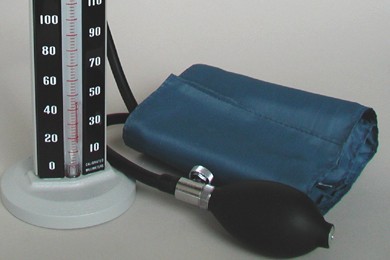
Screening for intimate partner violence and abuse of elderly and vulnerable adults
The U.S. Preventive Services Task Force has released updated recommendations regarding screening for intimate partner violence and abuse of elderly and vulnerable adults. While their previous recommendations in 2004 gave intimate partner violence screening an "I" recommendation, meaning that the evidence was inconclusive regarding the balance of benefits and intimate partner violence harms, the current recommendation has been upgraded to a "B" recommendation, meaning there is moderate certainty that there is a net benefit from screening. This puts the USPSTF recommendation in alignment with those of most other groups, including the American Medical Association and the *American College of Obstetricians and Gynecologists.
Forms of abuse
The recommendations regarding intimate partner violence in these guidelines refer to physical, sexual, or psychological abuse of women of reproductive age by a current or former partner or spouse. The issue of intimate partner violence is important because research shows that approximately 31% of women and 26% of men have experienced intimate partner violence within their lifetime, and that intimate partner violence is usually undetected. It is also estimated that these numbers are likely to be low because of underreporting. In one large study, the 1-year incidence of abuse was 8% within the last year and 15% within the last 5 years. Approximately 1.5%-5% of pregnant women report being abused. Among older and vulnerable adults, the rate of physical, psychological, or sexual abuse; neglect; or financial exploitation is estimated to be between 2% and 10%.

Intimate partner violence has important and long-lasting effects on victims. Harmful effects include immediate injuries resulting from direct trauma as well as long-term physical and mental health consequences. Long-term physical consequences include sexually transmitted diseases, unintended pregnancy, and worse pregnancy outcomes, as well as higher rates of chronic pain, gastrointestinal disorders, migraine headaches, and disability. Long-term mental health consequences include depression, post-traumatic stress disorder, anxiety disorders, substance abuse, and a higher rate of suicide.
Screening of women
Intimate partner violence in women can be detected with a high level of certainty. There are specific factors that can influence the chances that an individual is at risk for intimate partner violence and can alert clinicians to have increased vigilance for abuse. These risk factors have four categories. The first category is individual, focusing on an individual’s self-esteem. The second is relationship, which focuses on marriage conflict and stability within relationships. Third is community, which is looking at socioeconomic background. Fourth are the societal factors of traditional gender roles.
Many screening instruments exist that have been carefully studied. For instance, the HITS instrument, available in English and Spanish, is a four-item questionnaire that asks about being hurt, insulted, screamed at, or threatened. In one study, it had a sensitivity of 86% and a specificity of 99% for detecting intimate partner violence. The interval for screening is not clear.
Treatment
Once intimate partner violence among women is detected, many approaches are available to help these women. For example, one trial was set up to test the effectiveness of a mentoring support group vs. usual care. All women who entered this trial had discussed intimate partner violence with their primary care physician. After the intervention program, the women who were in the intervention group had significantly reduced scores of abuse as opposed to the comparison group. Another example is a study of pregnant women who reported abuse, who were then randomized to a counseling intervention vs. usual care. Women in the counseling group had decreased pregnancy coercion and were more likely to discontinue an unhealthy or unsafe relationship.
Approaches vary from counseling to social work interventions brought to peoples’ homes, information cards, referral to community services, and mentoring support services. It appears that varied interventions decrease recurrent abuse. There is no reported harm in screening for intimate partner violence. It is necessary for the primary care doctor to be aware of the laws specific to intimate partner violence reporting and privacy within the doctor’s specific region.
Elderly and vulnerable adults
In contrast to screening for intimate partner violence in women, there is a lack of evidence for abuse screening in elderly and vulnerable adult populations. There is a lack of evidence on the benefits of detection and, surprisingly, a lack of evidence on the benefits of early intervention. It is also possible that the harms of detecting abuse in this group may be different, although the risk appears to be small. Some potential harm includes shame, guilt, fear of retaliation, and abandonment by caretakers who have been accused of abuse.
While the evidence to support screening elderly and vulnerable adults is limited, state and local laws vary about the obligation and logistics of reporting elderly abuse. A main conclusion of the USPSTF is that more evidence-based research needs to be done for the population of elderly and vulnerable adults.
Bottom line
Intimate partner violence is common, affecting a quarter of all adults at some point in their life. The mental and physical effects of intimate partner violence can be severe and long-lasting. Screening for intimate partner violence is effective, and effective interventions can be carried out to help women who are victims of intimate partner violence. The USPSTF recommends routine screening of women of reproductive age for intimate partner violence. The data on screening for abuse in the elderly and vulnerable adults is insufficient for the USPSTF to make a recommendation for or against screening.
Reference
• Screening for Intimate Partner Violence and Abuse of Elderly and Vulnerable Adults: U.S. Preventive Services Task Force Recommendation Statement. (Ann. Intern. Med. 2013:158;478-86).
Ms. Skolnik attends Drexel University, Philadelphia, and is a research assistant at the Children’s Hospital of Pennsylvania. Dr. Clouse is an associate director of the family medicine residency program at Abington (Pa.) Memorial Hospital.
*Correction 1/23/14: A previous version of this article misstated the name of the American College of Obstetricians and Gynecologists. This version has been updated.
The U.S. Preventive Services Task Force has released updated recommendations regarding screening for intimate partner violence and abuse of elderly and vulnerable adults. While their previous recommendations in 2004 gave intimate partner violence screening an "I" recommendation, meaning that the evidence was inconclusive regarding the balance of benefits and intimate partner violence harms, the current recommendation has been upgraded to a "B" recommendation, meaning there is moderate certainty that there is a net benefit from screening. This puts the USPSTF recommendation in alignment with those of most other groups, including the American Medical Association and the *American College of Obstetricians and Gynecologists.
Forms of abuse
The recommendations regarding intimate partner violence in these guidelines refer to physical, sexual, or psychological abuse of women of reproductive age by a current or former partner or spouse. The issue of intimate partner violence is important because research shows that approximately 31% of women and 26% of men have experienced intimate partner violence within their lifetime, and that intimate partner violence is usually undetected. It is also estimated that these numbers are likely to be low because of underreporting. In one large study, the 1-year incidence of abuse was 8% within the last year and 15% within the last 5 years. Approximately 1.5%-5% of pregnant women report being abused. Among older and vulnerable adults, the rate of physical, psychological, or sexual abuse; neglect; or financial exploitation is estimated to be between 2% and 10%.
Intimate partner violence has important and long-lasting effects on victims. Harmful effects include immediate injuries resulting from direct trauma as well as long-term physical and mental health consequences. Long-term physical consequences include sexually transmitted diseases, unintended pregnancy, and worse pregnancy outcomes, as well as higher rates of chronic pain, gastrointestinal disorders, migraine headaches, and disability. Long-term mental health consequences include depression, post-traumatic stress disorder, anxiety disorders, substance abuse, and a higher rate of suicide.
Screening of women
Intimate partner violence in women can be detected with a high level of certainty. There are specific factors that can influence the chances that an individual is at risk for intimate partner violence and can alert clinicians to have increased vigilance for abuse. These risk factors have four categories. The first category is individual, focusing on an individual’s self-esteem. The second is relationship, which focuses on marriage conflict and stability within relationships. Third is community, which is looking at socioeconomic background. Fourth are the societal factors of traditional gender roles.
Many screening instruments exist that have been carefully studied. For instance, the HITS instrument, available in English and Spanish, is a four-item questionnaire that asks about being hurt, insulted, screamed at, or threatened. In one study, it had a sensitivity of 86% and a specificity of 99% for detecting intimate partner violence. The interval for screening is not clear.
Treatment
Once intimate partner violence among women is detected, many approaches are available to help these women. For example, one trial was set up to test the effectiveness of a mentoring support group vs. usual care. All women who entered this trial had discussed intimate partner violence with their primary care physician. After the intervention program, the women who were in the intervention group had significantly reduced scores of abuse as opposed to the comparison group. Another example is a study of pregnant women who reported abuse, who were then randomized to a counseling intervention vs. usual care. Women in the counseling group had decreased pregnancy coercion and were more likely to discontinue an unhealthy or unsafe relationship.
Approaches vary from counseling to social work interventions brought to peoples’ homes, information cards, referral to community services, and mentoring support services. It appears that varied interventions decrease recurrent abuse. There is no reported harm in screening for intimate partner violence. It is necessary for the primary care doctor to be aware of the laws specific to intimate partner violence reporting and privacy within the doctor’s specific region.
Elderly and vulnerable adults
In contrast to screening for intimate partner violence in women, there is a lack of evidence for abuse screening in elderly and vulnerable adult populations. There is a lack of evidence on the benefits of detection and, surprisingly, a lack of evidence on the benefits of early intervention. It is also possible that the harms of detecting abuse in this group may be different, although the risk appears to be small. Some potential harm includes shame, guilt, fear of retaliation, and abandonment by caretakers who have been accused of abuse.
While the evidence to support screening elderly and vulnerable adults is limited, state and local laws vary about the obligation and logistics of reporting elderly abuse. A main conclusion of the USPSTF is that more evidence-based research needs to be done for the population of elderly and vulnerable adults.
Bottom line
Intimate partner violence is common, affecting a quarter of all adults at some point in their life. The mental and physical effects of intimate partner violence can be severe and long-lasting. Screening for intimate partner violence is effective, and effective interventions can be carried out to help women who are victims of intimate partner violence. The USPSTF recommends routine screening of women of reproductive age for intimate partner violence. The data on screening for abuse in the elderly and vulnerable adults is insufficient for the USPSTF to make a recommendation for or against screening.
Reference
• Screening for Intimate Partner Violence and Abuse of Elderly and Vulnerable Adults: U.S. Preventive Services Task Force Recommendation Statement. (Ann. Intern. Med. 2013:158;478-86).
Ms. Skolnik attends Drexel University, Philadelphia, and is a research assistant at the Children’s Hospital of Pennsylvania. Dr. Clouse is an associate director of the family medicine residency program at Abington (Pa.) Memorial Hospital.
*Correction 1/23/14: A previous version of this article misstated the name of the American College of Obstetricians and Gynecologists. This version has been updated.
The U.S. Preventive Services Task Force has released updated recommendations regarding screening for intimate partner violence and abuse of elderly and vulnerable adults. While their previous recommendations in 2004 gave intimate partner violence screening an "I" recommendation, meaning that the evidence was inconclusive regarding the balance of benefits and intimate partner violence harms, the current recommendation has been upgraded to a "B" recommendation, meaning there is moderate certainty that there is a net benefit from screening. This puts the USPSTF recommendation in alignment with those of most other groups, including the American Medical Association and the *American College of Obstetricians and Gynecologists.
Forms of abuse
The recommendations regarding intimate partner violence in these guidelines refer to physical, sexual, or psychological abuse of women of reproductive age by a current or former partner or spouse. The issue of intimate partner violence is important because research shows that approximately 31% of women and 26% of men have experienced intimate partner violence within their lifetime, and that intimate partner violence is usually undetected. It is also estimated that these numbers are likely to be low because of underreporting. In one large study, the 1-year incidence of abuse was 8% within the last year and 15% within the last 5 years. Approximately 1.5%-5% of pregnant women report being abused. Among older and vulnerable adults, the rate of physical, psychological, or sexual abuse; neglect; or financial exploitation is estimated to be between 2% and 10%.
Intimate partner violence has important and long-lasting effects on victims. Harmful effects include immediate injuries resulting from direct trauma as well as long-term physical and mental health consequences. Long-term physical consequences include sexually transmitted diseases, unintended pregnancy, and worse pregnancy outcomes, as well as higher rates of chronic pain, gastrointestinal disorders, migraine headaches, and disability. Long-term mental health consequences include depression, post-traumatic stress disorder, anxiety disorders, substance abuse, and a higher rate of suicide.
Screening of women
Intimate partner violence in women can be detected with a high level of certainty. There are specific factors that can influence the chances that an individual is at risk for intimate partner violence and can alert clinicians to have increased vigilance for abuse. These risk factors have four categories. The first category is individual, focusing on an individual’s self-esteem. The second is relationship, which focuses on marriage conflict and stability within relationships. Third is community, which is looking at socioeconomic background. Fourth are the societal factors of traditional gender roles.
Many screening instruments exist that have been carefully studied. For instance, the HITS instrument, available in English and Spanish, is a four-item questionnaire that asks about being hurt, insulted, screamed at, or threatened. In one study, it had a sensitivity of 86% and a specificity of 99% for detecting intimate partner violence. The interval for screening is not clear.
Treatment
Once intimate partner violence among women is detected, many approaches are available to help these women. For example, one trial was set up to test the effectiveness of a mentoring support group vs. usual care. All women who entered this trial had discussed intimate partner violence with their primary care physician. After the intervention program, the women who were in the intervention group had significantly reduced scores of abuse as opposed to the comparison group. Another example is a study of pregnant women who reported abuse, who were then randomized to a counseling intervention vs. usual care. Women in the counseling group had decreased pregnancy coercion and were more likely to discontinue an unhealthy or unsafe relationship.
Approaches vary from counseling to social work interventions brought to peoples’ homes, information cards, referral to community services, and mentoring support services. It appears that varied interventions decrease recurrent abuse. There is no reported harm in screening for intimate partner violence. It is necessary for the primary care doctor to be aware of the laws specific to intimate partner violence reporting and privacy within the doctor’s specific region.
Elderly and vulnerable adults
In contrast to screening for intimate partner violence in women, there is a lack of evidence for abuse screening in elderly and vulnerable adult populations. There is a lack of evidence on the benefits of detection and, surprisingly, a lack of evidence on the benefits of early intervention. It is also possible that the harms of detecting abuse in this group may be different, although the risk appears to be small. Some potential harm includes shame, guilt, fear of retaliation, and abandonment by caretakers who have been accused of abuse.
While the evidence to support screening elderly and vulnerable adults is limited, state and local laws vary about the obligation and logistics of reporting elderly abuse. A main conclusion of the USPSTF is that more evidence-based research needs to be done for the population of elderly and vulnerable adults.
Bottom line
Intimate partner violence is common, affecting a quarter of all adults at some point in their life. The mental and physical effects of intimate partner violence can be severe and long-lasting. Screening for intimate partner violence is effective, and effective interventions can be carried out to help women who are victims of intimate partner violence. The USPSTF recommends routine screening of women of reproductive age for intimate partner violence. The data on screening for abuse in the elderly and vulnerable adults is insufficient for the USPSTF to make a recommendation for or against screening.
Reference
• Screening for Intimate Partner Violence and Abuse of Elderly and Vulnerable Adults: U.S. Preventive Services Task Force Recommendation Statement. (Ann. Intern. Med. 2013:158;478-86).
Ms. Skolnik attends Drexel University, Philadelphia, and is a research assistant at the Children’s Hospital of Pennsylvania. Dr. Clouse is an associate director of the family medicine residency program at Abington (Pa.) Memorial Hospital.
*Correction 1/23/14: A previous version of this article misstated the name of the American College of Obstetricians and Gynecologists. This version has been updated.

'JNC 8' guideline follows convoluted endgame
The federally funded program to produce a set of U.S. guidelines for hypertension management, a process more than 5 years in the making, came to an unusual end on December 18 when the members of what had already become the officially-disbanded JNC 8 panel published their conclusions and guideline.
No longer recognized or supported by the National Heart Lung and Blood Institute (NHLBI), the Federal agency that had organized the Eighth Report of the Joint National Committee on Prevention, Detection, Evaluation, and Treatment of High Blood Pressure (JNC 8) panel in 2008, and unwilling to work with potential collaborating groups like the American Heart Association (AHA), the American College of Cardiology (ACC), or the American Society of Hypertension (ASH), the 17-person group that wound up identifying themselves as the “panel members appointed to the Eighth Joint National Committee (JNC 8).”
Call them JNC Ain’t.

The U.S. hypertension guidelines began veering off on an unexpected course last June, when Dr. Gary H. Gibbons, NHLBI director, announced that the agency was withdrawing from issuing guidelines itself and would instead collaborate with “partner organizations.”
In August, Dr. Gibbons, said that the AHA and ACC had reached an agreement with the agency to “spearhead” development of three sets of practice guidelines, for hypertension, cholesterol, and obesity. This agreement led to the release in November of the cholesterol and obesity guidelines under the auspices of the AHA and ACC, but instead of also releasing hypertension guidelines, the AHA and ACC as well as the NHLBI said that the process had fallen through and failed to produce guidelines.
According to Dr. Paul A. James, co-chair of the former JNC 8 panel and professor of family medicine at the University of Iowa in Iowa City, that’s because the panel members decided they weren’t comfortable with “the idea of shopping our guideline around prior to publication and getting an endorsement.” Now that the panel’s conclusions have been published “we hope to get active public review of our work; we invite people to analyze our process, and hopefully organizations will endorse our findings,” he said in an interview. “Our belief is that the approach we took, the transparent nature of our guideline development, and our release of it through JAMA will increase the credibility of our work.”
But others said that the panel’s break with the NHLBI and its inability to partner with any organization will inevitably affect how people view these recommendations, especially because parts are also clinically controversial.
“There was clear controversy when this guideline was circulated” while under review, said Dr. John M. Flack, professor and chief of medicine at Wayne State University in Detroit. “The biggest problem this committee has is that many experts with a very significant stake in the recommendations were excluded from the process of generating the guideline. That limits buy-in from key opinion leaders, which will be needed for the uptake of this guideline into clinical practice,” he said in an interview.
“Unlike the previous JNC reports, this one will be seen as interesting, but not as persuasive,” said Dr. Michael A. Weber, professor of medicine at the State University of New York Downstate Medical Center in Brooklyn. “I believe the AHA, ACC, and ASH had hoped to endorse these guidelines, but that wasn’t possible.”

ASH leaders had discussions with the JNC 8 panel last summer, but the two groups could not reach an agreement on how to use the panel’s work for management recommendations, said Dr. William B. White, ASH president and chief of hypertension and clinical pharmacology at the University of Connecticut in Farmington.
What ASH has since agreed to do is join with the AHA and ACC to produce evidence-based hypertension guidelines using NHLBI materials, Dr. White said in an interview. The planned guidelines will “use some of the evidence derived by the NHLBI’s methodology, but adding to it other clinical issues,” including blood pressure measurement. These groups also hope the guidelines development will receive participation from a primary-care society such as the American College of Physicians, he said.
“The ACC/AHA Task Force on Practice Guidelines has begun the process of developing the collaborative model to update the national hypertensive guidelines in partnership with the NHLBI, which will provide an updated systematic review informed by the relevant critical clinical questions. We are seeking appropriate partners to begin this work in early 2014. The writing group will draft recommendations, followed by a peer and stakeholder review process. Once the review process is complete the ACC/AHA and partnering organizations will publish the guidelines in 2015 for clinicians to follow as the national standard for hypertension prevention and treatment,” said a spokeswoman for the American College of Cardiology in a statement released on December 18.
Leaders from the AHA and ACC said that once it became clear several weeks ago that they would not be able to collaborate with the JNC 8 panel, they felt compelled to immediately develop some form of updated guidance on hypertensive management. That led to an AHA-ACC Science Advisory (J. Am. Coll. Card. 2013;doi:10.1016/j.jacc.2013.11.007) released on Nov. 15 in collaboration with the Centers for Disease Control and Prevention that endorsed the use of treatment algorithms when managing patients with hypertension.

“Because the JNC 8 panel chose not to be part of the AHA-ACC structure, we felt we needed to go forward to make sure that we had guidance that reflected the evidence,” said Dr. Kim A. Williams Sr., professor and head of cardiology at Rush University in Chicago, vice president of the ACC, and a member of the group that wrote the advisory. “We felt the need to have risk covered as best we could, and have some hypertension guidance out there, even if it is not a guideline,” he said in an interview.
“We felt that after the enormous progress forward with the other four guidelines” released on Nov. 12 by the AHA and ACC (Circulation 2013 [doi: 10.1161/01.cir.0000437738.63853.7a; doi: 10.1161/01.cir.0000437739.71477.ee; doi: 10.1161/01.cir.0000437740.48606.d1; doi: 10.1161/01.cir.0000437741.48606.98]) “there was some urgency” to provide guidance for hypertension too, said Dr. Mariell Jessup, professor and medical director of the Penn Heart and Vascular Center at the University of Pennsylvania in Philadelphia and president of the AHA, during a session on the new guidelines at the AHA Scientific Sessions in Dallas in November.

The potential this now presents for the AHA and ACC to produce unified U.S. guidelines for all aspects of cardiovascular disease risk, integrating the assessment and treatment of hypertension, cholesterol, and obesity, is a positive development, said Dr. Eric D. Peterson, professor of medicine at Duke University in Durham, N.C. He was also hopeful that this new collaboration will draw in groups like ASH and the American College of Physicians to represent the interests of subspecialists and primary-care physicians. “Ideally you want consensus on where you’re trying to get blood pressure” that cuts across all strata of U.S. medicine, he said.
Dr. James, Dr. White, Dr. Jessup, Dr. Williams and Dr. Peterson said that they had no disclosures. Dr. Flack said that he has been a consultant to Novartis, Medtronic, and Back Beat Hypertension and received funding from Novartis and Medtronic. Dr. Weber said that he has been a consultant to Novartis, Takeda, and Forest.
[email protected]
On Twitter @mitchelzoler
**UPDATED Jan. 4, 2014
The federally funded program to produce a set of U.S. guidelines for hypertension management, a process more than 5 years in the making, came to an unusual end on December 18 when the members of what had already become the officially-disbanded JNC 8 panel published their conclusions and guideline.
No longer recognized or supported by the National Heart Lung and Blood Institute (NHLBI), the Federal agency that had organized the Eighth Report of the Joint National Committee on Prevention, Detection, Evaluation, and Treatment of High Blood Pressure (JNC 8) panel in 2008, and unwilling to work with potential collaborating groups like the American Heart Association (AHA), the American College of Cardiology (ACC), or the American Society of Hypertension (ASH), the 17-person group that wound up identifying themselves as the “panel members appointed to the Eighth Joint National Committee (JNC 8).”
Call them JNC Ain’t.
The U.S. hypertension guidelines began veering off on an unexpected course last June, when Dr. Gary H. Gibbons, NHLBI director, announced that the agency was withdrawing from issuing guidelines itself and would instead collaborate with “partner organizations.”
In August, Dr. Gibbons, said that the AHA and ACC had reached an agreement with the agency to “spearhead” development of three sets of practice guidelines, for hypertension, cholesterol, and obesity. This agreement led to the release in November of the cholesterol and obesity guidelines under the auspices of the AHA and ACC, but instead of also releasing hypertension guidelines, the AHA and ACC as well as the NHLBI said that the process had fallen through and failed to produce guidelines.
According to Dr. Paul A. James, co-chair of the former JNC 8 panel and professor of family medicine at the University of Iowa in Iowa City, that’s because the panel members decided they weren’t comfortable with “the idea of shopping our guideline around prior to publication and getting an endorsement.” Now that the panel’s conclusions have been published “we hope to get active public review of our work; we invite people to analyze our process, and hopefully organizations will endorse our findings,” he said in an interview. “Our belief is that the approach we took, the transparent nature of our guideline development, and our release of it through JAMA will increase the credibility of our work.”
But others said that the panel’s break with the NHLBI and its inability to partner with any organization will inevitably affect how people view these recommendations, especially because parts are also clinically controversial.
“There was clear controversy when this guideline was circulated” while under review, said Dr. John M. Flack, professor and chief of medicine at Wayne State University in Detroit. “The biggest problem this committee has is that many experts with a very significant stake in the recommendations were excluded from the process of generating the guideline. That limits buy-in from key opinion leaders, which will be needed for the uptake of this guideline into clinical practice,” he said in an interview.
“Unlike the previous JNC reports, this one will be seen as interesting, but not as persuasive,” said Dr. Michael A. Weber, professor of medicine at the State University of New York Downstate Medical Center in Brooklyn. “I believe the AHA, ACC, and ASH had hoped to endorse these guidelines, but that wasn’t possible.”
ASH leaders had discussions with the JNC 8 panel last summer, but the two groups could not reach an agreement on how to use the panel’s work for management recommendations, said Dr. William B. White, ASH president and chief of hypertension and clinical pharmacology at the University of Connecticut in Farmington.
What ASH has since agreed to do is join with the AHA and ACC to produce evidence-based hypertension guidelines using NHLBI materials, Dr. White said in an interview. The planned guidelines will “use some of the evidence derived by the NHLBI’s methodology, but adding to it other clinical issues,” including blood pressure measurement. These groups also hope the guidelines development will receive participation from a primary-care society such as the American College of Physicians, he said.
“The ACC/AHA Task Force on Practice Guidelines has begun the process of developing the collaborative model to update the national hypertensive guidelines in partnership with the NHLBI, which will provide an updated systematic review informed by the relevant critical clinical questions. We are seeking appropriate partners to begin this work in early 2014. The writing group will draft recommendations, followed by a peer and stakeholder review process. Once the review process is complete the ACC/AHA and partnering organizations will publish the guidelines in 2015 for clinicians to follow as the national standard for hypertension prevention and treatment,” said a spokeswoman for the American College of Cardiology in a statement released on December 18.
Leaders from the AHA and ACC said that once it became clear several weeks ago that they would not be able to collaborate with the JNC 8 panel, they felt compelled to immediately develop some form of updated guidance on hypertensive management. That led to an AHA-ACC Science Advisory (J. Am. Coll. Card. 2013;doi:10.1016/j.jacc.2013.11.007) released on Nov. 15 in collaboration with the Centers for Disease Control and Prevention that endorsed the use of treatment algorithms when managing patients with hypertension.
“Because the JNC 8 panel chose not to be part of the AHA-ACC structure, we felt we needed to go forward to make sure that we had guidance that reflected the evidence,” said Dr. Kim A. Williams Sr., professor and head of cardiology at Rush University in Chicago, vice president of the ACC, and a member of the group that wrote the advisory. “We felt the need to have risk covered as best we could, and have some hypertension guidance out there, even if it is not a guideline,” he said in an interview.
“We felt that after the enormous progress forward with the other four guidelines” released on Nov. 12 by the AHA and ACC (Circulation 2013 [doi: 10.1161/01.cir.0000437738.63853.7a; doi: 10.1161/01.cir.0000437739.71477.ee; doi: 10.1161/01.cir.0000437740.48606.d1; doi: 10.1161/01.cir.0000437741.48606.98]) “there was some urgency” to provide guidance for hypertension too, said Dr. Mariell Jessup, professor and medical director of the Penn Heart and Vascular Center at the University of Pennsylvania in Philadelphia and president of the AHA, during a session on the new guidelines at the AHA Scientific Sessions in Dallas in November.
The potential this now presents for the AHA and ACC to produce unified U.S. guidelines for all aspects of cardiovascular disease risk, integrating the assessment and treatment of hypertension, cholesterol, and obesity, is a positive development, said Dr. Eric D. Peterson, professor of medicine at Duke University in Durham, N.C. He was also hopeful that this new collaboration will draw in groups like ASH and the American College of Physicians to represent the interests of subspecialists and primary-care physicians. “Ideally you want consensus on where you’re trying to get blood pressure” that cuts across all strata of U.S. medicine, he said.
Dr. James, Dr. White, Dr. Jessup, Dr. Williams and Dr. Peterson said that they had no disclosures. Dr. Flack said that he has been a consultant to Novartis, Medtronic, and Back Beat Hypertension and received funding from Novartis and Medtronic. Dr. Weber said that he has been a consultant to Novartis, Takeda, and Forest.
[email protected]
On Twitter @mitchelzoler
**UPDATED Jan. 4, 2014
The federally funded program to produce a set of U.S. guidelines for hypertension management, a process more than 5 years in the making, came to an unusual end on December 18 when the members of what had already become the officially-disbanded JNC 8 panel published their conclusions and guideline.
No longer recognized or supported by the National Heart Lung and Blood Institute (NHLBI), the Federal agency that had organized the Eighth Report of the Joint National Committee on Prevention, Detection, Evaluation, and Treatment of High Blood Pressure (JNC 8) panel in 2008, and unwilling to work with potential collaborating groups like the American Heart Association (AHA), the American College of Cardiology (ACC), or the American Society of Hypertension (ASH), the 17-person group that wound up identifying themselves as the “panel members appointed to the Eighth Joint National Committee (JNC 8).”
Call them JNC Ain’t.
The U.S. hypertension guidelines began veering off on an unexpected course last June, when Dr. Gary H. Gibbons, NHLBI director, announced that the agency was withdrawing from issuing guidelines itself and would instead collaborate with “partner organizations.”
In August, Dr. Gibbons, said that the AHA and ACC had reached an agreement with the agency to “spearhead” development of three sets of practice guidelines, for hypertension, cholesterol, and obesity. This agreement led to the release in November of the cholesterol and obesity guidelines under the auspices of the AHA and ACC, but instead of also releasing hypertension guidelines, the AHA and ACC as well as the NHLBI said that the process had fallen through and failed to produce guidelines.
According to Dr. Paul A. James, co-chair of the former JNC 8 panel and professor of family medicine at the University of Iowa in Iowa City, that’s because the panel members decided they weren’t comfortable with “the idea of shopping our guideline around prior to publication and getting an endorsement.” Now that the panel’s conclusions have been published “we hope to get active public review of our work; we invite people to analyze our process, and hopefully organizations will endorse our findings,” he said in an interview. “Our belief is that the approach we took, the transparent nature of our guideline development, and our release of it through JAMA will increase the credibility of our work.”
But others said that the panel’s break with the NHLBI and its inability to partner with any organization will inevitably affect how people view these recommendations, especially because parts are also clinically controversial.
“There was clear controversy when this guideline was circulated” while under review, said Dr. John M. Flack, professor and chief of medicine at Wayne State University in Detroit. “The biggest problem this committee has is that many experts with a very significant stake in the recommendations were excluded from the process of generating the guideline. That limits buy-in from key opinion leaders, which will be needed for the uptake of this guideline into clinical practice,” he said in an interview.
“Unlike the previous JNC reports, this one will be seen as interesting, but not as persuasive,” said Dr. Michael A. Weber, professor of medicine at the State University of New York Downstate Medical Center in Brooklyn. “I believe the AHA, ACC, and ASH had hoped to endorse these guidelines, but that wasn’t possible.”
ASH leaders had discussions with the JNC 8 panel last summer, but the two groups could not reach an agreement on how to use the panel’s work for management recommendations, said Dr. William B. White, ASH president and chief of hypertension and clinical pharmacology at the University of Connecticut in Farmington.
What ASH has since agreed to do is join with the AHA and ACC to produce evidence-based hypertension guidelines using NHLBI materials, Dr. White said in an interview. The planned guidelines will “use some of the evidence derived by the NHLBI’s methodology, but adding to it other clinical issues,” including blood pressure measurement. These groups also hope the guidelines development will receive participation from a primary-care society such as the American College of Physicians, he said.
“The ACC/AHA Task Force on Practice Guidelines has begun the process of developing the collaborative model to update the national hypertensive guidelines in partnership with the NHLBI, which will provide an updated systematic review informed by the relevant critical clinical questions. We are seeking appropriate partners to begin this work in early 2014. The writing group will draft recommendations, followed by a peer and stakeholder review process. Once the review process is complete the ACC/AHA and partnering organizations will publish the guidelines in 2015 for clinicians to follow as the national standard for hypertension prevention and treatment,” said a spokeswoman for the American College of Cardiology in a statement released on December 18.
Leaders from the AHA and ACC said that once it became clear several weeks ago that they would not be able to collaborate with the JNC 8 panel, they felt compelled to immediately develop some form of updated guidance on hypertensive management. That led to an AHA-ACC Science Advisory (J. Am. Coll. Card. 2013;doi:10.1016/j.jacc.2013.11.007) released on Nov. 15 in collaboration with the Centers for Disease Control and Prevention that endorsed the use of treatment algorithms when managing patients with hypertension.
“Because the JNC 8 panel chose not to be part of the AHA-ACC structure, we felt we needed to go forward to make sure that we had guidance that reflected the evidence,” said Dr. Kim A. Williams Sr., professor and head of cardiology at Rush University in Chicago, vice president of the ACC, and a member of the group that wrote the advisory. “We felt the need to have risk covered as best we could, and have some hypertension guidance out there, even if it is not a guideline,” he said in an interview.
“We felt that after the enormous progress forward with the other four guidelines” released on Nov. 12 by the AHA and ACC (Circulation 2013 [doi: 10.1161/01.cir.0000437738.63853.7a; doi: 10.1161/01.cir.0000437739.71477.ee; doi: 10.1161/01.cir.0000437740.48606.d1; doi: 10.1161/01.cir.0000437741.48606.98]) “there was some urgency” to provide guidance for hypertension too, said Dr. Mariell Jessup, professor and medical director of the Penn Heart and Vascular Center at the University of Pennsylvania in Philadelphia and president of the AHA, during a session on the new guidelines at the AHA Scientific Sessions in Dallas in November.
The potential this now presents for the AHA and ACC to produce unified U.S. guidelines for all aspects of cardiovascular disease risk, integrating the assessment and treatment of hypertension, cholesterol, and obesity, is a positive development, said Dr. Eric D. Peterson, professor of medicine at Duke University in Durham, N.C. He was also hopeful that this new collaboration will draw in groups like ASH and the American College of Physicians to represent the interests of subspecialists and primary-care physicians. “Ideally you want consensus on where you’re trying to get blood pressure” that cuts across all strata of U.S. medicine, he said.
Dr. James, Dr. White, Dr. Jessup, Dr. Williams and Dr. Peterson said that they had no disclosures. Dr. Flack said that he has been a consultant to Novartis, Medtronic, and Back Beat Hypertension and received funding from Novartis and Medtronic. Dr. Weber said that he has been a consultant to Novartis, Takeda, and Forest.
[email protected]
On Twitter @mitchelzoler
**UPDATED Jan. 4, 2014

Evidence and expertise in writing medical guidelines
With timing that defies coincidence, the American Society of Hypertension (ASH) and International Society of Hypertension (ISH) posted on Dec. 17 new guidelines for hypertension diagnosis and treatment, and on Dec. 18 guidelines addressing the same topic were issued by the group of experts who had previously been called the Eighth Joint National Committee (JNC 8).
The big disagreement between the two was target systolic blood pressure (SBP) for hypertensive patients aged 60 or older. Guidelines from the former JNC 8 panel created an SBP target of less than 150 mm Hg, concluding that no high-quality evidence existed to justify treating these patients to a lower pressure. The ASH-ISH guidelines called for a target SBP of less than 140 mm Hg in patients aged 79 or younger, and they did not present any formal literature review to justify their choice. Their most clearly articulated reason for picking less than 140/90 mm Hg? "Guidelines tend to use 140/90 mm Hg for all adults (up to 80 years)."
The two guidelines differed just as starkly in their approach. In fact, one interpretation is that the difference in approach largely drove the difference in systolic targets. The former JNC 8 panel said that they focused on high-quality evidence from randomized clinical trials. They spell out their dissection of the evidence in a 300-page supplement to their JAMA paper that includes hundreds of references. The ASH-ISH guideline document has no evidence review, and includes a taut 25 citations as "suggested reading."
"Our group was very evidence based," said Dr. Paul A. James, a family medicine professor at the University of Iowa, Iowa City, and cochair of the former JNC 8 panel.
"To my mind, the purpose of a guideline is for a group of experts to go as far as they can guided by the evidence, and then to use their experience and judgment to make recommendations in the best interests of patients," said Dr. Michael A. Weber, professor of medicine at SUNY Downstate Medical Center, New York, and chair of the ASH-ISH guideline panel.
Was the former JNC 8 panel consistently objective in drawing conclusions from the evidence, or lack of evidence? An editorial that accompanied the former JNC 8 panel’s report noted, "In older populations the majority of the panel interpreted the lack of definitive benefit from RCTs (randomized controlled trials) as grounds to raise the SBP treatment goal recommendation to 150 mm Hg; however, for patients younger than 60 years, the paucity of any trial evidence provided no reason for the panel to change the existing treatment goal at 140 mm Hg."
As Dr. John M. Flack, chief of medicine at Wayne State University in Detroit, told me: "The committee was selective in what they considered could be justified."
"It’s astounding that we don’t have the evidence to say what the right treatment thresholds are even though hypertension is the No. 1 modifiable risk factor" for cardiovascular disease, observed Dr. Eric D. Peterson, the Duke University cardiologist who was lead author on the editorial.
Once concluding that not enough evidence existed to pinpoint a treatment target, the former JNC 8 panel still needed to choose a target. In their JAMA paper they acknowledged the panel’s minority view: "Some members recommended continuing the JNC 7 SBP goal of lower than 140 mm Hg for individuals older than 60 years based on expert opinion" and because "the evidence was insufficient to raise the SBP target from lower than 140 mm Hg to lower than 150 mm Hg in high-risk groups."
But a majority opted for a more controversial target instead.
On Twitter @mitchelzoler
With timing that defies coincidence, the American Society of Hypertension (ASH) and International Society of Hypertension (ISH) posted on Dec. 17 new guidelines for hypertension diagnosis and treatment, and on Dec. 18 guidelines addressing the same topic were issued by the group of experts who had previously been called the Eighth Joint National Committee (JNC 8).
The big disagreement between the two was target systolic blood pressure (SBP) for hypertensive patients aged 60 or older. Guidelines from the former JNC 8 panel created an SBP target of less than 150 mm Hg, concluding that no high-quality evidence existed to justify treating these patients to a lower pressure. The ASH-ISH guidelines called for a target SBP of less than 140 mm Hg in patients aged 79 or younger, and they did not present any formal literature review to justify their choice. Their most clearly articulated reason for picking less than 140/90 mm Hg? "Guidelines tend to use 140/90 mm Hg for all adults (up to 80 years)."
The two guidelines differed just as starkly in their approach. In fact, one interpretation is that the difference in approach largely drove the difference in systolic targets. The former JNC 8 panel said that they focused on high-quality evidence from randomized clinical trials. They spell out their dissection of the evidence in a 300-page supplement to their JAMA paper that includes hundreds of references. The ASH-ISH guideline document has no evidence review, and includes a taut 25 citations as "suggested reading."
"Our group was very evidence based," said Dr. Paul A. James, a family medicine professor at the University of Iowa, Iowa City, and cochair of the former JNC 8 panel.
"To my mind, the purpose of a guideline is for a group of experts to go as far as they can guided by the evidence, and then to use their experience and judgment to make recommendations in the best interests of patients," said Dr. Michael A. Weber, professor of medicine at SUNY Downstate Medical Center, New York, and chair of the ASH-ISH guideline panel.
Was the former JNC 8 panel consistently objective in drawing conclusions from the evidence, or lack of evidence? An editorial that accompanied the former JNC 8 panel’s report noted, "In older populations the majority of the panel interpreted the lack of definitive benefit from RCTs (randomized controlled trials) as grounds to raise the SBP treatment goal recommendation to 150 mm Hg; however, for patients younger than 60 years, the paucity of any trial evidence provided no reason for the panel to change the existing treatment goal at 140 mm Hg."
As Dr. John M. Flack, chief of medicine at Wayne State University in Detroit, told me: "The committee was selective in what they considered could be justified."
"It’s astounding that we don’t have the evidence to say what the right treatment thresholds are even though hypertension is the No. 1 modifiable risk factor" for cardiovascular disease, observed Dr. Eric D. Peterson, the Duke University cardiologist who was lead author on the editorial.
Once concluding that not enough evidence existed to pinpoint a treatment target, the former JNC 8 panel still needed to choose a target. In their JAMA paper they acknowledged the panel’s minority view: "Some members recommended continuing the JNC 7 SBP goal of lower than 140 mm Hg for individuals older than 60 years based on expert opinion" and because "the evidence was insufficient to raise the SBP target from lower than 140 mm Hg to lower than 150 mm Hg in high-risk groups."
But a majority opted for a more controversial target instead.
On Twitter @mitchelzoler
With timing that defies coincidence, the American Society of Hypertension (ASH) and International Society of Hypertension (ISH) posted on Dec. 17 new guidelines for hypertension diagnosis and treatment, and on Dec. 18 guidelines addressing the same topic were issued by the group of experts who had previously been called the Eighth Joint National Committee (JNC 8).
The big disagreement between the two was target systolic blood pressure (SBP) for hypertensive patients aged 60 or older. Guidelines from the former JNC 8 panel created an SBP target of less than 150 mm Hg, concluding that no high-quality evidence existed to justify treating these patients to a lower pressure. The ASH-ISH guidelines called for a target SBP of less than 140 mm Hg in patients aged 79 or younger, and they did not present any formal literature review to justify their choice. Their most clearly articulated reason for picking less than 140/90 mm Hg? "Guidelines tend to use 140/90 mm Hg for all adults (up to 80 years)."
The two guidelines differed just as starkly in their approach. In fact, one interpretation is that the difference in approach largely drove the difference in systolic targets. The former JNC 8 panel said that they focused on high-quality evidence from randomized clinical trials. They spell out their dissection of the evidence in a 300-page supplement to their JAMA paper that includes hundreds of references. The ASH-ISH guideline document has no evidence review, and includes a taut 25 citations as "suggested reading."
"Our group was very evidence based," said Dr. Paul A. James, a family medicine professor at the University of Iowa, Iowa City, and cochair of the former JNC 8 panel.
"To my mind, the purpose of a guideline is for a group of experts to go as far as they can guided by the evidence, and then to use their experience and judgment to make recommendations in the best interests of patients," said Dr. Michael A. Weber, professor of medicine at SUNY Downstate Medical Center, New York, and chair of the ASH-ISH guideline panel.
Was the former JNC 8 panel consistently objective in drawing conclusions from the evidence, or lack of evidence? An editorial that accompanied the former JNC 8 panel’s report noted, "In older populations the majority of the panel interpreted the lack of definitive benefit from RCTs (randomized controlled trials) as grounds to raise the SBP treatment goal recommendation to 150 mm Hg; however, for patients younger than 60 years, the paucity of any trial evidence provided no reason for the panel to change the existing treatment goal at 140 mm Hg."
As Dr. John M. Flack, chief of medicine at Wayne State University in Detroit, told me: "The committee was selective in what they considered could be justified."
"It’s astounding that we don’t have the evidence to say what the right treatment thresholds are even though hypertension is the No. 1 modifiable risk factor" for cardiovascular disease, observed Dr. Eric D. Peterson, the Duke University cardiologist who was lead author on the editorial.
Once concluding that not enough evidence existed to pinpoint a treatment target, the former JNC 8 panel still needed to choose a target. In their JAMA paper they acknowledged the panel’s minority view: "Some members recommended continuing the JNC 7 SBP goal of lower than 140 mm Hg for individuals older than 60 years based on expert opinion" and because "the evidence was insufficient to raise the SBP target from lower than 140 mm Hg to lower than 150 mm Hg in high-risk groups."
But a majority opted for a more controversial target instead.
On Twitter @mitchelzoler
‘JNC 8’ relaxes elderly systolic target below 150 mm Hg
The group of experts who had constituted the JNC 8 panel, a team assembled in 2008 by the National Heart, Lung, and Blood Institute to update official U.S. hypertension management guidelines, set the target blood pressure for the general population aged 60 years or older to less than 150/90 mm Hg, a major break from long-standing practice to treat such patients to a target systolic pressure of less than 140 mm Hg.
This decision, which the panel contends was driven by lack of clear evidence for extra benefit from the below–140 mm Hg target, will surely prove controversial, along with the panel’s relaxing of target blood pressures for patients with diabetes or chronic kidney disease to less than 140/90 mm Hg (increased from 130/80 mm Hg in the prior, JNC 7 guidelines). That controversy would be a fitting final curtain for the Eighth Report of the Joint National Committee on Prevention, Detection, Evaluation, and Treatment of High Blood Pressure (JNC 8), a project that courted controversy by running years longer than anticipated and then generating several plot twists during the final months leading up to Dec. 18, when the former JNC 8 panel published its hypertension-management guideline (JAMA 2013 Dec. 18 [doi:10.1001/jama.2013.284427]).

The new target of a systolic pressure of less than 150 mm Hg for hypertensive patients aged 60 or older without diabetes or chronic kidney disease "is definitely controversial," said Dr. Paul A. James, cochairman of the panel and professor of family medicine at the University of Iowa in Iowa City. "There is A-level evidence that getting blood pressure below 150 mm Hg results in improved outcomes that really matter, but we have no evidence at this time to support going lower," to less than 140 mm Hg. "The good news is that the panel is comfortable that we don’t do harm," by treating patients to less than 140 mm Hg. "But why put patients at increased risk for medication adverse events when we don’t have strong evidence of benefit?" he said in an interview.
He stressed that his group released their conclusions and guideline on their own, identifying themselves as "the panel members appointed to the Eighth Joint National Committee (JNC 8)." Leaders from the National Heart, Lung, and Blood Institute announced last June that the agency was pulling out of the business of issuing cardiovascular-disease management guidelines, and would instead fund evidence reviews and partner with other organizations to issue guidelines. The NHLBI arranged for its cholesterol, obesity, and lifestyle guidelines to be released through the American Heart Association and American College of Cardiology, but no similar arrangement worked out for the JNC 8 panel, which became the former panel when the NHLBI officially dissolved it by late summer.
The former JNC 8 panel applied "a very narrow interpretation" of the clinical evidence where the evidence is very incomplete, commented Dr. Michael A. Weber, professor of medicine at State University of New York, Brooklyn. "The purpose of guidelines is for a group of experts to be guided as far as they can by the evidence, and then use their judgment and experience to make recommendations that in the best interests of patients." He cited findings from the ACCOMPLISH, INVEST, and VALUE trials that show benefits from treating patients older than 60 years to a systolic pressure of less than 140 mm Hg, though he admitted that in each of these studies the findings did not come from primary, prespecified analyses.

Dr. Weber led a panel organized by the American Society of Hypertension and International Society of Hypertension that released its own set of hypertension diagnosis and management guidelines a day earlier, on Dec. 17 (J. Clin. Hypertension 2013 [doi:10.1111/ch.1223]). Where they overlap, the guidelines from ASH/ISH and from the former JNC 8 panel are mostly the same, with the systolic target for the general population aged 60-79 years being the main area of contention, Dr. Weber said. The ASH/ISH guideline set a systolic target of less than 150 mm Hg for the general hypertensive population aged 80 years or older.
The former-JNC 8 panel also qualified their 150 mm Hg–target by adding that if general population patients aged 60 years or older are on stable, well-tolerated antihypertensive treatment and have a systolic pressure of less than 140 mm Hg, changing treatment and aiming for a higher systolic pressure is not recommended.
The target of less than 150 mm Hg for these patients also had defenders. "They made a reasonable recommendation for the elderly based on the evidence," said Dr. John M. Flack, professor and chief of medicine at Wayne State University in Detroit. But he took the JNC 8 panel to task for relaxing the systolic and diastolic pressure targets for patients with either diabetes or chronic kidney disease from the prior target of less than 130/80 mm Hg to new targets of less than 140/90 mm Hg. "Relaxing blood pressure targets in high-risk groups when so much progress has been made over the last decade is going to be very controversial," he said in an interview. The new ASH-ISH hypertension guideline also set a blood pressure target of less than 140/90 mm Hg for patients with diabetes or chronic kidney disease.
The guideline from the former JNC 8 panel "will produce a lot of discussion, and the main target will be whether the 150 mm Hg target is right or not," commented Dr. Eric D. Peterson, professor of medicine at Duke University in Durham, N.C. In an editorial that accompanied the published guideline, Dr. Peterson and his associates also noted that the hypertension goals specified in authoritative guidelines had a magnified importance these days because they often are incorporated into "performance measures" to which physicians can be often held rigidly accountable.(JAMA 2013 Dec. 18 [doi:10.1001/jama.2013.284430]).
"I chair the ACC/AHA Task Force on Performance Measures, and we will be in a bind because the current performance measures call for a blood pressure target of less than 140/90 mm Hg," he said in an interview. The ACC/AHA task force is one of the main contributors of performance measures for cardiovascular disease to the U.S. clearing house for performance measures, the National Quality Forum. "The Task Force will need to respond to this guideline in some way," he said, but the Task Force takes into account the range of current guidelines that exist and their backup evidence, so how it will decide on this issue remains uncertain.
"My concern is not so much with the number they came up with as with how it will be used by physicians in the community," Dr. Peterson said. On one hand, you don’t want physicians to get carried away and feel they need to treat all their patients to below some magical number." As he pointed out in his editorial, the counterbalancing problem is that there is always a gap between the hypertension treatment goals and what is often achieved in practice. If that relationship remains and the accepted goal for patients aged 60-79 years becomes less than 150 mm Hg, then many U.S. patients in this group may end up treated but with systolic pressures above 150 mm Hg.
Dr. James and Dr. Peterson said that they had no disclosures. Dr. Weber said that he has been a consultant to Novartis, Takeda, and Forest. Dr. Flack said that he has been a consultant to Novartis, Medtronic, and Back Beat Hypertension and received funding from Novartis and Medtronic.
On Twitter @mitchelzoler
The group of experts who had constituted the JNC 8 panel, a team assembled in 2008 by the National Heart, Lung, and Blood Institute to update official U.S. hypertension management guidelines, set the target blood pressure for the general population aged 60 years or older to less than 150/90 mm Hg, a major break from long-standing practice to treat such patients to a target systolic pressure of less than 140 mm Hg.
This decision, which the panel contends was driven by lack of clear evidence for extra benefit from the below–140 mm Hg target, will surely prove controversial, along with the panel’s relaxing of target blood pressures for patients with diabetes or chronic kidney disease to less than 140/90 mm Hg (increased from 130/80 mm Hg in the prior, JNC 7 guidelines). That controversy would be a fitting final curtain for the Eighth Report of the Joint National Committee on Prevention, Detection, Evaluation, and Treatment of High Blood Pressure (JNC 8), a project that courted controversy by running years longer than anticipated and then generating several plot twists during the final months leading up to Dec. 18, when the former JNC 8 panel published its hypertension-management guideline (JAMA 2013 Dec. 18 [doi:10.1001/jama.2013.284427]).
The new target of a systolic pressure of less than 150 mm Hg for hypertensive patients aged 60 or older without diabetes or chronic kidney disease "is definitely controversial," said Dr. Paul A. James, cochairman of the panel and professor of family medicine at the University of Iowa in Iowa City. "There is A-level evidence that getting blood pressure below 150 mm Hg results in improved outcomes that really matter, but we have no evidence at this time to support going lower," to less than 140 mm Hg. "The good news is that the panel is comfortable that we don’t do harm," by treating patients to less than 140 mm Hg. "But why put patients at increased risk for medication adverse events when we don’t have strong evidence of benefit?" he said in an interview.
He stressed that his group released their conclusions and guideline on their own, identifying themselves as "the panel members appointed to the Eighth Joint National Committee (JNC 8)." Leaders from the National Heart, Lung, and Blood Institute announced last June that the agency was pulling out of the business of issuing cardiovascular-disease management guidelines, and would instead fund evidence reviews and partner with other organizations to issue guidelines. The NHLBI arranged for its cholesterol, obesity, and lifestyle guidelines to be released through the American Heart Association and American College of Cardiology, but no similar arrangement worked out for the JNC 8 panel, which became the former panel when the NHLBI officially dissolved it by late summer.
The former JNC 8 panel applied "a very narrow interpretation" of the clinical evidence where the evidence is very incomplete, commented Dr. Michael A. Weber, professor of medicine at State University of New York, Brooklyn. "The purpose of guidelines is for a group of experts to be guided as far as they can by the evidence, and then use their judgment and experience to make recommendations that in the best interests of patients." He cited findings from the ACCOMPLISH, INVEST, and VALUE trials that show benefits from treating patients older than 60 years to a systolic pressure of less than 140 mm Hg, though he admitted that in each of these studies the findings did not come from primary, prespecified analyses.
Dr. Weber led a panel organized by the American Society of Hypertension and International Society of Hypertension that released its own set of hypertension diagnosis and management guidelines a day earlier, on Dec. 17 (J. Clin. Hypertension 2013 [doi:10.1111/ch.1223]). Where they overlap, the guidelines from ASH/ISH and from the former JNC 8 panel are mostly the same, with the systolic target for the general population aged 60-79 years being the main area of contention, Dr. Weber said. The ASH/ISH guideline set a systolic target of less than 150 mm Hg for the general hypertensive population aged 80 years or older.
The former-JNC 8 panel also qualified their 150 mm Hg–target by adding that if general population patients aged 60 years or older are on stable, well-tolerated antihypertensive treatment and have a systolic pressure of less than 140 mm Hg, changing treatment and aiming for a higher systolic pressure is not recommended.
The target of less than 150 mm Hg for these patients also had defenders. "They made a reasonable recommendation for the elderly based on the evidence," said Dr. John M. Flack, professor and chief of medicine at Wayne State University in Detroit. But he took the JNC 8 panel to task for relaxing the systolic and diastolic pressure targets for patients with either diabetes or chronic kidney disease from the prior target of less than 130/80 mm Hg to new targets of less than 140/90 mm Hg. "Relaxing blood pressure targets in high-risk groups when so much progress has been made over the last decade is going to be very controversial," he said in an interview. The new ASH-ISH hypertension guideline also set a blood pressure target of less than 140/90 mm Hg for patients with diabetes or chronic kidney disease.
The guideline from the former JNC 8 panel "will produce a lot of discussion, and the main target will be whether the 150 mm Hg target is right or not," commented Dr. Eric D. Peterson, professor of medicine at Duke University in Durham, N.C. In an editorial that accompanied the published guideline, Dr. Peterson and his associates also noted that the hypertension goals specified in authoritative guidelines had a magnified importance these days because they often are incorporated into "performance measures" to which physicians can be often held rigidly accountable.(JAMA 2013 Dec. 18 [doi:10.1001/jama.2013.284430]).
"I chair the ACC/AHA Task Force on Performance Measures, and we will be in a bind because the current performance measures call for a blood pressure target of less than 140/90 mm Hg," he said in an interview. The ACC/AHA task force is one of the main contributors of performance measures for cardiovascular disease to the U.S. clearing house for performance measures, the National Quality Forum. "The Task Force will need to respond to this guideline in some way," he said, but the Task Force takes into account the range of current guidelines that exist and their backup evidence, so how it will decide on this issue remains uncertain.
"My concern is not so much with the number they came up with as with how it will be used by physicians in the community," Dr. Peterson said. On one hand, you don’t want physicians to get carried away and feel they need to treat all their patients to below some magical number." As he pointed out in his editorial, the counterbalancing problem is that there is always a gap between the hypertension treatment goals and what is often achieved in practice. If that relationship remains and the accepted goal for patients aged 60-79 years becomes less than 150 mm Hg, then many U.S. patients in this group may end up treated but with systolic pressures above 150 mm Hg.
Dr. James and Dr. Peterson said that they had no disclosures. Dr. Weber said that he has been a consultant to Novartis, Takeda, and Forest. Dr. Flack said that he has been a consultant to Novartis, Medtronic, and Back Beat Hypertension and received funding from Novartis and Medtronic.
On Twitter @mitchelzoler
The group of experts who had constituted the JNC 8 panel, a team assembled in 2008 by the National Heart, Lung, and Blood Institute to update official U.S. hypertension management guidelines, set the target blood pressure for the general population aged 60 years or older to less than 150/90 mm Hg, a major break from long-standing practice to treat such patients to a target systolic pressure of less than 140 mm Hg.
This decision, which the panel contends was driven by lack of clear evidence for extra benefit from the below–140 mm Hg target, will surely prove controversial, along with the panel’s relaxing of target blood pressures for patients with diabetes or chronic kidney disease to less than 140/90 mm Hg (increased from 130/80 mm Hg in the prior, JNC 7 guidelines). That controversy would be a fitting final curtain for the Eighth Report of the Joint National Committee on Prevention, Detection, Evaluation, and Treatment of High Blood Pressure (JNC 8), a project that courted controversy by running years longer than anticipated and then generating several plot twists during the final months leading up to Dec. 18, when the former JNC 8 panel published its hypertension-management guideline (JAMA 2013 Dec. 18 [doi:10.1001/jama.2013.284427]).
The new target of a systolic pressure of less than 150 mm Hg for hypertensive patients aged 60 or older without diabetes or chronic kidney disease "is definitely controversial," said Dr. Paul A. James, cochairman of the panel and professor of family medicine at the University of Iowa in Iowa City. "There is A-level evidence that getting blood pressure below 150 mm Hg results in improved outcomes that really matter, but we have no evidence at this time to support going lower," to less than 140 mm Hg. "The good news is that the panel is comfortable that we don’t do harm," by treating patients to less than 140 mm Hg. "But why put patients at increased risk for medication adverse events when we don’t have strong evidence of benefit?" he said in an interview.
He stressed that his group released their conclusions and guideline on their own, identifying themselves as "the panel members appointed to the Eighth Joint National Committee (JNC 8)." Leaders from the National Heart, Lung, and Blood Institute announced last June that the agency was pulling out of the business of issuing cardiovascular-disease management guidelines, and would instead fund evidence reviews and partner with other organizations to issue guidelines. The NHLBI arranged for its cholesterol, obesity, and lifestyle guidelines to be released through the American Heart Association and American College of Cardiology, but no similar arrangement worked out for the JNC 8 panel, which became the former panel when the NHLBI officially dissolved it by late summer.
The former JNC 8 panel applied "a very narrow interpretation" of the clinical evidence where the evidence is very incomplete, commented Dr. Michael A. Weber, professor of medicine at State University of New York, Brooklyn. "The purpose of guidelines is for a group of experts to be guided as far as they can by the evidence, and then use their judgment and experience to make recommendations that in the best interests of patients." He cited findings from the ACCOMPLISH, INVEST, and VALUE trials that show benefits from treating patients older than 60 years to a systolic pressure of less than 140 mm Hg, though he admitted that in each of these studies the findings did not come from primary, prespecified analyses.
Dr. Weber led a panel organized by the American Society of Hypertension and International Society of Hypertension that released its own set of hypertension diagnosis and management guidelines a day earlier, on Dec. 17 (J. Clin. Hypertension 2013 [doi:10.1111/ch.1223]). Where they overlap, the guidelines from ASH/ISH and from the former JNC 8 panel are mostly the same, with the systolic target for the general population aged 60-79 years being the main area of contention, Dr. Weber said. The ASH/ISH guideline set a systolic target of less than 150 mm Hg for the general hypertensive population aged 80 years or older.
The former-JNC 8 panel also qualified their 150 mm Hg–target by adding that if general population patients aged 60 years or older are on stable, well-tolerated antihypertensive treatment and have a systolic pressure of less than 140 mm Hg, changing treatment and aiming for a higher systolic pressure is not recommended.
The target of less than 150 mm Hg for these patients also had defenders. "They made a reasonable recommendation for the elderly based on the evidence," said Dr. John M. Flack, professor and chief of medicine at Wayne State University in Detroit. But he took the JNC 8 panel to task for relaxing the systolic and diastolic pressure targets for patients with either diabetes or chronic kidney disease from the prior target of less than 130/80 mm Hg to new targets of less than 140/90 mm Hg. "Relaxing blood pressure targets in high-risk groups when so much progress has been made over the last decade is going to be very controversial," he said in an interview. The new ASH-ISH hypertension guideline also set a blood pressure target of less than 140/90 mm Hg for patients with diabetes or chronic kidney disease.
The guideline from the former JNC 8 panel "will produce a lot of discussion, and the main target will be whether the 150 mm Hg target is right or not," commented Dr. Eric D. Peterson, professor of medicine at Duke University in Durham, N.C. In an editorial that accompanied the published guideline, Dr. Peterson and his associates also noted that the hypertension goals specified in authoritative guidelines had a magnified importance these days because they often are incorporated into "performance measures" to which physicians can be often held rigidly accountable.(JAMA 2013 Dec. 18 [doi:10.1001/jama.2013.284430]).
"I chair the ACC/AHA Task Force on Performance Measures, and we will be in a bind because the current performance measures call for a blood pressure target of less than 140/90 mm Hg," he said in an interview. The ACC/AHA task force is one of the main contributors of performance measures for cardiovascular disease to the U.S. clearing house for performance measures, the National Quality Forum. "The Task Force will need to respond to this guideline in some way," he said, but the Task Force takes into account the range of current guidelines that exist and their backup evidence, so how it will decide on this issue remains uncertain.
"My concern is not so much with the number they came up with as with how it will be used by physicians in the community," Dr. Peterson said. On one hand, you don’t want physicians to get carried away and feel they need to treat all their patients to below some magical number." As he pointed out in his editorial, the counterbalancing problem is that there is always a gap between the hypertension treatment goals and what is often achieved in practice. If that relationship remains and the accepted goal for patients aged 60-79 years becomes less than 150 mm Hg, then many U.S. patients in this group may end up treated but with systolic pressures above 150 mm Hg.
Dr. James and Dr. Peterson said that they had no disclosures. Dr. Weber said that he has been a consultant to Novartis, Takeda, and Forest. Dr. Flack said that he has been a consultant to Novartis, Medtronic, and Back Beat Hypertension and received funding from Novartis and Medtronic.
On Twitter @mitchelzoler
FROM JAMA

NHLBI hands off hypertension guidelines to ACC, AHA
The two U.S. groups most active in issuing guidelines and recommendations for cardiovascular disease diagnosis and management, the American College of Cardiology and American Heart Association, received a surprise in June when the National Heart, Lung, and Blood Institute suddenly announced that it would shift to these and other "partner organizations" primary responsibility for the next updates of U.S. hypertension guidelines, national cholesterol-management guidelines, and the other cardiovascular disease–related management recommendations that the institute has had in the works.
The NHLBI launched "a collaborative relationship with the ACC, AHA, and other organizations because they said they are not in a position to endorse guidelines, they must be endorsed by other organizations," said Dr. Sidney C. Smith Jr., professor of medicine at the University of North Carolina in Chapel Hill. Dr. Smith is a member of the panel that’s been writing the Eighth Report of the Joint National Committee on Prevention, Detection, Evaluation, and Treatment of High Blood Pressure (JNC 8), and has been active for a long time in the ACC and AHA guidelines-development process.

On June 19, Dr. Gary H. Gibbons, NHLBI director, and his associates announced that effective immediately the institute was getting out of the guidelines-issuing business (Circulation 2013; doi: 10.1161/CIRCULATIONAHA.113.004587).
"Just over the past couple of months we began to look at how this will be done. Everyone wants the process to move quickly. How quickly can these organizations put it together? That’s the limiting factor right now," Dr. Smith said in an interview in early September.
While the ACC and AHA have on record some 20 sets of practice guidelines that cover most facets of cardiology, their list omits areas that the NHLBI covered in the past, notably hypertension and hypercholesterolemia assessment and management.
"The ACC and AHA guideline process is very expensive, and we wouldn’t dream of duplicating something when people you trust were commissioned by someone else [NHLBI] to do the work," said Dr. Kim Allan Williams Sr. of Wayne State University, Detroit. Dr. Williams will take the position of professor of medicine and chief of cardiovascular services at Rush University Medical Center in Chicago on Nov. 1. He serves as vice-president of the ACC. "We have all been under the impression that JNC 8 was being put together and getting published soon," he said in an interview.
Dr. Williams stressed that he and other ACC officials have pledged not to talk about the JNC 8 process until transition from the NHLBI works itself out, but he offered this succinct observation: The ACC "has made a commitment to go forward with the JNC process. There will be a publication from that panel, although it may not have that name."
Dr. Smith and Dr. Williams said that they had no relevant disclosures.
On Twitter @mitchelzoler
The two U.S. groups most active in issuing guidelines and recommendations for cardiovascular disease diagnosis and management, the American College of Cardiology and American Heart Association, received a surprise in June when the National Heart, Lung, and Blood Institute suddenly announced that it would shift to these and other "partner organizations" primary responsibility for the next updates of U.S. hypertension guidelines, national cholesterol-management guidelines, and the other cardiovascular disease–related management recommendations that the institute has had in the works.
The NHLBI launched "a collaborative relationship with the ACC, AHA, and other organizations because they said they are not in a position to endorse guidelines, they must be endorsed by other organizations," said Dr. Sidney C. Smith Jr., professor of medicine at the University of North Carolina in Chapel Hill. Dr. Smith is a member of the panel that’s been writing the Eighth Report of the Joint National Committee on Prevention, Detection, Evaluation, and Treatment of High Blood Pressure (JNC 8), and has been active for a long time in the ACC and AHA guidelines-development process.
On June 19, Dr. Gary H. Gibbons, NHLBI director, and his associates announced that effective immediately the institute was getting out of the guidelines-issuing business (Circulation 2013; doi: 10.1161/CIRCULATIONAHA.113.004587).
"Just over the past couple of months we began to look at how this will be done. Everyone wants the process to move quickly. How quickly can these organizations put it together? That’s the limiting factor right now," Dr. Smith said in an interview in early September.
While the ACC and AHA have on record some 20 sets of practice guidelines that cover most facets of cardiology, their list omits areas that the NHLBI covered in the past, notably hypertension and hypercholesterolemia assessment and management.
"The ACC and AHA guideline process is very expensive, and we wouldn’t dream of duplicating something when people you trust were commissioned by someone else [NHLBI] to do the work," said Dr. Kim Allan Williams Sr. of Wayne State University, Detroit. Dr. Williams will take the position of professor of medicine and chief of cardiovascular services at Rush University Medical Center in Chicago on Nov. 1. He serves as vice-president of the ACC. "We have all been under the impression that JNC 8 was being put together and getting published soon," he said in an interview.
Dr. Williams stressed that he and other ACC officials have pledged not to talk about the JNC 8 process until transition from the NHLBI works itself out, but he offered this succinct observation: The ACC "has made a commitment to go forward with the JNC process. There will be a publication from that panel, although it may not have that name."
Dr. Smith and Dr. Williams said that they had no relevant disclosures.
On Twitter @mitchelzoler
The two U.S. groups most active in issuing guidelines and recommendations for cardiovascular disease diagnosis and management, the American College of Cardiology and American Heart Association, received a surprise in June when the National Heart, Lung, and Blood Institute suddenly announced that it would shift to these and other "partner organizations" primary responsibility for the next updates of U.S. hypertension guidelines, national cholesterol-management guidelines, and the other cardiovascular disease–related management recommendations that the institute has had in the works.
The NHLBI launched "a collaborative relationship with the ACC, AHA, and other organizations because they said they are not in a position to endorse guidelines, they must be endorsed by other organizations," said Dr. Sidney C. Smith Jr., professor of medicine at the University of North Carolina in Chapel Hill. Dr. Smith is a member of the panel that’s been writing the Eighth Report of the Joint National Committee on Prevention, Detection, Evaluation, and Treatment of High Blood Pressure (JNC 8), and has been active for a long time in the ACC and AHA guidelines-development process.
On June 19, Dr. Gary H. Gibbons, NHLBI director, and his associates announced that effective immediately the institute was getting out of the guidelines-issuing business (Circulation 2013; doi: 10.1161/CIRCULATIONAHA.113.004587).
"Just over the past couple of months we began to look at how this will be done. Everyone wants the process to move quickly. How quickly can these organizations put it together? That’s the limiting factor right now," Dr. Smith said in an interview in early September.
While the ACC and AHA have on record some 20 sets of practice guidelines that cover most facets of cardiology, their list omits areas that the NHLBI covered in the past, notably hypertension and hypercholesterolemia assessment and management.
"The ACC and AHA guideline process is very expensive, and we wouldn’t dream of duplicating something when people you trust were commissioned by someone else [NHLBI] to do the work," said Dr. Kim Allan Williams Sr. of Wayne State University, Detroit. Dr. Williams will take the position of professor of medicine and chief of cardiovascular services at Rush University Medical Center in Chicago on Nov. 1. He serves as vice-president of the ACC. "We have all been under the impression that JNC 8 was being put together and getting published soon," he said in an interview.
Dr. Williams stressed that he and other ACC officials have pledged not to talk about the JNC 8 process until transition from the NHLBI works itself out, but he offered this succinct observation: The ACC "has made a commitment to go forward with the JNC process. There will be a publication from that panel, although it may not have that name."
Dr. Smith and Dr. Williams said that they had no relevant disclosures.
On Twitter @mitchelzoler

Guidelines issued on radiation-induced heart disease
Cancer patients undergoing radiation therapy need to have baseline studies of cardiac function and routine screening for heart disease, according to recommendations from the European Society of Cardiology and the American Society of Echocardiography published July 16 in the European Heart Journal–Cardiovascular Imaging.
The groups recommend baseline preradiation echocardiography along with a cardiac exam as well as screening for risk factors. An annual cardiac history and physical should be performed to check for new-onset heart problems.
Within 10 years of treatment, 10%-30% of patients who undergo radiation therapy develop radiation-induced heart diseases (RIHD), including chronic pericarditis, myocardial fibrosis, coronary artery disease, aortic calcification, and valve regurgitation or stenosis. The hope of screening is to catch early RIHD, but screening is not currently routine.
"We wrote the expert consensus to raise the alarm that the risks of radiation-induced heart disease should not be ignored. The prevalence ... is increasing because the rate of cancer survival has improved," said Dr. Patrizio Lancellotti, who is a professor of cardiology at the University Hospital of Liège, Belgium, and led the recommendations task force.
Radiotherapy is given in more targeted form and at lower doses than it once was, but "patients are still at increased risk of RIHD, particularly when the heart is in the radiation field. This applies to patients treated for lymphoma, breast cancer, and esophageal cancer. Patients who receive radiotherapy for neck cancer are also at risk because lesions can develop on the carotid artery and increase the risk of stroke," Dr. Lancellotti said in a statement.
Using targeted radiation and alternate radiation fields, with avoidance and shielding of the heart, remain "the most important interventions to prevent" cardiac complications, the authors noted.
The task force advises that high-risk patients without evidence of heart disease on history and physical should have screening echocardiography every 5 years and noninvasive stress testing every 5-10 years; low-risk patients should have screening echocardiography every 10 years. If heart disorders are detected, routine monitoring should include echocardiography, cardiac magnetic resonance imaging, or carotid ultrasound as appropriate.
High-risk patients include those who received radiotherapy at younger ages; those who have cardiovascular risk factors or preexisting heart disease; and those who receive high-dose radiation (greater than 30 Gy), concomitant chemotherapy, radiation without shielding, or anterior or left chest radiation (Eur. Heart J. Cardiovasc. Imaging 2013;14:721-40).
The recommendations are based on an extensive literature review and analysis by Dr. Lancellotti and other specialists.
The authors reported no financial conflicts or outside funding for their work.
Cancer patients undergoing radiation therapy need to have baseline studies of cardiac function and routine screening for heart disease, according to recommendations from the European Society of Cardiology and the American Society of Echocardiography published July 16 in the European Heart Journal–Cardiovascular Imaging.
The groups recommend baseline preradiation echocardiography along with a cardiac exam as well as screening for risk factors. An annual cardiac history and physical should be performed to check for new-onset heart problems.
Within 10 years of treatment, 10%-30% of patients who undergo radiation therapy develop radiation-induced heart diseases (RIHD), including chronic pericarditis, myocardial fibrosis, coronary artery disease, aortic calcification, and valve regurgitation or stenosis. The hope of screening is to catch early RIHD, but screening is not currently routine.
"We wrote the expert consensus to raise the alarm that the risks of radiation-induced heart disease should not be ignored. The prevalence ... is increasing because the rate of cancer survival has improved," said Dr. Patrizio Lancellotti, who is a professor of cardiology at the University Hospital of Liège, Belgium, and led the recommendations task force.
Radiotherapy is given in more targeted form and at lower doses than it once was, but "patients are still at increased risk of RIHD, particularly when the heart is in the radiation field. This applies to patients treated for lymphoma, breast cancer, and esophageal cancer. Patients who receive radiotherapy for neck cancer are also at risk because lesions can develop on the carotid artery and increase the risk of stroke," Dr. Lancellotti said in a statement.
Using targeted radiation and alternate radiation fields, with avoidance and shielding of the heart, remain "the most important interventions to prevent" cardiac complications, the authors noted.
The task force advises that high-risk patients without evidence of heart disease on history and physical should have screening echocardiography every 5 years and noninvasive stress testing every 5-10 years; low-risk patients should have screening echocardiography every 10 years. If heart disorders are detected, routine monitoring should include echocardiography, cardiac magnetic resonance imaging, or carotid ultrasound as appropriate.
High-risk patients include those who received radiotherapy at younger ages; those who have cardiovascular risk factors or preexisting heart disease; and those who receive high-dose radiation (greater than 30 Gy), concomitant chemotherapy, radiation without shielding, or anterior or left chest radiation (Eur. Heart J. Cardiovasc. Imaging 2013;14:721-40).
The recommendations are based on an extensive literature review and analysis by Dr. Lancellotti and other specialists.
The authors reported no financial conflicts or outside funding for their work.
Cancer patients undergoing radiation therapy need to have baseline studies of cardiac function and routine screening for heart disease, according to recommendations from the European Society of Cardiology and the American Society of Echocardiography published July 16 in the European Heart Journal–Cardiovascular Imaging.
The groups recommend baseline preradiation echocardiography along with a cardiac exam as well as screening for risk factors. An annual cardiac history and physical should be performed to check for new-onset heart problems.
Within 10 years of treatment, 10%-30% of patients who undergo radiation therapy develop radiation-induced heart diseases (RIHD), including chronic pericarditis, myocardial fibrosis, coronary artery disease, aortic calcification, and valve regurgitation or stenosis. The hope of screening is to catch early RIHD, but screening is not currently routine.
"We wrote the expert consensus to raise the alarm that the risks of radiation-induced heart disease should not be ignored. The prevalence ... is increasing because the rate of cancer survival has improved," said Dr. Patrizio Lancellotti, who is a professor of cardiology at the University Hospital of Liège, Belgium, and led the recommendations task force.
Radiotherapy is given in more targeted form and at lower doses than it once was, but "patients are still at increased risk of RIHD, particularly when the heart is in the radiation field. This applies to patients treated for lymphoma, breast cancer, and esophageal cancer. Patients who receive radiotherapy for neck cancer are also at risk because lesions can develop on the carotid artery and increase the risk of stroke," Dr. Lancellotti said in a statement.
Using targeted radiation and alternate radiation fields, with avoidance and shielding of the heart, remain "the most important interventions to prevent" cardiac complications, the authors noted.
The task force advises that high-risk patients without evidence of heart disease on history and physical should have screening echocardiography every 5 years and noninvasive stress testing every 5-10 years; low-risk patients should have screening echocardiography every 10 years. If heart disorders are detected, routine monitoring should include echocardiography, cardiac magnetic resonance imaging, or carotid ultrasound as appropriate.
High-risk patients include those who received radiotherapy at younger ages; those who have cardiovascular risk factors or preexisting heart disease; and those who receive high-dose radiation (greater than 30 Gy), concomitant chemotherapy, radiation without shielding, or anterior or left chest radiation (Eur. Heart J. Cardiovasc. Imaging 2013;14:721-40).
The recommendations are based on an extensive literature review and analysis by Dr. Lancellotti and other specialists.
The authors reported no financial conflicts or outside funding for their work.
FROM THE EUROPEAN HEART JOURNAL – CARDIOVASCULAR IMAGING