User login
Wartime Lessons Inform Civilian Medicine
Recent wars have led to innovations in military trauma care that can be applied to civilians, say the authors of a JAMA Viewpoint published in June.1
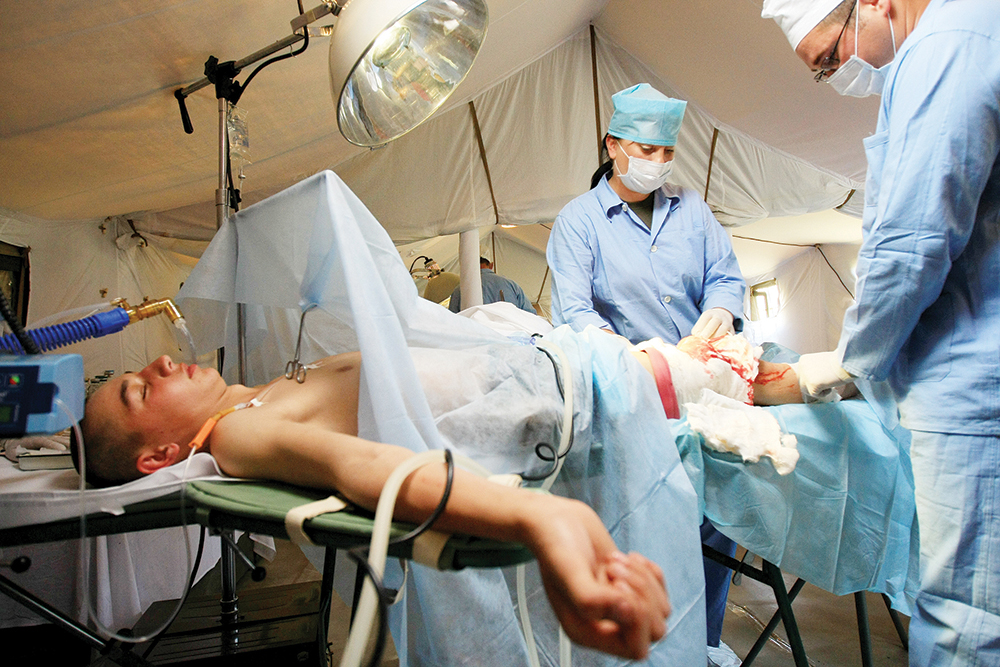
During the Afghanistan and Iraq wars, the percentage of wounded soldiers who died as a result of their injuries reached its lowest point in recorded history, writes lead author Donald M. Berwick, MD, MPP, of the Institute for Healthcare Improvement in Cambridge, Mass., along with colleagues from the National Academies of Sciences, Engineering, and Medicine in Washington, D.C.
“Effective bleeding-control measures, improved resuscitation techniques, and aggressive neurocritical care interventions are among many advances that saved lives on the battlefield that otherwise would have been lost,” they write.
The reduction in injury-related deaths is in part due to the Military Health System and its Joint Trauma System embracing a culture of continuous performance improvement and an agile approach, a model called “focused empiricism,” the authors say. A new report from the National Academies of Sciences, Engineering, and Medicine clarifies the components of such a learning health system, which can also be applied to civilian care:
- Leadership and a culture of learning: “A learning health system must be stewarded by leadership committed to nurturing a culture of continuous learning and improvement. ... Such a system should unite military and civilian trauma care leaders around a common, core aim established at the highest level in the nation; namely, to achieve zero preventable deaths after injury and minimize trauma-related disability.”
- Transparency and incentives for quality trauma care: “Trauma care practitioners at all levels, including trauma surgeons and other physicians, nurses, technicians, and prehospital care personnel, should have access to data on their performance relative to that of their peers.”
- Systems for ensuring an expert trauma care workforce: “A joint, integrated network of military and civilian trauma centers should be created as a training platform to prepare and sustain an expert workforce and to promote the translation of best practices between sectors.”
The progress made by the military’s trauma system could be lost, the writers conclude, without concerted efforts to disseminate and maintain the advances. The authors note that in the United States, there are nearly 150,000 deaths from trauma each year, and injury is the third-leading cause of death.
The “hundreds of thousands of civilians who have sustained trauma deserve the benefits of care improvements achieved in military medicine,” they conclude.
Reference
- Berwick DM, Downey AS, Cornett EA. A national trauma care system to achieve zero preventable deaths after injury: recommendations from a National Academies of Sciences, Engineering, and Medicine report [published online ahead of print June 17, 2006]. JAMA. doi:10.1001/jama.2016.8524.
Quick Byte
Rating RTLS Options
The healthcare industry typically uses real-time location systems (RTLS) to help improve care quality, workflow efficiency, and bottom lines, according to a recent article in HealthcareITNews. The research firm KLAS rated 11 RTLS vendors and gave Centrak the highest overall performance score, beating competitors including AwarePoint, Cerner, GE Healthcare, and Intelligent Insights.
Reference
- Siwicki B. KLAS ranks real-time location systems from AwarePoint, Cerner, CenTrak, Versus and others. HealthcareITNews website. Accessed July 13, 2016.
Recent wars have led to innovations in military trauma care that can be applied to civilians, say the authors of a JAMA Viewpoint published in June.1
During the Afghanistan and Iraq wars, the percentage of wounded soldiers who died as a result of their injuries reached its lowest point in recorded history, writes lead author Donald M. Berwick, MD, MPP, of the Institute for Healthcare Improvement in Cambridge, Mass., along with colleagues from the National Academies of Sciences, Engineering, and Medicine in Washington, D.C.
“Effective bleeding-control measures, improved resuscitation techniques, and aggressive neurocritical care interventions are among many advances that saved lives on the battlefield that otherwise would have been lost,” they write.
The reduction in injury-related deaths is in part due to the Military Health System and its Joint Trauma System embracing a culture of continuous performance improvement and an agile approach, a model called “focused empiricism,” the authors say. A new report from the National Academies of Sciences, Engineering, and Medicine clarifies the components of such a learning health system, which can also be applied to civilian care:
- Leadership and a culture of learning: “A learning health system must be stewarded by leadership committed to nurturing a culture of continuous learning and improvement. ... Such a system should unite military and civilian trauma care leaders around a common, core aim established at the highest level in the nation; namely, to achieve zero preventable deaths after injury and minimize trauma-related disability.”
- Transparency and incentives for quality trauma care: “Trauma care practitioners at all levels, including trauma surgeons and other physicians, nurses, technicians, and prehospital care personnel, should have access to data on their performance relative to that of their peers.”
- Systems for ensuring an expert trauma care workforce: “A joint, integrated network of military and civilian trauma centers should be created as a training platform to prepare and sustain an expert workforce and to promote the translation of best practices between sectors.”
The progress made by the military’s trauma system could be lost, the writers conclude, without concerted efforts to disseminate and maintain the advances. The authors note that in the United States, there are nearly 150,000 deaths from trauma each year, and injury is the third-leading cause of death.
The “hundreds of thousands of civilians who have sustained trauma deserve the benefits of care improvements achieved in military medicine,” they conclude.
Reference
- Berwick DM, Downey AS, Cornett EA. A national trauma care system to achieve zero preventable deaths after injury: recommendations from a National Academies of Sciences, Engineering, and Medicine report [published online ahead of print June 17, 2006]. JAMA. doi:10.1001/jama.2016.8524.
Quick Byte
Rating RTLS Options
The healthcare industry typically uses real-time location systems (RTLS) to help improve care quality, workflow efficiency, and bottom lines, according to a recent article in HealthcareITNews. The research firm KLAS rated 11 RTLS vendors and gave Centrak the highest overall performance score, beating competitors including AwarePoint, Cerner, GE Healthcare, and Intelligent Insights.
Reference
- Siwicki B. KLAS ranks real-time location systems from AwarePoint, Cerner, CenTrak, Versus and others. HealthcareITNews website. Accessed July 13, 2016.
Recent wars have led to innovations in military trauma care that can be applied to civilians, say the authors of a JAMA Viewpoint published in June.1
During the Afghanistan and Iraq wars, the percentage of wounded soldiers who died as a result of their injuries reached its lowest point in recorded history, writes lead author Donald M. Berwick, MD, MPP, of the Institute for Healthcare Improvement in Cambridge, Mass., along with colleagues from the National Academies of Sciences, Engineering, and Medicine in Washington, D.C.
“Effective bleeding-control measures, improved resuscitation techniques, and aggressive neurocritical care interventions are among many advances that saved lives on the battlefield that otherwise would have been lost,” they write.
The reduction in injury-related deaths is in part due to the Military Health System and its Joint Trauma System embracing a culture of continuous performance improvement and an agile approach, a model called “focused empiricism,” the authors say. A new report from the National Academies of Sciences, Engineering, and Medicine clarifies the components of such a learning health system, which can also be applied to civilian care:
- Leadership and a culture of learning: “A learning health system must be stewarded by leadership committed to nurturing a culture of continuous learning and improvement. ... Such a system should unite military and civilian trauma care leaders around a common, core aim established at the highest level in the nation; namely, to achieve zero preventable deaths after injury and minimize trauma-related disability.”
- Transparency and incentives for quality trauma care: “Trauma care practitioners at all levels, including trauma surgeons and other physicians, nurses, technicians, and prehospital care personnel, should have access to data on their performance relative to that of their peers.”
- Systems for ensuring an expert trauma care workforce: “A joint, integrated network of military and civilian trauma centers should be created as a training platform to prepare and sustain an expert workforce and to promote the translation of best practices between sectors.”
The progress made by the military’s trauma system could be lost, the writers conclude, without concerted efforts to disseminate and maintain the advances. The authors note that in the United States, there are nearly 150,000 deaths from trauma each year, and injury is the third-leading cause of death.
The “hundreds of thousands of civilians who have sustained trauma deserve the benefits of care improvements achieved in military medicine,” they conclude.
Reference
- Berwick DM, Downey AS, Cornett EA. A national trauma care system to achieve zero preventable deaths after injury: recommendations from a National Academies of Sciences, Engineering, and Medicine report [published online ahead of print June 17, 2006]. JAMA. doi:10.1001/jama.2016.8524.
Quick Byte
Rating RTLS Options
The healthcare industry typically uses real-time location systems (RTLS) to help improve care quality, workflow efficiency, and bottom lines, according to a recent article in HealthcareITNews. The research firm KLAS rated 11 RTLS vendors and gave Centrak the highest overall performance score, beating competitors including AwarePoint, Cerner, GE Healthcare, and Intelligent Insights.
Reference
- Siwicki B. KLAS ranks real-time location systems from AwarePoint, Cerner, CenTrak, Versus and others. HealthcareITNews website. Accessed July 13, 2016.
Delirium ABCDEF Bundle Program Implementation Toolkit Now Available
The Baylor Research Institute and SHM joined forces to provide a new resource to help accelerate adoption of a specific set of patient safety practices (collectively termed the ABCDEF bundle) to mitigate delirium in the ICU. This guide will allow you to impact care at both the individual patient and the institutional levels. It is intended for the broad, multidisciplinary spectrum of personnel involved in hospital-based quality improvement and patient safety efforts, ranging from frontline care providers to executive leaders. View the toolkit and download the guide at www.hospitalmedicine.org/delirium.
The Baylor Research Institute and SHM joined forces to provide a new resource to help accelerate adoption of a specific set of patient safety practices (collectively termed the ABCDEF bundle) to mitigate delirium in the ICU. This guide will allow you to impact care at both the individual patient and the institutional levels. It is intended for the broad, multidisciplinary spectrum of personnel involved in hospital-based quality improvement and patient safety efforts, ranging from frontline care providers to executive leaders. View the toolkit and download the guide at www.hospitalmedicine.org/delirium.
The Baylor Research Institute and SHM joined forces to provide a new resource to help accelerate adoption of a specific set of patient safety practices (collectively termed the ABCDEF bundle) to mitigate delirium in the ICU. This guide will allow you to impact care at both the individual patient and the institutional levels. It is intended for the broad, multidisciplinary spectrum of personnel involved in hospital-based quality improvement and patient safety efforts, ranging from frontline care providers to executive leaders. View the toolkit and download the guide at www.hospitalmedicine.org/delirium.
Become an SHM Ambassador for a Chance at Free Registration to HM17

- A $35 credit toward 2017–2018 dues when recruiting 1 new member.
- A $50 credit toward 2017–2018 dues when recruiting 2–4 new members.
- A $75 credit toward 2017–2018 dues when recruiting 5–9 new members.
- A $125 credit toward 2017–2018 dues when recruiting 10+ new members.
For each member recruited, referrers will receive one entry into a grand-prize drawing to receive complimentary registration to Hospital Medicine 2017 in Las Vegas.
- A $35 credit toward 2017–2018 dues when recruiting 1 new member.
- A $50 credit toward 2017–2018 dues when recruiting 2–4 new members.
- A $75 credit toward 2017–2018 dues when recruiting 5–9 new members.
- A $125 credit toward 2017–2018 dues when recruiting 10+ new members.
For each member recruited, referrers will receive one entry into a grand-prize drawing to receive complimentary registration to Hospital Medicine 2017 in Las Vegas.
- A $35 credit toward 2017–2018 dues when recruiting 1 new member.
- A $50 credit toward 2017–2018 dues when recruiting 2–4 new members.
- A $75 credit toward 2017–2018 dues when recruiting 5–9 new members.
- A $125 credit toward 2017–2018 dues when recruiting 10+ new members.
For each member recruited, referrers will receive one entry into a grand-prize drawing to receive complimentary registration to Hospital Medicine 2017 in Las Vegas.
6 Tips for Community Hospitalists Initiating QI Projects
The Society of Hospital Medicine asserts that one of the key principles of an effective hospital medicine group is demonstrating a commitment to continuous quality improvement (QI) and actively participating in initiatives directed at quality and patient safety.1 Large hospitalist groups expect their physicians to contribute to the QI initiatives of the hospitals they staff. But as any hospitalist practicing in a community setting can tell you, QI is much easier said than done.
Acknowledge, Overcome the Obstacles
One of the first hurdles hospitalists must overcome when initiating a QI program is finding the time in their schedule as well as obtaining the time commitment from group leadership and fellow clinicians.
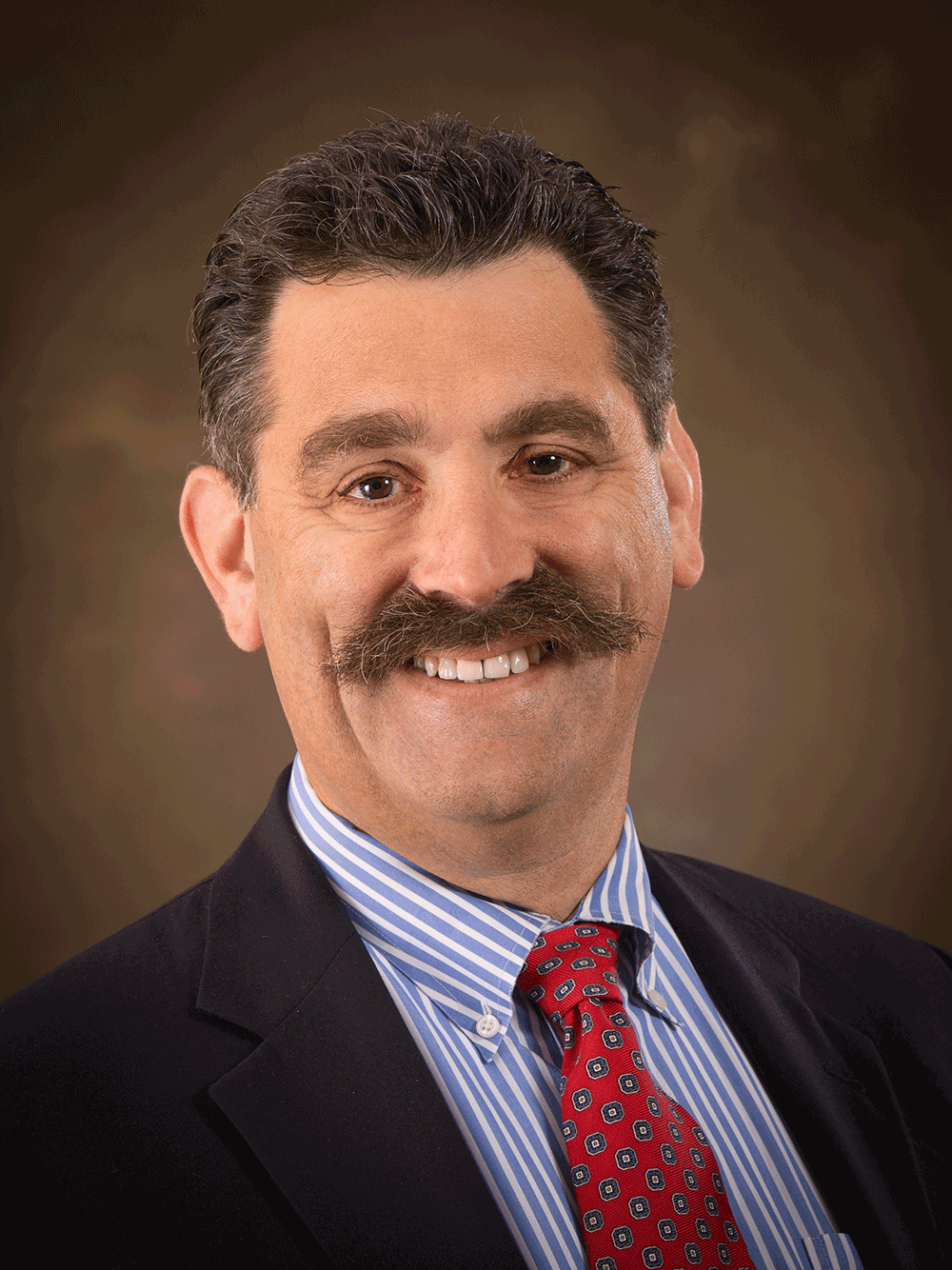
“If a hospitalist has no dedicated time and is working clinically, it is difficult to find time to organize a study,” says Kenneth Epstein, MD, chief medical officer of Hospitalist Consultants, the hospitalist management division of ECI Healthcare Partners, in Traverse City, Mich.
However, many national hospitalist management groups, including ECI and IPC Healthcare of North Hollywood, Calif., expect their clinicians to be continuously engaged in QI projects relative to their facility.
Beyond time, an even tougher obstacle to surmount is a lack of training, according to Kerry Weiner, MD, IPC chief medical officer. He says that each of IPC’s clinical practice leaders must participate in a one-year training program that includes a QI project conducted within their facility and mentored by University of California, San Francisco faculty.
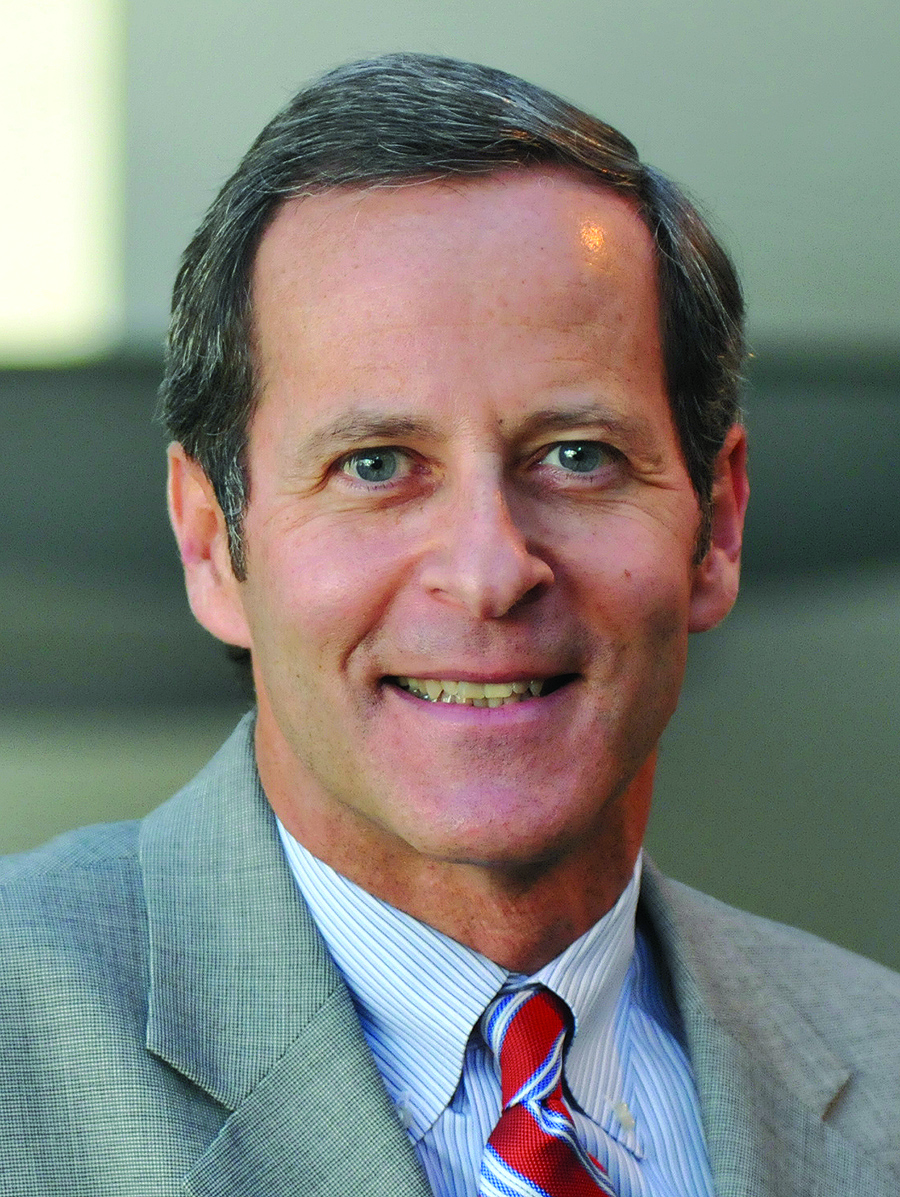
David Nash, MD, founding dean of Jefferson College of Population Health in Philadelphia, says The Joint Commission, as part of its accreditation process, requires hospitals to robustly review errors and “have a performance improvement system in place.” He believes the only way community hospitals can successfully undertake this effort is to make sure hospitalists have adequate training in quality and safety.
Training is available from SHM via its Quality and Safety Educators Academy as well as the American Association for Physician Leadership and the Institute for Healthcare Improvement. However, Dr. Nash recommends graduate-level programs in quality and safety available at several schools including Jefferson, Northwestern University in Chicago, and George Washington University in Washington, D.C.
Yet another hurdle is access to data. Many community hospitals have limited financial and human resources to collect accurate data to use for choosing an area to focus on and measuring improvement.
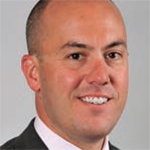
“Despite all the money invested in electronic medical records, finding timely and accurate data is still challenging,” says Jasen Gundersen, MD, president of Knoxville, Tenn.–based TeamHealth Acute Care Services. “The data may exist, but a community hospital may be limited when it comes to finding people to mine, configure, and analyze the data. Community hospitals tend to be focused on publically reported, whole-hospital data.
“If your project is not related to these metrics, you may have trouble getting quality department support.”
Dr. Weiner echoes that sentiment, noting most community hospitals “react to bad metrics, such as low HCAHPS scores. To get the most support possible,” he says, “design a QI program that people see as a genuine problem that needs to be fixed using their resources.”
Get Involved
Experience is another barrier to community-based QI projects. Dr. Gundersen believes that hospitalists who want to get involved in quality should first join a QI committee.
“One of the best ways to effect change in a hospital is to get to know the players—who’s who, who does what, and who is willing to help,” he says.
Arnu Mohan, MD, chief medical officer of hospital medicine at ApolloMD in Atlanta, agrees with gaining experience before setting out on your own.
“Joining a QI committee is almost never a bad idea,” Dr. Mohan says. “You’ll meet people who can support your work, get insight into the needs of the institution, be exposed to other work being done, and better understand the resources available.”
Choose Your Project Carefully
Dr. Gundersen recommends that before settling on a QI project, hospitalists should first consider what their career goals are.
“Ask yourself why you want to do it,” he says. “Do you have the ambition to become a medical director or chief quality officer? In that case, you need a few QI projects under your belt, and you want to choose a system-wide project. Or is there just something in your everyday life that frustrates you so much you must fix it?”
If the project that compels the clinician is not aligned with the needs of the hospital, “it is worthy of a discussion to make sure you are working on the right project,” he adds. “Is the hospitalist off base, or does the administration need to pay more attention to what is happening on the floor?”
Obtain Buy-in
A QI project has a greater chance at being successful if the participants have a high level of interest in the initiative and there is visible support from the administration: high-level people making public statements, making appearances at QI team meetings, and diverting resources such as information technology and process mapping support to sustain the project. This will only happen if community-based hospitalists are successful at selling their project to the C-suite.
“When you approach senior management, you have only 15 minutes to get their attention about your project,” Dr. Weiner says. “You need to show them that you are bringing part of the solution and your idea will affect their bottom line.”
Jeff Brady, MD, director of the Center for Quality Improvement and Patient Safety, says organization commitment is key to any patient safety initiative.
“In addition to the active engagement of leaders who focus on safety and quality, an organization’s culture is another factor that can either enable or thwart progress toward improving the care they deliver,” he says. “AHRQ [the Agency for Healthcare Research and Quality] developed a collection of instruments—AHRQ Surveys on Patient Safety Culture—to help organizations assess and better understand facilitators and barriers their organizations may encounter as they work to improve safety and quality.”2
Politics also can be a factor. Dr. Gundersen points out that smaller hospitals typically are used to “doing things one way.”
“They may not be receptive to changes a QI program would initiate,” he says. “You have to figure out a way to enlist people to move the project forward. Your ability to drive and influence change may be your most important quality as a physician leader.”
Dr. Mohan believes that the best approach is to find a mentor who has worked on QI initiatives before and can champion your efforts.
“You will need the support of the hospital to access required data, change processes, and implement new tools,” he says. “Many hospitals will have a chief medical officer, chief quality officer, or director of QI who can serve as an important ally to mobilize resources on your behalf.”
Go Beyond Hospital Medicine
Even with administrative support, it is better to assemble a team than attempt to go it alone. Successful QI projects, Dr. Mohan says, tend to be team efforts.
“Finding a community of people who will support your work is critical,” he adds. “A multidisciplinary team, including areas such as nursing, therapy, and administration, that engages people who will complement one another increases the likelihood of success.
“That said, multidisciplinary teams have their challenges. They can be unwieldy to lead and without clear roles and responsibilities. I would recommend a group of two to five people who are passionate about the issue you are trying to solve. And be clear from the beginning what each person’s role is within the group.”
Support can also be found in areas outside of the medical staff.
“Key people in other hospital departments can assist with supplying data, financial solutions, and institutional support,” Dr. Mohan says. “These people may be in various departments, such as quality improvement and case management.
“In the current era of value-based purchasing, where Medicare reimbursement is tied to quality metrics, it’s advantageous to show potential financial impact of the QI initiative on hospital revenue, so assistance by the CFO or others in finance may be helpful.”
Dr. Gundersen suggests hospitalists seek out a “lateral mentor,” someone in a department outside the medical staff who is looking for change and can offer resources.
“For example, physicians are looking for quality improvement, and those in the finance department are looking for good economic return. Physicians can explain medical reasons things need to be done, and the finance people can explain the impact of these choices,” he says. “Working together, they can improve both quality and the bottom line.”
Lateral mentoring also is an effective way to meet the challenge of obtaining accurate data, as it opens up the potential to mine data from various departments.
“At different institutions, data may reside in different departments,” Dr. Epstein says. “For example, patient satisfaction may reside with the CMO, core measures or readmissions may reside with the quality management department, and length of stay may be the purview of the finance department.”
Connections in other departments could be the source of your best data, according to Dr. Epstein.
Consider Incentives, Penalties
In addition to buy-in from administration and professionals in other departments, hospitalists also need the commitment of fellow clinicians. Dr. Weiner believes the only way to do this is through financial incentives.
“In a community setting, start with a meaningful reward for improvement. It must be enough that the hospitalist makes the QI project a priority,” he says.
Dr. Weiner also recommends a small penalty for non-participation.
“Most providers realize QI is just good practice, but for some individuals, you need a consequence. It must be part of the system so it isn’t personal,” Dr. Weiner says. “One way is to mandate that if you do not participate, not only do you not get any of the incentive pay, you might lose some of a productivity bonus. You need to be creative when thinking about how to promote QI.”
In the community hospital setting, Dr. Weiner says, practicality ultimately rules.
“The community hospital has real problems to deal with, so don’t make your project pie-in-the-sky,” he says. “Tie it to the bottom line of the hospital if you can. That’s where you start.” TH
Maybelle Cowan-Lincoln is a freelance writer in New Jersey.
References
- Cawley P, Deitelzweig S, Flores L. The key principles and characteristics of an effective hospital medicine group: as assessment guide for hospitals and hospitalists. J Hosp Med. 2014;9:123-128.
- Surveys on patient safety culture. AHRQ website. Accessed October 12, 2015.
- AHRQ Quality Indicators Toolkit for Hospitals: fact sheet. AHRQ website. Accessed October 10, 2015.
- Practice facilitation handbook. AHRQ website. Accessed on September 25, 2015.
- 5. SHM signature programs. SHM website. Accessed October 10, 2015.
The Society of Hospital Medicine asserts that one of the key principles of an effective hospital medicine group is demonstrating a commitment to continuous quality improvement (QI) and actively participating in initiatives directed at quality and patient safety.1 Large hospitalist groups expect their physicians to contribute to the QI initiatives of the hospitals they staff. But as any hospitalist practicing in a community setting can tell you, QI is much easier said than done.
Acknowledge, Overcome the Obstacles
One of the first hurdles hospitalists must overcome when initiating a QI program is finding the time in their schedule as well as obtaining the time commitment from group leadership and fellow clinicians.
“If a hospitalist has no dedicated time and is working clinically, it is difficult to find time to organize a study,” says Kenneth Epstein, MD, chief medical officer of Hospitalist Consultants, the hospitalist management division of ECI Healthcare Partners, in Traverse City, Mich.
However, many national hospitalist management groups, including ECI and IPC Healthcare of North Hollywood, Calif., expect their clinicians to be continuously engaged in QI projects relative to their facility.
Beyond time, an even tougher obstacle to surmount is a lack of training, according to Kerry Weiner, MD, IPC chief medical officer. He says that each of IPC’s clinical practice leaders must participate in a one-year training program that includes a QI project conducted within their facility and mentored by University of California, San Francisco faculty.
David Nash, MD, founding dean of Jefferson College of Population Health in Philadelphia, says The Joint Commission, as part of its accreditation process, requires hospitals to robustly review errors and “have a performance improvement system in place.” He believes the only way community hospitals can successfully undertake this effort is to make sure hospitalists have adequate training in quality and safety.
Training is available from SHM via its Quality and Safety Educators Academy as well as the American Association for Physician Leadership and the Institute for Healthcare Improvement. However, Dr. Nash recommends graduate-level programs in quality and safety available at several schools including Jefferson, Northwestern University in Chicago, and George Washington University in Washington, D.C.
Yet another hurdle is access to data. Many community hospitals have limited financial and human resources to collect accurate data to use for choosing an area to focus on and measuring improvement.
“Despite all the money invested in electronic medical records, finding timely and accurate data is still challenging,” says Jasen Gundersen, MD, president of Knoxville, Tenn.–based TeamHealth Acute Care Services. “The data may exist, but a community hospital may be limited when it comes to finding people to mine, configure, and analyze the data. Community hospitals tend to be focused on publically reported, whole-hospital data.
“If your project is not related to these metrics, you may have trouble getting quality department support.”
Dr. Weiner echoes that sentiment, noting most community hospitals “react to bad metrics, such as low HCAHPS scores. To get the most support possible,” he says, “design a QI program that people see as a genuine problem that needs to be fixed using their resources.”
Get Involved
Experience is another barrier to community-based QI projects. Dr. Gundersen believes that hospitalists who want to get involved in quality should first join a QI committee.
“One of the best ways to effect change in a hospital is to get to know the players—who’s who, who does what, and who is willing to help,” he says.
Arnu Mohan, MD, chief medical officer of hospital medicine at ApolloMD in Atlanta, agrees with gaining experience before setting out on your own.
“Joining a QI committee is almost never a bad idea,” Dr. Mohan says. “You’ll meet people who can support your work, get insight into the needs of the institution, be exposed to other work being done, and better understand the resources available.”
Choose Your Project Carefully
Dr. Gundersen recommends that before settling on a QI project, hospitalists should first consider what their career goals are.
“Ask yourself why you want to do it,” he says. “Do you have the ambition to become a medical director or chief quality officer? In that case, you need a few QI projects under your belt, and you want to choose a system-wide project. Or is there just something in your everyday life that frustrates you so much you must fix it?”
If the project that compels the clinician is not aligned with the needs of the hospital, “it is worthy of a discussion to make sure you are working on the right project,” he adds. “Is the hospitalist off base, or does the administration need to pay more attention to what is happening on the floor?”
Obtain Buy-in
A QI project has a greater chance at being successful if the participants have a high level of interest in the initiative and there is visible support from the administration: high-level people making public statements, making appearances at QI team meetings, and diverting resources such as information technology and process mapping support to sustain the project. This will only happen if community-based hospitalists are successful at selling their project to the C-suite.
“When you approach senior management, you have only 15 minutes to get their attention about your project,” Dr. Weiner says. “You need to show them that you are bringing part of the solution and your idea will affect their bottom line.”
Jeff Brady, MD, director of the Center for Quality Improvement and Patient Safety, says organization commitment is key to any patient safety initiative.
“In addition to the active engagement of leaders who focus on safety and quality, an organization’s culture is another factor that can either enable or thwart progress toward improving the care they deliver,” he says. “AHRQ [the Agency for Healthcare Research and Quality] developed a collection of instruments—AHRQ Surveys on Patient Safety Culture—to help organizations assess and better understand facilitators and barriers their organizations may encounter as they work to improve safety and quality.”2
Politics also can be a factor. Dr. Gundersen points out that smaller hospitals typically are used to “doing things one way.”
“They may not be receptive to changes a QI program would initiate,” he says. “You have to figure out a way to enlist people to move the project forward. Your ability to drive and influence change may be your most important quality as a physician leader.”
Dr. Mohan believes that the best approach is to find a mentor who has worked on QI initiatives before and can champion your efforts.
“You will need the support of the hospital to access required data, change processes, and implement new tools,” he says. “Many hospitals will have a chief medical officer, chief quality officer, or director of QI who can serve as an important ally to mobilize resources on your behalf.”
Go Beyond Hospital Medicine
Even with administrative support, it is better to assemble a team than attempt to go it alone. Successful QI projects, Dr. Mohan says, tend to be team efforts.
“Finding a community of people who will support your work is critical,” he adds. “A multidisciplinary team, including areas such as nursing, therapy, and administration, that engages people who will complement one another increases the likelihood of success.
“That said, multidisciplinary teams have their challenges. They can be unwieldy to lead and without clear roles and responsibilities. I would recommend a group of two to five people who are passionate about the issue you are trying to solve. And be clear from the beginning what each person’s role is within the group.”
Support can also be found in areas outside of the medical staff.
“Key people in other hospital departments can assist with supplying data, financial solutions, and institutional support,” Dr. Mohan says. “These people may be in various departments, such as quality improvement and case management.
“In the current era of value-based purchasing, where Medicare reimbursement is tied to quality metrics, it’s advantageous to show potential financial impact of the QI initiative on hospital revenue, so assistance by the CFO or others in finance may be helpful.”
Dr. Gundersen suggests hospitalists seek out a “lateral mentor,” someone in a department outside the medical staff who is looking for change and can offer resources.
“For example, physicians are looking for quality improvement, and those in the finance department are looking for good economic return. Physicians can explain medical reasons things need to be done, and the finance people can explain the impact of these choices,” he says. “Working together, they can improve both quality and the bottom line.”
Lateral mentoring also is an effective way to meet the challenge of obtaining accurate data, as it opens up the potential to mine data from various departments.
“At different institutions, data may reside in different departments,” Dr. Epstein says. “For example, patient satisfaction may reside with the CMO, core measures or readmissions may reside with the quality management department, and length of stay may be the purview of the finance department.”
Connections in other departments could be the source of your best data, according to Dr. Epstein.
Consider Incentives, Penalties
In addition to buy-in from administration and professionals in other departments, hospitalists also need the commitment of fellow clinicians. Dr. Weiner believes the only way to do this is through financial incentives.
“In a community setting, start with a meaningful reward for improvement. It must be enough that the hospitalist makes the QI project a priority,” he says.
Dr. Weiner also recommends a small penalty for non-participation.
“Most providers realize QI is just good practice, but for some individuals, you need a consequence. It must be part of the system so it isn’t personal,” Dr. Weiner says. “One way is to mandate that if you do not participate, not only do you not get any of the incentive pay, you might lose some of a productivity bonus. You need to be creative when thinking about how to promote QI.”
In the community hospital setting, Dr. Weiner says, practicality ultimately rules.
“The community hospital has real problems to deal with, so don’t make your project pie-in-the-sky,” he says. “Tie it to the bottom line of the hospital if you can. That’s where you start.” TH
Maybelle Cowan-Lincoln is a freelance writer in New Jersey.
References
- Cawley P, Deitelzweig S, Flores L. The key principles and characteristics of an effective hospital medicine group: as assessment guide for hospitals and hospitalists. J Hosp Med. 2014;9:123-128.
- Surveys on patient safety culture. AHRQ website. Accessed October 12, 2015.
- AHRQ Quality Indicators Toolkit for Hospitals: fact sheet. AHRQ website. Accessed October 10, 2015.
- Practice facilitation handbook. AHRQ website. Accessed on September 25, 2015.
- 5. SHM signature programs. SHM website. Accessed October 10, 2015.
The Society of Hospital Medicine asserts that one of the key principles of an effective hospital medicine group is demonstrating a commitment to continuous quality improvement (QI) and actively participating in initiatives directed at quality and patient safety.1 Large hospitalist groups expect their physicians to contribute to the QI initiatives of the hospitals they staff. But as any hospitalist practicing in a community setting can tell you, QI is much easier said than done.
Acknowledge, Overcome the Obstacles
One of the first hurdles hospitalists must overcome when initiating a QI program is finding the time in their schedule as well as obtaining the time commitment from group leadership and fellow clinicians.
“If a hospitalist has no dedicated time and is working clinically, it is difficult to find time to organize a study,” says Kenneth Epstein, MD, chief medical officer of Hospitalist Consultants, the hospitalist management division of ECI Healthcare Partners, in Traverse City, Mich.
However, many national hospitalist management groups, including ECI and IPC Healthcare of North Hollywood, Calif., expect their clinicians to be continuously engaged in QI projects relative to their facility.
Beyond time, an even tougher obstacle to surmount is a lack of training, according to Kerry Weiner, MD, IPC chief medical officer. He says that each of IPC’s clinical practice leaders must participate in a one-year training program that includes a QI project conducted within their facility and mentored by University of California, San Francisco faculty.
David Nash, MD, founding dean of Jefferson College of Population Health in Philadelphia, says The Joint Commission, as part of its accreditation process, requires hospitals to robustly review errors and “have a performance improvement system in place.” He believes the only way community hospitals can successfully undertake this effort is to make sure hospitalists have adequate training in quality and safety.
Training is available from SHM via its Quality and Safety Educators Academy as well as the American Association for Physician Leadership and the Institute for Healthcare Improvement. However, Dr. Nash recommends graduate-level programs in quality and safety available at several schools including Jefferson, Northwestern University in Chicago, and George Washington University in Washington, D.C.
Yet another hurdle is access to data. Many community hospitals have limited financial and human resources to collect accurate data to use for choosing an area to focus on and measuring improvement.
“Despite all the money invested in electronic medical records, finding timely and accurate data is still challenging,” says Jasen Gundersen, MD, president of Knoxville, Tenn.–based TeamHealth Acute Care Services. “The data may exist, but a community hospital may be limited when it comes to finding people to mine, configure, and analyze the data. Community hospitals tend to be focused on publically reported, whole-hospital data.
“If your project is not related to these metrics, you may have trouble getting quality department support.”
Dr. Weiner echoes that sentiment, noting most community hospitals “react to bad metrics, such as low HCAHPS scores. To get the most support possible,” he says, “design a QI program that people see as a genuine problem that needs to be fixed using their resources.”
Get Involved
Experience is another barrier to community-based QI projects. Dr. Gundersen believes that hospitalists who want to get involved in quality should first join a QI committee.
“One of the best ways to effect change in a hospital is to get to know the players—who’s who, who does what, and who is willing to help,” he says.
Arnu Mohan, MD, chief medical officer of hospital medicine at ApolloMD in Atlanta, agrees with gaining experience before setting out on your own.
“Joining a QI committee is almost never a bad idea,” Dr. Mohan says. “You’ll meet people who can support your work, get insight into the needs of the institution, be exposed to other work being done, and better understand the resources available.”
Choose Your Project Carefully
Dr. Gundersen recommends that before settling on a QI project, hospitalists should first consider what their career goals are.
“Ask yourself why you want to do it,” he says. “Do you have the ambition to become a medical director or chief quality officer? In that case, you need a few QI projects under your belt, and you want to choose a system-wide project. Or is there just something in your everyday life that frustrates you so much you must fix it?”
If the project that compels the clinician is not aligned with the needs of the hospital, “it is worthy of a discussion to make sure you are working on the right project,” he adds. “Is the hospitalist off base, or does the administration need to pay more attention to what is happening on the floor?”
Obtain Buy-in
A QI project has a greater chance at being successful if the participants have a high level of interest in the initiative and there is visible support from the administration: high-level people making public statements, making appearances at QI team meetings, and diverting resources such as information technology and process mapping support to sustain the project. This will only happen if community-based hospitalists are successful at selling their project to the C-suite.
“When you approach senior management, you have only 15 minutes to get their attention about your project,” Dr. Weiner says. “You need to show them that you are bringing part of the solution and your idea will affect their bottom line.”
Jeff Brady, MD, director of the Center for Quality Improvement and Patient Safety, says organization commitment is key to any patient safety initiative.
“In addition to the active engagement of leaders who focus on safety and quality, an organization’s culture is another factor that can either enable or thwart progress toward improving the care they deliver,” he says. “AHRQ [the Agency for Healthcare Research and Quality] developed a collection of instruments—AHRQ Surveys on Patient Safety Culture—to help organizations assess and better understand facilitators and barriers their organizations may encounter as they work to improve safety and quality.”2
Politics also can be a factor. Dr. Gundersen points out that smaller hospitals typically are used to “doing things one way.”
“They may not be receptive to changes a QI program would initiate,” he says. “You have to figure out a way to enlist people to move the project forward. Your ability to drive and influence change may be your most important quality as a physician leader.”
Dr. Mohan believes that the best approach is to find a mentor who has worked on QI initiatives before and can champion your efforts.
“You will need the support of the hospital to access required data, change processes, and implement new tools,” he says. “Many hospitals will have a chief medical officer, chief quality officer, or director of QI who can serve as an important ally to mobilize resources on your behalf.”
Go Beyond Hospital Medicine
Even with administrative support, it is better to assemble a team than attempt to go it alone. Successful QI projects, Dr. Mohan says, tend to be team efforts.
“Finding a community of people who will support your work is critical,” he adds. “A multidisciplinary team, including areas such as nursing, therapy, and administration, that engages people who will complement one another increases the likelihood of success.
“That said, multidisciplinary teams have their challenges. They can be unwieldy to lead and without clear roles and responsibilities. I would recommend a group of two to five people who are passionate about the issue you are trying to solve. And be clear from the beginning what each person’s role is within the group.”
Support can also be found in areas outside of the medical staff.
“Key people in other hospital departments can assist with supplying data, financial solutions, and institutional support,” Dr. Mohan says. “These people may be in various departments, such as quality improvement and case management.
“In the current era of value-based purchasing, where Medicare reimbursement is tied to quality metrics, it’s advantageous to show potential financial impact of the QI initiative on hospital revenue, so assistance by the CFO or others in finance may be helpful.”
Dr. Gundersen suggests hospitalists seek out a “lateral mentor,” someone in a department outside the medical staff who is looking for change and can offer resources.
“For example, physicians are looking for quality improvement, and those in the finance department are looking for good economic return. Physicians can explain medical reasons things need to be done, and the finance people can explain the impact of these choices,” he says. “Working together, they can improve both quality and the bottom line.”
Lateral mentoring also is an effective way to meet the challenge of obtaining accurate data, as it opens up the potential to mine data from various departments.
“At different institutions, data may reside in different departments,” Dr. Epstein says. “For example, patient satisfaction may reside with the CMO, core measures or readmissions may reside with the quality management department, and length of stay may be the purview of the finance department.”
Connections in other departments could be the source of your best data, according to Dr. Epstein.
Consider Incentives, Penalties
In addition to buy-in from administration and professionals in other departments, hospitalists also need the commitment of fellow clinicians. Dr. Weiner believes the only way to do this is through financial incentives.
“In a community setting, start with a meaningful reward for improvement. It must be enough that the hospitalist makes the QI project a priority,” he says.
Dr. Weiner also recommends a small penalty for non-participation.
“Most providers realize QI is just good practice, but for some individuals, you need a consequence. It must be part of the system so it isn’t personal,” Dr. Weiner says. “One way is to mandate that if you do not participate, not only do you not get any of the incentive pay, you might lose some of a productivity bonus. You need to be creative when thinking about how to promote QI.”
In the community hospital setting, Dr. Weiner says, practicality ultimately rules.
“The community hospital has real problems to deal with, so don’t make your project pie-in-the-sky,” he says. “Tie it to the bottom line of the hospital if you can. That’s where you start.” TH
Maybelle Cowan-Lincoln is a freelance writer in New Jersey.
References
- Cawley P, Deitelzweig S, Flores L. The key principles and characteristics of an effective hospital medicine group: as assessment guide for hospitals and hospitalists. J Hosp Med. 2014;9:123-128.
- Surveys on patient safety culture. AHRQ website. Accessed October 12, 2015.
- AHRQ Quality Indicators Toolkit for Hospitals: fact sheet. AHRQ website. Accessed October 10, 2015.
- Practice facilitation handbook. AHRQ website. Accessed on September 25, 2015.
- 5. SHM signature programs. SHM website. Accessed October 10, 2015.
Health Official Warns Zika Could Spread across U.S. Gulf
(Reuters) - One of the top U.S. public health officials on Sunday warned that the mosquito-borne Zika virus could extend its reach across the U.S. Gulf Coast after officials last week confirmed it as active in the popular tourist destination of Miami Beach.
The possibility of transmission in Gulf States such as Louisiana and Texas will likely fuel concerns that the virus, which has been shown to cause microcephaly, could spread across the continental United States, even though officials have played down such an outcome.
Concern has mounted since confirmation that Zika has expanded into a second region of the tourist hub of Miami-Dade County in Florida. Miami's Wynwood arts neighborhood last month became the site of the first locally transmitted cases of Zika in the continental United States.
"It would not be surprising we would see additional cases perhaps in other Gulf Coast states," Dr. Anthony Fauci, director of the allergy and infectious diseases unit of the National Institutes of Health (NIH), said in an interview on Sunday morning with ABC News.
Fauci noted that record flooding this month in Louisiana - which has killed at least 13 people and damaged some 60,000 homes damaged - has boosted the likelihood Zika will spread into that state.
"There's going to be a lot of problems getting rid of standing water" that could stymie the mosquito control efforts that are the best way to control Zika's spread, he said.
The connection between Zika and microcephaly first came to light last fall in Brazil, which has now confirmed 1,835 cases of microcephaly that it considers to be related to Zika infections in the mothers.
On Friday, Florida Governor Rick Scott confirmed that state health officials had identified five cases of Zika believed to be contracted in Miami Beach.
The U.S. Centers for Disease Control and Prevention told pregnant women they should avoid the trendy area and suggested those especially worried about exposure might consider avoiding all of Miami-Dade County.
NIH's Fauci on Sunday said the conditions of most of the country make it unlikely there would be a "diffuse, broad outbreak," even though officials need to prepare for that possibility.
He compared it with diseases such as dengue, which is endemic in certain tropical and subtropical regions of the world but rarely occurs in the continental United States. In Miami's Wynwood area, experts have seen "substantial" knockdowns of mosquito populations.
Still, its containment is more complicated because Zika can be sexually transmitted, Fauci said.
"This is something that could hang around for a year or two," he said.
The World Health Organization has said there is strong scientific consensus that Zika can also cause Guillain-Barre syndrome.
(c) Copyright Thomson Reuters 2016.
(Reuters) - One of the top U.S. public health officials on Sunday warned that the mosquito-borne Zika virus could extend its reach across the U.S. Gulf Coast after officials last week confirmed it as active in the popular tourist destination of Miami Beach.
The possibility of transmission in Gulf States such as Louisiana and Texas will likely fuel concerns that the virus, which has been shown to cause microcephaly, could spread across the continental United States, even though officials have played down such an outcome.
Concern has mounted since confirmation that Zika has expanded into a second region of the tourist hub of Miami-Dade County in Florida. Miami's Wynwood arts neighborhood last month became the site of the first locally transmitted cases of Zika in the continental United States.
"It would not be surprising we would see additional cases perhaps in other Gulf Coast states," Dr. Anthony Fauci, director of the allergy and infectious diseases unit of the National Institutes of Health (NIH), said in an interview on Sunday morning with ABC News.
Fauci noted that record flooding this month in Louisiana - which has killed at least 13 people and damaged some 60,000 homes damaged - has boosted the likelihood Zika will spread into that state.
"There's going to be a lot of problems getting rid of standing water" that could stymie the mosquito control efforts that are the best way to control Zika's spread, he said.
The connection between Zika and microcephaly first came to light last fall in Brazil, which has now confirmed 1,835 cases of microcephaly that it considers to be related to Zika infections in the mothers.
On Friday, Florida Governor Rick Scott confirmed that state health officials had identified five cases of Zika believed to be contracted in Miami Beach.
The U.S. Centers for Disease Control and Prevention told pregnant women they should avoid the trendy area and suggested those especially worried about exposure might consider avoiding all of Miami-Dade County.
NIH's Fauci on Sunday said the conditions of most of the country make it unlikely there would be a "diffuse, broad outbreak," even though officials need to prepare for that possibility.
He compared it with diseases such as dengue, which is endemic in certain tropical and subtropical regions of the world but rarely occurs in the continental United States. In Miami's Wynwood area, experts have seen "substantial" knockdowns of mosquito populations.
Still, its containment is more complicated because Zika can be sexually transmitted, Fauci said.
"This is something that could hang around for a year or two," he said.
The World Health Organization has said there is strong scientific consensus that Zika can also cause Guillain-Barre syndrome.
(c) Copyright Thomson Reuters 2016.
(Reuters) - One of the top U.S. public health officials on Sunday warned that the mosquito-borne Zika virus could extend its reach across the U.S. Gulf Coast after officials last week confirmed it as active in the popular tourist destination of Miami Beach.
The possibility of transmission in Gulf States such as Louisiana and Texas will likely fuel concerns that the virus, which has been shown to cause microcephaly, could spread across the continental United States, even though officials have played down such an outcome.
Concern has mounted since confirmation that Zika has expanded into a second region of the tourist hub of Miami-Dade County in Florida. Miami's Wynwood arts neighborhood last month became the site of the first locally transmitted cases of Zika in the continental United States.
"It would not be surprising we would see additional cases perhaps in other Gulf Coast states," Dr. Anthony Fauci, director of the allergy and infectious diseases unit of the National Institutes of Health (NIH), said in an interview on Sunday morning with ABC News.
Fauci noted that record flooding this month in Louisiana - which has killed at least 13 people and damaged some 60,000 homes damaged - has boosted the likelihood Zika will spread into that state.
"There's going to be a lot of problems getting rid of standing water" that could stymie the mosquito control efforts that are the best way to control Zika's spread, he said.
The connection between Zika and microcephaly first came to light last fall in Brazil, which has now confirmed 1,835 cases of microcephaly that it considers to be related to Zika infections in the mothers.
On Friday, Florida Governor Rick Scott confirmed that state health officials had identified five cases of Zika believed to be contracted in Miami Beach.
The U.S. Centers for Disease Control and Prevention told pregnant women they should avoid the trendy area and suggested those especially worried about exposure might consider avoiding all of Miami-Dade County.
NIH's Fauci on Sunday said the conditions of most of the country make it unlikely there would be a "diffuse, broad outbreak," even though officials need to prepare for that possibility.
He compared it with diseases such as dengue, which is endemic in certain tropical and subtropical regions of the world but rarely occurs in the continental United States. In Miami's Wynwood area, experts have seen "substantial" knockdowns of mosquito populations.
Still, its containment is more complicated because Zika can be sexually transmitted, Fauci said.
"This is something that could hang around for a year or two," he said.
The World Health Organization has said there is strong scientific consensus that Zika can also cause Guillain-Barre syndrome.
(c) Copyright Thomson Reuters 2016.
LETTER: Engaging the Next Generation: Hospital Medicine Student Interest Groups
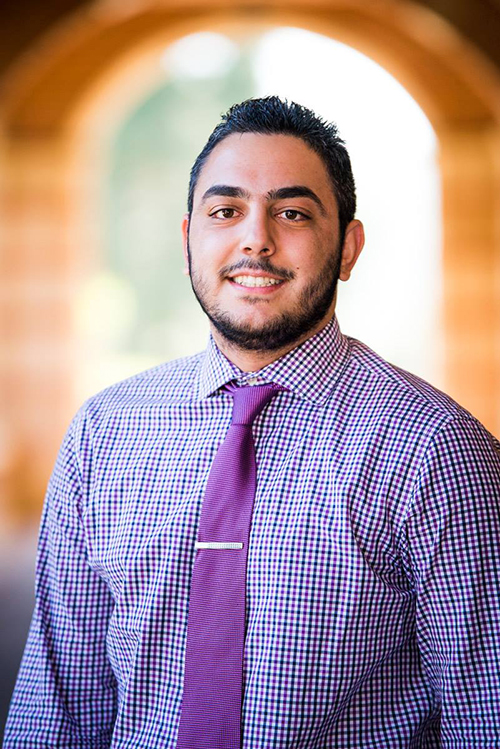
Since the inception of hospital medicine, we are seeing unprecedented levels of reliance on hospitalists for educating and leading the next generation of physicians toward better care. A 2008 survey of internal medicine programs reported that learners gave hospitalists higher scores in the areas of attending rounds quality and the teaching of cost-effective care, in addition to providing an overall better learning experience as compared with non-hospitalist attendings.1
As successful educators, the development of mentorship programs has been shown to improve professional satisfaction and academic productivity in hospitalist communities.2, 3 Unfortunately, most of these programs failed to consider medical schools as valuable targets for outreach, education and support. By limiting vertical integration of training and mentorship, the hospitalist community is keeping itself from realizing its potential in building a pipeline for shaping the leaders of tomorrow’s healthcare sector.
A Hospital Medicine Student Interest Group (HM-SIG) is an organization composed of medical, nurse practitioner or physician assistant students interested in exploring future careers in hospital medicine. The goals of an HM-SIG are multidimensional: (1) introduce students to, or cultivate prior interest in, a career in hospital medicine, (2) provide opportunities for mentorship with faculty, (3) develop a community of future hospitalists, and (4) facilitate student involvement in institutional, local, regional and national hospital medicine projects on patient safety, high-value care and quality improvement.
Since starting the first medical school HM-SIG chapter in 2015, our efforts have led to significant changes in the way students are exposed not only to hospital medicine as a career, but to the tools and the mindset of hospitalists for improving care as well. In the fall of 2015, after brief discussions on the merits of and opportunities in hospital medicine, we selected a dedicated group of individuals and built our executive board. We collectively defined our goals and designed an 18-month plan to create student-led programming, coordinate mentorship opportunities with faculty and build a research pipeline for future medical students to have easier access to quality improvement work within the Loyola University Stritch School of Medicine. Within the first 6 months, we hosted a panel discussion with our hospitalist faculty, facilitated a quality improvement workshop to teach the lean methodology and rolled out a shadowing program that has given students deeper insight into the day in the life of a hospitalist. We’ve also developed a lecture series that has guided curriculum changes in quality improvement, and organized a student-led regional hospital medicine conference for nurse practitioners, physician assistants, medical students and internal medicine residents.
Without any representation from within the medical student community, student exposure to the hospitalist career is entirely dependent on the resources and availability of the affiliate hospital’s department of hospital medicine. With an investment in hospital medicine student interest groups at medical schools, SHM will equip students to become articulate advocates for the profession and SHM as a community.
References
- Goldenberg J, Glasheen JJ. Hospitalist educators: future of inpatient internal medicine training. Mt Sinai J Med 2008;75:430-5.
2. Pane LA, Davis AB, Ottolini MC. Career satisfaction and the role of mentorship: a survey of pediatric hospitalists. Hosp Pediatr. 2012;2(3):141-8.
3. Leary JC, Schainker EG, Leyenaar JK. The unwritten rules of mentorship: Facilitators of and barriers to effective mentorship in pediatric hospital medicine. Hospital Pediatrics. 2016;6(4):219-225; DOI: 10.1542/hpeds.2015-0108
Since the inception of hospital medicine, we are seeing unprecedented levels of reliance on hospitalists for educating and leading the next generation of physicians toward better care. A 2008 survey of internal medicine programs reported that learners gave hospitalists higher scores in the areas of attending rounds quality and the teaching of cost-effective care, in addition to providing an overall better learning experience as compared with non-hospitalist attendings.1
As successful educators, the development of mentorship programs has been shown to improve professional satisfaction and academic productivity in hospitalist communities.2, 3 Unfortunately, most of these programs failed to consider medical schools as valuable targets for outreach, education and support. By limiting vertical integration of training and mentorship, the hospitalist community is keeping itself from realizing its potential in building a pipeline for shaping the leaders of tomorrow’s healthcare sector.
A Hospital Medicine Student Interest Group (HM-SIG) is an organization composed of medical, nurse practitioner or physician assistant students interested in exploring future careers in hospital medicine. The goals of an HM-SIG are multidimensional: (1) introduce students to, or cultivate prior interest in, a career in hospital medicine, (2) provide opportunities for mentorship with faculty, (3) develop a community of future hospitalists, and (4) facilitate student involvement in institutional, local, regional and national hospital medicine projects on patient safety, high-value care and quality improvement.
Since starting the first medical school HM-SIG chapter in 2015, our efforts have led to significant changes in the way students are exposed not only to hospital medicine as a career, but to the tools and the mindset of hospitalists for improving care as well. In the fall of 2015, after brief discussions on the merits of and opportunities in hospital medicine, we selected a dedicated group of individuals and built our executive board. We collectively defined our goals and designed an 18-month plan to create student-led programming, coordinate mentorship opportunities with faculty and build a research pipeline for future medical students to have easier access to quality improvement work within the Loyola University Stritch School of Medicine. Within the first 6 months, we hosted a panel discussion with our hospitalist faculty, facilitated a quality improvement workshop to teach the lean methodology and rolled out a shadowing program that has given students deeper insight into the day in the life of a hospitalist. We’ve also developed a lecture series that has guided curriculum changes in quality improvement, and organized a student-led regional hospital medicine conference for nurse practitioners, physician assistants, medical students and internal medicine residents.
Without any representation from within the medical student community, student exposure to the hospitalist career is entirely dependent on the resources and availability of the affiliate hospital’s department of hospital medicine. With an investment in hospital medicine student interest groups at medical schools, SHM will equip students to become articulate advocates for the profession and SHM as a community.
References
- Goldenberg J, Glasheen JJ. Hospitalist educators: future of inpatient internal medicine training. Mt Sinai J Med 2008;75:430-5.
2. Pane LA, Davis AB, Ottolini MC. Career satisfaction and the role of mentorship: a survey of pediatric hospitalists. Hosp Pediatr. 2012;2(3):141-8.
3. Leary JC, Schainker EG, Leyenaar JK. The unwritten rules of mentorship: Facilitators of and barriers to effective mentorship in pediatric hospital medicine. Hospital Pediatrics. 2016;6(4):219-225; DOI: 10.1542/hpeds.2015-0108
Since the inception of hospital medicine, we are seeing unprecedented levels of reliance on hospitalists for educating and leading the next generation of physicians toward better care. A 2008 survey of internal medicine programs reported that learners gave hospitalists higher scores in the areas of attending rounds quality and the teaching of cost-effective care, in addition to providing an overall better learning experience as compared with non-hospitalist attendings.1
As successful educators, the development of mentorship programs has been shown to improve professional satisfaction and academic productivity in hospitalist communities.2, 3 Unfortunately, most of these programs failed to consider medical schools as valuable targets for outreach, education and support. By limiting vertical integration of training and mentorship, the hospitalist community is keeping itself from realizing its potential in building a pipeline for shaping the leaders of tomorrow’s healthcare sector.
A Hospital Medicine Student Interest Group (HM-SIG) is an organization composed of medical, nurse practitioner or physician assistant students interested in exploring future careers in hospital medicine. The goals of an HM-SIG are multidimensional: (1) introduce students to, or cultivate prior interest in, a career in hospital medicine, (2) provide opportunities for mentorship with faculty, (3) develop a community of future hospitalists, and (4) facilitate student involvement in institutional, local, regional and national hospital medicine projects on patient safety, high-value care and quality improvement.
Since starting the first medical school HM-SIG chapter in 2015, our efforts have led to significant changes in the way students are exposed not only to hospital medicine as a career, but to the tools and the mindset of hospitalists for improving care as well. In the fall of 2015, after brief discussions on the merits of and opportunities in hospital medicine, we selected a dedicated group of individuals and built our executive board. We collectively defined our goals and designed an 18-month plan to create student-led programming, coordinate mentorship opportunities with faculty and build a research pipeline for future medical students to have easier access to quality improvement work within the Loyola University Stritch School of Medicine. Within the first 6 months, we hosted a panel discussion with our hospitalist faculty, facilitated a quality improvement workshop to teach the lean methodology and rolled out a shadowing program that has given students deeper insight into the day in the life of a hospitalist. We’ve also developed a lecture series that has guided curriculum changes in quality improvement, and organized a student-led regional hospital medicine conference for nurse practitioners, physician assistants, medical students and internal medicine residents.
Without any representation from within the medical student community, student exposure to the hospitalist career is entirely dependent on the resources and availability of the affiliate hospital’s department of hospital medicine. With an investment in hospital medicine student interest groups at medical schools, SHM will equip students to become articulate advocates for the profession and SHM as a community.
References
- Goldenberg J, Glasheen JJ. Hospitalist educators: future of inpatient internal medicine training. Mt Sinai J Med 2008;75:430-5.
2. Pane LA, Davis AB, Ottolini MC. Career satisfaction and the role of mentorship: a survey of pediatric hospitalists. Hosp Pediatr. 2012;2(3):141-8.
3. Leary JC, Schainker EG, Leyenaar JK. The unwritten rules of mentorship: Facilitators of and barriers to effective mentorship in pediatric hospital medicine. Hospital Pediatrics. 2016;6(4):219-225; DOI: 10.1542/hpeds.2015-0108
Dr. Geeta Arora Brings Her Passion for Locum Tenens Work to TH’s Editorial Board
If Geeta Arora, MD, were to purchase a personalized license plate, it probably would say something like “B3ACHNUT” or “SURF5UP.” Like many in the profession, she enjoys traveling and helping others. She’s a surfer girl, with a love of the beach and a heart for global medicine. And if given the chance, she says she’d rather be “selling coconuts on a beach” in the Caribbean, Costa Rica, or some other island paradise.
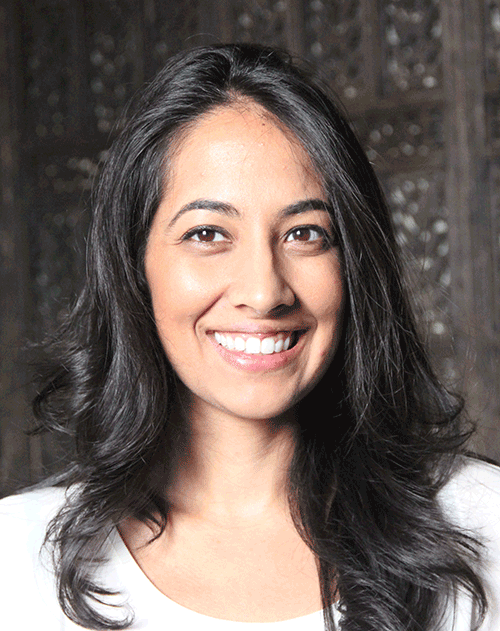
As a locum tenens hospitalist, Dr. Arora is based in New York City, but is licensed to practice in six states. In addition to her board certification in internal medicine, she also is board certified in integrative holistic medicine, something she hopes to expand on in coming years. She’s also active in telemedicine, providing outpatient consulting via phone or video chat with MDLive since 2014.
Dr. Arora, one of eight new members of Team Hospitalist, the volunteer editorial advisory board for The Hospitalist, had published a number of “Letters to the Editor” in SHM’s official newsmagazine prior to her application. The article topics were close to her heart, of course, with headlines reading “How Locums Tenens Can Help Avoid Burnout” and “5 Tips to Finding a Good Locum Tenens Company.” In fact, she recently was one of the interviewees for a TH video focused on working as a locum tenens hospitalist.
Dr. Arora recently stepped away from her busy schedule to chat with The Hospitalist:
Question: Why did you choose a career in medicine?
Answer: I wanted the opportunity to be present with people in some of the most vulnerable times in their lives and be able to help them when they are most vulnerable.
Q: How/when did you decide to become a hospitalist?
A: I decided to become a hospitalist as soon as I graduated residency.
Q: I see you completed undergrad at University of Guelph in Ontario, Canada. Tell us about your medical training. Was there a single moment you knew “I can do this”?
A: I went to medical school [at the Medical University of the Americas] in the Caribbean on an island called Nevis. My residency was at Albany Medical Center in Albany, N.Y. I disliked the politics of residency. I remember thinking, “I can do this,” in my third year of residency when I had just run two codes and was placing lines in a patient in the middle of the night on my own. I was surprised to find myself without any feeling of doubt in my mind as I placed the lines.
Q: What do you like most about working as a hospitalist?
A: I really enjoy the flexibility of my schedule and the large range of disease processes I see in a single day.
Q: What do you dislike most?
A: The immense amount of paperwork and the constant feeling of having administration trying to tell hospitalists how to do their job.
Q: As a hospitalist, seeing most of your patients for the very first time, what aspect of patient care is most challenging?
A: The most challenging part of patient care, for me, is changing the plan of the previous provider. For example, if the physician that had been seeing the patient prior to me had promised that a CT scan would be repeated, but there is no indication, that often turns into a lengthy discussion with the patient and the patient’s family. And that can sometimes be challenging.
Q: What’s the best advice you ever received?
A: As long as you are doing everything in the best interest of your patient, you are doing the right thing.
Q: What’s the worst advice you ever received?
A: Always practice defensive medicine because, if you don’t, you will get sued.
Q: Have you tried to mentor others? Why or why not?
A: I have mentored several medical students because I feel it is important to give back to the next generation.
Q: What’s the biggest change you’ve seen in HM in your career?
A: More paperwork.
Q: What’s the biggest change you would like to see in HM?
A: Decreasing paperwork.
Q: What aspect of patient care is most rewarding?
A: Connecting with patients.
Q: What is your biggest professional challenge?
A: Leaving a hospital because of poor administrative processes, especially when the hospitalist group is excellent to work with.
Q: What is your biggest professional reward?
A: Being able to work with and learn from other hospitalists.
Q: Outside of patient care, tell us about your career interests.
A: I have a passion for locum tenens hospitalist medicine. I enjoy practicing in different types of communities across the country, and I enjoy teaching others to do the same. I also enjoy consulting hospitals about how to improve their hospitalist systems. Telemedicine platform consultation has also become one of my interests.
Q: Where do you see yourself in 10 years?
A: Retired.
Q: What’s next professionally?
A: I enjoy practicing global medicine. My next destination is Cambodia in October. I’d like to increase the number of global medicine trips I do per year. I also have a very strong interest in integrative holistic medicine and am excited about expanding my practice in the coming year.
Q: What’s the best book you’ve read recently? Why?
A: Fortify Your Life, a book about supplements.
Q: How many Apple products (phones, iPods, tablets, iTunes, etc.) do you interface with in a given week?
A: iPhone and MacBook on a daily basis.
Q: What impact do you feel devices like those just mentioned have had on HM? And medicine in a broader sense?
A: I use them for electronic health records.
Q: What’s your favorite social network? Do you use it at all for work or professional development?
A: Instagram, but not for work.
Richard Quinn is a freelance writer in New Jersey.
If Geeta Arora, MD, were to purchase a personalized license plate, it probably would say something like “B3ACHNUT” or “SURF5UP.” Like many in the profession, she enjoys traveling and helping others. She’s a surfer girl, with a love of the beach and a heart for global medicine. And if given the chance, she says she’d rather be “selling coconuts on a beach” in the Caribbean, Costa Rica, or some other island paradise.
As a locum tenens hospitalist, Dr. Arora is based in New York City, but is licensed to practice in six states. In addition to her board certification in internal medicine, she also is board certified in integrative holistic medicine, something she hopes to expand on in coming years. She’s also active in telemedicine, providing outpatient consulting via phone or video chat with MDLive since 2014.
Dr. Arora, one of eight new members of Team Hospitalist, the volunteer editorial advisory board for The Hospitalist, had published a number of “Letters to the Editor” in SHM’s official newsmagazine prior to her application. The article topics were close to her heart, of course, with headlines reading “How Locums Tenens Can Help Avoid Burnout” and “5 Tips to Finding a Good Locum Tenens Company.” In fact, she recently was one of the interviewees for a TH video focused on working as a locum tenens hospitalist.
Dr. Arora recently stepped away from her busy schedule to chat with The Hospitalist:
Question: Why did you choose a career in medicine?
Answer: I wanted the opportunity to be present with people in some of the most vulnerable times in their lives and be able to help them when they are most vulnerable.
Q: How/when did you decide to become a hospitalist?
A: I decided to become a hospitalist as soon as I graduated residency.
Q: I see you completed undergrad at University of Guelph in Ontario, Canada. Tell us about your medical training. Was there a single moment you knew “I can do this”?
A: I went to medical school [at the Medical University of the Americas] in the Caribbean on an island called Nevis. My residency was at Albany Medical Center in Albany, N.Y. I disliked the politics of residency. I remember thinking, “I can do this,” in my third year of residency when I had just run two codes and was placing lines in a patient in the middle of the night on my own. I was surprised to find myself without any feeling of doubt in my mind as I placed the lines.
Q: What do you like most about working as a hospitalist?
A: I really enjoy the flexibility of my schedule and the large range of disease processes I see in a single day.
Q: What do you dislike most?
A: The immense amount of paperwork and the constant feeling of having administration trying to tell hospitalists how to do their job.
Q: As a hospitalist, seeing most of your patients for the very first time, what aspect of patient care is most challenging?
A: The most challenging part of patient care, for me, is changing the plan of the previous provider. For example, if the physician that had been seeing the patient prior to me had promised that a CT scan would be repeated, but there is no indication, that often turns into a lengthy discussion with the patient and the patient’s family. And that can sometimes be challenging.
Q: What’s the best advice you ever received?
A: As long as you are doing everything in the best interest of your patient, you are doing the right thing.
Q: What’s the worst advice you ever received?
A: Always practice defensive medicine because, if you don’t, you will get sued.
Q: Have you tried to mentor others? Why or why not?
A: I have mentored several medical students because I feel it is important to give back to the next generation.
Q: What’s the biggest change you’ve seen in HM in your career?
A: More paperwork.
Q: What’s the biggest change you would like to see in HM?
A: Decreasing paperwork.
Q: What aspect of patient care is most rewarding?
A: Connecting with patients.
Q: What is your biggest professional challenge?
A: Leaving a hospital because of poor administrative processes, especially when the hospitalist group is excellent to work with.
Q: What is your biggest professional reward?
A: Being able to work with and learn from other hospitalists.
Q: Outside of patient care, tell us about your career interests.
A: I have a passion for locum tenens hospitalist medicine. I enjoy practicing in different types of communities across the country, and I enjoy teaching others to do the same. I also enjoy consulting hospitals about how to improve their hospitalist systems. Telemedicine platform consultation has also become one of my interests.
Q: Where do you see yourself in 10 years?
A: Retired.
Q: What’s next professionally?
A: I enjoy practicing global medicine. My next destination is Cambodia in October. I’d like to increase the number of global medicine trips I do per year. I also have a very strong interest in integrative holistic medicine and am excited about expanding my practice in the coming year.
Q: What’s the best book you’ve read recently? Why?
A: Fortify Your Life, a book about supplements.
Q: How many Apple products (phones, iPods, tablets, iTunes, etc.) do you interface with in a given week?
A: iPhone and MacBook on a daily basis.
Q: What impact do you feel devices like those just mentioned have had on HM? And medicine in a broader sense?
A: I use them for electronic health records.
Q: What’s your favorite social network? Do you use it at all for work or professional development?
A: Instagram, but not for work.
Richard Quinn is a freelance writer in New Jersey.
If Geeta Arora, MD, were to purchase a personalized license plate, it probably would say something like “B3ACHNUT” or “SURF5UP.” Like many in the profession, she enjoys traveling and helping others. She’s a surfer girl, with a love of the beach and a heart for global medicine. And if given the chance, she says she’d rather be “selling coconuts on a beach” in the Caribbean, Costa Rica, or some other island paradise.
As a locum tenens hospitalist, Dr. Arora is based in New York City, but is licensed to practice in six states. In addition to her board certification in internal medicine, she also is board certified in integrative holistic medicine, something she hopes to expand on in coming years. She’s also active in telemedicine, providing outpatient consulting via phone or video chat with MDLive since 2014.
Dr. Arora, one of eight new members of Team Hospitalist, the volunteer editorial advisory board for The Hospitalist, had published a number of “Letters to the Editor” in SHM’s official newsmagazine prior to her application. The article topics were close to her heart, of course, with headlines reading “How Locums Tenens Can Help Avoid Burnout” and “5 Tips to Finding a Good Locum Tenens Company.” In fact, she recently was one of the interviewees for a TH video focused on working as a locum tenens hospitalist.
Dr. Arora recently stepped away from her busy schedule to chat with The Hospitalist:
Question: Why did you choose a career in medicine?
Answer: I wanted the opportunity to be present with people in some of the most vulnerable times in their lives and be able to help them when they are most vulnerable.
Q: How/when did you decide to become a hospitalist?
A: I decided to become a hospitalist as soon as I graduated residency.
Q: I see you completed undergrad at University of Guelph in Ontario, Canada. Tell us about your medical training. Was there a single moment you knew “I can do this”?
A: I went to medical school [at the Medical University of the Americas] in the Caribbean on an island called Nevis. My residency was at Albany Medical Center in Albany, N.Y. I disliked the politics of residency. I remember thinking, “I can do this,” in my third year of residency when I had just run two codes and was placing lines in a patient in the middle of the night on my own. I was surprised to find myself without any feeling of doubt in my mind as I placed the lines.
Q: What do you like most about working as a hospitalist?
A: I really enjoy the flexibility of my schedule and the large range of disease processes I see in a single day.
Q: What do you dislike most?
A: The immense amount of paperwork and the constant feeling of having administration trying to tell hospitalists how to do their job.
Q: As a hospitalist, seeing most of your patients for the very first time, what aspect of patient care is most challenging?
A: The most challenging part of patient care, for me, is changing the plan of the previous provider. For example, if the physician that had been seeing the patient prior to me had promised that a CT scan would be repeated, but there is no indication, that often turns into a lengthy discussion with the patient and the patient’s family. And that can sometimes be challenging.
Q: What’s the best advice you ever received?
A: As long as you are doing everything in the best interest of your patient, you are doing the right thing.
Q: What’s the worst advice you ever received?
A: Always practice defensive medicine because, if you don’t, you will get sued.
Q: Have you tried to mentor others? Why or why not?
A: I have mentored several medical students because I feel it is important to give back to the next generation.
Q: What’s the biggest change you’ve seen in HM in your career?
A: More paperwork.
Q: What’s the biggest change you would like to see in HM?
A: Decreasing paperwork.
Q: What aspect of patient care is most rewarding?
A: Connecting with patients.
Q: What is your biggest professional challenge?
A: Leaving a hospital because of poor administrative processes, especially when the hospitalist group is excellent to work with.
Q: What is your biggest professional reward?
A: Being able to work with and learn from other hospitalists.
Q: Outside of patient care, tell us about your career interests.
A: I have a passion for locum tenens hospitalist medicine. I enjoy practicing in different types of communities across the country, and I enjoy teaching others to do the same. I also enjoy consulting hospitals about how to improve their hospitalist systems. Telemedicine platform consultation has also become one of my interests.
Q: Where do you see yourself in 10 years?
A: Retired.
Q: What’s next professionally?
A: I enjoy practicing global medicine. My next destination is Cambodia in October. I’d like to increase the number of global medicine trips I do per year. I also have a very strong interest in integrative holistic medicine and am excited about expanding my practice in the coming year.
Q: What’s the best book you’ve read recently? Why?
A: Fortify Your Life, a book about supplements.
Q: How many Apple products (phones, iPods, tablets, iTunes, etc.) do you interface with in a given week?
A: iPhone and MacBook on a daily basis.
Q: What impact do you feel devices like those just mentioned have had on HM? And medicine in a broader sense?
A: I use them for electronic health records.
Q: What’s your favorite social network? Do you use it at all for work or professional development?
A: Instagram, but not for work.
Richard Quinn is a freelance writer in New Jersey.
Make Your Nominations for SHM Designations Now

- Awards of Excellence: www.hospitalmedicine.org/awards
- Board of Directors: www.hospitalmedicine.org/boardelection
- Committee nominations: www.hospitalmedicine.org/committee
- Masters of Hospital Medicine: www.hospitalmedicine.org/masters
- Awards of Excellence: www.hospitalmedicine.org/awards
- Board of Directors: www.hospitalmedicine.org/boardelection
- Committee nominations: www.hospitalmedicine.org/committee
- Masters of Hospital Medicine: www.hospitalmedicine.org/masters
- Awards of Excellence: www.hospitalmedicine.org/awards
- Board of Directors: www.hospitalmedicine.org/boardelection
- Committee nominations: www.hospitalmedicine.org/committee
- Masters of Hospital Medicine: www.hospitalmedicine.org/masters

Earn Fellow in Hospital Medicine Designation

If you applied for early decision on or before September 15, you’ll hear back on or before October 28, 2016. The regular decision application will remain open through November 30, with a decision on or before December 31, 2016. Apply now and learn how you can join other hospitalists who have earned this exclusive designation and recognition at www.hospitalmedicine.org/fellows.
If you applied for early decision on or before September 15, you’ll hear back on or before October 28, 2016. The regular decision application will remain open through November 30, with a decision on or before December 31, 2016. Apply now and learn how you can join other hospitalists who have earned this exclusive designation and recognition at www.hospitalmedicine.org/fellows.
If you applied for early decision on or before September 15, you’ll hear back on or before October 28, 2016. The regular decision application will remain open through November 30, with a decision on or before December 31, 2016. Apply now and learn how you can join other hospitalists who have earned this exclusive designation and recognition at www.hospitalmedicine.org/fellows.
Authors Needed for SHM Clinical Quick Talks
Busy clinical services and multiple demands on hospitalists’ time make it difficult to prepare brief talks to give to residents and students. The SHM Education Committee has created SHM Clinical Quick Talks, a bank of short prepared lectures on the SHM website. SHM Clinical Quick Talks are designed to be given in fewer than 10 minutes and are intended for use during teaching rounds, for a brief sit-down, or whenever time allows.
SHM is looking for additional authors for this series of micro-lectures. Read more and learn how to submit at connect.hospitalmedicine.org/clinicalquicktalks.
Busy clinical services and multiple demands on hospitalists’ time make it difficult to prepare brief talks to give to residents and students. The SHM Education Committee has created SHM Clinical Quick Talks, a bank of short prepared lectures on the SHM website. SHM Clinical Quick Talks are designed to be given in fewer than 10 minutes and are intended for use during teaching rounds, for a brief sit-down, or whenever time allows.
SHM is looking for additional authors for this series of micro-lectures. Read more and learn how to submit at connect.hospitalmedicine.org/clinicalquicktalks.
Busy clinical services and multiple demands on hospitalists’ time make it difficult to prepare brief talks to give to residents and students. The SHM Education Committee has created SHM Clinical Quick Talks, a bank of short prepared lectures on the SHM website. SHM Clinical Quick Talks are designed to be given in fewer than 10 minutes and are intended for use during teaching rounds, for a brief sit-down, or whenever time allows.
SHM is looking for additional authors for this series of micro-lectures. Read more and learn how to submit at connect.hospitalmedicine.org/clinicalquicktalks.