User login
Become an SHM Ambassador for a Chance at Free Registration to HM17
Now through Dec. 31, all active SHM members can earn 2017–2018 dues credits and special recognition for recruiting new physician, physician assistant, nurse practitioner, pharmacist, or affiliate members.
Active members will be eligible for:
- A $35 credit toward 2017–2018 dues when recruiting 1 new member
- A $50 credit toward 2017–2018 dues when recruiting 2–4 new members
- A $75 credit toward 2017–2018 dues when recruiting 5–9 new members
- A $125 credit toward 2017–2018 dues when recruiting 10+ new members
For each member recruited, referrers will receive one entry into a grand-prize drawing to receive complimentary registration to HM17. For more information, visit www.hospitalmedicine.org/MAP.
Now through Dec. 31, all active SHM members can earn 2017–2018 dues credits and special recognition for recruiting new physician, physician assistant, nurse practitioner, pharmacist, or affiliate members.
Active members will be eligible for:
- A $35 credit toward 2017–2018 dues when recruiting 1 new member
- A $50 credit toward 2017–2018 dues when recruiting 2–4 new members
- A $75 credit toward 2017–2018 dues when recruiting 5–9 new members
- A $125 credit toward 2017–2018 dues when recruiting 10+ new members
For each member recruited, referrers will receive one entry into a grand-prize drawing to receive complimentary registration to HM17. For more information, visit www.hospitalmedicine.org/MAP.
Now through Dec. 31, all active SHM members can earn 2017–2018 dues credits and special recognition for recruiting new physician, physician assistant, nurse practitioner, pharmacist, or affiliate members.
Active members will be eligible for:
- A $35 credit toward 2017–2018 dues when recruiting 1 new member
- A $50 credit toward 2017–2018 dues when recruiting 2–4 new members
- A $75 credit toward 2017–2018 dues when recruiting 5–9 new members
- A $125 credit toward 2017–2018 dues when recruiting 10+ new members
For each member recruited, referrers will receive one entry into a grand-prize drawing to receive complimentary registration to HM17. For more information, visit www.hospitalmedicine.org/MAP.
PAs, NPs Seizing Key Leadership Roles in HM Groups, Health Systems
Since hospital medicine’s early days, hospitalist physicians have worked alongside physician assistants (PAs) and nurse practitioners (NPs). Some PAs and NPs have ascended to positions of leadership in their HM groups or health systems, in some cases even supervising the physicians.

The Hospitalist connected with six PA and NP leaders in hospital medicine to discuss their career paths as well as the nature and scope of their jobs. They described leadership as a complex, multidimensional concept, with often more of a collaborative model than a clear-cut supervisory relationship with clinicians. Most said they don’t try to be the “boss” of their group and have found ways to impact key decisions.
They also emphasized that PAs and NPs bring special skills and perspectives to team building. Many have supplemented frontline clinical experience with leadership training. And when it comes to decision making, their responsibilities can include hiring, scheduling, training, mentoring, information technology, quality improvement, and other essential functions of the group.
Edwin Lopez, MBA, PA-C

Workplace: St. Elizabeth is a 25-bed critical-access hospital serving a semi-rural bedroom community of 11,000 people an hour southeast of Seattle. It belongs to the nine-hospital CHI Franciscan Health system, and the HM group includes four physicians and four PAs providing 24-hour coverage. The physicians and PAs work in paired teams in the hospital and an 80-bed skilled nursing facility (SNF) across the street. Lopez heads St. Elizabeth’s HM group and is associate medical director of the SNF.
Background: Lopez graduated from the PA program at the University of Washington in 1982 and spent seven years as a PA with a cardiothoracic surgery practice in Tacoma. Then he established his own firm providing PA staffing services for six cardiac surgery programs in western Washington. In 1997, he co-founded an MD/PA hospitalist service covering three hospitals for a Seattle insurance company. That program grew into a larger group that was acquired by CHI Franciscan.
Lopez took time off to earn his MBA in health policy at the University of Washington and Harvard Kennedy School in Boston.
Eight years ago as part of an acquisition, CHI Franciscan asked Lopez to launch an HM program at St. Elizabeth. From the start, he developed the program as a collaborative model. The HM group now covers almost 90% of hospital admissions, manages the ICU, takes calls to admit patients from the ED, and rounds daily on patients in a small hospital that doesn’t have access to a lot of medical specialists.
St. Elizabeth’s has since flourished to become one of the health system’s top performers on quality metrics like HCAHPS (Hospital Consumer Assessment of Healthcare Providers and Systems) scores. However, Lopez admits readmission rates remain high. He noticed that a big part of the readmission problem was coming from the facility across the street, so he proposed the HM group start providing daily coverage to the SNF. In the group’s first year covering the SNF, the hospital’s readmission rate dropped to 5% from 35%.
Listen: Edwin Lopez, PA-C, discusses post-acute Care in the U.S. health system
Responsibilities: Lopez spends roughly half his time seeing patients, which he considers the most satisfying half. The other half is managing and setting clinical and administrative direction for the group.
“My responsibility is to ensure that there is appropriate physician and PA coverage 24-7 in both facilities,” he says, adding he also handles hiring and personnel issue. “We have an understanding here. I help guide, mentor, and direct the team, with the support of our regional medical director.”
The story: Lopez credits his current position to Joe Wilczek, a visionary CEO who came to the health system 18 years ago and retired in 2015.
“Joe and Franciscan’s chief medical officer and system director of hospital medicine came to me and said, ‘We’d like you to go over there and see what you can do at St. Elizabeth.’ There was a definite mandate, with markers they wanted me to reach. They said, ‘If you succeed, we will build you a new hospital building.’”
The new building opened in 2012.
Lopez says he has spent much of his career in quiet oblivion.
“It took five or six years here before people started noticing that our quality and performance were among the highest in the system,” he says. “For my entire 33-year career in medicine, I was never driven by the money. I grew up believing in service and got into medicine to make a difference, to leave a place better than I found it.”
He occasionally fields questions about his role as a PA group leader, which he tries to overcome by building trust, just as he overcame initial resistance to the hospital medicine program at St. Elizabeth from community physicians.
“I am very clear, we as a team are very clear, that we’re all worker bees here. We build strong relationships. We consider ourselves family,” he says. “When family issues come up, we need to sit down and talk about them, even when it may be uncomfortable.”
Laurie Benton, RN, MPAS, PhD, PA-C, DFAAPA

Workplace: Baylor Scott & White Health is the largest nonprofit health system in Texas, with 46 hospitals and 500 multispecialty clinics. Scott & White Memorial Hospital is a 636-bed specialty care and teaching hospital. Its hospital medicine program includes 40 physicians and 34 NP/PAs caring for an average daily census of 240 patients. They cover an observation service, consult service, and long-term acute-care service.
Background: Benton has a PhD in health administration. She has practiced hospital medicine at Scott & White Memorial Hospital since 2000 and before that at Emanuel Hospital in Portland, Ore. Currently an orthopedic hospitalist PA, she has worked in cardiothoracic surgery, critical care, and nephrology settings.
She became the system director for APPs in September 2013. In that role, she leads and represents 428 APPs, including hospitalist, intensivist, and cardiology PAs, in the system’s 26-hospital Central Region. She sits on the board of directors of the American Academy of Physician Assistants and has been on workforce committees for the National Commission on Certification of Physician Assistants and on the CME committee of the National Kidney Foundation.
Responsibilities: Benton coordinates everything, including PAs, advanced practice nurses, and nurse anesthetists, in settings across the healthcare continuum.
“I was appointed by our hospital medicine board and administration to be the APP leader. I report to the chief medical officer,” she says. “But I still see patients; it’s my passion. I’m not ready to give it up completely.”
Benton’s schedule includes two 10-hour clinical shifts per week. The other three days she works on administrative tasks. She attends board meetings as well as regular meetings with the system’s top executives and officers, including the chair of the board and the senior vice president for medical affairs.
“I have a seat on staff credentialing, benefits, and compensation committees, and I’m part of continuing medical education and disaster planning. Pretty much any of the committees we have here, I’m invited to be on,” she says. “I make sure I’m up-to-date on all of the new regulations and have information on any policies that have to do with APPs.”
The story: Benton says her PA training, including mentorship from Edwin Lopez, placed a strong emphasis on helping students develop leadership skills and interests.
“While I was working in nephrology, my supervising physician mentored me and encouraged me to move forward with my education,” she says. Along the way, she participated in a yearlong executive-education program and taught at the University of Texas McCombs School of Business. “Right off, it was not easy because while people saw me as a very strong, very confident provider, they didn’t see me as an administrator. When I worked with administrators, they were speaking a different language. I’d speak medicine, and they’d speak administration. It took a while to learn how to communicate with them.”
She says non-physician professionals traditionally have reported up through a physician and “never had their own voice. … Now that we have our leadership ladder here, it’s still new to some administrators,” she says. “I want to make sure PAs are part of the solution to high-quality healthcare.
“When I’m at the leadership table, we’re working together. The physicians respect my opinion, giving me the opportunity to interact like anyone else at the table.”
Catherine Boyd, MS, PA-C

Workplace: Essex is a private hospitalist group founded in 2007 by James Tollman, MD, FHM, who remains its CEO. It has 34 clinical members, including 16 physicians, 12 PAs, and six NPs. It began providing hospitalist medical care to several hospitals on Massachusetts’ North Shore under contract, then to a psychiatric hospital and a detox treatment center. In recent years, it has expanded into the post-acute arena, providing coverage to 14 SNFs, which now constitute the majority of its business. It also is active with two accountable-care organization networks.
Background: After three years as a respiratory therapist, Boyd enrolled in a PA program at Massachusetts College of Pharmacy and Health Sciences. After graduating in 2005, she worked as a hospitalist and intensivist, including as team leader for the medical emergency team at Lahey Health & Medical Center in Burlington, Mass., and in the PACE (Program of All-Inclusive Care for the Elderly) Internal Medical Department with Partners HealthCare until mid-2014, when she was invited to join Essex.
Responsibilities: “This job is not one thing; I dabble in everything,” says Boyd, who describes herself as the group’s chief operating officer for professional affairs. “I provide direct supervision to our PAs and NPs but also to our independent contractors, including moonlighting physicians. And I help to supervise the full-time physicians.”
She works on system issues, on-site training and mentorship, and implementation of a new electronic health record (EHR) and charge capture system while trying to improve bed flow and quality and decrease clinicians’ job frustrations. She also monitors developments in Medicare regulations.
“I check in with every one of our full-time providers weekly, and I try to offset some of the minutiae of their workday so that they can focus on their patients,” she explains. “Dr. Tollman and I feel that we bring a healthy work-lifestyle balance to the group. We encourage that in our staff. If they are happy in their jobs, it makes quality of care better.”
Boyd also maintains a clinical practice as a hospitalist, with her clinical duties flexing up and down based on patient demand and management needs.
The story: When Boyd was a respiratory therapist at a small community hospital, she worked one-on-one with a physician assistant who inspired her to change careers.
“I really liked what she did. As a PA, I worked to broaden my skill set on a critical care service for seven years,” she says. “But then my two kids got older and I wanted a more flexible schedule. Dr. Tollman came across my résumé when he was looking for a clinician to run operations for Essex.”
Building on 10 years of clinical experience, Boyd has tried to earn the trust of the other clinicians.
“They know they can come to me with questions. I like to think I practice active listening. When there is a problem, I do a case review and try to get all the facts,” she says. “When you earn their trust, the credentials tend to fall away, especially with the doctors I work with on a daily basis.”
Daniel Ladd, PA-C, DFAAPA

Workplace: Founded in 1993 as Hospitalists of Northern Michigan, iNDIGO Health Partners is one of the country’s largest private hospitalist companies, employing 150 physicians, PAs, and NPs who practice at seven hospitals across the state. The program also provides nighttime hospitalist services via telehealth and pediatric hospital medicine. It recently added 10 post-acute providers to work in SNFs and assisted living facilities.
Background: While working as a nurse’s aide, meeting and being inspired by some of the earliest PAs in Michigan, Ladd pursued PA training at Mercy College in Detroit. After graduating in 1984, he was hired by a cardiology practice at Detroit Medical Center. When he moved upstate to Traverse City in 1997, he landed a position as lead PA at another cardiology practice, acting as its liaison to PAs in the hospital. He joined iNDIGO in 2006.
“Jim Levy, one of the first PA hospitalists in Michigan, was an integral part of founding iNDIGO and now is our vice president of human resources,” Ladd says. “He asked me to join iNDIGO, and I jumped at the chance. Hospital medicine was a new opportunity for me and one with more opportunities for PAs to advance than cardiology.”
In 2009, when the company reorganized, the firm’s leadership recognized the need to establish a liaison group as a buffer between the providers and the company. Ladd became president of its new board of managers.
“From there, my position evolved to what it is today,” he says.
Levy calls Ladd a role model and leader, with great credibility among site program directors, hospital CMOs, and providers.
Responsibilities: Ladd gave up his clinical practice as a hospitalist in 2014 in response to growing management responsibilities.
“I do and I don’t miss it,” he says. “I miss the camaraderie of clinical practice, the foxhole mentality on the front lines. But I feel where I am now that I am able to help our providers give better care.
“Concretely, what I do is to help our practitioners and our medical directors at the clinical sites, some of whom are PAs and NPs, supporting them with leadership and education. I listen to their issues, translating and bringing to bear the resources of our company.”
Those resources include staffing, working conditions, office space, and the application of mobile medical technology for billing and clinical decision support.
“A lot of my communication is via email. I feel I am able to make a point without being inflammatory, by stating my purpose—the rationale for my position—and asking for what I need,” Ladd says. “This role is very accepted at iNDIGO. The corollary is that physician leaders who report to me are also comfortable in our relationship. It’s not about me being a PA and them being physicians but about us being colleagues in medicine.
“I’m in a position where I understand their world and am able to help them.”
The story: Encouraged by what he calls “visionary” leaders, Ladd has taken a number of steps to ascend to his current position as chief clinical officer.
“Even going back to the Boy Scouts, I was always one to step forward and volunteer for leadership,” he says. “I was president of my PA class in college and involved with the state association of PAs, as well as taking leadership training through the American Academy of Physician Assistants. I had the good fortune to be hired by a brilliant cardiologist at Detroit Medical Center. … He was the first to encourage me to be not just an excellent clinician but also a leader. He got me involved in implementing the EHR and in medication reconciliation. He promoted me as a PA to his patients and allowed me to become the face of our clinical practice, running the clinical side of the practice.”
Ladd also credits iNDIGO’s leaders for an approach of hiring the best people regardless of degree.
“If they happen to be PAs, great. The company’s vision is to have people with vision and skills to lead, not just based on credentials,” he says. “They established that as a baseline, and now it’s the culture here. We have PAs who are key drivers of the efficiency of this program.”
It hasn’t eliminated the occasional “I’m the physician, I’m delegating to you, and you have to do what I say,” Ladd admits. But he knows handling those situations is part of his job as a practice leader.
“It requires patience and understanding and the ability to see the issue from multiple perspectives,” he says, “and then synthesize all of that into a reasonable solution for all concerned.”
Arnold Facklam III, MSN, FNP-BC, FHM

Workplace: United Memorial has 100 beds and is part of the four-hospital Rochester Regional Health System. Kaleida Health has four acute-care hospitals in western New York. Based an hour apart, they compete, but both now get hospitalist services from Infinity Health Hospitalists of Western New York, a hospitalist group of 30 to 35 providers privately owned by local hospitalist John Patti, MD.
Background: Facklam has been a nocturnist since 2009, when he completed an NP program at D’Youville College in Buffalo. He worked 15 to 17 night shifts a month, first at Kaleida’s DeGraff Memorial Hospital and then at United Memorial, starting in 2013 as a per diem and vacation fill-in, then full-time since 2015. He now works for Infinity Health Hospitalists.
While working as a hospitalist, Facklam became involved with the MSO of Kaleida Health, starting on its Advanced Practice Provider Committee, which represents more than 600 NPs and PAs. Now chair of the committee, he leads change in the scope of practice for NPs and PAs and acts as liaison between APPs and the hospitals and health system.
Responsibilities: As a full-time nocturnist, Facklam has to squeeze in time for his role as director of advanced practice providers. He offers guidance and oversight, under the direction of the vice president of medical affairs, to all NPs, PAs, nurse midwives, and nurse anesthetists. He also is in charge of its rapid response and code blue team coverage at night, plus provides clinical education to family practice medical students and residents overnight in the hospital. He has worked on hospital quality improvement projects since 2012.
Facklam, who acknowledges type A personality tendencies, also maintains two to three night shifts per month at Kaleida’s Millard Suburban Hospital.
In 2012, he became a member, eventually a voting member, of Kaleida’s system-wide MSO Medical Executive Committee, which is responsible for rule making, disciplinary action, and the provision of medical care within the system.
“The MSO is the mechanism for accountability for professional practice,” he says. He is also active in SHM’s NP/PA Committee and now sits on SHM’s Public Policy Committee.
The story: “Working as a nocturnist has given me the flexibility to look into advanced management training,” he says, including Six Sigma green belt course work and certificate training. While at DeGraff, he heard about a call for membership on the NP/PA committee.
“They quickly realized the benefits of having someone with a background like mine on board,” he said. “As a nocturnist, I started going to more meetings and getting involved when the easier thing to do might have been to drive home and go to bed.”
Along the way, he learned a lot about hospital systems and how they work.
“Having been in healthcare for 23 years, I know the hierarchical approach,” Facklam says. “But the times are changing. As medicine becomes broader and more difficult to manage, it has to become more of a team approach. If you look at the data, there won’t be enough physicians in the near future. PAs and NPs can help fill that need.”
Crystal Therrien, MS, ACNP-BC

Workplace: UMass Medical Center encompasses three campuses in central Massachusetts, including University, Memorial, and Marlborough. The hospital medicine division covers all three campuses with 40 to 45 FTEs of physicians and 20 of APPs. Therrien has been with the department since October 2009—her first job after completing NP training—and assumed her leadership role in June 2012.
Responsibilities: Therrien supervises the UMass hospital medicine division’s Affiliate Practitioner Group. She works with physicians on the executive council, coordinates the medicine service, and coordinates cross-coverage with other services in the hospital, including urology, neurology, surgery, GI, interventional radiology, and bone marrow transplants.
Hospitalist staff work 12-hour shifts, providing 24-hour coverage in the hospital, with one physician and two APPs scheduled at night.
“Because we are available 24-7 in house, I work closely with our scheduler. There is also a lot of coordination with subspecialty services in the hospital and on the observation unit,” she says. “I’m also responsible for interviewing and hiring AP candidates, including credentialing, and with the mentorship program. I chair the rapid response program and host our monthly staff meetings,” which involve both business and didactic presentations. She also serves on the hospital’s NP advisory council.
Before Therrien became the lead NP, her predecessor was assigned at 5% administrative.
“I started out 25% administrative because the program has expanded so quickly,” she says, noting that now she is 50% clinic and 50% administrative. “To be a good leader, I think I need to keep my feet on the ground in patient care.”
The story: Therrien worked as an EMT, a volunteer firefighter, and an ED tech before pursuing a degree in nursing.
“I grew up in a house where my dad was a firefighter and my mom was an EMT,” she says. “We were taught the importance of helping others and being selfless. I always had a leadership mentality.”
Therrien credits her physician colleagues for their commitment and support.
“It can be a little more difficult outside of our department,” she says. “They don’t always understand my role. Some of the attendings have not worked with affiliated providers before, but they have worked with residents. So there’s an interesting dynamic for them to learn how to work with us.”
Kimberly Eisenstock, MD, FHM, the clinical chief of hospital medicine, says that when she was looking for someone new to lead the affiliated practitioners, she wanted “a leader who understood their training and where they could be best utilized. Crystal volunteered. Boy, did she! She was the most experienced and enthusiastic candidate, with the most people-oriented skills.”
Dr. Eisenstock says she doesn’t start new roles or programs for the affiliated practitioners without getting the green light from Therrien.
“Crystal now represents the voice for how the division decides to employ APPs and the strategies we use to fill various roles,” she says. TH
Larry Beresford is a freelance writer in Alameda, Calif.
How NPs, PAs Can Prepare for Greater Leadership Roles
Michael Huckabee, MPAS, PhD, PA-C, is director of the Division of Physician Assistant Education at the University of Nebraska Medical Center in Omaha, where he trains both entry-level students and mid-career practitioners pursuing distance learning.
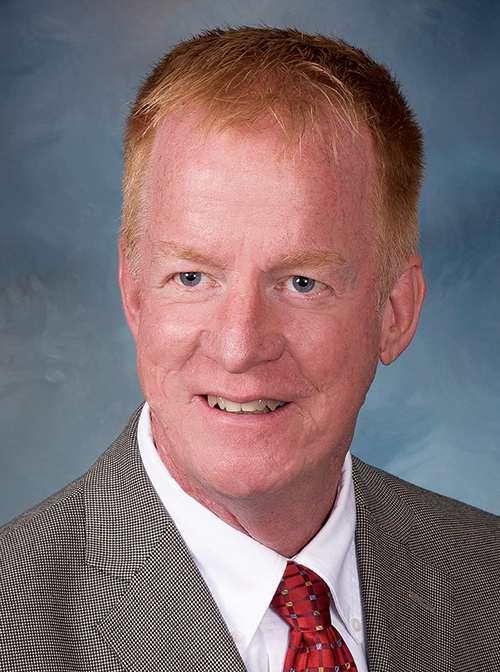
“When PAs are group leaders, they need to have the ability and orientation to involve all of their physicians in decision making,” Huckabee says. “This is a collaborative model of leadership. A term we use in leadership training is called ‘persuasive mapping’—the ability to influence others through reasoning to do something greater.”
What does Huckabee look for in students who might have a knack for leadership but could use a nudge in that direction?
“It’s a person who is somewhat gregarious and who builds strong relationships with others. They come to him or her for advice and ideas. But also with some level of humility—aware and accepting of personal limitations. These are the folks where we can say, ‘Let’s talk about your leadership skills and where we can strengthen you to be better prepared for the opportunities that can come up,’” he explains.
Huckabee says PAs need to get their names into consideration for opportunities on hospital committees such as pharmacy, credentialing, or ethics.
“You have to be well-versed about where you fit as a professional, relative to other advanced practitioners, and how the system works,” he says. “You have to be at the table, looking for opportunities to move the organization forward.”
Laurie Benton, PhD, MPAS, PA-C, RN, DFAAPA, who is the system director of advanced practice professionals for the Baylor Scott & White Health in Dallas, offers some additional advice for PAs and NPs who would like to rise to positions of leadership in their hospital groups or health systems.
“I recommend taking as many leadership classes as your facility offers,” she says. “Also consider taking outside leadership courses and even getting a second degree in business.”
Benton also says NPs and PAs should get involved in state and national professional and specialty associations. For example, the National Commission on Certification of Physician Assistants now offers a certificate of added qualifications in hospital medicine.
“That is where you will learn a great deal about laws that govern PAs and upcoming legislation that could affect what PAs are allowed to do and how they get paid,” she says, as well as the credentialing and boarding of PAs and NPs, which vary from state to state and from hospital to hospital.
—Larry Beresford
Since hospital medicine’s early days, hospitalist physicians have worked alongside physician assistants (PAs) and nurse practitioners (NPs). Some PAs and NPs have ascended to positions of leadership in their HM groups or health systems, in some cases even supervising the physicians.
The Hospitalist connected with six PA and NP leaders in hospital medicine to discuss their career paths as well as the nature and scope of their jobs. They described leadership as a complex, multidimensional concept, with often more of a collaborative model than a clear-cut supervisory relationship with clinicians. Most said they don’t try to be the “boss” of their group and have found ways to impact key decisions.
They also emphasized that PAs and NPs bring special skills and perspectives to team building. Many have supplemented frontline clinical experience with leadership training. And when it comes to decision making, their responsibilities can include hiring, scheduling, training, mentoring, information technology, quality improvement, and other essential functions of the group.
Edwin Lopez, MBA, PA-C
Workplace: St. Elizabeth is a 25-bed critical-access hospital serving a semi-rural bedroom community of 11,000 people an hour southeast of Seattle. It belongs to the nine-hospital CHI Franciscan Health system, and the HM group includes four physicians and four PAs providing 24-hour coverage. The physicians and PAs work in paired teams in the hospital and an 80-bed skilled nursing facility (SNF) across the street. Lopez heads St. Elizabeth’s HM group and is associate medical director of the SNF.
Background: Lopez graduated from the PA program at the University of Washington in 1982 and spent seven years as a PA with a cardiothoracic surgery practice in Tacoma. Then he established his own firm providing PA staffing services for six cardiac surgery programs in western Washington. In 1997, he co-founded an MD/PA hospitalist service covering three hospitals for a Seattle insurance company. That program grew into a larger group that was acquired by CHI Franciscan.
Lopez took time off to earn his MBA in health policy at the University of Washington and Harvard Kennedy School in Boston.
Eight years ago as part of an acquisition, CHI Franciscan asked Lopez to launch an HM program at St. Elizabeth. From the start, he developed the program as a collaborative model. The HM group now covers almost 90% of hospital admissions, manages the ICU, takes calls to admit patients from the ED, and rounds daily on patients in a small hospital that doesn’t have access to a lot of medical specialists.
St. Elizabeth’s has since flourished to become one of the health system’s top performers on quality metrics like HCAHPS (Hospital Consumer Assessment of Healthcare Providers and Systems) scores. However, Lopez admits readmission rates remain high. He noticed that a big part of the readmission problem was coming from the facility across the street, so he proposed the HM group start providing daily coverage to the SNF. In the group’s first year covering the SNF, the hospital’s readmission rate dropped to 5% from 35%.
Listen: Edwin Lopez, PA-C, discusses post-acute Care in the U.S. health system
Responsibilities: Lopez spends roughly half his time seeing patients, which he considers the most satisfying half. The other half is managing and setting clinical and administrative direction for the group.
“My responsibility is to ensure that there is appropriate physician and PA coverage 24-7 in both facilities,” he says, adding he also handles hiring and personnel issue. “We have an understanding here. I help guide, mentor, and direct the team, with the support of our regional medical director.”
The story: Lopez credits his current position to Joe Wilczek, a visionary CEO who came to the health system 18 years ago and retired in 2015.
“Joe and Franciscan’s chief medical officer and system director of hospital medicine came to me and said, ‘We’d like you to go over there and see what you can do at St. Elizabeth.’ There was a definite mandate, with markers they wanted me to reach. They said, ‘If you succeed, we will build you a new hospital building.’”
The new building opened in 2012.
Lopez says he has spent much of his career in quiet oblivion.
“It took five or six years here before people started noticing that our quality and performance were among the highest in the system,” he says. “For my entire 33-year career in medicine, I was never driven by the money. I grew up believing in service and got into medicine to make a difference, to leave a place better than I found it.”
He occasionally fields questions about his role as a PA group leader, which he tries to overcome by building trust, just as he overcame initial resistance to the hospital medicine program at St. Elizabeth from community physicians.
“I am very clear, we as a team are very clear, that we’re all worker bees here. We build strong relationships. We consider ourselves family,” he says. “When family issues come up, we need to sit down and talk about them, even when it may be uncomfortable.”
Laurie Benton, RN, MPAS, PhD, PA-C, DFAAPA
Workplace: Baylor Scott & White Health is the largest nonprofit health system in Texas, with 46 hospitals and 500 multispecialty clinics. Scott & White Memorial Hospital is a 636-bed specialty care and teaching hospital. Its hospital medicine program includes 40 physicians and 34 NP/PAs caring for an average daily census of 240 patients. They cover an observation service, consult service, and long-term acute-care service.
Background: Benton has a PhD in health administration. She has practiced hospital medicine at Scott & White Memorial Hospital since 2000 and before that at Emanuel Hospital in Portland, Ore. Currently an orthopedic hospitalist PA, she has worked in cardiothoracic surgery, critical care, and nephrology settings.
She became the system director for APPs in September 2013. In that role, she leads and represents 428 APPs, including hospitalist, intensivist, and cardiology PAs, in the system’s 26-hospital Central Region. She sits on the board of directors of the American Academy of Physician Assistants and has been on workforce committees for the National Commission on Certification of Physician Assistants and on the CME committee of the National Kidney Foundation.
Responsibilities: Benton coordinates everything, including PAs, advanced practice nurses, and nurse anesthetists, in settings across the healthcare continuum.
“I was appointed by our hospital medicine board and administration to be the APP leader. I report to the chief medical officer,” she says. “But I still see patients; it’s my passion. I’m not ready to give it up completely.”
Benton’s schedule includes two 10-hour clinical shifts per week. The other three days she works on administrative tasks. She attends board meetings as well as regular meetings with the system’s top executives and officers, including the chair of the board and the senior vice president for medical affairs.
“I have a seat on staff credentialing, benefits, and compensation committees, and I’m part of continuing medical education and disaster planning. Pretty much any of the committees we have here, I’m invited to be on,” she says. “I make sure I’m up-to-date on all of the new regulations and have information on any policies that have to do with APPs.”
The story: Benton says her PA training, including mentorship from Edwin Lopez, placed a strong emphasis on helping students develop leadership skills and interests.
“While I was working in nephrology, my supervising physician mentored me and encouraged me to move forward with my education,” she says. Along the way, she participated in a yearlong executive-education program and taught at the University of Texas McCombs School of Business. “Right off, it was not easy because while people saw me as a very strong, very confident provider, they didn’t see me as an administrator. When I worked with administrators, they were speaking a different language. I’d speak medicine, and they’d speak administration. It took a while to learn how to communicate with them.”
She says non-physician professionals traditionally have reported up through a physician and “never had their own voice. … Now that we have our leadership ladder here, it’s still new to some administrators,” she says. “I want to make sure PAs are part of the solution to high-quality healthcare.
“When I’m at the leadership table, we’re working together. The physicians respect my opinion, giving me the opportunity to interact like anyone else at the table.”
Catherine Boyd, MS, PA-C
Workplace: Essex is a private hospitalist group founded in 2007 by James Tollman, MD, FHM, who remains its CEO. It has 34 clinical members, including 16 physicians, 12 PAs, and six NPs. It began providing hospitalist medical care to several hospitals on Massachusetts’ North Shore under contract, then to a psychiatric hospital and a detox treatment center. In recent years, it has expanded into the post-acute arena, providing coverage to 14 SNFs, which now constitute the majority of its business. It also is active with two accountable-care organization networks.
Background: After three years as a respiratory therapist, Boyd enrolled in a PA program at Massachusetts College of Pharmacy and Health Sciences. After graduating in 2005, she worked as a hospitalist and intensivist, including as team leader for the medical emergency team at Lahey Health & Medical Center in Burlington, Mass., and in the PACE (Program of All-Inclusive Care for the Elderly) Internal Medical Department with Partners HealthCare until mid-2014, when she was invited to join Essex.
Responsibilities: “This job is not one thing; I dabble in everything,” says Boyd, who describes herself as the group’s chief operating officer for professional affairs. “I provide direct supervision to our PAs and NPs but also to our independent contractors, including moonlighting physicians. And I help to supervise the full-time physicians.”
She works on system issues, on-site training and mentorship, and implementation of a new electronic health record (EHR) and charge capture system while trying to improve bed flow and quality and decrease clinicians’ job frustrations. She also monitors developments in Medicare regulations.
“I check in with every one of our full-time providers weekly, and I try to offset some of the minutiae of their workday so that they can focus on their patients,” she explains. “Dr. Tollman and I feel that we bring a healthy work-lifestyle balance to the group. We encourage that in our staff. If they are happy in their jobs, it makes quality of care better.”
Boyd also maintains a clinical practice as a hospitalist, with her clinical duties flexing up and down based on patient demand and management needs.
The story: When Boyd was a respiratory therapist at a small community hospital, she worked one-on-one with a physician assistant who inspired her to change careers.
“I really liked what she did. As a PA, I worked to broaden my skill set on a critical care service for seven years,” she says. “But then my two kids got older and I wanted a more flexible schedule. Dr. Tollman came across my résumé when he was looking for a clinician to run operations for Essex.”
Building on 10 years of clinical experience, Boyd has tried to earn the trust of the other clinicians.
“They know they can come to me with questions. I like to think I practice active listening. When there is a problem, I do a case review and try to get all the facts,” she says. “When you earn their trust, the credentials tend to fall away, especially with the doctors I work with on a daily basis.”
Daniel Ladd, PA-C, DFAAPA
Workplace: Founded in 1993 as Hospitalists of Northern Michigan, iNDIGO Health Partners is one of the country’s largest private hospitalist companies, employing 150 physicians, PAs, and NPs who practice at seven hospitals across the state. The program also provides nighttime hospitalist services via telehealth and pediatric hospital medicine. It recently added 10 post-acute providers to work in SNFs and assisted living facilities.
Background: While working as a nurse’s aide, meeting and being inspired by some of the earliest PAs in Michigan, Ladd pursued PA training at Mercy College in Detroit. After graduating in 1984, he was hired by a cardiology practice at Detroit Medical Center. When he moved upstate to Traverse City in 1997, he landed a position as lead PA at another cardiology practice, acting as its liaison to PAs in the hospital. He joined iNDIGO in 2006.
“Jim Levy, one of the first PA hospitalists in Michigan, was an integral part of founding iNDIGO and now is our vice president of human resources,” Ladd says. “He asked me to join iNDIGO, and I jumped at the chance. Hospital medicine was a new opportunity for me and one with more opportunities for PAs to advance than cardiology.”
In 2009, when the company reorganized, the firm’s leadership recognized the need to establish a liaison group as a buffer between the providers and the company. Ladd became president of its new board of managers.
“From there, my position evolved to what it is today,” he says.
Levy calls Ladd a role model and leader, with great credibility among site program directors, hospital CMOs, and providers.
Responsibilities: Ladd gave up his clinical practice as a hospitalist in 2014 in response to growing management responsibilities.
“I do and I don’t miss it,” he says. “I miss the camaraderie of clinical practice, the foxhole mentality on the front lines. But I feel where I am now that I am able to help our providers give better care.
“Concretely, what I do is to help our practitioners and our medical directors at the clinical sites, some of whom are PAs and NPs, supporting them with leadership and education. I listen to their issues, translating and bringing to bear the resources of our company.”
Those resources include staffing, working conditions, office space, and the application of mobile medical technology for billing and clinical decision support.
“A lot of my communication is via email. I feel I am able to make a point without being inflammatory, by stating my purpose—the rationale for my position—and asking for what I need,” Ladd says. “This role is very accepted at iNDIGO. The corollary is that physician leaders who report to me are also comfortable in our relationship. It’s not about me being a PA and them being physicians but about us being colleagues in medicine.
“I’m in a position where I understand their world and am able to help them.”
The story: Encouraged by what he calls “visionary” leaders, Ladd has taken a number of steps to ascend to his current position as chief clinical officer.
“Even going back to the Boy Scouts, I was always one to step forward and volunteer for leadership,” he says. “I was president of my PA class in college and involved with the state association of PAs, as well as taking leadership training through the American Academy of Physician Assistants. I had the good fortune to be hired by a brilliant cardiologist at Detroit Medical Center. … He was the first to encourage me to be not just an excellent clinician but also a leader. He got me involved in implementing the EHR and in medication reconciliation. He promoted me as a PA to his patients and allowed me to become the face of our clinical practice, running the clinical side of the practice.”
Ladd also credits iNDIGO’s leaders for an approach of hiring the best people regardless of degree.
“If they happen to be PAs, great. The company’s vision is to have people with vision and skills to lead, not just based on credentials,” he says. “They established that as a baseline, and now it’s the culture here. We have PAs who are key drivers of the efficiency of this program.”
It hasn’t eliminated the occasional “I’m the physician, I’m delegating to you, and you have to do what I say,” Ladd admits. But he knows handling those situations is part of his job as a practice leader.
“It requires patience and understanding and the ability to see the issue from multiple perspectives,” he says, “and then synthesize all of that into a reasonable solution for all concerned.”
Arnold Facklam III, MSN, FNP-BC, FHM
Workplace: United Memorial has 100 beds and is part of the four-hospital Rochester Regional Health System. Kaleida Health has four acute-care hospitals in western New York. Based an hour apart, they compete, but both now get hospitalist services from Infinity Health Hospitalists of Western New York, a hospitalist group of 30 to 35 providers privately owned by local hospitalist John Patti, MD.
Background: Facklam has been a nocturnist since 2009, when he completed an NP program at D’Youville College in Buffalo. He worked 15 to 17 night shifts a month, first at Kaleida’s DeGraff Memorial Hospital and then at United Memorial, starting in 2013 as a per diem and vacation fill-in, then full-time since 2015. He now works for Infinity Health Hospitalists.
While working as a hospitalist, Facklam became involved with the MSO of Kaleida Health, starting on its Advanced Practice Provider Committee, which represents more than 600 NPs and PAs. Now chair of the committee, he leads change in the scope of practice for NPs and PAs and acts as liaison between APPs and the hospitals and health system.
Responsibilities: As a full-time nocturnist, Facklam has to squeeze in time for his role as director of advanced practice providers. He offers guidance and oversight, under the direction of the vice president of medical affairs, to all NPs, PAs, nurse midwives, and nurse anesthetists. He also is in charge of its rapid response and code blue team coverage at night, plus provides clinical education to family practice medical students and residents overnight in the hospital. He has worked on hospital quality improvement projects since 2012.
Facklam, who acknowledges type A personality tendencies, also maintains two to three night shifts per month at Kaleida’s Millard Suburban Hospital.
In 2012, he became a member, eventually a voting member, of Kaleida’s system-wide MSO Medical Executive Committee, which is responsible for rule making, disciplinary action, and the provision of medical care within the system.
“The MSO is the mechanism for accountability for professional practice,” he says. He is also active in SHM’s NP/PA Committee and now sits on SHM’s Public Policy Committee.
The story: “Working as a nocturnist has given me the flexibility to look into advanced management training,” he says, including Six Sigma green belt course work and certificate training. While at DeGraff, he heard about a call for membership on the NP/PA committee.
“They quickly realized the benefits of having someone with a background like mine on board,” he said. “As a nocturnist, I started going to more meetings and getting involved when the easier thing to do might have been to drive home and go to bed.”
Along the way, he learned a lot about hospital systems and how they work.
“Having been in healthcare for 23 years, I know the hierarchical approach,” Facklam says. “But the times are changing. As medicine becomes broader and more difficult to manage, it has to become more of a team approach. If you look at the data, there won’t be enough physicians in the near future. PAs and NPs can help fill that need.”
Crystal Therrien, MS, ACNP-BC
Workplace: UMass Medical Center encompasses three campuses in central Massachusetts, including University, Memorial, and Marlborough. The hospital medicine division covers all three campuses with 40 to 45 FTEs of physicians and 20 of APPs. Therrien has been with the department since October 2009—her first job after completing NP training—and assumed her leadership role in June 2012.
Responsibilities: Therrien supervises the UMass hospital medicine division’s Affiliate Practitioner Group. She works with physicians on the executive council, coordinates the medicine service, and coordinates cross-coverage with other services in the hospital, including urology, neurology, surgery, GI, interventional radiology, and bone marrow transplants.
Hospitalist staff work 12-hour shifts, providing 24-hour coverage in the hospital, with one physician and two APPs scheduled at night.
“Because we are available 24-7 in house, I work closely with our scheduler. There is also a lot of coordination with subspecialty services in the hospital and on the observation unit,” she says. “I’m also responsible for interviewing and hiring AP candidates, including credentialing, and with the mentorship program. I chair the rapid response program and host our monthly staff meetings,” which involve both business and didactic presentations. She also serves on the hospital’s NP advisory council.
Before Therrien became the lead NP, her predecessor was assigned at 5% administrative.
“I started out 25% administrative because the program has expanded so quickly,” she says, noting that now she is 50% clinic and 50% administrative. “To be a good leader, I think I need to keep my feet on the ground in patient care.”
The story: Therrien worked as an EMT, a volunteer firefighter, and an ED tech before pursuing a degree in nursing.
“I grew up in a house where my dad was a firefighter and my mom was an EMT,” she says. “We were taught the importance of helping others and being selfless. I always had a leadership mentality.”
Therrien credits her physician colleagues for their commitment and support.
“It can be a little more difficult outside of our department,” she says. “They don’t always understand my role. Some of the attendings have not worked with affiliated providers before, but they have worked with residents. So there’s an interesting dynamic for them to learn how to work with us.”
Kimberly Eisenstock, MD, FHM, the clinical chief of hospital medicine, says that when she was looking for someone new to lead the affiliated practitioners, she wanted “a leader who understood their training and where they could be best utilized. Crystal volunteered. Boy, did she! She was the most experienced and enthusiastic candidate, with the most people-oriented skills.”
Dr. Eisenstock says she doesn’t start new roles or programs for the affiliated practitioners without getting the green light from Therrien.
“Crystal now represents the voice for how the division decides to employ APPs and the strategies we use to fill various roles,” she says. TH
Larry Beresford is a freelance writer in Alameda, Calif.
How NPs, PAs Can Prepare for Greater Leadership Roles
Michael Huckabee, MPAS, PhD, PA-C, is director of the Division of Physician Assistant Education at the University of Nebraska Medical Center in Omaha, where he trains both entry-level students and mid-career practitioners pursuing distance learning.
“When PAs are group leaders, they need to have the ability and orientation to involve all of their physicians in decision making,” Huckabee says. “This is a collaborative model of leadership. A term we use in leadership training is called ‘persuasive mapping’—the ability to influence others through reasoning to do something greater.”
What does Huckabee look for in students who might have a knack for leadership but could use a nudge in that direction?
“It’s a person who is somewhat gregarious and who builds strong relationships with others. They come to him or her for advice and ideas. But also with some level of humility—aware and accepting of personal limitations. These are the folks where we can say, ‘Let’s talk about your leadership skills and where we can strengthen you to be better prepared for the opportunities that can come up,’” he explains.
Huckabee says PAs need to get their names into consideration for opportunities on hospital committees such as pharmacy, credentialing, or ethics.
“You have to be well-versed about where you fit as a professional, relative to other advanced practitioners, and how the system works,” he says. “You have to be at the table, looking for opportunities to move the organization forward.”
Laurie Benton, PhD, MPAS, PA-C, RN, DFAAPA, who is the system director of advanced practice professionals for the Baylor Scott & White Health in Dallas, offers some additional advice for PAs and NPs who would like to rise to positions of leadership in their hospital groups or health systems.
“I recommend taking as many leadership classes as your facility offers,” she says. “Also consider taking outside leadership courses and even getting a second degree in business.”
Benton also says NPs and PAs should get involved in state and national professional and specialty associations. For example, the National Commission on Certification of Physician Assistants now offers a certificate of added qualifications in hospital medicine.
“That is where you will learn a great deal about laws that govern PAs and upcoming legislation that could affect what PAs are allowed to do and how they get paid,” she says, as well as the credentialing and boarding of PAs and NPs, which vary from state to state and from hospital to hospital.
—Larry Beresford
Since hospital medicine’s early days, hospitalist physicians have worked alongside physician assistants (PAs) and nurse practitioners (NPs). Some PAs and NPs have ascended to positions of leadership in their HM groups or health systems, in some cases even supervising the physicians.
The Hospitalist connected with six PA and NP leaders in hospital medicine to discuss their career paths as well as the nature and scope of their jobs. They described leadership as a complex, multidimensional concept, with often more of a collaborative model than a clear-cut supervisory relationship with clinicians. Most said they don’t try to be the “boss” of their group and have found ways to impact key decisions.
They also emphasized that PAs and NPs bring special skills and perspectives to team building. Many have supplemented frontline clinical experience with leadership training. And when it comes to decision making, their responsibilities can include hiring, scheduling, training, mentoring, information technology, quality improvement, and other essential functions of the group.
Edwin Lopez, MBA, PA-C
Workplace: St. Elizabeth is a 25-bed critical-access hospital serving a semi-rural bedroom community of 11,000 people an hour southeast of Seattle. It belongs to the nine-hospital CHI Franciscan Health system, and the HM group includes four physicians and four PAs providing 24-hour coverage. The physicians and PAs work in paired teams in the hospital and an 80-bed skilled nursing facility (SNF) across the street. Lopez heads St. Elizabeth’s HM group and is associate medical director of the SNF.
Background: Lopez graduated from the PA program at the University of Washington in 1982 and spent seven years as a PA with a cardiothoracic surgery practice in Tacoma. Then he established his own firm providing PA staffing services for six cardiac surgery programs in western Washington. In 1997, he co-founded an MD/PA hospitalist service covering three hospitals for a Seattle insurance company. That program grew into a larger group that was acquired by CHI Franciscan.
Lopez took time off to earn his MBA in health policy at the University of Washington and Harvard Kennedy School in Boston.
Eight years ago as part of an acquisition, CHI Franciscan asked Lopez to launch an HM program at St. Elizabeth. From the start, he developed the program as a collaborative model. The HM group now covers almost 90% of hospital admissions, manages the ICU, takes calls to admit patients from the ED, and rounds daily on patients in a small hospital that doesn’t have access to a lot of medical specialists.
St. Elizabeth’s has since flourished to become one of the health system’s top performers on quality metrics like HCAHPS (Hospital Consumer Assessment of Healthcare Providers and Systems) scores. However, Lopez admits readmission rates remain high. He noticed that a big part of the readmission problem was coming from the facility across the street, so he proposed the HM group start providing daily coverage to the SNF. In the group’s first year covering the SNF, the hospital’s readmission rate dropped to 5% from 35%.
Listen: Edwin Lopez, PA-C, discusses post-acute Care in the U.S. health system
Responsibilities: Lopez spends roughly half his time seeing patients, which he considers the most satisfying half. The other half is managing and setting clinical and administrative direction for the group.
“My responsibility is to ensure that there is appropriate physician and PA coverage 24-7 in both facilities,” he says, adding he also handles hiring and personnel issue. “We have an understanding here. I help guide, mentor, and direct the team, with the support of our regional medical director.”
The story: Lopez credits his current position to Joe Wilczek, a visionary CEO who came to the health system 18 years ago and retired in 2015.
“Joe and Franciscan’s chief medical officer and system director of hospital medicine came to me and said, ‘We’d like you to go over there and see what you can do at St. Elizabeth.’ There was a definite mandate, with markers they wanted me to reach. They said, ‘If you succeed, we will build you a new hospital building.’”
The new building opened in 2012.
Lopez says he has spent much of his career in quiet oblivion.
“It took five or six years here before people started noticing that our quality and performance were among the highest in the system,” he says. “For my entire 33-year career in medicine, I was never driven by the money. I grew up believing in service and got into medicine to make a difference, to leave a place better than I found it.”
He occasionally fields questions about his role as a PA group leader, which he tries to overcome by building trust, just as he overcame initial resistance to the hospital medicine program at St. Elizabeth from community physicians.
“I am very clear, we as a team are very clear, that we’re all worker bees here. We build strong relationships. We consider ourselves family,” he says. “When family issues come up, we need to sit down and talk about them, even when it may be uncomfortable.”
Laurie Benton, RN, MPAS, PhD, PA-C, DFAAPA
Workplace: Baylor Scott & White Health is the largest nonprofit health system in Texas, with 46 hospitals and 500 multispecialty clinics. Scott & White Memorial Hospital is a 636-bed specialty care and teaching hospital. Its hospital medicine program includes 40 physicians and 34 NP/PAs caring for an average daily census of 240 patients. They cover an observation service, consult service, and long-term acute-care service.
Background: Benton has a PhD in health administration. She has practiced hospital medicine at Scott & White Memorial Hospital since 2000 and before that at Emanuel Hospital in Portland, Ore. Currently an orthopedic hospitalist PA, she has worked in cardiothoracic surgery, critical care, and nephrology settings.
She became the system director for APPs in September 2013. In that role, she leads and represents 428 APPs, including hospitalist, intensivist, and cardiology PAs, in the system’s 26-hospital Central Region. She sits on the board of directors of the American Academy of Physician Assistants and has been on workforce committees for the National Commission on Certification of Physician Assistants and on the CME committee of the National Kidney Foundation.
Responsibilities: Benton coordinates everything, including PAs, advanced practice nurses, and nurse anesthetists, in settings across the healthcare continuum.
“I was appointed by our hospital medicine board and administration to be the APP leader. I report to the chief medical officer,” she says. “But I still see patients; it’s my passion. I’m not ready to give it up completely.”
Benton’s schedule includes two 10-hour clinical shifts per week. The other three days she works on administrative tasks. She attends board meetings as well as regular meetings with the system’s top executives and officers, including the chair of the board and the senior vice president for medical affairs.
“I have a seat on staff credentialing, benefits, and compensation committees, and I’m part of continuing medical education and disaster planning. Pretty much any of the committees we have here, I’m invited to be on,” she says. “I make sure I’m up-to-date on all of the new regulations and have information on any policies that have to do with APPs.”
The story: Benton says her PA training, including mentorship from Edwin Lopez, placed a strong emphasis on helping students develop leadership skills and interests.
“While I was working in nephrology, my supervising physician mentored me and encouraged me to move forward with my education,” she says. Along the way, she participated in a yearlong executive-education program and taught at the University of Texas McCombs School of Business. “Right off, it was not easy because while people saw me as a very strong, very confident provider, they didn’t see me as an administrator. When I worked with administrators, they were speaking a different language. I’d speak medicine, and they’d speak administration. It took a while to learn how to communicate with them.”
She says non-physician professionals traditionally have reported up through a physician and “never had their own voice. … Now that we have our leadership ladder here, it’s still new to some administrators,” she says. “I want to make sure PAs are part of the solution to high-quality healthcare.
“When I’m at the leadership table, we’re working together. The physicians respect my opinion, giving me the opportunity to interact like anyone else at the table.”
Catherine Boyd, MS, PA-C
Workplace: Essex is a private hospitalist group founded in 2007 by James Tollman, MD, FHM, who remains its CEO. It has 34 clinical members, including 16 physicians, 12 PAs, and six NPs. It began providing hospitalist medical care to several hospitals on Massachusetts’ North Shore under contract, then to a psychiatric hospital and a detox treatment center. In recent years, it has expanded into the post-acute arena, providing coverage to 14 SNFs, which now constitute the majority of its business. It also is active with two accountable-care organization networks.
Background: After three years as a respiratory therapist, Boyd enrolled in a PA program at Massachusetts College of Pharmacy and Health Sciences. After graduating in 2005, she worked as a hospitalist and intensivist, including as team leader for the medical emergency team at Lahey Health & Medical Center in Burlington, Mass., and in the PACE (Program of All-Inclusive Care for the Elderly) Internal Medical Department with Partners HealthCare until mid-2014, when she was invited to join Essex.
Responsibilities: “This job is not one thing; I dabble in everything,” says Boyd, who describes herself as the group’s chief operating officer for professional affairs. “I provide direct supervision to our PAs and NPs but also to our independent contractors, including moonlighting physicians. And I help to supervise the full-time physicians.”
She works on system issues, on-site training and mentorship, and implementation of a new electronic health record (EHR) and charge capture system while trying to improve bed flow and quality and decrease clinicians’ job frustrations. She also monitors developments in Medicare regulations.
“I check in with every one of our full-time providers weekly, and I try to offset some of the minutiae of their workday so that they can focus on their patients,” she explains. “Dr. Tollman and I feel that we bring a healthy work-lifestyle balance to the group. We encourage that in our staff. If they are happy in their jobs, it makes quality of care better.”
Boyd also maintains a clinical practice as a hospitalist, with her clinical duties flexing up and down based on patient demand and management needs.
The story: When Boyd was a respiratory therapist at a small community hospital, she worked one-on-one with a physician assistant who inspired her to change careers.
“I really liked what she did. As a PA, I worked to broaden my skill set on a critical care service for seven years,” she says. “But then my two kids got older and I wanted a more flexible schedule. Dr. Tollman came across my résumé when he was looking for a clinician to run operations for Essex.”
Building on 10 years of clinical experience, Boyd has tried to earn the trust of the other clinicians.
“They know they can come to me with questions. I like to think I practice active listening. When there is a problem, I do a case review and try to get all the facts,” she says. “When you earn their trust, the credentials tend to fall away, especially with the doctors I work with on a daily basis.”
Daniel Ladd, PA-C, DFAAPA
Workplace: Founded in 1993 as Hospitalists of Northern Michigan, iNDIGO Health Partners is one of the country’s largest private hospitalist companies, employing 150 physicians, PAs, and NPs who practice at seven hospitals across the state. The program also provides nighttime hospitalist services via telehealth and pediatric hospital medicine. It recently added 10 post-acute providers to work in SNFs and assisted living facilities.
Background: While working as a nurse’s aide, meeting and being inspired by some of the earliest PAs in Michigan, Ladd pursued PA training at Mercy College in Detroit. After graduating in 1984, he was hired by a cardiology practice at Detroit Medical Center. When he moved upstate to Traverse City in 1997, he landed a position as lead PA at another cardiology practice, acting as its liaison to PAs in the hospital. He joined iNDIGO in 2006.
“Jim Levy, one of the first PA hospitalists in Michigan, was an integral part of founding iNDIGO and now is our vice president of human resources,” Ladd says. “He asked me to join iNDIGO, and I jumped at the chance. Hospital medicine was a new opportunity for me and one with more opportunities for PAs to advance than cardiology.”
In 2009, when the company reorganized, the firm’s leadership recognized the need to establish a liaison group as a buffer between the providers and the company. Ladd became president of its new board of managers.
“From there, my position evolved to what it is today,” he says.
Levy calls Ladd a role model and leader, with great credibility among site program directors, hospital CMOs, and providers.
Responsibilities: Ladd gave up his clinical practice as a hospitalist in 2014 in response to growing management responsibilities.
“I do and I don’t miss it,” he says. “I miss the camaraderie of clinical practice, the foxhole mentality on the front lines. But I feel where I am now that I am able to help our providers give better care.
“Concretely, what I do is to help our practitioners and our medical directors at the clinical sites, some of whom are PAs and NPs, supporting them with leadership and education. I listen to their issues, translating and bringing to bear the resources of our company.”
Those resources include staffing, working conditions, office space, and the application of mobile medical technology for billing and clinical decision support.
“A lot of my communication is via email. I feel I am able to make a point without being inflammatory, by stating my purpose—the rationale for my position—and asking for what I need,” Ladd says. “This role is very accepted at iNDIGO. The corollary is that physician leaders who report to me are also comfortable in our relationship. It’s not about me being a PA and them being physicians but about us being colleagues in medicine.
“I’m in a position where I understand their world and am able to help them.”
The story: Encouraged by what he calls “visionary” leaders, Ladd has taken a number of steps to ascend to his current position as chief clinical officer.
“Even going back to the Boy Scouts, I was always one to step forward and volunteer for leadership,” he says. “I was president of my PA class in college and involved with the state association of PAs, as well as taking leadership training through the American Academy of Physician Assistants. I had the good fortune to be hired by a brilliant cardiologist at Detroit Medical Center. … He was the first to encourage me to be not just an excellent clinician but also a leader. He got me involved in implementing the EHR and in medication reconciliation. He promoted me as a PA to his patients and allowed me to become the face of our clinical practice, running the clinical side of the practice.”
Ladd also credits iNDIGO’s leaders for an approach of hiring the best people regardless of degree.
“If they happen to be PAs, great. The company’s vision is to have people with vision and skills to lead, not just based on credentials,” he says. “They established that as a baseline, and now it’s the culture here. We have PAs who are key drivers of the efficiency of this program.”
It hasn’t eliminated the occasional “I’m the physician, I’m delegating to you, and you have to do what I say,” Ladd admits. But he knows handling those situations is part of his job as a practice leader.
“It requires patience and understanding and the ability to see the issue from multiple perspectives,” he says, “and then synthesize all of that into a reasonable solution for all concerned.”
Arnold Facklam III, MSN, FNP-BC, FHM
Workplace: United Memorial has 100 beds and is part of the four-hospital Rochester Regional Health System. Kaleida Health has four acute-care hospitals in western New York. Based an hour apart, they compete, but both now get hospitalist services from Infinity Health Hospitalists of Western New York, a hospitalist group of 30 to 35 providers privately owned by local hospitalist John Patti, MD.
Background: Facklam has been a nocturnist since 2009, when he completed an NP program at D’Youville College in Buffalo. He worked 15 to 17 night shifts a month, first at Kaleida’s DeGraff Memorial Hospital and then at United Memorial, starting in 2013 as a per diem and vacation fill-in, then full-time since 2015. He now works for Infinity Health Hospitalists.
While working as a hospitalist, Facklam became involved with the MSO of Kaleida Health, starting on its Advanced Practice Provider Committee, which represents more than 600 NPs and PAs. Now chair of the committee, he leads change in the scope of practice for NPs and PAs and acts as liaison between APPs and the hospitals and health system.
Responsibilities: As a full-time nocturnist, Facklam has to squeeze in time for his role as director of advanced practice providers. He offers guidance and oversight, under the direction of the vice president of medical affairs, to all NPs, PAs, nurse midwives, and nurse anesthetists. He also is in charge of its rapid response and code blue team coverage at night, plus provides clinical education to family practice medical students and residents overnight in the hospital. He has worked on hospital quality improvement projects since 2012.
Facklam, who acknowledges type A personality tendencies, also maintains two to three night shifts per month at Kaleida’s Millard Suburban Hospital.
In 2012, he became a member, eventually a voting member, of Kaleida’s system-wide MSO Medical Executive Committee, which is responsible for rule making, disciplinary action, and the provision of medical care within the system.
“The MSO is the mechanism for accountability for professional practice,” he says. He is also active in SHM’s NP/PA Committee and now sits on SHM’s Public Policy Committee.
The story: “Working as a nocturnist has given me the flexibility to look into advanced management training,” he says, including Six Sigma green belt course work and certificate training. While at DeGraff, he heard about a call for membership on the NP/PA committee.
“They quickly realized the benefits of having someone with a background like mine on board,” he said. “As a nocturnist, I started going to more meetings and getting involved when the easier thing to do might have been to drive home and go to bed.”
Along the way, he learned a lot about hospital systems and how they work.
“Having been in healthcare for 23 years, I know the hierarchical approach,” Facklam says. “But the times are changing. As medicine becomes broader and more difficult to manage, it has to become more of a team approach. If you look at the data, there won’t be enough physicians in the near future. PAs and NPs can help fill that need.”
Crystal Therrien, MS, ACNP-BC
Workplace: UMass Medical Center encompasses three campuses in central Massachusetts, including University, Memorial, and Marlborough. The hospital medicine division covers all three campuses with 40 to 45 FTEs of physicians and 20 of APPs. Therrien has been with the department since October 2009—her first job after completing NP training—and assumed her leadership role in June 2012.
Responsibilities: Therrien supervises the UMass hospital medicine division’s Affiliate Practitioner Group. She works with physicians on the executive council, coordinates the medicine service, and coordinates cross-coverage with other services in the hospital, including urology, neurology, surgery, GI, interventional radiology, and bone marrow transplants.
Hospitalist staff work 12-hour shifts, providing 24-hour coverage in the hospital, with one physician and two APPs scheduled at night.
“Because we are available 24-7 in house, I work closely with our scheduler. There is also a lot of coordination with subspecialty services in the hospital and on the observation unit,” she says. “I’m also responsible for interviewing and hiring AP candidates, including credentialing, and with the mentorship program. I chair the rapid response program and host our monthly staff meetings,” which involve both business and didactic presentations. She also serves on the hospital’s NP advisory council.
Before Therrien became the lead NP, her predecessor was assigned at 5% administrative.
“I started out 25% administrative because the program has expanded so quickly,” she says, noting that now she is 50% clinic and 50% administrative. “To be a good leader, I think I need to keep my feet on the ground in patient care.”
The story: Therrien worked as an EMT, a volunteer firefighter, and an ED tech before pursuing a degree in nursing.
“I grew up in a house where my dad was a firefighter and my mom was an EMT,” she says. “We were taught the importance of helping others and being selfless. I always had a leadership mentality.”
Therrien credits her physician colleagues for their commitment and support.
“It can be a little more difficult outside of our department,” she says. “They don’t always understand my role. Some of the attendings have not worked with affiliated providers before, but they have worked with residents. So there’s an interesting dynamic for them to learn how to work with us.”
Kimberly Eisenstock, MD, FHM, the clinical chief of hospital medicine, says that when she was looking for someone new to lead the affiliated practitioners, she wanted “a leader who understood their training and where they could be best utilized. Crystal volunteered. Boy, did she! She was the most experienced and enthusiastic candidate, with the most people-oriented skills.”
Dr. Eisenstock says she doesn’t start new roles or programs for the affiliated practitioners without getting the green light from Therrien.
“Crystal now represents the voice for how the division decides to employ APPs and the strategies we use to fill various roles,” she says. TH
Larry Beresford is a freelance writer in Alameda, Calif.
How NPs, PAs Can Prepare for Greater Leadership Roles
Michael Huckabee, MPAS, PhD, PA-C, is director of the Division of Physician Assistant Education at the University of Nebraska Medical Center in Omaha, where he trains both entry-level students and mid-career practitioners pursuing distance learning.
“When PAs are group leaders, they need to have the ability and orientation to involve all of their physicians in decision making,” Huckabee says. “This is a collaborative model of leadership. A term we use in leadership training is called ‘persuasive mapping’—the ability to influence others through reasoning to do something greater.”
What does Huckabee look for in students who might have a knack for leadership but could use a nudge in that direction?
“It’s a person who is somewhat gregarious and who builds strong relationships with others. They come to him or her for advice and ideas. But also with some level of humility—aware and accepting of personal limitations. These are the folks where we can say, ‘Let’s talk about your leadership skills and where we can strengthen you to be better prepared for the opportunities that can come up,’” he explains.
Huckabee says PAs need to get their names into consideration for opportunities on hospital committees such as pharmacy, credentialing, or ethics.
“You have to be well-versed about where you fit as a professional, relative to other advanced practitioners, and how the system works,” he says. “You have to be at the table, looking for opportunities to move the organization forward.”
Laurie Benton, PhD, MPAS, PA-C, RN, DFAAPA, who is the system director of advanced practice professionals for the Baylor Scott & White Health in Dallas, offers some additional advice for PAs and NPs who would like to rise to positions of leadership in their hospital groups or health systems.
“I recommend taking as many leadership classes as your facility offers,” she says. “Also consider taking outside leadership courses and even getting a second degree in business.”
Benton also says NPs and PAs should get involved in state and national professional and specialty associations. For example, the National Commission on Certification of Physician Assistants now offers a certificate of added qualifications in hospital medicine.
“That is where you will learn a great deal about laws that govern PAs and upcoming legislation that could affect what PAs are allowed to do and how they get paid,” she says, as well as the credentialing and boarding of PAs and NPs, which vary from state to state and from hospital to hospital.
—Larry Beresford
QUIZ: How Much Do You Know about Treating Upper Extremity DVT?
[WpProQuiz 10] [WpProQuiz_toplist 10]
[WpProQuiz 10] [WpProQuiz_toplist 10]
[WpProQuiz 10] [WpProQuiz_toplist 10]
US Completes "Largest Takedown" of Federal Health Insurance Fraud
WASHINGTON - The U.S. Justice Department said Wednesday that federal law enforcement officials have hit a milestone in 2016 by completing the "largest takedown ever" against defendants allegedly trying to defraud Medicare and other federal insurance programs.
The 2016 takedown involves 301 defendants and a loss amount of $900 million, the department said. That exceeds a record last year, when 243 defendants faced charges in a combined $712 million in losses.
Among the defendants charged in the takedown include two owners of a group of outpatient clinics and a patient recruiter who stand accused of filing $36 million in fraudulent claims for physical therapy and other services that were not medically necessary.
To find patients, the Justice Department alleges the clinic operators and the recruiter targeted poor drug addicts and offered them narcotics so they could bill them for services that were never provided.
Another case that was highlighted on Wednesday involved home health fraud. In that case, a doctor was indicted for billing $38 million for home health services that were not needed or ever provided.
The Justice Department said that about 50 percent of the cases in the 2016 take down involve some form of home health fraud, and about 25 percent involve pharmacy fraud.
WASHINGTON - The U.S. Justice Department said Wednesday that federal law enforcement officials have hit a milestone in 2016 by completing the "largest takedown ever" against defendants allegedly trying to defraud Medicare and other federal insurance programs.
The 2016 takedown involves 301 defendants and a loss amount of $900 million, the department said. That exceeds a record last year, when 243 defendants faced charges in a combined $712 million in losses.
Among the defendants charged in the takedown include two owners of a group of outpatient clinics and a patient recruiter who stand accused of filing $36 million in fraudulent claims for physical therapy and other services that were not medically necessary.
To find patients, the Justice Department alleges the clinic operators and the recruiter targeted poor drug addicts and offered them narcotics so they could bill them for services that were never provided.
Another case that was highlighted on Wednesday involved home health fraud. In that case, a doctor was indicted for billing $38 million for home health services that were not needed or ever provided.
The Justice Department said that about 50 percent of the cases in the 2016 take down involve some form of home health fraud, and about 25 percent involve pharmacy fraud.
WASHINGTON - The U.S. Justice Department said Wednesday that federal law enforcement officials have hit a milestone in 2016 by completing the "largest takedown ever" against defendants allegedly trying to defraud Medicare and other federal insurance programs.
The 2016 takedown involves 301 defendants and a loss amount of $900 million, the department said. That exceeds a record last year, when 243 defendants faced charges in a combined $712 million in losses.
Among the defendants charged in the takedown include two owners of a group of outpatient clinics and a patient recruiter who stand accused of filing $36 million in fraudulent claims for physical therapy and other services that were not medically necessary.
To find patients, the Justice Department alleges the clinic operators and the recruiter targeted poor drug addicts and offered them narcotics so they could bill them for services that were never provided.
Another case that was highlighted on Wednesday involved home health fraud. In that case, a doctor was indicted for billing $38 million for home health services that were not needed or ever provided.
The Justice Department said that about 50 percent of the cases in the 2016 take down involve some form of home health fraud, and about 25 percent involve pharmacy fraud.
2017 Fellows Application Process Now Open
SHM Fellows designation is a prestigious way to differentiate yourself in the rapidly growing profession of hospital medicine. There are currently 2,000 hospitalists who have earned the FHM/SFHM designation by demonstrating core values of leadership, teamwork, and quality improvement.
The application process is now open. Apply by Sept. 15 to receive an early decision on or before Oct. 28. The regular decision application will remain open through Nov. 30, with a decision notification on or before Dec. 31. Apply now and learn how you can join other hospitalists who have earned this exclusive designation and recognition at www.hospitalmedicine.org/fellows.
SHM Fellows designation is a prestigious way to differentiate yourself in the rapidly growing profession of hospital medicine. There are currently 2,000 hospitalists who have earned the FHM/SFHM designation by demonstrating core values of leadership, teamwork, and quality improvement.
The application process is now open. Apply by Sept. 15 to receive an early decision on or before Oct. 28. The regular decision application will remain open through Nov. 30, with a decision notification on or before Dec. 31. Apply now and learn how you can join other hospitalists who have earned this exclusive designation and recognition at www.hospitalmedicine.org/fellows.
SHM Fellows designation is a prestigious way to differentiate yourself in the rapidly growing profession of hospital medicine. There are currently 2,000 hospitalists who have earned the FHM/SFHM designation by demonstrating core values of leadership, teamwork, and quality improvement.
The application process is now open. Apply by Sept. 15 to receive an early decision on or before Oct. 28. The regular decision application will remain open through Nov. 30, with a decision notification on or before Dec. 31. Apply now and learn how you can join other hospitalists who have earned this exclusive designation and recognition at www.hospitalmedicine.org/fellows.
Academic Hospitalist Academy Has New Location
The eighth annual Academic Hospitalist Academy (AHA) will be held Sept. 12–15 at the Lakeway Resort and Spa in Austin, Texas. This is a can’t-miss event for academic hospitalists. At AHA, you will:
- Gain valuable tools for career development
- Establish a national network
- Take advantage of an effective learning environment with a 1:10
faculty-to-student ratio
- Develop scholarly work and increase scholarly output
- Earn CME credit
Seats are limited. Reserve your spot now at www.academichospitalist.org.
The eighth annual Academic Hospitalist Academy (AHA) will be held Sept. 12–15 at the Lakeway Resort and Spa in Austin, Texas. This is a can’t-miss event for academic hospitalists. At AHA, you will:
- Gain valuable tools for career development
- Establish a national network
- Take advantage of an effective learning environment with a 1:10
faculty-to-student ratio
- Develop scholarly work and increase scholarly output
- Earn CME credit
Seats are limited. Reserve your spot now at www.academichospitalist.org.
The eighth annual Academic Hospitalist Academy (AHA) will be held Sept. 12–15 at the Lakeway Resort and Spa in Austin, Texas. This is a can’t-miss event for academic hospitalists. At AHA, you will:
- Gain valuable tools for career development
- Establish a national network
- Take advantage of an effective learning environment with a 1:10
faculty-to-student ratio
- Develop scholarly work and increase scholarly output
- Earn CME credit
Seats are limited. Reserve your spot now at www.academichospitalist.org.
What Is the Best Management Strategy for Postoperative Atrial Fibrillation?
Clinical question: What is the best management strategy for postoperative atrial fibrillation?
Bottom line: For new-onset atrial fibrillation (AF) following cardiac surgery, both rate control and rhythm control are reasonable strategies. There is no a clear advantage of one over the other. (LOE = 1b)
Reference: Gillinov AM, Bagiella E, Moskowitz AJ, et al. Rate control versus rhythm control for atrial fibrillation after cardiac surgery. N Engl J Med 2016;374(20):1911–1921.
Study design: Randomized controlled trial (nonblinded)
Funding source: Government
Allocation: Concealed
Setting: Inpatient (any location) with outpatient follow-up
Synopsis
Postoperative AF is a common complication of cardiac surgery. In this trial, investigators identified more than 2000 patients who were undergoing coronary-artery bypass grafting and/or cardiac valve surgery. Of these patients, one-third developed new-onset AF and were randomized to receive either rate control or rhythm control.
In the rate-control group, patients received medications to slow heart rate to less than 100 beats per minute. If sinus rhythm was not achieved, these patients could then receive rhythm control per their physician's discretion. In the rhythm-control group, patients received amiodarone with or without rate-lowering medication, followed by cardioversion if AF persisted for 24 to 48 hours. The crossover rate in both groups was approximately 25% due to either drug ineffectiveness in the rate-control group or drug side effects in the rhythm-control group. All patients who remained in AF after 48 hours received anticoagulation.
The 2 groups were similar at baseline: mean age was 69 years, 75% were male, and 94% were white. Intention-to-treat analysis was used to test the primary endpoint of number of days in the emergency department or hospital within 60 days after randomization. There was no significant difference detected in this outcome between the 2 groups, even when the initial length of stay was adjusted for discharge readiness from an AF perspective. A sensitivity analysis accounting for the large number of crossovers also confirmed this finding. More than 90% of patients in both groups had a stable heart rhythm at the 60-day follow-up. Complication rates and 30-day readmission rates were also similar in the 2 groups.
Dr. Kulkarni is an assistant professor of hospital medicine at Northwestern University in Chicago.
Clinical question: What is the best management strategy for postoperative atrial fibrillation?
Bottom line: For new-onset atrial fibrillation (AF) following cardiac surgery, both rate control and rhythm control are reasonable strategies. There is no a clear advantage of one over the other. (LOE = 1b)
Reference: Gillinov AM, Bagiella E, Moskowitz AJ, et al. Rate control versus rhythm control for atrial fibrillation after cardiac surgery. N Engl J Med 2016;374(20):1911–1921.
Study design: Randomized controlled trial (nonblinded)
Funding source: Government
Allocation: Concealed
Setting: Inpatient (any location) with outpatient follow-up
Synopsis
Postoperative AF is a common complication of cardiac surgery. In this trial, investigators identified more than 2000 patients who were undergoing coronary-artery bypass grafting and/or cardiac valve surgery. Of these patients, one-third developed new-onset AF and were randomized to receive either rate control or rhythm control.
In the rate-control group, patients received medications to slow heart rate to less than 100 beats per minute. If sinus rhythm was not achieved, these patients could then receive rhythm control per their physician's discretion. In the rhythm-control group, patients received amiodarone with or without rate-lowering medication, followed by cardioversion if AF persisted for 24 to 48 hours. The crossover rate in both groups was approximately 25% due to either drug ineffectiveness in the rate-control group or drug side effects in the rhythm-control group. All patients who remained in AF after 48 hours received anticoagulation.
The 2 groups were similar at baseline: mean age was 69 years, 75% were male, and 94% were white. Intention-to-treat analysis was used to test the primary endpoint of number of days in the emergency department or hospital within 60 days after randomization. There was no significant difference detected in this outcome between the 2 groups, even when the initial length of stay was adjusted for discharge readiness from an AF perspective. A sensitivity analysis accounting for the large number of crossovers also confirmed this finding. More than 90% of patients in both groups had a stable heart rhythm at the 60-day follow-up. Complication rates and 30-day readmission rates were also similar in the 2 groups.
Dr. Kulkarni is an assistant professor of hospital medicine at Northwestern University in Chicago.
Clinical question: What is the best management strategy for postoperative atrial fibrillation?
Bottom line: For new-onset atrial fibrillation (AF) following cardiac surgery, both rate control and rhythm control are reasonable strategies. There is no a clear advantage of one over the other. (LOE = 1b)
Reference: Gillinov AM, Bagiella E, Moskowitz AJ, et al. Rate control versus rhythm control for atrial fibrillation after cardiac surgery. N Engl J Med 2016;374(20):1911–1921.
Study design: Randomized controlled trial (nonblinded)
Funding source: Government
Allocation: Concealed
Setting: Inpatient (any location) with outpatient follow-up
Synopsis
Postoperative AF is a common complication of cardiac surgery. In this trial, investigators identified more than 2000 patients who were undergoing coronary-artery bypass grafting and/or cardiac valve surgery. Of these patients, one-third developed new-onset AF and were randomized to receive either rate control or rhythm control.
In the rate-control group, patients received medications to slow heart rate to less than 100 beats per minute. If sinus rhythm was not achieved, these patients could then receive rhythm control per their physician's discretion. In the rhythm-control group, patients received amiodarone with or without rate-lowering medication, followed by cardioversion if AF persisted for 24 to 48 hours. The crossover rate in both groups was approximately 25% due to either drug ineffectiveness in the rate-control group or drug side effects in the rhythm-control group. All patients who remained in AF after 48 hours received anticoagulation.
The 2 groups were similar at baseline: mean age was 69 years, 75% were male, and 94% were white. Intention-to-treat analysis was used to test the primary endpoint of number of days in the emergency department or hospital within 60 days after randomization. There was no significant difference detected in this outcome between the 2 groups, even when the initial length of stay was adjusted for discharge readiness from an AF perspective. A sensitivity analysis accounting for the large number of crossovers also confirmed this finding. More than 90% of patients in both groups had a stable heart rhythm at the 60-day follow-up. Complication rates and 30-day readmission rates were also similar in the 2 groups.
Dr. Kulkarni is an assistant professor of hospital medicine at Northwestern University in Chicago.
Early Initiation of Renal Replacement Therapy Improves Mortality in Critically Ill Patients with Acute Kidney Injury
Clinical question: For critically ill patients with acute kidney injury, does early initiation of renal replacement therapy improve mortality?
Bottom line: In this single-center study, early initiation of renal replacement therapy (RRT) in critically ill patients with acute kidney injury (AKI) decreased the number of deaths at 90 days. Larger studies are required to confirm this finding. Although some patients may prefer to avoid dialysis and its inherent risks, this preference must be balanced with the greater risk of mortality that may occur by not undergoing this treatment early on. (LOE = 1b)
Reference: Zarbock A, Kellum JA, Schmidt C, et al. Effect of early vs delayed initiation of renal replacement therapy on mortality in critically ill patients with acute kidney injury. JAMA 2016;315(20):2190–2199.
Study design: Randomized controlled trial (nonblinded)
Funding source: Foundation
Allocation: Concealed
Setting: Inpatient (ICU only)
Synopsis
To study the optimal time for initiation of RRT for critically ill patients with AKI, these authors recruited patients with severe sepsis, pressor requirements, refractory fluid overload, or nonrenal organ dysfunction who developed stage 2 AKI (urine output < 0.5 mL/kg/h for more than 12 hours or a 2-fold increase in serum creatinine from baseline). Patients with chronic kidney disease, glomerulonephritis, interstitial nephritis, vasculitis, and postrenal obstruction were excluded, among others.
Overall, 231 patients were randomized to receive either early RRT or delayed RRT. RRT was delivered initially as continuous venovenous hemodiafiltration and could be changed to an intermittent procedure such as intermittent hemodialysis or sustained low-efficiency daily dialysis if renal recovery did not occur after 7 days. Early RRT was initiated within 8 hours of diagnosis of stage 2 AKI while delayed RRT was initiated within 12 hours after patients had developed stage 3 AKI (urine output < 0.3mL/kg/h for more than 24 hours or a 3-fold increase in serum creatinine from baseline) or if patients had an absolute indication for RRT. Patients in the 2 groups had similar baseline Sequential Organ Failure Assessment scores and almost all were surgical patients. Although all patients in the early group received RRT, 9% of patients in the delayed group did not, mostly because they did not progress to stage 3 AKI.
Early RRT resulted in a significantly decreased 90-day mortality rate as compared with delayed RRT (39% vs 55%; P = .03). Patients in the early group also had a decreased duration of RRT (9 days vs 25 days; P = .04), decreased length of hospital stay (51 days vs 82 days; P < .001), and greater recovery of renal function at 90 days (54% vs 39%; P = .02). The authors postulate that initiating early RRT may prevent further injury to the kidneys and other organs by reducing systemic inflammation.
Dr. Kulkarni is an assistant professor of hospital medicine at Northwestern University in Chicago.
Clinical question: For critically ill patients with acute kidney injury, does early initiation of renal replacement therapy improve mortality?
Bottom line: In this single-center study, early initiation of renal replacement therapy (RRT) in critically ill patients with acute kidney injury (AKI) decreased the number of deaths at 90 days. Larger studies are required to confirm this finding. Although some patients may prefer to avoid dialysis and its inherent risks, this preference must be balanced with the greater risk of mortality that may occur by not undergoing this treatment early on. (LOE = 1b)
Reference: Zarbock A, Kellum JA, Schmidt C, et al. Effect of early vs delayed initiation of renal replacement therapy on mortality in critically ill patients with acute kidney injury. JAMA 2016;315(20):2190–2199.
Study design: Randomized controlled trial (nonblinded)
Funding source: Foundation
Allocation: Concealed
Setting: Inpatient (ICU only)
Synopsis
To study the optimal time for initiation of RRT for critically ill patients with AKI, these authors recruited patients with severe sepsis, pressor requirements, refractory fluid overload, or nonrenal organ dysfunction who developed stage 2 AKI (urine output < 0.5 mL/kg/h for more than 12 hours or a 2-fold increase in serum creatinine from baseline). Patients with chronic kidney disease, glomerulonephritis, interstitial nephritis, vasculitis, and postrenal obstruction were excluded, among others.
Overall, 231 patients were randomized to receive either early RRT or delayed RRT. RRT was delivered initially as continuous venovenous hemodiafiltration and could be changed to an intermittent procedure such as intermittent hemodialysis or sustained low-efficiency daily dialysis if renal recovery did not occur after 7 days. Early RRT was initiated within 8 hours of diagnosis of stage 2 AKI while delayed RRT was initiated within 12 hours after patients had developed stage 3 AKI (urine output < 0.3mL/kg/h for more than 24 hours or a 3-fold increase in serum creatinine from baseline) or if patients had an absolute indication for RRT. Patients in the 2 groups had similar baseline Sequential Organ Failure Assessment scores and almost all were surgical patients. Although all patients in the early group received RRT, 9% of patients in the delayed group did not, mostly because they did not progress to stage 3 AKI.
Early RRT resulted in a significantly decreased 90-day mortality rate as compared with delayed RRT (39% vs 55%; P = .03). Patients in the early group also had a decreased duration of RRT (9 days vs 25 days; P = .04), decreased length of hospital stay (51 days vs 82 days; P < .001), and greater recovery of renal function at 90 days (54% vs 39%; P = .02). The authors postulate that initiating early RRT may prevent further injury to the kidneys and other organs by reducing systemic inflammation.
Dr. Kulkarni is an assistant professor of hospital medicine at Northwestern University in Chicago.
Clinical question: For critically ill patients with acute kidney injury, does early initiation of renal replacement therapy improve mortality?
Bottom line: In this single-center study, early initiation of renal replacement therapy (RRT) in critically ill patients with acute kidney injury (AKI) decreased the number of deaths at 90 days. Larger studies are required to confirm this finding. Although some patients may prefer to avoid dialysis and its inherent risks, this preference must be balanced with the greater risk of mortality that may occur by not undergoing this treatment early on. (LOE = 1b)
Reference: Zarbock A, Kellum JA, Schmidt C, et al. Effect of early vs delayed initiation of renal replacement therapy on mortality in critically ill patients with acute kidney injury. JAMA 2016;315(20):2190–2199.
Study design: Randomized controlled trial (nonblinded)
Funding source: Foundation
Allocation: Concealed
Setting: Inpatient (ICU only)
Synopsis
To study the optimal time for initiation of RRT for critically ill patients with AKI, these authors recruited patients with severe sepsis, pressor requirements, refractory fluid overload, or nonrenal organ dysfunction who developed stage 2 AKI (urine output < 0.5 mL/kg/h for more than 12 hours or a 2-fold increase in serum creatinine from baseline). Patients with chronic kidney disease, glomerulonephritis, interstitial nephritis, vasculitis, and postrenal obstruction were excluded, among others.
Overall, 231 patients were randomized to receive either early RRT or delayed RRT. RRT was delivered initially as continuous venovenous hemodiafiltration and could be changed to an intermittent procedure such as intermittent hemodialysis or sustained low-efficiency daily dialysis if renal recovery did not occur after 7 days. Early RRT was initiated within 8 hours of diagnosis of stage 2 AKI while delayed RRT was initiated within 12 hours after patients had developed stage 3 AKI (urine output < 0.3mL/kg/h for more than 24 hours or a 3-fold increase in serum creatinine from baseline) or if patients had an absolute indication for RRT. Patients in the 2 groups had similar baseline Sequential Organ Failure Assessment scores and almost all were surgical patients. Although all patients in the early group received RRT, 9% of patients in the delayed group did not, mostly because they did not progress to stage 3 AKI.
Early RRT resulted in a significantly decreased 90-day mortality rate as compared with delayed RRT (39% vs 55%; P = .03). Patients in the early group also had a decreased duration of RRT (9 days vs 25 days; P = .04), decreased length of hospital stay (51 days vs 82 days; P < .001), and greater recovery of renal function at 90 days (54% vs 39%; P = .02). The authors postulate that initiating early RRT may prevent further injury to the kidneys and other organs by reducing systemic inflammation.
Dr. Kulkarni is an assistant professor of hospital medicine at Northwestern University in Chicago.
Persistent Fatty Liver Increases Risk of Carotid Atherosclerosis
NEW YORK - Patients with persistent nonalcoholic fatty liver disease (NAFLD) face a significantly elevated risk of carotid atherosclerosis, according to a new study of Korean men.
"The most interesting finding of our research is that regression of fatty liver is associated with reduced risk of subclinical carotid atherosclerosis compared to persistent fatty liver," said Dr. Geum-Youn Gwak from Sungkyunkwan University School of Medicine in Seoul.
"So, if somebody has fatty liver at one point, he or she should try hard to resolve fatty liver. Otherwise, it is highly likely that he or she would get cardiovascular disease one day," Dr. Gwak told Reuters Health by email.
NAFLD is associated with metabolic syndrome, diabetes, and cardiovascular disease morbidity and mortality, and several studies have shown that fatty liver is associated with markers of subclinical atherosclerosis.
Dr. Gwak's team conducted a retrospective longitudinal study of 8,020 men to assess the independent association of NAFLD with the development of subclinical carotid atherosclerosis identified by ultrasound, as defined by the development of an abnormally increased carotid intima-media thickness (CIMT) or of carotid plaque.
At baseline, 39.7% of the men had NAFLD, and 17.6% of these showed regression of NAFLD during follow-up. Nearly a quarter of men (23.1%) without NAFLD at baseline had developed it by the end of follow-up, which lasted a median of 3.3 years.
The three-year cumulative incidence of subclinical carotid atherosclerosis was 14.3%, the researchers report in Gastroenterology, online June 6.
The risk of developing carotid atherosclerosis was 23% higher among men with persistent NAFLD than among those without the condition (p<0.001). This association persisted after adjusting for smoking, alcohol use, body mass index, and weight change but disappeared after adjustment for metabolic variables.
This suggests that metabolic factors mediate the association between NAFLD and the development of carotid atherosclerosis, the researchers note.
Men whose NAFLD regressed had an 18% lower risk of carotid atherosclerosis, compared with men who had persistent NAFLD (p<0.013).
Other factors associated with the development of carotid atherosclerosis included higher baseline NAFLD fibrosis score and baseline or persistent elevations of alanine aminotransferase (ALT) or gamma-glutamyltransferase (GGT).
"Once fatty liver is successfully resolved, the cardiovascular disease risk becomes similar to those without fatty liver at baseline," Dr. Gwak concluded. "That's the key message that physicians should deliver to their fatty liver patients."
SOURCE: http://bit.ly/28ODruY
Gastroenterology 2016.
NEW YORK - Patients with persistent nonalcoholic fatty liver disease (NAFLD) face a significantly elevated risk of carotid atherosclerosis, according to a new study of Korean men.
"The most interesting finding of our research is that regression of fatty liver is associated with reduced risk of subclinical carotid atherosclerosis compared to persistent fatty liver," said Dr. Geum-Youn Gwak from Sungkyunkwan University School of Medicine in Seoul.
"So, if somebody has fatty liver at one point, he or she should try hard to resolve fatty liver. Otherwise, it is highly likely that he or she would get cardiovascular disease one day," Dr. Gwak told Reuters Health by email.
NAFLD is associated with metabolic syndrome, diabetes, and cardiovascular disease morbidity and mortality, and several studies have shown that fatty liver is associated with markers of subclinical atherosclerosis.
Dr. Gwak's team conducted a retrospective longitudinal study of 8,020 men to assess the independent association of NAFLD with the development of subclinical carotid atherosclerosis identified by ultrasound, as defined by the development of an abnormally increased carotid intima-media thickness (CIMT) or of carotid plaque.
At baseline, 39.7% of the men had NAFLD, and 17.6% of these showed regression of NAFLD during follow-up. Nearly a quarter of men (23.1%) without NAFLD at baseline had developed it by the end of follow-up, which lasted a median of 3.3 years.
The three-year cumulative incidence of subclinical carotid atherosclerosis was 14.3%, the researchers report in Gastroenterology, online June 6.
The risk of developing carotid atherosclerosis was 23% higher among men with persistent NAFLD than among those without the condition (p<0.001). This association persisted after adjusting for smoking, alcohol use, body mass index, and weight change but disappeared after adjustment for metabolic variables.
This suggests that metabolic factors mediate the association between NAFLD and the development of carotid atherosclerosis, the researchers note.
Men whose NAFLD regressed had an 18% lower risk of carotid atherosclerosis, compared with men who had persistent NAFLD (p<0.013).
Other factors associated with the development of carotid atherosclerosis included higher baseline NAFLD fibrosis score and baseline or persistent elevations of alanine aminotransferase (ALT) or gamma-glutamyltransferase (GGT).
"Once fatty liver is successfully resolved, the cardiovascular disease risk becomes similar to those without fatty liver at baseline," Dr. Gwak concluded. "That's the key message that physicians should deliver to their fatty liver patients."
SOURCE: http://bit.ly/28ODruY
Gastroenterology 2016.
NEW YORK - Patients with persistent nonalcoholic fatty liver disease (NAFLD) face a significantly elevated risk of carotid atherosclerosis, according to a new study of Korean men.
"The most interesting finding of our research is that regression of fatty liver is associated with reduced risk of subclinical carotid atherosclerosis compared to persistent fatty liver," said Dr. Geum-Youn Gwak from Sungkyunkwan University School of Medicine in Seoul.
"So, if somebody has fatty liver at one point, he or she should try hard to resolve fatty liver. Otherwise, it is highly likely that he or she would get cardiovascular disease one day," Dr. Gwak told Reuters Health by email.
NAFLD is associated with metabolic syndrome, diabetes, and cardiovascular disease morbidity and mortality, and several studies have shown that fatty liver is associated with markers of subclinical atherosclerosis.
Dr. Gwak's team conducted a retrospective longitudinal study of 8,020 men to assess the independent association of NAFLD with the development of subclinical carotid atherosclerosis identified by ultrasound, as defined by the development of an abnormally increased carotid intima-media thickness (CIMT) or of carotid plaque.
At baseline, 39.7% of the men had NAFLD, and 17.6% of these showed regression of NAFLD during follow-up. Nearly a quarter of men (23.1%) without NAFLD at baseline had developed it by the end of follow-up, which lasted a median of 3.3 years.
The three-year cumulative incidence of subclinical carotid atherosclerosis was 14.3%, the researchers report in Gastroenterology, online June 6.
The risk of developing carotid atherosclerosis was 23% higher among men with persistent NAFLD than among those without the condition (p<0.001). This association persisted after adjusting for smoking, alcohol use, body mass index, and weight change but disappeared after adjustment for metabolic variables.
This suggests that metabolic factors mediate the association between NAFLD and the development of carotid atherosclerosis, the researchers note.
Men whose NAFLD regressed had an 18% lower risk of carotid atherosclerosis, compared with men who had persistent NAFLD (p<0.013).
Other factors associated with the development of carotid atherosclerosis included higher baseline NAFLD fibrosis score and baseline or persistent elevations of alanine aminotransferase (ALT) or gamma-glutamyltransferase (GGT).
"Once fatty liver is successfully resolved, the cardiovascular disease risk becomes similar to those without fatty liver at baseline," Dr. Gwak concluded. "That's the key message that physicians should deliver to their fatty liver patients."
SOURCE: http://bit.ly/28ODruY
Gastroenterology 2016.
Toolkit Can Help Reduce Opioid-Related Adverse Events

The RADEO toolkit also provides strategies for facilitating policy formation, evaluating current processes, tracking progress against implementation goals, and identifying best practices. Although the RADEO toolkit is designed for the inpatient setting, it also discusses care transitions for patients on opioid therapy to the outpatient setting.
Download the toolkit today at www.hospitalmedicine.org/RADEO. Check out all available quality improvement and patient safety toolkits at www.hospitalmedicine.org/qi.
The RADEO toolkit also provides strategies for facilitating policy formation, evaluating current processes, tracking progress against implementation goals, and identifying best practices. Although the RADEO toolkit is designed for the inpatient setting, it also discusses care transitions for patients on opioid therapy to the outpatient setting.
Download the toolkit today at www.hospitalmedicine.org/RADEO. Check out all available quality improvement and patient safety toolkits at www.hospitalmedicine.org/qi.
The RADEO toolkit also provides strategies for facilitating policy formation, evaluating current processes, tracking progress against implementation goals, and identifying best practices. Although the RADEO toolkit is designed for the inpatient setting, it also discusses care transitions for patients on opioid therapy to the outpatient setting.
Download the toolkit today at www.hospitalmedicine.org/RADEO. Check out all available quality improvement and patient safety toolkits at www.hospitalmedicine.org/qi.