User login
Doug Brunk is a San Diego-based award-winning reporter who began covering health care in 1991. Before joining the company, he wrote for the health sciences division of Columbia University and was an associate editor at Contemporary Long Term Care magazine when it won a Jesse H. Neal Award. His work has been syndicated by the Los Angeles Times and he is the author of two books related to the University of Kentucky Wildcats men's basketball program. Doug has a master’s degree in magazine journalism from the S.I. Newhouse School of Public Communications at Syracuse University. Follow him on Twitter @dougbrunk.
Disparities Seen in Neurologists' Care of Parkinson's Patients
HONOLULU – Women and minorities with Parkinson’s disease obtained care from a neurologist less often than did white men, in a large national analysis of Medicare data.
In addition, Parkinson’s patients who received care from a neurologist had significant improvement in certain clinical outcomes as well as better overall survival compared with patients who received care from physicians in other specialties.
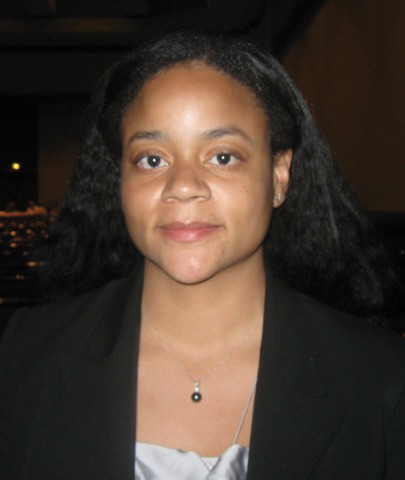
"Neurological disorders are common," Dr. Allison Wright Willis said at the annual meeting of the American Academy of Neurology. "However, medical students and new physicians report feeling least secure in their ability to diagnose and manage neurologic disease. Unfortunately, primary care training programs may not be able to provide sufficient training in the management of complicated neurodegenerative diseases such as Parkinson’s disease."
Dr. Willis of the department of neurology at Washington University in St. Louis and her associates set out to determine if treatment of Parkinson’s patients by a neurologist is associated with improved selected health outcomes, including hip fracture, skilled nursing facility placement, and survival. They evaluated more than 138,000 incident cases of Parkinson’s disease from Medicare beneficiaries with outpatient or carrier file claims for Parkinson’s disease in 2002.
For the period of 2002-2008, Dr. Willis and her colleagues used a Cox proportional hazards model to compare survival in patients with Parkinson’s disease who were treated by either a neurologist or primary care physician. They included the variables of race, age, sex, comorbidity index, socioeconomic deprivation score, and physician specialty.
Dr. Willis reported that only 57% of newly diagnosed Parkinson’s patients saw a neurologist at any time during the 48-month period in which neurologist encounter rates were calculated. Men and whites had the highest specialist treatment rates. Women and blacks both had 23% lower odds of receiving neurologist care than did men and whites, after adjustment for covariates.
Investigation of race and gender pairs revealed that white women, black men, black women, Hispanic women, and Asian women all had significantly lower odds, compared with white men, of receiving care from a neurologist after adjustment for age, comorbidity, and economic disparity. A sensitivity analysis performed using 469,000 prevalent cases of Parkinson’s disease yielded similar findings.
In a subgroup analysis of nearly 130,000 Parkinson’s patients without incident stroke or transient ischemic attack, patients cared for by a neurologist had 21% lower odds of being placed in a skilled nursing home, compared with patients treated by primary care physicians. Treatment by a neurologist also was associated with 14% lower odds of hip fracture than was treatment by primary care physicians.
The odds of survival over a 6-year period was 23% greater when patients received care from a neurologist rather than a primary care physician, with the greatest increase in survival seen in white men, white women, and black men.
"Should these results be confirmed using individual-level data, measures to lessen these disparities are vital," Dr. Willis commented. "Furthermore, by demonstrating that neurologist treatment improves Parkinson’s disease outcomes, our data highlight the need for health policy measures that support neurology practice and neurological education. However, the finding that fewer women and nonwhites received neurologist care may have broader implications for health care disparity and medical education."
She went on to point out that in addition to what she described as "the clear social and policy implications of our research, these data are important to Parkinson’s researchers. Parkinson’s disease epidemiological studies and clinical trials typically rely on speciality centers or neurologist practices for case identification and recruitment. Our data suggest that this may produce a significant referral bias, [which is] critical when attempting to perform gene or environmental risk studies, and may result in a distortion of the Parkinson’s disease risk literature or possibly confound clinical trial results. Additionally, the exclusive use of speciality center populations for recruitment may propagate a treatment bias resulting in fewer women and fewer minorities receiving state-of-the-art care."
Dr. Willis acknowledged certain limitations of the study, including the fact that the Medicare data set analyzed does not provide information on severity of Parkinson’s disease or physician diagnostic accuracy. "As with any epidemiological study, unknown medical, social, economic, or cultural factors may remain that have influenced the observed health care patterns," she noted. "Also, seeking neurologist care may be more likely in those who are health conscious and may correlate with other behaviors which would improve well-being, clinical course, or survival, such as medication use and exercise."
Dr. Willis said she had no relevant financial disclosures.
HONOLULU – Women and minorities with Parkinson’s disease obtained care from a neurologist less often than did white men, in a large national analysis of Medicare data.
In addition, Parkinson’s patients who received care from a neurologist had significant improvement in certain clinical outcomes as well as better overall survival compared with patients who received care from physicians in other specialties.
"Neurological disorders are common," Dr. Allison Wright Willis said at the annual meeting of the American Academy of Neurology. "However, medical students and new physicians report feeling least secure in their ability to diagnose and manage neurologic disease. Unfortunately, primary care training programs may not be able to provide sufficient training in the management of complicated neurodegenerative diseases such as Parkinson’s disease."
Dr. Willis of the department of neurology at Washington University in St. Louis and her associates set out to determine if treatment of Parkinson’s patients by a neurologist is associated with improved selected health outcomes, including hip fracture, skilled nursing facility placement, and survival. They evaluated more than 138,000 incident cases of Parkinson’s disease from Medicare beneficiaries with outpatient or carrier file claims for Parkinson’s disease in 2002.
For the period of 2002-2008, Dr. Willis and her colleagues used a Cox proportional hazards model to compare survival in patients with Parkinson’s disease who were treated by either a neurologist or primary care physician. They included the variables of race, age, sex, comorbidity index, socioeconomic deprivation score, and physician specialty.
Dr. Willis reported that only 57% of newly diagnosed Parkinson’s patients saw a neurologist at any time during the 48-month period in which neurologist encounter rates were calculated. Men and whites had the highest specialist treatment rates. Women and blacks both had 23% lower odds of receiving neurologist care than did men and whites, after adjustment for covariates.
Investigation of race and gender pairs revealed that white women, black men, black women, Hispanic women, and Asian women all had significantly lower odds, compared with white men, of receiving care from a neurologist after adjustment for age, comorbidity, and economic disparity. A sensitivity analysis performed using 469,000 prevalent cases of Parkinson’s disease yielded similar findings.
In a subgroup analysis of nearly 130,000 Parkinson’s patients without incident stroke or transient ischemic attack, patients cared for by a neurologist had 21% lower odds of being placed in a skilled nursing home, compared with patients treated by primary care physicians. Treatment by a neurologist also was associated with 14% lower odds of hip fracture than was treatment by primary care physicians.
The odds of survival over a 6-year period was 23% greater when patients received care from a neurologist rather than a primary care physician, with the greatest increase in survival seen in white men, white women, and black men.
"Should these results be confirmed using individual-level data, measures to lessen these disparities are vital," Dr. Willis commented. "Furthermore, by demonstrating that neurologist treatment improves Parkinson’s disease outcomes, our data highlight the need for health policy measures that support neurology practice and neurological education. However, the finding that fewer women and nonwhites received neurologist care may have broader implications for health care disparity and medical education."
She went on to point out that in addition to what she described as "the clear social and policy implications of our research, these data are important to Parkinson’s researchers. Parkinson’s disease epidemiological studies and clinical trials typically rely on speciality centers or neurologist practices for case identification and recruitment. Our data suggest that this may produce a significant referral bias, [which is] critical when attempting to perform gene or environmental risk studies, and may result in a distortion of the Parkinson’s disease risk literature or possibly confound clinical trial results. Additionally, the exclusive use of speciality center populations for recruitment may propagate a treatment bias resulting in fewer women and fewer minorities receiving state-of-the-art care."
Dr. Willis acknowledged certain limitations of the study, including the fact that the Medicare data set analyzed does not provide information on severity of Parkinson’s disease or physician diagnostic accuracy. "As with any epidemiological study, unknown medical, social, economic, or cultural factors may remain that have influenced the observed health care patterns," she noted. "Also, seeking neurologist care may be more likely in those who are health conscious and may correlate with other behaviors which would improve well-being, clinical course, or survival, such as medication use and exercise."
Dr. Willis said she had no relevant financial disclosures.
HONOLULU – Women and minorities with Parkinson’s disease obtained care from a neurologist less often than did white men, in a large national analysis of Medicare data.
In addition, Parkinson’s patients who received care from a neurologist had significant improvement in certain clinical outcomes as well as better overall survival compared with patients who received care from physicians in other specialties.
"Neurological disorders are common," Dr. Allison Wright Willis said at the annual meeting of the American Academy of Neurology. "However, medical students and new physicians report feeling least secure in their ability to diagnose and manage neurologic disease. Unfortunately, primary care training programs may not be able to provide sufficient training in the management of complicated neurodegenerative diseases such as Parkinson’s disease."
Dr. Willis of the department of neurology at Washington University in St. Louis and her associates set out to determine if treatment of Parkinson’s patients by a neurologist is associated with improved selected health outcomes, including hip fracture, skilled nursing facility placement, and survival. They evaluated more than 138,000 incident cases of Parkinson’s disease from Medicare beneficiaries with outpatient or carrier file claims for Parkinson’s disease in 2002.
For the period of 2002-2008, Dr. Willis and her colleagues used a Cox proportional hazards model to compare survival in patients with Parkinson’s disease who were treated by either a neurologist or primary care physician. They included the variables of race, age, sex, comorbidity index, socioeconomic deprivation score, and physician specialty.
Dr. Willis reported that only 57% of newly diagnosed Parkinson’s patients saw a neurologist at any time during the 48-month period in which neurologist encounter rates were calculated. Men and whites had the highest specialist treatment rates. Women and blacks both had 23% lower odds of receiving neurologist care than did men and whites, after adjustment for covariates.
Investigation of race and gender pairs revealed that white women, black men, black women, Hispanic women, and Asian women all had significantly lower odds, compared with white men, of receiving care from a neurologist after adjustment for age, comorbidity, and economic disparity. A sensitivity analysis performed using 469,000 prevalent cases of Parkinson’s disease yielded similar findings.
In a subgroup analysis of nearly 130,000 Parkinson’s patients without incident stroke or transient ischemic attack, patients cared for by a neurologist had 21% lower odds of being placed in a skilled nursing home, compared with patients treated by primary care physicians. Treatment by a neurologist also was associated with 14% lower odds of hip fracture than was treatment by primary care physicians.
The odds of survival over a 6-year period was 23% greater when patients received care from a neurologist rather than a primary care physician, with the greatest increase in survival seen in white men, white women, and black men.
"Should these results be confirmed using individual-level data, measures to lessen these disparities are vital," Dr. Willis commented. "Furthermore, by demonstrating that neurologist treatment improves Parkinson’s disease outcomes, our data highlight the need for health policy measures that support neurology practice and neurological education. However, the finding that fewer women and nonwhites received neurologist care may have broader implications for health care disparity and medical education."
She went on to point out that in addition to what she described as "the clear social and policy implications of our research, these data are important to Parkinson’s researchers. Parkinson’s disease epidemiological studies and clinical trials typically rely on speciality centers or neurologist practices for case identification and recruitment. Our data suggest that this may produce a significant referral bias, [which is] critical when attempting to perform gene or environmental risk studies, and may result in a distortion of the Parkinson’s disease risk literature or possibly confound clinical trial results. Additionally, the exclusive use of speciality center populations for recruitment may propagate a treatment bias resulting in fewer women and fewer minorities receiving state-of-the-art care."
Dr. Willis acknowledged certain limitations of the study, including the fact that the Medicare data set analyzed does not provide information on severity of Parkinson’s disease or physician diagnostic accuracy. "As with any epidemiological study, unknown medical, social, economic, or cultural factors may remain that have influenced the observed health care patterns," she noted. "Also, seeking neurologist care may be more likely in those who are health conscious and may correlate with other behaviors which would improve well-being, clinical course, or survival, such as medication use and exercise."
Dr. Willis said she had no relevant financial disclosures.
FROM THE ANNUAL MEETING OF THE AMERICAN ACADEMY OF NEUROLOGY
Major Finding: Women and blacks with Parkinson’s disease both had 23% lower odds of receiving care from a neurologist than did men and whites, after adjustment for covariates.
Data Source: An analysis of more than 138,000 incident cases of Parkinson’s disease from Medicare beneficiaries with outpatient or carrier file claims for Parkinson’s disease in 2002.
Disclosures: Dr. Willis said she had no relevant financial disclosures.
Disparities Seen in Neurologists' Care of Parkinson's Patients
HONOLULU – Women and minorities with Parkinson’s disease obtained care from a neurologist less often than did white men, in a large national analysis of Medicare data.
In addition, Parkinson’s patients who received care from a neurologist had significant improvement in certain clinical outcomes as well as better overall survival compared with patients who received care from physicians in other specialties.
"Neurological disorders are common," Dr. Allison Wright Willis said at the annual meeting of the American Academy of Neurology. "However, medical students and new physicians report feeling least secure in their ability to diagnose and manage neurologic disease. Unfortunately, primary care training programs may not be able to provide sufficient training in the management of complicated neurodegenerative diseases such as Parkinson’s disease."
Dr. Willis of the department of neurology at Washington University in St. Louis and her associates set out to determine if treatment of Parkinson’s patients by a neurologist is associated with improved selected health outcomes, including hip fracture, skilled nursing facility placement, and survival. They evaluated more than 138,000 incident cases of Parkinson’s disease from Medicare beneficiaries with outpatient or carrier file claims for Parkinson’s disease in 2002.
For the period of 2002-2008, Dr. Willis and her colleagues used a Cox proportional hazards model to compare survival in patients with Parkinson’s disease who were treated by either a neurologist or primary care physician. They included the variables of race, age, sex, comorbidity index, socioeconomic deprivation score, and physician specialty.
Dr. Willis reported that only 57% of newly diagnosed Parkinson’s patients saw a neurologist at any time during the 48-month period in which neurologist encounter rates were calculated. Men and whites had the highest specialist treatment rates. Women and blacks both had 23% lower odds of receiving neurologist care than did men and whites, after adjustment for covariates.
Investigation of race and gender pairs revealed that white women, black men, black women, Hispanic women, and Asian women all had significantly lower odds, compared with white men, of receiving care from a neurologist after adjustment for age, comorbidity, and economic disparity. A sensitivity analysis performed using 469,000 prevalent cases of Parkinson’s disease yielded similar findings.
In a subgroup analysis of nearly 130,000 Parkinson’s patients without incident stroke or transient ischemic attack, patients cared for by a neurologist had 21% lower odds of being placed in a skilled nursing home, compared with patients treated by primary care physicians. Treatment by a neurologist also was associated with 14% lower odds of hip fracture than was treatment by primary care physicians.
The odds of survival over a 6-year period was 23% greater when patients received care from a neurologist rather than a primary care physician, with the greatest increase in survival seen in white men, white women, and black men.
"Should these results be confirmed using individual-level data, measures to lessen these disparities are vital," Dr. Willis commented. "Furthermore, by demonstrating that neurologist treatment improves Parkinson’s disease outcomes, our data highlight the need for health policy measures that support neurology practice and neurological education. However, the finding that fewer women and nonwhites received neurologist care may have broader implications for health care disparity and medical education."
She went on to point out that in addition to what she described as "the clear social and policy implications of our research, these data are important to Parkinson’s researchers. Parkinson’s disease epidemiological studies and clinical trials typically rely on speciality centers or neurologist practices for case identification and recruitment. Our data suggest that this may produce a significant referral bias, [which is] critical when attempting to perform gene or environmental risk studies, and may result in a distortion of the Parkinson’s disease risk literature or possibly confound clinical trial results. Additionally, the exclusive use of speciality center populations for recruitment may propagate a treatment bias resulting in fewer women and fewer minorities receiving state-of-the-art care."
Dr. Willis acknowledged certain limitations of the study, including the fact that the Medicare data set analyzed does not provide information on severity of Parkinson’s disease or physician diagnostic accuracy. "As with any epidemiological study, unknown medical, social, economic, or cultural factors may remain that have influenced the observed health care patterns," she noted. "Also, seeking neurologist care may be more likely in those who are health conscious and may correlate with other behaviors which would improve well-being, clinical course, or survival, such as medication use and exercise."
Dr. Willis said she had no relevant financial disclosures.
HONOLULU – Women and minorities with Parkinson’s disease obtained care from a neurologist less often than did white men, in a large national analysis of Medicare data.
In addition, Parkinson’s patients who received care from a neurologist had significant improvement in certain clinical outcomes as well as better overall survival compared with patients who received care from physicians in other specialties.
"Neurological disorders are common," Dr. Allison Wright Willis said at the annual meeting of the American Academy of Neurology. "However, medical students and new physicians report feeling least secure in their ability to diagnose and manage neurologic disease. Unfortunately, primary care training programs may not be able to provide sufficient training in the management of complicated neurodegenerative diseases such as Parkinson’s disease."
Dr. Willis of the department of neurology at Washington University in St. Louis and her associates set out to determine if treatment of Parkinson’s patients by a neurologist is associated with improved selected health outcomes, including hip fracture, skilled nursing facility placement, and survival. They evaluated more than 138,000 incident cases of Parkinson’s disease from Medicare beneficiaries with outpatient or carrier file claims for Parkinson’s disease in 2002.
For the period of 2002-2008, Dr. Willis and her colleagues used a Cox proportional hazards model to compare survival in patients with Parkinson’s disease who were treated by either a neurologist or primary care physician. They included the variables of race, age, sex, comorbidity index, socioeconomic deprivation score, and physician specialty.
Dr. Willis reported that only 57% of newly diagnosed Parkinson’s patients saw a neurologist at any time during the 48-month period in which neurologist encounter rates were calculated. Men and whites had the highest specialist treatment rates. Women and blacks both had 23% lower odds of receiving neurologist care than did men and whites, after adjustment for covariates.
Investigation of race and gender pairs revealed that white women, black men, black women, Hispanic women, and Asian women all had significantly lower odds, compared with white men, of receiving care from a neurologist after adjustment for age, comorbidity, and economic disparity. A sensitivity analysis performed using 469,000 prevalent cases of Parkinson’s disease yielded similar findings.
In a subgroup analysis of nearly 130,000 Parkinson’s patients without incident stroke or transient ischemic attack, patients cared for by a neurologist had 21% lower odds of being placed in a skilled nursing home, compared with patients treated by primary care physicians. Treatment by a neurologist also was associated with 14% lower odds of hip fracture than was treatment by primary care physicians.
The odds of survival over a 6-year period was 23% greater when patients received care from a neurologist rather than a primary care physician, with the greatest increase in survival seen in white men, white women, and black men.
"Should these results be confirmed using individual-level data, measures to lessen these disparities are vital," Dr. Willis commented. "Furthermore, by demonstrating that neurologist treatment improves Parkinson’s disease outcomes, our data highlight the need for health policy measures that support neurology practice and neurological education. However, the finding that fewer women and nonwhites received neurologist care may have broader implications for health care disparity and medical education."
She went on to point out that in addition to what she described as "the clear social and policy implications of our research, these data are important to Parkinson’s researchers. Parkinson’s disease epidemiological studies and clinical trials typically rely on speciality centers or neurologist practices for case identification and recruitment. Our data suggest that this may produce a significant referral bias, [which is] critical when attempting to perform gene or environmental risk studies, and may result in a distortion of the Parkinson’s disease risk literature or possibly confound clinical trial results. Additionally, the exclusive use of speciality center populations for recruitment may propagate a treatment bias resulting in fewer women and fewer minorities receiving state-of-the-art care."
Dr. Willis acknowledged certain limitations of the study, including the fact that the Medicare data set analyzed does not provide information on severity of Parkinson’s disease or physician diagnostic accuracy. "As with any epidemiological study, unknown medical, social, economic, or cultural factors may remain that have influenced the observed health care patterns," she noted. "Also, seeking neurologist care may be more likely in those who are health conscious and may correlate with other behaviors which would improve well-being, clinical course, or survival, such as medication use and exercise."
Dr. Willis said she had no relevant financial disclosures.
HONOLULU – Women and minorities with Parkinson’s disease obtained care from a neurologist less often than did white men, in a large national analysis of Medicare data.
In addition, Parkinson’s patients who received care from a neurologist had significant improvement in certain clinical outcomes as well as better overall survival compared with patients who received care from physicians in other specialties.
"Neurological disorders are common," Dr. Allison Wright Willis said at the annual meeting of the American Academy of Neurology. "However, medical students and new physicians report feeling least secure in their ability to diagnose and manage neurologic disease. Unfortunately, primary care training programs may not be able to provide sufficient training in the management of complicated neurodegenerative diseases such as Parkinson’s disease."
Dr. Willis of the department of neurology at Washington University in St. Louis and her associates set out to determine if treatment of Parkinson’s patients by a neurologist is associated with improved selected health outcomes, including hip fracture, skilled nursing facility placement, and survival. They evaluated more than 138,000 incident cases of Parkinson’s disease from Medicare beneficiaries with outpatient or carrier file claims for Parkinson’s disease in 2002.
For the period of 2002-2008, Dr. Willis and her colleagues used a Cox proportional hazards model to compare survival in patients with Parkinson’s disease who were treated by either a neurologist or primary care physician. They included the variables of race, age, sex, comorbidity index, socioeconomic deprivation score, and physician specialty.
Dr. Willis reported that only 57% of newly diagnosed Parkinson’s patients saw a neurologist at any time during the 48-month period in which neurologist encounter rates were calculated. Men and whites had the highest specialist treatment rates. Women and blacks both had 23% lower odds of receiving neurologist care than did men and whites, after adjustment for covariates.
Investigation of race and gender pairs revealed that white women, black men, black women, Hispanic women, and Asian women all had significantly lower odds, compared with white men, of receiving care from a neurologist after adjustment for age, comorbidity, and economic disparity. A sensitivity analysis performed using 469,000 prevalent cases of Parkinson’s disease yielded similar findings.
In a subgroup analysis of nearly 130,000 Parkinson’s patients without incident stroke or transient ischemic attack, patients cared for by a neurologist had 21% lower odds of being placed in a skilled nursing home, compared with patients treated by primary care physicians. Treatment by a neurologist also was associated with 14% lower odds of hip fracture than was treatment by primary care physicians.
The odds of survival over a 6-year period was 23% greater when patients received care from a neurologist rather than a primary care physician, with the greatest increase in survival seen in white men, white women, and black men.
"Should these results be confirmed using individual-level data, measures to lessen these disparities are vital," Dr. Willis commented. "Furthermore, by demonstrating that neurologist treatment improves Parkinson’s disease outcomes, our data highlight the need for health policy measures that support neurology practice and neurological education. However, the finding that fewer women and nonwhites received neurologist care may have broader implications for health care disparity and medical education."
She went on to point out that in addition to what she described as "the clear social and policy implications of our research, these data are important to Parkinson’s researchers. Parkinson’s disease epidemiological studies and clinical trials typically rely on speciality centers or neurologist practices for case identification and recruitment. Our data suggest that this may produce a significant referral bias, [which is] critical when attempting to perform gene or environmental risk studies, and may result in a distortion of the Parkinson’s disease risk literature or possibly confound clinical trial results. Additionally, the exclusive use of speciality center populations for recruitment may propagate a treatment bias resulting in fewer women and fewer minorities receiving state-of-the-art care."
Dr. Willis acknowledged certain limitations of the study, including the fact that the Medicare data set analyzed does not provide information on severity of Parkinson’s disease or physician diagnostic accuracy. "As with any epidemiological study, unknown medical, social, economic, or cultural factors may remain that have influenced the observed health care patterns," she noted. "Also, seeking neurologist care may be more likely in those who are health conscious and may correlate with other behaviors which would improve well-being, clinical course, or survival, such as medication use and exercise."
Dr. Willis said she had no relevant financial disclosures.
FROM THE ANNUAL MEETING OF THE AMERICAN ACADEMY OF NEUROLOGY
Major Finding: Women and blacks with Parkinson’s disease both had 23% lower odds of receiving care from a neurologist than did men and whites, after adjustment for covariates.
Data Source: An analysis of more than 138,000 incident cases of Parkinson’s disease from Medicare beneficiaries with outpatient or carrier file claims for Parkinson’s disease in 2002.
Disclosures: Dr. Willis said she had no relevant financial disclosures.
Sleep Disturbance, Early-Morning Symptoms in Parkinson's Studied
HONOLULU – Only a small correlation between the severity of early-morning motor symptoms and nocturnal sleep disturbances was observed in patients with Parkinson’s disease, results from a post hoc trial analysis demonstrated.
"Parkinson’s disease is defined by cardinal motor symptoms, but as we are discovering more and more, nonmotor symptoms are burdensome to patients with Parkinson’s disease," Dr. Todd Swick said at the annual meeting of the American Academy of Neurology.
The major motor symptoms are rest tremor, rigidity, bradykinesia, akinesia, and postural instability. Common nonmotor symptoms include sleep disorders, cognitive dysfunction, depression, and gastrointestinal disorders.
"Sleep disorders are recognized to be of considerable clinical importance," said Dr. Swick, medical director of the Houston Sleep Center. "These have been shown to precede the onset of motor symptoms by as long as 50 years."
In an effort to investigate the association between the severity of nocturnal sleep disturbances and early-morning motor symptoms in Parkinson’s disease, he and his associates conducted a post hoc analysis of 267 patients who participated in the RECOVER (Randomized Evaluation of the 24-Hour Coverage: Efficacy of Rotigotine) study.
Dr. Swick described RECOVER as the first large-scale, double-blind, randomized trial to investigate sleep outcomes and motor function in the early morning as coprimary outcome measures in this patient population.
Patients were randomized to placebo or to the rotigotine transdermal system (2-16 mg every 24 hours). The researchers titrated to the optimal dose over a period of 1-8 weeks and maintained the dose for an additional 4 weeks. Significant benefits in early-morning function and in the severity of nocturnal sleep disturbances were observed in patients treated with rotigotine but not in those treated with placebo (Mov. Disord. 2011;26:90-9).
For the current study, Dr. Swick and his associates conducted categorical and continuous value association analyses to determine United Parkinson’s Disease Rating Scale III (UPDRS III) total score (0-9, 10-19, 20-29, 30-39, and 40 or more, defined as categories 1, 2, 3, 4, and 5, respectively), as well as modified Parkinson’s Disease Sleep Scale (PDSS-2) total score in the study participants.
The mean age of the patients was 65 years, 66% were male, and 91% were white. Their mean UPDRS III and PDSS-2 total scores were 30.4 and 19.7.
Dr. Swick reported that the analyses showed only a modest correlation between severity of nocturnal sleep disturbances and early-morning motor symptoms in patients with Parkinson’s disease. "This is in line with previously published data," he said. "The data suggest that possibly nonmotor dysfunctions may influence the extent of sleep disorders. This may be due to changes within the central nervous system as evidenced by a significant deterioration in CNS functioning."
The data also suggest that, in the RECOVER study, "changes in PDSS-2 total score were unlikely to be entirely attributed to changes in UPDRS III scores," Dr. Swick said.
The study was supported by Schwarz Pharma, distributor of rotigotine. Dr. Swick disclosed that he has received personal compensation for speaking from Jazz Pharmaceuticals and research stipends from Jazz, Cephalon, Pfizer, Sanofi-Aventis, and Merck.
HONOLULU – Only a small correlation between the severity of early-morning motor symptoms and nocturnal sleep disturbances was observed in patients with Parkinson’s disease, results from a post hoc trial analysis demonstrated.
"Parkinson’s disease is defined by cardinal motor symptoms, but as we are discovering more and more, nonmotor symptoms are burdensome to patients with Parkinson’s disease," Dr. Todd Swick said at the annual meeting of the American Academy of Neurology.
The major motor symptoms are rest tremor, rigidity, bradykinesia, akinesia, and postural instability. Common nonmotor symptoms include sleep disorders, cognitive dysfunction, depression, and gastrointestinal disorders.
"Sleep disorders are recognized to be of considerable clinical importance," said Dr. Swick, medical director of the Houston Sleep Center. "These have been shown to precede the onset of motor symptoms by as long as 50 years."
In an effort to investigate the association between the severity of nocturnal sleep disturbances and early-morning motor symptoms in Parkinson’s disease, he and his associates conducted a post hoc analysis of 267 patients who participated in the RECOVER (Randomized Evaluation of the 24-Hour Coverage: Efficacy of Rotigotine) study.
Dr. Swick described RECOVER as the first large-scale, double-blind, randomized trial to investigate sleep outcomes and motor function in the early morning as coprimary outcome measures in this patient population.
Patients were randomized to placebo or to the rotigotine transdermal system (2-16 mg every 24 hours). The researchers titrated to the optimal dose over a period of 1-8 weeks and maintained the dose for an additional 4 weeks. Significant benefits in early-morning function and in the severity of nocturnal sleep disturbances were observed in patients treated with rotigotine but not in those treated with placebo (Mov. Disord. 2011;26:90-9).
For the current study, Dr. Swick and his associates conducted categorical and continuous value association analyses to determine United Parkinson’s Disease Rating Scale III (UPDRS III) total score (0-9, 10-19, 20-29, 30-39, and 40 or more, defined as categories 1, 2, 3, 4, and 5, respectively), as well as modified Parkinson’s Disease Sleep Scale (PDSS-2) total score in the study participants.
The mean age of the patients was 65 years, 66% were male, and 91% were white. Their mean UPDRS III and PDSS-2 total scores were 30.4 and 19.7.
Dr. Swick reported that the analyses showed only a modest correlation between severity of nocturnal sleep disturbances and early-morning motor symptoms in patients with Parkinson’s disease. "This is in line with previously published data," he said. "The data suggest that possibly nonmotor dysfunctions may influence the extent of sleep disorders. This may be due to changes within the central nervous system as evidenced by a significant deterioration in CNS functioning."
The data also suggest that, in the RECOVER study, "changes in PDSS-2 total score were unlikely to be entirely attributed to changes in UPDRS III scores," Dr. Swick said.
The study was supported by Schwarz Pharma, distributor of rotigotine. Dr. Swick disclosed that he has received personal compensation for speaking from Jazz Pharmaceuticals and research stipends from Jazz, Cephalon, Pfizer, Sanofi-Aventis, and Merck.
HONOLULU – Only a small correlation between the severity of early-morning motor symptoms and nocturnal sleep disturbances was observed in patients with Parkinson’s disease, results from a post hoc trial analysis demonstrated.
"Parkinson’s disease is defined by cardinal motor symptoms, but as we are discovering more and more, nonmotor symptoms are burdensome to patients with Parkinson’s disease," Dr. Todd Swick said at the annual meeting of the American Academy of Neurology.
The major motor symptoms are rest tremor, rigidity, bradykinesia, akinesia, and postural instability. Common nonmotor symptoms include sleep disorders, cognitive dysfunction, depression, and gastrointestinal disorders.
"Sleep disorders are recognized to be of considerable clinical importance," said Dr. Swick, medical director of the Houston Sleep Center. "These have been shown to precede the onset of motor symptoms by as long as 50 years."
In an effort to investigate the association between the severity of nocturnal sleep disturbances and early-morning motor symptoms in Parkinson’s disease, he and his associates conducted a post hoc analysis of 267 patients who participated in the RECOVER (Randomized Evaluation of the 24-Hour Coverage: Efficacy of Rotigotine) study.
Dr. Swick described RECOVER as the first large-scale, double-blind, randomized trial to investigate sleep outcomes and motor function in the early morning as coprimary outcome measures in this patient population.
Patients were randomized to placebo or to the rotigotine transdermal system (2-16 mg every 24 hours). The researchers titrated to the optimal dose over a period of 1-8 weeks and maintained the dose for an additional 4 weeks. Significant benefits in early-morning function and in the severity of nocturnal sleep disturbances were observed in patients treated with rotigotine but not in those treated with placebo (Mov. Disord. 2011;26:90-9).
For the current study, Dr. Swick and his associates conducted categorical and continuous value association analyses to determine United Parkinson’s Disease Rating Scale III (UPDRS III) total score (0-9, 10-19, 20-29, 30-39, and 40 or more, defined as categories 1, 2, 3, 4, and 5, respectively), as well as modified Parkinson’s Disease Sleep Scale (PDSS-2) total score in the study participants.
The mean age of the patients was 65 years, 66% were male, and 91% were white. Their mean UPDRS III and PDSS-2 total scores were 30.4 and 19.7.
Dr. Swick reported that the analyses showed only a modest correlation between severity of nocturnal sleep disturbances and early-morning motor symptoms in patients with Parkinson’s disease. "This is in line with previously published data," he said. "The data suggest that possibly nonmotor dysfunctions may influence the extent of sleep disorders. This may be due to changes within the central nervous system as evidenced by a significant deterioration in CNS functioning."
The data also suggest that, in the RECOVER study, "changes in PDSS-2 total score were unlikely to be entirely attributed to changes in UPDRS III scores," Dr. Swick said.
The study was supported by Schwarz Pharma, distributor of rotigotine. Dr. Swick disclosed that he has received personal compensation for speaking from Jazz Pharmaceuticals and research stipends from Jazz, Cephalon, Pfizer, Sanofi-Aventis, and Merck.
FROM THE ANNUAL MEETING OF THE AMERICAN ACADEMY OF NEUROLOGY
Major Finding: Only a modest correlation between severity of nocturnal sleep disturbances and early-morning motor symptoms was observed in patients with Parkinson’s disease.
Data Source: A post hoc analysis of 267 patients enrolled in RECOVER, a randomized trial to investigate sleep outcomes and motor function in the early morning in patients with Parkinson’s disease.
Disclosures: The study was supported by Schwarz Pharma, distributor of rotigotine. Dr. Swick disclosed that he has received personal compensation for speaking from Jazz Pharmaceuticals and research stipends from Jazz, Cephalon, Pfizer, Sanofi-Aventis, and Merck.
Sleep Disturbance, Early-Morning Symptoms in Parkinson's Studied
HONOLULU – Only a small correlation between the severity of early-morning motor symptoms and nocturnal sleep disturbances was observed in patients with Parkinson’s disease, results from a post hoc trial analysis demonstrated.
"Parkinson’s disease is defined by cardinal motor symptoms, but as we are discovering more and more, nonmotor symptoms are burdensome to patients with Parkinson’s disease," Dr. Todd Swick said at the annual meeting of the American Academy of Neurology.
The major motor symptoms are rest tremor, rigidity, bradykinesia, akinesia, and postural instability. Common nonmotor symptoms include sleep disorders, cognitive dysfunction, depression, and gastrointestinal disorders.
"Sleep disorders are recognized to be of considerable clinical importance," said Dr. Swick, medical director of the Houston Sleep Center. "These have been shown to precede the onset of motor symptoms by as long as 50 years."
In an effort to investigate the association between the severity of nocturnal sleep disturbances and early-morning motor symptoms in Parkinson’s disease, he and his associates conducted a post hoc analysis of 267 patients who participated in the RECOVER (Randomized Evaluation of the 24-Hour Coverage: Efficacy of Rotigotine) study.
Dr. Swick described RECOVER as the first large-scale, double-blind, randomized trial to investigate sleep outcomes and motor function in the early morning as coprimary outcome measures in this patient population.
Patients were randomized to placebo or to the rotigotine transdermal system (2-16 mg every 24 hours). The researchers titrated to the optimal dose over a period of 1-8 weeks and maintained the dose for an additional 4 weeks. Significant benefits in early-morning function and in the severity of nocturnal sleep disturbances were observed in patients treated with rotigotine but not in those treated with placebo (Mov. Disord. 2011;26:90-9).
For the current study, Dr. Swick and his associates conducted categorical and continuous value association analyses to determine United Parkinson’s Disease Rating Scale III (UPDRS III) total score (0-9, 10-19, 20-29, 30-39, and 40 or more, defined as categories 1, 2, 3, 4, and 5, respectively), as well as modified Parkinson’s Disease Sleep Scale (PDSS-2) total score in the study participants.
The mean age of the patients was 65 years, 66% were male, and 91% were white. Their mean UPDRS III and PDSS-2 total scores were 30.4 and 19.7.
Dr. Swick reported that the analyses showed only a modest correlation between severity of nocturnal sleep disturbances and early-morning motor symptoms in patients with Parkinson’s disease. "This is in line with previously published data," he said. "The data suggest that possibly nonmotor dysfunctions may influence the extent of sleep disorders. This may be due to changes within the central nervous system as evidenced by a significant deterioration in CNS functioning."
The data also suggest that, in the RECOVER study, "changes in PDSS-2 total score were unlikely to be entirely attributed to changes in UPDRS III scores," Dr. Swick said.
The study was supported by Schwarz Pharma, distributor of rotigotine. Dr. Swick disclosed that he has received personal compensation for speaking from Jazz Pharmaceuticals and research stipends from Jazz, Cephalon, Pfizer, Sanofi-Aventis, and Merck.
HONOLULU – Only a small correlation between the severity of early-morning motor symptoms and nocturnal sleep disturbances was observed in patients with Parkinson’s disease, results from a post hoc trial analysis demonstrated.
"Parkinson’s disease is defined by cardinal motor symptoms, but as we are discovering more and more, nonmotor symptoms are burdensome to patients with Parkinson’s disease," Dr. Todd Swick said at the annual meeting of the American Academy of Neurology.
The major motor symptoms are rest tremor, rigidity, bradykinesia, akinesia, and postural instability. Common nonmotor symptoms include sleep disorders, cognitive dysfunction, depression, and gastrointestinal disorders.
"Sleep disorders are recognized to be of considerable clinical importance," said Dr. Swick, medical director of the Houston Sleep Center. "These have been shown to precede the onset of motor symptoms by as long as 50 years."
In an effort to investigate the association between the severity of nocturnal sleep disturbances and early-morning motor symptoms in Parkinson’s disease, he and his associates conducted a post hoc analysis of 267 patients who participated in the RECOVER (Randomized Evaluation of the 24-Hour Coverage: Efficacy of Rotigotine) study.
Dr. Swick described RECOVER as the first large-scale, double-blind, randomized trial to investigate sleep outcomes and motor function in the early morning as coprimary outcome measures in this patient population.
Patients were randomized to placebo or to the rotigotine transdermal system (2-16 mg every 24 hours). The researchers titrated to the optimal dose over a period of 1-8 weeks and maintained the dose for an additional 4 weeks. Significant benefits in early-morning function and in the severity of nocturnal sleep disturbances were observed in patients treated with rotigotine but not in those treated with placebo (Mov. Disord. 2011;26:90-9).
For the current study, Dr. Swick and his associates conducted categorical and continuous value association analyses to determine United Parkinson’s Disease Rating Scale III (UPDRS III) total score (0-9, 10-19, 20-29, 30-39, and 40 or more, defined as categories 1, 2, 3, 4, and 5, respectively), as well as modified Parkinson’s Disease Sleep Scale (PDSS-2) total score in the study participants.
The mean age of the patients was 65 years, 66% were male, and 91% were white. Their mean UPDRS III and PDSS-2 total scores were 30.4 and 19.7.
Dr. Swick reported that the analyses showed only a modest correlation between severity of nocturnal sleep disturbances and early-morning motor symptoms in patients with Parkinson’s disease. "This is in line with previously published data," he said. "The data suggest that possibly nonmotor dysfunctions may influence the extent of sleep disorders. This may be due to changes within the central nervous system as evidenced by a significant deterioration in CNS functioning."
The data also suggest that, in the RECOVER study, "changes in PDSS-2 total score were unlikely to be entirely attributed to changes in UPDRS III scores," Dr. Swick said.
The study was supported by Schwarz Pharma, distributor of rotigotine. Dr. Swick disclosed that he has received personal compensation for speaking from Jazz Pharmaceuticals and research stipends from Jazz, Cephalon, Pfizer, Sanofi-Aventis, and Merck.
HONOLULU – Only a small correlation between the severity of early-morning motor symptoms and nocturnal sleep disturbances was observed in patients with Parkinson’s disease, results from a post hoc trial analysis demonstrated.
"Parkinson’s disease is defined by cardinal motor symptoms, but as we are discovering more and more, nonmotor symptoms are burdensome to patients with Parkinson’s disease," Dr. Todd Swick said at the annual meeting of the American Academy of Neurology.
The major motor symptoms are rest tremor, rigidity, bradykinesia, akinesia, and postural instability. Common nonmotor symptoms include sleep disorders, cognitive dysfunction, depression, and gastrointestinal disorders.
"Sleep disorders are recognized to be of considerable clinical importance," said Dr. Swick, medical director of the Houston Sleep Center. "These have been shown to precede the onset of motor symptoms by as long as 50 years."
In an effort to investigate the association between the severity of nocturnal sleep disturbances and early-morning motor symptoms in Parkinson’s disease, he and his associates conducted a post hoc analysis of 267 patients who participated in the RECOVER (Randomized Evaluation of the 24-Hour Coverage: Efficacy of Rotigotine) study.
Dr. Swick described RECOVER as the first large-scale, double-blind, randomized trial to investigate sleep outcomes and motor function in the early morning as coprimary outcome measures in this patient population.
Patients were randomized to placebo or to the rotigotine transdermal system (2-16 mg every 24 hours). The researchers titrated to the optimal dose over a period of 1-8 weeks and maintained the dose for an additional 4 weeks. Significant benefits in early-morning function and in the severity of nocturnal sleep disturbances were observed in patients treated with rotigotine but not in those treated with placebo (Mov. Disord. 2011;26:90-9).
For the current study, Dr. Swick and his associates conducted categorical and continuous value association analyses to determine United Parkinson’s Disease Rating Scale III (UPDRS III) total score (0-9, 10-19, 20-29, 30-39, and 40 or more, defined as categories 1, 2, 3, 4, and 5, respectively), as well as modified Parkinson’s Disease Sleep Scale (PDSS-2) total score in the study participants.
The mean age of the patients was 65 years, 66% were male, and 91% were white. Their mean UPDRS III and PDSS-2 total scores were 30.4 and 19.7.
Dr. Swick reported that the analyses showed only a modest correlation between severity of nocturnal sleep disturbances and early-morning motor symptoms in patients with Parkinson’s disease. "This is in line with previously published data," he said. "The data suggest that possibly nonmotor dysfunctions may influence the extent of sleep disorders. This may be due to changes within the central nervous system as evidenced by a significant deterioration in CNS functioning."
The data also suggest that, in the RECOVER study, "changes in PDSS-2 total score were unlikely to be entirely attributed to changes in UPDRS III scores," Dr. Swick said.
The study was supported by Schwarz Pharma, distributor of rotigotine. Dr. Swick disclosed that he has received personal compensation for speaking from Jazz Pharmaceuticals and research stipends from Jazz, Cephalon, Pfizer, Sanofi-Aventis, and Merck.
FROM THE ANNUAL MEETING OF THE AMERICAN ACADEMY OF NEUROLOGY
Major Finding: Only a modest correlation between severity of nocturnal sleep disturbances and early-morning motor symptoms was observed in patients with Parkinson’s disease.
Data Source: A post hoc analysis of 267 patients enrolled in RECOVER, a randomized trial to investigate sleep outcomes and motor function in the early morning in patients with Parkinson’s disease.
Disclosures: The study was supported by Schwarz Pharma, distributor of rotigotine. Dr. Swick disclosed that he has received personal compensation for speaking from Jazz Pharmaceuticals and research stipends from Jazz, Cephalon, Pfizer, Sanofi-Aventis, and Merck.
Sleep Disturbance, Early-Morning Symptoms in Parkinson's Studied
HONOLULU – Only a small correlation between the severity of early-morning motor symptoms and nocturnal sleep disturbances was observed in patients with Parkinson’s disease, results from a post hoc trial analysis demonstrated.
"Parkinson’s disease is defined by cardinal motor symptoms, but as we are discovering more and more, nonmotor symptoms are burdensome to patients with Parkinson’s disease," Dr. Todd Swick said at the annual meeting of the American Academy of Neurology.
The major motor symptoms are rest tremor, rigidity, bradykinesia, akinesia, and postural instability. Common nonmotor symptoms include sleep disorders, cognitive dysfunction, depression, and gastrointestinal disorders.
"Sleep disorders are recognized to be of considerable clinical importance," said Dr. Swick, medical director of the Houston Sleep Center. "These have been shown to precede the onset of motor symptoms by as long as 50 years."
In an effort to investigate the association between the severity of nocturnal sleep disturbances and early-morning motor symptoms in Parkinson’s disease, he and his associates conducted a post hoc analysis of 267 patients who participated in the RECOVER (Randomized Evaluation of the 24-Hour Coverage: Efficacy of Rotigotine) study.
Dr. Swick described RECOVER as the first large-scale, double-blind, randomized trial to investigate sleep outcomes and motor function in the early morning as coprimary outcome measures in this patient population.
Patients were randomized to placebo or to the rotigotine transdermal system (2-16 mg every 24 hours). The researchers titrated to the optimal dose over a period of 1-8 weeks and maintained the dose for an additional 4 weeks. Significant benefits in early-morning function and in the severity of nocturnal sleep disturbances were observed in patients treated with rotigotine but not in those treated with placebo (Mov. Disord. 2011;26:90-9).
For the current study, Dr. Swick and his associates conducted categorical and continuous value association analyses to determine United Parkinson’s Disease Rating Scale III (UPDRS III) total score (0-9, 10-19, 20-29, 30-39, and 40 or more, defined as categories 1, 2, 3, 4, and 5, respectively), as well as modified Parkinson’s Disease Sleep Scale (PDSS-2) total score in the study participants.
The mean age of the patients was 65 years, 66% were male, and 91% were white. Their mean UPDRS III and PDSS-2 total scores were 30.4 and 19.7.
Dr. Swick reported that the analyses showed only a modest correlation between severity of nocturnal sleep disturbances and early-morning motor symptoms in patients with Parkinson’s disease. "This is in line with previously published data," he said. "The data suggest that possibly nonmotor dysfunctions may influence the extent of sleep disorders. This may be due to changes within the central nervous system as evidenced by a significant deterioration in CNS functioning."
The data also suggest that, in the RECOVER study, "changes in PDSS-2 total score were unlikely to be entirely attributed to changes in UPDRS III scores," Dr. Swick said.
The study was supported by Schwarz Pharma, distributor of rotigotine. Dr. Swick disclosed that he has received personal compensation for speaking from Jazz Pharmaceuticals and research stipends from Jazz, Cephalon, Pfizer, Sanofi-Aventis, and Merck.
HONOLULU – Only a small correlation between the severity of early-morning motor symptoms and nocturnal sleep disturbances was observed in patients with Parkinson’s disease, results from a post hoc trial analysis demonstrated.
"Parkinson’s disease is defined by cardinal motor symptoms, but as we are discovering more and more, nonmotor symptoms are burdensome to patients with Parkinson’s disease," Dr. Todd Swick said at the annual meeting of the American Academy of Neurology.
The major motor symptoms are rest tremor, rigidity, bradykinesia, akinesia, and postural instability. Common nonmotor symptoms include sleep disorders, cognitive dysfunction, depression, and gastrointestinal disorders.
"Sleep disorders are recognized to be of considerable clinical importance," said Dr. Swick, medical director of the Houston Sleep Center. "These have been shown to precede the onset of motor symptoms by as long as 50 years."
In an effort to investigate the association between the severity of nocturnal sleep disturbances and early-morning motor symptoms in Parkinson’s disease, he and his associates conducted a post hoc analysis of 267 patients who participated in the RECOVER (Randomized Evaluation of the 24-Hour Coverage: Efficacy of Rotigotine) study.
Dr. Swick described RECOVER as the first large-scale, double-blind, randomized trial to investigate sleep outcomes and motor function in the early morning as coprimary outcome measures in this patient population.
Patients were randomized to placebo or to the rotigotine transdermal system (2-16 mg every 24 hours). The researchers titrated to the optimal dose over a period of 1-8 weeks and maintained the dose for an additional 4 weeks. Significant benefits in early-morning function and in the severity of nocturnal sleep disturbances were observed in patients treated with rotigotine but not in those treated with placebo (Mov. Disord. 2011;26:90-9).
For the current study, Dr. Swick and his associates conducted categorical and continuous value association analyses to determine United Parkinson’s Disease Rating Scale III (UPDRS III) total score (0-9, 10-19, 20-29, 30-39, and 40 or more, defined as categories 1, 2, 3, 4, and 5, respectively), as well as modified Parkinson’s Disease Sleep Scale (PDSS-2) total score in the study participants.
The mean age of the patients was 65 years, 66% were male, and 91% were white. Their mean UPDRS III and PDSS-2 total scores were 30.4 and 19.7.
Dr. Swick reported that the analyses showed only a modest correlation between severity of nocturnal sleep disturbances and early-morning motor symptoms in patients with Parkinson’s disease. "This is in line with previously published data," he said. "The data suggest that possibly nonmotor dysfunctions may influence the extent of sleep disorders. This may be due to changes within the central nervous system as evidenced by a significant deterioration in CNS functioning."
The data also suggest that, in the RECOVER study, "changes in PDSS-2 total score were unlikely to be entirely attributed to changes in UPDRS III scores," Dr. Swick said.
The study was supported by Schwarz Pharma, distributor of rotigotine. Dr. Swick disclosed that he has received personal compensation for speaking from Jazz Pharmaceuticals and research stipends from Jazz, Cephalon, Pfizer, Sanofi-Aventis, and Merck.
HONOLULU – Only a small correlation between the severity of early-morning motor symptoms and nocturnal sleep disturbances was observed in patients with Parkinson’s disease, results from a post hoc trial analysis demonstrated.
"Parkinson’s disease is defined by cardinal motor symptoms, but as we are discovering more and more, nonmotor symptoms are burdensome to patients with Parkinson’s disease," Dr. Todd Swick said at the annual meeting of the American Academy of Neurology.
The major motor symptoms are rest tremor, rigidity, bradykinesia, akinesia, and postural instability. Common nonmotor symptoms include sleep disorders, cognitive dysfunction, depression, and gastrointestinal disorders.
"Sleep disorders are recognized to be of considerable clinical importance," said Dr. Swick, medical director of the Houston Sleep Center. "These have been shown to precede the onset of motor symptoms by as long as 50 years."
In an effort to investigate the association between the severity of nocturnal sleep disturbances and early-morning motor symptoms in Parkinson’s disease, he and his associates conducted a post hoc analysis of 267 patients who participated in the RECOVER (Randomized Evaluation of the 24-Hour Coverage: Efficacy of Rotigotine) study.
Dr. Swick described RECOVER as the first large-scale, double-blind, randomized trial to investigate sleep outcomes and motor function in the early morning as coprimary outcome measures in this patient population.
Patients were randomized to placebo or to the rotigotine transdermal system (2-16 mg every 24 hours). The researchers titrated to the optimal dose over a period of 1-8 weeks and maintained the dose for an additional 4 weeks. Significant benefits in early-morning function and in the severity of nocturnal sleep disturbances were observed in patients treated with rotigotine but not in those treated with placebo (Mov. Disord. 2011;26:90-9).
For the current study, Dr. Swick and his associates conducted categorical and continuous value association analyses to determine United Parkinson’s Disease Rating Scale III (UPDRS III) total score (0-9, 10-19, 20-29, 30-39, and 40 or more, defined as categories 1, 2, 3, 4, and 5, respectively), as well as modified Parkinson’s Disease Sleep Scale (PDSS-2) total score in the study participants.
The mean age of the patients was 65 years, 66% were male, and 91% were white. Their mean UPDRS III and PDSS-2 total scores were 30.4 and 19.7.
Dr. Swick reported that the analyses showed only a modest correlation between severity of nocturnal sleep disturbances and early-morning motor symptoms in patients with Parkinson’s disease. "This is in line with previously published data," he said. "The data suggest that possibly nonmotor dysfunctions may influence the extent of sleep disorders. This may be due to changes within the central nervous system as evidenced by a significant deterioration in CNS functioning."
The data also suggest that, in the RECOVER study, "changes in PDSS-2 total score were unlikely to be entirely attributed to changes in UPDRS III scores," Dr. Swick said.
The study was supported by Schwarz Pharma, distributor of rotigotine. Dr. Swick disclosed that he has received personal compensation for speaking from Jazz Pharmaceuticals and research stipends from Jazz, Cephalon, Pfizer, Sanofi-Aventis, and Merck.
FROM THE ANNUAL MEETING OF THE AMERICAN ACADEMY OF NEUROLOGY
Major Finding: Only a modest correlation between severity of nocturnal sleep disturbances and early-morning motor symptoms was observed in patients with Parkinson’s disease.
Data Source: A post hoc analysis of 267 patients enrolled in RECOVER, a randomized trial to investigate sleep outcomes and motor function in the early morning in patients with Parkinson’s disease.
Disclosures: The study was supported by Schwarz Pharma, distributor of rotigotine. Dr. Swick disclosed that he has received personal compensation for speaking from Jazz Pharmaceuticals and research stipends from Jazz, Cephalon, Pfizer, Sanofi-Aventis, and Merck.
Amantadine Found to Improve Prolonged Disorders of Consciousness After TBI
HONOLULU – Amantadine hydrochloride effectively improved functional recovery in patients in a vegetative or minimally conscious state after traumatic brain injury, results from a 6-week, randomized, multicenter study showed.
"The improvements with amantadine were clinically significant in that they were associated with more frequent emergence of functionally meaningful behaviors [that are] associated with returning to full consciousness," Dr. Douglas I. Katz said at the annual meeting of the American Academy of Neurology. "We believe that amantadine is the first proven pharmacotherapy to promote recovery from severe traumatic brain injury, and should be considered for patients with disorders of consciousness lasting more than 4 weeks."

Patients with disorders of consciousness after traumatic brain injury (TBI) are commonly treated off-label with stimulant and dopaminergic medications to enhance recovery of consciousness and functional recovery. "But to date there has been no proven therapy to promote recovery of consciousness or improve functional outcome after TBI," noted Dr. Katz, medical director of the acquired brain injury program at Braintree (Mass.) Rehabilitation Hospital.
The Centers for Disease Control and Prevention estimates that 1.7 millions Americans sustain a TBI each year, and that there are 3.2 million Americans living with a TBI-related disability. TBI is the leading cause of death and disability of Americans under the age of 44.
Amantadine was first approved to treat influenza A in 1966. By accident it was found to benefit Parkinson’s disease patients 3 years later. "The mechanism of action of amantadine is not fully understood, but it’s known to be a noncompetitive NMDA receptor antagonist and a dopamine agonist," said Dr. Katz, who also in the department of neurology at Boston University Medical Center. "It may have some anticholinergic effects, and it’s been shown to promote glial cell line–derived neurotropic factor."
As for amantadine’s use in TBI, "there has been no class I evidence to support its benefit," he added. "There have been some case series and one randomized, controlled trial – which had some flaws in its methodology – which have suggested benefit of amantadine in TBI."
A seven-center pilot study of 124 patients with TBI and severe disorders of consciousness found that amantadine was the only drug associated with a favorable recovery (Arch. Phys. Med. Rehabil. 2005; 86:453-62). This led to the design of the current trial, which was a randomized, double-blind, parallel-group, placebo-controlled trial carried out at 11 centers. It set out to determine if amantadine given in a dose of 200-400 mg/day would improve functional recovery from post-traumatic vegetative state or minimally conscious state and if the gains in function persisted after the drug was discontinued.
Secondary aims were to evaluate the safety of amantadine and to determine whether response to amantadine differs by time post-injury (21-71 days vs. 72-112 days) or diagnosis (vegetative state or minimally conscious state) at the time of treatment initiation.
To be eligible for enrollment patients had to be aged 16-65 years, have a traumatic etiology, have a Disability Rating Scale (DRS) score of 12 or greater, be unable to follow commands or communicate reliably, and be at least 4 weeks but less than 16 weeks post-injury.
Pregnant subjects were excluded from the trial, as were those with missile-type penetrating brain injury, those with premorbid CNS/developmental abnormality, those with prior exposure to amantadine post-TBI, those with significant impairment of renal function, and those who had more than one seizure in the month prior to enrollment.
After screening and consent, patients were randomized and received a baseline assessment. They went on to receive 4 weeks of either amantadine or placebo, followed by a 2-week washout period. The starting treatment dose was 100 mg twice daily. This was increased by 100 mg daily in weeks 3 and 4 if patients failed to make at least 2 points of improvement on the DRS. Amantadine was tapered at 4 weeks and the patients were monitored across the two-week washout.
The main study outcome was rate of change in the DRS, which was administered at baseline and weekly, and the<cf number="\"2\""></cf> Coma Recovery Scale Revised (CRS-R), which was administered at baseline and week 4 and week 6. The DRS includes assessments from the Glasgow Coma Scale and items to rate a patient’s cognitive ability to perform activities of daily living, such as grooming, toileting, and feeding; it also includes ratings of the patient’s level of dependency and employability. The CRS-R has six subscales, including arousal, auditory, visual, motor, oromotor/verbal, and communication, and was administered to examine specific functionally-relevant markers of consciousness.
Of the 184 patients randomized for analysis, 181 completed the 6-week study. One patient in the amantadine group died from unrelated causes, and two patients in the placebo group were transferred to acute care hospitals and lost to follow-up.
The mean age of patients was 36 years and 72% were male. The mean baseline DRS scores in the amantadine group and placebo group were 21.8 and 22.2, respectively, while the mean baseline CRS-R scores were 9.6 and 9.2. Scores on the DRS can range from 0 to 29, and scores on the CRS-R can range from 0 to 23.
Dr. Katz reported that patients who received amantadine had significantly faster functional recovery over 4 weeks of treatment, compared with patients in the placebo group (P = .007). In addition, patients in the amantadine group maintained functional gains during the 2-week washout period, but their recovery slowed, compared with that of patients in the placebo group after the medication was discontinued (P = .02).
Patients treated with amantadine tended to have more rapid recovery, compared with those treated with placebo, regardless of whether they were diagnosed in a vegetative state or a minimally conscious state at enrollment. Treatment with amantadine also was more effective in improving recovery regardless of whether it was administered within 4-10 weeks or 10-16 weeks postinjury.
After 4 weeks of treatment, a lower percentage of patients in the amantadine group remained in a vegetative state or an extreme vegetative state, compared with their counterparts in the placebo group (18% vs. 31%, respectively).
Dr. Katz went on to report that patients in the amantadine group achieved a higher percentage of cognitive behaviors associated with full consciousness based on the CRS-R at week 4, compared with the placebo group, including more consistent following of commands (40% vs. 32%, respectively), object recognition (44% vs. 34%), functional object use (42% vs. 26%), intelligible verbalization (39% vs. 34%), reliable yes/no communication (31% vs. 27%), and sustained attention (35% vs. 29%).
Vomiting and gastrointestinal side effects were the most common adverse events observed, but there were no differences between the two groups in the incidence of adverse events.
"This study demonstrates that amantadine is safe and effective in promoting more rapid functional recovery in patients with disorders of consciousness after severe TBI," Dr. Katz concluded. "Although the rate of improvement slowed, the benefits of amantadine were maintained after the drug was discontinued."
He acknowledged certain limitations of the study, including the limited interval of treatment and assessment, and that it was not controlled for the effects of standard rehabilitation interventions.
The study was funded by the National Institute on Disability and Rehabilitation Research. The project director was Joseph Giacino, Ph.D., of the Spaulding Rehabilitation Hospital in Boston (formerly of the JFK Johnson Rehabilitation Institute, Edison, N.J.). The project codirector was Dr. John Whyte of the Moss Rehabilitation Research Institute, Elkins Park, Pa.
Dr. Katz said that he had no relevant financial disclosures.
HONOLULU – Amantadine hydrochloride effectively improved functional recovery in patients in a vegetative or minimally conscious state after traumatic brain injury, results from a 6-week, randomized, multicenter study showed.
"The improvements with amantadine were clinically significant in that they were associated with more frequent emergence of functionally meaningful behaviors [that are] associated with returning to full consciousness," Dr. Douglas I. Katz said at the annual meeting of the American Academy of Neurology. "We believe that amantadine is the first proven pharmacotherapy to promote recovery from severe traumatic brain injury, and should be considered for patients with disorders of consciousness lasting more than 4 weeks."
Patients with disorders of consciousness after traumatic brain injury (TBI) are commonly treated off-label with stimulant and dopaminergic medications to enhance recovery of consciousness and functional recovery. "But to date there has been no proven therapy to promote recovery of consciousness or improve functional outcome after TBI," noted Dr. Katz, medical director of the acquired brain injury program at Braintree (Mass.) Rehabilitation Hospital.
The Centers for Disease Control and Prevention estimates that 1.7 millions Americans sustain a TBI each year, and that there are 3.2 million Americans living with a TBI-related disability. TBI is the leading cause of death and disability of Americans under the age of 44.
Amantadine was first approved to treat influenza A in 1966. By accident it was found to benefit Parkinson’s disease patients 3 years later. "The mechanism of action of amantadine is not fully understood, but it’s known to be a noncompetitive NMDA receptor antagonist and a dopamine agonist," said Dr. Katz, who also in the department of neurology at Boston University Medical Center. "It may have some anticholinergic effects, and it’s been shown to promote glial cell line–derived neurotropic factor."
As for amantadine’s use in TBI, "there has been no class I evidence to support its benefit," he added. "There have been some case series and one randomized, controlled trial – which had some flaws in its methodology – which have suggested benefit of amantadine in TBI."
A seven-center pilot study of 124 patients with TBI and severe disorders of consciousness found that amantadine was the only drug associated with a favorable recovery (Arch. Phys. Med. Rehabil. 2005; 86:453-62). This led to the design of the current trial, which was a randomized, double-blind, parallel-group, placebo-controlled trial carried out at 11 centers. It set out to determine if amantadine given in a dose of 200-400 mg/day would improve functional recovery from post-traumatic vegetative state or minimally conscious state and if the gains in function persisted after the drug was discontinued.
Secondary aims were to evaluate the safety of amantadine and to determine whether response to amantadine differs by time post-injury (21-71 days vs. 72-112 days) or diagnosis (vegetative state or minimally conscious state) at the time of treatment initiation.
To be eligible for enrollment patients had to be aged 16-65 years, have a traumatic etiology, have a Disability Rating Scale (DRS) score of 12 or greater, be unable to follow commands or communicate reliably, and be at least 4 weeks but less than 16 weeks post-injury.
Pregnant subjects were excluded from the trial, as were those with missile-type penetrating brain injury, those with premorbid CNS/developmental abnormality, those with prior exposure to amantadine post-TBI, those with significant impairment of renal function, and those who had more than one seizure in the month prior to enrollment.
After screening and consent, patients were randomized and received a baseline assessment. They went on to receive 4 weeks of either amantadine or placebo, followed by a 2-week washout period. The starting treatment dose was 100 mg twice daily. This was increased by 100 mg daily in weeks 3 and 4 if patients failed to make at least 2 points of improvement on the DRS. Amantadine was tapered at 4 weeks and the patients were monitored across the two-week washout.
The main study outcome was rate of change in the DRS, which was administered at baseline and weekly, and the<cf number="\"2\""></cf> Coma Recovery Scale Revised (CRS-R), which was administered at baseline and week 4 and week 6. The DRS includes assessments from the Glasgow Coma Scale and items to rate a patient’s cognitive ability to perform activities of daily living, such as grooming, toileting, and feeding; it also includes ratings of the patient’s level of dependency and employability. The CRS-R has six subscales, including arousal, auditory, visual, motor, oromotor/verbal, and communication, and was administered to examine specific functionally-relevant markers of consciousness.
Of the 184 patients randomized for analysis, 181 completed the 6-week study. One patient in the amantadine group died from unrelated causes, and two patients in the placebo group were transferred to acute care hospitals and lost to follow-up.
The mean age of patients was 36 years and 72% were male. The mean baseline DRS scores in the amantadine group and placebo group were 21.8 and 22.2, respectively, while the mean baseline CRS-R scores were 9.6 and 9.2. Scores on the DRS can range from 0 to 29, and scores on the CRS-R can range from 0 to 23.
Dr. Katz reported that patients who received amantadine had significantly faster functional recovery over 4 weeks of treatment, compared with patients in the placebo group (P = .007). In addition, patients in the amantadine group maintained functional gains during the 2-week washout period, but their recovery slowed, compared with that of patients in the placebo group after the medication was discontinued (P = .02).
Patients treated with amantadine tended to have more rapid recovery, compared with those treated with placebo, regardless of whether they were diagnosed in a vegetative state or a minimally conscious state at enrollment. Treatment with amantadine also was more effective in improving recovery regardless of whether it was administered within 4-10 weeks or 10-16 weeks postinjury.
After 4 weeks of treatment, a lower percentage of patients in the amantadine group remained in a vegetative state or an extreme vegetative state, compared with their counterparts in the placebo group (18% vs. 31%, respectively).
Dr. Katz went on to report that patients in the amantadine group achieved a higher percentage of cognitive behaviors associated with full consciousness based on the CRS-R at week 4, compared with the placebo group, including more consistent following of commands (40% vs. 32%, respectively), object recognition (44% vs. 34%), functional object use (42% vs. 26%), intelligible verbalization (39% vs. 34%), reliable yes/no communication (31% vs. 27%), and sustained attention (35% vs. 29%).
Vomiting and gastrointestinal side effects were the most common adverse events observed, but there were no differences between the two groups in the incidence of adverse events.
"This study demonstrates that amantadine is safe and effective in promoting more rapid functional recovery in patients with disorders of consciousness after severe TBI," Dr. Katz concluded. "Although the rate of improvement slowed, the benefits of amantadine were maintained after the drug was discontinued."
He acknowledged certain limitations of the study, including the limited interval of treatment and assessment, and that it was not controlled for the effects of standard rehabilitation interventions.
The study was funded by the National Institute on Disability and Rehabilitation Research. The project director was Joseph Giacino, Ph.D., of the Spaulding Rehabilitation Hospital in Boston (formerly of the JFK Johnson Rehabilitation Institute, Edison, N.J.). The project codirector was Dr. John Whyte of the Moss Rehabilitation Research Institute, Elkins Park, Pa.
Dr. Katz said that he had no relevant financial disclosures.
HONOLULU – Amantadine hydrochloride effectively improved functional recovery in patients in a vegetative or minimally conscious state after traumatic brain injury, results from a 6-week, randomized, multicenter study showed.
"The improvements with amantadine were clinically significant in that they were associated with more frequent emergence of functionally meaningful behaviors [that are] associated with returning to full consciousness," Dr. Douglas I. Katz said at the annual meeting of the American Academy of Neurology. "We believe that amantadine is the first proven pharmacotherapy to promote recovery from severe traumatic brain injury, and should be considered for patients with disorders of consciousness lasting more than 4 weeks."
Patients with disorders of consciousness after traumatic brain injury (TBI) are commonly treated off-label with stimulant and dopaminergic medications to enhance recovery of consciousness and functional recovery. "But to date there has been no proven therapy to promote recovery of consciousness or improve functional outcome after TBI," noted Dr. Katz, medical director of the acquired brain injury program at Braintree (Mass.) Rehabilitation Hospital.
The Centers for Disease Control and Prevention estimates that 1.7 millions Americans sustain a TBI each year, and that there are 3.2 million Americans living with a TBI-related disability. TBI is the leading cause of death and disability of Americans under the age of 44.
Amantadine was first approved to treat influenza A in 1966. By accident it was found to benefit Parkinson’s disease patients 3 years later. "The mechanism of action of amantadine is not fully understood, but it’s known to be a noncompetitive NMDA receptor antagonist and a dopamine agonist," said Dr. Katz, who also in the department of neurology at Boston University Medical Center. "It may have some anticholinergic effects, and it’s been shown to promote glial cell line–derived neurotropic factor."
As for amantadine’s use in TBI, "there has been no class I evidence to support its benefit," he added. "There have been some case series and one randomized, controlled trial – which had some flaws in its methodology – which have suggested benefit of amantadine in TBI."
A seven-center pilot study of 124 patients with TBI and severe disorders of consciousness found that amantadine was the only drug associated with a favorable recovery (Arch. Phys. Med. Rehabil. 2005; 86:453-62). This led to the design of the current trial, which was a randomized, double-blind, parallel-group, placebo-controlled trial carried out at 11 centers. It set out to determine if amantadine given in a dose of 200-400 mg/day would improve functional recovery from post-traumatic vegetative state or minimally conscious state and if the gains in function persisted after the drug was discontinued.
Secondary aims were to evaluate the safety of amantadine and to determine whether response to amantadine differs by time post-injury (21-71 days vs. 72-112 days) or diagnosis (vegetative state or minimally conscious state) at the time of treatment initiation.
To be eligible for enrollment patients had to be aged 16-65 years, have a traumatic etiology, have a Disability Rating Scale (DRS) score of 12 or greater, be unable to follow commands or communicate reliably, and be at least 4 weeks but less than 16 weeks post-injury.
Pregnant subjects were excluded from the trial, as were those with missile-type penetrating brain injury, those with premorbid CNS/developmental abnormality, those with prior exposure to amantadine post-TBI, those with significant impairment of renal function, and those who had more than one seizure in the month prior to enrollment.
After screening and consent, patients were randomized and received a baseline assessment. They went on to receive 4 weeks of either amantadine or placebo, followed by a 2-week washout period. The starting treatment dose was 100 mg twice daily. This was increased by 100 mg daily in weeks 3 and 4 if patients failed to make at least 2 points of improvement on the DRS. Amantadine was tapered at 4 weeks and the patients were monitored across the two-week washout.
The main study outcome was rate of change in the DRS, which was administered at baseline and weekly, and the<cf number="\"2\""></cf> Coma Recovery Scale Revised (CRS-R), which was administered at baseline and week 4 and week 6. The DRS includes assessments from the Glasgow Coma Scale and items to rate a patient’s cognitive ability to perform activities of daily living, such as grooming, toileting, and feeding; it also includes ratings of the patient’s level of dependency and employability. The CRS-R has six subscales, including arousal, auditory, visual, motor, oromotor/verbal, and communication, and was administered to examine specific functionally-relevant markers of consciousness.
Of the 184 patients randomized for analysis, 181 completed the 6-week study. One patient in the amantadine group died from unrelated causes, and two patients in the placebo group were transferred to acute care hospitals and lost to follow-up.
The mean age of patients was 36 years and 72% were male. The mean baseline DRS scores in the amantadine group and placebo group were 21.8 and 22.2, respectively, while the mean baseline CRS-R scores were 9.6 and 9.2. Scores on the DRS can range from 0 to 29, and scores on the CRS-R can range from 0 to 23.
Dr. Katz reported that patients who received amantadine had significantly faster functional recovery over 4 weeks of treatment, compared with patients in the placebo group (P = .007). In addition, patients in the amantadine group maintained functional gains during the 2-week washout period, but their recovery slowed, compared with that of patients in the placebo group after the medication was discontinued (P = .02).
Patients treated with amantadine tended to have more rapid recovery, compared with those treated with placebo, regardless of whether they were diagnosed in a vegetative state or a minimally conscious state at enrollment. Treatment with amantadine also was more effective in improving recovery regardless of whether it was administered within 4-10 weeks or 10-16 weeks postinjury.
After 4 weeks of treatment, a lower percentage of patients in the amantadine group remained in a vegetative state or an extreme vegetative state, compared with their counterparts in the placebo group (18% vs. 31%, respectively).
Dr. Katz went on to report that patients in the amantadine group achieved a higher percentage of cognitive behaviors associated with full consciousness based on the CRS-R at week 4, compared with the placebo group, including more consistent following of commands (40% vs. 32%, respectively), object recognition (44% vs. 34%), functional object use (42% vs. 26%), intelligible verbalization (39% vs. 34%), reliable yes/no communication (31% vs. 27%), and sustained attention (35% vs. 29%).
Vomiting and gastrointestinal side effects were the most common adverse events observed, but there were no differences between the two groups in the incidence of adverse events.
"This study demonstrates that amantadine is safe and effective in promoting more rapid functional recovery in patients with disorders of consciousness after severe TBI," Dr. Katz concluded. "Although the rate of improvement slowed, the benefits of amantadine were maintained after the drug was discontinued."
He acknowledged certain limitations of the study, including the limited interval of treatment and assessment, and that it was not controlled for the effects of standard rehabilitation interventions.
The study was funded by the National Institute on Disability and Rehabilitation Research. The project director was Joseph Giacino, Ph.D., of the Spaulding Rehabilitation Hospital in Boston (formerly of the JFK Johnson Rehabilitation Institute, Edison, N.J.). The project codirector was Dr. John Whyte of the Moss Rehabilitation Research Institute, Elkins Park, Pa.
Dr. Katz said that he had no relevant financial disclosures.
FROM THE ANNUAL MEETING OF THE AMERICAN ACADEMY OF NEUROLOGY
Major Finding: Patients had significantly faster functional recovery as measured by the Disability Rating Scale over 4 weeks of treatment with amantadine, compared with patients who received placebo (P = .007).
Data Source: A multicenter, double-blind, randomized trial of 181 patients in a vegetative or minimally conscious state after traumatic brain injury who were given amantadine at a dose of 200-400 mg/day or placebo.
Disclosures: The study was funded by the National Institute on Disability and Rehabilitation Research. Dr. Katz said that he had no relevant financial disclosures.
High Prevalence of Cognitive Impairment Seen in CKD Patients
HONOLULU – Patients with moderate chronic kidney disease had a higher prevalence of moderate cognitive impairment than did patients receiving hemodialysis in a prospective pilot study conducted at two clinics.
"Clinicians think about the apo E4 gene, advanced age, education level, and history of stroke as being risk factors for cognitive impairment, but they don’t think about chronic kidney disease as a risk factor," lead investigator Dr. Anne M. Murray said in an interview during a poster session at the annual meeting of the American Academy of Neurology. "It’s a strong risk factor."
Findings from recent studies suggest that there is an association between estimated glomerular filtration rate (GFR) and cognitive function, said Dr. Murray, a geriatrician and neuroepidemiologist with the Hennepin County Medical Center, Minneapolis, but the severity of cognitive impairment and extent that specific cognitive domains are affected remain unknown.
She and her associates at two Minneapolis clinics compared the frequency of mild, moderate, and severe cognitive impairment in 81 patients with an estimated GFR of less than 50 mL/min per 1.73 m2 (stage 3B to stage 5 chronic kidney disease) against 338 hemodialysis patients and 101 controls. The patients with chronic kidney disease had a mean estimated GFR of 31 mL/min per 1.73 m2.
In the study, the researchers administered a 45-minute battery of nine validated neuropsychological tests to patients with chronic kidney disease and to controls, while hemodialysis patients were tested before dialysis, 1 hour after, or on the day after dialysis. They used the Modified Mini-Mental State Examination (maximum score, 100) to measure global cognitive function, and other tests to measure performance in the domains of memory, executive function, and language.
More than half of patients in the chronic kidney disease group (59%) were African American, compared with 11% in the hemodialysis group and 8% in the control group.
The mean ages of patients in the chronic kidney disease group, hemodialysis group, and control group were 60 years, 71 years, and 69 years, respectively. The prevalence of mild cognitive impairment was 7%, 14%, and 14%; the prevalence of moderate cognitive impairment was 46%, 36%, and 27%; the prevalence of severe cognitive impairment was 31%, 37%, and 13%; and the prevalence of normal cognitive function was 16%, 13%, and 47%.
Dr. Murray reported that the mean Modified Mini-Mental State Examination score was 92.0 in the chronic kidney disease group (consistent with early mild cognitive impairment), 88.3 in the hemodialysis group (consistent with early dementia), and 94.3 in the control group (consistent with normal cognitive function).
Black race was strongly associated with severe cognitive impairment among patients with chronic kidney disease (P less than .015), but no other significant bivariate associations were observed between cognitive status and demographic factors, estimated GFR, or history of stroke, in part because of the study’s small sample size, she said.
"If one of your patients has moderate chronic kidney disease – an estimated GFR of less than 50 mL/min per 1.73 m2 – they should be screened for cognitive impairment, because they probably can’t take their medications on their own, and their judgment is probably impaired when it comes to making a decision about starting dialysis," Dr. Murray noted.
The limitations of the study include its small number of patients, no matching of cohorts for age or race, and a lack of brain imaging to detect cerebrovascular disease. The study is ongoing and will be expanded to include 300 patients, she said.
The study was funded by the Minneapolis Medical Research Foundation, Satellite Healthcare, and the National Institute on Aging. Dr. Murray said she had no relevant financial disclosures.
HONOLULU – Patients with moderate chronic kidney disease had a higher prevalence of moderate cognitive impairment than did patients receiving hemodialysis in a prospective pilot study conducted at two clinics.
"Clinicians think about the apo E4 gene, advanced age, education level, and history of stroke as being risk factors for cognitive impairment, but they don’t think about chronic kidney disease as a risk factor," lead investigator Dr. Anne M. Murray said in an interview during a poster session at the annual meeting of the American Academy of Neurology. "It’s a strong risk factor."
Findings from recent studies suggest that there is an association between estimated glomerular filtration rate (GFR) and cognitive function, said Dr. Murray, a geriatrician and neuroepidemiologist with the Hennepin County Medical Center, Minneapolis, but the severity of cognitive impairment and extent that specific cognitive domains are affected remain unknown.
She and her associates at two Minneapolis clinics compared the frequency of mild, moderate, and severe cognitive impairment in 81 patients with an estimated GFR of less than 50 mL/min per 1.73 m2 (stage 3B to stage 5 chronic kidney disease) against 338 hemodialysis patients and 101 controls. The patients with chronic kidney disease had a mean estimated GFR of 31 mL/min per 1.73 m2.
In the study, the researchers administered a 45-minute battery of nine validated neuropsychological tests to patients with chronic kidney disease and to controls, while hemodialysis patients were tested before dialysis, 1 hour after, or on the day after dialysis. They used the Modified Mini-Mental State Examination (maximum score, 100) to measure global cognitive function, and other tests to measure performance in the domains of memory, executive function, and language.
More than half of patients in the chronic kidney disease group (59%) were African American, compared with 11% in the hemodialysis group and 8% in the control group.
The mean ages of patients in the chronic kidney disease group, hemodialysis group, and control group were 60 years, 71 years, and 69 years, respectively. The prevalence of mild cognitive impairment was 7%, 14%, and 14%; the prevalence of moderate cognitive impairment was 46%, 36%, and 27%; the prevalence of severe cognitive impairment was 31%, 37%, and 13%; and the prevalence of normal cognitive function was 16%, 13%, and 47%.
Dr. Murray reported that the mean Modified Mini-Mental State Examination score was 92.0 in the chronic kidney disease group (consistent with early mild cognitive impairment), 88.3 in the hemodialysis group (consistent with early dementia), and 94.3 in the control group (consistent with normal cognitive function).
Black race was strongly associated with severe cognitive impairment among patients with chronic kidney disease (P less than .015), but no other significant bivariate associations were observed between cognitive status and demographic factors, estimated GFR, or history of stroke, in part because of the study’s small sample size, she said.
"If one of your patients has moderate chronic kidney disease – an estimated GFR of less than 50 mL/min per 1.73 m2 – they should be screened for cognitive impairment, because they probably can’t take their medications on their own, and their judgment is probably impaired when it comes to making a decision about starting dialysis," Dr. Murray noted.
The limitations of the study include its small number of patients, no matching of cohorts for age or race, and a lack of brain imaging to detect cerebrovascular disease. The study is ongoing and will be expanded to include 300 patients, she said.
The study was funded by the Minneapolis Medical Research Foundation, Satellite Healthcare, and the National Institute on Aging. Dr. Murray said she had no relevant financial disclosures.
HONOLULU – Patients with moderate chronic kidney disease had a higher prevalence of moderate cognitive impairment than did patients receiving hemodialysis in a prospective pilot study conducted at two clinics.
"Clinicians think about the apo E4 gene, advanced age, education level, and history of stroke as being risk factors for cognitive impairment, but they don’t think about chronic kidney disease as a risk factor," lead investigator Dr. Anne M. Murray said in an interview during a poster session at the annual meeting of the American Academy of Neurology. "It’s a strong risk factor."
Findings from recent studies suggest that there is an association between estimated glomerular filtration rate (GFR) and cognitive function, said Dr. Murray, a geriatrician and neuroepidemiologist with the Hennepin County Medical Center, Minneapolis, but the severity of cognitive impairment and extent that specific cognitive domains are affected remain unknown.
She and her associates at two Minneapolis clinics compared the frequency of mild, moderate, and severe cognitive impairment in 81 patients with an estimated GFR of less than 50 mL/min per 1.73 m2 (stage 3B to stage 5 chronic kidney disease) against 338 hemodialysis patients and 101 controls. The patients with chronic kidney disease had a mean estimated GFR of 31 mL/min per 1.73 m2.
In the study, the researchers administered a 45-minute battery of nine validated neuropsychological tests to patients with chronic kidney disease and to controls, while hemodialysis patients were tested before dialysis, 1 hour after, or on the day after dialysis. They used the Modified Mini-Mental State Examination (maximum score, 100) to measure global cognitive function, and other tests to measure performance in the domains of memory, executive function, and language.
More than half of patients in the chronic kidney disease group (59%) were African American, compared with 11% in the hemodialysis group and 8% in the control group.
The mean ages of patients in the chronic kidney disease group, hemodialysis group, and control group were 60 years, 71 years, and 69 years, respectively. The prevalence of mild cognitive impairment was 7%, 14%, and 14%; the prevalence of moderate cognitive impairment was 46%, 36%, and 27%; the prevalence of severe cognitive impairment was 31%, 37%, and 13%; and the prevalence of normal cognitive function was 16%, 13%, and 47%.
Dr. Murray reported that the mean Modified Mini-Mental State Examination score was 92.0 in the chronic kidney disease group (consistent with early mild cognitive impairment), 88.3 in the hemodialysis group (consistent with early dementia), and 94.3 in the control group (consistent with normal cognitive function).
Black race was strongly associated with severe cognitive impairment among patients with chronic kidney disease (P less than .015), but no other significant bivariate associations were observed between cognitive status and demographic factors, estimated GFR, or history of stroke, in part because of the study’s small sample size, she said.
"If one of your patients has moderate chronic kidney disease – an estimated GFR of less than 50 mL/min per 1.73 m2 – they should be screened for cognitive impairment, because they probably can’t take their medications on their own, and their judgment is probably impaired when it comes to making a decision about starting dialysis," Dr. Murray noted.
The limitations of the study include its small number of patients, no matching of cohorts for age or race, and a lack of brain imaging to detect cerebrovascular disease. The study is ongoing and will be expanded to include 300 patients, she said.
The study was funded by the Minneapolis Medical Research Foundation, Satellite Healthcare, and the National Institute on Aging. Dr. Murray said she had no relevant financial disclosures.
FROM THE ANNUAL MEETING OF THE AMERICAN ACADEMY OF NEUROLOGY
Major Finding: The prevalence of moderate cognitive impairment was 46% among patients with moderate chronic kidney disease, 36% among patients receiving hemodialysis, and 27% among controls.
Data Source: An ongoing prospective study of 81 patients with moderate chronic kidney disease, 338 patients receiving hemodialysis, and 101 controls.
Disclosures: The study was funded by the Minneapolis Medical Research Foundation, Satellite Healthcare, and the National Institute on Aging. Dr. Murray said she had no relevant financial disclosures.
High Prevalence of Cognitive Impairment Seen in CKD Patients
HONOLULU – Patients with moderate chronic kidney disease had a higher prevalence of moderate cognitive impairment than did patients receiving hemodialysis in a prospective pilot study conducted at two clinics.
"Clinicians think about the apo E4 gene, advanced age, education level, and history of stroke as being risk factors for cognitive impairment, but they don’t think about chronic kidney disease as a risk factor," lead investigator Dr. Anne M. Murray said in an interview during a poster session at the annual meeting of the American Academy of Neurology. "It’s a strong risk factor."
Findings from recent studies suggest that there is an association between estimated glomerular filtration rate (GFR) and cognitive function, said Dr. Murray, a geriatrician and neuroepidemiologist with the Hennepin County Medical Center, Minneapolis, but the severity of cognitive impairment and extent that specific cognitive domains are affected remain unknown.
She and her associates at two Minneapolis clinics compared the frequency of mild, moderate, and severe cognitive impairment in 81 patients with an estimated GFR of less than 50 mL/min per 1.73 m2 (stage 3B to stage 5 chronic kidney disease) against 338 hemodialysis patients and 101 controls. The patients with chronic kidney disease had a mean estimated GFR of 31 mL/min per 1.73 m2.
In the study, the researchers administered a 45-minute battery of nine validated neuropsychological tests to patients with chronic kidney disease and to controls, while hemodialysis patients were tested before dialysis, 1 hour after, or on the day after dialysis. They used the Modified Mini-Mental State Examination (maximum score, 100) to measure global cognitive function, and other tests to measure performance in the domains of memory, executive function, and language.
More than half of patients in the chronic kidney disease group (59%) were African American, compared with 11% in the hemodialysis group and 8% in the control group.
The mean ages of patients in the chronic kidney disease group, hemodialysis group, and control group were 60 years, 71 years, and 69 years, respectively. The prevalence of mild cognitive impairment was 7%, 14%, and 14%; the prevalence of moderate cognitive impairment was 46%, 36%, and 27%; the prevalence of severe cognitive impairment was 31%, 37%, and 13%; and the prevalence of normal cognitive function was 16%, 13%, and 47%.
Dr. Murray reported that the mean Modified Mini-Mental State Examination score was 92.0 in the chronic kidney disease group (consistent with early mild cognitive impairment), 88.3 in the hemodialysis group (consistent with early dementia), and 94.3 in the control group (consistent with normal cognitive function).
Black race was strongly associated with severe cognitive impairment among patients with chronic kidney disease (P less than .015), but no other significant bivariate associations were observed between cognitive status and demographic factors, estimated GFR, or history of stroke, in part because of the study’s small sample size, she said.
"If one of your patients has moderate chronic kidney disease – an estimated GFR of less than 50 mL/min per 1.73 m2 – they should be screened for cognitive impairment, because they probably can’t take their medications on their own, and their judgment is probably impaired when it comes to making a decision about starting dialysis," Dr. Murray noted.
The limitations of the study include its small number of patients, no matching of cohorts for age or race, and a lack of brain imaging to detect cerebrovascular disease. The study is ongoing and will be expanded to include 300 patients, she said.
The study was funded by the Minneapolis Medical Research Foundation, Satellite Healthcare, and the National Institute on Aging. Dr. Murray said she had no relevant financial disclosures.
HONOLULU – Patients with moderate chronic kidney disease had a higher prevalence of moderate cognitive impairment than did patients receiving hemodialysis in a prospective pilot study conducted at two clinics.
"Clinicians think about the apo E4 gene, advanced age, education level, and history of stroke as being risk factors for cognitive impairment, but they don’t think about chronic kidney disease as a risk factor," lead investigator Dr. Anne M. Murray said in an interview during a poster session at the annual meeting of the American Academy of Neurology. "It’s a strong risk factor."
Findings from recent studies suggest that there is an association between estimated glomerular filtration rate (GFR) and cognitive function, said Dr. Murray, a geriatrician and neuroepidemiologist with the Hennepin County Medical Center, Minneapolis, but the severity of cognitive impairment and extent that specific cognitive domains are affected remain unknown.
She and her associates at two Minneapolis clinics compared the frequency of mild, moderate, and severe cognitive impairment in 81 patients with an estimated GFR of less than 50 mL/min per 1.73 m2 (stage 3B to stage 5 chronic kidney disease) against 338 hemodialysis patients and 101 controls. The patients with chronic kidney disease had a mean estimated GFR of 31 mL/min per 1.73 m2.
In the study, the researchers administered a 45-minute battery of nine validated neuropsychological tests to patients with chronic kidney disease and to controls, while hemodialysis patients were tested before dialysis, 1 hour after, or on the day after dialysis. They used the Modified Mini-Mental State Examination (maximum score, 100) to measure global cognitive function, and other tests to measure performance in the domains of memory, executive function, and language.
More than half of patients in the chronic kidney disease group (59%) were African American, compared with 11% in the hemodialysis group and 8% in the control group.
The mean ages of patients in the chronic kidney disease group, hemodialysis group, and control group were 60 years, 71 years, and 69 years, respectively. The prevalence of mild cognitive impairment was 7%, 14%, and 14%; the prevalence of moderate cognitive impairment was 46%, 36%, and 27%; the prevalence of severe cognitive impairment was 31%, 37%, and 13%; and the prevalence of normal cognitive function was 16%, 13%, and 47%.
Dr. Murray reported that the mean Modified Mini-Mental State Examination score was 92.0 in the chronic kidney disease group (consistent with early mild cognitive impairment), 88.3 in the hemodialysis group (consistent with early dementia), and 94.3 in the control group (consistent with normal cognitive function).
Black race was strongly associated with severe cognitive impairment among patients with chronic kidney disease (P less than .015), but no other significant bivariate associations were observed between cognitive status and demographic factors, estimated GFR, or history of stroke, in part because of the study’s small sample size, she said.
"If one of your patients has moderate chronic kidney disease – an estimated GFR of less than 50 mL/min per 1.73 m2 – they should be screened for cognitive impairment, because they probably can’t take their medications on their own, and their judgment is probably impaired when it comes to making a decision about starting dialysis," Dr. Murray noted.
The limitations of the study include its small number of patients, no matching of cohorts for age or race, and a lack of brain imaging to detect cerebrovascular disease. The study is ongoing and will be expanded to include 300 patients, she said.
The study was funded by the Minneapolis Medical Research Foundation, Satellite Healthcare, and the National Institute on Aging. Dr. Murray said she had no relevant financial disclosures.
HONOLULU – Patients with moderate chronic kidney disease had a higher prevalence of moderate cognitive impairment than did patients receiving hemodialysis in a prospective pilot study conducted at two clinics.
"Clinicians think about the apo E4 gene, advanced age, education level, and history of stroke as being risk factors for cognitive impairment, but they don’t think about chronic kidney disease as a risk factor," lead investigator Dr. Anne M. Murray said in an interview during a poster session at the annual meeting of the American Academy of Neurology. "It’s a strong risk factor."
Findings from recent studies suggest that there is an association between estimated glomerular filtration rate (GFR) and cognitive function, said Dr. Murray, a geriatrician and neuroepidemiologist with the Hennepin County Medical Center, Minneapolis, but the severity of cognitive impairment and extent that specific cognitive domains are affected remain unknown.
She and her associates at two Minneapolis clinics compared the frequency of mild, moderate, and severe cognitive impairment in 81 patients with an estimated GFR of less than 50 mL/min per 1.73 m2 (stage 3B to stage 5 chronic kidney disease) against 338 hemodialysis patients and 101 controls. The patients with chronic kidney disease had a mean estimated GFR of 31 mL/min per 1.73 m2.
In the study, the researchers administered a 45-minute battery of nine validated neuropsychological tests to patients with chronic kidney disease and to controls, while hemodialysis patients were tested before dialysis, 1 hour after, or on the day after dialysis. They used the Modified Mini-Mental State Examination (maximum score, 100) to measure global cognitive function, and other tests to measure performance in the domains of memory, executive function, and language.
More than half of patients in the chronic kidney disease group (59%) were African American, compared with 11% in the hemodialysis group and 8% in the control group.
The mean ages of patients in the chronic kidney disease group, hemodialysis group, and control group were 60 years, 71 years, and 69 years, respectively. The prevalence of mild cognitive impairment was 7%, 14%, and 14%; the prevalence of moderate cognitive impairment was 46%, 36%, and 27%; the prevalence of severe cognitive impairment was 31%, 37%, and 13%; and the prevalence of normal cognitive function was 16%, 13%, and 47%.
Dr. Murray reported that the mean Modified Mini-Mental State Examination score was 92.0 in the chronic kidney disease group (consistent with early mild cognitive impairment), 88.3 in the hemodialysis group (consistent with early dementia), and 94.3 in the control group (consistent with normal cognitive function).
Black race was strongly associated with severe cognitive impairment among patients with chronic kidney disease (P less than .015), but no other significant bivariate associations were observed between cognitive status and demographic factors, estimated GFR, or history of stroke, in part because of the study’s small sample size, she said.
"If one of your patients has moderate chronic kidney disease – an estimated GFR of less than 50 mL/min per 1.73 m2 – they should be screened for cognitive impairment, because they probably can’t take their medications on their own, and their judgment is probably impaired when it comes to making a decision about starting dialysis," Dr. Murray noted.
The limitations of the study include its small number of patients, no matching of cohorts for age or race, and a lack of brain imaging to detect cerebrovascular disease. The study is ongoing and will be expanded to include 300 patients, she said.
The study was funded by the Minneapolis Medical Research Foundation, Satellite Healthcare, and the National Institute on Aging. Dr. Murray said she had no relevant financial disclosures.
FROM THE ANNUAL MEETING OF THE AMERICAN ACADEMY OF NEUROLOGY
Major Finding: The prevalence of moderate cognitive impairment was 46% among patients with moderate chronic kidney disease, 36% among patients receiving hemodialysis, and 27% among controls.
Data Source: An ongoing prospective study of 81 patients with moderate chronic kidney disease, 338 patients receiving hemodialysis, and 101 controls.
Disclosures: The study was funded by the Minneapolis Medical Research Foundation, Satellite Healthcare, and the National Institute on Aging. Dr. Murray said she had no relevant financial disclosures.
High Prevalence of Cognitive Impairment Seen in CKD Patients
HONOLULU – Patients with moderate chronic kidney disease had a higher prevalence of moderate cognitive impairment than did patients receiving hemodialysis in a prospective pilot study conducted at two clinics.
"Clinicians think about the apo E4 gene, advanced age, education level, and history of stroke as being risk factors for cognitive impairment, but they don’t think about chronic kidney disease as a risk factor," lead investigator Dr. Anne M. Murray said in an interview during a poster session at the annual meeting of the American Academy of Neurology. "It’s a strong risk factor."
Findings from recent studies suggest that there is an association between estimated glomerular filtration rate (GFR) and cognitive function, said Dr. Murray, a geriatrician and neuroepidemiologist with the Hennepin County Medical Center, Minneapolis, but the severity of cognitive impairment and extent that specific cognitive domains are affected remain unknown.
She and her associates at two Minneapolis clinics compared the frequency of mild, moderate, and severe cognitive impairment in 81 patients with an estimated GFR of less than 50 mL/min per 1.73 m2 (stage 3B to stage 5 chronic kidney disease) against 338 hemodialysis patients and 101 controls. The patients with chronic kidney disease had a mean estimated GFR of 31 mL/min per 1.73 m2.
In the study, the researchers administered a 45-minute battery of nine validated neuropsychological tests to patients with chronic kidney disease and to controls, while hemodialysis patients were tested before dialysis, 1 hour after, or on the day after dialysis. They used the Modified Mini-Mental State Examination (maximum score, 100) to measure global cognitive function, and other tests to measure performance in the domains of memory, executive function, and language.
More than half of patients in the chronic kidney disease group (59%) were African American, compared with 11% in the hemodialysis group and 8% in the control group.
The mean ages of patients in the chronic kidney disease group, hemodialysis group, and control group were 60 years, 71 years, and 69 years, respectively. The prevalence of mild cognitive impairment was 7%, 14%, and 14%; the prevalence of moderate cognitive impairment was 46%, 36%, and 27%; the prevalence of severe cognitive impairment was 31%, 37%, and 13%; and the prevalence of normal cognitive function was 16%, 13%, and 47%.
Dr. Murray reported that the mean Modified Mini-Mental State Examination score was 92.0 in the chronic kidney disease group (consistent with early mild cognitive impairment), 88.3 in the hemodialysis group (consistent with early dementia), and 94.3 in the control group (consistent with normal cognitive function).
Black race was strongly associated with severe cognitive impairment among patients with chronic kidney disease (P less than .015), but no other significant bivariate associations were observed between cognitive status and demographic factors, estimated GFR, or history of stroke, in part because of the study’s small sample size, she said.
"If one of your patients has moderate chronic kidney disease – an estimated GFR of less than 50 mL/min per 1.73 m2 – they should be screened for cognitive impairment, because they probably can’t take their medications on their own, and their judgment is probably impaired when it comes to making a decision about starting dialysis," Dr. Murray noted.
The limitations of the study include its small number of patients, no matching of cohorts for age or race, and a lack of brain imaging to detect cerebrovascular disease. The study is ongoing and will be expanded to include 300 patients, she said.
The study was funded by the Minneapolis Medical Research Foundation, Satellite Healthcare, and the National Institute on Aging. Dr. Murray said she had no relevant financial disclosures.
HONOLULU – Patients with moderate chronic kidney disease had a higher prevalence of moderate cognitive impairment than did patients receiving hemodialysis in a prospective pilot study conducted at two clinics.
"Clinicians think about the apo E4 gene, advanced age, education level, and history of stroke as being risk factors for cognitive impairment, but they don’t think about chronic kidney disease as a risk factor," lead investigator Dr. Anne M. Murray said in an interview during a poster session at the annual meeting of the American Academy of Neurology. "It’s a strong risk factor."
Findings from recent studies suggest that there is an association between estimated glomerular filtration rate (GFR) and cognitive function, said Dr. Murray, a geriatrician and neuroepidemiologist with the Hennepin County Medical Center, Minneapolis, but the severity of cognitive impairment and extent that specific cognitive domains are affected remain unknown.
She and her associates at two Minneapolis clinics compared the frequency of mild, moderate, and severe cognitive impairment in 81 patients with an estimated GFR of less than 50 mL/min per 1.73 m2 (stage 3B to stage 5 chronic kidney disease) against 338 hemodialysis patients and 101 controls. The patients with chronic kidney disease had a mean estimated GFR of 31 mL/min per 1.73 m2.
In the study, the researchers administered a 45-minute battery of nine validated neuropsychological tests to patients with chronic kidney disease and to controls, while hemodialysis patients were tested before dialysis, 1 hour after, or on the day after dialysis. They used the Modified Mini-Mental State Examination (maximum score, 100) to measure global cognitive function, and other tests to measure performance in the domains of memory, executive function, and language.
More than half of patients in the chronic kidney disease group (59%) were African American, compared with 11% in the hemodialysis group and 8% in the control group.
The mean ages of patients in the chronic kidney disease group, hemodialysis group, and control group were 60 years, 71 years, and 69 years, respectively. The prevalence of mild cognitive impairment was 7%, 14%, and 14%; the prevalence of moderate cognitive impairment was 46%, 36%, and 27%; the prevalence of severe cognitive impairment was 31%, 37%, and 13%; and the prevalence of normal cognitive function was 16%, 13%, and 47%.
Dr. Murray reported that the mean Modified Mini-Mental State Examination score was 92.0 in the chronic kidney disease group (consistent with early mild cognitive impairment), 88.3 in the hemodialysis group (consistent with early dementia), and 94.3 in the control group (consistent with normal cognitive function).
Black race was strongly associated with severe cognitive impairment among patients with chronic kidney disease (P less than .015), but no other significant bivariate associations were observed between cognitive status and demographic factors, estimated GFR, or history of stroke, in part because of the study’s small sample size, she said.
"If one of your patients has moderate chronic kidney disease – an estimated GFR of less than 50 mL/min per 1.73 m2 – they should be screened for cognitive impairment, because they probably can’t take their medications on their own, and their judgment is probably impaired when it comes to making a decision about starting dialysis," Dr. Murray noted.
The limitations of the study include its small number of patients, no matching of cohorts for age or race, and a lack of brain imaging to detect cerebrovascular disease. The study is ongoing and will be expanded to include 300 patients, she said.
The study was funded by the Minneapolis Medical Research Foundation, Satellite Healthcare, and the National Institute on Aging. Dr. Murray said she had no relevant financial disclosures.
HONOLULU – Patients with moderate chronic kidney disease had a higher prevalence of moderate cognitive impairment than did patients receiving hemodialysis in a prospective pilot study conducted at two clinics.
"Clinicians think about the apo E4 gene, advanced age, education level, and history of stroke as being risk factors for cognitive impairment, but they don’t think about chronic kidney disease as a risk factor," lead investigator Dr. Anne M. Murray said in an interview during a poster session at the annual meeting of the American Academy of Neurology. "It’s a strong risk factor."
Findings from recent studies suggest that there is an association between estimated glomerular filtration rate (GFR) and cognitive function, said Dr. Murray, a geriatrician and neuroepidemiologist with the Hennepin County Medical Center, Minneapolis, but the severity of cognitive impairment and extent that specific cognitive domains are affected remain unknown.
She and her associates at two Minneapolis clinics compared the frequency of mild, moderate, and severe cognitive impairment in 81 patients with an estimated GFR of less than 50 mL/min per 1.73 m2 (stage 3B to stage 5 chronic kidney disease) against 338 hemodialysis patients and 101 controls. The patients with chronic kidney disease had a mean estimated GFR of 31 mL/min per 1.73 m2.
In the study, the researchers administered a 45-minute battery of nine validated neuropsychological tests to patients with chronic kidney disease and to controls, while hemodialysis patients were tested before dialysis, 1 hour after, or on the day after dialysis. They used the Modified Mini-Mental State Examination (maximum score, 100) to measure global cognitive function, and other tests to measure performance in the domains of memory, executive function, and language.
More than half of patients in the chronic kidney disease group (59%) were African American, compared with 11% in the hemodialysis group and 8% in the control group.
The mean ages of patients in the chronic kidney disease group, hemodialysis group, and control group were 60 years, 71 years, and 69 years, respectively. The prevalence of mild cognitive impairment was 7%, 14%, and 14%; the prevalence of moderate cognitive impairment was 46%, 36%, and 27%; the prevalence of severe cognitive impairment was 31%, 37%, and 13%; and the prevalence of normal cognitive function was 16%, 13%, and 47%.
Dr. Murray reported that the mean Modified Mini-Mental State Examination score was 92.0 in the chronic kidney disease group (consistent with early mild cognitive impairment), 88.3 in the hemodialysis group (consistent with early dementia), and 94.3 in the control group (consistent with normal cognitive function).
Black race was strongly associated with severe cognitive impairment among patients with chronic kidney disease (P less than .015), but no other significant bivariate associations were observed between cognitive status and demographic factors, estimated GFR, or history of stroke, in part because of the study’s small sample size, she said.
"If one of your patients has moderate chronic kidney disease – an estimated GFR of less than 50 mL/min per 1.73 m2 – they should be screened for cognitive impairment, because they probably can’t take their medications on their own, and their judgment is probably impaired when it comes to making a decision about starting dialysis," Dr. Murray noted.
The limitations of the study include its small number of patients, no matching of cohorts for age or race, and a lack of brain imaging to detect cerebrovascular disease. The study is ongoing and will be expanded to include 300 patients, she said.
The study was funded by the Minneapolis Medical Research Foundation, Satellite Healthcare, and the National Institute on Aging. Dr. Murray said she had no relevant financial disclosures.
FROM THE ANNUAL MEETING OF THE AMERICAN ACADEMY OF NEUROLOGY
Major Finding: The prevalence of moderate cognitive impairment was 46% among patients with moderate chronic kidney disease, 36% among patients receiving hemodialysis, and 27% among controls.
Data Source: An ongoing prospective study of 81 patients with moderate chronic kidney disease, 338 patients receiving hemodialysis, and 101 controls.
Disclosures: The study was funded by the Minneapolis Medical Research Foundation, Satellite Healthcare, and the National Institute on Aging. Dr. Murray said she had no relevant financial disclosures.
Racial Differences in Stroke Incidence Partially Explained
HONOLULU – Traditional risk factors and socioeconomic status account for less than half of the underlying causes of differences in the incidence of stroke between blacks and whites, results from a large ongoing study demonstrated.
"We’re halfway there in understanding why these disparities might exist," George Howard, Dr.PH., said at the annual meeting of the American Academy of Neurology.

The magnitude of the racial disparities in stroke "are nothing short of striking," said Dr. Howard, professor and chair of biostatistics at the University of Alabama at Birmingham. "For African Americans below age 65, the black to white mortality ratio is two to three times greater than their white counterparts. With increasing age, this disparity diminishes so that at age 85 there are no racial disparities in stroke."
Data from the Greater Cincinnati/Northern Kentucky Stroke Study suggest that the excess stroke mortality among blacks in the United States is a product of higher incidence, not higher case fatality. "Most people jump to the conclusion that that’s because of a higher prevalence of hypertension and diabetes among blacks and a lower socioeconomic status among blacks," Dr. Howard said. "While these disparities have existed for more than 60 years, there are few data to assess whether these differences explain the disparity."
During 2003-2007, he and his colleagues enrolled 30,239 black and white adults aged 45 years and older in the Reasons for Geographic and Racial Differences in Stroke (REGARDS) study, a national, population-based, longitudinal study to provide insights into the excess stroke mortality among African Americans and Southerners. They conducted follow-up visits with the participants at 6-month intervals. To date, there have been 489 physician-adjudicated incident stroke events in the cohort over an average follow-up of 4.5 years.
At the meeting, Dr. Howard, the principal investigator, presented results on 25,727 study participants who were stroke free at baseline and for whom he and his associates had full data. The analysis included the estimated stroke risk among whites vs. blacks and an assessment of the proportion of risk attributable to traditional risk factors and socioeconomic status (SES).
The average age of whites and blacks was 65 years and 64 years. There were significant differences in the prevalence of many traditional risk factors between the groups. For example, 29% of blacks had diabetes compared with 15% of whites. Blacks also differed from whites in terms of having a higher mean systolic blood pressure (131 mm Hg vs. 125 mm Hg), and were more likely to be on antihypertensive medications (62% vs. 42%), to have left ventricular hypertrophy (15% vs. 6%), and to be a current smoker (17% vs. 12%).
Some SES factors also were significantly different between white and black individuals. A higher proportion of whites than blacks completed college (42% vs. 27%) and reported a household income of more than $75,000 per year (22% vs. 10%).
Dr. Howard reported that blacks were 2.84 times more likely than whites to have an incident stroke at age 45 and 1.67 times more likely than whites to have an incident stroke at age 65. "This disparity diminished by age 85," he said.
Adjustment for traditional risk factors attenuated these excesses by 38% at age 45 and 45% at age 65, resulting in black vs. white relative stroke risks of 2.14 and 1.37. "Approximately one-half of this mediation by risk factors is attributable to racial differences in systolic blood pressure," Dr. Howard said.
Further adjustment for SES factors attenuated these excesses by 46% at age 45 and 54% at age 65, resulting in black vs. white relative stroke risks of 2.00 and 1.31.
"We can explain almost half of the reasons for the disparity in stroke incidence between blacks and whites," Dr. Howard concluded. About half of this is attributable to racial differences in systolic blood pressure, he said, while much of the remaining half of the mediation is attributable to the use of antihypertensives, to having diabetes, and to SES.
"What can be done to address the hall-full portion that we understand?" Dr. Howard asked. "For most risk factors we are examining prevalence, not effectiveness of treatment. This implies that risk factor treatment is not the key, but rather risk factor prevention is."
This suggests, he continued, "that instead of focusing on racial disparities in stroke, perhaps we should be focusing on racial disparities in the development of stroke risk factors. The exception is controlled systolic blood pressure, where control is important. We think that differential susceptibility to blood pressure – particularly systolic blood pressure – could be a promising route to try to reduce these disparities."
Dr. Howard noted that several factors could be contributing to the unexplained differences in stroke incidence that remain between these two groups, including differential susceptibility to risk factors, residual confounding, impact of "nontraditional" risk factors, and measurement error.
The study is supported by the National Institute for Neurological Disorders and Stroke. Dr. Howard disclosed that he has received personal compensation from Bayer Healthcare and has received research support from Amgen and Bayer Healthcare.
HONOLULU – Traditional risk factors and socioeconomic status account for less than half of the underlying causes of differences in the incidence of stroke between blacks and whites, results from a large ongoing study demonstrated.
"We’re halfway there in understanding why these disparities might exist," George Howard, Dr.PH., said at the annual meeting of the American Academy of Neurology.
The magnitude of the racial disparities in stroke "are nothing short of striking," said Dr. Howard, professor and chair of biostatistics at the University of Alabama at Birmingham. "For African Americans below age 65, the black to white mortality ratio is two to three times greater than their white counterparts. With increasing age, this disparity diminishes so that at age 85 there are no racial disparities in stroke."
Data from the Greater Cincinnati/Northern Kentucky Stroke Study suggest that the excess stroke mortality among blacks in the United States is a product of higher incidence, not higher case fatality. "Most people jump to the conclusion that that’s because of a higher prevalence of hypertension and diabetes among blacks and a lower socioeconomic status among blacks," Dr. Howard said. "While these disparities have existed for more than 60 years, there are few data to assess whether these differences explain the disparity."
During 2003-2007, he and his colleagues enrolled 30,239 black and white adults aged 45 years and older in the Reasons for Geographic and Racial Differences in Stroke (REGARDS) study, a national, population-based, longitudinal study to provide insights into the excess stroke mortality among African Americans and Southerners. They conducted follow-up visits with the participants at 6-month intervals. To date, there have been 489 physician-adjudicated incident stroke events in the cohort over an average follow-up of 4.5 years.
At the meeting, Dr. Howard, the principal investigator, presented results on 25,727 study participants who were stroke free at baseline and for whom he and his associates had full data. The analysis included the estimated stroke risk among whites vs. blacks and an assessment of the proportion of risk attributable to traditional risk factors and socioeconomic status (SES).
The average age of whites and blacks was 65 years and 64 years. There were significant differences in the prevalence of many traditional risk factors between the groups. For example, 29% of blacks had diabetes compared with 15% of whites. Blacks also differed from whites in terms of having a higher mean systolic blood pressure (131 mm Hg vs. 125 mm Hg), and were more likely to be on antihypertensive medications (62% vs. 42%), to have left ventricular hypertrophy (15% vs. 6%), and to be a current smoker (17% vs. 12%).
Some SES factors also were significantly different between white and black individuals. A higher proportion of whites than blacks completed college (42% vs. 27%) and reported a household income of more than $75,000 per year (22% vs. 10%).
Dr. Howard reported that blacks were 2.84 times more likely than whites to have an incident stroke at age 45 and 1.67 times more likely than whites to have an incident stroke at age 65. "This disparity diminished by age 85," he said.
Adjustment for traditional risk factors attenuated these excesses by 38% at age 45 and 45% at age 65, resulting in black vs. white relative stroke risks of 2.14 and 1.37. "Approximately one-half of this mediation by risk factors is attributable to racial differences in systolic blood pressure," Dr. Howard said.
Further adjustment for SES factors attenuated these excesses by 46% at age 45 and 54% at age 65, resulting in black vs. white relative stroke risks of 2.00 and 1.31.
"We can explain almost half of the reasons for the disparity in stroke incidence between blacks and whites," Dr. Howard concluded. About half of this is attributable to racial differences in systolic blood pressure, he said, while much of the remaining half of the mediation is attributable to the use of antihypertensives, to having diabetes, and to SES.
"What can be done to address the hall-full portion that we understand?" Dr. Howard asked. "For most risk factors we are examining prevalence, not effectiveness of treatment. This implies that risk factor treatment is not the key, but rather risk factor prevention is."
This suggests, he continued, "that instead of focusing on racial disparities in stroke, perhaps we should be focusing on racial disparities in the development of stroke risk factors. The exception is controlled systolic blood pressure, where control is important. We think that differential susceptibility to blood pressure – particularly systolic blood pressure – could be a promising route to try to reduce these disparities."
Dr. Howard noted that several factors could be contributing to the unexplained differences in stroke incidence that remain between these two groups, including differential susceptibility to risk factors, residual confounding, impact of "nontraditional" risk factors, and measurement error.
The study is supported by the National Institute for Neurological Disorders and Stroke. Dr. Howard disclosed that he has received personal compensation from Bayer Healthcare and has received research support from Amgen and Bayer Healthcare.
HONOLULU – Traditional risk factors and socioeconomic status account for less than half of the underlying causes of differences in the incidence of stroke between blacks and whites, results from a large ongoing study demonstrated.
"We’re halfway there in understanding why these disparities might exist," George Howard, Dr.PH., said at the annual meeting of the American Academy of Neurology.
The magnitude of the racial disparities in stroke "are nothing short of striking," said Dr. Howard, professor and chair of biostatistics at the University of Alabama at Birmingham. "For African Americans below age 65, the black to white mortality ratio is two to three times greater than their white counterparts. With increasing age, this disparity diminishes so that at age 85 there are no racial disparities in stroke."
Data from the Greater Cincinnati/Northern Kentucky Stroke Study suggest that the excess stroke mortality among blacks in the United States is a product of higher incidence, not higher case fatality. "Most people jump to the conclusion that that’s because of a higher prevalence of hypertension and diabetes among blacks and a lower socioeconomic status among blacks," Dr. Howard said. "While these disparities have existed for more than 60 years, there are few data to assess whether these differences explain the disparity."
During 2003-2007, he and his colleagues enrolled 30,239 black and white adults aged 45 years and older in the Reasons for Geographic and Racial Differences in Stroke (REGARDS) study, a national, population-based, longitudinal study to provide insights into the excess stroke mortality among African Americans and Southerners. They conducted follow-up visits with the participants at 6-month intervals. To date, there have been 489 physician-adjudicated incident stroke events in the cohort over an average follow-up of 4.5 years.
At the meeting, Dr. Howard, the principal investigator, presented results on 25,727 study participants who were stroke free at baseline and for whom he and his associates had full data. The analysis included the estimated stroke risk among whites vs. blacks and an assessment of the proportion of risk attributable to traditional risk factors and socioeconomic status (SES).
The average age of whites and blacks was 65 years and 64 years. There were significant differences in the prevalence of many traditional risk factors between the groups. For example, 29% of blacks had diabetes compared with 15% of whites. Blacks also differed from whites in terms of having a higher mean systolic blood pressure (131 mm Hg vs. 125 mm Hg), and were more likely to be on antihypertensive medications (62% vs. 42%), to have left ventricular hypertrophy (15% vs. 6%), and to be a current smoker (17% vs. 12%).
Some SES factors also were significantly different between white and black individuals. A higher proportion of whites than blacks completed college (42% vs. 27%) and reported a household income of more than $75,000 per year (22% vs. 10%).
Dr. Howard reported that blacks were 2.84 times more likely than whites to have an incident stroke at age 45 and 1.67 times more likely than whites to have an incident stroke at age 65. "This disparity diminished by age 85," he said.
Adjustment for traditional risk factors attenuated these excesses by 38% at age 45 and 45% at age 65, resulting in black vs. white relative stroke risks of 2.14 and 1.37. "Approximately one-half of this mediation by risk factors is attributable to racial differences in systolic blood pressure," Dr. Howard said.
Further adjustment for SES factors attenuated these excesses by 46% at age 45 and 54% at age 65, resulting in black vs. white relative stroke risks of 2.00 and 1.31.
"We can explain almost half of the reasons for the disparity in stroke incidence between blacks and whites," Dr. Howard concluded. About half of this is attributable to racial differences in systolic blood pressure, he said, while much of the remaining half of the mediation is attributable to the use of antihypertensives, to having diabetes, and to SES.
"What can be done to address the hall-full portion that we understand?" Dr. Howard asked. "For most risk factors we are examining prevalence, not effectiveness of treatment. This implies that risk factor treatment is not the key, but rather risk factor prevention is."
This suggests, he continued, "that instead of focusing on racial disparities in stroke, perhaps we should be focusing on racial disparities in the development of stroke risk factors. The exception is controlled systolic blood pressure, where control is important. We think that differential susceptibility to blood pressure – particularly systolic blood pressure – could be a promising route to try to reduce these disparities."
Dr. Howard noted that several factors could be contributing to the unexplained differences in stroke incidence that remain between these two groups, including differential susceptibility to risk factors, residual confounding, impact of "nontraditional" risk factors, and measurement error.
The study is supported by the National Institute for Neurological Disorders and Stroke. Dr. Howard disclosed that he has received personal compensation from Bayer Healthcare and has received research support from Amgen and Bayer Healthcare.
FROM THE ANNUAL MEETING OF THE AMERICAN ACADEMY OF NEUROLOGY
Major Finding: Blacks were 2.84 times more likely than whites to have an incident stroke at age 45 and 1.67 times more likely than whites to have an incident stroke at age 65.
Data Source: An analysis of 25,727 adults aged 45 years and older who participated in the REGARDS study who were stroke free at baseline and followed for an average of 4.5 years.
Disclosures: The study is supported by the National Institute for Neurological Disorders and Stroke. Dr. Howard disclosed that he has received personal compensation from Bayer Healthcare and has received research support from Amgen and Bayer.