User login
Larry Beresford is an Oakland, Calif.-based freelance medical journalist with a breadth of experience writing about the policy, financial, clinical, management and human aspects of hospice, palliative care, end-of-life care, death, and dying. He is a longtime contributor to The Hospitalist, for which he covers re-admissions, pain management, palliative care, physician stress and burnout, quality improvement, waste prevention, practice management, innovation, and technology. He also contributes to Medscape. Learn more about his work at www.larryberesford.com; follow him on Twitter @larryberesford.
Hospitalist Pat Conways Named CMO at Centers for Medicare & Medicaid Services (CMS)
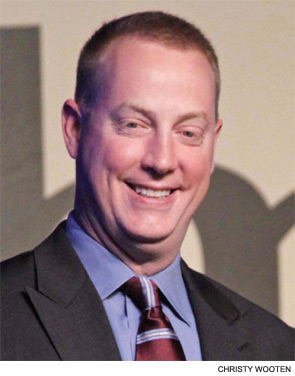
Patrick Conway, MD, MSc, SFHM, a pediatric hospitalist and director of hospital medicine at Cincinnati Children’s Hospital Medical Center, has been appointed chief medical officer of the Centers for Medicare & Medicaid Services (CMS). Dr. Conway’s key responsibilities will be administering federal healthcare quality initiatives and setting the government’s quality agenda in an era of massive changes resulting from the Patient Protection and Accountable Care Act of 2010 (ACA).
Dr. Conway, who previously served as CMO of the Policy Division of the Office of Secretary of Health and Human Services and was a 2007-2008 White House fellow assigned to the Agency for Healthcare Research and Quality (AHRQ), is a leader in safety, quality, and outcomes initiatives at Cincinnati Children’s, and is the immediate past chair of SHM’s Public Policy Committee. He also served on the Federal Coordinating Council for Comparative Effectiveness Research. In his new job, which he started May 9, he is directing CMS’ Office of Clinical Standards and Quality, which coordinates development and implementation of a CMS-wide approach to promoting health quality.
“Patrick Conway’s appointment represents a major milestone for hospitalists and patients alike,” says Larry Wellikson, MD, SFHM, CEO of SHM. “As hospitalists approach the 15th anniversary of the specialty, it is fitting that one of our own takes on the considerable responsibility of caring for millions of Americans through Medicare and Medicaid. Dr. Conway and thousands of other hospitalists have been on the front lines of systematically improving patient care for more than a decade; his sound judgment and compassion as a clinician are now a major national asset.”
Dr. Conway maintains his associate professorship at the University of Cincinnati and will work some weekends seeing patients at Children’s National Medical Center in Washington, D.C. “I love patient care, so I don’t want to stop doing that. Plus, it helps me connect to the front lines of providing medical care,” he says.
“Dr. Conway’s passion for improving healthcare delivery systems, his day-to-day experience as a hospitalist physician, and his accomplishments in quality-improvement research, such as implementing evidence-based healthcare for all children, provide a strong background for his critical role at CMS as chief medical officer,” says Arnold W. Strauss, MD, chair of pediatrics at the University of Cincinnati, where many of the pediatric physicians at Children’s Hospital hold academic appointments. “Dr. Conway and our colleagues at Cincinnati Children’s have demonstrated that improving patient outcomes at lower cost—the goal of healthcare reform—is feasible.”
Dr. Conway’s role at CMS will include major components of surveys, certification, and accreditation issues for hospitals and other Medicare providers; healthcare information technology; and hospital value-based purchasing initiatives (see “Value-Based Purchasing Raises the Stakes,” The Hospitalist, May 2011, p. 1).
But his initial priorities will focus on quality-measures development, illustrated by CMS’ Hospital Compare website (www.hospitalcompare.hhs.gov), and quality improvement. Another major issue involves care transitions and readmissions, “which I try to frame positively—how can we have the most effective care transitions possible?” he says. “SHM and its publications have done a good job of stressing how hospitals and hospitalists can add value.”
Emphasizing his own experience directing an HM department for a health system that admits 7,000 pediatric patients per year, Dr. Conway says other hospitalists can take a similar lead in embracing quality measurement in their hospitals. “I may be working on quality measures for fiscal years 2013 and 2014, but you already know what will be measured in 2012. Don’t wait until September 2012 to get started,” he explains. “Hospitalists can help their institution pose the question: ‘What do we want to get better at in the next year?’ Then you test. Understand your current performance, set a goal, compare benchmarks with other hospitals, and keep working on improvement.”
Over the course of a year, he adds, quality will improve, and then your HM group will have “something to talk about with hospital administrators.”
Married with two children, says his experience at both the macro and micro levels of healthcare will benefit the overall system. “I actually think if we realign incentives, the system can perform better,” he says. “So I see it as an opportunity to perform a public service. But we also need front-line clinicians, including hospitalists, working to improve our healthcare system. … We need frontline providers that are measuring the quality of their care and improving it.” TH
Larry Beresford is a freelance writer based in California.
Patrick Conway, MD, MSc, SFHM, a pediatric hospitalist and director of hospital medicine at Cincinnati Children’s Hospital Medical Center, has been appointed chief medical officer of the Centers for Medicare & Medicaid Services (CMS). Dr. Conway’s key responsibilities will be administering federal healthcare quality initiatives and setting the government’s quality agenda in an era of massive changes resulting from the Patient Protection and Accountable Care Act of 2010 (ACA).
Dr. Conway, who previously served as CMO of the Policy Division of the Office of Secretary of Health and Human Services and was a 2007-2008 White House fellow assigned to the Agency for Healthcare Research and Quality (AHRQ), is a leader in safety, quality, and outcomes initiatives at Cincinnati Children’s, and is the immediate past chair of SHM’s Public Policy Committee. He also served on the Federal Coordinating Council for Comparative Effectiveness Research. In his new job, which he started May 9, he is directing CMS’ Office of Clinical Standards and Quality, which coordinates development and implementation of a CMS-wide approach to promoting health quality.
“Patrick Conway’s appointment represents a major milestone for hospitalists and patients alike,” says Larry Wellikson, MD, SFHM, CEO of SHM. “As hospitalists approach the 15th anniversary of the specialty, it is fitting that one of our own takes on the considerable responsibility of caring for millions of Americans through Medicare and Medicaid. Dr. Conway and thousands of other hospitalists have been on the front lines of systematically improving patient care for more than a decade; his sound judgment and compassion as a clinician are now a major national asset.”
Dr. Conway maintains his associate professorship at the University of Cincinnati and will work some weekends seeing patients at Children’s National Medical Center in Washington, D.C. “I love patient care, so I don’t want to stop doing that. Plus, it helps me connect to the front lines of providing medical care,” he says.
“Dr. Conway’s passion for improving healthcare delivery systems, his day-to-day experience as a hospitalist physician, and his accomplishments in quality-improvement research, such as implementing evidence-based healthcare for all children, provide a strong background for his critical role at CMS as chief medical officer,” says Arnold W. Strauss, MD, chair of pediatrics at the University of Cincinnati, where many of the pediatric physicians at Children’s Hospital hold academic appointments. “Dr. Conway and our colleagues at Cincinnati Children’s have demonstrated that improving patient outcomes at lower cost—the goal of healthcare reform—is feasible.”
Dr. Conway’s role at CMS will include major components of surveys, certification, and accreditation issues for hospitals and other Medicare providers; healthcare information technology; and hospital value-based purchasing initiatives (see “Value-Based Purchasing Raises the Stakes,” The Hospitalist, May 2011, p. 1).
But his initial priorities will focus on quality-measures development, illustrated by CMS’ Hospital Compare website (www.hospitalcompare.hhs.gov), and quality improvement. Another major issue involves care transitions and readmissions, “which I try to frame positively—how can we have the most effective care transitions possible?” he says. “SHM and its publications have done a good job of stressing how hospitals and hospitalists can add value.”
Emphasizing his own experience directing an HM department for a health system that admits 7,000 pediatric patients per year, Dr. Conway says other hospitalists can take a similar lead in embracing quality measurement in their hospitals. “I may be working on quality measures for fiscal years 2013 and 2014, but you already know what will be measured in 2012. Don’t wait until September 2012 to get started,” he explains. “Hospitalists can help their institution pose the question: ‘What do we want to get better at in the next year?’ Then you test. Understand your current performance, set a goal, compare benchmarks with other hospitals, and keep working on improvement.”
Over the course of a year, he adds, quality will improve, and then your HM group will have “something to talk about with hospital administrators.”
Married with two children, says his experience at both the macro and micro levels of healthcare will benefit the overall system. “I actually think if we realign incentives, the system can perform better,” he says. “So I see it as an opportunity to perform a public service. But we also need front-line clinicians, including hospitalists, working to improve our healthcare system. … We need frontline providers that are measuring the quality of their care and improving it.” TH
Larry Beresford is a freelance writer based in California.
Patrick Conway, MD, MSc, SFHM, a pediatric hospitalist and director of hospital medicine at Cincinnati Children’s Hospital Medical Center, has been appointed chief medical officer of the Centers for Medicare & Medicaid Services (CMS). Dr. Conway’s key responsibilities will be administering federal healthcare quality initiatives and setting the government’s quality agenda in an era of massive changes resulting from the Patient Protection and Accountable Care Act of 2010 (ACA).
Dr. Conway, who previously served as CMO of the Policy Division of the Office of Secretary of Health and Human Services and was a 2007-2008 White House fellow assigned to the Agency for Healthcare Research and Quality (AHRQ), is a leader in safety, quality, and outcomes initiatives at Cincinnati Children’s, and is the immediate past chair of SHM’s Public Policy Committee. He also served on the Federal Coordinating Council for Comparative Effectiveness Research. In his new job, which he started May 9, he is directing CMS’ Office of Clinical Standards and Quality, which coordinates development and implementation of a CMS-wide approach to promoting health quality.
“Patrick Conway’s appointment represents a major milestone for hospitalists and patients alike,” says Larry Wellikson, MD, SFHM, CEO of SHM. “As hospitalists approach the 15th anniversary of the specialty, it is fitting that one of our own takes on the considerable responsibility of caring for millions of Americans through Medicare and Medicaid. Dr. Conway and thousands of other hospitalists have been on the front lines of systematically improving patient care for more than a decade; his sound judgment and compassion as a clinician are now a major national asset.”
Dr. Conway maintains his associate professorship at the University of Cincinnati and will work some weekends seeing patients at Children’s National Medical Center in Washington, D.C. “I love patient care, so I don’t want to stop doing that. Plus, it helps me connect to the front lines of providing medical care,” he says.
“Dr. Conway’s passion for improving healthcare delivery systems, his day-to-day experience as a hospitalist physician, and his accomplishments in quality-improvement research, such as implementing evidence-based healthcare for all children, provide a strong background for his critical role at CMS as chief medical officer,” says Arnold W. Strauss, MD, chair of pediatrics at the University of Cincinnati, where many of the pediatric physicians at Children’s Hospital hold academic appointments. “Dr. Conway and our colleagues at Cincinnati Children’s have demonstrated that improving patient outcomes at lower cost—the goal of healthcare reform—is feasible.”
Dr. Conway’s role at CMS will include major components of surveys, certification, and accreditation issues for hospitals and other Medicare providers; healthcare information technology; and hospital value-based purchasing initiatives (see “Value-Based Purchasing Raises the Stakes,” The Hospitalist, May 2011, p. 1).
But his initial priorities will focus on quality-measures development, illustrated by CMS’ Hospital Compare website (www.hospitalcompare.hhs.gov), and quality improvement. Another major issue involves care transitions and readmissions, “which I try to frame positively—how can we have the most effective care transitions possible?” he says. “SHM and its publications have done a good job of stressing how hospitals and hospitalists can add value.”
Emphasizing his own experience directing an HM department for a health system that admits 7,000 pediatric patients per year, Dr. Conway says other hospitalists can take a similar lead in embracing quality measurement in their hospitals. “I may be working on quality measures for fiscal years 2013 and 2014, but you already know what will be measured in 2012. Don’t wait until September 2012 to get started,” he explains. “Hospitalists can help their institution pose the question: ‘What do we want to get better at in the next year?’ Then you test. Understand your current performance, set a goal, compare benchmarks with other hospitals, and keep working on improvement.”
Over the course of a year, he adds, quality will improve, and then your HM group will have “something to talk about with hospital administrators.”
Married with two children, says his experience at both the macro and micro levels of healthcare will benefit the overall system. “I actually think if we realign incentives, the system can perform better,” he says. “So I see it as an opportunity to perform a public service. But we also need front-line clinicians, including hospitalists, working to improve our healthcare system. … We need frontline providers that are measuring the quality of their care and improving it.” TH
Larry Beresford is a freelance writer based in California.
Med Students’ Simple Idea Has Serious Potential
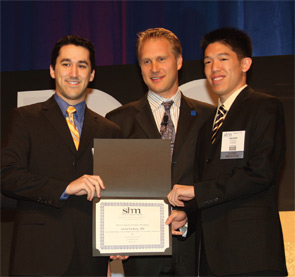
The difficulties in routinely recalling each and every action to take with a patient has encouraged hospitalists to abide by checklists that remind them of just what to do. So why shouldn’t patients have the same systematic prodding? That’s exactly what two first-year students at the University of Michigan Medical School in Ann Arbor—Andrew Lin and Aaron Farberg—thought two years ago, prompting them to invent Dear Doctor.
With the help of senior physicians, including former SHM president Scott Flanders, MD, SFHM, FACP, Lin and Farberg conducted a three-month study that provided bedside notepads to patients. The patients were encouraged to jot down questions for their doctors whenever a question occurred to them, not just when the physician was in the room. The students produced 1,000 notepads, even shrink-wrapping them with companion pens.
The simple yet seemingly effective approach worked so well that “Dear Doctor: A Tool to Facilitate Patient-Centered Care and Enhance Communication” earned the budding physicians the 2010 Innovation Poster award in the Research, Innovations, and Clinical Vignettes competition at HM10.
“This isn’t groundbreaking work here,” Lin says. “It’s a notepad, scraps of paper. Look around your desk and you’ve got sticky notes around. That’s what this is.”
Lin and Farberg both say they were surprised no one had crafted a similar communication tool as a potential quality-improvement (QI) measure. To wit, they are now working on publishing their research in the Journal of Hospital Medicine to further draw attention to the concept. They envision a day when the notes patients write down could be included in electronic medical records.
The ultimate goal is to give hospitalists and other physicians another way to communicate with their patients. “We want to institutionalize [Dear Doctor] to the point it’s a recognized necessity for the hospital system,” Lin says.—RQ
Toolkit Addresses Small-Business Security Concerns
The Healthcare Information and Management Systems Society (HIMSS) has had a privacy and security toolkit for physicians for a decade, but after its last annual security survey with the Medical Group Management Association (MGMA), it became clear that small- to medium-sized organizations were behind in implementation.
And so was born the HIMSS Privacy and Security Toolkit for Small Provider Organizations. The joint initiative is one that HM groups in rural or small settings should take advantage of, says Lisa Gallagher, HIMSS’ senior director of privacy and security.
Hospitalists “need to understand the reporting environment,” Gallagher says. “They are the subject of a lot of the policies and technology. We need them to be knowledgeable about it. They’re the ones who have access.”
HM’s role at the juncture of different departments and physicians, particularly at smaller hospitals that rely on hospitalists as traffic cops, makes it all the more important for hospitalists to understand the nuances of both privacy and security.
The interactive toolkit allows users to submit their own suggestions for improved processes and features introductions to the Centers for Medicare & Medicaid Services’ (CMS) “meaningful use” standard. Gallagher is hopeful that an engaged physician response to the toolkit will only bolster its efficacy in the coming months. “This is going to continue to evolve,” she says.—RQ
QUALITY RESEARCH
Care Transitions, Readmissions Concern Other Countries
International studies suggest that the recent torrent of attention toward improving care transitions and preventing hospital readmissions is not just an American trend. For example, a literature survey of physician “handovers” (aka handoffs) in international hospitals published in the British Medical Journal for Quality and Safety identified 32 papers on the subject.1 The authors conclude that the existing literature rarely examines pre- and post-handover phases or evaluates the quality of handover practices, and thus “does not fully identify where communication failures typically occur.” More systematic analysis of all stages of handoffs by physicians is warranted, the authors suggest.
In the same journal, a literature search of English-language publications from 1990 to 2010 found a dozen studies—eight from the U.S.—documenting failure to perform adequate follow-up for patients’ test results.2 The lack of follow-up ranged from 20% to 62% for hospitalized patients, and from 1% to 75% for patients treated in the ED. Two areas where problems were particularly evident were critical test results and results for patients moving across healthcare settings. “The existing evidence suggests that the problem of missed test results is considerable and reported negative impacts on patients warrant the exploration of solutions,” the authors conclude. They recommend further study of the effectiveness of such interventions as online endorsement of results, and integration of information technology into clinical work practices.
The World Alliance for Patient Safety, which was convened in 2004 by the World Health Organization, recently pointed to poor test result follow-up as one of the major processes contributing to unsafe patient care internationally.1 The organization has identified nine “patient-safety solutions,” one of which is ensuring medication accuracy at transitions of care.
For more information on the alliance and WHO’s interest in patient safety, visit http://www.who.int/topics/patient_safety/en/. —LB
References
- Raduma-Tomás MA, Flin R, Yule S, Williams D. Doctors’ handovers in hospi- tals: a literature review. BMJ Qual Saf. 2011;20:128-133.
- Callen J, Georgiou A, Li J, Westbrook JI. The safety implications of missed test results for hospitalised patients: a systematic review. BMJ Qual Saf. 2011;20:194-199.
The difficulties in routinely recalling each and every action to take with a patient has encouraged hospitalists to abide by checklists that remind them of just what to do. So why shouldn’t patients have the same systematic prodding? That’s exactly what two first-year students at the University of Michigan Medical School in Ann Arbor—Andrew Lin and Aaron Farberg—thought two years ago, prompting them to invent Dear Doctor.
With the help of senior physicians, including former SHM president Scott Flanders, MD, SFHM, FACP, Lin and Farberg conducted a three-month study that provided bedside notepads to patients. The patients were encouraged to jot down questions for their doctors whenever a question occurred to them, not just when the physician was in the room. The students produced 1,000 notepads, even shrink-wrapping them with companion pens.
The simple yet seemingly effective approach worked so well that “Dear Doctor: A Tool to Facilitate Patient-Centered Care and Enhance Communication” earned the budding physicians the 2010 Innovation Poster award in the Research, Innovations, and Clinical Vignettes competition at HM10.
“This isn’t groundbreaking work here,” Lin says. “It’s a notepad, scraps of paper. Look around your desk and you’ve got sticky notes around. That’s what this is.”
Lin and Farberg both say they were surprised no one had crafted a similar communication tool as a potential quality-improvement (QI) measure. To wit, they are now working on publishing their research in the Journal of Hospital Medicine to further draw attention to the concept. They envision a day when the notes patients write down could be included in electronic medical records.
The ultimate goal is to give hospitalists and other physicians another way to communicate with their patients. “We want to institutionalize [Dear Doctor] to the point it’s a recognized necessity for the hospital system,” Lin says.—RQ
Toolkit Addresses Small-Business Security Concerns
The Healthcare Information and Management Systems Society (HIMSS) has had a privacy and security toolkit for physicians for a decade, but after its last annual security survey with the Medical Group Management Association (MGMA), it became clear that small- to medium-sized organizations were behind in implementation.
And so was born the HIMSS Privacy and Security Toolkit for Small Provider Organizations. The joint initiative is one that HM groups in rural or small settings should take advantage of, says Lisa Gallagher, HIMSS’ senior director of privacy and security.
Hospitalists “need to understand the reporting environment,” Gallagher says. “They are the subject of a lot of the policies and technology. We need them to be knowledgeable about it. They’re the ones who have access.”
HM’s role at the juncture of different departments and physicians, particularly at smaller hospitals that rely on hospitalists as traffic cops, makes it all the more important for hospitalists to understand the nuances of both privacy and security.
The interactive toolkit allows users to submit their own suggestions for improved processes and features introductions to the Centers for Medicare & Medicaid Services’ (CMS) “meaningful use” standard. Gallagher is hopeful that an engaged physician response to the toolkit will only bolster its efficacy in the coming months. “This is going to continue to evolve,” she says.—RQ
QUALITY RESEARCH
Care Transitions, Readmissions Concern Other Countries
International studies suggest that the recent torrent of attention toward improving care transitions and preventing hospital readmissions is not just an American trend. For example, a literature survey of physician “handovers” (aka handoffs) in international hospitals published in the British Medical Journal for Quality and Safety identified 32 papers on the subject.1 The authors conclude that the existing literature rarely examines pre- and post-handover phases or evaluates the quality of handover practices, and thus “does not fully identify where communication failures typically occur.” More systematic analysis of all stages of handoffs by physicians is warranted, the authors suggest.
In the same journal, a literature search of English-language publications from 1990 to 2010 found a dozen studies—eight from the U.S.—documenting failure to perform adequate follow-up for patients’ test results.2 The lack of follow-up ranged from 20% to 62% for hospitalized patients, and from 1% to 75% for patients treated in the ED. Two areas where problems were particularly evident were critical test results and results for patients moving across healthcare settings. “The existing evidence suggests that the problem of missed test results is considerable and reported negative impacts on patients warrant the exploration of solutions,” the authors conclude. They recommend further study of the effectiveness of such interventions as online endorsement of results, and integration of information technology into clinical work practices.
The World Alliance for Patient Safety, which was convened in 2004 by the World Health Organization, recently pointed to poor test result follow-up as one of the major processes contributing to unsafe patient care internationally.1 The organization has identified nine “patient-safety solutions,” one of which is ensuring medication accuracy at transitions of care.
For more information on the alliance and WHO’s interest in patient safety, visit http://www.who.int/topics/patient_safety/en/. —LB
References
- Raduma-Tomás MA, Flin R, Yule S, Williams D. Doctors’ handovers in hospi- tals: a literature review. BMJ Qual Saf. 2011;20:128-133.
- Callen J, Georgiou A, Li J, Westbrook JI. The safety implications of missed test results for hospitalised patients: a systematic review. BMJ Qual Saf. 2011;20:194-199.
The difficulties in routinely recalling each and every action to take with a patient has encouraged hospitalists to abide by checklists that remind them of just what to do. So why shouldn’t patients have the same systematic prodding? That’s exactly what two first-year students at the University of Michigan Medical School in Ann Arbor—Andrew Lin and Aaron Farberg—thought two years ago, prompting them to invent Dear Doctor.
With the help of senior physicians, including former SHM president Scott Flanders, MD, SFHM, FACP, Lin and Farberg conducted a three-month study that provided bedside notepads to patients. The patients were encouraged to jot down questions for their doctors whenever a question occurred to them, not just when the physician was in the room. The students produced 1,000 notepads, even shrink-wrapping them with companion pens.
The simple yet seemingly effective approach worked so well that “Dear Doctor: A Tool to Facilitate Patient-Centered Care and Enhance Communication” earned the budding physicians the 2010 Innovation Poster award in the Research, Innovations, and Clinical Vignettes competition at HM10.
“This isn’t groundbreaking work here,” Lin says. “It’s a notepad, scraps of paper. Look around your desk and you’ve got sticky notes around. That’s what this is.”
Lin and Farberg both say they were surprised no one had crafted a similar communication tool as a potential quality-improvement (QI) measure. To wit, they are now working on publishing their research in the Journal of Hospital Medicine to further draw attention to the concept. They envision a day when the notes patients write down could be included in electronic medical records.
The ultimate goal is to give hospitalists and other physicians another way to communicate with their patients. “We want to institutionalize [Dear Doctor] to the point it’s a recognized necessity for the hospital system,” Lin says.—RQ
Toolkit Addresses Small-Business Security Concerns
The Healthcare Information and Management Systems Society (HIMSS) has had a privacy and security toolkit for physicians for a decade, but after its last annual security survey with the Medical Group Management Association (MGMA), it became clear that small- to medium-sized organizations were behind in implementation.
And so was born the HIMSS Privacy and Security Toolkit for Small Provider Organizations. The joint initiative is one that HM groups in rural or small settings should take advantage of, says Lisa Gallagher, HIMSS’ senior director of privacy and security.
Hospitalists “need to understand the reporting environment,” Gallagher says. “They are the subject of a lot of the policies and technology. We need them to be knowledgeable about it. They’re the ones who have access.”
HM’s role at the juncture of different departments and physicians, particularly at smaller hospitals that rely on hospitalists as traffic cops, makes it all the more important for hospitalists to understand the nuances of both privacy and security.
The interactive toolkit allows users to submit their own suggestions for improved processes and features introductions to the Centers for Medicare & Medicaid Services’ (CMS) “meaningful use” standard. Gallagher is hopeful that an engaged physician response to the toolkit will only bolster its efficacy in the coming months. “This is going to continue to evolve,” she says.—RQ
QUALITY RESEARCH
Care Transitions, Readmissions Concern Other Countries
International studies suggest that the recent torrent of attention toward improving care transitions and preventing hospital readmissions is not just an American trend. For example, a literature survey of physician “handovers” (aka handoffs) in international hospitals published in the British Medical Journal for Quality and Safety identified 32 papers on the subject.1 The authors conclude that the existing literature rarely examines pre- and post-handover phases or evaluates the quality of handover practices, and thus “does not fully identify where communication failures typically occur.” More systematic analysis of all stages of handoffs by physicians is warranted, the authors suggest.
In the same journal, a literature search of English-language publications from 1990 to 2010 found a dozen studies—eight from the U.S.—documenting failure to perform adequate follow-up for patients’ test results.2 The lack of follow-up ranged from 20% to 62% for hospitalized patients, and from 1% to 75% for patients treated in the ED. Two areas where problems were particularly evident were critical test results and results for patients moving across healthcare settings. “The existing evidence suggests that the problem of missed test results is considerable and reported negative impacts on patients warrant the exploration of solutions,” the authors conclude. They recommend further study of the effectiveness of such interventions as online endorsement of results, and integration of information technology into clinical work practices.
The World Alliance for Patient Safety, which was convened in 2004 by the World Health Organization, recently pointed to poor test result follow-up as one of the major processes contributing to unsafe patient care internationally.1 The organization has identified nine “patient-safety solutions,” one of which is ensuring medication accuracy at transitions of care.
For more information on the alliance and WHO’s interest in patient safety, visit http://www.who.int/topics/patient_safety/en/. —LB
References
- Raduma-Tomás MA, Flin R, Yule S, Williams D. Doctors’ handovers in hospi- tals: a literature review. BMJ Qual Saf. 2011;20:128-133.
- Callen J, Georgiou A, Li J, Westbrook JI. The safety implications of missed test results for hospitalised patients: a systematic review. BMJ Qual Saf. 2011;20:194-199.
Patient-Safety Professionals Form Society
The National Patient Safety Foundation (NPSF) recently announced the launch of the American Society of Professionals in Patient Safety (ASPPS), a multidisciplinary membership organization designed to elevate patient safety to the level of a unique healthcare discipline. The new group has set as an early priority the development of a cross-disciplinary certification program for patient-safety professionals by 2012.
NPSF was formed in 1997 following a meeting of major health organizations to discuss patient safety, explains president Diane Pinakiewicz, MBA, who also heads ASPPS.
"When we first started, issues of medical errors and patient safety were not as widely recognized," she says.
The translation of error-prevention strategies from other fields (e.g. aviation) into healthcare continues to grow, and today there are more tools and resources to help healthcare professionals. "But they often have a hard time prioritizing it," Pinakiewicz says. "The challenge is to identify where are the biggest levers for the field and the discipline of patient safety."
Increasingly, transitions of care are being recognized as critical to safe and effective patient flow, and NPSF included a focus on preventing readmissions in its promotion of Patient Safety Awareness Week, March 6-12.
More than 300 health professionals have joined ASPPS, about 15% of them physicians, including many chief medical officers and patient safety officers, Pinakiewicz says. Although it is not known how many of these physicians are working hospitalists, "from my perspective, the hospitalist is in an incredibly pivotal seat."
The National Patient Safety Foundation (NPSF) recently announced the launch of the American Society of Professionals in Patient Safety (ASPPS), a multidisciplinary membership organization designed to elevate patient safety to the level of a unique healthcare discipline. The new group has set as an early priority the development of a cross-disciplinary certification program for patient-safety professionals by 2012.
NPSF was formed in 1997 following a meeting of major health organizations to discuss patient safety, explains president Diane Pinakiewicz, MBA, who also heads ASPPS.
"When we first started, issues of medical errors and patient safety were not as widely recognized," she says.
The translation of error-prevention strategies from other fields (e.g. aviation) into healthcare continues to grow, and today there are more tools and resources to help healthcare professionals. "But they often have a hard time prioritizing it," Pinakiewicz says. "The challenge is to identify where are the biggest levers for the field and the discipline of patient safety."
Increasingly, transitions of care are being recognized as critical to safe and effective patient flow, and NPSF included a focus on preventing readmissions in its promotion of Patient Safety Awareness Week, March 6-12.
More than 300 health professionals have joined ASPPS, about 15% of them physicians, including many chief medical officers and patient safety officers, Pinakiewicz says. Although it is not known how many of these physicians are working hospitalists, "from my perspective, the hospitalist is in an incredibly pivotal seat."
The National Patient Safety Foundation (NPSF) recently announced the launch of the American Society of Professionals in Patient Safety (ASPPS), a multidisciplinary membership organization designed to elevate patient safety to the level of a unique healthcare discipline. The new group has set as an early priority the development of a cross-disciplinary certification program for patient-safety professionals by 2012.
NPSF was formed in 1997 following a meeting of major health organizations to discuss patient safety, explains president Diane Pinakiewicz, MBA, who also heads ASPPS.
"When we first started, issues of medical errors and patient safety were not as widely recognized," she says.
The translation of error-prevention strategies from other fields (e.g. aviation) into healthcare continues to grow, and today there are more tools and resources to help healthcare professionals. "But they often have a hard time prioritizing it," Pinakiewicz says. "The challenge is to identify where are the biggest levers for the field and the discipline of patient safety."
Increasingly, transitions of care are being recognized as critical to safe and effective patient flow, and NPSF included a focus on preventing readmissions in its promotion of Patient Safety Awareness Week, March 6-12.
More than 300 health professionals have joined ASPPS, about 15% of them physicians, including many chief medical officers and patient safety officers, Pinakiewicz says. Although it is not known how many of these physicians are working hospitalists, "from my perspective, the hospitalist is in an incredibly pivotal seat."
Pediatric Hospitalist Takes CMS Leadership Position
Patrick Conway, MD, MSc, SFHM, a pediatric hospitalist and director of hospital medicine at Cincinnati Children’s Hospital Medical Center, has been appointed chief medical officer of the Centers for Medicare & Medicaid Services (CMS). Dr. Conway’s key responsibilities will be administering federal healthcare quality initiatives and setting the government’s quality agenda.

— Patrick Conway, MD, MSc, SFHM, chief medical officer, Centers for Medicare & Medicaid Services
Dr. Conway, who previously served as CMO of the Policy Division of the Office of Secretary of Health and Human Services and was a 2007-2008 White House fellow assigned to the Agency for Healthcare Research and Quality (AHRQ), is a leader in safety, quality, and outcomes initiatives at Cincinnati Children’s, holds a voluntary faculty appointment at the University of Cincinnati, and is chair of SHM’s Public Policy Committee. In his new job, starting May 9, he will direct CMS’ Office of Clinical Standards and Quality.
“Dr. Conway’s passion for improving healthcare delivery systems, his day-to-day experience as a hospitalist physician, and his accomplishments in quality-improvement research, such as implementing evidence-based healthcare for all children, provide a strong background for his critical role at CMS as chief medical officer,” says colleague Arnold W. Strauss, MD, chair of pediatrics at the University of Cincinnati. “Dr. Conway and our colleagues at Cincinnati Children’s have demonstrated that improving patient outcomes at lower cost—the goal of healthcare reform—is feasible.”
At Cincinnati Children’s, Dr. Conway is an associate professor, associate vice president of outcomes performance, and director of Rapid Evidence Adoption in the James M. Anderson Center. He will give up these roles and his SHM committee chair to assume the federal position. He will maintain his position at the University of Cincinnati and will work some weekends seeing patients at Children’s National Medical Center in Washington, D.C. “I love patient care, so I don’t want to stop doing that. Plus, it helps me connect to the front lines of providing medical care,” Dr. Conway says.
Larry Wellikson, MD, SFHM, CEO of SHM, calls Dr. Conway a leader in the society and the field of HM. “Having Pat as the new CMO of CMS just further confirms the importance of hospital medicine to being central to the changes in our health system at a national level,” he says.
Dr. Conway’s role at CMS will include major components of surveys, certification, and accreditation issues for hospitals and other Medicare providers; healthcare information technology; and hospital value-based purchasing initiatives. But his initial priorities will focus on quality-measures development, illustrated by CMS’ Hospital Compare website, and quality improvement. Another major issue involves care transitions and readmissions, “which I try to frame positively—how can we have the most effective care transitions possible?” he says. “SHM and its publications have done a good job of stressing how hospitals and hospitalists can add value.”
Married with two children, Dr. Conway says he was not looking to move back inside the Beltway, even though he believes his experience at both the macro and micro levels of healthcare will benefit the overall system. “I actually think if we realign incentives, the system can perform better,” he says. “So I see it as an opportunity to perform a public service. But we also need front-line clinicians, including hospitalists, working to improve our healthcare system. … We need frontline providers that are measuring the quality of their care and improving it.”
Larry Beresford is a freelance writer based in California.
Patrick Conway, MD, MSc, SFHM, a pediatric hospitalist and director of hospital medicine at Cincinnati Children’s Hospital Medical Center, has been appointed chief medical officer of the Centers for Medicare & Medicaid Services (CMS). Dr. Conway’s key responsibilities will be administering federal healthcare quality initiatives and setting the government’s quality agenda.
— Patrick Conway, MD, MSc, SFHM, chief medical officer, Centers for Medicare & Medicaid Services
Dr. Conway, who previously served as CMO of the Policy Division of the Office of Secretary of Health and Human Services and was a 2007-2008 White House fellow assigned to the Agency for Healthcare Research and Quality (AHRQ), is a leader in safety, quality, and outcomes initiatives at Cincinnati Children’s, holds a voluntary faculty appointment at the University of Cincinnati, and is chair of SHM’s Public Policy Committee. In his new job, starting May 9, he will direct CMS’ Office of Clinical Standards and Quality.
“Dr. Conway’s passion for improving healthcare delivery systems, his day-to-day experience as a hospitalist physician, and his accomplishments in quality-improvement research, such as implementing evidence-based healthcare for all children, provide a strong background for his critical role at CMS as chief medical officer,” says colleague Arnold W. Strauss, MD, chair of pediatrics at the University of Cincinnati. “Dr. Conway and our colleagues at Cincinnati Children’s have demonstrated that improving patient outcomes at lower cost—the goal of healthcare reform—is feasible.”
At Cincinnati Children’s, Dr. Conway is an associate professor, associate vice president of outcomes performance, and director of Rapid Evidence Adoption in the James M. Anderson Center. He will give up these roles and his SHM committee chair to assume the federal position. He will maintain his position at the University of Cincinnati and will work some weekends seeing patients at Children’s National Medical Center in Washington, D.C. “I love patient care, so I don’t want to stop doing that. Plus, it helps me connect to the front lines of providing medical care,” Dr. Conway says.
Larry Wellikson, MD, SFHM, CEO of SHM, calls Dr. Conway a leader in the society and the field of HM. “Having Pat as the new CMO of CMS just further confirms the importance of hospital medicine to being central to the changes in our health system at a national level,” he says.
Dr. Conway’s role at CMS will include major components of surveys, certification, and accreditation issues for hospitals and other Medicare providers; healthcare information technology; and hospital value-based purchasing initiatives. But his initial priorities will focus on quality-measures development, illustrated by CMS’ Hospital Compare website, and quality improvement. Another major issue involves care transitions and readmissions, “which I try to frame positively—how can we have the most effective care transitions possible?” he says. “SHM and its publications have done a good job of stressing how hospitals and hospitalists can add value.”
Married with two children, Dr. Conway says he was not looking to move back inside the Beltway, even though he believes his experience at both the macro and micro levels of healthcare will benefit the overall system. “I actually think if we realign incentives, the system can perform better,” he says. “So I see it as an opportunity to perform a public service. But we also need front-line clinicians, including hospitalists, working to improve our healthcare system. … We need frontline providers that are measuring the quality of their care and improving it.”
Larry Beresford is a freelance writer based in California.
Patrick Conway, MD, MSc, SFHM, a pediatric hospitalist and director of hospital medicine at Cincinnati Children’s Hospital Medical Center, has been appointed chief medical officer of the Centers for Medicare & Medicaid Services (CMS). Dr. Conway’s key responsibilities will be administering federal healthcare quality initiatives and setting the government’s quality agenda.
— Patrick Conway, MD, MSc, SFHM, chief medical officer, Centers for Medicare & Medicaid Services
Dr. Conway, who previously served as CMO of the Policy Division of the Office of Secretary of Health and Human Services and was a 2007-2008 White House fellow assigned to the Agency for Healthcare Research and Quality (AHRQ), is a leader in safety, quality, and outcomes initiatives at Cincinnati Children’s, holds a voluntary faculty appointment at the University of Cincinnati, and is chair of SHM’s Public Policy Committee. In his new job, starting May 9, he will direct CMS’ Office of Clinical Standards and Quality.
“Dr. Conway’s passion for improving healthcare delivery systems, his day-to-day experience as a hospitalist physician, and his accomplishments in quality-improvement research, such as implementing evidence-based healthcare for all children, provide a strong background for his critical role at CMS as chief medical officer,” says colleague Arnold W. Strauss, MD, chair of pediatrics at the University of Cincinnati. “Dr. Conway and our colleagues at Cincinnati Children’s have demonstrated that improving patient outcomes at lower cost—the goal of healthcare reform—is feasible.”
At Cincinnati Children’s, Dr. Conway is an associate professor, associate vice president of outcomes performance, and director of Rapid Evidence Adoption in the James M. Anderson Center. He will give up these roles and his SHM committee chair to assume the federal position. He will maintain his position at the University of Cincinnati and will work some weekends seeing patients at Children’s National Medical Center in Washington, D.C. “I love patient care, so I don’t want to stop doing that. Plus, it helps me connect to the front lines of providing medical care,” Dr. Conway says.
Larry Wellikson, MD, SFHM, CEO of SHM, calls Dr. Conway a leader in the society and the field of HM. “Having Pat as the new CMO of CMS just further confirms the importance of hospital medicine to being central to the changes in our health system at a national level,” he says.
Dr. Conway’s role at CMS will include major components of surveys, certification, and accreditation issues for hospitals and other Medicare providers; healthcare information technology; and hospital value-based purchasing initiatives. But his initial priorities will focus on quality-measures development, illustrated by CMS’ Hospital Compare website, and quality improvement. Another major issue involves care transitions and readmissions, “which I try to frame positively—how can we have the most effective care transitions possible?” he says. “SHM and its publications have done a good job of stressing how hospitals and hospitalists can add value.”
Married with two children, Dr. Conway says he was not looking to move back inside the Beltway, even though he believes his experience at both the macro and micro levels of healthcare will benefit the overall system. “I actually think if we realign incentives, the system can perform better,” he says. “So I see it as an opportunity to perform a public service. But we also need front-line clinicians, including hospitalists, working to improve our healthcare system. … We need frontline providers that are measuring the quality of their care and improving it.”
Larry Beresford is a freelance writer based in California.
Millions Available to Transitions-Focused Hospitalists
CMS clearly has care transitions on its radar, having made $500 million in grant opportunities available to help hospitals, their hospitalists, and community partners work collaboratively to improve transitions and prevent rehospitalizations, observes hospitalist Matthew Schreiber, MD, chief medical officer of Piedmont Hospital in Atlanta.
"But for me, there is little question that today's carrot will turn into tomorrow's stick, so now is the time to get this right," Dr. Schreiber says.
Piedmont was one of six initial sites for SHM's Project BOOST care transitions initiative, and the hospital also participated with a coalition of Atlanta-area community providers that served as one of 14 test sites for the Community-Based Care Transitions Program (CCTP) federal demonstration project. Based on the success of those demos, $500 million in funds were earmarked for CCTP through the Affordable Care Act to support care-transitions projects by community-based organizations partnering with hospitals and by eligible hospitals with community-based partners.
CCTP and its $500 million recently were rolled into a five-year, $1 billion federal reform initiative called Partnership for Patients, which was announced last month by Health and Human Services Secretary Kathleen Sebelius. Its goals are to save 63,000 lives and $35 billion in healthcare costs by reducing preventable hospital-associated injuries by 40% and reducing overall hospital readmissions by 20%, both targets to be achieved by the end of 2013.
In announcing the national Partnership for Patients, CMS administrator Donald Berwick, MD, pledged to "focus first on a set of well-established, evidence-based interventions.” Such interventions, which explicitly include Project BOOST and Boston University's Project RED (Re-Engineered Discharge), will be given preference in CCTP applications. That means hospitals that already are Project BOOST sites or participating in one of the other recognized care-transitions programs and collaborating with other health providers in their communities to enhance the care patients receive following hospital discharge will have a big leg up in qualifying for CCTP funding.
Hospitalists can't obtain these grants by themselves but can be major collaborators in the care-transitions coalitions that can. Long-awaited CCTP application criteria were made available last month.
CMS clearly has care transitions on its radar, having made $500 million in grant opportunities available to help hospitals, their hospitalists, and community partners work collaboratively to improve transitions and prevent rehospitalizations, observes hospitalist Matthew Schreiber, MD, chief medical officer of Piedmont Hospital in Atlanta.
"But for me, there is little question that today's carrot will turn into tomorrow's stick, so now is the time to get this right," Dr. Schreiber says.
Piedmont was one of six initial sites for SHM's Project BOOST care transitions initiative, and the hospital also participated with a coalition of Atlanta-area community providers that served as one of 14 test sites for the Community-Based Care Transitions Program (CCTP) federal demonstration project. Based on the success of those demos, $500 million in funds were earmarked for CCTP through the Affordable Care Act to support care-transitions projects by community-based organizations partnering with hospitals and by eligible hospitals with community-based partners.
CCTP and its $500 million recently were rolled into a five-year, $1 billion federal reform initiative called Partnership for Patients, which was announced last month by Health and Human Services Secretary Kathleen Sebelius. Its goals are to save 63,000 lives and $35 billion in healthcare costs by reducing preventable hospital-associated injuries by 40% and reducing overall hospital readmissions by 20%, both targets to be achieved by the end of 2013.
In announcing the national Partnership for Patients, CMS administrator Donald Berwick, MD, pledged to "focus first on a set of well-established, evidence-based interventions.” Such interventions, which explicitly include Project BOOST and Boston University's Project RED (Re-Engineered Discharge), will be given preference in CCTP applications. That means hospitals that already are Project BOOST sites or participating in one of the other recognized care-transitions programs and collaborating with other health providers in their communities to enhance the care patients receive following hospital discharge will have a big leg up in qualifying for CCTP funding.
Hospitalists can't obtain these grants by themselves but can be major collaborators in the care-transitions coalitions that can. Long-awaited CCTP application criteria were made available last month.
CMS clearly has care transitions on its radar, having made $500 million in grant opportunities available to help hospitals, their hospitalists, and community partners work collaboratively to improve transitions and prevent rehospitalizations, observes hospitalist Matthew Schreiber, MD, chief medical officer of Piedmont Hospital in Atlanta.
"But for me, there is little question that today's carrot will turn into tomorrow's stick, so now is the time to get this right," Dr. Schreiber says.
Piedmont was one of six initial sites for SHM's Project BOOST care transitions initiative, and the hospital also participated with a coalition of Atlanta-area community providers that served as one of 14 test sites for the Community-Based Care Transitions Program (CCTP) federal demonstration project. Based on the success of those demos, $500 million in funds were earmarked for CCTP through the Affordable Care Act to support care-transitions projects by community-based organizations partnering with hospitals and by eligible hospitals with community-based partners.
CCTP and its $500 million recently were rolled into a five-year, $1 billion federal reform initiative called Partnership for Patients, which was announced last month by Health and Human Services Secretary Kathleen Sebelius. Its goals are to save 63,000 lives and $35 billion in healthcare costs by reducing preventable hospital-associated injuries by 40% and reducing overall hospital readmissions by 20%, both targets to be achieved by the end of 2013.
In announcing the national Partnership for Patients, CMS administrator Donald Berwick, MD, pledged to "focus first on a set of well-established, evidence-based interventions.” Such interventions, which explicitly include Project BOOST and Boston University's Project RED (Re-Engineered Discharge), will be given preference in CCTP applications. That means hospitals that already are Project BOOST sites or participating in one of the other recognized care-transitions programs and collaborating with other health providers in their communities to enhance the care patients receive following hospital discharge will have a big leg up in qualifying for CCTP funding.
Hospitalists can't obtain these grants by themselves but can be major collaborators in the care-transitions coalitions that can. Long-awaited CCTP application criteria were made available last month.
NEW DEPARTMENT: Innovations
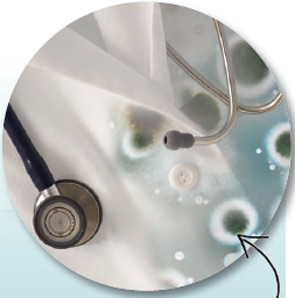
No one becomes a doctor to make a fashion statement, but a new study (http://onlinelibrary.wiley.com/doi/10.1002/jhm.864/abstract) in the Journal of Hospital Medicine reports that the choice between long-sleeved white coats and freshly laundered scrubs might be a question of taste, not safety.
The report, “Newly Cleaned Physician Uniforms and Infrequently Washed White Coats Have Similar Rates of Bacterial Contamination After an 8-Hour Workday: A Randomized Controlled Trial,” found no statistically significant differences in bacterial or methicillin-resistant Staphylococcus aureus (MRSA) contamination of physicians’ white coats compared with scrubs or in contamination of the skin at the wrists of physicians wearing either garment.
In an email interview, Marisha Burden, MD, interim chief of hospital medicine at the Denver Health and Hospital Authority, says that the topic area came up during a review of research regarding MRSA and infection-control policies. Dr. Burden found references to the so-called “bare below the elbows” policy in the United Kingdom, a reference to 2007 rules from the British Department of Health banning long-sleeved coats in an attempt to stop nosocomial bacterial transmission.
“This policy was interesting to us secondary to the fact that there was no literature to support the measures being implemented,” Dr. Burden says. “ … Our data show that bacterial contamination of work clothes occurs within hours of putting them on, as well that at the end of an eight-hour workday, there is no difference in bacterial or MRSA contamination of either dress.”
Dr. Burden says the data do not support discarding white coats for uniforms that are changed on a daily basis, or for “requiring healthcare workers to avoid long-sleeved garments.” She also says that white coats have traditional lures as well as practical ones: Most of the physicians who declined to participate in the study did so because they refused to work without the pockets that came with their lab coats.
“I think we also have to consider the professional image that our physicians portray,” she adds. “Our patients expect their physicians to appear professional with clean, white coats.”—RQ
Technology
App Allows CT, MRI, PET Diagnoses Via iPhone, iPad
What can a hospitalist do the next time someone in the group has no immediate access to a work station but needs to make a medical diagnoses based on computed tomography (CT), magnetic resonance imaging (MRI), or positron emission tomography (PET)?
Grab the nearest iPhone.
The FDA recently approved an application from MIM Software Inc. of Cleveland to let doctors review medical images on the iPhone and iPad via a secure network transfer. The application, Mobile MIM, is the first with the FDA’s imprimatur. It allows hospitalists and other physicians to measure distance on the image and image intensity values and display measurement lines, annotations, and regions of interest, according to the FDA.
“Think of how cell phones were perceived a few decades ago; many dismissed ‘anytime access’ as not necessary,” MIM chief technology officer Mark Cain says in an email. “Yet now we know myriad of cases where the cell phone has proven immensely valuable. The same can be said of diagnostic medical image access. How many ways can this improve healthcare? More ways than I can predict.”—RQ
Quality Research
Research Confirms Benefits of ICU Safety Checklists
The value of checklists containing evidence-supported QI interventions to improve ICU outcomes, pioneered at Johns Hopkins in Baltimore, has been confirmed by several recent studies. The Keystone ICU Project, which sought to replicate the Hopkins experience in hospitals across Michigan, succeeded in nearly eliminating bloodstream infections and reducing mortality.1
Based on Medicare claims from 95 study hospitals and comparison data from 11 surrounding states, patients in hospitals using the checklist were significantly more likely to survive a hospital stay. The project was not, however, sufficiently powered to show a significant difference in length of stay.
A second Keystone Project study showed that five simple therapies aimed at lessening the time spent on ventilators, including elevating the head of the bed 30 degrees, giving anticoagulants, and lessening sedation, combined with education and a hospital culture supporting patient safety, reduced cases of ventilator-associated pneumonia by more than 70%.2
A comprehensive, video-conference-based intervention to support implementing six evidence-based quality practices in 15 community hospital ICUs in Canada improved the adoption of these practices. Expert-led forums and educational sessions promoted the sequential dissemination of treatment algorhythms, with a new practice targeted every four months.3—LB
References
- Lipitz-Snyderman A, Steinwachs D, Needham DM, Colantuoni E, Morlock LL, Pronovost PJ. Impact of a statewide intensive care unit quality improvement initiative on hospital mortality and length of stay: retrospective comparative analysis. BMJ. 2011;342:d219.
- Berenholtz SM, Pham JC, Thompson DA, Needhamm et al. Collaborative cohort study of an intervention to reduce ventilator-associated pneumonia in the intensive care unit. Infect Control Hosp Epidemiol. 2011;(4):305-314.
- Scales DC, Dainty K, Hales B. A multifaceted intervention for quality improvement in a network of intensive care units: a cluster randomized trial. JAMA. 2011;305:363-372.
HM-Based Quality Research
Homeless Respite Helps Avoid Rehospitalizations
Some readmissions come about because things fall apart when patients are discharged with a follow-up plan that is not realistic to their circumstances. This is especially true for homeless patients, says Audrey Kuang, MD, a hospitalist at Santa Clara Valley Medical Center (SCVMC) in San Jose, Calif., and medical director of the Santa Clara County Medical Respite Program, a shelter for homeless patients following discharge from seven San Jose area hospitals.
Dr. Kuang described the collaborative program in a plenary presentation for the Research, Innovations, and Clinical Vignettes competition at HM10.
SCVMC is a county safety net hospital, and Dr. Kuang says the hospitalists “see a fair amount of homeless patients with recurrent exacerbations.” Patients given prescriptions for medications they can’t afford, special diets, or instructions for bed rest are then discharged to the street; inevitably, they are readmitted.
Dr. Kuang began tracking patients who had prolonged hospital stays because of homelessness or unsafe social situations. Her presentation to administrators led to participating hospitals contributing $25,000 each to launch the program with a multidisciplinary team, which included Dr. Kuang.
In its first year, 200 referrals were made to the respite program; 60% were accepted. The most common diagnoses were foot fractures, foot infections, and cancer. Quantified clinical outcomes are still being compiled, Dr. Kuang said, although the participating hospitals have reported decreased rehospitalizations and bed days—results documented in other studies of respite programs.1
“The main idea is post-acute medical care and support for homeless patients in need,” she explained. “Hospitalists may feel this is beyond our scope of practice, but it is our responsibility to know what’s going on out there.”—LB
Reference
- Buchanan D, Doblin B, Sai T, Garcia P. The effects of respite care for homeless patients: a cohort study. Am J Public Health. 2006;96:1278-1281.
By The Numbers
$44,000, $46,659, $120,000: EHR Implementation Costs Higher than Medicare Reimbursement
A new study in Health Affairs on the first-year costs of implementing electronic health records (EHR) in a 450-physician North Texas primary-care network doesn’t translate directly to HM, but figures showing that the installation cost is more for an average five-physician practice than Medicare is offering in incentive pay might serve as a warning sign for HM groups looking to build EHR into their practice:
- EHR incentive payments from Medicare over five years: $44,000;
- EHR implementation cost per doctor after first year: $46,659;
- EHR adoption costs per physician, estimated: $120,000.—RQ TH
No one becomes a doctor to make a fashion statement, but a new study (http://onlinelibrary.wiley.com/doi/10.1002/jhm.864/abstract) in the Journal of Hospital Medicine reports that the choice between long-sleeved white coats and freshly laundered scrubs might be a question of taste, not safety.
The report, “Newly Cleaned Physician Uniforms and Infrequently Washed White Coats Have Similar Rates of Bacterial Contamination After an 8-Hour Workday: A Randomized Controlled Trial,” found no statistically significant differences in bacterial or methicillin-resistant Staphylococcus aureus (MRSA) contamination of physicians’ white coats compared with scrubs or in contamination of the skin at the wrists of physicians wearing either garment.
In an email interview, Marisha Burden, MD, interim chief of hospital medicine at the Denver Health and Hospital Authority, says that the topic area came up during a review of research regarding MRSA and infection-control policies. Dr. Burden found references to the so-called “bare below the elbows” policy in the United Kingdom, a reference to 2007 rules from the British Department of Health banning long-sleeved coats in an attempt to stop nosocomial bacterial transmission.
“This policy was interesting to us secondary to the fact that there was no literature to support the measures being implemented,” Dr. Burden says. “ … Our data show that bacterial contamination of work clothes occurs within hours of putting them on, as well that at the end of an eight-hour workday, there is no difference in bacterial or MRSA contamination of either dress.”
Dr. Burden says the data do not support discarding white coats for uniforms that are changed on a daily basis, or for “requiring healthcare workers to avoid long-sleeved garments.” She also says that white coats have traditional lures as well as practical ones: Most of the physicians who declined to participate in the study did so because they refused to work without the pockets that came with their lab coats.
“I think we also have to consider the professional image that our physicians portray,” she adds. “Our patients expect their physicians to appear professional with clean, white coats.”—RQ
Technology
App Allows CT, MRI, PET Diagnoses Via iPhone, iPad
What can a hospitalist do the next time someone in the group has no immediate access to a work station but needs to make a medical diagnoses based on computed tomography (CT), magnetic resonance imaging (MRI), or positron emission tomography (PET)?
Grab the nearest iPhone.
The FDA recently approved an application from MIM Software Inc. of Cleveland to let doctors review medical images on the iPhone and iPad via a secure network transfer. The application, Mobile MIM, is the first with the FDA’s imprimatur. It allows hospitalists and other physicians to measure distance on the image and image intensity values and display measurement lines, annotations, and regions of interest, according to the FDA.
“Think of how cell phones were perceived a few decades ago; many dismissed ‘anytime access’ as not necessary,” MIM chief technology officer Mark Cain says in an email. “Yet now we know myriad of cases where the cell phone has proven immensely valuable. The same can be said of diagnostic medical image access. How many ways can this improve healthcare? More ways than I can predict.”—RQ
Quality Research
Research Confirms Benefits of ICU Safety Checklists
The value of checklists containing evidence-supported QI interventions to improve ICU outcomes, pioneered at Johns Hopkins in Baltimore, has been confirmed by several recent studies. The Keystone ICU Project, which sought to replicate the Hopkins experience in hospitals across Michigan, succeeded in nearly eliminating bloodstream infections and reducing mortality.1
Based on Medicare claims from 95 study hospitals and comparison data from 11 surrounding states, patients in hospitals using the checklist were significantly more likely to survive a hospital stay. The project was not, however, sufficiently powered to show a significant difference in length of stay.
A second Keystone Project study showed that five simple therapies aimed at lessening the time spent on ventilators, including elevating the head of the bed 30 degrees, giving anticoagulants, and lessening sedation, combined with education and a hospital culture supporting patient safety, reduced cases of ventilator-associated pneumonia by more than 70%.2
A comprehensive, video-conference-based intervention to support implementing six evidence-based quality practices in 15 community hospital ICUs in Canada improved the adoption of these practices. Expert-led forums and educational sessions promoted the sequential dissemination of treatment algorhythms, with a new practice targeted every four months.3—LB
References
- Lipitz-Snyderman A, Steinwachs D, Needham DM, Colantuoni E, Morlock LL, Pronovost PJ. Impact of a statewide intensive care unit quality improvement initiative on hospital mortality and length of stay: retrospective comparative analysis. BMJ. 2011;342:d219.
- Berenholtz SM, Pham JC, Thompson DA, Needhamm et al. Collaborative cohort study of an intervention to reduce ventilator-associated pneumonia in the intensive care unit. Infect Control Hosp Epidemiol. 2011;(4):305-314.
- Scales DC, Dainty K, Hales B. A multifaceted intervention for quality improvement in a network of intensive care units: a cluster randomized trial. JAMA. 2011;305:363-372.
HM-Based Quality Research
Homeless Respite Helps Avoid Rehospitalizations
Some readmissions come about because things fall apart when patients are discharged with a follow-up plan that is not realistic to their circumstances. This is especially true for homeless patients, says Audrey Kuang, MD, a hospitalist at Santa Clara Valley Medical Center (SCVMC) in San Jose, Calif., and medical director of the Santa Clara County Medical Respite Program, a shelter for homeless patients following discharge from seven San Jose area hospitals.
Dr. Kuang described the collaborative program in a plenary presentation for the Research, Innovations, and Clinical Vignettes competition at HM10.
SCVMC is a county safety net hospital, and Dr. Kuang says the hospitalists “see a fair amount of homeless patients with recurrent exacerbations.” Patients given prescriptions for medications they can’t afford, special diets, or instructions for bed rest are then discharged to the street; inevitably, they are readmitted.
Dr. Kuang began tracking patients who had prolonged hospital stays because of homelessness or unsafe social situations. Her presentation to administrators led to participating hospitals contributing $25,000 each to launch the program with a multidisciplinary team, which included Dr. Kuang.
In its first year, 200 referrals were made to the respite program; 60% were accepted. The most common diagnoses were foot fractures, foot infections, and cancer. Quantified clinical outcomes are still being compiled, Dr. Kuang said, although the participating hospitals have reported decreased rehospitalizations and bed days—results documented in other studies of respite programs.1
“The main idea is post-acute medical care and support for homeless patients in need,” she explained. “Hospitalists may feel this is beyond our scope of practice, but it is our responsibility to know what’s going on out there.”—LB
Reference
- Buchanan D, Doblin B, Sai T, Garcia P. The effects of respite care for homeless patients: a cohort study. Am J Public Health. 2006;96:1278-1281.
By The Numbers
$44,000, $46,659, $120,000: EHR Implementation Costs Higher than Medicare Reimbursement
A new study in Health Affairs on the first-year costs of implementing electronic health records (EHR) in a 450-physician North Texas primary-care network doesn’t translate directly to HM, but figures showing that the installation cost is more for an average five-physician practice than Medicare is offering in incentive pay might serve as a warning sign for HM groups looking to build EHR into their practice:
- EHR incentive payments from Medicare over five years: $44,000;
- EHR implementation cost per doctor after first year: $46,659;
- EHR adoption costs per physician, estimated: $120,000.—RQ TH
No one becomes a doctor to make a fashion statement, but a new study (http://onlinelibrary.wiley.com/doi/10.1002/jhm.864/abstract) in the Journal of Hospital Medicine reports that the choice between long-sleeved white coats and freshly laundered scrubs might be a question of taste, not safety.
The report, “Newly Cleaned Physician Uniforms and Infrequently Washed White Coats Have Similar Rates of Bacterial Contamination After an 8-Hour Workday: A Randomized Controlled Trial,” found no statistically significant differences in bacterial or methicillin-resistant Staphylococcus aureus (MRSA) contamination of physicians’ white coats compared with scrubs or in contamination of the skin at the wrists of physicians wearing either garment.
In an email interview, Marisha Burden, MD, interim chief of hospital medicine at the Denver Health and Hospital Authority, says that the topic area came up during a review of research regarding MRSA and infection-control policies. Dr. Burden found references to the so-called “bare below the elbows” policy in the United Kingdom, a reference to 2007 rules from the British Department of Health banning long-sleeved coats in an attempt to stop nosocomial bacterial transmission.
“This policy was interesting to us secondary to the fact that there was no literature to support the measures being implemented,” Dr. Burden says. “ … Our data show that bacterial contamination of work clothes occurs within hours of putting them on, as well that at the end of an eight-hour workday, there is no difference in bacterial or MRSA contamination of either dress.”
Dr. Burden says the data do not support discarding white coats for uniforms that are changed on a daily basis, or for “requiring healthcare workers to avoid long-sleeved garments.” She also says that white coats have traditional lures as well as practical ones: Most of the physicians who declined to participate in the study did so because they refused to work without the pockets that came with their lab coats.
“I think we also have to consider the professional image that our physicians portray,” she adds. “Our patients expect their physicians to appear professional with clean, white coats.”—RQ
Technology
App Allows CT, MRI, PET Diagnoses Via iPhone, iPad
What can a hospitalist do the next time someone in the group has no immediate access to a work station but needs to make a medical diagnoses based on computed tomography (CT), magnetic resonance imaging (MRI), or positron emission tomography (PET)?
Grab the nearest iPhone.
The FDA recently approved an application from MIM Software Inc. of Cleveland to let doctors review medical images on the iPhone and iPad via a secure network transfer. The application, Mobile MIM, is the first with the FDA’s imprimatur. It allows hospitalists and other physicians to measure distance on the image and image intensity values and display measurement lines, annotations, and regions of interest, according to the FDA.
“Think of how cell phones were perceived a few decades ago; many dismissed ‘anytime access’ as not necessary,” MIM chief technology officer Mark Cain says in an email. “Yet now we know myriad of cases where the cell phone has proven immensely valuable. The same can be said of diagnostic medical image access. How many ways can this improve healthcare? More ways than I can predict.”—RQ
Quality Research
Research Confirms Benefits of ICU Safety Checklists
The value of checklists containing evidence-supported QI interventions to improve ICU outcomes, pioneered at Johns Hopkins in Baltimore, has been confirmed by several recent studies. The Keystone ICU Project, which sought to replicate the Hopkins experience in hospitals across Michigan, succeeded in nearly eliminating bloodstream infections and reducing mortality.1
Based on Medicare claims from 95 study hospitals and comparison data from 11 surrounding states, patients in hospitals using the checklist were significantly more likely to survive a hospital stay. The project was not, however, sufficiently powered to show a significant difference in length of stay.
A second Keystone Project study showed that five simple therapies aimed at lessening the time spent on ventilators, including elevating the head of the bed 30 degrees, giving anticoagulants, and lessening sedation, combined with education and a hospital culture supporting patient safety, reduced cases of ventilator-associated pneumonia by more than 70%.2
A comprehensive, video-conference-based intervention to support implementing six evidence-based quality practices in 15 community hospital ICUs in Canada improved the adoption of these practices. Expert-led forums and educational sessions promoted the sequential dissemination of treatment algorhythms, with a new practice targeted every four months.3—LB
References
- Lipitz-Snyderman A, Steinwachs D, Needham DM, Colantuoni E, Morlock LL, Pronovost PJ. Impact of a statewide intensive care unit quality improvement initiative on hospital mortality and length of stay: retrospective comparative analysis. BMJ. 2011;342:d219.
- Berenholtz SM, Pham JC, Thompson DA, Needhamm et al. Collaborative cohort study of an intervention to reduce ventilator-associated pneumonia in the intensive care unit. Infect Control Hosp Epidemiol. 2011;(4):305-314.
- Scales DC, Dainty K, Hales B. A multifaceted intervention for quality improvement in a network of intensive care units: a cluster randomized trial. JAMA. 2011;305:363-372.
HM-Based Quality Research
Homeless Respite Helps Avoid Rehospitalizations
Some readmissions come about because things fall apart when patients are discharged with a follow-up plan that is not realistic to their circumstances. This is especially true for homeless patients, says Audrey Kuang, MD, a hospitalist at Santa Clara Valley Medical Center (SCVMC) in San Jose, Calif., and medical director of the Santa Clara County Medical Respite Program, a shelter for homeless patients following discharge from seven San Jose area hospitals.
Dr. Kuang described the collaborative program in a plenary presentation for the Research, Innovations, and Clinical Vignettes competition at HM10.
SCVMC is a county safety net hospital, and Dr. Kuang says the hospitalists “see a fair amount of homeless patients with recurrent exacerbations.” Patients given prescriptions for medications they can’t afford, special diets, or instructions for bed rest are then discharged to the street; inevitably, they are readmitted.
Dr. Kuang began tracking patients who had prolonged hospital stays because of homelessness or unsafe social situations. Her presentation to administrators led to participating hospitals contributing $25,000 each to launch the program with a multidisciplinary team, which included Dr. Kuang.
In its first year, 200 referrals were made to the respite program; 60% were accepted. The most common diagnoses were foot fractures, foot infections, and cancer. Quantified clinical outcomes are still being compiled, Dr. Kuang said, although the participating hospitals have reported decreased rehospitalizations and bed days—results documented in other studies of respite programs.1
“The main idea is post-acute medical care and support for homeless patients in need,” she explained. “Hospitalists may feel this is beyond our scope of practice, but it is our responsibility to know what’s going on out there.”—LB
Reference
- Buchanan D, Doblin B, Sai T, Garcia P. The effects of respite care for homeless patients: a cohort study. Am J Public Health. 2006;96:1278-1281.
By The Numbers
$44,000, $46,659, $120,000: EHR Implementation Costs Higher than Medicare Reimbursement
A new study in Health Affairs on the first-year costs of implementing electronic health records (EHR) in a 450-physician North Texas primary-care network doesn’t translate directly to HM, but figures showing that the installation cost is more for an average five-physician practice than Medicare is offering in incentive pay might serve as a warning sign for HM groups looking to build EHR into their practice:
- EHR incentive payments from Medicare over five years: $44,000;
- EHR implementation cost per doctor after first year: $46,659;
- EHR adoption costs per physician, estimated: $120,000.—RQ TH
Rural Hospitals Choose ED-HM Combination
For 10-bed Carilion Tazewell Community Hospital in Tazewell, Va. (population 44,000), mounting financial pressure recently prompted staff redeployment, equipment upgrades, and other efforts to rebuild patient volume that had been siphoned by hospitals in communities 25 or more miles away.
Central to the reorganization, says John H. Burton, MD, chair of emergency medicine for Tazewell’s seven-hospital parent company, Carilion Clinic, was to combine the ED with HM. One physician now covers both the ED, which averages about a visit an hour, and HM, reducing the number of physician FTEs employed by the hospital.
“Traditionally, we think of the emergency department doctor and the hospitalist, who are both paid by the hospital on a fixed basis, as separate roles and separate skill sets,” Dr. Burton says. In larger hospitals, ED docs generally need to be board-certified. “But doctors from family medicine and internal medicine, if trained, can practice very good emergency medicine,” Dr. Burton says. “It dawned on us we could fuse the positions. Caseload has to be manageable; this wouldn’t work in larger hospitals. But for us, it’s easily manageable by one physician doing both roles with the support of a midlevel provider.”
—John H. Burton, MD, chair of emergency medicine, Carilion Tazewell (Va.) Community Hospital
The fused service was launched in February. Long-range plans include a small onsite clinic for post-discharge follow-up, also staffed by the ED/HM physician on duty. “Our dream candidate is internal-medicine-trained and -boarded, but has also practiced in emergency medicine,” Dr. Burton says. “Hospitalists in many settings don’t have the emergency medical skill set—particularly pediatrics. What makes this approach a good fit for us is we already had physicians able to do both.”
A similar approach—combining the ED and HM on a single shift—was implemented earlier this year at Broaddus Hospital in Philippi, W.Va. (population 3,000), which has 12 acute beds and about 8,000 ED visits per year. “We don’t exactly have an abundance of family practice doctors in this area,” says hospital CEO Jeff Powelson.
In many cases, the PCPs continue to round in the hospital, but the ED/HM is able to pick up those who can’t, as well as unassigned patients. Powelson says the new structure helps PCPs who practice at multiple hospitals and can’t be everywhere at once. But if the ED/hospitalist had to cover all of the inpatients, the volume would become unsustainable for a single physician, he admits.
Six physicians are filling the new combined role (four FTEs) and rotating through 24-hour or split shifts. Powelson says communication has improved. In cases where the admitting ED physician also is the hospitalist, there is one less handoff to manage.
“We had to tweak our physician personnel a bit,” hospitalist Randy Turner, DO, says. “Some are not interested in doing this; others are very comfortable wearing both hats, maybe because they’ve done both before. We had to make sure the type of patients we care for wasn’t more than we can handle, and did we have the right personnel.”
John Nelson, MD, MHM, a hospitalist group director, practice management consultant, co-founder of SHM, and columnist for The Hospitalist, sees combined positions as “great ideas” for very small, low-volume hospitals. “[It’s] probably very good for patient care in those facilities,” he says.
Dr. Burton considers his hospitals new plan “innovative.”
“Unfortunately, working at a rural hospital that doesn’t meet federal qualifications for a critical-access hospital, we’re increasingly challenged by changes in the healthcare system,” he says. “We don’t want rural hospitals to go away. We want to serve patients in the same way, with the same level of quality, as urban hospitals. But practical problems in the healthcare system make that difficult.
“This model achieves the best of what we could hope for in this community, enabling us to pay higher rates and attract better physicians,” he says.
Larry Beresford is a freelance writer based in Oakland, Calif.
For 10-bed Carilion Tazewell Community Hospital in Tazewell, Va. (population 44,000), mounting financial pressure recently prompted staff redeployment, equipment upgrades, and other efforts to rebuild patient volume that had been siphoned by hospitals in communities 25 or more miles away.
Central to the reorganization, says John H. Burton, MD, chair of emergency medicine for Tazewell’s seven-hospital parent company, Carilion Clinic, was to combine the ED with HM. One physician now covers both the ED, which averages about a visit an hour, and HM, reducing the number of physician FTEs employed by the hospital.
“Traditionally, we think of the emergency department doctor and the hospitalist, who are both paid by the hospital on a fixed basis, as separate roles and separate skill sets,” Dr. Burton says. In larger hospitals, ED docs generally need to be board-certified. “But doctors from family medicine and internal medicine, if trained, can practice very good emergency medicine,” Dr. Burton says. “It dawned on us we could fuse the positions. Caseload has to be manageable; this wouldn’t work in larger hospitals. But for us, it’s easily manageable by one physician doing both roles with the support of a midlevel provider.”
—John H. Burton, MD, chair of emergency medicine, Carilion Tazewell (Va.) Community Hospital
The fused service was launched in February. Long-range plans include a small onsite clinic for post-discharge follow-up, also staffed by the ED/HM physician on duty. “Our dream candidate is internal-medicine-trained and -boarded, but has also practiced in emergency medicine,” Dr. Burton says. “Hospitalists in many settings don’t have the emergency medical skill set—particularly pediatrics. What makes this approach a good fit for us is we already had physicians able to do both.”
A similar approach—combining the ED and HM on a single shift—was implemented earlier this year at Broaddus Hospital in Philippi, W.Va. (population 3,000), which has 12 acute beds and about 8,000 ED visits per year. “We don’t exactly have an abundance of family practice doctors in this area,” says hospital CEO Jeff Powelson.
In many cases, the PCPs continue to round in the hospital, but the ED/HM is able to pick up those who can’t, as well as unassigned patients. Powelson says the new structure helps PCPs who practice at multiple hospitals and can’t be everywhere at once. But if the ED/hospitalist had to cover all of the inpatients, the volume would become unsustainable for a single physician, he admits.
Six physicians are filling the new combined role (four FTEs) and rotating through 24-hour or split shifts. Powelson says communication has improved. In cases where the admitting ED physician also is the hospitalist, there is one less handoff to manage.
“We had to tweak our physician personnel a bit,” hospitalist Randy Turner, DO, says. “Some are not interested in doing this; others are very comfortable wearing both hats, maybe because they’ve done both before. We had to make sure the type of patients we care for wasn’t more than we can handle, and did we have the right personnel.”
John Nelson, MD, MHM, a hospitalist group director, practice management consultant, co-founder of SHM, and columnist for The Hospitalist, sees combined positions as “great ideas” for very small, low-volume hospitals. “[It’s] probably very good for patient care in those facilities,” he says.
Dr. Burton considers his hospitals new plan “innovative.”
“Unfortunately, working at a rural hospital that doesn’t meet federal qualifications for a critical-access hospital, we’re increasingly challenged by changes in the healthcare system,” he says. “We don’t want rural hospitals to go away. We want to serve patients in the same way, with the same level of quality, as urban hospitals. But practical problems in the healthcare system make that difficult.
“This model achieves the best of what we could hope for in this community, enabling us to pay higher rates and attract better physicians,” he says.
Larry Beresford is a freelance writer based in Oakland, Calif.
For 10-bed Carilion Tazewell Community Hospital in Tazewell, Va. (population 44,000), mounting financial pressure recently prompted staff redeployment, equipment upgrades, and other efforts to rebuild patient volume that had been siphoned by hospitals in communities 25 or more miles away.
Central to the reorganization, says John H. Burton, MD, chair of emergency medicine for Tazewell’s seven-hospital parent company, Carilion Clinic, was to combine the ED with HM. One physician now covers both the ED, which averages about a visit an hour, and HM, reducing the number of physician FTEs employed by the hospital.
“Traditionally, we think of the emergency department doctor and the hospitalist, who are both paid by the hospital on a fixed basis, as separate roles and separate skill sets,” Dr. Burton says. In larger hospitals, ED docs generally need to be board-certified. “But doctors from family medicine and internal medicine, if trained, can practice very good emergency medicine,” Dr. Burton says. “It dawned on us we could fuse the positions. Caseload has to be manageable; this wouldn’t work in larger hospitals. But for us, it’s easily manageable by one physician doing both roles with the support of a midlevel provider.”
—John H. Burton, MD, chair of emergency medicine, Carilion Tazewell (Va.) Community Hospital
The fused service was launched in February. Long-range plans include a small onsite clinic for post-discharge follow-up, also staffed by the ED/HM physician on duty. “Our dream candidate is internal-medicine-trained and -boarded, but has also practiced in emergency medicine,” Dr. Burton says. “Hospitalists in many settings don’t have the emergency medical skill set—particularly pediatrics. What makes this approach a good fit for us is we already had physicians able to do both.”
A similar approach—combining the ED and HM on a single shift—was implemented earlier this year at Broaddus Hospital in Philippi, W.Va. (population 3,000), which has 12 acute beds and about 8,000 ED visits per year. “We don’t exactly have an abundance of family practice doctors in this area,” says hospital CEO Jeff Powelson.
In many cases, the PCPs continue to round in the hospital, but the ED/HM is able to pick up those who can’t, as well as unassigned patients. Powelson says the new structure helps PCPs who practice at multiple hospitals and can’t be everywhere at once. But if the ED/hospitalist had to cover all of the inpatients, the volume would become unsustainable for a single physician, he admits.
Six physicians are filling the new combined role (four FTEs) and rotating through 24-hour or split shifts. Powelson says communication has improved. In cases where the admitting ED physician also is the hospitalist, there is one less handoff to manage.
“We had to tweak our physician personnel a bit,” hospitalist Randy Turner, DO, says. “Some are not interested in doing this; others are very comfortable wearing both hats, maybe because they’ve done both before. We had to make sure the type of patients we care for wasn’t more than we can handle, and did we have the right personnel.”
John Nelson, MD, MHM, a hospitalist group director, practice management consultant, co-founder of SHM, and columnist for The Hospitalist, sees combined positions as “great ideas” for very small, low-volume hospitals. “[It’s] probably very good for patient care in those facilities,” he says.
Dr. Burton considers his hospitals new plan “innovative.”
“Unfortunately, working at a rural hospital that doesn’t meet federal qualifications for a critical-access hospital, we’re increasingly challenged by changes in the healthcare system,” he says. “We don’t want rural hospitals to go away. We want to serve patients in the same way, with the same level of quality, as urban hospitals. But practical problems in the healthcare system make that difficult.
“This model achieves the best of what we could hope for in this community, enabling us to pay higher rates and attract better physicians,” he says.
Larry Beresford is a freelance writer based in Oakland, Calif.
SHM Board Adds First Family-Medicine-Trained Member
Hospitalist Robert Harrington Jr., MD, SFHM, chief medical officer for Alpharetta, Ga.-based Locum Leaders, a national physician recruiting and staffing company for hospitalists and other specialties, was recently elected to an at-large seat on SHM's Board of Directors. Dr. Harrington, the first family-medicine-trained hospitalist to serve on the board, says he brings a particular focus on the community-based hospitalist's perspective and will work to make SHM better for all HM providers.
"I regularly interact with community hospitals and physicians. I have also practiced in community settings," he says. "Being an advocate for community-based physicians, I'm a big believer in the 'big tent' philosophy of SHM's recent discussions about its future."
Those discussions about SHM's future have highlighted the variety of "hyphenated" and specialized hospitalists that have emerged in recent years. Dr. Harrington says that SHM should nurture specialist HM groups. "My goal on the board is to continue to push SHM to make it a home for all members of the patient care team," he says. "I continue to believe that hospital medicine is truly a team sport, with quality care delivered by inpatient care teams.”
Dr. Harrington chairs SHM's Family Medicine Task Force and recently was honored as a Senior Fellow in Hospital Medicine. He attended medical school at Temple University in Philadelphia and completed his residency at the Medical Center of Delaware in Wilmington, followed by a stint in the U.S. Air Force Medical Corps. He will commence his three-year term on the board at HM11 in Grapevine, Texas, in May.
Hospitalist Robert Harrington Jr., MD, SFHM, chief medical officer for Alpharetta, Ga.-based Locum Leaders, a national physician recruiting and staffing company for hospitalists and other specialties, was recently elected to an at-large seat on SHM's Board of Directors. Dr. Harrington, the first family-medicine-trained hospitalist to serve on the board, says he brings a particular focus on the community-based hospitalist's perspective and will work to make SHM better for all HM providers.
"I regularly interact with community hospitals and physicians. I have also practiced in community settings," he says. "Being an advocate for community-based physicians, I'm a big believer in the 'big tent' philosophy of SHM's recent discussions about its future."
Those discussions about SHM's future have highlighted the variety of "hyphenated" and specialized hospitalists that have emerged in recent years. Dr. Harrington says that SHM should nurture specialist HM groups. "My goal on the board is to continue to push SHM to make it a home for all members of the patient care team," he says. "I continue to believe that hospital medicine is truly a team sport, with quality care delivered by inpatient care teams.”
Dr. Harrington chairs SHM's Family Medicine Task Force and recently was honored as a Senior Fellow in Hospital Medicine. He attended medical school at Temple University in Philadelphia and completed his residency at the Medical Center of Delaware in Wilmington, followed by a stint in the U.S. Air Force Medical Corps. He will commence his three-year term on the board at HM11 in Grapevine, Texas, in May.
Hospitalist Robert Harrington Jr., MD, SFHM, chief medical officer for Alpharetta, Ga.-based Locum Leaders, a national physician recruiting and staffing company for hospitalists and other specialties, was recently elected to an at-large seat on SHM's Board of Directors. Dr. Harrington, the first family-medicine-trained hospitalist to serve on the board, says he brings a particular focus on the community-based hospitalist's perspective and will work to make SHM better for all HM providers.
"I regularly interact with community hospitals and physicians. I have also practiced in community settings," he says. "Being an advocate for community-based physicians, I'm a big believer in the 'big tent' philosophy of SHM's recent discussions about its future."
Those discussions about SHM's future have highlighted the variety of "hyphenated" and specialized hospitalists that have emerged in recent years. Dr. Harrington says that SHM should nurture specialist HM groups. "My goal on the board is to continue to push SHM to make it a home for all members of the patient care team," he says. "I continue to believe that hospital medicine is truly a team sport, with quality care delivered by inpatient care teams.”
Dr. Harrington chairs SHM's Family Medicine Task Force and recently was honored as a Senior Fellow in Hospital Medicine. He attended medical school at Temple University in Philadelphia and completed his residency at the Medical Center of Delaware in Wilmington, followed by a stint in the U.S. Air Force Medical Corps. He will commence his three-year term on the board at HM11 in Grapevine, Texas, in May.
Set the Bar High
Newly elected board member Erin Stucky Fisher, MD, MHM, says that SHM should set its sights high when it comes to the quality of hospital care and the leadership role of hospitalists in improving the healthcare system.
A board-certified pediatrician and hospitalist at Rady Children's Hospital of San Diego, Dr. Fisher was elected via online voting in January to fill an at-large seat on SHM's 12-member board and starts her three-year term at SHM's annual meeting in Dallas in May.
"My vision of SHM is as the go-to medical society for clinical effectiveness in the hospital and for quality improvement and collaboration," Dr. Fisher says. "SHM represents systems, predominantly but not exclusively physician-based, and that's a huge strength for us. We have a different kind of opportunity because of what and who the society represents."
Key to SHM's leadership is promoting education, from workshops and conferences to supporting the Focused Practice in Hospital Medicine recertification process for hospitalists and, eventually, specific credentialing for pediatric hospitalists, she says.
"Working within this robust body, we need to leverage the great products and tools that are out there," she says. "How do we make sure we're offering more? How do we create that expectation from our members? We need to be hard on ourselves as leaders, and prove that we deserve to lead."
Dr. Fisher, a graduate of the University of California at San Francisco School of Medicine, completed her residency at UC San Diego and today serves there as professor of clinical pediatrics and director of a pediatric hospital medicine fellowship. She was awarded Masters in Hospital Medicine earlier this year and, in 2006, its recognition for outstanding service in hospital medicine.
Newly elected board member Erin Stucky Fisher, MD, MHM, says that SHM should set its sights high when it comes to the quality of hospital care and the leadership role of hospitalists in improving the healthcare system.
A board-certified pediatrician and hospitalist at Rady Children's Hospital of San Diego, Dr. Fisher was elected via online voting in January to fill an at-large seat on SHM's 12-member board and starts her three-year term at SHM's annual meeting in Dallas in May.
"My vision of SHM is as the go-to medical society for clinical effectiveness in the hospital and for quality improvement and collaboration," Dr. Fisher says. "SHM represents systems, predominantly but not exclusively physician-based, and that's a huge strength for us. We have a different kind of opportunity because of what and who the society represents."
Key to SHM's leadership is promoting education, from workshops and conferences to supporting the Focused Practice in Hospital Medicine recertification process for hospitalists and, eventually, specific credentialing for pediatric hospitalists, she says.
"Working within this robust body, we need to leverage the great products and tools that are out there," she says. "How do we make sure we're offering more? How do we create that expectation from our members? We need to be hard on ourselves as leaders, and prove that we deserve to lead."
Dr. Fisher, a graduate of the University of California at San Francisco School of Medicine, completed her residency at UC San Diego and today serves there as professor of clinical pediatrics and director of a pediatric hospital medicine fellowship. She was awarded Masters in Hospital Medicine earlier this year and, in 2006, its recognition for outstanding service in hospital medicine.
Newly elected board member Erin Stucky Fisher, MD, MHM, says that SHM should set its sights high when it comes to the quality of hospital care and the leadership role of hospitalists in improving the healthcare system.
A board-certified pediatrician and hospitalist at Rady Children's Hospital of San Diego, Dr. Fisher was elected via online voting in January to fill an at-large seat on SHM's 12-member board and starts her three-year term at SHM's annual meeting in Dallas in May.
"My vision of SHM is as the go-to medical society for clinical effectiveness in the hospital and for quality improvement and collaboration," Dr. Fisher says. "SHM represents systems, predominantly but not exclusively physician-based, and that's a huge strength for us. We have a different kind of opportunity because of what and who the society represents."
Key to SHM's leadership is promoting education, from workshops and conferences to supporting the Focused Practice in Hospital Medicine recertification process for hospitalists and, eventually, specific credentialing for pediatric hospitalists, she says.
"Working within this robust body, we need to leverage the great products and tools that are out there," she says. "How do we make sure we're offering more? How do we create that expectation from our members? We need to be hard on ourselves as leaders, and prove that we deserve to lead."
Dr. Fisher, a graduate of the University of California at San Francisco School of Medicine, completed her residency at UC San Diego and today serves there as professor of clinical pediatrics and director of a pediatric hospital medicine fellowship. She was awarded Masters in Hospital Medicine earlier this year and, in 2006, its recognition for outstanding service in hospital medicine.
HM Company Acquires Call Center
Apollo Medical Holdings of Glendale, Calif., which provides hospitalist services in 24 California hospitals, recently took a step toward expanding its business model and diversifying its continuum of services by acquiring Los Angeles-based Aligned Healthcare Group, a provider of physician call centers and specialized care management services for health plans.
Call centers provide patients in the community with telephonic access to physicians and other health professionals for help with urgent medical questions, health assessments, and triage. The Aligned call center was developed in 2009 at the request of Anthem Blue Cross, which wanted to provide an ED alternative for its Medi-Cal members who needed access to a physician, explains Bette Jane Reese, RN, MHA, COO of Apollo's Aligned Division.
Apollo's care continuum will include follow-up calls to recently discharged patients, post-discharge calls to PCPs, and early discharge planning. The model partners a hospitalist with a care management nurse; together, they function as a virtual team across settings.
The acquisition gives Apollo a leg up on developing a continuum of care management across settings, she adds. "I believe enhanced hospitalist models will be a trend. As healthcare revenues become tighter, with more entities coming together in what's called accountable healthcare, the name of the game is coordination between settings and providers," she says.
Experts have emphasized the importance of hospitalists looking beyond the four walls of their facility and participating in "cross-continuum teams" as a key to managing care transitions and preventing rehospitalizations. Apollo hopes its new collaboration will help eliminate communication breakdowns between hospitalists and PCPs, Reese says. "By merging these functions, we get a combination of efficient hospitalist care with a bridge to the next setting, and coordination with multiple payer entities. It all wraps around the integrated hospitalist model."
HM's future in Apollo's model might include staffing outpatient clinics located on the hospital campus for patients to return for follow-up care after they are discharged, or even making home visits for patients who need additional medical oversight. "We see the issues and problems that cause patients to go back to the hospital," Reese says. "We can suggest quality improvement approaches to address the root causes of avoidable readmissions."
Apollo Medical Holdings of Glendale, Calif., which provides hospitalist services in 24 California hospitals, recently took a step toward expanding its business model and diversifying its continuum of services by acquiring Los Angeles-based Aligned Healthcare Group, a provider of physician call centers and specialized care management services for health plans.
Call centers provide patients in the community with telephonic access to physicians and other health professionals for help with urgent medical questions, health assessments, and triage. The Aligned call center was developed in 2009 at the request of Anthem Blue Cross, which wanted to provide an ED alternative for its Medi-Cal members who needed access to a physician, explains Bette Jane Reese, RN, MHA, COO of Apollo's Aligned Division.
Apollo's care continuum will include follow-up calls to recently discharged patients, post-discharge calls to PCPs, and early discharge planning. The model partners a hospitalist with a care management nurse; together, they function as a virtual team across settings.
The acquisition gives Apollo a leg up on developing a continuum of care management across settings, she adds. "I believe enhanced hospitalist models will be a trend. As healthcare revenues become tighter, with more entities coming together in what's called accountable healthcare, the name of the game is coordination between settings and providers," she says.
Experts have emphasized the importance of hospitalists looking beyond the four walls of their facility and participating in "cross-continuum teams" as a key to managing care transitions and preventing rehospitalizations. Apollo hopes its new collaboration will help eliminate communication breakdowns between hospitalists and PCPs, Reese says. "By merging these functions, we get a combination of efficient hospitalist care with a bridge to the next setting, and coordination with multiple payer entities. It all wraps around the integrated hospitalist model."
HM's future in Apollo's model might include staffing outpatient clinics located on the hospital campus for patients to return for follow-up care after they are discharged, or even making home visits for patients who need additional medical oversight. "We see the issues and problems that cause patients to go back to the hospital," Reese says. "We can suggest quality improvement approaches to address the root causes of avoidable readmissions."
Apollo Medical Holdings of Glendale, Calif., which provides hospitalist services in 24 California hospitals, recently took a step toward expanding its business model and diversifying its continuum of services by acquiring Los Angeles-based Aligned Healthcare Group, a provider of physician call centers and specialized care management services for health plans.
Call centers provide patients in the community with telephonic access to physicians and other health professionals for help with urgent medical questions, health assessments, and triage. The Aligned call center was developed in 2009 at the request of Anthem Blue Cross, which wanted to provide an ED alternative for its Medi-Cal members who needed access to a physician, explains Bette Jane Reese, RN, MHA, COO of Apollo's Aligned Division.
Apollo's care continuum will include follow-up calls to recently discharged patients, post-discharge calls to PCPs, and early discharge planning. The model partners a hospitalist with a care management nurse; together, they function as a virtual team across settings.
The acquisition gives Apollo a leg up on developing a continuum of care management across settings, she adds. "I believe enhanced hospitalist models will be a trend. As healthcare revenues become tighter, with more entities coming together in what's called accountable healthcare, the name of the game is coordination between settings and providers," she says.
Experts have emphasized the importance of hospitalists looking beyond the four walls of their facility and participating in "cross-continuum teams" as a key to managing care transitions and preventing rehospitalizations. Apollo hopes its new collaboration will help eliminate communication breakdowns between hospitalists and PCPs, Reese says. "By merging these functions, we get a combination of efficient hospitalist care with a bridge to the next setting, and coordination with multiple payer entities. It all wraps around the integrated hospitalist model."
HM's future in Apollo's model might include staffing outpatient clinics located on the hospital campus for patients to return for follow-up care after they are discharged, or even making home visits for patients who need additional medical oversight. "We see the issues and problems that cause patients to go back to the hospital," Reese says. "We can suggest quality improvement approaches to address the root causes of avoidable readmissions."