User login
Comments Disputed on Negative Low-Dose Naltrexone Fibromyalgia Trial
Neuroinflammation expert Jarred Younger, PhD, disputes a recent study commentary calling for clinicians to stop prescribing low-dose naltrexone for people with fibromyalgia.
Naltrexone is a nonselective µ-opioid receptor antagonist approved by the US Food and Drug Administration (FDA) at doses of 50-100 mg/day to treat opioid and alcohol dependence. Lower doses, typically 1-5 mg, can produce an analgesic effect via antagonism of receptors on microglial cells that lead to neuroinflammation. The low-dose version, available at compounding pharmacies, is not FDA-approved, but for many years it has been used off-label to treat fibromyalgia and related conditions.
Results from earlier small clinical trials have conflicted, but two conducted by Dr. Younger using doses of 4.5 mg/day showed benefit in reducing pain and other fibromyalgia symptoms. However, a new study from Denmark on 6 mg low-dose naltrexone versus placebo among 99 women with fibromyalgia demonstrated no significant difference in the primary outcome of change in pain intensity from baseline to 12 weeks.
On the other hand, there was a significant improvement in memory, and there were no differences in adverse events or safety, the authors reported in The Lancet Rheumatology.
Nonetheless, an accompanying commentary called the study a “resoundingly negative trial” and advised that while off-label use of low-dose naltrexone could continue for patients already taking it, clinicians should not initiate it for patients who have not previously used it, pending additional data.
Dr. Younger, director of the Neuroinflammation, Pain and Fatigue Laboratory at the University of Alabama, Birmingham, was speaking on December 13, 2023, at a National Institutes of Health meeting about myalgic encephalomyelitis/chronic fatigue syndrome about the potential use of low-dose naltrexone for that patient population. He had checked the literature in preparation for his talk and saw the new study, which had just been published December 5, 2023.
During his talk, Dr. Younger said, “It looks like the study was very well done, and all the decisions made sense to me, so I don’t doubt the quality of their data or the statistics.”
But as for the commentary, he said, “I strongly disagree, and I believe the physicians at this conference strongly disagree with that as well. I know plenty of physicians who would say that is not good advice because this drug is so helpful for so many people.”
Indeed, Anthony L. Komaroff, MD, who heard Dr. Younger’s talk but hadn’t seen the new study, told this news organization that he is a “fan” of low-dose naltrexone based on his own experience with one patient who had a “clearly beneficial response” and that of other clinicians he’s spoken with about it. “My colleagues say it doesn’t work for everyone because the disease is so heterogeneous ... but it definitely works for some patients.”
Dr. Younger noted that the proportion of people in the Danish study who reported a clinically significant, that is 30% reduction, in pain scores was 45% versus 28% with placebo, not far from the 50% he found in his studies. “If they’d had 40 to 60 more people, they would have had statistically significant difference,” Dr. Younger said.
Indeed, the authors themselves pointed this out in their discussion, noting, “Our study was not powered to detect a significant difference regarding responder indices ... Subgroups of patients with fibromyalgia might respond differently to low-dose naltrexone treatment, and we intend to conduct a responder analysis based on levels of inflammatory biomarkers and specific biomarkers of glial activation, hypothesising that an inflammatory subgroup might benefit from the treatment. Results will be published in subsequent papers.”
The commentary authors responded to that, saying that they “appreciate” the intention to conduct that subgroup analysis, but that it is “probable that the current sample size will preclude robust statistical comparisons but could be a step to generate hypotheses.”
Those authors noted that a systematic review has described both pro-inflammatory (tumor necrosis factor, interleukin [IL]-6, and IL-8) and anti-inflammatory (IL-10) cytokines as peripheral inflammatory biomarkers in patients with fibromyalgia. “The specific peripheral biomarkers of glial activation are yet to be identified. The neuroinflammation hypothesis of fibromyalgia could be supported if a reduction of central nervous system inflammation would predict improvement of fibromyalgia symptoms. Subsequent work in this area is eagerly awaited.”
In the meantime, Dr. Younger said, “I do not think this should stop us from looking at low-dose naltrexone [or that] we shouldn’t try it. I’ve talked to over a thousand people over the last 10 years. It would be a very bad thing to give up on low-dose naltrexone now.”
Dr. Younger’s work is funded by the National Institutes of Health, Department of Defense, SolveME, the American Fibromyalgia Association, and ME Research UK. Komaroff has no disclosures.
A version of this article appeared on Medscape.com.
Neuroinflammation expert Jarred Younger, PhD, disputes a recent study commentary calling for clinicians to stop prescribing low-dose naltrexone for people with fibromyalgia.
Naltrexone is a nonselective µ-opioid receptor antagonist approved by the US Food and Drug Administration (FDA) at doses of 50-100 mg/day to treat opioid and alcohol dependence. Lower doses, typically 1-5 mg, can produce an analgesic effect via antagonism of receptors on microglial cells that lead to neuroinflammation. The low-dose version, available at compounding pharmacies, is not FDA-approved, but for many years it has been used off-label to treat fibromyalgia and related conditions.
Results from earlier small clinical trials have conflicted, but two conducted by Dr. Younger using doses of 4.5 mg/day showed benefit in reducing pain and other fibromyalgia symptoms. However, a new study from Denmark on 6 mg low-dose naltrexone versus placebo among 99 women with fibromyalgia demonstrated no significant difference in the primary outcome of change in pain intensity from baseline to 12 weeks.
On the other hand, there was a significant improvement in memory, and there were no differences in adverse events or safety, the authors reported in The Lancet Rheumatology.
Nonetheless, an accompanying commentary called the study a “resoundingly negative trial” and advised that while off-label use of low-dose naltrexone could continue for patients already taking it, clinicians should not initiate it for patients who have not previously used it, pending additional data.
Dr. Younger, director of the Neuroinflammation, Pain and Fatigue Laboratory at the University of Alabama, Birmingham, was speaking on December 13, 2023, at a National Institutes of Health meeting about myalgic encephalomyelitis/chronic fatigue syndrome about the potential use of low-dose naltrexone for that patient population. He had checked the literature in preparation for his talk and saw the new study, which had just been published December 5, 2023.
During his talk, Dr. Younger said, “It looks like the study was very well done, and all the decisions made sense to me, so I don’t doubt the quality of their data or the statistics.”
But as for the commentary, he said, “I strongly disagree, and I believe the physicians at this conference strongly disagree with that as well. I know plenty of physicians who would say that is not good advice because this drug is so helpful for so many people.”
Indeed, Anthony L. Komaroff, MD, who heard Dr. Younger’s talk but hadn’t seen the new study, told this news organization that he is a “fan” of low-dose naltrexone based on his own experience with one patient who had a “clearly beneficial response” and that of other clinicians he’s spoken with about it. “My colleagues say it doesn’t work for everyone because the disease is so heterogeneous ... but it definitely works for some patients.”
Dr. Younger noted that the proportion of people in the Danish study who reported a clinically significant, that is 30% reduction, in pain scores was 45% versus 28% with placebo, not far from the 50% he found in his studies. “If they’d had 40 to 60 more people, they would have had statistically significant difference,” Dr. Younger said.
Indeed, the authors themselves pointed this out in their discussion, noting, “Our study was not powered to detect a significant difference regarding responder indices ... Subgroups of patients with fibromyalgia might respond differently to low-dose naltrexone treatment, and we intend to conduct a responder analysis based on levels of inflammatory biomarkers and specific biomarkers of glial activation, hypothesising that an inflammatory subgroup might benefit from the treatment. Results will be published in subsequent papers.”
The commentary authors responded to that, saying that they “appreciate” the intention to conduct that subgroup analysis, but that it is “probable that the current sample size will preclude robust statistical comparisons but could be a step to generate hypotheses.”
Those authors noted that a systematic review has described both pro-inflammatory (tumor necrosis factor, interleukin [IL]-6, and IL-8) and anti-inflammatory (IL-10) cytokines as peripheral inflammatory biomarkers in patients with fibromyalgia. “The specific peripheral biomarkers of glial activation are yet to be identified. The neuroinflammation hypothesis of fibromyalgia could be supported if a reduction of central nervous system inflammation would predict improvement of fibromyalgia symptoms. Subsequent work in this area is eagerly awaited.”
In the meantime, Dr. Younger said, “I do not think this should stop us from looking at low-dose naltrexone [or that] we shouldn’t try it. I’ve talked to over a thousand people over the last 10 years. It would be a very bad thing to give up on low-dose naltrexone now.”
Dr. Younger’s work is funded by the National Institutes of Health, Department of Defense, SolveME, the American Fibromyalgia Association, and ME Research UK. Komaroff has no disclosures.
A version of this article appeared on Medscape.com.
Neuroinflammation expert Jarred Younger, PhD, disputes a recent study commentary calling for clinicians to stop prescribing low-dose naltrexone for people with fibromyalgia.
Naltrexone is a nonselective µ-opioid receptor antagonist approved by the US Food and Drug Administration (FDA) at doses of 50-100 mg/day to treat opioid and alcohol dependence. Lower doses, typically 1-5 mg, can produce an analgesic effect via antagonism of receptors on microglial cells that lead to neuroinflammation. The low-dose version, available at compounding pharmacies, is not FDA-approved, but for many years it has been used off-label to treat fibromyalgia and related conditions.
Results from earlier small clinical trials have conflicted, but two conducted by Dr. Younger using doses of 4.5 mg/day showed benefit in reducing pain and other fibromyalgia symptoms. However, a new study from Denmark on 6 mg low-dose naltrexone versus placebo among 99 women with fibromyalgia demonstrated no significant difference in the primary outcome of change in pain intensity from baseline to 12 weeks.
On the other hand, there was a significant improvement in memory, and there were no differences in adverse events or safety, the authors reported in The Lancet Rheumatology.
Nonetheless, an accompanying commentary called the study a “resoundingly negative trial” and advised that while off-label use of low-dose naltrexone could continue for patients already taking it, clinicians should not initiate it for patients who have not previously used it, pending additional data.
Dr. Younger, director of the Neuroinflammation, Pain and Fatigue Laboratory at the University of Alabama, Birmingham, was speaking on December 13, 2023, at a National Institutes of Health meeting about myalgic encephalomyelitis/chronic fatigue syndrome about the potential use of low-dose naltrexone for that patient population. He had checked the literature in preparation for his talk and saw the new study, which had just been published December 5, 2023.
During his talk, Dr. Younger said, “It looks like the study was very well done, and all the decisions made sense to me, so I don’t doubt the quality of their data or the statistics.”
But as for the commentary, he said, “I strongly disagree, and I believe the physicians at this conference strongly disagree with that as well. I know plenty of physicians who would say that is not good advice because this drug is so helpful for so many people.”
Indeed, Anthony L. Komaroff, MD, who heard Dr. Younger’s talk but hadn’t seen the new study, told this news organization that he is a “fan” of low-dose naltrexone based on his own experience with one patient who had a “clearly beneficial response” and that of other clinicians he’s spoken with about it. “My colleagues say it doesn’t work for everyone because the disease is so heterogeneous ... but it definitely works for some patients.”
Dr. Younger noted that the proportion of people in the Danish study who reported a clinically significant, that is 30% reduction, in pain scores was 45% versus 28% with placebo, not far from the 50% he found in his studies. “If they’d had 40 to 60 more people, they would have had statistically significant difference,” Dr. Younger said.
Indeed, the authors themselves pointed this out in their discussion, noting, “Our study was not powered to detect a significant difference regarding responder indices ... Subgroups of patients with fibromyalgia might respond differently to low-dose naltrexone treatment, and we intend to conduct a responder analysis based on levels of inflammatory biomarkers and specific biomarkers of glial activation, hypothesising that an inflammatory subgroup might benefit from the treatment. Results will be published in subsequent papers.”
The commentary authors responded to that, saying that they “appreciate” the intention to conduct that subgroup analysis, but that it is “probable that the current sample size will preclude robust statistical comparisons but could be a step to generate hypotheses.”
Those authors noted that a systematic review has described both pro-inflammatory (tumor necrosis factor, interleukin [IL]-6, and IL-8) and anti-inflammatory (IL-10) cytokines as peripheral inflammatory biomarkers in patients with fibromyalgia. “The specific peripheral biomarkers of glial activation are yet to be identified. The neuroinflammation hypothesis of fibromyalgia could be supported if a reduction of central nervous system inflammation would predict improvement of fibromyalgia symptoms. Subsequent work in this area is eagerly awaited.”
In the meantime, Dr. Younger said, “I do not think this should stop us from looking at low-dose naltrexone [or that] we shouldn’t try it. I’ve talked to over a thousand people over the last 10 years. It would be a very bad thing to give up on low-dose naltrexone now.”
Dr. Younger’s work is funded by the National Institutes of Health, Department of Defense, SolveME, the American Fibromyalgia Association, and ME Research UK. Komaroff has no disclosures.
A version of this article appeared on Medscape.com.
ME/CFS and Long COVID: Research Aims to Identify Treatable, Druggable Pathways
BETHESDA, MD — New research into the mechanisms underlying myalgic encephalomyelitis/chronic fatigue syndrome (ME/CFS) and long COVID is aimed at identifying potential approaches to treatment of the two overlapping illnesses.
According to a new data brief from the National Center for Health Statistics, in 2021-2022, 1.3% of US adults had ME/CFS, a complex, multisystem illness characterized by activity-limiting fatigue, worsening of symptoms after exertion, unrefreshing sleep, and other symptoms.
A 2-day conference, Advancing ME/CFS Research: Identifying Targets for Potential Intervention and Learning from Long COVID, was held in December 12-13 on the main campus of the US National Institutes of Health (NIH) and was livestreamed. The last such meeting, also featuring results from NIH-funded research, was held in April 2019.
“Things have changed since 2019 ... The idea of this meeting is to try and identify pathways that will be treatable and druggable and really make an impact for patients based on the things that we’ve learned over the last number of years and including, fortunately or unfortunately, the huge number of people who are suffering from long COVID, where the symptoms overlap so much with those who have been suffering for a long time with ME/CFS,” said Conference Chair Joe Breen, PhD, of the National Institute of Allergy and Infectious Diseases.
As in 2019, the meeting was preceded by a day of research presentations from young investigators, some of whom also presented their findings at the main meeting. New this year were four “lived experience” speakers who described their physical, emotional, and financial struggles with ME/CFS or long COVID. Two of them presented virtually because they were too ill to travel.
Social worker and patient advocate Terri Wilder of Minneapolis, Minnesota, reported some feedback she received on social media after she asked people with ME/CFS about their priorities for the research and clinical communities.
Among the top responses were the need to recognize and study the phenomenon of “post-exertional malaise” and to stop recommending exercise for people with these illnesses, to accelerate research to find effective treatments, and to put an end to stigma around the condition. “People don’t believe us when we tell them we’re sick, people make fun of us, misperceptions persist,” Wilder said.
One person commented, “[Clinicians] shouldn’t be afraid to try off-label meds with us if needed. There may be some secondary effects, but they are better options than us taking our own lives because we can’t stand the suffering.”
Research areas covered at the conference included immunology, virology, metabolism, gene regulation, and neurology of both ME/CFS and long COVID, as well as the latest findings regarding the overlap between the two conditions.
Oxidative Stress in Both ME/CFS and Long COVID: A Role for Metformin?
Mark M. Davis, PhD, professor and director of the Institute for Immunity, Transplantation, and Infection at Stanford University, Palo Alto, California, summarized published data suggesting that oxidative stress is a shared characteristic of both ME/CFS and long COVID. Most cellular reactive oxygen species (ROS) are produced in the cell’s mitochondria, and T-cell activation is ROS-dependent.
Women in particular with ME/CFS show high ROS levels with consistent T-cell hyperproliferation, “which can be suppressed with specific drugs such as metformin. This raises the prospect of optimizing drug treatment and drug discovery with a simple in vitro assay of the effects on a patient’s lymphocytes,” Dr. Davis said. He also cited a study suggesting that metformin may help prevent long COVID.
Asked to comment on that, longtime ME/CFS researcher Anthony L. Komaroff, MD, of Harvard University, Cambridge, Massachusetts, cautioned that although metformin is used safely by millions of people with type 2 diabetes worldwide, it’s possible that some people with ME/CFS may be more likely to experience its known adverse effects such as lactic acidosis.
To repurpose metformin or any other already-marketed drugs for ME/CFS and/or long COVID, Dr. Komaroff said, “We should entertain treatment trials.” However, as he and many others lamented at the conference, funding for off-patent drugs often isn’t forthcoming.
Addressing the Microbiome, Innate Immunity
W. Ian Lipkin, MD, of Columbia University, New York, NY, was one of two speakers who discussed the role of disruptions in the microbiome and innate immunity in ME/CFS. He presented data suggesting that “dysregulation of the gut microbiome in ME/CFS may interfere with butyrate production, resulting in inflammation and porosity to bacteria and bacterial products that trigger innate immunity.”
Dr. Lipkin highlighted a “really intriguing” paper in which exogenous administration of interleukin 37 (IL-37), a naturally occurring inhibitor of inflammation, reversed the decrease in exercise performance observed during inflammation-induced fatigue and increased exercise performance, both in mice.
“Although we do not fully understand the pathophysiology of ME/CFS, it is not premature to consider randomized clinical trials of pro- and pre-biotics that address dysbiosis as well as drugs that modify innate immune responses such as poly (I:C) and IL-37,” Dr. Lipkin said.
Alleviating Endoplasmic Reticulum (ER) Stress: A Strategy to Increase Energy?
Paul M. Hwang, MD, PhD, from the Cardiovascular Branch of the National Heart, Lung, and Blood Institute, Bethesda, Maryland, described work that he and his colleagues recently published around a case of a 38-year-old woman with Li-Fraumeni syndrome, a genetic early-onset cancer, who also had extensive fatigue, exercise intolerance, and post-exertional malaise that began after she contracted mononucleosis as a teenager.
Testing revealed that her cells had increased expression of Wiskott-Aldrich Syndrome Protein Family Member 3 (WASF3), a “top candidate” gene found to be associated with ME/CFS in a bioinformatics study published more than a decade ago. Moreover, immunoblotting of deidentified skeletal muscle biopsy samples obtained from patients with postinfectious ME/CFS also revealed significantly increased WASF3 levels.
Hwang and colleagues showed in mice that ER stress–induced WASF3 protein localizes to mitochondria and disrupts respiratory supercomplex assembly, leading to decreased oxygen consumption and exercise endurance.
However, use of the investigational protein phosphatase 1 inhibitor salubrinal in the female patient’s cells inhibited the ER stress, which in turn decreased WASF3 expression and improved mitochondrial supercomplex formation and respiration, “suggesting a treatment strategy in ME/CFS,” Dr. Hwang said.
Neurovascular Dysregulation During Exercise: A Role for Pyridostigmine?
David M. Systrom, MD, a pulmonary and critical care medicine specialist at the Brigham and Women’s Hospital, Boston, Massachusetts, gave an update of his work investigating neurovascular dysregulation during exercise in both ME/CFS and long COVID using invasive cardiopulmonary testing.
In a 2021 publication, Dr. Systrom and his colleagues identified the mechanism of “preload failure,” or lower filling pressures of blood in the heart chambers because of insufficient vein constriction and reduced return of blood to the right side of the heart in people with ME/CFS, compared with healthy controls.
Subsequently, in a randomized trial of 45 patients with ME/CFS, Systrom and his colleagues published in November 2022, use of the cholinesterase inhibitor pyridostigmine, currently approved for treating myasthenia gravis and related conditions, improved peak Vo2 by increasing cardiac output and filling pressures.
Now, Dr. Systrom’s team is conducting a randomized trial comparing 60 mg pyridostigmine with or without low-dose naltrexone (LDN) vs placebo in 160 patients with ME/CFS for 3 months. Metabolomic, transcriptomic, proteomic, and other assessments will be conducted on urine and blood samples. Participants will also wear devices that measure steps, sleep, heart rate, and other metrics.
Komaroff cautioned that pyridostigmine, too, has potential adverse effects. “I’m not sure pyridostigmine is ready for prime time ... It’s a drug developed for a very different purpose ... Now will it hold up in a larger trial, and will there be any side effects that turn up in larger studies? It’s not unreasonable to study.”
Brain Inflammation: Measuring and Treating It
Hannah F. Bues, clinical research coordinator at Massachusetts General Hospital, Boston, presented data now in preprint (ie, not yet peer-reviewed) in which researchers used [11C]PBR28 PET neuroimaging, a marker of neuroinflammation, to compare 12 individuals with long COVID vs 43 healthy controls. They found significantly increased neuroinflammation in several different brain regions in the long COVID group compared with controls.
Samples of peripheral blood plasma also showed significant correlations between neuroinflammation and circulating analytes related to vascular dysfunction. This work is ongoing in both long COVID and pre-COVID ME/CFS populations, Bues said.
Jarred Younger, PhD, of the Neuroinflammation, Pain, and Fatigue Laboratory at the University of Alabama, Birmingham, also gave an update of his ongoing work demonstrating significant brain inflammation seen in neuroimaging of people with ME/CFS compared with healthy controls.
Dr. Younger has been investigating the use of LDN for pain in fibromyalgia. Anecdotally, there have been reports of fatigue reduction with LDN in ME/CFS.
Dr. Younger conducted a post hoc analysis of his previous trial of LDN for 12 weeks in 30 patients with fibromyalgia. Of those, 16 met older CFS criteria. There was a significant reduction in their fatigue severity, with P <.0001 from baseline and P < .009 compared with placebo. The P values were high because the data included daily symptom reports. The average fatigue reduction was 25%.
“It wasn’t a study designed for ME/CFS, but I think it’s compelling evidence and enough with the other types of data we have to say we need to do a proper clinical trial of low-dose naltrexone in ME/CFS now,” Dr. Younger said.
‘We Need to Do Something’ About the Underfunding
Another NIH-funded ME/CFS researcher, Maureen Hanson, PhD, of Cornell University, Ithaca, NY, noted that the NIH currently funds ME/CFS research at about $13 million compared with $1.15 billion for the Researching COVID to Enhance Recovery Initiative granted to NIH by Congress for “post-acute sequelae of SARS-CoV-2 (PASC)” in 2021 “because of the urgency of studying this. Most of us here are well aware of the underfunding of ME/CFS relative to the burden of illness,” she said.
Current 2024 funding for AIDS research is $3294 million. “There are 1.2 million individuals living with HIV in the United States, and there are over 3 million who are barely living with ME/CFS in the United States. We need to do something about this ... It’s certainly possible that future funding for PASC is now going to disappear,” Dr. Hanson cautioned.
Wilder, the patient advocate, reminded the audience that “There is a cohort of people with ME who got sick in the 1980s and 1990s in the prime of their life ... They have dreamed of a day when there would be a major announcement that a treatment has been discovered to take away the suffering of this disease ... They keep waiting and waiting, year after year, missing more and more of their lives with each passing day ... We’re all depending on you.”
Dr. Systrom has received funding from the Solve ME/CFS Initiative, Department of Defense, and Open Medicine Foundation. Dr. Younger’s work is funded by the NIH, Department of Defense, SolveME, the American Fibromyalgia Association, and ME Research UK. Dr. Lipkin and Dr. Hanson receive NIH funding. Dr. Komaroff has no disclosures.
A version of this article appeared on Medscape.com.
BETHESDA, MD — New research into the mechanisms underlying myalgic encephalomyelitis/chronic fatigue syndrome (ME/CFS) and long COVID is aimed at identifying potential approaches to treatment of the two overlapping illnesses.
According to a new data brief from the National Center for Health Statistics, in 2021-2022, 1.3% of US adults had ME/CFS, a complex, multisystem illness characterized by activity-limiting fatigue, worsening of symptoms after exertion, unrefreshing sleep, and other symptoms.
A 2-day conference, Advancing ME/CFS Research: Identifying Targets for Potential Intervention and Learning from Long COVID, was held in December 12-13 on the main campus of the US National Institutes of Health (NIH) and was livestreamed. The last such meeting, also featuring results from NIH-funded research, was held in April 2019.
“Things have changed since 2019 ... The idea of this meeting is to try and identify pathways that will be treatable and druggable and really make an impact for patients based on the things that we’ve learned over the last number of years and including, fortunately or unfortunately, the huge number of people who are suffering from long COVID, where the symptoms overlap so much with those who have been suffering for a long time with ME/CFS,” said Conference Chair Joe Breen, PhD, of the National Institute of Allergy and Infectious Diseases.
As in 2019, the meeting was preceded by a day of research presentations from young investigators, some of whom also presented their findings at the main meeting. New this year were four “lived experience” speakers who described their physical, emotional, and financial struggles with ME/CFS or long COVID. Two of them presented virtually because they were too ill to travel.
Social worker and patient advocate Terri Wilder of Minneapolis, Minnesota, reported some feedback she received on social media after she asked people with ME/CFS about their priorities for the research and clinical communities.
Among the top responses were the need to recognize and study the phenomenon of “post-exertional malaise” and to stop recommending exercise for people with these illnesses, to accelerate research to find effective treatments, and to put an end to stigma around the condition. “People don’t believe us when we tell them we’re sick, people make fun of us, misperceptions persist,” Wilder said.
One person commented, “[Clinicians] shouldn’t be afraid to try off-label meds with us if needed. There may be some secondary effects, but they are better options than us taking our own lives because we can’t stand the suffering.”
Research areas covered at the conference included immunology, virology, metabolism, gene regulation, and neurology of both ME/CFS and long COVID, as well as the latest findings regarding the overlap between the two conditions.
Oxidative Stress in Both ME/CFS and Long COVID: A Role for Metformin?
Mark M. Davis, PhD, professor and director of the Institute for Immunity, Transplantation, and Infection at Stanford University, Palo Alto, California, summarized published data suggesting that oxidative stress is a shared characteristic of both ME/CFS and long COVID. Most cellular reactive oxygen species (ROS) are produced in the cell’s mitochondria, and T-cell activation is ROS-dependent.
Women in particular with ME/CFS show high ROS levels with consistent T-cell hyperproliferation, “which can be suppressed with specific drugs such as metformin. This raises the prospect of optimizing drug treatment and drug discovery with a simple in vitro assay of the effects on a patient’s lymphocytes,” Dr. Davis said. He also cited a study suggesting that metformin may help prevent long COVID.
Asked to comment on that, longtime ME/CFS researcher Anthony L. Komaroff, MD, of Harvard University, Cambridge, Massachusetts, cautioned that although metformin is used safely by millions of people with type 2 diabetes worldwide, it’s possible that some people with ME/CFS may be more likely to experience its known adverse effects such as lactic acidosis.
To repurpose metformin or any other already-marketed drugs for ME/CFS and/or long COVID, Dr. Komaroff said, “We should entertain treatment trials.” However, as he and many others lamented at the conference, funding for off-patent drugs often isn’t forthcoming.
Addressing the Microbiome, Innate Immunity
W. Ian Lipkin, MD, of Columbia University, New York, NY, was one of two speakers who discussed the role of disruptions in the microbiome and innate immunity in ME/CFS. He presented data suggesting that “dysregulation of the gut microbiome in ME/CFS may interfere with butyrate production, resulting in inflammation and porosity to bacteria and bacterial products that trigger innate immunity.”
Dr. Lipkin highlighted a “really intriguing” paper in which exogenous administration of interleukin 37 (IL-37), a naturally occurring inhibitor of inflammation, reversed the decrease in exercise performance observed during inflammation-induced fatigue and increased exercise performance, both in mice.
“Although we do not fully understand the pathophysiology of ME/CFS, it is not premature to consider randomized clinical trials of pro- and pre-biotics that address dysbiosis as well as drugs that modify innate immune responses such as poly (I:C) and IL-37,” Dr. Lipkin said.
Alleviating Endoplasmic Reticulum (ER) Stress: A Strategy to Increase Energy?
Paul M. Hwang, MD, PhD, from the Cardiovascular Branch of the National Heart, Lung, and Blood Institute, Bethesda, Maryland, described work that he and his colleagues recently published around a case of a 38-year-old woman with Li-Fraumeni syndrome, a genetic early-onset cancer, who also had extensive fatigue, exercise intolerance, and post-exertional malaise that began after she contracted mononucleosis as a teenager.
Testing revealed that her cells had increased expression of Wiskott-Aldrich Syndrome Protein Family Member 3 (WASF3), a “top candidate” gene found to be associated with ME/CFS in a bioinformatics study published more than a decade ago. Moreover, immunoblotting of deidentified skeletal muscle biopsy samples obtained from patients with postinfectious ME/CFS also revealed significantly increased WASF3 levels.
Hwang and colleagues showed in mice that ER stress–induced WASF3 protein localizes to mitochondria and disrupts respiratory supercomplex assembly, leading to decreased oxygen consumption and exercise endurance.
However, use of the investigational protein phosphatase 1 inhibitor salubrinal in the female patient’s cells inhibited the ER stress, which in turn decreased WASF3 expression and improved mitochondrial supercomplex formation and respiration, “suggesting a treatment strategy in ME/CFS,” Dr. Hwang said.
Neurovascular Dysregulation During Exercise: A Role for Pyridostigmine?
David M. Systrom, MD, a pulmonary and critical care medicine specialist at the Brigham and Women’s Hospital, Boston, Massachusetts, gave an update of his work investigating neurovascular dysregulation during exercise in both ME/CFS and long COVID using invasive cardiopulmonary testing.
In a 2021 publication, Dr. Systrom and his colleagues identified the mechanism of “preload failure,” or lower filling pressures of blood in the heart chambers because of insufficient vein constriction and reduced return of blood to the right side of the heart in people with ME/CFS, compared with healthy controls.
Subsequently, in a randomized trial of 45 patients with ME/CFS, Systrom and his colleagues published in November 2022, use of the cholinesterase inhibitor pyridostigmine, currently approved for treating myasthenia gravis and related conditions, improved peak Vo2 by increasing cardiac output and filling pressures.
Now, Dr. Systrom’s team is conducting a randomized trial comparing 60 mg pyridostigmine with or without low-dose naltrexone (LDN) vs placebo in 160 patients with ME/CFS for 3 months. Metabolomic, transcriptomic, proteomic, and other assessments will be conducted on urine and blood samples. Participants will also wear devices that measure steps, sleep, heart rate, and other metrics.
Komaroff cautioned that pyridostigmine, too, has potential adverse effects. “I’m not sure pyridostigmine is ready for prime time ... It’s a drug developed for a very different purpose ... Now will it hold up in a larger trial, and will there be any side effects that turn up in larger studies? It’s not unreasonable to study.”
Brain Inflammation: Measuring and Treating It
Hannah F. Bues, clinical research coordinator at Massachusetts General Hospital, Boston, presented data now in preprint (ie, not yet peer-reviewed) in which researchers used [11C]PBR28 PET neuroimaging, a marker of neuroinflammation, to compare 12 individuals with long COVID vs 43 healthy controls. They found significantly increased neuroinflammation in several different brain regions in the long COVID group compared with controls.
Samples of peripheral blood plasma also showed significant correlations between neuroinflammation and circulating analytes related to vascular dysfunction. This work is ongoing in both long COVID and pre-COVID ME/CFS populations, Bues said.
Jarred Younger, PhD, of the Neuroinflammation, Pain, and Fatigue Laboratory at the University of Alabama, Birmingham, also gave an update of his ongoing work demonstrating significant brain inflammation seen in neuroimaging of people with ME/CFS compared with healthy controls.
Dr. Younger has been investigating the use of LDN for pain in fibromyalgia. Anecdotally, there have been reports of fatigue reduction with LDN in ME/CFS.
Dr. Younger conducted a post hoc analysis of his previous trial of LDN for 12 weeks in 30 patients with fibromyalgia. Of those, 16 met older CFS criteria. There was a significant reduction in their fatigue severity, with P <.0001 from baseline and P < .009 compared with placebo. The P values were high because the data included daily symptom reports. The average fatigue reduction was 25%.
“It wasn’t a study designed for ME/CFS, but I think it’s compelling evidence and enough with the other types of data we have to say we need to do a proper clinical trial of low-dose naltrexone in ME/CFS now,” Dr. Younger said.
‘We Need to Do Something’ About the Underfunding
Another NIH-funded ME/CFS researcher, Maureen Hanson, PhD, of Cornell University, Ithaca, NY, noted that the NIH currently funds ME/CFS research at about $13 million compared with $1.15 billion for the Researching COVID to Enhance Recovery Initiative granted to NIH by Congress for “post-acute sequelae of SARS-CoV-2 (PASC)” in 2021 “because of the urgency of studying this. Most of us here are well aware of the underfunding of ME/CFS relative to the burden of illness,” she said.
Current 2024 funding for AIDS research is $3294 million. “There are 1.2 million individuals living with HIV in the United States, and there are over 3 million who are barely living with ME/CFS in the United States. We need to do something about this ... It’s certainly possible that future funding for PASC is now going to disappear,” Dr. Hanson cautioned.
Wilder, the patient advocate, reminded the audience that “There is a cohort of people with ME who got sick in the 1980s and 1990s in the prime of their life ... They have dreamed of a day when there would be a major announcement that a treatment has been discovered to take away the suffering of this disease ... They keep waiting and waiting, year after year, missing more and more of their lives with each passing day ... We’re all depending on you.”
Dr. Systrom has received funding from the Solve ME/CFS Initiative, Department of Defense, and Open Medicine Foundation. Dr. Younger’s work is funded by the NIH, Department of Defense, SolveME, the American Fibromyalgia Association, and ME Research UK. Dr. Lipkin and Dr. Hanson receive NIH funding. Dr. Komaroff has no disclosures.
A version of this article appeared on Medscape.com.
BETHESDA, MD — New research into the mechanisms underlying myalgic encephalomyelitis/chronic fatigue syndrome (ME/CFS) and long COVID is aimed at identifying potential approaches to treatment of the two overlapping illnesses.
According to a new data brief from the National Center for Health Statistics, in 2021-2022, 1.3% of US adults had ME/CFS, a complex, multisystem illness characterized by activity-limiting fatigue, worsening of symptoms after exertion, unrefreshing sleep, and other symptoms.
A 2-day conference, Advancing ME/CFS Research: Identifying Targets for Potential Intervention and Learning from Long COVID, was held in December 12-13 on the main campus of the US National Institutes of Health (NIH) and was livestreamed. The last such meeting, also featuring results from NIH-funded research, was held in April 2019.
“Things have changed since 2019 ... The idea of this meeting is to try and identify pathways that will be treatable and druggable and really make an impact for patients based on the things that we’ve learned over the last number of years and including, fortunately or unfortunately, the huge number of people who are suffering from long COVID, where the symptoms overlap so much with those who have been suffering for a long time with ME/CFS,” said Conference Chair Joe Breen, PhD, of the National Institute of Allergy and Infectious Diseases.
As in 2019, the meeting was preceded by a day of research presentations from young investigators, some of whom also presented their findings at the main meeting. New this year were four “lived experience” speakers who described their physical, emotional, and financial struggles with ME/CFS or long COVID. Two of them presented virtually because they were too ill to travel.
Social worker and patient advocate Terri Wilder of Minneapolis, Minnesota, reported some feedback she received on social media after she asked people with ME/CFS about their priorities for the research and clinical communities.
Among the top responses were the need to recognize and study the phenomenon of “post-exertional malaise” and to stop recommending exercise for people with these illnesses, to accelerate research to find effective treatments, and to put an end to stigma around the condition. “People don’t believe us when we tell them we’re sick, people make fun of us, misperceptions persist,” Wilder said.
One person commented, “[Clinicians] shouldn’t be afraid to try off-label meds with us if needed. There may be some secondary effects, but they are better options than us taking our own lives because we can’t stand the suffering.”
Research areas covered at the conference included immunology, virology, metabolism, gene regulation, and neurology of both ME/CFS and long COVID, as well as the latest findings regarding the overlap between the two conditions.
Oxidative Stress in Both ME/CFS and Long COVID: A Role for Metformin?
Mark M. Davis, PhD, professor and director of the Institute for Immunity, Transplantation, and Infection at Stanford University, Palo Alto, California, summarized published data suggesting that oxidative stress is a shared characteristic of both ME/CFS and long COVID. Most cellular reactive oxygen species (ROS) are produced in the cell’s mitochondria, and T-cell activation is ROS-dependent.
Women in particular with ME/CFS show high ROS levels with consistent T-cell hyperproliferation, “which can be suppressed with specific drugs such as metformin. This raises the prospect of optimizing drug treatment and drug discovery with a simple in vitro assay of the effects on a patient’s lymphocytes,” Dr. Davis said. He also cited a study suggesting that metformin may help prevent long COVID.
Asked to comment on that, longtime ME/CFS researcher Anthony L. Komaroff, MD, of Harvard University, Cambridge, Massachusetts, cautioned that although metformin is used safely by millions of people with type 2 diabetes worldwide, it’s possible that some people with ME/CFS may be more likely to experience its known adverse effects such as lactic acidosis.
To repurpose metformin or any other already-marketed drugs for ME/CFS and/or long COVID, Dr. Komaroff said, “We should entertain treatment trials.” However, as he and many others lamented at the conference, funding for off-patent drugs often isn’t forthcoming.
Addressing the Microbiome, Innate Immunity
W. Ian Lipkin, MD, of Columbia University, New York, NY, was one of two speakers who discussed the role of disruptions in the microbiome and innate immunity in ME/CFS. He presented data suggesting that “dysregulation of the gut microbiome in ME/CFS may interfere with butyrate production, resulting in inflammation and porosity to bacteria and bacterial products that trigger innate immunity.”
Dr. Lipkin highlighted a “really intriguing” paper in which exogenous administration of interleukin 37 (IL-37), a naturally occurring inhibitor of inflammation, reversed the decrease in exercise performance observed during inflammation-induced fatigue and increased exercise performance, both in mice.
“Although we do not fully understand the pathophysiology of ME/CFS, it is not premature to consider randomized clinical trials of pro- and pre-biotics that address dysbiosis as well as drugs that modify innate immune responses such as poly (I:C) and IL-37,” Dr. Lipkin said.
Alleviating Endoplasmic Reticulum (ER) Stress: A Strategy to Increase Energy?
Paul M. Hwang, MD, PhD, from the Cardiovascular Branch of the National Heart, Lung, and Blood Institute, Bethesda, Maryland, described work that he and his colleagues recently published around a case of a 38-year-old woman with Li-Fraumeni syndrome, a genetic early-onset cancer, who also had extensive fatigue, exercise intolerance, and post-exertional malaise that began after she contracted mononucleosis as a teenager.
Testing revealed that her cells had increased expression of Wiskott-Aldrich Syndrome Protein Family Member 3 (WASF3), a “top candidate” gene found to be associated with ME/CFS in a bioinformatics study published more than a decade ago. Moreover, immunoblotting of deidentified skeletal muscle biopsy samples obtained from patients with postinfectious ME/CFS also revealed significantly increased WASF3 levels.
Hwang and colleagues showed in mice that ER stress–induced WASF3 protein localizes to mitochondria and disrupts respiratory supercomplex assembly, leading to decreased oxygen consumption and exercise endurance.
However, use of the investigational protein phosphatase 1 inhibitor salubrinal in the female patient’s cells inhibited the ER stress, which in turn decreased WASF3 expression and improved mitochondrial supercomplex formation and respiration, “suggesting a treatment strategy in ME/CFS,” Dr. Hwang said.
Neurovascular Dysregulation During Exercise: A Role for Pyridostigmine?
David M. Systrom, MD, a pulmonary and critical care medicine specialist at the Brigham and Women’s Hospital, Boston, Massachusetts, gave an update of his work investigating neurovascular dysregulation during exercise in both ME/CFS and long COVID using invasive cardiopulmonary testing.
In a 2021 publication, Dr. Systrom and his colleagues identified the mechanism of “preload failure,” or lower filling pressures of blood in the heart chambers because of insufficient vein constriction and reduced return of blood to the right side of the heart in people with ME/CFS, compared with healthy controls.
Subsequently, in a randomized trial of 45 patients with ME/CFS, Systrom and his colleagues published in November 2022, use of the cholinesterase inhibitor pyridostigmine, currently approved for treating myasthenia gravis and related conditions, improved peak Vo2 by increasing cardiac output and filling pressures.
Now, Dr. Systrom’s team is conducting a randomized trial comparing 60 mg pyridostigmine with or without low-dose naltrexone (LDN) vs placebo in 160 patients with ME/CFS for 3 months. Metabolomic, transcriptomic, proteomic, and other assessments will be conducted on urine and blood samples. Participants will also wear devices that measure steps, sleep, heart rate, and other metrics.
Komaroff cautioned that pyridostigmine, too, has potential adverse effects. “I’m not sure pyridostigmine is ready for prime time ... It’s a drug developed for a very different purpose ... Now will it hold up in a larger trial, and will there be any side effects that turn up in larger studies? It’s not unreasonable to study.”
Brain Inflammation: Measuring and Treating It
Hannah F. Bues, clinical research coordinator at Massachusetts General Hospital, Boston, presented data now in preprint (ie, not yet peer-reviewed) in which researchers used [11C]PBR28 PET neuroimaging, a marker of neuroinflammation, to compare 12 individuals with long COVID vs 43 healthy controls. They found significantly increased neuroinflammation in several different brain regions in the long COVID group compared with controls.
Samples of peripheral blood plasma also showed significant correlations between neuroinflammation and circulating analytes related to vascular dysfunction. This work is ongoing in both long COVID and pre-COVID ME/CFS populations, Bues said.
Jarred Younger, PhD, of the Neuroinflammation, Pain, and Fatigue Laboratory at the University of Alabama, Birmingham, also gave an update of his ongoing work demonstrating significant brain inflammation seen in neuroimaging of people with ME/CFS compared with healthy controls.
Dr. Younger has been investigating the use of LDN for pain in fibromyalgia. Anecdotally, there have been reports of fatigue reduction with LDN in ME/CFS.
Dr. Younger conducted a post hoc analysis of his previous trial of LDN for 12 weeks in 30 patients with fibromyalgia. Of those, 16 met older CFS criteria. There was a significant reduction in their fatigue severity, with P <.0001 from baseline and P < .009 compared with placebo. The P values were high because the data included daily symptom reports. The average fatigue reduction was 25%.
“It wasn’t a study designed for ME/CFS, but I think it’s compelling evidence and enough with the other types of data we have to say we need to do a proper clinical trial of low-dose naltrexone in ME/CFS now,” Dr. Younger said.
‘We Need to Do Something’ About the Underfunding
Another NIH-funded ME/CFS researcher, Maureen Hanson, PhD, of Cornell University, Ithaca, NY, noted that the NIH currently funds ME/CFS research at about $13 million compared with $1.15 billion for the Researching COVID to Enhance Recovery Initiative granted to NIH by Congress for “post-acute sequelae of SARS-CoV-2 (PASC)” in 2021 “because of the urgency of studying this. Most of us here are well aware of the underfunding of ME/CFS relative to the burden of illness,” she said.
Current 2024 funding for AIDS research is $3294 million. “There are 1.2 million individuals living with HIV in the United States, and there are over 3 million who are barely living with ME/CFS in the United States. We need to do something about this ... It’s certainly possible that future funding for PASC is now going to disappear,” Dr. Hanson cautioned.
Wilder, the patient advocate, reminded the audience that “There is a cohort of people with ME who got sick in the 1980s and 1990s in the prime of their life ... They have dreamed of a day when there would be a major announcement that a treatment has been discovered to take away the suffering of this disease ... They keep waiting and waiting, year after year, missing more and more of their lives with each passing day ... We’re all depending on you.”
Dr. Systrom has received funding from the Solve ME/CFS Initiative, Department of Defense, and Open Medicine Foundation. Dr. Younger’s work is funded by the NIH, Department of Defense, SolveME, the American Fibromyalgia Association, and ME Research UK. Dr. Lipkin and Dr. Hanson receive NIH funding. Dr. Komaroff has no disclosures.
A version of this article appeared on Medscape.com.
FROM AN NIH RESEARCH CONFERENCE
Exploring the impact of substance use on liver transplantation
Dear colleagues,
With recent dramatic improvements in treating hepatitis C, alcoholic liver disease has now become the leading indication for LT. Determining candidacy for a transplanted liver is a rigorous process and there has always been concern for relapse to alcohol use and its effect on the implanted graft. But, have we been too strict in restricting access in such patients?
Drs. Mitchell Mah’moud and John Aita explore this topic with a concise review of the current literature through an ethical lens. After alcohol, the most commonly used psychotropic drug is marijuana. Marijuana has traditionally been a barrier to candidacy for LT but, as with alcohol, should transplant centers relax this restriction, especially with ongoing legalization across the United States? Dr. Mohamed Shoreibah and colleagues explore this topic though a cogent review of the literature assessing the impact of marijuana use on liver transplant outcomes. We hope these essays will help your medical practice and ongoing advocacy for your patients.
We welcome your thoughts on X at @AGA_GIHN.

Gyanprakash A. Ketwaroo, MD, MSc, is associate professor of medicine, Yale University, New Haven, Conn., and chief of endoscopy at West Haven VA Medical Center in Connecticut. He is an associate editor for GI & Hepatology News.
Liver transplantation in the setting of alcohol-related liver disease
BY MITCHELL MAH’MOUD, MD, FACG, AGAF, FAASLD, AND JOHN AITA, MD
Alcohol-related liver disease (ALD), with its subset of severe alcohol-associated hepatitis (SAH), currently accounts for most liver transplantation (LT) recipients in the United States. Patients with SAH, particularly those with a MELD-NA of at least 35, have a 70%-75% mortality rate within 6 months. The ethics of liver transplantation in the setting of SAH are complex and still controversial. With liver transplantation in general, there are more patients with various disorders listed for transplant than available organs. There may also be concern regarding a posttransplant return to harmful alcohol use leading to graft dysfunction or loss. Ultimately, in ethics terms, there is an inherent conflict between the values of beneficence (the obligation to act for an individual patient’s benefit) and justice (fair and equitable treatment of a society).

The past decade has yielded supportive data depicting adequate posttransplant (LT) survival in select SAH patients. Previously, 6 months of alcohol sobriety was typically mandated by LT centers. Reasons for this requirement included (a) documentation of sobriety (including enrollment in an alcohol rehabilitation program) and (b) determination of maximal recovery (such that transplant may not be indicated). Present day information shows poor correlation between the 6-month alcohol sobriety period and reduced posttransplant alcohol use. In particular, the ACCELERATE-AH study, in which patients with severe alcoholic hepatitis underwent LT before 6 months of abstinence, demonstrated post-LT survival rates of 94% at 1 year and 84% at 3 years, similar to post-LT survival rates of other LT recipients. Although other factors may play into a transplant committee’s decision to require a period of sobriety before liver transplant evaluation, these data suggest that a “one size fits all” mandatory sobriety period prior to LT evaluation is now incongruent with normative medical practice.
One overarching principle of LT is that society provides organs to those patients with the greatest need. An inherent effect of listing select patients with SAH for liver transplant is that it potentially increases the wait time (and therefore the mortality risk) for other liver disease patients. Unfortunately, alcohol use disorder (AUD) has increased significantly in recent years among younger patients (from 2001 to 2013), and some patients may even be at greater risk of ALD (e.g., PNPLA3, TM6SF2, polymorphisms or post gastric bypass) with even mild/moderate use compared to other individuals . LT should not be considered a cure for AUD but rather a treatment for SAH that carries a high mortality rate but comparable post-LT survival to other indications for LT. Data from the ACCELERATE-AH trial revealed a cumulative incidence of any alcohol use at 1 year of approximately 25% and at 3 years of 34% for post-LT patients with SAH. This is roughly equivalent to reported disease recurrence rates of 10%-40% over 1-10 years post-LT for AIH, PBC and PSC and 7%-33% for MASLD. Despite these data, concern for reemergence of metabolic syndrome has never been an impediment when evaluating patients for LT due to end-stage liver disease from MASLD. LT centers may have a selection pathway that permits judicious transplant evaluation for SAH patients who, in the context of beneficence, are felt to greatly benefit from liver transplant in the near term (and are felt unlikely to recover without transplant) while, in the spirit of the ethical tenet of justice, also yield the best suitability for the donated organ (meaning the organ was put to good use with adequate graft survival). In this setting, a liver transplant program may utilize tools such as S-DAT, the PACT scoring system and TERS in identifying candidates with SAH for LT and those who are likely to relapse post-LT.
The optimal role of liver transplant in SAH patients is still emerging, but recent evidence suggests that the post-LT survival rate and alcohol-relapse rate appear to be acceptable. Nonetheless, the need to prevent harmful and sustained alcohol use post LT is vital since it is considered the strongest predictor of graft loss and death. Recent observations have also highlighted younger age and consumption of >10 drinks/day within 6 months of LT as predictors of sustained alcohol use post-LT. Hence, early identification of sustained alcohol use post-LT coupled with timely interventions based on abstinence-promoting behavioral and pharmacologic therapy should remain the goal of all transplant centers to avoid relapse and alcohol related deaths. In addition, incorporating addiction treatment centers into post-LT management should be considered standard of care to provide continued therapy for AUD in all patients post-LT. As in the DAA era of hepatitis C therapies, the role of LT in the setting of SAH may dwindle as emerging SAH-specific therapies evolve resulting in adequate transplant-free survival. Until then, it is beneficial to refine the guidelines periodically across all the UNOS regions on patient selection for LT in SAH, consistent with ethical principles of beneficence and justice. Finally, despite the concern about return to harmful drinking post LT, the need to destigmatize AUD and explain the purpose of LT for SAH through public education is vital.
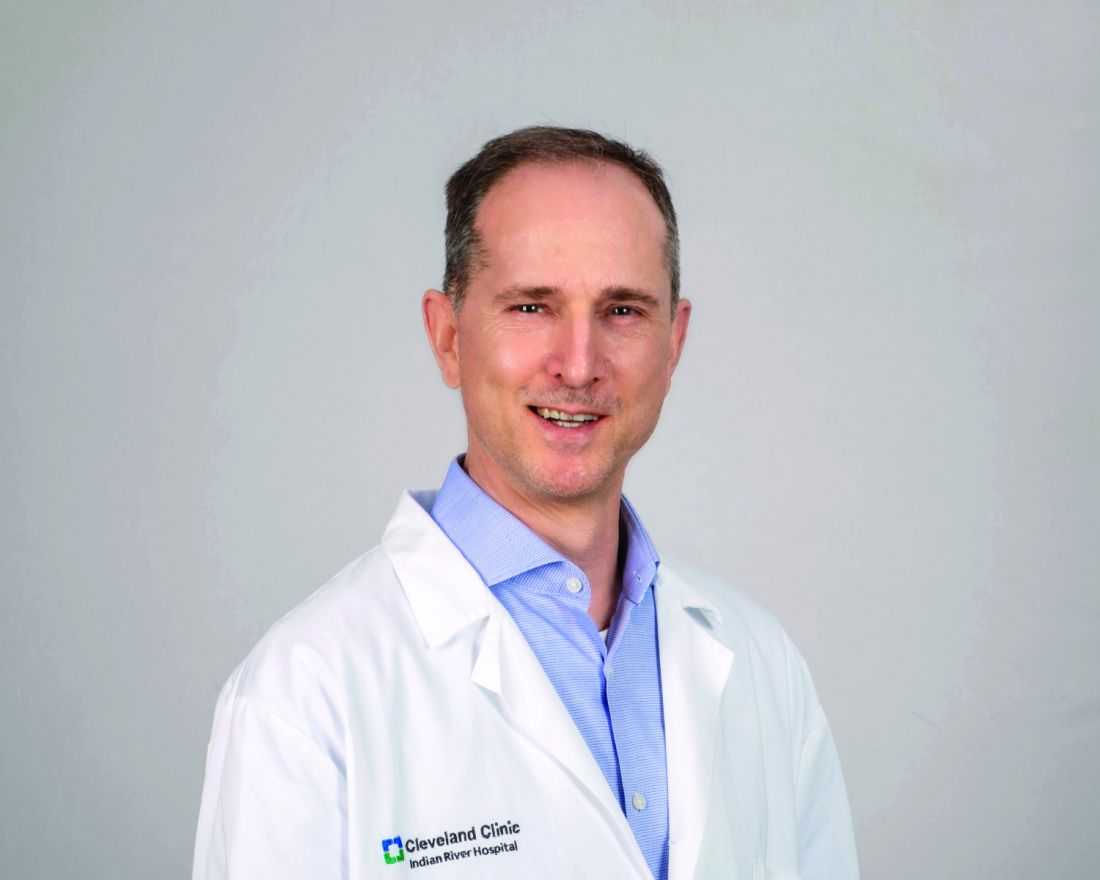
Dr. Mah’moud is professor of medicine in the division of gastroenterology at Duke University School of Medicine, Durham, N.C., and a gastroenterologist with RMG Gastroenterology in North Carolina. Dr. Aita is gastroenterologist with Cleveland Clinic Indian River Hospital in Vero Beach, Fla. Dr. Mah’moud disclosed serving on the advisory board of CLDF, and receiving research support from Intercept Pharma and Gilead Scientific, but not in a capacity related to this article.
References
Tapper E. BMJ. 2018;362: k2817
Louvet A. Lancet Gastro Hep. 2022;7(5):416-25
Lee B. Gastroenterology. 2018;155:422-30
Shroff H. Hot Topics in Hepatology: Chicago ALF Debate. Clinical Liver Disease (2020 vol 16, No.5: 178-85)
High Stakes: Navigating the Hazy Intersection of Marijuana and Liver Transplants
BY JOVEN TRISTEZA, MD, THOMAS RULI, MD, AND MOHAMED SHOREIBAH, MD
Marijuana is currently illegal at the federal level and is listed as a schedule I substance. However, marijuana for medical and recreational use has been legalized by several states, leading to an increase in its use. This unclear and disparate status of marijuana has created a smoky situation for patients being evaluated for liver transplant. Multiple studies have shown marijuana to provide medical benefits, while other studies in liver transplant patients have shown that it does not affect posttransplant outcomes. Those studies have helped inform decision-making for liver transplant selection committees across the country, where marijuana use is evaluated in the context of the patient’s medical and social history, as well as the history of other substance use. Though we do not encourage its use, we do not believe that marijuana use should be the singular reason to deny a patient listing for liver transplant.

Marijuana has been studied extensively regarding its effects on the human body. The main compounds in marijuana are tetrahydrocannabinol, or THC, and cannabidiol, or CBD. These compounds exhibit many effects that we observe clinically through the endocannabinoid system. Beneficial effects related to the gastrointestinal tract include relief from nausea and vomiting and stimulation of appetite in patients with anorexia. Other benefits outside the GI tract include alleviation of chronic pain and management of some forms of drug-resistant epilepsy. Ongoing studies are investigating the role of marijuana in other medical conditions.1,2 At least equally notable are marijuana’s potential adverse effects, which include tachycardia, hypertension, agitation, nausea, psychosis, and hallucinations.2 Marijuana may also increase the risk of heart failure, acute myocardial infarction, and stroke.3
The exact effect of marijuana on the liver remains inconclusive. Receptors for endocannabinoids have been associated with steatosis and fibrosis in some studies. However, some evidence also suggests that marijuana may reduce inflammation in the liver.2 Small, prospective studies have not been able to link marijuana use with hepatic laboratory abnormalities, and there is currently no significant association between marijuana and liver disease, injury, or cirrhosis. Of particular relevance to liver transplant recipients is marijuana’s effect on cytochrome P450 enzyme function, especially CYP3A4 which is the CYP class that metabolizes tacrolimus, a common immunosuppressant used in liver transplant patients. Marijuana inhibits CYP3A4 which could increase tacrolimus levels, potentially leading to morbidity. One strategy to mitigate this process is closer monitoring of tacrolimus levels for patients using marijuana.
The once-presumed increased risk of fungal infection — particularly Aspergillus — for liver transplant patients who use marijuana has been refuted. Furthermore, there have been concerns by liver transplant selection committees that marijuana use may be related to a greater risk of post–liver transplant noncompliance, infections, or even death. However, marijuana use on its own has not been associated with these concerns in the liver transplant population.4
The practice of excluding marijuana users from being listed for liver transplant does not appear to be evidence based. In a 2018 study focusing on US transplant centers, 40% of centers would not accept any marijuana use, and only 28% would list those who were taking medical marijuana for transplant. Interestingly, eight states have passed legislation prohibiting withholding transplant evaluation for marijuana users if it is solely based on their marijuana use.5 In the 5 years since that study was published, there have been major changes in the legality of marijuana. A future study of interest could assess how these changes have affected the position of transplant centers.
The sociopolitical and transplant medicine worlds alike continue to adapt to the legalization of marijuana. While marijuana use is associated with adverse effects, its potential for benefit for a variety of medical conditions is an evolving area that has shown promise. It is therefore logical to view marijuana as a pharmacologic agent with potential for risks and benefits, but not necessarily a sole reason to exclude patients from listing for liver transplant. The current data are reassuring in that those who use marijuana and receive liver transplantation are not at higher risk of posttransplant complications, infections, or death when compared to those who do not use it. Should marijuana use exist in the context of substance use disorder or other behavioral and mental health issues, then the case warrants careful multidisciplinary evaluation prior to consideration for liver transplant. The aim of our discourse is not to encourage the use of marijuana in patients being considered for liver transplant but rather to discourage their exclusion from listing solely on the basis of marijuana use. In the pursuit of an equitable organ allocation system, our hope is that this work facilitates a more informed discussion and a change in policy in liver transplant programs that may still consider marijuana use an exclusion criterion.
Joven Tristeza, MD, and Thomas Ruli, MD, are residents in internal medicine at the University of Alabama at Birmingham; Mohamed Shoreibah, MD, is a specialist in gastroenterology and hepatology at the University of Alabama at Birmingham where he also serves on the faculty of the internal medicine residency program. The authors have no conflicts of interest.
REFERENCES
1. Cox, EJ. Pharmacology & Therapeutics. 2019;201:25-38.
2. Maselli, DB. Clinical Gastroenterology and Hepatology. 2021;19(9):1748-1758.e2.
3. Page, RL. Circulation. 2020;142(10):e131-e152.
4. Panchani, N. The American Journal of the Medical Sciences. 2023;365(2):115-120.
5. Zhu, J. Transplantation. 2018;102(3):433-439.
Dear colleagues,
With recent dramatic improvements in treating hepatitis C, alcoholic liver disease has now become the leading indication for LT. Determining candidacy for a transplanted liver is a rigorous process and there has always been concern for relapse to alcohol use and its effect on the implanted graft. But, have we been too strict in restricting access in such patients?
Drs. Mitchell Mah’moud and John Aita explore this topic with a concise review of the current literature through an ethical lens. After alcohol, the most commonly used psychotropic drug is marijuana. Marijuana has traditionally been a barrier to candidacy for LT but, as with alcohol, should transplant centers relax this restriction, especially with ongoing legalization across the United States? Dr. Mohamed Shoreibah and colleagues explore this topic though a cogent review of the literature assessing the impact of marijuana use on liver transplant outcomes. We hope these essays will help your medical practice and ongoing advocacy for your patients.
We welcome your thoughts on X at @AGA_GIHN.
Gyanprakash A. Ketwaroo, MD, MSc, is associate professor of medicine, Yale University, New Haven, Conn., and chief of endoscopy at West Haven VA Medical Center in Connecticut. He is an associate editor for GI & Hepatology News.
Liver transplantation in the setting of alcohol-related liver disease
BY MITCHELL MAH’MOUD, MD, FACG, AGAF, FAASLD, AND JOHN AITA, MD
Alcohol-related liver disease (ALD), with its subset of severe alcohol-associated hepatitis (SAH), currently accounts for most liver transplantation (LT) recipients in the United States. Patients with SAH, particularly those with a MELD-NA of at least 35, have a 70%-75% mortality rate within 6 months. The ethics of liver transplantation in the setting of SAH are complex and still controversial. With liver transplantation in general, there are more patients with various disorders listed for transplant than available organs. There may also be concern regarding a posttransplant return to harmful alcohol use leading to graft dysfunction or loss. Ultimately, in ethics terms, there is an inherent conflict between the values of beneficence (the obligation to act for an individual patient’s benefit) and justice (fair and equitable treatment of a society).
The past decade has yielded supportive data depicting adequate posttransplant (LT) survival in select SAH patients. Previously, 6 months of alcohol sobriety was typically mandated by LT centers. Reasons for this requirement included (a) documentation of sobriety (including enrollment in an alcohol rehabilitation program) and (b) determination of maximal recovery (such that transplant may not be indicated). Present day information shows poor correlation between the 6-month alcohol sobriety period and reduced posttransplant alcohol use. In particular, the ACCELERATE-AH study, in which patients with severe alcoholic hepatitis underwent LT before 6 months of abstinence, demonstrated post-LT survival rates of 94% at 1 year and 84% at 3 years, similar to post-LT survival rates of other LT recipients. Although other factors may play into a transplant committee’s decision to require a period of sobriety before liver transplant evaluation, these data suggest that a “one size fits all” mandatory sobriety period prior to LT evaluation is now incongruent with normative medical practice.
One overarching principle of LT is that society provides organs to those patients with the greatest need. An inherent effect of listing select patients with SAH for liver transplant is that it potentially increases the wait time (and therefore the mortality risk) for other liver disease patients. Unfortunately, alcohol use disorder (AUD) has increased significantly in recent years among younger patients (from 2001 to 2013), and some patients may even be at greater risk of ALD (e.g., PNPLA3, TM6SF2, polymorphisms or post gastric bypass) with even mild/moderate use compared to other individuals . LT should not be considered a cure for AUD but rather a treatment for SAH that carries a high mortality rate but comparable post-LT survival to other indications for LT. Data from the ACCELERATE-AH trial revealed a cumulative incidence of any alcohol use at 1 year of approximately 25% and at 3 years of 34% for post-LT patients with SAH. This is roughly equivalent to reported disease recurrence rates of 10%-40% over 1-10 years post-LT for AIH, PBC and PSC and 7%-33% for MASLD. Despite these data, concern for reemergence of metabolic syndrome has never been an impediment when evaluating patients for LT due to end-stage liver disease from MASLD. LT centers may have a selection pathway that permits judicious transplant evaluation for SAH patients who, in the context of beneficence, are felt to greatly benefit from liver transplant in the near term (and are felt unlikely to recover without transplant) while, in the spirit of the ethical tenet of justice, also yield the best suitability for the donated organ (meaning the organ was put to good use with adequate graft survival). In this setting, a liver transplant program may utilize tools such as S-DAT, the PACT scoring system and TERS in identifying candidates with SAH for LT and those who are likely to relapse post-LT.
The optimal role of liver transplant in SAH patients is still emerging, but recent evidence suggests that the post-LT survival rate and alcohol-relapse rate appear to be acceptable. Nonetheless, the need to prevent harmful and sustained alcohol use post LT is vital since it is considered the strongest predictor of graft loss and death. Recent observations have also highlighted younger age and consumption of >10 drinks/day within 6 months of LT as predictors of sustained alcohol use post-LT. Hence, early identification of sustained alcohol use post-LT coupled with timely interventions based on abstinence-promoting behavioral and pharmacologic therapy should remain the goal of all transplant centers to avoid relapse and alcohol related deaths. In addition, incorporating addiction treatment centers into post-LT management should be considered standard of care to provide continued therapy for AUD in all patients post-LT. As in the DAA era of hepatitis C therapies, the role of LT in the setting of SAH may dwindle as emerging SAH-specific therapies evolve resulting in adequate transplant-free survival. Until then, it is beneficial to refine the guidelines periodically across all the UNOS regions on patient selection for LT in SAH, consistent with ethical principles of beneficence and justice. Finally, despite the concern about return to harmful drinking post LT, the need to destigmatize AUD and explain the purpose of LT for SAH through public education is vital.
Dr. Mah’moud is professor of medicine in the division of gastroenterology at Duke University School of Medicine, Durham, N.C., and a gastroenterologist with RMG Gastroenterology in North Carolina. Dr. Aita is gastroenterologist with Cleveland Clinic Indian River Hospital in Vero Beach, Fla. Dr. Mah’moud disclosed serving on the advisory board of CLDF, and receiving research support from Intercept Pharma and Gilead Scientific, but not in a capacity related to this article.
References
Tapper E. BMJ. 2018;362: k2817
Louvet A. Lancet Gastro Hep. 2022;7(5):416-25
Lee B. Gastroenterology. 2018;155:422-30
Shroff H. Hot Topics in Hepatology: Chicago ALF Debate. Clinical Liver Disease (2020 vol 16, No.5: 178-85)
High Stakes: Navigating the Hazy Intersection of Marijuana and Liver Transplants
BY JOVEN TRISTEZA, MD, THOMAS RULI, MD, AND MOHAMED SHOREIBAH, MD
Marijuana is currently illegal at the federal level and is listed as a schedule I substance. However, marijuana for medical and recreational use has been legalized by several states, leading to an increase in its use. This unclear and disparate status of marijuana has created a smoky situation for patients being evaluated for liver transplant. Multiple studies have shown marijuana to provide medical benefits, while other studies in liver transplant patients have shown that it does not affect posttransplant outcomes. Those studies have helped inform decision-making for liver transplant selection committees across the country, where marijuana use is evaluated in the context of the patient’s medical and social history, as well as the history of other substance use. Though we do not encourage its use, we do not believe that marijuana use should be the singular reason to deny a patient listing for liver transplant.
Marijuana has been studied extensively regarding its effects on the human body. The main compounds in marijuana are tetrahydrocannabinol, or THC, and cannabidiol, or CBD. These compounds exhibit many effects that we observe clinically through the endocannabinoid system. Beneficial effects related to the gastrointestinal tract include relief from nausea and vomiting and stimulation of appetite in patients with anorexia. Other benefits outside the GI tract include alleviation of chronic pain and management of some forms of drug-resistant epilepsy. Ongoing studies are investigating the role of marijuana in other medical conditions.1,2 At least equally notable are marijuana’s potential adverse effects, which include tachycardia, hypertension, agitation, nausea, psychosis, and hallucinations.2 Marijuana may also increase the risk of heart failure, acute myocardial infarction, and stroke.3
The exact effect of marijuana on the liver remains inconclusive. Receptors for endocannabinoids have been associated with steatosis and fibrosis in some studies. However, some evidence also suggests that marijuana may reduce inflammation in the liver.2 Small, prospective studies have not been able to link marijuana use with hepatic laboratory abnormalities, and there is currently no significant association between marijuana and liver disease, injury, or cirrhosis. Of particular relevance to liver transplant recipients is marijuana’s effect on cytochrome P450 enzyme function, especially CYP3A4 which is the CYP class that metabolizes tacrolimus, a common immunosuppressant used in liver transplant patients. Marijuana inhibits CYP3A4 which could increase tacrolimus levels, potentially leading to morbidity. One strategy to mitigate this process is closer monitoring of tacrolimus levels for patients using marijuana.
The once-presumed increased risk of fungal infection — particularly Aspergillus — for liver transplant patients who use marijuana has been refuted. Furthermore, there have been concerns by liver transplant selection committees that marijuana use may be related to a greater risk of post–liver transplant noncompliance, infections, or even death. However, marijuana use on its own has not been associated with these concerns in the liver transplant population.4
The practice of excluding marijuana users from being listed for liver transplant does not appear to be evidence based. In a 2018 study focusing on US transplant centers, 40% of centers would not accept any marijuana use, and only 28% would list those who were taking medical marijuana for transplant. Interestingly, eight states have passed legislation prohibiting withholding transplant evaluation for marijuana users if it is solely based on their marijuana use.5 In the 5 years since that study was published, there have been major changes in the legality of marijuana. A future study of interest could assess how these changes have affected the position of transplant centers.
The sociopolitical and transplant medicine worlds alike continue to adapt to the legalization of marijuana. While marijuana use is associated with adverse effects, its potential for benefit for a variety of medical conditions is an evolving area that has shown promise. It is therefore logical to view marijuana as a pharmacologic agent with potential for risks and benefits, but not necessarily a sole reason to exclude patients from listing for liver transplant. The current data are reassuring in that those who use marijuana and receive liver transplantation are not at higher risk of posttransplant complications, infections, or death when compared to those who do not use it. Should marijuana use exist in the context of substance use disorder or other behavioral and mental health issues, then the case warrants careful multidisciplinary evaluation prior to consideration for liver transplant. The aim of our discourse is not to encourage the use of marijuana in patients being considered for liver transplant but rather to discourage their exclusion from listing solely on the basis of marijuana use. In the pursuit of an equitable organ allocation system, our hope is that this work facilitates a more informed discussion and a change in policy in liver transplant programs that may still consider marijuana use an exclusion criterion.
Joven Tristeza, MD, and Thomas Ruli, MD, are residents in internal medicine at the University of Alabama at Birmingham; Mohamed Shoreibah, MD, is a specialist in gastroenterology and hepatology at the University of Alabama at Birmingham where he also serves on the faculty of the internal medicine residency program. The authors have no conflicts of interest.
REFERENCES
1. Cox, EJ. Pharmacology & Therapeutics. 2019;201:25-38.
2. Maselli, DB. Clinical Gastroenterology and Hepatology. 2021;19(9):1748-1758.e2.
3. Page, RL. Circulation. 2020;142(10):e131-e152.
4. Panchani, N. The American Journal of the Medical Sciences. 2023;365(2):115-120.
5. Zhu, J. Transplantation. 2018;102(3):433-439.
Dear colleagues,
With recent dramatic improvements in treating hepatitis C, alcoholic liver disease has now become the leading indication for LT. Determining candidacy for a transplanted liver is a rigorous process and there has always been concern for relapse to alcohol use and its effect on the implanted graft. But, have we been too strict in restricting access in such patients?
Drs. Mitchell Mah’moud and John Aita explore this topic with a concise review of the current literature through an ethical lens. After alcohol, the most commonly used psychotropic drug is marijuana. Marijuana has traditionally been a barrier to candidacy for LT but, as with alcohol, should transplant centers relax this restriction, especially with ongoing legalization across the United States? Dr. Mohamed Shoreibah and colleagues explore this topic though a cogent review of the literature assessing the impact of marijuana use on liver transplant outcomes. We hope these essays will help your medical practice and ongoing advocacy for your patients.
We welcome your thoughts on X at @AGA_GIHN.
Gyanprakash A. Ketwaroo, MD, MSc, is associate professor of medicine, Yale University, New Haven, Conn., and chief of endoscopy at West Haven VA Medical Center in Connecticut. He is an associate editor for GI & Hepatology News.
Liver transplantation in the setting of alcohol-related liver disease
BY MITCHELL MAH’MOUD, MD, FACG, AGAF, FAASLD, AND JOHN AITA, MD
Alcohol-related liver disease (ALD), with its subset of severe alcohol-associated hepatitis (SAH), currently accounts for most liver transplantation (LT) recipients in the United States. Patients with SAH, particularly those with a MELD-NA of at least 35, have a 70%-75% mortality rate within 6 months. The ethics of liver transplantation in the setting of SAH are complex and still controversial. With liver transplantation in general, there are more patients with various disorders listed for transplant than available organs. There may also be concern regarding a posttransplant return to harmful alcohol use leading to graft dysfunction or loss. Ultimately, in ethics terms, there is an inherent conflict between the values of beneficence (the obligation to act for an individual patient’s benefit) and justice (fair and equitable treatment of a society).
The past decade has yielded supportive data depicting adequate posttransplant (LT) survival in select SAH patients. Previously, 6 months of alcohol sobriety was typically mandated by LT centers. Reasons for this requirement included (a) documentation of sobriety (including enrollment in an alcohol rehabilitation program) and (b) determination of maximal recovery (such that transplant may not be indicated). Present day information shows poor correlation between the 6-month alcohol sobriety period and reduced posttransplant alcohol use. In particular, the ACCELERATE-AH study, in which patients with severe alcoholic hepatitis underwent LT before 6 months of abstinence, demonstrated post-LT survival rates of 94% at 1 year and 84% at 3 years, similar to post-LT survival rates of other LT recipients. Although other factors may play into a transplant committee’s decision to require a period of sobriety before liver transplant evaluation, these data suggest that a “one size fits all” mandatory sobriety period prior to LT evaluation is now incongruent with normative medical practice.
One overarching principle of LT is that society provides organs to those patients with the greatest need. An inherent effect of listing select patients with SAH for liver transplant is that it potentially increases the wait time (and therefore the mortality risk) for other liver disease patients. Unfortunately, alcohol use disorder (AUD) has increased significantly in recent years among younger patients (from 2001 to 2013), and some patients may even be at greater risk of ALD (e.g., PNPLA3, TM6SF2, polymorphisms or post gastric bypass) with even mild/moderate use compared to other individuals . LT should not be considered a cure for AUD but rather a treatment for SAH that carries a high mortality rate but comparable post-LT survival to other indications for LT. Data from the ACCELERATE-AH trial revealed a cumulative incidence of any alcohol use at 1 year of approximately 25% and at 3 years of 34% for post-LT patients with SAH. This is roughly equivalent to reported disease recurrence rates of 10%-40% over 1-10 years post-LT for AIH, PBC and PSC and 7%-33% for MASLD. Despite these data, concern for reemergence of metabolic syndrome has never been an impediment when evaluating patients for LT due to end-stage liver disease from MASLD. LT centers may have a selection pathway that permits judicious transplant evaluation for SAH patients who, in the context of beneficence, are felt to greatly benefit from liver transplant in the near term (and are felt unlikely to recover without transplant) while, in the spirit of the ethical tenet of justice, also yield the best suitability for the donated organ (meaning the organ was put to good use with adequate graft survival). In this setting, a liver transplant program may utilize tools such as S-DAT, the PACT scoring system and TERS in identifying candidates with SAH for LT and those who are likely to relapse post-LT.
The optimal role of liver transplant in SAH patients is still emerging, but recent evidence suggests that the post-LT survival rate and alcohol-relapse rate appear to be acceptable. Nonetheless, the need to prevent harmful and sustained alcohol use post LT is vital since it is considered the strongest predictor of graft loss and death. Recent observations have also highlighted younger age and consumption of >10 drinks/day within 6 months of LT as predictors of sustained alcohol use post-LT. Hence, early identification of sustained alcohol use post-LT coupled with timely interventions based on abstinence-promoting behavioral and pharmacologic therapy should remain the goal of all transplant centers to avoid relapse and alcohol related deaths. In addition, incorporating addiction treatment centers into post-LT management should be considered standard of care to provide continued therapy for AUD in all patients post-LT. As in the DAA era of hepatitis C therapies, the role of LT in the setting of SAH may dwindle as emerging SAH-specific therapies evolve resulting in adequate transplant-free survival. Until then, it is beneficial to refine the guidelines periodically across all the UNOS regions on patient selection for LT in SAH, consistent with ethical principles of beneficence and justice. Finally, despite the concern about return to harmful drinking post LT, the need to destigmatize AUD and explain the purpose of LT for SAH through public education is vital.
Dr. Mah’moud is professor of medicine in the division of gastroenterology at Duke University School of Medicine, Durham, N.C., and a gastroenterologist with RMG Gastroenterology in North Carolina. Dr. Aita is gastroenterologist with Cleveland Clinic Indian River Hospital in Vero Beach, Fla. Dr. Mah’moud disclosed serving on the advisory board of CLDF, and receiving research support from Intercept Pharma and Gilead Scientific, but not in a capacity related to this article.
References
Tapper E. BMJ. 2018;362: k2817
Louvet A. Lancet Gastro Hep. 2022;7(5):416-25
Lee B. Gastroenterology. 2018;155:422-30
Shroff H. Hot Topics in Hepatology: Chicago ALF Debate. Clinical Liver Disease (2020 vol 16, No.5: 178-85)
High Stakes: Navigating the Hazy Intersection of Marijuana and Liver Transplants
BY JOVEN TRISTEZA, MD, THOMAS RULI, MD, AND MOHAMED SHOREIBAH, MD
Marijuana is currently illegal at the federal level and is listed as a schedule I substance. However, marijuana for medical and recreational use has been legalized by several states, leading to an increase in its use. This unclear and disparate status of marijuana has created a smoky situation for patients being evaluated for liver transplant. Multiple studies have shown marijuana to provide medical benefits, while other studies in liver transplant patients have shown that it does not affect posttransplant outcomes. Those studies have helped inform decision-making for liver transplant selection committees across the country, where marijuana use is evaluated in the context of the patient’s medical and social history, as well as the history of other substance use. Though we do not encourage its use, we do not believe that marijuana use should be the singular reason to deny a patient listing for liver transplant.
Marijuana has been studied extensively regarding its effects on the human body. The main compounds in marijuana are tetrahydrocannabinol, or THC, and cannabidiol, or CBD. These compounds exhibit many effects that we observe clinically through the endocannabinoid system. Beneficial effects related to the gastrointestinal tract include relief from nausea and vomiting and stimulation of appetite in patients with anorexia. Other benefits outside the GI tract include alleviation of chronic pain and management of some forms of drug-resistant epilepsy. Ongoing studies are investigating the role of marijuana in other medical conditions.1,2 At least equally notable are marijuana’s potential adverse effects, which include tachycardia, hypertension, agitation, nausea, psychosis, and hallucinations.2 Marijuana may also increase the risk of heart failure, acute myocardial infarction, and stroke.3
The exact effect of marijuana on the liver remains inconclusive. Receptors for endocannabinoids have been associated with steatosis and fibrosis in some studies. However, some evidence also suggests that marijuana may reduce inflammation in the liver.2 Small, prospective studies have not been able to link marijuana use with hepatic laboratory abnormalities, and there is currently no significant association between marijuana and liver disease, injury, or cirrhosis. Of particular relevance to liver transplant recipients is marijuana’s effect on cytochrome P450 enzyme function, especially CYP3A4 which is the CYP class that metabolizes tacrolimus, a common immunosuppressant used in liver transplant patients. Marijuana inhibits CYP3A4 which could increase tacrolimus levels, potentially leading to morbidity. One strategy to mitigate this process is closer monitoring of tacrolimus levels for patients using marijuana.
The once-presumed increased risk of fungal infection — particularly Aspergillus — for liver transplant patients who use marijuana has been refuted. Furthermore, there have been concerns by liver transplant selection committees that marijuana use may be related to a greater risk of post–liver transplant noncompliance, infections, or even death. However, marijuana use on its own has not been associated with these concerns in the liver transplant population.4
The practice of excluding marijuana users from being listed for liver transplant does not appear to be evidence based. In a 2018 study focusing on US transplant centers, 40% of centers would not accept any marijuana use, and only 28% would list those who were taking medical marijuana for transplant. Interestingly, eight states have passed legislation prohibiting withholding transplant evaluation for marijuana users if it is solely based on their marijuana use.5 In the 5 years since that study was published, there have been major changes in the legality of marijuana. A future study of interest could assess how these changes have affected the position of transplant centers.
The sociopolitical and transplant medicine worlds alike continue to adapt to the legalization of marijuana. While marijuana use is associated with adverse effects, its potential for benefit for a variety of medical conditions is an evolving area that has shown promise. It is therefore logical to view marijuana as a pharmacologic agent with potential for risks and benefits, but not necessarily a sole reason to exclude patients from listing for liver transplant. The current data are reassuring in that those who use marijuana and receive liver transplantation are not at higher risk of posttransplant complications, infections, or death when compared to those who do not use it. Should marijuana use exist in the context of substance use disorder or other behavioral and mental health issues, then the case warrants careful multidisciplinary evaluation prior to consideration for liver transplant. The aim of our discourse is not to encourage the use of marijuana in patients being considered for liver transplant but rather to discourage their exclusion from listing solely on the basis of marijuana use. In the pursuit of an equitable organ allocation system, our hope is that this work facilitates a more informed discussion and a change in policy in liver transplant programs that may still consider marijuana use an exclusion criterion.
Joven Tristeza, MD, and Thomas Ruli, MD, are residents in internal medicine at the University of Alabama at Birmingham; Mohamed Shoreibah, MD, is a specialist in gastroenterology and hepatology at the University of Alabama at Birmingham where he also serves on the faculty of the internal medicine residency program. The authors have no conflicts of interest.
REFERENCES
1. Cox, EJ. Pharmacology & Therapeutics. 2019;201:25-38.
2. Maselli, DB. Clinical Gastroenterology and Hepatology. 2021;19(9):1748-1758.e2.
3. Page, RL. Circulation. 2020;142(10):e131-e152.
4. Panchani, N. The American Journal of the Medical Sciences. 2023;365(2):115-120.
5. Zhu, J. Transplantation. 2018;102(3):433-439.

We Want to Hear From You, Our Readers
Happy New Year, everyone. It’s hard to believe, but we are nearing the mid-point of our five-year term on the GI & Hepatology News (GIHN) board of editors. Our central goal over the past two-and-a-half years has been to curate thought-provoking content for GIHN that helps to inform clinical practice and keeps you up-to-date on emerging scientific innovations and policy changes impacting patients with digestive and liver diseases.
Your feedback is critical to ensuring the continued success of the newspaper as your go-to source for cutting edge news relevant to our field.

To start, we welcome your thoughts on the following questions:
- What do you want to see more of in the newspaper (e.g., a particular column, topic)?
- How can we continue to serve you best as a reader?
Please email your feedback to us at [email protected]. Your input is greatly appreciated by both the board and our larger editorial team and will help inform future coverage.
In this month’s issue of GIHN, we update you on the proceedings of AGA’s 2023 Innovation Conference, highlight a new Clinical Practice Guideline focused on the role of biomarkers in Crohn’s disease management, and summarize key AGA journal content.
The AGA Government Affairs Committee also details 2024 updates to Medicare payment rules, including a new add-on code for complex care, increased facility payment for POEM procedures, and continuation of expanded telehealth coverage through the end of 2024.
GIHN associate editor Dr. Avi Ketwaroo introduces this month’s Perspectives column focused on the impact of substance use (specifically alcohol and marijuana) on liver transplant candidacy.
In our January Member Spotlight, we feature Dr. Sonali Paul, a hepatologist and co-founder of Rainbows in Gastro. She shares her passion for promoting health equity in sexual and gender minority populations.
We hope you enjoy this, and all the exciting content included in our January issue.
Megan A. Adams, MD, JD, MSc
Editor-in-Chief
Happy New Year, everyone. It’s hard to believe, but we are nearing the mid-point of our five-year term on the GI & Hepatology News (GIHN) board of editors. Our central goal over the past two-and-a-half years has been to curate thought-provoking content for GIHN that helps to inform clinical practice and keeps you up-to-date on emerging scientific innovations and policy changes impacting patients with digestive and liver diseases.
Your feedback is critical to ensuring the continued success of the newspaper as your go-to source for cutting edge news relevant to our field.
To start, we welcome your thoughts on the following questions:
- What do you want to see more of in the newspaper (e.g., a particular column, topic)?
- How can we continue to serve you best as a reader?
Please email your feedback to us at [email protected]. Your input is greatly appreciated by both the board and our larger editorial team and will help inform future coverage.
In this month’s issue of GIHN, we update you on the proceedings of AGA’s 2023 Innovation Conference, highlight a new Clinical Practice Guideline focused on the role of biomarkers in Crohn’s disease management, and summarize key AGA journal content.
The AGA Government Affairs Committee also details 2024 updates to Medicare payment rules, including a new add-on code for complex care, increased facility payment for POEM procedures, and continuation of expanded telehealth coverage through the end of 2024.
GIHN associate editor Dr. Avi Ketwaroo introduces this month’s Perspectives column focused on the impact of substance use (specifically alcohol and marijuana) on liver transplant candidacy.
In our January Member Spotlight, we feature Dr. Sonali Paul, a hepatologist and co-founder of Rainbows in Gastro. She shares her passion for promoting health equity in sexual and gender minority populations.
We hope you enjoy this, and all the exciting content included in our January issue.
Megan A. Adams, MD, JD, MSc
Editor-in-Chief
Happy New Year, everyone. It’s hard to believe, but we are nearing the mid-point of our five-year term on the GI & Hepatology News (GIHN) board of editors. Our central goal over the past two-and-a-half years has been to curate thought-provoking content for GIHN that helps to inform clinical practice and keeps you up-to-date on emerging scientific innovations and policy changes impacting patients with digestive and liver diseases.
Your feedback is critical to ensuring the continued success of the newspaper as your go-to source for cutting edge news relevant to our field.
To start, we welcome your thoughts on the following questions:
- What do you want to see more of in the newspaper (e.g., a particular column, topic)?
- How can we continue to serve you best as a reader?
Please email your feedback to us at [email protected]. Your input is greatly appreciated by both the board and our larger editorial team and will help inform future coverage.
In this month’s issue of GIHN, we update you on the proceedings of AGA’s 2023 Innovation Conference, highlight a new Clinical Practice Guideline focused on the role of biomarkers in Crohn’s disease management, and summarize key AGA journal content.
The AGA Government Affairs Committee also details 2024 updates to Medicare payment rules, including a new add-on code for complex care, increased facility payment for POEM procedures, and continuation of expanded telehealth coverage through the end of 2024.
GIHN associate editor Dr. Avi Ketwaroo introduces this month’s Perspectives column focused on the impact of substance use (specifically alcohol and marijuana) on liver transplant candidacy.
In our January Member Spotlight, we feature Dr. Sonali Paul, a hepatologist and co-founder of Rainbows in Gastro. She shares her passion for promoting health equity in sexual and gender minority populations.
We hope you enjoy this, and all the exciting content included in our January issue.
Megan A. Adams, MD, JD, MSc
Editor-in-Chief

Hepatologist finds purpose as health equity advocate for LGBTQI+
Sonali Paul, MD, once thought she was an anomaly in the world of medicine. “As I was going through training, I didn’t think others like me existed, a gay South Asian transplant hepatologist. I certainly didn’t have mentors that looked like me. I didn’t have anyone to look up to,” she said.
Fighting to promote health care equity in the LGBTQI+ population has been a cornerstone of her career. As cofounder and an executive board member of Rainbows in Gastro, a sexual and gender minorities affinity group that builds community among LGBTQI+ medical trainees and physicians in gastroenterology, Dr. Paul often goes into the community to promote open discussions about health equity in sexual and gender minority populations.

“Our mission is CHARM: community, healing, advocacy, research, and mentorship,” said Dr. Paul, a transplant hepatologist with the University of Chicago Medicine with a specific niche within fatty liver disease and obesity medicine. She serves as an associate program director for the Internal Medicine Residency Program specifically for diversity, equity, and inclusion.
In 2022 she received the University of Chicago’s Department of Medicine Diversity Award.
Rainbows in Gastro has shown trainees they can be open about their sexual orientation and gender identity without fear of retribution. “I’ve had medical students and residents come to me and say they were going to go into endocrine or some other field because they thought it was more gay friendly, until they saw our group and the work we’re doing,” Dr. Paul said.
In an interview, she talks more about her two key passions: reducing disparities and promoting health equity.
Q: You presented “Embrace the Rainbow: Creating Inclusive LGBTQ+ Spaces in Medicine” at the University of Chicago Medicine Grand Rounds. What were some of the key takeaways of that presentation?
Dr. Paul: One is education. Knowing the history of the LGBT community and how marginalization and discrimination affects the individual coming into that clinic is important. Having little things like pronoun badges or a rainbow flag, having nondiscrimination policies that include sexual orientation, gender identity that are displayed in the clinics, are very small things that seem almost trivial to some people. But I can tell you for myself, it matters if I walk into a door and there’s a rainbow flag there. I feel immediately safer.
Q: What are your hopes and aspirations for the field of GI moving forward?
Dr. Paul: I didn’t learn about social determinants of health in medical school, but more and more I think we’re starting to pivot and really look at those things. I hope GI and hepatology continues to do that.
For me, it’s looking at everything through a health disparities lens, seeing the health disparities across communities and finding solutions to mitigate them. How do we get people access to transplant for all our patients, and really examining the social determinants of health in the health care we provide?
Q: Your clinical focus has been on nonalcoholic fatty liver disease. Can you tell me how you got interested in that area of medicine?
Dr. Paul: There’s been a name change for the disease itself. It’s now metabolic dysfunction-associated steatotic liver disease (MASLD). I got interested from an obesity medicine perspective. I thought the liver pathology was interesting but I wanted to approach it from a different kind of perspective and not just focus on the liver, but also the metabolic factors.
I practice from that kind of lens: Looking at a lot of the metabolic comorbidities that happen with fatty liver disease to help patients with weight loss.
Q: What do you think about the new weight loss drugs?
Dr. Paul: I think they’re very effective. They’re obviously very popular. Weight loss is a really hard thing and I think they are really changing the game. A newer one that was just approved, tirzepatide (Zepbound, Lilly) resulted in up to 20% body weight loss. I think if there’s a medicine that we can give to avoid surgery for some people, I think that’s great. I think what is quite disheartening is insurance access to the medications.
Q: Is there any type of research you’re doing in this area right now?
Dr. Paul: I’m interested in the changes in fatty liver with gender-affirming hormone therapy with estrogen and testosterone, an area that’s never been studied.
Q: Describe how you would spend a free Saturday afternoon.
Dr. Paul: With my wife, my 9-year-old son, and two dogs. One of our favorite places to go is the Lincoln Park Zoo. We go there, especially over the summer, sometimes every week just to walk around. And, my son loves animals. Or, play with our dogs.
LIGHTNING ROUND
What is your favorite junk food?
Doritos
What is your favorite holiday?
Thanksgiving
Is there a book that you reread often?
“Interpreter of Maladies” by Jhumpa Lahiri
What is your favorite movie genre?
Comedy
Are you an introvert or extrovert?
Somewhere in the middle.
Sonali Paul, MD, once thought she was an anomaly in the world of medicine. “As I was going through training, I didn’t think others like me existed, a gay South Asian transplant hepatologist. I certainly didn’t have mentors that looked like me. I didn’t have anyone to look up to,” she said.
Fighting to promote health care equity in the LGBTQI+ population has been a cornerstone of her career. As cofounder and an executive board member of Rainbows in Gastro, a sexual and gender minorities affinity group that builds community among LGBTQI+ medical trainees and physicians in gastroenterology, Dr. Paul often goes into the community to promote open discussions about health equity in sexual and gender minority populations.
“Our mission is CHARM: community, healing, advocacy, research, and mentorship,” said Dr. Paul, a transplant hepatologist with the University of Chicago Medicine with a specific niche within fatty liver disease and obesity medicine. She serves as an associate program director for the Internal Medicine Residency Program specifically for diversity, equity, and inclusion.
In 2022 she received the University of Chicago’s Department of Medicine Diversity Award.
Rainbows in Gastro has shown trainees they can be open about their sexual orientation and gender identity without fear of retribution. “I’ve had medical students and residents come to me and say they were going to go into endocrine or some other field because they thought it was more gay friendly, until they saw our group and the work we’re doing,” Dr. Paul said.
In an interview, she talks more about her two key passions: reducing disparities and promoting health equity.
Q: You presented “Embrace the Rainbow: Creating Inclusive LGBTQ+ Spaces in Medicine” at the University of Chicago Medicine Grand Rounds. What were some of the key takeaways of that presentation?
Dr. Paul: One is education. Knowing the history of the LGBT community and how marginalization and discrimination affects the individual coming into that clinic is important. Having little things like pronoun badges or a rainbow flag, having nondiscrimination policies that include sexual orientation, gender identity that are displayed in the clinics, are very small things that seem almost trivial to some people. But I can tell you for myself, it matters if I walk into a door and there’s a rainbow flag there. I feel immediately safer.
Q: What are your hopes and aspirations for the field of GI moving forward?
Dr. Paul: I didn’t learn about social determinants of health in medical school, but more and more I think we’re starting to pivot and really look at those things. I hope GI and hepatology continues to do that.
For me, it’s looking at everything through a health disparities lens, seeing the health disparities across communities and finding solutions to mitigate them. How do we get people access to transplant for all our patients, and really examining the social determinants of health in the health care we provide?
Q: Your clinical focus has been on nonalcoholic fatty liver disease. Can you tell me how you got interested in that area of medicine?
Dr. Paul: There’s been a name change for the disease itself. It’s now metabolic dysfunction-associated steatotic liver disease (MASLD). I got interested from an obesity medicine perspective. I thought the liver pathology was interesting but I wanted to approach it from a different kind of perspective and not just focus on the liver, but also the metabolic factors.
I practice from that kind of lens: Looking at a lot of the metabolic comorbidities that happen with fatty liver disease to help patients with weight loss.
Q: What do you think about the new weight loss drugs?
Dr. Paul: I think they’re very effective. They’re obviously very popular. Weight loss is a really hard thing and I think they are really changing the game. A newer one that was just approved, tirzepatide (Zepbound, Lilly) resulted in up to 20% body weight loss. I think if there’s a medicine that we can give to avoid surgery for some people, I think that’s great. I think what is quite disheartening is insurance access to the medications.
Q: Is there any type of research you’re doing in this area right now?
Dr. Paul: I’m interested in the changes in fatty liver with gender-affirming hormone therapy with estrogen and testosterone, an area that’s never been studied.
Q: Describe how you would spend a free Saturday afternoon.
Dr. Paul: With my wife, my 9-year-old son, and two dogs. One of our favorite places to go is the Lincoln Park Zoo. We go there, especially over the summer, sometimes every week just to walk around. And, my son loves animals. Or, play with our dogs.
LIGHTNING ROUND
What is your favorite junk food?
Doritos
What is your favorite holiday?
Thanksgiving
Is there a book that you reread often?
“Interpreter of Maladies” by Jhumpa Lahiri
What is your favorite movie genre?
Comedy
Are you an introvert or extrovert?
Somewhere in the middle.
Sonali Paul, MD, once thought she was an anomaly in the world of medicine. “As I was going through training, I didn’t think others like me existed, a gay South Asian transplant hepatologist. I certainly didn’t have mentors that looked like me. I didn’t have anyone to look up to,” she said.
Fighting to promote health care equity in the LGBTQI+ population has been a cornerstone of her career. As cofounder and an executive board member of Rainbows in Gastro, a sexual and gender minorities affinity group that builds community among LGBTQI+ medical trainees and physicians in gastroenterology, Dr. Paul often goes into the community to promote open discussions about health equity in sexual and gender minority populations.
“Our mission is CHARM: community, healing, advocacy, research, and mentorship,” said Dr. Paul, a transplant hepatologist with the University of Chicago Medicine with a specific niche within fatty liver disease and obesity medicine. She serves as an associate program director for the Internal Medicine Residency Program specifically for diversity, equity, and inclusion.
In 2022 she received the University of Chicago’s Department of Medicine Diversity Award.
Rainbows in Gastro has shown trainees they can be open about their sexual orientation and gender identity without fear of retribution. “I’ve had medical students and residents come to me and say they were going to go into endocrine or some other field because they thought it was more gay friendly, until they saw our group and the work we’re doing,” Dr. Paul said.
In an interview, she talks more about her two key passions: reducing disparities and promoting health equity.
Q: You presented “Embrace the Rainbow: Creating Inclusive LGBTQ+ Spaces in Medicine” at the University of Chicago Medicine Grand Rounds. What were some of the key takeaways of that presentation?
Dr. Paul: One is education. Knowing the history of the LGBT community and how marginalization and discrimination affects the individual coming into that clinic is important. Having little things like pronoun badges or a rainbow flag, having nondiscrimination policies that include sexual orientation, gender identity that are displayed in the clinics, are very small things that seem almost trivial to some people. But I can tell you for myself, it matters if I walk into a door and there’s a rainbow flag there. I feel immediately safer.
Q: What are your hopes and aspirations for the field of GI moving forward?
Dr. Paul: I didn’t learn about social determinants of health in medical school, but more and more I think we’re starting to pivot and really look at those things. I hope GI and hepatology continues to do that.
For me, it’s looking at everything through a health disparities lens, seeing the health disparities across communities and finding solutions to mitigate them. How do we get people access to transplant for all our patients, and really examining the social determinants of health in the health care we provide?
Q: Your clinical focus has been on nonalcoholic fatty liver disease. Can you tell me how you got interested in that area of medicine?
Dr. Paul: There’s been a name change for the disease itself. It’s now metabolic dysfunction-associated steatotic liver disease (MASLD). I got interested from an obesity medicine perspective. I thought the liver pathology was interesting but I wanted to approach it from a different kind of perspective and not just focus on the liver, but also the metabolic factors.
I practice from that kind of lens: Looking at a lot of the metabolic comorbidities that happen with fatty liver disease to help patients with weight loss.
Q: What do you think about the new weight loss drugs?
Dr. Paul: I think they’re very effective. They’re obviously very popular. Weight loss is a really hard thing and I think they are really changing the game. A newer one that was just approved, tirzepatide (Zepbound, Lilly) resulted in up to 20% body weight loss. I think if there’s a medicine that we can give to avoid surgery for some people, I think that’s great. I think what is quite disheartening is insurance access to the medications.
Q: Is there any type of research you’re doing in this area right now?
Dr. Paul: I’m interested in the changes in fatty liver with gender-affirming hormone therapy with estrogen and testosterone, an area that’s never been studied.
Q: Describe how you would spend a free Saturday afternoon.
Dr. Paul: With my wife, my 9-year-old son, and two dogs. One of our favorite places to go is the Lincoln Park Zoo. We go there, especially over the summer, sometimes every week just to walk around. And, my son loves animals. Or, play with our dogs.
LIGHTNING ROUND
What is your favorite junk food?
Doritos
What is your favorite holiday?
Thanksgiving
Is there a book that you reread often?
“Interpreter of Maladies” by Jhumpa Lahiri
What is your favorite movie genre?
Comedy
Are you an introvert or extrovert?
Somewhere in the middle.

Commentary: Risks for Eosinophilic Esophagitis: IBD, Eczema, Diet, and Acid Suppressants, January 2024
Although there exists a recognized association between IBD and secondary EoE diagnoses, studies focusing on the primary diagnosis of EoE alongside IBD have yielded conflicting results. Dr Amiko Uchida, from the University of Utah Department of Medicine, working with colleagues from the Department of Medical Epidemiology and Biostatistics at Karolinska Institutet in Stockholm, Sweden, led by Dr Jonas F. Ludvigsson, conducted a comprehensive study spanning 1990-2019 to explore the relationship between these two diseases.
Dr Uchida and colleagues assessed the association among Swedish patients diagnosed with biopsy-verified EoE (n = 1587) between 1990 and 2017. These patients were age- and sex-matched with up to five reference individuals from the general population (n = 7808). The primary focus was to discern the relationship between the primary diagnosis of EoE and the subsequent diagnosis of IBD.
The study's findings underscore the importance of heightened awareness among healthcare professionals regarding the potential association between EoE and the development of subsequent IBD. Collaborative efforts between physicians, gastroenterologists, and specialists in allergic diseases are crucial to ensure comprehensive care and timely identification of gastrointestinal complications in patients with EoE.
These results indicate a potential interplay between EoE and the pathogenesis of IBD, particularly Crohn's disease. In patients with EoE, careful consideration of gastrointestinal symptoms suggestive of IBD, such as abdominal pain, diarrhea, and rectal bleeding, is pivotal, necessitating further evaluation and appropriate monitoring for early detection and management of IBD.
Upon diagnosis, clinicians must develop a management plan for this chronic and critical disease. This study aids in planning future screenings for these patients, because one third of those diagnosed with EoE are at risk of developing IBD within a year. Therefore, primary physicians must remain vigilant for the development of gastrointestinal symptoms leading to a diagnosis of Crohn's disease or ulcerative colitis. Additionally, family awareness is crucial owing to observed associations between siblings, suggesting a potential role of genetics or early environmental factors in EoE development and future IBD diagnoses.
Further research is necessary to elucidate the shared pathophysiologic mechanisms connecting EoE and IBD. It is important to consider certain details, however; for instance, 31% of all subsequent IBD cases were diagnosed within the first year after an EoE diagnosis, potentially indicating a role of detection bias in these findings. Using a validated nationwide cohort and comparing study individuals with their siblings helped control for potential intrafamilial confounders as well as some environmental confounders, minimizing such biases as selection bias due to socioeconomic status. This strengthens the observed association in this study.
These insights into the increased risk for IBD, notably Crohn's disease, among patients with EoE underscore the need for thorough clinical evaluation and vigilant monitoring for gastrointestinal complications in this population.
A retrospective study conducted in pediatric patients presenting with an aerodigestive manifestation aimed to assess the factors associated with EoE and the diagnostic role of triple endoscopy. The results suggested a potential association between a family history of eczema and a diet lacking allergenic foods with a future diagnosis of EoE.
This study by Sheila Moran and colleagues, led by Dr Christina J. Yang from the Department of Otorhinolaryngology, Head and Neck Surgery at the Albert Einstein College of Medicine, Bronx, New York, aimed to identify preoperative risk factors linked to an EoE diagnosis in children undergoing triple endoscopy. They evaluated 119 pediatric patients aged 0-21 years who underwent triple endoscopy (including flexible bronchoscopy, rigid direct laryngoscopy and bronchoscopy, and esophagoscopy with biopsy) at the Children's Hospital at Montefiore between January 1, 2015, and December 31, 2019.
The study underscored the significance of both genetic predisposition and dietary influences in EoE development. Understanding the interplay between familial atopic conditions and dietary choices among pediatric patients with aerodigestive dysfunction is crucial for early identification and implementing preventive strategies against EoE.
As clinicians, it's essential to consider rare diseases like EoE when patients present with mixed symptoms, including aerodigestive symptoms, a family history of eczema, and a history of environmental allergies, given the association between these conditions. The potential link between a family history of eczema and increased EoE risk suggests a shared genetic susceptibility among allergic conditions. Therefore, clinicians evaluating children with aerodigestive dysfunction, particularly those with a familial history of eczema, should maintain a high index of suspicion for EoE, prompting vigilant monitoring and appropriate diagnostic assessments.
When contemplating advanced procedures, such as triple endoscopy or biopsy sampling, considering the patient's previous medical history and the effect of dietary modifications, such as incorporating or excluding dairy from the diet, warrants further investigation in the context of EoE prevention. Clinicians should consider providing dietary counseling and personalized nutritional plans based on evidence-based approaches to potentially mitigate EoE risk in susceptible pediatric populations.
Additionally, it's crucial to consider EoE in minority racial groups and underserved communities and encourage the use of diagnostic tests, such as triple endoscopy, to facilitate early diagnosis. Healthcare providers should contemplate integrating family history assessments, particularly regarding eczema, into the evaluation of children with aerodigestive dysfunction. This information can assist in risk assessment and early identification of individuals at a higher risk of developing EoE, enabling prompt intervention and management.
The increasing incidence of EoE across different nations, including the United States, has underscored the need for a deeper understanding of its causes, early diagnosis, and treatment. A novel population-based study conducted in Denmark aimed to explore the relationship between maternal and infant use of antibiotics and acid suppressants in the development of EoE. The study yielded significant results based on a population of 392 cases. Dr Elizabeth T. Jensen, MPH, PhD, from the Department of Epidemiology & Prevention at Wake Forest University School of Medicine, Winston-Salem, North Carolina, conducted a comprehensive study spanning the last 20 years to decipher potential causes contributing to the rising incidence of EoE.
Dr Jensen and her colleagues evaluated the association between maternal and infant use of antibiotics and acid suppressants in Denmark. They used pathology, prescription, birth, inpatient, and outpatient health registry data, ensuring complete ascertainment of all EoE cases among Danish residents born between 1997 and 2018. The research obtained a census of cases from a registered sample of approximately 1.4 million children, matching EoE cases to controls using a 1:10 ratio through incidence density sampling. A total of 392 patients with EoE and 3637 control patients were enrolled. The primary outcome of the study focused on the development of EoE, revealing a dose-response association between maternal and infant antibiotic and acid suppressant use and increased EoE risk.
This study demonstrated a robust correlation between the dosage of antibiotics and acid suppressants and the development of EoE in offspring during childhood. These findings hold significance because these medications represent some of the most common prescriptions in clinical practice. Pregnancy triggers significant physiologic changes in women, including increased hormonal effects and abdominal pressure on the lower esophageal sphincter, making pregnant individuals more prone to esophageal reflux and necessitating the use of gastric acid suppressants. As clinicians, it's crucial to consider lifestyle modifications and dietary adjustments before resorting to acid suppressants, reserving their use for only when absolutely necessary.
Postpregnancy, emphasizing exclusive breastfeeding for the first 6 months and proper feeding techniques can aid in reducing the likelihood of reflux disease in newborns. Acid suppressants have been linked to alterations in infant microbiome colonization, potentially increasing the susceptibility to immunoreactive diseases, such as asthma, atopic dermatitis, and allergic rhinitis. Given that exclusive breastfeeding in the initial 6 months has demonstrated preventive benefits against such diseases, primary physicians play a crucial role in advocating its importance. Although gastric acid suppressants and antibiotics are essential for managing various health conditions, including infections and gastroesophageal reflux disease (GERD), their potential impact on EoE development should not be overlooked.
Though this study had a relatively small sample size, the strong population registry of Denmark significantly reduced recall bias. However, cultural differences and over-the-counter access to drugs, such as acid suppressants, in other countries, including the United States, warrant further research to ascertain their effect on EoE development.
In light of these findings, clinicians should carefully weigh the risks and benefits of prescribing antibiotics and acid suppressants during pregnancy and infancy. Adherence to evidence-based guidelines and considering alternative treatment options, such as lifestyle modifications, should be prioritized. Prescribing antibiotics only when medically necessary and using nonpharmacologic strategies for managing GERD in infants should be considered to mitigate potential risks associated with these medications.
Although there exists a recognized association between IBD and secondary EoE diagnoses, studies focusing on the primary diagnosis of EoE alongside IBD have yielded conflicting results. Dr Amiko Uchida, from the University of Utah Department of Medicine, working with colleagues from the Department of Medical Epidemiology and Biostatistics at Karolinska Institutet in Stockholm, Sweden, led by Dr Jonas F. Ludvigsson, conducted a comprehensive study spanning 1990-2019 to explore the relationship between these two diseases.
Dr Uchida and colleagues assessed the association among Swedish patients diagnosed with biopsy-verified EoE (n = 1587) between 1990 and 2017. These patients were age- and sex-matched with up to five reference individuals from the general population (n = 7808). The primary focus was to discern the relationship between the primary diagnosis of EoE and the subsequent diagnosis of IBD.
The study's findings underscore the importance of heightened awareness among healthcare professionals regarding the potential association between EoE and the development of subsequent IBD. Collaborative efforts between physicians, gastroenterologists, and specialists in allergic diseases are crucial to ensure comprehensive care and timely identification of gastrointestinal complications in patients with EoE.
These results indicate a potential interplay between EoE and the pathogenesis of IBD, particularly Crohn's disease. In patients with EoE, careful consideration of gastrointestinal symptoms suggestive of IBD, such as abdominal pain, diarrhea, and rectal bleeding, is pivotal, necessitating further evaluation and appropriate monitoring for early detection and management of IBD.
Upon diagnosis, clinicians must develop a management plan for this chronic and critical disease. This study aids in planning future screenings for these patients, because one third of those diagnosed with EoE are at risk of developing IBD within a year. Therefore, primary physicians must remain vigilant for the development of gastrointestinal symptoms leading to a diagnosis of Crohn's disease or ulcerative colitis. Additionally, family awareness is crucial owing to observed associations between siblings, suggesting a potential role of genetics or early environmental factors in EoE development and future IBD diagnoses.
Further research is necessary to elucidate the shared pathophysiologic mechanisms connecting EoE and IBD. It is important to consider certain details, however; for instance, 31% of all subsequent IBD cases were diagnosed within the first year after an EoE diagnosis, potentially indicating a role of detection bias in these findings. Using a validated nationwide cohort and comparing study individuals with their siblings helped control for potential intrafamilial confounders as well as some environmental confounders, minimizing such biases as selection bias due to socioeconomic status. This strengthens the observed association in this study.
These insights into the increased risk for IBD, notably Crohn's disease, among patients with EoE underscore the need for thorough clinical evaluation and vigilant monitoring for gastrointestinal complications in this population.
A retrospective study conducted in pediatric patients presenting with an aerodigestive manifestation aimed to assess the factors associated with EoE and the diagnostic role of triple endoscopy. The results suggested a potential association between a family history of eczema and a diet lacking allergenic foods with a future diagnosis of EoE.
This study by Sheila Moran and colleagues, led by Dr Christina J. Yang from the Department of Otorhinolaryngology, Head and Neck Surgery at the Albert Einstein College of Medicine, Bronx, New York, aimed to identify preoperative risk factors linked to an EoE diagnosis in children undergoing triple endoscopy. They evaluated 119 pediatric patients aged 0-21 years who underwent triple endoscopy (including flexible bronchoscopy, rigid direct laryngoscopy and bronchoscopy, and esophagoscopy with biopsy) at the Children's Hospital at Montefiore between January 1, 2015, and December 31, 2019.
The study underscored the significance of both genetic predisposition and dietary influences in EoE development. Understanding the interplay between familial atopic conditions and dietary choices among pediatric patients with aerodigestive dysfunction is crucial for early identification and implementing preventive strategies against EoE.
As clinicians, it's essential to consider rare diseases like EoE when patients present with mixed symptoms, including aerodigestive symptoms, a family history of eczema, and a history of environmental allergies, given the association between these conditions. The potential link between a family history of eczema and increased EoE risk suggests a shared genetic susceptibility among allergic conditions. Therefore, clinicians evaluating children with aerodigestive dysfunction, particularly those with a familial history of eczema, should maintain a high index of suspicion for EoE, prompting vigilant monitoring and appropriate diagnostic assessments.
When contemplating advanced procedures, such as triple endoscopy or biopsy sampling, considering the patient's previous medical history and the effect of dietary modifications, such as incorporating or excluding dairy from the diet, warrants further investigation in the context of EoE prevention. Clinicians should consider providing dietary counseling and personalized nutritional plans based on evidence-based approaches to potentially mitigate EoE risk in susceptible pediatric populations.
Additionally, it's crucial to consider EoE in minority racial groups and underserved communities and encourage the use of diagnostic tests, such as triple endoscopy, to facilitate early diagnosis. Healthcare providers should contemplate integrating family history assessments, particularly regarding eczema, into the evaluation of children with aerodigestive dysfunction. This information can assist in risk assessment and early identification of individuals at a higher risk of developing EoE, enabling prompt intervention and management.
The increasing incidence of EoE across different nations, including the United States, has underscored the need for a deeper understanding of its causes, early diagnosis, and treatment. A novel population-based study conducted in Denmark aimed to explore the relationship between maternal and infant use of antibiotics and acid suppressants in the development of EoE. The study yielded significant results based on a population of 392 cases. Dr Elizabeth T. Jensen, MPH, PhD, from the Department of Epidemiology & Prevention at Wake Forest University School of Medicine, Winston-Salem, North Carolina, conducted a comprehensive study spanning the last 20 years to decipher potential causes contributing to the rising incidence of EoE.
Dr Jensen and her colleagues evaluated the association between maternal and infant use of antibiotics and acid suppressants in Denmark. They used pathology, prescription, birth, inpatient, and outpatient health registry data, ensuring complete ascertainment of all EoE cases among Danish residents born between 1997 and 2018. The research obtained a census of cases from a registered sample of approximately 1.4 million children, matching EoE cases to controls using a 1:10 ratio through incidence density sampling. A total of 392 patients with EoE and 3637 control patients were enrolled. The primary outcome of the study focused on the development of EoE, revealing a dose-response association between maternal and infant antibiotic and acid suppressant use and increased EoE risk.
This study demonstrated a robust correlation between the dosage of antibiotics and acid suppressants and the development of EoE in offspring during childhood. These findings hold significance because these medications represent some of the most common prescriptions in clinical practice. Pregnancy triggers significant physiologic changes in women, including increased hormonal effects and abdominal pressure on the lower esophageal sphincter, making pregnant individuals more prone to esophageal reflux and necessitating the use of gastric acid suppressants. As clinicians, it's crucial to consider lifestyle modifications and dietary adjustments before resorting to acid suppressants, reserving their use for only when absolutely necessary.
Postpregnancy, emphasizing exclusive breastfeeding for the first 6 months and proper feeding techniques can aid in reducing the likelihood of reflux disease in newborns. Acid suppressants have been linked to alterations in infant microbiome colonization, potentially increasing the susceptibility to immunoreactive diseases, such as asthma, atopic dermatitis, and allergic rhinitis. Given that exclusive breastfeeding in the initial 6 months has demonstrated preventive benefits against such diseases, primary physicians play a crucial role in advocating its importance. Although gastric acid suppressants and antibiotics are essential for managing various health conditions, including infections and gastroesophageal reflux disease (GERD), their potential impact on EoE development should not be overlooked.
Though this study had a relatively small sample size, the strong population registry of Denmark significantly reduced recall bias. However, cultural differences and over-the-counter access to drugs, such as acid suppressants, in other countries, including the United States, warrant further research to ascertain their effect on EoE development.
In light of these findings, clinicians should carefully weigh the risks and benefits of prescribing antibiotics and acid suppressants during pregnancy and infancy. Adherence to evidence-based guidelines and considering alternative treatment options, such as lifestyle modifications, should be prioritized. Prescribing antibiotics only when medically necessary and using nonpharmacologic strategies for managing GERD in infants should be considered to mitigate potential risks associated with these medications.
Although there exists a recognized association between IBD and secondary EoE diagnoses, studies focusing on the primary diagnosis of EoE alongside IBD have yielded conflicting results. Dr Amiko Uchida, from the University of Utah Department of Medicine, working with colleagues from the Department of Medical Epidemiology and Biostatistics at Karolinska Institutet in Stockholm, Sweden, led by Dr Jonas F. Ludvigsson, conducted a comprehensive study spanning 1990-2019 to explore the relationship between these two diseases.
Dr Uchida and colleagues assessed the association among Swedish patients diagnosed with biopsy-verified EoE (n = 1587) between 1990 and 2017. These patients were age- and sex-matched with up to five reference individuals from the general population (n = 7808). The primary focus was to discern the relationship between the primary diagnosis of EoE and the subsequent diagnosis of IBD.
The study's findings underscore the importance of heightened awareness among healthcare professionals regarding the potential association between EoE and the development of subsequent IBD. Collaborative efforts between physicians, gastroenterologists, and specialists in allergic diseases are crucial to ensure comprehensive care and timely identification of gastrointestinal complications in patients with EoE.
These results indicate a potential interplay between EoE and the pathogenesis of IBD, particularly Crohn's disease. In patients with EoE, careful consideration of gastrointestinal symptoms suggestive of IBD, such as abdominal pain, diarrhea, and rectal bleeding, is pivotal, necessitating further evaluation and appropriate monitoring for early detection and management of IBD.
Upon diagnosis, clinicians must develop a management plan for this chronic and critical disease. This study aids in planning future screenings for these patients, because one third of those diagnosed with EoE are at risk of developing IBD within a year. Therefore, primary physicians must remain vigilant for the development of gastrointestinal symptoms leading to a diagnosis of Crohn's disease or ulcerative colitis. Additionally, family awareness is crucial owing to observed associations between siblings, suggesting a potential role of genetics or early environmental factors in EoE development and future IBD diagnoses.
Further research is necessary to elucidate the shared pathophysiologic mechanisms connecting EoE and IBD. It is important to consider certain details, however; for instance, 31% of all subsequent IBD cases were diagnosed within the first year after an EoE diagnosis, potentially indicating a role of detection bias in these findings. Using a validated nationwide cohort and comparing study individuals with their siblings helped control for potential intrafamilial confounders as well as some environmental confounders, minimizing such biases as selection bias due to socioeconomic status. This strengthens the observed association in this study.
These insights into the increased risk for IBD, notably Crohn's disease, among patients with EoE underscore the need for thorough clinical evaluation and vigilant monitoring for gastrointestinal complications in this population.
A retrospective study conducted in pediatric patients presenting with an aerodigestive manifestation aimed to assess the factors associated with EoE and the diagnostic role of triple endoscopy. The results suggested a potential association between a family history of eczema and a diet lacking allergenic foods with a future diagnosis of EoE.
This study by Sheila Moran and colleagues, led by Dr Christina J. Yang from the Department of Otorhinolaryngology, Head and Neck Surgery at the Albert Einstein College of Medicine, Bronx, New York, aimed to identify preoperative risk factors linked to an EoE diagnosis in children undergoing triple endoscopy. They evaluated 119 pediatric patients aged 0-21 years who underwent triple endoscopy (including flexible bronchoscopy, rigid direct laryngoscopy and bronchoscopy, and esophagoscopy with biopsy) at the Children's Hospital at Montefiore between January 1, 2015, and December 31, 2019.
The study underscored the significance of both genetic predisposition and dietary influences in EoE development. Understanding the interplay between familial atopic conditions and dietary choices among pediatric patients with aerodigestive dysfunction is crucial for early identification and implementing preventive strategies against EoE.
As clinicians, it's essential to consider rare diseases like EoE when patients present with mixed symptoms, including aerodigestive symptoms, a family history of eczema, and a history of environmental allergies, given the association between these conditions. The potential link between a family history of eczema and increased EoE risk suggests a shared genetic susceptibility among allergic conditions. Therefore, clinicians evaluating children with aerodigestive dysfunction, particularly those with a familial history of eczema, should maintain a high index of suspicion for EoE, prompting vigilant monitoring and appropriate diagnostic assessments.
When contemplating advanced procedures, such as triple endoscopy or biopsy sampling, considering the patient's previous medical history and the effect of dietary modifications, such as incorporating or excluding dairy from the diet, warrants further investigation in the context of EoE prevention. Clinicians should consider providing dietary counseling and personalized nutritional plans based on evidence-based approaches to potentially mitigate EoE risk in susceptible pediatric populations.
Additionally, it's crucial to consider EoE in minority racial groups and underserved communities and encourage the use of diagnostic tests, such as triple endoscopy, to facilitate early diagnosis. Healthcare providers should contemplate integrating family history assessments, particularly regarding eczema, into the evaluation of children with aerodigestive dysfunction. This information can assist in risk assessment and early identification of individuals at a higher risk of developing EoE, enabling prompt intervention and management.
The increasing incidence of EoE across different nations, including the United States, has underscored the need for a deeper understanding of its causes, early diagnosis, and treatment. A novel population-based study conducted in Denmark aimed to explore the relationship between maternal and infant use of antibiotics and acid suppressants in the development of EoE. The study yielded significant results based on a population of 392 cases. Dr Elizabeth T. Jensen, MPH, PhD, from the Department of Epidemiology & Prevention at Wake Forest University School of Medicine, Winston-Salem, North Carolina, conducted a comprehensive study spanning the last 20 years to decipher potential causes contributing to the rising incidence of EoE.
Dr Jensen and her colleagues evaluated the association between maternal and infant use of antibiotics and acid suppressants in Denmark. They used pathology, prescription, birth, inpatient, and outpatient health registry data, ensuring complete ascertainment of all EoE cases among Danish residents born between 1997 and 2018. The research obtained a census of cases from a registered sample of approximately 1.4 million children, matching EoE cases to controls using a 1:10 ratio through incidence density sampling. A total of 392 patients with EoE and 3637 control patients were enrolled. The primary outcome of the study focused on the development of EoE, revealing a dose-response association between maternal and infant antibiotic and acid suppressant use and increased EoE risk.
This study demonstrated a robust correlation between the dosage of antibiotics and acid suppressants and the development of EoE in offspring during childhood. These findings hold significance because these medications represent some of the most common prescriptions in clinical practice. Pregnancy triggers significant physiologic changes in women, including increased hormonal effects and abdominal pressure on the lower esophageal sphincter, making pregnant individuals more prone to esophageal reflux and necessitating the use of gastric acid suppressants. As clinicians, it's crucial to consider lifestyle modifications and dietary adjustments before resorting to acid suppressants, reserving their use for only when absolutely necessary.
Postpregnancy, emphasizing exclusive breastfeeding for the first 6 months and proper feeding techniques can aid in reducing the likelihood of reflux disease in newborns. Acid suppressants have been linked to alterations in infant microbiome colonization, potentially increasing the susceptibility to immunoreactive diseases, such as asthma, atopic dermatitis, and allergic rhinitis. Given that exclusive breastfeeding in the initial 6 months has demonstrated preventive benefits against such diseases, primary physicians play a crucial role in advocating its importance. Although gastric acid suppressants and antibiotics are essential for managing various health conditions, including infections and gastroesophageal reflux disease (GERD), their potential impact on EoE development should not be overlooked.
Though this study had a relatively small sample size, the strong population registry of Denmark significantly reduced recall bias. However, cultural differences and over-the-counter access to drugs, such as acid suppressants, in other countries, including the United States, warrant further research to ascertain their effect on EoE development.
In light of these findings, clinicians should carefully weigh the risks and benefits of prescribing antibiotics and acid suppressants during pregnancy and infancy. Adherence to evidence-based guidelines and considering alternative treatment options, such as lifestyle modifications, should be prioritized. Prescribing antibiotics only when medically necessary and using nonpharmacologic strategies for managing GERD in infants should be considered to mitigate potential risks associated with these medications.
Feedback in Clinical Education
Until relatively recently, becoming a physician was a process in which the student began as an apprentice to an already skilled clinician. Eventually, both university- and hospital-based schools became part of the process, but an apprenticeship component persisted. In 1910, with the release of the Flexner Report, medical education here in the United States was revolutionized with a shift toward a more academic and scientific model already in use in Europe. While the path to becoming a physician grew more rigorous and science based when the students moved from the classroom and laboratory to the clinic and bedside, the process necessarily returned to its old one-on-one mentor-learner roots.
The venerable maxim of “See one — Do one — Teach one” that dominated my residency may still occasionally be whispered in the quiet corners of teaching hospitals, but I suspect concerns about risk management have discouraged its frequent application in hands-on situations. The development of artificial intelligence–driven mannequins may have finally relegated this remnant of an old cowboy (and girl) procedure-acquisition strategy to the dusty closet of medical education history.

However, when it comes to non–procedure based learning in clinic and hospital settings, the process continues to be one in which the inexperienced are expected to learn by observing their more experienced (sometimes only slightly more experienced) mentors. There may be some mini “lectures” on the fly during rounds explaining the rationale behind what the learner is observing, but “teaching” is still dominated by “Watch this — Try it when it’s your turn — Then we’ll tell you how you did.”
A recent survey in the journal Hospital Pediatrics reviewed in AAP News suggests that there is a problem with feedback, the final step in this three-step process. The investigators surveyed 52 residents and 21 fellows using a scale developed for industrial applications and found that, with the exception of delivery, the fellows scored better than residents in the feedback process. In interviews with a small subgroup of eight residents, the researchers learned that the two consistent impediments to obtaining feedback were 1) that the hectic pace of patient care placed a limit on opportunities (not surprising) and 2) a culture emphasizing “a positive, nurturing environment may have led physicians to avoid giving constructive criticism because it might hurt resident’s feelings.”
I have a friend who has held human resource (HR) positions in two good-sized teaching hospital systems. He certainly agrees with the time limitations component. He has also been involved in several cases in which trainees have accused senior physicians of harassment and unprofessional behavior because learners took issue with the manner in which they had been given feedback on their performance. One wonders if the institution(s) surveyed in this recent study had already experienced similar cases of discontent and have reacted by being so polite that feedback now lacks a feel of authenticity. This was a very small study, and it is hard to know how applicable the findings would be in a national sample, but I suspect there are more than a few teaching institutions in which kid gloves have become fashionable attire.
As my friend pointed out to me, substantial “generational differences” exist in many work places. Different generations may hold competing value systems when it comes to how feedback should be, and should not be, delivered.
None of us were trained in how to deliver a performance evaluation and feedback regardless of whether it was with one or two rushed sentences on a sprint from room to room on morning rounds or a more relaxed sit-down at the end of a rotation. We tend to lean on our own experiences of receiving feedback from our parents, from coaches, and most often from the models we observed as we came up through the hierarchy of medical training.
I found it refreshing to learn that at least one small population of the trainees may be willing, and even eager, to receive honest feedback even though it sometimes may come with a hard edge.
Dr. Wilkoff practiced primary care pediatrics in Brunswick, Maine, for nearly 40 years. He has authored several books on behavioral pediatrics, including “How to Say No to Your Toddler.” Other than a Littman stethoscope he accepted as a first-year medical student in 1966, Dr. Wilkoff reports having nothing to disclose. Email him at [email protected].
Until relatively recently, becoming a physician was a process in which the student began as an apprentice to an already skilled clinician. Eventually, both university- and hospital-based schools became part of the process, but an apprenticeship component persisted. In 1910, with the release of the Flexner Report, medical education here in the United States was revolutionized with a shift toward a more academic and scientific model already in use in Europe. While the path to becoming a physician grew more rigorous and science based when the students moved from the classroom and laboratory to the clinic and bedside, the process necessarily returned to its old one-on-one mentor-learner roots.
The venerable maxim of “See one — Do one — Teach one” that dominated my residency may still occasionally be whispered in the quiet corners of teaching hospitals, but I suspect concerns about risk management have discouraged its frequent application in hands-on situations. The development of artificial intelligence–driven mannequins may have finally relegated this remnant of an old cowboy (and girl) procedure-acquisition strategy to the dusty closet of medical education history.
However, when it comes to non–procedure based learning in clinic and hospital settings, the process continues to be one in which the inexperienced are expected to learn by observing their more experienced (sometimes only slightly more experienced) mentors. There may be some mini “lectures” on the fly during rounds explaining the rationale behind what the learner is observing, but “teaching” is still dominated by “Watch this — Try it when it’s your turn — Then we’ll tell you how you did.”
A recent survey in the journal Hospital Pediatrics reviewed in AAP News suggests that there is a problem with feedback, the final step in this three-step process. The investigators surveyed 52 residents and 21 fellows using a scale developed for industrial applications and found that, with the exception of delivery, the fellows scored better than residents in the feedback process. In interviews with a small subgroup of eight residents, the researchers learned that the two consistent impediments to obtaining feedback were 1) that the hectic pace of patient care placed a limit on opportunities (not surprising) and 2) a culture emphasizing “a positive, nurturing environment may have led physicians to avoid giving constructive criticism because it might hurt resident’s feelings.”
I have a friend who has held human resource (HR) positions in two good-sized teaching hospital systems. He certainly agrees with the time limitations component. He has also been involved in several cases in which trainees have accused senior physicians of harassment and unprofessional behavior because learners took issue with the manner in which they had been given feedback on their performance. One wonders if the institution(s) surveyed in this recent study had already experienced similar cases of discontent and have reacted by being so polite that feedback now lacks a feel of authenticity. This was a very small study, and it is hard to know how applicable the findings would be in a national sample, but I suspect there are more than a few teaching institutions in which kid gloves have become fashionable attire.
As my friend pointed out to me, substantial “generational differences” exist in many work places. Different generations may hold competing value systems when it comes to how feedback should be, and should not be, delivered.
None of us were trained in how to deliver a performance evaluation and feedback regardless of whether it was with one or two rushed sentences on a sprint from room to room on morning rounds or a more relaxed sit-down at the end of a rotation. We tend to lean on our own experiences of receiving feedback from our parents, from coaches, and most often from the models we observed as we came up through the hierarchy of medical training.
I found it refreshing to learn that at least one small population of the trainees may be willing, and even eager, to receive honest feedback even though it sometimes may come with a hard edge.
Dr. Wilkoff practiced primary care pediatrics in Brunswick, Maine, for nearly 40 years. He has authored several books on behavioral pediatrics, including “How to Say No to Your Toddler.” Other than a Littman stethoscope he accepted as a first-year medical student in 1966, Dr. Wilkoff reports having nothing to disclose. Email him at [email protected].
Until relatively recently, becoming a physician was a process in which the student began as an apprentice to an already skilled clinician. Eventually, both university- and hospital-based schools became part of the process, but an apprenticeship component persisted. In 1910, with the release of the Flexner Report, medical education here in the United States was revolutionized with a shift toward a more academic and scientific model already in use in Europe. While the path to becoming a physician grew more rigorous and science based when the students moved from the classroom and laboratory to the clinic and bedside, the process necessarily returned to its old one-on-one mentor-learner roots.
The venerable maxim of “See one — Do one — Teach one” that dominated my residency may still occasionally be whispered in the quiet corners of teaching hospitals, but I suspect concerns about risk management have discouraged its frequent application in hands-on situations. The development of artificial intelligence–driven mannequins may have finally relegated this remnant of an old cowboy (and girl) procedure-acquisition strategy to the dusty closet of medical education history.
However, when it comes to non–procedure based learning in clinic and hospital settings, the process continues to be one in which the inexperienced are expected to learn by observing their more experienced (sometimes only slightly more experienced) mentors. There may be some mini “lectures” on the fly during rounds explaining the rationale behind what the learner is observing, but “teaching” is still dominated by “Watch this — Try it when it’s your turn — Then we’ll tell you how you did.”
A recent survey in the journal Hospital Pediatrics reviewed in AAP News suggests that there is a problem with feedback, the final step in this three-step process. The investigators surveyed 52 residents and 21 fellows using a scale developed for industrial applications and found that, with the exception of delivery, the fellows scored better than residents in the feedback process. In interviews with a small subgroup of eight residents, the researchers learned that the two consistent impediments to obtaining feedback were 1) that the hectic pace of patient care placed a limit on opportunities (not surprising) and 2) a culture emphasizing “a positive, nurturing environment may have led physicians to avoid giving constructive criticism because it might hurt resident’s feelings.”
I have a friend who has held human resource (HR) positions in two good-sized teaching hospital systems. He certainly agrees with the time limitations component. He has also been involved in several cases in which trainees have accused senior physicians of harassment and unprofessional behavior because learners took issue with the manner in which they had been given feedback on their performance. One wonders if the institution(s) surveyed in this recent study had already experienced similar cases of discontent and have reacted by being so polite that feedback now lacks a feel of authenticity. This was a very small study, and it is hard to know how applicable the findings would be in a national sample, but I suspect there are more than a few teaching institutions in which kid gloves have become fashionable attire.
As my friend pointed out to me, substantial “generational differences” exist in many work places. Different generations may hold competing value systems when it comes to how feedback should be, and should not be, delivered.
None of us were trained in how to deliver a performance evaluation and feedback regardless of whether it was with one or two rushed sentences on a sprint from room to room on morning rounds or a more relaxed sit-down at the end of a rotation. We tend to lean on our own experiences of receiving feedback from our parents, from coaches, and most often from the models we observed as we came up through the hierarchy of medical training.
I found it refreshing to learn that at least one small population of the trainees may be willing, and even eager, to receive honest feedback even though it sometimes may come with a hard edge.
Dr. Wilkoff practiced primary care pediatrics in Brunswick, Maine, for nearly 40 years. He has authored several books on behavioral pediatrics, including “How to Say No to Your Toddler.” Other than a Littman stethoscope he accepted as a first-year medical student in 1966, Dr. Wilkoff reports having nothing to disclose. Email him at [email protected].

Recurrent Bleeding in Small-Intestinal Angiodysplasia Reduced by Thalidomide
, according to results of a new placebo-controlled trial.
At 1 year follow-up, thalidomide doses of 100 mg/day and 50 mg/day outperformed placebo in reducing by at least 50% the number of bleeding episodes, compared with the year prior to treatment, according to the study published online in the New England Journal of Medicine.
SIA, an increasingly recognized cause of repeat obscure gastrointestinal bleeding and iron-deficiency anemia, is a distinct vascular abnormality in the mucosa and submucosa characterized by focal accumulation of ectatic vessels. It is the most common cause of small intestine bleeding, especially among patients older than 50.
There is a high unmet need among patients with SIA for an effective and relatively safe oral medication, given substantial recurrent bleeding risks following endoscopic or surgical procedures, and only observational studies suggest treatment with somatostatin and octreotide, noted senior author Zhizheng Ge, MD, Shanghai Jiao Tong University, Shanghai, China.
SIA is characterized by dilated and tortuous arterial or venous capillaries between thin-walled and immature veins and capillaries without a smooth-muscle layer. Its pathologic process involves chronic hypoxia and vessel sprouting.
Dr. Ge and colleagues postulated that thalidomide’s ability to decrease the expression of proangiogenic factors and angiogenesis would have a long-lasting ameliorating effect on bleeding episodes of angiodysplasia, and thus a continued benefit with respect to bleeding cessation. Their previous small, single-center, open-label, randomized controlled trial of thalidomide for SIA showed a benefit, but it required larger confirmatory trials.
For their current trial, the researchers explored whether a short treatment period, selected to avoid treatment nonadherence, could have a long-term effect. They randomly assigned on a 1:1:1 basis 150 patients with recurrent SIA-related bleeding, defined as at least four episodes during the previous year, to an oral daily dose of 100 mg of thalidomide, 50 mg of thalidomide, or placebo for 4 months.
The patients (median age, 62.2 years; 88% aged 50 years or older) were followed for at least 1 year after treatment. The trial was conducted at 10 sites in China.
The primary endpoint was effective response, defined as a reduction of at least 50% in the number of bleeding episodes in the year following thalidomide treatment, compared with the number in the year before treatment. Bleeding was defined as the presence of overt bleeding or a positive fecal occult blood test.
The percentages of patients with effective response at 1-year follow-up were 68.6% in the 100-mg thalidomide group, 51% in the 50-mg thalidomide group, and 16% in the placebo group.
Among secondary endpoints, the incidence of rebleeding during the 4-month treatment period was 27.5% (14 of 51 patients) in the 100-mg thalidomide group, 42.9% (21 of 49 patients) in the 50-mg thalidomide group, and 90% (45 of 50 patients) in the placebo group. The percentage of patients who received a blood transfusion during the 1-year follow-up period were 17.6% in the 100-mg thalidomide group, 24.5% in the 50-mg thalidomide group, and 62% in the placebo group.
Cessation of bleeding, defined by two consecutive negative fecal occult blood tests on different days, during 1 year of follow-up was observed in 44 patients: 26 (51%) of patients in the 100-mg thalidomide group, 16 (32.7%) in the 50-mg thalidomide group, and 2 (4%) in the placebo group. The authors urge further exploration of the duration of benefit and the efficacy of longer courses of treatment.
Adverse events, all grade 1 or 2, resolved after treatment of symptoms, completion of treatment, or discontinuation of thalidomide or placebo.
Retreatment May Be Necessary
In an accompanying editorial, Loren Laine, MD, chief of the section of digestive diseases, internal medicine, and medical chief, digestive health, Yale School of Medicine, New Haven, Connecticut, affirmed the authors’ conclusions and commended the quality of evidence they provided.
“Their results suggest that thalidomide may be disease-modifying, with efficacy persisting after discontinuation,” wrote Dr. Laine, also a Yale professor of medicine and digestive diseases.
While thalidomide effectively prevented rebleeding for 42 patients during the year after therapy was stopped, suggesting an alteration of angiodysplasias, rebleeding during the subsequent 3-27 months occurred among 20 of those patients, Dr. Laine noted. That finding, “suggests that retreatment will be needed,” although the appropriate duration of treatment before retreatment and the duration of retreatment remain unclear, he added.
The study’s reliance on bleeding episodes that were defined by positive fecal occult blood tests, which may be clinically unimportant, is a weakness in the trial, Dr. Laine wrote.
Despite the study’s positive findings, clinicians may still prefer somatostatin analogues because of their potential for better safety and, with once-monthly injections versus daily thalidomide pills, their likelihood for better adherence, Dr. Laine wrote. “[They] will reserve thalidomide for use in patients who have continued bleeding or side effects with somatostatin analogues,” he added.
Somatostatin is rarely used in the treatment of SIA bleeding in China, where thalidomide is relatively easy to obtain and is being used clinically, Dr. Ge told this news organization in response to Dr. Laine’s editorial. “The clinical application of thalidomide has been taken up in other [Chinese] hospitals that have seen our research,” he added.
Future research may include randomized controlled trials of somatostatin, since Chinese experience with it is so limited, Dr. Ge said. “We would want to compare efficacy, safety, feasibility and cost-effectiveness between somatostatin and thalidomide,” he added.
The study was supported by grants from the National Natural Science Foundation of China and a grant from the Shanghai Municipal Education Commission, Gaofeng Clinical Medicine. The author disclosures can be found with the original article.
, according to results of a new placebo-controlled trial.
At 1 year follow-up, thalidomide doses of 100 mg/day and 50 mg/day outperformed placebo in reducing by at least 50% the number of bleeding episodes, compared with the year prior to treatment, according to the study published online in the New England Journal of Medicine.
SIA, an increasingly recognized cause of repeat obscure gastrointestinal bleeding and iron-deficiency anemia, is a distinct vascular abnormality in the mucosa and submucosa characterized by focal accumulation of ectatic vessels. It is the most common cause of small intestine bleeding, especially among patients older than 50.
There is a high unmet need among patients with SIA for an effective and relatively safe oral medication, given substantial recurrent bleeding risks following endoscopic or surgical procedures, and only observational studies suggest treatment with somatostatin and octreotide, noted senior author Zhizheng Ge, MD, Shanghai Jiao Tong University, Shanghai, China.
SIA is characterized by dilated and tortuous arterial or venous capillaries between thin-walled and immature veins and capillaries without a smooth-muscle layer. Its pathologic process involves chronic hypoxia and vessel sprouting.
Dr. Ge and colleagues postulated that thalidomide’s ability to decrease the expression of proangiogenic factors and angiogenesis would have a long-lasting ameliorating effect on bleeding episodes of angiodysplasia, and thus a continued benefit with respect to bleeding cessation. Their previous small, single-center, open-label, randomized controlled trial of thalidomide for SIA showed a benefit, but it required larger confirmatory trials.
For their current trial, the researchers explored whether a short treatment period, selected to avoid treatment nonadherence, could have a long-term effect. They randomly assigned on a 1:1:1 basis 150 patients with recurrent SIA-related bleeding, defined as at least four episodes during the previous year, to an oral daily dose of 100 mg of thalidomide, 50 mg of thalidomide, or placebo for 4 months.
The patients (median age, 62.2 years; 88% aged 50 years or older) were followed for at least 1 year after treatment. The trial was conducted at 10 sites in China.
The primary endpoint was effective response, defined as a reduction of at least 50% in the number of bleeding episodes in the year following thalidomide treatment, compared with the number in the year before treatment. Bleeding was defined as the presence of overt bleeding or a positive fecal occult blood test.
The percentages of patients with effective response at 1-year follow-up were 68.6% in the 100-mg thalidomide group, 51% in the 50-mg thalidomide group, and 16% in the placebo group.
Among secondary endpoints, the incidence of rebleeding during the 4-month treatment period was 27.5% (14 of 51 patients) in the 100-mg thalidomide group, 42.9% (21 of 49 patients) in the 50-mg thalidomide group, and 90% (45 of 50 patients) in the placebo group. The percentage of patients who received a blood transfusion during the 1-year follow-up period were 17.6% in the 100-mg thalidomide group, 24.5% in the 50-mg thalidomide group, and 62% in the placebo group.
Cessation of bleeding, defined by two consecutive negative fecal occult blood tests on different days, during 1 year of follow-up was observed in 44 patients: 26 (51%) of patients in the 100-mg thalidomide group, 16 (32.7%) in the 50-mg thalidomide group, and 2 (4%) in the placebo group. The authors urge further exploration of the duration of benefit and the efficacy of longer courses of treatment.
Adverse events, all grade 1 or 2, resolved after treatment of symptoms, completion of treatment, or discontinuation of thalidomide or placebo.
Retreatment May Be Necessary
In an accompanying editorial, Loren Laine, MD, chief of the section of digestive diseases, internal medicine, and medical chief, digestive health, Yale School of Medicine, New Haven, Connecticut, affirmed the authors’ conclusions and commended the quality of evidence they provided.
“Their results suggest that thalidomide may be disease-modifying, with efficacy persisting after discontinuation,” wrote Dr. Laine, also a Yale professor of medicine and digestive diseases.
While thalidomide effectively prevented rebleeding for 42 patients during the year after therapy was stopped, suggesting an alteration of angiodysplasias, rebleeding during the subsequent 3-27 months occurred among 20 of those patients, Dr. Laine noted. That finding, “suggests that retreatment will be needed,” although the appropriate duration of treatment before retreatment and the duration of retreatment remain unclear, he added.
The study’s reliance on bleeding episodes that were defined by positive fecal occult blood tests, which may be clinically unimportant, is a weakness in the trial, Dr. Laine wrote.
Despite the study’s positive findings, clinicians may still prefer somatostatin analogues because of their potential for better safety and, with once-monthly injections versus daily thalidomide pills, their likelihood for better adherence, Dr. Laine wrote. “[They] will reserve thalidomide for use in patients who have continued bleeding or side effects with somatostatin analogues,” he added.
Somatostatin is rarely used in the treatment of SIA bleeding in China, where thalidomide is relatively easy to obtain and is being used clinically, Dr. Ge told this news organization in response to Dr. Laine’s editorial. “The clinical application of thalidomide has been taken up in other [Chinese] hospitals that have seen our research,” he added.
Future research may include randomized controlled trials of somatostatin, since Chinese experience with it is so limited, Dr. Ge said. “We would want to compare efficacy, safety, feasibility and cost-effectiveness between somatostatin and thalidomide,” he added.
The study was supported by grants from the National Natural Science Foundation of China and a grant from the Shanghai Municipal Education Commission, Gaofeng Clinical Medicine. The author disclosures can be found with the original article.
, according to results of a new placebo-controlled trial.
At 1 year follow-up, thalidomide doses of 100 mg/day and 50 mg/day outperformed placebo in reducing by at least 50% the number of bleeding episodes, compared with the year prior to treatment, according to the study published online in the New England Journal of Medicine.
SIA, an increasingly recognized cause of repeat obscure gastrointestinal bleeding and iron-deficiency anemia, is a distinct vascular abnormality in the mucosa and submucosa characterized by focal accumulation of ectatic vessels. It is the most common cause of small intestine bleeding, especially among patients older than 50.
There is a high unmet need among patients with SIA for an effective and relatively safe oral medication, given substantial recurrent bleeding risks following endoscopic or surgical procedures, and only observational studies suggest treatment with somatostatin and octreotide, noted senior author Zhizheng Ge, MD, Shanghai Jiao Tong University, Shanghai, China.
SIA is characterized by dilated and tortuous arterial or venous capillaries between thin-walled and immature veins and capillaries without a smooth-muscle layer. Its pathologic process involves chronic hypoxia and vessel sprouting.
Dr. Ge and colleagues postulated that thalidomide’s ability to decrease the expression of proangiogenic factors and angiogenesis would have a long-lasting ameliorating effect on bleeding episodes of angiodysplasia, and thus a continued benefit with respect to bleeding cessation. Their previous small, single-center, open-label, randomized controlled trial of thalidomide for SIA showed a benefit, but it required larger confirmatory trials.
For their current trial, the researchers explored whether a short treatment period, selected to avoid treatment nonadherence, could have a long-term effect. They randomly assigned on a 1:1:1 basis 150 patients with recurrent SIA-related bleeding, defined as at least four episodes during the previous year, to an oral daily dose of 100 mg of thalidomide, 50 mg of thalidomide, or placebo for 4 months.
The patients (median age, 62.2 years; 88% aged 50 years or older) were followed for at least 1 year after treatment. The trial was conducted at 10 sites in China.
The primary endpoint was effective response, defined as a reduction of at least 50% in the number of bleeding episodes in the year following thalidomide treatment, compared with the number in the year before treatment. Bleeding was defined as the presence of overt bleeding or a positive fecal occult blood test.
The percentages of patients with effective response at 1-year follow-up were 68.6% in the 100-mg thalidomide group, 51% in the 50-mg thalidomide group, and 16% in the placebo group.
Among secondary endpoints, the incidence of rebleeding during the 4-month treatment period was 27.5% (14 of 51 patients) in the 100-mg thalidomide group, 42.9% (21 of 49 patients) in the 50-mg thalidomide group, and 90% (45 of 50 patients) in the placebo group. The percentage of patients who received a blood transfusion during the 1-year follow-up period were 17.6% in the 100-mg thalidomide group, 24.5% in the 50-mg thalidomide group, and 62% in the placebo group.
Cessation of bleeding, defined by two consecutive negative fecal occult blood tests on different days, during 1 year of follow-up was observed in 44 patients: 26 (51%) of patients in the 100-mg thalidomide group, 16 (32.7%) in the 50-mg thalidomide group, and 2 (4%) in the placebo group. The authors urge further exploration of the duration of benefit and the efficacy of longer courses of treatment.
Adverse events, all grade 1 or 2, resolved after treatment of symptoms, completion of treatment, or discontinuation of thalidomide or placebo.
Retreatment May Be Necessary
In an accompanying editorial, Loren Laine, MD, chief of the section of digestive diseases, internal medicine, and medical chief, digestive health, Yale School of Medicine, New Haven, Connecticut, affirmed the authors’ conclusions and commended the quality of evidence they provided.
“Their results suggest that thalidomide may be disease-modifying, with efficacy persisting after discontinuation,” wrote Dr. Laine, also a Yale professor of medicine and digestive diseases.
While thalidomide effectively prevented rebleeding for 42 patients during the year after therapy was stopped, suggesting an alteration of angiodysplasias, rebleeding during the subsequent 3-27 months occurred among 20 of those patients, Dr. Laine noted. That finding, “suggests that retreatment will be needed,” although the appropriate duration of treatment before retreatment and the duration of retreatment remain unclear, he added.
The study’s reliance on bleeding episodes that were defined by positive fecal occult blood tests, which may be clinically unimportant, is a weakness in the trial, Dr. Laine wrote.
Despite the study’s positive findings, clinicians may still prefer somatostatin analogues because of their potential for better safety and, with once-monthly injections versus daily thalidomide pills, their likelihood for better adherence, Dr. Laine wrote. “[They] will reserve thalidomide for use in patients who have continued bleeding or side effects with somatostatin analogues,” he added.
Somatostatin is rarely used in the treatment of SIA bleeding in China, where thalidomide is relatively easy to obtain and is being used clinically, Dr. Ge told this news organization in response to Dr. Laine’s editorial. “The clinical application of thalidomide has been taken up in other [Chinese] hospitals that have seen our research,” he added.
Future research may include randomized controlled trials of somatostatin, since Chinese experience with it is so limited, Dr. Ge said. “We would want to compare efficacy, safety, feasibility and cost-effectiveness between somatostatin and thalidomide,” he added.
The study was supported by grants from the National Natural Science Foundation of China and a grant from the Shanghai Municipal Education Commission, Gaofeng Clinical Medicine. The author disclosures can be found with the original article.
FROM THE NEW ENGLAND JOURNAL OF MEDICINE
Regular Physical Activity Linked to Larger Brain Volume
TOPLINE:
, new data suggest.
METHODOLOGY:
- The potential neuroprotective effects of regular physical activity on brain structure are unclear despite reported links between physical activity and reduced dementia risk.
- To investigate, researchers analyzed MRI brain scans from 10,125 healthy adults (mean age, 53 years; 52% male) who self-reported their level of physical activity.
- Moderate to vigorous physical activities, defined as those increasing respiration and pulse rate for at least 10 continuous minutes, was modeled with brain volumes, adjusting for covariates.
- The threshold for defining physically active (vs nonactive) adults was intentionally set at 2.5 days per week, a level far lower than current guidelines.
TAKEAWAY:
- Three quarters of the cohort reported engaging in moderate to vigorous physical activity approximately 4 days per week.
- Physically active adults tended to be younger, with a higher proportion of White individuals, and with lower rates of hypertension and type 2 diabetes.
- After adjusting for multiple factors, increased days of moderate to vigorous activity correlated with larger normalized brain volume in multiple regions including total gray matter; white matter; hippocampus; and frontal, parietal, and occipital lobes.
IN PRACTICE:
“We found that even moderate levels of physical activity, such as taking fewer than 4,000 steps a day, can have a positive effect on brain health. This is much less than the often-suggested 10,000 steps, making it a more achievable goal for many people,” co-author David Merrill, MD, with Pacific Brain Health Center, Santa Monica, California, said in a statement.
SOURCE:
The study, with first author Cyrus A. Raji, MD, PhD, Washington University School of Medicine, St. Louis, was published online in the Journal of Alzheimer’s Disease.
LIMITATIONS:
Participants self-reported physical activity in the past 2 weeks, which does not reflect a lifetime of activity levels. The correlation identified between physical activity and brain volumes may not be solely attributable to physical activity alone.
DISCLOSURES:
The study received funding from several health centers and foundations. Dr. Raji consults for Brainreader ApS, Neurevolution LLC, Apollo Health, Voxelwise Imaging Technology, and Pacific Neuroscience Foundation and is an editorial board member of the Journal of Alzheimer’s Disease but was not involved in the peer-review process.
A version of this article appeared on Medscape.com.
TOPLINE:
, new data suggest.
METHODOLOGY:
- The potential neuroprotective effects of regular physical activity on brain structure are unclear despite reported links between physical activity and reduced dementia risk.
- To investigate, researchers analyzed MRI brain scans from 10,125 healthy adults (mean age, 53 years; 52% male) who self-reported their level of physical activity.
- Moderate to vigorous physical activities, defined as those increasing respiration and pulse rate for at least 10 continuous minutes, was modeled with brain volumes, adjusting for covariates.
- The threshold for defining physically active (vs nonactive) adults was intentionally set at 2.5 days per week, a level far lower than current guidelines.
TAKEAWAY:
- Three quarters of the cohort reported engaging in moderate to vigorous physical activity approximately 4 days per week.
- Physically active adults tended to be younger, with a higher proportion of White individuals, and with lower rates of hypertension and type 2 diabetes.
- After adjusting for multiple factors, increased days of moderate to vigorous activity correlated with larger normalized brain volume in multiple regions including total gray matter; white matter; hippocampus; and frontal, parietal, and occipital lobes.
IN PRACTICE:
“We found that even moderate levels of physical activity, such as taking fewer than 4,000 steps a day, can have a positive effect on brain health. This is much less than the often-suggested 10,000 steps, making it a more achievable goal for many people,” co-author David Merrill, MD, with Pacific Brain Health Center, Santa Monica, California, said in a statement.
SOURCE:
The study, with first author Cyrus A. Raji, MD, PhD, Washington University School of Medicine, St. Louis, was published online in the Journal of Alzheimer’s Disease.
LIMITATIONS:
Participants self-reported physical activity in the past 2 weeks, which does not reflect a lifetime of activity levels. The correlation identified between physical activity and brain volumes may not be solely attributable to physical activity alone.
DISCLOSURES:
The study received funding from several health centers and foundations. Dr. Raji consults for Brainreader ApS, Neurevolution LLC, Apollo Health, Voxelwise Imaging Technology, and Pacific Neuroscience Foundation and is an editorial board member of the Journal of Alzheimer’s Disease but was not involved in the peer-review process.
A version of this article appeared on Medscape.com.
TOPLINE:
, new data suggest.
METHODOLOGY:
- The potential neuroprotective effects of regular physical activity on brain structure are unclear despite reported links between physical activity and reduced dementia risk.
- To investigate, researchers analyzed MRI brain scans from 10,125 healthy adults (mean age, 53 years; 52% male) who self-reported their level of physical activity.
- Moderate to vigorous physical activities, defined as those increasing respiration and pulse rate for at least 10 continuous minutes, was modeled with brain volumes, adjusting for covariates.
- The threshold for defining physically active (vs nonactive) adults was intentionally set at 2.5 days per week, a level far lower than current guidelines.
TAKEAWAY:
- Three quarters of the cohort reported engaging in moderate to vigorous physical activity approximately 4 days per week.
- Physically active adults tended to be younger, with a higher proportion of White individuals, and with lower rates of hypertension and type 2 diabetes.
- After adjusting for multiple factors, increased days of moderate to vigorous activity correlated with larger normalized brain volume in multiple regions including total gray matter; white matter; hippocampus; and frontal, parietal, and occipital lobes.
IN PRACTICE:
“We found that even moderate levels of physical activity, such as taking fewer than 4,000 steps a day, can have a positive effect on brain health. This is much less than the often-suggested 10,000 steps, making it a more achievable goal for many people,” co-author David Merrill, MD, with Pacific Brain Health Center, Santa Monica, California, said in a statement.
SOURCE:
The study, with first author Cyrus A. Raji, MD, PhD, Washington University School of Medicine, St. Louis, was published online in the Journal of Alzheimer’s Disease.
LIMITATIONS:
Participants self-reported physical activity in the past 2 weeks, which does not reflect a lifetime of activity levels. The correlation identified between physical activity and brain volumes may not be solely attributable to physical activity alone.
DISCLOSURES:
The study received funding from several health centers and foundations. Dr. Raji consults for Brainreader ApS, Neurevolution LLC, Apollo Health, Voxelwise Imaging Technology, and Pacific Neuroscience Foundation and is an editorial board member of the Journal of Alzheimer’s Disease but was not involved in the peer-review process.
A version of this article appeared on Medscape.com.
H pylori Infection Linked to Increased Alzheimer’s Risk
TOPLINE:
results of a large and lengthy population-based study suggest.
METHODOLOGY:
- Researchers identified all cases with a first-time diagnosis of AD and matched each AD case to up to 40 AD-free control cases on the basis of age, sex, cohort entry date, and duration of follow-up.
- The exposure of interest was CAHPI, defined based on an algorithm using clinical guidelines and recommendations on the management of H pylori (HP) infection, with researchers focusing on infected individuals presenting with symptoms or developing serious complications from the infection.
- Researchers performed several sensitivity analyses, which included repeating the primary analysis using alternate lag periods, restricting the cohort to participants with AD (not vascular, alcoholic, and unspecified dementia), and using salmonellosis, an infection not previously associated with AD, as a negative control exposure.
TAKEAWAY:
- Compared with no exposure to CAHPI, exposure to CAHPI was associated with a moderately increased risk for AD (odds ratio [OR], 1.11; 95% CI, 1.01-1.21), with no major effect modification by demographics or socioeconomic status.
- The increased risk peaked 7.3-10.8 years after CAHPI onset (OR, 1.24; 95% CI, 1.05-1.47) before decreasing.
- Sensitivity analyses yielded findings that were overall consistent with those of the primary analysis.
- The analysis with salmonellosis as a negative control exposure showed no association with the risk for AD (OR, 1.03; 95% CI, 0.82-1.29).
IN PRACTICE:
“These results support the notion of HP infection as a potential modifiable risk factor of AD” and “pave the way for future randomized controlled trials that would assess the impact and cost-effectiveness of population-based targeted interventions such as individualized HP eradication programs, on the development of AD,” the authors write.
SOURCE:
The study was conducted by Antonios Douros, Department of Medicine, and Department of Epidemiology, Biostatistics, and Occupational Health, McGill University, Montreal, Quebec, Canada, and colleagues. It was published online in Alzheimer’s & Dementia.
LIMITATIONS:
Given the observational nature of the study, residual confounding is possible. Because the exposure definition was on the basis of CAHPI recorded by general practitioners, exposure misclassification due to symptomatic patients not seeking primary care is possible, as is outcome misclassification. The authors can’t rule out the possibility of an association between asymptomatic H pylori infection and AD risk.
DISCLOSURES:
The study received funding from the Canadian Institutes of Health Research. Douros has no relevant conflicts of interest; see paper for disclosures of other authors.
Pauline Anderson has disclosed no relevant financial relationships.
A version of this article appeared on Medscape.com.
TOPLINE:
results of a large and lengthy population-based study suggest.
METHODOLOGY:
- Researchers identified all cases with a first-time diagnosis of AD and matched each AD case to up to 40 AD-free control cases on the basis of age, sex, cohort entry date, and duration of follow-up.
- The exposure of interest was CAHPI, defined based on an algorithm using clinical guidelines and recommendations on the management of H pylori (HP) infection, with researchers focusing on infected individuals presenting with symptoms or developing serious complications from the infection.
- Researchers performed several sensitivity analyses, which included repeating the primary analysis using alternate lag periods, restricting the cohort to participants with AD (not vascular, alcoholic, and unspecified dementia), and using salmonellosis, an infection not previously associated with AD, as a negative control exposure.
TAKEAWAY:
- Compared with no exposure to CAHPI, exposure to CAHPI was associated with a moderately increased risk for AD (odds ratio [OR], 1.11; 95% CI, 1.01-1.21), with no major effect modification by demographics or socioeconomic status.
- The increased risk peaked 7.3-10.8 years after CAHPI onset (OR, 1.24; 95% CI, 1.05-1.47) before decreasing.
- Sensitivity analyses yielded findings that were overall consistent with those of the primary analysis.
- The analysis with salmonellosis as a negative control exposure showed no association with the risk for AD (OR, 1.03; 95% CI, 0.82-1.29).
IN PRACTICE:
“These results support the notion of HP infection as a potential modifiable risk factor of AD” and “pave the way for future randomized controlled trials that would assess the impact and cost-effectiveness of population-based targeted interventions such as individualized HP eradication programs, on the development of AD,” the authors write.
SOURCE:
The study was conducted by Antonios Douros, Department of Medicine, and Department of Epidemiology, Biostatistics, and Occupational Health, McGill University, Montreal, Quebec, Canada, and colleagues. It was published online in Alzheimer’s & Dementia.
LIMITATIONS:
Given the observational nature of the study, residual confounding is possible. Because the exposure definition was on the basis of CAHPI recorded by general practitioners, exposure misclassification due to symptomatic patients not seeking primary care is possible, as is outcome misclassification. The authors can’t rule out the possibility of an association between asymptomatic H pylori infection and AD risk.
DISCLOSURES:
The study received funding from the Canadian Institutes of Health Research. Douros has no relevant conflicts of interest; see paper for disclosures of other authors.
Pauline Anderson has disclosed no relevant financial relationships.
A version of this article appeared on Medscape.com.
TOPLINE:
results of a large and lengthy population-based study suggest.
METHODOLOGY:
- Researchers identified all cases with a first-time diagnosis of AD and matched each AD case to up to 40 AD-free control cases on the basis of age, sex, cohort entry date, and duration of follow-up.
- The exposure of interest was CAHPI, defined based on an algorithm using clinical guidelines and recommendations on the management of H pylori (HP) infection, with researchers focusing on infected individuals presenting with symptoms or developing serious complications from the infection.
- Researchers performed several sensitivity analyses, which included repeating the primary analysis using alternate lag periods, restricting the cohort to participants with AD (not vascular, alcoholic, and unspecified dementia), and using salmonellosis, an infection not previously associated with AD, as a negative control exposure.
TAKEAWAY:
- Compared with no exposure to CAHPI, exposure to CAHPI was associated with a moderately increased risk for AD (odds ratio [OR], 1.11; 95% CI, 1.01-1.21), with no major effect modification by demographics or socioeconomic status.
- The increased risk peaked 7.3-10.8 years after CAHPI onset (OR, 1.24; 95% CI, 1.05-1.47) before decreasing.
- Sensitivity analyses yielded findings that were overall consistent with those of the primary analysis.
- The analysis with salmonellosis as a negative control exposure showed no association with the risk for AD (OR, 1.03; 95% CI, 0.82-1.29).
IN PRACTICE:
“These results support the notion of HP infection as a potential modifiable risk factor of AD” and “pave the way for future randomized controlled trials that would assess the impact and cost-effectiveness of population-based targeted interventions such as individualized HP eradication programs, on the development of AD,” the authors write.
SOURCE:
The study was conducted by Antonios Douros, Department of Medicine, and Department of Epidemiology, Biostatistics, and Occupational Health, McGill University, Montreal, Quebec, Canada, and colleagues. It was published online in Alzheimer’s & Dementia.
LIMITATIONS:
Given the observational nature of the study, residual confounding is possible. Because the exposure definition was on the basis of CAHPI recorded by general practitioners, exposure misclassification due to symptomatic patients not seeking primary care is possible, as is outcome misclassification. The authors can’t rule out the possibility of an association between asymptomatic H pylori infection and AD risk.
DISCLOSURES:
The study received funding from the Canadian Institutes of Health Research. Douros has no relevant conflicts of interest; see paper for disclosures of other authors.
Pauline Anderson has disclosed no relevant financial relationships.
A version of this article appeared on Medscape.com.