User login
Why Scientists Are Linking More Diseases to Light at Night
This October, millions of Americans missed out on two of the most spectacular shows in the universe: the northern lights and a rare comet. Even if you were aware of them, light pollution made them difficult to see, unless you went to a dark area and let your eyes adjust.
It’s not getting any easier — the night sky over North America has been growing brighter by about 10% per year since 2011. More and more research is linking all that light pollution to a surprising range of health consequences: cancer, heart disease, diabetes, Alzheimer’s disease, and even low sperm quality, though the reasons for these troubling associations are not always clear.
“We’ve lost the contrast between light and dark, and we are confusing our physiology on a regular basis,” said John Hanifin, PhD, associate director of Thomas Jefferson University’s Light Research Program.
Our own galaxy is invisible to nearly 80% of people in North America. In 1994, an earthquake-triggered blackout in Los Angeles led to calls to the Griffith Observatory from people wondering about that hazy blob of light in the night sky. It was the Milky Way.
Glaring headlights, illuminated buildings, blazing billboards, and streetlights fill our urban skies with a glow that even affects rural residents. Inside, since the invention of the lightbulb, we’ve kept our homes bright at night. Now, we’ve also added blue light-emitting devices — smartphones, television screens, tablets — which have been linked to sleep problems.
But outdoor light may matter for our health, too. “Every photon counts,” Hanifin said.
Bright Lights, Big Problems
For one 2024 study researchers used satellite data to measure light pollution at residential addresses of over 13,000 people. They found that those who lived in places with the brightest skies at night had a 31% higher risk of high blood pressure. Another study out of Hong Kong showed a 29% higher risk of death from coronary heart disease. And yet another found a 17%higher risk of cerebrovascular disease, such as strokes or brain aneurysms.
Of course, urban areas also have air pollution, noise, and a lack of greenery. So, for some studies, scientists controlled for these factors, and the correlation remained strong (although air pollution with fine particulate matter appeared to be worse for heart health than outdoor light).
Research has found links between the nighttime glow outside and other diseases:
Breast cancer. “It’s a very strong correlation,” said Randy Nelson, PhD, a neuroscientist at West Virginia University. A study of over 100,000 teachers in California revealed that women living in areas with the most light pollution had a 12%higher risk. That effect is comparable to increasing your intake of ultra-processed foods by 10%.
Alzheimer’s disease. In a study published this fall, outdoor light at night was more strongly linked to the disease than even alcohol misuse or obesity.
Diabetes. In one recent study, people living in the most illuminated areas had a 28% higher risk of diabetes than those residing in much darker places. In a country like China, scientists concluded that 9 million cases of diabetes could be linked to light pollution.
What Happens in Your Body When You’re Exposed to Light at Night
, the “hormone of darkness.” “Darkness is very important,” Hanifin said. When he and his colleagues decades ago started studying the effects of light on human physiology, “people thought we were borderline crazy,” he said.
Nighttime illumination affects the health and behavior of species as diverse as Siberian hamsters, zebra finches, mice, crickets, and mosquitoes. Like most creatures on Earth, humans have internal clocks that are synced to the 24-hour cycle of day and night. The master clock is in your hypothalamus, a diamond-shaped part of the brain, but every cell in your body has its own clock, too. Many physiological processes run on circadian rhythms (a term derived from a Latin phrase meaning “about a day”), from sleep-wake cycle to hormone secretion, as well as processes involved in cancer progression, such as cell division.
“There are special photoreceptors in the eye that don’t deal with visual information. They just send light information,” Nelson said. “If you get light at the wrong time, you’re resetting the clocks.”
This internal clock “prepares the body for various recurrent challenges, such as eating,” said Christian Benedict, PhD, a sleep researcher at Uppsala University, Sweden. “Light exposure [at night] can mess up this very important system.” This could mean, for instance, that your insulin is released at the wrong time, Benedict said, causing “a jet lag-ish condition that will then impair the ability to handle blood sugar.” Animal studies confirm that exposure to light at night can reduce glucose tolerance and alter insulin secretion – potential pathways to diabetes.
The hormone melatonin, produced when it’s dark by the pineal gland in the brain, is a key player in this modern struggle. Melatonin helps you sleep, synchronizes the body’s circadian rhythms, protects neurons from damage, regulates the immune system, and fights inflammation. But even a sliver of light at night can suppress its secretion. Less than 30 lux of light, about the level of a pedestrian street at night, can slash melatonin by half.
When lab animals are exposed to nighttime light, they “show enormous neuroinflammation” — that is, inflammation of nervous tissue, Nelson said. In one experiment on humans, those who slept immersed in weak light had higher levels of C-reactive protein in their blood, a marker of inflammation.
Low melatonin has also been linked to cancer. It “allows the metabolic machinery of the cancer cells to be active,” Hanifin said. One of melatonin’s effects is stimulation of natural killer cells, which can recognize and destroy cancer cells. What’s more, when melatonin plunges, estrogen may go up, which could explain the link between light at night and breast cancer (estrogen fuels tumor growth in breast cancers).
Researchers concede that satellite data might be too coarse to estimate how much light people are actually exposed to while they sleep. Plus, many of us are staring at bright screens. “But the studies keep coming,” Nelson said, suggesting that outdoor light pollution does have an impact.
When researchers put wrist-worn light sensors on over 80,000 British people, they found that the more light the device registered between half-past midnight and 6 a.m., the more its wearer was at risk of having diabetes several years down the road — no matter how long they’ve actually slept. This, according to the study’s authors, supports the findings of satellite data.
A similar study that used actigraphy with built-in light sensors, measuring whether people had been sleeping in complete darkness for at least five hours, found that light pollution upped the risk of heart disease by 74%.
What Can You Do About This?
Not everyone’s melatonin is affected by nighttime light to the same degree. “Some people are very much sensitive to very dim light, whereas others are not as sensitive and need far, far more light stimulation [to impact melatonin],” Benedict said. In one study, some volunteers needed 350 lux to lower their melatonin by half. For such people, flipping on the light in the bathroom at night wouldn’t matter; for others, though, a mere 6 lux was already as harmful – which is darker than twilight.
You can protect yourself by keeping your bedroom lights off and your screens stashed away, but avoiding outdoor light pollution may be harder. You can invest in high-quality blackout curtains, of course, although some light may still seep inside. You can plant trees in front of your windows, reorient any motion-detector lights, and even petition your local government to reduce over-illumination of buildings and to choose better streetlights. You can support organizations, such as the International Dark-Sky Association, that work to preserve darkness.
Last but not least, you might want to change your habits. If you live in a particularly light-polluted area, such as the District of Columbia, America’s top place for urban blaze, you might reconsider late-night walks or drives around the neighborhood. Instead, Hanifin said, read a book in bed, while keeping the light “as dim as you can.” It’s “a much better idea versus being outside in midtown Manhattan,” he said. According to recent recommendations published by Hanifin and his colleagues, when you sleep, there should be no more than 1 lux of illumination at the level of your eyes — about as much as you’d get from having a lit candle 1 meter away.
And if we manage to preserve outdoor darkness, and the stars reappear (including the breathtaking Milky Way), we could reap more benefits — some research suggests that stargazing can elicit positive emotions, a sense of personal growth, and “a variety of transcendent thoughts and experiences.”
A version of this article appeared on WebMD.com.
This October, millions of Americans missed out on two of the most spectacular shows in the universe: the northern lights and a rare comet. Even if you were aware of them, light pollution made them difficult to see, unless you went to a dark area and let your eyes adjust.
It’s not getting any easier — the night sky over North America has been growing brighter by about 10% per year since 2011. More and more research is linking all that light pollution to a surprising range of health consequences: cancer, heart disease, diabetes, Alzheimer’s disease, and even low sperm quality, though the reasons for these troubling associations are not always clear.
“We’ve lost the contrast between light and dark, and we are confusing our physiology on a regular basis,” said John Hanifin, PhD, associate director of Thomas Jefferson University’s Light Research Program.
Our own galaxy is invisible to nearly 80% of people in North America. In 1994, an earthquake-triggered blackout in Los Angeles led to calls to the Griffith Observatory from people wondering about that hazy blob of light in the night sky. It was the Milky Way.
Glaring headlights, illuminated buildings, blazing billboards, and streetlights fill our urban skies with a glow that even affects rural residents. Inside, since the invention of the lightbulb, we’ve kept our homes bright at night. Now, we’ve also added blue light-emitting devices — smartphones, television screens, tablets — which have been linked to sleep problems.
But outdoor light may matter for our health, too. “Every photon counts,” Hanifin said.
Bright Lights, Big Problems
For one 2024 study researchers used satellite data to measure light pollution at residential addresses of over 13,000 people. They found that those who lived in places with the brightest skies at night had a 31% higher risk of high blood pressure. Another study out of Hong Kong showed a 29% higher risk of death from coronary heart disease. And yet another found a 17%higher risk of cerebrovascular disease, such as strokes or brain aneurysms.
Of course, urban areas also have air pollution, noise, and a lack of greenery. So, for some studies, scientists controlled for these factors, and the correlation remained strong (although air pollution with fine particulate matter appeared to be worse for heart health than outdoor light).
Research has found links between the nighttime glow outside and other diseases:
Breast cancer. “It’s a very strong correlation,” said Randy Nelson, PhD, a neuroscientist at West Virginia University. A study of over 100,000 teachers in California revealed that women living in areas with the most light pollution had a 12%higher risk. That effect is comparable to increasing your intake of ultra-processed foods by 10%.
Alzheimer’s disease. In a study published this fall, outdoor light at night was more strongly linked to the disease than even alcohol misuse or obesity.
Diabetes. In one recent study, people living in the most illuminated areas had a 28% higher risk of diabetes than those residing in much darker places. In a country like China, scientists concluded that 9 million cases of diabetes could be linked to light pollution.
What Happens in Your Body When You’re Exposed to Light at Night
, the “hormone of darkness.” “Darkness is very important,” Hanifin said. When he and his colleagues decades ago started studying the effects of light on human physiology, “people thought we were borderline crazy,” he said.
Nighttime illumination affects the health and behavior of species as diverse as Siberian hamsters, zebra finches, mice, crickets, and mosquitoes. Like most creatures on Earth, humans have internal clocks that are synced to the 24-hour cycle of day and night. The master clock is in your hypothalamus, a diamond-shaped part of the brain, but every cell in your body has its own clock, too. Many physiological processes run on circadian rhythms (a term derived from a Latin phrase meaning “about a day”), from sleep-wake cycle to hormone secretion, as well as processes involved in cancer progression, such as cell division.
“There are special photoreceptors in the eye that don’t deal with visual information. They just send light information,” Nelson said. “If you get light at the wrong time, you’re resetting the clocks.”
This internal clock “prepares the body for various recurrent challenges, such as eating,” said Christian Benedict, PhD, a sleep researcher at Uppsala University, Sweden. “Light exposure [at night] can mess up this very important system.” This could mean, for instance, that your insulin is released at the wrong time, Benedict said, causing “a jet lag-ish condition that will then impair the ability to handle blood sugar.” Animal studies confirm that exposure to light at night can reduce glucose tolerance and alter insulin secretion – potential pathways to diabetes.
The hormone melatonin, produced when it’s dark by the pineal gland in the brain, is a key player in this modern struggle. Melatonin helps you sleep, synchronizes the body’s circadian rhythms, protects neurons from damage, regulates the immune system, and fights inflammation. But even a sliver of light at night can suppress its secretion. Less than 30 lux of light, about the level of a pedestrian street at night, can slash melatonin by half.
When lab animals are exposed to nighttime light, they “show enormous neuroinflammation” — that is, inflammation of nervous tissue, Nelson said. In one experiment on humans, those who slept immersed in weak light had higher levels of C-reactive protein in their blood, a marker of inflammation.
Low melatonin has also been linked to cancer. It “allows the metabolic machinery of the cancer cells to be active,” Hanifin said. One of melatonin’s effects is stimulation of natural killer cells, which can recognize and destroy cancer cells. What’s more, when melatonin plunges, estrogen may go up, which could explain the link between light at night and breast cancer (estrogen fuels tumor growth in breast cancers).
Researchers concede that satellite data might be too coarse to estimate how much light people are actually exposed to while they sleep. Plus, many of us are staring at bright screens. “But the studies keep coming,” Nelson said, suggesting that outdoor light pollution does have an impact.
When researchers put wrist-worn light sensors on over 80,000 British people, they found that the more light the device registered between half-past midnight and 6 a.m., the more its wearer was at risk of having diabetes several years down the road — no matter how long they’ve actually slept. This, according to the study’s authors, supports the findings of satellite data.
A similar study that used actigraphy with built-in light sensors, measuring whether people had been sleeping in complete darkness for at least five hours, found that light pollution upped the risk of heart disease by 74%.
What Can You Do About This?
Not everyone’s melatonin is affected by nighttime light to the same degree. “Some people are very much sensitive to very dim light, whereas others are not as sensitive and need far, far more light stimulation [to impact melatonin],” Benedict said. In one study, some volunteers needed 350 lux to lower their melatonin by half. For such people, flipping on the light in the bathroom at night wouldn’t matter; for others, though, a mere 6 lux was already as harmful – which is darker than twilight.
You can protect yourself by keeping your bedroom lights off and your screens stashed away, but avoiding outdoor light pollution may be harder. You can invest in high-quality blackout curtains, of course, although some light may still seep inside. You can plant trees in front of your windows, reorient any motion-detector lights, and even petition your local government to reduce over-illumination of buildings and to choose better streetlights. You can support organizations, such as the International Dark-Sky Association, that work to preserve darkness.
Last but not least, you might want to change your habits. If you live in a particularly light-polluted area, such as the District of Columbia, America’s top place for urban blaze, you might reconsider late-night walks or drives around the neighborhood. Instead, Hanifin said, read a book in bed, while keeping the light “as dim as you can.” It’s “a much better idea versus being outside in midtown Manhattan,” he said. According to recent recommendations published by Hanifin and his colleagues, when you sleep, there should be no more than 1 lux of illumination at the level of your eyes — about as much as you’d get from having a lit candle 1 meter away.
And if we manage to preserve outdoor darkness, and the stars reappear (including the breathtaking Milky Way), we could reap more benefits — some research suggests that stargazing can elicit positive emotions, a sense of personal growth, and “a variety of transcendent thoughts and experiences.”
A version of this article appeared on WebMD.com.
This October, millions of Americans missed out on two of the most spectacular shows in the universe: the northern lights and a rare comet. Even if you were aware of them, light pollution made them difficult to see, unless you went to a dark area and let your eyes adjust.
It’s not getting any easier — the night sky over North America has been growing brighter by about 10% per year since 2011. More and more research is linking all that light pollution to a surprising range of health consequences: cancer, heart disease, diabetes, Alzheimer’s disease, and even low sperm quality, though the reasons for these troubling associations are not always clear.
“We’ve lost the contrast between light and dark, and we are confusing our physiology on a regular basis,” said John Hanifin, PhD, associate director of Thomas Jefferson University’s Light Research Program.
Our own galaxy is invisible to nearly 80% of people in North America. In 1994, an earthquake-triggered blackout in Los Angeles led to calls to the Griffith Observatory from people wondering about that hazy blob of light in the night sky. It was the Milky Way.
Glaring headlights, illuminated buildings, blazing billboards, and streetlights fill our urban skies with a glow that even affects rural residents. Inside, since the invention of the lightbulb, we’ve kept our homes bright at night. Now, we’ve also added blue light-emitting devices — smartphones, television screens, tablets — which have been linked to sleep problems.
But outdoor light may matter for our health, too. “Every photon counts,” Hanifin said.
Bright Lights, Big Problems
For one 2024 study researchers used satellite data to measure light pollution at residential addresses of over 13,000 people. They found that those who lived in places with the brightest skies at night had a 31% higher risk of high blood pressure. Another study out of Hong Kong showed a 29% higher risk of death from coronary heart disease. And yet another found a 17%higher risk of cerebrovascular disease, such as strokes or brain aneurysms.
Of course, urban areas also have air pollution, noise, and a lack of greenery. So, for some studies, scientists controlled for these factors, and the correlation remained strong (although air pollution with fine particulate matter appeared to be worse for heart health than outdoor light).
Research has found links between the nighttime glow outside and other diseases:
Breast cancer. “It’s a very strong correlation,” said Randy Nelson, PhD, a neuroscientist at West Virginia University. A study of over 100,000 teachers in California revealed that women living in areas with the most light pollution had a 12%higher risk. That effect is comparable to increasing your intake of ultra-processed foods by 10%.
Alzheimer’s disease. In a study published this fall, outdoor light at night was more strongly linked to the disease than even alcohol misuse or obesity.
Diabetes. In one recent study, people living in the most illuminated areas had a 28% higher risk of diabetes than those residing in much darker places. In a country like China, scientists concluded that 9 million cases of diabetes could be linked to light pollution.
What Happens in Your Body When You’re Exposed to Light at Night
, the “hormone of darkness.” “Darkness is very important,” Hanifin said. When he and his colleagues decades ago started studying the effects of light on human physiology, “people thought we were borderline crazy,” he said.
Nighttime illumination affects the health and behavior of species as diverse as Siberian hamsters, zebra finches, mice, crickets, and mosquitoes. Like most creatures on Earth, humans have internal clocks that are synced to the 24-hour cycle of day and night. The master clock is in your hypothalamus, a diamond-shaped part of the brain, but every cell in your body has its own clock, too. Many physiological processes run on circadian rhythms (a term derived from a Latin phrase meaning “about a day”), from sleep-wake cycle to hormone secretion, as well as processes involved in cancer progression, such as cell division.
“There are special photoreceptors in the eye that don’t deal with visual information. They just send light information,” Nelson said. “If you get light at the wrong time, you’re resetting the clocks.”
This internal clock “prepares the body for various recurrent challenges, such as eating,” said Christian Benedict, PhD, a sleep researcher at Uppsala University, Sweden. “Light exposure [at night] can mess up this very important system.” This could mean, for instance, that your insulin is released at the wrong time, Benedict said, causing “a jet lag-ish condition that will then impair the ability to handle blood sugar.” Animal studies confirm that exposure to light at night can reduce glucose tolerance and alter insulin secretion – potential pathways to diabetes.
The hormone melatonin, produced when it’s dark by the pineal gland in the brain, is a key player in this modern struggle. Melatonin helps you sleep, synchronizes the body’s circadian rhythms, protects neurons from damage, regulates the immune system, and fights inflammation. But even a sliver of light at night can suppress its secretion. Less than 30 lux of light, about the level of a pedestrian street at night, can slash melatonin by half.
When lab animals are exposed to nighttime light, they “show enormous neuroinflammation” — that is, inflammation of nervous tissue, Nelson said. In one experiment on humans, those who slept immersed in weak light had higher levels of C-reactive protein in their blood, a marker of inflammation.
Low melatonin has also been linked to cancer. It “allows the metabolic machinery of the cancer cells to be active,” Hanifin said. One of melatonin’s effects is stimulation of natural killer cells, which can recognize and destroy cancer cells. What’s more, when melatonin plunges, estrogen may go up, which could explain the link between light at night and breast cancer (estrogen fuels tumor growth in breast cancers).
Researchers concede that satellite data might be too coarse to estimate how much light people are actually exposed to while they sleep. Plus, many of us are staring at bright screens. “But the studies keep coming,” Nelson said, suggesting that outdoor light pollution does have an impact.
When researchers put wrist-worn light sensors on over 80,000 British people, they found that the more light the device registered between half-past midnight and 6 a.m., the more its wearer was at risk of having diabetes several years down the road — no matter how long they’ve actually slept. This, according to the study’s authors, supports the findings of satellite data.
A similar study that used actigraphy with built-in light sensors, measuring whether people had been sleeping in complete darkness for at least five hours, found that light pollution upped the risk of heart disease by 74%.
What Can You Do About This?
Not everyone’s melatonin is affected by nighttime light to the same degree. “Some people are very much sensitive to very dim light, whereas others are not as sensitive and need far, far more light stimulation [to impact melatonin],” Benedict said. In one study, some volunteers needed 350 lux to lower their melatonin by half. For such people, flipping on the light in the bathroom at night wouldn’t matter; for others, though, a mere 6 lux was already as harmful – which is darker than twilight.
You can protect yourself by keeping your bedroom lights off and your screens stashed away, but avoiding outdoor light pollution may be harder. You can invest in high-quality blackout curtains, of course, although some light may still seep inside. You can plant trees in front of your windows, reorient any motion-detector lights, and even petition your local government to reduce over-illumination of buildings and to choose better streetlights. You can support organizations, such as the International Dark-Sky Association, that work to preserve darkness.
Last but not least, you might want to change your habits. If you live in a particularly light-polluted area, such as the District of Columbia, America’s top place for urban blaze, you might reconsider late-night walks or drives around the neighborhood. Instead, Hanifin said, read a book in bed, while keeping the light “as dim as you can.” It’s “a much better idea versus being outside in midtown Manhattan,” he said. According to recent recommendations published by Hanifin and his colleagues, when you sleep, there should be no more than 1 lux of illumination at the level of your eyes — about as much as you’d get from having a lit candle 1 meter away.
And if we manage to preserve outdoor darkness, and the stars reappear (including the breathtaking Milky Way), we could reap more benefits — some research suggests that stargazing can elicit positive emotions, a sense of personal growth, and “a variety of transcendent thoughts and experiences.”
A version of this article appeared on WebMD.com.
Blood Tests for Alzheimer’s Are Here... Are Clinicians Ready?
With the approval of anti-amyloid monoclonal antibodies to treat early-stage Alzheimer’s disease, the need for accurate and early diagnosis is crucial.
Recently, an expert workgroup convened by the Global CEO Initiative on Alzheimer’s Disease published recommendations for the clinical implementation of Alzheimer’s disease blood-based biomarkers.
“Our hope was to provide some recommendations that clinicians could use to develop the best pathways for their clinical practice,” said workgroup co-chair Michelle M. Mielke, PhD, with Wake Forest University School of Medicine, Winston-Salem, North Carolina.
Triage and Confirmatory Pathways
The group recommends two implementation pathways for Alzheimer’s disease blood biomarkers — one for current use for triaging and another for future use to confirm amyloid pathology once blood biomarker tests have reached sufficient performance for this purpose.
In the triage pathway, a negative blood biomarker test would flag individuals unlikely to have detectable brain amyloid pathology. This outcome would prompt clinicians to focus on evaluating non–Alzheimer’s disease-related causes of cognitive impairment, which may streamline the diagnosis of other causes of cognitive impairment, the authors said.
A positive triage blood test would suggest a higher likelihood of amyloid pathology and prompt referral to secondary care for further assessment and consideration for a second, more accurate test, such as amyloid PET or CSF for amyloid confirmation.
In the confirmatory pathway, a positive blood biomarker test result would identify amyloid pathology without the need for a second test, providing a faster route to diagnosis, the authors noted.
Mielke emphasized that these recommendations represent a “first step” and will need to be updated as experiences with the Alzheimer’s disease blood biomarkers in clinical care increase and additional barriers and facilitators are identified.
“These updates will likely include community-informed approaches that incorporate feedback from patients as well as healthcare providers, alongside results from validation in diverse real-world settings,” said workgroup co-chair Chi Udeh-Momoh, PhD, MSc, with Wake Forest University School of Medicine and the Brain and Mind Institute, Aga Khan University, Nairobi, Kenya.
The Alzheimer’s Association published “appropriate use” recommendations for blood biomarkers in 2022.
“Currently, the Alzheimer’s Association is building an updated library of clinical guidance that distills the scientific evidence using de novo systematic reviews and translates them into clear and actionable recommendations for clinical practice,” said Rebecca M. Edelmayer, PhD, vice president of scientific engagement, Alzheimer’s Association.
“The first major effort with our new process will be the upcoming Evidence-based Clinical Practice Guideline on the Use of Blood-based Biomarkers (BBMs) in Specialty Care Settings. This guideline’s recommendations will be published in early 2025,” Edelmayer said.
Availability and Accuracy
Research has shown that amyloid beta and tau protein blood biomarkers — especially a high plasma phosphorylated (p)–tau217 levels — are highly accurate in identifying Alzheimer’s disease in patients with cognitive symptoms attending primary and secondary care clinics.
Several tests targeting plasma p-tau217 are now available for use. They include the PrecivityAD2 blood test from C2N Diagnostics and the Simoa p-Tau 217 Planar Kit and LucentAD p-Tau 217 — both from Quanterix.
In a recent head-to-head comparison of seven leading blood tests for AD pathology, measures of plasma p-tau217, either individually or in combination with other plasma biomarkers, had the strongest relationships with Alzheimer’s disease outcomes.
A recent Swedish study showed that the PrecivityAD2 test had an accuracy of 91% for correctly classifying clinical, biomarker-verified Alzheimer’s disease.
“We’ve been using these blood biomarkers in research for a long time and we’re now taking the jump to start using them in clinic to risk stratify patients,” said Fanny Elahi, MD, PhD, director of fluid biomarker research for the Barbara and Maurice Deane Center for Wellness and Cognitive Health at Icahn Mount Sinai in New York City.
New York’s Mount Sinai Health System is among the first in the northeast to offer blood tests across primary and specialty care settings for early diagnosis of AD and related dementias.
Edelmayer cautioned, “There is no single, stand-alone test to diagnose Alzheimer’s disease today. Blood testing is one piece of the diagnostic process.”
“Currently, physicians use well-established diagnostic tools combined with medical history and other information, including neurological exams, cognitive and functional assessments as well as brain imaging and spinal fluid analysis and blood to make an accurate diagnosis and to understand which patients are eligible for approved treatments,” she said.
There are also emerging biomarkers in the research pipeline, Edelmayer said.
“For example, some researchers think retinal imaging has the potential to detect biological signs of Alzheimer’s disease within certain areas of the eye,” she explained.
“Other emerging biomarkers include examining components in saliva and the skin for signals that may indicate early biological changes in the brain. These biomarkers are still very exploratory, and more research is needed before these tests or biomarkers can be used more routinely to study risk or aid in diagnosis,” Edelmayer said.
Ideal Candidates for Alzheimer’s Disease Blood Testing?
Experts agree that blood tests represent a convenient and scalable option to address the anticipated surge in demand for biomarker testing with the availability of disease-modifying treatments. For now, however, they are not for all older adults worried about their memory.
“Current practice should focus on using these blood biomarkers in individuals with cognitive impairment rather than in those with normal cognition or subjective cognitive decline until further research demonstrates effective interventions for individuals considered cognitively normal with elevated levels of amyloid,” the authors of a recent JAMA editorial noted.
At Mount Sinai, “we’re not starting with stone-cold asymptomatic individuals. But ultimately, this is what the blood tests are intended for — screening,” Elahi noted.
She also noted that Mount Sinai has a “very diverse population” — some with young onset cognitive symptoms, so the entry criteria for testing are “very wide.”
“Anyone above age 40 with symptoms can qualify to get a blood test. We do ask at this stage that either the individual report symptoms or someone in their life or their clinician be worried about their cognition or their brain function,” Elahi said.
Ethical Considerations, Counseling
Elahi emphasized the importance of counseling patients who come to the clinic seeking an Alzheimer’s disease blood test. This should include how the diagnostic process will unfold and what the next steps are with a given result.
Elahi said patients need to be informed that Alzheimer’s disease blood biomarkers are still “relatively new,” and a test can help a patient “know the likelihood of having the disease, but it won’t be 100% definitive.”
To ensure the ethical principle of “do no harm,” counseling should ensure that patients are fully prepared for the implications of the test results and ensure that the decision to test aligns with the patient’s readiness and well-being, Elahi said.
Edelmayer said the forthcoming clinical practice guidelines will provide “evidence-based recommendations for physicians to help guide them through the decision-making process around who should be tested and when. In the meantime, the Alzheimer’s Association urges providers to refer to the 2022 appropriate use recommendations for blood tests in clinical practice and trial settings.”
Mielke has served on scientific advisory boards and/or having consulted for Acadia, Biogen, Eisai, LabCorp, Lilly, Merck, PeerView Institute, Roche, Siemens Healthineers, and Sunbird Bio. Edelmayer and Elahi had no relevant disclosures.
A version of this article appeared on Medscape.com.
With the approval of anti-amyloid monoclonal antibodies to treat early-stage Alzheimer’s disease, the need for accurate and early diagnosis is crucial.
Recently, an expert workgroup convened by the Global CEO Initiative on Alzheimer’s Disease published recommendations for the clinical implementation of Alzheimer’s disease blood-based biomarkers.
“Our hope was to provide some recommendations that clinicians could use to develop the best pathways for their clinical practice,” said workgroup co-chair Michelle M. Mielke, PhD, with Wake Forest University School of Medicine, Winston-Salem, North Carolina.
Triage and Confirmatory Pathways
The group recommends two implementation pathways for Alzheimer’s disease blood biomarkers — one for current use for triaging and another for future use to confirm amyloid pathology once blood biomarker tests have reached sufficient performance for this purpose.
In the triage pathway, a negative blood biomarker test would flag individuals unlikely to have detectable brain amyloid pathology. This outcome would prompt clinicians to focus on evaluating non–Alzheimer’s disease-related causes of cognitive impairment, which may streamline the diagnosis of other causes of cognitive impairment, the authors said.
A positive triage blood test would suggest a higher likelihood of amyloid pathology and prompt referral to secondary care for further assessment and consideration for a second, more accurate test, such as amyloid PET or CSF for amyloid confirmation.
In the confirmatory pathway, a positive blood biomarker test result would identify amyloid pathology without the need for a second test, providing a faster route to diagnosis, the authors noted.
Mielke emphasized that these recommendations represent a “first step” and will need to be updated as experiences with the Alzheimer’s disease blood biomarkers in clinical care increase and additional barriers and facilitators are identified.
“These updates will likely include community-informed approaches that incorporate feedback from patients as well as healthcare providers, alongside results from validation in diverse real-world settings,” said workgroup co-chair Chi Udeh-Momoh, PhD, MSc, with Wake Forest University School of Medicine and the Brain and Mind Institute, Aga Khan University, Nairobi, Kenya.
The Alzheimer’s Association published “appropriate use” recommendations for blood biomarkers in 2022.
“Currently, the Alzheimer’s Association is building an updated library of clinical guidance that distills the scientific evidence using de novo systematic reviews and translates them into clear and actionable recommendations for clinical practice,” said Rebecca M. Edelmayer, PhD, vice president of scientific engagement, Alzheimer’s Association.
“The first major effort with our new process will be the upcoming Evidence-based Clinical Practice Guideline on the Use of Blood-based Biomarkers (BBMs) in Specialty Care Settings. This guideline’s recommendations will be published in early 2025,” Edelmayer said.
Availability and Accuracy
Research has shown that amyloid beta and tau protein blood biomarkers — especially a high plasma phosphorylated (p)–tau217 levels — are highly accurate in identifying Alzheimer’s disease in patients with cognitive symptoms attending primary and secondary care clinics.
Several tests targeting plasma p-tau217 are now available for use. They include the PrecivityAD2 blood test from C2N Diagnostics and the Simoa p-Tau 217 Planar Kit and LucentAD p-Tau 217 — both from Quanterix.
In a recent head-to-head comparison of seven leading blood tests for AD pathology, measures of plasma p-tau217, either individually or in combination with other plasma biomarkers, had the strongest relationships with Alzheimer’s disease outcomes.
A recent Swedish study showed that the PrecivityAD2 test had an accuracy of 91% for correctly classifying clinical, biomarker-verified Alzheimer’s disease.
“We’ve been using these blood biomarkers in research for a long time and we’re now taking the jump to start using them in clinic to risk stratify patients,” said Fanny Elahi, MD, PhD, director of fluid biomarker research for the Barbara and Maurice Deane Center for Wellness and Cognitive Health at Icahn Mount Sinai in New York City.
New York’s Mount Sinai Health System is among the first in the northeast to offer blood tests across primary and specialty care settings for early diagnosis of AD and related dementias.
Edelmayer cautioned, “There is no single, stand-alone test to diagnose Alzheimer’s disease today. Blood testing is one piece of the diagnostic process.”
“Currently, physicians use well-established diagnostic tools combined with medical history and other information, including neurological exams, cognitive and functional assessments as well as brain imaging and spinal fluid analysis and blood to make an accurate diagnosis and to understand which patients are eligible for approved treatments,” she said.
There are also emerging biomarkers in the research pipeline, Edelmayer said.
“For example, some researchers think retinal imaging has the potential to detect biological signs of Alzheimer’s disease within certain areas of the eye,” she explained.
“Other emerging biomarkers include examining components in saliva and the skin for signals that may indicate early biological changes in the brain. These biomarkers are still very exploratory, and more research is needed before these tests or biomarkers can be used more routinely to study risk or aid in diagnosis,” Edelmayer said.
Ideal Candidates for Alzheimer’s Disease Blood Testing?
Experts agree that blood tests represent a convenient and scalable option to address the anticipated surge in demand for biomarker testing with the availability of disease-modifying treatments. For now, however, they are not for all older adults worried about their memory.
“Current practice should focus on using these blood biomarkers in individuals with cognitive impairment rather than in those with normal cognition or subjective cognitive decline until further research demonstrates effective interventions for individuals considered cognitively normal with elevated levels of amyloid,” the authors of a recent JAMA editorial noted.
At Mount Sinai, “we’re not starting with stone-cold asymptomatic individuals. But ultimately, this is what the blood tests are intended for — screening,” Elahi noted.
She also noted that Mount Sinai has a “very diverse population” — some with young onset cognitive symptoms, so the entry criteria for testing are “very wide.”
“Anyone above age 40 with symptoms can qualify to get a blood test. We do ask at this stage that either the individual report symptoms or someone in their life or their clinician be worried about their cognition or their brain function,” Elahi said.
Ethical Considerations, Counseling
Elahi emphasized the importance of counseling patients who come to the clinic seeking an Alzheimer’s disease blood test. This should include how the diagnostic process will unfold and what the next steps are with a given result.
Elahi said patients need to be informed that Alzheimer’s disease blood biomarkers are still “relatively new,” and a test can help a patient “know the likelihood of having the disease, but it won’t be 100% definitive.”
To ensure the ethical principle of “do no harm,” counseling should ensure that patients are fully prepared for the implications of the test results and ensure that the decision to test aligns with the patient’s readiness and well-being, Elahi said.
Edelmayer said the forthcoming clinical practice guidelines will provide “evidence-based recommendations for physicians to help guide them through the decision-making process around who should be tested and when. In the meantime, the Alzheimer’s Association urges providers to refer to the 2022 appropriate use recommendations for blood tests in clinical practice and trial settings.”
Mielke has served on scientific advisory boards and/or having consulted for Acadia, Biogen, Eisai, LabCorp, Lilly, Merck, PeerView Institute, Roche, Siemens Healthineers, and Sunbird Bio. Edelmayer and Elahi had no relevant disclosures.
A version of this article appeared on Medscape.com.
With the approval of anti-amyloid monoclonal antibodies to treat early-stage Alzheimer’s disease, the need for accurate and early diagnosis is crucial.
Recently, an expert workgroup convened by the Global CEO Initiative on Alzheimer’s Disease published recommendations for the clinical implementation of Alzheimer’s disease blood-based biomarkers.
“Our hope was to provide some recommendations that clinicians could use to develop the best pathways for their clinical practice,” said workgroup co-chair Michelle M. Mielke, PhD, with Wake Forest University School of Medicine, Winston-Salem, North Carolina.
Triage and Confirmatory Pathways
The group recommends two implementation pathways for Alzheimer’s disease blood biomarkers — one for current use for triaging and another for future use to confirm amyloid pathology once blood biomarker tests have reached sufficient performance for this purpose.
In the triage pathway, a negative blood biomarker test would flag individuals unlikely to have detectable brain amyloid pathology. This outcome would prompt clinicians to focus on evaluating non–Alzheimer’s disease-related causes of cognitive impairment, which may streamline the diagnosis of other causes of cognitive impairment, the authors said.
A positive triage blood test would suggest a higher likelihood of amyloid pathology and prompt referral to secondary care for further assessment and consideration for a second, more accurate test, such as amyloid PET or CSF for amyloid confirmation.
In the confirmatory pathway, a positive blood biomarker test result would identify amyloid pathology without the need for a second test, providing a faster route to diagnosis, the authors noted.
Mielke emphasized that these recommendations represent a “first step” and will need to be updated as experiences with the Alzheimer’s disease blood biomarkers in clinical care increase and additional barriers and facilitators are identified.
“These updates will likely include community-informed approaches that incorporate feedback from patients as well as healthcare providers, alongside results from validation in diverse real-world settings,” said workgroup co-chair Chi Udeh-Momoh, PhD, MSc, with Wake Forest University School of Medicine and the Brain and Mind Institute, Aga Khan University, Nairobi, Kenya.
The Alzheimer’s Association published “appropriate use” recommendations for blood biomarkers in 2022.
“Currently, the Alzheimer’s Association is building an updated library of clinical guidance that distills the scientific evidence using de novo systematic reviews and translates them into clear and actionable recommendations for clinical practice,” said Rebecca M. Edelmayer, PhD, vice president of scientific engagement, Alzheimer’s Association.
“The first major effort with our new process will be the upcoming Evidence-based Clinical Practice Guideline on the Use of Blood-based Biomarkers (BBMs) in Specialty Care Settings. This guideline’s recommendations will be published in early 2025,” Edelmayer said.
Availability and Accuracy
Research has shown that amyloid beta and tau protein blood biomarkers — especially a high plasma phosphorylated (p)–tau217 levels — are highly accurate in identifying Alzheimer’s disease in patients with cognitive symptoms attending primary and secondary care clinics.
Several tests targeting plasma p-tau217 are now available for use. They include the PrecivityAD2 blood test from C2N Diagnostics and the Simoa p-Tau 217 Planar Kit and LucentAD p-Tau 217 — both from Quanterix.
In a recent head-to-head comparison of seven leading blood tests for AD pathology, measures of plasma p-tau217, either individually or in combination with other plasma biomarkers, had the strongest relationships with Alzheimer’s disease outcomes.
A recent Swedish study showed that the PrecivityAD2 test had an accuracy of 91% for correctly classifying clinical, biomarker-verified Alzheimer’s disease.
“We’ve been using these blood biomarkers in research for a long time and we’re now taking the jump to start using them in clinic to risk stratify patients,” said Fanny Elahi, MD, PhD, director of fluid biomarker research for the Barbara and Maurice Deane Center for Wellness and Cognitive Health at Icahn Mount Sinai in New York City.
New York’s Mount Sinai Health System is among the first in the northeast to offer blood tests across primary and specialty care settings for early diagnosis of AD and related dementias.
Edelmayer cautioned, “There is no single, stand-alone test to diagnose Alzheimer’s disease today. Blood testing is one piece of the diagnostic process.”
“Currently, physicians use well-established diagnostic tools combined with medical history and other information, including neurological exams, cognitive and functional assessments as well as brain imaging and spinal fluid analysis and blood to make an accurate diagnosis and to understand which patients are eligible for approved treatments,” she said.
There are also emerging biomarkers in the research pipeline, Edelmayer said.
“For example, some researchers think retinal imaging has the potential to detect biological signs of Alzheimer’s disease within certain areas of the eye,” she explained.
“Other emerging biomarkers include examining components in saliva and the skin for signals that may indicate early biological changes in the brain. These biomarkers are still very exploratory, and more research is needed before these tests or biomarkers can be used more routinely to study risk or aid in diagnosis,” Edelmayer said.
Ideal Candidates for Alzheimer’s Disease Blood Testing?
Experts agree that blood tests represent a convenient and scalable option to address the anticipated surge in demand for biomarker testing with the availability of disease-modifying treatments. For now, however, they are not for all older adults worried about their memory.
“Current practice should focus on using these blood biomarkers in individuals with cognitive impairment rather than in those with normal cognition or subjective cognitive decline until further research demonstrates effective interventions for individuals considered cognitively normal with elevated levels of amyloid,” the authors of a recent JAMA editorial noted.
At Mount Sinai, “we’re not starting with stone-cold asymptomatic individuals. But ultimately, this is what the blood tests are intended for — screening,” Elahi noted.
She also noted that Mount Sinai has a “very diverse population” — some with young onset cognitive symptoms, so the entry criteria for testing are “very wide.”
“Anyone above age 40 with symptoms can qualify to get a blood test. We do ask at this stage that either the individual report symptoms or someone in their life or their clinician be worried about their cognition or their brain function,” Elahi said.
Ethical Considerations, Counseling
Elahi emphasized the importance of counseling patients who come to the clinic seeking an Alzheimer’s disease blood test. This should include how the diagnostic process will unfold and what the next steps are with a given result.
Elahi said patients need to be informed that Alzheimer’s disease blood biomarkers are still “relatively new,” and a test can help a patient “know the likelihood of having the disease, but it won’t be 100% definitive.”
To ensure the ethical principle of “do no harm,” counseling should ensure that patients are fully prepared for the implications of the test results and ensure that the decision to test aligns with the patient’s readiness and well-being, Elahi said.
Edelmayer said the forthcoming clinical practice guidelines will provide “evidence-based recommendations for physicians to help guide them through the decision-making process around who should be tested and when. In the meantime, the Alzheimer’s Association urges providers to refer to the 2022 appropriate use recommendations for blood tests in clinical practice and trial settings.”
Mielke has served on scientific advisory boards and/or having consulted for Acadia, Biogen, Eisai, LabCorp, Lilly, Merck, PeerView Institute, Roche, Siemens Healthineers, and Sunbird Bio. Edelmayer and Elahi had no relevant disclosures.
A version of this article appeared on Medscape.com.
ACIP Recommends Pneumococcal Vaccine for Adults 50 Years or Older
The US Centers for Disease Control and Prevention’s (CDC’s) Advisory Committee on Immunization Practices (ACIP) now recommends a pneumococcal conjugate vaccine (PCV) for all PCV-naive adults aged 50 years or older. The new recommendation, which passed with an ACIP member vote of 14 for and one against, expands the current age-based recommendations, which include children younger than 5 years and adults older than 65 years, as well as adults aged 19-64 years with underlying conditions or risk factors who have not received a PCV and certain adults who have received PCV13 but not PCV20.
The decision was based in part on economic analyses of the use of PCV in adults aged 50-64 years in the United States. Miwako Kobayashi, MD, presented the summary of the Pneumococcal Vaccines Work Group’s interpretation of the evidence and the proposed recommendation in a meeting of the ACIP on October 23, 2024, when the ACIP voting occurred.
Data from the CDC show an increase in the relative burden of pneumococcal disease in adults aged 50-64 years based in part on the success of the pediatric PCV program, she said.
Health equity was another main factor in the Work Group’s decision to recommend vaccination for adults aged 50 years or older. “Disparities in pneumococcal vaccine coverage by race and ethnicity exist for both age-based and risk-based indications,” Kobayashi noted in her presentation. The Work Group acknowledged that the overall effect of a vaccine recommendation on health equity is complex, but the majority agreed that the update would improve health equity by increasing vaccine coverage for those with known or unknown risk factors and providing protection at an earlier age when some populations already experience elevated disease rates, she said.
As for safety, the Work Group concluded that the undesirable anticipated effects of PCVs are minimal, despite the potential signal for Guillain-Barré Syndrome, and the CDC and US Food and Drug Administration will continue to monitor post-licensure safety of PCVs.
Support Not Universal
A majority of the ACIP Pneumococcal Vaccines Work Group supported the approved option, but agreed that a future booster dose may be needed, Work Group Chair James Loehr, MD, said in his introductory presentation.
Overall, key uncertainties remain, including indirect effects of new pediatric pneumococcal vaccines on adults, data on the duration of protection with adult vaccinations, and the impact new higher-valency vaccines have on adults, several of which are in development, Loehr said.
A new 21-valent PCV, known as PCV 21, was approved by the FDA for adults aged 18 years or older in June 2024, said Loehr. “PCV21 is not PCV20 with one additional serotype” and provides additional protection, he emphasized. The Work Group examined models involving PCV21 and the existing PCV20. However, a majority of the Work Group agreed that having age-based recommendations based on vaccine product would be more challenging to implement and that insurance coverage may be a factor given the recent approval of PCV21. Therefore, the proposal submitted to the full ACIP was not for a specific PCV.
Notably, Loehr said that, although as Work Group Chair he was tasked with making the motion in favor of the recommendation, he voted against it as a voting member because of his strong opinion that only the PCV21 vaccine is needed for vaccine-naive adults aged 50 or older. “I think that PCV21 is a better vaccine that targets more serotypes,” he said during the discussion. Data presented at the February 2024 ACIP meeting showed more than 80% coverage vs less than 60% coverage for invasive pneumococcal disease with PCV21 vs PCV20 among adults aged 65 years or older and those aged 19-64 years with a risk-based indication, Loehr said.
A version of this article appeared on Medscape.com.
The US Centers for Disease Control and Prevention’s (CDC’s) Advisory Committee on Immunization Practices (ACIP) now recommends a pneumococcal conjugate vaccine (PCV) for all PCV-naive adults aged 50 years or older. The new recommendation, which passed with an ACIP member vote of 14 for and one against, expands the current age-based recommendations, which include children younger than 5 years and adults older than 65 years, as well as adults aged 19-64 years with underlying conditions or risk factors who have not received a PCV and certain adults who have received PCV13 but not PCV20.
The decision was based in part on economic analyses of the use of PCV in adults aged 50-64 years in the United States. Miwako Kobayashi, MD, presented the summary of the Pneumococcal Vaccines Work Group’s interpretation of the evidence and the proposed recommendation in a meeting of the ACIP on October 23, 2024, when the ACIP voting occurred.
Data from the CDC show an increase in the relative burden of pneumococcal disease in adults aged 50-64 years based in part on the success of the pediatric PCV program, she said.
Health equity was another main factor in the Work Group’s decision to recommend vaccination for adults aged 50 years or older. “Disparities in pneumococcal vaccine coverage by race and ethnicity exist for both age-based and risk-based indications,” Kobayashi noted in her presentation. The Work Group acknowledged that the overall effect of a vaccine recommendation on health equity is complex, but the majority agreed that the update would improve health equity by increasing vaccine coverage for those with known or unknown risk factors and providing protection at an earlier age when some populations already experience elevated disease rates, she said.
As for safety, the Work Group concluded that the undesirable anticipated effects of PCVs are minimal, despite the potential signal for Guillain-Barré Syndrome, and the CDC and US Food and Drug Administration will continue to monitor post-licensure safety of PCVs.
Support Not Universal
A majority of the ACIP Pneumococcal Vaccines Work Group supported the approved option, but agreed that a future booster dose may be needed, Work Group Chair James Loehr, MD, said in his introductory presentation.
Overall, key uncertainties remain, including indirect effects of new pediatric pneumococcal vaccines on adults, data on the duration of protection with adult vaccinations, and the impact new higher-valency vaccines have on adults, several of which are in development, Loehr said.
A new 21-valent PCV, known as PCV 21, was approved by the FDA for adults aged 18 years or older in June 2024, said Loehr. “PCV21 is not PCV20 with one additional serotype” and provides additional protection, he emphasized. The Work Group examined models involving PCV21 and the existing PCV20. However, a majority of the Work Group agreed that having age-based recommendations based on vaccine product would be more challenging to implement and that insurance coverage may be a factor given the recent approval of PCV21. Therefore, the proposal submitted to the full ACIP was not for a specific PCV.
Notably, Loehr said that, although as Work Group Chair he was tasked with making the motion in favor of the recommendation, he voted against it as a voting member because of his strong opinion that only the PCV21 vaccine is needed for vaccine-naive adults aged 50 or older. “I think that PCV21 is a better vaccine that targets more serotypes,” he said during the discussion. Data presented at the February 2024 ACIP meeting showed more than 80% coverage vs less than 60% coverage for invasive pneumococcal disease with PCV21 vs PCV20 among adults aged 65 years or older and those aged 19-64 years with a risk-based indication, Loehr said.
A version of this article appeared on Medscape.com.
The US Centers for Disease Control and Prevention’s (CDC’s) Advisory Committee on Immunization Practices (ACIP) now recommends a pneumococcal conjugate vaccine (PCV) for all PCV-naive adults aged 50 years or older. The new recommendation, which passed with an ACIP member vote of 14 for and one against, expands the current age-based recommendations, which include children younger than 5 years and adults older than 65 years, as well as adults aged 19-64 years with underlying conditions or risk factors who have not received a PCV and certain adults who have received PCV13 but not PCV20.
The decision was based in part on economic analyses of the use of PCV in adults aged 50-64 years in the United States. Miwako Kobayashi, MD, presented the summary of the Pneumococcal Vaccines Work Group’s interpretation of the evidence and the proposed recommendation in a meeting of the ACIP on October 23, 2024, when the ACIP voting occurred.
Data from the CDC show an increase in the relative burden of pneumococcal disease in adults aged 50-64 years based in part on the success of the pediatric PCV program, she said.
Health equity was another main factor in the Work Group’s decision to recommend vaccination for adults aged 50 years or older. “Disparities in pneumococcal vaccine coverage by race and ethnicity exist for both age-based and risk-based indications,” Kobayashi noted in her presentation. The Work Group acknowledged that the overall effect of a vaccine recommendation on health equity is complex, but the majority agreed that the update would improve health equity by increasing vaccine coverage for those with known or unknown risk factors and providing protection at an earlier age when some populations already experience elevated disease rates, she said.
As for safety, the Work Group concluded that the undesirable anticipated effects of PCVs are minimal, despite the potential signal for Guillain-Barré Syndrome, and the CDC and US Food and Drug Administration will continue to monitor post-licensure safety of PCVs.
Support Not Universal
A majority of the ACIP Pneumococcal Vaccines Work Group supported the approved option, but agreed that a future booster dose may be needed, Work Group Chair James Loehr, MD, said in his introductory presentation.
Overall, key uncertainties remain, including indirect effects of new pediatric pneumococcal vaccines on adults, data on the duration of protection with adult vaccinations, and the impact new higher-valency vaccines have on adults, several of which are in development, Loehr said.
A new 21-valent PCV, known as PCV 21, was approved by the FDA for adults aged 18 years or older in June 2024, said Loehr. “PCV21 is not PCV20 with one additional serotype” and provides additional protection, he emphasized. The Work Group examined models involving PCV21 and the existing PCV20. However, a majority of the Work Group agreed that having age-based recommendations based on vaccine product would be more challenging to implement and that insurance coverage may be a factor given the recent approval of PCV21. Therefore, the proposal submitted to the full ACIP was not for a specific PCV.
Notably, Loehr said that, although as Work Group Chair he was tasked with making the motion in favor of the recommendation, he voted against it as a voting member because of his strong opinion that only the PCV21 vaccine is needed for vaccine-naive adults aged 50 or older. “I think that PCV21 is a better vaccine that targets more serotypes,” he said during the discussion. Data presented at the February 2024 ACIP meeting showed more than 80% coverage vs less than 60% coverage for invasive pneumococcal disease with PCV21 vs PCV20 among adults aged 65 years or older and those aged 19-64 years with a risk-based indication, Loehr said.
A version of this article appeared on Medscape.com.
Remote Assessments: A Win-Win for ALS Patients and Clinics?
SAVANNAH, GEORGIA — , results of a retrospective study showed.
The findings, along with those of another study by the same group, suggest that remote monitoring of patients with ALS is a feasible option for both maximizing quality of life and minimizing cost and disruption.
Both studies were presented at the American Association of Neuromuscular & Electrodiagnostic Medicine (AANEM) 2024.
“What we’re trying to do is look for screening tools that we can use when these patients are in the community to see if a specific score transition is associated with a high probability of needing an intervention that would require bringing them in to do gold standard tests,” said study investigator Tefani Perera, MD, a neurology resident at the University of Calgary, in Alberta, Canada.
Optimizing Quality of Life
Tailoring in-person care is particularly important for patients with ALS who often face significant challenges with mobility, Perera said. However, most multidisciplinary ALS clinics schedule in-person follow-ups at regular intervals rather than “as needed.
“These are very long clinic days where they are assessed for one thing after another, even if they don’t need it. So maybe we can actually select for what they need to be assessed for at each specific visit? Life expectancy is not that long for these patients, so we want to make sure their quality of life is optimized.”
For the BiPAP study, the investigators used the Pooled Resource Open-Access ALS Clinical Trials database to identify patients with ALS with two or more respiratory assessments on the Revised Amyotrophic Lateral Sclerosis Functional Rating Scale (ALSFRS-R).
The ALSFRS-R is a 12-item questionnaire, which includes three respiratory sub-scores for respiratory insufficiency (RiS), dyspnea (DyS) and orthopnea (OS).
Patients with a baseline RiS sub-score of 4 — meaning no need for BiPAP — were included in the study (n = 3838), with the primary outcome being a drop in RiS sub-score indicating the need for BiPAP.
The median time from baseline to transition to BiPAP was 563 days, with 3.4% of patients reaching this outcome by 3 months.
Results showed the probability of needing BiPAP was significantly associated with baseline DyS and OS scores (P < .0001). Among patients with baseline DyS scores of 3, 2, and 1, the percentages of patients needing BiPAP within 3 months were 5.5%, 8.7%, and 20.1%, respectively. In addition, in patients with baseline OS scores of 3, 2, and 1, the percentages of patients needing BiPAP within 3 months were 9.1%, 12.7%, and 24.2%, respectively.
Regardless of the baseline score, any drop in either of these sub-scores over the study period was also associated with an increased likelihood of requiring BiPAP within 3 months, with a DyS transition from 3 to 2 and an OS transition from 4 to 3 being most notable.
These scores could be used to trigger gold standard assessments for BiPAP, such as nocturnal oximetry, overnight polysomnography, daytime hypercapnia, and forced and slow vital capacities, Perera said. On the other hand, the scores could also help patients and clinicians avoid unnecessary visits.
“When the dyspnea and orthopnea scores are high, they might not need this intervention until 2 years later, so do we even need to bring them in to do these tests or see a respirologist when they don’t actually need it?”
The group’s second study was a systematic review of 26 papers on ALS remote assessment devices and methods, including accelerometers (15.4%), telenursing protocols (3.8%), speech collection apps (26.9%), questionnaires (15.4%), multifactorial sensors (15.4%), and respiratory function monitors (19.2%). Domains of symptoms monitored included speech (12 studies), motor (11 studies), respiratory (11 studies), cardiac (three studies), and bulbar, psychiatric, and autonomic (one study each).
The researchers characterized various remote tools as having potential and concluded that a multidomain approach to symptom monitoring is achievable. They also noted that the majority of studies assessing adherence and patient feedback indicated a favorable response to patient monitoring.
“I work in a resource-rich center, where we have these huge multidisciplinary clinics, and we have the capacity to bring patients back every 3 months, but outside these big centers, in resource-limited settings, to have an ability to track remotely and bring patients in when they really need it is very important,” said Perera.
Best of Both Worlds
Ileana Howard, MD, physiatrist and professor of rehabilitation medicine at the University of Washington and medical co-director of the ALS Center of Excellence at VA Puget Sound in Seattle, agreed.
“One of the biggest challenges in ALS care today is ensuring equitable access to high quality care and supports, and telehealth was adopted by the VA early on as a means of doing that,” she said. “Remote monitoring technology is a really key development to help improve that type of care.”
However, she added that it should not be a question of one type of care versus the other. “The ideal care is when we have access to providing both face-to-face and virtual care for our patients so that we can meet their needs and preferences for care,” she said.
“Sometimes, in my experience, patients don’t understand why it’s important to go to an ALS specialty center. In those cases, I’ve been able to make initial contact with those individuals through telehealth and be able to provide education, which, in turn, often results in them making the decision to come to the specialty center once they understand what resources we have to offer.”
Also commenting on the research, Ghazala Hayat, MD, also endorsed a mixed approach.
“Telehealth is a very good tool that we should use interspersed with in-person visits,” said Hayat, director of the multidisciplinary ALS clinic at St. Louis University School of Medicine, St. Louis, Missouri, and professor of neurology and director of neuromuscular and clinical neurophysiology.
“I think the first few visits should always be in person — you need to connect with the patient,” she said. “But then, once they feel comfortable, remote monitoring is a very good idea, especially later in the disease process, when it becomes really difficult for the family to bring the patient in.”
The authors reported no relevant disclosures. Howard reported no disclosures. Hayat reported serving as a speaker and in advisory roles for argenx, Alexion, and MTPA. The study was funded by Amylyx Pharmaceuticals.
A version of this article appeared on Medscape.com.
SAVANNAH, GEORGIA — , results of a retrospective study showed.
The findings, along with those of another study by the same group, suggest that remote monitoring of patients with ALS is a feasible option for both maximizing quality of life and minimizing cost and disruption.
Both studies were presented at the American Association of Neuromuscular & Electrodiagnostic Medicine (AANEM) 2024.
“What we’re trying to do is look for screening tools that we can use when these patients are in the community to see if a specific score transition is associated with a high probability of needing an intervention that would require bringing them in to do gold standard tests,” said study investigator Tefani Perera, MD, a neurology resident at the University of Calgary, in Alberta, Canada.
Optimizing Quality of Life
Tailoring in-person care is particularly important for patients with ALS who often face significant challenges with mobility, Perera said. However, most multidisciplinary ALS clinics schedule in-person follow-ups at regular intervals rather than “as needed.
“These are very long clinic days where they are assessed for one thing after another, even if they don’t need it. So maybe we can actually select for what they need to be assessed for at each specific visit? Life expectancy is not that long for these patients, so we want to make sure their quality of life is optimized.”
For the BiPAP study, the investigators used the Pooled Resource Open-Access ALS Clinical Trials database to identify patients with ALS with two or more respiratory assessments on the Revised Amyotrophic Lateral Sclerosis Functional Rating Scale (ALSFRS-R).
The ALSFRS-R is a 12-item questionnaire, which includes three respiratory sub-scores for respiratory insufficiency (RiS), dyspnea (DyS) and orthopnea (OS).
Patients with a baseline RiS sub-score of 4 — meaning no need for BiPAP — were included in the study (n = 3838), with the primary outcome being a drop in RiS sub-score indicating the need for BiPAP.
The median time from baseline to transition to BiPAP was 563 days, with 3.4% of patients reaching this outcome by 3 months.
Results showed the probability of needing BiPAP was significantly associated with baseline DyS and OS scores (P < .0001). Among patients with baseline DyS scores of 3, 2, and 1, the percentages of patients needing BiPAP within 3 months were 5.5%, 8.7%, and 20.1%, respectively. In addition, in patients with baseline OS scores of 3, 2, and 1, the percentages of patients needing BiPAP within 3 months were 9.1%, 12.7%, and 24.2%, respectively.
Regardless of the baseline score, any drop in either of these sub-scores over the study period was also associated with an increased likelihood of requiring BiPAP within 3 months, with a DyS transition from 3 to 2 and an OS transition from 4 to 3 being most notable.
These scores could be used to trigger gold standard assessments for BiPAP, such as nocturnal oximetry, overnight polysomnography, daytime hypercapnia, and forced and slow vital capacities, Perera said. On the other hand, the scores could also help patients and clinicians avoid unnecessary visits.
“When the dyspnea and orthopnea scores are high, they might not need this intervention until 2 years later, so do we even need to bring them in to do these tests or see a respirologist when they don’t actually need it?”
The group’s second study was a systematic review of 26 papers on ALS remote assessment devices and methods, including accelerometers (15.4%), telenursing protocols (3.8%), speech collection apps (26.9%), questionnaires (15.4%), multifactorial sensors (15.4%), and respiratory function monitors (19.2%). Domains of symptoms monitored included speech (12 studies), motor (11 studies), respiratory (11 studies), cardiac (three studies), and bulbar, psychiatric, and autonomic (one study each).
The researchers characterized various remote tools as having potential and concluded that a multidomain approach to symptom monitoring is achievable. They also noted that the majority of studies assessing adherence and patient feedback indicated a favorable response to patient monitoring.
“I work in a resource-rich center, where we have these huge multidisciplinary clinics, and we have the capacity to bring patients back every 3 months, but outside these big centers, in resource-limited settings, to have an ability to track remotely and bring patients in when they really need it is very important,” said Perera.
Best of Both Worlds
Ileana Howard, MD, physiatrist and professor of rehabilitation medicine at the University of Washington and medical co-director of the ALS Center of Excellence at VA Puget Sound in Seattle, agreed.
“One of the biggest challenges in ALS care today is ensuring equitable access to high quality care and supports, and telehealth was adopted by the VA early on as a means of doing that,” she said. “Remote monitoring technology is a really key development to help improve that type of care.”
However, she added that it should not be a question of one type of care versus the other. “The ideal care is when we have access to providing both face-to-face and virtual care for our patients so that we can meet their needs and preferences for care,” she said.
“Sometimes, in my experience, patients don’t understand why it’s important to go to an ALS specialty center. In those cases, I’ve been able to make initial contact with those individuals through telehealth and be able to provide education, which, in turn, often results in them making the decision to come to the specialty center once they understand what resources we have to offer.”
Also commenting on the research, Ghazala Hayat, MD, also endorsed a mixed approach.
“Telehealth is a very good tool that we should use interspersed with in-person visits,” said Hayat, director of the multidisciplinary ALS clinic at St. Louis University School of Medicine, St. Louis, Missouri, and professor of neurology and director of neuromuscular and clinical neurophysiology.
“I think the first few visits should always be in person — you need to connect with the patient,” she said. “But then, once they feel comfortable, remote monitoring is a very good idea, especially later in the disease process, when it becomes really difficult for the family to bring the patient in.”
The authors reported no relevant disclosures. Howard reported no disclosures. Hayat reported serving as a speaker and in advisory roles for argenx, Alexion, and MTPA. The study was funded by Amylyx Pharmaceuticals.
A version of this article appeared on Medscape.com.
SAVANNAH, GEORGIA — , results of a retrospective study showed.
The findings, along with those of another study by the same group, suggest that remote monitoring of patients with ALS is a feasible option for both maximizing quality of life and minimizing cost and disruption.
Both studies were presented at the American Association of Neuromuscular & Electrodiagnostic Medicine (AANEM) 2024.
“What we’re trying to do is look for screening tools that we can use when these patients are in the community to see if a specific score transition is associated with a high probability of needing an intervention that would require bringing them in to do gold standard tests,” said study investigator Tefani Perera, MD, a neurology resident at the University of Calgary, in Alberta, Canada.
Optimizing Quality of Life
Tailoring in-person care is particularly important for patients with ALS who often face significant challenges with mobility, Perera said. However, most multidisciplinary ALS clinics schedule in-person follow-ups at regular intervals rather than “as needed.
“These are very long clinic days where they are assessed for one thing after another, even if they don’t need it. So maybe we can actually select for what they need to be assessed for at each specific visit? Life expectancy is not that long for these patients, so we want to make sure their quality of life is optimized.”
For the BiPAP study, the investigators used the Pooled Resource Open-Access ALS Clinical Trials database to identify patients with ALS with two or more respiratory assessments on the Revised Amyotrophic Lateral Sclerosis Functional Rating Scale (ALSFRS-R).
The ALSFRS-R is a 12-item questionnaire, which includes three respiratory sub-scores for respiratory insufficiency (RiS), dyspnea (DyS) and orthopnea (OS).
Patients with a baseline RiS sub-score of 4 — meaning no need for BiPAP — were included in the study (n = 3838), with the primary outcome being a drop in RiS sub-score indicating the need for BiPAP.
The median time from baseline to transition to BiPAP was 563 days, with 3.4% of patients reaching this outcome by 3 months.
Results showed the probability of needing BiPAP was significantly associated with baseline DyS and OS scores (P < .0001). Among patients with baseline DyS scores of 3, 2, and 1, the percentages of patients needing BiPAP within 3 months were 5.5%, 8.7%, and 20.1%, respectively. In addition, in patients with baseline OS scores of 3, 2, and 1, the percentages of patients needing BiPAP within 3 months were 9.1%, 12.7%, and 24.2%, respectively.
Regardless of the baseline score, any drop in either of these sub-scores over the study period was also associated with an increased likelihood of requiring BiPAP within 3 months, with a DyS transition from 3 to 2 and an OS transition from 4 to 3 being most notable.
These scores could be used to trigger gold standard assessments for BiPAP, such as nocturnal oximetry, overnight polysomnography, daytime hypercapnia, and forced and slow vital capacities, Perera said. On the other hand, the scores could also help patients and clinicians avoid unnecessary visits.
“When the dyspnea and orthopnea scores are high, they might not need this intervention until 2 years later, so do we even need to bring them in to do these tests or see a respirologist when they don’t actually need it?”
The group’s second study was a systematic review of 26 papers on ALS remote assessment devices and methods, including accelerometers (15.4%), telenursing protocols (3.8%), speech collection apps (26.9%), questionnaires (15.4%), multifactorial sensors (15.4%), and respiratory function monitors (19.2%). Domains of symptoms monitored included speech (12 studies), motor (11 studies), respiratory (11 studies), cardiac (three studies), and bulbar, psychiatric, and autonomic (one study each).
The researchers characterized various remote tools as having potential and concluded that a multidomain approach to symptom monitoring is achievable. They also noted that the majority of studies assessing adherence and patient feedback indicated a favorable response to patient monitoring.
“I work in a resource-rich center, where we have these huge multidisciplinary clinics, and we have the capacity to bring patients back every 3 months, but outside these big centers, in resource-limited settings, to have an ability to track remotely and bring patients in when they really need it is very important,” said Perera.
Best of Both Worlds
Ileana Howard, MD, physiatrist and professor of rehabilitation medicine at the University of Washington and medical co-director of the ALS Center of Excellence at VA Puget Sound in Seattle, agreed.
“One of the biggest challenges in ALS care today is ensuring equitable access to high quality care and supports, and telehealth was adopted by the VA early on as a means of doing that,” she said. “Remote monitoring technology is a really key development to help improve that type of care.”
However, she added that it should not be a question of one type of care versus the other. “The ideal care is when we have access to providing both face-to-face and virtual care for our patients so that we can meet their needs and preferences for care,” she said.
“Sometimes, in my experience, patients don’t understand why it’s important to go to an ALS specialty center. In those cases, I’ve been able to make initial contact with those individuals through telehealth and be able to provide education, which, in turn, often results in them making the decision to come to the specialty center once they understand what resources we have to offer.”
Also commenting on the research, Ghazala Hayat, MD, also endorsed a mixed approach.
“Telehealth is a very good tool that we should use interspersed with in-person visits,” said Hayat, director of the multidisciplinary ALS clinic at St. Louis University School of Medicine, St. Louis, Missouri, and professor of neurology and director of neuromuscular and clinical neurophysiology.
“I think the first few visits should always be in person — you need to connect with the patient,” she said. “But then, once they feel comfortable, remote monitoring is a very good idea, especially later in the disease process, when it becomes really difficult for the family to bring the patient in.”
The authors reported no relevant disclosures. Howard reported no disclosures. Hayat reported serving as a speaker and in advisory roles for argenx, Alexion, and MTPA. The study was funded by Amylyx Pharmaceuticals.
A version of this article appeared on Medscape.com.
FROM AANEM 2024
Industry Payments to Peer Reviewers Scrutinized at Four Major Medical Journals
TOPLINE:
More than half of the US peer reviewers for four major medical journals received industry payments between 2020-2022, new research shows. Altogether they received more than $64 million in general, non-research payments, with a median payment per physician of $7614. Research payments — including money paid directly to physicians as well as funds related to research for which a physician was registered as a principal investigator — exceeded $1 billion.
METHODOLOGY:
- Researchers identified peer reviewers in 2022 for The BMJ, JAMA, The Lancet, and The New England Journal of Medicine using each journal’s list of reviewers for that year. They included 1962 US-based physicians in their analysis.
- General and research payments made to the peer reviewers between 2020-2022 were extracted from the Open Payments database.
TAKEAWAY:
- Nearly 59% of the peer reviewers received industry payments between 2020-2022.
- Payments included $34.31 million in consulting fees and $11.8 million for speaking compensation unrelated to continuing medical education programs.
- Male reviewers received a significantly higher median total payment than did female reviewers ($38,959 vs $19,586). General payments were higher for men as well ($8663 vs $4183).
- For comparison, the median general payment to all physicians in 2018 was $216, the researchers noted.
IN PRACTICE:
“Additional research and transparency regarding industry payments in the peer review process are needed,” the authors of the study wrote.
SOURCE:
Christopher J. D. Wallis, MD, PhD, with the division of urology at the University of Toronto, Canada, was the corresponding author for the study. The article was published online October 10 in JAMA.
LIMITATIONS:
Whether the financial ties were relevant to any of the papers that the peer reviewers critiqued is not known. Some reviewers might have received additional payments from insurance and technology companies that were not captured in this study. The findings might not apply to other journals, the researchers noted.
DISCLOSURES:
Wallis disclosed personal fees from Janssen Oncology, Nanostics, Precision Point Specialty, Sesen Bio, AbbVie, Astellas, AstraZeneca, Bayer, EMD Serono, Knight Therapeutics, Merck, Science and Medicine Canada, TerSera, and Tolmar. He and some coauthors also disclosed support and grants from foundations and government institutions.
This article was created using several editorial tools, including AI, as part of the process. Human editors reviewed this content before publication. A version of this article appeared on Medscape.com.
TOPLINE:
More than half of the US peer reviewers for four major medical journals received industry payments between 2020-2022, new research shows. Altogether they received more than $64 million in general, non-research payments, with a median payment per physician of $7614. Research payments — including money paid directly to physicians as well as funds related to research for which a physician was registered as a principal investigator — exceeded $1 billion.
METHODOLOGY:
- Researchers identified peer reviewers in 2022 for The BMJ, JAMA, The Lancet, and The New England Journal of Medicine using each journal’s list of reviewers for that year. They included 1962 US-based physicians in their analysis.
- General and research payments made to the peer reviewers between 2020-2022 were extracted from the Open Payments database.
TAKEAWAY:
- Nearly 59% of the peer reviewers received industry payments between 2020-2022.
- Payments included $34.31 million in consulting fees and $11.8 million for speaking compensation unrelated to continuing medical education programs.
- Male reviewers received a significantly higher median total payment than did female reviewers ($38,959 vs $19,586). General payments were higher for men as well ($8663 vs $4183).
- For comparison, the median general payment to all physicians in 2018 was $216, the researchers noted.
IN PRACTICE:
“Additional research and transparency regarding industry payments in the peer review process are needed,” the authors of the study wrote.
SOURCE:
Christopher J. D. Wallis, MD, PhD, with the division of urology at the University of Toronto, Canada, was the corresponding author for the study. The article was published online October 10 in JAMA.
LIMITATIONS:
Whether the financial ties were relevant to any of the papers that the peer reviewers critiqued is not known. Some reviewers might have received additional payments from insurance and technology companies that were not captured in this study. The findings might not apply to other journals, the researchers noted.
DISCLOSURES:
Wallis disclosed personal fees from Janssen Oncology, Nanostics, Precision Point Specialty, Sesen Bio, AbbVie, Astellas, AstraZeneca, Bayer, EMD Serono, Knight Therapeutics, Merck, Science and Medicine Canada, TerSera, and Tolmar. He and some coauthors also disclosed support and grants from foundations and government institutions.
This article was created using several editorial tools, including AI, as part of the process. Human editors reviewed this content before publication. A version of this article appeared on Medscape.com.
TOPLINE:
More than half of the US peer reviewers for four major medical journals received industry payments between 2020-2022, new research shows. Altogether they received more than $64 million in general, non-research payments, with a median payment per physician of $7614. Research payments — including money paid directly to physicians as well as funds related to research for which a physician was registered as a principal investigator — exceeded $1 billion.
METHODOLOGY:
- Researchers identified peer reviewers in 2022 for The BMJ, JAMA, The Lancet, and The New England Journal of Medicine using each journal’s list of reviewers for that year. They included 1962 US-based physicians in their analysis.
- General and research payments made to the peer reviewers between 2020-2022 were extracted from the Open Payments database.
TAKEAWAY:
- Nearly 59% of the peer reviewers received industry payments between 2020-2022.
- Payments included $34.31 million in consulting fees and $11.8 million for speaking compensation unrelated to continuing medical education programs.
- Male reviewers received a significantly higher median total payment than did female reviewers ($38,959 vs $19,586). General payments were higher for men as well ($8663 vs $4183).
- For comparison, the median general payment to all physicians in 2018 was $216, the researchers noted.
IN PRACTICE:
“Additional research and transparency regarding industry payments in the peer review process are needed,” the authors of the study wrote.
SOURCE:
Christopher J. D. Wallis, MD, PhD, with the division of urology at the University of Toronto, Canada, was the corresponding author for the study. The article was published online October 10 in JAMA.
LIMITATIONS:
Whether the financial ties were relevant to any of the papers that the peer reviewers critiqued is not known. Some reviewers might have received additional payments from insurance and technology companies that were not captured in this study. The findings might not apply to other journals, the researchers noted.
DISCLOSURES:
Wallis disclosed personal fees from Janssen Oncology, Nanostics, Precision Point Specialty, Sesen Bio, AbbVie, Astellas, AstraZeneca, Bayer, EMD Serono, Knight Therapeutics, Merck, Science and Medicine Canada, TerSera, and Tolmar. He and some coauthors also disclosed support and grants from foundations and government institutions.
This article was created using several editorial tools, including AI, as part of the process. Human editors reviewed this content before publication. A version of this article appeared on Medscape.com.
The Rising Tide of Atrial Fibrillation: Is Primary Care Ready?
The incidence of atrial fibrillation (AF) is on the rise, and recent joint guidelines from the American College of Cardiology and American Heart Association (ACC/AHA) stress the role of primary care clinicians in prevention and management.
One in three White and one in five Black Americans will develop AF in their lifetime, and the projected number of individuals diagnosed with AF in the United States is expected to double by 2050.
Cardiologists who spoke to Medscape Medical News said primary care clinicians can help control AF by focusing on diabetes and hypertension, along with lifestyle factors such as diet, exercise, and alcohol intake.
“It’s not just a rhythm abnormality, but a complex disease that needs to be addressed in a multidisciplinary, holistic way,” said Jose Joglar, MD, a professor in the Department of Internal Medicine at the UT Southwestern Medical Center in Dallas and lead author of the guidelines.
Joglar said primary care clinicians can play an important role in counseling on lifestyle changes for patients with the most common etiologies such as poorly controlled hypertension, diabetes, and obesity.
The Primary Care Physicians ABCs: Risk Factors and Comorbidities
“As a primary care physician or as a cardiologist, I often think that if I do these things, I’m going to help with a lot of conditions, not just atrial fibrillation,” said Manesh Patel, MD, chief of the Divisions of Cardiology and Clinical Pharmacology at the Duke University School of Medicine in Durham, North Carolina.
Lifestyle choices such as sleeping habits can play a big part in AF outcomes. Although the guidelines specifically address obstructive sleep apnea as a risk factor, he said more data are needed on the effect of sleep hygiene — getting 8 hours of sleep a night — a goal few people attain.
“What we do know is people that can routinely try to go to sleep and sleep with some regularity seem to have less cardiovascular risk,” Patel said.
Although existing data are limited, literature reviews have found evidence that sleep disruptions, sleep duration, circadian rhythm, and insomnia are associated with heart disease, independent of obstructive sleep apnea.
Use of alcohol should also be discussed with patients, as many are unaware of the effects of the drug on cardiovascular disease, said Joglar, who is also the program director of the Clinical Cardiac Electrophysiology Fellowship program at the UT Southwestern Medical Center.
“Doctors can inform the patient that this is not a judgment call but simple medical fact,” he said.
Joglar also said many physicians need to become educated on a common misconception.
“Every time a patient develops palpitations or atrial fibrillation, the first thing every patient tells me is, I quit drinking coffee,” Joglar said.
However, as the guidelines point out, the link between caffeine and AF is uncertain at best.
Preventing AF
A newer class of drugs may help clinicians manage comorbidities that contribute to AF, such as hypertension, sleep apnea, and obesity, said John Mandrola, MD, an electrophysiologist in Louisville, Kentucky, who hosts This Week in Cardiology on Medscape.
Although originally approved for treatment of diabetes, sodium-glucose cotransporter-2 inhibitors are also approved for management of heart failure. Mandrola started prescribing these drugs 2 years ago for patients, given the links of both conditions with AF.
“I think the next frontier for us in cardiology and AF management will be the GLP-1 agonists,” Mandrola said. He hasn’t started prescribing these drugs for his patients yet but said they will likely play a role in the management of patients with AF with the common constellation of comorbidities such as obesity, hypertension, and sleep apnea.
“The GLP-1 agonists have a really good chance of competing with AF ablation for rhythm control over the long term,” he said.
Decisions, Decisions: Stroke Risk Scoring Systems
The risk for stroke varies widely among patients with AF, so primary care clinicians can pick among several scoring systems to estimate the risk for stroke and guide the decision on whether to initiate anticoagulation therapy.
The ACC/AHA guidelines do not state a preference for a particular instrument. The Congestive heart failure, Hypertension, Age, Diabetes mellitus, Stroke, Vascular disease, Sex (CHA2DS2-VASc) score is the most widely used and validated instrument, Joglar said. He usually recommends anticoagulation if the CHA2DS2-VASc score is > 2, dependent on individual patient factors.
“If you have a CHA2DS2-VASc score of 1, and you only had one episode of AF for a few hours a year ago, then your risk of stroke is not as high as somebody who has a score of 1 but has more frequent or persistent AF,” Joglar said.
None of the systems is perfect at predicting risk for stroke, so clinicians should discuss options with patients.
“The real message is, are you talking about the risk of stroke and systemic embolism to your patient, so that the patient understands that risk?” he said.
Patel also said measuring creatine clearance can be analogous to using an instrument like CHA2DS2-VASc.
“I often think about renal disease as a very good risk marker and something that does elevate your risk,” he said.
Which Anticoagulant?
Although the ACC/AHA guidelines still recommend warfarin for patients with AF with mechanical heart valves or moderate to severe rheumatic fever, direct oral anticoagulants (DOACs) are the first-line therapy for all other patients with AF.
In terms of which DOACs to use, the differences are subtle, according to Patel.
“I don’t know that they’re that different from each other,” he said. “All of the new drugs are better than warfarin by far.”
Patel pointed out that dabigatran at 150 mg is the only DOAC shown to reduce the incidence of ischemic stroke. For patients with renal dysfunction, he has a slight preference for a 15-mg dose of rivaroxaban.
Mandrola said he mainly prescribes apixaban and rivaroxaban, the latter of which requires only once a day dosing.
“We stopped using dabigatran because 10% of people get gastrointestinal upset,” he said.
Although studies suggest aspirin is less effective than either warfarin or DOACs for the prevention of stroke, Joglar said he still sees patients who come to him after being prescribed low-dose aspirin from primary care clinicians.
“We made it very clear that it should not be recommended just for mitigating stroke risk in atrial fibrillation,” Joglar said. “You could use it if the patient has another indication, such as a prior heart attack.”
Does My Patient Have to Be in Normal Sinus Rhythm?
The new guidelines present evidence maintaining sinus rhythm should be favored over controlling heart rate for managing AF.
“We’ve focused on rhythm control as a better strategy, especially catheter ablation, which seems to be particularly effective in parallel to lifestyle interventions and management of comorbidities,” Joglar said. Rhythm control is of particular benefit for patients with AF triggered by heart failure. Control of rhythm in these patients has been shown to improve multiple outcomes such as ejection fraction, symptoms, and survival.
Patel said as a patient’s symptoms increase, the more likely a clinician will be able to control sinus rhythm. Some patients do not notice their arrhythmia, but others feel dizzy or have chest pain.
“The less symptomatic the patient is, the more likely they’re going to tolerate it, especially if they’re older, and it’s hard to get them into sinus rhythm,” Patel said.
When to Refer for Catheter Ablation?
The new guidelines upgraded the recommendation for catheter ablation to class I (strong recommendation) for patients with symptomatic AF in whom anti-arrhythmic therapy is unsuccessful, not tolerated, or contraindicated; patients with symptomatic paroxysmal AF (typically younger patients with few comorbidities); and patients with symptomatic or clinically significant atrial flutter. The previous iteration recommended trying drug therapy first.
Multiple randomized clinical trials have demonstrated the effectiveness of catheter ablation.
“In somebody who is younger, with a healthy heart, the 1-year success rate of the procedure might be about 70%,” Joglar said. While 70% of patients receiving a catheter have no AF episodes in the following year, Joglar said 20%-25% of those who do have recurrences will experience fewer or shorter episodes.
Conversations about rate vs rhythm control and whether to pursue catheter ablation often come down to preference, Patel said. He would tend to intervene earlier using ablation in patients with heart failure or those experiencing symptoms of AF who cannot be controlled with a heart rate < 100 beats/min.
But he said he prefers using medication for rate control in many of his patients who are older, have chronic AF, and do not have heart failure.
Mandrola takes a more conservative approach, reserving catheter ablation for patients in whom risk factor management and anti-arrhythmic drugs have not been successful.
“In my hospital, it’s done for patients who have symptomatic AF that’s really impacting their quality of life,” he said. But for those with fewer symptoms, his advice is to provide education, reassurance, and time because AF can resolve on its own.
What About Data From Implantables and Wearables?
The guidelines provide an algorithm for when to treat non-symptomatic atrial high-rate episodes detected by a cardiovascular implantable electronic device such as a pacemaker or defibrillator. Episodes less than 5 minutes can be ignored, while treatment could be considered for those with episodes lasting 5 minutes up to 24 hours with a CHA2DS2-VASc score ≥ 3, or lasting longer than 24 hours with a CHA2DS2-VASc score ≥ 2.
But whether anticoagulation improves outcomes is unclear.
“That is a $64,000 question,” Mandrola said. “I would bet every day I get a notification in the electronic health record that says Mr. Smith had 2 hours of AFib 2 weeks ago.”
He also hears from patients who report their Apple Watch has detected an episode of AF.
Mandrola cited evidence from two recent studies of patients who had an atrial high-rate episode longer than 6 minutes detected by implantable devices. The NOAH-AFNET 6 trial randomized patients over 65 years with one or more risk factors for stroke to receive a DOAC or placebo, while the ARTESIA trial used similar inclusion criteria to assign patients to receive either DOAC or aspirin. Both studies reported modest reductions in stroke that were outweighed by a higher incidence of major bleeding in the group receiving anticoagulation.
Shared decision-making should play a role in deciding how aggressively to treat episodes of AF detected by implantable or wearable devices.
He said some patients fear having a stroke, while others are adamantly opposed to taking an anticoagulant.
For patients who present with a documented episode of AF but who otherwise have no symptoms, Patel said clinicians should consider risk for stroke and frequency and duration of episodes.
“One way clinicians should be thinking about it is, the more risk factors they have, the lower burden of AF I need to treat,” Patel said. Even for patients who are having only short episodes of AF, he has a low threshold for recommending an anticoagulation drug if the patient’s CHA2DS2-VASc score is high.
Patel reported research grants from Bayer, Novartis, Idorsia, NHLBI, and Janssen Pharmaceuticals and served as a consultant on the advisory boards of Bayer, Janssen Pharmaceuticals, and Esperion Therapeutics.
Joglar and Mandrola had no disclosures.
A version of this article appeared on Medscape.com.
The incidence of atrial fibrillation (AF) is on the rise, and recent joint guidelines from the American College of Cardiology and American Heart Association (ACC/AHA) stress the role of primary care clinicians in prevention and management.
One in three White and one in five Black Americans will develop AF in their lifetime, and the projected number of individuals diagnosed with AF in the United States is expected to double by 2050.
Cardiologists who spoke to Medscape Medical News said primary care clinicians can help control AF by focusing on diabetes and hypertension, along with lifestyle factors such as diet, exercise, and alcohol intake.
“It’s not just a rhythm abnormality, but a complex disease that needs to be addressed in a multidisciplinary, holistic way,” said Jose Joglar, MD, a professor in the Department of Internal Medicine at the UT Southwestern Medical Center in Dallas and lead author of the guidelines.
Joglar said primary care clinicians can play an important role in counseling on lifestyle changes for patients with the most common etiologies such as poorly controlled hypertension, diabetes, and obesity.
The Primary Care Physicians ABCs: Risk Factors and Comorbidities
“As a primary care physician or as a cardiologist, I often think that if I do these things, I’m going to help with a lot of conditions, not just atrial fibrillation,” said Manesh Patel, MD, chief of the Divisions of Cardiology and Clinical Pharmacology at the Duke University School of Medicine in Durham, North Carolina.
Lifestyle choices such as sleeping habits can play a big part in AF outcomes. Although the guidelines specifically address obstructive sleep apnea as a risk factor, he said more data are needed on the effect of sleep hygiene — getting 8 hours of sleep a night — a goal few people attain.
“What we do know is people that can routinely try to go to sleep and sleep with some regularity seem to have less cardiovascular risk,” Patel said.
Although existing data are limited, literature reviews have found evidence that sleep disruptions, sleep duration, circadian rhythm, and insomnia are associated with heart disease, independent of obstructive sleep apnea.
Use of alcohol should also be discussed with patients, as many are unaware of the effects of the drug on cardiovascular disease, said Joglar, who is also the program director of the Clinical Cardiac Electrophysiology Fellowship program at the UT Southwestern Medical Center.
“Doctors can inform the patient that this is not a judgment call but simple medical fact,” he said.
Joglar also said many physicians need to become educated on a common misconception.
“Every time a patient develops palpitations or atrial fibrillation, the first thing every patient tells me is, I quit drinking coffee,” Joglar said.
However, as the guidelines point out, the link between caffeine and AF is uncertain at best.
Preventing AF
A newer class of drugs may help clinicians manage comorbidities that contribute to AF, such as hypertension, sleep apnea, and obesity, said John Mandrola, MD, an electrophysiologist in Louisville, Kentucky, who hosts This Week in Cardiology on Medscape.
Although originally approved for treatment of diabetes, sodium-glucose cotransporter-2 inhibitors are also approved for management of heart failure. Mandrola started prescribing these drugs 2 years ago for patients, given the links of both conditions with AF.
“I think the next frontier for us in cardiology and AF management will be the GLP-1 agonists,” Mandrola said. He hasn’t started prescribing these drugs for his patients yet but said they will likely play a role in the management of patients with AF with the common constellation of comorbidities such as obesity, hypertension, and sleep apnea.
“The GLP-1 agonists have a really good chance of competing with AF ablation for rhythm control over the long term,” he said.
Decisions, Decisions: Stroke Risk Scoring Systems
The risk for stroke varies widely among patients with AF, so primary care clinicians can pick among several scoring systems to estimate the risk for stroke and guide the decision on whether to initiate anticoagulation therapy.
The ACC/AHA guidelines do not state a preference for a particular instrument. The Congestive heart failure, Hypertension, Age, Diabetes mellitus, Stroke, Vascular disease, Sex (CHA2DS2-VASc) score is the most widely used and validated instrument, Joglar said. He usually recommends anticoagulation if the CHA2DS2-VASc score is > 2, dependent on individual patient factors.
“If you have a CHA2DS2-VASc score of 1, and you only had one episode of AF for a few hours a year ago, then your risk of stroke is not as high as somebody who has a score of 1 but has more frequent or persistent AF,” Joglar said.
None of the systems is perfect at predicting risk for stroke, so clinicians should discuss options with patients.
“The real message is, are you talking about the risk of stroke and systemic embolism to your patient, so that the patient understands that risk?” he said.
Patel also said measuring creatine clearance can be analogous to using an instrument like CHA2DS2-VASc.
“I often think about renal disease as a very good risk marker and something that does elevate your risk,” he said.
Which Anticoagulant?
Although the ACC/AHA guidelines still recommend warfarin for patients with AF with mechanical heart valves or moderate to severe rheumatic fever, direct oral anticoagulants (DOACs) are the first-line therapy for all other patients with AF.
In terms of which DOACs to use, the differences are subtle, according to Patel.
“I don’t know that they’re that different from each other,” he said. “All of the new drugs are better than warfarin by far.”
Patel pointed out that dabigatran at 150 mg is the only DOAC shown to reduce the incidence of ischemic stroke. For patients with renal dysfunction, he has a slight preference for a 15-mg dose of rivaroxaban.
Mandrola said he mainly prescribes apixaban and rivaroxaban, the latter of which requires only once a day dosing.
“We stopped using dabigatran because 10% of people get gastrointestinal upset,” he said.
Although studies suggest aspirin is less effective than either warfarin or DOACs for the prevention of stroke, Joglar said he still sees patients who come to him after being prescribed low-dose aspirin from primary care clinicians.
“We made it very clear that it should not be recommended just for mitigating stroke risk in atrial fibrillation,” Joglar said. “You could use it if the patient has another indication, such as a prior heart attack.”
Does My Patient Have to Be in Normal Sinus Rhythm?
The new guidelines present evidence maintaining sinus rhythm should be favored over controlling heart rate for managing AF.
“We’ve focused on rhythm control as a better strategy, especially catheter ablation, which seems to be particularly effective in parallel to lifestyle interventions and management of comorbidities,” Joglar said. Rhythm control is of particular benefit for patients with AF triggered by heart failure. Control of rhythm in these patients has been shown to improve multiple outcomes such as ejection fraction, symptoms, and survival.
Patel said as a patient’s symptoms increase, the more likely a clinician will be able to control sinus rhythm. Some patients do not notice their arrhythmia, but others feel dizzy or have chest pain.
“The less symptomatic the patient is, the more likely they’re going to tolerate it, especially if they’re older, and it’s hard to get them into sinus rhythm,” Patel said.
When to Refer for Catheter Ablation?
The new guidelines upgraded the recommendation for catheter ablation to class I (strong recommendation) for patients with symptomatic AF in whom anti-arrhythmic therapy is unsuccessful, not tolerated, or contraindicated; patients with symptomatic paroxysmal AF (typically younger patients with few comorbidities); and patients with symptomatic or clinically significant atrial flutter. The previous iteration recommended trying drug therapy first.
Multiple randomized clinical trials have demonstrated the effectiveness of catheter ablation.
“In somebody who is younger, with a healthy heart, the 1-year success rate of the procedure might be about 70%,” Joglar said. While 70% of patients receiving a catheter have no AF episodes in the following year, Joglar said 20%-25% of those who do have recurrences will experience fewer or shorter episodes.
Conversations about rate vs rhythm control and whether to pursue catheter ablation often come down to preference, Patel said. He would tend to intervene earlier using ablation in patients with heart failure or those experiencing symptoms of AF who cannot be controlled with a heart rate < 100 beats/min.
But he said he prefers using medication for rate control in many of his patients who are older, have chronic AF, and do not have heart failure.
Mandrola takes a more conservative approach, reserving catheter ablation for patients in whom risk factor management and anti-arrhythmic drugs have not been successful.
“In my hospital, it’s done for patients who have symptomatic AF that’s really impacting their quality of life,” he said. But for those with fewer symptoms, his advice is to provide education, reassurance, and time because AF can resolve on its own.
What About Data From Implantables and Wearables?
The guidelines provide an algorithm for when to treat non-symptomatic atrial high-rate episodes detected by a cardiovascular implantable electronic device such as a pacemaker or defibrillator. Episodes less than 5 minutes can be ignored, while treatment could be considered for those with episodes lasting 5 minutes up to 24 hours with a CHA2DS2-VASc score ≥ 3, or lasting longer than 24 hours with a CHA2DS2-VASc score ≥ 2.
But whether anticoagulation improves outcomes is unclear.
“That is a $64,000 question,” Mandrola said. “I would bet every day I get a notification in the electronic health record that says Mr. Smith had 2 hours of AFib 2 weeks ago.”
He also hears from patients who report their Apple Watch has detected an episode of AF.
Mandrola cited evidence from two recent studies of patients who had an atrial high-rate episode longer than 6 minutes detected by implantable devices. The NOAH-AFNET 6 trial randomized patients over 65 years with one or more risk factors for stroke to receive a DOAC or placebo, while the ARTESIA trial used similar inclusion criteria to assign patients to receive either DOAC or aspirin. Both studies reported modest reductions in stroke that were outweighed by a higher incidence of major bleeding in the group receiving anticoagulation.
Shared decision-making should play a role in deciding how aggressively to treat episodes of AF detected by implantable or wearable devices.
He said some patients fear having a stroke, while others are adamantly opposed to taking an anticoagulant.
For patients who present with a documented episode of AF but who otherwise have no symptoms, Patel said clinicians should consider risk for stroke and frequency and duration of episodes.
“One way clinicians should be thinking about it is, the more risk factors they have, the lower burden of AF I need to treat,” Patel said. Even for patients who are having only short episodes of AF, he has a low threshold for recommending an anticoagulation drug if the patient’s CHA2DS2-VASc score is high.
Patel reported research grants from Bayer, Novartis, Idorsia, NHLBI, and Janssen Pharmaceuticals and served as a consultant on the advisory boards of Bayer, Janssen Pharmaceuticals, and Esperion Therapeutics.
Joglar and Mandrola had no disclosures.
A version of this article appeared on Medscape.com.
The incidence of atrial fibrillation (AF) is on the rise, and recent joint guidelines from the American College of Cardiology and American Heart Association (ACC/AHA) stress the role of primary care clinicians in prevention and management.
One in three White and one in five Black Americans will develop AF in their lifetime, and the projected number of individuals diagnosed with AF in the United States is expected to double by 2050.
Cardiologists who spoke to Medscape Medical News said primary care clinicians can help control AF by focusing on diabetes and hypertension, along with lifestyle factors such as diet, exercise, and alcohol intake.
“It’s not just a rhythm abnormality, but a complex disease that needs to be addressed in a multidisciplinary, holistic way,” said Jose Joglar, MD, a professor in the Department of Internal Medicine at the UT Southwestern Medical Center in Dallas and lead author of the guidelines.
Joglar said primary care clinicians can play an important role in counseling on lifestyle changes for patients with the most common etiologies such as poorly controlled hypertension, diabetes, and obesity.
The Primary Care Physicians ABCs: Risk Factors and Comorbidities
“As a primary care physician or as a cardiologist, I often think that if I do these things, I’m going to help with a lot of conditions, not just atrial fibrillation,” said Manesh Patel, MD, chief of the Divisions of Cardiology and Clinical Pharmacology at the Duke University School of Medicine in Durham, North Carolina.
Lifestyle choices such as sleeping habits can play a big part in AF outcomes. Although the guidelines specifically address obstructive sleep apnea as a risk factor, he said more data are needed on the effect of sleep hygiene — getting 8 hours of sleep a night — a goal few people attain.
“What we do know is people that can routinely try to go to sleep and sleep with some regularity seem to have less cardiovascular risk,” Patel said.
Although existing data are limited, literature reviews have found evidence that sleep disruptions, sleep duration, circadian rhythm, and insomnia are associated with heart disease, independent of obstructive sleep apnea.
Use of alcohol should also be discussed with patients, as many are unaware of the effects of the drug on cardiovascular disease, said Joglar, who is also the program director of the Clinical Cardiac Electrophysiology Fellowship program at the UT Southwestern Medical Center.
“Doctors can inform the patient that this is not a judgment call but simple medical fact,” he said.
Joglar also said many physicians need to become educated on a common misconception.
“Every time a patient develops palpitations or atrial fibrillation, the first thing every patient tells me is, I quit drinking coffee,” Joglar said.
However, as the guidelines point out, the link between caffeine and AF is uncertain at best.
Preventing AF
A newer class of drugs may help clinicians manage comorbidities that contribute to AF, such as hypertension, sleep apnea, and obesity, said John Mandrola, MD, an electrophysiologist in Louisville, Kentucky, who hosts This Week in Cardiology on Medscape.
Although originally approved for treatment of diabetes, sodium-glucose cotransporter-2 inhibitors are also approved for management of heart failure. Mandrola started prescribing these drugs 2 years ago for patients, given the links of both conditions with AF.
“I think the next frontier for us in cardiology and AF management will be the GLP-1 agonists,” Mandrola said. He hasn’t started prescribing these drugs for his patients yet but said they will likely play a role in the management of patients with AF with the common constellation of comorbidities such as obesity, hypertension, and sleep apnea.
“The GLP-1 agonists have a really good chance of competing with AF ablation for rhythm control over the long term,” he said.
Decisions, Decisions: Stroke Risk Scoring Systems
The risk for stroke varies widely among patients with AF, so primary care clinicians can pick among several scoring systems to estimate the risk for stroke and guide the decision on whether to initiate anticoagulation therapy.
The ACC/AHA guidelines do not state a preference for a particular instrument. The Congestive heart failure, Hypertension, Age, Diabetes mellitus, Stroke, Vascular disease, Sex (CHA2DS2-VASc) score is the most widely used and validated instrument, Joglar said. He usually recommends anticoagulation if the CHA2DS2-VASc score is > 2, dependent on individual patient factors.
“If you have a CHA2DS2-VASc score of 1, and you only had one episode of AF for a few hours a year ago, then your risk of stroke is not as high as somebody who has a score of 1 but has more frequent or persistent AF,” Joglar said.
None of the systems is perfect at predicting risk for stroke, so clinicians should discuss options with patients.
“The real message is, are you talking about the risk of stroke and systemic embolism to your patient, so that the patient understands that risk?” he said.
Patel also said measuring creatine clearance can be analogous to using an instrument like CHA2DS2-VASc.
“I often think about renal disease as a very good risk marker and something that does elevate your risk,” he said.
Which Anticoagulant?
Although the ACC/AHA guidelines still recommend warfarin for patients with AF with mechanical heart valves or moderate to severe rheumatic fever, direct oral anticoagulants (DOACs) are the first-line therapy for all other patients with AF.
In terms of which DOACs to use, the differences are subtle, according to Patel.
“I don’t know that they’re that different from each other,” he said. “All of the new drugs are better than warfarin by far.”
Patel pointed out that dabigatran at 150 mg is the only DOAC shown to reduce the incidence of ischemic stroke. For patients with renal dysfunction, he has a slight preference for a 15-mg dose of rivaroxaban.
Mandrola said he mainly prescribes apixaban and rivaroxaban, the latter of which requires only once a day dosing.
“We stopped using dabigatran because 10% of people get gastrointestinal upset,” he said.
Although studies suggest aspirin is less effective than either warfarin or DOACs for the prevention of stroke, Joglar said he still sees patients who come to him after being prescribed low-dose aspirin from primary care clinicians.
“We made it very clear that it should not be recommended just for mitigating stroke risk in atrial fibrillation,” Joglar said. “You could use it if the patient has another indication, such as a prior heart attack.”
Does My Patient Have to Be in Normal Sinus Rhythm?
The new guidelines present evidence maintaining sinus rhythm should be favored over controlling heart rate for managing AF.
“We’ve focused on rhythm control as a better strategy, especially catheter ablation, which seems to be particularly effective in parallel to lifestyle interventions and management of comorbidities,” Joglar said. Rhythm control is of particular benefit for patients with AF triggered by heart failure. Control of rhythm in these patients has been shown to improve multiple outcomes such as ejection fraction, symptoms, and survival.
Patel said as a patient’s symptoms increase, the more likely a clinician will be able to control sinus rhythm. Some patients do not notice their arrhythmia, but others feel dizzy or have chest pain.
“The less symptomatic the patient is, the more likely they’re going to tolerate it, especially if they’re older, and it’s hard to get them into sinus rhythm,” Patel said.
When to Refer for Catheter Ablation?
The new guidelines upgraded the recommendation for catheter ablation to class I (strong recommendation) for patients with symptomatic AF in whom anti-arrhythmic therapy is unsuccessful, not tolerated, or contraindicated; patients with symptomatic paroxysmal AF (typically younger patients with few comorbidities); and patients with symptomatic or clinically significant atrial flutter. The previous iteration recommended trying drug therapy first.
Multiple randomized clinical trials have demonstrated the effectiveness of catheter ablation.
“In somebody who is younger, with a healthy heart, the 1-year success rate of the procedure might be about 70%,” Joglar said. While 70% of patients receiving a catheter have no AF episodes in the following year, Joglar said 20%-25% of those who do have recurrences will experience fewer or shorter episodes.
Conversations about rate vs rhythm control and whether to pursue catheter ablation often come down to preference, Patel said. He would tend to intervene earlier using ablation in patients with heart failure or those experiencing symptoms of AF who cannot be controlled with a heart rate < 100 beats/min.
But he said he prefers using medication for rate control in many of his patients who are older, have chronic AF, and do not have heart failure.
Mandrola takes a more conservative approach, reserving catheter ablation for patients in whom risk factor management and anti-arrhythmic drugs have not been successful.
“In my hospital, it’s done for patients who have symptomatic AF that’s really impacting their quality of life,” he said. But for those with fewer symptoms, his advice is to provide education, reassurance, and time because AF can resolve on its own.
What About Data From Implantables and Wearables?
The guidelines provide an algorithm for when to treat non-symptomatic atrial high-rate episodes detected by a cardiovascular implantable electronic device such as a pacemaker or defibrillator. Episodes less than 5 minutes can be ignored, while treatment could be considered for those with episodes lasting 5 minutes up to 24 hours with a CHA2DS2-VASc score ≥ 3, or lasting longer than 24 hours with a CHA2DS2-VASc score ≥ 2.
But whether anticoagulation improves outcomes is unclear.
“That is a $64,000 question,” Mandrola said. “I would bet every day I get a notification in the electronic health record that says Mr. Smith had 2 hours of AFib 2 weeks ago.”
He also hears from patients who report their Apple Watch has detected an episode of AF.
Mandrola cited evidence from two recent studies of patients who had an atrial high-rate episode longer than 6 minutes detected by implantable devices. The NOAH-AFNET 6 trial randomized patients over 65 years with one or more risk factors for stroke to receive a DOAC or placebo, while the ARTESIA trial used similar inclusion criteria to assign patients to receive either DOAC or aspirin. Both studies reported modest reductions in stroke that were outweighed by a higher incidence of major bleeding in the group receiving anticoagulation.
Shared decision-making should play a role in deciding how aggressively to treat episodes of AF detected by implantable or wearable devices.
He said some patients fear having a stroke, while others are adamantly opposed to taking an anticoagulant.
For patients who present with a documented episode of AF but who otherwise have no symptoms, Patel said clinicians should consider risk for stroke and frequency and duration of episodes.
“One way clinicians should be thinking about it is, the more risk factors they have, the lower burden of AF I need to treat,” Patel said. Even for patients who are having only short episodes of AF, he has a low threshold for recommending an anticoagulation drug if the patient’s CHA2DS2-VASc score is high.
Patel reported research grants from Bayer, Novartis, Idorsia, NHLBI, and Janssen Pharmaceuticals and served as a consultant on the advisory boards of Bayer, Janssen Pharmaceuticals, and Esperion Therapeutics.
Joglar and Mandrola had no disclosures.
A version of this article appeared on Medscape.com.
The Game We Play Every Day
Words do have power. Names have power. Words are events, they do things, change things. They transform both speaker and hearer ... They feed understanding or emotion back and forth and amplify it. — Ursula K. Le Guin
Every medical student should have a class in linguistics. I’m just unsure what it might replace. Maybe physiology? (When was the last time you used Fick’s or Fourier’s Laws anyway?). Even if we don’t supplant any core curriculum, it’s worth noting that we spend more time in our daily work calculating how to communicate things than calculating cardiac outputs. That we can convey so much so consistently and without specific training is a marvel. Making the diagnosis or a plan is often the easy part.
Linguistics is a broad field. At its essence, it studies how we communicate. It’s fascinating how we use tone, word choice, gestures, syntax, and grammar to explain, reassure, instruct or implore patients. Medical appointments are sometimes high stakes and occur within a huge variety of circumstances. In a single day of clinic, I had a patient with dementia, and one pursuing a PhD in P-Chem. I had English speakers, second language English speakers, and a Vietnamese patient who knew no English. In just one day, I explained things to toddlers and adults, a Black woman from Oklahoma and a Jewish woman from New York. For a brief few minutes, each of them was my partner in a game of medical charades. For each one, I had to figure out how to get them to know what I’m thinking.
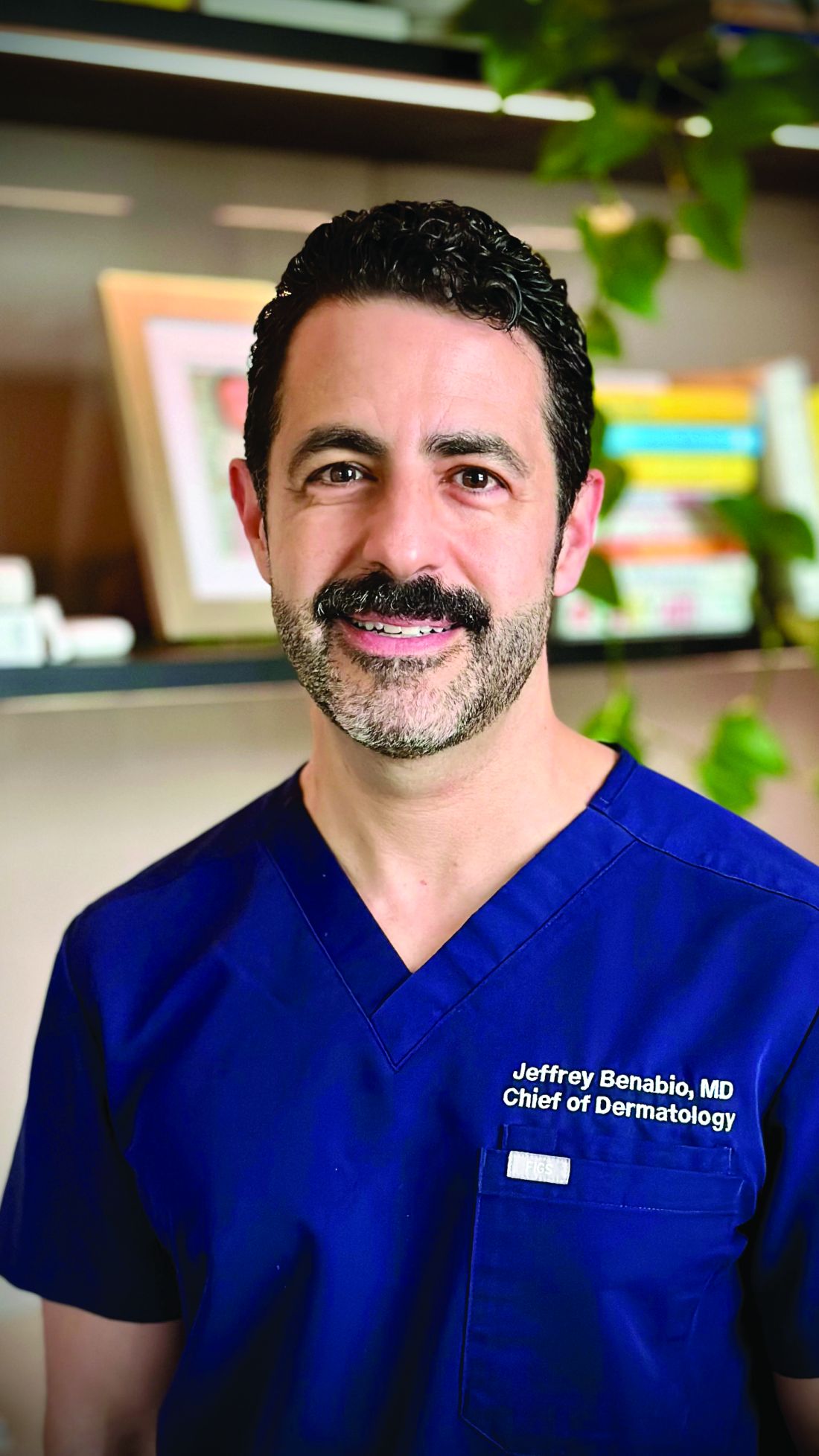
I learned of this game of charades concept from a podcast featuring Morten Christiansen, professor of psychology at Cornell University, and professor in Cognitive Science of Language, at Aarhus University, Denmark. The idea is that language can be thought of as a game where speakers constantly improvise based on the topic, each one’s expertise, and the shared understanding. I found this intriguing. In his explanation, grammar and definitions are less important than the mutual understanding of what is being communicated. It helps explain the wide variations of speech even among those speaking the same language. It also flips the idea that brains are designed for language, a concept proposed by linguistic greats such as Noam Chomsky and Steven Pinker. Rather, what we call language is just the best solution our brains could create to convey information.
I thought about how each of us instinctively varies the complexity of sentences and tone of voice based on the ability of each patient to understand. Gestures, storytelling and analogies are linguistic tools we use without thinking about them. We’ve a unique communications conundrum in that we often need patients to understand a complex idea, but only have minutes to get them there. We don’t want them to panic. We also don’t want them to be so dispassionate as to not act. To speed things up, we often use a technique known as chunking, short phrases that capture an idea in one bite. For example, “soak and smear” to get atopic patients to moisturize or “scrape and burn” to describe a curettage and electrodesiccation of a basal cell carcinoma or “a stick and a burn” before injecting them (I never liked that one). These are pithy, efficient. But they don’t always work.
One afternoon I had a 93-year-old woman with glossodynia. She had dementia and her 96-year-old husband was helping. When I explained how she’d “swish and spit” her magic mouthwash, he looked perplexed. Is she swishing a wand or something? I shook my head, “No” and gestured with my hands palms down, waving back and forth. It is just a mouthwash. She should rinse, then spit it out. I lost that round.
Then a 64-year-old woman whom I had to advise that the pink bump on her arm was a cutaneous neuroendocrine tumor. Do I call it a Merkel cell carcinoma? Do I say, “You know, like the one Jimmy Buffett had?” (Nope, not a good use of storytelling). She wanted to know how she got it. Sun exposure, we think. Or, perhaps a virus. Just how does one explain a virus called MCPyV that is ubiquitous but somehow caused cancer just for you? How do you convey, “This is serious, but you might not die like Jimmy Buffett?” I had to use all my language skills to get this right.
Then there is the Henderson-Hasselbalch problem of linguistics: communicating through a translator. When doing so, I’m cognizant of choosing short, simple sentences. Subject, verb, object. First this, then that. This mitigates what’s lost in translation and reduces waiting for translations (especially when your patient is storytelling in paragraphs). But try doing this with an emotionally wrought condition like alopecia. Finding the fewest words to convey that your FSH and estrogen levels are irrelevant to your telogen effluvium to a Vietnamese speaker is tricky. “Yes, I see your primary care physician ordered these tests. No, the numbers do not matter.” Did that translate as they are normal? Or that they don’t matter because she is 54? Or that they don’t matter to me because I didn’t order them?
When you find yourself exhausted at the day’s end, perhaps you’ll better appreciate how it was not only the graduate level medicine you did today; you’ve practically got a PhD in linguistics as well. You just didn’t realize it.
Dr. Benabio is chief of dermatology at Kaiser Permanente San Diego. The opinions expressed in this column are his own and do not represent those of Kaiser Permanente. Dr. Benabio is @Dermdoc on X. Write to him at [email protected].
Words do have power. Names have power. Words are events, they do things, change things. They transform both speaker and hearer ... They feed understanding or emotion back and forth and amplify it. — Ursula K. Le Guin
Every medical student should have a class in linguistics. I’m just unsure what it might replace. Maybe physiology? (When was the last time you used Fick’s or Fourier’s Laws anyway?). Even if we don’t supplant any core curriculum, it’s worth noting that we spend more time in our daily work calculating how to communicate things than calculating cardiac outputs. That we can convey so much so consistently and without specific training is a marvel. Making the diagnosis or a plan is often the easy part.
Linguistics is a broad field. At its essence, it studies how we communicate. It’s fascinating how we use tone, word choice, gestures, syntax, and grammar to explain, reassure, instruct or implore patients. Medical appointments are sometimes high stakes and occur within a huge variety of circumstances. In a single day of clinic, I had a patient with dementia, and one pursuing a PhD in P-Chem. I had English speakers, second language English speakers, and a Vietnamese patient who knew no English. In just one day, I explained things to toddlers and adults, a Black woman from Oklahoma and a Jewish woman from New York. For a brief few minutes, each of them was my partner in a game of medical charades. For each one, I had to figure out how to get them to know what I’m thinking.
I learned of this game of charades concept from a podcast featuring Morten Christiansen, professor of psychology at Cornell University, and professor in Cognitive Science of Language, at Aarhus University, Denmark. The idea is that language can be thought of as a game where speakers constantly improvise based on the topic, each one’s expertise, and the shared understanding. I found this intriguing. In his explanation, grammar and definitions are less important than the mutual understanding of what is being communicated. It helps explain the wide variations of speech even among those speaking the same language. It also flips the idea that brains are designed for language, a concept proposed by linguistic greats such as Noam Chomsky and Steven Pinker. Rather, what we call language is just the best solution our brains could create to convey information.
I thought about how each of us instinctively varies the complexity of sentences and tone of voice based on the ability of each patient to understand. Gestures, storytelling and analogies are linguistic tools we use without thinking about them. We’ve a unique communications conundrum in that we often need patients to understand a complex idea, but only have minutes to get them there. We don’t want them to panic. We also don’t want them to be so dispassionate as to not act. To speed things up, we often use a technique known as chunking, short phrases that capture an idea in one bite. For example, “soak and smear” to get atopic patients to moisturize or “scrape and burn” to describe a curettage and electrodesiccation of a basal cell carcinoma or “a stick and a burn” before injecting them (I never liked that one). These are pithy, efficient. But they don’t always work.
One afternoon I had a 93-year-old woman with glossodynia. She had dementia and her 96-year-old husband was helping. When I explained how she’d “swish and spit” her magic mouthwash, he looked perplexed. Is she swishing a wand or something? I shook my head, “No” and gestured with my hands palms down, waving back and forth. It is just a mouthwash. She should rinse, then spit it out. I lost that round.
Then a 64-year-old woman whom I had to advise that the pink bump on her arm was a cutaneous neuroendocrine tumor. Do I call it a Merkel cell carcinoma? Do I say, “You know, like the one Jimmy Buffett had?” (Nope, not a good use of storytelling). She wanted to know how she got it. Sun exposure, we think. Or, perhaps a virus. Just how does one explain a virus called MCPyV that is ubiquitous but somehow caused cancer just for you? How do you convey, “This is serious, but you might not die like Jimmy Buffett?” I had to use all my language skills to get this right.
Then there is the Henderson-Hasselbalch problem of linguistics: communicating through a translator. When doing so, I’m cognizant of choosing short, simple sentences. Subject, verb, object. First this, then that. This mitigates what’s lost in translation and reduces waiting for translations (especially when your patient is storytelling in paragraphs). But try doing this with an emotionally wrought condition like alopecia. Finding the fewest words to convey that your FSH and estrogen levels are irrelevant to your telogen effluvium to a Vietnamese speaker is tricky. “Yes, I see your primary care physician ordered these tests. No, the numbers do not matter.” Did that translate as they are normal? Or that they don’t matter because she is 54? Or that they don’t matter to me because I didn’t order them?
When you find yourself exhausted at the day’s end, perhaps you’ll better appreciate how it was not only the graduate level medicine you did today; you’ve practically got a PhD in linguistics as well. You just didn’t realize it.
Dr. Benabio is chief of dermatology at Kaiser Permanente San Diego. The opinions expressed in this column are his own and do not represent those of Kaiser Permanente. Dr. Benabio is @Dermdoc on X. Write to him at [email protected].
Words do have power. Names have power. Words are events, they do things, change things. They transform both speaker and hearer ... They feed understanding or emotion back and forth and amplify it. — Ursula K. Le Guin
Every medical student should have a class in linguistics. I’m just unsure what it might replace. Maybe physiology? (When was the last time you used Fick’s or Fourier’s Laws anyway?). Even if we don’t supplant any core curriculum, it’s worth noting that we spend more time in our daily work calculating how to communicate things than calculating cardiac outputs. That we can convey so much so consistently and without specific training is a marvel. Making the diagnosis or a plan is often the easy part.
Linguistics is a broad field. At its essence, it studies how we communicate. It’s fascinating how we use tone, word choice, gestures, syntax, and grammar to explain, reassure, instruct or implore patients. Medical appointments are sometimes high stakes and occur within a huge variety of circumstances. In a single day of clinic, I had a patient with dementia, and one pursuing a PhD in P-Chem. I had English speakers, second language English speakers, and a Vietnamese patient who knew no English. In just one day, I explained things to toddlers and adults, a Black woman from Oklahoma and a Jewish woman from New York. For a brief few minutes, each of them was my partner in a game of medical charades. For each one, I had to figure out how to get them to know what I’m thinking.
I learned of this game of charades concept from a podcast featuring Morten Christiansen, professor of psychology at Cornell University, and professor in Cognitive Science of Language, at Aarhus University, Denmark. The idea is that language can be thought of as a game where speakers constantly improvise based on the topic, each one’s expertise, and the shared understanding. I found this intriguing. In his explanation, grammar and definitions are less important than the mutual understanding of what is being communicated. It helps explain the wide variations of speech even among those speaking the same language. It also flips the idea that brains are designed for language, a concept proposed by linguistic greats such as Noam Chomsky and Steven Pinker. Rather, what we call language is just the best solution our brains could create to convey information.
I thought about how each of us instinctively varies the complexity of sentences and tone of voice based on the ability of each patient to understand. Gestures, storytelling and analogies are linguistic tools we use without thinking about them. We’ve a unique communications conundrum in that we often need patients to understand a complex idea, but only have minutes to get them there. We don’t want them to panic. We also don’t want them to be so dispassionate as to not act. To speed things up, we often use a technique known as chunking, short phrases that capture an idea in one bite. For example, “soak and smear” to get atopic patients to moisturize or “scrape and burn” to describe a curettage and electrodesiccation of a basal cell carcinoma or “a stick and a burn” before injecting them (I never liked that one). These are pithy, efficient. But they don’t always work.
One afternoon I had a 93-year-old woman with glossodynia. She had dementia and her 96-year-old husband was helping. When I explained how she’d “swish and spit” her magic mouthwash, he looked perplexed. Is she swishing a wand or something? I shook my head, “No” and gestured with my hands palms down, waving back and forth. It is just a mouthwash. She should rinse, then spit it out. I lost that round.
Then a 64-year-old woman whom I had to advise that the pink bump on her arm was a cutaneous neuroendocrine tumor. Do I call it a Merkel cell carcinoma? Do I say, “You know, like the one Jimmy Buffett had?” (Nope, not a good use of storytelling). She wanted to know how she got it. Sun exposure, we think. Or, perhaps a virus. Just how does one explain a virus called MCPyV that is ubiquitous but somehow caused cancer just for you? How do you convey, “This is serious, but you might not die like Jimmy Buffett?” I had to use all my language skills to get this right.
Then there is the Henderson-Hasselbalch problem of linguistics: communicating through a translator. When doing so, I’m cognizant of choosing short, simple sentences. Subject, verb, object. First this, then that. This mitigates what’s lost in translation and reduces waiting for translations (especially when your patient is storytelling in paragraphs). But try doing this with an emotionally wrought condition like alopecia. Finding the fewest words to convey that your FSH and estrogen levels are irrelevant to your telogen effluvium to a Vietnamese speaker is tricky. “Yes, I see your primary care physician ordered these tests. No, the numbers do not matter.” Did that translate as they are normal? Or that they don’t matter because she is 54? Or that they don’t matter to me because I didn’t order them?
When you find yourself exhausted at the day’s end, perhaps you’ll better appreciate how it was not only the graduate level medicine you did today; you’ve practically got a PhD in linguistics as well. You just didn’t realize it.
Dr. Benabio is chief of dermatology at Kaiser Permanente San Diego. The opinions expressed in this column are his own and do not represent those of Kaiser Permanente. Dr. Benabio is @Dermdoc on X. Write to him at [email protected].
A Doctor Gets the Save When a Little League Umpire Collapses
Emergencies happen anywhere, anytime, and sometimes, medical professionals find themselves in situations where they are the only ones who can help. Is There a Doctor in the House? is a Medscape Medical News series telling these stories.
I sincerely believe that what goes around comes around. Good things come to good people. And sometimes that saves lives.
My 10-year-old son was in the semifinals of the Little League district championship. And we were losing. My son is an excellent pitcher, and he had started the game. But that night, he was struggling. He just couldn’t find where to throw the ball. Needless to say, he was frustrated.
He was changed to shortstop in the second inning, and the home plate umpire walked over to him. This umpire is well known in the area for his kindness and commitment, how he encourages the kids and helps make baseball fun even when it’s stressful.
We didn’t know him well, but he was really supportive of my kid in that moment, talking to him about how baseball is a team sport and we’re here to have fun. Just being really positive.
As the game continued, I saw the umpire suddenly walk to the side of the field. I hadn’t seen it, but he had been hit by a wild pitch on the side of his neck. He was wearing protective gear, but the ball managed to bounce up the side and caught bare neck. I knew something wasn’t right.
I went down to talk to him, and my medical assistant (MA), who was also at the game, came with me. I could tell the umpire was injured, but he didn’t want to leave the game. I suggested going to the hospital, but he wouldn’t consider it. So I sat there with my arms crossed, watching him.
His symptoms got worse. I could see he was in pain, and it was getting harder for him to speak.
Again, I strongly urged him to go to the hospital, but again, he said no.
In the sixth inning, things got bad enough that the umpire finally agreed to leave the game. As I was figuring out how to get him to the hospital, he disappeared on me. He had walked up to the second floor of the snack shack. My MA and I got him back downstairs and sat him on a bench behind home plate.
We were in the process of calling 911 ... when he arrested.
Luckily, when he lost vital signs, my MA and I were standing right next to him. We were able to activate ACLS protocol and start CPR within seconds.
Many times in these critical situations — especially if people are scared or have never seen an emergency like this — there’s the potential for chaos. Well, that was the polar opposite of what happened.
As soon as I started to run the code, there was this sense of order. People were keeping their composure and following directions. My MA and I would say, “this is what we need,” and the task would immediately be assigned to someone. It was quiet. There was no yelling. Everyone trusted me, even though some of them had never met me before. It was so surprising. I remember thinking, we’re running an arrest, but it’s so calm.
We were an organized team, and it really worked like clockwork, which was remarkable given where we were. It’s one thing to be in the hospital for an event like that. But to be on a baseball field where you have nothing is a completely different scenario.
Meanwhile, the game went on.
I had requested that all the kids be placed in the dugout when they weren’t on the field. So they saw the umpire walk off, but none of them saw him arrest. Some parents were really helpful with making sure the kids were okay.
The president of Oxford Little League ran across the street to a fire station to get an AED. But the fire department personnel were out on a call. He had to break down the door.
By the time he got back, the umpire’s vital signs were returning. And then EMS arrived.
They loaded him in the ambulance, and I called ahead to the trauma team, so they knew exactly what was happening.
I was pretty worried. My hypothesis was that there was probably compression on the vasculature, which had caused him to lose his vital signs. I thought he probably had an impending airway loss. I wasn’t sure if he was going to make it through the night.
What I didn’t know was that while I was giving CPR, my son stole home, and we won the game. As the ambulance was leaving, the celebration was going on in the outfield.
The umpire was in the hospital for several days. Early on, I got permission from his family to visit him. The first time I saw him, I felt this incredible gratitude and peace.
My dad was an ER doctor, and growing up, it seemed like every time we went on a family vacation, there was an emergency. We would be near a car accident or something, and my father would fly in and save the day. I remember being on the Autobahn somewhere in Europe, and there was a devastating accident between a car and a motorcycle. My father stabilized the guy, had him airlifted out, and apparently, he did fine. I grew up watching things like this and thinking, wow, that’s incredible.
Fast forward to 2 years ago, my father was diagnosed with a lung cancer he never should have had. He never smoked. As a cancer surgeon, I know we did everything in our power to save him. But it didn’t happen. He passed away.
I realize this is superstitious, but seeing the umpire alive, I had this feeling that somehow my dad was there. It was bittersweet but also a joyful moment — like I could breathe again.
I met the umpire’s family that first time, and it was like meeting family that you didn’t know you had but now you have forever. Even though the event was traumatic — I’m still trying not to be on high alert every time I go to a game — it felt like a gift to be part of this journey with them.
Little League’s mission is to teach kids about teamwork, leadership, and making good choices so communities are stronger. Our umpire is a guy who does that every day. He’s not a Little League umpire because he makes any money. He shows up at every single game to support these kids and engage them, to model respect, gratitude, and kindness.
I think our obligation as people is to live with intentionality. We all need to make sure we leave the world a better place, even when we are called upon to do uncomfortable things. Our umpire showed our kids what that looks like, and in that moment when he could have died, we were able to do the same for him.
Jennifer LaFemina, MD, is a surgical oncologist at UMass Memorial Medical Center in Massachusetts.
Are you a medical professional with a dramatic story outside the clinic? Medscape Medical News would love to consider your story for Is There a Doctor in the House? Please email your contact information and a short summary to [email protected].
A version of this article appeared on Medscape.com.
Emergencies happen anywhere, anytime, and sometimes, medical professionals find themselves in situations where they are the only ones who can help. Is There a Doctor in the House? is a Medscape Medical News series telling these stories.
I sincerely believe that what goes around comes around. Good things come to good people. And sometimes that saves lives.
My 10-year-old son was in the semifinals of the Little League district championship. And we were losing. My son is an excellent pitcher, and he had started the game. But that night, he was struggling. He just couldn’t find where to throw the ball. Needless to say, he was frustrated.
He was changed to shortstop in the second inning, and the home plate umpire walked over to him. This umpire is well known in the area for his kindness and commitment, how he encourages the kids and helps make baseball fun even when it’s stressful.
We didn’t know him well, but he was really supportive of my kid in that moment, talking to him about how baseball is a team sport and we’re here to have fun. Just being really positive.
As the game continued, I saw the umpire suddenly walk to the side of the field. I hadn’t seen it, but he had been hit by a wild pitch on the side of his neck. He was wearing protective gear, but the ball managed to bounce up the side and caught bare neck. I knew something wasn’t right.
I went down to talk to him, and my medical assistant (MA), who was also at the game, came with me. I could tell the umpire was injured, but he didn’t want to leave the game. I suggested going to the hospital, but he wouldn’t consider it. So I sat there with my arms crossed, watching him.
His symptoms got worse. I could see he was in pain, and it was getting harder for him to speak.
Again, I strongly urged him to go to the hospital, but again, he said no.
In the sixth inning, things got bad enough that the umpire finally agreed to leave the game. As I was figuring out how to get him to the hospital, he disappeared on me. He had walked up to the second floor of the snack shack. My MA and I got him back downstairs and sat him on a bench behind home plate.
We were in the process of calling 911 ... when he arrested.
Luckily, when he lost vital signs, my MA and I were standing right next to him. We were able to activate ACLS protocol and start CPR within seconds.
Many times in these critical situations — especially if people are scared or have never seen an emergency like this — there’s the potential for chaos. Well, that was the polar opposite of what happened.
As soon as I started to run the code, there was this sense of order. People were keeping their composure and following directions. My MA and I would say, “this is what we need,” and the task would immediately be assigned to someone. It was quiet. There was no yelling. Everyone trusted me, even though some of them had never met me before. It was so surprising. I remember thinking, we’re running an arrest, but it’s so calm.
We were an organized team, and it really worked like clockwork, which was remarkable given where we were. It’s one thing to be in the hospital for an event like that. But to be on a baseball field where you have nothing is a completely different scenario.
Meanwhile, the game went on.
I had requested that all the kids be placed in the dugout when they weren’t on the field. So they saw the umpire walk off, but none of them saw him arrest. Some parents were really helpful with making sure the kids were okay.
The president of Oxford Little League ran across the street to a fire station to get an AED. But the fire department personnel were out on a call. He had to break down the door.
By the time he got back, the umpire’s vital signs were returning. And then EMS arrived.
They loaded him in the ambulance, and I called ahead to the trauma team, so they knew exactly what was happening.
I was pretty worried. My hypothesis was that there was probably compression on the vasculature, which had caused him to lose his vital signs. I thought he probably had an impending airway loss. I wasn’t sure if he was going to make it through the night.
What I didn’t know was that while I was giving CPR, my son stole home, and we won the game. As the ambulance was leaving, the celebration was going on in the outfield.
The umpire was in the hospital for several days. Early on, I got permission from his family to visit him. The first time I saw him, I felt this incredible gratitude and peace.
My dad was an ER doctor, and growing up, it seemed like every time we went on a family vacation, there was an emergency. We would be near a car accident or something, and my father would fly in and save the day. I remember being on the Autobahn somewhere in Europe, and there was a devastating accident between a car and a motorcycle. My father stabilized the guy, had him airlifted out, and apparently, he did fine. I grew up watching things like this and thinking, wow, that’s incredible.
Fast forward to 2 years ago, my father was diagnosed with a lung cancer he never should have had. He never smoked. As a cancer surgeon, I know we did everything in our power to save him. But it didn’t happen. He passed away.
I realize this is superstitious, but seeing the umpire alive, I had this feeling that somehow my dad was there. It was bittersweet but also a joyful moment — like I could breathe again.
I met the umpire’s family that first time, and it was like meeting family that you didn’t know you had but now you have forever. Even though the event was traumatic — I’m still trying not to be on high alert every time I go to a game — it felt like a gift to be part of this journey with them.
Little League’s mission is to teach kids about teamwork, leadership, and making good choices so communities are stronger. Our umpire is a guy who does that every day. He’s not a Little League umpire because he makes any money. He shows up at every single game to support these kids and engage them, to model respect, gratitude, and kindness.
I think our obligation as people is to live with intentionality. We all need to make sure we leave the world a better place, even when we are called upon to do uncomfortable things. Our umpire showed our kids what that looks like, and in that moment when he could have died, we were able to do the same for him.
Jennifer LaFemina, MD, is a surgical oncologist at UMass Memorial Medical Center in Massachusetts.
Are you a medical professional with a dramatic story outside the clinic? Medscape Medical News would love to consider your story for Is There a Doctor in the House? Please email your contact information and a short summary to [email protected].
A version of this article appeared on Medscape.com.
Emergencies happen anywhere, anytime, and sometimes, medical professionals find themselves in situations where they are the only ones who can help. Is There a Doctor in the House? is a Medscape Medical News series telling these stories.
I sincerely believe that what goes around comes around. Good things come to good people. And sometimes that saves lives.
My 10-year-old son was in the semifinals of the Little League district championship. And we were losing. My son is an excellent pitcher, and he had started the game. But that night, he was struggling. He just couldn’t find where to throw the ball. Needless to say, he was frustrated.
He was changed to shortstop in the second inning, and the home plate umpire walked over to him. This umpire is well known in the area for his kindness and commitment, how he encourages the kids and helps make baseball fun even when it’s stressful.
We didn’t know him well, but he was really supportive of my kid in that moment, talking to him about how baseball is a team sport and we’re here to have fun. Just being really positive.
As the game continued, I saw the umpire suddenly walk to the side of the field. I hadn’t seen it, but he had been hit by a wild pitch on the side of his neck. He was wearing protective gear, but the ball managed to bounce up the side and caught bare neck. I knew something wasn’t right.
I went down to talk to him, and my medical assistant (MA), who was also at the game, came with me. I could tell the umpire was injured, but he didn’t want to leave the game. I suggested going to the hospital, but he wouldn’t consider it. So I sat there with my arms crossed, watching him.
His symptoms got worse. I could see he was in pain, and it was getting harder for him to speak.
Again, I strongly urged him to go to the hospital, but again, he said no.
In the sixth inning, things got bad enough that the umpire finally agreed to leave the game. As I was figuring out how to get him to the hospital, he disappeared on me. He had walked up to the second floor of the snack shack. My MA and I got him back downstairs and sat him on a bench behind home plate.
We were in the process of calling 911 ... when he arrested.
Luckily, when he lost vital signs, my MA and I were standing right next to him. We were able to activate ACLS protocol and start CPR within seconds.
Many times in these critical situations — especially if people are scared or have never seen an emergency like this — there’s the potential for chaos. Well, that was the polar opposite of what happened.
As soon as I started to run the code, there was this sense of order. People were keeping their composure and following directions. My MA and I would say, “this is what we need,” and the task would immediately be assigned to someone. It was quiet. There was no yelling. Everyone trusted me, even though some of them had never met me before. It was so surprising. I remember thinking, we’re running an arrest, but it’s so calm.
We were an organized team, and it really worked like clockwork, which was remarkable given where we were. It’s one thing to be in the hospital for an event like that. But to be on a baseball field where you have nothing is a completely different scenario.
Meanwhile, the game went on.
I had requested that all the kids be placed in the dugout when they weren’t on the field. So they saw the umpire walk off, but none of them saw him arrest. Some parents were really helpful with making sure the kids were okay.
The president of Oxford Little League ran across the street to a fire station to get an AED. But the fire department personnel were out on a call. He had to break down the door.
By the time he got back, the umpire’s vital signs were returning. And then EMS arrived.
They loaded him in the ambulance, and I called ahead to the trauma team, so they knew exactly what was happening.
I was pretty worried. My hypothesis was that there was probably compression on the vasculature, which had caused him to lose his vital signs. I thought he probably had an impending airway loss. I wasn’t sure if he was going to make it through the night.
What I didn’t know was that while I was giving CPR, my son stole home, and we won the game. As the ambulance was leaving, the celebration was going on in the outfield.
The umpire was in the hospital for several days. Early on, I got permission from his family to visit him. The first time I saw him, I felt this incredible gratitude and peace.
My dad was an ER doctor, and growing up, it seemed like every time we went on a family vacation, there was an emergency. We would be near a car accident or something, and my father would fly in and save the day. I remember being on the Autobahn somewhere in Europe, and there was a devastating accident between a car and a motorcycle. My father stabilized the guy, had him airlifted out, and apparently, he did fine. I grew up watching things like this and thinking, wow, that’s incredible.
Fast forward to 2 years ago, my father was diagnosed with a lung cancer he never should have had. He never smoked. As a cancer surgeon, I know we did everything in our power to save him. But it didn’t happen. He passed away.
I realize this is superstitious, but seeing the umpire alive, I had this feeling that somehow my dad was there. It was bittersweet but also a joyful moment — like I could breathe again.
I met the umpire’s family that first time, and it was like meeting family that you didn’t know you had but now you have forever. Even though the event was traumatic — I’m still trying not to be on high alert every time I go to a game — it felt like a gift to be part of this journey with them.
Little League’s mission is to teach kids about teamwork, leadership, and making good choices so communities are stronger. Our umpire is a guy who does that every day. He’s not a Little League umpire because he makes any money. He shows up at every single game to support these kids and engage them, to model respect, gratitude, and kindness.
I think our obligation as people is to live with intentionality. We all need to make sure we leave the world a better place, even when we are called upon to do uncomfortable things. Our umpire showed our kids what that looks like, and in that moment when he could have died, we were able to do the same for him.
Jennifer LaFemina, MD, is a surgical oncologist at UMass Memorial Medical Center in Massachusetts.
Are you a medical professional with a dramatic story outside the clinic? Medscape Medical News would love to consider your story for Is There a Doctor in the House? Please email your contact information and a short summary to [email protected].
A version of this article appeared on Medscape.com.
Can Restricting Carbohydrates Cut the Need for Medication in T2D?
, new research suggests.
In the 12-week study of 57 people with T2D who were not using insulin, C-peptide levels were significantly higher among those randomized to receive a low-carbohydrate diet (~9% of total calories) vs a higher-carbohydrate diet (~55%). The results were published online on October 22, 2024, in The Journal of Clinical Endocrinology & Metabolism.
“While other studies have demonstrated metabolic health benefits of low-carb diets, our results are the first to show that dietary carbohydrate restriction can improve beta-cell function ... Furthermore, the carbohydrate-restricted diet improved insulin secretion in African American patients to a much greater extent than in Caucasian Americans,” study author Marian L. Yurchishin, MS, Department of Nutrition Sciences, The University of Alabama, Birmingham, Alabama, told Medscape Medical News.
Yurchishin added, “Our data suggests that a carbohydrate-restricted diet provides the opportunity to improve beta-cell function without the need for medication use or weight loss. This approach may be more appealing and effective for some persons with T2D, particularly in patients of African descent.”
At the same time, she clarified, “Our research should not be interpreted to mean that a carbohydrate-restricted diet can replace medical therapy in those who need it, especially patients at risk of cardiovascular disease, heart failure, or chronic kidney disease…or when medications are needed to achieve A1c targets.”
Asked to comment, Alison B. Evert, RDN, CDCES, former (now retired) manager of the Nutrition and Diabetes Education Programs at the University of Washington Medicine Primary Care, Kirkland, Washington, expressed some caveats about the findings, noting “I doubt this approach would be sustainable for the average person.”
Evert also pointed out that the amount of fat in the carbohydrate-restricted diet — 65% of energy vs just 20% of energy with the higher-carbohydrate diet — was “extremely high ... essentially a keto diet,” and that in the real-world people might not receive education on heart-healthy fat intake. Moreover, she noted that the study’s use of grocery delivery to the participants with instructions for food preparation “is not a real-world situation either.”
Low-Carbohydrate Diet Increased C-Peptide Levels
The study participants were all either African American or European American. All had been diagnosed with T2D within the past 10 years, with average 4.9 years in the carbohydrate-restricted group vs 3.0 years in the higher-carbohydrate group. The two diets contained approximately the same number of calories.
All their medications were discontinued 1-2 weeks prior to baseline testing.
A hyperglycemic clamp was used to assess the acute (first-phase) and maximal (arginine-stimulated) C-peptide response to glucose at baseline and after 12 weeks of following the diets. First-phase beta-cell response to glucose was assessed at 30 minutes, insulin sensitivity was evaluated at 2 hours, and maximal beta-cell response to arginine was evaluated after another 30 minutes.
Oral glucose tolerance tests were also conducted at baseline and at 12 weeks to determine the disposition index (DI), a marker of beta-cell function that factors in both C-peptide and insulin sensitivity.
Of 65 participants enrolled, eight discontinued the study, most due to non-adherence. At 12 weeks, the acute C-peptide response from baseline was twice as high with the carbohydrate-restricted diet than with the higher-carbohydrate diet (P < .05). This difference was significant among the 37 African Americans (110% greater; P < .01) but not for the 20 European Americans.
Evert said that because people have typically lost at least 50% of their beta-cell function at the time of T2D diagnosis, “it is helpful to have return of first phase response, but long-term discontinuation of medications that also have cardioprotective function seems short sighted in this patient population.”
The overall maximal C-peptide response was 22% greater with the carbohydrate-restricted diet (P < .05), this time only significant in the European Americans (48%; P < .01) but not the African Americans.
In the combined group, the DI was 32% greater with the carbohydrate-restricted diet (P < .05) but only significantly so in the African American participants (48%; P < .01); however, no DI changes were seen with the higher-carbohydrate diet in the European American participants.
Regarding the racial differences, Yurchishin explained “Research supports the contention that the pathophysiology of T2D differs can differ among races based on genetic factors and environmental interactions that affect beta-cell function. For example, T2D onset in African Americans may be less related to obesity and insulin resistance than it is in European Americans and depend on alterations in beta-cell function to a larger degree. While sociocultural factors do influence T2D risk, other studies have also shown that there are inherent biological differences in the mechanisms that lead to beta-cell failure between races that warrant further investigation.”
In their paper, Yurchishin and colleagues concluded, “With the caveat that carbohydrate restriction may be difficult for some patients, such a diet may allow patients with mild T2D to discontinue medication and enjoy eating meals and snacks that meet their energy needs while improving beta-cell function, an outcome that cannot be achieved with medication.”
Evert commented, “I think it is a bit subjective to say that people following a 9% carb intake ‘will enjoy eating their meals and snacks that meet their energy needs.’ Guess they would enjoy as long as they choose very high fat, low carb foods.”
The research was supported by the National Institute of Diabetes and Digestive and Kidney Diseases, the UAB Nutrition Obesity Research Center, and the UAB Diabetes Research Center. Yurchishin was supported by the National Heart, Lung, and Blood Institute. Evert had no disclosures.
A version of this article appeared on Medscape.com.
, new research suggests.
In the 12-week study of 57 people with T2D who were not using insulin, C-peptide levels were significantly higher among those randomized to receive a low-carbohydrate diet (~9% of total calories) vs a higher-carbohydrate diet (~55%). The results were published online on October 22, 2024, in The Journal of Clinical Endocrinology & Metabolism.
“While other studies have demonstrated metabolic health benefits of low-carb diets, our results are the first to show that dietary carbohydrate restriction can improve beta-cell function ... Furthermore, the carbohydrate-restricted diet improved insulin secretion in African American patients to a much greater extent than in Caucasian Americans,” study author Marian L. Yurchishin, MS, Department of Nutrition Sciences, The University of Alabama, Birmingham, Alabama, told Medscape Medical News.
Yurchishin added, “Our data suggests that a carbohydrate-restricted diet provides the opportunity to improve beta-cell function without the need for medication use or weight loss. This approach may be more appealing and effective for some persons with T2D, particularly in patients of African descent.”
At the same time, she clarified, “Our research should not be interpreted to mean that a carbohydrate-restricted diet can replace medical therapy in those who need it, especially patients at risk of cardiovascular disease, heart failure, or chronic kidney disease…or when medications are needed to achieve A1c targets.”
Asked to comment, Alison B. Evert, RDN, CDCES, former (now retired) manager of the Nutrition and Diabetes Education Programs at the University of Washington Medicine Primary Care, Kirkland, Washington, expressed some caveats about the findings, noting “I doubt this approach would be sustainable for the average person.”
Evert also pointed out that the amount of fat in the carbohydrate-restricted diet — 65% of energy vs just 20% of energy with the higher-carbohydrate diet — was “extremely high ... essentially a keto diet,” and that in the real-world people might not receive education on heart-healthy fat intake. Moreover, she noted that the study’s use of grocery delivery to the participants with instructions for food preparation “is not a real-world situation either.”
Low-Carbohydrate Diet Increased C-Peptide Levels
The study participants were all either African American or European American. All had been diagnosed with T2D within the past 10 years, with average 4.9 years in the carbohydrate-restricted group vs 3.0 years in the higher-carbohydrate group. The two diets contained approximately the same number of calories.
All their medications were discontinued 1-2 weeks prior to baseline testing.
A hyperglycemic clamp was used to assess the acute (first-phase) and maximal (arginine-stimulated) C-peptide response to glucose at baseline and after 12 weeks of following the diets. First-phase beta-cell response to glucose was assessed at 30 minutes, insulin sensitivity was evaluated at 2 hours, and maximal beta-cell response to arginine was evaluated after another 30 minutes.
Oral glucose tolerance tests were also conducted at baseline and at 12 weeks to determine the disposition index (DI), a marker of beta-cell function that factors in both C-peptide and insulin sensitivity.
Of 65 participants enrolled, eight discontinued the study, most due to non-adherence. At 12 weeks, the acute C-peptide response from baseline was twice as high with the carbohydrate-restricted diet than with the higher-carbohydrate diet (P < .05). This difference was significant among the 37 African Americans (110% greater; P < .01) but not for the 20 European Americans.
Evert said that because people have typically lost at least 50% of their beta-cell function at the time of T2D diagnosis, “it is helpful to have return of first phase response, but long-term discontinuation of medications that also have cardioprotective function seems short sighted in this patient population.”
The overall maximal C-peptide response was 22% greater with the carbohydrate-restricted diet (P < .05), this time only significant in the European Americans (48%; P < .01) but not the African Americans.
In the combined group, the DI was 32% greater with the carbohydrate-restricted diet (P < .05) but only significantly so in the African American participants (48%; P < .01); however, no DI changes were seen with the higher-carbohydrate diet in the European American participants.
Regarding the racial differences, Yurchishin explained “Research supports the contention that the pathophysiology of T2D differs can differ among races based on genetic factors and environmental interactions that affect beta-cell function. For example, T2D onset in African Americans may be less related to obesity and insulin resistance than it is in European Americans and depend on alterations in beta-cell function to a larger degree. While sociocultural factors do influence T2D risk, other studies have also shown that there are inherent biological differences in the mechanisms that lead to beta-cell failure between races that warrant further investigation.”
In their paper, Yurchishin and colleagues concluded, “With the caveat that carbohydrate restriction may be difficult for some patients, such a diet may allow patients with mild T2D to discontinue medication and enjoy eating meals and snacks that meet their energy needs while improving beta-cell function, an outcome that cannot be achieved with medication.”
Evert commented, “I think it is a bit subjective to say that people following a 9% carb intake ‘will enjoy eating their meals and snacks that meet their energy needs.’ Guess they would enjoy as long as they choose very high fat, low carb foods.”
The research was supported by the National Institute of Diabetes and Digestive and Kidney Diseases, the UAB Nutrition Obesity Research Center, and the UAB Diabetes Research Center. Yurchishin was supported by the National Heart, Lung, and Blood Institute. Evert had no disclosures.
A version of this article appeared on Medscape.com.
, new research suggests.
In the 12-week study of 57 people with T2D who were not using insulin, C-peptide levels were significantly higher among those randomized to receive a low-carbohydrate diet (~9% of total calories) vs a higher-carbohydrate diet (~55%). The results were published online on October 22, 2024, in The Journal of Clinical Endocrinology & Metabolism.
“While other studies have demonstrated metabolic health benefits of low-carb diets, our results are the first to show that dietary carbohydrate restriction can improve beta-cell function ... Furthermore, the carbohydrate-restricted diet improved insulin secretion in African American patients to a much greater extent than in Caucasian Americans,” study author Marian L. Yurchishin, MS, Department of Nutrition Sciences, The University of Alabama, Birmingham, Alabama, told Medscape Medical News.
Yurchishin added, “Our data suggests that a carbohydrate-restricted diet provides the opportunity to improve beta-cell function without the need for medication use or weight loss. This approach may be more appealing and effective for some persons with T2D, particularly in patients of African descent.”
At the same time, she clarified, “Our research should not be interpreted to mean that a carbohydrate-restricted diet can replace medical therapy in those who need it, especially patients at risk of cardiovascular disease, heart failure, or chronic kidney disease…or when medications are needed to achieve A1c targets.”
Asked to comment, Alison B. Evert, RDN, CDCES, former (now retired) manager of the Nutrition and Diabetes Education Programs at the University of Washington Medicine Primary Care, Kirkland, Washington, expressed some caveats about the findings, noting “I doubt this approach would be sustainable for the average person.”
Evert also pointed out that the amount of fat in the carbohydrate-restricted diet — 65% of energy vs just 20% of energy with the higher-carbohydrate diet — was “extremely high ... essentially a keto diet,” and that in the real-world people might not receive education on heart-healthy fat intake. Moreover, she noted that the study’s use of grocery delivery to the participants with instructions for food preparation “is not a real-world situation either.”
Low-Carbohydrate Diet Increased C-Peptide Levels
The study participants were all either African American or European American. All had been diagnosed with T2D within the past 10 years, with average 4.9 years in the carbohydrate-restricted group vs 3.0 years in the higher-carbohydrate group. The two diets contained approximately the same number of calories.
All their medications were discontinued 1-2 weeks prior to baseline testing.
A hyperglycemic clamp was used to assess the acute (first-phase) and maximal (arginine-stimulated) C-peptide response to glucose at baseline and after 12 weeks of following the diets. First-phase beta-cell response to glucose was assessed at 30 minutes, insulin sensitivity was evaluated at 2 hours, and maximal beta-cell response to arginine was evaluated after another 30 minutes.
Oral glucose tolerance tests were also conducted at baseline and at 12 weeks to determine the disposition index (DI), a marker of beta-cell function that factors in both C-peptide and insulin sensitivity.
Of 65 participants enrolled, eight discontinued the study, most due to non-adherence. At 12 weeks, the acute C-peptide response from baseline was twice as high with the carbohydrate-restricted diet than with the higher-carbohydrate diet (P < .05). This difference was significant among the 37 African Americans (110% greater; P < .01) but not for the 20 European Americans.
Evert said that because people have typically lost at least 50% of their beta-cell function at the time of T2D diagnosis, “it is helpful to have return of first phase response, but long-term discontinuation of medications that also have cardioprotective function seems short sighted in this patient population.”
The overall maximal C-peptide response was 22% greater with the carbohydrate-restricted diet (P < .05), this time only significant in the European Americans (48%; P < .01) but not the African Americans.
In the combined group, the DI was 32% greater with the carbohydrate-restricted diet (P < .05) but only significantly so in the African American participants (48%; P < .01); however, no DI changes were seen with the higher-carbohydrate diet in the European American participants.
Regarding the racial differences, Yurchishin explained “Research supports the contention that the pathophysiology of T2D differs can differ among races based on genetic factors and environmental interactions that affect beta-cell function. For example, T2D onset in African Americans may be less related to obesity and insulin resistance than it is in European Americans and depend on alterations in beta-cell function to a larger degree. While sociocultural factors do influence T2D risk, other studies have also shown that there are inherent biological differences in the mechanisms that lead to beta-cell failure between races that warrant further investigation.”
In their paper, Yurchishin and colleagues concluded, “With the caveat that carbohydrate restriction may be difficult for some patients, such a diet may allow patients with mild T2D to discontinue medication and enjoy eating meals and snacks that meet their energy needs while improving beta-cell function, an outcome that cannot be achieved with medication.”
Evert commented, “I think it is a bit subjective to say that people following a 9% carb intake ‘will enjoy eating their meals and snacks that meet their energy needs.’ Guess they would enjoy as long as they choose very high fat, low carb foods.”
The research was supported by the National Institute of Diabetes and Digestive and Kidney Diseases, the UAB Nutrition Obesity Research Center, and the UAB Diabetes Research Center. Yurchishin was supported by the National Heart, Lung, and Blood Institute. Evert had no disclosures.
A version of this article appeared on Medscape.com.
Diabetes Retinopathy Poses Threat to More Young People’s Sight
, leading to a call for more frequent screening for this condition and more attention to follow-up after diagnosis.
The increased incidence of diabetic retinopathy is “a potentially unappreciated public health catastrophe,” Julie Rosenthal, MD, MS, of the University of Michigan, Ann Arbor, Michigan, and her coauthors wrote in a recent viewpoint in JAMA Ophthalmology.
Rosenthal, an ophthalmologist, said she has been treating each year several young people with diabetes with symptoms of retinopathy that might have been prevented through earlier detection and treatment.
Some patients with retinopathy seek out eye specialists for issues such as seeing floaters, vision loss, or feeling of having cobwebs in their vision, which can be symptoms of bleeding. Other patients may have no symptoms with their retinopathy discovered only in screening.
“It would be wonderful to never need to treat any 20-year-olds with proliferative diabetic retinopathy who are losing vision,” Rosenthal said.
Diabetic retinopathy once was considered rare in young people, with earlier research suggesting an age-adjusted prevalence of 4%-13% in youths with type 2 diabetes, roughly in line with that for type 1 diabetes.
But an analysis of more recent data drawn from two major federally funded studies of diabetes in young people shows what Rosenthal and her colleagues called “alarming rates” of retinopathy. Data from these studies suggest more than half (52%) of youths with type 1 diabetes may have some retinopathy, and as many as 55% of those with youth-onset type 2 diabetes.
Other research suggests young people with type 2 diabetes may have almost twice the risk of developing retinopathy, develop it sooner after diabetes diagnosis, and are more likely to have vision-threatening retinopathy, Rosenthal and coauthors wrote.
Elizabeth Jensen, PhD, of Wake Forest University, Winston-Salem, North Carolina, the lead author of a 2023 study cited by Rosenthal and coauthors in their JAMA Ophthalmology viewpoint, told Medscape Medical News she also supports a call for more screening of young people.
“What many people don’t realize is that there is evidence of retinal changes consistent with development of diabetic retinopathy early in disease,” Jensen said.
The proportion of people with diabetic retinopathy varied according to a range of modifiable factors, including A1c levels and blood pressure, she added.
This fact underscores the need to not only screen for diabetic retinopathy early but also consider addressing those modifiable factors that may mitigate risk for the development and progression of diabetic retinopathy, Jensen said.
Rosenthal said some patients have the false impression of sight loss being inevitable with diabetes. Their primary care physicians can help make them aware that there are treatments for retinopathy in cases where it can’t be avoided.
These interventions include laser treatments and injecting medicines into the eye. “It sounds a lot scarier than it is,” Rosenthal said.
“We do know that keeping good control over not only glucose but also blood pressure, cholesterol, and lipids is all important for decreasing the risk. But even if those are under control, sometimes people can still get diabetes in their eyes,” Rosenthal said. “The longer you have diabetes, the higher your risk of having problems in your eye.”
‘Stagnant Guidelines’
Guidelines from major medical groups have “remained largely stagnant in the face of new evidence of increasing diabetes prevalence,” making it difficult to know when to screen younger people, according to Rosenthal and her colleagues.
Medical associations, including the American Diabetes Association (ADA) and the American Academy of Ophthalmology, now recommend ocular screening for youths with type 1 diabetes 3-5 years after diagnosis in those who are at least 11 years old or are experiencing puberty, and for youths with type 2 diabetes from the time of diagnosis.
Follow-up diabetic eye examinations can be performed every 2 years, with some groups advocating for even more infrequent follow-up examinations.
“These guidelines are rooted in evidence from prior studies showing that it is rare to have advanced retinopathy prior to this age,” Rosenthal and coauthors wrote. “However, these guidelines have remained largely stagnant in the face of new evidence of increasing diabetes prevalence.”
The American Academy of Ophthalmology told Medscape Medical News it has no immediate plans to update its recommendations. These include directing people with type 1 diabetes without known diabetic retinopathy to have annual dilated eye examinations beginning 5 years after the onset of diabetes. Individuals with type 2 diabetes without diabetic retinopathy should have annual dilated eye examinations to detect the onset of diabetic retinopathy.
The group also said clinicians should make sure patients understand that even if they may have good vision and no ocular symptoms, they may still have significant disease that needs treatment.
More Opportunities for Screening Tools
The current standards of care for retinopathy from the ADA note new products on the market are increasing the options for screening.
“Retinal photography with remote reading by experts has great potential to provide screening services in areas where qualified eye care professionals are not readily available,” according to standards.
“However, the benefits and optimal utilization of this type of screening have yet to be fully determined,” the group stated. “Results of all screening eye examinations should be documented and transmitted to the referring healthcare professionals.”
The approach has promise, despite some significant challenges, according to Rithwick Rajagopal, MD, PhD, an associate professor of ophthalmology and visual sciences at Washington University in St. Louis, St. Louis, Missouri.
Rajagopal and colleagues in 2022 published results of a test of retinopathy screening during appointments at the primary care medicine clinic of Barnes-Jewish Hospital in St. Louis, Missouri. They found the system used worked well in ruling out retinopathy and appeared to help more patients receive care for the condition. Among patients referred for follow-up eye exams, the adherence rate was 55.4% at 1-year compared with the historical adherence rate of 18.7%, Rajagopal and his colleagues reported.
In an email exchange with Medscape Medical News, Rajagopal highlighted several barriers to wider adoption of retinopathy screenings in primary care.
“First is unfamiliarity with eye anatomy and physiology, which is associated with low level of comfort in capturing the photographs and interpreting the results (even though the cameras are increasingly easy to use and that the AI software generates the diagnosis),” Rajagopal said.
In addition, questions about reimbursement and liability remain unresolved.
But Rajagopal said he still expects more use of products such as the EyeArt 2.0 automated DR screening software (Eyenuk, Inc.).
“Despite the above concerns, point-of-care screening offers a powerful solution to a long-standing problem: People with diabetes in this country are generally not adherent to recommended retinal screening guidelines,” Rajagopal told Medscape Medical News. “There are multiple causes of such poor adherence, but point-of-care screening solves several of them: No need to take time off for an additional medical visit, no additional co-pay for eye doctor visits, and no need for dilation in many cases.”
Aiding in the adoption of this service is likely the special Current Procedural Terminology (billing) code — 92229 — the American Medical Association introduced in 2021 for diabetic eye exams when ordered by a physician who is not an ophthalmologist. Many commercial health plans and many state Medicaid programs now cover this service, which is still off-label, Michael Abramoff, MD, PhD, of the University of Iowa, Iowa City, Iowa, and founder of Digital Diagnostics, maker of the AI-assisted LumineticsCore diagnostic system, told Medscape Medical News. A representative for Eyenuk also told Medscape Medical News many insurers now cover the screening service.
LumineticsCore has been used in a study done in conjunction with appointments for regular care at the Johns Hopkins Pediatric Diabetes Center in Baltimore.
Abramoff and coauthors, including Risa Wolf, MD, a pediatric endocrinologist at Johns Hopkins University School of Medicine in Baltimore, reported this year in Nature Communications that 100% of patients in the group offered the autonomous AI screening completed their eye exam that day, while only 22% of a comparison group followed through within 6 months to complete an eye exam with an optometrist or ophthalmologist.
Wolf, who is also a coauthor with Rosenthal of the commentary in JAMA Ophthalmology, said she agrees these tools have the potential to expand the pool of clinicians who can screen patients for retinopathy.
Make Screening Easier
The critical issue is to make it easier for young adults with diabetes to get checked for retinopathy, Wolf said. People in their late teens and early 20s face many challenges in getting needed medical screenings. They often are shifting away from living with parents, who likely managed their care for them in their childhood.
These young adults tend to be busy with college and the demands of starting out in careers while living on their own. And they may not want to address the potential consequences of diabetes, which can seem remote to people not feeling effects of the illness.
“It’s just not always a priority, especially when you’re in this time of life where you’re generally feeling very healthy,” Wolf said. “But we want to make sure that they are getting screened.”
Rosenthal reported receiving research grant support from MediBeacon, outside the submitted work. Other coauthors reported receiving grants from Breakthrough T1D, Physical Sciences, Novartis, Genentech/Roche, Novo Nordisk, and Boehringer Ingelheim, and receiving nonfinancial support from Optovue, Boston Micromachines, Novo Nordisk, Adaptive Sensory Technology, Genentech/Roche, Novartis, and Alcon outside the submitted work. Jensen reported no relevant financial disclosures.
Eyenuk Inc. provided the camera and automated screening software used in the study reported by Rajagopal and coauthors and was involved in the data collection and management, but otherwise had no role in the design or conduct of this research. Rajagopal had no personal financial disclosures.
A version of this article appeared on Medscape.com.
, leading to a call for more frequent screening for this condition and more attention to follow-up after diagnosis.
The increased incidence of diabetic retinopathy is “a potentially unappreciated public health catastrophe,” Julie Rosenthal, MD, MS, of the University of Michigan, Ann Arbor, Michigan, and her coauthors wrote in a recent viewpoint in JAMA Ophthalmology.
Rosenthal, an ophthalmologist, said she has been treating each year several young people with diabetes with symptoms of retinopathy that might have been prevented through earlier detection and treatment.
Some patients with retinopathy seek out eye specialists for issues such as seeing floaters, vision loss, or feeling of having cobwebs in their vision, which can be symptoms of bleeding. Other patients may have no symptoms with their retinopathy discovered only in screening.
“It would be wonderful to never need to treat any 20-year-olds with proliferative diabetic retinopathy who are losing vision,” Rosenthal said.
Diabetic retinopathy once was considered rare in young people, with earlier research suggesting an age-adjusted prevalence of 4%-13% in youths with type 2 diabetes, roughly in line with that for type 1 diabetes.
But an analysis of more recent data drawn from two major federally funded studies of diabetes in young people shows what Rosenthal and her colleagues called “alarming rates” of retinopathy. Data from these studies suggest more than half (52%) of youths with type 1 diabetes may have some retinopathy, and as many as 55% of those with youth-onset type 2 diabetes.
Other research suggests young people with type 2 diabetes may have almost twice the risk of developing retinopathy, develop it sooner after diabetes diagnosis, and are more likely to have vision-threatening retinopathy, Rosenthal and coauthors wrote.
Elizabeth Jensen, PhD, of Wake Forest University, Winston-Salem, North Carolina, the lead author of a 2023 study cited by Rosenthal and coauthors in their JAMA Ophthalmology viewpoint, told Medscape Medical News she also supports a call for more screening of young people.
“What many people don’t realize is that there is evidence of retinal changes consistent with development of diabetic retinopathy early in disease,” Jensen said.
The proportion of people with diabetic retinopathy varied according to a range of modifiable factors, including A1c levels and blood pressure, she added.
This fact underscores the need to not only screen for diabetic retinopathy early but also consider addressing those modifiable factors that may mitigate risk for the development and progression of diabetic retinopathy, Jensen said.
Rosenthal said some patients have the false impression of sight loss being inevitable with diabetes. Their primary care physicians can help make them aware that there are treatments for retinopathy in cases where it can’t be avoided.
These interventions include laser treatments and injecting medicines into the eye. “It sounds a lot scarier than it is,” Rosenthal said.
“We do know that keeping good control over not only glucose but also blood pressure, cholesterol, and lipids is all important for decreasing the risk. But even if those are under control, sometimes people can still get diabetes in their eyes,” Rosenthal said. “The longer you have diabetes, the higher your risk of having problems in your eye.”
‘Stagnant Guidelines’
Guidelines from major medical groups have “remained largely stagnant in the face of new evidence of increasing diabetes prevalence,” making it difficult to know when to screen younger people, according to Rosenthal and her colleagues.
Medical associations, including the American Diabetes Association (ADA) and the American Academy of Ophthalmology, now recommend ocular screening for youths with type 1 diabetes 3-5 years after diagnosis in those who are at least 11 years old or are experiencing puberty, and for youths with type 2 diabetes from the time of diagnosis.
Follow-up diabetic eye examinations can be performed every 2 years, with some groups advocating for even more infrequent follow-up examinations.
“These guidelines are rooted in evidence from prior studies showing that it is rare to have advanced retinopathy prior to this age,” Rosenthal and coauthors wrote. “However, these guidelines have remained largely stagnant in the face of new evidence of increasing diabetes prevalence.”
The American Academy of Ophthalmology told Medscape Medical News it has no immediate plans to update its recommendations. These include directing people with type 1 diabetes without known diabetic retinopathy to have annual dilated eye examinations beginning 5 years after the onset of diabetes. Individuals with type 2 diabetes without diabetic retinopathy should have annual dilated eye examinations to detect the onset of diabetic retinopathy.
The group also said clinicians should make sure patients understand that even if they may have good vision and no ocular symptoms, they may still have significant disease that needs treatment.
More Opportunities for Screening Tools
The current standards of care for retinopathy from the ADA note new products on the market are increasing the options for screening.
“Retinal photography with remote reading by experts has great potential to provide screening services in areas where qualified eye care professionals are not readily available,” according to standards.
“However, the benefits and optimal utilization of this type of screening have yet to be fully determined,” the group stated. “Results of all screening eye examinations should be documented and transmitted to the referring healthcare professionals.”
The approach has promise, despite some significant challenges, according to Rithwick Rajagopal, MD, PhD, an associate professor of ophthalmology and visual sciences at Washington University in St. Louis, St. Louis, Missouri.
Rajagopal and colleagues in 2022 published results of a test of retinopathy screening during appointments at the primary care medicine clinic of Barnes-Jewish Hospital in St. Louis, Missouri. They found the system used worked well in ruling out retinopathy and appeared to help more patients receive care for the condition. Among patients referred for follow-up eye exams, the adherence rate was 55.4% at 1-year compared with the historical adherence rate of 18.7%, Rajagopal and his colleagues reported.
In an email exchange with Medscape Medical News, Rajagopal highlighted several barriers to wider adoption of retinopathy screenings in primary care.
“First is unfamiliarity with eye anatomy and physiology, which is associated with low level of comfort in capturing the photographs and interpreting the results (even though the cameras are increasingly easy to use and that the AI software generates the diagnosis),” Rajagopal said.
In addition, questions about reimbursement and liability remain unresolved.
But Rajagopal said he still expects more use of products such as the EyeArt 2.0 automated DR screening software (Eyenuk, Inc.).
“Despite the above concerns, point-of-care screening offers a powerful solution to a long-standing problem: People with diabetes in this country are generally not adherent to recommended retinal screening guidelines,” Rajagopal told Medscape Medical News. “There are multiple causes of such poor adherence, but point-of-care screening solves several of them: No need to take time off for an additional medical visit, no additional co-pay for eye doctor visits, and no need for dilation in many cases.”
Aiding in the adoption of this service is likely the special Current Procedural Terminology (billing) code — 92229 — the American Medical Association introduced in 2021 for diabetic eye exams when ordered by a physician who is not an ophthalmologist. Many commercial health plans and many state Medicaid programs now cover this service, which is still off-label, Michael Abramoff, MD, PhD, of the University of Iowa, Iowa City, Iowa, and founder of Digital Diagnostics, maker of the AI-assisted LumineticsCore diagnostic system, told Medscape Medical News. A representative for Eyenuk also told Medscape Medical News many insurers now cover the screening service.
LumineticsCore has been used in a study done in conjunction with appointments for regular care at the Johns Hopkins Pediatric Diabetes Center in Baltimore.
Abramoff and coauthors, including Risa Wolf, MD, a pediatric endocrinologist at Johns Hopkins University School of Medicine in Baltimore, reported this year in Nature Communications that 100% of patients in the group offered the autonomous AI screening completed their eye exam that day, while only 22% of a comparison group followed through within 6 months to complete an eye exam with an optometrist or ophthalmologist.
Wolf, who is also a coauthor with Rosenthal of the commentary in JAMA Ophthalmology, said she agrees these tools have the potential to expand the pool of clinicians who can screen patients for retinopathy.
Make Screening Easier
The critical issue is to make it easier for young adults with diabetes to get checked for retinopathy, Wolf said. People in their late teens and early 20s face many challenges in getting needed medical screenings. They often are shifting away from living with parents, who likely managed their care for them in their childhood.
These young adults tend to be busy with college and the demands of starting out in careers while living on their own. And they may not want to address the potential consequences of diabetes, which can seem remote to people not feeling effects of the illness.
“It’s just not always a priority, especially when you’re in this time of life where you’re generally feeling very healthy,” Wolf said. “But we want to make sure that they are getting screened.”
Rosenthal reported receiving research grant support from MediBeacon, outside the submitted work. Other coauthors reported receiving grants from Breakthrough T1D, Physical Sciences, Novartis, Genentech/Roche, Novo Nordisk, and Boehringer Ingelheim, and receiving nonfinancial support from Optovue, Boston Micromachines, Novo Nordisk, Adaptive Sensory Technology, Genentech/Roche, Novartis, and Alcon outside the submitted work. Jensen reported no relevant financial disclosures.
Eyenuk Inc. provided the camera and automated screening software used in the study reported by Rajagopal and coauthors and was involved in the data collection and management, but otherwise had no role in the design or conduct of this research. Rajagopal had no personal financial disclosures.
A version of this article appeared on Medscape.com.
, leading to a call for more frequent screening for this condition and more attention to follow-up after diagnosis.
The increased incidence of diabetic retinopathy is “a potentially unappreciated public health catastrophe,” Julie Rosenthal, MD, MS, of the University of Michigan, Ann Arbor, Michigan, and her coauthors wrote in a recent viewpoint in JAMA Ophthalmology.
Rosenthal, an ophthalmologist, said she has been treating each year several young people with diabetes with symptoms of retinopathy that might have been prevented through earlier detection and treatment.
Some patients with retinopathy seek out eye specialists for issues such as seeing floaters, vision loss, or feeling of having cobwebs in their vision, which can be symptoms of bleeding. Other patients may have no symptoms with their retinopathy discovered only in screening.
“It would be wonderful to never need to treat any 20-year-olds with proliferative diabetic retinopathy who are losing vision,” Rosenthal said.
Diabetic retinopathy once was considered rare in young people, with earlier research suggesting an age-adjusted prevalence of 4%-13% in youths with type 2 diabetes, roughly in line with that for type 1 diabetes.
But an analysis of more recent data drawn from two major federally funded studies of diabetes in young people shows what Rosenthal and her colleagues called “alarming rates” of retinopathy. Data from these studies suggest more than half (52%) of youths with type 1 diabetes may have some retinopathy, and as many as 55% of those with youth-onset type 2 diabetes.
Other research suggests young people with type 2 diabetes may have almost twice the risk of developing retinopathy, develop it sooner after diabetes diagnosis, and are more likely to have vision-threatening retinopathy, Rosenthal and coauthors wrote.
Elizabeth Jensen, PhD, of Wake Forest University, Winston-Salem, North Carolina, the lead author of a 2023 study cited by Rosenthal and coauthors in their JAMA Ophthalmology viewpoint, told Medscape Medical News she also supports a call for more screening of young people.
“What many people don’t realize is that there is evidence of retinal changes consistent with development of diabetic retinopathy early in disease,” Jensen said.
The proportion of people with diabetic retinopathy varied according to a range of modifiable factors, including A1c levels and blood pressure, she added.
This fact underscores the need to not only screen for diabetic retinopathy early but also consider addressing those modifiable factors that may mitigate risk for the development and progression of diabetic retinopathy, Jensen said.
Rosenthal said some patients have the false impression of sight loss being inevitable with diabetes. Their primary care physicians can help make them aware that there are treatments for retinopathy in cases where it can’t be avoided.
These interventions include laser treatments and injecting medicines into the eye. “It sounds a lot scarier than it is,” Rosenthal said.
“We do know that keeping good control over not only glucose but also blood pressure, cholesterol, and lipids is all important for decreasing the risk. But even if those are under control, sometimes people can still get diabetes in their eyes,” Rosenthal said. “The longer you have diabetes, the higher your risk of having problems in your eye.”
‘Stagnant Guidelines’
Guidelines from major medical groups have “remained largely stagnant in the face of new evidence of increasing diabetes prevalence,” making it difficult to know when to screen younger people, according to Rosenthal and her colleagues.
Medical associations, including the American Diabetes Association (ADA) and the American Academy of Ophthalmology, now recommend ocular screening for youths with type 1 diabetes 3-5 years after diagnosis in those who are at least 11 years old or are experiencing puberty, and for youths with type 2 diabetes from the time of diagnosis.
Follow-up diabetic eye examinations can be performed every 2 years, with some groups advocating for even more infrequent follow-up examinations.
“These guidelines are rooted in evidence from prior studies showing that it is rare to have advanced retinopathy prior to this age,” Rosenthal and coauthors wrote. “However, these guidelines have remained largely stagnant in the face of new evidence of increasing diabetes prevalence.”
The American Academy of Ophthalmology told Medscape Medical News it has no immediate plans to update its recommendations. These include directing people with type 1 diabetes without known diabetic retinopathy to have annual dilated eye examinations beginning 5 years after the onset of diabetes. Individuals with type 2 diabetes without diabetic retinopathy should have annual dilated eye examinations to detect the onset of diabetic retinopathy.
The group also said clinicians should make sure patients understand that even if they may have good vision and no ocular symptoms, they may still have significant disease that needs treatment.
More Opportunities for Screening Tools
The current standards of care for retinopathy from the ADA note new products on the market are increasing the options for screening.
“Retinal photography with remote reading by experts has great potential to provide screening services in areas where qualified eye care professionals are not readily available,” according to standards.
“However, the benefits and optimal utilization of this type of screening have yet to be fully determined,” the group stated. “Results of all screening eye examinations should be documented and transmitted to the referring healthcare professionals.”
The approach has promise, despite some significant challenges, according to Rithwick Rajagopal, MD, PhD, an associate professor of ophthalmology and visual sciences at Washington University in St. Louis, St. Louis, Missouri.
Rajagopal and colleagues in 2022 published results of a test of retinopathy screening during appointments at the primary care medicine clinic of Barnes-Jewish Hospital in St. Louis, Missouri. They found the system used worked well in ruling out retinopathy and appeared to help more patients receive care for the condition. Among patients referred for follow-up eye exams, the adherence rate was 55.4% at 1-year compared with the historical adherence rate of 18.7%, Rajagopal and his colleagues reported.
In an email exchange with Medscape Medical News, Rajagopal highlighted several barriers to wider adoption of retinopathy screenings in primary care.
“First is unfamiliarity with eye anatomy and physiology, which is associated with low level of comfort in capturing the photographs and interpreting the results (even though the cameras are increasingly easy to use and that the AI software generates the diagnosis),” Rajagopal said.
In addition, questions about reimbursement and liability remain unresolved.
But Rajagopal said he still expects more use of products such as the EyeArt 2.0 automated DR screening software (Eyenuk, Inc.).
“Despite the above concerns, point-of-care screening offers a powerful solution to a long-standing problem: People with diabetes in this country are generally not adherent to recommended retinal screening guidelines,” Rajagopal told Medscape Medical News. “There are multiple causes of such poor adherence, but point-of-care screening solves several of them: No need to take time off for an additional medical visit, no additional co-pay for eye doctor visits, and no need for dilation in many cases.”
Aiding in the adoption of this service is likely the special Current Procedural Terminology (billing) code — 92229 — the American Medical Association introduced in 2021 for diabetic eye exams when ordered by a physician who is not an ophthalmologist. Many commercial health plans and many state Medicaid programs now cover this service, which is still off-label, Michael Abramoff, MD, PhD, of the University of Iowa, Iowa City, Iowa, and founder of Digital Diagnostics, maker of the AI-assisted LumineticsCore diagnostic system, told Medscape Medical News. A representative for Eyenuk also told Medscape Medical News many insurers now cover the screening service.
LumineticsCore has been used in a study done in conjunction with appointments for regular care at the Johns Hopkins Pediatric Diabetes Center in Baltimore.
Abramoff and coauthors, including Risa Wolf, MD, a pediatric endocrinologist at Johns Hopkins University School of Medicine in Baltimore, reported this year in Nature Communications that 100% of patients in the group offered the autonomous AI screening completed their eye exam that day, while only 22% of a comparison group followed through within 6 months to complete an eye exam with an optometrist or ophthalmologist.
Wolf, who is also a coauthor with Rosenthal of the commentary in JAMA Ophthalmology, said she agrees these tools have the potential to expand the pool of clinicians who can screen patients for retinopathy.
Make Screening Easier
The critical issue is to make it easier for young adults with diabetes to get checked for retinopathy, Wolf said. People in their late teens and early 20s face many challenges in getting needed medical screenings. They often are shifting away from living with parents, who likely managed their care for them in their childhood.
These young adults tend to be busy with college and the demands of starting out in careers while living on their own. And they may not want to address the potential consequences of diabetes, which can seem remote to people not feeling effects of the illness.
“It’s just not always a priority, especially when you’re in this time of life where you’re generally feeling very healthy,” Wolf said. “But we want to make sure that they are getting screened.”
Rosenthal reported receiving research grant support from MediBeacon, outside the submitted work. Other coauthors reported receiving grants from Breakthrough T1D, Physical Sciences, Novartis, Genentech/Roche, Novo Nordisk, and Boehringer Ingelheim, and receiving nonfinancial support from Optovue, Boston Micromachines, Novo Nordisk, Adaptive Sensory Technology, Genentech/Roche, Novartis, and Alcon outside the submitted work. Jensen reported no relevant financial disclosures.
Eyenuk Inc. provided the camera and automated screening software used in the study reported by Rajagopal and coauthors and was involved in the data collection and management, but otherwise had no role in the design or conduct of this research. Rajagopal had no personal financial disclosures.
A version of this article appeared on Medscape.com.