User login
More data needed on stopping GLP-1 use prior to endoscopy
In a new statement, five professional gastroenterology organizations caution that there are currently no data to support stopping glucagonlike peptide 1 (GLP-1) receptor agonists prior to elective endoscopy
The medications, which include semaglutide (Ozempic, Wegovy), tirzepatide (Mounjaro), and liraglutide (Saxenda), among others, are used for the treatment of diabetes or for weight loss and may be associated with delayed gastric emptying.

Patients taking GLP-1 receptor agonists for diabetes management “need to be cautious about withholding these medications because doing so can adversely impact blood glucose control,” said Octavia Pickett-Blakely, MD, a gastroenterologist with University of Pennsylvania in Philadelphia and spokesperson for the American Gastroenterological Association (AGA). “In patients undergoing endoscopic procedures, poorly controlled blood glucose could raise the risk of complications.”
In a commentary on Medscape, David Johnson, MD, professor of medicine and chief of gastroenterology at Eastern Virginia Medical School in Norfolk, urges clinicians to learn about the topic and inform patients when prescribing GLP-1 receptor agonists.
“These are new and changing issues. In our world as gastroenterologists, we should be considering – very strongly – mitigating strategies to protect the patients on this wonderful class of therapy,” he says. “Sometimes these drugs can have significant side effects that we need to at least be aware of. Nothing is perfect, but let us be better informed.”
“We really don’t know what the risks are yet. With endoscopy, they could be significant, but perhaps they’re not,” Jonathan Leighton, MD, a gastroenterologist with Mayo Clinic Arizona in Phoenix and president-elect of the American College of Gastroenterology (ACG), told this news organization. “There are a lot of factors that go into this, and we just want to proceed cautiously and carefully until we know more.”
The ACG, AGA, the American Association for the Study of Liver Diseases, the American Society for Gastrointestinal Endoscopy, and the North American Society for Pediatric Gastroenterology, Hepatology & Nutrition released the statement on Aug. 11.
It was issued in response to recent guidance on the preoperative management of adults and children on GLP-1 receptor agonists put forth by the American Society of Anesthesiologists.
In a separate statement, the AGA stated that there is little, or no data on complications from aspiration.
“While there is anecdotal experience that increased gastroparesis risk may be dose dependent or related to whether it is being used for diabetes control versus weight loss, we also acknowledge that there is little, or no data related to the relative risk of complications from aspiration. As a result, the impact associated with stopping these therapies prior to undergoing upper GI endoscopy (EGD) or other moderate to deep sedated procedures is unknown at this time.
“As clinical gastroenterologists and hepatologists, we are very familiar with safety issues regarding the performance of endoscopy in our patients suffering from gastroparesis as well as unexplained nausea, vomiting, and epigastric pain, particularly in emergency situations. As patient safety will always be paramount, and in the absence of actionable data, we encourage our members to exercise best practices when performing endoscopy on these patients who are taking GLP-1 receptor agonists. More data are needed to understand if and when these medications should be held prior to elective endoscopy. Given the need for further data regarding the emerging use of these novel compounds, we encourage our anesthesiology, endocrinology, and industry partners to work collaboratively with our members to develop the necessary evidence to appropriately inform medication adjustments prior to elective endoscopy.”
ASA recommendations
The ASA Task Force on Preoperative Fasting reviewed the available literature on GLP-1 receptor agonists and associated gastrointestinal adverse effects, including the consequences of delayed gastric emptying.
The task force acknowledges that the evidence to provide guidance for preoperative management of these drugs to prevent regurgitation and pulmonary aspiration of gastric contents is “sparse, limited only to several case reports.”
Nevertheless, given the concerns of GLP-1 receptor agonist–induced delayed gastric emptying and associated high risk for regurgitation and aspiration of gastric contents, the task force made these recommendations for elective procedures.
The day before the procedure
For patients on daily dosing, consider holding GLP-1 agonists on the day of the procedure/surgery. For patients on weekly dosing, consider holding GLP-1 agonists a week prior to the procedure/surgery.
This suggestion is irrespective of the indication (type 2 diabetes or weight loss), dose, or the type of procedure/surgery.
If GLP-1 agonists prescribed for diabetes are held for longer than the dosing schedule, consider consulting an endocrinologist for bridging the antidiabetic therapy to avoid hyperglycemia.
The day of the procedure
If GI symptoms such as severe nausea/vomiting/retching, abdominal bloating, or abdominal pain are present, consider delaying the elective procedure and discuss the concerns of potential risk of regurgitation and pulmonary aspiration of gastric contents with the proceduralist/surgeon and the patient.
If the patient has no GI symptoms and the GLP-1 agonists have been held as advised, proceed as usual.
If the patient has no GI symptoms but the GLP-1 agonists were not held as advised, proceed with “full stomach” precautions or consider evaluating gastric volume by ultrasound, if possible and if proficient with the technique. If the stomach is empty, proceed as usual. If the stomach is full or if gastric ultrasound is inconclusive or not possible, consider delaying the procedure or treat the patient as “full stomach” and manage accordingly. Discuss the concerns of potential risk of regurgitation and pulmonary aspiration of gastric contents with the proceduralist/surgeon and the patient.
There is no evidence to suggest the optimal duration of fasting for patients on GLP-1 agonists. Therefore, until we have adequate evidence, we suggest following the current ASA fasting guidelines.
For patients on GLP-1 receptor agonists who need urgent or emergent procedures, the ASA advises proceeding and treating the patient as “full stomach” and managing accordingly.
Dr. Leighton has financial relationships with Olympus and Pfizer. Dr. Pickett-Blakely has no relevant disclosures. Dr. Johnson is an adviser to ISOTHRIVE and Johnson & Johnson.
This story was adapted for GI&Hepatology News from Medscape.
In a new statement, five professional gastroenterology organizations caution that there are currently no data to support stopping glucagonlike peptide 1 (GLP-1) receptor agonists prior to elective endoscopy
The medications, which include semaglutide (Ozempic, Wegovy), tirzepatide (Mounjaro), and liraglutide (Saxenda), among others, are used for the treatment of diabetes or for weight loss and may be associated with delayed gastric emptying.
Patients taking GLP-1 receptor agonists for diabetes management “need to be cautious about withholding these medications because doing so can adversely impact blood glucose control,” said Octavia Pickett-Blakely, MD, a gastroenterologist with University of Pennsylvania in Philadelphia and spokesperson for the American Gastroenterological Association (AGA). “In patients undergoing endoscopic procedures, poorly controlled blood glucose could raise the risk of complications.”
In a commentary on Medscape, David Johnson, MD, professor of medicine and chief of gastroenterology at Eastern Virginia Medical School in Norfolk, urges clinicians to learn about the topic and inform patients when prescribing GLP-1 receptor agonists.
“These are new and changing issues. In our world as gastroenterologists, we should be considering – very strongly – mitigating strategies to protect the patients on this wonderful class of therapy,” he says. “Sometimes these drugs can have significant side effects that we need to at least be aware of. Nothing is perfect, but let us be better informed.”
“We really don’t know what the risks are yet. With endoscopy, they could be significant, but perhaps they’re not,” Jonathan Leighton, MD, a gastroenterologist with Mayo Clinic Arizona in Phoenix and president-elect of the American College of Gastroenterology (ACG), told this news organization. “There are a lot of factors that go into this, and we just want to proceed cautiously and carefully until we know more.”
The ACG, AGA, the American Association for the Study of Liver Diseases, the American Society for Gastrointestinal Endoscopy, and the North American Society for Pediatric Gastroenterology, Hepatology & Nutrition released the statement on Aug. 11.
It was issued in response to recent guidance on the preoperative management of adults and children on GLP-1 receptor agonists put forth by the American Society of Anesthesiologists.
In a separate statement, the AGA stated that there is little, or no data on complications from aspiration.
“While there is anecdotal experience that increased gastroparesis risk may be dose dependent or related to whether it is being used for diabetes control versus weight loss, we also acknowledge that there is little, or no data related to the relative risk of complications from aspiration. As a result, the impact associated with stopping these therapies prior to undergoing upper GI endoscopy (EGD) or other moderate to deep sedated procedures is unknown at this time.
“As clinical gastroenterologists and hepatologists, we are very familiar with safety issues regarding the performance of endoscopy in our patients suffering from gastroparesis as well as unexplained nausea, vomiting, and epigastric pain, particularly in emergency situations. As patient safety will always be paramount, and in the absence of actionable data, we encourage our members to exercise best practices when performing endoscopy on these patients who are taking GLP-1 receptor agonists. More data are needed to understand if and when these medications should be held prior to elective endoscopy. Given the need for further data regarding the emerging use of these novel compounds, we encourage our anesthesiology, endocrinology, and industry partners to work collaboratively with our members to develop the necessary evidence to appropriately inform medication adjustments prior to elective endoscopy.”
ASA recommendations
The ASA Task Force on Preoperative Fasting reviewed the available literature on GLP-1 receptor agonists and associated gastrointestinal adverse effects, including the consequences of delayed gastric emptying.
The task force acknowledges that the evidence to provide guidance for preoperative management of these drugs to prevent regurgitation and pulmonary aspiration of gastric contents is “sparse, limited only to several case reports.”
Nevertheless, given the concerns of GLP-1 receptor agonist–induced delayed gastric emptying and associated high risk for regurgitation and aspiration of gastric contents, the task force made these recommendations for elective procedures.
The day before the procedure
For patients on daily dosing, consider holding GLP-1 agonists on the day of the procedure/surgery. For patients on weekly dosing, consider holding GLP-1 agonists a week prior to the procedure/surgery.
This suggestion is irrespective of the indication (type 2 diabetes or weight loss), dose, or the type of procedure/surgery.
If GLP-1 agonists prescribed for diabetes are held for longer than the dosing schedule, consider consulting an endocrinologist for bridging the antidiabetic therapy to avoid hyperglycemia.
The day of the procedure
If GI symptoms such as severe nausea/vomiting/retching, abdominal bloating, or abdominal pain are present, consider delaying the elective procedure and discuss the concerns of potential risk of regurgitation and pulmonary aspiration of gastric contents with the proceduralist/surgeon and the patient.
If the patient has no GI symptoms and the GLP-1 agonists have been held as advised, proceed as usual.
If the patient has no GI symptoms but the GLP-1 agonists were not held as advised, proceed with “full stomach” precautions or consider evaluating gastric volume by ultrasound, if possible and if proficient with the technique. If the stomach is empty, proceed as usual. If the stomach is full or if gastric ultrasound is inconclusive or not possible, consider delaying the procedure or treat the patient as “full stomach” and manage accordingly. Discuss the concerns of potential risk of regurgitation and pulmonary aspiration of gastric contents with the proceduralist/surgeon and the patient.
There is no evidence to suggest the optimal duration of fasting for patients on GLP-1 agonists. Therefore, until we have adequate evidence, we suggest following the current ASA fasting guidelines.
For patients on GLP-1 receptor agonists who need urgent or emergent procedures, the ASA advises proceeding and treating the patient as “full stomach” and managing accordingly.
Dr. Leighton has financial relationships with Olympus and Pfizer. Dr. Pickett-Blakely has no relevant disclosures. Dr. Johnson is an adviser to ISOTHRIVE and Johnson & Johnson.
This story was adapted for GI&Hepatology News from Medscape.
In a new statement, five professional gastroenterology organizations caution that there are currently no data to support stopping glucagonlike peptide 1 (GLP-1) receptor agonists prior to elective endoscopy
The medications, which include semaglutide (Ozempic, Wegovy), tirzepatide (Mounjaro), and liraglutide (Saxenda), among others, are used for the treatment of diabetes or for weight loss and may be associated with delayed gastric emptying.
Patients taking GLP-1 receptor agonists for diabetes management “need to be cautious about withholding these medications because doing so can adversely impact blood glucose control,” said Octavia Pickett-Blakely, MD, a gastroenterologist with University of Pennsylvania in Philadelphia and spokesperson for the American Gastroenterological Association (AGA). “In patients undergoing endoscopic procedures, poorly controlled blood glucose could raise the risk of complications.”
In a commentary on Medscape, David Johnson, MD, professor of medicine and chief of gastroenterology at Eastern Virginia Medical School in Norfolk, urges clinicians to learn about the topic and inform patients when prescribing GLP-1 receptor agonists.
“These are new and changing issues. In our world as gastroenterologists, we should be considering – very strongly – mitigating strategies to protect the patients on this wonderful class of therapy,” he says. “Sometimes these drugs can have significant side effects that we need to at least be aware of. Nothing is perfect, but let us be better informed.”
“We really don’t know what the risks are yet. With endoscopy, they could be significant, but perhaps they’re not,” Jonathan Leighton, MD, a gastroenterologist with Mayo Clinic Arizona in Phoenix and president-elect of the American College of Gastroenterology (ACG), told this news organization. “There are a lot of factors that go into this, and we just want to proceed cautiously and carefully until we know more.”
The ACG, AGA, the American Association for the Study of Liver Diseases, the American Society for Gastrointestinal Endoscopy, and the North American Society for Pediatric Gastroenterology, Hepatology & Nutrition released the statement on Aug. 11.
It was issued in response to recent guidance on the preoperative management of adults and children on GLP-1 receptor agonists put forth by the American Society of Anesthesiologists.
In a separate statement, the AGA stated that there is little, or no data on complications from aspiration.
“While there is anecdotal experience that increased gastroparesis risk may be dose dependent or related to whether it is being used for diabetes control versus weight loss, we also acknowledge that there is little, or no data related to the relative risk of complications from aspiration. As a result, the impact associated with stopping these therapies prior to undergoing upper GI endoscopy (EGD) or other moderate to deep sedated procedures is unknown at this time.
“As clinical gastroenterologists and hepatologists, we are very familiar with safety issues regarding the performance of endoscopy in our patients suffering from gastroparesis as well as unexplained nausea, vomiting, and epigastric pain, particularly in emergency situations. As patient safety will always be paramount, and in the absence of actionable data, we encourage our members to exercise best practices when performing endoscopy on these patients who are taking GLP-1 receptor agonists. More data are needed to understand if and when these medications should be held prior to elective endoscopy. Given the need for further data regarding the emerging use of these novel compounds, we encourage our anesthesiology, endocrinology, and industry partners to work collaboratively with our members to develop the necessary evidence to appropriately inform medication adjustments prior to elective endoscopy.”
ASA recommendations
The ASA Task Force on Preoperative Fasting reviewed the available literature on GLP-1 receptor agonists and associated gastrointestinal adverse effects, including the consequences of delayed gastric emptying.
The task force acknowledges that the evidence to provide guidance for preoperative management of these drugs to prevent regurgitation and pulmonary aspiration of gastric contents is “sparse, limited only to several case reports.”
Nevertheless, given the concerns of GLP-1 receptor agonist–induced delayed gastric emptying and associated high risk for regurgitation and aspiration of gastric contents, the task force made these recommendations for elective procedures.
The day before the procedure
For patients on daily dosing, consider holding GLP-1 agonists on the day of the procedure/surgery. For patients on weekly dosing, consider holding GLP-1 agonists a week prior to the procedure/surgery.
This suggestion is irrespective of the indication (type 2 diabetes or weight loss), dose, or the type of procedure/surgery.
If GLP-1 agonists prescribed for diabetes are held for longer than the dosing schedule, consider consulting an endocrinologist for bridging the antidiabetic therapy to avoid hyperglycemia.
The day of the procedure
If GI symptoms such as severe nausea/vomiting/retching, abdominal bloating, or abdominal pain are present, consider delaying the elective procedure and discuss the concerns of potential risk of regurgitation and pulmonary aspiration of gastric contents with the proceduralist/surgeon and the patient.
If the patient has no GI symptoms and the GLP-1 agonists have been held as advised, proceed as usual.
If the patient has no GI symptoms but the GLP-1 agonists were not held as advised, proceed with “full stomach” precautions or consider evaluating gastric volume by ultrasound, if possible and if proficient with the technique. If the stomach is empty, proceed as usual. If the stomach is full or if gastric ultrasound is inconclusive or not possible, consider delaying the procedure or treat the patient as “full stomach” and manage accordingly. Discuss the concerns of potential risk of regurgitation and pulmonary aspiration of gastric contents with the proceduralist/surgeon and the patient.
There is no evidence to suggest the optimal duration of fasting for patients on GLP-1 agonists. Therefore, until we have adequate evidence, we suggest following the current ASA fasting guidelines.
For patients on GLP-1 receptor agonists who need urgent or emergent procedures, the ASA advises proceeding and treating the patient as “full stomach” and managing accordingly.
Dr. Leighton has financial relationships with Olympus and Pfizer. Dr. Pickett-Blakely has no relevant disclosures. Dr. Johnson is an adviser to ISOTHRIVE and Johnson & Johnson.
This story was adapted for GI&Hepatology News from Medscape.
AGA CPU stresses brain-gut aspects of bloating, distention and belching
A new Clinical Practice Update from the AGA on belching, abdominal bloating, and distention offers practical management strategies for a class of disorders that, while highly prevalent, can be confusing to clinicians because of their nonspecific and overlapping symptomatology and wide range of possible causes.
The expert review, published online in Gastroenterology, is dedicated to these specific disorders, which, when not caused by bacteria, food intolerance, or autoimmune disease, are increasingly viewed as stemming from dysregulation of the brain-gut axis, and therefore responsive to interventions such as biofeedback therapy and central nervous system modulators, including antidepressants referred to as neuromodulators due to their pain modulating effects in the gut.
Baharak Moshiree, MD, of Atrium Health, Wake Forest Medical University, Charlotte, N.C., the lead author, said the guidance is aimed at GI specialists as much as primary care physicians and other providers who treat patients with these disorders.

Clinicians may not always know which diagnostic studies to order for a patient with bloating, distention, or belching, Dr. Moshiree said, and since large randomized controlled trials in these patient groups are not available, making evidence-based treatment recommendations is challenging. Because the disorders are ubiquitous, “there’s a lot of social media attention around them, and these include fad diets and drugs labeled as medical foods, like probiotics, that patients will often try.”
The guidance includes 15 best practice advice statements along with two diagnostic and treatment algorithms, one for belching and the other for bloating and distention.
For belching, the authors stress discerning between gastric and supragastric belching using clinical history and examination, and if needed, impedance Ph monitoring. For supragastric belching, or esophageal belching, treatment considerations may include cognitive behavioral therapy, biofeedback training, and neuromodulator (antidepressant) drugs either alone or combined with psychological therapies.
Abdominal bloating and distention should be diagnosed using the Rome IV criteria, and in patients with suspected carbohydrate enzyme deficiencies, dietary restriction of potentially problematic carbohydrates or breath testing may be used to rule out intolerance. In a subset of at-risk patients, “small bowel aspiration and glucose- or lactulose-based hydrogen breath testing may be used to evaluate for small intestinal bacterial overgrowth,” the guidance says. Blood testing may be used to rule out celiac disease, and, if positive, a definitive diagnosis should be confirmed with small bowel tissue biopsy obtained during an upper endoscopy, Dr. Moshiree and her colleagues wrote.
Endoscopy and imaging should be restricted to patients with alarm features such as vomiting or weight loss, rapid worsening of symptoms, or an abnormal physical exam. Tests such as gastric emptying transit studies should not be routinely ordered unless nausea and vomiting are present. Similarly, whole-gut motility studies should be ordered only if there are symptoms suggestive of motility disorders, with testing carried out at specialized centers.
When constipation occurs with bloating, clinicians should use anorectal physiology testing to rule out a pelvic-floor disorder, which, if present, can be treated with pelvic floor biofeedback training. Constipation in the context of bloating may also be treated with laxatives. Probiotics are not advised as treatment for bloating and distention in this guidance, given a lack of robust studies. However, neuromodulators may help reduce visceral or gut hypersensitivity and improve psychological comorbidities if these are present, the authors wrote.
Conditions treated with dietary modifications should be overseen by dietitians, and diaphragmatic breathing and neuromodulators can be used to treat a condition called abdominophrenic dyssynergia, the guidance says.
“We tried to make it clinically useful,” Dr. Moshiree said of the practice update, which was not the result of systematic reviews or meta-analyses of multicenter randomized controlled trials. The update contains no ratings on its recommendations and does not grade the evidence used. Rather, the three coauthors looked to results from published randomized trials and observational studies, along with their own expert opinion.
For example, the guidance’s best practice advice on abdominophrenic dyssynergia came from single center studies in Italy where bloating improved with use of biofeedback therapy for this condition. Although this was a single center study, experts have found that biofeedback therapy is helpful for relaxing the pelvic floor muscles which can help bloating and distension symptoms.
Dr. Moshiree also pointed to a 2021 narrative review by Brian E. Lacy, MD. and David Cangemi, MD, of the Mayo Clinic in Jacksonville, Fla., that helped inform the framework for this clinical practice update.
Dr. Moshiree disclosed financial relationships with several pharmaceutical companies including Salix, AbbVie, Medtronic, and Takeda. Her two coauthors, Douglas Drossman, MD, of the Rome Foundation and the University of North Carolina, Chapel Hill, and Aasma Shaukat, MD, of New York University, also disclosed industry support.
A new Clinical Practice Update from the AGA on belching, abdominal bloating, and distention offers practical management strategies for a class of disorders that, while highly prevalent, can be confusing to clinicians because of their nonspecific and overlapping symptomatology and wide range of possible causes.
The expert review, published online in Gastroenterology, is dedicated to these specific disorders, which, when not caused by bacteria, food intolerance, or autoimmune disease, are increasingly viewed as stemming from dysregulation of the brain-gut axis, and therefore responsive to interventions such as biofeedback therapy and central nervous system modulators, including antidepressants referred to as neuromodulators due to their pain modulating effects in the gut.
Baharak Moshiree, MD, of Atrium Health, Wake Forest Medical University, Charlotte, N.C., the lead author, said the guidance is aimed at GI specialists as much as primary care physicians and other providers who treat patients with these disorders.
Clinicians may not always know which diagnostic studies to order for a patient with bloating, distention, or belching, Dr. Moshiree said, and since large randomized controlled trials in these patient groups are not available, making evidence-based treatment recommendations is challenging. Because the disorders are ubiquitous, “there’s a lot of social media attention around them, and these include fad diets and drugs labeled as medical foods, like probiotics, that patients will often try.”
The guidance includes 15 best practice advice statements along with two diagnostic and treatment algorithms, one for belching and the other for bloating and distention.
For belching, the authors stress discerning between gastric and supragastric belching using clinical history and examination, and if needed, impedance Ph monitoring. For supragastric belching, or esophageal belching, treatment considerations may include cognitive behavioral therapy, biofeedback training, and neuromodulator (antidepressant) drugs either alone or combined with psychological therapies.
Abdominal bloating and distention should be diagnosed using the Rome IV criteria, and in patients with suspected carbohydrate enzyme deficiencies, dietary restriction of potentially problematic carbohydrates or breath testing may be used to rule out intolerance. In a subset of at-risk patients, “small bowel aspiration and glucose- or lactulose-based hydrogen breath testing may be used to evaluate for small intestinal bacterial overgrowth,” the guidance says. Blood testing may be used to rule out celiac disease, and, if positive, a definitive diagnosis should be confirmed with small bowel tissue biopsy obtained during an upper endoscopy, Dr. Moshiree and her colleagues wrote.
Endoscopy and imaging should be restricted to patients with alarm features such as vomiting or weight loss, rapid worsening of symptoms, or an abnormal physical exam. Tests such as gastric emptying transit studies should not be routinely ordered unless nausea and vomiting are present. Similarly, whole-gut motility studies should be ordered only if there are symptoms suggestive of motility disorders, with testing carried out at specialized centers.
When constipation occurs with bloating, clinicians should use anorectal physiology testing to rule out a pelvic-floor disorder, which, if present, can be treated with pelvic floor biofeedback training. Constipation in the context of bloating may also be treated with laxatives. Probiotics are not advised as treatment for bloating and distention in this guidance, given a lack of robust studies. However, neuromodulators may help reduce visceral or gut hypersensitivity and improve psychological comorbidities if these are present, the authors wrote.
Conditions treated with dietary modifications should be overseen by dietitians, and diaphragmatic breathing and neuromodulators can be used to treat a condition called abdominophrenic dyssynergia, the guidance says.
“We tried to make it clinically useful,” Dr. Moshiree said of the practice update, which was not the result of systematic reviews or meta-analyses of multicenter randomized controlled trials. The update contains no ratings on its recommendations and does not grade the evidence used. Rather, the three coauthors looked to results from published randomized trials and observational studies, along with their own expert opinion.
For example, the guidance’s best practice advice on abdominophrenic dyssynergia came from single center studies in Italy where bloating improved with use of biofeedback therapy for this condition. Although this was a single center study, experts have found that biofeedback therapy is helpful for relaxing the pelvic floor muscles which can help bloating and distension symptoms.
Dr. Moshiree also pointed to a 2021 narrative review by Brian E. Lacy, MD. and David Cangemi, MD, of the Mayo Clinic in Jacksonville, Fla., that helped inform the framework for this clinical practice update.
Dr. Moshiree disclosed financial relationships with several pharmaceutical companies including Salix, AbbVie, Medtronic, and Takeda. Her two coauthors, Douglas Drossman, MD, of the Rome Foundation and the University of North Carolina, Chapel Hill, and Aasma Shaukat, MD, of New York University, also disclosed industry support.
A new Clinical Practice Update from the AGA on belching, abdominal bloating, and distention offers practical management strategies for a class of disorders that, while highly prevalent, can be confusing to clinicians because of their nonspecific and overlapping symptomatology and wide range of possible causes.
The expert review, published online in Gastroenterology, is dedicated to these specific disorders, which, when not caused by bacteria, food intolerance, or autoimmune disease, are increasingly viewed as stemming from dysregulation of the brain-gut axis, and therefore responsive to interventions such as biofeedback therapy and central nervous system modulators, including antidepressants referred to as neuromodulators due to their pain modulating effects in the gut.
Baharak Moshiree, MD, of Atrium Health, Wake Forest Medical University, Charlotte, N.C., the lead author, said the guidance is aimed at GI specialists as much as primary care physicians and other providers who treat patients with these disorders.
Clinicians may not always know which diagnostic studies to order for a patient with bloating, distention, or belching, Dr. Moshiree said, and since large randomized controlled trials in these patient groups are not available, making evidence-based treatment recommendations is challenging. Because the disorders are ubiquitous, “there’s a lot of social media attention around them, and these include fad diets and drugs labeled as medical foods, like probiotics, that patients will often try.”
The guidance includes 15 best practice advice statements along with two diagnostic and treatment algorithms, one for belching and the other for bloating and distention.
For belching, the authors stress discerning between gastric and supragastric belching using clinical history and examination, and if needed, impedance Ph monitoring. For supragastric belching, or esophageal belching, treatment considerations may include cognitive behavioral therapy, biofeedback training, and neuromodulator (antidepressant) drugs either alone or combined with psychological therapies.
Abdominal bloating and distention should be diagnosed using the Rome IV criteria, and in patients with suspected carbohydrate enzyme deficiencies, dietary restriction of potentially problematic carbohydrates or breath testing may be used to rule out intolerance. In a subset of at-risk patients, “small bowel aspiration and glucose- or lactulose-based hydrogen breath testing may be used to evaluate for small intestinal bacterial overgrowth,” the guidance says. Blood testing may be used to rule out celiac disease, and, if positive, a definitive diagnosis should be confirmed with small bowel tissue biopsy obtained during an upper endoscopy, Dr. Moshiree and her colleagues wrote.
Endoscopy and imaging should be restricted to patients with alarm features such as vomiting or weight loss, rapid worsening of symptoms, or an abnormal physical exam. Tests such as gastric emptying transit studies should not be routinely ordered unless nausea and vomiting are present. Similarly, whole-gut motility studies should be ordered only if there are symptoms suggestive of motility disorders, with testing carried out at specialized centers.
When constipation occurs with bloating, clinicians should use anorectal physiology testing to rule out a pelvic-floor disorder, which, if present, can be treated with pelvic floor biofeedback training. Constipation in the context of bloating may also be treated with laxatives. Probiotics are not advised as treatment for bloating and distention in this guidance, given a lack of robust studies. However, neuromodulators may help reduce visceral or gut hypersensitivity and improve psychological comorbidities if these are present, the authors wrote.
Conditions treated with dietary modifications should be overseen by dietitians, and diaphragmatic breathing and neuromodulators can be used to treat a condition called abdominophrenic dyssynergia, the guidance says.
“We tried to make it clinically useful,” Dr. Moshiree said of the practice update, which was not the result of systematic reviews or meta-analyses of multicenter randomized controlled trials. The update contains no ratings on its recommendations and does not grade the evidence used. Rather, the three coauthors looked to results from published randomized trials and observational studies, along with their own expert opinion.
For example, the guidance’s best practice advice on abdominophrenic dyssynergia came from single center studies in Italy where bloating improved with use of biofeedback therapy for this condition. Although this was a single center study, experts have found that biofeedback therapy is helpful for relaxing the pelvic floor muscles which can help bloating and distension symptoms.
Dr. Moshiree also pointed to a 2021 narrative review by Brian E. Lacy, MD. and David Cangemi, MD, of the Mayo Clinic in Jacksonville, Fla., that helped inform the framework for this clinical practice update.
Dr. Moshiree disclosed financial relationships with several pharmaceutical companies including Salix, AbbVie, Medtronic, and Takeda. Her two coauthors, Douglas Drossman, MD, of the Rome Foundation and the University of North Carolina, Chapel Hill, and Aasma Shaukat, MD, of New York University, also disclosed industry support.
FROM GASTROENTEROLOGY
Rectal cancer risk is markedly higher at 10 years post colectomy
, shows a Danish population-based cohort study.
These findings suggest that more intensive long-term surveillance is needed for colectomized patients with IBD, wrote researchers who were led by Tine Jess, MD, DMSc, of the Center for Molecular Prediction of Inflammatory Bowel Disease, Aalborg University, Copenhagen.
“Our nationwide population-based cohort study covering 4 decades shows that despite a relatively low absolute number of RC cases following colectomy for IBD, the risk of RC is markedly increased 10 years after the surgery. This calls for better long-term surveillance of colectomized IBD patients,” the authors wrote in Gastro Hep Advances.
Previous studies have suggested that patients with IBD have an increased risk of rectal cancer after colectomy, but these data “cannot stand alone,” and “need to be confirmed in other unselected patient cohorts,” investigators wrote.
The new study was based on an analysis of data from more than 9 million individuals in the Danish Civil Registration System between 1978 and 2018. The analyses were restricted to risk of rectal cancer in the population with diverted rectum.
The final dataset included 4,931 patients with IBD who had subtotal colectomy and diverted rectum, 49,251 matched patients with IBD who did not undergo colectomy, and 246,550 matched individuals without IBD to serve as a background population. Within these groups, rectal cancer occurred at a rate of 0.9%, 0.4%, and 0.4%, respectively, hinting at an increased risk of rectal cancer after colectomy among patients with IBD.
This signal was clarified by comparing rates of rectal cancer 10 years before and after colectomy. Rates 10 years before colectomy were not significantly different between groups.
Comparing colectomized IBD patients with the noncolectomized IBD patients at the 10-year postcolectomy mark revealed an eightfold increased risk of rectal cancer (hazard ratio, 7.56; 95% confidence interval, 5.21-10.86). Risk was slightly lower for patients with Crohn’s disease (HR, 5.10; 95% CI, 2.41-10.81) than for those with ulcerative colitis (HR, 9.42; 95% CI, 6.18-14.36).
A comparison at the same time point for colectomized IBD patients versus the background population showed an even higher relative risk for rectal cancer, up 10-fold (HR, 10.01; 95% CI, 7.20-13.94).
Despite variations in surgical methods, researchers concluded that the long-term risk of rectal cancer post colectomy increased among patients with IBD.
The findings should inform surveillance guidelines, they wrote.
“To reduce the risk of CRC in IBD, endoscopic surveillance guidelines have been developed both nationally and internationally. However, guidelines do not include clear recommendations for patients with a residual rectum, ileo-rectal anastomosis, or ileal pouch-anal anastomosis. The Danish guidelines, the Danish Society of Gastroenterology and Hepatology, mention a potential increased risk of rectal cancer post colectomy ... The European Crohn’s and Colitis Organization guideline consensus paper ‘European Evidence-based Consensus: Inflammatory Bowel Disease and Malignancies’ mentions that ‘the risk of rectal cancer is relatively high in IBD patients after subtotal colectomy’ [but] without further recommendation,” study authors wrote.
The study was supported by Laege Carl Emil Friis, Hustru Olga Doris Friis, and the Danish National Research Foundation. The investigators disclosed no conflicts of interest.
Rectal cancer risk in colectomized IBD patients is poorly understood, and most guidelines do not specify unique surveillance protocols for this subset of patients. As such, gastroenterologists are often left using their best judgement to decide surveillance intervals in this group.
In a Danish population-based cohort study, Akimenko and colleagues identify a markedly increased risk of rectal cancer 10 years after colectomy in patients with a diverted rectum. This risk is 8-fold compared to a matched IBD cohort without colectomy, 10-fold compared to the background population, and is slightly higher in ulcerative colitis than Crohn’s disease. The relative risk is similar to that identified in a Swedish nationwide study.
The study benefits from a large, unselected cohort and its use of a matched IBD population without colectomy. However, it is not sufficiently powered to assess cancer risk in patients with IRA or IPAA, thus limiting its generalizability. The lengthy 40-year inclusion period, while providing strength in numbers, may also impact the study findings, as significant changes have occurred in IBD management during this timeframe.
The authors herald an important reminder that post-colectomy IBD patients are not ‘out of the woods’ with regards to rectal cancer risk. Inconsistency exists amongst providers when it comes to surveillance intervals in these patients.
The study highlights the need for specific surveillance guidelines for this group, particularly in patients with a diverted rectum. Additional studies are needed to assess risk in patients with IRA or IPAA.
Dr. Maté Gergely is an assistant professor of medicine within the division of gastroenterology at Washington University School of Medicine, St. Louis. He has no relevant disclosures.
Rectal cancer risk in colectomized IBD patients is poorly understood, and most guidelines do not specify unique surveillance protocols for this subset of patients. As such, gastroenterologists are often left using their best judgement to decide surveillance intervals in this group.
In a Danish population-based cohort study, Akimenko and colleagues identify a markedly increased risk of rectal cancer 10 years after colectomy in patients with a diverted rectum. This risk is 8-fold compared to a matched IBD cohort without colectomy, 10-fold compared to the background population, and is slightly higher in ulcerative colitis than Crohn’s disease. The relative risk is similar to that identified in a Swedish nationwide study.
The study benefits from a large, unselected cohort and its use of a matched IBD population without colectomy. However, it is not sufficiently powered to assess cancer risk in patients with IRA or IPAA, thus limiting its generalizability. The lengthy 40-year inclusion period, while providing strength in numbers, may also impact the study findings, as significant changes have occurred in IBD management during this timeframe.
The authors herald an important reminder that post-colectomy IBD patients are not ‘out of the woods’ with regards to rectal cancer risk. Inconsistency exists amongst providers when it comes to surveillance intervals in these patients.
The study highlights the need for specific surveillance guidelines for this group, particularly in patients with a diverted rectum. Additional studies are needed to assess risk in patients with IRA or IPAA.
Dr. Maté Gergely is an assistant professor of medicine within the division of gastroenterology at Washington University School of Medicine, St. Louis. He has no relevant disclosures.
Rectal cancer risk in colectomized IBD patients is poorly understood, and most guidelines do not specify unique surveillance protocols for this subset of patients. As such, gastroenterologists are often left using their best judgement to decide surveillance intervals in this group.
In a Danish population-based cohort study, Akimenko and colleagues identify a markedly increased risk of rectal cancer 10 years after colectomy in patients with a diverted rectum. This risk is 8-fold compared to a matched IBD cohort without colectomy, 10-fold compared to the background population, and is slightly higher in ulcerative colitis than Crohn’s disease. The relative risk is similar to that identified in a Swedish nationwide study.
The study benefits from a large, unselected cohort and its use of a matched IBD population without colectomy. However, it is not sufficiently powered to assess cancer risk in patients with IRA or IPAA, thus limiting its generalizability. The lengthy 40-year inclusion period, while providing strength in numbers, may also impact the study findings, as significant changes have occurred in IBD management during this timeframe.
The authors herald an important reminder that post-colectomy IBD patients are not ‘out of the woods’ with regards to rectal cancer risk. Inconsistency exists amongst providers when it comes to surveillance intervals in these patients.
The study highlights the need for specific surveillance guidelines for this group, particularly in patients with a diverted rectum. Additional studies are needed to assess risk in patients with IRA or IPAA.
Dr. Maté Gergely is an assistant professor of medicine within the division of gastroenterology at Washington University School of Medicine, St. Louis. He has no relevant disclosures.
, shows a Danish population-based cohort study.
These findings suggest that more intensive long-term surveillance is needed for colectomized patients with IBD, wrote researchers who were led by Tine Jess, MD, DMSc, of the Center for Molecular Prediction of Inflammatory Bowel Disease, Aalborg University, Copenhagen.
“Our nationwide population-based cohort study covering 4 decades shows that despite a relatively low absolute number of RC cases following colectomy for IBD, the risk of RC is markedly increased 10 years after the surgery. This calls for better long-term surveillance of colectomized IBD patients,” the authors wrote in Gastro Hep Advances.
Previous studies have suggested that patients with IBD have an increased risk of rectal cancer after colectomy, but these data “cannot stand alone,” and “need to be confirmed in other unselected patient cohorts,” investigators wrote.
The new study was based on an analysis of data from more than 9 million individuals in the Danish Civil Registration System between 1978 and 2018. The analyses were restricted to risk of rectal cancer in the population with diverted rectum.
The final dataset included 4,931 patients with IBD who had subtotal colectomy and diverted rectum, 49,251 matched patients with IBD who did not undergo colectomy, and 246,550 matched individuals without IBD to serve as a background population. Within these groups, rectal cancer occurred at a rate of 0.9%, 0.4%, and 0.4%, respectively, hinting at an increased risk of rectal cancer after colectomy among patients with IBD.
This signal was clarified by comparing rates of rectal cancer 10 years before and after colectomy. Rates 10 years before colectomy were not significantly different between groups.
Comparing colectomized IBD patients with the noncolectomized IBD patients at the 10-year postcolectomy mark revealed an eightfold increased risk of rectal cancer (hazard ratio, 7.56; 95% confidence interval, 5.21-10.86). Risk was slightly lower for patients with Crohn’s disease (HR, 5.10; 95% CI, 2.41-10.81) than for those with ulcerative colitis (HR, 9.42; 95% CI, 6.18-14.36).
A comparison at the same time point for colectomized IBD patients versus the background population showed an even higher relative risk for rectal cancer, up 10-fold (HR, 10.01; 95% CI, 7.20-13.94).
Despite variations in surgical methods, researchers concluded that the long-term risk of rectal cancer post colectomy increased among patients with IBD.
The findings should inform surveillance guidelines, they wrote.
“To reduce the risk of CRC in IBD, endoscopic surveillance guidelines have been developed both nationally and internationally. However, guidelines do not include clear recommendations for patients with a residual rectum, ileo-rectal anastomosis, or ileal pouch-anal anastomosis. The Danish guidelines, the Danish Society of Gastroenterology and Hepatology, mention a potential increased risk of rectal cancer post colectomy ... The European Crohn’s and Colitis Organization guideline consensus paper ‘European Evidence-based Consensus: Inflammatory Bowel Disease and Malignancies’ mentions that ‘the risk of rectal cancer is relatively high in IBD patients after subtotal colectomy’ [but] without further recommendation,” study authors wrote.
The study was supported by Laege Carl Emil Friis, Hustru Olga Doris Friis, and the Danish National Research Foundation. The investigators disclosed no conflicts of interest.
, shows a Danish population-based cohort study.
These findings suggest that more intensive long-term surveillance is needed for colectomized patients with IBD, wrote researchers who were led by Tine Jess, MD, DMSc, of the Center for Molecular Prediction of Inflammatory Bowel Disease, Aalborg University, Copenhagen.
“Our nationwide population-based cohort study covering 4 decades shows that despite a relatively low absolute number of RC cases following colectomy for IBD, the risk of RC is markedly increased 10 years after the surgery. This calls for better long-term surveillance of colectomized IBD patients,” the authors wrote in Gastro Hep Advances.
Previous studies have suggested that patients with IBD have an increased risk of rectal cancer after colectomy, but these data “cannot stand alone,” and “need to be confirmed in other unselected patient cohorts,” investigators wrote.
The new study was based on an analysis of data from more than 9 million individuals in the Danish Civil Registration System between 1978 and 2018. The analyses were restricted to risk of rectal cancer in the population with diverted rectum.
The final dataset included 4,931 patients with IBD who had subtotal colectomy and diverted rectum, 49,251 matched patients with IBD who did not undergo colectomy, and 246,550 matched individuals without IBD to serve as a background population. Within these groups, rectal cancer occurred at a rate of 0.9%, 0.4%, and 0.4%, respectively, hinting at an increased risk of rectal cancer after colectomy among patients with IBD.
This signal was clarified by comparing rates of rectal cancer 10 years before and after colectomy. Rates 10 years before colectomy were not significantly different between groups.
Comparing colectomized IBD patients with the noncolectomized IBD patients at the 10-year postcolectomy mark revealed an eightfold increased risk of rectal cancer (hazard ratio, 7.56; 95% confidence interval, 5.21-10.86). Risk was slightly lower for patients with Crohn’s disease (HR, 5.10; 95% CI, 2.41-10.81) than for those with ulcerative colitis (HR, 9.42; 95% CI, 6.18-14.36).
A comparison at the same time point for colectomized IBD patients versus the background population showed an even higher relative risk for rectal cancer, up 10-fold (HR, 10.01; 95% CI, 7.20-13.94).
Despite variations in surgical methods, researchers concluded that the long-term risk of rectal cancer post colectomy increased among patients with IBD.
The findings should inform surveillance guidelines, they wrote.
“To reduce the risk of CRC in IBD, endoscopic surveillance guidelines have been developed both nationally and internationally. However, guidelines do not include clear recommendations for patients with a residual rectum, ileo-rectal anastomosis, or ileal pouch-anal anastomosis. The Danish guidelines, the Danish Society of Gastroenterology and Hepatology, mention a potential increased risk of rectal cancer post colectomy ... The European Crohn’s and Colitis Organization guideline consensus paper ‘European Evidence-based Consensus: Inflammatory Bowel Disease and Malignancies’ mentions that ‘the risk of rectal cancer is relatively high in IBD patients after subtotal colectomy’ [but] without further recommendation,” study authors wrote.
The study was supported by Laege Carl Emil Friis, Hustru Olga Doris Friis, and the Danish National Research Foundation. The investigators disclosed no conflicts of interest.
FROM GASTRO HEP ADVANCES
AGA CPU: Essentials to prevent complications with ostomies
The American Gastroenterological Association has published a new Clinical Practice Update for the management of enteral ostomies, which are common in the management of patients with colorectal cancer, inflammatory bowel disease, diverticular disease, intestinal trauma, and intestinal perforation.
Approximately 750,000 people in the United States live with an ostomy, including colostomy, ileostomy, and continent ileostomy. Complications and challenges with self-care are common among patients with an enteral stoma, but most available guidance documents fail to offer management principles beyond the immediate perioperative period, wrote authors of the guidance which was led by Traci Hedrick, MD, of the University of Virginia Health, Charlottesville.
The update was published online in Clinical Gastroenterology and Hepatology. It includes best practice updates for managing short- and long-term complications, and perioperative considerations.
Early high ostomy output, defined by ostomy output greater than fluid intake that occurs within 3 weeks of stoma formation, causing dehydration, is a short-term complication associated with ostomies. It is more common among patients with an ileostomy than a colostomy, and requires rapid evaluation for infection and other associated complications. The cornerstone of treatment is rehydration, usually intravenously during hospital stay. Additional treatments may include bulking agents, antimotility agents, antisecretory agents, anti-inflammatory agents, adaptation-promoting agents, and surgery to reverse the ostomy.
Other short-term complications include ostomy leakage, stomal retraction, and mucocutaneous separation.
Dermatological problems are the most common of long-term complications. These typically involve skin irritation due to leakage. Other dermatological complaints include folliculitis, fungal rash, and allergic reaction to the appliance. Each of these must be addressed based on the nature and underlying cause of the complication.
Other long-term complications include chronic high ostomy output, parastomal hernia, and stomal prolapse.
Clinicians should also be aware of the psychological impact on patients. They may fear having a leakage or emitting an odor. They may also have anxiety in disclosing having an ostomy to partners and fear travel. “Difficulty with self-care should be addressed through preoperative and postoperative education. Preoperative education and stoma site marking has been shown to improve quality of life and decrease peristomal skin and pouching complications,” the authors wrote.
Health care providers should discuss and manage expectations for life with an ostomy, including managing ostomy output, maintaining pouching appliances, and the regular passage of mucus from the native rectum.
“High-quality ostomy care begins at the preoperative visit with wound ostomy and continence consultation. Stoma education and counseling are essential to prevent complications and manage patient expectations for living with a stoma. The early diagnosis and management of both early and late ostomy complications require ongoing communication between patients and care teams. Multidisciplinary coordination is imperative to prevent hospital readmissions and to improve the quality of life for our patients living with ostomies,” the authors wrote.
This Clinical Practice Update was commissioned by the AGA Institute. The investigators disclosed relationships with Johnson & Johnson, AbbVie, BMS, and others.
The American Gastroenterological Association has published a new Clinical Practice Update for the management of enteral ostomies, which are common in the management of patients with colorectal cancer, inflammatory bowel disease, diverticular disease, intestinal trauma, and intestinal perforation.
Approximately 750,000 people in the United States live with an ostomy, including colostomy, ileostomy, and continent ileostomy. Complications and challenges with self-care are common among patients with an enteral stoma, but most available guidance documents fail to offer management principles beyond the immediate perioperative period, wrote authors of the guidance which was led by Traci Hedrick, MD, of the University of Virginia Health, Charlottesville.
The update was published online in Clinical Gastroenterology and Hepatology. It includes best practice updates for managing short- and long-term complications, and perioperative considerations.
Early high ostomy output, defined by ostomy output greater than fluid intake that occurs within 3 weeks of stoma formation, causing dehydration, is a short-term complication associated with ostomies. It is more common among patients with an ileostomy than a colostomy, and requires rapid evaluation for infection and other associated complications. The cornerstone of treatment is rehydration, usually intravenously during hospital stay. Additional treatments may include bulking agents, antimotility agents, antisecretory agents, anti-inflammatory agents, adaptation-promoting agents, and surgery to reverse the ostomy.
Other short-term complications include ostomy leakage, stomal retraction, and mucocutaneous separation.
Dermatological problems are the most common of long-term complications. These typically involve skin irritation due to leakage. Other dermatological complaints include folliculitis, fungal rash, and allergic reaction to the appliance. Each of these must be addressed based on the nature and underlying cause of the complication.
Other long-term complications include chronic high ostomy output, parastomal hernia, and stomal prolapse.
Clinicians should also be aware of the psychological impact on patients. They may fear having a leakage or emitting an odor. They may also have anxiety in disclosing having an ostomy to partners and fear travel. “Difficulty with self-care should be addressed through preoperative and postoperative education. Preoperative education and stoma site marking has been shown to improve quality of life and decrease peristomal skin and pouching complications,” the authors wrote.
Health care providers should discuss and manage expectations for life with an ostomy, including managing ostomy output, maintaining pouching appliances, and the regular passage of mucus from the native rectum.
“High-quality ostomy care begins at the preoperative visit with wound ostomy and continence consultation. Stoma education and counseling are essential to prevent complications and manage patient expectations for living with a stoma. The early diagnosis and management of both early and late ostomy complications require ongoing communication between patients and care teams. Multidisciplinary coordination is imperative to prevent hospital readmissions and to improve the quality of life for our patients living with ostomies,” the authors wrote.
This Clinical Practice Update was commissioned by the AGA Institute. The investigators disclosed relationships with Johnson & Johnson, AbbVie, BMS, and others.
The American Gastroenterological Association has published a new Clinical Practice Update for the management of enteral ostomies, which are common in the management of patients with colorectal cancer, inflammatory bowel disease, diverticular disease, intestinal trauma, and intestinal perforation.
Approximately 750,000 people in the United States live with an ostomy, including colostomy, ileostomy, and continent ileostomy. Complications and challenges with self-care are common among patients with an enteral stoma, but most available guidance documents fail to offer management principles beyond the immediate perioperative period, wrote authors of the guidance which was led by Traci Hedrick, MD, of the University of Virginia Health, Charlottesville.
The update was published online in Clinical Gastroenterology and Hepatology. It includes best practice updates for managing short- and long-term complications, and perioperative considerations.
Early high ostomy output, defined by ostomy output greater than fluid intake that occurs within 3 weeks of stoma formation, causing dehydration, is a short-term complication associated with ostomies. It is more common among patients with an ileostomy than a colostomy, and requires rapid evaluation for infection and other associated complications. The cornerstone of treatment is rehydration, usually intravenously during hospital stay. Additional treatments may include bulking agents, antimotility agents, antisecretory agents, anti-inflammatory agents, adaptation-promoting agents, and surgery to reverse the ostomy.
Other short-term complications include ostomy leakage, stomal retraction, and mucocutaneous separation.
Dermatological problems are the most common of long-term complications. These typically involve skin irritation due to leakage. Other dermatological complaints include folliculitis, fungal rash, and allergic reaction to the appliance. Each of these must be addressed based on the nature and underlying cause of the complication.
Other long-term complications include chronic high ostomy output, parastomal hernia, and stomal prolapse.
Clinicians should also be aware of the psychological impact on patients. They may fear having a leakage or emitting an odor. They may also have anxiety in disclosing having an ostomy to partners and fear travel. “Difficulty with self-care should be addressed through preoperative and postoperative education. Preoperative education and stoma site marking has been shown to improve quality of life and decrease peristomal skin and pouching complications,” the authors wrote.
Health care providers should discuss and manage expectations for life with an ostomy, including managing ostomy output, maintaining pouching appliances, and the regular passage of mucus from the native rectum.
“High-quality ostomy care begins at the preoperative visit with wound ostomy and continence consultation. Stoma education and counseling are essential to prevent complications and manage patient expectations for living with a stoma. The early diagnosis and management of both early and late ostomy complications require ongoing communication between patients and care teams. Multidisciplinary coordination is imperative to prevent hospital readmissions and to improve the quality of life for our patients living with ostomies,” the authors wrote.
This Clinical Practice Update was commissioned by the AGA Institute. The investigators disclosed relationships with Johnson & Johnson, AbbVie, BMS, and others.
FROM CLINICAL GASTROENTEROLOGY AND HEPATOLOGY
AGA CPU focuses on noninvasive tests in patients with NAFLD
Noninvasive testing allows for routine risk stratification and long-term monitoring of patients with nonalcoholic fatty liver disease (NAFLD), offering a safer, more practical approach than biopsy, according to a recent Clinical Practice Update Expert Review by the American Gastroenterological Association.
The update, published online in Gastroenterology, includes eight best practice advice statements.
“The health care burden of longitudinal management of patients with NAFLD is significant. The emergence and utilization of noninvasive testing (NIT) in gastroenterology practices has the potential to significantly enhance the care of patients with NAFLD by improving detection of patients with advanced fibrosis who are at increased risk for cirrhosis, hepatic decompensation, and hepatocellular carcinoma (HCC), thereby facilitating timely clinical management,” wrote authors who were led by Julia J. Wattacheril, MD, MPH, of the Columbia University–New York Presbyterian Hospital nonalcoholic fatty liver disease program and center for liver disease and transplantation.
“In this Expert Review, we have provided clinicians with best practice advice for optimal utilization of NITs in patients with NAFLD,” the authors wrote.
Consensus best practice for implementing NITs in practice are scarce, giving rise to the present clinical practice update. The expert panel reviewed available evidence for these tests during longitudinal care of patients with advanced fibrosis as a means of predicting liver-related outcomes and informing treatment decisions.
The first statement encourages use of NITs for risk stratification during the diagnosis of NAFLD, typically in the form of clinical calculators like fibrosis 4 index (FIB-4), vibration controlled transient elastography (VCTE), shear wave
elastography (SWE), or magnetic resonance elastography (MRE), all of which have been validated in NAFLD.
“Ultrasound-based 3-dimensional elastography (Velacur) and iron-corrected T1 magnetic resonance imaging, although used less frequently, are emerging technologies,” the panelists noted.
Second, the update suggests that patients with a FIB-4 less than 1.3 are unlikely to have advanced hepatic fibrosis, based on this threshold’s strong negative predictive value (NPV).
Still, clinicians should remember that this FIB-4 threshold may be less reliable among patients younger than 35 years or older than 65 years, making it necessary to also consider other clinical measurements, according to the update. The third best practice advice encourages use of two or more NITs among patients with a FIB-4 score greater than 1.3.
The fourth piece of best practice advice suggests that clinicians follow manufacturer’s specifications when implementing NITs, as misuse may lead to “discordant results and adverse events.”
Fifth, to increase the positive predictive value (PPV) for detecting advanced fibrosis, NITs are best interpreted in the context of relevant clinical data, such as physical exam and endoscopy findings.
Next, the document encourages use of liver biopsy when NIT findings are discordant or indeterminate, conflict with findings from other test modalities, or if alternative, non–NAFLD etiologies are suspected.
The penultimate best practice advice suggests use of NITs for serial longitudinal disease monitoring, with signs of progression or regression used to guide clinical decisions.
“Additional evidence for longitudinal prediction of fibrosis regression and progression and response to intervention (lifestyle and pharmacologic) is needed in trials and real-world clinical practice,” Dr. Wattacheril and colleagues noted.
Finally, the clinical practice update advises surveillance of liver complications, such as hepatocellular carcinoma, among patients with NIT results that suggest advanced fibrosis (F3) or cirrhosis (F4).
This clinical practice update was commissioned by the AGA Institute. The investigators disclosed relationships with AstraZeneca, BMS, Novo Nordisk, and others.
Noninvasive testing allows for routine risk stratification and long-term monitoring of patients with nonalcoholic fatty liver disease (NAFLD), offering a safer, more practical approach than biopsy, according to a recent Clinical Practice Update Expert Review by the American Gastroenterological Association.
The update, published online in Gastroenterology, includes eight best practice advice statements.
“The health care burden of longitudinal management of patients with NAFLD is significant. The emergence and utilization of noninvasive testing (NIT) in gastroenterology practices has the potential to significantly enhance the care of patients with NAFLD by improving detection of patients with advanced fibrosis who are at increased risk for cirrhosis, hepatic decompensation, and hepatocellular carcinoma (HCC), thereby facilitating timely clinical management,” wrote authors who were led by Julia J. Wattacheril, MD, MPH, of the Columbia University–New York Presbyterian Hospital nonalcoholic fatty liver disease program and center for liver disease and transplantation.
“In this Expert Review, we have provided clinicians with best practice advice for optimal utilization of NITs in patients with NAFLD,” the authors wrote.
Consensus best practice for implementing NITs in practice are scarce, giving rise to the present clinical practice update. The expert panel reviewed available evidence for these tests during longitudinal care of patients with advanced fibrosis as a means of predicting liver-related outcomes and informing treatment decisions.
The first statement encourages use of NITs for risk stratification during the diagnosis of NAFLD, typically in the form of clinical calculators like fibrosis 4 index (FIB-4), vibration controlled transient elastography (VCTE), shear wave
elastography (SWE), or magnetic resonance elastography (MRE), all of which have been validated in NAFLD.
“Ultrasound-based 3-dimensional elastography (Velacur) and iron-corrected T1 magnetic resonance imaging, although used less frequently, are emerging technologies,” the panelists noted.
Second, the update suggests that patients with a FIB-4 less than 1.3 are unlikely to have advanced hepatic fibrosis, based on this threshold’s strong negative predictive value (NPV).
Still, clinicians should remember that this FIB-4 threshold may be less reliable among patients younger than 35 years or older than 65 years, making it necessary to also consider other clinical measurements, according to the update. The third best practice advice encourages use of two or more NITs among patients with a FIB-4 score greater than 1.3.
The fourth piece of best practice advice suggests that clinicians follow manufacturer’s specifications when implementing NITs, as misuse may lead to “discordant results and adverse events.”
Fifth, to increase the positive predictive value (PPV) for detecting advanced fibrosis, NITs are best interpreted in the context of relevant clinical data, such as physical exam and endoscopy findings.
Next, the document encourages use of liver biopsy when NIT findings are discordant or indeterminate, conflict with findings from other test modalities, or if alternative, non–NAFLD etiologies are suspected.
The penultimate best practice advice suggests use of NITs for serial longitudinal disease monitoring, with signs of progression or regression used to guide clinical decisions.
“Additional evidence for longitudinal prediction of fibrosis regression and progression and response to intervention (lifestyle and pharmacologic) is needed in trials and real-world clinical practice,” Dr. Wattacheril and colleagues noted.
Finally, the clinical practice update advises surveillance of liver complications, such as hepatocellular carcinoma, among patients with NIT results that suggest advanced fibrosis (F3) or cirrhosis (F4).
This clinical practice update was commissioned by the AGA Institute. The investigators disclosed relationships with AstraZeneca, BMS, Novo Nordisk, and others.
Noninvasive testing allows for routine risk stratification and long-term monitoring of patients with nonalcoholic fatty liver disease (NAFLD), offering a safer, more practical approach than biopsy, according to a recent Clinical Practice Update Expert Review by the American Gastroenterological Association.
The update, published online in Gastroenterology, includes eight best practice advice statements.
“The health care burden of longitudinal management of patients with NAFLD is significant. The emergence and utilization of noninvasive testing (NIT) in gastroenterology practices has the potential to significantly enhance the care of patients with NAFLD by improving detection of patients with advanced fibrosis who are at increased risk for cirrhosis, hepatic decompensation, and hepatocellular carcinoma (HCC), thereby facilitating timely clinical management,” wrote authors who were led by Julia J. Wattacheril, MD, MPH, of the Columbia University–New York Presbyterian Hospital nonalcoholic fatty liver disease program and center for liver disease and transplantation.
“In this Expert Review, we have provided clinicians with best practice advice for optimal utilization of NITs in patients with NAFLD,” the authors wrote.
Consensus best practice for implementing NITs in practice are scarce, giving rise to the present clinical practice update. The expert panel reviewed available evidence for these tests during longitudinal care of patients with advanced fibrosis as a means of predicting liver-related outcomes and informing treatment decisions.
The first statement encourages use of NITs for risk stratification during the diagnosis of NAFLD, typically in the form of clinical calculators like fibrosis 4 index (FIB-4), vibration controlled transient elastography (VCTE), shear wave
elastography (SWE), or magnetic resonance elastography (MRE), all of which have been validated in NAFLD.
“Ultrasound-based 3-dimensional elastography (Velacur) and iron-corrected T1 magnetic resonance imaging, although used less frequently, are emerging technologies,” the panelists noted.
Second, the update suggests that patients with a FIB-4 less than 1.3 are unlikely to have advanced hepatic fibrosis, based on this threshold’s strong negative predictive value (NPV).
Still, clinicians should remember that this FIB-4 threshold may be less reliable among patients younger than 35 years or older than 65 years, making it necessary to also consider other clinical measurements, according to the update. The third best practice advice encourages use of two or more NITs among patients with a FIB-4 score greater than 1.3.
The fourth piece of best practice advice suggests that clinicians follow manufacturer’s specifications when implementing NITs, as misuse may lead to “discordant results and adverse events.”
Fifth, to increase the positive predictive value (PPV) for detecting advanced fibrosis, NITs are best interpreted in the context of relevant clinical data, such as physical exam and endoscopy findings.
Next, the document encourages use of liver biopsy when NIT findings are discordant or indeterminate, conflict with findings from other test modalities, or if alternative, non–NAFLD etiologies are suspected.
The penultimate best practice advice suggests use of NITs for serial longitudinal disease monitoring, with signs of progression or regression used to guide clinical decisions.
“Additional evidence for longitudinal prediction of fibrosis regression and progression and response to intervention (lifestyle and pharmacologic) is needed in trials and real-world clinical practice,” Dr. Wattacheril and colleagues noted.
Finally, the clinical practice update advises surveillance of liver complications, such as hepatocellular carcinoma, among patients with NIT results that suggest advanced fibrosis (F3) or cirrhosis (F4).
This clinical practice update was commissioned by the AGA Institute. The investigators disclosed relationships with AstraZeneca, BMS, Novo Nordisk, and others.
FROM GASTROENTEROLOGY
Crohn’s disease indicators manifest years before diagnosis
Changes in proteins and antibodies suggesting immune dysregulation may be detectable in serum years before clinical manifestation of complicated Crohn’s disease, shows a study recently published in Clinical Gastroenterology and Hepatology.
These preclinical signatures could one day play a role in screening for complicated Crohn’s disease (CD) and in mapping underlying disease pathways, potentially opening doors to new preventive approaches, wrote study authors who were led by Joseph A. Murray, MD, of the division of gastroenterology and hepatology at Mayo Clinic, Rochester, Minn.
“Mounting evidence suggests that the diagnosis of CD is preceded by a lengthy asymptomatic preclinical period,” investigators wrote. “Gaining insight into this phase may allow a better understanding of the primary events that lead to its development and offer potential strategies to predict and prevent the disease including its complications.”
The study, which was a nested case-control study based on the PREDICTS study, included 201 patients with CD who had serum samples archived 2, 4, and 6 years prior to diagnosis, as well as 201 healthy controls who provided serum samples for comparison. Serum samples were analyzed with a comprehensive panel of 1,129 proteomic markers and antimicrobial antibodies.
At time of diagnosis, 47 of the patients with CD (24%) had a complicated phenotype, including stricturing behavior, penetrating behavior, or need for early surgery.
“The unique availability of preclinical samples collected at multiple time points allowed us to examine the sequence of immunological changes and protein biomarkers that occurred before diagnosis,” the investigators wrote. “We also evaluated a wide array of protein biomarkers, utilizing a novel proteomic platform, and applied novel rigorous statistical approaches, which allowed us to discover the potential biomarkers and biologic pathways for the complicated phenotypes even before diagnosis.”
As early as 6 years before diagnosis, patients with complicated CD had significantly higher levels of antimicrobial antibodies than patients with noncomplicated CD, as well as elevations in 22 protein biomarkers indicating immune dysregulation.
Specifically, complicated CD was preceded by elevated anti–Saccharomyces cerevisiae antibodies (ASCA) IgA/IgG, anti-Flagellin antibodies, and other proteins linked with fibrosis, adaptive immunity, and innate immunity. Simultaneously, the same patients had reduced levels of protein biomarkers linked with protection against fibrosis and tissue damage. Network analysis added weight to these findings by demonstrating a significant correlation between ASCA IgA/IgG and protein biomarkers tied to innate immunity and lack of factors for tissue protection.
“Altogether, the hypothesis can be proposed that the combination of increasing levels of inflammatory cytokines, loss of anti-inflammatory proteins, and production of antimicrobial antibodies could accelerate and magnify tissue destruction and fibrosis driving complications at diagnosis in CD,” the investigators wrote. “These data support the concept that complicated CD may not always be the result of the progression of an uncontrolled inflammatory disease but may also be the consequence of a unique pathophysiological process.”
The findings deserve further investigation as they could lead to new clinical tools for screening and intervention. “The serological signature that we identified could help to further select subjects at risk of developing complicated CD who could be preferential candidates for preventative strategies,” investigators wrote.
The investigators disclosed relationships with Janssen, AbbVie, Galapagos, and others.
Certainly, insights into the preclinical phase of a disease state such as IBD may allow for potential preventive interventions and possible avoidance of disease-related complications. In this important study by Choung and colleagues, pre-diagnosis serum analyses of protein biomarkers and antimicrobial antibodies revealed that certain signatures are associated with a complicated phenotype of Crohn’s disease at time of diagnosis compared to patients with uncomplicated Crohn’s disease. Specifically, patients with complicated Crohn’s disease at diagnosis had higher levels of anti-microbial antibodies and altered protein biomarkers with overproduction of inflammatory proteins 6 years before their date of diagnosis, likely reflecting a dysregulated innate immune system, excessive adaptive response to microbial antigens, and fibrosis.

Although the results of this study are very exciting and may help support further research to risk stratify and possibly prevent progression of Crohn’s disease in the pre-clinical stage, additional confirmatory studies are needed before these observations are ready for real world application.
Jana G. Al Hashash, MD, MSc, associate professor of medicine, Mayo Clinic, Florida. She has no conflicts.
Certainly, insights into the preclinical phase of a disease state such as IBD may allow for potential preventive interventions and possible avoidance of disease-related complications. In this important study by Choung and colleagues, pre-diagnosis serum analyses of protein biomarkers and antimicrobial antibodies revealed that certain signatures are associated with a complicated phenotype of Crohn’s disease at time of diagnosis compared to patients with uncomplicated Crohn’s disease. Specifically, patients with complicated Crohn’s disease at diagnosis had higher levels of anti-microbial antibodies and altered protein biomarkers with overproduction of inflammatory proteins 6 years before their date of diagnosis, likely reflecting a dysregulated innate immune system, excessive adaptive response to microbial antigens, and fibrosis.
Although the results of this study are very exciting and may help support further research to risk stratify and possibly prevent progression of Crohn’s disease in the pre-clinical stage, additional confirmatory studies are needed before these observations are ready for real world application.
Jana G. Al Hashash, MD, MSc, associate professor of medicine, Mayo Clinic, Florida. She has no conflicts.
Certainly, insights into the preclinical phase of a disease state such as IBD may allow for potential preventive interventions and possible avoidance of disease-related complications. In this important study by Choung and colleagues, pre-diagnosis serum analyses of protein biomarkers and antimicrobial antibodies revealed that certain signatures are associated with a complicated phenotype of Crohn’s disease at time of diagnosis compared to patients with uncomplicated Crohn’s disease. Specifically, patients with complicated Crohn’s disease at diagnosis had higher levels of anti-microbial antibodies and altered protein biomarkers with overproduction of inflammatory proteins 6 years before their date of diagnosis, likely reflecting a dysregulated innate immune system, excessive adaptive response to microbial antigens, and fibrosis.
Although the results of this study are very exciting and may help support further research to risk stratify and possibly prevent progression of Crohn’s disease in the pre-clinical stage, additional confirmatory studies are needed before these observations are ready for real world application.
Jana G. Al Hashash, MD, MSc, associate professor of medicine, Mayo Clinic, Florida. She has no conflicts.
Changes in proteins and antibodies suggesting immune dysregulation may be detectable in serum years before clinical manifestation of complicated Crohn’s disease, shows a study recently published in Clinical Gastroenterology and Hepatology.
These preclinical signatures could one day play a role in screening for complicated Crohn’s disease (CD) and in mapping underlying disease pathways, potentially opening doors to new preventive approaches, wrote study authors who were led by Joseph A. Murray, MD, of the division of gastroenterology and hepatology at Mayo Clinic, Rochester, Minn.
“Mounting evidence suggests that the diagnosis of CD is preceded by a lengthy asymptomatic preclinical period,” investigators wrote. “Gaining insight into this phase may allow a better understanding of the primary events that lead to its development and offer potential strategies to predict and prevent the disease including its complications.”
The study, which was a nested case-control study based on the PREDICTS study, included 201 patients with CD who had serum samples archived 2, 4, and 6 years prior to diagnosis, as well as 201 healthy controls who provided serum samples for comparison. Serum samples were analyzed with a comprehensive panel of 1,129 proteomic markers and antimicrobial antibodies.
At time of diagnosis, 47 of the patients with CD (24%) had a complicated phenotype, including stricturing behavior, penetrating behavior, or need for early surgery.
“The unique availability of preclinical samples collected at multiple time points allowed us to examine the sequence of immunological changes and protein biomarkers that occurred before diagnosis,” the investigators wrote. “We also evaluated a wide array of protein biomarkers, utilizing a novel proteomic platform, and applied novel rigorous statistical approaches, which allowed us to discover the potential biomarkers and biologic pathways for the complicated phenotypes even before diagnosis.”
As early as 6 years before diagnosis, patients with complicated CD had significantly higher levels of antimicrobial antibodies than patients with noncomplicated CD, as well as elevations in 22 protein biomarkers indicating immune dysregulation.
Specifically, complicated CD was preceded by elevated anti–Saccharomyces cerevisiae antibodies (ASCA) IgA/IgG, anti-Flagellin antibodies, and other proteins linked with fibrosis, adaptive immunity, and innate immunity. Simultaneously, the same patients had reduced levels of protein biomarkers linked with protection against fibrosis and tissue damage. Network analysis added weight to these findings by demonstrating a significant correlation between ASCA IgA/IgG and protein biomarkers tied to innate immunity and lack of factors for tissue protection.
“Altogether, the hypothesis can be proposed that the combination of increasing levels of inflammatory cytokines, loss of anti-inflammatory proteins, and production of antimicrobial antibodies could accelerate and magnify tissue destruction and fibrosis driving complications at diagnosis in CD,” the investigators wrote. “These data support the concept that complicated CD may not always be the result of the progression of an uncontrolled inflammatory disease but may also be the consequence of a unique pathophysiological process.”
The findings deserve further investigation as they could lead to new clinical tools for screening and intervention. “The serological signature that we identified could help to further select subjects at risk of developing complicated CD who could be preferential candidates for preventative strategies,” investigators wrote.
The investigators disclosed relationships with Janssen, AbbVie, Galapagos, and others.
Changes in proteins and antibodies suggesting immune dysregulation may be detectable in serum years before clinical manifestation of complicated Crohn’s disease, shows a study recently published in Clinical Gastroenterology and Hepatology.
These preclinical signatures could one day play a role in screening for complicated Crohn’s disease (CD) and in mapping underlying disease pathways, potentially opening doors to new preventive approaches, wrote study authors who were led by Joseph A. Murray, MD, of the division of gastroenterology and hepatology at Mayo Clinic, Rochester, Minn.
“Mounting evidence suggests that the diagnosis of CD is preceded by a lengthy asymptomatic preclinical period,” investigators wrote. “Gaining insight into this phase may allow a better understanding of the primary events that lead to its development and offer potential strategies to predict and prevent the disease including its complications.”
The study, which was a nested case-control study based on the PREDICTS study, included 201 patients with CD who had serum samples archived 2, 4, and 6 years prior to diagnosis, as well as 201 healthy controls who provided serum samples for comparison. Serum samples were analyzed with a comprehensive panel of 1,129 proteomic markers and antimicrobial antibodies.
At time of diagnosis, 47 of the patients with CD (24%) had a complicated phenotype, including stricturing behavior, penetrating behavior, or need for early surgery.
“The unique availability of preclinical samples collected at multiple time points allowed us to examine the sequence of immunological changes and protein biomarkers that occurred before diagnosis,” the investigators wrote. “We also evaluated a wide array of protein biomarkers, utilizing a novel proteomic platform, and applied novel rigorous statistical approaches, which allowed us to discover the potential biomarkers and biologic pathways for the complicated phenotypes even before diagnosis.”
As early as 6 years before diagnosis, patients with complicated CD had significantly higher levels of antimicrobial antibodies than patients with noncomplicated CD, as well as elevations in 22 protein biomarkers indicating immune dysregulation.
Specifically, complicated CD was preceded by elevated anti–Saccharomyces cerevisiae antibodies (ASCA) IgA/IgG, anti-Flagellin antibodies, and other proteins linked with fibrosis, adaptive immunity, and innate immunity. Simultaneously, the same patients had reduced levels of protein biomarkers linked with protection against fibrosis and tissue damage. Network analysis added weight to these findings by demonstrating a significant correlation between ASCA IgA/IgG and protein biomarkers tied to innate immunity and lack of factors for tissue protection.
“Altogether, the hypothesis can be proposed that the combination of increasing levels of inflammatory cytokines, loss of anti-inflammatory proteins, and production of antimicrobial antibodies could accelerate and magnify tissue destruction and fibrosis driving complications at diagnosis in CD,” the investigators wrote. “These data support the concept that complicated CD may not always be the result of the progression of an uncontrolled inflammatory disease but may also be the consequence of a unique pathophysiological process.”
The findings deserve further investigation as they could lead to new clinical tools for screening and intervention. “The serological signature that we identified could help to further select subjects at risk of developing complicated CD who could be preferential candidates for preventative strategies,” investigators wrote.
The investigators disclosed relationships with Janssen, AbbVie, Galapagos, and others.
FROM CLINICAL GASTROENTEROLOGY AND HEPATOLOGY

Discussing family history post–genetic testing may prevent breast cancer overtreatment
, according to findings from a large population-based cohort study.
Similar results were seen for patients with Lynch syndrome.
The findings suggest that a first-degree family history confers much of the risk that is associated with pathogenic variants associated with hereditary breast, ovarian, and colorectal cancers. Furthermore, to avoid overtreatment in those without a first-degree family history who undergo genetic testing, that history should be considered when discussing potential follow-up care, the investigators argue.
“This difference in penetrance in carrier individuals, if replicated in larger studies, could be sufficient to justify stratifying just individuals with a family history into high-risk groups currently eligible for specialist clinical care,” Leigh Jackson, PhD, of the University of Exeter College of Medicine and Health, Royal Devon and Exeter Hospital, England, and his colleagues noted.
To assess how population penetrance of familial cancer syndromes varies based on family history, researchers analyzed exome sequences and clinical data collected between March 2006 and June 25, 2021, from 454,712 UK Biobank participants with either breast or colorectal cancer, a self-reported family history of breast or colorectal cancer, and a pathogenic/likely pathogenic variant in the major genes associated with hereditary breast cancer or Lynch syndrome.
After researchers controlled for sex, death, recruitment center, screening, and prophylactic surgery, those with a pathogenic BRCA1 (n = 230) or BRCA2 (n = 611) variant had an increased risk of breast cancer, and the risk was higher in those with a first-degree family history (relative hazard, 10.3 and 7.8, respectively), than in those without a first-degree family history (relative hazard, 7.2 and 4.7), the investigators reported.
Penetrance to age 60 years was also higher in those with vs. without a first-degree family history (44.7% and 24.1% vs 22.8% and 17.9%, respectively).
Similarly, patients with Lynch syndrome and a pathogenic MLH1, MSH2, or MSH6 variant (n = 89, 71, and 421, respectively) had an increased risk of colorectal cancer, and that risk was higher in those with vs. without a family history (relative hazard, 35.6, 48.0, and 9.9 vs. 13.0, 15.4, and 7.2). Penetrance to age 60 was higher for those with a pathogenic MLH1 and MSH2 variant with vs. without a family history (30.9% and 38% vs. 20.5% and 8.3%).
The study results were published online in eClinicalMedicine, part of The Lancet Discovery Science.
“The findings of this study suggest that any universal policy of returning pathogenic cancer predisposing genetic variants found incidentally or through direct-to-consumer genetic testing of asymptomatic individuals should consider family history and other factors when counseling patients on the risks and benefits of follow-up care,” the investigators recommended. “It will be very difficult to counsel individuals as to their particular risk profile without further pedigree construction or investigations.
“If penetrance estimates from affected families are used, there is a danger of overmanagement of asymptomatic individuals with no family history of disease. These ‘patients-in-waiting’ may be exposed to unnecessary surveillance or more invasive prophylactic procedures,” they added.
This study was supported by an MRC grant. The authors reported having no competing interests.
, according to findings from a large population-based cohort study.
Similar results were seen for patients with Lynch syndrome.
The findings suggest that a first-degree family history confers much of the risk that is associated with pathogenic variants associated with hereditary breast, ovarian, and colorectal cancers. Furthermore, to avoid overtreatment in those without a first-degree family history who undergo genetic testing, that history should be considered when discussing potential follow-up care, the investigators argue.
“This difference in penetrance in carrier individuals, if replicated in larger studies, could be sufficient to justify stratifying just individuals with a family history into high-risk groups currently eligible for specialist clinical care,” Leigh Jackson, PhD, of the University of Exeter College of Medicine and Health, Royal Devon and Exeter Hospital, England, and his colleagues noted.
To assess how population penetrance of familial cancer syndromes varies based on family history, researchers analyzed exome sequences and clinical data collected between March 2006 and June 25, 2021, from 454,712 UK Biobank participants with either breast or colorectal cancer, a self-reported family history of breast or colorectal cancer, and a pathogenic/likely pathogenic variant in the major genes associated with hereditary breast cancer or Lynch syndrome.
After researchers controlled for sex, death, recruitment center, screening, and prophylactic surgery, those with a pathogenic BRCA1 (n = 230) or BRCA2 (n = 611) variant had an increased risk of breast cancer, and the risk was higher in those with a first-degree family history (relative hazard, 10.3 and 7.8, respectively), than in those without a first-degree family history (relative hazard, 7.2 and 4.7), the investigators reported.
Penetrance to age 60 years was also higher in those with vs. without a first-degree family history (44.7% and 24.1% vs 22.8% and 17.9%, respectively).
Similarly, patients with Lynch syndrome and a pathogenic MLH1, MSH2, or MSH6 variant (n = 89, 71, and 421, respectively) had an increased risk of colorectal cancer, and that risk was higher in those with vs. without a family history (relative hazard, 35.6, 48.0, and 9.9 vs. 13.0, 15.4, and 7.2). Penetrance to age 60 was higher for those with a pathogenic MLH1 and MSH2 variant with vs. without a family history (30.9% and 38% vs. 20.5% and 8.3%).
The study results were published online in eClinicalMedicine, part of The Lancet Discovery Science.
“The findings of this study suggest that any universal policy of returning pathogenic cancer predisposing genetic variants found incidentally or through direct-to-consumer genetic testing of asymptomatic individuals should consider family history and other factors when counseling patients on the risks and benefits of follow-up care,” the investigators recommended. “It will be very difficult to counsel individuals as to their particular risk profile without further pedigree construction or investigations.
“If penetrance estimates from affected families are used, there is a danger of overmanagement of asymptomatic individuals with no family history of disease. These ‘patients-in-waiting’ may be exposed to unnecessary surveillance or more invasive prophylactic procedures,” they added.
This study was supported by an MRC grant. The authors reported having no competing interests.
, according to findings from a large population-based cohort study.
Similar results were seen for patients with Lynch syndrome.
The findings suggest that a first-degree family history confers much of the risk that is associated with pathogenic variants associated with hereditary breast, ovarian, and colorectal cancers. Furthermore, to avoid overtreatment in those without a first-degree family history who undergo genetic testing, that history should be considered when discussing potential follow-up care, the investigators argue.
“This difference in penetrance in carrier individuals, if replicated in larger studies, could be sufficient to justify stratifying just individuals with a family history into high-risk groups currently eligible for specialist clinical care,” Leigh Jackson, PhD, of the University of Exeter College of Medicine and Health, Royal Devon and Exeter Hospital, England, and his colleagues noted.
To assess how population penetrance of familial cancer syndromes varies based on family history, researchers analyzed exome sequences and clinical data collected between March 2006 and June 25, 2021, from 454,712 UK Biobank participants with either breast or colorectal cancer, a self-reported family history of breast or colorectal cancer, and a pathogenic/likely pathogenic variant in the major genes associated with hereditary breast cancer or Lynch syndrome.
After researchers controlled for sex, death, recruitment center, screening, and prophylactic surgery, those with a pathogenic BRCA1 (n = 230) or BRCA2 (n = 611) variant had an increased risk of breast cancer, and the risk was higher in those with a first-degree family history (relative hazard, 10.3 and 7.8, respectively), than in those without a first-degree family history (relative hazard, 7.2 and 4.7), the investigators reported.
Penetrance to age 60 years was also higher in those with vs. without a first-degree family history (44.7% and 24.1% vs 22.8% and 17.9%, respectively).
Similarly, patients with Lynch syndrome and a pathogenic MLH1, MSH2, or MSH6 variant (n = 89, 71, and 421, respectively) had an increased risk of colorectal cancer, and that risk was higher in those with vs. without a family history (relative hazard, 35.6, 48.0, and 9.9 vs. 13.0, 15.4, and 7.2). Penetrance to age 60 was higher for those with a pathogenic MLH1 and MSH2 variant with vs. without a family history (30.9% and 38% vs. 20.5% and 8.3%).
The study results were published online in eClinicalMedicine, part of The Lancet Discovery Science.
“The findings of this study suggest that any universal policy of returning pathogenic cancer predisposing genetic variants found incidentally or through direct-to-consumer genetic testing of asymptomatic individuals should consider family history and other factors when counseling patients on the risks and benefits of follow-up care,” the investigators recommended. “It will be very difficult to counsel individuals as to their particular risk profile without further pedigree construction or investigations.
“If penetrance estimates from affected families are used, there is a danger of overmanagement of asymptomatic individuals with no family history of disease. These ‘patients-in-waiting’ may be exposed to unnecessary surveillance or more invasive prophylactic procedures,” they added.
This study was supported by an MRC grant. The authors reported having no competing interests.
FROM ECLINICALMEDICINE
European Commission grants approval of ritlecitinib for severe alopecia areata
This makes ritlecitinib the first medicine authorized by the EC to treat individuals with severe alopecia areata as young as 12 years of age.
Taken as a once-daily pill, ritlecitinib is a dual inhibitor of the TEC family of tyrosine kinases and of Janus kinase 3. In June of 2023, the drug received FDA approval for the treatment of severe alopecia areata in people ages 12 and older in the United States.
According to a press release from Pfizer, which developed the drug, EC approval was based on the pivotal ALLEGRO clinical trial program, which included the ALLEGRO phase 2b/3 study that evaluated ritlecitinib in patients aged 12 years and older with alopecia areata with 50% or more scalp hair loss, including patients with alopecia totalis (total scalp hair loss) and alopecia universalis (total body hair loss). Results from this study showed that 13.4% of adults and adolescents achieved 90% or more scalp hair coverage (Severity of Alopecia Tool score of 10 or less) after 24 weeks of treatment with ritlecitinib 50 mg, compared with 1.5% of those on placebo.
The study also measured Patient Global Impression of Change (PGI-C). At week 24, 49.2% of participants treated with ritlecitinib reported a PGI-C response of “moderate” to “great” improvement in their alopecia areata, compared with 9.2% with placebo.
According to results from an ongoing, long-term phase 3 study of ritlecitinib known as ALLEGRO-LT, the most common adverse reactions reported from use of the drug included diarrhea (9.2%), acne (6.2%), upper respiratory tract infections (6.2%), urticaria (4.6%), rash (3.8%), folliculitis (3.1%), and dizziness (2.3%), the company press release said.
This makes ritlecitinib the first medicine authorized by the EC to treat individuals with severe alopecia areata as young as 12 years of age.
Taken as a once-daily pill, ritlecitinib is a dual inhibitor of the TEC family of tyrosine kinases and of Janus kinase 3. In June of 2023, the drug received FDA approval for the treatment of severe alopecia areata in people ages 12 and older in the United States.
According to a press release from Pfizer, which developed the drug, EC approval was based on the pivotal ALLEGRO clinical trial program, which included the ALLEGRO phase 2b/3 study that evaluated ritlecitinib in patients aged 12 years and older with alopecia areata with 50% or more scalp hair loss, including patients with alopecia totalis (total scalp hair loss) and alopecia universalis (total body hair loss). Results from this study showed that 13.4% of adults and adolescents achieved 90% or more scalp hair coverage (Severity of Alopecia Tool score of 10 or less) after 24 weeks of treatment with ritlecitinib 50 mg, compared with 1.5% of those on placebo.
The study also measured Patient Global Impression of Change (PGI-C). At week 24, 49.2% of participants treated with ritlecitinib reported a PGI-C response of “moderate” to “great” improvement in their alopecia areata, compared with 9.2% with placebo.
According to results from an ongoing, long-term phase 3 study of ritlecitinib known as ALLEGRO-LT, the most common adverse reactions reported from use of the drug included diarrhea (9.2%), acne (6.2%), upper respiratory tract infections (6.2%), urticaria (4.6%), rash (3.8%), folliculitis (3.1%), and dizziness (2.3%), the company press release said.
This makes ritlecitinib the first medicine authorized by the EC to treat individuals with severe alopecia areata as young as 12 years of age.
Taken as a once-daily pill, ritlecitinib is a dual inhibitor of the TEC family of tyrosine kinases and of Janus kinase 3. In June of 2023, the drug received FDA approval for the treatment of severe alopecia areata in people ages 12 and older in the United States.
According to a press release from Pfizer, which developed the drug, EC approval was based on the pivotal ALLEGRO clinical trial program, which included the ALLEGRO phase 2b/3 study that evaluated ritlecitinib in patients aged 12 years and older with alopecia areata with 50% or more scalp hair loss, including patients with alopecia totalis (total scalp hair loss) and alopecia universalis (total body hair loss). Results from this study showed that 13.4% of adults and adolescents achieved 90% or more scalp hair coverage (Severity of Alopecia Tool score of 10 or less) after 24 weeks of treatment with ritlecitinib 50 mg, compared with 1.5% of those on placebo.
The study also measured Patient Global Impression of Change (PGI-C). At week 24, 49.2% of participants treated with ritlecitinib reported a PGI-C response of “moderate” to “great” improvement in their alopecia areata, compared with 9.2% with placebo.
According to results from an ongoing, long-term phase 3 study of ritlecitinib known as ALLEGRO-LT, the most common adverse reactions reported from use of the drug included diarrhea (9.2%), acne (6.2%), upper respiratory tract infections (6.2%), urticaria (4.6%), rash (3.8%), folliculitis (3.1%), and dizziness (2.3%), the company press release said.
SCD in athletes: Lessons from high-profile cases
Recorded Aug. 26, 2023. This transcript has been edited for clarity.
Robert A. Harrington, MD: I’m here with my good friend, Manesh Patel, from Duke University. We’re at the European Society of Cardiology (ESC) congress in Amsterdam, and I pulled Manesh into the studio for a conversation about something that’s really topical right now: sudden cardiac death in athletes.
What I hope to do [in this interview] is really pick Manesh’s brain on how we are thinking about this. Are we going to think about treatment issues? Are we going to think about prevention issues? Are we thinking about screening? We’ll try to make it practical.
Dr. Manesh Patel is chief of cardiovascular medicine at Duke University and also the director of the Duke Heart Center. Manesh, thanks for joining me here.
Bronny James and Damar Hamlin
Manesh R. Patel, MD: Excited to be here, Bob. Always.
Harrington: [Recently,] a news article comes out about the cause of Bronny James’ sudden cardiac death. Let me put this into a bigger societal context.
Last winter, Damar Hamlin, from the Buffalo Bills, suffered a traumatic injury on the field, and with that, had cardiac arrest. He’s back playing football – great to see. You and I are involved with the American Heart Association. He’s been very supportive of our efforts around things like CPR. He’s been terrific. It’s great to see him playing.
We know a little less about Bronny James. The news articles say the cause is both functional and anatomical, and it seems to be congenital, but we don’t have any details beyond this. Let’s not focus on the people; let’s focus on the topic.
Patel: I’m excited that we’re having the conversation. First and foremost, we’re excited that, with what we’ve seen on a national stage, these two individuals are doing well. They survived sudden cardiac death, which is a testament to all the things that we’ll talk about.
Harrington: Can we predict it?
Patel: Right. I think the idea of sudden cardiac death in athletes is really a critical one for us to think about because it does concern participation and what we think about that. There are many experts who’ve been studying this for years that I now get to work with.
Harrington: Tell us a little bit about the kind of things you’ve been doing in this area.
Patel: Even before these events in the COVID era, we were wondering about athletes getting myocarditis, just in general, what do we know about that? People like Aaron Baggish, Kim Harmon, Jonathan Drezner, and others have been studying this.
Harrington: You and I did a show on athletes and COVID-19.
Patel: With the American Heart Association (AHA), the Cornell Foundation, and others, we started the Outcomes Registry for Cardiac Conditions in Athletes (ORCCA). This registry is across the United States, and athletes can sign up.
Harrington: Is it voluntary? Do the schools sign them up?
Patel: The athletes sign up. Team trainers and doctors talk to the athletes. We don’t really know the risks of some of these conditions. There’s a lot of gray area – people with certain conditions that were really interesting; aortas that are dilated in tall people.
Harrington: Long QT.
Patel: Long QT. There are certainly things that we know we should be intervening on and others where participation is a question. All of these we are trying to longitudinally put into the registry and follow them over time.
The second thing is understanding from the last Bethesda Conference that we want shared decision-making. There are going to be conditions where you say, “Look, I think your risk is high. You’ve a family history of sudden cardiac death. You have arrhythmias while you’re exercising.”
Harrington: You have a big, thick heart.
Patel: If you have hypertrophic cardiomyopathy, whether you’re an athlete or a 40-year-old adult, we’re going to have the same conversation. I think that holds. There’s a variety or a spectrum where we don’t know. I think the registry is one big step.
Thinking back to when somebody has an event, I would say take the teachable moment with the AHA and others to make sure your communities and your areas have automated external defibrillators (AEDs) and CPR training, and that we get to 100%: 100% response, 100% CPR, 100% defibrillation. I think that’s the first step.
Chain of survival
Harrington: Let’s really focus on the chain of survival. It is a chain: If any link is broken, your chance of survival really drops. We’ve had some well-known cases within our AHA community, including somebody who talks about it regularly: Kevin Volpp, from the University of Pennsylvania, a health economist. He had almost the perfect chain of survival. He had sudden cardiac death in a restaurant that was immediately observed, CPR started, EMTs called, and AED on the scene. Impressive.
Patel: That was in Cincinnati, where there are communities that have really worked on these things. I think you’re right. The chain of survival with rapid CPR to build a nation of survivors is key. The people at the AHA are helping us do this; there is a national call to make sure CPR is something that people feel comfortable doing. That they do it in men and women. They do it for anyone that goes down. And realize that it’s CPR that is hands-only. I think that’s an important lesson from Damar’s work, Nancy Brown’s, and AHA’s. Actually, schools in many countries require that to get through primary school.
Harrington: CPR training is a requirement to graduate from high school in some states.
Patel: My son just graduated from high school, and we spent time at his school making sure that everybody had access to CPR training. I think the way to do this is to start with that. Now, getting more specific about teams and athletes, I think most have emergency action plans, but it’s having action plans that work because of where you are and where the AED locations might be, or what the sport is. Having a plan on how you’re going to get that athlete to a place where you can help them recover is an important piece.
From there, I think the conversation for us is about what can we do as a society and as a country to answer some critical questions, including some real-world questions that people are asking: We had COVID-19 and we’re hearing these cases. Is this going up or down, and are these related?
Soon, hopefully the same group I talked about and others will have a publication, working with the NCAA to look at all of the deaths that they observed in NCAA Division I athletes over 20 years, including the sudden cardiac deaths. I won’t share the results because the publication isn’t out, but I think that’s the kind of important information that will help us understand if these rates are going up or down.
Harrington: What’s associated with that risk? Then we can start getting at whether it is something that, when we’re doing assessment for suitability for sports, has risk factors that should warrant more investigation.
Patel: Much like the field of cardiology, we haven’t enough of an evidence base, the right technologies, or the studies to determine how we should do screening, or not screening, across the board. Again, there is variation. There are some countries where anyone participating is going to get an ECG and an echocardiogram. There are other countries, like the United States, where it’s going to be a bit dependent on athlete risk.
Harrington: And where you live.
Patel: And where you live. Unfortunately, again, that brings in the idea that it might not be equitable in how we’re evaluating these individuals. I do think the opportunity to start to standardize that evaluation exists, and it likely comes from the ability to look back and say, “Here are some higher-risk individuals or some higher-risk scenarios.”
Harrington: Isn’t this what we do all the time in clinical medicine?
Patel: It’s going to be applied to a population that maybe is not as studied. I said this to you before we came on. The other thing is to make sure that the shared decision-making allows athletes who feel like they have a chance or want to play. During COVID, we had many college athletes, high school athletes, and kids not able to participate in sports. There was significant depression, feeling of loneliness, and even physical loss. People were actually getting less conditioned quickly. There’s a great benefit to sports participation.
Harrington: We were extrapolating from older data. If I’ve just had this new infection, COVID, and I’ve maybe got some signs of it in my heart, why can’t I exercise? That’s extrapolating from old myocarditis data.
Patel: We’re having to learn and follow it. I think there’s value in following that and getting those data. The second thing I think is really valuable is that we’ve shown that these individuals, if you do have these conversations and follow them, can participate and can be part of understanding the risk just like anything else.
Harrington: Is it sport specific? Are there some sports where maybe the conversation should be a little more intense than in other sports?
Patel: I think what we’ll see is that the conversations may be sport specific, and some may concern the number of athletes tested. At times, it’s pretty complicated. It does look like there are, as you know, different weight-bearing performance athletes, endurance athletes, or what I’ll call burst sports. There will probably be data that will identify certain sports where we may need to pay a bit more attention.
Harrington: What about the contact issues? Damar had a very specific thing, we think, happen to him. Football is a violent, contact-oriented sport, but fortunately we don’t regularly see what happened to Damar.
Patel: We’re talking about sudden cardiac death, but obviously, contact issues and neurologic evaluation is a whole other topic. That’s another big issue that I know many are following, and the NCAA is carefully, too. For Damar, I think we know that it was commotio cordis. At least when that happens, when there’s a ball or a trauma to the chest, those things have to be timed just so to actually lead to this event. Thankfully, it’s not very frequent, but it can happen.
Harrington: Hockey pucks, baseballs, soccer balls, a helmet to the chest ...
Patel: You have to be in a specific cycle of the squeeze. We don’t see that very frequently. I do think the evaluation and treatment, hopefully, makes a difference. One thing that we’re evolving in the screening world is our imaging; it’s getting better. We are not just doing echocardiograms; we are able to do other studies. There’s a mix of imaging and other technologies.
Is screening the answer?
Harrington: Let’s talk about that because screening is the area, I would say, with the most controversy – and a large amount of emotional controversy. Some argue that the data are not good enough to screen, or doctors are saying, “Wait a minute, why are we screening all these kids?” You said you were at your son’s high school doing CPR training. How many athletes are at his high school? There are many, and that’s a pretty small high school. Big communities, big universities, and the professional sports can afford it. Should we be doing this at the community level?
Patel: There have been some data. The Italians have done standard screening for some time, and it’s shown us that if you did echocardiograms in many individuals, you do find some cases that are hypertrophic cardiomyopathy in pathology. The issue is just how much you have to do and the resource utilization. I think as we get to a world where screening studies can happen with smaller technology and AI, that can be democratizing in how we get to athletes.
Harrington: Give an example of that. We were talking outside, you and I, about some of the new stethoscope technology.
Patel: Yes, stethoscopes are going to be one of the examples. We have stethoscopes that have the ability to get sounds and ECG signals, or at least some lead signals.
Harrington: Yes.
Patel: Potentially you can imagine that sound and ECG tracing in an AI environment, at least getting you from “everyone gets a listen with one stethoscope in their gym from their coach,” and it goes to the cloud. When there are enough questions, these are the ones that have to go further. Now, that’s a big study that has to be carried out; I’m not in any way saying we should do that.
Harrington: The technology is coming.
Patel: We start to see that our ability to rapidly do something to meet our athletes or our patients where they are will happen soon. Remember that the performance curve can vary, but once you have a sound where you can start to say that this is a regular flow murmur vs. “I’m worried about this,” especially as you mark it with ECG – that’s one example.
Smaller imaging is another example. For many years, ECGs have been talked about. There are entire courses that we run looking at ECGs in athletes. Remembering that Aaron Baggish and others are publishing that these individuals are large. When we look at their hearts, we see that they’re large, but when you adjust for size, often you can identify that many of them are within what we think are normal. Structurally, there are still many cases where you look at hearts and you’re asking, “Is this a thick heart? Is this noncompaction? Is this some pathology?”
That’s where you need imaging expertise. I think you have to have those individuals. I’m not advocating screening. I’m advocating studying it and that we should be thinking about the population. I don’t see a world where we don’t eventually start to really look to prevent those.
Harrington: Right. Whether it’s understanding that there are certain risk factors associated with this and we have to dedicate screening resources to those individuals, or if we want to do it more broadly on the population level to understand this with deeper dives into certain individuals, we’ve got to study it.
Patel: Some of the experts in sports medicine and sports cardiology have been collecting these data for a while. It’s time that we are there, because with these events we have the opportunity to share more of these data and maybe raise awareness – not in the teachable moment only – to get others to contribute.
I do believe that long term there’s an opportunity. We’ve seen that. We see that the rates, unfortunately, for marathon runners, where people unfortunately have events, seem to be higher. And we’ve seen the studies on troponin leaks in these individuals or evidence that there’s some effect on the heart from these events. We want people to be able to be long-term healthy.
Early defibrillation
Harrington: A large amount of work needs to be done. We talked with regard to screening, we’ve talked about CPR. We really need to have a nation of people who can do hands-only CPR. Let’s talk about AEDs, another key part of the chain of survival.
Patel: We have another important study going on, but an important message first: AEDs are critical to survival. We know that CPR is critical, but so is getting people to a defibrillator.
Harrington: Early defibrillation.
Patel: Early defibrillation. Early CPR is one of the biggest markers of making sure we perfuse people to get to early defibrillation, but then you have to get early defibrillation. There’s been a huge push in many communities, again, along with AHA and others, to make sure that AEDs are available not only in the U.S. but around the world. We’re at ESC and we see the push around the world to get AEDs available. They’ve come down in size and come down in cost, and that’s made it much more accessible. That’s really good. They’re still not always there.
We’ve seen really interesting randomized studies with people in some European countries where they have certain areas, just because of the locations, where bystanders will help get an AED vs. randomizing to the EMS truck. They seem better in some of those variations. Chris Granger, at our institution, with Monique Starks, Dan Mark, and others, is doing a study in North Carolina where we’re testing different ways to potentially get AEDs in communities. We’re randomizing counties to one or two ways of getting AEDs to those individuals.
Harrington: Can you have an app where you just click “Find me an AED”?
Patel: Is there a world where the AED is found or is something bringing you the AED? Are there drones? Are there people driving? Are there ways that an AED is brought to the scene? All of those are going to be critical. It starts with continuing to figure out ways to support the costs of getting AEDs in places. The technology is continuing to evolve.
Harrington: It really is the premedical system stuff that makes the difference. Once EMS arrives with trained individuals who can defibrillate, they can transport you to a medical facility where trained physicians are at. It’s that pre-EMS thing that is so critical.
Patel: We talk often about athletes, but cardiac arrest care in general, and the chain of survival with CPR and AEDs, is critical. I still see patients in the CICU at Duke where, unfortunately, the biggest driver, as you just highlighted in that chain of survival, is how rapid we were in that golden hour. In the first 15 minutes, are you getting CPR, are you getting AED? Are you getting to a system?
Harrington: Are you getting a rapid transport?
Patel: Are you getting a neurologic assessment? Are you getting cooled or not? Those are important things.
Harrington: All right. Let’s try to wrap this up. Teachable moments, we talked about. One of the things about cases in prominent athletes is that it makes it to the newspaper and then it raises awareness. There is a drawing inference from a small group of cases to the broader societal issues. That’s an important topic.
We’ve talked about possible screening options, identifying at-risk individuals and high-risk individuals. A large amount of data has already been accumulated, but there is more work to be done. We focused on how to use those teachable moments to really influence the chain of survival, not just for athletes but for society at large.
I love your point about the Bethesda Conference on shared decision-making. Like with everything else, we have to have that two-way conversation: What are the athlete’s goals, hopes, and aspirations?
Patel: That group of experts, in addition to shared decision-making, gave us a whole list of conditions that we should be aware of and the cutpoints of where we think normal and not normal live for athletes. I think that’s used by many.
Can we build our systems to make research happen faster for the individuals? These athletes are at colleges that are obviously doing so much to make sure they’re okay. The people who are helping with this registry, and others, are going to continue to work to ask whether we can engage them as citizen participants and scientists. I think athletes are going to become some of our best advocates for why you’d want to know about yourself and how to perform CPR.
Harrington: I love the concept of citizen scientists, that we all have an obligation to contribute to the evidence base because we all want to use that evidence.
This has been a terrific conversation. I’ve been joined by my good friend, Dr. Manesh Patel from Duke University. I hope you’ve enjoyed our discussion here at the ESC. We have been taking a little break from the science going on around us to talk about sudden cardiac death in athletes. It really does have implications for broader societal concepts.
Dr. Harrington is the Stephen and Suzanne Weiss Dean of Weill Cornell Medicine and provost for medical affairs of Cornell University, New York, as well as a former president of the American Heart Association. He has disclosed the following relevant financial relationships: Research relationships with Baim Institute (DSMB); CSL (RCT executive committee); Janssen (RCT chair); National Heart, Lung, and Blood Institute (RCT executive committee, DSMB chair); Patient-Centered Outcomes Research Institute (RCT co-chair); Duke Clinical Research Institute. Consulting relationships with Atropos Health; Bitterroot Bio; Bristol Myers Squibb; BridgeBio; Element Science; Edwards Lifesciences; Foresite Labs; Medscape/WebMD Board of Directors for: American Heart Association; College of the Holy Cross; Cytokinetics. Dr. Patel is professor of medicine, Duke University; chief, division of cardiology; director, Duke Heart Center, Duke University Medical Center, Durham, N.C. He has disclosed the following relevant financial relationships: Serve(d) as a director, officer, partner, employee, adviser, consultant, or trustee for Bayer; Janssen; Novartis (consultant). Received research grant from Bayer; Janssen.
A version of this article appeared on Medscape.com.
Recorded Aug. 26, 2023. This transcript has been edited for clarity.
Robert A. Harrington, MD: I’m here with my good friend, Manesh Patel, from Duke University. We’re at the European Society of Cardiology (ESC) congress in Amsterdam, and I pulled Manesh into the studio for a conversation about something that’s really topical right now: sudden cardiac death in athletes.
What I hope to do [in this interview] is really pick Manesh’s brain on how we are thinking about this. Are we going to think about treatment issues? Are we going to think about prevention issues? Are we thinking about screening? We’ll try to make it practical.
Dr. Manesh Patel is chief of cardiovascular medicine at Duke University and also the director of the Duke Heart Center. Manesh, thanks for joining me here.
Bronny James and Damar Hamlin
Manesh R. Patel, MD: Excited to be here, Bob. Always.
Harrington: [Recently,] a news article comes out about the cause of Bronny James’ sudden cardiac death. Let me put this into a bigger societal context.
Last winter, Damar Hamlin, from the Buffalo Bills, suffered a traumatic injury on the field, and with that, had cardiac arrest. He’s back playing football – great to see. You and I are involved with the American Heart Association. He’s been very supportive of our efforts around things like CPR. He’s been terrific. It’s great to see him playing.
We know a little less about Bronny James. The news articles say the cause is both functional and anatomical, and it seems to be congenital, but we don’t have any details beyond this. Let’s not focus on the people; let’s focus on the topic.
Patel: I’m excited that we’re having the conversation. First and foremost, we’re excited that, with what we’ve seen on a national stage, these two individuals are doing well. They survived sudden cardiac death, which is a testament to all the things that we’ll talk about.
Harrington: Can we predict it?
Patel: Right. I think the idea of sudden cardiac death in athletes is really a critical one for us to think about because it does concern participation and what we think about that. There are many experts who’ve been studying this for years that I now get to work with.
Harrington: Tell us a little bit about the kind of things you’ve been doing in this area.
Patel: Even before these events in the COVID era, we were wondering about athletes getting myocarditis, just in general, what do we know about that? People like Aaron Baggish, Kim Harmon, Jonathan Drezner, and others have been studying this.
Harrington: You and I did a show on athletes and COVID-19.
Patel: With the American Heart Association (AHA), the Cornell Foundation, and others, we started the Outcomes Registry for Cardiac Conditions in Athletes (ORCCA). This registry is across the United States, and athletes can sign up.
Harrington: Is it voluntary? Do the schools sign them up?
Patel: The athletes sign up. Team trainers and doctors talk to the athletes. We don’t really know the risks of some of these conditions. There’s a lot of gray area – people with certain conditions that were really interesting; aortas that are dilated in tall people.
Harrington: Long QT.
Patel: Long QT. There are certainly things that we know we should be intervening on and others where participation is a question. All of these we are trying to longitudinally put into the registry and follow them over time.
The second thing is understanding from the last Bethesda Conference that we want shared decision-making. There are going to be conditions where you say, “Look, I think your risk is high. You’ve a family history of sudden cardiac death. You have arrhythmias while you’re exercising.”
Harrington: You have a big, thick heart.
Patel: If you have hypertrophic cardiomyopathy, whether you’re an athlete or a 40-year-old adult, we’re going to have the same conversation. I think that holds. There’s a variety or a spectrum where we don’t know. I think the registry is one big step.
Thinking back to when somebody has an event, I would say take the teachable moment with the AHA and others to make sure your communities and your areas have automated external defibrillators (AEDs) and CPR training, and that we get to 100%: 100% response, 100% CPR, 100% defibrillation. I think that’s the first step.
Chain of survival
Harrington: Let’s really focus on the chain of survival. It is a chain: If any link is broken, your chance of survival really drops. We’ve had some well-known cases within our AHA community, including somebody who talks about it regularly: Kevin Volpp, from the University of Pennsylvania, a health economist. He had almost the perfect chain of survival. He had sudden cardiac death in a restaurant that was immediately observed, CPR started, EMTs called, and AED on the scene. Impressive.
Patel: That was in Cincinnati, where there are communities that have really worked on these things. I think you’re right. The chain of survival with rapid CPR to build a nation of survivors is key. The people at the AHA are helping us do this; there is a national call to make sure CPR is something that people feel comfortable doing. That they do it in men and women. They do it for anyone that goes down. And realize that it’s CPR that is hands-only. I think that’s an important lesson from Damar’s work, Nancy Brown’s, and AHA’s. Actually, schools in many countries require that to get through primary school.
Harrington: CPR training is a requirement to graduate from high school in some states.
Patel: My son just graduated from high school, and we spent time at his school making sure that everybody had access to CPR training. I think the way to do this is to start with that. Now, getting more specific about teams and athletes, I think most have emergency action plans, but it’s having action plans that work because of where you are and where the AED locations might be, or what the sport is. Having a plan on how you’re going to get that athlete to a place where you can help them recover is an important piece.
From there, I think the conversation for us is about what can we do as a society and as a country to answer some critical questions, including some real-world questions that people are asking: We had COVID-19 and we’re hearing these cases. Is this going up or down, and are these related?
Soon, hopefully the same group I talked about and others will have a publication, working with the NCAA to look at all of the deaths that they observed in NCAA Division I athletes over 20 years, including the sudden cardiac deaths. I won’t share the results because the publication isn’t out, but I think that’s the kind of important information that will help us understand if these rates are going up or down.
Harrington: What’s associated with that risk? Then we can start getting at whether it is something that, when we’re doing assessment for suitability for sports, has risk factors that should warrant more investigation.
Patel: Much like the field of cardiology, we haven’t enough of an evidence base, the right technologies, or the studies to determine how we should do screening, or not screening, across the board. Again, there is variation. There are some countries where anyone participating is going to get an ECG and an echocardiogram. There are other countries, like the United States, where it’s going to be a bit dependent on athlete risk.
Harrington: And where you live.
Patel: And where you live. Unfortunately, again, that brings in the idea that it might not be equitable in how we’re evaluating these individuals. I do think the opportunity to start to standardize that evaluation exists, and it likely comes from the ability to look back and say, “Here are some higher-risk individuals or some higher-risk scenarios.”
Harrington: Isn’t this what we do all the time in clinical medicine?
Patel: It’s going to be applied to a population that maybe is not as studied. I said this to you before we came on. The other thing is to make sure that the shared decision-making allows athletes who feel like they have a chance or want to play. During COVID, we had many college athletes, high school athletes, and kids not able to participate in sports. There was significant depression, feeling of loneliness, and even physical loss. People were actually getting less conditioned quickly. There’s a great benefit to sports participation.
Harrington: We were extrapolating from older data. If I’ve just had this new infection, COVID, and I’ve maybe got some signs of it in my heart, why can’t I exercise? That’s extrapolating from old myocarditis data.
Patel: We’re having to learn and follow it. I think there’s value in following that and getting those data. The second thing I think is really valuable is that we’ve shown that these individuals, if you do have these conversations and follow them, can participate and can be part of understanding the risk just like anything else.
Harrington: Is it sport specific? Are there some sports where maybe the conversation should be a little more intense than in other sports?
Patel: I think what we’ll see is that the conversations may be sport specific, and some may concern the number of athletes tested. At times, it’s pretty complicated. It does look like there are, as you know, different weight-bearing performance athletes, endurance athletes, or what I’ll call burst sports. There will probably be data that will identify certain sports where we may need to pay a bit more attention.
Harrington: What about the contact issues? Damar had a very specific thing, we think, happen to him. Football is a violent, contact-oriented sport, but fortunately we don’t regularly see what happened to Damar.
Patel: We’re talking about sudden cardiac death, but obviously, contact issues and neurologic evaluation is a whole other topic. That’s another big issue that I know many are following, and the NCAA is carefully, too. For Damar, I think we know that it was commotio cordis. At least when that happens, when there’s a ball or a trauma to the chest, those things have to be timed just so to actually lead to this event. Thankfully, it’s not very frequent, but it can happen.
Harrington: Hockey pucks, baseballs, soccer balls, a helmet to the chest ...
Patel: You have to be in a specific cycle of the squeeze. We don’t see that very frequently. I do think the evaluation and treatment, hopefully, makes a difference. One thing that we’re evolving in the screening world is our imaging; it’s getting better. We are not just doing echocardiograms; we are able to do other studies. There’s a mix of imaging and other technologies.
Is screening the answer?
Harrington: Let’s talk about that because screening is the area, I would say, with the most controversy – and a large amount of emotional controversy. Some argue that the data are not good enough to screen, or doctors are saying, “Wait a minute, why are we screening all these kids?” You said you were at your son’s high school doing CPR training. How many athletes are at his high school? There are many, and that’s a pretty small high school. Big communities, big universities, and the professional sports can afford it. Should we be doing this at the community level?
Patel: There have been some data. The Italians have done standard screening for some time, and it’s shown us that if you did echocardiograms in many individuals, you do find some cases that are hypertrophic cardiomyopathy in pathology. The issue is just how much you have to do and the resource utilization. I think as we get to a world where screening studies can happen with smaller technology and AI, that can be democratizing in how we get to athletes.
Harrington: Give an example of that. We were talking outside, you and I, about some of the new stethoscope technology.
Patel: Yes, stethoscopes are going to be one of the examples. We have stethoscopes that have the ability to get sounds and ECG signals, or at least some lead signals.
Harrington: Yes.
Patel: Potentially you can imagine that sound and ECG tracing in an AI environment, at least getting you from “everyone gets a listen with one stethoscope in their gym from their coach,” and it goes to the cloud. When there are enough questions, these are the ones that have to go further. Now, that’s a big study that has to be carried out; I’m not in any way saying we should do that.
Harrington: The technology is coming.
Patel: We start to see that our ability to rapidly do something to meet our athletes or our patients where they are will happen soon. Remember that the performance curve can vary, but once you have a sound where you can start to say that this is a regular flow murmur vs. “I’m worried about this,” especially as you mark it with ECG – that’s one example.
Smaller imaging is another example. For many years, ECGs have been talked about. There are entire courses that we run looking at ECGs in athletes. Remembering that Aaron Baggish and others are publishing that these individuals are large. When we look at their hearts, we see that they’re large, but when you adjust for size, often you can identify that many of them are within what we think are normal. Structurally, there are still many cases where you look at hearts and you’re asking, “Is this a thick heart? Is this noncompaction? Is this some pathology?”
That’s where you need imaging expertise. I think you have to have those individuals. I’m not advocating screening. I’m advocating studying it and that we should be thinking about the population. I don’t see a world where we don’t eventually start to really look to prevent those.
Harrington: Right. Whether it’s understanding that there are certain risk factors associated with this and we have to dedicate screening resources to those individuals, or if we want to do it more broadly on the population level to understand this with deeper dives into certain individuals, we’ve got to study it.
Patel: Some of the experts in sports medicine and sports cardiology have been collecting these data for a while. It’s time that we are there, because with these events we have the opportunity to share more of these data and maybe raise awareness – not in the teachable moment only – to get others to contribute.
I do believe that long term there’s an opportunity. We’ve seen that. We see that the rates, unfortunately, for marathon runners, where people unfortunately have events, seem to be higher. And we’ve seen the studies on troponin leaks in these individuals or evidence that there’s some effect on the heart from these events. We want people to be able to be long-term healthy.
Early defibrillation
Harrington: A large amount of work needs to be done. We talked with regard to screening, we’ve talked about CPR. We really need to have a nation of people who can do hands-only CPR. Let’s talk about AEDs, another key part of the chain of survival.
Patel: We have another important study going on, but an important message first: AEDs are critical to survival. We know that CPR is critical, but so is getting people to a defibrillator.
Harrington: Early defibrillation.
Patel: Early defibrillation. Early CPR is one of the biggest markers of making sure we perfuse people to get to early defibrillation, but then you have to get early defibrillation. There’s been a huge push in many communities, again, along with AHA and others, to make sure that AEDs are available not only in the U.S. but around the world. We’re at ESC and we see the push around the world to get AEDs available. They’ve come down in size and come down in cost, and that’s made it much more accessible. That’s really good. They’re still not always there.
We’ve seen really interesting randomized studies with people in some European countries where they have certain areas, just because of the locations, where bystanders will help get an AED vs. randomizing to the EMS truck. They seem better in some of those variations. Chris Granger, at our institution, with Monique Starks, Dan Mark, and others, is doing a study in North Carolina where we’re testing different ways to potentially get AEDs in communities. We’re randomizing counties to one or two ways of getting AEDs to those individuals.
Harrington: Can you have an app where you just click “Find me an AED”?
Patel: Is there a world where the AED is found or is something bringing you the AED? Are there drones? Are there people driving? Are there ways that an AED is brought to the scene? All of those are going to be critical. It starts with continuing to figure out ways to support the costs of getting AEDs in places. The technology is continuing to evolve.
Harrington: It really is the premedical system stuff that makes the difference. Once EMS arrives with trained individuals who can defibrillate, they can transport you to a medical facility where trained physicians are at. It’s that pre-EMS thing that is so critical.
Patel: We talk often about athletes, but cardiac arrest care in general, and the chain of survival with CPR and AEDs, is critical. I still see patients in the CICU at Duke where, unfortunately, the biggest driver, as you just highlighted in that chain of survival, is how rapid we were in that golden hour. In the first 15 minutes, are you getting CPR, are you getting AED? Are you getting to a system?
Harrington: Are you getting a rapid transport?
Patel: Are you getting a neurologic assessment? Are you getting cooled or not? Those are important things.
Harrington: All right. Let’s try to wrap this up. Teachable moments, we talked about. One of the things about cases in prominent athletes is that it makes it to the newspaper and then it raises awareness. There is a drawing inference from a small group of cases to the broader societal issues. That’s an important topic.
We’ve talked about possible screening options, identifying at-risk individuals and high-risk individuals. A large amount of data has already been accumulated, but there is more work to be done. We focused on how to use those teachable moments to really influence the chain of survival, not just for athletes but for society at large.
I love your point about the Bethesda Conference on shared decision-making. Like with everything else, we have to have that two-way conversation: What are the athlete’s goals, hopes, and aspirations?
Patel: That group of experts, in addition to shared decision-making, gave us a whole list of conditions that we should be aware of and the cutpoints of where we think normal and not normal live for athletes. I think that’s used by many.
Can we build our systems to make research happen faster for the individuals? These athletes are at colleges that are obviously doing so much to make sure they’re okay. The people who are helping with this registry, and others, are going to continue to work to ask whether we can engage them as citizen participants and scientists. I think athletes are going to become some of our best advocates for why you’d want to know about yourself and how to perform CPR.
Harrington: I love the concept of citizen scientists, that we all have an obligation to contribute to the evidence base because we all want to use that evidence.
This has been a terrific conversation. I’ve been joined by my good friend, Dr. Manesh Patel from Duke University. I hope you’ve enjoyed our discussion here at the ESC. We have been taking a little break from the science going on around us to talk about sudden cardiac death in athletes. It really does have implications for broader societal concepts.
Dr. Harrington is the Stephen and Suzanne Weiss Dean of Weill Cornell Medicine and provost for medical affairs of Cornell University, New York, as well as a former president of the American Heart Association. He has disclosed the following relevant financial relationships: Research relationships with Baim Institute (DSMB); CSL (RCT executive committee); Janssen (RCT chair); National Heart, Lung, and Blood Institute (RCT executive committee, DSMB chair); Patient-Centered Outcomes Research Institute (RCT co-chair); Duke Clinical Research Institute. Consulting relationships with Atropos Health; Bitterroot Bio; Bristol Myers Squibb; BridgeBio; Element Science; Edwards Lifesciences; Foresite Labs; Medscape/WebMD Board of Directors for: American Heart Association; College of the Holy Cross; Cytokinetics. Dr. Patel is professor of medicine, Duke University; chief, division of cardiology; director, Duke Heart Center, Duke University Medical Center, Durham, N.C. He has disclosed the following relevant financial relationships: Serve(d) as a director, officer, partner, employee, adviser, consultant, or trustee for Bayer; Janssen; Novartis (consultant). Received research grant from Bayer; Janssen.
A version of this article appeared on Medscape.com.
Recorded Aug. 26, 2023. This transcript has been edited for clarity.
Robert A. Harrington, MD: I’m here with my good friend, Manesh Patel, from Duke University. We’re at the European Society of Cardiology (ESC) congress in Amsterdam, and I pulled Manesh into the studio for a conversation about something that’s really topical right now: sudden cardiac death in athletes.
What I hope to do [in this interview] is really pick Manesh’s brain on how we are thinking about this. Are we going to think about treatment issues? Are we going to think about prevention issues? Are we thinking about screening? We’ll try to make it practical.
Dr. Manesh Patel is chief of cardiovascular medicine at Duke University and also the director of the Duke Heart Center. Manesh, thanks for joining me here.
Bronny James and Damar Hamlin
Manesh R. Patel, MD: Excited to be here, Bob. Always.
Harrington: [Recently,] a news article comes out about the cause of Bronny James’ sudden cardiac death. Let me put this into a bigger societal context.
Last winter, Damar Hamlin, from the Buffalo Bills, suffered a traumatic injury on the field, and with that, had cardiac arrest. He’s back playing football – great to see. You and I are involved with the American Heart Association. He’s been very supportive of our efforts around things like CPR. He’s been terrific. It’s great to see him playing.
We know a little less about Bronny James. The news articles say the cause is both functional and anatomical, and it seems to be congenital, but we don’t have any details beyond this. Let’s not focus on the people; let’s focus on the topic.
Patel: I’m excited that we’re having the conversation. First and foremost, we’re excited that, with what we’ve seen on a national stage, these two individuals are doing well. They survived sudden cardiac death, which is a testament to all the things that we’ll talk about.
Harrington: Can we predict it?
Patel: Right. I think the idea of sudden cardiac death in athletes is really a critical one for us to think about because it does concern participation and what we think about that. There are many experts who’ve been studying this for years that I now get to work with.
Harrington: Tell us a little bit about the kind of things you’ve been doing in this area.
Patel: Even before these events in the COVID era, we were wondering about athletes getting myocarditis, just in general, what do we know about that? People like Aaron Baggish, Kim Harmon, Jonathan Drezner, and others have been studying this.
Harrington: You and I did a show on athletes and COVID-19.
Patel: With the American Heart Association (AHA), the Cornell Foundation, and others, we started the Outcomes Registry for Cardiac Conditions in Athletes (ORCCA). This registry is across the United States, and athletes can sign up.
Harrington: Is it voluntary? Do the schools sign them up?
Patel: The athletes sign up. Team trainers and doctors talk to the athletes. We don’t really know the risks of some of these conditions. There’s a lot of gray area – people with certain conditions that were really interesting; aortas that are dilated in tall people.
Harrington: Long QT.
Patel: Long QT. There are certainly things that we know we should be intervening on and others where participation is a question. All of these we are trying to longitudinally put into the registry and follow them over time.
The second thing is understanding from the last Bethesda Conference that we want shared decision-making. There are going to be conditions where you say, “Look, I think your risk is high. You’ve a family history of sudden cardiac death. You have arrhythmias while you’re exercising.”
Harrington: You have a big, thick heart.
Patel: If you have hypertrophic cardiomyopathy, whether you’re an athlete or a 40-year-old adult, we’re going to have the same conversation. I think that holds. There’s a variety or a spectrum where we don’t know. I think the registry is one big step.
Thinking back to when somebody has an event, I would say take the teachable moment with the AHA and others to make sure your communities and your areas have automated external defibrillators (AEDs) and CPR training, and that we get to 100%: 100% response, 100% CPR, 100% defibrillation. I think that’s the first step.
Chain of survival
Harrington: Let’s really focus on the chain of survival. It is a chain: If any link is broken, your chance of survival really drops. We’ve had some well-known cases within our AHA community, including somebody who talks about it regularly: Kevin Volpp, from the University of Pennsylvania, a health economist. He had almost the perfect chain of survival. He had sudden cardiac death in a restaurant that was immediately observed, CPR started, EMTs called, and AED on the scene. Impressive.
Patel: That was in Cincinnati, where there are communities that have really worked on these things. I think you’re right. The chain of survival with rapid CPR to build a nation of survivors is key. The people at the AHA are helping us do this; there is a national call to make sure CPR is something that people feel comfortable doing. That they do it in men and women. They do it for anyone that goes down. And realize that it’s CPR that is hands-only. I think that’s an important lesson from Damar’s work, Nancy Brown’s, and AHA’s. Actually, schools in many countries require that to get through primary school.
Harrington: CPR training is a requirement to graduate from high school in some states.
Patel: My son just graduated from high school, and we spent time at his school making sure that everybody had access to CPR training. I think the way to do this is to start with that. Now, getting more specific about teams and athletes, I think most have emergency action plans, but it’s having action plans that work because of where you are and where the AED locations might be, or what the sport is. Having a plan on how you’re going to get that athlete to a place where you can help them recover is an important piece.
From there, I think the conversation for us is about what can we do as a society and as a country to answer some critical questions, including some real-world questions that people are asking: We had COVID-19 and we’re hearing these cases. Is this going up or down, and are these related?
Soon, hopefully the same group I talked about and others will have a publication, working with the NCAA to look at all of the deaths that they observed in NCAA Division I athletes over 20 years, including the sudden cardiac deaths. I won’t share the results because the publication isn’t out, but I think that’s the kind of important information that will help us understand if these rates are going up or down.
Harrington: What’s associated with that risk? Then we can start getting at whether it is something that, when we’re doing assessment for suitability for sports, has risk factors that should warrant more investigation.
Patel: Much like the field of cardiology, we haven’t enough of an evidence base, the right technologies, or the studies to determine how we should do screening, or not screening, across the board. Again, there is variation. There are some countries where anyone participating is going to get an ECG and an echocardiogram. There are other countries, like the United States, where it’s going to be a bit dependent on athlete risk.
Harrington: And where you live.
Patel: And where you live. Unfortunately, again, that brings in the idea that it might not be equitable in how we’re evaluating these individuals. I do think the opportunity to start to standardize that evaluation exists, and it likely comes from the ability to look back and say, “Here are some higher-risk individuals or some higher-risk scenarios.”
Harrington: Isn’t this what we do all the time in clinical medicine?
Patel: It’s going to be applied to a population that maybe is not as studied. I said this to you before we came on. The other thing is to make sure that the shared decision-making allows athletes who feel like they have a chance or want to play. During COVID, we had many college athletes, high school athletes, and kids not able to participate in sports. There was significant depression, feeling of loneliness, and even physical loss. People were actually getting less conditioned quickly. There’s a great benefit to sports participation.
Harrington: We were extrapolating from older data. If I’ve just had this new infection, COVID, and I’ve maybe got some signs of it in my heart, why can’t I exercise? That’s extrapolating from old myocarditis data.
Patel: We’re having to learn and follow it. I think there’s value in following that and getting those data. The second thing I think is really valuable is that we’ve shown that these individuals, if you do have these conversations and follow them, can participate and can be part of understanding the risk just like anything else.
Harrington: Is it sport specific? Are there some sports where maybe the conversation should be a little more intense than in other sports?
Patel: I think what we’ll see is that the conversations may be sport specific, and some may concern the number of athletes tested. At times, it’s pretty complicated. It does look like there are, as you know, different weight-bearing performance athletes, endurance athletes, or what I’ll call burst sports. There will probably be data that will identify certain sports where we may need to pay a bit more attention.
Harrington: What about the contact issues? Damar had a very specific thing, we think, happen to him. Football is a violent, contact-oriented sport, but fortunately we don’t regularly see what happened to Damar.
Patel: We’re talking about sudden cardiac death, but obviously, contact issues and neurologic evaluation is a whole other topic. That’s another big issue that I know many are following, and the NCAA is carefully, too. For Damar, I think we know that it was commotio cordis. At least when that happens, when there’s a ball or a trauma to the chest, those things have to be timed just so to actually lead to this event. Thankfully, it’s not very frequent, but it can happen.
Harrington: Hockey pucks, baseballs, soccer balls, a helmet to the chest ...
Patel: You have to be in a specific cycle of the squeeze. We don’t see that very frequently. I do think the evaluation and treatment, hopefully, makes a difference. One thing that we’re evolving in the screening world is our imaging; it’s getting better. We are not just doing echocardiograms; we are able to do other studies. There’s a mix of imaging and other technologies.
Is screening the answer?
Harrington: Let’s talk about that because screening is the area, I would say, with the most controversy – and a large amount of emotional controversy. Some argue that the data are not good enough to screen, or doctors are saying, “Wait a minute, why are we screening all these kids?” You said you were at your son’s high school doing CPR training. How many athletes are at his high school? There are many, and that’s a pretty small high school. Big communities, big universities, and the professional sports can afford it. Should we be doing this at the community level?
Patel: There have been some data. The Italians have done standard screening for some time, and it’s shown us that if you did echocardiograms in many individuals, you do find some cases that are hypertrophic cardiomyopathy in pathology. The issue is just how much you have to do and the resource utilization. I think as we get to a world where screening studies can happen with smaller technology and AI, that can be democratizing in how we get to athletes.
Harrington: Give an example of that. We were talking outside, you and I, about some of the new stethoscope technology.
Patel: Yes, stethoscopes are going to be one of the examples. We have stethoscopes that have the ability to get sounds and ECG signals, or at least some lead signals.
Harrington: Yes.
Patel: Potentially you can imagine that sound and ECG tracing in an AI environment, at least getting you from “everyone gets a listen with one stethoscope in their gym from their coach,” and it goes to the cloud. When there are enough questions, these are the ones that have to go further. Now, that’s a big study that has to be carried out; I’m not in any way saying we should do that.
Harrington: The technology is coming.
Patel: We start to see that our ability to rapidly do something to meet our athletes or our patients where they are will happen soon. Remember that the performance curve can vary, but once you have a sound where you can start to say that this is a regular flow murmur vs. “I’m worried about this,” especially as you mark it with ECG – that’s one example.
Smaller imaging is another example. For many years, ECGs have been talked about. There are entire courses that we run looking at ECGs in athletes. Remembering that Aaron Baggish and others are publishing that these individuals are large. When we look at their hearts, we see that they’re large, but when you adjust for size, often you can identify that many of them are within what we think are normal. Structurally, there are still many cases where you look at hearts and you’re asking, “Is this a thick heart? Is this noncompaction? Is this some pathology?”
That’s where you need imaging expertise. I think you have to have those individuals. I’m not advocating screening. I’m advocating studying it and that we should be thinking about the population. I don’t see a world where we don’t eventually start to really look to prevent those.
Harrington: Right. Whether it’s understanding that there are certain risk factors associated with this and we have to dedicate screening resources to those individuals, or if we want to do it more broadly on the population level to understand this with deeper dives into certain individuals, we’ve got to study it.
Patel: Some of the experts in sports medicine and sports cardiology have been collecting these data for a while. It’s time that we are there, because with these events we have the opportunity to share more of these data and maybe raise awareness – not in the teachable moment only – to get others to contribute.
I do believe that long term there’s an opportunity. We’ve seen that. We see that the rates, unfortunately, for marathon runners, where people unfortunately have events, seem to be higher. And we’ve seen the studies on troponin leaks in these individuals or evidence that there’s some effect on the heart from these events. We want people to be able to be long-term healthy.
Early defibrillation
Harrington: A large amount of work needs to be done. We talked with regard to screening, we’ve talked about CPR. We really need to have a nation of people who can do hands-only CPR. Let’s talk about AEDs, another key part of the chain of survival.
Patel: We have another important study going on, but an important message first: AEDs are critical to survival. We know that CPR is critical, but so is getting people to a defibrillator.
Harrington: Early defibrillation.
Patel: Early defibrillation. Early CPR is one of the biggest markers of making sure we perfuse people to get to early defibrillation, but then you have to get early defibrillation. There’s been a huge push in many communities, again, along with AHA and others, to make sure that AEDs are available not only in the U.S. but around the world. We’re at ESC and we see the push around the world to get AEDs available. They’ve come down in size and come down in cost, and that’s made it much more accessible. That’s really good. They’re still not always there.
We’ve seen really interesting randomized studies with people in some European countries where they have certain areas, just because of the locations, where bystanders will help get an AED vs. randomizing to the EMS truck. They seem better in some of those variations. Chris Granger, at our institution, with Monique Starks, Dan Mark, and others, is doing a study in North Carolina where we’re testing different ways to potentially get AEDs in communities. We’re randomizing counties to one or two ways of getting AEDs to those individuals.
Harrington: Can you have an app where you just click “Find me an AED”?
Patel: Is there a world where the AED is found or is something bringing you the AED? Are there drones? Are there people driving? Are there ways that an AED is brought to the scene? All of those are going to be critical. It starts with continuing to figure out ways to support the costs of getting AEDs in places. The technology is continuing to evolve.
Harrington: It really is the premedical system stuff that makes the difference. Once EMS arrives with trained individuals who can defibrillate, they can transport you to a medical facility where trained physicians are at. It’s that pre-EMS thing that is so critical.
Patel: We talk often about athletes, but cardiac arrest care in general, and the chain of survival with CPR and AEDs, is critical. I still see patients in the CICU at Duke where, unfortunately, the biggest driver, as you just highlighted in that chain of survival, is how rapid we were in that golden hour. In the first 15 minutes, are you getting CPR, are you getting AED? Are you getting to a system?
Harrington: Are you getting a rapid transport?
Patel: Are you getting a neurologic assessment? Are you getting cooled or not? Those are important things.
Harrington: All right. Let’s try to wrap this up. Teachable moments, we talked about. One of the things about cases in prominent athletes is that it makes it to the newspaper and then it raises awareness. There is a drawing inference from a small group of cases to the broader societal issues. That’s an important topic.
We’ve talked about possible screening options, identifying at-risk individuals and high-risk individuals. A large amount of data has already been accumulated, but there is more work to be done. We focused on how to use those teachable moments to really influence the chain of survival, not just for athletes but for society at large.
I love your point about the Bethesda Conference on shared decision-making. Like with everything else, we have to have that two-way conversation: What are the athlete’s goals, hopes, and aspirations?
Patel: That group of experts, in addition to shared decision-making, gave us a whole list of conditions that we should be aware of and the cutpoints of where we think normal and not normal live for athletes. I think that’s used by many.
Can we build our systems to make research happen faster for the individuals? These athletes are at colleges that are obviously doing so much to make sure they’re okay. The people who are helping with this registry, and others, are going to continue to work to ask whether we can engage them as citizen participants and scientists. I think athletes are going to become some of our best advocates for why you’d want to know about yourself and how to perform CPR.
Harrington: I love the concept of citizen scientists, that we all have an obligation to contribute to the evidence base because we all want to use that evidence.
This has been a terrific conversation. I’ve been joined by my good friend, Dr. Manesh Patel from Duke University. I hope you’ve enjoyed our discussion here at the ESC. We have been taking a little break from the science going on around us to talk about sudden cardiac death in athletes. It really does have implications for broader societal concepts.
Dr. Harrington is the Stephen and Suzanne Weiss Dean of Weill Cornell Medicine and provost for medical affairs of Cornell University, New York, as well as a former president of the American Heart Association. He has disclosed the following relevant financial relationships: Research relationships with Baim Institute (DSMB); CSL (RCT executive committee); Janssen (RCT chair); National Heart, Lung, and Blood Institute (RCT executive committee, DSMB chair); Patient-Centered Outcomes Research Institute (RCT co-chair); Duke Clinical Research Institute. Consulting relationships with Atropos Health; Bitterroot Bio; Bristol Myers Squibb; BridgeBio; Element Science; Edwards Lifesciences; Foresite Labs; Medscape/WebMD Board of Directors for: American Heart Association; College of the Holy Cross; Cytokinetics. Dr. Patel is professor of medicine, Duke University; chief, division of cardiology; director, Duke Heart Center, Duke University Medical Center, Durham, N.C. He has disclosed the following relevant financial relationships: Serve(d) as a director, officer, partner, employee, adviser, consultant, or trustee for Bayer; Janssen; Novartis (consultant). Received research grant from Bayer; Janssen.
A version of this article appeared on Medscape.com.
Dialectical behavior therapy decreased suicide attempts in bipolar teens
, based on data from 100 individuals aged 12-18 years.
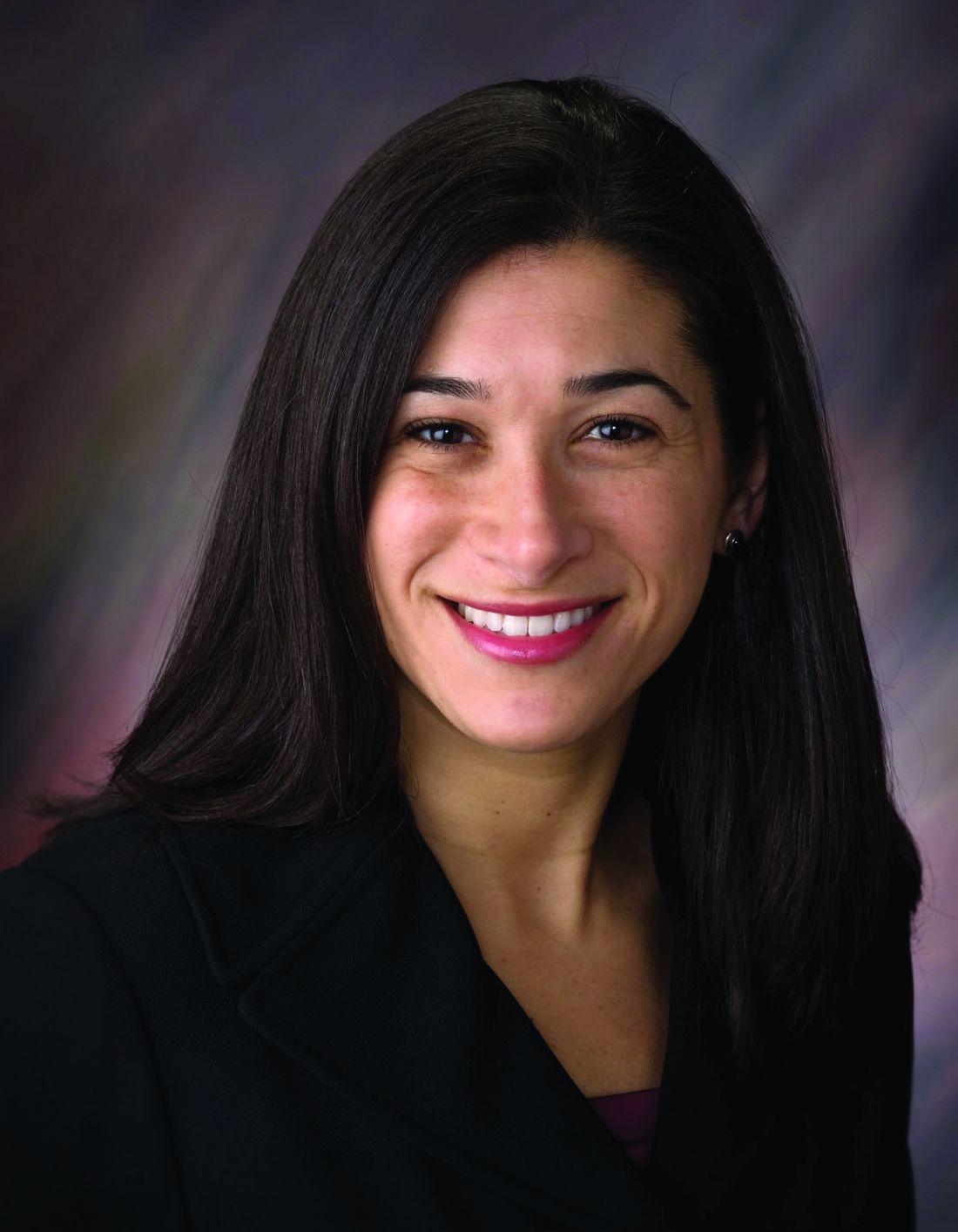
Bipolar spectrum disorder (BP) is known to substantially increase the risk for suicide in youth, but no psychosocial intervention for this population has targeted suicidal behavior in particular, wrote Tina R. Goldstein, PhD, of the University of Pittsburgh, and colleagues.
Dialectical behavior therapy (DBT) had shown effectiveness for decreasing suicide attempts in adults with borderline personality disorder, and previous studies of DBT have shown reduced suicidal ideation, self-harm, and suicide attempts in suicidal adolescents, but these studies have mainly excluded BP teens, the researchers said.
In a study published in JAMA Psychiatry, the researchers recruited adolescents aged 12-18 years with a diagnosis of BP who were treated at an outpatient clinic between November 2014 and September 2019. Of these, 47 were randomized to 1 year of DBT (a total of 36 sessions) and 53 to standard of care (SOC) psychotherapy. All participants also received medication using a flexible algorithm.
The primary outcomes were suicide attempts over a 1-year period and measurements of mood symptoms and states, specifically depression and hypomania/mania. Secondary analyses included the effect of DBT on individuals with a history of suicide attempt and on improving emotion dysregulation. The mean age of the participants was 16.1 years; 85 were female, and 74% were White.
Participants in both DBT and SOC groups reported similar rates of suicide attempt rates at study enrollment based on the Adolescent Longitudinal Follow-Up Evaluation (ALIFE) with a mean of 2.0 and 1.8 attempts, respectively (P = .80). Based on the Columbia–Suicide Severity Rating Scale Pediatric Version (C-SSRS), participants in the DBT group had slightly more suicide attempts than the SOC group at study enrollment, with a mean of 1.4 and 0.6 attempts, respectively (P = .02).
Controlling for baseline attempts, participants in the DBT group had significantly fewer suicide attempts over the study period, compared with the SOC group as measured by both ALIFE (mean 0.2 vs. 1.1) and C-SSRS (mean 0.04 vs. 0.10, P = .03 for both measures). The incidence rate ratios for reduced suicide attempts were 0.32 for ALIFE and 0.13 for C-SSRS, both significant in favor of DBT, compared with SOC.
Overall, both groups showed similarly significant improvement on measures of mood symptoms and episodes over the study period. The standardized depression rating scale slope was –0.17 and the standardized mania rating scale slope was –0.24.
DBT was significantly more effective than SOC psychotherapy at decreasing suicide attempts over 1 year (ALIFE: incidence rate ratio, 0.32; 95% CI, 0.11-0.96; C-SSRS: IRR, 0.13; 95% CI, 0.02-0.78).
On further analysis, the decrease in suicide attempts in the DBT group was greater over time and among those with a lifetime history of suicide attempts (IRR, 0.23). “Decreased risk of suicide attempt in DBT was mediated by improvement in emotion dysregulation, particularly for those with high baseline emotion dysregulation,” the researchers wrote in their discussion.
The findings were limited by several factors including the mainly female, non-Hispanic White study population, and controlled clinical setting, the researchers noted. Data from a forthcoming community implementation field trial will address some generalizability issues, although more work is needed to address disparities in BP diagnosis and treatment, they added.
However, the results support the potential of DBT for mood management and for reducing suicide attempts in a high-risk adolescent population, especially those with high levels of emotional dysregulation, on par with other established psychosocial treatments, the researchers concluded.
More options needed to manage increased risk
“It was important to conduct this study at this time because, while still relatively rare, bipolar spectrum disorders in adolescents confer increased risk for suicide,” Peter L. Loper Jr., MD, of the University of South Carolina, Columbia, said in an interview. The complexity of BP and the increased risk of suicide in these patients challenge clinicians to identify robust evidence-based interventions beyond pharmacotherapy that mitigate this risk, said Dr. Loper, who is triple board certified in pediatrics, general psychiatry, and child & adolescent psychiatry, but was not involved in the study.

The current study findings were not surprising, because DBT has proven effective in decreasing suicidal ideation and suicide attempts in other high-risk adolescent patient populations, Dr. Loper said. “Given the therapeutic content of DBT, with emphasis on mindfulness, distress tolerance, social skills, and emotional regulation, I think it is reasonable to hypothesize that DBT might be a globally applicable intervention, independent of mental health diagnosis or etiology of suicidal ideation,” he said.
The take-home message for clinicians is that the results support the efficacy of DBT as an intervention for adolescents with BP and suicidal ideation, self-injurious behavior, or suicide attempts, said Dr. Loper. For these patients, given their increased suicide risk, “DBT should certainly be recommended as a component of their treatment plan,” he said.
However, barriers to the use of DBT in clinical practice exist, notably access and cost, Dr. Loper noted. “I think that the most prominent barrier in accessing DBT in clinical practice is the availability of certified, structured DBT treatment programs, and particularly those willing to provide services to adolescents,” he said. “Additionally, certified DBT programs, which are the gold standard, are often not covered by third-party payers, making cost yet another potential barrier.”
Looking ahead, Dr. Loper agreed with the study authors that additional research with a more diverse patient population representative of adolescents with bipolar spectrum disorder “is a crucial area of focus.”
The study was funded by the National Institutes of Mental Health through a grant to Dr. Goldstein, who also disclosed royalties from Guilford Press unrelated to the current study. Dr. Loper had no financial conflicts to disclose.
, based on data from 100 individuals aged 12-18 years.
Bipolar spectrum disorder (BP) is known to substantially increase the risk for suicide in youth, but no psychosocial intervention for this population has targeted suicidal behavior in particular, wrote Tina R. Goldstein, PhD, of the University of Pittsburgh, and colleagues.
Dialectical behavior therapy (DBT) had shown effectiveness for decreasing suicide attempts in adults with borderline personality disorder, and previous studies of DBT have shown reduced suicidal ideation, self-harm, and suicide attempts in suicidal adolescents, but these studies have mainly excluded BP teens, the researchers said.
In a study published in JAMA Psychiatry, the researchers recruited adolescents aged 12-18 years with a diagnosis of BP who were treated at an outpatient clinic between November 2014 and September 2019. Of these, 47 were randomized to 1 year of DBT (a total of 36 sessions) and 53 to standard of care (SOC) psychotherapy. All participants also received medication using a flexible algorithm.
The primary outcomes were suicide attempts over a 1-year period and measurements of mood symptoms and states, specifically depression and hypomania/mania. Secondary analyses included the effect of DBT on individuals with a history of suicide attempt and on improving emotion dysregulation. The mean age of the participants was 16.1 years; 85 were female, and 74% were White.
Participants in both DBT and SOC groups reported similar rates of suicide attempt rates at study enrollment based on the Adolescent Longitudinal Follow-Up Evaluation (ALIFE) with a mean of 2.0 and 1.8 attempts, respectively (P = .80). Based on the Columbia–Suicide Severity Rating Scale Pediatric Version (C-SSRS), participants in the DBT group had slightly more suicide attempts than the SOC group at study enrollment, with a mean of 1.4 and 0.6 attempts, respectively (P = .02).
Controlling for baseline attempts, participants in the DBT group had significantly fewer suicide attempts over the study period, compared with the SOC group as measured by both ALIFE (mean 0.2 vs. 1.1) and C-SSRS (mean 0.04 vs. 0.10, P = .03 for both measures). The incidence rate ratios for reduced suicide attempts were 0.32 for ALIFE and 0.13 for C-SSRS, both significant in favor of DBT, compared with SOC.
Overall, both groups showed similarly significant improvement on measures of mood symptoms and episodes over the study period. The standardized depression rating scale slope was –0.17 and the standardized mania rating scale slope was –0.24.
DBT was significantly more effective than SOC psychotherapy at decreasing suicide attempts over 1 year (ALIFE: incidence rate ratio, 0.32; 95% CI, 0.11-0.96; C-SSRS: IRR, 0.13; 95% CI, 0.02-0.78).
On further analysis, the decrease in suicide attempts in the DBT group was greater over time and among those with a lifetime history of suicide attempts (IRR, 0.23). “Decreased risk of suicide attempt in DBT was mediated by improvement in emotion dysregulation, particularly for those with high baseline emotion dysregulation,” the researchers wrote in their discussion.
The findings were limited by several factors including the mainly female, non-Hispanic White study population, and controlled clinical setting, the researchers noted. Data from a forthcoming community implementation field trial will address some generalizability issues, although more work is needed to address disparities in BP diagnosis and treatment, they added.
However, the results support the potential of DBT for mood management and for reducing suicide attempts in a high-risk adolescent population, especially those with high levels of emotional dysregulation, on par with other established psychosocial treatments, the researchers concluded.
More options needed to manage increased risk
“It was important to conduct this study at this time because, while still relatively rare, bipolar spectrum disorders in adolescents confer increased risk for suicide,” Peter L. Loper Jr., MD, of the University of South Carolina, Columbia, said in an interview. The complexity of BP and the increased risk of suicide in these patients challenge clinicians to identify robust evidence-based interventions beyond pharmacotherapy that mitigate this risk, said Dr. Loper, who is triple board certified in pediatrics, general psychiatry, and child & adolescent psychiatry, but was not involved in the study.
The current study findings were not surprising, because DBT has proven effective in decreasing suicidal ideation and suicide attempts in other high-risk adolescent patient populations, Dr. Loper said. “Given the therapeutic content of DBT, with emphasis on mindfulness, distress tolerance, social skills, and emotional regulation, I think it is reasonable to hypothesize that DBT might be a globally applicable intervention, independent of mental health diagnosis or etiology of suicidal ideation,” he said.
The take-home message for clinicians is that the results support the efficacy of DBT as an intervention for adolescents with BP and suicidal ideation, self-injurious behavior, or suicide attempts, said Dr. Loper. For these patients, given their increased suicide risk, “DBT should certainly be recommended as a component of their treatment plan,” he said.
However, barriers to the use of DBT in clinical practice exist, notably access and cost, Dr. Loper noted. “I think that the most prominent barrier in accessing DBT in clinical practice is the availability of certified, structured DBT treatment programs, and particularly those willing to provide services to adolescents,” he said. “Additionally, certified DBT programs, which are the gold standard, are often not covered by third-party payers, making cost yet another potential barrier.”
Looking ahead, Dr. Loper agreed with the study authors that additional research with a more diverse patient population representative of adolescents with bipolar spectrum disorder “is a crucial area of focus.”
The study was funded by the National Institutes of Mental Health through a grant to Dr. Goldstein, who also disclosed royalties from Guilford Press unrelated to the current study. Dr. Loper had no financial conflicts to disclose.
, based on data from 100 individuals aged 12-18 years.
Bipolar spectrum disorder (BP) is known to substantially increase the risk for suicide in youth, but no psychosocial intervention for this population has targeted suicidal behavior in particular, wrote Tina R. Goldstein, PhD, of the University of Pittsburgh, and colleagues.
Dialectical behavior therapy (DBT) had shown effectiveness for decreasing suicide attempts in adults with borderline personality disorder, and previous studies of DBT have shown reduced suicidal ideation, self-harm, and suicide attempts in suicidal adolescents, but these studies have mainly excluded BP teens, the researchers said.
In a study published in JAMA Psychiatry, the researchers recruited adolescents aged 12-18 years with a diagnosis of BP who were treated at an outpatient clinic between November 2014 and September 2019. Of these, 47 were randomized to 1 year of DBT (a total of 36 sessions) and 53 to standard of care (SOC) psychotherapy. All participants also received medication using a flexible algorithm.
The primary outcomes were suicide attempts over a 1-year period and measurements of mood symptoms and states, specifically depression and hypomania/mania. Secondary analyses included the effect of DBT on individuals with a history of suicide attempt and on improving emotion dysregulation. The mean age of the participants was 16.1 years; 85 were female, and 74% were White.
Participants in both DBT and SOC groups reported similar rates of suicide attempt rates at study enrollment based on the Adolescent Longitudinal Follow-Up Evaluation (ALIFE) with a mean of 2.0 and 1.8 attempts, respectively (P = .80). Based on the Columbia–Suicide Severity Rating Scale Pediatric Version (C-SSRS), participants in the DBT group had slightly more suicide attempts than the SOC group at study enrollment, with a mean of 1.4 and 0.6 attempts, respectively (P = .02).
Controlling for baseline attempts, participants in the DBT group had significantly fewer suicide attempts over the study period, compared with the SOC group as measured by both ALIFE (mean 0.2 vs. 1.1) and C-SSRS (mean 0.04 vs. 0.10, P = .03 for both measures). The incidence rate ratios for reduced suicide attempts were 0.32 for ALIFE and 0.13 for C-SSRS, both significant in favor of DBT, compared with SOC.
Overall, both groups showed similarly significant improvement on measures of mood symptoms and episodes over the study period. The standardized depression rating scale slope was –0.17 and the standardized mania rating scale slope was –0.24.
DBT was significantly more effective than SOC psychotherapy at decreasing suicide attempts over 1 year (ALIFE: incidence rate ratio, 0.32; 95% CI, 0.11-0.96; C-SSRS: IRR, 0.13; 95% CI, 0.02-0.78).
On further analysis, the decrease in suicide attempts in the DBT group was greater over time and among those with a lifetime history of suicide attempts (IRR, 0.23). “Decreased risk of suicide attempt in DBT was mediated by improvement in emotion dysregulation, particularly for those with high baseline emotion dysregulation,” the researchers wrote in their discussion.
The findings were limited by several factors including the mainly female, non-Hispanic White study population, and controlled clinical setting, the researchers noted. Data from a forthcoming community implementation field trial will address some generalizability issues, although more work is needed to address disparities in BP diagnosis and treatment, they added.
However, the results support the potential of DBT for mood management and for reducing suicide attempts in a high-risk adolescent population, especially those with high levels of emotional dysregulation, on par with other established psychosocial treatments, the researchers concluded.
More options needed to manage increased risk
“It was important to conduct this study at this time because, while still relatively rare, bipolar spectrum disorders in adolescents confer increased risk for suicide,” Peter L. Loper Jr., MD, of the University of South Carolina, Columbia, said in an interview. The complexity of BP and the increased risk of suicide in these patients challenge clinicians to identify robust evidence-based interventions beyond pharmacotherapy that mitigate this risk, said Dr. Loper, who is triple board certified in pediatrics, general psychiatry, and child & adolescent psychiatry, but was not involved in the study.
The current study findings were not surprising, because DBT has proven effective in decreasing suicidal ideation and suicide attempts in other high-risk adolescent patient populations, Dr. Loper said. “Given the therapeutic content of DBT, with emphasis on mindfulness, distress tolerance, social skills, and emotional regulation, I think it is reasonable to hypothesize that DBT might be a globally applicable intervention, independent of mental health diagnosis or etiology of suicidal ideation,” he said.
The take-home message for clinicians is that the results support the efficacy of DBT as an intervention for adolescents with BP and suicidal ideation, self-injurious behavior, or suicide attempts, said Dr. Loper. For these patients, given their increased suicide risk, “DBT should certainly be recommended as a component of their treatment plan,” he said.
However, barriers to the use of DBT in clinical practice exist, notably access and cost, Dr. Loper noted. “I think that the most prominent barrier in accessing DBT in clinical practice is the availability of certified, structured DBT treatment programs, and particularly those willing to provide services to adolescents,” he said. “Additionally, certified DBT programs, which are the gold standard, are often not covered by third-party payers, making cost yet another potential barrier.”
Looking ahead, Dr. Loper agreed with the study authors that additional research with a more diverse patient population representative of adolescents with bipolar spectrum disorder “is a crucial area of focus.”
The study was funded by the National Institutes of Mental Health through a grant to Dr. Goldstein, who also disclosed royalties from Guilford Press unrelated to the current study. Dr. Loper had no financial conflicts to disclose.
FROM JAMA PSYCHIATRY