User login
The cost of postponing medical care during the pandemic
Friends of mine who work in the ED have noticed a drop-off in patients. Granted, so has my office, but theirs is a little less expected.
It’s not just in my region. An article on this site last week mentioned the same phenomenon. Not just minor stuff but visits for more serious conditions also have decreased. This means that either people are currently choosing to ignore those things entirely or are trying to get them handled at a later date in the outpatient setting.
Neither one is good.
One friend pointed out that since a fair percentage of visits to the ED aren’t really “emergencies” maybe this is part of the reason. With all the news about COVID-19, the risk of going to the ED for something minor isn’t worth it. This may apply to some, but not all. Certainly, if it clarifies to people what is and isn’t an emergency, that would be helpful to prevent ED overuse in the future.
Every day we all face a countless number of decisions, each with its own risks and benefits. When the question of whether or not to go to an ED comes up, usually the only perceived drawbacks are costs in time and money, compared with the benefit of believing you’re going to get the problem “fixed.”
In the era of coronavirus, with daily news reports on its spread and casualties, the risk of going to the ED is perceived to be higher, and so people are more willing to stay away. If you were going in for a sinus infection, this is probably a good idea. If you’re having a more serious problem and staying home ...
A cost of the pandemic that will come to light in the future will be people who unknowingly survived mild cardiac events, strokes, and other potentially serious problems. While they may do okay in the short term, in the long run they may not be aware they had a problem and so it will continue to go untreated. Coronary or cerebrovascular arteries that need to be reopened won’t be. People with poorly controlled hypertension, dyslipidemia, or diabetes won’t be started on medications they need until it may be too late to avoid more serious outcomes.
Likewise, I worry about an uptick in cancer-related deaths down the road. With the shutdown of many nonurgent procedures, patients may have missed a window for early diagnosis of a malignancy, either because the procedure wasn’t available or they were reluctant to venture out.
Medical data from 2020 will be analyzed many times in the coming years, not just for coronavirus, but for its effects on medical care as a whole. As the first worldwide pandemic of the information age, there will be a lot of lessons to be learned as to how medicine, science, and society in general should and should not respond. Both good and bad things will be learned, but whatever knowledge is gained will be critical for the inevitable next pandemic.
The future world is watching.
Dr. Block has a solo neurology practice in Scottsdale, Ariz.
Friends of mine who work in the ED have noticed a drop-off in patients. Granted, so has my office, but theirs is a little less expected.
It’s not just in my region. An article on this site last week mentioned the same phenomenon. Not just minor stuff but visits for more serious conditions also have decreased. This means that either people are currently choosing to ignore those things entirely or are trying to get them handled at a later date in the outpatient setting.
Neither one is good.
One friend pointed out that since a fair percentage of visits to the ED aren’t really “emergencies” maybe this is part of the reason. With all the news about COVID-19, the risk of going to the ED for something minor isn’t worth it. This may apply to some, but not all. Certainly, if it clarifies to people what is and isn’t an emergency, that would be helpful to prevent ED overuse in the future.
Every day we all face a countless number of decisions, each with its own risks and benefits. When the question of whether or not to go to an ED comes up, usually the only perceived drawbacks are costs in time and money, compared with the benefit of believing you’re going to get the problem “fixed.”
In the era of coronavirus, with daily news reports on its spread and casualties, the risk of going to the ED is perceived to be higher, and so people are more willing to stay away. If you were going in for a sinus infection, this is probably a good idea. If you’re having a more serious problem and staying home ...
A cost of the pandemic that will come to light in the future will be people who unknowingly survived mild cardiac events, strokes, and other potentially serious problems. While they may do okay in the short term, in the long run they may not be aware they had a problem and so it will continue to go untreated. Coronary or cerebrovascular arteries that need to be reopened won’t be. People with poorly controlled hypertension, dyslipidemia, or diabetes won’t be started on medications they need until it may be too late to avoid more serious outcomes.
Likewise, I worry about an uptick in cancer-related deaths down the road. With the shutdown of many nonurgent procedures, patients may have missed a window for early diagnosis of a malignancy, either because the procedure wasn’t available or they were reluctant to venture out.
Medical data from 2020 will be analyzed many times in the coming years, not just for coronavirus, but for its effects on medical care as a whole. As the first worldwide pandemic of the information age, there will be a lot of lessons to be learned as to how medicine, science, and society in general should and should not respond. Both good and bad things will be learned, but whatever knowledge is gained will be critical for the inevitable next pandemic.
The future world is watching.
Dr. Block has a solo neurology practice in Scottsdale, Ariz.
Friends of mine who work in the ED have noticed a drop-off in patients. Granted, so has my office, but theirs is a little less expected.
It’s not just in my region. An article on this site last week mentioned the same phenomenon. Not just minor stuff but visits for more serious conditions also have decreased. This means that either people are currently choosing to ignore those things entirely or are trying to get them handled at a later date in the outpatient setting.
Neither one is good.
One friend pointed out that since a fair percentage of visits to the ED aren’t really “emergencies” maybe this is part of the reason. With all the news about COVID-19, the risk of going to the ED for something minor isn’t worth it. This may apply to some, but not all. Certainly, if it clarifies to people what is and isn’t an emergency, that would be helpful to prevent ED overuse in the future.
Every day we all face a countless number of decisions, each with its own risks and benefits. When the question of whether or not to go to an ED comes up, usually the only perceived drawbacks are costs in time and money, compared with the benefit of believing you’re going to get the problem “fixed.”
In the era of coronavirus, with daily news reports on its spread and casualties, the risk of going to the ED is perceived to be higher, and so people are more willing to stay away. If you were going in for a sinus infection, this is probably a good idea. If you’re having a more serious problem and staying home ...
A cost of the pandemic that will come to light in the future will be people who unknowingly survived mild cardiac events, strokes, and other potentially serious problems. While they may do okay in the short term, in the long run they may not be aware they had a problem and so it will continue to go untreated. Coronary or cerebrovascular arteries that need to be reopened won’t be. People with poorly controlled hypertension, dyslipidemia, or diabetes won’t be started on medications they need until it may be too late to avoid more serious outcomes.
Likewise, I worry about an uptick in cancer-related deaths down the road. With the shutdown of many nonurgent procedures, patients may have missed a window for early diagnosis of a malignancy, either because the procedure wasn’t available or they were reluctant to venture out.
Medical data from 2020 will be analyzed many times in the coming years, not just for coronavirus, but for its effects on medical care as a whole. As the first worldwide pandemic of the information age, there will be a lot of lessons to be learned as to how medicine, science, and society in general should and should not respond. Both good and bad things will be learned, but whatever knowledge is gained will be critical for the inevitable next pandemic.
The future world is watching.
Dr. Block has a solo neurology practice in Scottsdale, Ariz.
Neurologists are not electricians. Nor are we internists.
Recently, like in other major cities, Phoenix had a flyover by the Blue Angels to honor frontline health care workers. My kids and I watched it. While I think the gesture is nice, in my mind it brings up questions about whether the money for it could have been better spent elsewhere. But that’s not the point of my column.
Watching the whole thing, I couldn’t help but think about my role in the crisis. While I have friends on the front lines, I’m certainly not there. I’m probably as close to back line as you can be without being retired.
This is simply the nature of my practice. I’m primarily outpatient. Inpatient consults are few and far between in the era of the neuro-hospitalist. I still see patients, both by video and in person. If someone wants to come in and see me, I’ll be available if I’m able.
I see a lot of conditions, but no one is going to a neurologist to be evaluated for COVID-19. Nor should they. Even though there are reports of neurological complications of the disease, none of them are outpatient issues or presenting symptoms.
I was asked if I’d volunteer to practice inpatient general medicine in a pinch, and my answer to that would have to be no. This isn’t cowardice, as one person accused me of. I’ve been to the hospital and seen patients since this started.
I’m no more an internist than I am an electrician. Like other neurologists of my era, I did a 1-year general medicine internship. For me, that was in 1993. I haven’t practiced it since, nor have I kept up on it except as it crosses into neurology.
A lot has changed in the last 27 years in my field alone.
So I sit in my office doing what I always have: Trying to provide the best care I can to those who do need my services as a neurologist.
I may not be on the front line in our current crisis, but for those who seek my help I’m still front and center for them. And I will be until I retire.
Dr. Block has a solo neurology practice in Scottsdale, Ariz. He has no relevant disclosures.
Recently, like in other major cities, Phoenix had a flyover by the Blue Angels to honor frontline health care workers. My kids and I watched it. While I think the gesture is nice, in my mind it brings up questions about whether the money for it could have been better spent elsewhere. But that’s not the point of my column.
Watching the whole thing, I couldn’t help but think about my role in the crisis. While I have friends on the front lines, I’m certainly not there. I’m probably as close to back line as you can be without being retired.
This is simply the nature of my practice. I’m primarily outpatient. Inpatient consults are few and far between in the era of the neuro-hospitalist. I still see patients, both by video and in person. If someone wants to come in and see me, I’ll be available if I’m able.
I see a lot of conditions, but no one is going to a neurologist to be evaluated for COVID-19. Nor should they. Even though there are reports of neurological complications of the disease, none of them are outpatient issues or presenting symptoms.
I was asked if I’d volunteer to practice inpatient general medicine in a pinch, and my answer to that would have to be no. This isn’t cowardice, as one person accused me of. I’ve been to the hospital and seen patients since this started.
I’m no more an internist than I am an electrician. Like other neurologists of my era, I did a 1-year general medicine internship. For me, that was in 1993. I haven’t practiced it since, nor have I kept up on it except as it crosses into neurology.
A lot has changed in the last 27 years in my field alone.
So I sit in my office doing what I always have: Trying to provide the best care I can to those who do need my services as a neurologist.
I may not be on the front line in our current crisis, but for those who seek my help I’m still front and center for them. And I will be until I retire.
Dr. Block has a solo neurology practice in Scottsdale, Ariz. He has no relevant disclosures.
Recently, like in other major cities, Phoenix had a flyover by the Blue Angels to honor frontline health care workers. My kids and I watched it. While I think the gesture is nice, in my mind it brings up questions about whether the money for it could have been better spent elsewhere. But that’s not the point of my column.
Watching the whole thing, I couldn’t help but think about my role in the crisis. While I have friends on the front lines, I’m certainly not there. I’m probably as close to back line as you can be without being retired.
This is simply the nature of my practice. I’m primarily outpatient. Inpatient consults are few and far between in the era of the neuro-hospitalist. I still see patients, both by video and in person. If someone wants to come in and see me, I’ll be available if I’m able.
I see a lot of conditions, but no one is going to a neurologist to be evaluated for COVID-19. Nor should they. Even though there are reports of neurological complications of the disease, none of them are outpatient issues or presenting symptoms.
I was asked if I’d volunteer to practice inpatient general medicine in a pinch, and my answer to that would have to be no. This isn’t cowardice, as one person accused me of. I’ve been to the hospital and seen patients since this started.
I’m no more an internist than I am an electrician. Like other neurologists of my era, I did a 1-year general medicine internship. For me, that was in 1993. I haven’t practiced it since, nor have I kept up on it except as it crosses into neurology.
A lot has changed in the last 27 years in my field alone.
So I sit in my office doing what I always have: Trying to provide the best care I can to those who do need my services as a neurologist.
I may not be on the front line in our current crisis, but for those who seek my help I’m still front and center for them. And I will be until I retire.
Dr. Block has a solo neurology practice in Scottsdale, Ariz. He has no relevant disclosures.
Will we be wearing masks years from now?
Yesterday during an office visit I was adjusting my mask when a patient suddenly said, “What if this is the new normal? What if we still have to wear masks years from now?”
An interesting thought. That might even be the case. I mean, the COVID-19 pandemic definitely has changed our world. On the other hand, there are far worse things to have to do.
Masks, to some extent, have already become a part of our society, I see more people out and about with them than without. Like lunchboxes, they’ve transitioned from utilitarian to fashion statements. I see Darth Vader, Batman, Hello Kitty, Pokemon, and many other characters on them.
Humans have, after all, adapted to wearing all kinds of things. At some point our ancestors discovered they could walk around outside more comfortably with a covering on their feet. Then they discovered that socks prevent chafing. Now shoes and socks are worn worldwide, available for many different purposes in varied colors, styles, and cultures.
Why should masks be any different? Just because they’re new doesn’t mean they’re bad.
Obviously, I’m exaggerating. I don’t want to wear a mask full time, either. They’re hot and uncomfortable and, for people with certain respiratory issues, impossible. I live in Phoenix and I definitely don’t want to go through one of our summers wearing a face mask.
But at the same time, This makes me wonder when we’ll start to phase them out. The virus isn’t going anywhere, so the breaking point will be when there’s either an effective vaccine administered to most of the population, or enough people have had the virus that herd immunity takes effect.
Until then, I have no problem with wearing a mask and asking patients who can to please do so when they come in. I see a lot of people who are elderly and/or immune suppressed. I don’t want them to get sick. Or me. Or my family.
If wearing a mask through the Phoenix summer is a sacrifice that will lead to better health for all, it’s not a big one in the grand scheme of things.
Dr. Block has a solo neurology practice in Scottsdale, Ariz. He has no relevant disclosures.
Yesterday during an office visit I was adjusting my mask when a patient suddenly said, “What if this is the new normal? What if we still have to wear masks years from now?”
An interesting thought. That might even be the case. I mean, the COVID-19 pandemic definitely has changed our world. On the other hand, there are far worse things to have to do.
Masks, to some extent, have already become a part of our society, I see more people out and about with them than without. Like lunchboxes, they’ve transitioned from utilitarian to fashion statements. I see Darth Vader, Batman, Hello Kitty, Pokemon, and many other characters on them.
Humans have, after all, adapted to wearing all kinds of things. At some point our ancestors discovered they could walk around outside more comfortably with a covering on their feet. Then they discovered that socks prevent chafing. Now shoes and socks are worn worldwide, available for many different purposes in varied colors, styles, and cultures.
Why should masks be any different? Just because they’re new doesn’t mean they’re bad.
Obviously, I’m exaggerating. I don’t want to wear a mask full time, either. They’re hot and uncomfortable and, for people with certain respiratory issues, impossible. I live in Phoenix and I definitely don’t want to go through one of our summers wearing a face mask.
But at the same time, This makes me wonder when we’ll start to phase them out. The virus isn’t going anywhere, so the breaking point will be when there’s either an effective vaccine administered to most of the population, or enough people have had the virus that herd immunity takes effect.
Until then, I have no problem with wearing a mask and asking patients who can to please do so when they come in. I see a lot of people who are elderly and/or immune suppressed. I don’t want them to get sick. Or me. Or my family.
If wearing a mask through the Phoenix summer is a sacrifice that will lead to better health for all, it’s not a big one in the grand scheme of things.
Dr. Block has a solo neurology practice in Scottsdale, Ariz. He has no relevant disclosures.
Yesterday during an office visit I was adjusting my mask when a patient suddenly said, “What if this is the new normal? What if we still have to wear masks years from now?”
An interesting thought. That might even be the case. I mean, the COVID-19 pandemic definitely has changed our world. On the other hand, there are far worse things to have to do.
Masks, to some extent, have already become a part of our society, I see more people out and about with them than without. Like lunchboxes, they’ve transitioned from utilitarian to fashion statements. I see Darth Vader, Batman, Hello Kitty, Pokemon, and many other characters on them.
Humans have, after all, adapted to wearing all kinds of things. At some point our ancestors discovered they could walk around outside more comfortably with a covering on their feet. Then they discovered that socks prevent chafing. Now shoes and socks are worn worldwide, available for many different purposes in varied colors, styles, and cultures.
Why should masks be any different? Just because they’re new doesn’t mean they’re bad.
Obviously, I’m exaggerating. I don’t want to wear a mask full time, either. They’re hot and uncomfortable and, for people with certain respiratory issues, impossible. I live in Phoenix and I definitely don’t want to go through one of our summers wearing a face mask.
But at the same time, This makes me wonder when we’ll start to phase them out. The virus isn’t going anywhere, so the breaking point will be when there’s either an effective vaccine administered to most of the population, or enough people have had the virus that herd immunity takes effect.
Until then, I have no problem with wearing a mask and asking patients who can to please do so when they come in. I see a lot of people who are elderly and/or immune suppressed. I don’t want them to get sick. Or me. Or my family.
If wearing a mask through the Phoenix summer is a sacrifice that will lead to better health for all, it’s not a big one in the grand scheme of things.
Dr. Block has a solo neurology practice in Scottsdale, Ariz. He has no relevant disclosures.
Changing habits, sleep patterns, and home duties during the pandemic
Like you, I’m not sure when this weird Twilight Zone world of coronavirus will end. Even when it does, its effects will be with us for a long time to come.
But in some ways, they may be for the better. Hopefully some of these changes will stick. Like every new situation, I try to take away something of value from it.
As pithy as it sounds, I used to obsess (sort of) over the daily mail delivery. My secretary would check it mid-afternoon, and if it wasn’t there either she or I would run down again before we left. If it still wasn’t there I’d swing by the box when I came in early the next morning. On Saturdays, I’d sometimes drive in just to get the mail.
There certainly are things that come in that are important: payments, bills, medical records, legal cases to review ... but realistically a lot of mail is junk. Office-supply catalogs, CME or pharmaceutical ads, credit card promotions, and so on.
Now? I just don’t care. If I go several days without seeing patients at the office, the mail is at the back of my mind. It’s in a locked box and isn’t going anywhere. Why worry about it? Next time I’m there I can deal with it. It’s not worth thinking about, it’s just the mail. It’s not worth a special trip.
Sleep is another thing. For years my internal alarm has had me up around 4:00 a.m. (I don’t even bother to set one on my phone), and I get up and go in to get started on the day.
Now? I don’t think I’ve ever slept this much. If I have to go to my office, I’m much less rushed. Many days I don’t even have to do that. I walk down to my home office, call up my charts and the day’s video appointment schedule, and we’re off. Granted, once things return to speed, this will probably be back to normal.
My kids are all home from college, so I have the extra time at home to enjoy them and our dogs. My wife, an oncology infusion nurse, doesn’t get home until 6:00 each night, so for now I’ve become a stay-at-home dad. This is actually something I’ve always liked (in high school, I was voted “most likely to to be a house husband”). So I do the laundry and am in charge of dinner each night. I’m enjoying the last, as I get to pick things out, go through recipes, and cook. I won’t say I’m a great cook, but I’m learning and having fun. As strange as it sounds, being a house husband has always been something I wanted to do, so I’m appreciating the opportunity while it lasts.
I think all of us have come to accept this strange pause button that’s been pushed, and I’ll try to learn what I can from it and take that with me as I move forward.
Dr. Block has a solo neurology practice in Scottsdale, Ariz. He has no relevant disclosures.
Like you, I’m not sure when this weird Twilight Zone world of coronavirus will end. Even when it does, its effects will be with us for a long time to come.
But in some ways, they may be for the better. Hopefully some of these changes will stick. Like every new situation, I try to take away something of value from it.
As pithy as it sounds, I used to obsess (sort of) over the daily mail delivery. My secretary would check it mid-afternoon, and if it wasn’t there either she or I would run down again before we left. If it still wasn’t there I’d swing by the box when I came in early the next morning. On Saturdays, I’d sometimes drive in just to get the mail.
There certainly are things that come in that are important: payments, bills, medical records, legal cases to review ... but realistically a lot of mail is junk. Office-supply catalogs, CME or pharmaceutical ads, credit card promotions, and so on.
Now? I just don’t care. If I go several days without seeing patients at the office, the mail is at the back of my mind. It’s in a locked box and isn’t going anywhere. Why worry about it? Next time I’m there I can deal with it. It’s not worth thinking about, it’s just the mail. It’s not worth a special trip.
Sleep is another thing. For years my internal alarm has had me up around 4:00 a.m. (I don’t even bother to set one on my phone), and I get up and go in to get started on the day.
Now? I don’t think I’ve ever slept this much. If I have to go to my office, I’m much less rushed. Many days I don’t even have to do that. I walk down to my home office, call up my charts and the day’s video appointment schedule, and we’re off. Granted, once things return to speed, this will probably be back to normal.
My kids are all home from college, so I have the extra time at home to enjoy them and our dogs. My wife, an oncology infusion nurse, doesn’t get home until 6:00 each night, so for now I’ve become a stay-at-home dad. This is actually something I’ve always liked (in high school, I was voted “most likely to to be a house husband”). So I do the laundry and am in charge of dinner each night. I’m enjoying the last, as I get to pick things out, go through recipes, and cook. I won’t say I’m a great cook, but I’m learning and having fun. As strange as it sounds, being a house husband has always been something I wanted to do, so I’m appreciating the opportunity while it lasts.
I think all of us have come to accept this strange pause button that’s been pushed, and I’ll try to learn what I can from it and take that with me as I move forward.
Dr. Block has a solo neurology practice in Scottsdale, Ariz. He has no relevant disclosures.
Like you, I’m not sure when this weird Twilight Zone world of coronavirus will end. Even when it does, its effects will be with us for a long time to come.
But in some ways, they may be for the better. Hopefully some of these changes will stick. Like every new situation, I try to take away something of value from it.
As pithy as it sounds, I used to obsess (sort of) over the daily mail delivery. My secretary would check it mid-afternoon, and if it wasn’t there either she or I would run down again before we left. If it still wasn’t there I’d swing by the box when I came in early the next morning. On Saturdays, I’d sometimes drive in just to get the mail.
There certainly are things that come in that are important: payments, bills, medical records, legal cases to review ... but realistically a lot of mail is junk. Office-supply catalogs, CME or pharmaceutical ads, credit card promotions, and so on.
Now? I just don’t care. If I go several days without seeing patients at the office, the mail is at the back of my mind. It’s in a locked box and isn’t going anywhere. Why worry about it? Next time I’m there I can deal with it. It’s not worth thinking about, it’s just the mail. It’s not worth a special trip.
Sleep is another thing. For years my internal alarm has had me up around 4:00 a.m. (I don’t even bother to set one on my phone), and I get up and go in to get started on the day.
Now? I don’t think I’ve ever slept this much. If I have to go to my office, I’m much less rushed. Many days I don’t even have to do that. I walk down to my home office, call up my charts and the day’s video appointment schedule, and we’re off. Granted, once things return to speed, this will probably be back to normal.
My kids are all home from college, so I have the extra time at home to enjoy them and our dogs. My wife, an oncology infusion nurse, doesn’t get home until 6:00 each night, so for now I’ve become a stay-at-home dad. This is actually something I’ve always liked (in high school, I was voted “most likely to to be a house husband”). So I do the laundry and am in charge of dinner each night. I’m enjoying the last, as I get to pick things out, go through recipes, and cook. I won’t say I’m a great cook, but I’m learning and having fun. As strange as it sounds, being a house husband has always been something I wanted to do, so I’m appreciating the opportunity while it lasts.
I think all of us have come to accept this strange pause button that’s been pushed, and I’ll try to learn what I can from it and take that with me as I move forward.
Dr. Block has a solo neurology practice in Scottsdale, Ariz. He has no relevant disclosures.
“I have to watch my bank accounts closely”: a solo practitioner during COVID-19
Medicine, as often said, is a business.
That’s often forgotten in a crisis, such as COVID-19, and with good reason. Our training in medicine is needed to care for the sick and find ways to prevent disease. Things like money are in the background when it comes to the emergencies of saving lives and helping the sick.
But that doesn’t mean finances don’t matter. They’re always in the background for medical practices of all sizes – just like any business.
Some practices have closed for patient and staff safety. I haven’t gone that far, as some people still need me. I am, after all, a doctor.
So I’m alone in my office, my staff working from home. That helps cut some lines of transmission there.
Like everyone else, I’m also doing telemedicine, and even a few phone appointments. These keep all involved safe, but also have a lot of limitations. They’re fine for checking up on stable, established patients, or following up on test results. But certainly not for new patients or established ones with new problems.
After all, you can’t evaluate a foot drop, extrapyramidal rigidity, or do an EMG/NCV over the video-phone connection.
In-person appointments are spaced out to minimize the number of people in my waiting room. Patients are told not to come in if they’re sick, and I insist we both be wearing masks (of pretty much any kind at this point). Common-use pens, such as those out in the waiting room, are wiped down with alcohol between uses.
With only two staff members, there really isn’t anyone extraneous to cut. I’ve stopped taking a paycheck so I can keep paying them, my rent, and the other miscellaneous costs of running an office.
I’ve always taken a bonus only at the end of the year, after all the other accounts have been paid, and take only a modest regular salary. In this case, that’s worked to my advantage, as I had more cash on hand when the emergency started. While not a huge amount, it’s enough to buy me some time, maybe several weeks, to see how this plays out. After that I’d have to tap into a line of credit, which obviously no one wants to do.
Telemedicine and the few office patients I’m seeing are a trickle of revenue. It’s better than nothing, but certainly isn’t enough to keep the door open and lights on.
That said, I’m not ungrateful. I’m well aware how fortunate my practice and family are compared to many others during this time. I haven’t had to ask for a pass on a mortgage or rent payment – yet. My staff and I have been together since 2004. I’m not going to break up a great team now.
I have no idea when things will turn around and people will start to come in. Your guess is as good as mine. I suspect the trickle will slowly increase at some point, then suddenly there will be a surge of calls for appointments from people who’ve been putting off coming in. Even then, though, I’ll likely space appointments apart and keep using a mask until it appears things are stable. There are going to be further waves of infections, and we don’t know how bad they’ll be.
Like everyone else, I can only hope for the best.
Dr. Block has a solo neurology practice in Scottsdale, Ariz. He has no relevant disclosures.
Medicine, as often said, is a business.
That’s often forgotten in a crisis, such as COVID-19, and with good reason. Our training in medicine is needed to care for the sick and find ways to prevent disease. Things like money are in the background when it comes to the emergencies of saving lives and helping the sick.
But that doesn’t mean finances don’t matter. They’re always in the background for medical practices of all sizes – just like any business.
Some practices have closed for patient and staff safety. I haven’t gone that far, as some people still need me. I am, after all, a doctor.
So I’m alone in my office, my staff working from home. That helps cut some lines of transmission there.
Like everyone else, I’m also doing telemedicine, and even a few phone appointments. These keep all involved safe, but also have a lot of limitations. They’re fine for checking up on stable, established patients, or following up on test results. But certainly not for new patients or established ones with new problems.
After all, you can’t evaluate a foot drop, extrapyramidal rigidity, or do an EMG/NCV over the video-phone connection.
In-person appointments are spaced out to minimize the number of people in my waiting room. Patients are told not to come in if they’re sick, and I insist we both be wearing masks (of pretty much any kind at this point). Common-use pens, such as those out in the waiting room, are wiped down with alcohol between uses.
With only two staff members, there really isn’t anyone extraneous to cut. I’ve stopped taking a paycheck so I can keep paying them, my rent, and the other miscellaneous costs of running an office.
I’ve always taken a bonus only at the end of the year, after all the other accounts have been paid, and take only a modest regular salary. In this case, that’s worked to my advantage, as I had more cash on hand when the emergency started. While not a huge amount, it’s enough to buy me some time, maybe several weeks, to see how this plays out. After that I’d have to tap into a line of credit, which obviously no one wants to do.
Telemedicine and the few office patients I’m seeing are a trickle of revenue. It’s better than nothing, but certainly isn’t enough to keep the door open and lights on.
That said, I’m not ungrateful. I’m well aware how fortunate my practice and family are compared to many others during this time. I haven’t had to ask for a pass on a mortgage or rent payment – yet. My staff and I have been together since 2004. I’m not going to break up a great team now.
I have no idea when things will turn around and people will start to come in. Your guess is as good as mine. I suspect the trickle will slowly increase at some point, then suddenly there will be a surge of calls for appointments from people who’ve been putting off coming in. Even then, though, I’ll likely space appointments apart and keep using a mask until it appears things are stable. There are going to be further waves of infections, and we don’t know how bad they’ll be.
Like everyone else, I can only hope for the best.
Dr. Block has a solo neurology practice in Scottsdale, Ariz. He has no relevant disclosures.
Medicine, as often said, is a business.
That’s often forgotten in a crisis, such as COVID-19, and with good reason. Our training in medicine is needed to care for the sick and find ways to prevent disease. Things like money are in the background when it comes to the emergencies of saving lives and helping the sick.
But that doesn’t mean finances don’t matter. They’re always in the background for medical practices of all sizes – just like any business.
Some practices have closed for patient and staff safety. I haven’t gone that far, as some people still need me. I am, after all, a doctor.
So I’m alone in my office, my staff working from home. That helps cut some lines of transmission there.
Like everyone else, I’m also doing telemedicine, and even a few phone appointments. These keep all involved safe, but also have a lot of limitations. They’re fine for checking up on stable, established patients, or following up on test results. But certainly not for new patients or established ones with new problems.
After all, you can’t evaluate a foot drop, extrapyramidal rigidity, or do an EMG/NCV over the video-phone connection.
In-person appointments are spaced out to minimize the number of people in my waiting room. Patients are told not to come in if they’re sick, and I insist we both be wearing masks (of pretty much any kind at this point). Common-use pens, such as those out in the waiting room, are wiped down with alcohol between uses.
With only two staff members, there really isn’t anyone extraneous to cut. I’ve stopped taking a paycheck so I can keep paying them, my rent, and the other miscellaneous costs of running an office.
I’ve always taken a bonus only at the end of the year, after all the other accounts have been paid, and take only a modest regular salary. In this case, that’s worked to my advantage, as I had more cash on hand when the emergency started. While not a huge amount, it’s enough to buy me some time, maybe several weeks, to see how this plays out. After that I’d have to tap into a line of credit, which obviously no one wants to do.
Telemedicine and the few office patients I’m seeing are a trickle of revenue. It’s better than nothing, but certainly isn’t enough to keep the door open and lights on.
That said, I’m not ungrateful. I’m well aware how fortunate my practice and family are compared to many others during this time. I haven’t had to ask for a pass on a mortgage or rent payment – yet. My staff and I have been together since 2004. I’m not going to break up a great team now.
I have no idea when things will turn around and people will start to come in. Your guess is as good as mine. I suspect the trickle will slowly increase at some point, then suddenly there will be a surge of calls for appointments from people who’ve been putting off coming in. Even then, though, I’ll likely space appointments apart and keep using a mask until it appears things are stable. There are going to be further waves of infections, and we don’t know how bad they’ll be.
Like everyone else, I can only hope for the best.
Dr. Block has a solo neurology practice in Scottsdale, Ariz. He has no relevant disclosures.
Which of the changes that coronavirus has forced upon us will remain?
Eventually this strange Twilight Zone world of coronavirus will end and life will return to normal.
But obviously it won’t be the same, and like everyone else I wonder what will be different.
Telemedicine is one obvious change in my world, though I don’t know how much yet (granted, no one else does, either). I’m seeing a handful of people that way, limited to established patients, where we’re discussing chronic issues or reviewing recent test results.
If I have to see a new patient or an established one with an urgent issue, I’m still willing to meet them at my office (wearing masks and washing hands frequently). In neurology, a lot still depends on a decent exam. It’s pretty hard to check reflexes, sensory modalities, and muscle tone over the phone. If you think a malpractice attorney is going to give you a pass because you missed something by not examining a patient because of coronavirus ... think again.
I’m not sure how the whole telemedicine thing will play out after the dust settles, at least not at my little practice. I’m currently seeing patients by FaceTime and Skype, neither of which is considered HIPAA compliant. The requirement has been waived during the crisis to make sure people can still see doctors, but I don’t see it lasting beyond that. Privacy will always be a central concern in medicine.
When they declare the pandemic over and say I can’t use FaceTime or Skype anymore, that will likely end my use of such. While there are HIPAA-compliant telemedicine services out there, in a small practice I don’t have the time or money to invest in them.
I also wonder how outcomes will change. I suspect the research-minded will be analyzing 2019 vs. 2020 data for years to come, trying to see if a sudden increase in telemedicine led to better or worse clinical outcomes. I’ll be curious to see what they find and how it breaks down by disease and specialty.
How will work change? Right now my staff of three (including me) are all working separately from home, handling phone calls as if it were another office day. In today’s era that’s easy to set up, and we’re used to the drill from when I’m out of town.
Maybe in the future, on lighter days, I’ll do this more often, and have my staff work from home (on typically busy days I’ll still need them to check patients in and out, fax things, file charts, and do all the other things they do to keep the practice running). The marked decrease in air pollution is certainly noticeable and good for all. When the year is over I’d like to see how non-coronavirus respiratory issues changed between 2019 and 2020.
Other businesses will be looking at that, too, with an increase in telecommuting. Why pay for a large office space when a lot can be done over the Internet? It saves rent, gas, and driving time. How it will affect us, as a socially-dependent species, I have no idea.
It’s the same with grocery delivery. While most of us will likely continue to shop at stores, many will stay with the ease of delivery services after this. It may cost more, but it certainly saves time.
There will be social changes, although how long they’ll last is anyone’s guess. Grocery baggers, stockers, and delivery staff, often seen as lower-level occupations, are now considered part of critical infrastructure in keeping people supplied with food and other necessities, as well as preventing fights from breaking out in the toilet paper and hand-sanitizer aisles.
I’d like to think that, in a country divided, the need to work together will help bring people of different opinions together again, but from the way things look I don’t see that happening, which is sad because viruses don’t discriminate, so we shouldn’t either in fighting them.
Like with other challenges that we face, big and little, I can only hope that we’ll learn something from this and have a better world after it’s over. Only time will tell.
Dr. Block has a solo neurology practice in Scottsdale, Ariz. He has no relevant disclosures.
Eventually this strange Twilight Zone world of coronavirus will end and life will return to normal.
But obviously it won’t be the same, and like everyone else I wonder what will be different.
Telemedicine is one obvious change in my world, though I don’t know how much yet (granted, no one else does, either). I’m seeing a handful of people that way, limited to established patients, where we’re discussing chronic issues or reviewing recent test results.
If I have to see a new patient or an established one with an urgent issue, I’m still willing to meet them at my office (wearing masks and washing hands frequently). In neurology, a lot still depends on a decent exam. It’s pretty hard to check reflexes, sensory modalities, and muscle tone over the phone. If you think a malpractice attorney is going to give you a pass because you missed something by not examining a patient because of coronavirus ... think again.
I’m not sure how the whole telemedicine thing will play out after the dust settles, at least not at my little practice. I’m currently seeing patients by FaceTime and Skype, neither of which is considered HIPAA compliant. The requirement has been waived during the crisis to make sure people can still see doctors, but I don’t see it lasting beyond that. Privacy will always be a central concern in medicine.
When they declare the pandemic over and say I can’t use FaceTime or Skype anymore, that will likely end my use of such. While there are HIPAA-compliant telemedicine services out there, in a small practice I don’t have the time or money to invest in them.
I also wonder how outcomes will change. I suspect the research-minded will be analyzing 2019 vs. 2020 data for years to come, trying to see if a sudden increase in telemedicine led to better or worse clinical outcomes. I’ll be curious to see what they find and how it breaks down by disease and specialty.
How will work change? Right now my staff of three (including me) are all working separately from home, handling phone calls as if it were another office day. In today’s era that’s easy to set up, and we’re used to the drill from when I’m out of town.
Maybe in the future, on lighter days, I’ll do this more often, and have my staff work from home (on typically busy days I’ll still need them to check patients in and out, fax things, file charts, and do all the other things they do to keep the practice running). The marked decrease in air pollution is certainly noticeable and good for all. When the year is over I’d like to see how non-coronavirus respiratory issues changed between 2019 and 2020.
Other businesses will be looking at that, too, with an increase in telecommuting. Why pay for a large office space when a lot can be done over the Internet? It saves rent, gas, and driving time. How it will affect us, as a socially-dependent species, I have no idea.
It’s the same with grocery delivery. While most of us will likely continue to shop at stores, many will stay with the ease of delivery services after this. It may cost more, but it certainly saves time.
There will be social changes, although how long they’ll last is anyone’s guess. Grocery baggers, stockers, and delivery staff, often seen as lower-level occupations, are now considered part of critical infrastructure in keeping people supplied with food and other necessities, as well as preventing fights from breaking out in the toilet paper and hand-sanitizer aisles.
I’d like to think that, in a country divided, the need to work together will help bring people of different opinions together again, but from the way things look I don’t see that happening, which is sad because viruses don’t discriminate, so we shouldn’t either in fighting them.
Like with other challenges that we face, big and little, I can only hope that we’ll learn something from this and have a better world after it’s over. Only time will tell.
Dr. Block has a solo neurology practice in Scottsdale, Ariz. He has no relevant disclosures.
Eventually this strange Twilight Zone world of coronavirus will end and life will return to normal.
But obviously it won’t be the same, and like everyone else I wonder what will be different.
Telemedicine is one obvious change in my world, though I don’t know how much yet (granted, no one else does, either). I’m seeing a handful of people that way, limited to established patients, where we’re discussing chronic issues or reviewing recent test results.
If I have to see a new patient or an established one with an urgent issue, I’m still willing to meet them at my office (wearing masks and washing hands frequently). In neurology, a lot still depends on a decent exam. It’s pretty hard to check reflexes, sensory modalities, and muscle tone over the phone. If you think a malpractice attorney is going to give you a pass because you missed something by not examining a patient because of coronavirus ... think again.
I’m not sure how the whole telemedicine thing will play out after the dust settles, at least not at my little practice. I’m currently seeing patients by FaceTime and Skype, neither of which is considered HIPAA compliant. The requirement has been waived during the crisis to make sure people can still see doctors, but I don’t see it lasting beyond that. Privacy will always be a central concern in medicine.
When they declare the pandemic over and say I can’t use FaceTime or Skype anymore, that will likely end my use of such. While there are HIPAA-compliant telemedicine services out there, in a small practice I don’t have the time or money to invest in them.
I also wonder how outcomes will change. I suspect the research-minded will be analyzing 2019 vs. 2020 data for years to come, trying to see if a sudden increase in telemedicine led to better or worse clinical outcomes. I’ll be curious to see what they find and how it breaks down by disease and specialty.
How will work change? Right now my staff of three (including me) are all working separately from home, handling phone calls as if it were another office day. In today’s era that’s easy to set up, and we’re used to the drill from when I’m out of town.
Maybe in the future, on lighter days, I’ll do this more often, and have my staff work from home (on typically busy days I’ll still need them to check patients in and out, fax things, file charts, and do all the other things they do to keep the practice running). The marked decrease in air pollution is certainly noticeable and good for all. When the year is over I’d like to see how non-coronavirus respiratory issues changed between 2019 and 2020.
Other businesses will be looking at that, too, with an increase in telecommuting. Why pay for a large office space when a lot can be done over the Internet? It saves rent, gas, and driving time. How it will affect us, as a socially-dependent species, I have no idea.
It’s the same with grocery delivery. While most of us will likely continue to shop at stores, many will stay with the ease of delivery services after this. It may cost more, but it certainly saves time.
There will be social changes, although how long they’ll last is anyone’s guess. Grocery baggers, stockers, and delivery staff, often seen as lower-level occupations, are now considered part of critical infrastructure in keeping people supplied with food and other necessities, as well as preventing fights from breaking out in the toilet paper and hand-sanitizer aisles.
I’d like to think that, in a country divided, the need to work together will help bring people of different opinions together again, but from the way things look I don’t see that happening, which is sad because viruses don’t discriminate, so we shouldn’t either in fighting them.
Like with other challenges that we face, big and little, I can only hope that we’ll learn something from this and have a better world after it’s over. Only time will tell.
Dr. Block has a solo neurology practice in Scottsdale, Ariz. He has no relevant disclosures.
In the Phoenix area, we are in a lull before the coronavirus storm
“There is no sound save the throb of the blowers and the vibration of the hard-driven engines. There is little motion as the gun crews man their guns and the fire-control details stand with heads bent and their hands clapped over their headphones. Somewhere out there are the enemy planes.”
That’s from one of my favorite WW2 histories, “Torpedo Junction,” by Robert J. Casey. He was a reporter stationed on board the cruiser USS Salt Lake City. The entry is from a day in February 1942 when the ship was part of a force that bombarded the Japanese encampment on Wake Island. The excerpt describes the scene later that afternoon, as they awaited a counterattack from Japanese planes.
For some reason that paragraph kept going through my mind this past Sunday afternoon, in the comparatively mundane situation of sitting in the hospital library signing off on my dictations and reviewing test results. I certainly was in no danger of being bombed or strafed, yet ...
Around me, the hospital was preparing for battle. As I rounded, most of the beds were empty and many of the floors above me were shut down and darkened. Waiting rooms were empty. If you hadn’t read the news you’d think there was a sudden lull in the health care world.
But the real truth is that it’s the calm before an anticipated storm. The elective procedures have all been canceled. Nonurgent outpatient tests are on hold. Only the sickest are being admitted, and they’re being sent out as soon as possible. Every bed possible is being kept open for the feared onslaught of coronavirus patients in the coming weeks. Protective equipment, already in short supply, is being stockpiled as it becomes available. Plans have been made to erect triage tents in the parking lots.
I sit in the library and think of this. It’s quiet except for the soft hum of the air conditioning blowers as Phoenix starts to warm up for another summer. The muted purr of the computer’s hard drive as I click away on the keys. On the floors above me the nurses and respiratory techs and doctors go about their daily business of patient care, wondering when the real battle will begin (probably 2-3 weeks from the time of this writing, if not sooner).
These are scary times. I’d be lying if I said I wasn’t frightened about what might happen to me, my family, my friends, my coworkers, my patients.
The people working in the hospital above me are in the same boat, all nervous about what’s going to happen. None of them is any more immune to coronavirus than the people they’ll be treating.
But, like the crew of the USS Salt Lake City, they’re ready to do their jobs. Because it’s part of what drove each of us into our own part of this field. Because we care and want to help. And health care doesn’t work unless the whole team does.
I respect them all for it. I always have and always will, and now more than ever.
Good luck.
Dr. Block has a solo neurology practice in Scottsdale, Ariz. He has no relevant disclosures.
“There is no sound save the throb of the blowers and the vibration of the hard-driven engines. There is little motion as the gun crews man their guns and the fire-control details stand with heads bent and their hands clapped over their headphones. Somewhere out there are the enemy planes.”
That’s from one of my favorite WW2 histories, “Torpedo Junction,” by Robert J. Casey. He was a reporter stationed on board the cruiser USS Salt Lake City. The entry is from a day in February 1942 when the ship was part of a force that bombarded the Japanese encampment on Wake Island. The excerpt describes the scene later that afternoon, as they awaited a counterattack from Japanese planes.
For some reason that paragraph kept going through my mind this past Sunday afternoon, in the comparatively mundane situation of sitting in the hospital library signing off on my dictations and reviewing test results. I certainly was in no danger of being bombed or strafed, yet ...
Around me, the hospital was preparing for battle. As I rounded, most of the beds were empty and many of the floors above me were shut down and darkened. Waiting rooms were empty. If you hadn’t read the news you’d think there was a sudden lull in the health care world.
But the real truth is that it’s the calm before an anticipated storm. The elective procedures have all been canceled. Nonurgent outpatient tests are on hold. Only the sickest are being admitted, and they’re being sent out as soon as possible. Every bed possible is being kept open for the feared onslaught of coronavirus patients in the coming weeks. Protective equipment, already in short supply, is being stockpiled as it becomes available. Plans have been made to erect triage tents in the parking lots.
I sit in the library and think of this. It’s quiet except for the soft hum of the air conditioning blowers as Phoenix starts to warm up for another summer. The muted purr of the computer’s hard drive as I click away on the keys. On the floors above me the nurses and respiratory techs and doctors go about their daily business of patient care, wondering when the real battle will begin (probably 2-3 weeks from the time of this writing, if not sooner).
These are scary times. I’d be lying if I said I wasn’t frightened about what might happen to me, my family, my friends, my coworkers, my patients.
The people working in the hospital above me are in the same boat, all nervous about what’s going to happen. None of them is any more immune to coronavirus than the people they’ll be treating.
But, like the crew of the USS Salt Lake City, they’re ready to do their jobs. Because it’s part of what drove each of us into our own part of this field. Because we care and want to help. And health care doesn’t work unless the whole team does.
I respect them all for it. I always have and always will, and now more than ever.
Good luck.
Dr. Block has a solo neurology practice in Scottsdale, Ariz. He has no relevant disclosures.
“There is no sound save the throb of the blowers and the vibration of the hard-driven engines. There is little motion as the gun crews man their guns and the fire-control details stand with heads bent and their hands clapped over their headphones. Somewhere out there are the enemy planes.”
That’s from one of my favorite WW2 histories, “Torpedo Junction,” by Robert J. Casey. He was a reporter stationed on board the cruiser USS Salt Lake City. The entry is from a day in February 1942 when the ship was part of a force that bombarded the Japanese encampment on Wake Island. The excerpt describes the scene later that afternoon, as they awaited a counterattack from Japanese planes.
For some reason that paragraph kept going through my mind this past Sunday afternoon, in the comparatively mundane situation of sitting in the hospital library signing off on my dictations and reviewing test results. I certainly was in no danger of being bombed or strafed, yet ...
Around me, the hospital was preparing for battle. As I rounded, most of the beds were empty and many of the floors above me were shut down and darkened. Waiting rooms were empty. If you hadn’t read the news you’d think there was a sudden lull in the health care world.
But the real truth is that it’s the calm before an anticipated storm. The elective procedures have all been canceled. Nonurgent outpatient tests are on hold. Only the sickest are being admitted, and they’re being sent out as soon as possible. Every bed possible is being kept open for the feared onslaught of coronavirus patients in the coming weeks. Protective equipment, already in short supply, is being stockpiled as it becomes available. Plans have been made to erect triage tents in the parking lots.
I sit in the library and think of this. It’s quiet except for the soft hum of the air conditioning blowers as Phoenix starts to warm up for another summer. The muted purr of the computer’s hard drive as I click away on the keys. On the floors above me the nurses and respiratory techs and doctors go about their daily business of patient care, wondering when the real battle will begin (probably 2-3 weeks from the time of this writing, if not sooner).
These are scary times. I’d be lying if I said I wasn’t frightened about what might happen to me, my family, my friends, my coworkers, my patients.
The people working in the hospital above me are in the same boat, all nervous about what’s going to happen. None of them is any more immune to coronavirus than the people they’ll be treating.
But, like the crew of the USS Salt Lake City, they’re ready to do their jobs. Because it’s part of what drove each of us into our own part of this field. Because we care and want to help. And health care doesn’t work unless the whole team does.
I respect them all for it. I always have and always will, and now more than ever.
Good luck.
Dr. Block has a solo neurology practice in Scottsdale, Ariz. He has no relevant disclosures.
Standing by and still open for business during COVID-19 pandemic
As of this morning, March 19, 2020, I’m still working.
Granted, there aren’t a lot of people who want to come in. My schedule has dropped to 3-5 follow-ups per day and no new patients.
I can understand people not wanting to expose themselves unnecessarily right now.
But, I’m still a doctor. What drove me to study for the MCAT, apply to med school 2 years in a row, and then survive medical school, internship, residency, and fellowship ... is still there.
Like I said in my 1987 personal statement, I still want to help people. I’d feel remiss if (provided I don’t have COVID-19) I didn’t show up for work each day, ready to care for any who need me. It’s part of who I am, what I do, and what I believe in.
I’m sure my colleagues in family practice, internal medicine, and pulmonology are swamped right now, but neurologists with primarily outpatient practices are taking a back seat except for a handful of patients.
My small office has been set up for my staff to work remotely in a pinch since 2016, so that was easy to enact. The three of us cover the phones the way we always have, and I see patients here.
With the relaxing of telehealth requirements for Medicare that were announced on March 17, I’m setting up to “see” patients remotely.
The whole situation seems bizarre and surreal.
It’s easy for anyone to read too much into anything. A brief tickle in my throat when I wake up, or a sneeze, or a few coughs, suddenly trigger a flurry of “could I have it?” thoughts. Fortunately, they fade when things quickly return to normal, but a few weeks ago I wouldn’t have thought anything of them at all.
Inevitably, I and pretty much everyone else will be exposed to or catch the virus. It’s what virions do. Unless you absolutely isolate yourself on a desert island, it will happen. When it does, you can only hope for the best.
I’m here for my patients today and will be as long as they need me. Unless I have to go into quarantine, of course. And even then, if able, I’ll do the best I can to treat them remotely.
That’s all I could ever want.
Dr. Block has a solo neurology practice in Scottsdale, Ariz.
As of this morning, March 19, 2020, I’m still working.
Granted, there aren’t a lot of people who want to come in. My schedule has dropped to 3-5 follow-ups per day and no new patients.
I can understand people not wanting to expose themselves unnecessarily right now.
But, I’m still a doctor. What drove me to study for the MCAT, apply to med school 2 years in a row, and then survive medical school, internship, residency, and fellowship ... is still there.
Like I said in my 1987 personal statement, I still want to help people. I’d feel remiss if (provided I don’t have COVID-19) I didn’t show up for work each day, ready to care for any who need me. It’s part of who I am, what I do, and what I believe in.
I’m sure my colleagues in family practice, internal medicine, and pulmonology are swamped right now, but neurologists with primarily outpatient practices are taking a back seat except for a handful of patients.
My small office has been set up for my staff to work remotely in a pinch since 2016, so that was easy to enact. The three of us cover the phones the way we always have, and I see patients here.
With the relaxing of telehealth requirements for Medicare that were announced on March 17, I’m setting up to “see” patients remotely.
The whole situation seems bizarre and surreal.
It’s easy for anyone to read too much into anything. A brief tickle in my throat when I wake up, or a sneeze, or a few coughs, suddenly trigger a flurry of “could I have it?” thoughts. Fortunately, they fade when things quickly return to normal, but a few weeks ago I wouldn’t have thought anything of them at all.
Inevitably, I and pretty much everyone else will be exposed to or catch the virus. It’s what virions do. Unless you absolutely isolate yourself on a desert island, it will happen. When it does, you can only hope for the best.
I’m here for my patients today and will be as long as they need me. Unless I have to go into quarantine, of course. And even then, if able, I’ll do the best I can to treat them remotely.
That’s all I could ever want.
Dr. Block has a solo neurology practice in Scottsdale, Ariz.
As of this morning, March 19, 2020, I’m still working.
Granted, there aren’t a lot of people who want to come in. My schedule has dropped to 3-5 follow-ups per day and no new patients.
I can understand people not wanting to expose themselves unnecessarily right now.
But, I’m still a doctor. What drove me to study for the MCAT, apply to med school 2 years in a row, and then survive medical school, internship, residency, and fellowship ... is still there.
Like I said in my 1987 personal statement, I still want to help people. I’d feel remiss if (provided I don’t have COVID-19) I didn’t show up for work each day, ready to care for any who need me. It’s part of who I am, what I do, and what I believe in.
I’m sure my colleagues in family practice, internal medicine, and pulmonology are swamped right now, but neurologists with primarily outpatient practices are taking a back seat except for a handful of patients.
My small office has been set up for my staff to work remotely in a pinch since 2016, so that was easy to enact. The three of us cover the phones the way we always have, and I see patients here.
With the relaxing of telehealth requirements for Medicare that were announced on March 17, I’m setting up to “see” patients remotely.
The whole situation seems bizarre and surreal.
It’s easy for anyone to read too much into anything. A brief tickle in my throat when I wake up, or a sneeze, or a few coughs, suddenly trigger a flurry of “could I have it?” thoughts. Fortunately, they fade when things quickly return to normal, but a few weeks ago I wouldn’t have thought anything of them at all.
Inevitably, I and pretty much everyone else will be exposed to or catch the virus. It’s what virions do. Unless you absolutely isolate yourself on a desert island, it will happen. When it does, you can only hope for the best.
I’m here for my patients today and will be as long as they need me. Unless I have to go into quarantine, of course. And even then, if able, I’ll do the best I can to treat them remotely.
That’s all I could ever want.
Dr. Block has a solo neurology practice in Scottsdale, Ariz.
Does misplaced faith in modern medicine run at odds against healthier lifestyles?
Recently, a study in the Journal of the American Heart Association found that taking statins and blood pressure medications doesn’t lead to healthier lifestyles.
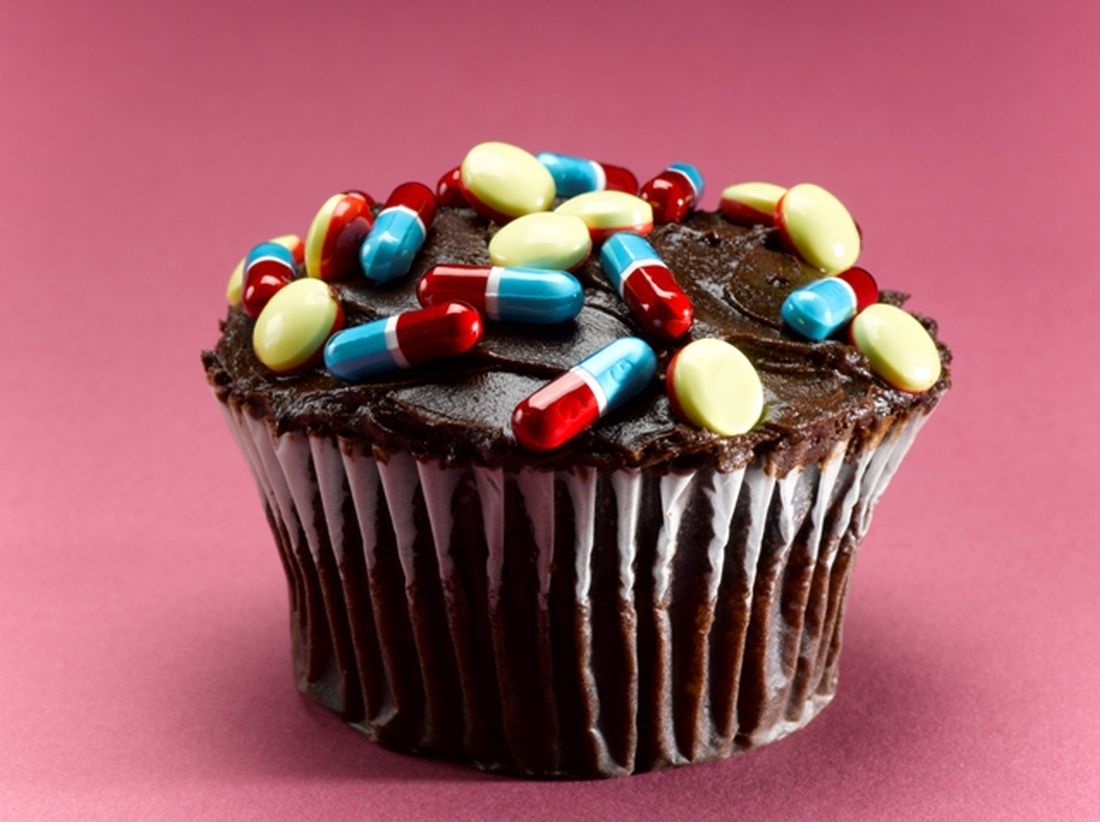
This should surprise no one practicing medicine today. With absolutely no scientific data to back up the next statement, I’m willing to bet a study on oral antiglycemics for type 2 diabetes would yield similar results.
The problem here is that these drugs don’t change human nature, and I’m not belittling their ability to reduce morbidity and mortality.
Developed nations nowadays live in a world of plenty. For most of us, there’s not only no shortage of food options, but the majority of what’s out there is the worst stuff for your health. Salty, dense calories, high-fat, sweetened – for most of us that’s a normal day of eating. It tastes good. Two million years of evolution have programmed us to eat similar stuff because in the wild it sustains survival.
In the city and suburbs, however, that’s not the case.
Food manufacturers make it and stores sell it because, quite bluntly, it makes money. The profit margin for unhealthy stuff is higher than that for fruits and vegetables. If you’re trying to run a successful business, which one would you choose to sell?
As long as people are going to eat unhealthy stuff, others will sell it to them. All the medical breakthroughs in the world won’t change that.
Same with exercise. Some people love to exercise. Some people catch the bug to do it consistently. But most try for a few weeks, usually in January-February, then give up because they don’t have time, or the will, or both.
Medical breakthroughs won’t fix that, either.
There’s also, I suspect, a component of misplaced faith in modern medicine. Like the mysterious “anti-calories” in a can of diet soda. You really do encounter people who think that drinking a diet soda and having a slice of chocolate cake will cancel each other out. Any doctor or nutritionist will scoff at this, but it’s amazing how many people think that doing one good thing (health wise) means you can equally do one bad thing at no penalty. Humans love magical thinking like that.
Unintentionally, the medications contribute to this belief. People figure if they’re lowering blood sugar or lipids, maybe they can eat more steak and ice cream. That’s an unintended consequence of modern medicine. It’s not even limited to nonmedical people. When Lipitor came to market in the late 1990s, one of my attendings called it “a license to eat.” Sadly, as the new study proves, he wasn’t that far from the truth.
People want an easy cure. A pill that makes it all better. That’s human nature. But the real problem, for all the great work we’ve done in medications, is that many patients don’t want to be an active participant in their own care. Exercising and maintaining a healthy diet are hard work, in spite of all the evidence showing their benefits (especially when combined with modern medicine, which is the whole idea in the first place). So it’s much easier for them to place all the responsibility on doctors and medications, and just take a simple pill to fix everything.
As this study shows, it doesn’t work that way.
Dr. Block has a solo neurology practice in Scottsdale, Ariz.
Recently, a study in the Journal of the American Heart Association found that taking statins and blood pressure medications doesn’t lead to healthier lifestyles.
This should surprise no one practicing medicine today. With absolutely no scientific data to back up the next statement, I’m willing to bet a study on oral antiglycemics for type 2 diabetes would yield similar results.
The problem here is that these drugs don’t change human nature, and I’m not belittling their ability to reduce morbidity and mortality.
Developed nations nowadays live in a world of plenty. For most of us, there’s not only no shortage of food options, but the majority of what’s out there is the worst stuff for your health. Salty, dense calories, high-fat, sweetened – for most of us that’s a normal day of eating. It tastes good. Two million years of evolution have programmed us to eat similar stuff because in the wild it sustains survival.
In the city and suburbs, however, that’s not the case.
Food manufacturers make it and stores sell it because, quite bluntly, it makes money. The profit margin for unhealthy stuff is higher than that for fruits and vegetables. If you’re trying to run a successful business, which one would you choose to sell?
As long as people are going to eat unhealthy stuff, others will sell it to them. All the medical breakthroughs in the world won’t change that.
Same with exercise. Some people love to exercise. Some people catch the bug to do it consistently. But most try for a few weeks, usually in January-February, then give up because they don’t have time, or the will, or both.
Medical breakthroughs won’t fix that, either.
There’s also, I suspect, a component of misplaced faith in modern medicine. Like the mysterious “anti-calories” in a can of diet soda. You really do encounter people who think that drinking a diet soda and having a slice of chocolate cake will cancel each other out. Any doctor or nutritionist will scoff at this, but it’s amazing how many people think that doing one good thing (health wise) means you can equally do one bad thing at no penalty. Humans love magical thinking like that.
Unintentionally, the medications contribute to this belief. People figure if they’re lowering blood sugar or lipids, maybe they can eat more steak and ice cream. That’s an unintended consequence of modern medicine. It’s not even limited to nonmedical people. When Lipitor came to market in the late 1990s, one of my attendings called it “a license to eat.” Sadly, as the new study proves, he wasn’t that far from the truth.
People want an easy cure. A pill that makes it all better. That’s human nature. But the real problem, for all the great work we’ve done in medications, is that many patients don’t want to be an active participant in their own care. Exercising and maintaining a healthy diet are hard work, in spite of all the evidence showing their benefits (especially when combined with modern medicine, which is the whole idea in the first place). So it’s much easier for them to place all the responsibility on doctors and medications, and just take a simple pill to fix everything.
As this study shows, it doesn’t work that way.
Dr. Block has a solo neurology practice in Scottsdale, Ariz.
Recently, a study in the Journal of the American Heart Association found that taking statins and blood pressure medications doesn’t lead to healthier lifestyles.
This should surprise no one practicing medicine today. With absolutely no scientific data to back up the next statement, I’m willing to bet a study on oral antiglycemics for type 2 diabetes would yield similar results.
The problem here is that these drugs don’t change human nature, and I’m not belittling their ability to reduce morbidity and mortality.
Developed nations nowadays live in a world of plenty. For most of us, there’s not only no shortage of food options, but the majority of what’s out there is the worst stuff for your health. Salty, dense calories, high-fat, sweetened – for most of us that’s a normal day of eating. It tastes good. Two million years of evolution have programmed us to eat similar stuff because in the wild it sustains survival.
In the city and suburbs, however, that’s not the case.
Food manufacturers make it and stores sell it because, quite bluntly, it makes money. The profit margin for unhealthy stuff is higher than that for fruits and vegetables. If you’re trying to run a successful business, which one would you choose to sell?
As long as people are going to eat unhealthy stuff, others will sell it to them. All the medical breakthroughs in the world won’t change that.
Same with exercise. Some people love to exercise. Some people catch the bug to do it consistently. But most try for a few weeks, usually in January-February, then give up because they don’t have time, or the will, or both.
Medical breakthroughs won’t fix that, either.
There’s also, I suspect, a component of misplaced faith in modern medicine. Like the mysterious “anti-calories” in a can of diet soda. You really do encounter people who think that drinking a diet soda and having a slice of chocolate cake will cancel each other out. Any doctor or nutritionist will scoff at this, but it’s amazing how many people think that doing one good thing (health wise) means you can equally do one bad thing at no penalty. Humans love magical thinking like that.
Unintentionally, the medications contribute to this belief. People figure if they’re lowering blood sugar or lipids, maybe they can eat more steak and ice cream. That’s an unintended consequence of modern medicine. It’s not even limited to nonmedical people. When Lipitor came to market in the late 1990s, one of my attendings called it “a license to eat.” Sadly, as the new study proves, he wasn’t that far from the truth.
People want an easy cure. A pill that makes it all better. That’s human nature. But the real problem, for all the great work we’ve done in medications, is that many patients don’t want to be an active participant in their own care. Exercising and maintaining a healthy diet are hard work, in spite of all the evidence showing their benefits (especially when combined with modern medicine, which is the whole idea in the first place). So it’s much easier for them to place all the responsibility on doctors and medications, and just take a simple pill to fix everything.
As this study shows, it doesn’t work that way.
Dr. Block has a solo neurology practice in Scottsdale, Ariz.
Research protocol overkill
This is a lot of paper.

It’s not a chart. Or mortgage forms. Or Family and Medical Leave Act paperwork.
It’s a research protocol for a study I’m involved in.
Now, I understand that research needs detailed protocols. It’s serious business, and when it’s happening at multiple sites they all need to know exactly what the plan is, what steps should be followed, who qualifies and who doesn’t, and so on.
But here’s what irritates me: That huge pile showed up at my office about an hour after all of the same documents were delivered to me by email, as PDFs.
Not only that, but someone had paid a messenger service to get them to me promptly. When I asked why I was told “because it’s the protocol that each site have both paper and digital copies.”
I don’t understand this at all. To me, the whole thing seems pretty wasteful on multiple levels. I’m told there are 28 sites for this study, so there’s a minimum stack of 28 times that one involved. Of course, each site probably has three to five copies (at least). Then, if the protocol is amended in a few months ... you get the idea.
To me this seems ridiculously wasteful. That’s a lot of paper and ink and shipping charges. If the whole thing can be sent digitally for a lot less money, why are they requiring both? If they need a signed signature sheet saying I read it, why not just print up that sheet? It’s one page instead of a huge pile. If I can digitally sign a document to refinance my house, why can’t I do it to acknowledge reading the protocol? I’m more likely to read study data on my iPad, anyway.
Not only that, now I have to store that stack in my office for several years, in spite of also having it on my hard drive.
Obviously, this is just a fraction of research costs, but it’s still money wasted.
The environmental issues of trees, water to make paper, the ink cartridges, and fuel to transport documents are all there, too. I could certainly go on.
I guess the overlying problem is that we’re still between two worlds (paper and digital) and, in spite of the marked shift to the latter, many are still insisting we try to live in both. At some point it gets silly. And costly.
I’m sure we won’t become completely paperless in my career, but there are plenty of ways we can eliminate its often-unnecessary overhead. Money is just the most obvious one.
Dr. Block has a solo neurology practice in Scottsdale, Ariz.
This is a lot of paper.
It’s not a chart. Or mortgage forms. Or Family and Medical Leave Act paperwork.
It’s a research protocol for a study I’m involved in.
Now, I understand that research needs detailed protocols. It’s serious business, and when it’s happening at multiple sites they all need to know exactly what the plan is, what steps should be followed, who qualifies and who doesn’t, and so on.
But here’s what irritates me: That huge pile showed up at my office about an hour after all of the same documents were delivered to me by email, as PDFs.
Not only that, but someone had paid a messenger service to get them to me promptly. When I asked why I was told “because it’s the protocol that each site have both paper and digital copies.”
I don’t understand this at all. To me, the whole thing seems pretty wasteful on multiple levels. I’m told there are 28 sites for this study, so there’s a minimum stack of 28 times that one involved. Of course, each site probably has three to five copies (at least). Then, if the protocol is amended in a few months ... you get the idea.
To me this seems ridiculously wasteful. That’s a lot of paper and ink and shipping charges. If the whole thing can be sent digitally for a lot less money, why are they requiring both? If they need a signed signature sheet saying I read it, why not just print up that sheet? It’s one page instead of a huge pile. If I can digitally sign a document to refinance my house, why can’t I do it to acknowledge reading the protocol? I’m more likely to read study data on my iPad, anyway.
Not only that, now I have to store that stack in my office for several years, in spite of also having it on my hard drive.
Obviously, this is just a fraction of research costs, but it’s still money wasted.
The environmental issues of trees, water to make paper, the ink cartridges, and fuel to transport documents are all there, too. I could certainly go on.
I guess the overlying problem is that we’re still between two worlds (paper and digital) and, in spite of the marked shift to the latter, many are still insisting we try to live in both. At some point it gets silly. And costly.
I’m sure we won’t become completely paperless in my career, but there are plenty of ways we can eliminate its often-unnecessary overhead. Money is just the most obvious one.
Dr. Block has a solo neurology practice in Scottsdale, Ariz.
This is a lot of paper.
It’s not a chart. Or mortgage forms. Or Family and Medical Leave Act paperwork.
It’s a research protocol for a study I’m involved in.
Now, I understand that research needs detailed protocols. It’s serious business, and when it’s happening at multiple sites they all need to know exactly what the plan is, what steps should be followed, who qualifies and who doesn’t, and so on.
But here’s what irritates me: That huge pile showed up at my office about an hour after all of the same documents were delivered to me by email, as PDFs.
Not only that, but someone had paid a messenger service to get them to me promptly. When I asked why I was told “because it’s the protocol that each site have both paper and digital copies.”
I don’t understand this at all. To me, the whole thing seems pretty wasteful on multiple levels. I’m told there are 28 sites for this study, so there’s a minimum stack of 28 times that one involved. Of course, each site probably has three to five copies (at least). Then, if the protocol is amended in a few months ... you get the idea.
To me this seems ridiculously wasteful. That’s a lot of paper and ink and shipping charges. If the whole thing can be sent digitally for a lot less money, why are they requiring both? If they need a signed signature sheet saying I read it, why not just print up that sheet? It’s one page instead of a huge pile. If I can digitally sign a document to refinance my house, why can’t I do it to acknowledge reading the protocol? I’m more likely to read study data on my iPad, anyway.
Not only that, now I have to store that stack in my office for several years, in spite of also having it on my hard drive.
Obviously, this is just a fraction of research costs, but it’s still money wasted.
The environmental issues of trees, water to make paper, the ink cartridges, and fuel to transport documents are all there, too. I could certainly go on.
I guess the overlying problem is that we’re still between two worlds (paper and digital) and, in spite of the marked shift to the latter, many are still insisting we try to live in both. At some point it gets silly. And costly.
I’m sure we won’t become completely paperless in my career, but there are plenty of ways we can eliminate its often-unnecessary overhead. Money is just the most obvious one.
Dr. Block has a solo neurology practice in Scottsdale, Ariz.