User login
Blogging? No thanks
“My other doctor has an office blog. You should have one, too. They’re really helpful.”
I hear that line a fair amount.
No, thank you.
I legitimately did try to have an office blog 7-8 years ago. I figured it might bring in a few more patients, answer FAQs from others, and give me something to do. So I did some reading, created an account on Blogger, and started one. I think my first post was on multiple sclerosis. Nothing really specific, more just generic “living with MS” tips.
I wrote another the next week, then a third post about 2 months later. Roughly 6 months after starting I gave up and quietly deleted the account.
I have no idea how some doctors have time for that sort of thing. They must have more free time than I do. Maybe they pay someone to write the posts for them. But it didn’t take me long to realize I didn’t have the time, or personal interest, to make it worthwhile. Besides, generic medical blogs spouting common sense (“Eat more vegetables! Exercise!”) are a dime a dozen. To put anything more specific in this day and age runs the risk of litigation.
I like writing, as evidenced by this column. But
Time is, perhaps, the most precious commodity we have. Writing a nondescript office blog, as I learned, definitely wasn’t my cup of tea. I’m pretty sure an office Twitter account would be the same, and I have no interest in opening that door.
If another doctor wants to invest time in a blog, that’s fine. I hope it is something worthwhile and that they enjoy it. If a patient thinks that makes them a better doctor, they can.
But not me. If I’m going to devote time to my work, I’ll do it in the best way I know, and the one I still enjoy: seeing and treating patients.
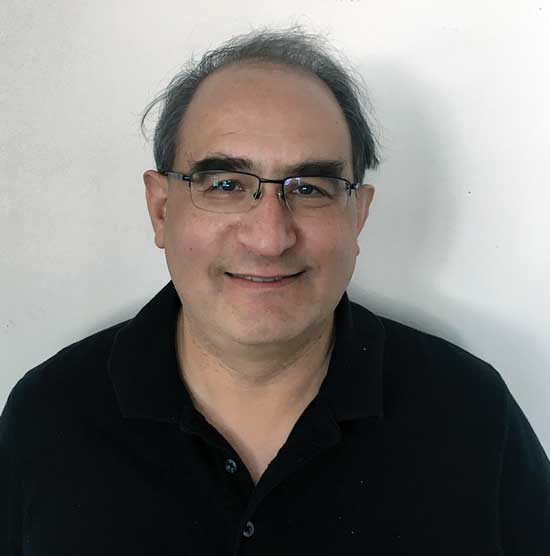
Dr. Block has a solo neurology practice in Scottsdale, Ariz.
“My other doctor has an office blog. You should have one, too. They’re really helpful.”
I hear that line a fair amount.
No, thank you.
I legitimately did try to have an office blog 7-8 years ago. I figured it might bring in a few more patients, answer FAQs from others, and give me something to do. So I did some reading, created an account on Blogger, and started one. I think my first post was on multiple sclerosis. Nothing really specific, more just generic “living with MS” tips.
I wrote another the next week, then a third post about 2 months later. Roughly 6 months after starting I gave up and quietly deleted the account.
I have no idea how some doctors have time for that sort of thing. They must have more free time than I do. Maybe they pay someone to write the posts for them. But it didn’t take me long to realize I didn’t have the time, or personal interest, to make it worthwhile. Besides, generic medical blogs spouting common sense (“Eat more vegetables! Exercise!”) are a dime a dozen. To put anything more specific in this day and age runs the risk of litigation.
I like writing, as evidenced by this column. But
Time is, perhaps, the most precious commodity we have. Writing a nondescript office blog, as I learned, definitely wasn’t my cup of tea. I’m pretty sure an office Twitter account would be the same, and I have no interest in opening that door.
If another doctor wants to invest time in a blog, that’s fine. I hope it is something worthwhile and that they enjoy it. If a patient thinks that makes them a better doctor, they can.
But not me. If I’m going to devote time to my work, I’ll do it in the best way I know, and the one I still enjoy: seeing and treating patients.
Dr. Block has a solo neurology practice in Scottsdale, Ariz.
“My other doctor has an office blog. You should have one, too. They’re really helpful.”
I hear that line a fair amount.
No, thank you.
I legitimately did try to have an office blog 7-8 years ago. I figured it might bring in a few more patients, answer FAQs from others, and give me something to do. So I did some reading, created an account on Blogger, and started one. I think my first post was on multiple sclerosis. Nothing really specific, more just generic “living with MS” tips.
I wrote another the next week, then a third post about 2 months later. Roughly 6 months after starting I gave up and quietly deleted the account.
I have no idea how some doctors have time for that sort of thing. They must have more free time than I do. Maybe they pay someone to write the posts for them. But it didn’t take me long to realize I didn’t have the time, or personal interest, to make it worthwhile. Besides, generic medical blogs spouting common sense (“Eat more vegetables! Exercise!”) are a dime a dozen. To put anything more specific in this day and age runs the risk of litigation.
I like writing, as evidenced by this column. But
Time is, perhaps, the most precious commodity we have. Writing a nondescript office blog, as I learned, definitely wasn’t my cup of tea. I’m pretty sure an office Twitter account would be the same, and I have no interest in opening that door.
If another doctor wants to invest time in a blog, that’s fine. I hope it is something worthwhile and that they enjoy it. If a patient thinks that makes them a better doctor, they can.
But not me. If I’m going to devote time to my work, I’ll do it in the best way I know, and the one I still enjoy: seeing and treating patients.
Dr. Block has a solo neurology practice in Scottsdale, Ariz.
Taming a terrible illness
Darth Vader is, to me, one of the most intimidating villains in movie history. I was 11 when Star Wars came out. I even cleaned my room so my mother would take me to see it.
When Darth Vader first walked on screen, it was striking. A tall, imposing figure in black, with harsh mechanical respirations. There was no question of who the bad guy was. As the movie progressed his darkness became more frightening until, in the first lightsaber battle any of us had seen, he cut down the benevolent Obi-Wan Kenobi.
Last year my family went to Disneyland. While browsing the park’s stores we saw numerous Darth Vader items ... with him now available as a teddy bear, and on T-shirts riding carousels and the Dumbo ride.
From terrifying villain to cutesy toy in 43 years.* Quite the fall from glory.
Diseases are often (and hopefully) like that. Syphilis, once the most common, feared, and incurable neurologic disease is now, for most, just a nuisance. The butt of jokes and sexual innuendos, rendered harmless by Alexander Fleming’s discoveries.
Bit by bit we see other diseases tamed. Multiple sclerosis, though still serious, becomes better controlled every year as new agents come out. The cure for Parkinson’s disease remains elusive, but agents to control the symptoms and improve quality of life are available. Even HIV, the most feared disease of the 80s and 90s, has been beaten back from a terrible death sentence to one where patients lead normal lives with antiviral therapy.
Today we face a new enemy, the COVID-19 pandemic. So far we have no definite treatments, nor shortage of ideas. Many companies are racing to develop a vaccine, and will likely, at some point, find one, but what and when are still in the future. too.
Alzheimer’s disease, for all practical purposes, remains untreatable and rightfully feared. Perhaps the only ones more terrifying are those we’ve reduced to just three letters: ALS (amyotrophic lateral sclerosis) and GBM (glioblastoma multiforme). Both have terrible courses and, in spite of years of research, nothing even close to an effective treatment.
I hope that changes, and soon, for all those affected by these (and many other) terrible disorders.
Like the Darth Vader teddy bear, I’ll be happy to see them become shells of their former selves, with the dread they bring now reduced to the lesser trepidation seen when facing a serious, but treatable, illness.
*Correction, 8/11/20: An earlier version of this column misstated the number of years since Star Wars debuted.
Dr. Block has a solo neurology practice in Scottsdale, Ariz.
Darth Vader is, to me, one of the most intimidating villains in movie history. I was 11 when Star Wars came out. I even cleaned my room so my mother would take me to see it.
When Darth Vader first walked on screen, it was striking. A tall, imposing figure in black, with harsh mechanical respirations. There was no question of who the bad guy was. As the movie progressed his darkness became more frightening until, in the first lightsaber battle any of us had seen, he cut down the benevolent Obi-Wan Kenobi.
Last year my family went to Disneyland. While browsing the park’s stores we saw numerous Darth Vader items ... with him now available as a teddy bear, and on T-shirts riding carousels and the Dumbo ride.
From terrifying villain to cutesy toy in 43 years.* Quite the fall from glory.
Diseases are often (and hopefully) like that. Syphilis, once the most common, feared, and incurable neurologic disease is now, for most, just a nuisance. The butt of jokes and sexual innuendos, rendered harmless by Alexander Fleming’s discoveries.
Bit by bit we see other diseases tamed. Multiple sclerosis, though still serious, becomes better controlled every year as new agents come out. The cure for Parkinson’s disease remains elusive, but agents to control the symptoms and improve quality of life are available. Even HIV, the most feared disease of the 80s and 90s, has been beaten back from a terrible death sentence to one where patients lead normal lives with antiviral therapy.
Today we face a new enemy, the COVID-19 pandemic. So far we have no definite treatments, nor shortage of ideas. Many companies are racing to develop a vaccine, and will likely, at some point, find one, but what and when are still in the future. too.
Alzheimer’s disease, for all practical purposes, remains untreatable and rightfully feared. Perhaps the only ones more terrifying are those we’ve reduced to just three letters: ALS (amyotrophic lateral sclerosis) and GBM (glioblastoma multiforme). Both have terrible courses and, in spite of years of research, nothing even close to an effective treatment.
I hope that changes, and soon, for all those affected by these (and many other) terrible disorders.
Like the Darth Vader teddy bear, I’ll be happy to see them become shells of their former selves, with the dread they bring now reduced to the lesser trepidation seen when facing a serious, but treatable, illness.
*Correction, 8/11/20: An earlier version of this column misstated the number of years since Star Wars debuted.
Dr. Block has a solo neurology practice in Scottsdale, Ariz.
Darth Vader is, to me, one of the most intimidating villains in movie history. I was 11 when Star Wars came out. I even cleaned my room so my mother would take me to see it.
When Darth Vader first walked on screen, it was striking. A tall, imposing figure in black, with harsh mechanical respirations. There was no question of who the bad guy was. As the movie progressed his darkness became more frightening until, in the first lightsaber battle any of us had seen, he cut down the benevolent Obi-Wan Kenobi.
Last year my family went to Disneyland. While browsing the park’s stores we saw numerous Darth Vader items ... with him now available as a teddy bear, and on T-shirts riding carousels and the Dumbo ride.
From terrifying villain to cutesy toy in 43 years.* Quite the fall from glory.
Diseases are often (and hopefully) like that. Syphilis, once the most common, feared, and incurable neurologic disease is now, for most, just a nuisance. The butt of jokes and sexual innuendos, rendered harmless by Alexander Fleming’s discoveries.
Bit by bit we see other diseases tamed. Multiple sclerosis, though still serious, becomes better controlled every year as new agents come out. The cure for Parkinson’s disease remains elusive, but agents to control the symptoms and improve quality of life are available. Even HIV, the most feared disease of the 80s and 90s, has been beaten back from a terrible death sentence to one where patients lead normal lives with antiviral therapy.
Today we face a new enemy, the COVID-19 pandemic. So far we have no definite treatments, nor shortage of ideas. Many companies are racing to develop a vaccine, and will likely, at some point, find one, but what and when are still in the future. too.
Alzheimer’s disease, for all practical purposes, remains untreatable and rightfully feared. Perhaps the only ones more terrifying are those we’ve reduced to just three letters: ALS (amyotrophic lateral sclerosis) and GBM (glioblastoma multiforme). Both have terrible courses and, in spite of years of research, nothing even close to an effective treatment.
I hope that changes, and soon, for all those affected by these (and many other) terrible disorders.
Like the Darth Vader teddy bear, I’ll be happy to see them become shells of their former selves, with the dread they bring now reduced to the lesser trepidation seen when facing a serious, but treatable, illness.
*Correction, 8/11/20: An earlier version of this column misstated the number of years since Star Wars debuted.
Dr. Block has a solo neurology practice in Scottsdale, Ariz.
Why are we still talking about hydroxychloroquine?
This is getting pretty ridiculous. The number of well-done, evidence-based trials of hydroxychloroquine in COVID-19 showing minimal-to-no benefit is increasing. There are still studies that show benefit in certain cases, but many of them are small-scale or even anecdotal.
How long is this going to go on? If the evidence supporting its use were to be put through the standard Food and Drug Administration approval panels it wouldn’t have a chance.
Yet, because it’s become a political football (like masks), science and rational research are tossed out the window. At the end of July we were all treated to videos of Dr. Stella Immanuel claiming the drug is a cure. Dr. Immanuel may have medical credentials, but she also supports beliefs that space aliens and the Illuminati are involved in running governments, and that multiple gynecologic disorders are caused by sexual relations with demons and witches during dreams.
Even so, her hydroxychloroquine statements were given heavy play during a news cycle, then endorsed by the president and his supporters, all with very little immediate background provided for other claims she’s made in the past.
Medicine is a science. Politics shouldn’t be. Continuing to give it to sick people, despite the growing evidence against it, violates the “do-no-harm” tenet of our field.
There was no shame in trying it and failing. This is the process through which all treatments are tested. If they work (such as with penicillin, for example) that’s wonderful. If they fail (such as with countless Alzheimer’s trials) we learn what doesn’t work and move on.
But to keep claiming success where there isn’t any moves beyond science and into things that whiff of a hoax, such as 1989’s cold fusion or recurrent claims of capturing Bigfoot.
With an implacable enemy such as COVID-19 at the door, money and effort need to be focused on finding what works, not on putting stale milk back in the refrigerator and hoping it comes out fresh.
Dr. Block has a solo neurology practice in Scottsdale, Ariz.
This is getting pretty ridiculous. The number of well-done, evidence-based trials of hydroxychloroquine in COVID-19 showing minimal-to-no benefit is increasing. There are still studies that show benefit in certain cases, but many of them are small-scale or even anecdotal.
How long is this going to go on? If the evidence supporting its use were to be put through the standard Food and Drug Administration approval panels it wouldn’t have a chance.
Yet, because it’s become a political football (like masks), science and rational research are tossed out the window. At the end of July we were all treated to videos of Dr. Stella Immanuel claiming the drug is a cure. Dr. Immanuel may have medical credentials, but she also supports beliefs that space aliens and the Illuminati are involved in running governments, and that multiple gynecologic disorders are caused by sexual relations with demons and witches during dreams.
Even so, her hydroxychloroquine statements were given heavy play during a news cycle, then endorsed by the president and his supporters, all with very little immediate background provided for other claims she’s made in the past.
Medicine is a science. Politics shouldn’t be. Continuing to give it to sick people, despite the growing evidence against it, violates the “do-no-harm” tenet of our field.
There was no shame in trying it and failing. This is the process through which all treatments are tested. If they work (such as with penicillin, for example) that’s wonderful. If they fail (such as with countless Alzheimer’s trials) we learn what doesn’t work and move on.
But to keep claiming success where there isn’t any moves beyond science and into things that whiff of a hoax, such as 1989’s cold fusion or recurrent claims of capturing Bigfoot.
With an implacable enemy such as COVID-19 at the door, money and effort need to be focused on finding what works, not on putting stale milk back in the refrigerator and hoping it comes out fresh.
Dr. Block has a solo neurology practice in Scottsdale, Ariz.
This is getting pretty ridiculous. The number of well-done, evidence-based trials of hydroxychloroquine in COVID-19 showing minimal-to-no benefit is increasing. There are still studies that show benefit in certain cases, but many of them are small-scale or even anecdotal.
How long is this going to go on? If the evidence supporting its use were to be put through the standard Food and Drug Administration approval panels it wouldn’t have a chance.
Yet, because it’s become a political football (like masks), science and rational research are tossed out the window. At the end of July we were all treated to videos of Dr. Stella Immanuel claiming the drug is a cure. Dr. Immanuel may have medical credentials, but she also supports beliefs that space aliens and the Illuminati are involved in running governments, and that multiple gynecologic disorders are caused by sexual relations with demons and witches during dreams.
Even so, her hydroxychloroquine statements were given heavy play during a news cycle, then endorsed by the president and his supporters, all with very little immediate background provided for other claims she’s made in the past.
Medicine is a science. Politics shouldn’t be. Continuing to give it to sick people, despite the growing evidence against it, violates the “do-no-harm” tenet of our field.
There was no shame in trying it and failing. This is the process through which all treatments are tested. If they work (such as with penicillin, for example) that’s wonderful. If they fail (such as with countless Alzheimer’s trials) we learn what doesn’t work and move on.
But to keep claiming success where there isn’t any moves beyond science and into things that whiff of a hoax, such as 1989’s cold fusion or recurrent claims of capturing Bigfoot.
With an implacable enemy such as COVID-19 at the door, money and effort need to be focused on finding what works, not on putting stale milk back in the refrigerator and hoping it comes out fresh.
Dr. Block has a solo neurology practice in Scottsdale, Ariz.
Repeat MRIs: Educating patients
In dementia workups, or even with more benign forms of cognitive impairment, a cranial imaging study is always needed. Like most neurologists I prefer MRIs, although I am willing to settle for a head CT when I have to.
These studies aren’t cheap, but as part of the workup, to exclude other causes, they are invaluable.
Generally one is all that is needed, although there are exceptions. But some patients and families seem to think MRIs need to be repeated often, anywhere from annually to every few months, “to make sure nothing has changed.”
You usually can’t talk them out of it either. There must be “some reason” why the patient keeps getting worse. Explaining that it’s a degenerative process that doesn’t show up on MRI gets me nowhere. They read something on the Internet about it, or heard a story about the uncle of a friend of a friend, or they focus on an incidental finding that must be the cause (like an 8-mm meningioma).
Generally I stand my ground. Obviously, there are times another imaging study is warranted, such as for a dramatic, acute neurological change, but in most cases all we’re really seeing is the sad progression of disease.
I’m not unsympathetic to these people. I feel bad that this has happened to them and that they’ve been given incorrect information. I take as much time as needed to explain the disease and why another study is not needed. It’s easy to write an order for the study to appease them, but it only leads to repeating it again in a few months. Every MRI I order costs time and money, and could take the same test away from a person who truly needs it.
Sometimes the patient and family will understand after we discuss it and the request is forgotten. Other times they leave my office upset, post a bad Yelp review about me refusing to treat their ailing parent, and change neurologists. Occasionally they’re able to get their internist to give in and order a repeat MRI, and when the repeat study hasn’t changed they call me wanting to know when the next one should be done.
Throwing more money at a problem, especially when you already know what the answer will be, is never a good idea. Not now, not ever ... in medicine or anything else.
Dr. Block has a solo neurology practice in Scottsdale, Ariz.
In dementia workups, or even with more benign forms of cognitive impairment, a cranial imaging study is always needed. Like most neurologists I prefer MRIs, although I am willing to settle for a head CT when I have to.
These studies aren’t cheap, but as part of the workup, to exclude other causes, they are invaluable.
Generally one is all that is needed, although there are exceptions. But some patients and families seem to think MRIs need to be repeated often, anywhere from annually to every few months, “to make sure nothing has changed.”
You usually can’t talk them out of it either. There must be “some reason” why the patient keeps getting worse. Explaining that it’s a degenerative process that doesn’t show up on MRI gets me nowhere. They read something on the Internet about it, or heard a story about the uncle of a friend of a friend, or they focus on an incidental finding that must be the cause (like an 8-mm meningioma).
Generally I stand my ground. Obviously, there are times another imaging study is warranted, such as for a dramatic, acute neurological change, but in most cases all we’re really seeing is the sad progression of disease.
I’m not unsympathetic to these people. I feel bad that this has happened to them and that they’ve been given incorrect information. I take as much time as needed to explain the disease and why another study is not needed. It’s easy to write an order for the study to appease them, but it only leads to repeating it again in a few months. Every MRI I order costs time and money, and could take the same test away from a person who truly needs it.
Sometimes the patient and family will understand after we discuss it and the request is forgotten. Other times they leave my office upset, post a bad Yelp review about me refusing to treat their ailing parent, and change neurologists. Occasionally they’re able to get their internist to give in and order a repeat MRI, and when the repeat study hasn’t changed they call me wanting to know when the next one should be done.
Throwing more money at a problem, especially when you already know what the answer will be, is never a good idea. Not now, not ever ... in medicine or anything else.
Dr. Block has a solo neurology practice in Scottsdale, Ariz.
In dementia workups, or even with more benign forms of cognitive impairment, a cranial imaging study is always needed. Like most neurologists I prefer MRIs, although I am willing to settle for a head CT when I have to.
These studies aren’t cheap, but as part of the workup, to exclude other causes, they are invaluable.
Generally one is all that is needed, although there are exceptions. But some patients and families seem to think MRIs need to be repeated often, anywhere from annually to every few months, “to make sure nothing has changed.”
You usually can’t talk them out of it either. There must be “some reason” why the patient keeps getting worse. Explaining that it’s a degenerative process that doesn’t show up on MRI gets me nowhere. They read something on the Internet about it, or heard a story about the uncle of a friend of a friend, or they focus on an incidental finding that must be the cause (like an 8-mm meningioma).
Generally I stand my ground. Obviously, there are times another imaging study is warranted, such as for a dramatic, acute neurological change, but in most cases all we’re really seeing is the sad progression of disease.
I’m not unsympathetic to these people. I feel bad that this has happened to them and that they’ve been given incorrect information. I take as much time as needed to explain the disease and why another study is not needed. It’s easy to write an order for the study to appease them, but it only leads to repeating it again in a few months. Every MRI I order costs time and money, and could take the same test away from a person who truly needs it.
Sometimes the patient and family will understand after we discuss it and the request is forgotten. Other times they leave my office upset, post a bad Yelp review about me refusing to treat their ailing parent, and change neurologists. Occasionally they’re able to get their internist to give in and order a repeat MRI, and when the repeat study hasn’t changed they call me wanting to know when the next one should be done.
Throwing more money at a problem, especially when you already know what the answer will be, is never a good idea. Not now, not ever ... in medicine or anything else.
Dr. Block has a solo neurology practice in Scottsdale, Ariz.
It’s been surreal
Hopefully 2020 will be the strangest year in modern memory, but who knows?
Things continue to be surreal at my office. I haven’t seen my staff since mid-March, even though I’m in touch with them all day long. Fortunately we live in an age where many things can be handled from home.
At the office I’d started to see an increase in patients, but that has dropped off again as the infection rate in Arizona has soared out of control. I’m not complaining about patients staying home; many neurology patients are frail or on immune-suppressing agents, and should not be out and about.
Normally I’m a stickler for stable patients coming in once a year for refills, but in 2020 I’m letting that slide. Sumatriptan, levetiracetam, and nortriptyline are better filled for 90 days to minimize potential COVID-19 contacts on all parts – including mine.
Originally I thought that some degree of normalcy would be back by August, but clearly that won’t be the case. Arizona, and many other states, continue to get worse as political ambitions trounce sound science.
A year ago I routinely fielded calls asking whether various supplements would fend off Alzheimer’s disease as the manufacturers claimed (NO! THEY DON’T!). Today similar calls come in asking about stuff marketed to prevent and cure COVID-19 (same answer).
I have no idea when this will improve. My kids are scheduled to move back into their dorms in about a month, but realistically I don’t see that safely happening. Classrooms, with the reduced capacity needed and cost of frequent cleanings, seem impractical, compared with Zoom.
The college football season is almost certainly going to be canceled. The NFL maybe. Basketball and baseball are playing out reduced seasons in sterilized bubbles. Sports, next to holidays and school, are the cyclical touchstones our society is measured by. Their disruption reflects the strangeness of the year as a whole.
As always during the Phoenix summer, I’m hiding in an air-conditioned office, waiting for patients to come in. It’s quieter without my secretary and her energetic 4-year-old daughter. But I’m still here. It’s strange with the unfamiliar silence, but the routine of coming to work each day, even on a reduced schedule, brings a sense of normalcy. There may not be as many patients, but those who need me come in, and as long as I’m able to, I’ll be here to help them.
Dr. Block has a solo neurology practice in Scottsdale, Ariz.
Hopefully 2020 will be the strangest year in modern memory, but who knows?
Things continue to be surreal at my office. I haven’t seen my staff since mid-March, even though I’m in touch with them all day long. Fortunately we live in an age where many things can be handled from home.
At the office I’d started to see an increase in patients, but that has dropped off again as the infection rate in Arizona has soared out of control. I’m not complaining about patients staying home; many neurology patients are frail or on immune-suppressing agents, and should not be out and about.
Normally I’m a stickler for stable patients coming in once a year for refills, but in 2020 I’m letting that slide. Sumatriptan, levetiracetam, and nortriptyline are better filled for 90 days to minimize potential COVID-19 contacts on all parts – including mine.
Originally I thought that some degree of normalcy would be back by August, but clearly that won’t be the case. Arizona, and many other states, continue to get worse as political ambitions trounce sound science.
A year ago I routinely fielded calls asking whether various supplements would fend off Alzheimer’s disease as the manufacturers claimed (NO! THEY DON’T!). Today similar calls come in asking about stuff marketed to prevent and cure COVID-19 (same answer).
I have no idea when this will improve. My kids are scheduled to move back into their dorms in about a month, but realistically I don’t see that safely happening. Classrooms, with the reduced capacity needed and cost of frequent cleanings, seem impractical, compared with Zoom.
The college football season is almost certainly going to be canceled. The NFL maybe. Basketball and baseball are playing out reduced seasons in sterilized bubbles. Sports, next to holidays and school, are the cyclical touchstones our society is measured by. Their disruption reflects the strangeness of the year as a whole.
As always during the Phoenix summer, I’m hiding in an air-conditioned office, waiting for patients to come in. It’s quieter without my secretary and her energetic 4-year-old daughter. But I’m still here. It’s strange with the unfamiliar silence, but the routine of coming to work each day, even on a reduced schedule, brings a sense of normalcy. There may not be as many patients, but those who need me come in, and as long as I’m able to, I’ll be here to help them.
Dr. Block has a solo neurology practice in Scottsdale, Ariz.
Hopefully 2020 will be the strangest year in modern memory, but who knows?
Things continue to be surreal at my office. I haven’t seen my staff since mid-March, even though I’m in touch with them all day long. Fortunately we live in an age where many things can be handled from home.
At the office I’d started to see an increase in patients, but that has dropped off again as the infection rate in Arizona has soared out of control. I’m not complaining about patients staying home; many neurology patients are frail or on immune-suppressing agents, and should not be out and about.
Normally I’m a stickler for stable patients coming in once a year for refills, but in 2020 I’m letting that slide. Sumatriptan, levetiracetam, and nortriptyline are better filled for 90 days to minimize potential COVID-19 contacts on all parts – including mine.
Originally I thought that some degree of normalcy would be back by August, but clearly that won’t be the case. Arizona, and many other states, continue to get worse as political ambitions trounce sound science.
A year ago I routinely fielded calls asking whether various supplements would fend off Alzheimer’s disease as the manufacturers claimed (NO! THEY DON’T!). Today similar calls come in asking about stuff marketed to prevent and cure COVID-19 (same answer).
I have no idea when this will improve. My kids are scheduled to move back into their dorms in about a month, but realistically I don’t see that safely happening. Classrooms, with the reduced capacity needed and cost of frequent cleanings, seem impractical, compared with Zoom.
The college football season is almost certainly going to be canceled. The NFL maybe. Basketball and baseball are playing out reduced seasons in sterilized bubbles. Sports, next to holidays and school, are the cyclical touchstones our society is measured by. Their disruption reflects the strangeness of the year as a whole.
As always during the Phoenix summer, I’m hiding in an air-conditioned office, waiting for patients to come in. It’s quieter without my secretary and her energetic 4-year-old daughter. But I’m still here. It’s strange with the unfamiliar silence, but the routine of coming to work each day, even on a reduced schedule, brings a sense of normalcy. There may not be as many patients, but those who need me come in, and as long as I’m able to, I’ll be here to help them.
Dr. Block has a solo neurology practice in Scottsdale, Ariz.
Masks are a public health issue, not a political one
Masks should not be a political issue. It is ridiculous that they’ve become one. The pandemic, and masks, are a public health issue, and we’re in the biggest public health crisis since 1918.
Mounting data show that common mask usage reduces the spread of COVID-19. Yet many people refuse to wear masks on the grounds that it’s a matter of personal freedom.
If it were that simple, I might agree. After all, it’s your health. Like smoking and skydiving, you’re the one taking risks knowingly.
But it’s not just a single person’s health with an infectious disease. Every person with it is a vector for others to catch it, knowingly or not.
The constitution twice mentions the government’s responsibility to maintain “the general welfare,” but many apparently don’t believe it applies to the pandemic.
A large part of this is a glut of pseudo-science circulating out there, buoyed by the Internet, as well as ties to conspiracy theories and thoroughly debunked claims that the masks cause decreased oxygen, strokes, and a host of other unrelated issues. To many doctors, including myself, this is incredibly frustrating. Medicine is a science. We deal in facts, probabilities, and statistics. After spending so many years learning and trying to teach patients what is and isn’t real out there, it’s disheartening, to say the least, when they choose the meandering advice found on a Facebook or Twitter account over our hard-earned knowledge.
Here in Arizona, the governor’s stay-at-home order expired in mid-May. Although not intended as such, many treated it as a declaration of victory over coronavirus, quickly flocking back to restaurants, bars, and other public gathering places. Our case numbers have since skyrocketed. Yet the climbing numbers of cases as people associate more are ignored and belittled by many in the name of freedom.
People have donned the cloak of freedom and the Bill of Rights to take a stand against wearing masks.
In 1942, U-Boats were sinking ships off the east coast in huge numbers, with targeting made easy because they were silhouetted against cities. Black-outs were ordered to help stop this. Would these same people today have stood up then to declare “They’re my lights, and I’m free to keep them on if I want”? Would they have done the same if bombs were raining on New York like they did in London blackouts during the Blitz?
Self preservation is a powerful instinct. Every animal on Earth has it. Yet humans are the only ones that willfully ignore ways to prevent an as-yet untreatable disease.
You’d think, after all these years of civilization, scientific discovery, and research that we’d be better than this.
Dr. Block has a solo neurology practice in Scottsdale, Ariz. He has no relevant disclosures.
Masks should not be a political issue. It is ridiculous that they’ve become one. The pandemic, and masks, are a public health issue, and we’re in the biggest public health crisis since 1918.
Mounting data show that common mask usage reduces the spread of COVID-19. Yet many people refuse to wear masks on the grounds that it’s a matter of personal freedom.
If it were that simple, I might agree. After all, it’s your health. Like smoking and skydiving, you’re the one taking risks knowingly.
But it’s not just a single person’s health with an infectious disease. Every person with it is a vector for others to catch it, knowingly or not.
The constitution twice mentions the government’s responsibility to maintain “the general welfare,” but many apparently don’t believe it applies to the pandemic.
A large part of this is a glut of pseudo-science circulating out there, buoyed by the Internet, as well as ties to conspiracy theories and thoroughly debunked claims that the masks cause decreased oxygen, strokes, and a host of other unrelated issues. To many doctors, including myself, this is incredibly frustrating. Medicine is a science. We deal in facts, probabilities, and statistics. After spending so many years learning and trying to teach patients what is and isn’t real out there, it’s disheartening, to say the least, when they choose the meandering advice found on a Facebook or Twitter account over our hard-earned knowledge.
Here in Arizona, the governor’s stay-at-home order expired in mid-May. Although not intended as such, many treated it as a declaration of victory over coronavirus, quickly flocking back to restaurants, bars, and other public gathering places. Our case numbers have since skyrocketed. Yet the climbing numbers of cases as people associate more are ignored and belittled by many in the name of freedom.
People have donned the cloak of freedom and the Bill of Rights to take a stand against wearing masks.
In 1942, U-Boats were sinking ships off the east coast in huge numbers, with targeting made easy because they were silhouetted against cities. Black-outs were ordered to help stop this. Would these same people today have stood up then to declare “They’re my lights, and I’m free to keep them on if I want”? Would they have done the same if bombs were raining on New York like they did in London blackouts during the Blitz?
Self preservation is a powerful instinct. Every animal on Earth has it. Yet humans are the only ones that willfully ignore ways to prevent an as-yet untreatable disease.
You’d think, after all these years of civilization, scientific discovery, and research that we’d be better than this.
Dr. Block has a solo neurology practice in Scottsdale, Ariz. He has no relevant disclosures.
Masks should not be a political issue. It is ridiculous that they’ve become one. The pandemic, and masks, are a public health issue, and we’re in the biggest public health crisis since 1918.
Mounting data show that common mask usage reduces the spread of COVID-19. Yet many people refuse to wear masks on the grounds that it’s a matter of personal freedom.
If it were that simple, I might agree. After all, it’s your health. Like smoking and skydiving, you’re the one taking risks knowingly.
But it’s not just a single person’s health with an infectious disease. Every person with it is a vector for others to catch it, knowingly or not.
The constitution twice mentions the government’s responsibility to maintain “the general welfare,” but many apparently don’t believe it applies to the pandemic.
A large part of this is a glut of pseudo-science circulating out there, buoyed by the Internet, as well as ties to conspiracy theories and thoroughly debunked claims that the masks cause decreased oxygen, strokes, and a host of other unrelated issues. To many doctors, including myself, this is incredibly frustrating. Medicine is a science. We deal in facts, probabilities, and statistics. After spending so many years learning and trying to teach patients what is and isn’t real out there, it’s disheartening, to say the least, when they choose the meandering advice found on a Facebook or Twitter account over our hard-earned knowledge.
Here in Arizona, the governor’s stay-at-home order expired in mid-May. Although not intended as such, many treated it as a declaration of victory over coronavirus, quickly flocking back to restaurants, bars, and other public gathering places. Our case numbers have since skyrocketed. Yet the climbing numbers of cases as people associate more are ignored and belittled by many in the name of freedom.
People have donned the cloak of freedom and the Bill of Rights to take a stand against wearing masks.
In 1942, U-Boats were sinking ships off the east coast in huge numbers, with targeting made easy because they were silhouetted against cities. Black-outs were ordered to help stop this. Would these same people today have stood up then to declare “They’re my lights, and I’m free to keep them on if I want”? Would they have done the same if bombs were raining on New York like they did in London blackouts during the Blitz?
Self preservation is a powerful instinct. Every animal on Earth has it. Yet humans are the only ones that willfully ignore ways to prevent an as-yet untreatable disease.
You’d think, after all these years of civilization, scientific discovery, and research that we’d be better than this.
Dr. Block has a solo neurology practice in Scottsdale, Ariz. He has no relevant disclosures.
Passing on the “FastPass”
As part of the COVID-19 pandemic, I see signs everywhere saying they have perks for health care workers. I can go to the front of the line at Costco, or for takeout at a restaurant, or to checkout at the grocery store. Certainly it would be easy, I always have my hospital ID in my car.
I have no interest in doing so. None.
As I’ve previously written, I’m in the back seat right now. For me to take out my hospital ID and grandstand to get in front of the line is not only a lie, but takes away from someone – a nurse, a paramedic, another doctor, whatever – who actually is on the front line of the pandemic and may be in a hurry to get home or back to work.
Me? I may be a doctor, but certainly not part of fighting the pandemic (unless you count wearing a mask and washing my hands frequently as such). I’m here for anyone who needs a neurologist, and my office is open, but that’s always been my normal day at work. I’m not at the hospital, or a screening center, or urgent care.
To me it seems pretty hypocritical, or at least inappropriate, for me to take advantage of a “FastPass” (as Disneyland calls it) when I’m really not one of the people it is intended for.
Perhaps it’s a minor point, but I have three kids, and part of raising them is leading by example. Don’t take something that isn’t yours.
Which is what it would feel like to me.
Dr. Block has a solo neurology practice in Scottsdale, Ariz.
As part of the COVID-19 pandemic, I see signs everywhere saying they have perks for health care workers. I can go to the front of the line at Costco, or for takeout at a restaurant, or to checkout at the grocery store. Certainly it would be easy, I always have my hospital ID in my car.
I have no interest in doing so. None.
As I’ve previously written, I’m in the back seat right now. For me to take out my hospital ID and grandstand to get in front of the line is not only a lie, but takes away from someone – a nurse, a paramedic, another doctor, whatever – who actually is on the front line of the pandemic and may be in a hurry to get home or back to work.
Me? I may be a doctor, but certainly not part of fighting the pandemic (unless you count wearing a mask and washing my hands frequently as such). I’m here for anyone who needs a neurologist, and my office is open, but that’s always been my normal day at work. I’m not at the hospital, or a screening center, or urgent care.
To me it seems pretty hypocritical, or at least inappropriate, for me to take advantage of a “FastPass” (as Disneyland calls it) when I’m really not one of the people it is intended for.
Perhaps it’s a minor point, but I have three kids, and part of raising them is leading by example. Don’t take something that isn’t yours.
Which is what it would feel like to me.
Dr. Block has a solo neurology practice in Scottsdale, Ariz.
As part of the COVID-19 pandemic, I see signs everywhere saying they have perks for health care workers. I can go to the front of the line at Costco, or for takeout at a restaurant, or to checkout at the grocery store. Certainly it would be easy, I always have my hospital ID in my car.
I have no interest in doing so. None.
As I’ve previously written, I’m in the back seat right now. For me to take out my hospital ID and grandstand to get in front of the line is not only a lie, but takes away from someone – a nurse, a paramedic, another doctor, whatever – who actually is on the front line of the pandemic and may be in a hurry to get home or back to work.
Me? I may be a doctor, but certainly not part of fighting the pandemic (unless you count wearing a mask and washing my hands frequently as such). I’m here for anyone who needs a neurologist, and my office is open, but that’s always been my normal day at work. I’m not at the hospital, or a screening center, or urgent care.
To me it seems pretty hypocritical, or at least inappropriate, for me to take advantage of a “FastPass” (as Disneyland calls it) when I’m really not one of the people it is intended for.
Perhaps it’s a minor point, but I have three kids, and part of raising them is leading by example. Don’t take something that isn’t yours.
Which is what it would feel like to me.
Dr. Block has a solo neurology practice in Scottsdale, Ariz.
Earning the trust of families
In a difficult field like medicine, it’s always nice when people appreciate what you’re trying to do. Even if things are good or bad in a case, it means a lot when they know you’re trying your best and are grateful for it.
I’m not saying I expect it (I don’t), but it’s still nice when it happens.
Most of the time someone will say thank you. Occasionally I’ll get a card, or rarely a small gift or box of candy at the holidays. I’m not asking for them, but it’s thoughtful when they do that.
But perhaps Or two. Or three.
Last week I had a nice college kid in to see me. I’d seen his mother in the past. And both of her parents.
When you have a third generation of a family coming in ... you must be doing something right.
I got curious, began looking through my charts, and was surprised by how many different families had two to three generations seeing me. In several cases the original patient had passed on, but obviously the family had felt good enough about me to come here when the need arose.
That really means a lot when you think about it. In a world in which many see doctors as interchangeable with each other and physician extenders, and where insurance plans seem to drop and sign practices at random, people have a lot of doctors to choose from. The fact that a family thinks highly enough of me to keep returning is flattering.
Medicine is never an easy job, even outside the endless paperwork and other, often pointless, things it requires. In spite of this, we all work hard to care for patients to the best of our ability. It’s nice when they feel we are, too, and trust us enough to share that sentiment with loved ones.
Dr. Block has a solo neurology practice in Scottsdale, Ariz.
In a difficult field like medicine, it’s always nice when people appreciate what you’re trying to do. Even if things are good or bad in a case, it means a lot when they know you’re trying your best and are grateful for it.
I’m not saying I expect it (I don’t), but it’s still nice when it happens.
Most of the time someone will say thank you. Occasionally I’ll get a card, or rarely a small gift or box of candy at the holidays. I’m not asking for them, but it’s thoughtful when they do that.
But perhaps Or two. Or three.
Last week I had a nice college kid in to see me. I’d seen his mother in the past. And both of her parents.
When you have a third generation of a family coming in ... you must be doing something right.
I got curious, began looking through my charts, and was surprised by how many different families had two to three generations seeing me. In several cases the original patient had passed on, but obviously the family had felt good enough about me to come here when the need arose.
That really means a lot when you think about it. In a world in which many see doctors as interchangeable with each other and physician extenders, and where insurance plans seem to drop and sign practices at random, people have a lot of doctors to choose from. The fact that a family thinks highly enough of me to keep returning is flattering.
Medicine is never an easy job, even outside the endless paperwork and other, often pointless, things it requires. In spite of this, we all work hard to care for patients to the best of our ability. It’s nice when they feel we are, too, and trust us enough to share that sentiment with loved ones.
Dr. Block has a solo neurology practice in Scottsdale, Ariz.
In a difficult field like medicine, it’s always nice when people appreciate what you’re trying to do. Even if things are good or bad in a case, it means a lot when they know you’re trying your best and are grateful for it.
I’m not saying I expect it (I don’t), but it’s still nice when it happens.
Most of the time someone will say thank you. Occasionally I’ll get a card, or rarely a small gift or box of candy at the holidays. I’m not asking for them, but it’s thoughtful when they do that.
But perhaps Or two. Or three.
Last week I had a nice college kid in to see me. I’d seen his mother in the past. And both of her parents.
When you have a third generation of a family coming in ... you must be doing something right.
I got curious, began looking through my charts, and was surprised by how many different families had two to three generations seeing me. In several cases the original patient had passed on, but obviously the family had felt good enough about me to come here when the need arose.
That really means a lot when you think about it. In a world in which many see doctors as interchangeable with each other and physician extenders, and where insurance plans seem to drop and sign practices at random, people have a lot of doctors to choose from. The fact that a family thinks highly enough of me to keep returning is flattering.
Medicine is never an easy job, even outside the endless paperwork and other, often pointless, things it requires. In spite of this, we all work hard to care for patients to the best of our ability. It’s nice when they feel we are, too, and trust us enough to share that sentiment with loved ones.
Dr. Block has a solo neurology practice in Scottsdale, Ariz.
The limitations of telemedicine
I am SO done with telemedicine.
In mid-March, as quarantine restrictions began, I embraced it. I frantically learned which insurances would and wouldn’t allow it, what billing codes had to be used (which varied wildly between plans), and what communication systems were and weren’t allowed.
For most of us it was a way to continue caring for patients and at least keep a trickle of revenue coming in. We could still go over test results face to face, see how a treatment plan was working, and check in with established patients before sending in refills. It seemed like a great solution. For the first 2-3 weeks I was thinking this was the way to go even after the pandemic calmed down.
Then it became increasingly problematic. New patients wanted to be seen remotely. No, I wasn’t doing that. It upset some, but I didn’t care. A neurologic exam is still a critical part of me assessing someone for the first time.
The next problem that came up was in routine check-ins with established patients. Headaches had recently gotten worse, but now I couldn’t do a fundoscopic exam. A stable seizure patient mentioned he’d had a month of worsening lumbar pain and right-leg weakness, but I can’t really check strength, reflexes, or sensation remotely. A lady I saw last year for a diabetic neuropathy is now being referred back to me for possible Parkinson’s disease. While hypomimia or shuffling gait can be seen on camera, you can’t check for rigidity and cogwheeling that way.
So my use of telemedicine has begun to decrease, and as the pandemic fades will hopefully stop entirely. Currently I’m only using it for recently seen patients to review test results or for established patients doing routine check-ins for stable issues. My secretary asks if they have any new issues to discuss with me when she sets up the appointment, and if they say yes she tells them it has to be in person.
This isn’t, as some will claim, a matter of my trying to increase revenue. It’s about practicing good medicine.
Neurology is a contact sport. We spend years learning to recognize minutiae from the moment we first see a patient. The way they speak, and walk, and move. The details of the exam. These are not, for the most part, things you can do with a camera. Other specialties may be less exam dependent, but not mine, and definitely not me. I’d be practicing substandard care if I did otherwise.
Not only that, but it becomes a liability issue. In a legal action you won’t get a pass if you miss something via remote appointment because it was a pandemic. The daily practice of medicine is full of minefields as it is. I don’t want to add another one.
When things return to normal – whatever the new normal is – I’m hoping to put my webcam away for good. It seemed like a good idea at the time, but in reality is only useful in a handful of cases. For all others, my patients deserve better neurologic care than it lets me provide.
Dr. Block has a solo neurology practice in Scottsdale, Ariz.
I am SO done with telemedicine.
In mid-March, as quarantine restrictions began, I embraced it. I frantically learned which insurances would and wouldn’t allow it, what billing codes had to be used (which varied wildly between plans), and what communication systems were and weren’t allowed.
For most of us it was a way to continue caring for patients and at least keep a trickle of revenue coming in. We could still go over test results face to face, see how a treatment plan was working, and check in with established patients before sending in refills. It seemed like a great solution. For the first 2-3 weeks I was thinking this was the way to go even after the pandemic calmed down.
Then it became increasingly problematic. New patients wanted to be seen remotely. No, I wasn’t doing that. It upset some, but I didn’t care. A neurologic exam is still a critical part of me assessing someone for the first time.
The next problem that came up was in routine check-ins with established patients. Headaches had recently gotten worse, but now I couldn’t do a fundoscopic exam. A stable seizure patient mentioned he’d had a month of worsening lumbar pain and right-leg weakness, but I can’t really check strength, reflexes, or sensation remotely. A lady I saw last year for a diabetic neuropathy is now being referred back to me for possible Parkinson’s disease. While hypomimia or shuffling gait can be seen on camera, you can’t check for rigidity and cogwheeling that way.
So my use of telemedicine has begun to decrease, and as the pandemic fades will hopefully stop entirely. Currently I’m only using it for recently seen patients to review test results or for established patients doing routine check-ins for stable issues. My secretary asks if they have any new issues to discuss with me when she sets up the appointment, and if they say yes she tells them it has to be in person.
This isn’t, as some will claim, a matter of my trying to increase revenue. It’s about practicing good medicine.
Neurology is a contact sport. We spend years learning to recognize minutiae from the moment we first see a patient. The way they speak, and walk, and move. The details of the exam. These are not, for the most part, things you can do with a camera. Other specialties may be less exam dependent, but not mine, and definitely not me. I’d be practicing substandard care if I did otherwise.
Not only that, but it becomes a liability issue. In a legal action you won’t get a pass if you miss something via remote appointment because it was a pandemic. The daily practice of medicine is full of minefields as it is. I don’t want to add another one.
When things return to normal – whatever the new normal is – I’m hoping to put my webcam away for good. It seemed like a good idea at the time, but in reality is only useful in a handful of cases. For all others, my patients deserve better neurologic care than it lets me provide.
Dr. Block has a solo neurology practice in Scottsdale, Ariz.
I am SO done with telemedicine.
In mid-March, as quarantine restrictions began, I embraced it. I frantically learned which insurances would and wouldn’t allow it, what billing codes had to be used (which varied wildly between plans), and what communication systems were and weren’t allowed.
For most of us it was a way to continue caring for patients and at least keep a trickle of revenue coming in. We could still go over test results face to face, see how a treatment plan was working, and check in with established patients before sending in refills. It seemed like a great solution. For the first 2-3 weeks I was thinking this was the way to go even after the pandemic calmed down.
Then it became increasingly problematic. New patients wanted to be seen remotely. No, I wasn’t doing that. It upset some, but I didn’t care. A neurologic exam is still a critical part of me assessing someone for the first time.
The next problem that came up was in routine check-ins with established patients. Headaches had recently gotten worse, but now I couldn’t do a fundoscopic exam. A stable seizure patient mentioned he’d had a month of worsening lumbar pain and right-leg weakness, but I can’t really check strength, reflexes, or sensation remotely. A lady I saw last year for a diabetic neuropathy is now being referred back to me for possible Parkinson’s disease. While hypomimia or shuffling gait can be seen on camera, you can’t check for rigidity and cogwheeling that way.
So my use of telemedicine has begun to decrease, and as the pandemic fades will hopefully stop entirely. Currently I’m only using it for recently seen patients to review test results or for established patients doing routine check-ins for stable issues. My secretary asks if they have any new issues to discuss with me when she sets up the appointment, and if they say yes she tells them it has to be in person.
This isn’t, as some will claim, a matter of my trying to increase revenue. It’s about practicing good medicine.
Neurology is a contact sport. We spend years learning to recognize minutiae from the moment we first see a patient. The way they speak, and walk, and move. The details of the exam. These are not, for the most part, things you can do with a camera. Other specialties may be less exam dependent, but not mine, and definitely not me. I’d be practicing substandard care if I did otherwise.
Not only that, but it becomes a liability issue. In a legal action you won’t get a pass if you miss something via remote appointment because it was a pandemic. The daily practice of medicine is full of minefields as it is. I don’t want to add another one.
When things return to normal – whatever the new normal is – I’m hoping to put my webcam away for good. It seemed like a good idea at the time, but in reality is only useful in a handful of cases. For all others, my patients deserve better neurologic care than it lets me provide.
Dr. Block has a solo neurology practice in Scottsdale, Ariz.
Reimbursement for telemedicine services: A billing code disaster
In December 1917, a large part of Halifax was destroyed when an ammunition ship exploded.
In the wake of the explosion large parts of the city were burning. Surrounding communities’ fire departments raced to the scene, only to find their efforts thwarted by a lack of uniform standards for hydrant-hose-nozzle connectors. With no way to tap into Halifax’s water supply, their hoses were worthless.
In the aftermath of WWI, this led to a standardization of fire hose connectors across multiple countries, to ensure it wouldn’t happen again. Sometimes it takes a disaster to bring such problems to the forefront so they can be fixed.
One issue that has come up repeatedly in talking to other physicians is the complete lack of uniformity in telemedicine billing codes. While not a new issue, the coronavirus pandemic has brought it into focus here, and it’s time to fix it.
Here’s an example of information I’ve found about telemedicine billing codes (Note: I have no idea if any of this is correct, so don’t rely on it in your own billing).
- Aetna: Point of service 02
- Cigna: Point of service 02 with modifier 95.
- BCBS Anthem Point of Service 02 with modifier GT.
- Medicare: Point of service 02 OR Point of service 11 with modifier 95 (I’ve seen conflicting reports).
And that’s just a sample. BCBS, for example, seems to vary by state and sub-network.
This is ridiculous. Even with different plans, the CPT and ICD10 codes are standardized, so why not things such as POS codes and modifiers? The only ones benefiting from this are insurance companies, who get to deny claims on grounds that they weren’t billed correctly.
This is, allegedly, the Internet age. Medical bills are submitted electronically, and often paid the same way. If such a complicated system can be made to work in so many other ways, it should be standardized to benefit all involved. Including those doing our best to care for patients in this challenging time – and at all times.
Dr. Block has a solo neurology practice in Scottsdale, Ariz.
In December 1917, a large part of Halifax was destroyed when an ammunition ship exploded.
In the wake of the explosion large parts of the city were burning. Surrounding communities’ fire departments raced to the scene, only to find their efforts thwarted by a lack of uniform standards for hydrant-hose-nozzle connectors. With no way to tap into Halifax’s water supply, their hoses were worthless.
In the aftermath of WWI, this led to a standardization of fire hose connectors across multiple countries, to ensure it wouldn’t happen again. Sometimes it takes a disaster to bring such problems to the forefront so they can be fixed.
One issue that has come up repeatedly in talking to other physicians is the complete lack of uniformity in telemedicine billing codes. While not a new issue, the coronavirus pandemic has brought it into focus here, and it’s time to fix it.
Here’s an example of information I’ve found about telemedicine billing codes (Note: I have no idea if any of this is correct, so don’t rely on it in your own billing).
- Aetna: Point of service 02
- Cigna: Point of service 02 with modifier 95.
- BCBS Anthem Point of Service 02 with modifier GT.
- Medicare: Point of service 02 OR Point of service 11 with modifier 95 (I’ve seen conflicting reports).
And that’s just a sample. BCBS, for example, seems to vary by state and sub-network.
This is ridiculous. Even with different plans, the CPT and ICD10 codes are standardized, so why not things such as POS codes and modifiers? The only ones benefiting from this are insurance companies, who get to deny claims on grounds that they weren’t billed correctly.
This is, allegedly, the Internet age. Medical bills are submitted electronically, and often paid the same way. If such a complicated system can be made to work in so many other ways, it should be standardized to benefit all involved. Including those doing our best to care for patients in this challenging time – and at all times.
Dr. Block has a solo neurology practice in Scottsdale, Ariz.
In December 1917, a large part of Halifax was destroyed when an ammunition ship exploded.
In the wake of the explosion large parts of the city were burning. Surrounding communities’ fire departments raced to the scene, only to find their efforts thwarted by a lack of uniform standards for hydrant-hose-nozzle connectors. With no way to tap into Halifax’s water supply, their hoses were worthless.
In the aftermath of WWI, this led to a standardization of fire hose connectors across multiple countries, to ensure it wouldn’t happen again. Sometimes it takes a disaster to bring such problems to the forefront so they can be fixed.
One issue that has come up repeatedly in talking to other physicians is the complete lack of uniformity in telemedicine billing codes. While not a new issue, the coronavirus pandemic has brought it into focus here, and it’s time to fix it.
Here’s an example of information I’ve found about telemedicine billing codes (Note: I have no idea if any of this is correct, so don’t rely on it in your own billing).
- Aetna: Point of service 02
- Cigna: Point of service 02 with modifier 95.
- BCBS Anthem Point of Service 02 with modifier GT.
- Medicare: Point of service 02 OR Point of service 11 with modifier 95 (I’ve seen conflicting reports).
And that’s just a sample. BCBS, for example, seems to vary by state and sub-network.
This is ridiculous. Even with different plans, the CPT and ICD10 codes are standardized, so why not things such as POS codes and modifiers? The only ones benefiting from this are insurance companies, who get to deny claims on grounds that they weren’t billed correctly.
This is, allegedly, the Internet age. Medical bills are submitted electronically, and often paid the same way. If such a complicated system can be made to work in so many other ways, it should be standardized to benefit all involved. Including those doing our best to care for patients in this challenging time – and at all times.
Dr. Block has a solo neurology practice in Scottsdale, Ariz.