User login
Clicking override when the EHR system argues about an order
The EHR system at the hospital occasionally argues with me about my orders.

I may order a brain MRI, or CT angiography, or pretty much anything, and when I click to submit it a box pops up, telling me I shouldn’t be ordering that.
Sometimes it’s based on cost, saying that the MRI is more expensive than a CT, and according to some internal algorithm I should do that instead. Other times it says the test isn’t appropriate given the patient’s condition, age, zodiac sign, whatever. It might also say the test is redundant, because the patient just had a brain MRI during an admission last month.
I ignore them. There’s an override button to close the box and order the test, and that’s what I always click.
I have no objection to a reasonable review, but neither the computer nor its algorithms went through medical school, or residency, or read journals regularly, or have 20 years of experience in this field. I’d like to think (or hope) I know what I’m doing.
I don’t take this job lightly. When I order a test it’s because I’m trying to do the right thing for the patient. To find out what’s going on. To see what I can do to treat them. In short, to help as much as I can within the limitations of modern medical practice. Sometimes those things don’t always involve saving the insurance company money, or trying to get by with a previous study’s results.
Medicine is not a cookbook. While guidelines can be useful, every patient is different, and treatment plans have to be adjusted accordingly. It would be nice if this was the one-size-fits-all world the computer algorithms would like, but patient care is anything but.
I’d also rather “overcare” than “undercare.” To me, that’s just good practice. If I follow the computer’s advice and provide less care than needed and miss something, I’m pretty sure “because the computer told me not to” isn’t going to stand up as a defense in court.
I’m going to just keep on practicing medicine using, as one of my past attendings would say, “clinical correlation” and keeping what’s best for the patient in mind. Anything less may be fine for the computer, but not for me, and certainly not for those I’m trying to help.
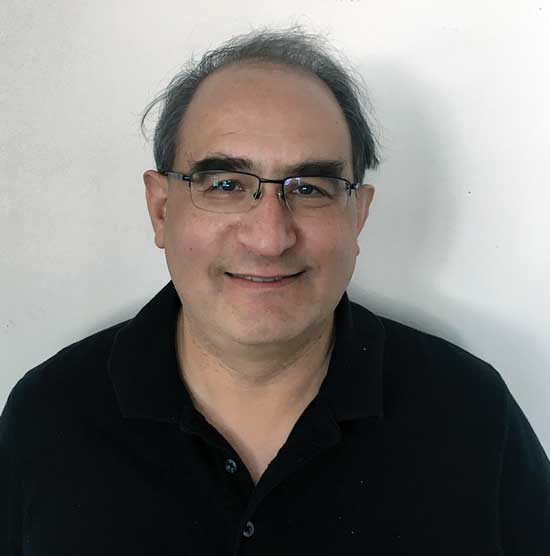
Dr. Block has a solo neurology practice in Scottsdale, Ariz.
The EHR system at the hospital occasionally argues with me about my orders.
I may order a brain MRI, or CT angiography, or pretty much anything, and when I click to submit it a box pops up, telling me I shouldn’t be ordering that.
Sometimes it’s based on cost, saying that the MRI is more expensive than a CT, and according to some internal algorithm I should do that instead. Other times it says the test isn’t appropriate given the patient’s condition, age, zodiac sign, whatever. It might also say the test is redundant, because the patient just had a brain MRI during an admission last month.
I ignore them. There’s an override button to close the box and order the test, and that’s what I always click.
I have no objection to a reasonable review, but neither the computer nor its algorithms went through medical school, or residency, or read journals regularly, or have 20 years of experience in this field. I’d like to think (or hope) I know what I’m doing.
I don’t take this job lightly. When I order a test it’s because I’m trying to do the right thing for the patient. To find out what’s going on. To see what I can do to treat them. In short, to help as much as I can within the limitations of modern medical practice. Sometimes those things don’t always involve saving the insurance company money, or trying to get by with a previous study’s results.
Medicine is not a cookbook. While guidelines can be useful, every patient is different, and treatment plans have to be adjusted accordingly. It would be nice if this was the one-size-fits-all world the computer algorithms would like, but patient care is anything but.
I’d also rather “overcare” than “undercare.” To me, that’s just good practice. If I follow the computer’s advice and provide less care than needed and miss something, I’m pretty sure “because the computer told me not to” isn’t going to stand up as a defense in court.
I’m going to just keep on practicing medicine using, as one of my past attendings would say, “clinical correlation” and keeping what’s best for the patient in mind. Anything less may be fine for the computer, but not for me, and certainly not for those I’m trying to help.
Dr. Block has a solo neurology practice in Scottsdale, Ariz.
The EHR system at the hospital occasionally argues with me about my orders.
I may order a brain MRI, or CT angiography, or pretty much anything, and when I click to submit it a box pops up, telling me I shouldn’t be ordering that.
Sometimes it’s based on cost, saying that the MRI is more expensive than a CT, and according to some internal algorithm I should do that instead. Other times it says the test isn’t appropriate given the patient’s condition, age, zodiac sign, whatever. It might also say the test is redundant, because the patient just had a brain MRI during an admission last month.
I ignore them. There’s an override button to close the box and order the test, and that’s what I always click.
I have no objection to a reasonable review, but neither the computer nor its algorithms went through medical school, or residency, or read journals regularly, or have 20 years of experience in this field. I’d like to think (or hope) I know what I’m doing.
I don’t take this job lightly. When I order a test it’s because I’m trying to do the right thing for the patient. To find out what’s going on. To see what I can do to treat them. In short, to help as much as I can within the limitations of modern medical practice. Sometimes those things don’t always involve saving the insurance company money, or trying to get by with a previous study’s results.
Medicine is not a cookbook. While guidelines can be useful, every patient is different, and treatment plans have to be adjusted accordingly. It would be nice if this was the one-size-fits-all world the computer algorithms would like, but patient care is anything but.
I’d also rather “overcare” than “undercare.” To me, that’s just good practice. If I follow the computer’s advice and provide less care than needed and miss something, I’m pretty sure “because the computer told me not to” isn’t going to stand up as a defense in court.
I’m going to just keep on practicing medicine using, as one of my past attendings would say, “clinical correlation” and keeping what’s best for the patient in mind. Anything less may be fine for the computer, but not for me, and certainly not for those I’m trying to help.
Dr. Block has a solo neurology practice in Scottsdale, Ariz.
Seeing former patients’ graves at the cemetery gives perspective
Around once a month I go to the cemetery to visit my Dad. Although this was difficult 6 years ago when I started, it’s become easier thanks to that great healer, time.

His grave is a short distance from the parking spot, so I have to walk past a number of others to get there. As a result you see these change over time.
A few times in the last several years I’ve noticed a new grave marker that, to my surprise, has the name of one of my (former) patients on it. Granted, a lot of my practice is the above-75 crowd, and they wouldn’t be coming to me if they didn’t have health issues.
But still, it jolts me a bit when it happens. I may not have thought about them for a while, but suddenly I see the marker and realize why that person hadn’t been in recently. I can usually picture them, too, and remember something they may have said that concerned me or just made me laugh.
Obviously, regardless of age we all end up there, and I certainly don’t consider this a personal medical failing on my part. It’s the nature of life on Earth, no matter how good a job we do as physicians.
But it still surprises me. If it was a patient I have fond memories of, I’ll often stop and say a few words to them, too. To date no one has answered, but I suspect there’s something therapeutic for me in doing so. The cemetery is generally peaceful, and certainly not a place where I feel rushed.
Besides getting to talk to my Dad, the occasional patient visit there is a reminder of the limits of being a physician, and of our own lives. If nothing else it helps keep a perspective on those things, such as family and health, that are truly important.
Dr. Block has a solo neurology practice in Scottsdale, Ariz.
Around once a month I go to the cemetery to visit my Dad. Although this was difficult 6 years ago when I started, it’s become easier thanks to that great healer, time.
His grave is a short distance from the parking spot, so I have to walk past a number of others to get there. As a result you see these change over time.
A few times in the last several years I’ve noticed a new grave marker that, to my surprise, has the name of one of my (former) patients on it. Granted, a lot of my practice is the above-75 crowd, and they wouldn’t be coming to me if they didn’t have health issues.
But still, it jolts me a bit when it happens. I may not have thought about them for a while, but suddenly I see the marker and realize why that person hadn’t been in recently. I can usually picture them, too, and remember something they may have said that concerned me or just made me laugh.
Obviously, regardless of age we all end up there, and I certainly don’t consider this a personal medical failing on my part. It’s the nature of life on Earth, no matter how good a job we do as physicians.
But it still surprises me. If it was a patient I have fond memories of, I’ll often stop and say a few words to them, too. To date no one has answered, but I suspect there’s something therapeutic for me in doing so. The cemetery is generally peaceful, and certainly not a place where I feel rushed.
Besides getting to talk to my Dad, the occasional patient visit there is a reminder of the limits of being a physician, and of our own lives. If nothing else it helps keep a perspective on those things, such as family and health, that are truly important.
Dr. Block has a solo neurology practice in Scottsdale, Ariz.
Around once a month I go to the cemetery to visit my Dad. Although this was difficult 6 years ago when I started, it’s become easier thanks to that great healer, time.
His grave is a short distance from the parking spot, so I have to walk past a number of others to get there. As a result you see these change over time.
A few times in the last several years I’ve noticed a new grave marker that, to my surprise, has the name of one of my (former) patients on it. Granted, a lot of my practice is the above-75 crowd, and they wouldn’t be coming to me if they didn’t have health issues.
But still, it jolts me a bit when it happens. I may not have thought about them for a while, but suddenly I see the marker and realize why that person hadn’t been in recently. I can usually picture them, too, and remember something they may have said that concerned me or just made me laugh.
Obviously, regardless of age we all end up there, and I certainly don’t consider this a personal medical failing on my part. It’s the nature of life on Earth, no matter how good a job we do as physicians.
But it still surprises me. If it was a patient I have fond memories of, I’ll often stop and say a few words to them, too. To date no one has answered, but I suspect there’s something therapeutic for me in doing so. The cemetery is generally peaceful, and certainly not a place where I feel rushed.
Besides getting to talk to my Dad, the occasional patient visit there is a reminder of the limits of being a physician, and of our own lives. If nothing else it helps keep a perspective on those things, such as family and health, that are truly important.
Dr. Block has a solo neurology practice in Scottsdale, Ariz.
When’s the right time to use dementia as a diagnosis?
Is dementia a diagnosis?
I use it myself, although I find that some neurologists consider this blasphemy.
The problem is that there aren’t many terms to cover cognitive disorders beyond mild cognitive impairment (MCI). Phrases like “cortical degeneration” and “frontotemporal disorder” are difficult for families and patients. They aren’t medically trained and want something easy to write down.
“Alzheimer’s,” or – as one patient’s family member says, “the A-word” – is often more accurate, but has stigma attached to it that many don’t want, especially at a first visit. It also immediately conjures up feared images of nursing homes, wheelchairs, and bed-bound people.
So I use a diagnosis of dementia with many families, at least initially. Since, with occasional exceptions, we tend to perform a work-up of all cognitive disorders the same way, I don’t have a problem with using a more generic blanket term. As I sometimes try to simplify things, I’ll say, “It’s like squares and rectangles. Alzheimer’s disease is a dementia, but not all dementias are Alzheimer’s disease.”
I don’t do this to avoid confrontation, be dishonest, mislead patients and families, or avoid telling the truth. I still make it very clear that this is a progressive neurologic illness that will cause worsening cognitive problems over time. But many times families aren’t ready for “the A-word” early on, or there’s a concern the patient will harm themselves while they still have that capacity. Sometimes, it’s better to use a different phrase.
It may all be semantics, but on a personal level, a word can make a huge difference.
So I say dementia. In spite of some editorials I’ve seen saying we should retire the phrase, I argue that in many circumstances it’s still valid and useful.
It may not be a final, or even specific, diagnosis, but it is often the best and most socially acceptable one at the beginning of the doctor-patient-family relationship. When you’re trying to build rapport with them, that’s equally critical when you know what’s to come down the road.
Dr. Block has a solo neurology practice in Scottsdale, Ariz.
Is dementia a diagnosis?
I use it myself, although I find that some neurologists consider this blasphemy.
The problem is that there aren’t many terms to cover cognitive disorders beyond mild cognitive impairment (MCI). Phrases like “cortical degeneration” and “frontotemporal disorder” are difficult for families and patients. They aren’t medically trained and want something easy to write down.
“Alzheimer’s,” or – as one patient’s family member says, “the A-word” – is often more accurate, but has stigma attached to it that many don’t want, especially at a first visit. It also immediately conjures up feared images of nursing homes, wheelchairs, and bed-bound people.
So I use a diagnosis of dementia with many families, at least initially. Since, with occasional exceptions, we tend to perform a work-up of all cognitive disorders the same way, I don’t have a problem with using a more generic blanket term. As I sometimes try to simplify things, I’ll say, “It’s like squares and rectangles. Alzheimer’s disease is a dementia, but not all dementias are Alzheimer’s disease.”
I don’t do this to avoid confrontation, be dishonest, mislead patients and families, or avoid telling the truth. I still make it very clear that this is a progressive neurologic illness that will cause worsening cognitive problems over time. But many times families aren’t ready for “the A-word” early on, or there’s a concern the patient will harm themselves while they still have that capacity. Sometimes, it’s better to use a different phrase.
It may all be semantics, but on a personal level, a word can make a huge difference.
So I say dementia. In spite of some editorials I’ve seen saying we should retire the phrase, I argue that in many circumstances it’s still valid and useful.
It may not be a final, or even specific, diagnosis, but it is often the best and most socially acceptable one at the beginning of the doctor-patient-family relationship. When you’re trying to build rapport with them, that’s equally critical when you know what’s to come down the road.
Dr. Block has a solo neurology practice in Scottsdale, Ariz.
Is dementia a diagnosis?
I use it myself, although I find that some neurologists consider this blasphemy.
The problem is that there aren’t many terms to cover cognitive disorders beyond mild cognitive impairment (MCI). Phrases like “cortical degeneration” and “frontotemporal disorder” are difficult for families and patients. They aren’t medically trained and want something easy to write down.
“Alzheimer’s,” or – as one patient’s family member says, “the A-word” – is often more accurate, but has stigma attached to it that many don’t want, especially at a first visit. It also immediately conjures up feared images of nursing homes, wheelchairs, and bed-bound people.
So I use a diagnosis of dementia with many families, at least initially. Since, with occasional exceptions, we tend to perform a work-up of all cognitive disorders the same way, I don’t have a problem with using a more generic blanket term. As I sometimes try to simplify things, I’ll say, “It’s like squares and rectangles. Alzheimer’s disease is a dementia, but not all dementias are Alzheimer’s disease.”
I don’t do this to avoid confrontation, be dishonest, mislead patients and families, or avoid telling the truth. I still make it very clear that this is a progressive neurologic illness that will cause worsening cognitive problems over time. But many times families aren’t ready for “the A-word” early on, or there’s a concern the patient will harm themselves while they still have that capacity. Sometimes, it’s better to use a different phrase.
It may all be semantics, but on a personal level, a word can make a huge difference.
So I say dementia. In spite of some editorials I’ve seen saying we should retire the phrase, I argue that in many circumstances it’s still valid and useful.
It may not be a final, or even specific, diagnosis, but it is often the best and most socially acceptable one at the beginning of the doctor-patient-family relationship. When you’re trying to build rapport with them, that’s equally critical when you know what’s to come down the road.
Dr. Block has a solo neurology practice in Scottsdale, Ariz.
Being a leader in medicine doesn’t have to mean changing careers
About once a week, along with all the other junk mail, I get a glossy brochure for some university’s online courses to “become a leader in medicine.”

They extol the virtues of their programs: How they equip me to “change the health care system,” “harness market forces to improve medical care,” “empower the next generation of physicians,” and other statements that were almost certainly not written by a doctor.
I’m sure some people are interested in this sort of thing. Maybe they’re ready for a career change from the exam room to the boardroom. But me? I have, pretty much, zero desire to do that. I don’t want to be a corporate leader in medicine. I didn’t come here to sit at a table and watch PowerPoint slides. I didn’t work to get into, and through, medical school, residency, and fellowship to debate earnings ratios and procedure costs with accountants.
I’m here for the patients. I’m sure there are some who became attending physicians, realized this wasn’t for them, and went off to do something else. That’s fine. I have nothing against it.
But, after 20 years in practice, I’m happy where I am. Like most others, I wish I made more money, or that my overhead was less, but I’m overall content with my little world. I have a great staff, a relaxed office, and the majority of my patients are good people.
I have no interest in trading that to be a leader in medicine. In the game of trying to make the world a better place, I’ve found my calling. I can do good for others far more effectively at my second-floor office than in a corporate tower.
And if doing my best for patients day in and day out doesn’t make me a leader in medicine, I don’t know what does.
Dr. Block has a solo neurology practice in Scottsdale, Ariz.
About once a week, along with all the other junk mail, I get a glossy brochure for some university’s online courses to “become a leader in medicine.”
They extol the virtues of their programs: How they equip me to “change the health care system,” “harness market forces to improve medical care,” “empower the next generation of physicians,” and other statements that were almost certainly not written by a doctor.
I’m sure some people are interested in this sort of thing. Maybe they’re ready for a career change from the exam room to the boardroom. But me? I have, pretty much, zero desire to do that. I don’t want to be a corporate leader in medicine. I didn’t come here to sit at a table and watch PowerPoint slides. I didn’t work to get into, and through, medical school, residency, and fellowship to debate earnings ratios and procedure costs with accountants.
I’m here for the patients. I’m sure there are some who became attending physicians, realized this wasn’t for them, and went off to do something else. That’s fine. I have nothing against it.
But, after 20 years in practice, I’m happy where I am. Like most others, I wish I made more money, or that my overhead was less, but I’m overall content with my little world. I have a great staff, a relaxed office, and the majority of my patients are good people.
I have no interest in trading that to be a leader in medicine. In the game of trying to make the world a better place, I’ve found my calling. I can do good for others far more effectively at my second-floor office than in a corporate tower.
And if doing my best for patients day in and day out doesn’t make me a leader in medicine, I don’t know what does.
Dr. Block has a solo neurology practice in Scottsdale, Ariz.
About once a week, along with all the other junk mail, I get a glossy brochure for some university’s online courses to “become a leader in medicine.”
They extol the virtues of their programs: How they equip me to “change the health care system,” “harness market forces to improve medical care,” “empower the next generation of physicians,” and other statements that were almost certainly not written by a doctor.
I’m sure some people are interested in this sort of thing. Maybe they’re ready for a career change from the exam room to the boardroom. But me? I have, pretty much, zero desire to do that. I don’t want to be a corporate leader in medicine. I didn’t come here to sit at a table and watch PowerPoint slides. I didn’t work to get into, and through, medical school, residency, and fellowship to debate earnings ratios and procedure costs with accountants.
I’m here for the patients. I’m sure there are some who became attending physicians, realized this wasn’t for them, and went off to do something else. That’s fine. I have nothing against it.
But, after 20 years in practice, I’m happy where I am. Like most others, I wish I made more money, or that my overhead was less, but I’m overall content with my little world. I have a great staff, a relaxed office, and the majority of my patients are good people.
I have no interest in trading that to be a leader in medicine. In the game of trying to make the world a better place, I’ve found my calling. I can do good for others far more effectively at my second-floor office than in a corporate tower.
And if doing my best for patients day in and day out doesn’t make me a leader in medicine, I don’t know what does.
Dr. Block has a solo neurology practice in Scottsdale, Ariz.
Lack of CBD oil regulations hearkens back to patent medicines
My vet sells cannabidiol (CBD) oil for dogs and cats.

So does the vape store down the street, the pharmacy around the corner ... and pretty much every place these days.
I probably have more patients ask me about CBD than any other drug, usually because a friend/cousin/in-law/child/parent/spouse/neighbor/coworker “said I should ask you about this.” That’s the power of the Internet: The most marginally proven treatments are portrayed as definitive cures, while some of the most effective treatments (like vaccines) are treated like a lethal-injection drug.
Nothing is, or ever will be, a miracle cure. There will always be nonresponders and those who have adverse effects. In that respect, what goes for one treatment goes for all of them.
But that doesn’t stop these things from being pushed in the most unreliable ways. On Yelp, Groupon, Facebook, and countless other nonmedical sites that aren’t required to back up their claims with hard evidence.
Anything I prescribe, and all over-the-counter medications, are subject to far more scrutiny. They have known risks and benefits. They’ve been through trials, and most have years of data to review when questions arise.
Granted, CBD oil has been approved, as Epidiolex, for different forms of epilepsy. That kind of regulation is a step forward, but the majority of people selling CBD oil are doing so with unregulated OTC forms.
These may work, but the lack of regulation means every one of these places can make their own formulations, purities, and strengths. In some respects it’s a throwback to the era of patent medicines, where each pharmacy was free to whip up their own concoctions, label them as treatments for whatever they wished, and advertise and sell them.
The Food and Drug Administration, however, continues to take an ostrich approach. At their level these OTC agents are illegal and cannot be sold or marketed. At the same time, though, the restrictions overall are not being enforced. This gives the impression that there is nothing wrong with selling them.
Let’s look at morphine, an effective pain reliever and controlled substance. It’s tightly regulated, as it should be. But what if those regulations were ignored? What if, in addition to it being available by prescription, it were sold OTC in perhaps weaker but unregulated strengths and forms, with a variety of unscientific claims made for its benefits?
I don’t see anyone getting away with doing that.
Like I said earlier, I have nothing against CBD oil. But I do think it should have to go through the same approval process as any other medication, with specific strengths, dosing, benefits, and side effects determined, and enforceable regulations around its manufacturing, sale, and use.
Anything less is snake oil.
Dr. Block has a solo neurology practice in Scottsdale, Ariz.
My vet sells cannabidiol (CBD) oil for dogs and cats.
So does the vape store down the street, the pharmacy around the corner ... and pretty much every place these days.
I probably have more patients ask me about CBD than any other drug, usually because a friend/cousin/in-law/child/parent/spouse/neighbor/coworker “said I should ask you about this.” That’s the power of the Internet: The most marginally proven treatments are portrayed as definitive cures, while some of the most effective treatments (like vaccines) are treated like a lethal-injection drug.
Nothing is, or ever will be, a miracle cure. There will always be nonresponders and those who have adverse effects. In that respect, what goes for one treatment goes for all of them.
But that doesn’t stop these things from being pushed in the most unreliable ways. On Yelp, Groupon, Facebook, and countless other nonmedical sites that aren’t required to back up their claims with hard evidence.
Anything I prescribe, and all over-the-counter medications, are subject to far more scrutiny. They have known risks and benefits. They’ve been through trials, and most have years of data to review when questions arise.
Granted, CBD oil has been approved, as Epidiolex, for different forms of epilepsy. That kind of regulation is a step forward, but the majority of people selling CBD oil are doing so with unregulated OTC forms.
These may work, but the lack of regulation means every one of these places can make their own formulations, purities, and strengths. In some respects it’s a throwback to the era of patent medicines, where each pharmacy was free to whip up their own concoctions, label them as treatments for whatever they wished, and advertise and sell them.
The Food and Drug Administration, however, continues to take an ostrich approach. At their level these OTC agents are illegal and cannot be sold or marketed. At the same time, though, the restrictions overall are not being enforced. This gives the impression that there is nothing wrong with selling them.
Let’s look at morphine, an effective pain reliever and controlled substance. It’s tightly regulated, as it should be. But what if those regulations were ignored? What if, in addition to it being available by prescription, it were sold OTC in perhaps weaker but unregulated strengths and forms, with a variety of unscientific claims made for its benefits?
I don’t see anyone getting away with doing that.
Like I said earlier, I have nothing against CBD oil. But I do think it should have to go through the same approval process as any other medication, with specific strengths, dosing, benefits, and side effects determined, and enforceable regulations around its manufacturing, sale, and use.
Anything less is snake oil.
Dr. Block has a solo neurology practice in Scottsdale, Ariz.
My vet sells cannabidiol (CBD) oil for dogs and cats.
So does the vape store down the street, the pharmacy around the corner ... and pretty much every place these days.
I probably have more patients ask me about CBD than any other drug, usually because a friend/cousin/in-law/child/parent/spouse/neighbor/coworker “said I should ask you about this.” That’s the power of the Internet: The most marginally proven treatments are portrayed as definitive cures, while some of the most effective treatments (like vaccines) are treated like a lethal-injection drug.
Nothing is, or ever will be, a miracle cure. There will always be nonresponders and those who have adverse effects. In that respect, what goes for one treatment goes for all of them.
But that doesn’t stop these things from being pushed in the most unreliable ways. On Yelp, Groupon, Facebook, and countless other nonmedical sites that aren’t required to back up their claims with hard evidence.
Anything I prescribe, and all over-the-counter medications, are subject to far more scrutiny. They have known risks and benefits. They’ve been through trials, and most have years of data to review when questions arise.
Granted, CBD oil has been approved, as Epidiolex, for different forms of epilepsy. That kind of regulation is a step forward, but the majority of people selling CBD oil are doing so with unregulated OTC forms.
These may work, but the lack of regulation means every one of these places can make their own formulations, purities, and strengths. In some respects it’s a throwback to the era of patent medicines, where each pharmacy was free to whip up their own concoctions, label them as treatments for whatever they wished, and advertise and sell them.
The Food and Drug Administration, however, continues to take an ostrich approach. At their level these OTC agents are illegal and cannot be sold or marketed. At the same time, though, the restrictions overall are not being enforced. This gives the impression that there is nothing wrong with selling them.
Let’s look at morphine, an effective pain reliever and controlled substance. It’s tightly regulated, as it should be. But what if those regulations were ignored? What if, in addition to it being available by prescription, it were sold OTC in perhaps weaker but unregulated strengths and forms, with a variety of unscientific claims made for its benefits?
I don’t see anyone getting away with doing that.
Like I said earlier, I have nothing against CBD oil. But I do think it should have to go through the same approval process as any other medication, with specific strengths, dosing, benefits, and side effects determined, and enforceable regulations around its manufacturing, sale, and use.
Anything less is snake oil.
Dr. Block has a solo neurology practice in Scottsdale, Ariz.
Learning to live with a slow week at the office
It was a slow week at my office. For whatever reason, almost no one called for an appointment. Roughly 80% of my office slots were empty.
As a result, I began to worry.
You’d think that after 20 years in practice I wouldn’t, but I still do. I wonder if someone has actually read my Yelp reviews (most of which aren’t particularly good), or that I’ve done something to upset my referral base, or that some scandal about me broke in the local news that I’m entirely unaware of.

Of course, the reality is that business comes and goes in waves. It was also the week after local schools closed for summer, and people were fleeing for summer vacation. In Phoenix, the older population leaves town as it heats up, and our winter visitors from elsewhere went home last month. And, like any business, things go in cycles that often don’t have a rational explanation.
I reassure myself that plenty of weeks are crazy. Patients crammed into every nook and cranny of the schedule, more people needing to be worked in, a huge pile of test results to be reviewed and make decisions on, and a lot of phone calls to be returned.
Then I’ll wish for a quieter week. I’ve given up on finding a happy medium – it doesn’t seem to happen.
So I try to live with the quiet. Close up and go home a little early if there’s no one to see. Catch up on my sleep and reading. Do some online surveys for extra dollars. Throw away expired stuff in my drug sample cabinet.
Dr. Block has a solo neurology practice in Scottsdale, Ariz.
It was a slow week at my office. For whatever reason, almost no one called for an appointment. Roughly 80% of my office slots were empty.
As a result, I began to worry.
You’d think that after 20 years in practice I wouldn’t, but I still do. I wonder if someone has actually read my Yelp reviews (most of which aren’t particularly good), or that I’ve done something to upset my referral base, or that some scandal about me broke in the local news that I’m entirely unaware of.
Of course, the reality is that business comes and goes in waves. It was also the week after local schools closed for summer, and people were fleeing for summer vacation. In Phoenix, the older population leaves town as it heats up, and our winter visitors from elsewhere went home last month. And, like any business, things go in cycles that often don’t have a rational explanation.
I reassure myself that plenty of weeks are crazy. Patients crammed into every nook and cranny of the schedule, more people needing to be worked in, a huge pile of test results to be reviewed and make decisions on, and a lot of phone calls to be returned.
Then I’ll wish for a quieter week. I’ve given up on finding a happy medium – it doesn’t seem to happen.
So I try to live with the quiet. Close up and go home a little early if there’s no one to see. Catch up on my sleep and reading. Do some online surveys for extra dollars. Throw away expired stuff in my drug sample cabinet.
Dr. Block has a solo neurology practice in Scottsdale, Ariz.
It was a slow week at my office. For whatever reason, almost no one called for an appointment. Roughly 80% of my office slots were empty.
As a result, I began to worry.
You’d think that after 20 years in practice I wouldn’t, but I still do. I wonder if someone has actually read my Yelp reviews (most of which aren’t particularly good), or that I’ve done something to upset my referral base, or that some scandal about me broke in the local news that I’m entirely unaware of.
Of course, the reality is that business comes and goes in waves. It was also the week after local schools closed for summer, and people were fleeing for summer vacation. In Phoenix, the older population leaves town as it heats up, and our winter visitors from elsewhere went home last month. And, like any business, things go in cycles that often don’t have a rational explanation.
I reassure myself that plenty of weeks are crazy. Patients crammed into every nook and cranny of the schedule, more people needing to be worked in, a huge pile of test results to be reviewed and make decisions on, and a lot of phone calls to be returned.
Then I’ll wish for a quieter week. I’ve given up on finding a happy medium – it doesn’t seem to happen.
So I try to live with the quiet. Close up and go home a little early if there’s no one to see. Catch up on my sleep and reading. Do some online surveys for extra dollars. Throw away expired stuff in my drug sample cabinet.
Dr. Block has a solo neurology practice in Scottsdale, Ariz.
Testifying about the standard of care outside of your specialty
I have no idea what the standard of care in cardiology is. Or nephrology, endocrinology, or pulmonary medicine.

Nor do I think anyone in those fields tries to keep up to date on the latest in epilepsy, migraines, or Parkinson’s disease. They have their fields, I have mine. That’s the whole point of being a specialist: Medicine is too vast a subject for one person to know everything about it. Even my own field is further divided into subspecialties like vascular disease, neuromuscular disorders, and dementia, so I imagine other fields are, too.
Yet, there are still states where a physician of a different specialty can testify as to the standard of care in others for malpractice cases.
Think about that. An orthopedist testifying as to the competence of an ob.gyn. An adult neurologist claiming to be up to date on pediatric allergies. A family practice doctor stating what a neurosurgeon should be doing. All in a court of law, the most dreaded scenario for most of us.
Fortunately, there are several states that require an expert witness to be an actively-practicing, board-certified, specialist in the same field as the person they’re testifying against.
However, . While a good defense attorney can hopefully pick this apart, the average jury is not composed of people with medical training. To many lay people, “a doctor is a doctor,” and it’s very hard to emphasize the degree of specialty differences to them.
This difference is one (but certainly not the only) factor that drives the different malpractice costs between states. You’d think requiring own-field standard of care would be one of the least contentious malpractice reforms to make, but these days people fight tooth and nail about everything. The result of these battles is that states with the lowest malpractice rates tend to attract more physicians, and states with the highest can have trouble finding qualified people. In the long run, that only hurts those who need medical care.
Dr. Block has a solo neurology practice in Scottsdale, Ariz.
I have no idea what the standard of care in cardiology is. Or nephrology, endocrinology, or pulmonary medicine.
Nor do I think anyone in those fields tries to keep up to date on the latest in epilepsy, migraines, or Parkinson’s disease. They have their fields, I have mine. That’s the whole point of being a specialist: Medicine is too vast a subject for one person to know everything about it. Even my own field is further divided into subspecialties like vascular disease, neuromuscular disorders, and dementia, so I imagine other fields are, too.
Yet, there are still states where a physician of a different specialty can testify as to the standard of care in others for malpractice cases.
Think about that. An orthopedist testifying as to the competence of an ob.gyn. An adult neurologist claiming to be up to date on pediatric allergies. A family practice doctor stating what a neurosurgeon should be doing. All in a court of law, the most dreaded scenario for most of us.
Fortunately, there are several states that require an expert witness to be an actively-practicing, board-certified, specialist in the same field as the person they’re testifying against.
However, . While a good defense attorney can hopefully pick this apart, the average jury is not composed of people with medical training. To many lay people, “a doctor is a doctor,” and it’s very hard to emphasize the degree of specialty differences to them.
This difference is one (but certainly not the only) factor that drives the different malpractice costs between states. You’d think requiring own-field standard of care would be one of the least contentious malpractice reforms to make, but these days people fight tooth and nail about everything. The result of these battles is that states with the lowest malpractice rates tend to attract more physicians, and states with the highest can have trouble finding qualified people. In the long run, that only hurts those who need medical care.
Dr. Block has a solo neurology practice in Scottsdale, Ariz.
I have no idea what the standard of care in cardiology is. Or nephrology, endocrinology, or pulmonary medicine.
Nor do I think anyone in those fields tries to keep up to date on the latest in epilepsy, migraines, or Parkinson’s disease. They have their fields, I have mine. That’s the whole point of being a specialist: Medicine is too vast a subject for one person to know everything about it. Even my own field is further divided into subspecialties like vascular disease, neuromuscular disorders, and dementia, so I imagine other fields are, too.
Yet, there are still states where a physician of a different specialty can testify as to the standard of care in others for malpractice cases.
Think about that. An orthopedist testifying as to the competence of an ob.gyn. An adult neurologist claiming to be up to date on pediatric allergies. A family practice doctor stating what a neurosurgeon should be doing. All in a court of law, the most dreaded scenario for most of us.
Fortunately, there are several states that require an expert witness to be an actively-practicing, board-certified, specialist in the same field as the person they’re testifying against.
However, . While a good defense attorney can hopefully pick this apart, the average jury is not composed of people with medical training. To many lay people, “a doctor is a doctor,” and it’s very hard to emphasize the degree of specialty differences to them.
This difference is one (but certainly not the only) factor that drives the different malpractice costs between states. You’d think requiring own-field standard of care would be one of the least contentious malpractice reforms to make, but these days people fight tooth and nail about everything. The result of these battles is that states with the lowest malpractice rates tend to attract more physicians, and states with the highest can have trouble finding qualified people. In the long run, that only hurts those who need medical care.
Dr. Block has a solo neurology practice in Scottsdale, Ariz.
How an office theft can change your habits
Last week, my secretary was checking a patient out when I went into the little galley area across from her desk to get coffee. Unfortunately, I knocked the pot over and it broke, sending glass and hot coffee everywhere.

My secretary asked the patient to wait a minute, grabbed a roll of paper towels that was behind her, and ran over to help me clean up. She was with me for 1-2 minutes, then returned to finish signing the patient out while I picked up glass shards.
A while later, we realized that somewhere in that 2 minutes an envelope containing roughly $200 in copays had disappeared from her desk drawer. It had been there 30 minutes before when another patient had paid a copay in cash, and now it was gone.
My secretary? No. She’s been with me for more than 15 years. She’s never stolen from the practice before, so why would she start now? I trust her.
The only people who had access to the drawer in that time were the patient, her, and me. While the money was out of sight, it was within reach of anyone who leaned over the counter, opened the drawer to look through it, and grabbed it.
I admit I probably should have gone to the bank sooner. Normally, we only have $20-$40 in small bills on hand, which we use for change. Most people prefer credit cards. But in the 2-3 weeks before this, we had had an unusual number of people using cash for copays. Combined with a crazier schedule than usual, I just hadn’t had a chance to deposit the bills.
Obviously, I’m not going to do that again.
Generally, no one has a chance to reach over and grab the drawer, either. When a patient is checking out, my secretary is always there making the transaction. But this one time, we had an unexpected distraction and she left the desk to help me.
She’s not going to do that again with someone standing there, either.
$200 isn’t, even in a small practice, a make-or-break amount. It stings, but I’ll still be able to make payroll and pay the rent. At the end of the year, it will have to come out of my own salary, because that’s the nature of owning a business. I can’t (and wouldn’t) charge the next 200 patients a $1 “administrative fee” to cover it.
Of course, it’s possible I’m accusing the wrong person. But there wasn’t anyone in the office besides me, my secretary, and the patient in that time frame. I don’t have any actual proof, like a video, though, so I certainly can’t press charges. She didn’t schedule a follow-up visit, either, so doubt she’ll be coming back.
Why would a patient steal from a doctor who’s trying to help her? Money is the simple answer. She had an opportunity to look and take it, and she did. Her moral compass must be skewed toward dishonesty, and she took advantage of the situation. I doubt it was anything personal against me, or doctors, or the situation in general. She’s a thief, and in her mind, it was a business decision.
Of course, I could be wrong on that point. Maybe she did rationalize it by the incorrect, but widespread, belief that doctors are “rich.” In her mind, she may have thought I’d never notice it, therefore there’s nothing wrong with stealing from me.
Do I hold it against future patients? No. In 20 years this is the first time one has stolen anything of significant financial value from my office (we’ve lost pens, magazines, a stapler, and a snowman-shaped candy dish in the past). The vast majority of my patients are decent people who wouldn’t do something like this.
But it does cast a pall over new patients we don’t know. Next time I need help while someone’s being checked out, my secretary won’t be able to give it. Any amount over a few small bills for change will be promptly taken to the bank.
It’s a bitter pill that leaves a bad taste in my mouth. Not harmful in the grand scheme of things, but certainly unpleasant. My job is based on the idea that people trust me to do my best for them, and in return, I trust them to be honest with me in return.
But one morning last week, it was just a one-way street.
Dr. Block has a solo neurology practice in Scottsdale, Ariz.
Last week, my secretary was checking a patient out when I went into the little galley area across from her desk to get coffee. Unfortunately, I knocked the pot over and it broke, sending glass and hot coffee everywhere.
My secretary asked the patient to wait a minute, grabbed a roll of paper towels that was behind her, and ran over to help me clean up. She was with me for 1-2 minutes, then returned to finish signing the patient out while I picked up glass shards.
A while later, we realized that somewhere in that 2 minutes an envelope containing roughly $200 in copays had disappeared from her desk drawer. It had been there 30 minutes before when another patient had paid a copay in cash, and now it was gone.
My secretary? No. She’s been with me for more than 15 years. She’s never stolen from the practice before, so why would she start now? I trust her.
The only people who had access to the drawer in that time were the patient, her, and me. While the money was out of sight, it was within reach of anyone who leaned over the counter, opened the drawer to look through it, and grabbed it.
I admit I probably should have gone to the bank sooner. Normally, we only have $20-$40 in small bills on hand, which we use for change. Most people prefer credit cards. But in the 2-3 weeks before this, we had had an unusual number of people using cash for copays. Combined with a crazier schedule than usual, I just hadn’t had a chance to deposit the bills.
Obviously, I’m not going to do that again.
Generally, no one has a chance to reach over and grab the drawer, either. When a patient is checking out, my secretary is always there making the transaction. But this one time, we had an unexpected distraction and she left the desk to help me.
She’s not going to do that again with someone standing there, either.
$200 isn’t, even in a small practice, a make-or-break amount. It stings, but I’ll still be able to make payroll and pay the rent. At the end of the year, it will have to come out of my own salary, because that’s the nature of owning a business. I can’t (and wouldn’t) charge the next 200 patients a $1 “administrative fee” to cover it.
Of course, it’s possible I’m accusing the wrong person. But there wasn’t anyone in the office besides me, my secretary, and the patient in that time frame. I don’t have any actual proof, like a video, though, so I certainly can’t press charges. She didn’t schedule a follow-up visit, either, so doubt she’ll be coming back.
Why would a patient steal from a doctor who’s trying to help her? Money is the simple answer. She had an opportunity to look and take it, and she did. Her moral compass must be skewed toward dishonesty, and she took advantage of the situation. I doubt it was anything personal against me, or doctors, or the situation in general. She’s a thief, and in her mind, it was a business decision.
Of course, I could be wrong on that point. Maybe she did rationalize it by the incorrect, but widespread, belief that doctors are “rich.” In her mind, she may have thought I’d never notice it, therefore there’s nothing wrong with stealing from me.
Do I hold it against future patients? No. In 20 years this is the first time one has stolen anything of significant financial value from my office (we’ve lost pens, magazines, a stapler, and a snowman-shaped candy dish in the past). The vast majority of my patients are decent people who wouldn’t do something like this.
But it does cast a pall over new patients we don’t know. Next time I need help while someone’s being checked out, my secretary won’t be able to give it. Any amount over a few small bills for change will be promptly taken to the bank.
It’s a bitter pill that leaves a bad taste in my mouth. Not harmful in the grand scheme of things, but certainly unpleasant. My job is based on the idea that people trust me to do my best for them, and in return, I trust them to be honest with me in return.
But one morning last week, it was just a one-way street.
Dr. Block has a solo neurology practice in Scottsdale, Ariz.
Last week, my secretary was checking a patient out when I went into the little galley area across from her desk to get coffee. Unfortunately, I knocked the pot over and it broke, sending glass and hot coffee everywhere.
My secretary asked the patient to wait a minute, grabbed a roll of paper towels that was behind her, and ran over to help me clean up. She was with me for 1-2 minutes, then returned to finish signing the patient out while I picked up glass shards.
A while later, we realized that somewhere in that 2 minutes an envelope containing roughly $200 in copays had disappeared from her desk drawer. It had been there 30 minutes before when another patient had paid a copay in cash, and now it was gone.
My secretary? No. She’s been with me for more than 15 years. She’s never stolen from the practice before, so why would she start now? I trust her.
The only people who had access to the drawer in that time were the patient, her, and me. While the money was out of sight, it was within reach of anyone who leaned over the counter, opened the drawer to look through it, and grabbed it.
I admit I probably should have gone to the bank sooner. Normally, we only have $20-$40 in small bills on hand, which we use for change. Most people prefer credit cards. But in the 2-3 weeks before this, we had had an unusual number of people using cash for copays. Combined with a crazier schedule than usual, I just hadn’t had a chance to deposit the bills.
Obviously, I’m not going to do that again.
Generally, no one has a chance to reach over and grab the drawer, either. When a patient is checking out, my secretary is always there making the transaction. But this one time, we had an unexpected distraction and she left the desk to help me.
She’s not going to do that again with someone standing there, either.
$200 isn’t, even in a small practice, a make-or-break amount. It stings, but I’ll still be able to make payroll and pay the rent. At the end of the year, it will have to come out of my own salary, because that’s the nature of owning a business. I can’t (and wouldn’t) charge the next 200 patients a $1 “administrative fee” to cover it.
Of course, it’s possible I’m accusing the wrong person. But there wasn’t anyone in the office besides me, my secretary, and the patient in that time frame. I don’t have any actual proof, like a video, though, so I certainly can’t press charges. She didn’t schedule a follow-up visit, either, so doubt she’ll be coming back.
Why would a patient steal from a doctor who’s trying to help her? Money is the simple answer. She had an opportunity to look and take it, and she did. Her moral compass must be skewed toward dishonesty, and she took advantage of the situation. I doubt it was anything personal against me, or doctors, or the situation in general. She’s a thief, and in her mind, it was a business decision.
Of course, I could be wrong on that point. Maybe she did rationalize it by the incorrect, but widespread, belief that doctors are “rich.” In her mind, she may have thought I’d never notice it, therefore there’s nothing wrong with stealing from me.
Do I hold it against future patients? No. In 20 years this is the first time one has stolen anything of significant financial value from my office (we’ve lost pens, magazines, a stapler, and a snowman-shaped candy dish in the past). The vast majority of my patients are decent people who wouldn’t do something like this.
But it does cast a pall over new patients we don’t know. Next time I need help while someone’s being checked out, my secretary won’t be able to give it. Any amount over a few small bills for change will be promptly taken to the bank.
It’s a bitter pill that leaves a bad taste in my mouth. Not harmful in the grand scheme of things, but certainly unpleasant. My job is based on the idea that people trust me to do my best for them, and in return, I trust them to be honest with me in return.
But one morning last week, it was just a one-way street.
Dr. Block has a solo neurology practice in Scottsdale, Ariz.
Whatever “my last doctor” did, I don’t take the bait
In car repair, there’s a mysterious bogeyman known as “the last guy.”
“The last guy put it in wrong.”
“The last guy didn’t use the right part.”
“I have no idea what the last guy was thinking.”
In medicine, there’s “my last doctor.”
“My last doctor ordered the wrong test.”
“The medication, from my last doctor, almost killed me.”
“My last doctor didn’t know what he was doing.”
I don’t say anything, I just listen. Most of the time I’m not convinced the other doctor did anything wrong, and even if I were, I’d stay silent. Every doctor makes mistakes. It’s inevitable in any job.
Sometimes the patients mention this in passing, at other times they seem to be hoping for a response from me. I don’t give them one. Bashing other doctors is common enough as it is, and I’m not going to join in. My job is to do my best to help them, which is what the last doctor was trying to do, too.
The fact is that you can’t make everyone happy. Outside competency and human errors, there are too many variables in human relationships – the chemistry between people – to know what went wrong. Some patients have legitimate grievances, others may just be nitpicking and looking for trouble. It’s not my role to address it. If the patients came here for that, they’re at the wrong place. Most of the time, I happen to know their previous physicians, and think they’re decent neurologists.
The problem with these types of things is that it propagates. Even if I do everything right, and try my best, there’s a good chance that, in a few months, I’ll be “my last doctor.” I can only hope the next doctor feels the same way about me as I do about the last one.
Dr. Block has a solo neurology practice in Scottsdale, Ariz.
In car repair, there’s a mysterious bogeyman known as “the last guy.”
“The last guy put it in wrong.”
“The last guy didn’t use the right part.”
“I have no idea what the last guy was thinking.”
In medicine, there’s “my last doctor.”
“My last doctor ordered the wrong test.”
“The medication, from my last doctor, almost killed me.”
“My last doctor didn’t know what he was doing.”
I don’t say anything, I just listen. Most of the time I’m not convinced the other doctor did anything wrong, and even if I were, I’d stay silent. Every doctor makes mistakes. It’s inevitable in any job.
Sometimes the patients mention this in passing, at other times they seem to be hoping for a response from me. I don’t give them one. Bashing other doctors is common enough as it is, and I’m not going to join in. My job is to do my best to help them, which is what the last doctor was trying to do, too.
The fact is that you can’t make everyone happy. Outside competency and human errors, there are too many variables in human relationships – the chemistry between people – to know what went wrong. Some patients have legitimate grievances, others may just be nitpicking and looking for trouble. It’s not my role to address it. If the patients came here for that, they’re at the wrong place. Most of the time, I happen to know their previous physicians, and think they’re decent neurologists.
The problem with these types of things is that it propagates. Even if I do everything right, and try my best, there’s a good chance that, in a few months, I’ll be “my last doctor.” I can only hope the next doctor feels the same way about me as I do about the last one.
Dr. Block has a solo neurology practice in Scottsdale, Ariz.
In car repair, there’s a mysterious bogeyman known as “the last guy.”
“The last guy put it in wrong.”
“The last guy didn’t use the right part.”
“I have no idea what the last guy was thinking.”
In medicine, there’s “my last doctor.”
“My last doctor ordered the wrong test.”
“The medication, from my last doctor, almost killed me.”
“My last doctor didn’t know what he was doing.”
I don’t say anything, I just listen. Most of the time I’m not convinced the other doctor did anything wrong, and even if I were, I’d stay silent. Every doctor makes mistakes. It’s inevitable in any job.
Sometimes the patients mention this in passing, at other times they seem to be hoping for a response from me. I don’t give them one. Bashing other doctors is common enough as it is, and I’m not going to join in. My job is to do my best to help them, which is what the last doctor was trying to do, too.
The fact is that you can’t make everyone happy. Outside competency and human errors, there are too many variables in human relationships – the chemistry between people – to know what went wrong. Some patients have legitimate grievances, others may just be nitpicking and looking for trouble. It’s not my role to address it. If the patients came here for that, they’re at the wrong place. Most of the time, I happen to know their previous physicians, and think they’re decent neurologists.
The problem with these types of things is that it propagates. Even if I do everything right, and try my best, there’s a good chance that, in a few months, I’ll be “my last doctor.” I can only hope the next doctor feels the same way about me as I do about the last one.
Dr. Block has a solo neurology practice in Scottsdale, Ariz.
Poster ads don’t belong in the clinic
In the last few months, I’ve received several posters. They’re always delivered by UPS, and come in a solid cardboard box to keep them from being crushed.
The boxes get opened, and once I know what they are, the whole thing gets tossed in the office recycling.
I know they’re presented as helpful patient information, with some bullet lists and glossy graphics showing brains, nerve transmitters, or patients. But the basic reality is that they’re just advertisements. Like infomercials on TV, they come across as professional and interesting, but at their heart and soul are just selling something.
No thanks.
Years ago, a company sent me a poster listing the warning signs of stroke. Although it was still an advertisement, I decided to hang it up in my exam room as a sort of public service announcement. Unfortunately, I soon discovered that any patient left staring at it for more than 1-2 minutes would start to complain of at least two of the symptoms listed. It got taken down after a few days.
I have nothing against advertising. It pays for websites, television shows, sporting events, newspapers, and magazines.
But my exam room isn’t the place for it. Patients are bombarded with direct-to-consumer advertising for many drugs in every media outlet. The doctor’s discussion room shouldn’t be one of the them.
The meeting between me and a patient should be frank, honest assessments about what should be done and what, specifically, is best for their individual case. I don’t need marketing for a drug that may or may not be appropriate, or easily covered by insurance, staring back at them.
It’s a thin line. Obviously, magazines out in my lobby are full of pharmaceutical ads, and that doesn’t bother me. But once a patient crosses the line into my consultation area it should just be between me and them.
Dr. Block has a solo neurology practice in Scottsdale, Ariz.
In the last few months, I’ve received several posters. They’re always delivered by UPS, and come in a solid cardboard box to keep them from being crushed.
The boxes get opened, and once I know what they are, the whole thing gets tossed in the office recycling.
I know they’re presented as helpful patient information, with some bullet lists and glossy graphics showing brains, nerve transmitters, or patients. But the basic reality is that they’re just advertisements. Like infomercials on TV, they come across as professional and interesting, but at their heart and soul are just selling something.
No thanks.
Years ago, a company sent me a poster listing the warning signs of stroke. Although it was still an advertisement, I decided to hang it up in my exam room as a sort of public service announcement. Unfortunately, I soon discovered that any patient left staring at it for more than 1-2 minutes would start to complain of at least two of the symptoms listed. It got taken down after a few days.
I have nothing against advertising. It pays for websites, television shows, sporting events, newspapers, and magazines.
But my exam room isn’t the place for it. Patients are bombarded with direct-to-consumer advertising for many drugs in every media outlet. The doctor’s discussion room shouldn’t be one of the them.
The meeting between me and a patient should be frank, honest assessments about what should be done and what, specifically, is best for their individual case. I don’t need marketing for a drug that may or may not be appropriate, or easily covered by insurance, staring back at them.
It’s a thin line. Obviously, magazines out in my lobby are full of pharmaceutical ads, and that doesn’t bother me. But once a patient crosses the line into my consultation area it should just be between me and them.
Dr. Block has a solo neurology practice in Scottsdale, Ariz.
In the last few months, I’ve received several posters. They’re always delivered by UPS, and come in a solid cardboard box to keep them from being crushed.
The boxes get opened, and once I know what they are, the whole thing gets tossed in the office recycling.
I know they’re presented as helpful patient information, with some bullet lists and glossy graphics showing brains, nerve transmitters, or patients. But the basic reality is that they’re just advertisements. Like infomercials on TV, they come across as professional and interesting, but at their heart and soul are just selling something.
No thanks.
Years ago, a company sent me a poster listing the warning signs of stroke. Although it was still an advertisement, I decided to hang it up in my exam room as a sort of public service announcement. Unfortunately, I soon discovered that any patient left staring at it for more than 1-2 minutes would start to complain of at least two of the symptoms listed. It got taken down after a few days.
I have nothing against advertising. It pays for websites, television shows, sporting events, newspapers, and magazines.
But my exam room isn’t the place for it. Patients are bombarded with direct-to-consumer advertising for many drugs in every media outlet. The doctor’s discussion room shouldn’t be one of the them.
The meeting between me and a patient should be frank, honest assessments about what should be done and what, specifically, is best for their individual case. I don’t need marketing for a drug that may or may not be appropriate, or easily covered by insurance, staring back at them.
It’s a thin line. Obviously, magazines out in my lobby are full of pharmaceutical ads, and that doesn’t bother me. But once a patient crosses the line into my consultation area it should just be between me and them.
Dr. Block has a solo neurology practice in Scottsdale, Ariz.