User login
The patient who doesn’t like you
About a year ago, I had a patient come in who didn’t like me.
It seemed like a normal visit. My secretary had him fill out the usual forms and copied his insurance cards, and I took him back to my office. We do this many times, every day.
He came back to my office, and I asked him what brought him to my care.
Instead of starting his medical history, though, he immediately gave me a long list of complaints. He didn’t like my appearance. Or my secretary. Or my forms. Or us asking if he’d had any previous tests. Or the parking at my office. Or the phone system. Or a coffee stain in my building’s elevator carpeting.
A whole list of stuff, none actually related to his reason for coming in. I let him rant for a minute, thinking maybe he’d get to the point, but he just kept getting angrier and bringing up more grievances.
I finally interrupted him and said, “Sir, if you’re unhappy with me, you are welcome to end the appointment and leave now.” He told me he wasn’t going to pay for the visit (not that I would have charged him for it) and stomped out. My secretary shredded his info. There’s always other stuff that needs my attention, so I busied myself with that until the next appointment arrived.
Twenty years ago this probably would have really upset me. But today? Not at all.
Like most other doctors, I want to help people. I enjoy doing that. It’s why I’m here. But I’ve also learned that there are some people I’ll never be able to work with under any circumstances. Some will just never like me as a physician, my casual appearance, or small practice.
People like this guy happen a few times a year. Experience teaches that you can’t be everyone’s doctor, can’t make everyone happy, and can’t have them all like you. If they don’t, that’s part of life. You can’t predict interpersonal chemistry and worrying about such things isn’t good for your blood pressure. You can’t change others.
Ironically, the same gentleman called recently, saying he needed to get in with me now. My secretary called him back, reminded him of what happened last year and suggested he go elsewhere.
His response? “I didn’t like your office then and still don’t.”
I’m okay with that. You can’t please everyone. Sometimes it’s not even worth trying.
Dr. Block has a solo neurology practice in Scottsdale, Ariz.
About a year ago, I had a patient come in who didn’t like me.
It seemed like a normal visit. My secretary had him fill out the usual forms and copied his insurance cards, and I took him back to my office. We do this many times, every day.
He came back to my office, and I asked him what brought him to my care.
Instead of starting his medical history, though, he immediately gave me a long list of complaints. He didn’t like my appearance. Or my secretary. Or my forms. Or us asking if he’d had any previous tests. Or the parking at my office. Or the phone system. Or a coffee stain in my building’s elevator carpeting.
A whole list of stuff, none actually related to his reason for coming in. I let him rant for a minute, thinking maybe he’d get to the point, but he just kept getting angrier and bringing up more grievances.
I finally interrupted him and said, “Sir, if you’re unhappy with me, you are welcome to end the appointment and leave now.” He told me he wasn’t going to pay for the visit (not that I would have charged him for it) and stomped out. My secretary shredded his info. There’s always other stuff that needs my attention, so I busied myself with that until the next appointment arrived.
Twenty years ago this probably would have really upset me. But today? Not at all.
Like most other doctors, I want to help people. I enjoy doing that. It’s why I’m here. But I’ve also learned that there are some people I’ll never be able to work with under any circumstances. Some will just never like me as a physician, my casual appearance, or small practice.
People like this guy happen a few times a year. Experience teaches that you can’t be everyone’s doctor, can’t make everyone happy, and can’t have them all like you. If they don’t, that’s part of life. You can’t predict interpersonal chemistry and worrying about such things isn’t good for your blood pressure. You can’t change others.
Ironically, the same gentleman called recently, saying he needed to get in with me now. My secretary called him back, reminded him of what happened last year and suggested he go elsewhere.
His response? “I didn’t like your office then and still don’t.”
I’m okay with that. You can’t please everyone. Sometimes it’s not even worth trying.
Dr. Block has a solo neurology practice in Scottsdale, Ariz.
About a year ago, I had a patient come in who didn’t like me.
It seemed like a normal visit. My secretary had him fill out the usual forms and copied his insurance cards, and I took him back to my office. We do this many times, every day.
He came back to my office, and I asked him what brought him to my care.
Instead of starting his medical history, though, he immediately gave me a long list of complaints. He didn’t like my appearance. Or my secretary. Or my forms. Or us asking if he’d had any previous tests. Or the parking at my office. Or the phone system. Or a coffee stain in my building’s elevator carpeting.
A whole list of stuff, none actually related to his reason for coming in. I let him rant for a minute, thinking maybe he’d get to the point, but he just kept getting angrier and bringing up more grievances.
I finally interrupted him and said, “Sir, if you’re unhappy with me, you are welcome to end the appointment and leave now.” He told me he wasn’t going to pay for the visit (not that I would have charged him for it) and stomped out. My secretary shredded his info. There’s always other stuff that needs my attention, so I busied myself with that until the next appointment arrived.
Twenty years ago this probably would have really upset me. But today? Not at all.
Like most other doctors, I want to help people. I enjoy doing that. It’s why I’m here. But I’ve also learned that there are some people I’ll never be able to work with under any circumstances. Some will just never like me as a physician, my casual appearance, or small practice.
People like this guy happen a few times a year. Experience teaches that you can’t be everyone’s doctor, can’t make everyone happy, and can’t have them all like you. If they don’t, that’s part of life. You can’t predict interpersonal chemistry and worrying about such things isn’t good for your blood pressure. You can’t change others.
Ironically, the same gentleman called recently, saying he needed to get in with me now. My secretary called him back, reminded him of what happened last year and suggested he go elsewhere.
His response? “I didn’t like your office then and still don’t.”
I’m okay with that. You can’t please everyone. Sometimes it’s not even worth trying.
Dr. Block has a solo neurology practice in Scottsdale, Ariz.
No-shows: Trying to predict and reduce the unpredictable
Why do patients no-show?
The reasons are, obviously, widely variable among patients and circumstances. Some are more understandable than others, but all of them add up to an empty chair across the desk and loss of income for that time slot.

A recent study in Neurology: Clinical Practice looked into this question. Interestingly, it found that people with certain chronic diseases, such as medication-overuse headaches, chronic daily headaches, and seizures, were among those with the highest no-show rates.
These are all conditions that require medication fine tuning, but this can be difficult without the patient coming in. There’s only so much that can be done on the phone, and in this business a direct face-to-face conversation is often needed.
On the opposite side, they noted that people with degenerative disorders that have more limited treatments, such as Alzheimer’s and Parkinson’s diseases, had the highest rate of making it to the appointment, though this may be due more to caretakers than the patients themselves.
Financial issues come into play. Younger patients with chronic diseases may have more difficulty taking time off work, or may just simply not have the money for a copay. They could also be too depressed from their situation to come in. Granted, it would be nice if they’d call to let us know they weren’t coming (at my office we don’t ask questions), but many don’t bother.
All of us are affected by this problem. Seeing patients is what drives the economics of every medical practice. An empty exam room is a financial hit, and it denies another patient who needs help a chance to be seen.
Fifteen years ago, my billing company ran some numbers and found that patients on one specific insurance plan had two to three times the rate of no-shows of any of my other contracts. With a number like that, I couldn’t see a reason to stay with them, and I dropped that plan. I felt bad for the reliable patients affected, but the hard truth is that if I can’t keep my practice open, I can’t help anyone. Why this plan had so many no-shows could be from a number of factors, but the end result was the same. Regardless of the reason, it was having a negative impact on my bottom line.
We try all kinds of different ways to remind people of their appointments. My secretary makes reminder calls. Other offices send texts or emails, or have a robocall system. These can only help to a certain degree. At some point, this becomes the “you can lead a horse to water ...” adage.
There’s no real easy answer, either. At my office, we don’t overbook. It seems to be an unwritten rule that every time we gamble that someone won’t come in and then put someone else in the slot, they both show up.
Research like this is interesting, and maybe helpful at making a predictive model about no-shows. But I’m not convinced it will eventually have everyday use in a real-world practice.
Dr. Block has a solo neurology practice in Scottsdale, Ariz.
Why do patients no-show?
The reasons are, obviously, widely variable among patients and circumstances. Some are more understandable than others, but all of them add up to an empty chair across the desk and loss of income for that time slot.
A recent study in Neurology: Clinical Practice looked into this question. Interestingly, it found that people with certain chronic diseases, such as medication-overuse headaches, chronic daily headaches, and seizures, were among those with the highest no-show rates.
These are all conditions that require medication fine tuning, but this can be difficult without the patient coming in. There’s only so much that can be done on the phone, and in this business a direct face-to-face conversation is often needed.
On the opposite side, they noted that people with degenerative disorders that have more limited treatments, such as Alzheimer’s and Parkinson’s diseases, had the highest rate of making it to the appointment, though this may be due more to caretakers than the patients themselves.
Financial issues come into play. Younger patients with chronic diseases may have more difficulty taking time off work, or may just simply not have the money for a copay. They could also be too depressed from their situation to come in. Granted, it would be nice if they’d call to let us know they weren’t coming (at my office we don’t ask questions), but many don’t bother.
All of us are affected by this problem. Seeing patients is what drives the economics of every medical practice. An empty exam room is a financial hit, and it denies another patient who needs help a chance to be seen.
Fifteen years ago, my billing company ran some numbers and found that patients on one specific insurance plan had two to three times the rate of no-shows of any of my other contracts. With a number like that, I couldn’t see a reason to stay with them, and I dropped that plan. I felt bad for the reliable patients affected, but the hard truth is that if I can’t keep my practice open, I can’t help anyone. Why this plan had so many no-shows could be from a number of factors, but the end result was the same. Regardless of the reason, it was having a negative impact on my bottom line.
We try all kinds of different ways to remind people of their appointments. My secretary makes reminder calls. Other offices send texts or emails, or have a robocall system. These can only help to a certain degree. At some point, this becomes the “you can lead a horse to water ...” adage.
There’s no real easy answer, either. At my office, we don’t overbook. It seems to be an unwritten rule that every time we gamble that someone won’t come in and then put someone else in the slot, they both show up.
Research like this is interesting, and maybe helpful at making a predictive model about no-shows. But I’m not convinced it will eventually have everyday use in a real-world practice.
Dr. Block has a solo neurology practice in Scottsdale, Ariz.
Why do patients no-show?
The reasons are, obviously, widely variable among patients and circumstances. Some are more understandable than others, but all of them add up to an empty chair across the desk and loss of income for that time slot.
A recent study in Neurology: Clinical Practice looked into this question. Interestingly, it found that people with certain chronic diseases, such as medication-overuse headaches, chronic daily headaches, and seizures, were among those with the highest no-show rates.
These are all conditions that require medication fine tuning, but this can be difficult without the patient coming in. There’s only so much that can be done on the phone, and in this business a direct face-to-face conversation is often needed.
On the opposite side, they noted that people with degenerative disorders that have more limited treatments, such as Alzheimer’s and Parkinson’s diseases, had the highest rate of making it to the appointment, though this may be due more to caretakers than the patients themselves.
Financial issues come into play. Younger patients with chronic diseases may have more difficulty taking time off work, or may just simply not have the money for a copay. They could also be too depressed from their situation to come in. Granted, it would be nice if they’d call to let us know they weren’t coming (at my office we don’t ask questions), but many don’t bother.
All of us are affected by this problem. Seeing patients is what drives the economics of every medical practice. An empty exam room is a financial hit, and it denies another patient who needs help a chance to be seen.
Fifteen years ago, my billing company ran some numbers and found that patients on one specific insurance plan had two to three times the rate of no-shows of any of my other contracts. With a number like that, I couldn’t see a reason to stay with them, and I dropped that plan. I felt bad for the reliable patients affected, but the hard truth is that if I can’t keep my practice open, I can’t help anyone. Why this plan had so many no-shows could be from a number of factors, but the end result was the same. Regardless of the reason, it was having a negative impact on my bottom line.
We try all kinds of different ways to remind people of their appointments. My secretary makes reminder calls. Other offices send texts or emails, or have a robocall system. These can only help to a certain degree. At some point, this becomes the “you can lead a horse to water ...” adage.
There’s no real easy answer, either. At my office, we don’t overbook. It seems to be an unwritten rule that every time we gamble that someone won’t come in and then put someone else in the slot, they both show up.
Research like this is interesting, and maybe helpful at making a predictive model about no-shows. But I’m not convinced it will eventually have everyday use in a real-world practice.
Dr. Block has a solo neurology practice in Scottsdale, Ariz.
Even a neurologist’s frontal lobes take a back seat sometimes
The frontal lobes are pretty important. They help us plan and concentrate, and they keep us from being impulsive and distracted. They help to override those pesky emotions that can interfere with objective thought.
In Vulcans, I imagine, the frontal lobes are huge.
We put a lot of faith into them in this field. We have to stay calm and try to reason during stressful times, often with people who aren’t quite as clear headed at that moment.
I think we all like to believe we’re creatures of our intellects: able to think dispassionately about the current case in front of us, to make decisions based on established facts and data. And, generally, most of us do a good job.
But sometimes it doesn’t work that way.
One day in late July, I was working my way through the usual afternoon patients at the office, checking test results, making decisions – the everyday stuff. After 20 years, this has become routine.
At 1:48, while talking to a patient, an email crossed my screen. As usual, I glanced at it to make sure it wasn’t a patient emergency ... nope. It was mine.
Because of a rapidly moving forest fire in southern California, my daughter’s summer camp was being evacuated. She was safe, but they were being moved to a high school that was being used as an evacuation center in Banning, Calif. We were asked to come get her as soon as safely possible.
And, just like that, my frontal lobes got moved to the back seat.
Granted, I didn’t panic. I didn’t cancel the patients I had waiting. I completed my current appointment, then took a few extra minutes to look at the schedule with my secretary to see where we could move the next day’s patients so I could drive to California in the morning. Then I went on with my day.
I still had three more patients left. Although none of them said anything, I’m sure they noticed I wasn’t mentally all there. I probably seemed distracted, checking my screen a few more times than I should have to see whether there were further updates. I don’t think I made any bad decisions about treatment, but I certainly wasn’t at the top of my game. A few days later, after things had settled down, I reread my notes from the day to make sure I hadn’t missed anything.
It’s a surprising reminder of how powerful the older, nonrational parts of our brains are. Although they didn’t take over, they certainly affected my ability to focus on the task at hand. There’s a reason those areas exist, too, even if we keep them hidden in our daily lives.
Dr. Block has a solo neurology practice in Scottsdale, Ariz.
The frontal lobes are pretty important. They help us plan and concentrate, and they keep us from being impulsive and distracted. They help to override those pesky emotions that can interfere with objective thought.
In Vulcans, I imagine, the frontal lobes are huge.
We put a lot of faith into them in this field. We have to stay calm and try to reason during stressful times, often with people who aren’t quite as clear headed at that moment.
I think we all like to believe we’re creatures of our intellects: able to think dispassionately about the current case in front of us, to make decisions based on established facts and data. And, generally, most of us do a good job.
But sometimes it doesn’t work that way.
One day in late July, I was working my way through the usual afternoon patients at the office, checking test results, making decisions – the everyday stuff. After 20 years, this has become routine.
At 1:48, while talking to a patient, an email crossed my screen. As usual, I glanced at it to make sure it wasn’t a patient emergency ... nope. It was mine.
Because of a rapidly moving forest fire in southern California, my daughter’s summer camp was being evacuated. She was safe, but they were being moved to a high school that was being used as an evacuation center in Banning, Calif. We were asked to come get her as soon as safely possible.
And, just like that, my frontal lobes got moved to the back seat.
Granted, I didn’t panic. I didn’t cancel the patients I had waiting. I completed my current appointment, then took a few extra minutes to look at the schedule with my secretary to see where we could move the next day’s patients so I could drive to California in the morning. Then I went on with my day.
I still had three more patients left. Although none of them said anything, I’m sure they noticed I wasn’t mentally all there. I probably seemed distracted, checking my screen a few more times than I should have to see whether there were further updates. I don’t think I made any bad decisions about treatment, but I certainly wasn’t at the top of my game. A few days later, after things had settled down, I reread my notes from the day to make sure I hadn’t missed anything.
It’s a surprising reminder of how powerful the older, nonrational parts of our brains are. Although they didn’t take over, they certainly affected my ability to focus on the task at hand. There’s a reason those areas exist, too, even if we keep them hidden in our daily lives.
Dr. Block has a solo neurology practice in Scottsdale, Ariz.
The frontal lobes are pretty important. They help us plan and concentrate, and they keep us from being impulsive and distracted. They help to override those pesky emotions that can interfere with objective thought.
In Vulcans, I imagine, the frontal lobes are huge.
We put a lot of faith into them in this field. We have to stay calm and try to reason during stressful times, often with people who aren’t quite as clear headed at that moment.
I think we all like to believe we’re creatures of our intellects: able to think dispassionately about the current case in front of us, to make decisions based on established facts and data. And, generally, most of us do a good job.
But sometimes it doesn’t work that way.
One day in late July, I was working my way through the usual afternoon patients at the office, checking test results, making decisions – the everyday stuff. After 20 years, this has become routine.
At 1:48, while talking to a patient, an email crossed my screen. As usual, I glanced at it to make sure it wasn’t a patient emergency ... nope. It was mine.
Because of a rapidly moving forest fire in southern California, my daughter’s summer camp was being evacuated. She was safe, but they were being moved to a high school that was being used as an evacuation center in Banning, Calif. We were asked to come get her as soon as safely possible.
And, just like that, my frontal lobes got moved to the back seat.
Granted, I didn’t panic. I didn’t cancel the patients I had waiting. I completed my current appointment, then took a few extra minutes to look at the schedule with my secretary to see where we could move the next day’s patients so I could drive to California in the morning. Then I went on with my day.
I still had three more patients left. Although none of them said anything, I’m sure they noticed I wasn’t mentally all there. I probably seemed distracted, checking my screen a few more times than I should have to see whether there were further updates. I don’t think I made any bad decisions about treatment, but I certainly wasn’t at the top of my game. A few days later, after things had settled down, I reread my notes from the day to make sure I hadn’t missed anything.
It’s a surprising reminder of how powerful the older, nonrational parts of our brains are. Although they didn’t take over, they certainly affected my ability to focus on the task at hand. There’s a reason those areas exist, too, even if we keep them hidden in our daily lives.
Dr. Block has a solo neurology practice in Scottsdale, Ariz.
Keeping the doctor-patient relationship at the office
I recently picked up my daughter from summer camp, and on the 5-hour drive home she kept texting people back and forth. I asked her if they were other campers or counselors she’d befriended.
She said yes, they were other campers she’d met, but was horrified that I thought some might be counselors. Counselors, understandably, aren’t allowed to have any contact with kids outside of camp. Not by text, Instagram, Facebook, or any other modern social contrivances.
That probably should have occurred to me before I even asked. It makes sense.
I keep a similar policy with patients.
Nothing against them: The majority are decent people, and there are a few I could easily see being social friends with – meeting for dinner, going to a basketball game ... but I won’t.
Like the kids and counselors at camp, I need to keep a distance between myself and patients. I don’t have any social media accounts, anyway, but I keep the relationship confined to my office.
Keeping an emotional distance with patients makes it easier to do this job. While we may genuinely care about them and are trying to help, it’s important to be objective. Seeing them through the lens of friendship might affect the decision-making process.
The divider of professionalism is there for a good reason, across many fields. It allows us to try and think clearly, to give good and bad news, and make diagnostic and treatment decisions as rationally as possible, based on scientific evidence and each individual’s circumstances.
It’s what makes good medicine possible. I wouldn’t want it to be any other way.
Dr. Block has a solo neurology practice in Scottsdale, Ariz.
I recently picked up my daughter from summer camp, and on the 5-hour drive home she kept texting people back and forth. I asked her if they were other campers or counselors she’d befriended.
She said yes, they were other campers she’d met, but was horrified that I thought some might be counselors. Counselors, understandably, aren’t allowed to have any contact with kids outside of camp. Not by text, Instagram, Facebook, or any other modern social contrivances.
That probably should have occurred to me before I even asked. It makes sense.
I keep a similar policy with patients.
Nothing against them: The majority are decent people, and there are a few I could easily see being social friends with – meeting for dinner, going to a basketball game ... but I won’t.
Like the kids and counselors at camp, I need to keep a distance between myself and patients. I don’t have any social media accounts, anyway, but I keep the relationship confined to my office.
Keeping an emotional distance with patients makes it easier to do this job. While we may genuinely care about them and are trying to help, it’s important to be objective. Seeing them through the lens of friendship might affect the decision-making process.
The divider of professionalism is there for a good reason, across many fields. It allows us to try and think clearly, to give good and bad news, and make diagnostic and treatment decisions as rationally as possible, based on scientific evidence and each individual’s circumstances.
It’s what makes good medicine possible. I wouldn’t want it to be any other way.
Dr. Block has a solo neurology practice in Scottsdale, Ariz.
I recently picked up my daughter from summer camp, and on the 5-hour drive home she kept texting people back and forth. I asked her if they were other campers or counselors she’d befriended.
She said yes, they were other campers she’d met, but was horrified that I thought some might be counselors. Counselors, understandably, aren’t allowed to have any contact with kids outside of camp. Not by text, Instagram, Facebook, or any other modern social contrivances.
That probably should have occurred to me before I even asked. It makes sense.
I keep a similar policy with patients.
Nothing against them: The majority are decent people, and there are a few I could easily see being social friends with – meeting for dinner, going to a basketball game ... but I won’t.
Like the kids and counselors at camp, I need to keep a distance between myself and patients. I don’t have any social media accounts, anyway, but I keep the relationship confined to my office.
Keeping an emotional distance with patients makes it easier to do this job. While we may genuinely care about them and are trying to help, it’s important to be objective. Seeing them through the lens of friendship might affect the decision-making process.
The divider of professionalism is there for a good reason, across many fields. It allows us to try and think clearly, to give good and bad news, and make diagnostic and treatment decisions as rationally as possible, based on scientific evidence and each individual’s circumstances.
It’s what makes good medicine possible. I wouldn’t want it to be any other way.
Dr. Block has a solo neurology practice in Scottsdale, Ariz.
Too much to disagree on to let politics enter an office visit
“I can’t believe you’re drinking that.”
The young woman across the desk from me seemed perplexed, and I didn’t know why.
I’m one of those people who always has something to drink in front of me while working. A bottle of Costco green tea, Diet Coke, coffee. I also have a SodaStream gadget at my office, and that bottle is what I had on my desk at the moment.
I naively said “Why? I doubt it’s any worse for me than any other soda.”
That sure set her off, and I got a lecture about SodaStream being an Israeli company and her opinions on the Middle East, Israel, Palestine, etc. I listened politely for a moment, then redirected her back to the reason for her visit.
Not being someone who follows the news in detail, I‘d been unaware there was any controversy behind the soda bottle on my desk that morning. To me, it was just my choice of beverage.
The trouble here is that it’s possible to politicize pretty much anything in a divided world. I try to stay, for better or worse, ignorant of such things. My soft drink choice reflects nothing more than what I felt like drinking when I went back to my office’s tiny break room between appointments.
If you dig far enough into any company’s – or person’s – background, you’ll find something you disagree with. Just like any drug I prescribe will have side effects.
It’s for this reason that I keep politics out of my office. Patients, such as this lady, may express theirs, but I’ll never express mine. Too many in this world see each other in an “us vs. them” frame, quick to declare someone with different views as the enemy, rather than another decent person with an honest difference of opinion.
And it’s irrelevant to what I’m trying to achieve at my office anyway – caring for patients.
Dr. Block has a solo neurology practice in Scottsdale, Ariz.
“I can’t believe you’re drinking that.”
The young woman across the desk from me seemed perplexed, and I didn’t know why.
I’m one of those people who always has something to drink in front of me while working. A bottle of Costco green tea, Diet Coke, coffee. I also have a SodaStream gadget at my office, and that bottle is what I had on my desk at the moment.
I naively said “Why? I doubt it’s any worse for me than any other soda.”
That sure set her off, and I got a lecture about SodaStream being an Israeli company and her opinions on the Middle East, Israel, Palestine, etc. I listened politely for a moment, then redirected her back to the reason for her visit.
Not being someone who follows the news in detail, I‘d been unaware there was any controversy behind the soda bottle on my desk that morning. To me, it was just my choice of beverage.
The trouble here is that it’s possible to politicize pretty much anything in a divided world. I try to stay, for better or worse, ignorant of such things. My soft drink choice reflects nothing more than what I felt like drinking when I went back to my office’s tiny break room between appointments.
If you dig far enough into any company’s – or person’s – background, you’ll find something you disagree with. Just like any drug I prescribe will have side effects.
It’s for this reason that I keep politics out of my office. Patients, such as this lady, may express theirs, but I’ll never express mine. Too many in this world see each other in an “us vs. them” frame, quick to declare someone with different views as the enemy, rather than another decent person with an honest difference of opinion.
And it’s irrelevant to what I’m trying to achieve at my office anyway – caring for patients.
Dr. Block has a solo neurology practice in Scottsdale, Ariz.
“I can’t believe you’re drinking that.”
The young woman across the desk from me seemed perplexed, and I didn’t know why.
I’m one of those people who always has something to drink in front of me while working. A bottle of Costco green tea, Diet Coke, coffee. I also have a SodaStream gadget at my office, and that bottle is what I had on my desk at the moment.
I naively said “Why? I doubt it’s any worse for me than any other soda.”
That sure set her off, and I got a lecture about SodaStream being an Israeli company and her opinions on the Middle East, Israel, Palestine, etc. I listened politely for a moment, then redirected her back to the reason for her visit.
Not being someone who follows the news in detail, I‘d been unaware there was any controversy behind the soda bottle on my desk that morning. To me, it was just my choice of beverage.
The trouble here is that it’s possible to politicize pretty much anything in a divided world. I try to stay, for better or worse, ignorant of such things. My soft drink choice reflects nothing more than what I felt like drinking when I went back to my office’s tiny break room between appointments.
If you dig far enough into any company’s – or person’s – background, you’ll find something you disagree with. Just like any drug I prescribe will have side effects.
It’s for this reason that I keep politics out of my office. Patients, such as this lady, may express theirs, but I’ll never express mine. Too many in this world see each other in an “us vs. them” frame, quick to declare someone with different views as the enemy, rather than another decent person with an honest difference of opinion.
And it’s irrelevant to what I’m trying to achieve at my office anyway – caring for patients.
Dr. Block has a solo neurology practice in Scottsdale, Ariz.
The fragile gray mass between your ears
He’s almost 10 years younger than me.
He’d been in the hospital for 3 weeks. The ICU room had been decorated, as many families do, with pictures of his life. His wedding. His kids. He and his wife dressed as Darth Vader and Princess Leia for a Halloween party. A few religious items.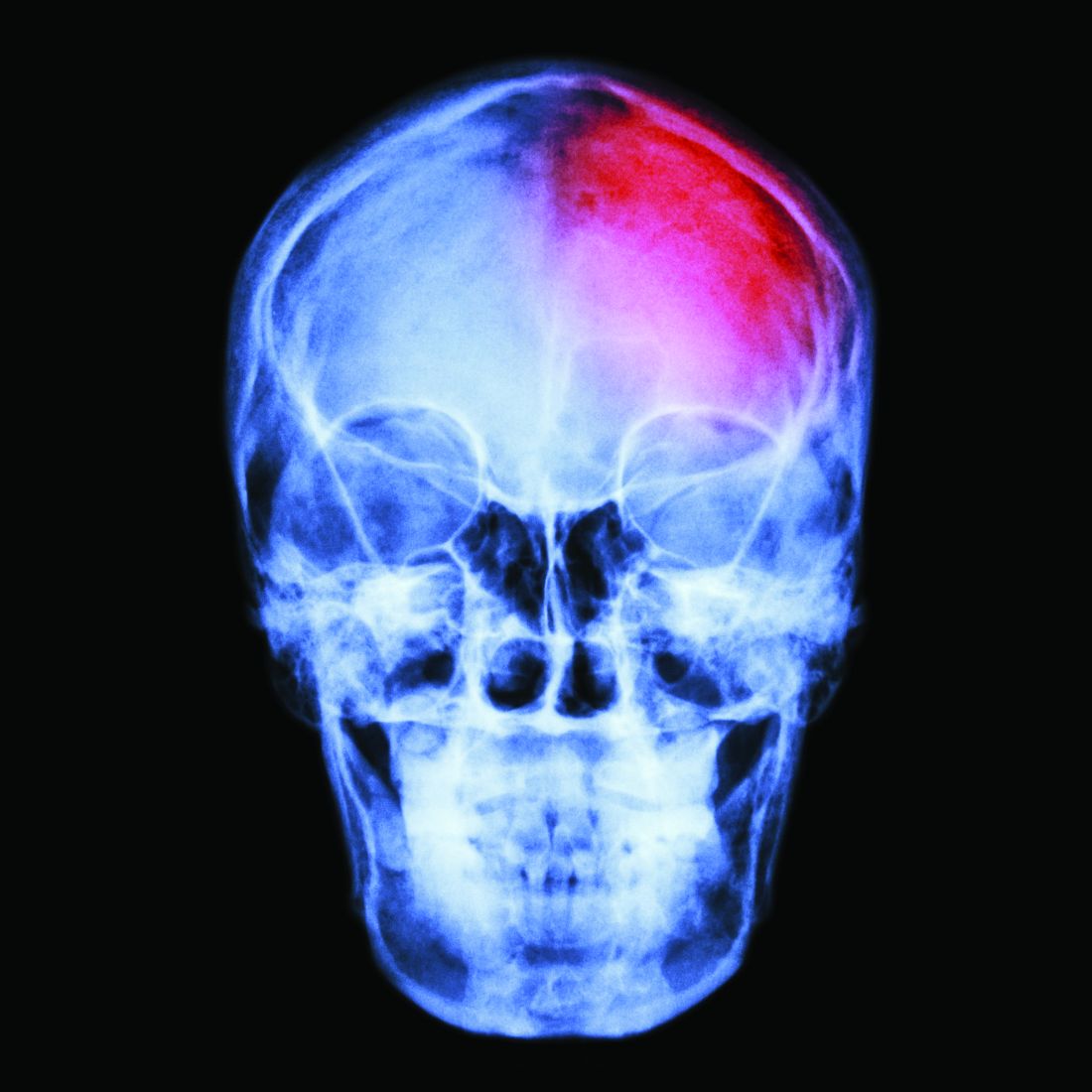
He was off sedation. EEG didn’t show any seizures. Head CT just showed the extensive damage from his head injury. The neurosurgeons can evacuate clots and decrease intracranial pressure, but they can’t repair brain tissue.
His wife was long past the point of shock when I met with her. After 3 weeks, she understood what the new normal was and how the lives of both herself and their kids would never be the same. She held his hand at the bedside as we talked, asked me a few pointed questions, and then thanked me for coming in to see him.
For me, it was just another day on call. I walked back to the nurses station, got some coffee from the galley, and sat down to dictate a note. There are always other patients to see on the coverage list.
But it still reminds you.
The brain doesn’t weigh much, just 2-3 pounds; it’s about the size of your fists put together.
But it’s everything that we are, both as individuals and as a species. All that humanity has achieved, good and bad, came from the brain.
The rest of him was in good shape. A healthy guy in his 40s. Probably in better condition than me. But with his brain irreparably damaged, none of that meant anything.
Even after almost 20 years of doing this work, this sort of thing still reminds me how lucky I, and most of us, are – and to be grateful for what I have.
Dr. Block has a solo neurology practice in Scottsdale, Ariz.
He’s almost 10 years younger than me.
He’d been in the hospital for 3 weeks. The ICU room had been decorated, as many families do, with pictures of his life. His wedding. His kids. He and his wife dressed as Darth Vader and Princess Leia for a Halloween party. A few religious items.
He was off sedation. EEG didn’t show any seizures. Head CT just showed the extensive damage from his head injury. The neurosurgeons can evacuate clots and decrease intracranial pressure, but they can’t repair brain tissue.
His wife was long past the point of shock when I met with her. After 3 weeks, she understood what the new normal was and how the lives of both herself and their kids would never be the same. She held his hand at the bedside as we talked, asked me a few pointed questions, and then thanked me for coming in to see him.
For me, it was just another day on call. I walked back to the nurses station, got some coffee from the galley, and sat down to dictate a note. There are always other patients to see on the coverage list.
But it still reminds you.
The brain doesn’t weigh much, just 2-3 pounds; it’s about the size of your fists put together.
But it’s everything that we are, both as individuals and as a species. All that humanity has achieved, good and bad, came from the brain.
The rest of him was in good shape. A healthy guy in his 40s. Probably in better condition than me. But with his brain irreparably damaged, none of that meant anything.
Even after almost 20 years of doing this work, this sort of thing still reminds me how lucky I, and most of us, are – and to be grateful for what I have.
Dr. Block has a solo neurology practice in Scottsdale, Ariz.
He’s almost 10 years younger than me.
He’d been in the hospital for 3 weeks. The ICU room had been decorated, as many families do, with pictures of his life. His wedding. His kids. He and his wife dressed as Darth Vader and Princess Leia for a Halloween party. A few religious items.
He was off sedation. EEG didn’t show any seizures. Head CT just showed the extensive damage from his head injury. The neurosurgeons can evacuate clots and decrease intracranial pressure, but they can’t repair brain tissue.
His wife was long past the point of shock when I met with her. After 3 weeks, she understood what the new normal was and how the lives of both herself and their kids would never be the same. She held his hand at the bedside as we talked, asked me a few pointed questions, and then thanked me for coming in to see him.
For me, it was just another day on call. I walked back to the nurses station, got some coffee from the galley, and sat down to dictate a note. There are always other patients to see on the coverage list.
But it still reminds you.
The brain doesn’t weigh much, just 2-3 pounds; it’s about the size of your fists put together.
But it’s everything that we are, both as individuals and as a species. All that humanity has achieved, good and bad, came from the brain.
The rest of him was in good shape. A healthy guy in his 40s. Probably in better condition than me. But with his brain irreparably damaged, none of that meant anything.
Even after almost 20 years of doing this work, this sort of thing still reminds me how lucky I, and most of us, are – and to be grateful for what I have.
Dr. Block has a solo neurology practice in Scottsdale, Ariz.
Caring for the offensive patient
“I only see Jewish doctors.”
The middle-aged lady across my desk repeated that several times during her visit, apparently hoping to get some response from me. I just ignored it each time.
Imagine if she’d said, “I only see white doctors,” or “I only see black doctors.” To say you came to a doctor solely because of his or her ethnicity is, to me, ignorant at best and blatant discrimination at worst.
Of course, I continued the appointment. While I found her comment offensive, I’m a doctor. Unlike a restaurant owner, I can’t refuse to serve someone because of their personal beliefs, no matter how much I disagree. I took an oath to provide equal care to all, regardless of personal differences. I try hard to measure up to that.
We live in a world that seems to be increasingly divided along tribal lines. Us against them. Me against you. Everyone for themselves.
I’m not going to play that game. For better or worse, I’ll take the high road and continue treating all people as equal. If you want to believe that religion, or color, or any other difference makes someone a better or worse physician (or person, for that matter), you’re entitled to your opinion.
I may not be able to change your mind, but that’s not going to stop me from trying to be the best doctor I can to everyone who comes to me, regardless of who they are.
Dr. Block has a solo neurology practice in Scottsdale, Ariz.
“I only see Jewish doctors.”
The middle-aged lady across my desk repeated that several times during her visit, apparently hoping to get some response from me. I just ignored it each time.
Imagine if she’d said, “I only see white doctors,” or “I only see black doctors.” To say you came to a doctor solely because of his or her ethnicity is, to me, ignorant at best and blatant discrimination at worst.
Of course, I continued the appointment. While I found her comment offensive, I’m a doctor. Unlike a restaurant owner, I can’t refuse to serve someone because of their personal beliefs, no matter how much I disagree. I took an oath to provide equal care to all, regardless of personal differences. I try hard to measure up to that.
We live in a world that seems to be increasingly divided along tribal lines. Us against them. Me against you. Everyone for themselves.
I’m not going to play that game. For better or worse, I’ll take the high road and continue treating all people as equal. If you want to believe that religion, or color, or any other difference makes someone a better or worse physician (or person, for that matter), you’re entitled to your opinion.
I may not be able to change your mind, but that’s not going to stop me from trying to be the best doctor I can to everyone who comes to me, regardless of who they are.
Dr. Block has a solo neurology practice in Scottsdale, Ariz.
“I only see Jewish doctors.”
The middle-aged lady across my desk repeated that several times during her visit, apparently hoping to get some response from me. I just ignored it each time.
Imagine if she’d said, “I only see white doctors,” or “I only see black doctors.” To say you came to a doctor solely because of his or her ethnicity is, to me, ignorant at best and blatant discrimination at worst.
Of course, I continued the appointment. While I found her comment offensive, I’m a doctor. Unlike a restaurant owner, I can’t refuse to serve someone because of their personal beliefs, no matter how much I disagree. I took an oath to provide equal care to all, regardless of personal differences. I try hard to measure up to that.
We live in a world that seems to be increasingly divided along tribal lines. Us against them. Me against you. Everyone for themselves.
I’m not going to play that game. For better or worse, I’ll take the high road and continue treating all people as equal. If you want to believe that religion, or color, or any other difference makes someone a better or worse physician (or person, for that matter), you’re entitled to your opinion.
I may not be able to change your mind, but that’s not going to stop me from trying to be the best doctor I can to everyone who comes to me, regardless of who they are.
Dr. Block has a solo neurology practice in Scottsdale, Ariz.
Doctors’ pay involves a lot of unseen work
“Doctors make a lot of money.” We hear that a lot, always from people who aren’t part of the profession.
Last month, I had to do my tax forms. Not my annual forms, but the quarterly withholding ones for the IRS, and for the state, along with the Arizona Department of Economic Security forms.
The whole thing takes me about 2 hours every 3 months. I suppose I could hire an accountant or office manager to deal with that stuff, but in solo practice, you do everything you can to keep the overhead low. So I do it myself.
Eight hours a year doesn’t sound too bad, but it got me thinking about all the other ways that work creeps into my home time.
I’m usually at the office around 5:00 a.m., when I start with reviewing charts, doing paperwork, and catching up on dictations until patients start at 8:00 a.m. From then on, they’re a steady stream until 4:00 p.m., when we close up and head home.
I get home and then have 1-2 hours of time paying bills, sorting mail, and catching up on phone calls and other unresolved issues.
On weekends, there’s always other stuff. Payroll for the coming weeks, office bills, and credit card statements I didn’t get to during the week, CME, forms, licensing paperwork, etc.
I’d guess about 15 hours/week goes into nonpatient-related stuff. Each year that’s more than 700 hours (or a little over a month) of extra time. Tack that on to the roughly 60 hours that I spend seeing patients between the office and hospital.
People say we make “a lot” (whatever that is), but they don’t see everything behind it. The 7-12 years of post-college training. The student loans of $200,000 and dating back to when I was 26 years old. The rising costs of overhead and dropping rates of reimbursement. The denied payments in disputes over claims. And, as mentioned above, the huge amount of time this job takes for stuff beyond just seeing patients.
We don’t get paid by the hour, but if we did, the rate would probably be a lot lower than what most would expect.
I suppose I could become employed, and let someone else worry about those things. But the financial impact doesn’t go away. Someone else still has to be doing those things, and since doctors are the ones who generate income in the majority of medical practices, the salaries for everyone else come out of ours. Plus, as I’ve previously written about, I’ve been employed before and got sick of the meetings and memos about cost-sharing, productivity numbers, and dollars earned per square foot.
But whenever I hear the refrain about our field being overpaid, I think about the actual hours the public doesn’t see (or care about). This isn’t a job for slackers, and
Dr. Block has a solo neurology practice in Scottsdale, Ariz.
“Doctors make a lot of money.” We hear that a lot, always from people who aren’t part of the profession.
Last month, I had to do my tax forms. Not my annual forms, but the quarterly withholding ones for the IRS, and for the state, along with the Arizona Department of Economic Security forms.
The whole thing takes me about 2 hours every 3 months. I suppose I could hire an accountant or office manager to deal with that stuff, but in solo practice, you do everything you can to keep the overhead low. So I do it myself.
Eight hours a year doesn’t sound too bad, but it got me thinking about all the other ways that work creeps into my home time.
I’m usually at the office around 5:00 a.m., when I start with reviewing charts, doing paperwork, and catching up on dictations until patients start at 8:00 a.m. From then on, they’re a steady stream until 4:00 p.m., when we close up and head home.
I get home and then have 1-2 hours of time paying bills, sorting mail, and catching up on phone calls and other unresolved issues.
On weekends, there’s always other stuff. Payroll for the coming weeks, office bills, and credit card statements I didn’t get to during the week, CME, forms, licensing paperwork, etc.
I’d guess about 15 hours/week goes into nonpatient-related stuff. Each year that’s more than 700 hours (or a little over a month) of extra time. Tack that on to the roughly 60 hours that I spend seeing patients between the office and hospital.
People say we make “a lot” (whatever that is), but they don’t see everything behind it. The 7-12 years of post-college training. The student loans of $200,000 and dating back to when I was 26 years old. The rising costs of overhead and dropping rates of reimbursement. The denied payments in disputes over claims. And, as mentioned above, the huge amount of time this job takes for stuff beyond just seeing patients.
We don’t get paid by the hour, but if we did, the rate would probably be a lot lower than what most would expect.
I suppose I could become employed, and let someone else worry about those things. But the financial impact doesn’t go away. Someone else still has to be doing those things, and since doctors are the ones who generate income in the majority of medical practices, the salaries for everyone else come out of ours. Plus, as I’ve previously written about, I’ve been employed before and got sick of the meetings and memos about cost-sharing, productivity numbers, and dollars earned per square foot.
But whenever I hear the refrain about our field being overpaid, I think about the actual hours the public doesn’t see (or care about). This isn’t a job for slackers, and
Dr. Block has a solo neurology practice in Scottsdale, Ariz.
“Doctors make a lot of money.” We hear that a lot, always from people who aren’t part of the profession.
Last month, I had to do my tax forms. Not my annual forms, but the quarterly withholding ones for the IRS, and for the state, along with the Arizona Department of Economic Security forms.
The whole thing takes me about 2 hours every 3 months. I suppose I could hire an accountant or office manager to deal with that stuff, but in solo practice, you do everything you can to keep the overhead low. So I do it myself.
Eight hours a year doesn’t sound too bad, but it got me thinking about all the other ways that work creeps into my home time.
I’m usually at the office around 5:00 a.m., when I start with reviewing charts, doing paperwork, and catching up on dictations until patients start at 8:00 a.m. From then on, they’re a steady stream until 4:00 p.m., when we close up and head home.
I get home and then have 1-2 hours of time paying bills, sorting mail, and catching up on phone calls and other unresolved issues.
On weekends, there’s always other stuff. Payroll for the coming weeks, office bills, and credit card statements I didn’t get to during the week, CME, forms, licensing paperwork, etc.
I’d guess about 15 hours/week goes into nonpatient-related stuff. Each year that’s more than 700 hours (or a little over a month) of extra time. Tack that on to the roughly 60 hours that I spend seeing patients between the office and hospital.
People say we make “a lot” (whatever that is), but they don’t see everything behind it. The 7-12 years of post-college training. The student loans of $200,000 and dating back to when I was 26 years old. The rising costs of overhead and dropping rates of reimbursement. The denied payments in disputes over claims. And, as mentioned above, the huge amount of time this job takes for stuff beyond just seeing patients.
We don’t get paid by the hour, but if we did, the rate would probably be a lot lower than what most would expect.
I suppose I could become employed, and let someone else worry about those things. But the financial impact doesn’t go away. Someone else still has to be doing those things, and since doctors are the ones who generate income in the majority of medical practices, the salaries for everyone else come out of ours. Plus, as I’ve previously written about, I’ve been employed before and got sick of the meetings and memos about cost-sharing, productivity numbers, and dollars earned per square foot.
But whenever I hear the refrain about our field being overpaid, I think about the actual hours the public doesn’t see (or care about). This isn’t a job for slackers, and
Dr. Block has a solo neurology practice in Scottsdale, Ariz.
Forgoing EMR templates for artisanal notes
I’m a medical note artisan.
Does that term sound overused these days? Well, I’ll stand by it. I handcraft medical notes from nouns, adjectives, verbs, habitual phrases, and other constructs of language.
In an era of mass-produced generic EMR notes, often indistinguishable between doctors, or even specialties, I scorn templates and type mine (or dictate them) fresh for each patient.
Perhaps I’m just old style, though it can’t be from my age. One area neurologist who’s older than I am has encouraged me to switch to using templates. He emphasizes how much time it saves. I don’t bother telling him that his physical exams never change, even though the patient clearly has.
Another, also older than I, has gone even further. Rather than taking his own history he just cuts and pastes it from the admitting internist’s note. I’m sure that saves a lot of time, too, although it will probably come back to bite him if the records ever come up in a legal case.
Notes today are all sizzle and no steak. Templates feed in test results, allergies, medication lists, etc. It’s not that these thing aren’t important, but they overshadow the note’s purpose of stating what’s going on with the patient and what you’re trying to do about it.
Does it take me more time to do this? Probably, but on the flip side it saves me time later when looking to see if an exam has changed or trying to remember what my plan was.
And, like any artisan would say, I’ll take quality over quantity any time.
Dr. Block has a solo neurology practice in Scottsdale, Ariz.
I’m a medical note artisan.
Does that term sound overused these days? Well, I’ll stand by it. I handcraft medical notes from nouns, adjectives, verbs, habitual phrases, and other constructs of language.
In an era of mass-produced generic EMR notes, often indistinguishable between doctors, or even specialties, I scorn templates and type mine (or dictate them) fresh for each patient.
Perhaps I’m just old style, though it can’t be from my age. One area neurologist who’s older than I am has encouraged me to switch to using templates. He emphasizes how much time it saves. I don’t bother telling him that his physical exams never change, even though the patient clearly has.
Another, also older than I, has gone even further. Rather than taking his own history he just cuts and pastes it from the admitting internist’s note. I’m sure that saves a lot of time, too, although it will probably come back to bite him if the records ever come up in a legal case.
Notes today are all sizzle and no steak. Templates feed in test results, allergies, medication lists, etc. It’s not that these thing aren’t important, but they overshadow the note’s purpose of stating what’s going on with the patient and what you’re trying to do about it.
Does it take me more time to do this? Probably, but on the flip side it saves me time later when looking to see if an exam has changed or trying to remember what my plan was.
And, like any artisan would say, I’ll take quality over quantity any time.
Dr. Block has a solo neurology practice in Scottsdale, Ariz.
I’m a medical note artisan.
Does that term sound overused these days? Well, I’ll stand by it. I handcraft medical notes from nouns, adjectives, verbs, habitual phrases, and other constructs of language.
In an era of mass-produced generic EMR notes, often indistinguishable between doctors, or even specialties, I scorn templates and type mine (or dictate them) fresh for each patient.
Perhaps I’m just old style, though it can’t be from my age. One area neurologist who’s older than I am has encouraged me to switch to using templates. He emphasizes how much time it saves. I don’t bother telling him that his physical exams never change, even though the patient clearly has.
Another, also older than I, has gone even further. Rather than taking his own history he just cuts and pastes it from the admitting internist’s note. I’m sure that saves a lot of time, too, although it will probably come back to bite him if the records ever come up in a legal case.
Notes today are all sizzle and no steak. Templates feed in test results, allergies, medication lists, etc. It’s not that these thing aren’t important, but they overshadow the note’s purpose of stating what’s going on with the patient and what you’re trying to do about it.
Does it take me more time to do this? Probably, but on the flip side it saves me time later when looking to see if an exam has changed or trying to remember what my plan was.
And, like any artisan would say, I’ll take quality over quantity any time.
Dr. Block has a solo neurology practice in Scottsdale, Ariz.

The retirement horizon creeps up
My lease is up later this year, after 5 1/2 years. It doesn’t seem that long. Some days it feels like I just moved in.
As a result, I had an email exchange recently with the building’s manager and we hashed out an agreement on a new 10-year contract. In the process, I realized that sort of time frame might (and, again, I say might) take me into retirement.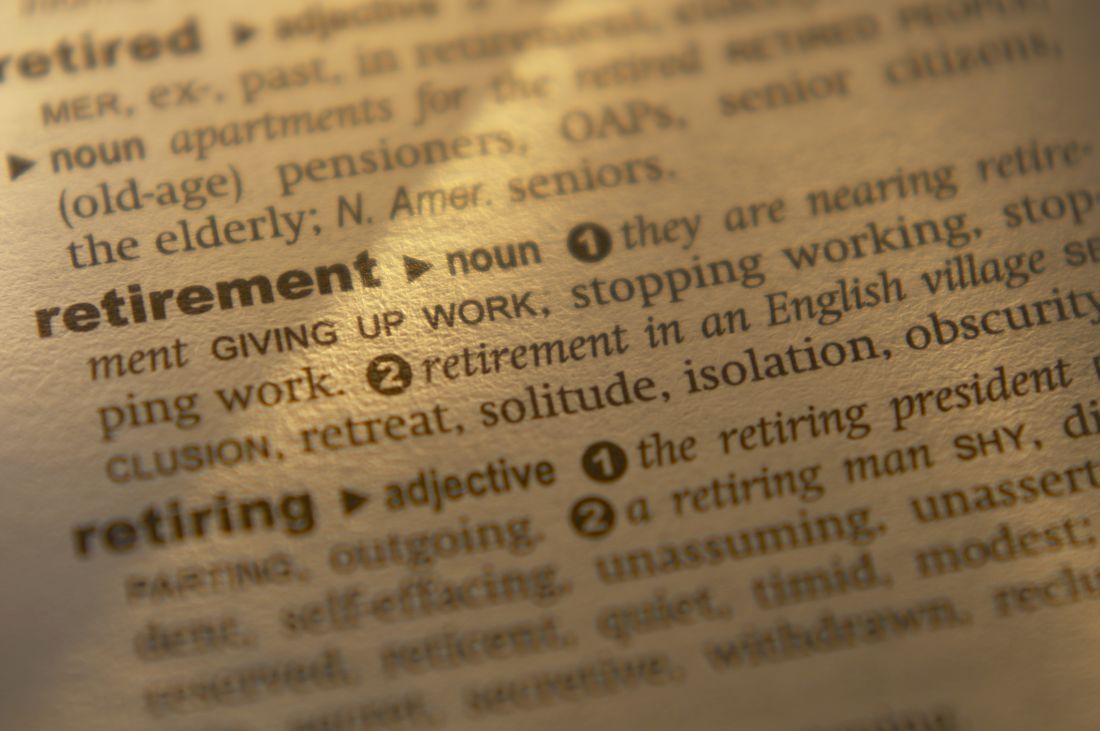
And now I’m starting to think about retiring and the career endgame.
Granted, it’s still 10 years away, and knowing me I’ll probably want to work another 5 years or so beyond that if I can. I like what I do and would probably go stir crazy without this job. Besides, given the current anti-doctor financial climate, I may not be able to retire in 10 years, even if I want to.
But still, it’s an odd realization to think that, after all those applications, and classes, and tests, and rotations, and all the other things you went through ... that your career is closer to wrapping up than it is to the beginning.
How did that happen?
And I’ll continue to try. Even after the halfway point I still get up each morning wanting to help people. The same sentiments I expressed in a personal statement so long ago are still there, and hopefully always will be. When they’re gone, it’s time to leave. Hopefully, they’ll be with me until I’m ready to sign off.
Dr. Block has a solo neurology practice in Scottsdale, Ariz.
My lease is up later this year, after 5 1/2 years. It doesn’t seem that long. Some days it feels like I just moved in.
As a result, I had an email exchange recently with the building’s manager and we hashed out an agreement on a new 10-year contract. In the process, I realized that sort of time frame might (and, again, I say might) take me into retirement.
And now I’m starting to think about retiring and the career endgame.
Granted, it’s still 10 years away, and knowing me I’ll probably want to work another 5 years or so beyond that if I can. I like what I do and would probably go stir crazy without this job. Besides, given the current anti-doctor financial climate, I may not be able to retire in 10 years, even if I want to.
But still, it’s an odd realization to think that, after all those applications, and classes, and tests, and rotations, and all the other things you went through ... that your career is closer to wrapping up than it is to the beginning.
How did that happen?
And I’ll continue to try. Even after the halfway point I still get up each morning wanting to help people. The same sentiments I expressed in a personal statement so long ago are still there, and hopefully always will be. When they’re gone, it’s time to leave. Hopefully, they’ll be with me until I’m ready to sign off.
Dr. Block has a solo neurology practice in Scottsdale, Ariz.
My lease is up later this year, after 5 1/2 years. It doesn’t seem that long. Some days it feels like I just moved in.
As a result, I had an email exchange recently with the building’s manager and we hashed out an agreement on a new 10-year contract. In the process, I realized that sort of time frame might (and, again, I say might) take me into retirement.
And now I’m starting to think about retiring and the career endgame.
Granted, it’s still 10 years away, and knowing me I’ll probably want to work another 5 years or so beyond that if I can. I like what I do and would probably go stir crazy without this job. Besides, given the current anti-doctor financial climate, I may not be able to retire in 10 years, even if I want to.
But still, it’s an odd realization to think that, after all those applications, and classes, and tests, and rotations, and all the other things you went through ... that your career is closer to wrapping up than it is to the beginning.
How did that happen?
And I’ll continue to try. Even after the halfway point I still get up each morning wanting to help people. The same sentiments I expressed in a personal statement so long ago are still there, and hopefully always will be. When they’re gone, it’s time to leave. Hopefully, they’ll be with me until I’m ready to sign off.
Dr. Block has a solo neurology practice in Scottsdale, Ariz.