User login
Thank you notes: Helpful on bad days
I get the occasional heartfelt thank you note from a patient. I also get hate mail, but fortunately the thank yous predominate.
I still have all of them, going back to residency, in an old Nike box. They sit in a closet at home, taken out here and there. On bad days.
You know what I mean. The days where you screwed up, or had an angry patient get on your nerves and/or in your face. Where the schedule was accidentally double-booked and you were running behind from the start. When you question your abilities and wonder why you are still doing this to yourself.
At the end of those days, I go home, dig out the box, and quietly read a few of the notes. Their neatly folded pages of gratitude remind me why I’m here, why I chose this path, why I need to be clear and ready for the patients depending on me the next day. They help me to realize that there’s more good than bad in this job, and that an unhappy, albeit vocal, few don’t represent most patients. That I really do know what I’m doing, regardless of what Mr. I’m-going-to-complain-about-you-on-Yelp says.
Of course, there are other reminders of what you have be thankfu for, like families and dogs. But sometimes you need a reminder directly from the people for whom you make a difference every day, to let you know that this isn’t just a job. It’s why you once volunteered at a hospital, fought through lorganic chemistry, wrote out 20 (or more) drafts of a personal statement, and studied for the MCAT. Because, once upon a time, this job was just a dream.
I don’t spend a lot of time with the notes – maybe 10 minutes reading a randomly pulled handful, but it’s enough to get me out of a funk. Then the old shoe box is carefully returned to my closet. Until I need it again.
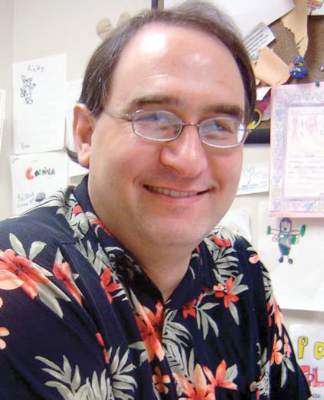
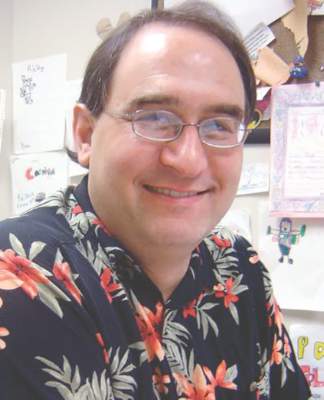
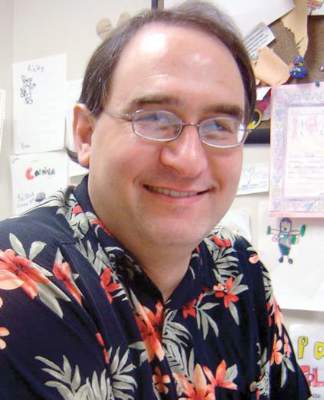
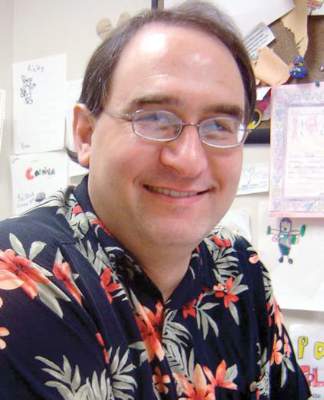
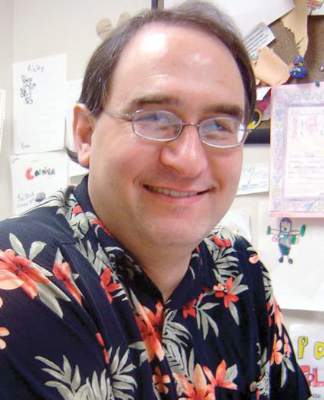
Dr. Block has a solo neurology practice in Scottsdale, Ariz.
I get the occasional heartfelt thank you note from a patient. I also get hate mail, but fortunately the thank yous predominate.
I still have all of them, going back to residency, in an old Nike box. They sit in a closet at home, taken out here and there. On bad days.
You know what I mean. The days where you screwed up, or had an angry patient get on your nerves and/or in your face. Where the schedule was accidentally double-booked and you were running behind from the start. When you question your abilities and wonder why you are still doing this to yourself.
At the end of those days, I go home, dig out the box, and quietly read a few of the notes. Their neatly folded pages of gratitude remind me why I’m here, why I chose this path, why I need to be clear and ready for the patients depending on me the next day. They help me to realize that there’s more good than bad in this job, and that an unhappy, albeit vocal, few don’t represent most patients. That I really do know what I’m doing, regardless of what Mr. I’m-going-to-complain-about-you-on-Yelp says.
Of course, there are other reminders of what you have be thankfu for, like families and dogs. But sometimes you need a reminder directly from the people for whom you make a difference every day, to let you know that this isn’t just a job. It’s why you once volunteered at a hospital, fought through lorganic chemistry, wrote out 20 (or more) drafts of a personal statement, and studied for the MCAT. Because, once upon a time, this job was just a dream.
I don’t spend a lot of time with the notes – maybe 10 minutes reading a randomly pulled handful, but it’s enough to get me out of a funk. Then the old shoe box is carefully returned to my closet. Until I need it again.
Dr. Block has a solo neurology practice in Scottsdale, Ariz.
I get the occasional heartfelt thank you note from a patient. I also get hate mail, but fortunately the thank yous predominate.
I still have all of them, going back to residency, in an old Nike box. They sit in a closet at home, taken out here and there. On bad days.
You know what I mean. The days where you screwed up, or had an angry patient get on your nerves and/or in your face. Where the schedule was accidentally double-booked and you were running behind from the start. When you question your abilities and wonder why you are still doing this to yourself.
At the end of those days, I go home, dig out the box, and quietly read a few of the notes. Their neatly folded pages of gratitude remind me why I’m here, why I chose this path, why I need to be clear and ready for the patients depending on me the next day. They help me to realize that there’s more good than bad in this job, and that an unhappy, albeit vocal, few don’t represent most patients. That I really do know what I’m doing, regardless of what Mr. I’m-going-to-complain-about-you-on-Yelp says.
Of course, there are other reminders of what you have be thankfu for, like families and dogs. But sometimes you need a reminder directly from the people for whom you make a difference every day, to let you know that this isn’t just a job. It’s why you once volunteered at a hospital, fought through lorganic chemistry, wrote out 20 (or more) drafts of a personal statement, and studied for the MCAT. Because, once upon a time, this job was just a dream.
I don’t spend a lot of time with the notes – maybe 10 minutes reading a randomly pulled handful, but it’s enough to get me out of a funk. Then the old shoe box is carefully returned to my closet. Until I need it again.
Dr. Block has a solo neurology practice in Scottsdale, Ariz.
The brief thrill of catching a zebra
Life in a general neurology practice, over time, becomes a routine. Migraines, dementia, strokes, neuropathy, back and neck pain … the things that are, as they say, the “bread and butter” of the job. So much of this job is spent thinking inside the box that some days it’s hard to remember we have to keep an eye on the outside of it, too.
Unlike my academic colleagues, I’m not a huge fan of zebras. I prefer my life, practice, and cases uncomplicated and straightforward. Horses suit me better. But, like everyone else in this job, I occasionally find a zebra. Recently, a fellow was referred to me for imbalance, but his appearance concerned me enough that I thought something outside the usual considerations was there. When all was said and done, he’d been diagnosed with myotonic dystrophy.
And, as much as uncommon diagnoses can drive you nuts, when you stumble across one AND get it right, it’s exhilarating – like a home run, a 3-point shot, or an interception returned for a touchdown. That’s especially true if it’s something treatable, and you can make a real difference in someone’s life.
A key part of medical training is the differential game – where an attending repeatedly grills you with the question, “And what else could this be?” making you think of both obvious and far-fetched possibilities.
This part is probably one of the most hated during training, yet very appreciated years later. Where I trained, it was the focus of a much-dreaded conference held every Thursday morning around a huge table. You were forced to think of the unordinary things that are the pitfalls of medicine. Today, I realize how valuable those 90-minute, weekly sessions were.
Although none of us realizes it at the time, those are the things that make you a better doctor. The brief thrill of catching a zebra never gets old. And it’s always coupled with a deep appreciation for those who taught me to hunt them.
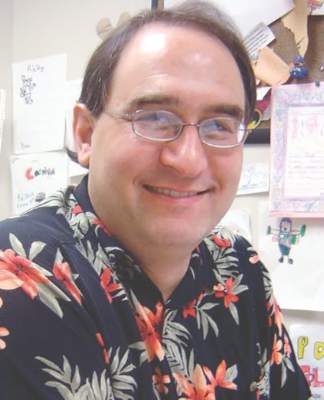
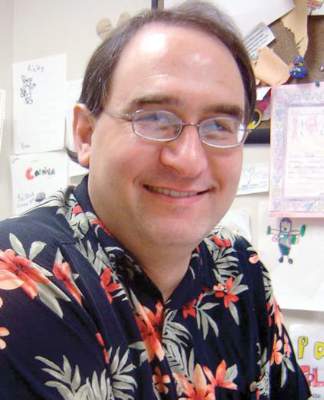
Dr. Block has a solo neurology practice in Scottsdale, Ariz.
Life in a general neurology practice, over time, becomes a routine. Migraines, dementia, strokes, neuropathy, back and neck pain … the things that are, as they say, the “bread and butter” of the job. So much of this job is spent thinking inside the box that some days it’s hard to remember we have to keep an eye on the outside of it, too.
Unlike my academic colleagues, I’m not a huge fan of zebras. I prefer my life, practice, and cases uncomplicated and straightforward. Horses suit me better. But, like everyone else in this job, I occasionally find a zebra. Recently, a fellow was referred to me for imbalance, but his appearance concerned me enough that I thought something outside the usual considerations was there. When all was said and done, he’d been diagnosed with myotonic dystrophy.
And, as much as uncommon diagnoses can drive you nuts, when you stumble across one AND get it right, it’s exhilarating – like a home run, a 3-point shot, or an interception returned for a touchdown. That’s especially true if it’s something treatable, and you can make a real difference in someone’s life.
A key part of medical training is the differential game – where an attending repeatedly grills you with the question, “And what else could this be?” making you think of both obvious and far-fetched possibilities.
This part is probably one of the most hated during training, yet very appreciated years later. Where I trained, it was the focus of a much-dreaded conference held every Thursday morning around a huge table. You were forced to think of the unordinary things that are the pitfalls of medicine. Today, I realize how valuable those 90-minute, weekly sessions were.
Although none of us realizes it at the time, those are the things that make you a better doctor. The brief thrill of catching a zebra never gets old. And it’s always coupled with a deep appreciation for those who taught me to hunt them.
Dr. Block has a solo neurology practice in Scottsdale, Ariz.
Life in a general neurology practice, over time, becomes a routine. Migraines, dementia, strokes, neuropathy, back and neck pain … the things that are, as they say, the “bread and butter” of the job. So much of this job is spent thinking inside the box that some days it’s hard to remember we have to keep an eye on the outside of it, too.
Unlike my academic colleagues, I’m not a huge fan of zebras. I prefer my life, practice, and cases uncomplicated and straightforward. Horses suit me better. But, like everyone else in this job, I occasionally find a zebra. Recently, a fellow was referred to me for imbalance, but his appearance concerned me enough that I thought something outside the usual considerations was there. When all was said and done, he’d been diagnosed with myotonic dystrophy.
And, as much as uncommon diagnoses can drive you nuts, when you stumble across one AND get it right, it’s exhilarating – like a home run, a 3-point shot, or an interception returned for a touchdown. That’s especially true if it’s something treatable, and you can make a real difference in someone’s life.
A key part of medical training is the differential game – where an attending repeatedly grills you with the question, “And what else could this be?” making you think of both obvious and far-fetched possibilities.
This part is probably one of the most hated during training, yet very appreciated years later. Where I trained, it was the focus of a much-dreaded conference held every Thursday morning around a huge table. You were forced to think of the unordinary things that are the pitfalls of medicine. Today, I realize how valuable those 90-minute, weekly sessions were.
Although none of us realizes it at the time, those are the things that make you a better doctor. The brief thrill of catching a zebra never gets old. And it’s always coupled with a deep appreciation for those who taught me to hunt them.
Dr. Block has a solo neurology practice in Scottsdale, Ariz.
Passing up a product endorsement
Yesterday, my secretary passed a message that someone from television had called with a question. Not knowing what to expect, but trying to be helpful, I returned the call that afternoon.
The fellow was nice enough, and explained he worked for a marketing company. A vitamin company had hired him to promote an over-the-counter supplement to treat Alzheimer’s disease, and he was looking for a neurologist to endorse it in an infomercial. He said I’d be compensated $5,000-$10,000 for the spot.
That’s a pretty decent chunk of change. I could use it. For a few seconds I hemmed and hawed, trying to think of a way to rationalize it. Then I realized ... I just couldn’t. I politely told him “No,” and got off the phone.
I know they’ll find someone to do it. But I just can’t. I’m sure they have some data to back it up, but crappy research papers are a dime a dozen.
I spend a lot of time explaining studies and data to those affected by this terrible disease. I’m trying to help them work their way through a maze of tests, treatments of limited benefit, and reasonable expectations.
Sadly, as with all tragic and incurable diseases, there’s no shortage of hucksters trying to take advantage of the desperate. Part of my job is to help people understand this. They bring in ads from magazines and newspaper promising miracle cures for a host of awful illnesses. I can’t stop them from buying it, but I want to do my best to warn them it’s a scam.
I can’t do that if I switch sides. Once I start plugging non–FDA-approved, non–clinically meaningful junk on late-night TV, I’ve joined the snake-oil salesmen of yesteryear.
I owe my patients better than that. They trust me to help them and to do what’s right.
Like everyone else, I don’t have a perfect reputation, but outside of my online reviews, I think I’m reasonably well thought of in the local community. A decent reputation takes years to build and one crappy decision to lose. I don’t want to do that either.
And under all that, I still have to believe in myself. That everyday I’m trying to do what’s right for people. Because if I’m not doing that, it’s time to hang up my reflex hammer. The first person I have to face every morning is in the mirror. I want to be able to look at him and still believe he’s doing the best he can for those who need his help.
Dr. Block has a solo neurology practice in Scottsdale, Ariz.
Yesterday, my secretary passed a message that someone from television had called with a question. Not knowing what to expect, but trying to be helpful, I returned the call that afternoon.
The fellow was nice enough, and explained he worked for a marketing company. A vitamin company had hired him to promote an over-the-counter supplement to treat Alzheimer’s disease, and he was looking for a neurologist to endorse it in an infomercial. He said I’d be compensated $5,000-$10,000 for the spot.
That’s a pretty decent chunk of change. I could use it. For a few seconds I hemmed and hawed, trying to think of a way to rationalize it. Then I realized ... I just couldn’t. I politely told him “No,” and got off the phone.
I know they’ll find someone to do it. But I just can’t. I’m sure they have some data to back it up, but crappy research papers are a dime a dozen.
I spend a lot of time explaining studies and data to those affected by this terrible disease. I’m trying to help them work their way through a maze of tests, treatments of limited benefit, and reasonable expectations.
Sadly, as with all tragic and incurable diseases, there’s no shortage of hucksters trying to take advantage of the desperate. Part of my job is to help people understand this. They bring in ads from magazines and newspaper promising miracle cures for a host of awful illnesses. I can’t stop them from buying it, but I want to do my best to warn them it’s a scam.
I can’t do that if I switch sides. Once I start plugging non–FDA-approved, non–clinically meaningful junk on late-night TV, I’ve joined the snake-oil salesmen of yesteryear.
I owe my patients better than that. They trust me to help them and to do what’s right.
Like everyone else, I don’t have a perfect reputation, but outside of my online reviews, I think I’m reasonably well thought of in the local community. A decent reputation takes years to build and one crappy decision to lose. I don’t want to do that either.
And under all that, I still have to believe in myself. That everyday I’m trying to do what’s right for people. Because if I’m not doing that, it’s time to hang up my reflex hammer. The first person I have to face every morning is in the mirror. I want to be able to look at him and still believe he’s doing the best he can for those who need his help.
Dr. Block has a solo neurology practice in Scottsdale, Ariz.
Yesterday, my secretary passed a message that someone from television had called with a question. Not knowing what to expect, but trying to be helpful, I returned the call that afternoon.
The fellow was nice enough, and explained he worked for a marketing company. A vitamin company had hired him to promote an over-the-counter supplement to treat Alzheimer’s disease, and he was looking for a neurologist to endorse it in an infomercial. He said I’d be compensated $5,000-$10,000 for the spot.
That’s a pretty decent chunk of change. I could use it. For a few seconds I hemmed and hawed, trying to think of a way to rationalize it. Then I realized ... I just couldn’t. I politely told him “No,” and got off the phone.
I know they’ll find someone to do it. But I just can’t. I’m sure they have some data to back it up, but crappy research papers are a dime a dozen.
I spend a lot of time explaining studies and data to those affected by this terrible disease. I’m trying to help them work their way through a maze of tests, treatments of limited benefit, and reasonable expectations.
Sadly, as with all tragic and incurable diseases, there’s no shortage of hucksters trying to take advantage of the desperate. Part of my job is to help people understand this. They bring in ads from magazines and newspaper promising miracle cures for a host of awful illnesses. I can’t stop them from buying it, but I want to do my best to warn them it’s a scam.
I can’t do that if I switch sides. Once I start plugging non–FDA-approved, non–clinically meaningful junk on late-night TV, I’ve joined the snake-oil salesmen of yesteryear.
I owe my patients better than that. They trust me to help them and to do what’s right.
Like everyone else, I don’t have a perfect reputation, but outside of my online reviews, I think I’m reasonably well thought of in the local community. A decent reputation takes years to build and one crappy decision to lose. I don’t want to do that either.
And under all that, I still have to believe in myself. That everyday I’m trying to do what’s right for people. Because if I’m not doing that, it’s time to hang up my reflex hammer. The first person I have to face every morning is in the mirror. I want to be able to look at him and still believe he’s doing the best he can for those who need his help.
Dr. Block has a solo neurology practice in Scottsdale, Ariz.
Those annoying EHR pop-up windows
In 1986, the United States and Canada mandated the adoption of a center brake light on all new cars. Studies had shown that this was better at getting attention than the two side lights alone, and reduced collisions.
Of course, as the years went by the safety benefit gradually faded. It never returned to the previous level, but clearly, as people got used to it, the new light faded into the background of their attention.

Today, we have electronic health record (EHR) systems that use all kinds of pop-up warnings to check INRs, to give flu shots, to consider COPD in the differential ... a million things. I’m sure the attorneys love them. (“Doctor, since the computer clearly warned you about this, why did you click ‘ignore’ and move on?”)
I don’t use one of those systems, but I talk to plenty of doctors who do. Initially, it was interesting and got their attention, then became annoying. Each pop-up window interrupted the chain of thought, distracting them from the task at hand: patient care. As time went on, they just began ignoring them. It’s easier to click “cancel” than it is have to think through something you’ve probably already considered.
So, like the center brake light, the well-intentioned pop-up window is ignored and pushed to the far side of your attention span.
Do these things improve quality of care? Probably no more than the center brake light reduces car accidents these days. They’re likely useful in training, to remind medical students and residents of things that are important, but beyond that would be a tough case to make.
I’m not saying attending physicians are infallible. We all make our share of mistakes in this world. But medicine is not a one-size-fits-all field. The EHRs, at least at present, can’t take into account as we do all the variables of each patient’s personality, social situation, compliance history, medication tolerance issues, and other factors.
Not only that, but the pop-up window saying, “Have you considered this?” is no less distracting than having to take a phone call during a visit. It’s intrusive, throws your train of thought temporarily onto another track, and requires a minute to refocus on the task at hand. In that time, you may have forgotten something equally, if not more important. Or missed some critical piece of information the patient mentioned.
Dr. Block has a solo neurology practice in Scottsdale, Ariz.
In 1986, the United States and Canada mandated the adoption of a center brake light on all new cars. Studies had shown that this was better at getting attention than the two side lights alone, and reduced collisions.
Of course, as the years went by the safety benefit gradually faded. It never returned to the previous level, but clearly, as people got used to it, the new light faded into the background of their attention.
Today, we have electronic health record (EHR) systems that use all kinds of pop-up warnings to check INRs, to give flu shots, to consider COPD in the differential ... a million things. I’m sure the attorneys love them. (“Doctor, since the computer clearly warned you about this, why did you click ‘ignore’ and move on?”)
I don’t use one of those systems, but I talk to plenty of doctors who do. Initially, it was interesting and got their attention, then became annoying. Each pop-up window interrupted the chain of thought, distracting them from the task at hand: patient care. As time went on, they just began ignoring them. It’s easier to click “cancel” than it is have to think through something you’ve probably already considered.
So, like the center brake light, the well-intentioned pop-up window is ignored and pushed to the far side of your attention span.
Do these things improve quality of care? Probably no more than the center brake light reduces car accidents these days. They’re likely useful in training, to remind medical students and residents of things that are important, but beyond that would be a tough case to make.
I’m not saying attending physicians are infallible. We all make our share of mistakes in this world. But medicine is not a one-size-fits-all field. The EHRs, at least at present, can’t take into account as we do all the variables of each patient’s personality, social situation, compliance history, medication tolerance issues, and other factors.
Not only that, but the pop-up window saying, “Have you considered this?” is no less distracting than having to take a phone call during a visit. It’s intrusive, throws your train of thought temporarily onto another track, and requires a minute to refocus on the task at hand. In that time, you may have forgotten something equally, if not more important. Or missed some critical piece of information the patient mentioned.
Dr. Block has a solo neurology practice in Scottsdale, Ariz.
In 1986, the United States and Canada mandated the adoption of a center brake light on all new cars. Studies had shown that this was better at getting attention than the two side lights alone, and reduced collisions.
Of course, as the years went by the safety benefit gradually faded. It never returned to the previous level, but clearly, as people got used to it, the new light faded into the background of their attention.
Today, we have electronic health record (EHR) systems that use all kinds of pop-up warnings to check INRs, to give flu shots, to consider COPD in the differential ... a million things. I’m sure the attorneys love them. (“Doctor, since the computer clearly warned you about this, why did you click ‘ignore’ and move on?”)
I don’t use one of those systems, but I talk to plenty of doctors who do. Initially, it was interesting and got their attention, then became annoying. Each pop-up window interrupted the chain of thought, distracting them from the task at hand: patient care. As time went on, they just began ignoring them. It’s easier to click “cancel” than it is have to think through something you’ve probably already considered.
So, like the center brake light, the well-intentioned pop-up window is ignored and pushed to the far side of your attention span.
Do these things improve quality of care? Probably no more than the center brake light reduces car accidents these days. They’re likely useful in training, to remind medical students and residents of things that are important, but beyond that would be a tough case to make.
I’m not saying attending physicians are infallible. We all make our share of mistakes in this world. But medicine is not a one-size-fits-all field. The EHRs, at least at present, can’t take into account as we do all the variables of each patient’s personality, social situation, compliance history, medication tolerance issues, and other factors.
Not only that, but the pop-up window saying, “Have you considered this?” is no less distracting than having to take a phone call during a visit. It’s intrusive, throws your train of thought temporarily onto another track, and requires a minute to refocus on the task at hand. In that time, you may have forgotten something equally, if not more important. Or missed some critical piece of information the patient mentioned.
Dr. Block has a solo neurology practice in Scottsdale, Ariz.
The problem of office theft
Why do people steal stuff from my office?
I’m not talking about pens. I’ve unintentionally walked off with more pens then I can count over the years, and never realized that I did until later. I figure others do the same with mine.
In the last few years, I’ve had a Far Side cartoon book stolen from the lobby, a stapler off my secretary’s desk, a roll of medical tape from my EMG cart, and a few other items.
Most recently, my secretary bought a candy dish at the store. It was nothing fancy, just a few bucks, but she liked it. She set it out on the front desk with some Jolly Ranchers.
A few days later, she left her desk to refill her coffee cup. While in back she heard the front door of the office open and close. When she returned up front, the dish (and candy) were gone.
None of these are a major financial loss, maybe adding up to $15-$20 a year at most. But it’s irritating to have someone steal something minor from my office.
Taking pens, or even magazines, is perhaps understandable, at times unintentional. But to reach over a desk and grab a stapler, or to walk in, grab a candy dish, and leave, are volitional and just wrong. I don’t understand this. Do people feel that, because I’m a doctor (and therefore stereotyped as rich), I can afford it? Do they do it because, since they’re giving me a copay and letting me bill their insurance, they feel entitled to something back? Or are they angry at me over something, and this is a passive-aggressive way to get even?
I don’t know. Admittedly, it’s a tiny minority who do such things. The vast majority of people wouldn’t dream of stealing a $3 candy dish from an office. But still, it points to a sad level of dishonesty among a few of the routine people I see day in and day out. I’m pretty sure they aren’t so hard up that they need to steal such petty items, either. I imagine the black market value of a used stapler is pretty low.
P.S. If someone out there is willing to return the candy dish or the Beyond The Far Side cartoon book, no questions will be asked.
Dr. Block has a solo neurology practice in Scottsdale, Ariz.
Why do people steal stuff from my office?
I’m not talking about pens. I’ve unintentionally walked off with more pens then I can count over the years, and never realized that I did until later. I figure others do the same with mine.
In the last few years, I’ve had a Far Side cartoon book stolen from the lobby, a stapler off my secretary’s desk, a roll of medical tape from my EMG cart, and a few other items.
Most recently, my secretary bought a candy dish at the store. It was nothing fancy, just a few bucks, but she liked it. She set it out on the front desk with some Jolly Ranchers.
A few days later, she left her desk to refill her coffee cup. While in back she heard the front door of the office open and close. When she returned up front, the dish (and candy) were gone.
None of these are a major financial loss, maybe adding up to $15-$20 a year at most. But it’s irritating to have someone steal something minor from my office.
Taking pens, or even magazines, is perhaps understandable, at times unintentional. But to reach over a desk and grab a stapler, or to walk in, grab a candy dish, and leave, are volitional and just wrong. I don’t understand this. Do people feel that, because I’m a doctor (and therefore stereotyped as rich), I can afford it? Do they do it because, since they’re giving me a copay and letting me bill their insurance, they feel entitled to something back? Or are they angry at me over something, and this is a passive-aggressive way to get even?
I don’t know. Admittedly, it’s a tiny minority who do such things. The vast majority of people wouldn’t dream of stealing a $3 candy dish from an office. But still, it points to a sad level of dishonesty among a few of the routine people I see day in and day out. I’m pretty sure they aren’t so hard up that they need to steal such petty items, either. I imagine the black market value of a used stapler is pretty low.
P.S. If someone out there is willing to return the candy dish or the Beyond The Far Side cartoon book, no questions will be asked.
Dr. Block has a solo neurology practice in Scottsdale, Ariz.
Why do people steal stuff from my office?
I’m not talking about pens. I’ve unintentionally walked off with more pens then I can count over the years, and never realized that I did until later. I figure others do the same with mine.
In the last few years, I’ve had a Far Side cartoon book stolen from the lobby, a stapler off my secretary’s desk, a roll of medical tape from my EMG cart, and a few other items.
Most recently, my secretary bought a candy dish at the store. It was nothing fancy, just a few bucks, but she liked it. She set it out on the front desk with some Jolly Ranchers.
A few days later, she left her desk to refill her coffee cup. While in back she heard the front door of the office open and close. When she returned up front, the dish (and candy) were gone.
None of these are a major financial loss, maybe adding up to $15-$20 a year at most. But it’s irritating to have someone steal something minor from my office.
Taking pens, or even magazines, is perhaps understandable, at times unintentional. But to reach over a desk and grab a stapler, or to walk in, grab a candy dish, and leave, are volitional and just wrong. I don’t understand this. Do people feel that, because I’m a doctor (and therefore stereotyped as rich), I can afford it? Do they do it because, since they’re giving me a copay and letting me bill their insurance, they feel entitled to something back? Or are they angry at me over something, and this is a passive-aggressive way to get even?
I don’t know. Admittedly, it’s a tiny minority who do such things. The vast majority of people wouldn’t dream of stealing a $3 candy dish from an office. But still, it points to a sad level of dishonesty among a few of the routine people I see day in and day out. I’m pretty sure they aren’t so hard up that they need to steal such petty items, either. I imagine the black market value of a used stapler is pretty low.
P.S. If someone out there is willing to return the candy dish or the Beyond The Far Side cartoon book, no questions will be asked.
Dr. Block has a solo neurology practice in Scottsdale, Ariz.
Bringing a baby to the office
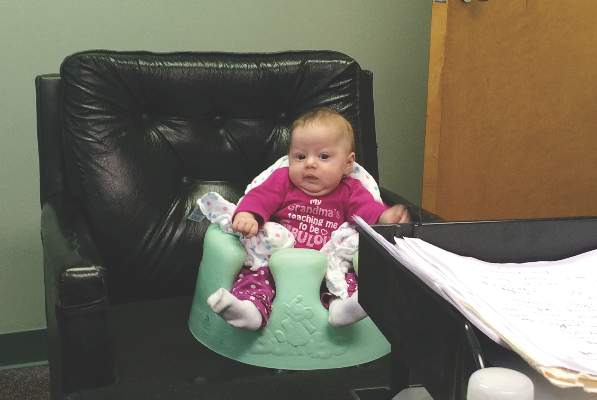
I’ve previously written about how my secretary took 8 weeks off for maternity leave. Well, she’s back now, and brought a new staff member with her.
I know several doctors who are horrified that I let her bring the baby to work every day. They tell me it’s unprofessional, a distraction, inconvenient, etc.
Me? I think it’s great.
I have no problem with her being here. If anything, she adds an upbeat vibe to the office. Seeing an adorable newborn up front cheers all comers. She’s quickly become the most popular person here. Nowadays, when I call someone back from the lobby, they jokingly protest and say, but “I’m looking at the baby!” At this point, we’ve even had people coming by just to see her, once word spread there was a baby at my office.
Is it unprofessional? Maybe by someone else’s standards, but not mine. At this stage of life, she’s certainly not in the way. She’s (generally) quiet, sweet, and smiley. Besides, having her here spares my secretary the expense of child care and makes her happy. If keeping your staff happy isn’t part of being professional, I don’t know what is.
Is she a distraction? Perhaps, but not in a bad way. Maybe I take a few seconds here and there to wave at her or help my secretary with something, but nothing that compromises patient care.
Is it inconvenient to have her here? Nope. We have an extra exam room, so it’s easy for my secretary to have a quiet, private place to feed and change her every few hours. If the phones go to voice mail for a few minutes, or I have to keep an ear out for the front door opening, I don’t mind.
She and I both have young families. When we were looking for a new office 3 years ago, one of our requirements was what we called “the sick kid room.” An extra space where, if a kid couldn’t go to school, we wouldn’t be stuck trying to figure out what to do. They’ve always been welcome here, and always will be.
Having kids on site isn’t perfect for every practice. Certainly, a pediatrics office (with a lot more sick kids going in and out) wouldn’t be ideal. But at my place the young lady has brightened things up for all and makes the day more fun.
Dr. Block has a solo neurology practice in Scottsdale, Ariz.
I’ve previously written about how my secretary took 8 weeks off for maternity leave. Well, she’s back now, and brought a new staff member with her.
I know several doctors who are horrified that I let her bring the baby to work every day. They tell me it’s unprofessional, a distraction, inconvenient, etc.
Me? I think it’s great.
I have no problem with her being here. If anything, she adds an upbeat vibe to the office. Seeing an adorable newborn up front cheers all comers. She’s quickly become the most popular person here. Nowadays, when I call someone back from the lobby, they jokingly protest and say, but “I’m looking at the baby!” At this point, we’ve even had people coming by just to see her, once word spread there was a baby at my office.
Is it unprofessional? Maybe by someone else’s standards, but not mine. At this stage of life, she’s certainly not in the way. She’s (generally) quiet, sweet, and smiley. Besides, having her here spares my secretary the expense of child care and makes her happy. If keeping your staff happy isn’t part of being professional, I don’t know what is.
Is she a distraction? Perhaps, but not in a bad way. Maybe I take a few seconds here and there to wave at her or help my secretary with something, but nothing that compromises patient care.
Is it inconvenient to have her here? Nope. We have an extra exam room, so it’s easy for my secretary to have a quiet, private place to feed and change her every few hours. If the phones go to voice mail for a few minutes, or I have to keep an ear out for the front door opening, I don’t mind.
She and I both have young families. When we were looking for a new office 3 years ago, one of our requirements was what we called “the sick kid room.” An extra space where, if a kid couldn’t go to school, we wouldn’t be stuck trying to figure out what to do. They’ve always been welcome here, and always will be.
Having kids on site isn’t perfect for every practice. Certainly, a pediatrics office (with a lot more sick kids going in and out) wouldn’t be ideal. But at my place the young lady has brightened things up for all and makes the day more fun.
Dr. Block has a solo neurology practice in Scottsdale, Ariz.
I’ve previously written about how my secretary took 8 weeks off for maternity leave. Well, she’s back now, and brought a new staff member with her.
I know several doctors who are horrified that I let her bring the baby to work every day. They tell me it’s unprofessional, a distraction, inconvenient, etc.
Me? I think it’s great.
I have no problem with her being here. If anything, she adds an upbeat vibe to the office. Seeing an adorable newborn up front cheers all comers. She’s quickly become the most popular person here. Nowadays, when I call someone back from the lobby, they jokingly protest and say, but “I’m looking at the baby!” At this point, we’ve even had people coming by just to see her, once word spread there was a baby at my office.
Is it unprofessional? Maybe by someone else’s standards, but not mine. At this stage of life, she’s certainly not in the way. She’s (generally) quiet, sweet, and smiley. Besides, having her here spares my secretary the expense of child care and makes her happy. If keeping your staff happy isn’t part of being professional, I don’t know what is.
Is she a distraction? Perhaps, but not in a bad way. Maybe I take a few seconds here and there to wave at her or help my secretary with something, but nothing that compromises patient care.
Is it inconvenient to have her here? Nope. We have an extra exam room, so it’s easy for my secretary to have a quiet, private place to feed and change her every few hours. If the phones go to voice mail for a few minutes, or I have to keep an ear out for the front door opening, I don’t mind.
She and I both have young families. When we were looking for a new office 3 years ago, one of our requirements was what we called “the sick kid room.” An extra space where, if a kid couldn’t go to school, we wouldn’t be stuck trying to figure out what to do. They’ve always been welcome here, and always will be.
Having kids on site isn’t perfect for every practice. Certainly, a pediatrics office (with a lot more sick kids going in and out) wouldn’t be ideal. But at my place the young lady has brightened things up for all and makes the day more fun.
Dr. Block has a solo neurology practice in Scottsdale, Ariz.
On my own during an employee’s maternity leave
Recently, my secretary was out on maternity leave for 6 weeks.
I run a small practice, and my medical assistant works from home on the far side of town. So I was on my own at the office. My MA and I split things up, and since I was the only one physically in the building, I took over all the front office stuff and she took the back office.
I ran the front desk for the whole time – checking people in and out, taking copays, copying insurance cards, giving referrals to therapy places, sending logs to the billing company, and doing other everyday stuff.
Plenty of people asked why I didn’t hire a temp, obviously not knowing how close to the edge a modern solo practice runs. If I hire a temp, that’s another salary to pay, meaning one of the other three of us here would have to skip a few paychecks. I’m not going to put my secretary on unpaid leave for that time. She’s awesome, has been with me since 2004, and has stuck with me through good and bad years. If I don’t pay her that time, she can’t pay her rent, and I don’t have the heart to do that to her. Maybe a big corporate person wouldn’t lose any sleep about it, but I would. Great people are hard to find, and I want to keep the ones I have.
Besides, if I hired a temp, I’d have to train them from the beginning. I don’t use off-the-shelf medical software, just a system I designed myself. It would take time out of my day to teach them how to use it, where I send patients for tests and referrals, and how to sort documents accurately into the correct e-charts. So, for 6 weeks it just seemed easier to do it myself. I know how I like it done.
It wasn’t easy for my MA as well. She had to take over scheduling appointments, handling billing questions, making reminder calls, and doing other miscellaneous stuff. Even after work was over, I’d be at home catching up on all the dictations I hadn’t had time to do, and we’d be going back and forth by phone and email to settle different issues until 8:00 at night or so. By the end of the 6 weeks, we were both pretty burned out and exhausted.
I’m sure the patients weren’t thrilled, either. During that time, they could only reach a voice mail box telling them to leave a message and we’d get back to them as quickly as possible.
I assumed my practice was the only one dinky (or poor, by medical standards) enough to have to resort to this – until I had a chance conversation with a local family practice doctor, when he mentioned he’d had to do something similar when his secretary retired and he didn’t find a replacement for several weeks. A cardiologist mentioned doing the same thing while we were chatting at the hospital. Like me, they were both in solo practice.
This is, apparently, the nature of a modern small practice. The revenue and expense streams are too tight to allow for an extra salary, so even the doctor pitches in to cover. I’m sure my colleagues in large groups will laugh at the thought, but I don’t care. I have to do what’s right for my practice and to survive in the modern medical climate. And if working the front desk for a few weeks is what’s needed to stay independent, so be it.
Dr. Block has a solo neurology practice in Scottsdale, Ariz.
Recently, my secretary was out on maternity leave for 6 weeks.
I run a small practice, and my medical assistant works from home on the far side of town. So I was on my own at the office. My MA and I split things up, and since I was the only one physically in the building, I took over all the front office stuff and she took the back office.
I ran the front desk for the whole time – checking people in and out, taking copays, copying insurance cards, giving referrals to therapy places, sending logs to the billing company, and doing other everyday stuff.
Plenty of people asked why I didn’t hire a temp, obviously not knowing how close to the edge a modern solo practice runs. If I hire a temp, that’s another salary to pay, meaning one of the other three of us here would have to skip a few paychecks. I’m not going to put my secretary on unpaid leave for that time. She’s awesome, has been with me since 2004, and has stuck with me through good and bad years. If I don’t pay her that time, she can’t pay her rent, and I don’t have the heart to do that to her. Maybe a big corporate person wouldn’t lose any sleep about it, but I would. Great people are hard to find, and I want to keep the ones I have.
Besides, if I hired a temp, I’d have to train them from the beginning. I don’t use off-the-shelf medical software, just a system I designed myself. It would take time out of my day to teach them how to use it, where I send patients for tests and referrals, and how to sort documents accurately into the correct e-charts. So, for 6 weeks it just seemed easier to do it myself. I know how I like it done.
It wasn’t easy for my MA as well. She had to take over scheduling appointments, handling billing questions, making reminder calls, and doing other miscellaneous stuff. Even after work was over, I’d be at home catching up on all the dictations I hadn’t had time to do, and we’d be going back and forth by phone and email to settle different issues until 8:00 at night or so. By the end of the 6 weeks, we were both pretty burned out and exhausted.
I’m sure the patients weren’t thrilled, either. During that time, they could only reach a voice mail box telling them to leave a message and we’d get back to them as quickly as possible.
I assumed my practice was the only one dinky (or poor, by medical standards) enough to have to resort to this – until I had a chance conversation with a local family practice doctor, when he mentioned he’d had to do something similar when his secretary retired and he didn’t find a replacement for several weeks. A cardiologist mentioned doing the same thing while we were chatting at the hospital. Like me, they were both in solo practice.
This is, apparently, the nature of a modern small practice. The revenue and expense streams are too tight to allow for an extra salary, so even the doctor pitches in to cover. I’m sure my colleagues in large groups will laugh at the thought, but I don’t care. I have to do what’s right for my practice and to survive in the modern medical climate. And if working the front desk for a few weeks is what’s needed to stay independent, so be it.
Dr. Block has a solo neurology practice in Scottsdale, Ariz.
Recently, my secretary was out on maternity leave for 6 weeks.
I run a small practice, and my medical assistant works from home on the far side of town. So I was on my own at the office. My MA and I split things up, and since I was the only one physically in the building, I took over all the front office stuff and she took the back office.
I ran the front desk for the whole time – checking people in and out, taking copays, copying insurance cards, giving referrals to therapy places, sending logs to the billing company, and doing other everyday stuff.
Plenty of people asked why I didn’t hire a temp, obviously not knowing how close to the edge a modern solo practice runs. If I hire a temp, that’s another salary to pay, meaning one of the other three of us here would have to skip a few paychecks. I’m not going to put my secretary on unpaid leave for that time. She’s awesome, has been with me since 2004, and has stuck with me through good and bad years. If I don’t pay her that time, she can’t pay her rent, and I don’t have the heart to do that to her. Maybe a big corporate person wouldn’t lose any sleep about it, but I would. Great people are hard to find, and I want to keep the ones I have.
Besides, if I hired a temp, I’d have to train them from the beginning. I don’t use off-the-shelf medical software, just a system I designed myself. It would take time out of my day to teach them how to use it, where I send patients for tests and referrals, and how to sort documents accurately into the correct e-charts. So, for 6 weeks it just seemed easier to do it myself. I know how I like it done.
It wasn’t easy for my MA as well. She had to take over scheduling appointments, handling billing questions, making reminder calls, and doing other miscellaneous stuff. Even after work was over, I’d be at home catching up on all the dictations I hadn’t had time to do, and we’d be going back and forth by phone and email to settle different issues until 8:00 at night or so. By the end of the 6 weeks, we were both pretty burned out and exhausted.
I’m sure the patients weren’t thrilled, either. During that time, they could only reach a voice mail box telling them to leave a message and we’d get back to them as quickly as possible.
I assumed my practice was the only one dinky (or poor, by medical standards) enough to have to resort to this – until I had a chance conversation with a local family practice doctor, when he mentioned he’d had to do something similar when his secretary retired and he didn’t find a replacement for several weeks. A cardiologist mentioned doing the same thing while we were chatting at the hospital. Like me, they were both in solo practice.
This is, apparently, the nature of a modern small practice. The revenue and expense streams are too tight to allow for an extra salary, so even the doctor pitches in to cover. I’m sure my colleagues in large groups will laugh at the thought, but I don’t care. I have to do what’s right for my practice and to survive in the modern medical climate. And if working the front desk for a few weeks is what’s needed to stay independent, so be it.
Dr. Block has a solo neurology practice in Scottsdale, Ariz.
Bias and knowing too much about your patient
Years ago, I had a colleague who’d once worked for the prison system, treating people who were some of the more dangerous elements of society.
Once I asked if he’d ever gotten curious about what they were in for. He answered that, while he was always curious, he never asked. He felt as if knowing might prejudice his care. Since a key part of being a doctor is being impartial and objective, he was afraid that knowing about their previous heinous behavior would make him less concerned about treating them properly. And I agree.

When I was a younger doctor, I’d sometimes Google patients. I’d be curious about their backgrounds, or I wanted to see if there was anything on their social media I should be aware of they hadn’t told me. Maybe something like “I scored 20 percs off a neurologist today!”
I stopped after a while, and haven’t done it since. I never saw anything that would affect my treatment plan. I did, however, often learn about their political and religious views, some of which were distasteful to me. I respect anyone’s right to have an opinion, but that doesn’t mean I have to agree with them.
Like I’ve written before, I specifically avoid any discussion of religion or politics with my patients because doing so can lead to antagonism and dislike, with the potential to impact my objectivity.
The same can be said about what else you might learn online: their habits and hobbies, unflattering pictures, stories about their backgrounds, etc. All of those things can, in the right circumstances, lead to a bias against them. Perhaps it may just exist subconsciously, but it’s still there. A recent Medscape report noted the number of physicians who admitted having biases against patients, as well as the things that can trigger our visceral reactions: emotional state, weight, and intelligence, to name a few. We try hard to overcome negative feelings to provide proper care, but are still human and 100% objectivity is often difficult.
To me, Googling a patient became the same thing as asking inmates what they’d been locked up for: You learn things about them that might change how you view and care for them.
The only way to effectively treat patients is to see them as just people, like yourself. Knowing too much about their background that isn’t medically relevant is just asking for trouble.
I’d rather know less and be more objective.
Dr. Block has a solo neurology practice in Scottsdale, Ariz.
Years ago, I had a colleague who’d once worked for the prison system, treating people who were some of the more dangerous elements of society.
Once I asked if he’d ever gotten curious about what they were in for. He answered that, while he was always curious, he never asked. He felt as if knowing might prejudice his care. Since a key part of being a doctor is being impartial and objective, he was afraid that knowing about their previous heinous behavior would make him less concerned about treating them properly. And I agree.
When I was a younger doctor, I’d sometimes Google patients. I’d be curious about their backgrounds, or I wanted to see if there was anything on their social media I should be aware of they hadn’t told me. Maybe something like “I scored 20 percs off a neurologist today!”
I stopped after a while, and haven’t done it since. I never saw anything that would affect my treatment plan. I did, however, often learn about their political and religious views, some of which were distasteful to me. I respect anyone’s right to have an opinion, but that doesn’t mean I have to agree with them.
Like I’ve written before, I specifically avoid any discussion of religion or politics with my patients because doing so can lead to antagonism and dislike, with the potential to impact my objectivity.
The same can be said about what else you might learn online: their habits and hobbies, unflattering pictures, stories about their backgrounds, etc. All of those things can, in the right circumstances, lead to a bias against them. Perhaps it may just exist subconsciously, but it’s still there. A recent Medscape report noted the number of physicians who admitted having biases against patients, as well as the things that can trigger our visceral reactions: emotional state, weight, and intelligence, to name a few. We try hard to overcome negative feelings to provide proper care, but are still human and 100% objectivity is often difficult.
To me, Googling a patient became the same thing as asking inmates what they’d been locked up for: You learn things about them that might change how you view and care for them.
The only way to effectively treat patients is to see them as just people, like yourself. Knowing too much about their background that isn’t medically relevant is just asking for trouble.
I’d rather know less and be more objective.
Dr. Block has a solo neurology practice in Scottsdale, Ariz.
Years ago, I had a colleague who’d once worked for the prison system, treating people who were some of the more dangerous elements of society.
Once I asked if he’d ever gotten curious about what they were in for. He answered that, while he was always curious, he never asked. He felt as if knowing might prejudice his care. Since a key part of being a doctor is being impartial and objective, he was afraid that knowing about their previous heinous behavior would make him less concerned about treating them properly. And I agree.
When I was a younger doctor, I’d sometimes Google patients. I’d be curious about their backgrounds, or I wanted to see if there was anything on their social media I should be aware of they hadn’t told me. Maybe something like “I scored 20 percs off a neurologist today!”
I stopped after a while, and haven’t done it since. I never saw anything that would affect my treatment plan. I did, however, often learn about their political and religious views, some of which were distasteful to me. I respect anyone’s right to have an opinion, but that doesn’t mean I have to agree with them.
Like I’ve written before, I specifically avoid any discussion of religion or politics with my patients because doing so can lead to antagonism and dislike, with the potential to impact my objectivity.
The same can be said about what else you might learn online: their habits and hobbies, unflattering pictures, stories about their backgrounds, etc. All of those things can, in the right circumstances, lead to a bias against them. Perhaps it may just exist subconsciously, but it’s still there. A recent Medscape report noted the number of physicians who admitted having biases against patients, as well as the things that can trigger our visceral reactions: emotional state, weight, and intelligence, to name a few. We try hard to overcome negative feelings to provide proper care, but are still human and 100% objectivity is often difficult.
To me, Googling a patient became the same thing as asking inmates what they’d been locked up for: You learn things about them that might change how you view and care for them.
The only way to effectively treat patients is to see them as just people, like yourself. Knowing too much about their background that isn’t medically relevant is just asking for trouble.
I’d rather know less and be more objective.
Dr. Block has a solo neurology practice in Scottsdale, Ariz.
A new year, a new wish list
It’s 2016. Where am I?
2015 was a mixed year for neurologists and doctors in general. The Sustainable Growth Rate was repealed in a rare moment of bipartisan cooperation. Whether this will stem the tide of doctors leaving Medicare remains to be seen. In my area, it seems like another internist changes to concierge practice every week.
Even with these changes, I can’t say the reimbursement rates have returned to previous levels. Neurologists, in a primarily thinking field, often take the brunt of cuts on the few procedures we have. Like other fields, we try to cram more things into limited time and hope it all somehow works out.
2016 brings an election year, and again doctors will be in the unenviable position of ping-pong balls whacked between both sides to score political points. It would be nice to have political parties willing to work out what’s best for the health of Americans as a whole rather than trying to fire up the extreme ends of the political spectrum.
2015 was the year a new International Classification of Diseases system was foisted on us for reasons I still don’t understand. With it came a whole new wave of codes and modifiers to learn. This in turn takes a lot of time, for which we aren’t paid. Time is something I, and most docs, don’t have a lot of. I’d like to focus on caring for patients, and nothing more, but the powers that be appear to have a dim view of such silliness. This brings me back to watching internists gradually shift to cash-pay models and wondering how big the demand would be for a general neurologist in that world. The only one I know who actually did it shut down in a few months.
What’s on my wish list in 2016? Obviously, the health and welfare of myself and those around me comes first. For my patients, it’s some breakthroughs for the terrible diseases we still have no real treatments for. For my practice, it’s staying strong enough to remain independent. Some better reimbursement and non–snake oil sources of revenue are always nice. I’m hoping that in 1 year I’ll be able to write something more optimistic.
Wishing you all a great 2016!
Dr. Block has a solo neurology practice in Scottsdale, Ariz.
It’s 2016. Where am I?
2015 was a mixed year for neurologists and doctors in general. The Sustainable Growth Rate was repealed in a rare moment of bipartisan cooperation. Whether this will stem the tide of doctors leaving Medicare remains to be seen. In my area, it seems like another internist changes to concierge practice every week.
Even with these changes, I can’t say the reimbursement rates have returned to previous levels. Neurologists, in a primarily thinking field, often take the brunt of cuts on the few procedures we have. Like other fields, we try to cram more things into limited time and hope it all somehow works out.
2016 brings an election year, and again doctors will be in the unenviable position of ping-pong balls whacked between both sides to score political points. It would be nice to have political parties willing to work out what’s best for the health of Americans as a whole rather than trying to fire up the extreme ends of the political spectrum.
2015 was the year a new International Classification of Diseases system was foisted on us for reasons I still don’t understand. With it came a whole new wave of codes and modifiers to learn. This in turn takes a lot of time, for which we aren’t paid. Time is something I, and most docs, don’t have a lot of. I’d like to focus on caring for patients, and nothing more, but the powers that be appear to have a dim view of such silliness. This brings me back to watching internists gradually shift to cash-pay models and wondering how big the demand would be for a general neurologist in that world. The only one I know who actually did it shut down in a few months.
What’s on my wish list in 2016? Obviously, the health and welfare of myself and those around me comes first. For my patients, it’s some breakthroughs for the terrible diseases we still have no real treatments for. For my practice, it’s staying strong enough to remain independent. Some better reimbursement and non–snake oil sources of revenue are always nice. I’m hoping that in 1 year I’ll be able to write something more optimistic.
Wishing you all a great 2016!
Dr. Block has a solo neurology practice in Scottsdale, Ariz.
It’s 2016. Where am I?
2015 was a mixed year for neurologists and doctors in general. The Sustainable Growth Rate was repealed in a rare moment of bipartisan cooperation. Whether this will stem the tide of doctors leaving Medicare remains to be seen. In my area, it seems like another internist changes to concierge practice every week.
Even with these changes, I can’t say the reimbursement rates have returned to previous levels. Neurologists, in a primarily thinking field, often take the brunt of cuts on the few procedures we have. Like other fields, we try to cram more things into limited time and hope it all somehow works out.
2016 brings an election year, and again doctors will be in the unenviable position of ping-pong balls whacked between both sides to score political points. It would be nice to have political parties willing to work out what’s best for the health of Americans as a whole rather than trying to fire up the extreme ends of the political spectrum.
2015 was the year a new International Classification of Diseases system was foisted on us for reasons I still don’t understand. With it came a whole new wave of codes and modifiers to learn. This in turn takes a lot of time, for which we aren’t paid. Time is something I, and most docs, don’t have a lot of. I’d like to focus on caring for patients, and nothing more, but the powers that be appear to have a dim view of such silliness. This brings me back to watching internists gradually shift to cash-pay models and wondering how big the demand would be for a general neurologist in that world. The only one I know who actually did it shut down in a few months.
What’s on my wish list in 2016? Obviously, the health and welfare of myself and those around me comes first. For my patients, it’s some breakthroughs for the terrible diseases we still have no real treatments for. For my practice, it’s staying strong enough to remain independent. Some better reimbursement and non–snake oil sources of revenue are always nice. I’m hoping that in 1 year I’ll be able to write something more optimistic.
Wishing you all a great 2016!
Dr. Block has a solo neurology practice in Scottsdale, Ariz.
Practicality rules my medical literature–reading strategy
Keeping up on medical literature is never easy. Time is limited between work and family. It’s often hard to know what to read. Most journals are a combination of research and practical information.
I’m not an academic and never will be. I have nothing against my colleagues who are, but it’s just not my personality type. I’m a happy-to-see-patients-all-day type of doctor.
I try to stick with reading things that have an immediate impact on how I practice: review articles, information about new diagnostic procedures and treatments, and news about the economics of medicine. That’s about it. If I can’t use it now or in the immediate future, it’s not relevant to my practice. My patients want to know what I can do for them today, not in 5-10 years. There’s enough to keep up on that’s relevant to current practice as it is.
Research in medicine is obviously crucial, since what we do is based on it. There is a lot of interesting and potentially game-changing research out there. But medical literature is full of small studies that show promise for something only to be shot down when larger investigations are done. It’s not practical or even good medicine to make treatment decisions based on small-scale preliminary data and anecdotal reports.
Even the oft-cited “green journal” – Neurology – isn’t on my reading list. I admit that it has its share of practical knowledge, but the last time I read it, the majority of pages were devoted to research that was promising, though not imminently applicable to patient care. That’s not for me.
Time is always at a premium in modern life. There’s no shortage of journals and interesting research to peruse, and so I try to stay with what’s practical for both me and my patients. I’ll leave the research to those who are good at it, and do my best to support the people who come to my office every day.
Dr. Block has a solo neurology practice in Scottsdale, Ariz.
Keeping up on medical literature is never easy. Time is limited between work and family. It’s often hard to know what to read. Most journals are a combination of research and practical information.
I’m not an academic and never will be. I have nothing against my colleagues who are, but it’s just not my personality type. I’m a happy-to-see-patients-all-day type of doctor.
I try to stick with reading things that have an immediate impact on how I practice: review articles, information about new diagnostic procedures and treatments, and news about the economics of medicine. That’s about it. If I can’t use it now or in the immediate future, it’s not relevant to my practice. My patients want to know what I can do for them today, not in 5-10 years. There’s enough to keep up on that’s relevant to current practice as it is.
Research in medicine is obviously crucial, since what we do is based on it. There is a lot of interesting and potentially game-changing research out there. But medical literature is full of small studies that show promise for something only to be shot down when larger investigations are done. It’s not practical or even good medicine to make treatment decisions based on small-scale preliminary data and anecdotal reports.
Even the oft-cited “green journal” – Neurology – isn’t on my reading list. I admit that it has its share of practical knowledge, but the last time I read it, the majority of pages were devoted to research that was promising, though not imminently applicable to patient care. That’s not for me.
Time is always at a premium in modern life. There’s no shortage of journals and interesting research to peruse, and so I try to stay with what’s practical for both me and my patients. I’ll leave the research to those who are good at it, and do my best to support the people who come to my office every day.
Dr. Block has a solo neurology practice in Scottsdale, Ariz.
Keeping up on medical literature is never easy. Time is limited between work and family. It’s often hard to know what to read. Most journals are a combination of research and practical information.
I’m not an academic and never will be. I have nothing against my colleagues who are, but it’s just not my personality type. I’m a happy-to-see-patients-all-day type of doctor.
I try to stick with reading things that have an immediate impact on how I practice: review articles, information about new diagnostic procedures and treatments, and news about the economics of medicine. That’s about it. If I can’t use it now or in the immediate future, it’s not relevant to my practice. My patients want to know what I can do for them today, not in 5-10 years. There’s enough to keep up on that’s relevant to current practice as it is.
Research in medicine is obviously crucial, since what we do is based on it. There is a lot of interesting and potentially game-changing research out there. But medical literature is full of small studies that show promise for something only to be shot down when larger investigations are done. It’s not practical or even good medicine to make treatment decisions based on small-scale preliminary data and anecdotal reports.
Even the oft-cited “green journal” – Neurology – isn’t on my reading list. I admit that it has its share of practical knowledge, but the last time I read it, the majority of pages were devoted to research that was promising, though not imminently applicable to patient care. That’s not for me.
Time is always at a premium in modern life. There’s no shortage of journals and interesting research to peruse, and so I try to stay with what’s practical for both me and my patients. I’ll leave the research to those who are good at it, and do my best to support the people who come to my office every day.
Dr. Block has a solo neurology practice in Scottsdale, Ariz.