User login
The give and take on explaining drug side effects
"What are the side effects?" How many times a day do you get asked that? Plenty, I’m sure. I certainly hear it.
The list of side effects (small print on the product insert) is enormous. No one can possibly cover them in the few minutes we have during a visit, so I just try to hit the ones that are most likely and those that are most serious.
Of course, most patients still go home and look them up. The majority of patients are fine with it, but some immediately develop every side effect imaginable through the power of suggestion. While I’m all for "empowered patients," the Internet is full of both useful and insanely inaccurate information. It’s often hard to tell them apart.
I still get asked for drugs "without any side effects" and try to explain that there is no such thing and never will be. The vagaries of human biochemistry are such that everyone will have a negative reaction to something sooner or later. And it generally can’t be predicted in advance.
I try to reassure people that just because a drug can cause an adverse reaction doesn’t mean that it will. I explain how most side effects were reported in a minority of patients, go over how the data are collected during trials, and so on. Most people are reasonable and understand that there’s a benefit-to-risk calculation we’re making, like anything else.
But some patients are quite adamant that as long as there’s even the slightest chance of them having a side effect, they don’t want to take it. They want help, but won’t let me help them. Those appointments are frustrating and make me wonder why the patient bothered to come in at all. They’re the reason I keep a wand next to my desk.
There is no shortage of treatments for at least some of the many conditions that neurologists treat, but at the same time there is always the chance that side effects will occur. Medicine, like everything else in life, has benefits and risks.
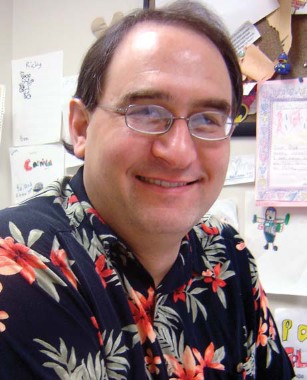
Dr. Block has a solo neurology practice in Scottsdale, Ariz.
"What are the side effects?" How many times a day do you get asked that? Plenty, I’m sure. I certainly hear it.
The list of side effects (small print on the product insert) is enormous. No one can possibly cover them in the few minutes we have during a visit, so I just try to hit the ones that are most likely and those that are most serious.
Of course, most patients still go home and look them up. The majority of patients are fine with it, but some immediately develop every side effect imaginable through the power of suggestion. While I’m all for "empowered patients," the Internet is full of both useful and insanely inaccurate information. It’s often hard to tell them apart.
I still get asked for drugs "without any side effects" and try to explain that there is no such thing and never will be. The vagaries of human biochemistry are such that everyone will have a negative reaction to something sooner or later. And it generally can’t be predicted in advance.
I try to reassure people that just because a drug can cause an adverse reaction doesn’t mean that it will. I explain how most side effects were reported in a minority of patients, go over how the data are collected during trials, and so on. Most people are reasonable and understand that there’s a benefit-to-risk calculation we’re making, like anything else.
But some patients are quite adamant that as long as there’s even the slightest chance of them having a side effect, they don’t want to take it. They want help, but won’t let me help them. Those appointments are frustrating and make me wonder why the patient bothered to come in at all. They’re the reason I keep a wand next to my desk.
There is no shortage of treatments for at least some of the many conditions that neurologists treat, but at the same time there is always the chance that side effects will occur. Medicine, like everything else in life, has benefits and risks.
Dr. Block has a solo neurology practice in Scottsdale, Ariz.
"What are the side effects?" How many times a day do you get asked that? Plenty, I’m sure. I certainly hear it.
The list of side effects (small print on the product insert) is enormous. No one can possibly cover them in the few minutes we have during a visit, so I just try to hit the ones that are most likely and those that are most serious.
Of course, most patients still go home and look them up. The majority of patients are fine with it, but some immediately develop every side effect imaginable through the power of suggestion. While I’m all for "empowered patients," the Internet is full of both useful and insanely inaccurate information. It’s often hard to tell them apart.
I still get asked for drugs "without any side effects" and try to explain that there is no such thing and never will be. The vagaries of human biochemistry are such that everyone will have a negative reaction to something sooner or later. And it generally can’t be predicted in advance.
I try to reassure people that just because a drug can cause an adverse reaction doesn’t mean that it will. I explain how most side effects were reported in a minority of patients, go over how the data are collected during trials, and so on. Most people are reasonable and understand that there’s a benefit-to-risk calculation we’re making, like anything else.
But some patients are quite adamant that as long as there’s even the slightest chance of them having a side effect, they don’t want to take it. They want help, but won’t let me help them. Those appointments are frustrating and make me wonder why the patient bothered to come in at all. They’re the reason I keep a wand next to my desk.
There is no shortage of treatments for at least some of the many conditions that neurologists treat, but at the same time there is always the chance that side effects will occur. Medicine, like everything else in life, has benefits and risks.
Dr. Block has a solo neurology practice in Scottsdale, Ariz.
Receiving Medicare pay for concierge care, cash-only referrals
In my area, there are several internists who run cash-pay practices. Only one of them refers to me, and that’s just when he can’t get them to see the Mayo Clinic folks fast enough.
I’m not a cash-only concierge neurologist for a number of reasons I’ve previously mentioned. I don’t really try to cultivate these referrals, and the concierge physicians don’t really want me to see their patients.
Why would I not be bending over backward to get more patients? I take Medicare (and other insurances), so whether you want to pay cash or not, if you’re on Medicare, I can’t accept it. It’s a crime. I can only take what Washington says I can. Maybe that law will change someday, but I doubt it.
So the patient who’s paying $3,000 per year to see Dr. Concierge down the street and cash for every visit after that isn’t financially any more special to me than the guy who’s living on a fixed income and only has Medicare. I get paid the same for both.
About a year ago, a representative from a cash-only practice came by, asking me to be the "designated neurologist" for them. In return, I’d have to agree to the following conditions:
• All patients from them would be seen within 24 hours of calling my office.
• I’d have to give my cell and home phone numbers to all of their patients, so I’d be available. ("Our patients want a lot of hand-holding" is what he said.)
• If needed, I’d meet them on weekends, either at my office or by making house calls, at the patient’s request.
There were a few other requests. I politely said, "No, thank you" and handed his "designated specialist" paperwork back to him.
My practice right now is pretty egalitarian. Uncle Sam pays me the same for your visit regardless of how much money you have or what your social standing is. I also value my privacy and home life. My patients know how to reach the doc on call in an emergency, and know it may not be me.
So, if you’re a concierge physician and don’t feel I’m going the extra mile to get your patients in at the drop of a hat, or to make sure a double-soy latte is ready for them on arrival, I’m sorry. They may be paying you a lot for these perks, but not me. The only thing I have to offer at my practice is the best patient care I can – to all equally.
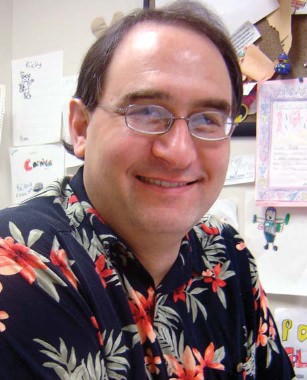
Dr. Block has a solo neurology practice in Scottsdale, Ariz.
In my area, there are several internists who run cash-pay practices. Only one of them refers to me, and that’s just when he can’t get them to see the Mayo Clinic folks fast enough.
I’m not a cash-only concierge neurologist for a number of reasons I’ve previously mentioned. I don’t really try to cultivate these referrals, and the concierge physicians don’t really want me to see their patients.
Why would I not be bending over backward to get more patients? I take Medicare (and other insurances), so whether you want to pay cash or not, if you’re on Medicare, I can’t accept it. It’s a crime. I can only take what Washington says I can. Maybe that law will change someday, but I doubt it.
So the patient who’s paying $3,000 per year to see Dr. Concierge down the street and cash for every visit after that isn’t financially any more special to me than the guy who’s living on a fixed income and only has Medicare. I get paid the same for both.
About a year ago, a representative from a cash-only practice came by, asking me to be the "designated neurologist" for them. In return, I’d have to agree to the following conditions:
• All patients from them would be seen within 24 hours of calling my office.
• I’d have to give my cell and home phone numbers to all of their patients, so I’d be available. ("Our patients want a lot of hand-holding" is what he said.)
• If needed, I’d meet them on weekends, either at my office or by making house calls, at the patient’s request.
There were a few other requests. I politely said, "No, thank you" and handed his "designated specialist" paperwork back to him.
My practice right now is pretty egalitarian. Uncle Sam pays me the same for your visit regardless of how much money you have or what your social standing is. I also value my privacy and home life. My patients know how to reach the doc on call in an emergency, and know it may not be me.
So, if you’re a concierge physician and don’t feel I’m going the extra mile to get your patients in at the drop of a hat, or to make sure a double-soy latte is ready for them on arrival, I’m sorry. They may be paying you a lot for these perks, but not me. The only thing I have to offer at my practice is the best patient care I can – to all equally.
Dr. Block has a solo neurology practice in Scottsdale, Ariz.
In my area, there are several internists who run cash-pay practices. Only one of them refers to me, and that’s just when he can’t get them to see the Mayo Clinic folks fast enough.
I’m not a cash-only concierge neurologist for a number of reasons I’ve previously mentioned. I don’t really try to cultivate these referrals, and the concierge physicians don’t really want me to see their patients.
Why would I not be bending over backward to get more patients? I take Medicare (and other insurances), so whether you want to pay cash or not, if you’re on Medicare, I can’t accept it. It’s a crime. I can only take what Washington says I can. Maybe that law will change someday, but I doubt it.
So the patient who’s paying $3,000 per year to see Dr. Concierge down the street and cash for every visit after that isn’t financially any more special to me than the guy who’s living on a fixed income and only has Medicare. I get paid the same for both.
About a year ago, a representative from a cash-only practice came by, asking me to be the "designated neurologist" for them. In return, I’d have to agree to the following conditions:
• All patients from them would be seen within 24 hours of calling my office.
• I’d have to give my cell and home phone numbers to all of their patients, so I’d be available. ("Our patients want a lot of hand-holding" is what he said.)
• If needed, I’d meet them on weekends, either at my office or by making house calls, at the patient’s request.
There were a few other requests. I politely said, "No, thank you" and handed his "designated specialist" paperwork back to him.
My practice right now is pretty egalitarian. Uncle Sam pays me the same for your visit regardless of how much money you have or what your social standing is. I also value my privacy and home life. My patients know how to reach the doc on call in an emergency, and know it may not be me.
So, if you’re a concierge physician and don’t feel I’m going the extra mile to get your patients in at the drop of a hat, or to make sure a double-soy latte is ready for them on arrival, I’m sorry. They may be paying you a lot for these perks, but not me. The only thing I have to offer at my practice is the best patient care I can – to all equally.
Dr. Block has a solo neurology practice in Scottsdale, Ariz.
Saying ‘I’m sorry’ can still be problematic
"I’m sorry."
I say that a lot – probably a few times an hour. I say it if I’m 2 minutes late taking a patient back, when a patient complains that the MRI was too loud, that a medication didn’t help, that I poked too hard with the pin while testing sensation, when a patient is unhappy that we don’t take American Express, or pretty much anything.
It’s a common phrase, meant to express care and concern and to smooth out the fabric of human social relationships.
A total of 37 states have some form of a medical malpractice "apology law" that allows physicians to apologize after something goes wrong without the apology being used against them in court. Thirteen states do not have an apology law (Alabama, Alaska, Arkansas, Illinois, Kansas, Kentucky, Minnesota, Mississippi, Nevada, New Mexico, New York, Rhode Island, and Wisconsin).
When a case goes bad we all feel awful about it, regardless of whether or not it’s our fault. These include the patient with symptomatic carotid stenosis we referred for surgery who then had a stroke on the operating table, the multiple sclerosis patient with a downhill course regardless of what medication we use, and the young person with speech problems who turns out to have a glioma.
We’ve all seen similar outcomes and feel bad for the patients. We do our best, but things beyond our control happen. Unfortunately, this is part of medicine. At the end of the day, we can only hope to have had more good outcomes than bad, but the bad ones are still unavoidable. Luck, chance, biology, aging, and human fallibility all work against us sometimes.
When things go wrong, it’s normal to say "I’m sorry," because we are concerned and do care and wish it had happened otherwise for the sake of someone who came to us seeking help.
To me, it seems wrong that expressing such feelings can be seen as an admission of guilt. It sounds more like part of the Miranda rights: "Anything you say can and will be used against you in a court of law."
Being afraid to apologize can make a bad situation even worse. Not expressing condolences makes a doctor appear aloof, uncaring, and arrogant.
Communication between a doctor, the patient, and his or her family under difficult circumstances is never easy, and having a simple apology subject to legal action only makes it worse. The medical relationship works best when it is open and honest – the way it should be everywhere.
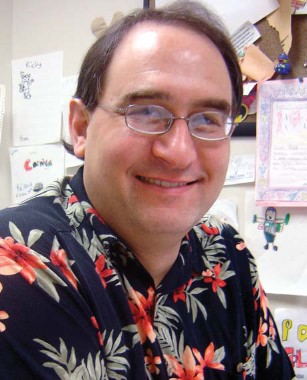
Dr. Block has a solo neurology practice in Scottsdale, Ariz.
"I’m sorry."
I say that a lot – probably a few times an hour. I say it if I’m 2 minutes late taking a patient back, when a patient complains that the MRI was too loud, that a medication didn’t help, that I poked too hard with the pin while testing sensation, when a patient is unhappy that we don’t take American Express, or pretty much anything.
It’s a common phrase, meant to express care and concern and to smooth out the fabric of human social relationships.
A total of 37 states have some form of a medical malpractice "apology law" that allows physicians to apologize after something goes wrong without the apology being used against them in court. Thirteen states do not have an apology law (Alabama, Alaska, Arkansas, Illinois, Kansas, Kentucky, Minnesota, Mississippi, Nevada, New Mexico, New York, Rhode Island, and Wisconsin).
When a case goes bad we all feel awful about it, regardless of whether or not it’s our fault. These include the patient with symptomatic carotid stenosis we referred for surgery who then had a stroke on the operating table, the multiple sclerosis patient with a downhill course regardless of what medication we use, and the young person with speech problems who turns out to have a glioma.
We’ve all seen similar outcomes and feel bad for the patients. We do our best, but things beyond our control happen. Unfortunately, this is part of medicine. At the end of the day, we can only hope to have had more good outcomes than bad, but the bad ones are still unavoidable. Luck, chance, biology, aging, and human fallibility all work against us sometimes.
When things go wrong, it’s normal to say "I’m sorry," because we are concerned and do care and wish it had happened otherwise for the sake of someone who came to us seeking help.
To me, it seems wrong that expressing such feelings can be seen as an admission of guilt. It sounds more like part of the Miranda rights: "Anything you say can and will be used against you in a court of law."
Being afraid to apologize can make a bad situation even worse. Not expressing condolences makes a doctor appear aloof, uncaring, and arrogant.
Communication between a doctor, the patient, and his or her family under difficult circumstances is never easy, and having a simple apology subject to legal action only makes it worse. The medical relationship works best when it is open and honest – the way it should be everywhere.
Dr. Block has a solo neurology practice in Scottsdale, Ariz.
"I’m sorry."
I say that a lot – probably a few times an hour. I say it if I’m 2 minutes late taking a patient back, when a patient complains that the MRI was too loud, that a medication didn’t help, that I poked too hard with the pin while testing sensation, when a patient is unhappy that we don’t take American Express, or pretty much anything.
It’s a common phrase, meant to express care and concern and to smooth out the fabric of human social relationships.
A total of 37 states have some form of a medical malpractice "apology law" that allows physicians to apologize after something goes wrong without the apology being used against them in court. Thirteen states do not have an apology law (Alabama, Alaska, Arkansas, Illinois, Kansas, Kentucky, Minnesota, Mississippi, Nevada, New Mexico, New York, Rhode Island, and Wisconsin).
When a case goes bad we all feel awful about it, regardless of whether or not it’s our fault. These include the patient with symptomatic carotid stenosis we referred for surgery who then had a stroke on the operating table, the multiple sclerosis patient with a downhill course regardless of what medication we use, and the young person with speech problems who turns out to have a glioma.
We’ve all seen similar outcomes and feel bad for the patients. We do our best, but things beyond our control happen. Unfortunately, this is part of medicine. At the end of the day, we can only hope to have had more good outcomes than bad, but the bad ones are still unavoidable. Luck, chance, biology, aging, and human fallibility all work against us sometimes.
When things go wrong, it’s normal to say "I’m sorry," because we are concerned and do care and wish it had happened otherwise for the sake of someone who came to us seeking help.
To me, it seems wrong that expressing such feelings can be seen as an admission of guilt. It sounds more like part of the Miranda rights: "Anything you say can and will be used against you in a court of law."
Being afraid to apologize can make a bad situation even worse. Not expressing condolences makes a doctor appear aloof, uncaring, and arrogant.
Communication between a doctor, the patient, and his or her family under difficult circumstances is never easy, and having a simple apology subject to legal action only makes it worse. The medical relationship works best when it is open and honest – the way it should be everywhere.
Dr. Block has a solo neurology practice in Scottsdale, Ariz.
Simplicity of ‘Neighbor Rosicky’ keeps the doctor in me going
How often have you read "Neighbor Rosicky" by Willa Cather?
Really? You should. It’ll take maybe an hour, at most. You can likely find it free online.
It was an assignment for a college literature class I took in 1987. A lot of the things we read weren’t particularly memorable, but this one grabbed me. It’s a simple story about life, aging, and family, partially told through the eyes of a young doctor. At the same time it has both very little and a lot to do with being a doctor. It wasn’t my sole inspiration to become one, but it struck a chord that made me feel like it was the right thing for me.
At its heart and soul, it’s why, I believe, many of us become doctors. In the modern era, it’s also likely more fantasy than reality. But the basic theme is there: helping patients who genuinely need you and who appreciate what you do for them, even when the news isn’t good.
I’m sure there are still areas (though not many in the Western world) where medicine is more like the story. Besides, neurology is a pretty tech-dependent field. We couldn’t do our job without advanced imaging, electroencephalography, electromyography and nerve conduction velocity testing, etc.
But we still care for patients. For all the labels that get put on us (practitioners, providers, defendants, etc.) what we do now is still what the shamans did ages ago: try to help sick people with the tools that are available to us. And that, at the center of things, is what being a doctor is about.
It’s an idea that’s easy to lose sight of these days, with the endless forms for medication and test authorizations; news articles about how we’re overpaid, underpaid, inebriated, suicidal, or dangerous; and where there’s an emphasis on patient satisfaction that doesn’t necessarily involve clinical outcomes ("my migraines are better, but I was disappointed I wasn’t offered a beverage while waiting for the doctor").
So, I keep a copy of "Neighbor Rosicky" on my Kindle, and read it when I need to remind myself why I like this job. Sometimes even grateful patients forget to say thank you, and it’s good to remember that we are, for the most part, appreciated.
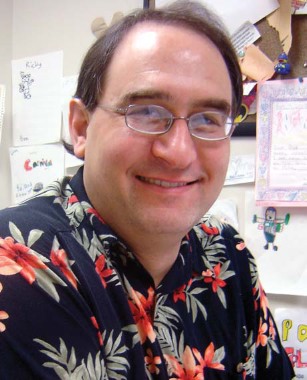
Dr. Block has a solo neurology practice in Scottsdale, Ariz.
How often have you read "Neighbor Rosicky" by Willa Cather?
Really? You should. It’ll take maybe an hour, at most. You can likely find it free online.
It was an assignment for a college literature class I took in 1987. A lot of the things we read weren’t particularly memorable, but this one grabbed me. It’s a simple story about life, aging, and family, partially told through the eyes of a young doctor. At the same time it has both very little and a lot to do with being a doctor. It wasn’t my sole inspiration to become one, but it struck a chord that made me feel like it was the right thing for me.
At its heart and soul, it’s why, I believe, many of us become doctors. In the modern era, it’s also likely more fantasy than reality. But the basic theme is there: helping patients who genuinely need you and who appreciate what you do for them, even when the news isn’t good.
I’m sure there are still areas (though not many in the Western world) where medicine is more like the story. Besides, neurology is a pretty tech-dependent field. We couldn’t do our job without advanced imaging, electroencephalography, electromyography and nerve conduction velocity testing, etc.
But we still care for patients. For all the labels that get put on us (practitioners, providers, defendants, etc.) what we do now is still what the shamans did ages ago: try to help sick people with the tools that are available to us. And that, at the center of things, is what being a doctor is about.
It’s an idea that’s easy to lose sight of these days, with the endless forms for medication and test authorizations; news articles about how we’re overpaid, underpaid, inebriated, suicidal, or dangerous; and where there’s an emphasis on patient satisfaction that doesn’t necessarily involve clinical outcomes ("my migraines are better, but I was disappointed I wasn’t offered a beverage while waiting for the doctor").
So, I keep a copy of "Neighbor Rosicky" on my Kindle, and read it when I need to remind myself why I like this job. Sometimes even grateful patients forget to say thank you, and it’s good to remember that we are, for the most part, appreciated.
Dr. Block has a solo neurology practice in Scottsdale, Ariz.
How often have you read "Neighbor Rosicky" by Willa Cather?
Really? You should. It’ll take maybe an hour, at most. You can likely find it free online.
It was an assignment for a college literature class I took in 1987. A lot of the things we read weren’t particularly memorable, but this one grabbed me. It’s a simple story about life, aging, and family, partially told through the eyes of a young doctor. At the same time it has both very little and a lot to do with being a doctor. It wasn’t my sole inspiration to become one, but it struck a chord that made me feel like it was the right thing for me.
At its heart and soul, it’s why, I believe, many of us become doctors. In the modern era, it’s also likely more fantasy than reality. But the basic theme is there: helping patients who genuinely need you and who appreciate what you do for them, even when the news isn’t good.
I’m sure there are still areas (though not many in the Western world) where medicine is more like the story. Besides, neurology is a pretty tech-dependent field. We couldn’t do our job without advanced imaging, electroencephalography, electromyography and nerve conduction velocity testing, etc.
But we still care for patients. For all the labels that get put on us (practitioners, providers, defendants, etc.) what we do now is still what the shamans did ages ago: try to help sick people with the tools that are available to us. And that, at the center of things, is what being a doctor is about.
It’s an idea that’s easy to lose sight of these days, with the endless forms for medication and test authorizations; news articles about how we’re overpaid, underpaid, inebriated, suicidal, or dangerous; and where there’s an emphasis on patient satisfaction that doesn’t necessarily involve clinical outcomes ("my migraines are better, but I was disappointed I wasn’t offered a beverage while waiting for the doctor").
So, I keep a copy of "Neighbor Rosicky" on my Kindle, and read it when I need to remind myself why I like this job. Sometimes even grateful patients forget to say thank you, and it’s good to remember that we are, for the most part, appreciated.
Dr. Block has a solo neurology practice in Scottsdale, Ariz.
Duplicating tests when urgency is not an issue
I try hard not to duplicate tests. Unfortunately, in my experience, I’m in the minority.
When I started out, I ordered everything in the work-up for, say, neuropathy, at the first visit even if the patient said, "Dr. Smith just did some labs." I was impatient. I wanted to find out what was going on, so I just ordered a complete work-up. I didn’t want to wait a week or two to get the other doc’s results in, or go through the rigmarole of having the patient sign a release. In my younger days, I was in a hurry to figure the case out and didn’t care about money. So if a patient hadn’t brought his past stuff, I just did it all.
The longer you do this job, though, the more you realize how wasteful this is. Ordering labs costs the patient money, costs the insurance company money, and (by extension of increasing premiums) sooner or later costs me money. Plus, why put patients through painful procedures if you can avoid them? They appreciate that kind of thinking. I would, too.
So now, I wait. Most office cases aren’t urgent. I send a release when needed or call the referring physician for past test results. Usually, they show up in 1-2 weeks and I review them. Then, if things are missing, I write out a lab order to cover them and notify the patient.
I still run into younger docs who don’t do this, and just order everything right off the bat. Looking at it with the experience of 15 years in practice, that seems remarkably wasteful. Yes, occasionally you encounter results that should be repeated, but not often.
This is how it was taught in my residency, and still is today. Perhaps it’s an ivory tower view that the referring physician couldn’t possibly have ordered anything of value, or there’s an emphasis in training on quickly cracking the case, regardless of a lack of urgency.
It’s unfortunate that medical training, to a large extent, still doesn’t emphasize the financial realities of ordering duplicate tests. As we all try to provide better health care with fewer dollars, this kind of awareness becomes more important. I suppose it also could be seen as an argument for a centralized medical record system, so that we can all quickly see what’s been done, but I’ll leave that debate for another time.
The older I get, the easier it is to see these issues from the viewpoint of a patient. Who wants to waste money or blood on unnecessarily duplicated tests?
Dr. Block has a solo neurology practice in Scottsdale, Ariz.
I try hard not to duplicate tests. Unfortunately, in my experience, I’m in the minority.
When I started out, I ordered everything in the work-up for, say, neuropathy, at the first visit even if the patient said, "Dr. Smith just did some labs." I was impatient. I wanted to find out what was going on, so I just ordered a complete work-up. I didn’t want to wait a week or two to get the other doc’s results in, or go through the rigmarole of having the patient sign a release. In my younger days, I was in a hurry to figure the case out and didn’t care about money. So if a patient hadn’t brought his past stuff, I just did it all.
The longer you do this job, though, the more you realize how wasteful this is. Ordering labs costs the patient money, costs the insurance company money, and (by extension of increasing premiums) sooner or later costs me money. Plus, why put patients through painful procedures if you can avoid them? They appreciate that kind of thinking. I would, too.
So now, I wait. Most office cases aren’t urgent. I send a release when needed or call the referring physician for past test results. Usually, they show up in 1-2 weeks and I review them. Then, if things are missing, I write out a lab order to cover them and notify the patient.
I still run into younger docs who don’t do this, and just order everything right off the bat. Looking at it with the experience of 15 years in practice, that seems remarkably wasteful. Yes, occasionally you encounter results that should be repeated, but not often.
This is how it was taught in my residency, and still is today. Perhaps it’s an ivory tower view that the referring physician couldn’t possibly have ordered anything of value, or there’s an emphasis in training on quickly cracking the case, regardless of a lack of urgency.
It’s unfortunate that medical training, to a large extent, still doesn’t emphasize the financial realities of ordering duplicate tests. As we all try to provide better health care with fewer dollars, this kind of awareness becomes more important. I suppose it also could be seen as an argument for a centralized medical record system, so that we can all quickly see what’s been done, but I’ll leave that debate for another time.
The older I get, the easier it is to see these issues from the viewpoint of a patient. Who wants to waste money or blood on unnecessarily duplicated tests?
Dr. Block has a solo neurology practice in Scottsdale, Ariz.
I try hard not to duplicate tests. Unfortunately, in my experience, I’m in the minority.
When I started out, I ordered everything in the work-up for, say, neuropathy, at the first visit even if the patient said, "Dr. Smith just did some labs." I was impatient. I wanted to find out what was going on, so I just ordered a complete work-up. I didn’t want to wait a week or two to get the other doc’s results in, or go through the rigmarole of having the patient sign a release. In my younger days, I was in a hurry to figure the case out and didn’t care about money. So if a patient hadn’t brought his past stuff, I just did it all.
The longer you do this job, though, the more you realize how wasteful this is. Ordering labs costs the patient money, costs the insurance company money, and (by extension of increasing premiums) sooner or later costs me money. Plus, why put patients through painful procedures if you can avoid them? They appreciate that kind of thinking. I would, too.
So now, I wait. Most office cases aren’t urgent. I send a release when needed or call the referring physician for past test results. Usually, they show up in 1-2 weeks and I review them. Then, if things are missing, I write out a lab order to cover them and notify the patient.
I still run into younger docs who don’t do this, and just order everything right off the bat. Looking at it with the experience of 15 years in practice, that seems remarkably wasteful. Yes, occasionally you encounter results that should be repeated, but not often.
This is how it was taught in my residency, and still is today. Perhaps it’s an ivory tower view that the referring physician couldn’t possibly have ordered anything of value, or there’s an emphasis in training on quickly cracking the case, regardless of a lack of urgency.
It’s unfortunate that medical training, to a large extent, still doesn’t emphasize the financial realities of ordering duplicate tests. As we all try to provide better health care with fewer dollars, this kind of awareness becomes more important. I suppose it also could be seen as an argument for a centralized medical record system, so that we can all quickly see what’s been done, but I’ll leave that debate for another time.
The older I get, the easier it is to see these issues from the viewpoint of a patient. Who wants to waste money or blood on unnecessarily duplicated tests?
Dr. Block has a solo neurology practice in Scottsdale, Ariz.
Unnecessary checking of epilepsy drug levels
I hate epilepsy drug levels.
Other neurologists know what I’m talking about: Dilantin, Tegretol, and Depakote are the main ones we deal with. Levels for newer medications aren’t checked much, and phenobarbital is fading into the background.
I rarely check levels because 90% of the time they’re immaterial. If the patient isn’t having seizures and isn’t having side effects, who cares what the level is? It’s obviously just right for that patient (sort of like Goldilocks) regardless of what a number tells me it is.
Certainly there are exceptions to this: the well-controlled patient who suddenly goes downhill, for example. But in most cases, routinely checking drug levels serves no purpose, and often causes more harm them good.
In medical school, I was taught that you should never order a test unless the results will affect your plan of care. In a stable seizure patient, are you going to base your medication adjustments on how they’re doing, or a number?
Worse still, these levels are often used by specialties that don’t understand them. How many times have you seen well-controlled patients who had an unneeded level ordered – along with their annual lipid profile or thyroid panel, or because they went to the emergency department with pneumonia – and then had a nonneurologist adjust their dose based solely on the result? You often don’t find out about it until the patient calls you to report they seized or are suddenly drug-toxic.
I’m not an internist. In fact, I stink at general medicine, and don’t even pretend to understand the many drugs they have to start, adjust, and stop on an everyday basis. I don’t expect them to know as much about seizure medications as I do, anymore than they expect me to understand treatments for hypertension or diabetes. So I tell my patients that unless it’s an emergency, don’t let anyone else adjust their seizure medications. Just have them fax me the lab report, and I’ll deal with it.
At first, I was afraid this approach would ruffle feathers, but it hasn’t. Local internists have told me they’re glad to be able to take something off their list of concerns and punt it to me.
Modern medicine is full of things we can do, even when they’re just minor drug levels from a lab. But it’s still important to focus on what we should do, and to me, routinely checking drug levels should always be questioned.
Dr. Block has a solo neurology practice in Scottsdale, Ariz.
I hate epilepsy drug levels.
Other neurologists know what I’m talking about: Dilantin, Tegretol, and Depakote are the main ones we deal with. Levels for newer medications aren’t checked much, and phenobarbital is fading into the background.
I rarely check levels because 90% of the time they’re immaterial. If the patient isn’t having seizures and isn’t having side effects, who cares what the level is? It’s obviously just right for that patient (sort of like Goldilocks) regardless of what a number tells me it is.
Certainly there are exceptions to this: the well-controlled patient who suddenly goes downhill, for example. But in most cases, routinely checking drug levels serves no purpose, and often causes more harm them good.
In medical school, I was taught that you should never order a test unless the results will affect your plan of care. In a stable seizure patient, are you going to base your medication adjustments on how they’re doing, or a number?
Worse still, these levels are often used by specialties that don’t understand them. How many times have you seen well-controlled patients who had an unneeded level ordered – along with their annual lipid profile or thyroid panel, or because they went to the emergency department with pneumonia – and then had a nonneurologist adjust their dose based solely on the result? You often don’t find out about it until the patient calls you to report they seized or are suddenly drug-toxic.
I’m not an internist. In fact, I stink at general medicine, and don’t even pretend to understand the many drugs they have to start, adjust, and stop on an everyday basis. I don’t expect them to know as much about seizure medications as I do, anymore than they expect me to understand treatments for hypertension or diabetes. So I tell my patients that unless it’s an emergency, don’t let anyone else adjust their seizure medications. Just have them fax me the lab report, and I’ll deal with it.
At first, I was afraid this approach would ruffle feathers, but it hasn’t. Local internists have told me they’re glad to be able to take something off their list of concerns and punt it to me.
Modern medicine is full of things we can do, even when they’re just minor drug levels from a lab. But it’s still important to focus on what we should do, and to me, routinely checking drug levels should always be questioned.
Dr. Block has a solo neurology practice in Scottsdale, Ariz.
I hate epilepsy drug levels.
Other neurologists know what I’m talking about: Dilantin, Tegretol, and Depakote are the main ones we deal with. Levels for newer medications aren’t checked much, and phenobarbital is fading into the background.
I rarely check levels because 90% of the time they’re immaterial. If the patient isn’t having seizures and isn’t having side effects, who cares what the level is? It’s obviously just right for that patient (sort of like Goldilocks) regardless of what a number tells me it is.
Certainly there are exceptions to this: the well-controlled patient who suddenly goes downhill, for example. But in most cases, routinely checking drug levels serves no purpose, and often causes more harm them good.
In medical school, I was taught that you should never order a test unless the results will affect your plan of care. In a stable seizure patient, are you going to base your medication adjustments on how they’re doing, or a number?
Worse still, these levels are often used by specialties that don’t understand them. How many times have you seen well-controlled patients who had an unneeded level ordered – along with their annual lipid profile or thyroid panel, or because they went to the emergency department with pneumonia – and then had a nonneurologist adjust their dose based solely on the result? You often don’t find out about it until the patient calls you to report they seized or are suddenly drug-toxic.
I’m not an internist. In fact, I stink at general medicine, and don’t even pretend to understand the many drugs they have to start, adjust, and stop on an everyday basis. I don’t expect them to know as much about seizure medications as I do, anymore than they expect me to understand treatments for hypertension or diabetes. So I tell my patients that unless it’s an emergency, don’t let anyone else adjust their seizure medications. Just have them fax me the lab report, and I’ll deal with it.
At first, I was afraid this approach would ruffle feathers, but it hasn’t. Local internists have told me they’re glad to be able to take something off their list of concerns and punt it to me.
Modern medicine is full of things we can do, even when they’re just minor drug levels from a lab. But it’s still important to focus on what we should do, and to me, routinely checking drug levels should always be questioned.
Dr. Block has a solo neurology practice in Scottsdale, Ariz.
Medicare payment data: a no-win situation for doctors
Recently, Medicare released its 2012 payment data, showing that they paid $77 billion to doctors that year.
So, like many doctors, I got curious and ran my own numbers. If I’m doing the math correctly (which is always questionable), my share of it was $59,622. This is considerably less than the overall average of $87,500 that the 880,000 Medicare-accepting doctors received, and certainly nowhere near the $21 million that the nation’s No. 1 Medicare money recipient, Dr. Salomon Melgan (ophthalmology) of Florida raked in from Uncle Sam.
Now, unlike the popular press, I’m not going to knock Dr. Melgan. From what I’ve read, he uses a lot of Lucentis in his practice for macular degeneration. At roughly $2,000 (doctor’s cost) per dose, I’m sure his overhead is pretty high. I’ll leave those questions to the lawyers.
But it leaves me staring at my number and wondering if I’m doing something wrong. Granted, Medicare isn’t the only insurance I take, but still ... For comparison, that $59,662 doesn’t even cover the salaries of my two awesome, hard-working, staff members.
The trouble is that, like many other doctors, I work a pretty full schedule. Roughly 60-70 hours a week. Unlike the physicians of yore, I don’t take Wednesday afternoon off to go golfing (actually, I’ve never golfed on a real course in my life). I don’t double-book my appointment schedule. I don’t do frivolous procedures just for the billing (though I’m sure what I consider frivolous more successful doctors call necessary). I don’t charge level-5 visits for simple stuff. And I run a relatively low overhead. So why are most doctors today, including me, barely breaking even for trying to run an honest, ethical, practice?
Of course, venting this kind of thing in public is a no-win situation for doctors. We’re seen as either greedy or whiny. People in most other professions aren’t paying $30,000-$300,000 in malpractice insurance or coming out of school $200,000 in debt. Doctors who are actually charging for visits so they can pay their bills and support their families are terrible people because caring should be free.
Medicine is, in many respects, an intangible science. People may be horrified by what they’re charged for a 15-minute visit, but don’t see the 8-15 years (or more) of training behind them. And when they’re feeling better, we’re often forgotten or vilified for daring to charge them a copay.
The bottom line is that the money paid out by Medicare isn’t a fair assessment of our efforts. It’s a raw number, that doesn’t take into account the cost of drugs we have to purchase ($1,050 for a single bottle of Botox), the equipment we need to buy ($16,000 for a basic electromyogram/nerve conduction velocity machine), rent ($2,700 per month for me), malpractice insurance, staff salaries, billing services, office supplies, licensing fees. ... The list goes on, including a measure that you can’t put a price on: lives saved and improved.
Taken in this context, the $77 billion dollars is simply a tool that politicians and media pundits will twist to support whatever argument they want it to. Because, after all, most doctors are too busy helping others to defend themselves.
Dr. Block has a solo neurology practice in Scottsdale, Ariz.
Recently, Medicare released its 2012 payment data, showing that they paid $77 billion to doctors that year.
So, like many doctors, I got curious and ran my own numbers. If I’m doing the math correctly (which is always questionable), my share of it was $59,622. This is considerably less than the overall average of $87,500 that the 880,000 Medicare-accepting doctors received, and certainly nowhere near the $21 million that the nation’s No. 1 Medicare money recipient, Dr. Salomon Melgan (ophthalmology) of Florida raked in from Uncle Sam.
Now, unlike the popular press, I’m not going to knock Dr. Melgan. From what I’ve read, he uses a lot of Lucentis in his practice for macular degeneration. At roughly $2,000 (doctor’s cost) per dose, I’m sure his overhead is pretty high. I’ll leave those questions to the lawyers.
But it leaves me staring at my number and wondering if I’m doing something wrong. Granted, Medicare isn’t the only insurance I take, but still ... For comparison, that $59,662 doesn’t even cover the salaries of my two awesome, hard-working, staff members.
The trouble is that, like many other doctors, I work a pretty full schedule. Roughly 60-70 hours a week. Unlike the physicians of yore, I don’t take Wednesday afternoon off to go golfing (actually, I’ve never golfed on a real course in my life). I don’t double-book my appointment schedule. I don’t do frivolous procedures just for the billing (though I’m sure what I consider frivolous more successful doctors call necessary). I don’t charge level-5 visits for simple stuff. And I run a relatively low overhead. So why are most doctors today, including me, barely breaking even for trying to run an honest, ethical, practice?
Of course, venting this kind of thing in public is a no-win situation for doctors. We’re seen as either greedy or whiny. People in most other professions aren’t paying $30,000-$300,000 in malpractice insurance or coming out of school $200,000 in debt. Doctors who are actually charging for visits so they can pay their bills and support their families are terrible people because caring should be free.
Medicine is, in many respects, an intangible science. People may be horrified by what they’re charged for a 15-minute visit, but don’t see the 8-15 years (or more) of training behind them. And when they’re feeling better, we’re often forgotten or vilified for daring to charge them a copay.
The bottom line is that the money paid out by Medicare isn’t a fair assessment of our efforts. It’s a raw number, that doesn’t take into account the cost of drugs we have to purchase ($1,050 for a single bottle of Botox), the equipment we need to buy ($16,000 for a basic electromyogram/nerve conduction velocity machine), rent ($2,700 per month for me), malpractice insurance, staff salaries, billing services, office supplies, licensing fees. ... The list goes on, including a measure that you can’t put a price on: lives saved and improved.
Taken in this context, the $77 billion dollars is simply a tool that politicians and media pundits will twist to support whatever argument they want it to. Because, after all, most doctors are too busy helping others to defend themselves.
Dr. Block has a solo neurology practice in Scottsdale, Ariz.
Recently, Medicare released its 2012 payment data, showing that they paid $77 billion to doctors that year.
So, like many doctors, I got curious and ran my own numbers. If I’m doing the math correctly (which is always questionable), my share of it was $59,622. This is considerably less than the overall average of $87,500 that the 880,000 Medicare-accepting doctors received, and certainly nowhere near the $21 million that the nation’s No. 1 Medicare money recipient, Dr. Salomon Melgan (ophthalmology) of Florida raked in from Uncle Sam.
Now, unlike the popular press, I’m not going to knock Dr. Melgan. From what I’ve read, he uses a lot of Lucentis in his practice for macular degeneration. At roughly $2,000 (doctor’s cost) per dose, I’m sure his overhead is pretty high. I’ll leave those questions to the lawyers.
But it leaves me staring at my number and wondering if I’m doing something wrong. Granted, Medicare isn’t the only insurance I take, but still ... For comparison, that $59,662 doesn’t even cover the salaries of my two awesome, hard-working, staff members.
The trouble is that, like many other doctors, I work a pretty full schedule. Roughly 60-70 hours a week. Unlike the physicians of yore, I don’t take Wednesday afternoon off to go golfing (actually, I’ve never golfed on a real course in my life). I don’t double-book my appointment schedule. I don’t do frivolous procedures just for the billing (though I’m sure what I consider frivolous more successful doctors call necessary). I don’t charge level-5 visits for simple stuff. And I run a relatively low overhead. So why are most doctors today, including me, barely breaking even for trying to run an honest, ethical, practice?
Of course, venting this kind of thing in public is a no-win situation for doctors. We’re seen as either greedy or whiny. People in most other professions aren’t paying $30,000-$300,000 in malpractice insurance or coming out of school $200,000 in debt. Doctors who are actually charging for visits so they can pay their bills and support their families are terrible people because caring should be free.
Medicine is, in many respects, an intangible science. People may be horrified by what they’re charged for a 15-minute visit, but don’t see the 8-15 years (or more) of training behind them. And when they’re feeling better, we’re often forgotten or vilified for daring to charge them a copay.
The bottom line is that the money paid out by Medicare isn’t a fair assessment of our efforts. It’s a raw number, that doesn’t take into account the cost of drugs we have to purchase ($1,050 for a single bottle of Botox), the equipment we need to buy ($16,000 for a basic electromyogram/nerve conduction velocity machine), rent ($2,700 per month for me), malpractice insurance, staff salaries, billing services, office supplies, licensing fees. ... The list goes on, including a measure that you can’t put a price on: lives saved and improved.
Taken in this context, the $77 billion dollars is simply a tool that politicians and media pundits will twist to support whatever argument they want it to. Because, after all, most doctors are too busy helping others to defend themselves.
Dr. Block has a solo neurology practice in Scottsdale, Ariz.
Difficult to teach when you have a small practice
Recently, my alma mater, Creighton University, approached me to teach medical students. Sadly, I told them no.
I enjoy teaching. Medical students and residents always lift my spirits. I think I’m a good neurologist, with a decent grasp of practical issues (esoteric ones, not so much), and I like sharing it with those starting out on this road.
So why did I tell them no? It’s quite simple: I can’t afford it.
Solo practice in medicine is an "eat what you kill" world. You try to see patients, dictate notes, review tests, answer questions, and refill meds in a continuous blur from start to finish.
Teaching – at least worthwhile teaching – takes time. Questions have to be answered, take-home points explained, and exam findings pointed out. The last time I did routine teaching (2001), it added 1-2 hours to the end of each day. I had to make up the office work on weekends, which didn’t sit well with my family.
The alternative is to schedule extra time on teaching days – like an open 30 minutes twice a day – to compensate, but the problem with that is then you have empty time where you aren’t seeing patients and, hence, not making money. In a small practice on a thin margin, cash flow is critical and can’t be ignored.
It doesn’t seem fair to ask medical students and residents to pay, say, $500 a week to cover that time. Their tuition is high enough as it is.
Of course, the program they pay tuition to doesn’t offer a stipend to cover this, either. I don’t know why. I’m not privy to their finances, but I assume they’re facing the same challenges I am. I’m not greedy. I’m just trying to make ends meet.
This bothers me because I think I’m a good teacher. Back when I did it more, in my early days of solo practice (before reality kicked in), electives with me got high ratings from those who took them. I liked sharing my personal knowledge and experience with the next generation of doctors, and I hope those who were there gained something from it.
But the current nature of the education system makes that impossible and limits teaching primarily to academic practices or those large enough to absorb the loss through other means. That is sad because small practitioners have a lot to contribute, too.
Dr. Block has a solo neurology practice in Scottsdale, Ariz.
Recently, my alma mater, Creighton University, approached me to teach medical students. Sadly, I told them no.
I enjoy teaching. Medical students and residents always lift my spirits. I think I’m a good neurologist, with a decent grasp of practical issues (esoteric ones, not so much), and I like sharing it with those starting out on this road.
So why did I tell them no? It’s quite simple: I can’t afford it.
Solo practice in medicine is an "eat what you kill" world. You try to see patients, dictate notes, review tests, answer questions, and refill meds in a continuous blur from start to finish.
Teaching – at least worthwhile teaching – takes time. Questions have to be answered, take-home points explained, and exam findings pointed out. The last time I did routine teaching (2001), it added 1-2 hours to the end of each day. I had to make up the office work on weekends, which didn’t sit well with my family.
The alternative is to schedule extra time on teaching days – like an open 30 minutes twice a day – to compensate, but the problem with that is then you have empty time where you aren’t seeing patients and, hence, not making money. In a small practice on a thin margin, cash flow is critical and can’t be ignored.
It doesn’t seem fair to ask medical students and residents to pay, say, $500 a week to cover that time. Their tuition is high enough as it is.
Of course, the program they pay tuition to doesn’t offer a stipend to cover this, either. I don’t know why. I’m not privy to their finances, but I assume they’re facing the same challenges I am. I’m not greedy. I’m just trying to make ends meet.
This bothers me because I think I’m a good teacher. Back when I did it more, in my early days of solo practice (before reality kicked in), electives with me got high ratings from those who took them. I liked sharing my personal knowledge and experience with the next generation of doctors, and I hope those who were there gained something from it.
But the current nature of the education system makes that impossible and limits teaching primarily to academic practices or those large enough to absorb the loss through other means. That is sad because small practitioners have a lot to contribute, too.
Dr. Block has a solo neurology practice in Scottsdale, Ariz.
Recently, my alma mater, Creighton University, approached me to teach medical students. Sadly, I told them no.
I enjoy teaching. Medical students and residents always lift my spirits. I think I’m a good neurologist, with a decent grasp of practical issues (esoteric ones, not so much), and I like sharing it with those starting out on this road.
So why did I tell them no? It’s quite simple: I can’t afford it.
Solo practice in medicine is an "eat what you kill" world. You try to see patients, dictate notes, review tests, answer questions, and refill meds in a continuous blur from start to finish.
Teaching – at least worthwhile teaching – takes time. Questions have to be answered, take-home points explained, and exam findings pointed out. The last time I did routine teaching (2001), it added 1-2 hours to the end of each day. I had to make up the office work on weekends, which didn’t sit well with my family.
The alternative is to schedule extra time on teaching days – like an open 30 minutes twice a day – to compensate, but the problem with that is then you have empty time where you aren’t seeing patients and, hence, not making money. In a small practice on a thin margin, cash flow is critical and can’t be ignored.
It doesn’t seem fair to ask medical students and residents to pay, say, $500 a week to cover that time. Their tuition is high enough as it is.
Of course, the program they pay tuition to doesn’t offer a stipend to cover this, either. I don’t know why. I’m not privy to their finances, but I assume they’re facing the same challenges I am. I’m not greedy. I’m just trying to make ends meet.
This bothers me because I think I’m a good teacher. Back when I did it more, in my early days of solo practice (before reality kicked in), electives with me got high ratings from those who took them. I liked sharing my personal knowledge and experience with the next generation of doctors, and I hope those who were there gained something from it.
But the current nature of the education system makes that impossible and limits teaching primarily to academic practices or those large enough to absorb the loss through other means. That is sad because small practitioners have a lot to contribute, too.
Dr. Block has a solo neurology practice in Scottsdale, Ariz.
Physician, heal thyself: my private medicine stash
I’m a pill person. I admit it.
I hate being sick and dealing with the aches and pains of everyday life. I’m the first person to hit the medicine cabinet. When I’m dealing with patients, I don’t want my own body to distract me from theirs.
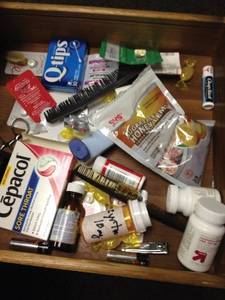
So in my office, I have this drawer. My secretary calls it "the pharmacy."
As you can see, I have pretty much everything covered: Sudafed, Zyrtec, NSAIDs, an expired Celebrex packet (it’s been a few years since they detailed neurologists), and generics for Tylenol, Excedrin, and Zantac. I even have a nail clipper, ChapStick, an old albuterol metered-dose inhaler, cough drops, Q-tips, and zinc lozenges. An old hemostat that somehow ended up in there; I use it to remove tough staples. (There used to be caffeine pills, but my staff threatened to kill me if I didn’t give them up.)
Does this make me less of a doctor? I hope not. If I don’t feel good, I can’t concentrate as well on the task at hand, and in my case that’s patient care. I don’t pop pills every day, but if I need to, I do.
My staff also occasionally comes in with the seasonal viral crud, or headaches from dealing with headaches, or back pain from carrying 45 pounds of aging x-ray films back to my office. It always helps if I can keep them in shape to handle these days. They know it’s back here if they need anything.
I’m not pushing this philosophy on patients. I always mention, in any medication discussion, that I can’t make them take anything they don’t want to. (I’m also not offering them anything from the drawer – that’s my stash.) But I do emphasize that medications are, in large part, what I have to offer.
But as for me? Physician, heal thyself.
Dr. Block has a solo neurology practice in Scottsdale, Ariz.
I’m a pill person. I admit it.
I hate being sick and dealing with the aches and pains of everyday life. I’m the first person to hit the medicine cabinet. When I’m dealing with patients, I don’t want my own body to distract me from theirs.
So in my office, I have this drawer. My secretary calls it "the pharmacy."
As you can see, I have pretty much everything covered: Sudafed, Zyrtec, NSAIDs, an expired Celebrex packet (it’s been a few years since they detailed neurologists), and generics for Tylenol, Excedrin, and Zantac. I even have a nail clipper, ChapStick, an old albuterol metered-dose inhaler, cough drops, Q-tips, and zinc lozenges. An old hemostat that somehow ended up in there; I use it to remove tough staples. (There used to be caffeine pills, but my staff threatened to kill me if I didn’t give them up.)
Does this make me less of a doctor? I hope not. If I don’t feel good, I can’t concentrate as well on the task at hand, and in my case that’s patient care. I don’t pop pills every day, but if I need to, I do.
My staff also occasionally comes in with the seasonal viral crud, or headaches from dealing with headaches, or back pain from carrying 45 pounds of aging x-ray films back to my office. It always helps if I can keep them in shape to handle these days. They know it’s back here if they need anything.
I’m not pushing this philosophy on patients. I always mention, in any medication discussion, that I can’t make them take anything they don’t want to. (I’m also not offering them anything from the drawer – that’s my stash.) But I do emphasize that medications are, in large part, what I have to offer.
But as for me? Physician, heal thyself.
Dr. Block has a solo neurology practice in Scottsdale, Ariz.
I’m a pill person. I admit it.
I hate being sick and dealing with the aches and pains of everyday life. I’m the first person to hit the medicine cabinet. When I’m dealing with patients, I don’t want my own body to distract me from theirs.
So in my office, I have this drawer. My secretary calls it "the pharmacy."
As you can see, I have pretty much everything covered: Sudafed, Zyrtec, NSAIDs, an expired Celebrex packet (it’s been a few years since they detailed neurologists), and generics for Tylenol, Excedrin, and Zantac. I even have a nail clipper, ChapStick, an old albuterol metered-dose inhaler, cough drops, Q-tips, and zinc lozenges. An old hemostat that somehow ended up in there; I use it to remove tough staples. (There used to be caffeine pills, but my staff threatened to kill me if I didn’t give them up.)
Does this make me less of a doctor? I hope not. If I don’t feel good, I can’t concentrate as well on the task at hand, and in my case that’s patient care. I don’t pop pills every day, but if I need to, I do.
My staff also occasionally comes in with the seasonal viral crud, or headaches from dealing with headaches, or back pain from carrying 45 pounds of aging x-ray films back to my office. It always helps if I can keep them in shape to handle these days. They know it’s back here if they need anything.
I’m not pushing this philosophy on patients. I always mention, in any medication discussion, that I can’t make them take anything they don’t want to. (I’m also not offering them anything from the drawer – that’s my stash.) But I do emphasize that medications are, in large part, what I have to offer.
But as for me? Physician, heal thyself.
Dr. Block has a solo neurology practice in Scottsdale, Ariz.
The nonurgent ‘urgent’ phone call
I don’t mind taking other doctor’s calls, even if they need to interrupt me with a patient. In this business, sometimes things are urgent.
Patients usually don’t mind either. They figure that, if it was them in an emergency, they’d want the doctor to be willing to get on the phone, too.
What really irks me is when they have me interrupted for bogus reasons. My secretary will come get me if a doctor says it’s urgent, and I have no problem with that. I’d rather err on the side of caution rather then miss a phone call about a true emergency.
Unfortunately, this privilege gets abused. I’ve been pulled away from patients for "urgent" calls from:
• Radiologists marketing their MRI facility,
• Dentists wanting to offer me a "special" on teeth cleaning for my family and staff,
• PhDs or MDs working for a pharmaceutical company who want to tell me of some new drug or indication, and
• Financial advisers posing as doctors ("your secretary wouldn’t let me talk to you otherwise") who don’t seem to realize this is not going to make a good impression.
Most recently, a doctor who read one of my columns here called "urgently" to get me to sell a line of vitamin supplements out of my office. He claimed to have read all these columns, but obviously missed the one where I talked about how I’m opposed to the vitamin schemes.
When this happens I get off the phone, fast, and turn my attention back to the patient with an apology.
I don’t understand why people do this. Obviously, I have no interest in working with someone who’s dishonest enough to lie to my secretary about their true intentions or credentials. I can’t imagine they sucker other doctors, either, after an introduction like that.
Such behavior doesn’t lend itself to good business, good relationships, or good patient care. But I’ll keep taking their calls, because I’d rather hang up on 100 of them than miss one legitimate call from a doctor who needs my help in a pinch.
Dr. Block has a solo neurology practice in Scottsdale, Ariz.
I don’t mind taking other doctor’s calls, even if they need to interrupt me with a patient. In this business, sometimes things are urgent.
Patients usually don’t mind either. They figure that, if it was them in an emergency, they’d want the doctor to be willing to get on the phone, too.
What really irks me is when they have me interrupted for bogus reasons. My secretary will come get me if a doctor says it’s urgent, and I have no problem with that. I’d rather err on the side of caution rather then miss a phone call about a true emergency.
Unfortunately, this privilege gets abused. I’ve been pulled away from patients for "urgent" calls from:
• Radiologists marketing their MRI facility,
• Dentists wanting to offer me a "special" on teeth cleaning for my family and staff,
• PhDs or MDs working for a pharmaceutical company who want to tell me of some new drug or indication, and
• Financial advisers posing as doctors ("your secretary wouldn’t let me talk to you otherwise") who don’t seem to realize this is not going to make a good impression.
Most recently, a doctor who read one of my columns here called "urgently" to get me to sell a line of vitamin supplements out of my office. He claimed to have read all these columns, but obviously missed the one where I talked about how I’m opposed to the vitamin schemes.
When this happens I get off the phone, fast, and turn my attention back to the patient with an apology.
I don’t understand why people do this. Obviously, I have no interest in working with someone who’s dishonest enough to lie to my secretary about their true intentions or credentials. I can’t imagine they sucker other doctors, either, after an introduction like that.
Such behavior doesn’t lend itself to good business, good relationships, or good patient care. But I’ll keep taking their calls, because I’d rather hang up on 100 of them than miss one legitimate call from a doctor who needs my help in a pinch.
Dr. Block has a solo neurology practice in Scottsdale, Ariz.
I don’t mind taking other doctor’s calls, even if they need to interrupt me with a patient. In this business, sometimes things are urgent.
Patients usually don’t mind either. They figure that, if it was them in an emergency, they’d want the doctor to be willing to get on the phone, too.
What really irks me is when they have me interrupted for bogus reasons. My secretary will come get me if a doctor says it’s urgent, and I have no problem with that. I’d rather err on the side of caution rather then miss a phone call about a true emergency.
Unfortunately, this privilege gets abused. I’ve been pulled away from patients for "urgent" calls from:
• Radiologists marketing their MRI facility,
• Dentists wanting to offer me a "special" on teeth cleaning for my family and staff,
• PhDs or MDs working for a pharmaceutical company who want to tell me of some new drug or indication, and
• Financial advisers posing as doctors ("your secretary wouldn’t let me talk to you otherwise") who don’t seem to realize this is not going to make a good impression.
Most recently, a doctor who read one of my columns here called "urgently" to get me to sell a line of vitamin supplements out of my office. He claimed to have read all these columns, but obviously missed the one where I talked about how I’m opposed to the vitamin schemes.
When this happens I get off the phone, fast, and turn my attention back to the patient with an apology.
I don’t understand why people do this. Obviously, I have no interest in working with someone who’s dishonest enough to lie to my secretary about their true intentions or credentials. I can’t imagine they sucker other doctors, either, after an introduction like that.
Such behavior doesn’t lend itself to good business, good relationships, or good patient care. But I’ll keep taking their calls, because I’d rather hang up on 100 of them than miss one legitimate call from a doctor who needs my help in a pinch.
Dr. Block has a solo neurology practice in Scottsdale, Ariz.