User login
Two incretin-based drugs linked to increased bile duct disease but not pancreatitis
At least two incretin-based drugs – glucagon-like peptide 1 agonists and dipeptidyl peptidase 4 inhibitors – do not appear to increase the risk of acute pancreatitis in individuals with diabetes but are associated with an increased risk of bile duct and gallbladder disease.
Two studies examining the impact on the pancreas of incretin-based drugs, including dipeptidyl peptidase 4 (DPP-4) inhibitors and glucagon-like peptide 1 (GLP-1) agonists, have been published online August 1 in JAMA Internal Medicine.
Incretin-based drugs have been associated with increased risk of elevated pancreatic enzyme levels, while GLP-1 has been shown to increase the proliferation and activity of cholangiocytes, which have raised concerns of an impact on the bile duct, gallbladder, and pancreas.
The first study was an international, population-based cohort study using the health records of more than 1.5 million individuals with type 2 diabetes, who began treatment with antidiabetic drugs between January 2007 and June 2013.
Analysis of these data showed there was no difference in the risk of hospitalization for acute pancreatitis between those taking incretin-based drugs and those on two or more other oral antidiabetic medications (JAMA Intern Med. 2016 Aug 1. doi: 10.1001/jamainternmed.2016.1522).
The study also found no significant increase in the risk of acute pancreatitis either with DPP-4 inhibitors or GLP-1 agonists, nor was there any increase with a longer duration of use or in patients with a history of acute or chronic pancreatitis.
Most previous observational studies of incretin-based drugs and pancreatitis had reported null findings, but four studies did find a positive association. Laurent Azoulay, PhD, from the Lady Davis Institute at Montreal’s Jewish General Hospital, and his coauthors suggested this heterogeneity was likely the result of methodologic shortcomings such as the use of inappropriate comparator groups and confoundings.
“Although it remains possible that these drugs may be associated with acute pancreatitis, the upper limit of our 95% [confidence interval] suggests that this risk is likely to be small,” the authors wrote. “Thus, the findings of this study should provide some reassurance to patients treated with incretin-based drugs.”
Meanwhile, a second population-based cohort study in 71,368 patients starting an antidiabetic drug found the use of GLP-1 analogues was associated with a significant 79% increase in the risk of bile duct and gallbladder disease, compared with the use of at least two other oral antidiabetic medications.
When stratified by duration of use, individuals taking GLP-1 analogues for less than 180 days showed a twofold increase in the risk of bile duct and gallbladder disease (adjusted hazard ratio, 2.01; 95% CI, 1.23-3.29) but those taking the drugs for longer than 180 days did not show an increased risk.
The use of GLP-1 analogues was also associated with a two-fold increase in the risk of undergoing a cholecystectomy.
However, the study found no increased risk of bile duct or gallbladder disease with DPP-4 inhibitors (JAMA Intern Med. 2016 Aug 1. doi: 10.1001/jamainternmed.2016.1531).
Jean-Luc Faillie, MD, PhD, of the University of Montpellier (France) and his associates suggested that rapid weight loss associated with GLP-1 analogues may explain the association with bile duct and gallbladder disease, which would also account for the observation that the association did not occur in patients taking the drugs for a longer period of time.
“Weight loss leads to supersaturation of cholesterol in the bile, a known risk factor for gallstones,” the authors wrote.
DPP-4 inhibitors have different effects on the GLP-1 pharmacologic factors and a weaker incretin action, which the authors suggested may explain the lack of association with bile duct and gallbladder disease, as well as their lower incidence of gastrointestinal adverse events.
“Although further studies are needed to confirm our findings and the mechanisms involved, physicians prescribing GLP-1 analogues should be aware of this association and carefully monitor patients for biliary tract complications.”
The first study was enabled by data-sharing agreements with the Canadian Network for Observational Drug Effect Studies, which is funded by the Canadian Institutes of Health Research. Two authors declared consulting fees, grant support, or financial compensation from the pharmaceutical industry, but there were no other conflicts of interest declared.
The second study was funded by the Canadian Institutes of Health Research. No conflicts of interest were declared.
At least two incretin-based drugs – glucagon-like peptide 1 agonists and dipeptidyl peptidase 4 inhibitors – do not appear to increase the risk of acute pancreatitis in individuals with diabetes but are associated with an increased risk of bile duct and gallbladder disease.
Two studies examining the impact on the pancreas of incretin-based drugs, including dipeptidyl peptidase 4 (DPP-4) inhibitors and glucagon-like peptide 1 (GLP-1) agonists, have been published online August 1 in JAMA Internal Medicine.
Incretin-based drugs have been associated with increased risk of elevated pancreatic enzyme levels, while GLP-1 has been shown to increase the proliferation and activity of cholangiocytes, which have raised concerns of an impact on the bile duct, gallbladder, and pancreas.
The first study was an international, population-based cohort study using the health records of more than 1.5 million individuals with type 2 diabetes, who began treatment with antidiabetic drugs between January 2007 and June 2013.
Analysis of these data showed there was no difference in the risk of hospitalization for acute pancreatitis between those taking incretin-based drugs and those on two or more other oral antidiabetic medications (JAMA Intern Med. 2016 Aug 1. doi: 10.1001/jamainternmed.2016.1522).
The study also found no significant increase in the risk of acute pancreatitis either with DPP-4 inhibitors or GLP-1 agonists, nor was there any increase with a longer duration of use or in patients with a history of acute or chronic pancreatitis.
Most previous observational studies of incretin-based drugs and pancreatitis had reported null findings, but four studies did find a positive association. Laurent Azoulay, PhD, from the Lady Davis Institute at Montreal’s Jewish General Hospital, and his coauthors suggested this heterogeneity was likely the result of methodologic shortcomings such as the use of inappropriate comparator groups and confoundings.
“Although it remains possible that these drugs may be associated with acute pancreatitis, the upper limit of our 95% [confidence interval] suggests that this risk is likely to be small,” the authors wrote. “Thus, the findings of this study should provide some reassurance to patients treated with incretin-based drugs.”
Meanwhile, a second population-based cohort study in 71,368 patients starting an antidiabetic drug found the use of GLP-1 analogues was associated with a significant 79% increase in the risk of bile duct and gallbladder disease, compared with the use of at least two other oral antidiabetic medications.
When stratified by duration of use, individuals taking GLP-1 analogues for less than 180 days showed a twofold increase in the risk of bile duct and gallbladder disease (adjusted hazard ratio, 2.01; 95% CI, 1.23-3.29) but those taking the drugs for longer than 180 days did not show an increased risk.
The use of GLP-1 analogues was also associated with a two-fold increase in the risk of undergoing a cholecystectomy.
However, the study found no increased risk of bile duct or gallbladder disease with DPP-4 inhibitors (JAMA Intern Med. 2016 Aug 1. doi: 10.1001/jamainternmed.2016.1531).
Jean-Luc Faillie, MD, PhD, of the University of Montpellier (France) and his associates suggested that rapid weight loss associated with GLP-1 analogues may explain the association with bile duct and gallbladder disease, which would also account for the observation that the association did not occur in patients taking the drugs for a longer period of time.
“Weight loss leads to supersaturation of cholesterol in the bile, a known risk factor for gallstones,” the authors wrote.
DPP-4 inhibitors have different effects on the GLP-1 pharmacologic factors and a weaker incretin action, which the authors suggested may explain the lack of association with bile duct and gallbladder disease, as well as their lower incidence of gastrointestinal adverse events.
“Although further studies are needed to confirm our findings and the mechanisms involved, physicians prescribing GLP-1 analogues should be aware of this association and carefully monitor patients for biliary tract complications.”
The first study was enabled by data-sharing agreements with the Canadian Network for Observational Drug Effect Studies, which is funded by the Canadian Institutes of Health Research. Two authors declared consulting fees, grant support, or financial compensation from the pharmaceutical industry, but there were no other conflicts of interest declared.
The second study was funded by the Canadian Institutes of Health Research. No conflicts of interest were declared.
At least two incretin-based drugs – glucagon-like peptide 1 agonists and dipeptidyl peptidase 4 inhibitors – do not appear to increase the risk of acute pancreatitis in individuals with diabetes but are associated with an increased risk of bile duct and gallbladder disease.
Two studies examining the impact on the pancreas of incretin-based drugs, including dipeptidyl peptidase 4 (DPP-4) inhibitors and glucagon-like peptide 1 (GLP-1) agonists, have been published online August 1 in JAMA Internal Medicine.
Incretin-based drugs have been associated with increased risk of elevated pancreatic enzyme levels, while GLP-1 has been shown to increase the proliferation and activity of cholangiocytes, which have raised concerns of an impact on the bile duct, gallbladder, and pancreas.
The first study was an international, population-based cohort study using the health records of more than 1.5 million individuals with type 2 diabetes, who began treatment with antidiabetic drugs between January 2007 and June 2013.
Analysis of these data showed there was no difference in the risk of hospitalization for acute pancreatitis between those taking incretin-based drugs and those on two or more other oral antidiabetic medications (JAMA Intern Med. 2016 Aug 1. doi: 10.1001/jamainternmed.2016.1522).
The study also found no significant increase in the risk of acute pancreatitis either with DPP-4 inhibitors or GLP-1 agonists, nor was there any increase with a longer duration of use or in patients with a history of acute or chronic pancreatitis.
Most previous observational studies of incretin-based drugs and pancreatitis had reported null findings, but four studies did find a positive association. Laurent Azoulay, PhD, from the Lady Davis Institute at Montreal’s Jewish General Hospital, and his coauthors suggested this heterogeneity was likely the result of methodologic shortcomings such as the use of inappropriate comparator groups and confoundings.
“Although it remains possible that these drugs may be associated with acute pancreatitis, the upper limit of our 95% [confidence interval] suggests that this risk is likely to be small,” the authors wrote. “Thus, the findings of this study should provide some reassurance to patients treated with incretin-based drugs.”
Meanwhile, a second population-based cohort study in 71,368 patients starting an antidiabetic drug found the use of GLP-1 analogues was associated with a significant 79% increase in the risk of bile duct and gallbladder disease, compared with the use of at least two other oral antidiabetic medications.
When stratified by duration of use, individuals taking GLP-1 analogues for less than 180 days showed a twofold increase in the risk of bile duct and gallbladder disease (adjusted hazard ratio, 2.01; 95% CI, 1.23-3.29) but those taking the drugs for longer than 180 days did not show an increased risk.
The use of GLP-1 analogues was also associated with a two-fold increase in the risk of undergoing a cholecystectomy.
However, the study found no increased risk of bile duct or gallbladder disease with DPP-4 inhibitors (JAMA Intern Med. 2016 Aug 1. doi: 10.1001/jamainternmed.2016.1531).
Jean-Luc Faillie, MD, PhD, of the University of Montpellier (France) and his associates suggested that rapid weight loss associated with GLP-1 analogues may explain the association with bile duct and gallbladder disease, which would also account for the observation that the association did not occur in patients taking the drugs for a longer period of time.
“Weight loss leads to supersaturation of cholesterol in the bile, a known risk factor for gallstones,” the authors wrote.
DPP-4 inhibitors have different effects on the GLP-1 pharmacologic factors and a weaker incretin action, which the authors suggested may explain the lack of association with bile duct and gallbladder disease, as well as their lower incidence of gastrointestinal adverse events.
“Although further studies are needed to confirm our findings and the mechanisms involved, physicians prescribing GLP-1 analogues should be aware of this association and carefully monitor patients for biliary tract complications.”
The first study was enabled by data-sharing agreements with the Canadian Network for Observational Drug Effect Studies, which is funded by the Canadian Institutes of Health Research. Two authors declared consulting fees, grant support, or financial compensation from the pharmaceutical industry, but there were no other conflicts of interest declared.
The second study was funded by the Canadian Institutes of Health Research. No conflicts of interest were declared.
FROM JAMA INTERNAL MEDICINE
Key clinical point: Glucagon-like peptide 1 agonists do not appear to increase the risk of acute pancreatitis in individuals with diabetes but are associated with an increased risk of bile duct and gallbladder disease.
Major finding: GLP-1 agonists are associated with a 79% increase in the risk of bile duct and gallbladder disease, compared with other oral antidiabetic medications, but do not increase the risk of acute pancreatitis.
Data source: Two population-based cohort studies; one involving more than 1.5 million individuals with type 2 diabetes across three countries, and the other involving 71,368 patients with type 2 diabetes.
Disclosures: The first study was enabled by data-sharing agreements with the Canadian Network for Observational Drug Effect Studies, which is funded by the Canadian Institutes of Health Research. Two authors declared consulting fees, grant support, or financial compensation from the pharmaceutical industry, but there were no other conflicts of interest declared. The second study was funded by the Canadian Institutes of Health Research. No conflicts of interest were declared.
Rectal indomethacin cut odds of post-ERCP pancreatitis in real-world study
A single, 100-mg rectal dose of indomethacin cut the odds of moderate to severe pancreatitis after endoscopic retrograde cholangiopancreatography (ERCP) by 85% in a single-center retrospective study of more than 4,000 patients reported in the August issue of Gastroenterology.
The effect extended to low-risk patients and those with malignant biliary obstruction, who make up the majority of ERCP patients in community practice, said Nikhil R. Thiruvengadam, MD, and his associates at the University of Pennsylvania. “Usage of rectal indomethacin in current clinical practice is low, as most endoscopists outside of referral centers perform ERCP for indications that are considered low-risk for PEP [post-ERCP pancreatitis], and until now, there were no data to support a benefit of rectal NSAIDs in this population,” they wrote in Gastroenterology. Their “real-world analysis” clearly shows the benefits of rectal indomethacin in low-risk patients and supports its increased use after ERCP, they added.
Pancreatitis, the most common complication of ERCP, affected 2%-9% of patients in prior studies and costs about $200 million in the United States annually, the investigators noted. Pancreatic duct stents help prevent post-ERCP pancreatitis, but require experience to place and have their own complications that limit their use in low-risk patients. Past studies of rectal indomethacin after ERCP reported mixed results and mainly focused on high-risk patients, leaving questions about whether to routinely use this NSAID after ERCP, said the researchers (Gastroenterology. 2016 May 20. doi: 10.1053/j.gastro.2016.04.048). Their study included 4,017 patients who underwent ERCP at the University of Pennsylvania between 2009 and 2015. From 2012 onward, nearly all patients received 100 mg rectal indomethacin immediately after the duodenoscope was withdrawn. This indomethacin group included 2,007 patients, while 2,010 patients in the study did not receive rectal indomethacin. In all, 95 (4.73%) untreated patients developed post-ERCP pancreatitis, compared with only 40 (1.99%) patients who received indomethacin, for a 65% reduction in the odds of post-ERCP pancreatitis (odds ratio, 0.35; 95% confidence interval, 0.24-0.51; P less than .001). Rectal indomethacin also led to an 83% drop in the odds of moderate to severe post-ERCP pancreatitis (OR, 0.17; 95% CI, 0.09-0.32; P less than .001) and showed very similar protective effects for patients with malignant obstruction (OR, 0.35; 95% CI, 0.17-0.75; P less than .001] and 0.20; 95% CI, 0.07-0.63; P less than 0.001, respectively).
Rectal indomethacin was particularly beneficial for patients with malignant obstruction and pancreatic adenocarcinoma, the investigators noted. Such patients had post-ERCP rates of 2.31% when they received rectal indomethacin and 7.53% otherwise (P less than .001). They also had a nearly sevenfold lower rate of moderate to severe post-ERCP pancreatitis when they received rectal indomethacin (P = .001).
Treatment did not affect the chances of perforation and did not cause anaphylaxis, but was tied to a slightly higher rate of postprocedural gastrointestinal bleeding among sphincterotomy patients (0.65% with treatment versus 0.45% without; P = .52). However, sphincterotomy patients were much less likely to develop pancreatitis when they received rectal indomethacin than when they did not (0% and 9.58% of patients, respectively; P = .003).
“The majority of ERCPs were performed by experienced endoscopists at a tertiary care center, which may have limited the effects of variable procedural skills on the risk of PEP,” the researchers said. “Therefore, generalizability of our findings to other populations may be limited. However, it should be noted that the overall PEP rate in both the unexposed and indomethacin groups was fairly low and similar to large community-based estimates, suggesting that our overall patient population was of similar overall risk.” The study was not powered to assess the combined effects of rectal indomethacin and pancreatic duct stents, they noted.
The investigators reported no funding sources and had no disclosures.
A single, 100-mg rectal dose of indomethacin cut the odds of moderate to severe pancreatitis after endoscopic retrograde cholangiopancreatography (ERCP) by 85% in a single-center retrospective study of more than 4,000 patients reported in the August issue of Gastroenterology.
The effect extended to low-risk patients and those with malignant biliary obstruction, who make up the majority of ERCP patients in community practice, said Nikhil R. Thiruvengadam, MD, and his associates at the University of Pennsylvania. “Usage of rectal indomethacin in current clinical practice is low, as most endoscopists outside of referral centers perform ERCP for indications that are considered low-risk for PEP [post-ERCP pancreatitis], and until now, there were no data to support a benefit of rectal NSAIDs in this population,” they wrote in Gastroenterology. Their “real-world analysis” clearly shows the benefits of rectal indomethacin in low-risk patients and supports its increased use after ERCP, they added.
Pancreatitis, the most common complication of ERCP, affected 2%-9% of patients in prior studies and costs about $200 million in the United States annually, the investigators noted. Pancreatic duct stents help prevent post-ERCP pancreatitis, but require experience to place and have their own complications that limit their use in low-risk patients. Past studies of rectal indomethacin after ERCP reported mixed results and mainly focused on high-risk patients, leaving questions about whether to routinely use this NSAID after ERCP, said the researchers (Gastroenterology. 2016 May 20. doi: 10.1053/j.gastro.2016.04.048). Their study included 4,017 patients who underwent ERCP at the University of Pennsylvania between 2009 and 2015. From 2012 onward, nearly all patients received 100 mg rectal indomethacin immediately after the duodenoscope was withdrawn. This indomethacin group included 2,007 patients, while 2,010 patients in the study did not receive rectal indomethacin. In all, 95 (4.73%) untreated patients developed post-ERCP pancreatitis, compared with only 40 (1.99%) patients who received indomethacin, for a 65% reduction in the odds of post-ERCP pancreatitis (odds ratio, 0.35; 95% confidence interval, 0.24-0.51; P less than .001). Rectal indomethacin also led to an 83% drop in the odds of moderate to severe post-ERCP pancreatitis (OR, 0.17; 95% CI, 0.09-0.32; P less than .001) and showed very similar protective effects for patients with malignant obstruction (OR, 0.35; 95% CI, 0.17-0.75; P less than .001] and 0.20; 95% CI, 0.07-0.63; P less than 0.001, respectively).
Rectal indomethacin was particularly beneficial for patients with malignant obstruction and pancreatic adenocarcinoma, the investigators noted. Such patients had post-ERCP rates of 2.31% when they received rectal indomethacin and 7.53% otherwise (P less than .001). They also had a nearly sevenfold lower rate of moderate to severe post-ERCP pancreatitis when they received rectal indomethacin (P = .001).
Treatment did not affect the chances of perforation and did not cause anaphylaxis, but was tied to a slightly higher rate of postprocedural gastrointestinal bleeding among sphincterotomy patients (0.65% with treatment versus 0.45% without; P = .52). However, sphincterotomy patients were much less likely to develop pancreatitis when they received rectal indomethacin than when they did not (0% and 9.58% of patients, respectively; P = .003).
“The majority of ERCPs were performed by experienced endoscopists at a tertiary care center, which may have limited the effects of variable procedural skills on the risk of PEP,” the researchers said. “Therefore, generalizability of our findings to other populations may be limited. However, it should be noted that the overall PEP rate in both the unexposed and indomethacin groups was fairly low and similar to large community-based estimates, suggesting that our overall patient population was of similar overall risk.” The study was not powered to assess the combined effects of rectal indomethacin and pancreatic duct stents, they noted.
The investigators reported no funding sources and had no disclosures.
A single, 100-mg rectal dose of indomethacin cut the odds of moderate to severe pancreatitis after endoscopic retrograde cholangiopancreatography (ERCP) by 85% in a single-center retrospective study of more than 4,000 patients reported in the August issue of Gastroenterology.
The effect extended to low-risk patients and those with malignant biliary obstruction, who make up the majority of ERCP patients in community practice, said Nikhil R. Thiruvengadam, MD, and his associates at the University of Pennsylvania. “Usage of rectal indomethacin in current clinical practice is low, as most endoscopists outside of referral centers perform ERCP for indications that are considered low-risk for PEP [post-ERCP pancreatitis], and until now, there were no data to support a benefit of rectal NSAIDs in this population,” they wrote in Gastroenterology. Their “real-world analysis” clearly shows the benefits of rectal indomethacin in low-risk patients and supports its increased use after ERCP, they added.
Pancreatitis, the most common complication of ERCP, affected 2%-9% of patients in prior studies and costs about $200 million in the United States annually, the investigators noted. Pancreatic duct stents help prevent post-ERCP pancreatitis, but require experience to place and have their own complications that limit their use in low-risk patients. Past studies of rectal indomethacin after ERCP reported mixed results and mainly focused on high-risk patients, leaving questions about whether to routinely use this NSAID after ERCP, said the researchers (Gastroenterology. 2016 May 20. doi: 10.1053/j.gastro.2016.04.048). Their study included 4,017 patients who underwent ERCP at the University of Pennsylvania between 2009 and 2015. From 2012 onward, nearly all patients received 100 mg rectal indomethacin immediately after the duodenoscope was withdrawn. This indomethacin group included 2,007 patients, while 2,010 patients in the study did not receive rectal indomethacin. In all, 95 (4.73%) untreated patients developed post-ERCP pancreatitis, compared with only 40 (1.99%) patients who received indomethacin, for a 65% reduction in the odds of post-ERCP pancreatitis (odds ratio, 0.35; 95% confidence interval, 0.24-0.51; P less than .001). Rectal indomethacin also led to an 83% drop in the odds of moderate to severe post-ERCP pancreatitis (OR, 0.17; 95% CI, 0.09-0.32; P less than .001) and showed very similar protective effects for patients with malignant obstruction (OR, 0.35; 95% CI, 0.17-0.75; P less than .001] and 0.20; 95% CI, 0.07-0.63; P less than 0.001, respectively).
Rectal indomethacin was particularly beneficial for patients with malignant obstruction and pancreatic adenocarcinoma, the investigators noted. Such patients had post-ERCP rates of 2.31% when they received rectal indomethacin and 7.53% otherwise (P less than .001). They also had a nearly sevenfold lower rate of moderate to severe post-ERCP pancreatitis when they received rectal indomethacin (P = .001).
Treatment did not affect the chances of perforation and did not cause anaphylaxis, but was tied to a slightly higher rate of postprocedural gastrointestinal bleeding among sphincterotomy patients (0.65% with treatment versus 0.45% without; P = .52). However, sphincterotomy patients were much less likely to develop pancreatitis when they received rectal indomethacin than when they did not (0% and 9.58% of patients, respectively; P = .003).
“The majority of ERCPs were performed by experienced endoscopists at a tertiary care center, which may have limited the effects of variable procedural skills on the risk of PEP,” the researchers said. “Therefore, generalizability of our findings to other populations may be limited. However, it should be noted that the overall PEP rate in both the unexposed and indomethacin groups was fairly low and similar to large community-based estimates, suggesting that our overall patient population was of similar overall risk.” The study was not powered to assess the combined effects of rectal indomethacin and pancreatic duct stents, they noted.
The investigators reported no funding sources and had no disclosures.
FROM GASTROENTEROLOGY
Key clinical point: A single 100-mg rectal dose of indomethacin given immediately after endoscopic retrograde cholangiopancreatography significantly reduced the odds of postprocedural pancreatitis, including in low-risk patients and those with malignant obstruction.
Major finding: The odds of pancreatitis were 65% lower when patients received rectal indomethacin than otherwise.
Data source: A single-center retrospective cohort study of 4,017 patients undergoing ERCP.
Disclosures: The investigators reported no funding sources and had no disclosures.
The drive to cut readmissions after bariatric surgery continues with DROP project
SAN DIEGO – John Morton, MD, started his bariatric surgery career about the same time that demand for gastric bypass and other bariatric procedures began to skyrocket. But a troubling trend emerged.
“About 10-15 years ago, bariatric surgery had a problem when it came to mortality,” Dr. Morton said at the American College of Surgeons/National Surgical Quality Improvement Program National Conference. “You can’t move forward without looking back.”
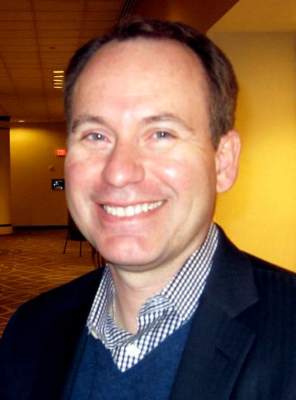
A 2005 study of early mortality among Medicare beneficiaries undergoing bariatric procedures found a 30-day mortality of 9% and a 1-year mortality of 21% (JAMA 2005 Oct. 19;294[15]:1903-8). Such data prompted Dr. Morton and other leaders in the field to push for accreditation in the field. In 2012, the ACS Bariatric Surgery Center Network program and the American Society for Metabolic and Bariatric Surgery (ASMBS) Bariatric Centers of Excellence program were extended accreditation in the joint Metabolic and Bariatric Surgery Accreditation and Quality Improvement Program (MBSAQIP). As a result, the mortality rate among patients undergoing bariatric procedures has dropped nearly 10-fold and now stands at 1 out of 1,000, said Dr. Morton, chief of bariatric and minimally invasive surgery at Stanford (Calif.) University. “That’s been a real success story for us,” he said. “Part of it has been the accreditation program, having the resources in place to accomplish those goals.”
Of the 802 participating centers in MBSAQIP, 647 are accredited. “One of the reasons we see such good results at accredited centers is the fact that they work as a multidisciplinary team, where you have the nutritionist, the psychologist, the internist, and the anesthesiologist working together,” said Dr. Morton, immediate past president of the American Society for Metabolic and Bariatric Surgery. “When you have that team, it allows you to marshal your resources, do appropriate risk assessment, and get those processes in place to have the very best outcomes.”
In an effort to reduce hospital readmissions among bariatric surgery patients, MBSAQIP launched a national project called Decreasing Readmissions through Opportunities Provided (DROP), which currently has 129 participating hospitals. “If you drill down on the reasons for bariatric surgery readmissions, many are preventable: dehydration, nausea, medication side effects, and patient expectations,” Dr. Morton said. “I have a formula called the Morton Formula: happiness equals reality divided by expectations. If you set expectations accordingly, you’ll get a happier patient. If my patients know they’re going to be discharged in 1 day, they can plan accordingly.”
These concepts were adopted from a study that Dr. Morton and his associates carried out at Stanford Health Care in an effort to reduce readmissions for complications within 30 days to below the national average. It involved “straightforward” strategy including improving patient education, discharge planning, and giving patients a direct phone number to call. “Anybody who has called a health center and has had to go through that phone tree knows how difficult that can be, so we provide a direct number,” he said. “The postop phone call is critical, because that’s a way to nip readmissions in the bud. We do same-day appointments so they come and see us in the clinic rather than going to the ER and getting the enormous workup. Infusion centers are our best friend, because many of these patients come in dehydrated.”
After implementing these strategies, the rate of readmission for complications at Stanford fell from 8% to 2.5%. This led to the creation of a readmission bundle for the DROP project with steps for preoperative, intraoperative, and postoperative aspects of care. For example, preoperatively, “we make sure that they have a postop appointment made [and] rather than waiting to give them a prescription when they get discharged, we make sure that they have those prescriptions earlier at the preoperative visit,” he said. “They are provided the clinic phone number and patients watch video vignettes from all members of the team: surgeon, nurse, nutritionist, pharmacist, and psychologist. Rather than the education being dependent on [the surgeon’s schedule], they can get the same dose of education and even watch these over and over again if they want to.”
Surgeons who participate in the DROP project also stratify high-risk patients by consulting with their primary care physicians and case managers to achieve optimal outcomes. They address modifiable risk factors. “Weight gain prior to bariatric surgery is not ideal, so we want to address that, and have a hemoglobin A1c of less than 10%,” Dr. Morton said. Patients receive a “HELP” card, which instructs them to contact the treating clinic if they have abdominal pain, dehydration, nausea and vomiting, diarrhea, and fatigue.
The inpatient part of the bundle includes a “clinical roadmap” with a fixed length of stay. “There are expectations every single day about what’s going to happen to their care,” Dr. Morton said. “We give them a water bottle with the logo of the hospital. It’s a reminder for them to stay hydrated. They have a nutritional consult and they go through a checklist before they get discharged.”
The postoperative component of the DROP bundle includes a phone call to the patient following discharge. “They also get an appointment with a nutritionist within a month of surgery,” he said. “We treat readmissions seriously, like a complication.”
Data from a study of 18,296 primary bariatric surgery patients gleaned from 2012 ACS-NSQIP Participant Use Data Files found a 30-day readmission rate of 5.2% (Am J Surg 2016 Jul;212[1]:76-80). Compared with the patients’ counterparts who did not require readmission within 30 days, risk factors for those who did included body mass index greater than 50 kg/m2 (30.2% vs. 24.6%, respectively; P = .001); longer operative time (132 vs. 115 minutes; P = .001); length of stay greater than 4 days (9.57% vs. 3.36%; P = .001); surgical site infection (15.5% vs. 1.15%; P less than .001); urinary tract infection (3.15% vs. .65%; P less than .001), and deep vein thrombosis (3.58% vs. .13%; P less than .001). Common reasons for readmissions were GI-related (45%), dietary (33.5%), and bleeding (6.57%). Dr. Morton went on to report preliminary findings from 19,648 cases included in the DROP project, which began collecting data in March 2015 and has a yearlong goal of reducing national admission rates by 20%. The preintervention readmission rate was 4.79%. By the end of October 2015 the readmission rate had dropped to 4.30%. “One of the things we realized is that the hospitals with the higher readmission rates were the ones who had the greatest improvement,” Dr. Morton said. “They went from about 8% down to about 5.51%. We anticipate that for each quarter that we do this, we’ll continue to see improvement.”
Individual center results were made available in late January 2016 and reviewed with mentors. “They also received aggregated reports to see how they stacked up others as a benchmark,” Dr. Morton said.
Final results from DROP are expected to be released later in 2016.
Dr. Morton reported having no financial disclosures.
AGA Resource
The AGA Center for Gut Microbiome Research and Education was created to serve as a virtual “home” for AGA activities related to the gut microbiome. The center is focused on advancing gut microbiome research, educating AGA members and other stakeholders on the latest microbiome breakthroughs, and working with FDA and others to ensure that emerging microbiome-based treatments are safe and appropriately evaluated. Learn more at http://www.gastro.org/about/initiatives/aga-center-for-gut-microbiome-research-education.
SAN DIEGO – John Morton, MD, started his bariatric surgery career about the same time that demand for gastric bypass and other bariatric procedures began to skyrocket. But a troubling trend emerged.
“About 10-15 years ago, bariatric surgery had a problem when it came to mortality,” Dr. Morton said at the American College of Surgeons/National Surgical Quality Improvement Program National Conference. “You can’t move forward without looking back.”
A 2005 study of early mortality among Medicare beneficiaries undergoing bariatric procedures found a 30-day mortality of 9% and a 1-year mortality of 21% (JAMA 2005 Oct. 19;294[15]:1903-8). Such data prompted Dr. Morton and other leaders in the field to push for accreditation in the field. In 2012, the ACS Bariatric Surgery Center Network program and the American Society for Metabolic and Bariatric Surgery (ASMBS) Bariatric Centers of Excellence program were extended accreditation in the joint Metabolic and Bariatric Surgery Accreditation and Quality Improvement Program (MBSAQIP). As a result, the mortality rate among patients undergoing bariatric procedures has dropped nearly 10-fold and now stands at 1 out of 1,000, said Dr. Morton, chief of bariatric and minimally invasive surgery at Stanford (Calif.) University. “That’s been a real success story for us,” he said. “Part of it has been the accreditation program, having the resources in place to accomplish those goals.”
Of the 802 participating centers in MBSAQIP, 647 are accredited. “One of the reasons we see such good results at accredited centers is the fact that they work as a multidisciplinary team, where you have the nutritionist, the psychologist, the internist, and the anesthesiologist working together,” said Dr. Morton, immediate past president of the American Society for Metabolic and Bariatric Surgery. “When you have that team, it allows you to marshal your resources, do appropriate risk assessment, and get those processes in place to have the very best outcomes.”
In an effort to reduce hospital readmissions among bariatric surgery patients, MBSAQIP launched a national project called Decreasing Readmissions through Opportunities Provided (DROP), which currently has 129 participating hospitals. “If you drill down on the reasons for bariatric surgery readmissions, many are preventable: dehydration, nausea, medication side effects, and patient expectations,” Dr. Morton said. “I have a formula called the Morton Formula: happiness equals reality divided by expectations. If you set expectations accordingly, you’ll get a happier patient. If my patients know they’re going to be discharged in 1 day, they can plan accordingly.”
These concepts were adopted from a study that Dr. Morton and his associates carried out at Stanford Health Care in an effort to reduce readmissions for complications within 30 days to below the national average. It involved “straightforward” strategy including improving patient education, discharge planning, and giving patients a direct phone number to call. “Anybody who has called a health center and has had to go through that phone tree knows how difficult that can be, so we provide a direct number,” he said. “The postop phone call is critical, because that’s a way to nip readmissions in the bud. We do same-day appointments so they come and see us in the clinic rather than going to the ER and getting the enormous workup. Infusion centers are our best friend, because many of these patients come in dehydrated.”
After implementing these strategies, the rate of readmission for complications at Stanford fell from 8% to 2.5%. This led to the creation of a readmission bundle for the DROP project with steps for preoperative, intraoperative, and postoperative aspects of care. For example, preoperatively, “we make sure that they have a postop appointment made [and] rather than waiting to give them a prescription when they get discharged, we make sure that they have those prescriptions earlier at the preoperative visit,” he said. “They are provided the clinic phone number and patients watch video vignettes from all members of the team: surgeon, nurse, nutritionist, pharmacist, and psychologist. Rather than the education being dependent on [the surgeon’s schedule], they can get the same dose of education and even watch these over and over again if they want to.”
Surgeons who participate in the DROP project also stratify high-risk patients by consulting with their primary care physicians and case managers to achieve optimal outcomes. They address modifiable risk factors. “Weight gain prior to bariatric surgery is not ideal, so we want to address that, and have a hemoglobin A1c of less than 10%,” Dr. Morton said. Patients receive a “HELP” card, which instructs them to contact the treating clinic if they have abdominal pain, dehydration, nausea and vomiting, diarrhea, and fatigue.
The inpatient part of the bundle includes a “clinical roadmap” with a fixed length of stay. “There are expectations every single day about what’s going to happen to their care,” Dr. Morton said. “We give them a water bottle with the logo of the hospital. It’s a reminder for them to stay hydrated. They have a nutritional consult and they go through a checklist before they get discharged.”
The postoperative component of the DROP bundle includes a phone call to the patient following discharge. “They also get an appointment with a nutritionist within a month of surgery,” he said. “We treat readmissions seriously, like a complication.”
Data from a study of 18,296 primary bariatric surgery patients gleaned from 2012 ACS-NSQIP Participant Use Data Files found a 30-day readmission rate of 5.2% (Am J Surg 2016 Jul;212[1]:76-80). Compared with the patients’ counterparts who did not require readmission within 30 days, risk factors for those who did included body mass index greater than 50 kg/m2 (30.2% vs. 24.6%, respectively; P = .001); longer operative time (132 vs. 115 minutes; P = .001); length of stay greater than 4 days (9.57% vs. 3.36%; P = .001); surgical site infection (15.5% vs. 1.15%; P less than .001); urinary tract infection (3.15% vs. .65%; P less than .001), and deep vein thrombosis (3.58% vs. .13%; P less than .001). Common reasons for readmissions were GI-related (45%), dietary (33.5%), and bleeding (6.57%). Dr. Morton went on to report preliminary findings from 19,648 cases included in the DROP project, which began collecting data in March 2015 and has a yearlong goal of reducing national admission rates by 20%. The preintervention readmission rate was 4.79%. By the end of October 2015 the readmission rate had dropped to 4.30%. “One of the things we realized is that the hospitals with the higher readmission rates were the ones who had the greatest improvement,” Dr. Morton said. “They went from about 8% down to about 5.51%. We anticipate that for each quarter that we do this, we’ll continue to see improvement.”
Individual center results were made available in late January 2016 and reviewed with mentors. “They also received aggregated reports to see how they stacked up others as a benchmark,” Dr. Morton said.
Final results from DROP are expected to be released later in 2016.
Dr. Morton reported having no financial disclosures.
AGA Resource
The AGA Center for Gut Microbiome Research and Education was created to serve as a virtual “home” for AGA activities related to the gut microbiome. The center is focused on advancing gut microbiome research, educating AGA members and other stakeholders on the latest microbiome breakthroughs, and working with FDA and others to ensure that emerging microbiome-based treatments are safe and appropriately evaluated. Learn more at http://www.gastro.org/about/initiatives/aga-center-for-gut-microbiome-research-education.
SAN DIEGO – John Morton, MD, started his bariatric surgery career about the same time that demand for gastric bypass and other bariatric procedures began to skyrocket. But a troubling trend emerged.
“About 10-15 years ago, bariatric surgery had a problem when it came to mortality,” Dr. Morton said at the American College of Surgeons/National Surgical Quality Improvement Program National Conference. “You can’t move forward without looking back.”
A 2005 study of early mortality among Medicare beneficiaries undergoing bariatric procedures found a 30-day mortality of 9% and a 1-year mortality of 21% (JAMA 2005 Oct. 19;294[15]:1903-8). Such data prompted Dr. Morton and other leaders in the field to push for accreditation in the field. In 2012, the ACS Bariatric Surgery Center Network program and the American Society for Metabolic and Bariatric Surgery (ASMBS) Bariatric Centers of Excellence program were extended accreditation in the joint Metabolic and Bariatric Surgery Accreditation and Quality Improvement Program (MBSAQIP). As a result, the mortality rate among patients undergoing bariatric procedures has dropped nearly 10-fold and now stands at 1 out of 1,000, said Dr. Morton, chief of bariatric and minimally invasive surgery at Stanford (Calif.) University. “That’s been a real success story for us,” he said. “Part of it has been the accreditation program, having the resources in place to accomplish those goals.”
Of the 802 participating centers in MBSAQIP, 647 are accredited. “One of the reasons we see such good results at accredited centers is the fact that they work as a multidisciplinary team, where you have the nutritionist, the psychologist, the internist, and the anesthesiologist working together,” said Dr. Morton, immediate past president of the American Society for Metabolic and Bariatric Surgery. “When you have that team, it allows you to marshal your resources, do appropriate risk assessment, and get those processes in place to have the very best outcomes.”
In an effort to reduce hospital readmissions among bariatric surgery patients, MBSAQIP launched a national project called Decreasing Readmissions through Opportunities Provided (DROP), which currently has 129 participating hospitals. “If you drill down on the reasons for bariatric surgery readmissions, many are preventable: dehydration, nausea, medication side effects, and patient expectations,” Dr. Morton said. “I have a formula called the Morton Formula: happiness equals reality divided by expectations. If you set expectations accordingly, you’ll get a happier patient. If my patients know they’re going to be discharged in 1 day, they can plan accordingly.”
These concepts were adopted from a study that Dr. Morton and his associates carried out at Stanford Health Care in an effort to reduce readmissions for complications within 30 days to below the national average. It involved “straightforward” strategy including improving patient education, discharge planning, and giving patients a direct phone number to call. “Anybody who has called a health center and has had to go through that phone tree knows how difficult that can be, so we provide a direct number,” he said. “The postop phone call is critical, because that’s a way to nip readmissions in the bud. We do same-day appointments so they come and see us in the clinic rather than going to the ER and getting the enormous workup. Infusion centers are our best friend, because many of these patients come in dehydrated.”
After implementing these strategies, the rate of readmission for complications at Stanford fell from 8% to 2.5%. This led to the creation of a readmission bundle for the DROP project with steps for preoperative, intraoperative, and postoperative aspects of care. For example, preoperatively, “we make sure that they have a postop appointment made [and] rather than waiting to give them a prescription when they get discharged, we make sure that they have those prescriptions earlier at the preoperative visit,” he said. “They are provided the clinic phone number and patients watch video vignettes from all members of the team: surgeon, nurse, nutritionist, pharmacist, and psychologist. Rather than the education being dependent on [the surgeon’s schedule], they can get the same dose of education and even watch these over and over again if they want to.”
Surgeons who participate in the DROP project also stratify high-risk patients by consulting with their primary care physicians and case managers to achieve optimal outcomes. They address modifiable risk factors. “Weight gain prior to bariatric surgery is not ideal, so we want to address that, and have a hemoglobin A1c of less than 10%,” Dr. Morton said. Patients receive a “HELP” card, which instructs them to contact the treating clinic if they have abdominal pain, dehydration, nausea and vomiting, diarrhea, and fatigue.
The inpatient part of the bundle includes a “clinical roadmap” with a fixed length of stay. “There are expectations every single day about what’s going to happen to their care,” Dr. Morton said. “We give them a water bottle with the logo of the hospital. It’s a reminder for them to stay hydrated. They have a nutritional consult and they go through a checklist before they get discharged.”
The postoperative component of the DROP bundle includes a phone call to the patient following discharge. “They also get an appointment with a nutritionist within a month of surgery,” he said. “We treat readmissions seriously, like a complication.”
Data from a study of 18,296 primary bariatric surgery patients gleaned from 2012 ACS-NSQIP Participant Use Data Files found a 30-day readmission rate of 5.2% (Am J Surg 2016 Jul;212[1]:76-80). Compared with the patients’ counterparts who did not require readmission within 30 days, risk factors for those who did included body mass index greater than 50 kg/m2 (30.2% vs. 24.6%, respectively; P = .001); longer operative time (132 vs. 115 minutes; P = .001); length of stay greater than 4 days (9.57% vs. 3.36%; P = .001); surgical site infection (15.5% vs. 1.15%; P less than .001); urinary tract infection (3.15% vs. .65%; P less than .001), and deep vein thrombosis (3.58% vs. .13%; P less than .001). Common reasons for readmissions were GI-related (45%), dietary (33.5%), and bleeding (6.57%). Dr. Morton went on to report preliminary findings from 19,648 cases included in the DROP project, which began collecting data in March 2015 and has a yearlong goal of reducing national admission rates by 20%. The preintervention readmission rate was 4.79%. By the end of October 2015 the readmission rate had dropped to 4.30%. “One of the things we realized is that the hospitals with the higher readmission rates were the ones who had the greatest improvement,” Dr. Morton said. “They went from about 8% down to about 5.51%. We anticipate that for each quarter that we do this, we’ll continue to see improvement.”
Individual center results were made available in late January 2016 and reviewed with mentors. “They also received aggregated reports to see how they stacked up others as a benchmark,” Dr. Morton said.
Final results from DROP are expected to be released later in 2016.
Dr. Morton reported having no financial disclosures.
AGA Resource
The AGA Center for Gut Microbiome Research and Education was created to serve as a virtual “home” for AGA activities related to the gut microbiome. The center is focused on advancing gut microbiome research, educating AGA members and other stakeholders on the latest microbiome breakthroughs, and working with FDA and others to ensure that emerging microbiome-based treatments are safe and appropriately evaluated. Learn more at http://www.gastro.org/about/initiatives/aga-center-for-gut-microbiome-research-education.
EXPERT ANALYSIS AT THE ACS NSQIP NATIONAL CONFERENCE
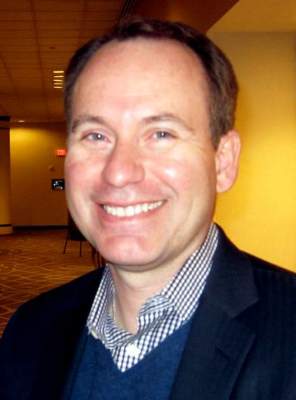
Endobariatrics: Coming to a clinic near you
SAN DIEGO – Device companies are working hard to bring obesity management to the endoscopy suite.
The field is called endobariatrics, and its goal is to fill the gap between surgery and pharmacotherapy. Drugs and lifestyle counseling don’t work too well, but a lot of people don’t want to go under the knife, so something is needed in the middle. Endobariatrics has the potential to be a boon for both obese patients and gastroenterology practices.

Several new investigational devices and approaches were showcased at the annual Digestive Disease Week; some “are beginning to approach the kind of results we see with surgical techniques,” said Steven Edmundowicz, MD, medical director of the University of Colorado Digestive Health Center, Aurora.
“We are seeing a tremendous amount of development in this space, but it’s early, and we have to be cautious,” he said. There have already been a few disappointments, including the EndoBarrier, a fluoropolymer liner anchored in the duodenal bulb and unfurled down the duodenum to block food absorption. A key U.S. trial was recently halted due to liver abscesses.
Dr. Edmundowicz reviewed the latest developments presented at DDW.
Self-assembling magnets for dual-path enteral anastomoses
The goal of the GI Windows system is to create a partial jejunoileal, side to side bypass without surgery. A 28-mm magnet ring is introduced to the ileum by colonoscopy, and a second ring to the jejunum by endoscopy. The rings snap together and tissue caught between them dies from pressure necrosis, leaving patients with a jejunoileal communication. Once food reaches that point, it either diverts through the anastomosis or continues past it down the digestive track. The magnets pass after the anastomosis forms in a week or so.
In a 6-month feasibility study from the Czech Republic, 10 obese patients lost 28.3% of their excess weight without diet restrictions. Those with diabetes had a mean hemoglobin A1c drop of 1.8%, and normalization of fasting blood glucose levels. The procedure took just over an hour and a half after the first five cases.
“I am very excited about [this]; I really want to see where the data are going,” Dr. Edmundowicz said.
Duodenal mucosal resurfacing
The idea of the Revita System (Fractyl) is to ablate “diabetic mucosa” in the duodenum so that normal mucosa can replace it. Saline is injected endoscopically under a portion of the duodenal mucosa to lift it off the muscularis; once isolated, the mucosa is destroyed – some in the audience thought “cooked” was a better word – by exposure to a hot water balloon catheter threaded into the lumen.
Thirty-nine overweight or obese type 2 diabetics had a 1.2% improvement at 6 months from a baseline hemoglobin A1c of 9.6% in a series from Santiago, Chile. Weight loss was modest in the trial; the system is being developed for type 2 diabetics.
There is some histologic support for the notion of a diabetic mucosa with both structural and hormonal aberrations, but it’s unclear if it’s a sign or cause of sickness. Even so, “the mucosa regenerates” and won’t be diabetic “for a while” after the procedure, said investigator Manoel Galvao Neto, MD, of the Gastro Obeso Center, São Paulo.
Gastric balloons
Inflating a balloon in the stomach to make people feel full isn’t new, but the notion of putting the balloon into a capsule that patients can swallow and inflating it through a tether is a more recent notion.
The Obalon (Obalon Therapeutics) is one such device. In an unblinded, sham-controlled trial with 336 obese patients, subjects who got the 250-mL, nitrogen-filled Obalons – most received three – lost about 3% more of their total body weight at 24 weeks than those who did not. Although swallowed, Obalon is removed endoscopically. Meanwhile, 34 obese patients who swallowed the 550-mL, fluid-filled Elipse balloon (Allurion) had a total body weight loss of 9.5% and mean excess weight loss of 37.2% at 4 months, by which time Elipse deflates on its own and passes without endoscopic retrieval.
“This is a very promising approach. I am very excited about digested balloons,” said Dr. Edmundowicz, an investigator in the Obalon study.
Endoscopic sleeve gastroplasty
Endoscopic sleeve gastroplasty duplicates sleeve gastrectomy with stitches placed endoscopically to seal off the greater curvature of the stomach; functionally, patients are left with a narrow sleeve of a stomach. In a multicenter series presented at DDW, 242 patients had a mean total body weight loss of 19.8% at 18 months, with a low incidence of complications. “Weight loss appears to be continuing,” Dr. Edmundowicz said. Investigators used the Apollo OverStitch (Apollo Endosurgery) to place the sutures.
Aspiration therapy
With Food and Drug Administration approval on June 14, AspireAssist (Aspire Bariatrics) is probably the best known of the newer approaches. Patients drain a portion of their meals through an endoscopically placed percutaneous gastrostomy tube a half hour or so after eating. It takes 5-10 minutes. The agency is eager to keep it out of the hands of bulimics.
One-year data were reported at DDW; 111 obese AspireAssist subjects lost a mean of 37.2% of their excess weight versus 13% in 60 patients randomized to lifestyle counseling alone.
“It may not be aesthetically pleasing, but it certainly works. It’s a viable technology,” said Dr. Edmundowicz, who was an investigator.
The studies were funded by companies developing the devices and techniques. Dr. Edmundowicz has stock options, or is a consultant or researcher, Aspire, Obalon, GI Dynamics, Elira, and other firms.
SAN DIEGO – Device companies are working hard to bring obesity management to the endoscopy suite.
The field is called endobariatrics, and its goal is to fill the gap between surgery and pharmacotherapy. Drugs and lifestyle counseling don’t work too well, but a lot of people don’t want to go under the knife, so something is needed in the middle. Endobariatrics has the potential to be a boon for both obese patients and gastroenterology practices.
Several new investigational devices and approaches were showcased at the annual Digestive Disease Week; some “are beginning to approach the kind of results we see with surgical techniques,” said Steven Edmundowicz, MD, medical director of the University of Colorado Digestive Health Center, Aurora.
“We are seeing a tremendous amount of development in this space, but it’s early, and we have to be cautious,” he said. There have already been a few disappointments, including the EndoBarrier, a fluoropolymer liner anchored in the duodenal bulb and unfurled down the duodenum to block food absorption. A key U.S. trial was recently halted due to liver abscesses.
Dr. Edmundowicz reviewed the latest developments presented at DDW.
Self-assembling magnets for dual-path enteral anastomoses
The goal of the GI Windows system is to create a partial jejunoileal, side to side bypass without surgery. A 28-mm magnet ring is introduced to the ileum by colonoscopy, and a second ring to the jejunum by endoscopy. The rings snap together and tissue caught between them dies from pressure necrosis, leaving patients with a jejunoileal communication. Once food reaches that point, it either diverts through the anastomosis or continues past it down the digestive track. The magnets pass after the anastomosis forms in a week or so.
In a 6-month feasibility study from the Czech Republic, 10 obese patients lost 28.3% of their excess weight without diet restrictions. Those with diabetes had a mean hemoglobin A1c drop of 1.8%, and normalization of fasting blood glucose levels. The procedure took just over an hour and a half after the first five cases.
“I am very excited about [this]; I really want to see where the data are going,” Dr. Edmundowicz said.
Duodenal mucosal resurfacing
The idea of the Revita System (Fractyl) is to ablate “diabetic mucosa” in the duodenum so that normal mucosa can replace it. Saline is injected endoscopically under a portion of the duodenal mucosa to lift it off the muscularis; once isolated, the mucosa is destroyed – some in the audience thought “cooked” was a better word – by exposure to a hot water balloon catheter threaded into the lumen.
Thirty-nine overweight or obese type 2 diabetics had a 1.2% improvement at 6 months from a baseline hemoglobin A1c of 9.6% in a series from Santiago, Chile. Weight loss was modest in the trial; the system is being developed for type 2 diabetics.
There is some histologic support for the notion of a diabetic mucosa with both structural and hormonal aberrations, but it’s unclear if it’s a sign or cause of sickness. Even so, “the mucosa regenerates” and won’t be diabetic “for a while” after the procedure, said investigator Manoel Galvao Neto, MD, of the Gastro Obeso Center, São Paulo.
Gastric balloons
Inflating a balloon in the stomach to make people feel full isn’t new, but the notion of putting the balloon into a capsule that patients can swallow and inflating it through a tether is a more recent notion.
The Obalon (Obalon Therapeutics) is one such device. In an unblinded, sham-controlled trial with 336 obese patients, subjects who got the 250-mL, nitrogen-filled Obalons – most received three – lost about 3% more of their total body weight at 24 weeks than those who did not. Although swallowed, Obalon is removed endoscopically. Meanwhile, 34 obese patients who swallowed the 550-mL, fluid-filled Elipse balloon (Allurion) had a total body weight loss of 9.5% and mean excess weight loss of 37.2% at 4 months, by which time Elipse deflates on its own and passes without endoscopic retrieval.
“This is a very promising approach. I am very excited about digested balloons,” said Dr. Edmundowicz, an investigator in the Obalon study.
Endoscopic sleeve gastroplasty
Endoscopic sleeve gastroplasty duplicates sleeve gastrectomy with stitches placed endoscopically to seal off the greater curvature of the stomach; functionally, patients are left with a narrow sleeve of a stomach. In a multicenter series presented at DDW, 242 patients had a mean total body weight loss of 19.8% at 18 months, with a low incidence of complications. “Weight loss appears to be continuing,” Dr. Edmundowicz said. Investigators used the Apollo OverStitch (Apollo Endosurgery) to place the sutures.
Aspiration therapy
With Food and Drug Administration approval on June 14, AspireAssist (Aspire Bariatrics) is probably the best known of the newer approaches. Patients drain a portion of their meals through an endoscopically placed percutaneous gastrostomy tube a half hour or so after eating. It takes 5-10 minutes. The agency is eager to keep it out of the hands of bulimics.
One-year data were reported at DDW; 111 obese AspireAssist subjects lost a mean of 37.2% of their excess weight versus 13% in 60 patients randomized to lifestyle counseling alone.
“It may not be aesthetically pleasing, but it certainly works. It’s a viable technology,” said Dr. Edmundowicz, who was an investigator.
The studies were funded by companies developing the devices and techniques. Dr. Edmundowicz has stock options, or is a consultant or researcher, Aspire, Obalon, GI Dynamics, Elira, and other firms.
SAN DIEGO – Device companies are working hard to bring obesity management to the endoscopy suite.
The field is called endobariatrics, and its goal is to fill the gap between surgery and pharmacotherapy. Drugs and lifestyle counseling don’t work too well, but a lot of people don’t want to go under the knife, so something is needed in the middle. Endobariatrics has the potential to be a boon for both obese patients and gastroenterology practices.
Several new investigational devices and approaches were showcased at the annual Digestive Disease Week; some “are beginning to approach the kind of results we see with surgical techniques,” said Steven Edmundowicz, MD, medical director of the University of Colorado Digestive Health Center, Aurora.
“We are seeing a tremendous amount of development in this space, but it’s early, and we have to be cautious,” he said. There have already been a few disappointments, including the EndoBarrier, a fluoropolymer liner anchored in the duodenal bulb and unfurled down the duodenum to block food absorption. A key U.S. trial was recently halted due to liver abscesses.
Dr. Edmundowicz reviewed the latest developments presented at DDW.
Self-assembling magnets for dual-path enteral anastomoses
The goal of the GI Windows system is to create a partial jejunoileal, side to side bypass without surgery. A 28-mm magnet ring is introduced to the ileum by colonoscopy, and a second ring to the jejunum by endoscopy. The rings snap together and tissue caught between them dies from pressure necrosis, leaving patients with a jejunoileal communication. Once food reaches that point, it either diverts through the anastomosis or continues past it down the digestive track. The magnets pass after the anastomosis forms in a week or so.
In a 6-month feasibility study from the Czech Republic, 10 obese patients lost 28.3% of their excess weight without diet restrictions. Those with diabetes had a mean hemoglobin A1c drop of 1.8%, and normalization of fasting blood glucose levels. The procedure took just over an hour and a half after the first five cases.
“I am very excited about [this]; I really want to see where the data are going,” Dr. Edmundowicz said.
Duodenal mucosal resurfacing
The idea of the Revita System (Fractyl) is to ablate “diabetic mucosa” in the duodenum so that normal mucosa can replace it. Saline is injected endoscopically under a portion of the duodenal mucosa to lift it off the muscularis; once isolated, the mucosa is destroyed – some in the audience thought “cooked” was a better word – by exposure to a hot water balloon catheter threaded into the lumen.
Thirty-nine overweight or obese type 2 diabetics had a 1.2% improvement at 6 months from a baseline hemoglobin A1c of 9.6% in a series from Santiago, Chile. Weight loss was modest in the trial; the system is being developed for type 2 diabetics.
There is some histologic support for the notion of a diabetic mucosa with both structural and hormonal aberrations, but it’s unclear if it’s a sign or cause of sickness. Even so, “the mucosa regenerates” and won’t be diabetic “for a while” after the procedure, said investigator Manoel Galvao Neto, MD, of the Gastro Obeso Center, São Paulo.
Gastric balloons
Inflating a balloon in the stomach to make people feel full isn’t new, but the notion of putting the balloon into a capsule that patients can swallow and inflating it through a tether is a more recent notion.
The Obalon (Obalon Therapeutics) is one such device. In an unblinded, sham-controlled trial with 336 obese patients, subjects who got the 250-mL, nitrogen-filled Obalons – most received three – lost about 3% more of their total body weight at 24 weeks than those who did not. Although swallowed, Obalon is removed endoscopically. Meanwhile, 34 obese patients who swallowed the 550-mL, fluid-filled Elipse balloon (Allurion) had a total body weight loss of 9.5% and mean excess weight loss of 37.2% at 4 months, by which time Elipse deflates on its own and passes without endoscopic retrieval.
“This is a very promising approach. I am very excited about digested balloons,” said Dr. Edmundowicz, an investigator in the Obalon study.
Endoscopic sleeve gastroplasty
Endoscopic sleeve gastroplasty duplicates sleeve gastrectomy with stitches placed endoscopically to seal off the greater curvature of the stomach; functionally, patients are left with a narrow sleeve of a stomach. In a multicenter series presented at DDW, 242 patients had a mean total body weight loss of 19.8% at 18 months, with a low incidence of complications. “Weight loss appears to be continuing,” Dr. Edmundowicz said. Investigators used the Apollo OverStitch (Apollo Endosurgery) to place the sutures.
Aspiration therapy
With Food and Drug Administration approval on June 14, AspireAssist (Aspire Bariatrics) is probably the best known of the newer approaches. Patients drain a portion of their meals through an endoscopically placed percutaneous gastrostomy tube a half hour or so after eating. It takes 5-10 minutes. The agency is eager to keep it out of the hands of bulimics.
One-year data were reported at DDW; 111 obese AspireAssist subjects lost a mean of 37.2% of their excess weight versus 13% in 60 patients randomized to lifestyle counseling alone.
“It may not be aesthetically pleasing, but it certainly works. It’s a viable technology,” said Dr. Edmundowicz, who was an investigator.
The studies were funded by companies developing the devices and techniques. Dr. Edmundowicz has stock options, or is a consultant or researcher, Aspire, Obalon, GI Dynamics, Elira, and other firms.
AT DDW® 2016

Inhibiting integrin-mediated activation might help treat, reverse chronic pancreatitis
Integrins that bind arginine-glycine-aspartic acid (RGD) activated stellate cells in the pancreas, inducing pancreatic fibrogenesis in mice, researchers reported in the July issue of Cellular and Molecular Gastroenterology and Hepatology.
“Small-molecule antagonists of this interaction might be developed for the treatment of pancreatic fibrotic diseases,” wrote Dr. Barbara Ulmasov and her associates at Saint Louis University.
Cytokine transforming growth factor beta, or TGFB, plays a “central” role in the activation of pancreatic stellate cells and the promotion of fibrogenesis, both in the pancreas and in other organs, the investigators noted. Because latent TGFB is “abundantly present” in the pancreas and most other tissues, it might be more important to control the activation of TGFB than its expression, they added. Studies of other organs have shown that TGFB is activated when integrins of the av family bind the RGD sequence, but no one had determined whether this was true for pancreatic fibrogenesis, Dr. Ulmasov and her associates asserted (Cell Mol Gastroenterol Hepatol. 2016 Mar 16. doi: 10.1016/j.jcmgh.2016.03.004).
Therefore, they repeatedly injected female C57BL/6 mice with cerulein to induce pancreatic fibrogenesis, and gave a group of control mice sterile saline instead. The mice then received continuous infusions of a small molecule called CWHM-12, which is an antagonist of RGD-integrin that is known to prevent both pulmonary and hepatic fibrosis in mice. After euthanizing the mice, the researchers measured pancreatic parenchymal atrophy, fibrosis, and activation of pancreatic stellate cells. They also studied TGFB activation in an established line of pancreatic stellate cells from rats.
Pancreatic stellate cells expressed messenger RNAs encoding RGD-binding integrins, the investigators found. The mice that received cerulein had higher levels of these integrins than the mice that received saline, and the cerulein group also had more disrupted acinar cell architecture, tubular complexes, and infiltrations of inflammatory cells. Mice that received prophylactic CWHM-12 had only somewhat less acinar cell loss and atrophy than the control mice, and had similar levels of inflammatory cell infiltration, but had “dramatically” lower levels of pancreatic fibrosis, the researchers said. Even if mice received CWHM-12 several days after starting cerulein, they still had less fibrosis and activation of TGFB than if they received saline, they noted.
The established line of pancreatic stellate cells “could robustly activate endogenously produced TGFB,” the investigators also reported. Furthermore, CWHM-12 “potently blocked TGFB activation,” unlike the control compound. Taken together, the findings illustrate the “critical role of RGD-binding integrins in chronic pancreatitis, and the promising potential to arrest or possibly even reverse pancreatic fibrosis using a pharmacologic approach to inhibiting integrin-mediated TGFB activation,” the researchers concluded.
The National Pancreas Foundation and the Frank R. Burton Memorial Fund supported the study. Dr. Ulmasov had no disclosures. Three coinvestigators reported being consultants and/or holding equity in Integrin Therapeutics, Nimbus Therapeutics, Bristol-Myers Squibb, Janssen, Mitsubishi Tanabe, Conatus, and Scholar Rock.
Integrins are transmembrane proteins that organize epithelial cells and transmit signals from the tissue matrix. These proteins consist of two subunits that partner to form more than 20 specific combinations, are induced upon tissue injury, and act as signaling molecules that mediate inflammatory and wound-healing responses. The utility of targeting integrins has been established by drugs such as vedolizumab, which targets specific integrins to dampen injury in inflammatory bowel disease.

|
Dr. Chuhan Chung |
Specific integrins also mediate profibrotic responses by activating TGF-beta, the major fibrogenic cytokine. An arginine-glycine-aspartic acid (RGD) integrin-binding motif found on the TGF-beta molecule triggers this activation upon interaction with specific integrins. Blocking the RGD-integrin interaction reduces fibrosis in multiple organs including the lung, liver, and kidney.
In the current issue of Cellular and Molecular Gastroenterology and Hepatology, Ulmasov et al. report on the use of a synthetic peptide (CWHM-12) in a model of chronic pancreatitis. This peptide mimetic antagonizes the RGD interaction with integrins, thereby limiting TGF-beta activation. Using a cerulein-induced pancreatic fibrosis model, the authors demonstrated that CWHM-12 inhibits pancreatic stellate cell (PSC) activation and generation of active TGF-beta. CWHM-12 suppressed fibrosis when administered prior to cerulein injection, and to a lesser extent, during the course of generating fibrosis. The alpha-v-beta1 integrin was identified as a critical integrin and was expressed at high levels in the murine pancreas, primary PSCs, and further in cerulein-induced pancreatitis.

|
Dr. Fred Gorelick |
Limitations of the current study warrant comment. The most obvious is that this model does not generate true chronic pancreatitis, because unlike chronic pancreatitis, fibrosis resolves spontaneously. Proof of effect in more robust chronic pancreatitis models is needed. Off-target effects are also suggested by the finding that serum white blood counts were significantly higher with CWHM-12. Finally, the chronicity and unpredictability of human chronic pancreatitis make this preclinical study an early starting point for determining whether CWHM-12 has true “clinical legs.”
Dr. Chuhan Chung and Dr. Fred Gorelick are in the department of medicine, Yale University, New Haven, Conn., and the VA Connecticut Healthcare System, West Haven.
Integrins are transmembrane proteins that organize epithelial cells and transmit signals from the tissue matrix. These proteins consist of two subunits that partner to form more than 20 specific combinations, are induced upon tissue injury, and act as signaling molecules that mediate inflammatory and wound-healing responses. The utility of targeting integrins has been established by drugs such as vedolizumab, which targets specific integrins to dampen injury in inflammatory bowel disease.
|
|
Dr. Chuhan Chung |
Specific integrins also mediate profibrotic responses by activating TGF-beta, the major fibrogenic cytokine. An arginine-glycine-aspartic acid (RGD) integrin-binding motif found on the TGF-beta molecule triggers this activation upon interaction with specific integrins. Blocking the RGD-integrin interaction reduces fibrosis in multiple organs including the lung, liver, and kidney.
In the current issue of Cellular and Molecular Gastroenterology and Hepatology, Ulmasov et al. report on the use of a synthetic peptide (CWHM-12) in a model of chronic pancreatitis. This peptide mimetic antagonizes the RGD interaction with integrins, thereby limiting TGF-beta activation. Using a cerulein-induced pancreatic fibrosis model, the authors demonstrated that CWHM-12 inhibits pancreatic stellate cell (PSC) activation and generation of active TGF-beta. CWHM-12 suppressed fibrosis when administered prior to cerulein injection, and to a lesser extent, during the course of generating fibrosis. The alpha-v-beta1 integrin was identified as a critical integrin and was expressed at high levels in the murine pancreas, primary PSCs, and further in cerulein-induced pancreatitis.
|
|
Dr. Fred Gorelick |
Limitations of the current study warrant comment. The most obvious is that this model does not generate true chronic pancreatitis, because unlike chronic pancreatitis, fibrosis resolves spontaneously. Proof of effect in more robust chronic pancreatitis models is needed. Off-target effects are also suggested by the finding that serum white blood counts were significantly higher with CWHM-12. Finally, the chronicity and unpredictability of human chronic pancreatitis make this preclinical study an early starting point for determining whether CWHM-12 has true “clinical legs.”
Dr. Chuhan Chung and Dr. Fred Gorelick are in the department of medicine, Yale University, New Haven, Conn., and the VA Connecticut Healthcare System, West Haven.
Integrins are transmembrane proteins that organize epithelial cells and transmit signals from the tissue matrix. These proteins consist of two subunits that partner to form more than 20 specific combinations, are induced upon tissue injury, and act as signaling molecules that mediate inflammatory and wound-healing responses. The utility of targeting integrins has been established by drugs such as vedolizumab, which targets specific integrins to dampen injury in inflammatory bowel disease.
|
|
Dr. Chuhan Chung |
Specific integrins also mediate profibrotic responses by activating TGF-beta, the major fibrogenic cytokine. An arginine-glycine-aspartic acid (RGD) integrin-binding motif found on the TGF-beta molecule triggers this activation upon interaction with specific integrins. Blocking the RGD-integrin interaction reduces fibrosis in multiple organs including the lung, liver, and kidney.
In the current issue of Cellular and Molecular Gastroenterology and Hepatology, Ulmasov et al. report on the use of a synthetic peptide (CWHM-12) in a model of chronic pancreatitis. This peptide mimetic antagonizes the RGD interaction with integrins, thereby limiting TGF-beta activation. Using a cerulein-induced pancreatic fibrosis model, the authors demonstrated that CWHM-12 inhibits pancreatic stellate cell (PSC) activation and generation of active TGF-beta. CWHM-12 suppressed fibrosis when administered prior to cerulein injection, and to a lesser extent, during the course of generating fibrosis. The alpha-v-beta1 integrin was identified as a critical integrin and was expressed at high levels in the murine pancreas, primary PSCs, and further in cerulein-induced pancreatitis.
|
|
Dr. Fred Gorelick |
Limitations of the current study warrant comment. The most obvious is that this model does not generate true chronic pancreatitis, because unlike chronic pancreatitis, fibrosis resolves spontaneously. Proof of effect in more robust chronic pancreatitis models is needed. Off-target effects are also suggested by the finding that serum white blood counts were significantly higher with CWHM-12. Finally, the chronicity and unpredictability of human chronic pancreatitis make this preclinical study an early starting point for determining whether CWHM-12 has true “clinical legs.”
Dr. Chuhan Chung and Dr. Fred Gorelick are in the department of medicine, Yale University, New Haven, Conn., and the VA Connecticut Healthcare System, West Haven.
Integrins that bind arginine-glycine-aspartic acid (RGD) activated stellate cells in the pancreas, inducing pancreatic fibrogenesis in mice, researchers reported in the July issue of Cellular and Molecular Gastroenterology and Hepatology.
“Small-molecule antagonists of this interaction might be developed for the treatment of pancreatic fibrotic diseases,” wrote Dr. Barbara Ulmasov and her associates at Saint Louis University.
Cytokine transforming growth factor beta, or TGFB, plays a “central” role in the activation of pancreatic stellate cells and the promotion of fibrogenesis, both in the pancreas and in other organs, the investigators noted. Because latent TGFB is “abundantly present” in the pancreas and most other tissues, it might be more important to control the activation of TGFB than its expression, they added. Studies of other organs have shown that TGFB is activated when integrins of the av family bind the RGD sequence, but no one had determined whether this was true for pancreatic fibrogenesis, Dr. Ulmasov and her associates asserted (Cell Mol Gastroenterol Hepatol. 2016 Mar 16. doi: 10.1016/j.jcmgh.2016.03.004).
Therefore, they repeatedly injected female C57BL/6 mice with cerulein to induce pancreatic fibrogenesis, and gave a group of control mice sterile saline instead. The mice then received continuous infusions of a small molecule called CWHM-12, which is an antagonist of RGD-integrin that is known to prevent both pulmonary and hepatic fibrosis in mice. After euthanizing the mice, the researchers measured pancreatic parenchymal atrophy, fibrosis, and activation of pancreatic stellate cells. They also studied TGFB activation in an established line of pancreatic stellate cells from rats.
Pancreatic stellate cells expressed messenger RNAs encoding RGD-binding integrins, the investigators found. The mice that received cerulein had higher levels of these integrins than the mice that received saline, and the cerulein group also had more disrupted acinar cell architecture, tubular complexes, and infiltrations of inflammatory cells. Mice that received prophylactic CWHM-12 had only somewhat less acinar cell loss and atrophy than the control mice, and had similar levels of inflammatory cell infiltration, but had “dramatically” lower levels of pancreatic fibrosis, the researchers said. Even if mice received CWHM-12 several days after starting cerulein, they still had less fibrosis and activation of TGFB than if they received saline, they noted.
The established line of pancreatic stellate cells “could robustly activate endogenously produced TGFB,” the investigators also reported. Furthermore, CWHM-12 “potently blocked TGFB activation,” unlike the control compound. Taken together, the findings illustrate the “critical role of RGD-binding integrins in chronic pancreatitis, and the promising potential to arrest or possibly even reverse pancreatic fibrosis using a pharmacologic approach to inhibiting integrin-mediated TGFB activation,” the researchers concluded.
The National Pancreas Foundation and the Frank R. Burton Memorial Fund supported the study. Dr. Ulmasov had no disclosures. Three coinvestigators reported being consultants and/or holding equity in Integrin Therapeutics, Nimbus Therapeutics, Bristol-Myers Squibb, Janssen, Mitsubishi Tanabe, Conatus, and Scholar Rock.
Integrins that bind arginine-glycine-aspartic acid (RGD) activated stellate cells in the pancreas, inducing pancreatic fibrogenesis in mice, researchers reported in the July issue of Cellular and Molecular Gastroenterology and Hepatology.
“Small-molecule antagonists of this interaction might be developed for the treatment of pancreatic fibrotic diseases,” wrote Dr. Barbara Ulmasov and her associates at Saint Louis University.
Cytokine transforming growth factor beta, or TGFB, plays a “central” role in the activation of pancreatic stellate cells and the promotion of fibrogenesis, both in the pancreas and in other organs, the investigators noted. Because latent TGFB is “abundantly present” in the pancreas and most other tissues, it might be more important to control the activation of TGFB than its expression, they added. Studies of other organs have shown that TGFB is activated when integrins of the av family bind the RGD sequence, but no one had determined whether this was true for pancreatic fibrogenesis, Dr. Ulmasov and her associates asserted (Cell Mol Gastroenterol Hepatol. 2016 Mar 16. doi: 10.1016/j.jcmgh.2016.03.004).
Therefore, they repeatedly injected female C57BL/6 mice with cerulein to induce pancreatic fibrogenesis, and gave a group of control mice sterile saline instead. The mice then received continuous infusions of a small molecule called CWHM-12, which is an antagonist of RGD-integrin that is known to prevent both pulmonary and hepatic fibrosis in mice. After euthanizing the mice, the researchers measured pancreatic parenchymal atrophy, fibrosis, and activation of pancreatic stellate cells. They also studied TGFB activation in an established line of pancreatic stellate cells from rats.
Pancreatic stellate cells expressed messenger RNAs encoding RGD-binding integrins, the investigators found. The mice that received cerulein had higher levels of these integrins than the mice that received saline, and the cerulein group also had more disrupted acinar cell architecture, tubular complexes, and infiltrations of inflammatory cells. Mice that received prophylactic CWHM-12 had only somewhat less acinar cell loss and atrophy than the control mice, and had similar levels of inflammatory cell infiltration, but had “dramatically” lower levels of pancreatic fibrosis, the researchers said. Even if mice received CWHM-12 several days after starting cerulein, they still had less fibrosis and activation of TGFB than if they received saline, they noted.
The established line of pancreatic stellate cells “could robustly activate endogenously produced TGFB,” the investigators also reported. Furthermore, CWHM-12 “potently blocked TGFB activation,” unlike the control compound. Taken together, the findings illustrate the “critical role of RGD-binding integrins in chronic pancreatitis, and the promising potential to arrest or possibly even reverse pancreatic fibrosis using a pharmacologic approach to inhibiting integrin-mediated TGFB activation,” the researchers concluded.
The National Pancreas Foundation and the Frank R. Burton Memorial Fund supported the study. Dr. Ulmasov had no disclosures. Three coinvestigators reported being consultants and/or holding equity in Integrin Therapeutics, Nimbus Therapeutics, Bristol-Myers Squibb, Janssen, Mitsubishi Tanabe, Conatus, and Scholar Rock.
FROM CELLULAR AND MOLECULAR GASTROENTEROLOGY AND HEPATOLOGY
Key clinical point: Small molecules that inhibit the interaction between integrins and RGD (arginine-glycine-aspartic acid) might effectively treat chronic fibrosing pancreatic diseases.
Major finding: Continuous infusion with an active RGD peptidomimetic reduced atrophy and loss of pancreatic acinar cells and helped prevent pancreatic fibrosis, activation of pancreatic stellate cells, and expression of genes regulated by cytokine transforming growth factor beta.
Data source: A study of C57BL/6 female mice with chronic pancreatitis induced by repeated administration of cerulein.
Disclosures: The National Pancreas Foundation and the Frank R. Burton Memorial Fund supported the study. Dr. Ulmasov had no disclosures. Three coinvestigators reported being consultants and/or holding equity in Integrin Therapeutics, Nimbus Therapeutics, Bristol Myers Squibb, Janssen, Mitsubishi Tanabe, Conatus, and Scholar Rock.

Phentermine-topiramate tops competition for long-term weight loss
SAN DIEGO – Phentermine-topiramate was the most effective long-term weight loss drug, based on findings from a network meta-analysis from the University of California, San Diego.
The investigators pooled data from 28 studies of phentermine-topiramate (Qsymia) and four other drugs: orlistat (Xenical, Alli), lorcaserin (Belviq), naltrexone-bupropion (Contrave), and liraglutide (Victoza, Saxenda). The most commonly prescribed weight loss drug in the United States – generic phentermine – was not included because it’s not indicated for long-term use.

“It’s good to have a problem of plenty,” said Dr. Siddharth Singh, but it also makes it hard to figure out which drug to prescribe, especially given the lack of head-to-head studies. He said he hopes the results will help. However, the 30%-45% attrition rate across the studies means that the results have to be interpreted cautiously, said Dr. Singh, who is in the division of gastroenterology in the department of internal medicine, UCSD.
Most of the studies were company-funded phase III trials of weight loss drugs vs. placebo; the trials all were at least 1 year long and included more than 29,000 overweight or obese adults. The analysis was limited to patients on the maximum recommended dose of each drug.
All the drugs were more effective than placebo, but phentermine-topiramate was the most effective, with about 75% of patients losing at least 5% of their weight at 1 year and more than half losing at least 10%, with an average weight loss above placebo of 9 kg. Phentermine-topiramate patients were 10 times more likely than patients on placebo to hit the 5% mark at 1 year; liraglutide patients were 5.5 times more likely to do so; naltrexone-bupropion patients were 4 times more likely; lorcaserin patients, 3.1 times more likely; and orlistat patients, 2.7 times more likely to hit the 5% mark. The spread was similar for weight loss of 10% or more at 1 year vs. placebo.
Phentermine-topiramate’s tolerability profile was acceptable, with 10% of patients quitting the drug by 1 year because of adverse events. The best tolerated was lorcaserin, with a discontinuation rate of 6%, and the least tolerated was liraglutide, with a 13% discontinuation rate. Patients were more likely to quit active drug than placebo in all the studies.
Of course, there are other considerations, especially comorbidities; liraglutide might be the best choice in diabetics, for instance, and patients with psychiatric issues might want to avoid naltrexone-bupropion and lorcaserin, Dr. Singh said.
Subjects were a median of 46 years old, and 74% were women. The median body mass index was 36 kg/m2. All the patients had lifestyle and nutrition counseling along with their study medications.
The investigators next plan to compare the drugs’ safety and efficacy in real world settings.
There was no industry funding for the work, and Dr. Singh had no relevant financial disclosures.
|
Dr. John Morton |
The findings do not correlate with the way weight loss drugs are prescribed. The drug that’s being prescribed the most – outside of generic phentermine – is Contrave (naltrexone-bupropion), but the one that seemed to have the most effect was Qsymia (phentermine-topiramate), which is not being prescribed as often. Qsymia is probably underprescribed, perhaps as a result of its high price tag. Cost is a big factor for these drugs.
Dr. John Morton is chief of bariatric and minimally invasive surgery at Stanford (Calif.) University. He moderated Dr. Singh’s presentation, and had no disclosures.
|
|
Dr. John Morton |
The findings do not correlate with the way weight loss drugs are prescribed. The drug that’s being prescribed the most – outside of generic phentermine – is Contrave (naltrexone-bupropion), but the one that seemed to have the most effect was Qsymia (phentermine-topiramate), which is not being prescribed as often. Qsymia is probably underprescribed, perhaps as a result of its high price tag. Cost is a big factor for these drugs.
Dr. John Morton is chief of bariatric and minimally invasive surgery at Stanford (Calif.) University. He moderated Dr. Singh’s presentation, and had no disclosures.
|
|
Dr. John Morton |
The findings do not correlate with the way weight loss drugs are prescribed. The drug that’s being prescribed the most – outside of generic phentermine – is Contrave (naltrexone-bupropion), but the one that seemed to have the most effect was Qsymia (phentermine-topiramate), which is not being prescribed as often. Qsymia is probably underprescribed, perhaps as a result of its high price tag. Cost is a big factor for these drugs.
Dr. John Morton is chief of bariatric and minimally invasive surgery at Stanford (Calif.) University. He moderated Dr. Singh’s presentation, and had no disclosures.
SAN DIEGO – Phentermine-topiramate was the most effective long-term weight loss drug, based on findings from a network meta-analysis from the University of California, San Diego.
The investigators pooled data from 28 studies of phentermine-topiramate (Qsymia) and four other drugs: orlistat (Xenical, Alli), lorcaserin (Belviq), naltrexone-bupropion (Contrave), and liraglutide (Victoza, Saxenda). The most commonly prescribed weight loss drug in the United States – generic phentermine – was not included because it’s not indicated for long-term use.
“It’s good to have a problem of plenty,” said Dr. Siddharth Singh, but it also makes it hard to figure out which drug to prescribe, especially given the lack of head-to-head studies. He said he hopes the results will help. However, the 30%-45% attrition rate across the studies means that the results have to be interpreted cautiously, said Dr. Singh, who is in the division of gastroenterology in the department of internal medicine, UCSD.
Most of the studies were company-funded phase III trials of weight loss drugs vs. placebo; the trials all were at least 1 year long and included more than 29,000 overweight or obese adults. The analysis was limited to patients on the maximum recommended dose of each drug.
All the drugs were more effective than placebo, but phentermine-topiramate was the most effective, with about 75% of patients losing at least 5% of their weight at 1 year and more than half losing at least 10%, with an average weight loss above placebo of 9 kg. Phentermine-topiramate patients were 10 times more likely than patients on placebo to hit the 5% mark at 1 year; liraglutide patients were 5.5 times more likely to do so; naltrexone-bupropion patients were 4 times more likely; lorcaserin patients, 3.1 times more likely; and orlistat patients, 2.7 times more likely to hit the 5% mark. The spread was similar for weight loss of 10% or more at 1 year vs. placebo.
Phentermine-topiramate’s tolerability profile was acceptable, with 10% of patients quitting the drug by 1 year because of adverse events. The best tolerated was lorcaserin, with a discontinuation rate of 6%, and the least tolerated was liraglutide, with a 13% discontinuation rate. Patients were more likely to quit active drug than placebo in all the studies.
Of course, there are other considerations, especially comorbidities; liraglutide might be the best choice in diabetics, for instance, and patients with psychiatric issues might want to avoid naltrexone-bupropion and lorcaserin, Dr. Singh said.
Subjects were a median of 46 years old, and 74% were women. The median body mass index was 36 kg/m2. All the patients had lifestyle and nutrition counseling along with their study medications.
The investigators next plan to compare the drugs’ safety and efficacy in real world settings.
There was no industry funding for the work, and Dr. Singh had no relevant financial disclosures.
SAN DIEGO – Phentermine-topiramate was the most effective long-term weight loss drug, based on findings from a network meta-analysis from the University of California, San Diego.
The investigators pooled data from 28 studies of phentermine-topiramate (Qsymia) and four other drugs: orlistat (Xenical, Alli), lorcaserin (Belviq), naltrexone-bupropion (Contrave), and liraglutide (Victoza, Saxenda). The most commonly prescribed weight loss drug in the United States – generic phentermine – was not included because it’s not indicated for long-term use.
“It’s good to have a problem of plenty,” said Dr. Siddharth Singh, but it also makes it hard to figure out which drug to prescribe, especially given the lack of head-to-head studies. He said he hopes the results will help. However, the 30%-45% attrition rate across the studies means that the results have to be interpreted cautiously, said Dr. Singh, who is in the division of gastroenterology in the department of internal medicine, UCSD.
Most of the studies were company-funded phase III trials of weight loss drugs vs. placebo; the trials all were at least 1 year long and included more than 29,000 overweight or obese adults. The analysis was limited to patients on the maximum recommended dose of each drug.
All the drugs were more effective than placebo, but phentermine-topiramate was the most effective, with about 75% of patients losing at least 5% of their weight at 1 year and more than half losing at least 10%, with an average weight loss above placebo of 9 kg. Phentermine-topiramate patients were 10 times more likely than patients on placebo to hit the 5% mark at 1 year; liraglutide patients were 5.5 times more likely to do so; naltrexone-bupropion patients were 4 times more likely; lorcaserin patients, 3.1 times more likely; and orlistat patients, 2.7 times more likely to hit the 5% mark. The spread was similar for weight loss of 10% or more at 1 year vs. placebo.
Phentermine-topiramate’s tolerability profile was acceptable, with 10% of patients quitting the drug by 1 year because of adverse events. The best tolerated was lorcaserin, with a discontinuation rate of 6%, and the least tolerated was liraglutide, with a 13% discontinuation rate. Patients were more likely to quit active drug than placebo in all the studies.
Of course, there are other considerations, especially comorbidities; liraglutide might be the best choice in diabetics, for instance, and patients with psychiatric issues might want to avoid naltrexone-bupropion and lorcaserin, Dr. Singh said.
Subjects were a median of 46 years old, and 74% were women. The median body mass index was 36 kg/m2. All the patients had lifestyle and nutrition counseling along with their study medications.
The investigators next plan to compare the drugs’ safety and efficacy in real world settings.
There was no industry funding for the work, and Dr. Singh had no relevant financial disclosures.
AT DDW® 2016
Key clinical point: Phentermine-topiramate was the most effective long-term weight loss drug in a network meta-analysis from the University of California, San Diego.
Major finding: All the drugs were better than placebo, but phentermine-topiramate was the most effective, with 75% of patients losing at least 5% of their weight at 1 year and more than half losing at least 10%.
Data source: Twenty-eight clinical trials involving more than 29,000 overweight or obese adults
Disclosures: There was no industry funding, and the presenter didn’t have any relevant financial disclosures.

Monitored anesthesia care for endoscopy on the rise even without financial incentives
SAN DIEGO – Monitored anesthesia care (MAC) for outpatient endoscopy is on the rise in the United States, presumably because of financial incentives for fee-for-service gastroenterology (GI) practices. However, a new study found that use of MAC is increasing in Veteran’s Health Administration (VHA) facilities, an environment free of financial incentives.
The increase in VHA hospitals is much smaller than in the country as a whole, but the study suggests that there are additional drivers for use of MAC that need to be more fully explored.
Over the past two decades, the rate of MAC use for outpatient endoscopy in fee-for-service practices has increased by at least 30%. Over the study period, the rate of MAC use for endoscopy procedures doubled in VHA facilities from 5.7% in 2000 to 11.1% in 2013, with a larger proportion of increase between 2011 and 2013.
“The increase in MAC use in fee-for-service practices is thought to be driven by financial gain. With an anesthesiologist on hand for an endoscopy procedure, the practice can bill double [duplicative billing with separate billing codes], essentially getting double reimbursement. The VHA has little incentive to increase use of MAC for financial gain. We wanted to study use of MAC in the VHA environment to determine if there are other factors involved,” explained Dr. Megan A. Adams of the University of Michigan, Ann Arbor.
In an interview, Dr. Adams explained that American Society for Gastrointestinal Endoscopy guidelines for MAC use are relatively broad and diffuse. They state that MAC should be considered for patients with anticipated intolerance to standard sedatives, certain cardiopulmonary morbidities, and the potential for airway compromise.
“These will need to be more specific in the future,” she said.
The retrospective cohort study she reported on at the annual Digestive Disease Week was based on national VHA data from more than 1,700 sites of care, with about 300,000 endoscopies performed each year.
“A large variation of MAC use was observed across study facilities, particularly in the later years of the study period,” Dr. Adams explained.
The investigators developed a model based on 122 VHA facilities, 2.1 million patient encounters, and the time of event to analyze patient-level and provider-level predictors of MAC using multilevel random effects logistical regression analysis.
Patient-level factors associated with the increased use of MAC included female gender (35% increase), body mass index greater than 35 kg/m2 (20% increase), obstructive sleep apnea (50% increase), opioid use (17% increase), and benzodiazepine use (13%). Charlson comorbidity scores were associated with a significant increase, compared with healthy patients, with a score of 3 having a 30% increased likelihood of MAC use.
Provider-level predictors of MAC use were related to facilities. Outside of the GI endoscopy suite, endoscopy procedures were about four times more likely to be performed with MAC, and surgeons were about 50% more likely to use MAC.
“The variation in MAC use is largely explained by facility factors. Potential facility factors could be academic versus nonacademic setting, differences in how sites triage care, and differences in local policy. Patient-level factors were relatively weak influences. We will need to explore provider-level [facility] factors more fully to understand the specifics,” she said.
“We will need to align incentives to promote more appropriate use of MAC tailored to patient factors,” Dr. Adams said.
“Payment reforms are looming. CMS will probably remove duplicative reimbursement for MAC. The country will follow CMS. This will affect the financial drivers of MAC, but not necessarily the nonfinancial drivers,” she predicted.
Dr. Adams had no financial disclosures.
Reflecting on the economic landscape of sedation for endoscopy, Dr. John Vargo of the Cleveland Clinic noted that the winds of change are brewing. “Fee for service is dead. We will probably get into a provider-led integrated network,” he noted.
“The proportion of GI procedures with anesthesia has doubled, while the payment for anesthesia providers has tripled. There are regional disparities. Essentially, all growth is among commercially insured patients, and most patients receiving anesthesia are low risk,” he said.
“The business model has changed. The anesthesiologist is an employee. GIs bill for those codes and bank the difference,” he told listeners.
Currently, the scale of the cost is $1.5 million per life-year gained for propofol anesthesia and $9-$21 million per colon cancer case prevented, Dr. Vargo told listeners.
“Anesthesia codes are misvalued. They are being reviewed, and I suspect they will go down. I predict we will see decreasing price pressure. The devil is in the details. In 3+ million outpatient colonoscopies, anesthesia complications are about 15% higher,” he stated.
“There is not a positive argument for anesthesia assistance in healthy patients undergoing colonoscopy. Moderate sedation is not dead. Not everyone likes propofol-mediated sedation. Patient satisfaction is equivalent, while propofol gets patients in and out more quickly,”
“Let’s not throw benzodiazepines out of our armamentarium. Conscious sedation is still the only universally accepted combination available to GIs who practice sedation,” he stated.
“As we get more competition, we will see a resurgence of GI-administered propofol as well as sedation,” he predicted.
Reflecting on the economic landscape of sedation for endoscopy, Dr. John Vargo of the Cleveland Clinic noted that the winds of change are brewing. “Fee for service is dead. We will probably get into a provider-led integrated network,” he noted.
“The proportion of GI procedures with anesthesia has doubled, while the payment for anesthesia providers has tripled. There are regional disparities. Essentially, all growth is among commercially insured patients, and most patients receiving anesthesia are low risk,” he said.
“The business model has changed. The anesthesiologist is an employee. GIs bill for those codes and bank the difference,” he told listeners.
Currently, the scale of the cost is $1.5 million per life-year gained for propofol anesthesia and $9-$21 million per colon cancer case prevented, Dr. Vargo told listeners.
“Anesthesia codes are misvalued. They are being reviewed, and I suspect they will go down. I predict we will see decreasing price pressure. The devil is in the details. In 3+ million outpatient colonoscopies, anesthesia complications are about 15% higher,” he stated.
“There is not a positive argument for anesthesia assistance in healthy patients undergoing colonoscopy. Moderate sedation is not dead. Not everyone likes propofol-mediated sedation. Patient satisfaction is equivalent, while propofol gets patients in and out more quickly,”
“Let’s not throw benzodiazepines out of our armamentarium. Conscious sedation is still the only universally accepted combination available to GIs who practice sedation,” he stated.
“As we get more competition, we will see a resurgence of GI-administered propofol as well as sedation,” he predicted.
Reflecting on the economic landscape of sedation for endoscopy, Dr. John Vargo of the Cleveland Clinic noted that the winds of change are brewing. “Fee for service is dead. We will probably get into a provider-led integrated network,” he noted.
“The proportion of GI procedures with anesthesia has doubled, while the payment for anesthesia providers has tripled. There are regional disparities. Essentially, all growth is among commercially insured patients, and most patients receiving anesthesia are low risk,” he said.
“The business model has changed. The anesthesiologist is an employee. GIs bill for those codes and bank the difference,” he told listeners.
Currently, the scale of the cost is $1.5 million per life-year gained for propofol anesthesia and $9-$21 million per colon cancer case prevented, Dr. Vargo told listeners.
“Anesthesia codes are misvalued. They are being reviewed, and I suspect they will go down. I predict we will see decreasing price pressure. The devil is in the details. In 3+ million outpatient colonoscopies, anesthesia complications are about 15% higher,” he stated.
“There is not a positive argument for anesthesia assistance in healthy patients undergoing colonoscopy. Moderate sedation is not dead. Not everyone likes propofol-mediated sedation. Patient satisfaction is equivalent, while propofol gets patients in and out more quickly,”
“Let’s not throw benzodiazepines out of our armamentarium. Conscious sedation is still the only universally accepted combination available to GIs who practice sedation,” he stated.
“As we get more competition, we will see a resurgence of GI-administered propofol as well as sedation,” he predicted.
SAN DIEGO – Monitored anesthesia care (MAC) for outpatient endoscopy is on the rise in the United States, presumably because of financial incentives for fee-for-service gastroenterology (GI) practices. However, a new study found that use of MAC is increasing in Veteran’s Health Administration (VHA) facilities, an environment free of financial incentives.
The increase in VHA hospitals is much smaller than in the country as a whole, but the study suggests that there are additional drivers for use of MAC that need to be more fully explored.
Over the past two decades, the rate of MAC use for outpatient endoscopy in fee-for-service practices has increased by at least 30%. Over the study period, the rate of MAC use for endoscopy procedures doubled in VHA facilities from 5.7% in 2000 to 11.1% in 2013, with a larger proportion of increase between 2011 and 2013.
“The increase in MAC use in fee-for-service practices is thought to be driven by financial gain. With an anesthesiologist on hand for an endoscopy procedure, the practice can bill double [duplicative billing with separate billing codes], essentially getting double reimbursement. The VHA has little incentive to increase use of MAC for financial gain. We wanted to study use of MAC in the VHA environment to determine if there are other factors involved,” explained Dr. Megan A. Adams of the University of Michigan, Ann Arbor.
In an interview, Dr. Adams explained that American Society for Gastrointestinal Endoscopy guidelines for MAC use are relatively broad and diffuse. They state that MAC should be considered for patients with anticipated intolerance to standard sedatives, certain cardiopulmonary morbidities, and the potential for airway compromise.
“These will need to be more specific in the future,” she said.
The retrospective cohort study she reported on at the annual Digestive Disease Week was based on national VHA data from more than 1,700 sites of care, with about 300,000 endoscopies performed each year.
“A large variation of MAC use was observed across study facilities, particularly in the later years of the study period,” Dr. Adams explained.
The investigators developed a model based on 122 VHA facilities, 2.1 million patient encounters, and the time of event to analyze patient-level and provider-level predictors of MAC using multilevel random effects logistical regression analysis.
Patient-level factors associated with the increased use of MAC included female gender (35% increase), body mass index greater than 35 kg/m2 (20% increase), obstructive sleep apnea (50% increase), opioid use (17% increase), and benzodiazepine use (13%). Charlson comorbidity scores were associated with a significant increase, compared with healthy patients, with a score of 3 having a 30% increased likelihood of MAC use.
Provider-level predictors of MAC use were related to facilities. Outside of the GI endoscopy suite, endoscopy procedures were about four times more likely to be performed with MAC, and surgeons were about 50% more likely to use MAC.
“The variation in MAC use is largely explained by facility factors. Potential facility factors could be academic versus nonacademic setting, differences in how sites triage care, and differences in local policy. Patient-level factors were relatively weak influences. We will need to explore provider-level [facility] factors more fully to understand the specifics,” she said.
“We will need to align incentives to promote more appropriate use of MAC tailored to patient factors,” Dr. Adams said.
“Payment reforms are looming. CMS will probably remove duplicative reimbursement for MAC. The country will follow CMS. This will affect the financial drivers of MAC, but not necessarily the nonfinancial drivers,” she predicted.
Dr. Adams had no financial disclosures.
SAN DIEGO – Monitored anesthesia care (MAC) for outpatient endoscopy is on the rise in the United States, presumably because of financial incentives for fee-for-service gastroenterology (GI) practices. However, a new study found that use of MAC is increasing in Veteran’s Health Administration (VHA) facilities, an environment free of financial incentives.
The increase in VHA hospitals is much smaller than in the country as a whole, but the study suggests that there are additional drivers for use of MAC that need to be more fully explored.
Over the past two decades, the rate of MAC use for outpatient endoscopy in fee-for-service practices has increased by at least 30%. Over the study period, the rate of MAC use for endoscopy procedures doubled in VHA facilities from 5.7% in 2000 to 11.1% in 2013, with a larger proportion of increase between 2011 and 2013.
“The increase in MAC use in fee-for-service practices is thought to be driven by financial gain. With an anesthesiologist on hand for an endoscopy procedure, the practice can bill double [duplicative billing with separate billing codes], essentially getting double reimbursement. The VHA has little incentive to increase use of MAC for financial gain. We wanted to study use of MAC in the VHA environment to determine if there are other factors involved,” explained Dr. Megan A. Adams of the University of Michigan, Ann Arbor.
In an interview, Dr. Adams explained that American Society for Gastrointestinal Endoscopy guidelines for MAC use are relatively broad and diffuse. They state that MAC should be considered for patients with anticipated intolerance to standard sedatives, certain cardiopulmonary morbidities, and the potential for airway compromise.
“These will need to be more specific in the future,” she said.
The retrospective cohort study she reported on at the annual Digestive Disease Week was based on national VHA data from more than 1,700 sites of care, with about 300,000 endoscopies performed each year.
“A large variation of MAC use was observed across study facilities, particularly in the later years of the study period,” Dr. Adams explained.
The investigators developed a model based on 122 VHA facilities, 2.1 million patient encounters, and the time of event to analyze patient-level and provider-level predictors of MAC using multilevel random effects logistical regression analysis.
Patient-level factors associated with the increased use of MAC included female gender (35% increase), body mass index greater than 35 kg/m2 (20% increase), obstructive sleep apnea (50% increase), opioid use (17% increase), and benzodiazepine use (13%). Charlson comorbidity scores were associated with a significant increase, compared with healthy patients, with a score of 3 having a 30% increased likelihood of MAC use.
Provider-level predictors of MAC use were related to facilities. Outside of the GI endoscopy suite, endoscopy procedures were about four times more likely to be performed with MAC, and surgeons were about 50% more likely to use MAC.
“The variation in MAC use is largely explained by facility factors. Potential facility factors could be academic versus nonacademic setting, differences in how sites triage care, and differences in local policy. Patient-level factors were relatively weak influences. We will need to explore provider-level [facility] factors more fully to understand the specifics,” she said.
“We will need to align incentives to promote more appropriate use of MAC tailored to patient factors,” Dr. Adams said.
“Payment reforms are looming. CMS will probably remove duplicative reimbursement for MAC. The country will follow CMS. This will affect the financial drivers of MAC, but not necessarily the nonfinancial drivers,” she predicted.
Dr. Adams had no financial disclosures.
AT DDW® 2016
Key clinical point: Monitored anesthesia care during endoscopy appears to be driven by factors other than financial gain.
Major finding: In the VHA, with little financial incentive, use of MAC doubled over a 13-year period.
Data source: Large retrospective cohort study using national VHA administrative data.
Disclosures: Dr. Adams had no financial disclosures.
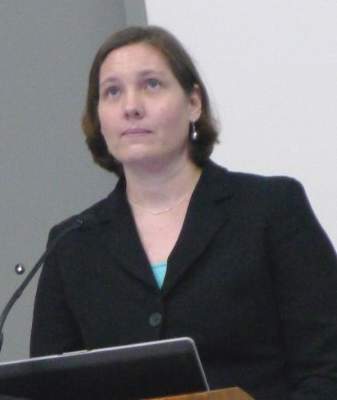
Prep-free capsule uses low-dose X-rays to image colonic polyps
SAN DIEGO – A colonoscopy capsule that requires no bowel preparation safely detected pedunculated and sessile polyps as small as 7 mm in a feasibility study of 54 volunteers.
The capsule scans the colon with very-low-dose X-rays, and the images are converted to high-resolution three-dimensional reconstructions that physicians can review remotely in about 10 minutes, said Dr. Nadir Arber of the Integrated Cancer Prevention Center at Tel Aviv Sourasky Medical Center. “All 54 capsules were excreted naturally, without discomfort or side effects,” he reported at the annual Digestive Disease Week.
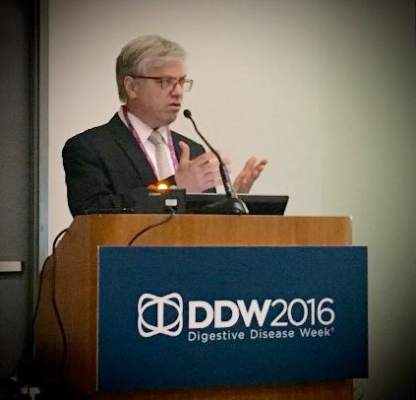
Bowel preparation is the most common reason for skipping a colonoscopy, and poor preparation leads to missed adenomas on conventional screens, Dr. Arber noted. “A colorectal cancer screening method that would generate structural data of the colon, without cathartic cleansing or diet restrictions, would offer an attractive alternative for many patients,” he said.
This capsule is no larger than others that have been approved, but it uses low-dose X-rays to circumvent the need for bowel preparation. Patients swallow the capsules and go about their day while wearing tracking patches on their lower backs that transmit (nonionizing) radiofrequency data to a localization system. This system determines when a capsule has reached the colon. At this point, the capsule is activated and begins emitting X-rays, but only when it is moving, Dr. Arber said. Because the capsule usually is not moving, radiation exposure is minimized. Also, an axis-positioning system reconciles the location of the capsule with the colonic wall to prevent movement artifacts.
The 54 volunteers in the study were 45-75 years old. The capsules took an average of 66 hours to move through the entire alimentary tract, with a standard deviation of 37 hours. If swallowed before the first meal of the day, the transit time averaged 51 hours, with a standard deviation of 25 hours. The total radiation dose per procedure averaged 0.03 mSv (standard deviation, 0.0007 mSv), which is equivalent to one dental or chest X-ray, Dr. Arber said.
Examples of reconstructed lesions included a 12 × 4 mm flat sessile polyp, a double-headed polyp with heads measuring 7 and 15 mm, and a 25-mm polyp in the sigmoid colon. “In humans, 7-mm polyps are well within the detection capability of the system,” he said.
He and his associates are planning multicenter studies to compare adenoma detection by the capsule with traditional colonoscopy. Reconstructing long pedunculated polyps might be difficult because of image distortion, Dr. Arber acknowledged.
He reported that his spouse or partner has received consulting fees from Check-Cap Ltd., the maker of the capsule.
SAN DIEGO – A colonoscopy capsule that requires no bowel preparation safely detected pedunculated and sessile polyps as small as 7 mm in a feasibility study of 54 volunteers.
The capsule scans the colon with very-low-dose X-rays, and the images are converted to high-resolution three-dimensional reconstructions that physicians can review remotely in about 10 minutes, said Dr. Nadir Arber of the Integrated Cancer Prevention Center at Tel Aviv Sourasky Medical Center. “All 54 capsules were excreted naturally, without discomfort or side effects,” he reported at the annual Digestive Disease Week.
Bowel preparation is the most common reason for skipping a colonoscopy, and poor preparation leads to missed adenomas on conventional screens, Dr. Arber noted. “A colorectal cancer screening method that would generate structural data of the colon, without cathartic cleansing or diet restrictions, would offer an attractive alternative for many patients,” he said.
This capsule is no larger than others that have been approved, but it uses low-dose X-rays to circumvent the need for bowel preparation. Patients swallow the capsules and go about their day while wearing tracking patches on their lower backs that transmit (nonionizing) radiofrequency data to a localization system. This system determines when a capsule has reached the colon. At this point, the capsule is activated and begins emitting X-rays, but only when it is moving, Dr. Arber said. Because the capsule usually is not moving, radiation exposure is minimized. Also, an axis-positioning system reconciles the location of the capsule with the colonic wall to prevent movement artifacts.
The 54 volunteers in the study were 45-75 years old. The capsules took an average of 66 hours to move through the entire alimentary tract, with a standard deviation of 37 hours. If swallowed before the first meal of the day, the transit time averaged 51 hours, with a standard deviation of 25 hours. The total radiation dose per procedure averaged 0.03 mSv (standard deviation, 0.0007 mSv), which is equivalent to one dental or chest X-ray, Dr. Arber said.
Examples of reconstructed lesions included a 12 × 4 mm flat sessile polyp, a double-headed polyp with heads measuring 7 and 15 mm, and a 25-mm polyp in the sigmoid colon. “In humans, 7-mm polyps are well within the detection capability of the system,” he said.
He and his associates are planning multicenter studies to compare adenoma detection by the capsule with traditional colonoscopy. Reconstructing long pedunculated polyps might be difficult because of image distortion, Dr. Arber acknowledged.
He reported that his spouse or partner has received consulting fees from Check-Cap Ltd., the maker of the capsule.
SAN DIEGO – A colonoscopy capsule that requires no bowel preparation safely detected pedunculated and sessile polyps as small as 7 mm in a feasibility study of 54 volunteers.
The capsule scans the colon with very-low-dose X-rays, and the images are converted to high-resolution three-dimensional reconstructions that physicians can review remotely in about 10 minutes, said Dr. Nadir Arber of the Integrated Cancer Prevention Center at Tel Aviv Sourasky Medical Center. “All 54 capsules were excreted naturally, without discomfort or side effects,” he reported at the annual Digestive Disease Week.
Bowel preparation is the most common reason for skipping a colonoscopy, and poor preparation leads to missed adenomas on conventional screens, Dr. Arber noted. “A colorectal cancer screening method that would generate structural data of the colon, without cathartic cleansing or diet restrictions, would offer an attractive alternative for many patients,” he said.
This capsule is no larger than others that have been approved, but it uses low-dose X-rays to circumvent the need for bowel preparation. Patients swallow the capsules and go about their day while wearing tracking patches on their lower backs that transmit (nonionizing) radiofrequency data to a localization system. This system determines when a capsule has reached the colon. At this point, the capsule is activated and begins emitting X-rays, but only when it is moving, Dr. Arber said. Because the capsule usually is not moving, radiation exposure is minimized. Also, an axis-positioning system reconciles the location of the capsule with the colonic wall to prevent movement artifacts.
The 54 volunteers in the study were 45-75 years old. The capsules took an average of 66 hours to move through the entire alimentary tract, with a standard deviation of 37 hours. If swallowed before the first meal of the day, the transit time averaged 51 hours, with a standard deviation of 25 hours. The total radiation dose per procedure averaged 0.03 mSv (standard deviation, 0.0007 mSv), which is equivalent to one dental or chest X-ray, Dr. Arber said.
Examples of reconstructed lesions included a 12 × 4 mm flat sessile polyp, a double-headed polyp with heads measuring 7 and 15 mm, and a 25-mm polyp in the sigmoid colon. “In humans, 7-mm polyps are well within the detection capability of the system,” he said.
He and his associates are planning multicenter studies to compare adenoma detection by the capsule with traditional colonoscopy. Reconstructing long pedunculated polyps might be difficult because of image distortion, Dr. Arber acknowledged.
He reported that his spouse or partner has received consulting fees from Check-Cap Ltd., the maker of the capsule.
AT DDW® 2016
Key clinical point: A new colonoscopy capsule uses very-low-dose X-rays to generate high-resolution three-dimensional reconstructions without the need for bowel preparation.
Major finding: The method detected pedunculated and sessile polyps in various locations ranging from 7 to 50 mm, without known adverse effects. All capsules were excreted intact.
Data source: A single-center feasibility study of 54 volunteers aged 45-75 years.
Disclosures: Dr. Arber reported that his spouse or partner has received consulting fees from Check-Cap Ltd., the maker of the capsule.
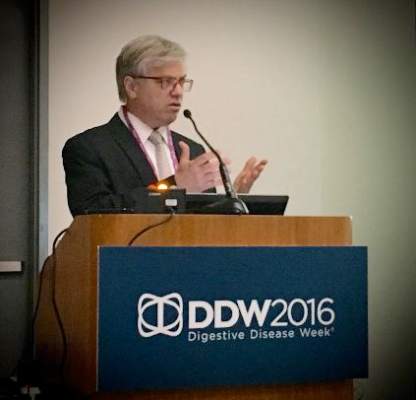
SSRIs don’t boost risk in patients with bleeding peptic ulcers
SAN DIEGO – Taking selective serotonin reuptake inhibitors (SSRIs) was not associated with an increased risk of endoscopy-refractory bleeding, rebleeding, or in-hospital mortality among 14,343 consecutive patients admitted with bleeding peptic ulcer in Denmark.
The study suggests that patients with bleeding peptic ulcers can “continue SSRI treatment if the treatment is well indicated,” and that these patients can otherwise receive treatment similar to that of other patients with peptic ulcer bleeding, Dr. Stig B. Laursen reported at the annual Digestive Disease Week.

Observational research has linked use of SSRI antidepressants to an approximately 1.5-fold increase in upper GI bleeding in peptic ulcer bleeding cases, said Dr. Laursen of Odense (Denmark) University Hospital. Studies, mostly in vitro ones, indicate SSRIs decrease the function of thrombocytes and fibrin formation via lowered levels of serotonin. Therefore, it has been suggested that temporarily discontinuing SSRIs may benefit patients with bleeding peptic ulcers.
However, sudden cessation of SSRIs can be associated with withdrawal symptoms, which have been reported in up to one-third of such patients.
Dr. Laursen and his associates prospectively analyzed data for 14,343 consecutive patients admitted with bleeding peptic ulcers in Denmark from 2006 to 2014. They investigated associations between SSRI use and several outcomes, adjusted for confounding factors including age, sex, comorbidity, anemia, medication use, circulatory failure at hospital admission, location of ulcer, stigmata of bleeding, and weekend admission.
After adjustment for confounding risk factors, SSRIs were not associated with increased risk of endoscopy-refractory bleeding (odds ratio [OR] 95% confidence interval [CI]: 1.01 [0.78-1.30]), rebleeding (OR [95% CI]: 0.94 [0.81-1.10]), or in-hospital mortality (hazard ratio [95% CI]: 0.84 [0.68-1.05]).
“Patients taking SSRIs have the same outcomes following peptic ulcer bleeding as non-SSRI users. This suggests that there is no clinically significant impairment of hemostatic function,” Dr. Laursen said. “Therefore, it seems safe to continue SSRI treatment in patients developing peptic ulcer bleeding and thereby avoid development of withdrawal symptoms.”
Dr. Laursen noted that the study has several limitations. It’s not a randomized controlled trial, he said, and there’s no information about the types of SSRIs that the patients were taking. Also, there’s a lack of information about possible discontinuation of SSRIs during hospitalization. However, he said, “that doesn’t seem to be a major confounder.”
During the question-and-answer session following his presentation, Dr. Laursen said the increased risk of poor outcome is quite low, but “there may be a small risk that we haven’t found yet. But if it’s small, maybe it doesn’t have an impact in day-to-day practice.”
The research is hospital-funded. Dr. Laursen had no financial disclosures to report.
SAN DIEGO – Taking selective serotonin reuptake inhibitors (SSRIs) was not associated with an increased risk of endoscopy-refractory bleeding, rebleeding, or in-hospital mortality among 14,343 consecutive patients admitted with bleeding peptic ulcer in Denmark.
The study suggests that patients with bleeding peptic ulcers can “continue SSRI treatment if the treatment is well indicated,” and that these patients can otherwise receive treatment similar to that of other patients with peptic ulcer bleeding, Dr. Stig B. Laursen reported at the annual Digestive Disease Week.
Observational research has linked use of SSRI antidepressants to an approximately 1.5-fold increase in upper GI bleeding in peptic ulcer bleeding cases, said Dr. Laursen of Odense (Denmark) University Hospital. Studies, mostly in vitro ones, indicate SSRIs decrease the function of thrombocytes and fibrin formation via lowered levels of serotonin. Therefore, it has been suggested that temporarily discontinuing SSRIs may benefit patients with bleeding peptic ulcers.
However, sudden cessation of SSRIs can be associated with withdrawal symptoms, which have been reported in up to one-third of such patients.
Dr. Laursen and his associates prospectively analyzed data for 14,343 consecutive patients admitted with bleeding peptic ulcers in Denmark from 2006 to 2014. They investigated associations between SSRI use and several outcomes, adjusted for confounding factors including age, sex, comorbidity, anemia, medication use, circulatory failure at hospital admission, location of ulcer, stigmata of bleeding, and weekend admission.
After adjustment for confounding risk factors, SSRIs were not associated with increased risk of endoscopy-refractory bleeding (odds ratio [OR] 95% confidence interval [CI]: 1.01 [0.78-1.30]), rebleeding (OR [95% CI]: 0.94 [0.81-1.10]), or in-hospital mortality (hazard ratio [95% CI]: 0.84 [0.68-1.05]).
“Patients taking SSRIs have the same outcomes following peptic ulcer bleeding as non-SSRI users. This suggests that there is no clinically significant impairment of hemostatic function,” Dr. Laursen said. “Therefore, it seems safe to continue SSRI treatment in patients developing peptic ulcer bleeding and thereby avoid development of withdrawal symptoms.”
Dr. Laursen noted that the study has several limitations. It’s not a randomized controlled trial, he said, and there’s no information about the types of SSRIs that the patients were taking. Also, there’s a lack of information about possible discontinuation of SSRIs during hospitalization. However, he said, “that doesn’t seem to be a major confounder.”
During the question-and-answer session following his presentation, Dr. Laursen said the increased risk of poor outcome is quite low, but “there may be a small risk that we haven’t found yet. But if it’s small, maybe it doesn’t have an impact in day-to-day practice.”
The research is hospital-funded. Dr. Laursen had no financial disclosures to report.
SAN DIEGO – Taking selective serotonin reuptake inhibitors (SSRIs) was not associated with an increased risk of endoscopy-refractory bleeding, rebleeding, or in-hospital mortality among 14,343 consecutive patients admitted with bleeding peptic ulcer in Denmark.
The study suggests that patients with bleeding peptic ulcers can “continue SSRI treatment if the treatment is well indicated,” and that these patients can otherwise receive treatment similar to that of other patients with peptic ulcer bleeding, Dr. Stig B. Laursen reported at the annual Digestive Disease Week.
Observational research has linked use of SSRI antidepressants to an approximately 1.5-fold increase in upper GI bleeding in peptic ulcer bleeding cases, said Dr. Laursen of Odense (Denmark) University Hospital. Studies, mostly in vitro ones, indicate SSRIs decrease the function of thrombocytes and fibrin formation via lowered levels of serotonin. Therefore, it has been suggested that temporarily discontinuing SSRIs may benefit patients with bleeding peptic ulcers.
However, sudden cessation of SSRIs can be associated with withdrawal symptoms, which have been reported in up to one-third of such patients.
Dr. Laursen and his associates prospectively analyzed data for 14,343 consecutive patients admitted with bleeding peptic ulcers in Denmark from 2006 to 2014. They investigated associations between SSRI use and several outcomes, adjusted for confounding factors including age, sex, comorbidity, anemia, medication use, circulatory failure at hospital admission, location of ulcer, stigmata of bleeding, and weekend admission.
After adjustment for confounding risk factors, SSRIs were not associated with increased risk of endoscopy-refractory bleeding (odds ratio [OR] 95% confidence interval [CI]: 1.01 [0.78-1.30]), rebleeding (OR [95% CI]: 0.94 [0.81-1.10]), or in-hospital mortality (hazard ratio [95% CI]: 0.84 [0.68-1.05]).
“Patients taking SSRIs have the same outcomes following peptic ulcer bleeding as non-SSRI users. This suggests that there is no clinically significant impairment of hemostatic function,” Dr. Laursen said. “Therefore, it seems safe to continue SSRI treatment in patients developing peptic ulcer bleeding and thereby avoid development of withdrawal symptoms.”
Dr. Laursen noted that the study has several limitations. It’s not a randomized controlled trial, he said, and there’s no information about the types of SSRIs that the patients were taking. Also, there’s a lack of information about possible discontinuation of SSRIs during hospitalization. However, he said, “that doesn’t seem to be a major confounder.”
During the question-and-answer session following his presentation, Dr. Laursen said the increased risk of poor outcome is quite low, but “there may be a small risk that we haven’t found yet. But if it’s small, maybe it doesn’t have an impact in day-to-day practice.”
The research is hospital-funded. Dr. Laursen had no financial disclosures to report.
AT DDW 2016
Key clinical point: Patients with bleeding peptic ulcers who are on SSRIs may be able to avoid cessation and withdrawal symptoms because outcomes aren’t affected despite worsened bleeding.
Major finding: After adjustment for confounding factors, SSRIs didn’t significantly worsen endoscopy-refractory bleeding (OR 1.01), rebleeding (OR 0.94) or in-hospital mortality (HR 0.84).
Data source: Analysis of 14,343 consecutive patients with bleeding peptic ulcers in Denmark from 2006 to 2014.
Disclosures: The research is hospital funded. Dr. Laursen had no financial disclosures to report.

Persistent SIRS, leukocytosis linked to unrecognized necrotizing pancreatitis
SAN DIEGO – Patients who have persistent leukocytosis (greater than 12 x 109 white blood cells per liter) or persistent systemic inflammatory response syndrome (SIRS) on the day of scheduled cholecystectomy may have unrecognized pancreatic necrosis, which increases the risk of postsurgical organ failure and infected necrosis, Dr. Wilson Kwong reported.
For these patients, “we recommend performing a contrast-enhanced CT scan on day 4 or 5 to reassess for necrosis,” Dr. Kwong of the gastroenterology department at the University California, San Diego, said in an interview. “Patients who have necrosis should undergo interval cholecystectomy instead, while those without necrosis are likely safe to proceed with laparoscopic cholecystectomy,” he added.
Guidelines recommend same-admission cholecystectomy for mild acute gallstone pancreatitis, although this approach will send some patients with unrecognized necrotizing pancreatitis to surgery, “with unknown consequences,” Dr. Kwong said at the annual Digestive Diseases Week.
To better understand presurgical predictors of necrotizing pancreatitis, Dr. Kwong and his coauthor, Dr. Santhi Swaroop Vege of the Mayo Clinic, Rochester, Minn., studied 46 Mayo Clinic patients with apparent mild acute gallstone pancreatitis who in fact had necrotizing pancreatitis diagnosed during same-admission laparoscopic cholecystectomies (SALCs).
The most frequent characteristics of patients with unrecognized necrotizing pancreatitis included persistent SIRS (area under the curve, 0.96) and persistent leukocytosis (AUC, 0.92) on the day of cholecystectomy (both P less than .0001). However, 82% of patients with unrecognized necrotizing pancreatitis met criteria for SIRS by their second day in the hospital, with SIRS continuing until the day of planned cholecystectomy.
Next, the investigators compared the SALC patients with 48 patients who had necrotizing pancreatitis, but did not undergo SALC. In all, 24% of SALC patients developed new organ failure, compared with none of the comparison group (P = .0003). The SALC patients also had nearly double the rate of culture-confirmed infected necrosis (52% vs. 27%, P = .02), and stayed about 1.5 days longer in the hospital (26 vs. 24.5 days, P = .049). The chances of undergoing an intervention for necrotizing pancreatitis, conversion to open cholecystectomy, or death were slightly higher for SALC patients, compared with controls, but none of these differences reached statistical significance. Two SALC patients (4%) died, compared with 2% of patients who did not undergo SALC, the investigators reported.
The researchers also compared the SALC patients with a second control group of 48 patients who were later confirmed during SALC to have true mild acute gallstone pancreatitis. Fully 91% of patients with necrotizing pancreatitis met criteria for SIRS on the day of surgery, compared with none of the patients with acute gallstone pancreatitis (P less than .0001). Furthermore, all 11 patients with necrotizing pancreatitis and available test results had persistent leukocytosis on the day of surgery, compared with only 21% of the gallstone pancreatitis group (P less than .0001).
Finally, the researchers looked at the magnitude of the problem of unrecognized necrotizing pancreatitis. “From January 2014 to August 2015, 102 consecutive patients were directly admitted to Mayo Clinic, Rochester, with acute gallstone pancreatitis and underwent SALC,” they reported. “After laparoscopic cholecystectomy, seven of these patients were discovered to have previously unrecognized necrotizing pancreatitis, thus giving a 7% occurrence rate for this complication during this recent time period.” Accurately identifying patients with emerging necrotizing pancreatitis is crucial to help prevent potentially severe complications after SALC, they emphasized.
Dr. Kwong had no relevant financial disclosures. Dr. Vege disclosed consulting fees and other compensation from Takeda and several other companies.
SAN DIEGO – Patients who have persistent leukocytosis (greater than 12 x 109 white blood cells per liter) or persistent systemic inflammatory response syndrome (SIRS) on the day of scheduled cholecystectomy may have unrecognized pancreatic necrosis, which increases the risk of postsurgical organ failure and infected necrosis, Dr. Wilson Kwong reported.
For these patients, “we recommend performing a contrast-enhanced CT scan on day 4 or 5 to reassess for necrosis,” Dr. Kwong of the gastroenterology department at the University California, San Diego, said in an interview. “Patients who have necrosis should undergo interval cholecystectomy instead, while those without necrosis are likely safe to proceed with laparoscopic cholecystectomy,” he added.
Guidelines recommend same-admission cholecystectomy for mild acute gallstone pancreatitis, although this approach will send some patients with unrecognized necrotizing pancreatitis to surgery, “with unknown consequences,” Dr. Kwong said at the annual Digestive Diseases Week.
To better understand presurgical predictors of necrotizing pancreatitis, Dr. Kwong and his coauthor, Dr. Santhi Swaroop Vege of the Mayo Clinic, Rochester, Minn., studied 46 Mayo Clinic patients with apparent mild acute gallstone pancreatitis who in fact had necrotizing pancreatitis diagnosed during same-admission laparoscopic cholecystectomies (SALCs).
The most frequent characteristics of patients with unrecognized necrotizing pancreatitis included persistent SIRS (area under the curve, 0.96) and persistent leukocytosis (AUC, 0.92) on the day of cholecystectomy (both P less than .0001). However, 82% of patients with unrecognized necrotizing pancreatitis met criteria for SIRS by their second day in the hospital, with SIRS continuing until the day of planned cholecystectomy.
Next, the investigators compared the SALC patients with 48 patients who had necrotizing pancreatitis, but did not undergo SALC. In all, 24% of SALC patients developed new organ failure, compared with none of the comparison group (P = .0003). The SALC patients also had nearly double the rate of culture-confirmed infected necrosis (52% vs. 27%, P = .02), and stayed about 1.5 days longer in the hospital (26 vs. 24.5 days, P = .049). The chances of undergoing an intervention for necrotizing pancreatitis, conversion to open cholecystectomy, or death were slightly higher for SALC patients, compared with controls, but none of these differences reached statistical significance. Two SALC patients (4%) died, compared with 2% of patients who did not undergo SALC, the investigators reported.
The researchers also compared the SALC patients with a second control group of 48 patients who were later confirmed during SALC to have true mild acute gallstone pancreatitis. Fully 91% of patients with necrotizing pancreatitis met criteria for SIRS on the day of surgery, compared with none of the patients with acute gallstone pancreatitis (P less than .0001). Furthermore, all 11 patients with necrotizing pancreatitis and available test results had persistent leukocytosis on the day of surgery, compared with only 21% of the gallstone pancreatitis group (P less than .0001).
Finally, the researchers looked at the magnitude of the problem of unrecognized necrotizing pancreatitis. “From January 2014 to August 2015, 102 consecutive patients were directly admitted to Mayo Clinic, Rochester, with acute gallstone pancreatitis and underwent SALC,” they reported. “After laparoscopic cholecystectomy, seven of these patients were discovered to have previously unrecognized necrotizing pancreatitis, thus giving a 7% occurrence rate for this complication during this recent time period.” Accurately identifying patients with emerging necrotizing pancreatitis is crucial to help prevent potentially severe complications after SALC, they emphasized.
Dr. Kwong had no relevant financial disclosures. Dr. Vege disclosed consulting fees and other compensation from Takeda and several other companies.
SAN DIEGO – Patients who have persistent leukocytosis (greater than 12 x 109 white blood cells per liter) or persistent systemic inflammatory response syndrome (SIRS) on the day of scheduled cholecystectomy may have unrecognized pancreatic necrosis, which increases the risk of postsurgical organ failure and infected necrosis, Dr. Wilson Kwong reported.
For these patients, “we recommend performing a contrast-enhanced CT scan on day 4 or 5 to reassess for necrosis,” Dr. Kwong of the gastroenterology department at the University California, San Diego, said in an interview. “Patients who have necrosis should undergo interval cholecystectomy instead, while those without necrosis are likely safe to proceed with laparoscopic cholecystectomy,” he added.
Guidelines recommend same-admission cholecystectomy for mild acute gallstone pancreatitis, although this approach will send some patients with unrecognized necrotizing pancreatitis to surgery, “with unknown consequences,” Dr. Kwong said at the annual Digestive Diseases Week.
To better understand presurgical predictors of necrotizing pancreatitis, Dr. Kwong and his coauthor, Dr. Santhi Swaroop Vege of the Mayo Clinic, Rochester, Minn., studied 46 Mayo Clinic patients with apparent mild acute gallstone pancreatitis who in fact had necrotizing pancreatitis diagnosed during same-admission laparoscopic cholecystectomies (SALCs).
The most frequent characteristics of patients with unrecognized necrotizing pancreatitis included persistent SIRS (area under the curve, 0.96) and persistent leukocytosis (AUC, 0.92) on the day of cholecystectomy (both P less than .0001). However, 82% of patients with unrecognized necrotizing pancreatitis met criteria for SIRS by their second day in the hospital, with SIRS continuing until the day of planned cholecystectomy.
Next, the investigators compared the SALC patients with 48 patients who had necrotizing pancreatitis, but did not undergo SALC. In all, 24% of SALC patients developed new organ failure, compared with none of the comparison group (P = .0003). The SALC patients also had nearly double the rate of culture-confirmed infected necrosis (52% vs. 27%, P = .02), and stayed about 1.5 days longer in the hospital (26 vs. 24.5 days, P = .049). The chances of undergoing an intervention for necrotizing pancreatitis, conversion to open cholecystectomy, or death were slightly higher for SALC patients, compared with controls, but none of these differences reached statistical significance. Two SALC patients (4%) died, compared with 2% of patients who did not undergo SALC, the investigators reported.
The researchers also compared the SALC patients with a second control group of 48 patients who were later confirmed during SALC to have true mild acute gallstone pancreatitis. Fully 91% of patients with necrotizing pancreatitis met criteria for SIRS on the day of surgery, compared with none of the patients with acute gallstone pancreatitis (P less than .0001). Furthermore, all 11 patients with necrotizing pancreatitis and available test results had persistent leukocytosis on the day of surgery, compared with only 21% of the gallstone pancreatitis group (P less than .0001).
Finally, the researchers looked at the magnitude of the problem of unrecognized necrotizing pancreatitis. “From January 2014 to August 2015, 102 consecutive patients were directly admitted to Mayo Clinic, Rochester, with acute gallstone pancreatitis and underwent SALC,” they reported. “After laparoscopic cholecystectomy, seven of these patients were discovered to have previously unrecognized necrotizing pancreatitis, thus giving a 7% occurrence rate for this complication during this recent time period.” Accurately identifying patients with emerging necrotizing pancreatitis is crucial to help prevent potentially severe complications after SALC, they emphasized.
Dr. Kwong had no relevant financial disclosures. Dr. Vege disclosed consulting fees and other compensation from Takeda and several other companies.
AT DDW® 2016
Key clinical point: Persistent leukocytosis (greater than 12 x 109 white blood cells per liter) and SIRS on the day of scheduled laparoscopic cholecystectomy may indicate unrecognized necrotizing pancreatitis.
Major finding: The highest areas under the curve were for SIRS (0.96), followed by a WBC at or above 12 x 109/L (0.92; both P less than .0001).
Data source: A single-center retrospective study of 46 patients with unrecognized pancreatitis who underwent same-admission laparoscopic cholecystectomy, 48 patients with necrotizing pancreatitis who did not undergo SALC, and 48 patients with true mild acute gallstone pancreatitis.
Disclosures: Dr. Kwong had no relevant financial disclosures. Dr. Vege disclosed consulting fees and other compensation from Takeda and several other companies.