User login
Chronic GVHD therapies offer hope for treating refractory disease
Despite improvements in prevention of graft-versus-host disease, chronic GVHD still occurs in 10%-50% of patients who undergo an allogeneic hematopoietic stem cell transplant, and these patients may require prolonged treatment with multiple lines of therapy, said a hematologist and transplant researcher.
“More effective, less toxic therapies for chronic GVHD are needed,” Stephanie Lee, MD, MPH, from the Fred Hutchinson Cancer Research Center in Seattle said at the Transplant & Cellular Therapies Meetings.
Dr. Lee reviewed clinical trials for chronic GVHD at the meeting held by the American Society for Blood and Marrow Transplantation and the Center for International Blood and Marrow Transplant Research.
Although the incidence of chronic GVHD has gradually declined over the last 40 years and both relapse-free and overall survival following a chronic GVHD diagnosis have improved, “for patients who are diagnosed with chronic GVHD, they still will see many lines of therapy and many years of therapy,” she said.
Among 148 patients with chronic GVHD treated at her center, for example, 66% went on to two lines of therapy, 50% went on to three lines, 37% required four lines of therapy, and 20% needed five lines or more.
Salvage therapies for patients with chronic GVHD have evolved away from immunomodulators and immunosuppressants in the early 1990s, toward monoclonal antibodies such as rituximab in the early 2000s, to interleukin-2 and to tyrosine kinase inhibitors such as ruxolitinib (Jakafi) and ibrutinib (Imbruvica).
There are currently 36 agents that are FDA approved for at least one indication and can also be prescribed for the treatment of chronic GVHD, Dr. Lee noted.
Treatment goals
Dr. Lee laid out six goals for treating patients with chronic GVHD. They include:
- Controlling current signs and symptoms, measured by response rates and patient-reported outcomes
- Preventing further tissue and organ damage
- Minimizing toxicity
- Maintaining graft-versus-tumor effect
- Achieving graft tolerance and stopping immunosuppression
- Decreasing nonrelapse mortality and improving survival
Active trials
Dr. Lee identified 33 trials with chronic GVHD as an indication that are currently recruiting, and an additional 13 trials that are active but closed to recruiting. The trials can be generally grouped by mechanism of action, and involve agents targeting T-regulatory cells, B cells and/or B-cell receptor (BCR) signaling, monocytes/macrophages, costimulatory blockage, a proteasome inhibition, Janus kinase (JAK) 1/2 inhibitors, ROCK2 inhibitors, hedgehog pathway inhibition, cellular therapy, and organ-targeted therapy.
Most of the trials have overall response rate as the primary endpoint, and all but five are currently in phase 1 or 2. The currently active phase 3 trials include two with ibrutinib, one with the investigational agent itacitinib, one with ruxolitinib, and one with mesenchymal stem cells.
“I’ll note that, when results are reported, the denominator really matters for the overall response rate, especially if you’re talking about small trials, because if you require the patient to be treated with an agent for a certain period of time, and you take out all the people who didn’t make it to that time point, then your overall response rate looks better,” she said.
BTK inhibitors
The first-in-class Bruton tyrosine kinase (BTK) inhibitor ibrutinib was the first and thus far only agent approved by the Food and Drug Administration for chronic GVHD. The approval was based on a single-arm, multicenter trial with 42 patients.
The ORR in this trial was 69%, consisting of 31% complete responses and 38% partial responses, with a duration of response longer than 10 months in slightly more than half of all patients. In all, 24% of patients had improvement of symptoms in two consecutive visits, and 29% continued on ibrutinib at the time of the primary analysis in 2017.
Based on these promising results, acalabrutinib, which is more potent and selective for BTK than ibrutinib, with no effect on either platelets or natural killer cells, is currently under investigation in a phase 2 trial in 50 patients at a dose of 100 mg orally twice daily.
JAK1/2 inhibition
The JAK1 inhibitor itacitinib failed to meet its primary ORR endpoint in the phase 3 GRAVITAS-301 study, according to a press release, but the manufacturer (Incyte) said that it is continuing its commitment to JAK inhibitors with ruxolitinib, which has shown activity against acute, steroid-refractory GVHD, and is being explored for prevention of chronic GVHD in the randomized, phase 3 REACH3 study.
The trial met its primary endpoint for a higher ORR at week 24 with ruxolitinib versus best available therapy, at 49.7% versus 25.6%, respectively, which translated into an odds ratio for response with the JAK inhibitor of 2.99 (P < .0001).
Selective T-cell expansion
Efavaleukin alfa is an IL-2-mutated protein (mutein), with a mutation in the IL-2RB-binding portion of IL-2 causing increased selectivity for regulatory T-cell expansion. It is bound to an IgG-Fc domain that is itself mutated, with reduced Fc receptor binding and IgG effector function to give it a longer half life. This agent is being studied in a phase 1/2 trial in a subcutaneous formulation delivered every 1 or 2 weeks to 68 patients.
Monocyte/macrophage depletion
Axatilimab is a high-affinity antibody targeting colony stimulating factor–1 receptor (CSF-1R) expressed on monocytes and macrophages. By blocking CSF-1R, it depletes circulation of nonclassical monocytes and prevents the differentiation and survival of M2 macrophages in tissue.
It is currently being investigated 30 patients in a phase 1/2 study in an intravenous formulation delivered over 30 minutes every 2-4 weeks.
Hedgehog pathway inhibition
There is evidence suggesting that hedgehog pathway inhibition can lessen fibrosis. Glasdegib (Daurismo) a potent selective oral inhibitor of the hedgehog signaling pathway, is approved for use with low-dose cytarabine for patients with newly diagnosed acute myeloid leukemia aged older than 75 years or have comorbidities precluding intensive chemotherapy.
This agent is associated with drug intolerance because of muscle spasms, dysgeusia, and alopecia, however.
The drug is currently in phase 1/2 at a dose of 50 mg orally per day in 20 patients.
ROCK2 inhibition
Belumosudil (formerly KD025) “appears to rebalance the immune system,” Dr. Lee said. Investigators think that the drug dampens an autoaggressive inflammatory response by selective inhibition of ROCK2.
This drug has been studied in a dose-escalation study and a phase 2 trial, in which 132 participants were randomized to receive belumosudil 200 mg either once or twice daily.
At a median follow-up of 8 months, the ORR with belumosudil 200 mg once and twice daily was 73% and 74%, respectively. Similar results were seen in patients who had previously received either ruxolitinib or ibrutinib. High response rates were seen in patients with severe chronic GVHD, involvement of four or more organs and a refractory response to their last line of therapy.
Hard-to-manage patients
“We’re very hopeful for many of these agents, but we have to acknowledge that there are still many management dilemmas, patients that we just don’t really know what to do with,” Dr. Lee said. “These include patients who have bad sclerosis and fasciitis, nonhealing skin ulcers, bronchiolitis obliterans, serositis that can be very difficult to manage, severe keratoconjunctivitis that can be eyesight threatening, nonhealing mouth ulcers, esophageal structures, and always patients who have frequent infections.
“We are hopeful that some these agents will be useful for our patients who have severe manifestations, but often the number of patients with these manifestations in the trials is too low to say something specific about them,” she added.
‘Exciting time’
“It’s an exciting time because there are a lot of different drugs that are being studied for chronic GVHD,” commented Betty Hamilton, MD, a hematologist/oncologist at the Cleveland Clinic.
“I think that where the field is going in terms of treatment is recognizing that chronic GVHD is a pretty heterogeneous disease, and we have to learn even more about the underlying biologic pathways to be able to determine which class of drugs to use and when,” she said in an interview.
She agreed with Dr. Lee that the goals of treating patients with chronic GVHD include improving symptoms and quality, preventing progression, ideally tapering patients off immunosuppression, and achieving a balance between preventing negative consequences of GVHD while maintain the benefits of a graft-versus-leukemia effect.
“In our center, drug choice is based on physician preference and comfort with how often they’ve used the drug, patients’ comorbidities, toxicities of the drug, and logistical considerations,” Dr. Hamilton said.
Dr. Lee disclosed consulting activities for Pfizer and Kadmon, travel and lodging from Amgen, and research funding from those companies and others. Dr. Hamilton disclosed consulting for Syndax and Incyte.
Despite improvements in prevention of graft-versus-host disease, chronic GVHD still occurs in 10%-50% of patients who undergo an allogeneic hematopoietic stem cell transplant, and these patients may require prolonged treatment with multiple lines of therapy, said a hematologist and transplant researcher.
“More effective, less toxic therapies for chronic GVHD are needed,” Stephanie Lee, MD, MPH, from the Fred Hutchinson Cancer Research Center in Seattle said at the Transplant & Cellular Therapies Meetings.
Dr. Lee reviewed clinical trials for chronic GVHD at the meeting held by the American Society for Blood and Marrow Transplantation and the Center for International Blood and Marrow Transplant Research.
Although the incidence of chronic GVHD has gradually declined over the last 40 years and both relapse-free and overall survival following a chronic GVHD diagnosis have improved, “for patients who are diagnosed with chronic GVHD, they still will see many lines of therapy and many years of therapy,” she said.
Among 148 patients with chronic GVHD treated at her center, for example, 66% went on to two lines of therapy, 50% went on to three lines, 37% required four lines of therapy, and 20% needed five lines or more.
Salvage therapies for patients with chronic GVHD have evolved away from immunomodulators and immunosuppressants in the early 1990s, toward monoclonal antibodies such as rituximab in the early 2000s, to interleukin-2 and to tyrosine kinase inhibitors such as ruxolitinib (Jakafi) and ibrutinib (Imbruvica).
There are currently 36 agents that are FDA approved for at least one indication and can also be prescribed for the treatment of chronic GVHD, Dr. Lee noted.
Treatment goals
Dr. Lee laid out six goals for treating patients with chronic GVHD. They include:
- Controlling current signs and symptoms, measured by response rates and patient-reported outcomes
- Preventing further tissue and organ damage
- Minimizing toxicity
- Maintaining graft-versus-tumor effect
- Achieving graft tolerance and stopping immunosuppression
- Decreasing nonrelapse mortality and improving survival
Active trials
Dr. Lee identified 33 trials with chronic GVHD as an indication that are currently recruiting, and an additional 13 trials that are active but closed to recruiting. The trials can be generally grouped by mechanism of action, and involve agents targeting T-regulatory cells, B cells and/or B-cell receptor (BCR) signaling, monocytes/macrophages, costimulatory blockage, a proteasome inhibition, Janus kinase (JAK) 1/2 inhibitors, ROCK2 inhibitors, hedgehog pathway inhibition, cellular therapy, and organ-targeted therapy.
Most of the trials have overall response rate as the primary endpoint, and all but five are currently in phase 1 or 2. The currently active phase 3 trials include two with ibrutinib, one with the investigational agent itacitinib, one with ruxolitinib, and one with mesenchymal stem cells.
“I’ll note that, when results are reported, the denominator really matters for the overall response rate, especially if you’re talking about small trials, because if you require the patient to be treated with an agent for a certain period of time, and you take out all the people who didn’t make it to that time point, then your overall response rate looks better,” she said.
BTK inhibitors
The first-in-class Bruton tyrosine kinase (BTK) inhibitor ibrutinib was the first and thus far only agent approved by the Food and Drug Administration for chronic GVHD. The approval was based on a single-arm, multicenter trial with 42 patients.
The ORR in this trial was 69%, consisting of 31% complete responses and 38% partial responses, with a duration of response longer than 10 months in slightly more than half of all patients. In all, 24% of patients had improvement of symptoms in two consecutive visits, and 29% continued on ibrutinib at the time of the primary analysis in 2017.
Based on these promising results, acalabrutinib, which is more potent and selective for BTK than ibrutinib, with no effect on either platelets or natural killer cells, is currently under investigation in a phase 2 trial in 50 patients at a dose of 100 mg orally twice daily.
JAK1/2 inhibition
The JAK1 inhibitor itacitinib failed to meet its primary ORR endpoint in the phase 3 GRAVITAS-301 study, according to a press release, but the manufacturer (Incyte) said that it is continuing its commitment to JAK inhibitors with ruxolitinib, which has shown activity against acute, steroid-refractory GVHD, and is being explored for prevention of chronic GVHD in the randomized, phase 3 REACH3 study.
The trial met its primary endpoint for a higher ORR at week 24 with ruxolitinib versus best available therapy, at 49.7% versus 25.6%, respectively, which translated into an odds ratio for response with the JAK inhibitor of 2.99 (P < .0001).
Selective T-cell expansion
Efavaleukin alfa is an IL-2-mutated protein (mutein), with a mutation in the IL-2RB-binding portion of IL-2 causing increased selectivity for regulatory T-cell expansion. It is bound to an IgG-Fc domain that is itself mutated, with reduced Fc receptor binding and IgG effector function to give it a longer half life. This agent is being studied in a phase 1/2 trial in a subcutaneous formulation delivered every 1 or 2 weeks to 68 patients.
Monocyte/macrophage depletion
Axatilimab is a high-affinity antibody targeting colony stimulating factor–1 receptor (CSF-1R) expressed on monocytes and macrophages. By blocking CSF-1R, it depletes circulation of nonclassical monocytes and prevents the differentiation and survival of M2 macrophages in tissue.
It is currently being investigated 30 patients in a phase 1/2 study in an intravenous formulation delivered over 30 minutes every 2-4 weeks.
Hedgehog pathway inhibition
There is evidence suggesting that hedgehog pathway inhibition can lessen fibrosis. Glasdegib (Daurismo) a potent selective oral inhibitor of the hedgehog signaling pathway, is approved for use with low-dose cytarabine for patients with newly diagnosed acute myeloid leukemia aged older than 75 years or have comorbidities precluding intensive chemotherapy.
This agent is associated with drug intolerance because of muscle spasms, dysgeusia, and alopecia, however.
The drug is currently in phase 1/2 at a dose of 50 mg orally per day in 20 patients.
ROCK2 inhibition
Belumosudil (formerly KD025) “appears to rebalance the immune system,” Dr. Lee said. Investigators think that the drug dampens an autoaggressive inflammatory response by selective inhibition of ROCK2.
This drug has been studied in a dose-escalation study and a phase 2 trial, in which 132 participants were randomized to receive belumosudil 200 mg either once or twice daily.
At a median follow-up of 8 months, the ORR with belumosudil 200 mg once and twice daily was 73% and 74%, respectively. Similar results were seen in patients who had previously received either ruxolitinib or ibrutinib. High response rates were seen in patients with severe chronic GVHD, involvement of four or more organs and a refractory response to their last line of therapy.
Hard-to-manage patients
“We’re very hopeful for many of these agents, but we have to acknowledge that there are still many management dilemmas, patients that we just don’t really know what to do with,” Dr. Lee said. “These include patients who have bad sclerosis and fasciitis, nonhealing skin ulcers, bronchiolitis obliterans, serositis that can be very difficult to manage, severe keratoconjunctivitis that can be eyesight threatening, nonhealing mouth ulcers, esophageal structures, and always patients who have frequent infections.
“We are hopeful that some these agents will be useful for our patients who have severe manifestations, but often the number of patients with these manifestations in the trials is too low to say something specific about them,” she added.
‘Exciting time’
“It’s an exciting time because there are a lot of different drugs that are being studied for chronic GVHD,” commented Betty Hamilton, MD, a hematologist/oncologist at the Cleveland Clinic.
“I think that where the field is going in terms of treatment is recognizing that chronic GVHD is a pretty heterogeneous disease, and we have to learn even more about the underlying biologic pathways to be able to determine which class of drugs to use and when,” she said in an interview.
She agreed with Dr. Lee that the goals of treating patients with chronic GVHD include improving symptoms and quality, preventing progression, ideally tapering patients off immunosuppression, and achieving a balance between preventing negative consequences of GVHD while maintain the benefits of a graft-versus-leukemia effect.
“In our center, drug choice is based on physician preference and comfort with how often they’ve used the drug, patients’ comorbidities, toxicities of the drug, and logistical considerations,” Dr. Hamilton said.
Dr. Lee disclosed consulting activities for Pfizer and Kadmon, travel and lodging from Amgen, and research funding from those companies and others. Dr. Hamilton disclosed consulting for Syndax and Incyte.
Despite improvements in prevention of graft-versus-host disease, chronic GVHD still occurs in 10%-50% of patients who undergo an allogeneic hematopoietic stem cell transplant, and these patients may require prolonged treatment with multiple lines of therapy, said a hematologist and transplant researcher.
“More effective, less toxic therapies for chronic GVHD are needed,” Stephanie Lee, MD, MPH, from the Fred Hutchinson Cancer Research Center in Seattle said at the Transplant & Cellular Therapies Meetings.
Dr. Lee reviewed clinical trials for chronic GVHD at the meeting held by the American Society for Blood and Marrow Transplantation and the Center for International Blood and Marrow Transplant Research.
Although the incidence of chronic GVHD has gradually declined over the last 40 years and both relapse-free and overall survival following a chronic GVHD diagnosis have improved, “for patients who are diagnosed with chronic GVHD, they still will see many lines of therapy and many years of therapy,” she said.
Among 148 patients with chronic GVHD treated at her center, for example, 66% went on to two lines of therapy, 50% went on to three lines, 37% required four lines of therapy, and 20% needed five lines or more.
Salvage therapies for patients with chronic GVHD have evolved away from immunomodulators and immunosuppressants in the early 1990s, toward monoclonal antibodies such as rituximab in the early 2000s, to interleukin-2 and to tyrosine kinase inhibitors such as ruxolitinib (Jakafi) and ibrutinib (Imbruvica).
There are currently 36 agents that are FDA approved for at least one indication and can also be prescribed for the treatment of chronic GVHD, Dr. Lee noted.
Treatment goals
Dr. Lee laid out six goals for treating patients with chronic GVHD. They include:
- Controlling current signs and symptoms, measured by response rates and patient-reported outcomes
- Preventing further tissue and organ damage
- Minimizing toxicity
- Maintaining graft-versus-tumor effect
- Achieving graft tolerance and stopping immunosuppression
- Decreasing nonrelapse mortality and improving survival
Active trials
Dr. Lee identified 33 trials with chronic GVHD as an indication that are currently recruiting, and an additional 13 trials that are active but closed to recruiting. The trials can be generally grouped by mechanism of action, and involve agents targeting T-regulatory cells, B cells and/or B-cell receptor (BCR) signaling, monocytes/macrophages, costimulatory blockage, a proteasome inhibition, Janus kinase (JAK) 1/2 inhibitors, ROCK2 inhibitors, hedgehog pathway inhibition, cellular therapy, and organ-targeted therapy.
Most of the trials have overall response rate as the primary endpoint, and all but five are currently in phase 1 or 2. The currently active phase 3 trials include two with ibrutinib, one with the investigational agent itacitinib, one with ruxolitinib, and one with mesenchymal stem cells.
“I’ll note that, when results are reported, the denominator really matters for the overall response rate, especially if you’re talking about small trials, because if you require the patient to be treated with an agent for a certain period of time, and you take out all the people who didn’t make it to that time point, then your overall response rate looks better,” she said.
BTK inhibitors
The first-in-class Bruton tyrosine kinase (BTK) inhibitor ibrutinib was the first and thus far only agent approved by the Food and Drug Administration for chronic GVHD. The approval was based on a single-arm, multicenter trial with 42 patients.
The ORR in this trial was 69%, consisting of 31% complete responses and 38% partial responses, with a duration of response longer than 10 months in slightly more than half of all patients. In all, 24% of patients had improvement of symptoms in two consecutive visits, and 29% continued on ibrutinib at the time of the primary analysis in 2017.
Based on these promising results, acalabrutinib, which is more potent and selective for BTK than ibrutinib, with no effect on either platelets or natural killer cells, is currently under investigation in a phase 2 trial in 50 patients at a dose of 100 mg orally twice daily.
JAK1/2 inhibition
The JAK1 inhibitor itacitinib failed to meet its primary ORR endpoint in the phase 3 GRAVITAS-301 study, according to a press release, but the manufacturer (Incyte) said that it is continuing its commitment to JAK inhibitors with ruxolitinib, which has shown activity against acute, steroid-refractory GVHD, and is being explored for prevention of chronic GVHD in the randomized, phase 3 REACH3 study.
The trial met its primary endpoint for a higher ORR at week 24 with ruxolitinib versus best available therapy, at 49.7% versus 25.6%, respectively, which translated into an odds ratio for response with the JAK inhibitor of 2.99 (P < .0001).
Selective T-cell expansion
Efavaleukin alfa is an IL-2-mutated protein (mutein), with a mutation in the IL-2RB-binding portion of IL-2 causing increased selectivity for regulatory T-cell expansion. It is bound to an IgG-Fc domain that is itself mutated, with reduced Fc receptor binding and IgG effector function to give it a longer half life. This agent is being studied in a phase 1/2 trial in a subcutaneous formulation delivered every 1 or 2 weeks to 68 patients.
Monocyte/macrophage depletion
Axatilimab is a high-affinity antibody targeting colony stimulating factor–1 receptor (CSF-1R) expressed on monocytes and macrophages. By blocking CSF-1R, it depletes circulation of nonclassical monocytes and prevents the differentiation and survival of M2 macrophages in tissue.
It is currently being investigated 30 patients in a phase 1/2 study in an intravenous formulation delivered over 30 minutes every 2-4 weeks.
Hedgehog pathway inhibition
There is evidence suggesting that hedgehog pathway inhibition can lessen fibrosis. Glasdegib (Daurismo) a potent selective oral inhibitor of the hedgehog signaling pathway, is approved for use with low-dose cytarabine for patients with newly diagnosed acute myeloid leukemia aged older than 75 years or have comorbidities precluding intensive chemotherapy.
This agent is associated with drug intolerance because of muscle spasms, dysgeusia, and alopecia, however.
The drug is currently in phase 1/2 at a dose of 50 mg orally per day in 20 patients.
ROCK2 inhibition
Belumosudil (formerly KD025) “appears to rebalance the immune system,” Dr. Lee said. Investigators think that the drug dampens an autoaggressive inflammatory response by selective inhibition of ROCK2.
This drug has been studied in a dose-escalation study and a phase 2 trial, in which 132 participants were randomized to receive belumosudil 200 mg either once or twice daily.
At a median follow-up of 8 months, the ORR with belumosudil 200 mg once and twice daily was 73% and 74%, respectively. Similar results were seen in patients who had previously received either ruxolitinib or ibrutinib. High response rates were seen in patients with severe chronic GVHD, involvement of four or more organs and a refractory response to their last line of therapy.
Hard-to-manage patients
“We’re very hopeful for many of these agents, but we have to acknowledge that there are still many management dilemmas, patients that we just don’t really know what to do with,” Dr. Lee said. “These include patients who have bad sclerosis and fasciitis, nonhealing skin ulcers, bronchiolitis obliterans, serositis that can be very difficult to manage, severe keratoconjunctivitis that can be eyesight threatening, nonhealing mouth ulcers, esophageal structures, and always patients who have frequent infections.
“We are hopeful that some these agents will be useful for our patients who have severe manifestations, but often the number of patients with these manifestations in the trials is too low to say something specific about them,” she added.
‘Exciting time’
“It’s an exciting time because there are a lot of different drugs that are being studied for chronic GVHD,” commented Betty Hamilton, MD, a hematologist/oncologist at the Cleveland Clinic.
“I think that where the field is going in terms of treatment is recognizing that chronic GVHD is a pretty heterogeneous disease, and we have to learn even more about the underlying biologic pathways to be able to determine which class of drugs to use and when,” she said in an interview.
She agreed with Dr. Lee that the goals of treating patients with chronic GVHD include improving symptoms and quality, preventing progression, ideally tapering patients off immunosuppression, and achieving a balance between preventing negative consequences of GVHD while maintain the benefits of a graft-versus-leukemia effect.
“In our center, drug choice is based on physician preference and comfort with how often they’ve used the drug, patients’ comorbidities, toxicities of the drug, and logistical considerations,” Dr. Hamilton said.
Dr. Lee disclosed consulting activities for Pfizer and Kadmon, travel and lodging from Amgen, and research funding from those companies and others. Dr. Hamilton disclosed consulting for Syndax and Incyte.
FROM TCT 2021
Caregiver burden of outpatient ASCT for multiple myeloma comparable with inpatient transplant
Tending to patients who opt for outpatient autologous stem cell transplants is well tolerated by caregivers, so long as they have the resources and support necessary, according to a recent Italian report.
Investigators surveyed the primary caregivers – most often the spouse – of 25 multiple myeloma patients who, in consultation with their caregiver, opted for an outpatient procedure and 71 others who chose standard inpatient treatment, and compared the results. Outpatients were discharged a day after transplant with twice-weekly clinic visits until sustained hematologic recovery as reported in Clinical Lymphoma, Myeloma and Leukemia.
The teams used portions of the Caregiver Reaction Assessment survey that focused on self-reported sense of family support plus affect on daily activities and general health. Surveys were taken a week before transplant and 3 months afterwards.
Results did not differ significantly between outpatient and inpatient caregivers at either point, and there was no meaningful change in responses over time.
“The outpatient model neither improves nor impairs global caregivers’ burden, compared with” inpatient transplant. Outpatient caregivers “do not show that they suffer from a greater burden of responsibility as compared to those belonging to the inpatient’s arm,” said investigators led by Massimo Martino, MD, director of stem cell transplants at the Great Metropolitan Hospital in Reggio Calabria, Italy, where the patients were treated.
The relatively short-lasting neutropenia and the limited nonhematologic toxicity of high-dose melphalan make multiple myeloma good candidates for outpatient programs. Indeed, the incidence rate of mucositis, fever, chemotherapy-induced nausea and vomiting, and other adverse events did not differ between in and outpatients, which is in keeping with previous reports supporting the feasibility and safety of outpatient programs.
However, the burden on loved ones is considerable. At least during the aplastic phase, outpatient caregivers are on call around the clock and spend most of their time with the patient. Homes have to be kept meticulously clean, vital signs checked, medications administered, and ins and outs monitored, among other duties normally handled by inpatient staff.
The main limit of the study was that outpatients were a self-selected group. They and their caregivers may simply have had the resources and support needed for successful outpatient transplants, while other patients did not. As the investigators put it, “we cannot exclude the problem of residual confounding due to unmeasured variables” such as “factors underlying patients’ preference, which could potentially impact the study results.”
Administering the follow-up survey 3 months after transplant might also have missed the acute impact on outpatient caregivers. It’s been “reported that the quality of life of patients undergoing an” outpatient procedure decreases immediately post treatment but bounces back by 6 months. “The same result can probably be observed in caregivers,” the team said.
The outpatient and inpatient groups were comparable, with a majority of men and a mean age of about 60 years in both. The number of infused stem cells, engraftment kinetics, and hematopoietic cell transplantation–comorbidity index scores did not differ significantly between the two groups.
There was no funding for the work, and the investigators reported that they didn’t have any conflicts of interest.
SOURCE: Martino M et al. Clin Lymphoma Myeloma Leuk. 2020 Nov 19. doi: 10.1016/j.clml.2020.11.011.
Tending to patients who opt for outpatient autologous stem cell transplants is well tolerated by caregivers, so long as they have the resources and support necessary, according to a recent Italian report.
Investigators surveyed the primary caregivers – most often the spouse – of 25 multiple myeloma patients who, in consultation with their caregiver, opted for an outpatient procedure and 71 others who chose standard inpatient treatment, and compared the results. Outpatients were discharged a day after transplant with twice-weekly clinic visits until sustained hematologic recovery as reported in Clinical Lymphoma, Myeloma and Leukemia.
The teams used portions of the Caregiver Reaction Assessment survey that focused on self-reported sense of family support plus affect on daily activities and general health. Surveys were taken a week before transplant and 3 months afterwards.
Results did not differ significantly between outpatient and inpatient caregivers at either point, and there was no meaningful change in responses over time.
“The outpatient model neither improves nor impairs global caregivers’ burden, compared with” inpatient transplant. Outpatient caregivers “do not show that they suffer from a greater burden of responsibility as compared to those belonging to the inpatient’s arm,” said investigators led by Massimo Martino, MD, director of stem cell transplants at the Great Metropolitan Hospital in Reggio Calabria, Italy, where the patients were treated.
The relatively short-lasting neutropenia and the limited nonhematologic toxicity of high-dose melphalan make multiple myeloma good candidates for outpatient programs. Indeed, the incidence rate of mucositis, fever, chemotherapy-induced nausea and vomiting, and other adverse events did not differ between in and outpatients, which is in keeping with previous reports supporting the feasibility and safety of outpatient programs.
However, the burden on loved ones is considerable. At least during the aplastic phase, outpatient caregivers are on call around the clock and spend most of their time with the patient. Homes have to be kept meticulously clean, vital signs checked, medications administered, and ins and outs monitored, among other duties normally handled by inpatient staff.
The main limit of the study was that outpatients were a self-selected group. They and their caregivers may simply have had the resources and support needed for successful outpatient transplants, while other patients did not. As the investigators put it, “we cannot exclude the problem of residual confounding due to unmeasured variables” such as “factors underlying patients’ preference, which could potentially impact the study results.”
Administering the follow-up survey 3 months after transplant might also have missed the acute impact on outpatient caregivers. It’s been “reported that the quality of life of patients undergoing an” outpatient procedure decreases immediately post treatment but bounces back by 6 months. “The same result can probably be observed in caregivers,” the team said.
The outpatient and inpatient groups were comparable, with a majority of men and a mean age of about 60 years in both. The number of infused stem cells, engraftment kinetics, and hematopoietic cell transplantation–comorbidity index scores did not differ significantly between the two groups.
There was no funding for the work, and the investigators reported that they didn’t have any conflicts of interest.
SOURCE: Martino M et al. Clin Lymphoma Myeloma Leuk. 2020 Nov 19. doi: 10.1016/j.clml.2020.11.011.
Tending to patients who opt for outpatient autologous stem cell transplants is well tolerated by caregivers, so long as they have the resources and support necessary, according to a recent Italian report.
Investigators surveyed the primary caregivers – most often the spouse – of 25 multiple myeloma patients who, in consultation with their caregiver, opted for an outpatient procedure and 71 others who chose standard inpatient treatment, and compared the results. Outpatients were discharged a day after transplant with twice-weekly clinic visits until sustained hematologic recovery as reported in Clinical Lymphoma, Myeloma and Leukemia.
The teams used portions of the Caregiver Reaction Assessment survey that focused on self-reported sense of family support plus affect on daily activities and general health. Surveys were taken a week before transplant and 3 months afterwards.
Results did not differ significantly between outpatient and inpatient caregivers at either point, and there was no meaningful change in responses over time.
“The outpatient model neither improves nor impairs global caregivers’ burden, compared with” inpatient transplant. Outpatient caregivers “do not show that they suffer from a greater burden of responsibility as compared to those belonging to the inpatient’s arm,” said investigators led by Massimo Martino, MD, director of stem cell transplants at the Great Metropolitan Hospital in Reggio Calabria, Italy, where the patients were treated.
The relatively short-lasting neutropenia and the limited nonhematologic toxicity of high-dose melphalan make multiple myeloma good candidates for outpatient programs. Indeed, the incidence rate of mucositis, fever, chemotherapy-induced nausea and vomiting, and other adverse events did not differ between in and outpatients, which is in keeping with previous reports supporting the feasibility and safety of outpatient programs.
However, the burden on loved ones is considerable. At least during the aplastic phase, outpatient caregivers are on call around the clock and spend most of their time with the patient. Homes have to be kept meticulously clean, vital signs checked, medications administered, and ins and outs monitored, among other duties normally handled by inpatient staff.
The main limit of the study was that outpatients were a self-selected group. They and their caregivers may simply have had the resources and support needed for successful outpatient transplants, while other patients did not. As the investigators put it, “we cannot exclude the problem of residual confounding due to unmeasured variables” such as “factors underlying patients’ preference, which could potentially impact the study results.”
Administering the follow-up survey 3 months after transplant might also have missed the acute impact on outpatient caregivers. It’s been “reported that the quality of life of patients undergoing an” outpatient procedure decreases immediately post treatment but bounces back by 6 months. “The same result can probably be observed in caregivers,” the team said.
The outpatient and inpatient groups were comparable, with a majority of men and a mean age of about 60 years in both. The number of infused stem cells, engraftment kinetics, and hematopoietic cell transplantation–comorbidity index scores did not differ significantly between the two groups.
There was no funding for the work, and the investigators reported that they didn’t have any conflicts of interest.
SOURCE: Martino M et al. Clin Lymphoma Myeloma Leuk. 2020 Nov 19. doi: 10.1016/j.clml.2020.11.011.
FROM CLINICAL LYMPHOMA, MYELOMA AND LEUKEMIA
Study found dual-targeted CAR T highly active against relapsed/refractory multiple myeloma
An investigational chimeric antigen receptor T-cell (CAR T-cell) construct targeting two antigens on multiple myeloma cells showed promise in a first-in-humans trial, investigators said.
Among 16 patients with relapsed/refractory, heavily pretreated multiple myeloma who received the dual-targeting construct GC012F, the overall response rate was 93.8%, and all of six patients who received the cells at the highest of three dose levels had stringent complete responses (sCR) and were negative for minimal residual disease (MRD) at 6 months follow-up, reported Weijun Fu, MD, PhD, from Shanghai (China) Changzheng Hospital in an oral abstract presented during the virtual American Society of Hematology annual meeting.
GC012F is a novel CAR-T cell platform targeting both the B-cell maturation antigen (BCMA), which is universally expressed on malignant plasma cells, and CD19, which is expressed on both multiple myeloma cells and progenitors, Dr. Fu said.
“Targeting CD19 can trigger elimination of malignant cells by CAR T. Our preclinical work demonstrated more effective elimination of multiple myeloma clone-forming cells by BCMA and CD19 dual CAR T, so targeting both BCMA and CD19 antigens could improve efficacy and reduce relapse,” he said.
The construct is created using the FasTCAR platform that, according to manufacturer Gracell Biotechnologies (Shanghai), allows for cell culturing and expansion within 24-36 hours, rather than 2-3 weeks required for other CAR T-cell products.
Investigator-initiated trial
In a phase 1 investigator-initiated trial, 16 patients with a median age of 56 (range 27-71) years were enrolled. The patients all had relapsed or refractory multiple myeloma according to 2016 International Myeloma Working Group criteria, with a life expectancy of at least 3 months and adequate organ function.
The median time since diagnosis was 3 years (range 1-10). All but one of the 16 patients had high-risk disease, 3 had double-hit disease (the presence of two deletions, gain of function, or p53 mutation), and 5 patients had one or more extramedullary plasmacytomas. Four of the patients had received therapy with an anti-CD38 monoclonal antibody.
Following lymphodepletion with fludarabine and cyclophosphamide, the patients received the CAR T cells in a single infusion at dose levels of either 1, 2, or 3 times 105 cells/kg.
As of the cutoff date in July 2020, 15 of the 16 patients had a clinical response, including 9 with a CR or sCR, and 6 with a very good partial response (VGPR). As noted before, all of the six patients treated at the highest dose level had a sCR. At the median follow-up of 7.3 months, the median duration of response had not been reached.
Among all patients evaluable for response at month 1 (14 patients), 11 were MRD negative by flow cytometry. At month 3 all 11 evaluable patients were MRD negative, and all of 10 patients evaluable at 6 months were also MRD negative.
As with other CAR T-cell constructs, all patients developed the cytokine-release syndrome (CRS), with grade 1 or 2 severity in 14 patients, and grade 3 in 2 patients. The median time to onset of CRS was 6 days (range 2-10), and the median duration was 4 days (range 1-8 days).
No cases of immune effector cell–associated neurotoxicity syndrome (ICANS) were observed.
One patient treated at the middle dose level presented with fever and died shortly after day 78 of an unknown cause during the COVID-19 pandemic. Two patients died of extramedullary disease; each had achieved MRD negativity.
Investigators continue to follow the patients and are enrolling new patients in the ongoing study.
‘Interesting approach’
Sandy W. Wong, MD, from the Helen Diller Family Comprehensive Cancer Center at the University of California San Francisco, who was not involved in the study, said in an interview that the dual-targeted approach is interesting, in light of a case report presented at ASH 2020 of a patient with multiple myeloma who had a partial response to CAR T-cell therapy with a different construct and who developed a subsequent biallelic loss of BCMA that resulted in resistance to CAR T-cell therapy.
“This raises the idea that, if we perhaps had a dual-targeted CAR T, perhaps we will prolong progression-free survival, in order to avoid antigen escape. So I do think the concept is very interesting and does deserve further study,” she said.
CD19 is thought to be expressed on myeloma stem cells, “so the question is: Are patients not being cured because there is a reservoir of myeloma cells, and targeting CD19 is thought to get at this putative myeloma stem cell? but that remains to be seen,” she added.
Dr. Wong comoderated the session where Dr. Fu presented the data.
The study was supported by participating medical centers and Gracell Biotechnologies. Dr. Fu and Dr. Wong reported no relevant conflicts of interest to disclose.
SOURCE: Jiang H et al. ASH 2020, Abstract 178.
An investigational chimeric antigen receptor T-cell (CAR T-cell) construct targeting two antigens on multiple myeloma cells showed promise in a first-in-humans trial, investigators said.
Among 16 patients with relapsed/refractory, heavily pretreated multiple myeloma who received the dual-targeting construct GC012F, the overall response rate was 93.8%, and all of six patients who received the cells at the highest of three dose levels had stringent complete responses (sCR) and were negative for minimal residual disease (MRD) at 6 months follow-up, reported Weijun Fu, MD, PhD, from Shanghai (China) Changzheng Hospital in an oral abstract presented during the virtual American Society of Hematology annual meeting.
GC012F is a novel CAR-T cell platform targeting both the B-cell maturation antigen (BCMA), which is universally expressed on malignant plasma cells, and CD19, which is expressed on both multiple myeloma cells and progenitors, Dr. Fu said.
“Targeting CD19 can trigger elimination of malignant cells by CAR T. Our preclinical work demonstrated more effective elimination of multiple myeloma clone-forming cells by BCMA and CD19 dual CAR T, so targeting both BCMA and CD19 antigens could improve efficacy and reduce relapse,” he said.
The construct is created using the FasTCAR platform that, according to manufacturer Gracell Biotechnologies (Shanghai), allows for cell culturing and expansion within 24-36 hours, rather than 2-3 weeks required for other CAR T-cell products.
Investigator-initiated trial
In a phase 1 investigator-initiated trial, 16 patients with a median age of 56 (range 27-71) years were enrolled. The patients all had relapsed or refractory multiple myeloma according to 2016 International Myeloma Working Group criteria, with a life expectancy of at least 3 months and adequate organ function.
The median time since diagnosis was 3 years (range 1-10). All but one of the 16 patients had high-risk disease, 3 had double-hit disease (the presence of two deletions, gain of function, or p53 mutation), and 5 patients had one or more extramedullary plasmacytomas. Four of the patients had received therapy with an anti-CD38 monoclonal antibody.
Following lymphodepletion with fludarabine and cyclophosphamide, the patients received the CAR T cells in a single infusion at dose levels of either 1, 2, or 3 times 105 cells/kg.
As of the cutoff date in July 2020, 15 of the 16 patients had a clinical response, including 9 with a CR or sCR, and 6 with a very good partial response (VGPR). As noted before, all of the six patients treated at the highest dose level had a sCR. At the median follow-up of 7.3 months, the median duration of response had not been reached.
Among all patients evaluable for response at month 1 (14 patients), 11 were MRD negative by flow cytometry. At month 3 all 11 evaluable patients were MRD negative, and all of 10 patients evaluable at 6 months were also MRD negative.
As with other CAR T-cell constructs, all patients developed the cytokine-release syndrome (CRS), with grade 1 or 2 severity in 14 patients, and grade 3 in 2 patients. The median time to onset of CRS was 6 days (range 2-10), and the median duration was 4 days (range 1-8 days).
No cases of immune effector cell–associated neurotoxicity syndrome (ICANS) were observed.
One patient treated at the middle dose level presented with fever and died shortly after day 78 of an unknown cause during the COVID-19 pandemic. Two patients died of extramedullary disease; each had achieved MRD negativity.
Investigators continue to follow the patients and are enrolling new patients in the ongoing study.
‘Interesting approach’
Sandy W. Wong, MD, from the Helen Diller Family Comprehensive Cancer Center at the University of California San Francisco, who was not involved in the study, said in an interview that the dual-targeted approach is interesting, in light of a case report presented at ASH 2020 of a patient with multiple myeloma who had a partial response to CAR T-cell therapy with a different construct and who developed a subsequent biallelic loss of BCMA that resulted in resistance to CAR T-cell therapy.
“This raises the idea that, if we perhaps had a dual-targeted CAR T, perhaps we will prolong progression-free survival, in order to avoid antigen escape. So I do think the concept is very interesting and does deserve further study,” she said.
CD19 is thought to be expressed on myeloma stem cells, “so the question is: Are patients not being cured because there is a reservoir of myeloma cells, and targeting CD19 is thought to get at this putative myeloma stem cell? but that remains to be seen,” she added.
Dr. Wong comoderated the session where Dr. Fu presented the data.
The study was supported by participating medical centers and Gracell Biotechnologies. Dr. Fu and Dr. Wong reported no relevant conflicts of interest to disclose.
SOURCE: Jiang H et al. ASH 2020, Abstract 178.
An investigational chimeric antigen receptor T-cell (CAR T-cell) construct targeting two antigens on multiple myeloma cells showed promise in a first-in-humans trial, investigators said.
Among 16 patients with relapsed/refractory, heavily pretreated multiple myeloma who received the dual-targeting construct GC012F, the overall response rate was 93.8%, and all of six patients who received the cells at the highest of three dose levels had stringent complete responses (sCR) and were negative for minimal residual disease (MRD) at 6 months follow-up, reported Weijun Fu, MD, PhD, from Shanghai (China) Changzheng Hospital in an oral abstract presented during the virtual American Society of Hematology annual meeting.
GC012F is a novel CAR-T cell platform targeting both the B-cell maturation antigen (BCMA), which is universally expressed on malignant plasma cells, and CD19, which is expressed on both multiple myeloma cells and progenitors, Dr. Fu said.
“Targeting CD19 can trigger elimination of malignant cells by CAR T. Our preclinical work demonstrated more effective elimination of multiple myeloma clone-forming cells by BCMA and CD19 dual CAR T, so targeting both BCMA and CD19 antigens could improve efficacy and reduce relapse,” he said.
The construct is created using the FasTCAR platform that, according to manufacturer Gracell Biotechnologies (Shanghai), allows for cell culturing and expansion within 24-36 hours, rather than 2-3 weeks required for other CAR T-cell products.
Investigator-initiated trial
In a phase 1 investigator-initiated trial, 16 patients with a median age of 56 (range 27-71) years were enrolled. The patients all had relapsed or refractory multiple myeloma according to 2016 International Myeloma Working Group criteria, with a life expectancy of at least 3 months and adequate organ function.
The median time since diagnosis was 3 years (range 1-10). All but one of the 16 patients had high-risk disease, 3 had double-hit disease (the presence of two deletions, gain of function, or p53 mutation), and 5 patients had one or more extramedullary plasmacytomas. Four of the patients had received therapy with an anti-CD38 monoclonal antibody.
Following lymphodepletion with fludarabine and cyclophosphamide, the patients received the CAR T cells in a single infusion at dose levels of either 1, 2, or 3 times 105 cells/kg.
As of the cutoff date in July 2020, 15 of the 16 patients had a clinical response, including 9 with a CR or sCR, and 6 with a very good partial response (VGPR). As noted before, all of the six patients treated at the highest dose level had a sCR. At the median follow-up of 7.3 months, the median duration of response had not been reached.
Among all patients evaluable for response at month 1 (14 patients), 11 were MRD negative by flow cytometry. At month 3 all 11 evaluable patients were MRD negative, and all of 10 patients evaluable at 6 months were also MRD negative.
As with other CAR T-cell constructs, all patients developed the cytokine-release syndrome (CRS), with grade 1 or 2 severity in 14 patients, and grade 3 in 2 patients. The median time to onset of CRS was 6 days (range 2-10), and the median duration was 4 days (range 1-8 days).
No cases of immune effector cell–associated neurotoxicity syndrome (ICANS) were observed.
One patient treated at the middle dose level presented with fever and died shortly after day 78 of an unknown cause during the COVID-19 pandemic. Two patients died of extramedullary disease; each had achieved MRD negativity.
Investigators continue to follow the patients and are enrolling new patients in the ongoing study.
‘Interesting approach’
Sandy W. Wong, MD, from the Helen Diller Family Comprehensive Cancer Center at the University of California San Francisco, who was not involved in the study, said in an interview that the dual-targeted approach is interesting, in light of a case report presented at ASH 2020 of a patient with multiple myeloma who had a partial response to CAR T-cell therapy with a different construct and who developed a subsequent biallelic loss of BCMA that resulted in resistance to CAR T-cell therapy.
“This raises the idea that, if we perhaps had a dual-targeted CAR T, perhaps we will prolong progression-free survival, in order to avoid antigen escape. So I do think the concept is very interesting and does deserve further study,” she said.
CD19 is thought to be expressed on myeloma stem cells, “so the question is: Are patients not being cured because there is a reservoir of myeloma cells, and targeting CD19 is thought to get at this putative myeloma stem cell? but that remains to be seen,” she added.
Dr. Wong comoderated the session where Dr. Fu presented the data.
The study was supported by participating medical centers and Gracell Biotechnologies. Dr. Fu and Dr. Wong reported no relevant conflicts of interest to disclose.
SOURCE: Jiang H et al. ASH 2020, Abstract 178.
FROM ASH 2020
Extended virus shedding after COVID-19 in some patients with cancer
Live-virus shedding was detected in 18 patients who had undergone hematopoietic stem cell transplants or chimeric antigen receptor (CAR) T-cell therapy and in 2 patients with lymphoma.
The finding was reported Dec. 1 in a research letter in the New England Journal of Medicine.
Individuals who are otherwise healthy when they get COVID-19 are “no longer infectious after the first week of illness,” said lead author Mini Kamboj, MD, chief medical epidemiologist, Memorial Sloan Kettering Cancer Center, New York.
“We need to keep an open mind about how [much] longer immunocompromised patients could pose an infection risk to others,” she added.
Dr. Kamboj said in an interview that her team’s previous experience with stem cell transplant recipients had suggested that severely immunocompromised patients shed other viruses (such as respiratory syncytial virus, parainfluenza, and influenza) for longer periods of time than do healthy controls.
Based on their latest findings, the investigators suggest that current guidelines for COVID-19 isolation precautions may need to be revised for immunocompromised patients. Even if only a small proportion of patients with cancer who have COVID-19 remain contagious for prolonged periods of time, “it’s a residual risk that we need to address,” Dr. Kamboj said.
Dr. Kamboj also suggested that physicians follow test-based criteria to determine when a patient undergoing transplant can be released from isolation.
Shedding of viable virus
For this study, the investigators used cell cultures to detect viable virus in serially collected nasopharyngeal and sputum samples from 20 immunocompromised patients who had COVID-19 (diagnosed with COVID-19 between March 10 and April 20).
Patients had lymphoma (n = 8), multiple myeloma (n= 7), acute leukemia/myelodysplastic syndrome (n = 4), and chronic leukemia (n = 1). There were 16 patients who had undergone transplant, 2 who had received CAR T-cell therapy, and 2 who had received other therapy.
There were 15 patients receiving active treatment or chemotherapy, and 11 developed severe COVID-19 infection.
In total, 78 respiratory samples were collected.
“Viral RNA was detected for up to 78 days after the onset of symptoms,” the researchers reported, “[and] viable virus was detected in 10 of 14 nasopharyngeal samples (71%) that were available from the first day of laboratory testing.”
Five patients were followed up, and from these patients, the team grew virus in culture for up to 61 days after symptom onset. Two among this small group of five patients had received allogenic hematopoietic stem cell transplantation and one patient had been treated with CAR T-cell therapy within the previous 6 months. This patient remained seronegative for antibodies to the coronavirus.
For 11 patients, the team obtained serial sample genomes and found that “each patient was infected by a distinct virus and there were no major changes in the consensus sequences of the original serial specimens or cultured isolates.” These findings were consistent with persistent infection, they noted.
The authors have disclosed no relevant financial relationships.
A version of this article first appeared on Medscape.com.
Live-virus shedding was detected in 18 patients who had undergone hematopoietic stem cell transplants or chimeric antigen receptor (CAR) T-cell therapy and in 2 patients with lymphoma.
The finding was reported Dec. 1 in a research letter in the New England Journal of Medicine.
Individuals who are otherwise healthy when they get COVID-19 are “no longer infectious after the first week of illness,” said lead author Mini Kamboj, MD, chief medical epidemiologist, Memorial Sloan Kettering Cancer Center, New York.
“We need to keep an open mind about how [much] longer immunocompromised patients could pose an infection risk to others,” she added.
Dr. Kamboj said in an interview that her team’s previous experience with stem cell transplant recipients had suggested that severely immunocompromised patients shed other viruses (such as respiratory syncytial virus, parainfluenza, and influenza) for longer periods of time than do healthy controls.
Based on their latest findings, the investigators suggest that current guidelines for COVID-19 isolation precautions may need to be revised for immunocompromised patients. Even if only a small proportion of patients with cancer who have COVID-19 remain contagious for prolonged periods of time, “it’s a residual risk that we need to address,” Dr. Kamboj said.
Dr. Kamboj also suggested that physicians follow test-based criteria to determine when a patient undergoing transplant can be released from isolation.
Shedding of viable virus
For this study, the investigators used cell cultures to detect viable virus in serially collected nasopharyngeal and sputum samples from 20 immunocompromised patients who had COVID-19 (diagnosed with COVID-19 between March 10 and April 20).
Patients had lymphoma (n = 8), multiple myeloma (n= 7), acute leukemia/myelodysplastic syndrome (n = 4), and chronic leukemia (n = 1). There were 16 patients who had undergone transplant, 2 who had received CAR T-cell therapy, and 2 who had received other therapy.
There were 15 patients receiving active treatment or chemotherapy, and 11 developed severe COVID-19 infection.
In total, 78 respiratory samples were collected.
“Viral RNA was detected for up to 78 days after the onset of symptoms,” the researchers reported, “[and] viable virus was detected in 10 of 14 nasopharyngeal samples (71%) that were available from the first day of laboratory testing.”
Five patients were followed up, and from these patients, the team grew virus in culture for up to 61 days after symptom onset. Two among this small group of five patients had received allogenic hematopoietic stem cell transplantation and one patient had been treated with CAR T-cell therapy within the previous 6 months. This patient remained seronegative for antibodies to the coronavirus.
For 11 patients, the team obtained serial sample genomes and found that “each patient was infected by a distinct virus and there were no major changes in the consensus sequences of the original serial specimens or cultured isolates.” These findings were consistent with persistent infection, they noted.
The authors have disclosed no relevant financial relationships.
A version of this article first appeared on Medscape.com.
Live-virus shedding was detected in 18 patients who had undergone hematopoietic stem cell transplants or chimeric antigen receptor (CAR) T-cell therapy and in 2 patients with lymphoma.
The finding was reported Dec. 1 in a research letter in the New England Journal of Medicine.
Individuals who are otherwise healthy when they get COVID-19 are “no longer infectious after the first week of illness,” said lead author Mini Kamboj, MD, chief medical epidemiologist, Memorial Sloan Kettering Cancer Center, New York.
“We need to keep an open mind about how [much] longer immunocompromised patients could pose an infection risk to others,” she added.
Dr. Kamboj said in an interview that her team’s previous experience with stem cell transplant recipients had suggested that severely immunocompromised patients shed other viruses (such as respiratory syncytial virus, parainfluenza, and influenza) for longer periods of time than do healthy controls.
Based on their latest findings, the investigators suggest that current guidelines for COVID-19 isolation precautions may need to be revised for immunocompromised patients. Even if only a small proportion of patients with cancer who have COVID-19 remain contagious for prolonged periods of time, “it’s a residual risk that we need to address,” Dr. Kamboj said.
Dr. Kamboj also suggested that physicians follow test-based criteria to determine when a patient undergoing transplant can be released from isolation.
Shedding of viable virus
For this study, the investigators used cell cultures to detect viable virus in serially collected nasopharyngeal and sputum samples from 20 immunocompromised patients who had COVID-19 (diagnosed with COVID-19 between March 10 and April 20).
Patients had lymphoma (n = 8), multiple myeloma (n= 7), acute leukemia/myelodysplastic syndrome (n = 4), and chronic leukemia (n = 1). There were 16 patients who had undergone transplant, 2 who had received CAR T-cell therapy, and 2 who had received other therapy.
There were 15 patients receiving active treatment or chemotherapy, and 11 developed severe COVID-19 infection.
In total, 78 respiratory samples were collected.
“Viral RNA was detected for up to 78 days after the onset of symptoms,” the researchers reported, “[and] viable virus was detected in 10 of 14 nasopharyngeal samples (71%) that were available from the first day of laboratory testing.”
Five patients were followed up, and from these patients, the team grew virus in culture for up to 61 days after symptom onset. Two among this small group of five patients had received allogenic hematopoietic stem cell transplantation and one patient had been treated with CAR T-cell therapy within the previous 6 months. This patient remained seronegative for antibodies to the coronavirus.
For 11 patients, the team obtained serial sample genomes and found that “each patient was infected by a distinct virus and there were no major changes in the consensus sequences of the original serial specimens or cultured isolates.” These findings were consistent with persistent infection, they noted.
The authors have disclosed no relevant financial relationships.
A version of this article first appeared on Medscape.com.
Five-minute SC injection of daratumumab in RRMM
Data from the Apollo study provide proof for the subcutaneous administration (SC) of daratumumab (Darzalex Faspro) in combination with pomalidomide (Pomalyst) and dexamethasone (Pd) for patients with relapsed or refractory multiple myeloma (RRMM).
The SC formulation of daratumumab (with hyaluronidase) was approved in the United States in May, and is administered by injection into the abdomen over 3-5 minutes. Previously the drug was available only as an intravenous infusion.
“The appeal of subcutaneous daratumumab is the 5 minutes it needs for administering, cutting down considerable on ‘chair/clinic’ time. Intravenous daratumumab is given over several hours,” said Joseph Mikhael, MD, MEd, chief medical officer of the International Myeloma Foundation. He also highlighted the low rates of infusion reactions seen with the subcutaneous daratumumab triplet.
“In the COVID era the subcutaneous route may be the way to go,” he said in an interview.
“This is an effective combination with a predictable safety profile that allows for the use of SC daratumumab along with oral pomalidomide and dexamethasone for patients who have received at least one prior line of therapy that included lenalidomide [Revlimid] and a proteasome inhibitor,” commented lead author Meletios A. Dimopoulos, MD, of the National and Kapodistrian University of Athens.
The triplet combination was associated with a 37% reduced risk for progression or death, compared with the two-drug combination of pomalidomide and dexamethasone.
He presented the results from the Apollo trial at the annual meeting of the American Society of Hematology.
Treatment landscape of RRMM
Dr. Mikhael, who is also professor in the applied cancer research and drug discovery division at the Translational Genomics Research Institute, Phoenix, provided his insights into Apollo as well as how this triplet fits into the treatment landscape of RRMM.
Daratumumab is approved for use in both RRMM and newly diagnosed MM, either alone or in combination with standard-of-care regimens. The drug already has eight specific indications for the intravenous formulation, and five indications for the SC formulation of daratumumab, Dr. Mikhael noted. The Apollo study “will likely provide the subcutaneous approval for the daratumumab triplet in MM.”
According to Dr. Mikhael, the triplet of daratumumab with pomalidomide and dexamethasone is the most commonly used combination at first relapse, and this phase 3 study provides confirmatory evidence for its initial approval. The initial approval for intravenous daratumumab and Pd was based on a phase 1b study, he noted.
“The Apollo study is the first randomized trial comparing the triplet of D-Pd to Pd,” Noopur Raje, MD, of the Massachusetts General Hospital, Boston, said in an interview. She explained that the majority of patients included in Apollo were refractory to lenalidomide, which is the patient population typically seen at the time of first relapse. “This regimen will be adopted at either first or second relapse in the majority of patients,” Dr. Raje said.
“In keeping with strategy in MM, we use the best triplet first and do not save the best for last,” Dr. Mikhael said. The triplet of the proteasome inhibitor bortezomib (Velcade), lenalidomide, and dexamethasone is used in first-line MM. “Most patients meet the criteria for using D-Pd at first relapse,” he added, noting that all patients in the study have received a proteasome inhibitor and lenalidomide as first-line therapy and had relapsed with or were refractory to these agents.
“The short administration time and significantly low rates of infusion-site reactions are two important considerations for using this triplet with the subcutaneous formulation of daratumumab [at first relapse],” he said.
In the treatment landscape of MM, the triplet of isatuximab (Sarclisa), pomalidomide, and dexamethasone has recently been approved for RRMM based on data from the ICARIA study. Isatuximab and daratumumab are both CD38-directed antibodies. Dr. Mikhael pointed out that the datasets from ICARIA and Apollo with respect to progression-free survival (PFS) and hazard ratios overlapped and were remarkably similar. However, daratumumab now has an advantage in being available as an SC formulation.
The landscape of MM treatment has been changing rapidly in recent years, and more changes may be afoot. Dr. Mikhael suggested that the quartet of daratumumab, bortezomib, lenalidomide, and dexamethasone is likely to move into the first-line setting for MM based on data from the GRIFFIN study (trial update in Abstract 3243), and then the choice of drugs to use in first relapse would also change.
Apollo study details
Apollo was an open-label, phase 3 study that randomly assigned patients with RRMM to receive SC daratumumab in combination with pomalidomide and low-dose dexamethasone (D-Pd; n = 151) or the two-drug combination of Pd (n = 153).
Approximately 80% of the patients were refractory to lenalidomide and half were refractory to a proteasome inhibitor.
Median duration of SC daratumumab administration was 5 minutes. Median duration of study treatment was longer for patients on D-Pd (11.5 months vs. 6.6 months for Pd).
For the primary endpoint, at a median follow up of 16.9 months, median PFS was 12.4 months for patients receiving D-Pd and 6.9 months for those receiving Pd. One-year PFS was 52% for patients receiving the triplet combination and 35% for those receiving Pd. Treatment effect was generally consistent across subgroups examined, Dr. Dimopoulos reported.
Depth of response was significantly higher for patients on D-Pd. Stringent complete remission or CR was seen in 25% of patients on D-Pd versus 4% on Pd. Overall response rate was 69% for patients on D-Pd and 45% for patients on Pd alone (P < .0001). Minimal residual disease negativity was more than four times higher with D-Pd (9% vs. 2% for Pd; P = .0102).
The safety profile of D-Pd was consistent with the known safety profile of SC daratumumab and Pd. Infusion-site reactions were grade 1-2 and occurred in 5% of patients; in addition, only grade 1 injection-site reactions were seen and occurred in 2% of patients. The most serious treatment-emergent adverse events in patients on D-Pd were pneumonia (15% vs. 8% for Pd) and lower respiratory tract infection (12% vs. 9% for Pd). Incidence of secondary primary malignancy was 2% for each group.
Apollo results were ‘no surprise’
“These results are of no surprise and further support the current practice of using a three-drug combination in the relapsed setting,” Henry Fung, MD, chair of the department of bone marrow transplant and cellular therapies at Fox Chase Cancer Center, Philadelphia, said in an interview.
Although Dr. Fung agreed that the triplet of a proteasome inhibitor, an immunomodulating drug such as lenalidomide, and the steroid dexamethasone is becoming the standard of care for newly diagnosed MM, D-Pd should be considered an excellent option for patients who have limited choices in the relapsed/refractory setting.
However, he said that the median PFS of 12.4 months for patients receiving D-Pd after a median of two prior regimens is not satisfactory.
“The impact on the natural history of the disease will be limited and the duration of responses decline with each treatment regimen, and the true impact on the disease will be an effective frontline strategy.” Dr. Fung said. “This will not be a practice-changing trial. We need to find out which three-drug regimen works best and what biomarkers can predict the response to individual regimen.”
Dr. Dimopoulos reported receiving honoraria from Beigene, Bristol-Myers Squibb, Amgen, Takeda, Celgene, and Janssen. Dr. Mikhael reported receiving honoraria from Amgen, GlaxoSmithKline, Janssen, Karyopharm, Sanofi, Takeda; consulting with Celgene; and receiving research funding from Celgene and Sanofi. Dr. Fung is on the speakers’ bureau of Apollo and receives honoraria from Jansen Oncology and Celgene/Bristol-Myers Squibb. Dr. Raje is a consultant for Bristol-Myers Squibb and Janssen.
A version of this article originally appeared on Medscape.com.
Data from the Apollo study provide proof for the subcutaneous administration (SC) of daratumumab (Darzalex Faspro) in combination with pomalidomide (Pomalyst) and dexamethasone (Pd) for patients with relapsed or refractory multiple myeloma (RRMM).
The SC formulation of daratumumab (with hyaluronidase) was approved in the United States in May, and is administered by injection into the abdomen over 3-5 minutes. Previously the drug was available only as an intravenous infusion.
“The appeal of subcutaneous daratumumab is the 5 minutes it needs for administering, cutting down considerable on ‘chair/clinic’ time. Intravenous daratumumab is given over several hours,” said Joseph Mikhael, MD, MEd, chief medical officer of the International Myeloma Foundation. He also highlighted the low rates of infusion reactions seen with the subcutaneous daratumumab triplet.
“In the COVID era the subcutaneous route may be the way to go,” he said in an interview.
“This is an effective combination with a predictable safety profile that allows for the use of SC daratumumab along with oral pomalidomide and dexamethasone for patients who have received at least one prior line of therapy that included lenalidomide [Revlimid] and a proteasome inhibitor,” commented lead author Meletios A. Dimopoulos, MD, of the National and Kapodistrian University of Athens.
The triplet combination was associated with a 37% reduced risk for progression or death, compared with the two-drug combination of pomalidomide and dexamethasone.
He presented the results from the Apollo trial at the annual meeting of the American Society of Hematology.
Treatment landscape of RRMM
Dr. Mikhael, who is also professor in the applied cancer research and drug discovery division at the Translational Genomics Research Institute, Phoenix, provided his insights into Apollo as well as how this triplet fits into the treatment landscape of RRMM.
Daratumumab is approved for use in both RRMM and newly diagnosed MM, either alone or in combination with standard-of-care regimens. The drug already has eight specific indications for the intravenous formulation, and five indications for the SC formulation of daratumumab, Dr. Mikhael noted. The Apollo study “will likely provide the subcutaneous approval for the daratumumab triplet in MM.”
According to Dr. Mikhael, the triplet of daratumumab with pomalidomide and dexamethasone is the most commonly used combination at first relapse, and this phase 3 study provides confirmatory evidence for its initial approval. The initial approval for intravenous daratumumab and Pd was based on a phase 1b study, he noted.
“The Apollo study is the first randomized trial comparing the triplet of D-Pd to Pd,” Noopur Raje, MD, of the Massachusetts General Hospital, Boston, said in an interview. She explained that the majority of patients included in Apollo were refractory to lenalidomide, which is the patient population typically seen at the time of first relapse. “This regimen will be adopted at either first or second relapse in the majority of patients,” Dr. Raje said.
“In keeping with strategy in MM, we use the best triplet first and do not save the best for last,” Dr. Mikhael said. The triplet of the proteasome inhibitor bortezomib (Velcade), lenalidomide, and dexamethasone is used in first-line MM. “Most patients meet the criteria for using D-Pd at first relapse,” he added, noting that all patients in the study have received a proteasome inhibitor and lenalidomide as first-line therapy and had relapsed with or were refractory to these agents.
“The short administration time and significantly low rates of infusion-site reactions are two important considerations for using this triplet with the subcutaneous formulation of daratumumab [at first relapse],” he said.
In the treatment landscape of MM, the triplet of isatuximab (Sarclisa), pomalidomide, and dexamethasone has recently been approved for RRMM based on data from the ICARIA study. Isatuximab and daratumumab are both CD38-directed antibodies. Dr. Mikhael pointed out that the datasets from ICARIA and Apollo with respect to progression-free survival (PFS) and hazard ratios overlapped and were remarkably similar. However, daratumumab now has an advantage in being available as an SC formulation.
The landscape of MM treatment has been changing rapidly in recent years, and more changes may be afoot. Dr. Mikhael suggested that the quartet of daratumumab, bortezomib, lenalidomide, and dexamethasone is likely to move into the first-line setting for MM based on data from the GRIFFIN study (trial update in Abstract 3243), and then the choice of drugs to use in first relapse would also change.
Apollo study details
Apollo was an open-label, phase 3 study that randomly assigned patients with RRMM to receive SC daratumumab in combination with pomalidomide and low-dose dexamethasone (D-Pd; n = 151) or the two-drug combination of Pd (n = 153).
Approximately 80% of the patients were refractory to lenalidomide and half were refractory to a proteasome inhibitor.
Median duration of SC daratumumab administration was 5 minutes. Median duration of study treatment was longer for patients on D-Pd (11.5 months vs. 6.6 months for Pd).
For the primary endpoint, at a median follow up of 16.9 months, median PFS was 12.4 months for patients receiving D-Pd and 6.9 months for those receiving Pd. One-year PFS was 52% for patients receiving the triplet combination and 35% for those receiving Pd. Treatment effect was generally consistent across subgroups examined, Dr. Dimopoulos reported.
Depth of response was significantly higher for patients on D-Pd. Stringent complete remission or CR was seen in 25% of patients on D-Pd versus 4% on Pd. Overall response rate was 69% for patients on D-Pd and 45% for patients on Pd alone (P < .0001). Minimal residual disease negativity was more than four times higher with D-Pd (9% vs. 2% for Pd; P = .0102).
The safety profile of D-Pd was consistent with the known safety profile of SC daratumumab and Pd. Infusion-site reactions were grade 1-2 and occurred in 5% of patients; in addition, only grade 1 injection-site reactions were seen and occurred in 2% of patients. The most serious treatment-emergent adverse events in patients on D-Pd were pneumonia (15% vs. 8% for Pd) and lower respiratory tract infection (12% vs. 9% for Pd). Incidence of secondary primary malignancy was 2% for each group.
Apollo results were ‘no surprise’
“These results are of no surprise and further support the current practice of using a three-drug combination in the relapsed setting,” Henry Fung, MD, chair of the department of bone marrow transplant and cellular therapies at Fox Chase Cancer Center, Philadelphia, said in an interview.
Although Dr. Fung agreed that the triplet of a proteasome inhibitor, an immunomodulating drug such as lenalidomide, and the steroid dexamethasone is becoming the standard of care for newly diagnosed MM, D-Pd should be considered an excellent option for patients who have limited choices in the relapsed/refractory setting.
However, he said that the median PFS of 12.4 months for patients receiving D-Pd after a median of two prior regimens is not satisfactory.
“The impact on the natural history of the disease will be limited and the duration of responses decline with each treatment regimen, and the true impact on the disease will be an effective frontline strategy.” Dr. Fung said. “This will not be a practice-changing trial. We need to find out which three-drug regimen works best and what biomarkers can predict the response to individual regimen.”
Dr. Dimopoulos reported receiving honoraria from Beigene, Bristol-Myers Squibb, Amgen, Takeda, Celgene, and Janssen. Dr. Mikhael reported receiving honoraria from Amgen, GlaxoSmithKline, Janssen, Karyopharm, Sanofi, Takeda; consulting with Celgene; and receiving research funding from Celgene and Sanofi. Dr. Fung is on the speakers’ bureau of Apollo and receives honoraria from Jansen Oncology and Celgene/Bristol-Myers Squibb. Dr. Raje is a consultant for Bristol-Myers Squibb and Janssen.
A version of this article originally appeared on Medscape.com.
Data from the Apollo study provide proof for the subcutaneous administration (SC) of daratumumab (Darzalex Faspro) in combination with pomalidomide (Pomalyst) and dexamethasone (Pd) for patients with relapsed or refractory multiple myeloma (RRMM).
The SC formulation of daratumumab (with hyaluronidase) was approved in the United States in May, and is administered by injection into the abdomen over 3-5 minutes. Previously the drug was available only as an intravenous infusion.
“The appeal of subcutaneous daratumumab is the 5 minutes it needs for administering, cutting down considerable on ‘chair/clinic’ time. Intravenous daratumumab is given over several hours,” said Joseph Mikhael, MD, MEd, chief medical officer of the International Myeloma Foundation. He also highlighted the low rates of infusion reactions seen with the subcutaneous daratumumab triplet.
“In the COVID era the subcutaneous route may be the way to go,” he said in an interview.
“This is an effective combination with a predictable safety profile that allows for the use of SC daratumumab along with oral pomalidomide and dexamethasone for patients who have received at least one prior line of therapy that included lenalidomide [Revlimid] and a proteasome inhibitor,” commented lead author Meletios A. Dimopoulos, MD, of the National and Kapodistrian University of Athens.
The triplet combination was associated with a 37% reduced risk for progression or death, compared with the two-drug combination of pomalidomide and dexamethasone.
He presented the results from the Apollo trial at the annual meeting of the American Society of Hematology.
Treatment landscape of RRMM
Dr. Mikhael, who is also professor in the applied cancer research and drug discovery division at the Translational Genomics Research Institute, Phoenix, provided his insights into Apollo as well as how this triplet fits into the treatment landscape of RRMM.
Daratumumab is approved for use in both RRMM and newly diagnosed MM, either alone or in combination with standard-of-care regimens. The drug already has eight specific indications for the intravenous formulation, and five indications for the SC formulation of daratumumab, Dr. Mikhael noted. The Apollo study “will likely provide the subcutaneous approval for the daratumumab triplet in MM.”
According to Dr. Mikhael, the triplet of daratumumab with pomalidomide and dexamethasone is the most commonly used combination at first relapse, and this phase 3 study provides confirmatory evidence for its initial approval. The initial approval for intravenous daratumumab and Pd was based on a phase 1b study, he noted.
“The Apollo study is the first randomized trial comparing the triplet of D-Pd to Pd,” Noopur Raje, MD, of the Massachusetts General Hospital, Boston, said in an interview. She explained that the majority of patients included in Apollo were refractory to lenalidomide, which is the patient population typically seen at the time of first relapse. “This regimen will be adopted at either first or second relapse in the majority of patients,” Dr. Raje said.
“In keeping with strategy in MM, we use the best triplet first and do not save the best for last,” Dr. Mikhael said. The triplet of the proteasome inhibitor bortezomib (Velcade), lenalidomide, and dexamethasone is used in first-line MM. “Most patients meet the criteria for using D-Pd at first relapse,” he added, noting that all patients in the study have received a proteasome inhibitor and lenalidomide as first-line therapy and had relapsed with or were refractory to these agents.
“The short administration time and significantly low rates of infusion-site reactions are two important considerations for using this triplet with the subcutaneous formulation of daratumumab [at first relapse],” he said.
In the treatment landscape of MM, the triplet of isatuximab (Sarclisa), pomalidomide, and dexamethasone has recently been approved for RRMM based on data from the ICARIA study. Isatuximab and daratumumab are both CD38-directed antibodies. Dr. Mikhael pointed out that the datasets from ICARIA and Apollo with respect to progression-free survival (PFS) and hazard ratios overlapped and were remarkably similar. However, daratumumab now has an advantage in being available as an SC formulation.
The landscape of MM treatment has been changing rapidly in recent years, and more changes may be afoot. Dr. Mikhael suggested that the quartet of daratumumab, bortezomib, lenalidomide, and dexamethasone is likely to move into the first-line setting for MM based on data from the GRIFFIN study (trial update in Abstract 3243), and then the choice of drugs to use in first relapse would also change.
Apollo study details
Apollo was an open-label, phase 3 study that randomly assigned patients with RRMM to receive SC daratumumab in combination with pomalidomide and low-dose dexamethasone (D-Pd; n = 151) or the two-drug combination of Pd (n = 153).
Approximately 80% of the patients were refractory to lenalidomide and half were refractory to a proteasome inhibitor.
Median duration of SC daratumumab administration was 5 minutes. Median duration of study treatment was longer for patients on D-Pd (11.5 months vs. 6.6 months for Pd).
For the primary endpoint, at a median follow up of 16.9 months, median PFS was 12.4 months for patients receiving D-Pd and 6.9 months for those receiving Pd. One-year PFS was 52% for patients receiving the triplet combination and 35% for those receiving Pd. Treatment effect was generally consistent across subgroups examined, Dr. Dimopoulos reported.
Depth of response was significantly higher for patients on D-Pd. Stringent complete remission or CR was seen in 25% of patients on D-Pd versus 4% on Pd. Overall response rate was 69% for patients on D-Pd and 45% for patients on Pd alone (P < .0001). Minimal residual disease negativity was more than four times higher with D-Pd (9% vs. 2% for Pd; P = .0102).
The safety profile of D-Pd was consistent with the known safety profile of SC daratumumab and Pd. Infusion-site reactions were grade 1-2 and occurred in 5% of patients; in addition, only grade 1 injection-site reactions were seen and occurred in 2% of patients. The most serious treatment-emergent adverse events in patients on D-Pd were pneumonia (15% vs. 8% for Pd) and lower respiratory tract infection (12% vs. 9% for Pd). Incidence of secondary primary malignancy was 2% for each group.
Apollo results were ‘no surprise’
“These results are of no surprise and further support the current practice of using a three-drug combination in the relapsed setting,” Henry Fung, MD, chair of the department of bone marrow transplant and cellular therapies at Fox Chase Cancer Center, Philadelphia, said in an interview.
Although Dr. Fung agreed that the triplet of a proteasome inhibitor, an immunomodulating drug such as lenalidomide, and the steroid dexamethasone is becoming the standard of care for newly diagnosed MM, D-Pd should be considered an excellent option for patients who have limited choices in the relapsed/refractory setting.
However, he said that the median PFS of 12.4 months for patients receiving D-Pd after a median of two prior regimens is not satisfactory.
“The impact on the natural history of the disease will be limited and the duration of responses decline with each treatment regimen, and the true impact on the disease will be an effective frontline strategy.” Dr. Fung said. “This will not be a practice-changing trial. We need to find out which three-drug regimen works best and what biomarkers can predict the response to individual regimen.”
Dr. Dimopoulos reported receiving honoraria from Beigene, Bristol-Myers Squibb, Amgen, Takeda, Celgene, and Janssen. Dr. Mikhael reported receiving honoraria from Amgen, GlaxoSmithKline, Janssen, Karyopharm, Sanofi, Takeda; consulting with Celgene; and receiving research funding from Celgene and Sanofi. Dr. Fung is on the speakers’ bureau of Apollo and receives honoraria from Jansen Oncology and Celgene/Bristol-Myers Squibb. Dr. Raje is a consultant for Bristol-Myers Squibb and Janssen.
A version of this article originally appeared on Medscape.com.
Durable responses with anti-BCMA CAR T-cell for multiple myeloma
For patients with heavily-pretreated multiple myeloma, the early and deep responses seen with the novel chimeric antigen receptor T-cell (CAR T-cell) construct ciltacabtagene autoleucel (cilta-cel) have also been durable, according to investigators in the CARTITUDE-1 trial.
Among 97 patients with multiple myeloma that had progressed on three or more prior lines of therapy or following treatment with at least two lines of therapy with a proteasome inhibitor and immunomodulating agent, the overall response rate (ORR) was 96.9%, with a median duration of response not reached after a median of 12.4 months of follow-up, reported Deepu Madduri, MD of Mount Sinai Medical Center in New York, and colleagues.
“We saw how heavily pretreated these patients were, and to see a one-time treatment get these kind of response rates is quite exceptional. What’s even more impressive is that 72% of these patients were still maintaining their response at the time of data cutoff,“ she said in an oral abstract presented during the virtual American Society of Hematology annual meeting.
Cilta-cel is a second-generation CAR T containing two single-domain antibodies targeted against B-cell maturation protein (BCMA). BCMA was first described in myeloma in 2004 as a mechanism for the growth and survival of malignant plasma cells.
As previously reported, the same CAR T-cell construct showed a high overall response with manageable toxicities in 74 patients with relapsed/refractory multiple myeloma.
Ciltacabtagene autoleucel was granted a breakthrough therapy designation for relapsed/refractory multiple myeloma by the Food and Drug Administration in December 2019, a priority medicines (PRIME) designation by the European Medicines Agency in April 2019, and breakthrough designation in China in September 2020.
At the 2019 ASH annual meeting, Dr. Madduri reported phase 1b results from the trial, which showed that for 29 patients with heavily pretreated, relapsed/refractory multiple myeloma, the ORR at 6 months median follow-up was 100%, including 69% complete responses, with 27 patients remaining free of disease progression.
Combined data
For the 2020 ASH annual meeting, Dr. Madduri reported combined results from phases 1b and 2 of the CARTITUDE-1 study.
The investigators enrolled patients with multiple myeloma with measurable diseases as assessed by M-protein or serum free light chain levels who had experienced disease progression on at least three prior lines of therapy, or whose disease was refractory to at least two lines of therapy with a proteasome inhibitor, immunomodulatory drug, and an anti-CD38 antibody.
Patients underwent apheresis for T-cell collection, with bridging therapy allowed until the expanded T cells could be delivered.
Following T-cell depletion with cyclophosphamide 300 mg/m2 and fludarabine 30 mg/m2 over 3 days, patients received a single weight-based infusion (compared with fixed-dose infusions used with other CAR T-cell constructs).
The dose was targeted at 0.75x10⁶ CAR-positive cells/kg, with a target range of 0.5–1.0x10⁶, administered 5-7 days after the start of the conditioning regimen.
Of the 101 patients who underwent lymphodepletion, 97 (29 in phase 1b and 68 in phase 2) were treated with cilta-cel. Five of the patients in phase 1b and nine in phase 2 died on study, five of whom succumbed to progressive disease, and three due to adverse events unrelated to treatment. The remaining six patients died from treatment-related causes, including two patients from sepsis or septic shock, and one each from the cytokine release syndrome (CRS)/hemophagocytic lymphohistiocytosis (HLH), lung abscess, respiratory failure, and neurotoxicity.
At the time of data cutoff, 83 patients remained on study.
High ORR
The ORR was 96.9% (94 of 97 patients), comprising 67% stringent complete responses (sCR), 25.8% very good partial responses (VGPR), and 4.1% partial responses (PR).
Among 57 patients evaluable for minimal residual disease (MRD), 53 (93%) were MRD negative. Of this group, 49 had a VGPR or better.
The median time to first response was 1 month (range 0.9 to 8.5 months). At the time of data cutoff 70 patients had an ongoing response.
Among patients followed for a minimum of 6 months, most had cilta-cel CAR T-cells below the level of quantification (2 cells per microliter) in peripheral blood.
At a median follow-up of 12.4 months, 12-month overall progression-free survival rate was 76%, with the median PFS not reached. The 12-month overall survival rate was 88.5%, with the median OS not reached.
Safety data
All patients had at least one hematologic adverse event, 96 of which were grade 3 or 4 in severity. The events include neutropenia, anemia, thrombocytopenia, leukopenia, and lymphopenia. The median time to recovery was 2 weeks for grade 3 or 4 neutropenia and 4 weeks for thrombocytopenia.
Infections of any grade occurred in 57.7% of patients, including grade 3/4 pneumonia in 8.2% and grade 3/4 sepsis in 4.1%.
Grade 3 or 4 nonhematologic toxicities were uncommon, Dr. Madduri noted.
CRS of any grade occurred in 92 patients, but only 4 had grade 3 or 4 CRS.
Neurotoxicities occurred in 20 patients, of whom 10 had grade 3 or 4 neurotoxicity.
Immune effector cell-associated neurotoxicity syndrome (ICANS) occurred in 16 patients, with 2 having grade 3 or greater ICANS. Other neurotoxicities of any grade, many which overlapped with ICANS, occurred in 12 patients, with 9 having grade 3 or 4 neurotoxicity.
The median time to ICANS onset was 8 days, with a median time to recovery of 4 days. Other neurotoxicities took longer to manifest and disappear, however, with a median time to onset of 27 days, and median time to recovery of 75 days.
Neurotoxicity mechanism questioned
In the question-and-answer session following her presentation, an audience member asked whether the investigators had any insights into the mechanism underlying the non-ICANS neurotoxicities they saw.
“We saw no clear etiology in the other neurotoxicities, but we saw that maybe there could be some mild associations with high tumor burden, prior CRS, ICANS, or even the higher expansion and persistence of these cells,” Dr. Madduri replied.
She noted that subsequent to these findings, the investigators have implemented mitigation strategies including allowing patients to have more bridging chemotherapy, more aggressive steroid use for early ICANS, and extensive monitoring.
Eric Smith, MD, PhD, of Memorial Sloan Kettering Cancer Center in New York, said that the non-ICANS neurotoxicity profile of cilta-cel was different from that seen in other CAR T-cell trials, and asked how it compared to that of bi-specific BCMA/CD3 CAR T constructs.
“We did see some nerve palsies and peripheral motor neuropathy, but it wasn’t that many patients, and it’s really hard to compare what happened here with the bi-specifics, as every product is very different,” she said.
The study was sponsored by Janssen Research & Development and Legend Biotech. Dr. Madduri disclosed honoraria, consultancy, and speakers bureau activities for those companies and others.
SOURCE: Madduri D et al. ASH 2020. Abstract 177.
For patients with heavily-pretreated multiple myeloma, the early and deep responses seen with the novel chimeric antigen receptor T-cell (CAR T-cell) construct ciltacabtagene autoleucel (cilta-cel) have also been durable, according to investigators in the CARTITUDE-1 trial.
Among 97 patients with multiple myeloma that had progressed on three or more prior lines of therapy or following treatment with at least two lines of therapy with a proteasome inhibitor and immunomodulating agent, the overall response rate (ORR) was 96.9%, with a median duration of response not reached after a median of 12.4 months of follow-up, reported Deepu Madduri, MD of Mount Sinai Medical Center in New York, and colleagues.
“We saw how heavily pretreated these patients were, and to see a one-time treatment get these kind of response rates is quite exceptional. What’s even more impressive is that 72% of these patients were still maintaining their response at the time of data cutoff,“ she said in an oral abstract presented during the virtual American Society of Hematology annual meeting.
Cilta-cel is a second-generation CAR T containing two single-domain antibodies targeted against B-cell maturation protein (BCMA). BCMA was first described in myeloma in 2004 as a mechanism for the growth and survival of malignant plasma cells.
As previously reported, the same CAR T-cell construct showed a high overall response with manageable toxicities in 74 patients with relapsed/refractory multiple myeloma.
Ciltacabtagene autoleucel was granted a breakthrough therapy designation for relapsed/refractory multiple myeloma by the Food and Drug Administration in December 2019, a priority medicines (PRIME) designation by the European Medicines Agency in April 2019, and breakthrough designation in China in September 2020.
At the 2019 ASH annual meeting, Dr. Madduri reported phase 1b results from the trial, which showed that for 29 patients with heavily pretreated, relapsed/refractory multiple myeloma, the ORR at 6 months median follow-up was 100%, including 69% complete responses, with 27 patients remaining free of disease progression.
Combined data
For the 2020 ASH annual meeting, Dr. Madduri reported combined results from phases 1b and 2 of the CARTITUDE-1 study.
The investigators enrolled patients with multiple myeloma with measurable diseases as assessed by M-protein or serum free light chain levels who had experienced disease progression on at least three prior lines of therapy, or whose disease was refractory to at least two lines of therapy with a proteasome inhibitor, immunomodulatory drug, and an anti-CD38 antibody.
Patients underwent apheresis for T-cell collection, with bridging therapy allowed until the expanded T cells could be delivered.
Following T-cell depletion with cyclophosphamide 300 mg/m2 and fludarabine 30 mg/m2 over 3 days, patients received a single weight-based infusion (compared with fixed-dose infusions used with other CAR T-cell constructs).
The dose was targeted at 0.75x10⁶ CAR-positive cells/kg, with a target range of 0.5–1.0x10⁶, administered 5-7 days after the start of the conditioning regimen.
Of the 101 patients who underwent lymphodepletion, 97 (29 in phase 1b and 68 in phase 2) were treated with cilta-cel. Five of the patients in phase 1b and nine in phase 2 died on study, five of whom succumbed to progressive disease, and three due to adverse events unrelated to treatment. The remaining six patients died from treatment-related causes, including two patients from sepsis or septic shock, and one each from the cytokine release syndrome (CRS)/hemophagocytic lymphohistiocytosis (HLH), lung abscess, respiratory failure, and neurotoxicity.
At the time of data cutoff, 83 patients remained on study.
High ORR
The ORR was 96.9% (94 of 97 patients), comprising 67% stringent complete responses (sCR), 25.8% very good partial responses (VGPR), and 4.1% partial responses (PR).
Among 57 patients evaluable for minimal residual disease (MRD), 53 (93%) were MRD negative. Of this group, 49 had a VGPR or better.
The median time to first response was 1 month (range 0.9 to 8.5 months). At the time of data cutoff 70 patients had an ongoing response.
Among patients followed for a minimum of 6 months, most had cilta-cel CAR T-cells below the level of quantification (2 cells per microliter) in peripheral blood.
At a median follow-up of 12.4 months, 12-month overall progression-free survival rate was 76%, with the median PFS not reached. The 12-month overall survival rate was 88.5%, with the median OS not reached.
Safety data
All patients had at least one hematologic adverse event, 96 of which were grade 3 or 4 in severity. The events include neutropenia, anemia, thrombocytopenia, leukopenia, and lymphopenia. The median time to recovery was 2 weeks for grade 3 or 4 neutropenia and 4 weeks for thrombocytopenia.
Infections of any grade occurred in 57.7% of patients, including grade 3/4 pneumonia in 8.2% and grade 3/4 sepsis in 4.1%.
Grade 3 or 4 nonhematologic toxicities were uncommon, Dr. Madduri noted.
CRS of any grade occurred in 92 patients, but only 4 had grade 3 or 4 CRS.
Neurotoxicities occurred in 20 patients, of whom 10 had grade 3 or 4 neurotoxicity.
Immune effector cell-associated neurotoxicity syndrome (ICANS) occurred in 16 patients, with 2 having grade 3 or greater ICANS. Other neurotoxicities of any grade, many which overlapped with ICANS, occurred in 12 patients, with 9 having grade 3 or 4 neurotoxicity.
The median time to ICANS onset was 8 days, with a median time to recovery of 4 days. Other neurotoxicities took longer to manifest and disappear, however, with a median time to onset of 27 days, and median time to recovery of 75 days.
Neurotoxicity mechanism questioned
In the question-and-answer session following her presentation, an audience member asked whether the investigators had any insights into the mechanism underlying the non-ICANS neurotoxicities they saw.
“We saw no clear etiology in the other neurotoxicities, but we saw that maybe there could be some mild associations with high tumor burden, prior CRS, ICANS, or even the higher expansion and persistence of these cells,” Dr. Madduri replied.
She noted that subsequent to these findings, the investigators have implemented mitigation strategies including allowing patients to have more bridging chemotherapy, more aggressive steroid use for early ICANS, and extensive monitoring.
Eric Smith, MD, PhD, of Memorial Sloan Kettering Cancer Center in New York, said that the non-ICANS neurotoxicity profile of cilta-cel was different from that seen in other CAR T-cell trials, and asked how it compared to that of bi-specific BCMA/CD3 CAR T constructs.
“We did see some nerve palsies and peripheral motor neuropathy, but it wasn’t that many patients, and it’s really hard to compare what happened here with the bi-specifics, as every product is very different,” she said.
The study was sponsored by Janssen Research & Development and Legend Biotech. Dr. Madduri disclosed honoraria, consultancy, and speakers bureau activities for those companies and others.
SOURCE: Madduri D et al. ASH 2020. Abstract 177.
For patients with heavily-pretreated multiple myeloma, the early and deep responses seen with the novel chimeric antigen receptor T-cell (CAR T-cell) construct ciltacabtagene autoleucel (cilta-cel) have also been durable, according to investigators in the CARTITUDE-1 trial.
Among 97 patients with multiple myeloma that had progressed on three or more prior lines of therapy or following treatment with at least two lines of therapy with a proteasome inhibitor and immunomodulating agent, the overall response rate (ORR) was 96.9%, with a median duration of response not reached after a median of 12.4 months of follow-up, reported Deepu Madduri, MD of Mount Sinai Medical Center in New York, and colleagues.
“We saw how heavily pretreated these patients were, and to see a one-time treatment get these kind of response rates is quite exceptional. What’s even more impressive is that 72% of these patients were still maintaining their response at the time of data cutoff,“ she said in an oral abstract presented during the virtual American Society of Hematology annual meeting.
Cilta-cel is a second-generation CAR T containing two single-domain antibodies targeted against B-cell maturation protein (BCMA). BCMA was first described in myeloma in 2004 as a mechanism for the growth and survival of malignant plasma cells.
As previously reported, the same CAR T-cell construct showed a high overall response with manageable toxicities in 74 patients with relapsed/refractory multiple myeloma.
Ciltacabtagene autoleucel was granted a breakthrough therapy designation for relapsed/refractory multiple myeloma by the Food and Drug Administration in December 2019, a priority medicines (PRIME) designation by the European Medicines Agency in April 2019, and breakthrough designation in China in September 2020.
At the 2019 ASH annual meeting, Dr. Madduri reported phase 1b results from the trial, which showed that for 29 patients with heavily pretreated, relapsed/refractory multiple myeloma, the ORR at 6 months median follow-up was 100%, including 69% complete responses, with 27 patients remaining free of disease progression.
Combined data
For the 2020 ASH annual meeting, Dr. Madduri reported combined results from phases 1b and 2 of the CARTITUDE-1 study.
The investigators enrolled patients with multiple myeloma with measurable diseases as assessed by M-protein or serum free light chain levels who had experienced disease progression on at least three prior lines of therapy, or whose disease was refractory to at least two lines of therapy with a proteasome inhibitor, immunomodulatory drug, and an anti-CD38 antibody.
Patients underwent apheresis for T-cell collection, with bridging therapy allowed until the expanded T cells could be delivered.
Following T-cell depletion with cyclophosphamide 300 mg/m2 and fludarabine 30 mg/m2 over 3 days, patients received a single weight-based infusion (compared with fixed-dose infusions used with other CAR T-cell constructs).
The dose was targeted at 0.75x10⁶ CAR-positive cells/kg, with a target range of 0.5–1.0x10⁶, administered 5-7 days after the start of the conditioning regimen.
Of the 101 patients who underwent lymphodepletion, 97 (29 in phase 1b and 68 in phase 2) were treated with cilta-cel. Five of the patients in phase 1b and nine in phase 2 died on study, five of whom succumbed to progressive disease, and three due to adverse events unrelated to treatment. The remaining six patients died from treatment-related causes, including two patients from sepsis or septic shock, and one each from the cytokine release syndrome (CRS)/hemophagocytic lymphohistiocytosis (HLH), lung abscess, respiratory failure, and neurotoxicity.
At the time of data cutoff, 83 patients remained on study.
High ORR
The ORR was 96.9% (94 of 97 patients), comprising 67% stringent complete responses (sCR), 25.8% very good partial responses (VGPR), and 4.1% partial responses (PR).
Among 57 patients evaluable for minimal residual disease (MRD), 53 (93%) were MRD negative. Of this group, 49 had a VGPR or better.
The median time to first response was 1 month (range 0.9 to 8.5 months). At the time of data cutoff 70 patients had an ongoing response.
Among patients followed for a minimum of 6 months, most had cilta-cel CAR T-cells below the level of quantification (2 cells per microliter) in peripheral blood.
At a median follow-up of 12.4 months, 12-month overall progression-free survival rate was 76%, with the median PFS not reached. The 12-month overall survival rate was 88.5%, with the median OS not reached.
Safety data
All patients had at least one hematologic adverse event, 96 of which were grade 3 or 4 in severity. The events include neutropenia, anemia, thrombocytopenia, leukopenia, and lymphopenia. The median time to recovery was 2 weeks for grade 3 or 4 neutropenia and 4 weeks for thrombocytopenia.
Infections of any grade occurred in 57.7% of patients, including grade 3/4 pneumonia in 8.2% and grade 3/4 sepsis in 4.1%.
Grade 3 or 4 nonhematologic toxicities were uncommon, Dr. Madduri noted.
CRS of any grade occurred in 92 patients, but only 4 had grade 3 or 4 CRS.
Neurotoxicities occurred in 20 patients, of whom 10 had grade 3 or 4 neurotoxicity.
Immune effector cell-associated neurotoxicity syndrome (ICANS) occurred in 16 patients, with 2 having grade 3 or greater ICANS. Other neurotoxicities of any grade, many which overlapped with ICANS, occurred in 12 patients, with 9 having grade 3 or 4 neurotoxicity.
The median time to ICANS onset was 8 days, with a median time to recovery of 4 days. Other neurotoxicities took longer to manifest and disappear, however, with a median time to onset of 27 days, and median time to recovery of 75 days.
Neurotoxicity mechanism questioned
In the question-and-answer session following her presentation, an audience member asked whether the investigators had any insights into the mechanism underlying the non-ICANS neurotoxicities they saw.
“We saw no clear etiology in the other neurotoxicities, but we saw that maybe there could be some mild associations with high tumor burden, prior CRS, ICANS, or even the higher expansion and persistence of these cells,” Dr. Madduri replied.
She noted that subsequent to these findings, the investigators have implemented mitigation strategies including allowing patients to have more bridging chemotherapy, more aggressive steroid use for early ICANS, and extensive monitoring.
Eric Smith, MD, PhD, of Memorial Sloan Kettering Cancer Center in New York, said that the non-ICANS neurotoxicity profile of cilta-cel was different from that seen in other CAR T-cell trials, and asked how it compared to that of bi-specific BCMA/CD3 CAR T constructs.
“We did see some nerve palsies and peripheral motor neuropathy, but it wasn’t that many patients, and it’s really hard to compare what happened here with the bi-specifics, as every product is very different,” she said.
The study was sponsored by Janssen Research & Development and Legend Biotech. Dr. Madduri disclosed honoraria, consultancy, and speakers bureau activities for those companies and others.
SOURCE: Madduri D et al. ASH 2020. Abstract 177.
FROM ASH 2020
COVID-19–related outcomes poor for patients with hematologic disease in ASH registry
Patients with hematologic disease who develop COVID-19 may experience substantial morbidity and mortality related to SARS-CoV-2 infection, according to recent registry data reported at the all-virtual annual meeting of the American Society of Hematology.
Overall mortality was 28% for the first 250 patients entered into the ASH Research Collaborative COVID-19 Registry for Hematology, researchers reported in an abstract of their study findings.
However, the burden of death and moderate-to-severe COVID-19 outcomes was highest in patients with poorer prognosis and those with relapsed/refractory hematological disease, they added.
The most commonly represented malignancies were acute leukemia, non-Hodgkin lymphoma, and myeloma or amyloidosis, according to the report.
Taken together, the findings do support an “emerging consensus” that COVID-19 related morbidity and mortality is significant in these patients, authors said – however, the current findings may not be reason enough to support a change in treatment course for the underlying disease.
“We see no reason, based on our data, to withhold intensive therapies from patients with underlying hematologic malignancies and favorable prognoses, if aggressive supportive care is consistent with patient preferences,” wrote the researchers.
ASH President Stephanie Lee, MD, MPH, said these registry findings are important to better understand how SARS-CoV-2 is affecting not only patients with hematologic diseases, but also individuals who experience COVID-19-related hematologic complications.
However, the findings are limited due to the heterogeneity of diseases, symptoms, and treatments represented in the registry, said Dr. Lee, associate director of the clinical research division at Fred Hutchinson Cancer Center in Seattle.
“More data will be coming in, but I think this is an example of trying to harness real-world information to try to learn things until we get more controlled studies,” Dr. Lee said in a media briefing held in advance of the ASH meeting.
Comorbidities and more
Patients with blood cancers are often older and may have comorbidities such as diabetes or hypertension that have been linked to poor COVID-19 outcomes, according to the authors of the report, led by William A. Wood, MD, MPH, associate professor of medicine with the UNC Lineberger Comprehensive Cancer Center in Chapel Hill, N.C.
Moreover, these patients may have underlying immune dysfunction and may receive chemotherapy or immunotherapy that is “profoundly immunosuppressive,” Dr. Wood and coauthors said in their report.
To date, however, risks of morbidity and mortality related to SARS-CoV-2 infection have not been well defined in this patient population, authors said.
More data is emerging now from the ASH Research Collaborative COVID-19 Registry for Hematology, which includes data on patients positive for COVID-19 who have a past or present hematologic condition or have experienced a hematologic complication related to COVID-19.
All data from the registry is being made available through a dashboard on the ASH Research Collaborative website, which as of Dec. 1, 2020, included 693 complete cases.
The data cut in the ASH abstract includes the first 250 patients enrolled at 74 sites around the world, the authors said. The most common malignancies included acute leukemia in 33%, non-Hodgkin lymphoma in 27%, and myeloma or amyloidosis in 16%.
The most frequently reported symptoms included fever in 73%, cough in 67%, dyspnea in 50%, and fatigue in 40%, according to that report.
At the time of this data snapshot, treatment with COVID-19-directed therapies including hydroxychloroquine or azithromycin were common, reported in 76 and 59 patients, respectively, in the cohort.
Batch submissions from sites with high incidence of COVID-19 infection are ongoing. The registry has been expanded to include nonmalignant hematologic diseases, and the registry will continue to accumulate data as a resource for the hematology community.
Overall mortality was 28% at the time, according to the abstract, with nearly all of the deaths occurring in patients classified as having COVID-19 that was moderate (i.e., requiring hospitalization) or severe (i.e., requiring ICU admission).
“In some instances, death occurred after a decision was made to forgo ICU admission in favor of a palliative approach,” said Dr. Wood and coauthors in their report.
Dr. Wood reported research funding from Pfizer, consultancy with Teladoc/Best Doctors, and honoraria from the ASH Research Collaborative. Coauthors provided disclosures related to Celgene, Madrigal Pharmaceuticals, Pharmacyclics, and Amgen, among others.
SOURCE: Wood WA et al. ASH 2020, Abstract 215.
Patients with hematologic disease who develop COVID-19 may experience substantial morbidity and mortality related to SARS-CoV-2 infection, according to recent registry data reported at the all-virtual annual meeting of the American Society of Hematology.
Overall mortality was 28% for the first 250 patients entered into the ASH Research Collaborative COVID-19 Registry for Hematology, researchers reported in an abstract of their study findings.
However, the burden of death and moderate-to-severe COVID-19 outcomes was highest in patients with poorer prognosis and those with relapsed/refractory hematological disease, they added.
The most commonly represented malignancies were acute leukemia, non-Hodgkin lymphoma, and myeloma or amyloidosis, according to the report.
Taken together, the findings do support an “emerging consensus” that COVID-19 related morbidity and mortality is significant in these patients, authors said – however, the current findings may not be reason enough to support a change in treatment course for the underlying disease.
“We see no reason, based on our data, to withhold intensive therapies from patients with underlying hematologic malignancies and favorable prognoses, if aggressive supportive care is consistent with patient preferences,” wrote the researchers.
ASH President Stephanie Lee, MD, MPH, said these registry findings are important to better understand how SARS-CoV-2 is affecting not only patients with hematologic diseases, but also individuals who experience COVID-19-related hematologic complications.
However, the findings are limited due to the heterogeneity of diseases, symptoms, and treatments represented in the registry, said Dr. Lee, associate director of the clinical research division at Fred Hutchinson Cancer Center in Seattle.
“More data will be coming in, but I think this is an example of trying to harness real-world information to try to learn things until we get more controlled studies,” Dr. Lee said in a media briefing held in advance of the ASH meeting.
Comorbidities and more
Patients with blood cancers are often older and may have comorbidities such as diabetes or hypertension that have been linked to poor COVID-19 outcomes, according to the authors of the report, led by William A. Wood, MD, MPH, associate professor of medicine with the UNC Lineberger Comprehensive Cancer Center in Chapel Hill, N.C.
Moreover, these patients may have underlying immune dysfunction and may receive chemotherapy or immunotherapy that is “profoundly immunosuppressive,” Dr. Wood and coauthors said in their report.
To date, however, risks of morbidity and mortality related to SARS-CoV-2 infection have not been well defined in this patient population, authors said.
More data is emerging now from the ASH Research Collaborative COVID-19 Registry for Hematology, which includes data on patients positive for COVID-19 who have a past or present hematologic condition or have experienced a hematologic complication related to COVID-19.
All data from the registry is being made available through a dashboard on the ASH Research Collaborative website, which as of Dec. 1, 2020, included 693 complete cases.
The data cut in the ASH abstract includes the first 250 patients enrolled at 74 sites around the world, the authors said. The most common malignancies included acute leukemia in 33%, non-Hodgkin lymphoma in 27%, and myeloma or amyloidosis in 16%.
The most frequently reported symptoms included fever in 73%, cough in 67%, dyspnea in 50%, and fatigue in 40%, according to that report.
At the time of this data snapshot, treatment with COVID-19-directed therapies including hydroxychloroquine or azithromycin were common, reported in 76 and 59 patients, respectively, in the cohort.
Batch submissions from sites with high incidence of COVID-19 infection are ongoing. The registry has been expanded to include nonmalignant hematologic diseases, and the registry will continue to accumulate data as a resource for the hematology community.
Overall mortality was 28% at the time, according to the abstract, with nearly all of the deaths occurring in patients classified as having COVID-19 that was moderate (i.e., requiring hospitalization) or severe (i.e., requiring ICU admission).
“In some instances, death occurred after a decision was made to forgo ICU admission in favor of a palliative approach,” said Dr. Wood and coauthors in their report.
Dr. Wood reported research funding from Pfizer, consultancy with Teladoc/Best Doctors, and honoraria from the ASH Research Collaborative. Coauthors provided disclosures related to Celgene, Madrigal Pharmaceuticals, Pharmacyclics, and Amgen, among others.
SOURCE: Wood WA et al. ASH 2020, Abstract 215.
Patients with hematologic disease who develop COVID-19 may experience substantial morbidity and mortality related to SARS-CoV-2 infection, according to recent registry data reported at the all-virtual annual meeting of the American Society of Hematology.
Overall mortality was 28% for the first 250 patients entered into the ASH Research Collaborative COVID-19 Registry for Hematology, researchers reported in an abstract of their study findings.
However, the burden of death and moderate-to-severe COVID-19 outcomes was highest in patients with poorer prognosis and those with relapsed/refractory hematological disease, they added.
The most commonly represented malignancies were acute leukemia, non-Hodgkin lymphoma, and myeloma or amyloidosis, according to the report.
Taken together, the findings do support an “emerging consensus” that COVID-19 related morbidity and mortality is significant in these patients, authors said – however, the current findings may not be reason enough to support a change in treatment course for the underlying disease.
“We see no reason, based on our data, to withhold intensive therapies from patients with underlying hematologic malignancies and favorable prognoses, if aggressive supportive care is consistent with patient preferences,” wrote the researchers.
ASH President Stephanie Lee, MD, MPH, said these registry findings are important to better understand how SARS-CoV-2 is affecting not only patients with hematologic diseases, but also individuals who experience COVID-19-related hematologic complications.
However, the findings are limited due to the heterogeneity of diseases, symptoms, and treatments represented in the registry, said Dr. Lee, associate director of the clinical research division at Fred Hutchinson Cancer Center in Seattle.
“More data will be coming in, but I think this is an example of trying to harness real-world information to try to learn things until we get more controlled studies,” Dr. Lee said in a media briefing held in advance of the ASH meeting.
Comorbidities and more
Patients with blood cancers are often older and may have comorbidities such as diabetes or hypertension that have been linked to poor COVID-19 outcomes, according to the authors of the report, led by William A. Wood, MD, MPH, associate professor of medicine with the UNC Lineberger Comprehensive Cancer Center in Chapel Hill, N.C.
Moreover, these patients may have underlying immune dysfunction and may receive chemotherapy or immunotherapy that is “profoundly immunosuppressive,” Dr. Wood and coauthors said in their report.
To date, however, risks of morbidity and mortality related to SARS-CoV-2 infection have not been well defined in this patient population, authors said.
More data is emerging now from the ASH Research Collaborative COVID-19 Registry for Hematology, which includes data on patients positive for COVID-19 who have a past or present hematologic condition or have experienced a hematologic complication related to COVID-19.
All data from the registry is being made available through a dashboard on the ASH Research Collaborative website, which as of Dec. 1, 2020, included 693 complete cases.
The data cut in the ASH abstract includes the first 250 patients enrolled at 74 sites around the world, the authors said. The most common malignancies included acute leukemia in 33%, non-Hodgkin lymphoma in 27%, and myeloma or amyloidosis in 16%.
The most frequently reported symptoms included fever in 73%, cough in 67%, dyspnea in 50%, and fatigue in 40%, according to that report.
At the time of this data snapshot, treatment with COVID-19-directed therapies including hydroxychloroquine or azithromycin were common, reported in 76 and 59 patients, respectively, in the cohort.
Batch submissions from sites with high incidence of COVID-19 infection are ongoing. The registry has been expanded to include nonmalignant hematologic diseases, and the registry will continue to accumulate data as a resource for the hematology community.
Overall mortality was 28% at the time, according to the abstract, with nearly all of the deaths occurring in patients classified as having COVID-19 that was moderate (i.e., requiring hospitalization) or severe (i.e., requiring ICU admission).
“In some instances, death occurred after a decision was made to forgo ICU admission in favor of a palliative approach,” said Dr. Wood and coauthors in their report.
Dr. Wood reported research funding from Pfizer, consultancy with Teladoc/Best Doctors, and honoraria from the ASH Research Collaborative. Coauthors provided disclosures related to Celgene, Madrigal Pharmaceuticals, Pharmacyclics, and Amgen, among others.
SOURCE: Wood WA et al. ASH 2020, Abstract 215.
FROM ASH 2020
Circulating miRNA could be a potential biomarker for early diagnosis of MM
Circulating microRNAs (miRNAs) could be a potential noninvasive biomarker for early diagnosis of multiple myeloma (MM), according to the results of a meta-analysis published online in the Journal of Bone Oncology.
In recent years, because of the rise of the miRNA technique, many scholars have studied its value in the diagnosis of MM, and have obtained good but inconsistent results, according to Shuai-Shuai Gao, of the Xi’an (China) Daxing Hospital, and colleagues. For this reason, they conducted the meta-analysis in order to more clearly determine the role of miRNA in the early diagnosis of MM. The meta-analysis ultimately assessed 32 studies from 15 articles comprising 2,053 MM patients and 1,118 healthy controls.
All the included studies involved newly diagnosed MM patients and healthy controls; the obtained miRNA was derived from serum or plasma specimens; and the report contained relevant statistics such as sensitivity, specificity, and area-under-the-curve values.
High sensitivity and specificity
The researchers found that the overall sensitivity and specificity of using miRNAs for the diagnosis of MM were 0.81 and 0.85, respectively. In addition, the overall positive likelihood ratio, negative likelihood ratio, diagnostic odds ratio, and area under the curve were 5.5, 0.22, 25 and 0.90, respectively.
A subgroup analysis showed that the down-regulation of miRNA clusters with larger samples size of plasma type could carry out a better diagnostic accuracy of MM patients, according to the authors.
“[Circulating miRNAs] not only had high sensitivity and strong specificity, but also had noninvasive and no radiation risks. It is worth continuing to optimize its practicality. In the future, multicenter, more rigorous, and high-quality case-control studies are still needed in clinical practice to improve the efficacy of circulating miRNA in the early diagnosis of MM,” the researchers concluded.
The study did not receive any outside funding and the researchers reported that they had no conflicts.
SOURCE: Gao S-S et al. J Bone Oncol. 2020 Oct 21. doi: 10.1016/j.jbo.2020.100327.
Circulating microRNAs (miRNAs) could be a potential noninvasive biomarker for early diagnosis of multiple myeloma (MM), according to the results of a meta-analysis published online in the Journal of Bone Oncology.
In recent years, because of the rise of the miRNA technique, many scholars have studied its value in the diagnosis of MM, and have obtained good but inconsistent results, according to Shuai-Shuai Gao, of the Xi’an (China) Daxing Hospital, and colleagues. For this reason, they conducted the meta-analysis in order to more clearly determine the role of miRNA in the early diagnosis of MM. The meta-analysis ultimately assessed 32 studies from 15 articles comprising 2,053 MM patients and 1,118 healthy controls.
All the included studies involved newly diagnosed MM patients and healthy controls; the obtained miRNA was derived from serum or plasma specimens; and the report contained relevant statistics such as sensitivity, specificity, and area-under-the-curve values.
High sensitivity and specificity
The researchers found that the overall sensitivity and specificity of using miRNAs for the diagnosis of MM were 0.81 and 0.85, respectively. In addition, the overall positive likelihood ratio, negative likelihood ratio, diagnostic odds ratio, and area under the curve were 5.5, 0.22, 25 and 0.90, respectively.
A subgroup analysis showed that the down-regulation of miRNA clusters with larger samples size of plasma type could carry out a better diagnostic accuracy of MM patients, according to the authors.
“[Circulating miRNAs] not only had high sensitivity and strong specificity, but also had noninvasive and no radiation risks. It is worth continuing to optimize its practicality. In the future, multicenter, more rigorous, and high-quality case-control studies are still needed in clinical practice to improve the efficacy of circulating miRNA in the early diagnosis of MM,” the researchers concluded.
The study did not receive any outside funding and the researchers reported that they had no conflicts.
SOURCE: Gao S-S et al. J Bone Oncol. 2020 Oct 21. doi: 10.1016/j.jbo.2020.100327.
Circulating microRNAs (miRNAs) could be a potential noninvasive biomarker for early diagnosis of multiple myeloma (MM), according to the results of a meta-analysis published online in the Journal of Bone Oncology.
In recent years, because of the rise of the miRNA technique, many scholars have studied its value in the diagnosis of MM, and have obtained good but inconsistent results, according to Shuai-Shuai Gao, of the Xi’an (China) Daxing Hospital, and colleagues. For this reason, they conducted the meta-analysis in order to more clearly determine the role of miRNA in the early diagnosis of MM. The meta-analysis ultimately assessed 32 studies from 15 articles comprising 2,053 MM patients and 1,118 healthy controls.
All the included studies involved newly diagnosed MM patients and healthy controls; the obtained miRNA was derived from serum or plasma specimens; and the report contained relevant statistics such as sensitivity, specificity, and area-under-the-curve values.
High sensitivity and specificity
The researchers found that the overall sensitivity and specificity of using miRNAs for the diagnosis of MM were 0.81 and 0.85, respectively. In addition, the overall positive likelihood ratio, negative likelihood ratio, diagnostic odds ratio, and area under the curve were 5.5, 0.22, 25 and 0.90, respectively.
A subgroup analysis showed that the down-regulation of miRNA clusters with larger samples size of plasma type could carry out a better diagnostic accuracy of MM patients, according to the authors.
“[Circulating miRNAs] not only had high sensitivity and strong specificity, but also had noninvasive and no radiation risks. It is worth continuing to optimize its practicality. In the future, multicenter, more rigorous, and high-quality case-control studies are still needed in clinical practice to improve the efficacy of circulating miRNA in the early diagnosis of MM,” the researchers concluded.
The study did not receive any outside funding and the researchers reported that they had no conflicts.
SOURCE: Gao S-S et al. J Bone Oncol. 2020 Oct 21. doi: 10.1016/j.jbo.2020.100327.
FROM THE JOURNAL OF BONE ONCOLOGY
Home care for bortezomib safe and reduces hospital visits in myeloma patients
Home administration of bortezomib (Velcade), as a once or twice-weekly subcutaneous self-injection is safe in patients with myeloma, significantly reducing hospital visits, and likely improving quality of life, a study shows.
The majority (43 of 52 patients) successfully self-administered bortezomib and completed the course. Also, hospital visits for those on the so-called Homecare programme reduced by 50%, with most visits comprising a fortnightly drug pickup from the drive-through pharmacy.
The work was presented as a poster by lead author and researcher, Kanchana De Abrew, hematology consultant at University Hospital Southampton NHS Foundation Trust, at this year’s virtual British Society of Haematology (BSH) meeting. De Abrew conducted the study while at Queen Alexandra Hospital, Portsmouth.
“We wanted to minimize patient visits to hospital because with travel time and waiting time, patients can easily find a visit takes up a whole morning, so this relates to their quality of life as well as having financial implications for patients,” Dr. De Abrew said in an interview. It also reduced the impact on day units and improved capacity for other services.
Dr. De Abrew noted that the study was conducted in the pre-COVID-19 era, but that the current enhanced threat of infection only served to reinforce the benefits of self-administration at home and avoiding unnecessary hospital visits.
“This project could easily be set up in other hospitals and some other centers have already contacted us about this. It might suit rural areas,” she added.
‘Safe and effective’
Dr. Matthew Jenner, consultant hematologist for University Hospital Southampton NHS Foundation Trust, who was not involved in the study, remarked that the study demonstrated another way to deliver bortezomib outside of hospital in addition to home care services that require trained nurses to administer treatment. “With a modest amount of training of the patient and family, it is both a safe and effective way of delivering treatment. This reduces hospital visits for the patient and frees up much needed capacity for heavily stretched chemotherapy units, creating space for other newer treatments that require hospital attendance.
“It is of benefit all round to both the patients undertaking self-administration and those who benefit from improved capacity,” added Dr. Jenner.
Avoiding hospital visits
Myeloma patients are already immunosuppressed prior to treatment and then this worsens once on treatment. Once they are sitting in a clinic environment they are surrounded by similarly immunosuppressed patients, so their risk is heightened further.
Figures suggest myeloma cases are on the increase. Annually, the United Kingdom sees around 5,800 new cases of myeloma and incidence increased by a significant 32% between the periods of 1993-1995 and 2015-2017. These figures were reflected in the patient numbers at the Queen Alexandra Hospital where the study was carried out. Many patients receive bortezomib, which forms the backbone of four National Institute for Health and Care Excellence (NICE) approved regimens.
“Patients are living longer so in the early 2000s patients had a life expectancy of 2-3 years, whereas now patients live for around 5 years. Also, the scope and lines of treatments have increased a lot. Over 50% of patients are likely to have bortezomib at some point in their management,” explained Dr. De Abrew.
Bortezomib is given once or twice weekly as a subcutaneous injection, and this usually continues for approximately 6-8 months with four to six cycles. Administering the drug in hospital requires around a half-hour slot placing considerable burden on the hematology day unit resources, and this can adversely affect the patient experience with waiting times and the need for frequent hospital visits.
Patient or relatives taught to self-administer at home
In 2017, clinical nurse specialists taught suitable patients to self-administer bortezomib in the Homecare protocol. Patients collected a 2-week supply of the drug. The protocol aimed to improve patient quality of life by reducing hospital visits, and increasing capacity in the hematology day unit. Since the start of the programme in 2017, the majority (71) of myeloma patients at Portsmouth have been treated through the Homecare program.
Dr. De Abrew conducted a retrospective review of patients who received bortezomib between January and October 2019 aimed at determining the effectiveness of the Homecare programme. To this end, she measured the proportion able to commence the Homecare protocol; the proportion successful in completing treatment on the Homecare protocol; the amount of additional clinical nurse specialist time required to support the Homecare protocol; and the number of associated adverse incidents.
A total of 52 bortezomib-treated patients were included in the study. Patients were excluded if they were on a different combination of drugs that required hospital visits, or inpatient care for other reasons. Three patients ceased the drug – two because of toxicity, and one because of rapid progression. The average age of patients was 74 years, and 55.8% were using bortezomib as first-line, 36.5% second-line, and the remainder third-line or more.
The vast majority started the Homecare protocol (45/52), and 25 self-administered and 17 received a relative’s help. A total of 43 completed the self-administration protocol with two reverting to hospital assistance. Bortezomib was given for four to six cycles lasting around 6-8 months.
Clinical nurse specialists trained 38 patients for home care, with an average training time of 43 minutes. Two of these patients were considered unsuitable for self-administration. The remainder were trained by ward nurses or did not require training having received bortezomib previously.
A total of 20 patients required additional clinical nurse specialist time requiring an average of 55 minutes. Of those requiring additional support: Seven needed retraining; two needed the first dose delivered by a nurse specialist; two requested help from the hematology unit; and nine wanted general extra support – for example, help with injection site queries (usually administered to the abdominal area), reassurance during administration, syringe queries, administrative queries, and queries around spillages.
“Importantly, patients always have the phone number of the nurse specialist at hand. But most people managed okay, and even if they needed additional support they still got there,” remarked Dr. De Abrew.
In terms of adverse events, there were six in total. These included three reported spillages (with no harm caused), and three experienced injection site incidents (rash, pain). “We found a low number of reported adverse events,” she said.
Dr. De Abrew added that generally, many more medications were being converted to subcutaneous formulations in myeloma and other hematology conditions. “Perhaps these results could inform self-administration of other drugs. In hematology, we get so many new drugs come through every year, but we don’t get the increased resources to manage this in the day units. Broadening self-administration could really help with capacity as well as improve quality of life for the patients.
“These results show that it can be done!” she said.
Dr. De Abrew declared no relevant conflicts of interest. Dr. Jenner declared receiving honoraria from Janssen, which manufactures branded Velcade (bortezomib).
A version of this story originally appeared on Medscape.com.
Home administration of bortezomib (Velcade), as a once or twice-weekly subcutaneous self-injection is safe in patients with myeloma, significantly reducing hospital visits, and likely improving quality of life, a study shows.
The majority (43 of 52 patients) successfully self-administered bortezomib and completed the course. Also, hospital visits for those on the so-called Homecare programme reduced by 50%, with most visits comprising a fortnightly drug pickup from the drive-through pharmacy.
The work was presented as a poster by lead author and researcher, Kanchana De Abrew, hematology consultant at University Hospital Southampton NHS Foundation Trust, at this year’s virtual British Society of Haematology (BSH) meeting. De Abrew conducted the study while at Queen Alexandra Hospital, Portsmouth.
“We wanted to minimize patient visits to hospital because with travel time and waiting time, patients can easily find a visit takes up a whole morning, so this relates to their quality of life as well as having financial implications for patients,” Dr. De Abrew said in an interview. It also reduced the impact on day units and improved capacity for other services.
Dr. De Abrew noted that the study was conducted in the pre-COVID-19 era, but that the current enhanced threat of infection only served to reinforce the benefits of self-administration at home and avoiding unnecessary hospital visits.
“This project could easily be set up in other hospitals and some other centers have already contacted us about this. It might suit rural areas,” she added.
‘Safe and effective’
Dr. Matthew Jenner, consultant hematologist for University Hospital Southampton NHS Foundation Trust, who was not involved in the study, remarked that the study demonstrated another way to deliver bortezomib outside of hospital in addition to home care services that require trained nurses to administer treatment. “With a modest amount of training of the patient and family, it is both a safe and effective way of delivering treatment. This reduces hospital visits for the patient and frees up much needed capacity for heavily stretched chemotherapy units, creating space for other newer treatments that require hospital attendance.
“It is of benefit all round to both the patients undertaking self-administration and those who benefit from improved capacity,” added Dr. Jenner.
Avoiding hospital visits
Myeloma patients are already immunosuppressed prior to treatment and then this worsens once on treatment. Once they are sitting in a clinic environment they are surrounded by similarly immunosuppressed patients, so their risk is heightened further.
Figures suggest myeloma cases are on the increase. Annually, the United Kingdom sees around 5,800 new cases of myeloma and incidence increased by a significant 32% between the periods of 1993-1995 and 2015-2017. These figures were reflected in the patient numbers at the Queen Alexandra Hospital where the study was carried out. Many patients receive bortezomib, which forms the backbone of four National Institute for Health and Care Excellence (NICE) approved regimens.
“Patients are living longer so in the early 2000s patients had a life expectancy of 2-3 years, whereas now patients live for around 5 years. Also, the scope and lines of treatments have increased a lot. Over 50% of patients are likely to have bortezomib at some point in their management,” explained Dr. De Abrew.
Bortezomib is given once or twice weekly as a subcutaneous injection, and this usually continues for approximately 6-8 months with four to six cycles. Administering the drug in hospital requires around a half-hour slot placing considerable burden on the hematology day unit resources, and this can adversely affect the patient experience with waiting times and the need for frequent hospital visits.
Patient or relatives taught to self-administer at home
In 2017, clinical nurse specialists taught suitable patients to self-administer bortezomib in the Homecare protocol. Patients collected a 2-week supply of the drug. The protocol aimed to improve patient quality of life by reducing hospital visits, and increasing capacity in the hematology day unit. Since the start of the programme in 2017, the majority (71) of myeloma patients at Portsmouth have been treated through the Homecare program.
Dr. De Abrew conducted a retrospective review of patients who received bortezomib between January and October 2019 aimed at determining the effectiveness of the Homecare programme. To this end, she measured the proportion able to commence the Homecare protocol; the proportion successful in completing treatment on the Homecare protocol; the amount of additional clinical nurse specialist time required to support the Homecare protocol; and the number of associated adverse incidents.
A total of 52 bortezomib-treated patients were included in the study. Patients were excluded if they were on a different combination of drugs that required hospital visits, or inpatient care for other reasons. Three patients ceased the drug – two because of toxicity, and one because of rapid progression. The average age of patients was 74 years, and 55.8% were using bortezomib as first-line, 36.5% second-line, and the remainder third-line or more.
The vast majority started the Homecare protocol (45/52), and 25 self-administered and 17 received a relative’s help. A total of 43 completed the self-administration protocol with two reverting to hospital assistance. Bortezomib was given for four to six cycles lasting around 6-8 months.
Clinical nurse specialists trained 38 patients for home care, with an average training time of 43 minutes. Two of these patients were considered unsuitable for self-administration. The remainder were trained by ward nurses or did not require training having received bortezomib previously.
A total of 20 patients required additional clinical nurse specialist time requiring an average of 55 minutes. Of those requiring additional support: Seven needed retraining; two needed the first dose delivered by a nurse specialist; two requested help from the hematology unit; and nine wanted general extra support – for example, help with injection site queries (usually administered to the abdominal area), reassurance during administration, syringe queries, administrative queries, and queries around spillages.
“Importantly, patients always have the phone number of the nurse specialist at hand. But most people managed okay, and even if they needed additional support they still got there,” remarked Dr. De Abrew.
In terms of adverse events, there were six in total. These included three reported spillages (with no harm caused), and three experienced injection site incidents (rash, pain). “We found a low number of reported adverse events,” she said.
Dr. De Abrew added that generally, many more medications were being converted to subcutaneous formulations in myeloma and other hematology conditions. “Perhaps these results could inform self-administration of other drugs. In hematology, we get so many new drugs come through every year, but we don’t get the increased resources to manage this in the day units. Broadening self-administration could really help with capacity as well as improve quality of life for the patients.
“These results show that it can be done!” she said.
Dr. De Abrew declared no relevant conflicts of interest. Dr. Jenner declared receiving honoraria from Janssen, which manufactures branded Velcade (bortezomib).
A version of this story originally appeared on Medscape.com.
Home administration of bortezomib (Velcade), as a once or twice-weekly subcutaneous self-injection is safe in patients with myeloma, significantly reducing hospital visits, and likely improving quality of life, a study shows.
The majority (43 of 52 patients) successfully self-administered bortezomib and completed the course. Also, hospital visits for those on the so-called Homecare programme reduced by 50%, with most visits comprising a fortnightly drug pickup from the drive-through pharmacy.
The work was presented as a poster by lead author and researcher, Kanchana De Abrew, hematology consultant at University Hospital Southampton NHS Foundation Trust, at this year’s virtual British Society of Haematology (BSH) meeting. De Abrew conducted the study while at Queen Alexandra Hospital, Portsmouth.
“We wanted to minimize patient visits to hospital because with travel time and waiting time, patients can easily find a visit takes up a whole morning, so this relates to their quality of life as well as having financial implications for patients,” Dr. De Abrew said in an interview. It also reduced the impact on day units and improved capacity for other services.
Dr. De Abrew noted that the study was conducted in the pre-COVID-19 era, but that the current enhanced threat of infection only served to reinforce the benefits of self-administration at home and avoiding unnecessary hospital visits.
“This project could easily be set up in other hospitals and some other centers have already contacted us about this. It might suit rural areas,” she added.
‘Safe and effective’
Dr. Matthew Jenner, consultant hematologist for University Hospital Southampton NHS Foundation Trust, who was not involved in the study, remarked that the study demonstrated another way to deliver bortezomib outside of hospital in addition to home care services that require trained nurses to administer treatment. “With a modest amount of training of the patient and family, it is both a safe and effective way of delivering treatment. This reduces hospital visits for the patient and frees up much needed capacity for heavily stretched chemotherapy units, creating space for other newer treatments that require hospital attendance.
“It is of benefit all round to both the patients undertaking self-administration and those who benefit from improved capacity,” added Dr. Jenner.
Avoiding hospital visits
Myeloma patients are already immunosuppressed prior to treatment and then this worsens once on treatment. Once they are sitting in a clinic environment they are surrounded by similarly immunosuppressed patients, so their risk is heightened further.
Figures suggest myeloma cases are on the increase. Annually, the United Kingdom sees around 5,800 new cases of myeloma and incidence increased by a significant 32% between the periods of 1993-1995 and 2015-2017. These figures were reflected in the patient numbers at the Queen Alexandra Hospital where the study was carried out. Many patients receive bortezomib, which forms the backbone of four National Institute for Health and Care Excellence (NICE) approved regimens.
“Patients are living longer so in the early 2000s patients had a life expectancy of 2-3 years, whereas now patients live for around 5 years. Also, the scope and lines of treatments have increased a lot. Over 50% of patients are likely to have bortezomib at some point in their management,” explained Dr. De Abrew.
Bortezomib is given once or twice weekly as a subcutaneous injection, and this usually continues for approximately 6-8 months with four to six cycles. Administering the drug in hospital requires around a half-hour slot placing considerable burden on the hematology day unit resources, and this can adversely affect the patient experience with waiting times and the need for frequent hospital visits.
Patient or relatives taught to self-administer at home
In 2017, clinical nurse specialists taught suitable patients to self-administer bortezomib in the Homecare protocol. Patients collected a 2-week supply of the drug. The protocol aimed to improve patient quality of life by reducing hospital visits, and increasing capacity in the hematology day unit. Since the start of the programme in 2017, the majority (71) of myeloma patients at Portsmouth have been treated through the Homecare program.
Dr. De Abrew conducted a retrospective review of patients who received bortezomib between January and October 2019 aimed at determining the effectiveness of the Homecare programme. To this end, she measured the proportion able to commence the Homecare protocol; the proportion successful in completing treatment on the Homecare protocol; the amount of additional clinical nurse specialist time required to support the Homecare protocol; and the number of associated adverse incidents.
A total of 52 bortezomib-treated patients were included in the study. Patients were excluded if they were on a different combination of drugs that required hospital visits, or inpatient care for other reasons. Three patients ceased the drug – two because of toxicity, and one because of rapid progression. The average age of patients was 74 years, and 55.8% were using bortezomib as first-line, 36.5% second-line, and the remainder third-line or more.
The vast majority started the Homecare protocol (45/52), and 25 self-administered and 17 received a relative’s help. A total of 43 completed the self-administration protocol with two reverting to hospital assistance. Bortezomib was given for four to six cycles lasting around 6-8 months.
Clinical nurse specialists trained 38 patients for home care, with an average training time of 43 minutes. Two of these patients were considered unsuitable for self-administration. The remainder were trained by ward nurses or did not require training having received bortezomib previously.
A total of 20 patients required additional clinical nurse specialist time requiring an average of 55 minutes. Of those requiring additional support: Seven needed retraining; two needed the first dose delivered by a nurse specialist; two requested help from the hematology unit; and nine wanted general extra support – for example, help with injection site queries (usually administered to the abdominal area), reassurance during administration, syringe queries, administrative queries, and queries around spillages.
“Importantly, patients always have the phone number of the nurse specialist at hand. But most people managed okay, and even if they needed additional support they still got there,” remarked Dr. De Abrew.
In terms of adverse events, there were six in total. These included three reported spillages (with no harm caused), and three experienced injection site incidents (rash, pain). “We found a low number of reported adverse events,” she said.
Dr. De Abrew added that generally, many more medications were being converted to subcutaneous formulations in myeloma and other hematology conditions. “Perhaps these results could inform self-administration of other drugs. In hematology, we get so many new drugs come through every year, but we don’t get the increased resources to manage this in the day units. Broadening self-administration could really help with capacity as well as improve quality of life for the patients.
“These results show that it can be done!” she said.
Dr. De Abrew declared no relevant conflicts of interest. Dr. Jenner declared receiving honoraria from Janssen, which manufactures branded Velcade (bortezomib).
A version of this story originally appeared on Medscape.com.
Socioeconomic factors affect survival of multiple myeloma patients
Disparities driven by socioeconomic factors have been shown to affect outcomes for patients with a variety of cancer types. Researchers found that this was also true for patients with multiple myeloma, according to a report published in Hematology/Oncology and Stem Cell Therapy.
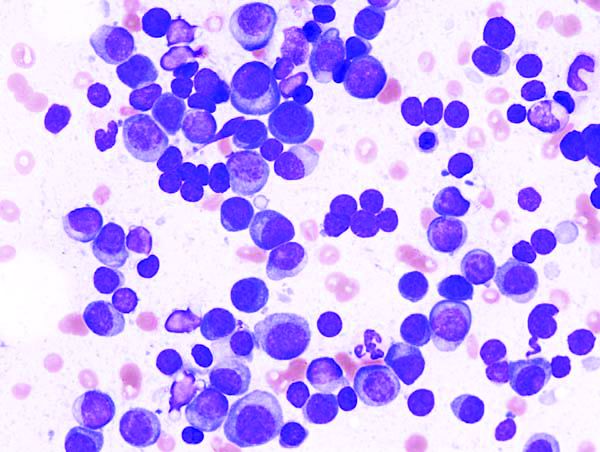
In particular, survival was affected by a variety of socioeconomic factors.
Researchers conducting the study queried the National Cancer Database for patients diagnosed with multiple myeloma between 2004 and 2016. Only those 56,102 patients who received systemic therapy as the first-line treatment were included, according to Thejus T. Jayakrishnan, MD, of Allegheny Health Network, Pittsburgh, and colleagues.
Enrollment rates for therapy were calculated using receiving systemic therapy as the incident event of interest (numerator) over time to initiation of therapy (denominator). The incident rate ratios were analyzed using Poisson regression. A multivariate Cox proportional hazards model was used for survival analysis of 50,543 patients, and differences were determined as hazard ratios.
Significant differences
The study showed that therapy enrollment was significantly affected by race and sex (P < .005), with the enrollment rate for women and for non-Hispanic Blacks both being lower versus men and non-Hispanic Whites, respectively.
Advanced age, earlier year of diagnosis, lack of insurance or Medicaid, and higher comorbidity were found to be associated with poor survival (HR >1), whereas being a woman or a non-Hispanic Black (who were speculated to have more favorable cytogenetic profiles), having a higher income, and having treatment at an academic center were all associated with improved survival (each category at HR <1).
“Disparities in [multiple myeloma] exist and are caused by a complex interplay of multiple factors, with socioeconomic factors such as insurance and income playing a dominant role. The disparities not only exact high human cost but also negatively impact the economics of health care,” the researchers concluded.
The study was not funded and the authors reported that they had no relevant disclosures.
SOURCE: Jayakrishnan TT et al. Hematol Oncol Stem Cell Ther. 2020 Oct 10. doi: 10.1016/j.hemonc.2020.09.005.
Disparities driven by socioeconomic factors have been shown to affect outcomes for patients with a variety of cancer types. Researchers found that this was also true for patients with multiple myeloma, according to a report published in Hematology/Oncology and Stem Cell Therapy.
In particular, survival was affected by a variety of socioeconomic factors.
Researchers conducting the study queried the National Cancer Database for patients diagnosed with multiple myeloma between 2004 and 2016. Only those 56,102 patients who received systemic therapy as the first-line treatment were included, according to Thejus T. Jayakrishnan, MD, of Allegheny Health Network, Pittsburgh, and colleagues.
Enrollment rates for therapy were calculated using receiving systemic therapy as the incident event of interest (numerator) over time to initiation of therapy (denominator). The incident rate ratios were analyzed using Poisson regression. A multivariate Cox proportional hazards model was used for survival analysis of 50,543 patients, and differences were determined as hazard ratios.
Significant differences
The study showed that therapy enrollment was significantly affected by race and sex (P < .005), with the enrollment rate for women and for non-Hispanic Blacks both being lower versus men and non-Hispanic Whites, respectively.
Advanced age, earlier year of diagnosis, lack of insurance or Medicaid, and higher comorbidity were found to be associated with poor survival (HR >1), whereas being a woman or a non-Hispanic Black (who were speculated to have more favorable cytogenetic profiles), having a higher income, and having treatment at an academic center were all associated with improved survival (each category at HR <1).
“Disparities in [multiple myeloma] exist and are caused by a complex interplay of multiple factors, with socioeconomic factors such as insurance and income playing a dominant role. The disparities not only exact high human cost but also negatively impact the economics of health care,” the researchers concluded.
The study was not funded and the authors reported that they had no relevant disclosures.
SOURCE: Jayakrishnan TT et al. Hematol Oncol Stem Cell Ther. 2020 Oct 10. doi: 10.1016/j.hemonc.2020.09.005.
Disparities driven by socioeconomic factors have been shown to affect outcomes for patients with a variety of cancer types. Researchers found that this was also true for patients with multiple myeloma, according to a report published in Hematology/Oncology and Stem Cell Therapy.
In particular, survival was affected by a variety of socioeconomic factors.
Researchers conducting the study queried the National Cancer Database for patients diagnosed with multiple myeloma between 2004 and 2016. Only those 56,102 patients who received systemic therapy as the first-line treatment were included, according to Thejus T. Jayakrishnan, MD, of Allegheny Health Network, Pittsburgh, and colleagues.
Enrollment rates for therapy were calculated using receiving systemic therapy as the incident event of interest (numerator) over time to initiation of therapy (denominator). The incident rate ratios were analyzed using Poisson regression. A multivariate Cox proportional hazards model was used for survival analysis of 50,543 patients, and differences were determined as hazard ratios.
Significant differences
The study showed that therapy enrollment was significantly affected by race and sex (P < .005), with the enrollment rate for women and for non-Hispanic Blacks both being lower versus men and non-Hispanic Whites, respectively.
Advanced age, earlier year of diagnosis, lack of insurance or Medicaid, and higher comorbidity were found to be associated with poor survival (HR >1), whereas being a woman or a non-Hispanic Black (who were speculated to have more favorable cytogenetic profiles), having a higher income, and having treatment at an academic center were all associated with improved survival (each category at HR <1).
“Disparities in [multiple myeloma] exist and are caused by a complex interplay of multiple factors, with socioeconomic factors such as insurance and income playing a dominant role. The disparities not only exact high human cost but also negatively impact the economics of health care,” the researchers concluded.
The study was not funded and the authors reported that they had no relevant disclosures.
SOURCE: Jayakrishnan TT et al. Hematol Oncol Stem Cell Ther. 2020 Oct 10. doi: 10.1016/j.hemonc.2020.09.005.
FROM HEMATOLOGY/ONCOLOGY AND STEM CELL THERAPY