User login
Pigmented Bowen Disease in a Black Patient: Novel Dermoscopic Findings [letter]
Health Care Reform Produces Both Heat and Light With the Indoor Tanning Tax
Sequential laser therapy clears basal cell carcinomas
BOSTON – Sequential application of pulsed dye and Nd:YAG lasers is safe and effective for treating small basal cell carcinomas, based on data from a prospective study of patients with nodular and superficial BCC subtypes on the trunk and extremities.
The findings were presented at the annual meeting of the American Society for Laser Medicine and Surgery.
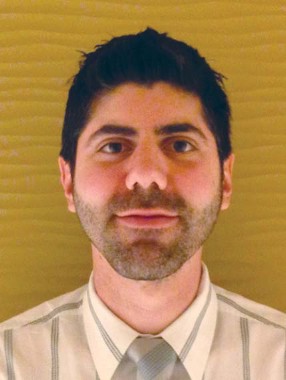
In a study of 10 patients with BCC, 7 of the 12 lesions treated with pulsed dye laser followed by Nd:YAG laser showed completed clinical and histologic clearance, said Dr. H. Ray Jalian of Massachusetts General Hospital in Boston.
"Targeting the microvasculature of BCC offers a promising new treatment approach. These tumors have large caliber feeding vessels; oftentimes these vessels are larger than the surrounding stroma," he said.
Data from a previous study (Lasers Surg. Med. 2009;41:417-42) showed a 92% regression rate of BCC lesions smaller than 1.5 cm treated with a 595 nm pulsed dye laser, Dr. Jalian noted.
The rationale for the sequential laser therapy is that pulsed dye laser energy is well absorbed by hemoglobin, which generates methemoglobin that in turn absorbs 1064 nm Nd:YAG energy, allowing the energy to penetrate to deep vessels.
"We hypothesized that targeting the vasculature of basal cells at two levels may be able to selectively destroy deeper vessels and perhaps achieve a higher cure rate," he said.
The investigators conducted a prospective study with 10 patients who had a total of 13 BCC of nodular and superficial subtypes on the trunk and extremities (1 patient with a single lesion was not available for follow-up).
The treated lesions were less than 2 cm with clearly visible margins that would be suitable for treatment with standard surgical excision. Patients with scars or infections in the area to be treated were excluded, as were those who were immunocompromised or pregnant.
The participants underwent four laser treatments 2-4 weeks apart with a 585-nm PDL set for a 7-mm spot size, 8-J/cm2, 2-ms pulse duration, followed by a 1064-nm Nd:YAG laser set with a 7-mm spot, 40-J/cm2, 15-ms pulse duration.
A total of 7 of the 12 lesions available for follow-up were completely cleared on both clinical and histologic evaluation. Of the eight tumors under 1 cm in size, six were completely cleared by sequential laser therapy,
Of the four patients with 5 lesions with residual disease after four laser sessions, three were on anticoagulation therapy with aspirin, and one with warfarin.
"We did see a clearance of the nodular component in most cases, but there was persistent residual superficial BCC in these patients," Dr. Jalian said.
Anticoagulation may hamper the laser effect by reducing laser-induced vascular injury, he noted.
Treatment-related side effects included erythema, scarring, and hyperpigmentation. Erythema and scarring decreased from the first treatment to the last follow-up visit, while hyperpigmentation increased slightly from the first to the third treatment, and then plateaued.
Biopsy scars improved with sequential treatments, Dr. Jalian noted.
Possible explanations for the lower success rate treating BCC compared to previous studies include the use of a slightly lower wavelength laser (585 vs. 595), and lower energy settings (8 J/cm2 for 2 ms, vs. 15 J/cm2 for 3 ms), and by mix of histologic subtypes, said Dr. Jalian.
"Superficial subtypes present in residual lesions suggest there may be a different vascular pattern in these lesions."
The findings also suggest that anticoagulation therapy may need to be suspended before treatment with pulsed dye, Nd:YAG, and other vascular-specific lasers, he added.
The study was internally supported. Dr. Jalian reported having no financial disclosures.
BOSTON – Sequential application of pulsed dye and Nd:YAG lasers is safe and effective for treating small basal cell carcinomas, based on data from a prospective study of patients with nodular and superficial BCC subtypes on the trunk and extremities.
The findings were presented at the annual meeting of the American Society for Laser Medicine and Surgery.
In a study of 10 patients with BCC, 7 of the 12 lesions treated with pulsed dye laser followed by Nd:YAG laser showed completed clinical and histologic clearance, said Dr. H. Ray Jalian of Massachusetts General Hospital in Boston.
"Targeting the microvasculature of BCC offers a promising new treatment approach. These tumors have large caliber feeding vessels; oftentimes these vessels are larger than the surrounding stroma," he said.
Data from a previous study (Lasers Surg. Med. 2009;41:417-42) showed a 92% regression rate of BCC lesions smaller than 1.5 cm treated with a 595 nm pulsed dye laser, Dr. Jalian noted.
The rationale for the sequential laser therapy is that pulsed dye laser energy is well absorbed by hemoglobin, which generates methemoglobin that in turn absorbs 1064 nm Nd:YAG energy, allowing the energy to penetrate to deep vessels.
"We hypothesized that targeting the vasculature of basal cells at two levels may be able to selectively destroy deeper vessels and perhaps achieve a higher cure rate," he said.
The investigators conducted a prospective study with 10 patients who had a total of 13 BCC of nodular and superficial subtypes on the trunk and extremities (1 patient with a single lesion was not available for follow-up).
The treated lesions were less than 2 cm with clearly visible margins that would be suitable for treatment with standard surgical excision. Patients with scars or infections in the area to be treated were excluded, as were those who were immunocompromised or pregnant.
The participants underwent four laser treatments 2-4 weeks apart with a 585-nm PDL set for a 7-mm spot size, 8-J/cm2, 2-ms pulse duration, followed by a 1064-nm Nd:YAG laser set with a 7-mm spot, 40-J/cm2, 15-ms pulse duration.
A total of 7 of the 12 lesions available for follow-up were completely cleared on both clinical and histologic evaluation. Of the eight tumors under 1 cm in size, six were completely cleared by sequential laser therapy,
Of the four patients with 5 lesions with residual disease after four laser sessions, three were on anticoagulation therapy with aspirin, and one with warfarin.
"We did see a clearance of the nodular component in most cases, but there was persistent residual superficial BCC in these patients," Dr. Jalian said.
Anticoagulation may hamper the laser effect by reducing laser-induced vascular injury, he noted.
Treatment-related side effects included erythema, scarring, and hyperpigmentation. Erythema and scarring decreased from the first treatment to the last follow-up visit, while hyperpigmentation increased slightly from the first to the third treatment, and then plateaued.
Biopsy scars improved with sequential treatments, Dr. Jalian noted.
Possible explanations for the lower success rate treating BCC compared to previous studies include the use of a slightly lower wavelength laser (585 vs. 595), and lower energy settings (8 J/cm2 for 2 ms, vs. 15 J/cm2 for 3 ms), and by mix of histologic subtypes, said Dr. Jalian.
"Superficial subtypes present in residual lesions suggest there may be a different vascular pattern in these lesions."
The findings also suggest that anticoagulation therapy may need to be suspended before treatment with pulsed dye, Nd:YAG, and other vascular-specific lasers, he added.
The study was internally supported. Dr. Jalian reported having no financial disclosures.
BOSTON – Sequential application of pulsed dye and Nd:YAG lasers is safe and effective for treating small basal cell carcinomas, based on data from a prospective study of patients with nodular and superficial BCC subtypes on the trunk and extremities.
The findings were presented at the annual meeting of the American Society for Laser Medicine and Surgery.
In a study of 10 patients with BCC, 7 of the 12 lesions treated with pulsed dye laser followed by Nd:YAG laser showed completed clinical and histologic clearance, said Dr. H. Ray Jalian of Massachusetts General Hospital in Boston.
"Targeting the microvasculature of BCC offers a promising new treatment approach. These tumors have large caliber feeding vessels; oftentimes these vessels are larger than the surrounding stroma," he said.
Data from a previous study (Lasers Surg. Med. 2009;41:417-42) showed a 92% regression rate of BCC lesions smaller than 1.5 cm treated with a 595 nm pulsed dye laser, Dr. Jalian noted.
The rationale for the sequential laser therapy is that pulsed dye laser energy is well absorbed by hemoglobin, which generates methemoglobin that in turn absorbs 1064 nm Nd:YAG energy, allowing the energy to penetrate to deep vessels.
"We hypothesized that targeting the vasculature of basal cells at two levels may be able to selectively destroy deeper vessels and perhaps achieve a higher cure rate," he said.
The investigators conducted a prospective study with 10 patients who had a total of 13 BCC of nodular and superficial subtypes on the trunk and extremities (1 patient with a single lesion was not available for follow-up).
The treated lesions were less than 2 cm with clearly visible margins that would be suitable for treatment with standard surgical excision. Patients with scars or infections in the area to be treated were excluded, as were those who were immunocompromised or pregnant.
The participants underwent four laser treatments 2-4 weeks apart with a 585-nm PDL set for a 7-mm spot size, 8-J/cm2, 2-ms pulse duration, followed by a 1064-nm Nd:YAG laser set with a 7-mm spot, 40-J/cm2, 15-ms pulse duration.
A total of 7 of the 12 lesions available for follow-up were completely cleared on both clinical and histologic evaluation. Of the eight tumors under 1 cm in size, six were completely cleared by sequential laser therapy,
Of the four patients with 5 lesions with residual disease after four laser sessions, three were on anticoagulation therapy with aspirin, and one with warfarin.
"We did see a clearance of the nodular component in most cases, but there was persistent residual superficial BCC in these patients," Dr. Jalian said.
Anticoagulation may hamper the laser effect by reducing laser-induced vascular injury, he noted.
Treatment-related side effects included erythema, scarring, and hyperpigmentation. Erythema and scarring decreased from the first treatment to the last follow-up visit, while hyperpigmentation increased slightly from the first to the third treatment, and then plateaued.
Biopsy scars improved with sequential treatments, Dr. Jalian noted.
Possible explanations for the lower success rate treating BCC compared to previous studies include the use of a slightly lower wavelength laser (585 vs. 595), and lower energy settings (8 J/cm2 for 2 ms, vs. 15 J/cm2 for 3 ms), and by mix of histologic subtypes, said Dr. Jalian.
"Superficial subtypes present in residual lesions suggest there may be a different vascular pattern in these lesions."
The findings also suggest that anticoagulation therapy may need to be suspended before treatment with pulsed dye, Nd:YAG, and other vascular-specific lasers, he added.
The study was internally supported. Dr. Jalian reported having no financial disclosures.
AT LASER 2013
Major finding: Seven of 12 basal cell carcinomas treated with sequential lasers showed complete clinical and histologic clearance.
Data source: Prospective case series of 10 patients with 13 BCC lesions.
Disclosures: The study was internally supported. Dr. Jalian reported having no financial disclosures.