User login
PsA: No substantial change in body composition with ustekinumab treatment
Key clinical point: Patients with psoriatic arthritis (PsA) have higher adiposity and lower lean mass than healthy controls. Treatment with ustekinumab for 6-months decreased total lean mass slightly with no significant change in body composition.
Major finding: Patients with PsA had significantly lower total (P = .013) and appendicular (P = .010) lean mass and a significantly higher total fat mass and body fat percentage (both, P less than .001) compared with matched controls. After 6 months of ustekinumab treatment, total lean mass decreased significantly (P = .046) with no significant changes in body mass index.
Study details: This was a cross-sectional analysis of patients with established PsA (n=30) and matched non-PsA healthy controls (n=60). Patients with PsA who subsequently initiated ustekinumab were enrolled in a 6-month open-label follow-up study.
Disclosures: This study received an unrestricted grant from Janssen France. The authors declared no conflicts of interest.
Source: Paccou J et al. Arthritis Care Res (Hoboken). 2021 May 10. doi: 10.1002/acr.24623.
Key clinical point: Patients with psoriatic arthritis (PsA) have higher adiposity and lower lean mass than healthy controls. Treatment with ustekinumab for 6-months decreased total lean mass slightly with no significant change in body composition.
Major finding: Patients with PsA had significantly lower total (P = .013) and appendicular (P = .010) lean mass and a significantly higher total fat mass and body fat percentage (both, P less than .001) compared with matched controls. After 6 months of ustekinumab treatment, total lean mass decreased significantly (P = .046) with no significant changes in body mass index.
Study details: This was a cross-sectional analysis of patients with established PsA (n=30) and matched non-PsA healthy controls (n=60). Patients with PsA who subsequently initiated ustekinumab were enrolled in a 6-month open-label follow-up study.
Disclosures: This study received an unrestricted grant from Janssen France. The authors declared no conflicts of interest.
Source: Paccou J et al. Arthritis Care Res (Hoboken). 2021 May 10. doi: 10.1002/acr.24623.
Key clinical point: Patients with psoriatic arthritis (PsA) have higher adiposity and lower lean mass than healthy controls. Treatment with ustekinumab for 6-months decreased total lean mass slightly with no significant change in body composition.
Major finding: Patients with PsA had significantly lower total (P = .013) and appendicular (P = .010) lean mass and a significantly higher total fat mass and body fat percentage (both, P less than .001) compared with matched controls. After 6 months of ustekinumab treatment, total lean mass decreased significantly (P = .046) with no significant changes in body mass index.
Study details: This was a cross-sectional analysis of patients with established PsA (n=30) and matched non-PsA healthy controls (n=60). Patients with PsA who subsequently initiated ustekinumab were enrolled in a 6-month open-label follow-up study.
Disclosures: This study received an unrestricted grant from Janssen France. The authors declared no conflicts of interest.
Source: Paccou J et al. Arthritis Care Res (Hoboken). 2021 May 10. doi: 10.1002/acr.24623.
Secukinumab, a comprehensive biologic treatment for management of concomitant PsA and psoriasis
Key clinical point: Interleukin 17A inhibitor, secukinumab provides a comprehensive biologic treatment profile for management of concomitant features of psoriasis and psoriatic arthritis (PsA).
Major finding: At 52 weeks, the proportion of patients who achieved 20% or more improvement in the American College of Rheumatology response criteria was not significantly different between secukinumab and adalimumab (76.4% vs. 68.3%; P = .1752) groups. Psoriasis Area and Severity Index 90 response was higher with secukinumab vs. adalimumab (68.6% vs. 41.7%; P less than .0001).
Study details: Findings are from a prespecified analysis of 853 patients with active PsA having concomitant moderate-to-severe plaque psoriasis from phase 3b EXCEED study. Patients were randomly allocated to either subcutaneous secukinumab 300 mg (n=426) or adalimumab 40 mg (n=427).
Disclosures: EXCEED trial was funded by Novartis Pharma AG, Basel, Switzerland. The authors including the lead author reported receiving research/educational grants, consulting/speaker fees, and/or honoraria from various sources including Novartis. Three of the authors reported being employees and shareholders of Novartis.
Source: Gottlieb AB et al. Br J Dermatol. 2021 Apr 29. doi: 10.1111/bjd.20413.
Key clinical point: Interleukin 17A inhibitor, secukinumab provides a comprehensive biologic treatment profile for management of concomitant features of psoriasis and psoriatic arthritis (PsA).
Major finding: At 52 weeks, the proportion of patients who achieved 20% or more improvement in the American College of Rheumatology response criteria was not significantly different between secukinumab and adalimumab (76.4% vs. 68.3%; P = .1752) groups. Psoriasis Area and Severity Index 90 response was higher with secukinumab vs. adalimumab (68.6% vs. 41.7%; P less than .0001).
Study details: Findings are from a prespecified analysis of 853 patients with active PsA having concomitant moderate-to-severe plaque psoriasis from phase 3b EXCEED study. Patients were randomly allocated to either subcutaneous secukinumab 300 mg (n=426) or adalimumab 40 mg (n=427).
Disclosures: EXCEED trial was funded by Novartis Pharma AG, Basel, Switzerland. The authors including the lead author reported receiving research/educational grants, consulting/speaker fees, and/or honoraria from various sources including Novartis. Three of the authors reported being employees and shareholders of Novartis.
Source: Gottlieb AB et al. Br J Dermatol. 2021 Apr 29. doi: 10.1111/bjd.20413.
Key clinical point: Interleukin 17A inhibitor, secukinumab provides a comprehensive biologic treatment profile for management of concomitant features of psoriasis and psoriatic arthritis (PsA).
Major finding: At 52 weeks, the proportion of patients who achieved 20% or more improvement in the American College of Rheumatology response criteria was not significantly different between secukinumab and adalimumab (76.4% vs. 68.3%; P = .1752) groups. Psoriasis Area and Severity Index 90 response was higher with secukinumab vs. adalimumab (68.6% vs. 41.7%; P less than .0001).
Study details: Findings are from a prespecified analysis of 853 patients with active PsA having concomitant moderate-to-severe plaque psoriasis from phase 3b EXCEED study. Patients were randomly allocated to either subcutaneous secukinumab 300 mg (n=426) or adalimumab 40 mg (n=427).
Disclosures: EXCEED trial was funded by Novartis Pharma AG, Basel, Switzerland. The authors including the lead author reported receiving research/educational grants, consulting/speaker fees, and/or honoraria from various sources including Novartis. Three of the authors reported being employees and shareholders of Novartis.
Source: Gottlieb AB et al. Br J Dermatol. 2021 Apr 29. doi: 10.1111/bjd.20413.
PsA: Guselkumab well tolerated with no new safety signals
Key clinical point: Guselkumab 100 mg every 4 weeks (Q4W) and every 8 weeks (Q8W) was well tolerated in patients with psoriatic arthritis (PsA) without any new safety concerns through 1 year of DISCOVER trials.
Major finding: At 24 weeks, combined guselkumab- and placebo-treated patients showed a similar incidence of serious adverse events (SAEs; 4.4 and 7.1/100 patient-years [PY]), adverse events (AEs) leading to discontinuation of study agent (3.8 and 4.1/100 PY), infections (49.5 and 49.9/100 PY), and serious infections (1.2 and 1.7/100 PY), respectively. At 52 weeks, the time-adjusted incidence of SAEs and AEs remained stable with both guselkumab regimens.
Study details: This was a pooled analysis of phase 3 trials DISCOVER-1, and DISCOVER-2 including 1,120 patients with active PsA who had inadequate responses to standard therapies. Patients were randomly allocated to receive subcutaneous guselkumab 100 mg at week 0, then Q4W; guselkumab 100 mg at weeks 0, 4, then Q8W; or placebo at Q4W.
Disclosures: This study was funded by Janssen Research & Development, LLC. The authors reported receiving research support, speaker bureau support, consultant fees, honoraria, and being an employee of and/or holding stocks/stock options in various sources including Janssen and Johnson & Johnson.
Source: Rahman P et al. J Rheumatol. 2021 May 1. doi: 10.3899/jrheum.201532.
Key clinical point: Guselkumab 100 mg every 4 weeks (Q4W) and every 8 weeks (Q8W) was well tolerated in patients with psoriatic arthritis (PsA) without any new safety concerns through 1 year of DISCOVER trials.
Major finding: At 24 weeks, combined guselkumab- and placebo-treated patients showed a similar incidence of serious adverse events (SAEs; 4.4 and 7.1/100 patient-years [PY]), adverse events (AEs) leading to discontinuation of study agent (3.8 and 4.1/100 PY), infections (49.5 and 49.9/100 PY), and serious infections (1.2 and 1.7/100 PY), respectively. At 52 weeks, the time-adjusted incidence of SAEs and AEs remained stable with both guselkumab regimens.
Study details: This was a pooled analysis of phase 3 trials DISCOVER-1, and DISCOVER-2 including 1,120 patients with active PsA who had inadequate responses to standard therapies. Patients were randomly allocated to receive subcutaneous guselkumab 100 mg at week 0, then Q4W; guselkumab 100 mg at weeks 0, 4, then Q8W; or placebo at Q4W.
Disclosures: This study was funded by Janssen Research & Development, LLC. The authors reported receiving research support, speaker bureau support, consultant fees, honoraria, and being an employee of and/or holding stocks/stock options in various sources including Janssen and Johnson & Johnson.
Source: Rahman P et al. J Rheumatol. 2021 May 1. doi: 10.3899/jrheum.201532.
Key clinical point: Guselkumab 100 mg every 4 weeks (Q4W) and every 8 weeks (Q8W) was well tolerated in patients with psoriatic arthritis (PsA) without any new safety concerns through 1 year of DISCOVER trials.
Major finding: At 24 weeks, combined guselkumab- and placebo-treated patients showed a similar incidence of serious adverse events (SAEs; 4.4 and 7.1/100 patient-years [PY]), adverse events (AEs) leading to discontinuation of study agent (3.8 and 4.1/100 PY), infections (49.5 and 49.9/100 PY), and serious infections (1.2 and 1.7/100 PY), respectively. At 52 weeks, the time-adjusted incidence of SAEs and AEs remained stable with both guselkumab regimens.
Study details: This was a pooled analysis of phase 3 trials DISCOVER-1, and DISCOVER-2 including 1,120 patients with active PsA who had inadequate responses to standard therapies. Patients were randomly allocated to receive subcutaneous guselkumab 100 mg at week 0, then Q4W; guselkumab 100 mg at weeks 0, 4, then Q8W; or placebo at Q4W.
Disclosures: This study was funded by Janssen Research & Development, LLC. The authors reported receiving research support, speaker bureau support, consultant fees, honoraria, and being an employee of and/or holding stocks/stock options in various sources including Janssen and Johnson & Johnson.
Source: Rahman P et al. J Rheumatol. 2021 May 1. doi: 10.3899/jrheum.201532.
Is fecal microbiota transplantation beneficial in active peripheral PsA?
Key clinical point: Fecal microbiota transplantation (FMT) was safe but appeared inferior to sham in reducing disease activity in patients with active peripheral psoriatic arthritis (PsA) concomitantly treated with methotrexate.
Major finding: At 6 months, the treatment failure rate was significantly higher in FMT vs. sham group (60% vs. 19%; P = .018). Improvement in Health Assessment Questionnaire Disability Index favored sham vs. FMT by 0.23 points (P = .031) while the proportion of American College of Rheumatology 20 respondents was similar (between-group difference, 0.93; 95% confidence interval, 0.45-1.94). No serious adverse events or deaths were observed.
Study details: The findings are from a 26-week, double-blind, superiority trial of 31 participants with active peripheral PsA despite ongoing treatment with methotrexate who were randomly allocated to either gastroscopic-guided FMT (n=15) or sham transplantation (n=16) into the duodenum.
Disclosures: This study was supported by the Danish Rheumatism Association, Danish Psoriasis Research Foundation, Novartis Healthcare, and others. V Andersen and R Christensen declared receiving personal fees and grants/honoraria from Merck, Janssen, and other sources.
Source: Kragsnaes MS et al. Ann Rheum Dis. 2021 Apr 29. doi: 10.1136/annrheumdis-2020-219511.
Key clinical point: Fecal microbiota transplantation (FMT) was safe but appeared inferior to sham in reducing disease activity in patients with active peripheral psoriatic arthritis (PsA) concomitantly treated with methotrexate.
Major finding: At 6 months, the treatment failure rate was significantly higher in FMT vs. sham group (60% vs. 19%; P = .018). Improvement in Health Assessment Questionnaire Disability Index favored sham vs. FMT by 0.23 points (P = .031) while the proportion of American College of Rheumatology 20 respondents was similar (between-group difference, 0.93; 95% confidence interval, 0.45-1.94). No serious adverse events or deaths were observed.
Study details: The findings are from a 26-week, double-blind, superiority trial of 31 participants with active peripheral PsA despite ongoing treatment with methotrexate who were randomly allocated to either gastroscopic-guided FMT (n=15) or sham transplantation (n=16) into the duodenum.
Disclosures: This study was supported by the Danish Rheumatism Association, Danish Psoriasis Research Foundation, Novartis Healthcare, and others. V Andersen and R Christensen declared receiving personal fees and grants/honoraria from Merck, Janssen, and other sources.
Source: Kragsnaes MS et al. Ann Rheum Dis. 2021 Apr 29. doi: 10.1136/annrheumdis-2020-219511.
Key clinical point: Fecal microbiota transplantation (FMT) was safe but appeared inferior to sham in reducing disease activity in patients with active peripheral psoriatic arthritis (PsA) concomitantly treated with methotrexate.
Major finding: At 6 months, the treatment failure rate was significantly higher in FMT vs. sham group (60% vs. 19%; P = .018). Improvement in Health Assessment Questionnaire Disability Index favored sham vs. FMT by 0.23 points (P = .031) while the proportion of American College of Rheumatology 20 respondents was similar (between-group difference, 0.93; 95% confidence interval, 0.45-1.94). No serious adverse events or deaths were observed.
Study details: The findings are from a 26-week, double-blind, superiority trial of 31 participants with active peripheral PsA despite ongoing treatment with methotrexate who were randomly allocated to either gastroscopic-guided FMT (n=15) or sham transplantation (n=16) into the duodenum.
Disclosures: This study was supported by the Danish Rheumatism Association, Danish Psoriasis Research Foundation, Novartis Healthcare, and others. V Andersen and R Christensen declared receiving personal fees and grants/honoraria from Merck, Janssen, and other sources.
Source: Kragsnaes MS et al. Ann Rheum Dis. 2021 Apr 29. doi: 10.1136/annrheumdis-2020-219511.
Clinical Edge Journal Scan Commentary: PsA June 2021

Several important studies on psoriatic arthritis (PsA) were published in the month of May 2021. Although, 50% of patients with PsA are women, many of them being in the child-beaing age, few studies have investigated pregnancy outcomes in women with psoriatic disease. Xie et al, report the results of their systematic review and meta-analysis of observational studies evaluating the impact of psoriasis and PsA on pregnancy outcomes. They retrieved 16 articles that met their study criteria. They demonstrate that pregnant women with psoriatic disease have significantly higher risk of adverse maternal outcomes (caesarean delivery, preterm birth, (pre)eclampsia, gestational diabetes, or gestational hypertension) compared with general population. However, no increased risk of fetal complications was observed. The authors recommend close monitoring of the mothers’ clinical status before and during pregnancy.
Despite availability of multiple targeted therapies, only about 60% of patients achieve a meaningful response to therapy in randomized trials and only a quarter of patients achieve a state of minimal disease activity. The assessment of musculoskeletal inflammation is heavily dependent on assessment of tender and swollen joints. However, whether tender or swollen joints, especially tender joints, truly reflect joint inflammation is a matter of debate. Felbo et al investigated the association between clinical joint tenderness and intra- and periarticular inflammation as assessed by ultrasound and magnetic resonance imaging (MRI) in patients with active PsA. They found that tender joints poorly reflect intra- and periarticular inflammation assessed by imaging. The association between swollen joints and ultrasound and MRI assessed inflammation was stronger but still only low-to-moderate. The agreement between joint tenderness and imaging assessed inflammation was even weaker in patients with high overall pain scores, high disability scores, or nonerosive disease. Therefore, it is recommended that imaging be used to supplement clinical examination in patients with PsA and high overall pain, disability, and/or nonerosive disease.
With regard to PsA treatment, Rahman et al reported the pooled safety results through one year of two phase 3 trials with guselkumab in PsA. This drug inhibits IL-23, has proven efficacy in PsA and psoriasis, and was recently approved for the treatment of PsA. No active tuberculosis, opportunistic infections, or inflammatory bowel disease, and low rates of malignancy and major adverse cardiovascular events, were observed in guselkumab-treated patients. In another study, using data from 2 large US claims databases, MarketScan and Optum’s De-identified Clinformatics® Data Mart, Jin et al demonstrated that other biologics and apremilast were associated with 1.4- to 3-times higher risk of hospitalized serious infections in patients with psoriatic disease when compared with ustekinumab. Ustekinumab is a biologic agent that inhibits IL-12 and IL-23 and is approved for the treatment of psoriasis, PsA, and ulcerative colitis. The two studies speak to the safety of targeting IL-23 with biologics in psoriatic disease.
Finally, an exploratory, proof-of-concept study explored whether fecal microbiota transplantation (FMT) improves the signs and symptoms of PsA. Kragsnaes et al conducted a double-blind, parallel-group, placebo-controlled, superiority trial, randomly allocating adults with active PsA despite ongoing treatment with methotrexate to one gastroscopic-guided FMT (15 patients) or sham transplantation (16 patients) into the duodenum. Surprisingly, treatment failure occurred more frequently in the FMT group than in the sham group (9 [60%] vs 3 [19%]; risk ratio, 3.20; 95% CI 1.06 to 9.62; P = 0.018). Improvement in HAQ-DI favoured sham treatment. There was no difference in the proportion of ACR20 responders between groups. No serious adverse events were observed. This study highlights that such studies are feasible but indicates that such interventions may not provide significant benefit. Further investigations including careful selection of donors, patients and concomitant therapy is required.
Several important studies on psoriatic arthritis (PsA) were published in the month of May 2021. Although, 50% of patients with PsA are women, many of them being in the child-beaing age, few studies have investigated pregnancy outcomes in women with psoriatic disease. Xie et al, report the results of their systematic review and meta-analysis of observational studies evaluating the impact of psoriasis and PsA on pregnancy outcomes. They retrieved 16 articles that met their study criteria. They demonstrate that pregnant women with psoriatic disease have significantly higher risk of adverse maternal outcomes (caesarean delivery, preterm birth, (pre)eclampsia, gestational diabetes, or gestational hypertension) compared with general population. However, no increased risk of fetal complications was observed. The authors recommend close monitoring of the mothers’ clinical status before and during pregnancy.
Despite availability of multiple targeted therapies, only about 60% of patients achieve a meaningful response to therapy in randomized trials and only a quarter of patients achieve a state of minimal disease activity. The assessment of musculoskeletal inflammation is heavily dependent on assessment of tender and swollen joints. However, whether tender or swollen joints, especially tender joints, truly reflect joint inflammation is a matter of debate. Felbo et al investigated the association between clinical joint tenderness and intra- and periarticular inflammation as assessed by ultrasound and magnetic resonance imaging (MRI) in patients with active PsA. They found that tender joints poorly reflect intra- and periarticular inflammation assessed by imaging. The association between swollen joints and ultrasound and MRI assessed inflammation was stronger but still only low-to-moderate. The agreement between joint tenderness and imaging assessed inflammation was even weaker in patients with high overall pain scores, high disability scores, or nonerosive disease. Therefore, it is recommended that imaging be used to supplement clinical examination in patients with PsA and high overall pain, disability, and/or nonerosive disease.
With regard to PsA treatment, Rahman et al reported the pooled safety results through one year of two phase 3 trials with guselkumab in PsA. This drug inhibits IL-23, has proven efficacy in PsA and psoriasis, and was recently approved for the treatment of PsA. No active tuberculosis, opportunistic infections, or inflammatory bowel disease, and low rates of malignancy and major adverse cardiovascular events, were observed in guselkumab-treated patients. In another study, using data from 2 large US claims databases, MarketScan and Optum’s De-identified Clinformatics® Data Mart, Jin et al demonstrated that other biologics and apremilast were associated with 1.4- to 3-times higher risk of hospitalized serious infections in patients with psoriatic disease when compared with ustekinumab. Ustekinumab is a biologic agent that inhibits IL-12 and IL-23 and is approved for the treatment of psoriasis, PsA, and ulcerative colitis. The two studies speak to the safety of targeting IL-23 with biologics in psoriatic disease.
Finally, an exploratory, proof-of-concept study explored whether fecal microbiota transplantation (FMT) improves the signs and symptoms of PsA. Kragsnaes et al conducted a double-blind, parallel-group, placebo-controlled, superiority trial, randomly allocating adults with active PsA despite ongoing treatment with methotrexate to one gastroscopic-guided FMT (15 patients) or sham transplantation (16 patients) into the duodenum. Surprisingly, treatment failure occurred more frequently in the FMT group than in the sham group (9 [60%] vs 3 [19%]; risk ratio, 3.20; 95% CI 1.06 to 9.62; P = 0.018). Improvement in HAQ-DI favoured sham treatment. There was no difference in the proportion of ACR20 responders between groups. No serious adverse events were observed. This study highlights that such studies are feasible but indicates that such interventions may not provide significant benefit. Further investigations including careful selection of donors, patients and concomitant therapy is required.
Several important studies on psoriatic arthritis (PsA) were published in the month of May 2021. Although, 50% of patients with PsA are women, many of them being in the child-beaing age, few studies have investigated pregnancy outcomes in women with psoriatic disease. Xie et al, report the results of their systematic review and meta-analysis of observational studies evaluating the impact of psoriasis and PsA on pregnancy outcomes. They retrieved 16 articles that met their study criteria. They demonstrate that pregnant women with psoriatic disease have significantly higher risk of adverse maternal outcomes (caesarean delivery, preterm birth, (pre)eclampsia, gestational diabetes, or gestational hypertension) compared with general population. However, no increased risk of fetal complications was observed. The authors recommend close monitoring of the mothers’ clinical status before and during pregnancy.
Despite availability of multiple targeted therapies, only about 60% of patients achieve a meaningful response to therapy in randomized trials and only a quarter of patients achieve a state of minimal disease activity. The assessment of musculoskeletal inflammation is heavily dependent on assessment of tender and swollen joints. However, whether tender or swollen joints, especially tender joints, truly reflect joint inflammation is a matter of debate. Felbo et al investigated the association between clinical joint tenderness and intra- and periarticular inflammation as assessed by ultrasound and magnetic resonance imaging (MRI) in patients with active PsA. They found that tender joints poorly reflect intra- and periarticular inflammation assessed by imaging. The association between swollen joints and ultrasound and MRI assessed inflammation was stronger but still only low-to-moderate. The agreement between joint tenderness and imaging assessed inflammation was even weaker in patients with high overall pain scores, high disability scores, or nonerosive disease. Therefore, it is recommended that imaging be used to supplement clinical examination in patients with PsA and high overall pain, disability, and/or nonerosive disease.
With regard to PsA treatment, Rahman et al reported the pooled safety results through one year of two phase 3 trials with guselkumab in PsA. This drug inhibits IL-23, has proven efficacy in PsA and psoriasis, and was recently approved for the treatment of PsA. No active tuberculosis, opportunistic infections, or inflammatory bowel disease, and low rates of malignancy and major adverse cardiovascular events, were observed in guselkumab-treated patients. In another study, using data from 2 large US claims databases, MarketScan and Optum’s De-identified Clinformatics® Data Mart, Jin et al demonstrated that other biologics and apremilast were associated with 1.4- to 3-times higher risk of hospitalized serious infections in patients with psoriatic disease when compared with ustekinumab. Ustekinumab is a biologic agent that inhibits IL-12 and IL-23 and is approved for the treatment of psoriasis, PsA, and ulcerative colitis. The two studies speak to the safety of targeting IL-23 with biologics in psoriatic disease.
Finally, an exploratory, proof-of-concept study explored whether fecal microbiota transplantation (FMT) improves the signs and symptoms of PsA. Kragsnaes et al conducted a double-blind, parallel-group, placebo-controlled, superiority trial, randomly allocating adults with active PsA despite ongoing treatment with methotrexate to one gastroscopic-guided FMT (15 patients) or sham transplantation (16 patients) into the duodenum. Surprisingly, treatment failure occurred more frequently in the FMT group than in the sham group (9 [60%] vs 3 [19%]; risk ratio, 3.20; 95% CI 1.06 to 9.62; P = 0.018). Improvement in HAQ-DI favoured sham treatment. There was no difference in the proportion of ACR20 responders between groups. No serious adverse events were observed. This study highlights that such studies are feasible but indicates that such interventions may not provide significant benefit. Further investigations including careful selection of donors, patients and concomitant therapy is required.
Lower SARS-CoV-2 vaccine responses seen in patients with immune-mediated inflammatory diseases
Ten percent of patients with immune-mediated inflammatory diseases (IMIDs) fail to respond properly to COVID-19 vaccinations regardless of medication, researchers report, and small new studies suggest those on methotrexate and rituximab may be especially vulnerable to vaccine failure.

Even so, it’s still crucially vital for patients with IMIDs to get vaccinated and for clinicians to follow recommendations to temporarily withhold certain medications around the time of vaccination, rheumatologist Anne R. Bass, MD, of Weill Cornell Medicine and the Hospital for Special Surgery, New York, said in an interview. “We’re not making any significant adjustments,” added Dr. Bass, a coauthor of the American College of Rheumatology’s COVID-19 vaccination guidelines for patients with rheumatic and musculoskeletal diseases.
The findings appear in a trio of studies in Annals of the Rheumatic Diseases. The most recent study, which appeared May 25, 2021, found that more than one-third of patients with IMIDs who took methotrexate didn’t produce adequate antibody levels after vaccination versus 10% of those in other groups. (P < .001) A May 11 study found that 20 of 30 patients with rheumatic diseases on rituximab failed to respond to vaccination. And a May 6 study reported that immune responses against SARS-CoV-2 are “somewhat delayed and reduced” in patients with IMID, with 99.5% of a control group developing neutralizing antibody activity after vaccination versus 90% of those with IMID (P = .0008).
Development of neutralizing antibodies somewhat delayed and reduced
Team members were surprised by the high number of vaccine nonresponders in the May 6 IMID study, coauthor Georg Schett, MD, of Germany’s Friedrich-Alexander University Erlangen-Nuremberg and University Hospital Erlangen, said in an interview.

The researchers compared two groups of patients who had no history of COVID-19 and received COVID-19 vaccinations, mostly two shots of the Pfizer-BioNTech vaccine (96%): 84 with IMID (mean age, 53.1 years; 65.5% females) and 182 healthy controls (mean age, 40.8 years; 57.1% females).
The patients with IMID most commonly had spondyloarthritis (32.1%), RA (29.8%), inflammatory bowel disease (9.5%), and psoriasis (9.5%). Nearly 43% of the patients were treated with biologic and targeted synthetic disease-modifying antirheumatic drugs and 23.9% with conventional synthetic DMARDSs. Another 29% were not treated.
All of the controls developed anti–SARS-CoV-2 IgG, but 6% of the patients with IMID did not (P = .003). The gap in development of neutralizing antibodies was even higher: 99.5% of the controls developed neutralizing antibody activity versus 90% of the IMID group. “Neutralizing antibodies are more relevant because the test shows how much the antibodies interfere with the binding of SARS-CoV-2 proteins to the receptor,” Dr. Schett said.
The study authors concluded that “our study provides evidence that, while vaccination against SARS-CoV-2 is well tolerated and even associated with lower incidence of side effects in patients with IMID, its efficacy is somewhat delayed and reduced. Nonetheless, the data also show that, in principle, patients with IMID respond to SARS-CoV-2 vaccination, supporting an aggressive vaccination strategy.”
Lowered antibody response to vaccination for some methotrexate users
In the newer study, led by Rebecca H. Haberman, MD, of New York University Langone Health, researchers examined COVID-19 vaccine response in cohorts in New York City and Erlangen, Germany.
The New York cohort included 25 patients with IMID who were taking methotrexate by itself or with other immunomodulatory medications (mean age, 63.2 years), 26 with IMID who were on anticytokine therapy and/or other oral immunomodulators (mean age, 49.1 years) and 26 healthy controls (mean age, 49.2 years). Most patients with IMID had psoriasis/psoriatic arthritis or RA.
The German validation cohort included 182 healthy subjects (mean age, 45.0 years), 11 subjects with IMID who received TNF inhibitor monotherapy (mean age, 40.8 years), and 20 subjects with IMID on methotrexate monotherapy (mean age, 54.5 years).
In the New York cohort, 96.1% of healthy controls showed “adequate humoral immune response,” along with 92.3% of patients with IMID who weren’t taking methotrexate. However, those on methotrexate had a lower rate of adequate response (72.0%), and the gap persisted even after researchers removed those who showed signs of previous COVID-19 infection (P = .045).
In the German cohort, 98.3% of healthy cohorts and 90.9% of patients with IMID who didn’t receive methotrexate reached an “adequate” humoral response versus just half (50.0%) of those who were taking methotrexate.
When both cohorts are combined, over 90% of the healthy subjects and the patients with IMID on biologic treatments (mainly TNF blockers, n = 37) showed “robust” antibody response. However, only 62% of patients with IMID who took methotrexate (n = 45) reached an “adequate” level of response. The methotrexate gap remained after researchers accounted for differences in age among the cohorts.
What’s going on? “We think that the underlying chronic immune stimulation in autoimmune patients may cause T-cell exhaustion and thus blunts the immune response,” said Dr. Schett, who’s also a coauthor of this study. “In addition, specific drugs such as methotrexate could additionally impair the immune response.”
Still, the findings “reiterate that vaccinations are safe and effective, which is what the recommendations state,” he said, adding that more testing of vaccination immune response is wise.
Insights into vaccine response while on rituximab
Two more reports, also published in Annals of the Rheumatic Diseases, offer insight into vaccine response in patients with IMID who take rituximab.

In one report, published May 11, U.S. researchers retrospectively tracked 89 rheumatic disease patients (76% female; mean age, 61) at a single clinic who’d received at least one dose of a COVID-19 vaccine. Of those, 21 patients showed no sign of vaccine antibody response, and 20 of them were in the group taking rituximab. (The other patient was taking belimumab.) Another 10 patients taking rituximab did show a response.
“Longer duration from most recent rituximab exposure was associated with a greater likelihood of response,” the report’s authors wrote. “The results suggest that time from last rituximab exposure is an important consideration in maximizing the likelihood of a serological response, but this likely is related to the substantial variation in the period of B-cell depletion following rituximab.”
Finally, an Austrian report published May 6 examined COVID-19 vaccine immune response in five patients who were taking rituximab (four with other drugs such as methotrexate and prednisone). Researchers compared them with eight healthy controls, half who’d been vaccinated.
The researchers found evidence that rituximab “may not have to preclude SARS-CoV-2 vaccination, since a cellular immune response will be mounted even in the absence of circulating B cells. Alternatively, in patients with stable disease, delaying [rituximab] treatment until after the second vaccination may be warranted and, therefore, vaccines with a short interval between first and second vaccination or those showing full protection after a single vaccination may be preferable. Importantly, in the presence of circulating B cells also a humoral immune response may be expected despite prior [rituximab] therapy.”
Dr. Bass said the findings reflect growing awareness that “patients with autoimmune disease, especially when they’re on immunosuppressant medications, don’t quite have as optimal responses to the vaccinations.” However, she said, the vaccines are so potent that they’re likely to still have significant efficacy in these patients even if there’s a reduction in response.
What’s next? Dr. Schett said “testing immune response to vaccination is important for patients with autoimmune disease. Some of them may need a third vaccination.”
The American College of Rheumatology’s COVID-19 vaccination guidelines do not recommend third vaccinations or postvaccination immune testing at this time. However, Dr. Bass, one of the coauthors of the recommendations, said it’s likely that postvaccination immune testing and booster shots will become routine.
Dr. Bass reported no relevant disclosures. Dr. Schett reported receiving consulting fees from AbbVie. The May 6 German vaccine study was funded by Deutsche Forschungsgemeinschaft, Bundesministerium für Bildung und Forschung, the ERC Synergy grant 4D Nanoscope, the IMI funded project RTCure, the Emerging Fields Initiative MIRACLE of the Friedrich-Alexander-Universität Erlangen-Nürnberg, the Schreiber Stiftung, and the Else Kröner-Memorial Scholarship. The study authors reported no disclosures. The May 25 study of German and American cohorts was funded by the National Institute of Arthritis and Musculoskletal and Skin Diseases, National Institute of Allergy and Infectious Diseases, Rheumatology Research Foundation, Bloomberg Philanthropies COVID-19 Initiative, Pfizer COVID-19 Competitive Grant Program, Beatrice Snyder Foundation, Riley Family Foundation, National Psoriasis Foundation, and Deutsche Forschungsgemeinschaft. The authors reported a range of financial relationships with pharmaceutical companies. No specific funding was reported for the other two studies mentioned.
Ten percent of patients with immune-mediated inflammatory diseases (IMIDs) fail to respond properly to COVID-19 vaccinations regardless of medication, researchers report, and small new studies suggest those on methotrexate and rituximab may be especially vulnerable to vaccine failure.
Even so, it’s still crucially vital for patients with IMIDs to get vaccinated and for clinicians to follow recommendations to temporarily withhold certain medications around the time of vaccination, rheumatologist Anne R. Bass, MD, of Weill Cornell Medicine and the Hospital for Special Surgery, New York, said in an interview. “We’re not making any significant adjustments,” added Dr. Bass, a coauthor of the American College of Rheumatology’s COVID-19 vaccination guidelines for patients with rheumatic and musculoskeletal diseases.
The findings appear in a trio of studies in Annals of the Rheumatic Diseases. The most recent study, which appeared May 25, 2021, found that more than one-third of patients with IMIDs who took methotrexate didn’t produce adequate antibody levels after vaccination versus 10% of those in other groups. (P < .001) A May 11 study found that 20 of 30 patients with rheumatic diseases on rituximab failed to respond to vaccination. And a May 6 study reported that immune responses against SARS-CoV-2 are “somewhat delayed and reduced” in patients with IMID, with 99.5% of a control group developing neutralizing antibody activity after vaccination versus 90% of those with IMID (P = .0008).
Development of neutralizing antibodies somewhat delayed and reduced
Team members were surprised by the high number of vaccine nonresponders in the May 6 IMID study, coauthor Georg Schett, MD, of Germany’s Friedrich-Alexander University Erlangen-Nuremberg and University Hospital Erlangen, said in an interview.
The researchers compared two groups of patients who had no history of COVID-19 and received COVID-19 vaccinations, mostly two shots of the Pfizer-BioNTech vaccine (96%): 84 with IMID (mean age, 53.1 years; 65.5% females) and 182 healthy controls (mean age, 40.8 years; 57.1% females).
The patients with IMID most commonly had spondyloarthritis (32.1%), RA (29.8%), inflammatory bowel disease (9.5%), and psoriasis (9.5%). Nearly 43% of the patients were treated with biologic and targeted synthetic disease-modifying antirheumatic drugs and 23.9% with conventional synthetic DMARDSs. Another 29% were not treated.
All of the controls developed anti–SARS-CoV-2 IgG, but 6% of the patients with IMID did not (P = .003). The gap in development of neutralizing antibodies was even higher: 99.5% of the controls developed neutralizing antibody activity versus 90% of the IMID group. “Neutralizing antibodies are more relevant because the test shows how much the antibodies interfere with the binding of SARS-CoV-2 proteins to the receptor,” Dr. Schett said.
The study authors concluded that “our study provides evidence that, while vaccination against SARS-CoV-2 is well tolerated and even associated with lower incidence of side effects in patients with IMID, its efficacy is somewhat delayed and reduced. Nonetheless, the data also show that, in principle, patients with IMID respond to SARS-CoV-2 vaccination, supporting an aggressive vaccination strategy.”
Lowered antibody response to vaccination for some methotrexate users
In the newer study, led by Rebecca H. Haberman, MD, of New York University Langone Health, researchers examined COVID-19 vaccine response in cohorts in New York City and Erlangen, Germany.
The New York cohort included 25 patients with IMID who were taking methotrexate by itself or with other immunomodulatory medications (mean age, 63.2 years), 26 with IMID who were on anticytokine therapy and/or other oral immunomodulators (mean age, 49.1 years) and 26 healthy controls (mean age, 49.2 years). Most patients with IMID had psoriasis/psoriatic arthritis or RA.
The German validation cohort included 182 healthy subjects (mean age, 45.0 years), 11 subjects with IMID who received TNF inhibitor monotherapy (mean age, 40.8 years), and 20 subjects with IMID on methotrexate monotherapy (mean age, 54.5 years).
In the New York cohort, 96.1% of healthy controls showed “adequate humoral immune response,” along with 92.3% of patients with IMID who weren’t taking methotrexate. However, those on methotrexate had a lower rate of adequate response (72.0%), and the gap persisted even after researchers removed those who showed signs of previous COVID-19 infection (P = .045).
In the German cohort, 98.3% of healthy cohorts and 90.9% of patients with IMID who didn’t receive methotrexate reached an “adequate” humoral response versus just half (50.0%) of those who were taking methotrexate.
When both cohorts are combined, over 90% of the healthy subjects and the patients with IMID on biologic treatments (mainly TNF blockers, n = 37) showed “robust” antibody response. However, only 62% of patients with IMID who took methotrexate (n = 45) reached an “adequate” level of response. The methotrexate gap remained after researchers accounted for differences in age among the cohorts.
What’s going on? “We think that the underlying chronic immune stimulation in autoimmune patients may cause T-cell exhaustion and thus blunts the immune response,” said Dr. Schett, who’s also a coauthor of this study. “In addition, specific drugs such as methotrexate could additionally impair the immune response.”
Still, the findings “reiterate that vaccinations are safe and effective, which is what the recommendations state,” he said, adding that more testing of vaccination immune response is wise.
Insights into vaccine response while on rituximab
Two more reports, also published in Annals of the Rheumatic Diseases, offer insight into vaccine response in patients with IMID who take rituximab.
In one report, published May 11, U.S. researchers retrospectively tracked 89 rheumatic disease patients (76% female; mean age, 61) at a single clinic who’d received at least one dose of a COVID-19 vaccine. Of those, 21 patients showed no sign of vaccine antibody response, and 20 of them were in the group taking rituximab. (The other patient was taking belimumab.) Another 10 patients taking rituximab did show a response.
“Longer duration from most recent rituximab exposure was associated with a greater likelihood of response,” the report’s authors wrote. “The results suggest that time from last rituximab exposure is an important consideration in maximizing the likelihood of a serological response, but this likely is related to the substantial variation in the period of B-cell depletion following rituximab.”
Finally, an Austrian report published May 6 examined COVID-19 vaccine immune response in five patients who were taking rituximab (four with other drugs such as methotrexate and prednisone). Researchers compared them with eight healthy controls, half who’d been vaccinated.
The researchers found evidence that rituximab “may not have to preclude SARS-CoV-2 vaccination, since a cellular immune response will be mounted even in the absence of circulating B cells. Alternatively, in patients with stable disease, delaying [rituximab] treatment until after the second vaccination may be warranted and, therefore, vaccines with a short interval between first and second vaccination or those showing full protection after a single vaccination may be preferable. Importantly, in the presence of circulating B cells also a humoral immune response may be expected despite prior [rituximab] therapy.”
Dr. Bass said the findings reflect growing awareness that “patients with autoimmune disease, especially when they’re on immunosuppressant medications, don’t quite have as optimal responses to the vaccinations.” However, she said, the vaccines are so potent that they’re likely to still have significant efficacy in these patients even if there’s a reduction in response.
What’s next? Dr. Schett said “testing immune response to vaccination is important for patients with autoimmune disease. Some of them may need a third vaccination.”
The American College of Rheumatology’s COVID-19 vaccination guidelines do not recommend third vaccinations or postvaccination immune testing at this time. However, Dr. Bass, one of the coauthors of the recommendations, said it’s likely that postvaccination immune testing and booster shots will become routine.
Dr. Bass reported no relevant disclosures. Dr. Schett reported receiving consulting fees from AbbVie. The May 6 German vaccine study was funded by Deutsche Forschungsgemeinschaft, Bundesministerium für Bildung und Forschung, the ERC Synergy grant 4D Nanoscope, the IMI funded project RTCure, the Emerging Fields Initiative MIRACLE of the Friedrich-Alexander-Universität Erlangen-Nürnberg, the Schreiber Stiftung, and the Else Kröner-Memorial Scholarship. The study authors reported no disclosures. The May 25 study of German and American cohorts was funded by the National Institute of Arthritis and Musculoskletal and Skin Diseases, National Institute of Allergy and Infectious Diseases, Rheumatology Research Foundation, Bloomberg Philanthropies COVID-19 Initiative, Pfizer COVID-19 Competitive Grant Program, Beatrice Snyder Foundation, Riley Family Foundation, National Psoriasis Foundation, and Deutsche Forschungsgemeinschaft. The authors reported a range of financial relationships with pharmaceutical companies. No specific funding was reported for the other two studies mentioned.
Ten percent of patients with immune-mediated inflammatory diseases (IMIDs) fail to respond properly to COVID-19 vaccinations regardless of medication, researchers report, and small new studies suggest those on methotrexate and rituximab may be especially vulnerable to vaccine failure.
Even so, it’s still crucially vital for patients with IMIDs to get vaccinated and for clinicians to follow recommendations to temporarily withhold certain medications around the time of vaccination, rheumatologist Anne R. Bass, MD, of Weill Cornell Medicine and the Hospital for Special Surgery, New York, said in an interview. “We’re not making any significant adjustments,” added Dr. Bass, a coauthor of the American College of Rheumatology’s COVID-19 vaccination guidelines for patients with rheumatic and musculoskeletal diseases.
The findings appear in a trio of studies in Annals of the Rheumatic Diseases. The most recent study, which appeared May 25, 2021, found that more than one-third of patients with IMIDs who took methotrexate didn’t produce adequate antibody levels after vaccination versus 10% of those in other groups. (P < .001) A May 11 study found that 20 of 30 patients with rheumatic diseases on rituximab failed to respond to vaccination. And a May 6 study reported that immune responses against SARS-CoV-2 are “somewhat delayed and reduced” in patients with IMID, with 99.5% of a control group developing neutralizing antibody activity after vaccination versus 90% of those with IMID (P = .0008).
Development of neutralizing antibodies somewhat delayed and reduced
Team members were surprised by the high number of vaccine nonresponders in the May 6 IMID study, coauthor Georg Schett, MD, of Germany’s Friedrich-Alexander University Erlangen-Nuremberg and University Hospital Erlangen, said in an interview.
The researchers compared two groups of patients who had no history of COVID-19 and received COVID-19 vaccinations, mostly two shots of the Pfizer-BioNTech vaccine (96%): 84 with IMID (mean age, 53.1 years; 65.5% females) and 182 healthy controls (mean age, 40.8 years; 57.1% females).
The patients with IMID most commonly had spondyloarthritis (32.1%), RA (29.8%), inflammatory bowel disease (9.5%), and psoriasis (9.5%). Nearly 43% of the patients were treated with biologic and targeted synthetic disease-modifying antirheumatic drugs and 23.9% with conventional synthetic DMARDSs. Another 29% were not treated.
All of the controls developed anti–SARS-CoV-2 IgG, but 6% of the patients with IMID did not (P = .003). The gap in development of neutralizing antibodies was even higher: 99.5% of the controls developed neutralizing antibody activity versus 90% of the IMID group. “Neutralizing antibodies are more relevant because the test shows how much the antibodies interfere with the binding of SARS-CoV-2 proteins to the receptor,” Dr. Schett said.
The study authors concluded that “our study provides evidence that, while vaccination against SARS-CoV-2 is well tolerated and even associated with lower incidence of side effects in patients with IMID, its efficacy is somewhat delayed and reduced. Nonetheless, the data also show that, in principle, patients with IMID respond to SARS-CoV-2 vaccination, supporting an aggressive vaccination strategy.”
Lowered antibody response to vaccination for some methotrexate users
In the newer study, led by Rebecca H. Haberman, MD, of New York University Langone Health, researchers examined COVID-19 vaccine response in cohorts in New York City and Erlangen, Germany.
The New York cohort included 25 patients with IMID who were taking methotrexate by itself or with other immunomodulatory medications (mean age, 63.2 years), 26 with IMID who were on anticytokine therapy and/or other oral immunomodulators (mean age, 49.1 years) and 26 healthy controls (mean age, 49.2 years). Most patients with IMID had psoriasis/psoriatic arthritis or RA.
The German validation cohort included 182 healthy subjects (mean age, 45.0 years), 11 subjects with IMID who received TNF inhibitor monotherapy (mean age, 40.8 years), and 20 subjects with IMID on methotrexate monotherapy (mean age, 54.5 years).
In the New York cohort, 96.1% of healthy controls showed “adequate humoral immune response,” along with 92.3% of patients with IMID who weren’t taking methotrexate. However, those on methotrexate had a lower rate of adequate response (72.0%), and the gap persisted even after researchers removed those who showed signs of previous COVID-19 infection (P = .045).
In the German cohort, 98.3% of healthy cohorts and 90.9% of patients with IMID who didn’t receive methotrexate reached an “adequate” humoral response versus just half (50.0%) of those who were taking methotrexate.
When both cohorts are combined, over 90% of the healthy subjects and the patients with IMID on biologic treatments (mainly TNF blockers, n = 37) showed “robust” antibody response. However, only 62% of patients with IMID who took methotrexate (n = 45) reached an “adequate” level of response. The methotrexate gap remained after researchers accounted for differences in age among the cohorts.
What’s going on? “We think that the underlying chronic immune stimulation in autoimmune patients may cause T-cell exhaustion and thus blunts the immune response,” said Dr. Schett, who’s also a coauthor of this study. “In addition, specific drugs such as methotrexate could additionally impair the immune response.”
Still, the findings “reiterate that vaccinations are safe and effective, which is what the recommendations state,” he said, adding that more testing of vaccination immune response is wise.
Insights into vaccine response while on rituximab
Two more reports, also published in Annals of the Rheumatic Diseases, offer insight into vaccine response in patients with IMID who take rituximab.
In one report, published May 11, U.S. researchers retrospectively tracked 89 rheumatic disease patients (76% female; mean age, 61) at a single clinic who’d received at least one dose of a COVID-19 vaccine. Of those, 21 patients showed no sign of vaccine antibody response, and 20 of them were in the group taking rituximab. (The other patient was taking belimumab.) Another 10 patients taking rituximab did show a response.
“Longer duration from most recent rituximab exposure was associated with a greater likelihood of response,” the report’s authors wrote. “The results suggest that time from last rituximab exposure is an important consideration in maximizing the likelihood of a serological response, but this likely is related to the substantial variation in the period of B-cell depletion following rituximab.”
Finally, an Austrian report published May 6 examined COVID-19 vaccine immune response in five patients who were taking rituximab (four with other drugs such as methotrexate and prednisone). Researchers compared them with eight healthy controls, half who’d been vaccinated.
The researchers found evidence that rituximab “may not have to preclude SARS-CoV-2 vaccination, since a cellular immune response will be mounted even in the absence of circulating B cells. Alternatively, in patients with stable disease, delaying [rituximab] treatment until after the second vaccination may be warranted and, therefore, vaccines with a short interval between first and second vaccination or those showing full protection after a single vaccination may be preferable. Importantly, in the presence of circulating B cells also a humoral immune response may be expected despite prior [rituximab] therapy.”
Dr. Bass said the findings reflect growing awareness that “patients with autoimmune disease, especially when they’re on immunosuppressant medications, don’t quite have as optimal responses to the vaccinations.” However, she said, the vaccines are so potent that they’re likely to still have significant efficacy in these patients even if there’s a reduction in response.
What’s next? Dr. Schett said “testing immune response to vaccination is important for patients with autoimmune disease. Some of them may need a third vaccination.”
The American College of Rheumatology’s COVID-19 vaccination guidelines do not recommend third vaccinations or postvaccination immune testing at this time. However, Dr. Bass, one of the coauthors of the recommendations, said it’s likely that postvaccination immune testing and booster shots will become routine.
Dr. Bass reported no relevant disclosures. Dr. Schett reported receiving consulting fees from AbbVie. The May 6 German vaccine study was funded by Deutsche Forschungsgemeinschaft, Bundesministerium für Bildung und Forschung, the ERC Synergy grant 4D Nanoscope, the IMI funded project RTCure, the Emerging Fields Initiative MIRACLE of the Friedrich-Alexander-Universität Erlangen-Nürnberg, the Schreiber Stiftung, and the Else Kröner-Memorial Scholarship. The study authors reported no disclosures. The May 25 study of German and American cohorts was funded by the National Institute of Arthritis and Musculoskletal and Skin Diseases, National Institute of Allergy and Infectious Diseases, Rheumatology Research Foundation, Bloomberg Philanthropies COVID-19 Initiative, Pfizer COVID-19 Competitive Grant Program, Beatrice Snyder Foundation, Riley Family Foundation, National Psoriasis Foundation, and Deutsche Forschungsgemeinschaft. The authors reported a range of financial relationships with pharmaceutical companies. No specific funding was reported for the other two studies mentioned.
FROM ANNALS OF THE RHEUMATIC DISEASES
Trial: Fecal transplantation safe but ineffective in PsA
The first clinical trial of fecal microbiota transplantation in patients with psoriatic arthritis has found the procedure to be as safe as a sham procedure, but it didn’t show any effectiveness in decreasing PsA symptoms over 6 months, a team of researchers in Denmark reported in Annals of the Rheumatic Diseases (2021 Apr 29. 10.1136/annrheumdis-2020-219511).
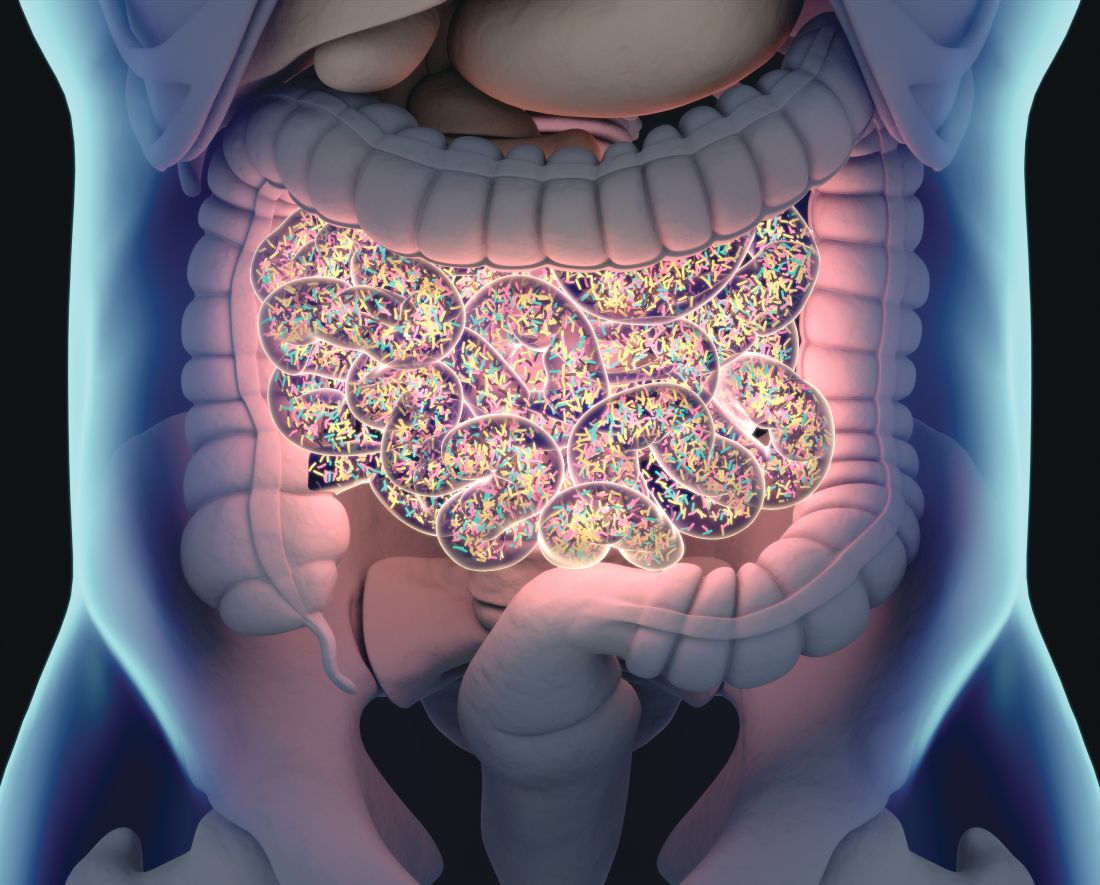
Nonetheless, the investigators said the trial indicates fecal microbiota transplantation (FMT) is worthy of further study.
“Overall, we think that the results are very interesting and that the feasibility and safety aspects as well as the clinical results of the trial may encourage more research into the potential of FMT in the treatment of inflammatory arthritis and may help guide the direction of future trials within the field,” lead author Maja S. Kragsnaes, MD, PhD, and principal investigator Torkell Ellingsen, MD, PhD, of Odense (Denmark) University Hospital said together in an interview.
“The most important findings from this trial is that FMT appears to be safe in patients with PsA and that the patients find the treatment acceptable, and it supports future research into the therapeutic potential of FMT in PsA,” they said.

The study evaluated 6-month outcomes of 31 patients randomized to the FMT and sham groups. FMT patients were three times more likely to experience treatment failure – defined by the need for treatment intensification – with failure rates of 60% versus 20% in the sham group.
As a secondary endpoint, the study used 6-month change in the Health Assessment Questionnaire Disability Index (HAQ-DI) and 20% improvement in American College of Rheumatology criteria (ACR20). The sham group demonstrated a greater decrease in HAQ-DI, indicating better physical function (–0.30 vs. –0.07; P = .031). The proportion of ACR20 responders was similar between both groups: 47% for the FMT patients (7 of 15) and 53% for sham (8 of 15).
The study included adults aged 18-75 years with active peripheral disease, defined as three or more swollen joints, who’d been taking at least15 mg methotrexate a week for at least 3 months before enrolling in the study, with a washout period of 12 weeks (26 weeks for those on biologic agents). Four healthy donors provided the stool transplants.

In the study, Dr. Kragsnaes and Dr. Ellingsen acknowledged that FMT has been shown to be safe for Clostridioides difficile infection or inflammatory bowel disease when “thoroughly screened stool” is used. “Hence,” they wrote, “our findings add to the growing body of evidence suggesting a gut-joint axis in the pathogenesis of PsA.”
Factors that may influence the effectiveness of FMT in PsA merit further investigation, Dr. Kragsnaes and Dr. Ellingsen said. “From FMT trials in patients with active ulcerative colitis, higher dose and repeated administration appear to be effective and safe in inducing remission,” they said in their joint statement, pointing to research from China.
“Moreover,” they added, “successes of FMT in inflammatory bowel disease appear to have been driven by ‘superdonors’ characterized by the presence or absence of specific bacteria species.”
They said will continue to investigate the effectiveness of FMT in immune-mediated diseases, including how to characterize superdonors.
“We will conduct new randomized trials using different FMT strategies – by changing the type of administration form, dose, and treatment frequency – to explore whether microbial dysbiosis or specific bacteria are common or decisive mediators of disease activity in inflammatory diseases and whether this proposed relation can be modified without exacerbating the disease,” Dr. Kragsnaes and Dr. Ellingsen said.
Dr. Kragsnaes and Dr. Ellingsen had no relevant financial relationships to disclose.
The first clinical trial of fecal microbiota transplantation in patients with psoriatic arthritis has found the procedure to be as safe as a sham procedure, but it didn’t show any effectiveness in decreasing PsA symptoms over 6 months, a team of researchers in Denmark reported in Annals of the Rheumatic Diseases (2021 Apr 29. 10.1136/annrheumdis-2020-219511).
Nonetheless, the investigators said the trial indicates fecal microbiota transplantation (FMT) is worthy of further study.
“Overall, we think that the results are very interesting and that the feasibility and safety aspects as well as the clinical results of the trial may encourage more research into the potential of FMT in the treatment of inflammatory arthritis and may help guide the direction of future trials within the field,” lead author Maja S. Kragsnaes, MD, PhD, and principal investigator Torkell Ellingsen, MD, PhD, of Odense (Denmark) University Hospital said together in an interview.
“The most important findings from this trial is that FMT appears to be safe in patients with PsA and that the patients find the treatment acceptable, and it supports future research into the therapeutic potential of FMT in PsA,” they said.
The study evaluated 6-month outcomes of 31 patients randomized to the FMT and sham groups. FMT patients were three times more likely to experience treatment failure – defined by the need for treatment intensification – with failure rates of 60% versus 20% in the sham group.
As a secondary endpoint, the study used 6-month change in the Health Assessment Questionnaire Disability Index (HAQ-DI) and 20% improvement in American College of Rheumatology criteria (ACR20). The sham group demonstrated a greater decrease in HAQ-DI, indicating better physical function (–0.30 vs. –0.07; P = .031). The proportion of ACR20 responders was similar between both groups: 47% for the FMT patients (7 of 15) and 53% for sham (8 of 15).
The study included adults aged 18-75 years with active peripheral disease, defined as three or more swollen joints, who’d been taking at least15 mg methotrexate a week for at least 3 months before enrolling in the study, with a washout period of 12 weeks (26 weeks for those on biologic agents). Four healthy donors provided the stool transplants.
In the study, Dr. Kragsnaes and Dr. Ellingsen acknowledged that FMT has been shown to be safe for Clostridioides difficile infection or inflammatory bowel disease when “thoroughly screened stool” is used. “Hence,” they wrote, “our findings add to the growing body of evidence suggesting a gut-joint axis in the pathogenesis of PsA.”
Factors that may influence the effectiveness of FMT in PsA merit further investigation, Dr. Kragsnaes and Dr. Ellingsen said. “From FMT trials in patients with active ulcerative colitis, higher dose and repeated administration appear to be effective and safe in inducing remission,” they said in their joint statement, pointing to research from China.
“Moreover,” they added, “successes of FMT in inflammatory bowel disease appear to have been driven by ‘superdonors’ characterized by the presence or absence of specific bacteria species.”
They said will continue to investigate the effectiveness of FMT in immune-mediated diseases, including how to characterize superdonors.
“We will conduct new randomized trials using different FMT strategies – by changing the type of administration form, dose, and treatment frequency – to explore whether microbial dysbiosis or specific bacteria are common or decisive mediators of disease activity in inflammatory diseases and whether this proposed relation can be modified without exacerbating the disease,” Dr. Kragsnaes and Dr. Ellingsen said.
Dr. Kragsnaes and Dr. Ellingsen had no relevant financial relationships to disclose.
The first clinical trial of fecal microbiota transplantation in patients with psoriatic arthritis has found the procedure to be as safe as a sham procedure, but it didn’t show any effectiveness in decreasing PsA symptoms over 6 months, a team of researchers in Denmark reported in Annals of the Rheumatic Diseases (2021 Apr 29. 10.1136/annrheumdis-2020-219511).
Nonetheless, the investigators said the trial indicates fecal microbiota transplantation (FMT) is worthy of further study.
“Overall, we think that the results are very interesting and that the feasibility and safety aspects as well as the clinical results of the trial may encourage more research into the potential of FMT in the treatment of inflammatory arthritis and may help guide the direction of future trials within the field,” lead author Maja S. Kragsnaes, MD, PhD, and principal investigator Torkell Ellingsen, MD, PhD, of Odense (Denmark) University Hospital said together in an interview.
“The most important findings from this trial is that FMT appears to be safe in patients with PsA and that the patients find the treatment acceptable, and it supports future research into the therapeutic potential of FMT in PsA,” they said.
The study evaluated 6-month outcomes of 31 patients randomized to the FMT and sham groups. FMT patients were three times more likely to experience treatment failure – defined by the need for treatment intensification – with failure rates of 60% versus 20% in the sham group.
As a secondary endpoint, the study used 6-month change in the Health Assessment Questionnaire Disability Index (HAQ-DI) and 20% improvement in American College of Rheumatology criteria (ACR20). The sham group demonstrated a greater decrease in HAQ-DI, indicating better physical function (–0.30 vs. –0.07; P = .031). The proportion of ACR20 responders was similar between both groups: 47% for the FMT patients (7 of 15) and 53% for sham (8 of 15).
The study included adults aged 18-75 years with active peripheral disease, defined as three or more swollen joints, who’d been taking at least15 mg methotrexate a week for at least 3 months before enrolling in the study, with a washout period of 12 weeks (26 weeks for those on biologic agents). Four healthy donors provided the stool transplants.
In the study, Dr. Kragsnaes and Dr. Ellingsen acknowledged that FMT has been shown to be safe for Clostridioides difficile infection or inflammatory bowel disease when “thoroughly screened stool” is used. “Hence,” they wrote, “our findings add to the growing body of evidence suggesting a gut-joint axis in the pathogenesis of PsA.”
Factors that may influence the effectiveness of FMT in PsA merit further investigation, Dr. Kragsnaes and Dr. Ellingsen said. “From FMT trials in patients with active ulcerative colitis, higher dose and repeated administration appear to be effective and safe in inducing remission,” they said in their joint statement, pointing to research from China.
“Moreover,” they added, “successes of FMT in inflammatory bowel disease appear to have been driven by ‘superdonors’ characterized by the presence or absence of specific bacteria species.”
They said will continue to investigate the effectiveness of FMT in immune-mediated diseases, including how to characterize superdonors.
“We will conduct new randomized trials using different FMT strategies – by changing the type of administration form, dose, and treatment frequency – to explore whether microbial dysbiosis or specific bacteria are common or decisive mediators of disease activity in inflammatory diseases and whether this proposed relation can be modified without exacerbating the disease,” Dr. Kragsnaes and Dr. Ellingsen said.
Dr. Kragsnaes and Dr. Ellingsen had no relevant financial relationships to disclose.
FROM ANNALS OF THE RHEUMATIC DISEASES
Multiple studies highlight pandemic’s impact on patients with rheumatic disease
Reduced access to medical care, increased mental health issues, poor lifestyle habits, and concern over future care are just some of the patient-reported problems associated with the early phases of the COVID-19 pandemic, according to the results of multiple studies.
Data from the Europe-based REUMAVID study, which surveyed more 1,800 patients between April and July last year, have revealed that 58% of patients with rheumatic and musculoskeletal diseases (RMDs) had their appointments with their rheumatologists canceled, 42% could not get in touch with their primary care physicians, and 52% experienced interrupted visits to mental health specialists.
Not surprisingly, this took a toll on patients’ self-perceived health, with nearly two-thirds stating that they had fair to very poor health, and 47% reporting that their health had worsened. Furthermore, 57% of respondents reported high levels of anxiety, almost 46% were at risk for depression, and 49% reported having poor well-being overall.
“The COVID-19 pandemic has had tremendous impact,” Marco Garrido-Cumbrera, PhD, of the University of Seville, Spain, said at the British Society for Rheumatology annual conference.
Dr. Garrido-Cumbrera, who is key player in the REUMAVID initiative, explained that the project was conceived to respond to concerns raised by the president of the Spanish Federation of Spondyloarthritis Associations (CEADE) about providing the right information to their members.
“First in Italy and then in Spain, it was really difficult to deal with the pandemic and there was a lot of uncertainty from a patient perspective,” Dr. Garrido-Cumbrera said.
Victoria Navarro-Compán, MD, PhD, of La Paz University Hospital, Madrid, who was not involved in the study, observed: “I think this reflects how important collaboration between patient organizations is in order to gather relevant data, and to do it in record time.”
The REUMAVID project was the result of initial collaboration between the Health and Territory Research Group at the University of Seville and CEADE but also involved patient organizations from six other European countries: the National Axial Spondyloarthritis Society, National Rheumatoid Arthritis Society, and Arthritis Action in the United Kingdom; the French Association for the Fight against Rheumatism (AFLAR; L’Association Française de Lutte Anti-Rhumatismale); the National Association of People with Rheumatological and Rare Diseases (APMARR; Associazione Nazionale Persone con Malattie Reumatologiche e Rare) in Italy; Portuguese League Against Rheumatic Diseases (LPCDR; Liga Portuguesa contra as Doenças Reumáticas) in Portugal; the Hellenic League Against Rheumatism (ELEANA) in Greece; and the Cyprus League Against Rheumatism.
Pandemic presented ‘perfect storm’
“We’ve never been so well-communicated as we are now,” said Helena Marzo-Ortega, MD, PhD, a consultant rheumatologist at Leeds Teaching Hospitals NHS Trust in England who participated the REUMAVID project. The beginning of the pandemic was “the perfect storm” in that everybody jumped in to try to do something. This resulted in a myriad of research publications, surveys, and attempts to try to understand and make sense of what was happening.
“Research is being conducted in a more structured manner, and it’s given us a lot of very insightful information,” Dr. Marzo-Ortega added. Obviously, patients are important stakeholders to consult when conducting research into how the pandemic has affected them, she added, as they are the ones who had their lives turned upside down.
“A pandemic knows no boundaries, has no limits, everybody can be affected equally. But patients with rheumatic conditions were at particular risk because of the treatments,” she said. “You can remember how worried we all were initially, and thinking about the potential impact of immunosuppressants and many other aspects of these conditions.”
One of the many positives to come out of the pandemic is the “possibility of doing collaborative research at a worldwide level, not just European,” Dr. Marzo-Ortega said, referring to how the EULAR COVID-19 registries are part of the COVID-19 Global Rheumatology Alliance.
Furthermore, Dr. Marzo-Ortega believes the rheumatology community is now better prepared for any upsurges in COVID-19 or any new potentially pandemic-causing viruses.
“What we know now is that we have to be alert, and we know how to respond. We also know how to communicate effectively in order to be able to improve outcomes, not only for the health of the whole population, but also to protect patients such as ours,” she said.
Rheumatology practice changed practically overnight
The REUMAVID study is not alone in looking at the impact that the COVID-19 pandemic has had on RMD patients’ health and well-being, particularly during periods of lockdown or where patients were advised to “shield.”
There were “near overnight changes to rheumatology practice,” said Chris Wincup, MBBS, a clinical research fellow at University College London (UCL), who presented the findings of another large-scale survey that looked at the early effects of the pandemic nationally in the United Kingdom.
“The recovery of those services has taken time and, speaking with patients, this varies between different locations,” Dr. Wincup noted. “Unfortunately, access to care does remain a major area of unmet need [and] is something that we’re going to need to think about when planning services in the future,” he added.
Between September and October last year, Dr. Wincup and fellow UCL researchers conducted an online survey among 2,054 patients attending U.K. rheumatology clinics. As in the REUMAVID study, accessing care was difficult or very difficult for a substantial proportion of patients. However, getting medication and monitoring “were generally well maintained” despite lockdown measures.
Many patients (57%) had “extremely high levels of worry about their future care being negatively impacted as a result of the pandemic,” Dr. Wincup said, with 44% saying that their current care was worse than before the pandemic and 41% being dissatisfied with the services they were able to access.
While 48% of patients welcomed a more hybrid approach to their care, 69% thought face-to-face appointments with their rheumatologists were important and 49% wanted only face-to-face appointments. “A possible more hybrid approach, compared with pure face-to-face, is going to be something that may be required,” he said.
Different approach taken in CONTAIN Study
A different approach to assessing the impact of the COVID pandemic was taken by researchers at the University of Aberdeen in Scotland, observed Gary Macfarlane, MBChB, PhD.
In the COVID-19 and Musculoskeletal Heath During Lockdown (CONTAIN) study, three well-defined populations of patients from existing cohort studies were looked at prospectively. This included patients with ankylosing spondylitis (AS) and psoriatic arthritis (PsA) participating in two separate British Society for Rheumatology registries, and patients at high risk for developing chronic widespread pain who had been part of the MAmMOTH (Maintaining Musculoskeletal Health) study.
“Our aim was to quantify the changes from the previous prepandemic assessment, focusing on quality of life, changes in lifestyle, and recording what has happened to their musculoskeletal health, including symptoms and disease-specific measures,” Dr. Macfarlane said.
Patients had been invited to participate in June 2020 and were reminded in October 2020 and could respond online or via a postal questionnaire. Some patients were invited to participate in in-depth interviews.
Although the participation rate was low, at 29%, this was typical of studies being conducted at this time due to “survey fatigue,” Dr. Macfarlane said. The CONTAIN study population still included a good number of patients, however, with 596 having AS, 162 PsA, and 296 at risk for chronic widespread pain.
According to Dr. Macfarlane, the CONTAIN study results were “generally reassuring.” Although there was a significant decrease in quality of life as measured by the five-level EQ-5D instrument overall, and in every subgroup population studied, “the magnitude of the decrease was small.” There was no change in disease-specific quality of life in patients with AS, for example.
Levels of pain, anxiety, or depression did increase somewhat, he reported, but the factors that influenced quality of life remained the same before and during the pandemic, such as high levels of deprivation, living in an urban location, low levels of physical activity, and sleep problems.
“Rather surprisingly, sleep problems significantly decreased overall,” Dr. Macfarlane reported. Again, it was only a small change, but “the benefit in terms of the improvement in sleep strengthened with later periods in the follow-up.”
There was also some evidence of increased low-level and high-level physical activity in patients with psoriatic arthritis.
“Mental health is a key issue not just in maintaining musculoskeletal health but also, in terms of the likelihood responding to therapy,” Dr. Macfarlane acknowledged. “Focusing on addressing anxiety is important,” he added.
“Providing enhanced support for self-management, including in relation to pain, is likely to be a priority in the absence of normal health care being available,” he suggested. Importantly, regardless of circumstances, “all patients can be affected.”
The REUMAVID study is conducted by the Health & Territory Research of the University of Seville, with the support of Novartis Pharma AG. The CONTAIN study is supported by the British Society for Rheumatology and Versus Arthritis.
No other relevant conflicts of interested were declared.
Reduced access to medical care, increased mental health issues, poor lifestyle habits, and concern over future care are just some of the patient-reported problems associated with the early phases of the COVID-19 pandemic, according to the results of multiple studies.
Data from the Europe-based REUMAVID study, which surveyed more 1,800 patients between April and July last year, have revealed that 58% of patients with rheumatic and musculoskeletal diseases (RMDs) had their appointments with their rheumatologists canceled, 42% could not get in touch with their primary care physicians, and 52% experienced interrupted visits to mental health specialists.
Not surprisingly, this took a toll on patients’ self-perceived health, with nearly two-thirds stating that they had fair to very poor health, and 47% reporting that their health had worsened. Furthermore, 57% of respondents reported high levels of anxiety, almost 46% were at risk for depression, and 49% reported having poor well-being overall.
“The COVID-19 pandemic has had tremendous impact,” Marco Garrido-Cumbrera, PhD, of the University of Seville, Spain, said at the British Society for Rheumatology annual conference.
Dr. Garrido-Cumbrera, who is key player in the REUMAVID initiative, explained that the project was conceived to respond to concerns raised by the president of the Spanish Federation of Spondyloarthritis Associations (CEADE) about providing the right information to their members.
“First in Italy and then in Spain, it was really difficult to deal with the pandemic and there was a lot of uncertainty from a patient perspective,” Dr. Garrido-Cumbrera said.
Victoria Navarro-Compán, MD, PhD, of La Paz University Hospital, Madrid, who was not involved in the study, observed: “I think this reflects how important collaboration between patient organizations is in order to gather relevant data, and to do it in record time.”
The REUMAVID project was the result of initial collaboration between the Health and Territory Research Group at the University of Seville and CEADE but also involved patient organizations from six other European countries: the National Axial Spondyloarthritis Society, National Rheumatoid Arthritis Society, and Arthritis Action in the United Kingdom; the French Association for the Fight against Rheumatism (AFLAR; L’Association Française de Lutte Anti-Rhumatismale); the National Association of People with Rheumatological and Rare Diseases (APMARR; Associazione Nazionale Persone con Malattie Reumatologiche e Rare) in Italy; Portuguese League Against Rheumatic Diseases (LPCDR; Liga Portuguesa contra as Doenças Reumáticas) in Portugal; the Hellenic League Against Rheumatism (ELEANA) in Greece; and the Cyprus League Against Rheumatism.
Pandemic presented ‘perfect storm’
“We’ve never been so well-communicated as we are now,” said Helena Marzo-Ortega, MD, PhD, a consultant rheumatologist at Leeds Teaching Hospitals NHS Trust in England who participated the REUMAVID project. The beginning of the pandemic was “the perfect storm” in that everybody jumped in to try to do something. This resulted in a myriad of research publications, surveys, and attempts to try to understand and make sense of what was happening.
“Research is being conducted in a more structured manner, and it’s given us a lot of very insightful information,” Dr. Marzo-Ortega added. Obviously, patients are important stakeholders to consult when conducting research into how the pandemic has affected them, she added, as they are the ones who had their lives turned upside down.
“A pandemic knows no boundaries, has no limits, everybody can be affected equally. But patients with rheumatic conditions were at particular risk because of the treatments,” she said. “You can remember how worried we all were initially, and thinking about the potential impact of immunosuppressants and many other aspects of these conditions.”
One of the many positives to come out of the pandemic is the “possibility of doing collaborative research at a worldwide level, not just European,” Dr. Marzo-Ortega said, referring to how the EULAR COVID-19 registries are part of the COVID-19 Global Rheumatology Alliance.
Furthermore, Dr. Marzo-Ortega believes the rheumatology community is now better prepared for any upsurges in COVID-19 or any new potentially pandemic-causing viruses.
“What we know now is that we have to be alert, and we know how to respond. We also know how to communicate effectively in order to be able to improve outcomes, not only for the health of the whole population, but also to protect patients such as ours,” she said.
Rheumatology practice changed practically overnight
The REUMAVID study is not alone in looking at the impact that the COVID-19 pandemic has had on RMD patients’ health and well-being, particularly during periods of lockdown or where patients were advised to “shield.”
There were “near overnight changes to rheumatology practice,” said Chris Wincup, MBBS, a clinical research fellow at University College London (UCL), who presented the findings of another large-scale survey that looked at the early effects of the pandemic nationally in the United Kingdom.
“The recovery of those services has taken time and, speaking with patients, this varies between different locations,” Dr. Wincup noted. “Unfortunately, access to care does remain a major area of unmet need [and] is something that we’re going to need to think about when planning services in the future,” he added.
Between September and October last year, Dr. Wincup and fellow UCL researchers conducted an online survey among 2,054 patients attending U.K. rheumatology clinics. As in the REUMAVID study, accessing care was difficult or very difficult for a substantial proportion of patients. However, getting medication and monitoring “were generally well maintained” despite lockdown measures.
Many patients (57%) had “extremely high levels of worry about their future care being negatively impacted as a result of the pandemic,” Dr. Wincup said, with 44% saying that their current care was worse than before the pandemic and 41% being dissatisfied with the services they were able to access.
While 48% of patients welcomed a more hybrid approach to their care, 69% thought face-to-face appointments with their rheumatologists were important and 49% wanted only face-to-face appointments. “A possible more hybrid approach, compared with pure face-to-face, is going to be something that may be required,” he said.
Different approach taken in CONTAIN Study
A different approach to assessing the impact of the COVID pandemic was taken by researchers at the University of Aberdeen in Scotland, observed Gary Macfarlane, MBChB, PhD.
In the COVID-19 and Musculoskeletal Heath During Lockdown (CONTAIN) study, three well-defined populations of patients from existing cohort studies were looked at prospectively. This included patients with ankylosing spondylitis (AS) and psoriatic arthritis (PsA) participating in two separate British Society for Rheumatology registries, and patients at high risk for developing chronic widespread pain who had been part of the MAmMOTH (Maintaining Musculoskeletal Health) study.
“Our aim was to quantify the changes from the previous prepandemic assessment, focusing on quality of life, changes in lifestyle, and recording what has happened to their musculoskeletal health, including symptoms and disease-specific measures,” Dr. Macfarlane said.
Patients had been invited to participate in June 2020 and were reminded in October 2020 and could respond online or via a postal questionnaire. Some patients were invited to participate in in-depth interviews.
Although the participation rate was low, at 29%, this was typical of studies being conducted at this time due to “survey fatigue,” Dr. Macfarlane said. The CONTAIN study population still included a good number of patients, however, with 596 having AS, 162 PsA, and 296 at risk for chronic widespread pain.
According to Dr. Macfarlane, the CONTAIN study results were “generally reassuring.” Although there was a significant decrease in quality of life as measured by the five-level EQ-5D instrument overall, and in every subgroup population studied, “the magnitude of the decrease was small.” There was no change in disease-specific quality of life in patients with AS, for example.
Levels of pain, anxiety, or depression did increase somewhat, he reported, but the factors that influenced quality of life remained the same before and during the pandemic, such as high levels of deprivation, living in an urban location, low levels of physical activity, and sleep problems.
“Rather surprisingly, sleep problems significantly decreased overall,” Dr. Macfarlane reported. Again, it was only a small change, but “the benefit in terms of the improvement in sleep strengthened with later periods in the follow-up.”
There was also some evidence of increased low-level and high-level physical activity in patients with psoriatic arthritis.
“Mental health is a key issue not just in maintaining musculoskeletal health but also, in terms of the likelihood responding to therapy,” Dr. Macfarlane acknowledged. “Focusing on addressing anxiety is important,” he added.
“Providing enhanced support for self-management, including in relation to pain, is likely to be a priority in the absence of normal health care being available,” he suggested. Importantly, regardless of circumstances, “all patients can be affected.”
The REUMAVID study is conducted by the Health & Territory Research of the University of Seville, with the support of Novartis Pharma AG. The CONTAIN study is supported by the British Society for Rheumatology and Versus Arthritis.
No other relevant conflicts of interested were declared.
Reduced access to medical care, increased mental health issues, poor lifestyle habits, and concern over future care are just some of the patient-reported problems associated with the early phases of the COVID-19 pandemic, according to the results of multiple studies.
Data from the Europe-based REUMAVID study, which surveyed more 1,800 patients between April and July last year, have revealed that 58% of patients with rheumatic and musculoskeletal diseases (RMDs) had their appointments with their rheumatologists canceled, 42% could not get in touch with their primary care physicians, and 52% experienced interrupted visits to mental health specialists.
Not surprisingly, this took a toll on patients’ self-perceived health, with nearly two-thirds stating that they had fair to very poor health, and 47% reporting that their health had worsened. Furthermore, 57% of respondents reported high levels of anxiety, almost 46% were at risk for depression, and 49% reported having poor well-being overall.
“The COVID-19 pandemic has had tremendous impact,” Marco Garrido-Cumbrera, PhD, of the University of Seville, Spain, said at the British Society for Rheumatology annual conference.
Dr. Garrido-Cumbrera, who is key player in the REUMAVID initiative, explained that the project was conceived to respond to concerns raised by the president of the Spanish Federation of Spondyloarthritis Associations (CEADE) about providing the right information to their members.
“First in Italy and then in Spain, it was really difficult to deal with the pandemic and there was a lot of uncertainty from a patient perspective,” Dr. Garrido-Cumbrera said.
Victoria Navarro-Compán, MD, PhD, of La Paz University Hospital, Madrid, who was not involved in the study, observed: “I think this reflects how important collaboration between patient organizations is in order to gather relevant data, and to do it in record time.”
The REUMAVID project was the result of initial collaboration between the Health and Territory Research Group at the University of Seville and CEADE but also involved patient organizations from six other European countries: the National Axial Spondyloarthritis Society, National Rheumatoid Arthritis Society, and Arthritis Action in the United Kingdom; the French Association for the Fight against Rheumatism (AFLAR; L’Association Française de Lutte Anti-Rhumatismale); the National Association of People with Rheumatological and Rare Diseases (APMARR; Associazione Nazionale Persone con Malattie Reumatologiche e Rare) in Italy; Portuguese League Against Rheumatic Diseases (LPCDR; Liga Portuguesa contra as Doenças Reumáticas) in Portugal; the Hellenic League Against Rheumatism (ELEANA) in Greece; and the Cyprus League Against Rheumatism.
Pandemic presented ‘perfect storm’
“We’ve never been so well-communicated as we are now,” said Helena Marzo-Ortega, MD, PhD, a consultant rheumatologist at Leeds Teaching Hospitals NHS Trust in England who participated the REUMAVID project. The beginning of the pandemic was “the perfect storm” in that everybody jumped in to try to do something. This resulted in a myriad of research publications, surveys, and attempts to try to understand and make sense of what was happening.
“Research is being conducted in a more structured manner, and it’s given us a lot of very insightful information,” Dr. Marzo-Ortega added. Obviously, patients are important stakeholders to consult when conducting research into how the pandemic has affected them, she added, as they are the ones who had their lives turned upside down.
“A pandemic knows no boundaries, has no limits, everybody can be affected equally. But patients with rheumatic conditions were at particular risk because of the treatments,” she said. “You can remember how worried we all were initially, and thinking about the potential impact of immunosuppressants and many other aspects of these conditions.”
One of the many positives to come out of the pandemic is the “possibility of doing collaborative research at a worldwide level, not just European,” Dr. Marzo-Ortega said, referring to how the EULAR COVID-19 registries are part of the COVID-19 Global Rheumatology Alliance.
Furthermore, Dr. Marzo-Ortega believes the rheumatology community is now better prepared for any upsurges in COVID-19 or any new potentially pandemic-causing viruses.
“What we know now is that we have to be alert, and we know how to respond. We also know how to communicate effectively in order to be able to improve outcomes, not only for the health of the whole population, but also to protect patients such as ours,” she said.
Rheumatology practice changed practically overnight
The REUMAVID study is not alone in looking at the impact that the COVID-19 pandemic has had on RMD patients’ health and well-being, particularly during periods of lockdown or where patients were advised to “shield.”
There were “near overnight changes to rheumatology practice,” said Chris Wincup, MBBS, a clinical research fellow at University College London (UCL), who presented the findings of another large-scale survey that looked at the early effects of the pandemic nationally in the United Kingdom.
“The recovery of those services has taken time and, speaking with patients, this varies between different locations,” Dr. Wincup noted. “Unfortunately, access to care does remain a major area of unmet need [and] is something that we’re going to need to think about when planning services in the future,” he added.
Between September and October last year, Dr. Wincup and fellow UCL researchers conducted an online survey among 2,054 patients attending U.K. rheumatology clinics. As in the REUMAVID study, accessing care was difficult or very difficult for a substantial proportion of patients. However, getting medication and monitoring “were generally well maintained” despite lockdown measures.
Many patients (57%) had “extremely high levels of worry about their future care being negatively impacted as a result of the pandemic,” Dr. Wincup said, with 44% saying that their current care was worse than before the pandemic and 41% being dissatisfied with the services they were able to access.
While 48% of patients welcomed a more hybrid approach to their care, 69% thought face-to-face appointments with their rheumatologists were important and 49% wanted only face-to-face appointments. “A possible more hybrid approach, compared with pure face-to-face, is going to be something that may be required,” he said.
Different approach taken in CONTAIN Study
A different approach to assessing the impact of the COVID pandemic was taken by researchers at the University of Aberdeen in Scotland, observed Gary Macfarlane, MBChB, PhD.
In the COVID-19 and Musculoskeletal Heath During Lockdown (CONTAIN) study, three well-defined populations of patients from existing cohort studies were looked at prospectively. This included patients with ankylosing spondylitis (AS) and psoriatic arthritis (PsA) participating in two separate British Society for Rheumatology registries, and patients at high risk for developing chronic widespread pain who had been part of the MAmMOTH (Maintaining Musculoskeletal Health) study.
“Our aim was to quantify the changes from the previous prepandemic assessment, focusing on quality of life, changes in lifestyle, and recording what has happened to their musculoskeletal health, including symptoms and disease-specific measures,” Dr. Macfarlane said.
Patients had been invited to participate in June 2020 and were reminded in October 2020 and could respond online or via a postal questionnaire. Some patients were invited to participate in in-depth interviews.
Although the participation rate was low, at 29%, this was typical of studies being conducted at this time due to “survey fatigue,” Dr. Macfarlane said. The CONTAIN study population still included a good number of patients, however, with 596 having AS, 162 PsA, and 296 at risk for chronic widespread pain.
According to Dr. Macfarlane, the CONTAIN study results were “generally reassuring.” Although there was a significant decrease in quality of life as measured by the five-level EQ-5D instrument overall, and in every subgroup population studied, “the magnitude of the decrease was small.” There was no change in disease-specific quality of life in patients with AS, for example.
Levels of pain, anxiety, or depression did increase somewhat, he reported, but the factors that influenced quality of life remained the same before and during the pandemic, such as high levels of deprivation, living in an urban location, low levels of physical activity, and sleep problems.
“Rather surprisingly, sleep problems significantly decreased overall,” Dr. Macfarlane reported. Again, it was only a small change, but “the benefit in terms of the improvement in sleep strengthened with later periods in the follow-up.”
There was also some evidence of increased low-level and high-level physical activity in patients with psoriatic arthritis.
“Mental health is a key issue not just in maintaining musculoskeletal health but also, in terms of the likelihood responding to therapy,” Dr. Macfarlane acknowledged. “Focusing on addressing anxiety is important,” he added.
“Providing enhanced support for self-management, including in relation to pain, is likely to be a priority in the absence of normal health care being available,” he suggested. Importantly, regardless of circumstances, “all patients can be affected.”
The REUMAVID study is conducted by the Health & Territory Research of the University of Seville, with the support of Novartis Pharma AG. The CONTAIN study is supported by the British Society for Rheumatology and Versus Arthritis.
No other relevant conflicts of interested were declared.
FROM BSR 2021
Clinical Edge Journal Scan: PsA May 2021
Although PsA affects men and women equally, the impact of the disease is often worse in women. In a large study from the Netherlands, in which 855 patients were carefully evaluated and follow up, Mulder MLM et al show that both subjective and objective measures of disease activity is more severe in women than men. The PsA Disease Activity Score, a validated composite measure of PsA disease activity, was also higher in women than men. The impact of disease on quality of life and function was significantly more in women and they were less often meeting treatment target. Further research into the impact of sex and gender in PsA is warranted and sex/gender-specific measures for managing PsA is required.
Janus kinase inhibitors (JAKi) are important new molecules increasingly being used in the management of inflammatory diseases. Tofacitinib is already available for the treatment of PsA. McInnes IB et al published results on the efficacy of upadacitinib, a more selective JAK1i already approved for treatment of RA, in treating PsA. In this phase 3 trial involving 1,704 patients with PsA who had an inadequate response to at least 1 nonbiologic disease-modifying antirheumatic drugs, the proportion of patients achieving at least 20% improvement in American College of Rheumatology (ACR20) response was significantly higher with upadacitinib 15 mg (70.6%) and 30 mg (78.5%) than with placebo (36.2%; P less than .001). Upadacitinib 15mg was found to have comparable efficacy as adalimumab (ACR20 65.0%), a well-established anti-TNF agent. However, adverse events were more frequent with upadacitinib.
Adverse events when on treatment with JAKi have recently come into sharp focus. Reassuringly, results from the OPAL Balance study, a 36-month, long-term extension phase 3 study involving 686 adult patients with active PsA on treatment with tofacitinib confirmed the long-term safety and efficacy of tofacitinib in patients with PsA. Nash P et al reported 1 instance of mortality occurred in tofacitinib group during the risk period (incidence, 0.1 patients with events [95% confidence interval, 0.0-0.3] per 100 person-years). The incidences of adverse events for herpes zoster, serious infections, opportunistic infections, adjudicated malignancies, and major adverse cardiovascular events were consistent with previous reports. However, given the reports of higher adverse events with tofacitinib compared to anti-TNF drugs in high-risk rheumatoid arthritis patients, more data is required to fully understand the risk profile of JAKi in patients with immune-mediated inflammatory diseases, including PsA.
With several drugs currently available to treat PsA and the paucity of head-to-head trials between them, choosing the most efficacious drug for treating patients with PsA has become challenging. To address this issue a network meta-analysis of 26 phase 3, randomized controlled trials that evaluated 13 targeted therapies among adults with active PsA was conducted. In a study sponsored by Janssen, Mease PJ et al report that guselkumab 100 mg every 8 weeks and every 4 weeks were comparable to anti IL-17A and subcutaneous anti-TNF agents for achieving ACR20 response. Guselkumab showed better Psoriasis Area Severity Index 90 and 75 responses than most of the other agents. The results indicate that guselkumab is as effective as other established agents in treating PsA, but formal head-to-head clinical trials will provide better evidence of relative efficacy and safety.
Although PsA affects men and women equally, the impact of the disease is often worse in women. In a large study from the Netherlands, in which 855 patients were carefully evaluated and follow up, Mulder MLM et al show that both subjective and objective measures of disease activity is more severe in women than men. The PsA Disease Activity Score, a validated composite measure of PsA disease activity, was also higher in women than men. The impact of disease on quality of life and function was significantly more in women and they were less often meeting treatment target. Further research into the impact of sex and gender in PsA is warranted and sex/gender-specific measures for managing PsA is required.
Janus kinase inhibitors (JAKi) are important new molecules increasingly being used in the management of inflammatory diseases. Tofacitinib is already available for the treatment of PsA. McInnes IB et al published results on the efficacy of upadacitinib, a more selective JAK1i already approved for treatment of RA, in treating PsA. In this phase 3 trial involving 1,704 patients with PsA who had an inadequate response to at least 1 nonbiologic disease-modifying antirheumatic drugs, the proportion of patients achieving at least 20% improvement in American College of Rheumatology (ACR20) response was significantly higher with upadacitinib 15 mg (70.6%) and 30 mg (78.5%) than with placebo (36.2%; P less than .001). Upadacitinib 15mg was found to have comparable efficacy as adalimumab (ACR20 65.0%), a well-established anti-TNF agent. However, adverse events were more frequent with upadacitinib.
Adverse events when on treatment with JAKi have recently come into sharp focus. Reassuringly, results from the OPAL Balance study, a 36-month, long-term extension phase 3 study involving 686 adult patients with active PsA on treatment with tofacitinib confirmed the long-term safety and efficacy of tofacitinib in patients with PsA. Nash P et al reported 1 instance of mortality occurred in tofacitinib group during the risk period (incidence, 0.1 patients with events [95% confidence interval, 0.0-0.3] per 100 person-years). The incidences of adverse events for herpes zoster, serious infections, opportunistic infections, adjudicated malignancies, and major adverse cardiovascular events were consistent with previous reports. However, given the reports of higher adverse events with tofacitinib compared to anti-TNF drugs in high-risk rheumatoid arthritis patients, more data is required to fully understand the risk profile of JAKi in patients with immune-mediated inflammatory diseases, including PsA.
With several drugs currently available to treat PsA and the paucity of head-to-head trials between them, choosing the most efficacious drug for treating patients with PsA has become challenging. To address this issue a network meta-analysis of 26 phase 3, randomized controlled trials that evaluated 13 targeted therapies among adults with active PsA was conducted. In a study sponsored by Janssen, Mease PJ et al report that guselkumab 100 mg every 8 weeks and every 4 weeks were comparable to anti IL-17A and subcutaneous anti-TNF agents for achieving ACR20 response. Guselkumab showed better Psoriasis Area Severity Index 90 and 75 responses than most of the other agents. The results indicate that guselkumab is as effective as other established agents in treating PsA, but formal head-to-head clinical trials will provide better evidence of relative efficacy and safety.
Although PsA affects men and women equally, the impact of the disease is often worse in women. In a large study from the Netherlands, in which 855 patients were carefully evaluated and follow up, Mulder MLM et al show that both subjective and objective measures of disease activity is more severe in women than men. The PsA Disease Activity Score, a validated composite measure of PsA disease activity, was also higher in women than men. The impact of disease on quality of life and function was significantly more in women and they were less often meeting treatment target. Further research into the impact of sex and gender in PsA is warranted and sex/gender-specific measures for managing PsA is required.
Janus kinase inhibitors (JAKi) are important new molecules increasingly being used in the management of inflammatory diseases. Tofacitinib is already available for the treatment of PsA. McInnes IB et al published results on the efficacy of upadacitinib, a more selective JAK1i already approved for treatment of RA, in treating PsA. In this phase 3 trial involving 1,704 patients with PsA who had an inadequate response to at least 1 nonbiologic disease-modifying antirheumatic drugs, the proportion of patients achieving at least 20% improvement in American College of Rheumatology (ACR20) response was significantly higher with upadacitinib 15 mg (70.6%) and 30 mg (78.5%) than with placebo (36.2%; P less than .001). Upadacitinib 15mg was found to have comparable efficacy as adalimumab (ACR20 65.0%), a well-established anti-TNF agent. However, adverse events were more frequent with upadacitinib.
Adverse events when on treatment with JAKi have recently come into sharp focus. Reassuringly, results from the OPAL Balance study, a 36-month, long-term extension phase 3 study involving 686 adult patients with active PsA on treatment with tofacitinib confirmed the long-term safety and efficacy of tofacitinib in patients with PsA. Nash P et al reported 1 instance of mortality occurred in tofacitinib group during the risk period (incidence, 0.1 patients with events [95% confidence interval, 0.0-0.3] per 100 person-years). The incidences of adverse events for herpes zoster, serious infections, opportunistic infections, adjudicated malignancies, and major adverse cardiovascular events were consistent with previous reports. However, given the reports of higher adverse events with tofacitinib compared to anti-TNF drugs in high-risk rheumatoid arthritis patients, more data is required to fully understand the risk profile of JAKi in patients with immune-mediated inflammatory diseases, including PsA.
With several drugs currently available to treat PsA and the paucity of head-to-head trials between them, choosing the most efficacious drug for treating patients with PsA has become challenging. To address this issue a network meta-analysis of 26 phase 3, randomized controlled trials that evaluated 13 targeted therapies among adults with active PsA was conducted. In a study sponsored by Janssen, Mease PJ et al report that guselkumab 100 mg every 8 weeks and every 4 weeks were comparable to anti IL-17A and subcutaneous anti-TNF agents for achieving ACR20 response. Guselkumab showed better Psoriasis Area Severity Index 90 and 75 responses than most of the other agents. The results indicate that guselkumab is as effective as other established agents in treating PsA, but formal head-to-head clinical trials will provide better evidence of relative efficacy and safety.
IL-12/23i demonstrates better persistence and adherence than TNFi and tsDMARDs
Key clinical point: In this real-world analysis of patients with psoriatic arthritis (PsA), interleukin-12/23 inhibitor (IL-12/23i) demonstrated longer persistence and higher adherence than tumor necrosis factor inhibitors (TNFi) and targeted synthetic disease-modifying antirheumatic drugs (tsDMARDs).
Major finding: At 1 year, persistence was significantly longer among patients who initiated IL-12/23i vs. TNFi (269 vs. 215 days) or tsDMARD (269 vs. 213 days; both P less than .001). Adherence was significantly higher among patients who initiated IL-12/23i vs. TNFi (0.64 vs. 0.56; P = .004) or tsDMARDs (0.64 vs. 0.58; P = .027).
Study details: In this retrospective observational analysis, 7,205 patients with PsA who newly initiated a targeted immune modulator were matched (1:1) in IL-12/23i vs. TNFi (n=238), IL-12/23i vs. tsDMARD (n=238), and IL-12/23i vs. IL-17i (n=189) patient pairs.
Disclosures: This study was funded by Janssen Scientific Affairs, LLC. LA Walsh declared receiving grants and/or serving as a consultant for various pharmaceutical companies. Q Cai, I Lin, CD Pericone, and SD Chakravarty declared being current employees of Janssen Scientific Affairs, LLC and stockholders in Johnson & Johnson.
Source: Walsh JA et al. Adv Ther. 2021 Mar 23. doi: 10.1007/s12325-021-01687-w.
Key clinical point: In this real-world analysis of patients with psoriatic arthritis (PsA), interleukin-12/23 inhibitor (IL-12/23i) demonstrated longer persistence and higher adherence than tumor necrosis factor inhibitors (TNFi) and targeted synthetic disease-modifying antirheumatic drugs (tsDMARDs).
Major finding: At 1 year, persistence was significantly longer among patients who initiated IL-12/23i vs. TNFi (269 vs. 215 days) or tsDMARD (269 vs. 213 days; both P less than .001). Adherence was significantly higher among patients who initiated IL-12/23i vs. TNFi (0.64 vs. 0.56; P = .004) or tsDMARDs (0.64 vs. 0.58; P = .027).
Study details: In this retrospective observational analysis, 7,205 patients with PsA who newly initiated a targeted immune modulator were matched (1:1) in IL-12/23i vs. TNFi (n=238), IL-12/23i vs. tsDMARD (n=238), and IL-12/23i vs. IL-17i (n=189) patient pairs.
Disclosures: This study was funded by Janssen Scientific Affairs, LLC. LA Walsh declared receiving grants and/or serving as a consultant for various pharmaceutical companies. Q Cai, I Lin, CD Pericone, and SD Chakravarty declared being current employees of Janssen Scientific Affairs, LLC and stockholders in Johnson & Johnson.
Source: Walsh JA et al. Adv Ther. 2021 Mar 23. doi: 10.1007/s12325-021-01687-w.
Key clinical point: In this real-world analysis of patients with psoriatic arthritis (PsA), interleukin-12/23 inhibitor (IL-12/23i) demonstrated longer persistence and higher adherence than tumor necrosis factor inhibitors (TNFi) and targeted synthetic disease-modifying antirheumatic drugs (tsDMARDs).
Major finding: At 1 year, persistence was significantly longer among patients who initiated IL-12/23i vs. TNFi (269 vs. 215 days) or tsDMARD (269 vs. 213 days; both P less than .001). Adherence was significantly higher among patients who initiated IL-12/23i vs. TNFi (0.64 vs. 0.56; P = .004) or tsDMARDs (0.64 vs. 0.58; P = .027).
Study details: In this retrospective observational analysis, 7,205 patients with PsA who newly initiated a targeted immune modulator were matched (1:1) in IL-12/23i vs. TNFi (n=238), IL-12/23i vs. tsDMARD (n=238), and IL-12/23i vs. IL-17i (n=189) patient pairs.
Disclosures: This study was funded by Janssen Scientific Affairs, LLC. LA Walsh declared receiving grants and/or serving as a consultant for various pharmaceutical companies. Q Cai, I Lin, CD Pericone, and SD Chakravarty declared being current employees of Janssen Scientific Affairs, LLC and stockholders in Johnson & Johnson.
Source: Walsh JA et al. Adv Ther. 2021 Mar 23. doi: 10.1007/s12325-021-01687-w.