User login
FDA approves first drug for polycythemia vera

Credit: AFIP
The US Food and Drug Administration (FDA) has expanded the approved use of ruxolitinib (Jakafi) to include treatment of patients with polycythemia vera (PV).
This is the first drug approved by the FDA for this condition.
Ruxolitinib can now be used to treat PV patients who have an inadequate response to hydroxyurea or cannot tolerate the drug.
The FDA said the approval of ruxolitinib for PV patients will help decrease splenomegaly and the need for phlebotomy.
“The approval of Jakafi for polycythemia vera underscores the importance of developing drugs matched to our increasing knowledge of the mechanisms of diseases,” said Richard Pazdur, MD, director of the Office of Hematology and Oncology Products in the FDA’s Center for Drug Evaluation and Research.
“The trial used to evaluate Jakafi confirmed clinically meaningful reductions in spleen size and the need for phlebotomies to control the disease.”
Results from that study, the phase 3 RESPONSE trial, were presented at the 2014 ASCO Annual Meeting. RESPONSE was funded by Incyte Corporation, the company developing ruxolitinib.
The trial included 222 patients who had PV for at least 24 weeks. All patients had an inadequate response to or could not tolerate hydroxyurea, had undergone a phlebotomy procedure, and exhibited an enlarged spleen.
They were randomized to receive ruxolitinib at a starting dose of 10 mg twice daily or best available therapy (BAT) as determined by the investigator on a participant-by-participant basis. The ruxolitinib dose was adjusted as needed throughout the study.
The study was designed to measure the reduced need for phlebotomy beginning at week 8 and continuing through week 32, in addition to at least a 35% reduction in spleen volume at week 32.
Twenty-one percent of ruxolitinib-treated patients met this endpoint, compared to 1% of patients who received BAT. At week 32, 77% of patients on ruxolitinib and 20% on BAT achieved hematocrit control or spleen reduction.
Ruxolitinib was generally well-tolerated, but 3.6% of patients discontinued treatment due to adverse events, compared to 1.8% of patients on BAT.
The most common events associated with ruxolitinib were anemia and thrombocytopenia. The most common non-hematologic events were headache, diarrhea, fatigue, dizziness, constipation, and shingles.
The FDA reviewed ruxolitinib’s use for PV under the agency’s priority review program because, at the time the application was submitted, the drug demonstrated the potential to be a significant improvement over available therapy. Ruxolitinib also received orphan product designation.
Ruxolitinib is currently approved in more than 60 countries for patients with myelofibrosis (MF). In 2011, the FDA approved the drug to treat patients with intermediate or high-risk MF, including primary MF, post-PV MF, and post-essential thrombocythemia MF. 
Credit: AFIP
The US Food and Drug Administration (FDA) has expanded the approved use of ruxolitinib (Jakafi) to include treatment of patients with polycythemia vera (PV).
This is the first drug approved by the FDA for this condition.
Ruxolitinib can now be used to treat PV patients who have an inadequate response to hydroxyurea or cannot tolerate the drug.
The FDA said the approval of ruxolitinib for PV patients will help decrease splenomegaly and the need for phlebotomy.
“The approval of Jakafi for polycythemia vera underscores the importance of developing drugs matched to our increasing knowledge of the mechanisms of diseases,” said Richard Pazdur, MD, director of the Office of Hematology and Oncology Products in the FDA’s Center for Drug Evaluation and Research.
“The trial used to evaluate Jakafi confirmed clinically meaningful reductions in spleen size and the need for phlebotomies to control the disease.”
Results from that study, the phase 3 RESPONSE trial, were presented at the 2014 ASCO Annual Meeting. RESPONSE was funded by Incyte Corporation, the company developing ruxolitinib.
The trial included 222 patients who had PV for at least 24 weeks. All patients had an inadequate response to or could not tolerate hydroxyurea, had undergone a phlebotomy procedure, and exhibited an enlarged spleen.
They were randomized to receive ruxolitinib at a starting dose of 10 mg twice daily or best available therapy (BAT) as determined by the investigator on a participant-by-participant basis. The ruxolitinib dose was adjusted as needed throughout the study.
The study was designed to measure the reduced need for phlebotomy beginning at week 8 and continuing through week 32, in addition to at least a 35% reduction in spleen volume at week 32.
Twenty-one percent of ruxolitinib-treated patients met this endpoint, compared to 1% of patients who received BAT. At week 32, 77% of patients on ruxolitinib and 20% on BAT achieved hematocrit control or spleen reduction.
Ruxolitinib was generally well-tolerated, but 3.6% of patients discontinued treatment due to adverse events, compared to 1.8% of patients on BAT.
The most common events associated with ruxolitinib were anemia and thrombocytopenia. The most common non-hematologic events were headache, diarrhea, fatigue, dizziness, constipation, and shingles.
The FDA reviewed ruxolitinib’s use for PV under the agency’s priority review program because, at the time the application was submitted, the drug demonstrated the potential to be a significant improvement over available therapy. Ruxolitinib also received orphan product designation.
Ruxolitinib is currently approved in more than 60 countries for patients with myelofibrosis (MF). In 2011, the FDA approved the drug to treat patients with intermediate or high-risk MF, including primary MF, post-PV MF, and post-essential thrombocythemia MF.
Credit: AFIP
The US Food and Drug Administration (FDA) has expanded the approved use of ruxolitinib (Jakafi) to include treatment of patients with polycythemia vera (PV).
This is the first drug approved by the FDA for this condition.
Ruxolitinib can now be used to treat PV patients who have an inadequate response to hydroxyurea or cannot tolerate the drug.
The FDA said the approval of ruxolitinib for PV patients will help decrease splenomegaly and the need for phlebotomy.
“The approval of Jakafi for polycythemia vera underscores the importance of developing drugs matched to our increasing knowledge of the mechanisms of diseases,” said Richard Pazdur, MD, director of the Office of Hematology and Oncology Products in the FDA’s Center for Drug Evaluation and Research.
“The trial used to evaluate Jakafi confirmed clinically meaningful reductions in spleen size and the need for phlebotomies to control the disease.”
Results from that study, the phase 3 RESPONSE trial, were presented at the 2014 ASCO Annual Meeting. RESPONSE was funded by Incyte Corporation, the company developing ruxolitinib.
The trial included 222 patients who had PV for at least 24 weeks. All patients had an inadequate response to or could not tolerate hydroxyurea, had undergone a phlebotomy procedure, and exhibited an enlarged spleen.
They were randomized to receive ruxolitinib at a starting dose of 10 mg twice daily or best available therapy (BAT) as determined by the investigator on a participant-by-participant basis. The ruxolitinib dose was adjusted as needed throughout the study.
The study was designed to measure the reduced need for phlebotomy beginning at week 8 and continuing through week 32, in addition to at least a 35% reduction in spleen volume at week 32.
Twenty-one percent of ruxolitinib-treated patients met this endpoint, compared to 1% of patients who received BAT. At week 32, 77% of patients on ruxolitinib and 20% on BAT achieved hematocrit control or spleen reduction.
Ruxolitinib was generally well-tolerated, but 3.6% of patients discontinued treatment due to adverse events, compared to 1.8% of patients on BAT.
The most common events associated with ruxolitinib were anemia and thrombocytopenia. The most common non-hematologic events were headache, diarrhea, fatigue, dizziness, constipation, and shingles.
The FDA reviewed ruxolitinib’s use for PV under the agency’s priority review program because, at the time the application was submitted, the drug demonstrated the potential to be a significant improvement over available therapy. Ruxolitinib also received orphan product designation.
Ruxolitinib is currently approved in more than 60 countries for patients with myelofibrosis (MF). In 2011, the FDA approved the drug to treat patients with intermediate or high-risk MF, including primary MF, post-PV MF, and post-essential thrombocythemia MF.
FDA approves first anti-CD19 drug
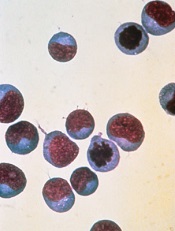
Credit: NIAID
The US Food and Drug Administration (FDA) has granted accelerated approval for blinatumomab (Blincyto) to treat adults with relapsed or refractory Philadelphia chromosome-negative precursor B-cell acute lymphoblastic leukemia (ALL).
Blinatumomab is a bispecific T-cell engager (BiTE®) antibody construct designed to direct the body’s T cells against target cells expressing CD19, a protein found on the surface of B cells.
Blinatumomab is the first anti-CD19 drug to receive FDA approval. It will be available as a 35 mcg single-use vial.
“Immunotherapies, especially Blincyto with its unique mechanism of action, are particularly promising for patients with leukemia,” said Richard Pazdur, MD, director of the Office of Hematology and Oncology Products in the FDA’s Center for Drug Evaluation and Research.
“Recognizing the potential of this novel therapy, the FDA worked proactively with the sponsor under our breakthrough therapy designation program to facilitate the approval of this novel agent.”
Approval details
The FDA granted blinatumomab accelerated approval based on clinical data showing the drug has an effect on a surrogate endpoint reasonably likely to predict clinical benefit to patients.
Before granting the drug full approval, the FDA is requiring that blinatumomab’s manufacturer, Amgen, conduct a study to verify that the drug improves survival in patients with relapsed or refractory Philadelphia-negative precursor B-cell ALL.
Blinatumomab was approved with a boxed warning detailing the risk of cytokine release syndrome and neurological toxicities. The FDA also approved the drug with a Risk Evaluation and Mitigation Strategy, which consists of a communication plan to inform healthcare providers about the serious risks and the potential for preparation and administration errors.
Blinatumomab was approved more than 5 months ahead of the date the FDA was scheduled to complete review of the drug’s application (May 19, 2015).
The agency had granted blinatumomab breakthrough therapy designation, priority review, and orphan product designation because Amgen demonstrated through preliminary clinical evidence that the drug may offer a substantial improvement over available therapies.
That evidence came in the form of a phase 2 study, the results of which were presented at the 19th Congress of the European Hematology Association (EHA) in June.
Trial results
Researchers evaluated blinatumomab monotherapy in 189 patients with relapsed or refractory B-cell ALL and a median age of 39 (range, 18-79). The patients received blinatumomab by continuous intravenous infusion—4 weeks on and 2 weeks off—for up to 5 cycles.
Thirty-three percent of patients achieved a complete remission, and 9% achieved a complete remission with partial hematologic recovery. Seventy-one percent of these patients were negative for minimal residual disease.
The median relapse-free survival was 5.9 months.
Major toxicities were related to cytokine release syndrome, but cytopenias and central nervous system events were also common. The most frequent adverse events were pyrexia (59%), headache (35%), and febrile neutropenia (29%).
The most frequent grade 3 or higher adverse events were febrile neutropenia (26%), anemia (15%), and neutropenia (15%). Two percent of patients had grade 3 or higher cytokine release syndrome.
The most common grade 3 or higher nervous system events were headache (4%), encephalopathy (3%), and ataxia (2%). Three patients (2%) had grade 5 events considered treatment-related—2 with sepsis and 1 with Candida infection. 
Credit: NIAID
The US Food and Drug Administration (FDA) has granted accelerated approval for blinatumomab (Blincyto) to treat adults with relapsed or refractory Philadelphia chromosome-negative precursor B-cell acute lymphoblastic leukemia (ALL).
Blinatumomab is a bispecific T-cell engager (BiTE®) antibody construct designed to direct the body’s T cells against target cells expressing CD19, a protein found on the surface of B cells.
Blinatumomab is the first anti-CD19 drug to receive FDA approval. It will be available as a 35 mcg single-use vial.
“Immunotherapies, especially Blincyto with its unique mechanism of action, are particularly promising for patients with leukemia,” said Richard Pazdur, MD, director of the Office of Hematology and Oncology Products in the FDA’s Center for Drug Evaluation and Research.
“Recognizing the potential of this novel therapy, the FDA worked proactively with the sponsor under our breakthrough therapy designation program to facilitate the approval of this novel agent.”
Approval details
The FDA granted blinatumomab accelerated approval based on clinical data showing the drug has an effect on a surrogate endpoint reasonably likely to predict clinical benefit to patients.
Before granting the drug full approval, the FDA is requiring that blinatumomab’s manufacturer, Amgen, conduct a study to verify that the drug improves survival in patients with relapsed or refractory Philadelphia-negative precursor B-cell ALL.
Blinatumomab was approved with a boxed warning detailing the risk of cytokine release syndrome and neurological toxicities. The FDA also approved the drug with a Risk Evaluation and Mitigation Strategy, which consists of a communication plan to inform healthcare providers about the serious risks and the potential for preparation and administration errors.
Blinatumomab was approved more than 5 months ahead of the date the FDA was scheduled to complete review of the drug’s application (May 19, 2015).
The agency had granted blinatumomab breakthrough therapy designation, priority review, and orphan product designation because Amgen demonstrated through preliminary clinical evidence that the drug may offer a substantial improvement over available therapies.
That evidence came in the form of a phase 2 study, the results of which were presented at the 19th Congress of the European Hematology Association (EHA) in June.
Trial results
Researchers evaluated blinatumomab monotherapy in 189 patients with relapsed or refractory B-cell ALL and a median age of 39 (range, 18-79). The patients received blinatumomab by continuous intravenous infusion—4 weeks on and 2 weeks off—for up to 5 cycles.
Thirty-three percent of patients achieved a complete remission, and 9% achieved a complete remission with partial hematologic recovery. Seventy-one percent of these patients were negative for minimal residual disease.
The median relapse-free survival was 5.9 months.
Major toxicities were related to cytokine release syndrome, but cytopenias and central nervous system events were also common. The most frequent adverse events were pyrexia (59%), headache (35%), and febrile neutropenia (29%).
The most frequent grade 3 or higher adverse events were febrile neutropenia (26%), anemia (15%), and neutropenia (15%). Two percent of patients had grade 3 or higher cytokine release syndrome.
The most common grade 3 or higher nervous system events were headache (4%), encephalopathy (3%), and ataxia (2%). Three patients (2%) had grade 5 events considered treatment-related—2 with sepsis and 1 with Candida infection.
Credit: NIAID
The US Food and Drug Administration (FDA) has granted accelerated approval for blinatumomab (Blincyto) to treat adults with relapsed or refractory Philadelphia chromosome-negative precursor B-cell acute lymphoblastic leukemia (ALL).
Blinatumomab is a bispecific T-cell engager (BiTE®) antibody construct designed to direct the body’s T cells against target cells expressing CD19, a protein found on the surface of B cells.
Blinatumomab is the first anti-CD19 drug to receive FDA approval. It will be available as a 35 mcg single-use vial.
“Immunotherapies, especially Blincyto with its unique mechanism of action, are particularly promising for patients with leukemia,” said Richard Pazdur, MD, director of the Office of Hematology and Oncology Products in the FDA’s Center for Drug Evaluation and Research.
“Recognizing the potential of this novel therapy, the FDA worked proactively with the sponsor under our breakthrough therapy designation program to facilitate the approval of this novel agent.”
Approval details
The FDA granted blinatumomab accelerated approval based on clinical data showing the drug has an effect on a surrogate endpoint reasonably likely to predict clinical benefit to patients.
Before granting the drug full approval, the FDA is requiring that blinatumomab’s manufacturer, Amgen, conduct a study to verify that the drug improves survival in patients with relapsed or refractory Philadelphia-negative precursor B-cell ALL.
Blinatumomab was approved with a boxed warning detailing the risk of cytokine release syndrome and neurological toxicities. The FDA also approved the drug with a Risk Evaluation and Mitigation Strategy, which consists of a communication plan to inform healthcare providers about the serious risks and the potential for preparation and administration errors.
Blinatumomab was approved more than 5 months ahead of the date the FDA was scheduled to complete review of the drug’s application (May 19, 2015).
The agency had granted blinatumomab breakthrough therapy designation, priority review, and orphan product designation because Amgen demonstrated through preliminary clinical evidence that the drug may offer a substantial improvement over available therapies.
That evidence came in the form of a phase 2 study, the results of which were presented at the 19th Congress of the European Hematology Association (EHA) in June.
Trial results
Researchers evaluated blinatumomab monotherapy in 189 patients with relapsed or refractory B-cell ALL and a median age of 39 (range, 18-79). The patients received blinatumomab by continuous intravenous infusion—4 weeks on and 2 weeks off—for up to 5 cycles.
Thirty-three percent of patients achieved a complete remission, and 9% achieved a complete remission with partial hematologic recovery. Seventy-one percent of these patients were negative for minimal residual disease.
The median relapse-free survival was 5.9 months.
Major toxicities were related to cytokine release syndrome, but cytopenias and central nervous system events were also common. The most frequent adverse events were pyrexia (59%), headache (35%), and febrile neutropenia (29%).
The most frequent grade 3 or higher adverse events were febrile neutropenia (26%), anemia (15%), and neutropenia (15%). Two percent of patients had grade 3 or higher cytokine release syndrome.
The most common grade 3 or higher nervous system events were headache (4%), encephalopathy (3%), and ataxia (2%). Three patients (2%) had grade 5 events considered treatment-related—2 with sepsis and 1 with Candida infection.
Drug gets orphan designation for MM & CLL/SLL
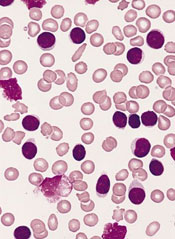
The European Medicines Agency (EMA) has granted orphan drug designation for selinexor (KPT-330) to treat multiple myeloma (MM) and chronic lymphocytic leukemia (CLL)/small lymphocytic lymphoma (SLL), including Richter’s transformation.
Selinexor previously received orphan designation from both the EMA and the US Food and Drug Administration to treat patients with acute myeloid leukemia and those with diffuse large B-cell lymphoma.
Orphan designation is granted to promote the development of drugs that target rare, life-threatening or debilitating conditions and are expected to provide a significant therapeutic advantage over existing treatments.
Orphan designation qualifies a company—in this case, Karyopharm Therapeutics Inc.—for benefits that include targeted scientific advice from the EMA regarding drug development and 10 years of market exclusivity following the drug’s approval.
About selinexor
Selinexor (KPT-330) is a first-in-class, oral selective inhibitor of nuclear export (SINE) compound. Selinexor functions by inhibiting the nuclear export protein XPO1 (also called CRM1).
This leads to the accumulation of tumor suppressor proteins in the cell nucleus, which subsequently reinitiates and amplifies their tumor suppressor function. This is thought to prompt apoptosis in cancer cells while largely sparing normal cells.
Selinexor has shown promise in an ongoing phase 1 study of patients with a range of hematologic malignancies. Results of this trial were presented at the 2014 ASCO Annual Meeting.
At that point, the study included 51 patients who had received selinexor across 8 dose levels, ranging from 3 mg/m2 to 60 mg/m2.
Among the 43 patients evaluable for response, the overall response rate was 28%, and the complete response rate was 5%.
Most adverse events were gastrointestinal in nature, and most of them were grade 1 or 2. The most common adverse events were nausea, anorexia, and fatigue.
There were 3 dose-limiting toxicities, including 1 MM patient with grade 4 thrombocytopenia, 1 follicular lymphoma patient with grade 4 thrombocytopenia, and 1 CLL patient with grade 2 fatigue.
The European Medicines Agency (EMA) has granted orphan drug designation for selinexor (KPT-330) to treat multiple myeloma (MM) and chronic lymphocytic leukemia (CLL)/small lymphocytic lymphoma (SLL), including Richter’s transformation.
Selinexor previously received orphan designation from both the EMA and the US Food and Drug Administration to treat patients with acute myeloid leukemia and those with diffuse large B-cell lymphoma.
Orphan designation is granted to promote the development of drugs that target rare, life-threatening or debilitating conditions and are expected to provide a significant therapeutic advantage over existing treatments.
Orphan designation qualifies a company—in this case, Karyopharm Therapeutics Inc.—for benefits that include targeted scientific advice from the EMA regarding drug development and 10 years of market exclusivity following the drug’s approval.
About selinexor
Selinexor (KPT-330) is a first-in-class, oral selective inhibitor of nuclear export (SINE) compound. Selinexor functions by inhibiting the nuclear export protein XPO1 (also called CRM1).
This leads to the accumulation of tumor suppressor proteins in the cell nucleus, which subsequently reinitiates and amplifies their tumor suppressor function. This is thought to prompt apoptosis in cancer cells while largely sparing normal cells.
Selinexor has shown promise in an ongoing phase 1 study of patients with a range of hematologic malignancies. Results of this trial were presented at the 2014 ASCO Annual Meeting.
At that point, the study included 51 patients who had received selinexor across 8 dose levels, ranging from 3 mg/m2 to 60 mg/m2.
Among the 43 patients evaluable for response, the overall response rate was 28%, and the complete response rate was 5%.
Most adverse events were gastrointestinal in nature, and most of them were grade 1 or 2. The most common adverse events were nausea, anorexia, and fatigue.
There were 3 dose-limiting toxicities, including 1 MM patient with grade 4 thrombocytopenia, 1 follicular lymphoma patient with grade 4 thrombocytopenia, and 1 CLL patient with grade 2 fatigue.
The European Medicines Agency (EMA) has granted orphan drug designation for selinexor (KPT-330) to treat multiple myeloma (MM) and chronic lymphocytic leukemia (CLL)/small lymphocytic lymphoma (SLL), including Richter’s transformation.
Selinexor previously received orphan designation from both the EMA and the US Food and Drug Administration to treat patients with acute myeloid leukemia and those with diffuse large B-cell lymphoma.
Orphan designation is granted to promote the development of drugs that target rare, life-threatening or debilitating conditions and are expected to provide a significant therapeutic advantage over existing treatments.
Orphan designation qualifies a company—in this case, Karyopharm Therapeutics Inc.—for benefits that include targeted scientific advice from the EMA regarding drug development and 10 years of market exclusivity following the drug’s approval.
About selinexor
Selinexor (KPT-330) is a first-in-class, oral selective inhibitor of nuclear export (SINE) compound. Selinexor functions by inhibiting the nuclear export protein XPO1 (also called CRM1).
This leads to the accumulation of tumor suppressor proteins in the cell nucleus, which subsequently reinitiates and amplifies their tumor suppressor function. This is thought to prompt apoptosis in cancer cells while largely sparing normal cells.
Selinexor has shown promise in an ongoing phase 1 study of patients with a range of hematologic malignancies. Results of this trial were presented at the 2014 ASCO Annual Meeting.
At that point, the study included 51 patients who had received selinexor across 8 dose levels, ranging from 3 mg/m2 to 60 mg/m2.
Among the 43 patients evaluable for response, the overall response rate was 28%, and the complete response rate was 5%.
Most adverse events were gastrointestinal in nature, and most of them were grade 1 or 2. The most common adverse events were nausea, anorexia, and fatigue.
There were 3 dose-limiting toxicities, including 1 MM patient with grade 4 thrombocytopenia, 1 follicular lymphoma patient with grade 4 thrombocytopenia, and 1 CLL patient with grade 2 fatigue.
NICE offers conditional support for eculizumab
Credit: Globovision
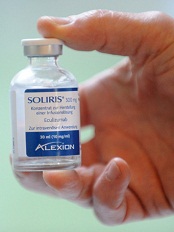
The UK’s National Institute for Health and Care Excellence (NICE) has issued a final draft guidance recommending eculizumab (Soliris) for funding to treat atypical hemolytic uremic syndrome (aHUS).
However, the agency has a few requirements. Eculizumab use must be coordinated through an expert center.
And monitoring systems must record the number of people with aHUS, the number who receive eculizumab, and the dose and duration of treatment.
NICE is also requiring a national protocol for starting and stopping eculizumab for clinical reasons and a research program with robust methods to evaluate when stopping treatment or dose adjustment might occur.
“[A NICE advisory] committee accepted that eculizumab is a step change in the management of aHUS and can be considered a significant innovation for a disease with a high unmet clinical need,” said NICE Chief Executive Sir Andrew Dillon.
“Eculizumab offers people with aHUS the possibility of avoiding end-stage renal failure, dialysis, and kidney transplantation, as well as other organ damage. The drug is, however, very expensive. The committee felt that the budget impact of eculizumab would be lower if the potential for dose adjustment and stopping treatment was explored.”
“This is reflected in the draft guidance, which recommends eculizumab should be funded only if important conditions are met, including the development of rules for starting and stopping treatment for clinical reasons. In the meantime, NHS England and the company [developing the drug, Alexion Pharmaceuticals] should consider what opportunities might exist to reduce the cost of eculizumab to the NHS.”
Eculizumab: Dosing, cost, and benefit
Eculizumab is given intravenously in adults as initial treatment at a dose of 900 mg for 4 weeks, then as maintenance treatment at a dose of 1200 mg on week 5, and then every 12 to 16 days. The summary of product characteristics for eculizumab states that “treatment is recommended to continue for a patient’s lifetime, unless discontinuation of treatment is clinically indicated.”
Eculizumab costs £3150 per 30 ml vial (excluding value-added tax). The net budget impact of eculizumab based on the company’s predicted rate of uptake over a 5-year period is confidential.
However, to allow consultees and commentators to properly engage in the consultation process, NICE has prepared an illustration of the possible budget impact of eculizumab for aHUS, using information available in the public domain.
NICE’s estimate is based on a treatment cost of £340,200 per adult patient in the first year (based on the acquisition cost of the drug and the recommended dosing for an adult), and assumes a patient cohort of 170, as estimated by NHS England in its interim commissioning policy.
If it is assumed that all of these adult patients with aHUS are treated with eculizumab, the budget impact for the first year would be £57.8 million.
If an additional 20 new patients are treated the following year (based on a worldwide incidence of 0.4 per million), the budget impact will rise to £62.5 million in year 2, assuming all new patients are treated and all existing patients continue to be treated at the maintenance cost of £327,600 per year.
Using the same assumptions, the budget impact will rise to £69 million in year 3 (190 existing and 20 new patients), £75 million in year 4 (210 existing and 20 new patients), and £82 million in year 5 (230 existing and 20 new patients).
NHS England has indicated that the amount of the budget allocated for highly specialized services in 2013/2014 was £544 million, and the spending on high-cost drugs was £156 million.
The advisory committee acknowledged that the company’s estimate of the incremental cost of eculizumab compared with standard care was considerable and that incremental costs estimated by the evidence review group were higher still (results are confidential).
The company estimated that eculizumab produced 25.22 additional quality-adjusted life-years (QALYs) per patient compared with standard care. Although the QALYs estimated in the evidence review group’s analysis were markedly lower than those calculated by the company, both analyses produced substantial QALY gains of a magnitude that is rarely seen for any new drug treatment.
NICE has not yet issued final guidance on eculizumab in aHUS. The draft guidance is now with consultees, including the company, healthcare professionals, and patient/carer organizations, who have the opportunity to appeal against the draft recommendations.
Final guidance on the use of eculizumab to treat aHUS is expected in January 2015.
Credit: Globovision
The UK’s National Institute for Health and Care Excellence (NICE) has issued a final draft guidance recommending eculizumab (Soliris) for funding to treat atypical hemolytic uremic syndrome (aHUS).
However, the agency has a few requirements. Eculizumab use must be coordinated through an expert center.
And monitoring systems must record the number of people with aHUS, the number who receive eculizumab, and the dose and duration of treatment.
NICE is also requiring a national protocol for starting and stopping eculizumab for clinical reasons and a research program with robust methods to evaluate when stopping treatment or dose adjustment might occur.
“[A NICE advisory] committee accepted that eculizumab is a step change in the management of aHUS and can be considered a significant innovation for a disease with a high unmet clinical need,” said NICE Chief Executive Sir Andrew Dillon.
“Eculizumab offers people with aHUS the possibility of avoiding end-stage renal failure, dialysis, and kidney transplantation, as well as other organ damage. The drug is, however, very expensive. The committee felt that the budget impact of eculizumab would be lower if the potential for dose adjustment and stopping treatment was explored.”
“This is reflected in the draft guidance, which recommends eculizumab should be funded only if important conditions are met, including the development of rules for starting and stopping treatment for clinical reasons. In the meantime, NHS England and the company [developing the drug, Alexion Pharmaceuticals] should consider what opportunities might exist to reduce the cost of eculizumab to the NHS.”
Eculizumab: Dosing, cost, and benefit
Eculizumab is given intravenously in adults as initial treatment at a dose of 900 mg for 4 weeks, then as maintenance treatment at a dose of 1200 mg on week 5, and then every 12 to 16 days. The summary of product characteristics for eculizumab states that “treatment is recommended to continue for a patient’s lifetime, unless discontinuation of treatment is clinically indicated.”
Eculizumab costs £3150 per 30 ml vial (excluding value-added tax). The net budget impact of eculizumab based on the company’s predicted rate of uptake over a 5-year period is confidential.
However, to allow consultees and commentators to properly engage in the consultation process, NICE has prepared an illustration of the possible budget impact of eculizumab for aHUS, using information available in the public domain.
NICE’s estimate is based on a treatment cost of £340,200 per adult patient in the first year (based on the acquisition cost of the drug and the recommended dosing for an adult), and assumes a patient cohort of 170, as estimated by NHS England in its interim commissioning policy.
If it is assumed that all of these adult patients with aHUS are treated with eculizumab, the budget impact for the first year would be £57.8 million.
If an additional 20 new patients are treated the following year (based on a worldwide incidence of 0.4 per million), the budget impact will rise to £62.5 million in year 2, assuming all new patients are treated and all existing patients continue to be treated at the maintenance cost of £327,600 per year.
Using the same assumptions, the budget impact will rise to £69 million in year 3 (190 existing and 20 new patients), £75 million in year 4 (210 existing and 20 new patients), and £82 million in year 5 (230 existing and 20 new patients).
NHS England has indicated that the amount of the budget allocated for highly specialized services in 2013/2014 was £544 million, and the spending on high-cost drugs was £156 million.
The advisory committee acknowledged that the company’s estimate of the incremental cost of eculizumab compared with standard care was considerable and that incremental costs estimated by the evidence review group were higher still (results are confidential).
The company estimated that eculizumab produced 25.22 additional quality-adjusted life-years (QALYs) per patient compared with standard care. Although the QALYs estimated in the evidence review group’s analysis were markedly lower than those calculated by the company, both analyses produced substantial QALY gains of a magnitude that is rarely seen for any new drug treatment.
NICE has not yet issued final guidance on eculizumab in aHUS. The draft guidance is now with consultees, including the company, healthcare professionals, and patient/carer organizations, who have the opportunity to appeal against the draft recommendations.
Final guidance on the use of eculizumab to treat aHUS is expected in January 2015.
Credit: Globovision
The UK’s National Institute for Health and Care Excellence (NICE) has issued a final draft guidance recommending eculizumab (Soliris) for funding to treat atypical hemolytic uremic syndrome (aHUS).
However, the agency has a few requirements. Eculizumab use must be coordinated through an expert center.
And monitoring systems must record the number of people with aHUS, the number who receive eculizumab, and the dose and duration of treatment.
NICE is also requiring a national protocol for starting and stopping eculizumab for clinical reasons and a research program with robust methods to evaluate when stopping treatment or dose adjustment might occur.
“[A NICE advisory] committee accepted that eculizumab is a step change in the management of aHUS and can be considered a significant innovation for a disease with a high unmet clinical need,” said NICE Chief Executive Sir Andrew Dillon.
“Eculizumab offers people with aHUS the possibility of avoiding end-stage renal failure, dialysis, and kidney transplantation, as well as other organ damage. The drug is, however, very expensive. The committee felt that the budget impact of eculizumab would be lower if the potential for dose adjustment and stopping treatment was explored.”
“This is reflected in the draft guidance, which recommends eculizumab should be funded only if important conditions are met, including the development of rules for starting and stopping treatment for clinical reasons. In the meantime, NHS England and the company [developing the drug, Alexion Pharmaceuticals] should consider what opportunities might exist to reduce the cost of eculizumab to the NHS.”
Eculizumab: Dosing, cost, and benefit
Eculizumab is given intravenously in adults as initial treatment at a dose of 900 mg for 4 weeks, then as maintenance treatment at a dose of 1200 mg on week 5, and then every 12 to 16 days. The summary of product characteristics for eculizumab states that “treatment is recommended to continue for a patient’s lifetime, unless discontinuation of treatment is clinically indicated.”
Eculizumab costs £3150 per 30 ml vial (excluding value-added tax). The net budget impact of eculizumab based on the company’s predicted rate of uptake over a 5-year period is confidential.
However, to allow consultees and commentators to properly engage in the consultation process, NICE has prepared an illustration of the possible budget impact of eculizumab for aHUS, using information available in the public domain.
NICE’s estimate is based on a treatment cost of £340,200 per adult patient in the first year (based on the acquisition cost of the drug and the recommended dosing for an adult), and assumes a patient cohort of 170, as estimated by NHS England in its interim commissioning policy.
If it is assumed that all of these adult patients with aHUS are treated with eculizumab, the budget impact for the first year would be £57.8 million.
If an additional 20 new patients are treated the following year (based on a worldwide incidence of 0.4 per million), the budget impact will rise to £62.5 million in year 2, assuming all new patients are treated and all existing patients continue to be treated at the maintenance cost of £327,600 per year.
Using the same assumptions, the budget impact will rise to £69 million in year 3 (190 existing and 20 new patients), £75 million in year 4 (210 existing and 20 new patients), and £82 million in year 5 (230 existing and 20 new patients).
NHS England has indicated that the amount of the budget allocated for highly specialized services in 2013/2014 was £544 million, and the spending on high-cost drugs was £156 million.
The advisory committee acknowledged that the company’s estimate of the incremental cost of eculizumab compared with standard care was considerable and that incremental costs estimated by the evidence review group were higher still (results are confidential).
The company estimated that eculizumab produced 25.22 additional quality-adjusted life-years (QALYs) per patient compared with standard care. Although the QALYs estimated in the evidence review group’s analysis were markedly lower than those calculated by the company, both analyses produced substantial QALY gains of a magnitude that is rarely seen for any new drug treatment.
NICE has not yet issued final guidance on eculizumab in aHUS. The draft guidance is now with consultees, including the company, healthcare professionals, and patient/carer organizations, who have the opportunity to appeal against the draft recommendations.
Final guidance on the use of eculizumab to treat aHUS is expected in January 2015.
FDA grants drug orphan designation for AML
The US Food and Drug Administration (FDA) has granted orphan drug designation for Actimab-A, an alpha radiolabeled antibody, to treat patients over the age of 60 who are newly diagnosed with acute myeloid leukemia (AML).
Actimab-A consists of the CD33 antibody lintuzumab linked to the actinium-225 payload. The product is currently under investigation in a multicenter, phase 1/2 trial of elderly AML patients.
The company developing Actimab-A, Actinium Pharmaceuticals, Inc., recently announced positive interim data from this trial.
Nine patients were evaluable. They had a median age of 76 (range, 73-81) and intermediate- or poor-risk cytogenetics.
The median overall survival was 5.4 months (range, 2.2-24 months), but survival was better for the 7 patients who had secondary AML. These patients had a median overall survival of 9.1 months from study entry (range, 2.3-24 months).
Two secondary AML patients lived longer than 12 months, and the longest surviving patient lived more than 24 months.
Two dosing levels of Actimab-A have been evaluated to date (0.5 or 1.0 μCi/kg/fraction), and the study is ongoing at higher doses until the maximum tolerated dose is reached.
Actinium expects additional data from this trial to be available in 2015.
“The FDA’s decision to grant orphan drug status for Actimab-A is a significant milestone for the company and recognizes the need for innovative new approaches to treat AML,” said Kaushik J. Dave, PhD, President and CEO of Actinium.
“The designation will provide Actinium access to various development benefits and financial incentives from the agency, including an exemption from prescription drug user fees for Actimab-A for this indication and, if the drug receives marketing approval, it will enjoy 7 years of market exclusivity in the United States.”
The US Food and Drug Administration (FDA) has granted orphan drug designation for Actimab-A, an alpha radiolabeled antibody, to treat patients over the age of 60 who are newly diagnosed with acute myeloid leukemia (AML).
Actimab-A consists of the CD33 antibody lintuzumab linked to the actinium-225 payload. The product is currently under investigation in a multicenter, phase 1/2 trial of elderly AML patients.
The company developing Actimab-A, Actinium Pharmaceuticals, Inc., recently announced positive interim data from this trial.
Nine patients were evaluable. They had a median age of 76 (range, 73-81) and intermediate- or poor-risk cytogenetics.
The median overall survival was 5.4 months (range, 2.2-24 months), but survival was better for the 7 patients who had secondary AML. These patients had a median overall survival of 9.1 months from study entry (range, 2.3-24 months).
Two secondary AML patients lived longer than 12 months, and the longest surviving patient lived more than 24 months.
Two dosing levels of Actimab-A have been evaluated to date (0.5 or 1.0 μCi/kg/fraction), and the study is ongoing at higher doses until the maximum tolerated dose is reached.
Actinium expects additional data from this trial to be available in 2015.
“The FDA’s decision to grant orphan drug status for Actimab-A is a significant milestone for the company and recognizes the need for innovative new approaches to treat AML,” said Kaushik J. Dave, PhD, President and CEO of Actinium.
“The designation will provide Actinium access to various development benefits and financial incentives from the agency, including an exemption from prescription drug user fees for Actimab-A for this indication and, if the drug receives marketing approval, it will enjoy 7 years of market exclusivity in the United States.”
The US Food and Drug Administration (FDA) has granted orphan drug designation for Actimab-A, an alpha radiolabeled antibody, to treat patients over the age of 60 who are newly diagnosed with acute myeloid leukemia (AML).
Actimab-A consists of the CD33 antibody lintuzumab linked to the actinium-225 payload. The product is currently under investigation in a multicenter, phase 1/2 trial of elderly AML patients.
The company developing Actimab-A, Actinium Pharmaceuticals, Inc., recently announced positive interim data from this trial.
Nine patients were evaluable. They had a median age of 76 (range, 73-81) and intermediate- or poor-risk cytogenetics.
The median overall survival was 5.4 months (range, 2.2-24 months), but survival was better for the 7 patients who had secondary AML. These patients had a median overall survival of 9.1 months from study entry (range, 2.3-24 months).
Two secondary AML patients lived longer than 12 months, and the longest surviving patient lived more than 24 months.
Two dosing levels of Actimab-A have been evaluated to date (0.5 or 1.0 μCi/kg/fraction), and the study is ongoing at higher doses until the maximum tolerated dose is reached.
Actinium expects additional data from this trial to be available in 2015.
“The FDA’s decision to grant orphan drug status for Actimab-A is a significant milestone for the company and recognizes the need for innovative new approaches to treat AML,” said Kaushik J. Dave, PhD, President and CEO of Actinium.
“The designation will provide Actinium access to various development benefits and financial incentives from the agency, including an exemption from prescription drug user fees for Actimab-A for this indication and, if the drug receives marketing approval, it will enjoy 7 years of market exclusivity in the United States.”
Drug dubbed ‘breakthrough’ for AL amyloidosis

The US Food and Drug Administration (FDA) has granted breakthrough therapy designation for the oral proteasome inhibitor ixazomib (MLN9708) to treat relapsed or refractory systemic light-chain (AL) amyloidosis.
This is the first proteasome inhibitor and the first investigational therapy for AL amyloidosis to receive breakthrough designation.
Ixazomib already has orphan drug designation in the US and the European Union for this indication and to treat multiple myeloma (MM).
The FDA’s breakthrough therapy designation is intended to expedite the development and review of new medicines to treat serious or life-threatening conditions. Compounds given the designation receive more intensive FDA guidance on an efficient drug development program and an enhanced agency commitment of senior personnel.
Breakthrough therapy designation requires preliminary clinical evidence indicating the drug may demonstrate substantial improvement on a clinically significant endpoint (or endpoints) over available therapies.
The data used to support this designation for ixazomib came from a phase 1 trial that is set to be presented at the 2014 ASH Annual Meeting as abstract 3450.
The development program for ixazomib in AL amyloidosis progressed directly from a phase 1 to a phase 3 clinical trial, TOURMALINE-AL1. Ixazomib is the first oral proteasome inhibitor to enter phase 3 clinical trials, and 4 global phase 3 trials are ongoing:
- TOURMALINE-MM1, an investigation of ixazomib vs placebo in combination with lenalidomide and dexamethasone in relapsed and/or refractory MM
- TOURMALINE-AL1, an investigation of ixazomib plus dexamethasone in patients with relapsed or refractory AL amyloidosis
- TOURMALINE-MM2, an investigation of ixazomib vs placebo in combination with lenalidomide and dexamethasone in patients with newly diagnosed MM
- TOURMALINE-MM3, an investigation of ixazomib vs placebo as maintenance therapy in patients with newly diagnosed MM following induction therapy and autologous stem cell transplant.
For additional information on the ongoing phase 3 studies, visit www.tourmalinetrials.com or www.clinicaltrials.gov. Ixazomib is under development by Millennium: the Takeda Oncology Company.
The US Food and Drug Administration (FDA) has granted breakthrough therapy designation for the oral proteasome inhibitor ixazomib (MLN9708) to treat relapsed or refractory systemic light-chain (AL) amyloidosis.
This is the first proteasome inhibitor and the first investigational therapy for AL amyloidosis to receive breakthrough designation.
Ixazomib already has orphan drug designation in the US and the European Union for this indication and to treat multiple myeloma (MM).
The FDA’s breakthrough therapy designation is intended to expedite the development and review of new medicines to treat serious or life-threatening conditions. Compounds given the designation receive more intensive FDA guidance on an efficient drug development program and an enhanced agency commitment of senior personnel.
Breakthrough therapy designation requires preliminary clinical evidence indicating the drug may demonstrate substantial improvement on a clinically significant endpoint (or endpoints) over available therapies.
The data used to support this designation for ixazomib came from a phase 1 trial that is set to be presented at the 2014 ASH Annual Meeting as abstract 3450.
The development program for ixazomib in AL amyloidosis progressed directly from a phase 1 to a phase 3 clinical trial, TOURMALINE-AL1. Ixazomib is the first oral proteasome inhibitor to enter phase 3 clinical trials, and 4 global phase 3 trials are ongoing:
- TOURMALINE-MM1, an investigation of ixazomib vs placebo in combination with lenalidomide and dexamethasone in relapsed and/or refractory MM
- TOURMALINE-AL1, an investigation of ixazomib plus dexamethasone in patients with relapsed or refractory AL amyloidosis
- TOURMALINE-MM2, an investigation of ixazomib vs placebo in combination with lenalidomide and dexamethasone in patients with newly diagnosed MM
- TOURMALINE-MM3, an investigation of ixazomib vs placebo as maintenance therapy in patients with newly diagnosed MM following induction therapy and autologous stem cell transplant.
For additional information on the ongoing phase 3 studies, visit www.tourmalinetrials.com or www.clinicaltrials.gov. Ixazomib is under development by Millennium: the Takeda Oncology Company.
The US Food and Drug Administration (FDA) has granted breakthrough therapy designation for the oral proteasome inhibitor ixazomib (MLN9708) to treat relapsed or refractory systemic light-chain (AL) amyloidosis.
This is the first proteasome inhibitor and the first investigational therapy for AL amyloidosis to receive breakthrough designation.
Ixazomib already has orphan drug designation in the US and the European Union for this indication and to treat multiple myeloma (MM).
The FDA’s breakthrough therapy designation is intended to expedite the development and review of new medicines to treat serious or life-threatening conditions. Compounds given the designation receive more intensive FDA guidance on an efficient drug development program and an enhanced agency commitment of senior personnel.
Breakthrough therapy designation requires preliminary clinical evidence indicating the drug may demonstrate substantial improvement on a clinically significant endpoint (or endpoints) over available therapies.
The data used to support this designation for ixazomib came from a phase 1 trial that is set to be presented at the 2014 ASH Annual Meeting as abstract 3450.
The development program for ixazomib in AL amyloidosis progressed directly from a phase 1 to a phase 3 clinical trial, TOURMALINE-AL1. Ixazomib is the first oral proteasome inhibitor to enter phase 3 clinical trials, and 4 global phase 3 trials are ongoing:
- TOURMALINE-MM1, an investigation of ixazomib vs placebo in combination with lenalidomide and dexamethasone in relapsed and/or refractory MM
- TOURMALINE-AL1, an investigation of ixazomib plus dexamethasone in patients with relapsed or refractory AL amyloidosis
- TOURMALINE-MM2, an investigation of ixazomib vs placebo in combination with lenalidomide and dexamethasone in patients with newly diagnosed MM
- TOURMALINE-MM3, an investigation of ixazomib vs placebo as maintenance therapy in patients with newly diagnosed MM following induction therapy and autologous stem cell transplant.
For additional information on the ongoing phase 3 studies, visit www.tourmalinetrials.com or www.clinicaltrials.gov. Ixazomib is under development by Millennium: the Takeda Oncology Company.
NICE expands use of ESAs in cancer patients

chemotherapy
Credit: Rhoda Baer
The UK’s National Institute for Health and Care Excellence (NICE) has updated its guidance to expand the use of erythropoiesis-stimulating agents (ESAs) in cancer patients.
In 2008, NICE issued a guidance recommending ESAs as a possible treatment for certain patients with anemia caused by cancer treatment.
Now, NICE has updated the recommendations to expand the use of ESAs—epoetin alfa, beta, theta, and zeta, as well as darbepoetin alfa—to all other indications within their UK marketing authorizations.
“A lot of people with cancer having chemotherapy will become anemic,” noted Carole Longson, director of the Centre for Health Technology Evaluation at NICE.
“Managing anemia often requires extra trips to the hospital and can significantly affect a person’s quality of life. This updated final guidance recommends more options, epoetin and darbepoetin, that are both clinically and cost-effective and which also significantly improve quality of life for people who develop anemia whilst having cancer therapy.”
The 2008 NICE guidance recommended erythropoietin analogues with iron injections as a possible treatment for anemia caused by cancer treatment only in:
- Women receiving platinum-based chemotherapy for cancer of the ovaries who have a blood hemoglobin level of 8 g/100 mL or lower
- Patients who have very severe anemia and cannot receive blood transfusions.
NICE’s updated final guidance recommends using darbepoetin alfa and epoetin alfa, beta, theta, and zeta within their marketing authorizations as an option for treating anemia in cancer patients undergoing chemotherapy.
Epoetin alfa (Eprex, Janssen-Cilag, and Binocrit, Sandoz), and epoetin zeta (Retacrit, Hospira UK) have UK marketing authorization to treat anemia and to reduce transfusion requirements in adult patients receiving chemotherapy for solid tumors, malignant lymphoma, or multiple myeloma, who are at risk of transfusion as assessed by the patients’ general status (eg, cardiovascular status, pre-existing anemia at the start of chemotherapy).
Binocrit and Retacrit are both biosimilar medicines referenced to Eprex. Eprex, Binocrit, and Retacrit are available in pre-filled syringes at net prices of £5.53, £4.33, and £5.66 per 1000 units, respectively.
Epoetin beta (NeoRecormon, Roche Products) and epoetin theta (Eporatio, Teva UK) have UK marketing authorization to treat symptomatic anemia in adult patients with non-myeloid malignancies who are receiving chemotherapy.
NeoRecormon is available in a pre-filled syringe at a net price of £3.51 per 500 units, and Eporatio is available in a pre-filled syringe at a net price of £5.99 per 1000 units.
Darbepoetin alfa (Aranesp, Amgen) has UK marketing authorization to treat symptomatic anemia in adult cancer patients with non-myeloid malignancies who are receiving chemotherapy. Aranesp is available in a pre-filled syringe at a net price of £14.68 per 10 micrograms.
Costs (excluding value-added tax) may vary in different settings because of negotiated procurement discounts.
chemotherapy
Credit: Rhoda Baer
The UK’s National Institute for Health and Care Excellence (NICE) has updated its guidance to expand the use of erythropoiesis-stimulating agents (ESAs) in cancer patients.
In 2008, NICE issued a guidance recommending ESAs as a possible treatment for certain patients with anemia caused by cancer treatment.
Now, NICE has updated the recommendations to expand the use of ESAs—epoetin alfa, beta, theta, and zeta, as well as darbepoetin alfa—to all other indications within their UK marketing authorizations.
“A lot of people with cancer having chemotherapy will become anemic,” noted Carole Longson, director of the Centre for Health Technology Evaluation at NICE.
“Managing anemia often requires extra trips to the hospital and can significantly affect a person’s quality of life. This updated final guidance recommends more options, epoetin and darbepoetin, that are both clinically and cost-effective and which also significantly improve quality of life for people who develop anemia whilst having cancer therapy.”
The 2008 NICE guidance recommended erythropoietin analogues with iron injections as a possible treatment for anemia caused by cancer treatment only in:
- Women receiving platinum-based chemotherapy for cancer of the ovaries who have a blood hemoglobin level of 8 g/100 mL or lower
- Patients who have very severe anemia and cannot receive blood transfusions.
NICE’s updated final guidance recommends using darbepoetin alfa and epoetin alfa, beta, theta, and zeta within their marketing authorizations as an option for treating anemia in cancer patients undergoing chemotherapy.
Epoetin alfa (Eprex, Janssen-Cilag, and Binocrit, Sandoz), and epoetin zeta (Retacrit, Hospira UK) have UK marketing authorization to treat anemia and to reduce transfusion requirements in adult patients receiving chemotherapy for solid tumors, malignant lymphoma, or multiple myeloma, who are at risk of transfusion as assessed by the patients’ general status (eg, cardiovascular status, pre-existing anemia at the start of chemotherapy).
Binocrit and Retacrit are both biosimilar medicines referenced to Eprex. Eprex, Binocrit, and Retacrit are available in pre-filled syringes at net prices of £5.53, £4.33, and £5.66 per 1000 units, respectively.
Epoetin beta (NeoRecormon, Roche Products) and epoetin theta (Eporatio, Teva UK) have UK marketing authorization to treat symptomatic anemia in adult patients with non-myeloid malignancies who are receiving chemotherapy.
NeoRecormon is available in a pre-filled syringe at a net price of £3.51 per 500 units, and Eporatio is available in a pre-filled syringe at a net price of £5.99 per 1000 units.
Darbepoetin alfa (Aranesp, Amgen) has UK marketing authorization to treat symptomatic anemia in adult cancer patients with non-myeloid malignancies who are receiving chemotherapy. Aranesp is available in a pre-filled syringe at a net price of £14.68 per 10 micrograms.
Costs (excluding value-added tax) may vary in different settings because of negotiated procurement discounts.
chemotherapy
Credit: Rhoda Baer
The UK’s National Institute for Health and Care Excellence (NICE) has updated its guidance to expand the use of erythropoiesis-stimulating agents (ESAs) in cancer patients.
In 2008, NICE issued a guidance recommending ESAs as a possible treatment for certain patients with anemia caused by cancer treatment.
Now, NICE has updated the recommendations to expand the use of ESAs—epoetin alfa, beta, theta, and zeta, as well as darbepoetin alfa—to all other indications within their UK marketing authorizations.
“A lot of people with cancer having chemotherapy will become anemic,” noted Carole Longson, director of the Centre for Health Technology Evaluation at NICE.
“Managing anemia often requires extra trips to the hospital and can significantly affect a person’s quality of life. This updated final guidance recommends more options, epoetin and darbepoetin, that are both clinically and cost-effective and which also significantly improve quality of life for people who develop anemia whilst having cancer therapy.”
The 2008 NICE guidance recommended erythropoietin analogues with iron injections as a possible treatment for anemia caused by cancer treatment only in:
- Women receiving platinum-based chemotherapy for cancer of the ovaries who have a blood hemoglobin level of 8 g/100 mL or lower
- Patients who have very severe anemia and cannot receive blood transfusions.
NICE’s updated final guidance recommends using darbepoetin alfa and epoetin alfa, beta, theta, and zeta within their marketing authorizations as an option for treating anemia in cancer patients undergoing chemotherapy.
Epoetin alfa (Eprex, Janssen-Cilag, and Binocrit, Sandoz), and epoetin zeta (Retacrit, Hospira UK) have UK marketing authorization to treat anemia and to reduce transfusion requirements in adult patients receiving chemotherapy for solid tumors, malignant lymphoma, or multiple myeloma, who are at risk of transfusion as assessed by the patients’ general status (eg, cardiovascular status, pre-existing anemia at the start of chemotherapy).
Binocrit and Retacrit are both biosimilar medicines referenced to Eprex. Eprex, Binocrit, and Retacrit are available in pre-filled syringes at net prices of £5.53, £4.33, and £5.66 per 1000 units, respectively.
Epoetin beta (NeoRecormon, Roche Products) and epoetin theta (Eporatio, Teva UK) have UK marketing authorization to treat symptomatic anemia in adult patients with non-myeloid malignancies who are receiving chemotherapy.
NeoRecormon is available in a pre-filled syringe at a net price of £3.51 per 500 units, and Eporatio is available in a pre-filled syringe at a net price of £5.99 per 1000 units.
Darbepoetin alfa (Aranesp, Amgen) has UK marketing authorization to treat symptomatic anemia in adult cancer patients with non-myeloid malignancies who are receiving chemotherapy. Aranesp is available in a pre-filled syringe at a net price of £14.68 per 10 micrograms.
Costs (excluding value-added tax) may vary in different settings because of negotiated procurement discounts.
Health Canada expands indication for apixaban
Credit: Andre E.X. Brown
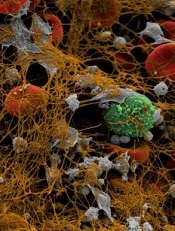
Health Canada has expanded the indication for the oral anticoagulant apixaban (Eliquis).
The direct factor Xa inhibitor can now be used to prevent venous thromboembolism (VTE) in adult patients who have undergone elective total hip surgery or knee replacement surgery.
The drug was already approved in Canada to treat and prevent recurrent VTE and for the prevention of stroke and systemic embolism in patients with atrial fibrillation.
“The development of VTE or pulmonary embolism is an important risk for patients having major orthopedic surgery such as total knee or hip replacement,” said John Eikelboom, MBBS, of McMaster University in Hamilton, Ontario.
“The approval of apixaban gives Canadian surgeons a new option to help prevent VTE in these patients. As an oral option for patients in hospital and once they return home after surgery, where most clotting complications can take place after they are discharged from hospital, apixaban offers patients an alternative to an injected anticoagulant.”
Health Canada’s approval of apixaban is based on results of the ADVANCE clinical trials. In these trials, researchers randomized 11,659 patients and assessed the efficacy and safety of apixaban compared to enoxaparin.
The primary efficacy endpoint of the trials was the composite of asymptomatic and symptomatic deep vein thrombosis (DVT), nonfatal pulmonary embolism (PE), and death from any cause during study treatment. The principal safety measure was the composite of major and clinically relevant nonmajor bleeding.
Results of the first ADVANCE study suggested apixaban was roughly as effective as enoxaparin at preventing DVT and PE in patients who had undergone total knee replacement surgery. But apixaban posed a significantly lower risk of major and nonmajor bleeding.
The ADVANCE-2 study, on the other hand, indicated that apixaban was a more effective means of thromboprophylaxis than enoxaparin in this patient population. And there was no significant difference between the treatment arms in the frequency of major or clinically relevant bleeding.
The ADVANCE-3 study suggested apixaban was more effective than enoxaparin in preventing DVT and PE among patients undergoing hip replacement. And there was no significant difference between the groups with regard to major or clinically relevant bleeding.
Apixaban is under development in Canada by Bristol-Myers Squibb and Pfizer Canada Inc. For more details on the drug, see the product monograph.
Credit: Andre E.X. Brown
Health Canada has expanded the indication for the oral anticoagulant apixaban (Eliquis).
The direct factor Xa inhibitor can now be used to prevent venous thromboembolism (VTE) in adult patients who have undergone elective total hip surgery or knee replacement surgery.
The drug was already approved in Canada to treat and prevent recurrent VTE and for the prevention of stroke and systemic embolism in patients with atrial fibrillation.
“The development of VTE or pulmonary embolism is an important risk for patients having major orthopedic surgery such as total knee or hip replacement,” said John Eikelboom, MBBS, of McMaster University in Hamilton, Ontario.
“The approval of apixaban gives Canadian surgeons a new option to help prevent VTE in these patients. As an oral option for patients in hospital and once they return home after surgery, where most clotting complications can take place after they are discharged from hospital, apixaban offers patients an alternative to an injected anticoagulant.”
Health Canada’s approval of apixaban is based on results of the ADVANCE clinical trials. In these trials, researchers randomized 11,659 patients and assessed the efficacy and safety of apixaban compared to enoxaparin.
The primary efficacy endpoint of the trials was the composite of asymptomatic and symptomatic deep vein thrombosis (DVT), nonfatal pulmonary embolism (PE), and death from any cause during study treatment. The principal safety measure was the composite of major and clinically relevant nonmajor bleeding.
Results of the first ADVANCE study suggested apixaban was roughly as effective as enoxaparin at preventing DVT and PE in patients who had undergone total knee replacement surgery. But apixaban posed a significantly lower risk of major and nonmajor bleeding.
The ADVANCE-2 study, on the other hand, indicated that apixaban was a more effective means of thromboprophylaxis than enoxaparin in this patient population. And there was no significant difference between the treatment arms in the frequency of major or clinically relevant bleeding.
The ADVANCE-3 study suggested apixaban was more effective than enoxaparin in preventing DVT and PE among patients undergoing hip replacement. And there was no significant difference between the groups with regard to major or clinically relevant bleeding.
Apixaban is under development in Canada by Bristol-Myers Squibb and Pfizer Canada Inc. For more details on the drug, see the product monograph.
Credit: Andre E.X. Brown
Health Canada has expanded the indication for the oral anticoagulant apixaban (Eliquis).
The direct factor Xa inhibitor can now be used to prevent venous thromboembolism (VTE) in adult patients who have undergone elective total hip surgery or knee replacement surgery.
The drug was already approved in Canada to treat and prevent recurrent VTE and for the prevention of stroke and systemic embolism in patients with atrial fibrillation.
“The development of VTE or pulmonary embolism is an important risk for patients having major orthopedic surgery such as total knee or hip replacement,” said John Eikelboom, MBBS, of McMaster University in Hamilton, Ontario.
“The approval of apixaban gives Canadian surgeons a new option to help prevent VTE in these patients. As an oral option for patients in hospital and once they return home after surgery, where most clotting complications can take place after they are discharged from hospital, apixaban offers patients an alternative to an injected anticoagulant.”
Health Canada’s approval of apixaban is based on results of the ADVANCE clinical trials. In these trials, researchers randomized 11,659 patients and assessed the efficacy and safety of apixaban compared to enoxaparin.
The primary efficacy endpoint of the trials was the composite of asymptomatic and symptomatic deep vein thrombosis (DVT), nonfatal pulmonary embolism (PE), and death from any cause during study treatment. The principal safety measure was the composite of major and clinically relevant nonmajor bleeding.
Results of the first ADVANCE study suggested apixaban was roughly as effective as enoxaparin at preventing DVT and PE in patients who had undergone total knee replacement surgery. But apixaban posed a significantly lower risk of major and nonmajor bleeding.
The ADVANCE-2 study, on the other hand, indicated that apixaban was a more effective means of thromboprophylaxis than enoxaparin in this patient population. And there was no significant difference between the treatment arms in the frequency of major or clinically relevant bleeding.
The ADVANCE-3 study suggested apixaban was more effective than enoxaparin in preventing DVT and PE among patients undergoing hip replacement. And there was no significant difference between the groups with regard to major or clinically relevant bleeding.
Apixaban is under development in Canada by Bristol-Myers Squibb and Pfizer Canada Inc. For more details on the drug, see the product monograph.
FDA influence on design of pivotal drug studies

Credit: FDA
New research suggests that 20% of recent drug approvals occurred without pharmaceutical companies and the US Food and Drug Administration (FDA) meeting to discuss pivotal studies.
When these meetings did occur, companies did not comply with a quarter of FDA recommendations regarding study design or primary outcome.
Steven Woloshin, MD, of the Dartmouth Institute for Health Policy and Clinical Practice in Lebanon, New Hampshire, and his colleagues reported these findings in JAMA.
The researchers noted that federal regulations encourage but do not require meetings between pharmaceutical companies and the FDA during the design phase of pivotal studies assessing drug efficacy and safety for the proposed indication.
These meetings often generate FDA recommendations for improving research, but companies are not bound to follow them.
To evaluate this process, Dr Woloshin and his colleagues reviewed and analyzed approximately 200 FDA documents (memos, meeting minutes, filing checklists, and medical, statistical, and summary reviews) for 35 new drugs approved between February 1, 2011, and February 29, 2012.
The researchers identified all FDA comments and analyzed recommendations about pivotal study design or primary outcomes and characterized the effect of recommendations on study quality.
Of 35 new drug approvals, companies met with the FDA to discuss pivotal studies for 28 (80%). The FDA made 53 recommendations about design (eg, controls, doses, study length) or primary outcome for 21 approvals.
Fifty-one recommendations were judged as increasing study quality (eg, adding controls, blinding, or specific measures and frequency for toxicity assessments, lengthening studies to assess outcome durability) and 2 as having an uncertain effect.
Companies complied with 40 of the 53 recommendations (75%). An example of non-compliance is the FDA recommending randomized trials of brentuximab and crizotinib, with the companies conducting uncontrolled studies.
Other cases included primary outcome choice (eg, progression-free survival instead of overall survival) and drug (active comparator) doses tested.
Companies can also request FDA review of pivotal trial protocols. If the FDA endorses the protocol, it agrees not to object to any study design issues when reviewing the drug for approval.
Companies requested protocol review for 21 of the 35 new drug approvals, and the FDA endorsed the protocol for 12.
The researchers said instituting mandatory FDA review of pivotal trial protocols with the power to issue binding recommendations could be an effective way to optimize study quality.
An FDA-commissioned report suggested that stronger early FDA involvement could prevent deficiencies that delay the approval of effective drugs and more clearly identify drugs that are ineffective or harmful.
Credit: FDA
New research suggests that 20% of recent drug approvals occurred without pharmaceutical companies and the US Food and Drug Administration (FDA) meeting to discuss pivotal studies.
When these meetings did occur, companies did not comply with a quarter of FDA recommendations regarding study design or primary outcome.
Steven Woloshin, MD, of the Dartmouth Institute for Health Policy and Clinical Practice in Lebanon, New Hampshire, and his colleagues reported these findings in JAMA.
The researchers noted that federal regulations encourage but do not require meetings between pharmaceutical companies and the FDA during the design phase of pivotal studies assessing drug efficacy and safety for the proposed indication.
These meetings often generate FDA recommendations for improving research, but companies are not bound to follow them.
To evaluate this process, Dr Woloshin and his colleagues reviewed and analyzed approximately 200 FDA documents (memos, meeting minutes, filing checklists, and medical, statistical, and summary reviews) for 35 new drugs approved between February 1, 2011, and February 29, 2012.
The researchers identified all FDA comments and analyzed recommendations about pivotal study design or primary outcomes and characterized the effect of recommendations on study quality.
Of 35 new drug approvals, companies met with the FDA to discuss pivotal studies for 28 (80%). The FDA made 53 recommendations about design (eg, controls, doses, study length) or primary outcome for 21 approvals.
Fifty-one recommendations were judged as increasing study quality (eg, adding controls, blinding, or specific measures and frequency for toxicity assessments, lengthening studies to assess outcome durability) and 2 as having an uncertain effect.
Companies complied with 40 of the 53 recommendations (75%). An example of non-compliance is the FDA recommending randomized trials of brentuximab and crizotinib, with the companies conducting uncontrolled studies.
Other cases included primary outcome choice (eg, progression-free survival instead of overall survival) and drug (active comparator) doses tested.
Companies can also request FDA review of pivotal trial protocols. If the FDA endorses the protocol, it agrees not to object to any study design issues when reviewing the drug for approval.
Companies requested protocol review for 21 of the 35 new drug approvals, and the FDA endorsed the protocol for 12.
The researchers said instituting mandatory FDA review of pivotal trial protocols with the power to issue binding recommendations could be an effective way to optimize study quality.
An FDA-commissioned report suggested that stronger early FDA involvement could prevent deficiencies that delay the approval of effective drugs and more clearly identify drugs that are ineffective or harmful.
Credit: FDA
New research suggests that 20% of recent drug approvals occurred without pharmaceutical companies and the US Food and Drug Administration (FDA) meeting to discuss pivotal studies.
When these meetings did occur, companies did not comply with a quarter of FDA recommendations regarding study design or primary outcome.
Steven Woloshin, MD, of the Dartmouth Institute for Health Policy and Clinical Practice in Lebanon, New Hampshire, and his colleagues reported these findings in JAMA.
The researchers noted that federal regulations encourage but do not require meetings between pharmaceutical companies and the FDA during the design phase of pivotal studies assessing drug efficacy and safety for the proposed indication.
These meetings often generate FDA recommendations for improving research, but companies are not bound to follow them.
To evaluate this process, Dr Woloshin and his colleagues reviewed and analyzed approximately 200 FDA documents (memos, meeting minutes, filing checklists, and medical, statistical, and summary reviews) for 35 new drugs approved between February 1, 2011, and February 29, 2012.
The researchers identified all FDA comments and analyzed recommendations about pivotal study design or primary outcomes and characterized the effect of recommendations on study quality.
Of 35 new drug approvals, companies met with the FDA to discuss pivotal studies for 28 (80%). The FDA made 53 recommendations about design (eg, controls, doses, study length) or primary outcome for 21 approvals.
Fifty-one recommendations were judged as increasing study quality (eg, adding controls, blinding, or specific measures and frequency for toxicity assessments, lengthening studies to assess outcome durability) and 2 as having an uncertain effect.
Companies complied with 40 of the 53 recommendations (75%). An example of non-compliance is the FDA recommending randomized trials of brentuximab and crizotinib, with the companies conducting uncontrolled studies.
Other cases included primary outcome choice (eg, progression-free survival instead of overall survival) and drug (active comparator) doses tested.
Companies can also request FDA review of pivotal trial protocols. If the FDA endorses the protocol, it agrees not to object to any study design issues when reviewing the drug for approval.
Companies requested protocol review for 21 of the 35 new drug approvals, and the FDA endorsed the protocol for 12.
The researchers said instituting mandatory FDA review of pivotal trial protocols with the power to issue binding recommendations could be an effective way to optimize study quality.
An FDA-commissioned report suggested that stronger early FDA involvement could prevent deficiencies that delay the approval of effective drugs and more clearly identify drugs that are ineffective or harmful.
Ponatinib approved in Australia

The Therapeutic Goods Administration (TGA) has approved marketing of ponatinib (Iclusig) in Australia.
The drug is now approved to treat adults with chronic myeloid leukemia (CML) who could not tolerate or were resistant to at least 2 prior tyrosine kinase inhibitors (TKIs), or those patients with a T315I mutation.
Ponatinib is also approved to treat certain adults with Philadelphia-chromosome-positive acute lymphoblastic leukemia (Ph+ ALL).
These patients must be resistant to or intolerant of dasatinib and ineligible for treatment with imatinib, or they must have a T315I mutation.
Ponatinib is the only TKI approved in Australia for an indication that includes CML and Ph+ ALL patients with the T315I mutation.
The drug’s developers, Ariad Pharmaceuticals, Inc., and Specialized Therapeutics Australia Pty. Ltd., expect to launch ponatinib in early 2015.
The PACE trial
The TGA’s decision to approve ponatinib was based on results from the phase 2 PACE trial, which included patients with CML or Ph+ ALL who were resistant to or intolerant of prior TKI therapy, or who had the T315I mutation.
The median follow-up times were 15.3 months in chronic-phase CML patients, 15.8 months in accelerated-phase CML patients, and 6.2 months in patients with blast-phase CML or Ph+ ALL.
In chronic-phase CML, the primary endpoint was major cytogenetic response, and it occurred in 56% of patients. Among chronic-phase patients with the T315I mutation, 70% achieved a major cytogenetic response. Among patients who had failed treatment with dasatinib or nilotinib, 51% achieved a major cytogenetic response.
In accelerated-phase CML, the primary endpoint was major hematologic response. This occurred in 57% of all patients in this group, 50% of patients with the T315I mutation, and 58% of patients who had failed treatment with dasatinib or nilotinib.
The primary endpoint was major hematologic response in blast-phase CML/Ph+ ALL as well. Thirty-four percent of all patients in this group met this endpoint, as did 33% of patients with the T315I mutation and 35% of patients who had failed treatment with dasatinib or nilotinib.
Common non-hematologic adverse events included rash (38%), abdominal pain (38%), headache (35%), dry skin (35%), constipation (34%), fatigue (27%), pyrexia (27%), nausea (26%), arthralgia (25%), hypertension (21%), increased lipase (19%), and increased amylase (7%).
Hematologic events of any grade included thrombocytopenia (42%), neutropenia (24%), and anemia (20%). And serious adverse events of arterial thromboembolism, including arterial stenosis, occurred in patients with cardiovascular risk factors.
Safety concerns
Ponatinib is also approved to treat CML and Ph+ ALL in the European Union and the US. However, the drug was pulled from the US market for a little over 2 months, and ponatinib trials were placed on partial hold, after extended follow-up from the PACE trial showed an increase in thrombotic events.
The drug went back on the market last January, with new safety measures in place.
Ponatinib was not pulled from the market in the European Union, but the European Medicine’s Agency released recommendations for safer use of the drug. The Committee for Medicinal Products for Human Use reviewed data on ponatinib and decided the drug’s benefits outweigh its risks.
The Therapeutic Goods Administration (TGA) has approved marketing of ponatinib (Iclusig) in Australia.
The drug is now approved to treat adults with chronic myeloid leukemia (CML) who could not tolerate or were resistant to at least 2 prior tyrosine kinase inhibitors (TKIs), or those patients with a T315I mutation.
Ponatinib is also approved to treat certain adults with Philadelphia-chromosome-positive acute lymphoblastic leukemia (Ph+ ALL).
These patients must be resistant to or intolerant of dasatinib and ineligible for treatment with imatinib, or they must have a T315I mutation.
Ponatinib is the only TKI approved in Australia for an indication that includes CML and Ph+ ALL patients with the T315I mutation.
The drug’s developers, Ariad Pharmaceuticals, Inc., and Specialized Therapeutics Australia Pty. Ltd., expect to launch ponatinib in early 2015.
The PACE trial
The TGA’s decision to approve ponatinib was based on results from the phase 2 PACE trial, which included patients with CML or Ph+ ALL who were resistant to or intolerant of prior TKI therapy, or who had the T315I mutation.
The median follow-up times were 15.3 months in chronic-phase CML patients, 15.8 months in accelerated-phase CML patients, and 6.2 months in patients with blast-phase CML or Ph+ ALL.
In chronic-phase CML, the primary endpoint was major cytogenetic response, and it occurred in 56% of patients. Among chronic-phase patients with the T315I mutation, 70% achieved a major cytogenetic response. Among patients who had failed treatment with dasatinib or nilotinib, 51% achieved a major cytogenetic response.
In accelerated-phase CML, the primary endpoint was major hematologic response. This occurred in 57% of all patients in this group, 50% of patients with the T315I mutation, and 58% of patients who had failed treatment with dasatinib or nilotinib.
The primary endpoint was major hematologic response in blast-phase CML/Ph+ ALL as well. Thirty-four percent of all patients in this group met this endpoint, as did 33% of patients with the T315I mutation and 35% of patients who had failed treatment with dasatinib or nilotinib.
Common non-hematologic adverse events included rash (38%), abdominal pain (38%), headache (35%), dry skin (35%), constipation (34%), fatigue (27%), pyrexia (27%), nausea (26%), arthralgia (25%), hypertension (21%), increased lipase (19%), and increased amylase (7%).
Hematologic events of any grade included thrombocytopenia (42%), neutropenia (24%), and anemia (20%). And serious adverse events of arterial thromboembolism, including arterial stenosis, occurred in patients with cardiovascular risk factors.
Safety concerns
Ponatinib is also approved to treat CML and Ph+ ALL in the European Union and the US. However, the drug was pulled from the US market for a little over 2 months, and ponatinib trials were placed on partial hold, after extended follow-up from the PACE trial showed an increase in thrombotic events.
The drug went back on the market last January, with new safety measures in place.
Ponatinib was not pulled from the market in the European Union, but the European Medicine’s Agency released recommendations for safer use of the drug. The Committee for Medicinal Products for Human Use reviewed data on ponatinib and decided the drug’s benefits outweigh its risks.
The Therapeutic Goods Administration (TGA) has approved marketing of ponatinib (Iclusig) in Australia.
The drug is now approved to treat adults with chronic myeloid leukemia (CML) who could not tolerate or were resistant to at least 2 prior tyrosine kinase inhibitors (TKIs), or those patients with a T315I mutation.
Ponatinib is also approved to treat certain adults with Philadelphia-chromosome-positive acute lymphoblastic leukemia (Ph+ ALL).
These patients must be resistant to or intolerant of dasatinib and ineligible for treatment with imatinib, or they must have a T315I mutation.
Ponatinib is the only TKI approved in Australia for an indication that includes CML and Ph+ ALL patients with the T315I mutation.
The drug’s developers, Ariad Pharmaceuticals, Inc., and Specialized Therapeutics Australia Pty. Ltd., expect to launch ponatinib in early 2015.
The PACE trial
The TGA’s decision to approve ponatinib was based on results from the phase 2 PACE trial, which included patients with CML or Ph+ ALL who were resistant to or intolerant of prior TKI therapy, or who had the T315I mutation.
The median follow-up times were 15.3 months in chronic-phase CML patients, 15.8 months in accelerated-phase CML patients, and 6.2 months in patients with blast-phase CML or Ph+ ALL.
In chronic-phase CML, the primary endpoint was major cytogenetic response, and it occurred in 56% of patients. Among chronic-phase patients with the T315I mutation, 70% achieved a major cytogenetic response. Among patients who had failed treatment with dasatinib or nilotinib, 51% achieved a major cytogenetic response.
In accelerated-phase CML, the primary endpoint was major hematologic response. This occurred in 57% of all patients in this group, 50% of patients with the T315I mutation, and 58% of patients who had failed treatment with dasatinib or nilotinib.
The primary endpoint was major hematologic response in blast-phase CML/Ph+ ALL as well. Thirty-four percent of all patients in this group met this endpoint, as did 33% of patients with the T315I mutation and 35% of patients who had failed treatment with dasatinib or nilotinib.
Common non-hematologic adverse events included rash (38%), abdominal pain (38%), headache (35%), dry skin (35%), constipation (34%), fatigue (27%), pyrexia (27%), nausea (26%), arthralgia (25%), hypertension (21%), increased lipase (19%), and increased amylase (7%).
Hematologic events of any grade included thrombocytopenia (42%), neutropenia (24%), and anemia (20%). And serious adverse events of arterial thromboembolism, including arterial stenosis, occurred in patients with cardiovascular risk factors.
Safety concerns
Ponatinib is also approved to treat CML and Ph+ ALL in the European Union and the US. However, the drug was pulled from the US market for a little over 2 months, and ponatinib trials were placed on partial hold, after extended follow-up from the PACE trial showed an increase in thrombotic events.
The drug went back on the market last January, with new safety measures in place.
Ponatinib was not pulled from the market in the European Union, but the European Medicine’s Agency released recommendations for safer use of the drug. The Committee for Medicinal Products for Human Use reviewed data on ponatinib and decided the drug’s benefits outweigh its risks.