User login
Fungus makes mosquitoes more susceptible to malaria

Photo by James Gathany
Researchers say they have identified a fungus that compromises mosquitoes’ immune systems, making them more susceptible to infection with malaria parasites.
Malaria researchers have, in the past, identified microbes that prevent the Anopheles mosquito from being infected by malaria parasites, but this is the first time they have found a microorganism that appears to make the mosquito more likely to become infected with—and then spread—malaria.
The finding was published in Scientific Reports.
“This very common, naturally occurring fungus may have a significant impact on malaria transmission,” said study author George Dimopoulos, PhD, of the Johns Hopkins Bloomberg School of Public Health in Baltimore, Maryland.
“It doesn’t kill the mosquitoes. It doesn’t make them sick. It just makes them more likely to become infected and thereby to spread the disease. While this fungus is unlikely to be helpful as part of a malaria control strategy, our finding significantly advances our knowledge of the different factors that influence the transmission of malaria.”
For this study, Dr Dimopoulos and his colleagues isolated the Penicillium chrysogenum fungus from the gut of field-caught Anopheles mosquitoes. The team found this fungus made the mosquitoes more susceptible to being infected by Plasmodium parasites through a secreted heat-stable factor.
The researchers said the mechanism behind this increased susceptibility involves upregulation of the mosquitoes’ ornithine decarboxylase gene, which sequesters arginine for polyamine biosynthesis.
They noted that arginine plays an important role in the mosquitoes’ anti-Plasmodium defense as a substrate of nitric oxide production, so the availability of arginine has a direct impact on susceptibility to infection with Plasmodium parasites.
Dr Dimopoulos said Penicillium chrysogenum had not previously been studied in terms of mosquito biology, and he and his team had hoped the fungus would act like several other bacteria that researchers have identified, which prevent mosquitoes from becoming infected with malaria parasites.
Even though Penicillium chrysogenum actually appears to worsen infections, the team believes the fungus can still help researchers in their fight against malaria.
“We have questions we hope this finding will help us to answer, including, ‘Why do we have increased transmission of malaria in some areas and not others when the presence of mosquitoes is the same?’” Dr Dimopoulos said. “This gives us another piece of the complicated malaria puzzle.”
Because environmental microorganisms can vary greatly from region to region, Dr Dimopoulos and his colleagues believe their finding may help explain variations in the prevalence of malaria in different geographic areas. 
Photo by James Gathany
Researchers say they have identified a fungus that compromises mosquitoes’ immune systems, making them more susceptible to infection with malaria parasites.
Malaria researchers have, in the past, identified microbes that prevent the Anopheles mosquito from being infected by malaria parasites, but this is the first time they have found a microorganism that appears to make the mosquito more likely to become infected with—and then spread—malaria.
The finding was published in Scientific Reports.
“This very common, naturally occurring fungus may have a significant impact on malaria transmission,” said study author George Dimopoulos, PhD, of the Johns Hopkins Bloomberg School of Public Health in Baltimore, Maryland.
“It doesn’t kill the mosquitoes. It doesn’t make them sick. It just makes them more likely to become infected and thereby to spread the disease. While this fungus is unlikely to be helpful as part of a malaria control strategy, our finding significantly advances our knowledge of the different factors that influence the transmission of malaria.”
For this study, Dr Dimopoulos and his colleagues isolated the Penicillium chrysogenum fungus from the gut of field-caught Anopheles mosquitoes. The team found this fungus made the mosquitoes more susceptible to being infected by Plasmodium parasites through a secreted heat-stable factor.
The researchers said the mechanism behind this increased susceptibility involves upregulation of the mosquitoes’ ornithine decarboxylase gene, which sequesters arginine for polyamine biosynthesis.
They noted that arginine plays an important role in the mosquitoes’ anti-Plasmodium defense as a substrate of nitric oxide production, so the availability of arginine has a direct impact on susceptibility to infection with Plasmodium parasites.
Dr Dimopoulos said Penicillium chrysogenum had not previously been studied in terms of mosquito biology, and he and his team had hoped the fungus would act like several other bacteria that researchers have identified, which prevent mosquitoes from becoming infected with malaria parasites.
Even though Penicillium chrysogenum actually appears to worsen infections, the team believes the fungus can still help researchers in their fight against malaria.
“We have questions we hope this finding will help us to answer, including, ‘Why do we have increased transmission of malaria in some areas and not others when the presence of mosquitoes is the same?’” Dr Dimopoulos said. “This gives us another piece of the complicated malaria puzzle.”
Because environmental microorganisms can vary greatly from region to region, Dr Dimopoulos and his colleagues believe their finding may help explain variations in the prevalence of malaria in different geographic areas.
Photo by James Gathany
Researchers say they have identified a fungus that compromises mosquitoes’ immune systems, making them more susceptible to infection with malaria parasites.
Malaria researchers have, in the past, identified microbes that prevent the Anopheles mosquito from being infected by malaria parasites, but this is the first time they have found a microorganism that appears to make the mosquito more likely to become infected with—and then spread—malaria.
The finding was published in Scientific Reports.
“This very common, naturally occurring fungus may have a significant impact on malaria transmission,” said study author George Dimopoulos, PhD, of the Johns Hopkins Bloomberg School of Public Health in Baltimore, Maryland.
“It doesn’t kill the mosquitoes. It doesn’t make them sick. It just makes them more likely to become infected and thereby to spread the disease. While this fungus is unlikely to be helpful as part of a malaria control strategy, our finding significantly advances our knowledge of the different factors that influence the transmission of malaria.”
For this study, Dr Dimopoulos and his colleagues isolated the Penicillium chrysogenum fungus from the gut of field-caught Anopheles mosquitoes. The team found this fungus made the mosquitoes more susceptible to being infected by Plasmodium parasites through a secreted heat-stable factor.
The researchers said the mechanism behind this increased susceptibility involves upregulation of the mosquitoes’ ornithine decarboxylase gene, which sequesters arginine for polyamine biosynthesis.
They noted that arginine plays an important role in the mosquitoes’ anti-Plasmodium defense as a substrate of nitric oxide production, so the availability of arginine has a direct impact on susceptibility to infection with Plasmodium parasites.
Dr Dimopoulos said Penicillium chrysogenum had not previously been studied in terms of mosquito biology, and he and his team had hoped the fungus would act like several other bacteria that researchers have identified, which prevent mosquitoes from becoming infected with malaria parasites.
Even though Penicillium chrysogenum actually appears to worsen infections, the team believes the fungus can still help researchers in their fight against malaria.
“We have questions we hope this finding will help us to answer, including, ‘Why do we have increased transmission of malaria in some areas and not others when the presence of mosquitoes is the same?’” Dr Dimopoulos said. “This gives us another piece of the complicated malaria puzzle.”
Because environmental microorganisms can vary greatly from region to region, Dr Dimopoulos and his colleagues believe their finding may help explain variations in the prevalence of malaria in different geographic areas.
Service can help lymphoma patients find clinical trials

The Lymphoma Association has launched Lymphoma TrialsLink, an online information service that can help lymphoma patients in the UK find clinical trials that might be right for them.
Lymphoma TrialsLink pulls information from different clinical trials databases and puts it in one place.
Lymphoma TrialsLink also provides information about different types of clinical trials and interviews with clinicians and patients who have participated in trials.
The service is available via the Lymphoma Association website: www.lymphomas.org.uk/TrialsLink.
At Lymphoma TrialsLink, patients can search by their type of lymphoma and geographical location to find easy-to-understand information about trials.
At present, treatment trials (phases 1/2 and 2/3), non-drug and non-treatment trials, and cross-tumoral trials that are currently recruiting participants in the UK are available on the Lymphoma TrialsLink website. Information on phase 1, phase 4, and invitation-only trials will be introduced in 2017.
Trial information, which is searchable by type of lymphoma and location, is sourced from a number of databases, including Cancer Research UK trials, UK clinical trials gateway, clinicaltrials.gov, and the NCRI Lymphoma Clinical Studies Group.
The data is verified by the coordinating trial center to ensure that closing dates and trial centers are up-to-date. The content on Lymphoma TrialsLink will be updated monthly.
“Clinical trials are essential for investigating drugs for the treatment of lymphatic cancer and improving survivorship rates,” said Jonathan Pearce, Lymphoma Association chief executive.
“Clinical trials aren’t right for everyone, but we want people to feel empowered to make an informed decision. Lymphoma TrialsLink will mean that lymphoma patients who aren’t currently aware of clinical trials will have the opportunity to find out more about relevant trials and make the best possible decisions about their healthcare.”
A recent Lymphoma Association survey of more than 3000 lymphoma patients* revealed that 78% were not given the option of participating in a clinical trial. Of those who were, the majority joined a trial.
“Lymphoma is the UK’s fifth most common cancer, yet it is neither well-known nor easily understood,” Pearce noted. “We are committed to supporting clinical research to help improve knowledge of lymphoma, to drive advances in treatments, and to deliver better outcomes for people affected by lymphoma.”
Lymphoma TrialsLink is funded by voluntary donations from Lymphoma Association supporters who responded to a fundraising appeal earlier this year.
*A quality health survey commissioned in 2016 by the Lymphoma Association. The full results of the survey are expected to be published soon.
The Lymphoma Association has launched Lymphoma TrialsLink, an online information service that can help lymphoma patients in the UK find clinical trials that might be right for them.
Lymphoma TrialsLink pulls information from different clinical trials databases and puts it in one place.
Lymphoma TrialsLink also provides information about different types of clinical trials and interviews with clinicians and patients who have participated in trials.
The service is available via the Lymphoma Association website: www.lymphomas.org.uk/TrialsLink.
At Lymphoma TrialsLink, patients can search by their type of lymphoma and geographical location to find easy-to-understand information about trials.
At present, treatment trials (phases 1/2 and 2/3), non-drug and non-treatment trials, and cross-tumoral trials that are currently recruiting participants in the UK are available on the Lymphoma TrialsLink website. Information on phase 1, phase 4, and invitation-only trials will be introduced in 2017.
Trial information, which is searchable by type of lymphoma and location, is sourced from a number of databases, including Cancer Research UK trials, UK clinical trials gateway, clinicaltrials.gov, and the NCRI Lymphoma Clinical Studies Group.
The data is verified by the coordinating trial center to ensure that closing dates and trial centers are up-to-date. The content on Lymphoma TrialsLink will be updated monthly.
“Clinical trials are essential for investigating drugs for the treatment of lymphatic cancer and improving survivorship rates,” said Jonathan Pearce, Lymphoma Association chief executive.
“Clinical trials aren’t right for everyone, but we want people to feel empowered to make an informed decision. Lymphoma TrialsLink will mean that lymphoma patients who aren’t currently aware of clinical trials will have the opportunity to find out more about relevant trials and make the best possible decisions about their healthcare.”
A recent Lymphoma Association survey of more than 3000 lymphoma patients* revealed that 78% were not given the option of participating in a clinical trial. Of those who were, the majority joined a trial.
“Lymphoma is the UK’s fifth most common cancer, yet it is neither well-known nor easily understood,” Pearce noted. “We are committed to supporting clinical research to help improve knowledge of lymphoma, to drive advances in treatments, and to deliver better outcomes for people affected by lymphoma.”
Lymphoma TrialsLink is funded by voluntary donations from Lymphoma Association supporters who responded to a fundraising appeal earlier this year.
*A quality health survey commissioned in 2016 by the Lymphoma Association. The full results of the survey are expected to be published soon.
The Lymphoma Association has launched Lymphoma TrialsLink, an online information service that can help lymphoma patients in the UK find clinical trials that might be right for them.
Lymphoma TrialsLink pulls information from different clinical trials databases and puts it in one place.
Lymphoma TrialsLink also provides information about different types of clinical trials and interviews with clinicians and patients who have participated in trials.
The service is available via the Lymphoma Association website: www.lymphomas.org.uk/TrialsLink.
At Lymphoma TrialsLink, patients can search by their type of lymphoma and geographical location to find easy-to-understand information about trials.
At present, treatment trials (phases 1/2 and 2/3), non-drug and non-treatment trials, and cross-tumoral trials that are currently recruiting participants in the UK are available on the Lymphoma TrialsLink website. Information on phase 1, phase 4, and invitation-only trials will be introduced in 2017.
Trial information, which is searchable by type of lymphoma and location, is sourced from a number of databases, including Cancer Research UK trials, UK clinical trials gateway, clinicaltrials.gov, and the NCRI Lymphoma Clinical Studies Group.
The data is verified by the coordinating trial center to ensure that closing dates and trial centers are up-to-date. The content on Lymphoma TrialsLink will be updated monthly.
“Clinical trials are essential for investigating drugs for the treatment of lymphatic cancer and improving survivorship rates,” said Jonathan Pearce, Lymphoma Association chief executive.
“Clinical trials aren’t right for everyone, but we want people to feel empowered to make an informed decision. Lymphoma TrialsLink will mean that lymphoma patients who aren’t currently aware of clinical trials will have the opportunity to find out more about relevant trials and make the best possible decisions about their healthcare.”
A recent Lymphoma Association survey of more than 3000 lymphoma patients* revealed that 78% were not given the option of participating in a clinical trial. Of those who were, the majority joined a trial.
“Lymphoma is the UK’s fifth most common cancer, yet it is neither well-known nor easily understood,” Pearce noted. “We are committed to supporting clinical research to help improve knowledge of lymphoma, to drive advances in treatments, and to deliver better outcomes for people affected by lymphoma.”
Lymphoma TrialsLink is funded by voluntary donations from Lymphoma Association supporters who responded to a fundraising appeal earlier this year.
*A quality health survey commissioned in 2016 by the Lymphoma Association. The full results of the survey are expected to be published soon.
Study shows RT underused in developing countries

Photo courtesy of ASTRO
BOSTON—A new study suggests that roughly half of cancer patients in developing countries need radiation therapy (RT) to treat their disease, but many of these patients do not have access to it.
Examining 9 developing countries, investigators found that between 18% and 82% of patients who can benefit from RT do not receive the treatment.
These findings were presented at ASTRO’s 58th Annual Meeting (abstract 82).
“Access to radiation therapy remains limited in low-and middle-income countries,” said study investigator Elena Fidarova, MD, of the International Atomic Energy Agency in Vienna, Austria.
“In Ghana and the Philippines, for example, about 8 in 10 cancer patients who need radiation therapy will not receive needed treatment.”
Dr Fidarova and her colleagues conducted this study to assess levels of optimal and actual RT utilization (RTU) and calculate unmet RT need in 9 developing countries—Costa Rica, Ghana, Malaysia, the Philippines, Romania, Serbia, Slovenia, Tunisia, and Uruguay.
The investigators determined the optimal and actual RTU rates for each country. The optimal RTU rate is the proportion of all newly diagnosed cancer patients who have an indication for RT at least once in their lifetime.
An indication for RT was defined as a clinical scenario for which RT is recommended as the treatment of choice because there is evidence of its superiority to alternative modalities and/or no treatment (eg, better survival, local control, or quality of life profiles).
In clinical situations where RT was equivalent to other treatment options, all comparable modalities were included in the model, and a subsequent sensitivity analysis was conducted to determine the proportion of these patients for whom RT was indicated.
Results
The median optimal RTU for all countries was 52%. Optimal RTU rates ranged from a low of 47% for Costa Rica to a high of 56% for Tunisia. Differences in optimal RTU rates are attributable to varying incidence rates of cancer types in each country.
The median actual RTU rate was roughly half of optimal utilization, suggesting that nearly half of cancer patients across these 9 countries combined may not be receiving adequate care for their disease.
The median actual RTU rate was 28%. The lowest rates of utilization were in Ghana (9%) and the Philippines (10.3%), while the highest utilization rates were in Tunisia (46%) and Uruguay (37%).
Actual RTU rates were lower than optimal RTU rates for all 9 countries, with the smallest difference in Tunisia and the widest gap in Ghana—at nearly 43 percentage points.
The median level of unmet need was 47% for all countries combined.
Ghana and the Philippines had the highest levels of unmet need, at 82.3% and 80.5%, respectively. Costa Rica and Tunisia had the lowest levels of unmet need, at 25.5% and 18%, respectively.
The unmet need was especially high in countries with limited resources and a large population. The number of teletherapy machines per 1000 cancer cases ranged from a high of 1.3 in Tunisia to a low of 0.19 in Ghana.
The strong correlation between the actual RTU rates and the number of teletherapy machines per 1000 cancer cases/year in each country confirms that, although other access factors may be at play, the availability of RT machines is an important factor in RT utilization.
“Differences between optimal and actual RTU rates and the high percentage of unmet RT need likely stem from a number of complex reasons, although inadequate capacity for radiation therapy is the most obvious factor,” Dr Fidarova said.
“As obstacles in access to existing RT services—such as inadequate referral patterns, affordability of treatment, and geographical distribution of centers—differ by country, so does the ideal mix of solutions.”
Photo courtesy of ASTRO
BOSTON—A new study suggests that roughly half of cancer patients in developing countries need radiation therapy (RT) to treat their disease, but many of these patients do not have access to it.
Examining 9 developing countries, investigators found that between 18% and 82% of patients who can benefit from RT do not receive the treatment.
These findings were presented at ASTRO’s 58th Annual Meeting (abstract 82).
“Access to radiation therapy remains limited in low-and middle-income countries,” said study investigator Elena Fidarova, MD, of the International Atomic Energy Agency in Vienna, Austria.
“In Ghana and the Philippines, for example, about 8 in 10 cancer patients who need radiation therapy will not receive needed treatment.”
Dr Fidarova and her colleagues conducted this study to assess levels of optimal and actual RT utilization (RTU) and calculate unmet RT need in 9 developing countries—Costa Rica, Ghana, Malaysia, the Philippines, Romania, Serbia, Slovenia, Tunisia, and Uruguay.
The investigators determined the optimal and actual RTU rates for each country. The optimal RTU rate is the proportion of all newly diagnosed cancer patients who have an indication for RT at least once in their lifetime.
An indication for RT was defined as a clinical scenario for which RT is recommended as the treatment of choice because there is evidence of its superiority to alternative modalities and/or no treatment (eg, better survival, local control, or quality of life profiles).
In clinical situations where RT was equivalent to other treatment options, all comparable modalities were included in the model, and a subsequent sensitivity analysis was conducted to determine the proportion of these patients for whom RT was indicated.
Results
The median optimal RTU for all countries was 52%. Optimal RTU rates ranged from a low of 47% for Costa Rica to a high of 56% for Tunisia. Differences in optimal RTU rates are attributable to varying incidence rates of cancer types in each country.
The median actual RTU rate was roughly half of optimal utilization, suggesting that nearly half of cancer patients across these 9 countries combined may not be receiving adequate care for their disease.
The median actual RTU rate was 28%. The lowest rates of utilization were in Ghana (9%) and the Philippines (10.3%), while the highest utilization rates were in Tunisia (46%) and Uruguay (37%).
Actual RTU rates were lower than optimal RTU rates for all 9 countries, with the smallest difference in Tunisia and the widest gap in Ghana—at nearly 43 percentage points.
The median level of unmet need was 47% for all countries combined.
Ghana and the Philippines had the highest levels of unmet need, at 82.3% and 80.5%, respectively. Costa Rica and Tunisia had the lowest levels of unmet need, at 25.5% and 18%, respectively.
The unmet need was especially high in countries with limited resources and a large population. The number of teletherapy machines per 1000 cancer cases ranged from a high of 1.3 in Tunisia to a low of 0.19 in Ghana.
The strong correlation between the actual RTU rates and the number of teletherapy machines per 1000 cancer cases/year in each country confirms that, although other access factors may be at play, the availability of RT machines is an important factor in RT utilization.
“Differences between optimal and actual RTU rates and the high percentage of unmet RT need likely stem from a number of complex reasons, although inadequate capacity for radiation therapy is the most obvious factor,” Dr Fidarova said.
“As obstacles in access to existing RT services—such as inadequate referral patterns, affordability of treatment, and geographical distribution of centers—differ by country, so does the ideal mix of solutions.”
Photo courtesy of ASTRO
BOSTON—A new study suggests that roughly half of cancer patients in developing countries need radiation therapy (RT) to treat their disease, but many of these patients do not have access to it.
Examining 9 developing countries, investigators found that between 18% and 82% of patients who can benefit from RT do not receive the treatment.
These findings were presented at ASTRO’s 58th Annual Meeting (abstract 82).
“Access to radiation therapy remains limited in low-and middle-income countries,” said study investigator Elena Fidarova, MD, of the International Atomic Energy Agency in Vienna, Austria.
“In Ghana and the Philippines, for example, about 8 in 10 cancer patients who need radiation therapy will not receive needed treatment.”
Dr Fidarova and her colleagues conducted this study to assess levels of optimal and actual RT utilization (RTU) and calculate unmet RT need in 9 developing countries—Costa Rica, Ghana, Malaysia, the Philippines, Romania, Serbia, Slovenia, Tunisia, and Uruguay.
The investigators determined the optimal and actual RTU rates for each country. The optimal RTU rate is the proportion of all newly diagnosed cancer patients who have an indication for RT at least once in their lifetime.
An indication for RT was defined as a clinical scenario for which RT is recommended as the treatment of choice because there is evidence of its superiority to alternative modalities and/or no treatment (eg, better survival, local control, or quality of life profiles).
In clinical situations where RT was equivalent to other treatment options, all comparable modalities were included in the model, and a subsequent sensitivity analysis was conducted to determine the proportion of these patients for whom RT was indicated.
Results
The median optimal RTU for all countries was 52%. Optimal RTU rates ranged from a low of 47% for Costa Rica to a high of 56% for Tunisia. Differences in optimal RTU rates are attributable to varying incidence rates of cancer types in each country.
The median actual RTU rate was roughly half of optimal utilization, suggesting that nearly half of cancer patients across these 9 countries combined may not be receiving adequate care for their disease.
The median actual RTU rate was 28%. The lowest rates of utilization were in Ghana (9%) and the Philippines (10.3%), while the highest utilization rates were in Tunisia (46%) and Uruguay (37%).
Actual RTU rates were lower than optimal RTU rates for all 9 countries, with the smallest difference in Tunisia and the widest gap in Ghana—at nearly 43 percentage points.
The median level of unmet need was 47% for all countries combined.
Ghana and the Philippines had the highest levels of unmet need, at 82.3% and 80.5%, respectively. Costa Rica and Tunisia had the lowest levels of unmet need, at 25.5% and 18%, respectively.
The unmet need was especially high in countries with limited resources and a large population. The number of teletherapy machines per 1000 cancer cases ranged from a high of 1.3 in Tunisia to a low of 0.19 in Ghana.
The strong correlation between the actual RTU rates and the number of teletherapy machines per 1000 cancer cases/year in each country confirms that, although other access factors may be at play, the availability of RT machines is an important factor in RT utilization.
“Differences between optimal and actual RTU rates and the high percentage of unmet RT need likely stem from a number of complex reasons, although inadequate capacity for radiation therapy is the most obvious factor,” Dr Fidarova said.
“As obstacles in access to existing RT services—such as inadequate referral patterns, affordability of treatment, and geographical distribution of centers—differ by country, so does the ideal mix of solutions.”
NCCN releases guidelines for managing MF
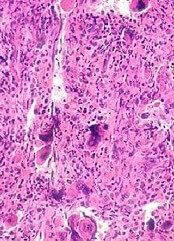
The National Comprehensive Cancer Network (NCCN) has published new clinical practice guidelines for myeloproliferative neoplasms (MPNs).
The current guidelines focus on the management of patients with myelofibrosis (MF), but NCCN said recommendations for managing essential thrombocythemia (ET) and polycythemia vera (PV) will be included in subsequent versions of the NCCN guidelines for MPNs.
The new guidelines provide recommendations on the workup and diagnosis of primary MF, post-ET MF, and post-PV MF.
The document also includes recommendations for managing MF-associated anemia, supportive care options, and treatment recommendations according to a patient’s risk group.
Treatment of low-risk MF
The guidelines recommend that patients with low-risk, asymptomatic MF be observed or enrolled in a clinical trial. They should be monitored for progression every 3 to 6 months.
Patients with low-risk, symptomatic MF should receive ruxolitinib or interferons or be enrolled on a clinical trial. They should be monitored for progression every 3 to 6 months.
If patients respond to treatment, they should continue to receive it. If they do not respond or lose their response, they should receive ruxolitinib or interferons or be enrolled on a clinical trial. If these patients progress, they should be treated according to their risk category.
Intermediate-1-risk MF
Patients with intermediate-1-risk MF should be assessed for symptom burden and observed if asymptomatic. If symptomatic, they should receive ruxolitinib, be enrolled on a clinical trial, or undergo allogeneic hematopoietic stem cell transplant (HSCT).
Patients should be monitored for response and progression every 3 to 6 months. If they respond to treatment, they should continue to receive it.
If patients do not respond or lose their response, they should be observed, receive ruxolitinib, be enrolled on a clinical trial, or undergo allogeneic HSCT. If these patients progress, they should be treated according to their risk category.
Intermediate-2- or high-risk MF
Patients who are transplant candidates should receive allogeneic HSCT.
Patients who are ineligible for transplant should be assessed for symptom burden. Those with a platelet count of 50,000 or lower should be considered for a clinical trial.
Those with higher platelet counts should receive ruxolitinib or be enrolled on a clinical trial. They should be monitored for response or progression every 3 to 6 months.
If these patients respond to treatment, they should continue on that treatment. If they do not respond or lose their response, the patients should be monitored for progression.
If they progress and are candidates for transplant, these patients should receive hypomethylating agents or chemotherapy to induce remission, followed by HSCT.
If the patients progress and are ineligible for transplant, they should be enrolled on a clinical trial or receive hypomethylating agents or chemotherapy.
For patients who are ineligible for transplant and only have symptomatic anemia, they should receive treatment to manage that anemia. The guidelines list a range of treatment options.
“The management of MPNs has been variable in the past and largely driven by review articles and individual opinions,” said Ruben A. Mesa, MD, chair of the NCCN Guidelines Panel for MPN.
“The NCCN Guidelines Panel for MPN hopes these inaugural guidelines will help leverage the evidence base in MPN care for clear, well-informed treatment guidelines to hopefully improve quality of care and provide better outcomes for patients with MPN.”
Dr Mesa is scheduled to present the new NCCN guidelines during the NCCN 11th Annual Congress: Hematologic Malignancies™ on September 30, in a session titled, “Myeloprofilerative Neoplasms and Myelofibrosis: Evolving Management.”
The National Comprehensive Cancer Network (NCCN) has published new clinical practice guidelines for myeloproliferative neoplasms (MPNs).
The current guidelines focus on the management of patients with myelofibrosis (MF), but NCCN said recommendations for managing essential thrombocythemia (ET) and polycythemia vera (PV) will be included in subsequent versions of the NCCN guidelines for MPNs.
The new guidelines provide recommendations on the workup and diagnosis of primary MF, post-ET MF, and post-PV MF.
The document also includes recommendations for managing MF-associated anemia, supportive care options, and treatment recommendations according to a patient’s risk group.
Treatment of low-risk MF
The guidelines recommend that patients with low-risk, asymptomatic MF be observed or enrolled in a clinical trial. They should be monitored for progression every 3 to 6 months.
Patients with low-risk, symptomatic MF should receive ruxolitinib or interferons or be enrolled on a clinical trial. They should be monitored for progression every 3 to 6 months.
If patients respond to treatment, they should continue to receive it. If they do not respond or lose their response, they should receive ruxolitinib or interferons or be enrolled on a clinical trial. If these patients progress, they should be treated according to their risk category.
Intermediate-1-risk MF
Patients with intermediate-1-risk MF should be assessed for symptom burden and observed if asymptomatic. If symptomatic, they should receive ruxolitinib, be enrolled on a clinical trial, or undergo allogeneic hematopoietic stem cell transplant (HSCT).
Patients should be monitored for response and progression every 3 to 6 months. If they respond to treatment, they should continue to receive it.
If patients do not respond or lose their response, they should be observed, receive ruxolitinib, be enrolled on a clinical trial, or undergo allogeneic HSCT. If these patients progress, they should be treated according to their risk category.
Intermediate-2- or high-risk MF
Patients who are transplant candidates should receive allogeneic HSCT.
Patients who are ineligible for transplant should be assessed for symptom burden. Those with a platelet count of 50,000 or lower should be considered for a clinical trial.
Those with higher platelet counts should receive ruxolitinib or be enrolled on a clinical trial. They should be monitored for response or progression every 3 to 6 months.
If these patients respond to treatment, they should continue on that treatment. If they do not respond or lose their response, the patients should be monitored for progression.
If they progress and are candidates for transplant, these patients should receive hypomethylating agents or chemotherapy to induce remission, followed by HSCT.
If the patients progress and are ineligible for transplant, they should be enrolled on a clinical trial or receive hypomethylating agents or chemotherapy.
For patients who are ineligible for transplant and only have symptomatic anemia, they should receive treatment to manage that anemia. The guidelines list a range of treatment options.
“The management of MPNs has been variable in the past and largely driven by review articles and individual opinions,” said Ruben A. Mesa, MD, chair of the NCCN Guidelines Panel for MPN.
“The NCCN Guidelines Panel for MPN hopes these inaugural guidelines will help leverage the evidence base in MPN care for clear, well-informed treatment guidelines to hopefully improve quality of care and provide better outcomes for patients with MPN.”
Dr Mesa is scheduled to present the new NCCN guidelines during the NCCN 11th Annual Congress: Hematologic Malignancies™ on September 30, in a session titled, “Myeloprofilerative Neoplasms and Myelofibrosis: Evolving Management.”
The National Comprehensive Cancer Network (NCCN) has published new clinical practice guidelines for myeloproliferative neoplasms (MPNs).
The current guidelines focus on the management of patients with myelofibrosis (MF), but NCCN said recommendations for managing essential thrombocythemia (ET) and polycythemia vera (PV) will be included in subsequent versions of the NCCN guidelines for MPNs.
The new guidelines provide recommendations on the workup and diagnosis of primary MF, post-ET MF, and post-PV MF.
The document also includes recommendations for managing MF-associated anemia, supportive care options, and treatment recommendations according to a patient’s risk group.
Treatment of low-risk MF
The guidelines recommend that patients with low-risk, asymptomatic MF be observed or enrolled in a clinical trial. They should be monitored for progression every 3 to 6 months.
Patients with low-risk, symptomatic MF should receive ruxolitinib or interferons or be enrolled on a clinical trial. They should be monitored for progression every 3 to 6 months.
If patients respond to treatment, they should continue to receive it. If they do not respond or lose their response, they should receive ruxolitinib or interferons or be enrolled on a clinical trial. If these patients progress, they should be treated according to their risk category.
Intermediate-1-risk MF
Patients with intermediate-1-risk MF should be assessed for symptom burden and observed if asymptomatic. If symptomatic, they should receive ruxolitinib, be enrolled on a clinical trial, or undergo allogeneic hematopoietic stem cell transplant (HSCT).
Patients should be monitored for response and progression every 3 to 6 months. If they respond to treatment, they should continue to receive it.
If patients do not respond or lose their response, they should be observed, receive ruxolitinib, be enrolled on a clinical trial, or undergo allogeneic HSCT. If these patients progress, they should be treated according to their risk category.
Intermediate-2- or high-risk MF
Patients who are transplant candidates should receive allogeneic HSCT.
Patients who are ineligible for transplant should be assessed for symptom burden. Those with a platelet count of 50,000 or lower should be considered for a clinical trial.
Those with higher platelet counts should receive ruxolitinib or be enrolled on a clinical trial. They should be monitored for response or progression every 3 to 6 months.
If these patients respond to treatment, they should continue on that treatment. If they do not respond or lose their response, the patients should be monitored for progression.
If they progress and are candidates for transplant, these patients should receive hypomethylating agents or chemotherapy to induce remission, followed by HSCT.
If the patients progress and are ineligible for transplant, they should be enrolled on a clinical trial or receive hypomethylating agents or chemotherapy.
For patients who are ineligible for transplant and only have symptomatic anemia, they should receive treatment to manage that anemia. The guidelines list a range of treatment options.
“The management of MPNs has been variable in the past and largely driven by review articles and individual opinions,” said Ruben A. Mesa, MD, chair of the NCCN Guidelines Panel for MPN.
“The NCCN Guidelines Panel for MPN hopes these inaugural guidelines will help leverage the evidence base in MPN care for clear, well-informed treatment guidelines to hopefully improve quality of care and provide better outcomes for patients with MPN.”
Dr Mesa is scheduled to present the new NCCN guidelines during the NCCN 11th Annual Congress: Hematologic Malignancies™ on September 30, in a session titled, “Myeloprofilerative Neoplasms and Myelofibrosis: Evolving Management.”
OSC calls for further review of allegations about Zika test
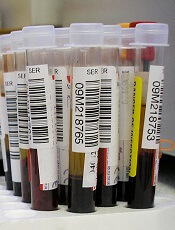
Photo by Graham Colm
The US Office of Special Counsel (OSC) has called for further review of allegations made about the Trioplex assay, a test used to detect Zika and other viruses.
A whistleblower recently alleged that the Centers for Disease Control and Prevention (CDC) has been using and promoting the Trioplex assay even though this test is nearly 40% less effective for Zika virus detection than another test, the Singleplex assay.
The CDC conducted an investigation that suggested this claim is not accurate, but the OSC has recommended additional review of the issue. (The OSC is an independent federal investigative and prosecutorial agency.)
Allegations
The allegations about the Trioplex assay were made by Robert Lanciotti, PhD, a CDC microbiologist based in Fort Collins, Colorado.
Dr Lanciotti conducted a study in which the Trioplex assay—which tests for Zika, dengue, and chikungunya—missed 39% of Zika infections detected by the Singleplex assay, which only tests for Zika.
Dr Lanciotti also raised concerns that the CDC’s Emergency Operations Center (EOC) withheld from public health laboratories information about the sensitivity differences between the Trioplex and Singleplex assays.
He said the CDC may have given laboratories the mistaken impression that Trioplex was a better test.
The Singleplex assay was made by Dr Lanciotti’s lab, while the Trioplex assay was developed at the CDC’s dengue branch lab in Puerto Rico.
Investigation
The OSC referred Dr Lanciotti’s claims to the Department of Health and Human Services (HHS) for investigation on July 1, 2016.
HHS Secretary Sylvia Mathews Burwell directed Steve Monroe, PhD, associate director for laboratory science and safety at the CDC, to conduct the investigation. The investigative team did not include employees who worked in EOC or in the zoonotic infectious diseases branch of the CDC.
The CDC said its investigation did not substantiate Dr Lanciotti’s claims. Investigators said they were unable to reach a “statistically valid conclusion about the relative performance” of the tests.
The CDC’s report pointed to a study conducted by its dengue branch in Puerto Rico that “found no difference in sensitivity” between the assays. The Trioplex assay was developed at this lab.
The report also said the CDC acted reasonably when it withheld information about the sensitivity differences between the Trioplex and Singleplex assays because there was conflicting data from different labs. The investigators said releasing that data could have created “considerable confusion during an ongoing emergency response.”
The CDC also noted that, in late August, the agency made changes intended to improve the sensitivity of the Trioplex assay, such as increasing sample volumes and allowing whole blood as a specimen type.
Response
Dr Lanciotti took issue with several points in the CDC’s report. Perhaps most importantly, he said “there was clearly enough data to warrant a ‘pause’ in the recommendation of the Trioplex until an extensive comparison could be performed.”
He referenced a multicenter study conducted independently by the Blood Systems Research Institute in San Francisco, California, which demonstrated the Trioplex assay’s lower sensitivity.
Dr Lanciotti added that the method used by this institution to assess the tests is “the most accurate method to evaluate the clinical sensitivity . . . of individual assays.”
Reassignment
Prior to disclosing his concerns to the OSC, Dr Lanciotti voiced the concerns internally and in an email to state public health officials in April 2016.
In May, he was reassigned to a non‐supervisory position within his lab. After the reassignment, Dr Lanciotti filed a whistleblower retaliation claim alleging that his diminished duties, from lab chief to a non‐supervisory position, was in reprisal for his disclosures.
After an investigation, the OSC secured an agreement from the CDC to reinstate Dr Lanciotti as chief of his lab.
OSC assessment
In a letter to President Barack Obama, Carolyn Lerner, head of the OSC, said the CDC “conducted a thorough investigation into Dr Lanciotti’s allegations, and its findings appear reasonable.”
On the other hand, Dr Lanciotti has raised “serious concerns” about the CDC’s findings.
“As the agency contemplates additional improvements or changes to the Zika testing protocol, I encourage CDC to review Dr Lanciotti’s comments, respond to each of his concerns, and utilize his expertise as the agency works to ensure it is implementing the most effective testing methods in response to this public health emergency,” Lerner said.
“I also encourage the CDC to promote scientific debate within its labs. Whistleblowers should be encouraged to speak out on matters of public concern.”
Photo by Graham Colm
The US Office of Special Counsel (OSC) has called for further review of allegations made about the Trioplex assay, a test used to detect Zika and other viruses.
A whistleblower recently alleged that the Centers for Disease Control and Prevention (CDC) has been using and promoting the Trioplex assay even though this test is nearly 40% less effective for Zika virus detection than another test, the Singleplex assay.
The CDC conducted an investigation that suggested this claim is not accurate, but the OSC has recommended additional review of the issue. (The OSC is an independent federal investigative and prosecutorial agency.)
Allegations
The allegations about the Trioplex assay were made by Robert Lanciotti, PhD, a CDC microbiologist based in Fort Collins, Colorado.
Dr Lanciotti conducted a study in which the Trioplex assay—which tests for Zika, dengue, and chikungunya—missed 39% of Zika infections detected by the Singleplex assay, which only tests for Zika.
Dr Lanciotti also raised concerns that the CDC’s Emergency Operations Center (EOC) withheld from public health laboratories information about the sensitivity differences between the Trioplex and Singleplex assays.
He said the CDC may have given laboratories the mistaken impression that Trioplex was a better test.
The Singleplex assay was made by Dr Lanciotti’s lab, while the Trioplex assay was developed at the CDC’s dengue branch lab in Puerto Rico.
Investigation
The OSC referred Dr Lanciotti’s claims to the Department of Health and Human Services (HHS) for investigation on July 1, 2016.
HHS Secretary Sylvia Mathews Burwell directed Steve Monroe, PhD, associate director for laboratory science and safety at the CDC, to conduct the investigation. The investigative team did not include employees who worked in EOC or in the zoonotic infectious diseases branch of the CDC.
The CDC said its investigation did not substantiate Dr Lanciotti’s claims. Investigators said they were unable to reach a “statistically valid conclusion about the relative performance” of the tests.
The CDC’s report pointed to a study conducted by its dengue branch in Puerto Rico that “found no difference in sensitivity” between the assays. The Trioplex assay was developed at this lab.
The report also said the CDC acted reasonably when it withheld information about the sensitivity differences between the Trioplex and Singleplex assays because there was conflicting data from different labs. The investigators said releasing that data could have created “considerable confusion during an ongoing emergency response.”
The CDC also noted that, in late August, the agency made changes intended to improve the sensitivity of the Trioplex assay, such as increasing sample volumes and allowing whole blood as a specimen type.
Response
Dr Lanciotti took issue with several points in the CDC’s report. Perhaps most importantly, he said “there was clearly enough data to warrant a ‘pause’ in the recommendation of the Trioplex until an extensive comparison could be performed.”
He referenced a multicenter study conducted independently by the Blood Systems Research Institute in San Francisco, California, which demonstrated the Trioplex assay’s lower sensitivity.
Dr Lanciotti added that the method used by this institution to assess the tests is “the most accurate method to evaluate the clinical sensitivity . . . of individual assays.”
Reassignment
Prior to disclosing his concerns to the OSC, Dr Lanciotti voiced the concerns internally and in an email to state public health officials in April 2016.
In May, he was reassigned to a non‐supervisory position within his lab. After the reassignment, Dr Lanciotti filed a whistleblower retaliation claim alleging that his diminished duties, from lab chief to a non‐supervisory position, was in reprisal for his disclosures.
After an investigation, the OSC secured an agreement from the CDC to reinstate Dr Lanciotti as chief of his lab.
OSC assessment
In a letter to President Barack Obama, Carolyn Lerner, head of the OSC, said the CDC “conducted a thorough investigation into Dr Lanciotti’s allegations, and its findings appear reasonable.”
On the other hand, Dr Lanciotti has raised “serious concerns” about the CDC’s findings.
“As the agency contemplates additional improvements or changes to the Zika testing protocol, I encourage CDC to review Dr Lanciotti’s comments, respond to each of his concerns, and utilize his expertise as the agency works to ensure it is implementing the most effective testing methods in response to this public health emergency,” Lerner said.
“I also encourage the CDC to promote scientific debate within its labs. Whistleblowers should be encouraged to speak out on matters of public concern.”
Photo by Graham Colm
The US Office of Special Counsel (OSC) has called for further review of allegations made about the Trioplex assay, a test used to detect Zika and other viruses.
A whistleblower recently alleged that the Centers for Disease Control and Prevention (CDC) has been using and promoting the Trioplex assay even though this test is nearly 40% less effective for Zika virus detection than another test, the Singleplex assay.
The CDC conducted an investigation that suggested this claim is not accurate, but the OSC has recommended additional review of the issue. (The OSC is an independent federal investigative and prosecutorial agency.)
Allegations
The allegations about the Trioplex assay were made by Robert Lanciotti, PhD, a CDC microbiologist based in Fort Collins, Colorado.
Dr Lanciotti conducted a study in which the Trioplex assay—which tests for Zika, dengue, and chikungunya—missed 39% of Zika infections detected by the Singleplex assay, which only tests for Zika.
Dr Lanciotti also raised concerns that the CDC’s Emergency Operations Center (EOC) withheld from public health laboratories information about the sensitivity differences between the Trioplex and Singleplex assays.
He said the CDC may have given laboratories the mistaken impression that Trioplex was a better test.
The Singleplex assay was made by Dr Lanciotti’s lab, while the Trioplex assay was developed at the CDC’s dengue branch lab in Puerto Rico.
Investigation
The OSC referred Dr Lanciotti’s claims to the Department of Health and Human Services (HHS) for investigation on July 1, 2016.
HHS Secretary Sylvia Mathews Burwell directed Steve Monroe, PhD, associate director for laboratory science and safety at the CDC, to conduct the investigation. The investigative team did not include employees who worked in EOC or in the zoonotic infectious diseases branch of the CDC.
The CDC said its investigation did not substantiate Dr Lanciotti’s claims. Investigators said they were unable to reach a “statistically valid conclusion about the relative performance” of the tests.
The CDC’s report pointed to a study conducted by its dengue branch in Puerto Rico that “found no difference in sensitivity” between the assays. The Trioplex assay was developed at this lab.
The report also said the CDC acted reasonably when it withheld information about the sensitivity differences between the Trioplex and Singleplex assays because there was conflicting data from different labs. The investigators said releasing that data could have created “considerable confusion during an ongoing emergency response.”
The CDC also noted that, in late August, the agency made changes intended to improve the sensitivity of the Trioplex assay, such as increasing sample volumes and allowing whole blood as a specimen type.
Response
Dr Lanciotti took issue with several points in the CDC’s report. Perhaps most importantly, he said “there was clearly enough data to warrant a ‘pause’ in the recommendation of the Trioplex until an extensive comparison could be performed.”
He referenced a multicenter study conducted independently by the Blood Systems Research Institute in San Francisco, California, which demonstrated the Trioplex assay’s lower sensitivity.
Dr Lanciotti added that the method used by this institution to assess the tests is “the most accurate method to evaluate the clinical sensitivity . . . of individual assays.”
Reassignment
Prior to disclosing his concerns to the OSC, Dr Lanciotti voiced the concerns internally and in an email to state public health officials in April 2016.
In May, he was reassigned to a non‐supervisory position within his lab. After the reassignment, Dr Lanciotti filed a whistleblower retaliation claim alleging that his diminished duties, from lab chief to a non‐supervisory position, was in reprisal for his disclosures.
After an investigation, the OSC secured an agreement from the CDC to reinstate Dr Lanciotti as chief of his lab.
OSC assessment
In a letter to President Barack Obama, Carolyn Lerner, head of the OSC, said the CDC “conducted a thorough investigation into Dr Lanciotti’s allegations, and its findings appear reasonable.”
On the other hand, Dr Lanciotti has raised “serious concerns” about the CDC’s findings.
“As the agency contemplates additional improvements or changes to the Zika testing protocol, I encourage CDC to review Dr Lanciotti’s comments, respond to each of his concerns, and utilize his expertise as the agency works to ensure it is implementing the most effective testing methods in response to this public health emergency,” Lerner said.
“I also encourage the CDC to promote scientific debate within its labs. Whistleblowers should be encouraged to speak out on matters of public concern.”
Database of research regulations gets update

for a clinical trial
Photo by Esther Dyson
The ClinRegs website has been updated and upgraded, according to the National Institute of Allergy and Infectious Diseases.
ClinRegs is an online database of country-specific information on clinical research regulations that was launched in 2014.
Now, the website houses regulatory information for 17 countries and has an interactive map on its homepage to provide a clearer picture of the countries included.
ClinRegs also has a hyperlinked table of contents on each country page that is intended to provide easier navigation.
Drop-down menus allow users to switch between country profiles and make comparisons between countries.
In addition, ClinRegs now provides a Quick Facts table with discrete pieces of information for each country.
And a feedback link has been added to the site to make it easy for users to submit comments or updates to regulations.
for a clinical trial
Photo by Esther Dyson
The ClinRegs website has been updated and upgraded, according to the National Institute of Allergy and Infectious Diseases.
ClinRegs is an online database of country-specific information on clinical research regulations that was launched in 2014.
Now, the website houses regulatory information for 17 countries and has an interactive map on its homepage to provide a clearer picture of the countries included.
ClinRegs also has a hyperlinked table of contents on each country page that is intended to provide easier navigation.
Drop-down menus allow users to switch between country profiles and make comparisons between countries.
In addition, ClinRegs now provides a Quick Facts table with discrete pieces of information for each country.
And a feedback link has been added to the site to make it easy for users to submit comments or updates to regulations.
for a clinical trial
Photo by Esther Dyson
The ClinRegs website has been updated and upgraded, according to the National Institute of Allergy and Infectious Diseases.
ClinRegs is an online database of country-specific information on clinical research regulations that was launched in 2014.
Now, the website houses regulatory information for 17 countries and has an interactive map on its homepage to provide a clearer picture of the countries included.
ClinRegs also has a hyperlinked table of contents on each country page that is intended to provide easier navigation.
Drop-down menus allow users to switch between country profiles and make comparisons between countries.
In addition, ClinRegs now provides a Quick Facts table with discrete pieces of information for each country.
And a feedback link has been added to the site to make it easy for users to submit comments or updates to regulations.
Combo disappoints in newly diagnosed MM
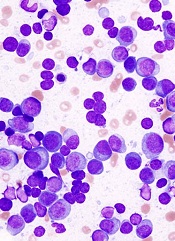
Top-line results from the phase 3 CLARION trial suggest that treatment with carfilzomib, melphalan, and prednisone (KMP) is not superior to treatment with bortezomib, melphalan, and prednisone (VMP).
The trial was designed to compare KMP and VMP in patients with newly diagnosed multiple myeloma (MM) who were ineligible for hematopoietic stem cell transplant.
The results showed that progression-free survival (PFS) rates were similar with the 2 regimens.
And although overall survival data are not yet mature, there seems to be a trend favoring the VMP regimen.
Amgen, the company developing carfilzomib, released these results yesterday.
“The CLARION results, generated in the context of a melphalan-containing regimen, are disappointing, especially given the robust data we’ve seen in the second-line setting,” said Sean E. Harper, MD, executive vice president of Research and Development at Amgen.
“However, the myeloma landscape has changed dramatically since the design of the CLARION study, with very few newly diagnosed patients treated with
melphalan-based regimens, particularly in the US. We remain committed to exploring Kyprolis in combination with other agents to advance the treatment of multiple myeloma.”
Dr Harper said he could not comment on whether the CLARION trial will continue, as Amgen hopes to present data from the trial at the 2016 ASH Annual Meeting.
The CLARION trial is a head-to-head, randomized study in transplant-ineligible patients with newly diagnosed MM. A total of 955 patients were randomized 1:1 to receive KMP or VMP for 54 weeks. The median patient age was 72.
The trial did not meet the primary endpoint of superiority in PFS. The median PFS was 22.3 months in the KMP arm and 22.1 months in the VMP arm. The hazard ratio was 0.91 (95% CI, 0.75-1.10), and the difference between the arms was not statistically significant.
The data for overall survival, a secondary endpoint, are not yet mature. But the observed hazard ratio was 1.21 (95% CI, 0.90-1.64), and there was no significant difference between the treatment arms.
The incidence of grade 3 or higher adverse events was 74.7% in the KMP arm and 76.2% in the VMP arm.
The incidence of grade 2 or higher peripheral neuropathy, a secondary endpoint, was 2.5% in the KMP arm and 35.1% in the VMP arm.
Fatal treatment-emergent adverse events occurred in 6.5% of patients in the KMP arm and 4.3% of those in the VMP arm.
Top-line results from the phase 3 CLARION trial suggest that treatment with carfilzomib, melphalan, and prednisone (KMP) is not superior to treatment with bortezomib, melphalan, and prednisone (VMP).
The trial was designed to compare KMP and VMP in patients with newly diagnosed multiple myeloma (MM) who were ineligible for hematopoietic stem cell transplant.
The results showed that progression-free survival (PFS) rates were similar with the 2 regimens.
And although overall survival data are not yet mature, there seems to be a trend favoring the VMP regimen.
Amgen, the company developing carfilzomib, released these results yesterday.
“The CLARION results, generated in the context of a melphalan-containing regimen, are disappointing, especially given the robust data we’ve seen in the second-line setting,” said Sean E. Harper, MD, executive vice president of Research and Development at Amgen.
“However, the myeloma landscape has changed dramatically since the design of the CLARION study, with very few newly diagnosed patients treated with
melphalan-based regimens, particularly in the US. We remain committed to exploring Kyprolis in combination with other agents to advance the treatment of multiple myeloma.”
Dr Harper said he could not comment on whether the CLARION trial will continue, as Amgen hopes to present data from the trial at the 2016 ASH Annual Meeting.
The CLARION trial is a head-to-head, randomized study in transplant-ineligible patients with newly diagnosed MM. A total of 955 patients were randomized 1:1 to receive KMP or VMP for 54 weeks. The median patient age was 72.
The trial did not meet the primary endpoint of superiority in PFS. The median PFS was 22.3 months in the KMP arm and 22.1 months in the VMP arm. The hazard ratio was 0.91 (95% CI, 0.75-1.10), and the difference between the arms was not statistically significant.
The data for overall survival, a secondary endpoint, are not yet mature. But the observed hazard ratio was 1.21 (95% CI, 0.90-1.64), and there was no significant difference between the treatment arms.
The incidence of grade 3 or higher adverse events was 74.7% in the KMP arm and 76.2% in the VMP arm.
The incidence of grade 2 or higher peripheral neuropathy, a secondary endpoint, was 2.5% in the KMP arm and 35.1% in the VMP arm.
Fatal treatment-emergent adverse events occurred in 6.5% of patients in the KMP arm and 4.3% of those in the VMP arm.
Top-line results from the phase 3 CLARION trial suggest that treatment with carfilzomib, melphalan, and prednisone (KMP) is not superior to treatment with bortezomib, melphalan, and prednisone (VMP).
The trial was designed to compare KMP and VMP in patients with newly diagnosed multiple myeloma (MM) who were ineligible for hematopoietic stem cell transplant.
The results showed that progression-free survival (PFS) rates were similar with the 2 regimens.
And although overall survival data are not yet mature, there seems to be a trend favoring the VMP regimen.
Amgen, the company developing carfilzomib, released these results yesterday.
“The CLARION results, generated in the context of a melphalan-containing regimen, are disappointing, especially given the robust data we’ve seen in the second-line setting,” said Sean E. Harper, MD, executive vice president of Research and Development at Amgen.
“However, the myeloma landscape has changed dramatically since the design of the CLARION study, with very few newly diagnosed patients treated with
melphalan-based regimens, particularly in the US. We remain committed to exploring Kyprolis in combination with other agents to advance the treatment of multiple myeloma.”
Dr Harper said he could not comment on whether the CLARION trial will continue, as Amgen hopes to present data from the trial at the 2016 ASH Annual Meeting.
The CLARION trial is a head-to-head, randomized study in transplant-ineligible patients with newly diagnosed MM. A total of 955 patients were randomized 1:1 to receive KMP or VMP for 54 weeks. The median patient age was 72.
The trial did not meet the primary endpoint of superiority in PFS. The median PFS was 22.3 months in the KMP arm and 22.1 months in the VMP arm. The hazard ratio was 0.91 (95% CI, 0.75-1.10), and the difference between the arms was not statistically significant.
The data for overall survival, a secondary endpoint, are not yet mature. But the observed hazard ratio was 1.21 (95% CI, 0.90-1.64), and there was no significant difference between the treatment arms.
The incidence of grade 3 or higher adverse events was 74.7% in the KMP arm and 76.2% in the VMP arm.
The incidence of grade 2 or higher peripheral neuropathy, a secondary endpoint, was 2.5% in the KMP arm and 35.1% in the VMP arm.
Fatal treatment-emergent adverse events occurred in 6.5% of patients in the KMP arm and 4.3% of those in the VMP arm.
KTE-C19 produces responses in aggressive NHL
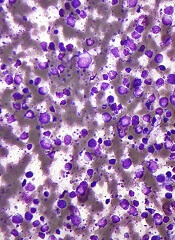
Interim results of a phase 1/2 trial suggest KTE-C19, a chimeric antigen receptor (CAR) T-cell therapy, can be effective against aggressive non-Hodgkin lymphoma (NHL).
KTE-C19, administered after conditioning chemotherapy, produced an overall response rate (ORR) of
79% and a complete response (CR) rate of 52%.
However, the therapy also caused severe adverse events (AEs), and there were 2 deaths resulting from KTE-C19-related AEs.
Kite Pharma, Inc., the company developing KTE-C19, released these results and said additional data from this trial, known as ZUMA-1, will be submitted for presentation at an upcoming scientific meeting.
ZUMA-1 has enrolled patients with chemo-refractory, aggressive NHL. The phase 1 portion of the trial included 7 patients with diffuse large B-cell lymphoma (DLBCL).
Thus far, the phase 2 portion includes 62 NHL patients—51 with DLBCL and 11 with transformed follicular lymphoma (TFL) or primary mediastinal B-cell lymphoma (PMBCL).
The patients received a conditioning chemotherapy regimen of fludarabine and cyclophosphamide, followed by a single infusion of KTE-C19 (at a target dose of 2 x 10⁶ CAR T cells/kg).
Responses
In the phase 1 portion of the trial (n=7), the initial ORR was 71%, and the CR rate was 57%. At 3 months of follow-up, the ORR and CR rate were both 43%. The response rates remained the same at 6 months and 9 months of follow-up.
In the phase 2 portion of the trial, for all 62 patients, the initial ORR was 79%, and the CR rate was 52%. At 3 months, the ORR was 44%, and the CR rate was 39%.
Among the 51 patients with DLBCL, the initial ORR was 76%, and the CR rate was 47%. At 3 months, the ORR was 39%, and the CR rate was 33%.
Among the 11 patients with TFL or PMBCL, the initial ORR was 91%, and the CR rate was 73%. At 3 months, the ORR and CR rates were 64%.
Longer follow-up data are not yet available for the phase 2 portion of the study.
Safety
For all 62 patients, the most common grade 3 or higher AEs were neutropenia (66%), anemia (40%), febrile neutropenia (29%), thrombocytopenia (29%), and encephalopathy (26%).
Grade 3 or higher cytokine release syndrome occurred in 18% of patients, and neurological toxicity occurred in 34%.
Two patients died from KTE-C19-related AEs—hemophagocytic lymphohistiocytosis and cardiac arrest in the setting of cytokine release syndrome.
Kite Pharma said the primary analysis from this study will include 101 patients with chemo-refractory NHL (DLBCL, TFL, and PMBCL), will have approximately 6 months of follow-up, and is expected in the first quarter of 2017.
ZUMA-1 is supported, in part, by funding from The Leukemia & Lymphoma Society Therapy Acceleration Program.
Interim results of a phase 1/2 trial suggest KTE-C19, a chimeric antigen receptor (CAR) T-cell therapy, can be effective against aggressive non-Hodgkin lymphoma (NHL).
KTE-C19, administered after conditioning chemotherapy, produced an overall response rate (ORR) of
79% and a complete response (CR) rate of 52%.
However, the therapy also caused severe adverse events (AEs), and there were 2 deaths resulting from KTE-C19-related AEs.
Kite Pharma, Inc., the company developing KTE-C19, released these results and said additional data from this trial, known as ZUMA-1, will be submitted for presentation at an upcoming scientific meeting.
ZUMA-1 has enrolled patients with chemo-refractory, aggressive NHL. The phase 1 portion of the trial included 7 patients with diffuse large B-cell lymphoma (DLBCL).
Thus far, the phase 2 portion includes 62 NHL patients—51 with DLBCL and 11 with transformed follicular lymphoma (TFL) or primary mediastinal B-cell lymphoma (PMBCL).
The patients received a conditioning chemotherapy regimen of fludarabine and cyclophosphamide, followed by a single infusion of KTE-C19 (at a target dose of 2 x 10⁶ CAR T cells/kg).
Responses
In the phase 1 portion of the trial (n=7), the initial ORR was 71%, and the CR rate was 57%. At 3 months of follow-up, the ORR and CR rate were both 43%. The response rates remained the same at 6 months and 9 months of follow-up.
In the phase 2 portion of the trial, for all 62 patients, the initial ORR was 79%, and the CR rate was 52%. At 3 months, the ORR was 44%, and the CR rate was 39%.
Among the 51 patients with DLBCL, the initial ORR was 76%, and the CR rate was 47%. At 3 months, the ORR was 39%, and the CR rate was 33%.
Among the 11 patients with TFL or PMBCL, the initial ORR was 91%, and the CR rate was 73%. At 3 months, the ORR and CR rates were 64%.
Longer follow-up data are not yet available for the phase 2 portion of the study.
Safety
For all 62 patients, the most common grade 3 or higher AEs were neutropenia (66%), anemia (40%), febrile neutropenia (29%), thrombocytopenia (29%), and encephalopathy (26%).
Grade 3 or higher cytokine release syndrome occurred in 18% of patients, and neurological toxicity occurred in 34%.
Two patients died from KTE-C19-related AEs—hemophagocytic lymphohistiocytosis and cardiac arrest in the setting of cytokine release syndrome.
Kite Pharma said the primary analysis from this study will include 101 patients with chemo-refractory NHL (DLBCL, TFL, and PMBCL), will have approximately 6 months of follow-up, and is expected in the first quarter of 2017.
ZUMA-1 is supported, in part, by funding from The Leukemia & Lymphoma Society Therapy Acceleration Program.
Interim results of a phase 1/2 trial suggest KTE-C19, a chimeric antigen receptor (CAR) T-cell therapy, can be effective against aggressive non-Hodgkin lymphoma (NHL).
KTE-C19, administered after conditioning chemotherapy, produced an overall response rate (ORR) of
79% and a complete response (CR) rate of 52%.
However, the therapy also caused severe adverse events (AEs), and there were 2 deaths resulting from KTE-C19-related AEs.
Kite Pharma, Inc., the company developing KTE-C19, released these results and said additional data from this trial, known as ZUMA-1, will be submitted for presentation at an upcoming scientific meeting.
ZUMA-1 has enrolled patients with chemo-refractory, aggressive NHL. The phase 1 portion of the trial included 7 patients with diffuse large B-cell lymphoma (DLBCL).
Thus far, the phase 2 portion includes 62 NHL patients—51 with DLBCL and 11 with transformed follicular lymphoma (TFL) or primary mediastinal B-cell lymphoma (PMBCL).
The patients received a conditioning chemotherapy regimen of fludarabine and cyclophosphamide, followed by a single infusion of KTE-C19 (at a target dose of 2 x 10⁶ CAR T cells/kg).
Responses
In the phase 1 portion of the trial (n=7), the initial ORR was 71%, and the CR rate was 57%. At 3 months of follow-up, the ORR and CR rate were both 43%. The response rates remained the same at 6 months and 9 months of follow-up.
In the phase 2 portion of the trial, for all 62 patients, the initial ORR was 79%, and the CR rate was 52%. At 3 months, the ORR was 44%, and the CR rate was 39%.
Among the 51 patients with DLBCL, the initial ORR was 76%, and the CR rate was 47%. At 3 months, the ORR was 39%, and the CR rate was 33%.
Among the 11 patients with TFL or PMBCL, the initial ORR was 91%, and the CR rate was 73%. At 3 months, the ORR and CR rates were 64%.
Longer follow-up data are not yet available for the phase 2 portion of the study.
Safety
For all 62 patients, the most common grade 3 or higher AEs were neutropenia (66%), anemia (40%), febrile neutropenia (29%), thrombocytopenia (29%), and encephalopathy (26%).
Grade 3 or higher cytokine release syndrome occurred in 18% of patients, and neurological toxicity occurred in 34%.
Two patients died from KTE-C19-related AEs—hemophagocytic lymphohistiocytosis and cardiac arrest in the setting of cytokine release syndrome.
Kite Pharma said the primary analysis from this study will include 101 patients with chemo-refractory NHL (DLBCL, TFL, and PMBCL), will have approximately 6 months of follow-up, and is expected in the first quarter of 2017.
ZUMA-1 is supported, in part, by funding from The Leukemia & Lymphoma Society Therapy Acceleration Program.
Therapy granted orphan designation to prevent GVHD
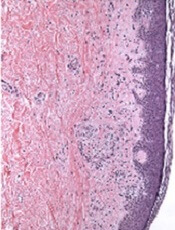
Image from PLOS ONE
The US Food and Drug Administration (FDA) has granted orphan drug designation to a programmed cellular immunotherapy known as ProTmune™.
The designation is for ProTmune to be used as graft-versus-host disease (GVHD) prophylaxis in patients undergoing allogeneic hematopoietic stem cell transplant (HSCT).
This indication covers a range of diseases, including hematologic malignancies and genetic disorders.
The FDA grants orphan designation to drugs and biologics intended to treat, diagnose, or prevent diseases/disorders that affect fewer than 200,000 people in the US.
The designation provides incentives for sponsors to develop products for rare diseases. This may include tax credits toward the cost of clinical trials, prescription drug user fee waivers, and 7 years of market exclusivity if the product is approved.
About ProTmune
ProTmune is produced by modulating a donor-sourced, mobilized peripheral blood graft ex vivo with 2 small molecules—FT1050 and FT4145—to enhance the biological properties and therapeutic function of the graft’s immune cells.
The programmed mobilized peripheral blood graft is administered to a patient as a one-time intravenous infusion.
ProTmune is being developed by Fate Therapeutics, Inc.
The company is conducting a phase 1/2 trial testing ProTmune for the prevention of acute GVHD and cytomegalovirus infection in adults with hematologic malignancies who are undergoing allogeneic HSCT.
ProTmune was previously granted fast track designation from the FDA.
“The granting of both orphan drug and fast track designations for ProTmune validates the product candidate’s unique therapeutic potential to address life-threatening complications and improve the curative potential of allogeneic [HSCT],” said Scott Wolchko, president and chief executive officer of Fate Therapeutics.
“Graft-versus-host disease is a significant cause of morbidity and mortality in patients undergoing allogeneic [HSCT], and there are no FDA-approved therapies to prevent its occurrence. Through our development of ProTmune, we seek to transform the allogeneic [HSCT] paradigm by providing immunocompromised patients a therapeutically optimized donor graft containing immune cells with reduced alloreactivity and enhanced infection-fighting and anti-tumor properties.”
Image from PLOS ONE
The US Food and Drug Administration (FDA) has granted orphan drug designation to a programmed cellular immunotherapy known as ProTmune™.
The designation is for ProTmune to be used as graft-versus-host disease (GVHD) prophylaxis in patients undergoing allogeneic hematopoietic stem cell transplant (HSCT).
This indication covers a range of diseases, including hematologic malignancies and genetic disorders.
The FDA grants orphan designation to drugs and biologics intended to treat, diagnose, or prevent diseases/disorders that affect fewer than 200,000 people in the US.
The designation provides incentives for sponsors to develop products for rare diseases. This may include tax credits toward the cost of clinical trials, prescription drug user fee waivers, and 7 years of market exclusivity if the product is approved.
About ProTmune
ProTmune is produced by modulating a donor-sourced, mobilized peripheral blood graft ex vivo with 2 small molecules—FT1050 and FT4145—to enhance the biological properties and therapeutic function of the graft’s immune cells.
The programmed mobilized peripheral blood graft is administered to a patient as a one-time intravenous infusion.
ProTmune is being developed by Fate Therapeutics, Inc.
The company is conducting a phase 1/2 trial testing ProTmune for the prevention of acute GVHD and cytomegalovirus infection in adults with hematologic malignancies who are undergoing allogeneic HSCT.
ProTmune was previously granted fast track designation from the FDA.
“The granting of both orphan drug and fast track designations for ProTmune validates the product candidate’s unique therapeutic potential to address life-threatening complications and improve the curative potential of allogeneic [HSCT],” said Scott Wolchko, president and chief executive officer of Fate Therapeutics.
“Graft-versus-host disease is a significant cause of morbidity and mortality in patients undergoing allogeneic [HSCT], and there are no FDA-approved therapies to prevent its occurrence. Through our development of ProTmune, we seek to transform the allogeneic [HSCT] paradigm by providing immunocompromised patients a therapeutically optimized donor graft containing immune cells with reduced alloreactivity and enhanced infection-fighting and anti-tumor properties.”
Image from PLOS ONE
The US Food and Drug Administration (FDA) has granted orphan drug designation to a programmed cellular immunotherapy known as ProTmune™.
The designation is for ProTmune to be used as graft-versus-host disease (GVHD) prophylaxis in patients undergoing allogeneic hematopoietic stem cell transplant (HSCT).
This indication covers a range of diseases, including hematologic malignancies and genetic disorders.
The FDA grants orphan designation to drugs and biologics intended to treat, diagnose, or prevent diseases/disorders that affect fewer than 200,000 people in the US.
The designation provides incentives for sponsors to develop products for rare diseases. This may include tax credits toward the cost of clinical trials, prescription drug user fee waivers, and 7 years of market exclusivity if the product is approved.
About ProTmune
ProTmune is produced by modulating a donor-sourced, mobilized peripheral blood graft ex vivo with 2 small molecules—FT1050 and FT4145—to enhance the biological properties and therapeutic function of the graft’s immune cells.
The programmed mobilized peripheral blood graft is administered to a patient as a one-time intravenous infusion.
ProTmune is being developed by Fate Therapeutics, Inc.
The company is conducting a phase 1/2 trial testing ProTmune for the prevention of acute GVHD and cytomegalovirus infection in adults with hematologic malignancies who are undergoing allogeneic HSCT.
ProTmune was previously granted fast track designation from the FDA.
“The granting of both orphan drug and fast track designations for ProTmune validates the product candidate’s unique therapeutic potential to address life-threatening complications and improve the curative potential of allogeneic [HSCT],” said Scott Wolchko, president and chief executive officer of Fate Therapeutics.
“Graft-versus-host disease is a significant cause of morbidity and mortality in patients undergoing allogeneic [HSCT], and there are no FDA-approved therapies to prevent its occurrence. Through our development of ProTmune, we seek to transform the allogeneic [HSCT] paradigm by providing immunocompromised patients a therapeutically optimized donor graft containing immune cells with reduced alloreactivity and enhanced infection-fighting and anti-tumor properties.”
Cells might protect cancer patients from infection
receiving chemotherapy
Photo by Rhoda Baer
Researchers say they have discovered a type of macrophage that may protect against lung infections during chemotherapy.
These macrophages, found in the lungs of mice, were able to survive chemotherapy.
The macrophages could remove bacteria when activated by a vaccine, which improved survival in mice with lethal bacterial pneumonia that had received chemotherapy and were therefore depleted of neutrophils.
The researchers said these results suggest the cells—known as vaccine-induced macrophages (ViMs)— might be able to protect cancer patients from life-threatening infections.
“We have identified a new form of housekeeping macrophage in mice that may, in future, be harnessed to protect against lung infections—like bacterial pneumonia—that remain one of the greatest threats to survival of cancer patients during chemotherapy,” said Peter Murray, PhD, of St. Jude Children’s Research Hospital in Memphis, Tennessee.
Dr Murray and his colleagues detailed this discovery in PNAS.
Working in a mouse model that mimics infection in chemotherapy-treated patients, the researchers found that vaccination protected mice from Pseudomonas aeruginosa pneumonia.
The quest to understand how such protection was possible in the absence of neutrophils led the team to discover ViMs.
The researchers found that ViMs were produced in the lungs following vaccination, proliferated locally, and could persist for at least a month.
Analyses suggested ViMs are closely related to alveolar macrophages, which originate in the embryo, reside in the air-exposed surfaces of alveoli, and are self-maintained in adults.
“All lines of cellular and molecular evidence in this study point to alveolar macrophages as the source of ViMs,” Dr Murray said.
However, unlike alveolar macrophages, the population of ViMs remained stable during chemotherapy and exhibited enhanced phagocytic activity.
When ViMs were transferred to unvaccinated mice depleted of neutrophils via chemotherapy, the animals were protected from lethal Pseudomonas infections.
“We now know that increasing the number of ViMs in the tissue can compensate for the immune deficit caused by chemotherapy,” said study author Akinobu Kamei, MD, of St. Jude Children’s Research Hospital.
“In this study, we relied on vaccination prior to chemotherapy. Going forward, we will explore other, more practical methods for use at the bedside to effectively induce tissue-resident macrophages like ViMs.”
The possible approaches include using drugs or cytokines to induce protection in the immune-compromised host.
receiving chemotherapy
Photo by Rhoda Baer
Researchers say they have discovered a type of macrophage that may protect against lung infections during chemotherapy.
These macrophages, found in the lungs of mice, were able to survive chemotherapy.
The macrophages could remove bacteria when activated by a vaccine, which improved survival in mice with lethal bacterial pneumonia that had received chemotherapy and were therefore depleted of neutrophils.
The researchers said these results suggest the cells—known as vaccine-induced macrophages (ViMs)— might be able to protect cancer patients from life-threatening infections.
“We have identified a new form of housekeeping macrophage in mice that may, in future, be harnessed to protect against lung infections—like bacterial pneumonia—that remain one of the greatest threats to survival of cancer patients during chemotherapy,” said Peter Murray, PhD, of St. Jude Children’s Research Hospital in Memphis, Tennessee.
Dr Murray and his colleagues detailed this discovery in PNAS.
Working in a mouse model that mimics infection in chemotherapy-treated patients, the researchers found that vaccination protected mice from Pseudomonas aeruginosa pneumonia.
The quest to understand how such protection was possible in the absence of neutrophils led the team to discover ViMs.
The researchers found that ViMs were produced in the lungs following vaccination, proliferated locally, and could persist for at least a month.
Analyses suggested ViMs are closely related to alveolar macrophages, which originate in the embryo, reside in the air-exposed surfaces of alveoli, and are self-maintained in adults.
“All lines of cellular and molecular evidence in this study point to alveolar macrophages as the source of ViMs,” Dr Murray said.
However, unlike alveolar macrophages, the population of ViMs remained stable during chemotherapy and exhibited enhanced phagocytic activity.
When ViMs were transferred to unvaccinated mice depleted of neutrophils via chemotherapy, the animals were protected from lethal Pseudomonas infections.
“We now know that increasing the number of ViMs in the tissue can compensate for the immune deficit caused by chemotherapy,” said study author Akinobu Kamei, MD, of St. Jude Children’s Research Hospital.
“In this study, we relied on vaccination prior to chemotherapy. Going forward, we will explore other, more practical methods for use at the bedside to effectively induce tissue-resident macrophages like ViMs.”
The possible approaches include using drugs or cytokines to induce protection in the immune-compromised host.
receiving chemotherapy
Photo by Rhoda Baer
Researchers say they have discovered a type of macrophage that may protect against lung infections during chemotherapy.
These macrophages, found in the lungs of mice, were able to survive chemotherapy.
The macrophages could remove bacteria when activated by a vaccine, which improved survival in mice with lethal bacterial pneumonia that had received chemotherapy and were therefore depleted of neutrophils.
The researchers said these results suggest the cells—known as vaccine-induced macrophages (ViMs)— might be able to protect cancer patients from life-threatening infections.
“We have identified a new form of housekeeping macrophage in mice that may, in future, be harnessed to protect against lung infections—like bacterial pneumonia—that remain one of the greatest threats to survival of cancer patients during chemotherapy,” said Peter Murray, PhD, of St. Jude Children’s Research Hospital in Memphis, Tennessee.
Dr Murray and his colleagues detailed this discovery in PNAS.
Working in a mouse model that mimics infection in chemotherapy-treated patients, the researchers found that vaccination protected mice from Pseudomonas aeruginosa pneumonia.
The quest to understand how such protection was possible in the absence of neutrophils led the team to discover ViMs.
The researchers found that ViMs were produced in the lungs following vaccination, proliferated locally, and could persist for at least a month.
Analyses suggested ViMs are closely related to alveolar macrophages, which originate in the embryo, reside in the air-exposed surfaces of alveoli, and are self-maintained in adults.
“All lines of cellular and molecular evidence in this study point to alveolar macrophages as the source of ViMs,” Dr Murray said.
However, unlike alveolar macrophages, the population of ViMs remained stable during chemotherapy and exhibited enhanced phagocytic activity.
When ViMs were transferred to unvaccinated mice depleted of neutrophils via chemotherapy, the animals were protected from lethal Pseudomonas infections.
“We now know that increasing the number of ViMs in the tissue can compensate for the immune deficit caused by chemotherapy,” said study author Akinobu Kamei, MD, of St. Jude Children’s Research Hospital.
“In this study, we relied on vaccination prior to chemotherapy. Going forward, we will explore other, more practical methods for use at the bedside to effectively induce tissue-resident macrophages like ViMs.”
The possible approaches include using drugs or cytokines to induce protection in the immune-compromised host.