User login
mAb could treat hemophilia A regardless of inhibitors
Results of a phase 1 study suggest the bispecific monoclonal antibody (mAb) emicizumab (ACE910) may be safe and effective for patients with severe hemophilia A, whether or not they have factor VIII (FVIII) inhibitors.
A weekly injection of emicizumab decreased annualized bleeding rates (ABRs), and 13 of the 18 patients studied did not experience any bleeding while on treatment.
In addition, researchers said the mAb had an acceptable safety profile.
These results were published in NEJM. The study was funded by Chugai Pharmaceutical Co., Ltd., which is co-developing emicizumab with Genentech.
Emicizumab is engineered to simultaneously bind factors IXa and X. The mAb mimics the cofactor function of FVIII and is designed to promote blood coagulation in hemophilia A patients regardless of whether they have developed inhibitors to FVIII. As it is distinct in structure from FVIII, emicizumab is not expected to lead to the formation of FVIII inhibitors.
This phase 1 study of emicizumab enrolled both healthy subjects and hemophilia A patients. Results in the healthy subjects were previously published in Blood.
All 18 patients had severe hemophilia A, and 11 had FVIII inhibitors. They were 12 to 58 years of age, and all were Japanese.
The patients received once-weekly subcutaneous injections of emicizumab for 12 successive weeks at one of the following dose levels: 0.3 mg/kg (cohort 1), 1 mg/kg (cohort 2), or 3 mg/kg (cohort 3).
There were 6 patients in each cohort. Cohorts 1 and 2 each had 4 patients with inhibitors, and there were 3 patients with inhibitors in cohort 3.
Efficacy
Whether or not they had inhibitors, patients experienced a decrease in ABR with emicizumab. Median ABRs decreased from 32.5 to 4.4 in cohort 1, 18.3 to 0.0 in cohort 2, and 15.2 to 0.0 in cohort 3.
The annualized bleeding rate decreased from baseline in 17 of the patients. The remaining patient, who was in cohort 3 and did not have FVIII inhibitors, had an annualized bleeding rate of 0.0 both at baseline and while receiving emicizumab.
Thirteen patients did not have any bleeding episodes during treatment—8 of 11 patients with inhibitors and 5 of 7 patients without them.
There were 21 bleeding episodes, all of which were successfully treated with FVIII or a bypassing agent. Eighteen these episodes resolved with 1 or 2 doses.
Fourteen of the bleeding episodes occurred in 1 patient. They were attributed to very high levels of physical activity and hemophilic arthropathy.
Safety
There were 43 adverse events in 15 patients. The researchers said all events were of mild or moderate intensity.
Adverse events that were considered related to emicizumab included injection-site erythema (n=1), increase in blood creatinine kinase (n=1), diarrhea (n=1), injection-site pruritus (n=1), injection-site rash (n=1), and malaise (n=1).
One patient discontinued emicizumab due to injection-site erythema, as the patient experienced this event twice.
There was no evidence of clinically relevant coagulation abnormalities. And there were no thromboembolic events, even when emicizumab was given concomitantly with FVIII products or bypassing agents as episodic treatment for breakthrough bleeds.
None of the patients developed anti-emicizumab antibodies during the 12 weeks of dosing.
One patient had a positive test for anti-emicizumab antibodies at baseline and had a transient increase in the C-reactive protein level on day 3, but this did not affect the pharmacokinetics or pharmacodynamics of emicizumab. 
Results of a phase 1 study suggest the bispecific monoclonal antibody (mAb) emicizumab (ACE910) may be safe and effective for patients with severe hemophilia A, whether or not they have factor VIII (FVIII) inhibitors.
A weekly injection of emicizumab decreased annualized bleeding rates (ABRs), and 13 of the 18 patients studied did not experience any bleeding while on treatment.
In addition, researchers said the mAb had an acceptable safety profile.
These results were published in NEJM. The study was funded by Chugai Pharmaceutical Co., Ltd., which is co-developing emicizumab with Genentech.
Emicizumab is engineered to simultaneously bind factors IXa and X. The mAb mimics the cofactor function of FVIII and is designed to promote blood coagulation in hemophilia A patients regardless of whether they have developed inhibitors to FVIII. As it is distinct in structure from FVIII, emicizumab is not expected to lead to the formation of FVIII inhibitors.
This phase 1 study of emicizumab enrolled both healthy subjects and hemophilia A patients. Results in the healthy subjects were previously published in Blood.
All 18 patients had severe hemophilia A, and 11 had FVIII inhibitors. They were 12 to 58 years of age, and all were Japanese.
The patients received once-weekly subcutaneous injections of emicizumab for 12 successive weeks at one of the following dose levels: 0.3 mg/kg (cohort 1), 1 mg/kg (cohort 2), or 3 mg/kg (cohort 3).
There were 6 patients in each cohort. Cohorts 1 and 2 each had 4 patients with inhibitors, and there were 3 patients with inhibitors in cohort 3.
Efficacy
Whether or not they had inhibitors, patients experienced a decrease in ABR with emicizumab. Median ABRs decreased from 32.5 to 4.4 in cohort 1, 18.3 to 0.0 in cohort 2, and 15.2 to 0.0 in cohort 3.
The annualized bleeding rate decreased from baseline in 17 of the patients. The remaining patient, who was in cohort 3 and did not have FVIII inhibitors, had an annualized bleeding rate of 0.0 both at baseline and while receiving emicizumab.
Thirteen patients did not have any bleeding episodes during treatment—8 of 11 patients with inhibitors and 5 of 7 patients without them.
There were 21 bleeding episodes, all of which were successfully treated with FVIII or a bypassing agent. Eighteen these episodes resolved with 1 or 2 doses.
Fourteen of the bleeding episodes occurred in 1 patient. They were attributed to very high levels of physical activity and hemophilic arthropathy.
Safety
There were 43 adverse events in 15 patients. The researchers said all events were of mild or moderate intensity.
Adverse events that were considered related to emicizumab included injection-site erythema (n=1), increase in blood creatinine kinase (n=1), diarrhea (n=1), injection-site pruritus (n=1), injection-site rash (n=1), and malaise (n=1).
One patient discontinued emicizumab due to injection-site erythema, as the patient experienced this event twice.
There was no evidence of clinically relevant coagulation abnormalities. And there were no thromboembolic events, even when emicizumab was given concomitantly with FVIII products or bypassing agents as episodic treatment for breakthrough bleeds.
None of the patients developed anti-emicizumab antibodies during the 12 weeks of dosing.
One patient had a positive test for anti-emicizumab antibodies at baseline and had a transient increase in the C-reactive protein level on day 3, but this did not affect the pharmacokinetics or pharmacodynamics of emicizumab.
Results of a phase 1 study suggest the bispecific monoclonal antibody (mAb) emicizumab (ACE910) may be safe and effective for patients with severe hemophilia A, whether or not they have factor VIII (FVIII) inhibitors.
A weekly injection of emicizumab decreased annualized bleeding rates (ABRs), and 13 of the 18 patients studied did not experience any bleeding while on treatment.
In addition, researchers said the mAb had an acceptable safety profile.
These results were published in NEJM. The study was funded by Chugai Pharmaceutical Co., Ltd., which is co-developing emicizumab with Genentech.
Emicizumab is engineered to simultaneously bind factors IXa and X. The mAb mimics the cofactor function of FVIII and is designed to promote blood coagulation in hemophilia A patients regardless of whether they have developed inhibitors to FVIII. As it is distinct in structure from FVIII, emicizumab is not expected to lead to the formation of FVIII inhibitors.
This phase 1 study of emicizumab enrolled both healthy subjects and hemophilia A patients. Results in the healthy subjects were previously published in Blood.
All 18 patients had severe hemophilia A, and 11 had FVIII inhibitors. They were 12 to 58 years of age, and all were Japanese.
The patients received once-weekly subcutaneous injections of emicizumab for 12 successive weeks at one of the following dose levels: 0.3 mg/kg (cohort 1), 1 mg/kg (cohort 2), or 3 mg/kg (cohort 3).
There were 6 patients in each cohort. Cohorts 1 and 2 each had 4 patients with inhibitors, and there were 3 patients with inhibitors in cohort 3.
Efficacy
Whether or not they had inhibitors, patients experienced a decrease in ABR with emicizumab. Median ABRs decreased from 32.5 to 4.4 in cohort 1, 18.3 to 0.0 in cohort 2, and 15.2 to 0.0 in cohort 3.
The annualized bleeding rate decreased from baseline in 17 of the patients. The remaining patient, who was in cohort 3 and did not have FVIII inhibitors, had an annualized bleeding rate of 0.0 both at baseline and while receiving emicizumab.
Thirteen patients did not have any bleeding episodes during treatment—8 of 11 patients with inhibitors and 5 of 7 patients without them.
There were 21 bleeding episodes, all of which were successfully treated with FVIII or a bypassing agent. Eighteen these episodes resolved with 1 or 2 doses.
Fourteen of the bleeding episodes occurred in 1 patient. They were attributed to very high levels of physical activity and hemophilic arthropathy.
Safety
There were 43 adverse events in 15 patients. The researchers said all events were of mild or moderate intensity.
Adverse events that were considered related to emicizumab included injection-site erythema (n=1), increase in blood creatinine kinase (n=1), diarrhea (n=1), injection-site pruritus (n=1), injection-site rash (n=1), and malaise (n=1).
One patient discontinued emicizumab due to injection-site erythema, as the patient experienced this event twice.
There was no evidence of clinically relevant coagulation abnormalities. And there were no thromboembolic events, even when emicizumab was given concomitantly with FVIII products or bypassing agents as episodic treatment for breakthrough bleeds.
None of the patients developed anti-emicizumab antibodies during the 12 weeks of dosing.
One patient had a positive test for anti-emicizumab antibodies at baseline and had a transient increase in the C-reactive protein level on day 3, but this did not affect the pharmacokinetics or pharmacodynamics of emicizumab.
FDA approves CMV test for use in HSCT recipients
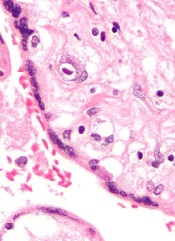
The US Food and Drug Administration (FDA) has approved the first cytomegalovirus (CMV) test for use in hematopoietic stem cell transplant (HSCT) recipients.
With this approval, the COBAS® AmpliPrep/COBAS® TaqMan® CMV Test is available for monitoring CMV treatment in all types of transplant patients in the US.
The test, which was developed by Roche, is an in vitro nucleic acid amplification test that quantitates CMV DNA in human plasma.
It is intended to aid the management of HSCT recipients and solid-organ transplant recipients who are undergoing anti-CMV therapy.
In this population, serial DNA measurements can be used to assess virological response to antiviral treatment. The results from the test must be interpreted within the context of all relevant clinical and laboratory findings.
The COBAS® AmpliPrep/COBAS® TaqMan® CMV Test is not intended for use as a screening test for the presence of CMV DNA in blood or blood products.
The test is designed for use on the automated COBAS® AmpliPrep/COBAS® TaqMan® System, an established platform for viral load monitoring of multiple infectious diseases.
The system combines the COBAS® AmpliPrep Instrument for automated sample preparation and the COBAS® TaqMan® Analyzer or the smaller COBAS® TaqMan® 48 Analyzer for automated real-time PCR amplification and detection.
The COBAS® AmpliPrep/COBAS® TaqMan® System has parallel processing with other molecular diagnostics assays targeting other diseases. Roche’s AmpErase enzyme is also included in each test and is designed to prevent cross-contamination of samples and labs.
The US Food and Drug Administration (FDA) has approved the first cytomegalovirus (CMV) test for use in hematopoietic stem cell transplant (HSCT) recipients.
With this approval, the COBAS® AmpliPrep/COBAS® TaqMan® CMV Test is available for monitoring CMV treatment in all types of transplant patients in the US.
The test, which was developed by Roche, is an in vitro nucleic acid amplification test that quantitates CMV DNA in human plasma.
It is intended to aid the management of HSCT recipients and solid-organ transplant recipients who are undergoing anti-CMV therapy.
In this population, serial DNA measurements can be used to assess virological response to antiviral treatment. The results from the test must be interpreted within the context of all relevant clinical and laboratory findings.
The COBAS® AmpliPrep/COBAS® TaqMan® CMV Test is not intended for use as a screening test for the presence of CMV DNA in blood or blood products.
The test is designed for use on the automated COBAS® AmpliPrep/COBAS® TaqMan® System, an established platform for viral load monitoring of multiple infectious diseases.
The system combines the COBAS® AmpliPrep Instrument for automated sample preparation and the COBAS® TaqMan® Analyzer or the smaller COBAS® TaqMan® 48 Analyzer for automated real-time PCR amplification and detection.
The COBAS® AmpliPrep/COBAS® TaqMan® System has parallel processing with other molecular diagnostics assays targeting other diseases. Roche’s AmpErase enzyme is also included in each test and is designed to prevent cross-contamination of samples and labs.
The US Food and Drug Administration (FDA) has approved the first cytomegalovirus (CMV) test for use in hematopoietic stem cell transplant (HSCT) recipients.
With this approval, the COBAS® AmpliPrep/COBAS® TaqMan® CMV Test is available for monitoring CMV treatment in all types of transplant patients in the US.
The test, which was developed by Roche, is an in vitro nucleic acid amplification test that quantitates CMV DNA in human plasma.
It is intended to aid the management of HSCT recipients and solid-organ transplant recipients who are undergoing anti-CMV therapy.
In this population, serial DNA measurements can be used to assess virological response to antiviral treatment. The results from the test must be interpreted within the context of all relevant clinical and laboratory findings.
The COBAS® AmpliPrep/COBAS® TaqMan® CMV Test is not intended for use as a screening test for the presence of CMV DNA in blood or blood products.
The test is designed for use on the automated COBAS® AmpliPrep/COBAS® TaqMan® System, an established platform for viral load monitoring of multiple infectious diseases.
The system combines the COBAS® AmpliPrep Instrument for automated sample preparation and the COBAS® TaqMan® Analyzer or the smaller COBAS® TaqMan® 48 Analyzer for automated real-time PCR amplification and detection.
The COBAS® AmpliPrep/COBAS® TaqMan® System has parallel processing with other molecular diagnostics assays targeting other diseases. Roche’s AmpErase enzyme is also included in each test and is designed to prevent cross-contamination of samples and labs.
Why patients don’t report possible cancer symptoms

Photo courtesy of NIH
Worrying about wasting their doctor’s time is stopping people from reporting symptoms that might be related to cancer, according to a small study published in the British Journal of General Practice.
The goal of the study was to determine why some people are more likely than others to worry about wasting a general practitioner’s (GP’s) time and delay reporting possible cancer symptoms.
“People worrying about wasting their doctor’s time is one of the challenges we need to tackle when thinking about trying to diagnose cancer earlier,” said study author Katriina Whitaker, PhD, of the University of Surrey in the UK.
“We need to get to the root of the problem and find out why people are feeling worried. Not a lot of work has been done on this so far. Our study draws attention to some reasons patients put off going to their GP to check out possible cancer symptoms.”
For this study, Dr Whitaker and her colleagues conducted interviews with subjects in London, South East England, and North West England.
The subjects were recruited from a sample of 2042 adults, age 50 and older, who completed a survey that included a list of “cancer alarm symptoms.”
Ultimately, the researchers interviewed 62 subjects who had reported symptoms at baseline, were still present at the 3-month follow-up, and had agreed to be contacted.
The interviews revealed a few reasons why subjects were hesitant to report symptoms to their GP.
Some subjects felt that long waiting times for appointments indicated GPs were very busy, so they shouldn’t bother making an appointment unless symptoms seemed very serious.
Other subjects felt that seeking help when their symptoms did not seem serious—ie, persistent, worsening, or life-threatening—was a waste of a doctor’s time.
Still other subjects were hesitant to seek help because their doctors had been dismissive about symptoms in the past.
On the other hand, subjects who reported positive interactions with GPs or good relationships with them were less worried about time-wasting.
And other subjects weren’t worried about wasting their doctor’s time because they think of GPs as fulfilling a service financed by taxpayers.
“We’ve all had times where we’ve wondered if we should go to see a GP, but getting unusual or persistent changes checked out is really important,” said Julie Sharp, head of health and patient information at Cancer Research UK, which funded this study.
“Worrying about wasting a GP’s time should not put people off. Doctors are there to help spot cancer symptoms early when treatment is more likely to be successful, and delaying a visit could save up bigger problems for later. So if you’ve noticed anything that isn’t normal for you, make an appointment to see your doctor.”
Photo courtesy of NIH
Worrying about wasting their doctor’s time is stopping people from reporting symptoms that might be related to cancer, according to a small study published in the British Journal of General Practice.
The goal of the study was to determine why some people are more likely than others to worry about wasting a general practitioner’s (GP’s) time and delay reporting possible cancer symptoms.
“People worrying about wasting their doctor’s time is one of the challenges we need to tackle when thinking about trying to diagnose cancer earlier,” said study author Katriina Whitaker, PhD, of the University of Surrey in the UK.
“We need to get to the root of the problem and find out why people are feeling worried. Not a lot of work has been done on this so far. Our study draws attention to some reasons patients put off going to their GP to check out possible cancer symptoms.”
For this study, Dr Whitaker and her colleagues conducted interviews with subjects in London, South East England, and North West England.
The subjects were recruited from a sample of 2042 adults, age 50 and older, who completed a survey that included a list of “cancer alarm symptoms.”
Ultimately, the researchers interviewed 62 subjects who had reported symptoms at baseline, were still present at the 3-month follow-up, and had agreed to be contacted.
The interviews revealed a few reasons why subjects were hesitant to report symptoms to their GP.
Some subjects felt that long waiting times for appointments indicated GPs were very busy, so they shouldn’t bother making an appointment unless symptoms seemed very serious.
Other subjects felt that seeking help when their symptoms did not seem serious—ie, persistent, worsening, or life-threatening—was a waste of a doctor’s time.
Still other subjects were hesitant to seek help because their doctors had been dismissive about symptoms in the past.
On the other hand, subjects who reported positive interactions with GPs or good relationships with them were less worried about time-wasting.
And other subjects weren’t worried about wasting their doctor’s time because they think of GPs as fulfilling a service financed by taxpayers.
“We’ve all had times where we’ve wondered if we should go to see a GP, but getting unusual or persistent changes checked out is really important,” said Julie Sharp, head of health and patient information at Cancer Research UK, which funded this study.
“Worrying about wasting a GP’s time should not put people off. Doctors are there to help spot cancer symptoms early when treatment is more likely to be successful, and delaying a visit could save up bigger problems for later. So if you’ve noticed anything that isn’t normal for you, make an appointment to see your doctor.”
Photo courtesy of NIH
Worrying about wasting their doctor’s time is stopping people from reporting symptoms that might be related to cancer, according to a small study published in the British Journal of General Practice.
The goal of the study was to determine why some people are more likely than others to worry about wasting a general practitioner’s (GP’s) time and delay reporting possible cancer symptoms.
“People worrying about wasting their doctor’s time is one of the challenges we need to tackle when thinking about trying to diagnose cancer earlier,” said study author Katriina Whitaker, PhD, of the University of Surrey in the UK.
“We need to get to the root of the problem and find out why people are feeling worried. Not a lot of work has been done on this so far. Our study draws attention to some reasons patients put off going to their GP to check out possible cancer symptoms.”
For this study, Dr Whitaker and her colleagues conducted interviews with subjects in London, South East England, and North West England.
The subjects were recruited from a sample of 2042 adults, age 50 and older, who completed a survey that included a list of “cancer alarm symptoms.”
Ultimately, the researchers interviewed 62 subjects who had reported symptoms at baseline, were still present at the 3-month follow-up, and had agreed to be contacted.
The interviews revealed a few reasons why subjects were hesitant to report symptoms to their GP.
Some subjects felt that long waiting times for appointments indicated GPs were very busy, so they shouldn’t bother making an appointment unless symptoms seemed very serious.
Other subjects felt that seeking help when their symptoms did not seem serious—ie, persistent, worsening, or life-threatening—was a waste of a doctor’s time.
Still other subjects were hesitant to seek help because their doctors had been dismissive about symptoms in the past.
On the other hand, subjects who reported positive interactions with GPs or good relationships with them were less worried about time-wasting.
And other subjects weren’t worried about wasting their doctor’s time because they think of GPs as fulfilling a service financed by taxpayers.
“We’ve all had times where we’ve wondered if we should go to see a GP, but getting unusual or persistent changes checked out is really important,” said Julie Sharp, head of health and patient information at Cancer Research UK, which funded this study.
“Worrying about wasting a GP’s time should not put people off. Doctors are there to help spot cancer symptoms early when treatment is more likely to be successful, and delaying a visit could save up bigger problems for later. So if you’ve noticed anything that isn’t normal for you, make an appointment to see your doctor.”
Anemia hinders recovery from TBIs
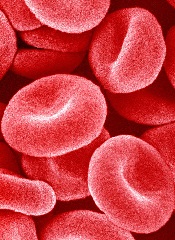
Recent studies have suggested that roughly half of patients hospitalized with traumatic brain injuries (TBIs) are anemic, but it hasn’t been clear how the anemia affects patients’ recovery.
Now, researchers have found evidence suggesting that low hemoglobin levels can negatively influence the outcomes of patients with TBIs.
The team detailed this evidence in a paper published in World Neurosurgery.
“More research is needed to develop treatment protocols for anemic patients with traumatic brain injuries,” said study author N. Scott Litofsky, MD, of the University of Missouri School of Medicine in Columbia.
“There has been a lack of consensus among physicians regarding the relationship of anemia and traumatic brain injuries on a patient’s health. Because of this uncertainty, treatment protocols are unclear and inconsistent. Our observational study found that a patient’s outcome is worse when he or she is anemic.”
The researchers studied 939 TBI patients with anemia who were admitted to a Level I trauma center.
The team assessed the relationships between patients’ initial hemoglobin level and lowest hemoglobin level during hospitalization at threshold values of ≤7, ≤8, ≤9, and ≤10 g/dL relative to their Glasgow Outcome Score within a year of surgery.
The data suggested that both initial hemoglobin levels and lowest hemoglobin levels were independent predictors of poor outcome (P<0.0001).
For each increase in initial hemoglobin level of 1 g/dL, the odds of a patient achieving a good outcome increased by 32%. For each increase in lowest hemoglobin level of 1 g/dL, the probability of a good outcome increased by 35.6%.
Female patients had worse outcomes than male patients if their initial hemoglobin levels were between 7 g/dL and 8 g/dL (P<0.05).
And receiving a blood transfusion was associated with poorer outcomes at hemoglobin levels ≤9 g/dL and ≤10 g/dL (P<0.05) but not at the lower hemoglobin thresholds.
The researchers said these data suggest clinicians may want to consider giving blood transfusions in TBI patients with hemoglobin levels of 8 g/dL or lower.
However, Dr Litofsky noted that the purpose of this study was not to propose transfusion guidelines. It was to determine the effects of anemia on TBI outcomes.
“Now that we have shown that anemia affects a patient’s recovery, further studies are needed to determine the best way to correct it,” he said. “The ultimate goal of this research is to help patients recover more quickly from traumatic brain injuries.”
Recent studies have suggested that roughly half of patients hospitalized with traumatic brain injuries (TBIs) are anemic, but it hasn’t been clear how the anemia affects patients’ recovery.
Now, researchers have found evidence suggesting that low hemoglobin levels can negatively influence the outcomes of patients with TBIs.
The team detailed this evidence in a paper published in World Neurosurgery.
“More research is needed to develop treatment protocols for anemic patients with traumatic brain injuries,” said study author N. Scott Litofsky, MD, of the University of Missouri School of Medicine in Columbia.
“There has been a lack of consensus among physicians regarding the relationship of anemia and traumatic brain injuries on a patient’s health. Because of this uncertainty, treatment protocols are unclear and inconsistent. Our observational study found that a patient’s outcome is worse when he or she is anemic.”
The researchers studied 939 TBI patients with anemia who were admitted to a Level I trauma center.
The team assessed the relationships between patients’ initial hemoglobin level and lowest hemoglobin level during hospitalization at threshold values of ≤7, ≤8, ≤9, and ≤10 g/dL relative to their Glasgow Outcome Score within a year of surgery.
The data suggested that both initial hemoglobin levels and lowest hemoglobin levels were independent predictors of poor outcome (P<0.0001).
For each increase in initial hemoglobin level of 1 g/dL, the odds of a patient achieving a good outcome increased by 32%. For each increase in lowest hemoglobin level of 1 g/dL, the probability of a good outcome increased by 35.6%.
Female patients had worse outcomes than male patients if their initial hemoglobin levels were between 7 g/dL and 8 g/dL (P<0.05).
And receiving a blood transfusion was associated with poorer outcomes at hemoglobin levels ≤9 g/dL and ≤10 g/dL (P<0.05) but not at the lower hemoglobin thresholds.
The researchers said these data suggest clinicians may want to consider giving blood transfusions in TBI patients with hemoglobin levels of 8 g/dL or lower.
However, Dr Litofsky noted that the purpose of this study was not to propose transfusion guidelines. It was to determine the effects of anemia on TBI outcomes.
“Now that we have shown that anemia affects a patient’s recovery, further studies are needed to determine the best way to correct it,” he said. “The ultimate goal of this research is to help patients recover more quickly from traumatic brain injuries.”
Recent studies have suggested that roughly half of patients hospitalized with traumatic brain injuries (TBIs) are anemic, but it hasn’t been clear how the anemia affects patients’ recovery.
Now, researchers have found evidence suggesting that low hemoglobin levels can negatively influence the outcomes of patients with TBIs.
The team detailed this evidence in a paper published in World Neurosurgery.
“More research is needed to develop treatment protocols for anemic patients with traumatic brain injuries,” said study author N. Scott Litofsky, MD, of the University of Missouri School of Medicine in Columbia.
“There has been a lack of consensus among physicians regarding the relationship of anemia and traumatic brain injuries on a patient’s health. Because of this uncertainty, treatment protocols are unclear and inconsistent. Our observational study found that a patient’s outcome is worse when he or she is anemic.”
The researchers studied 939 TBI patients with anemia who were admitted to a Level I trauma center.
The team assessed the relationships between patients’ initial hemoglobin level and lowest hemoglobin level during hospitalization at threshold values of ≤7, ≤8, ≤9, and ≤10 g/dL relative to their Glasgow Outcome Score within a year of surgery.
The data suggested that both initial hemoglobin levels and lowest hemoglobin levels were independent predictors of poor outcome (P<0.0001).
For each increase in initial hemoglobin level of 1 g/dL, the odds of a patient achieving a good outcome increased by 32%. For each increase in lowest hemoglobin level of 1 g/dL, the probability of a good outcome increased by 35.6%.
Female patients had worse outcomes than male patients if their initial hemoglobin levels were between 7 g/dL and 8 g/dL (P<0.05).
And receiving a blood transfusion was associated with poorer outcomes at hemoglobin levels ≤9 g/dL and ≤10 g/dL (P<0.05) but not at the lower hemoglobin thresholds.
The researchers said these data suggest clinicians may want to consider giving blood transfusions in TBI patients with hemoglobin levels of 8 g/dL or lower.
However, Dr Litofsky noted that the purpose of this study was not to propose transfusion guidelines. It was to determine the effects of anemia on TBI outcomes.
“Now that we have shown that anemia affects a patient’s recovery, further studies are needed to determine the best way to correct it,” he said. “The ultimate goal of this research is to help patients recover more quickly from traumatic brain injuries.”
Study: rFVIII increases risk of inhibitors

The source of factor VIII (FVIII) replacement therapy affects the risk of inhibitor development in previously untreated patients with severe hemophilia A, according to the SIPPET study.
The data indicated that receiving recombinant FVIII (rFVIII) is associated with a nearly 2-fold higher risk of developing inhibitory alloantibodies than receiving plasma-derived FVIII.
Flora Peyvandi, MD, PhD, of Angelo Bianchi Bonomi Hemophilia and Thrombosis Center in Milan, Italy, and her colleagues reported this discovery in NEJM.
Dr Peyvandi previously presented results from the SIPPET at the 2015 ASH Annual Meeting.
The study included 251 patients (all males) who were younger than age 6 at enrollment. They had severe hemophilia A, negative inhibitor measurement at enrollment, and no or minimal exposure (less than 5 exposure days) to blood products.
The patients were randomized to either a single plasma-derived FVIII product containing von Willebrand factor (n=125) or a single rFVIII product (n=126). The treatment was at the discretion of the local physician.
Confounders—such as family history, previous exposure, and surgery—were equally distributed between the treatment arms. The same was true for the treatment type—on-demand, standard prophylaxis, etc.
Patients were treated for 50 exposure days, 3 years, or until inhibitor development. They were assessed every 3 to 5 exposure days in the first 20 exposure days, then every 10 exposure days or every 3 months and every 2 weeks during prophylaxis.
Results
The primary outcome was any FVIII inhibitor at titers ≥ 0.4 BU/mL. High-titer inhibitors (≥ 5 BU/mL) were a secondary outcome. Transient inhibitors were defined as those that spontaneously disappeared within 6 months.
Overall, 76 patients developed inhibitors, for a cumulative incidence of 35.4%. Fifty patients had high-titer inhibitors, for a cumulative incidence of 23.3%.
The cumulative incidence of all inhibitors was 44.5% (n=47) in the rFVIII arm and 26.8% (n=29) in the plasma-derived FVIII arm. The cumulative incidence of high-titer inhibitors was 28.4% (n=30) and 18.6% (n=20), respectively.
More than 73% of all inhibitors were non-transient in both arms.
By univariate Cox regression analysis, rFVIII was associated with an 87% higher incidence of inhibitors than plasma-derived FVIII (hazard ratio [HR]=1.87). And rFVIII was associated with a 69% higher incidence of high-titer inhibitors (HR=1.69).
A previous study published in NEJM in 2013 suggested that second-generation, full-length FVIII products are associated with an increased risk of inhibitor development when compared to third-generation FVIII products.
So Dr Peyvandi and her colleagues stopped using second-generation FVIII products during the course of the SIPPET study. And they adjusted their analysis to ensure their observations were not due to any confounding effects of the products.
After excluding second-generation, full-length rFVIII from their analysis, the researchers still observed an increased risk of inhibitor development with rFVIII. The HRs were 1.98 for all inhibitors and 2.59 for high-titer inhibitors.
The source of factor VIII (FVIII) replacement therapy affects the risk of inhibitor development in previously untreated patients with severe hemophilia A, according to the SIPPET study.
The data indicated that receiving recombinant FVIII (rFVIII) is associated with a nearly 2-fold higher risk of developing inhibitory alloantibodies than receiving plasma-derived FVIII.
Flora Peyvandi, MD, PhD, of Angelo Bianchi Bonomi Hemophilia and Thrombosis Center in Milan, Italy, and her colleagues reported this discovery in NEJM.
Dr Peyvandi previously presented results from the SIPPET at the 2015 ASH Annual Meeting.
The study included 251 patients (all males) who were younger than age 6 at enrollment. They had severe hemophilia A, negative inhibitor measurement at enrollment, and no or minimal exposure (less than 5 exposure days) to blood products.
The patients were randomized to either a single plasma-derived FVIII product containing von Willebrand factor (n=125) or a single rFVIII product (n=126). The treatment was at the discretion of the local physician.
Confounders—such as family history, previous exposure, and surgery—were equally distributed between the treatment arms. The same was true for the treatment type—on-demand, standard prophylaxis, etc.
Patients were treated for 50 exposure days, 3 years, or until inhibitor development. They were assessed every 3 to 5 exposure days in the first 20 exposure days, then every 10 exposure days or every 3 months and every 2 weeks during prophylaxis.
Results
The primary outcome was any FVIII inhibitor at titers ≥ 0.4 BU/mL. High-titer inhibitors (≥ 5 BU/mL) were a secondary outcome. Transient inhibitors were defined as those that spontaneously disappeared within 6 months.
Overall, 76 patients developed inhibitors, for a cumulative incidence of 35.4%. Fifty patients had high-titer inhibitors, for a cumulative incidence of 23.3%.
The cumulative incidence of all inhibitors was 44.5% (n=47) in the rFVIII arm and 26.8% (n=29) in the plasma-derived FVIII arm. The cumulative incidence of high-titer inhibitors was 28.4% (n=30) and 18.6% (n=20), respectively.
More than 73% of all inhibitors were non-transient in both arms.
By univariate Cox regression analysis, rFVIII was associated with an 87% higher incidence of inhibitors than plasma-derived FVIII (hazard ratio [HR]=1.87). And rFVIII was associated with a 69% higher incidence of high-titer inhibitors (HR=1.69).
A previous study published in NEJM in 2013 suggested that second-generation, full-length FVIII products are associated with an increased risk of inhibitor development when compared to third-generation FVIII products.
So Dr Peyvandi and her colleagues stopped using second-generation FVIII products during the course of the SIPPET study. And they adjusted their analysis to ensure their observations were not due to any confounding effects of the products.
After excluding second-generation, full-length rFVIII from their analysis, the researchers still observed an increased risk of inhibitor development with rFVIII. The HRs were 1.98 for all inhibitors and 2.59 for high-titer inhibitors.
The source of factor VIII (FVIII) replacement therapy affects the risk of inhibitor development in previously untreated patients with severe hemophilia A, according to the SIPPET study.
The data indicated that receiving recombinant FVIII (rFVIII) is associated with a nearly 2-fold higher risk of developing inhibitory alloantibodies than receiving plasma-derived FVIII.
Flora Peyvandi, MD, PhD, of Angelo Bianchi Bonomi Hemophilia and Thrombosis Center in Milan, Italy, and her colleagues reported this discovery in NEJM.
Dr Peyvandi previously presented results from the SIPPET at the 2015 ASH Annual Meeting.
The study included 251 patients (all males) who were younger than age 6 at enrollment. They had severe hemophilia A, negative inhibitor measurement at enrollment, and no or minimal exposure (less than 5 exposure days) to blood products.
The patients were randomized to either a single plasma-derived FVIII product containing von Willebrand factor (n=125) or a single rFVIII product (n=126). The treatment was at the discretion of the local physician.
Confounders—such as family history, previous exposure, and surgery—were equally distributed between the treatment arms. The same was true for the treatment type—on-demand, standard prophylaxis, etc.
Patients were treated for 50 exposure days, 3 years, or until inhibitor development. They were assessed every 3 to 5 exposure days in the first 20 exposure days, then every 10 exposure days or every 3 months and every 2 weeks during prophylaxis.
Results
The primary outcome was any FVIII inhibitor at titers ≥ 0.4 BU/mL. High-titer inhibitors (≥ 5 BU/mL) were a secondary outcome. Transient inhibitors were defined as those that spontaneously disappeared within 6 months.
Overall, 76 patients developed inhibitors, for a cumulative incidence of 35.4%. Fifty patients had high-titer inhibitors, for a cumulative incidence of 23.3%.
The cumulative incidence of all inhibitors was 44.5% (n=47) in the rFVIII arm and 26.8% (n=29) in the plasma-derived FVIII arm. The cumulative incidence of high-titer inhibitors was 28.4% (n=30) and 18.6% (n=20), respectively.
More than 73% of all inhibitors were non-transient in both arms.
By univariate Cox regression analysis, rFVIII was associated with an 87% higher incidence of inhibitors than plasma-derived FVIII (hazard ratio [HR]=1.87). And rFVIII was associated with a 69% higher incidence of high-titer inhibitors (HR=1.69).
A previous study published in NEJM in 2013 suggested that second-generation, full-length FVIII products are associated with an increased risk of inhibitor development when compared to third-generation FVIII products.
So Dr Peyvandi and her colleagues stopped using second-generation FVIII products during the course of the SIPPET study. And they adjusted their analysis to ensure their observations were not due to any confounding effects of the products.
After excluding second-generation, full-length rFVIII from their analysis, the researchers still observed an increased risk of inhibitor development with rFVIII. The HRs were 1.98 for all inhibitors and 2.59 for high-titer inhibitors.
IMF denounces report on newer MM drugs

Photo by Bill Branson
A report assessing the value of newer multiple myeloma (MM) treatments “dangerously oversimplifies” a complex issue and could limit patients’ access to treatment, according to the International Myeloma Foundation (IMF).
The report, which was drafted by the Institute for Clinical and Economic Review (ICER), is scheduled to be discussed at the inaugural meeting of the Midwest Comparative Effectiveness Public Advisory Council (Midwest CEPAC) in St. Louis, Missouri, on May 26.
The main conclusion of ICER’s report was that newer second- and third-line treatment regimens for MM appear to confer clinical benefits, but the estimated cost-effectiveness of these regimens exceeds commonly cited thresholds.
For example, ICER said that, based on the available data, there was “moderate certainty” that carfilzomib (CFZ), ixazomib (IX), or elotuzumab (ELO) given in combination with lenalidomide and dexamethasone (LEN+DEX) can provide an incremental or better net health benefit for second-line, third-line, or subsequent therapy in adults with relapsed/refractory MM, relative to LEN+DEX alone.
However, the estimated cost-effectiveness, compared to LEN+DEX, was $200,000 per quality-adjusted life year (QALY) gained for CFZ+LEN+DEX, $428,000 for ELO+LEN+DEX, and $434,000 for IX+LEN+DEX. All of these exceed commonly cited thresholds of $50,000 to $150,000 per QALY.
ICER said achieving levels of value more closely aligned with patient benefit would require substantial discounts from the list price in many cases. In other cases, there is no realistic price for the newest agents that would achieve these thresholds.
IMF’s response
IMF said ICER’s report has a few flaws—namely, the absence of many newer MM drugs and combinations, the use of inaccurate data, and an underestimation of QALYs.
Furthermore, IMF said it is concerned that, if ICER's recommendations were to be adopted by the Centers for Medicare & Medicaid Services, patients might be required to “fail first” before other, possibly more effective drugs would be an option.
“We believe that the IMF’s research body, the International Myeloma Working Group (IMWG), will produce superior patient-centered and research-supported guidelines to effectively impact drug costs at our annual summit in June,” said IMF Chairman Brian Durie.
IMWG plans to focus on healthcare cost containment in a special session at the 2016 IMWG Summit, which is scheduled to take place June 7-9 in Copenhagen, Denmark.
IMF said the guidelines resulting from this session should be available in about 2 months. And they will spell out primary and secondary recommendations that allow for individualized therapy choices based on unique features of the disease, patient and/or physician preference, and local and/or regional access issues.
Photo by Bill Branson
A report assessing the value of newer multiple myeloma (MM) treatments “dangerously oversimplifies” a complex issue and could limit patients’ access to treatment, according to the International Myeloma Foundation (IMF).
The report, which was drafted by the Institute for Clinical and Economic Review (ICER), is scheduled to be discussed at the inaugural meeting of the Midwest Comparative Effectiveness Public Advisory Council (Midwest CEPAC) in St. Louis, Missouri, on May 26.
The main conclusion of ICER’s report was that newer second- and third-line treatment regimens for MM appear to confer clinical benefits, but the estimated cost-effectiveness of these regimens exceeds commonly cited thresholds.
For example, ICER said that, based on the available data, there was “moderate certainty” that carfilzomib (CFZ), ixazomib (IX), or elotuzumab (ELO) given in combination with lenalidomide and dexamethasone (LEN+DEX) can provide an incremental or better net health benefit for second-line, third-line, or subsequent therapy in adults with relapsed/refractory MM, relative to LEN+DEX alone.
However, the estimated cost-effectiveness, compared to LEN+DEX, was $200,000 per quality-adjusted life year (QALY) gained for CFZ+LEN+DEX, $428,000 for ELO+LEN+DEX, and $434,000 for IX+LEN+DEX. All of these exceed commonly cited thresholds of $50,000 to $150,000 per QALY.
ICER said achieving levels of value more closely aligned with patient benefit would require substantial discounts from the list price in many cases. In other cases, there is no realistic price for the newest agents that would achieve these thresholds.
IMF’s response
IMF said ICER’s report has a few flaws—namely, the absence of many newer MM drugs and combinations, the use of inaccurate data, and an underestimation of QALYs.
Furthermore, IMF said it is concerned that, if ICER's recommendations were to be adopted by the Centers for Medicare & Medicaid Services, patients might be required to “fail first” before other, possibly more effective drugs would be an option.
“We believe that the IMF’s research body, the International Myeloma Working Group (IMWG), will produce superior patient-centered and research-supported guidelines to effectively impact drug costs at our annual summit in June,” said IMF Chairman Brian Durie.
IMWG plans to focus on healthcare cost containment in a special session at the 2016 IMWG Summit, which is scheduled to take place June 7-9 in Copenhagen, Denmark.
IMF said the guidelines resulting from this session should be available in about 2 months. And they will spell out primary and secondary recommendations that allow for individualized therapy choices based on unique features of the disease, patient and/or physician preference, and local and/or regional access issues.
Photo by Bill Branson
A report assessing the value of newer multiple myeloma (MM) treatments “dangerously oversimplifies” a complex issue and could limit patients’ access to treatment, according to the International Myeloma Foundation (IMF).
The report, which was drafted by the Institute for Clinical and Economic Review (ICER), is scheduled to be discussed at the inaugural meeting of the Midwest Comparative Effectiveness Public Advisory Council (Midwest CEPAC) in St. Louis, Missouri, on May 26.
The main conclusion of ICER’s report was that newer second- and third-line treatment regimens for MM appear to confer clinical benefits, but the estimated cost-effectiveness of these regimens exceeds commonly cited thresholds.
For example, ICER said that, based on the available data, there was “moderate certainty” that carfilzomib (CFZ), ixazomib (IX), or elotuzumab (ELO) given in combination with lenalidomide and dexamethasone (LEN+DEX) can provide an incremental or better net health benefit for second-line, third-line, or subsequent therapy in adults with relapsed/refractory MM, relative to LEN+DEX alone.
However, the estimated cost-effectiveness, compared to LEN+DEX, was $200,000 per quality-adjusted life year (QALY) gained for CFZ+LEN+DEX, $428,000 for ELO+LEN+DEX, and $434,000 for IX+LEN+DEX. All of these exceed commonly cited thresholds of $50,000 to $150,000 per QALY.
ICER said achieving levels of value more closely aligned with patient benefit would require substantial discounts from the list price in many cases. In other cases, there is no realistic price for the newest agents that would achieve these thresholds.
IMF’s response
IMF said ICER’s report has a few flaws—namely, the absence of many newer MM drugs and combinations, the use of inaccurate data, and an underestimation of QALYs.
Furthermore, IMF said it is concerned that, if ICER's recommendations were to be adopted by the Centers for Medicare & Medicaid Services, patients might be required to “fail first” before other, possibly more effective drugs would be an option.
“We believe that the IMF’s research body, the International Myeloma Working Group (IMWG), will produce superior patient-centered and research-supported guidelines to effectively impact drug costs at our annual summit in June,” said IMF Chairman Brian Durie.
IMWG plans to focus on healthcare cost containment in a special session at the 2016 IMWG Summit, which is scheduled to take place June 7-9 in Copenhagen, Denmark.
IMF said the guidelines resulting from this session should be available in about 2 months. And they will spell out primary and secondary recommendations that allow for individualized therapy choices based on unique features of the disease, patient and/or physician preference, and local and/or regional access issues.
Team simplifies synthesis of anticancer agent

Photo courtesy of Jeff Fitlow
and Rice University
Researchers say they have streamlined synthesis of delta12-prostaglandin J3, a molecule that has been shown to kill leukemia cells.
Total synthesis of the molecule now requires only 6 steps from commercially available starting materials.
The researchers say this work sets the stage for large-scale synthesis of the molecule—a lipid found in nearly all animal tissues—and related compounds that can be produced as potential anticancer agents.
K.C. Nicolaou, PhD, of Rice University in Houston, Texas, and his colleagues described the work in Chemistry - A European Journal.
The prostaglandin the researchers synthesized had been isolated in 2011 as a secondary metabolite formed from eicosapentaenoic acid, which is found primarily in fish oil.
The team reported the first total synthesis of the molecule in 2014. That allowed them to confirm its structure.
Now, the researchers have established techniques to develop related disease-fighting compounds and ramp up bulk production if necessary.
Several such prostaglandin derivatives under consideration as preclinical drug candidates were detailed in a second paper published in the Journal of the American Chemical Society.
That publication described the synthesis of dozens of prostaglandin derivatives that were tested against a range of cancer cells by the National Cancer Institute.
One such derivative, macrolactone 11, is currently under evaluation as a preclinical drug candidate. Related compounds macrolactone 33 and 44 showed evidence of even higher potency against leukemia, lung cancer, colon cancer, melanoma, renal, and prostate cancer.
“The macrolactones are very good—better than the natural product—and now we’re following this lead to optimize the potency while minimizing toxicity,” Dr Nicolaou said. “It’s a balancing act.”
In addition, he and his colleagues are developing other drug candidates based on prostaglandin.
“In the process, we’ve developed a lot of nice chemistry, and we know a lot more about the biology of this compound,” Dr Nicolaou said. “We’ve advanced organic synthesis in general and also enriched the knowledge about how these kinds of molecules behave. We hope the papers provide some ideas and leads and inspiration for others to follow.”
Photo courtesy of Jeff Fitlow
and Rice University
Researchers say they have streamlined synthesis of delta12-prostaglandin J3, a molecule that has been shown to kill leukemia cells.
Total synthesis of the molecule now requires only 6 steps from commercially available starting materials.
The researchers say this work sets the stage for large-scale synthesis of the molecule—a lipid found in nearly all animal tissues—and related compounds that can be produced as potential anticancer agents.
K.C. Nicolaou, PhD, of Rice University in Houston, Texas, and his colleagues described the work in Chemistry - A European Journal.
The prostaglandin the researchers synthesized had been isolated in 2011 as a secondary metabolite formed from eicosapentaenoic acid, which is found primarily in fish oil.
The team reported the first total synthesis of the molecule in 2014. That allowed them to confirm its structure.
Now, the researchers have established techniques to develop related disease-fighting compounds and ramp up bulk production if necessary.
Several such prostaglandin derivatives under consideration as preclinical drug candidates were detailed in a second paper published in the Journal of the American Chemical Society.
That publication described the synthesis of dozens of prostaglandin derivatives that were tested against a range of cancer cells by the National Cancer Institute.
One such derivative, macrolactone 11, is currently under evaluation as a preclinical drug candidate. Related compounds macrolactone 33 and 44 showed evidence of even higher potency against leukemia, lung cancer, colon cancer, melanoma, renal, and prostate cancer.
“The macrolactones are very good—better than the natural product—and now we’re following this lead to optimize the potency while minimizing toxicity,” Dr Nicolaou said. “It’s a balancing act.”
In addition, he and his colleagues are developing other drug candidates based on prostaglandin.
“In the process, we’ve developed a lot of nice chemistry, and we know a lot more about the biology of this compound,” Dr Nicolaou said. “We’ve advanced organic synthesis in general and also enriched the knowledge about how these kinds of molecules behave. We hope the papers provide some ideas and leads and inspiration for others to follow.”
Photo courtesy of Jeff Fitlow
and Rice University
Researchers say they have streamlined synthesis of delta12-prostaglandin J3, a molecule that has been shown to kill leukemia cells.
Total synthesis of the molecule now requires only 6 steps from commercially available starting materials.
The researchers say this work sets the stage for large-scale synthesis of the molecule—a lipid found in nearly all animal tissues—and related compounds that can be produced as potential anticancer agents.
K.C. Nicolaou, PhD, of Rice University in Houston, Texas, and his colleagues described the work in Chemistry - A European Journal.
The prostaglandin the researchers synthesized had been isolated in 2011 as a secondary metabolite formed from eicosapentaenoic acid, which is found primarily in fish oil.
The team reported the first total synthesis of the molecule in 2014. That allowed them to confirm its structure.
Now, the researchers have established techniques to develop related disease-fighting compounds and ramp up bulk production if necessary.
Several such prostaglandin derivatives under consideration as preclinical drug candidates were detailed in a second paper published in the Journal of the American Chemical Society.
That publication described the synthesis of dozens of prostaglandin derivatives that were tested against a range of cancer cells by the National Cancer Institute.
One such derivative, macrolactone 11, is currently under evaluation as a preclinical drug candidate. Related compounds macrolactone 33 and 44 showed evidence of even higher potency against leukemia, lung cancer, colon cancer, melanoma, renal, and prostate cancer.
“The macrolactones are very good—better than the natural product—and now we’re following this lead to optimize the potency while minimizing toxicity,” Dr Nicolaou said. “It’s a balancing act.”
In addition, he and his colleagues are developing other drug candidates based on prostaglandin.
“In the process, we’ve developed a lot of nice chemistry, and we know a lot more about the biology of this compound,” Dr Nicolaou said. “We’ve advanced organic synthesis in general and also enriched the knowledge about how these kinds of molecules behave. We hope the papers provide some ideas and leads and inspiration for others to follow.”
Proteins may be targets for malaria vaccines

Image courtesy of Ute Frevert
and Margaret Shear
A study published in PLOS Pathogens has revealed proteins that may be viable targets for malaria vaccines.
Investigators identified 42 proteins that can be found on the surface of Plasmodium falciparum sporozoites and could be targeted by vaccines.
However, the team also found evidence to suggest that 2 other surface proteins should not be targeted, as they may be able to evade the immune system.
“We used a method that we developed in a previous paper to identify which proteins of the malaria parasite, Plasmodium falciparum, might be visible to the human immune system on the outside of the parasite and therefore are good potential targets for the development of new malaria vaccines,” said study author Scott E. Lindner, PhD, of Pennsylvania State University in University Park.
“Current experimental malaria vaccines target single proteins and do not provide the level of protection necessary to prevent the spread of the disease. Our new list of potential vaccine targets will allow the development of more effective vaccines that target several proteins on the surface of the parasite.”
To identify these targets, Dr Lindner and his colleagues collected malaria sporozoites from the salivary glands of thousands of infected mosquitoes.
The investigators then marked proteins on the surface of the sporozoites with a chemical label that could not cross through the outer membrane of the parasite. The team identified and characterized the labeled proteins using mass spectrometry.
“We focused on the transmission stage of the parasite because, at this point in an infection, the number of parasites is low, and if we can design effective vaccines for this stage, we can stop the progress of the disease before it causes symptoms,” Dr Lindner said. “Once the parasites are in the liver, they can hide from our immune system by residing inside of liver cells.”
Based on multiple replications of their experiments, the investigators identified 42 proteins that are highly likely to be exposed on the surface of the parasite and are therefore potential targets for vaccines.
The team noted that many of the proteins they identified had been thought to be located exclusively on the inside of the parasite. They suggest that these proteins may become exposed as the parasite moves from the site of a mosquito bite toward the liver.
“Malaria is still one of the great global health issues today, with hundreds of millions of new infections and half a million deaths each year, most of which occur in children under the age of 5,” Dr Lindner said.
“The parasite quickly and efficiently develops resistance to the drugs that we use to treat the disease, so what’s really needed to make eradication of malaria possible is a better vaccine. Our research provides an experimentally validated list of protein targets that could be used to develop new, more effective malaria vaccines.”
The investigators also discovered that 2 surface proteins—CSP and TRAP—are glycosylated in sporozoites, which changes the way the proteins are recognized by the immune system.
The team believes this discovery will affect the way future vaccines are designed as well.
“Our goal was to identify proteins that are present on the surface of sporozoites in hopes of finding targets for new vaccines,” said study author Kristian E. Swearingen, PhD, of the Institute for Systems Biology in Seattle, Washington.
“In addition to the potential new targets we’ve found, we’re also excited about the discovery that 2 of the major sporozoite surface proteins are glycosylated. The presence of sugars on these proteins almost certainly affects the way they are recognized by antibodies, something that will need to be factored in for future vaccine efforts based on these proteins.”
Image courtesy of Ute Frevert
and Margaret Shear
A study published in PLOS Pathogens has revealed proteins that may be viable targets for malaria vaccines.
Investigators identified 42 proteins that can be found on the surface of Plasmodium falciparum sporozoites and could be targeted by vaccines.
However, the team also found evidence to suggest that 2 other surface proteins should not be targeted, as they may be able to evade the immune system.
“We used a method that we developed in a previous paper to identify which proteins of the malaria parasite, Plasmodium falciparum, might be visible to the human immune system on the outside of the parasite and therefore are good potential targets for the development of new malaria vaccines,” said study author Scott E. Lindner, PhD, of Pennsylvania State University in University Park.
“Current experimental malaria vaccines target single proteins and do not provide the level of protection necessary to prevent the spread of the disease. Our new list of potential vaccine targets will allow the development of more effective vaccines that target several proteins on the surface of the parasite.”
To identify these targets, Dr Lindner and his colleagues collected malaria sporozoites from the salivary glands of thousands of infected mosquitoes.
The investigators then marked proteins on the surface of the sporozoites with a chemical label that could not cross through the outer membrane of the parasite. The team identified and characterized the labeled proteins using mass spectrometry.
“We focused on the transmission stage of the parasite because, at this point in an infection, the number of parasites is low, and if we can design effective vaccines for this stage, we can stop the progress of the disease before it causes symptoms,” Dr Lindner said. “Once the parasites are in the liver, they can hide from our immune system by residing inside of liver cells.”
Based on multiple replications of their experiments, the investigators identified 42 proteins that are highly likely to be exposed on the surface of the parasite and are therefore potential targets for vaccines.
The team noted that many of the proteins they identified had been thought to be located exclusively on the inside of the parasite. They suggest that these proteins may become exposed as the parasite moves from the site of a mosquito bite toward the liver.
“Malaria is still one of the great global health issues today, with hundreds of millions of new infections and half a million deaths each year, most of which occur in children under the age of 5,” Dr Lindner said.
“The parasite quickly and efficiently develops resistance to the drugs that we use to treat the disease, so what’s really needed to make eradication of malaria possible is a better vaccine. Our research provides an experimentally validated list of protein targets that could be used to develop new, more effective malaria vaccines.”
The investigators also discovered that 2 surface proteins—CSP and TRAP—are glycosylated in sporozoites, which changes the way the proteins are recognized by the immune system.
The team believes this discovery will affect the way future vaccines are designed as well.
“Our goal was to identify proteins that are present on the surface of sporozoites in hopes of finding targets for new vaccines,” said study author Kristian E. Swearingen, PhD, of the Institute for Systems Biology in Seattle, Washington.
“In addition to the potential new targets we’ve found, we’re also excited about the discovery that 2 of the major sporozoite surface proteins are glycosylated. The presence of sugars on these proteins almost certainly affects the way they are recognized by antibodies, something that will need to be factored in for future vaccine efforts based on these proteins.”
Image courtesy of Ute Frevert
and Margaret Shear
A study published in PLOS Pathogens has revealed proteins that may be viable targets for malaria vaccines.
Investigators identified 42 proteins that can be found on the surface of Plasmodium falciparum sporozoites and could be targeted by vaccines.
However, the team also found evidence to suggest that 2 other surface proteins should not be targeted, as they may be able to evade the immune system.
“We used a method that we developed in a previous paper to identify which proteins of the malaria parasite, Plasmodium falciparum, might be visible to the human immune system on the outside of the parasite and therefore are good potential targets for the development of new malaria vaccines,” said study author Scott E. Lindner, PhD, of Pennsylvania State University in University Park.
“Current experimental malaria vaccines target single proteins and do not provide the level of protection necessary to prevent the spread of the disease. Our new list of potential vaccine targets will allow the development of more effective vaccines that target several proteins on the surface of the parasite.”
To identify these targets, Dr Lindner and his colleagues collected malaria sporozoites from the salivary glands of thousands of infected mosquitoes.
The investigators then marked proteins on the surface of the sporozoites with a chemical label that could not cross through the outer membrane of the parasite. The team identified and characterized the labeled proteins using mass spectrometry.
“We focused on the transmission stage of the parasite because, at this point in an infection, the number of parasites is low, and if we can design effective vaccines for this stage, we can stop the progress of the disease before it causes symptoms,” Dr Lindner said. “Once the parasites are in the liver, they can hide from our immune system by residing inside of liver cells.”
Based on multiple replications of their experiments, the investigators identified 42 proteins that are highly likely to be exposed on the surface of the parasite and are therefore potential targets for vaccines.
The team noted that many of the proteins they identified had been thought to be located exclusively on the inside of the parasite. They suggest that these proteins may become exposed as the parasite moves from the site of a mosquito bite toward the liver.
“Malaria is still one of the great global health issues today, with hundreds of millions of new infections and half a million deaths each year, most of which occur in children under the age of 5,” Dr Lindner said.
“The parasite quickly and efficiently develops resistance to the drugs that we use to treat the disease, so what’s really needed to make eradication of malaria possible is a better vaccine. Our research provides an experimentally validated list of protein targets that could be used to develop new, more effective malaria vaccines.”
The investigators also discovered that 2 surface proteins—CSP and TRAP—are glycosylated in sporozoites, which changes the way the proteins are recognized by the immune system.
The team believes this discovery will affect the way future vaccines are designed as well.
“Our goal was to identify proteins that are present on the surface of sporozoites in hopes of finding targets for new vaccines,” said study author Kristian E. Swearingen, PhD, of the Institute for Systems Biology in Seattle, Washington.
“In addition to the potential new targets we’ve found, we’re also excited about the discovery that 2 of the major sporozoite surface proteins are glycosylated. The presence of sugars on these proteins almost certainly affects the way they are recognized by antibodies, something that will need to be factored in for future vaccine efforts based on these proteins.”
One-size-fits-all approach no good for low-risk ET

Photo by Sage Ross
Results of a retrospective study suggest that patients with low-risk essential thrombocythemia (ET) may benefit from a genotype-based approach to
antiplatelet therapy.
The study showed that, overall, neither CALR-mutated nor JAK2V617F-positive patients derived a significant benefit from treatment with low-dose aspirin.
JAK2V617F-positive patients had a somewhat lower risk of thrombosis while on the therapy than during observation.
But CALR-mutated patients had a significantly increased risk of major bleeding and no decrease in the risk of thrombosis while on antiplatelet therapy.
Carlos Besses, MD, PhD, of Hospital del Mar in Barcelona, Spain, and his colleagues reported these results in haematologica.
The researchers evaluated 433 patients with low-risk ET—271 with CALR mutations and 162 with JAK2V617F. In all, 353 patients received low-dose aspirin (81-100 mg/day), but the treatment was withdrawn in 50 patients (permanently in 46 of them).
Two hundred and thirty-one patients received cytoreductive therapy, including hydroxyurea (n=143), anagrelide (n=66), interferon (n=18), and busulfan (n=4).
The projected time from diagnosis to the start of cytoreductive therapy was significantly shorter in patients with CALR-mutated ET than in JAK2V617F-positive patients—a median of 5.0 years and 9.8 years, respectively (P=0.002). The most common reason for cytoreduction in CALR-mutated patients was extreme thrombocytosis.
Thrombosis
After 2215 person-years of follow-up free from cytoreduction, there were 25 arterial or venous thrombotic events.
Fourteen thrombotic events occurred while patients were receiving low-dose aspirin, and 11 occurred while patients were under observation only. The incidence rates were 10.7 and 12.1 events x 1000 person-years, respectively (P=0.7).
Among CALR-mutated patients, there were more thrombotic events during antiplatelet therapy than during observation—9.7 and 6.9 events x 1000 person-years, respectively (P=0.6).
Among JAK2V617F-positive patients, there were fewer thrombotic events during antiplatelet therapy than during observation, but the difference was not significant—11.6 and 21.1 events x 1000 person-years, respectively (P=0.3).
Coexistence of the JAK2V617F mutation and cardiovascular risk factors increased the risk of thrombosis, even after the researchers adjusted for treatment with low-dose aspirin. The incidence rate ratio (IRR) was 9.8 (P=0.02).
Bleeding
After 2215 person-years of follow-up free from cytoreduction, there were 17 major bleeding episodes.
Thirteen occurred while patients were on antiplatelet therapy, and 4 occurred while patients were on observation. The incidence rates were 9.9 and 4.6 events x 1000 person-years, respectively (P=0.2).
There was no significant difference in major bleeding episodes between the treatment groups for JAK2V617F-positive patients.
But CALR-mutated patients had a significantly higher rate of major bleeding while on antiplatelet therapy than on observation—12.9 and 1.8 events per 1000 person-years, respectively (P=0.03).
In CALR-mutated patients, antiplatelet therapy was associated with a tendency toward an increased risk of bleeding (IRR: 6.9, P=0.06), but extreme thrombocytosis was not (IRR: 2.7, P=0.1).
In JAK2V617F-positive patients, extreme thrombocytosis was associated with an increased risk of bleeding (IRR: 9.8, P=0.002), but antiplatelet therapy was not (IRR: 0.9, P=0.9).
Potential treatment recommendations
The researchers said this retrospective study suggests a genotype-based approach to antiplatelet therapy may be effective for patients with low-risk ET. However, this needs to be confirmed in prospective trials.
The failure of antiplatelet therapy to prevent thrombosis in CALR-mutated patients and their increased need for cytoreductive therapy suggest these patients require a different approach from that used in JAK2V617F-positive patients.
The researchers said the data suggest that patients with CALR-mutated ET who have a low risk of thrombosis and no symptoms should simply be observed. And CALR-mutated patients with symptoms or marked thrombocytosis should receive cytoreductive therapy, as it poses a lower risk of bleeding than antiplatelet therapy.
Patients with JAK2V617F-positive ET should receive antiplatelet therapy rather than undergoing observation, as antiplatelet therapy may reduce the risk of thrombosis in these patients and does not pose an increased risk of bleeding.
However, in JAK2V617F-positive patients with concomitant cardiovascular risk factors and/or leukocytosis, antiplatelet therapy may not be sufficient. These patients might be candidates for cytoreductive therapy, especially if they have marked thrombocytosis.
Photo by Sage Ross
Results of a retrospective study suggest that patients with low-risk essential thrombocythemia (ET) may benefit from a genotype-based approach to
antiplatelet therapy.
The study showed that, overall, neither CALR-mutated nor JAK2V617F-positive patients derived a significant benefit from treatment with low-dose aspirin.
JAK2V617F-positive patients had a somewhat lower risk of thrombosis while on the therapy than during observation.
But CALR-mutated patients had a significantly increased risk of major bleeding and no decrease in the risk of thrombosis while on antiplatelet therapy.
Carlos Besses, MD, PhD, of Hospital del Mar in Barcelona, Spain, and his colleagues reported these results in haematologica.
The researchers evaluated 433 patients with low-risk ET—271 with CALR mutations and 162 with JAK2V617F. In all, 353 patients received low-dose aspirin (81-100 mg/day), but the treatment was withdrawn in 50 patients (permanently in 46 of them).
Two hundred and thirty-one patients received cytoreductive therapy, including hydroxyurea (n=143), anagrelide (n=66), interferon (n=18), and busulfan (n=4).
The projected time from diagnosis to the start of cytoreductive therapy was significantly shorter in patients with CALR-mutated ET than in JAK2V617F-positive patients—a median of 5.0 years and 9.8 years, respectively (P=0.002). The most common reason for cytoreduction in CALR-mutated patients was extreme thrombocytosis.
Thrombosis
After 2215 person-years of follow-up free from cytoreduction, there were 25 arterial or venous thrombotic events.
Fourteen thrombotic events occurred while patients were receiving low-dose aspirin, and 11 occurred while patients were under observation only. The incidence rates were 10.7 and 12.1 events x 1000 person-years, respectively (P=0.7).
Among CALR-mutated patients, there were more thrombotic events during antiplatelet therapy than during observation—9.7 and 6.9 events x 1000 person-years, respectively (P=0.6).
Among JAK2V617F-positive patients, there were fewer thrombotic events during antiplatelet therapy than during observation, but the difference was not significant—11.6 and 21.1 events x 1000 person-years, respectively (P=0.3).
Coexistence of the JAK2V617F mutation and cardiovascular risk factors increased the risk of thrombosis, even after the researchers adjusted for treatment with low-dose aspirin. The incidence rate ratio (IRR) was 9.8 (P=0.02).
Bleeding
After 2215 person-years of follow-up free from cytoreduction, there were 17 major bleeding episodes.
Thirteen occurred while patients were on antiplatelet therapy, and 4 occurred while patients were on observation. The incidence rates were 9.9 and 4.6 events x 1000 person-years, respectively (P=0.2).
There was no significant difference in major bleeding episodes between the treatment groups for JAK2V617F-positive patients.
But CALR-mutated patients had a significantly higher rate of major bleeding while on antiplatelet therapy than on observation—12.9 and 1.8 events per 1000 person-years, respectively (P=0.03).
In CALR-mutated patients, antiplatelet therapy was associated with a tendency toward an increased risk of bleeding (IRR: 6.9, P=0.06), but extreme thrombocytosis was not (IRR: 2.7, P=0.1).
In JAK2V617F-positive patients, extreme thrombocytosis was associated with an increased risk of bleeding (IRR: 9.8, P=0.002), but antiplatelet therapy was not (IRR: 0.9, P=0.9).
Potential treatment recommendations
The researchers said this retrospective study suggests a genotype-based approach to antiplatelet therapy may be effective for patients with low-risk ET. However, this needs to be confirmed in prospective trials.
The failure of antiplatelet therapy to prevent thrombosis in CALR-mutated patients and their increased need for cytoreductive therapy suggest these patients require a different approach from that used in JAK2V617F-positive patients.
The researchers said the data suggest that patients with CALR-mutated ET who have a low risk of thrombosis and no symptoms should simply be observed. And CALR-mutated patients with symptoms or marked thrombocytosis should receive cytoreductive therapy, as it poses a lower risk of bleeding than antiplatelet therapy.
Patients with JAK2V617F-positive ET should receive antiplatelet therapy rather than undergoing observation, as antiplatelet therapy may reduce the risk of thrombosis in these patients and does not pose an increased risk of bleeding.
However, in JAK2V617F-positive patients with concomitant cardiovascular risk factors and/or leukocytosis, antiplatelet therapy may not be sufficient. These patients might be candidates for cytoreductive therapy, especially if they have marked thrombocytosis.
Photo by Sage Ross
Results of a retrospective study suggest that patients with low-risk essential thrombocythemia (ET) may benefit from a genotype-based approach to
antiplatelet therapy.
The study showed that, overall, neither CALR-mutated nor JAK2V617F-positive patients derived a significant benefit from treatment with low-dose aspirin.
JAK2V617F-positive patients had a somewhat lower risk of thrombosis while on the therapy than during observation.
But CALR-mutated patients had a significantly increased risk of major bleeding and no decrease in the risk of thrombosis while on antiplatelet therapy.
Carlos Besses, MD, PhD, of Hospital del Mar in Barcelona, Spain, and his colleagues reported these results in haematologica.
The researchers evaluated 433 patients with low-risk ET—271 with CALR mutations and 162 with JAK2V617F. In all, 353 patients received low-dose aspirin (81-100 mg/day), but the treatment was withdrawn in 50 patients (permanently in 46 of them).
Two hundred and thirty-one patients received cytoreductive therapy, including hydroxyurea (n=143), anagrelide (n=66), interferon (n=18), and busulfan (n=4).
The projected time from diagnosis to the start of cytoreductive therapy was significantly shorter in patients with CALR-mutated ET than in JAK2V617F-positive patients—a median of 5.0 years and 9.8 years, respectively (P=0.002). The most common reason for cytoreduction in CALR-mutated patients was extreme thrombocytosis.
Thrombosis
After 2215 person-years of follow-up free from cytoreduction, there were 25 arterial or venous thrombotic events.
Fourteen thrombotic events occurred while patients were receiving low-dose aspirin, and 11 occurred while patients were under observation only. The incidence rates were 10.7 and 12.1 events x 1000 person-years, respectively (P=0.7).
Among CALR-mutated patients, there were more thrombotic events during antiplatelet therapy than during observation—9.7 and 6.9 events x 1000 person-years, respectively (P=0.6).
Among JAK2V617F-positive patients, there were fewer thrombotic events during antiplatelet therapy than during observation, but the difference was not significant—11.6 and 21.1 events x 1000 person-years, respectively (P=0.3).
Coexistence of the JAK2V617F mutation and cardiovascular risk factors increased the risk of thrombosis, even after the researchers adjusted for treatment with low-dose aspirin. The incidence rate ratio (IRR) was 9.8 (P=0.02).
Bleeding
After 2215 person-years of follow-up free from cytoreduction, there were 17 major bleeding episodes.
Thirteen occurred while patients were on antiplatelet therapy, and 4 occurred while patients were on observation. The incidence rates were 9.9 and 4.6 events x 1000 person-years, respectively (P=0.2).
There was no significant difference in major bleeding episodes between the treatment groups for JAK2V617F-positive patients.
But CALR-mutated patients had a significantly higher rate of major bleeding while on antiplatelet therapy than on observation—12.9 and 1.8 events per 1000 person-years, respectively (P=0.03).
In CALR-mutated patients, antiplatelet therapy was associated with a tendency toward an increased risk of bleeding (IRR: 6.9, P=0.06), but extreme thrombocytosis was not (IRR: 2.7, P=0.1).
In JAK2V617F-positive patients, extreme thrombocytosis was associated with an increased risk of bleeding (IRR: 9.8, P=0.002), but antiplatelet therapy was not (IRR: 0.9, P=0.9).
Potential treatment recommendations
The researchers said this retrospective study suggests a genotype-based approach to antiplatelet therapy may be effective for patients with low-risk ET. However, this needs to be confirmed in prospective trials.
The failure of antiplatelet therapy to prevent thrombosis in CALR-mutated patients and their increased need for cytoreductive therapy suggest these patients require a different approach from that used in JAK2V617F-positive patients.
The researchers said the data suggest that patients with CALR-mutated ET who have a low risk of thrombosis and no symptoms should simply be observed. And CALR-mutated patients with symptoms or marked thrombocytosis should receive cytoreductive therapy, as it poses a lower risk of bleeding than antiplatelet therapy.
Patients with JAK2V617F-positive ET should receive antiplatelet therapy rather than undergoing observation, as antiplatelet therapy may reduce the risk of thrombosis in these patients and does not pose an increased risk of bleeding.
However, in JAK2V617F-positive patients with concomitant cardiovascular risk factors and/or leukocytosis, antiplatelet therapy may not be sufficient. These patients might be candidates for cytoreductive therapy, especially if they have marked thrombocytosis.
FDA authorizes use of new Zika test
Photo by Juan D. Alfonso
The US Food and Drug Administration (FDA) has granted Emergency Use Authorization (EUA) for another test designed to detect Zika virus infection.
The RealStar® Zika Virus RT-PCR Kit U.S. is a product of altona Diagnostics GmbH.
Under the EUA, the test can be used as a molecular diagnostic tool for the in vitro qualitative detection of RNA from the Zika virus in human serum or urine (collected alongside a patient-matched serum specimen).
The RealStar® Zika Virus RT-PCR Kit U.S. is intended for use in individuals meeting US Centers for Disease Control and Prevention (CDC) Zika virus clinical criteria (eg, clinical signs and symptoms associated with Zika virus infection) and/or CDC Zika virus epidemiological criteria (eg, history of residence in or travel to a geographic region with active Zika virus transmission at the time of travel).
The test is authorized for use only under the EUA in CLIA-certified High Complexity Laboratories in the US or by similarly qualified non-US laboratories, by clinical laboratory personnel specifically trained in the techniques of real-time PCR and in vitro diagnostic procedures.
The RealStar® Zika Virus RT-PCR Kit U.S. is authorized for a workflow consisting of nucleic acid extraction using the QIAamp® Viral RNA Mini Kit (QIAGEN), followed by the amplification and detection of Zika-virus-specific RNA using the RealStar® Zika Virus RT-PCR Kit U.S. on an ABI Prism® 7500 SDS/Fast SDS (Applied Biosystems), CFX96™ Real-Time PCR Detection System or CFX96™ Deep Well Real-Time PCR Detection System (both from BIO-RAD), LightCycler® 480 Instrument II (Roche), Rotor-Gene® 6000 (Corbett Research), or Rotor-Gene® Q 5/6 plex/MDxPlatform (QIAGEN).
About the EUA
The RealStar® Zika Virus RT-PCR Kit U.S. has not been FDA-cleared or approved. An EUA allows for the use of unapproved medical products or unapproved uses of approved medical products in an emergency.
The products must be used to diagnose, treat, or prevent serious or life-threatening conditions caused by chemical, biological, radiological, or nuclear threat agents, when there are no adequate alternatives.
The RealStar® Zika Virus RT-PCR Kit U.S. is only authorized as long as circumstances exist to justify the authorization of the emergency use of in vitro diagnostics for the detection of Zika virus under section 564(b)(1) of the Federal Food, Drug & Cosmetic Act, 21 U.S.C.§360bbb-3(b)(1), unless the authorization is terminated or revoked sooner.
About Zika testing
The FDA has granted EUAs for 3 other tests designed to detect Zika virus:
- Zika Virus RNA Qualitative Real-Time RT-PCR test (Focus Diagnostics)
- Trioplex Real-time RT-PCR Assay (CDC)
- Zika IgM Antibody Capture Enzyme-Linked Immunosorbent Assay (CDC).
The FDA has also authorized use of the cobas® Zika test (Roche) to screen blood donations for Zika virus. The test may be used under an investigational new drug application for screening donated blood in areas with active mosquito-borne transmission of the virus.
Photo by Juan D. Alfonso
The US Food and Drug Administration (FDA) has granted Emergency Use Authorization (EUA) for another test designed to detect Zika virus infection.
The RealStar® Zika Virus RT-PCR Kit U.S. is a product of altona Diagnostics GmbH.
Under the EUA, the test can be used as a molecular diagnostic tool for the in vitro qualitative detection of RNA from the Zika virus in human serum or urine (collected alongside a patient-matched serum specimen).
The RealStar® Zika Virus RT-PCR Kit U.S. is intended for use in individuals meeting US Centers for Disease Control and Prevention (CDC) Zika virus clinical criteria (eg, clinical signs and symptoms associated with Zika virus infection) and/or CDC Zika virus epidemiological criteria (eg, history of residence in or travel to a geographic region with active Zika virus transmission at the time of travel).
The test is authorized for use only under the EUA in CLIA-certified High Complexity Laboratories in the US or by similarly qualified non-US laboratories, by clinical laboratory personnel specifically trained in the techniques of real-time PCR and in vitro diagnostic procedures.
The RealStar® Zika Virus RT-PCR Kit U.S. is authorized for a workflow consisting of nucleic acid extraction using the QIAamp® Viral RNA Mini Kit (QIAGEN), followed by the amplification and detection of Zika-virus-specific RNA using the RealStar® Zika Virus RT-PCR Kit U.S. on an ABI Prism® 7500 SDS/Fast SDS (Applied Biosystems), CFX96™ Real-Time PCR Detection System or CFX96™ Deep Well Real-Time PCR Detection System (both from BIO-RAD), LightCycler® 480 Instrument II (Roche), Rotor-Gene® 6000 (Corbett Research), or Rotor-Gene® Q 5/6 plex/MDxPlatform (QIAGEN).
About the EUA
The RealStar® Zika Virus RT-PCR Kit U.S. has not been FDA-cleared or approved. An EUA allows for the use of unapproved medical products or unapproved uses of approved medical products in an emergency.
The products must be used to diagnose, treat, or prevent serious or life-threatening conditions caused by chemical, biological, radiological, or nuclear threat agents, when there are no adequate alternatives.
The RealStar® Zika Virus RT-PCR Kit U.S. is only authorized as long as circumstances exist to justify the authorization of the emergency use of in vitro diagnostics for the detection of Zika virus under section 564(b)(1) of the Federal Food, Drug & Cosmetic Act, 21 U.S.C.§360bbb-3(b)(1), unless the authorization is terminated or revoked sooner.
About Zika testing
The FDA has granted EUAs for 3 other tests designed to detect Zika virus:
- Zika Virus RNA Qualitative Real-Time RT-PCR test (Focus Diagnostics)
- Trioplex Real-time RT-PCR Assay (CDC)
- Zika IgM Antibody Capture Enzyme-Linked Immunosorbent Assay (CDC).
The FDA has also authorized use of the cobas® Zika test (Roche) to screen blood donations for Zika virus. The test may be used under an investigational new drug application for screening donated blood in areas with active mosquito-borne transmission of the virus.
Photo by Juan D. Alfonso
The US Food and Drug Administration (FDA) has granted Emergency Use Authorization (EUA) for another test designed to detect Zika virus infection.
The RealStar® Zika Virus RT-PCR Kit U.S. is a product of altona Diagnostics GmbH.
Under the EUA, the test can be used as a molecular diagnostic tool for the in vitro qualitative detection of RNA from the Zika virus in human serum or urine (collected alongside a patient-matched serum specimen).
The RealStar® Zika Virus RT-PCR Kit U.S. is intended for use in individuals meeting US Centers for Disease Control and Prevention (CDC) Zika virus clinical criteria (eg, clinical signs and symptoms associated with Zika virus infection) and/or CDC Zika virus epidemiological criteria (eg, history of residence in or travel to a geographic region with active Zika virus transmission at the time of travel).
The test is authorized for use only under the EUA in CLIA-certified High Complexity Laboratories in the US or by similarly qualified non-US laboratories, by clinical laboratory personnel specifically trained in the techniques of real-time PCR and in vitro diagnostic procedures.
The RealStar® Zika Virus RT-PCR Kit U.S. is authorized for a workflow consisting of nucleic acid extraction using the QIAamp® Viral RNA Mini Kit (QIAGEN), followed by the amplification and detection of Zika-virus-specific RNA using the RealStar® Zika Virus RT-PCR Kit U.S. on an ABI Prism® 7500 SDS/Fast SDS (Applied Biosystems), CFX96™ Real-Time PCR Detection System or CFX96™ Deep Well Real-Time PCR Detection System (both from BIO-RAD), LightCycler® 480 Instrument II (Roche), Rotor-Gene® 6000 (Corbett Research), or Rotor-Gene® Q 5/6 plex/MDxPlatform (QIAGEN).
About the EUA
The RealStar® Zika Virus RT-PCR Kit U.S. has not been FDA-cleared or approved. An EUA allows for the use of unapproved medical products or unapproved uses of approved medical products in an emergency.
The products must be used to diagnose, treat, or prevent serious or life-threatening conditions caused by chemical, biological, radiological, or nuclear threat agents, when there are no adequate alternatives.
The RealStar® Zika Virus RT-PCR Kit U.S. is only authorized as long as circumstances exist to justify the authorization of the emergency use of in vitro diagnostics for the detection of Zika virus under section 564(b)(1) of the Federal Food, Drug & Cosmetic Act, 21 U.S.C.§360bbb-3(b)(1), unless the authorization is terminated or revoked sooner.
About Zika testing
The FDA has granted EUAs for 3 other tests designed to detect Zika virus:
- Zika Virus RNA Qualitative Real-Time RT-PCR test (Focus Diagnostics)
- Trioplex Real-time RT-PCR Assay (CDC)
- Zika IgM Antibody Capture Enzyme-Linked Immunosorbent Assay (CDC).
The FDA has also authorized use of the cobas® Zika test (Roche) to screen blood donations for Zika virus. The test may be used under an investigational new drug application for screening donated blood in areas with active mosquito-borne transmission of the virus.