User login
Biosimilar rituximab approved in Europe
The European Commission (EC) has approved the Sandoz biosimilar rituximab (Rixathon®) for use in the European Economic Area.
Rixathon is approved for all indications of the reference medicine, MabThera®, including follicular lymphoma, diffuse large B-cell lymphoma, chronic lymphocytic leukemia, and immunologic diseases such as rheumatoid arthritis, granulomatosis with polyangiitis, and microscopic polyangiitis.
This approval allows Rixathon to be marketed in the member states of the European Union and Iceland, Liechtenstein, and Norway, members of the European Free Trade Association.
The approval “represents a big win for patients in Europe with blood cancers or immunological diseases,” according to Carol Lynch, global head of Biopharmaceuticals at Sandoz.
“Rixathon will be one of the 5 major launches we plan in the next 4 years,” she said.
Earlier in the year, the European Medicines Agency’s Committee for Medicinal Products for Human Use had recommended marketing authorization for Rixathon.
The EC based its approval on a comprehensive development program generating analytical, preclinical, and clinical data. Clinical studies included ASSIST-RA and ASSIST-FL.
ASSIST-RA demonstrated that the biosimilar product has equivalent pharmacokinetic and pharmacodynamic profiles to the reference medicine, with no clinically meaningful differences in safety, tolerability, or immunogenicity in patients with rheumatoid arthritis.
ASSIST-FL was a phase 3 study confirming efficacy and safety. The study met its primary endpoint of equivalence in overall response rate between the biosimilar product and the reference medicine after 6 months.
ASSIST-FL also confirmed the comparable safety profiles of the 2 medicines.
Sandoz is a division of the Swiss pharmaceutical company Novartis. MabThera is a registered trademark of F. Hoffmann-La-Roche AG.
Another Sandoz biosimilar rituximab has been approved in the EU as Riximyo® under a duplicate marketing authorization. 
The European Commission (EC) has approved the Sandoz biosimilar rituximab (Rixathon®) for use in the European Economic Area.
Rixathon is approved for all indications of the reference medicine, MabThera®, including follicular lymphoma, diffuse large B-cell lymphoma, chronic lymphocytic leukemia, and immunologic diseases such as rheumatoid arthritis, granulomatosis with polyangiitis, and microscopic polyangiitis.
This approval allows Rixathon to be marketed in the member states of the European Union and Iceland, Liechtenstein, and Norway, members of the European Free Trade Association.
The approval “represents a big win for patients in Europe with blood cancers or immunological diseases,” according to Carol Lynch, global head of Biopharmaceuticals at Sandoz.
“Rixathon will be one of the 5 major launches we plan in the next 4 years,” she said.
Earlier in the year, the European Medicines Agency’s Committee for Medicinal Products for Human Use had recommended marketing authorization for Rixathon.
The EC based its approval on a comprehensive development program generating analytical, preclinical, and clinical data. Clinical studies included ASSIST-RA and ASSIST-FL.
ASSIST-RA demonstrated that the biosimilar product has equivalent pharmacokinetic and pharmacodynamic profiles to the reference medicine, with no clinically meaningful differences in safety, tolerability, or immunogenicity in patients with rheumatoid arthritis.
ASSIST-FL was a phase 3 study confirming efficacy and safety. The study met its primary endpoint of equivalence in overall response rate between the biosimilar product and the reference medicine after 6 months.
ASSIST-FL also confirmed the comparable safety profiles of the 2 medicines.
Sandoz is a division of the Swiss pharmaceutical company Novartis. MabThera is a registered trademark of F. Hoffmann-La-Roche AG.
Another Sandoz biosimilar rituximab has been approved in the EU as Riximyo® under a duplicate marketing authorization.
The European Commission (EC) has approved the Sandoz biosimilar rituximab (Rixathon®) for use in the European Economic Area.
Rixathon is approved for all indications of the reference medicine, MabThera®, including follicular lymphoma, diffuse large B-cell lymphoma, chronic lymphocytic leukemia, and immunologic diseases such as rheumatoid arthritis, granulomatosis with polyangiitis, and microscopic polyangiitis.
This approval allows Rixathon to be marketed in the member states of the European Union and Iceland, Liechtenstein, and Norway, members of the European Free Trade Association.
The approval “represents a big win for patients in Europe with blood cancers or immunological diseases,” according to Carol Lynch, global head of Biopharmaceuticals at Sandoz.
“Rixathon will be one of the 5 major launches we plan in the next 4 years,” she said.
Earlier in the year, the European Medicines Agency’s Committee for Medicinal Products for Human Use had recommended marketing authorization for Rixathon.
The EC based its approval on a comprehensive development program generating analytical, preclinical, and clinical data. Clinical studies included ASSIST-RA and ASSIST-FL.
ASSIST-RA demonstrated that the biosimilar product has equivalent pharmacokinetic and pharmacodynamic profiles to the reference medicine, with no clinically meaningful differences in safety, tolerability, or immunogenicity in patients with rheumatoid arthritis.
ASSIST-FL was a phase 3 study confirming efficacy and safety. The study met its primary endpoint of equivalence in overall response rate between the biosimilar product and the reference medicine after 6 months.
ASSIST-FL also confirmed the comparable safety profiles of the 2 medicines.
Sandoz is a division of the Swiss pharmaceutical company Novartis. MabThera is a registered trademark of F. Hoffmann-La-Roche AG.
Another Sandoz biosimilar rituximab has been approved in the EU as Riximyo® under a duplicate marketing authorization.
FDA approves daratumumab-POM-Dex combo for MM
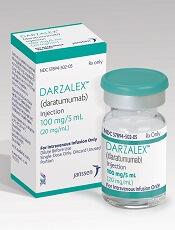
The US Food and Drug Administration (FDA) has approved daratumumab (Darzalex®) in combination with pomalidomide (POM) and dexamethasone (dex) for the treatment of multiple myeloma (MM) in patients who have received at least 2 prior therapies, including lenalidomide and a proteasome inhibitor (PI).
The FDA previously approved daratumumab in combination with lenalidomide and dexamethasone, or bortezomib and dexamethasone, for the treatment of patients with MM who had at least 1 prior therapy.
Daratumumab is also approved by the FDA as monotherapy in MM patients who had at least 3 prior lines of therapy, including a PI and an immunomodulatory (IMiD) agent, or who are double refractory to a PI and an IMiD.
The latest indication is based on the results of the phase 1b MMY1001 EQUULEUS study, which demonstrated that daratumumab produced an overall response (OR) rate of 59% in combination with pomalidomide and dexamethasone, and a very good partial response (VGPR) in 28% of patients.
EQUULEUS study
The daratumumab-POM-Dex arm of the phase 1 open-label EQUULEUS study included 103 MM patients who had received prior treatment with a PI and an immunomodulatory agent.
Patients were a median age of 64 years, and 8% were older than 75.
They had received a median of 4 prior lines of therapy, and 74% had received prior autologous stem cell transplant.
Most (89%) were refractory to lenalidomide and 71% were refractory to bortezomib. Almost two thirds (64%) were refractory to bortezomib and lenalidomide.
Patients were treated with 16 mg/kg of daratumumab in combination with POM and Dex, and 6% achieved a complete response (CR) and 8% achieved a stringent CR.
The median time to response was 1 month (range, 0.9 to 2.8), and the median duration of response was 13.6 months (range, 0.9+ to 14.6+ months).
The most frequent adverse events (AEs) reported in more than 20% of patients were infusion reactions, fatigue, and upper respiratory tract infections (50% each), cough (43%), diarrhea (38%), dyspnea (33%), nausea (30%), muscle spasms (26%), pyrexia (25%), and vomiting (21%).
The overall incidence of serious adverse reactions was 49%.
Grade 3/4 serious AEs reported in 5% of patients or more included pneumonia (7%).
The most common treatment-emergent hematologic laboratory abnormalities included lymphopenia (94%), neutropenia (95%), thrombocytopenia (75%), and anemia (57%).
And the most common grade 3/4 treatment-emergent hematology laboratory abnormalities were neutropenia (82%), lymphopenia (71%), anemia (30%), and thrombocytopenia (20%).
Daratumumab is being developed by Janssen Biotech, Inc., under an exclusive worldwide license to develop, manufacture, and commercialize daratumumab from Genmab.
See the package insert for full prescribing information.
The US Food and Drug Administration (FDA) has approved daratumumab (Darzalex®) in combination with pomalidomide (POM) and dexamethasone (dex) for the treatment of multiple myeloma (MM) in patients who have received at least 2 prior therapies, including lenalidomide and a proteasome inhibitor (PI).
The FDA previously approved daratumumab in combination with lenalidomide and dexamethasone, or bortezomib and dexamethasone, for the treatment of patients with MM who had at least 1 prior therapy.
Daratumumab is also approved by the FDA as monotherapy in MM patients who had at least 3 prior lines of therapy, including a PI and an immunomodulatory (IMiD) agent, or who are double refractory to a PI and an IMiD.
The latest indication is based on the results of the phase 1b MMY1001 EQUULEUS study, which demonstrated that daratumumab produced an overall response (OR) rate of 59% in combination with pomalidomide and dexamethasone, and a very good partial response (VGPR) in 28% of patients.
EQUULEUS study
The daratumumab-POM-Dex arm of the phase 1 open-label EQUULEUS study included 103 MM patients who had received prior treatment with a PI and an immunomodulatory agent.
Patients were a median age of 64 years, and 8% were older than 75.
They had received a median of 4 prior lines of therapy, and 74% had received prior autologous stem cell transplant.
Most (89%) were refractory to lenalidomide and 71% were refractory to bortezomib. Almost two thirds (64%) were refractory to bortezomib and lenalidomide.
Patients were treated with 16 mg/kg of daratumumab in combination with POM and Dex, and 6% achieved a complete response (CR) and 8% achieved a stringent CR.
The median time to response was 1 month (range, 0.9 to 2.8), and the median duration of response was 13.6 months (range, 0.9+ to 14.6+ months).
The most frequent adverse events (AEs) reported in more than 20% of patients were infusion reactions, fatigue, and upper respiratory tract infections (50% each), cough (43%), diarrhea (38%), dyspnea (33%), nausea (30%), muscle spasms (26%), pyrexia (25%), and vomiting (21%).
The overall incidence of serious adverse reactions was 49%.
Grade 3/4 serious AEs reported in 5% of patients or more included pneumonia (7%).
The most common treatment-emergent hematologic laboratory abnormalities included lymphopenia (94%), neutropenia (95%), thrombocytopenia (75%), and anemia (57%).
And the most common grade 3/4 treatment-emergent hematology laboratory abnormalities were neutropenia (82%), lymphopenia (71%), anemia (30%), and thrombocytopenia (20%).
Daratumumab is being developed by Janssen Biotech, Inc., under an exclusive worldwide license to develop, manufacture, and commercialize daratumumab from Genmab.
See the package insert for full prescribing information.
The US Food and Drug Administration (FDA) has approved daratumumab (Darzalex®) in combination with pomalidomide (POM) and dexamethasone (dex) for the treatment of multiple myeloma (MM) in patients who have received at least 2 prior therapies, including lenalidomide and a proteasome inhibitor (PI).
The FDA previously approved daratumumab in combination with lenalidomide and dexamethasone, or bortezomib and dexamethasone, for the treatment of patients with MM who had at least 1 prior therapy.
Daratumumab is also approved by the FDA as monotherapy in MM patients who had at least 3 prior lines of therapy, including a PI and an immunomodulatory (IMiD) agent, or who are double refractory to a PI and an IMiD.
The latest indication is based on the results of the phase 1b MMY1001 EQUULEUS study, which demonstrated that daratumumab produced an overall response (OR) rate of 59% in combination with pomalidomide and dexamethasone, and a very good partial response (VGPR) in 28% of patients.
EQUULEUS study
The daratumumab-POM-Dex arm of the phase 1 open-label EQUULEUS study included 103 MM patients who had received prior treatment with a PI and an immunomodulatory agent.
Patients were a median age of 64 years, and 8% were older than 75.
They had received a median of 4 prior lines of therapy, and 74% had received prior autologous stem cell transplant.
Most (89%) were refractory to lenalidomide and 71% were refractory to bortezomib. Almost two thirds (64%) were refractory to bortezomib and lenalidomide.
Patients were treated with 16 mg/kg of daratumumab in combination with POM and Dex, and 6% achieved a complete response (CR) and 8% achieved a stringent CR.
The median time to response was 1 month (range, 0.9 to 2.8), and the median duration of response was 13.6 months (range, 0.9+ to 14.6+ months).
The most frequent adverse events (AEs) reported in more than 20% of patients were infusion reactions, fatigue, and upper respiratory tract infections (50% each), cough (43%), diarrhea (38%), dyspnea (33%), nausea (30%), muscle spasms (26%), pyrexia (25%), and vomiting (21%).
The overall incidence of serious adverse reactions was 49%.
Grade 3/4 serious AEs reported in 5% of patients or more included pneumonia (7%).
The most common treatment-emergent hematologic laboratory abnormalities included lymphopenia (94%), neutropenia (95%), thrombocytopenia (75%), and anemia (57%).
And the most common grade 3/4 treatment-emergent hematology laboratory abnormalities were neutropenia (82%), lymphopenia (71%), anemia (30%), and thrombocytopenia (20%).
Daratumumab is being developed by Janssen Biotech, Inc., under an exclusive worldwide license to develop, manufacture, and commercialize daratumumab from Genmab.
See the package insert for full prescribing information.
Ferrous sulfate bests iron complex in treating IDA in infants, young kids
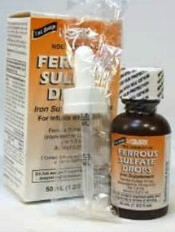
A trial comparing ferrous sulfate with iron polysaccharide complex to treat infants and young children with nutritional iron-deficiency anemia (IDA) has shown ferrous sulfate to be more effective at raising hemoglobin levels in this population, according to researchers.
Dozens of oral iron supplements exist for IDA treatment, ferrous sulfate being the most commonly used. Iron polysaccharide complex, however, may be better tolerated.
Investigators undertook the BESTIRON study (NCT01904864) to determine whether the iron complex was more efficacious than ferrous sulfate in increasing hemoglobin concentrations in infants and young children aged 9 to 48 months.
Up to 3% of children aged 1 to 2 years in the United States have IDA, as do millions worldwide. IDA is associated with impaired neurodevelopment in the young.
Inadequate dietary iron intake in this group is the most common cause of IDA. It most often results from excessive cow milk consumption and/or prolonged breastfeeding without appropriate iron supplementation.
For this study, investigators randomized 80 infants and young children with nutritional IDA to receive 3 mg/kg of ferrous sulfate (n=40) or iron complex (n=40) drops once daily for 12 weeks.
Patients had to have hemoglobin concentrations of 10 g/dL or less, mean corpuscular volumes of 70 fL or less, reticulocyte hemoglobin equivalents of 25 pg or less, and either serum ferritin level of 15 ng/mL or less or total iron-binding capacity of 425 μg/dL or greater.
And they could have no clinical or laboratory evidence of other causes of anemia.
All 80 patients were included in the primary analysis evaluating change in hemoglobin concentration during the 12 weeks after starting oral iron therapy.
Patient characteristics
Patient characteristics were similar between the groups. The mean age was 23 months and 55% were male.
Most patients (61%) were Hispanic white, 9% were non-Hispanic white, and 11% were black.
Ten patients in the ferrous sulfate group and 8 in the iron complex group had received a packed red blood cell transfusion prior to study enrollment.
Results
Fifty-nine patients completed all study visits, 28 in the ferrous sulfate group and 31 in the iron complex group.
Patients’ mean hemoglobin level in the ferrous sulfate group increased from 7.9 g/dL to 11.9 g/dL over the 12 weeks. In the iron complex group, the patients’ hemoglobin level increased from 7.7 g/dL to 11.1 g/dL.
Using a linear mixed model, the primary outcome demonstrated a significant difference in the change in hemoglobin concentration of 1.0 g/dL (95% CI, 0.4-1.6; P < .001) between the groups, favoring ferrous sulfate.
IDA completely resolved in 8 of 28 (29%) patients in the ferrous sulfate group and 2 of 31 (6%) in the iron complex group (P=0.04).
However, successful administration of the supplement—meaning he child did not spit out the medication—was higher in the iron complex group (94%) than the iron sulfate group (82%), P=0.009.
The median serum ferritin level increased from 3.0 ng/mL to 15.6 ng/mL in the ferrous sulfate arm, which was significantly better than in the iron complex arm, which increased from 2.0 ng/mL to 7.5 ng/mL, P<0.001.
And the mean total iron binding capacity significantly increased in the ferrous sulfate group compared with the iron oxide group (P<0.001).
Safety
The investigators reported that patients treated with iron complex had significantly more diahrrea, while patients treated with ferrous sulfate had more vomiting, although the latter was not statistically significant.
A gastrointestinal adverse effect profile created at the end of the study showed no significant differences between the groups.
The investigators noted a few limitations of the study.
First, it was conducted in a single tertiary-care children’s hospital, the Children’s Medical Center in Dallas, Texas.
Second, a disproportionate number of patients were from lower income and minority families and frequently had severe anemia, with approximately 23% requiring blood transfusion prior to study start.
And third, the trial had a high lost-to-follow-up rate of 25% at the final visit.
So the results may not be generalizable to the general pediatric population.
Nevertheless, the investigators concluded, “Once daily, low-dose ferrous sulfate should be considered for children with nutritional iron-deficiency anemia.”
The team reported their findings in JAMA.
The study was an investigator-initiated trial with sponsorship from Gensavis Pharmaceuticals LLC, the manufacturer of the iron polysaccharide complex used in the trial. The company provided funding for both trial drugs.
The study received additional grant support from the National Center for Advancing Translational Sciences and the National Heart, Lung, and Blood Institute.
A trial comparing ferrous sulfate with iron polysaccharide complex to treat infants and young children with nutritional iron-deficiency anemia (IDA) has shown ferrous sulfate to be more effective at raising hemoglobin levels in this population, according to researchers.
Dozens of oral iron supplements exist for IDA treatment, ferrous sulfate being the most commonly used. Iron polysaccharide complex, however, may be better tolerated.
Investigators undertook the BESTIRON study (NCT01904864) to determine whether the iron complex was more efficacious than ferrous sulfate in increasing hemoglobin concentrations in infants and young children aged 9 to 48 months.
Up to 3% of children aged 1 to 2 years in the United States have IDA, as do millions worldwide. IDA is associated with impaired neurodevelopment in the young.
Inadequate dietary iron intake in this group is the most common cause of IDA. It most often results from excessive cow milk consumption and/or prolonged breastfeeding without appropriate iron supplementation.
For this study, investigators randomized 80 infants and young children with nutritional IDA to receive 3 mg/kg of ferrous sulfate (n=40) or iron complex (n=40) drops once daily for 12 weeks.
Patients had to have hemoglobin concentrations of 10 g/dL or less, mean corpuscular volumes of 70 fL or less, reticulocyte hemoglobin equivalents of 25 pg or less, and either serum ferritin level of 15 ng/mL or less or total iron-binding capacity of 425 μg/dL or greater.
And they could have no clinical or laboratory evidence of other causes of anemia.
All 80 patients were included in the primary analysis evaluating change in hemoglobin concentration during the 12 weeks after starting oral iron therapy.
Patient characteristics
Patient characteristics were similar between the groups. The mean age was 23 months and 55% were male.
Most patients (61%) were Hispanic white, 9% were non-Hispanic white, and 11% were black.
Ten patients in the ferrous sulfate group and 8 in the iron complex group had received a packed red blood cell transfusion prior to study enrollment.
Results
Fifty-nine patients completed all study visits, 28 in the ferrous sulfate group and 31 in the iron complex group.
Patients’ mean hemoglobin level in the ferrous sulfate group increased from 7.9 g/dL to 11.9 g/dL over the 12 weeks. In the iron complex group, the patients’ hemoglobin level increased from 7.7 g/dL to 11.1 g/dL.
Using a linear mixed model, the primary outcome demonstrated a significant difference in the change in hemoglobin concentration of 1.0 g/dL (95% CI, 0.4-1.6; P < .001) between the groups, favoring ferrous sulfate.
IDA completely resolved in 8 of 28 (29%) patients in the ferrous sulfate group and 2 of 31 (6%) in the iron complex group (P=0.04).
However, successful administration of the supplement—meaning he child did not spit out the medication—was higher in the iron complex group (94%) than the iron sulfate group (82%), P=0.009.
The median serum ferritin level increased from 3.0 ng/mL to 15.6 ng/mL in the ferrous sulfate arm, which was significantly better than in the iron complex arm, which increased from 2.0 ng/mL to 7.5 ng/mL, P<0.001.
And the mean total iron binding capacity significantly increased in the ferrous sulfate group compared with the iron oxide group (P<0.001).
Safety
The investigators reported that patients treated with iron complex had significantly more diahrrea, while patients treated with ferrous sulfate had more vomiting, although the latter was not statistically significant.
A gastrointestinal adverse effect profile created at the end of the study showed no significant differences between the groups.
The investigators noted a few limitations of the study.
First, it was conducted in a single tertiary-care children’s hospital, the Children’s Medical Center in Dallas, Texas.
Second, a disproportionate number of patients were from lower income and minority families and frequently had severe anemia, with approximately 23% requiring blood transfusion prior to study start.
And third, the trial had a high lost-to-follow-up rate of 25% at the final visit.
So the results may not be generalizable to the general pediatric population.
Nevertheless, the investigators concluded, “Once daily, low-dose ferrous sulfate should be considered for children with nutritional iron-deficiency anemia.”
The team reported their findings in JAMA.
The study was an investigator-initiated trial with sponsorship from Gensavis Pharmaceuticals LLC, the manufacturer of the iron polysaccharide complex used in the trial. The company provided funding for both trial drugs.
The study received additional grant support from the National Center for Advancing Translational Sciences and the National Heart, Lung, and Blood Institute.
A trial comparing ferrous sulfate with iron polysaccharide complex to treat infants and young children with nutritional iron-deficiency anemia (IDA) has shown ferrous sulfate to be more effective at raising hemoglobin levels in this population, according to researchers.
Dozens of oral iron supplements exist for IDA treatment, ferrous sulfate being the most commonly used. Iron polysaccharide complex, however, may be better tolerated.
Investigators undertook the BESTIRON study (NCT01904864) to determine whether the iron complex was more efficacious than ferrous sulfate in increasing hemoglobin concentrations in infants and young children aged 9 to 48 months.
Up to 3% of children aged 1 to 2 years in the United States have IDA, as do millions worldwide. IDA is associated with impaired neurodevelopment in the young.
Inadequate dietary iron intake in this group is the most common cause of IDA. It most often results from excessive cow milk consumption and/or prolonged breastfeeding without appropriate iron supplementation.
For this study, investigators randomized 80 infants and young children with nutritional IDA to receive 3 mg/kg of ferrous sulfate (n=40) or iron complex (n=40) drops once daily for 12 weeks.
Patients had to have hemoglobin concentrations of 10 g/dL or less, mean corpuscular volumes of 70 fL or less, reticulocyte hemoglobin equivalents of 25 pg or less, and either serum ferritin level of 15 ng/mL or less or total iron-binding capacity of 425 μg/dL or greater.
And they could have no clinical or laboratory evidence of other causes of anemia.
All 80 patients were included in the primary analysis evaluating change in hemoglobin concentration during the 12 weeks after starting oral iron therapy.
Patient characteristics
Patient characteristics were similar between the groups. The mean age was 23 months and 55% were male.
Most patients (61%) were Hispanic white, 9% were non-Hispanic white, and 11% were black.
Ten patients in the ferrous sulfate group and 8 in the iron complex group had received a packed red blood cell transfusion prior to study enrollment.
Results
Fifty-nine patients completed all study visits, 28 in the ferrous sulfate group and 31 in the iron complex group.
Patients’ mean hemoglobin level in the ferrous sulfate group increased from 7.9 g/dL to 11.9 g/dL over the 12 weeks. In the iron complex group, the patients’ hemoglobin level increased from 7.7 g/dL to 11.1 g/dL.
Using a linear mixed model, the primary outcome demonstrated a significant difference in the change in hemoglobin concentration of 1.0 g/dL (95% CI, 0.4-1.6; P < .001) between the groups, favoring ferrous sulfate.
IDA completely resolved in 8 of 28 (29%) patients in the ferrous sulfate group and 2 of 31 (6%) in the iron complex group (P=0.04).
However, successful administration of the supplement—meaning he child did not spit out the medication—was higher in the iron complex group (94%) than the iron sulfate group (82%), P=0.009.
The median serum ferritin level increased from 3.0 ng/mL to 15.6 ng/mL in the ferrous sulfate arm, which was significantly better than in the iron complex arm, which increased from 2.0 ng/mL to 7.5 ng/mL, P<0.001.
And the mean total iron binding capacity significantly increased in the ferrous sulfate group compared with the iron oxide group (P<0.001).
Safety
The investigators reported that patients treated with iron complex had significantly more diahrrea, while patients treated with ferrous sulfate had more vomiting, although the latter was not statistically significant.
A gastrointestinal adverse effect profile created at the end of the study showed no significant differences between the groups.
The investigators noted a few limitations of the study.
First, it was conducted in a single tertiary-care children’s hospital, the Children’s Medical Center in Dallas, Texas.
Second, a disproportionate number of patients were from lower income and minority families and frequently had severe anemia, with approximately 23% requiring blood transfusion prior to study start.
And third, the trial had a high lost-to-follow-up rate of 25% at the final visit.
So the results may not be generalizable to the general pediatric population.
Nevertheless, the investigators concluded, “Once daily, low-dose ferrous sulfate should be considered for children with nutritional iron-deficiency anemia.”
The team reported their findings in JAMA.
The study was an investigator-initiated trial with sponsorship from Gensavis Pharmaceuticals LLC, the manufacturer of the iron polysaccharide complex used in the trial. The company provided funding for both trial drugs.
The study received additional grant support from the National Center for Advancing Translational Sciences and the National Heart, Lung, and Blood Institute.
Company pauses enrollment on 2 trials of pembrolizumab in MM
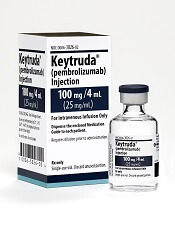
Merck announced that it is pausing enrollment onto 2 phase 3 trials of pembrolizumab (Keytruda®) in combination with other agents to treat multiple myeloma (MM).
An external Data Monitoring Committee recommended the trial be interrupted “to allow for additional information be collected to better understand more reports of death” in the pembrolizumab groups in the KEYNOTE-183 and KEYNOTE-185 trials.
Patients currently enrolled on the trials can continue to receive treatment. Other pembrolizumab trials are continuing without changes.
Merck in its statement did not disclose the number of deaths nor provide any other details on the deaths.
Pembrolizumab is a humanized monoclonal antibody that blocks interaction between the programmed cell death protein 1 (PD-1) and its receptor ligands, PD-L1 and PD-L2.
The US Food & Drug Administration approved pembrolizumab to treat unresectable or metastatic melanoma after ipilimumab treatment.
Pembrolizumab has also been approved to treat non-small cell lung cancer, head and neck squamous cell cancer, classical Hodgkin lymphoma, urothelial carcinoma, and microsatellite instability-high solid tumors.
KEYNOTE-183 (NCT02576977), which has an estimated enrollment of 300 patients, is comparing the combination of pembrolizumab, pomalidomide, and low-dose dexamethasone to pomalidomide and low-dose dexamethasone alone in patients with relapsed or refractory MM who have undergone at least 2 lines of prior therapy.
KEYNOTE-185 (NCT02579863), which has an estimated enrollment of 640 patients, is comparing the combination of pembrolizumab, lenalidomide, and low-dose dexamethasone to lenalidomide and low-dose desamethasone alone in patients with newly diagnosed and treatment-native MM who are ineligible for autologous stem cell transplant.
The comparator agents pomalidomide (Pomalyst®) and lenalidomide (Revlimid®) are products of Celgene Corporation. 
Merck announced that it is pausing enrollment onto 2 phase 3 trials of pembrolizumab (Keytruda®) in combination with other agents to treat multiple myeloma (MM).
An external Data Monitoring Committee recommended the trial be interrupted “to allow for additional information be collected to better understand more reports of death” in the pembrolizumab groups in the KEYNOTE-183 and KEYNOTE-185 trials.
Patients currently enrolled on the trials can continue to receive treatment. Other pembrolizumab trials are continuing without changes.
Merck in its statement did not disclose the number of deaths nor provide any other details on the deaths.
Pembrolizumab is a humanized monoclonal antibody that blocks interaction between the programmed cell death protein 1 (PD-1) and its receptor ligands, PD-L1 and PD-L2.
The US Food & Drug Administration approved pembrolizumab to treat unresectable or metastatic melanoma after ipilimumab treatment.
Pembrolizumab has also been approved to treat non-small cell lung cancer, head and neck squamous cell cancer, classical Hodgkin lymphoma, urothelial carcinoma, and microsatellite instability-high solid tumors.
KEYNOTE-183 (NCT02576977), which has an estimated enrollment of 300 patients, is comparing the combination of pembrolizumab, pomalidomide, and low-dose dexamethasone to pomalidomide and low-dose dexamethasone alone in patients with relapsed or refractory MM who have undergone at least 2 lines of prior therapy.
KEYNOTE-185 (NCT02579863), which has an estimated enrollment of 640 patients, is comparing the combination of pembrolizumab, lenalidomide, and low-dose dexamethasone to lenalidomide and low-dose desamethasone alone in patients with newly diagnosed and treatment-native MM who are ineligible for autologous stem cell transplant.
The comparator agents pomalidomide (Pomalyst®) and lenalidomide (Revlimid®) are products of Celgene Corporation.
Merck announced that it is pausing enrollment onto 2 phase 3 trials of pembrolizumab (Keytruda®) in combination with other agents to treat multiple myeloma (MM).
An external Data Monitoring Committee recommended the trial be interrupted “to allow for additional information be collected to better understand more reports of death” in the pembrolizumab groups in the KEYNOTE-183 and KEYNOTE-185 trials.
Patients currently enrolled on the trials can continue to receive treatment. Other pembrolizumab trials are continuing without changes.
Merck in its statement did not disclose the number of deaths nor provide any other details on the deaths.
Pembrolizumab is a humanized monoclonal antibody that blocks interaction between the programmed cell death protein 1 (PD-1) and its receptor ligands, PD-L1 and PD-L2.
The US Food & Drug Administration approved pembrolizumab to treat unresectable or metastatic melanoma after ipilimumab treatment.
Pembrolizumab has also been approved to treat non-small cell lung cancer, head and neck squamous cell cancer, classical Hodgkin lymphoma, urothelial carcinoma, and microsatellite instability-high solid tumors.
KEYNOTE-183 (NCT02576977), which has an estimated enrollment of 300 patients, is comparing the combination of pembrolizumab, pomalidomide, and low-dose dexamethasone to pomalidomide and low-dose dexamethasone alone in patients with relapsed or refractory MM who have undergone at least 2 lines of prior therapy.
KEYNOTE-185 (NCT02579863), which has an estimated enrollment of 640 patients, is comparing the combination of pembrolizumab, lenalidomide, and low-dose dexamethasone to lenalidomide and low-dose desamethasone alone in patients with newly diagnosed and treatment-native MM who are ineligible for autologous stem cell transplant.
The comparator agents pomalidomide (Pomalyst®) and lenalidomide (Revlimid®) are products of Celgene Corporation.
BM-MSCs may be an option for AA patients refractory to IST
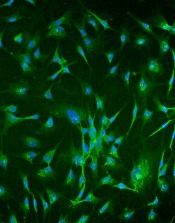
Researchers report that infusions of bone marrow-derived mesenchymal stromal cells (BM-MSCs) may be a treatment option for patients with aplastic anemia (AA) who are refractory to immunosuppressive therapy (IST).
They conducted a phase 2, non-comparative multicenter study to assess the safety and efficacy of this approach and found that after 12 months, 28.4% of patients responded, with 6.8% achieving a complete response (CR) and 21.6% a partial response (PR).
The trial involved 74 patients at 7 centers in China. The research team reported its findings in Stem Cells Translational Medicine.
About 30% to 40% of patients with severe AA (sAA) don’t respond well to IST and continue to have abnormally low levels of red blood cells, white blood cells, and platelets.
The benefit of treatment with BM-MSCs is they support hematopoiesis, express low levels of major histocompatibility (MHC)-I, and lack expression of MHC-II surface molecules.
And BM-MSCs have been reported to cure diseases, including graft-versus-host disease, arthritis, lupus, and other immune and non-immune disorders.
The current study, led by Yan Pang, MD, and Yang Xiao, MD, PhD, of Guangzhou General Hospital of Guangzhou Military Command in China, is based on their previous data evaluating intravenous administration of MSCs from a related donor in 18 patients with refractory AA.
This earlier data showed that 33% of patients with AA refractory to IST achieved a CR or PR to BM-MSC treatment.
So the team undertook to further investigate the use of BM-MSCs in AA.
Study design
Each of the 74 patients received 4 doses of BM-MSCs over a period of 4 weeks. If patients responded after the first month, they continued to receive 4 doses.
Investigators obtained the BM-MSCs from 74 healthy donors—48 males and 26 females. Forty were related donors, 27 haploidentical donors, and 7 unrelated donors.
Patients with AA by standard criteria had to be 16 years or older, had an incomplete response to antithymocyte globulin (ATG) and cyclosporine for at leas 6 months or cyclosporine alone for at least 12 months, did not have a donor available for bone marrow transplantation, and had at least one of the following: hemoglobin <70 g/L, neutrophilic granulocytes <1 × 10⁹/L, or platelet count <30 × 109/L.
Almost half the patients (47%) were between 20 and 40 years, 54% were male, and 32% had severe aplastic anemia.
Patients’ previous therapy for aplastic anemia included cyclosporine and andriol (65%) cyclosporine and ATG (19%), and cyclosporine (16%).
Patients could continue cyclosporine, but no immunosuppressive agents were permitted.
Fifty-three patients (71.6%) completed 1 course of therapy, and 21 patients (18.4%) completed 2 courses.
Response
At 1 year, the overall response rate was 28.4% (n=21) and the PR rate was 21.6% (n=16).
The median time to a leukocyte response was 19 days (range, 11 – 29), to an erythrocyte response 17 days (range, 12 – 25), and to a megakaryocyte response 31 days (range, 26 – 84).
Ten of the patients with hematologic response had normalization of cellularity for more than 1 year.
The median follow-up among survivors was 17 months (range, 3 – 24). The 2-year overall survival was 87.8%.
Three patients progressed to myelodysplasia, 1 with refractory anemia with excess blasts (RAEB)-I and 2 with RAEB-II.
The median time to progression was 11 months (range, 8 – 12).
Nine patients died, all of whom had severe AA. One patient with RAEB-II died of disease progression, two patients died of intracranial hemorrhage, and six patients died of serious infection.
Safety
Adverse events included grade 1 (n=5) and grade 2 (n=2) fever. Two of these patients also had grade 1 headache.
The investigators observed no other adverse events.
Response predictors
The investigators determined that 2 factors predicted response in patients: prior treatment with antithymocyte globulin (ATG) and absence of infection throughout the treatment.
The odds ratio for patients treated with ATG was 1.41 (95% CI: -0.50, 3.31) and for patients without infection, 2.19 (95% CI: 0.50, 3.87).
“Our study strongly indicates that MSC infusion is a promising therapy for severe AA," Dr Pang said, “but improved MSC cultures in vitro and the MSC doses need further study to maximize their therapeutic potential."
Researchers report that infusions of bone marrow-derived mesenchymal stromal cells (BM-MSCs) may be a treatment option for patients with aplastic anemia (AA) who are refractory to immunosuppressive therapy (IST).
They conducted a phase 2, non-comparative multicenter study to assess the safety and efficacy of this approach and found that after 12 months, 28.4% of patients responded, with 6.8% achieving a complete response (CR) and 21.6% a partial response (PR).
The trial involved 74 patients at 7 centers in China. The research team reported its findings in Stem Cells Translational Medicine.
About 30% to 40% of patients with severe AA (sAA) don’t respond well to IST and continue to have abnormally low levels of red blood cells, white blood cells, and platelets.
The benefit of treatment with BM-MSCs is they support hematopoiesis, express low levels of major histocompatibility (MHC)-I, and lack expression of MHC-II surface molecules.
And BM-MSCs have been reported to cure diseases, including graft-versus-host disease, arthritis, lupus, and other immune and non-immune disorders.
The current study, led by Yan Pang, MD, and Yang Xiao, MD, PhD, of Guangzhou General Hospital of Guangzhou Military Command in China, is based on their previous data evaluating intravenous administration of MSCs from a related donor in 18 patients with refractory AA.
This earlier data showed that 33% of patients with AA refractory to IST achieved a CR or PR to BM-MSC treatment.
So the team undertook to further investigate the use of BM-MSCs in AA.
Study design
Each of the 74 patients received 4 doses of BM-MSCs over a period of 4 weeks. If patients responded after the first month, they continued to receive 4 doses.
Investigators obtained the BM-MSCs from 74 healthy donors—48 males and 26 females. Forty were related donors, 27 haploidentical donors, and 7 unrelated donors.
Patients with AA by standard criteria had to be 16 years or older, had an incomplete response to antithymocyte globulin (ATG) and cyclosporine for at leas 6 months or cyclosporine alone for at least 12 months, did not have a donor available for bone marrow transplantation, and had at least one of the following: hemoglobin <70 g/L, neutrophilic granulocytes <1 × 10⁹/L, or platelet count <30 × 109/L.
Almost half the patients (47%) were between 20 and 40 years, 54% were male, and 32% had severe aplastic anemia.
Patients’ previous therapy for aplastic anemia included cyclosporine and andriol (65%) cyclosporine and ATG (19%), and cyclosporine (16%).
Patients could continue cyclosporine, but no immunosuppressive agents were permitted.
Fifty-three patients (71.6%) completed 1 course of therapy, and 21 patients (18.4%) completed 2 courses.
Response
At 1 year, the overall response rate was 28.4% (n=21) and the PR rate was 21.6% (n=16).
The median time to a leukocyte response was 19 days (range, 11 – 29), to an erythrocyte response 17 days (range, 12 – 25), and to a megakaryocyte response 31 days (range, 26 – 84).
Ten of the patients with hematologic response had normalization of cellularity for more than 1 year.
The median follow-up among survivors was 17 months (range, 3 – 24). The 2-year overall survival was 87.8%.
Three patients progressed to myelodysplasia, 1 with refractory anemia with excess blasts (RAEB)-I and 2 with RAEB-II.
The median time to progression was 11 months (range, 8 – 12).
Nine patients died, all of whom had severe AA. One patient with RAEB-II died of disease progression, two patients died of intracranial hemorrhage, and six patients died of serious infection.
Safety
Adverse events included grade 1 (n=5) and grade 2 (n=2) fever. Two of these patients also had grade 1 headache.
The investigators observed no other adverse events.
Response predictors
The investigators determined that 2 factors predicted response in patients: prior treatment with antithymocyte globulin (ATG) and absence of infection throughout the treatment.
The odds ratio for patients treated with ATG was 1.41 (95% CI: -0.50, 3.31) and for patients without infection, 2.19 (95% CI: 0.50, 3.87).
“Our study strongly indicates that MSC infusion is a promising therapy for severe AA," Dr Pang said, “but improved MSC cultures in vitro and the MSC doses need further study to maximize their therapeutic potential."
Researchers report that infusions of bone marrow-derived mesenchymal stromal cells (BM-MSCs) may be a treatment option for patients with aplastic anemia (AA) who are refractory to immunosuppressive therapy (IST).
They conducted a phase 2, non-comparative multicenter study to assess the safety and efficacy of this approach and found that after 12 months, 28.4% of patients responded, with 6.8% achieving a complete response (CR) and 21.6% a partial response (PR).
The trial involved 74 patients at 7 centers in China. The research team reported its findings in Stem Cells Translational Medicine.
About 30% to 40% of patients with severe AA (sAA) don’t respond well to IST and continue to have abnormally low levels of red blood cells, white blood cells, and platelets.
The benefit of treatment with BM-MSCs is they support hematopoiesis, express low levels of major histocompatibility (MHC)-I, and lack expression of MHC-II surface molecules.
And BM-MSCs have been reported to cure diseases, including graft-versus-host disease, arthritis, lupus, and other immune and non-immune disorders.
The current study, led by Yan Pang, MD, and Yang Xiao, MD, PhD, of Guangzhou General Hospital of Guangzhou Military Command in China, is based on their previous data evaluating intravenous administration of MSCs from a related donor in 18 patients with refractory AA.
This earlier data showed that 33% of patients with AA refractory to IST achieved a CR or PR to BM-MSC treatment.
So the team undertook to further investigate the use of BM-MSCs in AA.
Study design
Each of the 74 patients received 4 doses of BM-MSCs over a period of 4 weeks. If patients responded after the first month, they continued to receive 4 doses.
Investigators obtained the BM-MSCs from 74 healthy donors—48 males and 26 females. Forty were related donors, 27 haploidentical donors, and 7 unrelated donors.
Patients with AA by standard criteria had to be 16 years or older, had an incomplete response to antithymocyte globulin (ATG) and cyclosporine for at leas 6 months or cyclosporine alone for at least 12 months, did not have a donor available for bone marrow transplantation, and had at least one of the following: hemoglobin <70 g/L, neutrophilic granulocytes <1 × 10⁹/L, or platelet count <30 × 109/L.
Almost half the patients (47%) were between 20 and 40 years, 54% were male, and 32% had severe aplastic anemia.
Patients’ previous therapy for aplastic anemia included cyclosporine and andriol (65%) cyclosporine and ATG (19%), and cyclosporine (16%).
Patients could continue cyclosporine, but no immunosuppressive agents were permitted.
Fifty-three patients (71.6%) completed 1 course of therapy, and 21 patients (18.4%) completed 2 courses.
Response
At 1 year, the overall response rate was 28.4% (n=21) and the PR rate was 21.6% (n=16).
The median time to a leukocyte response was 19 days (range, 11 – 29), to an erythrocyte response 17 days (range, 12 – 25), and to a megakaryocyte response 31 days (range, 26 – 84).
Ten of the patients with hematologic response had normalization of cellularity for more than 1 year.
The median follow-up among survivors was 17 months (range, 3 – 24). The 2-year overall survival was 87.8%.
Three patients progressed to myelodysplasia, 1 with refractory anemia with excess blasts (RAEB)-I and 2 with RAEB-II.
The median time to progression was 11 months (range, 8 – 12).
Nine patients died, all of whom had severe AA. One patient with RAEB-II died of disease progression, two patients died of intracranial hemorrhage, and six patients died of serious infection.
Safety
Adverse events included grade 1 (n=5) and grade 2 (n=2) fever. Two of these patients also had grade 1 headache.
The investigators observed no other adverse events.
Response predictors
The investigators determined that 2 factors predicted response in patients: prior treatment with antithymocyte globulin (ATG) and absence of infection throughout the treatment.
The odds ratio for patients treated with ATG was 1.41 (95% CI: -0.50, 3.31) and for patients without infection, 2.19 (95% CI: 0.50, 3.87).
“Our study strongly indicates that MSC infusion is a promising therapy for severe AA," Dr Pang said, “but improved MSC cultures in vitro and the MSC doses need further study to maximize their therapeutic potential."
Majority of AML patients do not receive recommended molecular genetic testing

CHICAGO—While 67% of newly diagnosed patients with acute myeloid leukemia (AML) receive some genetic testing, only 9% receive all 7 of the genetic tests recommended by the National Comprehensive Cancer Network (NCCN), according to new research.
The data comes from the CONNECT MDS/AML Disease Registry, which collects treatment and outcome statistics from 86 sites across the United States, both academic medical centers and community settings. The findings reflect data gathered from 2013 to 2016.
Previously, data on genetic testing in AML patients came primarily from clinical trials, where adherence to guidelines is very high. The current analysis evaluated adherence to genetic testing guidelines in AML treated outside the clinic trial setting.
Daniel A. Pollyea, MD, of the University of Colorado Comprehensive Cancer Center in Aurora, presented the findings on behalf of the CONNECT MDS/AML Disease Registry Scientific Steering Committee (abstract 7022).
The CONNECT registry is a US prospective, observational cohort study of patients with newly diagnosed AML or myelodysplastic syndromes (MDS) aged 55 years or older. Enrollment is ongoing and study clinicians make all clinical decisions.
NCCN guidelines recommend testing AML patients for NPM1, FLT3-ITD, CEBPA, IDH1, IDH2, DNMT3A, and KIT mutations.
“We now know a tremendous amount about the genetic underpinnings of the disease,” Dr Pollyea said.
“We can test for these genetic changes in the clinic to see what’s making a patient’s disease tick. And often there are targeted therapies that can be matched with these genetic changes," he added. "But there’s a disconnect between what can be done, what should be done, and what is being done.”
The current analysis evaluated genetic testing in 259 AML patients, 173 (67%) of whom had some genetic testing.
The likelihood of patients getting tested varied by type of treatment center, age, karyotype, and insurance.
Patients treated at academic medical centers had higher rates of testing than those treated at community clinics (76% and 62%, respectively), P= 0.018
Patients younger than 65 years more often were tested than older patients (83% and 60%, respectively), P= 0.0003.
Patients with non-Medicare insurance were more often tested than those with Medicare (74% and 61%, respectively), P= .025.
And patients with normal karyotype were more often tested than those with abnormal karyotype (77% and 59%, respectively), P= 0.006.
Of the 173 patients who had some genetic testing, only 15 (9%) had all the molecular tests recommended by NCCN.
Of the 7 recommended tests, NPM1 (77%) and FLT3-ITD (76%) were most often reported and DNMT3A least often (16%).
Dr Pollyea attributed the lack of adherence to the guidelines in part to willingness of insurance companies to pay for testing.
He also suggested the guidelines themselves might need adjustment, given the low adherence rate.
Nevertheless, he affirmed the guidelines are well founded. “I think the guidelines are pretty solid and, in my opinion, I would say they don’t go far enough in recommending genetic testing.”
“We’re in our infancy with this testing, and even earlier than infancy in seeing how we’re doing on testing. But now with this registry we at least have the infrastructure available to ask these kinds of questions,” Dr Pollyea added.
CHICAGO—While 67% of newly diagnosed patients with acute myeloid leukemia (AML) receive some genetic testing, only 9% receive all 7 of the genetic tests recommended by the National Comprehensive Cancer Network (NCCN), according to new research.
The data comes from the CONNECT MDS/AML Disease Registry, which collects treatment and outcome statistics from 86 sites across the United States, both academic medical centers and community settings. The findings reflect data gathered from 2013 to 2016.
Previously, data on genetic testing in AML patients came primarily from clinical trials, where adherence to guidelines is very high. The current analysis evaluated adherence to genetic testing guidelines in AML treated outside the clinic trial setting.
Daniel A. Pollyea, MD, of the University of Colorado Comprehensive Cancer Center in Aurora, presented the findings on behalf of the CONNECT MDS/AML Disease Registry Scientific Steering Committee (abstract 7022).
The CONNECT registry is a US prospective, observational cohort study of patients with newly diagnosed AML or myelodysplastic syndromes (MDS) aged 55 years or older. Enrollment is ongoing and study clinicians make all clinical decisions.
NCCN guidelines recommend testing AML patients for NPM1, FLT3-ITD, CEBPA, IDH1, IDH2, DNMT3A, and KIT mutations.
“We now know a tremendous amount about the genetic underpinnings of the disease,” Dr Pollyea said.
“We can test for these genetic changes in the clinic to see what’s making a patient’s disease tick. And often there are targeted therapies that can be matched with these genetic changes," he added. "But there’s a disconnect between what can be done, what should be done, and what is being done.”
The current analysis evaluated genetic testing in 259 AML patients, 173 (67%) of whom had some genetic testing.
The likelihood of patients getting tested varied by type of treatment center, age, karyotype, and insurance.
Patients treated at academic medical centers had higher rates of testing than those treated at community clinics (76% and 62%, respectively), P= 0.018
Patients younger than 65 years more often were tested than older patients (83% and 60%, respectively), P= 0.0003.
Patients with non-Medicare insurance were more often tested than those with Medicare (74% and 61%, respectively), P= .025.
And patients with normal karyotype were more often tested than those with abnormal karyotype (77% and 59%, respectively), P= 0.006.
Of the 173 patients who had some genetic testing, only 15 (9%) had all the molecular tests recommended by NCCN.
Of the 7 recommended tests, NPM1 (77%) and FLT3-ITD (76%) were most often reported and DNMT3A least often (16%).
Dr Pollyea attributed the lack of adherence to the guidelines in part to willingness of insurance companies to pay for testing.
He also suggested the guidelines themselves might need adjustment, given the low adherence rate.
Nevertheless, he affirmed the guidelines are well founded. “I think the guidelines are pretty solid and, in my opinion, I would say they don’t go far enough in recommending genetic testing.”
“We’re in our infancy with this testing, and even earlier than infancy in seeing how we’re doing on testing. But now with this registry we at least have the infrastructure available to ask these kinds of questions,” Dr Pollyea added.
CHICAGO—While 67% of newly diagnosed patients with acute myeloid leukemia (AML) receive some genetic testing, only 9% receive all 7 of the genetic tests recommended by the National Comprehensive Cancer Network (NCCN), according to new research.
The data comes from the CONNECT MDS/AML Disease Registry, which collects treatment and outcome statistics from 86 sites across the United States, both academic medical centers and community settings. The findings reflect data gathered from 2013 to 2016.
Previously, data on genetic testing in AML patients came primarily from clinical trials, where adherence to guidelines is very high. The current analysis evaluated adherence to genetic testing guidelines in AML treated outside the clinic trial setting.
Daniel A. Pollyea, MD, of the University of Colorado Comprehensive Cancer Center in Aurora, presented the findings on behalf of the CONNECT MDS/AML Disease Registry Scientific Steering Committee (abstract 7022).
The CONNECT registry is a US prospective, observational cohort study of patients with newly diagnosed AML or myelodysplastic syndromes (MDS) aged 55 years or older. Enrollment is ongoing and study clinicians make all clinical decisions.
NCCN guidelines recommend testing AML patients for NPM1, FLT3-ITD, CEBPA, IDH1, IDH2, DNMT3A, and KIT mutations.
“We now know a tremendous amount about the genetic underpinnings of the disease,” Dr Pollyea said.
“We can test for these genetic changes in the clinic to see what’s making a patient’s disease tick. And often there are targeted therapies that can be matched with these genetic changes," he added. "But there’s a disconnect between what can be done, what should be done, and what is being done.”
The current analysis evaluated genetic testing in 259 AML patients, 173 (67%) of whom had some genetic testing.
The likelihood of patients getting tested varied by type of treatment center, age, karyotype, and insurance.
Patients treated at academic medical centers had higher rates of testing than those treated at community clinics (76% and 62%, respectively), P= 0.018
Patients younger than 65 years more often were tested than older patients (83% and 60%, respectively), P= 0.0003.
Patients with non-Medicare insurance were more often tested than those with Medicare (74% and 61%, respectively), P= .025.
And patients with normal karyotype were more often tested than those with abnormal karyotype (77% and 59%, respectively), P= 0.006.
Of the 173 patients who had some genetic testing, only 15 (9%) had all the molecular tests recommended by NCCN.
Of the 7 recommended tests, NPM1 (77%) and FLT3-ITD (76%) were most often reported and DNMT3A least often (16%).
Dr Pollyea attributed the lack of adherence to the guidelines in part to willingness of insurance companies to pay for testing.
He also suggested the guidelines themselves might need adjustment, given the low adherence rate.
Nevertheless, he affirmed the guidelines are well founded. “I think the guidelines are pretty solid and, in my opinion, I would say they don’t go far enough in recommending genetic testing.”
“We’re in our infancy with this testing, and even earlier than infancy in seeing how we’re doing on testing. But now with this registry we at least have the infrastructure available to ask these kinds of questions,” Dr Pollyea added.
Researchers design new, safer antiplatelet drug based on snake venom

Researchers say they have designed an antiplatelet drug based on snake venom protein that stimulates platelets to form blood clots by latching onto glycoprotein VI (GPVI), which is safer than some currently available antiplatelet drugs that target glycoproteins IIb/IIIa.
Earlier studies have shown that platelets missing GPVI do not form clots and do not lead to severe bleeding.
The researchers, therefore, designed a drug to interact with the protein glycoprotein VI.
They used trowaglerix, a protein in the venom of the Tropidolaemus wagleri snake, to block GPVI activity.
An earlier study by the team found that trowaglerix worked through GPVI antagonism.
Some currently available antiplatelet drugs are also based on protein found in snake venom but target GPIIa/IIIb instead, which leads to the side effect of bleeding.
“[W]hy that target leads to the bleeding side effect is not fully understood,” said lead co-author Tur-Fu Huang, PhD, of the National Taiwan University in Taipei.
Specifically, the team sequenced trowaglerix and found an alpha subunit that specifically targeted GPVI snaclec, which is snake venom C-type lectin protein.
They then used computational peptide design to create a series of Troα6/Troα10 peptides—a hexapeptide and decapeptide, respectively—which were derived from trowaglerix.
Mice administered this new drug, researchers report, had slower blood clot formation compared to untreated mice. In addition, the treated mice did not bleed longer than the untreated mice.
The team believes their research supports the concept that these hexa/decapeptides have therapeutic potential and can be a template for a new, safer class of antiplatelet drug with a limited bleeding side effect.
“In general, this type of molecule design does not last long in the body,” said co-author Jane Tseng, PhD, also of the National Taiwan University, “so techniques like formulation or delivery system are likely needed to extend the exposure time in the human body.”
She also indicated that the design needs to be optimized, “to ensure that the molecule only interacts with GPVI and not other proteins which can cause unintended reactions.”
The research team reported its findings in Arteriosclerosis, Thrombosis, and Vascular Biology, an American Heart Association journal.
The National Science Council of Taiwan supported the study.
Researchers say they have designed an antiplatelet drug based on snake venom protein that stimulates platelets to form blood clots by latching onto glycoprotein VI (GPVI), which is safer than some currently available antiplatelet drugs that target glycoproteins IIb/IIIa.
Earlier studies have shown that platelets missing GPVI do not form clots and do not lead to severe bleeding.
The researchers, therefore, designed a drug to interact with the protein glycoprotein VI.
They used trowaglerix, a protein in the venom of the Tropidolaemus wagleri snake, to block GPVI activity.
An earlier study by the team found that trowaglerix worked through GPVI antagonism.
Some currently available antiplatelet drugs are also based on protein found in snake venom but target GPIIa/IIIb instead, which leads to the side effect of bleeding.
“[W]hy that target leads to the bleeding side effect is not fully understood,” said lead co-author Tur-Fu Huang, PhD, of the National Taiwan University in Taipei.
Specifically, the team sequenced trowaglerix and found an alpha subunit that specifically targeted GPVI snaclec, which is snake venom C-type lectin protein.
They then used computational peptide design to create a series of Troα6/Troα10 peptides—a hexapeptide and decapeptide, respectively—which were derived from trowaglerix.
Mice administered this new drug, researchers report, had slower blood clot formation compared to untreated mice. In addition, the treated mice did not bleed longer than the untreated mice.
The team believes their research supports the concept that these hexa/decapeptides have therapeutic potential and can be a template for a new, safer class of antiplatelet drug with a limited bleeding side effect.
“In general, this type of molecule design does not last long in the body,” said co-author Jane Tseng, PhD, also of the National Taiwan University, “so techniques like formulation or delivery system are likely needed to extend the exposure time in the human body.”
She also indicated that the design needs to be optimized, “to ensure that the molecule only interacts with GPVI and not other proteins which can cause unintended reactions.”
The research team reported its findings in Arteriosclerosis, Thrombosis, and Vascular Biology, an American Heart Association journal.
The National Science Council of Taiwan supported the study.
Researchers say they have designed an antiplatelet drug based on snake venom protein that stimulates platelets to form blood clots by latching onto glycoprotein VI (GPVI), which is safer than some currently available antiplatelet drugs that target glycoproteins IIb/IIIa.
Earlier studies have shown that platelets missing GPVI do not form clots and do not lead to severe bleeding.
The researchers, therefore, designed a drug to interact with the protein glycoprotein VI.
They used trowaglerix, a protein in the venom of the Tropidolaemus wagleri snake, to block GPVI activity.
An earlier study by the team found that trowaglerix worked through GPVI antagonism.
Some currently available antiplatelet drugs are also based on protein found in snake venom but target GPIIa/IIIb instead, which leads to the side effect of bleeding.
“[W]hy that target leads to the bleeding side effect is not fully understood,” said lead co-author Tur-Fu Huang, PhD, of the National Taiwan University in Taipei.
Specifically, the team sequenced trowaglerix and found an alpha subunit that specifically targeted GPVI snaclec, which is snake venom C-type lectin protein.
They then used computational peptide design to create a series of Troα6/Troα10 peptides—a hexapeptide and decapeptide, respectively—which were derived from trowaglerix.
Mice administered this new drug, researchers report, had slower blood clot formation compared to untreated mice. In addition, the treated mice did not bleed longer than the untreated mice.
The team believes their research supports the concept that these hexa/decapeptides have therapeutic potential and can be a template for a new, safer class of antiplatelet drug with a limited bleeding side effect.
“In general, this type of molecule design does not last long in the body,” said co-author Jane Tseng, PhD, also of the National Taiwan University, “so techniques like formulation or delivery system are likely needed to extend the exposure time in the human body.”
She also indicated that the design needs to be optimized, “to ensure that the molecule only interacts with GPVI and not other proteins which can cause unintended reactions.”
The research team reported its findings in Arteriosclerosis, Thrombosis, and Vascular Biology, an American Heart Association journal.
The National Science Council of Taiwan supported the study.
EU label for nilotinib now includes info on stopping therapy
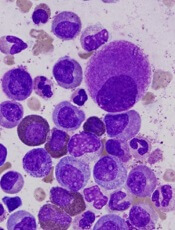
The European Commission has approved the inclusion of treatment-free remission (TFR) data in the European Union (EU) product information for nilotinib (Tasigna®).
TFR is the ability to maintain molecular response after stopping tyrosine kinase inhibitor (TKI) therapy in patients with Ph+ chronic myeloid leukemia in chronic phase (CML-CP).
Nilotinib is approved for the treatment of CML-CP in adults resistant or intolerant to at least one prior therapy, including imatinib, and for the treatment of adults with newly diagnosed Ph+ CML.
Nilotinib is the first and only TKI to include TFR data in its product information in the EU, according to Novartis, developer of the drug.
Two large international Ph+ CML trials assessing nilotinib discontinuation—ENESTfreedom and ENESTop—formed the basis of the decision.
The two open-label trials showed that half of Ph+ CML-CP patients who met rigorous predefined response criteria maintained TFR after stopping nilotinib, both in the frontline setting and after switching from imatinib.
Both trials included regular and frequent molecular monitoring of BCR-ABL levels with an assay that could measure transcript levels down to a molecular response (MR) of 4.5. Frequent monitoring after discontinuation helped determine loss of MR 4.0 and major molecular response, indicating the need to re-initiate treatment.
This phase 2 trial (Evaluating Nilotinib Efficacy and Safety in Clinical Trials - Following REsponsE in De nOvo CML-CP Patients) involved 215 patients with Ph+ CML-CP treated at 132 sites across 19 countries.
The trial evaluated whether treatment could be stopped in 190 of the patients after they had achieved a response of MR 4.5 and a sustained deep molecular response for 1 year as first-line treatment.
The results showed that 51.6% of the patients in the trial could discontinue therapy and remain in TFR at the 48-week analysis.
However, ENESTfreedom did not meet its primary endpoint of 50% or more of patients in MMR at 48 weeks in the TFR phase. The median treatment duration was 3.6 years.
Adverse events in the trial included musculoskeletal pain (24.7%) during the first years of the TFR phase compared with 16.3% in those still on nilotinib.
No patient progressed to advanced phase/blast crisis.
This phase 2 trial (Evaluating Nilotinib Efficacy and Safety Trial) involved 163 patients with Ph+ CML-CP treated at 63 sites across 18 countries. Investigators evaluated 126 patients who had been treated with imatinib and then switched to nilotinib and had achieved a sustained deep molecular response for 1 year while on nilotinib.
The trial demonstrated that 57.9% of patients maintained a molecular resonse at 48 weeks after stopping treatment. The trial met its primary endpoint—the proportion of patients who did not lose MR 4.0 or MMR within 48 weeks of discontinuing nilotinib in the TFR phase.
Again, the rates of musuloskeletal pain were higher in the first year of TFR than in patients still on nilotinib in the consolidation phase, 42.1% and 14.3%, respectively.
Results of the EURO-SKI trial also support the idea that certain CML patients can safely stop TKI therapy.
For full prescribing information, see the product insert.
The European Commission has approved the inclusion of treatment-free remission (TFR) data in the European Union (EU) product information for nilotinib (Tasigna®).
TFR is the ability to maintain molecular response after stopping tyrosine kinase inhibitor (TKI) therapy in patients with Ph+ chronic myeloid leukemia in chronic phase (CML-CP).
Nilotinib is approved for the treatment of CML-CP in adults resistant or intolerant to at least one prior therapy, including imatinib, and for the treatment of adults with newly diagnosed Ph+ CML.
Nilotinib is the first and only TKI to include TFR data in its product information in the EU, according to Novartis, developer of the drug.
Two large international Ph+ CML trials assessing nilotinib discontinuation—ENESTfreedom and ENESTop—formed the basis of the decision.
The two open-label trials showed that half of Ph+ CML-CP patients who met rigorous predefined response criteria maintained TFR after stopping nilotinib, both in the frontline setting and after switching from imatinib.
Both trials included regular and frequent molecular monitoring of BCR-ABL levels with an assay that could measure transcript levels down to a molecular response (MR) of 4.5. Frequent monitoring after discontinuation helped determine loss of MR 4.0 and major molecular response, indicating the need to re-initiate treatment.
This phase 2 trial (Evaluating Nilotinib Efficacy and Safety in Clinical Trials - Following REsponsE in De nOvo CML-CP Patients) involved 215 patients with Ph+ CML-CP treated at 132 sites across 19 countries.
The trial evaluated whether treatment could be stopped in 190 of the patients after they had achieved a response of MR 4.5 and a sustained deep molecular response for 1 year as first-line treatment.
The results showed that 51.6% of the patients in the trial could discontinue therapy and remain in TFR at the 48-week analysis.
However, ENESTfreedom did not meet its primary endpoint of 50% or more of patients in MMR at 48 weeks in the TFR phase. The median treatment duration was 3.6 years.
Adverse events in the trial included musculoskeletal pain (24.7%) during the first years of the TFR phase compared with 16.3% in those still on nilotinib.
No patient progressed to advanced phase/blast crisis.
This phase 2 trial (Evaluating Nilotinib Efficacy and Safety Trial) involved 163 patients with Ph+ CML-CP treated at 63 sites across 18 countries. Investigators evaluated 126 patients who had been treated with imatinib and then switched to nilotinib and had achieved a sustained deep molecular response for 1 year while on nilotinib.
The trial demonstrated that 57.9% of patients maintained a molecular resonse at 48 weeks after stopping treatment. The trial met its primary endpoint—the proportion of patients who did not lose MR 4.0 or MMR within 48 weeks of discontinuing nilotinib in the TFR phase.
Again, the rates of musuloskeletal pain were higher in the first year of TFR than in patients still on nilotinib in the consolidation phase, 42.1% and 14.3%, respectively.
Results of the EURO-SKI trial also support the idea that certain CML patients can safely stop TKI therapy.
For full prescribing information, see the product insert.
The European Commission has approved the inclusion of treatment-free remission (TFR) data in the European Union (EU) product information for nilotinib (Tasigna®).
TFR is the ability to maintain molecular response after stopping tyrosine kinase inhibitor (TKI) therapy in patients with Ph+ chronic myeloid leukemia in chronic phase (CML-CP).
Nilotinib is approved for the treatment of CML-CP in adults resistant or intolerant to at least one prior therapy, including imatinib, and for the treatment of adults with newly diagnosed Ph+ CML.
Nilotinib is the first and only TKI to include TFR data in its product information in the EU, according to Novartis, developer of the drug.
Two large international Ph+ CML trials assessing nilotinib discontinuation—ENESTfreedom and ENESTop—formed the basis of the decision.
The two open-label trials showed that half of Ph+ CML-CP patients who met rigorous predefined response criteria maintained TFR after stopping nilotinib, both in the frontline setting and after switching from imatinib.
Both trials included regular and frequent molecular monitoring of BCR-ABL levels with an assay that could measure transcript levels down to a molecular response (MR) of 4.5. Frequent monitoring after discontinuation helped determine loss of MR 4.0 and major molecular response, indicating the need to re-initiate treatment.
This phase 2 trial (Evaluating Nilotinib Efficacy and Safety in Clinical Trials - Following REsponsE in De nOvo CML-CP Patients) involved 215 patients with Ph+ CML-CP treated at 132 sites across 19 countries.
The trial evaluated whether treatment could be stopped in 190 of the patients after they had achieved a response of MR 4.5 and a sustained deep molecular response for 1 year as first-line treatment.
The results showed that 51.6% of the patients in the trial could discontinue therapy and remain in TFR at the 48-week analysis.
However, ENESTfreedom did not meet its primary endpoint of 50% or more of patients in MMR at 48 weeks in the TFR phase. The median treatment duration was 3.6 years.
Adverse events in the trial included musculoskeletal pain (24.7%) during the first years of the TFR phase compared with 16.3% in those still on nilotinib.
No patient progressed to advanced phase/blast crisis.
This phase 2 trial (Evaluating Nilotinib Efficacy and Safety Trial) involved 163 patients with Ph+ CML-CP treated at 63 sites across 18 countries. Investigators evaluated 126 patients who had been treated with imatinib and then switched to nilotinib and had achieved a sustained deep molecular response for 1 year while on nilotinib.
The trial demonstrated that 57.9% of patients maintained a molecular resonse at 48 weeks after stopping treatment. The trial met its primary endpoint—the proportion of patients who did not lose MR 4.0 or MMR within 48 weeks of discontinuing nilotinib in the TFR phase.
Again, the rates of musuloskeletal pain were higher in the first year of TFR than in patients still on nilotinib in the consolidation phase, 42.1% and 14.3%, respectively.
Results of the EURO-SKI trial also support the idea that certain CML patients can safely stop TKI therapy.
For full prescribing information, see the product insert.
Team finds inappropriate dosing of blood thinners
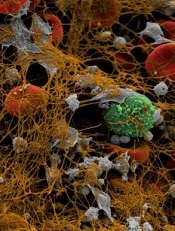
Patients with atrial fibrillation (AF) and renal impairment require dose reductions of non-vitamin K antagonist oral anticoagulants (NOACs).
But researchers found that 43% of these patients were potentially overdosed, and as many as 1 in 6 (13%) without renal impairment are potentially under dosed.
Failing to reduce the dose for patients with kidney disease increases their risk of bleeding, while under dosing patients without kidney disease puts them at greater risk of stroke. These inappropriate prescribing patterns may impact patient safety without providing benefit in effectiveness.
Using a large US database of de-identified, linked clinical and administrative claims information, the research team found 14,865 patients with AF who were prescribed apixaban, dabigatran, or rivaroxaban between October 1, 2020, and September 30, 2015. Of these, 1,473 had renal impairment.
All three drugs have a standard dose for most patients and a lower dose for patients with kidney issues. And their analysis revealed that 16% percent of all patients received a dose inconsistent with US Food and Drug Administration labeling.
The research team published its findings in the Journal of the American College of Cardiology.
“We conducted this study to highlight the prevalence of inappropriate dosing in routine clinical practice and the associated adverse outcomes,” said Peter Noseworthy, MD, of the Mayo Clinic in Rochester, Minnesota, and senior author of the paper.
“This study underscores the importance for physicians to be vigilant of kidney function when selecting or adjusting dose.”
Dr Noseworthy explained that overdosing is a fairly straightforward problem that can be avoided by regularly monitoring kidney function.
In the kidney-impaired patients who were potentially overdosed, the hazard ratio for the risk of major bleeding was 2.19 (95% confidence interval: 1.07 to 4.46). There was no statistically significant difference in stroke with the 3 NOACs pooled.
However, under dosing is more complex because a balance needs to be established between stroke reduction and bleeding risk, Dr Noseworthy pointed out.
Among the 13,392 patients without renal impairment and no indication for dose reduction, the hazard ratio for a higher risk of stroke was 4.87 (95% confidence interval: 1.30 to 18.26). There was no statistically significant difference in major bleeding in apixaban-treated patients nor statistically significant relationships in dabigatran- or rivaroxaban-treated patients without renal impairment.
“I think physicians often choose to reduce the dose,” Dr Noseworthy explained, “when they anticipate their patients are at a particularly high bleeding risk—independent of kidney function.”
“Dosing errors of these blood-thinning medications in patients with atrial fibrillation are common and have concerning adverse outcomes,” said Xiaoxi Yao, PhD, also of the Mayo Clinic in Rochester, Minnesota, and lead author of the paper.
Dr Yao noted that the number of patients using these drugs has increased since their introduction in 2010. Before that, the standard blood-thinning drug was warfarin, which requires constant monitoring and doctor visits.
Patients with atrial fibrillation (AF) and renal impairment require dose reductions of non-vitamin K antagonist oral anticoagulants (NOACs).
But researchers found that 43% of these patients were potentially overdosed, and as many as 1 in 6 (13%) without renal impairment are potentially under dosed.
Failing to reduce the dose for patients with kidney disease increases their risk of bleeding, while under dosing patients without kidney disease puts them at greater risk of stroke. These inappropriate prescribing patterns may impact patient safety without providing benefit in effectiveness.
Using a large US database of de-identified, linked clinical and administrative claims information, the research team found 14,865 patients with AF who were prescribed apixaban, dabigatran, or rivaroxaban between October 1, 2020, and September 30, 2015. Of these, 1,473 had renal impairment.
All three drugs have a standard dose for most patients and a lower dose for patients with kidney issues. And their analysis revealed that 16% percent of all patients received a dose inconsistent with US Food and Drug Administration labeling.
The research team published its findings in the Journal of the American College of Cardiology.
“We conducted this study to highlight the prevalence of inappropriate dosing in routine clinical practice and the associated adverse outcomes,” said Peter Noseworthy, MD, of the Mayo Clinic in Rochester, Minnesota, and senior author of the paper.
“This study underscores the importance for physicians to be vigilant of kidney function when selecting or adjusting dose.”
Dr Noseworthy explained that overdosing is a fairly straightforward problem that can be avoided by regularly monitoring kidney function.
In the kidney-impaired patients who were potentially overdosed, the hazard ratio for the risk of major bleeding was 2.19 (95% confidence interval: 1.07 to 4.46). There was no statistically significant difference in stroke with the 3 NOACs pooled.
However, under dosing is more complex because a balance needs to be established between stroke reduction and bleeding risk, Dr Noseworthy pointed out.
Among the 13,392 patients without renal impairment and no indication for dose reduction, the hazard ratio for a higher risk of stroke was 4.87 (95% confidence interval: 1.30 to 18.26). There was no statistically significant difference in major bleeding in apixaban-treated patients nor statistically significant relationships in dabigatran- or rivaroxaban-treated patients without renal impairment.
“I think physicians often choose to reduce the dose,” Dr Noseworthy explained, “when they anticipate their patients are at a particularly high bleeding risk—independent of kidney function.”
“Dosing errors of these blood-thinning medications in patients with atrial fibrillation are common and have concerning adverse outcomes,” said Xiaoxi Yao, PhD, also of the Mayo Clinic in Rochester, Minnesota, and lead author of the paper.
Dr Yao noted that the number of patients using these drugs has increased since their introduction in 2010. Before that, the standard blood-thinning drug was warfarin, which requires constant monitoring and doctor visits.
Patients with atrial fibrillation (AF) and renal impairment require dose reductions of non-vitamin K antagonist oral anticoagulants (NOACs).
But researchers found that 43% of these patients were potentially overdosed, and as many as 1 in 6 (13%) without renal impairment are potentially under dosed.
Failing to reduce the dose for patients with kidney disease increases their risk of bleeding, while under dosing patients without kidney disease puts them at greater risk of stroke. These inappropriate prescribing patterns may impact patient safety without providing benefit in effectiveness.
Using a large US database of de-identified, linked clinical and administrative claims information, the research team found 14,865 patients with AF who were prescribed apixaban, dabigatran, or rivaroxaban between October 1, 2020, and September 30, 2015. Of these, 1,473 had renal impairment.
All three drugs have a standard dose for most patients and a lower dose for patients with kidney issues. And their analysis revealed that 16% percent of all patients received a dose inconsistent with US Food and Drug Administration labeling.
The research team published its findings in the Journal of the American College of Cardiology.
“We conducted this study to highlight the prevalence of inappropriate dosing in routine clinical practice and the associated adverse outcomes,” said Peter Noseworthy, MD, of the Mayo Clinic in Rochester, Minnesota, and senior author of the paper.
“This study underscores the importance for physicians to be vigilant of kidney function when selecting or adjusting dose.”
Dr Noseworthy explained that overdosing is a fairly straightforward problem that can be avoided by regularly monitoring kidney function.
In the kidney-impaired patients who were potentially overdosed, the hazard ratio for the risk of major bleeding was 2.19 (95% confidence interval: 1.07 to 4.46). There was no statistically significant difference in stroke with the 3 NOACs pooled.
However, under dosing is more complex because a balance needs to be established between stroke reduction and bleeding risk, Dr Noseworthy pointed out.
Among the 13,392 patients without renal impairment and no indication for dose reduction, the hazard ratio for a higher risk of stroke was 4.87 (95% confidence interval: 1.30 to 18.26). There was no statistically significant difference in major bleeding in apixaban-treated patients nor statistically significant relationships in dabigatran- or rivaroxaban-treated patients without renal impairment.
“I think physicians often choose to reduce the dose,” Dr Noseworthy explained, “when they anticipate their patients are at a particularly high bleeding risk—independent of kidney function.”
“Dosing errors of these blood-thinning medications in patients with atrial fibrillation are common and have concerning adverse outcomes,” said Xiaoxi Yao, PhD, also of the Mayo Clinic in Rochester, Minnesota, and lead author of the paper.
Dr Yao noted that the number of patients using these drugs has increased since their introduction in 2010. Before that, the standard blood-thinning drug was warfarin, which requires constant monitoring and doctor visits.
Recombinant coagulation factor IX approved for hemophilia B

Nonacog beta pegol (N9-GP, Rebinyn®), a recombinant, GlycoPEGylated coagulation factor IX, has been approved by the US Food and Drug Administration (FDA) for on-demand treatment and control of bleeding episodes in adults and children with hemophilia B.
It is also indicated for the perioperative management of bleeding in these individuals. However, it is not indicated for routine prophylaxis or for immune tolerance induction.
NovoNordisk, the manufacturer of the drug, expects the launch of the coagulation factor in the United States to take place in the first half of 2018.
N9-GP earlier this year had been recommended for marketing authorization by the European Medicines Agency’s Committee for Medicinal Products for Human Use (CHMP) as Refixia.® On June 6 it was actually granted marketing authorization, which covers all 28 European Union member states.
The FDA based its approval on the efficacy and safety evaluation of 115 previously treated patients across the four paradigmTM clinical trials. Results from the paradigm 4 trial were published in Thrombosis Research in May 2016.
Of 597 new bleeding episodes in 79 of 105 patients, 551 (93%) were resolved successfully with good or excellent ratings by the patients or study site investigator. Forty (7%) were rated as moderate or poor.
Most (87%) were resolved with 1 injection, 60 (10%) with 2 injections, and 16 (3%) with more than 2 injections.
The median dose to treat a bleeding episode was 42.3 IU/kg.
On-demand treatment had a success rate of 95%, with 120 (84%) of the 143 bleeds treated with one injection.
For perioperative management, N9-GP was rated as excellent or good for 13 surgeries, for a success rate of 100%.
Patients received a preoperative dose of 80 IU/kg. No patient required additional doses on the day of surgery.
During the postoperative period, patients required additional 40 IU/kg doses. The mean total consumption of factor in the pre- and postoperative period was 241 IU/kg (range, 8 – 460 IU/kg.
No unexpected postoperative bleeding occurred.
For full prescribing information, see the package insert.
Nonacog beta pegol (N9-GP, Rebinyn®), a recombinant, GlycoPEGylated coagulation factor IX, has been approved by the US Food and Drug Administration (FDA) for on-demand treatment and control of bleeding episodes in adults and children with hemophilia B.
It is also indicated for the perioperative management of bleeding in these individuals. However, it is not indicated for routine prophylaxis or for immune tolerance induction.
NovoNordisk, the manufacturer of the drug, expects the launch of the coagulation factor in the United States to take place in the first half of 2018.
N9-GP earlier this year had been recommended for marketing authorization by the European Medicines Agency’s Committee for Medicinal Products for Human Use (CHMP) as Refixia.® On June 6 it was actually granted marketing authorization, which covers all 28 European Union member states.
The FDA based its approval on the efficacy and safety evaluation of 115 previously treated patients across the four paradigmTM clinical trials. Results from the paradigm 4 trial were published in Thrombosis Research in May 2016.
Of 597 new bleeding episodes in 79 of 105 patients, 551 (93%) were resolved successfully with good or excellent ratings by the patients or study site investigator. Forty (7%) were rated as moderate or poor.
Most (87%) were resolved with 1 injection, 60 (10%) with 2 injections, and 16 (3%) with more than 2 injections.
The median dose to treat a bleeding episode was 42.3 IU/kg.
On-demand treatment had a success rate of 95%, with 120 (84%) of the 143 bleeds treated with one injection.
For perioperative management, N9-GP was rated as excellent or good for 13 surgeries, for a success rate of 100%.
Patients received a preoperative dose of 80 IU/kg. No patient required additional doses on the day of surgery.
During the postoperative period, patients required additional 40 IU/kg doses. The mean total consumption of factor in the pre- and postoperative period was 241 IU/kg (range, 8 – 460 IU/kg.
No unexpected postoperative bleeding occurred.
For full prescribing information, see the package insert.
Nonacog beta pegol (N9-GP, Rebinyn®), a recombinant, GlycoPEGylated coagulation factor IX, has been approved by the US Food and Drug Administration (FDA) for on-demand treatment and control of bleeding episodes in adults and children with hemophilia B.
It is also indicated for the perioperative management of bleeding in these individuals. However, it is not indicated for routine prophylaxis or for immune tolerance induction.
NovoNordisk, the manufacturer of the drug, expects the launch of the coagulation factor in the United States to take place in the first half of 2018.
N9-GP earlier this year had been recommended for marketing authorization by the European Medicines Agency’s Committee for Medicinal Products for Human Use (CHMP) as Refixia.® On June 6 it was actually granted marketing authorization, which covers all 28 European Union member states.
The FDA based its approval on the efficacy and safety evaluation of 115 previously treated patients across the four paradigmTM clinical trials. Results from the paradigm 4 trial were published in Thrombosis Research in May 2016.
Of 597 new bleeding episodes in 79 of 105 patients, 551 (93%) were resolved successfully with good or excellent ratings by the patients or study site investigator. Forty (7%) were rated as moderate or poor.
Most (87%) were resolved with 1 injection, 60 (10%) with 2 injections, and 16 (3%) with more than 2 injections.
The median dose to treat a bleeding episode was 42.3 IU/kg.
On-demand treatment had a success rate of 95%, with 120 (84%) of the 143 bleeds treated with one injection.
For perioperative management, N9-GP was rated as excellent or good for 13 surgeries, for a success rate of 100%.
Patients received a preoperative dose of 80 IU/kg. No patient required additional doses on the day of surgery.
During the postoperative period, patients required additional 40 IU/kg doses. The mean total consumption of factor in the pre- and postoperative period was 241 IU/kg (range, 8 – 460 IU/kg.
No unexpected postoperative bleeding occurred.
For full prescribing information, see the package insert.