User login
Ketamine Cuts Pain, Not Depression, 6 Weeks Post C-Section
Major Finding: Patients in the ketamine group reported significantly less pain at 6 weeks post partum, with scores of 1.3 vs. 2.3, but there were no significant differences at 6 weeks in depression or at 1 year in pain or depression.
Data Source: One-year follow-up of 82 parturients from an initial randomized, controlled trial of 188.
Disclosures: None was reported.
SAN ANTONIO – A single postpartum low dose of ketamine significantly and persistently reduced pain for up to 6 weeks after cesarean delivery compared with placebo, but there were no significant differences in chronic pain or depression between the two groups at 1 year, in a randomized, double-blind study of 82 women.
Low doses of the N-methyl-
A total of 188 women were randomized to receive either 10 mg IV ketamine or saline by a blinded anesthesiologist 5 minutes after cesarean delivery. All received scheduled IV ketorolac 30 mg every 6 hours for 24 hours, along with 1 or 2 tablets of acetaminophen 325 mg/hydrocodone 10 mg every 4 hours as needed for breakthrough pain.
Among those 188 women, the group who received ketamine reported significantly lower numeric pain rating scores (on a scale of 1-10) than did those receiving saline. However, there were no differences at any other time point, Dr. Chalifoux reported at the meeting.
The 82 patients who were available for an interview 1 year later were asked to report pain scores (1-10) and whether they had a self-diagnosis of depression at both 6 weeks and 1 year post partum. Patients in the ketamine group reported significantly less pain at 6 weeks post partum, with scores of 1.3 vs. 2.3. Depression did not differ at 6 weeks, with just one woman (2%) from each group reporting that she was depressed at that point.
At 1 year, pain scores were nearly 0 in both groups and did not differ significantly (0.1 with ketamine vs. 0.0 with saline). Depression also did not differ significantly, although there were two women (5%) who reported being depressed at 1 year in the saline group compared with none in the ketamine group.
It's possible that a higher dose than 10 mg might have had a greater impact, given that the previous studies showing analgesic and antidepressive effects used doses ranging from 0.15 to 1.0 mg/kg. However, the potential side effects of ketamine – including dysphoria, memory loss, hallucinations, seizures, nystagmus, hypertension, tachycardia, and nausea/vomiting – suggest that dosages should be kept in the lower ranges, Dr. Chalifoux noted.
Also, it's possible that ketamine might not have a large impact among healthy parturients, but it might among those who are at increased risk for depression or chronic pain, she said.
Major Finding: Patients in the ketamine group reported significantly less pain at 6 weeks post partum, with scores of 1.3 vs. 2.3, but there were no significant differences at 6 weeks in depression or at 1 year in pain or depression.
Data Source: One-year follow-up of 82 parturients from an initial randomized, controlled trial of 188.
Disclosures: None was reported.
SAN ANTONIO – A single postpartum low dose of ketamine significantly and persistently reduced pain for up to 6 weeks after cesarean delivery compared with placebo, but there were no significant differences in chronic pain or depression between the two groups at 1 year, in a randomized, double-blind study of 82 women.
Low doses of the N-methyl-
A total of 188 women were randomized to receive either 10 mg IV ketamine or saline by a blinded anesthesiologist 5 minutes after cesarean delivery. All received scheduled IV ketorolac 30 mg every 6 hours for 24 hours, along with 1 or 2 tablets of acetaminophen 325 mg/hydrocodone 10 mg every 4 hours as needed for breakthrough pain.
Among those 188 women, the group who received ketamine reported significantly lower numeric pain rating scores (on a scale of 1-10) than did those receiving saline. However, there were no differences at any other time point, Dr. Chalifoux reported at the meeting.
The 82 patients who were available for an interview 1 year later were asked to report pain scores (1-10) and whether they had a self-diagnosis of depression at both 6 weeks and 1 year post partum. Patients in the ketamine group reported significantly less pain at 6 weeks post partum, with scores of 1.3 vs. 2.3. Depression did not differ at 6 weeks, with just one woman (2%) from each group reporting that she was depressed at that point.
At 1 year, pain scores were nearly 0 in both groups and did not differ significantly (0.1 with ketamine vs. 0.0 with saline). Depression also did not differ significantly, although there were two women (5%) who reported being depressed at 1 year in the saline group compared with none in the ketamine group.
It's possible that a higher dose than 10 mg might have had a greater impact, given that the previous studies showing analgesic and antidepressive effects used doses ranging from 0.15 to 1.0 mg/kg. However, the potential side effects of ketamine – including dysphoria, memory loss, hallucinations, seizures, nystagmus, hypertension, tachycardia, and nausea/vomiting – suggest that dosages should be kept in the lower ranges, Dr. Chalifoux noted.
Also, it's possible that ketamine might not have a large impact among healthy parturients, but it might among those who are at increased risk for depression or chronic pain, she said.
Major Finding: Patients in the ketamine group reported significantly less pain at 6 weeks post partum, with scores of 1.3 vs. 2.3, but there were no significant differences at 6 weeks in depression or at 1 year in pain or depression.
Data Source: One-year follow-up of 82 parturients from an initial randomized, controlled trial of 188.
Disclosures: None was reported.
SAN ANTONIO – A single postpartum low dose of ketamine significantly and persistently reduced pain for up to 6 weeks after cesarean delivery compared with placebo, but there were no significant differences in chronic pain or depression between the two groups at 1 year, in a randomized, double-blind study of 82 women.
Low doses of the N-methyl-
A total of 188 women were randomized to receive either 10 mg IV ketamine or saline by a blinded anesthesiologist 5 minutes after cesarean delivery. All received scheduled IV ketorolac 30 mg every 6 hours for 24 hours, along with 1 or 2 tablets of acetaminophen 325 mg/hydrocodone 10 mg every 4 hours as needed for breakthrough pain.
Among those 188 women, the group who received ketamine reported significantly lower numeric pain rating scores (on a scale of 1-10) than did those receiving saline. However, there were no differences at any other time point, Dr. Chalifoux reported at the meeting.
The 82 patients who were available for an interview 1 year later were asked to report pain scores (1-10) and whether they had a self-diagnosis of depression at both 6 weeks and 1 year post partum. Patients in the ketamine group reported significantly less pain at 6 weeks post partum, with scores of 1.3 vs. 2.3. Depression did not differ at 6 weeks, with just one woman (2%) from each group reporting that she was depressed at that point.
At 1 year, pain scores were nearly 0 in both groups and did not differ significantly (0.1 with ketamine vs. 0.0 with saline). Depression also did not differ significantly, although there were two women (5%) who reported being depressed at 1 year in the saline group compared with none in the ketamine group.
It's possible that a higher dose than 10 mg might have had a greater impact, given that the previous studies showing analgesic and antidepressive effects used doses ranging from 0.15 to 1.0 mg/kg. However, the potential side effects of ketamine – including dysphoria, memory loss, hallucinations, seizures, nystagmus, hypertension, tachycardia, and nausea/vomiting – suggest that dosages should be kept in the lower ranges, Dr. Chalifoux noted.
Also, it's possible that ketamine might not have a large impact among healthy parturients, but it might among those who are at increased risk for depression or chronic pain, she said.
ACIP Expands Use of Tdap Vaccine in Effort to Raise Pertussis Protection
ATLANTA – In the face of an ongoing pertussis outbreak in California, a series of three votes by the Centers for Disease Control and Prevention’s Advisory Committee on Immunization Practices aimed to expand and clarify recommendations for pertussis vaccination.
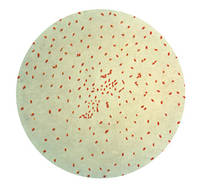
The votes taken on Oct. 27 at a meeting of the committee removed previous language restricting the interval for receipt of the adolescent-adult formulation of the tetanus-diphtheria-pertussis vaccine, and expanded the use of Tdap to adults aged 65 years and older and to undervaccinated children aged 7-10 years.
Kathleen Harriman, Ph.D., of the California Department of Public Health’s Immunization Branch updated the committee on the California outbreak. A total of 6,978 cases had been reported as of Oct. 19, 2010, for a rate of 16 cases per 100,000 population. Ten deaths have been reported among infants aged 2 months or younger.
The California state health department has recommended Tdap for all individuals aged 10 years and older who have not yet received it – particularly women of childbearing age (including those who are pregnant), others who have contact with young infants, and individuals older than 64 years of age – and also as a replacement for the old tetanus-diphtheria (Td) vaccine for wound management, even though the vaccine is not licensed for those aged 7-9 years or 64 years and older. The state also said that Tdap should be given without regard to the interval since the previous Td dose, said Dr. Harriman, who is also a registered nurse.
Dr. Jennifer Liang of the CDC’s National Center for Immunization and Respiratory Diseases (NCIRD) presented similar draft document language for the ACIP to vote on. In 2005, the ACIP adolescent recommendation (for those aged 11-12 years) had said that an interval of at least 5 years between Td and Tdap was "encouraged" to reduce the risk for local and systemic reactions, particularly the limb swelling that – although usually benign – can be frightening for parents.
The new language, unanimously approved by ACIP (with one abstention), says that adolescents aged 11-18 years who have completed the recommended five-dose childhood diphtheria and tetanus toxoids and whole-cell pertussis vaccine (DTP)/diphtheria and tetanus toxoids and acellular pertussis vaccine (DTaP) vaccination series and adults age 19-64 years should receive a single dose of Tdap in place of one Td dose. Adolescents should receive Tdap at a preventive care visit at 11-12 years of age, Dr. Liang said.
In addition, adolescents or adults who have not received a dose of Tdap – or for whom the status is unknown – should be immunized as soon as feasible, regardless of the interval since the last tetanus- or diphtheria-containing vaccine.
The second vote, to recommend Tdap for adults aged 65 years and older, was taken following presentations by Dr. Wayde Weston of GlaxoSmithKline and Dr. Michael Decker of Sanofi Pasteur, demonstrating immunogenicity and safety of Boostrix and Adacel, respectively, in adults aged 64 and older. GSK has filed an application with the Food and Drug Administration for an indication in that age group; Sanofi Pasteur is working on its application.
The recommendation says that adults aged 65 years and older who have or who anticipate having close contact with an infant aged younger than 12 months (such as a grandparent, child care provider, or health care provider) should receive a single dose of Tdap to protect against pertussis and to reduce the likelihood of transmission of pertussis to infants aged younger than 12 months (who are not yet fully immunized).
In addition, for adults aged 65 and older, a single dose of Tdap vaccine may be given in place of a Td vaccine in those who have not previously received Tdap.
Finally, the committee voted another off-label use of Tdap in children aged 7-10 years with incomplete or unknown pertussis vaccine history. For those children, a single dose of Tdap is recommended to protect against pertussis. If further doses of tetanus- and diphtheria-containing vaccines are needed, then children aged 7-10 years should be vaccinated according to catch-up guidance. Further guidance is forthcoming regarding revaccination.
Children aged 7-10 years who have never been vaccinated against tetanus, diphtheria, or pertussis or who have unknown vaccine status should receive a series of three vaccinations containing tetanus and diphtheria toxoids. The preferred schedule is a single dose of Tdap, followed by a dose of Td more than 4 weeks after Tdap and another dose of Td 6-12 months later. If not given as the first dose, Tdap can be substituted for any of the other Td doses in the series.
Although the California pertussis outbreak has raised the urgency of these recommendations, the ACIP has actually been working on increasing pertussis immunization for at least 2 years, working group chair Dr. Mark H. Sawyer said in an interview.
"The main idea of all of this is to free up people’s ability to receive vaccine in special circumstances, such as an outbreak. ... But this was already on our agenda. Pertussis has been a recognized problem for some time now. The California outbreak just illuminated its importance. But it’s not unique to California. Other states are having significant problems with pertussis," said Dr. Sawyer, professor of pediatrics at the University of California, San Diego.
As a CDC employee, Dr. Liang has no financial conflicts. Dr. Harriman and Dr. Sawyer also stated that they had no financial conflicts.
ATLANTA – In the face of an ongoing pertussis outbreak in California, a series of three votes by the Centers for Disease Control and Prevention’s Advisory Committee on Immunization Practices aimed to expand and clarify recommendations for pertussis vaccination.
The votes taken on Oct. 27 at a meeting of the committee removed previous language restricting the interval for receipt of the adolescent-adult formulation of the tetanus-diphtheria-pertussis vaccine, and expanded the use of Tdap to adults aged 65 years and older and to undervaccinated children aged 7-10 years.
Kathleen Harriman, Ph.D., of the California Department of Public Health’s Immunization Branch updated the committee on the California outbreak. A total of 6,978 cases had been reported as of Oct. 19, 2010, for a rate of 16 cases per 100,000 population. Ten deaths have been reported among infants aged 2 months or younger.
The California state health department has recommended Tdap for all individuals aged 10 years and older who have not yet received it – particularly women of childbearing age (including those who are pregnant), others who have contact with young infants, and individuals older than 64 years of age – and also as a replacement for the old tetanus-diphtheria (Td) vaccine for wound management, even though the vaccine is not licensed for those aged 7-9 years or 64 years and older. The state also said that Tdap should be given without regard to the interval since the previous Td dose, said Dr. Harriman, who is also a registered nurse.
Dr. Jennifer Liang of the CDC’s National Center for Immunization and Respiratory Diseases (NCIRD) presented similar draft document language for the ACIP to vote on. In 2005, the ACIP adolescent recommendation (for those aged 11-12 years) had said that an interval of at least 5 years between Td and Tdap was "encouraged" to reduce the risk for local and systemic reactions, particularly the limb swelling that – although usually benign – can be frightening for parents.
The new language, unanimously approved by ACIP (with one abstention), says that adolescents aged 11-18 years who have completed the recommended five-dose childhood diphtheria and tetanus toxoids and whole-cell pertussis vaccine (DTP)/diphtheria and tetanus toxoids and acellular pertussis vaccine (DTaP) vaccination series and adults age 19-64 years should receive a single dose of Tdap in place of one Td dose. Adolescents should receive Tdap at a preventive care visit at 11-12 years of age, Dr. Liang said.
In addition, adolescents or adults who have not received a dose of Tdap – or for whom the status is unknown – should be immunized as soon as feasible, regardless of the interval since the last tetanus- or diphtheria-containing vaccine.
The second vote, to recommend Tdap for adults aged 65 years and older, was taken following presentations by Dr. Wayde Weston of GlaxoSmithKline and Dr. Michael Decker of Sanofi Pasteur, demonstrating immunogenicity and safety of Boostrix and Adacel, respectively, in adults aged 64 and older. GSK has filed an application with the Food and Drug Administration for an indication in that age group; Sanofi Pasteur is working on its application.
The recommendation says that adults aged 65 years and older who have or who anticipate having close contact with an infant aged younger than 12 months (such as a grandparent, child care provider, or health care provider) should receive a single dose of Tdap to protect against pertussis and to reduce the likelihood of transmission of pertussis to infants aged younger than 12 months (who are not yet fully immunized).
In addition, for adults aged 65 and older, a single dose of Tdap vaccine may be given in place of a Td vaccine in those who have not previously received Tdap.
Finally, the committee voted another off-label use of Tdap in children aged 7-10 years with incomplete or unknown pertussis vaccine history. For those children, a single dose of Tdap is recommended to protect against pertussis. If further doses of tetanus- and diphtheria-containing vaccines are needed, then children aged 7-10 years should be vaccinated according to catch-up guidance. Further guidance is forthcoming regarding revaccination.
Children aged 7-10 years who have never been vaccinated against tetanus, diphtheria, or pertussis or who have unknown vaccine status should receive a series of three vaccinations containing tetanus and diphtheria toxoids. The preferred schedule is a single dose of Tdap, followed by a dose of Td more than 4 weeks after Tdap and another dose of Td 6-12 months later. If not given as the first dose, Tdap can be substituted for any of the other Td doses in the series.
Although the California pertussis outbreak has raised the urgency of these recommendations, the ACIP has actually been working on increasing pertussis immunization for at least 2 years, working group chair Dr. Mark H. Sawyer said in an interview.
"The main idea of all of this is to free up people’s ability to receive vaccine in special circumstances, such as an outbreak. ... But this was already on our agenda. Pertussis has been a recognized problem for some time now. The California outbreak just illuminated its importance. But it’s not unique to California. Other states are having significant problems with pertussis," said Dr. Sawyer, professor of pediatrics at the University of California, San Diego.
As a CDC employee, Dr. Liang has no financial conflicts. Dr. Harriman and Dr. Sawyer also stated that they had no financial conflicts.
ATLANTA – In the face of an ongoing pertussis outbreak in California, a series of three votes by the Centers for Disease Control and Prevention’s Advisory Committee on Immunization Practices aimed to expand and clarify recommendations for pertussis vaccination.
The votes taken on Oct. 27 at a meeting of the committee removed previous language restricting the interval for receipt of the adolescent-adult formulation of the tetanus-diphtheria-pertussis vaccine, and expanded the use of Tdap to adults aged 65 years and older and to undervaccinated children aged 7-10 years.
Kathleen Harriman, Ph.D., of the California Department of Public Health’s Immunization Branch updated the committee on the California outbreak. A total of 6,978 cases had been reported as of Oct. 19, 2010, for a rate of 16 cases per 100,000 population. Ten deaths have been reported among infants aged 2 months or younger.
The California state health department has recommended Tdap for all individuals aged 10 years and older who have not yet received it – particularly women of childbearing age (including those who are pregnant), others who have contact with young infants, and individuals older than 64 years of age – and also as a replacement for the old tetanus-diphtheria (Td) vaccine for wound management, even though the vaccine is not licensed for those aged 7-9 years or 64 years and older. The state also said that Tdap should be given without regard to the interval since the previous Td dose, said Dr. Harriman, who is also a registered nurse.
Dr. Jennifer Liang of the CDC’s National Center for Immunization and Respiratory Diseases (NCIRD) presented similar draft document language for the ACIP to vote on. In 2005, the ACIP adolescent recommendation (for those aged 11-12 years) had said that an interval of at least 5 years between Td and Tdap was "encouraged" to reduce the risk for local and systemic reactions, particularly the limb swelling that – although usually benign – can be frightening for parents.
The new language, unanimously approved by ACIP (with one abstention), says that adolescents aged 11-18 years who have completed the recommended five-dose childhood diphtheria and tetanus toxoids and whole-cell pertussis vaccine (DTP)/diphtheria and tetanus toxoids and acellular pertussis vaccine (DTaP) vaccination series and adults age 19-64 years should receive a single dose of Tdap in place of one Td dose. Adolescents should receive Tdap at a preventive care visit at 11-12 years of age, Dr. Liang said.
In addition, adolescents or adults who have not received a dose of Tdap – or for whom the status is unknown – should be immunized as soon as feasible, regardless of the interval since the last tetanus- or diphtheria-containing vaccine.
The second vote, to recommend Tdap for adults aged 65 years and older, was taken following presentations by Dr. Wayde Weston of GlaxoSmithKline and Dr. Michael Decker of Sanofi Pasteur, demonstrating immunogenicity and safety of Boostrix and Adacel, respectively, in adults aged 64 and older. GSK has filed an application with the Food and Drug Administration for an indication in that age group; Sanofi Pasteur is working on its application.
The recommendation says that adults aged 65 years and older who have or who anticipate having close contact with an infant aged younger than 12 months (such as a grandparent, child care provider, or health care provider) should receive a single dose of Tdap to protect against pertussis and to reduce the likelihood of transmission of pertussis to infants aged younger than 12 months (who are not yet fully immunized).
In addition, for adults aged 65 and older, a single dose of Tdap vaccine may be given in place of a Td vaccine in those who have not previously received Tdap.
Finally, the committee voted another off-label use of Tdap in children aged 7-10 years with incomplete or unknown pertussis vaccine history. For those children, a single dose of Tdap is recommended to protect against pertussis. If further doses of tetanus- and diphtheria-containing vaccines are needed, then children aged 7-10 years should be vaccinated according to catch-up guidance. Further guidance is forthcoming regarding revaccination.
Children aged 7-10 years who have never been vaccinated against tetanus, diphtheria, or pertussis or who have unknown vaccine status should receive a series of three vaccinations containing tetanus and diphtheria toxoids. The preferred schedule is a single dose of Tdap, followed by a dose of Td more than 4 weeks after Tdap and another dose of Td 6-12 months later. If not given as the first dose, Tdap can be substituted for any of the other Td doses in the series.
Although the California pertussis outbreak has raised the urgency of these recommendations, the ACIP has actually been working on increasing pertussis immunization for at least 2 years, working group chair Dr. Mark H. Sawyer said in an interview.
"The main idea of all of this is to free up people’s ability to receive vaccine in special circumstances, such as an outbreak. ... But this was already on our agenda. Pertussis has been a recognized problem for some time now. The California outbreak just illuminated its importance. But it’s not unique to California. Other states are having significant problems with pertussis," said Dr. Sawyer, professor of pediatrics at the University of California, San Diego.
As a CDC employee, Dr. Liang has no financial conflicts. Dr. Harriman and Dr. Sawyer also stated that they had no financial conflicts.
ACIP Expands Use of Tdap Vaccine in Effort to Raise Pertussis Protection
ATLANTA – In the face of an ongoing pertussis outbreak in California, a series of three votes by the Centers for Disease Control and Prevention’s Advisory Committee on Immunization Practices aimed to expand and clarify recommendations for pertussis vaccination.
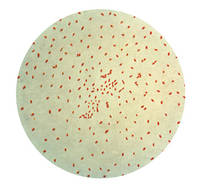
The votes taken on Oct. 27 at a meeting of the committee removed previous language restricting the interval for receipt of the adolescent-adult formulation of the tetanus-diphtheria-pertussis vaccine, and expanded the use of Tdap to adults aged 65 years and older and to undervaccinated children aged 7-10 years.
Kathleen Harriman, Ph.D., of the California Department of Public Health’s Immunization Branch updated the committee on the California outbreak. A total of 6,978 cases had been reported as of Oct. 19, 2010, for a rate of 16 cases per 100,000 population. Ten deaths have been reported among infants aged 2 months or younger.
The California state health department has recommended Tdap for all individuals aged 10 years and older who have not yet received it – particularly women of childbearing age (including those who are pregnant), others who have contact with young infants, and individuals older than 64 years of age – and also as a replacement for the old tetanus-diphtheria (Td) vaccine for wound management, even though the vaccine is not licensed for those aged 7-9 years or 64 years and older. The state also said that Tdap should be given without regard to the interval since the previous Td dose, said Dr. Harriman, who is also a registered nurse.
Dr. Jennifer Liang of the CDC’s National Center for Immunization and Respiratory Diseases (NCIRD) presented similar draft document language for the ACIP to vote on. In 2005, the ACIP adolescent recommendation (for those aged 11-12 years) had said that an interval of at least 5 years between Td and Tdap was "encouraged" to reduce the risk for local and systemic reactions, particularly the limb swelling that – although usually benign – can be frightening for parents.
The new language, unanimously approved by ACIP (with one abstention), says that adolescents aged 11-18 years who have completed the recommended five-dose childhood diphtheria and tetanus toxoids and whole-cell pertussis vaccine (DTP)/diphtheria and tetanus toxoids and acellular pertussis vaccine (DTaP) vaccination series and adults age 19-64 years should receive a single dose of Tdap in place of one Td dose. Adolescents should receive Tdap at a preventive care visit at 11-12 years of age, Dr. Liang said.
In addition, adolescents or adults who have not received a dose of Tdap – or for whom the status is unknown – should be immunized as soon as feasible, regardless of the interval since the last tetanus- or diphtheria-containing vaccine.
The second vote, to recommend Tdap for adults aged 65 years and older, was taken following presentations by Dr. Wayde Weston of GlaxoSmithKline and Dr. Michael Decker of Sanofi Pasteur, demonstrating immunogenicity and safety of Boostrix and Adacel, respectively, in adults aged 64 and older. GSK has filed an application with the Food and Drug Administration for an indication in that age group; Sanofi Pasteur is working on its application.
The recommendation says that adults aged 65 years and older who have or who anticipate having close contact with an infant aged younger than 12 months (such as a grandparent, child care provider, or health care provider) should receive a single dose of Tdap to protect against pertussis and to reduce the likelihood of transmission of pertussis to infants aged younger than 12 months (who are not yet fully immunized).
In addition, for adults aged 65 and older, a single dose of Tdap vaccine may be given in place of a Td vaccine in those who have not previously received Tdap.
Finally, the committee voted another off-label use of Tdap in children aged 7-10 years with incomplete or unknown pertussis vaccine history. For those children, a single dose of Tdap is recommended to protect against pertussis. If further doses of tetanus- and diphtheria-containing vaccines are needed, then children aged 7-10 years should be vaccinated according to catch-up guidance. Further guidance is forthcoming regarding revaccination.
Children aged 7-10 years who have never been vaccinated against tetanus, diphtheria, or pertussis or who have unknown vaccine status should receive a series of three vaccinations containing tetanus and diphtheria toxoids. The preferred schedule is a single dose of Tdap, followed by a dose of Td more than 4 weeks after Tdap and another dose of Td 6-12 months later. If not given as the first dose, Tdap can be substituted for any of the other Td doses in the series.
Although the California pertussis outbreak has raised the urgency of these recommendations, the ACIP has actually been working on increasing pertussis immunization for at least 2 years, working group chair Dr. Mark H. Sawyer said in an interview.
"The main idea of all of this is to free up people’s ability to receive vaccine in special circumstances, such as an outbreak. ... But this was already on our agenda. Pertussis has been a recognized problem for some time now. The California outbreak just illuminated its importance. But it’s not unique to California. Other states are having significant problems with pertussis," said Dr. Sawyer, professor of pediatrics at the University of California, San Diego.
As a CDC employee, Dr. Liang has no financial conflicts. Dr. Harriman and Dr. Sawyer also stated that they had no financial conflicts.
ATLANTA – In the face of an ongoing pertussis outbreak in California, a series of three votes by the Centers for Disease Control and Prevention’s Advisory Committee on Immunization Practices aimed to expand and clarify recommendations for pertussis vaccination.
The votes taken on Oct. 27 at a meeting of the committee removed previous language restricting the interval for receipt of the adolescent-adult formulation of the tetanus-diphtheria-pertussis vaccine, and expanded the use of Tdap to adults aged 65 years and older and to undervaccinated children aged 7-10 years.
Kathleen Harriman, Ph.D., of the California Department of Public Health’s Immunization Branch updated the committee on the California outbreak. A total of 6,978 cases had been reported as of Oct. 19, 2010, for a rate of 16 cases per 100,000 population. Ten deaths have been reported among infants aged 2 months or younger.
The California state health department has recommended Tdap for all individuals aged 10 years and older who have not yet received it – particularly women of childbearing age (including those who are pregnant), others who have contact with young infants, and individuals older than 64 years of age – and also as a replacement for the old tetanus-diphtheria (Td) vaccine for wound management, even though the vaccine is not licensed for those aged 7-9 years or 64 years and older. The state also said that Tdap should be given without regard to the interval since the previous Td dose, said Dr. Harriman, who is also a registered nurse.
Dr. Jennifer Liang of the CDC’s National Center for Immunization and Respiratory Diseases (NCIRD) presented similar draft document language for the ACIP to vote on. In 2005, the ACIP adolescent recommendation (for those aged 11-12 years) had said that an interval of at least 5 years between Td and Tdap was "encouraged" to reduce the risk for local and systemic reactions, particularly the limb swelling that – although usually benign – can be frightening for parents.
The new language, unanimously approved by ACIP (with one abstention), says that adolescents aged 11-18 years who have completed the recommended five-dose childhood diphtheria and tetanus toxoids and whole-cell pertussis vaccine (DTP)/diphtheria and tetanus toxoids and acellular pertussis vaccine (DTaP) vaccination series and adults age 19-64 years should receive a single dose of Tdap in place of one Td dose. Adolescents should receive Tdap at a preventive care visit at 11-12 years of age, Dr. Liang said.
In addition, adolescents or adults who have not received a dose of Tdap – or for whom the status is unknown – should be immunized as soon as feasible, regardless of the interval since the last tetanus- or diphtheria-containing vaccine.
The second vote, to recommend Tdap for adults aged 65 years and older, was taken following presentations by Dr. Wayde Weston of GlaxoSmithKline and Dr. Michael Decker of Sanofi Pasteur, demonstrating immunogenicity and safety of Boostrix and Adacel, respectively, in adults aged 64 and older. GSK has filed an application with the Food and Drug Administration for an indication in that age group; Sanofi Pasteur is working on its application.
The recommendation says that adults aged 65 years and older who have or who anticipate having close contact with an infant aged younger than 12 months (such as a grandparent, child care provider, or health care provider) should receive a single dose of Tdap to protect against pertussis and to reduce the likelihood of transmission of pertussis to infants aged younger than 12 months (who are not yet fully immunized).
In addition, for adults aged 65 and older, a single dose of Tdap vaccine may be given in place of a Td vaccine in those who have not previously received Tdap.
Finally, the committee voted another off-label use of Tdap in children aged 7-10 years with incomplete or unknown pertussis vaccine history. For those children, a single dose of Tdap is recommended to protect against pertussis. If further doses of tetanus- and diphtheria-containing vaccines are needed, then children aged 7-10 years should be vaccinated according to catch-up guidance. Further guidance is forthcoming regarding revaccination.
Children aged 7-10 years who have never been vaccinated against tetanus, diphtheria, or pertussis or who have unknown vaccine status should receive a series of three vaccinations containing tetanus and diphtheria toxoids. The preferred schedule is a single dose of Tdap, followed by a dose of Td more than 4 weeks after Tdap and another dose of Td 6-12 months later. If not given as the first dose, Tdap can be substituted for any of the other Td doses in the series.
Although the California pertussis outbreak has raised the urgency of these recommendations, the ACIP has actually been working on increasing pertussis immunization for at least 2 years, working group chair Dr. Mark H. Sawyer said in an interview.
"The main idea of all of this is to free up people’s ability to receive vaccine in special circumstances, such as an outbreak. ... But this was already on our agenda. Pertussis has been a recognized problem for some time now. The California outbreak just illuminated its importance. But it’s not unique to California. Other states are having significant problems with pertussis," said Dr. Sawyer, professor of pediatrics at the University of California, San Diego.
As a CDC employee, Dr. Liang has no financial conflicts. Dr. Harriman and Dr. Sawyer also stated that they had no financial conflicts.
ATLANTA – In the face of an ongoing pertussis outbreak in California, a series of three votes by the Centers for Disease Control and Prevention’s Advisory Committee on Immunization Practices aimed to expand and clarify recommendations for pertussis vaccination.
The votes taken on Oct. 27 at a meeting of the committee removed previous language restricting the interval for receipt of the adolescent-adult formulation of the tetanus-diphtheria-pertussis vaccine, and expanded the use of Tdap to adults aged 65 years and older and to undervaccinated children aged 7-10 years.
Kathleen Harriman, Ph.D., of the California Department of Public Health’s Immunization Branch updated the committee on the California outbreak. A total of 6,978 cases had been reported as of Oct. 19, 2010, for a rate of 16 cases per 100,000 population. Ten deaths have been reported among infants aged 2 months or younger.
The California state health department has recommended Tdap for all individuals aged 10 years and older who have not yet received it – particularly women of childbearing age (including those who are pregnant), others who have contact with young infants, and individuals older than 64 years of age – and also as a replacement for the old tetanus-diphtheria (Td) vaccine for wound management, even though the vaccine is not licensed for those aged 7-9 years or 64 years and older. The state also said that Tdap should be given without regard to the interval since the previous Td dose, said Dr. Harriman, who is also a registered nurse.
Dr. Jennifer Liang of the CDC’s National Center for Immunization and Respiratory Diseases (NCIRD) presented similar draft document language for the ACIP to vote on. In 2005, the ACIP adolescent recommendation (for those aged 11-12 years) had said that an interval of at least 5 years between Td and Tdap was "encouraged" to reduce the risk for local and systemic reactions, particularly the limb swelling that – although usually benign – can be frightening for parents.
The new language, unanimously approved by ACIP (with one abstention), says that adolescents aged 11-18 years who have completed the recommended five-dose childhood diphtheria and tetanus toxoids and whole-cell pertussis vaccine (DTP)/diphtheria and tetanus toxoids and acellular pertussis vaccine (DTaP) vaccination series and adults age 19-64 years should receive a single dose of Tdap in place of one Td dose. Adolescents should receive Tdap at a preventive care visit at 11-12 years of age, Dr. Liang said.
In addition, adolescents or adults who have not received a dose of Tdap – or for whom the status is unknown – should be immunized as soon as feasible, regardless of the interval since the last tetanus- or diphtheria-containing vaccine.
The second vote, to recommend Tdap for adults aged 65 years and older, was taken following presentations by Dr. Wayde Weston of GlaxoSmithKline and Dr. Michael Decker of Sanofi Pasteur, demonstrating immunogenicity and safety of Boostrix and Adacel, respectively, in adults aged 64 and older. GSK has filed an application with the Food and Drug Administration for an indication in that age group; Sanofi Pasteur is working on its application.
The recommendation says that adults aged 65 years and older who have or who anticipate having close contact with an infant aged younger than 12 months (such as a grandparent, child care provider, or health care provider) should receive a single dose of Tdap to protect against pertussis and to reduce the likelihood of transmission of pertussis to infants aged younger than 12 months (who are not yet fully immunized).
In addition, for adults aged 65 and older, a single dose of Tdap vaccine may be given in place of a Td vaccine in those who have not previously received Tdap.
Finally, the committee voted another off-label use of Tdap in children aged 7-10 years with incomplete or unknown pertussis vaccine history. For those children, a single dose of Tdap is recommended to protect against pertussis. If further doses of tetanus- and diphtheria-containing vaccines are needed, then children aged 7-10 years should be vaccinated according to catch-up guidance. Further guidance is forthcoming regarding revaccination.
Children aged 7-10 years who have never been vaccinated against tetanus, diphtheria, or pertussis or who have unknown vaccine status should receive a series of three vaccinations containing tetanus and diphtheria toxoids. The preferred schedule is a single dose of Tdap, followed by a dose of Td more than 4 weeks after Tdap and another dose of Td 6-12 months later. If not given as the first dose, Tdap can be substituted for any of the other Td doses in the series.
Although the California pertussis outbreak has raised the urgency of these recommendations, the ACIP has actually been working on increasing pertussis immunization for at least 2 years, working group chair Dr. Mark H. Sawyer said in an interview.
"The main idea of all of this is to free up people’s ability to receive vaccine in special circumstances, such as an outbreak. ... But this was already on our agenda. Pertussis has been a recognized problem for some time now. The California outbreak just illuminated its importance. But it’s not unique to California. Other states are having significant problems with pertussis," said Dr. Sawyer, professor of pediatrics at the University of California, San Diego.
As a CDC employee, Dr. Liang has no financial conflicts. Dr. Harriman and Dr. Sawyer also stated that they had no financial conflicts.
ACIP Adds Meningococcal Vaccine Booster Dose at Age 16 Years
ATLANTA – A booster dose of meningococcal conjugate vaccine should be given to adolescents at 16 years of age if they received a first dose at age 11-12 years, and a booster should be given 5 years after the first dose – up to age 21 years — to those who first received the vaccine at age 13-15 years.
That was the vote of the Advisory Committee on Immunization Practices (ACIP) of the Centers for Disease Control and Prevention on Oct. 27th, but it was not unanimous. The panel was split 6 to 5, with 3 abstentions. Following that vote, ACIP also voted to include the booster dose under the federal Vaccines for Children program. The CDC usually adopts the ACIP’s recommendations but is not obligated to do so.
In 2007, ACIP recommended that the quadrivalent meningococcal conjugate vaccine (MCV4), sold under the brand names Menactra and Menveo, be given to 11- to 12-year-olds at the established preteen visit, and to 13- to 18-year-olds who had not been previously vaccinated. At that time, it was assumed that this would protect teenagers through the peak age in disease seen in 16- to 21-year-olds, said Dr. Amanda Cohn of the CDC’s National Center for Immunization and Respiratory Diseases (NCIRD).
However, recent data have suggested that immunity from the vaccine wanes within 5 years after vaccination, thereby possibly failing to protect those at highest risk, particularly college students living in dorms. "We’re missing protecting the group that the recommendation was intended to protect," Dr. Cohn commented.
A cost-effectiveness analysis presented at the ACIP meeting by Dr. Ismael Ortega-Sanchez, also with the NCIRD, showed that giving just one dose of MCV4 to all 11-year-olds was the least cost-effective of several options the ACIP considered, at $281,000 per quality adjusted life year (QALY). Giving one dose just to 15-year-olds would cost $121,000/QALY, while giving doses to all 11-year-olds and 16-year-olds – the option chosen – comes to $157,000/QALY.
For comparison, vaccinating all healthy 12- to 17-year-olds against influenza – already recommended by CDC – costs $128,000/QALY, Dr. Ortega-Sanchez said.
Despite the emerging evidence that the current practice of giving MCV4 vaccine to 11-to 12-year-olds is not the ideal option, many panel members and audience members expressed concern about removing the recommendation to give the vaccine at that age since it is part of the now-established preadolescent vaccination visit "platform" that also includes human papillomavirus and diphtheria-tetanus-pertussis vaccinations. Moreover, it does protect those aged 11- to 13-years-old against meningococcal disease.
While the evidence is now clear that the level of protective antibody against Neisseria meningitidis drops to suboptimal levels 5 years after receipt of MCV4, the level of disease does not appear to have been affected yet. Indeed, "We are currently at historic low rates of meningococcal disease," Dr. Cohn said, adding that the ACIP working group’s aim was to make a change in order to prevent those rates from rising again.
However, the sizable minority of the panel who opposed the addition of the booster dose for 16-year-olds cited cost and lack of cost-effectiveness. Among them was ACIP member Dr. Lance Chilton. "I’m worried that we don’t have data that would support cost-effectiveness of a 2-dose regimen. It’s certainly better than the current 11-to 12-year only vaccination, but to me the cost-effectiveness data don’t justify [the vote]," he said in an interview.
Dr. Chilton of the University of New Mexico, Albuquerque, said he would have preferred simply giving MCV4 at mid-adolescence. "I’m in favor of the preadolescent platform, but I don’t think that changing the MCV4 to age 15-16 [years] would appreciably diminish that platform. Adding another platform is probably a good idea."
As CDC employees, Dr. Cohn and Dr. Ortega-Sanchez have no financial conflicts. Dr. Chilton stated at the beginning of the meeting that he also had no conflicts of interest.
ATLANTA – A booster dose of meningococcal conjugate vaccine should be given to adolescents at 16 years of age if they received a first dose at age 11-12 years, and a booster should be given 5 years after the first dose – up to age 21 years — to those who first received the vaccine at age 13-15 years.
That was the vote of the Advisory Committee on Immunization Practices (ACIP) of the Centers for Disease Control and Prevention on Oct. 27th, but it was not unanimous. The panel was split 6 to 5, with 3 abstentions. Following that vote, ACIP also voted to include the booster dose under the federal Vaccines for Children program. The CDC usually adopts the ACIP’s recommendations but is not obligated to do so.
In 2007, ACIP recommended that the quadrivalent meningococcal conjugate vaccine (MCV4), sold under the brand names Menactra and Menveo, be given to 11- to 12-year-olds at the established preteen visit, and to 13- to 18-year-olds who had not been previously vaccinated. At that time, it was assumed that this would protect teenagers through the peak age in disease seen in 16- to 21-year-olds, said Dr. Amanda Cohn of the CDC’s National Center for Immunization and Respiratory Diseases (NCIRD).
However, recent data have suggested that immunity from the vaccine wanes within 5 years after vaccination, thereby possibly failing to protect those at highest risk, particularly college students living in dorms. "We’re missing protecting the group that the recommendation was intended to protect," Dr. Cohn commented.
A cost-effectiveness analysis presented at the ACIP meeting by Dr. Ismael Ortega-Sanchez, also with the NCIRD, showed that giving just one dose of MCV4 to all 11-year-olds was the least cost-effective of several options the ACIP considered, at $281,000 per quality adjusted life year (QALY). Giving one dose just to 15-year-olds would cost $121,000/QALY, while giving doses to all 11-year-olds and 16-year-olds – the option chosen – comes to $157,000/QALY.
For comparison, vaccinating all healthy 12- to 17-year-olds against influenza – already recommended by CDC – costs $128,000/QALY, Dr. Ortega-Sanchez said.
Despite the emerging evidence that the current practice of giving MCV4 vaccine to 11-to 12-year-olds is not the ideal option, many panel members and audience members expressed concern about removing the recommendation to give the vaccine at that age since it is part of the now-established preadolescent vaccination visit "platform" that also includes human papillomavirus and diphtheria-tetanus-pertussis vaccinations. Moreover, it does protect those aged 11- to 13-years-old against meningococcal disease.
While the evidence is now clear that the level of protective antibody against Neisseria meningitidis drops to suboptimal levels 5 years after receipt of MCV4, the level of disease does not appear to have been affected yet. Indeed, "We are currently at historic low rates of meningococcal disease," Dr. Cohn said, adding that the ACIP working group’s aim was to make a change in order to prevent those rates from rising again.
However, the sizable minority of the panel who opposed the addition of the booster dose for 16-year-olds cited cost and lack of cost-effectiveness. Among them was ACIP member Dr. Lance Chilton. "I’m worried that we don’t have data that would support cost-effectiveness of a 2-dose regimen. It’s certainly better than the current 11-to 12-year only vaccination, but to me the cost-effectiveness data don’t justify [the vote]," he said in an interview.
Dr. Chilton of the University of New Mexico, Albuquerque, said he would have preferred simply giving MCV4 at mid-adolescence. "I’m in favor of the preadolescent platform, but I don’t think that changing the MCV4 to age 15-16 [years] would appreciably diminish that platform. Adding another platform is probably a good idea."
As CDC employees, Dr. Cohn and Dr. Ortega-Sanchez have no financial conflicts. Dr. Chilton stated at the beginning of the meeting that he also had no conflicts of interest.
ATLANTA – A booster dose of meningococcal conjugate vaccine should be given to adolescents at 16 years of age if they received a first dose at age 11-12 years, and a booster should be given 5 years after the first dose – up to age 21 years — to those who first received the vaccine at age 13-15 years.
That was the vote of the Advisory Committee on Immunization Practices (ACIP) of the Centers for Disease Control and Prevention on Oct. 27th, but it was not unanimous. The panel was split 6 to 5, with 3 abstentions. Following that vote, ACIP also voted to include the booster dose under the federal Vaccines for Children program. The CDC usually adopts the ACIP’s recommendations but is not obligated to do so.
In 2007, ACIP recommended that the quadrivalent meningococcal conjugate vaccine (MCV4), sold under the brand names Menactra and Menveo, be given to 11- to 12-year-olds at the established preteen visit, and to 13- to 18-year-olds who had not been previously vaccinated. At that time, it was assumed that this would protect teenagers through the peak age in disease seen in 16- to 21-year-olds, said Dr. Amanda Cohn of the CDC’s National Center for Immunization and Respiratory Diseases (NCIRD).
However, recent data have suggested that immunity from the vaccine wanes within 5 years after vaccination, thereby possibly failing to protect those at highest risk, particularly college students living in dorms. "We’re missing protecting the group that the recommendation was intended to protect," Dr. Cohn commented.
A cost-effectiveness analysis presented at the ACIP meeting by Dr. Ismael Ortega-Sanchez, also with the NCIRD, showed that giving just one dose of MCV4 to all 11-year-olds was the least cost-effective of several options the ACIP considered, at $281,000 per quality adjusted life year (QALY). Giving one dose just to 15-year-olds would cost $121,000/QALY, while giving doses to all 11-year-olds and 16-year-olds – the option chosen – comes to $157,000/QALY.
For comparison, vaccinating all healthy 12- to 17-year-olds against influenza – already recommended by CDC – costs $128,000/QALY, Dr. Ortega-Sanchez said.
Despite the emerging evidence that the current practice of giving MCV4 vaccine to 11-to 12-year-olds is not the ideal option, many panel members and audience members expressed concern about removing the recommendation to give the vaccine at that age since it is part of the now-established preadolescent vaccination visit "platform" that also includes human papillomavirus and diphtheria-tetanus-pertussis vaccinations. Moreover, it does protect those aged 11- to 13-years-old against meningococcal disease.
While the evidence is now clear that the level of protective antibody against Neisseria meningitidis drops to suboptimal levels 5 years after receipt of MCV4, the level of disease does not appear to have been affected yet. Indeed, "We are currently at historic low rates of meningococcal disease," Dr. Cohn said, adding that the ACIP working group’s aim was to make a change in order to prevent those rates from rising again.
However, the sizable minority of the panel who opposed the addition of the booster dose for 16-year-olds cited cost and lack of cost-effectiveness. Among them was ACIP member Dr. Lance Chilton. "I’m worried that we don’t have data that would support cost-effectiveness of a 2-dose regimen. It’s certainly better than the current 11-to 12-year only vaccination, but to me the cost-effectiveness data don’t justify [the vote]," he said in an interview.
Dr. Chilton of the University of New Mexico, Albuquerque, said he would have preferred simply giving MCV4 at mid-adolescence. "I’m in favor of the preadolescent platform, but I don’t think that changing the MCV4 to age 15-16 [years] would appreciably diminish that platform. Adding another platform is probably a good idea."
As CDC employees, Dr. Cohn and Dr. Ortega-Sanchez have no financial conflicts. Dr. Chilton stated at the beginning of the meeting that he also had no conflicts of interest.
FROM A MEETING OF THE ADVISORY COMMITTEE ON IMMUNIZATION PRACTICES
Intensive Glucose Control Lowers Renal Event Rate in Patients With Type 2 Diabetes
STOCKHOLM – An intensive glucose control regimen aiming for a hemoglobin A1c level of 6.5% or lower significantly reduced the incidence of renal events among patients with established type 2 diabetes, according to findings from a large Australian study.
The total number of renal events in 5,571 patients randomized to intensive treatment was reduced by 11% (26.9% vs. 30%), compared with 5,569 patients who followed a standard glucose control regimen, Dr. Sophia Zoungas said at the annual meeting of the European Association for the Study of Diabetes.
The data come from the glucose-lowering arm of the multination ADVANCE (Action in Diabetes and Vascular Disease: Preterax and Diamicron-MR Controlled Evaluation) study, which examined the effects of both blood pressure lowering with perindopril/indapamide and glucose-lowering gliclazide MR in a total of 11,140 patients. Primary trial findings were reported in 2007 and 2008.
The current analysis evaluated the incidence of renal events at a median follow-up of 5 years, when the mean HbA1c level achieved was 6.5% in the intensive treatment arm and 7.3% in the standard control group, reported Dr. Zoungas, who is head of the diabetes research program at the George Institute for Global Health, Sydney.
The incidence of new microalbuminuria, defined as a urine albumin-to-creatinine ratio (UACR) of 30-300 g/mg, was reduced by 9% with intensive therapy, occurring in 23.7% of patients in that group compared with 25.7% of the standard treatment group. New-onset macroalbuminuria (UACR greater than 300 g/mg) was reduced by 30% (2.9% vs. 4.1%). New or worsening nephropathy, defined as progression of albuminuria by at least one stage (from normoalbuminuria to either micro- or macroalbuminuria) was 21% lower with intensive therapy (4.1% vs. 5.2%), and end-stage renal disease was reduced by 36% (0.4% vs. 0.6%).
All of the differences were statistically significant except for those involving end-stage renal disease, which nonetheless showed a “small but important trend,” said Dr. Zoungas, also of Monash University, Clayton, Australia.
Among 3,261 patients who had albuminuria at baseline, regression by at least one stage occurred in 61.8% of the intensive treatment group, compared with 55.8% of the standard group, for a hazard ratio of 1.15. Regression to normoalbuminuria occurred in 56.8% vs. 49.7%, with a hazard ratio of 1.2. Both were highly statistically significant, she said.
Renal benefit was seen even among those patients who had HbA1c levels less than 7% at baseline. “We could not identify an HbA1c threshold below which renal benefit was lost,” Dr. Zoungas said.
The ADVANCE study was initiated and designed by investigators at the George Institute for Global Health, and received funding from the National Health and Medical Research Council of Australia and from Servier, the maker of Preterax and Diamicron MR. Dr. Zoungas disclosed that she has received honoraria from Servier.
STOCKHOLM – An intensive glucose control regimen aiming for a hemoglobin A1c level of 6.5% or lower significantly reduced the incidence of renal events among patients with established type 2 diabetes, according to findings from a large Australian study.
The total number of renal events in 5,571 patients randomized to intensive treatment was reduced by 11% (26.9% vs. 30%), compared with 5,569 patients who followed a standard glucose control regimen, Dr. Sophia Zoungas said at the annual meeting of the European Association for the Study of Diabetes.
The data come from the glucose-lowering arm of the multination ADVANCE (Action in Diabetes and Vascular Disease: Preterax and Diamicron-MR Controlled Evaluation) study, which examined the effects of both blood pressure lowering with perindopril/indapamide and glucose-lowering gliclazide MR in a total of 11,140 patients. Primary trial findings were reported in 2007 and 2008.
The current analysis evaluated the incidence of renal events at a median follow-up of 5 years, when the mean HbA1c level achieved was 6.5% in the intensive treatment arm and 7.3% in the standard control group, reported Dr. Zoungas, who is head of the diabetes research program at the George Institute for Global Health, Sydney.
The incidence of new microalbuminuria, defined as a urine albumin-to-creatinine ratio (UACR) of 30-300 g/mg, was reduced by 9% with intensive therapy, occurring in 23.7% of patients in that group compared with 25.7% of the standard treatment group. New-onset macroalbuminuria (UACR greater than 300 g/mg) was reduced by 30% (2.9% vs. 4.1%). New or worsening nephropathy, defined as progression of albuminuria by at least one stage (from normoalbuminuria to either micro- or macroalbuminuria) was 21% lower with intensive therapy (4.1% vs. 5.2%), and end-stage renal disease was reduced by 36% (0.4% vs. 0.6%).
All of the differences were statistically significant except for those involving end-stage renal disease, which nonetheless showed a “small but important trend,” said Dr. Zoungas, also of Monash University, Clayton, Australia.
Among 3,261 patients who had albuminuria at baseline, regression by at least one stage occurred in 61.8% of the intensive treatment group, compared with 55.8% of the standard group, for a hazard ratio of 1.15. Regression to normoalbuminuria occurred in 56.8% vs. 49.7%, with a hazard ratio of 1.2. Both were highly statistically significant, she said.
Renal benefit was seen even among those patients who had HbA1c levels less than 7% at baseline. “We could not identify an HbA1c threshold below which renal benefit was lost,” Dr. Zoungas said.
The ADVANCE study was initiated and designed by investigators at the George Institute for Global Health, and received funding from the National Health and Medical Research Council of Australia and from Servier, the maker of Preterax and Diamicron MR. Dr. Zoungas disclosed that she has received honoraria from Servier.
STOCKHOLM – An intensive glucose control regimen aiming for a hemoglobin A1c level of 6.5% or lower significantly reduced the incidence of renal events among patients with established type 2 diabetes, according to findings from a large Australian study.
The total number of renal events in 5,571 patients randomized to intensive treatment was reduced by 11% (26.9% vs. 30%), compared with 5,569 patients who followed a standard glucose control regimen, Dr. Sophia Zoungas said at the annual meeting of the European Association for the Study of Diabetes.
The data come from the glucose-lowering arm of the multination ADVANCE (Action in Diabetes and Vascular Disease: Preterax and Diamicron-MR Controlled Evaluation) study, which examined the effects of both blood pressure lowering with perindopril/indapamide and glucose-lowering gliclazide MR in a total of 11,140 patients. Primary trial findings were reported in 2007 and 2008.
The current analysis evaluated the incidence of renal events at a median follow-up of 5 years, when the mean HbA1c level achieved was 6.5% in the intensive treatment arm and 7.3% in the standard control group, reported Dr. Zoungas, who is head of the diabetes research program at the George Institute for Global Health, Sydney.
The incidence of new microalbuminuria, defined as a urine albumin-to-creatinine ratio (UACR) of 30-300 g/mg, was reduced by 9% with intensive therapy, occurring in 23.7% of patients in that group compared with 25.7% of the standard treatment group. New-onset macroalbuminuria (UACR greater than 300 g/mg) was reduced by 30% (2.9% vs. 4.1%). New or worsening nephropathy, defined as progression of albuminuria by at least one stage (from normoalbuminuria to either micro- or macroalbuminuria) was 21% lower with intensive therapy (4.1% vs. 5.2%), and end-stage renal disease was reduced by 36% (0.4% vs. 0.6%).
All of the differences were statistically significant except for those involving end-stage renal disease, which nonetheless showed a “small but important trend,” said Dr. Zoungas, also of Monash University, Clayton, Australia.
Among 3,261 patients who had albuminuria at baseline, regression by at least one stage occurred in 61.8% of the intensive treatment group, compared with 55.8% of the standard group, for a hazard ratio of 1.15. Regression to normoalbuminuria occurred in 56.8% vs. 49.7%, with a hazard ratio of 1.2. Both were highly statistically significant, she said.
Renal benefit was seen even among those patients who had HbA1c levels less than 7% at baseline. “We could not identify an HbA1c threshold below which renal benefit was lost,” Dr. Zoungas said.
The ADVANCE study was initiated and designed by investigators at the George Institute for Global Health, and received funding from the National Health and Medical Research Council of Australia and from Servier, the maker of Preterax and Diamicron MR. Dr. Zoungas disclosed that she has received honoraria from Servier.
FROM THE ANNUAL MEETING OF THE EUROPEAN ASSOCIATION FOR THE STUDY OF DIABETES
Intensive Glucose Control Lowers Renal Event Rate in Patients With Type 2 Diabetes
STOCKHOLM – An intensive glucose control regimen aiming for a hemoglobin A1c level of 6.5% or lower significantly reduced the incidence of renal events among patients with established type 2 diabetes, according to findings from a large Australian study.
The total number of renal events in 5,571 patients randomized to intensive treatment was reduced by 11% (26.9% vs. 30%), compared with 5,569 patients who followed a standard glucose control regimen, Dr. Sophia Zoungas said at the annual meeting of the European Association for the Study of Diabetes.
The data come from the glucose-lowering arm of the multination ADVANCE (Action in Diabetes and Vascular Disease: Preterax and Diamicron-MR Controlled Evaluation) study, which examined the effects of both blood pressure lowering with perindopril/indapamide and glucose-lowering gliclazide MR in a total of 11,140 patients. Primary trial findings were reported in 2007 and 2008.
The current analysis evaluated the incidence of renal events at a median follow-up of 5 years, when the mean HbA1c level achieved was 6.5% in the intensive treatment arm and 7.3% in the standard control group, reported Dr. Zoungas, who is head of the diabetes research program at the George Institute for Global Health, Sydney.
The incidence of new microalbuminuria, defined as a urine albumin-to-creatinine ratio (UACR) of 30-300 g/mg, was reduced by 9% with intensive therapy, occurring in 23.7% of patients in that group compared with 25.7% of the standard treatment group. New-onset macroalbuminuria (UACR greater than 300 g/mg) was reduced by 30% (2.9% vs. 4.1%). New or worsening nephropathy, defined as progression of albuminuria by at least one stage (from normoalbuminuria to either micro- or macroalbuminuria) was 21% lower with intensive therapy (4.1% vs. 5.2%), and end-stage renal disease was reduced by 36% (0.4% vs. 0.6%).
All of the differences were statistically significant except for those involving end-stage renal disease, which nonetheless showed a “small but important trend,” said Dr. Zoungas, also of Monash University, Clayton, Australia.
Among 3,261 patients who had albuminuria at baseline, regression by at least one stage occurred in 61.8% of the intensive treatment group, compared with 55.8% of the standard group, for a hazard ratio of 1.15. Regression to normoalbuminuria occurred in 56.8% vs. 49.7%, with a hazard ratio of 1.2. Both were highly statistically significant, she said.
Renal benefit was seen even among those patients who had HbA1c levels less than 7% at baseline. “We could not identify an HbA1c threshold below which renal benefit was lost,” Dr. Zoungas said.
The ADVANCE study was initiated and designed by investigators at the George Institute for Global Health, and received funding from the National Health and Medical Research Council of Australia and from Servier, the maker of Preterax and Diamicron MR. Dr. Zoungas disclosed that she has received honoraria from Servier.
STOCKHOLM – An intensive glucose control regimen aiming for a hemoglobin A1c level of 6.5% or lower significantly reduced the incidence of renal events among patients with established type 2 diabetes, according to findings from a large Australian study.
The total number of renal events in 5,571 patients randomized to intensive treatment was reduced by 11% (26.9% vs. 30%), compared with 5,569 patients who followed a standard glucose control regimen, Dr. Sophia Zoungas said at the annual meeting of the European Association for the Study of Diabetes.
The data come from the glucose-lowering arm of the multination ADVANCE (Action in Diabetes and Vascular Disease: Preterax and Diamicron-MR Controlled Evaluation) study, which examined the effects of both blood pressure lowering with perindopril/indapamide and glucose-lowering gliclazide MR in a total of 11,140 patients. Primary trial findings were reported in 2007 and 2008.
The current analysis evaluated the incidence of renal events at a median follow-up of 5 years, when the mean HbA1c level achieved was 6.5% in the intensive treatment arm and 7.3% in the standard control group, reported Dr. Zoungas, who is head of the diabetes research program at the George Institute for Global Health, Sydney.
The incidence of new microalbuminuria, defined as a urine albumin-to-creatinine ratio (UACR) of 30-300 g/mg, was reduced by 9% with intensive therapy, occurring in 23.7% of patients in that group compared with 25.7% of the standard treatment group. New-onset macroalbuminuria (UACR greater than 300 g/mg) was reduced by 30% (2.9% vs. 4.1%). New or worsening nephropathy, defined as progression of albuminuria by at least one stage (from normoalbuminuria to either micro- or macroalbuminuria) was 21% lower with intensive therapy (4.1% vs. 5.2%), and end-stage renal disease was reduced by 36% (0.4% vs. 0.6%).
All of the differences were statistically significant except for those involving end-stage renal disease, which nonetheless showed a “small but important trend,” said Dr. Zoungas, also of Monash University, Clayton, Australia.
Among 3,261 patients who had albuminuria at baseline, regression by at least one stage occurred in 61.8% of the intensive treatment group, compared with 55.8% of the standard group, for a hazard ratio of 1.15. Regression to normoalbuminuria occurred in 56.8% vs. 49.7%, with a hazard ratio of 1.2. Both were highly statistically significant, she said.
Renal benefit was seen even among those patients who had HbA1c levels less than 7% at baseline. “We could not identify an HbA1c threshold below which renal benefit was lost,” Dr. Zoungas said.
The ADVANCE study was initiated and designed by investigators at the George Institute for Global Health, and received funding from the National Health and Medical Research Council of Australia and from Servier, the maker of Preterax and Diamicron MR. Dr. Zoungas disclosed that she has received honoraria from Servier.
STOCKHOLM – An intensive glucose control regimen aiming for a hemoglobin A1c level of 6.5% or lower significantly reduced the incidence of renal events among patients with established type 2 diabetes, according to findings from a large Australian study.
The total number of renal events in 5,571 patients randomized to intensive treatment was reduced by 11% (26.9% vs. 30%), compared with 5,569 patients who followed a standard glucose control regimen, Dr. Sophia Zoungas said at the annual meeting of the European Association for the Study of Diabetes.
The data come from the glucose-lowering arm of the multination ADVANCE (Action in Diabetes and Vascular Disease: Preterax and Diamicron-MR Controlled Evaluation) study, which examined the effects of both blood pressure lowering with perindopril/indapamide and glucose-lowering gliclazide MR in a total of 11,140 patients. Primary trial findings were reported in 2007 and 2008.
The current analysis evaluated the incidence of renal events at a median follow-up of 5 years, when the mean HbA1c level achieved was 6.5% in the intensive treatment arm and 7.3% in the standard control group, reported Dr. Zoungas, who is head of the diabetes research program at the George Institute for Global Health, Sydney.
The incidence of new microalbuminuria, defined as a urine albumin-to-creatinine ratio (UACR) of 30-300 g/mg, was reduced by 9% with intensive therapy, occurring in 23.7% of patients in that group compared with 25.7% of the standard treatment group. New-onset macroalbuminuria (UACR greater than 300 g/mg) was reduced by 30% (2.9% vs. 4.1%). New or worsening nephropathy, defined as progression of albuminuria by at least one stage (from normoalbuminuria to either micro- or macroalbuminuria) was 21% lower with intensive therapy (4.1% vs. 5.2%), and end-stage renal disease was reduced by 36% (0.4% vs. 0.6%).
All of the differences were statistically significant except for those involving end-stage renal disease, which nonetheless showed a “small but important trend,” said Dr. Zoungas, also of Monash University, Clayton, Australia.
Among 3,261 patients who had albuminuria at baseline, regression by at least one stage occurred in 61.8% of the intensive treatment group, compared with 55.8% of the standard group, for a hazard ratio of 1.15. Regression to normoalbuminuria occurred in 56.8% vs. 49.7%, with a hazard ratio of 1.2. Both were highly statistically significant, she said.
Renal benefit was seen even among those patients who had HbA1c levels less than 7% at baseline. “We could not identify an HbA1c threshold below which renal benefit was lost,” Dr. Zoungas said.
The ADVANCE study was initiated and designed by investigators at the George Institute for Global Health, and received funding from the National Health and Medical Research Council of Australia and from Servier, the maker of Preterax and Diamicron MR. Dr. Zoungas disclosed that she has received honoraria from Servier.
FROM THE ANNUAL MEETING OF THE EUROPEAN ASSOCIATION FOR THE STUDY OF DIABETES
Major Finding: Renal events were reduced by 11% among those randomized to intensive therapy aiming for an HbA1c of less than 6.5%, compared with those receiving standard glucose control.
Data Source: The ADVANCE study, which randomized 11,140 patients with type 2 diabetes.
Disclosures: The study received funding from the National Health and Medical Research Council of Australia and from Servier, the maker of Preterax and Diamicron MR. Dr. Zoungas disclosed that she has received honoraria from Servier.
Olmesartan Delays Time to Microalbuminuria in Type 2 Diabetes Patients
STOCKHOLM – Olmesartan significantly reduced the time to microalbuminuria in a randomized, placebo-controlled, double-blind multicenter study of 4,447 patients with type 2 diabetes.

The Randomized Olmesartan and Diabetes Microalbuminuria Prevention (ROADMAP) Trial investigated whether early treatment with olmesartan, an angiotensin receptor blocker (ARB), would delay the occurrence of microalbuminuria in patients with type 2 diabetes who had at least one other cardiovascular risk factor but who had normal albumin excretion at baseline.
At baseline, the patients had a mean age of 58 years, diabetes duration of 6 years, body mass index of 30 kg/m2, and hemoglobin A1c of 7.6%. Mean blood pressure at baseline was 137/80 mm Hg, and the mean estimated glomerular filtration rate was 85 mL/min/1.73 m2. The patients received either 40 mg of olmesartan or placebo once daily for a median of 3.2 years.
In both groups, additional antihypertensive drug treatment other than ARBs or angiotensin converting enzyme inhibitors was used to reach the target blood pressure of less than 130/80 mm Hg. That goal was reached by 78% of the olmesartan group and 71% of the placebo group by 48 months, Dr. Hermann Haller reported at the annual meeting of the European Association for the Study of Diabetes.
The cumulative incidence of microalbuminuria, defined as excretion of more than 35 mg albumin/g urine creatinine for women and more than 25 mg albumin/g urine creatinine for men in morning spot urine, was 8.2% of the olmesartan patients vs. 9.8% of the placebo group, giving a highly significant risk reduction of 23%, said Dr. Haller of Hannover (Germany) Medical School.
Correction for the small differences in blood pressure between the two groups showed that the majority of the effect was blood pressure–independent, he said.
Overall cardiovascular morbidity and mortality rates were low and similar between the two groups, with just 4.3% of the olmesartan group and 4.2% of the placebo group experiencing any cardiovascular event or death. Total mortality occurred in 1.2% and 1.7%, respectively. Cardiovascular mortality, however, was higher in the olmesartan group (15 deaths vs. 3 deaths, or 0.7% vs. 0.1%), possibly because of hypotensive episodes among patients with preexisting cardiovascular disease.
There were no adverse effects of olmesartan on hard renal outcomes. An observational follow-up study is ongoing to further elucidate the long-term benefits of microalbuminuria prevention, Dr. Haller said.
The study was sponsored by Daiichi-Sankyo, which manufactures olmesartan under the name Benicar.
STOCKHOLM – Olmesartan significantly reduced the time to microalbuminuria in a randomized, placebo-controlled, double-blind multicenter study of 4,447 patients with type 2 diabetes.
The Randomized Olmesartan and Diabetes Microalbuminuria Prevention (ROADMAP) Trial investigated whether early treatment with olmesartan, an angiotensin receptor blocker (ARB), would delay the occurrence of microalbuminuria in patients with type 2 diabetes who had at least one other cardiovascular risk factor but who had normal albumin excretion at baseline.
At baseline, the patients had a mean age of 58 years, diabetes duration of 6 years, body mass index of 30 kg/m2, and hemoglobin A1c of 7.6%. Mean blood pressure at baseline was 137/80 mm Hg, and the mean estimated glomerular filtration rate was 85 mL/min/1.73 m2. The patients received either 40 mg of olmesartan or placebo once daily for a median of 3.2 years.
In both groups, additional antihypertensive drug treatment other than ARBs or angiotensin converting enzyme inhibitors was used to reach the target blood pressure of less than 130/80 mm Hg. That goal was reached by 78% of the olmesartan group and 71% of the placebo group by 48 months, Dr. Hermann Haller reported at the annual meeting of the European Association for the Study of Diabetes.
The cumulative incidence of microalbuminuria, defined as excretion of more than 35 mg albumin/g urine creatinine for women and more than 25 mg albumin/g urine creatinine for men in morning spot urine, was 8.2% of the olmesartan patients vs. 9.8% of the placebo group, giving a highly significant risk reduction of 23%, said Dr. Haller of Hannover (Germany) Medical School.
Correction for the small differences in blood pressure between the two groups showed that the majority of the effect was blood pressure–independent, he said.
Overall cardiovascular morbidity and mortality rates were low and similar between the two groups, with just 4.3% of the olmesartan group and 4.2% of the placebo group experiencing any cardiovascular event or death. Total mortality occurred in 1.2% and 1.7%, respectively. Cardiovascular mortality, however, was higher in the olmesartan group (15 deaths vs. 3 deaths, or 0.7% vs. 0.1%), possibly because of hypotensive episodes among patients with preexisting cardiovascular disease.
There were no adverse effects of olmesartan on hard renal outcomes. An observational follow-up study is ongoing to further elucidate the long-term benefits of microalbuminuria prevention, Dr. Haller said.
The study was sponsored by Daiichi-Sankyo, which manufactures olmesartan under the name Benicar.
STOCKHOLM – Olmesartan significantly reduced the time to microalbuminuria in a randomized, placebo-controlled, double-blind multicenter study of 4,447 patients with type 2 diabetes.
The Randomized Olmesartan and Diabetes Microalbuminuria Prevention (ROADMAP) Trial investigated whether early treatment with olmesartan, an angiotensin receptor blocker (ARB), would delay the occurrence of microalbuminuria in patients with type 2 diabetes who had at least one other cardiovascular risk factor but who had normal albumin excretion at baseline.
At baseline, the patients had a mean age of 58 years, diabetes duration of 6 years, body mass index of 30 kg/m2, and hemoglobin A1c of 7.6%. Mean blood pressure at baseline was 137/80 mm Hg, and the mean estimated glomerular filtration rate was 85 mL/min/1.73 m2. The patients received either 40 mg of olmesartan or placebo once daily for a median of 3.2 years.
In both groups, additional antihypertensive drug treatment other than ARBs or angiotensin converting enzyme inhibitors was used to reach the target blood pressure of less than 130/80 mm Hg. That goal was reached by 78% of the olmesartan group and 71% of the placebo group by 48 months, Dr. Hermann Haller reported at the annual meeting of the European Association for the Study of Diabetes.
The cumulative incidence of microalbuminuria, defined as excretion of more than 35 mg albumin/g urine creatinine for women and more than 25 mg albumin/g urine creatinine for men in morning spot urine, was 8.2% of the olmesartan patients vs. 9.8% of the placebo group, giving a highly significant risk reduction of 23%, said Dr. Haller of Hannover (Germany) Medical School.
Correction for the small differences in blood pressure between the two groups showed that the majority of the effect was blood pressure–independent, he said.
Overall cardiovascular morbidity and mortality rates were low and similar between the two groups, with just 4.3% of the olmesartan group and 4.2% of the placebo group experiencing any cardiovascular event or death. Total mortality occurred in 1.2% and 1.7%, respectively. Cardiovascular mortality, however, was higher in the olmesartan group (15 deaths vs. 3 deaths, or 0.7% vs. 0.1%), possibly because of hypotensive episodes among patients with preexisting cardiovascular disease.
There were no adverse effects of olmesartan on hard renal outcomes. An observational follow-up study is ongoing to further elucidate the long-term benefits of microalbuminuria prevention, Dr. Haller said.
The study was sponsored by Daiichi-Sankyo, which manufactures olmesartan under the name Benicar.
FROM THE ANNUAL MEETING OF THE EUROPEAN ASSOCIATION FOR THE STUDY OF DIABETES
Major Finding: The cumulative incidence of microalbuminuria was 8.2% of the olmesartan patients vs. 9.8% of the placebo group, for a highly significant risk reduction of 23%,
Data Source: Randomized, placebo-controlled, double-blind, multicenter ROADMAP trial of 4,447 patients with type 2 diabetes and one or more other cardiovascular risk factors but with normoalbuminuria
Disclosures: The study was funded by Daiichi-Sankyo, which manufactures olmesartan under the name Benicar.
CDC: Up to One-Third of Americans Expected to Have Diabetes by 2050
Over the next 40 years, the total prevalence of diabetes in the United States is expected to increase from its current level of about 1 in 10 adults to as many as 1 in 3 by 2050.
The estimate, which includes both diagnosed and undiagnosed diabetes, comes from a new statistical modeling of data from the 2000 Census and the Centers for Disease Control and Prevention. The projected increase in diabetes prevalence is attributed to the aging of the U.S. population, increasing size of higher-risk minority populations, and declining mortality among people with diabetes, said Dr. James P. Boyle and his associates, of the CDC’s Division of Diabetes Translation and Emory University, Atlanta.
“Our estimates of diabetes prevalence paint a sobering picture of the future growth of diabetes. ... The projected loss in quality of life and the projected costs of providing health care could be significant. Increased efforts in primary prevention of diabetes can help to decrease loss in quality of life and the future cost of providing care for people with diabetes,” the investigators said in their paper, published online Oct. 22 in the journal Population Health Metrics.
Previous projections of the prevalence, incidence, and total number of diabetes cases in the United States are outdated because they relied on 1990 census projections, which overestimated current mortality rates and did not account for the increasing size of the Hispanic and foreign-born U.S. populations at higher risk for diabetes. Those projections also did not consider the impact of undiagnosed diabetes on overall prevalence, they noted.
In contrast, the current analysis included 2000 Census–based estimates of the 2007 population and estimates of mortality rates, births, and migration from 2008 through 2050, along with CDC data on diabetes incidence rates among adults aged 18-79 years during 1980-2007.
Models were based on historical incidence of newly diagnosed diabetes per 1,000 persons from 1980 through 2007, with “low” incidence being the 2.5th percentile and “high” incidence defined as the 97.5th percentile. Historically, the incidence of diabetes in the U.S. ranged from 3 cases per 1,000 population in 1980 to 8 per 1,000 in 2007. The “middle incidence” scenario—reflecting recent rate increases—projects an increase of 8 cases per 1,000 in 2008 to 15 cases per 1,000 in 2050.
According to the estimated projection, the prevalence of diagnosed or undiagnosed diabetes would increase from 14% in 2010 to 25% in 2050 under a low incidence/low mortality risk scenario, 21% with low incidence/high mortality, 33% with middle incidence/low mortality risk and 28% for middle incidence/high mortality.
Assuming a hypothetical intervention such as universal lifestyle modification reaching 100% of those at high risk for diabetes (that is, those with impaired fasting glucose), the annual incidence of diabetes would still be reduced only by 25%. “Our analysis suggests that widespread implementation of reasonably effective preventive interventions focused on high-risk subgroups of the population may not eliminate, but might considerably reduce, future increases in diabetes prevalence,” Dr. Boyle and his associates noted.
Projected diabetes increases in the United States reflect the growth of the disease internationally. According to the International Diabetes Federation’s Diabetes Atlas, the prevalence of diabetes will increase from 285 million in 2010 to 438 million in 2030.
The authors declared that they have no competing interests.
Over the next 40 years, the total prevalence of diabetes in the United States is expected to increase from its current level of about 1 in 10 adults to as many as 1 in 3 by 2050.
The estimate, which includes both diagnosed and undiagnosed diabetes, comes from a new statistical modeling of data from the 2000 Census and the Centers for Disease Control and Prevention. The projected increase in diabetes prevalence is attributed to the aging of the U.S. population, increasing size of higher-risk minority populations, and declining mortality among people with diabetes, said Dr. James P. Boyle and his associates, of the CDC’s Division of Diabetes Translation and Emory University, Atlanta.
“Our estimates of diabetes prevalence paint a sobering picture of the future growth of diabetes. ... The projected loss in quality of life and the projected costs of providing health care could be significant. Increased efforts in primary prevention of diabetes can help to decrease loss in quality of life and the future cost of providing care for people with diabetes,” the investigators said in their paper, published online Oct. 22 in the journal Population Health Metrics.
Previous projections of the prevalence, incidence, and total number of diabetes cases in the United States are outdated because they relied on 1990 census projections, which overestimated current mortality rates and did not account for the increasing size of the Hispanic and foreign-born U.S. populations at higher risk for diabetes. Those projections also did not consider the impact of undiagnosed diabetes on overall prevalence, they noted.
In contrast, the current analysis included 2000 Census–based estimates of the 2007 population and estimates of mortality rates, births, and migration from 2008 through 2050, along with CDC data on diabetes incidence rates among adults aged 18-79 years during 1980-2007.
Models were based on historical incidence of newly diagnosed diabetes per 1,000 persons from 1980 through 2007, with “low” incidence being the 2.5th percentile and “high” incidence defined as the 97.5th percentile. Historically, the incidence of diabetes in the U.S. ranged from 3 cases per 1,000 population in 1980 to 8 per 1,000 in 2007. The “middle incidence” scenario—reflecting recent rate increases—projects an increase of 8 cases per 1,000 in 2008 to 15 cases per 1,000 in 2050.
According to the estimated projection, the prevalence of diagnosed or undiagnosed diabetes would increase from 14% in 2010 to 25% in 2050 under a low incidence/low mortality risk scenario, 21% with low incidence/high mortality, 33% with middle incidence/low mortality risk and 28% for middle incidence/high mortality.
Assuming a hypothetical intervention such as universal lifestyle modification reaching 100% of those at high risk for diabetes (that is, those with impaired fasting glucose), the annual incidence of diabetes would still be reduced only by 25%. “Our analysis suggests that widespread implementation of reasonably effective preventive interventions focused on high-risk subgroups of the population may not eliminate, but might considerably reduce, future increases in diabetes prevalence,” Dr. Boyle and his associates noted.
Projected diabetes increases in the United States reflect the growth of the disease internationally. According to the International Diabetes Federation’s Diabetes Atlas, the prevalence of diabetes will increase from 285 million in 2010 to 438 million in 2030.
The authors declared that they have no competing interests.
Over the next 40 years, the total prevalence of diabetes in the United States is expected to increase from its current level of about 1 in 10 adults to as many as 1 in 3 by 2050.
The estimate, which includes both diagnosed and undiagnosed diabetes, comes from a new statistical modeling of data from the 2000 Census and the Centers for Disease Control and Prevention. The projected increase in diabetes prevalence is attributed to the aging of the U.S. population, increasing size of higher-risk minority populations, and declining mortality among people with diabetes, said Dr. James P. Boyle and his associates, of the CDC’s Division of Diabetes Translation and Emory University, Atlanta.
“Our estimates of diabetes prevalence paint a sobering picture of the future growth of diabetes. ... The projected loss in quality of life and the projected costs of providing health care could be significant. Increased efforts in primary prevention of diabetes can help to decrease loss in quality of life and the future cost of providing care for people with diabetes,” the investigators said in their paper, published online Oct. 22 in the journal Population Health Metrics.
Previous projections of the prevalence, incidence, and total number of diabetes cases in the United States are outdated because they relied on 1990 census projections, which overestimated current mortality rates and did not account for the increasing size of the Hispanic and foreign-born U.S. populations at higher risk for diabetes. Those projections also did not consider the impact of undiagnosed diabetes on overall prevalence, they noted.
In contrast, the current analysis included 2000 Census–based estimates of the 2007 population and estimates of mortality rates, births, and migration from 2008 through 2050, along with CDC data on diabetes incidence rates among adults aged 18-79 years during 1980-2007.
Models were based on historical incidence of newly diagnosed diabetes per 1,000 persons from 1980 through 2007, with “low” incidence being the 2.5th percentile and “high” incidence defined as the 97.5th percentile. Historically, the incidence of diabetes in the U.S. ranged from 3 cases per 1,000 population in 1980 to 8 per 1,000 in 2007. The “middle incidence” scenario—reflecting recent rate increases—projects an increase of 8 cases per 1,000 in 2008 to 15 cases per 1,000 in 2050.
According to the estimated projection, the prevalence of diagnosed or undiagnosed diabetes would increase from 14% in 2010 to 25% in 2050 under a low incidence/low mortality risk scenario, 21% with low incidence/high mortality, 33% with middle incidence/low mortality risk and 28% for middle incidence/high mortality.
Assuming a hypothetical intervention such as universal lifestyle modification reaching 100% of those at high risk for diabetes (that is, those with impaired fasting glucose), the annual incidence of diabetes would still be reduced only by 25%. “Our analysis suggests that widespread implementation of reasonably effective preventive interventions focused on high-risk subgroups of the population may not eliminate, but might considerably reduce, future increases in diabetes prevalence,” Dr. Boyle and his associates noted.
Projected diabetes increases in the United States reflect the growth of the disease internationally. According to the International Diabetes Federation’s Diabetes Atlas, the prevalence of diabetes will increase from 285 million in 2010 to 438 million in 2030.
The authors declared that they have no competing interests.
FROM POPULATION HEALTH METRICS
Major Finding: The prevalence of diagnosed or undiagnosed diabetes would increase from 14% in 2010 to between 25% and 33%, depending on low or high assumptions of incidence and mortality.
Data Source: Statistical modeling based on data from the 2000 U.S. Census and CDC diabetes statistics.
Disclosures: The authors declared no competing interests.
Up to One-Third of Americans Projected to Have Diabetes by 2050, CDC Says
Over the next 40 years, the total prevalence of diabetes in the United States is expected to increase from its current level of about 1 in 10 adults to as many as 1 in 3 by 2050.
The estimate, which includes both diagnosed and undiagnosed diabetes, comes from a new statistical modeling of data from the 2000 Census and the Centers for Disease Control and Prevention. The projected increase in diabetes prevalence is attributed to the aging of the U.S. population, increasing size of higher-risk minority populations, and declining mortality among people with diabetes, said Dr. James P. Boyle and his associates, of the CDC’s Division of Diabetes Translation and Emory University, Atlanta.
“Our estimates of diabetes prevalence paint a sobering picture of the future growth of diabetes. ... The projected loss in quality of life and the projected costs of providing health care could be significant. Increased efforts in primary prevention of diabetes can help to decrease loss in quality of life and the future cost of providing care for people with diabetes,” the investigators said in their paper, published online Oct. 22 in the journal Population Health Metrics.
Previous projections of the prevalence, incidence, and total number of diabetes cases in the United States are outdated because they relied on 1990 census projections, which overestimated current mortality rates and did not account for the increasing size of the Hispanic and foreign-born U.S. populations at higher risk for diabetes. Those projections also did not consider the impact of undiagnosed diabetes on overall prevalence, they noted.
In contrast, the current analysis included 2000 Census–based estimates of the 2007 population and estimates of mortality rates, births, and migration from 2008 through 2050, along with CDC data on diabetes incidence rates among adults aged 18-79 years during 1980-2007.
Models were based on historical incidence of newly diagnosed diabetes per 1,000 persons from 1980 through 2007, with “low” incidence being the 2.5th percentile and “high” incidence defined as the 97.5th percentile. Historically, the incidence of diabetes in the U.S. ranged from 3 cases per 1,000 population in 1980 to 8 per 1,000 in 2007. The “middle incidence” scenario—reflecting recent rate increases—projects an increase of 8 cases per 1,000 in 2008 to 15 cases per 1,000 in 2050.
According to the estimated projection, the prevalence of diagnosed or undiagnosed diabetes would increase from 14% in 2010 to 25% in 2050 under a low incidence/low mortality risk scenario, 21% with low incidence/high mortality, 33% with middle incidence/low mortality risk and 28% for middle incidence/high mortality.
Assuming a hypothetical intervention such as universal lifestyle modification reaching 100% of those at high risk for diabetes (that is, those with impaired fasting glucose), the annual incidence of diabetes would still be reduced only by 25%. “Our analysis suggests that widespread implementation of reasonably effective preventive interventions focused on high-risk subgroups of the population may not eliminate, but might considerably reduce, future increases in diabetes prevalence,” Dr. Boyle and his associates noted.
Projected diabetes increases in the United States reflect the growth of the disease internationally. According to the International Diabetes Federation’s Diabetes Atlas, the prevalence of diabetes will increase from 285 million in 2010 to 438 million in 2030.
The authors declared that they have no competing interests.
Over the next 40 years, the total prevalence of diabetes in the United States is expected to increase from its current level of about 1 in 10 adults to as many as 1 in 3 by 2050.
The estimate, which includes both diagnosed and undiagnosed diabetes, comes from a new statistical modeling of data from the 2000 Census and the Centers for Disease Control and Prevention. The projected increase in diabetes prevalence is attributed to the aging of the U.S. population, increasing size of higher-risk minority populations, and declining mortality among people with diabetes, said Dr. James P. Boyle and his associates, of the CDC’s Division of Diabetes Translation and Emory University, Atlanta.
“Our estimates of diabetes prevalence paint a sobering picture of the future growth of diabetes. ... The projected loss in quality of life and the projected costs of providing health care could be significant. Increased efforts in primary prevention of diabetes can help to decrease loss in quality of life and the future cost of providing care for people with diabetes,” the investigators said in their paper, published online Oct. 22 in the journal Population Health Metrics.
Previous projections of the prevalence, incidence, and total number of diabetes cases in the United States are outdated because they relied on 1990 census projections, which overestimated current mortality rates and did not account for the increasing size of the Hispanic and foreign-born U.S. populations at higher risk for diabetes. Those projections also did not consider the impact of undiagnosed diabetes on overall prevalence, they noted.
In contrast, the current analysis included 2000 Census–based estimates of the 2007 population and estimates of mortality rates, births, and migration from 2008 through 2050, along with CDC data on diabetes incidence rates among adults aged 18-79 years during 1980-2007.
Models were based on historical incidence of newly diagnosed diabetes per 1,000 persons from 1980 through 2007, with “low” incidence being the 2.5th percentile and “high” incidence defined as the 97.5th percentile. Historically, the incidence of diabetes in the U.S. ranged from 3 cases per 1,000 population in 1980 to 8 per 1,000 in 2007. The “middle incidence” scenario—reflecting recent rate increases—projects an increase of 8 cases per 1,000 in 2008 to 15 cases per 1,000 in 2050.
According to the estimated projection, the prevalence of diagnosed or undiagnosed diabetes would increase from 14% in 2010 to 25% in 2050 under a low incidence/low mortality risk scenario, 21% with low incidence/high mortality, 33% with middle incidence/low mortality risk and 28% for middle incidence/high mortality.
Assuming a hypothetical intervention such as universal lifestyle modification reaching 100% of those at high risk for diabetes (that is, those with impaired fasting glucose), the annual incidence of diabetes would still be reduced only by 25%. “Our analysis suggests that widespread implementation of reasonably effective preventive interventions focused on high-risk subgroups of the population may not eliminate, but might considerably reduce, future increases in diabetes prevalence,” Dr. Boyle and his associates noted.
Projected diabetes increases in the United States reflect the growth of the disease internationally. According to the International Diabetes Federation’s Diabetes Atlas, the prevalence of diabetes will increase from 285 million in 2010 to 438 million in 2030.
The authors declared that they have no competing interests.
Over the next 40 years, the total prevalence of diabetes in the United States is expected to increase from its current level of about 1 in 10 adults to as many as 1 in 3 by 2050.
The estimate, which includes both diagnosed and undiagnosed diabetes, comes from a new statistical modeling of data from the 2000 Census and the Centers for Disease Control and Prevention. The projected increase in diabetes prevalence is attributed to the aging of the U.S. population, increasing size of higher-risk minority populations, and declining mortality among people with diabetes, said Dr. James P. Boyle and his associates, of the CDC’s Division of Diabetes Translation and Emory University, Atlanta.
“Our estimates of diabetes prevalence paint a sobering picture of the future growth of diabetes. ... The projected loss in quality of life and the projected costs of providing health care could be significant. Increased efforts in primary prevention of diabetes can help to decrease loss in quality of life and the future cost of providing care for people with diabetes,” the investigators said in their paper, published online Oct. 22 in the journal Population Health Metrics.
Previous projections of the prevalence, incidence, and total number of diabetes cases in the United States are outdated because they relied on 1990 census projections, which overestimated current mortality rates and did not account for the increasing size of the Hispanic and foreign-born U.S. populations at higher risk for diabetes. Those projections also did not consider the impact of undiagnosed diabetes on overall prevalence, they noted.
In contrast, the current analysis included 2000 Census–based estimates of the 2007 population and estimates of mortality rates, births, and migration from 2008 through 2050, along with CDC data on diabetes incidence rates among adults aged 18-79 years during 1980-2007.
Models were based on historical incidence of newly diagnosed diabetes per 1,000 persons from 1980 through 2007, with “low” incidence being the 2.5th percentile and “high” incidence defined as the 97.5th percentile. Historically, the incidence of diabetes in the U.S. ranged from 3 cases per 1,000 population in 1980 to 8 per 1,000 in 2007. The “middle incidence” scenario—reflecting recent rate increases—projects an increase of 8 cases per 1,000 in 2008 to 15 cases per 1,000 in 2050.
According to the estimated projection, the prevalence of diagnosed or undiagnosed diabetes would increase from 14% in 2010 to 25% in 2050 under a low incidence/low mortality risk scenario, 21% with low incidence/high mortality, 33% with middle incidence/low mortality risk and 28% for middle incidence/high mortality.
Assuming a hypothetical intervention such as universal lifestyle modification reaching 100% of those at high risk for diabetes (that is, those with impaired fasting glucose), the annual incidence of diabetes would still be reduced only by 25%. “Our analysis suggests that widespread implementation of reasonably effective preventive interventions focused on high-risk subgroups of the population may not eliminate, but might considerably reduce, future increases in diabetes prevalence,” Dr. Boyle and his associates noted.
Projected diabetes increases in the United States reflect the growth of the disease internationally. According to the International Diabetes Federation’s Diabetes Atlas, the prevalence of diabetes will increase from 285 million in 2010 to 438 million in 2030.
The authors declared that they have no competing interests.
FROM POPULATION HEALTH METRICS
Hypoglycemia Common Among Diabetic Children Under 7 Years of Age
STOCKHOLM – Hypoglycemia occurred an average of nearly five times a week among 14 children with type 1 diabetes aged younger than 7 years who were evaluated in a prospective study.
“We need to identify age-specific strategies to improve insulin treatment for preschool children,” said Dr. Frida Sundberg of Queen Silvia Children’s Hospital, Gothenburg, Sweden.
The study included 14 children seen at the hospital who met the inclusion criteria of less than 7 years of age, a type 1 diabetes duration of more than 3 months, and the ability of the parents to upload at least 300 days’ worth of glucose values from the child’s glucose meter. Data were collected prospectively from autumn 2008 until autumn 2009. The eight boys and six girls had a mean age of 4.8 years and diabetes duration of 2.4 years.
Eleven were on pump therapy and three were on multiple injections at the start of the study, and one shifted to a pump during the year. They had a mean hemoglobin A1c value of 7.8%, with seven of the children achieving the target of less than 7.5% recommended by the International Society for Pediatric and Adolescent Diabetes, Dr. Sundberg reported.
They averaged 7.8 self blood glucose measurements per day, including a mean of 1.2 readings during the night (10:00 p.m.-6:00 a.m.). Hypoglycemia, defined as a value less than 4 mmol/L (72 mg/dL), occurred an average of 0.66 times per day/4.6 times per week. The mean number of nights with detected hypoglycemia was 21 (4-42) per patient year, or 6% of all nights. Severe hypoglycemia, defined as seizures or unconsciousness, was reported twice by one child and once by another, for a rate of 21 events per 100 patient years.
“Further data on how to balance nutrition, insulin, and physical activity in order to achieve good glycemic control, and thereby preserve health and quality of life in the short and long perspective are needed,” she concluded.
This study was supported by Barndiabetesfonden. Dr. Sundberg stated that she had no further disclosures.
STOCKHOLM – Hypoglycemia occurred an average of nearly five times a week among 14 children with type 1 diabetes aged younger than 7 years who were evaluated in a prospective study.
“We need to identify age-specific strategies to improve insulin treatment for preschool children,” said Dr. Frida Sundberg of Queen Silvia Children’s Hospital, Gothenburg, Sweden.
The study included 14 children seen at the hospital who met the inclusion criteria of less than 7 years of age, a type 1 diabetes duration of more than 3 months, and the ability of the parents to upload at least 300 days’ worth of glucose values from the child’s glucose meter. Data were collected prospectively from autumn 2008 until autumn 2009. The eight boys and six girls had a mean age of 4.8 years and diabetes duration of 2.4 years.
Eleven were on pump therapy and three were on multiple injections at the start of the study, and one shifted to a pump during the year. They had a mean hemoglobin A1c value of 7.8%, with seven of the children achieving the target of less than 7.5% recommended by the International Society for Pediatric and Adolescent Diabetes, Dr. Sundberg reported.
They averaged 7.8 self blood glucose measurements per day, including a mean of 1.2 readings during the night (10:00 p.m.-6:00 a.m.). Hypoglycemia, defined as a value less than 4 mmol/L (72 mg/dL), occurred an average of 0.66 times per day/4.6 times per week. The mean number of nights with detected hypoglycemia was 21 (4-42) per patient year, or 6% of all nights. Severe hypoglycemia, defined as seizures or unconsciousness, was reported twice by one child and once by another, for a rate of 21 events per 100 patient years.
“Further data on how to balance nutrition, insulin, and physical activity in order to achieve good glycemic control, and thereby preserve health and quality of life in the short and long perspective are needed,” she concluded.
This study was supported by Barndiabetesfonden. Dr. Sundberg stated that she had no further disclosures.
STOCKHOLM – Hypoglycemia occurred an average of nearly five times a week among 14 children with type 1 diabetes aged younger than 7 years who were evaluated in a prospective study.
“We need to identify age-specific strategies to improve insulin treatment for preschool children,” said Dr. Frida Sundberg of Queen Silvia Children’s Hospital, Gothenburg, Sweden.
The study included 14 children seen at the hospital who met the inclusion criteria of less than 7 years of age, a type 1 diabetes duration of more than 3 months, and the ability of the parents to upload at least 300 days’ worth of glucose values from the child’s glucose meter. Data were collected prospectively from autumn 2008 until autumn 2009. The eight boys and six girls had a mean age of 4.8 years and diabetes duration of 2.4 years.
Eleven were on pump therapy and three were on multiple injections at the start of the study, and one shifted to a pump during the year. They had a mean hemoglobin A1c value of 7.8%, with seven of the children achieving the target of less than 7.5% recommended by the International Society for Pediatric and Adolescent Diabetes, Dr. Sundberg reported.
They averaged 7.8 self blood glucose measurements per day, including a mean of 1.2 readings during the night (10:00 p.m.-6:00 a.m.). Hypoglycemia, defined as a value less than 4 mmol/L (72 mg/dL), occurred an average of 0.66 times per day/4.6 times per week. The mean number of nights with detected hypoglycemia was 21 (4-42) per patient year, or 6% of all nights. Severe hypoglycemia, defined as seizures or unconsciousness, was reported twice by one child and once by another, for a rate of 21 events per 100 patient years.
“Further data on how to balance nutrition, insulin, and physical activity in order to achieve good glycemic control, and thereby preserve health and quality of life in the short and long perspective are needed,” she concluded.
This study was supported by Barndiabetesfonden. Dr. Sundberg stated that she had no further disclosures.
FROM THE ANNUAL MEETING OF THE EUROPEAN ASSOCIATION FOR THE STUDY OF DIABETES