User login
In the wake of a federal lawsuit settlement, can you trust your EHR?
Who watches the watchers?
In a world where the majority of practices depend on electronic health record systems to care for patients, we also depend on the companies that make them. After all, the main (if not only) reason most practices jumped to them was to qualify for meaningful use payments.
In buying them, we’re trusting that the manufacturer is doing its best to keep them updated, operational, and compliant, right? Beyond people’s health, there’s also a lot of money at stake here.
Right? Right.
The alleged bones of the matter is that eClinicalWorks knowingly misrepresented its software to get certification in the EHR incentive program. The U.S. Department of Justice says the program was modified to retrieve only specific drugs and didn’t reliably record certain chart information (such as orders and drug interactions) or allow patient information to transfer to other systems.
I should note that, in settling this matter, eClinicalWorks did not admit wrongdoing. The company just agreed to pay that money to close the lawsuit.
Guess what? If your practice used eClinicalWorks, you’re no longer in compliance. So you could be penalized, too. Fortunately, the Centers for Medicare & Medicaid Services has recognized this and announced that practices won’t be held responsible for the vendor’s failings.
Perhaps eClinicalWorks meant no harm by these things. I understand that. Projects like this are complex. It’s easy for things to fall behind and slip through the cracks. With any software release there are always issues that aren’t recognized until it comes into widespread use. But this is patient health, not the latest version of Flappy Bird.
More worrisome is the other possibility: that eClinicalWorks was aware of the issues and covered them up so as not to affect sales. If this is the case, the company made a conscious decision to choose money over patient safety.
We’ll likely never know.
In its defense, eClinicalWorks states that most of these issues have been fixed, and the others are being actively corrected and tested. The company has agreed to do quality control oversight and to track, publish, and correct problems as they become apparent.
A decision many practices face now is whether or not to stay with the company. Can you trust eClinicalWorks from here on out? If so, how vigilant do you need to be? If not, how much time and money will a new EHR system cost to implement?
Not an easy choice for any practice trying to stay afloat these days.
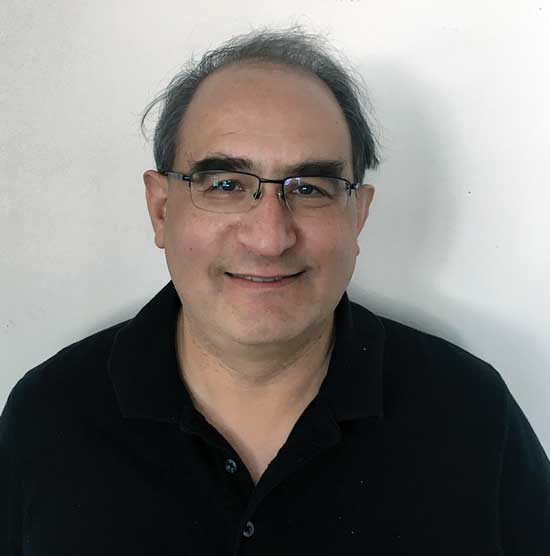
Dr. Block has a solo neurology practice in Scottsdale, Ariz.
Who watches the watchers?
In a world where the majority of practices depend on electronic health record systems to care for patients, we also depend on the companies that make them. After all, the main (if not only) reason most practices jumped to them was to qualify for meaningful use payments.
In buying them, we’re trusting that the manufacturer is doing its best to keep them updated, operational, and compliant, right? Beyond people’s health, there’s also a lot of money at stake here.
Right? Right.
The alleged bones of the matter is that eClinicalWorks knowingly misrepresented its software to get certification in the EHR incentive program. The U.S. Department of Justice says the program was modified to retrieve only specific drugs and didn’t reliably record certain chart information (such as orders and drug interactions) or allow patient information to transfer to other systems.
I should note that, in settling this matter, eClinicalWorks did not admit wrongdoing. The company just agreed to pay that money to close the lawsuit.
Guess what? If your practice used eClinicalWorks, you’re no longer in compliance. So you could be penalized, too. Fortunately, the Centers for Medicare & Medicaid Services has recognized this and announced that practices won’t be held responsible for the vendor’s failings.
Perhaps eClinicalWorks meant no harm by these things. I understand that. Projects like this are complex. It’s easy for things to fall behind and slip through the cracks. With any software release there are always issues that aren’t recognized until it comes into widespread use. But this is patient health, not the latest version of Flappy Bird.
More worrisome is the other possibility: that eClinicalWorks was aware of the issues and covered them up so as not to affect sales. If this is the case, the company made a conscious decision to choose money over patient safety.
We’ll likely never know.
In its defense, eClinicalWorks states that most of these issues have been fixed, and the others are being actively corrected and tested. The company has agreed to do quality control oversight and to track, publish, and correct problems as they become apparent.
A decision many practices face now is whether or not to stay with the company. Can you trust eClinicalWorks from here on out? If so, how vigilant do you need to be? If not, how much time and money will a new EHR system cost to implement?
Not an easy choice for any practice trying to stay afloat these days.
Dr. Block has a solo neurology practice in Scottsdale, Ariz.
Who watches the watchers?
In a world where the majority of practices depend on electronic health record systems to care for patients, we also depend on the companies that make them. After all, the main (if not only) reason most practices jumped to them was to qualify for meaningful use payments.
In buying them, we’re trusting that the manufacturer is doing its best to keep them updated, operational, and compliant, right? Beyond people’s health, there’s also a lot of money at stake here.
Right? Right.
The alleged bones of the matter is that eClinicalWorks knowingly misrepresented its software to get certification in the EHR incentive program. The U.S. Department of Justice says the program was modified to retrieve only specific drugs and didn’t reliably record certain chart information (such as orders and drug interactions) or allow patient information to transfer to other systems.
I should note that, in settling this matter, eClinicalWorks did not admit wrongdoing. The company just agreed to pay that money to close the lawsuit.
Guess what? If your practice used eClinicalWorks, you’re no longer in compliance. So you could be penalized, too. Fortunately, the Centers for Medicare & Medicaid Services has recognized this and announced that practices won’t be held responsible for the vendor’s failings.
Perhaps eClinicalWorks meant no harm by these things. I understand that. Projects like this are complex. It’s easy for things to fall behind and slip through the cracks. With any software release there are always issues that aren’t recognized until it comes into widespread use. But this is patient health, not the latest version of Flappy Bird.
More worrisome is the other possibility: that eClinicalWorks was aware of the issues and covered them up so as not to affect sales. If this is the case, the company made a conscious decision to choose money over patient safety.
We’ll likely never know.
In its defense, eClinicalWorks states that most of these issues have been fixed, and the others are being actively corrected and tested. The company has agreed to do quality control oversight and to track, publish, and correct problems as they become apparent.
A decision many practices face now is whether or not to stay with the company. Can you trust eClinicalWorks from here on out? If so, how vigilant do you need to be? If not, how much time and money will a new EHR system cost to implement?
Not an easy choice for any practice trying to stay afloat these days.
Dr. Block has a solo neurology practice in Scottsdale, Ariz.
Honoring a physician who led by example
In July, mostly unnoticed by Americans, a remarkable physician died in Japan.
Dr. Shigeaki Hinohara was a young 105 years old at the end, still practicing medicine.
When he was born in 1911, the average Japanese lifespan was 40. Due in part to him, it’s now one of the longest on Earth.
No stranger to medical disasters, he cared for those injured in the 1945 firebombing of Tokyo. Fifty years later, still working, he treated 640 victims of the 1995 nerve gas terror attack on the city’s subway. Between them, he survived being taken hostage in a 4-day plane hijacking in 1970.

He didn’t believe in retirement, since keeping busy is good. At the same time he advocated for finding fun in what you were doing.
A staunch opponent of obesity, he advocated a spartan lifestyle. For breakfast he had coffee, milk, and orange juice (the last with a spoonful of olive oil mixed in). For lunch (if he didn’t skip it) hard biscuits and milk. Dinner was vegetables, rice, and a small amount of either beef or fish.
He believed in exercise, even if it was limited to your daily routine. Always take stairs. Carry your own bags and packages. Even in his last months, using a cane, he walked 2,000 steps per day.
At the end, unable to eat, he still led by example. He refused a feeding tube and opted to leave quietly, passing on at home.
Medicine today, including my own field, is full of gadgets. Amazing tests and treatments. I believe in them 100%, and use them, as we all do, to help alleviate suffering and help people live longer and better lives.
But at the same time, we need to keep in mind that prevention is the best treatment. Keeping your mind active is good. Palliative care doesn’t mean you gave up.
In a world of increasing obesity, diabetes, and vascular disease, his simple advice on exercise and eating modestly is a lesson for many, including myself.
Never underestimate the benefits of music and pets.
And always have fun.
Good night, good doctor.
Dr. Block has a solo neurology practice in Scottsdale, Ariz.
In July, mostly unnoticed by Americans, a remarkable physician died in Japan.
Dr. Shigeaki Hinohara was a young 105 years old at the end, still practicing medicine.
When he was born in 1911, the average Japanese lifespan was 40. Due in part to him, it’s now one of the longest on Earth.
No stranger to medical disasters, he cared for those injured in the 1945 firebombing of Tokyo. Fifty years later, still working, he treated 640 victims of the 1995 nerve gas terror attack on the city’s subway. Between them, he survived being taken hostage in a 4-day plane hijacking in 1970.
He didn’t believe in retirement, since keeping busy is good. At the same time he advocated for finding fun in what you were doing.
A staunch opponent of obesity, he advocated a spartan lifestyle. For breakfast he had coffee, milk, and orange juice (the last with a spoonful of olive oil mixed in). For lunch (if he didn’t skip it) hard biscuits and milk. Dinner was vegetables, rice, and a small amount of either beef or fish.
He believed in exercise, even if it was limited to your daily routine. Always take stairs. Carry your own bags and packages. Even in his last months, using a cane, he walked 2,000 steps per day.
At the end, unable to eat, he still led by example. He refused a feeding tube and opted to leave quietly, passing on at home.
Medicine today, including my own field, is full of gadgets. Amazing tests and treatments. I believe in them 100%, and use them, as we all do, to help alleviate suffering and help people live longer and better lives.
But at the same time, we need to keep in mind that prevention is the best treatment. Keeping your mind active is good. Palliative care doesn’t mean you gave up.
In a world of increasing obesity, diabetes, and vascular disease, his simple advice on exercise and eating modestly is a lesson for many, including myself.
Never underestimate the benefits of music and pets.
And always have fun.
Good night, good doctor.
Dr. Block has a solo neurology practice in Scottsdale, Ariz.
In July, mostly unnoticed by Americans, a remarkable physician died in Japan.
Dr. Shigeaki Hinohara was a young 105 years old at the end, still practicing medicine.
When he was born in 1911, the average Japanese lifespan was 40. Due in part to him, it’s now one of the longest on Earth.
No stranger to medical disasters, he cared for those injured in the 1945 firebombing of Tokyo. Fifty years later, still working, he treated 640 victims of the 1995 nerve gas terror attack on the city’s subway. Between them, he survived being taken hostage in a 4-day plane hijacking in 1970.
He didn’t believe in retirement, since keeping busy is good. At the same time he advocated for finding fun in what you were doing.
A staunch opponent of obesity, he advocated a spartan lifestyle. For breakfast he had coffee, milk, and orange juice (the last with a spoonful of olive oil mixed in). For lunch (if he didn’t skip it) hard biscuits and milk. Dinner was vegetables, rice, and a small amount of either beef or fish.
He believed in exercise, even if it was limited to your daily routine. Always take stairs. Carry your own bags and packages. Even in his last months, using a cane, he walked 2,000 steps per day.
At the end, unable to eat, he still led by example. He refused a feeding tube and opted to leave quietly, passing on at home.
Medicine today, including my own field, is full of gadgets. Amazing tests and treatments. I believe in them 100%, and use them, as we all do, to help alleviate suffering and help people live longer and better lives.
But at the same time, we need to keep in mind that prevention is the best treatment. Keeping your mind active is good. Palliative care doesn’t mean you gave up.
In a world of increasing obesity, diabetes, and vascular disease, his simple advice on exercise and eating modestly is a lesson for many, including myself.
Never underestimate the benefits of music and pets.
And always have fun.
Good night, good doctor.
Dr. Block has a solo neurology practice in Scottsdale, Ariz.
Office-based tests can have questionable value
Office based-testing is convenient and often useful.
Often, but not always.
Sadly, a number of practices are increasingly turning to tests of questionable value as a way to make up for decreasing reimbursements. While I have nothing against making money, I have to question where this trend is going. I see many of them even being done by physicians outside of their fields.
I get ads all the time from companies selling gadgets to test balance (“Be the first in your area! Fully reimbursed!”). I see reports from family doctors with the results of a pseudo-EMG/NCV surface test done there by an assistant saying a patient with diabetes has a neuropathy (shocker!).
I have nothing against tests. Lord knows I order plenty of them. But I always try to ask myself if the results will change my management plan or answer another crucial question. If the answer is “no” to both, why bother?
Test are shiny. They impress patients and their families. They represent technological progress in medicine to many. But a lot of time we forget that clinical skills are pretty useful, too. If a diabetic patient comes in with numb feet and an exam that shows decreased distal sensation, do we really need a pseudo-surface EMG/NCV (especially when done by someone who isn’t a neurologist or physiatrist) or skin punch biopsy to tell us they have a neuropathy?
If the patient is stumbling all over and is clearly ataxic, do we need a machine to say, “Hey, you’re off balance. You could fall.”
An old mentor always told me “clinical correlation is advised.” (Al, I hated you then and miss you now.)
And convenience doesn’t always mean something is good. Remember Theranos?
Like all doctors, I worry about my bottom line and keeping my practice afloat. These tests are alluring in that they promise to increase practice revenue without much change in your overhead (if you believe that). But they can also be a siren song that lures you to put money ahead of what’s best for a patient. That’s never the right course.
Dr. Block has a solo neurology practice in Scottsdale, Ariz.
Office based-testing is convenient and often useful.
Often, but not always.
Sadly, a number of practices are increasingly turning to tests of questionable value as a way to make up for decreasing reimbursements. While I have nothing against making money, I have to question where this trend is going. I see many of them even being done by physicians outside of their fields.
I get ads all the time from companies selling gadgets to test balance (“Be the first in your area! Fully reimbursed!”). I see reports from family doctors with the results of a pseudo-EMG/NCV surface test done there by an assistant saying a patient with diabetes has a neuropathy (shocker!).
I have nothing against tests. Lord knows I order plenty of them. But I always try to ask myself if the results will change my management plan or answer another crucial question. If the answer is “no” to both, why bother?
Test are shiny. They impress patients and their families. They represent technological progress in medicine to many. But a lot of time we forget that clinical skills are pretty useful, too. If a diabetic patient comes in with numb feet and an exam that shows decreased distal sensation, do we really need a pseudo-surface EMG/NCV (especially when done by someone who isn’t a neurologist or physiatrist) or skin punch biopsy to tell us they have a neuropathy?
If the patient is stumbling all over and is clearly ataxic, do we need a machine to say, “Hey, you’re off balance. You could fall.”
An old mentor always told me “clinical correlation is advised.” (Al, I hated you then and miss you now.)
And convenience doesn’t always mean something is good. Remember Theranos?
Like all doctors, I worry about my bottom line and keeping my practice afloat. These tests are alluring in that they promise to increase practice revenue without much change in your overhead (if you believe that). But they can also be a siren song that lures you to put money ahead of what’s best for a patient. That’s never the right course.
Dr. Block has a solo neurology practice in Scottsdale, Ariz.
Office based-testing is convenient and often useful.
Often, but not always.
Sadly, a number of practices are increasingly turning to tests of questionable value as a way to make up for decreasing reimbursements. While I have nothing against making money, I have to question where this trend is going. I see many of them even being done by physicians outside of their fields.
I get ads all the time from companies selling gadgets to test balance (“Be the first in your area! Fully reimbursed!”). I see reports from family doctors with the results of a pseudo-EMG/NCV surface test done there by an assistant saying a patient with diabetes has a neuropathy (shocker!).
I have nothing against tests. Lord knows I order plenty of them. But I always try to ask myself if the results will change my management plan or answer another crucial question. If the answer is “no” to both, why bother?
Test are shiny. They impress patients and their families. They represent technological progress in medicine to many. But a lot of time we forget that clinical skills are pretty useful, too. If a diabetic patient comes in with numb feet and an exam that shows decreased distal sensation, do we really need a pseudo-surface EMG/NCV (especially when done by someone who isn’t a neurologist or physiatrist) or skin punch biopsy to tell us they have a neuropathy?
If the patient is stumbling all over and is clearly ataxic, do we need a machine to say, “Hey, you’re off balance. You could fall.”
An old mentor always told me “clinical correlation is advised.” (Al, I hated you then and miss you now.)
And convenience doesn’t always mean something is good. Remember Theranos?
Like all doctors, I worry about my bottom line and keeping my practice afloat. These tests are alluring in that they promise to increase practice revenue without much change in your overhead (if you believe that). But they can also be a siren song that lures you to put money ahead of what’s best for a patient. That’s never the right course.
Dr. Block has a solo neurology practice in Scottsdale, Ariz.
Practicing medicine for all, regardless of differences
I’m a doctor, specifically a neurologist.
I’m also a father with three kids.
I’m also a small business owner and part of the American economy. My practice is small, but provides jobs to two awesome women and in doing so allows them to have insurance, raise their families with job security, own homes, and contribute to the economy. I’m not required to by law, but I provide both with insurance coverage and a retirement plan. I pay my taxes on time and to the penny.
I’m a third-generation American, and a first-generation native Arizonan.
I’m a Phoenix Suns, ASU Sun Devils, and Creighton Bluejays basketball fan.
And, somewhere in all of the above, I’m Jewish.
I’ve never understood hate very well. To me, people are people. I’ve never treated patients differently based on race, religion, political beliefs, or pretty much any other factor. That’s part of my job, and I wouldn’t have it any other way.
For the same reason, I don’t understand anti-Semitism. I’ve never ripped anyone off and try very hard to practice ethical medicine, doing what’s right for patients and not for my pocketbook. Some could even argue that this approach has cost me financially over time.
My first direct experience with hate was in 1975, when my family moved from central Phoenix to the suburbs. When we were building our house and meeting future neighbors, one lady circulated a petition to keep Jews out of the neighborhood. A few weeks later, when the school year started, her kids looked me and my sister over and asked us where our horns were.
I don’t encounter it, at least not directly, as much anymore. Perhaps one to two times a year someone will call my office to make an appointment and will ask what my religion is. My secretary tells them that we don’t discuss this professionally here.
But it never goes away entirely. There are always those looking to blame anyone who is slightly different from them for economic and social changes, perhaps because it’s easier than actually working together to solve things. Or because they find it a welcome distraction from the real issues facing our society.
The recent events in Charlottesville are frightening to all of us, regardless of religion, who are trying to get along in everyday life. All I’ve ever wanted is to be able to work and raise my family in peace, yet we’re faced with a stark reminder of those who see this as a threat. Worse, their fires are stoked by seeming indifference (at best) and overt support (at worst) at the highest level of our government – one founded on freedom of religion.
Hate is hate, whether it’s ISIS, the Westboro Baptist Church, KKK, Kahane Chai, or the modern interpretations of Nazism lurking in Europe and America. Although they’ve always been there, today the Internet has given them a larger voice. People whom I’ve never done anything to consider me an enemy.
My kids’ school is a block from a mosque, so I drive by it all the time. It’s an attractive, well-maintained building. Sometimes I see younger kids running around out in the yard, or others playing basketball on a court between buildings. Its proximity has never bothered me. But, like myself, I know those inside are hated by others who don’t even know them. Like me, all they’ve done is raise kids, work, and pay taxes.
There have always been, and will always be, bad people in all religions, races, and ethnic groups. This is the nature of humans. But the association of hating all because of a few is very troubling. I believe the majority of people are good and that none are born hating others.
I try hard to run a blind practice: treating all patients as equal, and giving them the best care I can, regardless of who they are, what they believe, or where they’re from.
Unfortunately, too many people seem to find it easier to slap labels on anyone who doesn’t look or think like them, and decide that’s all they need to hate them and avoid looking at the person inside.
Dr. Block has a solo neurology practice in Scottsdale, Ariz.
I’m a doctor, specifically a neurologist.
I’m also a father with three kids.
I’m also a small business owner and part of the American economy. My practice is small, but provides jobs to two awesome women and in doing so allows them to have insurance, raise their families with job security, own homes, and contribute to the economy. I’m not required to by law, but I provide both with insurance coverage and a retirement plan. I pay my taxes on time and to the penny.
I’m a third-generation American, and a first-generation native Arizonan.
I’m a Phoenix Suns, ASU Sun Devils, and Creighton Bluejays basketball fan.
And, somewhere in all of the above, I’m Jewish.
I’ve never understood hate very well. To me, people are people. I’ve never treated patients differently based on race, religion, political beliefs, or pretty much any other factor. That’s part of my job, and I wouldn’t have it any other way.
For the same reason, I don’t understand anti-Semitism. I’ve never ripped anyone off and try very hard to practice ethical medicine, doing what’s right for patients and not for my pocketbook. Some could even argue that this approach has cost me financially over time.
My first direct experience with hate was in 1975, when my family moved from central Phoenix to the suburbs. When we were building our house and meeting future neighbors, one lady circulated a petition to keep Jews out of the neighborhood. A few weeks later, when the school year started, her kids looked me and my sister over and asked us where our horns were.
I don’t encounter it, at least not directly, as much anymore. Perhaps one to two times a year someone will call my office to make an appointment and will ask what my religion is. My secretary tells them that we don’t discuss this professionally here.
But it never goes away entirely. There are always those looking to blame anyone who is slightly different from them for economic and social changes, perhaps because it’s easier than actually working together to solve things. Or because they find it a welcome distraction from the real issues facing our society.
The recent events in Charlottesville are frightening to all of us, regardless of religion, who are trying to get along in everyday life. All I’ve ever wanted is to be able to work and raise my family in peace, yet we’re faced with a stark reminder of those who see this as a threat. Worse, their fires are stoked by seeming indifference (at best) and overt support (at worst) at the highest level of our government – one founded on freedom of religion.
Hate is hate, whether it’s ISIS, the Westboro Baptist Church, KKK, Kahane Chai, or the modern interpretations of Nazism lurking in Europe and America. Although they’ve always been there, today the Internet has given them a larger voice. People whom I’ve never done anything to consider me an enemy.
My kids’ school is a block from a mosque, so I drive by it all the time. It’s an attractive, well-maintained building. Sometimes I see younger kids running around out in the yard, or others playing basketball on a court between buildings. Its proximity has never bothered me. But, like myself, I know those inside are hated by others who don’t even know them. Like me, all they’ve done is raise kids, work, and pay taxes.
There have always been, and will always be, bad people in all religions, races, and ethnic groups. This is the nature of humans. But the association of hating all because of a few is very troubling. I believe the majority of people are good and that none are born hating others.
I try hard to run a blind practice: treating all patients as equal, and giving them the best care I can, regardless of who they are, what they believe, or where they’re from.
Unfortunately, too many people seem to find it easier to slap labels on anyone who doesn’t look or think like them, and decide that’s all they need to hate them and avoid looking at the person inside.
Dr. Block has a solo neurology practice in Scottsdale, Ariz.
I’m a doctor, specifically a neurologist.
I’m also a father with three kids.
I’m also a small business owner and part of the American economy. My practice is small, but provides jobs to two awesome women and in doing so allows them to have insurance, raise their families with job security, own homes, and contribute to the economy. I’m not required to by law, but I provide both with insurance coverage and a retirement plan. I pay my taxes on time and to the penny.
I’m a third-generation American, and a first-generation native Arizonan.
I’m a Phoenix Suns, ASU Sun Devils, and Creighton Bluejays basketball fan.
And, somewhere in all of the above, I’m Jewish.
I’ve never understood hate very well. To me, people are people. I’ve never treated patients differently based on race, religion, political beliefs, or pretty much any other factor. That’s part of my job, and I wouldn’t have it any other way.
For the same reason, I don’t understand anti-Semitism. I’ve never ripped anyone off and try very hard to practice ethical medicine, doing what’s right for patients and not for my pocketbook. Some could even argue that this approach has cost me financially over time.
My first direct experience with hate was in 1975, when my family moved from central Phoenix to the suburbs. When we were building our house and meeting future neighbors, one lady circulated a petition to keep Jews out of the neighborhood. A few weeks later, when the school year started, her kids looked me and my sister over and asked us where our horns were.
I don’t encounter it, at least not directly, as much anymore. Perhaps one to two times a year someone will call my office to make an appointment and will ask what my religion is. My secretary tells them that we don’t discuss this professionally here.
But it never goes away entirely. There are always those looking to blame anyone who is slightly different from them for economic and social changes, perhaps because it’s easier than actually working together to solve things. Or because they find it a welcome distraction from the real issues facing our society.
The recent events in Charlottesville are frightening to all of us, regardless of religion, who are trying to get along in everyday life. All I’ve ever wanted is to be able to work and raise my family in peace, yet we’re faced with a stark reminder of those who see this as a threat. Worse, their fires are stoked by seeming indifference (at best) and overt support (at worst) at the highest level of our government – one founded on freedom of religion.
Hate is hate, whether it’s ISIS, the Westboro Baptist Church, KKK, Kahane Chai, or the modern interpretations of Nazism lurking in Europe and America. Although they’ve always been there, today the Internet has given them a larger voice. People whom I’ve never done anything to consider me an enemy.
My kids’ school is a block from a mosque, so I drive by it all the time. It’s an attractive, well-maintained building. Sometimes I see younger kids running around out in the yard, or others playing basketball on a court between buildings. Its proximity has never bothered me. But, like myself, I know those inside are hated by others who don’t even know them. Like me, all they’ve done is raise kids, work, and pay taxes.
There have always been, and will always be, bad people in all religions, races, and ethnic groups. This is the nature of humans. But the association of hating all because of a few is very troubling. I believe the majority of people are good and that none are born hating others.
I try hard to run a blind practice: treating all patients as equal, and giving them the best care I can, regardless of who they are, what they believe, or where they’re from.
Unfortunately, too many people seem to find it easier to slap labels on anyone who doesn’t look or think like them, and decide that’s all they need to hate them and avoid looking at the person inside.
Dr. Block has a solo neurology practice in Scottsdale, Ariz.
Paying it forward
I was 14 when my grandmother fell and broke her hip. She went to the emergency department by ambulance from the restaurant we were at, and Dad took me to the hospital with him. He was an only child, and not a medical person. He was very worried.
There, Grandma looked older and more frail than usual. She and my dad were both anxious when told she’d need surgery.
Then the orthopedic surgeon came in. Tall and confident, he was initially quite imposing. But he was polite and had a great bedside manner. He calmed my dad and grandmother down, explained what needed to be done, and was reassuring. After surgery, he came to the waiting room to let us know things had gone well. I remember how impressed Dad and I both were.
Now, here was that surgeon again, on the other side of my desk. Arthritis had taken away some of his height. But he still carried himself with a proud dignity.
His family had brought him to me for worsening memory problems. He thought he was still in practice, although he had retired years ago. He didn’t remember his address, what city we were in, or what a clock looked like.
You hear families talk about how much Alzheimer’s disease takes away from a loved one, but you rarely have the opportunity in a practice to see for yourself. But the impression he’d made on me over 35 years ago was still strong, and I remembered every detail in comparison to the person across from me today.
In his field, he fixed things. With screws, rods, and casts he could restore broken bones, returning them to strength and use – like he had with my grandmother.
Sadly, I can’t return the favor now. I can only offer his family comfort, and answer questions, the way he once did with mine.
I started donepezil and gave them the most optimistic talk I have for these cases. But I know we’re still far away from fixing broken brains.
After he left, I found myself looking in the mirror, thinking of how I saw him then, wondering if his family saw me the same way now, and realizing that someday my children and I may be in the same situation.
Dr. Block has a solo neurology practice in Scottsdale, Ariz.
I was 14 when my grandmother fell and broke her hip. She went to the emergency department by ambulance from the restaurant we were at, and Dad took me to the hospital with him. He was an only child, and not a medical person. He was very worried.
There, Grandma looked older and more frail than usual. She and my dad were both anxious when told she’d need surgery.
Then the orthopedic surgeon came in. Tall and confident, he was initially quite imposing. But he was polite and had a great bedside manner. He calmed my dad and grandmother down, explained what needed to be done, and was reassuring. After surgery, he came to the waiting room to let us know things had gone well. I remember how impressed Dad and I both were.
Now, here was that surgeon again, on the other side of my desk. Arthritis had taken away some of his height. But he still carried himself with a proud dignity.
His family had brought him to me for worsening memory problems. He thought he was still in practice, although he had retired years ago. He didn’t remember his address, what city we were in, or what a clock looked like.
You hear families talk about how much Alzheimer’s disease takes away from a loved one, but you rarely have the opportunity in a practice to see for yourself. But the impression he’d made on me over 35 years ago was still strong, and I remembered every detail in comparison to the person across from me today.
In his field, he fixed things. With screws, rods, and casts he could restore broken bones, returning them to strength and use – like he had with my grandmother.
Sadly, I can’t return the favor now. I can only offer his family comfort, and answer questions, the way he once did with mine.
I started donepezil and gave them the most optimistic talk I have for these cases. But I know we’re still far away from fixing broken brains.
After he left, I found myself looking in the mirror, thinking of how I saw him then, wondering if his family saw me the same way now, and realizing that someday my children and I may be in the same situation.
Dr. Block has a solo neurology practice in Scottsdale, Ariz.
I was 14 when my grandmother fell and broke her hip. She went to the emergency department by ambulance from the restaurant we were at, and Dad took me to the hospital with him. He was an only child, and not a medical person. He was very worried.
There, Grandma looked older and more frail than usual. She and my dad were both anxious when told she’d need surgery.
Then the orthopedic surgeon came in. Tall and confident, he was initially quite imposing. But he was polite and had a great bedside manner. He calmed my dad and grandmother down, explained what needed to be done, and was reassuring. After surgery, he came to the waiting room to let us know things had gone well. I remember how impressed Dad and I both were.
Now, here was that surgeon again, on the other side of my desk. Arthritis had taken away some of his height. But he still carried himself with a proud dignity.
His family had brought him to me for worsening memory problems. He thought he was still in practice, although he had retired years ago. He didn’t remember his address, what city we were in, or what a clock looked like.
You hear families talk about how much Alzheimer’s disease takes away from a loved one, but you rarely have the opportunity in a practice to see for yourself. But the impression he’d made on me over 35 years ago was still strong, and I remembered every detail in comparison to the person across from me today.
In his field, he fixed things. With screws, rods, and casts he could restore broken bones, returning them to strength and use – like he had with my grandmother.
Sadly, I can’t return the favor now. I can only offer his family comfort, and answer questions, the way he once did with mine.
I started donepezil and gave them the most optimistic talk I have for these cases. But I know we’re still far away from fixing broken brains.
After he left, I found myself looking in the mirror, thinking of how I saw him then, wondering if his family saw me the same way now, and realizing that someday my children and I may be in the same situation.
Dr. Block has a solo neurology practice in Scottsdale, Ariz.
Don’t be bullied by patients threatening bad reviews
“I’m giving you a bad review on Yelp over this.”
He said that, and I honestly didn’t care.
When he called for the appointment, he told my staff he was on a PPO plan that I’m contracted with. But when he came in 2 weeks later, he had a completely different card: an HMO that I’ve never been affiliated with.
I’m an adult neurologist, and don’t see anyone under 18. If you’re an adult, you need to start taking responsibility for your actions. One of them should be knowing what your medical insurance is. This is your job. Not ours. When you tell us what your insurance is, we take you at your word.
But I’m here to help people, and he said he really needed to see me. So I offered to see him at my cash discount rate.
He said no.
I then said I’d see him, and bill it to his insurance to see if they paid anything, and we could work out what he still might owe after that. I was genuinely trying to help him.
Not surprisingly, he again said no.
Then he made me this counteroffer: See me for free, and I won’t post a negative online review about you.
Predictably, he left. And wrote the review on a rate-a-doc site.
Does the bad review bother me? Not at all. The nature of medicine is such that you can’t please everyone. And those you do please likely won’t write a review.
I come here each day to do my best to help people. Threatening me to start a medical relationship will find you going nowhere.
And taking responsibility for your own actions, like I tell my kids, is a big part of being a grownup.
Dr. Block has a solo neurology practice in Scottsdale, Ariz.
“I’m giving you a bad review on Yelp over this.”
He said that, and I honestly didn’t care.
When he called for the appointment, he told my staff he was on a PPO plan that I’m contracted with. But when he came in 2 weeks later, he had a completely different card: an HMO that I’ve never been affiliated with.
I’m an adult neurologist, and don’t see anyone under 18. If you’re an adult, you need to start taking responsibility for your actions. One of them should be knowing what your medical insurance is. This is your job. Not ours. When you tell us what your insurance is, we take you at your word.
But I’m here to help people, and he said he really needed to see me. So I offered to see him at my cash discount rate.
He said no.
I then said I’d see him, and bill it to his insurance to see if they paid anything, and we could work out what he still might owe after that. I was genuinely trying to help him.
Not surprisingly, he again said no.
Then he made me this counteroffer: See me for free, and I won’t post a negative online review about you.
Predictably, he left. And wrote the review on a rate-a-doc site.
Does the bad review bother me? Not at all. The nature of medicine is such that you can’t please everyone. And those you do please likely won’t write a review.
I come here each day to do my best to help people. Threatening me to start a medical relationship will find you going nowhere.
And taking responsibility for your own actions, like I tell my kids, is a big part of being a grownup.
Dr. Block has a solo neurology practice in Scottsdale, Ariz.
“I’m giving you a bad review on Yelp over this.”
He said that, and I honestly didn’t care.
When he called for the appointment, he told my staff he was on a PPO plan that I’m contracted with. But when he came in 2 weeks later, he had a completely different card: an HMO that I’ve never been affiliated with.
I’m an adult neurologist, and don’t see anyone under 18. If you’re an adult, you need to start taking responsibility for your actions. One of them should be knowing what your medical insurance is. This is your job. Not ours. When you tell us what your insurance is, we take you at your word.
But I’m here to help people, and he said he really needed to see me. So I offered to see him at my cash discount rate.
He said no.
I then said I’d see him, and bill it to his insurance to see if they paid anything, and we could work out what he still might owe after that. I was genuinely trying to help him.
Not surprisingly, he again said no.
Then he made me this counteroffer: See me for free, and I won’t post a negative online review about you.
Predictably, he left. And wrote the review on a rate-a-doc site.
Does the bad review bother me? Not at all. The nature of medicine is such that you can’t please everyone. And those you do please likely won’t write a review.
I come here each day to do my best to help people. Threatening me to start a medical relationship will find you going nowhere.
And taking responsibility for your own actions, like I tell my kids, is a big part of being a grownup.
Dr. Block has a solo neurology practice in Scottsdale, Ariz.

How would you handle predictions of Alzheimer’s disease?
We love to try and predict the future. Some of it is scientific, like checking the weather forecast to see what we’re in for. (Here in Phoenix, it’s always hot, hotter, or melting.)
On the other hand, some of it is just for entertainment, like checking a horoscope or seeing what a fortune cookie says.
The breakthroughs in biomarkers for Alzheimer’s disease are accelerating. Although still experimental, we’re getting pretty close to predicting the disease many years before it develops. At the same time, we aren’t nearly as close to a treatment that will have a meaningful impact on the course of the disease.
In 1993, the genetic marker for Huntington’s disease was identified, quickly leading to a blood test with high accuracy to know if you were – or were not – going to develop the fatal disorder down the road.
Some wanted to know and used the information to decide if they wanted to have families. Others, understandably fearful, decided not to and let their lives play out as they will. Sadly, either way we have nothing close to a cure for the disease.
Now, we come to Alzheimer’s disease, many times more common than Huntington’s. Close to predicting its coming and not really close to a cure.
What would you do?
[polldaddy:9778279]
In “Back to the Future,” Doc Brown said “no man should know too much about their own destiny” (though later changed his mind). But, for Doc Brown, a bulletproof vest was all he needed. In Alzheimer’s disease, it’s not that simple.
I’m sure some would see it as a way to have their affairs in order long in advance, to spare themselves and their loved ones the frantic scramble that often comes after a diagnosis. Others would be afraid to know what the future holds, with every misplaced set of keys or iPhone becoming a reason to panic.
Obviously, if we had a true cure for the disorder, the decision would be easy. Then, it becomes a preventive measure in the same category as mammograms and colonoscopies. Early detection saves lives.
What would you do? And how will you guide the patients who ask your opinion?
For better or worse, these questions are coming. All of us need to think about how we’ll handle them.
Dr. Block has a solo neurology private practice in Scottsdale, Ariz.
We love to try and predict the future. Some of it is scientific, like checking the weather forecast to see what we’re in for. (Here in Phoenix, it’s always hot, hotter, or melting.)
On the other hand, some of it is just for entertainment, like checking a horoscope or seeing what a fortune cookie says.
The breakthroughs in biomarkers for Alzheimer’s disease are accelerating. Although still experimental, we’re getting pretty close to predicting the disease many years before it develops. At the same time, we aren’t nearly as close to a treatment that will have a meaningful impact on the course of the disease.
In 1993, the genetic marker for Huntington’s disease was identified, quickly leading to a blood test with high accuracy to know if you were – or were not – going to develop the fatal disorder down the road.
Some wanted to know and used the information to decide if they wanted to have families. Others, understandably fearful, decided not to and let their lives play out as they will. Sadly, either way we have nothing close to a cure for the disease.
Now, we come to Alzheimer’s disease, many times more common than Huntington’s. Close to predicting its coming and not really close to a cure.
What would you do?
[polldaddy:9778279]
In “Back to the Future,” Doc Brown said “no man should know too much about their own destiny” (though later changed his mind). But, for Doc Brown, a bulletproof vest was all he needed. In Alzheimer’s disease, it’s not that simple.
I’m sure some would see it as a way to have their affairs in order long in advance, to spare themselves and their loved ones the frantic scramble that often comes after a diagnosis. Others would be afraid to know what the future holds, with every misplaced set of keys or iPhone becoming a reason to panic.
Obviously, if we had a true cure for the disorder, the decision would be easy. Then, it becomes a preventive measure in the same category as mammograms and colonoscopies. Early detection saves lives.
What would you do? And how will you guide the patients who ask your opinion?
For better or worse, these questions are coming. All of us need to think about how we’ll handle them.
Dr. Block has a solo neurology private practice in Scottsdale, Ariz.
We love to try and predict the future. Some of it is scientific, like checking the weather forecast to see what we’re in for. (Here in Phoenix, it’s always hot, hotter, or melting.)
On the other hand, some of it is just for entertainment, like checking a horoscope or seeing what a fortune cookie says.
The breakthroughs in biomarkers for Alzheimer’s disease are accelerating. Although still experimental, we’re getting pretty close to predicting the disease many years before it develops. At the same time, we aren’t nearly as close to a treatment that will have a meaningful impact on the course of the disease.
In 1993, the genetic marker for Huntington’s disease was identified, quickly leading to a blood test with high accuracy to know if you were – or were not – going to develop the fatal disorder down the road.
Some wanted to know and used the information to decide if they wanted to have families. Others, understandably fearful, decided not to and let their lives play out as they will. Sadly, either way we have nothing close to a cure for the disease.
Now, we come to Alzheimer’s disease, many times more common than Huntington’s. Close to predicting its coming and not really close to a cure.
What would you do?
[polldaddy:9778279]
In “Back to the Future,” Doc Brown said “no man should know too much about their own destiny” (though later changed his mind). But, for Doc Brown, a bulletproof vest was all he needed. In Alzheimer’s disease, it’s not that simple.
I’m sure some would see it as a way to have their affairs in order long in advance, to spare themselves and their loved ones the frantic scramble that often comes after a diagnosis. Others would be afraid to know what the future holds, with every misplaced set of keys or iPhone becoming a reason to panic.
Obviously, if we had a true cure for the disorder, the decision would be easy. Then, it becomes a preventive measure in the same category as mammograms and colonoscopies. Early detection saves lives.
What would you do? And how will you guide the patients who ask your opinion?
For better or worse, these questions are coming. All of us need to think about how we’ll handle them.
Dr. Block has a solo neurology private practice in Scottsdale, Ariz.
Risks of keeping controlled substances in office tilt away from benefits
I don’t stack narcotics in my office. Never have, never will.
Honestly, in this day and age, I don’t understand why anyone would.
I get the occasional patient with a bad migraine who wants to come in for “a shot.” Sorry, I don’t carry that. I suppose I could carry Ketorolac, but I try to run a simple, nonurgent practice. If you have an urgent situation, go to an emergency department or urgent care.
I couldn’t agree more. It’s better to avoid the problem altogether.
In 1998, on my very first day of work as an attending, the group I’d signed with put me in a satellite office normally used by their headache specialist. While familiarizing myself with what was where, I discovered a bottle of injectable meperidine. It wasn’t locked up, just sitting next to the zolmitriptan (Zomig) samples in an unsecured cabinet. I picked it up in shock to make sure I’d read the label correctly. I put it back down then (somewhat paranoid) picked it back up, wiped my fingerprints off, and put it down in the exact same spot it had been. Although it was obviously a serious infraction, I didn’t want to jeopardize my standing as a new hire. So, I just ignored it. But, I sure worried about what would happen if a DEA inspector showed up.
So, today, I just don’t deal with it. No controlled substances, less paperwork, fewer worries. Simplicity is bliss, and modern medicine has enough worries as it is.
This still gets me the occasional complaint of, “Well, my other neurologist did!” but, frankly, I don’t care. They can run their practice how they want, and I’ll run mine.
In a world of regulations, daily press stories on “pill mills” overusing narcotics, and my quarterly prescription tracking reports from the state board, I want to keep my involvement in them as minimal as possible. I may prescribe them, but I don’t want the potential nightmares of having them on site.
Dr. Block has a solo neurology practice in Scottsdale, Ariz.
I don’t stack narcotics in my office. Never have, never will.
Honestly, in this day and age, I don’t understand why anyone would.
I get the occasional patient with a bad migraine who wants to come in for “a shot.” Sorry, I don’t carry that. I suppose I could carry Ketorolac, but I try to run a simple, nonurgent practice. If you have an urgent situation, go to an emergency department or urgent care.
I couldn’t agree more. It’s better to avoid the problem altogether.
In 1998, on my very first day of work as an attending, the group I’d signed with put me in a satellite office normally used by their headache specialist. While familiarizing myself with what was where, I discovered a bottle of injectable meperidine. It wasn’t locked up, just sitting next to the zolmitriptan (Zomig) samples in an unsecured cabinet. I picked it up in shock to make sure I’d read the label correctly. I put it back down then (somewhat paranoid) picked it back up, wiped my fingerprints off, and put it down in the exact same spot it had been. Although it was obviously a serious infraction, I didn’t want to jeopardize my standing as a new hire. So, I just ignored it. But, I sure worried about what would happen if a DEA inspector showed up.
So, today, I just don’t deal with it. No controlled substances, less paperwork, fewer worries. Simplicity is bliss, and modern medicine has enough worries as it is.
This still gets me the occasional complaint of, “Well, my other neurologist did!” but, frankly, I don’t care. They can run their practice how they want, and I’ll run mine.
In a world of regulations, daily press stories on “pill mills” overusing narcotics, and my quarterly prescription tracking reports from the state board, I want to keep my involvement in them as minimal as possible. I may prescribe them, but I don’t want the potential nightmares of having them on site.
Dr. Block has a solo neurology practice in Scottsdale, Ariz.
I don’t stack narcotics in my office. Never have, never will.
Honestly, in this day and age, I don’t understand why anyone would.
I get the occasional patient with a bad migraine who wants to come in for “a shot.” Sorry, I don’t carry that. I suppose I could carry Ketorolac, but I try to run a simple, nonurgent practice. If you have an urgent situation, go to an emergency department or urgent care.
I couldn’t agree more. It’s better to avoid the problem altogether.
In 1998, on my very first day of work as an attending, the group I’d signed with put me in a satellite office normally used by their headache specialist. While familiarizing myself with what was where, I discovered a bottle of injectable meperidine. It wasn’t locked up, just sitting next to the zolmitriptan (Zomig) samples in an unsecured cabinet. I picked it up in shock to make sure I’d read the label correctly. I put it back down then (somewhat paranoid) picked it back up, wiped my fingerprints off, and put it down in the exact same spot it had been. Although it was obviously a serious infraction, I didn’t want to jeopardize my standing as a new hire. So, I just ignored it. But, I sure worried about what would happen if a DEA inspector showed up.
So, today, I just don’t deal with it. No controlled substances, less paperwork, fewer worries. Simplicity is bliss, and modern medicine has enough worries as it is.
This still gets me the occasional complaint of, “Well, my other neurologist did!” but, frankly, I don’t care. They can run their practice how they want, and I’ll run mine.
In a world of regulations, daily press stories on “pill mills” overusing narcotics, and my quarterly prescription tracking reports from the state board, I want to keep my involvement in them as minimal as possible. I may prescribe them, but I don’t want the potential nightmares of having them on site.
Dr. Block has a solo neurology practice in Scottsdale, Ariz.
Access to ‘the little blue book’ just got a lot more expensive
“The little blue book” has been an office standard as long as I’ve been in practice. Every practice has a dog-eared copy in a drawer somewhere that’s constantly being pulled out to look up hospitals, other doctors, and pharmacies.
As small as it is, it’s pretty useful in the daily flow of my office routine.
Until now.
Sadly, 2016 was apparently the year I ordered my last copies. The publisher’s marketing people inform me that the paper version has been discontinued, and I can now get the digital version for only ... $500 per year.
Thanks, but no thanks.
I have nothing against digital editions. In fact, if it was the same price as the paper one, I’d get it. If I were a big practice that needed, say, 50 copies for the staff, the $500 per practice fee is a deal, compared with the $998 I’d pay for 50 paper copies.
But for my dinky little two-person practice? The difference between $39.90 and $500 just isn’t worth all the advantages a digital version may offer. For that kind of money, I’ll use Google.
This is another part of a gradual, and disturbing, trend in medicine: ignoring small practices. Large corporate practices are worth a lot more in sales than little one-to-three doctor groups, so companies, such as “the little blue book,” have no incentive to tailor their products to us. We have become medical persona non grata.
I understand this is a business decision. It’s not specifically directed at me.
Yet ...
I’ve been in practice for almost 20 years now, and buying two copies of the LBB is something I’ve done annually, in good and bad economic years. I’ve supported the publisher because it was a good product at a fair price. Sadly, they no longer find my little practice to be worth the effort or profit margin.
Dr. Block has a solo neurology practice in Scottsdale, Ariz.
“The little blue book” has been an office standard as long as I’ve been in practice. Every practice has a dog-eared copy in a drawer somewhere that’s constantly being pulled out to look up hospitals, other doctors, and pharmacies.
As small as it is, it’s pretty useful in the daily flow of my office routine.
Until now.
Sadly, 2016 was apparently the year I ordered my last copies. The publisher’s marketing people inform me that the paper version has been discontinued, and I can now get the digital version for only ... $500 per year.
Thanks, but no thanks.
I have nothing against digital editions. In fact, if it was the same price as the paper one, I’d get it. If I were a big practice that needed, say, 50 copies for the staff, the $500 per practice fee is a deal, compared with the $998 I’d pay for 50 paper copies.
But for my dinky little two-person practice? The difference between $39.90 and $500 just isn’t worth all the advantages a digital version may offer. For that kind of money, I’ll use Google.
This is another part of a gradual, and disturbing, trend in medicine: ignoring small practices. Large corporate practices are worth a lot more in sales than little one-to-three doctor groups, so companies, such as “the little blue book,” have no incentive to tailor their products to us. We have become medical persona non grata.
I understand this is a business decision. It’s not specifically directed at me.
Yet ...
I’ve been in practice for almost 20 years now, and buying two copies of the LBB is something I’ve done annually, in good and bad economic years. I’ve supported the publisher because it was a good product at a fair price. Sadly, they no longer find my little practice to be worth the effort or profit margin.
Dr. Block has a solo neurology practice in Scottsdale, Ariz.
“The little blue book” has been an office standard as long as I’ve been in practice. Every practice has a dog-eared copy in a drawer somewhere that’s constantly being pulled out to look up hospitals, other doctors, and pharmacies.
As small as it is, it’s pretty useful in the daily flow of my office routine.
Until now.
Sadly, 2016 was apparently the year I ordered my last copies. The publisher’s marketing people inform me that the paper version has been discontinued, and I can now get the digital version for only ... $500 per year.
Thanks, but no thanks.
I have nothing against digital editions. In fact, if it was the same price as the paper one, I’d get it. If I were a big practice that needed, say, 50 copies for the staff, the $500 per practice fee is a deal, compared with the $998 I’d pay for 50 paper copies.
But for my dinky little two-person practice? The difference between $39.90 and $500 just isn’t worth all the advantages a digital version may offer. For that kind of money, I’ll use Google.
This is another part of a gradual, and disturbing, trend in medicine: ignoring small practices. Large corporate practices are worth a lot more in sales than little one-to-three doctor groups, so companies, such as “the little blue book,” have no incentive to tailor their products to us. We have become medical persona non grata.
I understand this is a business decision. It’s not specifically directed at me.
Yet ...
I’ve been in practice for almost 20 years now, and buying two copies of the LBB is something I’ve done annually, in good and bad economic years. I’ve supported the publisher because it was a good product at a fair price. Sadly, they no longer find my little practice to be worth the effort or profit margin.
Dr. Block has a solo neurology practice in Scottsdale, Ariz.
The ‘monster note’ in EHR systems rarely helps
Recently, the hospital I take call at switched to Epic as its electronic health record system.
Overall, I don’t have too many complaints about it. It does some things better and some things worse than other systems I’ve used. That’s to be expected.
But with Epic has come an alarming new trend: the monster note.
Rarely does it ever give you a hint into the thought process or what’s going on that (at least to me) is so critical to medicine.
In a recent example of the insanity, one of my office patients was in the hospital overnight for a transient ischemic attack. When I went to get the discharge summary, it was 97 pages long! (Really, it was.) All of it was auto-filled in with test results, vital signs, MRI screening forms, medication administration records, and nurse, therapy, and respiratory notes. Most of it was far from the stuff that discharge summaries are supposed to contain. What part of “summary” are people not understanding anymore?
Of course, this isn’t Epic’s fault. It’s just a tool. It’s how humans use it that becomes the problem. This misuse of the system has made routine notes, as Shakespeare’s Macbeth said, “a tale told by an idiot, full of sound and fury, signifying nothing.”
For better or worse, I deliberately don’t do this. I let Epic put in the patient’s name, birthday, and most recent vital signs ... and nothing else. I’ll fill in the test results when needed, in a concise form that I can grasp. (It’s my note, after all.) To me, writing (or typing) the note is part of the thought process. As I enter results, I turn over what they mean, in a way that just seeing five paragraphs auto-pasted in doesn’t do. It also allows me to boil them down to one or two sentences.
After all, brevity is the soul of wit. And while I’m not trying to be witty in my notes, I am trying solve the problem in front of me. Taking the time write it out in my own words is essential to my thought process and letting others understand how I came to my plan. And, as a result, it is what’s best for the patient.
Dr. Block has a solo neurology practice in Scottsdale, Ariz.
Recently, the hospital I take call at switched to Epic as its electronic health record system.
Overall, I don’t have too many complaints about it. It does some things better and some things worse than other systems I’ve used. That’s to be expected.
But with Epic has come an alarming new trend: the monster note.
Rarely does it ever give you a hint into the thought process or what’s going on that (at least to me) is so critical to medicine.
In a recent example of the insanity, one of my office patients was in the hospital overnight for a transient ischemic attack. When I went to get the discharge summary, it was 97 pages long! (Really, it was.) All of it was auto-filled in with test results, vital signs, MRI screening forms, medication administration records, and nurse, therapy, and respiratory notes. Most of it was far from the stuff that discharge summaries are supposed to contain. What part of “summary” are people not understanding anymore?
Of course, this isn’t Epic’s fault. It’s just a tool. It’s how humans use it that becomes the problem. This misuse of the system has made routine notes, as Shakespeare’s Macbeth said, “a tale told by an idiot, full of sound and fury, signifying nothing.”
For better or worse, I deliberately don’t do this. I let Epic put in the patient’s name, birthday, and most recent vital signs ... and nothing else. I’ll fill in the test results when needed, in a concise form that I can grasp. (It’s my note, after all.) To me, writing (or typing) the note is part of the thought process. As I enter results, I turn over what they mean, in a way that just seeing five paragraphs auto-pasted in doesn’t do. It also allows me to boil them down to one or two sentences.
After all, brevity is the soul of wit. And while I’m not trying to be witty in my notes, I am trying solve the problem in front of me. Taking the time write it out in my own words is essential to my thought process and letting others understand how I came to my plan. And, as a result, it is what’s best for the patient.
Dr. Block has a solo neurology practice in Scottsdale, Ariz.
Recently, the hospital I take call at switched to Epic as its electronic health record system.
Overall, I don’t have too many complaints about it. It does some things better and some things worse than other systems I’ve used. That’s to be expected.
But with Epic has come an alarming new trend: the monster note.
Rarely does it ever give you a hint into the thought process or what’s going on that (at least to me) is so critical to medicine.
In a recent example of the insanity, one of my office patients was in the hospital overnight for a transient ischemic attack. When I went to get the discharge summary, it was 97 pages long! (Really, it was.) All of it was auto-filled in with test results, vital signs, MRI screening forms, medication administration records, and nurse, therapy, and respiratory notes. Most of it was far from the stuff that discharge summaries are supposed to contain. What part of “summary” are people not understanding anymore?
Of course, this isn’t Epic’s fault. It’s just a tool. It’s how humans use it that becomes the problem. This misuse of the system has made routine notes, as Shakespeare’s Macbeth said, “a tale told by an idiot, full of sound and fury, signifying nothing.”
For better or worse, I deliberately don’t do this. I let Epic put in the patient’s name, birthday, and most recent vital signs ... and nothing else. I’ll fill in the test results when needed, in a concise form that I can grasp. (It’s my note, after all.) To me, writing (or typing) the note is part of the thought process. As I enter results, I turn over what they mean, in a way that just seeing five paragraphs auto-pasted in doesn’t do. It also allows me to boil them down to one or two sentences.
After all, brevity is the soul of wit. And while I’m not trying to be witty in my notes, I am trying solve the problem in front of me. Taking the time write it out in my own words is essential to my thought process and letting others understand how I came to my plan. And, as a result, it is what’s best for the patient.
Dr. Block has a solo neurology practice in Scottsdale, Ariz.