User login
Prescribing drugs outside your specialty
I prescribe medications. You do, too. It’s part of what we do.
What I don’t do is prescribe meds for other docs, or expect them to prescribe mine.
Seems reasonable, right? Yet, I’ve seen several recent posts on physician gripe boards talking about doctors dodging out on this in a few ways. Some examples follow:
• Specialists who diagnose a patient with epilepsy, and send a note back to the internists suggesting they start Tegretol.
• Internists who want the patient to take a drug for neuropathy, and give them a note to take to the specialist asking them to start Lyrica.
• Specialists who want the internist to manage another field entirely, such as a dermatologist telling the internist what to prescribe for a patient’s diabetes.
Personally, I wouldn’t expect any internist to continue a medication that I started prescribing. If they referred the patient to me, I assume they want me to handle it. If they’d prefer the patient return to them for continuing care of the condition, that’s fine, but I generally figure it’s now my issue.
On the flip side, it always bugs me when someone who’s not in my field tells a patient what they think I should prescribe. Sometimes I agree with the choice, but to me it undermines my relationship with the patient. If you want me to handle the case, then don’t give the patient expectations of what should be used. Otherwise, if I decide to try something else, Mr. Smith feels like he’s been short-changed and may call the internist to complain.
I wouldn’t dream of handing a patient a card that says, “Needs to be started on (Actos/Coreg/amiodarone/whatever),” so am always surprised when they bring a note saying, “Please start Dilantin, I think he has seizures.”
This isn’t, I admit, a common occurrence. In my little world, I can count on one hand the number of times it happens per year, almost always from a physician whom I haven’t previously worked with. My referral sources (hopefully) trust me to handle neurology, and I feel the same way about them to handle other issues.
But it must be happening to others, or it wouldn’t be showing up on Sermo and other sites. I have to wonder about the background mindset. Is it just laziness on the part of other doctors? A reluctance to prescribe, knowing that then you’ll be the one stuck with the prior authorization and refill requests? A paternalistic approach to medicine, where you feel you’re right, and therefore another doc should unquestioningly follow your instructions (if you know what’s best, why refer at all?).
More disturbingly, are a few docs seeing patients as someone else’s problem? I really hope not. I’d like to think that the affront, when present, is simply from a lack of practice experience and/or social skills, and will fade with time. Things that irritate other physicians only end up hurting the patient, which isn’t what we’re here for.
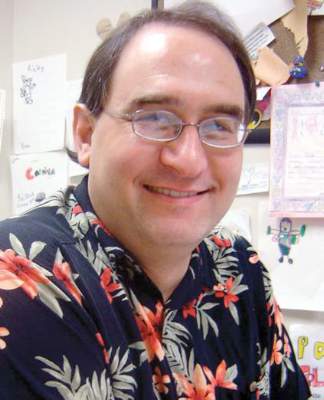
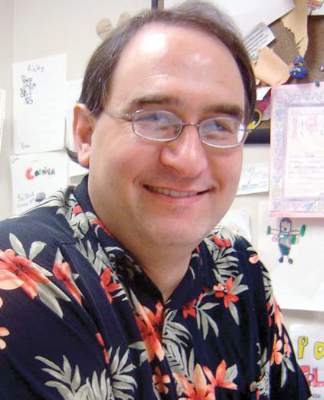
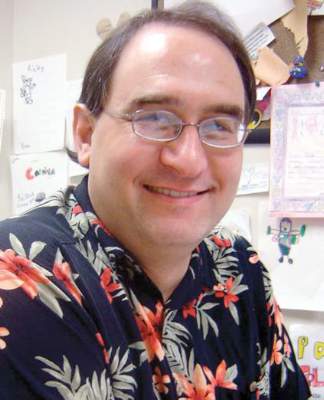
Dr. Block has a solo neurology practice in Scottsdale, Ariz.
I prescribe medications. You do, too. It’s part of what we do.
What I don’t do is prescribe meds for other docs, or expect them to prescribe mine.
Seems reasonable, right? Yet, I’ve seen several recent posts on physician gripe boards talking about doctors dodging out on this in a few ways. Some examples follow:
• Specialists who diagnose a patient with epilepsy, and send a note back to the internists suggesting they start Tegretol.
• Internists who want the patient to take a drug for neuropathy, and give them a note to take to the specialist asking them to start Lyrica.
• Specialists who want the internist to manage another field entirely, such as a dermatologist telling the internist what to prescribe for a patient’s diabetes.
Personally, I wouldn’t expect any internist to continue a medication that I started prescribing. If they referred the patient to me, I assume they want me to handle it. If they’d prefer the patient return to them for continuing care of the condition, that’s fine, but I generally figure it’s now my issue.
On the flip side, it always bugs me when someone who’s not in my field tells a patient what they think I should prescribe. Sometimes I agree with the choice, but to me it undermines my relationship with the patient. If you want me to handle the case, then don’t give the patient expectations of what should be used. Otherwise, if I decide to try something else, Mr. Smith feels like he’s been short-changed and may call the internist to complain.
I wouldn’t dream of handing a patient a card that says, “Needs to be started on (Actos/Coreg/amiodarone/whatever),” so am always surprised when they bring a note saying, “Please start Dilantin, I think he has seizures.”
This isn’t, I admit, a common occurrence. In my little world, I can count on one hand the number of times it happens per year, almost always from a physician whom I haven’t previously worked with. My referral sources (hopefully) trust me to handle neurology, and I feel the same way about them to handle other issues.
But it must be happening to others, or it wouldn’t be showing up on Sermo and other sites. I have to wonder about the background mindset. Is it just laziness on the part of other doctors? A reluctance to prescribe, knowing that then you’ll be the one stuck with the prior authorization and refill requests? A paternalistic approach to medicine, where you feel you’re right, and therefore another doc should unquestioningly follow your instructions (if you know what’s best, why refer at all?).
More disturbingly, are a few docs seeing patients as someone else’s problem? I really hope not. I’d like to think that the affront, when present, is simply from a lack of practice experience and/or social skills, and will fade with time. Things that irritate other physicians only end up hurting the patient, which isn’t what we’re here for.
Dr. Block has a solo neurology practice in Scottsdale, Ariz.
I prescribe medications. You do, too. It’s part of what we do.
What I don’t do is prescribe meds for other docs, or expect them to prescribe mine.
Seems reasonable, right? Yet, I’ve seen several recent posts on physician gripe boards talking about doctors dodging out on this in a few ways. Some examples follow:
• Specialists who diagnose a patient with epilepsy, and send a note back to the internists suggesting they start Tegretol.
• Internists who want the patient to take a drug for neuropathy, and give them a note to take to the specialist asking them to start Lyrica.
• Specialists who want the internist to manage another field entirely, such as a dermatologist telling the internist what to prescribe for a patient’s diabetes.
Personally, I wouldn’t expect any internist to continue a medication that I started prescribing. If they referred the patient to me, I assume they want me to handle it. If they’d prefer the patient return to them for continuing care of the condition, that’s fine, but I generally figure it’s now my issue.
On the flip side, it always bugs me when someone who’s not in my field tells a patient what they think I should prescribe. Sometimes I agree with the choice, but to me it undermines my relationship with the patient. If you want me to handle the case, then don’t give the patient expectations of what should be used. Otherwise, if I decide to try something else, Mr. Smith feels like he’s been short-changed and may call the internist to complain.
I wouldn’t dream of handing a patient a card that says, “Needs to be started on (Actos/Coreg/amiodarone/whatever),” so am always surprised when they bring a note saying, “Please start Dilantin, I think he has seizures.”
This isn’t, I admit, a common occurrence. In my little world, I can count on one hand the number of times it happens per year, almost always from a physician whom I haven’t previously worked with. My referral sources (hopefully) trust me to handle neurology, and I feel the same way about them to handle other issues.
But it must be happening to others, or it wouldn’t be showing up on Sermo and other sites. I have to wonder about the background mindset. Is it just laziness on the part of other doctors? A reluctance to prescribe, knowing that then you’ll be the one stuck with the prior authorization and refill requests? A paternalistic approach to medicine, where you feel you’re right, and therefore another doc should unquestioningly follow your instructions (if you know what’s best, why refer at all?).
More disturbingly, are a few docs seeing patients as someone else’s problem? I really hope not. I’d like to think that the affront, when present, is simply from a lack of practice experience and/or social skills, and will fade with time. Things that irritate other physicians only end up hurting the patient, which isn’t what we’re here for.
Dr. Block has a solo neurology practice in Scottsdale, Ariz.
Stat! has lost its meaning
STAT. It’s often capitalized, I guess to convey urgency. It shouldn’t be, though, since it’s not an acronym. It’s a shortening of the Latin word “statim” meaning “immediately.”
Everyone in health care says it at one time or another, but I find it unsettling how many have no idea, or simply don’t care, what that really means.
To me, it’s that the test you’re ordering is urgent. You need to make a decision based on its results – STAT – to save life and/or limb. The results may make a significant difference in your treatment plan.
I find a lot of people don’t use this as the meaning anymore. They think STAT means “because I’m trying to get the patient out of here before Monday” or “a family is breathing down my neck” or “this is a VIP hospital board donor and I need to be extra nice.”
I’ve had my share of debates with other docs about those meanings, but I still stand by mine. To me, this is like pulling a fire alarm. When you do it, you want people to know you’re serious, and there’s a problem that needs to be addressed urgently.
Medicine, regrettably, has become a field of immediate gratification. Patients want results NOW. I’ve had people call me for results within 10 minutes of leaving an MRI facility or lab, even though I’d told them in advance that turnaround time would be days. Rather than accepting this, many ask that I call the radiologist or otherwise have their results rushed to make it more convenient for them. Of course, if you refuse, they may threaten to give you a bad review on Yelp or other rate-a-doc sites.
Some doctors are the same way. A syncope patient is stable, but needs to have a STAT EEG over the weekend so they can be sent home within the 24-hour observation window. It might be possible to send the patient out and get the study as an outpatient, but then they might not have it done, or another neurologist might get the billing. So better to pay the EEG tech overtime and have it done STAT.
Like the boy who cried wolf, STAT has become so commonplace at some hospitals as to be meaningless. Which only hurts the patients who legitimately need urgent studies.
Dr. Block has a solo neurology practice in Scottsdale, Ariz.
STAT. It’s often capitalized, I guess to convey urgency. It shouldn’t be, though, since it’s not an acronym. It’s a shortening of the Latin word “statim” meaning “immediately.”
Everyone in health care says it at one time or another, but I find it unsettling how many have no idea, or simply don’t care, what that really means.
To me, it’s that the test you’re ordering is urgent. You need to make a decision based on its results – STAT – to save life and/or limb. The results may make a significant difference in your treatment plan.
I find a lot of people don’t use this as the meaning anymore. They think STAT means “because I’m trying to get the patient out of here before Monday” or “a family is breathing down my neck” or “this is a VIP hospital board donor and I need to be extra nice.”
I’ve had my share of debates with other docs about those meanings, but I still stand by mine. To me, this is like pulling a fire alarm. When you do it, you want people to know you’re serious, and there’s a problem that needs to be addressed urgently.
Medicine, regrettably, has become a field of immediate gratification. Patients want results NOW. I’ve had people call me for results within 10 minutes of leaving an MRI facility or lab, even though I’d told them in advance that turnaround time would be days. Rather than accepting this, many ask that I call the radiologist or otherwise have their results rushed to make it more convenient for them. Of course, if you refuse, they may threaten to give you a bad review on Yelp or other rate-a-doc sites.
Some doctors are the same way. A syncope patient is stable, but needs to have a STAT EEG over the weekend so they can be sent home within the 24-hour observation window. It might be possible to send the patient out and get the study as an outpatient, but then they might not have it done, or another neurologist might get the billing. So better to pay the EEG tech overtime and have it done STAT.
Like the boy who cried wolf, STAT has become so commonplace at some hospitals as to be meaningless. Which only hurts the patients who legitimately need urgent studies.
Dr. Block has a solo neurology practice in Scottsdale, Ariz.
STAT. It’s often capitalized, I guess to convey urgency. It shouldn’t be, though, since it’s not an acronym. It’s a shortening of the Latin word “statim” meaning “immediately.”
Everyone in health care says it at one time or another, but I find it unsettling how many have no idea, or simply don’t care, what that really means.
To me, it’s that the test you’re ordering is urgent. You need to make a decision based on its results – STAT – to save life and/or limb. The results may make a significant difference in your treatment plan.
I find a lot of people don’t use this as the meaning anymore. They think STAT means “because I’m trying to get the patient out of here before Monday” or “a family is breathing down my neck” or “this is a VIP hospital board donor and I need to be extra nice.”
I’ve had my share of debates with other docs about those meanings, but I still stand by mine. To me, this is like pulling a fire alarm. When you do it, you want people to know you’re serious, and there’s a problem that needs to be addressed urgently.
Medicine, regrettably, has become a field of immediate gratification. Patients want results NOW. I’ve had people call me for results within 10 minutes of leaving an MRI facility or lab, even though I’d told them in advance that turnaround time would be days. Rather than accepting this, many ask that I call the radiologist or otherwise have their results rushed to make it more convenient for them. Of course, if you refuse, they may threaten to give you a bad review on Yelp or other rate-a-doc sites.
Some doctors are the same way. A syncope patient is stable, but needs to have a STAT EEG over the weekend so they can be sent home within the 24-hour observation window. It might be possible to send the patient out and get the study as an outpatient, but then they might not have it done, or another neurologist might get the billing. So better to pay the EEG tech overtime and have it done STAT.
Like the boy who cried wolf, STAT has become so commonplace at some hospitals as to be meaningless. Which only hurts the patients who legitimately need urgent studies.
Dr. Block has a solo neurology practice in Scottsdale, Ariz.

Keeping office and home personas separate
When are you Dr. versus Mr./Mrs./Miss?
I try to keep a pretty solid wall between my two identities. When I’m outside the office, I’m not happy about suddenly having to change hats.
I run into patients at restaurants and stores, like everyone else. Most of the time, we just exchange waves or nods. (I’m sure some of them don’t want to acknowledge me, either.)
But there are always those who consider catching me in public as a chance to get their questions answered or meds refilled without having to call the office, and don’t care if the whole establishment hears them.
I’m pretty much blind without my glasses, so, unless asleep, I am never without them. My wife has learned that when I suddenly take them off in public, it means I’ve sighted a patient I don’t want seeing me. It’s the easiest way to quickly change my appearance.
Some will still recognize me and come over with questions, descriptions, new symptoms, or concerns about what they saw on TV, read on the Internet, or heard from a lady at the store. Provided that nothing is urgent, I tell them that, at the moment, I’m not Dr. Block. I’m Dad, or husband, or basketball fan. I suggest they call my office with their questions, and Dr. Block or his staff will get back to them. Most will, though I’ve had a few get angry and accuse me of being unreasonable or uncaring.
I don’t really care. Like everyone else, I have at least two personas (work and home) and try to keep them as separate as possible. Part of it is for practical reasons, but mostly, it’s personal. None of us want to be in the doctor role at home, or in the home persona while seeing patients.
I ask patients and family to respect this. I don’t like getting the non-urgent texts or calls from my kids when I’m at the office, either. There I’m trying to focus on patients and their problems, and distractions aren’t welcome.
We each draw this line somewhere, depending on our own comfort level. You can’t be both all the time. It’s bad for your sanity.
Dr. Block has a solo neurology practice in Scottsdale, Ariz.
When are you Dr. versus Mr./Mrs./Miss?
I try to keep a pretty solid wall between my two identities. When I’m outside the office, I’m not happy about suddenly having to change hats.
I run into patients at restaurants and stores, like everyone else. Most of the time, we just exchange waves or nods. (I’m sure some of them don’t want to acknowledge me, either.)
But there are always those who consider catching me in public as a chance to get their questions answered or meds refilled without having to call the office, and don’t care if the whole establishment hears them.
I’m pretty much blind without my glasses, so, unless asleep, I am never without them. My wife has learned that when I suddenly take them off in public, it means I’ve sighted a patient I don’t want seeing me. It’s the easiest way to quickly change my appearance.
Some will still recognize me and come over with questions, descriptions, new symptoms, or concerns about what they saw on TV, read on the Internet, or heard from a lady at the store. Provided that nothing is urgent, I tell them that, at the moment, I’m not Dr. Block. I’m Dad, or husband, or basketball fan. I suggest they call my office with their questions, and Dr. Block or his staff will get back to them. Most will, though I’ve had a few get angry and accuse me of being unreasonable or uncaring.
I don’t really care. Like everyone else, I have at least two personas (work and home) and try to keep them as separate as possible. Part of it is for practical reasons, but mostly, it’s personal. None of us want to be in the doctor role at home, or in the home persona while seeing patients.
I ask patients and family to respect this. I don’t like getting the non-urgent texts or calls from my kids when I’m at the office, either. There I’m trying to focus on patients and their problems, and distractions aren’t welcome.
We each draw this line somewhere, depending on our own comfort level. You can’t be both all the time. It’s bad for your sanity.
Dr. Block has a solo neurology practice in Scottsdale, Ariz.
When are you Dr. versus Mr./Mrs./Miss?
I try to keep a pretty solid wall between my two identities. When I’m outside the office, I’m not happy about suddenly having to change hats.
I run into patients at restaurants and stores, like everyone else. Most of the time, we just exchange waves or nods. (I’m sure some of them don’t want to acknowledge me, either.)
But there are always those who consider catching me in public as a chance to get their questions answered or meds refilled without having to call the office, and don’t care if the whole establishment hears them.
I’m pretty much blind without my glasses, so, unless asleep, I am never without them. My wife has learned that when I suddenly take them off in public, it means I’ve sighted a patient I don’t want seeing me. It’s the easiest way to quickly change my appearance.
Some will still recognize me and come over with questions, descriptions, new symptoms, or concerns about what they saw on TV, read on the Internet, or heard from a lady at the store. Provided that nothing is urgent, I tell them that, at the moment, I’m not Dr. Block. I’m Dad, or husband, or basketball fan. I suggest they call my office with their questions, and Dr. Block or his staff will get back to them. Most will, though I’ve had a few get angry and accuse me of being unreasonable or uncaring.
I don’t really care. Like everyone else, I have at least two personas (work and home) and try to keep them as separate as possible. Part of it is for practical reasons, but mostly, it’s personal. None of us want to be in the doctor role at home, or in the home persona while seeing patients.
I ask patients and family to respect this. I don’t like getting the non-urgent texts or calls from my kids when I’m at the office, either. There I’m trying to focus on patients and their problems, and distractions aren’t welcome.
We each draw this line somewhere, depending on our own comfort level. You can’t be both all the time. It’s bad for your sanity.
Dr. Block has a solo neurology practice in Scottsdale, Ariz.

‘Zebra’ hunting getting harder in general practice
I’m not a zebra hunter by nature. I see them here and there, but in a general practice the odds of finding them are pretty low. If I can’t solve the case, I refer to the more accomplished zebrologists at the tertiary centers.
That’s not to say I don’t look for them as best I can. Sometimes you get the vaguest hint you’re dealing with the unusual. Maybe because you’ve seen it before, or something the patient said triggered a distant memory from training.
One problem (among many) in diagnosing a zebra is time. It takes time to draw out a complex history and do an exam. There’s also time needed for the first, second, third … and later rounds of tests to come back, as well as time at appointments to note new symptoms, ask further questions, and discuss a diagnosis and plan. And, sometimes, you need time just to follow patients and see how their symptoms change.
Unfortunately, in medicine these days time is usually what you don’t have. Doctors are always under pressure to see a lot of patients and don’t have time to sort through the complex ones. This gets even worse for those employed by a health care system, when they may be working under quota requirements. After all, you can see four to five horses in the time needed for one zebra. And they pay about the same.
In solo practice, I don’t have quite the time constraints of an employed doctor meeting set numbers, but I still have the financial ones. I get the luxury of setting the schedule to give me more minutes when I know they’ll be needed, but at the back end it still comes with a financial penalty.
All of this makes it harder to find the zebras. They’re difficult enough to see as it is, and the financial pressure to shorten visits can keep even thorough docs from getting the whole story or turning over the case mentally. As one of my residency teachers (not Yogi Berra) said of differential diagnoses, “If you don’t think of it, you don’t think of it.”
Sadly, the nature of modern medicine is that it limits your ability to think of it, making it harder than ever to find the zebras in the herd.
Dr. Block has a solo neurology practice in Scottsdale, Ariz.
I’m not a zebra hunter by nature. I see them here and there, but in a general practice the odds of finding them are pretty low. If I can’t solve the case, I refer to the more accomplished zebrologists at the tertiary centers.
That’s not to say I don’t look for them as best I can. Sometimes you get the vaguest hint you’re dealing with the unusual. Maybe because you’ve seen it before, or something the patient said triggered a distant memory from training.
One problem (among many) in diagnosing a zebra is time. It takes time to draw out a complex history and do an exam. There’s also time needed for the first, second, third … and later rounds of tests to come back, as well as time at appointments to note new symptoms, ask further questions, and discuss a diagnosis and plan. And, sometimes, you need time just to follow patients and see how their symptoms change.
Unfortunately, in medicine these days time is usually what you don’t have. Doctors are always under pressure to see a lot of patients and don’t have time to sort through the complex ones. This gets even worse for those employed by a health care system, when they may be working under quota requirements. After all, you can see four to five horses in the time needed for one zebra. And they pay about the same.
In solo practice, I don’t have quite the time constraints of an employed doctor meeting set numbers, but I still have the financial ones. I get the luxury of setting the schedule to give me more minutes when I know they’ll be needed, but at the back end it still comes with a financial penalty.
All of this makes it harder to find the zebras. They’re difficult enough to see as it is, and the financial pressure to shorten visits can keep even thorough docs from getting the whole story or turning over the case mentally. As one of my residency teachers (not Yogi Berra) said of differential diagnoses, “If you don’t think of it, you don’t think of it.”
Sadly, the nature of modern medicine is that it limits your ability to think of it, making it harder than ever to find the zebras in the herd.
Dr. Block has a solo neurology practice in Scottsdale, Ariz.
I’m not a zebra hunter by nature. I see them here and there, but in a general practice the odds of finding them are pretty low. If I can’t solve the case, I refer to the more accomplished zebrologists at the tertiary centers.
That’s not to say I don’t look for them as best I can. Sometimes you get the vaguest hint you’re dealing with the unusual. Maybe because you’ve seen it before, or something the patient said triggered a distant memory from training.
One problem (among many) in diagnosing a zebra is time. It takes time to draw out a complex history and do an exam. There’s also time needed for the first, second, third … and later rounds of tests to come back, as well as time at appointments to note new symptoms, ask further questions, and discuss a diagnosis and plan. And, sometimes, you need time just to follow patients and see how their symptoms change.
Unfortunately, in medicine these days time is usually what you don’t have. Doctors are always under pressure to see a lot of patients and don’t have time to sort through the complex ones. This gets even worse for those employed by a health care system, when they may be working under quota requirements. After all, you can see four to five horses in the time needed for one zebra. And they pay about the same.
In solo practice, I don’t have quite the time constraints of an employed doctor meeting set numbers, but I still have the financial ones. I get the luxury of setting the schedule to give me more minutes when I know they’ll be needed, but at the back end it still comes with a financial penalty.
All of this makes it harder to find the zebras. They’re difficult enough to see as it is, and the financial pressure to shorten visits can keep even thorough docs from getting the whole story or turning over the case mentally. As one of my residency teachers (not Yogi Berra) said of differential diagnoses, “If you don’t think of it, you don’t think of it.”
Sadly, the nature of modern medicine is that it limits your ability to think of it, making it harder than ever to find the zebras in the herd.
Dr. Block has a solo neurology practice in Scottsdale, Ariz.
A serious catch-22 for doctors prescribing pain meds
Recently, the West Virginia Supreme Court ruled that patients can sue doctors if they became addicted to a medication the doctors prescribed even if the patients have committed crimes, such as doctor shopping, to get there.
Apparently, no one can be held responsible for their own actions anymore.

This is a serious catch-22 for doctors. On the one hand, we have ethical considerations, and oaths, to help others and relieve suffering. Now, on the flip side, doing just that can open us to legal action.
I prescribe narcotics. I try to use them judiciously, and only in people for whom other options have failed or are contraindicated. I suspect most doctors are the same. Every drug has its risks and benefits, and we try to make a calculated decision for each patient. I ask for the patient’s input, too, since he or she is the one who’ll be taking it.
I also have to depend on patients’ honesty. Patients who sell drugs to others, take more than I’ve prescribed, or use other methods of getting them (doctor shopping, buying them off the street) are all committing serious offenses. The development of monitoring databases where I can check on such behaviors has helped me catch those who’ve abused the medications.
One person quoted in an article about the court decision said, “I lied to everybody. I would steal. I pawned my grandma’s wedding rings. I was breaking into houses, doing anything and everything to stay high.”
So, obviously, that was all the doctor’s fault. He was trying to help her, and apparently led her to commit theft and burglary. I suppose the next step in such insanity is that he could be charged as an accomplice in her crimes. After all, it’s not her fault that she decided to steal from others.
This opens up a gold mine. Crooks obtaining narcotics through illicit means can now sue the doctors who were originally trying to help them.
How will it affect me?
I’ll likely further decrease my writing for controlled pain meds. I really can’t give up my DEA number entirely, because I need it to write for several epilepsy medications. But the use of narcotics in my practice will decline. Other docs will probably do the same.
Sadly, this only hurts those who legitimately need pain relief. It will be harder for them to find doctors willing to prescribe narcotics, and even if they do, it’s possible those physicians won’t take their insurance.
Some will say my reaction to the ruling means I don’t care, which isn’t true. I do care. I signed up for this job to help people. But I also have a family to support and protect, and have to think of them, too.
Dr. Block has a solo neurology practice in Scottsdale, Ariz.
Recently, the West Virginia Supreme Court ruled that patients can sue doctors if they became addicted to a medication the doctors prescribed even if the patients have committed crimes, such as doctor shopping, to get there.
Apparently, no one can be held responsible for their own actions anymore.
This is a serious catch-22 for doctors. On the one hand, we have ethical considerations, and oaths, to help others and relieve suffering. Now, on the flip side, doing just that can open us to legal action.
I prescribe narcotics. I try to use them judiciously, and only in people for whom other options have failed or are contraindicated. I suspect most doctors are the same. Every drug has its risks and benefits, and we try to make a calculated decision for each patient. I ask for the patient’s input, too, since he or she is the one who’ll be taking it.
I also have to depend on patients’ honesty. Patients who sell drugs to others, take more than I’ve prescribed, or use other methods of getting them (doctor shopping, buying them off the street) are all committing serious offenses. The development of monitoring databases where I can check on such behaviors has helped me catch those who’ve abused the medications.
One person quoted in an article about the court decision said, “I lied to everybody. I would steal. I pawned my grandma’s wedding rings. I was breaking into houses, doing anything and everything to stay high.”
So, obviously, that was all the doctor’s fault. He was trying to help her, and apparently led her to commit theft and burglary. I suppose the next step in such insanity is that he could be charged as an accomplice in her crimes. After all, it’s not her fault that she decided to steal from others.
This opens up a gold mine. Crooks obtaining narcotics through illicit means can now sue the doctors who were originally trying to help them.
How will it affect me?
I’ll likely further decrease my writing for controlled pain meds. I really can’t give up my DEA number entirely, because I need it to write for several epilepsy medications. But the use of narcotics in my practice will decline. Other docs will probably do the same.
Sadly, this only hurts those who legitimately need pain relief. It will be harder for them to find doctors willing to prescribe narcotics, and even if they do, it’s possible those physicians won’t take their insurance.
Some will say my reaction to the ruling means I don’t care, which isn’t true. I do care. I signed up for this job to help people. But I also have a family to support and protect, and have to think of them, too.
Dr. Block has a solo neurology practice in Scottsdale, Ariz.
Recently, the West Virginia Supreme Court ruled that patients can sue doctors if they became addicted to a medication the doctors prescribed even if the patients have committed crimes, such as doctor shopping, to get there.
Apparently, no one can be held responsible for their own actions anymore.
This is a serious catch-22 for doctors. On the one hand, we have ethical considerations, and oaths, to help others and relieve suffering. Now, on the flip side, doing just that can open us to legal action.
I prescribe narcotics. I try to use them judiciously, and only in people for whom other options have failed or are contraindicated. I suspect most doctors are the same. Every drug has its risks and benefits, and we try to make a calculated decision for each patient. I ask for the patient’s input, too, since he or she is the one who’ll be taking it.
I also have to depend on patients’ honesty. Patients who sell drugs to others, take more than I’ve prescribed, or use other methods of getting them (doctor shopping, buying them off the street) are all committing serious offenses. The development of monitoring databases where I can check on such behaviors has helped me catch those who’ve abused the medications.
One person quoted in an article about the court decision said, “I lied to everybody. I would steal. I pawned my grandma’s wedding rings. I was breaking into houses, doing anything and everything to stay high.”
So, obviously, that was all the doctor’s fault. He was trying to help her, and apparently led her to commit theft and burglary. I suppose the next step in such insanity is that he could be charged as an accomplice in her crimes. After all, it’s not her fault that she decided to steal from others.
This opens up a gold mine. Crooks obtaining narcotics through illicit means can now sue the doctors who were originally trying to help them.
How will it affect me?
I’ll likely further decrease my writing for controlled pain meds. I really can’t give up my DEA number entirely, because I need it to write for several epilepsy medications. But the use of narcotics in my practice will decline. Other docs will probably do the same.
Sadly, this only hurts those who legitimately need pain relief. It will be harder for them to find doctors willing to prescribe narcotics, and even if they do, it’s possible those physicians won’t take their insurance.
Some will say my reaction to the ruling means I don’t care, which isn’t true. I do care. I signed up for this job to help people. But I also have a family to support and protect, and have to think of them, too.
Dr. Block has a solo neurology practice in Scottsdale, Ariz.

Documenting quantity of care rather than quality
Pneumonia shot? Check. Flu shot? Got it.
What do asking about these two immunizations mean in a neurology history? Absolutely nothing, for most cases.
But that doesn’t stop me and other neurologists from asking about them. Why? Because they’re part of the Physician Quality Reporting System (PQRS) measures, of course! None of us want to be penalized by Medicare for failing to document them. Along with medications (Measure 130: drug, dose, and route of administration), counseling for women of childbearing potential with epilepsy (Measure 268), tobacco status (Measure 226), and blood pressure at visit (Measure 317).
My colleagues in orthopedics tell me they’re now documenting a female patient’s most recent mammogram for the same reasons. While it’s unlikely to affect why they need a new knee, it’s what they have to do to avoid penalties.
How much time does this take? About 30-60 seconds per Medicare patient in my practice. That’s not a huge amount of time, but when you see about 1,000 Medicare visits per year, that adds up to 8-16 hours spent on extraneous documentation.
Do I do it to improve patient care? No. Checking off boxes that have no relation to the case at hand makes no difference at all. I doubt you’ll find a practicing physician who believes otherwise. It simply comes down to playing by the rules, no matter how irrelevant they are.
That’s part of the problem in health care today. In documentation, quantity has replaced quality as a measure of care. The concise, pointed, summary has been eclipsed by long notes that document a large amount of unimportant data. Attaching the PQRS data (a 2-page form in my office) to the bill I submit, and noting it in my chart, only wastes time and paper.
Obviously, documenting blood pressure, tobacco status, and medications are important ... but I’ve always done those. I don’t know any neurologist who doesn’t check those things regularly, since they can directly affect our care.
But the rest is just fluff, which, sadly, seems to be more important these days than actually doing something to help the patient, at least in the eyes of Medicare.
Dr. Block has a solo neurology practice in Scottsdale, Ariz.
Pneumonia shot? Check. Flu shot? Got it.
What do asking about these two immunizations mean in a neurology history? Absolutely nothing, for most cases.
But that doesn’t stop me and other neurologists from asking about them. Why? Because they’re part of the Physician Quality Reporting System (PQRS) measures, of course! None of us want to be penalized by Medicare for failing to document them. Along with medications (Measure 130: drug, dose, and route of administration), counseling for women of childbearing potential with epilepsy (Measure 268), tobacco status (Measure 226), and blood pressure at visit (Measure 317).
My colleagues in orthopedics tell me they’re now documenting a female patient’s most recent mammogram for the same reasons. While it’s unlikely to affect why they need a new knee, it’s what they have to do to avoid penalties.
How much time does this take? About 30-60 seconds per Medicare patient in my practice. That’s not a huge amount of time, but when you see about 1,000 Medicare visits per year, that adds up to 8-16 hours spent on extraneous documentation.
Do I do it to improve patient care? No. Checking off boxes that have no relation to the case at hand makes no difference at all. I doubt you’ll find a practicing physician who believes otherwise. It simply comes down to playing by the rules, no matter how irrelevant they are.
That’s part of the problem in health care today. In documentation, quantity has replaced quality as a measure of care. The concise, pointed, summary has been eclipsed by long notes that document a large amount of unimportant data. Attaching the PQRS data (a 2-page form in my office) to the bill I submit, and noting it in my chart, only wastes time and paper.
Obviously, documenting blood pressure, tobacco status, and medications are important ... but I’ve always done those. I don’t know any neurologist who doesn’t check those things regularly, since they can directly affect our care.
But the rest is just fluff, which, sadly, seems to be more important these days than actually doing something to help the patient, at least in the eyes of Medicare.
Dr. Block has a solo neurology practice in Scottsdale, Ariz.
Pneumonia shot? Check. Flu shot? Got it.
What do asking about these two immunizations mean in a neurology history? Absolutely nothing, for most cases.
But that doesn’t stop me and other neurologists from asking about them. Why? Because they’re part of the Physician Quality Reporting System (PQRS) measures, of course! None of us want to be penalized by Medicare for failing to document them. Along with medications (Measure 130: drug, dose, and route of administration), counseling for women of childbearing potential with epilepsy (Measure 268), tobacco status (Measure 226), and blood pressure at visit (Measure 317).
My colleagues in orthopedics tell me they’re now documenting a female patient’s most recent mammogram for the same reasons. While it’s unlikely to affect why they need a new knee, it’s what they have to do to avoid penalties.
How much time does this take? About 30-60 seconds per Medicare patient in my practice. That’s not a huge amount of time, but when you see about 1,000 Medicare visits per year, that adds up to 8-16 hours spent on extraneous documentation.
Do I do it to improve patient care? No. Checking off boxes that have no relation to the case at hand makes no difference at all. I doubt you’ll find a practicing physician who believes otherwise. It simply comes down to playing by the rules, no matter how irrelevant they are.
That’s part of the problem in health care today. In documentation, quantity has replaced quality as a measure of care. The concise, pointed, summary has been eclipsed by long notes that document a large amount of unimportant data. Attaching the PQRS data (a 2-page form in my office) to the bill I submit, and noting it in my chart, only wastes time and paper.
Obviously, documenting blood pressure, tobacco status, and medications are important ... but I’ve always done those. I don’t know any neurologist who doesn’t check those things regularly, since they can directly affect our care.
But the rest is just fluff, which, sadly, seems to be more important these days than actually doing something to help the patient, at least in the eyes of Medicare.
Dr. Block has a solo neurology practice in Scottsdale, Ariz.
Physician suicide needs attention
Recently, there have been several news stories about physicians committing suicide. This is across all levels of the profession, including medical students, residents, and attendings.
Historically, doctors have had a higher rate of suicide than most professions. I’m not sure if that number has crept up recently, or if events are garnering more attention than before. They’re certainly mentioned prominently on various medical blogs.
Why do you see this in medicine? There are probably a number of factors that overlap:
• A high pressure job, where mistakes aren’t allowed (which isn’t humanly possible).
• A culture of litigation, where even minor mistakes are taken to court.
• Declining financial reimbursement, making it harder to support a practice and family, especially when you’re already six figures in debt coming out of medical school.
• Pressure to work longer hours and see far more patients than is possible, which increases the potential for mistakes. This further reduces the amount of family and recreational time available to balance ourselves.
• An increase in “empowered patients” demanding unnecessary tests and treatments because it said so on the Internet.
• A general lack of respect for the profession, to where we’re now “providers” who are vilified for political reasons by insurance companies, consumer groups, and both major parties.
• The need for us not to admit or seek treatment for human vulnerabilities. Our own health (mental and physical) is neglected because we can’t take time off to address it and a fear that doing so may result in us having our licenses penalized.
Any of the above makes life unpleasant, but when you combine them … it can be a perfect storm that tips a person over the edge.
In medicine, seeking help is often seen as a weakness, and even the most rational person under difficult circumstances can snap. None of the physicians who’ve ended their lives started out saying that was how they wanted their medical career to wind up. But when stressors pile up, it may appear to them to be the only way out. In that frame of mind, you think doing something so drastic is better for everyone around you. It isn’t true, but at that point you don’t believe it.
A physician’s suicide, even outside of its effects on their family, is a loss. A physician is a community resource, leaving behind relationships with patients in various stages of work-ups and treatments. There’s always another doctor, but it’s not easy, or immediate, to find someone who’s a good fit for the area.
I don’t know if this is a peculiarly American phenomenon or if my colleagues in Canada, Europe, and elsewhere face similar challenges. If the suicide rate elsewhere is lower, what can we learn from them to make things better here? If it’s the same, what can we do collectively to find an answer? Every country needs doctors and can’t afford to lose them.
Is there an easy solution? Probably not. Too many factors to fix. But it’s a serious problem and needs attention.
Dr. Block has a solo neurology practice in Scottsdale, Ariz.
Recently, there have been several news stories about physicians committing suicide. This is across all levels of the profession, including medical students, residents, and attendings.
Historically, doctors have had a higher rate of suicide than most professions. I’m not sure if that number has crept up recently, or if events are garnering more attention than before. They’re certainly mentioned prominently on various medical blogs.
Why do you see this in medicine? There are probably a number of factors that overlap:
• A high pressure job, where mistakes aren’t allowed (which isn’t humanly possible).
• A culture of litigation, where even minor mistakes are taken to court.
• Declining financial reimbursement, making it harder to support a practice and family, especially when you’re already six figures in debt coming out of medical school.
• Pressure to work longer hours and see far more patients than is possible, which increases the potential for mistakes. This further reduces the amount of family and recreational time available to balance ourselves.
• An increase in “empowered patients” demanding unnecessary tests and treatments because it said so on the Internet.
• A general lack of respect for the profession, to where we’re now “providers” who are vilified for political reasons by insurance companies, consumer groups, and both major parties.
• The need for us not to admit or seek treatment for human vulnerabilities. Our own health (mental and physical) is neglected because we can’t take time off to address it and a fear that doing so may result in us having our licenses penalized.
Any of the above makes life unpleasant, but when you combine them … it can be a perfect storm that tips a person over the edge.
In medicine, seeking help is often seen as a weakness, and even the most rational person under difficult circumstances can snap. None of the physicians who’ve ended their lives started out saying that was how they wanted their medical career to wind up. But when stressors pile up, it may appear to them to be the only way out. In that frame of mind, you think doing something so drastic is better for everyone around you. It isn’t true, but at that point you don’t believe it.
A physician’s suicide, even outside of its effects on their family, is a loss. A physician is a community resource, leaving behind relationships with patients in various stages of work-ups and treatments. There’s always another doctor, but it’s not easy, or immediate, to find someone who’s a good fit for the area.
I don’t know if this is a peculiarly American phenomenon or if my colleagues in Canada, Europe, and elsewhere face similar challenges. If the suicide rate elsewhere is lower, what can we learn from them to make things better here? If it’s the same, what can we do collectively to find an answer? Every country needs doctors and can’t afford to lose them.
Is there an easy solution? Probably not. Too many factors to fix. But it’s a serious problem and needs attention.
Dr. Block has a solo neurology practice in Scottsdale, Ariz.
Recently, there have been several news stories about physicians committing suicide. This is across all levels of the profession, including medical students, residents, and attendings.
Historically, doctors have had a higher rate of suicide than most professions. I’m not sure if that number has crept up recently, or if events are garnering more attention than before. They’re certainly mentioned prominently on various medical blogs.
Why do you see this in medicine? There are probably a number of factors that overlap:
• A high pressure job, where mistakes aren’t allowed (which isn’t humanly possible).
• A culture of litigation, where even minor mistakes are taken to court.
• Declining financial reimbursement, making it harder to support a practice and family, especially when you’re already six figures in debt coming out of medical school.
• Pressure to work longer hours and see far more patients than is possible, which increases the potential for mistakes. This further reduces the amount of family and recreational time available to balance ourselves.
• An increase in “empowered patients” demanding unnecessary tests and treatments because it said so on the Internet.
• A general lack of respect for the profession, to where we’re now “providers” who are vilified for political reasons by insurance companies, consumer groups, and both major parties.
• The need for us not to admit or seek treatment for human vulnerabilities. Our own health (mental and physical) is neglected because we can’t take time off to address it and a fear that doing so may result in us having our licenses penalized.
Any of the above makes life unpleasant, but when you combine them … it can be a perfect storm that tips a person over the edge.
In medicine, seeking help is often seen as a weakness, and even the most rational person under difficult circumstances can snap. None of the physicians who’ve ended their lives started out saying that was how they wanted their medical career to wind up. But when stressors pile up, it may appear to them to be the only way out. In that frame of mind, you think doing something so drastic is better for everyone around you. It isn’t true, but at that point you don’t believe it.
A physician’s suicide, even outside of its effects on their family, is a loss. A physician is a community resource, leaving behind relationships with patients in various stages of work-ups and treatments. There’s always another doctor, but it’s not easy, or immediate, to find someone who’s a good fit for the area.
I don’t know if this is a peculiarly American phenomenon or if my colleagues in Canada, Europe, and elsewhere face similar challenges. If the suicide rate elsewhere is lower, what can we learn from them to make things better here? If it’s the same, what can we do collectively to find an answer? Every country needs doctors and can’t afford to lose them.
Is there an easy solution? Probably not. Too many factors to fix. But it’s a serious problem and needs attention.
Dr. Block has a solo neurology practice in Scottsdale, Ariz.
Patient satisfaction doesn’t equal better hospital care
What happens when you give children everything they ask for? They get spoiled, of course. Any parent can tell you that.
The problem is that you’re trying to raise children to (eventually) be responsible adults. Part of this is teaching them that you can’t always win, you should always share, and you can’t always get what you want.
Most kids don’t like it. (I know I didn’t.) They only see that the candy or toy they want is being refused and don’t grasp the long-term plan of growing up to be a decent person. Across a thousand human cultures, any parent would agree.
But the same principle doesn’t seem to apply in modern health care. What would you think is more important in a hospital: competent staff or having a beverage offered to you after being checked into the emergency department?
Sadly, things like the latter seem to be winning because of the recent emphasis on patient satisfaction scores. In today’s world, 30% of a hospital’s Medicare reimbursement is based on these scores. That’s a lot of money.
Unfortunately, quality of care doesn’t necessarily have the same meaning between doctors and patients. The former will say it means you left the hospital with a good outcome. The latter will agree but also will throw in things like whether they got enough pain meds or their call light answered fast enough. If you’re having chest pain or severe dyspnea, getting that call light answered quickly is pretty important. But if all you want is a soda or for someone to hand you the TV remote … not so much.
The problem is that the patient satisfaction surveys (and yes, speed of call-light response is on there) don’t take that key point into account. What might make some patients happy isn’t necessarily in their best interest. The post-CABG patient who wants a double cheeseburger won’t be thrilled if he gets a salad instead. Another patient in for detox won’t be pleased if she doesn’t get Dilaudid on demand. A third will be angry that he’s not allowed to smoke. Those refusals are an integral part of their successful treatment and recovery plan, but they may not see it that way. And they’ll be sure to mark it on the survey.
As a result, the hospital gets penalized in spite of the fact that they’re doing their best to provide quality care. And the business-minded CEOs, who generally have no medical background, only care about this part of it.
Measuring what counts is important. But the idea that hospital care should be held to the same standards as Burger King and Walmart is fundamentally flawed. The things that are done in hospitals – cut people open, draw blood, biopsy bone marrow, put in endotracheal and feeding tubes – aren’t intended as recreational experiences. We try to make them as painless as possible, but in health care “do no harm” often means doing some harm in order to prevent a catastrophe.
The side effects of chemotherapy are (hopefully) offset by the successful treatment of cancer. But that doesn’t mean hair loss, nausea, vomiting, diarrhea, and other toxic symptoms are part of “customer satisfaction.” One study even found that the most satisfied patients had the highest mortality.
We owe patients the very best care we can give them, but they also need to understand that “best care” doesn’t always mean what they want in the short term. We’re focused on a goal that’s beyond the immediate horizon.
Dr. Block has a solo neurology practice in Scottsdale, Ariz.
What happens when you give children everything they ask for? They get spoiled, of course. Any parent can tell you that.
The problem is that you’re trying to raise children to (eventually) be responsible adults. Part of this is teaching them that you can’t always win, you should always share, and you can’t always get what you want.
Most kids don’t like it. (I know I didn’t.) They only see that the candy or toy they want is being refused and don’t grasp the long-term plan of growing up to be a decent person. Across a thousand human cultures, any parent would agree.
But the same principle doesn’t seem to apply in modern health care. What would you think is more important in a hospital: competent staff or having a beverage offered to you after being checked into the emergency department?
Sadly, things like the latter seem to be winning because of the recent emphasis on patient satisfaction scores. In today’s world, 30% of a hospital’s Medicare reimbursement is based on these scores. That’s a lot of money.
Unfortunately, quality of care doesn’t necessarily have the same meaning between doctors and patients. The former will say it means you left the hospital with a good outcome. The latter will agree but also will throw in things like whether they got enough pain meds or their call light answered fast enough. If you’re having chest pain or severe dyspnea, getting that call light answered quickly is pretty important. But if all you want is a soda or for someone to hand you the TV remote … not so much.
The problem is that the patient satisfaction surveys (and yes, speed of call-light response is on there) don’t take that key point into account. What might make some patients happy isn’t necessarily in their best interest. The post-CABG patient who wants a double cheeseburger won’t be thrilled if he gets a salad instead. Another patient in for detox won’t be pleased if she doesn’t get Dilaudid on demand. A third will be angry that he’s not allowed to smoke. Those refusals are an integral part of their successful treatment and recovery plan, but they may not see it that way. And they’ll be sure to mark it on the survey.
As a result, the hospital gets penalized in spite of the fact that they’re doing their best to provide quality care. And the business-minded CEOs, who generally have no medical background, only care about this part of it.
Measuring what counts is important. But the idea that hospital care should be held to the same standards as Burger King and Walmart is fundamentally flawed. The things that are done in hospitals – cut people open, draw blood, biopsy bone marrow, put in endotracheal and feeding tubes – aren’t intended as recreational experiences. We try to make them as painless as possible, but in health care “do no harm” often means doing some harm in order to prevent a catastrophe.
The side effects of chemotherapy are (hopefully) offset by the successful treatment of cancer. But that doesn’t mean hair loss, nausea, vomiting, diarrhea, and other toxic symptoms are part of “customer satisfaction.” One study even found that the most satisfied patients had the highest mortality.
We owe patients the very best care we can give them, but they also need to understand that “best care” doesn’t always mean what they want in the short term. We’re focused on a goal that’s beyond the immediate horizon.
Dr. Block has a solo neurology practice in Scottsdale, Ariz.
What happens when you give children everything they ask for? They get spoiled, of course. Any parent can tell you that.
The problem is that you’re trying to raise children to (eventually) be responsible adults. Part of this is teaching them that you can’t always win, you should always share, and you can’t always get what you want.
Most kids don’t like it. (I know I didn’t.) They only see that the candy or toy they want is being refused and don’t grasp the long-term plan of growing up to be a decent person. Across a thousand human cultures, any parent would agree.
But the same principle doesn’t seem to apply in modern health care. What would you think is more important in a hospital: competent staff or having a beverage offered to you after being checked into the emergency department?
Sadly, things like the latter seem to be winning because of the recent emphasis on patient satisfaction scores. In today’s world, 30% of a hospital’s Medicare reimbursement is based on these scores. That’s a lot of money.
Unfortunately, quality of care doesn’t necessarily have the same meaning between doctors and patients. The former will say it means you left the hospital with a good outcome. The latter will agree but also will throw in things like whether they got enough pain meds or their call light answered fast enough. If you’re having chest pain or severe dyspnea, getting that call light answered quickly is pretty important. But if all you want is a soda or for someone to hand you the TV remote … not so much.
The problem is that the patient satisfaction surveys (and yes, speed of call-light response is on there) don’t take that key point into account. What might make some patients happy isn’t necessarily in their best interest. The post-CABG patient who wants a double cheeseburger won’t be thrilled if he gets a salad instead. Another patient in for detox won’t be pleased if she doesn’t get Dilaudid on demand. A third will be angry that he’s not allowed to smoke. Those refusals are an integral part of their successful treatment and recovery plan, but they may not see it that way. And they’ll be sure to mark it on the survey.
As a result, the hospital gets penalized in spite of the fact that they’re doing their best to provide quality care. And the business-minded CEOs, who generally have no medical background, only care about this part of it.
Measuring what counts is important. But the idea that hospital care should be held to the same standards as Burger King and Walmart is fundamentally flawed. The things that are done in hospitals – cut people open, draw blood, biopsy bone marrow, put in endotracheal and feeding tubes – aren’t intended as recreational experiences. We try to make them as painless as possible, but in health care “do no harm” often means doing some harm in order to prevent a catastrophe.
The side effects of chemotherapy are (hopefully) offset by the successful treatment of cancer. But that doesn’t mean hair loss, nausea, vomiting, diarrhea, and other toxic symptoms are part of “customer satisfaction.” One study even found that the most satisfied patients had the highest mortality.
We owe patients the very best care we can give them, but they also need to understand that “best care” doesn’t always mean what they want in the short term. We’re focused on a goal that’s beyond the immediate horizon.
Dr. Block has a solo neurology practice in Scottsdale, Ariz.
Cash pay is an unworkable proposition for most patients
We hear a lot about the pros and cons of cash-pay medicine. I’ve written about it in the past. So far, I haven’t made the leap of faith it would require in my own practice.
But recently I developed a gradually worsening toothache. For a while I ignored it, hoping it would go away. Like most doctors, my first thought was “I don’t have time for this.” But, as it progressed, I knew I didn’t have a choice.
I didn’t have a dentist, either, and have never had dental insurance. Now what?
So I called a family friend who’s a dentist. His actual charge for the visit was around $200, but he kindly charged me only $50. I sent him a $100 gift card to thank him for his help, and I’m well aware most folks don’t have the benefit of knowing a dentist on nonprofessional terms.
Unfortunately, he found he couldn’t help me. I had an upper molar that was busily reabsorbing itself, and needed to come out.
So I went to an oral surgeon. The first visit (“limited exam and counseling”) was $95. Two days later, I went back to get the tooth yanked for good. That was $275. I paid both in full by credit card.
Do I think any of these charges were unreasonable? Absolutely not. The transaction is done; the tooth is out. His office doesn’t have to bill my insurance, hope to collect part of it, and then bill me for the rest. I don’t have to worry about being billed for something my insurance didn’t pay, or spend an hour (or more) on hold to ask questions of an insurance representative as to why my claim was denied. And I get to put the $520 down on my 2015 taxes as a medical deduction.
It’s pretty simple, isn’t it? The guy pulls my tooth, and I pay a fair amount for his service. This is the same business relationship I have with a grocery store, car mechanic, or office landlord.
So why doesn’t this catch on for most of medicine? It would be nice if it were that simple.
I’m fortunate to be able to afford the total of $520 I’ve spent on the tooth. Many people don’t have that luxury, and have to rely on insurance coverage; $520 is also a pittance, compared with what other things may run. Multiple MRIs? An electromyogram/nerve conduction velocity test? Multiple sclerosis drugs? Chemotherapy? Neurosurgery? A hospital stay? In that group, you’re talking about things that can range from $1,000 to $100,000 (or more) – a far cry from what I spent on my tooth, but still medically necessary for many.
Some will argue these medical costs should all be cash pay, too. If patients can’t afford multiple sclerosis drugs out of pocket ($50,000/year and up for some), then the market will force the drug companies to lower their prices to where people will buy them. That may be, but the price an average person can likely afford isn’t going to support what the company spent to bring the drug to market or pay for trials of the next generation of treatments. So in the long run, it hurts people more than it helps.
Now if I apply this to my practice, I’m sure there are many who could afford my cash rates if I dropped their plan, but since there are other neurologists taking insurance in the area, people will generally go to whoever is best for their wallet. And a copay is going to trump my cash price for most – not to mention the costs of tests that may be needed.
For an office visit, cash pay would likely work for most. It’s simple, quick, and straightforward. But it’s the high costs of modern medicine – advanced tests, hospital stays, and upper-line pharmaceuticals (some patients don’t have other options) – that make it an unworkable proposition for many.
Dr. Block has a solo neurology practice in Scottsdale, Ariz.
We hear a lot about the pros and cons of cash-pay medicine. I’ve written about it in the past. So far, I haven’t made the leap of faith it would require in my own practice.
But recently I developed a gradually worsening toothache. For a while I ignored it, hoping it would go away. Like most doctors, my first thought was “I don’t have time for this.” But, as it progressed, I knew I didn’t have a choice.
I didn’t have a dentist, either, and have never had dental insurance. Now what?
So I called a family friend who’s a dentist. His actual charge for the visit was around $200, but he kindly charged me only $50. I sent him a $100 gift card to thank him for his help, and I’m well aware most folks don’t have the benefit of knowing a dentist on nonprofessional terms.
Unfortunately, he found he couldn’t help me. I had an upper molar that was busily reabsorbing itself, and needed to come out.
So I went to an oral surgeon. The first visit (“limited exam and counseling”) was $95. Two days later, I went back to get the tooth yanked for good. That was $275. I paid both in full by credit card.
Do I think any of these charges were unreasonable? Absolutely not. The transaction is done; the tooth is out. His office doesn’t have to bill my insurance, hope to collect part of it, and then bill me for the rest. I don’t have to worry about being billed for something my insurance didn’t pay, or spend an hour (or more) on hold to ask questions of an insurance representative as to why my claim was denied. And I get to put the $520 down on my 2015 taxes as a medical deduction.
It’s pretty simple, isn’t it? The guy pulls my tooth, and I pay a fair amount for his service. This is the same business relationship I have with a grocery store, car mechanic, or office landlord.
So why doesn’t this catch on for most of medicine? It would be nice if it were that simple.
I’m fortunate to be able to afford the total of $520 I’ve spent on the tooth. Many people don’t have that luxury, and have to rely on insurance coverage; $520 is also a pittance, compared with what other things may run. Multiple MRIs? An electromyogram/nerve conduction velocity test? Multiple sclerosis drugs? Chemotherapy? Neurosurgery? A hospital stay? In that group, you’re talking about things that can range from $1,000 to $100,000 (or more) – a far cry from what I spent on my tooth, but still medically necessary for many.
Some will argue these medical costs should all be cash pay, too. If patients can’t afford multiple sclerosis drugs out of pocket ($50,000/year and up for some), then the market will force the drug companies to lower their prices to where people will buy them. That may be, but the price an average person can likely afford isn’t going to support what the company spent to bring the drug to market or pay for trials of the next generation of treatments. So in the long run, it hurts people more than it helps.
Now if I apply this to my practice, I’m sure there are many who could afford my cash rates if I dropped their plan, but since there are other neurologists taking insurance in the area, people will generally go to whoever is best for their wallet. And a copay is going to trump my cash price for most – not to mention the costs of tests that may be needed.
For an office visit, cash pay would likely work for most. It’s simple, quick, and straightforward. But it’s the high costs of modern medicine – advanced tests, hospital stays, and upper-line pharmaceuticals (some patients don’t have other options) – that make it an unworkable proposition for many.
Dr. Block has a solo neurology practice in Scottsdale, Ariz.
We hear a lot about the pros and cons of cash-pay medicine. I’ve written about it in the past. So far, I haven’t made the leap of faith it would require in my own practice.
But recently I developed a gradually worsening toothache. For a while I ignored it, hoping it would go away. Like most doctors, my first thought was “I don’t have time for this.” But, as it progressed, I knew I didn’t have a choice.
I didn’t have a dentist, either, and have never had dental insurance. Now what?
So I called a family friend who’s a dentist. His actual charge for the visit was around $200, but he kindly charged me only $50. I sent him a $100 gift card to thank him for his help, and I’m well aware most folks don’t have the benefit of knowing a dentist on nonprofessional terms.
Unfortunately, he found he couldn’t help me. I had an upper molar that was busily reabsorbing itself, and needed to come out.
So I went to an oral surgeon. The first visit (“limited exam and counseling”) was $95. Two days later, I went back to get the tooth yanked for good. That was $275. I paid both in full by credit card.
Do I think any of these charges were unreasonable? Absolutely not. The transaction is done; the tooth is out. His office doesn’t have to bill my insurance, hope to collect part of it, and then bill me for the rest. I don’t have to worry about being billed for something my insurance didn’t pay, or spend an hour (or more) on hold to ask questions of an insurance representative as to why my claim was denied. And I get to put the $520 down on my 2015 taxes as a medical deduction.
It’s pretty simple, isn’t it? The guy pulls my tooth, and I pay a fair amount for his service. This is the same business relationship I have with a grocery store, car mechanic, or office landlord.
So why doesn’t this catch on for most of medicine? It would be nice if it were that simple.
I’m fortunate to be able to afford the total of $520 I’ve spent on the tooth. Many people don’t have that luxury, and have to rely on insurance coverage; $520 is also a pittance, compared with what other things may run. Multiple MRIs? An electromyogram/nerve conduction velocity test? Multiple sclerosis drugs? Chemotherapy? Neurosurgery? A hospital stay? In that group, you’re talking about things that can range from $1,000 to $100,000 (or more) – a far cry from what I spent on my tooth, but still medically necessary for many.
Some will argue these medical costs should all be cash pay, too. If patients can’t afford multiple sclerosis drugs out of pocket ($50,000/year and up for some), then the market will force the drug companies to lower their prices to where people will buy them. That may be, but the price an average person can likely afford isn’t going to support what the company spent to bring the drug to market or pay for trials of the next generation of treatments. So in the long run, it hurts people more than it helps.
Now if I apply this to my practice, I’m sure there are many who could afford my cash rates if I dropped their plan, but since there are other neurologists taking insurance in the area, people will generally go to whoever is best for their wallet. And a copay is going to trump my cash price for most – not to mention the costs of tests that may be needed.
For an office visit, cash pay would likely work for most. It’s simple, quick, and straightforward. But it’s the high costs of modern medicine – advanced tests, hospital stays, and upper-line pharmaceuticals (some patients don’t have other options) – that make it an unworkable proposition for many.
Dr. Block has a solo neurology practice in Scottsdale, Ariz.
Finally, an end to the SGR game of chicken
Well, in a remarkable moment in what is likely the most dysfunctional American government on record, all sides agreed to repeal the sustainable growth rate formula and change the way Medicare payments are done.
For the foreseeable future, this eliminates the annual game of chicken that political parties play at our expense.
For more than 10 years now, the cuts have come up, the medical journals decry them, doctors threaten to stop seeing Medicare patients, and eventually the politicians reach an agreement to stop the cuts that had grown to a high of 27.4% in 2012 ... until the next year. The classic game of political kick the can.
The dysfunctional waltz had been going on for so long that only the medical press and doctors seemed to care.
So, after years of wrapping duct tape around a leaking pipe, they called a plumber and replaced the pipe. The cost is far higher than it would have been if they’d actually addressed the problem when it started in 2003.
I’m sure the new law will have its own issues, but it stops – for now – the nightmare scenario where the cuts are allowed to go through. That would have left many of us in the difficult situation of turning away new Medicare patients. None of us wants to do that.
It’s nice to have seen the government function in the way it’s supposed to – with negotiations and compromise – rather than more threats, vitriolic posturing, and finger-pointing that have been the recent norm. Members of Congress, regrettably, don’t have their health care affected by their decisions. Regardless of age, the majority aren’t on Medicare. They’re all covered through the Federal Employees Health Benefits Program, which uses private plans. So it doesn’t directly affect them if a doctor’s office is shuttered or sick constituents can’t find someone to help them. They figure by the next election cycle they’ll be able to distract voters with some other topic.
I’m glad that reason and concern for the health care of ordinary citizens prevailed. It’s easy to play chicken when someone else’s life and livelihood are involved, and not yours. I hope this leads to greater cooperation and willingness to work together between the two sides in the future.
But I’m not optimistic.
Dr. Block has a solo neurology practice in Scottsdale, Ariz.
Well, in a remarkable moment in what is likely the most dysfunctional American government on record, all sides agreed to repeal the sustainable growth rate formula and change the way Medicare payments are done.
For the foreseeable future, this eliminates the annual game of chicken that political parties play at our expense.
For more than 10 years now, the cuts have come up, the medical journals decry them, doctors threaten to stop seeing Medicare patients, and eventually the politicians reach an agreement to stop the cuts that had grown to a high of 27.4% in 2012 ... until the next year. The classic game of political kick the can.
The dysfunctional waltz had been going on for so long that only the medical press and doctors seemed to care.
So, after years of wrapping duct tape around a leaking pipe, they called a plumber and replaced the pipe. The cost is far higher than it would have been if they’d actually addressed the problem when it started in 2003.
I’m sure the new law will have its own issues, but it stops – for now – the nightmare scenario where the cuts are allowed to go through. That would have left many of us in the difficult situation of turning away new Medicare patients. None of us wants to do that.
It’s nice to have seen the government function in the way it’s supposed to – with negotiations and compromise – rather than more threats, vitriolic posturing, and finger-pointing that have been the recent norm. Members of Congress, regrettably, don’t have their health care affected by their decisions. Regardless of age, the majority aren’t on Medicare. They’re all covered through the Federal Employees Health Benefits Program, which uses private plans. So it doesn’t directly affect them if a doctor’s office is shuttered or sick constituents can’t find someone to help them. They figure by the next election cycle they’ll be able to distract voters with some other topic.
I’m glad that reason and concern for the health care of ordinary citizens prevailed. It’s easy to play chicken when someone else’s life and livelihood are involved, and not yours. I hope this leads to greater cooperation and willingness to work together between the two sides in the future.
But I’m not optimistic.
Dr. Block has a solo neurology practice in Scottsdale, Ariz.
Well, in a remarkable moment in what is likely the most dysfunctional American government on record, all sides agreed to repeal the sustainable growth rate formula and change the way Medicare payments are done.
For the foreseeable future, this eliminates the annual game of chicken that political parties play at our expense.
For more than 10 years now, the cuts have come up, the medical journals decry them, doctors threaten to stop seeing Medicare patients, and eventually the politicians reach an agreement to stop the cuts that had grown to a high of 27.4% in 2012 ... until the next year. The classic game of political kick the can.
The dysfunctional waltz had been going on for so long that only the medical press and doctors seemed to care.
So, after years of wrapping duct tape around a leaking pipe, they called a plumber and replaced the pipe. The cost is far higher than it would have been if they’d actually addressed the problem when it started in 2003.
I’m sure the new law will have its own issues, but it stops – for now – the nightmare scenario where the cuts are allowed to go through. That would have left many of us in the difficult situation of turning away new Medicare patients. None of us wants to do that.
It’s nice to have seen the government function in the way it’s supposed to – with negotiations and compromise – rather than more threats, vitriolic posturing, and finger-pointing that have been the recent norm. Members of Congress, regrettably, don’t have their health care affected by their decisions. Regardless of age, the majority aren’t on Medicare. They’re all covered through the Federal Employees Health Benefits Program, which uses private plans. So it doesn’t directly affect them if a doctor’s office is shuttered or sick constituents can’t find someone to help them. They figure by the next election cycle they’ll be able to distract voters with some other topic.
I’m glad that reason and concern for the health care of ordinary citizens prevailed. It’s easy to play chicken when someone else’s life and livelihood are involved, and not yours. I hope this leads to greater cooperation and willingness to work together between the two sides in the future.
But I’m not optimistic.
Dr. Block has a solo neurology practice in Scottsdale, Ariz.