User login
Can Sepsis Be Better Defined?
Clinical question: Given advances in the understanding and treatment of sepsis, can sepsis be better defined?

Background: Definitions of sepsis and septic shock were last revised in 2001. The current definitions are based on a constellation of clinical signs and symptoms in a patient with suspected infection. Recent studies suggest that the definitions have low sensitivity and specificity, and they do not correlate well with patient outcomes.
Study design: Consensus guidelines.
Setting: Task force of 19 critical care, infectious disease, surgical, and pulmonary specialists convened in 2014 by the European Society of Intensive Care Medicine and the Society of Critical Care Medicine.
Synopsis: The task force recommended that sepsis be defined as life-threatening organ dysfunction caused by a dysregulated host response to infection and that it be identified by a change of more than one point in the Sequential Organ Failure Assessment (SOFA) score. This score incorporates the Glasgow Coma Scale, mean arterial blood pressure (MAP), PaO2/FiO2, platelet count, creatinine, and bilirubin. Septic shock is defined as a subset of sepsis with profound circulatory, cellular, and metabolic abnormalities, and it’s identified by serum lactate level >2 mmol/L and vasopressor requirement to maintain a MAP of ≥65 mm Hg in the absence of hypovolemia. These new definitions have higher sensitivity and specificity and can predict mortality more accurately. Patients with these definitions of sepsis and septic shock have in-hospital mortality >10% and >40%, respectively. The presence of two or more quick SOFA (qSOFA) elements (altered mentation, systolic blood pressure ≤100 mm Hg, and respiratory rate ≥22/min) identifies adult patients with suspected infection who need more extensive laboratory testing to exclude sepsis.
Bottom line: Defining sepsis now requires more laboratory testing but provides more diagnostic consistency and more accurately predicts outcomes.
Citation: Singer M, Deutschman CS, Seymour CW, et al. The Third International Consensus definitions for sepsis and septic shock (sepsis-3). JAMA. 2016;315(8):801-810. doi:10.1001/jama.2016.0287.
Clinical question: Given advances in the understanding and treatment of sepsis, can sepsis be better defined?
Background: Definitions of sepsis and septic shock were last revised in 2001. The current definitions are based on a constellation of clinical signs and symptoms in a patient with suspected infection. Recent studies suggest that the definitions have low sensitivity and specificity, and they do not correlate well with patient outcomes.
Study design: Consensus guidelines.
Setting: Task force of 19 critical care, infectious disease, surgical, and pulmonary specialists convened in 2014 by the European Society of Intensive Care Medicine and the Society of Critical Care Medicine.
Synopsis: The task force recommended that sepsis be defined as life-threatening organ dysfunction caused by a dysregulated host response to infection and that it be identified by a change of more than one point in the Sequential Organ Failure Assessment (SOFA) score. This score incorporates the Glasgow Coma Scale, mean arterial blood pressure (MAP), PaO2/FiO2, platelet count, creatinine, and bilirubin. Septic shock is defined as a subset of sepsis with profound circulatory, cellular, and metabolic abnormalities, and it’s identified by serum lactate level >2 mmol/L and vasopressor requirement to maintain a MAP of ≥65 mm Hg in the absence of hypovolemia. These new definitions have higher sensitivity and specificity and can predict mortality more accurately. Patients with these definitions of sepsis and septic shock have in-hospital mortality >10% and >40%, respectively. The presence of two or more quick SOFA (qSOFA) elements (altered mentation, systolic blood pressure ≤100 mm Hg, and respiratory rate ≥22/min) identifies adult patients with suspected infection who need more extensive laboratory testing to exclude sepsis.
Bottom line: Defining sepsis now requires more laboratory testing but provides more diagnostic consistency and more accurately predicts outcomes.
Citation: Singer M, Deutschman CS, Seymour CW, et al. The Third International Consensus definitions for sepsis and septic shock (sepsis-3). JAMA. 2016;315(8):801-810. doi:10.1001/jama.2016.0287.
Clinical question: Given advances in the understanding and treatment of sepsis, can sepsis be better defined?
Background: Definitions of sepsis and septic shock were last revised in 2001. The current definitions are based on a constellation of clinical signs and symptoms in a patient with suspected infection. Recent studies suggest that the definitions have low sensitivity and specificity, and they do not correlate well with patient outcomes.
Study design: Consensus guidelines.
Setting: Task force of 19 critical care, infectious disease, surgical, and pulmonary specialists convened in 2014 by the European Society of Intensive Care Medicine and the Society of Critical Care Medicine.
Synopsis: The task force recommended that sepsis be defined as life-threatening organ dysfunction caused by a dysregulated host response to infection and that it be identified by a change of more than one point in the Sequential Organ Failure Assessment (SOFA) score. This score incorporates the Glasgow Coma Scale, mean arterial blood pressure (MAP), PaO2/FiO2, platelet count, creatinine, and bilirubin. Septic shock is defined as a subset of sepsis with profound circulatory, cellular, and metabolic abnormalities, and it’s identified by serum lactate level >2 mmol/L and vasopressor requirement to maintain a MAP of ≥65 mm Hg in the absence of hypovolemia. These new definitions have higher sensitivity and specificity and can predict mortality more accurately. Patients with these definitions of sepsis and septic shock have in-hospital mortality >10% and >40%, respectively. The presence of two or more quick SOFA (qSOFA) elements (altered mentation, systolic blood pressure ≤100 mm Hg, and respiratory rate ≥22/min) identifies adult patients with suspected infection who need more extensive laboratory testing to exclude sepsis.
Bottom line: Defining sepsis now requires more laboratory testing but provides more diagnostic consistency and more accurately predicts outcomes.
Citation: Singer M, Deutschman CS, Seymour CW, et al. The Third International Consensus definitions for sepsis and septic shock (sepsis-3). JAMA. 2016;315(8):801-810. doi:10.1001/jama.2016.0287.

Become an SHM Ambassador for a Chance at Free HM17 Registration
Now through December 31, all active SHM members can earn 2017–2018 dues credits and special recognition for recruiting new physician, physician assistant, nurse practitioner, pharmacist, or affiliate members. Active members will be eligible for:
- A $35 credit toward 2017–2018 dues when recruiting 1 new member
- A $50 credit toward 2017–2018 dues when recruiting 2–4 new members
- A $75 credit toward 2017–2018 dues when recruiting 5–9 new members
- A $125 credit toward 2017–2018 dues when recruiting 10+ new members
For each member recruited, referrers will receive one entry into a grand-prize drawing to receive complimentary registration to HM17 in Las Vegas. To be counted as a referral, the new member must:
- Be a brand-new member to SHM. (Past members whose membership has lapsed do not qualify.)
- Register as a physician, physician assistant, nurse practitioner, pharmacist, or affiliate member.
- Include an active member’s name in the “referred by” field on a printed application or the online join form.
- Join before December 31, 2016.
Note: SHM members are not eligible for dues credits through the Membership Ambassador Program for member referrals attributed to free memberships received as a result of HM17 registrations.
Now through December 31, all active SHM members can earn 2017–2018 dues credits and special recognition for recruiting new physician, physician assistant, nurse practitioner, pharmacist, or affiliate members. Active members will be eligible for:
- A $35 credit toward 2017–2018 dues when recruiting 1 new member
- A $50 credit toward 2017–2018 dues when recruiting 2–4 new members
- A $75 credit toward 2017–2018 dues when recruiting 5–9 new members
- A $125 credit toward 2017–2018 dues when recruiting 10+ new members
For each member recruited, referrers will receive one entry into a grand-prize drawing to receive complimentary registration to HM17 in Las Vegas. To be counted as a referral, the new member must:
- Be a brand-new member to SHM. (Past members whose membership has lapsed do not qualify.)
- Register as a physician, physician assistant, nurse practitioner, pharmacist, or affiliate member.
- Include an active member’s name in the “referred by” field on a printed application or the online join form.
- Join before December 31, 2016.
Note: SHM members are not eligible for dues credits through the Membership Ambassador Program for member referrals attributed to free memberships received as a result of HM17 registrations.
Now through December 31, all active SHM members can earn 2017–2018 dues credits and special recognition for recruiting new physician, physician assistant, nurse practitioner, pharmacist, or affiliate members. Active members will be eligible for:
- A $35 credit toward 2017–2018 dues when recruiting 1 new member
- A $50 credit toward 2017–2018 dues when recruiting 2–4 new members
- A $75 credit toward 2017–2018 dues when recruiting 5–9 new members
- A $125 credit toward 2017–2018 dues when recruiting 10+ new members
For each member recruited, referrers will receive one entry into a grand-prize drawing to receive complimentary registration to HM17 in Las Vegas. To be counted as a referral, the new member must:
- Be a brand-new member to SHM. (Past members whose membership has lapsed do not qualify.)
- Register as a physician, physician assistant, nurse practitioner, pharmacist, or affiliate member.
- Include an active member’s name in the “referred by” field on a printed application or the online join form.
- Join before December 31, 2016.
Note: SHM members are not eligible for dues credits through the Membership Ambassador Program for member referrals attributed to free memberships received as a result of HM17 registrations.
Hospitalist Chief Finds Value in SHM’s Hospitalist Engagement Benchmarking Service
Rachel Lovins, MD, SFHM, CPE, is the chief of hospital medicine and vice chair of the Department of Medicine at Middlesex Hospital in Middletown, Conn. In 2015, she read about the Hospitalist Engagement Benchmarking Service, a new offering from SHM that assesses the engagement level of approximately 1,500 hospitalists nationwide. Soon thereafter, she enrolled her hospital medicine group.

The service provides a snapshot and benchmark comparison of physician attitudes toward a wide range of aspects, including organizational climate, care quality, effective motivation, burnout risk, and more.
Dr. Lovins recently shared her thoughts on the survey with The Hospitalist and explained how she and her team are using the results of the survey to improve the engagement of their hospitalist group. More than 80% of survey respondents indicated they will utilize the service again and plan to recommend the service to a colleague. Learn more and join the second cohort at www.hospitalmedicine.org/pmad3.
Question: How did you become aware of the Hospitalist Engagement Benchmarking Service?
Answer: Last year, I read a blog post written by practice management expert Leslie Flores, MHA, SFHM, about happiness. In the post, she shared information about the country of Bhutan and its Gross National Happiness Index. She proceeded to relate it to practice management, stressing the importance of “paying deliberate attention to hospitalist personal and professional well-being” to ensure sustainability in our field.
As she reflected on the implications of Bhutan’s happiness index and its relation to hospital medicine, she suggested having hospital medicine groups complete SHM’s Hospitalist Engagement Benchmarking Survey to know where they stood with their own happiness indices. As the chief of hospital medicine in my hospital, it truly resonated with me. (As an aside, I often joke that I do whatever Leslie says—because she is pretty much always right!)
Q: What factors inspired you to enroll your group in the service?
A: I’m a total believer in the philosophy of Leslie and her consulting partner, John Nelson, MD, MHM, that a healthy hospital medicine group needs a culture of ownership. If members don’t feel engaged, burnout and isolation are not far behind. Hospitalist work is not easy, and the hours can be long. If you don’t feel empowered, safe, and engaged, it’s going to be unhappy work and an unhappy group.
The leadership team in my program sincerely wants our members to feel satisfied professionally and personally at work. In addition to having a high-performing group, we want people to feel like they belong and that they have some control over what goes on in their daily practice.
Q: How would you describe your experience throughout the survey, including findings and follow-up?
A: I found the survey very easy. I supplied the emails of the participating hospitalists to SHM, and their team took care of the rest, including consistent follow-up. A few months after our group completed the survey, I received the results, which were extremely helpful. It was particularly interesting to see where we scored compared to other hospitalist groups.
Q: What were the main findings upon completion for your team at Middlesex Hospital? How did you implement the takeaways/changes following the service? What were/are the results?
A: I was happy to see that our group felt like they made a difference to our patients and the hospital and that the leadership provided good support. I was, however, discouraged that there were issues with perceived fairness in patient distribution and that our percentages for folks looking forward to and being excited by their jobs were somewhat low.
These two issues—and risk for burnout specifically—are part of our strategic plan moving forward. We need to find ways to make patient distribution more transparent and make people feel happier about coming to work, partially through quarterly “think tanks,” which we just started this year. Because of the results of this survey and another hospital survey, we created an anonymous internal survey to get more specific information. Through that, I was able to target some very specific issues and to reach out to members of the group to try and resolve them.
This is an ongoing process, and we have to keep working on it. It’s like a marriage; you can’t just sit back and assume a relationship will work out on its own. You have to constantly reassess your partner’s needs and be concerned about their happiness as well as your own. We certainly don’t do a perfect job meeting everyone’s needs, but we strive to do so. Having a tool that is validated and easy to use is extremely beneficial to us, and I will definitely use it again. I’d recommend it to anyone who manages a hospitalist group. TH
Brett Radler is SHM’s communications coordinator.
Rachel Lovins, MD, SFHM, CPE, is the chief of hospital medicine and vice chair of the Department of Medicine at Middlesex Hospital in Middletown, Conn. In 2015, she read about the Hospitalist Engagement Benchmarking Service, a new offering from SHM that assesses the engagement level of approximately 1,500 hospitalists nationwide. Soon thereafter, she enrolled her hospital medicine group.
The service provides a snapshot and benchmark comparison of physician attitudes toward a wide range of aspects, including organizational climate, care quality, effective motivation, burnout risk, and more.
Dr. Lovins recently shared her thoughts on the survey with The Hospitalist and explained how she and her team are using the results of the survey to improve the engagement of their hospitalist group. More than 80% of survey respondents indicated they will utilize the service again and plan to recommend the service to a colleague. Learn more and join the second cohort at www.hospitalmedicine.org/pmad3.
Question: How did you become aware of the Hospitalist Engagement Benchmarking Service?
Answer: Last year, I read a blog post written by practice management expert Leslie Flores, MHA, SFHM, about happiness. In the post, she shared information about the country of Bhutan and its Gross National Happiness Index. She proceeded to relate it to practice management, stressing the importance of “paying deliberate attention to hospitalist personal and professional well-being” to ensure sustainability in our field.
As she reflected on the implications of Bhutan’s happiness index and its relation to hospital medicine, she suggested having hospital medicine groups complete SHM’s Hospitalist Engagement Benchmarking Survey to know where they stood with their own happiness indices. As the chief of hospital medicine in my hospital, it truly resonated with me. (As an aside, I often joke that I do whatever Leslie says—because she is pretty much always right!)
Q: What factors inspired you to enroll your group in the service?
A: I’m a total believer in the philosophy of Leslie and her consulting partner, John Nelson, MD, MHM, that a healthy hospital medicine group needs a culture of ownership. If members don’t feel engaged, burnout and isolation are not far behind. Hospitalist work is not easy, and the hours can be long. If you don’t feel empowered, safe, and engaged, it’s going to be unhappy work and an unhappy group.
The leadership team in my program sincerely wants our members to feel satisfied professionally and personally at work. In addition to having a high-performing group, we want people to feel like they belong and that they have some control over what goes on in their daily practice.
Q: How would you describe your experience throughout the survey, including findings and follow-up?
A: I found the survey very easy. I supplied the emails of the participating hospitalists to SHM, and their team took care of the rest, including consistent follow-up. A few months after our group completed the survey, I received the results, which were extremely helpful. It was particularly interesting to see where we scored compared to other hospitalist groups.
Q: What were the main findings upon completion for your team at Middlesex Hospital? How did you implement the takeaways/changes following the service? What were/are the results?
A: I was happy to see that our group felt like they made a difference to our patients and the hospital and that the leadership provided good support. I was, however, discouraged that there were issues with perceived fairness in patient distribution and that our percentages for folks looking forward to and being excited by their jobs were somewhat low.
These two issues—and risk for burnout specifically—are part of our strategic plan moving forward. We need to find ways to make patient distribution more transparent and make people feel happier about coming to work, partially through quarterly “think tanks,” which we just started this year. Because of the results of this survey and another hospital survey, we created an anonymous internal survey to get more specific information. Through that, I was able to target some very specific issues and to reach out to members of the group to try and resolve them.
This is an ongoing process, and we have to keep working on it. It’s like a marriage; you can’t just sit back and assume a relationship will work out on its own. You have to constantly reassess your partner’s needs and be concerned about their happiness as well as your own. We certainly don’t do a perfect job meeting everyone’s needs, but we strive to do so. Having a tool that is validated and easy to use is extremely beneficial to us, and I will definitely use it again. I’d recommend it to anyone who manages a hospitalist group. TH
Brett Radler is SHM’s communications coordinator.
Rachel Lovins, MD, SFHM, CPE, is the chief of hospital medicine and vice chair of the Department of Medicine at Middlesex Hospital in Middletown, Conn. In 2015, she read about the Hospitalist Engagement Benchmarking Service, a new offering from SHM that assesses the engagement level of approximately 1,500 hospitalists nationwide. Soon thereafter, she enrolled her hospital medicine group.
The service provides a snapshot and benchmark comparison of physician attitudes toward a wide range of aspects, including organizational climate, care quality, effective motivation, burnout risk, and more.
Dr. Lovins recently shared her thoughts on the survey with The Hospitalist and explained how she and her team are using the results of the survey to improve the engagement of their hospitalist group. More than 80% of survey respondents indicated they will utilize the service again and plan to recommend the service to a colleague. Learn more and join the second cohort at www.hospitalmedicine.org/pmad3.
Question: How did you become aware of the Hospitalist Engagement Benchmarking Service?
Answer: Last year, I read a blog post written by practice management expert Leslie Flores, MHA, SFHM, about happiness. In the post, she shared information about the country of Bhutan and its Gross National Happiness Index. She proceeded to relate it to practice management, stressing the importance of “paying deliberate attention to hospitalist personal and professional well-being” to ensure sustainability in our field.
As she reflected on the implications of Bhutan’s happiness index and its relation to hospital medicine, she suggested having hospital medicine groups complete SHM’s Hospitalist Engagement Benchmarking Survey to know where they stood with their own happiness indices. As the chief of hospital medicine in my hospital, it truly resonated with me. (As an aside, I often joke that I do whatever Leslie says—because she is pretty much always right!)
Q: What factors inspired you to enroll your group in the service?
A: I’m a total believer in the philosophy of Leslie and her consulting partner, John Nelson, MD, MHM, that a healthy hospital medicine group needs a culture of ownership. If members don’t feel engaged, burnout and isolation are not far behind. Hospitalist work is not easy, and the hours can be long. If you don’t feel empowered, safe, and engaged, it’s going to be unhappy work and an unhappy group.
The leadership team in my program sincerely wants our members to feel satisfied professionally and personally at work. In addition to having a high-performing group, we want people to feel like they belong and that they have some control over what goes on in their daily practice.
Q: How would you describe your experience throughout the survey, including findings and follow-up?
A: I found the survey very easy. I supplied the emails of the participating hospitalists to SHM, and their team took care of the rest, including consistent follow-up. A few months after our group completed the survey, I received the results, which were extremely helpful. It was particularly interesting to see where we scored compared to other hospitalist groups.
Q: What were the main findings upon completion for your team at Middlesex Hospital? How did you implement the takeaways/changes following the service? What were/are the results?
A: I was happy to see that our group felt like they made a difference to our patients and the hospital and that the leadership provided good support. I was, however, discouraged that there were issues with perceived fairness in patient distribution and that our percentages for folks looking forward to and being excited by their jobs were somewhat low.
These two issues—and risk for burnout specifically—are part of our strategic plan moving forward. We need to find ways to make patient distribution more transparent and make people feel happier about coming to work, partially through quarterly “think tanks,” which we just started this year. Because of the results of this survey and another hospital survey, we created an anonymous internal survey to get more specific information. Through that, I was able to target some very specific issues and to reach out to members of the group to try and resolve them.
This is an ongoing process, and we have to keep working on it. It’s like a marriage; you can’t just sit back and assume a relationship will work out on its own. You have to constantly reassess your partner’s needs and be concerned about their happiness as well as your own. We certainly don’t do a perfect job meeting everyone’s needs, but we strive to do so. Having a tool that is validated and easy to use is extremely beneficial to us, and I will definitely use it again. I’d recommend it to anyone who manages a hospitalist group. TH
Brett Radler is SHM’s communications coordinator.
Register for Hospital Medicine 2017

- Reenergize and focus your practice with the latest research, best practices, and newest innovations in the field that can immediately be applied to improving patient care.
- Learn from the “best of the best,” including nationally renowned leaders in the field of hospital medicine.
- Connect and collaborate with a vibrant community of hospital medicine professionals.
It’s not too early to register! Sign up now and save at www.hospitalmedicine2017.org.
- Reenergize and focus your practice with the latest research, best practices, and newest innovations in the field that can immediately be applied to improving patient care.
- Learn from the “best of the best,” including nationally renowned leaders in the field of hospital medicine.
- Connect and collaborate with a vibrant community of hospital medicine professionals.
It’s not too early to register! Sign up now and save at www.hospitalmedicine2017.org.
- Reenergize and focus your practice with the latest research, best practices, and newest innovations in the field that can immediately be applied to improving patient care.
- Learn from the “best of the best,” including nationally renowned leaders in the field of hospital medicine.
- Connect and collaborate with a vibrant community of hospital medicine professionals.
It’s not too early to register! Sign up now and save at www.hospitalmedicine2017.org.
Help Bolster Your Skills at Leadership Academy 2016
A successful hospitalist program requires strong leadership from the unit to the C-suite. SHM’s Leadership Academy (www.shmleadershipacademy.org) prepares clinical and academic leaders with vital skills traditionally not taught in medical school or typical residency programs. This year’s meeting will be held from October 24 to 27 at Disney’s BoardWalk Inn in Lake Buena Vista, Fla. Courses offered include:
- Leadership Foundations: Evaluate your personal leadership strengths and weaknesses, understand key hospital drivers, and more.
- Advanced Leadership: Influential Management: Learn the skills needed to drive culture change through specific leadership behaviors and actions as well as financial storytelling.
(Prerequisite: Leadership Foundations or an advanced management degree upon course director approval.)
- Advanced Leadership: Mastering Teamwork: Learn to critically assess program growth opportunities, lead and motivate teams, and design effective communication strategies. (Prerequisite: Leadership Foundations or an advanced management degree upon course director approval.)
A successful hospitalist program requires strong leadership from the unit to the C-suite. SHM’s Leadership Academy (www.shmleadershipacademy.org) prepares clinical and academic leaders with vital skills traditionally not taught in medical school or typical residency programs. This year’s meeting will be held from October 24 to 27 at Disney’s BoardWalk Inn in Lake Buena Vista, Fla. Courses offered include:
- Leadership Foundations: Evaluate your personal leadership strengths and weaknesses, understand key hospital drivers, and more.
- Advanced Leadership: Influential Management: Learn the skills needed to drive culture change through specific leadership behaviors and actions as well as financial storytelling.
(Prerequisite: Leadership Foundations or an advanced management degree upon course director approval.)
- Advanced Leadership: Mastering Teamwork: Learn to critically assess program growth opportunities, lead and motivate teams, and design effective communication strategies. (Prerequisite: Leadership Foundations or an advanced management degree upon course director approval.)
A successful hospitalist program requires strong leadership from the unit to the C-suite. SHM’s Leadership Academy (www.shmleadershipacademy.org) prepares clinical and academic leaders with vital skills traditionally not taught in medical school or typical residency programs. This year’s meeting will be held from October 24 to 27 at Disney’s BoardWalk Inn in Lake Buena Vista, Fla. Courses offered include:
- Leadership Foundations: Evaluate your personal leadership strengths and weaknesses, understand key hospital drivers, and more.
- Advanced Leadership: Influential Management: Learn the skills needed to drive culture change through specific leadership behaviors and actions as well as financial storytelling.
(Prerequisite: Leadership Foundations or an advanced management degree upon course director approval.)
- Advanced Leadership: Mastering Teamwork: Learn to critically assess program growth opportunities, lead and motivate teams, and design effective communication strategies. (Prerequisite: Leadership Foundations or an advanced management degree upon course director approval.)
Everything You Want to Know About Living with a Hospitalist
As a hospitalist, patient satisfaction is top of mind. Then there’s another group of people whose satisfaction is also paramount: your family. What do they have to say about life with a hospitalist? You’re about to find out!
The Hospitalist asked family members of David Pressel, MD, PhD, a pediatric hospitalist at A.I. DuPont Hospital for Children in Wilmington, Del., and a former member of Team Hospitalist, for their impressions, and wife Karen and son Rob’s honest answers (and gentle ribbings) show that for whatever ups and downs life may bring, being part of a hospitalist’s family is full of rewards and lots of love. Of course, that’s not to say they didn’t have some suggestions for improvements.
For Hospitalists’ Spouses Everywhere

Marrying a doctor was never on my to-do list. In fact, my list specified quite the opposite; I was never going to marry a physician. My stereotypical perception of the lives of physicians included long hours, too much stress, no family time, guaranteed interruptions at social events, calls at all hours of the day, never enough sleep—you get the picture. I imagined too many headaches to make being a “doctor’s wife” in the slightest bit enticing. I wanted no part of it, and besides, I had my own career to think about.
But then I met my husband, and my list went out the window.
Still, after a couple decades of negotiating a balance between the demands of his job (see above) and the demands of his family, there are things I’d like to say to him. So here goes. Hospitalists, take note.
There Are Only 24 Hours in a Day
How many times have you called to say, “I’ll be leaving the hospital in 10 minutes”? How long did it take for me to realize that relying on that kind of statement was crazy? I’m embarrassed to say that it took me way longer than it should have to come to that understanding. After many overcooked dinners and missed social events, I finally realized that your anticipated departure held no validity and I could only trust that you had left the hospital when you called from the car with the wheels rolling. Fortunately, you were more astute than I and changed your communication habits rather quickly, although the timing of said notifications still does not always take traffic into account and could use some work.
Still, I recognize that “leaving the hospital” is really just a physical indicator of your location, not necessarily a reflection of your state of mind. When you get home, please tell me if you still have work to do (notes, email, patient follow-up) or if you are done for the day. I suppose second-guessing your clinical decisions and calling the hospital to check on patients are unavoidable, but give me a clue whether I should actually expect you fully home to join the rest of the family—or if you will just be working at the home “nursing station” all evening. The burden of healthcare in America doesn’t fall on just you. If you can’t figure out what is wrong with a patient or don’t know what to do, you have many colleagues who can help.
Please remember that you are only one person. Don’t think that if there is a staffing shortage to fill, the responsibility for working is yours. Your colleagues are wonderful and, almost without exception, are happy to pitch in to help carry the extra load. The same goes with holidays; you don’t need to work more than everyone else. I know you are not a slacker. If you try to spread the load when you manage patient care and work schedules, you will have a happier spouse. Remember, a happy wife is a happy life. (I’m sure there is an analogous saying for your colleagues’ husbands and partners.)
Along those same lines, please limit the moonlighting you choose to do. My preconceived idea of a physician’s salary was very different from your reality. You are a pediatrician, an academic pediatrician. Having said that, we lead a wonderful life. We have what we need and have been very happy without the fanciness of some of our neighbors. Although the extra income is nice, I’d rather see more of you than more money. Besides, we just wrote the last check for college tuition, and I’m sure the boys will never ask us for money again.
Being Grumpy (No, Not the Dwarf)
My thoughts on moonlighting lead me perfectly to a discussion of your frame of mind: your mood. By definition, your patients are seriously ill hospitalized children. The bursting hospital census, the acuity of your patients, and the relative craziness of some of their parents invariably elevate your stress level. This, in turn, drives more frequent calls to the hospital and time on the computer all hours of the day or night. This does not allow for a restful sleep, when you sleep at all. I may be biased, but I think you are in the minority of hospitalists who bring their jobs home. Not that I’m complaining too loudly; this is who you are and why I love you, but if you haven’t noticed, when you are on service you tend to get grumpy. Think about this: If you’re not on call, why not turn off your pager, turn off your phone, and leave email alone?
Given the pressures inherent in your job, please tell me again why you would want to moonlight. Moonlighting means even longer hours, more stress, and less sleep for you, all of which make you grumpier and, as a result, tend to make me grumpy.
No, thank you.
Everyone we know has some form of “honey-do” list, whether intended for himself or herself, a spouse, or a professional. I know it makes you feel like a competent husband and man to do things around the house, but here’s a bit of advice: Let me hire someone else. Keep in mind that contractors were invented for good reason. The aggravation you’ll have trying to fit whatever project we’ve contemplated into your schedule will be dwarfed by the aggravation I’ll have when you can’t. I’ve never heard you ruminate about not cutting the lawn after we hired the landscaper and you got rid of the lawnmower.
The same goes for quality. Do you really think you did anywhere near as good a job replacing the leaking toilet as a real plumber? Should we talk about the breakfast room light fixture? Do you want me to continue?
My annoyance probably lessened any satisfaction you derived by completing these projects yourself. You should always keep the Pressel money-management credo forefront in your mind: “You earn it, I spend it.” Please let me do my job.
Let Me See If “The Doctor” Is In
Please leave the professor at the office; don’t talk too much medicine when you are not at work. Your trainees might need to hear all the minute details of whatever medical issue is at hand, but your family and friends do not. Most of those close to us chose careers outside of medicine a long time ago and probably don’t want to change direction now. Why do you think they call me for medical advice? It’s not because I’m a better doctor but because they know they’ll hear one of two things:
- I’ll tell them I don’t have a clue and they should ask you; or
- I’ll answer their questions in a tenth of the time that it would have taken you. And we’re talking easy questions because, while I’ve listened to you speak to medical students and residents for the last 20 years, we both know I am not a doctor.
Nevertheless, I do pretty well even with some of the hard questions, if I say so myself. Don’t worry though, there’s no need for concern. Please know that I am not practicing with your license.
Relative to the home practice of medicine, it’s OK to look in our kids’ ears! You must remember the huge fight we had when our son exhibited all of the classic signs of an ear infection and you refused to examine his ears. I know you agonize when you make a clinical error with a patient, but this was just an ear infection. I would have taken him to a real doctor if he was sick enough to merit consideration of what you were worried about missing (brain abscess or meningitis). Really? If I had known how to work your otoscope back then, I would have looked in his ears myself. I’m still not sure how treating minor illnesses in our children is different from the same thing with children of our friends.
You have a perfectly reasonable excuse to be exhausted, yet you are often embarrassed when you fall asleep at our friends’ houses during social events. But the truth is they consider it a mark of true friendship when you go missing before dessert is served. When we were still new in the area and someone would realize that you had disappeared, I was mortified. I quickly realized though that our friends would all rather you and I join them than stay home entirely. No one is offended to find you asleep on the sofa (and your disappearance is now almost expected). To tell you the truth, I’m not sure anyone misses your conversation.
Meetings make the world go round, and your attendance is obligatory at many, even if you’d rather not attend. When I was still working, someone came up with the idea of a stand-up meeting. It was a brilliant idea that made meeting participants use the time more efficiently. Why don’t you propose that some of your administrative meetings be run that way rather than depending on me to page you, “Dr. Pressel, we need you urgently in room 23!”? Sorry I’m calling you out on this, but I’m not always available at the exact time you’ve specified that you want to be interrupted. Besides, it is sometimes amusing to hear that you fell asleep at some senior hospital administrator’s meeting.
I started this by writing that I never wanted to marry a physician, but the last quarter century with you has been the adventure of a lifetime. I just sometimes ask myself, “Why didn’t he become a dermatologist?” TH
Karen Pressel is the wife of David Pressel, MD, PhD, a pediatric hospitalist at A.I. duPont Hospital for Children in Wilmington, Del., and a former member of Team Hospitalist.
What I Want My Hospitalist Father to Know
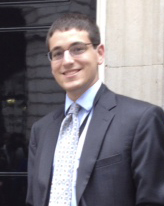
Let me start out by saying that I think you have a great job and I am proud of you. But there are some things you should know. I’ll begin with the good ones.
We lead a very comfortable life, and I am grateful for all that you do for me. You don’t need to remind me, though, every time you manually scoop poop from some constipated kid that it pays for the roof over my head, clothes on my back, and my expensive university education.
I get it.
Even so, having a parent who is a physician is way better than having a parent who is, say, an accountant. I don’t need help with my taxes, but it sure is nice to get some quick medical advice when I have a rash. I even still trust you after you missed my broken arm when I was in sixth grade. Do me a favor though: Just tell me what it is and how I can fix the problem. Save the lecture on the pathophysiology, epidemiology, and differential diagnosis for your residents and medical students. It’s only poison ivy.
When we were growing up, you always gave us a “case of the week.” There were some consistent themes, and I’ve never been sure if these patients were real or fake. Most were either adolescent girls with belly pain or children experiencing bizarre spells who ended up being intoxicated from some ingestion. Was there supposed to be a not-so-subtle message here not to use drugs and to choose my romantic interests carefully?
I actually enjoy hearing about interesting patients, although maybe you could vary the cases, focusing more on human-interest situations rather than on complex technical patients. Relative to the human-interest stories, shouldn’t some of the names parents give to their children be considered child abuse? You probably don’t know, but in Iceland, there is a government Naming Committee that actually maintains a list of approved children’s names.
I know you have to take both clinical and administrative calls. When you get a medical call while we’re having dinner, would you please go somewhere else to talk? Hearing you ask about a patient’s diarrhea when we are eating sort of ruins my appetite.
Similarly, please let me vet topics before you discuss them with my friends. You have some cool stories, but Dad, I’m not sure my friends want to hear about child abuse or vaginal discharge. I will say that the absolute best phone calls you get occur when, after 22 years of Pressel Medical School, I’m able to make the diagnosis or give the correct advice (sometimes faster than your medical students and residents).
Let’s talk about what you learned from me. Though you may not agree, you should think of all the times you found me annoying, particularly when I was a pain-in-the-ass kid, as CME. Over the years, I gave you regular opportunities to enhance your knowledge of child development and to improve your parenting skills—things that undoubtedly continue to help you as a pediatrician.
I like visiting you in the hospital. I know you enjoy showing me off. When you introduce me to your coworkers, it’s OK if you tell them I’m not going to medical school. Still, you should know that I fully intend to repay all that you have done.
Hearing from you about all that happens in a hospital, I can understand why you never want to be a patient. I’ll do my best to ensure you don’t get admitted to a hospital and are able to die peacefully at home. You can count on your loving son, Dad. I’ll be sure you don’t have a hospitalist with you at the end. TH
Rob Pressel is the son of David Pressel, MD, PhD, a pediatric hospitalist at A.I. duPont Hospital for Children in Wilmington, Del., and a former member of Team Hospitalist.
As a hospitalist, patient satisfaction is top of mind. Then there’s another group of people whose satisfaction is also paramount: your family. What do they have to say about life with a hospitalist? You’re about to find out!
The Hospitalist asked family members of David Pressel, MD, PhD, a pediatric hospitalist at A.I. DuPont Hospital for Children in Wilmington, Del., and a former member of Team Hospitalist, for their impressions, and wife Karen and son Rob’s honest answers (and gentle ribbings) show that for whatever ups and downs life may bring, being part of a hospitalist’s family is full of rewards and lots of love. Of course, that’s not to say they didn’t have some suggestions for improvements.
For Hospitalists’ Spouses Everywhere
Marrying a doctor was never on my to-do list. In fact, my list specified quite the opposite; I was never going to marry a physician. My stereotypical perception of the lives of physicians included long hours, too much stress, no family time, guaranteed interruptions at social events, calls at all hours of the day, never enough sleep—you get the picture. I imagined too many headaches to make being a “doctor’s wife” in the slightest bit enticing. I wanted no part of it, and besides, I had my own career to think about.
But then I met my husband, and my list went out the window.
Still, after a couple decades of negotiating a balance between the demands of his job (see above) and the demands of his family, there are things I’d like to say to him. So here goes. Hospitalists, take note.
There Are Only 24 Hours in a Day
How many times have you called to say, “I’ll be leaving the hospital in 10 minutes”? How long did it take for me to realize that relying on that kind of statement was crazy? I’m embarrassed to say that it took me way longer than it should have to come to that understanding. After many overcooked dinners and missed social events, I finally realized that your anticipated departure held no validity and I could only trust that you had left the hospital when you called from the car with the wheels rolling. Fortunately, you were more astute than I and changed your communication habits rather quickly, although the timing of said notifications still does not always take traffic into account and could use some work.
Still, I recognize that “leaving the hospital” is really just a physical indicator of your location, not necessarily a reflection of your state of mind. When you get home, please tell me if you still have work to do (notes, email, patient follow-up) or if you are done for the day. I suppose second-guessing your clinical decisions and calling the hospital to check on patients are unavoidable, but give me a clue whether I should actually expect you fully home to join the rest of the family—or if you will just be working at the home “nursing station” all evening. The burden of healthcare in America doesn’t fall on just you. If you can’t figure out what is wrong with a patient or don’t know what to do, you have many colleagues who can help.
Please remember that you are only one person. Don’t think that if there is a staffing shortage to fill, the responsibility for working is yours. Your colleagues are wonderful and, almost without exception, are happy to pitch in to help carry the extra load. The same goes with holidays; you don’t need to work more than everyone else. I know you are not a slacker. If you try to spread the load when you manage patient care and work schedules, you will have a happier spouse. Remember, a happy wife is a happy life. (I’m sure there is an analogous saying for your colleagues’ husbands and partners.)
Along those same lines, please limit the moonlighting you choose to do. My preconceived idea of a physician’s salary was very different from your reality. You are a pediatrician, an academic pediatrician. Having said that, we lead a wonderful life. We have what we need and have been very happy without the fanciness of some of our neighbors. Although the extra income is nice, I’d rather see more of you than more money. Besides, we just wrote the last check for college tuition, and I’m sure the boys will never ask us for money again.
Being Grumpy (No, Not the Dwarf)
My thoughts on moonlighting lead me perfectly to a discussion of your frame of mind: your mood. By definition, your patients are seriously ill hospitalized children. The bursting hospital census, the acuity of your patients, and the relative craziness of some of their parents invariably elevate your stress level. This, in turn, drives more frequent calls to the hospital and time on the computer all hours of the day or night. This does not allow for a restful sleep, when you sleep at all. I may be biased, but I think you are in the minority of hospitalists who bring their jobs home. Not that I’m complaining too loudly; this is who you are and why I love you, but if you haven’t noticed, when you are on service you tend to get grumpy. Think about this: If you’re not on call, why not turn off your pager, turn off your phone, and leave email alone?
Given the pressures inherent in your job, please tell me again why you would want to moonlight. Moonlighting means even longer hours, more stress, and less sleep for you, all of which make you grumpier and, as a result, tend to make me grumpy.
No, thank you.
Everyone we know has some form of “honey-do” list, whether intended for himself or herself, a spouse, or a professional. I know it makes you feel like a competent husband and man to do things around the house, but here’s a bit of advice: Let me hire someone else. Keep in mind that contractors were invented for good reason. The aggravation you’ll have trying to fit whatever project we’ve contemplated into your schedule will be dwarfed by the aggravation I’ll have when you can’t. I’ve never heard you ruminate about not cutting the lawn after we hired the landscaper and you got rid of the lawnmower.
The same goes for quality. Do you really think you did anywhere near as good a job replacing the leaking toilet as a real plumber? Should we talk about the breakfast room light fixture? Do you want me to continue?
My annoyance probably lessened any satisfaction you derived by completing these projects yourself. You should always keep the Pressel money-management credo forefront in your mind: “You earn it, I spend it.” Please let me do my job.
Let Me See If “The Doctor” Is In
Please leave the professor at the office; don’t talk too much medicine when you are not at work. Your trainees might need to hear all the minute details of whatever medical issue is at hand, but your family and friends do not. Most of those close to us chose careers outside of medicine a long time ago and probably don’t want to change direction now. Why do you think they call me for medical advice? It’s not because I’m a better doctor but because they know they’ll hear one of two things:
- I’ll tell them I don’t have a clue and they should ask you; or
- I’ll answer their questions in a tenth of the time that it would have taken you. And we’re talking easy questions because, while I’ve listened to you speak to medical students and residents for the last 20 years, we both know I am not a doctor.
Nevertheless, I do pretty well even with some of the hard questions, if I say so myself. Don’t worry though, there’s no need for concern. Please know that I am not practicing with your license.
Relative to the home practice of medicine, it’s OK to look in our kids’ ears! You must remember the huge fight we had when our son exhibited all of the classic signs of an ear infection and you refused to examine his ears. I know you agonize when you make a clinical error with a patient, but this was just an ear infection. I would have taken him to a real doctor if he was sick enough to merit consideration of what you were worried about missing (brain abscess or meningitis). Really? If I had known how to work your otoscope back then, I would have looked in his ears myself. I’m still not sure how treating minor illnesses in our children is different from the same thing with children of our friends.
You have a perfectly reasonable excuse to be exhausted, yet you are often embarrassed when you fall asleep at our friends’ houses during social events. But the truth is they consider it a mark of true friendship when you go missing before dessert is served. When we were still new in the area and someone would realize that you had disappeared, I was mortified. I quickly realized though that our friends would all rather you and I join them than stay home entirely. No one is offended to find you asleep on the sofa (and your disappearance is now almost expected). To tell you the truth, I’m not sure anyone misses your conversation.
Meetings make the world go round, and your attendance is obligatory at many, even if you’d rather not attend. When I was still working, someone came up with the idea of a stand-up meeting. It was a brilliant idea that made meeting participants use the time more efficiently. Why don’t you propose that some of your administrative meetings be run that way rather than depending on me to page you, “Dr. Pressel, we need you urgently in room 23!”? Sorry I’m calling you out on this, but I’m not always available at the exact time you’ve specified that you want to be interrupted. Besides, it is sometimes amusing to hear that you fell asleep at some senior hospital administrator’s meeting.
I started this by writing that I never wanted to marry a physician, but the last quarter century with you has been the adventure of a lifetime. I just sometimes ask myself, “Why didn’t he become a dermatologist?” TH
Karen Pressel is the wife of David Pressel, MD, PhD, a pediatric hospitalist at A.I. duPont Hospital for Children in Wilmington, Del., and a former member of Team Hospitalist.
What I Want My Hospitalist Father to Know
Let me start out by saying that I think you have a great job and I am proud of you. But there are some things you should know. I’ll begin with the good ones.
We lead a very comfortable life, and I am grateful for all that you do for me. You don’t need to remind me, though, every time you manually scoop poop from some constipated kid that it pays for the roof over my head, clothes on my back, and my expensive university education.
I get it.
Even so, having a parent who is a physician is way better than having a parent who is, say, an accountant. I don’t need help with my taxes, but it sure is nice to get some quick medical advice when I have a rash. I even still trust you after you missed my broken arm when I was in sixth grade. Do me a favor though: Just tell me what it is and how I can fix the problem. Save the lecture on the pathophysiology, epidemiology, and differential diagnosis for your residents and medical students. It’s only poison ivy.
When we were growing up, you always gave us a “case of the week.” There were some consistent themes, and I’ve never been sure if these patients were real or fake. Most were either adolescent girls with belly pain or children experiencing bizarre spells who ended up being intoxicated from some ingestion. Was there supposed to be a not-so-subtle message here not to use drugs and to choose my romantic interests carefully?
I actually enjoy hearing about interesting patients, although maybe you could vary the cases, focusing more on human-interest situations rather than on complex technical patients. Relative to the human-interest stories, shouldn’t some of the names parents give to their children be considered child abuse? You probably don’t know, but in Iceland, there is a government Naming Committee that actually maintains a list of approved children’s names.
I know you have to take both clinical and administrative calls. When you get a medical call while we’re having dinner, would you please go somewhere else to talk? Hearing you ask about a patient’s diarrhea when we are eating sort of ruins my appetite.
Similarly, please let me vet topics before you discuss them with my friends. You have some cool stories, but Dad, I’m not sure my friends want to hear about child abuse or vaginal discharge. I will say that the absolute best phone calls you get occur when, after 22 years of Pressel Medical School, I’m able to make the diagnosis or give the correct advice (sometimes faster than your medical students and residents).
Let’s talk about what you learned from me. Though you may not agree, you should think of all the times you found me annoying, particularly when I was a pain-in-the-ass kid, as CME. Over the years, I gave you regular opportunities to enhance your knowledge of child development and to improve your parenting skills—things that undoubtedly continue to help you as a pediatrician.
I like visiting you in the hospital. I know you enjoy showing me off. When you introduce me to your coworkers, it’s OK if you tell them I’m not going to medical school. Still, you should know that I fully intend to repay all that you have done.
Hearing from you about all that happens in a hospital, I can understand why you never want to be a patient. I’ll do my best to ensure you don’t get admitted to a hospital and are able to die peacefully at home. You can count on your loving son, Dad. I’ll be sure you don’t have a hospitalist with you at the end. TH
Rob Pressel is the son of David Pressel, MD, PhD, a pediatric hospitalist at A.I. duPont Hospital for Children in Wilmington, Del., and a former member of Team Hospitalist.
As a hospitalist, patient satisfaction is top of mind. Then there’s another group of people whose satisfaction is also paramount: your family. What do they have to say about life with a hospitalist? You’re about to find out!
The Hospitalist asked family members of David Pressel, MD, PhD, a pediatric hospitalist at A.I. DuPont Hospital for Children in Wilmington, Del., and a former member of Team Hospitalist, for their impressions, and wife Karen and son Rob’s honest answers (and gentle ribbings) show that for whatever ups and downs life may bring, being part of a hospitalist’s family is full of rewards and lots of love. Of course, that’s not to say they didn’t have some suggestions for improvements.
For Hospitalists’ Spouses Everywhere
Marrying a doctor was never on my to-do list. In fact, my list specified quite the opposite; I was never going to marry a physician. My stereotypical perception of the lives of physicians included long hours, too much stress, no family time, guaranteed interruptions at social events, calls at all hours of the day, never enough sleep—you get the picture. I imagined too many headaches to make being a “doctor’s wife” in the slightest bit enticing. I wanted no part of it, and besides, I had my own career to think about.
But then I met my husband, and my list went out the window.
Still, after a couple decades of negotiating a balance between the demands of his job (see above) and the demands of his family, there are things I’d like to say to him. So here goes. Hospitalists, take note.
There Are Only 24 Hours in a Day
How many times have you called to say, “I’ll be leaving the hospital in 10 minutes”? How long did it take for me to realize that relying on that kind of statement was crazy? I’m embarrassed to say that it took me way longer than it should have to come to that understanding. After many overcooked dinners and missed social events, I finally realized that your anticipated departure held no validity and I could only trust that you had left the hospital when you called from the car with the wheels rolling. Fortunately, you were more astute than I and changed your communication habits rather quickly, although the timing of said notifications still does not always take traffic into account and could use some work.
Still, I recognize that “leaving the hospital” is really just a physical indicator of your location, not necessarily a reflection of your state of mind. When you get home, please tell me if you still have work to do (notes, email, patient follow-up) or if you are done for the day. I suppose second-guessing your clinical decisions and calling the hospital to check on patients are unavoidable, but give me a clue whether I should actually expect you fully home to join the rest of the family—or if you will just be working at the home “nursing station” all evening. The burden of healthcare in America doesn’t fall on just you. If you can’t figure out what is wrong with a patient or don’t know what to do, you have many colleagues who can help.
Please remember that you are only one person. Don’t think that if there is a staffing shortage to fill, the responsibility for working is yours. Your colleagues are wonderful and, almost without exception, are happy to pitch in to help carry the extra load. The same goes with holidays; you don’t need to work more than everyone else. I know you are not a slacker. If you try to spread the load when you manage patient care and work schedules, you will have a happier spouse. Remember, a happy wife is a happy life. (I’m sure there is an analogous saying for your colleagues’ husbands and partners.)
Along those same lines, please limit the moonlighting you choose to do. My preconceived idea of a physician’s salary was very different from your reality. You are a pediatrician, an academic pediatrician. Having said that, we lead a wonderful life. We have what we need and have been very happy without the fanciness of some of our neighbors. Although the extra income is nice, I’d rather see more of you than more money. Besides, we just wrote the last check for college tuition, and I’m sure the boys will never ask us for money again.
Being Grumpy (No, Not the Dwarf)
My thoughts on moonlighting lead me perfectly to a discussion of your frame of mind: your mood. By definition, your patients are seriously ill hospitalized children. The bursting hospital census, the acuity of your patients, and the relative craziness of some of their parents invariably elevate your stress level. This, in turn, drives more frequent calls to the hospital and time on the computer all hours of the day or night. This does not allow for a restful sleep, when you sleep at all. I may be biased, but I think you are in the minority of hospitalists who bring their jobs home. Not that I’m complaining too loudly; this is who you are and why I love you, but if you haven’t noticed, when you are on service you tend to get grumpy. Think about this: If you’re not on call, why not turn off your pager, turn off your phone, and leave email alone?
Given the pressures inherent in your job, please tell me again why you would want to moonlight. Moonlighting means even longer hours, more stress, and less sleep for you, all of which make you grumpier and, as a result, tend to make me grumpy.
No, thank you.
Everyone we know has some form of “honey-do” list, whether intended for himself or herself, a spouse, or a professional. I know it makes you feel like a competent husband and man to do things around the house, but here’s a bit of advice: Let me hire someone else. Keep in mind that contractors were invented for good reason. The aggravation you’ll have trying to fit whatever project we’ve contemplated into your schedule will be dwarfed by the aggravation I’ll have when you can’t. I’ve never heard you ruminate about not cutting the lawn after we hired the landscaper and you got rid of the lawnmower.
The same goes for quality. Do you really think you did anywhere near as good a job replacing the leaking toilet as a real plumber? Should we talk about the breakfast room light fixture? Do you want me to continue?
My annoyance probably lessened any satisfaction you derived by completing these projects yourself. You should always keep the Pressel money-management credo forefront in your mind: “You earn it, I spend it.” Please let me do my job.
Let Me See If “The Doctor” Is In
Please leave the professor at the office; don’t talk too much medicine when you are not at work. Your trainees might need to hear all the minute details of whatever medical issue is at hand, but your family and friends do not. Most of those close to us chose careers outside of medicine a long time ago and probably don’t want to change direction now. Why do you think they call me for medical advice? It’s not because I’m a better doctor but because they know they’ll hear one of two things:
- I’ll tell them I don’t have a clue and they should ask you; or
- I’ll answer their questions in a tenth of the time that it would have taken you. And we’re talking easy questions because, while I’ve listened to you speak to medical students and residents for the last 20 years, we both know I am not a doctor.
Nevertheless, I do pretty well even with some of the hard questions, if I say so myself. Don’t worry though, there’s no need for concern. Please know that I am not practicing with your license.
Relative to the home practice of medicine, it’s OK to look in our kids’ ears! You must remember the huge fight we had when our son exhibited all of the classic signs of an ear infection and you refused to examine his ears. I know you agonize when you make a clinical error with a patient, but this was just an ear infection. I would have taken him to a real doctor if he was sick enough to merit consideration of what you were worried about missing (brain abscess or meningitis). Really? If I had known how to work your otoscope back then, I would have looked in his ears myself. I’m still not sure how treating minor illnesses in our children is different from the same thing with children of our friends.
You have a perfectly reasonable excuse to be exhausted, yet you are often embarrassed when you fall asleep at our friends’ houses during social events. But the truth is they consider it a mark of true friendship when you go missing before dessert is served. When we were still new in the area and someone would realize that you had disappeared, I was mortified. I quickly realized though that our friends would all rather you and I join them than stay home entirely. No one is offended to find you asleep on the sofa (and your disappearance is now almost expected). To tell you the truth, I’m not sure anyone misses your conversation.
Meetings make the world go round, and your attendance is obligatory at many, even if you’d rather not attend. When I was still working, someone came up with the idea of a stand-up meeting. It was a brilliant idea that made meeting participants use the time more efficiently. Why don’t you propose that some of your administrative meetings be run that way rather than depending on me to page you, “Dr. Pressel, we need you urgently in room 23!”? Sorry I’m calling you out on this, but I’m not always available at the exact time you’ve specified that you want to be interrupted. Besides, it is sometimes amusing to hear that you fell asleep at some senior hospital administrator’s meeting.
I started this by writing that I never wanted to marry a physician, but the last quarter century with you has been the adventure of a lifetime. I just sometimes ask myself, “Why didn’t he become a dermatologist?” TH
Karen Pressel is the wife of David Pressel, MD, PhD, a pediatric hospitalist at A.I. duPont Hospital for Children in Wilmington, Del., and a former member of Team Hospitalist.
What I Want My Hospitalist Father to Know
Let me start out by saying that I think you have a great job and I am proud of you. But there are some things you should know. I’ll begin with the good ones.
We lead a very comfortable life, and I am grateful for all that you do for me. You don’t need to remind me, though, every time you manually scoop poop from some constipated kid that it pays for the roof over my head, clothes on my back, and my expensive university education.
I get it.
Even so, having a parent who is a physician is way better than having a parent who is, say, an accountant. I don’t need help with my taxes, but it sure is nice to get some quick medical advice when I have a rash. I even still trust you after you missed my broken arm when I was in sixth grade. Do me a favor though: Just tell me what it is and how I can fix the problem. Save the lecture on the pathophysiology, epidemiology, and differential diagnosis for your residents and medical students. It’s only poison ivy.
When we were growing up, you always gave us a “case of the week.” There were some consistent themes, and I’ve never been sure if these patients were real or fake. Most were either adolescent girls with belly pain or children experiencing bizarre spells who ended up being intoxicated from some ingestion. Was there supposed to be a not-so-subtle message here not to use drugs and to choose my romantic interests carefully?
I actually enjoy hearing about interesting patients, although maybe you could vary the cases, focusing more on human-interest situations rather than on complex technical patients. Relative to the human-interest stories, shouldn’t some of the names parents give to their children be considered child abuse? You probably don’t know, but in Iceland, there is a government Naming Committee that actually maintains a list of approved children’s names.
I know you have to take both clinical and administrative calls. When you get a medical call while we’re having dinner, would you please go somewhere else to talk? Hearing you ask about a patient’s diarrhea when we are eating sort of ruins my appetite.
Similarly, please let me vet topics before you discuss them with my friends. You have some cool stories, but Dad, I’m not sure my friends want to hear about child abuse or vaginal discharge. I will say that the absolute best phone calls you get occur when, after 22 years of Pressel Medical School, I’m able to make the diagnosis or give the correct advice (sometimes faster than your medical students and residents).
Let’s talk about what you learned from me. Though you may not agree, you should think of all the times you found me annoying, particularly when I was a pain-in-the-ass kid, as CME. Over the years, I gave you regular opportunities to enhance your knowledge of child development and to improve your parenting skills—things that undoubtedly continue to help you as a pediatrician.
I like visiting you in the hospital. I know you enjoy showing me off. When you introduce me to your coworkers, it’s OK if you tell them I’m not going to medical school. Still, you should know that I fully intend to repay all that you have done.
Hearing from you about all that happens in a hospital, I can understand why you never want to be a patient. I’ll do my best to ensure you don’t get admitted to a hospital and are able to die peacefully at home. You can count on your loving son, Dad. I’ll be sure you don’t have a hospitalist with you at the end. TH
Rob Pressel is the son of David Pressel, MD, PhD, a pediatric hospitalist at A.I. duPont Hospital for Children in Wilmington, Del., and a former member of Team Hospitalist.
Clarifying the Roles of Hospitalist and PCP
Editor’s note: “Everything We Say and Do” is an informational series developed by SHM’s Patient Experience Committee to provide readers with thoughtful and actionable communication tactics that have great potential to positively impact patients’ experience of care. Each article will focus on how the contributor applies one or more of the “key communication” tactics in practice to maintain provider accountability for “everything we say and do that affects our patients’ thoughts, feelings, and well-being.”
View a chart outlining key communication tactics
What I Say and Do

I explain my role as a hospitalist and my connection to the patient’s primary care physician (PCP) on first meeting the patient. I look for ways to reinforce this throughout the hospitalization.
Why I Do It
Even when I was hospitalized at my own institution, it was difficult for me to remember all of the providers involved in my care and their roles. My injuries and the large number of doctors caring for me interfered with my ability to absorb this information. I imagine that this is amplified for patients who have little or no experience with the medical system and are unfamiliar with the role that we play in their care.
During a recent initiative to improve the patient experience at my institution, we found it difficult to collect specific feedback on individual providers because many patients did not know their inpatient doctors’ names, frequently referencing their PCPs when asked for feedback on their care. This is common: A 2009 study showed that 75% of patients were unable to name the inpatient physician in charge of their care. Of those who could identify a name, only 40% correctly identified a member of their primary inpatient team, often identifying the PCP or a specialist instead.1
Clarifying our role on the care team, identifying ourselves as the point person for questions or concerns, and reinforcing our relationship with the PCP can help engender trust in the relationship, eliminate confusion, and improve the patient experience.
How I Do It
After introducing myself, I explain to patients that I will notify their PCP of the admission, and I state that I will be acting as the head of the inpatient team on behalf of their PCP. I often explain that most PCPs do not see their own patients in the hospital.
When multiple teams or house staff are involved in care, I clarify my role in relation to other team members. I look for opportunities throughout the hospitalization to reinforce this. For example, I tell patients when I have updated their PCP on significant events, and I clarify my role in simple terms, such as “quarterback,” when there are multiple subspecialists involved in care. I try to avoid terms like “attending,” which are often meaningless to patients.
In my hospitalist group, we help to reinforce our role and identity by providing a business card that includes a headshot. TH
Dr. Moore is a hospitalist at Beth Israel Deaconess Medical Center and an instructor of medicine at Harvard Medical School, both in Boston. She is a member of SHM’s Patient Experience Committee.
Reference
- Arora V, Gangireddy S, Mehrotra A, Ginde R, Tormey M, Meltzer D. Ability of hospitalized patients to identify their in-hospital physicians. Arch Intern Med. 2009;169(2):199-201.
Editor’s note: “Everything We Say and Do” is an informational series developed by SHM’s Patient Experience Committee to provide readers with thoughtful and actionable communication tactics that have great potential to positively impact patients’ experience of care. Each article will focus on how the contributor applies one or more of the “key communication” tactics in practice to maintain provider accountability for “everything we say and do that affects our patients’ thoughts, feelings, and well-being.”
View a chart outlining key communication tactics
What I Say and Do
I explain my role as a hospitalist and my connection to the patient’s primary care physician (PCP) on first meeting the patient. I look for ways to reinforce this throughout the hospitalization.
Why I Do It
Even when I was hospitalized at my own institution, it was difficult for me to remember all of the providers involved in my care and their roles. My injuries and the large number of doctors caring for me interfered with my ability to absorb this information. I imagine that this is amplified for patients who have little or no experience with the medical system and are unfamiliar with the role that we play in their care.
During a recent initiative to improve the patient experience at my institution, we found it difficult to collect specific feedback on individual providers because many patients did not know their inpatient doctors’ names, frequently referencing their PCPs when asked for feedback on their care. This is common: A 2009 study showed that 75% of patients were unable to name the inpatient physician in charge of their care. Of those who could identify a name, only 40% correctly identified a member of their primary inpatient team, often identifying the PCP or a specialist instead.1
Clarifying our role on the care team, identifying ourselves as the point person for questions or concerns, and reinforcing our relationship with the PCP can help engender trust in the relationship, eliminate confusion, and improve the patient experience.
How I Do It
After introducing myself, I explain to patients that I will notify their PCP of the admission, and I state that I will be acting as the head of the inpatient team on behalf of their PCP. I often explain that most PCPs do not see their own patients in the hospital.
When multiple teams or house staff are involved in care, I clarify my role in relation to other team members. I look for opportunities throughout the hospitalization to reinforce this. For example, I tell patients when I have updated their PCP on significant events, and I clarify my role in simple terms, such as “quarterback,” when there are multiple subspecialists involved in care. I try to avoid terms like “attending,” which are often meaningless to patients.
In my hospitalist group, we help to reinforce our role and identity by providing a business card that includes a headshot. TH
Dr. Moore is a hospitalist at Beth Israel Deaconess Medical Center and an instructor of medicine at Harvard Medical School, both in Boston. She is a member of SHM’s Patient Experience Committee.
Reference
- Arora V, Gangireddy S, Mehrotra A, Ginde R, Tormey M, Meltzer D. Ability of hospitalized patients to identify their in-hospital physicians. Arch Intern Med. 2009;169(2):199-201.
Editor’s note: “Everything We Say and Do” is an informational series developed by SHM’s Patient Experience Committee to provide readers with thoughtful and actionable communication tactics that have great potential to positively impact patients’ experience of care. Each article will focus on how the contributor applies one or more of the “key communication” tactics in practice to maintain provider accountability for “everything we say and do that affects our patients’ thoughts, feelings, and well-being.”
View a chart outlining key communication tactics
What I Say and Do
I explain my role as a hospitalist and my connection to the patient’s primary care physician (PCP) on first meeting the patient. I look for ways to reinforce this throughout the hospitalization.
Why I Do It
Even when I was hospitalized at my own institution, it was difficult for me to remember all of the providers involved in my care and their roles. My injuries and the large number of doctors caring for me interfered with my ability to absorb this information. I imagine that this is amplified for patients who have little or no experience with the medical system and are unfamiliar with the role that we play in their care.
During a recent initiative to improve the patient experience at my institution, we found it difficult to collect specific feedback on individual providers because many patients did not know their inpatient doctors’ names, frequently referencing their PCPs when asked for feedback on their care. This is common: A 2009 study showed that 75% of patients were unable to name the inpatient physician in charge of their care. Of those who could identify a name, only 40% correctly identified a member of their primary inpatient team, often identifying the PCP or a specialist instead.1
Clarifying our role on the care team, identifying ourselves as the point person for questions or concerns, and reinforcing our relationship with the PCP can help engender trust in the relationship, eliminate confusion, and improve the patient experience.
How I Do It
After introducing myself, I explain to patients that I will notify their PCP of the admission, and I state that I will be acting as the head of the inpatient team on behalf of their PCP. I often explain that most PCPs do not see their own patients in the hospital.
When multiple teams or house staff are involved in care, I clarify my role in relation to other team members. I look for opportunities throughout the hospitalization to reinforce this. For example, I tell patients when I have updated their PCP on significant events, and I clarify my role in simple terms, such as “quarterback,” when there are multiple subspecialists involved in care. I try to avoid terms like “attending,” which are often meaningless to patients.
In my hospitalist group, we help to reinforce our role and identity by providing a business card that includes a headshot. TH
Dr. Moore is a hospitalist at Beth Israel Deaconess Medical Center and an instructor of medicine at Harvard Medical School, both in Boston. She is a member of SHM’s Patient Experience Committee.
Reference
- Arora V, Gangireddy S, Mehrotra A, Ginde R, Tormey M, Meltzer D. Ability of hospitalized patients to identify their in-hospital physicians. Arch Intern Med. 2009;169(2):199-201.
Disinfection Caps Reduce CLABSI, BCC in Hematology-Oncology Patients
Clinical question: Does the use of disinfection caps on catheter hubs on central venous catheters (CVCs) reduce central-line-associated bloodstream infection (CLABSI) and blood culture contamination (BCC) in hematology-oncology patients?
Background: CVCs have facilitated the administration of chemotherapy, blood products, and fluids in cancer patients; however, their use has also brought about risk of infections. Use of an antiseptic barrier cap may result in decreased rates of CLABSI and BCC.
Study design: Multiphase prospective study
Setting: Memorial Sloan Kettering Cancer Center, New York City.
Synopsis: Disinfection caps on CVCs were sequentially introduced on high-risk units (HRUs) followed by hospital-wide implementation. The primary outcome was hospital-wide and unit-specific rates of hospital-acquired (HA) CLABSI. In Phase 1 and 2, the CDC guidelines for catheter maintenance were followed. In Phase 3, the intervention was implemented in the HRUs. In Phase 4, the intervention extended hospital-wide. HA-CLABSI declined significantly compared to baseline only in HRUs. A possible explanation is that reduction in CLABSI on general wards was not apparent due to the short follow-up period as opposed to the longer follow-up period for the HRUs. The secondary outcome was that the rates of BCC declined significantly in Phase 3 and 4 when compared to Phase 1 and 2. As for limitations, the study is not a randomized controlled trial; variable follow-up periods may have contributed to different outcomes observed on the different units.
Bottom line: Implementation of disinfection caps significantly reduces rates of CLABSI in HRUs and reduces BCCs in both HRUs and general oncology units, with substantial clinical and cost-savings implications.
Citation: Kamboj M, Blair R, Bell N, et al. Use of disinfection cap to reduce central-line-associated bloodstream infection and blood culture contamination among hematology-oncology patients. Infect Control Hosp Epidemiol. 2015;36(12):1401-1408.
Short Take
High Workload among Attending Physicians Has Negative Outcomes
Retrospective study found associations between higher attending physician workload and lower teaching evaluation scores from residents as well as increased risks to patient safety.
Citation: Wingo MT, Halvorsen AJ, Beckman TJ, Johnson MG, Reed DA. Associations between attending physician workload, teaching effectiveness, and patient safety. J Hosp Med. 2016;11(3):169-173.
Clinical question: Does the use of disinfection caps on catheter hubs on central venous catheters (CVCs) reduce central-line-associated bloodstream infection (CLABSI) and blood culture contamination (BCC) in hematology-oncology patients?
Background: CVCs have facilitated the administration of chemotherapy, blood products, and fluids in cancer patients; however, their use has also brought about risk of infections. Use of an antiseptic barrier cap may result in decreased rates of CLABSI and BCC.
Study design: Multiphase prospective study
Setting: Memorial Sloan Kettering Cancer Center, New York City.
Synopsis: Disinfection caps on CVCs were sequentially introduced on high-risk units (HRUs) followed by hospital-wide implementation. The primary outcome was hospital-wide and unit-specific rates of hospital-acquired (HA) CLABSI. In Phase 1 and 2, the CDC guidelines for catheter maintenance were followed. In Phase 3, the intervention was implemented in the HRUs. In Phase 4, the intervention extended hospital-wide. HA-CLABSI declined significantly compared to baseline only in HRUs. A possible explanation is that reduction in CLABSI on general wards was not apparent due to the short follow-up period as opposed to the longer follow-up period for the HRUs. The secondary outcome was that the rates of BCC declined significantly in Phase 3 and 4 when compared to Phase 1 and 2. As for limitations, the study is not a randomized controlled trial; variable follow-up periods may have contributed to different outcomes observed on the different units.
Bottom line: Implementation of disinfection caps significantly reduces rates of CLABSI in HRUs and reduces BCCs in both HRUs and general oncology units, with substantial clinical and cost-savings implications.
Citation: Kamboj M, Blair R, Bell N, et al. Use of disinfection cap to reduce central-line-associated bloodstream infection and blood culture contamination among hematology-oncology patients. Infect Control Hosp Epidemiol. 2015;36(12):1401-1408.
Short Take
High Workload among Attending Physicians Has Negative Outcomes
Retrospective study found associations between higher attending physician workload and lower teaching evaluation scores from residents as well as increased risks to patient safety.
Citation: Wingo MT, Halvorsen AJ, Beckman TJ, Johnson MG, Reed DA. Associations between attending physician workload, teaching effectiveness, and patient safety. J Hosp Med. 2016;11(3):169-173.
Clinical question: Does the use of disinfection caps on catheter hubs on central venous catheters (CVCs) reduce central-line-associated bloodstream infection (CLABSI) and blood culture contamination (BCC) in hematology-oncology patients?
Background: CVCs have facilitated the administration of chemotherapy, blood products, and fluids in cancer patients; however, their use has also brought about risk of infections. Use of an antiseptic barrier cap may result in decreased rates of CLABSI and BCC.
Study design: Multiphase prospective study
Setting: Memorial Sloan Kettering Cancer Center, New York City.
Synopsis: Disinfection caps on CVCs were sequentially introduced on high-risk units (HRUs) followed by hospital-wide implementation. The primary outcome was hospital-wide and unit-specific rates of hospital-acquired (HA) CLABSI. In Phase 1 and 2, the CDC guidelines for catheter maintenance were followed. In Phase 3, the intervention was implemented in the HRUs. In Phase 4, the intervention extended hospital-wide. HA-CLABSI declined significantly compared to baseline only in HRUs. A possible explanation is that reduction in CLABSI on general wards was not apparent due to the short follow-up period as opposed to the longer follow-up period for the HRUs. The secondary outcome was that the rates of BCC declined significantly in Phase 3 and 4 when compared to Phase 1 and 2. As for limitations, the study is not a randomized controlled trial; variable follow-up periods may have contributed to different outcomes observed on the different units.
Bottom line: Implementation of disinfection caps significantly reduces rates of CLABSI in HRUs and reduces BCCs in both HRUs and general oncology units, with substantial clinical and cost-savings implications.
Citation: Kamboj M, Blair R, Bell N, et al. Use of disinfection cap to reduce central-line-associated bloodstream infection and blood culture contamination among hematology-oncology patients. Infect Control Hosp Epidemiol. 2015;36(12):1401-1408.
Short Take
High Workload among Attending Physicians Has Negative Outcomes
Retrospective study found associations between higher attending physician workload and lower teaching evaluation scores from residents as well as increased risks to patient safety.
Citation: Wingo MT, Halvorsen AJ, Beckman TJ, Johnson MG, Reed DA. Associations between attending physician workload, teaching effectiveness, and patient safety. J Hosp Med. 2016;11(3):169-173.
Isopropyl Alcohol Nasal Inhalation Effective Treatment for ED Nausea
Clinical question: Does inhaled isopropyl alcohol alleviate nausea as compared to inhaled saline solution among patients presenting to the ED with a chief complaint of nausea?
Background: Nausea and vomiting account for 4.8 million ED visits each year; however, antiemetics have not shown superiority compared to placebo. Isopropyl alcohol nasal inhalation is more effective than saline solution in treating postoperative nausea and vomiting; however, there have been no investigations of this therapy in the ED setting.
Study design: Randomized, double-blind, placebo-controlled trial.
Setting: Emergency department at the San Antonio Military Medical Center, Texas.
Synopsis: Investigators randomized a convenience sample of 80 patients in the ED presenting with nausea or vomiting to either inhaled isopropyl alcohol (37) or saline solution (43). Subjects would nasally inhale at 0, 2, and 4 minutes. Nausea outcomes were self-rated on a scale of 0–10, with 0 being no nausea and 10 being worst nausea imaginable. Responses were taken at 0, 2, 4, 6, and 10 minutes postintervention. Primary outcome was the score at 10 minutes postintervention. The minimally significant difference was two points.
Patients in the intervention arm reported lower scores during every study period than the patients in the placebo arm. Median nausea scores at 10 minutes postintervention were lower by three in the intervention arm compared to placebo arm (P<0.001). Limitations include the short (10-minute) evaluation period, which limits identification of any adverse events; limited information on duration of symptom relief and whether the isopropyl alcohol effect persisted; possible selection bias due to utilizing a convenience sample; and use of a subjective scale for the primary outcome.
Bottom line: Isopropyl alcohol inhalation is effective in reducing nausea 10 minutes after intervention as compared with placebo in the ED setting.
Citation: Beadle KL, Helbling AR, Love SL, April MD, Hunter CJ. Isopropyl alcohol nasal inhalation for nausea in the emergency department: a randomized controlled trial [published online ahead of print November 21, 2015]. Ann Emerg Med. doi:10.1016/j.annemergmed.2015.09.031.
Clinical question: Does inhaled isopropyl alcohol alleviate nausea as compared to inhaled saline solution among patients presenting to the ED with a chief complaint of nausea?
Background: Nausea and vomiting account for 4.8 million ED visits each year; however, antiemetics have not shown superiority compared to placebo. Isopropyl alcohol nasal inhalation is more effective than saline solution in treating postoperative nausea and vomiting; however, there have been no investigations of this therapy in the ED setting.
Study design: Randomized, double-blind, placebo-controlled trial.
Setting: Emergency department at the San Antonio Military Medical Center, Texas.
Synopsis: Investigators randomized a convenience sample of 80 patients in the ED presenting with nausea or vomiting to either inhaled isopropyl alcohol (37) or saline solution (43). Subjects would nasally inhale at 0, 2, and 4 minutes. Nausea outcomes were self-rated on a scale of 0–10, with 0 being no nausea and 10 being worst nausea imaginable. Responses were taken at 0, 2, 4, 6, and 10 minutes postintervention. Primary outcome was the score at 10 minutes postintervention. The minimally significant difference was two points.
Patients in the intervention arm reported lower scores during every study period than the patients in the placebo arm. Median nausea scores at 10 minutes postintervention were lower by three in the intervention arm compared to placebo arm (P<0.001). Limitations include the short (10-minute) evaluation period, which limits identification of any adverse events; limited information on duration of symptom relief and whether the isopropyl alcohol effect persisted; possible selection bias due to utilizing a convenience sample; and use of a subjective scale for the primary outcome.
Bottom line: Isopropyl alcohol inhalation is effective in reducing nausea 10 minutes after intervention as compared with placebo in the ED setting.
Citation: Beadle KL, Helbling AR, Love SL, April MD, Hunter CJ. Isopropyl alcohol nasal inhalation for nausea in the emergency department: a randomized controlled trial [published online ahead of print November 21, 2015]. Ann Emerg Med. doi:10.1016/j.annemergmed.2015.09.031.
Clinical question: Does inhaled isopropyl alcohol alleviate nausea as compared to inhaled saline solution among patients presenting to the ED with a chief complaint of nausea?
Background: Nausea and vomiting account for 4.8 million ED visits each year; however, antiemetics have not shown superiority compared to placebo. Isopropyl alcohol nasal inhalation is more effective than saline solution in treating postoperative nausea and vomiting; however, there have been no investigations of this therapy in the ED setting.
Study design: Randomized, double-blind, placebo-controlled trial.
Setting: Emergency department at the San Antonio Military Medical Center, Texas.
Synopsis: Investigators randomized a convenience sample of 80 patients in the ED presenting with nausea or vomiting to either inhaled isopropyl alcohol (37) or saline solution (43). Subjects would nasally inhale at 0, 2, and 4 minutes. Nausea outcomes were self-rated on a scale of 0–10, with 0 being no nausea and 10 being worst nausea imaginable. Responses were taken at 0, 2, 4, 6, and 10 minutes postintervention. Primary outcome was the score at 10 minutes postintervention. The minimally significant difference was two points.
Patients in the intervention arm reported lower scores during every study period than the patients in the placebo arm. Median nausea scores at 10 minutes postintervention were lower by three in the intervention arm compared to placebo arm (P<0.001). Limitations include the short (10-minute) evaluation period, which limits identification of any adverse events; limited information on duration of symptom relief and whether the isopropyl alcohol effect persisted; possible selection bias due to utilizing a convenience sample; and use of a subjective scale for the primary outcome.
Bottom line: Isopropyl alcohol inhalation is effective in reducing nausea 10 minutes after intervention as compared with placebo in the ED setting.
Citation: Beadle KL, Helbling AR, Love SL, April MD, Hunter CJ. Isopropyl alcohol nasal inhalation for nausea in the emergency department: a randomized controlled trial [published online ahead of print November 21, 2015]. Ann Emerg Med. doi:10.1016/j.annemergmed.2015.09.031.
Public Opinion about Healthcare Reform Becomes More Positive

Reference
1. Jacobs LR, Mettler S. Liking health reform but turned off by toxic politics [published online ahead of print April 2016]. Health Aff. doi:10.1377/hlthaff.2015.1313.
Reference
1. Jacobs LR, Mettler S. Liking health reform but turned off by toxic politics [published online ahead of print April 2016]. Health Aff. doi:10.1377/hlthaff.2015.1313.
Reference
1. Jacobs LR, Mettler S. Liking health reform but turned off by toxic politics [published online ahead of print April 2016]. Health Aff. doi:10.1377/hlthaff.2015.1313.