User login
Submit a case to VAM's “Ask the Experts"
Help build the Vascular Annual Meeting’ new “Ask the Experts” sessions. The four small-group sessions will focus on common issues in vascular disease — coding, aortic care for occlusive disease, hemodialysis and PAD — with an expert reviewing a member's prior case. Members are invited to submit a case on these topics, briefly describing the case and providing a brief history and physical exam of the patient, the results and any additional issues they want to discuss during the program. Sessions will be held daily, Wednesday through Saturday. Submit a case here.
Help build the Vascular Annual Meeting’ new “Ask the Experts” sessions. The four small-group sessions will focus on common issues in vascular disease — coding, aortic care for occlusive disease, hemodialysis and PAD — with an expert reviewing a member's prior case. Members are invited to submit a case on these topics, briefly describing the case and providing a brief history and physical exam of the patient, the results and any additional issues they want to discuss during the program. Sessions will be held daily, Wednesday through Saturday. Submit a case here.
Help build the Vascular Annual Meeting’ new “Ask the Experts” sessions. The four small-group sessions will focus on common issues in vascular disease — coding, aortic care for occlusive disease, hemodialysis and PAD — with an expert reviewing a member's prior case. Members are invited to submit a case on these topics, briefly describing the case and providing a brief history and physical exam of the patient, the results and any additional issues they want to discuss during the program. Sessions will be held daily, Wednesday through Saturday. Submit a case here.
Don’t Miss the Upcoming Vascular Annual Meeting; Register Today
Don’t miss the vascular surgery world’s headline event! Join colleagues and friends in Boston for this year’s Vascular Annual Meeting, June 20 to 23. Scientific sessions are June 21-23 and the Exhibit Hall is open June 21 to 22. Click here to register. To get a full schedule and begin creating your own personal agenda, complete with marking sessions as favorites, see the VAM Planner.
Don’t miss the vascular surgery world’s headline event! Join colleagues and friends in Boston for this year’s Vascular Annual Meeting, June 20 to 23. Scientific sessions are June 21-23 and the Exhibit Hall is open June 21 to 22. Click here to register. To get a full schedule and begin creating your own personal agenda, complete with marking sessions as favorites, see the VAM Planner.
Don’t miss the vascular surgery world’s headline event! Join colleagues and friends in Boston for this year’s Vascular Annual Meeting, June 20 to 23. Scientific sessions are June 21-23 and the Exhibit Hall is open June 21 to 22. Click here to register. To get a full schedule and begin creating your own personal agenda, complete with marking sessions as favorites, see the VAM Planner.
Catching Up With Our Past CHEST Presidents
Where are they now? What have they been up to? CHEST’s Past Presidents each forged the way for the many successes of the American College of Chest Physicians, leading to enhanced patient care around the globe. Their outstanding leadership and vision are evidenced today in many of CHEST’s strategic initiatives.
D. Robert McCaffree, MD, MSHA, Master FCCP
CHEST President 1997 - 1998
I received the chain of office (yes, there is an actual chain) from Dr. Bart Chernow in New Orleans during CHEST 1997. I remember this time as being a time of beginnings, challenges, and changes. Bart had been the stimulus for the CHEST Foundation and the form and function of this foundation was being developed. The women’s caucus (probably not the official name) was becoming more organized and more of a force under the leadership of Dr. Diane Stover and Dr. Deborah Shure and others, and the Woman, Girls, Tobacco, and Lung Cancer educational program was being refined. It was this program that got my wife, Mary Anne, involved with the CHEST, and she became a Fellow (FCCP). The American College of Chest Physicians was in the midst of the national tobacco settlement efforts at this time. Our involvement began when Mike Moore, Attorney-General of Mississippi, filed the first suit against the tobacco industry in 1994. Under the stimulus of Dr. John Studdard, our current President, the college was the only medical organization to file an amicus curiae brief supporting this, thus thrusting us into the midst of the tobacco settlement debates and in a leadership position. During the time I was President-elect and President, I was fortunate to represent us both in the ENACT Coalition (composed of national health groups, such as the American Cancer Society), as well as on the Koop-Kessler Congressional Advisory Committee. I also testified before Congress on the tobacco issues and met at the White House with DHHS Secretary Donna Shalala. On a different front, our international activities were not as developed as now, but we did make two memorable trips to India. Many thanks to Dr. Kay Guntupalli for helping make those trips so memorable. After this absolutely wonderful year, I passed the chain to Dr. Allen Goldberg in Toronto.

Among other activities, I was Chief of Staff at the Oklahoma City VAMC for 18 years, retiring from that position in 2009. I was honored by having the MICU at the VA named after me. In the community, I helped start the Hospice of Oklahoma County and then the Hospice Foundation of Oklahoma, both of which I served as first chairman. I also helped start Palliative Care Week on the OUHSC campus. I am currently the vice-chair of the Health Alliance for the Uninsured in Oklahoma City, which helps support the many free clinics in our city. My wonderful wife, Mary Anne, is also involved in many community activities. On a personal level, we try to see our two children and two grandchildren as often as possible, which is not often enough. My free time activities include reading, playing the piano, fly fishing (not often enough), and exercise.
My time as President of the American College of Chest Physicians was one of the best and most important experiences of my life. My memories of working with Al Lever, David Eubanks, Marilyn Lederer, Lynne Marcus, Steve Welch, and all the other administrative and physician leaders during that time remain very dear to me. The influence of CHEST continues to this very day. I can never repay all that I have gained from this experience. I wish I had the space allowance to expand on my experiences. But while my word allowance is limited, my gratitude is unlimited.
Where are they now? What have they been up to? CHEST’s Past Presidents each forged the way for the many successes of the American College of Chest Physicians, leading to enhanced patient care around the globe. Their outstanding leadership and vision are evidenced today in many of CHEST’s strategic initiatives.
D. Robert McCaffree, MD, MSHA, Master FCCP
CHEST President 1997 - 1998
I received the chain of office (yes, there is an actual chain) from Dr. Bart Chernow in New Orleans during CHEST 1997. I remember this time as being a time of beginnings, challenges, and changes. Bart had been the stimulus for the CHEST Foundation and the form and function of this foundation was being developed. The women’s caucus (probably not the official name) was becoming more organized and more of a force under the leadership of Dr. Diane Stover and Dr. Deborah Shure and others, and the Woman, Girls, Tobacco, and Lung Cancer educational program was being refined. It was this program that got my wife, Mary Anne, involved with the CHEST, and she became a Fellow (FCCP). The American College of Chest Physicians was in the midst of the national tobacco settlement efforts at this time. Our involvement began when Mike Moore, Attorney-General of Mississippi, filed the first suit against the tobacco industry in 1994. Under the stimulus of Dr. John Studdard, our current President, the college was the only medical organization to file an amicus curiae brief supporting this, thus thrusting us into the midst of the tobacco settlement debates and in a leadership position. During the time I was President-elect and President, I was fortunate to represent us both in the ENACT Coalition (composed of national health groups, such as the American Cancer Society), as well as on the Koop-Kessler Congressional Advisory Committee. I also testified before Congress on the tobacco issues and met at the White House with DHHS Secretary Donna Shalala. On a different front, our international activities were not as developed as now, but we did make two memorable trips to India. Many thanks to Dr. Kay Guntupalli for helping make those trips so memorable. After this absolutely wonderful year, I passed the chain to Dr. Allen Goldberg in Toronto.
Among other activities, I was Chief of Staff at the Oklahoma City VAMC for 18 years, retiring from that position in 2009. I was honored by having the MICU at the VA named after me. In the community, I helped start the Hospice of Oklahoma County and then the Hospice Foundation of Oklahoma, both of which I served as first chairman. I also helped start Palliative Care Week on the OUHSC campus. I am currently the vice-chair of the Health Alliance for the Uninsured in Oklahoma City, which helps support the many free clinics in our city. My wonderful wife, Mary Anne, is also involved in many community activities. On a personal level, we try to see our two children and two grandchildren as often as possible, which is not often enough. My free time activities include reading, playing the piano, fly fishing (not often enough), and exercise.
My time as President of the American College of Chest Physicians was one of the best and most important experiences of my life. My memories of working with Al Lever, David Eubanks, Marilyn Lederer, Lynne Marcus, Steve Welch, and all the other administrative and physician leaders during that time remain very dear to me. The influence of CHEST continues to this very day. I can never repay all that I have gained from this experience. I wish I had the space allowance to expand on my experiences. But while my word allowance is limited, my gratitude is unlimited.
Where are they now? What have they been up to? CHEST’s Past Presidents each forged the way for the many successes of the American College of Chest Physicians, leading to enhanced patient care around the globe. Their outstanding leadership and vision are evidenced today in many of CHEST’s strategic initiatives.
D. Robert McCaffree, MD, MSHA, Master FCCP
CHEST President 1997 - 1998
I received the chain of office (yes, there is an actual chain) from Dr. Bart Chernow in New Orleans during CHEST 1997. I remember this time as being a time of beginnings, challenges, and changes. Bart had been the stimulus for the CHEST Foundation and the form and function of this foundation was being developed. The women’s caucus (probably not the official name) was becoming more organized and more of a force under the leadership of Dr. Diane Stover and Dr. Deborah Shure and others, and the Woman, Girls, Tobacco, and Lung Cancer educational program was being refined. It was this program that got my wife, Mary Anne, involved with the CHEST, and she became a Fellow (FCCP). The American College of Chest Physicians was in the midst of the national tobacco settlement efforts at this time. Our involvement began when Mike Moore, Attorney-General of Mississippi, filed the first suit against the tobacco industry in 1994. Under the stimulus of Dr. John Studdard, our current President, the college was the only medical organization to file an amicus curiae brief supporting this, thus thrusting us into the midst of the tobacco settlement debates and in a leadership position. During the time I was President-elect and President, I was fortunate to represent us both in the ENACT Coalition (composed of national health groups, such as the American Cancer Society), as well as on the Koop-Kessler Congressional Advisory Committee. I also testified before Congress on the tobacco issues and met at the White House with DHHS Secretary Donna Shalala. On a different front, our international activities were not as developed as now, but we did make two memorable trips to India. Many thanks to Dr. Kay Guntupalli for helping make those trips so memorable. After this absolutely wonderful year, I passed the chain to Dr. Allen Goldberg in Toronto.
Among other activities, I was Chief of Staff at the Oklahoma City VAMC for 18 years, retiring from that position in 2009. I was honored by having the MICU at the VA named after me. In the community, I helped start the Hospice of Oklahoma County and then the Hospice Foundation of Oklahoma, both of which I served as first chairman. I also helped start Palliative Care Week on the OUHSC campus. I am currently the vice-chair of the Health Alliance for the Uninsured in Oklahoma City, which helps support the many free clinics in our city. My wonderful wife, Mary Anne, is also involved in many community activities. On a personal level, we try to see our two children and two grandchildren as often as possible, which is not often enough. My free time activities include reading, playing the piano, fly fishing (not often enough), and exercise.
My time as President of the American College of Chest Physicians was one of the best and most important experiences of my life. My memories of working with Al Lever, David Eubanks, Marilyn Lederer, Lynne Marcus, Steve Welch, and all the other administrative and physician leaders during that time remain very dear to me. The influence of CHEST continues to this very day. I can never repay all that I have gained from this experience. I wish I had the space allowance to expand on my experiences. But while my word allowance is limited, my gratitude is unlimited.
Announcing the 2018 Section Research Mentor Award recipients
The AGA Institute Council Section Research Mentor Award acknowledges AGA members for their achievements as outstanding mentors in a specific area of research. We are pleased to announce the 2018 recipients who will be recognized by each of the 13 AGA Institute Council sections during Digestive Disease Week® (DDW) 2018. Congratulations to these exceptional mentors!
AGA Institute Council 2018 Section Research Mentor Award recipients
Basic & Clinical Intestinal Disorders
Gary D. Wu, MD
Cellular & Molecular Gastroenterology
Charalabos Pothoulakis, MD
Clinical Practice
Amnon Sonnenberg, MD, MSc
Esophageal, Gastric & Duodenal Disorders
Nicholas J. Shaheen, MD, MPH, AGAF
Gastrointestinal Oncology
Randall W. Burt, MD, AGAF
Growth, Development & Child Health
Deborah L. Gumucio, PhD
Imaging, Endoscopy & Advanced Technology
Michael B. Wallace, MD, MPH, AGAF
Immunology, Microbiology & Inflammatory Bowel Diseases
Claudio Fiocchi, MD
Liver & Biliary
Scott L. Friedman, MD
Microbiome & Microbial Diseases in the Gastrointestinal Tract
Jeffrey I. Gordon, MD
Neurogastroenterology & Motility
Richard W. McCallum, MD, AGAF
Obesity, Metabolism & Nutrition
Lee M. Kaplan, MD, PhD, AGAF
Pancreatic Disorders
Suresh T. Chari, MD
The AGA Institute Council Section Research Mentor Award acknowledges AGA members for their achievements as outstanding mentors in a specific area of research. We are pleased to announce the 2018 recipients who will be recognized by each of the 13 AGA Institute Council sections during Digestive Disease Week® (DDW) 2018. Congratulations to these exceptional mentors!
AGA Institute Council 2018 Section Research Mentor Award recipients
Basic & Clinical Intestinal Disorders
Gary D. Wu, MD
Cellular & Molecular Gastroenterology
Charalabos Pothoulakis, MD
Clinical Practice
Amnon Sonnenberg, MD, MSc
Esophageal, Gastric & Duodenal Disorders
Nicholas J. Shaheen, MD, MPH, AGAF
Gastrointestinal Oncology
Randall W. Burt, MD, AGAF
Growth, Development & Child Health
Deborah L. Gumucio, PhD
Imaging, Endoscopy & Advanced Technology
Michael B. Wallace, MD, MPH, AGAF
Immunology, Microbiology & Inflammatory Bowel Diseases
Claudio Fiocchi, MD
Liver & Biliary
Scott L. Friedman, MD
Microbiome & Microbial Diseases in the Gastrointestinal Tract
Jeffrey I. Gordon, MD
Neurogastroenterology & Motility
Richard W. McCallum, MD, AGAF
Obesity, Metabolism & Nutrition
Lee M. Kaplan, MD, PhD, AGAF
Pancreatic Disorders
Suresh T. Chari, MD
The AGA Institute Council Section Research Mentor Award acknowledges AGA members for their achievements as outstanding mentors in a specific area of research. We are pleased to announce the 2018 recipients who will be recognized by each of the 13 AGA Institute Council sections during Digestive Disease Week® (DDW) 2018. Congratulations to these exceptional mentors!
AGA Institute Council 2018 Section Research Mentor Award recipients
Basic & Clinical Intestinal Disorders
Gary D. Wu, MD
Cellular & Molecular Gastroenterology
Charalabos Pothoulakis, MD
Clinical Practice
Amnon Sonnenberg, MD, MSc
Esophageal, Gastric & Duodenal Disorders
Nicholas J. Shaheen, MD, MPH, AGAF
Gastrointestinal Oncology
Randall W. Burt, MD, AGAF
Growth, Development & Child Health
Deborah L. Gumucio, PhD
Imaging, Endoscopy & Advanced Technology
Michael B. Wallace, MD, MPH, AGAF
Immunology, Microbiology & Inflammatory Bowel Diseases
Claudio Fiocchi, MD
Liver & Biliary
Scott L. Friedman, MD
Microbiome & Microbial Diseases in the Gastrointestinal Tract
Jeffrey I. Gordon, MD
Neurogastroenterology & Motility
Richard W. McCallum, MD, AGAF
Obesity, Metabolism & Nutrition
Lee M. Kaplan, MD, PhD, AGAF
Pancreatic Disorders
Suresh T. Chari, MD
Psychotherapy helps patients with chronic digestive disorders
Patients with chronic digestive disorders can better cope with their symptoms and the effects on their daily lives when they receive support from mental health professionals specializing in psychogastroenterology, according to a new AGA Clinical Practice Update, published in the April issue of Gastroenterology (gastrojournal.org). , which will help reduce patient symptom burden and health care resource utilization. These therapies are optimally delivered by mental health professionals specializing in psychogastroenterology, a field dedicated to applying effective psychological techniques to GI problems.
According to best practice advice, to help promote the use of brain-gut psychotherapies in routine GI care, gastroenterologists should:
1. Routinely assess health-related quality of life, symptom-specific anxieties, early life adversity and functional impairment related to a patient’s digestive symptoms.
2. Master patient-friendly language on the following topics: the brain–gut pathway and how this pathway can become dysregulated by any number of factors; the psychosocial risk, perpetuating and maintaining factors of GI diseases; and why the gastroenterologist is referring a patient to a mental health provider.
3. Know the structure and core features of the most effective brain–gut psychotherapies.
4. Establish a direct referral and ongoing communication pathway with one to two qualified mental health providers and assure patients that he or she will remain part of their care team.
5. Familiarize themselves with one or two neuromodulators that can be used to augment behavioral therapies when necessary.
Patients with chronic digestive disorders can better cope with their symptoms and the effects on their daily lives when they receive support from mental health professionals specializing in psychogastroenterology, according to a new AGA Clinical Practice Update, published in the April issue of Gastroenterology (gastrojournal.org). , which will help reduce patient symptom burden and health care resource utilization. These therapies are optimally delivered by mental health professionals specializing in psychogastroenterology, a field dedicated to applying effective psychological techniques to GI problems.
According to best practice advice, to help promote the use of brain-gut psychotherapies in routine GI care, gastroenterologists should:
1. Routinely assess health-related quality of life, symptom-specific anxieties, early life adversity and functional impairment related to a patient’s digestive symptoms.
2. Master patient-friendly language on the following topics: the brain–gut pathway and how this pathway can become dysregulated by any number of factors; the psychosocial risk, perpetuating and maintaining factors of GI diseases; and why the gastroenterologist is referring a patient to a mental health provider.
3. Know the structure and core features of the most effective brain–gut psychotherapies.
4. Establish a direct referral and ongoing communication pathway with one to two qualified mental health providers and assure patients that he or she will remain part of their care team.
5. Familiarize themselves with one or two neuromodulators that can be used to augment behavioral therapies when necessary.
Patients with chronic digestive disorders can better cope with their symptoms and the effects on their daily lives when they receive support from mental health professionals specializing in psychogastroenterology, according to a new AGA Clinical Practice Update, published in the April issue of Gastroenterology (gastrojournal.org). , which will help reduce patient symptom burden and health care resource utilization. These therapies are optimally delivered by mental health professionals specializing in psychogastroenterology, a field dedicated to applying effective psychological techniques to GI problems.
According to best practice advice, to help promote the use of brain-gut psychotherapies in routine GI care, gastroenterologists should:
1. Routinely assess health-related quality of life, symptom-specific anxieties, early life adversity and functional impairment related to a patient’s digestive symptoms.
2. Master patient-friendly language on the following topics: the brain–gut pathway and how this pathway can become dysregulated by any number of factors; the psychosocial risk, perpetuating and maintaining factors of GI diseases; and why the gastroenterologist is referring a patient to a mental health provider.
3. Know the structure and core features of the most effective brain–gut psychotherapies.
4. Establish a direct referral and ongoing communication pathway with one to two qualified mental health providers and assure patients that he or she will remain part of their care team.
5. Familiarize themselves with one or two neuromodulators that can be used to augment behavioral therapies when necessary.
AGA Fellows application period now open
The application period for the 2019 AGA Fellowship is now open. Members whose professional achievements demonstrate personal commitment to the field of gastroenterology and meet the AGA Fellows program criteria are encouraged to apply.
Learn more about joining this community of excellence or to how to apply online at www.gastro.org/fellowship.
AGA Fellows receive:
• The privilege of using the designation “AGAF” in professional activities.
• An official certificate and pin denoting your status.
• A listing on AGA’s website alongside esteemed peers.
• And more.
Apply and gain international recognition for your achievements when you become an AGA Fellow.
The application period for the 2019 AGA Fellowship is now open. Members whose professional achievements demonstrate personal commitment to the field of gastroenterology and meet the AGA Fellows program criteria are encouraged to apply.
Learn more about joining this community of excellence or to how to apply online at www.gastro.org/fellowship.
AGA Fellows receive:
• The privilege of using the designation “AGAF” in professional activities.
• An official certificate and pin denoting your status.
• A listing on AGA’s website alongside esteemed peers.
• And more.
Apply and gain international recognition for your achievements when you become an AGA Fellow.
The application period for the 2019 AGA Fellowship is now open. Members whose professional achievements demonstrate personal commitment to the field of gastroenterology and meet the AGA Fellows program criteria are encouraged to apply.
Learn more about joining this community of excellence or to how to apply online at www.gastro.org/fellowship.
AGA Fellows receive:
• The privilege of using the designation “AGAF” in professional activities.
• An official certificate and pin denoting your status.
• A listing on AGA’s website alongside esteemed peers.
• And more.
Apply and gain international recognition for your achievements when you become an AGA Fellow.
AGA hosted productive Hill meeting advocating for GIs
Chairman Roskam recently took over the chair of the Health Subcommittee, which has prime jurisdiction over Medicare Part B issues when Rep. Pat Tieberi, R-OH, retired. The roundtable focused on regulatory issues that impact physician practices and their ability to provide timely care to patients.
AGA and the Alliance of Specialty Medicine thanked Chairman Roskam and Congress for the technical corrections to the Quality Payment Program (QPP) that were included as part of the bipartisan budget agreement passed earlier this year that will significantly improve physicians’ ability to successfully participate in the Merit-based Incentive Payment System (MIPS) track. Because of the lack of opportunity for specialists like gastroenterologists to participate in advanced alternative payment models (APMs), most physicians will be participating in MIPS. Although Congress provided CMS with more flexibility in scoring for MIPS, we stressed to Chairman Roskam that MIPS reporting and scoring needs to be simplified to make it less administratively burdensome and costly for physicians. We also addressed the ongoing challenges regarding electronic health records (EHR) interoperability and the administrative and financial burdens it has on physician practices. This roundtable is part of one of AGA’s top advocacy issues, urging the Centers for Medicare & Medicaid Services (CMS), other payors, and Congress to provide relief to physicians.
AGA also raised the issue of alternative payment models and gastroenterology’s experience with developing bundles and episodes around common GI conditions. AGA stressed to Roskam the need for CMS to move forward piloting specialty payment models that have been approved by the Physician Technical Advisory Committee (PTAC) to test them in the Medicare population. The need for modernizing the Stark laws to enable physician practices to participate in alternative payment models was also discussed at the roundtable since the current Stark laws prohibit physician referral based on volume or value. AGA supports S. 2051/H.R. 4206, the Medicare Care Coordination Improvement Act, which would provide CMS with the regulatory authority to create exceptions under the Stark law for APMs and to remove barriers in the current law to the development and operation of such arrangements. The legislation would allow CMS to waive the Stark laws for physicians seeking to develop and operate APMs like what Congress allowed for accountable care organizations (ACOs). AGA believes this legislation is necessary for many of the innovative payment models developed by gastroenterologists to be implemented in the Medicare program.
Prior authorization
Prior authorization was also a major topic raised with Roskam and how it impacts all physicians regardless of where they practice. We emphasized how tremendously burdensome prior authorizations is to physicians and physician practices, and gave examples of how it often interrupts and/or delays delivery of patient care.
AGA and the alliance recommended that payors make prior authorization requirements and criteria transparent and easily accessible. We also recommended that CMS standardize and streamline prior authorization processes by Medicare Advantage and Part D plans. We also encouraged the committee to conduct oversight hearings to investigate prior authorization and utilization management practices by Medicare Advantage Organizations and Part D plans.
AGA and the alliance will continue to work with Roskam and the committees of jurisdiction to find solutions to lessen the regulatory burden on physicians that take time away from providing care to patients.
Chairman Roskam recently took over the chair of the Health Subcommittee, which has prime jurisdiction over Medicare Part B issues when Rep. Pat Tieberi, R-OH, retired. The roundtable focused on regulatory issues that impact physician practices and their ability to provide timely care to patients.
AGA and the Alliance of Specialty Medicine thanked Chairman Roskam and Congress for the technical corrections to the Quality Payment Program (QPP) that were included as part of the bipartisan budget agreement passed earlier this year that will significantly improve physicians’ ability to successfully participate in the Merit-based Incentive Payment System (MIPS) track. Because of the lack of opportunity for specialists like gastroenterologists to participate in advanced alternative payment models (APMs), most physicians will be participating in MIPS. Although Congress provided CMS with more flexibility in scoring for MIPS, we stressed to Chairman Roskam that MIPS reporting and scoring needs to be simplified to make it less administratively burdensome and costly for physicians. We also addressed the ongoing challenges regarding electronic health records (EHR) interoperability and the administrative and financial burdens it has on physician practices. This roundtable is part of one of AGA’s top advocacy issues, urging the Centers for Medicare & Medicaid Services (CMS), other payors, and Congress to provide relief to physicians.
AGA also raised the issue of alternative payment models and gastroenterology’s experience with developing bundles and episodes around common GI conditions. AGA stressed to Roskam the need for CMS to move forward piloting specialty payment models that have been approved by the Physician Technical Advisory Committee (PTAC) to test them in the Medicare population. The need for modernizing the Stark laws to enable physician practices to participate in alternative payment models was also discussed at the roundtable since the current Stark laws prohibit physician referral based on volume or value. AGA supports S. 2051/H.R. 4206, the Medicare Care Coordination Improvement Act, which would provide CMS with the regulatory authority to create exceptions under the Stark law for APMs and to remove barriers in the current law to the development and operation of such arrangements. The legislation would allow CMS to waive the Stark laws for physicians seeking to develop and operate APMs like what Congress allowed for accountable care organizations (ACOs). AGA believes this legislation is necessary for many of the innovative payment models developed by gastroenterologists to be implemented in the Medicare program.
Prior authorization
Prior authorization was also a major topic raised with Roskam and how it impacts all physicians regardless of where they practice. We emphasized how tremendously burdensome prior authorizations is to physicians and physician practices, and gave examples of how it often interrupts and/or delays delivery of patient care.
AGA and the alliance recommended that payors make prior authorization requirements and criteria transparent and easily accessible. We also recommended that CMS standardize and streamline prior authorization processes by Medicare Advantage and Part D plans. We also encouraged the committee to conduct oversight hearings to investigate prior authorization and utilization management practices by Medicare Advantage Organizations and Part D plans.
AGA and the alliance will continue to work with Roskam and the committees of jurisdiction to find solutions to lessen the regulatory burden on physicians that take time away from providing care to patients.
Chairman Roskam recently took over the chair of the Health Subcommittee, which has prime jurisdiction over Medicare Part B issues when Rep. Pat Tieberi, R-OH, retired. The roundtable focused on regulatory issues that impact physician practices and their ability to provide timely care to patients.
AGA and the Alliance of Specialty Medicine thanked Chairman Roskam and Congress for the technical corrections to the Quality Payment Program (QPP) that were included as part of the bipartisan budget agreement passed earlier this year that will significantly improve physicians’ ability to successfully participate in the Merit-based Incentive Payment System (MIPS) track. Because of the lack of opportunity for specialists like gastroenterologists to participate in advanced alternative payment models (APMs), most physicians will be participating in MIPS. Although Congress provided CMS with more flexibility in scoring for MIPS, we stressed to Chairman Roskam that MIPS reporting and scoring needs to be simplified to make it less administratively burdensome and costly for physicians. We also addressed the ongoing challenges regarding electronic health records (EHR) interoperability and the administrative and financial burdens it has on physician practices. This roundtable is part of one of AGA’s top advocacy issues, urging the Centers for Medicare & Medicaid Services (CMS), other payors, and Congress to provide relief to physicians.
AGA also raised the issue of alternative payment models and gastroenterology’s experience with developing bundles and episodes around common GI conditions. AGA stressed to Roskam the need for CMS to move forward piloting specialty payment models that have been approved by the Physician Technical Advisory Committee (PTAC) to test them in the Medicare population. The need for modernizing the Stark laws to enable physician practices to participate in alternative payment models was also discussed at the roundtable since the current Stark laws prohibit physician referral based on volume or value. AGA supports S. 2051/H.R. 4206, the Medicare Care Coordination Improvement Act, which would provide CMS with the regulatory authority to create exceptions under the Stark law for APMs and to remove barriers in the current law to the development and operation of such arrangements. The legislation would allow CMS to waive the Stark laws for physicians seeking to develop and operate APMs like what Congress allowed for accountable care organizations (ACOs). AGA believes this legislation is necessary for many of the innovative payment models developed by gastroenterologists to be implemented in the Medicare program.
Prior authorization
Prior authorization was also a major topic raised with Roskam and how it impacts all physicians regardless of where they practice. We emphasized how tremendously burdensome prior authorizations is to physicians and physician practices, and gave examples of how it often interrupts and/or delays delivery of patient care.
AGA and the alliance recommended that payors make prior authorization requirements and criteria transparent and easily accessible. We also recommended that CMS standardize and streamline prior authorization processes by Medicare Advantage and Part D plans. We also encouraged the committee to conduct oversight hearings to investigate prior authorization and utilization management practices by Medicare Advantage Organizations and Part D plans.
AGA and the alliance will continue to work with Roskam and the committees of jurisdiction to find solutions to lessen the regulatory burden on physicians that take time away from providing care to patients.
Dear VESS Members and Attendees: Welcome to Spring Meeting
On the advent of this year’s Society for Vascular Surgery’s (SVS) Vascular Annual Meeting (VAM), I would like to welcome you to the 2018 annual spring meeting for VESS, which convenes in conjunction with VAM on June 20 at the Hynes Convention Center in Boston. Our Wednesday program looks very diverse and outstanding, covering key topics in aortic and branch aortic, cerebrovascular, lower extremity, venous disease, hemodialysis, physician wellness/burnout, academic issues, and the medical management of vascular disease. Thank you to Matthew Smeds and the rest of the program committee for putting together such an engaging lineup for this year’s spring meeting! I would also encourage you to visit our industry sponsors for this event; exhibits will be available for perusal June 21-22 within the convention center. Finally, we will be cosponsoring an event Thursday, June 21, at 7 p.m. in the Independence West Room of the Sheraton Hotel as a Networking Reception for Women, Diversity, and Young Surgeons. All residents and students are invited to attend this networking reception hosted by SVS and VESS. Thanks also to the SVS for hosting this meeting and for the ongoing collaboration we have enjoyed between our societies!
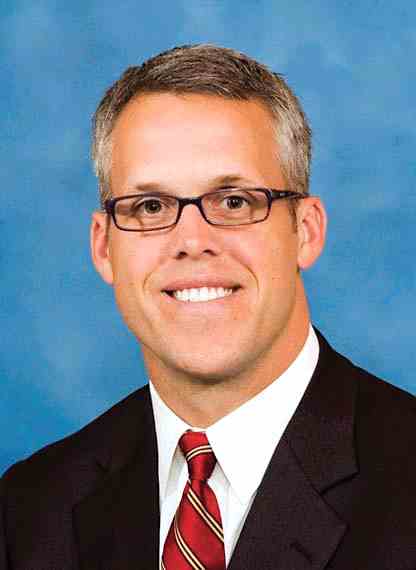
VESS members and leadership have continued to elevate the practice of vascular surgery and the research that has defined it. The more than 40-year history of this society is well outlined by Dr. Vik Kashyap in J Vasc Surg 2014;60(4):1123-4. VESS remains focused on engaging vascular trainees and vascular surgeons within a framework of collegial academic excellence. We continue to support research through grant funding at both the trainee and young investigator levels, and our presenters at both the spring VESS/VAM and Winter Annual Meetings enjoy a very high acceptance rate for publication of their findings. For more information about VESS, just visit vesurgery.org. The leadership for this society is proud of what it stands for. We are committed to exploring relevant and educational topics in vascular surgery. We hope this year’s spring meeting enhances your understanding and practice of vascular surgery. See you June 20th!
Jon Eliason, MD
VESS President
On the advent of this year’s Society for Vascular Surgery’s (SVS) Vascular Annual Meeting (VAM), I would like to welcome you to the 2018 annual spring meeting for VESS, which convenes in conjunction with VAM on June 20 at the Hynes Convention Center in Boston. Our Wednesday program looks very diverse and outstanding, covering key topics in aortic and branch aortic, cerebrovascular, lower extremity, venous disease, hemodialysis, physician wellness/burnout, academic issues, and the medical management of vascular disease. Thank you to Matthew Smeds and the rest of the program committee for putting together such an engaging lineup for this year’s spring meeting! I would also encourage you to visit our industry sponsors for this event; exhibits will be available for perusal June 21-22 within the convention center. Finally, we will be cosponsoring an event Thursday, June 21, at 7 p.m. in the Independence West Room of the Sheraton Hotel as a Networking Reception for Women, Diversity, and Young Surgeons. All residents and students are invited to attend this networking reception hosted by SVS and VESS. Thanks also to the SVS for hosting this meeting and for the ongoing collaboration we have enjoyed between our societies!
VESS members and leadership have continued to elevate the practice of vascular surgery and the research that has defined it. The more than 40-year history of this society is well outlined by Dr. Vik Kashyap in J Vasc Surg 2014;60(4):1123-4. VESS remains focused on engaging vascular trainees and vascular surgeons within a framework of collegial academic excellence. We continue to support research through grant funding at both the trainee and young investigator levels, and our presenters at both the spring VESS/VAM and Winter Annual Meetings enjoy a very high acceptance rate for publication of their findings. For more information about VESS, just visit vesurgery.org. The leadership for this society is proud of what it stands for. We are committed to exploring relevant and educational topics in vascular surgery. We hope this year’s spring meeting enhances your understanding and practice of vascular surgery. See you June 20th!
Jon Eliason, MD
VESS President
On the advent of this year’s Society for Vascular Surgery’s (SVS) Vascular Annual Meeting (VAM), I would like to welcome you to the 2018 annual spring meeting for VESS, which convenes in conjunction with VAM on June 20 at the Hynes Convention Center in Boston. Our Wednesday program looks very diverse and outstanding, covering key topics in aortic and branch aortic, cerebrovascular, lower extremity, venous disease, hemodialysis, physician wellness/burnout, academic issues, and the medical management of vascular disease. Thank you to Matthew Smeds and the rest of the program committee for putting together such an engaging lineup for this year’s spring meeting! I would also encourage you to visit our industry sponsors for this event; exhibits will be available for perusal June 21-22 within the convention center. Finally, we will be cosponsoring an event Thursday, June 21, at 7 p.m. in the Independence West Room of the Sheraton Hotel as a Networking Reception for Women, Diversity, and Young Surgeons. All residents and students are invited to attend this networking reception hosted by SVS and VESS. Thanks also to the SVS for hosting this meeting and for the ongoing collaboration we have enjoyed between our societies!
VESS members and leadership have continued to elevate the practice of vascular surgery and the research that has defined it. The more than 40-year history of this society is well outlined by Dr. Vik Kashyap in J Vasc Surg 2014;60(4):1123-4. VESS remains focused on engaging vascular trainees and vascular surgeons within a framework of collegial academic excellence. We continue to support research through grant funding at both the trainee and young investigator levels, and our presenters at both the spring VESS/VAM and Winter Annual Meetings enjoy a very high acceptance rate for publication of their findings. For more information about VESS, just visit vesurgery.org. The leadership for this society is proud of what it stands for. We are committed to exploring relevant and educational topics in vascular surgery. We hope this year’s spring meeting enhances your understanding and practice of vascular surgery. See you June 20th!
Jon Eliason, MD
VESS President
With Collaboration the Norm, Fitting For Nurses, Surgeons to Have Meetings in Tandem
It seems fitting, said Tiffany Street, President of the Society for Vascular Nursing, that SVN and SVS have their conferences in the same location and with overlapping times.
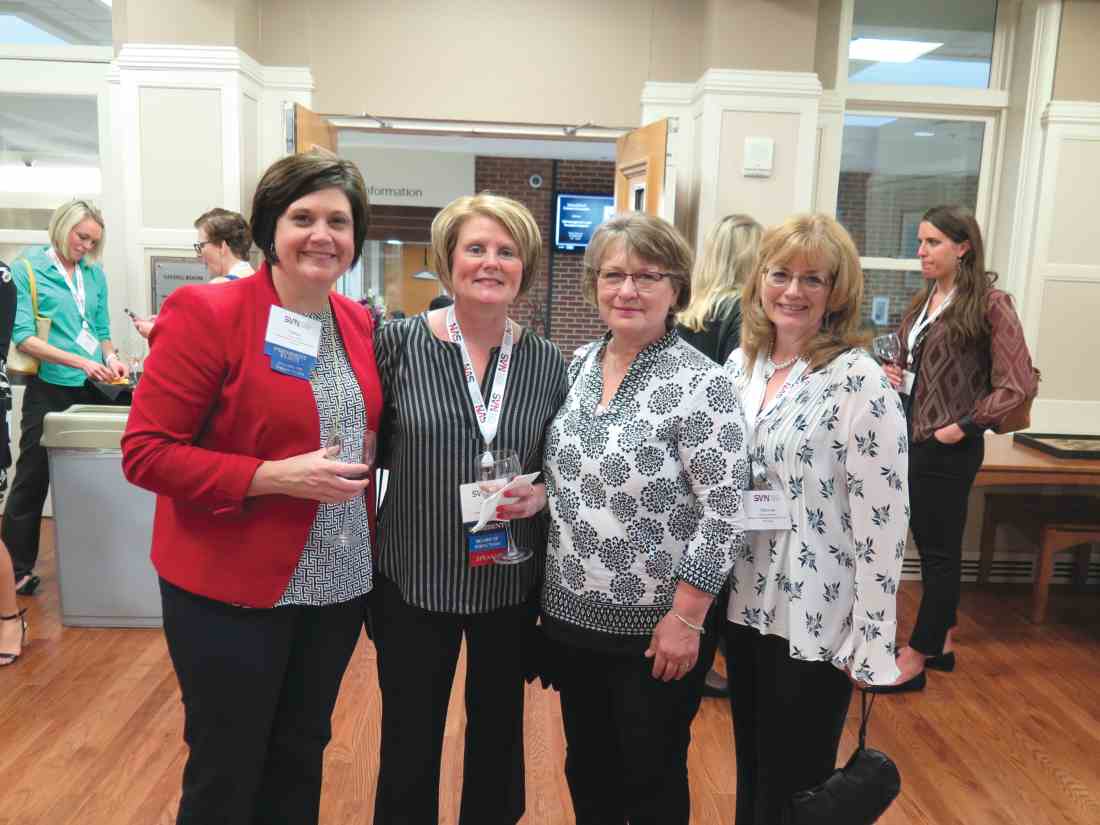
“It parallels what we do every day in clinical practice,” she said. “Recently, we have focused our attention on the emphasis of the clinical vascular care team. Physicians and nurses collaborate daily on the care of vascular patients so collaboration in the learning environment is imperative.”
SVN’s 36th Annual Conference, SVN @SVS, will be held June 20 to 21, coinciding with the opening two days of VAM. The SVN conference registration fee permits entrance to VAM, as well.
Both organizations are emphasizing the team approach to vascular care this year, with SVN also stressing vascular education and the holistic approach to vascular patient care, Ms. Street said. An abstract session Thursday will focus on “The Vascular Team Connections,” with two abstract presentations plus a panel discussion on “How Collaboration Changes a Patient.” Speakers include surgeon and SVS President R. Clement Darling III, MD; a physician assistant, Erin Hanlon, PA-PAC; and two nurses, Marie Rossi, BS, RN, and Karen Fitzgerald, MSN, RN, NP.
The team approach is vitally important, Ms. Street said. “Vascular nursing is responsible for the care of the patient across the continuum in collaboration with the surgeon,” she said.
Undergoing a surgical procedure affects not only the patient but also the patient’s family, she pointed out. “Because the family support system is vital to good postoperative outcomes, vascular nurses support the family as well.” Nurses cover with the patient and family what they all might expect during the patient’s recovery, helping them think through the various issues and how best to manage them, she said. “It’s all part of the team approach.”
Abstract sessions at SVN @SVS will focus on CLI, AAA, carotid artery, PAD, venous and arterial compression, and vascular team connections. Concurrent sessions will target both the novice and experienced nurse, plus include other emphases, as well. Several SVS members will be presenters at SVN sessions.
The keynote address will cover the care of patients from the Boston Marathon bombing in 2013. Jonathan Gates, MD, who was Medical Director of Trauma Services at Brigham and Women’s Hospital at the time of the bombing and operated on bombing victims that day, will present the address. Other sessions at the Vascular Annual Meeting also stress the vascular team and patient benefits, including “Team Forum: Improving Metrics in Clinical Practice,” from 1:30 to 3 p.m. Friday. Nurses are sure to find topics of interest at VAM, said Dr. Darling. “I find the team approach integral to optimal patient outcomes,” he said. “I could not be happier at including all members of the team at this year’s VAM, from the special programming for physician assistants on Thursday afternoon to SVN @SVS.
“When we work together,” he said, “everyone benefits, especially the patient.”
Visit vsweb.org/SVN18conference or the VAM Planner (vsweb.org/VAMPlanner) for the complete schedule and more information.
It seems fitting, said Tiffany Street, President of the Society for Vascular Nursing, that SVN and SVS have their conferences in the same location and with overlapping times.
“It parallels what we do every day in clinical practice,” she said. “Recently, we have focused our attention on the emphasis of the clinical vascular care team. Physicians and nurses collaborate daily on the care of vascular patients so collaboration in the learning environment is imperative.”
SVN’s 36th Annual Conference, SVN @SVS, will be held June 20 to 21, coinciding with the opening two days of VAM. The SVN conference registration fee permits entrance to VAM, as well.
Both organizations are emphasizing the team approach to vascular care this year, with SVN also stressing vascular education and the holistic approach to vascular patient care, Ms. Street said. An abstract session Thursday will focus on “The Vascular Team Connections,” with two abstract presentations plus a panel discussion on “How Collaboration Changes a Patient.” Speakers include surgeon and SVS President R. Clement Darling III, MD; a physician assistant, Erin Hanlon, PA-PAC; and two nurses, Marie Rossi, BS, RN, and Karen Fitzgerald, MSN, RN, NP.
The team approach is vitally important, Ms. Street said. “Vascular nursing is responsible for the care of the patient across the continuum in collaboration with the surgeon,” she said.
Undergoing a surgical procedure affects not only the patient but also the patient’s family, she pointed out. “Because the family support system is vital to good postoperative outcomes, vascular nurses support the family as well.” Nurses cover with the patient and family what they all might expect during the patient’s recovery, helping them think through the various issues and how best to manage them, she said. “It’s all part of the team approach.”
Abstract sessions at SVN @SVS will focus on CLI, AAA, carotid artery, PAD, venous and arterial compression, and vascular team connections. Concurrent sessions will target both the novice and experienced nurse, plus include other emphases, as well. Several SVS members will be presenters at SVN sessions.
The keynote address will cover the care of patients from the Boston Marathon bombing in 2013. Jonathan Gates, MD, who was Medical Director of Trauma Services at Brigham and Women’s Hospital at the time of the bombing and operated on bombing victims that day, will present the address. Other sessions at the Vascular Annual Meeting also stress the vascular team and patient benefits, including “Team Forum: Improving Metrics in Clinical Practice,” from 1:30 to 3 p.m. Friday. Nurses are sure to find topics of interest at VAM, said Dr. Darling. “I find the team approach integral to optimal patient outcomes,” he said. “I could not be happier at including all members of the team at this year’s VAM, from the special programming for physician assistants on Thursday afternoon to SVN @SVS.
“When we work together,” he said, “everyone benefits, especially the patient.”
Visit vsweb.org/SVN18conference or the VAM Planner (vsweb.org/VAMPlanner) for the complete schedule and more information.
It seems fitting, said Tiffany Street, President of the Society for Vascular Nursing, that SVN and SVS have their conferences in the same location and with overlapping times.
“It parallels what we do every day in clinical practice,” she said. “Recently, we have focused our attention on the emphasis of the clinical vascular care team. Physicians and nurses collaborate daily on the care of vascular patients so collaboration in the learning environment is imperative.”
SVN’s 36th Annual Conference, SVN @SVS, will be held June 20 to 21, coinciding with the opening two days of VAM. The SVN conference registration fee permits entrance to VAM, as well.
Both organizations are emphasizing the team approach to vascular care this year, with SVN also stressing vascular education and the holistic approach to vascular patient care, Ms. Street said. An abstract session Thursday will focus on “The Vascular Team Connections,” with two abstract presentations plus a panel discussion on “How Collaboration Changes a Patient.” Speakers include surgeon and SVS President R. Clement Darling III, MD; a physician assistant, Erin Hanlon, PA-PAC; and two nurses, Marie Rossi, BS, RN, and Karen Fitzgerald, MSN, RN, NP.
The team approach is vitally important, Ms. Street said. “Vascular nursing is responsible for the care of the patient across the continuum in collaboration with the surgeon,” she said.
Undergoing a surgical procedure affects not only the patient but also the patient’s family, she pointed out. “Because the family support system is vital to good postoperative outcomes, vascular nurses support the family as well.” Nurses cover with the patient and family what they all might expect during the patient’s recovery, helping them think through the various issues and how best to manage them, she said. “It’s all part of the team approach.”
Abstract sessions at SVN @SVS will focus on CLI, AAA, carotid artery, PAD, venous and arterial compression, and vascular team connections. Concurrent sessions will target both the novice and experienced nurse, plus include other emphases, as well. Several SVS members will be presenters at SVN sessions.
The keynote address will cover the care of patients from the Boston Marathon bombing in 2013. Jonathan Gates, MD, who was Medical Director of Trauma Services at Brigham and Women’s Hospital at the time of the bombing and operated on bombing victims that day, will present the address. Other sessions at the Vascular Annual Meeting also stress the vascular team and patient benefits, including “Team Forum: Improving Metrics in Clinical Practice,” from 1:30 to 3 p.m. Friday. Nurses are sure to find topics of interest at VAM, said Dr. Darling. “I find the team approach integral to optimal patient outcomes,” he said. “I could not be happier at including all members of the team at this year’s VAM, from the special programming for physician assistants on Thursday afternoon to SVN @SVS.
“When we work together,” he said, “everyone benefits, especially the patient.”
Visit vsweb.org/SVN18conference or the VAM Planner (vsweb.org/VAMPlanner) for the complete schedule and more information.
Register for the Vascular Annual Meeting Today
The 2018 Vascular Annual Meeting is less than a month away. Join colleagues and friends in Boston for this year’s VAM, June 20 to 23. Scientific sessions are June 21-23 and the Exhibit Hall is open June 21 to 22. Click here to register and here to obtain housing (the deadline for housing currently is today, May 22). To get a full schedule and begin creating your own personal agenda, complete with marking sessions as favorites, see the VAM Planner.
The 2018 Vascular Annual Meeting is less than a month away. Join colleagues and friends in Boston for this year’s VAM, June 20 to 23. Scientific sessions are June 21-23 and the Exhibit Hall is open June 21 to 22. Click here to register and here to obtain housing (the deadline for housing currently is today, May 22). To get a full schedule and begin creating your own personal agenda, complete with marking sessions as favorites, see the VAM Planner.
The 2018 Vascular Annual Meeting is less than a month away. Join colleagues and friends in Boston for this year’s VAM, June 20 to 23. Scientific sessions are June 21-23 and the Exhibit Hall is open June 21 to 22. Click here to register and here to obtain housing (the deadline for housing currently is today, May 22). To get a full schedule and begin creating your own personal agenda, complete with marking sessions as favorites, see the VAM Planner.