User login
Doug Brunk is a San Diego-based award-winning reporter who began covering health care in 1991. Before joining the company, he wrote for the health sciences division of Columbia University and was an associate editor at Contemporary Long Term Care magazine when it won a Jesse H. Neal Award. His work has been syndicated by the Los Angeles Times and he is the author of two books related to the University of Kentucky Wildcats men's basketball program. Doug has a master’s degree in magazine journalism from the S.I. Newhouse School of Public Communications at Syracuse University. Follow him on Twitter @dougbrunk.
Impaired Cognition in Elderly Impacts Postoperative Outcomes
Impaired cognition among older adults who undergo elective surgery is significantly associated with adverse postoperative outcomes, including increased complications, length of stay, and long-term mortality, results from a single-center study showed.
In addition, delirium was found to be an effect modifier in the relationship between impaired cognition and adverse postoperative outcomes.
"The most striking finding is that delirium appears to work as part of a causal pathway between baseline impaired cognition and long-term mortality," lead investigator Dr. Thomas N. Robinson said in an interview before the annual meeting of the Western Surgical Association, where the work was presented.
In what he said is the first study of its kind, Dr. Robinson, of the department of surgery at the University of Colorado, Denver, and his associates prospectively evaluated 186 adults aged 65 and older who underwent an elective operation requiring postoperative ICU admission.
To assess preoperative baseline cognitive function, they used the validated Mini-Cog test, which combines an uncued three-item recall test with a clock drawing task. Impaired cognition was defined as a Mini-Cog score of 3 or less.
To assess delirium, the researchers used the Confusion Assessment Method for the ICU, a validated tool that evaluates delirium based on fluctuation in mental status, inattention, disorganized thinking, and altered level of consciousness.
"Delirium appears to work as part of a causal pathway between baseline impaired cognition and long-term mortality."
To determine adverse outcomes, they used definitions from the Veterans Affairs Surgical Quality Improvement Program.
Dr. Robinson, who also holds an appointment in the department of surgery at the Denver Veterans Affairs Medical Center, reported that the mean age of the 186 patients was 73 years and 96% were male. Nearly half (44%) had impaired cognition.
Compared with their counterparts who had normal cognition at baseline, those with impaired cognition had a higher rate of one or more complications (41% vs. 24%, respectively), a higher incidence of delirium (78% vs. 37%), longer hospital stays (a mean of 15 vs. 9 days), a higher rate of discharge to an institutional care facility (42% vs. 18%), a higher 30-day readmission rate (21% vs. 10%), and a higher 6-month mortality (11% vs. 5%). All differences were statistically significant.
Dr. Robinson also reported that the hazard ratio for death was 2.77 higher among patients with impaired cognition and delirium at baseline compared with patients with normal cognition and delirium. On the other hand, the hazard ratio for death was 1.86 times higher among patients who had impaired cognitive function but no delirium at baseline.
In their abstract, the researchers noted certain limitations of the study, including the fact that nearly all patients were male and that a wide variety of operations were included, which "leads to large variability in measurements such as blood loss, operating room time, and length of stay."
They went on to conclude that "recognition of the brain’s function as a relevant marker of postoperative events has implications on the clinician’s ability to counsel their older patients about the anticipated postoperative course. In the future, preoperative risk stratification will likely not be based on physiologic compromise of a single organ system alone. Instead, the sum of compromise across multiple health-related domains (e.g., cognition, function, nutrition, disease burden) will likely be used to forecast postoperative outcomes."
The study received financial support from the National Institute on Aging and the American Geriatrics Society. Dr. Robinson said that he had no relevant financial disclosures.
This study further corroborates what we already know, in that patients with baseline cognitive dysfunction are at significant risk of delirium when hospitalized, with increased morbidity and mortality that can extend several months beyond the hospital stay. Because persons over age 65 comprise the fastest-growing population, this is going to be an increasing issue as time goes on.
|
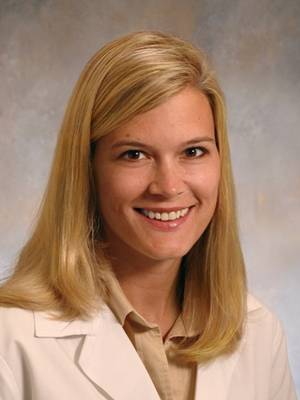
| Dr. Stacie Levine |
This also highlights the importance of a global assessment when conducting preoperative assessments on older adults. We are skilled at medical clearance with regards to cardiac status, but also need to consider the brain as being another “at-risk” organ. The identification of persons with underlying cognitive dysfunction should lead to thoughtful decisions regarding perioperiative risk-reduction, such as route/type of anesthesia, type of surgical procedure, and delirium prevention strategies. By doing a risk-benefit calculation we can consider the best route of care for each patient, including whether they are a good candidate for surgery at all. In summary, preoperative assessment of older adults requires a global evaluation that includes not only cardiac risk assessment, but also standardized cognitive and functional assessments.
The next question is how to effectively risk-stratify and make clinical decisions based on patients’ level of cognitive dysfunction. For example, at what level of cognitive impairment do we decide a person is not a good candidate for surgery? Or, which surgical patients should be placed on more resource-intensive delirium risk prevention protocols? As a geriatrician, I identify and attempt to modify all potential factors that can put any older adult at risk for delirium such as sensory impairment, dehydration, and certain medications. Dr. Sharon Inouye’s Hospital Elder Life Program (HELP) is an example of a successful program in reducing incidence of delirium by proactively using preventative strategies. Ideally every hospital should have some version of this model in place for all older adults, but at the very least targeting medical and surgical patients deemed to be at highest risk.
STACIE LEVINE, M.D., is an associate professor of medicine in the section of geriatrics and palliative medicine at University of Chicago. She was core faculty in the development and implementation of the Curriculum for the Hospitalized Aging Medical Patient.
This study further corroborates what we already know, in that patients with baseline cognitive dysfunction are at significant risk of delirium when hospitalized, with increased morbidity and mortality that can extend several months beyond the hospital stay. Because persons over age 65 comprise the fastest-growing population, this is going to be an increasing issue as time goes on.
|
|
| Dr. Stacie Levine |
This also highlights the importance of a global assessment when conducting preoperative assessments on older adults. We are skilled at medical clearance with regards to cardiac status, but also need to consider the brain as being another “at-risk” organ. The identification of persons with underlying cognitive dysfunction should lead to thoughtful decisions regarding perioperiative risk-reduction, such as route/type of anesthesia, type of surgical procedure, and delirium prevention strategies. By doing a risk-benefit calculation we can consider the best route of care for each patient, including whether they are a good candidate for surgery at all. In summary, preoperative assessment of older adults requires a global evaluation that includes not only cardiac risk assessment, but also standardized cognitive and functional assessments.
The next question is how to effectively risk-stratify and make clinical decisions based on patients’ level of cognitive dysfunction. For example, at what level of cognitive impairment do we decide a person is not a good candidate for surgery? Or, which surgical patients should be placed on more resource-intensive delirium risk prevention protocols? As a geriatrician, I identify and attempt to modify all potential factors that can put any older adult at risk for delirium such as sensory impairment, dehydration, and certain medications. Dr. Sharon Inouye’s Hospital Elder Life Program (HELP) is an example of a successful program in reducing incidence of delirium by proactively using preventative strategies. Ideally every hospital should have some version of this model in place for all older adults, but at the very least targeting medical and surgical patients deemed to be at highest risk.
STACIE LEVINE, M.D., is an associate professor of medicine in the section of geriatrics and palliative medicine at University of Chicago. She was core faculty in the development and implementation of the Curriculum for the Hospitalized Aging Medical Patient.
This study further corroborates what we already know, in that patients with baseline cognitive dysfunction are at significant risk of delirium when hospitalized, with increased morbidity and mortality that can extend several months beyond the hospital stay. Because persons over age 65 comprise the fastest-growing population, this is going to be an increasing issue as time goes on.
|
|
| Dr. Stacie Levine |
This also highlights the importance of a global assessment when conducting preoperative assessments on older adults. We are skilled at medical clearance with regards to cardiac status, but also need to consider the brain as being another “at-risk” organ. The identification of persons with underlying cognitive dysfunction should lead to thoughtful decisions regarding perioperiative risk-reduction, such as route/type of anesthesia, type of surgical procedure, and delirium prevention strategies. By doing a risk-benefit calculation we can consider the best route of care for each patient, including whether they are a good candidate for surgery at all. In summary, preoperative assessment of older adults requires a global evaluation that includes not only cardiac risk assessment, but also standardized cognitive and functional assessments.
The next question is how to effectively risk-stratify and make clinical decisions based on patients’ level of cognitive dysfunction. For example, at what level of cognitive impairment do we decide a person is not a good candidate for surgery? Or, which surgical patients should be placed on more resource-intensive delirium risk prevention protocols? As a geriatrician, I identify and attempt to modify all potential factors that can put any older adult at risk for delirium such as sensory impairment, dehydration, and certain medications. Dr. Sharon Inouye’s Hospital Elder Life Program (HELP) is an example of a successful program in reducing incidence of delirium by proactively using preventative strategies. Ideally every hospital should have some version of this model in place for all older adults, but at the very least targeting medical and surgical patients deemed to be at highest risk.
STACIE LEVINE, M.D., is an associate professor of medicine in the section of geriatrics and palliative medicine at University of Chicago. She was core faculty in the development and implementation of the Curriculum for the Hospitalized Aging Medical Patient.
Impaired cognition among older adults who undergo elective surgery is significantly associated with adverse postoperative outcomes, including increased complications, length of stay, and long-term mortality, results from a single-center study showed.
In addition, delirium was found to be an effect modifier in the relationship between impaired cognition and adverse postoperative outcomes.
"The most striking finding is that delirium appears to work as part of a causal pathway between baseline impaired cognition and long-term mortality," lead investigator Dr. Thomas N. Robinson said in an interview before the annual meeting of the Western Surgical Association, where the work was presented.
In what he said is the first study of its kind, Dr. Robinson, of the department of surgery at the University of Colorado, Denver, and his associates prospectively evaluated 186 adults aged 65 and older who underwent an elective operation requiring postoperative ICU admission.
To assess preoperative baseline cognitive function, they used the validated Mini-Cog test, which combines an uncued three-item recall test with a clock drawing task. Impaired cognition was defined as a Mini-Cog score of 3 or less.
To assess delirium, the researchers used the Confusion Assessment Method for the ICU, a validated tool that evaluates delirium based on fluctuation in mental status, inattention, disorganized thinking, and altered level of consciousness.
"Delirium appears to work as part of a causal pathway between baseline impaired cognition and long-term mortality."
To determine adverse outcomes, they used definitions from the Veterans Affairs Surgical Quality Improvement Program.
Dr. Robinson, who also holds an appointment in the department of surgery at the Denver Veterans Affairs Medical Center, reported that the mean age of the 186 patients was 73 years and 96% were male. Nearly half (44%) had impaired cognition.
Compared with their counterparts who had normal cognition at baseline, those with impaired cognition had a higher rate of one or more complications (41% vs. 24%, respectively), a higher incidence of delirium (78% vs. 37%), longer hospital stays (a mean of 15 vs. 9 days), a higher rate of discharge to an institutional care facility (42% vs. 18%), a higher 30-day readmission rate (21% vs. 10%), and a higher 6-month mortality (11% vs. 5%). All differences were statistically significant.
Dr. Robinson also reported that the hazard ratio for death was 2.77 higher among patients with impaired cognition and delirium at baseline compared with patients with normal cognition and delirium. On the other hand, the hazard ratio for death was 1.86 times higher among patients who had impaired cognitive function but no delirium at baseline.
In their abstract, the researchers noted certain limitations of the study, including the fact that nearly all patients were male and that a wide variety of operations were included, which "leads to large variability in measurements such as blood loss, operating room time, and length of stay."
They went on to conclude that "recognition of the brain’s function as a relevant marker of postoperative events has implications on the clinician’s ability to counsel their older patients about the anticipated postoperative course. In the future, preoperative risk stratification will likely not be based on physiologic compromise of a single organ system alone. Instead, the sum of compromise across multiple health-related domains (e.g., cognition, function, nutrition, disease burden) will likely be used to forecast postoperative outcomes."
The study received financial support from the National Institute on Aging and the American Geriatrics Society. Dr. Robinson said that he had no relevant financial disclosures.
Impaired cognition among older adults who undergo elective surgery is significantly associated with adverse postoperative outcomes, including increased complications, length of stay, and long-term mortality, results from a single-center study showed.
In addition, delirium was found to be an effect modifier in the relationship between impaired cognition and adverse postoperative outcomes.
"The most striking finding is that delirium appears to work as part of a causal pathway between baseline impaired cognition and long-term mortality," lead investigator Dr. Thomas N. Robinson said in an interview before the annual meeting of the Western Surgical Association, where the work was presented.
In what he said is the first study of its kind, Dr. Robinson, of the department of surgery at the University of Colorado, Denver, and his associates prospectively evaluated 186 adults aged 65 and older who underwent an elective operation requiring postoperative ICU admission.
To assess preoperative baseline cognitive function, they used the validated Mini-Cog test, which combines an uncued three-item recall test with a clock drawing task. Impaired cognition was defined as a Mini-Cog score of 3 or less.
To assess delirium, the researchers used the Confusion Assessment Method for the ICU, a validated tool that evaluates delirium based on fluctuation in mental status, inattention, disorganized thinking, and altered level of consciousness.
"Delirium appears to work as part of a causal pathway between baseline impaired cognition and long-term mortality."
To determine adverse outcomes, they used definitions from the Veterans Affairs Surgical Quality Improvement Program.
Dr. Robinson, who also holds an appointment in the department of surgery at the Denver Veterans Affairs Medical Center, reported that the mean age of the 186 patients was 73 years and 96% were male. Nearly half (44%) had impaired cognition.
Compared with their counterparts who had normal cognition at baseline, those with impaired cognition had a higher rate of one or more complications (41% vs. 24%, respectively), a higher incidence of delirium (78% vs. 37%), longer hospital stays (a mean of 15 vs. 9 days), a higher rate of discharge to an institutional care facility (42% vs. 18%), a higher 30-day readmission rate (21% vs. 10%), and a higher 6-month mortality (11% vs. 5%). All differences were statistically significant.
Dr. Robinson also reported that the hazard ratio for death was 2.77 higher among patients with impaired cognition and delirium at baseline compared with patients with normal cognition and delirium. On the other hand, the hazard ratio for death was 1.86 times higher among patients who had impaired cognitive function but no delirium at baseline.
In their abstract, the researchers noted certain limitations of the study, including the fact that nearly all patients were male and that a wide variety of operations were included, which "leads to large variability in measurements such as blood loss, operating room time, and length of stay."
They went on to conclude that "recognition of the brain’s function as a relevant marker of postoperative events has implications on the clinician’s ability to counsel their older patients about the anticipated postoperative course. In the future, preoperative risk stratification will likely not be based on physiologic compromise of a single organ system alone. Instead, the sum of compromise across multiple health-related domains (e.g., cognition, function, nutrition, disease burden) will likely be used to forecast postoperative outcomes."
The study received financial support from the National Institute on Aging and the American Geriatrics Society. Dr. Robinson said that he had no relevant financial disclosures.
Major Finding: Compared with their counterparts who had normal cognition at baseline, those who had impaired cognition had a higher rate of one or more postoperative complications (41% vs. 24%, respectively), a higher incidence of delirium (78% vs. 37%), longer hospital stays (a mean of 15 vs. 9 days), and a higher 6-month mortality (11% vs. 5%). All differences were statistically significant.
Data Source: A prospective study of 186 adults aged 65 and older who underwent an elective operation that required postoperative ICU admission.
Disclosures: Dr. Robinson said that he had no relevant financial disclosures. The study received financial support from the National Institute on Aging and the American Geriatrics Society.
Dermatologists Not Immune to Burnout
LAS VEGAS – A growing body of medical literature suggests that physicians are increasingly feeling burned out and dissatisfied with their profession.
In a 2009 survey of 7,905 surgeons, 40% described themselves as burned out, 30% screened positive for symptoms of depression, and 28% had a mental quality of life score that was greater than one-half of a standard deviation below the population norm (Annals Surg. 2009;250:463-71).

"In addition, 49% said they would not want their children to be physicians," Dr. Stephen H. Mandy reported at SDEF Las Vegas Dermatology Seminar.
In a more recent survey of 16,394 internal medicine residents, 52% reported burnout, 46% reported high levels of emotional exhaustion, and 29% reported high levels of depersonalization (JAMA 2011;306: 952-60). Level of debt was correlated with a sense of burnout.
Common causes of burnout range from personal and professional financial debt to health problems and increased regulatory demands, but other reasons "are mostly due to boredom, which usually starts around age 45," said Dr. Mandy, a dermatologist who practices in Miami Beach. "Most people affected by burnout are very good at their job but they’re not learning anything new, they’re not challenged, and they’re not deriving satisfaction form their work."
A long list of potentially dire consequences face burned out dermatologists, he said, including loss of staff, divorce, alcoholism, medical errors that may translate into lawsuits, and other personal problems, as well as loss of patient confidence, trust, and satisfaction.
In a 2006 article, Dr. Mandy suggested that dermatologists and great culinary chefs share a certain kinship, including a thirst for knowledge, an artistic eye and sensitivity, and attention to detail (Clin. Dermatol. 2006;24:543-4). Both professions embrace "rigorous consistency and methodology, respect for tradition of the trade, service, and long years of training," he said.
Despite the parallels of the professions, he cautioned that success in dermatology comes with a price, including increased public exposure that may result in less privacy. "And if you’re expanding your business empire, expect to spend more time with management issues and personnel problems and less time doing what you like to do," he said.
Dr. Mandy offered the following tips for dermatologists on the verge of burnout:
• Reflect on why you chose medicine as a profession. "It is not only about the money; it’s about the service of others," Dr. Mandy emphasized. "If you forget why you went to medical school, volunteer for a month in a third-world country or inner-city clinic to remember."
• Be mindful of your lifestyle choices. "Practice in a peaceful place," he advised. "Engage and enjoy your patients – it’s fun and good business; and run your office in a manner that is fun."
Setting aside time for "the things you love" – be it family, pets, sports, hobbies, or other interests outside of work – is also key, as is a willingness to seek professional help in getting your life on track. In one recent study, primary care physicians who participated in an intensive educational program in mindfulness, communication, and self-awareness experienced short-term and sustained improvements in well being and attitudes associated with patient-centered care (JAMA 2009;302:1284-93).
• Know your capabilities. "You cannot build satisfaction on your weaknesses," he said. Build your body of knowledge, perfect your skills, and demonstrate your mastery by publishing and mentoring.
• Tune in to how your practice delivers service. "This means treating your patients well and your employees better," he said. "Easier is better than faster and cheaper."
• Manage your patient load. "Don’t overschedule," Dr. Mandy cautioned. "Keep a small, integrated, mutually dependent staff, and strive for excellence and service. Your receptionist is your biggest asset."
• Lead by example. "Be prompt and dress well, in a manner that reflects your style," he said. "Be professional."
Dr. Mandy said that he had no relevant financial conflicts to disclose.
SDEF and this news organization are owned by Elsevier.
LAS VEGAS – A growing body of medical literature suggests that physicians are increasingly feeling burned out and dissatisfied with their profession.
In a 2009 survey of 7,905 surgeons, 40% described themselves as burned out, 30% screened positive for symptoms of depression, and 28% had a mental quality of life score that was greater than one-half of a standard deviation below the population norm (Annals Surg. 2009;250:463-71).
"In addition, 49% said they would not want their children to be physicians," Dr. Stephen H. Mandy reported at SDEF Las Vegas Dermatology Seminar.
In a more recent survey of 16,394 internal medicine residents, 52% reported burnout, 46% reported high levels of emotional exhaustion, and 29% reported high levels of depersonalization (JAMA 2011;306: 952-60). Level of debt was correlated with a sense of burnout.
Common causes of burnout range from personal and professional financial debt to health problems and increased regulatory demands, but other reasons "are mostly due to boredom, which usually starts around age 45," said Dr. Mandy, a dermatologist who practices in Miami Beach. "Most people affected by burnout are very good at their job but they’re not learning anything new, they’re not challenged, and they’re not deriving satisfaction form their work."
A long list of potentially dire consequences face burned out dermatologists, he said, including loss of staff, divorce, alcoholism, medical errors that may translate into lawsuits, and other personal problems, as well as loss of patient confidence, trust, and satisfaction.
In a 2006 article, Dr. Mandy suggested that dermatologists and great culinary chefs share a certain kinship, including a thirst for knowledge, an artistic eye and sensitivity, and attention to detail (Clin. Dermatol. 2006;24:543-4). Both professions embrace "rigorous consistency and methodology, respect for tradition of the trade, service, and long years of training," he said.
Despite the parallels of the professions, he cautioned that success in dermatology comes with a price, including increased public exposure that may result in less privacy. "And if you’re expanding your business empire, expect to spend more time with management issues and personnel problems and less time doing what you like to do," he said.
Dr. Mandy offered the following tips for dermatologists on the verge of burnout:
• Reflect on why you chose medicine as a profession. "It is not only about the money; it’s about the service of others," Dr. Mandy emphasized. "If you forget why you went to medical school, volunteer for a month in a third-world country or inner-city clinic to remember."
• Be mindful of your lifestyle choices. "Practice in a peaceful place," he advised. "Engage and enjoy your patients – it’s fun and good business; and run your office in a manner that is fun."
Setting aside time for "the things you love" – be it family, pets, sports, hobbies, or other interests outside of work – is also key, as is a willingness to seek professional help in getting your life on track. In one recent study, primary care physicians who participated in an intensive educational program in mindfulness, communication, and self-awareness experienced short-term and sustained improvements in well being and attitudes associated with patient-centered care (JAMA 2009;302:1284-93).
• Know your capabilities. "You cannot build satisfaction on your weaknesses," he said. Build your body of knowledge, perfect your skills, and demonstrate your mastery by publishing and mentoring.
• Tune in to how your practice delivers service. "This means treating your patients well and your employees better," he said. "Easier is better than faster and cheaper."
• Manage your patient load. "Don’t overschedule," Dr. Mandy cautioned. "Keep a small, integrated, mutually dependent staff, and strive for excellence and service. Your receptionist is your biggest asset."
• Lead by example. "Be prompt and dress well, in a manner that reflects your style," he said. "Be professional."
Dr. Mandy said that he had no relevant financial conflicts to disclose.
SDEF and this news organization are owned by Elsevier.
LAS VEGAS – A growing body of medical literature suggests that physicians are increasingly feeling burned out and dissatisfied with their profession.
In a 2009 survey of 7,905 surgeons, 40% described themselves as burned out, 30% screened positive for symptoms of depression, and 28% had a mental quality of life score that was greater than one-half of a standard deviation below the population norm (Annals Surg. 2009;250:463-71).
"In addition, 49% said they would not want their children to be physicians," Dr. Stephen H. Mandy reported at SDEF Las Vegas Dermatology Seminar.
In a more recent survey of 16,394 internal medicine residents, 52% reported burnout, 46% reported high levels of emotional exhaustion, and 29% reported high levels of depersonalization (JAMA 2011;306: 952-60). Level of debt was correlated with a sense of burnout.
Common causes of burnout range from personal and professional financial debt to health problems and increased regulatory demands, but other reasons "are mostly due to boredom, which usually starts around age 45," said Dr. Mandy, a dermatologist who practices in Miami Beach. "Most people affected by burnout are very good at their job but they’re not learning anything new, they’re not challenged, and they’re not deriving satisfaction form their work."
A long list of potentially dire consequences face burned out dermatologists, he said, including loss of staff, divorce, alcoholism, medical errors that may translate into lawsuits, and other personal problems, as well as loss of patient confidence, trust, and satisfaction.
In a 2006 article, Dr. Mandy suggested that dermatologists and great culinary chefs share a certain kinship, including a thirst for knowledge, an artistic eye and sensitivity, and attention to detail (Clin. Dermatol. 2006;24:543-4). Both professions embrace "rigorous consistency and methodology, respect for tradition of the trade, service, and long years of training," he said.
Despite the parallels of the professions, he cautioned that success in dermatology comes with a price, including increased public exposure that may result in less privacy. "And if you’re expanding your business empire, expect to spend more time with management issues and personnel problems and less time doing what you like to do," he said.
Dr. Mandy offered the following tips for dermatologists on the verge of burnout:
• Reflect on why you chose medicine as a profession. "It is not only about the money; it’s about the service of others," Dr. Mandy emphasized. "If you forget why you went to medical school, volunteer for a month in a third-world country or inner-city clinic to remember."
• Be mindful of your lifestyle choices. "Practice in a peaceful place," he advised. "Engage and enjoy your patients – it’s fun and good business; and run your office in a manner that is fun."
Setting aside time for "the things you love" – be it family, pets, sports, hobbies, or other interests outside of work – is also key, as is a willingness to seek professional help in getting your life on track. In one recent study, primary care physicians who participated in an intensive educational program in mindfulness, communication, and self-awareness experienced short-term and sustained improvements in well being and attitudes associated with patient-centered care (JAMA 2009;302:1284-93).
• Know your capabilities. "You cannot build satisfaction on your weaknesses," he said. Build your body of knowledge, perfect your skills, and demonstrate your mastery by publishing and mentoring.
• Tune in to how your practice delivers service. "This means treating your patients well and your employees better," he said. "Easier is better than faster and cheaper."
• Manage your patient load. "Don’t overschedule," Dr. Mandy cautioned. "Keep a small, integrated, mutually dependent staff, and strive for excellence and service. Your receptionist is your biggest asset."
• Lead by example. "Be prompt and dress well, in a manner that reflects your style," he said. "Be professional."
Dr. Mandy said that he had no relevant financial conflicts to disclose.
SDEF and this news organization are owned by Elsevier.
EXPERT ANALYSIS FROM SDEF LAS VEGAS DERMATOLOGY SEMINAR
Psoriasis Patients Face Increased Risk of CVD
LAS VEGAS – The list of disease states and behaviors that potentially increase morbidity and mortality and lower quality of life for psoriasis patients is well known and includes psoriatic arthritis, Crohn’s disease, depression, alcoholism, and smoking.
Perhaps less well appreciated is the fact that psoriasis is also associated with multiple comorbidities that increase the risk of cardiovascular disease, including hypertension, diabetes, dyslipidemia, and obesity, Dr. Bruce E. Strober said at the SDEF Las Vegas Dermatology Seminar.
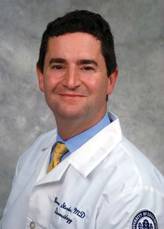
"The metabolic syndrome, a chronic inflammatory state that is associated with increased cardiovascular mortality, is also common in patients with psoriasis," noted Dr. Strober of the department of dermatology at the University of Connecticut, Farmington. The syndrome is associated with at least three of the following five factors: increased waist circumference or abdominal obesity, hypertension, hypertriglyceridemia, reduced high-density lipoprotein levels, and insulin resistance.
In 2006 German researchers published results from a trial that compared the prevalence of metabolic syndrome in 581 adults hospitalized with plaque-type psoriasis to the prevalence in 1,044 controls who were treated surgically for localized melanoma during the same time period (Arch. Dermatol. Res. 2006;298:321-8). Charts were screened for the presence of concomitant forms of chronic internal diseases.
The researchers discovered that compared with controls, psoriasis patients had a significantly higher prevalence of three components of metabolic syndrome, including diabetes mellitus (odds ratio, 2.48); hyperlipidemia (OR, 2.09); and arterial hypertension (OR, 3.27).
A separate, larger trial conducted in the United Kingdom set out to determine whether the prevalence of major cardiovascular risk factors was higher in mild or severe psoriasis patients, or in patients without psoriasis (J. Am. Acad. Dermatol. 2006;55:829-35). Patients were defined as having severe psoriasis if they received a code for psoriasis as well as systemic therapy used for the treatment of psoriasis, while patients were defined as having mild psoriasis if they ever received a psoriasis code but no systemic therapy.
The population-based study included 127,706 patients with mild psoriasis and 3,854 with severe disease. The researchers found that patients with mild psoriasis had a higher adjusted odds of diabetes (odds ratio, 1.13); hypertension (OR, 1.03); hyperlipidemia (OR, 1.16); obesity (OR, 1.27); and smoking (OR, 1.31), compared with controls, while patients with severe psoriasis had a higher adjusted odds of diabetes (OR, 1.62); obesity (OR, 1.79);and smoking (OR, 1.31) than controls, Dr. Strober reported at the seminar sponsored by Skin Disease Education Foundation (SDEF).
In addition, diabetes (OR, 1.39) and obesity (OR 1.47) were more prevalent in those with severe psoriasis than with mild psoriasis.
According to Dr. Strober, one of the largest studies to evaluate the association between obesity and the risk of psoriasis comes from 78,626 women who participated in the ongoing Nurses’ Health Study (Arch. Intern. Med. 2007;167:1670-5). After adjustment for age, alcohol consumption, and smoking status, the researchers found that the relative risk of developing psoriasis increased with advancing body mass index category: 1.40 for a BMI of 25-29.9 kg/m2, 1.48 for a BMI of 30-34.9 kg/m2, and 2.69 for a BMI of 35 kg/m2 or greater.
A higher waist circumference, hip circumference, and waist-hip ratio were also associated with a higher risk of incident psoriasis.
Myocardial infarction is also associated with psoriasis, according to a population-based study in the United Kingdom that evaluated outcomes in 556,995 controls, 127,139 patients with mild psoriasis, and 3,837 patients with severe psoriasis (JAMA 2006;296:1735-41). The researchers found that the adjusted relative risk of myocardial infarction was 3.58 among controls, 4.04 among those with mild psoriasis, and 5.13 among those with severe psoriasis.
"Possible causes for increased cardiovascular risks in psoriasis include the use of dyslipidemic therapies, such as corticosteroids, acitretin, and cyclosporine; the increased prevalence of obesity and other associated risk factors; and uncontrolled inflammation leading to endothelial dysfunction and dyslipidemia," Dr. Strober said.
He emphasized that many questions remain about the association between psoriasis and cardiovascular risk factors. "Do the associations have any clinical relevance?" he asked. "Do specific comorbidities influence the response to therapy for psoriasis? Does psoriasis influence the response to therapy for any specific comorbidity? Will specific psoriasis therapies reduce the negative health consequences of a comorbidity of psoriasis?"
For now, he said, dermatologists might consider screening patients for the prevalence of cardiovascular risk factors through laboratory evaluations such as a comprehensive metabolic panel and fasting lipids, assessing blood pressure and weight status, and asking patients about their history of smoking, alcohol use, depression, and arthritis.
Dr. Strober disclosed that he is a member of the scientific advisory board for Abbott, Amgen, Janssen, Novartis, and Pfizer. He also disclosed that he is a consultant for Abbott, Amgen, Celgene, Centocor, Galderma, Leo, Maruho, Novartis, and Pfizer, and that he has received honoraria from Abbott.
SDEF and this news organization are owned by Elsevier.
LAS VEGAS – The list of disease states and behaviors that potentially increase morbidity and mortality and lower quality of life for psoriasis patients is well known and includes psoriatic arthritis, Crohn’s disease, depression, alcoholism, and smoking.
Perhaps less well appreciated is the fact that psoriasis is also associated with multiple comorbidities that increase the risk of cardiovascular disease, including hypertension, diabetes, dyslipidemia, and obesity, Dr. Bruce E. Strober said at the SDEF Las Vegas Dermatology Seminar.
"The metabolic syndrome, a chronic inflammatory state that is associated with increased cardiovascular mortality, is also common in patients with psoriasis," noted Dr. Strober of the department of dermatology at the University of Connecticut, Farmington. The syndrome is associated with at least three of the following five factors: increased waist circumference or abdominal obesity, hypertension, hypertriglyceridemia, reduced high-density lipoprotein levels, and insulin resistance.
In 2006 German researchers published results from a trial that compared the prevalence of metabolic syndrome in 581 adults hospitalized with plaque-type psoriasis to the prevalence in 1,044 controls who were treated surgically for localized melanoma during the same time period (Arch. Dermatol. Res. 2006;298:321-8). Charts were screened for the presence of concomitant forms of chronic internal diseases.
The researchers discovered that compared with controls, psoriasis patients had a significantly higher prevalence of three components of metabolic syndrome, including diabetes mellitus (odds ratio, 2.48); hyperlipidemia (OR, 2.09); and arterial hypertension (OR, 3.27).
A separate, larger trial conducted in the United Kingdom set out to determine whether the prevalence of major cardiovascular risk factors was higher in mild or severe psoriasis patients, or in patients without psoriasis (J. Am. Acad. Dermatol. 2006;55:829-35). Patients were defined as having severe psoriasis if they received a code for psoriasis as well as systemic therapy used for the treatment of psoriasis, while patients were defined as having mild psoriasis if they ever received a psoriasis code but no systemic therapy.
The population-based study included 127,706 patients with mild psoriasis and 3,854 with severe disease. The researchers found that patients with mild psoriasis had a higher adjusted odds of diabetes (odds ratio, 1.13); hypertension (OR, 1.03); hyperlipidemia (OR, 1.16); obesity (OR, 1.27); and smoking (OR, 1.31), compared with controls, while patients with severe psoriasis had a higher adjusted odds of diabetes (OR, 1.62); obesity (OR, 1.79);and smoking (OR, 1.31) than controls, Dr. Strober reported at the seminar sponsored by Skin Disease Education Foundation (SDEF).
In addition, diabetes (OR, 1.39) and obesity (OR 1.47) were more prevalent in those with severe psoriasis than with mild psoriasis.
According to Dr. Strober, one of the largest studies to evaluate the association between obesity and the risk of psoriasis comes from 78,626 women who participated in the ongoing Nurses’ Health Study (Arch. Intern. Med. 2007;167:1670-5). After adjustment for age, alcohol consumption, and smoking status, the researchers found that the relative risk of developing psoriasis increased with advancing body mass index category: 1.40 for a BMI of 25-29.9 kg/m2, 1.48 for a BMI of 30-34.9 kg/m2, and 2.69 for a BMI of 35 kg/m2 or greater.
A higher waist circumference, hip circumference, and waist-hip ratio were also associated with a higher risk of incident psoriasis.
Myocardial infarction is also associated with psoriasis, according to a population-based study in the United Kingdom that evaluated outcomes in 556,995 controls, 127,139 patients with mild psoriasis, and 3,837 patients with severe psoriasis (JAMA 2006;296:1735-41). The researchers found that the adjusted relative risk of myocardial infarction was 3.58 among controls, 4.04 among those with mild psoriasis, and 5.13 among those with severe psoriasis.
"Possible causes for increased cardiovascular risks in psoriasis include the use of dyslipidemic therapies, such as corticosteroids, acitretin, and cyclosporine; the increased prevalence of obesity and other associated risk factors; and uncontrolled inflammation leading to endothelial dysfunction and dyslipidemia," Dr. Strober said.
He emphasized that many questions remain about the association between psoriasis and cardiovascular risk factors. "Do the associations have any clinical relevance?" he asked. "Do specific comorbidities influence the response to therapy for psoriasis? Does psoriasis influence the response to therapy for any specific comorbidity? Will specific psoriasis therapies reduce the negative health consequences of a comorbidity of psoriasis?"
For now, he said, dermatologists might consider screening patients for the prevalence of cardiovascular risk factors through laboratory evaluations such as a comprehensive metabolic panel and fasting lipids, assessing blood pressure and weight status, and asking patients about their history of smoking, alcohol use, depression, and arthritis.
Dr. Strober disclosed that he is a member of the scientific advisory board for Abbott, Amgen, Janssen, Novartis, and Pfizer. He also disclosed that he is a consultant for Abbott, Amgen, Celgene, Centocor, Galderma, Leo, Maruho, Novartis, and Pfizer, and that he has received honoraria from Abbott.
SDEF and this news organization are owned by Elsevier.
LAS VEGAS – The list of disease states and behaviors that potentially increase morbidity and mortality and lower quality of life for psoriasis patients is well known and includes psoriatic arthritis, Crohn’s disease, depression, alcoholism, and smoking.
Perhaps less well appreciated is the fact that psoriasis is also associated with multiple comorbidities that increase the risk of cardiovascular disease, including hypertension, diabetes, dyslipidemia, and obesity, Dr. Bruce E. Strober said at the SDEF Las Vegas Dermatology Seminar.
"The metabolic syndrome, a chronic inflammatory state that is associated with increased cardiovascular mortality, is also common in patients with psoriasis," noted Dr. Strober of the department of dermatology at the University of Connecticut, Farmington. The syndrome is associated with at least three of the following five factors: increased waist circumference or abdominal obesity, hypertension, hypertriglyceridemia, reduced high-density lipoprotein levels, and insulin resistance.
In 2006 German researchers published results from a trial that compared the prevalence of metabolic syndrome in 581 adults hospitalized with plaque-type psoriasis to the prevalence in 1,044 controls who were treated surgically for localized melanoma during the same time period (Arch. Dermatol. Res. 2006;298:321-8). Charts were screened for the presence of concomitant forms of chronic internal diseases.
The researchers discovered that compared with controls, psoriasis patients had a significantly higher prevalence of three components of metabolic syndrome, including diabetes mellitus (odds ratio, 2.48); hyperlipidemia (OR, 2.09); and arterial hypertension (OR, 3.27).
A separate, larger trial conducted in the United Kingdom set out to determine whether the prevalence of major cardiovascular risk factors was higher in mild or severe psoriasis patients, or in patients without psoriasis (J. Am. Acad. Dermatol. 2006;55:829-35). Patients were defined as having severe psoriasis if they received a code for psoriasis as well as systemic therapy used for the treatment of psoriasis, while patients were defined as having mild psoriasis if they ever received a psoriasis code but no systemic therapy.
The population-based study included 127,706 patients with mild psoriasis and 3,854 with severe disease. The researchers found that patients with mild psoriasis had a higher adjusted odds of diabetes (odds ratio, 1.13); hypertension (OR, 1.03); hyperlipidemia (OR, 1.16); obesity (OR, 1.27); and smoking (OR, 1.31), compared with controls, while patients with severe psoriasis had a higher adjusted odds of diabetes (OR, 1.62); obesity (OR, 1.79);and smoking (OR, 1.31) than controls, Dr. Strober reported at the seminar sponsored by Skin Disease Education Foundation (SDEF).
In addition, diabetes (OR, 1.39) and obesity (OR 1.47) were more prevalent in those with severe psoriasis than with mild psoriasis.
According to Dr. Strober, one of the largest studies to evaluate the association between obesity and the risk of psoriasis comes from 78,626 women who participated in the ongoing Nurses’ Health Study (Arch. Intern. Med. 2007;167:1670-5). After adjustment for age, alcohol consumption, and smoking status, the researchers found that the relative risk of developing psoriasis increased with advancing body mass index category: 1.40 for a BMI of 25-29.9 kg/m2, 1.48 for a BMI of 30-34.9 kg/m2, and 2.69 for a BMI of 35 kg/m2 or greater.
A higher waist circumference, hip circumference, and waist-hip ratio were also associated with a higher risk of incident psoriasis.
Myocardial infarction is also associated with psoriasis, according to a population-based study in the United Kingdom that evaluated outcomes in 556,995 controls, 127,139 patients with mild psoriasis, and 3,837 patients with severe psoriasis (JAMA 2006;296:1735-41). The researchers found that the adjusted relative risk of myocardial infarction was 3.58 among controls, 4.04 among those with mild psoriasis, and 5.13 among those with severe psoriasis.
"Possible causes for increased cardiovascular risks in psoriasis include the use of dyslipidemic therapies, such as corticosteroids, acitretin, and cyclosporine; the increased prevalence of obesity and other associated risk factors; and uncontrolled inflammation leading to endothelial dysfunction and dyslipidemia," Dr. Strober said.
He emphasized that many questions remain about the association between psoriasis and cardiovascular risk factors. "Do the associations have any clinical relevance?" he asked. "Do specific comorbidities influence the response to therapy for psoriasis? Does psoriasis influence the response to therapy for any specific comorbidity? Will specific psoriasis therapies reduce the negative health consequences of a comorbidity of psoriasis?"
For now, he said, dermatologists might consider screening patients for the prevalence of cardiovascular risk factors through laboratory evaluations such as a comprehensive metabolic panel and fasting lipids, assessing blood pressure and weight status, and asking patients about their history of smoking, alcohol use, depression, and arthritis.
Dr. Strober disclosed that he is a member of the scientific advisory board for Abbott, Amgen, Janssen, Novartis, and Pfizer. He also disclosed that he is a consultant for Abbott, Amgen, Celgene, Centocor, Galderma, Leo, Maruho, Novartis, and Pfizer, and that he has received honoraria from Abbott.
SDEF and this news organization are owned by Elsevier.
EXPERT ANALYSIS FROM SDEF LAS VEGAS DERMATOLOGY SEMINAR
Steroids May Help if Given Early in ALI-ARDS
HONOLULU – The jury is still out on whether patients with acute lung injury and adult respiratory distress syndrome derive any benefit from the use of corticosteroids, according to Dr. Stephen M. Pastores.
"This is probably the most controversial topic in acute lung injury and ARDS," Dr. Pastores of the department of anesthesiology and critical care medicine at Memorial Sloan-Kettering Cancer Center, New York, said at the annual meeting of the American College of Chest Physicians. "For those of us who might believe in the use of corticosteroids, we base that on the pretty good evidence that they are effective anti-inflammatory agents. There have been a few positive trials for the use of prolonged corticosteroid treatment in ALI [acute lung injury]-ARDS, with significantly less side effects in comparison to older trials investigating massive doses," such as methylprednisolone 120 mg/kg per day.
Renewed interest in this topic came about 4 years ago, he said, after publication of a study that evaluated the effects of low-dose methylprednisolone infusion on lung function in 91 patients with early ARDS (within 72 hours). About two-thirds of the patients (66%) had sepsis (Chest 2007;131:954-63). Patients were randomized to receive methylprednisolone infusion (1 mg/kg per day) or placebo for up to 28 days. The primary end point was a 1-point reduction in the lung injury score or successful extubation by day 7.

"An important piece of this study was that [the researchers] did regular infection surveillance with regular bronchoscopies, and they avoided the use of neuromuscular blockers," said Dr. Pastores, who is also professor of medicine and anesthesiology at Cornell University in New York.
The researchers found that patients in the treatment arm had a greater than 1-point drop in their lung injury score. The researchers also found no significant increase in complications such as infection, "and because they avoided neuromuscular blockers, there was hardly any incidence of neuromuscular weakness or neuropathy," Dr. Pastores said.
In a subsequent review of five trials on the use of steroids for the treatment of ARDS that enrolled a total of 518 patients, Dr. Pastores and his associates observed that the steroid dosing and treatment duration were different across the trials, and that infection surveillance was not routine (Intensive Care Med. 2008;34:61-9). However, three of the trials in which patients received steroids before day 14 of ARDS found a slight benefit to this approach, with a number needed to treat of six.
"If you look at the patients who were randomized to the methylprednisolone arm, the mortality rate was 24%, which is about 16% less than the control arm that did not receive steroids," Dr. Pastores said of the 245 patients in these three trials. "From this review, we concluded that prolonged glucocorticoid treatment substantially and significantly improves meaningful patient-centered outcomes in terms of less ventilator days, less days in the ICU, and perhaps a distinct survival benefit – only in patients who have steroids early in the course of acute lung injury, however."
A more recent systematic review that factored in additional trials concluded that prolonged glucocorticoid treatment has a "distinct survival benefit" when initiated before day 14 of ARDS, with a number needed to treat of four (Crit. Care Med. 2009;37:1594-603). No significant differences in the rate of neuromyopathy or other major events were seen between the treatment and control groups. "However, we have to be cautious," Dr. Pastores said of the findings. "There are limitations in all of the systematic reviews on this topic. There are marked differences in study designs, patient characteristics, varying doses of steroids that were used, dosing strategies, and duration of therapy."
In 2008, a task force convened by the American College of Critical Care Medicine concluded that moderate-dose glucocorticoids should be considered in patients with early severe ARDS (PaO2/FiO2 of less than 200) and before day 14 in patients with unresolving ARDS (Crit. Care Med. 2008;36:1937-49). "We could not come to a definitive conclusion or recommendation on patients with less-severe ALI," said Dr. Pastores, who was a member of the task force. "Keep in mind that the recommendation is based on level 2B evidence for a mortality benefit. It’s a weak recommendation because the quality of the evidence was moderate; it wasn’t very strong because we didn’t have enough good randomized, controlled trials. For reduction in duration of mechanical ventilation, however, the evidence is strong (1B), with the aggregate of data showing a doubling of extubation, in comparison to controls, by day 7 and 14."
"Prolonged glucocorticoid treatment substantially and significantly improves meaningful patient-centered outcomes."
He went on to note that physicians should give steroids in conjunction with infection surveillance, "avoiding neuromuscular blockers if you can, and being concerned about the phenomenon of rebound inflammation if you stop steroids abruptly."
Inhaled nitric oxide has also been studied as a nonventilatory strategy in ALI/ARDS. A Cochrane review of 13 randomized, controlled trials involving 1,303 patients found no significant effect with this approach in overall mortality, but did show a transient improvement in oxygenation in the first 24 hours. The review also found that inhaled nitric oxide had no significant effect on duration of ventilation, ventilator-free days, and ICU and hospital length of stay. An increased risk of renal impairment among adults was also noted (Cochrane Database Syst. Rev. 2010 Oct. 23 [doi:10.1002/14651858.CD002787.pub2]).
"The conclusion from this meta-analysis was that there was no mortality benefit, and in fact [nitric oxide] might even be harmful," Dr. Pastores said.
Intriguing findings on the use of neuromuscular blockers in severe, early ARDS were presented in 2010 by French researchers after a multicenter trial of 340 patients who were randomized to IV cisatracurium infusion or placebo for 48 hours (N. Engl. J. Med. 2010;363:1107-16). The primary outcome was 90-day mortality and ventilator-free days.
Patients in the treatment group had lower 90-day mortality and more ventilator-free days, compared with those in the placebo group.
"Neuromuscular blockers may facilitate lung-protective ventilation in this patient population by improving patient-ventilator synchrony," Dr. Pastores said. "They may also improve chest wall compliance and reduce oxygen consumption, and possibly cause a decrease in lung or systemic inflammation."
The study’s limitations were that "it only involved cisatracurium and therefore may not apply to other neuromuscular blockers. There were also no data on conditions known to antagonize or potentiate neuromuscular blockers," he added.
Another treatment strategy for ALI/ARDS – the routine use of aerosolized beta2-agonists – cannot be recommended at this time because of the results of a recent trial in which patients were randomized to 5-mg aerosolized albuterol or saline placebo every 4 hours for up to 10 days. The primary outcome was ventilator-free days. "The trial had to be stopped for futility because there was no improvement in ventilator-free days," Dr. Pastores said. "In fact, there was a suggestion of a slight trend of increasing morbidity among patients in the treatment group. The investigators theorized that the lung-protective ventilation and conservative fluid management reduced lung injury and water to the extent that additional lung fluid clearance with beta2-agonists had no additional beneficial effect."
"This is probably the most controversial topic in acute lung injury and ARDS."
The role of pharmaconutrition has also been studied in this patient population. According to Dr. Pastores, three previous trials of continuous omega-3 enteral feeds showed improved PaO2/FiO2 ratio, shorter ventilator time and ICU stay, and fewer organ failures and lower mortality. However, a more recent randomized, controlled trial of 272 adults found that twice-daily administration of omega-3 fatty acids plus antioxidant supplementation did not improve ventilator-free days or other clinical outcomes (JAMA 2011;306:1574-81). "There was some suggestion that perhaps it was harmful to these patients," Dr. Pastores said. For example, 60-day hospital mortality was higher among the patients in the treatment group, compared with those in the placebo group (27% vs. 16%, respectively; P = .054).
Future nonventilatory therapies that might hold promise for patients with ALI/ARDS, he said, include inhaled protein C, tissue factor inhibition, statins, and the extended use of steroids in severe community-acquired pneumonia.
Dr. Pastores disclosed that he has received grant support from Altor Bioscience Corp. and from Spectral Diagnostics Inc.
HONOLULU – The jury is still out on whether patients with acute lung injury and adult respiratory distress syndrome derive any benefit from the use of corticosteroids, according to Dr. Stephen M. Pastores.
"This is probably the most controversial topic in acute lung injury and ARDS," Dr. Pastores of the department of anesthesiology and critical care medicine at Memorial Sloan-Kettering Cancer Center, New York, said at the annual meeting of the American College of Chest Physicians. "For those of us who might believe in the use of corticosteroids, we base that on the pretty good evidence that they are effective anti-inflammatory agents. There have been a few positive trials for the use of prolonged corticosteroid treatment in ALI [acute lung injury]-ARDS, with significantly less side effects in comparison to older trials investigating massive doses," such as methylprednisolone 120 mg/kg per day.
Renewed interest in this topic came about 4 years ago, he said, after publication of a study that evaluated the effects of low-dose methylprednisolone infusion on lung function in 91 patients with early ARDS (within 72 hours). About two-thirds of the patients (66%) had sepsis (Chest 2007;131:954-63). Patients were randomized to receive methylprednisolone infusion (1 mg/kg per day) or placebo for up to 28 days. The primary end point was a 1-point reduction in the lung injury score or successful extubation by day 7.
"An important piece of this study was that [the researchers] did regular infection surveillance with regular bronchoscopies, and they avoided the use of neuromuscular blockers," said Dr. Pastores, who is also professor of medicine and anesthesiology at Cornell University in New York.
The researchers found that patients in the treatment arm had a greater than 1-point drop in their lung injury score. The researchers also found no significant increase in complications such as infection, "and because they avoided neuromuscular blockers, there was hardly any incidence of neuromuscular weakness or neuropathy," Dr. Pastores said.
In a subsequent review of five trials on the use of steroids for the treatment of ARDS that enrolled a total of 518 patients, Dr. Pastores and his associates observed that the steroid dosing and treatment duration were different across the trials, and that infection surveillance was not routine (Intensive Care Med. 2008;34:61-9). However, three of the trials in which patients received steroids before day 14 of ARDS found a slight benefit to this approach, with a number needed to treat of six.
"If you look at the patients who were randomized to the methylprednisolone arm, the mortality rate was 24%, which is about 16% less than the control arm that did not receive steroids," Dr. Pastores said of the 245 patients in these three trials. "From this review, we concluded that prolonged glucocorticoid treatment substantially and significantly improves meaningful patient-centered outcomes in terms of less ventilator days, less days in the ICU, and perhaps a distinct survival benefit – only in patients who have steroids early in the course of acute lung injury, however."
A more recent systematic review that factored in additional trials concluded that prolonged glucocorticoid treatment has a "distinct survival benefit" when initiated before day 14 of ARDS, with a number needed to treat of four (Crit. Care Med. 2009;37:1594-603). No significant differences in the rate of neuromyopathy or other major events were seen between the treatment and control groups. "However, we have to be cautious," Dr. Pastores said of the findings. "There are limitations in all of the systematic reviews on this topic. There are marked differences in study designs, patient characteristics, varying doses of steroids that were used, dosing strategies, and duration of therapy."
In 2008, a task force convened by the American College of Critical Care Medicine concluded that moderate-dose glucocorticoids should be considered in patients with early severe ARDS (PaO2/FiO2 of less than 200) and before day 14 in patients with unresolving ARDS (Crit. Care Med. 2008;36:1937-49). "We could not come to a definitive conclusion or recommendation on patients with less-severe ALI," said Dr. Pastores, who was a member of the task force. "Keep in mind that the recommendation is based on level 2B evidence for a mortality benefit. It’s a weak recommendation because the quality of the evidence was moderate; it wasn’t very strong because we didn’t have enough good randomized, controlled trials. For reduction in duration of mechanical ventilation, however, the evidence is strong (1B), with the aggregate of data showing a doubling of extubation, in comparison to controls, by day 7 and 14."
"Prolonged glucocorticoid treatment substantially and significantly improves meaningful patient-centered outcomes."
He went on to note that physicians should give steroids in conjunction with infection surveillance, "avoiding neuromuscular blockers if you can, and being concerned about the phenomenon of rebound inflammation if you stop steroids abruptly."
Inhaled nitric oxide has also been studied as a nonventilatory strategy in ALI/ARDS. A Cochrane review of 13 randomized, controlled trials involving 1,303 patients found no significant effect with this approach in overall mortality, but did show a transient improvement in oxygenation in the first 24 hours. The review also found that inhaled nitric oxide had no significant effect on duration of ventilation, ventilator-free days, and ICU and hospital length of stay. An increased risk of renal impairment among adults was also noted (Cochrane Database Syst. Rev. 2010 Oct. 23 [doi:10.1002/14651858.CD002787.pub2]).
"The conclusion from this meta-analysis was that there was no mortality benefit, and in fact [nitric oxide] might even be harmful," Dr. Pastores said.
Intriguing findings on the use of neuromuscular blockers in severe, early ARDS were presented in 2010 by French researchers after a multicenter trial of 340 patients who were randomized to IV cisatracurium infusion or placebo for 48 hours (N. Engl. J. Med. 2010;363:1107-16). The primary outcome was 90-day mortality and ventilator-free days.
Patients in the treatment group had lower 90-day mortality and more ventilator-free days, compared with those in the placebo group.
"Neuromuscular blockers may facilitate lung-protective ventilation in this patient population by improving patient-ventilator synchrony," Dr. Pastores said. "They may also improve chest wall compliance and reduce oxygen consumption, and possibly cause a decrease in lung or systemic inflammation."
The study’s limitations were that "it only involved cisatracurium and therefore may not apply to other neuromuscular blockers. There were also no data on conditions known to antagonize or potentiate neuromuscular blockers," he added.
Another treatment strategy for ALI/ARDS – the routine use of aerosolized beta2-agonists – cannot be recommended at this time because of the results of a recent trial in which patients were randomized to 5-mg aerosolized albuterol or saline placebo every 4 hours for up to 10 days. The primary outcome was ventilator-free days. "The trial had to be stopped for futility because there was no improvement in ventilator-free days," Dr. Pastores said. "In fact, there was a suggestion of a slight trend of increasing morbidity among patients in the treatment group. The investigators theorized that the lung-protective ventilation and conservative fluid management reduced lung injury and water to the extent that additional lung fluid clearance with beta2-agonists had no additional beneficial effect."
"This is probably the most controversial topic in acute lung injury and ARDS."
The role of pharmaconutrition has also been studied in this patient population. According to Dr. Pastores, three previous trials of continuous omega-3 enteral feeds showed improved PaO2/FiO2 ratio, shorter ventilator time and ICU stay, and fewer organ failures and lower mortality. However, a more recent randomized, controlled trial of 272 adults found that twice-daily administration of omega-3 fatty acids plus antioxidant supplementation did not improve ventilator-free days or other clinical outcomes (JAMA 2011;306:1574-81). "There was some suggestion that perhaps it was harmful to these patients," Dr. Pastores said. For example, 60-day hospital mortality was higher among the patients in the treatment group, compared with those in the placebo group (27% vs. 16%, respectively; P = .054).
Future nonventilatory therapies that might hold promise for patients with ALI/ARDS, he said, include inhaled protein C, tissue factor inhibition, statins, and the extended use of steroids in severe community-acquired pneumonia.
Dr. Pastores disclosed that he has received grant support from Altor Bioscience Corp. and from Spectral Diagnostics Inc.
HONOLULU – The jury is still out on whether patients with acute lung injury and adult respiratory distress syndrome derive any benefit from the use of corticosteroids, according to Dr. Stephen M. Pastores.
"This is probably the most controversial topic in acute lung injury and ARDS," Dr. Pastores of the department of anesthesiology and critical care medicine at Memorial Sloan-Kettering Cancer Center, New York, said at the annual meeting of the American College of Chest Physicians. "For those of us who might believe in the use of corticosteroids, we base that on the pretty good evidence that they are effective anti-inflammatory agents. There have been a few positive trials for the use of prolonged corticosteroid treatment in ALI [acute lung injury]-ARDS, with significantly less side effects in comparison to older trials investigating massive doses," such as methylprednisolone 120 mg/kg per day.
Renewed interest in this topic came about 4 years ago, he said, after publication of a study that evaluated the effects of low-dose methylprednisolone infusion on lung function in 91 patients with early ARDS (within 72 hours). About two-thirds of the patients (66%) had sepsis (Chest 2007;131:954-63). Patients were randomized to receive methylprednisolone infusion (1 mg/kg per day) or placebo for up to 28 days. The primary end point was a 1-point reduction in the lung injury score or successful extubation by day 7.
"An important piece of this study was that [the researchers] did regular infection surveillance with regular bronchoscopies, and they avoided the use of neuromuscular blockers," said Dr. Pastores, who is also professor of medicine and anesthesiology at Cornell University in New York.
The researchers found that patients in the treatment arm had a greater than 1-point drop in their lung injury score. The researchers also found no significant increase in complications such as infection, "and because they avoided neuromuscular blockers, there was hardly any incidence of neuromuscular weakness or neuropathy," Dr. Pastores said.
In a subsequent review of five trials on the use of steroids for the treatment of ARDS that enrolled a total of 518 patients, Dr. Pastores and his associates observed that the steroid dosing and treatment duration were different across the trials, and that infection surveillance was not routine (Intensive Care Med. 2008;34:61-9). However, three of the trials in which patients received steroids before day 14 of ARDS found a slight benefit to this approach, with a number needed to treat of six.
"If you look at the patients who were randomized to the methylprednisolone arm, the mortality rate was 24%, which is about 16% less than the control arm that did not receive steroids," Dr. Pastores said of the 245 patients in these three trials. "From this review, we concluded that prolonged glucocorticoid treatment substantially and significantly improves meaningful patient-centered outcomes in terms of less ventilator days, less days in the ICU, and perhaps a distinct survival benefit – only in patients who have steroids early in the course of acute lung injury, however."
A more recent systematic review that factored in additional trials concluded that prolonged glucocorticoid treatment has a "distinct survival benefit" when initiated before day 14 of ARDS, with a number needed to treat of four (Crit. Care Med. 2009;37:1594-603). No significant differences in the rate of neuromyopathy or other major events were seen between the treatment and control groups. "However, we have to be cautious," Dr. Pastores said of the findings. "There are limitations in all of the systematic reviews on this topic. There are marked differences in study designs, patient characteristics, varying doses of steroids that were used, dosing strategies, and duration of therapy."
In 2008, a task force convened by the American College of Critical Care Medicine concluded that moderate-dose glucocorticoids should be considered in patients with early severe ARDS (PaO2/FiO2 of less than 200) and before day 14 in patients with unresolving ARDS (Crit. Care Med. 2008;36:1937-49). "We could not come to a definitive conclusion or recommendation on patients with less-severe ALI," said Dr. Pastores, who was a member of the task force. "Keep in mind that the recommendation is based on level 2B evidence for a mortality benefit. It’s a weak recommendation because the quality of the evidence was moderate; it wasn’t very strong because we didn’t have enough good randomized, controlled trials. For reduction in duration of mechanical ventilation, however, the evidence is strong (1B), with the aggregate of data showing a doubling of extubation, in comparison to controls, by day 7 and 14."
"Prolonged glucocorticoid treatment substantially and significantly improves meaningful patient-centered outcomes."
He went on to note that physicians should give steroids in conjunction with infection surveillance, "avoiding neuromuscular blockers if you can, and being concerned about the phenomenon of rebound inflammation if you stop steroids abruptly."
Inhaled nitric oxide has also been studied as a nonventilatory strategy in ALI/ARDS. A Cochrane review of 13 randomized, controlled trials involving 1,303 patients found no significant effect with this approach in overall mortality, but did show a transient improvement in oxygenation in the first 24 hours. The review also found that inhaled nitric oxide had no significant effect on duration of ventilation, ventilator-free days, and ICU and hospital length of stay. An increased risk of renal impairment among adults was also noted (Cochrane Database Syst. Rev. 2010 Oct. 23 [doi:10.1002/14651858.CD002787.pub2]).
"The conclusion from this meta-analysis was that there was no mortality benefit, and in fact [nitric oxide] might even be harmful," Dr. Pastores said.
Intriguing findings on the use of neuromuscular blockers in severe, early ARDS were presented in 2010 by French researchers after a multicenter trial of 340 patients who were randomized to IV cisatracurium infusion or placebo for 48 hours (N. Engl. J. Med. 2010;363:1107-16). The primary outcome was 90-day mortality and ventilator-free days.
Patients in the treatment group had lower 90-day mortality and more ventilator-free days, compared with those in the placebo group.
"Neuromuscular blockers may facilitate lung-protective ventilation in this patient population by improving patient-ventilator synchrony," Dr. Pastores said. "They may also improve chest wall compliance and reduce oxygen consumption, and possibly cause a decrease in lung or systemic inflammation."
The study’s limitations were that "it only involved cisatracurium and therefore may not apply to other neuromuscular blockers. There were also no data on conditions known to antagonize or potentiate neuromuscular blockers," he added.
Another treatment strategy for ALI/ARDS – the routine use of aerosolized beta2-agonists – cannot be recommended at this time because of the results of a recent trial in which patients were randomized to 5-mg aerosolized albuterol or saline placebo every 4 hours for up to 10 days. The primary outcome was ventilator-free days. "The trial had to be stopped for futility because there was no improvement in ventilator-free days," Dr. Pastores said. "In fact, there was a suggestion of a slight trend of increasing morbidity among patients in the treatment group. The investigators theorized that the lung-protective ventilation and conservative fluid management reduced lung injury and water to the extent that additional lung fluid clearance with beta2-agonists had no additional beneficial effect."
"This is probably the most controversial topic in acute lung injury and ARDS."
The role of pharmaconutrition has also been studied in this patient population. According to Dr. Pastores, three previous trials of continuous omega-3 enteral feeds showed improved PaO2/FiO2 ratio, shorter ventilator time and ICU stay, and fewer organ failures and lower mortality. However, a more recent randomized, controlled trial of 272 adults found that twice-daily administration of omega-3 fatty acids plus antioxidant supplementation did not improve ventilator-free days or other clinical outcomes (JAMA 2011;306:1574-81). "There was some suggestion that perhaps it was harmful to these patients," Dr. Pastores said. For example, 60-day hospital mortality was higher among the patients in the treatment group, compared with those in the placebo group (27% vs. 16%, respectively; P = .054).
Future nonventilatory therapies that might hold promise for patients with ALI/ARDS, he said, include inhaled protein C, tissue factor inhibition, statins, and the extended use of steroids in severe community-acquired pneumonia.
Dr. Pastores disclosed that he has received grant support from Altor Bioscience Corp. and from Spectral Diagnostics Inc.
EXPERT ANALYSIS FROM THE ANNUAL MEETING OF THE AMERICAN COLLEGE OF CHEST PHYSICIANS
Cigarette Smoke Raises Risk of Lung Injury After Trauma
HONOLULU – Both active smoking and secondhand smoke exposure are associated with increased susceptibility to acute lung injury in patients following blunt trauma, results from an ongoing cohort study demonstrated.
The researchers, led by Dr. Carolyn S. Calfee of the pulmonary and critical care division at the University of California, San Francisco, measured serum cotinine to quantify exposure to cigarette smoke, an approach that "transforms the field, because it’s now possible to quantify cigarette smoke exposure," coinvestigator Dr. Michael A. Matthay said at the annual meeting of the American College of Chest Physicians.

The researchers set out to investigate if exposure to cigarette smoke increases susceptibility to acute lung injury among trauma patients. They used serum cotinine testing because obtaining a reliable smoking history in the ICU "is difficult," said Dr. Matthay, professor of medicine and anesthesia at UCSF. "The patients are ventilated and there is a high mortality rate, and the family may not be able to give you a good smoking history. Therefore, Dr. Calfee is using biomarkers to measure both active and passive cigarette smoke exposure."
Serum cotinine has been shown in several studies to accurately identify both active and passive exposure to cigarette smoke. "These levels are very well validated, so now you can not only know if they’ve been exposed to cigarette smoke but you can put them in the category of secondhand or primary smoke exposure," Dr. Matthay said.
Earlier this year, researchers including Dr. Calfee reported that serum cotinine levels reflect active smoking and secondhand smoke exposure in nonsmokers in the ICU (Crit. Care Med. 2011;39:40-5). "We also found that if you use the urine for NNAL, a metabolite of nitrosamines produced in the tobacco-curing process, you can quantify the amount of cigarette smoke exposure in patients over several weeks," Dr. Matthay said.
For the ongoing cohort study, the researchers collected blood from 144 patients who presented to emergency department of San Francisco General Hospital with severe trauma caused by events that included motor vehicle accidents, falls, and assaults. They had blood drawn via waiver of consent within 5 minutes of arrival to the ED. Serum cotinine was measured from this sample. Follow-up consent was obtained from the patient or surrogate.
Active smokers were defined as those having a serum cotinine level of 3.08 ng/mL or greater, whereas passive smokers were defined as those with a cotinine level greater than zero but less than 3.08 ng/mL.
Of the 144 patients, 62 had acute lung injury (43%) and 82 (57%) did not. Patients in the acute lung injury group were significantly younger than their counterparts in the nonacute lung injury group (mean age, 44 vs. 52 years) but otherwise shared similar characteristics, including injury severity and history of alcohol abuse.
According to results from the serum cotinine testing, 44% of patients were categorized as active smokers, 37% were categorized as passive smokers, and only 19% were categorized as unexposed to smoke. "Imagine this in San Francisco, where only about 15%" of the population smoke, Dr. Matthay commented. In the ED, however, "in patients with blunt trauma, it’s the reverse: We have 81% who are exposed to some level of smoke."
"Now you can not only know if [patients] have been exposed to cigarette smoke but you can put them in the category of secondhand or primary smoke exposure."
The researchers observed that increased serum cotinine levels were associated with the development of acute lung injury. "This includes the patients with passive secondhand smoke exposure above the median level in the cohort, not just active exposure," Dr. Matthay said. "The relationship between cotinine levels and acute lung injury persisted after multivariate analysis."
He noted that the patients’ serum cotinine levels showed the inadequacy of the chart history. For example, 53 patients were defined as nonsmokers based on chart history, but many "had plasma cotinine levels that were elevated."
Dr. Matthay emphasized that many questions about the relationship between serum cotinine levels and acute lung injury remain. "The mechanism of association between exposure and acute lung injury in blunt trauma is still unknown," he said.
Dr. Calfee is currently carrying out an analysis of cigarette smoke exposure and acute lung injury in mixed medical-surgical patients in collaboration with Dr. Lorraine Ware at Vanderbilt University in Nashville, Tenn., he said. In addition, Dr. Calfee and colleagues are measuring NNAL in 489 patients enrolled in trials being conducted by the National Heart, Lung, and Blood Institute’s Acute Respiratory Distress Syndrome Network.
"Biomarkers of endothelial and epithelial injury are also being studied in patients with acute lung injury, to determine if differences exist between smokers and nonsmokers," Dr. Matthay said.
Dr. Matthay disclosed that this research, led by Dr. Calfee, is supported by the NHLBI and the Flight Attendant Medical Research Institute.
HONOLULU – Both active smoking and secondhand smoke exposure are associated with increased susceptibility to acute lung injury in patients following blunt trauma, results from an ongoing cohort study demonstrated.
The researchers, led by Dr. Carolyn S. Calfee of the pulmonary and critical care division at the University of California, San Francisco, measured serum cotinine to quantify exposure to cigarette smoke, an approach that "transforms the field, because it’s now possible to quantify cigarette smoke exposure," coinvestigator Dr. Michael A. Matthay said at the annual meeting of the American College of Chest Physicians.
The researchers set out to investigate if exposure to cigarette smoke increases susceptibility to acute lung injury among trauma patients. They used serum cotinine testing because obtaining a reliable smoking history in the ICU "is difficult," said Dr. Matthay, professor of medicine and anesthesia at UCSF. "The patients are ventilated and there is a high mortality rate, and the family may not be able to give you a good smoking history. Therefore, Dr. Calfee is using biomarkers to measure both active and passive cigarette smoke exposure."
Serum cotinine has been shown in several studies to accurately identify both active and passive exposure to cigarette smoke. "These levels are very well validated, so now you can not only know if they’ve been exposed to cigarette smoke but you can put them in the category of secondhand or primary smoke exposure," Dr. Matthay said.
Earlier this year, researchers including Dr. Calfee reported that serum cotinine levels reflect active smoking and secondhand smoke exposure in nonsmokers in the ICU (Crit. Care Med. 2011;39:40-5). "We also found that if you use the urine for NNAL, a metabolite of nitrosamines produced in the tobacco-curing process, you can quantify the amount of cigarette smoke exposure in patients over several weeks," Dr. Matthay said.
For the ongoing cohort study, the researchers collected blood from 144 patients who presented to emergency department of San Francisco General Hospital with severe trauma caused by events that included motor vehicle accidents, falls, and assaults. They had blood drawn via waiver of consent within 5 minutes of arrival to the ED. Serum cotinine was measured from this sample. Follow-up consent was obtained from the patient or surrogate.
Active smokers were defined as those having a serum cotinine level of 3.08 ng/mL or greater, whereas passive smokers were defined as those with a cotinine level greater than zero but less than 3.08 ng/mL.
Of the 144 patients, 62 had acute lung injury (43%) and 82 (57%) did not. Patients in the acute lung injury group were significantly younger than their counterparts in the nonacute lung injury group (mean age, 44 vs. 52 years) but otherwise shared similar characteristics, including injury severity and history of alcohol abuse.
According to results from the serum cotinine testing, 44% of patients were categorized as active smokers, 37% were categorized as passive smokers, and only 19% were categorized as unexposed to smoke. "Imagine this in San Francisco, where only about 15%" of the population smoke, Dr. Matthay commented. In the ED, however, "in patients with blunt trauma, it’s the reverse: We have 81% who are exposed to some level of smoke."
"Now you can not only know if [patients] have been exposed to cigarette smoke but you can put them in the category of secondhand or primary smoke exposure."
The researchers observed that increased serum cotinine levels were associated with the development of acute lung injury. "This includes the patients with passive secondhand smoke exposure above the median level in the cohort, not just active exposure," Dr. Matthay said. "The relationship between cotinine levels and acute lung injury persisted after multivariate analysis."
He noted that the patients’ serum cotinine levels showed the inadequacy of the chart history. For example, 53 patients were defined as nonsmokers based on chart history, but many "had plasma cotinine levels that were elevated."
Dr. Matthay emphasized that many questions about the relationship between serum cotinine levels and acute lung injury remain. "The mechanism of association between exposure and acute lung injury in blunt trauma is still unknown," he said.
Dr. Calfee is currently carrying out an analysis of cigarette smoke exposure and acute lung injury in mixed medical-surgical patients in collaboration with Dr. Lorraine Ware at Vanderbilt University in Nashville, Tenn., he said. In addition, Dr. Calfee and colleagues are measuring NNAL in 489 patients enrolled in trials being conducted by the National Heart, Lung, and Blood Institute’s Acute Respiratory Distress Syndrome Network.
"Biomarkers of endothelial and epithelial injury are also being studied in patients with acute lung injury, to determine if differences exist between smokers and nonsmokers," Dr. Matthay said.
Dr. Matthay disclosed that this research, led by Dr. Calfee, is supported by the NHLBI and the Flight Attendant Medical Research Institute.
HONOLULU – Both active smoking and secondhand smoke exposure are associated with increased susceptibility to acute lung injury in patients following blunt trauma, results from an ongoing cohort study demonstrated.
The researchers, led by Dr. Carolyn S. Calfee of the pulmonary and critical care division at the University of California, San Francisco, measured serum cotinine to quantify exposure to cigarette smoke, an approach that "transforms the field, because it’s now possible to quantify cigarette smoke exposure," coinvestigator Dr. Michael A. Matthay said at the annual meeting of the American College of Chest Physicians.
The researchers set out to investigate if exposure to cigarette smoke increases susceptibility to acute lung injury among trauma patients. They used serum cotinine testing because obtaining a reliable smoking history in the ICU "is difficult," said Dr. Matthay, professor of medicine and anesthesia at UCSF. "The patients are ventilated and there is a high mortality rate, and the family may not be able to give you a good smoking history. Therefore, Dr. Calfee is using biomarkers to measure both active and passive cigarette smoke exposure."
Serum cotinine has been shown in several studies to accurately identify both active and passive exposure to cigarette smoke. "These levels are very well validated, so now you can not only know if they’ve been exposed to cigarette smoke but you can put them in the category of secondhand or primary smoke exposure," Dr. Matthay said.
Earlier this year, researchers including Dr. Calfee reported that serum cotinine levels reflect active smoking and secondhand smoke exposure in nonsmokers in the ICU (Crit. Care Med. 2011;39:40-5). "We also found that if you use the urine for NNAL, a metabolite of nitrosamines produced in the tobacco-curing process, you can quantify the amount of cigarette smoke exposure in patients over several weeks," Dr. Matthay said.
For the ongoing cohort study, the researchers collected blood from 144 patients who presented to emergency department of San Francisco General Hospital with severe trauma caused by events that included motor vehicle accidents, falls, and assaults. They had blood drawn via waiver of consent within 5 minutes of arrival to the ED. Serum cotinine was measured from this sample. Follow-up consent was obtained from the patient or surrogate.
Active smokers were defined as those having a serum cotinine level of 3.08 ng/mL or greater, whereas passive smokers were defined as those with a cotinine level greater than zero but less than 3.08 ng/mL.
Of the 144 patients, 62 had acute lung injury (43%) and 82 (57%) did not. Patients in the acute lung injury group were significantly younger than their counterparts in the nonacute lung injury group (mean age, 44 vs. 52 years) but otherwise shared similar characteristics, including injury severity and history of alcohol abuse.
According to results from the serum cotinine testing, 44% of patients were categorized as active smokers, 37% were categorized as passive smokers, and only 19% were categorized as unexposed to smoke. "Imagine this in San Francisco, where only about 15%" of the population smoke, Dr. Matthay commented. In the ED, however, "in patients with blunt trauma, it’s the reverse: We have 81% who are exposed to some level of smoke."
"Now you can not only know if [patients] have been exposed to cigarette smoke but you can put them in the category of secondhand or primary smoke exposure."
The researchers observed that increased serum cotinine levels were associated with the development of acute lung injury. "This includes the patients with passive secondhand smoke exposure above the median level in the cohort, not just active exposure," Dr. Matthay said. "The relationship between cotinine levels and acute lung injury persisted after multivariate analysis."
He noted that the patients’ serum cotinine levels showed the inadequacy of the chart history. For example, 53 patients were defined as nonsmokers based on chart history, but many "had plasma cotinine levels that were elevated."
Dr. Matthay emphasized that many questions about the relationship between serum cotinine levels and acute lung injury remain. "The mechanism of association between exposure and acute lung injury in blunt trauma is still unknown," he said.
Dr. Calfee is currently carrying out an analysis of cigarette smoke exposure and acute lung injury in mixed medical-surgical patients in collaboration with Dr. Lorraine Ware at Vanderbilt University in Nashville, Tenn., he said. In addition, Dr. Calfee and colleagues are measuring NNAL in 489 patients enrolled in trials being conducted by the National Heart, Lung, and Blood Institute’s Acute Respiratory Distress Syndrome Network.
"Biomarkers of endothelial and epithelial injury are also being studied in patients with acute lung injury, to determine if differences exist between smokers and nonsmokers," Dr. Matthay said.
Dr. Matthay disclosed that this research, led by Dr. Calfee, is supported by the NHLBI and the Flight Attendant Medical Research Institute.
EXPERT ANALYSIS FROM THE ANNUAL MEETING OF THE AMERICAN COLLEGE OF CHEST PHYSICIANS
Several Cutaneous Vaccination Routes Being Studied
CHICAGO – Of all the novel cutaneous delivery methods being studied for vaccine administration, noninvasive patchlike systems appear to offer the most advantages, according to Dr. Bruce G. Weniger.
"This is maybe 5 or 10 years off in the future, but this method could be painless upon delivery of antigen on either coated solid microneedles or within dissolving microneedles only to the epidermis, which lacks nerve endings," Dr. Weniger said at the annual Interscience Conference on Antimicrobial Agents and Chemotherapy.

"In theory, it can also be very space efficient for cold chain volume constraints, which is a serious problem as the new prefilled, single-dose packagings for rotavirus vaccine are taking up scarce space in the developing-world vaccine refrigerators. Moreover, such Band-Aid–like delivery systems (called "plasters" in British parlance) are potentially thermostable outside the cold chain. They may be cheaper than needle syringes to dispose of as nonhazardous waste, and in some cases there may be no complex, reusable applicator device to buy, transport, maintain, break, or lose."
Speaking at a later symposium on novel vaccination strategies, Dr. Weniger, an associate editor at the journal Vaccine, and retired former lead for vaccine technology at the Centers for Disease Control and Prevention (CDC), reported that cutaneous vaccination often produced better immune responses than deposition into deeper tissues, thus in some cases permitting dose sparing when vaccine may be scarce or expensive.
He also noted that some new methods of vaccine delivery into or onto the skin – but not patches – share one advantage of the traditional Mantoux method, now used for tuberculosis skin testing and BCG vaccine: the use of existing off-the-shelf vaccines. "The disadvantages of this 100-year-old method are that it’s difficult to do correctly, and local reactions are often more frequent and may be unacceptable if the vaccine contains an irritating adjuvant," he said. "It’s also uncomfortable for the patient."
Newtown, Pa.–based SID Technologies is developing an intradermal injection adapter that attaches to a conventional tuberculin/insulin syringe "to make the Mantoux injection method foolproof," Dr. Weniger said. "Just push it in, and it guides you consistently to the desired bleb or wheal."
The company, which received Small Business Innovation Research (SBIR) funding from the CDC for the technology, is working with West Pharmaceuticals for the developed-world market and with PATH (Program for Appropriate Technology in Health), a Seattle-based nonprofit organization, "to bring this to the developing world for potential cost-saving intradermal administration of expensive rabies and polio vaccines," he said at the meeting, sponsored by the American Society for Microbiology.
The Bioject ID Pen needle-free jet injector, developed by Portland, Ore.–based Bioject Medical Technologies, is anticipated to receive clearance from the Food and Drug Administration (FDA) this year for intradermal delivery. Dr. Weniger described this device as "small, light, powered by metal springs, and featuring single-use autodisabling syringes for 0.05- or 0.1-mL volumes." Studies supported by PATH and the World Health Organization are evaluating its use for delivering rabies and polio vaccines in developing countries.
Another spring-action jet injector product, PharmaJet’s intradermal (ID) model, which also received CDC SBIR contract support, was granted FDA 510(k) clearance in 2011. According to Dr. Weniger, this device, manufactured by Golden Colo.–based PharmaJet, is being used to intradermally administer one of the four candidate dengue vaccines under study in the world. It has been tested in primates, and human trials were launched in 2010. Other clinical trials of the PharmaJet ID are underway in India for delivering rabies and polio vaccines.
The various techniques for cutaneous delivery of vaccines fall into the following categories:
• Mechanical disruption of the stratum corneum. "There are a variety of methods that are used to basically scrape off or abrade that dead layer of skin to allow the vaccine in," explained Dr. Weniger, who is now on the faculty of Chiang Mai University in Thailand. "You can even use cellophane tape applied to the skin and just pull it off a few times. Some researchers have even applied cyanoacrylate superglue and ripped that off, which is probably not painless, he added. There are also microscopic projections which are used to scrape the skin before you apply a drop of vaccine, and you can even use sandpaper friction."
• Coated solid microneedles. This technology involves coating dried vaccines onto microprojections. "When it’s put into the body, within the first few seconds or minutes, the moisture of the body dissolves the vaccine and it begins to be taken up by antigen-processing cells," Dr. Weniger said. "There are but a few human trials to date of which I’m becoming aware."
Fremont, Calif.–based Zosano Pharma created a ZP Patch, which uses an applicator device to push the microneedles into the skin, while St. Paul, Minn.–based 3M is developing a Microstructured Transdermal System. Neither is licensed for vaccine delivery.
In 2011, the Soluvia prefilled microinjection system, manufactured by BD Medical of Franklin Lakes, N.J., was approved in the United States for administering a new Fluzone Intradermal vaccine (Sanofi Pasteur) in adults aged 18-64 years. In 2009, it was licensed in the European Union for administration of the same company’s Intanzaand IDfluinfluenza vaccines. The device features a 30-gauge minineedle staked onto a prefilled glass syringe. "The outer diameter of the needle is 0.305 mm, and it projects 1.5 mm outside of the syringe," Dr. Weniger said. "Sanofi Pasteur purchased exclusive worldwide rights to the technology for all commercially sold vaccines."
Another hollow microneedle system under investigation is the MicronJet, manufactured by NanoPass Technologies of Nes Ziona, Israel. This device features an array of 250-mcg-tall microneedles on a Luer-slip syringe adapter. One human trial found that intradermal delivery of 3 or 6 mcg of influenza hemagglutinin yielded similar hemaglutination inhibition antibody titers as intramuscular delivery of 15 mcg (Vaccine 2009;27:454-9).
• Dissolving microneedles. In this approach pioneered at the Georgia Institute of Technology, the antigen/drug is formulated within a solid dissolvable matrix on a patch using biocompatible and nontoxic components, such as carboxymethylcellulose. "Upon dissolution into the body, all the sharps are gone, so there is less of an issue of expensive sharps waste and the cost of disposing of them," Dr. Weniger said. "Other research groups are pursuing this approach, as well."
Other cutaneous vaccine delivery methods are "a bit more futuristic," he said, including kinetic deposition of propelled microparticles, thermoporation, laser light ablation, iontophoresis, chemical enhancers, and sound waves.
Although some of the novel cutaneous delivery systems he discussed might use off-the-shelf liquid products, "others may require extensive, expensive reformulation efforts," Dr. Weniger cautioned.
"Also, regulatory criteria to license annual influenza vaccines may not be biologically relevant for novel nonparenteral routes/antigens. This means that phase III field-efficacy trials may be required to tease out and validate new immunologic correlates of protection."
Even so, the minimally invasive nature of delivering antigen onto or into the skin "means it’s easier to monitor and treat local adverse reactions," he said. "You can see them. You can put topical steroids or other treatments on them to reduce them, and you can hypothesize fewer unanticipated serious adverse events than we’ve seen with other routes."
Another advantage of the cutaneous route is that it’s less dependent on patient cooperation than other novel routes.
"Think of a squirming, uncooperative child unable to swallow capsules, retain oral doses, activate inhalers, or quietly breathe a vaccine mist for an extended time." Dr. Weniger offered. He added that the cutaneous route provides "a relatively sure and certain delivery, compared with oral and respiratory administration."
Dr. Weniger disclosed that he holds stock in Pfizer.
CHICAGO – Of all the novel cutaneous delivery methods being studied for vaccine administration, noninvasive patchlike systems appear to offer the most advantages, according to Dr. Bruce G. Weniger.
"This is maybe 5 or 10 years off in the future, but this method could be painless upon delivery of antigen on either coated solid microneedles or within dissolving microneedles only to the epidermis, which lacks nerve endings," Dr. Weniger said at the annual Interscience Conference on Antimicrobial Agents and Chemotherapy.
"In theory, it can also be very space efficient for cold chain volume constraints, which is a serious problem as the new prefilled, single-dose packagings for rotavirus vaccine are taking up scarce space in the developing-world vaccine refrigerators. Moreover, such Band-Aid–like delivery systems (called "plasters" in British parlance) are potentially thermostable outside the cold chain. They may be cheaper than needle syringes to dispose of as nonhazardous waste, and in some cases there may be no complex, reusable applicator device to buy, transport, maintain, break, or lose."
Speaking at a later symposium on novel vaccination strategies, Dr. Weniger, an associate editor at the journal Vaccine, and retired former lead for vaccine technology at the Centers for Disease Control and Prevention (CDC), reported that cutaneous vaccination often produced better immune responses than deposition into deeper tissues, thus in some cases permitting dose sparing when vaccine may be scarce or expensive.
He also noted that some new methods of vaccine delivery into or onto the skin – but not patches – share one advantage of the traditional Mantoux method, now used for tuberculosis skin testing and BCG vaccine: the use of existing off-the-shelf vaccines. "The disadvantages of this 100-year-old method are that it’s difficult to do correctly, and local reactions are often more frequent and may be unacceptable if the vaccine contains an irritating adjuvant," he said. "It’s also uncomfortable for the patient."
Newtown, Pa.–based SID Technologies is developing an intradermal injection adapter that attaches to a conventional tuberculin/insulin syringe "to make the Mantoux injection method foolproof," Dr. Weniger said. "Just push it in, and it guides you consistently to the desired bleb or wheal."
The company, which received Small Business Innovation Research (SBIR) funding from the CDC for the technology, is working with West Pharmaceuticals for the developed-world market and with PATH (Program for Appropriate Technology in Health), a Seattle-based nonprofit organization, "to bring this to the developing world for potential cost-saving intradermal administration of expensive rabies and polio vaccines," he said at the meeting, sponsored by the American Society for Microbiology.
The Bioject ID Pen needle-free jet injector, developed by Portland, Ore.–based Bioject Medical Technologies, is anticipated to receive clearance from the Food and Drug Administration (FDA) this year for intradermal delivery. Dr. Weniger described this device as "small, light, powered by metal springs, and featuring single-use autodisabling syringes for 0.05- or 0.1-mL volumes." Studies supported by PATH and the World Health Organization are evaluating its use for delivering rabies and polio vaccines in developing countries.
Another spring-action jet injector product, PharmaJet’s intradermal (ID) model, which also received CDC SBIR contract support, was granted FDA 510(k) clearance in 2011. According to Dr. Weniger, this device, manufactured by Golden Colo.–based PharmaJet, is being used to intradermally administer one of the four candidate dengue vaccines under study in the world. It has been tested in primates, and human trials were launched in 2010. Other clinical trials of the PharmaJet ID are underway in India for delivering rabies and polio vaccines.
The various techniques for cutaneous delivery of vaccines fall into the following categories:
• Mechanical disruption of the stratum corneum. "There are a variety of methods that are used to basically scrape off or abrade that dead layer of skin to allow the vaccine in," explained Dr. Weniger, who is now on the faculty of Chiang Mai University in Thailand. "You can even use cellophane tape applied to the skin and just pull it off a few times. Some researchers have even applied cyanoacrylate superglue and ripped that off, which is probably not painless, he added. There are also microscopic projections which are used to scrape the skin before you apply a drop of vaccine, and you can even use sandpaper friction."
• Coated solid microneedles. This technology involves coating dried vaccines onto microprojections. "When it’s put into the body, within the first few seconds or minutes, the moisture of the body dissolves the vaccine and it begins to be taken up by antigen-processing cells," Dr. Weniger said. "There are but a few human trials to date of which I’m becoming aware."
Fremont, Calif.–based Zosano Pharma created a ZP Patch, which uses an applicator device to push the microneedles into the skin, while St. Paul, Minn.–based 3M is developing a Microstructured Transdermal System. Neither is licensed for vaccine delivery.
In 2011, the Soluvia prefilled microinjection system, manufactured by BD Medical of Franklin Lakes, N.J., was approved in the United States for administering a new Fluzone Intradermal vaccine (Sanofi Pasteur) in adults aged 18-64 years. In 2009, it was licensed in the European Union for administration of the same company’s Intanzaand IDfluinfluenza vaccines. The device features a 30-gauge minineedle staked onto a prefilled glass syringe. "The outer diameter of the needle is 0.305 mm, and it projects 1.5 mm outside of the syringe," Dr. Weniger said. "Sanofi Pasteur purchased exclusive worldwide rights to the technology for all commercially sold vaccines."
Another hollow microneedle system under investigation is the MicronJet, manufactured by NanoPass Technologies of Nes Ziona, Israel. This device features an array of 250-mcg-tall microneedles on a Luer-slip syringe adapter. One human trial found that intradermal delivery of 3 or 6 mcg of influenza hemagglutinin yielded similar hemaglutination inhibition antibody titers as intramuscular delivery of 15 mcg (Vaccine 2009;27:454-9).
• Dissolving microneedles. In this approach pioneered at the Georgia Institute of Technology, the antigen/drug is formulated within a solid dissolvable matrix on a patch using biocompatible and nontoxic components, such as carboxymethylcellulose. "Upon dissolution into the body, all the sharps are gone, so there is less of an issue of expensive sharps waste and the cost of disposing of them," Dr. Weniger said. "Other research groups are pursuing this approach, as well."
Other cutaneous vaccine delivery methods are "a bit more futuristic," he said, including kinetic deposition of propelled microparticles, thermoporation, laser light ablation, iontophoresis, chemical enhancers, and sound waves.
Although some of the novel cutaneous delivery systems he discussed might use off-the-shelf liquid products, "others may require extensive, expensive reformulation efforts," Dr. Weniger cautioned.
"Also, regulatory criteria to license annual influenza vaccines may not be biologically relevant for novel nonparenteral routes/antigens. This means that phase III field-efficacy trials may be required to tease out and validate new immunologic correlates of protection."
Even so, the minimally invasive nature of delivering antigen onto or into the skin "means it’s easier to monitor and treat local adverse reactions," he said. "You can see them. You can put topical steroids or other treatments on them to reduce them, and you can hypothesize fewer unanticipated serious adverse events than we’ve seen with other routes."
Another advantage of the cutaneous route is that it’s less dependent on patient cooperation than other novel routes.
"Think of a squirming, uncooperative child unable to swallow capsules, retain oral doses, activate inhalers, or quietly breathe a vaccine mist for an extended time." Dr. Weniger offered. He added that the cutaneous route provides "a relatively sure and certain delivery, compared with oral and respiratory administration."
Dr. Weniger disclosed that he holds stock in Pfizer.
CHICAGO – Of all the novel cutaneous delivery methods being studied for vaccine administration, noninvasive patchlike systems appear to offer the most advantages, according to Dr. Bruce G. Weniger.
"This is maybe 5 or 10 years off in the future, but this method could be painless upon delivery of antigen on either coated solid microneedles or within dissolving microneedles only to the epidermis, which lacks nerve endings," Dr. Weniger said at the annual Interscience Conference on Antimicrobial Agents and Chemotherapy.
"In theory, it can also be very space efficient for cold chain volume constraints, which is a serious problem as the new prefilled, single-dose packagings for rotavirus vaccine are taking up scarce space in the developing-world vaccine refrigerators. Moreover, such Band-Aid–like delivery systems (called "plasters" in British parlance) are potentially thermostable outside the cold chain. They may be cheaper than needle syringes to dispose of as nonhazardous waste, and in some cases there may be no complex, reusable applicator device to buy, transport, maintain, break, or lose."
Speaking at a later symposium on novel vaccination strategies, Dr. Weniger, an associate editor at the journal Vaccine, and retired former lead for vaccine technology at the Centers for Disease Control and Prevention (CDC), reported that cutaneous vaccination often produced better immune responses than deposition into deeper tissues, thus in some cases permitting dose sparing when vaccine may be scarce or expensive.
He also noted that some new methods of vaccine delivery into or onto the skin – but not patches – share one advantage of the traditional Mantoux method, now used for tuberculosis skin testing and BCG vaccine: the use of existing off-the-shelf vaccines. "The disadvantages of this 100-year-old method are that it’s difficult to do correctly, and local reactions are often more frequent and may be unacceptable if the vaccine contains an irritating adjuvant," he said. "It’s also uncomfortable for the patient."
Newtown, Pa.–based SID Technologies is developing an intradermal injection adapter that attaches to a conventional tuberculin/insulin syringe "to make the Mantoux injection method foolproof," Dr. Weniger said. "Just push it in, and it guides you consistently to the desired bleb or wheal."
The company, which received Small Business Innovation Research (SBIR) funding from the CDC for the technology, is working with West Pharmaceuticals for the developed-world market and with PATH (Program for Appropriate Technology in Health), a Seattle-based nonprofit organization, "to bring this to the developing world for potential cost-saving intradermal administration of expensive rabies and polio vaccines," he said at the meeting, sponsored by the American Society for Microbiology.
The Bioject ID Pen needle-free jet injector, developed by Portland, Ore.–based Bioject Medical Technologies, is anticipated to receive clearance from the Food and Drug Administration (FDA) this year for intradermal delivery. Dr. Weniger described this device as "small, light, powered by metal springs, and featuring single-use autodisabling syringes for 0.05- or 0.1-mL volumes." Studies supported by PATH and the World Health Organization are evaluating its use for delivering rabies and polio vaccines in developing countries.
Another spring-action jet injector product, PharmaJet’s intradermal (ID) model, which also received CDC SBIR contract support, was granted FDA 510(k) clearance in 2011. According to Dr. Weniger, this device, manufactured by Golden Colo.–based PharmaJet, is being used to intradermally administer one of the four candidate dengue vaccines under study in the world. It has been tested in primates, and human trials were launched in 2010. Other clinical trials of the PharmaJet ID are underway in India for delivering rabies and polio vaccines.
The various techniques for cutaneous delivery of vaccines fall into the following categories:
• Mechanical disruption of the stratum corneum. "There are a variety of methods that are used to basically scrape off or abrade that dead layer of skin to allow the vaccine in," explained Dr. Weniger, who is now on the faculty of Chiang Mai University in Thailand. "You can even use cellophane tape applied to the skin and just pull it off a few times. Some researchers have even applied cyanoacrylate superglue and ripped that off, which is probably not painless, he added. There are also microscopic projections which are used to scrape the skin before you apply a drop of vaccine, and you can even use sandpaper friction."
• Coated solid microneedles. This technology involves coating dried vaccines onto microprojections. "When it’s put into the body, within the first few seconds or minutes, the moisture of the body dissolves the vaccine and it begins to be taken up by antigen-processing cells," Dr. Weniger said. "There are but a few human trials to date of which I’m becoming aware."
Fremont, Calif.–based Zosano Pharma created a ZP Patch, which uses an applicator device to push the microneedles into the skin, while St. Paul, Minn.–based 3M is developing a Microstructured Transdermal System. Neither is licensed for vaccine delivery.
In 2011, the Soluvia prefilled microinjection system, manufactured by BD Medical of Franklin Lakes, N.J., was approved in the United States for administering a new Fluzone Intradermal vaccine (Sanofi Pasteur) in adults aged 18-64 years. In 2009, it was licensed in the European Union for administration of the same company’s Intanzaand IDfluinfluenza vaccines. The device features a 30-gauge minineedle staked onto a prefilled glass syringe. "The outer diameter of the needle is 0.305 mm, and it projects 1.5 mm outside of the syringe," Dr. Weniger said. "Sanofi Pasteur purchased exclusive worldwide rights to the technology for all commercially sold vaccines."
Another hollow microneedle system under investigation is the MicronJet, manufactured by NanoPass Technologies of Nes Ziona, Israel. This device features an array of 250-mcg-tall microneedles on a Luer-slip syringe adapter. One human trial found that intradermal delivery of 3 or 6 mcg of influenza hemagglutinin yielded similar hemaglutination inhibition antibody titers as intramuscular delivery of 15 mcg (Vaccine 2009;27:454-9).
• Dissolving microneedles. In this approach pioneered at the Georgia Institute of Technology, the antigen/drug is formulated within a solid dissolvable matrix on a patch using biocompatible and nontoxic components, such as carboxymethylcellulose. "Upon dissolution into the body, all the sharps are gone, so there is less of an issue of expensive sharps waste and the cost of disposing of them," Dr. Weniger said. "Other research groups are pursuing this approach, as well."
Other cutaneous vaccine delivery methods are "a bit more futuristic," he said, including kinetic deposition of propelled microparticles, thermoporation, laser light ablation, iontophoresis, chemical enhancers, and sound waves.
Although some of the novel cutaneous delivery systems he discussed might use off-the-shelf liquid products, "others may require extensive, expensive reformulation efforts," Dr. Weniger cautioned.
"Also, regulatory criteria to license annual influenza vaccines may not be biologically relevant for novel nonparenteral routes/antigens. This means that phase III field-efficacy trials may be required to tease out and validate new immunologic correlates of protection."
Even so, the minimally invasive nature of delivering antigen onto or into the skin "means it’s easier to monitor and treat local adverse reactions," he said. "You can see them. You can put topical steroids or other treatments on them to reduce them, and you can hypothesize fewer unanticipated serious adverse events than we’ve seen with other routes."
Another advantage of the cutaneous route is that it’s less dependent on patient cooperation than other novel routes.
"Think of a squirming, uncooperative child unable to swallow capsules, retain oral doses, activate inhalers, or quietly breathe a vaccine mist for an extended time." Dr. Weniger offered. He added that the cutaneous route provides "a relatively sure and certain delivery, compared with oral and respiratory administration."
Dr. Weniger disclosed that he holds stock in Pfizer.
EXPERT ANALYSIS FROM THE ANNUAL INTERSCIENCE CONFERENCE ON ANTIMICROBIAL AGENTS AND CHEMOTHERAPY
Tips for Tailoring Urinary Incontinence Therapy : Urinary incontinence affects women's 'confidence, sexuality, level of activity, and self-esteem.'
Urinary incontinence may rank as the most embarrassing condition a woman will face in her lifetime, but the good news is that 80%-90% of patients who seek treatment will experience symptom relief.
“That is what makes my job so great – the fact that I can bring back quality of life to these women,” said Dr. Cheryl Iglesia, who directs the Section of Female Pelvic Medicine and Reconstructive Surgery at Washington (D.C.) Hospital Center. “Urinary incontinence affects their confidence, sexuality, level of activity, and self-esteem.”
Treatments for stress, urge, and mixed urinary incontinence have expanded and advanced in recent years. Botox is the newest kid on the block, approved on Aug. 24 for the treatment of urinary incontinence in adults with neurologic conditions, including multiple sclerosis and spinal cord injury, that have an inadequate response to or are intolerant of anticholinergic medications.
“Like most of our therapies, Botox doesn't work for everyone but it can be very effective,” said Dr. Dee Ellen Fenner, professor of obstetrics and gynecology at the University of Michigan, Ann Arbor. “Overall, I think women tolerate it very well. It's done in the office with a cystoscope with injections into the bladder muscle.”
Before considering medical and surgical treatments for urinary incontinence, advise your patients to try conservative therapies first, such as limiting fluid intake (“let thirst be your guide”), cutting back on the intake of caffeine and other bladder irritants, and voiding on a schedule.
Strengthening the pelvic floor muscles with Kegel exercises also can be helpful. For a detailed description of Kegel exercises, visit www.voicesforpfd.org
Treatments for urinary incontinence differ depending on a woman's goals and her symptoms. For some women with stress incontinence, vaginal insertion of an incontinence dish pessary or an incontinence ring pessary will suffice. These devices act as a backstop to the urinary sphincter. “They're not as strong as surgery,” said Dr. Linda Brubaker, who directs the Division of Female Pelvic Medicine and Reconstructive Surgery at Loyola University Chicago, Maywood, Ill. “More people who have surgery will be satisfied and have better symptom control. But for a woman who doesn't want surgery or isn't ready for surgery who has symptoms only when she takes her Jazzercise class or goes for a run, a ring might work just fine.”
Dr. Fenner, who is also director of gynecology for the University of Michigan Health System, often recommends incontinence rings for mothers who experience urinary leakage after having a baby “because the tissues, muscles, and nerves in her pelvic region are healing for 9-12 months.” “Wearing that incontinence ring can be great.”
Other treatment options for stress incontinence include:
▸ Urethral bulking agents. Food and Drug Administration-approved urethral bulking agents include collagen (Contigen), calcium hydroxylapatite (Coaptite), and carbon bead particles (Durasphere). These substances are injected along the urethra during an office procedure. “It doesn't take much anesthesia and patients can go home the same day,” said Dr. Iglesia. “Most people with a bulking agent will need a touch-up.”
▸ Sling-type procedures. The mid-urethral mesh sling, most often made of polypropylene mesh, is the current standard. There are three different types: a retropubic sling that travels behind the pubic bone, forming a U shape; a transobturator sling, which exits through the groin crease near the thigh, forming more of an H shape; and newer mini slings, “which have no exit wounds at all; they're inserted into muscle via a single vaginal incision,” Dr. Iglesia said. Data on the retropubic sling surpassing 12 years “shows over 80% effectiveness in that patients are really satisfied – maybe not cured – but significantly improved with this procedure,” she said.
Mid-urethral slings for urinary incontinence “work very well but there are problems anytime you use an artificial material,” said Dr. Brubaker, who is also interim dean of medicine at Loyola University Chicago. “There are low but persistent rates of foreign body problems, but [these are] not much of an issue.”
Data on safety and effectiveness for retropubic and transobturator slings are robust but there is very limited data on long-term effectiveness of mini slings.
On July 13, the FDA issued a safety alert on serious complications associated with transvaginal placement of surgical mesh for pelvic organ prolapse. Prolapse mesh refers to much larger sheets of mesh compared with the straps of mesh used in slings. In a prepared statement, the American Urogynecologic Society pointed out that the conclusions and recommendations of the report “do not apply to the use of synthetic mesh for treatment of stress urinary incontinence … where the benefits of mesh are more clearly delineated and the risks are less.” The FDA Obstetrics and Gynecology Devices Panel of the Medical Devices Advisory Committee met on Sept. 8-9, and drew similar conclusions for slings.
The statement also noted that the American Urogynecologic Society “supports an improved approval process for these devices – one that includes better and longer term randomized trials of new surgical devices and materials before going to market,” as well as improved postmarket surveillance through registries and national databases.
▸ Retropubic urethropexy (Burch procedure). Head-to-head studies have found the Burch procedure to be equally effective, compared with the synthetic retropubic sling, “but it's a little more invasive,” Dr. Iglesia said. “It requires skin incisions from above through which the bladder neck is sutured to a ligament by the pubic bone. The Burch has not been found to be more durable than the synthetic retropubic sling. That's why the full-length synthetic slings have become the gold standard. But in the wrong hands these synthetic mesh slings can become problematic, with bladder perforation, vaginal mesh exposure, voiding difficulty, worsening urgency, urinary tract infections, and pain being some potential complications. You want to make sure you refer your patients to someone who's done a lot of these procedures and knows how to deal with potential complications.”
Symptoms associated with stress incontinence may also respond to certain medications, including duloxetine, imipramine, and estrogen applied via cream or patch.
In addition to Botox and pelvic floor strengthening exercises, treatment options for urge incontinence include the following:
▸ Medications. According to a 2010 review from the Agency for Healthcare Quality and Research, options include the antimuscarinic drugs tolterodine, trospium, solifenacin, darifenacin, and fesoterodine. Drugs with mixed actions include oxybutynin, propiverine, and flavoxate. “There's no one drug that's been the best,” Dr. Iglesia commented. “Many of the drugs have similar side effects, including constipation and dry mouth, and some of them are pricey. I'll generally start with what is covered by the patient's insurance, and I like medications that I can titrate up until I get the desired effect.”
▸ Neuromodulation. InterStim Therapy by Medtronic is an implantable device which stimulates the sacral nerve with mild energy pulses. Typically reserved for patients who have not responded to medical therapy, this approach uses low-voltage electrical stimulation to downregulate nerves that are causing overactive bladder symptoms or urge incontinence. “Over 100,000 InterStim devices have been implanted worldwide with up to 80% improvement,” Dr. Iglesia said. “There's also a tampon-like stimulator [transvaginal electrical stimulation] that you can place in the vagina twice a day for about 12 weeks. You can also apply energy with posterior tibial nerve stimulation, which is a once-a-week treatment for 12 weeks.”
Dr. Fenner disclosed that she receives research support from American Medical Systems and that she receives honorarium from UpToDate.
Dr. Iglesia disclosed that she was a member of the FDA Obstetrics and Gynecology Devices Panel of the Medical Devices Advisory Committee which met on Sept. 8-9.
Dr. Brubaker said that she had no relevant financial disclosures.

Advise your patients to try conservative therapies first for urinary incontinence.
Source DR. FENNER

'I'll generally start with [medications] covered by the patient's insurance.'
Source DR. IGLESIA

Pessaries 'are not as strong as surgery,' but for women who don't want surgery, 'a ring might work just fine.'
Source DR. BRUBAKER
Urinary incontinence may rank as the most embarrassing condition a woman will face in her lifetime, but the good news is that 80%-90% of patients who seek treatment will experience symptom relief.
“That is what makes my job so great – the fact that I can bring back quality of life to these women,” said Dr. Cheryl Iglesia, who directs the Section of Female Pelvic Medicine and Reconstructive Surgery at Washington (D.C.) Hospital Center. “Urinary incontinence affects their confidence, sexuality, level of activity, and self-esteem.”
Treatments for stress, urge, and mixed urinary incontinence have expanded and advanced in recent years. Botox is the newest kid on the block, approved on Aug. 24 for the treatment of urinary incontinence in adults with neurologic conditions, including multiple sclerosis and spinal cord injury, that have an inadequate response to or are intolerant of anticholinergic medications.
“Like most of our therapies, Botox doesn't work for everyone but it can be very effective,” said Dr. Dee Ellen Fenner, professor of obstetrics and gynecology at the University of Michigan, Ann Arbor. “Overall, I think women tolerate it very well. It's done in the office with a cystoscope with injections into the bladder muscle.”
Before considering medical and surgical treatments for urinary incontinence, advise your patients to try conservative therapies first, such as limiting fluid intake (“let thirst be your guide”), cutting back on the intake of caffeine and other bladder irritants, and voiding on a schedule.
Strengthening the pelvic floor muscles with Kegel exercises also can be helpful. For a detailed description of Kegel exercises, visit www.voicesforpfd.org
Treatments for urinary incontinence differ depending on a woman's goals and her symptoms. For some women with stress incontinence, vaginal insertion of an incontinence dish pessary or an incontinence ring pessary will suffice. These devices act as a backstop to the urinary sphincter. “They're not as strong as surgery,” said Dr. Linda Brubaker, who directs the Division of Female Pelvic Medicine and Reconstructive Surgery at Loyola University Chicago, Maywood, Ill. “More people who have surgery will be satisfied and have better symptom control. But for a woman who doesn't want surgery or isn't ready for surgery who has symptoms only when she takes her Jazzercise class or goes for a run, a ring might work just fine.”
Dr. Fenner, who is also director of gynecology for the University of Michigan Health System, often recommends incontinence rings for mothers who experience urinary leakage after having a baby “because the tissues, muscles, and nerves in her pelvic region are healing for 9-12 months.” “Wearing that incontinence ring can be great.”
Other treatment options for stress incontinence include:
▸ Urethral bulking agents. Food and Drug Administration-approved urethral bulking agents include collagen (Contigen), calcium hydroxylapatite (Coaptite), and carbon bead particles (Durasphere). These substances are injected along the urethra during an office procedure. “It doesn't take much anesthesia and patients can go home the same day,” said Dr. Iglesia. “Most people with a bulking agent will need a touch-up.”
▸ Sling-type procedures. The mid-urethral mesh sling, most often made of polypropylene mesh, is the current standard. There are three different types: a retropubic sling that travels behind the pubic bone, forming a U shape; a transobturator sling, which exits through the groin crease near the thigh, forming more of an H shape; and newer mini slings, “which have no exit wounds at all; they're inserted into muscle via a single vaginal incision,” Dr. Iglesia said. Data on the retropubic sling surpassing 12 years “shows over 80% effectiveness in that patients are really satisfied – maybe not cured – but significantly improved with this procedure,” she said.
Mid-urethral slings for urinary incontinence “work very well but there are problems anytime you use an artificial material,” said Dr. Brubaker, who is also interim dean of medicine at Loyola University Chicago. “There are low but persistent rates of foreign body problems, but [these are] not much of an issue.”
Data on safety and effectiveness for retropubic and transobturator slings are robust but there is very limited data on long-term effectiveness of mini slings.
On July 13, the FDA issued a safety alert on serious complications associated with transvaginal placement of surgical mesh for pelvic organ prolapse. Prolapse mesh refers to much larger sheets of mesh compared with the straps of mesh used in slings. In a prepared statement, the American Urogynecologic Society pointed out that the conclusions and recommendations of the report “do not apply to the use of synthetic mesh for treatment of stress urinary incontinence … where the benefits of mesh are more clearly delineated and the risks are less.” The FDA Obstetrics and Gynecology Devices Panel of the Medical Devices Advisory Committee met on Sept. 8-9, and drew similar conclusions for slings.
The statement also noted that the American Urogynecologic Society “supports an improved approval process for these devices – one that includes better and longer term randomized trials of new surgical devices and materials before going to market,” as well as improved postmarket surveillance through registries and national databases.
▸ Retropubic urethropexy (Burch procedure). Head-to-head studies have found the Burch procedure to be equally effective, compared with the synthetic retropubic sling, “but it's a little more invasive,” Dr. Iglesia said. “It requires skin incisions from above through which the bladder neck is sutured to a ligament by the pubic bone. The Burch has not been found to be more durable than the synthetic retropubic sling. That's why the full-length synthetic slings have become the gold standard. But in the wrong hands these synthetic mesh slings can become problematic, with bladder perforation, vaginal mesh exposure, voiding difficulty, worsening urgency, urinary tract infections, and pain being some potential complications. You want to make sure you refer your patients to someone who's done a lot of these procedures and knows how to deal with potential complications.”
Symptoms associated with stress incontinence may also respond to certain medications, including duloxetine, imipramine, and estrogen applied via cream or patch.
In addition to Botox and pelvic floor strengthening exercises, treatment options for urge incontinence include the following:
▸ Medications. According to a 2010 review from the Agency for Healthcare Quality and Research, options include the antimuscarinic drugs tolterodine, trospium, solifenacin, darifenacin, and fesoterodine. Drugs with mixed actions include oxybutynin, propiverine, and flavoxate. “There's no one drug that's been the best,” Dr. Iglesia commented. “Many of the drugs have similar side effects, including constipation and dry mouth, and some of them are pricey. I'll generally start with what is covered by the patient's insurance, and I like medications that I can titrate up until I get the desired effect.”
▸ Neuromodulation. InterStim Therapy by Medtronic is an implantable device which stimulates the sacral nerve with mild energy pulses. Typically reserved for patients who have not responded to medical therapy, this approach uses low-voltage electrical stimulation to downregulate nerves that are causing overactive bladder symptoms or urge incontinence. “Over 100,000 InterStim devices have been implanted worldwide with up to 80% improvement,” Dr. Iglesia said. “There's also a tampon-like stimulator [transvaginal electrical stimulation] that you can place in the vagina twice a day for about 12 weeks. You can also apply energy with posterior tibial nerve stimulation, which is a once-a-week treatment for 12 weeks.”
Dr. Fenner disclosed that she receives research support from American Medical Systems and that she receives honorarium from UpToDate.
Dr. Iglesia disclosed that she was a member of the FDA Obstetrics and Gynecology Devices Panel of the Medical Devices Advisory Committee which met on Sept. 8-9.
Dr. Brubaker said that she had no relevant financial disclosures.
Advise your patients to try conservative therapies first for urinary incontinence.
Source DR. FENNER
'I'll generally start with [medications] covered by the patient's insurance.'
Source DR. IGLESIA
Pessaries 'are not as strong as surgery,' but for women who don't want surgery, 'a ring might work just fine.'
Source DR. BRUBAKER
Urinary incontinence may rank as the most embarrassing condition a woman will face in her lifetime, but the good news is that 80%-90% of patients who seek treatment will experience symptom relief.
“That is what makes my job so great – the fact that I can bring back quality of life to these women,” said Dr. Cheryl Iglesia, who directs the Section of Female Pelvic Medicine and Reconstructive Surgery at Washington (D.C.) Hospital Center. “Urinary incontinence affects their confidence, sexuality, level of activity, and self-esteem.”
Treatments for stress, urge, and mixed urinary incontinence have expanded and advanced in recent years. Botox is the newest kid on the block, approved on Aug. 24 for the treatment of urinary incontinence in adults with neurologic conditions, including multiple sclerosis and spinal cord injury, that have an inadequate response to or are intolerant of anticholinergic medications.
“Like most of our therapies, Botox doesn't work for everyone but it can be very effective,” said Dr. Dee Ellen Fenner, professor of obstetrics and gynecology at the University of Michigan, Ann Arbor. “Overall, I think women tolerate it very well. It's done in the office with a cystoscope with injections into the bladder muscle.”
Before considering medical and surgical treatments for urinary incontinence, advise your patients to try conservative therapies first, such as limiting fluid intake (“let thirst be your guide”), cutting back on the intake of caffeine and other bladder irritants, and voiding on a schedule.
Strengthening the pelvic floor muscles with Kegel exercises also can be helpful. For a detailed description of Kegel exercises, visit www.voicesforpfd.org
Treatments for urinary incontinence differ depending on a woman's goals and her symptoms. For some women with stress incontinence, vaginal insertion of an incontinence dish pessary or an incontinence ring pessary will suffice. These devices act as a backstop to the urinary sphincter. “They're not as strong as surgery,” said Dr. Linda Brubaker, who directs the Division of Female Pelvic Medicine and Reconstructive Surgery at Loyola University Chicago, Maywood, Ill. “More people who have surgery will be satisfied and have better symptom control. But for a woman who doesn't want surgery or isn't ready for surgery who has symptoms only when she takes her Jazzercise class or goes for a run, a ring might work just fine.”
Dr. Fenner, who is also director of gynecology for the University of Michigan Health System, often recommends incontinence rings for mothers who experience urinary leakage after having a baby “because the tissues, muscles, and nerves in her pelvic region are healing for 9-12 months.” “Wearing that incontinence ring can be great.”
Other treatment options for stress incontinence include:
▸ Urethral bulking agents. Food and Drug Administration-approved urethral bulking agents include collagen (Contigen), calcium hydroxylapatite (Coaptite), and carbon bead particles (Durasphere). These substances are injected along the urethra during an office procedure. “It doesn't take much anesthesia and patients can go home the same day,” said Dr. Iglesia. “Most people with a bulking agent will need a touch-up.”
▸ Sling-type procedures. The mid-urethral mesh sling, most often made of polypropylene mesh, is the current standard. There are three different types: a retropubic sling that travels behind the pubic bone, forming a U shape; a transobturator sling, which exits through the groin crease near the thigh, forming more of an H shape; and newer mini slings, “which have no exit wounds at all; they're inserted into muscle via a single vaginal incision,” Dr. Iglesia said. Data on the retropubic sling surpassing 12 years “shows over 80% effectiveness in that patients are really satisfied – maybe not cured – but significantly improved with this procedure,” she said.
Mid-urethral slings for urinary incontinence “work very well but there are problems anytime you use an artificial material,” said Dr. Brubaker, who is also interim dean of medicine at Loyola University Chicago. “There are low but persistent rates of foreign body problems, but [these are] not much of an issue.”
Data on safety and effectiveness for retropubic and transobturator slings are robust but there is very limited data on long-term effectiveness of mini slings.
On July 13, the FDA issued a safety alert on serious complications associated with transvaginal placement of surgical mesh for pelvic organ prolapse. Prolapse mesh refers to much larger sheets of mesh compared with the straps of mesh used in slings. In a prepared statement, the American Urogynecologic Society pointed out that the conclusions and recommendations of the report “do not apply to the use of synthetic mesh for treatment of stress urinary incontinence … where the benefits of mesh are more clearly delineated and the risks are less.” The FDA Obstetrics and Gynecology Devices Panel of the Medical Devices Advisory Committee met on Sept. 8-9, and drew similar conclusions for slings.
The statement also noted that the American Urogynecologic Society “supports an improved approval process for these devices – one that includes better and longer term randomized trials of new surgical devices and materials before going to market,” as well as improved postmarket surveillance through registries and national databases.
▸ Retropubic urethropexy (Burch procedure). Head-to-head studies have found the Burch procedure to be equally effective, compared with the synthetic retropubic sling, “but it's a little more invasive,” Dr. Iglesia said. “It requires skin incisions from above through which the bladder neck is sutured to a ligament by the pubic bone. The Burch has not been found to be more durable than the synthetic retropubic sling. That's why the full-length synthetic slings have become the gold standard. But in the wrong hands these synthetic mesh slings can become problematic, with bladder perforation, vaginal mesh exposure, voiding difficulty, worsening urgency, urinary tract infections, and pain being some potential complications. You want to make sure you refer your patients to someone who's done a lot of these procedures and knows how to deal with potential complications.”
Symptoms associated with stress incontinence may also respond to certain medications, including duloxetine, imipramine, and estrogen applied via cream or patch.
In addition to Botox and pelvic floor strengthening exercises, treatment options for urge incontinence include the following:
▸ Medications. According to a 2010 review from the Agency for Healthcare Quality and Research, options include the antimuscarinic drugs tolterodine, trospium, solifenacin, darifenacin, and fesoterodine. Drugs with mixed actions include oxybutynin, propiverine, and flavoxate. “There's no one drug that's been the best,” Dr. Iglesia commented. “Many of the drugs have similar side effects, including constipation and dry mouth, and some of them are pricey. I'll generally start with what is covered by the patient's insurance, and I like medications that I can titrate up until I get the desired effect.”
▸ Neuromodulation. InterStim Therapy by Medtronic is an implantable device which stimulates the sacral nerve with mild energy pulses. Typically reserved for patients who have not responded to medical therapy, this approach uses low-voltage electrical stimulation to downregulate nerves that are causing overactive bladder symptoms or urge incontinence. “Over 100,000 InterStim devices have been implanted worldwide with up to 80% improvement,” Dr. Iglesia said. “There's also a tampon-like stimulator [transvaginal electrical stimulation] that you can place in the vagina twice a day for about 12 weeks. You can also apply energy with posterior tibial nerve stimulation, which is a once-a-week treatment for 12 weeks.”
Dr. Fenner disclosed that she receives research support from American Medical Systems and that she receives honorarium from UpToDate.
Dr. Iglesia disclosed that she was a member of the FDA Obstetrics and Gynecology Devices Panel of the Medical Devices Advisory Committee which met on Sept. 8-9.
Dr. Brubaker said that she had no relevant financial disclosures.
Advise your patients to try conservative therapies first for urinary incontinence.
Source DR. FENNER
'I'll generally start with [medications] covered by the patient's insurance.'
Source DR. IGLESIA
Pessaries 'are not as strong as surgery,' but for women who don't want surgery, 'a ring might work just fine.'
Source DR. BRUBAKER
Obesity Might Be a Risk Factor for Asthma
HONOLULU – A large, long-term study suggests that obesity is significantly associated with airway hyperresponsiveness, and therefore it might be a risk factor for asthma.
"There is definitely a relationship between obesity and the risk of having airway hyperresponsiveness, and maybe asthma," lead investigator Dr. Manon Labrecque said during an interview in advance of annual meeting of the American College of Chest Physicians, where the study was presented during a poster session.

"But how is it mediated? What is the explanation? It seems to be related to the mechanical effect of obesity on the volume of the lungs, [but] some other analysis of the data will permit us to better understand," Dr. Labrecque said.
The investigators reviewed the medical records of 17,195 patients with a mean age of 48 years who were referred to the Hôpital du Sacré-Coeur de Montréal, Canada, for confirmation of an asthma diagnosis between 1980 and 2000.
They then analyzed the data in order to classify patients as having obesity class 1 (body mass index of 30-34.9 kg/m2), class 2 (BMI of 35-39.9 kg/m2), or class 3 (BMI more than 40 kg/m2), and compared them with normal-weight patients (those with a BMI between 18.5 and 25 kg/m2). To define airway hyperresponsiveness, the study used a standard criterion: methacholine challenge cutoff of less than 8 mg/mL for causing a 20% fall in FEV1 (forced expiratory volume in 1 second).
Of the 17,195 patients, 5,623 (33%) demonstrated airway hyperresponsiveness. The relationship between BMI and airway hyperresponsiveness increased in stepwise fashion, from an odds ratio (OR) of 1.15 for obesity class 1 to an OR of 1.46 for obesity class 2 and an OR of 1.50 for obesity class 3.
"We need more analysis to see if the effect of obesity on airway hyperresponsiveness is still there when we correct for lung volume [measures] like the FEV1," said Dr. Labrecque, a pulmonologist at the hospital who is also affiliated with the department of medicine at the University of Montreal. "If the relation between BMI and airway hyperresponsiveness disappears after this correction, that could mean that it is not the fat itself that is responsible for the risk of asthma, but its mechanical effect on the lung’s volume."
In their poster, the researchers stated that if asthma is added to the list of conditions related to obesity, "then reducing the prevalence of obesity could be expected to produce even greater public health benefits than are currently estimated."
Dr. Labrecque said that she had no relevant financial conflicts to disclose.
HONOLULU – A large, long-term study suggests that obesity is significantly associated with airway hyperresponsiveness, and therefore it might be a risk factor for asthma.
"There is definitely a relationship between obesity and the risk of having airway hyperresponsiveness, and maybe asthma," lead investigator Dr. Manon Labrecque said during an interview in advance of annual meeting of the American College of Chest Physicians, where the study was presented during a poster session.
"But how is it mediated? What is the explanation? It seems to be related to the mechanical effect of obesity on the volume of the lungs, [but] some other analysis of the data will permit us to better understand," Dr. Labrecque said.
The investigators reviewed the medical records of 17,195 patients with a mean age of 48 years who were referred to the Hôpital du Sacré-Coeur de Montréal, Canada, for confirmation of an asthma diagnosis between 1980 and 2000.
They then analyzed the data in order to classify patients as having obesity class 1 (body mass index of 30-34.9 kg/m2), class 2 (BMI of 35-39.9 kg/m2), or class 3 (BMI more than 40 kg/m2), and compared them with normal-weight patients (those with a BMI between 18.5 and 25 kg/m2). To define airway hyperresponsiveness, the study used a standard criterion: methacholine challenge cutoff of less than 8 mg/mL for causing a 20% fall in FEV1 (forced expiratory volume in 1 second).
Of the 17,195 patients, 5,623 (33%) demonstrated airway hyperresponsiveness. The relationship between BMI and airway hyperresponsiveness increased in stepwise fashion, from an odds ratio (OR) of 1.15 for obesity class 1 to an OR of 1.46 for obesity class 2 and an OR of 1.50 for obesity class 3.
"We need more analysis to see if the effect of obesity on airway hyperresponsiveness is still there when we correct for lung volume [measures] like the FEV1," said Dr. Labrecque, a pulmonologist at the hospital who is also affiliated with the department of medicine at the University of Montreal. "If the relation between BMI and airway hyperresponsiveness disappears after this correction, that could mean that it is not the fat itself that is responsible for the risk of asthma, but its mechanical effect on the lung’s volume."
In their poster, the researchers stated that if asthma is added to the list of conditions related to obesity, "then reducing the prevalence of obesity could be expected to produce even greater public health benefits than are currently estimated."
Dr. Labrecque said that she had no relevant financial conflicts to disclose.
HONOLULU – A large, long-term study suggests that obesity is significantly associated with airway hyperresponsiveness, and therefore it might be a risk factor for asthma.
"There is definitely a relationship between obesity and the risk of having airway hyperresponsiveness, and maybe asthma," lead investigator Dr. Manon Labrecque said during an interview in advance of annual meeting of the American College of Chest Physicians, where the study was presented during a poster session.
"But how is it mediated? What is the explanation? It seems to be related to the mechanical effect of obesity on the volume of the lungs, [but] some other analysis of the data will permit us to better understand," Dr. Labrecque said.
The investigators reviewed the medical records of 17,195 patients with a mean age of 48 years who were referred to the Hôpital du Sacré-Coeur de Montréal, Canada, for confirmation of an asthma diagnosis between 1980 and 2000.
They then analyzed the data in order to classify patients as having obesity class 1 (body mass index of 30-34.9 kg/m2), class 2 (BMI of 35-39.9 kg/m2), or class 3 (BMI more than 40 kg/m2), and compared them with normal-weight patients (those with a BMI between 18.5 and 25 kg/m2). To define airway hyperresponsiveness, the study used a standard criterion: methacholine challenge cutoff of less than 8 mg/mL for causing a 20% fall in FEV1 (forced expiratory volume in 1 second).
Of the 17,195 patients, 5,623 (33%) demonstrated airway hyperresponsiveness. The relationship between BMI and airway hyperresponsiveness increased in stepwise fashion, from an odds ratio (OR) of 1.15 for obesity class 1 to an OR of 1.46 for obesity class 2 and an OR of 1.50 for obesity class 3.
"We need more analysis to see if the effect of obesity on airway hyperresponsiveness is still there when we correct for lung volume [measures] like the FEV1," said Dr. Labrecque, a pulmonologist at the hospital who is also affiliated with the department of medicine at the University of Montreal. "If the relation between BMI and airway hyperresponsiveness disappears after this correction, that could mean that it is not the fat itself that is responsible for the risk of asthma, but its mechanical effect on the lung’s volume."
In their poster, the researchers stated that if asthma is added to the list of conditions related to obesity, "then reducing the prevalence of obesity could be expected to produce even greater public health benefits than are currently estimated."
Dr. Labrecque said that she had no relevant financial conflicts to disclose.
FROM THE ANNUAL MEETING OF THE AMERICAN COLLEGE OF CHEST PHYSICIANS
Major Finding: The odds of developing airway hyperresponsiveness increased with advancing obesity class, from an odds ratio of 1.15 for patients with class 1 obesity to an OR of 1.50 for patients with class 3 obesity.
Data Source: A study of 17,195 patients referred to the University of Montreal between 1980 and 2000.
Disclosures: Dr. Labrecque said that she had no relevant financial conflicts to disclose.
Airway Abnormality Discovered in Children With Autism
The presence of extra bronchial passageways in children may be a marker for autism and autism spectrum disorders, results from a novel study demonstrated.
"Autism continues to remain underdiagnosed or missed altogether, unrecognized and undiagnosed because appropriate tools for screening for autism have not been available," lead investigator Dr. Barbara A. Stewart said during an interview in advance of the annual meeting of the American College of Chest Physicians, where the study was presented. "Until now, there has been no objective evidence for autism spectrum disorder."
Dr. Stewart of Nemours Children’s Clinic in Pensacola, Fla., conducted bronchoscopic evaluations in 49 children younger than age 18 years who had autism or autism spectrum disorder and were seen in a pulmonary clinic with a diagnosis of cough that was unresponsive to therapy. She noticed that although the airways of the children initially appeared normal, the lower airway had doubled branches, or "doublets" as she calls them.
"Another way to think of this is systematic doubling of airways in the lower airways," Dr. Stewart explained. "When airways divide beyond the first generation, they typically branch like a tree, with one branch on one side and one on the other. A doublet occurs when there are twin branches that come off together instead of one, which are exactly symmetrical, in each of the lower locations that can be seen."
Because of a lack of uniformity in nomenclature in the medical literature, Dr. Stewart said that it’s difficult to determine if doublets have been previously identified, let alone studied. "There are no known studies in the literature attempting to define or even speculate on a function, purpose, role, [or] significance of the ‘double take-off’ airway anomaly," she said.
She speculated that children with doublets may have higher airway resistance, which "might be why the population of children with autism spectrum disorder are not truly athletic people."
Although the potential association between autism and airway structure is intriguing, Dr. Stewart emphasized the preliminary nature of the findings. "That there is such a compelling correlation between a perplexing bronchial anomaly and a seemingly unrelated condition such as autism begs further study," she said. "This discovery needs to be validated by much larger–scale investigations than my own."
She went on to note that research into neurodevelopmental processes, including autism and autism spectrum disorder, and anatomical anomalies such as doublets in the bronchi "should and will be accelerated." She also expressed the hope that "likely less-invasive alternatives to bronchoscopy will be discovered in the near future to justify identification of airway anomalies as a diagnostic tool for autism."
Dr. Stewart said that she had no relevant financial conflicts to disclose.
The presence of extra bronchial passageways in children may be a marker for autism and autism spectrum disorders, results from a novel study demonstrated.
"Autism continues to remain underdiagnosed or missed altogether, unrecognized and undiagnosed because appropriate tools for screening for autism have not been available," lead investigator Dr. Barbara A. Stewart said during an interview in advance of the annual meeting of the American College of Chest Physicians, where the study was presented. "Until now, there has been no objective evidence for autism spectrum disorder."
Dr. Stewart of Nemours Children’s Clinic in Pensacola, Fla., conducted bronchoscopic evaluations in 49 children younger than age 18 years who had autism or autism spectrum disorder and were seen in a pulmonary clinic with a diagnosis of cough that was unresponsive to therapy. She noticed that although the airways of the children initially appeared normal, the lower airway had doubled branches, or "doublets" as she calls them.
"Another way to think of this is systematic doubling of airways in the lower airways," Dr. Stewart explained. "When airways divide beyond the first generation, they typically branch like a tree, with one branch on one side and one on the other. A doublet occurs when there are twin branches that come off together instead of one, which are exactly symmetrical, in each of the lower locations that can be seen."
Because of a lack of uniformity in nomenclature in the medical literature, Dr. Stewart said that it’s difficult to determine if doublets have been previously identified, let alone studied. "There are no known studies in the literature attempting to define or even speculate on a function, purpose, role, [or] significance of the ‘double take-off’ airway anomaly," she said.
She speculated that children with doublets may have higher airway resistance, which "might be why the population of children with autism spectrum disorder are not truly athletic people."
Although the potential association between autism and airway structure is intriguing, Dr. Stewart emphasized the preliminary nature of the findings. "That there is such a compelling correlation between a perplexing bronchial anomaly and a seemingly unrelated condition such as autism begs further study," she said. "This discovery needs to be validated by much larger–scale investigations than my own."
She went on to note that research into neurodevelopmental processes, including autism and autism spectrum disorder, and anatomical anomalies such as doublets in the bronchi "should and will be accelerated." She also expressed the hope that "likely less-invasive alternatives to bronchoscopy will be discovered in the near future to justify identification of airway anomalies as a diagnostic tool for autism."
Dr. Stewart said that she had no relevant financial conflicts to disclose.
The presence of extra bronchial passageways in children may be a marker for autism and autism spectrum disorders, results from a novel study demonstrated.
"Autism continues to remain underdiagnosed or missed altogether, unrecognized and undiagnosed because appropriate tools for screening for autism have not been available," lead investigator Dr. Barbara A. Stewart said during an interview in advance of the annual meeting of the American College of Chest Physicians, where the study was presented. "Until now, there has been no objective evidence for autism spectrum disorder."
Dr. Stewart of Nemours Children’s Clinic in Pensacola, Fla., conducted bronchoscopic evaluations in 49 children younger than age 18 years who had autism or autism spectrum disorder and were seen in a pulmonary clinic with a diagnosis of cough that was unresponsive to therapy. She noticed that although the airways of the children initially appeared normal, the lower airway had doubled branches, or "doublets" as she calls them.
"Another way to think of this is systematic doubling of airways in the lower airways," Dr. Stewart explained. "When airways divide beyond the first generation, they typically branch like a tree, with one branch on one side and one on the other. A doublet occurs when there are twin branches that come off together instead of one, which are exactly symmetrical, in each of the lower locations that can be seen."
Because of a lack of uniformity in nomenclature in the medical literature, Dr. Stewart said that it’s difficult to determine if doublets have been previously identified, let alone studied. "There are no known studies in the literature attempting to define or even speculate on a function, purpose, role, [or] significance of the ‘double take-off’ airway anomaly," she said.
She speculated that children with doublets may have higher airway resistance, which "might be why the population of children with autism spectrum disorder are not truly athletic people."
Although the potential association between autism and airway structure is intriguing, Dr. Stewart emphasized the preliminary nature of the findings. "That there is such a compelling correlation between a perplexing bronchial anomaly and a seemingly unrelated condition such as autism begs further study," she said. "This discovery needs to be validated by much larger–scale investigations than my own."
She went on to note that research into neurodevelopmental processes, including autism and autism spectrum disorder, and anatomical anomalies such as doublets in the bronchi "should and will be accelerated." She also expressed the hope that "likely less-invasive alternatives to bronchoscopy will be discovered in the near future to justify identification of airway anomalies as a diagnostic tool for autism."
Dr. Stewart said that she had no relevant financial conflicts to disclose.
Major Finding: On bronchoscopic evaluation of children diagnosed with autism or autism spectrum disorders, all had doubled branches in the lower airway.
Data Source: A study of 49 children younger than age 18 years with autism or autism spectrum disorder who were seen in a pulmonary clinic with a diagnosis of cough that was unresponsive to therapy.
Disclosures: Dr. Stewart said that she had no relevant financial conflicts to disclose.
Intranasal Vaccine for Noroviral Infections in Pipeline
CHICAGO – An intranasal vaccine reduces norovirus disease and infection in humans, results from a proof-of-concept study suggest.
The findings are important because infections with norovirus, commonly referred to as "cruise ship viruses," cause 96% of all nonbacterial outbreaks of gastroenteritis, Mary K. Estes, Ph.D., said during the annual Interscience Conference on Antimicrobial Agents and Chemotherapy.
"These viruses are highly contagious and affect all age groups," said Dr. Estes, who directs the Texas Medical Center Digestive Diseases Center in Houston. "They are known to be the leading cause of viral gastroenteritis and outbreaks worldwide, and their impact is increasingly being recognized."
In the United States, she said, norovirus infections causes 12% of severe gastroenteritis cases among children younger than 5 years of age, 64,000 hospitalizations, and 900,000 pediatric clinic visits. "With the significant impact of the new rotavirus vaccines, noroviruses are now emerging as the primary cause of gastroenteritis in hospitalized children," Dr. Estes said. "They are also recognized now to be causing excess deaths in the elderly. In the developing world, they’re estimated to cause about 200,000 deaths each year."
"This is the first demonstration that an intranasally-delivered vaccine can prevent human illness due to an enteric pathogen."
A chief obstacle to developing a vaccine for norovirus includes the lack of an in vitro culture system. "We still can’t grow these viruses yet, although they grow very well in people," Dr. Estes explained. "There is no readily available relevant animal model, and there is antigenic and genetic diversity of noroviruses."
The two main genogroups of noroviruses in humans include genogroup 1, which is comprised of nine clusters (including the Norwalk virus), and genogroup 2, which is comprised of 19 different clusters. "These are the viruses that are most commonly associated with outbreaks," she said. "Ultimately, we probably will at least need a bivalent vaccine to protect against these viruses in the different groups."
Using challenge models in humans, researchers have discovered that norovirus affects secreter positive individuals while nonsecreters, who lack a functioning FUT2 gene, are resistant to norovirus infection.
Dr. Estes presented results from a randomized trial of a baculovirus-expressed norovirus vaccine made by Bozeman (Ligocyte Pharmaceuticals).
The randomized study took place in two stages at four clinical sites. In the first stage, 98 secretor-positive volunteers between the ages of 18 and 50 were given either vaccine or placebo (10 mcg of Norwalk virus-like particles). In stage two, 84 of the volunteers were challenged with the virus to see if infection or disease could be prevented. The primary objective of the study was to evaluate vaccine safety as measured by frequency of viral acute gastroenteritis (AGE). Secondary objectives were to determine efficacy as measured by infection frequency, AGE severity and duration, viral antigen and RNA shedding, vaccine immunogenicity, and vaccine safety.
Study participants were randomized to a two-dose regimen 3 weeks apart: 100 mcg of norovirus virus-like particles or placebo intranasally. They were challenged with 10 human infectious doses at 50% of the challenge virus.
The researchers established three definitions for AGE: greater than 200 g watery diarrhea within 24 hours, vomiting plus any watery diarrhea, and vomiting plus at least one constitutional symptom.
Viral infection was monitored by virus fecal shedding by antigen or real-time polymerase chain reaction testing as well as a rise in antibody levels from pre- to post-challenge.
Dr. Estes reported that the intranasal vaccine was well tolerated, with no vaccine-related severe adverse events or new onset of medically significant conditions. There were two unrelated hospitalizations: one for appendectomy and one for anxiety.
The percentage of subjects with a fourfold or greater rise of total antibodies after the second dose was 62% in vaccine group versus 2% in placebo group, while the percentage with a fourfold or greater rise of IgA antibody after the second dose was 64% in vaccine group versus 2% in the placebo group.
"Noroviruses are now emerging as the primary cause of gastroenteritis in hospitalized children."
In the intent-to-treat analysis, 40% of subjects in the vaccine group had AGE vs. 71% of subjects in the placebo group, for a reduction of 44%. The numbers were similar in the per protocol analysis, which demonstrated that 37% of subjects in the vaccine group had AGE versus 69% in the placebo group, for a reduction of 47%.
In the intent-to-treat analysis, norovirus infection occurred in 65% of the vaccine group versus. 83% of the placebo group, for nonsignificant reduction of 22%.
In the per-protocol analysis, norovirus infection occurred in 61% in the vaccine group versus 82% in the placebo group, for a significant reduction of 26%.
"From this study, we can conclude that the intranasally administered norovirus vaccine was immunogenic in about two-thirds of subjects," Dr. Estes said at the meeting, which was sponsored by the American Society for Microbiology. "The vaccine protected against illness in both analyses and decreased infection per protocol only. Protection in this vaccine study also correlated with histo-blood group antigen blocking titer 50%. This is the first demonstration that an intranasally-delivered vaccine can prevent human illness due to an enteric pathogen."
She pointed out that several questions about the vaccine remain unanswered, including its duration of protection and whether or not immunogenicity can be improved. "We need to evaluate different routes of administration, schedules, dosages, and adjuvants," she added.
Dr. Estes disclosed that she is a consultant for Ligocyte Pharmaceuticals. She has also received royalties from Denka Seiken Diagnostics of Tokyo.
CHICAGO – An intranasal vaccine reduces norovirus disease and infection in humans, results from a proof-of-concept study suggest.
The findings are important because infections with norovirus, commonly referred to as "cruise ship viruses," cause 96% of all nonbacterial outbreaks of gastroenteritis, Mary K. Estes, Ph.D., said during the annual Interscience Conference on Antimicrobial Agents and Chemotherapy.
"These viruses are highly contagious and affect all age groups," said Dr. Estes, who directs the Texas Medical Center Digestive Diseases Center in Houston. "They are known to be the leading cause of viral gastroenteritis and outbreaks worldwide, and their impact is increasingly being recognized."
In the United States, she said, norovirus infections causes 12% of severe gastroenteritis cases among children younger than 5 years of age, 64,000 hospitalizations, and 900,000 pediatric clinic visits. "With the significant impact of the new rotavirus vaccines, noroviruses are now emerging as the primary cause of gastroenteritis in hospitalized children," Dr. Estes said. "They are also recognized now to be causing excess deaths in the elderly. In the developing world, they’re estimated to cause about 200,000 deaths each year."
"This is the first demonstration that an intranasally-delivered vaccine can prevent human illness due to an enteric pathogen."
A chief obstacle to developing a vaccine for norovirus includes the lack of an in vitro culture system. "We still can’t grow these viruses yet, although they grow very well in people," Dr. Estes explained. "There is no readily available relevant animal model, and there is antigenic and genetic diversity of noroviruses."
The two main genogroups of noroviruses in humans include genogroup 1, which is comprised of nine clusters (including the Norwalk virus), and genogroup 2, which is comprised of 19 different clusters. "These are the viruses that are most commonly associated with outbreaks," she said. "Ultimately, we probably will at least need a bivalent vaccine to protect against these viruses in the different groups."
Using challenge models in humans, researchers have discovered that norovirus affects secreter positive individuals while nonsecreters, who lack a functioning FUT2 gene, are resistant to norovirus infection.
Dr. Estes presented results from a randomized trial of a baculovirus-expressed norovirus vaccine made by Bozeman (Ligocyte Pharmaceuticals).
The randomized study took place in two stages at four clinical sites. In the first stage, 98 secretor-positive volunteers between the ages of 18 and 50 were given either vaccine or placebo (10 mcg of Norwalk virus-like particles). In stage two, 84 of the volunteers were challenged with the virus to see if infection or disease could be prevented. The primary objective of the study was to evaluate vaccine safety as measured by frequency of viral acute gastroenteritis (AGE). Secondary objectives were to determine efficacy as measured by infection frequency, AGE severity and duration, viral antigen and RNA shedding, vaccine immunogenicity, and vaccine safety.
Study participants were randomized to a two-dose regimen 3 weeks apart: 100 mcg of norovirus virus-like particles or placebo intranasally. They were challenged with 10 human infectious doses at 50% of the challenge virus.
The researchers established three definitions for AGE: greater than 200 g watery diarrhea within 24 hours, vomiting plus any watery diarrhea, and vomiting plus at least one constitutional symptom.
Viral infection was monitored by virus fecal shedding by antigen or real-time polymerase chain reaction testing as well as a rise in antibody levels from pre- to post-challenge.
Dr. Estes reported that the intranasal vaccine was well tolerated, with no vaccine-related severe adverse events or new onset of medically significant conditions. There were two unrelated hospitalizations: one for appendectomy and one for anxiety.
The percentage of subjects with a fourfold or greater rise of total antibodies after the second dose was 62% in vaccine group versus 2% in placebo group, while the percentage with a fourfold or greater rise of IgA antibody after the second dose was 64% in vaccine group versus 2% in the placebo group.
"Noroviruses are now emerging as the primary cause of gastroenteritis in hospitalized children."
In the intent-to-treat analysis, 40% of subjects in the vaccine group had AGE vs. 71% of subjects in the placebo group, for a reduction of 44%. The numbers were similar in the per protocol analysis, which demonstrated that 37% of subjects in the vaccine group had AGE versus 69% in the placebo group, for a reduction of 47%.
In the intent-to-treat analysis, norovirus infection occurred in 65% of the vaccine group versus. 83% of the placebo group, for nonsignificant reduction of 22%.
In the per-protocol analysis, norovirus infection occurred in 61% in the vaccine group versus 82% in the placebo group, for a significant reduction of 26%.
"From this study, we can conclude that the intranasally administered norovirus vaccine was immunogenic in about two-thirds of subjects," Dr. Estes said at the meeting, which was sponsored by the American Society for Microbiology. "The vaccine protected against illness in both analyses and decreased infection per protocol only. Protection in this vaccine study also correlated with histo-blood group antigen blocking titer 50%. This is the first demonstration that an intranasally-delivered vaccine can prevent human illness due to an enteric pathogen."
She pointed out that several questions about the vaccine remain unanswered, including its duration of protection and whether or not immunogenicity can be improved. "We need to evaluate different routes of administration, schedules, dosages, and adjuvants," she added.
Dr. Estes disclosed that she is a consultant for Ligocyte Pharmaceuticals. She has also received royalties from Denka Seiken Diagnostics of Tokyo.
CHICAGO – An intranasal vaccine reduces norovirus disease and infection in humans, results from a proof-of-concept study suggest.
The findings are important because infections with norovirus, commonly referred to as "cruise ship viruses," cause 96% of all nonbacterial outbreaks of gastroenteritis, Mary K. Estes, Ph.D., said during the annual Interscience Conference on Antimicrobial Agents and Chemotherapy.
"These viruses are highly contagious and affect all age groups," said Dr. Estes, who directs the Texas Medical Center Digestive Diseases Center in Houston. "They are known to be the leading cause of viral gastroenteritis and outbreaks worldwide, and their impact is increasingly being recognized."
In the United States, she said, norovirus infections causes 12% of severe gastroenteritis cases among children younger than 5 years of age, 64,000 hospitalizations, and 900,000 pediatric clinic visits. "With the significant impact of the new rotavirus vaccines, noroviruses are now emerging as the primary cause of gastroenteritis in hospitalized children," Dr. Estes said. "They are also recognized now to be causing excess deaths in the elderly. In the developing world, they’re estimated to cause about 200,000 deaths each year."
"This is the first demonstration that an intranasally-delivered vaccine can prevent human illness due to an enteric pathogen."
A chief obstacle to developing a vaccine for norovirus includes the lack of an in vitro culture system. "We still can’t grow these viruses yet, although they grow very well in people," Dr. Estes explained. "There is no readily available relevant animal model, and there is antigenic and genetic diversity of noroviruses."
The two main genogroups of noroviruses in humans include genogroup 1, which is comprised of nine clusters (including the Norwalk virus), and genogroup 2, which is comprised of 19 different clusters. "These are the viruses that are most commonly associated with outbreaks," she said. "Ultimately, we probably will at least need a bivalent vaccine to protect against these viruses in the different groups."
Using challenge models in humans, researchers have discovered that norovirus affects secreter positive individuals while nonsecreters, who lack a functioning FUT2 gene, are resistant to norovirus infection.
Dr. Estes presented results from a randomized trial of a baculovirus-expressed norovirus vaccine made by Bozeman (Ligocyte Pharmaceuticals).
The randomized study took place in two stages at four clinical sites. In the first stage, 98 secretor-positive volunteers between the ages of 18 and 50 were given either vaccine or placebo (10 mcg of Norwalk virus-like particles). In stage two, 84 of the volunteers were challenged with the virus to see if infection or disease could be prevented. The primary objective of the study was to evaluate vaccine safety as measured by frequency of viral acute gastroenteritis (AGE). Secondary objectives were to determine efficacy as measured by infection frequency, AGE severity and duration, viral antigen and RNA shedding, vaccine immunogenicity, and vaccine safety.
Study participants were randomized to a two-dose regimen 3 weeks apart: 100 mcg of norovirus virus-like particles or placebo intranasally. They were challenged with 10 human infectious doses at 50% of the challenge virus.
The researchers established three definitions for AGE: greater than 200 g watery diarrhea within 24 hours, vomiting plus any watery diarrhea, and vomiting plus at least one constitutional symptom.
Viral infection was monitored by virus fecal shedding by antigen or real-time polymerase chain reaction testing as well as a rise in antibody levels from pre- to post-challenge.
Dr. Estes reported that the intranasal vaccine was well tolerated, with no vaccine-related severe adverse events or new onset of medically significant conditions. There were two unrelated hospitalizations: one for appendectomy and one for anxiety.
The percentage of subjects with a fourfold or greater rise of total antibodies after the second dose was 62% in vaccine group versus 2% in placebo group, while the percentage with a fourfold or greater rise of IgA antibody after the second dose was 64% in vaccine group versus 2% in the placebo group.
"Noroviruses are now emerging as the primary cause of gastroenteritis in hospitalized children."
In the intent-to-treat analysis, 40% of subjects in the vaccine group had AGE vs. 71% of subjects in the placebo group, for a reduction of 44%. The numbers were similar in the per protocol analysis, which demonstrated that 37% of subjects in the vaccine group had AGE versus 69% in the placebo group, for a reduction of 47%.
In the intent-to-treat analysis, norovirus infection occurred in 65% of the vaccine group versus. 83% of the placebo group, for nonsignificant reduction of 22%.
In the per-protocol analysis, norovirus infection occurred in 61% in the vaccine group versus 82% in the placebo group, for a significant reduction of 26%.
"From this study, we can conclude that the intranasally administered norovirus vaccine was immunogenic in about two-thirds of subjects," Dr. Estes said at the meeting, which was sponsored by the American Society for Microbiology. "The vaccine protected against illness in both analyses and decreased infection per protocol only. Protection in this vaccine study also correlated with histo-blood group antigen blocking titer 50%. This is the first demonstration that an intranasally-delivered vaccine can prevent human illness due to an enteric pathogen."
She pointed out that several questions about the vaccine remain unanswered, including its duration of protection and whether or not immunogenicity can be improved. "We need to evaluate different routes of administration, schedules, dosages, and adjuvants," she added.
Dr. Estes disclosed that she is a consultant for Ligocyte Pharmaceuticals. She has also received royalties from Denka Seiken Diagnostics of Tokyo.
EXPERT ANALYSIS FROM THE ANNUAL INTERSCIENCE CONFERENCE ON ANTIMICROBIAL AGENTS AND CHEMOTHERAPY
Major Finding: In the intent-to-treat analysis, 40% of subjects in the vaccine group had acute gastroenteritis (AGE) vs. 71% of subjects in the placebo group, for a reduction of 44%. The numbers were similar in the per protocol analysis, which demonstrated that 37% of subjects in the vaccine group had AGE vs. 69% in the placebo group, for a reduction of 47%.
Data Source: A randomized controlled trial involving 182 volunteers who were challenged with the virus to see if infection or disease could be prevented.
Disclosures: Dr. Estes disclosed that she is a consultant for Ligocyte Pharmaceuticals. She has also received royalties from Denka Seiken Diagnostics of Tokyo.