User login
Longer DAPT better for PAD, study suggests

Photo by Sage Ross
ROME—A subanalysis of the PRODIGY study suggests a longer duration of dual antiplatelet therapy (DAPT) improves outcomes after percutaneous coronary intervention (PCI) for patients with peripheral arterial disease (PAD).
Receiving long-term DAPT after PCI reduced the risk of atherothrombotic events and death in patients with PAD, without increasing the risk of actionable bleeding episodes.
However, patients without PAD fared better with short-term DAPT.
These results were presented at ESC Congress 2016 (abstract 5154) and published in JAMA Cardiology.
Marco Valgimigli, MD, PhD, of Bern University Hospital in Bern, Switzerland, and his colleagues performed this analysis of PRODIGY data.
The study included patients from tertiary care hospitals who had stable coronary artery disease or acute coronary syndromes, with or without concomitant PAD, and were undergoing PCI.
There were 246 patients with PAD—118 who were randomized to receive DAPT for 24 months after PCI and 128 who were randomized to DAPT for 6 months or less.
There were 1724 patients without PAD—869 who were randomized to receive DAPT for 24 months after PCI and 855 who were randomized to DAPT for 6 months or less.
The patients with PAD were older and more frequently underwent multivessel intervention. They were also more likely to have hypertension, type 1 or 2 diabetes, previous myocardial infarction, previous coronary artery bypass grafting, non-ST-segment elevation myocardial infarction, and more complex coronary artery disease.
At 30 days, patients with PAD were more often taking diuretics, and patients without PAD were more often taking beta-blockers and statins.
Patients with PAD who were randomized to long-term DAPT were younger, had a higher body mass index, and less frequently underwent PCI of the left main coronary artery than PAD patients randomized to short-term DAPT.
Having PAD was associated with a higher risk of death and ischemic events, with a hazard ratio (HR) of 2.80 (95% CI, 2.05-3.83; P<0.001).
Results
The primary efficacy endpoint of this study was a composite of death, myocardial infarction, and cerebrovascular accidents.
Among patients with PAD, those who received long-term DAPT had a lower risk of this endpoint than those who received short-term DAPT—16.1% and 27.3%, respectively. The HR was 0.54 (95% CI, 0.31-0.95; P=0.03).
Among patients without PAD, there was no significant difference in the incidence of the primary endpoint according to DAPT duration. It occurred in 9.3% of patients who received long-term DAPT and 7.4% of patients who received short-term DAPT. The HR was 1.28 (95% CI, 0.92-1.77; P=0.15).
The key safety endpoint was a composite of Bleeding Academic Research Consortium (BARC) type 2, 3, or 5 bleeding.
There was no significant difference in this endpoint according to DAPT duration for patients with PAD, but long-term DAPT was associated with a significant increase in this endpoint for patients without PAD.
Among patients with PAD, BARC type 2, 3, or 5 bleeding occurred in 5.2% of those receiving long-term DAPT and 6.9% of those receiving short-term DAPT. The HR was 0.77 (95% CI, 0.27-2.21; P=0.62).
Among patients without PAD, BARC type 2, 3, or 5 bleeding occurred in 8% of those receiving long-term DAPT and 3.1% of those receiving short-term DAPT. The HR was 2.61 (95% CI, 0.27-2.21; P<0.001).
The researchers said the apparent neutral effect of long-term DAPT on bleeding risk in PAD patients requires further evaluation in adequately powered studies, but this research suggests patients with PAD will benefit from prolonged DAPT after PCI. 
Photo by Sage Ross
ROME—A subanalysis of the PRODIGY study suggests a longer duration of dual antiplatelet therapy (DAPT) improves outcomes after percutaneous coronary intervention (PCI) for patients with peripheral arterial disease (PAD).
Receiving long-term DAPT after PCI reduced the risk of atherothrombotic events and death in patients with PAD, without increasing the risk of actionable bleeding episodes.
However, patients without PAD fared better with short-term DAPT.
These results were presented at ESC Congress 2016 (abstract 5154) and published in JAMA Cardiology.
Marco Valgimigli, MD, PhD, of Bern University Hospital in Bern, Switzerland, and his colleagues performed this analysis of PRODIGY data.
The study included patients from tertiary care hospitals who had stable coronary artery disease or acute coronary syndromes, with or without concomitant PAD, and were undergoing PCI.
There were 246 patients with PAD—118 who were randomized to receive DAPT for 24 months after PCI and 128 who were randomized to DAPT for 6 months or less.
There were 1724 patients without PAD—869 who were randomized to receive DAPT for 24 months after PCI and 855 who were randomized to DAPT for 6 months or less.
The patients with PAD were older and more frequently underwent multivessel intervention. They were also more likely to have hypertension, type 1 or 2 diabetes, previous myocardial infarction, previous coronary artery bypass grafting, non-ST-segment elevation myocardial infarction, and more complex coronary artery disease.
At 30 days, patients with PAD were more often taking diuretics, and patients without PAD were more often taking beta-blockers and statins.
Patients with PAD who were randomized to long-term DAPT were younger, had a higher body mass index, and less frequently underwent PCI of the left main coronary artery than PAD patients randomized to short-term DAPT.
Having PAD was associated with a higher risk of death and ischemic events, with a hazard ratio (HR) of 2.80 (95% CI, 2.05-3.83; P<0.001).
Results
The primary efficacy endpoint of this study was a composite of death, myocardial infarction, and cerebrovascular accidents.
Among patients with PAD, those who received long-term DAPT had a lower risk of this endpoint than those who received short-term DAPT—16.1% and 27.3%, respectively. The HR was 0.54 (95% CI, 0.31-0.95; P=0.03).
Among patients without PAD, there was no significant difference in the incidence of the primary endpoint according to DAPT duration. It occurred in 9.3% of patients who received long-term DAPT and 7.4% of patients who received short-term DAPT. The HR was 1.28 (95% CI, 0.92-1.77; P=0.15).
The key safety endpoint was a composite of Bleeding Academic Research Consortium (BARC) type 2, 3, or 5 bleeding.
There was no significant difference in this endpoint according to DAPT duration for patients with PAD, but long-term DAPT was associated with a significant increase in this endpoint for patients without PAD.
Among patients with PAD, BARC type 2, 3, or 5 bleeding occurred in 5.2% of those receiving long-term DAPT and 6.9% of those receiving short-term DAPT. The HR was 0.77 (95% CI, 0.27-2.21; P=0.62).
Among patients without PAD, BARC type 2, 3, or 5 bleeding occurred in 8% of those receiving long-term DAPT and 3.1% of those receiving short-term DAPT. The HR was 2.61 (95% CI, 0.27-2.21; P<0.001).
The researchers said the apparent neutral effect of long-term DAPT on bleeding risk in PAD patients requires further evaluation in adequately powered studies, but this research suggests patients with PAD will benefit from prolonged DAPT after PCI.
Photo by Sage Ross
ROME—A subanalysis of the PRODIGY study suggests a longer duration of dual antiplatelet therapy (DAPT) improves outcomes after percutaneous coronary intervention (PCI) for patients with peripheral arterial disease (PAD).
Receiving long-term DAPT after PCI reduced the risk of atherothrombotic events and death in patients with PAD, without increasing the risk of actionable bleeding episodes.
However, patients without PAD fared better with short-term DAPT.
These results were presented at ESC Congress 2016 (abstract 5154) and published in JAMA Cardiology.
Marco Valgimigli, MD, PhD, of Bern University Hospital in Bern, Switzerland, and his colleagues performed this analysis of PRODIGY data.
The study included patients from tertiary care hospitals who had stable coronary artery disease or acute coronary syndromes, with or without concomitant PAD, and were undergoing PCI.
There were 246 patients with PAD—118 who were randomized to receive DAPT for 24 months after PCI and 128 who were randomized to DAPT for 6 months or less.
There were 1724 patients without PAD—869 who were randomized to receive DAPT for 24 months after PCI and 855 who were randomized to DAPT for 6 months or less.
The patients with PAD were older and more frequently underwent multivessel intervention. They were also more likely to have hypertension, type 1 or 2 diabetes, previous myocardial infarction, previous coronary artery bypass grafting, non-ST-segment elevation myocardial infarction, and more complex coronary artery disease.
At 30 days, patients with PAD were more often taking diuretics, and patients without PAD were more often taking beta-blockers and statins.
Patients with PAD who were randomized to long-term DAPT were younger, had a higher body mass index, and less frequently underwent PCI of the left main coronary artery than PAD patients randomized to short-term DAPT.
Having PAD was associated with a higher risk of death and ischemic events, with a hazard ratio (HR) of 2.80 (95% CI, 2.05-3.83; P<0.001).
Results
The primary efficacy endpoint of this study was a composite of death, myocardial infarction, and cerebrovascular accidents.
Among patients with PAD, those who received long-term DAPT had a lower risk of this endpoint than those who received short-term DAPT—16.1% and 27.3%, respectively. The HR was 0.54 (95% CI, 0.31-0.95; P=0.03).
Among patients without PAD, there was no significant difference in the incidence of the primary endpoint according to DAPT duration. It occurred in 9.3% of patients who received long-term DAPT and 7.4% of patients who received short-term DAPT. The HR was 1.28 (95% CI, 0.92-1.77; P=0.15).
The key safety endpoint was a composite of Bleeding Academic Research Consortium (BARC) type 2, 3, or 5 bleeding.
There was no significant difference in this endpoint according to DAPT duration for patients with PAD, but long-term DAPT was associated with a significant increase in this endpoint for patients without PAD.
Among patients with PAD, BARC type 2, 3, or 5 bleeding occurred in 5.2% of those receiving long-term DAPT and 6.9% of those receiving short-term DAPT. The HR was 0.77 (95% CI, 0.27-2.21; P=0.62).
Among patients without PAD, BARC type 2, 3, or 5 bleeding occurred in 8% of those receiving long-term DAPT and 3.1% of those receiving short-term DAPT. The HR was 2.61 (95% CI, 0.27-2.21; P<0.001).
The researchers said the apparent neutral effect of long-term DAPT on bleeding risk in PAD patients requires further evaluation in adequately powered studies, but this research suggests patients with PAD will benefit from prolonged DAPT after PCI.
FDA expands approval of blinatumomab
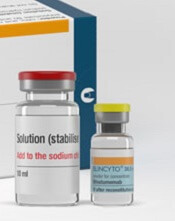
and solution for infusion
Photo courtesy of Amgen
The US Food and Drug Administration (FDA) has granted accelerated approval for blinatumomab (Blincyto®) to treat pediatric patients with Philadelphia chromosome-negative (Ph-) relapsed or refractory B-cell precursor acute lymphoblastic leukemia (BCP-ALL).
The approval is based on results from a phase 1/2 study.
Continued approval of blinatumomab for this indication may be contingent upon verification of clinical benefit in subsequent trials.
Blinatumomab is a bispecific, CD19-directed, CD3 T-cell engager (BiTE®) antibody construct that binds specifically to CD19 expressed on the surface of cells of B-lineage origin and CD3 expressed on the surface of T cells.
In 2014, blinatumomab received accelerated approval from the FDA to treat adults with Ph- relapsed or refractory BCP-ALL. The FDA has also granted the drug priority review, breakthrough therapy designation, and orphan drug designation.
Blinatumomab is being developed by Amgen. Full prescribing information is available at www.blincyto.com.
‘205 trial
The latest accelerated approval of blinatumomab is based on results from the phase 1/2 ‘205 trial, in which researchers evaluated blinatumomab in 93 pediatric patients with relapsed or refractory BCP-ALL.
Amgen said treatment in this study has been completed, subjects are being monitored for long-term efficacy, and the data will be submitted for publication.
Initial results from this study were presented at ASH 2014. The abstract included data on 39 patients with relapsed/refractory BCP-ALL and a median age of 9 (range, 2-16).
The patients received blinatumomab at a dose of 5-15 µg/m²/day. Nineteen patients completed 1 cycle of blinatumomab, 4 completed 2 cycles, and 2 completed 3 cycles.
During the first 2 treatment cycles, 12 patients achieved a complete response, 5 of whom were negative for minimal residual disease.
Six of the complete responders went on to transplant. The median relapse-free survival for complete responders was 5.6 months.
At 6 months of follow-up, the median overall survival for all 39 patients was 4.3 months.
All of the patients experienced adverse events. The most common were pyrexia (74%), anemia (33%), nausea (31%), headache (28%), hypertension (26%), increased alanine aminotransferase (23%), and cough (21%).
The most common grade 3 or higher events were anemia (26%), pyrexia (21%), increased alanine aminotransferase (18%), increased aspartate aminotransferase (18%), and febrile neutropenia (15%).
Three patients developed cytokine release syndrome (2 grade 3).
and solution for infusion
Photo courtesy of Amgen
The US Food and Drug Administration (FDA) has granted accelerated approval for blinatumomab (Blincyto®) to treat pediatric patients with Philadelphia chromosome-negative (Ph-) relapsed or refractory B-cell precursor acute lymphoblastic leukemia (BCP-ALL).
The approval is based on results from a phase 1/2 study.
Continued approval of blinatumomab for this indication may be contingent upon verification of clinical benefit in subsequent trials.
Blinatumomab is a bispecific, CD19-directed, CD3 T-cell engager (BiTE®) antibody construct that binds specifically to CD19 expressed on the surface of cells of B-lineage origin and CD3 expressed on the surface of T cells.
In 2014, blinatumomab received accelerated approval from the FDA to treat adults with Ph- relapsed or refractory BCP-ALL. The FDA has also granted the drug priority review, breakthrough therapy designation, and orphan drug designation.
Blinatumomab is being developed by Amgen. Full prescribing information is available at www.blincyto.com.
‘205 trial
The latest accelerated approval of blinatumomab is based on results from the phase 1/2 ‘205 trial, in which researchers evaluated blinatumomab in 93 pediatric patients with relapsed or refractory BCP-ALL.
Amgen said treatment in this study has been completed, subjects are being monitored for long-term efficacy, and the data will be submitted for publication.
Initial results from this study were presented at ASH 2014. The abstract included data on 39 patients with relapsed/refractory BCP-ALL and a median age of 9 (range, 2-16).
The patients received blinatumomab at a dose of 5-15 µg/m²/day. Nineteen patients completed 1 cycle of blinatumomab, 4 completed 2 cycles, and 2 completed 3 cycles.
During the first 2 treatment cycles, 12 patients achieved a complete response, 5 of whom were negative for minimal residual disease.
Six of the complete responders went on to transplant. The median relapse-free survival for complete responders was 5.6 months.
At 6 months of follow-up, the median overall survival for all 39 patients was 4.3 months.
All of the patients experienced adverse events. The most common were pyrexia (74%), anemia (33%), nausea (31%), headache (28%), hypertension (26%), increased alanine aminotransferase (23%), and cough (21%).
The most common grade 3 or higher events were anemia (26%), pyrexia (21%), increased alanine aminotransferase (18%), increased aspartate aminotransferase (18%), and febrile neutropenia (15%).
Three patients developed cytokine release syndrome (2 grade 3).
and solution for infusion
Photo courtesy of Amgen
The US Food and Drug Administration (FDA) has granted accelerated approval for blinatumomab (Blincyto®) to treat pediatric patients with Philadelphia chromosome-negative (Ph-) relapsed or refractory B-cell precursor acute lymphoblastic leukemia (BCP-ALL).
The approval is based on results from a phase 1/2 study.
Continued approval of blinatumomab for this indication may be contingent upon verification of clinical benefit in subsequent trials.
Blinatumomab is a bispecific, CD19-directed, CD3 T-cell engager (BiTE®) antibody construct that binds specifically to CD19 expressed on the surface of cells of B-lineage origin and CD3 expressed on the surface of T cells.
In 2014, blinatumomab received accelerated approval from the FDA to treat adults with Ph- relapsed or refractory BCP-ALL. The FDA has also granted the drug priority review, breakthrough therapy designation, and orphan drug designation.
Blinatumomab is being developed by Amgen. Full prescribing information is available at www.blincyto.com.
‘205 trial
The latest accelerated approval of blinatumomab is based on results from the phase 1/2 ‘205 trial, in which researchers evaluated blinatumomab in 93 pediatric patients with relapsed or refractory BCP-ALL.
Amgen said treatment in this study has been completed, subjects are being monitored for long-term efficacy, and the data will be submitted for publication.
Initial results from this study were presented at ASH 2014. The abstract included data on 39 patients with relapsed/refractory BCP-ALL and a median age of 9 (range, 2-16).
The patients received blinatumomab at a dose of 5-15 µg/m²/day. Nineteen patients completed 1 cycle of blinatumomab, 4 completed 2 cycles, and 2 completed 3 cycles.
During the first 2 treatment cycles, 12 patients achieved a complete response, 5 of whom were negative for minimal residual disease.
Six of the complete responders went on to transplant. The median relapse-free survival for complete responders was 5.6 months.
At 6 months of follow-up, the median overall survival for all 39 patients was 4.3 months.
All of the patients experienced adverse events. The most common were pyrexia (74%), anemia (33%), nausea (31%), headache (28%), hypertension (26%), increased alanine aminotransferase (23%), and cough (21%).
The most common grade 3 or higher events were anemia (26%), pyrexia (21%), increased alanine aminotransferase (18%), increased aspartate aminotransferase (18%), and febrile neutropenia (15%).
Three patients developed cytokine release syndrome (2 grade 3).
Simple algorithm can rule out PE, team says

Image courtesy of
Medical College of Georgia
ROME—A new study suggests the YEARS algorithm may provide a simple method for ruling out pulmonary embolism (PE) and therefore reduce the need for computed tomography pulmonary angiography (CTPA).
“[The YEARS algorithm] can replace current diagnostic algorithms, which, although safe and accurate, are often not used in busy emergency departments because they are too complex,” said study investigator Tom Van der Hulle, MD, of Leiden University Medical Center in the Netherlands.
“The advantage of the YEARS algorithm over existing algorithms is a 14% reduction in the need for CTPA imaging and, with that, reduced potential for radiation-induced harm and overdiagnosis.”
Dr Van der Hulle described his team’s results with the YEARS algorithm at ESC Congress 2016 (abstract 5727).
About the algorithm
The YEARS algorithm consists of a blood test and 3 items of the original Wells rule.
Patients presenting to the emergency department can be evaluated based on:
- Clinical signs of deep vein thrombosis (eg, swelling, edema)
- Hemoptysis
- Whether the clinician considers PE to be “the most likely diagnosis.”
Using this information combined with results of a blood test measuring D-dimer, clinicians can either exclude PE or recommend CTPA for definitive diagnosis.
Based on the algorithm, PE can be excluded in patients who have either:
- None of the 3 YEARS items and a D-dimer level <1000 ng/mL
- One or more YEARS items and a D-dimer level <500 ng/mL.
Testing the algorithm
Dr Van der Hulle and his colleagues prospectively evaluated the YEARS algorithm in 3465 patients. They had a mean age of 53, and 88% were outpatients.
If patients did not have PE excluded via the algorithm, they went on to CTPA. If PE was confirmed, patients received anticoagulant therapy.
Most of the patients in whom PE was excluded (either by algorithm or CTPA) were left untreated and were followed for 3 months, although 60 patients who had PE excluded received anticoagulants anyway.
In all, 1651 patients had PE excluded with the YEARS algorithm, and 1633 of them did not receive anticoagulation.
A total of 1814 patients did not have PE excluded via the YEARS algorithm and went on to CTPA. Of these patients, 456 had PE, 42 had PE excluded via CTPA but received anticoagulation, and 1316 had PE excluded but did not receive anticoagulation.
Five patients were lost to follow-up—4 with PE excluded via the YEARS algorithm and 1 who went on to CTPA.
Patient outcomes
The primary outcome of this study was the 3-month incidence of symptomatic venous thromboembolism (VTE).
A total of 2944 patients were evaluable (because they had PE excluded, did not receive anticoagulation, and were not lost to follow-up)—1629 who had PE excluded via the YEARS algorithm and 1315 who had PE excluded via CTPA.
Symptomatic VTE occurred in 0.61% of all evaluable patients, 0.43% of patients who had PE excluded via YEARS, and 0.84% of patients who had PE excluded via CTPA.
Fatal PE occurred in 0.20% of all evaluable patients, 0.12% of patients who had PE excluded via YEARS, and 0.30% of patients who had PE excluded via CTPA.
“This is fully in line with that observed in studies using traditional, sequential algorithms such as the 2-level Wells score and a fixed cut-off level of D-dimer of 500 ng/mL,” Dr Van der Hulle said.
“Using the YEARS algorithm, CTPA was not indicated in 48% of our patients at baseline, but this would have been only 34% of patients using the traditional algorithm. This shows that the YEARS algorithm can safely exclude PE and resulted in an absolute reduction of required CTPA of 14%.”
“We expect that the YEARS algorithm can be easily implemented outside the participating study sites and that these safety and efficacy outcomes are representative of what could be expected in regular clinical settings.”
Image courtesy of
Medical College of Georgia
ROME—A new study suggests the YEARS algorithm may provide a simple method for ruling out pulmonary embolism (PE) and therefore reduce the need for computed tomography pulmonary angiography (CTPA).
“[The YEARS algorithm] can replace current diagnostic algorithms, which, although safe and accurate, are often not used in busy emergency departments because they are too complex,” said study investigator Tom Van der Hulle, MD, of Leiden University Medical Center in the Netherlands.
“The advantage of the YEARS algorithm over existing algorithms is a 14% reduction in the need for CTPA imaging and, with that, reduced potential for radiation-induced harm and overdiagnosis.”
Dr Van der Hulle described his team’s results with the YEARS algorithm at ESC Congress 2016 (abstract 5727).
About the algorithm
The YEARS algorithm consists of a blood test and 3 items of the original Wells rule.
Patients presenting to the emergency department can be evaluated based on:
- Clinical signs of deep vein thrombosis (eg, swelling, edema)
- Hemoptysis
- Whether the clinician considers PE to be “the most likely diagnosis.”
Using this information combined with results of a blood test measuring D-dimer, clinicians can either exclude PE or recommend CTPA for definitive diagnosis.
Based on the algorithm, PE can be excluded in patients who have either:
- None of the 3 YEARS items and a D-dimer level <1000 ng/mL
- One or more YEARS items and a D-dimer level <500 ng/mL.
Testing the algorithm
Dr Van der Hulle and his colleagues prospectively evaluated the YEARS algorithm in 3465 patients. They had a mean age of 53, and 88% were outpatients.
If patients did not have PE excluded via the algorithm, they went on to CTPA. If PE was confirmed, patients received anticoagulant therapy.
Most of the patients in whom PE was excluded (either by algorithm or CTPA) were left untreated and were followed for 3 months, although 60 patients who had PE excluded received anticoagulants anyway.
In all, 1651 patients had PE excluded with the YEARS algorithm, and 1633 of them did not receive anticoagulation.
A total of 1814 patients did not have PE excluded via the YEARS algorithm and went on to CTPA. Of these patients, 456 had PE, 42 had PE excluded via CTPA but received anticoagulation, and 1316 had PE excluded but did not receive anticoagulation.
Five patients were lost to follow-up—4 with PE excluded via the YEARS algorithm and 1 who went on to CTPA.
Patient outcomes
The primary outcome of this study was the 3-month incidence of symptomatic venous thromboembolism (VTE).
A total of 2944 patients were evaluable (because they had PE excluded, did not receive anticoagulation, and were not lost to follow-up)—1629 who had PE excluded via the YEARS algorithm and 1315 who had PE excluded via CTPA.
Symptomatic VTE occurred in 0.61% of all evaluable patients, 0.43% of patients who had PE excluded via YEARS, and 0.84% of patients who had PE excluded via CTPA.
Fatal PE occurred in 0.20% of all evaluable patients, 0.12% of patients who had PE excluded via YEARS, and 0.30% of patients who had PE excluded via CTPA.
“This is fully in line with that observed in studies using traditional, sequential algorithms such as the 2-level Wells score and a fixed cut-off level of D-dimer of 500 ng/mL,” Dr Van der Hulle said.
“Using the YEARS algorithm, CTPA was not indicated in 48% of our patients at baseline, but this would have been only 34% of patients using the traditional algorithm. This shows that the YEARS algorithm can safely exclude PE and resulted in an absolute reduction of required CTPA of 14%.”
“We expect that the YEARS algorithm can be easily implemented outside the participating study sites and that these safety and efficacy outcomes are representative of what could be expected in regular clinical settings.”
Image courtesy of
Medical College of Georgia
ROME—A new study suggests the YEARS algorithm may provide a simple method for ruling out pulmonary embolism (PE) and therefore reduce the need for computed tomography pulmonary angiography (CTPA).
“[The YEARS algorithm] can replace current diagnostic algorithms, which, although safe and accurate, are often not used in busy emergency departments because they are too complex,” said study investigator Tom Van der Hulle, MD, of Leiden University Medical Center in the Netherlands.
“The advantage of the YEARS algorithm over existing algorithms is a 14% reduction in the need for CTPA imaging and, with that, reduced potential for radiation-induced harm and overdiagnosis.”
Dr Van der Hulle described his team’s results with the YEARS algorithm at ESC Congress 2016 (abstract 5727).
About the algorithm
The YEARS algorithm consists of a blood test and 3 items of the original Wells rule.
Patients presenting to the emergency department can be evaluated based on:
- Clinical signs of deep vein thrombosis (eg, swelling, edema)
- Hemoptysis
- Whether the clinician considers PE to be “the most likely diagnosis.”
Using this information combined with results of a blood test measuring D-dimer, clinicians can either exclude PE or recommend CTPA for definitive diagnosis.
Based on the algorithm, PE can be excluded in patients who have either:
- None of the 3 YEARS items and a D-dimer level <1000 ng/mL
- One or more YEARS items and a D-dimer level <500 ng/mL.
Testing the algorithm
Dr Van der Hulle and his colleagues prospectively evaluated the YEARS algorithm in 3465 patients. They had a mean age of 53, and 88% were outpatients.
If patients did not have PE excluded via the algorithm, they went on to CTPA. If PE was confirmed, patients received anticoagulant therapy.
Most of the patients in whom PE was excluded (either by algorithm or CTPA) were left untreated and were followed for 3 months, although 60 patients who had PE excluded received anticoagulants anyway.
In all, 1651 patients had PE excluded with the YEARS algorithm, and 1633 of them did not receive anticoagulation.
A total of 1814 patients did not have PE excluded via the YEARS algorithm and went on to CTPA. Of these patients, 456 had PE, 42 had PE excluded via CTPA but received anticoagulation, and 1316 had PE excluded but did not receive anticoagulation.
Five patients were lost to follow-up—4 with PE excluded via the YEARS algorithm and 1 who went on to CTPA.
Patient outcomes
The primary outcome of this study was the 3-month incidence of symptomatic venous thromboembolism (VTE).
A total of 2944 patients were evaluable (because they had PE excluded, did not receive anticoagulation, and were not lost to follow-up)—1629 who had PE excluded via the YEARS algorithm and 1315 who had PE excluded via CTPA.
Symptomatic VTE occurred in 0.61% of all evaluable patients, 0.43% of patients who had PE excluded via YEARS, and 0.84% of patients who had PE excluded via CTPA.
Fatal PE occurred in 0.20% of all evaluable patients, 0.12% of patients who had PE excluded via YEARS, and 0.30% of patients who had PE excluded via CTPA.
“This is fully in line with that observed in studies using traditional, sequential algorithms such as the 2-level Wells score and a fixed cut-off level of D-dimer of 500 ng/mL,” Dr Van der Hulle said.
“Using the YEARS algorithm, CTPA was not indicated in 48% of our patients at baseline, but this would have been only 34% of patients using the traditional algorithm. This shows that the YEARS algorithm can safely exclude PE and resulted in an absolute reduction of required CTPA of 14%.”
“We expect that the YEARS algorithm can be easily implemented outside the participating study sites and that these safety and efficacy outcomes are representative of what could be expected in regular clinical settings.”
Edoxaban appears comparable to standard therapy

ROME—The novel oral anticoagulant edoxaban is a feasible treatment option for patients with atrial fibrillation (AF) who need anticoagulation before cardioversion, according to researchers.
Results of the ENSURE-AF trial suggest edoxaban is “an effective and safe alternative” to standard therapy with warfarin and enoxaparin and may allow for prompt cardioversion with transesophageal echocardiography (TEE), said Andreas Goette, MD, of St. Vincenz-Hospital in Paderborn, Germany.
“These results may have important clinical implications for newly diagnosed, non-anticoagulated AF patients undergoing cardioversion,” Dr Goette noted.
“According to the study protocol, a newly diagnosed, non-anticoagulated AF patient was started on edoxaban, and the cardioversion procedure was scheduled as early as 2 hours following the start of treatment, when applying a TEE-guided approach.”
Dr Goette presented results from ENSURE-AF at ESC Congress 2016 (abstract 5715). The data were simultaneously published in The Lancet. The study was supported by Daiichi Sankyo.
This phase 3b study included 2199 patients with documented non-valvular AF who were scheduled for electrical cardioversion after anticoagulation therapy.
Patients were randomized to receive edoxaban (n=1095) or warfarin with enoxaparin bridging (n=1104). Edoxaban was dosed at 60 mg once daily, but the dose was reduced to 30 mg if one or more of the following factors were present: renal impairment, low body weight, or concomitant use of certain P-glycoprotein inhibitors.
Patients were stratified according to the cardioversion approach (TEE or non-TEE), a patient’s prior experience taking anticoagulants at the time of randomization (ie, anticoagulant-experienced or naïve), and edoxaban dose (60 mg or 30 mg). Patients were randomized in a 1:1 ratio to 2 treatment groups within each stratum.
The primary efficacy endpoint was the composite of stroke, systemic embolic event, myocardial infarction, and cardiovascular death at day 28.
This endpoint occurred at a comparable rate in both treatment arms—0.5% in the edoxaban arm and 1.0% in the enoxaparin/warfarin arm (odds ratio [OR]=0.46; 95% CI, 0.12–1.43).
The primary safety endpoint was the composite of major and clinically relevant non-major bleeding events at 30 days.
This endpoint also occurred at a comparable rate in both arms—1.5% in the edoxaban arm and 1.0% in the enoxaparin/warfarin arm (OR=1.48; 95% CI, 0.64–3.55).
The result for the net clinical outcome—a composite of stroke, systemic embolic event, myocardial infarction, cardiovascular mortality, and major bleeding—was 0.7% in the edoxaban arm and 1.4% in the enoxaparin/warfarin arm (OR=0.50; 95% CI, 0.19–1.25) during the overall study period.
The researchers said the ORs recorded in this trial should be viewed with caution because the trial was not adequately powered to show statistically significant differences for efficacy or safety endpoints.
Still, the team said the results suggest edoxaban can provide an alternative to standard therapy.
“At a practical level, our study results show that newly diagnosed, non-anticoagulated AF patients can start edoxaban as early as 2 hours prior to their cardioversion procedure if they have access to [TEE] or 3 weeks prior without,” Dr Goette said.
ROME—The novel oral anticoagulant edoxaban is a feasible treatment option for patients with atrial fibrillation (AF) who need anticoagulation before cardioversion, according to researchers.
Results of the ENSURE-AF trial suggest edoxaban is “an effective and safe alternative” to standard therapy with warfarin and enoxaparin and may allow for prompt cardioversion with transesophageal echocardiography (TEE), said Andreas Goette, MD, of St. Vincenz-Hospital in Paderborn, Germany.
“These results may have important clinical implications for newly diagnosed, non-anticoagulated AF patients undergoing cardioversion,” Dr Goette noted.
“According to the study protocol, a newly diagnosed, non-anticoagulated AF patient was started on edoxaban, and the cardioversion procedure was scheduled as early as 2 hours following the start of treatment, when applying a TEE-guided approach.”
Dr Goette presented results from ENSURE-AF at ESC Congress 2016 (abstract 5715). The data were simultaneously published in The Lancet. The study was supported by Daiichi Sankyo.
This phase 3b study included 2199 patients with documented non-valvular AF who were scheduled for electrical cardioversion after anticoagulation therapy.
Patients were randomized to receive edoxaban (n=1095) or warfarin with enoxaparin bridging (n=1104). Edoxaban was dosed at 60 mg once daily, but the dose was reduced to 30 mg if one or more of the following factors were present: renal impairment, low body weight, or concomitant use of certain P-glycoprotein inhibitors.
Patients were stratified according to the cardioversion approach (TEE or non-TEE), a patient’s prior experience taking anticoagulants at the time of randomization (ie, anticoagulant-experienced or naïve), and edoxaban dose (60 mg or 30 mg). Patients were randomized in a 1:1 ratio to 2 treatment groups within each stratum.
The primary efficacy endpoint was the composite of stroke, systemic embolic event, myocardial infarction, and cardiovascular death at day 28.
This endpoint occurred at a comparable rate in both treatment arms—0.5% in the edoxaban arm and 1.0% in the enoxaparin/warfarin arm (odds ratio [OR]=0.46; 95% CI, 0.12–1.43).
The primary safety endpoint was the composite of major and clinically relevant non-major bleeding events at 30 days.
This endpoint also occurred at a comparable rate in both arms—1.5% in the edoxaban arm and 1.0% in the enoxaparin/warfarin arm (OR=1.48; 95% CI, 0.64–3.55).
The result for the net clinical outcome—a composite of stroke, systemic embolic event, myocardial infarction, cardiovascular mortality, and major bleeding—was 0.7% in the edoxaban arm and 1.4% in the enoxaparin/warfarin arm (OR=0.50; 95% CI, 0.19–1.25) during the overall study period.
The researchers said the ORs recorded in this trial should be viewed with caution because the trial was not adequately powered to show statistically significant differences for efficacy or safety endpoints.
Still, the team said the results suggest edoxaban can provide an alternative to standard therapy.
“At a practical level, our study results show that newly diagnosed, non-anticoagulated AF patients can start edoxaban as early as 2 hours prior to their cardioversion procedure if they have access to [TEE] or 3 weeks prior without,” Dr Goette said.
ROME—The novel oral anticoagulant edoxaban is a feasible treatment option for patients with atrial fibrillation (AF) who need anticoagulation before cardioversion, according to researchers.
Results of the ENSURE-AF trial suggest edoxaban is “an effective and safe alternative” to standard therapy with warfarin and enoxaparin and may allow for prompt cardioversion with transesophageal echocardiography (TEE), said Andreas Goette, MD, of St. Vincenz-Hospital in Paderborn, Germany.
“These results may have important clinical implications for newly diagnosed, non-anticoagulated AF patients undergoing cardioversion,” Dr Goette noted.
“According to the study protocol, a newly diagnosed, non-anticoagulated AF patient was started on edoxaban, and the cardioversion procedure was scheduled as early as 2 hours following the start of treatment, when applying a TEE-guided approach.”
Dr Goette presented results from ENSURE-AF at ESC Congress 2016 (abstract 5715). The data were simultaneously published in The Lancet. The study was supported by Daiichi Sankyo.
This phase 3b study included 2199 patients with documented non-valvular AF who were scheduled for electrical cardioversion after anticoagulation therapy.
Patients were randomized to receive edoxaban (n=1095) or warfarin with enoxaparin bridging (n=1104). Edoxaban was dosed at 60 mg once daily, but the dose was reduced to 30 mg if one or more of the following factors were present: renal impairment, low body weight, or concomitant use of certain P-glycoprotein inhibitors.
Patients were stratified according to the cardioversion approach (TEE or non-TEE), a patient’s prior experience taking anticoagulants at the time of randomization (ie, anticoagulant-experienced or naïve), and edoxaban dose (60 mg or 30 mg). Patients were randomized in a 1:1 ratio to 2 treatment groups within each stratum.
The primary efficacy endpoint was the composite of stroke, systemic embolic event, myocardial infarction, and cardiovascular death at day 28.
This endpoint occurred at a comparable rate in both treatment arms—0.5% in the edoxaban arm and 1.0% in the enoxaparin/warfarin arm (odds ratio [OR]=0.46; 95% CI, 0.12–1.43).
The primary safety endpoint was the composite of major and clinically relevant non-major bleeding events at 30 days.
This endpoint also occurred at a comparable rate in both arms—1.5% in the edoxaban arm and 1.0% in the enoxaparin/warfarin arm (OR=1.48; 95% CI, 0.64–3.55).
The result for the net clinical outcome—a composite of stroke, systemic embolic event, myocardial infarction, cardiovascular mortality, and major bleeding—was 0.7% in the edoxaban arm and 1.4% in the enoxaparin/warfarin arm (OR=0.50; 95% CI, 0.19–1.25) during the overall study period.
The researchers said the ORs recorded in this trial should be viewed with caution because the trial was not adequately powered to show statistically significant differences for efficacy or safety endpoints.
Still, the team said the results suggest edoxaban can provide an alternative to standard therapy.
“At a practical level, our study results show that newly diagnosed, non-anticoagulated AF patients can start edoxaban as early as 2 hours prior to their cardioversion procedure if they have access to [TEE] or 3 weeks prior without,” Dr Goette said.
Drug granted orphan designation for GVHD

Photo by Linda Bartlett
The European Commission has granted orphan drug designation to ALXN1007 for the treatment of graft-versus-host disease (GVHD).
ALXN1007 is an anti-inflammatory monoclonal antibody targeting complement protein C5a.
The drug is currently under investigation in a phase 2 trial of patients with newly diagnosed acute GVHD of the lower gastrointestinal tract (GI-GVHD).
ALXN1007 is being developed by Alexion Pharmaceuticals, Inc.
About orphan designation
Orphan designation from the European Commission provides regulatory and financial incentives for companies to develop and market therapies that treat a life-threatening or chronically debilitating condition affecting no more than 5 in 10,000 people in the European Union, and where no satisfactory treatment is available.
Orphan designation provides a 10-year period of marketing exclusivity in the European Union if the drug receives regulatory approval. The designation also provides incentives for companies seeking protocol assistance from the European Medicines Agency during the product development phase and direct access to the centralized authorization procedure.
Phase 2 trial of ALXN1007
Results from the phase 2 trial of ALXN1007 in patients with newly diagnosed, acute GI-GVHD were presented at the 21st Congress of the European Hematology Association (abstract LB2269).
The presentation included 15 patients with biopsy-confirmed acute GI-GVHD. The patients had a median age of 60 (range, 25-69), and 60% were male.
Patients had acute myeloid leukemia/myelodysplastic syndrome (n=8), acute lymphoblastic leukemia (n=2), acute lymphocytic leukemia (n=1), acute myeloblastic leukemia (n=1), aplastic anemia (n=1), cutaneous T-cell lymphoma (n=1), or mantle cell lymphoma (n=1).
Most patients received transplants from matched, unrelated donors (n=11), 3 had matched, related donors, and 1 had a mismatched donor. Ten patients received peripheral blood grafts, 4 received cord blood, and 1 received a bone marrow transplant.
Patients had grade 1 (n=7), grade 2 (n=2), and grade 3 acute GI-GVHD (n=6).
The patients received weekly doses of ALXN1007 at 10 mg/kg, in combination with methylprednisolone at an initial dose of 2 mg/kg, through day 56.
Thirteen patients were evaluable for efficacy. One patient experienced leukemia relapse at day 18, and 1 withdrew from the study early.
The overall acute GVHD response rate was 77% (10/13), both at day 28 and day 56. The complete GI-GVHD response rate was 69% at day 28 and 77% at day 56.
At day 180, the nonrelapse mortality rate was 12.5%, and the overall survival rate was 69.2%.
All of the patients had treatment-emergent adverse events (AEs), and 11 patients (69%) had serious treatment-emergent AEs.
Five patients experienced a total of 12 treatment-related AEs (1 case each)—adenovirus infection, bronchopulmonary aspergillosis, chills, corona virus infection, viral cystitis, Epstein-Barr virus infection, hypersensitivity, influenza, influenza-like illness, infusion-related reaction, respiratory syncytial virus infection, and tremor.
There were 6 deaths, but none were considered treatment-related.
Photo by Linda Bartlett
The European Commission has granted orphan drug designation to ALXN1007 for the treatment of graft-versus-host disease (GVHD).
ALXN1007 is an anti-inflammatory monoclonal antibody targeting complement protein C5a.
The drug is currently under investigation in a phase 2 trial of patients with newly diagnosed acute GVHD of the lower gastrointestinal tract (GI-GVHD).
ALXN1007 is being developed by Alexion Pharmaceuticals, Inc.
About orphan designation
Orphan designation from the European Commission provides regulatory and financial incentives for companies to develop and market therapies that treat a life-threatening or chronically debilitating condition affecting no more than 5 in 10,000 people in the European Union, and where no satisfactory treatment is available.
Orphan designation provides a 10-year period of marketing exclusivity in the European Union if the drug receives regulatory approval. The designation also provides incentives for companies seeking protocol assistance from the European Medicines Agency during the product development phase and direct access to the centralized authorization procedure.
Phase 2 trial of ALXN1007
Results from the phase 2 trial of ALXN1007 in patients with newly diagnosed, acute GI-GVHD were presented at the 21st Congress of the European Hematology Association (abstract LB2269).
The presentation included 15 patients with biopsy-confirmed acute GI-GVHD. The patients had a median age of 60 (range, 25-69), and 60% were male.
Patients had acute myeloid leukemia/myelodysplastic syndrome (n=8), acute lymphoblastic leukemia (n=2), acute lymphocytic leukemia (n=1), acute myeloblastic leukemia (n=1), aplastic anemia (n=1), cutaneous T-cell lymphoma (n=1), or mantle cell lymphoma (n=1).
Most patients received transplants from matched, unrelated donors (n=11), 3 had matched, related donors, and 1 had a mismatched donor. Ten patients received peripheral blood grafts, 4 received cord blood, and 1 received a bone marrow transplant.
Patients had grade 1 (n=7), grade 2 (n=2), and grade 3 acute GI-GVHD (n=6).
The patients received weekly doses of ALXN1007 at 10 mg/kg, in combination with methylprednisolone at an initial dose of 2 mg/kg, through day 56.
Thirteen patients were evaluable for efficacy. One patient experienced leukemia relapse at day 18, and 1 withdrew from the study early.
The overall acute GVHD response rate was 77% (10/13), both at day 28 and day 56. The complete GI-GVHD response rate was 69% at day 28 and 77% at day 56.
At day 180, the nonrelapse mortality rate was 12.5%, and the overall survival rate was 69.2%.
All of the patients had treatment-emergent adverse events (AEs), and 11 patients (69%) had serious treatment-emergent AEs.
Five patients experienced a total of 12 treatment-related AEs (1 case each)—adenovirus infection, bronchopulmonary aspergillosis, chills, corona virus infection, viral cystitis, Epstein-Barr virus infection, hypersensitivity, influenza, influenza-like illness, infusion-related reaction, respiratory syncytial virus infection, and tremor.
There were 6 deaths, but none were considered treatment-related.
Photo by Linda Bartlett
The European Commission has granted orphan drug designation to ALXN1007 for the treatment of graft-versus-host disease (GVHD).
ALXN1007 is an anti-inflammatory monoclonal antibody targeting complement protein C5a.
The drug is currently under investigation in a phase 2 trial of patients with newly diagnosed acute GVHD of the lower gastrointestinal tract (GI-GVHD).
ALXN1007 is being developed by Alexion Pharmaceuticals, Inc.
About orphan designation
Orphan designation from the European Commission provides regulatory and financial incentives for companies to develop and market therapies that treat a life-threatening or chronically debilitating condition affecting no more than 5 in 10,000 people in the European Union, and where no satisfactory treatment is available.
Orphan designation provides a 10-year period of marketing exclusivity in the European Union if the drug receives regulatory approval. The designation also provides incentives for companies seeking protocol assistance from the European Medicines Agency during the product development phase and direct access to the centralized authorization procedure.
Phase 2 trial of ALXN1007
Results from the phase 2 trial of ALXN1007 in patients with newly diagnosed, acute GI-GVHD were presented at the 21st Congress of the European Hematology Association (abstract LB2269).
The presentation included 15 patients with biopsy-confirmed acute GI-GVHD. The patients had a median age of 60 (range, 25-69), and 60% were male.
Patients had acute myeloid leukemia/myelodysplastic syndrome (n=8), acute lymphoblastic leukemia (n=2), acute lymphocytic leukemia (n=1), acute myeloblastic leukemia (n=1), aplastic anemia (n=1), cutaneous T-cell lymphoma (n=1), or mantle cell lymphoma (n=1).
Most patients received transplants from matched, unrelated donors (n=11), 3 had matched, related donors, and 1 had a mismatched donor. Ten patients received peripheral blood grafts, 4 received cord blood, and 1 received a bone marrow transplant.
Patients had grade 1 (n=7), grade 2 (n=2), and grade 3 acute GI-GVHD (n=6).
The patients received weekly doses of ALXN1007 at 10 mg/kg, in combination with methylprednisolone at an initial dose of 2 mg/kg, through day 56.
Thirteen patients were evaluable for efficacy. One patient experienced leukemia relapse at day 18, and 1 withdrew from the study early.
The overall acute GVHD response rate was 77% (10/13), both at day 28 and day 56. The complete GI-GVHD response rate was 69% at day 28 and 77% at day 56.
At day 180, the nonrelapse mortality rate was 12.5%, and the overall survival rate was 69.2%.
All of the patients had treatment-emergent adverse events (AEs), and 11 patients (69%) had serious treatment-emergent AEs.
Five patients experienced a total of 12 treatment-related AEs (1 case each)—adenovirus infection, bronchopulmonary aspergillosis, chills, corona virus infection, viral cystitis, Epstein-Barr virus infection, hypersensitivity, influenza, influenza-like illness, infusion-related reaction, respiratory syncytial virus infection, and tremor.
There were 6 deaths, but none were considered treatment-related.
Antidote to factor Xa inhibitors exhibits efficacy in patients with major bleeding
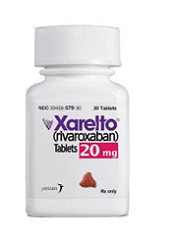
ROME—Preliminary results from the ANNEXA-4 study suggest that andexanet alfa, an investigational antidote to factor Xa inhibitors, can be effective in patients with acute major bleeding.
The drug reversed the anticoagulant effects of rivaroxaban, apixaban, and enoxaparin in this study, providing “excellent” or “good” hemostatic efficacy in 79% of patients over 12 hours.
Thrombotic events occurred in 18% of patients, and 15% died during the 30-day follow-up period.
According to investigators, these events occurred within the range expected in this patient population, given the severity of their bleeding, their underlying thrombotic risk, and the low percentage of patients who restarted anticoagulant therapy following their bleeding episode.
Stuart J. Connolly, MD, of McMaster University in Hamilton, Ontario, Canada, presented results from ANNEXA-4 at ESC Congress 2016 (abstract 5718).
Results were also published in NEJM. The study was funded by Portola Pharmaceuticals Inc.
Patients and treatment
The preliminary analysis of the phase 3/4 ANNEXA-4 trial included 67 patients. All of these patients were evaluated for safety, and 47 were evaluated for efficacy. The mean age of both populations was 77.1, and slightly more than half of the patients were male.
All patients received andexanet alfa given as a bolus dose over 30 minutes, followed by a 2-hour infusion. Patients received a low or high dose depending on which factor Xa inhibitor they received and the time they received it. The patients were evaluated for 30 days following andexanet alfa administration.
The co-primary efficacy endpoints are the percent change in anti-factor Xa activity at 2 hours and the assessment of hemostasis over 12 hours following the infusion. Hemostatic efficacy is assessed by an independent endpoint adjudication committee as excellent, good, or poor/none.
Efficacy
“In this preliminary analysis, [andexanet alfa] was effective in rapidly reversing anti-factor Xa inhibitor activity and restoring normal blood clotting in real-world patients with factor Xa inhibitor-related bleeding,” Dr Connolly said.
Of the 47 patients evaluable for efficacy, 32 were receiving an anticoagulant due to atrial fibrillation, 12 had venous thromboembolism (VTE), and 3 had both atrial fibrillation and VTE.
Twenty-six patients were receiving rivaroxaban, 20 were receiving apixaban, and 1 was receiving enoxaparin. Twenty-five patients had gastrointestinal bleeding, 20 had intracranial bleeding, and 2 had bleeding at other sites.
Forty-two patients received a low dose of andexanet alfa, and 5 received a high dose. The mean time from presentation to the emergency department and the administration of the andexanet alfa bolus was 4.8 ± 1.8 hours.
After the bolus, the median anti-factor Xa activity decreased by 89% from baseline among patients receiving rivaroxaban and by 93% among those receiving apixaban. At the end of the 2-hour infusion, the decrease from baseline was 86% and 92%, respectively.
Twelve hours after the infusion ended, the median anti-factor Xa activity had decreased 64% from baseline among patients receiving rivaroxaban and 31% among those receiving apixaban.
Overall, at 12 hours, clinical hemostasis was rated excellent or good in 79% of patients. Hemostatic efficacy was rated as excellent or good in 81% of the patients on rivaroxaban, 75% of the patients on apixaban, and in the 1 patient on edoxaban.
Safety
Of the 67 patients in the safety population, 47 were receiving an anticoagulant due to atrial fibrillation, 15 had VTE, and 5 had both atrial fibrillation and VTE.
Thirty-two patients were receiving rivaroxaban, 31 were receiving apixaban, and 4 were receiving edoxaban. Thirty-eight patients had gastrointestinal bleeding, 28 had intracranial bleeding, and 6 had bleeding at other sites.
There were no infusion reactions, no antibodies to factors Xa or X, and no neutralizing antibodies to andexanet alfa.
Twelve patients (18%) experienced thrombotic events—1 with myocardial infarction, 5 with stroke, 7 with deep-vein thrombosis, and 1 with pulmonary embolism. (Some patients had more than 1 event.)
“This rate of events is not unexpected, considering the thrombotic potential of the patients and the fact that, in most of them, anticoagulation was discontinued at the time of bleeding and not restarted,” Dr Connolly said.
Four patients had a thrombotic event within 3 days of andexanet alfa treatment, and the rest occurred between 4 days and 30 days.
Eighteen patients (27%) resumed anticoagulant therapy within 30 days. One of the 12 patients with a thrombotic event restarted anticoagulation at a therapeutic dose before the event. One other patient received prophylactic doses of enoxaparin before developing a deep-vein thrombosis.
There were 10 deaths (15%), 6 due to cardiovascular events.
Andexanet alfa development
Andexanet alfa is being developed as a reversal agent for apixaban, rivaroxaban, edoxaban, and enoxaparin. Andexanet alfa is intended to be used when reversal of anticoagulation is needed due to life-threatening or uncontrolled bleeding.
The drug is under review by the US Food and Drug Administration (FDA) and the European Medicines Agency. The FDA recently issued a complete response letter regarding the biologics license application for andexanet alfa.
Portola said it plans to meet with the FDA as soon as possible to resolve the outstanding questions in the letter and determine the appropriate next steps.
ROME—Preliminary results from the ANNEXA-4 study suggest that andexanet alfa, an investigational antidote to factor Xa inhibitors, can be effective in patients with acute major bleeding.
The drug reversed the anticoagulant effects of rivaroxaban, apixaban, and enoxaparin in this study, providing “excellent” or “good” hemostatic efficacy in 79% of patients over 12 hours.
Thrombotic events occurred in 18% of patients, and 15% died during the 30-day follow-up period.
According to investigators, these events occurred within the range expected in this patient population, given the severity of their bleeding, their underlying thrombotic risk, and the low percentage of patients who restarted anticoagulant therapy following their bleeding episode.
Stuart J. Connolly, MD, of McMaster University in Hamilton, Ontario, Canada, presented results from ANNEXA-4 at ESC Congress 2016 (abstract 5718).
Results were also published in NEJM. The study was funded by Portola Pharmaceuticals Inc.
Patients and treatment
The preliminary analysis of the phase 3/4 ANNEXA-4 trial included 67 patients. All of these patients were evaluated for safety, and 47 were evaluated for efficacy. The mean age of both populations was 77.1, and slightly more than half of the patients were male.
All patients received andexanet alfa given as a bolus dose over 30 minutes, followed by a 2-hour infusion. Patients received a low or high dose depending on which factor Xa inhibitor they received and the time they received it. The patients were evaluated for 30 days following andexanet alfa administration.
The co-primary efficacy endpoints are the percent change in anti-factor Xa activity at 2 hours and the assessment of hemostasis over 12 hours following the infusion. Hemostatic efficacy is assessed by an independent endpoint adjudication committee as excellent, good, or poor/none.
Efficacy
“In this preliminary analysis, [andexanet alfa] was effective in rapidly reversing anti-factor Xa inhibitor activity and restoring normal blood clotting in real-world patients with factor Xa inhibitor-related bleeding,” Dr Connolly said.
Of the 47 patients evaluable for efficacy, 32 were receiving an anticoagulant due to atrial fibrillation, 12 had venous thromboembolism (VTE), and 3 had both atrial fibrillation and VTE.
Twenty-six patients were receiving rivaroxaban, 20 were receiving apixaban, and 1 was receiving enoxaparin. Twenty-five patients had gastrointestinal bleeding, 20 had intracranial bleeding, and 2 had bleeding at other sites.
Forty-two patients received a low dose of andexanet alfa, and 5 received a high dose. The mean time from presentation to the emergency department and the administration of the andexanet alfa bolus was 4.8 ± 1.8 hours.
After the bolus, the median anti-factor Xa activity decreased by 89% from baseline among patients receiving rivaroxaban and by 93% among those receiving apixaban. At the end of the 2-hour infusion, the decrease from baseline was 86% and 92%, respectively.
Twelve hours after the infusion ended, the median anti-factor Xa activity had decreased 64% from baseline among patients receiving rivaroxaban and 31% among those receiving apixaban.
Overall, at 12 hours, clinical hemostasis was rated excellent or good in 79% of patients. Hemostatic efficacy was rated as excellent or good in 81% of the patients on rivaroxaban, 75% of the patients on apixaban, and in the 1 patient on edoxaban.
Safety
Of the 67 patients in the safety population, 47 were receiving an anticoagulant due to atrial fibrillation, 15 had VTE, and 5 had both atrial fibrillation and VTE.
Thirty-two patients were receiving rivaroxaban, 31 were receiving apixaban, and 4 were receiving edoxaban. Thirty-eight patients had gastrointestinal bleeding, 28 had intracranial bleeding, and 6 had bleeding at other sites.
There were no infusion reactions, no antibodies to factors Xa or X, and no neutralizing antibodies to andexanet alfa.
Twelve patients (18%) experienced thrombotic events—1 with myocardial infarction, 5 with stroke, 7 with deep-vein thrombosis, and 1 with pulmonary embolism. (Some patients had more than 1 event.)
“This rate of events is not unexpected, considering the thrombotic potential of the patients and the fact that, in most of them, anticoagulation was discontinued at the time of bleeding and not restarted,” Dr Connolly said.
Four patients had a thrombotic event within 3 days of andexanet alfa treatment, and the rest occurred between 4 days and 30 days.
Eighteen patients (27%) resumed anticoagulant therapy within 30 days. One of the 12 patients with a thrombotic event restarted anticoagulation at a therapeutic dose before the event. One other patient received prophylactic doses of enoxaparin before developing a deep-vein thrombosis.
There were 10 deaths (15%), 6 due to cardiovascular events.
Andexanet alfa development
Andexanet alfa is being developed as a reversal agent for apixaban, rivaroxaban, edoxaban, and enoxaparin. Andexanet alfa is intended to be used when reversal of anticoagulation is needed due to life-threatening or uncontrolled bleeding.
The drug is under review by the US Food and Drug Administration (FDA) and the European Medicines Agency. The FDA recently issued a complete response letter regarding the biologics license application for andexanet alfa.
Portola said it plans to meet with the FDA as soon as possible to resolve the outstanding questions in the letter and determine the appropriate next steps.
ROME—Preliminary results from the ANNEXA-4 study suggest that andexanet alfa, an investigational antidote to factor Xa inhibitors, can be effective in patients with acute major bleeding.
The drug reversed the anticoagulant effects of rivaroxaban, apixaban, and enoxaparin in this study, providing “excellent” or “good” hemostatic efficacy in 79% of patients over 12 hours.
Thrombotic events occurred in 18% of patients, and 15% died during the 30-day follow-up period.
According to investigators, these events occurred within the range expected in this patient population, given the severity of their bleeding, their underlying thrombotic risk, and the low percentage of patients who restarted anticoagulant therapy following their bleeding episode.
Stuart J. Connolly, MD, of McMaster University in Hamilton, Ontario, Canada, presented results from ANNEXA-4 at ESC Congress 2016 (abstract 5718).
Results were also published in NEJM. The study was funded by Portola Pharmaceuticals Inc.
Patients and treatment
The preliminary analysis of the phase 3/4 ANNEXA-4 trial included 67 patients. All of these patients were evaluated for safety, and 47 were evaluated for efficacy. The mean age of both populations was 77.1, and slightly more than half of the patients were male.
All patients received andexanet alfa given as a bolus dose over 30 minutes, followed by a 2-hour infusion. Patients received a low or high dose depending on which factor Xa inhibitor they received and the time they received it. The patients were evaluated for 30 days following andexanet alfa administration.
The co-primary efficacy endpoints are the percent change in anti-factor Xa activity at 2 hours and the assessment of hemostasis over 12 hours following the infusion. Hemostatic efficacy is assessed by an independent endpoint adjudication committee as excellent, good, or poor/none.
Efficacy
“In this preliminary analysis, [andexanet alfa] was effective in rapidly reversing anti-factor Xa inhibitor activity and restoring normal blood clotting in real-world patients with factor Xa inhibitor-related bleeding,” Dr Connolly said.
Of the 47 patients evaluable for efficacy, 32 were receiving an anticoagulant due to atrial fibrillation, 12 had venous thromboembolism (VTE), and 3 had both atrial fibrillation and VTE.
Twenty-six patients were receiving rivaroxaban, 20 were receiving apixaban, and 1 was receiving enoxaparin. Twenty-five patients had gastrointestinal bleeding, 20 had intracranial bleeding, and 2 had bleeding at other sites.
Forty-two patients received a low dose of andexanet alfa, and 5 received a high dose. The mean time from presentation to the emergency department and the administration of the andexanet alfa bolus was 4.8 ± 1.8 hours.
After the bolus, the median anti-factor Xa activity decreased by 89% from baseline among patients receiving rivaroxaban and by 93% among those receiving apixaban. At the end of the 2-hour infusion, the decrease from baseline was 86% and 92%, respectively.
Twelve hours after the infusion ended, the median anti-factor Xa activity had decreased 64% from baseline among patients receiving rivaroxaban and 31% among those receiving apixaban.
Overall, at 12 hours, clinical hemostasis was rated excellent or good in 79% of patients. Hemostatic efficacy was rated as excellent or good in 81% of the patients on rivaroxaban, 75% of the patients on apixaban, and in the 1 patient on edoxaban.
Safety
Of the 67 patients in the safety population, 47 were receiving an anticoagulant due to atrial fibrillation, 15 had VTE, and 5 had both atrial fibrillation and VTE.
Thirty-two patients were receiving rivaroxaban, 31 were receiving apixaban, and 4 were receiving edoxaban. Thirty-eight patients had gastrointestinal bleeding, 28 had intracranial bleeding, and 6 had bleeding at other sites.
There were no infusion reactions, no antibodies to factors Xa or X, and no neutralizing antibodies to andexanet alfa.
Twelve patients (18%) experienced thrombotic events—1 with myocardial infarction, 5 with stroke, 7 with deep-vein thrombosis, and 1 with pulmonary embolism. (Some patients had more than 1 event.)
“This rate of events is not unexpected, considering the thrombotic potential of the patients and the fact that, in most of them, anticoagulation was discontinued at the time of bleeding and not restarted,” Dr Connolly said.
Four patients had a thrombotic event within 3 days of andexanet alfa treatment, and the rest occurred between 4 days and 30 days.
Eighteen patients (27%) resumed anticoagulant therapy within 30 days. One of the 12 patients with a thrombotic event restarted anticoagulation at a therapeutic dose before the event. One other patient received prophylactic doses of enoxaparin before developing a deep-vein thrombosis.
There were 10 deaths (15%), 6 due to cardiovascular events.
Andexanet alfa development
Andexanet alfa is being developed as a reversal agent for apixaban, rivaroxaban, edoxaban, and enoxaparin. Andexanet alfa is intended to be used when reversal of anticoagulation is needed due to life-threatening or uncontrolled bleeding.
The drug is under review by the US Food and Drug Administration (FDA) and the European Medicines Agency. The FDA recently issued a complete response letter regarding the biologics license application for andexanet alfa.
Portola said it plans to meet with the FDA as soon as possible to resolve the outstanding questions in the letter and determine the appropriate next steps.
Antiplatelet drugs comparable in patients with AMI

Photo courtesy of AstraZeneca
ROME—The antiplatelet drugs prasugrel and ticagrelor produce similar early results in patients with acute myocardial infarction (AMI) treated with percutaneous coronary intervention (PCI), according to PRAGUE-18, the first randomized, head-to-head comparison of the drugs.
“Our findings confirm previous indirect—non-randomized—comparisons of these 2 drugs, based on analyses of various registries,” said study investigator Petr Widimsky MD, DSc, of Charles University in Prague, Czech Republic.
“Thus, both drugs are very effective and safe and significantly contribute to the excellent outcomes of patients with acute myocardial infarction in modern cardiology.”
Dr Widimsky presented results from PRAGUE-18 at ESC Congress 2016 (abstract 5028). This was an investigator-initiated study, so there was no industry support.
The trial included 1230 AMI patients who were randomized to receive prasugrel (n=634) or ticagrelor (n=596) prior to PCI. There were no significant differences in baseline characteristics between the treatment arms.
Randomization took place immediately after a patient’s arrival to the PCI center. Patients received prasugrel at 60 mg, followed by 10 mg per day (5 mg per day if they were older than 75 or weighed less than 60 kg) for 1 year. Patients received ticagrelor at 180 mg, followed by 90 mg twice a day for 1 year.
The study’s primary endpoint was the occurrence of death, re-infarction, urgent target vessel revascularization, stroke, prolonged hospitalization, or serious bleeding requiring transfusion at 7 days (or discharge if earlier).
The trial was halted prematurely, after an interim analysis showed no significant difference in the rate of the primary endpoint between the prasugrel and ticagrelor arms—4.0% and 4.1%, respectively (odds ratio=0.98, P=0.939).
Likewise, there was no significant difference between the treatment arms for any of the components of the primary endpoint.
The key secondary endpoint was a composite of cardiovascular death, non-fatal myocardial infarction, and stroke within 30 days. There was no significant difference in the rate of this endpoint between the prasugrel and ticagrelor arms—2.7% and 2.5%, respectively (odds ratio=1.06, P=0.864).
“This study did not show any difference between ticagrelor and prasugrel in the early phase of acute myocardial infarction treated by primary PCI,” Dr Widimsky concluded.
He and his colleagues are planning the final follow-up of this study at 1 year, which will be completed in 2017.
Photo courtesy of AstraZeneca
ROME—The antiplatelet drugs prasugrel and ticagrelor produce similar early results in patients with acute myocardial infarction (AMI) treated with percutaneous coronary intervention (PCI), according to PRAGUE-18, the first randomized, head-to-head comparison of the drugs.
“Our findings confirm previous indirect—non-randomized—comparisons of these 2 drugs, based on analyses of various registries,” said study investigator Petr Widimsky MD, DSc, of Charles University in Prague, Czech Republic.
“Thus, both drugs are very effective and safe and significantly contribute to the excellent outcomes of patients with acute myocardial infarction in modern cardiology.”
Dr Widimsky presented results from PRAGUE-18 at ESC Congress 2016 (abstract 5028). This was an investigator-initiated study, so there was no industry support.
The trial included 1230 AMI patients who were randomized to receive prasugrel (n=634) or ticagrelor (n=596) prior to PCI. There were no significant differences in baseline characteristics between the treatment arms.
Randomization took place immediately after a patient’s arrival to the PCI center. Patients received prasugrel at 60 mg, followed by 10 mg per day (5 mg per day if they were older than 75 or weighed less than 60 kg) for 1 year. Patients received ticagrelor at 180 mg, followed by 90 mg twice a day for 1 year.
The study’s primary endpoint was the occurrence of death, re-infarction, urgent target vessel revascularization, stroke, prolonged hospitalization, or serious bleeding requiring transfusion at 7 days (or discharge if earlier).
The trial was halted prematurely, after an interim analysis showed no significant difference in the rate of the primary endpoint between the prasugrel and ticagrelor arms—4.0% and 4.1%, respectively (odds ratio=0.98, P=0.939).
Likewise, there was no significant difference between the treatment arms for any of the components of the primary endpoint.
The key secondary endpoint was a composite of cardiovascular death, non-fatal myocardial infarction, and stroke within 30 days. There was no significant difference in the rate of this endpoint between the prasugrel and ticagrelor arms—2.7% and 2.5%, respectively (odds ratio=1.06, P=0.864).
“This study did not show any difference between ticagrelor and prasugrel in the early phase of acute myocardial infarction treated by primary PCI,” Dr Widimsky concluded.
He and his colleagues are planning the final follow-up of this study at 1 year, which will be completed in 2017.
Photo courtesy of AstraZeneca
ROME—The antiplatelet drugs prasugrel and ticagrelor produce similar early results in patients with acute myocardial infarction (AMI) treated with percutaneous coronary intervention (PCI), according to PRAGUE-18, the first randomized, head-to-head comparison of the drugs.
“Our findings confirm previous indirect—non-randomized—comparisons of these 2 drugs, based on analyses of various registries,” said study investigator Petr Widimsky MD, DSc, of Charles University in Prague, Czech Republic.
“Thus, both drugs are very effective and safe and significantly contribute to the excellent outcomes of patients with acute myocardial infarction in modern cardiology.”
Dr Widimsky presented results from PRAGUE-18 at ESC Congress 2016 (abstract 5028). This was an investigator-initiated study, so there was no industry support.
The trial included 1230 AMI patients who were randomized to receive prasugrel (n=634) or ticagrelor (n=596) prior to PCI. There were no significant differences in baseline characteristics between the treatment arms.
Randomization took place immediately after a patient’s arrival to the PCI center. Patients received prasugrel at 60 mg, followed by 10 mg per day (5 mg per day if they were older than 75 or weighed less than 60 kg) for 1 year. Patients received ticagrelor at 180 mg, followed by 90 mg twice a day for 1 year.
The study’s primary endpoint was the occurrence of death, re-infarction, urgent target vessel revascularization, stroke, prolonged hospitalization, or serious bleeding requiring transfusion at 7 days (or discharge if earlier).
The trial was halted prematurely, after an interim analysis showed no significant difference in the rate of the primary endpoint between the prasugrel and ticagrelor arms—4.0% and 4.1%, respectively (odds ratio=0.98, P=0.939).
Likewise, there was no significant difference between the treatment arms for any of the components of the primary endpoint.
The key secondary endpoint was a composite of cardiovascular death, non-fatal myocardial infarction, and stroke within 30 days. There was no significant difference in the rate of this endpoint between the prasugrel and ticagrelor arms—2.7% and 2.5%, respectively (odds ratio=1.06, P=0.864).
“This study did not show any difference between ticagrelor and prasugrel in the early phase of acute myocardial infarction treated by primary PCI,” Dr Widimsky concluded.
He and his colleagues are planning the final follow-up of this study at 1 year, which will be completed in 2017.
FDA approves new indication for ofatumumab in CLL
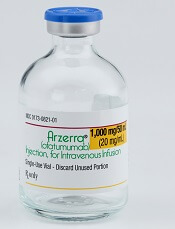
Photo courtesy of GSK
The US Food and Drug Administration (FDA) has approved the use of ofatumumab (Arzerra®) in combination with fludarabine and cyclophosphamide to treat patients with relapsed chronic lymphocytic leukemia (CLL).
Ofatumumab was previously approved by the FDA for use in combination with chlorambucil to treat previously untreated CLL patients who cannot receive fludarabine-based therapy, as monotherapy for CLL that is refractory to fludarabine and alemtuzumab, and as maintenance therapy for patients who are in complete or partial response after receiving at least 2 lines of therapy for recurrent or progressive CLL.
Ofatumumab is a monoclonal antibody designed to target CD20.
The drug’s prescribing information includes a boxed warning noting that hepatitis B virus reactivation can occur in patients receiving CD20-directed cytolytic antibodies, including ofatumumab. In some cases, this results in fulminant hepatitis, hepatic failure, and death.
The boxed warning also states that progressive multifocal leukoencephalopathy, resulting in death, can occur in patients receiving CD20-directed cytolytic antibodies, including ofatumumab.
Ofatumumab is marketed under a collaboration agreement between Genmab and Novartis.
COMPLEMENT 2 trial
The FDA’s latest approval for ofatumumab is based on results of the phase 3 COMPLEMENT 2 trial. Novartis reported top-line results from this study in April.
The trial enrolled 365 patients with relapsed CLL. The patients were randomized 1:1 to receive up to 6 cycles of ofatumumab in combination with fludarabine and cyclophosphamide or up to 6 cycles of fludarabine and cyclophosphamide alone.
The primary endpoint was progression-free survival, as assessed by an independent review committee.
The median progression-free survival was 28.9 months for patients receiving ofatumumab plus fludarabine and cyclophosphamide, compared to 18.8 months for patients receiving fludarabine and cyclophosphamide alone (hazard ratio=0.67, P=0.0032).
Novartis said the safety profile observed in this study was consistent with other trials of ofatumumab, and no new safety signals were observed.
Photo courtesy of GSK
The US Food and Drug Administration (FDA) has approved the use of ofatumumab (Arzerra®) in combination with fludarabine and cyclophosphamide to treat patients with relapsed chronic lymphocytic leukemia (CLL).
Ofatumumab was previously approved by the FDA for use in combination with chlorambucil to treat previously untreated CLL patients who cannot receive fludarabine-based therapy, as monotherapy for CLL that is refractory to fludarabine and alemtuzumab, and as maintenance therapy for patients who are in complete or partial response after receiving at least 2 lines of therapy for recurrent or progressive CLL.
Ofatumumab is a monoclonal antibody designed to target CD20.
The drug’s prescribing information includes a boxed warning noting that hepatitis B virus reactivation can occur in patients receiving CD20-directed cytolytic antibodies, including ofatumumab. In some cases, this results in fulminant hepatitis, hepatic failure, and death.
The boxed warning also states that progressive multifocal leukoencephalopathy, resulting in death, can occur in patients receiving CD20-directed cytolytic antibodies, including ofatumumab.
Ofatumumab is marketed under a collaboration agreement between Genmab and Novartis.
COMPLEMENT 2 trial
The FDA’s latest approval for ofatumumab is based on results of the phase 3 COMPLEMENT 2 trial. Novartis reported top-line results from this study in April.
The trial enrolled 365 patients with relapsed CLL. The patients were randomized 1:1 to receive up to 6 cycles of ofatumumab in combination with fludarabine and cyclophosphamide or up to 6 cycles of fludarabine and cyclophosphamide alone.
The primary endpoint was progression-free survival, as assessed by an independent review committee.
The median progression-free survival was 28.9 months for patients receiving ofatumumab plus fludarabine and cyclophosphamide, compared to 18.8 months for patients receiving fludarabine and cyclophosphamide alone (hazard ratio=0.67, P=0.0032).
Novartis said the safety profile observed in this study was consistent with other trials of ofatumumab, and no new safety signals were observed.
Photo courtesy of GSK
The US Food and Drug Administration (FDA) has approved the use of ofatumumab (Arzerra®) in combination with fludarabine and cyclophosphamide to treat patients with relapsed chronic lymphocytic leukemia (CLL).
Ofatumumab was previously approved by the FDA for use in combination with chlorambucil to treat previously untreated CLL patients who cannot receive fludarabine-based therapy, as monotherapy for CLL that is refractory to fludarabine and alemtuzumab, and as maintenance therapy for patients who are in complete or partial response after receiving at least 2 lines of therapy for recurrent or progressive CLL.
Ofatumumab is a monoclonal antibody designed to target CD20.
The drug’s prescribing information includes a boxed warning noting that hepatitis B virus reactivation can occur in patients receiving CD20-directed cytolytic antibodies, including ofatumumab. In some cases, this results in fulminant hepatitis, hepatic failure, and death.
The boxed warning also states that progressive multifocal leukoencephalopathy, resulting in death, can occur in patients receiving CD20-directed cytolytic antibodies, including ofatumumab.
Ofatumumab is marketed under a collaboration agreement between Genmab and Novartis.
COMPLEMENT 2 trial
The FDA’s latest approval for ofatumumab is based on results of the phase 3 COMPLEMENT 2 trial. Novartis reported top-line results from this study in April.
The trial enrolled 365 patients with relapsed CLL. The patients were randomized 1:1 to receive up to 6 cycles of ofatumumab in combination with fludarabine and cyclophosphamide or up to 6 cycles of fludarabine and cyclophosphamide alone.
The primary endpoint was progression-free survival, as assessed by an independent review committee.
The median progression-free survival was 28.9 months for patients receiving ofatumumab plus fludarabine and cyclophosphamide, compared to 18.8 months for patients receiving fludarabine and cyclophosphamide alone (hazard ratio=0.67, P=0.0032).
Novartis said the safety profile observed in this study was consistent with other trials of ofatumumab, and no new safety signals were observed.
Study may explain why blood type affects cholera severity
Photo by Daniel Gay
Results of preclinical research may explain why people with blood type O often get more severely ill from cholera than people with other blood types.
The study suggests that, in people with blood type O, cholera toxin hyperactivates a key signaling molecule in intestinal cells.
And high levels of that molecule, cyclic adenosine monophosphate (cAMP), lead to excretion of electrolytes and water—in other words, diarrhea.
“We have shown that blood type influences how strongly cholera toxin activates intestinal cells, leading to diarrhea,” said study author James Fleckenstein, MD, of Washington University School of Medicine in Saint Louis, Missouri.
Dr Fleckenstein and his colleagues reported these findings in The American Journal of Tropical Medicine and Hygiene.
Cholera is caused by Vibrio cholerae, a bacterium that infects cells of the small intestine.
Epidemiologists first noticed 4 decades ago that people with blood type O were more likely to be hospitalized for cholera than people with other blood types, but the reasons for the difference had never been determined.
Although the blood group antigens—A, B, AB, and O—are best known for their presence on red blood cells, they also are found on the surface of many other cell types, including the cells that line the intestine.
To find out what effect cholera toxin has on intestinal cells carrying different blood group antigens, Dr Fleckenstein and his colleagues used clusters of intestinal epithelial stem cells, called enteroids, that can be grown in the lab and differentiated into mature intestinal cells.
The researchers treated 4 groups of enteroids with cholera toxin—2 derived from people with blood type A and 2 from people with blood type O—and measured the amount of cAMP inside the cells. Enteroids from the other 2 blood types—B and AB—were not available at the time the study was done.
The researchers found that levels of cAMP were roughly twice as high in the cells with the type O antigen than in the cells with type A antigen, suggesting that people with type O antigen who were exposed to cholera toxin would suffer more severe diarrhea.
“It is well-established that high levels of this molecule lead to diarrhea, so we’re making the assumption that higher levels lead to even more diarrhea,” said study author F. Matthew Kuhlmann, MD, of Washington University School of Medicine.
“Unfortunately, we have no way directly to link the responses to the volume of diarrhea and, therefore, the severity of disease.”
The researchers confirmed their enteroid results in an intestinal cell line originally derived from a person with blood type A. The cell line was modified to produce the type O antigen instead.
The team found that cholera toxin induced roughly double the amount of cAMP in cells with type O antigen than in those with type A.
Dr Fleckenstein said the researchers are not sure why cholera toxin induces different responses in cells with different blood group antigens on their surfaces.
“The cholera toxin is known to bind weakly to the ABO antigens, so they may be acting as decoys to draw the toxin away from its true target,” Dr Fleckenstein said. “It may be that the type O antigen just isn’t as good of a decoy as the type A antigen.”
Photo by Daniel Gay
Results of preclinical research may explain why people with blood type O often get more severely ill from cholera than people with other blood types.
The study suggests that, in people with blood type O, cholera toxin hyperactivates a key signaling molecule in intestinal cells.
And high levels of that molecule, cyclic adenosine monophosphate (cAMP), lead to excretion of electrolytes and water—in other words, diarrhea.
“We have shown that blood type influences how strongly cholera toxin activates intestinal cells, leading to diarrhea,” said study author James Fleckenstein, MD, of Washington University School of Medicine in Saint Louis, Missouri.
Dr Fleckenstein and his colleagues reported these findings in The American Journal of Tropical Medicine and Hygiene.
Cholera is caused by Vibrio cholerae, a bacterium that infects cells of the small intestine.
Epidemiologists first noticed 4 decades ago that people with blood type O were more likely to be hospitalized for cholera than people with other blood types, but the reasons for the difference had never been determined.
Although the blood group antigens—A, B, AB, and O—are best known for their presence on red blood cells, they also are found on the surface of many other cell types, including the cells that line the intestine.
To find out what effect cholera toxin has on intestinal cells carrying different blood group antigens, Dr Fleckenstein and his colleagues used clusters of intestinal epithelial stem cells, called enteroids, that can be grown in the lab and differentiated into mature intestinal cells.
The researchers treated 4 groups of enteroids with cholera toxin—2 derived from people with blood type A and 2 from people with blood type O—and measured the amount of cAMP inside the cells. Enteroids from the other 2 blood types—B and AB—were not available at the time the study was done.
The researchers found that levels of cAMP were roughly twice as high in the cells with the type O antigen than in the cells with type A antigen, suggesting that people with type O antigen who were exposed to cholera toxin would suffer more severe diarrhea.
“It is well-established that high levels of this molecule lead to diarrhea, so we’re making the assumption that higher levels lead to even more diarrhea,” said study author F. Matthew Kuhlmann, MD, of Washington University School of Medicine.
“Unfortunately, we have no way directly to link the responses to the volume of diarrhea and, therefore, the severity of disease.”
The researchers confirmed their enteroid results in an intestinal cell line originally derived from a person with blood type A. The cell line was modified to produce the type O antigen instead.
The team found that cholera toxin induced roughly double the amount of cAMP in cells with type O antigen than in those with type A.
Dr Fleckenstein said the researchers are not sure why cholera toxin induces different responses in cells with different blood group antigens on their surfaces.
“The cholera toxin is known to bind weakly to the ABO antigens, so they may be acting as decoys to draw the toxin away from its true target,” Dr Fleckenstein said. “It may be that the type O antigen just isn’t as good of a decoy as the type A antigen.”
Photo by Daniel Gay
Results of preclinical research may explain why people with blood type O often get more severely ill from cholera than people with other blood types.
The study suggests that, in people with blood type O, cholera toxin hyperactivates a key signaling molecule in intestinal cells.
And high levels of that molecule, cyclic adenosine monophosphate (cAMP), lead to excretion of electrolytes and water—in other words, diarrhea.
“We have shown that blood type influences how strongly cholera toxin activates intestinal cells, leading to diarrhea,” said study author James Fleckenstein, MD, of Washington University School of Medicine in Saint Louis, Missouri.
Dr Fleckenstein and his colleagues reported these findings in The American Journal of Tropical Medicine and Hygiene.
Cholera is caused by Vibrio cholerae, a bacterium that infects cells of the small intestine.
Epidemiologists first noticed 4 decades ago that people with blood type O were more likely to be hospitalized for cholera than people with other blood types, but the reasons for the difference had never been determined.
Although the blood group antigens—A, B, AB, and O—are best known for their presence on red blood cells, they also are found on the surface of many other cell types, including the cells that line the intestine.
To find out what effect cholera toxin has on intestinal cells carrying different blood group antigens, Dr Fleckenstein and his colleagues used clusters of intestinal epithelial stem cells, called enteroids, that can be grown in the lab and differentiated into mature intestinal cells.
The researchers treated 4 groups of enteroids with cholera toxin—2 derived from people with blood type A and 2 from people with blood type O—and measured the amount of cAMP inside the cells. Enteroids from the other 2 blood types—B and AB—were not available at the time the study was done.
The researchers found that levels of cAMP were roughly twice as high in the cells with the type O antigen than in the cells with type A antigen, suggesting that people with type O antigen who were exposed to cholera toxin would suffer more severe diarrhea.
“It is well-established that high levels of this molecule lead to diarrhea, so we’re making the assumption that higher levels lead to even more diarrhea,” said study author F. Matthew Kuhlmann, MD, of Washington University School of Medicine.
“Unfortunately, we have no way directly to link the responses to the volume of diarrhea and, therefore, the severity of disease.”
The researchers confirmed their enteroid results in an intestinal cell line originally derived from a person with blood type A. The cell line was modified to produce the type O antigen instead.
The team found that cholera toxin induced roughly double the amount of cAMP in cells with type O antigen than in those with type A.
Dr Fleckenstein said the researchers are not sure why cholera toxin induces different responses in cells with different blood group antigens on their surfaces.
“The cholera toxin is known to bind weakly to the ABO antigens, so they may be acting as decoys to draw the toxin away from its true target,” Dr Fleckenstein said. “It may be that the type O antigen just isn’t as good of a decoy as the type A antigen.”
Rule identifies women at low risk of VTE recurrence

of women in a family
ROME—According to researchers, a clinical decision rule can identify women who, after their first unprovoked venous thromboembolism (VTE), have a low risk of VTE recurrence and might safely discontinue anticoagulant therapy.
The researchers evaluated the HERDOO2 rule, which is named after the risk factors the rule employs to determine the likelihood of VTE recurrence, in the REVERSE II trial.
Results from the trial were presented at ESC Congress 2016 (abstract 5721).
According to the HERDOO2 rule, the following risk factors must be considered to determine a patient’s risk of VTE recurrence:
- Hyperpigmentation, Edema, or Redness in either leg
- D-dimer >250 μg/mL on anticoagulants
- Obesity with body mass index >30 kg/m2
- Older than age 65.
Women (but not men) are considered at low risk of VTE recurrence if they have 0 to 1 of these risk factors.
In the REVERSE II trial, researchers tested the HERDOO2 rule in 2779 male and female patients with a first unprovoked VTE who had completed 5 to 12 months of anticoagulant therapy.
After drop-outs and exclusions, 622 women were considered low-risk, based on HERDOO2 criteria, and the majority of these women (n=591) discontinued anticoagulant therapy.
Thirty-one low-risk women continued anticoagulant therapy, as did 1802 men and high-risk women (with 2 or more HERDOO2 criteria). Three hundred and twenty-three men and high-risk women discontinued anticoagulant therapy.
After a year of follow-up, low-risk women who had discontinued anticoagulants had a 3% rate of recurrent VTE per patient year, and low-risk women who continued anticoagulant therapy had no VTEs.
Among the men and high-risk women, the rate of recurrent VTE per patient year was 8.1% in patients who discontinued therapy and 1.6% in patients who continued to receive anticoagulant therapy.
“This is an important finding as, using our rule, over half of women with unprovoked VTE can safely discontinue anticoagulants and be spared the burdens, costs, and risks of life-long anticoagulation,” said study investigator Marc Rodger, MD, of Ottawa Hospital and University of Ottawa in Ontario, Canada.
“Since current consensus guidelines suggest anticoagulants should be continued indefinitely in all patients with unprovoked VTE and non-high bleeding risk, our results are potentially practice-changing.”
Dr Rodger noted, however, that questions remain regarding anticoagulation duration after a first unprovoked VTE.
“One is whether indefinite anticoagulation is required for men and high-risk women, [which] was not the primary focus of our study,” he said. “The second is in the subgroup of post-menopausal women aged 50 and above.”
“In this group, even those who were considered low-risk according to the HERDOO2 rule had a higher than expected rate of recurrent VTE (5.7%) when they discontinued anticoagulants. As such, further validation of HERDOO2 is required in this subset of post-menopausal women.”
of women in a family
ROME—According to researchers, a clinical decision rule can identify women who, after their first unprovoked venous thromboembolism (VTE), have a low risk of VTE recurrence and might safely discontinue anticoagulant therapy.
The researchers evaluated the HERDOO2 rule, which is named after the risk factors the rule employs to determine the likelihood of VTE recurrence, in the REVERSE II trial.
Results from the trial were presented at ESC Congress 2016 (abstract 5721).
According to the HERDOO2 rule, the following risk factors must be considered to determine a patient’s risk of VTE recurrence:
- Hyperpigmentation, Edema, or Redness in either leg
- D-dimer >250 μg/mL on anticoagulants
- Obesity with body mass index >30 kg/m2
- Older than age 65.
Women (but not men) are considered at low risk of VTE recurrence if they have 0 to 1 of these risk factors.
In the REVERSE II trial, researchers tested the HERDOO2 rule in 2779 male and female patients with a first unprovoked VTE who had completed 5 to 12 months of anticoagulant therapy.
After drop-outs and exclusions, 622 women were considered low-risk, based on HERDOO2 criteria, and the majority of these women (n=591) discontinued anticoagulant therapy.
Thirty-one low-risk women continued anticoagulant therapy, as did 1802 men and high-risk women (with 2 or more HERDOO2 criteria). Three hundred and twenty-three men and high-risk women discontinued anticoagulant therapy.
After a year of follow-up, low-risk women who had discontinued anticoagulants had a 3% rate of recurrent VTE per patient year, and low-risk women who continued anticoagulant therapy had no VTEs.
Among the men and high-risk women, the rate of recurrent VTE per patient year was 8.1% in patients who discontinued therapy and 1.6% in patients who continued to receive anticoagulant therapy.
“This is an important finding as, using our rule, over half of women with unprovoked VTE can safely discontinue anticoagulants and be spared the burdens, costs, and risks of life-long anticoagulation,” said study investigator Marc Rodger, MD, of Ottawa Hospital and University of Ottawa in Ontario, Canada.
“Since current consensus guidelines suggest anticoagulants should be continued indefinitely in all patients with unprovoked VTE and non-high bleeding risk, our results are potentially practice-changing.”
Dr Rodger noted, however, that questions remain regarding anticoagulation duration after a first unprovoked VTE.
“One is whether indefinite anticoagulation is required for men and high-risk women, [which] was not the primary focus of our study,” he said. “The second is in the subgroup of post-menopausal women aged 50 and above.”
“In this group, even those who were considered low-risk according to the HERDOO2 rule had a higher than expected rate of recurrent VTE (5.7%) when they discontinued anticoagulants. As such, further validation of HERDOO2 is required in this subset of post-menopausal women.”
of women in a family
ROME—According to researchers, a clinical decision rule can identify women who, after their first unprovoked venous thromboembolism (VTE), have a low risk of VTE recurrence and might safely discontinue anticoagulant therapy.
The researchers evaluated the HERDOO2 rule, which is named after the risk factors the rule employs to determine the likelihood of VTE recurrence, in the REVERSE II trial.
Results from the trial were presented at ESC Congress 2016 (abstract 5721).
According to the HERDOO2 rule, the following risk factors must be considered to determine a patient’s risk of VTE recurrence:
- Hyperpigmentation, Edema, or Redness in either leg
- D-dimer >250 μg/mL on anticoagulants
- Obesity with body mass index >30 kg/m2
- Older than age 65.
Women (but not men) are considered at low risk of VTE recurrence if they have 0 to 1 of these risk factors.
In the REVERSE II trial, researchers tested the HERDOO2 rule in 2779 male and female patients with a first unprovoked VTE who had completed 5 to 12 months of anticoagulant therapy.
After drop-outs and exclusions, 622 women were considered low-risk, based on HERDOO2 criteria, and the majority of these women (n=591) discontinued anticoagulant therapy.
Thirty-one low-risk women continued anticoagulant therapy, as did 1802 men and high-risk women (with 2 or more HERDOO2 criteria). Three hundred and twenty-three men and high-risk women discontinued anticoagulant therapy.
After a year of follow-up, low-risk women who had discontinued anticoagulants had a 3% rate of recurrent VTE per patient year, and low-risk women who continued anticoagulant therapy had no VTEs.
Among the men and high-risk women, the rate of recurrent VTE per patient year was 8.1% in patients who discontinued therapy and 1.6% in patients who continued to receive anticoagulant therapy.
“This is an important finding as, using our rule, over half of women with unprovoked VTE can safely discontinue anticoagulants and be spared the burdens, costs, and risks of life-long anticoagulation,” said study investigator Marc Rodger, MD, of Ottawa Hospital and University of Ottawa in Ontario, Canada.
“Since current consensus guidelines suggest anticoagulants should be continued indefinitely in all patients with unprovoked VTE and non-high bleeding risk, our results are potentially practice-changing.”
Dr Rodger noted, however, that questions remain regarding anticoagulation duration after a first unprovoked VTE.
“One is whether indefinite anticoagulation is required for men and high-risk women, [which] was not the primary focus of our study,” he said. “The second is in the subgroup of post-menopausal women aged 50 and above.”
“In this group, even those who were considered low-risk according to the HERDOO2 rule had a higher than expected rate of recurrent VTE (5.7%) when they discontinued anticoagulants. As such, further validation of HERDOO2 is required in this subset of post-menopausal women.”