User login
Antiplatelet monitoring doesn’t benefit high-risk patient group

Photo courtesy of NIH
ROME—Results of the ANTARCTIC trial suggest that monitoring platelet function to individualize antiplatelet therapy does not improve outcomes for elderly patients stented for an acute coronary syndrome.
These patients had a high risk of ischemic and bleeding complications, but the study showed no significant difference in the incidence of such complications between patients who were monitored and those who were not.
The findings challenge current international guidelines, which recommend platelet function testing in high-risk patients.
“Platelet function testing is still being used in many centers to measure the effect of antiplatelet drugs and adjust the choice of these drugs and their doses,” said study investigator Gilles Montalescot, MD, PhD, of Hôpital Pitié-Salpêtrière in Paris, France.
“Our study does not support this practice and these recommendations. Although measuring the effect of antiplatelet agents makes sense in order to choose the best
drugs or doses, this costly and more complex strategy does not appear to benefit patients, even when they present with extremely high risk of ischemic and bleeding events like those enrolled in ANTARCTIC.”
Results of the ANTARCTIC trial were presented at ESC Congress 2016 (abstract 2221) and published in The Lancet.
The study was funded by Eli Lilly and Company, Daiichi Sankyo, Stentys, Accriva Diagnostics, Medtronic, and Fondation Coeur et Recherche.
ANTARCTIC enrolled 877 patients, ages 75 and older, who presented with an acute coronary syndrome and underwent coronary stenting.
All patients were started on the antiplatelet agent prasugrel (5 mg), with 442 randomized to the conventional therapy (no adjustment) and 435 randomized to monitoring and treatment adjustment if needed.
Patients in the monitoring arm received 14 days of the daily 5 mg prasugrel dose, then underwent a platelet function test at day 14, followed by medication adjustment if the test showed high or low platelet reactivity. Additional monitoring was performed at day 28 in patients who needed treatment adjustment.
The primary endpoint of the trial was the composite of cardiovascular death, myocardial infarction, stroke, stent thrombosis, urgent revascularization, and bleeding complications at 1 year.
This endpoint occurred at a similar rate in both arms of the study—27.6% in the monitoring arm and 27.8% in the conventional therapy arm (hazard ratio=1.003; P=0.98).
Similarly, there was no significant difference between the arms with regard to the main secondary endpoint—a composite of cardiovascular death, myocardial infarction, stent thrombosis, and urgent revascularization.
This endpoint occurred in 9.9% of patients in the monitoring arm and 9.3% of patients in the conventional arm (hazard ratio=1.06; P=0.80).
“Platelet function monitoring led to a change of treatment in 44.8% of patients who were identified as being over- or under-treated, yet this strategy did not improve ischemic or safety outcomes,” Dr Montalescot noted.
“ANTARCTIC confirms the ARCTIC study in a different population with a different drug and has addressed the potential limitations of the ARCTIC study but finally reached the same conclusion. I expect there will be adjustments of guidelines and practice in light of this.” 
Photo courtesy of NIH
ROME—Results of the ANTARCTIC trial suggest that monitoring platelet function to individualize antiplatelet therapy does not improve outcomes for elderly patients stented for an acute coronary syndrome.
These patients had a high risk of ischemic and bleeding complications, but the study showed no significant difference in the incidence of such complications between patients who were monitored and those who were not.
The findings challenge current international guidelines, which recommend platelet function testing in high-risk patients.
“Platelet function testing is still being used in many centers to measure the effect of antiplatelet drugs and adjust the choice of these drugs and their doses,” said study investigator Gilles Montalescot, MD, PhD, of Hôpital Pitié-Salpêtrière in Paris, France.
“Our study does not support this practice and these recommendations. Although measuring the effect of antiplatelet agents makes sense in order to choose the best
drugs or doses, this costly and more complex strategy does not appear to benefit patients, even when they present with extremely high risk of ischemic and bleeding events like those enrolled in ANTARCTIC.”
Results of the ANTARCTIC trial were presented at ESC Congress 2016 (abstract 2221) and published in The Lancet.
The study was funded by Eli Lilly and Company, Daiichi Sankyo, Stentys, Accriva Diagnostics, Medtronic, and Fondation Coeur et Recherche.
ANTARCTIC enrolled 877 patients, ages 75 and older, who presented with an acute coronary syndrome and underwent coronary stenting.
All patients were started on the antiplatelet agent prasugrel (5 mg), with 442 randomized to the conventional therapy (no adjustment) and 435 randomized to monitoring and treatment adjustment if needed.
Patients in the monitoring arm received 14 days of the daily 5 mg prasugrel dose, then underwent a platelet function test at day 14, followed by medication adjustment if the test showed high or low platelet reactivity. Additional monitoring was performed at day 28 in patients who needed treatment adjustment.
The primary endpoint of the trial was the composite of cardiovascular death, myocardial infarction, stroke, stent thrombosis, urgent revascularization, and bleeding complications at 1 year.
This endpoint occurred at a similar rate in both arms of the study—27.6% in the monitoring arm and 27.8% in the conventional therapy arm (hazard ratio=1.003; P=0.98).
Similarly, there was no significant difference between the arms with regard to the main secondary endpoint—a composite of cardiovascular death, myocardial infarction, stent thrombosis, and urgent revascularization.
This endpoint occurred in 9.9% of patients in the monitoring arm and 9.3% of patients in the conventional arm (hazard ratio=1.06; P=0.80).
“Platelet function monitoring led to a change of treatment in 44.8% of patients who were identified as being over- or under-treated, yet this strategy did not improve ischemic or safety outcomes,” Dr Montalescot noted.
“ANTARCTIC confirms the ARCTIC study in a different population with a different drug and has addressed the potential limitations of the ARCTIC study but finally reached the same conclusion. I expect there will be adjustments of guidelines and practice in light of this.”
Photo courtesy of NIH
ROME—Results of the ANTARCTIC trial suggest that monitoring platelet function to individualize antiplatelet therapy does not improve outcomes for elderly patients stented for an acute coronary syndrome.
These patients had a high risk of ischemic and bleeding complications, but the study showed no significant difference in the incidence of such complications between patients who were monitored and those who were not.
The findings challenge current international guidelines, which recommend platelet function testing in high-risk patients.
“Platelet function testing is still being used in many centers to measure the effect of antiplatelet drugs and adjust the choice of these drugs and their doses,” said study investigator Gilles Montalescot, MD, PhD, of Hôpital Pitié-Salpêtrière in Paris, France.
“Our study does not support this practice and these recommendations. Although measuring the effect of antiplatelet agents makes sense in order to choose the best
drugs or doses, this costly and more complex strategy does not appear to benefit patients, even when they present with extremely high risk of ischemic and bleeding events like those enrolled in ANTARCTIC.”
Results of the ANTARCTIC trial were presented at ESC Congress 2016 (abstract 2221) and published in The Lancet.
The study was funded by Eli Lilly and Company, Daiichi Sankyo, Stentys, Accriva Diagnostics, Medtronic, and Fondation Coeur et Recherche.
ANTARCTIC enrolled 877 patients, ages 75 and older, who presented with an acute coronary syndrome and underwent coronary stenting.
All patients were started on the antiplatelet agent prasugrel (5 mg), with 442 randomized to the conventional therapy (no adjustment) and 435 randomized to monitoring and treatment adjustment if needed.
Patients in the monitoring arm received 14 days of the daily 5 mg prasugrel dose, then underwent a platelet function test at day 14, followed by medication adjustment if the test showed high or low platelet reactivity. Additional monitoring was performed at day 28 in patients who needed treatment adjustment.
The primary endpoint of the trial was the composite of cardiovascular death, myocardial infarction, stroke, stent thrombosis, urgent revascularization, and bleeding complications at 1 year.
This endpoint occurred at a similar rate in both arms of the study—27.6% in the monitoring arm and 27.8% in the conventional therapy arm (hazard ratio=1.003; P=0.98).
Similarly, there was no significant difference between the arms with regard to the main secondary endpoint—a composite of cardiovascular death, myocardial infarction, stent thrombosis, and urgent revascularization.
This endpoint occurred in 9.9% of patients in the monitoring arm and 9.3% of patients in the conventional arm (hazard ratio=1.06; P=0.80).
“Platelet function monitoring led to a change of treatment in 44.8% of patients who were identified as being over- or under-treated, yet this strategy did not improve ischemic or safety outcomes,” Dr Montalescot noted.
“ANTARCTIC confirms the ARCTIC study in a different population with a different drug and has addressed the potential limitations of the ARCTIC study but finally reached the same conclusion. I expect there will be adjustments of guidelines and practice in light of this.”
BSIs costly for pediatric transplant, cancer patients

Staphylococcus infection
Photo by Bill Branson
Ambulatory bloodstream infections (BSIs) can be costly in young cancer patients and recipients of hematopoietic stem cell transplants, according to research published in Pediatric Blood & Cancer.
Among the 61 patients studied, the median cost for an ambulatory BSI was $40,852, and the median length of hospital stay was 7 days.
For patients who were hospitalized for BSI and other medical issues, the cost and length of stay were much higher.
“This issue has resonance beyond the pediatric stem cell transplant and oncology patient population,” said study author Amy Billett, MD, of the Dana–Farber Cancer Institute and Boston Children’s Hospital in Massachusetts.
“At a time when many aspects of care are being shifted to the home and of heightened attention to safety and cost, this is the new frontier. What we learn about preventing outpatient bloodstream infections in these patients could have broad relevance.”
To determine the economic and hospitalization impact of ambulatory BSIs, Dr Billet and her colleagues retrospectively analyzed data on outpatient BSIs at Dana-Farber/Boston Children’s that occurred between January 1, 2012, and December 31, 2013, and resulted in hospitalization.
The team identified 74 BSIs in 61 patients. Sixty-nine percent of these infections were classified as central-line-associated bloodstream infections.
In 43% of BSIs, the patient’s central line had to be surgically removed. In 15% of cases, the child was transferred to the intensive care unit. Four patients died during hospitalization, and 3 of these deaths were associated with the infections.
Most of the hospitalizations analyzed—62—were due solely to BSIs. The remainder involved at least 1 other medical issue.
The median total cost of BSIs was $40,852, and the median length of hospital stay was 7 days.
The median cost was $36,611 among patients who were hospitalized for BSIs alone (n=62) and $89,935 for patients who were hospitalized for other medical issues as well. The median lengths of hospital stay were 6 days and 15 days, respectively.
The top 3 drivers of cost for all BSIs were room and board (43%), non-chemotherapy medications (22%), and procedures (11%).
Room and board accounted for 42% of charges among patients who were hospitalized for BSIs alone and 44% among the other patients. Non-chemotherapy medications accounted for 20% and 25%, respectively. And procedures accounted for 11% and 10%, respectively.
“Behind these metrics are real and serious risks to patients’ health,” said study author Chris Wong, MD, of Dana-Farber/Boston Children’s.
“The bottom line is that the dollar cost and lengthy hospital stays signal complications that could become life-threatening or delay treatment of the children’s cancer. Reducing these infections is important both for cost containment and quality of care.”
Staphylococcus infection
Photo by Bill Branson
Ambulatory bloodstream infections (BSIs) can be costly in young cancer patients and recipients of hematopoietic stem cell transplants, according to research published in Pediatric Blood & Cancer.
Among the 61 patients studied, the median cost for an ambulatory BSI was $40,852, and the median length of hospital stay was 7 days.
For patients who were hospitalized for BSI and other medical issues, the cost and length of stay were much higher.
“This issue has resonance beyond the pediatric stem cell transplant and oncology patient population,” said study author Amy Billett, MD, of the Dana–Farber Cancer Institute and Boston Children’s Hospital in Massachusetts.
“At a time when many aspects of care are being shifted to the home and of heightened attention to safety and cost, this is the new frontier. What we learn about preventing outpatient bloodstream infections in these patients could have broad relevance.”
To determine the economic and hospitalization impact of ambulatory BSIs, Dr Billet and her colleagues retrospectively analyzed data on outpatient BSIs at Dana-Farber/Boston Children’s that occurred between January 1, 2012, and December 31, 2013, and resulted in hospitalization.
The team identified 74 BSIs in 61 patients. Sixty-nine percent of these infections were classified as central-line-associated bloodstream infections.
In 43% of BSIs, the patient’s central line had to be surgically removed. In 15% of cases, the child was transferred to the intensive care unit. Four patients died during hospitalization, and 3 of these deaths were associated with the infections.
Most of the hospitalizations analyzed—62—were due solely to BSIs. The remainder involved at least 1 other medical issue.
The median total cost of BSIs was $40,852, and the median length of hospital stay was 7 days.
The median cost was $36,611 among patients who were hospitalized for BSIs alone (n=62) and $89,935 for patients who were hospitalized for other medical issues as well. The median lengths of hospital stay were 6 days and 15 days, respectively.
The top 3 drivers of cost for all BSIs were room and board (43%), non-chemotherapy medications (22%), and procedures (11%).
Room and board accounted for 42% of charges among patients who were hospitalized for BSIs alone and 44% among the other patients. Non-chemotherapy medications accounted for 20% and 25%, respectively. And procedures accounted for 11% and 10%, respectively.
“Behind these metrics are real and serious risks to patients’ health,” said study author Chris Wong, MD, of Dana-Farber/Boston Children’s.
“The bottom line is that the dollar cost and lengthy hospital stays signal complications that could become life-threatening or delay treatment of the children’s cancer. Reducing these infections is important both for cost containment and quality of care.”
Staphylococcus infection
Photo by Bill Branson
Ambulatory bloodstream infections (BSIs) can be costly in young cancer patients and recipients of hematopoietic stem cell transplants, according to research published in Pediatric Blood & Cancer.
Among the 61 patients studied, the median cost for an ambulatory BSI was $40,852, and the median length of hospital stay was 7 days.
For patients who were hospitalized for BSI and other medical issues, the cost and length of stay were much higher.
“This issue has resonance beyond the pediatric stem cell transplant and oncology patient population,” said study author Amy Billett, MD, of the Dana–Farber Cancer Institute and Boston Children’s Hospital in Massachusetts.
“At a time when many aspects of care are being shifted to the home and of heightened attention to safety and cost, this is the new frontier. What we learn about preventing outpatient bloodstream infections in these patients could have broad relevance.”
To determine the economic and hospitalization impact of ambulatory BSIs, Dr Billet and her colleagues retrospectively analyzed data on outpatient BSIs at Dana-Farber/Boston Children’s that occurred between January 1, 2012, and December 31, 2013, and resulted in hospitalization.
The team identified 74 BSIs in 61 patients. Sixty-nine percent of these infections were classified as central-line-associated bloodstream infections.
In 43% of BSIs, the patient’s central line had to be surgically removed. In 15% of cases, the child was transferred to the intensive care unit. Four patients died during hospitalization, and 3 of these deaths were associated with the infections.
Most of the hospitalizations analyzed—62—were due solely to BSIs. The remainder involved at least 1 other medical issue.
The median total cost of BSIs was $40,852, and the median length of hospital stay was 7 days.
The median cost was $36,611 among patients who were hospitalized for BSIs alone (n=62) and $89,935 for patients who were hospitalized for other medical issues as well. The median lengths of hospital stay were 6 days and 15 days, respectively.
The top 3 drivers of cost for all BSIs were room and board (43%), non-chemotherapy medications (22%), and procedures (11%).
Room and board accounted for 42% of charges among patients who were hospitalized for BSIs alone and 44% among the other patients. Non-chemotherapy medications accounted for 20% and 25%, respectively. And procedures accounted for 11% and 10%, respectively.
“Behind these metrics are real and serious risks to patients’ health,” said study author Chris Wong, MD, of Dana-Farber/Boston Children’s.
“The bottom line is that the dollar cost and lengthy hospital stays signal complications that could become life-threatening or delay treatment of the children’s cancer. Reducing these infections is important both for cost containment and quality of care.”
Team uncovers potential treatments for Zika virus

Photo courtesy of
Muhammad Mahdi Karim
Researchers say they have identified compounds that might be used to inhibit Zika virus replication and reduce the ability of the virus to kill brain cells.
The compounds include emricasan (a drug being investigated as a treatment to reduce liver damage from hepatitis C virus), niclosamide (a drug approved in the US to combat parasitic infections), and an investigational cyclin-dependent kinase inhibitor known as PHA-690509.
The researchers described the anti-Zika activity of these compounds in Nature Medicine.
About the virus
The Zika virus has been reported in 60 countries and territories worldwide. Currently, there are no vaccines or effective treatments for the virus.
Research and anecdotal evidence have suggested infection with the Zika virus is related to fetal microcephaly, an abnormally small head resulting from an underdeveloped and/or damaged brain. The virus has also been linked with neurological diseases such as Guillain-Barré syndrome in infected adults.
The Zika virus is spread primarily through bites from infected Aedes aegypti mosquitoes, but it can also be transmitted from mother to child, through sexual contact, via blood transfusion, and possibly through other methods.
“The Zika virus poses a global health threat,” said study author Anton Simeonov, PhD, of the National Center for Advancing Translational Sciences in Bethesda, Maryland.
“While we await the development of effective vaccines, which can take a significant amount of time, our identification of repurposed small-molecule compounds may accelerate the translational process of finding a potential therapy.”
“It takes years, if not decades, to develop a new drug,” noted study author Hongjun Song, PhD, of Johns Hopkins University School of Medicine in Baltimore, Maryland. “In this sort of global health emergency, we don’t have that kind of time.”
“So instead of using new drugs, we chose to screen existing drugs,” added Guo-li Ming, MD, PhD, also of Johns Hopkins. “In this way, we hope to create a therapy much more quickly.”
Identifying potential treatments
The researchers screened 6000 compounds, both investigational and approved (in the US), looking for drugs that might be effective against the Zika virus.
The team first exposed cell cultures to 3 strains of the virus—Ugandan, Cambodian, and Puerto Rican. Then, they introduced the various compounds and looked for indicators of cell death.
The researchers identified more than 100 promising compounds. The 3 lead compounds were emricasan, niclosamide, and PHA-690509.
These compounds were effective either in inhibiting the replication of Zika or in preventing the virus from killing brain cells. Emricasan prevents cell death, while niclosamide and PHA-690509 stop virus replication.
The researchers found that combining emricasan and PHA-690509 prevented both cell death and virus replication.
Dr Song cautioned that the 3 drugs “are very effective against Zika in the dish, but we don’t know if they can work in humans in the same way.”
For example, he noted that, although niclosamide can safely treat parasites in the human gastrointestinal tract, researchers have not yet determined if the drug can penetrate the central nervous system of adults or a fetus inside a carrier’s womb to treat the brain cells targeted by Zika.
Furthermore, it’s not clear if the drugs would address the wide range of effects of Zika infection.
“To address these questions, additional studies need to be done in animal models as well as humans to demonstrate their ability to treat Zika infection,” Dr Ming said. “So we could still be years away from finding a treatment that works.”
Photo courtesy of
Muhammad Mahdi Karim
Researchers say they have identified compounds that might be used to inhibit Zika virus replication and reduce the ability of the virus to kill brain cells.
The compounds include emricasan (a drug being investigated as a treatment to reduce liver damage from hepatitis C virus), niclosamide (a drug approved in the US to combat parasitic infections), and an investigational cyclin-dependent kinase inhibitor known as PHA-690509.
The researchers described the anti-Zika activity of these compounds in Nature Medicine.
About the virus
The Zika virus has been reported in 60 countries and territories worldwide. Currently, there are no vaccines or effective treatments for the virus.
Research and anecdotal evidence have suggested infection with the Zika virus is related to fetal microcephaly, an abnormally small head resulting from an underdeveloped and/or damaged brain. The virus has also been linked with neurological diseases such as Guillain-Barré syndrome in infected adults.
The Zika virus is spread primarily through bites from infected Aedes aegypti mosquitoes, but it can also be transmitted from mother to child, through sexual contact, via blood transfusion, and possibly through other methods.
“The Zika virus poses a global health threat,” said study author Anton Simeonov, PhD, of the National Center for Advancing Translational Sciences in Bethesda, Maryland.
“While we await the development of effective vaccines, which can take a significant amount of time, our identification of repurposed small-molecule compounds may accelerate the translational process of finding a potential therapy.”
“It takes years, if not decades, to develop a new drug,” noted study author Hongjun Song, PhD, of Johns Hopkins University School of Medicine in Baltimore, Maryland. “In this sort of global health emergency, we don’t have that kind of time.”
“So instead of using new drugs, we chose to screen existing drugs,” added Guo-li Ming, MD, PhD, also of Johns Hopkins. “In this way, we hope to create a therapy much more quickly.”
Identifying potential treatments
The researchers screened 6000 compounds, both investigational and approved (in the US), looking for drugs that might be effective against the Zika virus.
The team first exposed cell cultures to 3 strains of the virus—Ugandan, Cambodian, and Puerto Rican. Then, they introduced the various compounds and looked for indicators of cell death.
The researchers identified more than 100 promising compounds. The 3 lead compounds were emricasan, niclosamide, and PHA-690509.
These compounds were effective either in inhibiting the replication of Zika or in preventing the virus from killing brain cells. Emricasan prevents cell death, while niclosamide and PHA-690509 stop virus replication.
The researchers found that combining emricasan and PHA-690509 prevented both cell death and virus replication.
Dr Song cautioned that the 3 drugs “are very effective against Zika in the dish, but we don’t know if they can work in humans in the same way.”
For example, he noted that, although niclosamide can safely treat parasites in the human gastrointestinal tract, researchers have not yet determined if the drug can penetrate the central nervous system of adults or a fetus inside a carrier’s womb to treat the brain cells targeted by Zika.
Furthermore, it’s not clear if the drugs would address the wide range of effects of Zika infection.
“To address these questions, additional studies need to be done in animal models as well as humans to demonstrate their ability to treat Zika infection,” Dr Ming said. “So we could still be years away from finding a treatment that works.”
Photo courtesy of
Muhammad Mahdi Karim
Researchers say they have identified compounds that might be used to inhibit Zika virus replication and reduce the ability of the virus to kill brain cells.
The compounds include emricasan (a drug being investigated as a treatment to reduce liver damage from hepatitis C virus), niclosamide (a drug approved in the US to combat parasitic infections), and an investigational cyclin-dependent kinase inhibitor known as PHA-690509.
The researchers described the anti-Zika activity of these compounds in Nature Medicine.
About the virus
The Zika virus has been reported in 60 countries and territories worldwide. Currently, there are no vaccines or effective treatments for the virus.
Research and anecdotal evidence have suggested infection with the Zika virus is related to fetal microcephaly, an abnormally small head resulting from an underdeveloped and/or damaged brain. The virus has also been linked with neurological diseases such as Guillain-Barré syndrome in infected adults.
The Zika virus is spread primarily through bites from infected Aedes aegypti mosquitoes, but it can also be transmitted from mother to child, through sexual contact, via blood transfusion, and possibly through other methods.
“The Zika virus poses a global health threat,” said study author Anton Simeonov, PhD, of the National Center for Advancing Translational Sciences in Bethesda, Maryland.
“While we await the development of effective vaccines, which can take a significant amount of time, our identification of repurposed small-molecule compounds may accelerate the translational process of finding a potential therapy.”
“It takes years, if not decades, to develop a new drug,” noted study author Hongjun Song, PhD, of Johns Hopkins University School of Medicine in Baltimore, Maryland. “In this sort of global health emergency, we don’t have that kind of time.”
“So instead of using new drugs, we chose to screen existing drugs,” added Guo-li Ming, MD, PhD, also of Johns Hopkins. “In this way, we hope to create a therapy much more quickly.”
Identifying potential treatments
The researchers screened 6000 compounds, both investigational and approved (in the US), looking for drugs that might be effective against the Zika virus.
The team first exposed cell cultures to 3 strains of the virus—Ugandan, Cambodian, and Puerto Rican. Then, they introduced the various compounds and looked for indicators of cell death.
The researchers identified more than 100 promising compounds. The 3 lead compounds were emricasan, niclosamide, and PHA-690509.
These compounds were effective either in inhibiting the replication of Zika or in preventing the virus from killing brain cells. Emricasan prevents cell death, while niclosamide and PHA-690509 stop virus replication.
The researchers found that combining emricasan and PHA-690509 prevented both cell death and virus replication.
Dr Song cautioned that the 3 drugs “are very effective against Zika in the dish, but we don’t know if they can work in humans in the same way.”
For example, he noted that, although niclosamide can safely treat parasites in the human gastrointestinal tract, researchers have not yet determined if the drug can penetrate the central nervous system of adults or a fetus inside a carrier’s womb to treat the brain cells targeted by Zika.
Furthermore, it’s not clear if the drugs would address the wide range of effects of Zika infection.
“To address these questions, additional studies need to be done in animal models as well as humans to demonstrate their ability to treat Zika infection,” Dr Ming said. “So we could still be years away from finding a treatment that works.”
Two NOACs pose lower risk of ICH in real-world study
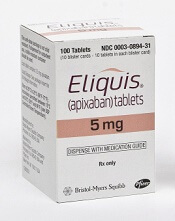
Photo courtesy of Pfizer
and Bristol-Myers Squibb
ROME—Novel oral anticoagulants (NOACs) are as effective as warfarin for preventing stroke but may cause less intracranial hemorrhage (ICH) in patients with atrial fibrillation, according to research presented at ESC Congress 2016.
For this study, investigators compared 3 NOACs—dabigatran, rivaroxaban, and apixaban—to warfarin in a “real-world” setting.
They found that patients had a similar risk of stroke regardless of which drug they received.
However, the risk of ICH was lower with dabigatran and apixaban than with warfarin. There was no significant difference in ICH risk between warfarin and rivaroxaban.
Laila Staerk, PhD, of Gentofte Hospital Copenhagen University Hospital in Hellerup, Denmark, presented these results at the congress as abstract 1875.* The study was supported by Velux Foundations.
“There has been a need to investigate safety and effectiveness of NOACs versus warfarin in a ‘real-world’ population, and our Danish registries provide this opportunity,” Dr Staerk said.
The study included 43,299 atrial fibrillation patients from Danish nationwide administrative registries. Roughly 42% of the patients were taking warfarin, 29% were taking dabigatran, 16% were taking apixaban, and 13% were taking rivaroxaban.
“The inclusion and exclusion criteria in our study were broadly similar for patients initiating NOACs or warfarin, and this gave a straightforward opportunity to directly compare the treatment regimens, which is in contrast to the randomized trials,” Dr Staerk said.
During follow-up, stroke occurred in 1054 patients, and there were 261 intracranial bleeds.
The risk of having a stroke within 1 year was similar between the treatment groups. The absolute standardized risk was 2.01% for warfarin, 2.06% for rivaroxaban, 2.12% for dabigatran, and 2.46% for apixaban.
At 1 year, the standardized absolute risk of ICH was significantly lower in patients treated with dabigatran or apixaban—0.26% and 0.40%, respectively—than in those treated with warfarin—0.60% (P<0.05). The standardized absolute risk of ICH was 0.47% with rivaroxaban, which was not significantly different than the risk with warfarin.
“The results suggest that, although they have similar effects in preventing stroke, dabigatran and apixaban were associated with a safer use regarding the absolute 1-year risk of intracranial bleeding,” Dr Staerk said.
“Our results complement the large, randomized, phase 3 trials by providing ‘real-world’ data on stroke and intracranial bleeding with NOACs versus warfarin since fragile patients were not excluded from our nationwide cohort. For example, patients with increased risk of bleeding, liver disease, and chronic kidney disease are less represented in trials.”
“Registry studies have some limitations, such as the observational design, residual confounding, and confounding by drug indication. In the future, it would be exciting to see a head-to-head, randomized trial performed to compare the different NOAC treatments in patients with atrial fibrillation.”
*Information in the abstract differs from that presented at the meeting.
Photo courtesy of Pfizer
and Bristol-Myers Squibb
ROME—Novel oral anticoagulants (NOACs) are as effective as warfarin for preventing stroke but may cause less intracranial hemorrhage (ICH) in patients with atrial fibrillation, according to research presented at ESC Congress 2016.
For this study, investigators compared 3 NOACs—dabigatran, rivaroxaban, and apixaban—to warfarin in a “real-world” setting.
They found that patients had a similar risk of stroke regardless of which drug they received.
However, the risk of ICH was lower with dabigatran and apixaban than with warfarin. There was no significant difference in ICH risk between warfarin and rivaroxaban.
Laila Staerk, PhD, of Gentofte Hospital Copenhagen University Hospital in Hellerup, Denmark, presented these results at the congress as abstract 1875.* The study was supported by Velux Foundations.
“There has been a need to investigate safety and effectiveness of NOACs versus warfarin in a ‘real-world’ population, and our Danish registries provide this opportunity,” Dr Staerk said.
The study included 43,299 atrial fibrillation patients from Danish nationwide administrative registries. Roughly 42% of the patients were taking warfarin, 29% were taking dabigatran, 16% were taking apixaban, and 13% were taking rivaroxaban.
“The inclusion and exclusion criteria in our study were broadly similar for patients initiating NOACs or warfarin, and this gave a straightforward opportunity to directly compare the treatment regimens, which is in contrast to the randomized trials,” Dr Staerk said.
During follow-up, stroke occurred in 1054 patients, and there were 261 intracranial bleeds.
The risk of having a stroke within 1 year was similar between the treatment groups. The absolute standardized risk was 2.01% for warfarin, 2.06% for rivaroxaban, 2.12% for dabigatran, and 2.46% for apixaban.
At 1 year, the standardized absolute risk of ICH was significantly lower in patients treated with dabigatran or apixaban—0.26% and 0.40%, respectively—than in those treated with warfarin—0.60% (P<0.05). The standardized absolute risk of ICH was 0.47% with rivaroxaban, which was not significantly different than the risk with warfarin.
“The results suggest that, although they have similar effects in preventing stroke, dabigatran and apixaban were associated with a safer use regarding the absolute 1-year risk of intracranial bleeding,” Dr Staerk said.
“Our results complement the large, randomized, phase 3 trials by providing ‘real-world’ data on stroke and intracranial bleeding with NOACs versus warfarin since fragile patients were not excluded from our nationwide cohort. For example, patients with increased risk of bleeding, liver disease, and chronic kidney disease are less represented in trials.”
“Registry studies have some limitations, such as the observational design, residual confounding, and confounding by drug indication. In the future, it would be exciting to see a head-to-head, randomized trial performed to compare the different NOAC treatments in patients with atrial fibrillation.”
*Information in the abstract differs from that presented at the meeting.
Photo courtesy of Pfizer
and Bristol-Myers Squibb
ROME—Novel oral anticoagulants (NOACs) are as effective as warfarin for preventing stroke but may cause less intracranial hemorrhage (ICH) in patients with atrial fibrillation, according to research presented at ESC Congress 2016.
For this study, investigators compared 3 NOACs—dabigatran, rivaroxaban, and apixaban—to warfarin in a “real-world” setting.
They found that patients had a similar risk of stroke regardless of which drug they received.
However, the risk of ICH was lower with dabigatran and apixaban than with warfarin. There was no significant difference in ICH risk between warfarin and rivaroxaban.
Laila Staerk, PhD, of Gentofte Hospital Copenhagen University Hospital in Hellerup, Denmark, presented these results at the congress as abstract 1875.* The study was supported by Velux Foundations.
“There has been a need to investigate safety and effectiveness of NOACs versus warfarin in a ‘real-world’ population, and our Danish registries provide this opportunity,” Dr Staerk said.
The study included 43,299 atrial fibrillation patients from Danish nationwide administrative registries. Roughly 42% of the patients were taking warfarin, 29% were taking dabigatran, 16% were taking apixaban, and 13% were taking rivaroxaban.
“The inclusion and exclusion criteria in our study were broadly similar for patients initiating NOACs or warfarin, and this gave a straightforward opportunity to directly compare the treatment regimens, which is in contrast to the randomized trials,” Dr Staerk said.
During follow-up, stroke occurred in 1054 patients, and there were 261 intracranial bleeds.
The risk of having a stroke within 1 year was similar between the treatment groups. The absolute standardized risk was 2.01% for warfarin, 2.06% for rivaroxaban, 2.12% for dabigatran, and 2.46% for apixaban.
At 1 year, the standardized absolute risk of ICH was significantly lower in patients treated with dabigatran or apixaban—0.26% and 0.40%, respectively—than in those treated with warfarin—0.60% (P<0.05). The standardized absolute risk of ICH was 0.47% with rivaroxaban, which was not significantly different than the risk with warfarin.
“The results suggest that, although they have similar effects in preventing stroke, dabigatran and apixaban were associated with a safer use regarding the absolute 1-year risk of intracranial bleeding,” Dr Staerk said.
“Our results complement the large, randomized, phase 3 trials by providing ‘real-world’ data on stroke and intracranial bleeding with NOACs versus warfarin since fragile patients were not excluded from our nationwide cohort. For example, patients with increased risk of bleeding, liver disease, and chronic kidney disease are less represented in trials.”
“Registry studies have some limitations, such as the observational design, residual confounding, and confounding by drug indication. In the future, it would be exciting to see a head-to-head, randomized trial performed to compare the different NOAC treatments in patients with atrial fibrillation.”
*Information in the abstract differs from that presented at the meeting.
Shorter DAPT appears safe for pts with type of DES
ROME—A short-term course of dual antiplatelet therapy (DAPT) may be non-inferior to a longer course in patients who have a certain type of drug-eluting stent (DES), according to research presented at ESC Congress 2016.
Patients in this study, known as NIPPON, had the Nobori bioabsorbable abluminal-coated stent and received 6 months or 18 months of DAPT, which consisted of aspirin plus clopidogrel or ticlopidine.
The results showed similar rates of net adverse clinical and cerebrovascular events, as well as similar rates of bleeding complications, whether patients received DAPT for 6 months or 18 months.
“Based on these findings, a combination of short[-term] DAPT and a newer DES with bioabsorbable abluminal coating should be able to minimize the incidence of thrombotic events and bleeding complications simultaneously,” said Masato Nakamura, MD, PhD, of Toho University Ohashi Medical Center in Tokyo, Japan.
However, Dr Nakamura also noted that this study had limitations, so the results should be interpreted with caution.
Dr Nakamura presented the results at the congress as abstract 2218.
The study enrolled 3775 patients with coronary artery disease or acute myocardial infarction who had undergone percutaneous coronary intervention and stent placement at 130 Japanese institutions.
All patients had received the Nobori bioabsorbable abluminal-coated stent, with DAPT consisting of aspirin (81–162 mg/day) combined with clopidogrel (75 mg/day) or ticlopidine (200 mg/day).
An interim analysis of the study data showed slow enrolment and substantially lower events than expected, so the study was terminated early.
Dr Nakamura presented results from the first 2772 patients to be followed for at least 18 months.
There was no significant difference in the occurrence of the primary endpoint—net adverse clinical and cerebrovascular events—among patients randomized to either short-term or long-term DAPT—1.92% and 1.45%, respectively—confirming the non-inferiority of short-term therapy.
The rate of bleeding events was similar between the treatment arms as well—0.73% in the long-term arm and 0.96% in the short-term arm—as was the rate of stent thrombosis—0.07% in both arms.
“The results of the present study should be interpreted with caution before trying to draw firm conclusions,” Dr Nakamura said. “The interpretation of the NIPPON trial is complicated by the fact that the event rate was lower than the expected incidence of the primary endpoint in both groups. Therefore, the statistical power may not have been adequate to fully assess the risk of [the] primary endpoint.”
Dr Nakamura also noted that the follow-up period may not have been long enough to draw conclusions about the optimum duration of DAPT for patients with DES.
Furthermore, the early termination of the study, in conjunction with the enrollment of relatively low-risk subjects, suggests the study’s results may not be generalizable to high-risk patients. Similarly, as antiplatelet therapy was mainly limited to clopidogrel, the use of more potent antiplatelet agents may have led to different conclusions.
This study was funded by Associations for Establishment of Evidence in Interventions Studies. Dr Nakamura has received research grant support and honoraria from Terumo Corporation, Sanofi, and Daiichi Sankyo.
ROME—A short-term course of dual antiplatelet therapy (DAPT) may be non-inferior to a longer course in patients who have a certain type of drug-eluting stent (DES), according to research presented at ESC Congress 2016.
Patients in this study, known as NIPPON, had the Nobori bioabsorbable abluminal-coated stent and received 6 months or 18 months of DAPT, which consisted of aspirin plus clopidogrel or ticlopidine.
The results showed similar rates of net adverse clinical and cerebrovascular events, as well as similar rates of bleeding complications, whether patients received DAPT for 6 months or 18 months.
“Based on these findings, a combination of short[-term] DAPT and a newer DES with bioabsorbable abluminal coating should be able to minimize the incidence of thrombotic events and bleeding complications simultaneously,” said Masato Nakamura, MD, PhD, of Toho University Ohashi Medical Center in Tokyo, Japan.
However, Dr Nakamura also noted that this study had limitations, so the results should be interpreted with caution.
Dr Nakamura presented the results at the congress as abstract 2218.
The study enrolled 3775 patients with coronary artery disease or acute myocardial infarction who had undergone percutaneous coronary intervention and stent placement at 130 Japanese institutions.
All patients had received the Nobori bioabsorbable abluminal-coated stent, with DAPT consisting of aspirin (81–162 mg/day) combined with clopidogrel (75 mg/day) or ticlopidine (200 mg/day).
An interim analysis of the study data showed slow enrolment and substantially lower events than expected, so the study was terminated early.
Dr Nakamura presented results from the first 2772 patients to be followed for at least 18 months.
There was no significant difference in the occurrence of the primary endpoint—net adverse clinical and cerebrovascular events—among patients randomized to either short-term or long-term DAPT—1.92% and 1.45%, respectively—confirming the non-inferiority of short-term therapy.
The rate of bleeding events was similar between the treatment arms as well—0.73% in the long-term arm and 0.96% in the short-term arm—as was the rate of stent thrombosis—0.07% in both arms.
“The results of the present study should be interpreted with caution before trying to draw firm conclusions,” Dr Nakamura said. “The interpretation of the NIPPON trial is complicated by the fact that the event rate was lower than the expected incidence of the primary endpoint in both groups. Therefore, the statistical power may not have been adequate to fully assess the risk of [the] primary endpoint.”
Dr Nakamura also noted that the follow-up period may not have been long enough to draw conclusions about the optimum duration of DAPT for patients with DES.
Furthermore, the early termination of the study, in conjunction with the enrollment of relatively low-risk subjects, suggests the study’s results may not be generalizable to high-risk patients. Similarly, as antiplatelet therapy was mainly limited to clopidogrel, the use of more potent antiplatelet agents may have led to different conclusions.
This study was funded by Associations for Establishment of Evidence in Interventions Studies. Dr Nakamura has received research grant support and honoraria from Terumo Corporation, Sanofi, and Daiichi Sankyo.
ROME—A short-term course of dual antiplatelet therapy (DAPT) may be non-inferior to a longer course in patients who have a certain type of drug-eluting stent (DES), according to research presented at ESC Congress 2016.
Patients in this study, known as NIPPON, had the Nobori bioabsorbable abluminal-coated stent and received 6 months or 18 months of DAPT, which consisted of aspirin plus clopidogrel or ticlopidine.
The results showed similar rates of net adverse clinical and cerebrovascular events, as well as similar rates of bleeding complications, whether patients received DAPT for 6 months or 18 months.
“Based on these findings, a combination of short[-term] DAPT and a newer DES with bioabsorbable abluminal coating should be able to minimize the incidence of thrombotic events and bleeding complications simultaneously,” said Masato Nakamura, MD, PhD, of Toho University Ohashi Medical Center in Tokyo, Japan.
However, Dr Nakamura also noted that this study had limitations, so the results should be interpreted with caution.
Dr Nakamura presented the results at the congress as abstract 2218.
The study enrolled 3775 patients with coronary artery disease or acute myocardial infarction who had undergone percutaneous coronary intervention and stent placement at 130 Japanese institutions.
All patients had received the Nobori bioabsorbable abluminal-coated stent, with DAPT consisting of aspirin (81–162 mg/day) combined with clopidogrel (75 mg/day) or ticlopidine (200 mg/day).
An interim analysis of the study data showed slow enrolment and substantially lower events than expected, so the study was terminated early.
Dr Nakamura presented results from the first 2772 patients to be followed for at least 18 months.
There was no significant difference in the occurrence of the primary endpoint—net adverse clinical and cerebrovascular events—among patients randomized to either short-term or long-term DAPT—1.92% and 1.45%, respectively—confirming the non-inferiority of short-term therapy.
The rate of bleeding events was similar between the treatment arms as well—0.73% in the long-term arm and 0.96% in the short-term arm—as was the rate of stent thrombosis—0.07% in both arms.
“The results of the present study should be interpreted with caution before trying to draw firm conclusions,” Dr Nakamura said. “The interpretation of the NIPPON trial is complicated by the fact that the event rate was lower than the expected incidence of the primary endpoint in both groups. Therefore, the statistical power may not have been adequate to fully assess the risk of [the] primary endpoint.”
Dr Nakamura also noted that the follow-up period may not have been long enough to draw conclusions about the optimum duration of DAPT for patients with DES.
Furthermore, the early termination of the study, in conjunction with the enrollment of relatively low-risk subjects, suggests the study’s results may not be generalizable to high-risk patients. Similarly, as antiplatelet therapy was mainly limited to clopidogrel, the use of more potent antiplatelet agents may have led to different conclusions.
This study was funded by Associations for Establishment of Evidence in Interventions Studies. Dr Nakamura has received research grant support and honoraria from Terumo Corporation, Sanofi, and Daiichi Sankyo.
ESC addresses cardiac toxicity of anticancer therapies

chemotherapy
Photo by Rhoda Baer
The European Society of Cardiology (ESC) has launched a novel position paper, under the auspices of its Committee for Practice Guidelines, on the cardiac toxicity of anticancer therapies.
The paper is a summary and evaluation of relevant scientific evidence that is intended to assist health professionals in selecting the best strategies for preventing and managing cardiac toxicity in patients with cancer, including leukemia, lymphoma, and multiple myeloma.
The paper was published in European Heart Journal and on the ESC website.
The document reviews the potential cardiovascular complications of anticancer therapies.
The complications are divided into 9 categories: myocardial dysfunction and heart failure, coronary artery disease, valvular disease, arrhythmias, arterial hypertension, thromboembolic disease, peripheral vascular disease and stroke, pulmonary hypertension, and pericardial complications.
For each type of complication, the authors outline which patients are at risk and how to detect and prevent the possible side effects. Recommendations are given on how to treat and follow patients who develop that type of cardiotoxicity.
Cardiotoxicity is detected using electrocardiogram, cardiac imaging, and biomarkers. Prevention and treatment may involve the use of cardioprotective drugs (such as angiotensin converting enzyme inhibitors or beta-blockers) and adopting a healthy lifestyle (eating a healthy diet, not smoking, exercising regularly, and controlling body weight).
Regarding long-term surveillance for cancer survivors, the paper says patients should be informed of their increased risk of cardiovascular disease at the outset of cancer treatment and supported to make lifestyle changes. They should be told to report early signs and symptoms of cardiovascular disease promptly.
The paper also emphasizes the importance of establishing multidisciplinary teams to provide the best care for cancer patients and survivors. These should include cardiologists, oncologists, nurses, and heart failure and imaging specialists. Ultimately, cardio-oncology centers with a structured service are needed.
The authors note that under- or over-diagnosis of cardiovascular disease sometimes results in failure to prevent adverse events or inappropriate interruption of a potentially life-saving anticancer treatment.
“We need to be clear when it’s a must to stop the treatment, when we should reduce the dose, or when we can continue with the therapy,” said author Jose Luis Zamorano, MD, of University Hospital Ramón in Madrid, Spain. “This position paper provides guidance in this area.”
“We hope the paper will increase awareness about heart disease in cancer patients and survivors and stimulate more research in this area,” added author Patrizio Lancellotti, MD, PhD, of University of Liège Hospital in Liège, Belgium.
“More information is needed on when to screen and monitor patients and on the cardiovascular effects of new anticancer therapies.”
chemotherapy
Photo by Rhoda Baer
The European Society of Cardiology (ESC) has launched a novel position paper, under the auspices of its Committee for Practice Guidelines, on the cardiac toxicity of anticancer therapies.
The paper is a summary and evaluation of relevant scientific evidence that is intended to assist health professionals in selecting the best strategies for preventing and managing cardiac toxicity in patients with cancer, including leukemia, lymphoma, and multiple myeloma.
The paper was published in European Heart Journal and on the ESC website.
The document reviews the potential cardiovascular complications of anticancer therapies.
The complications are divided into 9 categories: myocardial dysfunction and heart failure, coronary artery disease, valvular disease, arrhythmias, arterial hypertension, thromboembolic disease, peripheral vascular disease and stroke, pulmonary hypertension, and pericardial complications.
For each type of complication, the authors outline which patients are at risk and how to detect and prevent the possible side effects. Recommendations are given on how to treat and follow patients who develop that type of cardiotoxicity.
Cardiotoxicity is detected using electrocardiogram, cardiac imaging, and biomarkers. Prevention and treatment may involve the use of cardioprotective drugs (such as angiotensin converting enzyme inhibitors or beta-blockers) and adopting a healthy lifestyle (eating a healthy diet, not smoking, exercising regularly, and controlling body weight).
Regarding long-term surveillance for cancer survivors, the paper says patients should be informed of their increased risk of cardiovascular disease at the outset of cancer treatment and supported to make lifestyle changes. They should be told to report early signs and symptoms of cardiovascular disease promptly.
The paper also emphasizes the importance of establishing multidisciplinary teams to provide the best care for cancer patients and survivors. These should include cardiologists, oncologists, nurses, and heart failure and imaging specialists. Ultimately, cardio-oncology centers with a structured service are needed.
The authors note that under- or over-diagnosis of cardiovascular disease sometimes results in failure to prevent adverse events or inappropriate interruption of a potentially life-saving anticancer treatment.
“We need to be clear when it’s a must to stop the treatment, when we should reduce the dose, or when we can continue with the therapy,” said author Jose Luis Zamorano, MD, of University Hospital Ramón in Madrid, Spain. “This position paper provides guidance in this area.”
“We hope the paper will increase awareness about heart disease in cancer patients and survivors and stimulate more research in this area,” added author Patrizio Lancellotti, MD, PhD, of University of Liège Hospital in Liège, Belgium.
“More information is needed on when to screen and monitor patients and on the cardiovascular effects of new anticancer therapies.”
chemotherapy
Photo by Rhoda Baer
The European Society of Cardiology (ESC) has launched a novel position paper, under the auspices of its Committee for Practice Guidelines, on the cardiac toxicity of anticancer therapies.
The paper is a summary and evaluation of relevant scientific evidence that is intended to assist health professionals in selecting the best strategies for preventing and managing cardiac toxicity in patients with cancer, including leukemia, lymphoma, and multiple myeloma.
The paper was published in European Heart Journal and on the ESC website.
The document reviews the potential cardiovascular complications of anticancer therapies.
The complications are divided into 9 categories: myocardial dysfunction and heart failure, coronary artery disease, valvular disease, arrhythmias, arterial hypertension, thromboembolic disease, peripheral vascular disease and stroke, pulmonary hypertension, and pericardial complications.
For each type of complication, the authors outline which patients are at risk and how to detect and prevent the possible side effects. Recommendations are given on how to treat and follow patients who develop that type of cardiotoxicity.
Cardiotoxicity is detected using electrocardiogram, cardiac imaging, and biomarkers. Prevention and treatment may involve the use of cardioprotective drugs (such as angiotensin converting enzyme inhibitors or beta-blockers) and adopting a healthy lifestyle (eating a healthy diet, not smoking, exercising regularly, and controlling body weight).
Regarding long-term surveillance for cancer survivors, the paper says patients should be informed of their increased risk of cardiovascular disease at the outset of cancer treatment and supported to make lifestyle changes. They should be told to report early signs and symptoms of cardiovascular disease promptly.
The paper also emphasizes the importance of establishing multidisciplinary teams to provide the best care for cancer patients and survivors. These should include cardiologists, oncologists, nurses, and heart failure and imaging specialists. Ultimately, cardio-oncology centers with a structured service are needed.
The authors note that under- or over-diagnosis of cardiovascular disease sometimes results in failure to prevent adverse events or inappropriate interruption of a potentially life-saving anticancer treatment.
“We need to be clear when it’s a must to stop the treatment, when we should reduce the dose, or when we can continue with the therapy,” said author Jose Luis Zamorano, MD, of University Hospital Ramón in Madrid, Spain. “This position paper provides guidance in this area.”
“We hope the paper will increase awareness about heart disease in cancer patients and survivors and stimulate more research in this area,” added author Patrizio Lancellotti, MD, PhD, of University of Liège Hospital in Liège, Belgium.
“More information is needed on when to screen and monitor patients and on the cardiovascular effects of new anticancer therapies.”
FDA authorizes use of test to detect Zika virus
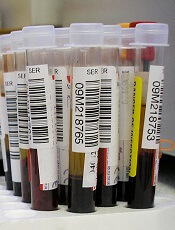
Photo by Graham Colm
The US Food and Drug Administration (FDA) has issued an emergency use authorization (EUA) for the LightMix® Zika rRT-PCR Test.
The test, distributed by Roche, is used to detect the Zika virus in EDTA plasma or serum samples.
The LightMix® Zika rRT-PCR Test is intended for use in patients meeting clinical criteria or epidemiological criteria for Zika virus testing according to the US Centers for Disease Control and Prevention.
The test can only be used by laboratories certified under the Clinical Laboratory Improvement Amendments of 1988 (CLIA), 42 U.S.C. § 263a, to perform high complexity tests, or by similarly qualified non-US laboratories.
About the EUA
The LightMix® Zika rRT-PCR Test has not been FDA-cleared or approved. An EUA allows for the use of unapproved medical products or unapproved uses of approved medical products in an emergency.
The products must be used to diagnose, treat, or prevent serious or life-threatening conditions caused by chemical, biological, radiological, or nuclear threat agents, when there are no adequate alternatives.
This means the LightMix® Zika rRT-PCR Test is only authorized for use as long as circumstances exist to justify the authorization of the emergency use of
in vitro diagnostics for the detection of Zika virus under section 564(b)(1) of the Federal Food, Drug & Cosmetic Act, 21 U.S.C.§360bbb-3(b)(1), unless the authorization is terminated or revoked sooner.
About the test
The LightMix® Zika rRT-PCR Test is designed to provide qualitative detection of Zika viral RNA in combination with a full process RNA control that monitors all steps from extraction to PCR result.
Nucleic acid extraction is authorized to be performed with Roche’s MagNA Pure Compact Instrument (and Isolation Kit I – Large Volume) or, for laboratories wanting to process a higher number of samples, the MagNA Pure 96 Instrument (and DNA and Viral NA Large Volume Kit) for high-throughput automated extraction.
The test was developed to run on Roche’s LightCycler® 480 Instrument II or cobas z 480 Analyzer. The end-to-end automated process from sample preparation to results for up to 96 samples can be performed in 2.5 hours.
The LightMix® Zika rRT-PCR Test is manufactured by TIB MOLBIOL GmbH and distributed by Roche.
Photo by Graham Colm
The US Food and Drug Administration (FDA) has issued an emergency use authorization (EUA) for the LightMix® Zika rRT-PCR Test.
The test, distributed by Roche, is used to detect the Zika virus in EDTA plasma or serum samples.
The LightMix® Zika rRT-PCR Test is intended for use in patients meeting clinical criteria or epidemiological criteria for Zika virus testing according to the US Centers for Disease Control and Prevention.
The test can only be used by laboratories certified under the Clinical Laboratory Improvement Amendments of 1988 (CLIA), 42 U.S.C. § 263a, to perform high complexity tests, or by similarly qualified non-US laboratories.
About the EUA
The LightMix® Zika rRT-PCR Test has not been FDA-cleared or approved. An EUA allows for the use of unapproved medical products or unapproved uses of approved medical products in an emergency.
The products must be used to diagnose, treat, or prevent serious or life-threatening conditions caused by chemical, biological, radiological, or nuclear threat agents, when there are no adequate alternatives.
This means the LightMix® Zika rRT-PCR Test is only authorized for use as long as circumstances exist to justify the authorization of the emergency use of
in vitro diagnostics for the detection of Zika virus under section 564(b)(1) of the Federal Food, Drug & Cosmetic Act, 21 U.S.C.§360bbb-3(b)(1), unless the authorization is terminated or revoked sooner.
About the test
The LightMix® Zika rRT-PCR Test is designed to provide qualitative detection of Zika viral RNA in combination with a full process RNA control that monitors all steps from extraction to PCR result.
Nucleic acid extraction is authorized to be performed with Roche’s MagNA Pure Compact Instrument (and Isolation Kit I – Large Volume) or, for laboratories wanting to process a higher number of samples, the MagNA Pure 96 Instrument (and DNA and Viral NA Large Volume Kit) for high-throughput automated extraction.
The test was developed to run on Roche’s LightCycler® 480 Instrument II or cobas z 480 Analyzer. The end-to-end automated process from sample preparation to results for up to 96 samples can be performed in 2.5 hours.
The LightMix® Zika rRT-PCR Test is manufactured by TIB MOLBIOL GmbH and distributed by Roche.
Photo by Graham Colm
The US Food and Drug Administration (FDA) has issued an emergency use authorization (EUA) for the LightMix® Zika rRT-PCR Test.
The test, distributed by Roche, is used to detect the Zika virus in EDTA plasma or serum samples.
The LightMix® Zika rRT-PCR Test is intended for use in patients meeting clinical criteria or epidemiological criteria for Zika virus testing according to the US Centers for Disease Control and Prevention.
The test can only be used by laboratories certified under the Clinical Laboratory Improvement Amendments of 1988 (CLIA), 42 U.S.C. § 263a, to perform high complexity tests, or by similarly qualified non-US laboratories.
About the EUA
The LightMix® Zika rRT-PCR Test has not been FDA-cleared or approved. An EUA allows for the use of unapproved medical products or unapproved uses of approved medical products in an emergency.
The products must be used to diagnose, treat, or prevent serious or life-threatening conditions caused by chemical, biological, radiological, or nuclear threat agents, when there are no adequate alternatives.
This means the LightMix® Zika rRT-PCR Test is only authorized for use as long as circumstances exist to justify the authorization of the emergency use of
in vitro diagnostics for the detection of Zika virus under section 564(b)(1) of the Federal Food, Drug & Cosmetic Act, 21 U.S.C.§360bbb-3(b)(1), unless the authorization is terminated or revoked sooner.
About the test
The LightMix® Zika rRT-PCR Test is designed to provide qualitative detection of Zika viral RNA in combination with a full process RNA control that monitors all steps from extraction to PCR result.
Nucleic acid extraction is authorized to be performed with Roche’s MagNA Pure Compact Instrument (and Isolation Kit I – Large Volume) or, for laboratories wanting to process a higher number of samples, the MagNA Pure 96 Instrument (and DNA and Viral NA Large Volume Kit) for high-throughput automated extraction.
The test was developed to run on Roche’s LightCycler® 480 Instrument II or cobas z 480 Analyzer. The end-to-end automated process from sample preparation to results for up to 96 samples can be performed in 2.5 hours.
The LightMix® Zika rRT-PCR Test is manufactured by TIB MOLBIOL GmbH and distributed by Roche.
Identifying and targeting malignant aging in sAML

Photo courtesy of the University
of California San Diego
Researchers say they have identified RNA-based biomarkers that distinguish normal, aged hematopoietic stem and progenitor cells (HSPCs) from leukemia stem cells (LSCs) associated with secondary acute myeloid leukemia (sAML).
The team believes their discovery may provide a new way to predict leukemic relapse and identify targets for drug development.
Catriona Jamieson, MD, PhD, of the University of California San Diego in La Jolla, and her colleagues described the discovery in Cell Stem Cell.
The researchers noted that age-related hematopoietic stem cell exhaustion and myeloid-lineage skewing promote the transformation of hematopoietic progenitors into therapy-resistant LSCs in sAML. However, the contribution of RNA processing alterations to HSPC aging and LSC generation remains unclear.
With this study, Dr Jamieson and her colleagues discovered RNA splice isoform expression patterns that distinguished normal, aged HSPCs from sAML LSCs.
The team said the aged HSPCs displayed pro-apoptotic BCL2 splice isoform switching, while sAML LSCs favored pro-survival expression of BCL2L1 (BCL-XL).
“These splicing signatures could potentially be used as clinical biomarkers to detect blood stem cells that show signs of early aging or leukemia and to monitor patient responses to treatment,” said study author Leslie Crews, PhD, of the University of California San Diego.
“By being able to distinguish benign from malignant aging based on distinctive RNA splicing patterns, we can develop therapeutic strategies that selectively target leukemia stem cells while sparing normal hematopoietic stem cells,” Dr Jamieson added.
In fact, she and her colleagues were able to show that treatment with a pharmacologic splicing modulator known as 17S-FD-895 could eradicate sAML LSCs while sparing normal HSPCs. The compound reversed pro-survival splice isoform switching and impaired LSC maintenance.
“Our findings show that RNA splicing is a unique therapeutic vulnerability for secondary AML,” Dr Jamieson said. “RNA-splicing-targeted therapies may be a potent and selective way to clear leukemia stem cells and prevent relapse.”
Photo courtesy of the University
of California San Diego
Researchers say they have identified RNA-based biomarkers that distinguish normal, aged hematopoietic stem and progenitor cells (HSPCs) from leukemia stem cells (LSCs) associated with secondary acute myeloid leukemia (sAML).
The team believes their discovery may provide a new way to predict leukemic relapse and identify targets for drug development.
Catriona Jamieson, MD, PhD, of the University of California San Diego in La Jolla, and her colleagues described the discovery in Cell Stem Cell.
The researchers noted that age-related hematopoietic stem cell exhaustion and myeloid-lineage skewing promote the transformation of hematopoietic progenitors into therapy-resistant LSCs in sAML. However, the contribution of RNA processing alterations to HSPC aging and LSC generation remains unclear.
With this study, Dr Jamieson and her colleagues discovered RNA splice isoform expression patterns that distinguished normal, aged HSPCs from sAML LSCs.
The team said the aged HSPCs displayed pro-apoptotic BCL2 splice isoform switching, while sAML LSCs favored pro-survival expression of BCL2L1 (BCL-XL).
“These splicing signatures could potentially be used as clinical biomarkers to detect blood stem cells that show signs of early aging or leukemia and to monitor patient responses to treatment,” said study author Leslie Crews, PhD, of the University of California San Diego.
“By being able to distinguish benign from malignant aging based on distinctive RNA splicing patterns, we can develop therapeutic strategies that selectively target leukemia stem cells while sparing normal hematopoietic stem cells,” Dr Jamieson added.
In fact, she and her colleagues were able to show that treatment with a pharmacologic splicing modulator known as 17S-FD-895 could eradicate sAML LSCs while sparing normal HSPCs. The compound reversed pro-survival splice isoform switching and impaired LSC maintenance.
“Our findings show that RNA splicing is a unique therapeutic vulnerability for secondary AML,” Dr Jamieson said. “RNA-splicing-targeted therapies may be a potent and selective way to clear leukemia stem cells and prevent relapse.”
Photo courtesy of the University
of California San Diego
Researchers say they have identified RNA-based biomarkers that distinguish normal, aged hematopoietic stem and progenitor cells (HSPCs) from leukemia stem cells (LSCs) associated with secondary acute myeloid leukemia (sAML).
The team believes their discovery may provide a new way to predict leukemic relapse and identify targets for drug development.
Catriona Jamieson, MD, PhD, of the University of California San Diego in La Jolla, and her colleagues described the discovery in Cell Stem Cell.
The researchers noted that age-related hematopoietic stem cell exhaustion and myeloid-lineage skewing promote the transformation of hematopoietic progenitors into therapy-resistant LSCs in sAML. However, the contribution of RNA processing alterations to HSPC aging and LSC generation remains unclear.
With this study, Dr Jamieson and her colleagues discovered RNA splice isoform expression patterns that distinguished normal, aged HSPCs from sAML LSCs.
The team said the aged HSPCs displayed pro-apoptotic BCL2 splice isoform switching, while sAML LSCs favored pro-survival expression of BCL2L1 (BCL-XL).
“These splicing signatures could potentially be used as clinical biomarkers to detect blood stem cells that show signs of early aging or leukemia and to monitor patient responses to treatment,” said study author Leslie Crews, PhD, of the University of California San Diego.
“By being able to distinguish benign from malignant aging based on distinctive RNA splicing patterns, we can develop therapeutic strategies that selectively target leukemia stem cells while sparing normal hematopoietic stem cells,” Dr Jamieson added.
In fact, she and her colleagues were able to show that treatment with a pharmacologic splicing modulator known as 17S-FD-895 could eradicate sAML LSCs while sparing normal HSPCs. The compound reversed pro-survival splice isoform switching and impaired LSC maintenance.
“Our findings show that RNA splicing is a unique therapeutic vulnerability for secondary AML,” Dr Jamieson said. “RNA-splicing-targeted therapies may be a potent and selective way to clear leukemia stem cells and prevent relapse.”
Combo extends PFS in previously treated MM
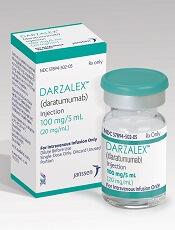
Photo courtesy of Janssen
Results of the phase 3 CASTOR trial suggest that adding daratumumab to treatment with bortezomib and dexamethasone can improve progression-free survival (PFS) in patients with previously treated multiple myeloma (MM).
Compared to patients who received only bortezomib and dexamethasone, those who received daratumumab as well had a higher response rate and longer PFS, but they also had a higher incidence of grade 3/4 adverse events (AEs).
These results were recently published in NEJM. They were previously presented at the 2016 ASCO Annual Meeting. The CASTOR trial was funded by Janssen Research & Development.
The trial enrolled 498 patients with relapsed or relapsed and refractory MM. Patients were randomized to receive bortezomib (1.3 mg/m2) and dexamethasone (20 mg) alone (control arm) or in combination with daratumumab (16 mg/kg).
Baseline characteristics were well balanced between the treatment arms. Across both groups, the median patient age was 64 (range, 30 to 88), the median time since MM diagnosis was 3.8 years, and the patients had received a median of 2 (range, 1 to 10) previous lines of therapy.
Efficacy
The overall response rate was significantly higher in the daratumumab arm than the control arm—82.9% and 63.2%, respectively (P<0.001). The rate of complete response or better was higher in the daratumumab arm as well—19.2% and 9.0%, respectively (P=0.001).
After a median follow-up of 7.4 months, the median PFS was not reached in the daratumumab arm and was 7.2 months in the control arm (hazard ratio=0.39, P<0.001). The estimated 12-month PFS was 60.7% and 26.9%, respectively.
Overall survival was not reached in either treatment arm.
This trial was unblinded after meeting its primary endpoint of improved PFS in this interim analysis. Based on the recommendation of an independent data monitoring committee, patients in the control arm were offered the option to receive daratumumab following confirmed disease progression.
Safety
AEs occurred in 98.8% of patients in the daratumumab arm and 95.4% of patients in the control arm. Grade 3/4 AEs occurred in 76.1% and 62.4%, respectively.
There was a higher incidence of the following AEs in the daratumumab arm than the control arm—thrombocytopenia (58.8% vs 43.9%), neutropenia (17.7% vs 9.3%), lymphopenia (13.2% vs 3.8%), peripheral sensory neuropathy (47.3% vs 37.6%), bleeding events (7.0% vs 3.8%), and secondary primary cancers (2.5% vs 0.4%).
Infusion-related reactions associated with daratumumab were reported in 45.3% of patients. These reactions were mostly grade 1 or 2.
The percentage of patients who discontinued treatment because of at least 1 AE was similar between the daratumumab and control arms (7.4% and 9.3%, respectively).
Photo courtesy of Janssen
Results of the phase 3 CASTOR trial suggest that adding daratumumab to treatment with bortezomib and dexamethasone can improve progression-free survival (PFS) in patients with previously treated multiple myeloma (MM).
Compared to patients who received only bortezomib and dexamethasone, those who received daratumumab as well had a higher response rate and longer PFS, but they also had a higher incidence of grade 3/4 adverse events (AEs).
These results were recently published in NEJM. They were previously presented at the 2016 ASCO Annual Meeting. The CASTOR trial was funded by Janssen Research & Development.
The trial enrolled 498 patients with relapsed or relapsed and refractory MM. Patients were randomized to receive bortezomib (1.3 mg/m2) and dexamethasone (20 mg) alone (control arm) or in combination with daratumumab (16 mg/kg).
Baseline characteristics were well balanced between the treatment arms. Across both groups, the median patient age was 64 (range, 30 to 88), the median time since MM diagnosis was 3.8 years, and the patients had received a median of 2 (range, 1 to 10) previous lines of therapy.
Efficacy
The overall response rate was significantly higher in the daratumumab arm than the control arm—82.9% and 63.2%, respectively (P<0.001). The rate of complete response or better was higher in the daratumumab arm as well—19.2% and 9.0%, respectively (P=0.001).
After a median follow-up of 7.4 months, the median PFS was not reached in the daratumumab arm and was 7.2 months in the control arm (hazard ratio=0.39, P<0.001). The estimated 12-month PFS was 60.7% and 26.9%, respectively.
Overall survival was not reached in either treatment arm.
This trial was unblinded after meeting its primary endpoint of improved PFS in this interim analysis. Based on the recommendation of an independent data monitoring committee, patients in the control arm were offered the option to receive daratumumab following confirmed disease progression.
Safety
AEs occurred in 98.8% of patients in the daratumumab arm and 95.4% of patients in the control arm. Grade 3/4 AEs occurred in 76.1% and 62.4%, respectively.
There was a higher incidence of the following AEs in the daratumumab arm than the control arm—thrombocytopenia (58.8% vs 43.9%), neutropenia (17.7% vs 9.3%), lymphopenia (13.2% vs 3.8%), peripheral sensory neuropathy (47.3% vs 37.6%), bleeding events (7.0% vs 3.8%), and secondary primary cancers (2.5% vs 0.4%).
Infusion-related reactions associated with daratumumab were reported in 45.3% of patients. These reactions were mostly grade 1 or 2.
The percentage of patients who discontinued treatment because of at least 1 AE was similar between the daratumumab and control arms (7.4% and 9.3%, respectively).
Photo courtesy of Janssen
Results of the phase 3 CASTOR trial suggest that adding daratumumab to treatment with bortezomib and dexamethasone can improve progression-free survival (PFS) in patients with previously treated multiple myeloma (MM).
Compared to patients who received only bortezomib and dexamethasone, those who received daratumumab as well had a higher response rate and longer PFS, but they also had a higher incidence of grade 3/4 adverse events (AEs).
These results were recently published in NEJM. They were previously presented at the 2016 ASCO Annual Meeting. The CASTOR trial was funded by Janssen Research & Development.
The trial enrolled 498 patients with relapsed or relapsed and refractory MM. Patients were randomized to receive bortezomib (1.3 mg/m2) and dexamethasone (20 mg) alone (control arm) or in combination with daratumumab (16 mg/kg).
Baseline characteristics were well balanced between the treatment arms. Across both groups, the median patient age was 64 (range, 30 to 88), the median time since MM diagnosis was 3.8 years, and the patients had received a median of 2 (range, 1 to 10) previous lines of therapy.
Efficacy
The overall response rate was significantly higher in the daratumumab arm than the control arm—82.9% and 63.2%, respectively (P<0.001). The rate of complete response or better was higher in the daratumumab arm as well—19.2% and 9.0%, respectively (P=0.001).
After a median follow-up of 7.4 months, the median PFS was not reached in the daratumumab arm and was 7.2 months in the control arm (hazard ratio=0.39, P<0.001). The estimated 12-month PFS was 60.7% and 26.9%, respectively.
Overall survival was not reached in either treatment arm.
This trial was unblinded after meeting its primary endpoint of improved PFS in this interim analysis. Based on the recommendation of an independent data monitoring committee, patients in the control arm were offered the option to receive daratumumab following confirmed disease progression.
Safety
AEs occurred in 98.8% of patients in the daratumumab arm and 95.4% of patients in the control arm. Grade 3/4 AEs occurred in 76.1% and 62.4%, respectively.
There was a higher incidence of the following AEs in the daratumumab arm than the control arm—thrombocytopenia (58.8% vs 43.9%), neutropenia (17.7% vs 9.3%), lymphopenia (13.2% vs 3.8%), peripheral sensory neuropathy (47.3% vs 37.6%), bleeding events (7.0% vs 3.8%), and secondary primary cancers (2.5% vs 0.4%).
Infusion-related reactions associated with daratumumab were reported in 45.3% of patients. These reactions were mostly grade 1 or 2.
The percentage of patients who discontinued treatment because of at least 1 AE was similar between the daratumumab and control arms (7.4% and 9.3%, respectively).
Discovery in mice may have implications for HSCT

Preclinical research has shown how a cell surface molecule, Lymphotoxin β receptor, controls the entry of T cells into the thymus.
Researchers believe this might represent a pathway that could be targeted to reboot the immune system after hematopoietic stem cell transplant (HSCT).
Graham Anderson, PhD, of the University of Birmingham in the UK, and his colleagues conducted this research and reported their findings in the Journal of Immunology.
“The thymus is often something of an ignored organ, but it plays a crucial role in maintaining an effective immune system,” Dr Anderson said.
“Post-transplantation, T-cell progenitors derived from the bone marrow transplant can struggle to enter the thymus, as if the doorway to the thymus is closed. Identifying molecular regulators that can ‘prop open’ the door and allow these cells to enter and mature could well be a means to help reboot the immune system.”
Conducting experiments in mice, Dr Anderson and his colleagues found that Lymphotoxin β receptor was required to allow the entry of T-cell progenitors to the thymus both in a healthy state and during immune recovery after HSCT.
When the researchers used an antibody to stimulate Lymphotoxin β receptor after HSCT, they observed enhanced thymus recovery and an increase in the number of transplant-derived T cells, which correlated with increased adhesion molecule expression by thymic stroma.
The team said this study has revealed a novel link between Lymphotoxin β receptor and thymic stromal cells in thymus colonization and highlights its potential as an immunotherapeutic target to boost T-cell reconstitution after HSCT.
“This is just one piece of the puzzle,” said study author Beth Lucas, PhD, also of the University of Birmingham.
“It may be that there are adverse effects to opening the door to the thymus, but identifying a pathway that regulates this process is a significant step.”
For their next step, the researchers plan to study in vitro samples of the human thymus to examine the role Lymphotoxin β receptor might play in regulating thymus function in humans.
Preclinical research has shown how a cell surface molecule, Lymphotoxin β receptor, controls the entry of T cells into the thymus.
Researchers believe this might represent a pathway that could be targeted to reboot the immune system after hematopoietic stem cell transplant (HSCT).
Graham Anderson, PhD, of the University of Birmingham in the UK, and his colleagues conducted this research and reported their findings in the Journal of Immunology.
“The thymus is often something of an ignored organ, but it plays a crucial role in maintaining an effective immune system,” Dr Anderson said.
“Post-transplantation, T-cell progenitors derived from the bone marrow transplant can struggle to enter the thymus, as if the doorway to the thymus is closed. Identifying molecular regulators that can ‘prop open’ the door and allow these cells to enter and mature could well be a means to help reboot the immune system.”
Conducting experiments in mice, Dr Anderson and his colleagues found that Lymphotoxin β receptor was required to allow the entry of T-cell progenitors to the thymus both in a healthy state and during immune recovery after HSCT.
When the researchers used an antibody to stimulate Lymphotoxin β receptor after HSCT, they observed enhanced thymus recovery and an increase in the number of transplant-derived T cells, which correlated with increased adhesion molecule expression by thymic stroma.
The team said this study has revealed a novel link between Lymphotoxin β receptor and thymic stromal cells in thymus colonization and highlights its potential as an immunotherapeutic target to boost T-cell reconstitution after HSCT.
“This is just one piece of the puzzle,” said study author Beth Lucas, PhD, also of the University of Birmingham.
“It may be that there are adverse effects to opening the door to the thymus, but identifying a pathway that regulates this process is a significant step.”
For their next step, the researchers plan to study in vitro samples of the human thymus to examine the role Lymphotoxin β receptor might play in regulating thymus function in humans.
Preclinical research has shown how a cell surface molecule, Lymphotoxin β receptor, controls the entry of T cells into the thymus.
Researchers believe this might represent a pathway that could be targeted to reboot the immune system after hematopoietic stem cell transplant (HSCT).
Graham Anderson, PhD, of the University of Birmingham in the UK, and his colleagues conducted this research and reported their findings in the Journal of Immunology.
“The thymus is often something of an ignored organ, but it plays a crucial role in maintaining an effective immune system,” Dr Anderson said.
“Post-transplantation, T-cell progenitors derived from the bone marrow transplant can struggle to enter the thymus, as if the doorway to the thymus is closed. Identifying molecular regulators that can ‘prop open’ the door and allow these cells to enter and mature could well be a means to help reboot the immune system.”
Conducting experiments in mice, Dr Anderson and his colleagues found that Lymphotoxin β receptor was required to allow the entry of T-cell progenitors to the thymus both in a healthy state and during immune recovery after HSCT.
When the researchers used an antibody to stimulate Lymphotoxin β receptor after HSCT, they observed enhanced thymus recovery and an increase in the number of transplant-derived T cells, which correlated with increased adhesion molecule expression by thymic stroma.
The team said this study has revealed a novel link between Lymphotoxin β receptor and thymic stromal cells in thymus colonization and highlights its potential as an immunotherapeutic target to boost T-cell reconstitution after HSCT.
“This is just one piece of the puzzle,” said study author Beth Lucas, PhD, also of the University of Birmingham.
“It may be that there are adverse effects to opening the door to the thymus, but identifying a pathway that regulates this process is a significant step.”
For their next step, the researchers plan to study in vitro samples of the human thymus to examine the role Lymphotoxin β receptor might play in regulating thymus function in humans.