User login
Odor-baited mosquito traps can fight malaria

Photo courtesy of the CDC
Solar-powered mosquito traps incorporating human odor can reduce the incidence of malaria, according to research published in The Lancet.
Researchers introduced these traps to homes on the Kenyan island of Rusinga.
The population of malaria-carrying mosquitoes declined by 42% in homes that had the traps.
And the prevalence of malaria was 30% lower among people living in houses with a trap than among those in houses without a trap.
“The objective of the trial on Rusinga Island in Lake Victoria was to investigate whether malaria mosquitoes can be captured and destroyed using traps with a lure so that the risk of new malaria infections is minimized,” explained study author Willem Takken, PhD, of Wageningen University and Research Centre in Wageningen, Netherlands.
The trial enrolled 34,041 participants. Each individual was assigned to a cluster, which consisted of 50 or 51 geographically contiguous households. There were 81 clusters in all.
The researchers installed their solar-powered, odor-baited mosquito trapping systems (SMoTS) in the various households, cluster by cluster, until all of the clusters had the traps.
During the roll-out period—between June 3, 2013, and May 16, 2015—SMoTS were installed in 4358 households.
The density of Anopheles mosquitoes was lower in the clusters with SMoTS than those without. The adjusted estimated effectiveness of the traps was 42.2%.
The densities of Anopheles funestus and Anopheles gambiae mosquitoes were lower in clusters with SMoTS than those without. The adjusted estimated effectiveness was 69.2% (P=0.005) and 10.8% (P=0.6), respectively.
The prevalence of malaria was 29.8% lower in clusters with SMoTS than those without (P<0.0001).
About 24% of people in clusters with SMoTS were positive for Plasmodium parasites (23.7%, 1552/6550), compared to about 35% of people in clusters without SMoTS (34.5%, 2002/5795).
“Ultimately, we want to eradicate malaria completely, in an environmentally friendly and sustainable manner,” Dr Takken said.
“As we use a natural lure—namely, human odor—in our approach, there is no negative impact on the environment, and it is very improbable that the mosquitoes will become ‘resistant’ to being captured. After all, the mosquitoes need their attraction to the lure in order to be able to survive.”
Dr Takken and his colleagues believe their SMoTS may also be able to combat dengue fever and the Zika virus. Aedes aegypti is a vector for these viruses, and this mosquito is attracted to the same humanized scent that attracts malaria-carrying mosquitoes. 
Photo courtesy of the CDC
Solar-powered mosquito traps incorporating human odor can reduce the incidence of malaria, according to research published in The Lancet.
Researchers introduced these traps to homes on the Kenyan island of Rusinga.
The population of malaria-carrying mosquitoes declined by 42% in homes that had the traps.
And the prevalence of malaria was 30% lower among people living in houses with a trap than among those in houses without a trap.
“The objective of the trial on Rusinga Island in Lake Victoria was to investigate whether malaria mosquitoes can be captured and destroyed using traps with a lure so that the risk of new malaria infections is minimized,” explained study author Willem Takken, PhD, of Wageningen University and Research Centre in Wageningen, Netherlands.
The trial enrolled 34,041 participants. Each individual was assigned to a cluster, which consisted of 50 or 51 geographically contiguous households. There were 81 clusters in all.
The researchers installed their solar-powered, odor-baited mosquito trapping systems (SMoTS) in the various households, cluster by cluster, until all of the clusters had the traps.
During the roll-out period—between June 3, 2013, and May 16, 2015—SMoTS were installed in 4358 households.
The density of Anopheles mosquitoes was lower in the clusters with SMoTS than those without. The adjusted estimated effectiveness of the traps was 42.2%.
The densities of Anopheles funestus and Anopheles gambiae mosquitoes were lower in clusters with SMoTS than those without. The adjusted estimated effectiveness was 69.2% (P=0.005) and 10.8% (P=0.6), respectively.
The prevalence of malaria was 29.8% lower in clusters with SMoTS than those without (P<0.0001).
About 24% of people in clusters with SMoTS were positive for Plasmodium parasites (23.7%, 1552/6550), compared to about 35% of people in clusters without SMoTS (34.5%, 2002/5795).
“Ultimately, we want to eradicate malaria completely, in an environmentally friendly and sustainable manner,” Dr Takken said.
“As we use a natural lure—namely, human odor—in our approach, there is no negative impact on the environment, and it is very improbable that the mosquitoes will become ‘resistant’ to being captured. After all, the mosquitoes need their attraction to the lure in order to be able to survive.”
Dr Takken and his colleagues believe their SMoTS may also be able to combat dengue fever and the Zika virus. Aedes aegypti is a vector for these viruses, and this mosquito is attracted to the same humanized scent that attracts malaria-carrying mosquitoes.
Photo courtesy of the CDC
Solar-powered mosquito traps incorporating human odor can reduce the incidence of malaria, according to research published in The Lancet.
Researchers introduced these traps to homes on the Kenyan island of Rusinga.
The population of malaria-carrying mosquitoes declined by 42% in homes that had the traps.
And the prevalence of malaria was 30% lower among people living in houses with a trap than among those in houses without a trap.
“The objective of the trial on Rusinga Island in Lake Victoria was to investigate whether malaria mosquitoes can be captured and destroyed using traps with a lure so that the risk of new malaria infections is minimized,” explained study author Willem Takken, PhD, of Wageningen University and Research Centre in Wageningen, Netherlands.
The trial enrolled 34,041 participants. Each individual was assigned to a cluster, which consisted of 50 or 51 geographically contiguous households. There were 81 clusters in all.
The researchers installed their solar-powered, odor-baited mosquito trapping systems (SMoTS) in the various households, cluster by cluster, until all of the clusters had the traps.
During the roll-out period—between June 3, 2013, and May 16, 2015—SMoTS were installed in 4358 households.
The density of Anopheles mosquitoes was lower in the clusters with SMoTS than those without. The adjusted estimated effectiveness of the traps was 42.2%.
The densities of Anopheles funestus and Anopheles gambiae mosquitoes were lower in clusters with SMoTS than those without. The adjusted estimated effectiveness was 69.2% (P=0.005) and 10.8% (P=0.6), respectively.
The prevalence of malaria was 29.8% lower in clusters with SMoTS than those without (P<0.0001).
About 24% of people in clusters with SMoTS were positive for Plasmodium parasites (23.7%, 1552/6550), compared to about 35% of people in clusters without SMoTS (34.5%, 2002/5795).
“Ultimately, we want to eradicate malaria completely, in an environmentally friendly and sustainable manner,” Dr Takken said.
“As we use a natural lure—namely, human odor—in our approach, there is no negative impact on the environment, and it is very improbable that the mosquitoes will become ‘resistant’ to being captured. After all, the mosquitoes need their attraction to the lure in order to be able to survive.”
Dr Takken and his colleagues believe their SMoTS may also be able to combat dengue fever and the Zika virus. Aedes aegypti is a vector for these viruses, and this mosquito is attracted to the same humanized scent that attracts malaria-carrying mosquitoes.
Drivers of cardiac complications in sickle cell anemia

with sickle cell anemia
Image courtesy of the
University of Michigan
Preclinical research has revealed malfunctioning molecular pathways associated with cardiac anomalies in sickle cell anemia (SCA) that lead to sudden death.
Researchers used a mouse model of SCA and identified a unique “restrictive cardiomyopathy” that is superimposed on the anemia-associated heart enlargement.
They also found upregulated gene expression that fuels myocardial fibrosis and electrophysiological changes.
The researchers believe these findings, published in PNAS, will aid the development of new targeted therapies to treat cardiac dysfunction in patients with SCA.
“Sickle cell anemia is associated with significant morbidity and mortality, including a high incidence of unexplained, sudden death in young adults,” said study author Punam Malik, MD, of Cincinnati Children’s Hospital Medical Center in Ohio.
“Our findings may provide a unifying cardiac pathophysiology that explains reported cardiac abnormalities and sudden death seen in humans with SCA.”
To find pathologies specific to SCA, Dr Malik and his colleagues compared mice bred to have SCA and wild-type mice with experimentally induced chronic anemia.
The mice underwent serial comprehensive cardiac analysis, including detailed cardiac imaging (MRI), electrocardiography, and microscopic cross-section analysis of heart tissues (histopathology and electron microscopy).
The researchers said that, in the SCA mice, they observed a distinctive sickle cardiomyopathy in which restrictive physiology was superimposed on chronic anemia and predisposed the mice to sudden death.
The SCA mice had progressive left atrial enlargement and diastolic dysfunction but preserved systolic function. This restrictive physiology appeared to be caused by ischemic-scattered cardiomyocyte loss, myocardial fibrosis, and cardiac remodeling.
The researchers also conducted transcriptome analysis. This revealed that SCA mice had upregulation of genes that cause increased oxidation, hypoxia, and fibrosis in heart tissues. It also showed a downregulation of genes associated with electrophysiological function.
Finally, the team observed progressive corrected QT prolongation, arrhythmias, and ischemic changes in the SCA mice shortly before a significant number of the animals experienced sudden death.
The researchers are continuing to study the molecular mechanisms and pathways that trigger myocardial fibrosis in SCA, using a variety of knockout mice.
In addition, the successful use of noninvasive cardiac imaging techniques in this study inspired the researchers to launch a clinical trial to test these early diagnostic techniques on people with SCA. Enrollment in that study is now complete.
“It is incredibly exciting to see that this work has inspired clinical trials and other research studies,” said study author Nihal Bakeer, MD, of the Indiana Hemophilia and Thrombosis Center in Indianapolis.
“Our goal has always been [to] find the underling pathobiology of cardiac complications in sickle cell anemia and help find new diagnostics and therapeutics to decrease the morbidity and rate of sudden cardiac death in young adults with SCA.”
with sickle cell anemia
Image courtesy of the
University of Michigan
Preclinical research has revealed malfunctioning molecular pathways associated with cardiac anomalies in sickle cell anemia (SCA) that lead to sudden death.
Researchers used a mouse model of SCA and identified a unique “restrictive cardiomyopathy” that is superimposed on the anemia-associated heart enlargement.
They also found upregulated gene expression that fuels myocardial fibrosis and electrophysiological changes.
The researchers believe these findings, published in PNAS, will aid the development of new targeted therapies to treat cardiac dysfunction in patients with SCA.
“Sickle cell anemia is associated with significant morbidity and mortality, including a high incidence of unexplained, sudden death in young adults,” said study author Punam Malik, MD, of Cincinnati Children’s Hospital Medical Center in Ohio.
“Our findings may provide a unifying cardiac pathophysiology that explains reported cardiac abnormalities and sudden death seen in humans with SCA.”
To find pathologies specific to SCA, Dr Malik and his colleagues compared mice bred to have SCA and wild-type mice with experimentally induced chronic anemia.
The mice underwent serial comprehensive cardiac analysis, including detailed cardiac imaging (MRI), electrocardiography, and microscopic cross-section analysis of heart tissues (histopathology and electron microscopy).
The researchers said that, in the SCA mice, they observed a distinctive sickle cardiomyopathy in which restrictive physiology was superimposed on chronic anemia and predisposed the mice to sudden death.
The SCA mice had progressive left atrial enlargement and diastolic dysfunction but preserved systolic function. This restrictive physiology appeared to be caused by ischemic-scattered cardiomyocyte loss, myocardial fibrosis, and cardiac remodeling.
The researchers also conducted transcriptome analysis. This revealed that SCA mice had upregulation of genes that cause increased oxidation, hypoxia, and fibrosis in heart tissues. It also showed a downregulation of genes associated with electrophysiological function.
Finally, the team observed progressive corrected QT prolongation, arrhythmias, and ischemic changes in the SCA mice shortly before a significant number of the animals experienced sudden death.
The researchers are continuing to study the molecular mechanisms and pathways that trigger myocardial fibrosis in SCA, using a variety of knockout mice.
In addition, the successful use of noninvasive cardiac imaging techniques in this study inspired the researchers to launch a clinical trial to test these early diagnostic techniques on people with SCA. Enrollment in that study is now complete.
“It is incredibly exciting to see that this work has inspired clinical trials and other research studies,” said study author Nihal Bakeer, MD, of the Indiana Hemophilia and Thrombosis Center in Indianapolis.
“Our goal has always been [to] find the underling pathobiology of cardiac complications in sickle cell anemia and help find new diagnostics and therapeutics to decrease the morbidity and rate of sudden cardiac death in young adults with SCA.”
with sickle cell anemia
Image courtesy of the
University of Michigan
Preclinical research has revealed malfunctioning molecular pathways associated with cardiac anomalies in sickle cell anemia (SCA) that lead to sudden death.
Researchers used a mouse model of SCA and identified a unique “restrictive cardiomyopathy” that is superimposed on the anemia-associated heart enlargement.
They also found upregulated gene expression that fuels myocardial fibrosis and electrophysiological changes.
The researchers believe these findings, published in PNAS, will aid the development of new targeted therapies to treat cardiac dysfunction in patients with SCA.
“Sickle cell anemia is associated with significant morbidity and mortality, including a high incidence of unexplained, sudden death in young adults,” said study author Punam Malik, MD, of Cincinnati Children’s Hospital Medical Center in Ohio.
“Our findings may provide a unifying cardiac pathophysiology that explains reported cardiac abnormalities and sudden death seen in humans with SCA.”
To find pathologies specific to SCA, Dr Malik and his colleagues compared mice bred to have SCA and wild-type mice with experimentally induced chronic anemia.
The mice underwent serial comprehensive cardiac analysis, including detailed cardiac imaging (MRI), electrocardiography, and microscopic cross-section analysis of heart tissues (histopathology and electron microscopy).
The researchers said that, in the SCA mice, they observed a distinctive sickle cardiomyopathy in which restrictive physiology was superimposed on chronic anemia and predisposed the mice to sudden death.
The SCA mice had progressive left atrial enlargement and diastolic dysfunction but preserved systolic function. This restrictive physiology appeared to be caused by ischemic-scattered cardiomyocyte loss, myocardial fibrosis, and cardiac remodeling.
The researchers also conducted transcriptome analysis. This revealed that SCA mice had upregulation of genes that cause increased oxidation, hypoxia, and fibrosis in heart tissues. It also showed a downregulation of genes associated with electrophysiological function.
Finally, the team observed progressive corrected QT prolongation, arrhythmias, and ischemic changes in the SCA mice shortly before a significant number of the animals experienced sudden death.
The researchers are continuing to study the molecular mechanisms and pathways that trigger myocardial fibrosis in SCA, using a variety of knockout mice.
In addition, the successful use of noninvasive cardiac imaging techniques in this study inspired the researchers to launch a clinical trial to test these early diagnostic techniques on people with SCA. Enrollment in that study is now complete.
“It is incredibly exciting to see that this work has inspired clinical trials and other research studies,” said study author Nihal Bakeer, MD, of the Indiana Hemophilia and Thrombosis Center in Indianapolis.
“Our goal has always been [to] find the underling pathobiology of cardiac complications in sickle cell anemia and help find new diagnostics and therapeutics to decrease the morbidity and rate of sudden cardiac death in young adults with SCA.”
How hydroxyurea fights sickle cell disease

Photo by Zak Hubbard
Researchers say they have uncovered hydroxyurea’s main mechanism of action in sickle cell disease (SCD).
The drug’s mechanism has been a topic of debate, with some researchers claiming hydroxyurea works by reactivating fetal hemoglobin and others saying it increases the volume of red blood cells (RBCs), thereby reducing the concentration of sickle hemoglobin.
Now, research published in PNAS suggests the latter mechanism is the dominant one.
“Our findings shine a light on the mechanism behind hydroxyurea action, which has long been debated in the scientific community,” said study author Ming Dao, PhD, of the Massachusetts Institute of Technology in Cambridge.
“It’s exciting to see that, using the latest optical imaging tools, we can now confirm which one is the dominating mechanism. Understanding the key mechanism of action will allow us to explore novel and improved therapeutic approaches for sickle cell disease.”
For this study, the researchers analyzed blood samples from patients with SCD.
The team used common-path interferometric microscopy to assess the biophysical properties (shape, surface area, and volume) and biomechanical properties (flexibility and stickiness) of RBCs.
The researchers separated RBCs into 4 groups based on their density. Normal, disc-shaped cells were the least dense, while severely sickled cells were the densest.
The team then compares samples from patients who were taking hydroxyurea and those who were not.
The RBCs of patients receiving treatment showed an improvement in all of the biophysical and biomechanical properties tested across all density levels.
Improvement in the physical properties of RBCs from patients treated with hydroxyurea correlated more with an increase in RBC volume than with levels of fetal hemoglobin.
The researchers hope these biophysical markers can be combined with biochemical and molecular-level markers to assess the severity of a patient’s disease, determine whether or not a patient will respond to hydroxyurea, and monitor the effectiveness of that treatment.
“There is a critical need for patient-specific biomarkers that can be used to assess the effectiveness of treatments for sickle cell disease,” said study author Subra Suresh, ScD, of Carnegie Mellon University in Pittsburgh, Pennsylvania.
“This study shows how techniques commonly used in engineering and physics can help us to better understand how the red blood cells in people with sickle cell disease react to treatment, which could lead to improved diagnostics and therapies.”
Photo by Zak Hubbard
Researchers say they have uncovered hydroxyurea’s main mechanism of action in sickle cell disease (SCD).
The drug’s mechanism has been a topic of debate, with some researchers claiming hydroxyurea works by reactivating fetal hemoglobin and others saying it increases the volume of red blood cells (RBCs), thereby reducing the concentration of sickle hemoglobin.
Now, research published in PNAS suggests the latter mechanism is the dominant one.
“Our findings shine a light on the mechanism behind hydroxyurea action, which has long been debated in the scientific community,” said study author Ming Dao, PhD, of the Massachusetts Institute of Technology in Cambridge.
“It’s exciting to see that, using the latest optical imaging tools, we can now confirm which one is the dominating mechanism. Understanding the key mechanism of action will allow us to explore novel and improved therapeutic approaches for sickle cell disease.”
For this study, the researchers analyzed blood samples from patients with SCD.
The team used common-path interferometric microscopy to assess the biophysical properties (shape, surface area, and volume) and biomechanical properties (flexibility and stickiness) of RBCs.
The researchers separated RBCs into 4 groups based on their density. Normal, disc-shaped cells were the least dense, while severely sickled cells were the densest.
The team then compares samples from patients who were taking hydroxyurea and those who were not.
The RBCs of patients receiving treatment showed an improvement in all of the biophysical and biomechanical properties tested across all density levels.
Improvement in the physical properties of RBCs from patients treated with hydroxyurea correlated more with an increase in RBC volume than with levels of fetal hemoglobin.
The researchers hope these biophysical markers can be combined with biochemical and molecular-level markers to assess the severity of a patient’s disease, determine whether or not a patient will respond to hydroxyurea, and monitor the effectiveness of that treatment.
“There is a critical need for patient-specific biomarkers that can be used to assess the effectiveness of treatments for sickle cell disease,” said study author Subra Suresh, ScD, of Carnegie Mellon University in Pittsburgh, Pennsylvania.
“This study shows how techniques commonly used in engineering and physics can help us to better understand how the red blood cells in people with sickle cell disease react to treatment, which could lead to improved diagnostics and therapies.”
Photo by Zak Hubbard
Researchers say they have uncovered hydroxyurea’s main mechanism of action in sickle cell disease (SCD).
The drug’s mechanism has been a topic of debate, with some researchers claiming hydroxyurea works by reactivating fetal hemoglobin and others saying it increases the volume of red blood cells (RBCs), thereby reducing the concentration of sickle hemoglobin.
Now, research published in PNAS suggests the latter mechanism is the dominant one.
“Our findings shine a light on the mechanism behind hydroxyurea action, which has long been debated in the scientific community,” said study author Ming Dao, PhD, of the Massachusetts Institute of Technology in Cambridge.
“It’s exciting to see that, using the latest optical imaging tools, we can now confirm which one is the dominating mechanism. Understanding the key mechanism of action will allow us to explore novel and improved therapeutic approaches for sickle cell disease.”
For this study, the researchers analyzed blood samples from patients with SCD.
The team used common-path interferometric microscopy to assess the biophysical properties (shape, surface area, and volume) and biomechanical properties (flexibility and stickiness) of RBCs.
The researchers separated RBCs into 4 groups based on their density. Normal, disc-shaped cells were the least dense, while severely sickled cells were the densest.
The team then compares samples from patients who were taking hydroxyurea and those who were not.
The RBCs of patients receiving treatment showed an improvement in all of the biophysical and biomechanical properties tested across all density levels.
Improvement in the physical properties of RBCs from patients treated with hydroxyurea correlated more with an increase in RBC volume than with levels of fetal hemoglobin.
The researchers hope these biophysical markers can be combined with biochemical and molecular-level markers to assess the severity of a patient’s disease, determine whether or not a patient will respond to hydroxyurea, and monitor the effectiveness of that treatment.
“There is a critical need for patient-specific biomarkers that can be used to assess the effectiveness of treatments for sickle cell disease,” said study author Subra Suresh, ScD, of Carnegie Mellon University in Pittsburgh, Pennsylvania.
“This study shows how techniques commonly used in engineering and physics can help us to better understand how the red blood cells in people with sickle cell disease react to treatment, which could lead to improved diagnostics and therapies.”
Ixazomib approved to treat rel/ref MM in Canada
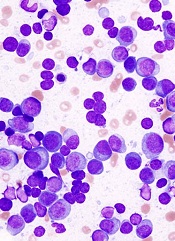
Health Canada has approved ixazomib (Ninlaro) for use in combination with lenalidomide and dexamethasone to treat adults with multiple myeloma (MM) who have received at least 1 prior therapy.
Ixazomib is the first oral proteasome inhibitor approved for this indication.
The approval was primarily based on results from the phase 3 trial TOURMALINE-MM1, which were presented at the 2015 ASH Annual Meeting.
The trial included 722 patients with relapsed or refractory MM. The patients were randomized to receive ixazomib, lenalidomide, and dexamethasone (IRd, n=360) or placebo, lenalidomide, and dexamethasone (Rd, n=362).
Baseline patient characteristics were similar between the treatment arms. Fifty-nine percent of patients in both arms had received 1 prior line of therapy, and 41% in both arms had 2 or 3 prior lines of therapy.
Seventy-eight percent of patients responded to IRd, and 72% responded to Rd (P=0.035). The rates of complete response were 12% and 7%, respectively (P=0.019).
At a median follow-up of about 15 months, the median progression-free survival was 20.6 months in the IRd arm and 14.7 months in the Rd arm. The hazard ratio was 0.742 (P=0.012).
At a median follow-up of about 23 months, the median overall survival had not been reached in either treatment arm.
The incidence of adverse events (AEs) was 98% in the IRd arm and 99% in the Rd arm. The incidence of grade 3 or higher AEs was 74% and 69%, respectively. And the incidence of serious AEs was 47% and 49%, respectively.
Common AEs in the IRd and Rd arms, respectively, were diarrhea (45% vs 39%), constipation (35% vs 26%), nausea (29% vs 22%), vomiting (23% vs 12%), rash (36% vs 23%), back pain (24% vs 17%), upper respiratory tract infection (23% vs 19%), thrombocytopenia (31% vs 16%), peripheral neuropathy (27% vs 22%), peripheral edema (28% vs 20%), thromboembolism (8% vs 11%), and neutropenia (33% vs 31%).
Ixazomib is currently under investigation in 3 other phase 3 trials of MM patients:
- TOURMALINE-MM2, investigating ixazomib vs placebo, both in combination with lenalidomide and dexamethasone in patients with newly diagnosed MM
- TOURMALINE-MM3, investigating ixazomib vs placebo as maintenance therapy in patients with newly diagnosed MM following induction therapy and autologous stem cell transplant
- TOURMALINE-MM4, investigating ixazomib vs placebo as maintenance therapy in patients with newly diagnosed MM who have not undergone autologous stem cell transplant.
Ixazomib is marketed by Takeda Pharmaceutical Company Limited.
Health Canada has approved ixazomib (Ninlaro) for use in combination with lenalidomide and dexamethasone to treat adults with multiple myeloma (MM) who have received at least 1 prior therapy.
Ixazomib is the first oral proteasome inhibitor approved for this indication.
The approval was primarily based on results from the phase 3 trial TOURMALINE-MM1, which were presented at the 2015 ASH Annual Meeting.
The trial included 722 patients with relapsed or refractory MM. The patients were randomized to receive ixazomib, lenalidomide, and dexamethasone (IRd, n=360) or placebo, lenalidomide, and dexamethasone (Rd, n=362).
Baseline patient characteristics were similar between the treatment arms. Fifty-nine percent of patients in both arms had received 1 prior line of therapy, and 41% in both arms had 2 or 3 prior lines of therapy.
Seventy-eight percent of patients responded to IRd, and 72% responded to Rd (P=0.035). The rates of complete response were 12% and 7%, respectively (P=0.019).
At a median follow-up of about 15 months, the median progression-free survival was 20.6 months in the IRd arm and 14.7 months in the Rd arm. The hazard ratio was 0.742 (P=0.012).
At a median follow-up of about 23 months, the median overall survival had not been reached in either treatment arm.
The incidence of adverse events (AEs) was 98% in the IRd arm and 99% in the Rd arm. The incidence of grade 3 or higher AEs was 74% and 69%, respectively. And the incidence of serious AEs was 47% and 49%, respectively.
Common AEs in the IRd and Rd arms, respectively, were diarrhea (45% vs 39%), constipation (35% vs 26%), nausea (29% vs 22%), vomiting (23% vs 12%), rash (36% vs 23%), back pain (24% vs 17%), upper respiratory tract infection (23% vs 19%), thrombocytopenia (31% vs 16%), peripheral neuropathy (27% vs 22%), peripheral edema (28% vs 20%), thromboembolism (8% vs 11%), and neutropenia (33% vs 31%).
Ixazomib is currently under investigation in 3 other phase 3 trials of MM patients:
- TOURMALINE-MM2, investigating ixazomib vs placebo, both in combination with lenalidomide and dexamethasone in patients with newly diagnosed MM
- TOURMALINE-MM3, investigating ixazomib vs placebo as maintenance therapy in patients with newly diagnosed MM following induction therapy and autologous stem cell transplant
- TOURMALINE-MM4, investigating ixazomib vs placebo as maintenance therapy in patients with newly diagnosed MM who have not undergone autologous stem cell transplant.
Ixazomib is marketed by Takeda Pharmaceutical Company Limited.
Health Canada has approved ixazomib (Ninlaro) for use in combination with lenalidomide and dexamethasone to treat adults with multiple myeloma (MM) who have received at least 1 prior therapy.
Ixazomib is the first oral proteasome inhibitor approved for this indication.
The approval was primarily based on results from the phase 3 trial TOURMALINE-MM1, which were presented at the 2015 ASH Annual Meeting.
The trial included 722 patients with relapsed or refractory MM. The patients were randomized to receive ixazomib, lenalidomide, and dexamethasone (IRd, n=360) or placebo, lenalidomide, and dexamethasone (Rd, n=362).
Baseline patient characteristics were similar between the treatment arms. Fifty-nine percent of patients in both arms had received 1 prior line of therapy, and 41% in both arms had 2 or 3 prior lines of therapy.
Seventy-eight percent of patients responded to IRd, and 72% responded to Rd (P=0.035). The rates of complete response were 12% and 7%, respectively (P=0.019).
At a median follow-up of about 15 months, the median progression-free survival was 20.6 months in the IRd arm and 14.7 months in the Rd arm. The hazard ratio was 0.742 (P=0.012).
At a median follow-up of about 23 months, the median overall survival had not been reached in either treatment arm.
The incidence of adverse events (AEs) was 98% in the IRd arm and 99% in the Rd arm. The incidence of grade 3 or higher AEs was 74% and 69%, respectively. And the incidence of serious AEs was 47% and 49%, respectively.
Common AEs in the IRd and Rd arms, respectively, were diarrhea (45% vs 39%), constipation (35% vs 26%), nausea (29% vs 22%), vomiting (23% vs 12%), rash (36% vs 23%), back pain (24% vs 17%), upper respiratory tract infection (23% vs 19%), thrombocytopenia (31% vs 16%), peripheral neuropathy (27% vs 22%), peripheral edema (28% vs 20%), thromboembolism (8% vs 11%), and neutropenia (33% vs 31%).
Ixazomib is currently under investigation in 3 other phase 3 trials of MM patients:
- TOURMALINE-MM2, investigating ixazomib vs placebo, both in combination with lenalidomide and dexamethasone in patients with newly diagnosed MM
- TOURMALINE-MM3, investigating ixazomib vs placebo as maintenance therapy in patients with newly diagnosed MM following induction therapy and autologous stem cell transplant
- TOURMALINE-MM4, investigating ixazomib vs placebo as maintenance therapy in patients with newly diagnosed MM who have not undergone autologous stem cell transplant.
Ixazomib is marketed by Takeda Pharmaceutical Company Limited.
Inhibitors could treat majority of MM patients, team says

David Segal, and Yuan Yao
Photo from the Walter
and Eliza Hall Institute
A new class of inhibitors may be effective in treating a majority of patients with multiple myeloma (MM), according to research published in Blood.
Experiments in multiple MM cell lines suggested the majority of myelomas rely on the protein MCL1 to stay alive.
And targeting MCL1 inhibited disease progression in mouse models of MM.
Therefore, researchers believe drugs designed to inhibit MCL1 may be a promising treatment option for MM.
“Our research shows that switching off MCL1 has the potential to be an effective new treatment approach for the majority of patients with myeloma,” said Jianan Gong, PhD, of The Walter and Eliza Hall Institute of Medical Research in Melbourne, Victoria, Australia.
For this study, Dr Gong and her colleagues investigated the survival proteins that keep MM cells alive.
The team found that a majority of MM cell lines—about 70%—died when MCL1 was switched off. This included well-established, immortalized MM cell lines (17/25) and low-passage MM cell lines (5/7).
“In contrast, only around one quarter [of the cell lines] were susceptible to inhibiting BCL2,” Dr Gong said. “This finding is in keeping with earlier research at the Walter and Eliza Hall Institute that pinpointed MCL1 as the likely protein that keeps myeloma cells alive.”
The researchers also found that targeting MCL1 hindered MM growth in vivo.
The team targeted MCL1 by expressing the MCL1-selective ligand BIM2A in mice inoculated with 1 of 2 MM cell lines—AMO1 and H929. In both models, targeting MCL1 resulted in delayed disease progression and reduced disease burden.
Finally, the researchers identified a subtype of MM that is highly dependent upon BCLXL, so they’ve theorized that targeting both MCL1 and BCLXL could prove useful.
The team concluded that MCL1 is pivotal for maintaining the survival of most myelomas, so targeting the protein should be prioritized once validated inhibitors become available.
“As yet, these inhibitors are still in preclinical development,” said study author Andrew Roberts, MBBS, PhD, of The Walter and Eliza Hall Institute of Medical Research.
“Our results suggest that, once necessary laboratory testing for safety is completed, clinical trials of their effectiveness in treating patients with multiple myeloma that is no longer responding to current therapies would be well justified.”
David Segal, and Yuan Yao
Photo from the Walter
and Eliza Hall Institute
A new class of inhibitors may be effective in treating a majority of patients with multiple myeloma (MM), according to research published in Blood.
Experiments in multiple MM cell lines suggested the majority of myelomas rely on the protein MCL1 to stay alive.
And targeting MCL1 inhibited disease progression in mouse models of MM.
Therefore, researchers believe drugs designed to inhibit MCL1 may be a promising treatment option for MM.
“Our research shows that switching off MCL1 has the potential to be an effective new treatment approach for the majority of patients with myeloma,” said Jianan Gong, PhD, of The Walter and Eliza Hall Institute of Medical Research in Melbourne, Victoria, Australia.
For this study, Dr Gong and her colleagues investigated the survival proteins that keep MM cells alive.
The team found that a majority of MM cell lines—about 70%—died when MCL1 was switched off. This included well-established, immortalized MM cell lines (17/25) and low-passage MM cell lines (5/7).
“In contrast, only around one quarter [of the cell lines] were susceptible to inhibiting BCL2,” Dr Gong said. “This finding is in keeping with earlier research at the Walter and Eliza Hall Institute that pinpointed MCL1 as the likely protein that keeps myeloma cells alive.”
The researchers also found that targeting MCL1 hindered MM growth in vivo.
The team targeted MCL1 by expressing the MCL1-selective ligand BIM2A in mice inoculated with 1 of 2 MM cell lines—AMO1 and H929. In both models, targeting MCL1 resulted in delayed disease progression and reduced disease burden.
Finally, the researchers identified a subtype of MM that is highly dependent upon BCLXL, so they’ve theorized that targeting both MCL1 and BCLXL could prove useful.
The team concluded that MCL1 is pivotal for maintaining the survival of most myelomas, so targeting the protein should be prioritized once validated inhibitors become available.
“As yet, these inhibitors are still in preclinical development,” said study author Andrew Roberts, MBBS, PhD, of The Walter and Eliza Hall Institute of Medical Research.
“Our results suggest that, once necessary laboratory testing for safety is completed, clinical trials of their effectiveness in treating patients with multiple myeloma that is no longer responding to current therapies would be well justified.”
David Segal, and Yuan Yao
Photo from the Walter
and Eliza Hall Institute
A new class of inhibitors may be effective in treating a majority of patients with multiple myeloma (MM), according to research published in Blood.
Experiments in multiple MM cell lines suggested the majority of myelomas rely on the protein MCL1 to stay alive.
And targeting MCL1 inhibited disease progression in mouse models of MM.
Therefore, researchers believe drugs designed to inhibit MCL1 may be a promising treatment option for MM.
“Our research shows that switching off MCL1 has the potential to be an effective new treatment approach for the majority of patients with myeloma,” said Jianan Gong, PhD, of The Walter and Eliza Hall Institute of Medical Research in Melbourne, Victoria, Australia.
For this study, Dr Gong and her colleagues investigated the survival proteins that keep MM cells alive.
The team found that a majority of MM cell lines—about 70%—died when MCL1 was switched off. This included well-established, immortalized MM cell lines (17/25) and low-passage MM cell lines (5/7).
“In contrast, only around one quarter [of the cell lines] were susceptible to inhibiting BCL2,” Dr Gong said. “This finding is in keeping with earlier research at the Walter and Eliza Hall Institute that pinpointed MCL1 as the likely protein that keeps myeloma cells alive.”
The researchers also found that targeting MCL1 hindered MM growth in vivo.
The team targeted MCL1 by expressing the MCL1-selective ligand BIM2A in mice inoculated with 1 of 2 MM cell lines—AMO1 and H929. In both models, targeting MCL1 resulted in delayed disease progression and reduced disease burden.
Finally, the researchers identified a subtype of MM that is highly dependent upon BCLXL, so they’ve theorized that targeting both MCL1 and BCLXL could prove useful.
The team concluded that MCL1 is pivotal for maintaining the survival of most myelomas, so targeting the protein should be prioritized once validated inhibitors become available.
“As yet, these inhibitors are still in preclinical development,” said study author Andrew Roberts, MBBS, PhD, of The Walter and Eliza Hall Institute of Medical Research.
“Our results suggest that, once necessary laboratory testing for safety is completed, clinical trials of their effectiveness in treating patients with multiple myeloma that is no longer responding to current therapies would be well justified.”
FDA approves field trial of GE mosquitoes

Photo courtesy of
Muhammad Mahdi Karim
The US Food and Drug Administration (FDA) is allowing a company to proceed with a field trial of genetically engineered (GE) Aedes aegypti mosquitoes in the Florida Keys.
The FDA said the trial, designed to determine if the GE mosquitoes will suppress the local Aedes aegypti population, will not have a significant impact on the environment.
The FDA’s decision does not mean the GE mosquitoes are approved for commercial use or even that the trial will go ahead.
The company developing the mosquitoes, Oxitec, must ensure that all other local, state, and federal requirements are met before conducting the field trial.
Oxitec and its local partner, the Florida Keys Mosquito Control District, will then determine whether and when to begin the trial in Key Haven, Florida.
The goal of the field trial is to reduce the population of Aedes aegypti mosquitoes in the Florida Keys. These non-native mosquitoes spread the Zika virus, dengue fever, and chikungunya.
If it proceeds, the trial will involve male Aedes aegypti mosquitoes that have been genetically engineered so their offspring die before reaching adulthood.
The GE mosquitoes, which do not bite or spread disease, will be released to mate with wild female Aedes aegypti. The resulting offspring are expected to die before they can begin mating themselves, thereby reducing the overall population.
Efficacy trials in Brazil, Panama, and the Cayman Islands have tested this approach, and, in each of these trials, the population of Aedes aegypti was reduced by more than 90%.
“We’ve been developing this approach for many years, and, from these results, we are convinced that our solution is both highly effective and has sound environmental credentials,” said Oxitec’s Chief Executive Officer Hadyn Parry.
“We’re delighted with the announcement today that the FDA, after their extensive review of our dossier and thousands of public comments for a trial in the Florida Keys, have published their final view that this will not have a significant impact on the environment. We are now looking forward to working with the community in the Florida Keys moving forward.”
The FDA published a final finding of no significant impact (FONSI) and a final environmental assessment (EA) regarding the trial on August 5. Both documents are available on the FDA’s website.
More information on Oxitec’s technology and the trial can be found on the company’s website.
Photo courtesy of
Muhammad Mahdi Karim
The US Food and Drug Administration (FDA) is allowing a company to proceed with a field trial of genetically engineered (GE) Aedes aegypti mosquitoes in the Florida Keys.
The FDA said the trial, designed to determine if the GE mosquitoes will suppress the local Aedes aegypti population, will not have a significant impact on the environment.
The FDA’s decision does not mean the GE mosquitoes are approved for commercial use or even that the trial will go ahead.
The company developing the mosquitoes, Oxitec, must ensure that all other local, state, and federal requirements are met before conducting the field trial.
Oxitec and its local partner, the Florida Keys Mosquito Control District, will then determine whether and when to begin the trial in Key Haven, Florida.
The goal of the field trial is to reduce the population of Aedes aegypti mosquitoes in the Florida Keys. These non-native mosquitoes spread the Zika virus, dengue fever, and chikungunya.
If it proceeds, the trial will involve male Aedes aegypti mosquitoes that have been genetically engineered so their offspring die before reaching adulthood.
The GE mosquitoes, which do not bite or spread disease, will be released to mate with wild female Aedes aegypti. The resulting offspring are expected to die before they can begin mating themselves, thereby reducing the overall population.
Efficacy trials in Brazil, Panama, and the Cayman Islands have tested this approach, and, in each of these trials, the population of Aedes aegypti was reduced by more than 90%.
“We’ve been developing this approach for many years, and, from these results, we are convinced that our solution is both highly effective and has sound environmental credentials,” said Oxitec’s Chief Executive Officer Hadyn Parry.
“We’re delighted with the announcement today that the FDA, after their extensive review of our dossier and thousands of public comments for a trial in the Florida Keys, have published their final view that this will not have a significant impact on the environment. We are now looking forward to working with the community in the Florida Keys moving forward.”
The FDA published a final finding of no significant impact (FONSI) and a final environmental assessment (EA) regarding the trial on August 5. Both documents are available on the FDA’s website.
More information on Oxitec’s technology and the trial can be found on the company’s website.
Photo courtesy of
Muhammad Mahdi Karim
The US Food and Drug Administration (FDA) is allowing a company to proceed with a field trial of genetically engineered (GE) Aedes aegypti mosquitoes in the Florida Keys.
The FDA said the trial, designed to determine if the GE mosquitoes will suppress the local Aedes aegypti population, will not have a significant impact on the environment.
The FDA’s decision does not mean the GE mosquitoes are approved for commercial use or even that the trial will go ahead.
The company developing the mosquitoes, Oxitec, must ensure that all other local, state, and federal requirements are met before conducting the field trial.
Oxitec and its local partner, the Florida Keys Mosquito Control District, will then determine whether and when to begin the trial in Key Haven, Florida.
The goal of the field trial is to reduce the population of Aedes aegypti mosquitoes in the Florida Keys. These non-native mosquitoes spread the Zika virus, dengue fever, and chikungunya.
If it proceeds, the trial will involve male Aedes aegypti mosquitoes that have been genetically engineered so their offspring die before reaching adulthood.
The GE mosquitoes, which do not bite or spread disease, will be released to mate with wild female Aedes aegypti. The resulting offspring are expected to die before they can begin mating themselves, thereby reducing the overall population.
Efficacy trials in Brazil, Panama, and the Cayman Islands have tested this approach, and, in each of these trials, the population of Aedes aegypti was reduced by more than 90%.
“We’ve been developing this approach for many years, and, from these results, we are convinced that our solution is both highly effective and has sound environmental credentials,” said Oxitec’s Chief Executive Officer Hadyn Parry.
“We’re delighted with the announcement today that the FDA, after their extensive review of our dossier and thousands of public comments for a trial in the Florida Keys, have published their final view that this will not have a significant impact on the environment. We are now looking forward to working with the community in the Florida Keys moving forward.”
The FDA published a final finding of no significant impact (FONSI) and a final environmental assessment (EA) regarding the trial on August 5. Both documents are available on the FDA’s website.
More information on Oxitec’s technology and the trial can be found on the company’s website.
Antibody prevents migration of lymphoma cells
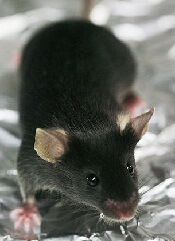
Preclinical research suggests a novel antibody can inhibit the migration of lymphoma cells and stop the cells from proliferating.
“Since they cannot survive in the blood for long, [lymphoma] cells are compelled to find a more accommodating environment—such as the lymphatic system—where they can proliferate,” explained Thomas Matthes, MD, of the University of Geneva in Switzerland.
“We decided to focus on this Achilles’ heel by containing them in the blood so as to prevent any resulting harm.”
Dr Matthes and his colleagues described this approach in the Journal of Leukocyte Biology.
The team noted that the inner wall of blood vessels is formed by a layer of endothelial cells that act as a barrier, which prevents the blood cells from leaving the circulation.
Yet, some lymphoma cells are equipped with a surface marker, the JAM-C protein, that is also present on the surface of endothelial cells. JAM-C’s presence on the surface of lymphoma cells facilitates their migration through the vessel walls between adjacent endothelial cells.
To block the effect of this protein, Dr Matthes and his colleagues developed an antibody targeting JAM-C.
This antibody, H225, was designed to bind solely to JAM-C. In doing so, H225 was able to prevent lymphoma cells from migrating out of the blood vessels.
In fact, H225 decreased the transit of lymphoma cells into the organs of the lymphatic system by over 50%.
“This is not its only effect,” Dr Matthes noted. “H225 also significantly limited cell proliferation, even when tumor cells had already settled in the lymphatic system. In our mice, we observed the nearly complete disappearance of already present tumor cells in the organs.”
Specifically, H225 reduced tumor growth of JAM-C+ mantle cell lymphoma cells in the bone marrow, spleen, liver, and lymph nodes.
The researchers believe this work has laid the foundation for a new therapeutic strategy against lymphoma. The team is now focusing its efforts on the quest for an efficient treatment that could be offered to patients.
Preclinical research suggests a novel antibody can inhibit the migration of lymphoma cells and stop the cells from proliferating.
“Since they cannot survive in the blood for long, [lymphoma] cells are compelled to find a more accommodating environment—such as the lymphatic system—where they can proliferate,” explained Thomas Matthes, MD, of the University of Geneva in Switzerland.
“We decided to focus on this Achilles’ heel by containing them in the blood so as to prevent any resulting harm.”
Dr Matthes and his colleagues described this approach in the Journal of Leukocyte Biology.
The team noted that the inner wall of blood vessels is formed by a layer of endothelial cells that act as a barrier, which prevents the blood cells from leaving the circulation.
Yet, some lymphoma cells are equipped with a surface marker, the JAM-C protein, that is also present on the surface of endothelial cells. JAM-C’s presence on the surface of lymphoma cells facilitates their migration through the vessel walls between adjacent endothelial cells.
To block the effect of this protein, Dr Matthes and his colleagues developed an antibody targeting JAM-C.
This antibody, H225, was designed to bind solely to JAM-C. In doing so, H225 was able to prevent lymphoma cells from migrating out of the blood vessels.
In fact, H225 decreased the transit of lymphoma cells into the organs of the lymphatic system by over 50%.
“This is not its only effect,” Dr Matthes noted. “H225 also significantly limited cell proliferation, even when tumor cells had already settled in the lymphatic system. In our mice, we observed the nearly complete disappearance of already present tumor cells in the organs.”
Specifically, H225 reduced tumor growth of JAM-C+ mantle cell lymphoma cells in the bone marrow, spleen, liver, and lymph nodes.
The researchers believe this work has laid the foundation for a new therapeutic strategy against lymphoma. The team is now focusing its efforts on the quest for an efficient treatment that could be offered to patients.
Preclinical research suggests a novel antibody can inhibit the migration of lymphoma cells and stop the cells from proliferating.
“Since they cannot survive in the blood for long, [lymphoma] cells are compelled to find a more accommodating environment—such as the lymphatic system—where they can proliferate,” explained Thomas Matthes, MD, of the University of Geneva in Switzerland.
“We decided to focus on this Achilles’ heel by containing them in the blood so as to prevent any resulting harm.”
Dr Matthes and his colleagues described this approach in the Journal of Leukocyte Biology.
The team noted that the inner wall of blood vessels is formed by a layer of endothelial cells that act as a barrier, which prevents the blood cells from leaving the circulation.
Yet, some lymphoma cells are equipped with a surface marker, the JAM-C protein, that is also present on the surface of endothelial cells. JAM-C’s presence on the surface of lymphoma cells facilitates their migration through the vessel walls between adjacent endothelial cells.
To block the effect of this protein, Dr Matthes and his colleagues developed an antibody targeting JAM-C.
This antibody, H225, was designed to bind solely to JAM-C. In doing so, H225 was able to prevent lymphoma cells from migrating out of the blood vessels.
In fact, H225 decreased the transit of lymphoma cells into the organs of the lymphatic system by over 50%.
“This is not its only effect,” Dr Matthes noted. “H225 also significantly limited cell proliferation, even when tumor cells had already settled in the lymphatic system. In our mice, we observed the nearly complete disappearance of already present tumor cells in the organs.”
Specifically, H225 reduced tumor growth of JAM-C+ mantle cell lymphoma cells in the bone marrow, spleen, liver, and lymph nodes.
The researchers believe this work has laid the foundation for a new therapeutic strategy against lymphoma. The team is now focusing its efforts on the quest for an efficient treatment that could be offered to patients.
Teva launches generic imatinib tablets in US

Photo by Steven Harbour
Teva Pharmaceutical Industries Ltd. has announced the US launch of imatinib mesylate, the generic equivalent of Novartis’s Gleevec®, in 100 mg and 400 mg tablets.
In the US, imatinib is approved to treat newly diagnosed Philadelphia-chromosome-positive (Ph+) chronic myeloid leukemia in chronic phase, blast crisis, and accelerated phase, as well as Ph+
chronic myeloid leukemia in chronic phase after failure of interferon-alpha therapy.
Imatinib is also approved to treat adults with relapsed or refractory Ph+ acute lymphoblastic leukemia, adults with myelodysplastic syndromes or myeloproliferative neoplasms associated with platelet-derived growth factor receptor gene re-arrangements, and adults with aggressive systemic mastocytosis without the D816V c-Kit mutation or with unknown c-Kit mutational status.
In addition, imatinib is approved to treat adults with hypereosinophilic syndrome and/or chronic eosinophilic leukemia (regardless of whether they have the FIP1L1-PDGFRα fusion kinase) and adults with unresectable, recurrent, and/or metastatic dermatofibrosarcoma protuberans.
Finally, the drug is approved as an adjuvant treatment following complete gross resection of Kit (CD117)-positive gastrointestinal stromal tumors in adults.
For more details on imatinib, see the full prescribing information.
Photo by Steven Harbour
Teva Pharmaceutical Industries Ltd. has announced the US launch of imatinib mesylate, the generic equivalent of Novartis’s Gleevec®, in 100 mg and 400 mg tablets.
In the US, imatinib is approved to treat newly diagnosed Philadelphia-chromosome-positive (Ph+) chronic myeloid leukemia in chronic phase, blast crisis, and accelerated phase, as well as Ph+
chronic myeloid leukemia in chronic phase after failure of interferon-alpha therapy.
Imatinib is also approved to treat adults with relapsed or refractory Ph+ acute lymphoblastic leukemia, adults with myelodysplastic syndromes or myeloproliferative neoplasms associated with platelet-derived growth factor receptor gene re-arrangements, and adults with aggressive systemic mastocytosis without the D816V c-Kit mutation or with unknown c-Kit mutational status.
In addition, imatinib is approved to treat adults with hypereosinophilic syndrome and/or chronic eosinophilic leukemia (regardless of whether they have the FIP1L1-PDGFRα fusion kinase) and adults with unresectable, recurrent, and/or metastatic dermatofibrosarcoma protuberans.
Finally, the drug is approved as an adjuvant treatment following complete gross resection of Kit (CD117)-positive gastrointestinal stromal tumors in adults.
For more details on imatinib, see the full prescribing information.
Photo by Steven Harbour
Teva Pharmaceutical Industries Ltd. has announced the US launch of imatinib mesylate, the generic equivalent of Novartis’s Gleevec®, in 100 mg and 400 mg tablets.
In the US, imatinib is approved to treat newly diagnosed Philadelphia-chromosome-positive (Ph+) chronic myeloid leukemia in chronic phase, blast crisis, and accelerated phase, as well as Ph+
chronic myeloid leukemia in chronic phase after failure of interferon-alpha therapy.
Imatinib is also approved to treat adults with relapsed or refractory Ph+ acute lymphoblastic leukemia, adults with myelodysplastic syndromes or myeloproliferative neoplasms associated with platelet-derived growth factor receptor gene re-arrangements, and adults with aggressive systemic mastocytosis without the D816V c-Kit mutation or with unknown c-Kit mutational status.
In addition, imatinib is approved to treat adults with hypereosinophilic syndrome and/or chronic eosinophilic leukemia (regardless of whether they have the FIP1L1-PDGFRα fusion kinase) and adults with unresectable, recurrent, and/or metastatic dermatofibrosarcoma protuberans.
Finally, the drug is approved as an adjuvant treatment following complete gross resection of Kit (CD117)-positive gastrointestinal stromal tumors in adults.
For more details on imatinib, see the full prescribing information.
Products granted orphan designation for use in HSCT
The European Commission has granted orphan drug designation for the T-cell therapy product candidate BPX-501 and the small molecule rimiducid.
BPX-501 consists of genetically modified donor T cells incorporating the CaspaCIDe safety switch, which is designed to eliminate the T cells in the event of toxicity.
Rimiducid is used to activate the CaspaCIDe safety switch, which consists of the CID-binding domain coupled to the signaling domain of caspase-9, an enzyme that is part of the apoptotic pathway.
The goal of this therapy is to allow physicians to more safely perform haploidentical hematopoietic stem cell transplant (haplo-HSCT).
Haplo-HSCT recipients receive BPX-501 to speed immune reconstitution and provide control over viral infections. And rimiducid is used to eliminate BPX-501 alloreactive T cells if severe graft-vs-host disease (GVHD) occurs.
If a patient develops severe GVHD, rimiducid is used to trigger activation of the domain of caspase-9, which leads to selective apoptosis of the CaspaCIDe-containing cells.
About orphan designation
Orphan drug designation from the European Commission provides regulatory and financial incentives for companies to develop and market therapies that treat serious or life-threatening conditions that affect no more than 5 in 10,000 people in the European Union (EU), and where no treatment is currently approved.
In addition to a 10-year period of marketing exclusivity in the EU upon product approval, orphan drug designation provides fee waivers, protocol assistance, and marketing authorization under the centralized procedure granting approval in all EU countries.
BPX-501/rimiducid development
BPX-501 and rimiducid are being developed by Bellicum Pharmaceuticals.
The company has met with regulatory authorities in Europe to discuss the potential approval pathway for BPX-501 and rimiducid for the treatment of immunodeficiency and GVHD following haplo-HSCT in pediatric patients with leukemias, lymphomas, and rare inherited blood diseases who do not have a matched donor.
These discussions have resulted in an initial agreement regarding the company’s development plans, subject to further refinement in a formal protocol assistance process that is available for orphan drug products.
Based on regulatory discussions, Bellicum believes that data from the European arm of its BP-004 trial, with a 6-month follow-up time and expanded to enroll additional patients, could form the basis of marketing authorization applications for BPX-501 and rimiducid.
The European Medicines Agency’s Committee for Medicinal Products for Human Use has agreed that review and approval under “exceptional circumstances” may be suitable, recognizing that a randomized trial may not be feasible in the pediatric setting. In place of a randomized trial, Bellicum intends to collect data from a concurrent observational study of allogeneic HSCT outcomes in the pediatric setting.
The European Medicines Agency can grant early market authorization to orphan drug products under exceptional circumstances. Exceptional circumstances can be granted for medicines that treat very rare diseases or where controlled studies are impractical or not consistent with accepted principles of medical ethics.
BP-004 trial
BP-004 is a phase 1/2 dose-escalation trial of BPX-501 and rimiducid in pediatric patients with malignant and nonmalignant diseases. Interim results from this trial were reported in 2 presentations at the 42nd Annual Meeting of the European Society for Blood and Marrow Transplantation in April 2016.
One presentation involved patients with acute leukemia who received BPX-501 after haplo-HSCT. At a median follow-up of 7 months, 16 of the 17 patients were alive and disease-free. There were several cases of GVHD, but nearly all were resolved.
The other presentation covered patients with nonmalignant disorders who received BPX-501 after haplo-HSCT. At a median follow-up of 7 months, all 24 patients studied were still alive and disease-free. The incidence of GVHD was considered “very low.”
The European Commission has granted orphan drug designation for the T-cell therapy product candidate BPX-501 and the small molecule rimiducid.
BPX-501 consists of genetically modified donor T cells incorporating the CaspaCIDe safety switch, which is designed to eliminate the T cells in the event of toxicity.
Rimiducid is used to activate the CaspaCIDe safety switch, which consists of the CID-binding domain coupled to the signaling domain of caspase-9, an enzyme that is part of the apoptotic pathway.
The goal of this therapy is to allow physicians to more safely perform haploidentical hematopoietic stem cell transplant (haplo-HSCT).
Haplo-HSCT recipients receive BPX-501 to speed immune reconstitution and provide control over viral infections. And rimiducid is used to eliminate BPX-501 alloreactive T cells if severe graft-vs-host disease (GVHD) occurs.
If a patient develops severe GVHD, rimiducid is used to trigger activation of the domain of caspase-9, which leads to selective apoptosis of the CaspaCIDe-containing cells.
About orphan designation
Orphan drug designation from the European Commission provides regulatory and financial incentives for companies to develop and market therapies that treat serious or life-threatening conditions that affect no more than 5 in 10,000 people in the European Union (EU), and where no treatment is currently approved.
In addition to a 10-year period of marketing exclusivity in the EU upon product approval, orphan drug designation provides fee waivers, protocol assistance, and marketing authorization under the centralized procedure granting approval in all EU countries.
BPX-501/rimiducid development
BPX-501 and rimiducid are being developed by Bellicum Pharmaceuticals.
The company has met with regulatory authorities in Europe to discuss the potential approval pathway for BPX-501 and rimiducid for the treatment of immunodeficiency and GVHD following haplo-HSCT in pediatric patients with leukemias, lymphomas, and rare inherited blood diseases who do not have a matched donor.
These discussions have resulted in an initial agreement regarding the company’s development plans, subject to further refinement in a formal protocol assistance process that is available for orphan drug products.
Based on regulatory discussions, Bellicum believes that data from the European arm of its BP-004 trial, with a 6-month follow-up time and expanded to enroll additional patients, could form the basis of marketing authorization applications for BPX-501 and rimiducid.
The European Medicines Agency’s Committee for Medicinal Products for Human Use has agreed that review and approval under “exceptional circumstances” may be suitable, recognizing that a randomized trial may not be feasible in the pediatric setting. In place of a randomized trial, Bellicum intends to collect data from a concurrent observational study of allogeneic HSCT outcomes in the pediatric setting.
The European Medicines Agency can grant early market authorization to orphan drug products under exceptional circumstances. Exceptional circumstances can be granted for medicines that treat very rare diseases or where controlled studies are impractical or not consistent with accepted principles of medical ethics.
BP-004 trial
BP-004 is a phase 1/2 dose-escalation trial of BPX-501 and rimiducid in pediatric patients with malignant and nonmalignant diseases. Interim results from this trial were reported in 2 presentations at the 42nd Annual Meeting of the European Society for Blood and Marrow Transplantation in April 2016.
One presentation involved patients with acute leukemia who received BPX-501 after haplo-HSCT. At a median follow-up of 7 months, 16 of the 17 patients were alive and disease-free. There were several cases of GVHD, but nearly all were resolved.
The other presentation covered patients with nonmalignant disorders who received BPX-501 after haplo-HSCT. At a median follow-up of 7 months, all 24 patients studied were still alive and disease-free. The incidence of GVHD was considered “very low.”
The European Commission has granted orphan drug designation for the T-cell therapy product candidate BPX-501 and the small molecule rimiducid.
BPX-501 consists of genetically modified donor T cells incorporating the CaspaCIDe safety switch, which is designed to eliminate the T cells in the event of toxicity.
Rimiducid is used to activate the CaspaCIDe safety switch, which consists of the CID-binding domain coupled to the signaling domain of caspase-9, an enzyme that is part of the apoptotic pathway.
The goal of this therapy is to allow physicians to more safely perform haploidentical hematopoietic stem cell transplant (haplo-HSCT).
Haplo-HSCT recipients receive BPX-501 to speed immune reconstitution and provide control over viral infections. And rimiducid is used to eliminate BPX-501 alloreactive T cells if severe graft-vs-host disease (GVHD) occurs.
If a patient develops severe GVHD, rimiducid is used to trigger activation of the domain of caspase-9, which leads to selective apoptosis of the CaspaCIDe-containing cells.
About orphan designation
Orphan drug designation from the European Commission provides regulatory and financial incentives for companies to develop and market therapies that treat serious or life-threatening conditions that affect no more than 5 in 10,000 people in the European Union (EU), and where no treatment is currently approved.
In addition to a 10-year period of marketing exclusivity in the EU upon product approval, orphan drug designation provides fee waivers, protocol assistance, and marketing authorization under the centralized procedure granting approval in all EU countries.
BPX-501/rimiducid development
BPX-501 and rimiducid are being developed by Bellicum Pharmaceuticals.
The company has met with regulatory authorities in Europe to discuss the potential approval pathway for BPX-501 and rimiducid for the treatment of immunodeficiency and GVHD following haplo-HSCT in pediatric patients with leukemias, lymphomas, and rare inherited blood diseases who do not have a matched donor.
These discussions have resulted in an initial agreement regarding the company’s development plans, subject to further refinement in a formal protocol assistance process that is available for orphan drug products.
Based on regulatory discussions, Bellicum believes that data from the European arm of its BP-004 trial, with a 6-month follow-up time and expanded to enroll additional patients, could form the basis of marketing authorization applications for BPX-501 and rimiducid.
The European Medicines Agency’s Committee for Medicinal Products for Human Use has agreed that review and approval under “exceptional circumstances” may be suitable, recognizing that a randomized trial may not be feasible in the pediatric setting. In place of a randomized trial, Bellicum intends to collect data from a concurrent observational study of allogeneic HSCT outcomes in the pediatric setting.
The European Medicines Agency can grant early market authorization to orphan drug products under exceptional circumstances. Exceptional circumstances can be granted for medicines that treat very rare diseases or where controlled studies are impractical or not consistent with accepted principles of medical ethics.
BP-004 trial
BP-004 is a phase 1/2 dose-escalation trial of BPX-501 and rimiducid in pediatric patients with malignant and nonmalignant diseases. Interim results from this trial were reported in 2 presentations at the 42nd Annual Meeting of the European Society for Blood and Marrow Transplantation in April 2016.
One presentation involved patients with acute leukemia who received BPX-501 after haplo-HSCT. At a median follow-up of 7 months, 16 of the 17 patients were alive and disease-free. There were several cases of GVHD, but nearly all were resolved.
The other presentation covered patients with nonmalignant disorders who received BPX-501 after haplo-HSCT. At a median follow-up of 7 months, all 24 patients studied were still alive and disease-free. The incidence of GVHD was considered “very low.”
Vaccines protect monkeys from Zika infection

Photo by Einar Fredriksen
Three types of investigational vaccines can protect monkeys from Zika virus infection, according to research published in Science.
Investigators found that an inactivated virus vaccine, a DNA-based vaccine, and an adenovirus vector-based vaccine induced immune responses and protected against infection in rhesus macaques challenged with the Zika virus.
In addition, there were no adverse events observed with any of the vaccines.
The investigators first tested the inactivated Zika virus vaccine in 16 rhesus macaques. Eight animals received the experimental vaccine, and 8 received a placebo injection.
Within 2 weeks of the initial injection, all vaccinated animals developed neutralizing antibodies as well as antibodies specific to the viral envelope protein, a key vaccine target on the Zika virus. A second dose was given 4 weeks later, which substantially boosted antibody levels.
The monkeys were then challenged with Zika virus. Following exposure, the vaccinated animals had no detectable virus and showed no other evidence of infection, while the group that received the placebo injection developed high levels of virus replication in the blood and other tissues for 6 to 7 days.
In another experiment, the investigators administered 2 doses of a DNA vaccine, 1 dose of an adenovirus vector vaccine, or a placebo injection to 3 groups of 4 monkeys each. The group that received the DNA vaccine received a booster shot 4 weeks after the initial vaccination.
Minimal levels of antibodies were detected after the first injection of the DNA vaccine. However, after the second injection, investigators detected Zika-specific neutralizing antibodies in the animals.
The adenovirus vector-based vaccine induced Zika-specific neutralizing antibodies 2 weeks after the single injection.
The animals were exposed to Zika virus 4 weeks after the final vaccination. Both the DNA vaccine and the adenovirus vector vaccine provided complete protection against infection.
The investigators said these encouraging findings suggest a path forward for clinical development of Zika vaccines in humans.
Photo by Einar Fredriksen
Three types of investigational vaccines can protect monkeys from Zika virus infection, according to research published in Science.
Investigators found that an inactivated virus vaccine, a DNA-based vaccine, and an adenovirus vector-based vaccine induced immune responses and protected against infection in rhesus macaques challenged with the Zika virus.
In addition, there were no adverse events observed with any of the vaccines.
The investigators first tested the inactivated Zika virus vaccine in 16 rhesus macaques. Eight animals received the experimental vaccine, and 8 received a placebo injection.
Within 2 weeks of the initial injection, all vaccinated animals developed neutralizing antibodies as well as antibodies specific to the viral envelope protein, a key vaccine target on the Zika virus. A second dose was given 4 weeks later, which substantially boosted antibody levels.
The monkeys were then challenged with Zika virus. Following exposure, the vaccinated animals had no detectable virus and showed no other evidence of infection, while the group that received the placebo injection developed high levels of virus replication in the blood and other tissues for 6 to 7 days.
In another experiment, the investigators administered 2 doses of a DNA vaccine, 1 dose of an adenovirus vector vaccine, or a placebo injection to 3 groups of 4 monkeys each. The group that received the DNA vaccine received a booster shot 4 weeks after the initial vaccination.
Minimal levels of antibodies were detected after the first injection of the DNA vaccine. However, after the second injection, investigators detected Zika-specific neutralizing antibodies in the animals.
The adenovirus vector-based vaccine induced Zika-specific neutralizing antibodies 2 weeks after the single injection.
The animals were exposed to Zika virus 4 weeks after the final vaccination. Both the DNA vaccine and the adenovirus vector vaccine provided complete protection against infection.
The investigators said these encouraging findings suggest a path forward for clinical development of Zika vaccines in humans.
Photo by Einar Fredriksen
Three types of investigational vaccines can protect monkeys from Zika virus infection, according to research published in Science.
Investigators found that an inactivated virus vaccine, a DNA-based vaccine, and an adenovirus vector-based vaccine induced immune responses and protected against infection in rhesus macaques challenged with the Zika virus.
In addition, there were no adverse events observed with any of the vaccines.
The investigators first tested the inactivated Zika virus vaccine in 16 rhesus macaques. Eight animals received the experimental vaccine, and 8 received a placebo injection.
Within 2 weeks of the initial injection, all vaccinated animals developed neutralizing antibodies as well as antibodies specific to the viral envelope protein, a key vaccine target on the Zika virus. A second dose was given 4 weeks later, which substantially boosted antibody levels.
The monkeys were then challenged with Zika virus. Following exposure, the vaccinated animals had no detectable virus and showed no other evidence of infection, while the group that received the placebo injection developed high levels of virus replication in the blood and other tissues for 6 to 7 days.
In another experiment, the investigators administered 2 doses of a DNA vaccine, 1 dose of an adenovirus vector vaccine, or a placebo injection to 3 groups of 4 monkeys each. The group that received the DNA vaccine received a booster shot 4 weeks after the initial vaccination.
Minimal levels of antibodies were detected after the first injection of the DNA vaccine. However, after the second injection, investigators detected Zika-specific neutralizing antibodies in the animals.
The adenovirus vector-based vaccine induced Zika-specific neutralizing antibodies 2 weeks after the single injection.
The animals were exposed to Zika virus 4 weeks after the final vaccination. Both the DNA vaccine and the adenovirus vector vaccine provided complete protection against infection.
The investigators said these encouraging findings suggest a path forward for clinical development of Zika vaccines in humans.