User login
Obinutuzumab approved to treat FL
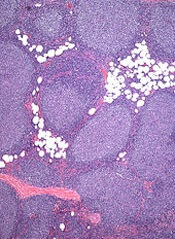
The European Commission (EC) has approved the use of obinutuzumab (Gazyvaro), an anti-CD20 monoclonal antibody, in patients with follicular lymphoma (FL).
The approval means obinutuzumab can be given, first in combination with bendamustine and then alone as maintenance therapy, to FL patients who did not respond to, progressed during, or progressed up to 6 months after treatment with rituximab or a rituximab-containing regimen.
Obinutuzumab was previously granted approval by the EC for use in combination with chlorambucil to treat patients with previously untreated chronic lymphocytic leukemia and comorbidities that make them unsuitable for full-dose fludarabine-based therapy.
Obinutuzumab is being developed by Roche. The drug is marketed as Gazyvaro in the European Union and Switzerland but as Gazyva in the rest of the world.
GADOLIN trial
The EC’s approval of obinutuzumab in FL is based on results from the phase 3 GADOLIN trial. The study included 413 patients with rituximab-refractory non-Hodgkin lymphoma, including 321 patients with FL, 46 with marginal zone lymphoma, and 28 with small lymphocytic lymphoma.
The patients were randomized to receive bendamustine alone (control arm) or a combination of bendamustine and obinutuzumab followed by obinutuzumab maintenance (every 2 months for 2 years or until progression).
The primary endpoint of the study was progression-free survival (PFS), as assessed by an independent review committee (IRC). The secondary endpoints were PFS assessed by investigator review, best overall response, complete response (CR), partial response (PR), duration of response, overall survival, and safety profile.
Among patients with FL, the obinutuzumab regimen improved PFS compared to bendamustine alone, as assessed by the IRC (hazard ratio [HR]=0.48, P<0.0001). The median PFS was not reached in patients receiving the obinutuzumab regimen but was 13.8 months in those receiving bendamustine alone.
Investigator-assessed PFS was consistent with IRC-assessed PFS. Investigators said the median PFS with the obinutuzumab regimen was more than double that with bendamustine alone—29.2 months vs 13.7 months (HR=0.48, P<0.0001).
The best overall response for patients receiving the obinutuzumab regimen was 78.7% (15.5% CR, 63.2% PR), compared to 74.7% (18.7% CR, 56% PR) for those receiving bendamustine alone, as assessed by the IRC.
The median duration of response was not reached for patients receiving the obinutuzumab regimen and was 11.6 months for those receiving bendamustine alone.
The median overall survival has not yet been reached in either study arm.
The most common grade 3/4 adverse events observed in patients receiving the obinutuzumab regimen were neutropenia (33%), infusion reactions (11%), and thrombocytopenia (10%).
The most common adverse events of any grade were infusion reactions (69%), neutropenia (35%), nausea (54%), fatigue (39%), cough (26%), diarrhea (27%), constipation (19%), fever (18%), thrombocytopenia (15%), vomiting (22%), upper respiratory tract infection (13%), decreased appetite (18%), joint or muscle pain (12%), sinusitis (12%), anemia (12%), general weakness (11%), and urinary tract infection (10%). 
The European Commission (EC) has approved the use of obinutuzumab (Gazyvaro), an anti-CD20 monoclonal antibody, in patients with follicular lymphoma (FL).
The approval means obinutuzumab can be given, first in combination with bendamustine and then alone as maintenance therapy, to FL patients who did not respond to, progressed during, or progressed up to 6 months after treatment with rituximab or a rituximab-containing regimen.
Obinutuzumab was previously granted approval by the EC for use in combination with chlorambucil to treat patients with previously untreated chronic lymphocytic leukemia and comorbidities that make them unsuitable for full-dose fludarabine-based therapy.
Obinutuzumab is being developed by Roche. The drug is marketed as Gazyvaro in the European Union and Switzerland but as Gazyva in the rest of the world.
GADOLIN trial
The EC’s approval of obinutuzumab in FL is based on results from the phase 3 GADOLIN trial. The study included 413 patients with rituximab-refractory non-Hodgkin lymphoma, including 321 patients with FL, 46 with marginal zone lymphoma, and 28 with small lymphocytic lymphoma.
The patients were randomized to receive bendamustine alone (control arm) or a combination of bendamustine and obinutuzumab followed by obinutuzumab maintenance (every 2 months for 2 years or until progression).
The primary endpoint of the study was progression-free survival (PFS), as assessed by an independent review committee (IRC). The secondary endpoints were PFS assessed by investigator review, best overall response, complete response (CR), partial response (PR), duration of response, overall survival, and safety profile.
Among patients with FL, the obinutuzumab regimen improved PFS compared to bendamustine alone, as assessed by the IRC (hazard ratio [HR]=0.48, P<0.0001). The median PFS was not reached in patients receiving the obinutuzumab regimen but was 13.8 months in those receiving bendamustine alone.
Investigator-assessed PFS was consistent with IRC-assessed PFS. Investigators said the median PFS with the obinutuzumab regimen was more than double that with bendamustine alone—29.2 months vs 13.7 months (HR=0.48, P<0.0001).
The best overall response for patients receiving the obinutuzumab regimen was 78.7% (15.5% CR, 63.2% PR), compared to 74.7% (18.7% CR, 56% PR) for those receiving bendamustine alone, as assessed by the IRC.
The median duration of response was not reached for patients receiving the obinutuzumab regimen and was 11.6 months for those receiving bendamustine alone.
The median overall survival has not yet been reached in either study arm.
The most common grade 3/4 adverse events observed in patients receiving the obinutuzumab regimen were neutropenia (33%), infusion reactions (11%), and thrombocytopenia (10%).
The most common adverse events of any grade were infusion reactions (69%), neutropenia (35%), nausea (54%), fatigue (39%), cough (26%), diarrhea (27%), constipation (19%), fever (18%), thrombocytopenia (15%), vomiting (22%), upper respiratory tract infection (13%), decreased appetite (18%), joint or muscle pain (12%), sinusitis (12%), anemia (12%), general weakness (11%), and urinary tract infection (10%).
The European Commission (EC) has approved the use of obinutuzumab (Gazyvaro), an anti-CD20 monoclonal antibody, in patients with follicular lymphoma (FL).
The approval means obinutuzumab can be given, first in combination with bendamustine and then alone as maintenance therapy, to FL patients who did not respond to, progressed during, or progressed up to 6 months after treatment with rituximab or a rituximab-containing regimen.
Obinutuzumab was previously granted approval by the EC for use in combination with chlorambucil to treat patients with previously untreated chronic lymphocytic leukemia and comorbidities that make them unsuitable for full-dose fludarabine-based therapy.
Obinutuzumab is being developed by Roche. The drug is marketed as Gazyvaro in the European Union and Switzerland but as Gazyva in the rest of the world.
GADOLIN trial
The EC’s approval of obinutuzumab in FL is based on results from the phase 3 GADOLIN trial. The study included 413 patients with rituximab-refractory non-Hodgkin lymphoma, including 321 patients with FL, 46 with marginal zone lymphoma, and 28 with small lymphocytic lymphoma.
The patients were randomized to receive bendamustine alone (control arm) or a combination of bendamustine and obinutuzumab followed by obinutuzumab maintenance (every 2 months for 2 years or until progression).
The primary endpoint of the study was progression-free survival (PFS), as assessed by an independent review committee (IRC). The secondary endpoints were PFS assessed by investigator review, best overall response, complete response (CR), partial response (PR), duration of response, overall survival, and safety profile.
Among patients with FL, the obinutuzumab regimen improved PFS compared to bendamustine alone, as assessed by the IRC (hazard ratio [HR]=0.48, P<0.0001). The median PFS was not reached in patients receiving the obinutuzumab regimen but was 13.8 months in those receiving bendamustine alone.
Investigator-assessed PFS was consistent with IRC-assessed PFS. Investigators said the median PFS with the obinutuzumab regimen was more than double that with bendamustine alone—29.2 months vs 13.7 months (HR=0.48, P<0.0001).
The best overall response for patients receiving the obinutuzumab regimen was 78.7% (15.5% CR, 63.2% PR), compared to 74.7% (18.7% CR, 56% PR) for those receiving bendamustine alone, as assessed by the IRC.
The median duration of response was not reached for patients receiving the obinutuzumab regimen and was 11.6 months for those receiving bendamustine alone.
The median overall survival has not yet been reached in either study arm.
The most common grade 3/4 adverse events observed in patients receiving the obinutuzumab regimen were neutropenia (33%), infusion reactions (11%), and thrombocytopenia (10%).
The most common adverse events of any grade were infusion reactions (69%), neutropenia (35%), nausea (54%), fatigue (39%), cough (26%), diarrhea (27%), constipation (19%), fever (18%), thrombocytopenia (15%), vomiting (22%), upper respiratory tract infection (13%), decreased appetite (18%), joint or muscle pain (12%), sinusitis (12%), anemia (12%), general weakness (11%), and urinary tract infection (10%).
HIV not a contraindication for transplant in lymphoma

cultured lymphocyte
Image courtesy of CDC
With the advent of effective anti-retroviral therapy, patients with HIV-related lymphoma receive standard therapeutic regimens and achieve outcomes comparable to those of non-HIV-infected individuals.
Based on results of a multicenter phase 2 study, this now extends to treatment with autologous stem cell transplant (ASCT).
Researchers found that outcomes were not significantly different between HIV-infected patients who received ASCT and matched controls.
“These findings are remarkably important for a group of patients who, up until now, have been inconsistently treated,” said lead study author Joseph C. Alvarnas, MD, of City of Hope National Medical Center in Duarte, California.
“Based on our data, autologous stem cell transplant should be considered the standard of care for patients with HIV-related lymphomas for the same indications and under the same circumstances that we would use it in patients without HIV infection.”
To arrive at this recommendation, investigators enrolled 43 HIV-infected patients with relapsed or persistent non-Hodgkin lymphoma (NHL) or classical Hodgkin lymphoma (HL) onto the Blood and Marrow Transplant Clinical Trials Network (BMT CTN) 0803/AIDS Malignancy Consortium (AMC) 071 study.
They reported their findings in Blood.
Eligibility
Patients had to be 15 years or older, have documented evidence of HIV infection, and have a Karnofsky performance status of greater than 70%.
They had to have persistent or recurrent diffuse large B-cell lymphoma, immunoblastic lymphoma, plasmablastic lymphoma, Burkitt lymphoma, Burkitt-like NHL, or classic HL.
Patients could have had no more than 3 prior treatment regimens or 2 or fewer salvage regimens.
They had to have adequate organ function, fewer than 10% blasts in their marrow, no prior autologous or allogeneic transplant, and adequate hematopoietic progenitor cell mobilization of more than 1.5 x 10⁶ CD34+ cells/kg to be eligible.
Transplant regimen
Patients received the BEAM (carmustine, etoposide, cytarabine, and melphalan) transplant regimen on day 0. They did not receive antiretroviral therapy from the time of the start of BEAM until 7 days after completion of the preparative regimen.
Efavirenz was held for 2 weeks prior to BEAM initiation, and an alternative agent was substituted during this time period. Zidovudine was prohibited following transplant because of its myelosuppressive effects.
Patients received growth factor, transfusion, and antimicrobial supportive care according to institutional standards of the transplant center.
Patient characteristics
Of the original 43 patients enrolled, 3 patients experienced disease progression prior to the conditioning regimen and did not undergo transplant. Therefore, investigators did not include them in the study analysis.
Forty patients received ASCT at 16 different transplant centers. They were a median age of 46.9 (range, 22.5–62.2), and 35 were male.
All patients received peripheral blood stem cell grafts at a median dose of 3.9 x 10⁶ CD34+ cells/kg (range, 1.6–11.0). And all patients were able to mobilize hematopoietic progenitor cells in a median of 2 apheresis collections (range, 1–5).
Most patients (n=32; 80%) had a pre-transplant HIV viral load that was undetectable. The median viral load for those 8 patients with detectable disease was 80 copies/mL (range, 50–17,455).
Patients had a median pre-transplant CD4+ T-cell count of 249.0 CD4+/μL (range, 39–797).
Investigators followed the patients for a median of 24.8 months (range, 2.8–27.2).
Response
Seven patients died during the follow-up period, 5 within 1 year of transplant. Four of the deaths within 1 year of transplant were due to relapse or disease progression.
One-year transplant-related mortality (TRM) was 5.2%.
The 1-year overall survival (OS) probability was 87.3%, and, at 2 years, it was 82%. The 2-year progression-free survival (PFS) was 79.8%, and the cumulative incidence of relapse/progression at 2 years was 12.5%.
The probabilities for OS and PFS at 2 years were comparable for both NHL and HL patients.
The median time to post-transplant neutrophil recovery was 11 days, and 97.5% of patients recovered their neutrophil counts by day 28.
The median time to platelet recovery was 18 days, and 92.5% of patients recovered their platelet counts by day 100.
At 100 days post-transplant, 28.9% of the evaluable patients (11/38) had recovered hematologic function. And at 1 year, 74.2% (23/31) had recovered hematologic function.
Adverse events
A little more than half (55%) the patients had at least 1 infectious event within a year of transplant, including 11 who had a severe infection.
Of the 57 infections that occurred post-transplant, 25 were due to bacteria, 22 to viruses, 6 to fungal organisms, 2 to protozoa, and 2 to other organisms. No patient developed Pneumocystis jiroveci pneumonia after transplant.
Nine patients experienced a total of 13 grade 3–5 adverse events. This included infection/sepsis (5 events), venous thromboembolism (2 events), and 1 event each for esophageal candidiasis, enteritis, hyperglycemia, hypernatremia, acute appendicitis, and acute coronary syndrome.
Sixteen patients had to be re-admitted to the hospital after the transplant, for a total of 34 readmissions. Infection (18) and fever (6) were the most common reasons for readmission.
Data comparison
The investigators compared the OS and PFS results to a control group identified through the Center for International Bone Marrow Transplant Research (CIBMTR).
One hundred fifty-one controls matched for age, performance status, primary disease, and disease status at transplant were identified for the 40 HIV-lymphoma cases.
The 1-year OS for the control group was 87.7%, and the 2-year PFS was 69.5%. This compared with the 87.3% and 79.8% for OS and PFS, respectively, for the HIV-lymphoma patients.
These results, the investigators wrote, were not significantly different from outcomes of CIBMTR controls, with a hazard ratio for overall mortality in the HIV-lymphoma patients of 0.67 (95% CI: 0.30–1.50, P=0.33) compared to controls.
And the hazard ratio for treatment failure in the HIV-lymphoma patients was 0.52 (95% CI: 0.2927–1.03, P=0.06) compared to controls.
The investigators concluded that HIV infection alone should not be considered a contraindication to ASCT for patients who otherwise meet transplant inclusion criteria. And ASCT should be considered the standard of care for patients with HIV-related lymphoma, provided that the HIV infection is treatment-responsive.
The team added that these patients should also be considered “appropriate potential participants” for future ASCT clinical trials.
cultured lymphocyte
Image courtesy of CDC
With the advent of effective anti-retroviral therapy, patients with HIV-related lymphoma receive standard therapeutic regimens and achieve outcomes comparable to those of non-HIV-infected individuals.
Based on results of a multicenter phase 2 study, this now extends to treatment with autologous stem cell transplant (ASCT).
Researchers found that outcomes were not significantly different between HIV-infected patients who received ASCT and matched controls.
“These findings are remarkably important for a group of patients who, up until now, have been inconsistently treated,” said lead study author Joseph C. Alvarnas, MD, of City of Hope National Medical Center in Duarte, California.
“Based on our data, autologous stem cell transplant should be considered the standard of care for patients with HIV-related lymphomas for the same indications and under the same circumstances that we would use it in patients without HIV infection.”
To arrive at this recommendation, investigators enrolled 43 HIV-infected patients with relapsed or persistent non-Hodgkin lymphoma (NHL) or classical Hodgkin lymphoma (HL) onto the Blood and Marrow Transplant Clinical Trials Network (BMT CTN) 0803/AIDS Malignancy Consortium (AMC) 071 study.
They reported their findings in Blood.
Eligibility
Patients had to be 15 years or older, have documented evidence of HIV infection, and have a Karnofsky performance status of greater than 70%.
They had to have persistent or recurrent diffuse large B-cell lymphoma, immunoblastic lymphoma, plasmablastic lymphoma, Burkitt lymphoma, Burkitt-like NHL, or classic HL.
Patients could have had no more than 3 prior treatment regimens or 2 or fewer salvage regimens.
They had to have adequate organ function, fewer than 10% blasts in their marrow, no prior autologous or allogeneic transplant, and adequate hematopoietic progenitor cell mobilization of more than 1.5 x 10⁶ CD34+ cells/kg to be eligible.
Transplant regimen
Patients received the BEAM (carmustine, etoposide, cytarabine, and melphalan) transplant regimen on day 0. They did not receive antiretroviral therapy from the time of the start of BEAM until 7 days after completion of the preparative regimen.
Efavirenz was held for 2 weeks prior to BEAM initiation, and an alternative agent was substituted during this time period. Zidovudine was prohibited following transplant because of its myelosuppressive effects.
Patients received growth factor, transfusion, and antimicrobial supportive care according to institutional standards of the transplant center.
Patient characteristics
Of the original 43 patients enrolled, 3 patients experienced disease progression prior to the conditioning regimen and did not undergo transplant. Therefore, investigators did not include them in the study analysis.
Forty patients received ASCT at 16 different transplant centers. They were a median age of 46.9 (range, 22.5–62.2), and 35 were male.
All patients received peripheral blood stem cell grafts at a median dose of 3.9 x 10⁶ CD34+ cells/kg (range, 1.6–11.0). And all patients were able to mobilize hematopoietic progenitor cells in a median of 2 apheresis collections (range, 1–5).
Most patients (n=32; 80%) had a pre-transplant HIV viral load that was undetectable. The median viral load for those 8 patients with detectable disease was 80 copies/mL (range, 50–17,455).
Patients had a median pre-transplant CD4+ T-cell count of 249.0 CD4+/μL (range, 39–797).
Investigators followed the patients for a median of 24.8 months (range, 2.8–27.2).
Response
Seven patients died during the follow-up period, 5 within 1 year of transplant. Four of the deaths within 1 year of transplant were due to relapse or disease progression.
One-year transplant-related mortality (TRM) was 5.2%.
The 1-year overall survival (OS) probability was 87.3%, and, at 2 years, it was 82%. The 2-year progression-free survival (PFS) was 79.8%, and the cumulative incidence of relapse/progression at 2 years was 12.5%.
The probabilities for OS and PFS at 2 years were comparable for both NHL and HL patients.
The median time to post-transplant neutrophil recovery was 11 days, and 97.5% of patients recovered their neutrophil counts by day 28.
The median time to platelet recovery was 18 days, and 92.5% of patients recovered their platelet counts by day 100.
At 100 days post-transplant, 28.9% of the evaluable patients (11/38) had recovered hematologic function. And at 1 year, 74.2% (23/31) had recovered hematologic function.
Adverse events
A little more than half (55%) the patients had at least 1 infectious event within a year of transplant, including 11 who had a severe infection.
Of the 57 infections that occurred post-transplant, 25 were due to bacteria, 22 to viruses, 6 to fungal organisms, 2 to protozoa, and 2 to other organisms. No patient developed Pneumocystis jiroveci pneumonia after transplant.
Nine patients experienced a total of 13 grade 3–5 adverse events. This included infection/sepsis (5 events), venous thromboembolism (2 events), and 1 event each for esophageal candidiasis, enteritis, hyperglycemia, hypernatremia, acute appendicitis, and acute coronary syndrome.
Sixteen patients had to be re-admitted to the hospital after the transplant, for a total of 34 readmissions. Infection (18) and fever (6) were the most common reasons for readmission.
Data comparison
The investigators compared the OS and PFS results to a control group identified through the Center for International Bone Marrow Transplant Research (CIBMTR).
One hundred fifty-one controls matched for age, performance status, primary disease, and disease status at transplant were identified for the 40 HIV-lymphoma cases.
The 1-year OS for the control group was 87.7%, and the 2-year PFS was 69.5%. This compared with the 87.3% and 79.8% for OS and PFS, respectively, for the HIV-lymphoma patients.
These results, the investigators wrote, were not significantly different from outcomes of CIBMTR controls, with a hazard ratio for overall mortality in the HIV-lymphoma patients of 0.67 (95% CI: 0.30–1.50, P=0.33) compared to controls.
And the hazard ratio for treatment failure in the HIV-lymphoma patients was 0.52 (95% CI: 0.2927–1.03, P=0.06) compared to controls.
The investigators concluded that HIV infection alone should not be considered a contraindication to ASCT for patients who otherwise meet transplant inclusion criteria. And ASCT should be considered the standard of care for patients with HIV-related lymphoma, provided that the HIV infection is treatment-responsive.
The team added that these patients should also be considered “appropriate potential participants” for future ASCT clinical trials.
cultured lymphocyte
Image courtesy of CDC
With the advent of effective anti-retroviral therapy, patients with HIV-related lymphoma receive standard therapeutic regimens and achieve outcomes comparable to those of non-HIV-infected individuals.
Based on results of a multicenter phase 2 study, this now extends to treatment with autologous stem cell transplant (ASCT).
Researchers found that outcomes were not significantly different between HIV-infected patients who received ASCT and matched controls.
“These findings are remarkably important for a group of patients who, up until now, have been inconsistently treated,” said lead study author Joseph C. Alvarnas, MD, of City of Hope National Medical Center in Duarte, California.
“Based on our data, autologous stem cell transplant should be considered the standard of care for patients with HIV-related lymphomas for the same indications and under the same circumstances that we would use it in patients without HIV infection.”
To arrive at this recommendation, investigators enrolled 43 HIV-infected patients with relapsed or persistent non-Hodgkin lymphoma (NHL) or classical Hodgkin lymphoma (HL) onto the Blood and Marrow Transplant Clinical Trials Network (BMT CTN) 0803/AIDS Malignancy Consortium (AMC) 071 study.
They reported their findings in Blood.
Eligibility
Patients had to be 15 years or older, have documented evidence of HIV infection, and have a Karnofsky performance status of greater than 70%.
They had to have persistent or recurrent diffuse large B-cell lymphoma, immunoblastic lymphoma, plasmablastic lymphoma, Burkitt lymphoma, Burkitt-like NHL, or classic HL.
Patients could have had no more than 3 prior treatment regimens or 2 or fewer salvage regimens.
They had to have adequate organ function, fewer than 10% blasts in their marrow, no prior autologous or allogeneic transplant, and adequate hematopoietic progenitor cell mobilization of more than 1.5 x 10⁶ CD34+ cells/kg to be eligible.
Transplant regimen
Patients received the BEAM (carmustine, etoposide, cytarabine, and melphalan) transplant regimen on day 0. They did not receive antiretroviral therapy from the time of the start of BEAM until 7 days after completion of the preparative regimen.
Efavirenz was held for 2 weeks prior to BEAM initiation, and an alternative agent was substituted during this time period. Zidovudine was prohibited following transplant because of its myelosuppressive effects.
Patients received growth factor, transfusion, and antimicrobial supportive care according to institutional standards of the transplant center.
Patient characteristics
Of the original 43 patients enrolled, 3 patients experienced disease progression prior to the conditioning regimen and did not undergo transplant. Therefore, investigators did not include them in the study analysis.
Forty patients received ASCT at 16 different transplant centers. They were a median age of 46.9 (range, 22.5–62.2), and 35 were male.
All patients received peripheral blood stem cell grafts at a median dose of 3.9 x 10⁶ CD34+ cells/kg (range, 1.6–11.0). And all patients were able to mobilize hematopoietic progenitor cells in a median of 2 apheresis collections (range, 1–5).
Most patients (n=32; 80%) had a pre-transplant HIV viral load that was undetectable. The median viral load for those 8 patients with detectable disease was 80 copies/mL (range, 50–17,455).
Patients had a median pre-transplant CD4+ T-cell count of 249.0 CD4+/μL (range, 39–797).
Investigators followed the patients for a median of 24.8 months (range, 2.8–27.2).
Response
Seven patients died during the follow-up period, 5 within 1 year of transplant. Four of the deaths within 1 year of transplant were due to relapse or disease progression.
One-year transplant-related mortality (TRM) was 5.2%.
The 1-year overall survival (OS) probability was 87.3%, and, at 2 years, it was 82%. The 2-year progression-free survival (PFS) was 79.8%, and the cumulative incidence of relapse/progression at 2 years was 12.5%.
The probabilities for OS and PFS at 2 years were comparable for both NHL and HL patients.
The median time to post-transplant neutrophil recovery was 11 days, and 97.5% of patients recovered their neutrophil counts by day 28.
The median time to platelet recovery was 18 days, and 92.5% of patients recovered their platelet counts by day 100.
At 100 days post-transplant, 28.9% of the evaluable patients (11/38) had recovered hematologic function. And at 1 year, 74.2% (23/31) had recovered hematologic function.
Adverse events
A little more than half (55%) the patients had at least 1 infectious event within a year of transplant, including 11 who had a severe infection.
Of the 57 infections that occurred post-transplant, 25 were due to bacteria, 22 to viruses, 6 to fungal organisms, 2 to protozoa, and 2 to other organisms. No patient developed Pneumocystis jiroveci pneumonia after transplant.
Nine patients experienced a total of 13 grade 3–5 adverse events. This included infection/sepsis (5 events), venous thromboembolism (2 events), and 1 event each for esophageal candidiasis, enteritis, hyperglycemia, hypernatremia, acute appendicitis, and acute coronary syndrome.
Sixteen patients had to be re-admitted to the hospital after the transplant, for a total of 34 readmissions. Infection (18) and fever (6) were the most common reasons for readmission.
Data comparison
The investigators compared the OS and PFS results to a control group identified through the Center for International Bone Marrow Transplant Research (CIBMTR).
One hundred fifty-one controls matched for age, performance status, primary disease, and disease status at transplant were identified for the 40 HIV-lymphoma cases.
The 1-year OS for the control group was 87.7%, and the 2-year PFS was 69.5%. This compared with the 87.3% and 79.8% for OS and PFS, respectively, for the HIV-lymphoma patients.
These results, the investigators wrote, were not significantly different from outcomes of CIBMTR controls, with a hazard ratio for overall mortality in the HIV-lymphoma patients of 0.67 (95% CI: 0.30–1.50, P=0.33) compared to controls.
And the hazard ratio for treatment failure in the HIV-lymphoma patients was 0.52 (95% CI: 0.2927–1.03, P=0.06) compared to controls.
The investigators concluded that HIV infection alone should not be considered a contraindication to ASCT for patients who otherwise meet transplant inclusion criteria. And ASCT should be considered the standard of care for patients with HIV-related lymphoma, provided that the HIV infection is treatment-responsive.
The team added that these patients should also be considered “appropriate potential participants” for future ASCT clinical trials.
Antiplatelet therapy could treat Alzheimer’s disease

Image by Andre E.X. Brown
Antiplatelet drugs can significantly reduce amyloid plaques in cerebral vessels of transgenic mice with Alzheimer’s disease, according to new research.
The study revealed a mechanism for direct involvement of platelets in the progression of Alzheimer’s disease, and investigators believe this could be of great importance for the treatment of Alzheimer’s patients.
Alzheimer’s disease is characterized by the formation of amyloid aggregates and deposits of amyloid in the brain. The amyloid deposits damage the structure and function of nerve tissue in the brain and lead to the loss of neuronal cells and cognitive capability.
Amyloid deposits in Alzheimer’s disease occur not only in the brain parenchyma, but also in blood vessels in the brain. The current study, published in Science Signaling, deals with the vascular form of the disease.
Previous research demonstrated that platelets attach to amyloid deposits in the vessel wall, which leads to ongoing platelet activation in mice. The platelets then form a hemostatic plug, which occludes vessels in the brain and leads to insufficient perfusion of the surrounding tissue.
Investigators have now determined that the protein amyloid-ß binds to a specific integrin on the platelet surface that is important for the aggregation of platelets.
This binding induces the release of adenosine diphosphate and the chaperone protein clusterin and supports the formation of amyloid plaques.
In cell culture experiments, the investigators analyzed platelets from 5 patients with Glanzmann’s thrombasthenia, a hereditary defect of platelet activation, and found no amyloid plaques.
The team then treated Alzheimer’s transgenic mice with the antiplatelet agent clopidogrel. The mice exhibited reduced platelet activation and significantly reduced amyloid plaque formation, which improved the perfusion of the brain during the 3-month treatment with the drug.
The investigators suggest that antiplatelet therapy may alleviate fibril formation in cerebral vessels of Alzheimer’s disease patients.
Image by Andre E.X. Brown
Antiplatelet drugs can significantly reduce amyloid plaques in cerebral vessels of transgenic mice with Alzheimer’s disease, according to new research.
The study revealed a mechanism for direct involvement of platelets in the progression of Alzheimer’s disease, and investigators believe this could be of great importance for the treatment of Alzheimer’s patients.
Alzheimer’s disease is characterized by the formation of amyloid aggregates and deposits of amyloid in the brain. The amyloid deposits damage the structure and function of nerve tissue in the brain and lead to the loss of neuronal cells and cognitive capability.
Amyloid deposits in Alzheimer’s disease occur not only in the brain parenchyma, but also in blood vessels in the brain. The current study, published in Science Signaling, deals with the vascular form of the disease.
Previous research demonstrated that platelets attach to amyloid deposits in the vessel wall, which leads to ongoing platelet activation in mice. The platelets then form a hemostatic plug, which occludes vessels in the brain and leads to insufficient perfusion of the surrounding tissue.
Investigators have now determined that the protein amyloid-ß binds to a specific integrin on the platelet surface that is important for the aggregation of platelets.
This binding induces the release of adenosine diphosphate and the chaperone protein clusterin and supports the formation of amyloid plaques.
In cell culture experiments, the investigators analyzed platelets from 5 patients with Glanzmann’s thrombasthenia, a hereditary defect of platelet activation, and found no amyloid plaques.
The team then treated Alzheimer’s transgenic mice with the antiplatelet agent clopidogrel. The mice exhibited reduced platelet activation and significantly reduced amyloid plaque formation, which improved the perfusion of the brain during the 3-month treatment with the drug.
The investigators suggest that antiplatelet therapy may alleviate fibril formation in cerebral vessels of Alzheimer’s disease patients.
Image by Andre E.X. Brown
Antiplatelet drugs can significantly reduce amyloid plaques in cerebral vessels of transgenic mice with Alzheimer’s disease, according to new research.
The study revealed a mechanism for direct involvement of platelets in the progression of Alzheimer’s disease, and investigators believe this could be of great importance for the treatment of Alzheimer’s patients.
Alzheimer’s disease is characterized by the formation of amyloid aggregates and deposits of amyloid in the brain. The amyloid deposits damage the structure and function of nerve tissue in the brain and lead to the loss of neuronal cells and cognitive capability.
Amyloid deposits in Alzheimer’s disease occur not only in the brain parenchyma, but also in blood vessels in the brain. The current study, published in Science Signaling, deals with the vascular form of the disease.
Previous research demonstrated that platelets attach to amyloid deposits in the vessel wall, which leads to ongoing platelet activation in mice. The platelets then form a hemostatic plug, which occludes vessels in the brain and leads to insufficient perfusion of the surrounding tissue.
Investigators have now determined that the protein amyloid-ß binds to a specific integrin on the platelet surface that is important for the aggregation of platelets.
This binding induces the release of adenosine diphosphate and the chaperone protein clusterin and supports the formation of amyloid plaques.
In cell culture experiments, the investigators analyzed platelets from 5 patients with Glanzmann’s thrombasthenia, a hereditary defect of platelet activation, and found no amyloid plaques.
The team then treated Alzheimer’s transgenic mice with the antiplatelet agent clopidogrel. The mice exhibited reduced platelet activation and significantly reduced amyloid plaque formation, which improved the perfusion of the brain during the 3-month treatment with the drug.
The investigators suggest that antiplatelet therapy may alleviate fibril formation in cerebral vessels of Alzheimer’s disease patients.
Researchers identify 11 subgroups of AML

Photo courtesy of NIGMS
Using patient samples from 3 prospective multicenter clinical trials of the German-Austrian AML Study Group, researchers have identified 5234 driver mutations involving 76 genes or regions in 1540 patients with acute myeloid leukemia (AML).
They say the sample size afforded a more comprehensive analysis than previously conducted, and as a result, they found patients were divided into at least 11 subgroups of AML.
They also identified 3 genomic categories beyond the existing World Health Organization (WHO) subgroups. These genomic categories are chromatin–spliceosome mutations, TP53–aneuploidy, and provisionally, IDH2R172 mutations.
Their study, led by scientists at the Wellcome Trust Sanger Institute and international collaborators, could have an impact on clinical trial design and improve the way patients are diagnosed and treated in the future.
The scientists stated in their published paper that 736 patients (48%) in their study would not have fit into the molecular groups included in the 2008 WHO classification of adult AML. This prompted them to reevaluate genomic classification of AML from the beginning.
“We have shown that AML is an umbrella term for a group of at least 11 different types of leukemia,” said Peter Campbell, MBChB, PhD, co-leader of the study. “We can now start to decode these genetics to shape clinical trials and develop diagnostics.”
The scientists found NPM1-mutated AML to be the largest class in their cohort, accounting for 27% of the patients.
The second largest subgroup--the chromatin-spliceosome group—accounted for 18% of patients, the TP53-aneuploidy group accounted for 13%, and the IDH2R172 mutations for 1%.
The study also showed that most patients had a unique combination of genetic changes driving their leukemia. This genetic complexity helps explain why AML shows such variability in survival rates among patients.
Under their new schema, the scientists were able to unambiguously classify 80% of the 1540 patients with driver mutations in a single subgroup. Fifty-six of the patients (4%) met criteria for 2 or more categories, primarily in the TP53-aneuploidy and chromatin-spliceosome groups.
They were not able to classify 11% of patients with driver mutations. They explained that these patients might have had mutations in drivers that were either not sequenced or had mutations that were missed.
The scientists applied their classification schema to an independent cohort from the Cancer Genome Atlas (TCGA). The new schema was able to replicate the absence of overlap among subgroups, and relative frequencies of the mutations were equivalent to those in the AML cohort.
“For the first time we untangled the genetic complexity seen in most AML cancer genomes into distinct evolutionary paths that lead to AML,” joint first author Elli Papaemmanuil, PhD, of Memorial Sloan Kettering Cancer Center in New York, said.
“By understanding these paths, we can help develop more appropriate treatments for individual patients with AML. We are now extending such studies across other leukemias."
The investigators recommend prospective clinical trials to further validate the schema.
The work was supported by the Wellcome Trust, Bundesministerium fur Bildung und Forschung, Deutsche Krebshilfe and Deutsche Forschungsgemeinschaft, the European Hematology Association, Amgen and the Kay Kendall Leukaemia Fund.
Photo courtesy of NIGMS
Using patient samples from 3 prospective multicenter clinical trials of the German-Austrian AML Study Group, researchers have identified 5234 driver mutations involving 76 genes or regions in 1540 patients with acute myeloid leukemia (AML).
They say the sample size afforded a more comprehensive analysis than previously conducted, and as a result, they found patients were divided into at least 11 subgroups of AML.
They also identified 3 genomic categories beyond the existing World Health Organization (WHO) subgroups. These genomic categories are chromatin–spliceosome mutations, TP53–aneuploidy, and provisionally, IDH2R172 mutations.
Their study, led by scientists at the Wellcome Trust Sanger Institute and international collaborators, could have an impact on clinical trial design and improve the way patients are diagnosed and treated in the future.
The scientists stated in their published paper that 736 patients (48%) in their study would not have fit into the molecular groups included in the 2008 WHO classification of adult AML. This prompted them to reevaluate genomic classification of AML from the beginning.
“We have shown that AML is an umbrella term for a group of at least 11 different types of leukemia,” said Peter Campbell, MBChB, PhD, co-leader of the study. “We can now start to decode these genetics to shape clinical trials and develop diagnostics.”
The scientists found NPM1-mutated AML to be the largest class in their cohort, accounting for 27% of the patients.
The second largest subgroup--the chromatin-spliceosome group—accounted for 18% of patients, the TP53-aneuploidy group accounted for 13%, and the IDH2R172 mutations for 1%.
The study also showed that most patients had a unique combination of genetic changes driving their leukemia. This genetic complexity helps explain why AML shows such variability in survival rates among patients.
Under their new schema, the scientists were able to unambiguously classify 80% of the 1540 patients with driver mutations in a single subgroup. Fifty-six of the patients (4%) met criteria for 2 or more categories, primarily in the TP53-aneuploidy and chromatin-spliceosome groups.
They were not able to classify 11% of patients with driver mutations. They explained that these patients might have had mutations in drivers that were either not sequenced or had mutations that were missed.
The scientists applied their classification schema to an independent cohort from the Cancer Genome Atlas (TCGA). The new schema was able to replicate the absence of overlap among subgroups, and relative frequencies of the mutations were equivalent to those in the AML cohort.
“For the first time we untangled the genetic complexity seen in most AML cancer genomes into distinct evolutionary paths that lead to AML,” joint first author Elli Papaemmanuil, PhD, of Memorial Sloan Kettering Cancer Center in New York, said.
“By understanding these paths, we can help develop more appropriate treatments for individual patients with AML. We are now extending such studies across other leukemias."
The investigators recommend prospective clinical trials to further validate the schema.
The work was supported by the Wellcome Trust, Bundesministerium fur Bildung und Forschung, Deutsche Krebshilfe and Deutsche Forschungsgemeinschaft, the European Hematology Association, Amgen and the Kay Kendall Leukaemia Fund.
Photo courtesy of NIGMS
Using patient samples from 3 prospective multicenter clinical trials of the German-Austrian AML Study Group, researchers have identified 5234 driver mutations involving 76 genes or regions in 1540 patients with acute myeloid leukemia (AML).
They say the sample size afforded a more comprehensive analysis than previously conducted, and as a result, they found patients were divided into at least 11 subgroups of AML.
They also identified 3 genomic categories beyond the existing World Health Organization (WHO) subgroups. These genomic categories are chromatin–spliceosome mutations, TP53–aneuploidy, and provisionally, IDH2R172 mutations.
Their study, led by scientists at the Wellcome Trust Sanger Institute and international collaborators, could have an impact on clinical trial design and improve the way patients are diagnosed and treated in the future.
The scientists stated in their published paper that 736 patients (48%) in their study would not have fit into the molecular groups included in the 2008 WHO classification of adult AML. This prompted them to reevaluate genomic classification of AML from the beginning.
“We have shown that AML is an umbrella term for a group of at least 11 different types of leukemia,” said Peter Campbell, MBChB, PhD, co-leader of the study. “We can now start to decode these genetics to shape clinical trials and develop diagnostics.”
The scientists found NPM1-mutated AML to be the largest class in their cohort, accounting for 27% of the patients.
The second largest subgroup--the chromatin-spliceosome group—accounted for 18% of patients, the TP53-aneuploidy group accounted for 13%, and the IDH2R172 mutations for 1%.
The study also showed that most patients had a unique combination of genetic changes driving their leukemia. This genetic complexity helps explain why AML shows such variability in survival rates among patients.
Under their new schema, the scientists were able to unambiguously classify 80% of the 1540 patients with driver mutations in a single subgroup. Fifty-six of the patients (4%) met criteria for 2 or more categories, primarily in the TP53-aneuploidy and chromatin-spliceosome groups.
They were not able to classify 11% of patients with driver mutations. They explained that these patients might have had mutations in drivers that were either not sequenced or had mutations that were missed.
The scientists applied their classification schema to an independent cohort from the Cancer Genome Atlas (TCGA). The new schema was able to replicate the absence of overlap among subgroups, and relative frequencies of the mutations were equivalent to those in the AML cohort.
“For the first time we untangled the genetic complexity seen in most AML cancer genomes into distinct evolutionary paths that lead to AML,” joint first author Elli Papaemmanuil, PhD, of Memorial Sloan Kettering Cancer Center in New York, said.
“By understanding these paths, we can help develop more appropriate treatments for individual patients with AML. We are now extending such studies across other leukemias."
The investigators recommend prospective clinical trials to further validate the schema.
The work was supported by the Wellcome Trust, Bundesministerium fur Bildung und Forschung, Deutsche Krebshilfe and Deutsche Forschungsgemeinschaft, the European Hematology Association, Amgen and the Kay Kendall Leukaemia Fund.
Corticosteroid prophylaxis reduces GVHD in high-risk patients
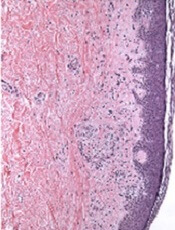
Image courtesy of PLOS ONE
A team of researchers has found that risk-stratified, low-dose corticosteroid prophylaxis can significantly reduce the incidence of acute graft-versus-host disease (GVHD), accelerate platelet recovery, and reduce adverse events without increasing infections in patients who undergo haploidentical transplantation.
They believe this is the first test of a novel risk stratification–directed prophylaxis strategy. The strategy effectively prevented acute GVHD among patients who were at high risk for GVHD, without unnecessarily exposing patients who were at low risk to excessive toxicity from additional immunosuppressive agents.
To evaluate the prophylaxis strategy, the team enrolled 228 patients who underwent haploidentical transplant onto this controlled, open-label, randomized trial.
Corresponding author Xiao-Jun Huang, MD, of Peking University in Beijing, China, and colleagues reported the results in JCO.
The team stratified patients as high risk or low risk for developing GVHD based on biomarkers.
They categorized patients as high risk if they had CD4:CD8 ratios of 1.15 or greater in bone marrow grafts or more than 1.9 x 10⁶/kg CD56bright NK cells in allogeneic grafts.
Patients who did not qualify for the high-risk group were considered to be low risk.
The team randomly assigned the high-risk patients to either receive or not receive the investigational intervention of methylprednisolone (MP).
All patients received cyclosporine, mycophenolate mofetil, and methotrexate for GVHD prevention.
Patients in any arm who developed acute GVHD higher than grade II received MP. If they did not respond, they received basiliximab.
Study population
Of the 228 patients enrolled, 83 were in the low-risk group, 72 in the high-risk experimental prophylaxis group, and 73 in the high-risk control group.
Patient characteristics were similar across all cohorts, including the conditioning regimens, except for their biomarker status.
Patients were a median age of about 30 years, (range 14 – 58), about half were male, and most had a diagnosis of acute myeloid leukemia or acute lymphoblastic leukemia.
GVHD incidence
The cumulative, 100-day incidence of acute GVHD grades II to IV was 21% in the high-risk prophylaxis arm.
This was similar to the incidence of 26% in the low-risk arm, P=0.43.
Both cohorts were significantly lower than the incidence of 48% in the high-risk control group, P<0.001.
Multivariate analysis showed that risk-stratified prophylaxis with low-dose corticosteroid significantly reduced the incidence of acute GVHD compared with no low-dose corticosteroid, with a hazard ratio of 0.66, P=0.007.
However, investigators found no differences between cohorts in the incidence of grades III to IV GVHD.
Corticosteroid-refractory acute GVHD developed in 14% of high-risk patients in the experimental arm, 18% in the control arm, and 23% in the low-risk group. Basiliximab, an anti-CD25 antibody, was used to treat it.
Hematopoietic and immune recovery
The median times to myeloid and platelet recovery were significantly shorter in the high-risk prophylaxis group (P<0.05 for both) and the low-risk group (P<0.05) than in the high-risk control group.
And immune reconstitution was comparable among all 3 cohorts.
Safety
Cumulative incidences among the low-risk, high-risk prophylaxis, and high-risk control groups, respectively, of cytomegalovirus reactivation (80%, 82%, 81%), Epstein-Barr virus reactivation (7%, 14%, 14%), post-transplantation lymphoproliferative disorder (0%, 1%, 4%), hemorrhagic cystitis (56%, 45%, 47%), bacteremia (13%, 10%, 11%), and invasive fungal infection (11%, 8%, 8%) were similar across the cohorts.
Osteonecrosis of the femoral head (P=0.034) and secondary hypertension (P=0.015) were significantly lower in the high-risk prophylaxis group than in the high-risk control group.
Transplant outcomes
Transplant outcomes, both relapse and non-relapse mortality at 100 days and 1 year, were similar among the 3 cohorts.
After a median follow-up of 505 days, the cumulative incidence of chronic GVHD was 44% in the high-risk prophylaxis group, 64% in the low-risk group, and 59% in the high-risk control group.
However, moderate to severe chronic GVHD was lower in the high-risk prophylaxis group, at 21%, compared to 50% in the low-risk group and 36% in the high-risk control group.
Thirty-two patients died of non-relapse causes, and the 3-year probabilities of leukemia-free survival and overall survival were similar among the 3 groups.
Image courtesy of PLOS ONE
A team of researchers has found that risk-stratified, low-dose corticosteroid prophylaxis can significantly reduce the incidence of acute graft-versus-host disease (GVHD), accelerate platelet recovery, and reduce adverse events without increasing infections in patients who undergo haploidentical transplantation.
They believe this is the first test of a novel risk stratification–directed prophylaxis strategy. The strategy effectively prevented acute GVHD among patients who were at high risk for GVHD, without unnecessarily exposing patients who were at low risk to excessive toxicity from additional immunosuppressive agents.
To evaluate the prophylaxis strategy, the team enrolled 228 patients who underwent haploidentical transplant onto this controlled, open-label, randomized trial.
Corresponding author Xiao-Jun Huang, MD, of Peking University in Beijing, China, and colleagues reported the results in JCO.
The team stratified patients as high risk or low risk for developing GVHD based on biomarkers.
They categorized patients as high risk if they had CD4:CD8 ratios of 1.15 or greater in bone marrow grafts or more than 1.9 x 10⁶/kg CD56bright NK cells in allogeneic grafts.
Patients who did not qualify for the high-risk group were considered to be low risk.
The team randomly assigned the high-risk patients to either receive or not receive the investigational intervention of methylprednisolone (MP).
All patients received cyclosporine, mycophenolate mofetil, and methotrexate for GVHD prevention.
Patients in any arm who developed acute GVHD higher than grade II received MP. If they did not respond, they received basiliximab.
Study population
Of the 228 patients enrolled, 83 were in the low-risk group, 72 in the high-risk experimental prophylaxis group, and 73 in the high-risk control group.
Patient characteristics were similar across all cohorts, including the conditioning regimens, except for their biomarker status.
Patients were a median age of about 30 years, (range 14 – 58), about half were male, and most had a diagnosis of acute myeloid leukemia or acute lymphoblastic leukemia.
GVHD incidence
The cumulative, 100-day incidence of acute GVHD grades II to IV was 21% in the high-risk prophylaxis arm.
This was similar to the incidence of 26% in the low-risk arm, P=0.43.
Both cohorts were significantly lower than the incidence of 48% in the high-risk control group, P<0.001.
Multivariate analysis showed that risk-stratified prophylaxis with low-dose corticosteroid significantly reduced the incidence of acute GVHD compared with no low-dose corticosteroid, with a hazard ratio of 0.66, P=0.007.
However, investigators found no differences between cohorts in the incidence of grades III to IV GVHD.
Corticosteroid-refractory acute GVHD developed in 14% of high-risk patients in the experimental arm, 18% in the control arm, and 23% in the low-risk group. Basiliximab, an anti-CD25 antibody, was used to treat it.
Hematopoietic and immune recovery
The median times to myeloid and platelet recovery were significantly shorter in the high-risk prophylaxis group (P<0.05 for both) and the low-risk group (P<0.05) than in the high-risk control group.
And immune reconstitution was comparable among all 3 cohorts.
Safety
Cumulative incidences among the low-risk, high-risk prophylaxis, and high-risk control groups, respectively, of cytomegalovirus reactivation (80%, 82%, 81%), Epstein-Barr virus reactivation (7%, 14%, 14%), post-transplantation lymphoproliferative disorder (0%, 1%, 4%), hemorrhagic cystitis (56%, 45%, 47%), bacteremia (13%, 10%, 11%), and invasive fungal infection (11%, 8%, 8%) were similar across the cohorts.
Osteonecrosis of the femoral head (P=0.034) and secondary hypertension (P=0.015) were significantly lower in the high-risk prophylaxis group than in the high-risk control group.
Transplant outcomes
Transplant outcomes, both relapse and non-relapse mortality at 100 days and 1 year, were similar among the 3 cohorts.
After a median follow-up of 505 days, the cumulative incidence of chronic GVHD was 44% in the high-risk prophylaxis group, 64% in the low-risk group, and 59% in the high-risk control group.
However, moderate to severe chronic GVHD was lower in the high-risk prophylaxis group, at 21%, compared to 50% in the low-risk group and 36% in the high-risk control group.
Thirty-two patients died of non-relapse causes, and the 3-year probabilities of leukemia-free survival and overall survival were similar among the 3 groups.
Image courtesy of PLOS ONE
A team of researchers has found that risk-stratified, low-dose corticosteroid prophylaxis can significantly reduce the incidence of acute graft-versus-host disease (GVHD), accelerate platelet recovery, and reduce adverse events without increasing infections in patients who undergo haploidentical transplantation.
They believe this is the first test of a novel risk stratification–directed prophylaxis strategy. The strategy effectively prevented acute GVHD among patients who were at high risk for GVHD, without unnecessarily exposing patients who were at low risk to excessive toxicity from additional immunosuppressive agents.
To evaluate the prophylaxis strategy, the team enrolled 228 patients who underwent haploidentical transplant onto this controlled, open-label, randomized trial.
Corresponding author Xiao-Jun Huang, MD, of Peking University in Beijing, China, and colleagues reported the results in JCO.
The team stratified patients as high risk or low risk for developing GVHD based on biomarkers.
They categorized patients as high risk if they had CD4:CD8 ratios of 1.15 or greater in bone marrow grafts or more than 1.9 x 10⁶/kg CD56bright NK cells in allogeneic grafts.
Patients who did not qualify for the high-risk group were considered to be low risk.
The team randomly assigned the high-risk patients to either receive or not receive the investigational intervention of methylprednisolone (MP).
All patients received cyclosporine, mycophenolate mofetil, and methotrexate for GVHD prevention.
Patients in any arm who developed acute GVHD higher than grade II received MP. If they did not respond, they received basiliximab.
Study population
Of the 228 patients enrolled, 83 were in the low-risk group, 72 in the high-risk experimental prophylaxis group, and 73 in the high-risk control group.
Patient characteristics were similar across all cohorts, including the conditioning regimens, except for their biomarker status.
Patients were a median age of about 30 years, (range 14 – 58), about half were male, and most had a diagnosis of acute myeloid leukemia or acute lymphoblastic leukemia.
GVHD incidence
The cumulative, 100-day incidence of acute GVHD grades II to IV was 21% in the high-risk prophylaxis arm.
This was similar to the incidence of 26% in the low-risk arm, P=0.43.
Both cohorts were significantly lower than the incidence of 48% in the high-risk control group, P<0.001.
Multivariate analysis showed that risk-stratified prophylaxis with low-dose corticosteroid significantly reduced the incidence of acute GVHD compared with no low-dose corticosteroid, with a hazard ratio of 0.66, P=0.007.
However, investigators found no differences between cohorts in the incidence of grades III to IV GVHD.
Corticosteroid-refractory acute GVHD developed in 14% of high-risk patients in the experimental arm, 18% in the control arm, and 23% in the low-risk group. Basiliximab, an anti-CD25 antibody, was used to treat it.
Hematopoietic and immune recovery
The median times to myeloid and platelet recovery were significantly shorter in the high-risk prophylaxis group (P<0.05 for both) and the low-risk group (P<0.05) than in the high-risk control group.
And immune reconstitution was comparable among all 3 cohorts.
Safety
Cumulative incidences among the low-risk, high-risk prophylaxis, and high-risk control groups, respectively, of cytomegalovirus reactivation (80%, 82%, 81%), Epstein-Barr virus reactivation (7%, 14%, 14%), post-transplantation lymphoproliferative disorder (0%, 1%, 4%), hemorrhagic cystitis (56%, 45%, 47%), bacteremia (13%, 10%, 11%), and invasive fungal infection (11%, 8%, 8%) were similar across the cohorts.
Osteonecrosis of the femoral head (P=0.034) and secondary hypertension (P=0.015) were significantly lower in the high-risk prophylaxis group than in the high-risk control group.
Transplant outcomes
Transplant outcomes, both relapse and non-relapse mortality at 100 days and 1 year, were similar among the 3 cohorts.
After a median follow-up of 505 days, the cumulative incidence of chronic GVHD was 44% in the high-risk prophylaxis group, 64% in the low-risk group, and 59% in the high-risk control group.
However, moderate to severe chronic GVHD was lower in the high-risk prophylaxis group, at 21%, compared to 50% in the low-risk group and 36% in the high-risk control group.
Thirty-two patients died of non-relapse causes, and the 3-year probabilities of leukemia-free survival and overall survival were similar among the 3 groups.
Better, cheaper test developed to identify BPDs
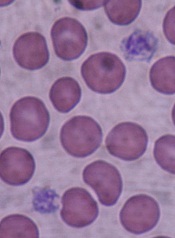
Investigators from more than 50 institutions across the globe have developed a high-throughput sequencing platform—the ThromboGenomics platform—targeting 63 genes relevant for inherited bleeding, thrombotic, and platelet disorders (BPDs).
The investigators say this platform provides a “comprehensive and cost-effective strategy” to diagnose BPDs and has a high sensitivity to detect and “shortlist” the causal variants when known to be in a BPD gene.
Molecular analysis is often unavailable for patients with BPDs, with the exception of hemophilia and von Willebrand disease, and this causes delays, often inconclusive molecular diagnoses, and compromises treatment.
So to address this unmet diagnostic need, the investigators sequenced 159 and 137 samples from cases with and without previously known causal BPD variants, respectively.
The platform, along with the processing and filtering methods, has a high sensitivity—100% based on the 159 samples with known causal variants.
The investigators report that the sensitivity remains high even when the variants are unknown—greater than 90% based on 61 samples.
The platform’s variant approach also has a high specificity of greater than 99.5% because it reduces the number of candidates requiring consideration.
The ThromboGenomics platform is already being used by the National Health Service in the United Kingdom.
The platform can identify single nucleotide variants, short insertions/deletions, and large copy number variants. They are then subjected to automated filtering and prioritized for diagnosis, resulting in an average of 5.34 candidate variants per individual.
However, the platform cannot identify inversions, and approximately 45% of severe hemophilia A cases are due to inversions. So the investigators recommend that a simple polymerase chain reaction-based test be performed to exclude those cases prior to high-throughput sequencing.
The investigators indicated that during validation of the ThromboGenomics platform, 13 new BPD genes were found.
Use of the platform, they believe, will reduce the diagnostic delay in reaching a conclusive molecular diagnosis for BPD patients.
And further, they believe that “by facilitating provision of a definitive diagnosis, our platform will bring substantial benefits to the estimated 2 million BPD cases worldwide.”
They described the development of the platform in Blood.
Investigators from more than 50 institutions across the globe have developed a high-throughput sequencing platform—the ThromboGenomics platform—targeting 63 genes relevant for inherited bleeding, thrombotic, and platelet disorders (BPDs).
The investigators say this platform provides a “comprehensive and cost-effective strategy” to diagnose BPDs and has a high sensitivity to detect and “shortlist” the causal variants when known to be in a BPD gene.
Molecular analysis is often unavailable for patients with BPDs, with the exception of hemophilia and von Willebrand disease, and this causes delays, often inconclusive molecular diagnoses, and compromises treatment.
So to address this unmet diagnostic need, the investigators sequenced 159 and 137 samples from cases with and without previously known causal BPD variants, respectively.
The platform, along with the processing and filtering methods, has a high sensitivity—100% based on the 159 samples with known causal variants.
The investigators report that the sensitivity remains high even when the variants are unknown—greater than 90% based on 61 samples.
The platform’s variant approach also has a high specificity of greater than 99.5% because it reduces the number of candidates requiring consideration.
The ThromboGenomics platform is already being used by the National Health Service in the United Kingdom.
The platform can identify single nucleotide variants, short insertions/deletions, and large copy number variants. They are then subjected to automated filtering and prioritized for diagnosis, resulting in an average of 5.34 candidate variants per individual.
However, the platform cannot identify inversions, and approximately 45% of severe hemophilia A cases are due to inversions. So the investigators recommend that a simple polymerase chain reaction-based test be performed to exclude those cases prior to high-throughput sequencing.
The investigators indicated that during validation of the ThromboGenomics platform, 13 new BPD genes were found.
Use of the platform, they believe, will reduce the diagnostic delay in reaching a conclusive molecular diagnosis for BPD patients.
And further, they believe that “by facilitating provision of a definitive diagnosis, our platform will bring substantial benefits to the estimated 2 million BPD cases worldwide.”
They described the development of the platform in Blood.
Investigators from more than 50 institutions across the globe have developed a high-throughput sequencing platform—the ThromboGenomics platform—targeting 63 genes relevant for inherited bleeding, thrombotic, and platelet disorders (BPDs).
The investigators say this platform provides a “comprehensive and cost-effective strategy” to diagnose BPDs and has a high sensitivity to detect and “shortlist” the causal variants when known to be in a BPD gene.
Molecular analysis is often unavailable for patients with BPDs, with the exception of hemophilia and von Willebrand disease, and this causes delays, often inconclusive molecular diagnoses, and compromises treatment.
So to address this unmet diagnostic need, the investigators sequenced 159 and 137 samples from cases with and without previously known causal BPD variants, respectively.
The platform, along with the processing and filtering methods, has a high sensitivity—100% based on the 159 samples with known causal variants.
The investigators report that the sensitivity remains high even when the variants are unknown—greater than 90% based on 61 samples.
The platform’s variant approach also has a high specificity of greater than 99.5% because it reduces the number of candidates requiring consideration.
The ThromboGenomics platform is already being used by the National Health Service in the United Kingdom.
The platform can identify single nucleotide variants, short insertions/deletions, and large copy number variants. They are then subjected to automated filtering and prioritized for diagnosis, resulting in an average of 5.34 candidate variants per individual.
However, the platform cannot identify inversions, and approximately 45% of severe hemophilia A cases are due to inversions. So the investigators recommend that a simple polymerase chain reaction-based test be performed to exclude those cases prior to high-throughput sequencing.
The investigators indicated that during validation of the ThromboGenomics platform, 13 new BPD genes were found.
Use of the platform, they believe, will reduce the diagnostic delay in reaching a conclusive molecular diagnosis for BPD patients.
And further, they believe that “by facilitating provision of a definitive diagnosis, our platform will bring substantial benefits to the estimated 2 million BPD cases worldwide.”
They described the development of the platform in Blood.
Inotuzumab bests standard of care in adult ALL

Photo courtesy of MDACC
In multiple categories, the antibody-drug conjuagate inotuzumab ozogamicin achieved significantly better results than the standard of care in the treatment of adults with acute lymphoblastic leukemia (ALL).
Patients in the inotuzumab arm experienced a higher rate of complete remissions, a greater frequency of achieving minimal residual disease negativity, and longer progression-free survival and overall survival.
However, veno-occlusive liver disease occurred more frequently in the inotuzumab-treated patients.
Inotuzumab ozogamicin, an anti-CD22 antibody conjugated to calicheamicin, received breakthrough designation for ALL from the US Food and Drug Administration last October.
For this phase 3 trial, called INO-VATE, investigators randomized 326 patients to receive inotuzumab or the investigator’s choice of standard therapy. The first 218 patients, 109 in each arm, were included in the intent-to-treat analysis of complete remission.
Hagop M. Kantarjian, MD, of MD Anderson Cancer Center in Houston, Texas, presented the findings at the European Hematology Association meeting as abstract LB2233*. The study was simultaneously published in NEJM. Data cited here are based on the published paper.
Patients had to be 18 years of age or older and had to have relapsed or refractory disease with 5% or more blasts in the bone marrow. They had to be CD22-positive and could be either Philadelphia chromosome positive or negative. Patients had to be scheduled for their first or second salvage therapy.
No cross-over between the groups was allowed.
The primary endpoints were complete remission including complete remission with incomplete hematologic recovery, and overall survival.
Treatments
Patients in the inotuzumab arm received the drug intravenously at a starting dose of 1.8 mg/m2 per cycle for up to 6 cycles. Once a patient achieved complete remission or remission with incomplete hematologic recovery, the dose per cycle was reduced to 1.5 mg/m2.
Patients in the standard therapy arm could receive one of three regimens: FLAG (fludarabine, cytarabine, and granulocyte colony-stimulating factor), cytarabine plus mitoxantrone, or high-dose cytarabine. These regimens were chosen because they are commonly used for the treatment of relapsed or refractory ALL.
Patient characteristics
Patients in both arms were a median age of 47, range 18 – 79. And a little more than a third in each arm were 55 or older. Most patients were white, and about half had an ECOG performance status of 1.
Almost three quarters of the patients in each arm had bone marrow blasts of 50% or more.
Results
Patients in the inotuzumab arm received a median of 3 cycles of therapy and those in the standard therapy arm received a median of 1 cycle.
More patients in the inotuzumab arm received treatment for 2 or more cycles (73%) compared to the standard therapy arm (22%), a finding the investigators said was expected.
Dose reductions were more common in the inotuzumab arm (12%) compared with the standard therapy arm (3%).
More inotuzumab-treated patients discontinued therapy due to achieving complete remission (35%) than in the standard arm (15%).
And fewer patients in the inotuzumab arm (10%) discontinued treatment because of resistant disease than in the standard arm (40%).
Efficacy
The rate of complete remission, including incomplete hematologic recovery, was significantly higher in the inotuzumab group (80.7%) than in the standard group (29.4%), P<0.001.
In both groups, patients who achieved complete remission, including those with incomplete hematologic recovery, did so at the end of cycle 1.
"Standard chemotherapy regimens result in complete remission in 31 to 41 percent of patients who relapse earlier,” Dr Kantarjian noted, “and just 18 to 25 percent in those who relapse later."
"Patients in the inotuzumab ozogamicin study,” he continued, “had remission rates of 58% higher than previously reported, possibly due to patients being treated later in the disease course."
Among the complete responders, significantly more patients achieved minimal residual disease (MRD) negativity in the inotuzumab arm (78.4%) than in the standard therapy group (28.1%), P<0.001.
The median duration of remission was 4.6 months in the inotuzumab arm and 3.1 months in the standard therapy group, P=0.03.
And more patients treated with inotuzumab (41%) proceeded to stem cell transplant directly after treatment than in the standard therapy group (11%), P<0.001.
"Given that stem cell transplant is considered the only curative treatment option,” Dr Kantarjian said, “the ability of inotuzumab ozogamicin to increase the number of patients able to bridge to transplant is encouraging."
Survival
The intention-to-treat survival analysis included 164 patients in the inotuzumab arm and 162 in the standard therapy arm.
Progression-free survival (PFS) was significantly longer in the inotuzumab arm than in the standard therapy arm, a median of 5.0 months compared to 1.8 months, respectively, P<0.001.
The second primary objective of longer overall survival at the prespecified boundary of P=0.0208 was not met. Median overall survival was 7.7 months in the inotuzumab arm and 6.7 months in the standard therapy group, P=0.04.
Safety
In both treatment groups, the most common hematologic adverse events of any cause occurring during treatment were cytopenias.
Thrombocytopenia of grade 3 or higher was lower in the inotuzumab arm (37%) than in the standard therapy arm (59%).
Febrile neutropenia of grade 3 or higher occurred in 24% of inotuzumab-treated patients compared with 49% of patients in the standard therapy group.
In the inotuzumab group, the most common non-hematologic adverse events of any grade included nausea (32%), headache (28%), and pyrexia (27%). Grade 3 or higher nausea, headache, and pyrexia occurred in 2%, 1%, and 4%, respectively.
In the standard therapy arm, the most common non-hematologic events of any grade included nausea (47%), pyrexia (43%), and diarrhea (40%). Grade 3 or higher nausea, pyrexia, and diarrhea occurred in 0%, 5%, and 1%, respectively.
Febrile neutropenia was the most frequently reported serious adverse event, occurring in 12% of the inotuzumab-treated patients and 18% in the standard therapy group.
And liver-related adverse events were more common in the inotuzumab arm.
The most frequent liver-related adverse event of any grade was increased aspartate aminotransferase level, 20% in the inotuzumab group and 10% in the standard therapy group, hyperbilirubinemia, 15% and 10%, respectively, and increased alanine aminotransferase level, 14% and 11%, respectively.
Veno-occlusive liver disease (VOD) occurred more frequently with inotuzumab (11%, 15 patients) compared with standard therapy (1%, 1 patient). And cases were reported up to 2 years after randomization.
Five of the 15 patients developed VOD during or shortly after inotuzumab treatment. No cases of VOD occurred during the administration of standard therapy.
Seventeen deaths occurred during treatment in the inotuzumab arm and 11 in the standard therapy arm. Four deaths in the inotuzumab group and 2 in the standard therapy group were believed to be treatment-related.
The study was funded by Pfizer.
*Data in the abstract differ from those published in NEJM.
Photo courtesy of MDACC
In multiple categories, the antibody-drug conjuagate inotuzumab ozogamicin achieved significantly better results than the standard of care in the treatment of adults with acute lymphoblastic leukemia (ALL).
Patients in the inotuzumab arm experienced a higher rate of complete remissions, a greater frequency of achieving minimal residual disease negativity, and longer progression-free survival and overall survival.
However, veno-occlusive liver disease occurred more frequently in the inotuzumab-treated patients.
Inotuzumab ozogamicin, an anti-CD22 antibody conjugated to calicheamicin, received breakthrough designation for ALL from the US Food and Drug Administration last October.
For this phase 3 trial, called INO-VATE, investigators randomized 326 patients to receive inotuzumab or the investigator’s choice of standard therapy. The first 218 patients, 109 in each arm, were included in the intent-to-treat analysis of complete remission.
Hagop M. Kantarjian, MD, of MD Anderson Cancer Center in Houston, Texas, presented the findings at the European Hematology Association meeting as abstract LB2233*. The study was simultaneously published in NEJM. Data cited here are based on the published paper.
Patients had to be 18 years of age or older and had to have relapsed or refractory disease with 5% or more blasts in the bone marrow. They had to be CD22-positive and could be either Philadelphia chromosome positive or negative. Patients had to be scheduled for their first or second salvage therapy.
No cross-over between the groups was allowed.
The primary endpoints were complete remission including complete remission with incomplete hematologic recovery, and overall survival.
Treatments
Patients in the inotuzumab arm received the drug intravenously at a starting dose of 1.8 mg/m2 per cycle for up to 6 cycles. Once a patient achieved complete remission or remission with incomplete hematologic recovery, the dose per cycle was reduced to 1.5 mg/m2.
Patients in the standard therapy arm could receive one of three regimens: FLAG (fludarabine, cytarabine, and granulocyte colony-stimulating factor), cytarabine plus mitoxantrone, or high-dose cytarabine. These regimens were chosen because they are commonly used for the treatment of relapsed or refractory ALL.
Patient characteristics
Patients in both arms were a median age of 47, range 18 – 79. And a little more than a third in each arm were 55 or older. Most patients were white, and about half had an ECOG performance status of 1.
Almost three quarters of the patients in each arm had bone marrow blasts of 50% or more.
Results
Patients in the inotuzumab arm received a median of 3 cycles of therapy and those in the standard therapy arm received a median of 1 cycle.
More patients in the inotuzumab arm received treatment for 2 or more cycles (73%) compared to the standard therapy arm (22%), a finding the investigators said was expected.
Dose reductions were more common in the inotuzumab arm (12%) compared with the standard therapy arm (3%).
More inotuzumab-treated patients discontinued therapy due to achieving complete remission (35%) than in the standard arm (15%).
And fewer patients in the inotuzumab arm (10%) discontinued treatment because of resistant disease than in the standard arm (40%).
Efficacy
The rate of complete remission, including incomplete hematologic recovery, was significantly higher in the inotuzumab group (80.7%) than in the standard group (29.4%), P<0.001.
In both groups, patients who achieved complete remission, including those with incomplete hematologic recovery, did so at the end of cycle 1.
"Standard chemotherapy regimens result in complete remission in 31 to 41 percent of patients who relapse earlier,” Dr Kantarjian noted, “and just 18 to 25 percent in those who relapse later."
"Patients in the inotuzumab ozogamicin study,” he continued, “had remission rates of 58% higher than previously reported, possibly due to patients being treated later in the disease course."
Among the complete responders, significantly more patients achieved minimal residual disease (MRD) negativity in the inotuzumab arm (78.4%) than in the standard therapy group (28.1%), P<0.001.
The median duration of remission was 4.6 months in the inotuzumab arm and 3.1 months in the standard therapy group, P=0.03.
And more patients treated with inotuzumab (41%) proceeded to stem cell transplant directly after treatment than in the standard therapy group (11%), P<0.001.
"Given that stem cell transplant is considered the only curative treatment option,” Dr Kantarjian said, “the ability of inotuzumab ozogamicin to increase the number of patients able to bridge to transplant is encouraging."
Survival
The intention-to-treat survival analysis included 164 patients in the inotuzumab arm and 162 in the standard therapy arm.
Progression-free survival (PFS) was significantly longer in the inotuzumab arm than in the standard therapy arm, a median of 5.0 months compared to 1.8 months, respectively, P<0.001.
The second primary objective of longer overall survival at the prespecified boundary of P=0.0208 was not met. Median overall survival was 7.7 months in the inotuzumab arm and 6.7 months in the standard therapy group, P=0.04.
Safety
In both treatment groups, the most common hematologic adverse events of any cause occurring during treatment were cytopenias.
Thrombocytopenia of grade 3 or higher was lower in the inotuzumab arm (37%) than in the standard therapy arm (59%).
Febrile neutropenia of grade 3 or higher occurred in 24% of inotuzumab-treated patients compared with 49% of patients in the standard therapy group.
In the inotuzumab group, the most common non-hematologic adverse events of any grade included nausea (32%), headache (28%), and pyrexia (27%). Grade 3 or higher nausea, headache, and pyrexia occurred in 2%, 1%, and 4%, respectively.
In the standard therapy arm, the most common non-hematologic events of any grade included nausea (47%), pyrexia (43%), and diarrhea (40%). Grade 3 or higher nausea, pyrexia, and diarrhea occurred in 0%, 5%, and 1%, respectively.
Febrile neutropenia was the most frequently reported serious adverse event, occurring in 12% of the inotuzumab-treated patients and 18% in the standard therapy group.
And liver-related adverse events were more common in the inotuzumab arm.
The most frequent liver-related adverse event of any grade was increased aspartate aminotransferase level, 20% in the inotuzumab group and 10% in the standard therapy group, hyperbilirubinemia, 15% and 10%, respectively, and increased alanine aminotransferase level, 14% and 11%, respectively.
Veno-occlusive liver disease (VOD) occurred more frequently with inotuzumab (11%, 15 patients) compared with standard therapy (1%, 1 patient). And cases were reported up to 2 years after randomization.
Five of the 15 patients developed VOD during or shortly after inotuzumab treatment. No cases of VOD occurred during the administration of standard therapy.
Seventeen deaths occurred during treatment in the inotuzumab arm and 11 in the standard therapy arm. Four deaths in the inotuzumab group and 2 in the standard therapy group were believed to be treatment-related.
The study was funded by Pfizer.
*Data in the abstract differ from those published in NEJM.
Photo courtesy of MDACC
In multiple categories, the antibody-drug conjuagate inotuzumab ozogamicin achieved significantly better results than the standard of care in the treatment of adults with acute lymphoblastic leukemia (ALL).
Patients in the inotuzumab arm experienced a higher rate of complete remissions, a greater frequency of achieving minimal residual disease negativity, and longer progression-free survival and overall survival.
However, veno-occlusive liver disease occurred more frequently in the inotuzumab-treated patients.
Inotuzumab ozogamicin, an anti-CD22 antibody conjugated to calicheamicin, received breakthrough designation for ALL from the US Food and Drug Administration last October.
For this phase 3 trial, called INO-VATE, investigators randomized 326 patients to receive inotuzumab or the investigator’s choice of standard therapy. The first 218 patients, 109 in each arm, were included in the intent-to-treat analysis of complete remission.
Hagop M. Kantarjian, MD, of MD Anderson Cancer Center in Houston, Texas, presented the findings at the European Hematology Association meeting as abstract LB2233*. The study was simultaneously published in NEJM. Data cited here are based on the published paper.
Patients had to be 18 years of age or older and had to have relapsed or refractory disease with 5% or more blasts in the bone marrow. They had to be CD22-positive and could be either Philadelphia chromosome positive or negative. Patients had to be scheduled for their first or second salvage therapy.
No cross-over between the groups was allowed.
The primary endpoints were complete remission including complete remission with incomplete hematologic recovery, and overall survival.
Treatments
Patients in the inotuzumab arm received the drug intravenously at a starting dose of 1.8 mg/m2 per cycle for up to 6 cycles. Once a patient achieved complete remission or remission with incomplete hematologic recovery, the dose per cycle was reduced to 1.5 mg/m2.
Patients in the standard therapy arm could receive one of three regimens: FLAG (fludarabine, cytarabine, and granulocyte colony-stimulating factor), cytarabine plus mitoxantrone, or high-dose cytarabine. These regimens were chosen because they are commonly used for the treatment of relapsed or refractory ALL.
Patient characteristics
Patients in both arms were a median age of 47, range 18 – 79. And a little more than a third in each arm were 55 or older. Most patients were white, and about half had an ECOG performance status of 1.
Almost three quarters of the patients in each arm had bone marrow blasts of 50% or more.
Results
Patients in the inotuzumab arm received a median of 3 cycles of therapy and those in the standard therapy arm received a median of 1 cycle.
More patients in the inotuzumab arm received treatment for 2 or more cycles (73%) compared to the standard therapy arm (22%), a finding the investigators said was expected.
Dose reductions were more common in the inotuzumab arm (12%) compared with the standard therapy arm (3%).
More inotuzumab-treated patients discontinued therapy due to achieving complete remission (35%) than in the standard arm (15%).
And fewer patients in the inotuzumab arm (10%) discontinued treatment because of resistant disease than in the standard arm (40%).
Efficacy
The rate of complete remission, including incomplete hematologic recovery, was significantly higher in the inotuzumab group (80.7%) than in the standard group (29.4%), P<0.001.
In both groups, patients who achieved complete remission, including those with incomplete hematologic recovery, did so at the end of cycle 1.
"Standard chemotherapy regimens result in complete remission in 31 to 41 percent of patients who relapse earlier,” Dr Kantarjian noted, “and just 18 to 25 percent in those who relapse later."
"Patients in the inotuzumab ozogamicin study,” he continued, “had remission rates of 58% higher than previously reported, possibly due to patients being treated later in the disease course."
Among the complete responders, significantly more patients achieved minimal residual disease (MRD) negativity in the inotuzumab arm (78.4%) than in the standard therapy group (28.1%), P<0.001.
The median duration of remission was 4.6 months in the inotuzumab arm and 3.1 months in the standard therapy group, P=0.03.
And more patients treated with inotuzumab (41%) proceeded to stem cell transplant directly after treatment than in the standard therapy group (11%), P<0.001.
"Given that stem cell transplant is considered the only curative treatment option,” Dr Kantarjian said, “the ability of inotuzumab ozogamicin to increase the number of patients able to bridge to transplant is encouraging."
Survival
The intention-to-treat survival analysis included 164 patients in the inotuzumab arm and 162 in the standard therapy arm.
Progression-free survival (PFS) was significantly longer in the inotuzumab arm than in the standard therapy arm, a median of 5.0 months compared to 1.8 months, respectively, P<0.001.
The second primary objective of longer overall survival at the prespecified boundary of P=0.0208 was not met. Median overall survival was 7.7 months in the inotuzumab arm and 6.7 months in the standard therapy group, P=0.04.
Safety
In both treatment groups, the most common hematologic adverse events of any cause occurring during treatment were cytopenias.
Thrombocytopenia of grade 3 or higher was lower in the inotuzumab arm (37%) than in the standard therapy arm (59%).
Febrile neutropenia of grade 3 or higher occurred in 24% of inotuzumab-treated patients compared with 49% of patients in the standard therapy group.
In the inotuzumab group, the most common non-hematologic adverse events of any grade included nausea (32%), headache (28%), and pyrexia (27%). Grade 3 or higher nausea, headache, and pyrexia occurred in 2%, 1%, and 4%, respectively.
In the standard therapy arm, the most common non-hematologic events of any grade included nausea (47%), pyrexia (43%), and diarrhea (40%). Grade 3 or higher nausea, pyrexia, and diarrhea occurred in 0%, 5%, and 1%, respectively.
Febrile neutropenia was the most frequently reported serious adverse event, occurring in 12% of the inotuzumab-treated patients and 18% in the standard therapy group.
And liver-related adverse events were more common in the inotuzumab arm.
The most frequent liver-related adverse event of any grade was increased aspartate aminotransferase level, 20% in the inotuzumab group and 10% in the standard therapy group, hyperbilirubinemia, 15% and 10%, respectively, and increased alanine aminotransferase level, 14% and 11%, respectively.
Veno-occlusive liver disease (VOD) occurred more frequently with inotuzumab (11%, 15 patients) compared with standard therapy (1%, 1 patient). And cases were reported up to 2 years after randomization.
Five of the 15 patients developed VOD during or shortly after inotuzumab treatment. No cases of VOD occurred during the administration of standard therapy.
Seventeen deaths occurred during treatment in the inotuzumab arm and 11 in the standard therapy arm. Four deaths in the inotuzumab group and 2 in the standard therapy group were believed to be treatment-related.
The study was funded by Pfizer.
*Data in the abstract differ from those published in NEJM.
Increased lymphoma risk in patients with PIDD

© ASCO/Zach Boyden-Holmes
CHICAGO—Investigators have found an increased risk in cancer incidence for patients with primary immunodeficiency diseases (PIDD), and in particular, a significant increase in lymphoma cases.
Investigators reviewed records of patients registered in the United States Immune Deficiency Network (USIDNET) and found they had a 42% increase in cancer incidence overall compared to the general population in the Surveillance, Epidemiology and End Results (SEER) database.
And lymphoma incidence was 10 times higher among men and 8 times higher among women in the USIDNET registry.
The USIDNET registry collects information, including clinical, laboratory, and outcome data, on patients affected by PIDD. Site-specific cancer incidence rates are included in the registry.
Investigators compared data from the 2 registries based on age and gender. They abstracted data on 3665 patients from the USIDNET Registry from 2003 to 2015 and generated site-specific incidence rates for them. They also generated age adjusted incidence rates using the SEER database for comparison.
The investigators observed a 1.34-fold excess relative risk of cancer (P<0.001) in patients with PIDD compared to the age-adjusted SEER population.
They also discovered that in men, the relative risk increased to 1.8-fold (P<0.001), while in women, the excess relative risk of cancer was not significant.
Men also had a statistically significant increase in skin cancer (4.45-fold excess relative risk, P<0.001) and thyroid cancer (4-fold excess relative risk, P=0.002).
Women had a statistically significant increase in skin (3.19-fold excess relative risk, P<0.001) and stomach cancer (3-fold excess relative risk, P=0.015).
And both men and women had a statistically significant increase in lymphoma, at a significance of P<0.001 for each gender.
“This study found that patients with primary immunodeficiency disorders have a modest increase in overall cancer incidence,” senior author, Brahm Segal, MD, of Roswell Park Cancer Institute in Buffalo, New York, said, “driven by specific primary immunodeficiency disorders predisposing to specific cancers, particularly lymphoma.”
The investigators did not observe an increased risk for the most common solid tumor cancers, including breast, lung, prostate, and colon.
The investigators believe the findings point to a “restricted role of the immune system in protecting from specific cancers and question the role of immunosurveillance in incident risk of common solid tumor cancers.”
They reported their findings at the 2016 ASCO Annual Meeting as abstract 1520.
© ASCO/Zach Boyden-Holmes
CHICAGO—Investigators have found an increased risk in cancer incidence for patients with primary immunodeficiency diseases (PIDD), and in particular, a significant increase in lymphoma cases.
Investigators reviewed records of patients registered in the United States Immune Deficiency Network (USIDNET) and found they had a 42% increase in cancer incidence overall compared to the general population in the Surveillance, Epidemiology and End Results (SEER) database.
And lymphoma incidence was 10 times higher among men and 8 times higher among women in the USIDNET registry.
The USIDNET registry collects information, including clinical, laboratory, and outcome data, on patients affected by PIDD. Site-specific cancer incidence rates are included in the registry.
Investigators compared data from the 2 registries based on age and gender. They abstracted data on 3665 patients from the USIDNET Registry from 2003 to 2015 and generated site-specific incidence rates for them. They also generated age adjusted incidence rates using the SEER database for comparison.
The investigators observed a 1.34-fold excess relative risk of cancer (P<0.001) in patients with PIDD compared to the age-adjusted SEER population.
They also discovered that in men, the relative risk increased to 1.8-fold (P<0.001), while in women, the excess relative risk of cancer was not significant.
Men also had a statistically significant increase in skin cancer (4.45-fold excess relative risk, P<0.001) and thyroid cancer (4-fold excess relative risk, P=0.002).
Women had a statistically significant increase in skin (3.19-fold excess relative risk, P<0.001) and stomach cancer (3-fold excess relative risk, P=0.015).
And both men and women had a statistically significant increase in lymphoma, at a significance of P<0.001 for each gender.
“This study found that patients with primary immunodeficiency disorders have a modest increase in overall cancer incidence,” senior author, Brahm Segal, MD, of Roswell Park Cancer Institute in Buffalo, New York, said, “driven by specific primary immunodeficiency disorders predisposing to specific cancers, particularly lymphoma.”
The investigators did not observe an increased risk for the most common solid tumor cancers, including breast, lung, prostate, and colon.
The investigators believe the findings point to a “restricted role of the immune system in protecting from specific cancers and question the role of immunosurveillance in incident risk of common solid tumor cancers.”
They reported their findings at the 2016 ASCO Annual Meeting as abstract 1520.
© ASCO/Zach Boyden-Holmes
CHICAGO—Investigators have found an increased risk in cancer incidence for patients with primary immunodeficiency diseases (PIDD), and in particular, a significant increase in lymphoma cases.
Investigators reviewed records of patients registered in the United States Immune Deficiency Network (USIDNET) and found they had a 42% increase in cancer incidence overall compared to the general population in the Surveillance, Epidemiology and End Results (SEER) database.
And lymphoma incidence was 10 times higher among men and 8 times higher among women in the USIDNET registry.
The USIDNET registry collects information, including clinical, laboratory, and outcome data, on patients affected by PIDD. Site-specific cancer incidence rates are included in the registry.
Investigators compared data from the 2 registries based on age and gender. They abstracted data on 3665 patients from the USIDNET Registry from 2003 to 2015 and generated site-specific incidence rates for them. They also generated age adjusted incidence rates using the SEER database for comparison.
The investigators observed a 1.34-fold excess relative risk of cancer (P<0.001) in patients with PIDD compared to the age-adjusted SEER population.
They also discovered that in men, the relative risk increased to 1.8-fold (P<0.001), while in women, the excess relative risk of cancer was not significant.
Men also had a statistically significant increase in skin cancer (4.45-fold excess relative risk, P<0.001) and thyroid cancer (4-fold excess relative risk, P=0.002).
Women had a statistically significant increase in skin (3.19-fold excess relative risk, P<0.001) and stomach cancer (3-fold excess relative risk, P=0.015).
And both men and women had a statistically significant increase in lymphoma, at a significance of P<0.001 for each gender.
“This study found that patients with primary immunodeficiency disorders have a modest increase in overall cancer incidence,” senior author, Brahm Segal, MD, of Roswell Park Cancer Institute in Buffalo, New York, said, “driven by specific primary immunodeficiency disorders predisposing to specific cancers, particularly lymphoma.”
The investigators did not observe an increased risk for the most common solid tumor cancers, including breast, lung, prostate, and colon.
The investigators believe the findings point to a “restricted role of the immune system in protecting from specific cancers and question the role of immunosurveillance in incident risk of common solid tumor cancers.”
They reported their findings at the 2016 ASCO Annual Meeting as abstract 1520.
Team discovers 2 new subtypes of pediatric BCP ALL

Image courtesy Spencer Phillips
Using next-generation sequencing (NGS) technology, a team of researchers has discovered 2 new subtypes of pediatric B-cell precursor acute lymphoblastic leukemia (BCP ALL).
The 2 new subtypes, called DUX4-rearranged and ETV6/RUNX1-like, may improve risk stratification and targeted therapeutic options for treatment of the disease, the researchers say.
Previous studies have defined 6 major groups of ALL in children. The 2 new types can now be added to these groups.
The research team performed RNA sequencing in a population-based series of 195 pediatric BCP ALL cases, all under 18 years.
They found gene fusions present in 65% of BCP ALL cases. They also identified several new fusions along with the 2 novel subtypes.
The DUX4-rearranged subtype occurs “when a gene called DUX4, which is normally inactive in blood cells, becomes activated when the gene is relocated in the genome,” corresponding author Henrik Lilljebjörn, of Lund University in Sweden, said.
The DUX4-rearranged subtype was represented in 4% of the cases. It led to overexpression of DUX4 and frequently occurred together with intragenic ERG deletions.
The team observed a borderline significance (P=0.051) for age in cases with DUX4 rearrangements. Those with DUX4 rearrangements tended to be from older patients compared to cases lacking the fusion, with a median age of 6.5 year versus 4 years, respectively. The authors noted that this association needs to be confirmed in larger cohorts.
The ETV6/RUNX1-like subtype “resembles a previously known type of childhood leukemia,”Lilljebjörn said, “but is caused by other genetic mutations."
The ETV6/RUNX1-like subtype was represented in 3% of the BCP ALL cases.
According to the team, if all known subtypes are taken into consideration, “98% of the BCP ALL cases could be classified into distinct genetic subtypes with a known underlying driver mutation, or, less commonly, with a rare in-frame gene fusion,” they wrote.
“Finding the critical mutations in the diseased cells,” principal investigator Thoas Fioretos, MD, PhD, of Lund University, explained, “is an important condition for understanding the mechanisms of the disease and ultimately discovering new therapies.”
The investigators published their work in Nature Communications.
The research was funded mainly by The Swedish Childhood Cancer Foundation, The Swedish Cancer Society, The Swedish Research Council, the Faculty of Medicine at Lund University and Region Skåne.
Image courtesy Spencer Phillips
Using next-generation sequencing (NGS) technology, a team of researchers has discovered 2 new subtypes of pediatric B-cell precursor acute lymphoblastic leukemia (BCP ALL).
The 2 new subtypes, called DUX4-rearranged and ETV6/RUNX1-like, may improve risk stratification and targeted therapeutic options for treatment of the disease, the researchers say.
Previous studies have defined 6 major groups of ALL in children. The 2 new types can now be added to these groups.
The research team performed RNA sequencing in a population-based series of 195 pediatric BCP ALL cases, all under 18 years.
They found gene fusions present in 65% of BCP ALL cases. They also identified several new fusions along with the 2 novel subtypes.
The DUX4-rearranged subtype occurs “when a gene called DUX4, which is normally inactive in blood cells, becomes activated when the gene is relocated in the genome,” corresponding author Henrik Lilljebjörn, of Lund University in Sweden, said.
The DUX4-rearranged subtype was represented in 4% of the cases. It led to overexpression of DUX4 and frequently occurred together with intragenic ERG deletions.
The team observed a borderline significance (P=0.051) for age in cases with DUX4 rearrangements. Those with DUX4 rearrangements tended to be from older patients compared to cases lacking the fusion, with a median age of 6.5 year versus 4 years, respectively. The authors noted that this association needs to be confirmed in larger cohorts.
The ETV6/RUNX1-like subtype “resembles a previously known type of childhood leukemia,”Lilljebjörn said, “but is caused by other genetic mutations."
The ETV6/RUNX1-like subtype was represented in 3% of the BCP ALL cases.
According to the team, if all known subtypes are taken into consideration, “98% of the BCP ALL cases could be classified into distinct genetic subtypes with a known underlying driver mutation, or, less commonly, with a rare in-frame gene fusion,” they wrote.
“Finding the critical mutations in the diseased cells,” principal investigator Thoas Fioretos, MD, PhD, of Lund University, explained, “is an important condition for understanding the mechanisms of the disease and ultimately discovering new therapies.”
The investigators published their work in Nature Communications.
The research was funded mainly by The Swedish Childhood Cancer Foundation, The Swedish Cancer Society, The Swedish Research Council, the Faculty of Medicine at Lund University and Region Skåne.
Image courtesy Spencer Phillips
Using next-generation sequencing (NGS) technology, a team of researchers has discovered 2 new subtypes of pediatric B-cell precursor acute lymphoblastic leukemia (BCP ALL).
The 2 new subtypes, called DUX4-rearranged and ETV6/RUNX1-like, may improve risk stratification and targeted therapeutic options for treatment of the disease, the researchers say.
Previous studies have defined 6 major groups of ALL in children. The 2 new types can now be added to these groups.
The research team performed RNA sequencing in a population-based series of 195 pediatric BCP ALL cases, all under 18 years.
They found gene fusions present in 65% of BCP ALL cases. They also identified several new fusions along with the 2 novel subtypes.
The DUX4-rearranged subtype occurs “when a gene called DUX4, which is normally inactive in blood cells, becomes activated when the gene is relocated in the genome,” corresponding author Henrik Lilljebjörn, of Lund University in Sweden, said.
The DUX4-rearranged subtype was represented in 4% of the cases. It led to overexpression of DUX4 and frequently occurred together with intragenic ERG deletions.
The team observed a borderline significance (P=0.051) for age in cases with DUX4 rearrangements. Those with DUX4 rearrangements tended to be from older patients compared to cases lacking the fusion, with a median age of 6.5 year versus 4 years, respectively. The authors noted that this association needs to be confirmed in larger cohorts.
The ETV6/RUNX1-like subtype “resembles a previously known type of childhood leukemia,”Lilljebjörn said, “but is caused by other genetic mutations."
The ETV6/RUNX1-like subtype was represented in 3% of the BCP ALL cases.
According to the team, if all known subtypes are taken into consideration, “98% of the BCP ALL cases could be classified into distinct genetic subtypes with a known underlying driver mutation, or, less commonly, with a rare in-frame gene fusion,” they wrote.
“Finding the critical mutations in the diseased cells,” principal investigator Thoas Fioretos, MD, PhD, of Lund University, explained, “is an important condition for understanding the mechanisms of the disease and ultimately discovering new therapies.”
The investigators published their work in Nature Communications.
The research was funded mainly by The Swedish Childhood Cancer Foundation, The Swedish Cancer Society, The Swedish Research Council, the Faculty of Medicine at Lund University and Region Skåne.
Brain changes in pediatric ALL associated with methotrexate
New research has found that higher blood concentrations of methotrexate in pediatric leukemia patients during treatment results in difficulties with mental flexibility, organization, and related skills for the long-term survivors.
And in patients with acute lymphoblastic leukemia (ALL) who had higher levels of methotrexate during treatment, brain imaging showed anatomical and functional changes in regions of the brain involved with executive functioning. Methotrexate is one of the few chemotherapy agents that crosses the blood–brain barrier.
“This study is the first to show a clear dose-response effect between methotrexate concentrations in the blood during treatment and executive functioning in survivors,” lead author Kevin Krull, PhD, of St Jude Children’s Research Hospital in Memphis, Tennessee, said.
“This information is essential for designing effective interventions to address the risk,” he said.
To examine the association between methotrexate exposure and neurocognitive outcomes, the investigators enrolled 218 long-term pediatric ALL survivors who participated in the St Jude Total Therapy XV clinical trial between 2000 and 2010.
The patients had been treated with multidrug chemotherapy according to the Total Therapy XV protocol, which included intrathecal treatments with methotrexate, hydrocortisone, and cytarabine in addition to other chemotherapeutic agents.
Researchers calculated methotrexate concentrations by measuring blood levels of the drug before, during, and after treatment. They also checked blood levels of the amino acid homocysteine, a marker of methotrexate activity, and the chemotherapy agent dexamethasone.
All patients had survived at least 5 years from their diagnosis and were at least 8 years old when this study was conducted.
Investigators performed neurocognitive testing, functional magnetic resonance imaging (MRI) during a task, and structural MRI with diffusion tensor imaging.
At long-term follow-up, survivors were an average of 13.8 years old and 7.7 years from diagnosis. Fifty-one percent were male, 74% were white, and 57% were in the low-risk treatment stratum.
Investigators found that the survivors’ intelligence was within normal limits compared with population expectations.
However, they found measures of executive function, processing speed, and memory to be less than population means, with a significance of P<0.02 after correction for false discovery rates.
And while impact of methotrexate varied, some survivors had executive functioning scores that indicated moderate to almost severe impairment.
Investigators also found higher plasma methotrexate to be associated with higher functional MRI activity, thicker cortex, and higher activity in frontal brain regions, regions often associated with executive function.
The investigators found neurocognitive impairment also to be associated with these imaging findings .
The increased activity in the frontal lobe region suggests that survivors’ brains may be working harder to compensate for impaired cognitive function, the investigators believe.
When they adjusted for age or dose of leucovorin rescue, these associations did not change.
And consistent with the methotrexate exposure, elevated homocysteine levels during therapy were associated with poorer cognitive flexibility.
The authors noted that they did not find an association between other chemotherapy agents and neurocognitive function.
“This information,” Dr Krull said, “is essential for designing effective intervention to address the risk.”
“Methotrexate has contributed to historically high cure rates for childhood leukemia,” Dr Krull said. “While physicians may look for opportunities to reduce concentrations of the drug in the future, interventions are already in development to enhance executive function in patients on therapy as well as long-term childhood cancer survivors.”
The investigators reported their findings in JCO.
New research has found that higher blood concentrations of methotrexate in pediatric leukemia patients during treatment results in difficulties with mental flexibility, organization, and related skills for the long-term survivors.
And in patients with acute lymphoblastic leukemia (ALL) who had higher levels of methotrexate during treatment, brain imaging showed anatomical and functional changes in regions of the brain involved with executive functioning. Methotrexate is one of the few chemotherapy agents that crosses the blood–brain barrier.
“This study is the first to show a clear dose-response effect between methotrexate concentrations in the blood during treatment and executive functioning in survivors,” lead author Kevin Krull, PhD, of St Jude Children’s Research Hospital in Memphis, Tennessee, said.
“This information is essential for designing effective interventions to address the risk,” he said.
To examine the association between methotrexate exposure and neurocognitive outcomes, the investigators enrolled 218 long-term pediatric ALL survivors who participated in the St Jude Total Therapy XV clinical trial between 2000 and 2010.
The patients had been treated with multidrug chemotherapy according to the Total Therapy XV protocol, which included intrathecal treatments with methotrexate, hydrocortisone, and cytarabine in addition to other chemotherapeutic agents.
Researchers calculated methotrexate concentrations by measuring blood levels of the drug before, during, and after treatment. They also checked blood levels of the amino acid homocysteine, a marker of methotrexate activity, and the chemotherapy agent dexamethasone.
All patients had survived at least 5 years from their diagnosis and were at least 8 years old when this study was conducted.
Investigators performed neurocognitive testing, functional magnetic resonance imaging (MRI) during a task, and structural MRI with diffusion tensor imaging.
At long-term follow-up, survivors were an average of 13.8 years old and 7.7 years from diagnosis. Fifty-one percent were male, 74% were white, and 57% were in the low-risk treatment stratum.
Investigators found that the survivors’ intelligence was within normal limits compared with population expectations.
However, they found measures of executive function, processing speed, and memory to be less than population means, with a significance of P<0.02 after correction for false discovery rates.
And while impact of methotrexate varied, some survivors had executive functioning scores that indicated moderate to almost severe impairment.
Investigators also found higher plasma methotrexate to be associated with higher functional MRI activity, thicker cortex, and higher activity in frontal brain regions, regions often associated with executive function.
The investigators found neurocognitive impairment also to be associated with these imaging findings .
The increased activity in the frontal lobe region suggests that survivors’ brains may be working harder to compensate for impaired cognitive function, the investigators believe.
When they adjusted for age or dose of leucovorin rescue, these associations did not change.
And consistent with the methotrexate exposure, elevated homocysteine levels during therapy were associated with poorer cognitive flexibility.
The authors noted that they did not find an association between other chemotherapy agents and neurocognitive function.
“This information,” Dr Krull said, “is essential for designing effective intervention to address the risk.”
“Methotrexate has contributed to historically high cure rates for childhood leukemia,” Dr Krull said. “While physicians may look for opportunities to reduce concentrations of the drug in the future, interventions are already in development to enhance executive function in patients on therapy as well as long-term childhood cancer survivors.”
The investigators reported their findings in JCO.
New research has found that higher blood concentrations of methotrexate in pediatric leukemia patients during treatment results in difficulties with mental flexibility, organization, and related skills for the long-term survivors.
And in patients with acute lymphoblastic leukemia (ALL) who had higher levels of methotrexate during treatment, brain imaging showed anatomical and functional changes in regions of the brain involved with executive functioning. Methotrexate is one of the few chemotherapy agents that crosses the blood–brain barrier.
“This study is the first to show a clear dose-response effect between methotrexate concentrations in the blood during treatment and executive functioning in survivors,” lead author Kevin Krull, PhD, of St Jude Children’s Research Hospital in Memphis, Tennessee, said.
“This information is essential for designing effective interventions to address the risk,” he said.
To examine the association between methotrexate exposure and neurocognitive outcomes, the investigators enrolled 218 long-term pediatric ALL survivors who participated in the St Jude Total Therapy XV clinical trial between 2000 and 2010.
The patients had been treated with multidrug chemotherapy according to the Total Therapy XV protocol, which included intrathecal treatments with methotrexate, hydrocortisone, and cytarabine in addition to other chemotherapeutic agents.
Researchers calculated methotrexate concentrations by measuring blood levels of the drug before, during, and after treatment. They also checked blood levels of the amino acid homocysteine, a marker of methotrexate activity, and the chemotherapy agent dexamethasone.
All patients had survived at least 5 years from their diagnosis and were at least 8 years old when this study was conducted.
Investigators performed neurocognitive testing, functional magnetic resonance imaging (MRI) during a task, and structural MRI with diffusion tensor imaging.
At long-term follow-up, survivors were an average of 13.8 years old and 7.7 years from diagnosis. Fifty-one percent were male, 74% were white, and 57% were in the low-risk treatment stratum.
Investigators found that the survivors’ intelligence was within normal limits compared with population expectations.
However, they found measures of executive function, processing speed, and memory to be less than population means, with a significance of P<0.02 after correction for false discovery rates.
And while impact of methotrexate varied, some survivors had executive functioning scores that indicated moderate to almost severe impairment.
Investigators also found higher plasma methotrexate to be associated with higher functional MRI activity, thicker cortex, and higher activity in frontal brain regions, regions often associated with executive function.
The investigators found neurocognitive impairment also to be associated with these imaging findings .
The increased activity in the frontal lobe region suggests that survivors’ brains may be working harder to compensate for impaired cognitive function, the investigators believe.
When they adjusted for age or dose of leucovorin rescue, these associations did not change.
And consistent with the methotrexate exposure, elevated homocysteine levels during therapy were associated with poorer cognitive flexibility.
The authors noted that they did not find an association between other chemotherapy agents and neurocognitive function.
“This information,” Dr Krull said, “is essential for designing effective intervention to address the risk.”
“Methotrexate has contributed to historically high cure rates for childhood leukemia,” Dr Krull said. “While physicians may look for opportunities to reduce concentrations of the drug in the future, interventions are already in development to enhance executive function in patients on therapy as well as long-term childhood cancer survivors.”
The investigators reported their findings in JCO.