User login
Radiotherapy trial results going unpublished

woman for radiotherapy
Photo by Rhoda Baer
TURIN, ITALY—Results from many phase 3 radiotherapy trials conducted in the US are not being published on ClincalTrials.gov, according to a study presented at ESTRO 35.
Since 2007, it has been mandatory to publish the results of clinical trials carried out in the US on ClinicalTrials.gov within 12 months of trial completion.
However, an analysis of more than 800 radiotherapy trials revealed that more than 80% did not meet this requirement.
Jaime Pérez-Alija, of Hospital Plató in Barcelona, Spain, and his colleagues presented these results at ESTRO 35 as abstract PV-0087.
In 2007, the Food and Drug Administration Amendments Act (FDAAA) mandated that sponsors of most US trials begin registering and reporting basic summary results on ClinicalTrials.gov so the American public could have access to the resulting data.
The requirement covers non-phase-1 trials of drugs, medical devices, or biologics that had at least 1 US research site. Trial results are to be reported by the sponsor within a year of completing data collection.
To investigate how well this mandate has been followed by sponsors of phase 3 radiotherapy trials, Pérez-Alija and his colleagues analyzed 802 trials with a primary completion date prior to January 1, 2013.
The team found that 81.7% of these trials (n=655) did not have even summary results published on ClinicalTrials.gov.
The researchers also looked specifically at those trials that began after the 2007 act was passed and found that 76.4% of these trials (422/552) did not have results published.
When the researchers looked at publication by cancer type, they found that 78% of lymphoma trial results were unpublished.
The most-published cancer type was glioblastoma, with 62.5% of results unpublished. And the least-published cancer types were anal and testicular cancers, for which 100% of trial results were unpublished.
“These findings came as a surprise for many reasons, not least of which was that many of the trials had been funded by the US National Institutes of Health,” Pérez-Alija said.
“Interestingly, we found that company-funded trials are far better at complying with the rules than academic trials—55% and 30% respectively. However, only one-third of all the trials we studied were company trials. Since we know that clinical trials produce the best data for decision-making in modern evidenced-based medicine, it is particularly worrying that the law is being ignored on such a wide scale.”
One possible reason for non-publication, according to the researchers, is that some of the trials may have been granted a deadline extension. However, if this is the case, it is not publicly known.
“Therefore, our first problem is that we do not know with any certainty whether a trial is truly overdue,” Pérez-Alija said. “The registry says clearly that all dates must be updated if an extension has been allowed, but it seems likely that this is not happening in many cases.”
The researchers are investigating the issue further to see, for example, how many of the trials registered in ClinicalTrials.gov or in other databases are being published in medical journals.
They intend to email principal investigators to ask why the mandatory deposition of results did not take place and to enquire about the reasons for non-publication in medical journals of those trials where there is a published deposition.
“We have shown that a large number of study participants are routinely exposed to the risks of trial participation without the benefits that sharing and publishing results would have for patients in the future,” Pérez-Alija said.
“Information about what was done and what was found in these trials could be lost forever, leading to bad treatment decisions, missed opportunities for good medicine, and trials being repeated unnecessarily. This situation should not be allowed to continue.” 
woman for radiotherapy
Photo by Rhoda Baer
TURIN, ITALY—Results from many phase 3 radiotherapy trials conducted in the US are not being published on ClincalTrials.gov, according to a study presented at ESTRO 35.
Since 2007, it has been mandatory to publish the results of clinical trials carried out in the US on ClinicalTrials.gov within 12 months of trial completion.
However, an analysis of more than 800 radiotherapy trials revealed that more than 80% did not meet this requirement.
Jaime Pérez-Alija, of Hospital Plató in Barcelona, Spain, and his colleagues presented these results at ESTRO 35 as abstract PV-0087.
In 2007, the Food and Drug Administration Amendments Act (FDAAA) mandated that sponsors of most US trials begin registering and reporting basic summary results on ClinicalTrials.gov so the American public could have access to the resulting data.
The requirement covers non-phase-1 trials of drugs, medical devices, or biologics that had at least 1 US research site. Trial results are to be reported by the sponsor within a year of completing data collection.
To investigate how well this mandate has been followed by sponsors of phase 3 radiotherapy trials, Pérez-Alija and his colleagues analyzed 802 trials with a primary completion date prior to January 1, 2013.
The team found that 81.7% of these trials (n=655) did not have even summary results published on ClinicalTrials.gov.
The researchers also looked specifically at those trials that began after the 2007 act was passed and found that 76.4% of these trials (422/552) did not have results published.
When the researchers looked at publication by cancer type, they found that 78% of lymphoma trial results were unpublished.
The most-published cancer type was glioblastoma, with 62.5% of results unpublished. And the least-published cancer types were anal and testicular cancers, for which 100% of trial results were unpublished.
“These findings came as a surprise for many reasons, not least of which was that many of the trials had been funded by the US National Institutes of Health,” Pérez-Alija said.
“Interestingly, we found that company-funded trials are far better at complying with the rules than academic trials—55% and 30% respectively. However, only one-third of all the trials we studied were company trials. Since we know that clinical trials produce the best data for decision-making in modern evidenced-based medicine, it is particularly worrying that the law is being ignored on such a wide scale.”
One possible reason for non-publication, according to the researchers, is that some of the trials may have been granted a deadline extension. However, if this is the case, it is not publicly known.
“Therefore, our first problem is that we do not know with any certainty whether a trial is truly overdue,” Pérez-Alija said. “The registry says clearly that all dates must be updated if an extension has been allowed, but it seems likely that this is not happening in many cases.”
The researchers are investigating the issue further to see, for example, how many of the trials registered in ClinicalTrials.gov or in other databases are being published in medical journals.
They intend to email principal investigators to ask why the mandatory deposition of results did not take place and to enquire about the reasons for non-publication in medical journals of those trials where there is a published deposition.
“We have shown that a large number of study participants are routinely exposed to the risks of trial participation without the benefits that sharing and publishing results would have for patients in the future,” Pérez-Alija said.
“Information about what was done and what was found in these trials could be lost forever, leading to bad treatment decisions, missed opportunities for good medicine, and trials being repeated unnecessarily. This situation should not be allowed to continue.”
woman for radiotherapy
Photo by Rhoda Baer
TURIN, ITALY—Results from many phase 3 radiotherapy trials conducted in the US are not being published on ClincalTrials.gov, according to a study presented at ESTRO 35.
Since 2007, it has been mandatory to publish the results of clinical trials carried out in the US on ClinicalTrials.gov within 12 months of trial completion.
However, an analysis of more than 800 radiotherapy trials revealed that more than 80% did not meet this requirement.
Jaime Pérez-Alija, of Hospital Plató in Barcelona, Spain, and his colleagues presented these results at ESTRO 35 as abstract PV-0087.
In 2007, the Food and Drug Administration Amendments Act (FDAAA) mandated that sponsors of most US trials begin registering and reporting basic summary results on ClinicalTrials.gov so the American public could have access to the resulting data.
The requirement covers non-phase-1 trials of drugs, medical devices, or biologics that had at least 1 US research site. Trial results are to be reported by the sponsor within a year of completing data collection.
To investigate how well this mandate has been followed by sponsors of phase 3 radiotherapy trials, Pérez-Alija and his colleagues analyzed 802 trials with a primary completion date prior to January 1, 2013.
The team found that 81.7% of these trials (n=655) did not have even summary results published on ClinicalTrials.gov.
The researchers also looked specifically at those trials that began after the 2007 act was passed and found that 76.4% of these trials (422/552) did not have results published.
When the researchers looked at publication by cancer type, they found that 78% of lymphoma trial results were unpublished.
The most-published cancer type was glioblastoma, with 62.5% of results unpublished. And the least-published cancer types were anal and testicular cancers, for which 100% of trial results were unpublished.
“These findings came as a surprise for many reasons, not least of which was that many of the trials had been funded by the US National Institutes of Health,” Pérez-Alija said.
“Interestingly, we found that company-funded trials are far better at complying with the rules than academic trials—55% and 30% respectively. However, only one-third of all the trials we studied were company trials. Since we know that clinical trials produce the best data for decision-making in modern evidenced-based medicine, it is particularly worrying that the law is being ignored on such a wide scale.”
One possible reason for non-publication, according to the researchers, is that some of the trials may have been granted a deadline extension. However, if this is the case, it is not publicly known.
“Therefore, our first problem is that we do not know with any certainty whether a trial is truly overdue,” Pérez-Alija said. “The registry says clearly that all dates must be updated if an extension has been allowed, but it seems likely that this is not happening in many cases.”
The researchers are investigating the issue further to see, for example, how many of the trials registered in ClinicalTrials.gov or in other databases are being published in medical journals.
They intend to email principal investigators to ask why the mandatory deposition of results did not take place and to enquire about the reasons for non-publication in medical journals of those trials where there is a published deposition.
“We have shown that a large number of study participants are routinely exposed to the risks of trial participation without the benefits that sharing and publishing results would have for patients in the future,” Pérez-Alija said.
“Information about what was done and what was found in these trials could be lost forever, leading to bad treatment decisions, missed opportunities for good medicine, and trials being repeated unnecessarily. This situation should not be allowed to continue.”
Study links radon and hematologic cancers in women

New research suggests there is a significant positive association between high levels of residential radon and the risk of hematologic malignancies in women.
The study is the first prospective, population-based study of residential radon exposure and hematologic malignancy risk.
Therefore, the researchers caution that it requires replication to better understand the association and whether it truly differs by sex.
Lauren Teras, PhD, of the American Cancer Society in Atlanta, Georgia, and her colleagues conducted this study and reported the results in Environmental Research.
Radon is a naturally occurring byproduct of the decay of radium and is a known human lung carcinogen. It is the second-leading cause of lung cancer in the US.
Modeling studies have shown that radon delivers a non-negligible dose of alpha radiation to the bone marrow and therefore could increase the risk of hematologic malignancies. However, studies investigating the link between radon and hematologic malignancies have produced inconsistent results.
For the current study, Dr Teras and her colleagues used data from the American Cancer Society Cancer Prevention Study-II Nutrition Cohort to examine the association between county-level residential radon exposure and the risk of hematologic cancer.
The analysis included 140,652 participants, including 3019 who had hematologic malignancies during 19 years of follow-up (1992 to 2011).
The researchers found that women living in counties with the highest mean radon concentration (> 148 Bq/m3) had a significantly higher risk of developing a hematologic malignancy than women living in counties with the lowest radon levels (< 74 Bq/m3).
The adjusted hazard ratio (adjusted for age, race, family history of hematologic malignancy, etc.) was 1.63 (P=0.0010).
The researchers also found evidence of a dose-response relationship, with an adjusted hazard ratio of 1.38 (P=0.001).
The team said there was evidence of a positive exposure-response relationship between radon concentration and the risk of all lymphoid malignancy subtypes in women. But the highest risk was observed for follicular lymphoma, with an adjusted hazard ratio of 2.74 (P=0.02).
On the other hand, there was a non-significant inverse association between radon and myeloid leukemias in women.
There was no association between hematologic malignancy and radon exposure among the men.
The researchers said a possible explanation for this finding is that men may have a higher baseline risk of hematologic malignancy, possibly because of more exposure to occupational or other risk factors, which would reduce the impact of any additional risk from residential radon.
In women, who have a smaller baseline risk, residential radon exposure might be a larger contributor to overall risk.
Another reason for the sex difference observed in this study may be that the women of this generation spent more time in their homes, so they had more residential exposure than men.
“The overall lifetime risk of hematological cancers in the United States is about 2%, so even a 60% relative increase would still mean a relatively small absolute risk,” Dr Teras noted.
“Nonetheless, radon is already associated with lung cancer, and if other studies confirm the link to blood cancers, we think it would warrant strengthened public health efforts to mitigate residential radon risks.”
New research suggests there is a significant positive association between high levels of residential radon and the risk of hematologic malignancies in women.
The study is the first prospective, population-based study of residential radon exposure and hematologic malignancy risk.
Therefore, the researchers caution that it requires replication to better understand the association and whether it truly differs by sex.
Lauren Teras, PhD, of the American Cancer Society in Atlanta, Georgia, and her colleagues conducted this study and reported the results in Environmental Research.
Radon is a naturally occurring byproduct of the decay of radium and is a known human lung carcinogen. It is the second-leading cause of lung cancer in the US.
Modeling studies have shown that radon delivers a non-negligible dose of alpha radiation to the bone marrow and therefore could increase the risk of hematologic malignancies. However, studies investigating the link between radon and hematologic malignancies have produced inconsistent results.
For the current study, Dr Teras and her colleagues used data from the American Cancer Society Cancer Prevention Study-II Nutrition Cohort to examine the association between county-level residential radon exposure and the risk of hematologic cancer.
The analysis included 140,652 participants, including 3019 who had hematologic malignancies during 19 years of follow-up (1992 to 2011).
The researchers found that women living in counties with the highest mean radon concentration (> 148 Bq/m3) had a significantly higher risk of developing a hematologic malignancy than women living in counties with the lowest radon levels (< 74 Bq/m3).
The adjusted hazard ratio (adjusted for age, race, family history of hematologic malignancy, etc.) was 1.63 (P=0.0010).
The researchers also found evidence of a dose-response relationship, with an adjusted hazard ratio of 1.38 (P=0.001).
The team said there was evidence of a positive exposure-response relationship between radon concentration and the risk of all lymphoid malignancy subtypes in women. But the highest risk was observed for follicular lymphoma, with an adjusted hazard ratio of 2.74 (P=0.02).
On the other hand, there was a non-significant inverse association between radon and myeloid leukemias in women.
There was no association between hematologic malignancy and radon exposure among the men.
The researchers said a possible explanation for this finding is that men may have a higher baseline risk of hematologic malignancy, possibly because of more exposure to occupational or other risk factors, which would reduce the impact of any additional risk from residential radon.
In women, who have a smaller baseline risk, residential radon exposure might be a larger contributor to overall risk.
Another reason for the sex difference observed in this study may be that the women of this generation spent more time in their homes, so they had more residential exposure than men.
“The overall lifetime risk of hematological cancers in the United States is about 2%, so even a 60% relative increase would still mean a relatively small absolute risk,” Dr Teras noted.
“Nonetheless, radon is already associated with lung cancer, and if other studies confirm the link to blood cancers, we think it would warrant strengthened public health efforts to mitigate residential radon risks.”
New research suggests there is a significant positive association between high levels of residential radon and the risk of hematologic malignancies in women.
The study is the first prospective, population-based study of residential radon exposure and hematologic malignancy risk.
Therefore, the researchers caution that it requires replication to better understand the association and whether it truly differs by sex.
Lauren Teras, PhD, of the American Cancer Society in Atlanta, Georgia, and her colleagues conducted this study and reported the results in Environmental Research.
Radon is a naturally occurring byproduct of the decay of radium and is a known human lung carcinogen. It is the second-leading cause of lung cancer in the US.
Modeling studies have shown that radon delivers a non-negligible dose of alpha radiation to the bone marrow and therefore could increase the risk of hematologic malignancies. However, studies investigating the link between radon and hematologic malignancies have produced inconsistent results.
For the current study, Dr Teras and her colleagues used data from the American Cancer Society Cancer Prevention Study-II Nutrition Cohort to examine the association between county-level residential radon exposure and the risk of hematologic cancer.
The analysis included 140,652 participants, including 3019 who had hematologic malignancies during 19 years of follow-up (1992 to 2011).
The researchers found that women living in counties with the highest mean radon concentration (> 148 Bq/m3) had a significantly higher risk of developing a hematologic malignancy than women living in counties with the lowest radon levels (< 74 Bq/m3).
The adjusted hazard ratio (adjusted for age, race, family history of hematologic malignancy, etc.) was 1.63 (P=0.0010).
The researchers also found evidence of a dose-response relationship, with an adjusted hazard ratio of 1.38 (P=0.001).
The team said there was evidence of a positive exposure-response relationship between radon concentration and the risk of all lymphoid malignancy subtypes in women. But the highest risk was observed for follicular lymphoma, with an adjusted hazard ratio of 2.74 (P=0.02).
On the other hand, there was a non-significant inverse association between radon and myeloid leukemias in women.
There was no association between hematologic malignancy and radon exposure among the men.
The researchers said a possible explanation for this finding is that men may have a higher baseline risk of hematologic malignancy, possibly because of more exposure to occupational or other risk factors, which would reduce the impact of any additional risk from residential radon.
In women, who have a smaller baseline risk, residential radon exposure might be a larger contributor to overall risk.
Another reason for the sex difference observed in this study may be that the women of this generation spent more time in their homes, so they had more residential exposure than men.
“The overall lifetime risk of hematological cancers in the United States is about 2%, so even a 60% relative increase would still mean a relatively small absolute risk,” Dr Teras noted.
“Nonetheless, radon is already associated with lung cancer, and if other studies confirm the link to blood cancers, we think it would warrant strengthened public health efforts to mitigate residential radon risks.”
CHMP recommends approving drug to treat FL
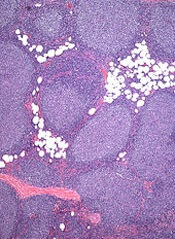
The European Medicine Agency’s Committee for Medicinal Products for Human Use (CHMP) has recommended that obinutuzumab (Gazyvaro), an anti-CD20 monoclonal antibody, be approved for use in patients with follicular lymphoma (FL).
The recommended indication is for obinutuzumab to be given first in combination with bendamustine and then as maintenance therapy in FL patients who did not respond to, progressed during, or progressed up to 6 months after treatment with rituximab or a rituximab-containing regimen.
Based on the CHMP’s recommendation, a final decision regarding the approval of obinutuzumab in FL is expected from the European Commission in the coming months.
Obinutuzumab is already approved in the European Union for use in combination with chlorambucil to treat patients with previously untreated chronic lymphocytic leukemia and comorbidities that make them unsuitable for full-dose fludarabine-based therapy.
Obinutuzumab is being developed by Roche.
GADOLIN trial
The CHMP’s recommendation to approve obinutuzumab in FL is based on results from the phase 3 GADOLIN trial. The study included 413 patients with rituximab-refractory non-Hodgkin lymphoma, including 321 patients with FL, 46 with marginal zone lymphoma, and 28 with small lymphocytic lymphoma.
The patients were randomized to receive bendamustine alone (control arm) or a combination of bendamustine and obinutuzumab followed by obinutuzumab maintenance (every 2 months for 2 years or until progression).
The primary endpoint of the study was progression-free survival (PFS), as assessed by an independent review committee (IRC). The secondary endpoints were PFS assessed by investigator review, best overall response, complete response (CR), partial response (PR), duration of response, overall survival, and safety profile.
Among patients with FL, the obinutuzumab regimen improved PFS compared to bendamustine alone, as assessed by IRC (hazard ratio [HR]=0.48, P<0.0001). The median PFS was not reached in patients receiving the obinutuzumab regimen but was 13.8 months in those receiving bendamustine alone.
Investigator-assessed PFS was consistent with IRC-assessed PFS. Investigators said the median PFS with the obinutuzumab regimen was more than double that with bendamustine alone—29.2 months vs 13.7 months (HR=0.48, P<0.0001).
The best overall response for patients receiving the obinutuzumab regimen was 78.7% (15.5% CR, 63.2% PR), compared to 74.7% for those receiving bendamustine alone (18.7% CR, 56% PR), as assessed by the IRC.
The median duration of response was not reached for patients receiving the obinutuzumab regimen and was 11.6 months for those receiving bendamustine alone.
The median overall survival has not yet been reached in either study arm.
The most common grade 3/4 adverse events observed in patients receiving the obinutuzumab regimen were neutropenia (33%), infusion reactions (11%), and thrombocytopenia (10%).
The most common adverse events of any grade were infusion reactions (69%), neutropenia (35%), nausea (54%), fatigue (39%), cough (26%), diarrhea (27%), constipation (19%), fever (18%), thrombocytopenia (15%), vomiting (22%), upper respiratory tract infection (13%), decreased appetite (18%), joint or muscle pain (12%), sinusitis (12%), anemia (12%), general weakness (11%), and urinary tract infection (10%).
The European Medicine Agency’s Committee for Medicinal Products for Human Use (CHMP) has recommended that obinutuzumab (Gazyvaro), an anti-CD20 monoclonal antibody, be approved for use in patients with follicular lymphoma (FL).
The recommended indication is for obinutuzumab to be given first in combination with bendamustine and then as maintenance therapy in FL patients who did not respond to, progressed during, or progressed up to 6 months after treatment with rituximab or a rituximab-containing regimen.
Based on the CHMP’s recommendation, a final decision regarding the approval of obinutuzumab in FL is expected from the European Commission in the coming months.
Obinutuzumab is already approved in the European Union for use in combination with chlorambucil to treat patients with previously untreated chronic lymphocytic leukemia and comorbidities that make them unsuitable for full-dose fludarabine-based therapy.
Obinutuzumab is being developed by Roche.
GADOLIN trial
The CHMP’s recommendation to approve obinutuzumab in FL is based on results from the phase 3 GADOLIN trial. The study included 413 patients with rituximab-refractory non-Hodgkin lymphoma, including 321 patients with FL, 46 with marginal zone lymphoma, and 28 with small lymphocytic lymphoma.
The patients were randomized to receive bendamustine alone (control arm) or a combination of bendamustine and obinutuzumab followed by obinutuzumab maintenance (every 2 months for 2 years or until progression).
The primary endpoint of the study was progression-free survival (PFS), as assessed by an independent review committee (IRC). The secondary endpoints were PFS assessed by investigator review, best overall response, complete response (CR), partial response (PR), duration of response, overall survival, and safety profile.
Among patients with FL, the obinutuzumab regimen improved PFS compared to bendamustine alone, as assessed by IRC (hazard ratio [HR]=0.48, P<0.0001). The median PFS was not reached in patients receiving the obinutuzumab regimen but was 13.8 months in those receiving bendamustine alone.
Investigator-assessed PFS was consistent with IRC-assessed PFS. Investigators said the median PFS with the obinutuzumab regimen was more than double that with bendamustine alone—29.2 months vs 13.7 months (HR=0.48, P<0.0001).
The best overall response for patients receiving the obinutuzumab regimen was 78.7% (15.5% CR, 63.2% PR), compared to 74.7% for those receiving bendamustine alone (18.7% CR, 56% PR), as assessed by the IRC.
The median duration of response was not reached for patients receiving the obinutuzumab regimen and was 11.6 months for those receiving bendamustine alone.
The median overall survival has not yet been reached in either study arm.
The most common grade 3/4 adverse events observed in patients receiving the obinutuzumab regimen were neutropenia (33%), infusion reactions (11%), and thrombocytopenia (10%).
The most common adverse events of any grade were infusion reactions (69%), neutropenia (35%), nausea (54%), fatigue (39%), cough (26%), diarrhea (27%), constipation (19%), fever (18%), thrombocytopenia (15%), vomiting (22%), upper respiratory tract infection (13%), decreased appetite (18%), joint or muscle pain (12%), sinusitis (12%), anemia (12%), general weakness (11%), and urinary tract infection (10%).
The European Medicine Agency’s Committee for Medicinal Products for Human Use (CHMP) has recommended that obinutuzumab (Gazyvaro), an anti-CD20 monoclonal antibody, be approved for use in patients with follicular lymphoma (FL).
The recommended indication is for obinutuzumab to be given first in combination with bendamustine and then as maintenance therapy in FL patients who did not respond to, progressed during, or progressed up to 6 months after treatment with rituximab or a rituximab-containing regimen.
Based on the CHMP’s recommendation, a final decision regarding the approval of obinutuzumab in FL is expected from the European Commission in the coming months.
Obinutuzumab is already approved in the European Union for use in combination with chlorambucil to treat patients with previously untreated chronic lymphocytic leukemia and comorbidities that make them unsuitable for full-dose fludarabine-based therapy.
Obinutuzumab is being developed by Roche.
GADOLIN trial
The CHMP’s recommendation to approve obinutuzumab in FL is based on results from the phase 3 GADOLIN trial. The study included 413 patients with rituximab-refractory non-Hodgkin lymphoma, including 321 patients with FL, 46 with marginal zone lymphoma, and 28 with small lymphocytic lymphoma.
The patients were randomized to receive bendamustine alone (control arm) or a combination of bendamustine and obinutuzumab followed by obinutuzumab maintenance (every 2 months for 2 years or until progression).
The primary endpoint of the study was progression-free survival (PFS), as assessed by an independent review committee (IRC). The secondary endpoints were PFS assessed by investigator review, best overall response, complete response (CR), partial response (PR), duration of response, overall survival, and safety profile.
Among patients with FL, the obinutuzumab regimen improved PFS compared to bendamustine alone, as assessed by IRC (hazard ratio [HR]=0.48, P<0.0001). The median PFS was not reached in patients receiving the obinutuzumab regimen but was 13.8 months in those receiving bendamustine alone.
Investigator-assessed PFS was consistent with IRC-assessed PFS. Investigators said the median PFS with the obinutuzumab regimen was more than double that with bendamustine alone—29.2 months vs 13.7 months (HR=0.48, P<0.0001).
The best overall response for patients receiving the obinutuzumab regimen was 78.7% (15.5% CR, 63.2% PR), compared to 74.7% for those receiving bendamustine alone (18.7% CR, 56% PR), as assessed by the IRC.
The median duration of response was not reached for patients receiving the obinutuzumab regimen and was 11.6 months for those receiving bendamustine alone.
The median overall survival has not yet been reached in either study arm.
The most common grade 3/4 adverse events observed in patients receiving the obinutuzumab regimen were neutropenia (33%), infusion reactions (11%), and thrombocytopenia (10%).
The most common adverse events of any grade were infusion reactions (69%), neutropenia (35%), nausea (54%), fatigue (39%), cough (26%), diarrhea (27%), constipation (19%), fever (18%), thrombocytopenia (15%), vomiting (22%), upper respiratory tract infection (13%), decreased appetite (18%), joint or muscle pain (12%), sinusitis (12%), anemia (12%), general weakness (11%), and urinary tract infection (10%).
FDA authorizes first commercial Zika test
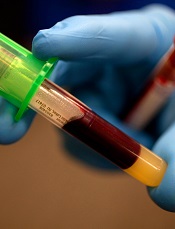
Photo by Juan D. Alfonso
The US Food and Drug Administration (FDA) has granted Emergency Use Authorization (EUA) for another test designed to detect Zika virus infection.
The test, Zika Virus RNA Qualitative Real-Time RT-PCR test (Zika RT-PCR test), is intended for the qualitative detection of RNA from the Zika virus in human serum specimens from patients meeting criteria for testing outlined by the Centers for Disease Control and Prevention (CDC).
The Zika RT-PCR test is the first test from a commercial laboratory provider to be granted an EUA for testing patients for Zika virus RNA. The test was developed by Focus Diagnostics, Inc., a subsidiary of Quest Diagnostics.
About the EUA
The Zika RT-PCR test has not been FDA cleared or approved. An EUA allows the use of unapproved medical products or unapproved uses of approved medical products in an emergency.
The products must be used to diagnose, treat, or prevent serious or life-threatening conditions caused by chemical, biological, radiological, or nuclear threat agents, when there are no adequate alternatives.
The FDA issued the EUA for the Zika RT-PCR test based on data submitted by Focus Diagnostics, Inc., and on the US Secretary of Health and Human Services’ (HHS) declaration that circumstances exist to justify the emergency use of in vitro diagnostic tests for the detection of Zika virus and/or diagnosis of Zika virus infection.
This EUA will terminate when the HHS Secretary’s declaration terminates, unless the FDA revokes it sooner.
Until now, the only Zika tests authorized by the FDA under EUA were available from the CDC and were only used in qualified laboratories designated by the CDC. These are the Trioplex Real-time RT-PCR Assay and the Zika IgM Antibody Capture Enzyme-Linked Immunosorbent Assay (Zika MAC-ELISA).
About the test
Quest Diagnostics plans to make the Zika RT-PCR test broadly available for patient testing early in the week of May 2.
The Zika RT-PCR test is intended for use by clinical laboratory personnel qualified by state and federal regulations who have received specific training on the use of the test in qualified laboratories designated by Focus Diagnostics, Inc., and certified under the Clinical Laboratory Improvement Amendments of 1988 (CLIA) to perform high-complexity tests.
The test can potentially be performed at any CLIA high-complexity laboratory in the Quest Diagnostics network, which includes several dozen CLIA high-complexity labs in the US, including in Toa Baja, Puerto Rico.
Within the US, positive results of this test must be reported to the CDC.
The CDC recommends RT-PCR testing for Zika infection during approximately the first 7 days of the onset of symptoms for certain patients, including:
- Individuals with symptoms suggestive of Zika infection who have traveled within the last 2 weeks to an area with ongoing transmission
- Asymptomatic pregnant women with a history of residence in or travel to areas of active Zika infection
- Asymptomatic pregnant women whose male sexual partners have traveled to or lived in an area of active Zika infection
- Infants born to mothers who live in or traveled to areas with Zika virus transmission during their pregnancy, including both molecular and serologic testing of infants who are being evaluated for evidence of a congenital Zika virus infection.
A negative test result does not preclude infection, and additional serological testing to evaluate the body’s immune response to infection may be considered within 2 to 12 weeks after symptom onset.
For more information on the Zika RT-PCR test, visit www.QuestDiagnostics.com/Zika.
Photo by Juan D. Alfonso
The US Food and Drug Administration (FDA) has granted Emergency Use Authorization (EUA) for another test designed to detect Zika virus infection.
The test, Zika Virus RNA Qualitative Real-Time RT-PCR test (Zika RT-PCR test), is intended for the qualitative detection of RNA from the Zika virus in human serum specimens from patients meeting criteria for testing outlined by the Centers for Disease Control and Prevention (CDC).
The Zika RT-PCR test is the first test from a commercial laboratory provider to be granted an EUA for testing patients for Zika virus RNA. The test was developed by Focus Diagnostics, Inc., a subsidiary of Quest Diagnostics.
About the EUA
The Zika RT-PCR test has not been FDA cleared or approved. An EUA allows the use of unapproved medical products or unapproved uses of approved medical products in an emergency.
The products must be used to diagnose, treat, or prevent serious or life-threatening conditions caused by chemical, biological, radiological, or nuclear threat agents, when there are no adequate alternatives.
The FDA issued the EUA for the Zika RT-PCR test based on data submitted by Focus Diagnostics, Inc., and on the US Secretary of Health and Human Services’ (HHS) declaration that circumstances exist to justify the emergency use of in vitro diagnostic tests for the detection of Zika virus and/or diagnosis of Zika virus infection.
This EUA will terminate when the HHS Secretary’s declaration terminates, unless the FDA revokes it sooner.
Until now, the only Zika tests authorized by the FDA under EUA were available from the CDC and were only used in qualified laboratories designated by the CDC. These are the Trioplex Real-time RT-PCR Assay and the Zika IgM Antibody Capture Enzyme-Linked Immunosorbent Assay (Zika MAC-ELISA).
About the test
Quest Diagnostics plans to make the Zika RT-PCR test broadly available for patient testing early in the week of May 2.
The Zika RT-PCR test is intended for use by clinical laboratory personnel qualified by state and federal regulations who have received specific training on the use of the test in qualified laboratories designated by Focus Diagnostics, Inc., and certified under the Clinical Laboratory Improvement Amendments of 1988 (CLIA) to perform high-complexity tests.
The test can potentially be performed at any CLIA high-complexity laboratory in the Quest Diagnostics network, which includes several dozen CLIA high-complexity labs in the US, including in Toa Baja, Puerto Rico.
Within the US, positive results of this test must be reported to the CDC.
The CDC recommends RT-PCR testing for Zika infection during approximately the first 7 days of the onset of symptoms for certain patients, including:
- Individuals with symptoms suggestive of Zika infection who have traveled within the last 2 weeks to an area with ongoing transmission
- Asymptomatic pregnant women with a history of residence in or travel to areas of active Zika infection
- Asymptomatic pregnant women whose male sexual partners have traveled to or lived in an area of active Zika infection
- Infants born to mothers who live in or traveled to areas with Zika virus transmission during their pregnancy, including both molecular and serologic testing of infants who are being evaluated for evidence of a congenital Zika virus infection.
A negative test result does not preclude infection, and additional serological testing to evaluate the body’s immune response to infection may be considered within 2 to 12 weeks after symptom onset.
For more information on the Zika RT-PCR test, visit www.QuestDiagnostics.com/Zika.
Photo by Juan D. Alfonso
The US Food and Drug Administration (FDA) has granted Emergency Use Authorization (EUA) for another test designed to detect Zika virus infection.
The test, Zika Virus RNA Qualitative Real-Time RT-PCR test (Zika RT-PCR test), is intended for the qualitative detection of RNA from the Zika virus in human serum specimens from patients meeting criteria for testing outlined by the Centers for Disease Control and Prevention (CDC).
The Zika RT-PCR test is the first test from a commercial laboratory provider to be granted an EUA for testing patients for Zika virus RNA. The test was developed by Focus Diagnostics, Inc., a subsidiary of Quest Diagnostics.
About the EUA
The Zika RT-PCR test has not been FDA cleared or approved. An EUA allows the use of unapproved medical products or unapproved uses of approved medical products in an emergency.
The products must be used to diagnose, treat, or prevent serious or life-threatening conditions caused by chemical, biological, radiological, or nuclear threat agents, when there are no adequate alternatives.
The FDA issued the EUA for the Zika RT-PCR test based on data submitted by Focus Diagnostics, Inc., and on the US Secretary of Health and Human Services’ (HHS) declaration that circumstances exist to justify the emergency use of in vitro diagnostic tests for the detection of Zika virus and/or diagnosis of Zika virus infection.
This EUA will terminate when the HHS Secretary’s declaration terminates, unless the FDA revokes it sooner.
Until now, the only Zika tests authorized by the FDA under EUA were available from the CDC and were only used in qualified laboratories designated by the CDC. These are the Trioplex Real-time RT-PCR Assay and the Zika IgM Antibody Capture Enzyme-Linked Immunosorbent Assay (Zika MAC-ELISA).
About the test
Quest Diagnostics plans to make the Zika RT-PCR test broadly available for patient testing early in the week of May 2.
The Zika RT-PCR test is intended for use by clinical laboratory personnel qualified by state and federal regulations who have received specific training on the use of the test in qualified laboratories designated by Focus Diagnostics, Inc., and certified under the Clinical Laboratory Improvement Amendments of 1988 (CLIA) to perform high-complexity tests.
The test can potentially be performed at any CLIA high-complexity laboratory in the Quest Diagnostics network, which includes several dozen CLIA high-complexity labs in the US, including in Toa Baja, Puerto Rico.
Within the US, positive results of this test must be reported to the CDC.
The CDC recommends RT-PCR testing for Zika infection during approximately the first 7 days of the onset of symptoms for certain patients, including:
- Individuals with symptoms suggestive of Zika infection who have traveled within the last 2 weeks to an area with ongoing transmission
- Asymptomatic pregnant women with a history of residence in or travel to areas of active Zika infection
- Asymptomatic pregnant women whose male sexual partners have traveled to or lived in an area of active Zika infection
- Infants born to mothers who live in or traveled to areas with Zika virus transmission during their pregnancy, including both molecular and serologic testing of infants who are being evaluated for evidence of a congenital Zika virus infection.
A negative test result does not preclude infection, and additional serological testing to evaluate the body’s immune response to infection may be considered within 2 to 12 weeks after symptom onset.
For more information on the Zika RT-PCR test, visit www.QuestDiagnostics.com/Zika.
All-oral combo extends PFS in rel/ref MM

Photo courtesy of ASH
In the phase 3 TOURMALINE-MM1 trial, adding the oral proteasome inhibitor ixazomib to treatment with lenalidomide and dexamethasone significantly extended progression-free survival (PFS), with limited additional toxicity, in patients with relapsed/refractory multiple myeloma (MM).
The median PFS was about 21 months for patients who received ixazomib, lenalidomide, and dexamethasone (IRd) and about 15 months for those who received placebo, lenalidomide, and dexamethasone (Rd).
Gastrointestinal adverse events (AEs), rash, and grade 3/4 thrombocytopenia were more common in the IRd arm than the Rd arm.
These results were published in NEJM. The study was sponsored by Millennium Pharmaceuticals, Inc. Results from this trial were previously presented at ASH 2015, but the data in NEJM differ slightly from that presentation.
“NEJM has published the results of the first phase 3 study supporting an all-oral triplet regimen containing a proteasome inhibitor in multiple myeloma,” said study author Philippe Moreau, MD, of University of Nantes in France.
“The TOURMALINE-MM1 results demonstrated that ixazomib in combination with lenalidomide and dexamethasone is an effective and tolerable oral regimen with a manageable safety profile for patients with relapsed and/or refractory multiple myeloma.”
TOURMALINE-MM1 enrolled 722 patients with relapsed (77%), refractory (11%), relapsed and refractory (12%), or primary refractory (6%) MM.
The patients were randomized to receive IRd (n=360) or Rd (n=362). Baseline patient characteristics were similar between the treatment arms. The median age was 66 in both arms (overall range, 30-91), and nearly 60% of patients were male.
About 60% of patients in both arms had received 1 prior therapy, roughly 30% had received 2, and about 10% had received 3. Seventy percent of patients in both arms had received prior treatment with a proteasome inhibitor, and about 55% had received an immunomodulatory drug.
Efficacy
The study’s primary endpoint was PFS. And the researchers saw a significant improvement in PFS for the IRd arm compared to the Rd arm. The median PFS was 20.6 months and 14.7 months, respectively. The hazard ratio was 0.74 (P=0.01).
There was a benefit in PFS in the IRd arm across pre-specified patient subgroups, including patients with poor prognosis, such as elderly patients, those who had received 2 or 3 prior therapies, those with advanced stage disease, and those with high-risk cytogenetic abnormalities.
At a median follow-up of about 23 months, the median overall survival had not been reached in either treatment arm.
The overall response rates were 78% in the IRd arm and 72% in the Rd arm. The complete response rates were 12% and 7%, respectively, and the stringent complete response rates were 2% and <1%, respectively.
The median time to response was 1.1 months in the IRd arm and 1.9 months in the Rd arm. The median duration of response was 20.5 months and 15.0 months, respectively.
Safety
AEs occurred in 98% of patients in the IRd arm and 99% in the Rd arm. Grade 3 or higher AEs occurred in 74% and 69% of patients, respectively, serious AEs occurred in 47% and 49%, respectively, and on-study deaths occurred in 4% and 6%, respectively.
Grade 3 and 4 thrombocytopenia was more frequent in the IRd arm (12% and 7%, respectively) than in the Rd arm (5% and 4%, respectively). Rash also occurred more frequently in the IRd arm than in the Rd arm (36% and 23%, respectively).
Gastrointestinal AEs were more frequent in the IRd arm than the Rd arm, including diarrhea (45% vs 39%), constipation (35% vs 26%), nausea (29% vs 22%), and vomiting (23% vs 12%).
The incidence of peripheral neuropathy was 27% in the IRd arm and 22% in the Rd arm. Grade 3 events occurred in 2% of patients in each arm, and no grade 4 events were reported.
Roughly the same percentage of patients developed new primary malignant tumors—5% in the IRd arm and 4% in the Rd arm.
Photo courtesy of ASH
In the phase 3 TOURMALINE-MM1 trial, adding the oral proteasome inhibitor ixazomib to treatment with lenalidomide and dexamethasone significantly extended progression-free survival (PFS), with limited additional toxicity, in patients with relapsed/refractory multiple myeloma (MM).
The median PFS was about 21 months for patients who received ixazomib, lenalidomide, and dexamethasone (IRd) and about 15 months for those who received placebo, lenalidomide, and dexamethasone (Rd).
Gastrointestinal adverse events (AEs), rash, and grade 3/4 thrombocytopenia were more common in the IRd arm than the Rd arm.
These results were published in NEJM. The study was sponsored by Millennium Pharmaceuticals, Inc. Results from this trial were previously presented at ASH 2015, but the data in NEJM differ slightly from that presentation.
“NEJM has published the results of the first phase 3 study supporting an all-oral triplet regimen containing a proteasome inhibitor in multiple myeloma,” said study author Philippe Moreau, MD, of University of Nantes in France.
“The TOURMALINE-MM1 results demonstrated that ixazomib in combination with lenalidomide and dexamethasone is an effective and tolerable oral regimen with a manageable safety profile for patients with relapsed and/or refractory multiple myeloma.”
TOURMALINE-MM1 enrolled 722 patients with relapsed (77%), refractory (11%), relapsed and refractory (12%), or primary refractory (6%) MM.
The patients were randomized to receive IRd (n=360) or Rd (n=362). Baseline patient characteristics were similar between the treatment arms. The median age was 66 in both arms (overall range, 30-91), and nearly 60% of patients were male.
About 60% of patients in both arms had received 1 prior therapy, roughly 30% had received 2, and about 10% had received 3. Seventy percent of patients in both arms had received prior treatment with a proteasome inhibitor, and about 55% had received an immunomodulatory drug.
Efficacy
The study’s primary endpoint was PFS. And the researchers saw a significant improvement in PFS for the IRd arm compared to the Rd arm. The median PFS was 20.6 months and 14.7 months, respectively. The hazard ratio was 0.74 (P=0.01).
There was a benefit in PFS in the IRd arm across pre-specified patient subgroups, including patients with poor prognosis, such as elderly patients, those who had received 2 or 3 prior therapies, those with advanced stage disease, and those with high-risk cytogenetic abnormalities.
At a median follow-up of about 23 months, the median overall survival had not been reached in either treatment arm.
The overall response rates were 78% in the IRd arm and 72% in the Rd arm. The complete response rates were 12% and 7%, respectively, and the stringent complete response rates were 2% and <1%, respectively.
The median time to response was 1.1 months in the IRd arm and 1.9 months in the Rd arm. The median duration of response was 20.5 months and 15.0 months, respectively.
Safety
AEs occurred in 98% of patients in the IRd arm and 99% in the Rd arm. Grade 3 or higher AEs occurred in 74% and 69% of patients, respectively, serious AEs occurred in 47% and 49%, respectively, and on-study deaths occurred in 4% and 6%, respectively.
Grade 3 and 4 thrombocytopenia was more frequent in the IRd arm (12% and 7%, respectively) than in the Rd arm (5% and 4%, respectively). Rash also occurred more frequently in the IRd arm than in the Rd arm (36% and 23%, respectively).
Gastrointestinal AEs were more frequent in the IRd arm than the Rd arm, including diarrhea (45% vs 39%), constipation (35% vs 26%), nausea (29% vs 22%), and vomiting (23% vs 12%).
The incidence of peripheral neuropathy was 27% in the IRd arm and 22% in the Rd arm. Grade 3 events occurred in 2% of patients in each arm, and no grade 4 events were reported.
Roughly the same percentage of patients developed new primary malignant tumors—5% in the IRd arm and 4% in the Rd arm.
Photo courtesy of ASH
In the phase 3 TOURMALINE-MM1 trial, adding the oral proteasome inhibitor ixazomib to treatment with lenalidomide and dexamethasone significantly extended progression-free survival (PFS), with limited additional toxicity, in patients with relapsed/refractory multiple myeloma (MM).
The median PFS was about 21 months for patients who received ixazomib, lenalidomide, and dexamethasone (IRd) and about 15 months for those who received placebo, lenalidomide, and dexamethasone (Rd).
Gastrointestinal adverse events (AEs), rash, and grade 3/4 thrombocytopenia were more common in the IRd arm than the Rd arm.
These results were published in NEJM. The study was sponsored by Millennium Pharmaceuticals, Inc. Results from this trial were previously presented at ASH 2015, but the data in NEJM differ slightly from that presentation.
“NEJM has published the results of the first phase 3 study supporting an all-oral triplet regimen containing a proteasome inhibitor in multiple myeloma,” said study author Philippe Moreau, MD, of University of Nantes in France.
“The TOURMALINE-MM1 results demonstrated that ixazomib in combination with lenalidomide and dexamethasone is an effective and tolerable oral regimen with a manageable safety profile for patients with relapsed and/or refractory multiple myeloma.”
TOURMALINE-MM1 enrolled 722 patients with relapsed (77%), refractory (11%), relapsed and refractory (12%), or primary refractory (6%) MM.
The patients were randomized to receive IRd (n=360) or Rd (n=362). Baseline patient characteristics were similar between the treatment arms. The median age was 66 in both arms (overall range, 30-91), and nearly 60% of patients were male.
About 60% of patients in both arms had received 1 prior therapy, roughly 30% had received 2, and about 10% had received 3. Seventy percent of patients in both arms had received prior treatment with a proteasome inhibitor, and about 55% had received an immunomodulatory drug.
Efficacy
The study’s primary endpoint was PFS. And the researchers saw a significant improvement in PFS for the IRd arm compared to the Rd arm. The median PFS was 20.6 months and 14.7 months, respectively. The hazard ratio was 0.74 (P=0.01).
There was a benefit in PFS in the IRd arm across pre-specified patient subgroups, including patients with poor prognosis, such as elderly patients, those who had received 2 or 3 prior therapies, those with advanced stage disease, and those with high-risk cytogenetic abnormalities.
At a median follow-up of about 23 months, the median overall survival had not been reached in either treatment arm.
The overall response rates were 78% in the IRd arm and 72% in the Rd arm. The complete response rates were 12% and 7%, respectively, and the stringent complete response rates were 2% and <1%, respectively.
The median time to response was 1.1 months in the IRd arm and 1.9 months in the Rd arm. The median duration of response was 20.5 months and 15.0 months, respectively.
Safety
AEs occurred in 98% of patients in the IRd arm and 99% in the Rd arm. Grade 3 or higher AEs occurred in 74% and 69% of patients, respectively, serious AEs occurred in 47% and 49%, respectively, and on-study deaths occurred in 4% and 6%, respectively.
Grade 3 and 4 thrombocytopenia was more frequent in the IRd arm (12% and 7%, respectively) than in the Rd arm (5% and 4%, respectively). Rash also occurred more frequently in the IRd arm than in the Rd arm (36% and 23%, respectively).
Gastrointestinal AEs were more frequent in the IRd arm than the Rd arm, including diarrhea (45% vs 39%), constipation (35% vs 26%), nausea (29% vs 22%), and vomiting (23% vs 12%).
The incidence of peripheral neuropathy was 27% in the IRd arm and 22% in the Rd arm. Grade 3 events occurred in 2% of patients in each arm, and no grade 4 events were reported.
Roughly the same percentage of patients developed new primary malignant tumors—5% in the IRd arm and 4% in the Rd arm.
Biomarker may predict sensitivity to PIs in MM

in a thermal cycler
Photo by Karl Mumm
Measuring expression of the gene TJP1 could help determine which multiple myeloma (MM) patients are most likely to benefit from treatment with proteasome inhibitors (PIs), according to a study published in Cancer Cell.
Investigators found that TJP1 enhanced PI sensitivity in vitro and in vivo.
When they analyzed patient data, the team found that high TJP1 expression in patients’ MM cells was associated with a significantly higher likelihood of responding to bortezomib and a longer response duration.
“Proteasome inhibitors form the cornerstone of our standard therapy for multiple myeloma,” said study author Robert Orlowski, MD, PhD, of The University of Texas MD Anderson Cancer Center in Houston.
“However, no biomarkers have been clinically validated that can identify patients most likely to respond to this treatment. Our findings provide a rationale for use of TJP1 as the first biomarker to select patients who are most and least likely to benefit from proteasome inhibitors.”
At the start of this study, Dr Orlowski and his colleagues examined gene-expression profiles of ANBL-6 and KAS-6/1 wild-type and bortezomib-resistant MM cells and found that TJP1 was downregulated in the resistant cells.
To further study the role of TJP1 in PI resistance, the investigators conducted experiments with RPMI 8226 and U266 MM cell lines (models that expressed high TJP1 levels) and MOLP-8 (a model that expressed low levels).
They found that knocking down TJP1 in RPMI 8226 and U266 cells with short hairpin RNA (shRNA) preserved the cells’ viability after exposure to bortezomib or carfilzomib. On the other hand, TJP1 overexpression sensitized MOLP-8 cells to the PIs.
In mice, RPMI 8226/TJP1 shRNA tumors were less sensitive to bortezomib than RPMI 8226/control tumors. And mice with MOLP-8/TJP1 shRNA tumors had a greater reduction in tumor growth after bortezomib treatment than MOLP-8/control mice.
Further investigation revealed that TJP1 modulates signaling through a pathway involving EGFR, JAK1, and STAT3. This finding supports the hypothesis that plasma cells expressing low TJP1 levels have both high EGFR/JAK1/STAT3 activity and high proteasome content.
“Therefore, these plasma cells were resistant to proteasome inhibitors,” Dr Orlowski explained. “Moreover, they demonstrated a previously unknown role for EGFR signaling in myeloma and for STAT3 in controlling the level of proteasomes in cells and, therefore, the cell’s ability to break down proteins.”
“This study allows us to identify promising future directions to overcome proteasome inhibitor resistance in patients with high signaling through the EGFR/JAK1/STAT3 pathway by offering combination therapies such as bortezomib with either the EGFR inhibitor erlotinib or a JAK1 inhibitor such as ruxolitinib.”
Finally, Dr Orlowski and his colleagues found that patients whose MM cells expressed low TJP1 levels were significantly less likely to achieve a response or benefit from bortezomib.
Patients who achieved a response after bortezomib across multiple studies had significantly higher TJP1 expression than nonresponders. And patients with the highest TJP1 expression levels had the longest time to progression.
in a thermal cycler
Photo by Karl Mumm
Measuring expression of the gene TJP1 could help determine which multiple myeloma (MM) patients are most likely to benefit from treatment with proteasome inhibitors (PIs), according to a study published in Cancer Cell.
Investigators found that TJP1 enhanced PI sensitivity in vitro and in vivo.
When they analyzed patient data, the team found that high TJP1 expression in patients’ MM cells was associated with a significantly higher likelihood of responding to bortezomib and a longer response duration.
“Proteasome inhibitors form the cornerstone of our standard therapy for multiple myeloma,” said study author Robert Orlowski, MD, PhD, of The University of Texas MD Anderson Cancer Center in Houston.
“However, no biomarkers have been clinically validated that can identify patients most likely to respond to this treatment. Our findings provide a rationale for use of TJP1 as the first biomarker to select patients who are most and least likely to benefit from proteasome inhibitors.”
At the start of this study, Dr Orlowski and his colleagues examined gene-expression profiles of ANBL-6 and KAS-6/1 wild-type and bortezomib-resistant MM cells and found that TJP1 was downregulated in the resistant cells.
To further study the role of TJP1 in PI resistance, the investigators conducted experiments with RPMI 8226 and U266 MM cell lines (models that expressed high TJP1 levels) and MOLP-8 (a model that expressed low levels).
They found that knocking down TJP1 in RPMI 8226 and U266 cells with short hairpin RNA (shRNA) preserved the cells’ viability after exposure to bortezomib or carfilzomib. On the other hand, TJP1 overexpression sensitized MOLP-8 cells to the PIs.
In mice, RPMI 8226/TJP1 shRNA tumors were less sensitive to bortezomib than RPMI 8226/control tumors. And mice with MOLP-8/TJP1 shRNA tumors had a greater reduction in tumor growth after bortezomib treatment than MOLP-8/control mice.
Further investigation revealed that TJP1 modulates signaling through a pathway involving EGFR, JAK1, and STAT3. This finding supports the hypothesis that plasma cells expressing low TJP1 levels have both high EGFR/JAK1/STAT3 activity and high proteasome content.
“Therefore, these plasma cells were resistant to proteasome inhibitors,” Dr Orlowski explained. “Moreover, they demonstrated a previously unknown role for EGFR signaling in myeloma and for STAT3 in controlling the level of proteasomes in cells and, therefore, the cell’s ability to break down proteins.”
“This study allows us to identify promising future directions to overcome proteasome inhibitor resistance in patients with high signaling through the EGFR/JAK1/STAT3 pathway by offering combination therapies such as bortezomib with either the EGFR inhibitor erlotinib or a JAK1 inhibitor such as ruxolitinib.”
Finally, Dr Orlowski and his colleagues found that patients whose MM cells expressed low TJP1 levels were significantly less likely to achieve a response or benefit from bortezomib.
Patients who achieved a response after bortezomib across multiple studies had significantly higher TJP1 expression than nonresponders. And patients with the highest TJP1 expression levels had the longest time to progression.
in a thermal cycler
Photo by Karl Mumm
Measuring expression of the gene TJP1 could help determine which multiple myeloma (MM) patients are most likely to benefit from treatment with proteasome inhibitors (PIs), according to a study published in Cancer Cell.
Investigators found that TJP1 enhanced PI sensitivity in vitro and in vivo.
When they analyzed patient data, the team found that high TJP1 expression in patients’ MM cells was associated with a significantly higher likelihood of responding to bortezomib and a longer response duration.
“Proteasome inhibitors form the cornerstone of our standard therapy for multiple myeloma,” said study author Robert Orlowski, MD, PhD, of The University of Texas MD Anderson Cancer Center in Houston.
“However, no biomarkers have been clinically validated that can identify patients most likely to respond to this treatment. Our findings provide a rationale for use of TJP1 as the first biomarker to select patients who are most and least likely to benefit from proteasome inhibitors.”
At the start of this study, Dr Orlowski and his colleagues examined gene-expression profiles of ANBL-6 and KAS-6/1 wild-type and bortezomib-resistant MM cells and found that TJP1 was downregulated in the resistant cells.
To further study the role of TJP1 in PI resistance, the investigators conducted experiments with RPMI 8226 and U266 MM cell lines (models that expressed high TJP1 levels) and MOLP-8 (a model that expressed low levels).
They found that knocking down TJP1 in RPMI 8226 and U266 cells with short hairpin RNA (shRNA) preserved the cells’ viability after exposure to bortezomib or carfilzomib. On the other hand, TJP1 overexpression sensitized MOLP-8 cells to the PIs.
In mice, RPMI 8226/TJP1 shRNA tumors were less sensitive to bortezomib than RPMI 8226/control tumors. And mice with MOLP-8/TJP1 shRNA tumors had a greater reduction in tumor growth after bortezomib treatment than MOLP-8/control mice.
Further investigation revealed that TJP1 modulates signaling through a pathway involving EGFR, JAK1, and STAT3. This finding supports the hypothesis that plasma cells expressing low TJP1 levels have both high EGFR/JAK1/STAT3 activity and high proteasome content.
“Therefore, these plasma cells were resistant to proteasome inhibitors,” Dr Orlowski explained. “Moreover, they demonstrated a previously unknown role for EGFR signaling in myeloma and for STAT3 in controlling the level of proteasomes in cells and, therefore, the cell’s ability to break down proteins.”
“This study allows us to identify promising future directions to overcome proteasome inhibitor resistance in patients with high signaling through the EGFR/JAK1/STAT3 pathway by offering combination therapies such as bortezomib with either the EGFR inhibitor erlotinib or a JAK1 inhibitor such as ruxolitinib.”
Finally, Dr Orlowski and his colleagues found that patients whose MM cells expressed low TJP1 levels were significantly less likely to achieve a response or benefit from bortezomib.
Patients who achieved a response after bortezomib across multiple studies had significantly higher TJP1 expression than nonresponders. And patients with the highest TJP1 expression levels had the longest time to progression.
Cancer diagnosis linked to mental health disorders

A recent cancer diagnosis is associated with an increased risk for mental health disorders and increased use of psychiatric medications, according to a large, nationwide study conducted in Sweden.
Overall, there was an increased risk of mental health disorders from 10 months before a cancer diagnosis that peaked during the first week after diagnosis and decreased after that, although the risk remained elevated at 10 years after diagnosis.
In addition, there was an increased use of psychiatric medications from 1 month before cancer diagnosis that peaked at about 3 months after diagnosis and remained elevated 2 years after diagnosis.
Donghao Lu, MD, of the Karolinska Institutet in Stockholm, Sweden and colleagues conducted this study and reported the results in JAMA Oncology.
The study included 304,118 patients with cancer and 3,041,174 cancer-free individuals randomly selected from the Swedish population for comparison.
The researchers investigated changes in risk for several common and potentially stress-related mental disorders—including depression, anxiety, substance abuse, somatoform/conversion disorder, and stress reaction/adjustment disorder—from the cancer diagnostic workup through to post-diagnosis.
They found the relative rate for all of the mental disorders studied started to increase from 10 months before cancer diagnosis, with a hazard ratio [HR] of 1.1 (95%CI, 1.1-1.2).
The rate peaked during the first week after diagnosis, with an HR of 6.7 (95%CI, 6.1-7.4). It decreased rapidly thereafter but was still elevated 10 years after diagnosis, with an HR of 1.1 (95%CI, 1.1-1.2).
The rate elevation was clear for all of the main cancers, including hematologic malignancies, except for nonmelanoma skin cancer.
Among the cancer patients, the mental disorder with the highest cumulative incidence was depression. This was followed by anxiety and stress reaction/adjustment disorder.
When compared to controls, the cancer patients had a higher cumulative incidence of most of the mental disorders. The exception was somatoform/conversion disorder.
The researchers also examined the use of psychiatric medications for patients with cancer to assess milder mental health conditions and symptoms.
The team found an increased use of psychiatric medications in cancer patients compared to controls, from 1 month before diagnosis—12.2% vs 11.7% (P=0.04)—that peaked at about 3 months after diagnosis—18.1% vs 11.9% (P<0.001)—and was still elevated 2 years after diagnosis—15.4% vs 12.7% (P<0.001).
The researchers said the results of this study support the existing guidelines of integrating psychological management into cancer care and call for extended vigilance for multiple mental disorders starting from the time of the cancer diagnostic workup.
A recent cancer diagnosis is associated with an increased risk for mental health disorders and increased use of psychiatric medications, according to a large, nationwide study conducted in Sweden.
Overall, there was an increased risk of mental health disorders from 10 months before a cancer diagnosis that peaked during the first week after diagnosis and decreased after that, although the risk remained elevated at 10 years after diagnosis.
In addition, there was an increased use of psychiatric medications from 1 month before cancer diagnosis that peaked at about 3 months after diagnosis and remained elevated 2 years after diagnosis.
Donghao Lu, MD, of the Karolinska Institutet in Stockholm, Sweden and colleagues conducted this study and reported the results in JAMA Oncology.
The study included 304,118 patients with cancer and 3,041,174 cancer-free individuals randomly selected from the Swedish population for comparison.
The researchers investigated changes in risk for several common and potentially stress-related mental disorders—including depression, anxiety, substance abuse, somatoform/conversion disorder, and stress reaction/adjustment disorder—from the cancer diagnostic workup through to post-diagnosis.
They found the relative rate for all of the mental disorders studied started to increase from 10 months before cancer diagnosis, with a hazard ratio [HR] of 1.1 (95%CI, 1.1-1.2).
The rate peaked during the first week after diagnosis, with an HR of 6.7 (95%CI, 6.1-7.4). It decreased rapidly thereafter but was still elevated 10 years after diagnosis, with an HR of 1.1 (95%CI, 1.1-1.2).
The rate elevation was clear for all of the main cancers, including hematologic malignancies, except for nonmelanoma skin cancer.
Among the cancer patients, the mental disorder with the highest cumulative incidence was depression. This was followed by anxiety and stress reaction/adjustment disorder.
When compared to controls, the cancer patients had a higher cumulative incidence of most of the mental disorders. The exception was somatoform/conversion disorder.
The researchers also examined the use of psychiatric medications for patients with cancer to assess milder mental health conditions and symptoms.
The team found an increased use of psychiatric medications in cancer patients compared to controls, from 1 month before diagnosis—12.2% vs 11.7% (P=0.04)—that peaked at about 3 months after diagnosis—18.1% vs 11.9% (P<0.001)—and was still elevated 2 years after diagnosis—15.4% vs 12.7% (P<0.001).
The researchers said the results of this study support the existing guidelines of integrating psychological management into cancer care and call for extended vigilance for multiple mental disorders starting from the time of the cancer diagnostic workup.
A recent cancer diagnosis is associated with an increased risk for mental health disorders and increased use of psychiatric medications, according to a large, nationwide study conducted in Sweden.
Overall, there was an increased risk of mental health disorders from 10 months before a cancer diagnosis that peaked during the first week after diagnosis and decreased after that, although the risk remained elevated at 10 years after diagnosis.
In addition, there was an increased use of psychiatric medications from 1 month before cancer diagnosis that peaked at about 3 months after diagnosis and remained elevated 2 years after diagnosis.
Donghao Lu, MD, of the Karolinska Institutet in Stockholm, Sweden and colleagues conducted this study and reported the results in JAMA Oncology.
The study included 304,118 patients with cancer and 3,041,174 cancer-free individuals randomly selected from the Swedish population for comparison.
The researchers investigated changes in risk for several common and potentially stress-related mental disorders—including depression, anxiety, substance abuse, somatoform/conversion disorder, and stress reaction/adjustment disorder—from the cancer diagnostic workup through to post-diagnosis.
They found the relative rate for all of the mental disorders studied started to increase from 10 months before cancer diagnosis, with a hazard ratio [HR] of 1.1 (95%CI, 1.1-1.2).
The rate peaked during the first week after diagnosis, with an HR of 6.7 (95%CI, 6.1-7.4). It decreased rapidly thereafter but was still elevated 10 years after diagnosis, with an HR of 1.1 (95%CI, 1.1-1.2).
The rate elevation was clear for all of the main cancers, including hematologic malignancies, except for nonmelanoma skin cancer.
Among the cancer patients, the mental disorder with the highest cumulative incidence was depression. This was followed by anxiety and stress reaction/adjustment disorder.
When compared to controls, the cancer patients had a higher cumulative incidence of most of the mental disorders. The exception was somatoform/conversion disorder.
The researchers also examined the use of psychiatric medications for patients with cancer to assess milder mental health conditions and symptoms.
The team found an increased use of psychiatric medications in cancer patients compared to controls, from 1 month before diagnosis—12.2% vs 11.7% (P=0.04)—that peaked at about 3 months after diagnosis—18.1% vs 11.9% (P<0.001)—and was still elevated 2 years after diagnosis—15.4% vs 12.7% (P<0.001).
The researchers said the results of this study support the existing guidelines of integrating psychological management into cancer care and call for extended vigilance for multiple mental disorders starting from the time of the cancer diagnostic workup.
Costs for orally administered cancer drugs on the rise

Photo courtesy of the CDC
New orally administered cancer drugs are much more expensive in their first year on the market than such drugs launched about 15 years ago, according to a study published in JAMA Oncology.
The research showed that a month of treatment with orally administered cancer drugs introduced in 2014 was, on average, 6 times more expensive at launch than monthly treatment costs for such drugs introduced in 2000, after adjusting for inflation.
In addition, most existing therapies had substantial price increases from the time they were launched to 2014.
“The major trend here is that these products are just getting more expensive over time,” said study author Stacie Dusetzina, PhD, of the University of North Carolina at Chapel Hill.
For this study, Dr Dusetzina evaluated what commercial health insurance companies and patients paid for prescription fills—before rebates and discounts—for 32 orally administered cancer drugs from 2000 to 2014. The information came from the TruvenHealth MarketScan Commercial Claims and Encounters database.
The data showed that orally administered drugs approved in 2000 cost an average of $1869 (95% CI, $1648-$2121) per month, compared to $11,325 (95% CI, $10 989-$11 671) for those approved in 2014.
When Dr Dusetzina compared changes in spending by year from a product’s launch to 2014, she observed increases in most of the drugs studied.
The drugs with the largest increases in monthly spending were thalidomide, which increased from $1869 to $7564 ($5695) and imatinib, which increased from $3346 to $8479 ($5133).
However, 2 drugs showed decreases in mean monthly spending between their launch and 2014. Monthly spending for lenalidomide decreased from $10,109 to $9640 ($469), and monthly spending for vorinostat decreased from $9755 to $7592 ($2163).
Dr Dusetzina pointed out that the amount patients pay for these drugs depends on their healthcare benefits. However, the high prices are being passed along to patients more and more, potentially affecting the patients’ access to these drugs.
“Patients are increasingly taking on the burden of paying for these high-cost specialty drugs as plans move toward use of higher deductibles and co-insurance—where a patient will pay a percentage of the drug cost rather than a flat copay,” Dr Dusetzina said.
She noted that while this study did account for payments by commercial health plans, it did not account for spending by Medicaid and Medicare, which may differ. In addition, only the products that were dispensed and reimbursed by commercial health plans were included, which may have excluded rarely used or recently approved products.
Photo courtesy of the CDC
New orally administered cancer drugs are much more expensive in their first year on the market than such drugs launched about 15 years ago, according to a study published in JAMA Oncology.
The research showed that a month of treatment with orally administered cancer drugs introduced in 2014 was, on average, 6 times more expensive at launch than monthly treatment costs for such drugs introduced in 2000, after adjusting for inflation.
In addition, most existing therapies had substantial price increases from the time they were launched to 2014.
“The major trend here is that these products are just getting more expensive over time,” said study author Stacie Dusetzina, PhD, of the University of North Carolina at Chapel Hill.
For this study, Dr Dusetzina evaluated what commercial health insurance companies and patients paid for prescription fills—before rebates and discounts—for 32 orally administered cancer drugs from 2000 to 2014. The information came from the TruvenHealth MarketScan Commercial Claims and Encounters database.
The data showed that orally administered drugs approved in 2000 cost an average of $1869 (95% CI, $1648-$2121) per month, compared to $11,325 (95% CI, $10 989-$11 671) for those approved in 2014.
When Dr Dusetzina compared changes in spending by year from a product’s launch to 2014, she observed increases in most of the drugs studied.
The drugs with the largest increases in monthly spending were thalidomide, which increased from $1869 to $7564 ($5695) and imatinib, which increased from $3346 to $8479 ($5133).
However, 2 drugs showed decreases in mean monthly spending between their launch and 2014. Monthly spending for lenalidomide decreased from $10,109 to $9640 ($469), and monthly spending for vorinostat decreased from $9755 to $7592 ($2163).
Dr Dusetzina pointed out that the amount patients pay for these drugs depends on their healthcare benefits. However, the high prices are being passed along to patients more and more, potentially affecting the patients’ access to these drugs.
“Patients are increasingly taking on the burden of paying for these high-cost specialty drugs as plans move toward use of higher deductibles and co-insurance—where a patient will pay a percentage of the drug cost rather than a flat copay,” Dr Dusetzina said.
She noted that while this study did account for payments by commercial health plans, it did not account for spending by Medicaid and Medicare, which may differ. In addition, only the products that were dispensed and reimbursed by commercial health plans were included, which may have excluded rarely used or recently approved products.
Photo courtesy of the CDC
New orally administered cancer drugs are much more expensive in their first year on the market than such drugs launched about 15 years ago, according to a study published in JAMA Oncology.
The research showed that a month of treatment with orally administered cancer drugs introduced in 2014 was, on average, 6 times more expensive at launch than monthly treatment costs for such drugs introduced in 2000, after adjusting for inflation.
In addition, most existing therapies had substantial price increases from the time they were launched to 2014.
“The major trend here is that these products are just getting more expensive over time,” said study author Stacie Dusetzina, PhD, of the University of North Carolina at Chapel Hill.
For this study, Dr Dusetzina evaluated what commercial health insurance companies and patients paid for prescription fills—before rebates and discounts—for 32 orally administered cancer drugs from 2000 to 2014. The information came from the TruvenHealth MarketScan Commercial Claims and Encounters database.
The data showed that orally administered drugs approved in 2000 cost an average of $1869 (95% CI, $1648-$2121) per month, compared to $11,325 (95% CI, $10 989-$11 671) for those approved in 2014.
When Dr Dusetzina compared changes in spending by year from a product’s launch to 2014, she observed increases in most of the drugs studied.
The drugs with the largest increases in monthly spending were thalidomide, which increased from $1869 to $7564 ($5695) and imatinib, which increased from $3346 to $8479 ($5133).
However, 2 drugs showed decreases in mean monthly spending between their launch and 2014. Monthly spending for lenalidomide decreased from $10,109 to $9640 ($469), and monthly spending for vorinostat decreased from $9755 to $7592 ($2163).
Dr Dusetzina pointed out that the amount patients pay for these drugs depends on their healthcare benefits. However, the high prices are being passed along to patients more and more, potentially affecting the patients’ access to these drugs.
“Patients are increasingly taking on the burden of paying for these high-cost specialty drugs as plans move toward use of higher deductibles and co-insurance—where a patient will pay a percentage of the drug cost rather than a flat copay,” Dr Dusetzina said.
She noted that while this study did account for payments by commercial health plans, it did not account for spending by Medicaid and Medicare, which may differ. In addition, only the products that were dispensed and reimbursed by commercial health plans were included, which may have excluded rarely used or recently approved products.
CAR T-cell trial explores new territory

Photo courtesy of
Fred Hutch News Service
Researchers say they have conducted the first trial of CD19-directed chimeric antigen receptor (CAR) T-cell therapy in which CD4+ and CD8+ cells were administered in equal proportions.
And the assurance that each patient received the same mixture of cells allowed the team to draw clear conclusions about the effects of administering CAR T-cell therapy at different doses.
The researchers detailed these conclusions in The Journal of Clinical Investigation.
This phase 1/2 trial (NCT01865617) was funded, in part, by Juno Therapeutics, the company developing the CAR T-cell therapy as JCAR014.
The work was also funded by the National Cancer Institute, private philanthropists, and the Life Sciences Discovery Fund.
Patients and treatment
The researchers reported data on 32 patients who had relapsed or refractory, CD19+ B-cell acute lymphoblastic leukemia and a median age of 40 (range, 20–73). Two of these patients were excluded due to complications prior to receiving treatment.
The 30 patients who were treated in this study had received a median of 3 prior intensive chemotherapy regimens (range, 1–11). Eleven patients had failed a hematopoietic stem cell transplant (HSCT). And all patients had detectable disease in the bone marrow, extramedullary sites, or cerebrospinal fluid at baseline.
To create the CAR T-cell therapy, the researchers modified CD8+ and CD4+ T-cell subsets separately to express a CD19-targeted CAR incorporating 4-1BB and CD3ζ signaling domains. The cells were then formulated in a defined ratio of CD4+:CD8+ CAR T cells.
Patients underwent lymphodepletion with a cyclophosphamide-based regimen (alone or with fludarabine or etoposide) and then received CAR T cells 48 to 96 hours later. The CAR T cells were given at 3 dose levels—2 × 10⁵/kg (DL1), 2 × 10⁶/kg (DL2), and 2 × 10⁷/kg (DL3).
Toxicity
The first 2 patients who received CAR T-cell therapy at DL3 developed severe toxicities, including 1 patient who died. So DL3 was not given to any subsequent patients.
Two patients died after CAR T-cell infusion. One patient had severe cytokine release syndrome (CRS) and multiorgan failure and died on day 3. The other patient had transient severe CRS with irreversible neurologic toxicity and died on day 122.
The most common adverse event observed in the first 14 days after CAR T-cell infusion was CRS, which occurred in 25 patients. Seven patients had severe CRS that put them in the intensive care unit.
However, for the patients treated at DL1 and DL2, dexamethasone alone or with tocilizumab resolved CRS.
Fifteen patients developed severe neurotoxicity (grade 3 or higher), either with CRS or after it resolved. For all but 1 patient (the aforementioned patient who died), neurologic symptoms and signs resolved.
Response
One patient died before response assessment, so 29 patients were evaluable. Twenty-seven of these patients (93%) achieved bone marrow remission by flow cytometry.
Of the 2 patients who did not achieve a complete response (CR), 1 underwent an allogeneic HSCT after receiving CAR T cells. After HSCT, she relapsed, was re-enrolled on the trial, and achieved a CR after receiving a higher dose of CAR T cells (DL2).
Twenty-five patients (86%) achieved a CR without evidence of minimal residual disease by flow cytometry and conventional karyotyping, FISH, or QPCR.
“Patients who come onto the trial have really limited options for treatment,” said study author Cameron Turtle, MBBS, PhD, of the Fred Hutchinson Cancer Research Center in Seattle, Washington.
“They have refractory acute leukemia. So the fact that we’re getting so many into remission is giving these people a way forward.”
Unfortunately, not all patients stayed in CR. Some relapsed and were treated again with CAR T cells, and 2 patients relapsed with leukemias that were immune to the CAR T cells. The researchers said it is still too early to know the long-term outcomes of the therapy.
“This is just the beginning,” Dr Turtle said. “It sounds fantastic to say that we get over 90% remissions, but there’s so much more work to do make sure they’re durable remissions, to work out who’s going to benefit the most, and extend this work to other diseases.”
Lessons learned
The researchers said that, because these CAR T cells had a defined CD4+:CD8+ composition, this study provides the first clear evidence of the relationships between the CAR T-cell dose patients receive and their outcomes after infusion.
The team found that high doses of CAR T cells and high tumor burden increase the risks of severe CRS and neurotoxicity. However, certain biomarkers can identify patients at the highest risk of toxicity.
Levels of IL-6, IFN-γ, and TNF-α on the first day after CAR T-cell infusion were significantly higher in patients who later developed severe neurotoxicity. Levels of these biomarkers were also higher in patients who were later sent to the intensive care unit.
Furthermore, risk-stratified CAR T-cell dosing based on bone marrow disease burden decreased toxicity.
The researchers also said they observed CD8+ T-cell-mediated anti-CAR transgene product immune responses in some patients, which limited CAR T-cell persistence and increased the risk of relapse.
And including fludarabine in the lymphodepletion regimen resulted in better CAR T-cell persistence and disease-free survival than when cyclophosphamide was given alone or with etoposide.
Photo courtesy of
Fred Hutch News Service
Researchers say they have conducted the first trial of CD19-directed chimeric antigen receptor (CAR) T-cell therapy in which CD4+ and CD8+ cells were administered in equal proportions.
And the assurance that each patient received the same mixture of cells allowed the team to draw clear conclusions about the effects of administering CAR T-cell therapy at different doses.
The researchers detailed these conclusions in The Journal of Clinical Investigation.
This phase 1/2 trial (NCT01865617) was funded, in part, by Juno Therapeutics, the company developing the CAR T-cell therapy as JCAR014.
The work was also funded by the National Cancer Institute, private philanthropists, and the Life Sciences Discovery Fund.
Patients and treatment
The researchers reported data on 32 patients who had relapsed or refractory, CD19+ B-cell acute lymphoblastic leukemia and a median age of 40 (range, 20–73). Two of these patients were excluded due to complications prior to receiving treatment.
The 30 patients who were treated in this study had received a median of 3 prior intensive chemotherapy regimens (range, 1–11). Eleven patients had failed a hematopoietic stem cell transplant (HSCT). And all patients had detectable disease in the bone marrow, extramedullary sites, or cerebrospinal fluid at baseline.
To create the CAR T-cell therapy, the researchers modified CD8+ and CD4+ T-cell subsets separately to express a CD19-targeted CAR incorporating 4-1BB and CD3ζ signaling domains. The cells were then formulated in a defined ratio of CD4+:CD8+ CAR T cells.
Patients underwent lymphodepletion with a cyclophosphamide-based regimen (alone or with fludarabine or etoposide) and then received CAR T cells 48 to 96 hours later. The CAR T cells were given at 3 dose levels—2 × 10⁵/kg (DL1), 2 × 10⁶/kg (DL2), and 2 × 10⁷/kg (DL3).
Toxicity
The first 2 patients who received CAR T-cell therapy at DL3 developed severe toxicities, including 1 patient who died. So DL3 was not given to any subsequent patients.
Two patients died after CAR T-cell infusion. One patient had severe cytokine release syndrome (CRS) and multiorgan failure and died on day 3. The other patient had transient severe CRS with irreversible neurologic toxicity and died on day 122.
The most common adverse event observed in the first 14 days after CAR T-cell infusion was CRS, which occurred in 25 patients. Seven patients had severe CRS that put them in the intensive care unit.
However, for the patients treated at DL1 and DL2, dexamethasone alone or with tocilizumab resolved CRS.
Fifteen patients developed severe neurotoxicity (grade 3 or higher), either with CRS or after it resolved. For all but 1 patient (the aforementioned patient who died), neurologic symptoms and signs resolved.
Response
One patient died before response assessment, so 29 patients were evaluable. Twenty-seven of these patients (93%) achieved bone marrow remission by flow cytometry.
Of the 2 patients who did not achieve a complete response (CR), 1 underwent an allogeneic HSCT after receiving CAR T cells. After HSCT, she relapsed, was re-enrolled on the trial, and achieved a CR after receiving a higher dose of CAR T cells (DL2).
Twenty-five patients (86%) achieved a CR without evidence of minimal residual disease by flow cytometry and conventional karyotyping, FISH, or QPCR.
“Patients who come onto the trial have really limited options for treatment,” said study author Cameron Turtle, MBBS, PhD, of the Fred Hutchinson Cancer Research Center in Seattle, Washington.
“They have refractory acute leukemia. So the fact that we’re getting so many into remission is giving these people a way forward.”
Unfortunately, not all patients stayed in CR. Some relapsed and were treated again with CAR T cells, and 2 patients relapsed with leukemias that were immune to the CAR T cells. The researchers said it is still too early to know the long-term outcomes of the therapy.
“This is just the beginning,” Dr Turtle said. “It sounds fantastic to say that we get over 90% remissions, but there’s so much more work to do make sure they’re durable remissions, to work out who’s going to benefit the most, and extend this work to other diseases.”
Lessons learned
The researchers said that, because these CAR T cells had a defined CD4+:CD8+ composition, this study provides the first clear evidence of the relationships between the CAR T-cell dose patients receive and their outcomes after infusion.
The team found that high doses of CAR T cells and high tumor burden increase the risks of severe CRS and neurotoxicity. However, certain biomarkers can identify patients at the highest risk of toxicity.
Levels of IL-6, IFN-γ, and TNF-α on the first day after CAR T-cell infusion were significantly higher in patients who later developed severe neurotoxicity. Levels of these biomarkers were also higher in patients who were later sent to the intensive care unit.
Furthermore, risk-stratified CAR T-cell dosing based on bone marrow disease burden decreased toxicity.
The researchers also said they observed CD8+ T-cell-mediated anti-CAR transgene product immune responses in some patients, which limited CAR T-cell persistence and increased the risk of relapse.
And including fludarabine in the lymphodepletion regimen resulted in better CAR T-cell persistence and disease-free survival than when cyclophosphamide was given alone or with etoposide.
Photo courtesy of
Fred Hutch News Service
Researchers say they have conducted the first trial of CD19-directed chimeric antigen receptor (CAR) T-cell therapy in which CD4+ and CD8+ cells were administered in equal proportions.
And the assurance that each patient received the same mixture of cells allowed the team to draw clear conclusions about the effects of administering CAR T-cell therapy at different doses.
The researchers detailed these conclusions in The Journal of Clinical Investigation.
This phase 1/2 trial (NCT01865617) was funded, in part, by Juno Therapeutics, the company developing the CAR T-cell therapy as JCAR014.
The work was also funded by the National Cancer Institute, private philanthropists, and the Life Sciences Discovery Fund.
Patients and treatment
The researchers reported data on 32 patients who had relapsed or refractory, CD19+ B-cell acute lymphoblastic leukemia and a median age of 40 (range, 20–73). Two of these patients were excluded due to complications prior to receiving treatment.
The 30 patients who were treated in this study had received a median of 3 prior intensive chemotherapy regimens (range, 1–11). Eleven patients had failed a hematopoietic stem cell transplant (HSCT). And all patients had detectable disease in the bone marrow, extramedullary sites, or cerebrospinal fluid at baseline.
To create the CAR T-cell therapy, the researchers modified CD8+ and CD4+ T-cell subsets separately to express a CD19-targeted CAR incorporating 4-1BB and CD3ζ signaling domains. The cells were then formulated in a defined ratio of CD4+:CD8+ CAR T cells.
Patients underwent lymphodepletion with a cyclophosphamide-based regimen (alone or with fludarabine or etoposide) and then received CAR T cells 48 to 96 hours later. The CAR T cells were given at 3 dose levels—2 × 10⁵/kg (DL1), 2 × 10⁶/kg (DL2), and 2 × 10⁷/kg (DL3).
Toxicity
The first 2 patients who received CAR T-cell therapy at DL3 developed severe toxicities, including 1 patient who died. So DL3 was not given to any subsequent patients.
Two patients died after CAR T-cell infusion. One patient had severe cytokine release syndrome (CRS) and multiorgan failure and died on day 3. The other patient had transient severe CRS with irreversible neurologic toxicity and died on day 122.
The most common adverse event observed in the first 14 days after CAR T-cell infusion was CRS, which occurred in 25 patients. Seven patients had severe CRS that put them in the intensive care unit.
However, for the patients treated at DL1 and DL2, dexamethasone alone or with tocilizumab resolved CRS.
Fifteen patients developed severe neurotoxicity (grade 3 or higher), either with CRS or after it resolved. For all but 1 patient (the aforementioned patient who died), neurologic symptoms and signs resolved.
Response
One patient died before response assessment, so 29 patients were evaluable. Twenty-seven of these patients (93%) achieved bone marrow remission by flow cytometry.
Of the 2 patients who did not achieve a complete response (CR), 1 underwent an allogeneic HSCT after receiving CAR T cells. After HSCT, she relapsed, was re-enrolled on the trial, and achieved a CR after receiving a higher dose of CAR T cells (DL2).
Twenty-five patients (86%) achieved a CR without evidence of minimal residual disease by flow cytometry and conventional karyotyping, FISH, or QPCR.
“Patients who come onto the trial have really limited options for treatment,” said study author Cameron Turtle, MBBS, PhD, of the Fred Hutchinson Cancer Research Center in Seattle, Washington.
“They have refractory acute leukemia. So the fact that we’re getting so many into remission is giving these people a way forward.”
Unfortunately, not all patients stayed in CR. Some relapsed and were treated again with CAR T cells, and 2 patients relapsed with leukemias that were immune to the CAR T cells. The researchers said it is still too early to know the long-term outcomes of the therapy.
“This is just the beginning,” Dr Turtle said. “It sounds fantastic to say that we get over 90% remissions, but there’s so much more work to do make sure they’re durable remissions, to work out who’s going to benefit the most, and extend this work to other diseases.”
Lessons learned
The researchers said that, because these CAR T cells had a defined CD4+:CD8+ composition, this study provides the first clear evidence of the relationships between the CAR T-cell dose patients receive and their outcomes after infusion.
The team found that high doses of CAR T cells and high tumor burden increase the risks of severe CRS and neurotoxicity. However, certain biomarkers can identify patients at the highest risk of toxicity.
Levels of IL-6, IFN-γ, and TNF-α on the first day after CAR T-cell infusion were significantly higher in patients who later developed severe neurotoxicity. Levels of these biomarkers were also higher in patients who were later sent to the intensive care unit.
Furthermore, risk-stratified CAR T-cell dosing based on bone marrow disease burden decreased toxicity.
The researchers also said they observed CD8+ T-cell-mediated anti-CAR transgene product immune responses in some patients, which limited CAR T-cell persistence and increased the risk of relapse.
And including fludarabine in the lymphodepletion regimen resulted in better CAR T-cell persistence and disease-free survival than when cyclophosphamide was given alone or with etoposide.
Protein enables expansion of cord blood HSCs
Photo courtesy of NHS
New research suggests an RNA-binding protein can be used to expand hematopoietic stem cells (HSCs) derived from umbilical cord blood.
Investigators found the protein, Musashi-2 (MSI2), regulates the function and development of cord-blood derived HSCs, and overexpressing MSI2 can significantly expand both short-term and long-term repopulating HSCs.
“By expanding the stem cells as we have done, many more donated [cord blood] samples could now be used for transplants,” said Kristin Hope, PhD, of McMaster University in Hamilton, Ontario, Canada.
“Providing enhanced numbers of stem cells for transplantation could alleviate some of the current post-transplantation complications and allow for faster recoveries, in turn, reducing overall healthcare costs and wait times for newly diagnosed patients seeking treatment.”
Dr Hope and her colleagues described this exploration of HSC expansion in Nature.
The team first found that expression of MSI2 messenger RNA was elevated in primitive cord blood hematopoietic stem and progenitor cells (HSPCs), but it decreased during differentiation.
They then found that overexpressing MSI2 enhances the activity of cord blood progenitors in vitro and increases the number of short-term repopulating HSCs in vitro and in vivo.
During in vitro culture, MSI2-overexpressing cells were 2.3-fold more abundant than control cells at 7 days and 6-fold more abundant at 21 days. After 7 days, MSI2-overexpressing cells showed a cumulative 9.3-fold increase in colony-forming cells but no changes in cell cycling or death.
MSI2-overexpressing short-term repopulating cells (STRCs) yielded 1.8-fold more primitive CD34+ cells than control STRCs. And the MSI2-overexpressing STRCs prompted a 17-fold increase in functional STRCs.
Furthermore, 100% of mice transplanted with MSI2-overexpressing STRCs were engrafted at 6.5 weeks, compared to 50% of mice transplanted with control STRCs.
Additional transplant experiments showed that MSI2 overexpression also impacted long-term HSCs (LT-HSCs). Compared to control cells, MSI2-overexpressing cells increased the percentage of GFP+ HSCs in the bone marrow 4.6-fold and the frequency of LT-HSCs 3.5-fold.
The researchers said the increase in LT-HSC frequency corresponded to MSI2-overexpressing GFP+ HSCs having expanded in mice 2.4-fold over input. With control HSCs, on the other hand, there was a 1.5-fold decrease.
In ex vivo culture, MSI2 overexpression induced a cumulative 23-fold expansion of secondary LT-HSCs when compared to control LT-HSCs.
Finally, the researchers performed a global analysis of MSI2–RNA interactions and found that MSI2 mediates HSPC self-renewal and ex vivo expansion by coordinating the post-transcriptional regulation of proteins belonging to a shared self-renewal regulatory pathway.
“We’ve really shone a light on the way these stem cells work,” Dr Hope said. “We now understand how they operate at a completely new level, and that provides us with a serious advantage in determining how to maximize these stem cells in therapeutics. With this newfound ability to control the regeneration of these cells, more people will be able to get the treatment they need.”
Photo courtesy of NHS
New research suggests an RNA-binding protein can be used to expand hematopoietic stem cells (HSCs) derived from umbilical cord blood.
Investigators found the protein, Musashi-2 (MSI2), regulates the function and development of cord-blood derived HSCs, and overexpressing MSI2 can significantly expand both short-term and long-term repopulating HSCs.
“By expanding the stem cells as we have done, many more donated [cord blood] samples could now be used for transplants,” said Kristin Hope, PhD, of McMaster University in Hamilton, Ontario, Canada.
“Providing enhanced numbers of stem cells for transplantation could alleviate some of the current post-transplantation complications and allow for faster recoveries, in turn, reducing overall healthcare costs and wait times for newly diagnosed patients seeking treatment.”
Dr Hope and her colleagues described this exploration of HSC expansion in Nature.
The team first found that expression of MSI2 messenger RNA was elevated in primitive cord blood hematopoietic stem and progenitor cells (HSPCs), but it decreased during differentiation.
They then found that overexpressing MSI2 enhances the activity of cord blood progenitors in vitro and increases the number of short-term repopulating HSCs in vitro and in vivo.
During in vitro culture, MSI2-overexpressing cells were 2.3-fold more abundant than control cells at 7 days and 6-fold more abundant at 21 days. After 7 days, MSI2-overexpressing cells showed a cumulative 9.3-fold increase in colony-forming cells but no changes in cell cycling or death.
MSI2-overexpressing short-term repopulating cells (STRCs) yielded 1.8-fold more primitive CD34+ cells than control STRCs. And the MSI2-overexpressing STRCs prompted a 17-fold increase in functional STRCs.
Furthermore, 100% of mice transplanted with MSI2-overexpressing STRCs were engrafted at 6.5 weeks, compared to 50% of mice transplanted with control STRCs.
Additional transplant experiments showed that MSI2 overexpression also impacted long-term HSCs (LT-HSCs). Compared to control cells, MSI2-overexpressing cells increased the percentage of GFP+ HSCs in the bone marrow 4.6-fold and the frequency of LT-HSCs 3.5-fold.
The researchers said the increase in LT-HSC frequency corresponded to MSI2-overexpressing GFP+ HSCs having expanded in mice 2.4-fold over input. With control HSCs, on the other hand, there was a 1.5-fold decrease.
In ex vivo culture, MSI2 overexpression induced a cumulative 23-fold expansion of secondary LT-HSCs when compared to control LT-HSCs.
Finally, the researchers performed a global analysis of MSI2–RNA interactions and found that MSI2 mediates HSPC self-renewal and ex vivo expansion by coordinating the post-transcriptional regulation of proteins belonging to a shared self-renewal regulatory pathway.
“We’ve really shone a light on the way these stem cells work,” Dr Hope said. “We now understand how they operate at a completely new level, and that provides us with a serious advantage in determining how to maximize these stem cells in therapeutics. With this newfound ability to control the regeneration of these cells, more people will be able to get the treatment they need.”
Photo courtesy of NHS
New research suggests an RNA-binding protein can be used to expand hematopoietic stem cells (HSCs) derived from umbilical cord blood.
Investigators found the protein, Musashi-2 (MSI2), regulates the function and development of cord-blood derived HSCs, and overexpressing MSI2 can significantly expand both short-term and long-term repopulating HSCs.
“By expanding the stem cells as we have done, many more donated [cord blood] samples could now be used for transplants,” said Kristin Hope, PhD, of McMaster University in Hamilton, Ontario, Canada.
“Providing enhanced numbers of stem cells for transplantation could alleviate some of the current post-transplantation complications and allow for faster recoveries, in turn, reducing overall healthcare costs and wait times for newly diagnosed patients seeking treatment.”
Dr Hope and her colleagues described this exploration of HSC expansion in Nature.
The team first found that expression of MSI2 messenger RNA was elevated in primitive cord blood hematopoietic stem and progenitor cells (HSPCs), but it decreased during differentiation.
They then found that overexpressing MSI2 enhances the activity of cord blood progenitors in vitro and increases the number of short-term repopulating HSCs in vitro and in vivo.
During in vitro culture, MSI2-overexpressing cells were 2.3-fold more abundant than control cells at 7 days and 6-fold more abundant at 21 days. After 7 days, MSI2-overexpressing cells showed a cumulative 9.3-fold increase in colony-forming cells but no changes in cell cycling or death.
MSI2-overexpressing short-term repopulating cells (STRCs) yielded 1.8-fold more primitive CD34+ cells than control STRCs. And the MSI2-overexpressing STRCs prompted a 17-fold increase in functional STRCs.
Furthermore, 100% of mice transplanted with MSI2-overexpressing STRCs were engrafted at 6.5 weeks, compared to 50% of mice transplanted with control STRCs.
Additional transplant experiments showed that MSI2 overexpression also impacted long-term HSCs (LT-HSCs). Compared to control cells, MSI2-overexpressing cells increased the percentage of GFP+ HSCs in the bone marrow 4.6-fold and the frequency of LT-HSCs 3.5-fold.
The researchers said the increase in LT-HSC frequency corresponded to MSI2-overexpressing GFP+ HSCs having expanded in mice 2.4-fold over input. With control HSCs, on the other hand, there was a 1.5-fold decrease.
In ex vivo culture, MSI2 overexpression induced a cumulative 23-fold expansion of secondary LT-HSCs when compared to control LT-HSCs.
Finally, the researchers performed a global analysis of MSI2–RNA interactions and found that MSI2 mediates HSPC self-renewal and ex vivo expansion by coordinating the post-transcriptional regulation of proteins belonging to a shared self-renewal regulatory pathway.
“We’ve really shone a light on the way these stem cells work,” Dr Hope said. “We now understand how they operate at a completely new level, and that provides us with a serious advantage in determining how to maximize these stem cells in therapeutics. With this newfound ability to control the regeneration of these cells, more people will be able to get the treatment they need.”