User login
Preoperative VTE prophylaxis is safe for cancer patients, team says
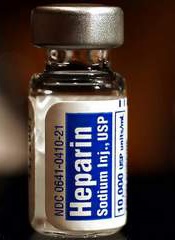
Preoperative anticoagulant therapy is safe and effective for cancer patients, a single-center study suggests.
Among patients undergoing major cancer operations, the preoperative use of anticoagulants did not increase rates of major bleeding or transfusion.
And the treatment proved effective, decreasing the risk of venous thromboembolism (VTE).
Researchers reported these results in the Journal of the American College of Surgeons.
The team conducted this study after discovering that their institution, Memorial Sloan Kettering Cancer Center in New York, New York, had higher-than-expected rates of deep vein thrombosis (DVT) and pulmonary embolism (PE).
This was according to the American College of Surgeons National Surgical Quality Improvement Project (ACS NSQIP®) database, a nationally validated, risk-adjusted, outcomes-based program to measure and improve the quality of surgical care in hospitals.
So the researchers set out to identify the reason for their high VTE rate and lower it.
“We weren’t sure if our VTE rate was due to the complexity of our operations, the fact that our patients had cancer, or that we weren’t administering heparin, which could decrease the blood clots,” said study author Vivian Strong, MD.
“There was serious concern that administering preoperative VTE prophylaxis to our patients, who undergo extensive surgical resection, would increase the risk of bleeding,” said Luke V. Selby, MD.
“Knowing, from NSQIP, that we had a higher-than-expected VTE rate, the question was whether it was safe to expose our patients to the additional bleeding risk from VTE prophylaxis.”
To find out, the researchers selected 2058 patients undergoing major operations for cancer to receive preoperative VTE prophylaxis with low-molecular-weight heparin or unfractionated heparin.
The team compared these patients—called the “post-intervention cohort”—with a group of 4960 cancer patients who had already undergone a major surgical procedure a year earlier but, for the most part, did not receive preoperative VTE prophylaxis—the “pre-intervention cohort.” Forty patients in this group did receive VTE prophylaxis.
There was no significant difference in the rate of major bleeding between the pre- and post-intervention cohorts. The major bleeding rates were 0.8% and 0.5%, respectively (P=0.2).
The rate of any documented bleeding was actually higher in the pre-intervention group—4.2% vs 2.5% (P=0.001)—as was the rate of transfusion—17% vs 14% (P=0.0003).
As expected, rates of DVT and PE were significantly lower in the post-intervention group. The rate of DVT was 1.3% in the pre-intervention group and 0.2% in the post-intervention group (P<0.0001). The rates of PE were 1.0% and 0.4%, respectively (P=0.017).
Because of these findings, Memorial Sloan Kettering Cancer Center has adopted a routine anticoagulation approach for patients who meet certain selection criteria.
“This research has been a practice-changing study for our institution,” Dr Strong said. “Our study results demonstrate to other institutions that you can use preoperative VTE prophylaxis safely, so I think that it has very broad-reaching, practice-changing implications.” 
Preoperative anticoagulant therapy is safe and effective for cancer patients, a single-center study suggests.
Among patients undergoing major cancer operations, the preoperative use of anticoagulants did not increase rates of major bleeding or transfusion.
And the treatment proved effective, decreasing the risk of venous thromboembolism (VTE).
Researchers reported these results in the Journal of the American College of Surgeons.
The team conducted this study after discovering that their institution, Memorial Sloan Kettering Cancer Center in New York, New York, had higher-than-expected rates of deep vein thrombosis (DVT) and pulmonary embolism (PE).
This was according to the American College of Surgeons National Surgical Quality Improvement Project (ACS NSQIP®) database, a nationally validated, risk-adjusted, outcomes-based program to measure and improve the quality of surgical care in hospitals.
So the researchers set out to identify the reason for their high VTE rate and lower it.
“We weren’t sure if our VTE rate was due to the complexity of our operations, the fact that our patients had cancer, or that we weren’t administering heparin, which could decrease the blood clots,” said study author Vivian Strong, MD.
“There was serious concern that administering preoperative VTE prophylaxis to our patients, who undergo extensive surgical resection, would increase the risk of bleeding,” said Luke V. Selby, MD.
“Knowing, from NSQIP, that we had a higher-than-expected VTE rate, the question was whether it was safe to expose our patients to the additional bleeding risk from VTE prophylaxis.”
To find out, the researchers selected 2058 patients undergoing major operations for cancer to receive preoperative VTE prophylaxis with low-molecular-weight heparin or unfractionated heparin.
The team compared these patients—called the “post-intervention cohort”—with a group of 4960 cancer patients who had already undergone a major surgical procedure a year earlier but, for the most part, did not receive preoperative VTE prophylaxis—the “pre-intervention cohort.” Forty patients in this group did receive VTE prophylaxis.
There was no significant difference in the rate of major bleeding between the pre- and post-intervention cohorts. The major bleeding rates were 0.8% and 0.5%, respectively (P=0.2).
The rate of any documented bleeding was actually higher in the pre-intervention group—4.2% vs 2.5% (P=0.001)—as was the rate of transfusion—17% vs 14% (P=0.0003).
As expected, rates of DVT and PE were significantly lower in the post-intervention group. The rate of DVT was 1.3% in the pre-intervention group and 0.2% in the post-intervention group (P<0.0001). The rates of PE were 1.0% and 0.4%, respectively (P=0.017).
Because of these findings, Memorial Sloan Kettering Cancer Center has adopted a routine anticoagulation approach for patients who meet certain selection criteria.
“This research has been a practice-changing study for our institution,” Dr Strong said. “Our study results demonstrate to other institutions that you can use preoperative VTE prophylaxis safely, so I think that it has very broad-reaching, practice-changing implications.”
Preoperative anticoagulant therapy is safe and effective for cancer patients, a single-center study suggests.
Among patients undergoing major cancer operations, the preoperative use of anticoagulants did not increase rates of major bleeding or transfusion.
And the treatment proved effective, decreasing the risk of venous thromboembolism (VTE).
Researchers reported these results in the Journal of the American College of Surgeons.
The team conducted this study after discovering that their institution, Memorial Sloan Kettering Cancer Center in New York, New York, had higher-than-expected rates of deep vein thrombosis (DVT) and pulmonary embolism (PE).
This was according to the American College of Surgeons National Surgical Quality Improvement Project (ACS NSQIP®) database, a nationally validated, risk-adjusted, outcomes-based program to measure and improve the quality of surgical care in hospitals.
So the researchers set out to identify the reason for their high VTE rate and lower it.
“We weren’t sure if our VTE rate was due to the complexity of our operations, the fact that our patients had cancer, or that we weren’t administering heparin, which could decrease the blood clots,” said study author Vivian Strong, MD.
“There was serious concern that administering preoperative VTE prophylaxis to our patients, who undergo extensive surgical resection, would increase the risk of bleeding,” said Luke V. Selby, MD.
“Knowing, from NSQIP, that we had a higher-than-expected VTE rate, the question was whether it was safe to expose our patients to the additional bleeding risk from VTE prophylaxis.”
To find out, the researchers selected 2058 patients undergoing major operations for cancer to receive preoperative VTE prophylaxis with low-molecular-weight heparin or unfractionated heparin.
The team compared these patients—called the “post-intervention cohort”—with a group of 4960 cancer patients who had already undergone a major surgical procedure a year earlier but, for the most part, did not receive preoperative VTE prophylaxis—the “pre-intervention cohort.” Forty patients in this group did receive VTE prophylaxis.
There was no significant difference in the rate of major bleeding between the pre- and post-intervention cohorts. The major bleeding rates were 0.8% and 0.5%, respectively (P=0.2).
The rate of any documented bleeding was actually higher in the pre-intervention group—4.2% vs 2.5% (P=0.001)—as was the rate of transfusion—17% vs 14% (P=0.0003).
As expected, rates of DVT and PE were significantly lower in the post-intervention group. The rate of DVT was 1.3% in the pre-intervention group and 0.2% in the post-intervention group (P<0.0001). The rates of PE were 1.0% and 0.4%, respectively (P=0.017).
Because of these findings, Memorial Sloan Kettering Cancer Center has adopted a routine anticoagulation approach for patients who meet certain selection criteria.
“This research has been a practice-changing study for our institution,” Dr Strong said. “Our study results demonstrate to other institutions that you can use preoperative VTE prophylaxis safely, so I think that it has very broad-reaching, practice-changing implications.”
Study reveals decrease in NIH-funded trials

Photo by Esther Dyson
A new study suggests that, in recent years, there has been a decrease in clinical trials funded by the National Institutes of Health (NIH) but an increase in trials with funding from other sources.
Researchers looked at trials newly registered on ClinicalTrials.gov and observed a substantial increase in trial listings from 2006 through 2014.
During that time period, the number of NIH-funded trials declined, but the number of trials funded by other US federal agencies, industry, and other groups (such as universities and organizations) increased.
Stephan Ehrhardt, MD, of Johns Hopkins Bloomberg School of Public Health in Baltimore, Maryland, and his colleagues conducted this study and recounted their findings in a letter to JAMA.
The researchers downloaded data from ClinicalTrials.gov, searched for “interventional study” and obtained counts of newly registered trials by funder type: “NIH,” “industry,” “other US federal agency,” or “all others (individuals, universities, organizations).”
According to the “first received” date (when trials were first registered with ClinicalTrials.gov), the number of newly registered trials increased from 9321 in 2006 to 18,400 in 2014 (97.4%).
During the same period, the number of industry-funded trials increased from 4585 to 6550 (42.9%), and the number of NIH-funded trials decreased from 1376 to 1048 (23.8%).
The number of trials funded by other US federal agencies increased from 263 to 339 (28.9%), and the number of trials funded by “all others” increased from 3240 to 10,597 (227.1%).
The researchers also examined the data according to the trial start date and observed similar patterns. They found the total number of trials increased from 9208 in 2006 to 14,618 in 2014 (58.8%).
The number of industry-funded trials increased from 4516 to 5274 (36.1%), and the number of NIH-funded trials decreased from 1189 to 873 (26.6%).
The number of trials funded by other US federal agencies increased from 229 to 292 (27.5%), and the number of trials funded by “all others” increased from 3397 to 8295 (144.2%).
Dr Ehrhardt said he believes the decline in NIH-funded studies can be traced to 2 things: flat NIH funding (the 2014 budget was 14% less than in 2006, after adjusting for inflation) and greater competition for these limited dollars from other, relatively new research areas such as genomic research or personalized medicine studies.
Photo by Esther Dyson
A new study suggests that, in recent years, there has been a decrease in clinical trials funded by the National Institutes of Health (NIH) but an increase in trials with funding from other sources.
Researchers looked at trials newly registered on ClinicalTrials.gov and observed a substantial increase in trial listings from 2006 through 2014.
During that time period, the number of NIH-funded trials declined, but the number of trials funded by other US federal agencies, industry, and other groups (such as universities and organizations) increased.
Stephan Ehrhardt, MD, of Johns Hopkins Bloomberg School of Public Health in Baltimore, Maryland, and his colleagues conducted this study and recounted their findings in a letter to JAMA.
The researchers downloaded data from ClinicalTrials.gov, searched for “interventional study” and obtained counts of newly registered trials by funder type: “NIH,” “industry,” “other US federal agency,” or “all others (individuals, universities, organizations).”
According to the “first received” date (when trials were first registered with ClinicalTrials.gov), the number of newly registered trials increased from 9321 in 2006 to 18,400 in 2014 (97.4%).
During the same period, the number of industry-funded trials increased from 4585 to 6550 (42.9%), and the number of NIH-funded trials decreased from 1376 to 1048 (23.8%).
The number of trials funded by other US federal agencies increased from 263 to 339 (28.9%), and the number of trials funded by “all others” increased from 3240 to 10,597 (227.1%).
The researchers also examined the data according to the trial start date and observed similar patterns. They found the total number of trials increased from 9208 in 2006 to 14,618 in 2014 (58.8%).
The number of industry-funded trials increased from 4516 to 5274 (36.1%), and the number of NIH-funded trials decreased from 1189 to 873 (26.6%).
The number of trials funded by other US federal agencies increased from 229 to 292 (27.5%), and the number of trials funded by “all others” increased from 3397 to 8295 (144.2%).
Dr Ehrhardt said he believes the decline in NIH-funded studies can be traced to 2 things: flat NIH funding (the 2014 budget was 14% less than in 2006, after adjusting for inflation) and greater competition for these limited dollars from other, relatively new research areas such as genomic research or personalized medicine studies.
Photo by Esther Dyson
A new study suggests that, in recent years, there has been a decrease in clinical trials funded by the National Institutes of Health (NIH) but an increase in trials with funding from other sources.
Researchers looked at trials newly registered on ClinicalTrials.gov and observed a substantial increase in trial listings from 2006 through 2014.
During that time period, the number of NIH-funded trials declined, but the number of trials funded by other US federal agencies, industry, and other groups (such as universities and organizations) increased.
Stephan Ehrhardt, MD, of Johns Hopkins Bloomberg School of Public Health in Baltimore, Maryland, and his colleagues conducted this study and recounted their findings in a letter to JAMA.
The researchers downloaded data from ClinicalTrials.gov, searched for “interventional study” and obtained counts of newly registered trials by funder type: “NIH,” “industry,” “other US federal agency,” or “all others (individuals, universities, organizations).”
According to the “first received” date (when trials were first registered with ClinicalTrials.gov), the number of newly registered trials increased from 9321 in 2006 to 18,400 in 2014 (97.4%).
During the same period, the number of industry-funded trials increased from 4585 to 6550 (42.9%), and the number of NIH-funded trials decreased from 1376 to 1048 (23.8%).
The number of trials funded by other US federal agencies increased from 263 to 339 (28.9%), and the number of trials funded by “all others” increased from 3240 to 10,597 (227.1%).
The researchers also examined the data according to the trial start date and observed similar patterns. They found the total number of trials increased from 9208 in 2006 to 14,618 in 2014 (58.8%).
The number of industry-funded trials increased from 4516 to 5274 (36.1%), and the number of NIH-funded trials decreased from 1189 to 873 (26.6%).
The number of trials funded by other US federal agencies increased from 229 to 292 (27.5%), and the number of trials funded by “all others” increased from 3397 to 8295 (144.2%).
Dr Ehrhardt said he believes the decline in NIH-funded studies can be traced to 2 things: flat NIH funding (the 2014 budget was 14% less than in 2006, after adjusting for inflation) and greater competition for these limited dollars from other, relatively new research areas such as genomic research or personalized medicine studies.
Genes can stop onset of AML, study suggests
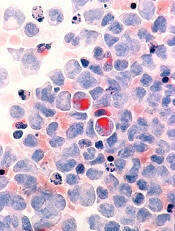
Image by Lance Liotta
Two genes can stop the development of acute myeloid leukemia (AML), according to research published in the Journal of Experimental Medicine.
The work suggests that Hif-1α and Hif-2α work together to stop the formation of leukemic stem cells, and blocking either Hif-2α or both genes
accelerates AML development.
Investigators said these findings are surprising because previous research suggested that blocking Hif-1α or Hif-2α might stop AML progression.
But their study suggests that therapies designed to block these genes might worsen AML or at least have no impact on the disease.
Conversely, designing new therapies that promote the activity of Hif-1α and Hif-2α could help treat AML or stop relapse after chemotherapy.
“Our discovery that Hif-1α and Hif-2α molecules act together to stop leukemia development is a major milestone in our efforts to combat leukemia,” said study author Kamil R. Kranc, DPhil, of the University of Edinburgh in Scotland.
“We now intend to harness this knowledge to develop curative therapies that eliminate leukemic stem cells, which are the underlying cause of AML.”
Image by Lance Liotta
Two genes can stop the development of acute myeloid leukemia (AML), according to research published in the Journal of Experimental Medicine.
The work suggests that Hif-1α and Hif-2α work together to stop the formation of leukemic stem cells, and blocking either Hif-2α or both genes
accelerates AML development.
Investigators said these findings are surprising because previous research suggested that blocking Hif-1α or Hif-2α might stop AML progression.
But their study suggests that therapies designed to block these genes might worsen AML or at least have no impact on the disease.
Conversely, designing new therapies that promote the activity of Hif-1α and Hif-2α could help treat AML or stop relapse after chemotherapy.
“Our discovery that Hif-1α and Hif-2α molecules act together to stop leukemia development is a major milestone in our efforts to combat leukemia,” said study author Kamil R. Kranc, DPhil, of the University of Edinburgh in Scotland.
“We now intend to harness this knowledge to develop curative therapies that eliminate leukemic stem cells, which are the underlying cause of AML.”
Image by Lance Liotta
Two genes can stop the development of acute myeloid leukemia (AML), according to research published in the Journal of Experimental Medicine.
The work suggests that Hif-1α and Hif-2α work together to stop the formation of leukemic stem cells, and blocking either Hif-2α or both genes
accelerates AML development.
Investigators said these findings are surprising because previous research suggested that blocking Hif-1α or Hif-2α might stop AML progression.
But their study suggests that therapies designed to block these genes might worsen AML or at least have no impact on the disease.
Conversely, designing new therapies that promote the activity of Hif-1α and Hif-2α could help treat AML or stop relapse after chemotherapy.
“Our discovery that Hif-1α and Hif-2α molecules act together to stop leukemia development is a major milestone in our efforts to combat leukemia,” said study author Kamil R. Kranc, DPhil, of the University of Edinburgh in Scotland.
“We now intend to harness this knowledge to develop curative therapies that eliminate leukemic stem cells, which are the underlying cause of AML.”
Group finds inconsistencies in genome sequencing procedures

Photo courtesy of NIGMS
Researchers say they have identified substantial differences in the procedures and quality of cancer genome sequencing between sequencing centers.
And this led to dramatic discrepancies in the number and types of somatic mutations detected when using the same cancer genome sequences for analysis.
The group’s study involved 83 researchers from 78 institutions participating in the International Cancer Genomics Consortium (ICGC).
The ICGC is an international effort to establish a comprehensive description of genomic, transcriptomic, and epigenomic changes in 50 different tumor types and/or subtypes that are thought to be of clinical and societal importance across the globe.
The consortium is characterizing more than 25,000 cancer genomes and carrying out 78 projects supported by different national and international funding agencies.
For the current project, which was published in Nature Communications, researchers studied a patient with chronic lymphocytic leukemia and a patient with medulloblastoma.
The team analyzed the entire tumor genome of each patient and compared it to the normal genome of the same patient to decipher the molecular causes for these cancers.
The researchers said they saw “widely varying mutation call rates and low concordance among analysis pipelines.”
So they established a reference mutation dataset to assess analytical procedures. They said this “gold-set” reference database has helped the ICGC community improve procedures for identifying more true somatic mutations in cancer genomes and making fewer false-positive calls.
“The findings of our study have far-reaching implications for cancer genome analysis,” said Ivo Gut, of Centro Nacional de Analisis Genómico in Barcelona, Spain.
“We have found many inconsistencies in both the sequencing of cancer genomes and the data analysis at different sites. We are making our findings available to the scientific and diagnostic community so that they can improve their systems and generate more standardized and consistent results.”
Photo courtesy of NIGMS
Researchers say they have identified substantial differences in the procedures and quality of cancer genome sequencing between sequencing centers.
And this led to dramatic discrepancies in the number and types of somatic mutations detected when using the same cancer genome sequences for analysis.
The group’s study involved 83 researchers from 78 institutions participating in the International Cancer Genomics Consortium (ICGC).
The ICGC is an international effort to establish a comprehensive description of genomic, transcriptomic, and epigenomic changes in 50 different tumor types and/or subtypes that are thought to be of clinical and societal importance across the globe.
The consortium is characterizing more than 25,000 cancer genomes and carrying out 78 projects supported by different national and international funding agencies.
For the current project, which was published in Nature Communications, researchers studied a patient with chronic lymphocytic leukemia and a patient with medulloblastoma.
The team analyzed the entire tumor genome of each patient and compared it to the normal genome of the same patient to decipher the molecular causes for these cancers.
The researchers said they saw “widely varying mutation call rates and low concordance among analysis pipelines.”
So they established a reference mutation dataset to assess analytical procedures. They said this “gold-set” reference database has helped the ICGC community improve procedures for identifying more true somatic mutations in cancer genomes and making fewer false-positive calls.
“The findings of our study have far-reaching implications for cancer genome analysis,” said Ivo Gut, of Centro Nacional de Analisis Genómico in Barcelona, Spain.
“We have found many inconsistencies in both the sequencing of cancer genomes and the data analysis at different sites. We are making our findings available to the scientific and diagnostic community so that they can improve their systems and generate more standardized and consistent results.”
Photo courtesy of NIGMS
Researchers say they have identified substantial differences in the procedures and quality of cancer genome sequencing between sequencing centers.
And this led to dramatic discrepancies in the number and types of somatic mutations detected when using the same cancer genome sequences for analysis.
The group’s study involved 83 researchers from 78 institutions participating in the International Cancer Genomics Consortium (ICGC).
The ICGC is an international effort to establish a comprehensive description of genomic, transcriptomic, and epigenomic changes in 50 different tumor types and/or subtypes that are thought to be of clinical and societal importance across the globe.
The consortium is characterizing more than 25,000 cancer genomes and carrying out 78 projects supported by different national and international funding agencies.
For the current project, which was published in Nature Communications, researchers studied a patient with chronic lymphocytic leukemia and a patient with medulloblastoma.
The team analyzed the entire tumor genome of each patient and compared it to the normal genome of the same patient to decipher the molecular causes for these cancers.
The researchers said they saw “widely varying mutation call rates and low concordance among analysis pipelines.”
So they established a reference mutation dataset to assess analytical procedures. They said this “gold-set” reference database has helped the ICGC community improve procedures for identifying more true somatic mutations in cancer genomes and making fewer false-positive calls.
“The findings of our study have far-reaching implications for cancer genome analysis,” said Ivo Gut, of Centro Nacional de Analisis Genómico in Barcelona, Spain.
“We have found many inconsistencies in both the sequencing of cancer genomes and the data analysis at different sites. We are making our findings available to the scientific and diagnostic community so that they can improve their systems and generate more standardized and consistent results.”
Approach can help reduce VTE after surgery

Photo by Piotr Bodzek
New research suggests that individualized feedback is more effective than group instructions for helping general surgery residents prevent venous thromboembolism (VTE) in their patients.
The single-center study showed that regular, one-on-one feedback and written report cards helped ensure the use of correct VTE prophylaxis more effectively than the usual group lectures that newly minted surgeons receive as part of their training.
These results were published in Annals of Surgery.
The study, conducted between July 2013 and March 2014, involved 49 general surgery residents in their first through fifth year of training at Johns Hopkins Hospital in Baltimore, Maryland.
For the first 3 months, residents received no personalized feedback. For the following 3 months, they received an electronic score card via email detailing their individual performance, including how many times they prescribed the appropriate VTE prophylaxis, how many times they failed to do so, and how they fared compared with others.
For the next 3 months, all residents continued to receive monthly scores, but subpar performers—those who failed to prescribe appropriate treatment to every single patient they cared for—also received one-on-one coaching from a senior resident.
In the span of 6 months, this approach decreased—from 3 to 0—the number of preventable complications among surgery patients (complications occurring in patients who didn’t receive appropriate VTE prophylaxis).
In the 3-month period prior to deploying the personalized feedback strategy, 7 out of 865 surgical patients developed complications. Three of the 7 cases were subsequently identified as preventable. In comparison, there were no such preventable complications after residents received individualized feedback.
As a result of the feedback, the number of patients getting appropriate treatment increased from 89% to 96%.
The number of residents who performed at 100% (prescribing the correct treatment to every patient all the time) went up from 22 (45%) to 38 (78%). Most of the prescription failures—19 out of 28 such cases—were clustered in a group of 4 residents.
“Our results show that personalized, concrete feedback can be a form of forced introspection that improves self-awareness and decision-making on clotting prophylaxis,” said Elliott Haut, MD, PhD, of the Johns Hopkins University School of Medicine.
Beyond that, Dr Haut and his colleagues believe these results illustrate the notion that simple interventions can be harnessed to foster learning and improve performance among any frontline clinician.
“Speaking more broadly, why stop with residents? Why stop with anticlotting prophylaxis?” Dr Haut asked. “If our findings are borne out by larger studies, this approach could be harnessed to improve training and outcomes for anyone who touches a patient, from nurses to physicians to physical therapists.”
Photo by Piotr Bodzek
New research suggests that individualized feedback is more effective than group instructions for helping general surgery residents prevent venous thromboembolism (VTE) in their patients.
The single-center study showed that regular, one-on-one feedback and written report cards helped ensure the use of correct VTE prophylaxis more effectively than the usual group lectures that newly minted surgeons receive as part of their training.
These results were published in Annals of Surgery.
The study, conducted between July 2013 and March 2014, involved 49 general surgery residents in their first through fifth year of training at Johns Hopkins Hospital in Baltimore, Maryland.
For the first 3 months, residents received no personalized feedback. For the following 3 months, they received an electronic score card via email detailing their individual performance, including how many times they prescribed the appropriate VTE prophylaxis, how many times they failed to do so, and how they fared compared with others.
For the next 3 months, all residents continued to receive monthly scores, but subpar performers—those who failed to prescribe appropriate treatment to every single patient they cared for—also received one-on-one coaching from a senior resident.
In the span of 6 months, this approach decreased—from 3 to 0—the number of preventable complications among surgery patients (complications occurring in patients who didn’t receive appropriate VTE prophylaxis).
In the 3-month period prior to deploying the personalized feedback strategy, 7 out of 865 surgical patients developed complications. Three of the 7 cases were subsequently identified as preventable. In comparison, there were no such preventable complications after residents received individualized feedback.
As a result of the feedback, the number of patients getting appropriate treatment increased from 89% to 96%.
The number of residents who performed at 100% (prescribing the correct treatment to every patient all the time) went up from 22 (45%) to 38 (78%). Most of the prescription failures—19 out of 28 such cases—were clustered in a group of 4 residents.
“Our results show that personalized, concrete feedback can be a form of forced introspection that improves self-awareness and decision-making on clotting prophylaxis,” said Elliott Haut, MD, PhD, of the Johns Hopkins University School of Medicine.
Beyond that, Dr Haut and his colleagues believe these results illustrate the notion that simple interventions can be harnessed to foster learning and improve performance among any frontline clinician.
“Speaking more broadly, why stop with residents? Why stop with anticlotting prophylaxis?” Dr Haut asked. “If our findings are borne out by larger studies, this approach could be harnessed to improve training and outcomes for anyone who touches a patient, from nurses to physicians to physical therapists.”
Photo by Piotr Bodzek
New research suggests that individualized feedback is more effective than group instructions for helping general surgery residents prevent venous thromboembolism (VTE) in their patients.
The single-center study showed that regular, one-on-one feedback and written report cards helped ensure the use of correct VTE prophylaxis more effectively than the usual group lectures that newly minted surgeons receive as part of their training.
These results were published in Annals of Surgery.
The study, conducted between July 2013 and March 2014, involved 49 general surgery residents in their first through fifth year of training at Johns Hopkins Hospital in Baltimore, Maryland.
For the first 3 months, residents received no personalized feedback. For the following 3 months, they received an electronic score card via email detailing their individual performance, including how many times they prescribed the appropriate VTE prophylaxis, how many times they failed to do so, and how they fared compared with others.
For the next 3 months, all residents continued to receive monthly scores, but subpar performers—those who failed to prescribe appropriate treatment to every single patient they cared for—also received one-on-one coaching from a senior resident.
In the span of 6 months, this approach decreased—from 3 to 0—the number of preventable complications among surgery patients (complications occurring in patients who didn’t receive appropriate VTE prophylaxis).
In the 3-month period prior to deploying the personalized feedback strategy, 7 out of 865 surgical patients developed complications. Three of the 7 cases were subsequently identified as preventable. In comparison, there were no such preventable complications after residents received individualized feedback.
As a result of the feedback, the number of patients getting appropriate treatment increased from 89% to 96%.
The number of residents who performed at 100% (prescribing the correct treatment to every patient all the time) went up from 22 (45%) to 38 (78%). Most of the prescription failures—19 out of 28 such cases—were clustered in a group of 4 residents.
“Our results show that personalized, concrete feedback can be a form of forced introspection that improves self-awareness and decision-making on clotting prophylaxis,” said Elliott Haut, MD, PhD, of the Johns Hopkins University School of Medicine.
Beyond that, Dr Haut and his colleagues believe these results illustrate the notion that simple interventions can be harnessed to foster learning and improve performance among any frontline clinician.
“Speaking more broadly, why stop with residents? Why stop with anticlotting prophylaxis?” Dr Haut asked. “If our findings are borne out by larger studies, this approach could be harnessed to improve training and outcomes for anyone who touches a patient, from nurses to physicians to physical therapists.”
Rivaroxaban performs as expected in clinical practice
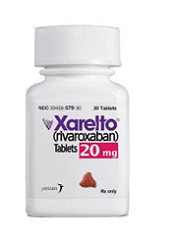
ORLANDO, FL—“Real-world” data appear to confirm phase 3 results with rivaroxaban in patients who have deep vein thrombosis (DVT), with or without concomitant pulmonary embolism (PE).
Results of the phase 4 XALIA study suggest that, in clinical practice, the rates of major bleeding and recurrent venous thromboembolism (VTE) in patients taking rivaroxaban are generally consistent with results of the phase 3 EINSTEIN-DVT study.
Investigators noted, however, that methodological and other differences between the studies limit the ability to directly compare results of XALIA and EINSTEIN-DVT.
Alexander G. G. Turpie, MD, of McMaster University and Hamilton Health Sciences in Hamilton, Ontario, Canada, and his colleagues reported data from the XALIA study at the 2015 ASH Annual Meeting (abstract 894) and in The Lancet Haematology.
The study was sponsored by Janssen and Bayer HealthCare.
“The real-world insights from XALIA confirm the positive benefit-risk profile of rivaroxaban for the treatment of deep vein thrombosis that was observed in the phase 3 EINSTEIN-DVT study, signaling that the medicine is performing as expected in patients that physicians typically see in everyday clinical practice,” Dr Turpie said.
Study design
For the XALIA study, investigators compared once-daily rivaroxaban to standard anticoagulation in patients with DVT, with or without concomitant PE. Standard anticoagulation was considered initial treatment with heparin, low-molecular-weight heparin, or fondaparinux, typically overlapping with and followed by warfarin.
The study enrolled 5142 patients age 18 and older. Patients were enrolled between June 2012 and March 2014 and followed for at least 12 months.
A total of 4768 patients were included in the primary analysis—2619 in the rivaroxaban group and 2149 in the standard anticoagulation group.
But the investigators also completed a propensity-score analysis to address differences in baseline characteristics and help correct for any selection bias. There were 4515 patients in this analysis—2505 in the rivaroxaban group and 2010 in the standard anticoagulation group.
The primary outcomes were major bleeding, recurrent VTE, and all-cause mortality.
Results
In the propensity score-adjusted population, major bleeding occurred in 0.8% of patients receiving rivaroxaban and 2.1% of those receiving standard anticoagulation (hazard ratio[HR]=0.77, P=0.44).
There were no fatal bleeding events in the rivaroxaban group and 2 fatal bleeding events in the standard anticoagulation group.
In EINSTEIN-DVT, major bleeding occurred in 0.8% of patients taking rivaroxaban, and there was 1 fatal bleeding event.
In XALIA (propensity score-adjusted population), VTE recurred in 1.4% of patients receiving rivaroxaban and 2.3% of those receiving standard anticoagulation (HR=0.91, P=0.72).
In EINSTEIN-DVT, VTE recurred in 2.1% of patients taking rivaroxaban.
In XALIA (propensity score-adjusted population), the rate of all-cause mortality was 0.4% in patients taking rivaroxaban and 3.4% in those receiving standard anticoagulation (HR=0.51, P=0.07).
In EINSTEIN-DVT, the rate of all-cause mortality was 2.2% in patients taking rivaroxaban.
ORLANDO, FL—“Real-world” data appear to confirm phase 3 results with rivaroxaban in patients who have deep vein thrombosis (DVT), with or without concomitant pulmonary embolism (PE).
Results of the phase 4 XALIA study suggest that, in clinical practice, the rates of major bleeding and recurrent venous thromboembolism (VTE) in patients taking rivaroxaban are generally consistent with results of the phase 3 EINSTEIN-DVT study.
Investigators noted, however, that methodological and other differences between the studies limit the ability to directly compare results of XALIA and EINSTEIN-DVT.
Alexander G. G. Turpie, MD, of McMaster University and Hamilton Health Sciences in Hamilton, Ontario, Canada, and his colleagues reported data from the XALIA study at the 2015 ASH Annual Meeting (abstract 894) and in The Lancet Haematology.
The study was sponsored by Janssen and Bayer HealthCare.
“The real-world insights from XALIA confirm the positive benefit-risk profile of rivaroxaban for the treatment of deep vein thrombosis that was observed in the phase 3 EINSTEIN-DVT study, signaling that the medicine is performing as expected in patients that physicians typically see in everyday clinical practice,” Dr Turpie said.
Study design
For the XALIA study, investigators compared once-daily rivaroxaban to standard anticoagulation in patients with DVT, with or without concomitant PE. Standard anticoagulation was considered initial treatment with heparin, low-molecular-weight heparin, or fondaparinux, typically overlapping with and followed by warfarin.
The study enrolled 5142 patients age 18 and older. Patients were enrolled between June 2012 and March 2014 and followed for at least 12 months.
A total of 4768 patients were included in the primary analysis—2619 in the rivaroxaban group and 2149 in the standard anticoagulation group.
But the investigators also completed a propensity-score analysis to address differences in baseline characteristics and help correct for any selection bias. There were 4515 patients in this analysis—2505 in the rivaroxaban group and 2010 in the standard anticoagulation group.
The primary outcomes were major bleeding, recurrent VTE, and all-cause mortality.
Results
In the propensity score-adjusted population, major bleeding occurred in 0.8% of patients receiving rivaroxaban and 2.1% of those receiving standard anticoagulation (hazard ratio[HR]=0.77, P=0.44).
There were no fatal bleeding events in the rivaroxaban group and 2 fatal bleeding events in the standard anticoagulation group.
In EINSTEIN-DVT, major bleeding occurred in 0.8% of patients taking rivaroxaban, and there was 1 fatal bleeding event.
In XALIA (propensity score-adjusted population), VTE recurred in 1.4% of patients receiving rivaroxaban and 2.3% of those receiving standard anticoagulation (HR=0.91, P=0.72).
In EINSTEIN-DVT, VTE recurred in 2.1% of patients taking rivaroxaban.
In XALIA (propensity score-adjusted population), the rate of all-cause mortality was 0.4% in patients taking rivaroxaban and 3.4% in those receiving standard anticoagulation (HR=0.51, P=0.07).
In EINSTEIN-DVT, the rate of all-cause mortality was 2.2% in patients taking rivaroxaban.
ORLANDO, FL—“Real-world” data appear to confirm phase 3 results with rivaroxaban in patients who have deep vein thrombosis (DVT), with or without concomitant pulmonary embolism (PE).
Results of the phase 4 XALIA study suggest that, in clinical practice, the rates of major bleeding and recurrent venous thromboembolism (VTE) in patients taking rivaroxaban are generally consistent with results of the phase 3 EINSTEIN-DVT study.
Investigators noted, however, that methodological and other differences between the studies limit the ability to directly compare results of XALIA and EINSTEIN-DVT.
Alexander G. G. Turpie, MD, of McMaster University and Hamilton Health Sciences in Hamilton, Ontario, Canada, and his colleagues reported data from the XALIA study at the 2015 ASH Annual Meeting (abstract 894) and in The Lancet Haematology.
The study was sponsored by Janssen and Bayer HealthCare.
“The real-world insights from XALIA confirm the positive benefit-risk profile of rivaroxaban for the treatment of deep vein thrombosis that was observed in the phase 3 EINSTEIN-DVT study, signaling that the medicine is performing as expected in patients that physicians typically see in everyday clinical practice,” Dr Turpie said.
Study design
For the XALIA study, investigators compared once-daily rivaroxaban to standard anticoagulation in patients with DVT, with or without concomitant PE. Standard anticoagulation was considered initial treatment with heparin, low-molecular-weight heparin, or fondaparinux, typically overlapping with and followed by warfarin.
The study enrolled 5142 patients age 18 and older. Patients were enrolled between June 2012 and March 2014 and followed for at least 12 months.
A total of 4768 patients were included in the primary analysis—2619 in the rivaroxaban group and 2149 in the standard anticoagulation group.
But the investigators also completed a propensity-score analysis to address differences in baseline characteristics and help correct for any selection bias. There were 4515 patients in this analysis—2505 in the rivaroxaban group and 2010 in the standard anticoagulation group.
The primary outcomes were major bleeding, recurrent VTE, and all-cause mortality.
Results
In the propensity score-adjusted population, major bleeding occurred in 0.8% of patients receiving rivaroxaban and 2.1% of those receiving standard anticoagulation (hazard ratio[HR]=0.77, P=0.44).
There were no fatal bleeding events in the rivaroxaban group and 2 fatal bleeding events in the standard anticoagulation group.
In EINSTEIN-DVT, major bleeding occurred in 0.8% of patients taking rivaroxaban, and there was 1 fatal bleeding event.
In XALIA (propensity score-adjusted population), VTE recurred in 1.4% of patients receiving rivaroxaban and 2.3% of those receiving standard anticoagulation (HR=0.91, P=0.72).
In EINSTEIN-DVT, VTE recurred in 2.1% of patients taking rivaroxaban.
In XALIA (propensity score-adjusted population), the rate of all-cause mortality was 0.4% in patients taking rivaroxaban and 3.4% in those receiving standard anticoagulation (HR=0.51, P=0.07).
In EINSTEIN-DVT, the rate of all-cause mortality was 2.2% in patients taking rivaroxaban.
FDA approves rapid-infusion bendamustine

Photo by Bill Branson
The US Food and Drug Administration (FDA) has approved the use of Bendeka, a liquid, low-volume (50 mL), 10-minute infusion formulation of bendamustine hydrochloride.
Bendeka is now approved to treat patients with chronic lymphocytic leukemia (CLL) and patients with indolent B-cell non-Hodgkin lymphoma (NHL) that has progressed during or within 6 months of treatment with rituximab or a rituximab-containing regimen.
The FDA previously granted Bendeka orphan drug designation for CLL and indolent B-cell NHL.
Under a license agreement with Eagle Pharmaceuticals, Inc., Teva Pharmaceutical Industries Ltd. is responsible for all US commercial activities for Bendeka.
Teva said it expects to make Bendeka commercially available to prescribers during the first quarter of 2016. For details on the drug, see the full prescribing information.
Teva also markets bendamustine hydrochloride under the trade name Treanda, which is FDA-approved to treat CLL and NHL and is available in 2 formulations:
- A solution of 45 mg/0.5 mL or 180 mg/2 mL in a single-dose vial
- A 25 mg or 100 mg lyophilized powder in a single-dose vial for reconstitution.
Photo by Bill Branson
The US Food and Drug Administration (FDA) has approved the use of Bendeka, a liquid, low-volume (50 mL), 10-minute infusion formulation of bendamustine hydrochloride.
Bendeka is now approved to treat patients with chronic lymphocytic leukemia (CLL) and patients with indolent B-cell non-Hodgkin lymphoma (NHL) that has progressed during or within 6 months of treatment with rituximab or a rituximab-containing regimen.
The FDA previously granted Bendeka orphan drug designation for CLL and indolent B-cell NHL.
Under a license agreement with Eagle Pharmaceuticals, Inc., Teva Pharmaceutical Industries Ltd. is responsible for all US commercial activities for Bendeka.
Teva said it expects to make Bendeka commercially available to prescribers during the first quarter of 2016. For details on the drug, see the full prescribing information.
Teva also markets bendamustine hydrochloride under the trade name Treanda, which is FDA-approved to treat CLL and NHL and is available in 2 formulations:
- A solution of 45 mg/0.5 mL or 180 mg/2 mL in a single-dose vial
- A 25 mg or 100 mg lyophilized powder in a single-dose vial for reconstitution.
Photo by Bill Branson
The US Food and Drug Administration (FDA) has approved the use of Bendeka, a liquid, low-volume (50 mL), 10-minute infusion formulation of bendamustine hydrochloride.
Bendeka is now approved to treat patients with chronic lymphocytic leukemia (CLL) and patients with indolent B-cell non-Hodgkin lymphoma (NHL) that has progressed during or within 6 months of treatment with rituximab or a rituximab-containing regimen.
The FDA previously granted Bendeka orphan drug designation for CLL and indolent B-cell NHL.
Under a license agreement with Eagle Pharmaceuticals, Inc., Teva Pharmaceutical Industries Ltd. is responsible for all US commercial activities for Bendeka.
Teva said it expects to make Bendeka commercially available to prescribers during the first quarter of 2016. For details on the drug, see the full prescribing information.
Teva also markets bendamustine hydrochloride under the trade name Treanda, which is FDA-approved to treat CLL and NHL and is available in 2 formulations:
- A solution of 45 mg/0.5 mL or 180 mg/2 mL in a single-dose vial
- A 25 mg or 100 mg lyophilized powder in a single-dose vial for reconstitution.
FDA grants KTE-C19 breakthrough designation
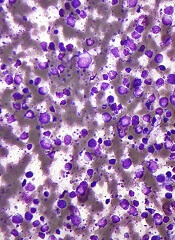
The US Food and Drug Administration (FDA) has granted breakthrough designation for the chimeric antigen receptor (CAR) T-cell therapy KTE-C19 as a treatment for refractory diffuse large B-cell lymphoma (DLBCL), primary mediastinal B-cell lymphoma (PMBCL), and transformed follicular lymphoma (TFL).
To create KTE-C19, T cells are modified to express a CAR designed to target CD19, a cell-surface protein expressed in B-cell lymphomas and leukemias.
Breakthrough therapy designation is designed to accelerate the development and review of medicines that demonstrate early clinical evidence of a substantial improvement over current treatment options for serious diseases.
The designation conveys all the features of the FDA’s fast track program, as well as more intensive FDA guidance on an efficient drug development program and eligibility for rolling review and priority review.
KTE-C19 research
In a study published in the Journal of Clinical Oncology last year, researchers evaluated KTE-C19 in 15 patients with advanced B-cell malignancies.
The patients received a conditioning regimen of cyclophosphamide and fludarabine, followed 1 day later by a single infusion of KTE-C19. The researchers noted that the conditioning regimen is known to be active against B-cell malignancies and could have made a direct contribution to patient responses.
Thirteen patients were evaluable for response. One patient was lost to follow-up because of noncompliance, and 1 died soon after treatment. The researchers said the cause of death was likely cardiac arrhythmia.
The overall response rate was 92%. Eight patients achieved a complete response (CR), and 4 had a partial response (PR).
Of the 7 patients with DLBCL, 4 achieved a CR, 2 achieved a PR, and 1 had stable disease. Three of the CRs were ongoing at the time of publication, with the duration ranging from 9 months to 22 months.
Of the 4 patients with chronic lymphocytic leukemia, 3 had a CR, and 1 had a PR. All 3 CRs were ongoing at the time of publication, with the duration ranging from 14 months to 23 months.
Among the 2 patients with indolent lymphomas, 1 achieved a CR, and 1 had a PR. The duration of the CR was 11 months at the time of publication.
KTE-C19 elicited a number of adverse events, including fever, hypotension, delirium, and other neurologic toxicities. All but 2 patients experienced grade 3/4 adverse events.
Three patients developed unexpected neurologic abnormalities. One patient experienced aphasia and right-sided facial paresis. One patient developed aphasia, confusion, and severe, generalized myoclonus. And 1 patient had aphasia, confusion, hemifacial spasms, apraxia, and gait disturbances.
KTE-C19 is currently under investigation in a phase 2 trial of refractory DLBCL, PMBCL, and TFL (ZUMA-1), a phase 2 trial of relapsed/refractory mantle cell lymphoma (ZUMA-2), a phase 1/2 trial of relapsed/refractory adult acute lymphoblastic leukemia (ZUMA-3), and a phase 1/2 trial of relapsed/refractory pediatric acute lymphoblastic leukemia (ZUMA-4).
Data from ZUMA-1 were presented at the 2015 ASH Annual Meeting (abstracts 2730 and 3991).
KTE-C19 is under development by Kite Pharma.
The US Food and Drug Administration (FDA) has granted breakthrough designation for the chimeric antigen receptor (CAR) T-cell therapy KTE-C19 as a treatment for refractory diffuse large B-cell lymphoma (DLBCL), primary mediastinal B-cell lymphoma (PMBCL), and transformed follicular lymphoma (TFL).
To create KTE-C19, T cells are modified to express a CAR designed to target CD19, a cell-surface protein expressed in B-cell lymphomas and leukemias.
Breakthrough therapy designation is designed to accelerate the development and review of medicines that demonstrate early clinical evidence of a substantial improvement over current treatment options for serious diseases.
The designation conveys all the features of the FDA’s fast track program, as well as more intensive FDA guidance on an efficient drug development program and eligibility for rolling review and priority review.
KTE-C19 research
In a study published in the Journal of Clinical Oncology last year, researchers evaluated KTE-C19 in 15 patients with advanced B-cell malignancies.
The patients received a conditioning regimen of cyclophosphamide and fludarabine, followed 1 day later by a single infusion of KTE-C19. The researchers noted that the conditioning regimen is known to be active against B-cell malignancies and could have made a direct contribution to patient responses.
Thirteen patients were evaluable for response. One patient was lost to follow-up because of noncompliance, and 1 died soon after treatment. The researchers said the cause of death was likely cardiac arrhythmia.
The overall response rate was 92%. Eight patients achieved a complete response (CR), and 4 had a partial response (PR).
Of the 7 patients with DLBCL, 4 achieved a CR, 2 achieved a PR, and 1 had stable disease. Three of the CRs were ongoing at the time of publication, with the duration ranging from 9 months to 22 months.
Of the 4 patients with chronic lymphocytic leukemia, 3 had a CR, and 1 had a PR. All 3 CRs were ongoing at the time of publication, with the duration ranging from 14 months to 23 months.
Among the 2 patients with indolent lymphomas, 1 achieved a CR, and 1 had a PR. The duration of the CR was 11 months at the time of publication.
KTE-C19 elicited a number of adverse events, including fever, hypotension, delirium, and other neurologic toxicities. All but 2 patients experienced grade 3/4 adverse events.
Three patients developed unexpected neurologic abnormalities. One patient experienced aphasia and right-sided facial paresis. One patient developed aphasia, confusion, and severe, generalized myoclonus. And 1 patient had aphasia, confusion, hemifacial spasms, apraxia, and gait disturbances.
KTE-C19 is currently under investigation in a phase 2 trial of refractory DLBCL, PMBCL, and TFL (ZUMA-1), a phase 2 trial of relapsed/refractory mantle cell lymphoma (ZUMA-2), a phase 1/2 trial of relapsed/refractory adult acute lymphoblastic leukemia (ZUMA-3), and a phase 1/2 trial of relapsed/refractory pediatric acute lymphoblastic leukemia (ZUMA-4).
Data from ZUMA-1 were presented at the 2015 ASH Annual Meeting (abstracts 2730 and 3991).
KTE-C19 is under development by Kite Pharma.
The US Food and Drug Administration (FDA) has granted breakthrough designation for the chimeric antigen receptor (CAR) T-cell therapy KTE-C19 as a treatment for refractory diffuse large B-cell lymphoma (DLBCL), primary mediastinal B-cell lymphoma (PMBCL), and transformed follicular lymphoma (TFL).
To create KTE-C19, T cells are modified to express a CAR designed to target CD19, a cell-surface protein expressed in B-cell lymphomas and leukemias.
Breakthrough therapy designation is designed to accelerate the development and review of medicines that demonstrate early clinical evidence of a substantial improvement over current treatment options for serious diseases.
The designation conveys all the features of the FDA’s fast track program, as well as more intensive FDA guidance on an efficient drug development program and eligibility for rolling review and priority review.
KTE-C19 research
In a study published in the Journal of Clinical Oncology last year, researchers evaluated KTE-C19 in 15 patients with advanced B-cell malignancies.
The patients received a conditioning regimen of cyclophosphamide and fludarabine, followed 1 day later by a single infusion of KTE-C19. The researchers noted that the conditioning regimen is known to be active against B-cell malignancies and could have made a direct contribution to patient responses.
Thirteen patients were evaluable for response. One patient was lost to follow-up because of noncompliance, and 1 died soon after treatment. The researchers said the cause of death was likely cardiac arrhythmia.
The overall response rate was 92%. Eight patients achieved a complete response (CR), and 4 had a partial response (PR).
Of the 7 patients with DLBCL, 4 achieved a CR, 2 achieved a PR, and 1 had stable disease. Three of the CRs were ongoing at the time of publication, with the duration ranging from 9 months to 22 months.
Of the 4 patients with chronic lymphocytic leukemia, 3 had a CR, and 1 had a PR. All 3 CRs were ongoing at the time of publication, with the duration ranging from 14 months to 23 months.
Among the 2 patients with indolent lymphomas, 1 achieved a CR, and 1 had a PR. The duration of the CR was 11 months at the time of publication.
KTE-C19 elicited a number of adverse events, including fever, hypotension, delirium, and other neurologic toxicities. All but 2 patients experienced grade 3/4 adverse events.
Three patients developed unexpected neurologic abnormalities. One patient experienced aphasia and right-sided facial paresis. One patient developed aphasia, confusion, and severe, generalized myoclonus. And 1 patient had aphasia, confusion, hemifacial spasms, apraxia, and gait disturbances.
KTE-C19 is currently under investigation in a phase 2 trial of refractory DLBCL, PMBCL, and TFL (ZUMA-1), a phase 2 trial of relapsed/refractory mantle cell lymphoma (ZUMA-2), a phase 1/2 trial of relapsed/refractory adult acute lymphoblastic leukemia (ZUMA-3), and a phase 1/2 trial of relapsed/refractory pediatric acute lymphoblastic leukemia (ZUMA-4).
Data from ZUMA-1 were presented at the 2015 ASH Annual Meeting (abstracts 2730 and 3991).
KTE-C19 is under development by Kite Pharma.
2nd-gen BTK inhibitor may be safer, team says
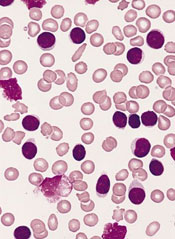
ORLANDO, FL—The second-generation BTK inhibitor acalabrutinib (ACP-196) can elicit durable partial responses in patients with chronic lymphocytic leukemia (CLL) while producing minimal side effects, according to researchers.
They said data suggest that, compared to the first-generation BTK inhibitor ibrutinib, acalabrutinib more selectively blocks the BTK pathway.
And it does so without disrupting other molecular pathways that are important for preserving platelet and immune function, thereby avoiding or minimizing certain side effects.
John C. Byrd, MD, of The Ohio State University Comprehensive Cancer Center in Columbus, and his colleagues reported data from an ongoing phase 1/2 trial of acalabrutinib in NEJM and at the 2015 ASH Annual Meeting (abstract 831). The study was sponsored by Acerta Pharma.
The researchers reported on 61 patients with relapsed CLL. They had a median age of 62 (range, 44-84) and a median of 3 prior therapies (range, 1-13).
Most patients had an ECOG performance status of 1 (59%) or 0 (36%). Most had high-risk (67%) or intermediate-risk disease (31%) according to Rai classification. Forty-six percent of patients had lymph nodes ≥ 5 cm in diameter, and 5% had lymph nodes ≥ 10 cm.
Seventy-five percent of patients had unmutated immunoglobulin variable-region heavy-chain gene, 31% had 17p deletion, 29% had 17q deletion, and 81% had β2-microglobulin > 3.5 mg/liter.
Patients enrolled in the phase 1 portion of the study received escalating doses of acalabrutinib, with a maximum dose of 400 mg once daily. Patients involved in the phase 2 portion of the study were treated with a 100 mg dose twice daily.
Adverse events and discontinuation
At a median follow-up of 14.3 months (range, 0.5 to 20), 53 patients are still receiving treatment.
The primary reasons for treatment discontinuation were investigator or patient decision (n=2), active autoimmune hemolytic anemia that required additional therapy (n=1), fatal pneumonia (n=1), CLL progression, and adverse events of diarrhea (n=1), gastritis (n=1), and dyspnea (n=1).
The most common adverse events of all grades (occurring in at least 20% of patients) were headache (43%), diarrhea (39%), increased weight (26%), pyrexia (23%), upper respiratory tract infection (23%), fatigue (21%), peripheral edema (21%), hypertension (20%), and nausea (20%).
Grade 3/4 adverse events included diarrhea (2%), increased weight (2%), pyrexia (3%), fatigue (3%), hypertension (7%), and arthralgia (2%).
Response
The overall response rate among the 60 evaluable patients was 95%. This included partial responses in 85% of patients and partial responses with lymphocytosis in 10%. The rate of stable disease was 5%.
The researchers noted that responses occurred in all dosing cohorts, and the response rate increased over time.
All 18 patients with 17p deletion experienced a partial response (89%) or partial response with lymphocytosis (11%). But 1 of these patients later progressed.
All 4 patients who previously received idelalisib responded to acalabrutinib, with partial responses in 75% and partial responses with lymphocytosis in 25%.
There were no cases of Richter’s transformation.
In all, 1 patient experienced progression at 16 months, and 1 patient died of pneumonia at 13 months.
“This data is very exciting because it illustrates that acalabrutinib is a highly potent and selective oral BTK inhibitor that can be given safely in patients with relapsed CLL,” Dr Byrd said. “What is particularly remarkable is how well patients are tolerating this therapy.”
Clinical trials of acalabrutinib in CLL are ongoing, including a phase 3 head-to-head comparison of ibrutinib and acalabrutinib.
ORLANDO, FL—The second-generation BTK inhibitor acalabrutinib (ACP-196) can elicit durable partial responses in patients with chronic lymphocytic leukemia (CLL) while producing minimal side effects, according to researchers.
They said data suggest that, compared to the first-generation BTK inhibitor ibrutinib, acalabrutinib more selectively blocks the BTK pathway.
And it does so without disrupting other molecular pathways that are important for preserving platelet and immune function, thereby avoiding or minimizing certain side effects.
John C. Byrd, MD, of The Ohio State University Comprehensive Cancer Center in Columbus, and his colleagues reported data from an ongoing phase 1/2 trial of acalabrutinib in NEJM and at the 2015 ASH Annual Meeting (abstract 831). The study was sponsored by Acerta Pharma.
The researchers reported on 61 patients with relapsed CLL. They had a median age of 62 (range, 44-84) and a median of 3 prior therapies (range, 1-13).
Most patients had an ECOG performance status of 1 (59%) or 0 (36%). Most had high-risk (67%) or intermediate-risk disease (31%) according to Rai classification. Forty-six percent of patients had lymph nodes ≥ 5 cm in diameter, and 5% had lymph nodes ≥ 10 cm.
Seventy-five percent of patients had unmutated immunoglobulin variable-region heavy-chain gene, 31% had 17p deletion, 29% had 17q deletion, and 81% had β2-microglobulin > 3.5 mg/liter.
Patients enrolled in the phase 1 portion of the study received escalating doses of acalabrutinib, with a maximum dose of 400 mg once daily. Patients involved in the phase 2 portion of the study were treated with a 100 mg dose twice daily.
Adverse events and discontinuation
At a median follow-up of 14.3 months (range, 0.5 to 20), 53 patients are still receiving treatment.
The primary reasons for treatment discontinuation were investigator or patient decision (n=2), active autoimmune hemolytic anemia that required additional therapy (n=1), fatal pneumonia (n=1), CLL progression, and adverse events of diarrhea (n=1), gastritis (n=1), and dyspnea (n=1).
The most common adverse events of all grades (occurring in at least 20% of patients) were headache (43%), diarrhea (39%), increased weight (26%), pyrexia (23%), upper respiratory tract infection (23%), fatigue (21%), peripheral edema (21%), hypertension (20%), and nausea (20%).
Grade 3/4 adverse events included diarrhea (2%), increased weight (2%), pyrexia (3%), fatigue (3%), hypertension (7%), and arthralgia (2%).
Response
The overall response rate among the 60 evaluable patients was 95%. This included partial responses in 85% of patients and partial responses with lymphocytosis in 10%. The rate of stable disease was 5%.
The researchers noted that responses occurred in all dosing cohorts, and the response rate increased over time.
All 18 patients with 17p deletion experienced a partial response (89%) or partial response with lymphocytosis (11%). But 1 of these patients later progressed.
All 4 patients who previously received idelalisib responded to acalabrutinib, with partial responses in 75% and partial responses with lymphocytosis in 25%.
There were no cases of Richter’s transformation.
In all, 1 patient experienced progression at 16 months, and 1 patient died of pneumonia at 13 months.
“This data is very exciting because it illustrates that acalabrutinib is a highly potent and selective oral BTK inhibitor that can be given safely in patients with relapsed CLL,” Dr Byrd said. “What is particularly remarkable is how well patients are tolerating this therapy.”
Clinical trials of acalabrutinib in CLL are ongoing, including a phase 3 head-to-head comparison of ibrutinib and acalabrutinib.
ORLANDO, FL—The second-generation BTK inhibitor acalabrutinib (ACP-196) can elicit durable partial responses in patients with chronic lymphocytic leukemia (CLL) while producing minimal side effects, according to researchers.
They said data suggest that, compared to the first-generation BTK inhibitor ibrutinib, acalabrutinib more selectively blocks the BTK pathway.
And it does so without disrupting other molecular pathways that are important for preserving platelet and immune function, thereby avoiding or minimizing certain side effects.
John C. Byrd, MD, of The Ohio State University Comprehensive Cancer Center in Columbus, and his colleagues reported data from an ongoing phase 1/2 trial of acalabrutinib in NEJM and at the 2015 ASH Annual Meeting (abstract 831). The study was sponsored by Acerta Pharma.
The researchers reported on 61 patients with relapsed CLL. They had a median age of 62 (range, 44-84) and a median of 3 prior therapies (range, 1-13).
Most patients had an ECOG performance status of 1 (59%) or 0 (36%). Most had high-risk (67%) or intermediate-risk disease (31%) according to Rai classification. Forty-six percent of patients had lymph nodes ≥ 5 cm in diameter, and 5% had lymph nodes ≥ 10 cm.
Seventy-five percent of patients had unmutated immunoglobulin variable-region heavy-chain gene, 31% had 17p deletion, 29% had 17q deletion, and 81% had β2-microglobulin > 3.5 mg/liter.
Patients enrolled in the phase 1 portion of the study received escalating doses of acalabrutinib, with a maximum dose of 400 mg once daily. Patients involved in the phase 2 portion of the study were treated with a 100 mg dose twice daily.
Adverse events and discontinuation
At a median follow-up of 14.3 months (range, 0.5 to 20), 53 patients are still receiving treatment.
The primary reasons for treatment discontinuation were investigator or patient decision (n=2), active autoimmune hemolytic anemia that required additional therapy (n=1), fatal pneumonia (n=1), CLL progression, and adverse events of diarrhea (n=1), gastritis (n=1), and dyspnea (n=1).
The most common adverse events of all grades (occurring in at least 20% of patients) were headache (43%), diarrhea (39%), increased weight (26%), pyrexia (23%), upper respiratory tract infection (23%), fatigue (21%), peripheral edema (21%), hypertension (20%), and nausea (20%).
Grade 3/4 adverse events included diarrhea (2%), increased weight (2%), pyrexia (3%), fatigue (3%), hypertension (7%), and arthralgia (2%).
Response
The overall response rate among the 60 evaluable patients was 95%. This included partial responses in 85% of patients and partial responses with lymphocytosis in 10%. The rate of stable disease was 5%.
The researchers noted that responses occurred in all dosing cohorts, and the response rate increased over time.
All 18 patients with 17p deletion experienced a partial response (89%) or partial response with lymphocytosis (11%). But 1 of these patients later progressed.
All 4 patients who previously received idelalisib responded to acalabrutinib, with partial responses in 75% and partial responses with lymphocytosis in 25%.
There were no cases of Richter’s transformation.
In all, 1 patient experienced progression at 16 months, and 1 patient died of pneumonia at 13 months.
“This data is very exciting because it illustrates that acalabrutinib is a highly potent and selective oral BTK inhibitor that can be given safely in patients with relapsed CLL,” Dr Byrd said. “What is particularly remarkable is how well patients are tolerating this therapy.”
Clinical trials of acalabrutinib in CLL are ongoing, including a phase 3 head-to-head comparison of ibrutinib and acalabrutinib.
Mixing warfarin, sulfonylurea may cause serious events

A retrospective study published in The BMJ suggests the possibility of a significant drug interaction between warfarin and the sulfonylureas glipizide and glimepiride.
Taking either of these diabetes drugs in conjunction with warfarin was linked to increased hospitalizations for falls, altered mental state, and insulin shock among patients 65 and older.
Hospital admissions or emergency room visits were nearly 22% higher for patients who were taking warfarin with glipizide or glimepiride, compared to patients taking the diabetes drugs alone.
Clinical references warn doctors of a potential interaction between these drugs, but evidence of it has been thin, according to lead study author John Romley, PhD, of the University of Southern California (USC) in Los Angeles.
He and his colleagues said that, in their study, evidence of the drug-to-drug interaction was clear.
When taken with glipizide or glimepiride, warfarin can intensify their effects and send blood sugar levels crashing. Patients experiencing hypoglycemia may seem drunk, lightheaded, and confused, and are at risk of falling.
“The take-home message is simply that an interaction can occur that has clinical significance, so providers need to be aware in order to prevent a low blood sugar issue from occurring,” said Anne Peters, MD, also of USC.
“Sometimes this means having the patient monitor their blood sugar levels more often. There are many ways to deal with the issue if one is forewarned.”
Pharmacists don’t need to change patient instructions, added Bradley Williams, PharmD, of USC.
“What it does require is for pharmacists and other clinicians to be more vigilant when a sulfonylurea is added to a regimen that includes warfarin, as well as when a patient who is taking both has a change in their medical status,” Dr Williams said.
“I think additional research into the potential interactions between medications for diabetes and warfarin, as well as other drugs that affect blood clotting, is warranted because of the potential consequences of excessive bleeding.”
For the current study, the researchers analyzed a random sample of 465,918 Medicare beneficiaries with diabetes who filled a prescription for glipizide or glimepiride between 2006 and 2011. About 15% of these patients (n=71,895) also filled a prescription for warfarin.
The researchers found that hospital admissions or emergency department visits for hypoglycemia were more common with concurrent warfarin and glipizide/glimepiride use than with glipizide/glimepiride use alone. The adjusted odds ratio (AOR) was 1.22.
The risk of hypoglycemia associated with concurrent use was higher among patients taking warfarin for the first time, as well as in patients ages 65 to 74.
Concurrent use of warfarin and glipizide/glimepiride was also associated with hospital admission or emergency department visits for fall-related fractures (AOR=1.47) and altered consciousness/mental status (AOR=1.22).
The researchers said these findings may not be generalizable beyond the elderly Medicare population.
They also noted that their findings could be confounded by some unmeasured characteristics in patients that may be connected to warfarin use or a risk for hypoglycemia. Another limitation of this study is that the researchers did not measure drug use directly.
A retrospective study published in The BMJ suggests the possibility of a significant drug interaction between warfarin and the sulfonylureas glipizide and glimepiride.
Taking either of these diabetes drugs in conjunction with warfarin was linked to increased hospitalizations for falls, altered mental state, and insulin shock among patients 65 and older.
Hospital admissions or emergency room visits were nearly 22% higher for patients who were taking warfarin with glipizide or glimepiride, compared to patients taking the diabetes drugs alone.
Clinical references warn doctors of a potential interaction between these drugs, but evidence of it has been thin, according to lead study author John Romley, PhD, of the University of Southern California (USC) in Los Angeles.
He and his colleagues said that, in their study, evidence of the drug-to-drug interaction was clear.
When taken with glipizide or glimepiride, warfarin can intensify their effects and send blood sugar levels crashing. Patients experiencing hypoglycemia may seem drunk, lightheaded, and confused, and are at risk of falling.
“The take-home message is simply that an interaction can occur that has clinical significance, so providers need to be aware in order to prevent a low blood sugar issue from occurring,” said Anne Peters, MD, also of USC.
“Sometimes this means having the patient monitor their blood sugar levels more often. There are many ways to deal with the issue if one is forewarned.”
Pharmacists don’t need to change patient instructions, added Bradley Williams, PharmD, of USC.
“What it does require is for pharmacists and other clinicians to be more vigilant when a sulfonylurea is added to a regimen that includes warfarin, as well as when a patient who is taking both has a change in their medical status,” Dr Williams said.
“I think additional research into the potential interactions between medications for diabetes and warfarin, as well as other drugs that affect blood clotting, is warranted because of the potential consequences of excessive bleeding.”
For the current study, the researchers analyzed a random sample of 465,918 Medicare beneficiaries with diabetes who filled a prescription for glipizide or glimepiride between 2006 and 2011. About 15% of these patients (n=71,895) also filled a prescription for warfarin.
The researchers found that hospital admissions or emergency department visits for hypoglycemia were more common with concurrent warfarin and glipizide/glimepiride use than with glipizide/glimepiride use alone. The adjusted odds ratio (AOR) was 1.22.
The risk of hypoglycemia associated with concurrent use was higher among patients taking warfarin for the first time, as well as in patients ages 65 to 74.
Concurrent use of warfarin and glipizide/glimepiride was also associated with hospital admission or emergency department visits for fall-related fractures (AOR=1.47) and altered consciousness/mental status (AOR=1.22).
The researchers said these findings may not be generalizable beyond the elderly Medicare population.
They also noted that their findings could be confounded by some unmeasured characteristics in patients that may be connected to warfarin use or a risk for hypoglycemia. Another limitation of this study is that the researchers did not measure drug use directly.
A retrospective study published in The BMJ suggests the possibility of a significant drug interaction between warfarin and the sulfonylureas glipizide and glimepiride.
Taking either of these diabetes drugs in conjunction with warfarin was linked to increased hospitalizations for falls, altered mental state, and insulin shock among patients 65 and older.
Hospital admissions or emergency room visits were nearly 22% higher for patients who were taking warfarin with glipizide or glimepiride, compared to patients taking the diabetes drugs alone.
Clinical references warn doctors of a potential interaction between these drugs, but evidence of it has been thin, according to lead study author John Romley, PhD, of the University of Southern California (USC) in Los Angeles.
He and his colleagues said that, in their study, evidence of the drug-to-drug interaction was clear.
When taken with glipizide or glimepiride, warfarin can intensify their effects and send blood sugar levels crashing. Patients experiencing hypoglycemia may seem drunk, lightheaded, and confused, and are at risk of falling.
“The take-home message is simply that an interaction can occur that has clinical significance, so providers need to be aware in order to prevent a low blood sugar issue from occurring,” said Anne Peters, MD, also of USC.
“Sometimes this means having the patient monitor their blood sugar levels more often. There are many ways to deal with the issue if one is forewarned.”
Pharmacists don’t need to change patient instructions, added Bradley Williams, PharmD, of USC.
“What it does require is for pharmacists and other clinicians to be more vigilant when a sulfonylurea is added to a regimen that includes warfarin, as well as when a patient who is taking both has a change in their medical status,” Dr Williams said.
“I think additional research into the potential interactions between medications for diabetes and warfarin, as well as other drugs that affect blood clotting, is warranted because of the potential consequences of excessive bleeding.”
For the current study, the researchers analyzed a random sample of 465,918 Medicare beneficiaries with diabetes who filled a prescription for glipizide or glimepiride between 2006 and 2011. About 15% of these patients (n=71,895) also filled a prescription for warfarin.
The researchers found that hospital admissions or emergency department visits for hypoglycemia were more common with concurrent warfarin and glipizide/glimepiride use than with glipizide/glimepiride use alone. The adjusted odds ratio (AOR) was 1.22.
The risk of hypoglycemia associated with concurrent use was higher among patients taking warfarin for the first time, as well as in patients ages 65 to 74.
Concurrent use of warfarin and glipizide/glimepiride was also associated with hospital admission or emergency department visits for fall-related fractures (AOR=1.47) and altered consciousness/mental status (AOR=1.22).
The researchers said these findings may not be generalizable beyond the elderly Medicare population.
They also noted that their findings could be confounded by some unmeasured characteristics in patients that may be connected to warfarin use or a risk for hypoglycemia. Another limitation of this study is that the researchers did not measure drug use directly.