User login
Lone wolf terror: Inspired by ISIS
We do not yet have a complete understanding of the social histories for either Tashfeen Malik or her husband, Syed Farook, the two identified shooters involved in the San Bernardino, Calif., attack. But news reports that have trickled in indicate there should be no question as to whether or not these were two radicalized individuals who had dreamed of carrying out an act of violent jihad. In fact, reports suggest that these two fantasized about fighting on the side of radical Islam several years before the events in San Bernardino unfolded.
Though she was born in Pakistan, Tashfeen Malik reportedly spent her formative childhood and adolescent years living in Saudi Arabia with her family, where her father worked as an engineer. By the time she returned to Pakistan and began attending university, she was no longer the “modern” girl that some family members had recalled her being in her youth; instead, she spoke Arabic as opposed to Urdu, and she kept her face covered with a veil even though she was attending a progressive university where few women wore veils at all.
She also began attending a local madrassa that was notorious for preaching an ultraconservative version of Islam and for reported links to violent Islamic extremists. We do not know exactly when the initial seeds of radicalization were planted in her life, but we do know that by the time she was carrying out an attack on the Inland Regional Center in San Bernardino that left 14 people dead, she was pledging her allegiance to ISIS leader Abu Bakr al-Baghdadi on Facebook.
Similarly, we do not yet know the complete details of Syed Farook’s path to radicalization, but apparently he had taken an interest in radical Islam several years before the attack in San Bernardino. In 2007, Farook reportedly introduced his close friend and neighbor, Enrique Marquez Jr., who recently had converted to Islam at the urging of Farook, to the radical teachings of Anwar al-Awlaki. The two friends also spent time reading al-Qaeda’s online Internet magazine, Inspire, and watching online videos posted by Somali Islamic terror group al-Shabaab. By 2011, the friends had familiarized themselves with bomb-making recipes found in Inspire magazine and were making plans to carry out attacks. It was Marquez who reportedly bought the rifles used in the San Bernardino attack, and he is facing several charges tied to those alleged actions. Though the pair never followed through on these plans, the violent fantasy remained for Farook.
Who is vulnerable to radicalization?
Let us consider the set of personality characteristics that make some individuals more prone than others to the lure of the radical Internet. In our July 2015 article in Clinical Psychiatry News titled, “Underlying psychology of ‘lone wolf’ terrorism is complex,” we reported upon on our study of the psychology of lone wolf terrorists. After an extensive review of available biographical information of known lone wolf terrorists, we identified several common psychological features that appear to be prevalent among the lone wolf population.
They tend to be isolated loners with fractured family relationships who find a sense of belonging in the virtual community of hatred. The radical sermons emphasize the common suffering of Muslims and magnify resentment of the Western world. Should they lose their lives while striking out against the oppressors, they will rise to a higher place in paradise. Thus, there is a compensatory narcissistic grandiosity, which will lead some to seek to go out in a “blaze of glory.”
The family dynamics of two prominent lone wolf terrorists suggested a generational provenance. The so-called underwear bomber was the son of the former chairman of the First Bank of Nigeria, who was extremely wealthy and not particularly religious. He, on the other hand, was very pious and was teased in school for his religiosity, being nicknamed “the Pope.” He became increasingly incensed about his father’s lack of piousness, and criticized him for eating meat that was not halal (slaughtered according to Islamic requirements). When he broke from his family, refusing to join them at the dinner table, it was sufficiently alarming to the father that he reported it to U.S. authorities. Similar dynamics were present for the Times Square bomber, Faisal Shahzad. On the surface, he reportedly appeared to be doing well in American society; he had a bachelor of arts degree in computer applications and information systems, and a master’s degree in business administration, and was working as an analyst at the Affinion Group. However, as he became increasingly religious, he forced his wife to wear a hijab (head scarf) and became estranged from his father, a senior Pakistani military officer who drank and was not religious.
These characteristics are certainly sounding more and more applicable to Tashfeen Malik and Syed Farook. We have identified four prominent clusters of motivations that appear to embody the series of personality traits common to lone wolf terrorists. These identified clusters, often overlapping, include the Glory Seekers, the Hero Worshipers, the Lonely Romantics, and the Radical Altruists. An act of terrorism puts their names in the headlines and makes them the heroes to the world of radical Islam.
These individuals have an inflated sense of self-worth and believe their actions will set things right in the world. They subordinate their individuality to what they believe to be the group cause. Many of these individuals have unfounded anger, perceiving slights they themselves have never personally or physically experienced. It is exactly because of this element of perceived oppression that the extent of actual marginalization in the community becomes irrelevant. All the love and open arms in the world will not stop them from hiding behind the perceived misfortune or victimization of the Muslim community, because they themselves are seeking to convince others that they are suffering more than most and therefore they personally can feel entitled to shame others’ actions and feelings. This mindset obviously has dangerous consequences, as radical Islam becomes a vehicle used to give a voice to their own narcissistic rage.
Identifying those at risk is difficult
As more details continue to be revealed in the aftermath of San Bernardino, we suspect a clearer picture will emerge showing the extent to which these two identified shooters were influenced, at least in part, by radical Islamic propaganda on the Internet that expresses the oppression of the Muslim community. There is a continuous theme in ISIS propaganda calling on individuals to take action for the community. There is no evidence thus far that there was communication with ISIS operatives. Whether they had direct or indirect contact with ISIS operatives, this radical propaganda feeds the narcissistic rage and the conscious or unconscious wish for narcissistic fulfillment.
Terrorists operating under the ISIS banner have proved even more adept at disseminating extremist propaganda online and via social media than previous groups before them. In the past, lone wolf terrorists, while frequently proving rather inept in their terrorist skill sets, often sought to carry out an act that would eclipse Sept. 11, 2001, dreaming of the day when their names would appear in news headlines around the world. Given the additional rounds of ammunition and bomb devices found in Farook and Malik’s townhouse, we can assume they had planned to carry out a series of attacks. Because of the effectiveness of the ISIS propaganda machine, perhaps the couple realized that such a profound act is no longer necessary. One or two lone wolves simply need to open fire on a soft target, such as in San Bernardino, to become rock stars in the world of radical jihad.
This focus on soft targets, with the inherent reward of being celebrated as the next Rambo of the radical jihadist movement, represents an effective escalation in lone wolf tactics and a fulfillment of a goal long pushed for in the world of radical online propaganda. What better way to receive validation as an Islamic warrior than by becoming the cause célèbre in the world of radical Islam? To identify individuals so inspired, who are moving to actualize these fantasies, will be extremely difficult.
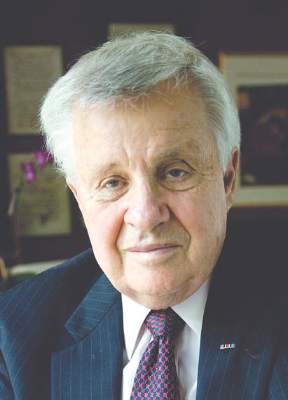
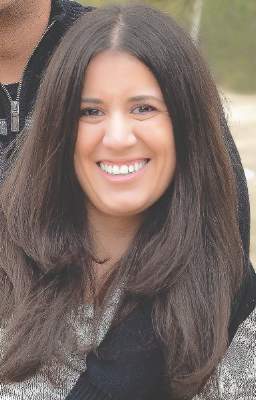
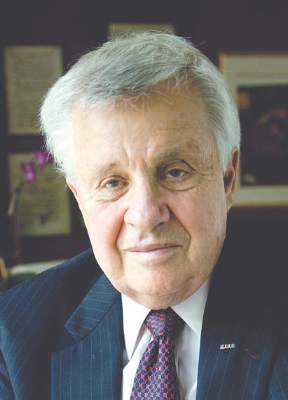
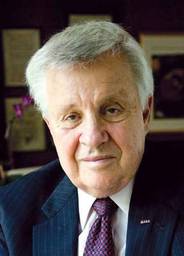
Dr. Post is the founding director of the political psychology program at the Elliott School of International Affairs, The George Washington University, Washington. He is the author of “The Mind of the Terrorist” (New York: Palgrave Macmillan, 2008). Mr. McGinnis, a former Air Force intelligence, surveillance, and reconnaissance operator, is a doctoral candidate in clinical psychology at the university. Dr. Moody, a graduate of the program, is a forensic psychologist in the federal prison service.
We do not yet have a complete understanding of the social histories for either Tashfeen Malik or her husband, Syed Farook, the two identified shooters involved in the San Bernardino, Calif., attack. But news reports that have trickled in indicate there should be no question as to whether or not these were two radicalized individuals who had dreamed of carrying out an act of violent jihad. In fact, reports suggest that these two fantasized about fighting on the side of radical Islam several years before the events in San Bernardino unfolded.
Though she was born in Pakistan, Tashfeen Malik reportedly spent her formative childhood and adolescent years living in Saudi Arabia with her family, where her father worked as an engineer. By the time she returned to Pakistan and began attending university, she was no longer the “modern” girl that some family members had recalled her being in her youth; instead, she spoke Arabic as opposed to Urdu, and she kept her face covered with a veil even though she was attending a progressive university where few women wore veils at all.
She also began attending a local madrassa that was notorious for preaching an ultraconservative version of Islam and for reported links to violent Islamic extremists. We do not know exactly when the initial seeds of radicalization were planted in her life, but we do know that by the time she was carrying out an attack on the Inland Regional Center in San Bernardino that left 14 people dead, she was pledging her allegiance to ISIS leader Abu Bakr al-Baghdadi on Facebook.
Similarly, we do not yet know the complete details of Syed Farook’s path to radicalization, but apparently he had taken an interest in radical Islam several years before the attack in San Bernardino. In 2007, Farook reportedly introduced his close friend and neighbor, Enrique Marquez Jr., who recently had converted to Islam at the urging of Farook, to the radical teachings of Anwar al-Awlaki. The two friends also spent time reading al-Qaeda’s online Internet magazine, Inspire, and watching online videos posted by Somali Islamic terror group al-Shabaab. By 2011, the friends had familiarized themselves with bomb-making recipes found in Inspire magazine and were making plans to carry out attacks. It was Marquez who reportedly bought the rifles used in the San Bernardino attack, and he is facing several charges tied to those alleged actions. Though the pair never followed through on these plans, the violent fantasy remained for Farook.
Who is vulnerable to radicalization?
Let us consider the set of personality characteristics that make some individuals more prone than others to the lure of the radical Internet. In our July 2015 article in Clinical Psychiatry News titled, “Underlying psychology of ‘lone wolf’ terrorism is complex,” we reported upon on our study of the psychology of lone wolf terrorists. After an extensive review of available biographical information of known lone wolf terrorists, we identified several common psychological features that appear to be prevalent among the lone wolf population.
They tend to be isolated loners with fractured family relationships who find a sense of belonging in the virtual community of hatred. The radical sermons emphasize the common suffering of Muslims and magnify resentment of the Western world. Should they lose their lives while striking out against the oppressors, they will rise to a higher place in paradise. Thus, there is a compensatory narcissistic grandiosity, which will lead some to seek to go out in a “blaze of glory.”
The family dynamics of two prominent lone wolf terrorists suggested a generational provenance. The so-called underwear bomber was the son of the former chairman of the First Bank of Nigeria, who was extremely wealthy and not particularly religious. He, on the other hand, was very pious and was teased in school for his religiosity, being nicknamed “the Pope.” He became increasingly incensed about his father’s lack of piousness, and criticized him for eating meat that was not halal (slaughtered according to Islamic requirements). When he broke from his family, refusing to join them at the dinner table, it was sufficiently alarming to the father that he reported it to U.S. authorities. Similar dynamics were present for the Times Square bomber, Faisal Shahzad. On the surface, he reportedly appeared to be doing well in American society; he had a bachelor of arts degree in computer applications and information systems, and a master’s degree in business administration, and was working as an analyst at the Affinion Group. However, as he became increasingly religious, he forced his wife to wear a hijab (head scarf) and became estranged from his father, a senior Pakistani military officer who drank and was not religious.
These characteristics are certainly sounding more and more applicable to Tashfeen Malik and Syed Farook. We have identified four prominent clusters of motivations that appear to embody the series of personality traits common to lone wolf terrorists. These identified clusters, often overlapping, include the Glory Seekers, the Hero Worshipers, the Lonely Romantics, and the Radical Altruists. An act of terrorism puts their names in the headlines and makes them the heroes to the world of radical Islam.
These individuals have an inflated sense of self-worth and believe their actions will set things right in the world. They subordinate their individuality to what they believe to be the group cause. Many of these individuals have unfounded anger, perceiving slights they themselves have never personally or physically experienced. It is exactly because of this element of perceived oppression that the extent of actual marginalization in the community becomes irrelevant. All the love and open arms in the world will not stop them from hiding behind the perceived misfortune or victimization of the Muslim community, because they themselves are seeking to convince others that they are suffering more than most and therefore they personally can feel entitled to shame others’ actions and feelings. This mindset obviously has dangerous consequences, as radical Islam becomes a vehicle used to give a voice to their own narcissistic rage.
Identifying those at risk is difficult
As more details continue to be revealed in the aftermath of San Bernardino, we suspect a clearer picture will emerge showing the extent to which these two identified shooters were influenced, at least in part, by radical Islamic propaganda on the Internet that expresses the oppression of the Muslim community. There is a continuous theme in ISIS propaganda calling on individuals to take action for the community. There is no evidence thus far that there was communication with ISIS operatives. Whether they had direct or indirect contact with ISIS operatives, this radical propaganda feeds the narcissistic rage and the conscious or unconscious wish for narcissistic fulfillment.
Terrorists operating under the ISIS banner have proved even more adept at disseminating extremist propaganda online and via social media than previous groups before them. In the past, lone wolf terrorists, while frequently proving rather inept in their terrorist skill sets, often sought to carry out an act that would eclipse Sept. 11, 2001, dreaming of the day when their names would appear in news headlines around the world. Given the additional rounds of ammunition and bomb devices found in Farook and Malik’s townhouse, we can assume they had planned to carry out a series of attacks. Because of the effectiveness of the ISIS propaganda machine, perhaps the couple realized that such a profound act is no longer necessary. One or two lone wolves simply need to open fire on a soft target, such as in San Bernardino, to become rock stars in the world of radical jihad.
This focus on soft targets, with the inherent reward of being celebrated as the next Rambo of the radical jihadist movement, represents an effective escalation in lone wolf tactics and a fulfillment of a goal long pushed for in the world of radical online propaganda. What better way to receive validation as an Islamic warrior than by becoming the cause célèbre in the world of radical Islam? To identify individuals so inspired, who are moving to actualize these fantasies, will be extremely difficult.
Dr. Post is the founding director of the political psychology program at the Elliott School of International Affairs, The George Washington University, Washington. He is the author of “The Mind of the Terrorist” (New York: Palgrave Macmillan, 2008). Mr. McGinnis, a former Air Force intelligence, surveillance, and reconnaissance operator, is a doctoral candidate in clinical psychology at the university. Dr. Moody, a graduate of the program, is a forensic psychologist in the federal prison service.
We do not yet have a complete understanding of the social histories for either Tashfeen Malik or her husband, Syed Farook, the two identified shooters involved in the San Bernardino, Calif., attack. But news reports that have trickled in indicate there should be no question as to whether or not these were two radicalized individuals who had dreamed of carrying out an act of violent jihad. In fact, reports suggest that these two fantasized about fighting on the side of radical Islam several years before the events in San Bernardino unfolded.
Though she was born in Pakistan, Tashfeen Malik reportedly spent her formative childhood and adolescent years living in Saudi Arabia with her family, where her father worked as an engineer. By the time she returned to Pakistan and began attending university, she was no longer the “modern” girl that some family members had recalled her being in her youth; instead, she spoke Arabic as opposed to Urdu, and she kept her face covered with a veil even though she was attending a progressive university where few women wore veils at all.
She also began attending a local madrassa that was notorious for preaching an ultraconservative version of Islam and for reported links to violent Islamic extremists. We do not know exactly when the initial seeds of radicalization were planted in her life, but we do know that by the time she was carrying out an attack on the Inland Regional Center in San Bernardino that left 14 people dead, she was pledging her allegiance to ISIS leader Abu Bakr al-Baghdadi on Facebook.
Similarly, we do not yet know the complete details of Syed Farook’s path to radicalization, but apparently he had taken an interest in radical Islam several years before the attack in San Bernardino. In 2007, Farook reportedly introduced his close friend and neighbor, Enrique Marquez Jr., who recently had converted to Islam at the urging of Farook, to the radical teachings of Anwar al-Awlaki. The two friends also spent time reading al-Qaeda’s online Internet magazine, Inspire, and watching online videos posted by Somali Islamic terror group al-Shabaab. By 2011, the friends had familiarized themselves with bomb-making recipes found in Inspire magazine and were making plans to carry out attacks. It was Marquez who reportedly bought the rifles used in the San Bernardino attack, and he is facing several charges tied to those alleged actions. Though the pair never followed through on these plans, the violent fantasy remained for Farook.
Who is vulnerable to radicalization?
Let us consider the set of personality characteristics that make some individuals more prone than others to the lure of the radical Internet. In our July 2015 article in Clinical Psychiatry News titled, “Underlying psychology of ‘lone wolf’ terrorism is complex,” we reported upon on our study of the psychology of lone wolf terrorists. After an extensive review of available biographical information of known lone wolf terrorists, we identified several common psychological features that appear to be prevalent among the lone wolf population.
They tend to be isolated loners with fractured family relationships who find a sense of belonging in the virtual community of hatred. The radical sermons emphasize the common suffering of Muslims and magnify resentment of the Western world. Should they lose their lives while striking out against the oppressors, they will rise to a higher place in paradise. Thus, there is a compensatory narcissistic grandiosity, which will lead some to seek to go out in a “blaze of glory.”
The family dynamics of two prominent lone wolf terrorists suggested a generational provenance. The so-called underwear bomber was the son of the former chairman of the First Bank of Nigeria, who was extremely wealthy and not particularly religious. He, on the other hand, was very pious and was teased in school for his religiosity, being nicknamed “the Pope.” He became increasingly incensed about his father’s lack of piousness, and criticized him for eating meat that was not halal (slaughtered according to Islamic requirements). When he broke from his family, refusing to join them at the dinner table, it was sufficiently alarming to the father that he reported it to U.S. authorities. Similar dynamics were present for the Times Square bomber, Faisal Shahzad. On the surface, he reportedly appeared to be doing well in American society; he had a bachelor of arts degree in computer applications and information systems, and a master’s degree in business administration, and was working as an analyst at the Affinion Group. However, as he became increasingly religious, he forced his wife to wear a hijab (head scarf) and became estranged from his father, a senior Pakistani military officer who drank and was not religious.
These characteristics are certainly sounding more and more applicable to Tashfeen Malik and Syed Farook. We have identified four prominent clusters of motivations that appear to embody the series of personality traits common to lone wolf terrorists. These identified clusters, often overlapping, include the Glory Seekers, the Hero Worshipers, the Lonely Romantics, and the Radical Altruists. An act of terrorism puts their names in the headlines and makes them the heroes to the world of radical Islam.
These individuals have an inflated sense of self-worth and believe their actions will set things right in the world. They subordinate their individuality to what they believe to be the group cause. Many of these individuals have unfounded anger, perceiving slights they themselves have never personally or physically experienced. It is exactly because of this element of perceived oppression that the extent of actual marginalization in the community becomes irrelevant. All the love and open arms in the world will not stop them from hiding behind the perceived misfortune or victimization of the Muslim community, because they themselves are seeking to convince others that they are suffering more than most and therefore they personally can feel entitled to shame others’ actions and feelings. This mindset obviously has dangerous consequences, as radical Islam becomes a vehicle used to give a voice to their own narcissistic rage.
Identifying those at risk is difficult
As more details continue to be revealed in the aftermath of San Bernardino, we suspect a clearer picture will emerge showing the extent to which these two identified shooters were influenced, at least in part, by radical Islamic propaganda on the Internet that expresses the oppression of the Muslim community. There is a continuous theme in ISIS propaganda calling on individuals to take action for the community. There is no evidence thus far that there was communication with ISIS operatives. Whether they had direct or indirect contact with ISIS operatives, this radical propaganda feeds the narcissistic rage and the conscious or unconscious wish for narcissistic fulfillment.
Terrorists operating under the ISIS banner have proved even more adept at disseminating extremist propaganda online and via social media than previous groups before them. In the past, lone wolf terrorists, while frequently proving rather inept in their terrorist skill sets, often sought to carry out an act that would eclipse Sept. 11, 2001, dreaming of the day when their names would appear in news headlines around the world. Given the additional rounds of ammunition and bomb devices found in Farook and Malik’s townhouse, we can assume they had planned to carry out a series of attacks. Because of the effectiveness of the ISIS propaganda machine, perhaps the couple realized that such a profound act is no longer necessary. One or two lone wolves simply need to open fire on a soft target, such as in San Bernardino, to become rock stars in the world of radical jihad.
This focus on soft targets, with the inherent reward of being celebrated as the next Rambo of the radical jihadist movement, represents an effective escalation in lone wolf tactics and a fulfillment of a goal long pushed for in the world of radical online propaganda. What better way to receive validation as an Islamic warrior than by becoming the cause célèbre in the world of radical Islam? To identify individuals so inspired, who are moving to actualize these fantasies, will be extremely difficult.
Dr. Post is the founding director of the political psychology program at the Elliott School of International Affairs, The George Washington University, Washington. He is the author of “The Mind of the Terrorist” (New York: Palgrave Macmillan, 2008). Mr. McGinnis, a former Air Force intelligence, surveillance, and reconnaissance operator, is a doctoral candidate in clinical psychology at the university. Dr. Moody, a graduate of the program, is a forensic psychologist in the federal prison service.
Underlying psychology of ‘lone wolf’ terrorism is complex
The recent attack in Chattanooga, Tenn., on two military facilities in which four Marines and one Naval Academy midshipman were killed has the hallmarks of a lone wolf attack. Muhammad Youssef Abdulazeez, age 24, reportedly said 3 days before his attack that “life is short and bitter” and that Muslims should submit to Allah, for the time “may pass you by.” Abdulazeez's parents were increasingly concerned by his drug abuse and depression, and sent him to Jordan last year to break the downward spiral in his life, according to news reports.
A sharp increase in Islamic State sympathizers plotting against U.S. targets occurred after a communiqué circulated widely on the radical Internet called for waging jihad against the United States in retaliation for the bombing of ISIS positions. Although Abdulazeez reportedly said ISIS was "a stupid group and it was completely against Islam," he was particularly influenced by Anwar al-Awlaki, former senior al-Qaeda official, and had his sermons in his possession.
Al-Awlaki, dubbed “the Bin Laden of the Internet” before his killing in a drone attack in 2011, was gifted in providing externalizing rhetoric to the many frustrated, alienated Muslim youth not feeling accepted into American society. Three themes can be found in Al-Awlaki’s sermons: 1. Muslims are victims. Their economic and social difficulties are caused by “them.” 2. “They” – the enemy out to humiliate and defeat Muslims – refers to the West, especially the United States, Great Britain, and Israel. 3. Therefore, jihad is required by all Muslims to defend Islam, which is under attack by “them.” These repetitive messages on the Internet were attractive to the rising number of alienated Muslims and are present in al-Qaeda and ISIS messaging today.
The New York Times recounted the story of a woman it called “Alex,” a 23-year-old college dropout living in rural Washington state who communicated with Islamic State supporters online for several months.
Alex, who filled her time babysitting a couple of days a week, teaching Sunday school, “streaming movies on Netflix, and updating her social media timelines,” came dangerously close to boarding a plane – with her 11-year-old brother – for Austria, where her virtual community promised her a Muslim husband. What psychological patterns were at work with Alex, and what are the underlying psychological patterns of “lone wolf” terrorism?
Our studies of this phenomenon reflect not one but four different patterns, suggesting a typology of motivations. Based on an extensive review of open-source journalistic reports, we examined the available psychobiographic information and histories of 43 lone wolf terrorists and have been able to differentiate four types of lone wolves: glory seekers, hero worshipers, lonely romantics, and radical altruists (Behav. Sci. Law 2014;32:306-34).
Glory seekers are individuals who feel the world does not understand or appreciate their talents. This frustration generally stems from unrealized expectations of success, acceptance, and recognition from within their new community. An example of a lone wolf glory seeker is Abu Khalid Abdul-Latif, who became increasingly isolated and radical, and converted to Islam in prison. He reportedly confided to an FBI informant that he hoped to carry out an attack at a military processing station even more devastating than Maj. Nidal Malik Hasan’s massacre at Fort Hood, Tex. “We’re trying to send a message; We’re trying to get something that’s gonna be on CNN and over the world,” he was quoted as saying.
The hero worshipers who, by an idealized other, are persuaded to enter the path of radicalization and carry out an act of violent jihad. Because of the emptiness they feel in their own lives, they seek to emulate an idealized other who is seen as embodying all they would like to become. Before his death, Anwar al-Awlaki served as this idealized figure for many of the hero worshipers.
Typically immature and naive, the lonely romantics are isolated individuals entranced by promises of inclusion into a larger group (for example, al-Qaeda and ISIS). Their own personal struggles with self-identity make them susceptible to violent jihadist propaganda that sells a romanticized notion of “revolution,” one that promises inclusion into a global, violent jihadist brotherhood. Before the rise of ISIS, the Somali terrorist group, Al-Shabaab was adept in recruiting these lonely romantics as exemplified by a wolf pack of nearly 50 people from the Somali diaspora in Minnesota.
Radical altruists perceive themselves, or their Muslim community, as victims of Western oppression. Convinced that they are acting for the greater good, they plan or carry out acts of violent jihad out of a sense of moral outrage against the United States and the West. Fueled by narcissistic rage and an inflated sense of self-worth, they position themselves as victims of injustice. Would-be Times Square bomber Faisal Shahzad was an example of a radical altruist.
The recent arrest of Justin Nojan Sullivan, a 19-year-old from North Carolina, illustrates the psychology of a “wannabe” terrorist, showing tendencies of a glory seeker and lonely romantic. He had grandiose aspirations and reportedly talked of killing up to 1,000 Americans by using guns, bombs, and chemical weapons. He planned to recruit others to the “Islamic State of North America.” In an email to an undercover agent, he said: “Our attacks need to be as big as possible … we can do minor assassinations before the big attack ....” He wanted to make a video of some of the killings and send them to the terrorist group, seeking to impress ISIS with his elaborate plan. His plans were cut short when his father called the police with concerns about his son’s change in behavior.
Familial intervention by Alex’s grandmother was instrumental in preventing her from traveling overseas to fulfill her goal of supporting the Islamic State by helping to bear the next generation of fighters. Alex embodied the features of a lonely romantic with altruistic justifications. She did not exhibit outwardly noticeable changes in appearance or attitude, as she was instructed to lead a double life, which included her continuing to teach Sunday school throughout her online radicalization. Her grandmother became concerned over the amount of time Alex was spending on social media and contacted the FBI.
A recent study by Fordham Law School’s Center on National Security, in New York, showed an increase in individuals wishing to conduct attacks in the United States, although most still seek to become foreign fighters for ISIS. As author Gabriel Weimann recently observed, these people are not truly lone wolves, as social media provides a coherent attractive message to these lonely, isolated individuals who feel a sense of belonging to the virtual community of hatred. An absorption in radical social media is increasingly the pathway to joining the virtual community of hatred, and this is a daunting challenge for counterterrorism.
Dr. Post is the founding director of the political psychology program at the Elliott School of International Affairs, The George Washington University, Washington. He is the author of “The Mind of the Terrorist” (New York: Palgrave Macmillan, 2008). Mr. McGinnis, a former Air Force intelligence, surveillance, and reconnaissance operator, is a doctoral candidate in clinical psychology at the university. Dr. Moody, a graduate of the program, is a forensic psychologist in the federal prison service. Ms. Zayas is Dr. Post’s director of research and has a master of arts in security policy studies from the university.
*This story was updated 7/24/2015.
The recent attack in Chattanooga, Tenn., on two military facilities in which four Marines and one Naval Academy midshipman were killed has the hallmarks of a lone wolf attack. Muhammad Youssef Abdulazeez, age 24, reportedly said 3 days before his attack that “life is short and bitter” and that Muslims should submit to Allah, for the time “may pass you by.” Abdulazeez's parents were increasingly concerned by his drug abuse and depression, and sent him to Jordan last year to break the downward spiral in his life, according to news reports.
A sharp increase in Islamic State sympathizers plotting against U.S. targets occurred after a communiqué circulated widely on the radical Internet called for waging jihad against the United States in retaliation for the bombing of ISIS positions. Although Abdulazeez reportedly said ISIS was "a stupid group and it was completely against Islam," he was particularly influenced by Anwar al-Awlaki, former senior al-Qaeda official, and had his sermons in his possession.
Al-Awlaki, dubbed “the Bin Laden of the Internet” before his killing in a drone attack in 2011, was gifted in providing externalizing rhetoric to the many frustrated, alienated Muslim youth not feeling accepted into American society. Three themes can be found in Al-Awlaki’s sermons: 1. Muslims are victims. Their economic and social difficulties are caused by “them.” 2. “They” – the enemy out to humiliate and defeat Muslims – refers to the West, especially the United States, Great Britain, and Israel. 3. Therefore, jihad is required by all Muslims to defend Islam, which is under attack by “them.” These repetitive messages on the Internet were attractive to the rising number of alienated Muslims and are present in al-Qaeda and ISIS messaging today.
The New York Times recounted the story of a woman it called “Alex,” a 23-year-old college dropout living in rural Washington state who communicated with Islamic State supporters online for several months.
Alex, who filled her time babysitting a couple of days a week, teaching Sunday school, “streaming movies on Netflix, and updating her social media timelines,” came dangerously close to boarding a plane – with her 11-year-old brother – for Austria, where her virtual community promised her a Muslim husband. What psychological patterns were at work with Alex, and what are the underlying psychological patterns of “lone wolf” terrorism?
Our studies of this phenomenon reflect not one but four different patterns, suggesting a typology of motivations. Based on an extensive review of open-source journalistic reports, we examined the available psychobiographic information and histories of 43 lone wolf terrorists and have been able to differentiate four types of lone wolves: glory seekers, hero worshipers, lonely romantics, and radical altruists (Behav. Sci. Law 2014;32:306-34).
Glory seekers are individuals who feel the world does not understand or appreciate their talents. This frustration generally stems from unrealized expectations of success, acceptance, and recognition from within their new community. An example of a lone wolf glory seeker is Abu Khalid Abdul-Latif, who became increasingly isolated and radical, and converted to Islam in prison. He reportedly confided to an FBI informant that he hoped to carry out an attack at a military processing station even more devastating than Maj. Nidal Malik Hasan’s massacre at Fort Hood, Tex. “We’re trying to send a message; We’re trying to get something that’s gonna be on CNN and over the world,” he was quoted as saying.
The hero worshipers who, by an idealized other, are persuaded to enter the path of radicalization and carry out an act of violent jihad. Because of the emptiness they feel in their own lives, they seek to emulate an idealized other who is seen as embodying all they would like to become. Before his death, Anwar al-Awlaki served as this idealized figure for many of the hero worshipers.
Typically immature and naive, the lonely romantics are isolated individuals entranced by promises of inclusion into a larger group (for example, al-Qaeda and ISIS). Their own personal struggles with self-identity make them susceptible to violent jihadist propaganda that sells a romanticized notion of “revolution,” one that promises inclusion into a global, violent jihadist brotherhood. Before the rise of ISIS, the Somali terrorist group, Al-Shabaab was adept in recruiting these lonely romantics as exemplified by a wolf pack of nearly 50 people from the Somali diaspora in Minnesota.
Radical altruists perceive themselves, or their Muslim community, as victims of Western oppression. Convinced that they are acting for the greater good, they plan or carry out acts of violent jihad out of a sense of moral outrage against the United States and the West. Fueled by narcissistic rage and an inflated sense of self-worth, they position themselves as victims of injustice. Would-be Times Square bomber Faisal Shahzad was an example of a radical altruist.
The recent arrest of Justin Nojan Sullivan, a 19-year-old from North Carolina, illustrates the psychology of a “wannabe” terrorist, showing tendencies of a glory seeker and lonely romantic. He had grandiose aspirations and reportedly talked of killing up to 1,000 Americans by using guns, bombs, and chemical weapons. He planned to recruit others to the “Islamic State of North America.” In an email to an undercover agent, he said: “Our attacks need to be as big as possible … we can do minor assassinations before the big attack ....” He wanted to make a video of some of the killings and send them to the terrorist group, seeking to impress ISIS with his elaborate plan. His plans were cut short when his father called the police with concerns about his son’s change in behavior.
Familial intervention by Alex’s grandmother was instrumental in preventing her from traveling overseas to fulfill her goal of supporting the Islamic State by helping to bear the next generation of fighters. Alex embodied the features of a lonely romantic with altruistic justifications. She did not exhibit outwardly noticeable changes in appearance or attitude, as she was instructed to lead a double life, which included her continuing to teach Sunday school throughout her online radicalization. Her grandmother became concerned over the amount of time Alex was spending on social media and contacted the FBI.
A recent study by Fordham Law School’s Center on National Security, in New York, showed an increase in individuals wishing to conduct attacks in the United States, although most still seek to become foreign fighters for ISIS. As author Gabriel Weimann recently observed, these people are not truly lone wolves, as social media provides a coherent attractive message to these lonely, isolated individuals who feel a sense of belonging to the virtual community of hatred. An absorption in radical social media is increasingly the pathway to joining the virtual community of hatred, and this is a daunting challenge for counterterrorism.
Dr. Post is the founding director of the political psychology program at the Elliott School of International Affairs, The George Washington University, Washington. He is the author of “The Mind of the Terrorist” (New York: Palgrave Macmillan, 2008). Mr. McGinnis, a former Air Force intelligence, surveillance, and reconnaissance operator, is a doctoral candidate in clinical psychology at the university. Dr. Moody, a graduate of the program, is a forensic psychologist in the federal prison service. Ms. Zayas is Dr. Post’s director of research and has a master of arts in security policy studies from the university.
*This story was updated 7/24/2015.
The recent attack in Chattanooga, Tenn., on two military facilities in which four Marines and one Naval Academy midshipman were killed has the hallmarks of a lone wolf attack. Muhammad Youssef Abdulazeez, age 24, reportedly said 3 days before his attack that “life is short and bitter” and that Muslims should submit to Allah, for the time “may pass you by.” Abdulazeez's parents were increasingly concerned by his drug abuse and depression, and sent him to Jordan last year to break the downward spiral in his life, according to news reports.
A sharp increase in Islamic State sympathizers plotting against U.S. targets occurred after a communiqué circulated widely on the radical Internet called for waging jihad against the United States in retaliation for the bombing of ISIS positions. Although Abdulazeez reportedly said ISIS was "a stupid group and it was completely against Islam," he was particularly influenced by Anwar al-Awlaki, former senior al-Qaeda official, and had his sermons in his possession.
Al-Awlaki, dubbed “the Bin Laden of the Internet” before his killing in a drone attack in 2011, was gifted in providing externalizing rhetoric to the many frustrated, alienated Muslim youth not feeling accepted into American society. Three themes can be found in Al-Awlaki’s sermons: 1. Muslims are victims. Their economic and social difficulties are caused by “them.” 2. “They” – the enemy out to humiliate and defeat Muslims – refers to the West, especially the United States, Great Britain, and Israel. 3. Therefore, jihad is required by all Muslims to defend Islam, which is under attack by “them.” These repetitive messages on the Internet were attractive to the rising number of alienated Muslims and are present in al-Qaeda and ISIS messaging today.
The New York Times recounted the story of a woman it called “Alex,” a 23-year-old college dropout living in rural Washington state who communicated with Islamic State supporters online for several months.
Alex, who filled her time babysitting a couple of days a week, teaching Sunday school, “streaming movies on Netflix, and updating her social media timelines,” came dangerously close to boarding a plane – with her 11-year-old brother – for Austria, where her virtual community promised her a Muslim husband. What psychological patterns were at work with Alex, and what are the underlying psychological patterns of “lone wolf” terrorism?
Our studies of this phenomenon reflect not one but four different patterns, suggesting a typology of motivations. Based on an extensive review of open-source journalistic reports, we examined the available psychobiographic information and histories of 43 lone wolf terrorists and have been able to differentiate four types of lone wolves: glory seekers, hero worshipers, lonely romantics, and radical altruists (Behav. Sci. Law 2014;32:306-34).
Glory seekers are individuals who feel the world does not understand or appreciate their talents. This frustration generally stems from unrealized expectations of success, acceptance, and recognition from within their new community. An example of a lone wolf glory seeker is Abu Khalid Abdul-Latif, who became increasingly isolated and radical, and converted to Islam in prison. He reportedly confided to an FBI informant that he hoped to carry out an attack at a military processing station even more devastating than Maj. Nidal Malik Hasan’s massacre at Fort Hood, Tex. “We’re trying to send a message; We’re trying to get something that’s gonna be on CNN and over the world,” he was quoted as saying.
The hero worshipers who, by an idealized other, are persuaded to enter the path of radicalization and carry out an act of violent jihad. Because of the emptiness they feel in their own lives, they seek to emulate an idealized other who is seen as embodying all they would like to become. Before his death, Anwar al-Awlaki served as this idealized figure for many of the hero worshipers.
Typically immature and naive, the lonely romantics are isolated individuals entranced by promises of inclusion into a larger group (for example, al-Qaeda and ISIS). Their own personal struggles with self-identity make them susceptible to violent jihadist propaganda that sells a romanticized notion of “revolution,” one that promises inclusion into a global, violent jihadist brotherhood. Before the rise of ISIS, the Somali terrorist group, Al-Shabaab was adept in recruiting these lonely romantics as exemplified by a wolf pack of nearly 50 people from the Somali diaspora in Minnesota.
Radical altruists perceive themselves, or their Muslim community, as victims of Western oppression. Convinced that they are acting for the greater good, they plan or carry out acts of violent jihad out of a sense of moral outrage against the United States and the West. Fueled by narcissistic rage and an inflated sense of self-worth, they position themselves as victims of injustice. Would-be Times Square bomber Faisal Shahzad was an example of a radical altruist.
The recent arrest of Justin Nojan Sullivan, a 19-year-old from North Carolina, illustrates the psychology of a “wannabe” terrorist, showing tendencies of a glory seeker and lonely romantic. He had grandiose aspirations and reportedly talked of killing up to 1,000 Americans by using guns, bombs, and chemical weapons. He planned to recruit others to the “Islamic State of North America.” In an email to an undercover agent, he said: “Our attacks need to be as big as possible … we can do minor assassinations before the big attack ....” He wanted to make a video of some of the killings and send them to the terrorist group, seeking to impress ISIS with his elaborate plan. His plans were cut short when his father called the police with concerns about his son’s change in behavior.
Familial intervention by Alex’s grandmother was instrumental in preventing her from traveling overseas to fulfill her goal of supporting the Islamic State by helping to bear the next generation of fighters. Alex embodied the features of a lonely romantic with altruistic justifications. She did not exhibit outwardly noticeable changes in appearance or attitude, as she was instructed to lead a double life, which included her continuing to teach Sunday school throughout her online radicalization. Her grandmother became concerned over the amount of time Alex was spending on social media and contacted the FBI.
A recent study by Fordham Law School’s Center on National Security, in New York, showed an increase in individuals wishing to conduct attacks in the United States, although most still seek to become foreign fighters for ISIS. As author Gabriel Weimann recently observed, these people are not truly lone wolves, as social media provides a coherent attractive message to these lonely, isolated individuals who feel a sense of belonging to the virtual community of hatred. An absorption in radical social media is increasingly the pathway to joining the virtual community of hatred, and this is a daunting challenge for counterterrorism.
Dr. Post is the founding director of the political psychology program at the Elliott School of International Affairs, The George Washington University, Washington. He is the author of “The Mind of the Terrorist” (New York: Palgrave Macmillan, 2008). Mr. McGinnis, a former Air Force intelligence, surveillance, and reconnaissance operator, is a doctoral candidate in clinical psychology at the university. Dr. Moody, a graduate of the program, is a forensic psychologist in the federal prison service. Ms. Zayas is Dr. Post’s director of research and has a master of arts in security policy studies from the university.
*This story was updated 7/24/2015.
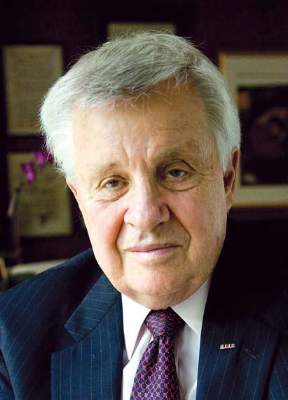
Marathon bombings: A grisly celebration of Patriots' Day?
The bombings at the Boston Marathon on Monday have inspired many theories regarding who was behind the attacks and why. While it is widely believed that individuals who carry out such horrific violence must be crazed psychotics, in fact, our research on the mind of the terrorist indicates that the determining factor for the most part is group psychology, rather an individual psychopathology. Though the group has a paranoid cast, blaming society for all of their own fears and inadequacies, the members are not usually psychotic as individuals. Anders Behring Breivik, the architect of the 2011 Norway bombing and mass shooting at a youth camp, is a notable exception, for he was diagnosed with paranoid schizophrenia.
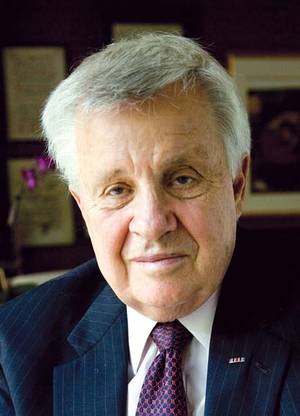
While the immediate reaction might have been to point the finger at an international terrorist group such as al-Qaeda, there is strong reason to believe that the attacks may in fact have been carried out by a domestic extremist group or individual(s).
In an intelligence report of the Southern Poverty Law Center examining the increasingly polarized political climate in the United States, Mark Potok, senior fellow at SPLC, observes the explosive growth of conspiracy-minded, antigovernment "Patriot" groups, reaching an all-time high of 1,360 in 2012. Mr. Potok cites the conspiratorial mind set of these groups; they see themselves as needing to defend themselves against President Obama’s secret plan to confiscate their guns.
Note the overarching title of these groups – "Patriot" groups. That the bombings at the Boston Marathon occurred on Patriots' Day (celebrated on the third Monday of April) should not be dismissed as a coincidence. A holiday in Massachusetts and Maine, Patriots’ Day celebrates the first battles of the Revolutionary War, the battles of Lexington and Concord on April 19, 1776, a celebration of Americans’ refusal to surrender to government tyranny. It is a day of iconic significance to the Patriot movement.
The conflagration that consumed Ranch Apocalypse in Waco, Tex., ending a 50-day FBI siege with 86 casualties, also occurred on April 19, in 1993, almost exactly 20 years ago, adding to the symbolic weight of Patriots’ Day. And when the right-wing extremist Timothy McVeigh set off a massive bomb destroying the Alfred P. Murrah Federal Building in Oklahoma City 2 years later, on April 19, 1995, killing 168, it was designed to commemorate the siege at Waco and strike a blow at what was believed to be the illegitimate U.S. government.
More recently, the massacre at Sandy Hook Elementary School in Newtown, Conn., in December 2012 led to a public opinion shift favoring a reform of gun control legislation, heightening the Patriot groups’ fears of a government plot to seize their weapons. Many relatives and friends of the Sandy Hook victims ran in the Boston Marathon. Mile marker 26, the site of the bombings, was dedicated in honor of the 26 victims of Newtown. And that the bombs were exploded at around the 4-hour time, when most of the runners would be nearing the finish line with family and friends cheering them on, seemed designed to produce maximal body count – much like the timing of McVeigh in Oklahoma City.
Initially, the Oklahoma City bombing was widely assumed to be an al-Qaeda plot linked to the earlier World Trade Center bombing that had killed six people and injured thousands. But within hours, it became clear that it was the work of a small antigovernment group. The same might be true of the Boston Marathon bombings earlier this week.
While it has now been established that the model for the pressure cooker bombs was found on an al-Qaeda how-to website, the attack itself is not consistent with an al-Qaeda-style attack. For one, the bombs were relatively small, compared with those that al-Qaeda is known for employing in its terrorist attacks. And, more importantly, there has been no claim of responsibility for the Boston bombing. While such claims of responsibility are a hallmark of the al-Qaeda brand of terrorism, ultra-right-wing groups in the past have been known to believe that their violent actions speak for themselves, and that no claims are necessary.
It is crucial to understand what drives individuals to such extremities, for such understanding can provide the basis for rational and effective counterterrorist policies.
Dr. Post is a professor of psychiatry, political psychology, and international affairs at George Washington University, Washington. He also serves as director of the university’s political psychology program and is author of "The Mind of the Terrorist: The Psychology of Terrorism from the IRA to al-Qaeda" (New York: Palgrave Macmillan, 2008). Ms. Pertsis, a graduate of the political psychology program, serves as Dr. Post’s director of research.
The bombings at the Boston Marathon on Monday have inspired many theories regarding who was behind the attacks and why. While it is widely believed that individuals who carry out such horrific violence must be crazed psychotics, in fact, our research on the mind of the terrorist indicates that the determining factor for the most part is group psychology, rather an individual psychopathology. Though the group has a paranoid cast, blaming society for all of their own fears and inadequacies, the members are not usually psychotic as individuals. Anders Behring Breivik, the architect of the 2011 Norway bombing and mass shooting at a youth camp, is a notable exception, for he was diagnosed with paranoid schizophrenia.
While the immediate reaction might have been to point the finger at an international terrorist group such as al-Qaeda, there is strong reason to believe that the attacks may in fact have been carried out by a domestic extremist group or individual(s).
In an intelligence report of the Southern Poverty Law Center examining the increasingly polarized political climate in the United States, Mark Potok, senior fellow at SPLC, observes the explosive growth of conspiracy-minded, antigovernment "Patriot" groups, reaching an all-time high of 1,360 in 2012. Mr. Potok cites the conspiratorial mind set of these groups; they see themselves as needing to defend themselves against President Obama’s secret plan to confiscate their guns.
Note the overarching title of these groups – "Patriot" groups. That the bombings at the Boston Marathon occurred on Patriots' Day (celebrated on the third Monday of April) should not be dismissed as a coincidence. A holiday in Massachusetts and Maine, Patriots’ Day celebrates the first battles of the Revolutionary War, the battles of Lexington and Concord on April 19, 1776, a celebration of Americans’ refusal to surrender to government tyranny. It is a day of iconic significance to the Patriot movement.
The conflagration that consumed Ranch Apocalypse in Waco, Tex., ending a 50-day FBI siege with 86 casualties, also occurred on April 19, in 1993, almost exactly 20 years ago, adding to the symbolic weight of Patriots’ Day. And when the right-wing extremist Timothy McVeigh set off a massive bomb destroying the Alfred P. Murrah Federal Building in Oklahoma City 2 years later, on April 19, 1995, killing 168, it was designed to commemorate the siege at Waco and strike a blow at what was believed to be the illegitimate U.S. government.
More recently, the massacre at Sandy Hook Elementary School in Newtown, Conn., in December 2012 led to a public opinion shift favoring a reform of gun control legislation, heightening the Patriot groups’ fears of a government plot to seize their weapons. Many relatives and friends of the Sandy Hook victims ran in the Boston Marathon. Mile marker 26, the site of the bombings, was dedicated in honor of the 26 victims of Newtown. And that the bombs were exploded at around the 4-hour time, when most of the runners would be nearing the finish line with family and friends cheering them on, seemed designed to produce maximal body count – much like the timing of McVeigh in Oklahoma City.
Initially, the Oklahoma City bombing was widely assumed to be an al-Qaeda plot linked to the earlier World Trade Center bombing that had killed six people and injured thousands. But within hours, it became clear that it was the work of a small antigovernment group. The same might be true of the Boston Marathon bombings earlier this week.
While it has now been established that the model for the pressure cooker bombs was found on an al-Qaeda how-to website, the attack itself is not consistent with an al-Qaeda-style attack. For one, the bombs were relatively small, compared with those that al-Qaeda is known for employing in its terrorist attacks. And, more importantly, there has been no claim of responsibility for the Boston bombing. While such claims of responsibility are a hallmark of the al-Qaeda brand of terrorism, ultra-right-wing groups in the past have been known to believe that their violent actions speak for themselves, and that no claims are necessary.
It is crucial to understand what drives individuals to such extremities, for such understanding can provide the basis for rational and effective counterterrorist policies.
Dr. Post is a professor of psychiatry, political psychology, and international affairs at George Washington University, Washington. He also serves as director of the university’s political psychology program and is author of "The Mind of the Terrorist: The Psychology of Terrorism from the IRA to al-Qaeda" (New York: Palgrave Macmillan, 2008). Ms. Pertsis, a graduate of the political psychology program, serves as Dr. Post’s director of research.
The bombings at the Boston Marathon on Monday have inspired many theories regarding who was behind the attacks and why. While it is widely believed that individuals who carry out such horrific violence must be crazed psychotics, in fact, our research on the mind of the terrorist indicates that the determining factor for the most part is group psychology, rather an individual psychopathology. Though the group has a paranoid cast, blaming society for all of their own fears and inadequacies, the members are not usually psychotic as individuals. Anders Behring Breivik, the architect of the 2011 Norway bombing and mass shooting at a youth camp, is a notable exception, for he was diagnosed with paranoid schizophrenia.
While the immediate reaction might have been to point the finger at an international terrorist group such as al-Qaeda, there is strong reason to believe that the attacks may in fact have been carried out by a domestic extremist group or individual(s).
In an intelligence report of the Southern Poverty Law Center examining the increasingly polarized political climate in the United States, Mark Potok, senior fellow at SPLC, observes the explosive growth of conspiracy-minded, antigovernment "Patriot" groups, reaching an all-time high of 1,360 in 2012. Mr. Potok cites the conspiratorial mind set of these groups; they see themselves as needing to defend themselves against President Obama’s secret plan to confiscate their guns.
Note the overarching title of these groups – "Patriot" groups. That the bombings at the Boston Marathon occurred on Patriots' Day (celebrated on the third Monday of April) should not be dismissed as a coincidence. A holiday in Massachusetts and Maine, Patriots’ Day celebrates the first battles of the Revolutionary War, the battles of Lexington and Concord on April 19, 1776, a celebration of Americans’ refusal to surrender to government tyranny. It is a day of iconic significance to the Patriot movement.
The conflagration that consumed Ranch Apocalypse in Waco, Tex., ending a 50-day FBI siege with 86 casualties, also occurred on April 19, in 1993, almost exactly 20 years ago, adding to the symbolic weight of Patriots’ Day. And when the right-wing extremist Timothy McVeigh set off a massive bomb destroying the Alfred P. Murrah Federal Building in Oklahoma City 2 years later, on April 19, 1995, killing 168, it was designed to commemorate the siege at Waco and strike a blow at what was believed to be the illegitimate U.S. government.
More recently, the massacre at Sandy Hook Elementary School in Newtown, Conn., in December 2012 led to a public opinion shift favoring a reform of gun control legislation, heightening the Patriot groups’ fears of a government plot to seize their weapons. Many relatives and friends of the Sandy Hook victims ran in the Boston Marathon. Mile marker 26, the site of the bombings, was dedicated in honor of the 26 victims of Newtown. And that the bombs were exploded at around the 4-hour time, when most of the runners would be nearing the finish line with family and friends cheering them on, seemed designed to produce maximal body count – much like the timing of McVeigh in Oklahoma City.
Initially, the Oklahoma City bombing was widely assumed to be an al-Qaeda plot linked to the earlier World Trade Center bombing that had killed six people and injured thousands. But within hours, it became clear that it was the work of a small antigovernment group. The same might be true of the Boston Marathon bombings earlier this week.
While it has now been established that the model for the pressure cooker bombs was found on an al-Qaeda how-to website, the attack itself is not consistent with an al-Qaeda-style attack. For one, the bombs were relatively small, compared with those that al-Qaeda is known for employing in its terrorist attacks. And, more importantly, there has been no claim of responsibility for the Boston bombing. While such claims of responsibility are a hallmark of the al-Qaeda brand of terrorism, ultra-right-wing groups in the past have been known to believe that their violent actions speak for themselves, and that no claims are necessary.
It is crucial to understand what drives individuals to such extremities, for such understanding can provide the basis for rational and effective counterterrorist policies.
Dr. Post is a professor of psychiatry, political psychology, and international affairs at George Washington University, Washington. He also serves as director of the university’s political psychology program and is author of "The Mind of the Terrorist: The Psychology of Terrorism from the IRA to al-Qaeda" (New York: Palgrave Macmillan, 2008). Ms. Pertsis, a graduate of the political psychology program, serves as Dr. Post’s director of research.