User login
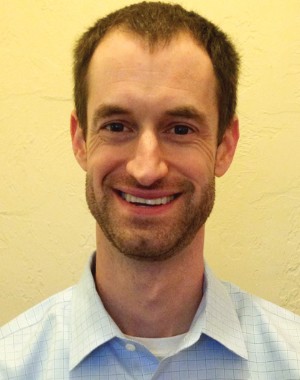
Dr. Read G. Pierce, a hospitalist and assistant professor of medicine at the University of Colorado (CU) Anschutz Medical Campus in Denver, realized early on in his career that while physicians are generally viewed as leaders in health care teams and practices, they often lack key skills and training necessary to take on leadership roles in hospitals.
"There are discrete skills, tactics, and frameworks that you need to lead effectively, but these often are not taught in medical school," Dr. Pierce said. "I became very interested in that gap, which started me down the road of developing leadership training programs, particularly for students and residents."
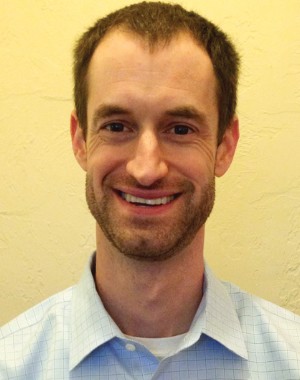
Over the past decade, he’s been teaching in and creating various programs designed to give medical students, residents, and physicians a leg up in their practice of leadership. As associate director of the CU Institute for Healthcare Quality, Safety, and Efficiency, he has led the development of a portfolio of training programs that focus on developing leaders of quality, safety, and process improvement. He also cofounded and now leads the Health Innovations Scholars Program – part of the CU Young Hospitalist Academy – which is a summer program for preclinical medical students that accelerates mastery of leadership and health care systems improvement skills.
In 2012, he cofounded the CU Hospitalist Training Program–Leaders Track, an intensive 3-year program for internal medicine residents that prepares them for careers as both clinicians and physician executives. And he provides executive coaching to hospitalists in a 1-year leadership fellowship jointly sponsored by IPC: The Hospitalist Company and the University of California, San Francisco.
In an interview with Hospitalist News, Dr. Pierce explained which leadership skills are most important and why hospitalists are well positioned to be leaders.
Hospitalist News: What type of leadership skills do you teach students and residents?
Dr. Pierce: There are five big types of skills that we focus on for both students and residents. The first is self-awareness. Many people who are highly accomplished develop a relatively robust sense of their strengths and weaknesses, but we often don’t give people opportunities to understand deeply how personal preferences impact their leadership. All of us have preferences for how we interact with other people, how we process information, and how we make decisions. A lot of lightbulbs go on when people realize, "I have a certain style for receiving information and making a decision as a leader." Once you’re conscious of that style, you can start to recognize what your blind spots are and you can adapt and improve.
Second, we spend a fair amount of time with our students and residents on basic management skills. This includes how to run a meeting effectively, how to create action items when you finish a conversation, how to set expectations when you get a team together for the first time, and how to manage projects. We practice application of these skills by running quality improvement projects and leading clinical teams.
The third thing we teach is effective stakeholder management. Understanding how other people – particularly those with power and influence in the organization – will perceive your project, want to hear from you, and make decisions about whether to support or oppose your leadership agenda is critical to success.
The fourth thing we teach is "systems" thinking, which some people consider health care operations. One of the major challenges for people working in health care is the tremendous complexity of the system itself. Even physicians with many years of experience may have little detailed knowledge of how the pharmacy or clinical laboratory works, yet physician leaders are asked to solve problems that impact resource utilization, workflow, quality, and safety in those clinical systems. We spend time discussing and analyzing different components of the health care system, how they interact, how various incentives drive behavior among people working in different silos, and how people within different parts of the system view change and opportunities to improve.
The last piece is creating an authentic leadership development pathway for each of our learners. There is no simple formula for becoming a better leader. Thus, we help them develop tailored plans so that they can bring their personal experiences and passions into their leadership style, find individualized growth opportunities, and see highly effective leaders practicing some of the skills they want to develop.
HN: If you haven’t had formal leadership training, what can you do to step into a leadership position in your hospital?
Dr. Pierce: The real key is to seize an opportunity that looks interesting. This should be an opportunity that not only allows you to do the work – lead a quality improvement project, change the way that staffing happens within your group practice, or participate in a contract negotiation – but also allows you to think about how people around you are leading and following. Any opportunity where you can do the work and also have a small space to reflect on how people are responding to your leadership will be growth promoting.
Also, find a coach. You can hire a professional coach, but you can also find a peer or mentor who you admire as an effective leader. Debrief with that person regularly as you go through the project, and talk about three things: where is the work going well, where are you struggling, and what could you do differently?
HN: Why are hospitalists in a unique position to be leaders in their institutions?
Dr. Pierce: Hospitalists are primed for leadership roles within health care because of their openness to systems thinking. More than a decade ago, hospital medicine expanded its focus on clinical efficiency in the hospital to include quality and safety, and now we’re working on patient experience and value as well. For most of its history the field has considered it part of the job to be at the table, speaking with hospital executives, serving on committees, and leading improvement initiatives. As a result, hospitalists see the big leadership and change management questions that hospitals and health systems wrestle with daily. This exposure gives them an ability to grasp the language and some of the concepts that are fundamental to effective leadership in care delivery systems.
HN: Do you think the implementation of the Affordable Care Act across U.S. hospitals will result in the rise of more physician executives?
Dr. Pierce: I think the Affordable Care Act creates a diverse and exciting set of opportunities for physicians who want to be more engaged in leadership roles. Stepping into those roles is up to us. If you look at the history of health care in the United States over the last 30 or 40 years, one of the interesting questions is this: How engaged have physicians been in leading important change? A lot of people would argue that some of the big challenges in the 1990s, when we implemented managed care, arose because physicians were not active enough in leading and shaping that period of change. In many markets, physicians stepped back and managed care happened to them. I think the same thing could happen with the Affordable Care Act, if physicians largely sit on the sidelines and wait to see what happens. I am encouraged that I increasingly see physicians of all ages embracing leadership as a core competency and a rewarding path.
Take us to your leader. Nominate a hospitalist whose work inspires you. E-mail suggestions to [email protected].
On Twitter https://twitter.com/maryellenny
Dr. Read G. Pierce, a hospitalist and assistant professor of medicine at the University of Colorado (CU) Anschutz Medical Campus in Denver, realized early on in his career that while physicians are generally viewed as leaders in health care teams and practices, they often lack key skills and training necessary to take on leadership roles in hospitals.
"There are discrete skills, tactics, and frameworks that you need to lead effectively, but these often are not taught in medical school," Dr. Pierce said. "I became very interested in that gap, which started me down the road of developing leadership training programs, particularly for students and residents."
Over the past decade, he’s been teaching in and creating various programs designed to give medical students, residents, and physicians a leg up in their practice of leadership. As associate director of the CU Institute for Healthcare Quality, Safety, and Efficiency, he has led the development of a portfolio of training programs that focus on developing leaders of quality, safety, and process improvement. He also cofounded and now leads the Health Innovations Scholars Program – part of the CU Young Hospitalist Academy – which is a summer program for preclinical medical students that accelerates mastery of leadership and health care systems improvement skills.
In 2012, he cofounded the CU Hospitalist Training Program–Leaders Track, an intensive 3-year program for internal medicine residents that prepares them for careers as both clinicians and physician executives. And he provides executive coaching to hospitalists in a 1-year leadership fellowship jointly sponsored by IPC: The Hospitalist Company and the University of California, San Francisco.
In an interview with Hospitalist News, Dr. Pierce explained which leadership skills are most important and why hospitalists are well positioned to be leaders.
Hospitalist News: What type of leadership skills do you teach students and residents?
Dr. Pierce: There are five big types of skills that we focus on for both students and residents. The first is self-awareness. Many people who are highly accomplished develop a relatively robust sense of their strengths and weaknesses, but we often don’t give people opportunities to understand deeply how personal preferences impact their leadership. All of us have preferences for how we interact with other people, how we process information, and how we make decisions. A lot of lightbulbs go on when people realize, "I have a certain style for receiving information and making a decision as a leader." Once you’re conscious of that style, you can start to recognize what your blind spots are and you can adapt and improve.
Second, we spend a fair amount of time with our students and residents on basic management skills. This includes how to run a meeting effectively, how to create action items when you finish a conversation, how to set expectations when you get a team together for the first time, and how to manage projects. We practice application of these skills by running quality improvement projects and leading clinical teams.
The third thing we teach is effective stakeholder management. Understanding how other people – particularly those with power and influence in the organization – will perceive your project, want to hear from you, and make decisions about whether to support or oppose your leadership agenda is critical to success.
The fourth thing we teach is "systems" thinking, which some people consider health care operations. One of the major challenges for people working in health care is the tremendous complexity of the system itself. Even physicians with many years of experience may have little detailed knowledge of how the pharmacy or clinical laboratory works, yet physician leaders are asked to solve problems that impact resource utilization, workflow, quality, and safety in those clinical systems. We spend time discussing and analyzing different components of the health care system, how they interact, how various incentives drive behavior among people working in different silos, and how people within different parts of the system view change and opportunities to improve.
The last piece is creating an authentic leadership development pathway for each of our learners. There is no simple formula for becoming a better leader. Thus, we help them develop tailored plans so that they can bring their personal experiences and passions into their leadership style, find individualized growth opportunities, and see highly effective leaders practicing some of the skills they want to develop.
HN: If you haven’t had formal leadership training, what can you do to step into a leadership position in your hospital?
Dr. Pierce: The real key is to seize an opportunity that looks interesting. This should be an opportunity that not only allows you to do the work – lead a quality improvement project, change the way that staffing happens within your group practice, or participate in a contract negotiation – but also allows you to think about how people around you are leading and following. Any opportunity where you can do the work and also have a small space to reflect on how people are responding to your leadership will be growth promoting.
Also, find a coach. You can hire a professional coach, but you can also find a peer or mentor who you admire as an effective leader. Debrief with that person regularly as you go through the project, and talk about three things: where is the work going well, where are you struggling, and what could you do differently?
HN: Why are hospitalists in a unique position to be leaders in their institutions?
Dr. Pierce: Hospitalists are primed for leadership roles within health care because of their openness to systems thinking. More than a decade ago, hospital medicine expanded its focus on clinical efficiency in the hospital to include quality and safety, and now we’re working on patient experience and value as well. For most of its history the field has considered it part of the job to be at the table, speaking with hospital executives, serving on committees, and leading improvement initiatives. As a result, hospitalists see the big leadership and change management questions that hospitals and health systems wrestle with daily. This exposure gives them an ability to grasp the language and some of the concepts that are fundamental to effective leadership in care delivery systems.
HN: Do you think the implementation of the Affordable Care Act across U.S. hospitals will result in the rise of more physician executives?
Dr. Pierce: I think the Affordable Care Act creates a diverse and exciting set of opportunities for physicians who want to be more engaged in leadership roles. Stepping into those roles is up to us. If you look at the history of health care in the United States over the last 30 or 40 years, one of the interesting questions is this: How engaged have physicians been in leading important change? A lot of people would argue that some of the big challenges in the 1990s, when we implemented managed care, arose because physicians were not active enough in leading and shaping that period of change. In many markets, physicians stepped back and managed care happened to them. I think the same thing could happen with the Affordable Care Act, if physicians largely sit on the sidelines and wait to see what happens. I am encouraged that I increasingly see physicians of all ages embracing leadership as a core competency and a rewarding path.
Take us to your leader. Nominate a hospitalist whose work inspires you. E-mail suggestions to [email protected].
On Twitter https://twitter.com/maryellenny
Dr. Read G. Pierce, a hospitalist and assistant professor of medicine at the University of Colorado (CU) Anschutz Medical Campus in Denver, realized early on in his career that while physicians are generally viewed as leaders in health care teams and practices, they often lack key skills and training necessary to take on leadership roles in hospitals.
"There are discrete skills, tactics, and frameworks that you need to lead effectively, but these often are not taught in medical school," Dr. Pierce said. "I became very interested in that gap, which started me down the road of developing leadership training programs, particularly for students and residents."
Over the past decade, he’s been teaching in and creating various programs designed to give medical students, residents, and physicians a leg up in their practice of leadership. As associate director of the CU Institute for Healthcare Quality, Safety, and Efficiency, he has led the development of a portfolio of training programs that focus on developing leaders of quality, safety, and process improvement. He also cofounded and now leads the Health Innovations Scholars Program – part of the CU Young Hospitalist Academy – which is a summer program for preclinical medical students that accelerates mastery of leadership and health care systems improvement skills.
In 2012, he cofounded the CU Hospitalist Training Program–Leaders Track, an intensive 3-year program for internal medicine residents that prepares them for careers as both clinicians and physician executives. And he provides executive coaching to hospitalists in a 1-year leadership fellowship jointly sponsored by IPC: The Hospitalist Company and the University of California, San Francisco.
In an interview with Hospitalist News, Dr. Pierce explained which leadership skills are most important and why hospitalists are well positioned to be leaders.
Hospitalist News: What type of leadership skills do you teach students and residents?
Dr. Pierce: There are five big types of skills that we focus on for both students and residents. The first is self-awareness. Many people who are highly accomplished develop a relatively robust sense of their strengths and weaknesses, but we often don’t give people opportunities to understand deeply how personal preferences impact their leadership. All of us have preferences for how we interact with other people, how we process information, and how we make decisions. A lot of lightbulbs go on when people realize, "I have a certain style for receiving information and making a decision as a leader." Once you’re conscious of that style, you can start to recognize what your blind spots are and you can adapt and improve.
Second, we spend a fair amount of time with our students and residents on basic management skills. This includes how to run a meeting effectively, how to create action items when you finish a conversation, how to set expectations when you get a team together for the first time, and how to manage projects. We practice application of these skills by running quality improvement projects and leading clinical teams.
The third thing we teach is effective stakeholder management. Understanding how other people – particularly those with power and influence in the organization – will perceive your project, want to hear from you, and make decisions about whether to support or oppose your leadership agenda is critical to success.
The fourth thing we teach is "systems" thinking, which some people consider health care operations. One of the major challenges for people working in health care is the tremendous complexity of the system itself. Even physicians with many years of experience may have little detailed knowledge of how the pharmacy or clinical laboratory works, yet physician leaders are asked to solve problems that impact resource utilization, workflow, quality, and safety in those clinical systems. We spend time discussing and analyzing different components of the health care system, how they interact, how various incentives drive behavior among people working in different silos, and how people within different parts of the system view change and opportunities to improve.
The last piece is creating an authentic leadership development pathway for each of our learners. There is no simple formula for becoming a better leader. Thus, we help them develop tailored plans so that they can bring their personal experiences and passions into their leadership style, find individualized growth opportunities, and see highly effective leaders practicing some of the skills they want to develop.
HN: If you haven’t had formal leadership training, what can you do to step into a leadership position in your hospital?
Dr. Pierce: The real key is to seize an opportunity that looks interesting. This should be an opportunity that not only allows you to do the work – lead a quality improvement project, change the way that staffing happens within your group practice, or participate in a contract negotiation – but also allows you to think about how people around you are leading and following. Any opportunity where you can do the work and also have a small space to reflect on how people are responding to your leadership will be growth promoting.
Also, find a coach. You can hire a professional coach, but you can also find a peer or mentor who you admire as an effective leader. Debrief with that person regularly as you go through the project, and talk about three things: where is the work going well, where are you struggling, and what could you do differently?
HN: Why are hospitalists in a unique position to be leaders in their institutions?
Dr. Pierce: Hospitalists are primed for leadership roles within health care because of their openness to systems thinking. More than a decade ago, hospital medicine expanded its focus on clinical efficiency in the hospital to include quality and safety, and now we’re working on patient experience and value as well. For most of its history the field has considered it part of the job to be at the table, speaking with hospital executives, serving on committees, and leading improvement initiatives. As a result, hospitalists see the big leadership and change management questions that hospitals and health systems wrestle with daily. This exposure gives them an ability to grasp the language and some of the concepts that are fundamental to effective leadership in care delivery systems.
HN: Do you think the implementation of the Affordable Care Act across U.S. hospitals will result in the rise of more physician executives?
Dr. Pierce: I think the Affordable Care Act creates a diverse and exciting set of opportunities for physicians who want to be more engaged in leadership roles. Stepping into those roles is up to us. If you look at the history of health care in the United States over the last 30 or 40 years, one of the interesting questions is this: How engaged have physicians been in leading important change? A lot of people would argue that some of the big challenges in the 1990s, when we implemented managed care, arose because physicians were not active enough in leading and shaping that period of change. In many markets, physicians stepped back and managed care happened to them. I think the same thing could happen with the Affordable Care Act, if physicians largely sit on the sidelines and wait to see what happens. I am encouraged that I increasingly see physicians of all ages embracing leadership as a core competency and a rewarding path.
Take us to your leader. Nominate a hospitalist whose work inspires you. E-mail suggestions to [email protected].
On Twitter https://twitter.com/maryellenny