User login
Teens who sleep less at risk for greater insulin resistance
MINNEAPOLIS – Teens who do not sleep enough may be at risk for gaining weight and increased insulin resistance.
That’s the conclusion of a small pilot study conducted by Dr. Dorit Koren and her colleagues at the University of Chicago.
There is already considerable epidemiologic data that lack of sleep is a risk factor for obesity in children and young adults, said Dr. Koren who is with the departments of pediatrics and medicine in the pediatric endocrinology department at the University of Chicago.
There have been studies examining the risk of type 2 diabetes with sleep deprivation in adults, but there has been no population-based data in children examining the risk of type 2 diabetes in children and adolescents – and that’s important because they are not just small adults, she said.
Adolescents tend to be more insulin resistant because of the pubertal growth spurt, and they have a different sleep architecture than do adults, as they tend to be late to bed and late to rise, said Dr. Koren.
Previous studies looking at glucose homeostasis in adolescents have mostly looked at fasting rather than dynamic measures of glucose homeostasis and that is a limitation because fasting measures reflect primarily hepatic insulin sensitivity, she said. Most studies also were conducted in a sleep lab, which is not a natural environment.
She and her colleagues wanted to study adolescents at home and also gauge postprandial glucose metabolism. They enrolled 10 adolescents, aged 13-18 years. A total of 70% were black and 30% were non-Hispanic white. Just under half were male. They were mostly overweight, as measured by body mass index, although some were very lean, and some were very obese, said Dr. Koren.
The patients were first given an overnight polysomnogram, and then told to measure sleep at home through an actigraphy device, and sleep diaries. The actigraphy helped back up the diaries, which are known to be "remarkably inaccurate" among adolescents, said Dr. Koren. They kept track of their sleep for 2 weeks.
The teens then returned for a second visit to the clinic. The researchers analyzed the average bedtime and waking time, and then asked them to restrict their sleep by going to bed an hour later. After returning again, the new measures after sleep restriction were compared with the earlier measures.
There was a strong correlation between weight and sleep duration, with longer sleep associated with less weight. They also saw a trend toward a greater waist circumference in adolescents who slept less.
There was a significant negative association between sleep duration and the 90-minute oral glucose tolerance test, with a P = .036. Restricted sleep also led to greater insulin resistance as measured by the homeostasis model assessment of insulin resistance (P = .091), and the whole-body insulin sensitivity index (P = .091).
Dr. Koren and her colleagues also performed linear regression analyses, controlling for either waist circumference or weight. Sleep deprivation was still the most significant factor as measured on the 90-minute glucose tolerance test and by the whole-body insulin sensitivity index.
"The model suggests that these relationships between home sleep deprivation and insulin resistance or hyperglycemia are independent of obesity, generalized or central," said Dr. Koren.
She cited the example of a 15-year-old female subject, who was lean. Her sleep went from 8.7 hours at baseline to 7.9 hours with the restriction. Her glucose values did not change significantly between baseline and restriction, but her insulin levels were noticeably higher in the sleep-restricted state, said Dr. Koren. Those levels rose an hour into the 90-minute tolerance test, which suggests that she was insulin resistant and needed to secrete more insulin to maintain glycemia.
Dr. Koren and her colleagues hope to replicate the study in a larger cohort.
Dr. Koren reported no relevant financial conflicts.
On Twitter @aliciaault
MINNEAPOLIS – Teens who do not sleep enough may be at risk for gaining weight and increased insulin resistance.
That’s the conclusion of a small pilot study conducted by Dr. Dorit Koren and her colleagues at the University of Chicago.
There is already considerable epidemiologic data that lack of sleep is a risk factor for obesity in children and young adults, said Dr. Koren who is with the departments of pediatrics and medicine in the pediatric endocrinology department at the University of Chicago.
There have been studies examining the risk of type 2 diabetes with sleep deprivation in adults, but there has been no population-based data in children examining the risk of type 2 diabetes in children and adolescents – and that’s important because they are not just small adults, she said.
Adolescents tend to be more insulin resistant because of the pubertal growth spurt, and they have a different sleep architecture than do adults, as they tend to be late to bed and late to rise, said Dr. Koren.
Previous studies looking at glucose homeostasis in adolescents have mostly looked at fasting rather than dynamic measures of glucose homeostasis and that is a limitation because fasting measures reflect primarily hepatic insulin sensitivity, she said. Most studies also were conducted in a sleep lab, which is not a natural environment.
She and her colleagues wanted to study adolescents at home and also gauge postprandial glucose metabolism. They enrolled 10 adolescents, aged 13-18 years. A total of 70% were black and 30% were non-Hispanic white. Just under half were male. They were mostly overweight, as measured by body mass index, although some were very lean, and some were very obese, said Dr. Koren.
The patients were first given an overnight polysomnogram, and then told to measure sleep at home through an actigraphy device, and sleep diaries. The actigraphy helped back up the diaries, which are known to be "remarkably inaccurate" among adolescents, said Dr. Koren. They kept track of their sleep for 2 weeks.
The teens then returned for a second visit to the clinic. The researchers analyzed the average bedtime and waking time, and then asked them to restrict their sleep by going to bed an hour later. After returning again, the new measures after sleep restriction were compared with the earlier measures.
There was a strong correlation between weight and sleep duration, with longer sleep associated with less weight. They also saw a trend toward a greater waist circumference in adolescents who slept less.
There was a significant negative association between sleep duration and the 90-minute oral glucose tolerance test, with a P = .036. Restricted sleep also led to greater insulin resistance as measured by the homeostasis model assessment of insulin resistance (P = .091), and the whole-body insulin sensitivity index (P = .091).
Dr. Koren and her colleagues also performed linear regression analyses, controlling for either waist circumference or weight. Sleep deprivation was still the most significant factor as measured on the 90-minute glucose tolerance test and by the whole-body insulin sensitivity index.
"The model suggests that these relationships between home sleep deprivation and insulin resistance or hyperglycemia are independent of obesity, generalized or central," said Dr. Koren.
She cited the example of a 15-year-old female subject, who was lean. Her sleep went from 8.7 hours at baseline to 7.9 hours with the restriction. Her glucose values did not change significantly between baseline and restriction, but her insulin levels were noticeably higher in the sleep-restricted state, said Dr. Koren. Those levels rose an hour into the 90-minute tolerance test, which suggests that she was insulin resistant and needed to secrete more insulin to maintain glycemia.
Dr. Koren and her colleagues hope to replicate the study in a larger cohort.
Dr. Koren reported no relevant financial conflicts.
On Twitter @aliciaault
MINNEAPOLIS – Teens who do not sleep enough may be at risk for gaining weight and increased insulin resistance.
That’s the conclusion of a small pilot study conducted by Dr. Dorit Koren and her colleagues at the University of Chicago.
There is already considerable epidemiologic data that lack of sleep is a risk factor for obesity in children and young adults, said Dr. Koren who is with the departments of pediatrics and medicine in the pediatric endocrinology department at the University of Chicago.
There have been studies examining the risk of type 2 diabetes with sleep deprivation in adults, but there has been no population-based data in children examining the risk of type 2 diabetes in children and adolescents – and that’s important because they are not just small adults, she said.
Adolescents tend to be more insulin resistant because of the pubertal growth spurt, and they have a different sleep architecture than do adults, as they tend to be late to bed and late to rise, said Dr. Koren.
Previous studies looking at glucose homeostasis in adolescents have mostly looked at fasting rather than dynamic measures of glucose homeostasis and that is a limitation because fasting measures reflect primarily hepatic insulin sensitivity, she said. Most studies also were conducted in a sleep lab, which is not a natural environment.
She and her colleagues wanted to study adolescents at home and also gauge postprandial glucose metabolism. They enrolled 10 adolescents, aged 13-18 years. A total of 70% were black and 30% were non-Hispanic white. Just under half were male. They were mostly overweight, as measured by body mass index, although some were very lean, and some were very obese, said Dr. Koren.
The patients were first given an overnight polysomnogram, and then told to measure sleep at home through an actigraphy device, and sleep diaries. The actigraphy helped back up the diaries, which are known to be "remarkably inaccurate" among adolescents, said Dr. Koren. They kept track of their sleep for 2 weeks.
The teens then returned for a second visit to the clinic. The researchers analyzed the average bedtime and waking time, and then asked them to restrict their sleep by going to bed an hour later. After returning again, the new measures after sleep restriction were compared with the earlier measures.
There was a strong correlation between weight and sleep duration, with longer sleep associated with less weight. They also saw a trend toward a greater waist circumference in adolescents who slept less.
There was a significant negative association between sleep duration and the 90-minute oral glucose tolerance test, with a P = .036. Restricted sleep also led to greater insulin resistance as measured by the homeostasis model assessment of insulin resistance (P = .091), and the whole-body insulin sensitivity index (P = .091).
Dr. Koren and her colleagues also performed linear regression analyses, controlling for either waist circumference or weight. Sleep deprivation was still the most significant factor as measured on the 90-minute glucose tolerance test and by the whole-body insulin sensitivity index.
"The model suggests that these relationships between home sleep deprivation and insulin resistance or hyperglycemia are independent of obesity, generalized or central," said Dr. Koren.
She cited the example of a 15-year-old female subject, who was lean. Her sleep went from 8.7 hours at baseline to 7.9 hours with the restriction. Her glucose values did not change significantly between baseline and restriction, but her insulin levels were noticeably higher in the sleep-restricted state, said Dr. Koren. Those levels rose an hour into the 90-minute tolerance test, which suggests that she was insulin resistant and needed to secrete more insulin to maintain glycemia.
Dr. Koren and her colleagues hope to replicate the study in a larger cohort.
Dr. Koren reported no relevant financial conflicts.
On Twitter @aliciaault
FROM SLEEP 2014
Key clinical point: Sleep restriction can lead to obesity and insulin resistance.
Major finding: Teens who underslept by an hour a night were more likely to be heavier, have a larger weight circumference, and to have greater insulin resistance.
Data source: A 10-patient pilot study of home sleep.
Disclosures: The study was supported by a National Institutes of Health grant. Dr. Koren reported no conflicts.
Sleep society: Screen for apnea at first Medicare visit
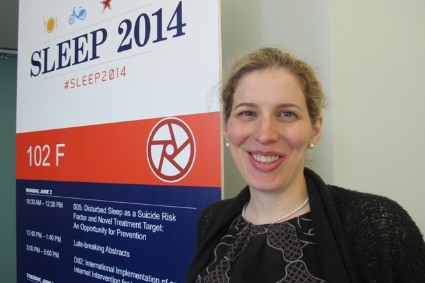
MINNEAPOLIS – The American Academy of Sleep Medicine is pushing to have a simple sleep apnea questionnaire included in the initial Welcome to Medicare preventive care visit.
Including such a screening tool would help identify obstructive sleep apnea (OSA) when patients first join the Medicare program and thus improve the odds of diagnosing and treating the condition, said Dr. Timothy Morgenthaler, president of the AASM. Getting a handle on OSA could also reduce the potential that the beneficiary will develop related chronic conditions, and that will help Medicare curb expenditures, he said.
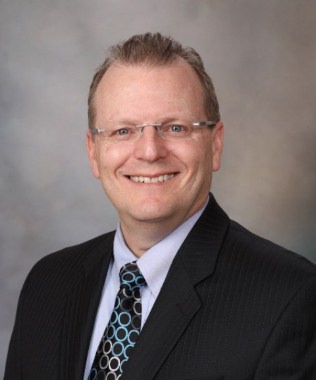
An estimated 20% of current Medicare beneficiaries have OSA. That number is expected to grow with the rising obesity rates, he said. Untreated OSA can increase the risk of hypertension, heart disease, type 2 diabetes, and stroke, said Dr. Morgenthaler, who is professor of medicine at the Mayo Clinic in Rochester, Minn.
The AASM has been lobbying Congress to include a validated OSA screen in the initial Medicare visit and found sponsors in Rep. Michael Burgess (R-Tex.) and Rep. Bobby Rush (D-Ill.). The two congressmen introduced a bill (H.R. 4695) that would do just that on May 21.
"This important legislation addresses the barriers that prevent new Medicare beneficiaries from receiving what we know to be required sleep apnea services," Dr. Morgenthaler said at the annual meeting of the Associated Professional Sleep Societies.
Rep. Erik Paulsen (R-Minn.), who recently signed on to the bill as a cosponsor, told AASM attendees that adding an OSA screen to the initial Medicare visit would help increase detection of disease, raise patient awareness, and "improve health care quality and reduce costs to the Medicare program," over the long term.
The AASM is asking its members to back the legislation and educate local lawmakers and patients through the group’s Seniors Sleep Campaign.
The association also wants to make it easier for board-certified sleep medicine specialists to care for Medicare patients from start to finish. Currently, antikickback laws prevent sleep specialists and sleep centers from directly providing therapeutic durable medical equipment to Medicare patients, said Dr. Morgenthaler.
The AASM has developed model language for an exception to that statute, which it hopes legislators or regulators will approve, he said. It would allow board-certified specialists to provide the continuum of care from start to finish, including durable medical equipment such as continuous positive airway pressure devices.
Eliminating the current fragmented system of care would eliminate waste, simplify the work flow, and improve the quality of care and reduce costs, said Dr. Morgenthaler.
On Twitter @aliciaault
MINNEAPOLIS – The American Academy of Sleep Medicine is pushing to have a simple sleep apnea questionnaire included in the initial Welcome to Medicare preventive care visit.
Including such a screening tool would help identify obstructive sleep apnea (OSA) when patients first join the Medicare program and thus improve the odds of diagnosing and treating the condition, said Dr. Timothy Morgenthaler, president of the AASM. Getting a handle on OSA could also reduce the potential that the beneficiary will develop related chronic conditions, and that will help Medicare curb expenditures, he said.
An estimated 20% of current Medicare beneficiaries have OSA. That number is expected to grow with the rising obesity rates, he said. Untreated OSA can increase the risk of hypertension, heart disease, type 2 diabetes, and stroke, said Dr. Morgenthaler, who is professor of medicine at the Mayo Clinic in Rochester, Minn.
The AASM has been lobbying Congress to include a validated OSA screen in the initial Medicare visit and found sponsors in Rep. Michael Burgess (R-Tex.) and Rep. Bobby Rush (D-Ill.). The two congressmen introduced a bill (H.R. 4695) that would do just that on May 21.
"This important legislation addresses the barriers that prevent new Medicare beneficiaries from receiving what we know to be required sleep apnea services," Dr. Morgenthaler said at the annual meeting of the Associated Professional Sleep Societies.
Rep. Erik Paulsen (R-Minn.), who recently signed on to the bill as a cosponsor, told AASM attendees that adding an OSA screen to the initial Medicare visit would help increase detection of disease, raise patient awareness, and "improve health care quality and reduce costs to the Medicare program," over the long term.
The AASM is asking its members to back the legislation and educate local lawmakers and patients through the group’s Seniors Sleep Campaign.
The association also wants to make it easier for board-certified sleep medicine specialists to care for Medicare patients from start to finish. Currently, antikickback laws prevent sleep specialists and sleep centers from directly providing therapeutic durable medical equipment to Medicare patients, said Dr. Morgenthaler.
The AASM has developed model language for an exception to that statute, which it hopes legislators or regulators will approve, he said. It would allow board-certified specialists to provide the continuum of care from start to finish, including durable medical equipment such as continuous positive airway pressure devices.
Eliminating the current fragmented system of care would eliminate waste, simplify the work flow, and improve the quality of care and reduce costs, said Dr. Morgenthaler.
On Twitter @aliciaault
MINNEAPOLIS – The American Academy of Sleep Medicine is pushing to have a simple sleep apnea questionnaire included in the initial Welcome to Medicare preventive care visit.
Including such a screening tool would help identify obstructive sleep apnea (OSA) when patients first join the Medicare program and thus improve the odds of diagnosing and treating the condition, said Dr. Timothy Morgenthaler, president of the AASM. Getting a handle on OSA could also reduce the potential that the beneficiary will develop related chronic conditions, and that will help Medicare curb expenditures, he said.
An estimated 20% of current Medicare beneficiaries have OSA. That number is expected to grow with the rising obesity rates, he said. Untreated OSA can increase the risk of hypertension, heart disease, type 2 diabetes, and stroke, said Dr. Morgenthaler, who is professor of medicine at the Mayo Clinic in Rochester, Minn.
The AASM has been lobbying Congress to include a validated OSA screen in the initial Medicare visit and found sponsors in Rep. Michael Burgess (R-Tex.) and Rep. Bobby Rush (D-Ill.). The two congressmen introduced a bill (H.R. 4695) that would do just that on May 21.
"This important legislation addresses the barriers that prevent new Medicare beneficiaries from receiving what we know to be required sleep apnea services," Dr. Morgenthaler said at the annual meeting of the Associated Professional Sleep Societies.
Rep. Erik Paulsen (R-Minn.), who recently signed on to the bill as a cosponsor, told AASM attendees that adding an OSA screen to the initial Medicare visit would help increase detection of disease, raise patient awareness, and "improve health care quality and reduce costs to the Medicare program," over the long term.
The AASM is asking its members to back the legislation and educate local lawmakers and patients through the group’s Seniors Sleep Campaign.
The association also wants to make it easier for board-certified sleep medicine specialists to care for Medicare patients from start to finish. Currently, antikickback laws prevent sleep specialists and sleep centers from directly providing therapeutic durable medical equipment to Medicare patients, said Dr. Morgenthaler.
The AASM has developed model language for an exception to that statute, which it hopes legislators or regulators will approve, he said. It would allow board-certified specialists to provide the continuum of care from start to finish, including durable medical equipment such as continuous positive airway pressure devices.
Eliminating the current fragmented system of care would eliminate waste, simplify the work flow, and improve the quality of care and reduce costs, said Dr. Morgenthaler.
On Twitter @aliciaault
AT SLEEP 2014
Suicide more likely after midnight
MINNEAPOLIS – Suicide may be more likely after midnight and in particular between 2 a.m. and 3 a.m., according to new research.
"This appears to be the first data to suggest that circadian factors may contribute to suicidality, and help explain why insomnia is also a risk factor for suicidal ideation and behavior," said Michael L. Perlis, Ph.D., of the department of psychiatry and director of the Penn behavioral sleep medicine program at the University of Pennsylvania, Philadelphia.

Dr. Perlis said that it has long been known that insomnia may lead to a certain despair; he found a reference to it in the Lancet in 1914. The anecdotal report said, "The rector of a parish having written the following letter, was found dead in a pool with a bullet wound in the head: ‘Another sleepless night; no real sleep for weeks. Oh, my poor brain, I cannot bear the lengthy, dark hours of the night.’ "
Previous studies have shown that completed suicides rise starting in the morning, and then peak in the afternoon, with trends being lowest from midnight to 4 a.m., Dr. Perlis said at the annual meeting of the Associated Professional Sleep Societies.
He and his colleagues at Penn and the Philadelphia Veteran Affairs Medical Center, also in Philadelphia, decided to take a different look at the data – instead of arraying completed suicides as a percent per hour, they examined the odds of completed suicide by clock hour, accounting for the proportion of the population awake at each hour.
They hypothesized that people with insomnia may be at higher risk for suicidal ideation and behavior because of their chaotic and dysfunctional thoughts and nightmares, in which small problems appear much larger. Further, people who are depressed and suicidal also have higher rates of insomnia.
They looked at 35,332 suicides reported to the National Violent Death Reporting System at the Centers for Disease Control and Prevention. The data come from 18 states and was compiled from 2002 to 2010. The reports included the time of the fatal injury.
A total of 81% (28,704) of the suicides were in men and 84% (29,771) were in non-Hispanic whites. Suicide was highest among 35-44-year-olds and 45-54-year-olds, at about 20% for each age group.
The researchers used existing data on the number of Americans awake at any given hour and plotted the suicides by 1-hour increments.
At 7 a.m., the mean suicide rate was just under 2%. But at midnight, it was 8.3%; at 2 a.m., it was 16%, and at 3 a.m. it was 15%. Rates continued to drop from there, to a little over 2% at 6 a.m.
"Frankly, it makes all the sense in the world that completed suicides would occur more frequently at night," Dr. Perlis said in an interview. At that time, there is an absence of social constraints and social supports, a despair that comes from sleeplessness and easier access to alcohol, substances, and weapons, he said. Impulse control also may be lower (Sleep 2014;vol.237:abstract supplement,abst. 0768)
It is also "likely that being awake at night, when one is biologically prepared to be asleep, may be a risk factor in and of itself," Dr. Perlis said.
As far as why suicides peaked between 2 a.m. and 3 a.m. in their study, Dr. Perlis said that it may be that it’s the time of day "where the pressure to sleep is greatest and as a result this is the time when executive function is most impaired."
Dr. Perlis said that the study, "suggests that interventions for insomnia and nightmares may serve to reduce the risk for completed suicide and likely will also reduce suicidal ideation and behavior."
Short term interventions can include medications and other medical strategies. But Dr. Perlis recommends cognitive-behavioral therapy that targets insomnia and nightmares for longer-term treatment. The Philadelphia Veterans Affairs began system-wide training in CBT for insomnia and nightmares 4 years ago, he said.
The research was supported by the University of Pennsylvania and the National Institutes of Health. Dr. Perlis and his colleagues reported no conflicts.
On Twitter @aliciaault
MINNEAPOLIS – Suicide may be more likely after midnight and in particular between 2 a.m. and 3 a.m., according to new research.
"This appears to be the first data to suggest that circadian factors may contribute to suicidality, and help explain why insomnia is also a risk factor for suicidal ideation and behavior," said Michael L. Perlis, Ph.D., of the department of psychiatry and director of the Penn behavioral sleep medicine program at the University of Pennsylvania, Philadelphia.
Dr. Perlis said that it has long been known that insomnia may lead to a certain despair; he found a reference to it in the Lancet in 1914. The anecdotal report said, "The rector of a parish having written the following letter, was found dead in a pool with a bullet wound in the head: ‘Another sleepless night; no real sleep for weeks. Oh, my poor brain, I cannot bear the lengthy, dark hours of the night.’ "
Previous studies have shown that completed suicides rise starting in the morning, and then peak in the afternoon, with trends being lowest from midnight to 4 a.m., Dr. Perlis said at the annual meeting of the Associated Professional Sleep Societies.
He and his colleagues at Penn and the Philadelphia Veteran Affairs Medical Center, also in Philadelphia, decided to take a different look at the data – instead of arraying completed suicides as a percent per hour, they examined the odds of completed suicide by clock hour, accounting for the proportion of the population awake at each hour.
They hypothesized that people with insomnia may be at higher risk for suicidal ideation and behavior because of their chaotic and dysfunctional thoughts and nightmares, in which small problems appear much larger. Further, people who are depressed and suicidal also have higher rates of insomnia.
They looked at 35,332 suicides reported to the National Violent Death Reporting System at the Centers for Disease Control and Prevention. The data come from 18 states and was compiled from 2002 to 2010. The reports included the time of the fatal injury.
A total of 81% (28,704) of the suicides were in men and 84% (29,771) were in non-Hispanic whites. Suicide was highest among 35-44-year-olds and 45-54-year-olds, at about 20% for each age group.
The researchers used existing data on the number of Americans awake at any given hour and plotted the suicides by 1-hour increments.
At 7 a.m., the mean suicide rate was just under 2%. But at midnight, it was 8.3%; at 2 a.m., it was 16%, and at 3 a.m. it was 15%. Rates continued to drop from there, to a little over 2% at 6 a.m.
"Frankly, it makes all the sense in the world that completed suicides would occur more frequently at night," Dr. Perlis said in an interview. At that time, there is an absence of social constraints and social supports, a despair that comes from sleeplessness and easier access to alcohol, substances, and weapons, he said. Impulse control also may be lower (Sleep 2014;vol.237:abstract supplement,abst. 0768)
It is also "likely that being awake at night, when one is biologically prepared to be asleep, may be a risk factor in and of itself," Dr. Perlis said.
As far as why suicides peaked between 2 a.m. and 3 a.m. in their study, Dr. Perlis said that it may be that it’s the time of day "where the pressure to sleep is greatest and as a result this is the time when executive function is most impaired."
Dr. Perlis said that the study, "suggests that interventions for insomnia and nightmares may serve to reduce the risk for completed suicide and likely will also reduce suicidal ideation and behavior."
Short term interventions can include medications and other medical strategies. But Dr. Perlis recommends cognitive-behavioral therapy that targets insomnia and nightmares for longer-term treatment. The Philadelphia Veterans Affairs began system-wide training in CBT for insomnia and nightmares 4 years ago, he said.
The research was supported by the University of Pennsylvania and the National Institutes of Health. Dr. Perlis and his colleagues reported no conflicts.
On Twitter @aliciaault
MINNEAPOLIS – Suicide may be more likely after midnight and in particular between 2 a.m. and 3 a.m., according to new research.
"This appears to be the first data to suggest that circadian factors may contribute to suicidality, and help explain why insomnia is also a risk factor for suicidal ideation and behavior," said Michael L. Perlis, Ph.D., of the department of psychiatry and director of the Penn behavioral sleep medicine program at the University of Pennsylvania, Philadelphia.
Dr. Perlis said that it has long been known that insomnia may lead to a certain despair; he found a reference to it in the Lancet in 1914. The anecdotal report said, "The rector of a parish having written the following letter, was found dead in a pool with a bullet wound in the head: ‘Another sleepless night; no real sleep for weeks. Oh, my poor brain, I cannot bear the lengthy, dark hours of the night.’ "
Previous studies have shown that completed suicides rise starting in the morning, and then peak in the afternoon, with trends being lowest from midnight to 4 a.m., Dr. Perlis said at the annual meeting of the Associated Professional Sleep Societies.
He and his colleagues at Penn and the Philadelphia Veteran Affairs Medical Center, also in Philadelphia, decided to take a different look at the data – instead of arraying completed suicides as a percent per hour, they examined the odds of completed suicide by clock hour, accounting for the proportion of the population awake at each hour.
They hypothesized that people with insomnia may be at higher risk for suicidal ideation and behavior because of their chaotic and dysfunctional thoughts and nightmares, in which small problems appear much larger. Further, people who are depressed and suicidal also have higher rates of insomnia.
They looked at 35,332 suicides reported to the National Violent Death Reporting System at the Centers for Disease Control and Prevention. The data come from 18 states and was compiled from 2002 to 2010. The reports included the time of the fatal injury.
A total of 81% (28,704) of the suicides were in men and 84% (29,771) were in non-Hispanic whites. Suicide was highest among 35-44-year-olds and 45-54-year-olds, at about 20% for each age group.
The researchers used existing data on the number of Americans awake at any given hour and plotted the suicides by 1-hour increments.
At 7 a.m., the mean suicide rate was just under 2%. But at midnight, it was 8.3%; at 2 a.m., it was 16%, and at 3 a.m. it was 15%. Rates continued to drop from there, to a little over 2% at 6 a.m.
"Frankly, it makes all the sense in the world that completed suicides would occur more frequently at night," Dr. Perlis said in an interview. At that time, there is an absence of social constraints and social supports, a despair that comes from sleeplessness and easier access to alcohol, substances, and weapons, he said. Impulse control also may be lower (Sleep 2014;vol.237:abstract supplement,abst. 0768)
It is also "likely that being awake at night, when one is biologically prepared to be asleep, may be a risk factor in and of itself," Dr. Perlis said.
As far as why suicides peaked between 2 a.m. and 3 a.m. in their study, Dr. Perlis said that it may be that it’s the time of day "where the pressure to sleep is greatest and as a result this is the time when executive function is most impaired."
Dr. Perlis said that the study, "suggests that interventions for insomnia and nightmares may serve to reduce the risk for completed suicide and likely will also reduce suicidal ideation and behavior."
Short term interventions can include medications and other medical strategies. But Dr. Perlis recommends cognitive-behavioral therapy that targets insomnia and nightmares for longer-term treatment. The Philadelphia Veterans Affairs began system-wide training in CBT for insomnia and nightmares 4 years ago, he said.
The research was supported by the University of Pennsylvania and the National Institutes of Health. Dr. Perlis and his colleagues reported no conflicts.
On Twitter @aliciaault
FROM SLEEP 2014
Key clinical point: Nighttime wakefulness is a risk factor for suicide.
Major finding: Suicides rose after midnight, peaking at a mean 16% at 2 a.m.
Data source: The authors analyzed surveillance data on 35,332 completed suicides from the CDC’s National Violent Death Reporting System.
Disclosures: The research was supported by the University of Pennsylvania and the National Institutes of Health. Dr. Perlis and his colleagues reported no conflicts.

CPAP adherence improves with partner support
MINNEAPOLIS – People with obstructive sleep apnea who have spouses or supportive partners tend to use their continuous positive airway pressure devices for longer periods of time.
That’s according to a study to be presented at the annual meeting of the Associated Professional Sleep Societies on June 2 by researchers at the University of Pittsburgh School of Nursing and at National Jewish Health in Denver.

The findings indicate that patients who live alone or do not have a supportive family might benefit from a group setting during the initial use of the CPAP. New, single users could also be paired off with peer "buddies" who can share experience and offer advice, according to principal investigator Faith Luyster, Ph.D.
Dr. Luyster performed a subanalysis of patients enrolled in a larger randomized, controlled trial conducted by Mark Aloia, Ph.D., associate professor of medicine at National Jewish Health, when he was a resident at Brown University in Providence, R.I. That larger study enrolled patients with obstructive sleep apnea (OSA) to determine whether motivational interviewing or intensive education might increase the use of continuous positive airway pressure (CPAP).
Data were analyzed from 253 patients (100 women and 153 men), just starting CPAP. At the start of the study, 185 were part of a couple and 68 were never married; divorced or separated; or widowed. The quality of the relationship was assessed at baseline using the 12-item General Functioning subscale of the McMaster Family Assessment Device.
Study participants used a four-point Likert scale – rating the 12 statements as "strongly agree", "agree," "disagree," and "strongly disagree" to answer statements that included: "In times of crisis we can turn to each other for support;" "We can express feelings to each other;" and "We confide in each other." A high score is associated with poor relationship quality.
CPAP use was recorded by the device itself.
At 3 months, single patients had average CPAP use of 3.3 hours plus or minus 2.5 hours per night, and coupled patients had 4.3 hours plus or minus 2.6 hours per night (P less than .01). Patients who had a higher relationship quality also had better adherence (P less than .05).
"Ideally, physicians want patients to wear [the CPAP mask] all night," said Dr. Luyster. There are "some data to suggest that wearing it 6 to 7 hours a night can improve cognitive functioning and daytime sleepiness."
Having a supportive partner or family member can help, especially in the beginning of CPAP use. The mask may need to be adjusted, and the user needs to get acclimated to sleeping with a mask. "It’s very helpful for patients to have cheerleaders," who can encourage and assist them, remind them to use the device, and help them to clean the CPAP device daily.
And it helps to have someone who’s accepting of the patient when wearing the CPAP mask. In focus groups, men were very concerned about how they would look to their partners, said Dr. Luyster. Women were more concerned that everyone was sleeping well again.
The authors reported no financial conflicts. The study was funded by the National Heart, Lung and Blood Institute.
[email protected]
On Twitter @aliciaault
MINNEAPOLIS – People with obstructive sleep apnea who have spouses or supportive partners tend to use their continuous positive airway pressure devices for longer periods of time.
That’s according to a study to be presented at the annual meeting of the Associated Professional Sleep Societies on June 2 by researchers at the University of Pittsburgh School of Nursing and at National Jewish Health in Denver.
The findings indicate that patients who live alone or do not have a supportive family might benefit from a group setting during the initial use of the CPAP. New, single users could also be paired off with peer "buddies" who can share experience and offer advice, according to principal investigator Faith Luyster, Ph.D.
Dr. Luyster performed a subanalysis of patients enrolled in a larger randomized, controlled trial conducted by Mark Aloia, Ph.D., associate professor of medicine at National Jewish Health, when he was a resident at Brown University in Providence, R.I. That larger study enrolled patients with obstructive sleep apnea (OSA) to determine whether motivational interviewing or intensive education might increase the use of continuous positive airway pressure (CPAP).
Data were analyzed from 253 patients (100 women and 153 men), just starting CPAP. At the start of the study, 185 were part of a couple and 68 were never married; divorced or separated; or widowed. The quality of the relationship was assessed at baseline using the 12-item General Functioning subscale of the McMaster Family Assessment Device.
Study participants used a four-point Likert scale – rating the 12 statements as "strongly agree", "agree," "disagree," and "strongly disagree" to answer statements that included: "In times of crisis we can turn to each other for support;" "We can express feelings to each other;" and "We confide in each other." A high score is associated with poor relationship quality.
CPAP use was recorded by the device itself.
At 3 months, single patients had average CPAP use of 3.3 hours plus or minus 2.5 hours per night, and coupled patients had 4.3 hours plus or minus 2.6 hours per night (P less than .01). Patients who had a higher relationship quality also had better adherence (P less than .05).
"Ideally, physicians want patients to wear [the CPAP mask] all night," said Dr. Luyster. There are "some data to suggest that wearing it 6 to 7 hours a night can improve cognitive functioning and daytime sleepiness."
Having a supportive partner or family member can help, especially in the beginning of CPAP use. The mask may need to be adjusted, and the user needs to get acclimated to sleeping with a mask. "It’s very helpful for patients to have cheerleaders," who can encourage and assist them, remind them to use the device, and help them to clean the CPAP device daily.
And it helps to have someone who’s accepting of the patient when wearing the CPAP mask. In focus groups, men were very concerned about how they would look to their partners, said Dr. Luyster. Women were more concerned that everyone was sleeping well again.
The authors reported no financial conflicts. The study was funded by the National Heart, Lung and Blood Institute.
[email protected]
On Twitter @aliciaault
MINNEAPOLIS – People with obstructive sleep apnea who have spouses or supportive partners tend to use their continuous positive airway pressure devices for longer periods of time.
That’s according to a study to be presented at the annual meeting of the Associated Professional Sleep Societies on June 2 by researchers at the University of Pittsburgh School of Nursing and at National Jewish Health in Denver.
The findings indicate that patients who live alone or do not have a supportive family might benefit from a group setting during the initial use of the CPAP. New, single users could also be paired off with peer "buddies" who can share experience and offer advice, according to principal investigator Faith Luyster, Ph.D.
Dr. Luyster performed a subanalysis of patients enrolled in a larger randomized, controlled trial conducted by Mark Aloia, Ph.D., associate professor of medicine at National Jewish Health, when he was a resident at Brown University in Providence, R.I. That larger study enrolled patients with obstructive sleep apnea (OSA) to determine whether motivational interviewing or intensive education might increase the use of continuous positive airway pressure (CPAP).
Data were analyzed from 253 patients (100 women and 153 men), just starting CPAP. At the start of the study, 185 were part of a couple and 68 were never married; divorced or separated; or widowed. The quality of the relationship was assessed at baseline using the 12-item General Functioning subscale of the McMaster Family Assessment Device.
Study participants used a four-point Likert scale – rating the 12 statements as "strongly agree", "agree," "disagree," and "strongly disagree" to answer statements that included: "In times of crisis we can turn to each other for support;" "We can express feelings to each other;" and "We confide in each other." A high score is associated with poor relationship quality.
CPAP use was recorded by the device itself.
At 3 months, single patients had average CPAP use of 3.3 hours plus or minus 2.5 hours per night, and coupled patients had 4.3 hours plus or minus 2.6 hours per night (P less than .01). Patients who had a higher relationship quality also had better adherence (P less than .05).
"Ideally, physicians want patients to wear [the CPAP mask] all night," said Dr. Luyster. There are "some data to suggest that wearing it 6 to 7 hours a night can improve cognitive functioning and daytime sleepiness."
Having a supportive partner or family member can help, especially in the beginning of CPAP use. The mask may need to be adjusted, and the user needs to get acclimated to sleeping with a mask. "It’s very helpful for patients to have cheerleaders," who can encourage and assist them, remind them to use the device, and help them to clean the CPAP device daily.
And it helps to have someone who’s accepting of the patient when wearing the CPAP mask. In focus groups, men were very concerned about how they would look to their partners, said Dr. Luyster. Women were more concerned that everyone was sleeping well again.
The authors reported no financial conflicts. The study was funded by the National Heart, Lung and Blood Institute.
[email protected]
On Twitter @aliciaault
FROM SLEEP 2014
Key clinical point: Coupled patients have better CPAP adherence.
Major finding: CPAP use was about an hour longer in coupled patients than in single patients, and adherence was related to relationship quality.
Data source: An analysis of 253 patients from a randomized, controlled trial.
Disclosures: The authors reported no financial conflicts. The study was funded by the National Heart, Lung and Blood Institute.

FDA approves blood test for membranous glomerulonephritis
The Food and Drug Administration has approved a noninvasive test to determine whether a chronic kidney disease is caused by an autoimmune disease or another cause such as infection.
The EUROIMMUN Anti- PLA2R IFA blood test detects an antibody that is specific to primary membranous glomerulonephritis (pMGN). MGN, a chronic kidney disease, damages the glomeruli; it can lead to kidney failure and transplant. Symptoms include swelling, hypercholesterolemia, hypertension, and an increased predisposition to blood clots.

The condition mostly affects white men. It occurs in 2 of every 10,000 people and is more common after age 40, according to the National Library of Medicine. Risk factors include cancers, especially lung and colon cancer; exposure to toxins, including gold and mercury; infections, including hepatitis B, malaria, syphilis, and endocarditis; certain medications, including penicillamine, trimethadione, and skin-lightening creams; and systemic lupus erythematosus, rheumatoid arthritis, Graves’ disease, and other autoimmune disorders.
"Treatment of MGN depends on the underlying cause of the disease," said Alberto Gutierrez, Ph.D., director of the Office of In Vitro Diagnostics and Radiological Health at the FDA’s Center for Devices and Radiological Health, in a statement. "This test can help patients get a timely diagnosis for their MGN and aid with earlier treatment."
Test manufacturer EUROIMMUN US submitted data that compared 275 blood samples from patients with presumed pMGN, with 285 samples from patients diagnosed with other kidney diseases including secondary MGN (sMGN) and autoimmune diseases. The test detected pMGN in 77% of the presumed pMGN samples, and gave a false-positive result in less than 1% of the other samples.
The diagnostic test helped distinguish pMGN from sMGN in most of the patients.
The FDA said that the test should not be used alone to diagnose pMGN, but that patients’ symptoms and other laboratory test results should also be considered. A kidney biopsy is required for confirmation, according to the FDA.
On Twitter @aliciaault
The Food and Drug Administration has approved a noninvasive test to determine whether a chronic kidney disease is caused by an autoimmune disease or another cause such as infection.
The EUROIMMUN Anti- PLA2R IFA blood test detects an antibody that is specific to primary membranous glomerulonephritis (pMGN). MGN, a chronic kidney disease, damages the glomeruli; it can lead to kidney failure and transplant. Symptoms include swelling, hypercholesterolemia, hypertension, and an increased predisposition to blood clots.
The condition mostly affects white men. It occurs in 2 of every 10,000 people and is more common after age 40, according to the National Library of Medicine. Risk factors include cancers, especially lung and colon cancer; exposure to toxins, including gold and mercury; infections, including hepatitis B, malaria, syphilis, and endocarditis; certain medications, including penicillamine, trimethadione, and skin-lightening creams; and systemic lupus erythematosus, rheumatoid arthritis, Graves’ disease, and other autoimmune disorders.
"Treatment of MGN depends on the underlying cause of the disease," said Alberto Gutierrez, Ph.D., director of the Office of In Vitro Diagnostics and Radiological Health at the FDA’s Center for Devices and Radiological Health, in a statement. "This test can help patients get a timely diagnosis for their MGN and aid with earlier treatment."
Test manufacturer EUROIMMUN US submitted data that compared 275 blood samples from patients with presumed pMGN, with 285 samples from patients diagnosed with other kidney diseases including secondary MGN (sMGN) and autoimmune diseases. The test detected pMGN in 77% of the presumed pMGN samples, and gave a false-positive result in less than 1% of the other samples.
The diagnostic test helped distinguish pMGN from sMGN in most of the patients.
The FDA said that the test should not be used alone to diagnose pMGN, but that patients’ symptoms and other laboratory test results should also be considered. A kidney biopsy is required for confirmation, according to the FDA.
On Twitter @aliciaault
The Food and Drug Administration has approved a noninvasive test to determine whether a chronic kidney disease is caused by an autoimmune disease or another cause such as infection.
The EUROIMMUN Anti- PLA2R IFA blood test detects an antibody that is specific to primary membranous glomerulonephritis (pMGN). MGN, a chronic kidney disease, damages the glomeruli; it can lead to kidney failure and transplant. Symptoms include swelling, hypercholesterolemia, hypertension, and an increased predisposition to blood clots.
The condition mostly affects white men. It occurs in 2 of every 10,000 people and is more common after age 40, according to the National Library of Medicine. Risk factors include cancers, especially lung and colon cancer; exposure to toxins, including gold and mercury; infections, including hepatitis B, malaria, syphilis, and endocarditis; certain medications, including penicillamine, trimethadione, and skin-lightening creams; and systemic lupus erythematosus, rheumatoid arthritis, Graves’ disease, and other autoimmune disorders.
"Treatment of MGN depends on the underlying cause of the disease," said Alberto Gutierrez, Ph.D., director of the Office of In Vitro Diagnostics and Radiological Health at the FDA’s Center for Devices and Radiological Health, in a statement. "This test can help patients get a timely diagnosis for their MGN and aid with earlier treatment."
Test manufacturer EUROIMMUN US submitted data that compared 275 blood samples from patients with presumed pMGN, with 285 samples from patients diagnosed with other kidney diseases including secondary MGN (sMGN) and autoimmune diseases. The test detected pMGN in 77% of the presumed pMGN samples, and gave a false-positive result in less than 1% of the other samples.
The diagnostic test helped distinguish pMGN from sMGN in most of the patients.
The FDA said that the test should not be used alone to diagnose pMGN, but that patients’ symptoms and other laboratory test results should also be considered. A kidney biopsy is required for confirmation, according to the FDA.
On Twitter @aliciaault

Kaiser survey: Many women skipping preventive care
WASHINGTON – A just-released survey conducted last fall shows that low-income women with private insurance or Medicaid were often foregoing preventive care and use of contraceptives, in part due to cost, but also because of a lack of awareness of benefits that were already available under the Affordable Care Act.
The Kaiser Family Foundation conducted the survey of some 3,000 women aged 15-64 years by telephone – in English and Spanish – from September to November 2013. The goal was to get a baseline picture of women’s health care before the ACA was fully implemented in January.

"It’s important to know where we are today, to have a baseline" with which to compare outcomes in the future, after more women have insurance and broader access to benefits, Alina Salganicoff, vice president and director of women’s health policy for the Kaiser Family Foundation, said at a briefing*.
At the time of the survey, many preventive benefits had already been available to a large number of women since 2012. Under the ACA, health plans that had changed since the law went into effect in 2010 were required to cover services such as mammograms, Pap smears, counseling on domestic and interpersonal violence and sexually transmitted infections (STIs), and contraception. Medicaid also has been covering those preventive benefits.
Among the women surveyed, 51% had employer-provided insurance, 9% were on Medicaid, 7% had individual coverage, 6% were on a parent’s policy, 6% were covered by another government program, and 18% were uninsured. When stratified by income, women who were under 200% of the poverty line were more likely to be uninsured (40%) or on Medicaid (21%).
More than a quarter overall (26%) said they’d delayed care in the past year because of cost, and about 20% said they had skipped recommended tests or treatments, or not filled prescriptions. Twenty-eight percent said they had trouble paying medical bills. All of these rates are higher than in a comparable sample of men surveyed by Kaiser.
When it came to knowledge about preventive services, 60% said they knew insurers were required to cover the cost of at least one preventive visit a year with no out-of-pocket costs, and a slightly smaller number were aware that the plans were also required to provide preventive services free of copays, deductibles, or other charges.
About 88% of women with private insurance said they’d had a recent checkup with a doctor, compared with 81% of those with Medicaid. Not surprisingly, fewer uninsured women had a recent checkup – only about 60%. Only about 40% of women said they’d talked with a health provider about a mental health issue. Mental health services are considered an essential benefit under the ACA, but it’s not clear yet what exactly will be covered.
Most women (73%) reported that their usual source of care was a doctor or an HMO; 13% received care in a clinic, but 3% reported the emergency room as their usual source of care.
For screening tests that are covered, rates of use were high for hypertension (92%) but extremely low for colonoscopy – only 39% of all women reported having had the exam at the appropriate interval, with rates dipping to 35% for blacks and 34% for Hispanics.
Women with private insurance were more likely to have visited an ob.gyn. in the past year – at about 70%, compared with 58% of those on Medicaid, and 43% of the uninsured.
Physician counseling varied by insurance status and ethnicity. Clinicians were more likely to discuss sexual history, HIV, and STIs with women on Medicaid, and black and Hispanic women. Of women on Medicaid, 52% said their provider had talked about HIV, compared with only 29% of those with private insurance. The uninsured had the lowest rate of counseling on any of those topics.
Only about 40% of women were tested for an STI, and among those women, half assumed that the test was a routine part of an ob.gyn. exam. It is not, so rates of testing are probably even lower than those being reported by the survey respondents, said Usha Ranji, associate director for women’s health policy at Kaiser, who was also an author of the survey.
Even though contraceptives are required to be covered by most health plans, 20% of those surveyed said they were not using any contraception. In part, that may be because condoms were reported as the primary method for all women, but especially for those under age 25, and for black women. Condoms are not reimbursed by any plan.
Among women who did use contraception, 32% said it was fully covered by insurance, 31% said it was partially covered, 10% said it was covered by Medicaid, and 18% said they did not have coverage.
The survey was conducted among a nationally representative random digit dial telephone sample, and a shorter companion survey with a nationally representative sample of 700 men aged 18-64 years was conducted at the same time. The margin of sampling error was plus or minus 3 percentage points for the full sample of women and plus or minus 4 percentage points for men.
[email protected]
On Twitter @aliciaault
*Correction, 7/9/2014: An earlier version of this article misstated Alina Salganicoff's name.
WASHINGTON – A just-released survey conducted last fall shows that low-income women with private insurance or Medicaid were often foregoing preventive care and use of contraceptives, in part due to cost, but also because of a lack of awareness of benefits that were already available under the Affordable Care Act.
The Kaiser Family Foundation conducted the survey of some 3,000 women aged 15-64 years by telephone – in English and Spanish – from September to November 2013. The goal was to get a baseline picture of women’s health care before the ACA was fully implemented in January.
"It’s important to know where we are today, to have a baseline" with which to compare outcomes in the future, after more women have insurance and broader access to benefits, Alina Salganicoff, vice president and director of women’s health policy for the Kaiser Family Foundation, said at a briefing*.
At the time of the survey, many preventive benefits had already been available to a large number of women since 2012. Under the ACA, health plans that had changed since the law went into effect in 2010 were required to cover services such as mammograms, Pap smears, counseling on domestic and interpersonal violence and sexually transmitted infections (STIs), and contraception. Medicaid also has been covering those preventive benefits.
Among the women surveyed, 51% had employer-provided insurance, 9% were on Medicaid, 7% had individual coverage, 6% were on a parent’s policy, 6% were covered by another government program, and 18% were uninsured. When stratified by income, women who were under 200% of the poverty line were more likely to be uninsured (40%) or on Medicaid (21%).
More than a quarter overall (26%) said they’d delayed care in the past year because of cost, and about 20% said they had skipped recommended tests or treatments, or not filled prescriptions. Twenty-eight percent said they had trouble paying medical bills. All of these rates are higher than in a comparable sample of men surveyed by Kaiser.
When it came to knowledge about preventive services, 60% said they knew insurers were required to cover the cost of at least one preventive visit a year with no out-of-pocket costs, and a slightly smaller number were aware that the plans were also required to provide preventive services free of copays, deductibles, or other charges.
About 88% of women with private insurance said they’d had a recent checkup with a doctor, compared with 81% of those with Medicaid. Not surprisingly, fewer uninsured women had a recent checkup – only about 60%. Only about 40% of women said they’d talked with a health provider about a mental health issue. Mental health services are considered an essential benefit under the ACA, but it’s not clear yet what exactly will be covered.
Most women (73%) reported that their usual source of care was a doctor or an HMO; 13% received care in a clinic, but 3% reported the emergency room as their usual source of care.
For screening tests that are covered, rates of use were high for hypertension (92%) but extremely low for colonoscopy – only 39% of all women reported having had the exam at the appropriate interval, with rates dipping to 35% for blacks and 34% for Hispanics.
Women with private insurance were more likely to have visited an ob.gyn. in the past year – at about 70%, compared with 58% of those on Medicaid, and 43% of the uninsured.
Physician counseling varied by insurance status and ethnicity. Clinicians were more likely to discuss sexual history, HIV, and STIs with women on Medicaid, and black and Hispanic women. Of women on Medicaid, 52% said their provider had talked about HIV, compared with only 29% of those with private insurance. The uninsured had the lowest rate of counseling on any of those topics.
Only about 40% of women were tested for an STI, and among those women, half assumed that the test was a routine part of an ob.gyn. exam. It is not, so rates of testing are probably even lower than those being reported by the survey respondents, said Usha Ranji, associate director for women’s health policy at Kaiser, who was also an author of the survey.
Even though contraceptives are required to be covered by most health plans, 20% of those surveyed said they were not using any contraception. In part, that may be because condoms were reported as the primary method for all women, but especially for those under age 25, and for black women. Condoms are not reimbursed by any plan.
Among women who did use contraception, 32% said it was fully covered by insurance, 31% said it was partially covered, 10% said it was covered by Medicaid, and 18% said they did not have coverage.
The survey was conducted among a nationally representative random digit dial telephone sample, and a shorter companion survey with a nationally representative sample of 700 men aged 18-64 years was conducted at the same time. The margin of sampling error was plus or minus 3 percentage points for the full sample of women and plus or minus 4 percentage points for men.
[email protected]
On Twitter @aliciaault
*Correction, 7/9/2014: An earlier version of this article misstated Alina Salganicoff's name.
WASHINGTON – A just-released survey conducted last fall shows that low-income women with private insurance or Medicaid were often foregoing preventive care and use of contraceptives, in part due to cost, but also because of a lack of awareness of benefits that were already available under the Affordable Care Act.
The Kaiser Family Foundation conducted the survey of some 3,000 women aged 15-64 years by telephone – in English and Spanish – from September to November 2013. The goal was to get a baseline picture of women’s health care before the ACA was fully implemented in January.
"It’s important to know where we are today, to have a baseline" with which to compare outcomes in the future, after more women have insurance and broader access to benefits, Alina Salganicoff, vice president and director of women’s health policy for the Kaiser Family Foundation, said at a briefing*.
At the time of the survey, many preventive benefits had already been available to a large number of women since 2012. Under the ACA, health plans that had changed since the law went into effect in 2010 were required to cover services such as mammograms, Pap smears, counseling on domestic and interpersonal violence and sexually transmitted infections (STIs), and contraception. Medicaid also has been covering those preventive benefits.
Among the women surveyed, 51% had employer-provided insurance, 9% were on Medicaid, 7% had individual coverage, 6% were on a parent’s policy, 6% were covered by another government program, and 18% were uninsured. When stratified by income, women who were under 200% of the poverty line were more likely to be uninsured (40%) or on Medicaid (21%).
More than a quarter overall (26%) said they’d delayed care in the past year because of cost, and about 20% said they had skipped recommended tests or treatments, or not filled prescriptions. Twenty-eight percent said they had trouble paying medical bills. All of these rates are higher than in a comparable sample of men surveyed by Kaiser.
When it came to knowledge about preventive services, 60% said they knew insurers were required to cover the cost of at least one preventive visit a year with no out-of-pocket costs, and a slightly smaller number were aware that the plans were also required to provide preventive services free of copays, deductibles, or other charges.
About 88% of women with private insurance said they’d had a recent checkup with a doctor, compared with 81% of those with Medicaid. Not surprisingly, fewer uninsured women had a recent checkup – only about 60%. Only about 40% of women said they’d talked with a health provider about a mental health issue. Mental health services are considered an essential benefit under the ACA, but it’s not clear yet what exactly will be covered.
Most women (73%) reported that their usual source of care was a doctor or an HMO; 13% received care in a clinic, but 3% reported the emergency room as their usual source of care.
For screening tests that are covered, rates of use were high for hypertension (92%) but extremely low for colonoscopy – only 39% of all women reported having had the exam at the appropriate interval, with rates dipping to 35% for blacks and 34% for Hispanics.
Women with private insurance were more likely to have visited an ob.gyn. in the past year – at about 70%, compared with 58% of those on Medicaid, and 43% of the uninsured.
Physician counseling varied by insurance status and ethnicity. Clinicians were more likely to discuss sexual history, HIV, and STIs with women on Medicaid, and black and Hispanic women. Of women on Medicaid, 52% said their provider had talked about HIV, compared with only 29% of those with private insurance. The uninsured had the lowest rate of counseling on any of those topics.
Only about 40% of women were tested for an STI, and among those women, half assumed that the test was a routine part of an ob.gyn. exam. It is not, so rates of testing are probably even lower than those being reported by the survey respondents, said Usha Ranji, associate director for women’s health policy at Kaiser, who was also an author of the survey.
Even though contraceptives are required to be covered by most health plans, 20% of those surveyed said they were not using any contraception. In part, that may be because condoms were reported as the primary method for all women, but especially for those under age 25, and for black women. Condoms are not reimbursed by any plan.
Among women who did use contraception, 32% said it was fully covered by insurance, 31% said it was partially covered, 10% said it was covered by Medicaid, and 18% said they did not have coverage.
The survey was conducted among a nationally representative random digit dial telephone sample, and a shorter companion survey with a nationally representative sample of 700 men aged 18-64 years was conducted at the same time. The margin of sampling error was plus or minus 3 percentage points for the full sample of women and plus or minus 4 percentage points for men.
[email protected]
On Twitter @aliciaault
*Correction, 7/9/2014: An earlier version of this article misstated Alina Salganicoff's name.

Consumer Reports: Sunscreen SPF Claims Largely Inaccurate
An analysis of 20 sunscreens by Consumer Reports found that only two provided the SPF protection claimed on the label.
The analysis – and rating of overall performance of those sunscreens – was released by the advocacy organization just ahead of Memorial Day weekend, the unofficial start of summer.
Consumer Reports decided to put those SPF claims to the test in its own labs. The only two that tested at the SPF level claimed were BullFrog WaterArmor Sport InstaCool SPF 50-plus and Coppertone Sensitive Skin SPF 50. One product, Beyond Coastal Natural SPF 30, tested at half its claim. The other products tested at 4%-40% below the claimed SPF.According to a survey of 1,000 adults conducted by the Consumer Reports National Research Center, a product’s sun protection factor (SPF) was the most important factor in determining what sunscreen to purchase.
"We can’t say why our test results differ from the manufacturers’ claims, but they show that SPF isn’t always carved in stone," the Consumer Reports authors wrote.
The group also debunked some of what it called the "myths" about sunscreens, including that sprays provide the best coverage, and that "natural" sunscreens are safer than other sunscreens. In addition, mineral-based sunscreens are no more effective than other sunscreens, says Consumer Reports.
Also, the article said that there is no practical or meaningful difference between a sunscreen labeled for children and one for adults. In most cases, the active ingredients and the concentration of those ingredients are exactly the same. Some of the kids’ sunscreens contain only zinc oxide or titanium dioxide, which may be less irritating than products that contain chemical sunscreens such as avobenzone, according to the article.
The organization tested UVB protection by spreading a standard amount of sunscreen on a volunteer’s back, immersing them in a tub of water for a bit, and then exposing them to six intensities of UVB light from a sun simulator for a standard period of time. The skin patches were examined the next day for redness and the measured SPF was used to calculate the UVB scores.
For UVA, Consumer Reports conducted a critical wavelength test similar to what the Food and Drug Administration requires of manufacturers. The test assesses how well UV rays are absorbed by clear plastic plates that have been treated with the sunscreen.
The overall performance score was based on both the UVA and UVB results.
Among lotions, the best-performing product was Coppertone’s Water Babies SPF 50. Walmart’s less-expensive Equate Ultra Protection SPF 50 was the second-best performer. BullFrog’s WaterArmor Sport InstaCool SPF 50-plus was the top performing spray, followed by Target’s Up & Up Sport SPF 50. Banana Boat Ultra Defense Max Skin Protect SPF 110 spray and Neutrogena Ultimate Sport SPF 70-plus lotion were the highest-performing products with ultra-high SPFs.
The article and ratings are available online to subscribers and will be published in the group’s July 2014 print publication, Consumer Reports.
On Twitter @aliciaault
An analysis of 20 sunscreens by Consumer Reports found that only two provided the SPF protection claimed on the label.
The analysis – and rating of overall performance of those sunscreens – was released by the advocacy organization just ahead of Memorial Day weekend, the unofficial start of summer.
Consumer Reports decided to put those SPF claims to the test in its own labs. The only two that tested at the SPF level claimed were BullFrog WaterArmor Sport InstaCool SPF 50-plus and Coppertone Sensitive Skin SPF 50. One product, Beyond Coastal Natural SPF 30, tested at half its claim. The other products tested at 4%-40% below the claimed SPF.According to a survey of 1,000 adults conducted by the Consumer Reports National Research Center, a product’s sun protection factor (SPF) was the most important factor in determining what sunscreen to purchase.
"We can’t say why our test results differ from the manufacturers’ claims, but they show that SPF isn’t always carved in stone," the Consumer Reports authors wrote.
The group also debunked some of what it called the "myths" about sunscreens, including that sprays provide the best coverage, and that "natural" sunscreens are safer than other sunscreens. In addition, mineral-based sunscreens are no more effective than other sunscreens, says Consumer Reports.
Also, the article said that there is no practical or meaningful difference between a sunscreen labeled for children and one for adults. In most cases, the active ingredients and the concentration of those ingredients are exactly the same. Some of the kids’ sunscreens contain only zinc oxide or titanium dioxide, which may be less irritating than products that contain chemical sunscreens such as avobenzone, according to the article.
The organization tested UVB protection by spreading a standard amount of sunscreen on a volunteer’s back, immersing them in a tub of water for a bit, and then exposing them to six intensities of UVB light from a sun simulator for a standard period of time. The skin patches were examined the next day for redness and the measured SPF was used to calculate the UVB scores.
For UVA, Consumer Reports conducted a critical wavelength test similar to what the Food and Drug Administration requires of manufacturers. The test assesses how well UV rays are absorbed by clear plastic plates that have been treated with the sunscreen.
The overall performance score was based on both the UVA and UVB results.
Among lotions, the best-performing product was Coppertone’s Water Babies SPF 50. Walmart’s less-expensive Equate Ultra Protection SPF 50 was the second-best performer. BullFrog’s WaterArmor Sport InstaCool SPF 50-plus was the top performing spray, followed by Target’s Up & Up Sport SPF 50. Banana Boat Ultra Defense Max Skin Protect SPF 110 spray and Neutrogena Ultimate Sport SPF 70-plus lotion were the highest-performing products with ultra-high SPFs.
The article and ratings are available online to subscribers and will be published in the group’s July 2014 print publication, Consumer Reports.
On Twitter @aliciaault
An analysis of 20 sunscreens by Consumer Reports found that only two provided the SPF protection claimed on the label.
The analysis – and rating of overall performance of those sunscreens – was released by the advocacy organization just ahead of Memorial Day weekend, the unofficial start of summer.
Consumer Reports decided to put those SPF claims to the test in its own labs. The only two that tested at the SPF level claimed were BullFrog WaterArmor Sport InstaCool SPF 50-plus and Coppertone Sensitive Skin SPF 50. One product, Beyond Coastal Natural SPF 30, tested at half its claim. The other products tested at 4%-40% below the claimed SPF.According to a survey of 1,000 adults conducted by the Consumer Reports National Research Center, a product’s sun protection factor (SPF) was the most important factor in determining what sunscreen to purchase.
"We can’t say why our test results differ from the manufacturers’ claims, but they show that SPF isn’t always carved in stone," the Consumer Reports authors wrote.
The group also debunked some of what it called the "myths" about sunscreens, including that sprays provide the best coverage, and that "natural" sunscreens are safer than other sunscreens. In addition, mineral-based sunscreens are no more effective than other sunscreens, says Consumer Reports.
Also, the article said that there is no practical or meaningful difference between a sunscreen labeled for children and one for adults. In most cases, the active ingredients and the concentration of those ingredients are exactly the same. Some of the kids’ sunscreens contain only zinc oxide or titanium dioxide, which may be less irritating than products that contain chemical sunscreens such as avobenzone, according to the article.
The organization tested UVB protection by spreading a standard amount of sunscreen on a volunteer’s back, immersing them in a tub of water for a bit, and then exposing them to six intensities of UVB light from a sun simulator for a standard period of time. The skin patches were examined the next day for redness and the measured SPF was used to calculate the UVB scores.
For UVA, Consumer Reports conducted a critical wavelength test similar to what the Food and Drug Administration requires of manufacturers. The test assesses how well UV rays are absorbed by clear plastic plates that have been treated with the sunscreen.
The overall performance score was based on both the UVA and UVB results.
Among lotions, the best-performing product was Coppertone’s Water Babies SPF 50. Walmart’s less-expensive Equate Ultra Protection SPF 50 was the second-best performer. BullFrog’s WaterArmor Sport InstaCool SPF 50-plus was the top performing spray, followed by Target’s Up & Up Sport SPF 50. Banana Boat Ultra Defense Max Skin Protect SPF 110 spray and Neutrogena Ultimate Sport SPF 70-plus lotion were the highest-performing products with ultra-high SPFs.
The article and ratings are available online to subscribers and will be published in the group’s July 2014 print publication, Consumer Reports.
On Twitter @aliciaault
Feds award $110 million for innovative care models
The Department of Health & Human Services says it is giving some $110 million to health care organizations that have come up with innovative ways to deliver high-quality care at lower cost.
The federal grants will last for 3 years and are part of the Health Care Innovation Awards program created by the Affordable Care Act and administered by the innovation center at the Centers for Medicare & Medicaid Services.
Last May, the department announced that it was seeking applicants for as much as $1 billion in federal money for the projects.
In addition to the $110 million awarded to 12 health care organizations, the agency is making $730 million available to states seeking to "design and test improvements to their public and private health care payment and delivery systems," according to a Health & Human Services (HHS) department press release. That money has not yet been awarded.
The 12 current recipients of the Health Care Innovation Awards, profiled here, are the Altarum Institute; American College of Cardiology Foundation; Association of American Medical Colleges; Avera Health; Children’s Home Society of Florida; Clifford W. Beers Guidance Clinic; Four Seasons Compassion for Life; Icahn School of Medicine at Mount Sinai; New York City Health and Hospitals Corporation; North Shore LIJ Health System; Regents of the University of California, San Francisco; and Regents of the University of Michigan.
Additional recipients will be announced in the coming months.
Projects funded include ways to provide better care for dementia patients, to improve coordination between specialists and primary care physicians, and to ensure that children in Medicaid and the Children’s Health Insurance Program get more rapid attention to dental problems.
The American College of Cardiology Foundation received one of the biggest grants – $15.8 million – for its project, called SMARTCare. The project will use a combination of clinical decision support, shared decision-making, patient engagement, and provider feedback tools designed to improve care for stable ischemic heart disease. Among the goals: a reduction of imaging procedures not meeting appropriate use criteria; a reduction in the percentage of percutaneous coronary interventions not meeting appropriate use criteria while achieving high levels of patient engagement and lower rates of complications; and an increase in the percentage of stable ischemic heart disease patients with optimal risk factor modification.
The ACC will test SMARTCare at five sites in Wisconsin and five sites in Florida. It was developed by cardiologists who belong to those states’ ACC chapters, along with other physicians at health systems and in primary care, payers and insurers, employer health coalitions, patient advisers, and payment reform advisers.
The SMARTCare goals are big, "but we have the right people at the table to make them a reality," said Dr. Thomas Lewandowski, SMARTCare project director and immediate past governor of the ACC’s Wisconsin Chapter, in a statement.
"We believe involving patients in an evidence-based decision-making process is the best way to improve outcomes while providing the highest value for the health care dollar," said ACC President Patrick T. O’Gara, in the statement. "This grant will give us an opportunity to demonstrate how data from clinical registries can be leveraged to enhance physician/patient communication," he said.
The biggest award, about $18 million, went to the New York City Health and Hospitals Corporation, to test out an Emergency Department Care Management model. Six hospitals will expand upon a pilot program that uses multidisciplinary teams to assess ED patients; create a care plan to avoid unnecessary hospitalization; and provide ongoing support after discharge, including medication management, education, and linkages with primary care providers.
The agency says there was great interest in the latest round of awards, but it could not say how many organizations had applied. For the first round, in which awards were given out in 2012, there were 3,000 applicants, and 107 winners.
The Center for Medicare & Medicaid Innovation (CMMI) has the authority to expand any program nationally if it looks like it is producing savings.
HHS also is making $730 million available under the State Innovation Models Initiative to states that apply for the funds.
"As a former governor, I understand the real sense of urgency states and local communities feel to improve the health of their populations while also reducing health care costs, and it’s critical that the many elements of health care in each state – including Medicaid, public health, and workforce training – work together," said HHS Secretary Kathleen Sebelius in a statement. "To help, HHS will continue to encourage and assist them in their efforts to transform health care."
The states can apply for either a Model Test award to assist in implementation or a Model Design award to develop or enhance a comprehensive State Health Care Innovation Plan. Up to 12 states will be chosen for Model Test awards, and up to 15 will be chosen for Model Design awards.
HHS said that current examples of state-led health innovations include development of advanced primary care networks supported by statewide health information technology systems, and models that coordinate care seamlessly across providers.
[email protected]
On Twitter @aliciaault
The Department of Health & Human Services says it is giving some $110 million to health care organizations that have come up with innovative ways to deliver high-quality care at lower cost.
The federal grants will last for 3 years and are part of the Health Care Innovation Awards program created by the Affordable Care Act and administered by the innovation center at the Centers for Medicare & Medicaid Services.
Last May, the department announced that it was seeking applicants for as much as $1 billion in federal money for the projects.
In addition to the $110 million awarded to 12 health care organizations, the agency is making $730 million available to states seeking to "design and test improvements to their public and private health care payment and delivery systems," according to a Health & Human Services (HHS) department press release. That money has not yet been awarded.
The 12 current recipients of the Health Care Innovation Awards, profiled here, are the Altarum Institute; American College of Cardiology Foundation; Association of American Medical Colleges; Avera Health; Children’s Home Society of Florida; Clifford W. Beers Guidance Clinic; Four Seasons Compassion for Life; Icahn School of Medicine at Mount Sinai; New York City Health and Hospitals Corporation; North Shore LIJ Health System; Regents of the University of California, San Francisco; and Regents of the University of Michigan.
Additional recipients will be announced in the coming months.
Projects funded include ways to provide better care for dementia patients, to improve coordination between specialists and primary care physicians, and to ensure that children in Medicaid and the Children’s Health Insurance Program get more rapid attention to dental problems.
The American College of Cardiology Foundation received one of the biggest grants – $15.8 million – for its project, called SMARTCare. The project will use a combination of clinical decision support, shared decision-making, patient engagement, and provider feedback tools designed to improve care for stable ischemic heart disease. Among the goals: a reduction of imaging procedures not meeting appropriate use criteria; a reduction in the percentage of percutaneous coronary interventions not meeting appropriate use criteria while achieving high levels of patient engagement and lower rates of complications; and an increase in the percentage of stable ischemic heart disease patients with optimal risk factor modification.
The ACC will test SMARTCare at five sites in Wisconsin and five sites in Florida. It was developed by cardiologists who belong to those states’ ACC chapters, along with other physicians at health systems and in primary care, payers and insurers, employer health coalitions, patient advisers, and payment reform advisers.
The SMARTCare goals are big, "but we have the right people at the table to make them a reality," said Dr. Thomas Lewandowski, SMARTCare project director and immediate past governor of the ACC’s Wisconsin Chapter, in a statement.
"We believe involving patients in an evidence-based decision-making process is the best way to improve outcomes while providing the highest value for the health care dollar," said ACC President Patrick T. O’Gara, in the statement. "This grant will give us an opportunity to demonstrate how data from clinical registries can be leveraged to enhance physician/patient communication," he said.
The biggest award, about $18 million, went to the New York City Health and Hospitals Corporation, to test out an Emergency Department Care Management model. Six hospitals will expand upon a pilot program that uses multidisciplinary teams to assess ED patients; create a care plan to avoid unnecessary hospitalization; and provide ongoing support after discharge, including medication management, education, and linkages with primary care providers.
The agency says there was great interest in the latest round of awards, but it could not say how many organizations had applied. For the first round, in which awards were given out in 2012, there were 3,000 applicants, and 107 winners.
The Center for Medicare & Medicaid Innovation (CMMI) has the authority to expand any program nationally if it looks like it is producing savings.
HHS also is making $730 million available under the State Innovation Models Initiative to states that apply for the funds.
"As a former governor, I understand the real sense of urgency states and local communities feel to improve the health of their populations while also reducing health care costs, and it’s critical that the many elements of health care in each state – including Medicaid, public health, and workforce training – work together," said HHS Secretary Kathleen Sebelius in a statement. "To help, HHS will continue to encourage and assist them in their efforts to transform health care."
The states can apply for either a Model Test award to assist in implementation or a Model Design award to develop or enhance a comprehensive State Health Care Innovation Plan. Up to 12 states will be chosen for Model Test awards, and up to 15 will be chosen for Model Design awards.
HHS said that current examples of state-led health innovations include development of advanced primary care networks supported by statewide health information technology systems, and models that coordinate care seamlessly across providers.
[email protected]
On Twitter @aliciaault
The Department of Health & Human Services says it is giving some $110 million to health care organizations that have come up with innovative ways to deliver high-quality care at lower cost.
The federal grants will last for 3 years and are part of the Health Care Innovation Awards program created by the Affordable Care Act and administered by the innovation center at the Centers for Medicare & Medicaid Services.
Last May, the department announced that it was seeking applicants for as much as $1 billion in federal money for the projects.
In addition to the $110 million awarded to 12 health care organizations, the agency is making $730 million available to states seeking to "design and test improvements to their public and private health care payment and delivery systems," according to a Health & Human Services (HHS) department press release. That money has not yet been awarded.
The 12 current recipients of the Health Care Innovation Awards, profiled here, are the Altarum Institute; American College of Cardiology Foundation; Association of American Medical Colleges; Avera Health; Children’s Home Society of Florida; Clifford W. Beers Guidance Clinic; Four Seasons Compassion for Life; Icahn School of Medicine at Mount Sinai; New York City Health and Hospitals Corporation; North Shore LIJ Health System; Regents of the University of California, San Francisco; and Regents of the University of Michigan.
Additional recipients will be announced in the coming months.
Projects funded include ways to provide better care for dementia patients, to improve coordination between specialists and primary care physicians, and to ensure that children in Medicaid and the Children’s Health Insurance Program get more rapid attention to dental problems.
The American College of Cardiology Foundation received one of the biggest grants – $15.8 million – for its project, called SMARTCare. The project will use a combination of clinical decision support, shared decision-making, patient engagement, and provider feedback tools designed to improve care for stable ischemic heart disease. Among the goals: a reduction of imaging procedures not meeting appropriate use criteria; a reduction in the percentage of percutaneous coronary interventions not meeting appropriate use criteria while achieving high levels of patient engagement and lower rates of complications; and an increase in the percentage of stable ischemic heart disease patients with optimal risk factor modification.
The ACC will test SMARTCare at five sites in Wisconsin and five sites in Florida. It was developed by cardiologists who belong to those states’ ACC chapters, along with other physicians at health systems and in primary care, payers and insurers, employer health coalitions, patient advisers, and payment reform advisers.
The SMARTCare goals are big, "but we have the right people at the table to make them a reality," said Dr. Thomas Lewandowski, SMARTCare project director and immediate past governor of the ACC’s Wisconsin Chapter, in a statement.
"We believe involving patients in an evidence-based decision-making process is the best way to improve outcomes while providing the highest value for the health care dollar," said ACC President Patrick T. O’Gara, in the statement. "This grant will give us an opportunity to demonstrate how data from clinical registries can be leveraged to enhance physician/patient communication," he said.
The biggest award, about $18 million, went to the New York City Health and Hospitals Corporation, to test out an Emergency Department Care Management model. Six hospitals will expand upon a pilot program that uses multidisciplinary teams to assess ED patients; create a care plan to avoid unnecessary hospitalization; and provide ongoing support after discharge, including medication management, education, and linkages with primary care providers.
The agency says there was great interest in the latest round of awards, but it could not say how many organizations had applied. For the first round, in which awards were given out in 2012, there were 3,000 applicants, and 107 winners.
The Center for Medicare & Medicaid Innovation (CMMI) has the authority to expand any program nationally if it looks like it is producing savings.
HHS also is making $730 million available under the State Innovation Models Initiative to states that apply for the funds.
"As a former governor, I understand the real sense of urgency states and local communities feel to improve the health of their populations while also reducing health care costs, and it’s critical that the many elements of health care in each state – including Medicaid, public health, and workforce training – work together," said HHS Secretary Kathleen Sebelius in a statement. "To help, HHS will continue to encourage and assist them in their efforts to transform health care."
The states can apply for either a Model Test award to assist in implementation or a Model Design award to develop or enhance a comprehensive State Health Care Innovation Plan. Up to 12 states will be chosen for Model Test awards, and up to 15 will be chosen for Model Design awards.
HHS said that current examples of state-led health innovations include development of advanced primary care networks supported by statewide health information technology systems, and models that coordinate care seamlessly across providers.
[email protected]
On Twitter @aliciaault
Senate committee approves Burwell to head HHS
President Obama’s choice to be the new Secretary of the Department of Health & Human Services moved one step closer to that position with a Senate panel voting in favor of the nominee.
The Senate Finance Committee voted 21-3 May 21 to approve Sylvia Mathews Burwell as the new chief of HHS. She will replace Kathleen Sebelius, who has said she will step down when there is a new secretary in place.
"Ms. Burwell is highly qualified and well respected by Democrats and Republicans in government and in the private sector," said Sen. Ron Wyden (D-Ore.), chairman of the Finance Committee. "My view is that she will hit the ground running at the Department of Health & Human Services," he said.
At a Finance Committee hearing May 14, Ms. Burwell promised to be responsive to Congress, particularly in addressing issues related to the Affordable Care Act. She also said she was eager to work on a replacement for Medicare’s Sustainable Growth Rate factor.
Ms. Burwell is currently the director of the White House Office of Management and Budget.
Sen. Johnny Isakson (R-Ga.) said that at that earlier hearing, he found Ms. Burwell to be "forthright, and she was honest." He added, "I didn’t support the Affordable Care Act, but I believe with her in place, we’ll get answers to questions when they are asked, we’ll get accountability and honesty in the management of the department, and that’s a step in the right direction."
He said that he would vote for Ms. Burwell when the full Senate took up her nomination.
"I think we have a chance at having a really great administrator," said Sen. Orrin Hatch (R-Utah) of Ms. Burwell. "I very much support her."
Three Republican committee members voted against the nomination: Pat Roberts (Kan.), John Cornyn (Texas), and John Thune (S.D.).
The full Senate likely will vote on her nomination soon, possibly before the Senate recesses for a week beginning May 23.
On Twitter @aliciaault
President Obama’s choice to be the new Secretary of the Department of Health & Human Services moved one step closer to that position with a Senate panel voting in favor of the nominee.
The Senate Finance Committee voted 21-3 May 21 to approve Sylvia Mathews Burwell as the new chief of HHS. She will replace Kathleen Sebelius, who has said she will step down when there is a new secretary in place.
"Ms. Burwell is highly qualified and well respected by Democrats and Republicans in government and in the private sector," said Sen. Ron Wyden (D-Ore.), chairman of the Finance Committee. "My view is that she will hit the ground running at the Department of Health & Human Services," he said.
At a Finance Committee hearing May 14, Ms. Burwell promised to be responsive to Congress, particularly in addressing issues related to the Affordable Care Act. She also said she was eager to work on a replacement for Medicare’s Sustainable Growth Rate factor.
Ms. Burwell is currently the director of the White House Office of Management and Budget.
Sen. Johnny Isakson (R-Ga.) said that at that earlier hearing, he found Ms. Burwell to be "forthright, and she was honest." He added, "I didn’t support the Affordable Care Act, but I believe with her in place, we’ll get answers to questions when they are asked, we’ll get accountability and honesty in the management of the department, and that’s a step in the right direction."
He said that he would vote for Ms. Burwell when the full Senate took up her nomination.
"I think we have a chance at having a really great administrator," said Sen. Orrin Hatch (R-Utah) of Ms. Burwell. "I very much support her."
Three Republican committee members voted against the nomination: Pat Roberts (Kan.), John Cornyn (Texas), and John Thune (S.D.).
The full Senate likely will vote on her nomination soon, possibly before the Senate recesses for a week beginning May 23.
On Twitter @aliciaault
President Obama’s choice to be the new Secretary of the Department of Health & Human Services moved one step closer to that position with a Senate panel voting in favor of the nominee.
The Senate Finance Committee voted 21-3 May 21 to approve Sylvia Mathews Burwell as the new chief of HHS. She will replace Kathleen Sebelius, who has said she will step down when there is a new secretary in place.
"Ms. Burwell is highly qualified and well respected by Democrats and Republicans in government and in the private sector," said Sen. Ron Wyden (D-Ore.), chairman of the Finance Committee. "My view is that she will hit the ground running at the Department of Health & Human Services," he said.
At a Finance Committee hearing May 14, Ms. Burwell promised to be responsive to Congress, particularly in addressing issues related to the Affordable Care Act. She also said she was eager to work on a replacement for Medicare’s Sustainable Growth Rate factor.
Ms. Burwell is currently the director of the White House Office of Management and Budget.
Sen. Johnny Isakson (R-Ga.) said that at that earlier hearing, he found Ms. Burwell to be "forthright, and she was honest." He added, "I didn’t support the Affordable Care Act, but I believe with her in place, we’ll get answers to questions when they are asked, we’ll get accountability and honesty in the management of the department, and that’s a step in the right direction."
He said that he would vote for Ms. Burwell when the full Senate took up her nomination.
"I think we have a chance at having a really great administrator," said Sen. Orrin Hatch (R-Utah) of Ms. Burwell. "I very much support her."
Three Republican committee members voted against the nomination: Pat Roberts (Kan.), John Cornyn (Texas), and John Thune (S.D.).
The full Senate likely will vote on her nomination soon, possibly before the Senate recesses for a week beginning May 23.
On Twitter @aliciaault
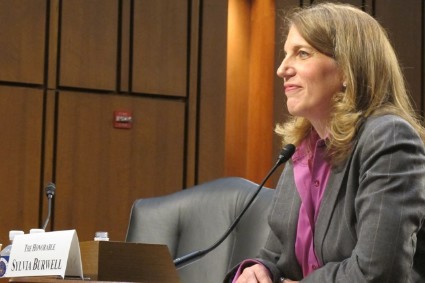
Consumer Reports: Sunscreen SPF claims largely inaccurate
An analysis of 20 sunscreens by Consumer Reports found that only two provided the SPF protection claimed on the label.
The analysis – and rating of overall performance of those sunscreens – was released by the advocacy organization just ahead of Memorial Day weekend, the unofficial start of summer.
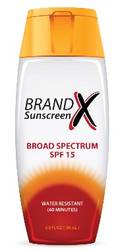
According to a survey of 1,000 adults conducted by the Consumer Reports National Research Center, a product’s sun protection factor (SPF) was the most important factor in determining what sunscreen to purchase.
Consumer Reports decided to put those SPF claims to the test in its own labs. The only two that tested at the SPF level claimed were BullFrog WaterArmor Sport InstaCool SPF 50-plus and Coppertone Sensitive Skin SPF 50. One product, Beyond Coastal Natural SPF 30, tested at half its claim. The other products tested at 4%-40% below the claimed SPF.
"We can’t say why our test results differ from the manufacturers’ claims, but they show that SPF isn’t always carved in stone," the Consumer Reports authors wrote.
The group also debunked some of what it called the "myths" about sunscreens, including that sprays provide the best coverage, and that "natural" sunscreens are safer than other sunscreens. In addition, mineral-based sunscreens are no more effective than other sunscreens, says Consumer Reports.
Also, the article said that there is no practical or meaningful difference between a sunscreen labeled for children and one for adults. In most cases, the active ingredients and the concentration of those ingredients are exactly the same. Some of the kids’ sunscreens contain only zinc oxide or titanium dioxide, which may be less irritating than products that contain chemical sunscreens such as avobenzone, according to the article.
The organization tested UVB protection by spreading a standard amount of sunscreen on a volunteer’s back, immersing them in a tub of water for a bit, and then exposing them to six intensities of UVB light from a sun simulator for a standard period of time. The skin patches were examined the next day for redness and the measured SPF was used to calculate the UVB scores.
For UVA, Consumer Reports conducted a critical wavelength test similar to what the Food and Drug Administration requires of manufacturers. The test assesses how well UV rays are absorbed by clear plastic plates that have been treated with the sunscreen.
The overall performance score was based on both the UVA and UVB results.
Among lotions, the best-performing product was Coppertone’s Water Babies SPF 50. Walmart’s less-expensive Equate Ultra Protection SPF 50 was the second-best performer. BullFrog’s WaterArmor Sport InstaCool SPF 50-plus was the top performing spray, followed by Target’s Up & Up Sport SPF 50. Banana Boat Ultra Defense Max Skin Protect SPF 110 spray and Neutrogena Ultimate Sport SPF 70-plus lotion were the highest-performing products with ultra-high SPFs.
The article and ratings are available online to subscribers and will be published in the group’s July 2014 print publication, Consumer Reports.
On Twitter @aliciaault
An analysis of 20 sunscreens by Consumer Reports found that only two provided the SPF protection claimed on the label.
The analysis – and rating of overall performance of those sunscreens – was released by the advocacy organization just ahead of Memorial Day weekend, the unofficial start of summer.
According to a survey of 1,000 adults conducted by the Consumer Reports National Research Center, a product’s sun protection factor (SPF) was the most important factor in determining what sunscreen to purchase.
Consumer Reports decided to put those SPF claims to the test in its own labs. The only two that tested at the SPF level claimed were BullFrog WaterArmor Sport InstaCool SPF 50-plus and Coppertone Sensitive Skin SPF 50. One product, Beyond Coastal Natural SPF 30, tested at half its claim. The other products tested at 4%-40% below the claimed SPF.
"We can’t say why our test results differ from the manufacturers’ claims, but they show that SPF isn’t always carved in stone," the Consumer Reports authors wrote.
The group also debunked some of what it called the "myths" about sunscreens, including that sprays provide the best coverage, and that "natural" sunscreens are safer than other sunscreens. In addition, mineral-based sunscreens are no more effective than other sunscreens, says Consumer Reports.
Also, the article said that there is no practical or meaningful difference between a sunscreen labeled for children and one for adults. In most cases, the active ingredients and the concentration of those ingredients are exactly the same. Some of the kids’ sunscreens contain only zinc oxide or titanium dioxide, which may be less irritating than products that contain chemical sunscreens such as avobenzone, according to the article.
The organization tested UVB protection by spreading a standard amount of sunscreen on a volunteer’s back, immersing them in a tub of water for a bit, and then exposing them to six intensities of UVB light from a sun simulator for a standard period of time. The skin patches were examined the next day for redness and the measured SPF was used to calculate the UVB scores.
For UVA, Consumer Reports conducted a critical wavelength test similar to what the Food and Drug Administration requires of manufacturers. The test assesses how well UV rays are absorbed by clear plastic plates that have been treated with the sunscreen.
The overall performance score was based on both the UVA and UVB results.
Among lotions, the best-performing product was Coppertone’s Water Babies SPF 50. Walmart’s less-expensive Equate Ultra Protection SPF 50 was the second-best performer. BullFrog’s WaterArmor Sport InstaCool SPF 50-plus was the top performing spray, followed by Target’s Up & Up Sport SPF 50. Banana Boat Ultra Defense Max Skin Protect SPF 110 spray and Neutrogena Ultimate Sport SPF 70-plus lotion were the highest-performing products with ultra-high SPFs.
The article and ratings are available online to subscribers and will be published in the group’s July 2014 print publication, Consumer Reports.
On Twitter @aliciaault
An analysis of 20 sunscreens by Consumer Reports found that only two provided the SPF protection claimed on the label.
The analysis – and rating of overall performance of those sunscreens – was released by the advocacy organization just ahead of Memorial Day weekend, the unofficial start of summer.
According to a survey of 1,000 adults conducted by the Consumer Reports National Research Center, a product’s sun protection factor (SPF) was the most important factor in determining what sunscreen to purchase.
Consumer Reports decided to put those SPF claims to the test in its own labs. The only two that tested at the SPF level claimed were BullFrog WaterArmor Sport InstaCool SPF 50-plus and Coppertone Sensitive Skin SPF 50. One product, Beyond Coastal Natural SPF 30, tested at half its claim. The other products tested at 4%-40% below the claimed SPF.
"We can’t say why our test results differ from the manufacturers’ claims, but they show that SPF isn’t always carved in stone," the Consumer Reports authors wrote.
The group also debunked some of what it called the "myths" about sunscreens, including that sprays provide the best coverage, and that "natural" sunscreens are safer than other sunscreens. In addition, mineral-based sunscreens are no more effective than other sunscreens, says Consumer Reports.
Also, the article said that there is no practical or meaningful difference between a sunscreen labeled for children and one for adults. In most cases, the active ingredients and the concentration of those ingredients are exactly the same. Some of the kids’ sunscreens contain only zinc oxide or titanium dioxide, which may be less irritating than products that contain chemical sunscreens such as avobenzone, according to the article.
The organization tested UVB protection by spreading a standard amount of sunscreen on a volunteer’s back, immersing them in a tub of water for a bit, and then exposing them to six intensities of UVB light from a sun simulator for a standard period of time. The skin patches were examined the next day for redness and the measured SPF was used to calculate the UVB scores.
For UVA, Consumer Reports conducted a critical wavelength test similar to what the Food and Drug Administration requires of manufacturers. The test assesses how well UV rays are absorbed by clear plastic plates that have been treated with the sunscreen.
The overall performance score was based on both the UVA and UVB results.
Among lotions, the best-performing product was Coppertone’s Water Babies SPF 50. Walmart’s less-expensive Equate Ultra Protection SPF 50 was the second-best performer. BullFrog’s WaterArmor Sport InstaCool SPF 50-plus was the top performing spray, followed by Target’s Up & Up Sport SPF 50. Banana Boat Ultra Defense Max Skin Protect SPF 110 spray and Neutrogena Ultimate Sport SPF 70-plus lotion were the highest-performing products with ultra-high SPFs.
The article and ratings are available online to subscribers and will be published in the group’s July 2014 print publication, Consumer Reports.
On Twitter @aliciaault