User login
Amyloid Burden May Be Tied to Cognitive Status in Parkinson’s
BARCELONA – Preliminary evidence of brain amyloid-beta deposition in patients with Parkinson’s disease and varying degrees of cognitive impairment suggests that the timing and amount of Alzheimer’s pathology present may influence when and if dementia symptoms arise.
"Accepting this model leads to some new directions for potential treatment," said Dr. John Growdon, director of the memory and movement disorders clinic at Massachusetts General Hospital, Boston. "If there is evidence of concomitant Alzheimer’s pathology, as imaged by [Pittsburgh compound B], we should consider applying some of the antiamyloid treatments under development for Alzheimer’s in our Parkinson’s disease dementia patients."
Dr. Growdon presented the results of a longitudinal cohort study of 74 patients, which included 26 of 41 patients who were initially evaluated in a 2008 cross-sectional study. This original group of 41 patients included 8 with dementia with Lewy bodies (DLB), 7 with Parkinson’s disease dementia, 11 Parkinson’s disease patients with normal cognition, 15 with Alzheimer’s disease, and 37 control subjects (Neurology 2008;71:903-10). They all underwent PET imaging with Pittsburgh compound B (PiB) and cognitive and neuropsychological testing. PiB binds to amyloid-beta plaques in the brain.
He differentiated DLB and Parkinson’s dementia by the timing of the onset of dementia symptoms: "When someone goes from Parkinson’s over the years to develop dementia, we call it Parkinson’s disease dementia. If the dementia starts simultaneously with or before the motor symptoms, we call it dementia with Lewy bodies."
That initial cross-sectional study found that amyloid burden in the DLB group was similar to that in the Alzheimer’s group. Amyloid burden in the Parkinson’s dementia group was similar to that found in the cognitively normal Parkinson’s patients and the normal controls.
Imaging in the initial study also revealed that amyloid in the Parkinson’s disease patients aggregated in the lateral parietal, precuneus, and posterior cingulate region and was related to visuospatial impairment.
"When we pulled together all the data we accumulated in the initial study, we saw PiB binding varied significantly across the diagnostic groups," Dr. Growdon said at the meeting. "There was an apparent clean separation of PiB uptake in Lewy body dementia and Parkinson’s disease dementia, and we wondered whether amyloid burden might contribute in a meaningful way to both the behavior and cognitive problems seen in Lewy body dementia."
He said the investigators were also "struck by the fact that half our nondemented Parkinson’s patients had substantial PiB uptake, raising the question that these individuals might be on the path to developing dementia."
In the current cohort of 74 patients (33 Parkinson’s disease patients with normal cognition, 10 with Parkinson’s disease and mild cognitive impairment [MCI], 12 with Parkinson’s disease dementia, and 19 with DLB), the subjects have now been followed for a mean of 3.5 years, with annual PiB-PET imaging, and physical, cognitive, and neuropsychological testing.
After the follow-up period of 2-5 years, Dr. Growdon found that 11 patients have progressed in cognitive decline. Of the 33 Parkinson’s disease patients who had normal cognition, 6 now have MCI. Of the 10 who had Parkinson’s and MCI, 5 have progressed to Parkinson’s dementia.
"While PiB was not significantly related to that decline, there was a clear trend. Those with minimal PiB burden at baseline remained relatively stable, while those with an initially high amyloid burden tended to lose their normal cognitive status."
The "marginal" relationship between PiB burden and change over time was related only to executive function, the loss of which was low in the group with moderate PiB binding and higher in the group with high PiB binding. "The correlation was still weak, although there was a trend in that direction," he said. A longer follow-up time may see more significant changes, he added, because cognitive status in Parkinson’s disease declines much slower than it does in Alzheimer’s disease.
While treatment with an antiamyloid for patients who experience early amyloid deposition may someday be recommended, Dr. Growdon suggested that a different path might be appropriate for DLB patients, who show early alpha-synuclein deposition. "We need to think about ways to prevent this accumulation, whether by a chaperone for the molecule or antibodies aimed against alpha-synuclein oligomers and aggregates."
During the discussion, Dr. Agneta Nordberg, cochair of the session and head of Alzheimer’s neurobiology at the Karolinska Institute, Stockholm, asked whether amyloid imaging would have any practical application in Parkinson’s disease patients.
"If you mean as a way of identifying people who might be at risk for cognitive decline, I think we need to follow this cohort longer and see what the predictive value of the amyloid is," Dr. Growdon said. "It’s clear that in Alzheimer’s mild cognitive impairment, if you have amyloid you are on your way to Alzheimer’s dementia. The time course for Parkinson’s to dementia is several times slower than that. We only see about a 4% annual incidence of Parkinson’s progressing to dementia, so we do need to follow these patients longer."
Dr. Growdon’s study was sponsored by the National Institutes of Health and the Michael J. Fox Foundation for Parkinson’s Research. He reported no relevant financial disclosures.
BARCELONA – Preliminary evidence of brain amyloid-beta deposition in patients with Parkinson’s disease and varying degrees of cognitive impairment suggests that the timing and amount of Alzheimer’s pathology present may influence when and if dementia symptoms arise.
"Accepting this model leads to some new directions for potential treatment," said Dr. John Growdon, director of the memory and movement disorders clinic at Massachusetts General Hospital, Boston. "If there is evidence of concomitant Alzheimer’s pathology, as imaged by [Pittsburgh compound B], we should consider applying some of the antiamyloid treatments under development for Alzheimer’s in our Parkinson’s disease dementia patients."
Dr. Growdon presented the results of a longitudinal cohort study of 74 patients, which included 26 of 41 patients who were initially evaluated in a 2008 cross-sectional study. This original group of 41 patients included 8 with dementia with Lewy bodies (DLB), 7 with Parkinson’s disease dementia, 11 Parkinson’s disease patients with normal cognition, 15 with Alzheimer’s disease, and 37 control subjects (Neurology 2008;71:903-10). They all underwent PET imaging with Pittsburgh compound B (PiB) and cognitive and neuropsychological testing. PiB binds to amyloid-beta plaques in the brain.
He differentiated DLB and Parkinson’s dementia by the timing of the onset of dementia symptoms: "When someone goes from Parkinson’s over the years to develop dementia, we call it Parkinson’s disease dementia. If the dementia starts simultaneously with or before the motor symptoms, we call it dementia with Lewy bodies."
That initial cross-sectional study found that amyloid burden in the DLB group was similar to that in the Alzheimer’s group. Amyloid burden in the Parkinson’s dementia group was similar to that found in the cognitively normal Parkinson’s patients and the normal controls.
Imaging in the initial study also revealed that amyloid in the Parkinson’s disease patients aggregated in the lateral parietal, precuneus, and posterior cingulate region and was related to visuospatial impairment.
"When we pulled together all the data we accumulated in the initial study, we saw PiB binding varied significantly across the diagnostic groups," Dr. Growdon said at the meeting. "There was an apparent clean separation of PiB uptake in Lewy body dementia and Parkinson’s disease dementia, and we wondered whether amyloid burden might contribute in a meaningful way to both the behavior and cognitive problems seen in Lewy body dementia."
He said the investigators were also "struck by the fact that half our nondemented Parkinson’s patients had substantial PiB uptake, raising the question that these individuals might be on the path to developing dementia."
In the current cohort of 74 patients (33 Parkinson’s disease patients with normal cognition, 10 with Parkinson’s disease and mild cognitive impairment [MCI], 12 with Parkinson’s disease dementia, and 19 with DLB), the subjects have now been followed for a mean of 3.5 years, with annual PiB-PET imaging, and physical, cognitive, and neuropsychological testing.
After the follow-up period of 2-5 years, Dr. Growdon found that 11 patients have progressed in cognitive decline. Of the 33 Parkinson’s disease patients who had normal cognition, 6 now have MCI. Of the 10 who had Parkinson’s and MCI, 5 have progressed to Parkinson’s dementia.
"While PiB was not significantly related to that decline, there was a clear trend. Those with minimal PiB burden at baseline remained relatively stable, while those with an initially high amyloid burden tended to lose their normal cognitive status."
The "marginal" relationship between PiB burden and change over time was related only to executive function, the loss of which was low in the group with moderate PiB binding and higher in the group with high PiB binding. "The correlation was still weak, although there was a trend in that direction," he said. A longer follow-up time may see more significant changes, he added, because cognitive status in Parkinson’s disease declines much slower than it does in Alzheimer’s disease.
While treatment with an antiamyloid for patients who experience early amyloid deposition may someday be recommended, Dr. Growdon suggested that a different path might be appropriate for DLB patients, who show early alpha-synuclein deposition. "We need to think about ways to prevent this accumulation, whether by a chaperone for the molecule or antibodies aimed against alpha-synuclein oligomers and aggregates."
During the discussion, Dr. Agneta Nordberg, cochair of the session and head of Alzheimer’s neurobiology at the Karolinska Institute, Stockholm, asked whether amyloid imaging would have any practical application in Parkinson’s disease patients.
"If you mean as a way of identifying people who might be at risk for cognitive decline, I think we need to follow this cohort longer and see what the predictive value of the amyloid is," Dr. Growdon said. "It’s clear that in Alzheimer’s mild cognitive impairment, if you have amyloid you are on your way to Alzheimer’s dementia. The time course for Parkinson’s to dementia is several times slower than that. We only see about a 4% annual incidence of Parkinson’s progressing to dementia, so we do need to follow these patients longer."
Dr. Growdon’s study was sponsored by the National Institutes of Health and the Michael J. Fox Foundation for Parkinson’s Research. He reported no relevant financial disclosures.
BARCELONA – Preliminary evidence of brain amyloid-beta deposition in patients with Parkinson’s disease and varying degrees of cognitive impairment suggests that the timing and amount of Alzheimer’s pathology present may influence when and if dementia symptoms arise.
"Accepting this model leads to some new directions for potential treatment," said Dr. John Growdon, director of the memory and movement disorders clinic at Massachusetts General Hospital, Boston. "If there is evidence of concomitant Alzheimer’s pathology, as imaged by [Pittsburgh compound B], we should consider applying some of the antiamyloid treatments under development for Alzheimer’s in our Parkinson’s disease dementia patients."
Dr. Growdon presented the results of a longitudinal cohort study of 74 patients, which included 26 of 41 patients who were initially evaluated in a 2008 cross-sectional study. This original group of 41 patients included 8 with dementia with Lewy bodies (DLB), 7 with Parkinson’s disease dementia, 11 Parkinson’s disease patients with normal cognition, 15 with Alzheimer’s disease, and 37 control subjects (Neurology 2008;71:903-10). They all underwent PET imaging with Pittsburgh compound B (PiB) and cognitive and neuropsychological testing. PiB binds to amyloid-beta plaques in the brain.
He differentiated DLB and Parkinson’s dementia by the timing of the onset of dementia symptoms: "When someone goes from Parkinson’s over the years to develop dementia, we call it Parkinson’s disease dementia. If the dementia starts simultaneously with or before the motor symptoms, we call it dementia with Lewy bodies."
That initial cross-sectional study found that amyloid burden in the DLB group was similar to that in the Alzheimer’s group. Amyloid burden in the Parkinson’s dementia group was similar to that found in the cognitively normal Parkinson’s patients and the normal controls.
Imaging in the initial study also revealed that amyloid in the Parkinson’s disease patients aggregated in the lateral parietal, precuneus, and posterior cingulate region and was related to visuospatial impairment.
"When we pulled together all the data we accumulated in the initial study, we saw PiB binding varied significantly across the diagnostic groups," Dr. Growdon said at the meeting. "There was an apparent clean separation of PiB uptake in Lewy body dementia and Parkinson’s disease dementia, and we wondered whether amyloid burden might contribute in a meaningful way to both the behavior and cognitive problems seen in Lewy body dementia."
He said the investigators were also "struck by the fact that half our nondemented Parkinson’s patients had substantial PiB uptake, raising the question that these individuals might be on the path to developing dementia."
In the current cohort of 74 patients (33 Parkinson’s disease patients with normal cognition, 10 with Parkinson’s disease and mild cognitive impairment [MCI], 12 with Parkinson’s disease dementia, and 19 with DLB), the subjects have now been followed for a mean of 3.5 years, with annual PiB-PET imaging, and physical, cognitive, and neuropsychological testing.
After the follow-up period of 2-5 years, Dr. Growdon found that 11 patients have progressed in cognitive decline. Of the 33 Parkinson’s disease patients who had normal cognition, 6 now have MCI. Of the 10 who had Parkinson’s and MCI, 5 have progressed to Parkinson’s dementia.
"While PiB was not significantly related to that decline, there was a clear trend. Those with minimal PiB burden at baseline remained relatively stable, while those with an initially high amyloid burden tended to lose their normal cognitive status."
The "marginal" relationship between PiB burden and change over time was related only to executive function, the loss of which was low in the group with moderate PiB binding and higher in the group with high PiB binding. "The correlation was still weak, although there was a trend in that direction," he said. A longer follow-up time may see more significant changes, he added, because cognitive status in Parkinson’s disease declines much slower than it does in Alzheimer’s disease.
While treatment with an antiamyloid for patients who experience early amyloid deposition may someday be recommended, Dr. Growdon suggested that a different path might be appropriate for DLB patients, who show early alpha-synuclein deposition. "We need to think about ways to prevent this accumulation, whether by a chaperone for the molecule or antibodies aimed against alpha-synuclein oligomers and aggregates."
During the discussion, Dr. Agneta Nordberg, cochair of the session and head of Alzheimer’s neurobiology at the Karolinska Institute, Stockholm, asked whether amyloid imaging would have any practical application in Parkinson’s disease patients.
"If you mean as a way of identifying people who might be at risk for cognitive decline, I think we need to follow this cohort longer and see what the predictive value of the amyloid is," Dr. Growdon said. "It’s clear that in Alzheimer’s mild cognitive impairment, if you have amyloid you are on your way to Alzheimer’s dementia. The time course for Parkinson’s to dementia is several times slower than that. We only see about a 4% annual incidence of Parkinson’s progressing to dementia, so we do need to follow these patients longer."
Dr. Growdon’s study was sponsored by the National Institutes of Health and the Michael J. Fox Foundation for Parkinson’s Research. He reported no relevant financial disclosures.
FROM AN INTERNATIONAL CONFERENCE ON ALZHEIMER’S AND PARKINSON’S DISEASES
Major Finding: Patients with an initially high amyloid-beta burden in the brain showed a nonsignificant trend toward cognitive decline, whereas those with minimal initial burden had a relatively stable cognitive status.
Data Source: A longitudinal study of 74 patients with Parkinson’s disease or dementia with Lewy bodies with a mean follow-up of 3.5 years.
Disclosures: Dr. Growdon’s study was sponsored by the National Institutes of Health and the Michael J. Fox Foundation for Parkinson’s Research. He reported no relevant financial disclosures.
Amyloid Burden May Be Tied to Cognitive Status in Parkinson’s
BARCELONA – Preliminary evidence of brain amyloid-beta deposition in patients with Parkinson’s disease and varying degrees of cognitive impairment suggests that the timing and amount of Alzheimer’s pathology present may influence when and if dementia symptoms arise.
"Accepting this model leads to some new directions for potential treatment," said Dr. John Growdon, director of the memory and movement disorders clinic at Massachusetts General Hospital, Boston. "If there is evidence of concomitant Alzheimer’s pathology, as imaged by [Pittsburgh compound B], we should consider applying some of the antiamyloid treatments under development for Alzheimer’s in our Parkinson’s disease dementia patients."
Dr. Growdon presented the results of a longitudinal cohort study of 74 patients, which included 26 of 41 patients who were initially evaluated in a 2008 cross-sectional study. This original group of 41 patients included 8 with dementia with Lewy bodies (DLB), 7 with Parkinson’s disease dementia, 11 Parkinson’s disease patients with normal cognition, 15 with Alzheimer’s disease, and 37 control subjects (Neurology 2008;71:903-10). They all underwent PET imaging with Pittsburgh compound B (PiB) and cognitive and neuropsychological testing. PiB binds to amyloid-beta plaques in the brain.
He differentiated DLB and Parkinson’s dementia by the timing of the onset of dementia symptoms: "When someone goes from Parkinson’s over the years to develop dementia, we call it Parkinson’s disease dementia. If the dementia starts simultaneously with or before the motor symptoms, we call it dementia with Lewy bodies."
That initial cross-sectional study found that amyloid burden in the DLB group was similar to that in the Alzheimer’s group. Amyloid burden in the Parkinson’s dementia group was similar to that found in the cognitively normal Parkinson’s patients and the normal controls.
Imaging in the initial study also revealed that amyloid in the Parkinson’s disease patients aggregated in the lateral parietal, precuneus, and posterior cingulate region and was related to visuospatial impairment.
"When we pulled together all the data we accumulated in the initial study, we saw PiB binding varied significantly across the diagnostic groups," Dr. Growdon said at the meeting. "There was an apparent clean separation of PiB uptake in Lewy body dementia and Parkinson’s disease dementia, and we wondered whether amyloid burden might contribute in a meaningful way to both the behavior and cognitive problems seen in Lewy body dementia."
He said the investigators were also "struck by the fact that half our nondemented Parkinson’s patients had substantial PiB uptake, raising the question that these individuals might be on the path to developing dementia."
In the current cohort of 74 patients (33 Parkinson’s disease patients with normal cognition, 10 with Parkinson’s disease and mild cognitive impairment [MCI], 12 with Parkinson’s disease dementia, and 19 with DLB), the subjects have now been followed for a mean of 3.5 years, with annual PiB-PET imaging, and physical, cognitive, and neuropsychological testing.
After the follow-up period of 2-5 years, Dr. Growdon found that 11 patients have progressed in cognitive decline. Of the 33 Parkinson’s disease patients who had normal cognition, 6 now have MCI. Of the 10 who had Parkinson’s and MCI, 5 have progressed to Parkinson’s dementia.
"While PiB was not significantly related to that decline, there was a clear trend. Those with minimal PiB burden at baseline remained relatively stable, while those with an initially high amyloid burden tended to lose their normal cognitive status."
The "marginal" relationship between PiB burden and change over time was related only to executive function, the loss of which was low in the group with moderate PiB binding and higher in the group with high PiB binding. "The correlation was still weak, although there was a trend in that direction," he said. A longer follow-up time may see more significant changes, he added, because cognitive status in Parkinson’s disease declines much slower than it does in Alzheimer’s disease.
While treatment with an antiamyloid for patients who experience early amyloid deposition may someday be recommended, Dr. Growdon suggested that a different path might be appropriate for DLB patients, who show early alpha-synuclein deposition. "We need to think about ways to prevent this accumulation, whether by a chaperone for the molecule or antibodies aimed against alpha-synuclein oligomers and aggregates."
During the discussion, Dr. Agneta Nordberg, cochair of the session and head of Alzheimer’s neurobiology at the Karolinska Institute, Stockholm, asked whether amyloid imaging would have any practical application in Parkinson’s disease patients.
"If you mean as a way of identifying people who might be at risk for cognitive decline, I think we need to follow this cohort longer and see what the predictive value of the amyloid is," Dr. Growdon said. "It’s clear that in Alzheimer’s mild cognitive impairment, if you have amyloid you are on your way to Alzheimer’s dementia. The time course for Parkinson’s to dementia is several times slower than that. We only see about a 4% annual incidence of Parkinson’s progressing to dementia, so we do need to follow these patients longer."
Dr. Growdon’s study was sponsored by the National Institutes of Health and the Michael J. Fox Foundation for Parkinson’s Research. He reported no relevant financial disclosures.
BARCELONA – Preliminary evidence of brain amyloid-beta deposition in patients with Parkinson’s disease and varying degrees of cognitive impairment suggests that the timing and amount of Alzheimer’s pathology present may influence when and if dementia symptoms arise.
"Accepting this model leads to some new directions for potential treatment," said Dr. John Growdon, director of the memory and movement disorders clinic at Massachusetts General Hospital, Boston. "If there is evidence of concomitant Alzheimer’s pathology, as imaged by [Pittsburgh compound B], we should consider applying some of the antiamyloid treatments under development for Alzheimer’s in our Parkinson’s disease dementia patients."
Dr. Growdon presented the results of a longitudinal cohort study of 74 patients, which included 26 of 41 patients who were initially evaluated in a 2008 cross-sectional study. This original group of 41 patients included 8 with dementia with Lewy bodies (DLB), 7 with Parkinson’s disease dementia, 11 Parkinson’s disease patients with normal cognition, 15 with Alzheimer’s disease, and 37 control subjects (Neurology 2008;71:903-10). They all underwent PET imaging with Pittsburgh compound B (PiB) and cognitive and neuropsychological testing. PiB binds to amyloid-beta plaques in the brain.
He differentiated DLB and Parkinson’s dementia by the timing of the onset of dementia symptoms: "When someone goes from Parkinson’s over the years to develop dementia, we call it Parkinson’s disease dementia. If the dementia starts simultaneously with or before the motor symptoms, we call it dementia with Lewy bodies."
That initial cross-sectional study found that amyloid burden in the DLB group was similar to that in the Alzheimer’s group. Amyloid burden in the Parkinson’s dementia group was similar to that found in the cognitively normal Parkinson’s patients and the normal controls.
Imaging in the initial study also revealed that amyloid in the Parkinson’s disease patients aggregated in the lateral parietal, precuneus, and posterior cingulate region and was related to visuospatial impairment.
"When we pulled together all the data we accumulated in the initial study, we saw PiB binding varied significantly across the diagnostic groups," Dr. Growdon said at the meeting. "There was an apparent clean separation of PiB uptake in Lewy body dementia and Parkinson’s disease dementia, and we wondered whether amyloid burden might contribute in a meaningful way to both the behavior and cognitive problems seen in Lewy body dementia."
He said the investigators were also "struck by the fact that half our nondemented Parkinson’s patients had substantial PiB uptake, raising the question that these individuals might be on the path to developing dementia."
In the current cohort of 74 patients (33 Parkinson’s disease patients with normal cognition, 10 with Parkinson’s disease and mild cognitive impairment [MCI], 12 with Parkinson’s disease dementia, and 19 with DLB), the subjects have now been followed for a mean of 3.5 years, with annual PiB-PET imaging, and physical, cognitive, and neuropsychological testing.
After the follow-up period of 2-5 years, Dr. Growdon found that 11 patients have progressed in cognitive decline. Of the 33 Parkinson’s disease patients who had normal cognition, 6 now have MCI. Of the 10 who had Parkinson’s and MCI, 5 have progressed to Parkinson’s dementia.
"While PiB was not significantly related to that decline, there was a clear trend. Those with minimal PiB burden at baseline remained relatively stable, while those with an initially high amyloid burden tended to lose their normal cognitive status."
The "marginal" relationship between PiB burden and change over time was related only to executive function, the loss of which was low in the group with moderate PiB binding and higher in the group with high PiB binding. "The correlation was still weak, although there was a trend in that direction," he said. A longer follow-up time may see more significant changes, he added, because cognitive status in Parkinson’s disease declines much slower than it does in Alzheimer’s disease.
While treatment with an antiamyloid for patients who experience early amyloid deposition may someday be recommended, Dr. Growdon suggested that a different path might be appropriate for DLB patients, who show early alpha-synuclein deposition. "We need to think about ways to prevent this accumulation, whether by a chaperone for the molecule or antibodies aimed against alpha-synuclein oligomers and aggregates."
During the discussion, Dr. Agneta Nordberg, cochair of the session and head of Alzheimer’s neurobiology at the Karolinska Institute, Stockholm, asked whether amyloid imaging would have any practical application in Parkinson’s disease patients.
"If you mean as a way of identifying people who might be at risk for cognitive decline, I think we need to follow this cohort longer and see what the predictive value of the amyloid is," Dr. Growdon said. "It’s clear that in Alzheimer’s mild cognitive impairment, if you have amyloid you are on your way to Alzheimer’s dementia. The time course for Parkinson’s to dementia is several times slower than that. We only see about a 4% annual incidence of Parkinson’s progressing to dementia, so we do need to follow these patients longer."
Dr. Growdon’s study was sponsored by the National Institutes of Health and the Michael J. Fox Foundation for Parkinson’s Research. He reported no relevant financial disclosures.
BARCELONA – Preliminary evidence of brain amyloid-beta deposition in patients with Parkinson’s disease and varying degrees of cognitive impairment suggests that the timing and amount of Alzheimer’s pathology present may influence when and if dementia symptoms arise.
"Accepting this model leads to some new directions for potential treatment," said Dr. John Growdon, director of the memory and movement disorders clinic at Massachusetts General Hospital, Boston. "If there is evidence of concomitant Alzheimer’s pathology, as imaged by [Pittsburgh compound B], we should consider applying some of the antiamyloid treatments under development for Alzheimer’s in our Parkinson’s disease dementia patients."
Dr. Growdon presented the results of a longitudinal cohort study of 74 patients, which included 26 of 41 patients who were initially evaluated in a 2008 cross-sectional study. This original group of 41 patients included 8 with dementia with Lewy bodies (DLB), 7 with Parkinson’s disease dementia, 11 Parkinson’s disease patients with normal cognition, 15 with Alzheimer’s disease, and 37 control subjects (Neurology 2008;71:903-10). They all underwent PET imaging with Pittsburgh compound B (PiB) and cognitive and neuropsychological testing. PiB binds to amyloid-beta plaques in the brain.
He differentiated DLB and Parkinson’s dementia by the timing of the onset of dementia symptoms: "When someone goes from Parkinson’s over the years to develop dementia, we call it Parkinson’s disease dementia. If the dementia starts simultaneously with or before the motor symptoms, we call it dementia with Lewy bodies."
That initial cross-sectional study found that amyloid burden in the DLB group was similar to that in the Alzheimer’s group. Amyloid burden in the Parkinson’s dementia group was similar to that found in the cognitively normal Parkinson’s patients and the normal controls.
Imaging in the initial study also revealed that amyloid in the Parkinson’s disease patients aggregated in the lateral parietal, precuneus, and posterior cingulate region and was related to visuospatial impairment.
"When we pulled together all the data we accumulated in the initial study, we saw PiB binding varied significantly across the diagnostic groups," Dr. Growdon said at the meeting. "There was an apparent clean separation of PiB uptake in Lewy body dementia and Parkinson’s disease dementia, and we wondered whether amyloid burden might contribute in a meaningful way to both the behavior and cognitive problems seen in Lewy body dementia."
He said the investigators were also "struck by the fact that half our nondemented Parkinson’s patients had substantial PiB uptake, raising the question that these individuals might be on the path to developing dementia."
In the current cohort of 74 patients (33 Parkinson’s disease patients with normal cognition, 10 with Parkinson’s disease and mild cognitive impairment [MCI], 12 with Parkinson’s disease dementia, and 19 with DLB), the subjects have now been followed for a mean of 3.5 years, with annual PiB-PET imaging, and physical, cognitive, and neuropsychological testing.
After the follow-up period of 2-5 years, Dr. Growdon found that 11 patients have progressed in cognitive decline. Of the 33 Parkinson’s disease patients who had normal cognition, 6 now have MCI. Of the 10 who had Parkinson’s and MCI, 5 have progressed to Parkinson’s dementia.
"While PiB was not significantly related to that decline, there was a clear trend. Those with minimal PiB burden at baseline remained relatively stable, while those with an initially high amyloid burden tended to lose their normal cognitive status."
The "marginal" relationship between PiB burden and change over time was related only to executive function, the loss of which was low in the group with moderate PiB binding and higher in the group with high PiB binding. "The correlation was still weak, although there was a trend in that direction," he said. A longer follow-up time may see more significant changes, he added, because cognitive status in Parkinson’s disease declines much slower than it does in Alzheimer’s disease.
While treatment with an antiamyloid for patients who experience early amyloid deposition may someday be recommended, Dr. Growdon suggested that a different path might be appropriate for DLB patients, who show early alpha-synuclein deposition. "We need to think about ways to prevent this accumulation, whether by a chaperone for the molecule or antibodies aimed against alpha-synuclein oligomers and aggregates."
During the discussion, Dr. Agneta Nordberg, cochair of the session and head of Alzheimer’s neurobiology at the Karolinska Institute, Stockholm, asked whether amyloid imaging would have any practical application in Parkinson’s disease patients.
"If you mean as a way of identifying people who might be at risk for cognitive decline, I think we need to follow this cohort longer and see what the predictive value of the amyloid is," Dr. Growdon said. "It’s clear that in Alzheimer’s mild cognitive impairment, if you have amyloid you are on your way to Alzheimer’s dementia. The time course for Parkinson’s to dementia is several times slower than that. We only see about a 4% annual incidence of Parkinson’s progressing to dementia, so we do need to follow these patients longer."
Dr. Growdon’s study was sponsored by the National Institutes of Health and the Michael J. Fox Foundation for Parkinson’s Research. He reported no relevant financial disclosures.
FROM AN INTERNATIONAL CONFERENCE ON ALZHEIMER’S AND PARKINSON’S DISEASES
Major Finding: Patients with an initially high amyloid-beta burden in the brain showed a nonsignificant trend toward cognitive decline, whereas those with minimal initial burden had a relatively stable cognitive status.
Data Source: A longitudinal study of 74 patients with Parkinson’s disease or dementia with Lewy bodies with a mean follow-up of 3.5 years.
Disclosures: Dr. Growdon’s study was sponsored by the National Institutes of Health and the Michael J. Fox Foundation for Parkinson’s Research. He reported no relevant financial disclosures.
Prodromal Symptoms Trace Parkinson’s Bottom-to-Top Progression
BARCELONA – Early neuronal death may spark symptoms that can precede the classic motor dysfunction of Parkinson’s disease by up to 20 years.
Rather than beginning in the substantia nigra and moving into the cerebellar regions, nerve damage may begin in the dorsal motor nucleus of the vagal nerve and progress upward into the midbrain, killing neurons all along its path. Constipation, cardiac denervation, and rapid eye movement sleep disorder are some of the conditions that may appear as the march of cell death continues, Dr. Yoshikuni Mizuno said at the International Conference on Alzheimer’s and Parkinson’s Diseases.
"Parkinson’s probably starts in the peripheral portions of the vagal nerve," said Dr. Mizuno, director of the Research Institute for Diseases of Old Age at Juntendo University, Tokyo. "When the neurons die, their content is expelled into the extraneural space in the medulla oblongata." Other nerve terminals pick up this intracellular debris and die as well, expelling their own contents as damage progresses. "Eventually, this reaches the substantia nigra and the higher cerebellar neurons. This, I believe, is the model for the spread of Parkinson’s."
Constipation can be one of the first symptoms, occurring when Lewy body lesions first appear on the vagal nerve’s dorsal motor nucleus. This is generally 15-20 years before the onset of motor symptoms, Dr. Mizuno said.
The Honolulu Heart Program study clearly showed the association between Parkinson’s disease and constipation. The study followed almost 7,000 men. Over an average of 12 years, 96 developed Parkinson’s disease. In a multivariate analysis, men who had fewer than one bowel movement per day were four times more likely to develop the disease than were men with two or more bowel movements per day (Neurology 2001;57:456-62).
"I think most of these patients already had Parkinson’s before the onset of motor symptoms," he said.
As cell death proceeds along the nerve, it can affect cardiac innervation. Cardiac scintigraphy with the imaging agent iodine-123 metaiodobenzylguanidine (MIBG) highlights norepinephrine transport cells in the normal heart. "In patients with Parkinson’s and dementia with Lewy bodies, you don’t see this, because of the loss of postganglionic parasympathetic nerve fibers," Dr. Mizuno said. "In Alzheimer’s, as well as in progressive supranuclear palsy and multisystem atrophy, you do have nice visualization of these fibers, and this is a very useful test for differentiating Lewy body disorders from these other diseases."
His own studies suggest that MIBG cardiac uptake may parallel the progression of Parkinson’s disease. About half of patients with stage 1 disease show reduced uptake, but "there is much more markedly diminished cardiac MIBG uptake in those with stage 2 disease or higher," Dr. Mizuno said.
Disordered sleep can occur when cell damage advances to the pons – about 10 years before motor symptoms are apparent. "Half of the patients with idiopathic REM sleep disorder will go on to develop Parkinson’s disease," he said.
As nerve damage progresses further, the olfactory bulb may be affected. Hyposmia affects most (80%) Parkinson’s patients, but about 40% report a decline in olfactory function before the onset of motor symptoms. "The interval between hyposmia and motor symptom onset is about 5 years," Dr. Mizuno said.
The characteristic motor symptoms appear only when most of the dopaminergic neurons in the substantia nigra have died. If the damage progresses further, the cortex may be affected, leading to dementia.
"If you compare clinical and lab findings in Parkinson’s disease dementia and dementia with Lewy bodies, you will notice a lot of similarities: constipation, loss of smell, executive dysfunction, fluctuating cognition, and visuospatial dysfunction," Dr. Mizuno said. "The only difference between the two is the presentation of initial symptoms. If motor symptoms appear first, we call it Parkinson’s disease, while if dementia is the initial symptom, we call it dementia with Lewy bodies."
Dr. Mizuno declared no potential financial conflicts of interest.
BARCELONA – Early neuronal death may spark symptoms that can precede the classic motor dysfunction of Parkinson’s disease by up to 20 years.
Rather than beginning in the substantia nigra and moving into the cerebellar regions, nerve damage may begin in the dorsal motor nucleus of the vagal nerve and progress upward into the midbrain, killing neurons all along its path. Constipation, cardiac denervation, and rapid eye movement sleep disorder are some of the conditions that may appear as the march of cell death continues, Dr. Yoshikuni Mizuno said at the International Conference on Alzheimer’s and Parkinson’s Diseases.
"Parkinson’s probably starts in the peripheral portions of the vagal nerve," said Dr. Mizuno, director of the Research Institute for Diseases of Old Age at Juntendo University, Tokyo. "When the neurons die, their content is expelled into the extraneural space in the medulla oblongata." Other nerve terminals pick up this intracellular debris and die as well, expelling their own contents as damage progresses. "Eventually, this reaches the substantia nigra and the higher cerebellar neurons. This, I believe, is the model for the spread of Parkinson’s."
Constipation can be one of the first symptoms, occurring when Lewy body lesions first appear on the vagal nerve’s dorsal motor nucleus. This is generally 15-20 years before the onset of motor symptoms, Dr. Mizuno said.
The Honolulu Heart Program study clearly showed the association between Parkinson’s disease and constipation. The study followed almost 7,000 men. Over an average of 12 years, 96 developed Parkinson’s disease. In a multivariate analysis, men who had fewer than one bowel movement per day were four times more likely to develop the disease than were men with two or more bowel movements per day (Neurology 2001;57:456-62).
"I think most of these patients already had Parkinson’s before the onset of motor symptoms," he said.
As cell death proceeds along the nerve, it can affect cardiac innervation. Cardiac scintigraphy with the imaging agent iodine-123 metaiodobenzylguanidine (MIBG) highlights norepinephrine transport cells in the normal heart. "In patients with Parkinson’s and dementia with Lewy bodies, you don’t see this, because of the loss of postganglionic parasympathetic nerve fibers," Dr. Mizuno said. "In Alzheimer’s, as well as in progressive supranuclear palsy and multisystem atrophy, you do have nice visualization of these fibers, and this is a very useful test for differentiating Lewy body disorders from these other diseases."
His own studies suggest that MIBG cardiac uptake may parallel the progression of Parkinson’s disease. About half of patients with stage 1 disease show reduced uptake, but "there is much more markedly diminished cardiac MIBG uptake in those with stage 2 disease or higher," Dr. Mizuno said.
Disordered sleep can occur when cell damage advances to the pons – about 10 years before motor symptoms are apparent. "Half of the patients with idiopathic REM sleep disorder will go on to develop Parkinson’s disease," he said.
As nerve damage progresses further, the olfactory bulb may be affected. Hyposmia affects most (80%) Parkinson’s patients, but about 40% report a decline in olfactory function before the onset of motor symptoms. "The interval between hyposmia and motor symptom onset is about 5 years," Dr. Mizuno said.
The characteristic motor symptoms appear only when most of the dopaminergic neurons in the substantia nigra have died. If the damage progresses further, the cortex may be affected, leading to dementia.
"If you compare clinical and lab findings in Parkinson’s disease dementia and dementia with Lewy bodies, you will notice a lot of similarities: constipation, loss of smell, executive dysfunction, fluctuating cognition, and visuospatial dysfunction," Dr. Mizuno said. "The only difference between the two is the presentation of initial symptoms. If motor symptoms appear first, we call it Parkinson’s disease, while if dementia is the initial symptom, we call it dementia with Lewy bodies."
Dr. Mizuno declared no potential financial conflicts of interest.
BARCELONA – Early neuronal death may spark symptoms that can precede the classic motor dysfunction of Parkinson’s disease by up to 20 years.
Rather than beginning in the substantia nigra and moving into the cerebellar regions, nerve damage may begin in the dorsal motor nucleus of the vagal nerve and progress upward into the midbrain, killing neurons all along its path. Constipation, cardiac denervation, and rapid eye movement sleep disorder are some of the conditions that may appear as the march of cell death continues, Dr. Yoshikuni Mizuno said at the International Conference on Alzheimer’s and Parkinson’s Diseases.
"Parkinson’s probably starts in the peripheral portions of the vagal nerve," said Dr. Mizuno, director of the Research Institute for Diseases of Old Age at Juntendo University, Tokyo. "When the neurons die, their content is expelled into the extraneural space in the medulla oblongata." Other nerve terminals pick up this intracellular debris and die as well, expelling their own contents as damage progresses. "Eventually, this reaches the substantia nigra and the higher cerebellar neurons. This, I believe, is the model for the spread of Parkinson’s."
Constipation can be one of the first symptoms, occurring when Lewy body lesions first appear on the vagal nerve’s dorsal motor nucleus. This is generally 15-20 years before the onset of motor symptoms, Dr. Mizuno said.
The Honolulu Heart Program study clearly showed the association between Parkinson’s disease and constipation. The study followed almost 7,000 men. Over an average of 12 years, 96 developed Parkinson’s disease. In a multivariate analysis, men who had fewer than one bowel movement per day were four times more likely to develop the disease than were men with two or more bowel movements per day (Neurology 2001;57:456-62).
"I think most of these patients already had Parkinson’s before the onset of motor symptoms," he said.
As cell death proceeds along the nerve, it can affect cardiac innervation. Cardiac scintigraphy with the imaging agent iodine-123 metaiodobenzylguanidine (MIBG) highlights norepinephrine transport cells in the normal heart. "In patients with Parkinson’s and dementia with Lewy bodies, you don’t see this, because of the loss of postganglionic parasympathetic nerve fibers," Dr. Mizuno said. "In Alzheimer’s, as well as in progressive supranuclear palsy and multisystem atrophy, you do have nice visualization of these fibers, and this is a very useful test for differentiating Lewy body disorders from these other diseases."
His own studies suggest that MIBG cardiac uptake may parallel the progression of Parkinson’s disease. About half of patients with stage 1 disease show reduced uptake, but "there is much more markedly diminished cardiac MIBG uptake in those with stage 2 disease or higher," Dr. Mizuno said.
Disordered sleep can occur when cell damage advances to the pons – about 10 years before motor symptoms are apparent. "Half of the patients with idiopathic REM sleep disorder will go on to develop Parkinson’s disease," he said.
As nerve damage progresses further, the olfactory bulb may be affected. Hyposmia affects most (80%) Parkinson’s patients, but about 40% report a decline in olfactory function before the onset of motor symptoms. "The interval between hyposmia and motor symptom onset is about 5 years," Dr. Mizuno said.
The characteristic motor symptoms appear only when most of the dopaminergic neurons in the substantia nigra have died. If the damage progresses further, the cortex may be affected, leading to dementia.
"If you compare clinical and lab findings in Parkinson’s disease dementia and dementia with Lewy bodies, you will notice a lot of similarities: constipation, loss of smell, executive dysfunction, fluctuating cognition, and visuospatial dysfunction," Dr. Mizuno said. "The only difference between the two is the presentation of initial symptoms. If motor symptoms appear first, we call it Parkinson’s disease, while if dementia is the initial symptom, we call it dementia with Lewy bodies."
Dr. Mizuno declared no potential financial conflicts of interest.
Prodromal Symptoms Trace Parkinson’s Bottom-to-Top Progression
BARCELONA – Early neuronal death may spark symptoms that can precede the classic motor dysfunction of Parkinson’s disease by up to 20 years.
Rather than beginning in the substantia nigra and moving into the cerebellar regions, nerve damage may begin in the dorsal motor nucleus of the vagal nerve and progress upward into the midbrain, killing neurons all along its path. Constipation, cardiac denervation, and rapid eye movement sleep disorder are some of the conditions that may appear as the march of cell death continues, Dr. Yoshikuni Mizuno said at the International Conference on Alzheimer’s and Parkinson’s Diseases.
"Parkinson’s probably starts in the peripheral portions of the vagal nerve," said Dr. Mizuno, director of the Research Institute for Diseases of Old Age at Juntendo University, Tokyo. "When the neurons die, their content is expelled into the extraneural space in the medulla oblongata." Other nerve terminals pick up this intracellular debris and die as well, expelling their own contents as damage progresses. "Eventually, this reaches the substantia nigra and the higher cerebellar neurons. This, I believe, is the model for the spread of Parkinson’s."
Constipation can be one of the first symptoms, occurring when Lewy body lesions first appear on the vagal nerve’s dorsal motor nucleus. This is generally 15-20 years before the onset of motor symptoms, Dr. Mizuno said.
The Honolulu Heart Program study clearly showed the association between Parkinson’s disease and constipation. The study followed almost 7,000 men. Over an average of 12 years, 96 developed Parkinson’s disease. In a multivariate analysis, men who had fewer than one bowel movement per day were four times more likely to develop the disease than were men with two or more bowel movements per day (Neurology 2001;57:456-62).
"I think most of these patients already had Parkinson’s before the onset of motor symptoms," he said.
As cell death proceeds along the nerve, it can affect cardiac innervation. Cardiac scintigraphy with the imaging agent iodine-123 metaiodobenzylguanidine (MIBG) highlights norepinephrine transport cells in the normal heart. "In patients with Parkinson’s and dementia with Lewy bodies, you don’t see this, because of the loss of postganglionic parasympathetic nerve fibers," Dr. Mizuno said. "In Alzheimer’s, as well as in progressive supranuclear palsy and multisystem atrophy, you do have nice visualization of these fibers, and this is a very useful test for differentiating Lewy body disorders from these other diseases."
His own studies suggest that MIBG cardiac uptake may parallel the progression of Parkinson’s disease. About half of patients with stage 1 disease show reduced uptake, but "there is much more markedly diminished cardiac MIBG uptake in those with stage 2 disease or higher," Dr. Mizuno said.
Disordered sleep can occur when cell damage advances to the pons – about 10 years before motor symptoms are apparent. "Half of the patients with idiopathic REM sleep disorder will go on to develop Parkinson’s disease," he said.
As nerve damage progresses further, the olfactory bulb may be affected. Hyposmia affects most (80%) Parkinson’s patients, but about 40% report a decline in olfactory function before the onset of motor symptoms. "The interval between hyposmia and motor symptom onset is about 5 years," Dr. Mizuno said.
The characteristic motor symptoms appear only when most of the dopaminergic neurons in the substantia nigra have died. If the damage progresses further, the cortex may be affected, leading to dementia.
"If you compare clinical and lab findings in Parkinson’s disease dementia and dementia with Lewy bodies, you will notice a lot of similarities: constipation, loss of smell, executive dysfunction, fluctuating cognition, and visuospatial dysfunction," Dr. Mizuno said. "The only difference between the two is the presentation of initial symptoms. If motor symptoms appear first, we call it Parkinson’s disease, while if dementia is the initial symptom, we call it dementia with Lewy bodies."
Dr. Mizuno declared no potential financial conflicts of interest.
BARCELONA – Early neuronal death may spark symptoms that can precede the classic motor dysfunction of Parkinson’s disease by up to 20 years.
Rather than beginning in the substantia nigra and moving into the cerebellar regions, nerve damage may begin in the dorsal motor nucleus of the vagal nerve and progress upward into the midbrain, killing neurons all along its path. Constipation, cardiac denervation, and rapid eye movement sleep disorder are some of the conditions that may appear as the march of cell death continues, Dr. Yoshikuni Mizuno said at the International Conference on Alzheimer’s and Parkinson’s Diseases.
"Parkinson’s probably starts in the peripheral portions of the vagal nerve," said Dr. Mizuno, director of the Research Institute for Diseases of Old Age at Juntendo University, Tokyo. "When the neurons die, their content is expelled into the extraneural space in the medulla oblongata." Other nerve terminals pick up this intracellular debris and die as well, expelling their own contents as damage progresses. "Eventually, this reaches the substantia nigra and the higher cerebellar neurons. This, I believe, is the model for the spread of Parkinson’s."
Constipation can be one of the first symptoms, occurring when Lewy body lesions first appear on the vagal nerve’s dorsal motor nucleus. This is generally 15-20 years before the onset of motor symptoms, Dr. Mizuno said.
The Honolulu Heart Program study clearly showed the association between Parkinson’s disease and constipation. The study followed almost 7,000 men. Over an average of 12 years, 96 developed Parkinson’s disease. In a multivariate analysis, men who had fewer than one bowel movement per day were four times more likely to develop the disease than were men with two or more bowel movements per day (Neurology 2001;57:456-62).
"I think most of these patients already had Parkinson’s before the onset of motor symptoms," he said.
As cell death proceeds along the nerve, it can affect cardiac innervation. Cardiac scintigraphy with the imaging agent iodine-123 metaiodobenzylguanidine (MIBG) highlights norepinephrine transport cells in the normal heart. "In patients with Parkinson’s and dementia with Lewy bodies, you don’t see this, because of the loss of postganglionic parasympathetic nerve fibers," Dr. Mizuno said. "In Alzheimer’s, as well as in progressive supranuclear palsy and multisystem atrophy, you do have nice visualization of these fibers, and this is a very useful test for differentiating Lewy body disorders from these other diseases."
His own studies suggest that MIBG cardiac uptake may parallel the progression of Parkinson’s disease. About half of patients with stage 1 disease show reduced uptake, but "there is much more markedly diminished cardiac MIBG uptake in those with stage 2 disease or higher," Dr. Mizuno said.
Disordered sleep can occur when cell damage advances to the pons – about 10 years before motor symptoms are apparent. "Half of the patients with idiopathic REM sleep disorder will go on to develop Parkinson’s disease," he said.
As nerve damage progresses further, the olfactory bulb may be affected. Hyposmia affects most (80%) Parkinson’s patients, but about 40% report a decline in olfactory function before the onset of motor symptoms. "The interval between hyposmia and motor symptom onset is about 5 years," Dr. Mizuno said.
The characteristic motor symptoms appear only when most of the dopaminergic neurons in the substantia nigra have died. If the damage progresses further, the cortex may be affected, leading to dementia.
"If you compare clinical and lab findings in Parkinson’s disease dementia and dementia with Lewy bodies, you will notice a lot of similarities: constipation, loss of smell, executive dysfunction, fluctuating cognition, and visuospatial dysfunction," Dr. Mizuno said. "The only difference between the two is the presentation of initial symptoms. If motor symptoms appear first, we call it Parkinson’s disease, while if dementia is the initial symptom, we call it dementia with Lewy bodies."
Dr. Mizuno declared no potential financial conflicts of interest.
BARCELONA – Early neuronal death may spark symptoms that can precede the classic motor dysfunction of Parkinson’s disease by up to 20 years.
Rather than beginning in the substantia nigra and moving into the cerebellar regions, nerve damage may begin in the dorsal motor nucleus of the vagal nerve and progress upward into the midbrain, killing neurons all along its path. Constipation, cardiac denervation, and rapid eye movement sleep disorder are some of the conditions that may appear as the march of cell death continues, Dr. Yoshikuni Mizuno said at the International Conference on Alzheimer’s and Parkinson’s Diseases.
"Parkinson’s probably starts in the peripheral portions of the vagal nerve," said Dr. Mizuno, director of the Research Institute for Diseases of Old Age at Juntendo University, Tokyo. "When the neurons die, their content is expelled into the extraneural space in the medulla oblongata." Other nerve terminals pick up this intracellular debris and die as well, expelling their own contents as damage progresses. "Eventually, this reaches the substantia nigra and the higher cerebellar neurons. This, I believe, is the model for the spread of Parkinson’s."
Constipation can be one of the first symptoms, occurring when Lewy body lesions first appear on the vagal nerve’s dorsal motor nucleus. This is generally 15-20 years before the onset of motor symptoms, Dr. Mizuno said.
The Honolulu Heart Program study clearly showed the association between Parkinson’s disease and constipation. The study followed almost 7,000 men. Over an average of 12 years, 96 developed Parkinson’s disease. In a multivariate analysis, men who had fewer than one bowel movement per day were four times more likely to develop the disease than were men with two or more bowel movements per day (Neurology 2001;57:456-62).
"I think most of these patients already had Parkinson’s before the onset of motor symptoms," he said.
As cell death proceeds along the nerve, it can affect cardiac innervation. Cardiac scintigraphy with the imaging agent iodine-123 metaiodobenzylguanidine (MIBG) highlights norepinephrine transport cells in the normal heart. "In patients with Parkinson’s and dementia with Lewy bodies, you don’t see this, because of the loss of postganglionic parasympathetic nerve fibers," Dr. Mizuno said. "In Alzheimer’s, as well as in progressive supranuclear palsy and multisystem atrophy, you do have nice visualization of these fibers, and this is a very useful test for differentiating Lewy body disorders from these other diseases."
His own studies suggest that MIBG cardiac uptake may parallel the progression of Parkinson’s disease. About half of patients with stage 1 disease show reduced uptake, but "there is much more markedly diminished cardiac MIBG uptake in those with stage 2 disease or higher," Dr. Mizuno said.
Disordered sleep can occur when cell damage advances to the pons – about 10 years before motor symptoms are apparent. "Half of the patients with idiopathic REM sleep disorder will go on to develop Parkinson’s disease," he said.
As nerve damage progresses further, the olfactory bulb may be affected. Hyposmia affects most (80%) Parkinson’s patients, but about 40% report a decline in olfactory function before the onset of motor symptoms. "The interval between hyposmia and motor symptom onset is about 5 years," Dr. Mizuno said.
The characteristic motor symptoms appear only when most of the dopaminergic neurons in the substantia nigra have died. If the damage progresses further, the cortex may be affected, leading to dementia.
"If you compare clinical and lab findings in Parkinson’s disease dementia and dementia with Lewy bodies, you will notice a lot of similarities: constipation, loss of smell, executive dysfunction, fluctuating cognition, and visuospatial dysfunction," Dr. Mizuno said. "The only difference between the two is the presentation of initial symptoms. If motor symptoms appear first, we call it Parkinson’s disease, while if dementia is the initial symptom, we call it dementia with Lewy bodies."
Dr. Mizuno declared no potential financial conflicts of interest.
Prodromal Symptoms Trace Parkinson’s Bottom-to-Top Progression
BARCELONA – Early neuronal death may spark symptoms that can precede the classic motor dysfunction of Parkinson’s disease by up to 20 years.
Rather than beginning in the substantia nigra and moving into the cerebellar regions, nerve damage may begin in the dorsal motor nucleus of the vagal nerve and progress upward into the midbrain, killing neurons all along its path. Constipation, cardiac denervation, and rapid eye movement sleep disorder are some of the conditions that may appear as the march of cell death continues, Dr. Yoshikuni Mizuno said at the International Conference on Alzheimer’s and Parkinson’s Diseases.
"Parkinson’s probably starts in the peripheral portions of the vagal nerve," said Dr. Mizuno, director of the Research Institute for Diseases of Old Age at Juntendo University, Tokyo. "When the neurons die, their content is expelled into the extraneural space in the medulla oblongata." Other nerve terminals pick up this intracellular debris and die as well, expelling their own contents as damage progresses. "Eventually, this reaches the substantia nigra and the higher cerebellar neurons. This, I believe, is the model for the spread of Parkinson’s."
Constipation can be one of the first symptoms, occurring when Lewy body lesions first appear on the vagal nerve’s dorsal motor nucleus. This is generally 15-20 years before the onset of motor symptoms, Dr. Mizuno said.
The Honolulu Heart Program study clearly showed the association between Parkinson’s disease and constipation. The study followed almost 7,000 men. Over an average of 12 years, 96 developed Parkinson’s disease. In a multivariate analysis, men who had fewer than one bowel movement per day were four times more likely to develop the disease than were men with two or more bowel movements per day (Neurology 2001;57:456-62).
"I think most of these patients already had Parkinson’s before the onset of motor symptoms," he said.
As cell death proceeds along the nerve, it can affect cardiac innervation. Cardiac scintigraphy with the imaging agent iodine-123 metaiodobenzylguanidine (MIBG) highlights norepinephrine transport cells in the normal heart. "In patients with Parkinson’s and dementia with Lewy bodies, you don’t see this, because of the loss of postganglionic parasympathetic nerve fibers," Dr. Mizuno said. "In Alzheimer’s, as well as in progressive supranuclear palsy and multisystem atrophy, you do have nice visualization of these fibers, and this is a very useful test for differentiating Lewy body disorders from these other diseases."
His own studies suggest that MIBG cardiac uptake may parallel the progression of Parkinson’s disease. About half of patients with stage 1 disease show reduced uptake, but "there is much more markedly diminished cardiac MIBG uptake in those with stage 2 disease or higher," Dr. Mizuno said.
Disordered sleep can occur when cell damage advances to the pons – about 10 years before motor symptoms are apparent. "Half of the patients with idiopathic REM sleep disorder will go on to develop Parkinson’s disease," he said.
As nerve damage progresses further, the olfactory bulb may be affected. Hyposmia affects most (80%) Parkinson’s patients, but about 40% report a decline in olfactory function before the onset of motor symptoms. "The interval between hyposmia and motor symptom onset is about 5 years," Dr. Mizuno said.
The characteristic motor symptoms appear only when most of the dopaminergic neurons in the substantia nigra have died. If the damage progresses further, the cortex may be affected, leading to dementia.
"If you compare clinical and lab findings in Parkinson’s disease dementia and dementia with Lewy bodies, you will notice a lot of similarities: constipation, loss of smell, executive dysfunction, fluctuating cognition, and visuospatial dysfunction," Dr. Mizuno said. "The only difference between the two is the presentation of initial symptoms. If motor symptoms appear first, we call it Parkinson’s disease, while if dementia is the initial symptom, we call it dementia with Lewy bodies."
Dr. Mizuno declared no potential financial conflicts of interest.
BARCELONA – Early neuronal death may spark symptoms that can precede the classic motor dysfunction of Parkinson’s disease by up to 20 years.
Rather than beginning in the substantia nigra and moving into the cerebellar regions, nerve damage may begin in the dorsal motor nucleus of the vagal nerve and progress upward into the midbrain, killing neurons all along its path. Constipation, cardiac denervation, and rapid eye movement sleep disorder are some of the conditions that may appear as the march of cell death continues, Dr. Yoshikuni Mizuno said at the International Conference on Alzheimer’s and Parkinson’s Diseases.
"Parkinson’s probably starts in the peripheral portions of the vagal nerve," said Dr. Mizuno, director of the Research Institute for Diseases of Old Age at Juntendo University, Tokyo. "When the neurons die, their content is expelled into the extraneural space in the medulla oblongata." Other nerve terminals pick up this intracellular debris and die as well, expelling their own contents as damage progresses. "Eventually, this reaches the substantia nigra and the higher cerebellar neurons. This, I believe, is the model for the spread of Parkinson’s."
Constipation can be one of the first symptoms, occurring when Lewy body lesions first appear on the vagal nerve’s dorsal motor nucleus. This is generally 15-20 years before the onset of motor symptoms, Dr. Mizuno said.
The Honolulu Heart Program study clearly showed the association between Parkinson’s disease and constipation. The study followed almost 7,000 men. Over an average of 12 years, 96 developed Parkinson’s disease. In a multivariate analysis, men who had fewer than one bowel movement per day were four times more likely to develop the disease than were men with two or more bowel movements per day (Neurology 2001;57:456-62).
"I think most of these patients already had Parkinson’s before the onset of motor symptoms," he said.
As cell death proceeds along the nerve, it can affect cardiac innervation. Cardiac scintigraphy with the imaging agent iodine-123 metaiodobenzylguanidine (MIBG) highlights norepinephrine transport cells in the normal heart. "In patients with Parkinson’s and dementia with Lewy bodies, you don’t see this, because of the loss of postganglionic parasympathetic nerve fibers," Dr. Mizuno said. "In Alzheimer’s, as well as in progressive supranuclear palsy and multisystem atrophy, you do have nice visualization of these fibers, and this is a very useful test for differentiating Lewy body disorders from these other diseases."
His own studies suggest that MIBG cardiac uptake may parallel the progression of Parkinson’s disease. About half of patients with stage 1 disease show reduced uptake, but "there is much more markedly diminished cardiac MIBG uptake in those with stage 2 disease or higher," Dr. Mizuno said.
Disordered sleep can occur when cell damage advances to the pons – about 10 years before motor symptoms are apparent. "Half of the patients with idiopathic REM sleep disorder will go on to develop Parkinson’s disease," he said.
As nerve damage progresses further, the olfactory bulb may be affected. Hyposmia affects most (80%) Parkinson’s patients, but about 40% report a decline in olfactory function before the onset of motor symptoms. "The interval between hyposmia and motor symptom onset is about 5 years," Dr. Mizuno said.
The characteristic motor symptoms appear only when most of the dopaminergic neurons in the substantia nigra have died. If the damage progresses further, the cortex may be affected, leading to dementia.
"If you compare clinical and lab findings in Parkinson’s disease dementia and dementia with Lewy bodies, you will notice a lot of similarities: constipation, loss of smell, executive dysfunction, fluctuating cognition, and visuospatial dysfunction," Dr. Mizuno said. "The only difference between the two is the presentation of initial symptoms. If motor symptoms appear first, we call it Parkinson’s disease, while if dementia is the initial symptom, we call it dementia with Lewy bodies."
Dr. Mizuno declared no potential financial conflicts of interest.
BARCELONA – Early neuronal death may spark symptoms that can precede the classic motor dysfunction of Parkinson’s disease by up to 20 years.
Rather than beginning in the substantia nigra and moving into the cerebellar regions, nerve damage may begin in the dorsal motor nucleus of the vagal nerve and progress upward into the midbrain, killing neurons all along its path. Constipation, cardiac denervation, and rapid eye movement sleep disorder are some of the conditions that may appear as the march of cell death continues, Dr. Yoshikuni Mizuno said at the International Conference on Alzheimer’s and Parkinson’s Diseases.
"Parkinson’s probably starts in the peripheral portions of the vagal nerve," said Dr. Mizuno, director of the Research Institute for Diseases of Old Age at Juntendo University, Tokyo. "When the neurons die, their content is expelled into the extraneural space in the medulla oblongata." Other nerve terminals pick up this intracellular debris and die as well, expelling their own contents as damage progresses. "Eventually, this reaches the substantia nigra and the higher cerebellar neurons. This, I believe, is the model for the spread of Parkinson’s."
Constipation can be one of the first symptoms, occurring when Lewy body lesions first appear on the vagal nerve’s dorsal motor nucleus. This is generally 15-20 years before the onset of motor symptoms, Dr. Mizuno said.
The Honolulu Heart Program study clearly showed the association between Parkinson’s disease and constipation. The study followed almost 7,000 men. Over an average of 12 years, 96 developed Parkinson’s disease. In a multivariate analysis, men who had fewer than one bowel movement per day were four times more likely to develop the disease than were men with two or more bowel movements per day (Neurology 2001;57:456-62).
"I think most of these patients already had Parkinson’s before the onset of motor symptoms," he said.
As cell death proceeds along the nerve, it can affect cardiac innervation. Cardiac scintigraphy with the imaging agent iodine-123 metaiodobenzylguanidine (MIBG) highlights norepinephrine transport cells in the normal heart. "In patients with Parkinson’s and dementia with Lewy bodies, you don’t see this, because of the loss of postganglionic parasympathetic nerve fibers," Dr. Mizuno said. "In Alzheimer’s, as well as in progressive supranuclear palsy and multisystem atrophy, you do have nice visualization of these fibers, and this is a very useful test for differentiating Lewy body disorders from these other diseases."
His own studies suggest that MIBG cardiac uptake may parallel the progression of Parkinson’s disease. About half of patients with stage 1 disease show reduced uptake, but "there is much more markedly diminished cardiac MIBG uptake in those with stage 2 disease or higher," Dr. Mizuno said.
Disordered sleep can occur when cell damage advances to the pons – about 10 years before motor symptoms are apparent. "Half of the patients with idiopathic REM sleep disorder will go on to develop Parkinson’s disease," he said.
As nerve damage progresses further, the olfactory bulb may be affected. Hyposmia affects most (80%) Parkinson’s patients, but about 40% report a decline in olfactory function before the onset of motor symptoms. "The interval between hyposmia and motor symptom onset is about 5 years," Dr. Mizuno said.
The characteristic motor symptoms appear only when most of the dopaminergic neurons in the substantia nigra have died. If the damage progresses further, the cortex may be affected, leading to dementia.
"If you compare clinical and lab findings in Parkinson’s disease dementia and dementia with Lewy bodies, you will notice a lot of similarities: constipation, loss of smell, executive dysfunction, fluctuating cognition, and visuospatial dysfunction," Dr. Mizuno said. "The only difference between the two is the presentation of initial symptoms. If motor symptoms appear first, we call it Parkinson’s disease, while if dementia is the initial symptom, we call it dementia with Lewy bodies."
Dr. Mizuno declared no potential financial conflicts of interest.
Creative-Expression Programs Benefit Patients With Dementia
BARCELONA – Long-term care facilities in British Columbia have the material resources to offer a variety of creative-expression programs for patients, but only a few have implemented such programs.
In a survey of 120 centers that provide care for patients with dementia, about 50% offered programs that involve any kind of creative expression, Peter Graf, Ph.D., and Dalia Gottlieb-Tanaka, Ph.D., said in posters presented at the International Conference on Alzheimer’s and Parkinson’s Disease.
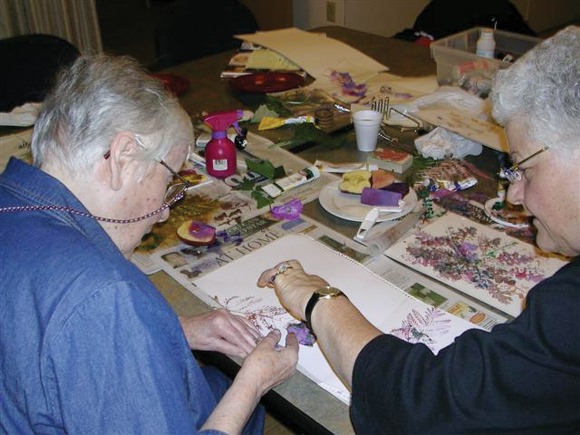
"Activities with a creative dimension encourage the development of new ways of communicating and new ways of interacting with others," Dr. Graf said in an interview.
The 10-page survey asked respondents to detail the nature of their activity programs, the staff that conduct them, and the patients who attend them, said Dr. Graf of the Memory and Cognition Laboratory at the University of British Columbia, Vancouver. He presented data on 80 of the centers that responded to the survey; the province has more than 1,000 that provide care for patients with dementia.
The survey conducted by the colleagues found that pet therapy was the next most commonly offered (42%), followed by group singing (31%), and art (24%). Group reminiscence, horticulture, dance poetry, aromatherapy, one-on-one creative-expression work, healing touch, drama, and poetry were least likely to be available.
Although more than 60% of centers had at least some of the materials necessary to carry out one or more of those activities, the materials were available for many fewer patients. For example, 60% of centers reported having art supplies that staff could use in an art program, yet they were available to less than 40% of patients. The findings were similar for other materials, including music and song books (62% of staff, 50% of patients), art books (40% and 35%), and other art supplies.
Respondents rated social interaction and improvement in quality of life as the two most important benefits of creative-expression programs. Other highly rated benefits were cognition and positive affect. Least important were the acquisition of new skills and the promotion of self-awareness.
"This is a very significant finding, which points out that even care facilitators do not expect any skills improvements and abilities in self-expression," Dr. Gottlieb-Tanaka said. "These are the thoughts that limit the provision ... development of, and access to, creative-expression programs. Research proves that people with dementia are capable of expressing themselves in many ways, and it is up to us to notice it and use it in an effort to communicate with them."
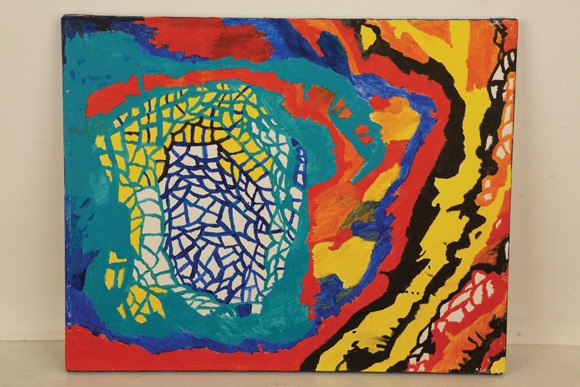
Despite the relative dearth of programs, respondents said even those with severe dementia are able to participate in meaningful ways. "Creative activities serve to open up new ways for expressing feelings, emotions, worries, when other methods have succumbed," Dr. Graf said. This was particularly true for music and singing programs.
The activities also are offered to persons without dementia, and they made up the bulk of participants in all categories measured. But, in music therapy, singing, pet therapy, and art therapy, patients with mild cognitive impairment and mild and moderate dementia still participated freely. Patients with severe dementia were more likely to be included in pet therapy, touch, and aromatherapy – more passive expression programs. "These kinds of programs are more likely to be provided on a one-on-one basis," Dr. Graf noted.
Some real-world findings mirrored those in a meta-analysis of literature on the subject, said Dr. Gottlieb-Tanaka, founder of the Society for the Arts in Dementia Care in British Columbia.
She reviewed 98 selected articles published during 2000-2010. The most commonly employed activities she saw were a mixture of art, music, and reminiscence. The majority were scheduled once a week.
Although certified facilitators ran most of the groups (about 27%), volunteers ran about 10% of the programs. "Canada is fortunate to have a strong volunteer community," she said. "Many facilities in British Columbia count on volunteer work, especially in remote communities." Some studies support using trained volunteers and see no significant differences between certified facilitators or trained volunteers, she added.
Unfortunately, said Dr. Gottlieb-Tanaka, about half of the programs, in her opinion, were not creatively engaging. "A variety of creative-expression activities needs to be offered every day and planned to fit personal needs, preferences, level of dementia, and physical and mental abilities. Not only that, the programs need to take into account life history, likes and dislikes, and be flexible enough to accommodate changes as the condition progresses."
"The benefits are many," she continued. "They include helping people stay connected with the world around them; temporarily reducing agitation and depression; increasing socialization; improving relationships with staff; increasing satisfaction and self-fulfillment, and even reducing stress for the staff."
Some facilities have even experienced cost savings after implementing these programs, citing one in Perth, Australia. "They saved $100,000 a year in having less staff turnover, less training time for new staff, less time spent on complaints, and saw an increased waiting list to enter the facility."
The colleagues also have collaborated on a validated measure of creative-expressive abilities among people with dementia. The Creative-Expressive Abilities Assessment (CEAA) so far has been tested and validated in 175 people with dementia. The assessment includes 25 core items. Each is rated in three domains: memory, the ability to recognize and participate in humor and music, and the person’s ability to relive or anticipate events. In scoring reminiscence, for example, the person giving the test rates how frequently the patient speaks about the remote or recent past; the patient may express this verbally or even though facial expressions or gestures. Validation tests indicated inter-rater reliability of 82%.
"When we refer to creative-expression activities or programs, we mean that the activity stimulated creative abilities within the person with dementia and facilitated, encouraged, enabled creative expression demonstrated through verbal and nonverbal reactions," Dr. Gottlieb-Tanaka said. "Those creative responses need to be measured by a relevant scale that is sensitive enough to catch those everyday creative responses. I believe our CEAA tool does this."
Neither of the researchers identified any financial conflicts.
BARCELONA – Long-term care facilities in British Columbia have the material resources to offer a variety of creative-expression programs for patients, but only a few have implemented such programs.
In a survey of 120 centers that provide care for patients with dementia, about 50% offered programs that involve any kind of creative expression, Peter Graf, Ph.D., and Dalia Gottlieb-Tanaka, Ph.D., said in posters presented at the International Conference on Alzheimer’s and Parkinson’s Disease.
"Activities with a creative dimension encourage the development of new ways of communicating and new ways of interacting with others," Dr. Graf said in an interview.
The 10-page survey asked respondents to detail the nature of their activity programs, the staff that conduct them, and the patients who attend them, said Dr. Graf of the Memory and Cognition Laboratory at the University of British Columbia, Vancouver. He presented data on 80 of the centers that responded to the survey; the province has more than 1,000 that provide care for patients with dementia.
The survey conducted by the colleagues found that pet therapy was the next most commonly offered (42%), followed by group singing (31%), and art (24%). Group reminiscence, horticulture, dance poetry, aromatherapy, one-on-one creative-expression work, healing touch, drama, and poetry were least likely to be available.
Although more than 60% of centers had at least some of the materials necessary to carry out one or more of those activities, the materials were available for many fewer patients. For example, 60% of centers reported having art supplies that staff could use in an art program, yet they were available to less than 40% of patients. The findings were similar for other materials, including music and song books (62% of staff, 50% of patients), art books (40% and 35%), and other art supplies.
Respondents rated social interaction and improvement in quality of life as the two most important benefits of creative-expression programs. Other highly rated benefits were cognition and positive affect. Least important were the acquisition of new skills and the promotion of self-awareness.
"This is a very significant finding, which points out that even care facilitators do not expect any skills improvements and abilities in self-expression," Dr. Gottlieb-Tanaka said. "These are the thoughts that limit the provision ... development of, and access to, creative-expression programs. Research proves that people with dementia are capable of expressing themselves in many ways, and it is up to us to notice it and use it in an effort to communicate with them."
Despite the relative dearth of programs, respondents said even those with severe dementia are able to participate in meaningful ways. "Creative activities serve to open up new ways for expressing feelings, emotions, worries, when other methods have succumbed," Dr. Graf said. This was particularly true for music and singing programs.
The activities also are offered to persons without dementia, and they made up the bulk of participants in all categories measured. But, in music therapy, singing, pet therapy, and art therapy, patients with mild cognitive impairment and mild and moderate dementia still participated freely. Patients with severe dementia were more likely to be included in pet therapy, touch, and aromatherapy – more passive expression programs. "These kinds of programs are more likely to be provided on a one-on-one basis," Dr. Graf noted.
Some real-world findings mirrored those in a meta-analysis of literature on the subject, said Dr. Gottlieb-Tanaka, founder of the Society for the Arts in Dementia Care in British Columbia.
She reviewed 98 selected articles published during 2000-2010. The most commonly employed activities she saw were a mixture of art, music, and reminiscence. The majority were scheduled once a week.
Although certified facilitators ran most of the groups (about 27%), volunteers ran about 10% of the programs. "Canada is fortunate to have a strong volunteer community," she said. "Many facilities in British Columbia count on volunteer work, especially in remote communities." Some studies support using trained volunteers and see no significant differences between certified facilitators or trained volunteers, she added.
Unfortunately, said Dr. Gottlieb-Tanaka, about half of the programs, in her opinion, were not creatively engaging. "A variety of creative-expression activities needs to be offered every day and planned to fit personal needs, preferences, level of dementia, and physical and mental abilities. Not only that, the programs need to take into account life history, likes and dislikes, and be flexible enough to accommodate changes as the condition progresses."
"The benefits are many," she continued. "They include helping people stay connected with the world around them; temporarily reducing agitation and depression; increasing socialization; improving relationships with staff; increasing satisfaction and self-fulfillment, and even reducing stress for the staff."
Some facilities have even experienced cost savings after implementing these programs, citing one in Perth, Australia. "They saved $100,000 a year in having less staff turnover, less training time for new staff, less time spent on complaints, and saw an increased waiting list to enter the facility."
The colleagues also have collaborated on a validated measure of creative-expressive abilities among people with dementia. The Creative-Expressive Abilities Assessment (CEAA) so far has been tested and validated in 175 people with dementia. The assessment includes 25 core items. Each is rated in three domains: memory, the ability to recognize and participate in humor and music, and the person’s ability to relive or anticipate events. In scoring reminiscence, for example, the person giving the test rates how frequently the patient speaks about the remote or recent past; the patient may express this verbally or even though facial expressions or gestures. Validation tests indicated inter-rater reliability of 82%.
"When we refer to creative-expression activities or programs, we mean that the activity stimulated creative abilities within the person with dementia and facilitated, encouraged, enabled creative expression demonstrated through verbal and nonverbal reactions," Dr. Gottlieb-Tanaka said. "Those creative responses need to be measured by a relevant scale that is sensitive enough to catch those everyday creative responses. I believe our CEAA tool does this."
Neither of the researchers identified any financial conflicts.
BARCELONA – Long-term care facilities in British Columbia have the material resources to offer a variety of creative-expression programs for patients, but only a few have implemented such programs.
In a survey of 120 centers that provide care for patients with dementia, about 50% offered programs that involve any kind of creative expression, Peter Graf, Ph.D., and Dalia Gottlieb-Tanaka, Ph.D., said in posters presented at the International Conference on Alzheimer’s and Parkinson’s Disease.
"Activities with a creative dimension encourage the development of new ways of communicating and new ways of interacting with others," Dr. Graf said in an interview.
The 10-page survey asked respondents to detail the nature of their activity programs, the staff that conduct them, and the patients who attend them, said Dr. Graf of the Memory and Cognition Laboratory at the University of British Columbia, Vancouver. He presented data on 80 of the centers that responded to the survey; the province has more than 1,000 that provide care for patients with dementia.
The survey conducted by the colleagues found that pet therapy was the next most commonly offered (42%), followed by group singing (31%), and art (24%). Group reminiscence, horticulture, dance poetry, aromatherapy, one-on-one creative-expression work, healing touch, drama, and poetry were least likely to be available.
Although more than 60% of centers had at least some of the materials necessary to carry out one or more of those activities, the materials were available for many fewer patients. For example, 60% of centers reported having art supplies that staff could use in an art program, yet they were available to less than 40% of patients. The findings were similar for other materials, including music and song books (62% of staff, 50% of patients), art books (40% and 35%), and other art supplies.
Respondents rated social interaction and improvement in quality of life as the two most important benefits of creative-expression programs. Other highly rated benefits were cognition and positive affect. Least important were the acquisition of new skills and the promotion of self-awareness.
"This is a very significant finding, which points out that even care facilitators do not expect any skills improvements and abilities in self-expression," Dr. Gottlieb-Tanaka said. "These are the thoughts that limit the provision ... development of, and access to, creative-expression programs. Research proves that people with dementia are capable of expressing themselves in many ways, and it is up to us to notice it and use it in an effort to communicate with them."
Despite the relative dearth of programs, respondents said even those with severe dementia are able to participate in meaningful ways. "Creative activities serve to open up new ways for expressing feelings, emotions, worries, when other methods have succumbed," Dr. Graf said. This was particularly true for music and singing programs.
The activities also are offered to persons without dementia, and they made up the bulk of participants in all categories measured. But, in music therapy, singing, pet therapy, and art therapy, patients with mild cognitive impairment and mild and moderate dementia still participated freely. Patients with severe dementia were more likely to be included in pet therapy, touch, and aromatherapy – more passive expression programs. "These kinds of programs are more likely to be provided on a one-on-one basis," Dr. Graf noted.
Some real-world findings mirrored those in a meta-analysis of literature on the subject, said Dr. Gottlieb-Tanaka, founder of the Society for the Arts in Dementia Care in British Columbia.
She reviewed 98 selected articles published during 2000-2010. The most commonly employed activities she saw were a mixture of art, music, and reminiscence. The majority were scheduled once a week.
Although certified facilitators ran most of the groups (about 27%), volunteers ran about 10% of the programs. "Canada is fortunate to have a strong volunteer community," she said. "Many facilities in British Columbia count on volunteer work, especially in remote communities." Some studies support using trained volunteers and see no significant differences between certified facilitators or trained volunteers, she added.
Unfortunately, said Dr. Gottlieb-Tanaka, about half of the programs, in her opinion, were not creatively engaging. "A variety of creative-expression activities needs to be offered every day and planned to fit personal needs, preferences, level of dementia, and physical and mental abilities. Not only that, the programs need to take into account life history, likes and dislikes, and be flexible enough to accommodate changes as the condition progresses."
"The benefits are many," she continued. "They include helping people stay connected with the world around them; temporarily reducing agitation and depression; increasing socialization; improving relationships with staff; increasing satisfaction and self-fulfillment, and even reducing stress for the staff."
Some facilities have even experienced cost savings after implementing these programs, citing one in Perth, Australia. "They saved $100,000 a year in having less staff turnover, less training time for new staff, less time spent on complaints, and saw an increased waiting list to enter the facility."
The colleagues also have collaborated on a validated measure of creative-expressive abilities among people with dementia. The Creative-Expressive Abilities Assessment (CEAA) so far has been tested and validated in 175 people with dementia. The assessment includes 25 core items. Each is rated in three domains: memory, the ability to recognize and participate in humor and music, and the person’s ability to relive or anticipate events. In scoring reminiscence, for example, the person giving the test rates how frequently the patient speaks about the remote or recent past; the patient may express this verbally or even though facial expressions or gestures. Validation tests indicated inter-rater reliability of 82%.
"When we refer to creative-expression activities or programs, we mean that the activity stimulated creative abilities within the person with dementia and facilitated, encouraged, enabled creative expression demonstrated through verbal and nonverbal reactions," Dr. Gottlieb-Tanaka said. "Those creative responses need to be measured by a relevant scale that is sensitive enough to catch those everyday creative responses. I believe our CEAA tool does this."
Neither of the researchers identified any financial conflicts.
FROM THE INTERNATIONAL CONFERENCE ON ALZHEIMER'S AND PARKINSON'S DISEASE
Creative-Expression Programs Benefit Patients With Dementia
BARCELONA – Long-term care facilities in British Columbia have the material resources to offer a variety of creative-expression programs for patients, but only a few have implemented such programs.
In a survey of 120 centers that provide care for patients with dementia, about 50% offered programs that involve any kind of creative expression, Peter Graf, Ph.D., and Dalia Gottlieb-Tanaka, Ph.D., said in posters presented at the International Conference on Alzheimer’s and Parkinson’s Disease.
"Activities with a creative dimension encourage the development of new ways of communicating and new ways of interacting with others," Dr. Graf said in an interview.
The 10-page survey asked respondents to detail the nature of their activity programs, the staff that conduct them, and the patients who attend them, said Dr. Graf of the Memory and Cognition Laboratory at the University of British Columbia, Vancouver. He presented data on 80 of the centers that responded to the survey; the province has more than 1,000 that provide care for patients with dementia.
The survey conducted by the colleagues found that pet therapy was the next most commonly offered (42%), followed by group singing (31%), and art (24%). Group reminiscence, horticulture, dance poetry, aromatherapy, one-on-one creative-expression work, healing touch, drama, and poetry were least likely to be available.
Although more than 60% of centers had at least some of the materials necessary to carry out one or more of those activities, the materials were available for many fewer patients. For example, 60% of centers reported having art supplies that staff could use in an art program, yet they were available to less than 40% of patients. The findings were similar for other materials, including music and song books (62% of staff, 50% of patients), art books (40% and 35%), and other art supplies.
Respondents rated social interaction and improvement in quality of life as the two most important benefits of creative-expression programs. Other highly rated benefits were cognition and positive affect. Least important were the acquisition of new skills and the promotion of self-awareness.
"This is a very significant finding, which points out that even care facilitators do not expect any skills improvements and abilities in self-expression," Dr. Gottlieb-Tanaka said. "These are the thoughts that limit the provision ... development of, and access to, creative-expression programs. Research proves that people with dementia are capable of expressing themselves in many ways, and it is up to us to notice it and use it in an effort to communicate with them."
Despite the relative dearth of programs, respondents said even those with severe dementia are able to participate in meaningful ways. "Creative activities serve to open up new ways for expressing feelings, emotions, worries, when other methods have succumbed," Dr. Graf said. This was particularly true for music and singing programs.
The activities also are offered to persons without dementia, and they made up the bulk of participants in all categories measured. But, in music therapy, singing, pet therapy, and art therapy, patients with mild cognitive impairment and mild and moderate dementia still participated freely. Patients with severe dementia were more likely to be included in pet therapy, touch, and aromatherapy – more passive expression programs. "These kinds of programs are more likely to be provided on a one-on-one basis," Dr. Graf noted.
Some real-world findings mirrored those in a meta-analysis of literature on the subject, said Dr. Gottlieb-Tanaka, founder of the Society for the Arts in Dementia Care in British Columbia.
She reviewed 98 selected articles published during 2000-2010. The most commonly employed activities she saw were a mixture of art, music, and reminiscence. The majority were scheduled once a week.
Although certified facilitators ran most of the groups (about 27%), volunteers ran about 10% of the programs. "Canada is fortunate to have a strong volunteer community," she said. "Many facilities in British Columbia count on volunteer work, especially in remote communities." Some studies support using trained volunteers and see no significant differences between certified facilitators or trained volunteers, she added.
Unfortunately, said Dr. Gottlieb-Tanaka, about half of the programs, in her opinion, were not creatively engaging. "A variety of creative-expression activities needs to be offered every day and planned to fit personal needs, preferences, level of dementia, and physical and mental abilities. Not only that, the programs need to take into account life history, likes and dislikes, and be flexible enough to accommodate changes as the condition progresses."
"The benefits are many," she continued. "They include helping people stay connected with the world around them; temporarily reducing agitation and depression; increasing socialization; improving relationships with staff; increasing satisfaction and self-fulfillment, and even reducing stress for the staff."
Some facilities have even experienced cost savings after implementing these programs, citing one in Perth, Australia. "They saved $100,000 a year in having less staff turnover, less training time for new staff, less time spent on complaints, and saw an increased waiting list to enter the facility."
The colleagues also have collaborated on a validated measure of creative-expressive abilities among people with dementia. The Creative-Expressive Abilities Assessment (CEAA) so far has been tested and validated in 175 people with dementia. The assessment includes 25 core items. Each is rated in three domains: memory, the ability to recognize and participate in humor and music, and the person’s ability to relive or anticipate events. In scoring reminiscence, for example, the person giving the test rates how frequently the patient speaks about the remote or recent past; the patient may express this verbally or even though facial expressions or gestures. Validation tests indicated inter-rater reliability of 82%.
"When we refer to creative-expression activities or programs, we mean that the activity stimulated creative abilities within the person with dementia and facilitated, encouraged, enabled creative expression demonstrated through verbal and nonverbal reactions," Dr. Gottlieb-Tanaka said. "Those creative responses need to be measured by a relevant scale that is sensitive enough to catch those everyday creative responses. I believe our CEAA tool does this."
Neither of the researchers identified any financial conflicts.
BARCELONA – Long-term care facilities in British Columbia have the material resources to offer a variety of creative-expression programs for patients, but only a few have implemented such programs.
In a survey of 120 centers that provide care for patients with dementia, about 50% offered programs that involve any kind of creative expression, Peter Graf, Ph.D., and Dalia Gottlieb-Tanaka, Ph.D., said in posters presented at the International Conference on Alzheimer’s and Parkinson’s Disease.
"Activities with a creative dimension encourage the development of new ways of communicating and new ways of interacting with others," Dr. Graf said in an interview.
The 10-page survey asked respondents to detail the nature of their activity programs, the staff that conduct them, and the patients who attend them, said Dr. Graf of the Memory and Cognition Laboratory at the University of British Columbia, Vancouver. He presented data on 80 of the centers that responded to the survey; the province has more than 1,000 that provide care for patients with dementia.
The survey conducted by the colleagues found that pet therapy was the next most commonly offered (42%), followed by group singing (31%), and art (24%). Group reminiscence, horticulture, dance poetry, aromatherapy, one-on-one creative-expression work, healing touch, drama, and poetry were least likely to be available.
Although more than 60% of centers had at least some of the materials necessary to carry out one or more of those activities, the materials were available for many fewer patients. For example, 60% of centers reported having art supplies that staff could use in an art program, yet they were available to less than 40% of patients. The findings were similar for other materials, including music and song books (62% of staff, 50% of patients), art books (40% and 35%), and other art supplies.
Respondents rated social interaction and improvement in quality of life as the two most important benefits of creative-expression programs. Other highly rated benefits were cognition and positive affect. Least important were the acquisition of new skills and the promotion of self-awareness.
"This is a very significant finding, which points out that even care facilitators do not expect any skills improvements and abilities in self-expression," Dr. Gottlieb-Tanaka said. "These are the thoughts that limit the provision ... development of, and access to, creative-expression programs. Research proves that people with dementia are capable of expressing themselves in many ways, and it is up to us to notice it and use it in an effort to communicate with them."
Despite the relative dearth of programs, respondents said even those with severe dementia are able to participate in meaningful ways. "Creative activities serve to open up new ways for expressing feelings, emotions, worries, when other methods have succumbed," Dr. Graf said. This was particularly true for music and singing programs.
The activities also are offered to persons without dementia, and they made up the bulk of participants in all categories measured. But, in music therapy, singing, pet therapy, and art therapy, patients with mild cognitive impairment and mild and moderate dementia still participated freely. Patients with severe dementia were more likely to be included in pet therapy, touch, and aromatherapy – more passive expression programs. "These kinds of programs are more likely to be provided on a one-on-one basis," Dr. Graf noted.
Some real-world findings mirrored those in a meta-analysis of literature on the subject, said Dr. Gottlieb-Tanaka, founder of the Society for the Arts in Dementia Care in British Columbia.
She reviewed 98 selected articles published during 2000-2010. The most commonly employed activities she saw were a mixture of art, music, and reminiscence. The majority were scheduled once a week.
Although certified facilitators ran most of the groups (about 27%), volunteers ran about 10% of the programs. "Canada is fortunate to have a strong volunteer community," she said. "Many facilities in British Columbia count on volunteer work, especially in remote communities." Some studies support using trained volunteers and see no significant differences between certified facilitators or trained volunteers, she added.
Unfortunately, said Dr. Gottlieb-Tanaka, about half of the programs, in her opinion, were not creatively engaging. "A variety of creative-expression activities needs to be offered every day and planned to fit personal needs, preferences, level of dementia, and physical and mental abilities. Not only that, the programs need to take into account life history, likes and dislikes, and be flexible enough to accommodate changes as the condition progresses."
"The benefits are many," she continued. "They include helping people stay connected with the world around them; temporarily reducing agitation and depression; increasing socialization; improving relationships with staff; increasing satisfaction and self-fulfillment, and even reducing stress for the staff."
Some facilities have even experienced cost savings after implementing these programs, citing one in Perth, Australia. "They saved $100,000 a year in having less staff turnover, less training time for new staff, less time spent on complaints, and saw an increased waiting list to enter the facility."
The colleagues also have collaborated on a validated measure of creative-expressive abilities among people with dementia. The Creative-Expressive Abilities Assessment (CEAA) so far has been tested and validated in 175 people with dementia. The assessment includes 25 core items. Each is rated in three domains: memory, the ability to recognize and participate in humor and music, and the person’s ability to relive or anticipate events. In scoring reminiscence, for example, the person giving the test rates how frequently the patient speaks about the remote or recent past; the patient may express this verbally or even though facial expressions or gestures. Validation tests indicated inter-rater reliability of 82%.
"When we refer to creative-expression activities or programs, we mean that the activity stimulated creative abilities within the person with dementia and facilitated, encouraged, enabled creative expression demonstrated through verbal and nonverbal reactions," Dr. Gottlieb-Tanaka said. "Those creative responses need to be measured by a relevant scale that is sensitive enough to catch those everyday creative responses. I believe our CEAA tool does this."
Neither of the researchers identified any financial conflicts.
BARCELONA – Long-term care facilities in British Columbia have the material resources to offer a variety of creative-expression programs for patients, but only a few have implemented such programs.
In a survey of 120 centers that provide care for patients with dementia, about 50% offered programs that involve any kind of creative expression, Peter Graf, Ph.D., and Dalia Gottlieb-Tanaka, Ph.D., said in posters presented at the International Conference on Alzheimer’s and Parkinson’s Disease.
"Activities with a creative dimension encourage the development of new ways of communicating and new ways of interacting with others," Dr. Graf said in an interview.
The 10-page survey asked respondents to detail the nature of their activity programs, the staff that conduct them, and the patients who attend them, said Dr. Graf of the Memory and Cognition Laboratory at the University of British Columbia, Vancouver. He presented data on 80 of the centers that responded to the survey; the province has more than 1,000 that provide care for patients with dementia.
The survey conducted by the colleagues found that pet therapy was the next most commonly offered (42%), followed by group singing (31%), and art (24%). Group reminiscence, horticulture, dance poetry, aromatherapy, one-on-one creative-expression work, healing touch, drama, and poetry were least likely to be available.
Although more than 60% of centers had at least some of the materials necessary to carry out one or more of those activities, the materials were available for many fewer patients. For example, 60% of centers reported having art supplies that staff could use in an art program, yet they were available to less than 40% of patients. The findings were similar for other materials, including music and song books (62% of staff, 50% of patients), art books (40% and 35%), and other art supplies.
Respondents rated social interaction and improvement in quality of life as the two most important benefits of creative-expression programs. Other highly rated benefits were cognition and positive affect. Least important were the acquisition of new skills and the promotion of self-awareness.
"This is a very significant finding, which points out that even care facilitators do not expect any skills improvements and abilities in self-expression," Dr. Gottlieb-Tanaka said. "These are the thoughts that limit the provision ... development of, and access to, creative-expression programs. Research proves that people with dementia are capable of expressing themselves in many ways, and it is up to us to notice it and use it in an effort to communicate with them."
Despite the relative dearth of programs, respondents said even those with severe dementia are able to participate in meaningful ways. "Creative activities serve to open up new ways for expressing feelings, emotions, worries, when other methods have succumbed," Dr. Graf said. This was particularly true for music and singing programs.
The activities also are offered to persons without dementia, and they made up the bulk of participants in all categories measured. But, in music therapy, singing, pet therapy, and art therapy, patients with mild cognitive impairment and mild and moderate dementia still participated freely. Patients with severe dementia were more likely to be included in pet therapy, touch, and aromatherapy – more passive expression programs. "These kinds of programs are more likely to be provided on a one-on-one basis," Dr. Graf noted.
Some real-world findings mirrored those in a meta-analysis of literature on the subject, said Dr. Gottlieb-Tanaka, founder of the Society for the Arts in Dementia Care in British Columbia.
She reviewed 98 selected articles published during 2000-2010. The most commonly employed activities she saw were a mixture of art, music, and reminiscence. The majority were scheduled once a week.
Although certified facilitators ran most of the groups (about 27%), volunteers ran about 10% of the programs. "Canada is fortunate to have a strong volunteer community," she said. "Many facilities in British Columbia count on volunteer work, especially in remote communities." Some studies support using trained volunteers and see no significant differences between certified facilitators or trained volunteers, she added.
Unfortunately, said Dr. Gottlieb-Tanaka, about half of the programs, in her opinion, were not creatively engaging. "A variety of creative-expression activities needs to be offered every day and planned to fit personal needs, preferences, level of dementia, and physical and mental abilities. Not only that, the programs need to take into account life history, likes and dislikes, and be flexible enough to accommodate changes as the condition progresses."
"The benefits are many," she continued. "They include helping people stay connected with the world around them; temporarily reducing agitation and depression; increasing socialization; improving relationships with staff; increasing satisfaction and self-fulfillment, and even reducing stress for the staff."
Some facilities have even experienced cost savings after implementing these programs, citing one in Perth, Australia. "They saved $100,000 a year in having less staff turnover, less training time for new staff, less time spent on complaints, and saw an increased waiting list to enter the facility."
The colleagues also have collaborated on a validated measure of creative-expressive abilities among people with dementia. The Creative-Expressive Abilities Assessment (CEAA) so far has been tested and validated in 175 people with dementia. The assessment includes 25 core items. Each is rated in three domains: memory, the ability to recognize and participate in humor and music, and the person’s ability to relive or anticipate events. In scoring reminiscence, for example, the person giving the test rates how frequently the patient speaks about the remote or recent past; the patient may express this verbally or even though facial expressions or gestures. Validation tests indicated inter-rater reliability of 82%.
"When we refer to creative-expression activities or programs, we mean that the activity stimulated creative abilities within the person with dementia and facilitated, encouraged, enabled creative expression demonstrated through verbal and nonverbal reactions," Dr. Gottlieb-Tanaka said. "Those creative responses need to be measured by a relevant scale that is sensitive enough to catch those everyday creative responses. I believe our CEAA tool does this."
Neither of the researchers identified any financial conflicts.
FROM THE INTERNATIONAL CONFERENCE ON ALZHEIMER'S AND PARKINSON'S DISEASE
Creative-Expression Programs Benefit Patients With Dementia
BARCELONA – Long-term care facilities in British Columbia have the material resources to offer a variety of creative-expression programs for patients, but only a few have implemented such programs.
In a survey of 120 centers that provide care for patients with dementia, about 50% offered programs that involve any kind of creative expression, Peter Graf, Ph.D., and Dalia Gottlieb-Tanaka, Ph.D., said in posters presented at the International Conference on Alzheimer’s and Parkinson’s Disease.
"Activities with a creative dimension encourage the development of new ways of communicating and new ways of interacting with others," Dr. Graf said in an interview.
The 10-page survey asked respondents to detail the nature of their activity programs, the staff that conduct them, and the patients who attend them, said Dr. Graf of the Memory and Cognition Laboratory at the University of British Columbia, Vancouver. He presented data on 80 of the centers that responded to the survey; the province has more than 1,000 that provide care for patients with dementia.
The survey conducted by the colleagues found that pet therapy was the next most commonly offered (42%), followed by group singing (31%), and art (24%). Group reminiscence, horticulture, dance poetry, aromatherapy, one-on-one creative-expression work, healing touch, drama, and poetry were least likely to be available.
Although more than 60% of centers had at least some of the materials necessary to carry out one or more of those activities, the materials were available for many fewer patients. For example, 60% of centers reported having art supplies that staff could use in an art program, yet they were available to less than 40% of patients. The findings were similar for other materials, including music and song books (62% of staff, 50% of patients), art books (40% and 35%), and other art supplies.
Respondents rated social interaction and improvement in quality of life as the two most important benefits of creative-expression programs. Other highly rated benefits were cognition and positive affect. Least important were the acquisition of new skills and the promotion of self-awareness.
"This is a very significant finding, which points out that even care facilitators do not expect any skills improvements and abilities in self-expression," Dr. Gottlieb-Tanaka said. "These are the thoughts that limit the provision ... development of, and access to, creative-expression programs. Research proves that people with dementia are capable of expressing themselves in many ways, and it is up to us to notice it and use it in an effort to communicate with them."
Despite the relative dearth of programs, respondents said even those with severe dementia are able to participate in meaningful ways. "Creative activities serve to open up new ways for expressing feelings, emotions, worries, when other methods have succumbed," Dr. Graf said. This was particularly true for music and singing programs.
The activities also are offered to persons without dementia, and they made up the bulk of participants in all categories measured. But, in music therapy, singing, pet therapy, and art therapy, patients with mild cognitive impairment and mild and moderate dementia still participated freely. Patients with severe dementia were more likely to be included in pet therapy, touch, and aromatherapy – more passive expression programs. "These kinds of programs are more likely to be provided on a one-on-one basis," Dr. Graf noted.
Some real-world findings mirrored those in a meta-analysis of literature on the subject, said Dr. Gottlieb-Tanaka, founder of the Society for the Arts in Dementia Care in British Columbia.
She reviewed 98 selected articles published during 2000-2010. The most commonly employed activities she saw were a mixture of art, music, and reminiscence. The majority were scheduled once a week.
Although certified facilitators ran most of the groups (about 27%), volunteers ran about 10% of the programs. "Canada is fortunate to have a strong volunteer community," she said. "Many facilities in British Columbia count on volunteer work, especially in remote communities." Some studies support using trained volunteers and see no significant differences between certified facilitators or trained volunteers, she added.
Unfortunately, said Dr. Gottlieb-Tanaka, about half of the programs, in her opinion, were not creatively engaging. "A variety of creative-expression activities needs to be offered every day and planned to fit personal needs, preferences, level of dementia, and physical and mental abilities. Not only that, the programs need to take into account life history, likes and dislikes, and be flexible enough to accommodate changes as the condition progresses."
"The benefits are many," she continued. "They include helping people stay connected with the world around them; temporarily reducing agitation and depression; increasing socialization; improving relationships with staff; increasing satisfaction and self-fulfillment, and even reducing stress for the staff."
Some facilities have even experienced cost savings after implementing these programs, citing one in Perth, Australia. "They saved $100,000 a year in having less staff turnover, less training time for new staff, less time spent on complaints, and saw an increased waiting list to enter the facility."
The colleagues also have collaborated on a validated measure of creative-expressive abilities among people with dementia. The Creative-Expressive Abilities Assessment (CEAA) so far has been tested and validated in 175 people with dementia. The assessment includes 25 core items. Each is rated in three domains: memory, the ability to recognize and participate in humor and music, and the person’s ability to relive or anticipate events. In scoring reminiscence, for example, the person giving the test rates how frequently the patient speaks about the remote or recent past; the patient may express this verbally or even though facial expressions or gestures. Validation tests indicated inter-rater reliability of 82%.
"When we refer to creative-expression activities or programs, we mean that the activity stimulated creative abilities within the person with dementia and facilitated, encouraged, enabled creative expression demonstrated through verbal and nonverbal reactions," Dr. Gottlieb-Tanaka said. "Those creative responses need to be measured by a relevant scale that is sensitive enough to catch those everyday creative responses. I believe our CEAA tool does this."
Neither of the researchers identified any financial conflicts.
BARCELONA – Long-term care facilities in British Columbia have the material resources to offer a variety of creative-expression programs for patients, but only a few have implemented such programs.
In a survey of 120 centers that provide care for patients with dementia, about 50% offered programs that involve any kind of creative expression, Peter Graf, Ph.D., and Dalia Gottlieb-Tanaka, Ph.D., said in posters presented at the International Conference on Alzheimer’s and Parkinson’s Disease.
"Activities with a creative dimension encourage the development of new ways of communicating and new ways of interacting with others," Dr. Graf said in an interview.
The 10-page survey asked respondents to detail the nature of their activity programs, the staff that conduct them, and the patients who attend them, said Dr. Graf of the Memory and Cognition Laboratory at the University of British Columbia, Vancouver. He presented data on 80 of the centers that responded to the survey; the province has more than 1,000 that provide care for patients with dementia.
The survey conducted by the colleagues found that pet therapy was the next most commonly offered (42%), followed by group singing (31%), and art (24%). Group reminiscence, horticulture, dance poetry, aromatherapy, one-on-one creative-expression work, healing touch, drama, and poetry were least likely to be available.
Although more than 60% of centers had at least some of the materials necessary to carry out one or more of those activities, the materials were available for many fewer patients. For example, 60% of centers reported having art supplies that staff could use in an art program, yet they were available to less than 40% of patients. The findings were similar for other materials, including music and song books (62% of staff, 50% of patients), art books (40% and 35%), and other art supplies.
Respondents rated social interaction and improvement in quality of life as the two most important benefits of creative-expression programs. Other highly rated benefits were cognition and positive affect. Least important were the acquisition of new skills and the promotion of self-awareness.
"This is a very significant finding, which points out that even care facilitators do not expect any skills improvements and abilities in self-expression," Dr. Gottlieb-Tanaka said. "These are the thoughts that limit the provision ... development of, and access to, creative-expression programs. Research proves that people with dementia are capable of expressing themselves in many ways, and it is up to us to notice it and use it in an effort to communicate with them."
Despite the relative dearth of programs, respondents said even those with severe dementia are able to participate in meaningful ways. "Creative activities serve to open up new ways for expressing feelings, emotions, worries, when other methods have succumbed," Dr. Graf said. This was particularly true for music and singing programs.
The activities also are offered to persons without dementia, and they made up the bulk of participants in all categories measured. But, in music therapy, singing, pet therapy, and art therapy, patients with mild cognitive impairment and mild and moderate dementia still participated freely. Patients with severe dementia were more likely to be included in pet therapy, touch, and aromatherapy – more passive expression programs. "These kinds of programs are more likely to be provided on a one-on-one basis," Dr. Graf noted.
Some real-world findings mirrored those in a meta-analysis of literature on the subject, said Dr. Gottlieb-Tanaka, founder of the Society for the Arts in Dementia Care in British Columbia.
She reviewed 98 selected articles published during 2000-2010. The most commonly employed activities she saw were a mixture of art, music, and reminiscence. The majority were scheduled once a week.
Although certified facilitators ran most of the groups (about 27%), volunteers ran about 10% of the programs. "Canada is fortunate to have a strong volunteer community," she said. "Many facilities in British Columbia count on volunteer work, especially in remote communities." Some studies support using trained volunteers and see no significant differences between certified facilitators or trained volunteers, she added.
Unfortunately, said Dr. Gottlieb-Tanaka, about half of the programs, in her opinion, were not creatively engaging. "A variety of creative-expression activities needs to be offered every day and planned to fit personal needs, preferences, level of dementia, and physical and mental abilities. Not only that, the programs need to take into account life history, likes and dislikes, and be flexible enough to accommodate changes as the condition progresses."
"The benefits are many," she continued. "They include helping people stay connected with the world around them; temporarily reducing agitation and depression; increasing socialization; improving relationships with staff; increasing satisfaction and self-fulfillment, and even reducing stress for the staff."
Some facilities have even experienced cost savings after implementing these programs, citing one in Perth, Australia. "They saved $100,000 a year in having less staff turnover, less training time for new staff, less time spent on complaints, and saw an increased waiting list to enter the facility."
The colleagues also have collaborated on a validated measure of creative-expressive abilities among people with dementia. The Creative-Expressive Abilities Assessment (CEAA) so far has been tested and validated in 175 people with dementia. The assessment includes 25 core items. Each is rated in three domains: memory, the ability to recognize and participate in humor and music, and the person’s ability to relive or anticipate events. In scoring reminiscence, for example, the person giving the test rates how frequently the patient speaks about the remote or recent past; the patient may express this verbally or even though facial expressions or gestures. Validation tests indicated inter-rater reliability of 82%.
"When we refer to creative-expression activities or programs, we mean that the activity stimulated creative abilities within the person with dementia and facilitated, encouraged, enabled creative expression demonstrated through verbal and nonverbal reactions," Dr. Gottlieb-Tanaka said. "Those creative responses need to be measured by a relevant scale that is sensitive enough to catch those everyday creative responses. I believe our CEAA tool does this."
Neither of the researchers identified any financial conflicts.
BARCELONA – Long-term care facilities in British Columbia have the material resources to offer a variety of creative-expression programs for patients, but only a few have implemented such programs.
In a survey of 120 centers that provide care for patients with dementia, about 50% offered programs that involve any kind of creative expression, Peter Graf, Ph.D., and Dalia Gottlieb-Tanaka, Ph.D., said in posters presented at the International Conference on Alzheimer’s and Parkinson’s Disease.
"Activities with a creative dimension encourage the development of new ways of communicating and new ways of interacting with others," Dr. Graf said in an interview.
The 10-page survey asked respondents to detail the nature of their activity programs, the staff that conduct them, and the patients who attend them, said Dr. Graf of the Memory and Cognition Laboratory at the University of British Columbia, Vancouver. He presented data on 80 of the centers that responded to the survey; the province has more than 1,000 that provide care for patients with dementia.
The survey conducted by the colleagues found that pet therapy was the next most commonly offered (42%), followed by group singing (31%), and art (24%). Group reminiscence, horticulture, dance poetry, aromatherapy, one-on-one creative-expression work, healing touch, drama, and poetry were least likely to be available.
Although more than 60% of centers had at least some of the materials necessary to carry out one or more of those activities, the materials were available for many fewer patients. For example, 60% of centers reported having art supplies that staff could use in an art program, yet they were available to less than 40% of patients. The findings were similar for other materials, including music and song books (62% of staff, 50% of patients), art books (40% and 35%), and other art supplies.
Respondents rated social interaction and improvement in quality of life as the two most important benefits of creative-expression programs. Other highly rated benefits were cognition and positive affect. Least important were the acquisition of new skills and the promotion of self-awareness.
"This is a very significant finding, which points out that even care facilitators do not expect any skills improvements and abilities in self-expression," Dr. Gottlieb-Tanaka said. "These are the thoughts that limit the provision ... development of, and access to, creative-expression programs. Research proves that people with dementia are capable of expressing themselves in many ways, and it is up to us to notice it and use it in an effort to communicate with them."
Despite the relative dearth of programs, respondents said even those with severe dementia are able to participate in meaningful ways. "Creative activities serve to open up new ways for expressing feelings, emotions, worries, when other methods have succumbed," Dr. Graf said. This was particularly true for music and singing programs.
The activities also are offered to persons without dementia, and they made up the bulk of participants in all categories measured. But, in music therapy, singing, pet therapy, and art therapy, patients with mild cognitive impairment and mild and moderate dementia still participated freely. Patients with severe dementia were more likely to be included in pet therapy, touch, and aromatherapy – more passive expression programs. "These kinds of programs are more likely to be provided on a one-on-one basis," Dr. Graf noted.
Some real-world findings mirrored those in a meta-analysis of literature on the subject, said Dr. Gottlieb-Tanaka, founder of the Society for the Arts in Dementia Care in British Columbia.
She reviewed 98 selected articles published during 2000-2010. The most commonly employed activities she saw were a mixture of art, music, and reminiscence. The majority were scheduled once a week.
Although certified facilitators ran most of the groups (about 27%), volunteers ran about 10% of the programs. "Canada is fortunate to have a strong volunteer community," she said. "Many facilities in British Columbia count on volunteer work, especially in remote communities." Some studies support using trained volunteers and see no significant differences between certified facilitators or trained volunteers, she added.
Unfortunately, said Dr. Gottlieb-Tanaka, about half of the programs, in her opinion, were not creatively engaging. "A variety of creative-expression activities needs to be offered every day and planned to fit personal needs, preferences, level of dementia, and physical and mental abilities. Not only that, the programs need to take into account life history, likes and dislikes, and be flexible enough to accommodate changes as the condition progresses."
"The benefits are many," she continued. "They include helping people stay connected with the world around them; temporarily reducing agitation and depression; increasing socialization; improving relationships with staff; increasing satisfaction and self-fulfillment, and even reducing stress for the staff."
Some facilities have even experienced cost savings after implementing these programs, citing one in Perth, Australia. "They saved $100,000 a year in having less staff turnover, less training time for new staff, less time spent on complaints, and saw an increased waiting list to enter the facility."
The colleagues also have collaborated on a validated measure of creative-expressive abilities among people with dementia. The Creative-Expressive Abilities Assessment (CEAA) so far has been tested and validated in 175 people with dementia. The assessment includes 25 core items. Each is rated in three domains: memory, the ability to recognize and participate in humor and music, and the person’s ability to relive or anticipate events. In scoring reminiscence, for example, the person giving the test rates how frequently the patient speaks about the remote or recent past; the patient may express this verbally or even though facial expressions or gestures. Validation tests indicated inter-rater reliability of 82%.
"When we refer to creative-expression activities or programs, we mean that the activity stimulated creative abilities within the person with dementia and facilitated, encouraged, enabled creative expression demonstrated through verbal and nonverbal reactions," Dr. Gottlieb-Tanaka said. "Those creative responses need to be measured by a relevant scale that is sensitive enough to catch those everyday creative responses. I believe our CEAA tool does this."
Neither of the researchers identified any financial conflicts.
FROM THE INTERNATIONAL CONFERENCE ON ALZHEIMER'S AND PARKINSON'S DISEASE