User login
Frailty Scores Predict Post-Discharge Outcomes

Background: Research has shown that frail hospital patients are at increased risk of readmission and death. Although several frailty assessment tools have been developed, few studies have examined the application of such tools to predict post-discharge outcomes of hospitalized patients.
Study design: Prospective cohort study.
Setting: General medical wards in Edmonton, Canada.
Synopsis: Researchers enrolled 495 adult patients from general medicine wards in two teaching hospitals. Long-term care residents and patients with limited life expectancy were excluded. Each patient was assessed using three different frailty assessment tools: the Clinical Frailty Scale (CFS), the Fried score, and the Timed Up and Go Test (TUGT). The primary outcomes were 30-day readmission and all-cause mortality. Outcomes were assessed by research personnel blinded to frailty status.
Overall, 211 (43%) patients were classified as frail by at least one tool. In general, frail patients were older, had more comorbidities, and had more frequent hospitalizations than non-frail patients. Agreement among the tools was poor, and only 49 patients met frailty criteria by all three definitions. The CFS was the only tool found to be an independent predictor of adverse 30-day outcomes (23% versus 14% for not frail, P=0.005; adjusted odds ratio, 2.02; 95% CI, 1.19–3.41).
Bottom line: As an independent predictor of adverse post-discharge outcomes, the CFS is a useful tool in both research and clinical settings. The CFS requires little time and no special equipment to administer.
Citation: Belga S, Majumdar SR, Kahlon S, et al. Comparing three different measures of frailty in medical inpatients: multicenter prospective cohort study examining 30-day risk of readmission or death. J Hosp Med. 2016;11(8):556-562.
Short Take
National Program Reduces CAUTI
A national prevention program aimed at reducing catheter-associated urinary tract infections (CAUTIs) has been shown to reduce both catheter use and rates of CAUTI in non-ICU patients.
Citation: Saint S, Greene MT, Krein SL, et al. A program to prevent catheter-associated urinary tract infection in acute care. N Engl J Med. 2016;374(22):2111-2119.
Background: Research has shown that frail hospital patients are at increased risk of readmission and death. Although several frailty assessment tools have been developed, few studies have examined the application of such tools to predict post-discharge outcomes of hospitalized patients.
Study design: Prospective cohort study.
Setting: General medical wards in Edmonton, Canada.
Synopsis: Researchers enrolled 495 adult patients from general medicine wards in two teaching hospitals. Long-term care residents and patients with limited life expectancy were excluded. Each patient was assessed using three different frailty assessment tools: the Clinical Frailty Scale (CFS), the Fried score, and the Timed Up and Go Test (TUGT). The primary outcomes were 30-day readmission and all-cause mortality. Outcomes were assessed by research personnel blinded to frailty status.
Overall, 211 (43%) patients were classified as frail by at least one tool. In general, frail patients were older, had more comorbidities, and had more frequent hospitalizations than non-frail patients. Agreement among the tools was poor, and only 49 patients met frailty criteria by all three definitions. The CFS was the only tool found to be an independent predictor of adverse 30-day outcomes (23% versus 14% for not frail, P=0.005; adjusted odds ratio, 2.02; 95% CI, 1.19–3.41).
Bottom line: As an independent predictor of adverse post-discharge outcomes, the CFS is a useful tool in both research and clinical settings. The CFS requires little time and no special equipment to administer.
Citation: Belga S, Majumdar SR, Kahlon S, et al. Comparing three different measures of frailty in medical inpatients: multicenter prospective cohort study examining 30-day risk of readmission or death. J Hosp Med. 2016;11(8):556-562.
Short Take
National Program Reduces CAUTI
A national prevention program aimed at reducing catheter-associated urinary tract infections (CAUTIs) has been shown to reduce both catheter use and rates of CAUTI in non-ICU patients.
Citation: Saint S, Greene MT, Krein SL, et al. A program to prevent catheter-associated urinary tract infection in acute care. N Engl J Med. 2016;374(22):2111-2119.
Background: Research has shown that frail hospital patients are at increased risk of readmission and death. Although several frailty assessment tools have been developed, few studies have examined the application of such tools to predict post-discharge outcomes of hospitalized patients.
Study design: Prospective cohort study.
Setting: General medical wards in Edmonton, Canada.
Synopsis: Researchers enrolled 495 adult patients from general medicine wards in two teaching hospitals. Long-term care residents and patients with limited life expectancy were excluded. Each patient was assessed using three different frailty assessment tools: the Clinical Frailty Scale (CFS), the Fried score, and the Timed Up and Go Test (TUGT). The primary outcomes were 30-day readmission and all-cause mortality. Outcomes were assessed by research personnel blinded to frailty status.
Overall, 211 (43%) patients were classified as frail by at least one tool. In general, frail patients were older, had more comorbidities, and had more frequent hospitalizations than non-frail patients. Agreement among the tools was poor, and only 49 patients met frailty criteria by all three definitions. The CFS was the only tool found to be an independent predictor of adverse 30-day outcomes (23% versus 14% for not frail, P=0.005; adjusted odds ratio, 2.02; 95% CI, 1.19–3.41).
Bottom line: As an independent predictor of adverse post-discharge outcomes, the CFS is a useful tool in both research and clinical settings. The CFS requires little time and no special equipment to administer.
Citation: Belga S, Majumdar SR, Kahlon S, et al. Comparing three different measures of frailty in medical inpatients: multicenter prospective cohort study examining 30-day risk of readmission or death. J Hosp Med. 2016;11(8):556-562.
Short Take
National Program Reduces CAUTI
A national prevention program aimed at reducing catheter-associated urinary tract infections (CAUTIs) has been shown to reduce both catheter use and rates of CAUTI in non-ICU patients.
Citation: Saint S, Greene MT, Krein SL, et al. A program to prevent catheter-associated urinary tract infection in acute care. N Engl J Med. 2016;374(22):2111-2119.

New SoHM Report Brings Important Changes
It’s a little like giving birth: A nine-month-long process that started last January with the excitement and anticipation of launching the survey and encouraging as many hospital medicine groups (HMGs) as possible to participate. Then the long, drawn-out process of analyzing data, organizing everything into tables and charts, drafting the report, and reviewing it over and over until our eyes crossed. Watching it grow and take shape before our eyes, with a few small hiccups along the way. Then the agonizing process of copyediting, designing (both print and digital versions), and printing—a point at which, like all expectant parents, we said, “Enough already. When will this ever end?”
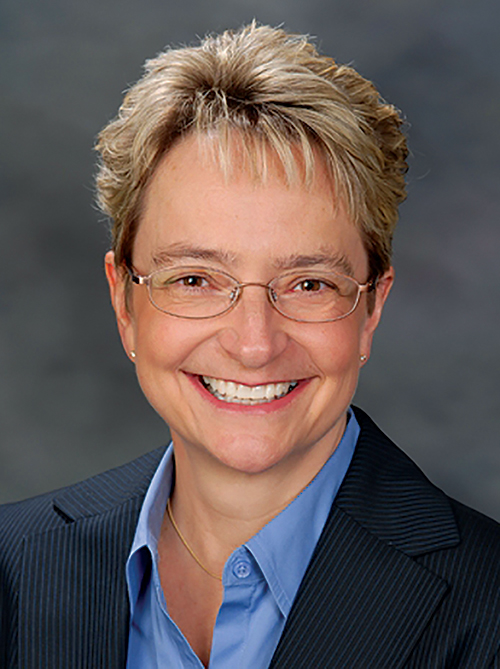
But we (that is, SHM’s Practice Analysis Committee) finally have a baby, and what proud parents we are! SHM’s 2016 State of Hospital Medicine Report (SoHM) should be available in early October, and the cover story for this issue of The Hospitalist previews some of the key findings.
I want to let you know what’s new and different about this year’s report and to explain why we made some of the changes we did. First, we had an opportunity this year to ask some questions that haven’t appeared in previous surveys, including:
- The percentage of the hospital’s total patient volume the HMG was responsible for caring for
- The presence of hospitalists within the HMG focusing their practice in a specific medical subspecialty, such as critical care, neurology, or oncology
- The annual dollar value of CME allowances for hospitalists
- The utilization of prolonged service codes by hospitalists
- Charge capture methodologies being used by HMGs
- For academic HMGs, the dollar amount of financial support provided for nonclinical work
- Questions regarding non-physician practice administrators that were asked in 2012 but not in 2014
One big change that users of the digital version will see is a much more user-friendly interface with vastly improved search and navigation features. This will be an enormous improvement over the essentially static PDF versions of previous years, and we’re very excited about it.
The other major change that all users will note is that beginning this year, SHM will no longer report findings broken out by employment model (e.g., hospital/IDS-employed versus management companies versus private local hospitalist groups, etc.). We know this will be a disappointment to some, but with the consolidation that has occurred in the management company space over the last couple of years, we found it would be difficult, if not impossible, to protect the confidentiality of information supplied by the largest management companies if the data are reported separately. Because of their sheer size, these mega-companies will be disproportionately represented in the survey results, and their identities and operational details might become apparent.
It’s crucial that management companies continue to be represented in SHM survey data because they represent an important and growing segment of the hospital medicine workforce. SoHM wouldn’t present a true picture of the hospital medicine field without them. We hope to continue to protect the confidentiality of all data and encourage more management companies to participate in future surveys while still providing meaningful information to our users. TH
Leslie Flores is a member of SHM’s Practice Analysis Committee and a partner in Nelson Flores Hospital Medicine Consultants.
It’s a little like giving birth: A nine-month-long process that started last January with the excitement and anticipation of launching the survey and encouraging as many hospital medicine groups (HMGs) as possible to participate. Then the long, drawn-out process of analyzing data, organizing everything into tables and charts, drafting the report, and reviewing it over and over until our eyes crossed. Watching it grow and take shape before our eyes, with a few small hiccups along the way. Then the agonizing process of copyediting, designing (both print and digital versions), and printing—a point at which, like all expectant parents, we said, “Enough already. When will this ever end?”
But we (that is, SHM’s Practice Analysis Committee) finally have a baby, and what proud parents we are! SHM’s 2016 State of Hospital Medicine Report (SoHM) should be available in early October, and the cover story for this issue of The Hospitalist previews some of the key findings.
I want to let you know what’s new and different about this year’s report and to explain why we made some of the changes we did. First, we had an opportunity this year to ask some questions that haven’t appeared in previous surveys, including:
- The percentage of the hospital’s total patient volume the HMG was responsible for caring for
- The presence of hospitalists within the HMG focusing their practice in a specific medical subspecialty, such as critical care, neurology, or oncology
- The annual dollar value of CME allowances for hospitalists
- The utilization of prolonged service codes by hospitalists
- Charge capture methodologies being used by HMGs
- For academic HMGs, the dollar amount of financial support provided for nonclinical work
- Questions regarding non-physician practice administrators that were asked in 2012 but not in 2014
One big change that users of the digital version will see is a much more user-friendly interface with vastly improved search and navigation features. This will be an enormous improvement over the essentially static PDF versions of previous years, and we’re very excited about it.
The other major change that all users will note is that beginning this year, SHM will no longer report findings broken out by employment model (e.g., hospital/IDS-employed versus management companies versus private local hospitalist groups, etc.). We know this will be a disappointment to some, but with the consolidation that has occurred in the management company space over the last couple of years, we found it would be difficult, if not impossible, to protect the confidentiality of information supplied by the largest management companies if the data are reported separately. Because of their sheer size, these mega-companies will be disproportionately represented in the survey results, and their identities and operational details might become apparent.
It’s crucial that management companies continue to be represented in SHM survey data because they represent an important and growing segment of the hospital medicine workforce. SoHM wouldn’t present a true picture of the hospital medicine field without them. We hope to continue to protect the confidentiality of all data and encourage more management companies to participate in future surveys while still providing meaningful information to our users. TH
Leslie Flores is a member of SHM’s Practice Analysis Committee and a partner in Nelson Flores Hospital Medicine Consultants.
It’s a little like giving birth: A nine-month-long process that started last January with the excitement and anticipation of launching the survey and encouraging as many hospital medicine groups (HMGs) as possible to participate. Then the long, drawn-out process of analyzing data, organizing everything into tables and charts, drafting the report, and reviewing it over and over until our eyes crossed. Watching it grow and take shape before our eyes, with a few small hiccups along the way. Then the agonizing process of copyediting, designing (both print and digital versions), and printing—a point at which, like all expectant parents, we said, “Enough already. When will this ever end?”
But we (that is, SHM’s Practice Analysis Committee) finally have a baby, and what proud parents we are! SHM’s 2016 State of Hospital Medicine Report (SoHM) should be available in early October, and the cover story for this issue of The Hospitalist previews some of the key findings.
I want to let you know what’s new and different about this year’s report and to explain why we made some of the changes we did. First, we had an opportunity this year to ask some questions that haven’t appeared in previous surveys, including:
- The percentage of the hospital’s total patient volume the HMG was responsible for caring for
- The presence of hospitalists within the HMG focusing their practice in a specific medical subspecialty, such as critical care, neurology, or oncology
- The annual dollar value of CME allowances for hospitalists
- The utilization of prolonged service codes by hospitalists
- Charge capture methodologies being used by HMGs
- For academic HMGs, the dollar amount of financial support provided for nonclinical work
- Questions regarding non-physician practice administrators that were asked in 2012 but not in 2014
One big change that users of the digital version will see is a much more user-friendly interface with vastly improved search and navigation features. This will be an enormous improvement over the essentially static PDF versions of previous years, and we’re very excited about it.
The other major change that all users will note is that beginning this year, SHM will no longer report findings broken out by employment model (e.g., hospital/IDS-employed versus management companies versus private local hospitalist groups, etc.). We know this will be a disappointment to some, but with the consolidation that has occurred in the management company space over the last couple of years, we found it would be difficult, if not impossible, to protect the confidentiality of information supplied by the largest management companies if the data are reported separately. Because of their sheer size, these mega-companies will be disproportionately represented in the survey results, and their identities and operational details might become apparent.
It’s crucial that management companies continue to be represented in SHM survey data because they represent an important and growing segment of the hospital medicine workforce. SoHM wouldn’t present a true picture of the hospital medicine field without them. We hope to continue to protect the confidentiality of all data and encourage more management companies to participate in future surveys while still providing meaningful information to our users. TH
Leslie Flores is a member of SHM’s Practice Analysis Committee and a partner in Nelson Flores Hospital Medicine Consultants.
What Hospitalists Can Learn from Basketball Coach Pat Summitt
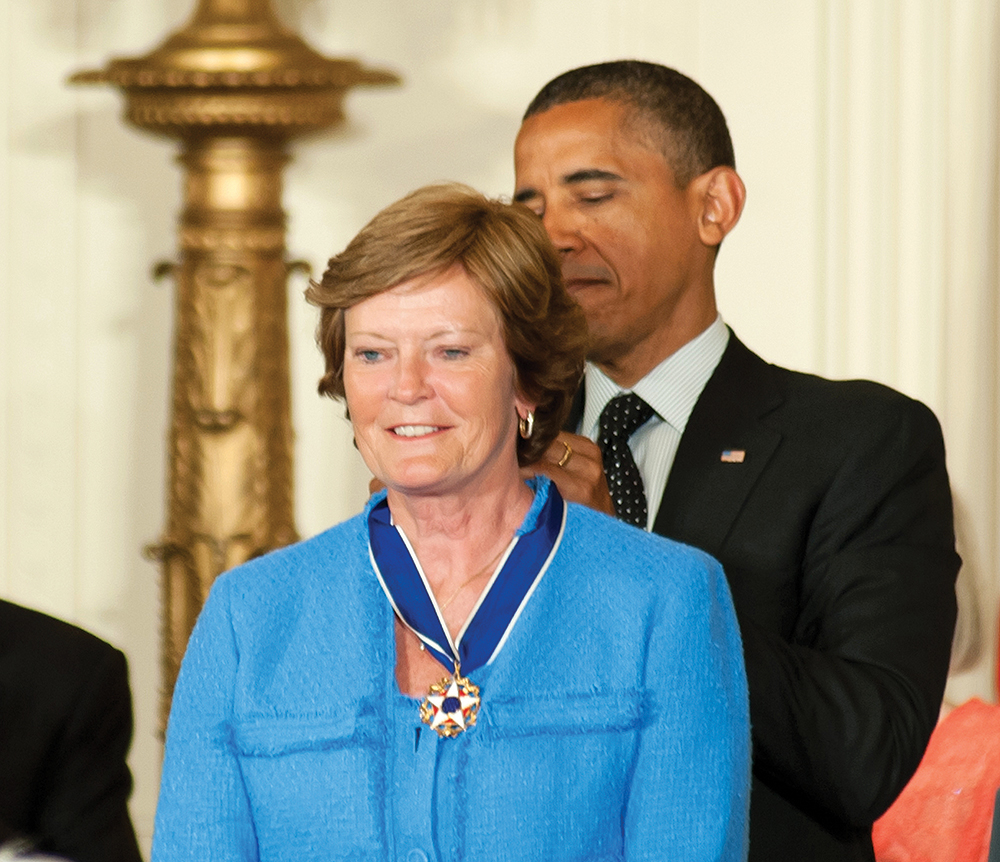
I’m not exactly a devout follower of women’s college basketball. But having grown up in Knoxville, it was hard not to follow the University of Tennessee Lady Volunteers (“Lady Vols”) and the career of their longtime head coach, Pat Summitt. Summitt recently died from a swift and severe form of early-onset Alzheimer’s disease. In the wake of her death, many have analyzed the impact of her career and the legacy she has left from her lifetime of relentless coaching and developing of athletes. She was an incredible leader who should make us all reflect on the impact we are making in the lives of our patients and their families, our peers, and the next generation of hospitalists.
Early Career
Pat Summitt was born Patricia Sue Head in 1952 in Clarksville, Tenn., the daughter of Richard and Hazel Albright Head and the fourth of five children. When she was in high school, her family moved to another town so she could play basketball (as her local town did not have a girl’s team). Summitt attended the University of Tennessee at the Martin campus and played for its first women’s basketball coach. Although each of Summitt’s three brothers had received an athletic scholarship, at the time there were no athletic scholarships for women, so her parents supported her way through college.1
After college, Summitt started as a graduate assistant at the University of Tennessee. At the start of the 1974 basketball season, the head coach suddenly quit, and she was named the new head coach at the age of 22. (This was before women’s college basketball was even an NCAA-sanctioned sport.) Legend has it she was paid $250 a month and the team had almost no budget. She reportedly washed all the uniforms herself (which were purchased the year before from the proceeds of a doughnut sale) and drove the team van.1
Barely older than most of the players on the team, she coached her first game in December against Mercer University and lost 84–83. From then on, she racked up an incredible number of wins. In her second season, Summitt coached the team to a 16–11 record while working on her master’s degree in physical education.1
By 1978, Summitt recorded her 100th win and coached the Lady Vols in their first Association for Intercollegiate Athletics for Women Final Four. She ended the decade by winning their first-ever Southeastern Conference tournament. A few years later, in 1984, she coached the U.S. women’s team to an Olympic gold medal, becoming the first U.S. Olympian to win a basketball medal and coach a medal-winning team. There were countless other career milestones: She coached the Lady Vols in 16 SEC regular-season championships and 16 SEC tournament titles. She also coached the Lady Vols in 18 NCAA Final Fours.
Legacy
Summitt’s career-win total still stands as the most among NCAA Division I basketball coaches (men or women). Overall, Summitt finished her career with a record of 1,098-208 and a .841 winning percentage.
At the end of her career, there were 78 people mentored directly by her who were coaching basketball or working in administrative positions associated with the sport. Tennessee Athletic Director Dave Hart summarized her legacy:
“Pat Summitt is … truly is a global icon who transcended sports and spent her entire life making a difference in other peoples’ lives. … She was a genuine, humble leader who focused on helping people achieve more than they thought they were capable of accomplishing. … Her legacy will live on through the countless people she touched throughout her career.”2
Every player coached by Summitt finished her undergraduate degree, often with considerable prodding directly from her.
“Across the board with her kids, she also prepared them for life after basketball,” basketball coach Bob Knight said. “Not many people have prepared their players that well for life.”2
You don’t have to be a women’s basketball fan to understand and respect the impact that Summitt had on the lives she touched. She didn’t just win a lot of games—she changed the game. Think about how you will be remembered in your career as a hospitalist. Will you be remembered as someone clocking in and clocking out, just getting by for a paycheck? Or will you be remembered and revered as a “Summitt,” someone who always gave it their all and coached others to their best?
Hospital medicine is still in its relative infancy as a specialty. We all have the potential to pave a positive future for thousands more to come behind us; we all have the potential to be a Summitt. TH
References
1. Gregory S. Q&A: Tennessee Coach Pat Summitt. Time website. Accessed August 7, 2016.
2. Pat Summitt, winningest coach in Division I history, dies at 64. ESPN website. Accessed August 7, 2016.

I’m not exactly a devout follower of women’s college basketball. But having grown up in Knoxville, it was hard not to follow the University of Tennessee Lady Volunteers (“Lady Vols”) and the career of their longtime head coach, Pat Summitt. Summitt recently died from a swift and severe form of early-onset Alzheimer’s disease. In the wake of her death, many have analyzed the impact of her career and the legacy she has left from her lifetime of relentless coaching and developing of athletes. She was an incredible leader who should make us all reflect on the impact we are making in the lives of our patients and their families, our peers, and the next generation of hospitalists.
Early Career
Pat Summitt was born Patricia Sue Head in 1952 in Clarksville, Tenn., the daughter of Richard and Hazel Albright Head and the fourth of five children. When she was in high school, her family moved to another town so she could play basketball (as her local town did not have a girl’s team). Summitt attended the University of Tennessee at the Martin campus and played for its first women’s basketball coach. Although each of Summitt’s three brothers had received an athletic scholarship, at the time there were no athletic scholarships for women, so her parents supported her way through college.1
After college, Summitt started as a graduate assistant at the University of Tennessee. At the start of the 1974 basketball season, the head coach suddenly quit, and she was named the new head coach at the age of 22. (This was before women’s college basketball was even an NCAA-sanctioned sport.) Legend has it she was paid $250 a month and the team had almost no budget. She reportedly washed all the uniforms herself (which were purchased the year before from the proceeds of a doughnut sale) and drove the team van.1
Barely older than most of the players on the team, she coached her first game in December against Mercer University and lost 84–83. From then on, she racked up an incredible number of wins. In her second season, Summitt coached the team to a 16–11 record while working on her master’s degree in physical education.1
By 1978, Summitt recorded her 100th win and coached the Lady Vols in their first Association for Intercollegiate Athletics for Women Final Four. She ended the decade by winning their first-ever Southeastern Conference tournament. A few years later, in 1984, she coached the U.S. women’s team to an Olympic gold medal, becoming the first U.S. Olympian to win a basketball medal and coach a medal-winning team. There were countless other career milestones: She coached the Lady Vols in 16 SEC regular-season championships and 16 SEC tournament titles. She also coached the Lady Vols in 18 NCAA Final Fours.
Legacy
Summitt’s career-win total still stands as the most among NCAA Division I basketball coaches (men or women). Overall, Summitt finished her career with a record of 1,098-208 and a .841 winning percentage.
At the end of her career, there were 78 people mentored directly by her who were coaching basketball or working in administrative positions associated with the sport. Tennessee Athletic Director Dave Hart summarized her legacy:
“Pat Summitt is … truly is a global icon who transcended sports and spent her entire life making a difference in other peoples’ lives. … She was a genuine, humble leader who focused on helping people achieve more than they thought they were capable of accomplishing. … Her legacy will live on through the countless people she touched throughout her career.”2
Every player coached by Summitt finished her undergraduate degree, often with considerable prodding directly from her.
“Across the board with her kids, she also prepared them for life after basketball,” basketball coach Bob Knight said. “Not many people have prepared their players that well for life.”2
You don’t have to be a women’s basketball fan to understand and respect the impact that Summitt had on the lives she touched. She didn’t just win a lot of games—she changed the game. Think about how you will be remembered in your career as a hospitalist. Will you be remembered as someone clocking in and clocking out, just getting by for a paycheck? Or will you be remembered and revered as a “Summitt,” someone who always gave it their all and coached others to their best?
Hospital medicine is still in its relative infancy as a specialty. We all have the potential to pave a positive future for thousands more to come behind us; we all have the potential to be a Summitt. TH
References
1. Gregory S. Q&A: Tennessee Coach Pat Summitt. Time website. Accessed August 7, 2016.
2. Pat Summitt, winningest coach in Division I history, dies at 64. ESPN website. Accessed August 7, 2016.
I’m not exactly a devout follower of women’s college basketball. But having grown up in Knoxville, it was hard not to follow the University of Tennessee Lady Volunteers (“Lady Vols”) and the career of their longtime head coach, Pat Summitt. Summitt recently died from a swift and severe form of early-onset Alzheimer’s disease. In the wake of her death, many have analyzed the impact of her career and the legacy she has left from her lifetime of relentless coaching and developing of athletes. She was an incredible leader who should make us all reflect on the impact we are making in the lives of our patients and their families, our peers, and the next generation of hospitalists.
Early Career
Pat Summitt was born Patricia Sue Head in 1952 in Clarksville, Tenn., the daughter of Richard and Hazel Albright Head and the fourth of five children. When she was in high school, her family moved to another town so she could play basketball (as her local town did not have a girl’s team). Summitt attended the University of Tennessee at the Martin campus and played for its first women’s basketball coach. Although each of Summitt’s three brothers had received an athletic scholarship, at the time there were no athletic scholarships for women, so her parents supported her way through college.1
After college, Summitt started as a graduate assistant at the University of Tennessee. At the start of the 1974 basketball season, the head coach suddenly quit, and she was named the new head coach at the age of 22. (This was before women’s college basketball was even an NCAA-sanctioned sport.) Legend has it she was paid $250 a month and the team had almost no budget. She reportedly washed all the uniforms herself (which were purchased the year before from the proceeds of a doughnut sale) and drove the team van.1
Barely older than most of the players on the team, she coached her first game in December against Mercer University and lost 84–83. From then on, she racked up an incredible number of wins. In her second season, Summitt coached the team to a 16–11 record while working on her master’s degree in physical education.1
By 1978, Summitt recorded her 100th win and coached the Lady Vols in their first Association for Intercollegiate Athletics for Women Final Four. She ended the decade by winning their first-ever Southeastern Conference tournament. A few years later, in 1984, she coached the U.S. women’s team to an Olympic gold medal, becoming the first U.S. Olympian to win a basketball medal and coach a medal-winning team. There were countless other career milestones: She coached the Lady Vols in 16 SEC regular-season championships and 16 SEC tournament titles. She also coached the Lady Vols in 18 NCAA Final Fours.
Legacy
Summitt’s career-win total still stands as the most among NCAA Division I basketball coaches (men or women). Overall, Summitt finished her career with a record of 1,098-208 and a .841 winning percentage.
At the end of her career, there were 78 people mentored directly by her who were coaching basketball or working in administrative positions associated with the sport. Tennessee Athletic Director Dave Hart summarized her legacy:
“Pat Summitt is … truly is a global icon who transcended sports and spent her entire life making a difference in other peoples’ lives. … She was a genuine, humble leader who focused on helping people achieve more than they thought they were capable of accomplishing. … Her legacy will live on through the countless people she touched throughout her career.”2
Every player coached by Summitt finished her undergraduate degree, often with considerable prodding directly from her.
“Across the board with her kids, she also prepared them for life after basketball,” basketball coach Bob Knight said. “Not many people have prepared their players that well for life.”2
You don’t have to be a women’s basketball fan to understand and respect the impact that Summitt had on the lives she touched. She didn’t just win a lot of games—she changed the game. Think about how you will be remembered in your career as a hospitalist. Will you be remembered as someone clocking in and clocking out, just getting by for a paycheck? Or will you be remembered and revered as a “Summitt,” someone who always gave it their all and coached others to their best?
Hospital medicine is still in its relative infancy as a specialty. We all have the potential to pave a positive future for thousands more to come behind us; we all have the potential to be a Summitt. TH
References
1. Gregory S. Q&A: Tennessee Coach Pat Summitt. Time website. Accessed August 7, 2016.
2. Pat Summitt, winningest coach in Division I history, dies at 64. ESPN website. Accessed August 7, 2016.
VIDEO: Is Hospital Medicine a Career Choice or a Pit Stop?
Dr. Scott Krugman, Chair of Pediatrics and Director of Medical Education at MedStar Franklin Square Medical Center in Baltimore, and Dr. Miguel Villagra, Medical Director of the Hospitalist Department at White River Medical Center in Batesville, AR talk about how residents and early career MDs process that decision.
The video associated with this article is no longer available on this site. Please view all of our videos on the MDedge YouTube channel
Dr. Scott Krugman, Chair of Pediatrics and Director of Medical Education at MedStar Franklin Square Medical Center in Baltimore, and Dr. Miguel Villagra, Medical Director of the Hospitalist Department at White River Medical Center in Batesville, AR talk about how residents and early career MDs process that decision.
The video associated with this article is no longer available on this site. Please view all of our videos on the MDedge YouTube channel
Dr. Scott Krugman, Chair of Pediatrics and Director of Medical Education at MedStar Franklin Square Medical Center in Baltimore, and Dr. Miguel Villagra, Medical Director of the Hospitalist Department at White River Medical Center in Batesville, AR talk about how residents and early career MDs process that decision.
The video associated with this article is no longer available on this site. Please view all of our videos on the MDedge YouTube channel

Hospitalist Staffing Affects 30-Day All-Cause Readmission Rates
Background: The Centers for Medicare & Medicaid Services (CMS) tracks 30-day all-cause readmission rates as a quality measure. Prior studies have looked at various hospital factors associated with lower readmission rates but have not looked at hospitalist staffing levels, level of physician integration with the hospital, and the adoption of a medical home model.
Study design: Retrospective cohort study.
Setting: Private hospitals.
Synopsis: Using the American Hospital Association Annual Survey of Hospitals, CMS Hospital Compare, and Area Health Resources File of private hospitals with no missing data, the study reviewed data from 1,756 hospitals and found the median 30-day all-cause readmission rate to be 16%, with the middle 50% of hospitals’ readmission rate between 15.2% and 16.5%. All hospitals used hospitalists to provide care. Fifty-one percent of hospitals reported fully integrated, or employed, physicians. Twenty-nine percent reported establishment of a medical home.
The study found that higher hospitalist staffing levels were associated with significantly lower readmission rates. Fully integrated hospitals had a lower readmission rate than not fully integrated (15.86% versus 15.93%). Also, physician-owned hospitals had a lower readmission rate than non-physician-owned hospitals, and hospitals that had adopted a medical home model had significantly lower readmission rates. Readmission rates were significantly higher for major teaching hospitals (16.9% versus 15.76% minor teaching versus 15.83% nonteaching).
Bottom line: High hospitalist staffing levels, full integration of the hospitalists, and physician-owned hospitals were associated with lower 30-day all-cause readmission rates for private hospitals.
Citation: Al-Amin M. Hospital characteristics and 30-day all-cause readmission rates [published online ahead of print May 17, 2016]. J Hosp Med. doi:10.1002/jhm.2606
Background: The Centers for Medicare & Medicaid Services (CMS) tracks 30-day all-cause readmission rates as a quality measure. Prior studies have looked at various hospital factors associated with lower readmission rates but have not looked at hospitalist staffing levels, level of physician integration with the hospital, and the adoption of a medical home model.
Study design: Retrospective cohort study.
Setting: Private hospitals.
Synopsis: Using the American Hospital Association Annual Survey of Hospitals, CMS Hospital Compare, and Area Health Resources File of private hospitals with no missing data, the study reviewed data from 1,756 hospitals and found the median 30-day all-cause readmission rate to be 16%, with the middle 50% of hospitals’ readmission rate between 15.2% and 16.5%. All hospitals used hospitalists to provide care. Fifty-one percent of hospitals reported fully integrated, or employed, physicians. Twenty-nine percent reported establishment of a medical home.
The study found that higher hospitalist staffing levels were associated with significantly lower readmission rates. Fully integrated hospitals had a lower readmission rate than not fully integrated (15.86% versus 15.93%). Also, physician-owned hospitals had a lower readmission rate than non-physician-owned hospitals, and hospitals that had adopted a medical home model had significantly lower readmission rates. Readmission rates were significantly higher for major teaching hospitals (16.9% versus 15.76% minor teaching versus 15.83% nonteaching).
Bottom line: High hospitalist staffing levels, full integration of the hospitalists, and physician-owned hospitals were associated with lower 30-day all-cause readmission rates for private hospitals.
Citation: Al-Amin M. Hospital characteristics and 30-day all-cause readmission rates [published online ahead of print May 17, 2016]. J Hosp Med. doi:10.1002/jhm.2606
Background: The Centers for Medicare & Medicaid Services (CMS) tracks 30-day all-cause readmission rates as a quality measure. Prior studies have looked at various hospital factors associated with lower readmission rates but have not looked at hospitalist staffing levels, level of physician integration with the hospital, and the adoption of a medical home model.
Study design: Retrospective cohort study.
Setting: Private hospitals.
Synopsis: Using the American Hospital Association Annual Survey of Hospitals, CMS Hospital Compare, and Area Health Resources File of private hospitals with no missing data, the study reviewed data from 1,756 hospitals and found the median 30-day all-cause readmission rate to be 16%, with the middle 50% of hospitals’ readmission rate between 15.2% and 16.5%. All hospitals used hospitalists to provide care. Fifty-one percent of hospitals reported fully integrated, or employed, physicians. Twenty-nine percent reported establishment of a medical home.
The study found that higher hospitalist staffing levels were associated with significantly lower readmission rates. Fully integrated hospitals had a lower readmission rate than not fully integrated (15.86% versus 15.93%). Also, physician-owned hospitals had a lower readmission rate than non-physician-owned hospitals, and hospitals that had adopted a medical home model had significantly lower readmission rates. Readmission rates were significantly higher for major teaching hospitals (16.9% versus 15.76% minor teaching versus 15.83% nonteaching).
Bottom line: High hospitalist staffing levels, full integration of the hospitalists, and physician-owned hospitals were associated with lower 30-day all-cause readmission rates for private hospitals.
Citation: Al-Amin M. Hospital characteristics and 30-day all-cause readmission rates [published online ahead of print May 17, 2016]. J Hosp Med. doi:10.1002/jhm.2606
Oral Antibiotics for Infective Endocarditis May Be Safe in Low-Risk Patients
Background: Treating infective endocarditis with four to six weeks of intravenous antibiotics carries a high cost. There are data to support oral antibiotics for right-sided endocarditis due to methicillin-sensitive Staphylococcus aureus (with ciprofloxacin and rifampicin), but experience in using oral antibiotics for infective endocarditis is limited.
Study design: Cohort study.
Setting: Large academic hospital in France.
Synopsis: The researchers included 426 patients with definitive or probable endocarditis by Duke criteria. After an initial period of treatment with intravenous (IV) antibiotics, 50% of the identified group was transitioned to oral antibiotics (amoxicillin alone in 50% and combinations of fluoroquinolones, rifampicin, amoxicillin, and clindamycin in the others).
The risk of death was not increased in the group treated with oral antibiotics when adjusted for the four biggest predictors of death (age >65, type 1 diabetes mellitus, disinsertion of prosthetic valve, and endocarditis due to S. aureus). Nine patients treated with IV antibiotics experienced relapsed endocarditis compared to two patients treated with oral antibiotics.
Patients selected for treatment with oral antibiotics were less likely to have severe disease, significant comorbidities, or infection with S. aureus. The length of treatment with IV antibiotics before switching to oral antibiotics varied widely.
Bottom line: It’s possible low-risk patients with infective endocarditis may be treated with oral antibiotics, but more data are needed.
Citation: Mzabi A, Kernéis S, Richaud C, Podglajen I, Fernandez-Gerlinger MP, Mainardi, JL. Switch to oral antibiotics in the treatment of infective endocarditis is not associated with increased risk of mortality in non-severely ill patients [published online ahead of print April 16, 2016]. Clin Microbiol Infect. doi:10.1016/j.cmi.2016.04.003.
Background: Treating infective endocarditis with four to six weeks of intravenous antibiotics carries a high cost. There are data to support oral antibiotics for right-sided endocarditis due to methicillin-sensitive Staphylococcus aureus (with ciprofloxacin and rifampicin), but experience in using oral antibiotics for infective endocarditis is limited.
Study design: Cohort study.
Setting: Large academic hospital in France.
Synopsis: The researchers included 426 patients with definitive or probable endocarditis by Duke criteria. After an initial period of treatment with intravenous (IV) antibiotics, 50% of the identified group was transitioned to oral antibiotics (amoxicillin alone in 50% and combinations of fluoroquinolones, rifampicin, amoxicillin, and clindamycin in the others).
The risk of death was not increased in the group treated with oral antibiotics when adjusted for the four biggest predictors of death (age >65, type 1 diabetes mellitus, disinsertion of prosthetic valve, and endocarditis due to S. aureus). Nine patients treated with IV antibiotics experienced relapsed endocarditis compared to two patients treated with oral antibiotics.
Patients selected for treatment with oral antibiotics were less likely to have severe disease, significant comorbidities, or infection with S. aureus. The length of treatment with IV antibiotics before switching to oral antibiotics varied widely.
Bottom line: It’s possible low-risk patients with infective endocarditis may be treated with oral antibiotics, but more data are needed.
Citation: Mzabi A, Kernéis S, Richaud C, Podglajen I, Fernandez-Gerlinger MP, Mainardi, JL. Switch to oral antibiotics in the treatment of infective endocarditis is not associated with increased risk of mortality in non-severely ill patients [published online ahead of print April 16, 2016]. Clin Microbiol Infect. doi:10.1016/j.cmi.2016.04.003.
Background: Treating infective endocarditis with four to six weeks of intravenous antibiotics carries a high cost. There are data to support oral antibiotics for right-sided endocarditis due to methicillin-sensitive Staphylococcus aureus (with ciprofloxacin and rifampicin), but experience in using oral antibiotics for infective endocarditis is limited.
Study design: Cohort study.
Setting: Large academic hospital in France.
Synopsis: The researchers included 426 patients with definitive or probable endocarditis by Duke criteria. After an initial period of treatment with intravenous (IV) antibiotics, 50% of the identified group was transitioned to oral antibiotics (amoxicillin alone in 50% and combinations of fluoroquinolones, rifampicin, amoxicillin, and clindamycin in the others).
The risk of death was not increased in the group treated with oral antibiotics when adjusted for the four biggest predictors of death (age >65, type 1 diabetes mellitus, disinsertion of prosthetic valve, and endocarditis due to S. aureus). Nine patients treated with IV antibiotics experienced relapsed endocarditis compared to two patients treated with oral antibiotics.
Patients selected for treatment with oral antibiotics were less likely to have severe disease, significant comorbidities, or infection with S. aureus. The length of treatment with IV antibiotics before switching to oral antibiotics varied widely.
Bottom line: It’s possible low-risk patients with infective endocarditis may be treated with oral antibiotics, but more data are needed.
Citation: Mzabi A, Kernéis S, Richaud C, Podglajen I, Fernandez-Gerlinger MP, Mainardi, JL. Switch to oral antibiotics in the treatment of infective endocarditis is not associated with increased risk of mortality in non-severely ill patients [published online ahead of print April 16, 2016]. Clin Microbiol Infect. doi:10.1016/j.cmi.2016.04.003.
Intervention Decreases Urinary Tract Infections from Catheters
Compared to other healthcare-associated infections, catheter-associated urinary tract infections (CAUTIs) cause relatively low rates of mortality and morbidity, but their prevalence nevertheless leads to a considerable cumulative burden.

Hospitalists can impact CAUTI rates by using a simple bundle of interventions. This idea was recently demonstrated by a quality improvement project addressing high CAUTI rates in the hospital setting. The project was summarized in a paper published in The Joint Commission Journal on Quality and Patient Safety.
The project identified a bundle of primary interventions to reduce CAUTI, which consisted of six elements: the “6 Cs” of CAUTI reduction. These include “consider alternatives,” “culture urine only when indication is clear,” and “connect with a securement device.” The interventions were implemented on one ICU with excellent results and subsequently diffused throughout the healthcare facility using multimedia tools. CAUTI rates decreased by 70%.
“The first steps in CAUTI prevention are to ensure that catheters are placed only when necessary, aseptic technique used for placement, and that they are removed when no longer essential,” says lead author Priya Sampathkumar, MD, Mayo Clinic associate professor of medicine. “Once this has been achieved, if CAUTI rates are still high, a secondary bundle of CAUTI prevention can help to reduce CAUTI further.”
About one in four hospitalized patients have a urinary catheter in place.2 “Hospitalists, therefore, can have a significant impact on CAUTI by being mindful about catheter use and catheter management.” Dr. Sampathkumar says.
References
- Sampathkumar P, Barth JW, Johnson M, et al. Mayo Clinic reduces catheter-associated urinary tract infections. Jt Comm J Qual Patient Saf. 2016;42(6):254-265.
- Catheter-associated urinary tract infections (CAUTI). Centers for Disease Control and Prevention website. Accessed August 8, 2016.
Compared to other healthcare-associated infections, catheter-associated urinary tract infections (CAUTIs) cause relatively low rates of mortality and morbidity, but their prevalence nevertheless leads to a considerable cumulative burden.
Hospitalists can impact CAUTI rates by using a simple bundle of interventions. This idea was recently demonstrated by a quality improvement project addressing high CAUTI rates in the hospital setting. The project was summarized in a paper published in The Joint Commission Journal on Quality and Patient Safety.
The project identified a bundle of primary interventions to reduce CAUTI, which consisted of six elements: the “6 Cs” of CAUTI reduction. These include “consider alternatives,” “culture urine only when indication is clear,” and “connect with a securement device.” The interventions were implemented on one ICU with excellent results and subsequently diffused throughout the healthcare facility using multimedia tools. CAUTI rates decreased by 70%.
“The first steps in CAUTI prevention are to ensure that catheters are placed only when necessary, aseptic technique used for placement, and that they are removed when no longer essential,” says lead author Priya Sampathkumar, MD, Mayo Clinic associate professor of medicine. “Once this has been achieved, if CAUTI rates are still high, a secondary bundle of CAUTI prevention can help to reduce CAUTI further.”
About one in four hospitalized patients have a urinary catheter in place.2 “Hospitalists, therefore, can have a significant impact on CAUTI by being mindful about catheter use and catheter management.” Dr. Sampathkumar says.
References
- Sampathkumar P, Barth JW, Johnson M, et al. Mayo Clinic reduces catheter-associated urinary tract infections. Jt Comm J Qual Patient Saf. 2016;42(6):254-265.
- Catheter-associated urinary tract infections (CAUTI). Centers for Disease Control and Prevention website. Accessed August 8, 2016.
Compared to other healthcare-associated infections, catheter-associated urinary tract infections (CAUTIs) cause relatively low rates of mortality and morbidity, but their prevalence nevertheless leads to a considerable cumulative burden.
Hospitalists can impact CAUTI rates by using a simple bundle of interventions. This idea was recently demonstrated by a quality improvement project addressing high CAUTI rates in the hospital setting. The project was summarized in a paper published in The Joint Commission Journal on Quality and Patient Safety.
The project identified a bundle of primary interventions to reduce CAUTI, which consisted of six elements: the “6 Cs” of CAUTI reduction. These include “consider alternatives,” “culture urine only when indication is clear,” and “connect with a securement device.” The interventions were implemented on one ICU with excellent results and subsequently diffused throughout the healthcare facility using multimedia tools. CAUTI rates decreased by 70%.
“The first steps in CAUTI prevention are to ensure that catheters are placed only when necessary, aseptic technique used for placement, and that they are removed when no longer essential,” says lead author Priya Sampathkumar, MD, Mayo Clinic associate professor of medicine. “Once this has been achieved, if CAUTI rates are still high, a secondary bundle of CAUTI prevention can help to reduce CAUTI further.”
About one in four hospitalized patients have a urinary catheter in place.2 “Hospitalists, therefore, can have a significant impact on CAUTI by being mindful about catheter use and catheter management.” Dr. Sampathkumar says.
References
- Sampathkumar P, Barth JW, Johnson M, et al. Mayo Clinic reduces catheter-associated urinary tract infections. Jt Comm J Qual Patient Saf. 2016;42(6):254-265.
- Catheter-associated urinary tract infections (CAUTI). Centers for Disease Control and Prevention website. Accessed August 8, 2016.
Providing Effective Palliative Care in the Era of Value
Although effective palliative care has always been a must-have for patients and caregivers facing serious illness, it hasn’t always been readily available. With the emergence of value-based healthcare models—and their potent incentives to reduce avoidable readmissions—there is renewed hope that such care will be accessible to those who need it.
Palliative and end-of-life care have long been promoted as core skills for hospitalists. The topic has regularly been included at SHM annual meetings and other prominent hospital medicine conferences, in the American Board of Internal Medicine blueprint for recognition of focused practice in hospital medicine, and in a number of influential references for hospitalists. Still, as I look at hospitalist programs around the country, there is a clear need to improve hospitalists’ delivery of palliative and end-of-life care.
Care of patients with chronic illness in their last two years of life accounts for a third of all Medicare spending.1 As hospitalists, we encounter many of these patients as they are hospitalized—and often re-hospitalized. Palliative care, which can improve quality of life and decrease costs for patients while leading to increased satisfaction and better outcomes for caregivers, can help alleviate unneeded and unwanted aggressive interventions like hospitalization.2,3
In its 2014 report, Dying in America, the Institute of Medicine (IOM) identified several areas for improvement, including better advance care planning and payment systems supporting high quality end-of-life care.4 As I write this column in mid 2016, there are two notable achievements since the IOM report: two E&M codes for advance care planning and a substantial and growing number of hospitalist patients in alternative payment models like bundled payments or ACOs.5 I believe we are entering a time when the availability of good palliative care will be accelerated due to broader forces in healthcare that for the first time align incentives between patients’ wishes and how care is paid for.
Palliative Care Skills for Hospitalists
The following are key actions for physicians in addressing palliative care for the hospitalized patient. At the risk of oversimplifying the discipline, I offer a few key actions for hospitalists to keep in mind.
Identify patients who would benefit from palliative care. The surprise question—“Would I be surprised if this patient died in the next year?”—has the ability to predict which patients would benefit from palliative care. In one observation from a group of patients with cancer, a “no” answer identified 60% of patients who died within a year.6 The surprise question has previously been shown to be predictive in other cancer and non-cancer populations.7,8
Weisman and Meier suggest using the following in a checklist at the time of hospital admission as “primary criteria to screen for unmet palliative care needs”:9
- The surprise question
- Frequent admissions
- Admission prompted by difficult-to-control physical or psychological symptoms
- Complex care requirements
- Decline in function, feeding intolerance, or unintended decline in weight
Hold a “goals of care” meeting. A notable step forward for supporting conversations between physicians and patients occurred on Jan. 1, when the Centers for Medicare & Medicaid Services (CMS) announced the Advance Care Planning E&M codes. These are CPT codes 99497 and 99498. They can be used on the same day as other E&M codes and cover discussions regarding advance care planning issues including discussing advance directives, appointing a healthcare proxy or durable power of attorney, discussing a living will, or addressing orders for life-sustaining treatment like the role of hydration or future hospitalizations. (For more information on how to use them, visit the CMS website and search for the FAQ.)
What should hospitalists concentrate on when having “goals of care” conversations with patients and caregivers? Ariadne Labs, a Harvard-affiliated health innovation group, offers the following as elements of a serious illness conversation:10
- Patients’ understanding of their illness
- Patients’ preferences for information and for family involvement
- Personal life goals, fears, and anxieties
- Trade-offs they are willing to accept
For hospitalists, an important area to pay particular attention to is the role of future hospitalizations in patients’ wishes for care, as some patients, if offered appropriate symptom control, would prefer to remain at home.
Two other crucial elements of inpatient palliative care—offer psychosocial support and symptom relief and hand off patient to effective post-hospital palliative care—are outside the scope of this article. However, they should be kept in mind and, of course, applied.
Understand the role of the palliative care consultation. Busy hospitalists might reasonably think, “I simply don’t have time to address palliative care in patients who aren’t likely to die during this hospitalization or soon after.” The palliative care consult service, if available, should be accessed when patients are identified as palliative care candidates but the primary hospitalist does not have the time or resources—including specialized knowledge in some cases—to deliver adequate palliative care. Palliative care specialists can also help bridge the gap between inpatient and outpatient palliative care resources.
In sum, the move to value-based payment models and the new advance care planning E&M codes provide a renewed focus—with more aligned incentives—and the opportunity to provide good palliative care to all who need it.
For hospitalists, identifying those who would benefit from palliative care and working with the healthcare team to ensure the care is delivered are at the heart of our professional mission. TH
References
- End-of-life care. The Darmouth Atlas of Health Care website. Accessed June 23, 2016.
- Gade G, Venohr I, Conner D, et al. Impact of an inpatient palliative care team: a randomized control trial. J Palliat Med. 2008;11(2):180-190.
- Morrison RS, Penrod JD, Cassel JB, et al. Cost savings associated with US hospital palliative care consultation programs. Arch Int Med. 2008;168(16):1783-1790.
- Institute of Medicine. Dying in America: Improving Quality and Honoring Individual Preferences near the End of Life. 2014.
- BPCI Model 2: Retrospective acute & post acute care episode. Centers for Medicare & Medicaid Services website. Accessed June 24, 2016.
- Vick JB, Pertsch N, Hutchings M, et al. The utility of the surprise question in identifying patients most at risk of death. J Clin Oncol. 2015;33(suppl):8.
- Moss AH, Ganjoo J, Sharma S, et al. Utility of the “surprise” question to identify dialysis patients with high mortality. Clin J Am Soc Nephrol. 2008;3:1379-1384.
- Moss AH, Lunney JR, Culp S, et al. Prognostic significance of the “surprise” question in cancer patients. J Palliat Med. 2010;13(7):837-840.
- Weissman D, Meier C. Identifying patients in need of a palliative care assessment in the hospital setting: a consensus report from the Center to Advance Palliative Care. J Palliat Med. 2011;14(1):17-23.
- Serious illness care resources. Ariadne Labs website. Accessed June 24, 2016.
Although effective palliative care has always been a must-have for patients and caregivers facing serious illness, it hasn’t always been readily available. With the emergence of value-based healthcare models—and their potent incentives to reduce avoidable readmissions—there is renewed hope that such care will be accessible to those who need it.
Palliative and end-of-life care have long been promoted as core skills for hospitalists. The topic has regularly been included at SHM annual meetings and other prominent hospital medicine conferences, in the American Board of Internal Medicine blueprint for recognition of focused practice in hospital medicine, and in a number of influential references for hospitalists. Still, as I look at hospitalist programs around the country, there is a clear need to improve hospitalists’ delivery of palliative and end-of-life care.
Care of patients with chronic illness in their last two years of life accounts for a third of all Medicare spending.1 As hospitalists, we encounter many of these patients as they are hospitalized—and often re-hospitalized. Palliative care, which can improve quality of life and decrease costs for patients while leading to increased satisfaction and better outcomes for caregivers, can help alleviate unneeded and unwanted aggressive interventions like hospitalization.2,3
In its 2014 report, Dying in America, the Institute of Medicine (IOM) identified several areas for improvement, including better advance care planning and payment systems supporting high quality end-of-life care.4 As I write this column in mid 2016, there are two notable achievements since the IOM report: two E&M codes for advance care planning and a substantial and growing number of hospitalist patients in alternative payment models like bundled payments or ACOs.5 I believe we are entering a time when the availability of good palliative care will be accelerated due to broader forces in healthcare that for the first time align incentives between patients’ wishes and how care is paid for.
Palliative Care Skills for Hospitalists
The following are key actions for physicians in addressing palliative care for the hospitalized patient. At the risk of oversimplifying the discipline, I offer a few key actions for hospitalists to keep in mind.
Identify patients who would benefit from palliative care. The surprise question—“Would I be surprised if this patient died in the next year?”—has the ability to predict which patients would benefit from palliative care. In one observation from a group of patients with cancer, a “no” answer identified 60% of patients who died within a year.6 The surprise question has previously been shown to be predictive in other cancer and non-cancer populations.7,8
Weisman and Meier suggest using the following in a checklist at the time of hospital admission as “primary criteria to screen for unmet palliative care needs”:9
- The surprise question
- Frequent admissions
- Admission prompted by difficult-to-control physical or psychological symptoms
- Complex care requirements
- Decline in function, feeding intolerance, or unintended decline in weight
Hold a “goals of care” meeting. A notable step forward for supporting conversations between physicians and patients occurred on Jan. 1, when the Centers for Medicare & Medicaid Services (CMS) announced the Advance Care Planning E&M codes. These are CPT codes 99497 and 99498. They can be used on the same day as other E&M codes and cover discussions regarding advance care planning issues including discussing advance directives, appointing a healthcare proxy or durable power of attorney, discussing a living will, or addressing orders for life-sustaining treatment like the role of hydration or future hospitalizations. (For more information on how to use them, visit the CMS website and search for the FAQ.)
What should hospitalists concentrate on when having “goals of care” conversations with patients and caregivers? Ariadne Labs, a Harvard-affiliated health innovation group, offers the following as elements of a serious illness conversation:10
- Patients’ understanding of their illness
- Patients’ preferences for information and for family involvement
- Personal life goals, fears, and anxieties
- Trade-offs they are willing to accept
For hospitalists, an important area to pay particular attention to is the role of future hospitalizations in patients’ wishes for care, as some patients, if offered appropriate symptom control, would prefer to remain at home.
Two other crucial elements of inpatient palliative care—offer psychosocial support and symptom relief and hand off patient to effective post-hospital palliative care—are outside the scope of this article. However, they should be kept in mind and, of course, applied.
Understand the role of the palliative care consultation. Busy hospitalists might reasonably think, “I simply don’t have time to address palliative care in patients who aren’t likely to die during this hospitalization or soon after.” The palliative care consult service, if available, should be accessed when patients are identified as palliative care candidates but the primary hospitalist does not have the time or resources—including specialized knowledge in some cases—to deliver adequate palliative care. Palliative care specialists can also help bridge the gap between inpatient and outpatient palliative care resources.
In sum, the move to value-based payment models and the new advance care planning E&M codes provide a renewed focus—with more aligned incentives—and the opportunity to provide good palliative care to all who need it.
For hospitalists, identifying those who would benefit from palliative care and working with the healthcare team to ensure the care is delivered are at the heart of our professional mission. TH
References
- End-of-life care. The Darmouth Atlas of Health Care website. Accessed June 23, 2016.
- Gade G, Venohr I, Conner D, et al. Impact of an inpatient palliative care team: a randomized control trial. J Palliat Med. 2008;11(2):180-190.
- Morrison RS, Penrod JD, Cassel JB, et al. Cost savings associated with US hospital palliative care consultation programs. Arch Int Med. 2008;168(16):1783-1790.
- Institute of Medicine. Dying in America: Improving Quality and Honoring Individual Preferences near the End of Life. 2014.
- BPCI Model 2: Retrospective acute & post acute care episode. Centers for Medicare & Medicaid Services website. Accessed June 24, 2016.
- Vick JB, Pertsch N, Hutchings M, et al. The utility of the surprise question in identifying patients most at risk of death. J Clin Oncol. 2015;33(suppl):8.
- Moss AH, Ganjoo J, Sharma S, et al. Utility of the “surprise” question to identify dialysis patients with high mortality. Clin J Am Soc Nephrol. 2008;3:1379-1384.
- Moss AH, Lunney JR, Culp S, et al. Prognostic significance of the “surprise” question in cancer patients. J Palliat Med. 2010;13(7):837-840.
- Weissman D, Meier C. Identifying patients in need of a palliative care assessment in the hospital setting: a consensus report from the Center to Advance Palliative Care. J Palliat Med. 2011;14(1):17-23.
- Serious illness care resources. Ariadne Labs website. Accessed June 24, 2016.
Although effective palliative care has always been a must-have for patients and caregivers facing serious illness, it hasn’t always been readily available. With the emergence of value-based healthcare models—and their potent incentives to reduce avoidable readmissions—there is renewed hope that such care will be accessible to those who need it.
Palliative and end-of-life care have long been promoted as core skills for hospitalists. The topic has regularly been included at SHM annual meetings and other prominent hospital medicine conferences, in the American Board of Internal Medicine blueprint for recognition of focused practice in hospital medicine, and in a number of influential references for hospitalists. Still, as I look at hospitalist programs around the country, there is a clear need to improve hospitalists’ delivery of palliative and end-of-life care.
Care of patients with chronic illness in their last two years of life accounts for a third of all Medicare spending.1 As hospitalists, we encounter many of these patients as they are hospitalized—and often re-hospitalized. Palliative care, which can improve quality of life and decrease costs for patients while leading to increased satisfaction and better outcomes for caregivers, can help alleviate unneeded and unwanted aggressive interventions like hospitalization.2,3
In its 2014 report, Dying in America, the Institute of Medicine (IOM) identified several areas for improvement, including better advance care planning and payment systems supporting high quality end-of-life care.4 As I write this column in mid 2016, there are two notable achievements since the IOM report: two E&M codes for advance care planning and a substantial and growing number of hospitalist patients in alternative payment models like bundled payments or ACOs.5 I believe we are entering a time when the availability of good palliative care will be accelerated due to broader forces in healthcare that for the first time align incentives between patients’ wishes and how care is paid for.
Palliative Care Skills for Hospitalists
The following are key actions for physicians in addressing palliative care for the hospitalized patient. At the risk of oversimplifying the discipline, I offer a few key actions for hospitalists to keep in mind.
Identify patients who would benefit from palliative care. The surprise question—“Would I be surprised if this patient died in the next year?”—has the ability to predict which patients would benefit from palliative care. In one observation from a group of patients with cancer, a “no” answer identified 60% of patients who died within a year.6 The surprise question has previously been shown to be predictive in other cancer and non-cancer populations.7,8
Weisman and Meier suggest using the following in a checklist at the time of hospital admission as “primary criteria to screen for unmet palliative care needs”:9
- The surprise question
- Frequent admissions
- Admission prompted by difficult-to-control physical or psychological symptoms
- Complex care requirements
- Decline in function, feeding intolerance, or unintended decline in weight
Hold a “goals of care” meeting. A notable step forward for supporting conversations between physicians and patients occurred on Jan. 1, when the Centers for Medicare & Medicaid Services (CMS) announced the Advance Care Planning E&M codes. These are CPT codes 99497 and 99498. They can be used on the same day as other E&M codes and cover discussions regarding advance care planning issues including discussing advance directives, appointing a healthcare proxy or durable power of attorney, discussing a living will, or addressing orders for life-sustaining treatment like the role of hydration or future hospitalizations. (For more information on how to use them, visit the CMS website and search for the FAQ.)
What should hospitalists concentrate on when having “goals of care” conversations with patients and caregivers? Ariadne Labs, a Harvard-affiliated health innovation group, offers the following as elements of a serious illness conversation:10
- Patients’ understanding of their illness
- Patients’ preferences for information and for family involvement
- Personal life goals, fears, and anxieties
- Trade-offs they are willing to accept
For hospitalists, an important area to pay particular attention to is the role of future hospitalizations in patients’ wishes for care, as some patients, if offered appropriate symptom control, would prefer to remain at home.
Two other crucial elements of inpatient palliative care—offer psychosocial support and symptom relief and hand off patient to effective post-hospital palliative care—are outside the scope of this article. However, they should be kept in mind and, of course, applied.
Understand the role of the palliative care consultation. Busy hospitalists might reasonably think, “I simply don’t have time to address palliative care in patients who aren’t likely to die during this hospitalization or soon after.” The palliative care consult service, if available, should be accessed when patients are identified as palliative care candidates but the primary hospitalist does not have the time or resources—including specialized knowledge in some cases—to deliver adequate palliative care. Palliative care specialists can also help bridge the gap between inpatient and outpatient palliative care resources.
In sum, the move to value-based payment models and the new advance care planning E&M codes provide a renewed focus—with more aligned incentives—and the opportunity to provide good palliative care to all who need it.
For hospitalists, identifying those who would benefit from palliative care and working with the healthcare team to ensure the care is delivered are at the heart of our professional mission. TH
References
- End-of-life care. The Darmouth Atlas of Health Care website. Accessed June 23, 2016.
- Gade G, Venohr I, Conner D, et al. Impact of an inpatient palliative care team: a randomized control trial. J Palliat Med. 2008;11(2):180-190.
- Morrison RS, Penrod JD, Cassel JB, et al. Cost savings associated with US hospital palliative care consultation programs. Arch Int Med. 2008;168(16):1783-1790.
- Institute of Medicine. Dying in America: Improving Quality and Honoring Individual Preferences near the End of Life. 2014.
- BPCI Model 2: Retrospective acute & post acute care episode. Centers for Medicare & Medicaid Services website. Accessed June 24, 2016.
- Vick JB, Pertsch N, Hutchings M, et al. The utility of the surprise question in identifying patients most at risk of death. J Clin Oncol. 2015;33(suppl):8.
- Moss AH, Ganjoo J, Sharma S, et al. Utility of the “surprise” question to identify dialysis patients with high mortality. Clin J Am Soc Nephrol. 2008;3:1379-1384.
- Moss AH, Lunney JR, Culp S, et al. Prognostic significance of the “surprise” question in cancer patients. J Palliat Med. 2010;13(7):837-840.
- Weissman D, Meier C. Identifying patients in need of a palliative care assessment in the hospital setting: a consensus report from the Center to Advance Palliative Care. J Palliat Med. 2011;14(1):17-23.
- Serious illness care resources. Ariadne Labs website. Accessed June 24, 2016.
Pre-Courses Announced for Hospital Medicine 2017

- Infectious Disease: Bugs, Drugs, and You: ID Boot Camp for Hospitalists
- Perioperative Medicine: Essential Elements and Latest Advances
- ABIM Maintenance of Certification and Board Review
- Practice Management Success Strategies: Building a Practice That People Want to Be Part Of
- Bedside Procedures for the Hospitalist
- Point-of-Care Ultrasound for the Hospitalist
New to SHM? Receive a FREE membership with your meeting registration. Visit www.hospitalmedicine2017.org to learn more.
- Infectious Disease: Bugs, Drugs, and You: ID Boot Camp for Hospitalists
- Perioperative Medicine: Essential Elements and Latest Advances
- ABIM Maintenance of Certification and Board Review
- Practice Management Success Strategies: Building a Practice That People Want to Be Part Of
- Bedside Procedures for the Hospitalist
- Point-of-Care Ultrasound for the Hospitalist
New to SHM? Receive a FREE membership with your meeting registration. Visit www.hospitalmedicine2017.org to learn more.
- Infectious Disease: Bugs, Drugs, and You: ID Boot Camp for Hospitalists
- Perioperative Medicine: Essential Elements and Latest Advances
- ABIM Maintenance of Certification and Board Review
- Practice Management Success Strategies: Building a Practice That People Want to Be Part Of
- Bedside Procedures for the Hospitalist
- Point-of-Care Ultrasound for the Hospitalist
New to SHM? Receive a FREE membership with your meeting registration. Visit www.hospitalmedicine2017.org to learn more.

New SHM Members – September 2016
G. Alvernaz, Alabama
M. Schloss, Alabama
L. M. Benson, FNP, Arizona
P. Kiesner, Arizona
H. Breen, MD, Arkansas
E. Porter, ACNP, APRN-BC, Arkansas
P. Charugundla, DO, California
J. Leroux, California
R. Liang, DO, California
S. Ramirez, California
A. Sardi, California
K. Waloff, MD, FAAP, California
M. Alami, MD, Colorado
B. Paul, FACP, Colorado
J. Pierce, MD, Colorado
J. Ross, Colorado
C. Schoo, MD, Colorado
R. Ashkar, Connecticut
C. Lodato, Connecticut
R. Nardino, MD, Connecticut
D. No, Connecticut
E. R. H. Pana, MD, Connecticut
J. P. Patel, Connecticut
T. Banks, DO, Delaware
H. Divatia, DO, Delaware
I. Misra, MD, Delaware
D. Baker, ACNP, District of Columbia
G. Baldwin, ACMPE, MS, PA-C, Florida
J. Berquist, Florida
J. Geanes, Florida
J. Mellone, Florida
P. Brown, Georgia
K. Clearo, MD, Georgia
E. Evans, DO, Georgia
F. Fontem, Georgia
N. Gunter, Georgia
Q. L. Ta, FNP, Georgia
J. Kiaffas, BC, Hawaii
K. King, ARNP, Hawaii
Q. J. N. Leo, MBBS, Hawaii
I. Yepishin, DO, Hawaii
P. Costa, MD, Illinois
D. Gibson, MD, Illinois
L. Gimbel, Illinois
E. Lambers, PhD, Illinois
J. Lennon, Illinois
C. Pak, MD, Illinois
J. Yasin, MD, Illinois
F. Zahra, Illinois
T. Adugna, Indiana
N. Akula, FACP, Indiana
M. Aliniazee, MD, Indiana
L. Fick, MD, FACP, Indiana
R. Gotur, AHIP, Indiana
T. Mehta, Indiana
M. Batt, ANP, Iowa
R. Boppana, MD, Iowa
B. Funke, Iowa
C. Gumpert, Iowa
S. Litterer, Iowa
C. Strickler, ANP, Iowa
S. Akidiva, Kansas
T. Core, Kansas
A. Storrer, Kansas
S. Bale, MD, Kentucky
S. Haider, MBBS, Kentucky
A. Hickman, ACNP, Kentucky
A. Depta, Louisiana
M. D. Lindley, MD, MPH, Louisiana
L. Pham, MD, Louisiana
E. Stone, Louisiana
A. Stuart, Louisiana
S. Eleoff Van Durme, MD, MPH, Maryland
P. Guenter, PhD, RN, Maryland
A. Patterson, Maryland
I. Allen, MD, MPH, Massachusetts
R. Berger, MD, Massachusetts
M. Gibbons, MD, Massachusetts
A. C. Kataya, MD, Massachusetts
D. Moran, MD, Massachusetts
J. Sanchez, MD, Massachusetts
R. Hazin, MD, Michigan
L. Johnston, PA-C, Michigan
P. Patel, MD, Michigan
S. Patel, Michigan
J. Hunter, MD, Michigan
J. Coldwell, PA-C, Minnesota
W. Latham, PA-C, Minnesota
S. Tongen, MD, Minnesota
J. Wiederin, MD, Minnesota
V. A. Harrison, MD, FAAP, Mississippi
J. Henry, Mississippi
T. LaGarde, FAAFP, Mississippi
R. Edwards, MD, Missouri
W. El Aneed, MD, Missouri
S. Kolli, MD, Missouri
U. Muthyala, MD, Missouri
T. Thomas, DO, Missouri
C. Cole, PhD, DNP, Montana
K. Lien, MD, FACFM, Montana
N. Lewman, DO, Nevada
M. Makatam-Abrams, MD, New Hampshire
J. Cruz, PharmD, New Jersey
S. Kadiyam, MD, New Jersey
G. Acety, MD, New York
M. Desta, MD, New York
D. Konsky, DO, New York
F. Kumar, MD, New York
S. Ramamoorthy, ANP, New York
R. Ravindran, MD, New York
C. Tauro, MD, New York
P. Vitale, BS, MS, New York
S. Khan, MD, North Carolina
S. Menon, MD, North Carolina
J. Asteriou, MD, Ohio
S. Bearelly, MD, Ohio
K. Clark, MD, Ohio
F. Darmoch, Ohio
L. McKnight, MD, Ohio
A. Pope, APRN-BC, Ohio
D. Abernethy, Oklahoma
I. Liao, MD, Oregon
L. Matlock, FNP, Oregon
M. Bhatta, MD, Pennsylvania
B. Da Silva, MD, Pennsylvania
H. Entero, MD, Pennsylvania
Z. Garbuz, MD, Pennsylvania
B. Goldner, Pennsylvania
J. Goodling, CRNP, Pennsylvania
J. Jablonowski, PA-C, Pennsylvania
S. Kalim, Pennsylvania
J. Kim, Pennsylvania
S. McKimm, DO, Pennsylvania
B. Mosch, Pennsylvania
R. Naik, MBBS, Pennsylvania
V. Patel, MD, Pennsylvania
C. Raffferty, Pennsylvania
S. Ramakrishnan, MD, Pennsylvania
M. Rehr, DO, Pennsylvania
R. Sathi, MD, Pennsylvania
S. Shrestha, MD, Pennsylvania
T. Wigoda, Pennsylvania
B. Yemenu, MD, Pennsylvania
A. Gebru, Rhode Island
J. Freelin, MD, South Carolina
R. Romano Martin, PA-C, South Carolina
D. Njingeh, MD, South Dakota
P. Frost, MD, Tennessee
C. Olechowski, MD, Tennessee
O. Zaka, MD, Tennessee
K. Dowell, MS, Texas
T. Mian, Texas
R. Nuila, Texas
S. Pardinek, Texas
C. Pywell, Texas
K. Sanders, Texas
M. Varwani, MD, Texas
K. Johnson, MD, MPH, Washington
J. A. Levin, MD, Washington
R. Brant, FAAP, West Virginia
E. Hjertstedt, MD, Wisconsin
V. Kumar, Wisconsin
C. A. Valino, MD, Wyoming
E. Nehme, MD, United Arab Emirates
G. Alvernaz, Alabama
M. Schloss, Alabama
L. M. Benson, FNP, Arizona
P. Kiesner, Arizona
H. Breen, MD, Arkansas
E. Porter, ACNP, APRN-BC, Arkansas
P. Charugundla, DO, California
J. Leroux, California
R. Liang, DO, California
S. Ramirez, California
A. Sardi, California
K. Waloff, MD, FAAP, California
M. Alami, MD, Colorado
B. Paul, FACP, Colorado
J. Pierce, MD, Colorado
J. Ross, Colorado
C. Schoo, MD, Colorado
R. Ashkar, Connecticut
C. Lodato, Connecticut
R. Nardino, MD, Connecticut
D. No, Connecticut
E. R. H. Pana, MD, Connecticut
J. P. Patel, Connecticut
T. Banks, DO, Delaware
H. Divatia, DO, Delaware
I. Misra, MD, Delaware
D. Baker, ACNP, District of Columbia
G. Baldwin, ACMPE, MS, PA-C, Florida
J. Berquist, Florida
J. Geanes, Florida
J. Mellone, Florida
P. Brown, Georgia
K. Clearo, MD, Georgia
E. Evans, DO, Georgia
F. Fontem, Georgia
N. Gunter, Georgia
Q. L. Ta, FNP, Georgia
J. Kiaffas, BC, Hawaii
K. King, ARNP, Hawaii
Q. J. N. Leo, MBBS, Hawaii
I. Yepishin, DO, Hawaii
P. Costa, MD, Illinois
D. Gibson, MD, Illinois
L. Gimbel, Illinois
E. Lambers, PhD, Illinois
J. Lennon, Illinois
C. Pak, MD, Illinois
J. Yasin, MD, Illinois
F. Zahra, Illinois
T. Adugna, Indiana
N. Akula, FACP, Indiana
M. Aliniazee, MD, Indiana
L. Fick, MD, FACP, Indiana
R. Gotur, AHIP, Indiana
T. Mehta, Indiana
M. Batt, ANP, Iowa
R. Boppana, MD, Iowa
B. Funke, Iowa
C. Gumpert, Iowa
S. Litterer, Iowa
C. Strickler, ANP, Iowa
S. Akidiva, Kansas
T. Core, Kansas
A. Storrer, Kansas
S. Bale, MD, Kentucky
S. Haider, MBBS, Kentucky
A. Hickman, ACNP, Kentucky
A. Depta, Louisiana
M. D. Lindley, MD, MPH, Louisiana
L. Pham, MD, Louisiana
E. Stone, Louisiana
A. Stuart, Louisiana
S. Eleoff Van Durme, MD, MPH, Maryland
P. Guenter, PhD, RN, Maryland
A. Patterson, Maryland
I. Allen, MD, MPH, Massachusetts
R. Berger, MD, Massachusetts
M. Gibbons, MD, Massachusetts
A. C. Kataya, MD, Massachusetts
D. Moran, MD, Massachusetts
J. Sanchez, MD, Massachusetts
R. Hazin, MD, Michigan
L. Johnston, PA-C, Michigan
P. Patel, MD, Michigan
S. Patel, Michigan
J. Hunter, MD, Michigan
J. Coldwell, PA-C, Minnesota
W. Latham, PA-C, Minnesota
S. Tongen, MD, Minnesota
J. Wiederin, MD, Minnesota
V. A. Harrison, MD, FAAP, Mississippi
J. Henry, Mississippi
T. LaGarde, FAAFP, Mississippi
R. Edwards, MD, Missouri
W. El Aneed, MD, Missouri
S. Kolli, MD, Missouri
U. Muthyala, MD, Missouri
T. Thomas, DO, Missouri
C. Cole, PhD, DNP, Montana
K. Lien, MD, FACFM, Montana
N. Lewman, DO, Nevada
M. Makatam-Abrams, MD, New Hampshire
J. Cruz, PharmD, New Jersey
S. Kadiyam, MD, New Jersey
G. Acety, MD, New York
M. Desta, MD, New York
D. Konsky, DO, New York
F. Kumar, MD, New York
S. Ramamoorthy, ANP, New York
R. Ravindran, MD, New York
C. Tauro, MD, New York
P. Vitale, BS, MS, New York
S. Khan, MD, North Carolina
S. Menon, MD, North Carolina
J. Asteriou, MD, Ohio
S. Bearelly, MD, Ohio
K. Clark, MD, Ohio
F. Darmoch, Ohio
L. McKnight, MD, Ohio
A. Pope, APRN-BC, Ohio
D. Abernethy, Oklahoma
I. Liao, MD, Oregon
L. Matlock, FNP, Oregon
M. Bhatta, MD, Pennsylvania
B. Da Silva, MD, Pennsylvania
H. Entero, MD, Pennsylvania
Z. Garbuz, MD, Pennsylvania
B. Goldner, Pennsylvania
J. Goodling, CRNP, Pennsylvania
J. Jablonowski, PA-C, Pennsylvania
S. Kalim, Pennsylvania
J. Kim, Pennsylvania
S. McKimm, DO, Pennsylvania
B. Mosch, Pennsylvania
R. Naik, MBBS, Pennsylvania
V. Patel, MD, Pennsylvania
C. Raffferty, Pennsylvania
S. Ramakrishnan, MD, Pennsylvania
M. Rehr, DO, Pennsylvania
R. Sathi, MD, Pennsylvania
S. Shrestha, MD, Pennsylvania
T. Wigoda, Pennsylvania
B. Yemenu, MD, Pennsylvania
A. Gebru, Rhode Island
J. Freelin, MD, South Carolina
R. Romano Martin, PA-C, South Carolina
D. Njingeh, MD, South Dakota
P. Frost, MD, Tennessee
C. Olechowski, MD, Tennessee
O. Zaka, MD, Tennessee
K. Dowell, MS, Texas
T. Mian, Texas
R. Nuila, Texas
S. Pardinek, Texas
C. Pywell, Texas
K. Sanders, Texas
M. Varwani, MD, Texas
K. Johnson, MD, MPH, Washington
J. A. Levin, MD, Washington
R. Brant, FAAP, West Virginia
E. Hjertstedt, MD, Wisconsin
V. Kumar, Wisconsin
C. A. Valino, MD, Wyoming
E. Nehme, MD, United Arab Emirates
G. Alvernaz, Alabama
M. Schloss, Alabama
L. M. Benson, FNP, Arizona
P. Kiesner, Arizona
H. Breen, MD, Arkansas
E. Porter, ACNP, APRN-BC, Arkansas
P. Charugundla, DO, California
J. Leroux, California
R. Liang, DO, California
S. Ramirez, California
A. Sardi, California
K. Waloff, MD, FAAP, California
M. Alami, MD, Colorado
B. Paul, FACP, Colorado
J. Pierce, MD, Colorado
J. Ross, Colorado
C. Schoo, MD, Colorado
R. Ashkar, Connecticut
C. Lodato, Connecticut
R. Nardino, MD, Connecticut
D. No, Connecticut
E. R. H. Pana, MD, Connecticut
J. P. Patel, Connecticut
T. Banks, DO, Delaware
H. Divatia, DO, Delaware
I. Misra, MD, Delaware
D. Baker, ACNP, District of Columbia
G. Baldwin, ACMPE, MS, PA-C, Florida
J. Berquist, Florida
J. Geanes, Florida
J. Mellone, Florida
P. Brown, Georgia
K. Clearo, MD, Georgia
E. Evans, DO, Georgia
F. Fontem, Georgia
N. Gunter, Georgia
Q. L. Ta, FNP, Georgia
J. Kiaffas, BC, Hawaii
K. King, ARNP, Hawaii
Q. J. N. Leo, MBBS, Hawaii
I. Yepishin, DO, Hawaii
P. Costa, MD, Illinois
D. Gibson, MD, Illinois
L. Gimbel, Illinois
E. Lambers, PhD, Illinois
J. Lennon, Illinois
C. Pak, MD, Illinois
J. Yasin, MD, Illinois
F. Zahra, Illinois
T. Adugna, Indiana
N. Akula, FACP, Indiana
M. Aliniazee, MD, Indiana
L. Fick, MD, FACP, Indiana
R. Gotur, AHIP, Indiana
T. Mehta, Indiana
M. Batt, ANP, Iowa
R. Boppana, MD, Iowa
B. Funke, Iowa
C. Gumpert, Iowa
S. Litterer, Iowa
C. Strickler, ANP, Iowa
S. Akidiva, Kansas
T. Core, Kansas
A. Storrer, Kansas
S. Bale, MD, Kentucky
S. Haider, MBBS, Kentucky
A. Hickman, ACNP, Kentucky
A. Depta, Louisiana
M. D. Lindley, MD, MPH, Louisiana
L. Pham, MD, Louisiana
E. Stone, Louisiana
A. Stuart, Louisiana
S. Eleoff Van Durme, MD, MPH, Maryland
P. Guenter, PhD, RN, Maryland
A. Patterson, Maryland
I. Allen, MD, MPH, Massachusetts
R. Berger, MD, Massachusetts
M. Gibbons, MD, Massachusetts
A. C. Kataya, MD, Massachusetts
D. Moran, MD, Massachusetts
J. Sanchez, MD, Massachusetts
R. Hazin, MD, Michigan
L. Johnston, PA-C, Michigan
P. Patel, MD, Michigan
S. Patel, Michigan
J. Hunter, MD, Michigan
J. Coldwell, PA-C, Minnesota
W. Latham, PA-C, Minnesota
S. Tongen, MD, Minnesota
J. Wiederin, MD, Minnesota
V. A. Harrison, MD, FAAP, Mississippi
J. Henry, Mississippi
T. LaGarde, FAAFP, Mississippi
R. Edwards, MD, Missouri
W. El Aneed, MD, Missouri
S. Kolli, MD, Missouri
U. Muthyala, MD, Missouri
T. Thomas, DO, Missouri
C. Cole, PhD, DNP, Montana
K. Lien, MD, FACFM, Montana
N. Lewman, DO, Nevada
M. Makatam-Abrams, MD, New Hampshire
J. Cruz, PharmD, New Jersey
S. Kadiyam, MD, New Jersey
G. Acety, MD, New York
M. Desta, MD, New York
D. Konsky, DO, New York
F. Kumar, MD, New York
S. Ramamoorthy, ANP, New York
R. Ravindran, MD, New York
C. Tauro, MD, New York
P. Vitale, BS, MS, New York
S. Khan, MD, North Carolina
S. Menon, MD, North Carolina
J. Asteriou, MD, Ohio
S. Bearelly, MD, Ohio
K. Clark, MD, Ohio
F. Darmoch, Ohio
L. McKnight, MD, Ohio
A. Pope, APRN-BC, Ohio
D. Abernethy, Oklahoma
I. Liao, MD, Oregon
L. Matlock, FNP, Oregon
M. Bhatta, MD, Pennsylvania
B. Da Silva, MD, Pennsylvania
H. Entero, MD, Pennsylvania
Z. Garbuz, MD, Pennsylvania
B. Goldner, Pennsylvania
J. Goodling, CRNP, Pennsylvania
J. Jablonowski, PA-C, Pennsylvania
S. Kalim, Pennsylvania
J. Kim, Pennsylvania
S. McKimm, DO, Pennsylvania
B. Mosch, Pennsylvania
R. Naik, MBBS, Pennsylvania
V. Patel, MD, Pennsylvania
C. Raffferty, Pennsylvania
S. Ramakrishnan, MD, Pennsylvania
M. Rehr, DO, Pennsylvania
R. Sathi, MD, Pennsylvania
S. Shrestha, MD, Pennsylvania
T. Wigoda, Pennsylvania
B. Yemenu, MD, Pennsylvania
A. Gebru, Rhode Island
J. Freelin, MD, South Carolina
R. Romano Martin, PA-C, South Carolina
D. Njingeh, MD, South Dakota
P. Frost, MD, Tennessee
C. Olechowski, MD, Tennessee
O. Zaka, MD, Tennessee
K. Dowell, MS, Texas
T. Mian, Texas
R. Nuila, Texas
S. Pardinek, Texas
C. Pywell, Texas
K. Sanders, Texas
M. Varwani, MD, Texas
K. Johnson, MD, MPH, Washington
J. A. Levin, MD, Washington
R. Brant, FAAP, West Virginia
E. Hjertstedt, MD, Wisconsin
V. Kumar, Wisconsin
C. A. Valino, MD, Wyoming
E. Nehme, MD, United Arab Emirates