User login
Fixed-Combination Monotherapy With Clindamycin 1%-Benzoyl Peroxide 5% Gel: Focus on Acne Patient Benefits and Clinical Use


Advanced energy systems for laparoscopic gynecology procedures
Dr Brill: Probably no surgical instrument defines the gynecologist more than the Kleppinger forceps, the first bipolar device used for tubal ligation. It remains an important part of our armamentarium despite thermal spread, smoke, char, tissue sticking, and inconsistent hemostasis,1-5 shortcomings that have led to the development of newer bipolar electrosurgical devices—the LigaSure™ Vessel Sealing System, PlasmaKinetic (PK) platform, and ENSEAL®. These energy-based surgical devices offer added functionality—coagulation and cutting in a single instrument—as well as increased efficiency. These instruments offer specific features that appeal to gynecologic surgeons who have different needs and preferences. Ultrasonic energy technology has also advanced significantly, with instruments such as the Harmonic ACE®, which both cuts and coagulates at the point of impact for use in soft-tissue incisions and transections.
Dr Brill: Probably no surgical instrument defines the gynecologist more than the Kleppinger forceps, the first bipolar device used for tubal ligation. It remains an important part of our armamentarium despite thermal spread, smoke, char, tissue sticking, and inconsistent hemostasis,1-5 shortcomings that have led to the development of newer bipolar electrosurgical devices—the LigaSure™ Vessel Sealing System, PlasmaKinetic (PK) platform, and ENSEAL®. These energy-based surgical devices offer added functionality—coagulation and cutting in a single instrument—as well as increased efficiency. These instruments offer specific features that appeal to gynecologic surgeons who have different needs and preferences. Ultrasonic energy technology has also advanced significantly, with instruments such as the Harmonic ACE®, which both cuts and coagulates at the point of impact for use in soft-tissue incisions and transections.
Dr Brill: Probably no surgical instrument defines the gynecologist more than the Kleppinger forceps, the first bipolar device used for tubal ligation. It remains an important part of our armamentarium despite thermal spread, smoke, char, tissue sticking, and inconsistent hemostasis,1-5 shortcomings that have led to the development of newer bipolar electrosurgical devices—the LigaSure™ Vessel Sealing System, PlasmaKinetic (PK) platform, and ENSEAL®. These energy-based surgical devices offer added functionality—coagulation and cutting in a single instrument—as well as increased efficiency. These instruments offer specific features that appeal to gynecologic surgeons who have different needs and preferences. Ultrasonic energy technology has also advanced significantly, with instruments such as the Harmonic ACE®, which both cuts and coagulates at the point of impact for use in soft-tissue incisions and transections.
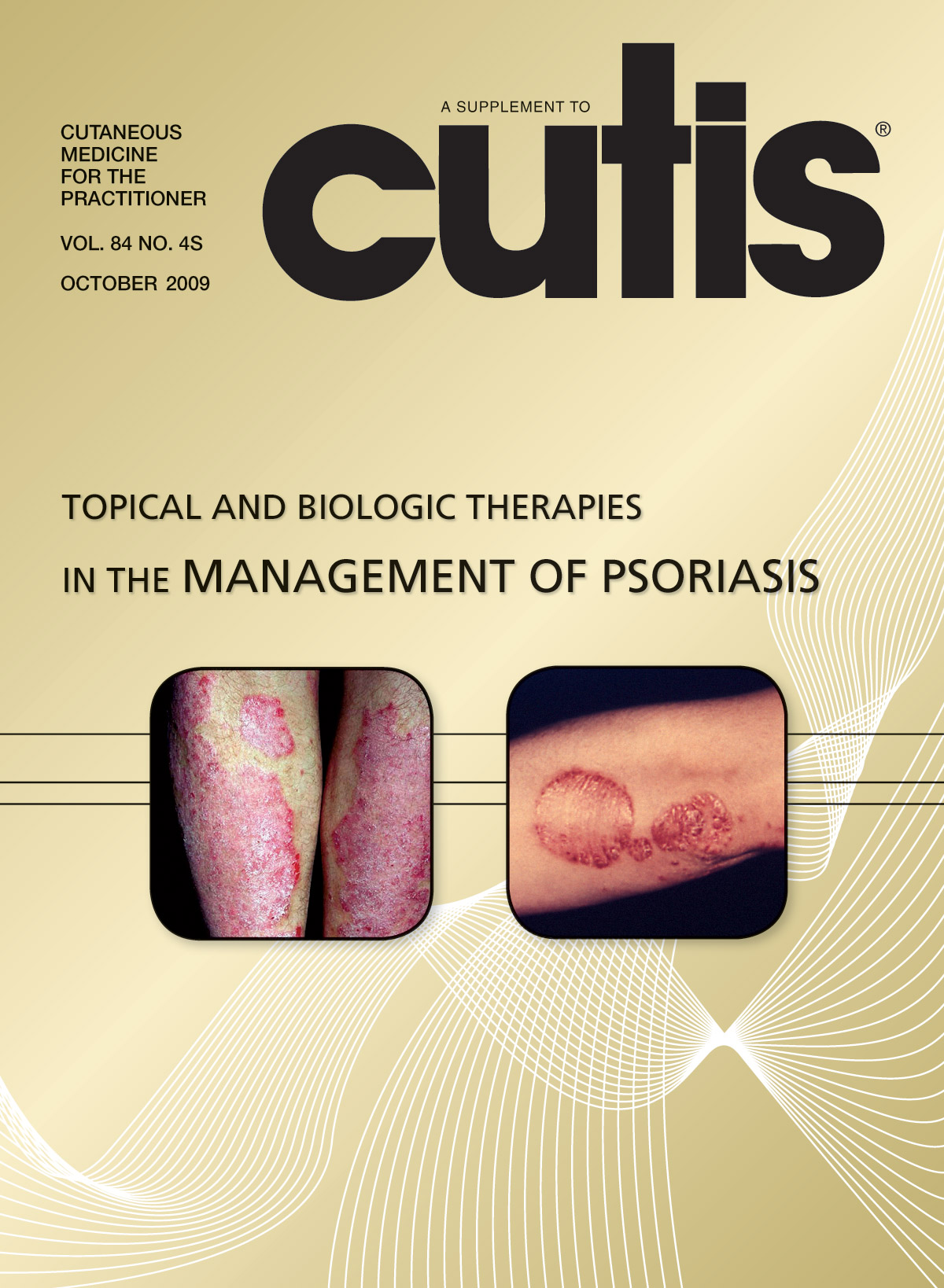
Topical and Biologic Therapies in the Management of Psoriasis

Postmenopausal Osteoporosis: Fracture Risk and Prevention
This monograph reviews advances in our understanding of the pathophysiology of postmenopausal osteoporosis and new recommendations for best practices in diagnosis and treatment. In Part 1, bone expert Michael R. McClung, MD, comments on new findings concerning bone metabolism. In Part 2, health care providers discuss how to identify and manage postmenopausal osteoporosis patients at risk for fracture.
This monograph reviews advances in our understanding of the pathophysiology of postmenopausal osteoporosis and new recommendations for best practices in diagnosis and treatment. In Part 1, bone expert Michael R. McClung, MD, comments on new findings concerning bone metabolism. In Part 2, health care providers discuss how to identify and manage postmenopausal osteoporosis patients at risk for fracture.
This monograph reviews advances in our understanding of the pathophysiology of postmenopausal osteoporosis and new recommendations for best practices in diagnosis and treatment. In Part 1, bone expert Michael R. McClung, MD, comments on new findings concerning bone metabolism. In Part 2, health care providers discuss how to identify and manage postmenopausal osteoporosis patients at risk for fracture.
Understanding Natural Moisturizing Mechanisms: Implications for Moisturizer Technology
Current Approach to Acne Management: A Community-Based Analysis


Changing the Face of Acne Therapy
Innovations in Natural Antioxidants & Their Role in Dermatology

New Perspectives on Benzoyl Peroxide Use in Inflammatory and Comedonal Acne Treatment

Update on human papillomavirus
Cervical cancer is the most common cancer caused by the human papillomavirus (HPV),1 but the scope of HPV-related disease is considerably broader. As many as 90% of anal cancers, as well as 40% of vulvar and penile cancers, are attributable to HPV infection.2 Furthermore, high-risk HPV types contribute significantly to cases of vulvar and vaginal disease3 and low-risk types of HPV are thought to cause up to 1 million cases of genital warts each year.4 Vaccination has been shown to be highly effective in preventing HPV infection5 and its sequelae.6
Some of these findings were presented in detail on November 10, 2008, by 3 experts at a symposium supported by an independent educational grant from Merck & Co., Inc., at the American Society for Reproductive Medicine 64th Annual Meeting in San Francisco. These clinicians also presented promising results showing cross-protection against several HPV types; provided tips to improve detection of vaginal lesions; and discussed the implications of gender-neutral vaccination. Following are short synopses of each physician’s presentation.
Epidemiology and natural history of HPV in benign and malignant disease: Primary prevention of CIN3 and AIS with HPV vaccination
J. THOMAS COX, MD
Most sexually active women will acquire HPV in their lifetime.7 Although the infection clears in most cases, it does persist in some women. Long-term persistence of HPV infection—particularly with high-risk types—has been established as a necessary cause of precancerous lesions.8 In fact, the high-risk HPV types 16 and 18 are responsible for 70% of squamous cell carcinoma cases and 86% of cases of adenocarcinoma.9
Persistent HPV infection and cervical intraepithelial neoplasia 3 (CIN 3) allow random mutations to accumulate that can eventually lead to cancer. When mutations occur in normal cells, the cell upregulates the expression of proteins that repair the mutation or precipitate apoptosis. High-risk types of the HPV virus produce proteins that inhibit this process, allowing cells to live despite mutations. In the worst case, these cells continue to grow and mutate, forming a malignancy over many years that invades the basement membrane.
Prophylactic administration of the HPV vaccine effectively prevents the development of CIN 1, 2, 3, and adenocarcinoma in situ (AIS). In patients who tested negative for the vaccine HPV types during the administration of the 3-dose vaccine, protection against high-grade cervical lesions (CIN 2 and 3) and AIS was between 97% and 100% at 3 years.6,10 Vaccination was also effective in eliminating the development of genital warts and CIN 1, which are caused by low-risk HPV types 6 and 11.6
Additionally, vaccination appears to offer cross-protection, ie, partial protection against infection with HPV types related to 16 or 18, such as the high-risk types 45, 31, 33, and 52.11
Update on HPV: Genital warts, VIN, VAIN, and vulvar/vaginal cancer
HOPE K. HAEFNER, MD
Vulvo-vaginal disease and genital warts can be sequelae of HPV infection. Genital warts represent a large burden: Treatment costs account for nearly one-third of annual medical expenses for sexually transmitted infections.12 And vulvar intraepithelial neoplasia (VIN) is a growing burden. Although the incidence of VIN remains low, rates of diagnosis of VIN 2 and 3 are increasing.13 This is particularly troubling, given that 10% of untreated VIN 3 progresses to cancer.14 Further, VIN may not be diagnosed until it has progressed, because only subjective diagnostic criteria exist for low-grade VIN.15
Visual inspection is used to identify genital warts and vulvar or vaginal lesions. Vulvar or vaginal lesions are more difficult to detect with colposcopy than are cervical lesions, due to the wider target area and tangential angle of viewing. Applying a solution of 5% acetic acid and leaving it for 3 to 5 minutes will facilitate evaluation; small vaginal lesions are best detected with Lugol’s solution.
A bimanual examination that includes palpation of the vagina should be conducted in order to rule out invasive cancer.
HPV types 6 and 11 cause 90% of genital warts.16 High-risk HPV types 16 and 18 are responsible for many cases of vaginal and vulvar disease3:
• 76% of VIN 2/3
• 64% of vaginal intraepithelial neoplasia (VAIN) 2/3
• 42% of vulvar cancer
A meta-analysis of 3 randomized controlled trials evaluated the development of vulvar or vaginal lesions with prophylactic administration of the HPV vaccine.17 Among women who were HPV negative before and during administration of the HPV vaccine, the vaccine was 100% effective in preventing VIN 2/3 and VAIN 2/3 related to either HPV 16 or 18. The incidence of VIN 2/3 and VAIN 2/3 decreased by 71% among women who had previously been exposed to HPV.
Penile, anal, and oropharyngeal cancer: The potential for primary prevention with HPV vaccination
JOEL PALEFSKY, MD
To date, no HPV vaccine has been approved for use in men. However, some evidence suggests that their vaccination could reduce the burden of HPV-related disease in men and transmission of HPV to women.
HPV infection causes cancer in approximately 10,000 US men annually.18 Head and neck cancers account for the majority of these cases, followed by anal and penile cancers. Other HPV-related diseases seen in men include genital warts and recurrent respiratory papillomatosis.
HPV-associated anal cancer is increasing in prevalence, particularly among high-risk individuals, such as men who have sex with men (MSM) and HIV-positive men and women.19 The rate of anal cancer among MSM is 35 to 70 cases per 100,000 men, depending on HIV status.18 This is comparable to the rate of cervical cancer prior to the advent of cervical cytology screening, and well above the current cervical cancer rate of 8 to 10 cases per 100,000 women.
Among all MSM, 66% are infected with HPV and 42% have anal intraepithelial neoplasia, a cancer precursor.19 Two key pieces of evidence suggest that vaccination of men would be effective. First, the heavily keratinized, hair-bearing skin of external male genitalia is identical to that of the vulva. Based on this, it has been suggested that the beneficial effects of the vaccine in preventing genital warts in females may also be seen in males. Secondly, in studies, 9- to 15-year-old boys who received the quadrivalent vaccine had higher anti-HPV titers than even the young-adult women. Because the vaccine is known to be protective at the lower titers seen in the women, investigators suspect that it will also work in the boys.
The presentation “Update on HPV” will be available in its entirety as a webcast at www.srm-ejournal.com in December 2008. This program is supported by an independent educational grant from Merck & Co., Inc.
1. Parkin DM. The global health burden of infection-associated cancers in the year 2002. Int J Cancer 2006;118:3030-3044.
2. Parkin DM, Bray F. Chapter 2: The burden of HPV-related cancers. Vaccine. 2006;24(suppl 3):S3/11-25.
3. Hampl M, Sarajuuri H, Wentzensen N, et al. Effect of human papillomavirus vaccines on vulvar, vaginal, and anal intraepithelial lesions and vulvar cancer. Obstet Gynecol. 2006;108:1361-1368.
4. Fleischer AB Jr, Parrish CA, Glenn R, et al. Condylomata acuminata (genital warts): patient demographics and treating physicians. Sex Transm Dis. 2001;28:643-647.
5. Koutsky LA, Ault KA, Wheeler CM, et al. Proof of Principle Study Investigators. A controlled trial of a human papillomavirus type 16 vaccine. N Engl J Med. 2002;347:1645-1651.
6. Garland SM, Hernandez-Avila M, Wheeler CM, et al. Females United to Unilaterally Reduce Endo/Ectocervical Disease (FUTURE) I Investigators. Quadrivalent vaccine against human papillomavirus to prevent anogenital diseases. N Engl J Med. 2007;356:1928-1943.
7. Centers for Disease Control and Prevention. Genital HPV Infection—CDC Fact Sheet. www.cdc.gov/std/HPV/STDFact-HPV.htm#common. Accessed October 5, 2008.
8. Castellsagué X. Natural history and epidemiology of HPV infection and cervical cancer. Gynecol Oncol. 2008;110(3 suppl 2):S4-S7.
9. Castellsagué X, Díaz M, de Sanjosé S, et al. International Agency for Research on Cancer Multicenter Cervical Cancer Study Group. Worldwide human papillomavirus etiology of cervical adenocarcinoma and its cofactors: implications for screening and prevention. J Natl Cancer Inst. 2006;98:303-315.
10. FUTUREII Study Group Quadrivalent vaccine against human papillomavirus to prevent high-grade cervical lesions. N Engl J Med. 2007;356:1915-1927.
11. Paavonen J, Jenkins D, Bosch FX, et al. PV PATRICIA study group Efficacy of a prophylactic adjuvanted bivalent L1 virus-like-particle vaccine against infection with human papillomavirus types 16 and 18 in young women: an interim analysis of a phase III double-blind, randomised controlled trial. Lancet. 2007;369:2161-2170.
12. Chesson HW, Blandford JM, Gift TL, et al. The estimated direct medical cost of sexually transmitted diseases among American youth, 2000. Perspect Sex Reprod Health. 2004;36:11-19.
13. Joura EA, Losch A, Haider-Angeler MG, et al. Trends in vulvar neoplasia. Increasing incidence of vulvar intraepithelial neoplasia and squamous cell carcinoma of the vulva in young women. J Reprod Med. 2000;45:613-615.
14. Jones RW, Rowan DM. Vulvar Intraepithelial Neoplasia III: A clinical study of the outcome in 113 cases with relation to the later development of invasive vulvar carcinoma. Obstet Gynecol Surv. 1995;50:593-595.
15. Micheletti L, Barbero M, Preti M, et al. Vulvar intraepithelial neoplasia of low grade: a challenging diagnosis. Eur J Gynaecol Oncol. 1994;15:70-74.
16. Gissmann L, Wolnik L, Ikenberg H, et al. Human papillomavirus types 6 and 11 DNA sequences in genital and laryngeal papillomas and in some cervical cancers. Proc Natl Acad Sci USA. 1983;80:560-563.
17. Joura EA, Leodolter S, Hernandez-Avila M, et al. Efficacy of a quadrivalent prophylactic human papillomavirus (types 6, 11, 16, and 18) L1 virus-like-particle vaccine against high-grade vulval and vaginal lesions: a combined analysis of three randomised clinical trials. Lancet. 2007;369:1693-1702.
18. American Cancer Society. Cancer Facts and Figures 2005. http://www.cancer.org/docroot/STT/stt_0_2005.asp?sitearea=STT&level=1. Accessed October 11, 2008.
19. Chin-Hong PV, Berry JM, et al. Comparison of patient-and clinician-collected anal cytology samples to screen for human papillomavirus-associated anal intraepithelial neoplasia in men who have sex with men. Ann Intern Med. 2008;149:300-306.
Cervical cancer is the most common cancer caused by the human papillomavirus (HPV),1 but the scope of HPV-related disease is considerably broader. As many as 90% of anal cancers, as well as 40% of vulvar and penile cancers, are attributable to HPV infection.2 Furthermore, high-risk HPV types contribute significantly to cases of vulvar and vaginal disease3 and low-risk types of HPV are thought to cause up to 1 million cases of genital warts each year.4 Vaccination has been shown to be highly effective in preventing HPV infection5 and its sequelae.6
Some of these findings were presented in detail on November 10, 2008, by 3 experts at a symposium supported by an independent educational grant from Merck & Co., Inc., at the American Society for Reproductive Medicine 64th Annual Meeting in San Francisco. These clinicians also presented promising results showing cross-protection against several HPV types; provided tips to improve detection of vaginal lesions; and discussed the implications of gender-neutral vaccination. Following are short synopses of each physician’s presentation.
Epidemiology and natural history of HPV in benign and malignant disease: Primary prevention of CIN3 and AIS with HPV vaccination
J. THOMAS COX, MD
Most sexually active women will acquire HPV in their lifetime.7 Although the infection clears in most cases, it does persist in some women. Long-term persistence of HPV infection—particularly with high-risk types—has been established as a necessary cause of precancerous lesions.8 In fact, the high-risk HPV types 16 and 18 are responsible for 70% of squamous cell carcinoma cases and 86% of cases of adenocarcinoma.9
Persistent HPV infection and cervical intraepithelial neoplasia 3 (CIN 3) allow random mutations to accumulate that can eventually lead to cancer. When mutations occur in normal cells, the cell upregulates the expression of proteins that repair the mutation or precipitate apoptosis. High-risk types of the HPV virus produce proteins that inhibit this process, allowing cells to live despite mutations. In the worst case, these cells continue to grow and mutate, forming a malignancy over many years that invades the basement membrane.
Prophylactic administration of the HPV vaccine effectively prevents the development of CIN 1, 2, 3, and adenocarcinoma in situ (AIS). In patients who tested negative for the vaccine HPV types during the administration of the 3-dose vaccine, protection against high-grade cervical lesions (CIN 2 and 3) and AIS was between 97% and 100% at 3 years.6,10 Vaccination was also effective in eliminating the development of genital warts and CIN 1, which are caused by low-risk HPV types 6 and 11.6
Additionally, vaccination appears to offer cross-protection, ie, partial protection against infection with HPV types related to 16 or 18, such as the high-risk types 45, 31, 33, and 52.11
Update on HPV: Genital warts, VIN, VAIN, and vulvar/vaginal cancer
HOPE K. HAEFNER, MD
Vulvo-vaginal disease and genital warts can be sequelae of HPV infection. Genital warts represent a large burden: Treatment costs account for nearly one-third of annual medical expenses for sexually transmitted infections.12 And vulvar intraepithelial neoplasia (VIN) is a growing burden. Although the incidence of VIN remains low, rates of diagnosis of VIN 2 and 3 are increasing.13 This is particularly troubling, given that 10% of untreated VIN 3 progresses to cancer.14 Further, VIN may not be diagnosed until it has progressed, because only subjective diagnostic criteria exist for low-grade VIN.15
Visual inspection is used to identify genital warts and vulvar or vaginal lesions. Vulvar or vaginal lesions are more difficult to detect with colposcopy than are cervical lesions, due to the wider target area and tangential angle of viewing. Applying a solution of 5% acetic acid and leaving it for 3 to 5 minutes will facilitate evaluation; small vaginal lesions are best detected with Lugol’s solution.
A bimanual examination that includes palpation of the vagina should be conducted in order to rule out invasive cancer.
HPV types 6 and 11 cause 90% of genital warts.16 High-risk HPV types 16 and 18 are responsible for many cases of vaginal and vulvar disease3:
• 76% of VIN 2/3
• 64% of vaginal intraepithelial neoplasia (VAIN) 2/3
• 42% of vulvar cancer
A meta-analysis of 3 randomized controlled trials evaluated the development of vulvar or vaginal lesions with prophylactic administration of the HPV vaccine.17 Among women who were HPV negative before and during administration of the HPV vaccine, the vaccine was 100% effective in preventing VIN 2/3 and VAIN 2/3 related to either HPV 16 or 18. The incidence of VIN 2/3 and VAIN 2/3 decreased by 71% among women who had previously been exposed to HPV.
Penile, anal, and oropharyngeal cancer: The potential for primary prevention with HPV vaccination
JOEL PALEFSKY, MD
To date, no HPV vaccine has been approved for use in men. However, some evidence suggests that their vaccination could reduce the burden of HPV-related disease in men and transmission of HPV to women.
HPV infection causes cancer in approximately 10,000 US men annually.18 Head and neck cancers account for the majority of these cases, followed by anal and penile cancers. Other HPV-related diseases seen in men include genital warts and recurrent respiratory papillomatosis.
HPV-associated anal cancer is increasing in prevalence, particularly among high-risk individuals, such as men who have sex with men (MSM) and HIV-positive men and women.19 The rate of anal cancer among MSM is 35 to 70 cases per 100,000 men, depending on HIV status.18 This is comparable to the rate of cervical cancer prior to the advent of cervical cytology screening, and well above the current cervical cancer rate of 8 to 10 cases per 100,000 women.
Among all MSM, 66% are infected with HPV and 42% have anal intraepithelial neoplasia, a cancer precursor.19 Two key pieces of evidence suggest that vaccination of men would be effective. First, the heavily keratinized, hair-bearing skin of external male genitalia is identical to that of the vulva. Based on this, it has been suggested that the beneficial effects of the vaccine in preventing genital warts in females may also be seen in males. Secondly, in studies, 9- to 15-year-old boys who received the quadrivalent vaccine had higher anti-HPV titers than even the young-adult women. Because the vaccine is known to be protective at the lower titers seen in the women, investigators suspect that it will also work in the boys.
The presentation “Update on HPV” will be available in its entirety as a webcast at www.srm-ejournal.com in December 2008. This program is supported by an independent educational grant from Merck & Co., Inc.
Cervical cancer is the most common cancer caused by the human papillomavirus (HPV),1 but the scope of HPV-related disease is considerably broader. As many as 90% of anal cancers, as well as 40% of vulvar and penile cancers, are attributable to HPV infection.2 Furthermore, high-risk HPV types contribute significantly to cases of vulvar and vaginal disease3 and low-risk types of HPV are thought to cause up to 1 million cases of genital warts each year.4 Vaccination has been shown to be highly effective in preventing HPV infection5 and its sequelae.6
Some of these findings were presented in detail on November 10, 2008, by 3 experts at a symposium supported by an independent educational grant from Merck & Co., Inc., at the American Society for Reproductive Medicine 64th Annual Meeting in San Francisco. These clinicians also presented promising results showing cross-protection against several HPV types; provided tips to improve detection of vaginal lesions; and discussed the implications of gender-neutral vaccination. Following are short synopses of each physician’s presentation.
Epidemiology and natural history of HPV in benign and malignant disease: Primary prevention of CIN3 and AIS with HPV vaccination
J. THOMAS COX, MD
Most sexually active women will acquire HPV in their lifetime.7 Although the infection clears in most cases, it does persist in some women. Long-term persistence of HPV infection—particularly with high-risk types—has been established as a necessary cause of precancerous lesions.8 In fact, the high-risk HPV types 16 and 18 are responsible for 70% of squamous cell carcinoma cases and 86% of cases of adenocarcinoma.9
Persistent HPV infection and cervical intraepithelial neoplasia 3 (CIN 3) allow random mutations to accumulate that can eventually lead to cancer. When mutations occur in normal cells, the cell upregulates the expression of proteins that repair the mutation or precipitate apoptosis. High-risk types of the HPV virus produce proteins that inhibit this process, allowing cells to live despite mutations. In the worst case, these cells continue to grow and mutate, forming a malignancy over many years that invades the basement membrane.
Prophylactic administration of the HPV vaccine effectively prevents the development of CIN 1, 2, 3, and adenocarcinoma in situ (AIS). In patients who tested negative for the vaccine HPV types during the administration of the 3-dose vaccine, protection against high-grade cervical lesions (CIN 2 and 3) and AIS was between 97% and 100% at 3 years.6,10 Vaccination was also effective in eliminating the development of genital warts and CIN 1, which are caused by low-risk HPV types 6 and 11.6
Additionally, vaccination appears to offer cross-protection, ie, partial protection against infection with HPV types related to 16 or 18, such as the high-risk types 45, 31, 33, and 52.11
Update on HPV: Genital warts, VIN, VAIN, and vulvar/vaginal cancer
HOPE K. HAEFNER, MD
Vulvo-vaginal disease and genital warts can be sequelae of HPV infection. Genital warts represent a large burden: Treatment costs account for nearly one-third of annual medical expenses for sexually transmitted infections.12 And vulvar intraepithelial neoplasia (VIN) is a growing burden. Although the incidence of VIN remains low, rates of diagnosis of VIN 2 and 3 are increasing.13 This is particularly troubling, given that 10% of untreated VIN 3 progresses to cancer.14 Further, VIN may not be diagnosed until it has progressed, because only subjective diagnostic criteria exist for low-grade VIN.15
Visual inspection is used to identify genital warts and vulvar or vaginal lesions. Vulvar or vaginal lesions are more difficult to detect with colposcopy than are cervical lesions, due to the wider target area and tangential angle of viewing. Applying a solution of 5% acetic acid and leaving it for 3 to 5 minutes will facilitate evaluation; small vaginal lesions are best detected with Lugol’s solution.
A bimanual examination that includes palpation of the vagina should be conducted in order to rule out invasive cancer.
HPV types 6 and 11 cause 90% of genital warts.16 High-risk HPV types 16 and 18 are responsible for many cases of vaginal and vulvar disease3:
• 76% of VIN 2/3
• 64% of vaginal intraepithelial neoplasia (VAIN) 2/3
• 42% of vulvar cancer
A meta-analysis of 3 randomized controlled trials evaluated the development of vulvar or vaginal lesions with prophylactic administration of the HPV vaccine.17 Among women who were HPV negative before and during administration of the HPV vaccine, the vaccine was 100% effective in preventing VIN 2/3 and VAIN 2/3 related to either HPV 16 or 18. The incidence of VIN 2/3 and VAIN 2/3 decreased by 71% among women who had previously been exposed to HPV.
Penile, anal, and oropharyngeal cancer: The potential for primary prevention with HPV vaccination
JOEL PALEFSKY, MD
To date, no HPV vaccine has been approved for use in men. However, some evidence suggests that their vaccination could reduce the burden of HPV-related disease in men and transmission of HPV to women.
HPV infection causes cancer in approximately 10,000 US men annually.18 Head and neck cancers account for the majority of these cases, followed by anal and penile cancers. Other HPV-related diseases seen in men include genital warts and recurrent respiratory papillomatosis.
HPV-associated anal cancer is increasing in prevalence, particularly among high-risk individuals, such as men who have sex with men (MSM) and HIV-positive men and women.19 The rate of anal cancer among MSM is 35 to 70 cases per 100,000 men, depending on HIV status.18 This is comparable to the rate of cervical cancer prior to the advent of cervical cytology screening, and well above the current cervical cancer rate of 8 to 10 cases per 100,000 women.
Among all MSM, 66% are infected with HPV and 42% have anal intraepithelial neoplasia, a cancer precursor.19 Two key pieces of evidence suggest that vaccination of men would be effective. First, the heavily keratinized, hair-bearing skin of external male genitalia is identical to that of the vulva. Based on this, it has been suggested that the beneficial effects of the vaccine in preventing genital warts in females may also be seen in males. Secondly, in studies, 9- to 15-year-old boys who received the quadrivalent vaccine had higher anti-HPV titers than even the young-adult women. Because the vaccine is known to be protective at the lower titers seen in the women, investigators suspect that it will also work in the boys.
The presentation “Update on HPV” will be available in its entirety as a webcast at www.srm-ejournal.com in December 2008. This program is supported by an independent educational grant from Merck & Co., Inc.
1. Parkin DM. The global health burden of infection-associated cancers in the year 2002. Int J Cancer 2006;118:3030-3044.
2. Parkin DM, Bray F. Chapter 2: The burden of HPV-related cancers. Vaccine. 2006;24(suppl 3):S3/11-25.
3. Hampl M, Sarajuuri H, Wentzensen N, et al. Effect of human papillomavirus vaccines on vulvar, vaginal, and anal intraepithelial lesions and vulvar cancer. Obstet Gynecol. 2006;108:1361-1368.
4. Fleischer AB Jr, Parrish CA, Glenn R, et al. Condylomata acuminata (genital warts): patient demographics and treating physicians. Sex Transm Dis. 2001;28:643-647.
5. Koutsky LA, Ault KA, Wheeler CM, et al. Proof of Principle Study Investigators. A controlled trial of a human papillomavirus type 16 vaccine. N Engl J Med. 2002;347:1645-1651.
6. Garland SM, Hernandez-Avila M, Wheeler CM, et al. Females United to Unilaterally Reduce Endo/Ectocervical Disease (FUTURE) I Investigators. Quadrivalent vaccine against human papillomavirus to prevent anogenital diseases. N Engl J Med. 2007;356:1928-1943.
7. Centers for Disease Control and Prevention. Genital HPV Infection—CDC Fact Sheet. www.cdc.gov/std/HPV/STDFact-HPV.htm#common. Accessed October 5, 2008.
8. Castellsagué X. Natural history and epidemiology of HPV infection and cervical cancer. Gynecol Oncol. 2008;110(3 suppl 2):S4-S7.
9. Castellsagué X, Díaz M, de Sanjosé S, et al. International Agency for Research on Cancer Multicenter Cervical Cancer Study Group. Worldwide human papillomavirus etiology of cervical adenocarcinoma and its cofactors: implications for screening and prevention. J Natl Cancer Inst. 2006;98:303-315.
10. FUTUREII Study Group Quadrivalent vaccine against human papillomavirus to prevent high-grade cervical lesions. N Engl J Med. 2007;356:1915-1927.
11. Paavonen J, Jenkins D, Bosch FX, et al. PV PATRICIA study group Efficacy of a prophylactic adjuvanted bivalent L1 virus-like-particle vaccine against infection with human papillomavirus types 16 and 18 in young women: an interim analysis of a phase III double-blind, randomised controlled trial. Lancet. 2007;369:2161-2170.
12. Chesson HW, Blandford JM, Gift TL, et al. The estimated direct medical cost of sexually transmitted diseases among American youth, 2000. Perspect Sex Reprod Health. 2004;36:11-19.
13. Joura EA, Losch A, Haider-Angeler MG, et al. Trends in vulvar neoplasia. Increasing incidence of vulvar intraepithelial neoplasia and squamous cell carcinoma of the vulva in young women. J Reprod Med. 2000;45:613-615.
14. Jones RW, Rowan DM. Vulvar Intraepithelial Neoplasia III: A clinical study of the outcome in 113 cases with relation to the later development of invasive vulvar carcinoma. Obstet Gynecol Surv. 1995;50:593-595.
15. Micheletti L, Barbero M, Preti M, et al. Vulvar intraepithelial neoplasia of low grade: a challenging diagnosis. Eur J Gynaecol Oncol. 1994;15:70-74.
16. Gissmann L, Wolnik L, Ikenberg H, et al. Human papillomavirus types 6 and 11 DNA sequences in genital and laryngeal papillomas and in some cervical cancers. Proc Natl Acad Sci USA. 1983;80:560-563.
17. Joura EA, Leodolter S, Hernandez-Avila M, et al. Efficacy of a quadrivalent prophylactic human papillomavirus (types 6, 11, 16, and 18) L1 virus-like-particle vaccine against high-grade vulval and vaginal lesions: a combined analysis of three randomised clinical trials. Lancet. 2007;369:1693-1702.
18. American Cancer Society. Cancer Facts and Figures 2005. http://www.cancer.org/docroot/STT/stt_0_2005.asp?sitearea=STT&level=1. Accessed October 11, 2008.
19. Chin-Hong PV, Berry JM, et al. Comparison of patient-and clinician-collected anal cytology samples to screen for human papillomavirus-associated anal intraepithelial neoplasia in men who have sex with men. Ann Intern Med. 2008;149:300-306.
1. Parkin DM. The global health burden of infection-associated cancers in the year 2002. Int J Cancer 2006;118:3030-3044.
2. Parkin DM, Bray F. Chapter 2: The burden of HPV-related cancers. Vaccine. 2006;24(suppl 3):S3/11-25.
3. Hampl M, Sarajuuri H, Wentzensen N, et al. Effect of human papillomavirus vaccines on vulvar, vaginal, and anal intraepithelial lesions and vulvar cancer. Obstet Gynecol. 2006;108:1361-1368.
4. Fleischer AB Jr, Parrish CA, Glenn R, et al. Condylomata acuminata (genital warts): patient demographics and treating physicians. Sex Transm Dis. 2001;28:643-647.
5. Koutsky LA, Ault KA, Wheeler CM, et al. Proof of Principle Study Investigators. A controlled trial of a human papillomavirus type 16 vaccine. N Engl J Med. 2002;347:1645-1651.
6. Garland SM, Hernandez-Avila M, Wheeler CM, et al. Females United to Unilaterally Reduce Endo/Ectocervical Disease (FUTURE) I Investigators. Quadrivalent vaccine against human papillomavirus to prevent anogenital diseases. N Engl J Med. 2007;356:1928-1943.
7. Centers for Disease Control and Prevention. Genital HPV Infection—CDC Fact Sheet. www.cdc.gov/std/HPV/STDFact-HPV.htm#common. Accessed October 5, 2008.
8. Castellsagué X. Natural history and epidemiology of HPV infection and cervical cancer. Gynecol Oncol. 2008;110(3 suppl 2):S4-S7.
9. Castellsagué X, Díaz M, de Sanjosé S, et al. International Agency for Research on Cancer Multicenter Cervical Cancer Study Group. Worldwide human papillomavirus etiology of cervical adenocarcinoma and its cofactors: implications for screening and prevention. J Natl Cancer Inst. 2006;98:303-315.
10. FUTUREII Study Group Quadrivalent vaccine against human papillomavirus to prevent high-grade cervical lesions. N Engl J Med. 2007;356:1915-1927.
11. Paavonen J, Jenkins D, Bosch FX, et al. PV PATRICIA study group Efficacy of a prophylactic adjuvanted bivalent L1 virus-like-particle vaccine against infection with human papillomavirus types 16 and 18 in young women: an interim analysis of a phase III double-blind, randomised controlled trial. Lancet. 2007;369:2161-2170.
12. Chesson HW, Blandford JM, Gift TL, et al. The estimated direct medical cost of sexually transmitted diseases among American youth, 2000. Perspect Sex Reprod Health. 2004;36:11-19.
13. Joura EA, Losch A, Haider-Angeler MG, et al. Trends in vulvar neoplasia. Increasing incidence of vulvar intraepithelial neoplasia and squamous cell carcinoma of the vulva in young women. J Reprod Med. 2000;45:613-615.
14. Jones RW, Rowan DM. Vulvar Intraepithelial Neoplasia III: A clinical study of the outcome in 113 cases with relation to the later development of invasive vulvar carcinoma. Obstet Gynecol Surv. 1995;50:593-595.
15. Micheletti L, Barbero M, Preti M, et al. Vulvar intraepithelial neoplasia of low grade: a challenging diagnosis. Eur J Gynaecol Oncol. 1994;15:70-74.
16. Gissmann L, Wolnik L, Ikenberg H, et al. Human papillomavirus types 6 and 11 DNA sequences in genital and laryngeal papillomas and in some cervical cancers. Proc Natl Acad Sci USA. 1983;80:560-563.
17. Joura EA, Leodolter S, Hernandez-Avila M, et al. Efficacy of a quadrivalent prophylactic human papillomavirus (types 6, 11, 16, and 18) L1 virus-like-particle vaccine against high-grade vulval and vaginal lesions: a combined analysis of three randomised clinical trials. Lancet. 2007;369:1693-1702.
18. American Cancer Society. Cancer Facts and Figures 2005. http://www.cancer.org/docroot/STT/stt_0_2005.asp?sitearea=STT&level=1. Accessed October 11, 2008.
19. Chin-Hong PV, Berry JM, et al. Comparison of patient-and clinician-collected anal cytology samples to screen for human papillomavirus-associated anal intraepithelial neoplasia in men who have sex with men. Ann Intern Med. 2008;149:300-306.