User login
Representation in cancer clinical trials

ATLANTA—New research suggests some racial/ethnic minority groups are underrepresented in clinical trials for cancer patients in the US.
African-American and Hispanic patients were underrepresented in the trials studied, while Asian and non-Hispanic white patients were not.
Patients belonging to other racial/ethnic groups were not studied in detail.
The research also showed that elderly patients were less likely than other age groups to enroll in a cancer trial.
However, the percentage of elderly patients in the trials studied (36%) was more than double the percentage of elderly individuals in the US population (15.2%).
This research was presented at the 10th AACR Conference on The Science of Cancer Health Disparities in Racial/Ethnic Minorities and the Medically Underserved (abstract A26).
“Clinical trials are crucial in studying the effectiveness of new drugs and ultimately bringing them to the market to benefit patients,” said Narjust Duma, MD, of the Mayo Clinic in Rochester, Minnesota.
“However, many clinical trials lack appropriate representation of certain patient populations. As a result, the findings of a clinical trial might not be generalizable to all patients.”
Dr Duma and her colleagues analyzed enrollment data from all cancer therapeutic trials reported as completed on clinicaltrials.gov from 2003 to 2016. These trials included 55,689 subjects, and the racial/ethnic breakdown of the group was as follows:
- Non-Hispanic white—83%
- African-American—6%
- Asian—5.3%
- Hispanic—2.6%
- “Other”—2.4%.
According to the US Census Bureau, as of July 1, 2016, the estimated total US population was 323,127,516. The racial/ethnic breakdown of that population is as follows:
- White alone (excluding Hispanics/Latinos)—61.3%
- Hispanic/Latino*—17.8%
- Black/African-American alone—13.3%
- Asian alone—5.7%
- American Indian/Alaska Native—1.3%
- Native Hawaiian/Other Pacific Islander—0.2%
- Two or more races—2.6%.
Dr Duma and her colleagues said their study suggests African-American and Hispanic representation in cancer trials has declined in recent years, when compared to historical data from 1996 to 2002.
In the 1996-2002 period, African-Americans represented 9.2% of patients in cancer trials (vs 6% in 2003-2016), and Hispanics represented 3.1% (vs 2.6% in 2003-2016).
On the other hand, the recruitment of Asians in cancer trials has more than doubled, from 2% in the historical data to 5.3% in the current data.
The current study also showed that elderly patients (age 65 and older) represented 36% of the subjects enrolled in cancer trials. In comparison, 15.2% of the total US population is 65 or older.
Previous research suggested the elderly are often underrepresented in clinical trials, despite the fact that most cancer cases are diagnosed in individuals age 65 and older, according to the National Cancer Institute’s Surveillance, Epidemiology and End Results database.
Dr Duma said the increasing use of genetic information in clinical trials may be decreasing the numbers of ethnic minorities and elderly patients. In recent years, researchers have sought to study drugs that treat cancers by targeting certain mutations. In order to identify the patients who are most likely to respond to the drugs, many trials now require molecular testing of tumors.
“This is leading to significant advances,” Dr Duma said. “However, it is vastly more expensive to run these trials, often leaving a limited budget to recruit patients or do outreach to the elderly or minorities.”
“Also, this type of testing can only be conducted at the major cancer centers. The mid-sized, regional hospitals are excluded because they don’t have the capacity, and, sadly, this leaves us farther away from these populations.”
Dr Duma added that cultural biases may also make minorities less likely to enroll in clinical trials. Previous research has indicated that members of certain minority groups may be less likely to trust healthcare providers.
Language barriers may also be a factor for minority patients, and the elderly may be dissuaded by difficulty in traveling to and from major cancer centers, Dr Duma noted.
She identified a few potential ways to narrow the gap of participation in clinical trials:
- Increase clinical trial partnerships between major cancer centers and satellite hospitals. Dr Duma suggested that patients could be enrolled at their local hospital and undergo treatment there, while data could be sent to the partnering cancer center.
- Targeted interventions, such as Spanish interpreters, could be used to help enroll minority patients in clinical trials.
- Healthcare providers should be mindful of the need to enroll more patients from underrepresented populations and should be willing to discuss risks and benefits with patients.
Dr Duma said the main limitation of this study is that race and ethnicity are generally self-reported, which could lead to some inconsistencies in data. 
*The US Census Bureau notes that Hispanics may be of any race, so they are also included in applicable race categories.
ATLANTA—New research suggests some racial/ethnic minority groups are underrepresented in clinical trials for cancer patients in the US.
African-American and Hispanic patients were underrepresented in the trials studied, while Asian and non-Hispanic white patients were not.
Patients belonging to other racial/ethnic groups were not studied in detail.
The research also showed that elderly patients were less likely than other age groups to enroll in a cancer trial.
However, the percentage of elderly patients in the trials studied (36%) was more than double the percentage of elderly individuals in the US population (15.2%).
This research was presented at the 10th AACR Conference on The Science of Cancer Health Disparities in Racial/Ethnic Minorities and the Medically Underserved (abstract A26).
“Clinical trials are crucial in studying the effectiveness of new drugs and ultimately bringing them to the market to benefit patients,” said Narjust Duma, MD, of the Mayo Clinic in Rochester, Minnesota.
“However, many clinical trials lack appropriate representation of certain patient populations. As a result, the findings of a clinical trial might not be generalizable to all patients.”
Dr Duma and her colleagues analyzed enrollment data from all cancer therapeutic trials reported as completed on clinicaltrials.gov from 2003 to 2016. These trials included 55,689 subjects, and the racial/ethnic breakdown of the group was as follows:
- Non-Hispanic white—83%
- African-American—6%
- Asian—5.3%
- Hispanic—2.6%
- “Other”—2.4%.
According to the US Census Bureau, as of July 1, 2016, the estimated total US population was 323,127,516. The racial/ethnic breakdown of that population is as follows:
- White alone (excluding Hispanics/Latinos)—61.3%
- Hispanic/Latino*—17.8%
- Black/African-American alone—13.3%
- Asian alone—5.7%
- American Indian/Alaska Native—1.3%
- Native Hawaiian/Other Pacific Islander—0.2%
- Two or more races—2.6%.
Dr Duma and her colleagues said their study suggests African-American and Hispanic representation in cancer trials has declined in recent years, when compared to historical data from 1996 to 2002.
In the 1996-2002 period, African-Americans represented 9.2% of patients in cancer trials (vs 6% in 2003-2016), and Hispanics represented 3.1% (vs 2.6% in 2003-2016).
On the other hand, the recruitment of Asians in cancer trials has more than doubled, from 2% in the historical data to 5.3% in the current data.
The current study also showed that elderly patients (age 65 and older) represented 36% of the subjects enrolled in cancer trials. In comparison, 15.2% of the total US population is 65 or older.
Previous research suggested the elderly are often underrepresented in clinical trials, despite the fact that most cancer cases are diagnosed in individuals age 65 and older, according to the National Cancer Institute’s Surveillance, Epidemiology and End Results database.
Dr Duma said the increasing use of genetic information in clinical trials may be decreasing the numbers of ethnic minorities and elderly patients. In recent years, researchers have sought to study drugs that treat cancers by targeting certain mutations. In order to identify the patients who are most likely to respond to the drugs, many trials now require molecular testing of tumors.
“This is leading to significant advances,” Dr Duma said. “However, it is vastly more expensive to run these trials, often leaving a limited budget to recruit patients or do outreach to the elderly or minorities.”
“Also, this type of testing can only be conducted at the major cancer centers. The mid-sized, regional hospitals are excluded because they don’t have the capacity, and, sadly, this leaves us farther away from these populations.”
Dr Duma added that cultural biases may also make minorities less likely to enroll in clinical trials. Previous research has indicated that members of certain minority groups may be less likely to trust healthcare providers.
Language barriers may also be a factor for minority patients, and the elderly may be dissuaded by difficulty in traveling to and from major cancer centers, Dr Duma noted.
She identified a few potential ways to narrow the gap of participation in clinical trials:
- Increase clinical trial partnerships between major cancer centers and satellite hospitals. Dr Duma suggested that patients could be enrolled at their local hospital and undergo treatment there, while data could be sent to the partnering cancer center.
- Targeted interventions, such as Spanish interpreters, could be used to help enroll minority patients in clinical trials.
- Healthcare providers should be mindful of the need to enroll more patients from underrepresented populations and should be willing to discuss risks and benefits with patients.
Dr Duma said the main limitation of this study is that race and ethnicity are generally self-reported, which could lead to some inconsistencies in data.
*The US Census Bureau notes that Hispanics may be of any race, so they are also included in applicable race categories.
ATLANTA—New research suggests some racial/ethnic minority groups are underrepresented in clinical trials for cancer patients in the US.
African-American and Hispanic patients were underrepresented in the trials studied, while Asian and non-Hispanic white patients were not.
Patients belonging to other racial/ethnic groups were not studied in detail.
The research also showed that elderly patients were less likely than other age groups to enroll in a cancer trial.
However, the percentage of elderly patients in the trials studied (36%) was more than double the percentage of elderly individuals in the US population (15.2%).
This research was presented at the 10th AACR Conference on The Science of Cancer Health Disparities in Racial/Ethnic Minorities and the Medically Underserved (abstract A26).
“Clinical trials are crucial in studying the effectiveness of new drugs and ultimately bringing them to the market to benefit patients,” said Narjust Duma, MD, of the Mayo Clinic in Rochester, Minnesota.
“However, many clinical trials lack appropriate representation of certain patient populations. As a result, the findings of a clinical trial might not be generalizable to all patients.”
Dr Duma and her colleagues analyzed enrollment data from all cancer therapeutic trials reported as completed on clinicaltrials.gov from 2003 to 2016. These trials included 55,689 subjects, and the racial/ethnic breakdown of the group was as follows:
- Non-Hispanic white—83%
- African-American—6%
- Asian—5.3%
- Hispanic—2.6%
- “Other”—2.4%.
According to the US Census Bureau, as of July 1, 2016, the estimated total US population was 323,127,516. The racial/ethnic breakdown of that population is as follows:
- White alone (excluding Hispanics/Latinos)—61.3%
- Hispanic/Latino*—17.8%
- Black/African-American alone—13.3%
- Asian alone—5.7%
- American Indian/Alaska Native—1.3%
- Native Hawaiian/Other Pacific Islander—0.2%
- Two or more races—2.6%.
Dr Duma and her colleagues said their study suggests African-American and Hispanic representation in cancer trials has declined in recent years, when compared to historical data from 1996 to 2002.
In the 1996-2002 period, African-Americans represented 9.2% of patients in cancer trials (vs 6% in 2003-2016), and Hispanics represented 3.1% (vs 2.6% in 2003-2016).
On the other hand, the recruitment of Asians in cancer trials has more than doubled, from 2% in the historical data to 5.3% in the current data.
The current study also showed that elderly patients (age 65 and older) represented 36% of the subjects enrolled in cancer trials. In comparison, 15.2% of the total US population is 65 or older.
Previous research suggested the elderly are often underrepresented in clinical trials, despite the fact that most cancer cases are diagnosed in individuals age 65 and older, according to the National Cancer Institute’s Surveillance, Epidemiology and End Results database.
Dr Duma said the increasing use of genetic information in clinical trials may be decreasing the numbers of ethnic minorities and elderly patients. In recent years, researchers have sought to study drugs that treat cancers by targeting certain mutations. In order to identify the patients who are most likely to respond to the drugs, many trials now require molecular testing of tumors.
“This is leading to significant advances,” Dr Duma said. “However, it is vastly more expensive to run these trials, often leaving a limited budget to recruit patients or do outreach to the elderly or minorities.”
“Also, this type of testing can only be conducted at the major cancer centers. The mid-sized, regional hospitals are excluded because they don’t have the capacity, and, sadly, this leaves us farther away from these populations.”
Dr Duma added that cultural biases may also make minorities less likely to enroll in clinical trials. Previous research has indicated that members of certain minority groups may be less likely to trust healthcare providers.
Language barriers may also be a factor for minority patients, and the elderly may be dissuaded by difficulty in traveling to and from major cancer centers, Dr Duma noted.
She identified a few potential ways to narrow the gap of participation in clinical trials:
- Increase clinical trial partnerships between major cancer centers and satellite hospitals. Dr Duma suggested that patients could be enrolled at their local hospital and undergo treatment there, while data could be sent to the partnering cancer center.
- Targeted interventions, such as Spanish interpreters, could be used to help enroll minority patients in clinical trials.
- Healthcare providers should be mindful of the need to enroll more patients from underrepresented populations and should be willing to discuss risks and benefits with patients.
Dr Duma said the main limitation of this study is that race and ethnicity are generally self-reported, which could lead to some inconsistencies in data.
*The US Census Bureau notes that Hispanics may be of any race, so they are also included in applicable race categories.
Cancer patients want info about marijuana

A new study suggests cancer patients may be open to using marijuana, but healthcare providers may be falling short in educating patients on marijuana use.
This single-center study included more than 900 cancer patients in a US state with legalized medicinal and recreational marijuana.
More than 90% of the patients surveyed said they were interested in learning more about marijuana use in the context of cancer, and nearly three-quarters of the patients wanted their cancer care providers to supply information on the topic.
However, less than 15% of patients received such information from providers. Instead, patients learned about marijuana use from sources such as the Internet or other patients.
“Cancer patients desire but are not receiving information from their cancer doctors about marijuana use during their treatment, so many of them are seeking information from alternate, non-scientific sources,” said Steven Pergam, MD, of the Fred Hutchinson Cancer Research Center in Seattle, Washington.
Dr Pergam and his colleagues reported this finding in the journal Cancer.
Eight US states and the District of Columbia have legalized recreational marijuana, and more than half of states have passed laws allowing for medical marijuana in some form. Marijuana is purported to alleviate symptoms related to cancer treatment, but patterns of use among cancer patients are not well known.
To investigate, Dr Pergam and his colleagues surveyed 926 patients at the Seattle Cancer Center Alliance. The patients’ median age was 58, 52% were male, and 59% had at least a college degree. Thirty-four percent of patients had hematologic malignancies.
Results
Sixty-six percent of patients said they had used marijuana in the past, 24% used in the last year, and 21% used in the last month.
A random analysis of patient urine samples showed that 14% of patients had evidence of recent marijuana use, similar to the 18% of users who reported at least weekly marijuana use.
When compared to patients who never used marijuana and those who previously used marijuana but quit, patients currently using marijuana said they were more likely to do so because the drug had been legalized. Women were more likely than men to use because of legalization.
Current marijuana users were younger, had less education, and were less likely to have undergone hematopoietic stem cell transplant. There was no difference in marijuana use according to a patient’s cancer type.
Most patients said they used marijuana to relieve physical symptoms (75%) and neuropsychiatric symptoms (63%), though some also used it recreationally (35%).
In addition, 26% of current marijuana users said they believed the drug was helping to treat their cancer. And 5% of these users said this was their only reason for marijuana use.
Most patients (92%) said they wanted to learn more about marijuana and cancer. However, the level of interest varied with age, with younger patients expressing the most interest.
Seventy-four percent of patients said they would prefer to get information on marijuana use from their cancer team, but less than 15% received such information from their cancer physician or nurse.
Patients said they received information on marijuana and cancer from friends and family, newspaper and magazine articles, websites and blogs, or another cancer patient.
More than a third of patients said they had not received any information on marijuana and cancer.
“We hope that this study helps to open up the door for more studies aimed at evaluating the risks and benefits of marijuana in this population,” Dr Pergam said. “This is important because if we do not educate our patients about marijuana, they will continue to get their information elsewhere.”
A new study suggests cancer patients may be open to using marijuana, but healthcare providers may be falling short in educating patients on marijuana use.
This single-center study included more than 900 cancer patients in a US state with legalized medicinal and recreational marijuana.
More than 90% of the patients surveyed said they were interested in learning more about marijuana use in the context of cancer, and nearly three-quarters of the patients wanted their cancer care providers to supply information on the topic.
However, less than 15% of patients received such information from providers. Instead, patients learned about marijuana use from sources such as the Internet or other patients.
“Cancer patients desire but are not receiving information from their cancer doctors about marijuana use during their treatment, so many of them are seeking information from alternate, non-scientific sources,” said Steven Pergam, MD, of the Fred Hutchinson Cancer Research Center in Seattle, Washington.
Dr Pergam and his colleagues reported this finding in the journal Cancer.
Eight US states and the District of Columbia have legalized recreational marijuana, and more than half of states have passed laws allowing for medical marijuana in some form. Marijuana is purported to alleviate symptoms related to cancer treatment, but patterns of use among cancer patients are not well known.
To investigate, Dr Pergam and his colleagues surveyed 926 patients at the Seattle Cancer Center Alliance. The patients’ median age was 58, 52% were male, and 59% had at least a college degree. Thirty-four percent of patients had hematologic malignancies.
Results
Sixty-six percent of patients said they had used marijuana in the past, 24% used in the last year, and 21% used in the last month.
A random analysis of patient urine samples showed that 14% of patients had evidence of recent marijuana use, similar to the 18% of users who reported at least weekly marijuana use.
When compared to patients who never used marijuana and those who previously used marijuana but quit, patients currently using marijuana said they were more likely to do so because the drug had been legalized. Women were more likely than men to use because of legalization.
Current marijuana users were younger, had less education, and were less likely to have undergone hematopoietic stem cell transplant. There was no difference in marijuana use according to a patient’s cancer type.
Most patients said they used marijuana to relieve physical symptoms (75%) and neuropsychiatric symptoms (63%), though some also used it recreationally (35%).
In addition, 26% of current marijuana users said they believed the drug was helping to treat their cancer. And 5% of these users said this was their only reason for marijuana use.
Most patients (92%) said they wanted to learn more about marijuana and cancer. However, the level of interest varied with age, with younger patients expressing the most interest.
Seventy-four percent of patients said they would prefer to get information on marijuana use from their cancer team, but less than 15% received such information from their cancer physician or nurse.
Patients said they received information on marijuana and cancer from friends and family, newspaper and magazine articles, websites and blogs, or another cancer patient.
More than a third of patients said they had not received any information on marijuana and cancer.
“We hope that this study helps to open up the door for more studies aimed at evaluating the risks and benefits of marijuana in this population,” Dr Pergam said. “This is important because if we do not educate our patients about marijuana, they will continue to get their information elsewhere.”
A new study suggests cancer patients may be open to using marijuana, but healthcare providers may be falling short in educating patients on marijuana use.
This single-center study included more than 900 cancer patients in a US state with legalized medicinal and recreational marijuana.
More than 90% of the patients surveyed said they were interested in learning more about marijuana use in the context of cancer, and nearly three-quarters of the patients wanted their cancer care providers to supply information on the topic.
However, less than 15% of patients received such information from providers. Instead, patients learned about marijuana use from sources such as the Internet or other patients.
“Cancer patients desire but are not receiving information from their cancer doctors about marijuana use during their treatment, so many of them are seeking information from alternate, non-scientific sources,” said Steven Pergam, MD, of the Fred Hutchinson Cancer Research Center in Seattle, Washington.
Dr Pergam and his colleagues reported this finding in the journal Cancer.
Eight US states and the District of Columbia have legalized recreational marijuana, and more than half of states have passed laws allowing for medical marijuana in some form. Marijuana is purported to alleviate symptoms related to cancer treatment, but patterns of use among cancer patients are not well known.
To investigate, Dr Pergam and his colleagues surveyed 926 patients at the Seattle Cancer Center Alliance. The patients’ median age was 58, 52% were male, and 59% had at least a college degree. Thirty-four percent of patients had hematologic malignancies.
Results
Sixty-six percent of patients said they had used marijuana in the past, 24% used in the last year, and 21% used in the last month.
A random analysis of patient urine samples showed that 14% of patients had evidence of recent marijuana use, similar to the 18% of users who reported at least weekly marijuana use.
When compared to patients who never used marijuana and those who previously used marijuana but quit, patients currently using marijuana said they were more likely to do so because the drug had been legalized. Women were more likely than men to use because of legalization.
Current marijuana users were younger, had less education, and were less likely to have undergone hematopoietic stem cell transplant. There was no difference in marijuana use according to a patient’s cancer type.
Most patients said they used marijuana to relieve physical symptoms (75%) and neuropsychiatric symptoms (63%), though some also used it recreationally (35%).
In addition, 26% of current marijuana users said they believed the drug was helping to treat their cancer. And 5% of these users said this was their only reason for marijuana use.
Most patients (92%) said they wanted to learn more about marijuana and cancer. However, the level of interest varied with age, with younger patients expressing the most interest.
Seventy-four percent of patients said they would prefer to get information on marijuana use from their cancer team, but less than 15% received such information from their cancer physician or nurse.
Patients said they received information on marijuana and cancer from friends and family, newspaper and magazine articles, websites and blogs, or another cancer patient.
More than a third of patients said they had not received any information on marijuana and cancer.
“We hope that this study helps to open up the door for more studies aimed at evaluating the risks and benefits of marijuana in this population,” Dr Pergam said. “This is important because if we do not educate our patients about marijuana, they will continue to get their information elsewhere.”
EC expands approval of obinutuzumab in FL
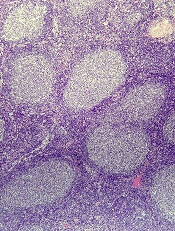
The European Commission (EC) has expanded the marketing authorization for obinutuzumab (Gazyvaro).
The drug is now approved for use in combination with chemotherapy to treat patients with previously untreated, advanced follicular lymphoma (FL). Patients who respond to this treatment can then receive obinutuzumab maintenance.
This is the third EC approval for obinutuzumab.
The drug was first approved by the EC in 2014 to be used in combination with chlorambucil to treat patients with previously untreated chronic lymphocytic leukemia and comorbidities that make them unsuitable for full-dose fludarabine-based therapy.
In 2016, the EC approved obinutuzumab in combination with bendamustine, followed by obinutuzumab maintenance, in FL patients who did not respond to, or who progressed during or up to 6 months after, treatment with rituximab or a rituximab-containing regimen.
The EC’s latest approval of obinutuzumab is based on results of the phase 3 GALLIUM trial, which were presented at the 2016 ASH Annual Meeting.
The study enrolled 1401 patients with previously untreated, indolent non-Hodgkin lymphoma, including 1202 with FL.
Half of the FL patients (n=601) were randomized to receive obinutuzumab plus chemotherapy (followed by obinutuzumab maintenance for up to 2 years), and half were randomized to rituximab plus chemotherapy (followed by rituximab maintenance for up to 2 years).
The different chemotherapies used were CHOP (cyclophosphamide, doxorubicin, vincristine, and prednisolone), CVP (cyclophosphamide, vincristine, and prednisolone), and bendamustine.
Patients who received obinutuzumab had significantly better progression-free survival than patients who received rituximab. The 3-year progression-free survival rate was 73.3% in the rituximab arm and 80% in the obinutuzumab arm (hazard ratio [HR]=0.66, P=0.0012).
There was no significant difference between the treatment arms with regard to overall survival. The 3-year overall survival was 92.1% in the rituximab arm and 94% in the obinutuzumab arm (HR=0.75, P=0.21).
The overall incidence of adverse events (AEs) was 98.3% in the rituximab arm and 99.5% in the obinutuzumab arm. The incidence of serious AEs was 39.9% and 46.1%, respectively.
The incidence of grade 3 or higher AEs was higher among patients who received obinutuzumab.
Grade 3 or higher AEs occurring in at least 5% of patients in either arm (rituximab and obinutuzumab, respectively) included neutropenia (67.8% and 74.6%), leukopenia (37.9% and 43.9%), febrile neutropenia (4.9% and 6.9%), infections and infestations (3.7% and 6.7%), and thrombocytopenia (2.7% and 6.1%).
The European Commission (EC) has expanded the marketing authorization for obinutuzumab (Gazyvaro).
The drug is now approved for use in combination with chemotherapy to treat patients with previously untreated, advanced follicular lymphoma (FL). Patients who respond to this treatment can then receive obinutuzumab maintenance.
This is the third EC approval for obinutuzumab.
The drug was first approved by the EC in 2014 to be used in combination with chlorambucil to treat patients with previously untreated chronic lymphocytic leukemia and comorbidities that make them unsuitable for full-dose fludarabine-based therapy.
In 2016, the EC approved obinutuzumab in combination with bendamustine, followed by obinutuzumab maintenance, in FL patients who did not respond to, or who progressed during or up to 6 months after, treatment with rituximab or a rituximab-containing regimen.
The EC’s latest approval of obinutuzumab is based on results of the phase 3 GALLIUM trial, which were presented at the 2016 ASH Annual Meeting.
The study enrolled 1401 patients with previously untreated, indolent non-Hodgkin lymphoma, including 1202 with FL.
Half of the FL patients (n=601) were randomized to receive obinutuzumab plus chemotherapy (followed by obinutuzumab maintenance for up to 2 years), and half were randomized to rituximab plus chemotherapy (followed by rituximab maintenance for up to 2 years).
The different chemotherapies used were CHOP (cyclophosphamide, doxorubicin, vincristine, and prednisolone), CVP (cyclophosphamide, vincristine, and prednisolone), and bendamustine.
Patients who received obinutuzumab had significantly better progression-free survival than patients who received rituximab. The 3-year progression-free survival rate was 73.3% in the rituximab arm and 80% in the obinutuzumab arm (hazard ratio [HR]=0.66, P=0.0012).
There was no significant difference between the treatment arms with regard to overall survival. The 3-year overall survival was 92.1% in the rituximab arm and 94% in the obinutuzumab arm (HR=0.75, P=0.21).
The overall incidence of adverse events (AEs) was 98.3% in the rituximab arm and 99.5% in the obinutuzumab arm. The incidence of serious AEs was 39.9% and 46.1%, respectively.
The incidence of grade 3 or higher AEs was higher among patients who received obinutuzumab.
Grade 3 or higher AEs occurring in at least 5% of patients in either arm (rituximab and obinutuzumab, respectively) included neutropenia (67.8% and 74.6%), leukopenia (37.9% and 43.9%), febrile neutropenia (4.9% and 6.9%), infections and infestations (3.7% and 6.7%), and thrombocytopenia (2.7% and 6.1%).
The European Commission (EC) has expanded the marketing authorization for obinutuzumab (Gazyvaro).
The drug is now approved for use in combination with chemotherapy to treat patients with previously untreated, advanced follicular lymphoma (FL). Patients who respond to this treatment can then receive obinutuzumab maintenance.
This is the third EC approval for obinutuzumab.
The drug was first approved by the EC in 2014 to be used in combination with chlorambucil to treat patients with previously untreated chronic lymphocytic leukemia and comorbidities that make them unsuitable for full-dose fludarabine-based therapy.
In 2016, the EC approved obinutuzumab in combination with bendamustine, followed by obinutuzumab maintenance, in FL patients who did not respond to, or who progressed during or up to 6 months after, treatment with rituximab or a rituximab-containing regimen.
The EC’s latest approval of obinutuzumab is based on results of the phase 3 GALLIUM trial, which were presented at the 2016 ASH Annual Meeting.
The study enrolled 1401 patients with previously untreated, indolent non-Hodgkin lymphoma, including 1202 with FL.
Half of the FL patients (n=601) were randomized to receive obinutuzumab plus chemotherapy (followed by obinutuzumab maintenance for up to 2 years), and half were randomized to rituximab plus chemotherapy (followed by rituximab maintenance for up to 2 years).
The different chemotherapies used were CHOP (cyclophosphamide, doxorubicin, vincristine, and prednisolone), CVP (cyclophosphamide, vincristine, and prednisolone), and bendamustine.
Patients who received obinutuzumab had significantly better progression-free survival than patients who received rituximab. The 3-year progression-free survival rate was 73.3% in the rituximab arm and 80% in the obinutuzumab arm (hazard ratio [HR]=0.66, P=0.0012).
There was no significant difference between the treatment arms with regard to overall survival. The 3-year overall survival was 92.1% in the rituximab arm and 94% in the obinutuzumab arm (HR=0.75, P=0.21).
The overall incidence of adverse events (AEs) was 98.3% in the rituximab arm and 99.5% in the obinutuzumab arm. The incidence of serious AEs was 39.9% and 46.1%, respectively.
The incidence of grade 3 or higher AEs was higher among patients who received obinutuzumab.
Grade 3 or higher AEs occurring in at least 5% of patients in either arm (rituximab and obinutuzumab, respectively) included neutropenia (67.8% and 74.6%), leukopenia (37.9% and 43.9%), febrile neutropenia (4.9% and 6.9%), infections and infestations (3.7% and 6.7%), and thrombocytopenia (2.7% and 6.1%).
FDA grants accelerated approval to copanlisib for relapsed follicular lymphoma
The Food and Drug Administration has granted accelerated approval to copanlisib (Aliqopa) for the treatment of adults with relapsed follicular lymphoma who have received at least two prior treatments.
Approval of the kinase inhibitor was based on an overall response rate of 59% in a single-arm trial of 104 patients with follicular B-cell non-Hodgkin lymphoma who had relapsed disease following at least two prior treatments. These patients had a complete or partial response for a median 12.2 months.
“For patients with relapsed follicular lymphoma, the cancer often comes back even after multiple treatments,” Richard Pazdur, MD, director of the FDA’s Oncology Center of Excellence and acting director of the Office of Hematology and Oncology Products in the FDA’s Center for Drug Evaluation and Research said in the press release. “Options are limited for these patients and today’s approval provides an additional choice for treatment, filling an unmet need for them,” he said.
The Food and Drug Administration has granted accelerated approval to copanlisib (Aliqopa) for the treatment of adults with relapsed follicular lymphoma who have received at least two prior treatments.
Approval of the kinase inhibitor was based on an overall response rate of 59% in a single-arm trial of 104 patients with follicular B-cell non-Hodgkin lymphoma who had relapsed disease following at least two prior treatments. These patients had a complete or partial response for a median 12.2 months.
“For patients with relapsed follicular lymphoma, the cancer often comes back even after multiple treatments,” Richard Pazdur, MD, director of the FDA’s Oncology Center of Excellence and acting director of the Office of Hematology and Oncology Products in the FDA’s Center for Drug Evaluation and Research said in the press release. “Options are limited for these patients and today’s approval provides an additional choice for treatment, filling an unmet need for them,” he said.
The Food and Drug Administration has granted accelerated approval to copanlisib (Aliqopa) for the treatment of adults with relapsed follicular lymphoma who have received at least two prior treatments.
Approval of the kinase inhibitor was based on an overall response rate of 59% in a single-arm trial of 104 patients with follicular B-cell non-Hodgkin lymphoma who had relapsed disease following at least two prior treatments. These patients had a complete or partial response for a median 12.2 months.
“For patients with relapsed follicular lymphoma, the cancer often comes back even after multiple treatments,” Richard Pazdur, MD, director of the FDA’s Oncology Center of Excellence and acting director of the Office of Hematology and Oncology Products in the FDA’s Center for Drug Evaluation and Research said in the press release. “Options are limited for these patients and today’s approval provides an additional choice for treatment, filling an unmet need for them,” he said.
Team creates guidelines on CAR T-cell-related toxicity

Researchers say they have created guidelines for managing the unique toxicities associated with chimeric antigen receptor (CAR) T-cell therapy.
The guidelines focus on cytokine release syndrome (CRS); neurological toxicity, which the researchers have dubbed “CAR-T-cell-related encephalopathy syndrome (CRES);” and adverse effects related to these syndromes.
“The toxicities are unique, and every member of the care team needs to be trained to recognize them and act accordingly,” said Sattva Neelapu, MD, of University of Texas MD Anderson Cancer Center in Houston.
Dr Neelapu and his colleagues described the toxicities and related recommendations in Nature Reviews Clinical Oncology.
The team’s guidelines include supportive-care considerations for patients receiving CAR T‑cell therapy. For example, they recommend:
- Baseline brain MRI to rule out central nervous system disease
- Cardiac monitoring starting on the day of CAR T‑cell infusion
- Assessing a patient’s vital signs every 4 hours after CAR T-cell infusion
- Assessing and grading CRS at least twice daily and whenever the patient’s status changes
- Assessing and grading CRES at least every 8 hours.
CRS
One section of the guidelines is dedicated to CRS, with subsections on pathophysiology, precautions and supportive care, the use of corticosteroids and IL‑6/IL‑6R antagonists, and grading CRS.
The researchers noted that CRS typically manifests with constitutional symptoms, such as fever, malaise, anorexia, and myalgias. However, CRS can affect any organ system in the body.
The team recommends managing CRS according to grade. For example, patients with grade 1 CRS should typically receive supportive care. However, physicians should consider giving tocilizumab or siltuximab to grade 1 patients who have a refractory fever lasting more than 3 days.
The researchers also noted that CRS can evolve into fulminant hemophagocytic lymphohistiocytosis (HLH), also known as macrophage-activation syndrome (MAS).
The team said HLH/MAS encompasses a group of severe immunological disorders characterized by hyperactivation of macrophages and lymphocytes, proinflammatory cytokine production, lymphohistiocytic tissue infiltration, and immune-mediated multi-organ failure.
The guidelines include diagnostic criteria for CAR T‑cell-related HLH/MAS and recommendations for managing the condition.
CRES
One section of the guidelines is dedicated to the grading and treatment of CRES, which typically manifests as a toxic encephalopathy.
The researchers said the earliest signs of CRES are diminished attention, language disturbance, and impaired handwriting. Other symptoms include confusion, disorientation, agitation, aphasia, somnolence, and tremors.
Patients with severe CRES (grade >2) may experience seizures, motor weakness, incontinence, mental obtundation, increased intracranial pressure, papilledema, and cerebral edema.
Therefore, the guidelines include recommendations for the management of status epilepticus and raised intracranial pressure after CAR T‑cell therapy.
The researchers also devised an algorithm, known as CARTOX-10, for identifying neurotoxicity. (An existing general method didn’t effectively quantify the neurological effects caused by CAR T-cell therapies.)
CARTOX-10 is a 10-point test in which patients are asked to do the following:
- Name the current month (1 point) and year (1 point)
- Name the city (1 point) and hospital they are in (1 point)
- Name the president/prime minister of their home country (1 point)
- Name 3 nearby objects (3 points)
- Write a standard sentence (1 point)
- Count backward from 100 by tens (1 point).
A perfect score indicates normal cognitive function. A patient has mild to severe impairment depending on the number of questions or activities missed.
Dr Neelapu and his colleagues believe their recommendations will be applicable to other types of cell-based immunotherapy as well, including CAR natural killer cells, T-cell receptor engineered T cells, and combination drugs that use an antibody to connect T cells to targets on cancer cells.
Researchers involved in this work have received funding from companies developing/marketing CAR T-cell therapies.
Researchers say they have created guidelines for managing the unique toxicities associated with chimeric antigen receptor (CAR) T-cell therapy.
The guidelines focus on cytokine release syndrome (CRS); neurological toxicity, which the researchers have dubbed “CAR-T-cell-related encephalopathy syndrome (CRES);” and adverse effects related to these syndromes.
“The toxicities are unique, and every member of the care team needs to be trained to recognize them and act accordingly,” said Sattva Neelapu, MD, of University of Texas MD Anderson Cancer Center in Houston.
Dr Neelapu and his colleagues described the toxicities and related recommendations in Nature Reviews Clinical Oncology.
The team’s guidelines include supportive-care considerations for patients receiving CAR T‑cell therapy. For example, they recommend:
- Baseline brain MRI to rule out central nervous system disease
- Cardiac monitoring starting on the day of CAR T‑cell infusion
- Assessing a patient’s vital signs every 4 hours after CAR T-cell infusion
- Assessing and grading CRS at least twice daily and whenever the patient’s status changes
- Assessing and grading CRES at least every 8 hours.
CRS
One section of the guidelines is dedicated to CRS, with subsections on pathophysiology, precautions and supportive care, the use of corticosteroids and IL‑6/IL‑6R antagonists, and grading CRS.
The researchers noted that CRS typically manifests with constitutional symptoms, such as fever, malaise, anorexia, and myalgias. However, CRS can affect any organ system in the body.
The team recommends managing CRS according to grade. For example, patients with grade 1 CRS should typically receive supportive care. However, physicians should consider giving tocilizumab or siltuximab to grade 1 patients who have a refractory fever lasting more than 3 days.
The researchers also noted that CRS can evolve into fulminant hemophagocytic lymphohistiocytosis (HLH), also known as macrophage-activation syndrome (MAS).
The team said HLH/MAS encompasses a group of severe immunological disorders characterized by hyperactivation of macrophages and lymphocytes, proinflammatory cytokine production, lymphohistiocytic tissue infiltration, and immune-mediated multi-organ failure.
The guidelines include diagnostic criteria for CAR T‑cell-related HLH/MAS and recommendations for managing the condition.
CRES
One section of the guidelines is dedicated to the grading and treatment of CRES, which typically manifests as a toxic encephalopathy.
The researchers said the earliest signs of CRES are diminished attention, language disturbance, and impaired handwriting. Other symptoms include confusion, disorientation, agitation, aphasia, somnolence, and tremors.
Patients with severe CRES (grade >2) may experience seizures, motor weakness, incontinence, mental obtundation, increased intracranial pressure, papilledema, and cerebral edema.
Therefore, the guidelines include recommendations for the management of status epilepticus and raised intracranial pressure after CAR T‑cell therapy.
The researchers also devised an algorithm, known as CARTOX-10, for identifying neurotoxicity. (An existing general method didn’t effectively quantify the neurological effects caused by CAR T-cell therapies.)
CARTOX-10 is a 10-point test in which patients are asked to do the following:
- Name the current month (1 point) and year (1 point)
- Name the city (1 point) and hospital they are in (1 point)
- Name the president/prime minister of their home country (1 point)
- Name 3 nearby objects (3 points)
- Write a standard sentence (1 point)
- Count backward from 100 by tens (1 point).
A perfect score indicates normal cognitive function. A patient has mild to severe impairment depending on the number of questions or activities missed.
Dr Neelapu and his colleagues believe their recommendations will be applicable to other types of cell-based immunotherapy as well, including CAR natural killer cells, T-cell receptor engineered T cells, and combination drugs that use an antibody to connect T cells to targets on cancer cells.
Researchers involved in this work have received funding from companies developing/marketing CAR T-cell therapies.
Researchers say they have created guidelines for managing the unique toxicities associated with chimeric antigen receptor (CAR) T-cell therapy.
The guidelines focus on cytokine release syndrome (CRS); neurological toxicity, which the researchers have dubbed “CAR-T-cell-related encephalopathy syndrome (CRES);” and adverse effects related to these syndromes.
“The toxicities are unique, and every member of the care team needs to be trained to recognize them and act accordingly,” said Sattva Neelapu, MD, of University of Texas MD Anderson Cancer Center in Houston.
Dr Neelapu and his colleagues described the toxicities and related recommendations in Nature Reviews Clinical Oncology.
The team’s guidelines include supportive-care considerations for patients receiving CAR T‑cell therapy. For example, they recommend:
- Baseline brain MRI to rule out central nervous system disease
- Cardiac monitoring starting on the day of CAR T‑cell infusion
- Assessing a patient’s vital signs every 4 hours after CAR T-cell infusion
- Assessing and grading CRS at least twice daily and whenever the patient’s status changes
- Assessing and grading CRES at least every 8 hours.
CRS
One section of the guidelines is dedicated to CRS, with subsections on pathophysiology, precautions and supportive care, the use of corticosteroids and IL‑6/IL‑6R antagonists, and grading CRS.
The researchers noted that CRS typically manifests with constitutional symptoms, such as fever, malaise, anorexia, and myalgias. However, CRS can affect any organ system in the body.
The team recommends managing CRS according to grade. For example, patients with grade 1 CRS should typically receive supportive care. However, physicians should consider giving tocilizumab or siltuximab to grade 1 patients who have a refractory fever lasting more than 3 days.
The researchers also noted that CRS can evolve into fulminant hemophagocytic lymphohistiocytosis (HLH), also known as macrophage-activation syndrome (MAS).
The team said HLH/MAS encompasses a group of severe immunological disorders characterized by hyperactivation of macrophages and lymphocytes, proinflammatory cytokine production, lymphohistiocytic tissue infiltration, and immune-mediated multi-organ failure.
The guidelines include diagnostic criteria for CAR T‑cell-related HLH/MAS and recommendations for managing the condition.
CRES
One section of the guidelines is dedicated to the grading and treatment of CRES, which typically manifests as a toxic encephalopathy.
The researchers said the earliest signs of CRES are diminished attention, language disturbance, and impaired handwriting. Other symptoms include confusion, disorientation, agitation, aphasia, somnolence, and tremors.
Patients with severe CRES (grade >2) may experience seizures, motor weakness, incontinence, mental obtundation, increased intracranial pressure, papilledema, and cerebral edema.
Therefore, the guidelines include recommendations for the management of status epilepticus and raised intracranial pressure after CAR T‑cell therapy.
The researchers also devised an algorithm, known as CARTOX-10, for identifying neurotoxicity. (An existing general method didn’t effectively quantify the neurological effects caused by CAR T-cell therapies.)
CARTOX-10 is a 10-point test in which patients are asked to do the following:
- Name the current month (1 point) and year (1 point)
- Name the city (1 point) and hospital they are in (1 point)
- Name the president/prime minister of their home country (1 point)
- Name 3 nearby objects (3 points)
- Write a standard sentence (1 point)
- Count backward from 100 by tens (1 point).
A perfect score indicates normal cognitive function. A patient has mild to severe impairment depending on the number of questions or activities missed.
Dr Neelapu and his colleagues believe their recommendations will be applicable to other types of cell-based immunotherapy as well, including CAR natural killer cells, T-cell receptor engineered T cells, and combination drugs that use an antibody to connect T cells to targets on cancer cells.
Researchers involved in this work have received funding from companies developing/marketing CAR T-cell therapies.
Trials of atezolizumab placed on partial hold
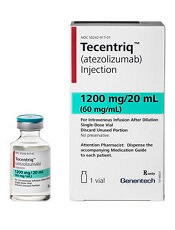
Roche has announced a partial clinical hold on 2 trials of the anti-PD-L1 antibody atezolizumab (Tecentriq).
One is a phase 1b/2 study (NCT02631577) in which researchers are evaluating atezolizumab in combination with obinutuzumab plus lenalidomide in patients with relapsed or refractory follicular lymphoma.
The other is a phase 1b study (NCT02431208) of atezolizumab alone or in combination with an immunomodulatory drug and/or daratumumab in patients with multiple myeloma (MM).
The partial clinical hold on these trials means patients who are currently enrolled and are deriving clinical benefit may continue to receive treatment, but no additional patients will be enrolled.
The decision to place these trials on hold is related to risks identified in 2 trials of the anti-PD-1 agent pembrolizumab. Results from these trials showed that combining pembrolizumab with dexamethasone and an immunomodulatory agent (lenalidomide or pomalidomide) increases the risk of death in patients with MM.
The results led to clinical holds on these trials (and a third trial of pembrolizumab) as well as an investigation by the US Food and Drug Administration (FDA).
The FDA has stressed its belief that the benefits of taking pembrolizumab and other PD-1/PD-L1 inhibitors for their approved uses continue to outweigh the risks.
However, the agency also thinks there may be an unfavorable risk-benefit ratio for patients receiving PD-1/PD-L1 treatment alone or in other combinations in unapproved indications.
Therefore, the FDA is investigating trials of PD-1/PD-L1 inhibitors being studied in combination with immunomodulatory agents or other classes of drugs in patients with hematologic malignancies.
In the course of this investigation, the FDA has placed holds on trials of nivolumab and durvalumab as well as atezolizumab.
According to Roche, there is no evidence of an increased risk of death or serious events with the use of atezolizumab in combination with immunomodulatory agents.
Roche has announced a partial clinical hold on 2 trials of the anti-PD-L1 antibody atezolizumab (Tecentriq).
One is a phase 1b/2 study (NCT02631577) in which researchers are evaluating atezolizumab in combination with obinutuzumab plus lenalidomide in patients with relapsed or refractory follicular lymphoma.
The other is a phase 1b study (NCT02431208) of atezolizumab alone or in combination with an immunomodulatory drug and/or daratumumab in patients with multiple myeloma (MM).
The partial clinical hold on these trials means patients who are currently enrolled and are deriving clinical benefit may continue to receive treatment, but no additional patients will be enrolled.
The decision to place these trials on hold is related to risks identified in 2 trials of the anti-PD-1 agent pembrolizumab. Results from these trials showed that combining pembrolizumab with dexamethasone and an immunomodulatory agent (lenalidomide or pomalidomide) increases the risk of death in patients with MM.
The results led to clinical holds on these trials (and a third trial of pembrolizumab) as well as an investigation by the US Food and Drug Administration (FDA).
The FDA has stressed its belief that the benefits of taking pembrolizumab and other PD-1/PD-L1 inhibitors for their approved uses continue to outweigh the risks.
However, the agency also thinks there may be an unfavorable risk-benefit ratio for patients receiving PD-1/PD-L1 treatment alone or in other combinations in unapproved indications.
Therefore, the FDA is investigating trials of PD-1/PD-L1 inhibitors being studied in combination with immunomodulatory agents or other classes of drugs in patients with hematologic malignancies.
In the course of this investigation, the FDA has placed holds on trials of nivolumab and durvalumab as well as atezolizumab.
According to Roche, there is no evidence of an increased risk of death or serious events with the use of atezolizumab in combination with immunomodulatory agents.
Roche has announced a partial clinical hold on 2 trials of the anti-PD-L1 antibody atezolizumab (Tecentriq).
One is a phase 1b/2 study (NCT02631577) in which researchers are evaluating atezolizumab in combination with obinutuzumab plus lenalidomide in patients with relapsed or refractory follicular lymphoma.
The other is a phase 1b study (NCT02431208) of atezolizumab alone or in combination with an immunomodulatory drug and/or daratumumab in patients with multiple myeloma (MM).
The partial clinical hold on these trials means patients who are currently enrolled and are deriving clinical benefit may continue to receive treatment, but no additional patients will be enrolled.
The decision to place these trials on hold is related to risks identified in 2 trials of the anti-PD-1 agent pembrolizumab. Results from these trials showed that combining pembrolizumab with dexamethasone and an immunomodulatory agent (lenalidomide or pomalidomide) increases the risk of death in patients with MM.
The results led to clinical holds on these trials (and a third trial of pembrolizumab) as well as an investigation by the US Food and Drug Administration (FDA).
The FDA has stressed its belief that the benefits of taking pembrolizumab and other PD-1/PD-L1 inhibitors for their approved uses continue to outweigh the risks.
However, the agency also thinks there may be an unfavorable risk-benefit ratio for patients receiving PD-1/PD-L1 treatment alone or in other combinations in unapproved indications.
Therefore, the FDA is investigating trials of PD-1/PD-L1 inhibitors being studied in combination with immunomodulatory agents or other classes of drugs in patients with hematologic malignancies.
In the course of this investigation, the FDA has placed holds on trials of nivolumab and durvalumab as well as atezolizumab.
According to Roche, there is no evidence of an increased risk of death or serious events with the use of atezolizumab in combination with immunomodulatory agents.
FDA approves drug to treat relapsed FL
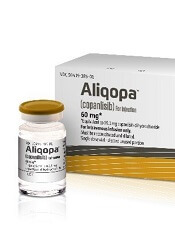
The US Food and Drug Administration (FDA) has granted accelerated approval to copanlisib (Aliqopa), an intravenous PI3K inhibitor developed by Bayer.
The drug is now approved to treat adults with relapsed follicular lymphoma (FL) who have received at least 2 prior systemic therapies.
Copanlisib received accelerated approval from the FDA because it has not yet shown a clinical benefit in these patients.
The FDA’s accelerated approval program allows conditional approval of a drug that fills an unmet medical need for a serious condition.
Accelerated approval is based on a surrogate or intermediate endpoint—in this case, overall response rate—that is reasonably likely to predict clinical benefit.
Continued approval of copanlisib for the aforementioned indication may be contingent upon verification of clinical benefit in confirmatory trials.
The FDA previously granted copanlisib priority review, fast track designation, and orphan drug designation.
According to Bayer, copanlisib is now available. The prescribing information is available for download here.
In addition, Bayer has created the Aliqopa™ Resource Connections (ARCTM) Program, which includes resources to help patients navigate the insurance process and identify sources of financial assistance.
The program offers free medication to patients who are uninsured or underinsured and meet the eligibility criteria. It includes a $0 co-pay program for covered patients.
Phase 2 results
The FDA’s approval of copanlisib is based on data from the phase 2 CHRONOS-1 trial. Data from this trial were presented at the AACR Annual Meeting 2017 and the 2017 ASCO Annual Meeting.
The trial included 104 patients with FL who had relapsed after at least 2 prior systemic therapies.
The median duration of treatment with copanlisib was 22 weeks (range, 1-105). Thirty-three patients (32%) were still on treatment at last follow-up.
The overall response rate was 59%, with 14% of patients achieving a complete response. The median duration of response was 12.2 months (range, 0+ to 22.6).
The most common treatment-emergent adverse events (in ≥25% of patients) were diarrhea (34% all grades, 5% ≥grade 3), reduced neutrophil count (30% all grades, 24% ≥grade 3), fatigue (30% all grades, 2% ≥grade 3), and fever (25% all grades, 4% ≥grade 3).
There were 6 deaths, and 3 of them were attributed to copanlisib. One patient died of lung infection, 1 died of respiratory failure, and 1 died of a thromboembolic event.
The US Food and Drug Administration (FDA) has granted accelerated approval to copanlisib (Aliqopa), an intravenous PI3K inhibitor developed by Bayer.
The drug is now approved to treat adults with relapsed follicular lymphoma (FL) who have received at least 2 prior systemic therapies.
Copanlisib received accelerated approval from the FDA because it has not yet shown a clinical benefit in these patients.
The FDA’s accelerated approval program allows conditional approval of a drug that fills an unmet medical need for a serious condition.
Accelerated approval is based on a surrogate or intermediate endpoint—in this case, overall response rate—that is reasonably likely to predict clinical benefit.
Continued approval of copanlisib for the aforementioned indication may be contingent upon verification of clinical benefit in confirmatory trials.
The FDA previously granted copanlisib priority review, fast track designation, and orphan drug designation.
According to Bayer, copanlisib is now available. The prescribing information is available for download here.
In addition, Bayer has created the Aliqopa™ Resource Connections (ARCTM) Program, which includes resources to help patients navigate the insurance process and identify sources of financial assistance.
The program offers free medication to patients who are uninsured or underinsured and meet the eligibility criteria. It includes a $0 co-pay program for covered patients.
Phase 2 results
The FDA’s approval of copanlisib is based on data from the phase 2 CHRONOS-1 trial. Data from this trial were presented at the AACR Annual Meeting 2017 and the 2017 ASCO Annual Meeting.
The trial included 104 patients with FL who had relapsed after at least 2 prior systemic therapies.
The median duration of treatment with copanlisib was 22 weeks (range, 1-105). Thirty-three patients (32%) were still on treatment at last follow-up.
The overall response rate was 59%, with 14% of patients achieving a complete response. The median duration of response was 12.2 months (range, 0+ to 22.6).
The most common treatment-emergent adverse events (in ≥25% of patients) were diarrhea (34% all grades, 5% ≥grade 3), reduced neutrophil count (30% all grades, 24% ≥grade 3), fatigue (30% all grades, 2% ≥grade 3), and fever (25% all grades, 4% ≥grade 3).
There were 6 deaths, and 3 of them were attributed to copanlisib. One patient died of lung infection, 1 died of respiratory failure, and 1 died of a thromboembolic event.
The US Food and Drug Administration (FDA) has granted accelerated approval to copanlisib (Aliqopa), an intravenous PI3K inhibitor developed by Bayer.
The drug is now approved to treat adults with relapsed follicular lymphoma (FL) who have received at least 2 prior systemic therapies.
Copanlisib received accelerated approval from the FDA because it has not yet shown a clinical benefit in these patients.
The FDA’s accelerated approval program allows conditional approval of a drug that fills an unmet medical need for a serious condition.
Accelerated approval is based on a surrogate or intermediate endpoint—in this case, overall response rate—that is reasonably likely to predict clinical benefit.
Continued approval of copanlisib for the aforementioned indication may be contingent upon verification of clinical benefit in confirmatory trials.
The FDA previously granted copanlisib priority review, fast track designation, and orphan drug designation.
According to Bayer, copanlisib is now available. The prescribing information is available for download here.
In addition, Bayer has created the Aliqopa™ Resource Connections (ARCTM) Program, which includes resources to help patients navigate the insurance process and identify sources of financial assistance.
The program offers free medication to patients who are uninsured or underinsured and meet the eligibility criteria. It includes a $0 co-pay program for covered patients.
Phase 2 results
The FDA’s approval of copanlisib is based on data from the phase 2 CHRONOS-1 trial. Data from this trial were presented at the AACR Annual Meeting 2017 and the 2017 ASCO Annual Meeting.
The trial included 104 patients with FL who had relapsed after at least 2 prior systemic therapies.
The median duration of treatment with copanlisib was 22 weeks (range, 1-105). Thirty-three patients (32%) were still on treatment at last follow-up.
The overall response rate was 59%, with 14% of patients achieving a complete response. The median duration of response was 12.2 months (range, 0+ to 22.6).
The most common treatment-emergent adverse events (in ≥25% of patients) were diarrhea (34% all grades, 5% ≥grade 3), reduced neutrophil count (30% all grades, 24% ≥grade 3), fatigue (30% all grades, 2% ≥grade 3), and fever (25% all grades, 4% ≥grade 3).
There were 6 deaths, and 3 of them were attributed to copanlisib. One patient died of lung infection, 1 died of respiratory failure, and 1 died of a thromboembolic event.
Immune status linked to outcomes of CAR T-cell therapy
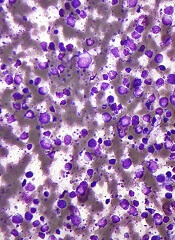
MAINZ/FRANKFURT, GERMANY—Outcomes of treatment with a third-generation chimeric antigen receptor (CAR) T-cell therapy are associated with a patient’s immune status, according to a phase 1/2a trial.
The CD19-specific CAR T-cell therapy produced a complete response (CR) in 6 of 15 patients with relapsed/refractory CD19-positive leukemia or lymphoma.
Though all responders eventually relapsed, 4 patients—including 2 with stable disease (SD) after treatment—responded to subsequent therapy and are still alive, 1 of them beyond 36 months.
An analysis of blood samples taken throughout the study revealed that a patient’s immune status was associated with treatment failure and overall survival.
Tanja Lövgren, PhD, of Uppsala University in Sweden, and her colleagues presented these findings at the Third CRI-CIMT-EATI-AACR International Cancer Immunotherapy Conference: Translating Science into Survival (abstract B156).
“CD19-specific CAR T-cell therapy has yielded remarkable response rates for patients who have B-cell acute lymphoblastic leukemia,” Dr Lövgren said. “However, many patients relapse.”
“In addition, response rates are more variable for patients who have other CD19-positive B-cell malignancies, and many patients experience serious adverse events. We set out to investigate the safety and effectiveness of a third-generation CD19-specific CAR T-cell therapy and to identify potential biomarkers of treatment outcome.”
Dr Lövgren and her colleagues studied 15 patients (ages 24-72) who had relapsed or refractory CD19-positive B-cell malignancies:
- Six patients with diffuse large B-cell lymphoma (DLBCL), including 3 cases that were transformed from follicular lymphoma (FL)
- Four patients with pre-B acute lymphoblastic leukemia (ALL)
- Two patients with mantle cell lymphoma (MCL)
- Two patients with chronic lymphocytic leukemia (CLL)
- One patient with FL transformed from Burkitt lymphoma.
Eleven patients received preconditioning with cyclophosphamide (500 mg/m2) and fludarabine (3 doses at 25 mg/m2).
All patients received CAR T cells at 1 x 10⁸, 2 x 10⁷, or 2 x 10⁸ cells/m2. These were autologous, CD19-targeting CAR T cells with 3 intracellular signaling domains derived from CD3 zeta, CD28, and 4-1BB.
The researchers assessed tumor responses via bone marrow/blood analysis and/or radiology, depending on the type of malignancy. The team also collected blood samples before CAR T-cell infusion and at multiple times after infusion.
Efficacy and safety
Six patients achieved a CR to treatment—3 with DLBCL (1 transformed), 2 with ALL, and 1 with CLL. Two patients had SD—1 with MCL and 1 with CLL. The remaining patients progressed.
All patients with a CR eventually relapsed. The median duration of CR was 5 months (range, 3-24 months).
Four patients—2 complete responders and 2 with SD—responded well to subsequent therapy and are still alive with 27 to 36 months of follow-up. This includes 1 patient with DLBCL, 1 with MCL, and 2 with CLL.
Four patients had serious adverse events. Three had cytokine-release syndrome, and 2 had neurological toxicity.
All cases of cytokine-release syndrome resolved after treatment with corticosteroids/anti-IL6R therapy. The neurological toxicity resolved spontaneously.
Immune status
An analysis of the blood samples taken throughout the study showed that high levels of monocytic myeloid-derived suppressor cells (MDSCs) prior to treatment was associated with decreased overall survival. In addition, increased levels of MDSCs after treatment preceded treatment failure.
Furthermore, high plasma levels of immunosuppressive factors—such as PD-L1 and PD-L2—after treatment were associated with decreased overall survival.
High plasma levels of biomarkers of an immunostimulatory environment—including IL-12, DC-LAMP, TRAIL, and FasL—before the administration of CAR T-cell therapy was associated with increased overall survival.
“[A]n immunostimulatory environment was associated with improved overall survival, while immunosuppressive cells and factors were associated with treatment failure and decreased overall survival,” Dr Lövgren said.
“We are hoping to follow up this study with another clinical trial that will combine CAR T-cell therapy with chemotherapy known to decrease the number of monocytic myeloid-derived suppressive cells. We are also looking to further optimize the CAR T-cell therapy.”
Dr Lövgren said the main limitations of this study are that it only included 15 patients, the patients had several different malignancies, and some patients may have been too sick to respond to any treatment.
This study was supported by funds from AFA Insurance AB, the Swedish Cancer Society, the Swedish Research Council, the Lions Fund at Uppsala University Hospital, and the Swedish State Support for Clinical Research. Dr Lövgren declared no conflicts of interest.
MAINZ/FRANKFURT, GERMANY—Outcomes of treatment with a third-generation chimeric antigen receptor (CAR) T-cell therapy are associated with a patient’s immune status, according to a phase 1/2a trial.
The CD19-specific CAR T-cell therapy produced a complete response (CR) in 6 of 15 patients with relapsed/refractory CD19-positive leukemia or lymphoma.
Though all responders eventually relapsed, 4 patients—including 2 with stable disease (SD) after treatment—responded to subsequent therapy and are still alive, 1 of them beyond 36 months.
An analysis of blood samples taken throughout the study revealed that a patient’s immune status was associated with treatment failure and overall survival.
Tanja Lövgren, PhD, of Uppsala University in Sweden, and her colleagues presented these findings at the Third CRI-CIMT-EATI-AACR International Cancer Immunotherapy Conference: Translating Science into Survival (abstract B156).
“CD19-specific CAR T-cell therapy has yielded remarkable response rates for patients who have B-cell acute lymphoblastic leukemia,” Dr Lövgren said. “However, many patients relapse.”
“In addition, response rates are more variable for patients who have other CD19-positive B-cell malignancies, and many patients experience serious adverse events. We set out to investigate the safety and effectiveness of a third-generation CD19-specific CAR T-cell therapy and to identify potential biomarkers of treatment outcome.”
Dr Lövgren and her colleagues studied 15 patients (ages 24-72) who had relapsed or refractory CD19-positive B-cell malignancies:
- Six patients with diffuse large B-cell lymphoma (DLBCL), including 3 cases that were transformed from follicular lymphoma (FL)
- Four patients with pre-B acute lymphoblastic leukemia (ALL)
- Two patients with mantle cell lymphoma (MCL)
- Two patients with chronic lymphocytic leukemia (CLL)
- One patient with FL transformed from Burkitt lymphoma.
Eleven patients received preconditioning with cyclophosphamide (500 mg/m2) and fludarabine (3 doses at 25 mg/m2).
All patients received CAR T cells at 1 x 10⁸, 2 x 10⁷, or 2 x 10⁸ cells/m2. These were autologous, CD19-targeting CAR T cells with 3 intracellular signaling domains derived from CD3 zeta, CD28, and 4-1BB.
The researchers assessed tumor responses via bone marrow/blood analysis and/or radiology, depending on the type of malignancy. The team also collected blood samples before CAR T-cell infusion and at multiple times after infusion.
Efficacy and safety
Six patients achieved a CR to treatment—3 with DLBCL (1 transformed), 2 with ALL, and 1 with CLL. Two patients had SD—1 with MCL and 1 with CLL. The remaining patients progressed.
All patients with a CR eventually relapsed. The median duration of CR was 5 months (range, 3-24 months).
Four patients—2 complete responders and 2 with SD—responded well to subsequent therapy and are still alive with 27 to 36 months of follow-up. This includes 1 patient with DLBCL, 1 with MCL, and 2 with CLL.
Four patients had serious adverse events. Three had cytokine-release syndrome, and 2 had neurological toxicity.
All cases of cytokine-release syndrome resolved after treatment with corticosteroids/anti-IL6R therapy. The neurological toxicity resolved spontaneously.
Immune status
An analysis of the blood samples taken throughout the study showed that high levels of monocytic myeloid-derived suppressor cells (MDSCs) prior to treatment was associated with decreased overall survival. In addition, increased levels of MDSCs after treatment preceded treatment failure.
Furthermore, high plasma levels of immunosuppressive factors—such as PD-L1 and PD-L2—after treatment were associated with decreased overall survival.
High plasma levels of biomarkers of an immunostimulatory environment—including IL-12, DC-LAMP, TRAIL, and FasL—before the administration of CAR T-cell therapy was associated with increased overall survival.
“[A]n immunostimulatory environment was associated with improved overall survival, while immunosuppressive cells and factors were associated with treatment failure and decreased overall survival,” Dr Lövgren said.
“We are hoping to follow up this study with another clinical trial that will combine CAR T-cell therapy with chemotherapy known to decrease the number of monocytic myeloid-derived suppressive cells. We are also looking to further optimize the CAR T-cell therapy.”
Dr Lövgren said the main limitations of this study are that it only included 15 patients, the patients had several different malignancies, and some patients may have been too sick to respond to any treatment.
This study was supported by funds from AFA Insurance AB, the Swedish Cancer Society, the Swedish Research Council, the Lions Fund at Uppsala University Hospital, and the Swedish State Support for Clinical Research. Dr Lövgren declared no conflicts of interest.
MAINZ/FRANKFURT, GERMANY—Outcomes of treatment with a third-generation chimeric antigen receptor (CAR) T-cell therapy are associated with a patient’s immune status, according to a phase 1/2a trial.
The CD19-specific CAR T-cell therapy produced a complete response (CR) in 6 of 15 patients with relapsed/refractory CD19-positive leukemia or lymphoma.
Though all responders eventually relapsed, 4 patients—including 2 with stable disease (SD) after treatment—responded to subsequent therapy and are still alive, 1 of them beyond 36 months.
An analysis of blood samples taken throughout the study revealed that a patient’s immune status was associated with treatment failure and overall survival.
Tanja Lövgren, PhD, of Uppsala University in Sweden, and her colleagues presented these findings at the Third CRI-CIMT-EATI-AACR International Cancer Immunotherapy Conference: Translating Science into Survival (abstract B156).
“CD19-specific CAR T-cell therapy has yielded remarkable response rates for patients who have B-cell acute lymphoblastic leukemia,” Dr Lövgren said. “However, many patients relapse.”
“In addition, response rates are more variable for patients who have other CD19-positive B-cell malignancies, and many patients experience serious adverse events. We set out to investigate the safety and effectiveness of a third-generation CD19-specific CAR T-cell therapy and to identify potential biomarkers of treatment outcome.”
Dr Lövgren and her colleagues studied 15 patients (ages 24-72) who had relapsed or refractory CD19-positive B-cell malignancies:
- Six patients with diffuse large B-cell lymphoma (DLBCL), including 3 cases that were transformed from follicular lymphoma (FL)
- Four patients with pre-B acute lymphoblastic leukemia (ALL)
- Two patients with mantle cell lymphoma (MCL)
- Two patients with chronic lymphocytic leukemia (CLL)
- One patient with FL transformed from Burkitt lymphoma.
Eleven patients received preconditioning with cyclophosphamide (500 mg/m2) and fludarabine (3 doses at 25 mg/m2).
All patients received CAR T cells at 1 x 10⁸, 2 x 10⁷, or 2 x 10⁸ cells/m2. These were autologous, CD19-targeting CAR T cells with 3 intracellular signaling domains derived from CD3 zeta, CD28, and 4-1BB.
The researchers assessed tumor responses via bone marrow/blood analysis and/or radiology, depending on the type of malignancy. The team also collected blood samples before CAR T-cell infusion and at multiple times after infusion.
Efficacy and safety
Six patients achieved a CR to treatment—3 with DLBCL (1 transformed), 2 with ALL, and 1 with CLL. Two patients had SD—1 with MCL and 1 with CLL. The remaining patients progressed.
All patients with a CR eventually relapsed. The median duration of CR was 5 months (range, 3-24 months).
Four patients—2 complete responders and 2 with SD—responded well to subsequent therapy and are still alive with 27 to 36 months of follow-up. This includes 1 patient with DLBCL, 1 with MCL, and 2 with CLL.
Four patients had serious adverse events. Three had cytokine-release syndrome, and 2 had neurological toxicity.
All cases of cytokine-release syndrome resolved after treatment with corticosteroids/anti-IL6R therapy. The neurological toxicity resolved spontaneously.
Immune status
An analysis of the blood samples taken throughout the study showed that high levels of monocytic myeloid-derived suppressor cells (MDSCs) prior to treatment was associated with decreased overall survival. In addition, increased levels of MDSCs after treatment preceded treatment failure.
Furthermore, high plasma levels of immunosuppressive factors—such as PD-L1 and PD-L2—after treatment were associated with decreased overall survival.
High plasma levels of biomarkers of an immunostimulatory environment—including IL-12, DC-LAMP, TRAIL, and FasL—before the administration of CAR T-cell therapy was associated with increased overall survival.
“[A]n immunostimulatory environment was associated with improved overall survival, while immunosuppressive cells and factors were associated with treatment failure and decreased overall survival,” Dr Lövgren said.
“We are hoping to follow up this study with another clinical trial that will combine CAR T-cell therapy with chemotherapy known to decrease the number of monocytic myeloid-derived suppressive cells. We are also looking to further optimize the CAR T-cell therapy.”
Dr Lövgren said the main limitations of this study are that it only included 15 patients, the patients had several different malignancies, and some patients may have been too sick to respond to any treatment.
This study was supported by funds from AFA Insurance AB, the Swedish Cancer Society, the Swedish Research Council, the Lions Fund at Uppsala University Hospital, and the Swedish State Support for Clinical Research. Dr Lövgren declared no conflicts of interest.
Report details progress, obstacles in cancer research and care
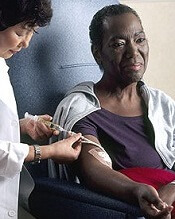
Deaths from cancer are on the decline in the US, but new cases of cancer are on the rise, according to the 7th annual American Association for Cancer Research (AACR) Cancer Progress Report.
The data suggest the cancer death rate declined by 35% from 1991 to 2014 for children and by 25% for adults, a reduction that translates to 2.1 million cancer deaths avoided.
However, 600,920 people in the US are projected to die from cancer in 2017.
And the number of new cancer cases is predicted to rise from 1.7 million in 2017 to 2.3 million in 2030.
The report also estimates there will be 62,130 new cases of leukemia in 2017 and 24,500 leukemia deaths this year.
This includes:
- 5970 cases of acute lymphocytic leukemia and 1440 deaths
- 20,110 cases of chronic lymphocytic leukemia and 4660 deaths
- 21,380 cases of acute myeloid leukemia (AML) and 10,590 deaths
- 8950 cases of chronic myeloid leukemia and 1080 deaths.
The estimate for lymphomas is 80,500 new cases and 21,210 deaths.
This includes:
- 8260 cases of Hodgkin lymphoma (HL) and 1070 deaths
- 72,240 cases of non-Hodgkin lymphoma and 20,140 deaths.
The estimate for myeloma is 30,280 new cases and 12,590 deaths.
The report says the estimated new cases of cancer are based on cancer incidence rates from 49 states and the District of Columbia from 1995 through 2013, as reported by the North American Association of Central Cancer Registries. This represents about 98% of the US population.
The estimated deaths are based on US mortality data from 1997 through 2013, taken from the National Center for Health Statistics of the Centers for Disease Control and Prevention.
Drug approvals
The AACR report notes that, between August 1, 2016, and July 31, 2017, the US Food and Drug Administration (FDA) approved new uses for 15 anticancer agents, 9 of which had no previous FDA approval.
Five of the agents are immunotherapies, which the report dubs “revolutionary treatments that are increasing survival and improving quality of life for patients.”
Among the recently approved therapies are 3 used for hematology indications:
- Ibrutinib (Imbruvica), approved to treat patients with relapsed/refractory marginal zone lymphoma who require systemic therapy and have received at least 1 prior anti-CD20-based therapy
- Midostaurin (Rydapt), approved as monotherapy for adults with advanced systemic mastocytosis and for use in combination with standard cytarabine and daunorubicin induction, followed by cytarabine consolidation, in adults with newly diagnosed AML who are FLT3 mutation-positive, as detected by an FDA-approved test.
- Pembrolizumab (Keytruda), approved to treat adult and pediatric patients with refractory classical HL or those with classical HL who have relapsed after 3 or more prior lines of therapy.
Disparities and costs
The AACR report points out that advances against cancer have not benefited everyone equally, and cancer health disparities are some of the most pressing challenges.
Among the disparities listed is the fact that adolescents and young adults (ages 15 to 39) with AML have a 5-year relative survival rate that is 22% lower than that of children (ages 1 to 14) with AML.
And Hispanic children are 24% more likely to develop leukemia than non-Hispanic children.
Another concern mentioned in the report is the cost of cancer care. The direct medical costs of cancer care in 2014 were estimated to be nearly $87.6 billion. This number does not include the indirect costs of lost productivity due to cancer-related morbidity and mortality.
With this in mind, the AACR is calling for a $2 billion increase in funding for the National Institutes of Health in fiscal year 2018, for a total funding level of $36.2 billion.
The AACR also recommends an $80 million increase in the FDA budget, bringing it to $2.8 billion for fiscal year 2018.
Deaths from cancer are on the decline in the US, but new cases of cancer are on the rise, according to the 7th annual American Association for Cancer Research (AACR) Cancer Progress Report.
The data suggest the cancer death rate declined by 35% from 1991 to 2014 for children and by 25% for adults, a reduction that translates to 2.1 million cancer deaths avoided.
However, 600,920 people in the US are projected to die from cancer in 2017.
And the number of new cancer cases is predicted to rise from 1.7 million in 2017 to 2.3 million in 2030.
The report also estimates there will be 62,130 new cases of leukemia in 2017 and 24,500 leukemia deaths this year.
This includes:
- 5970 cases of acute lymphocytic leukemia and 1440 deaths
- 20,110 cases of chronic lymphocytic leukemia and 4660 deaths
- 21,380 cases of acute myeloid leukemia (AML) and 10,590 deaths
- 8950 cases of chronic myeloid leukemia and 1080 deaths.
The estimate for lymphomas is 80,500 new cases and 21,210 deaths.
This includes:
- 8260 cases of Hodgkin lymphoma (HL) and 1070 deaths
- 72,240 cases of non-Hodgkin lymphoma and 20,140 deaths.
The estimate for myeloma is 30,280 new cases and 12,590 deaths.
The report says the estimated new cases of cancer are based on cancer incidence rates from 49 states and the District of Columbia from 1995 through 2013, as reported by the North American Association of Central Cancer Registries. This represents about 98% of the US population.
The estimated deaths are based on US mortality data from 1997 through 2013, taken from the National Center for Health Statistics of the Centers for Disease Control and Prevention.
Drug approvals
The AACR report notes that, between August 1, 2016, and July 31, 2017, the US Food and Drug Administration (FDA) approved new uses for 15 anticancer agents, 9 of which had no previous FDA approval.
Five of the agents are immunotherapies, which the report dubs “revolutionary treatments that are increasing survival and improving quality of life for patients.”
Among the recently approved therapies are 3 used for hematology indications:
- Ibrutinib (Imbruvica), approved to treat patients with relapsed/refractory marginal zone lymphoma who require systemic therapy and have received at least 1 prior anti-CD20-based therapy
- Midostaurin (Rydapt), approved as monotherapy for adults with advanced systemic mastocytosis and for use in combination with standard cytarabine and daunorubicin induction, followed by cytarabine consolidation, in adults with newly diagnosed AML who are FLT3 mutation-positive, as detected by an FDA-approved test.
- Pembrolizumab (Keytruda), approved to treat adult and pediatric patients with refractory classical HL or those with classical HL who have relapsed after 3 or more prior lines of therapy.
Disparities and costs
The AACR report points out that advances against cancer have not benefited everyone equally, and cancer health disparities are some of the most pressing challenges.
Among the disparities listed is the fact that adolescents and young adults (ages 15 to 39) with AML have a 5-year relative survival rate that is 22% lower than that of children (ages 1 to 14) with AML.
And Hispanic children are 24% more likely to develop leukemia than non-Hispanic children.
Another concern mentioned in the report is the cost of cancer care. The direct medical costs of cancer care in 2014 were estimated to be nearly $87.6 billion. This number does not include the indirect costs of lost productivity due to cancer-related morbidity and mortality.
With this in mind, the AACR is calling for a $2 billion increase in funding for the National Institutes of Health in fiscal year 2018, for a total funding level of $36.2 billion.
The AACR also recommends an $80 million increase in the FDA budget, bringing it to $2.8 billion for fiscal year 2018.
Deaths from cancer are on the decline in the US, but new cases of cancer are on the rise, according to the 7th annual American Association for Cancer Research (AACR) Cancer Progress Report.
The data suggest the cancer death rate declined by 35% from 1991 to 2014 for children and by 25% for adults, a reduction that translates to 2.1 million cancer deaths avoided.
However, 600,920 people in the US are projected to die from cancer in 2017.
And the number of new cancer cases is predicted to rise from 1.7 million in 2017 to 2.3 million in 2030.
The report also estimates there will be 62,130 new cases of leukemia in 2017 and 24,500 leukemia deaths this year.
This includes:
- 5970 cases of acute lymphocytic leukemia and 1440 deaths
- 20,110 cases of chronic lymphocytic leukemia and 4660 deaths
- 21,380 cases of acute myeloid leukemia (AML) and 10,590 deaths
- 8950 cases of chronic myeloid leukemia and 1080 deaths.
The estimate for lymphomas is 80,500 new cases and 21,210 deaths.
This includes:
- 8260 cases of Hodgkin lymphoma (HL) and 1070 deaths
- 72,240 cases of non-Hodgkin lymphoma and 20,140 deaths.
The estimate for myeloma is 30,280 new cases and 12,590 deaths.
The report says the estimated new cases of cancer are based on cancer incidence rates from 49 states and the District of Columbia from 1995 through 2013, as reported by the North American Association of Central Cancer Registries. This represents about 98% of the US population.
The estimated deaths are based on US mortality data from 1997 through 2013, taken from the National Center for Health Statistics of the Centers for Disease Control and Prevention.
Drug approvals
The AACR report notes that, between August 1, 2016, and July 31, 2017, the US Food and Drug Administration (FDA) approved new uses for 15 anticancer agents, 9 of which had no previous FDA approval.
Five of the agents are immunotherapies, which the report dubs “revolutionary treatments that are increasing survival and improving quality of life for patients.”
Among the recently approved therapies are 3 used for hematology indications:
- Ibrutinib (Imbruvica), approved to treat patients with relapsed/refractory marginal zone lymphoma who require systemic therapy and have received at least 1 prior anti-CD20-based therapy
- Midostaurin (Rydapt), approved as monotherapy for adults with advanced systemic mastocytosis and for use in combination with standard cytarabine and daunorubicin induction, followed by cytarabine consolidation, in adults with newly diagnosed AML who are FLT3 mutation-positive, as detected by an FDA-approved test.
- Pembrolizumab (Keytruda), approved to treat adult and pediatric patients with refractory classical HL or those with classical HL who have relapsed after 3 or more prior lines of therapy.
Disparities and costs
The AACR report points out that advances against cancer have not benefited everyone equally, and cancer health disparities are some of the most pressing challenges.
Among the disparities listed is the fact that adolescents and young adults (ages 15 to 39) with AML have a 5-year relative survival rate that is 22% lower than that of children (ages 1 to 14) with AML.
And Hispanic children are 24% more likely to develop leukemia than non-Hispanic children.
Another concern mentioned in the report is the cost of cancer care. The direct medical costs of cancer care in 2014 were estimated to be nearly $87.6 billion. This number does not include the indirect costs of lost productivity due to cancer-related morbidity and mortality.
With this in mind, the AACR is calling for a $2 billion increase in funding for the National Institutes of Health in fiscal year 2018, for a total funding level of $36.2 billion.
The AACR also recommends an $80 million increase in the FDA budget, bringing it to $2.8 billion for fiscal year 2018.
Biosimilar matches rituximab in large follicular lymphoma trial
MADRID – The biosimilar GP2013 met the criteria for therapeutic equivalence to rituximab in a large comparator trial of previously untreated patients with aggressive follicular lymphoma.
Based on results presented at the European Society for Medical Oncology Congress, “there is absolutely no difference in the objective response rates for GP2013 and rituximab,” the primary endpoint of the trial, reported Wojciech Jurczak, MD, PhD, head of lymphoma, department of hematology, Jagiellonian University, Krakow, Poland.
Dr. Jurczak characterized the double-blind, randomized phase 3 trial ASSIST_FL (NCT01419665) as the “largest biosimilar trial in hematology.” For the study, 629 patients with previously untreated, advanced-stage follicular lymphoma were randomized to GP2013 and the conventional regimen of cyclophosphamide, vincristine, and prednisone (G-CVP) or rituximab and the same three-agent regimen (R-CVP). Each regimen was given for eight cycles followed by maintenance monotherapy with the assigned monoclonal antibody for up to 2 years.
The primary endpoint, objective response rate (ORR), was 87.1% and 87.5% for G-CVP and R-CVP, respectively. There were no differences in ORR among the subgroups evaluated, which included patients aged 60 years and older vs. younger patients, presence or absence of bulky disease, high or low FLIPI (Follicular Lymphoma International Prognostic Index) score, gender, and the geographic region where treatment was given.
Safety was a secondary endpoint evaluated at the end of eight cycles and again after a year of maintenance therapy. The proportion of patients with any adverse event and the proportion with grade 3 or greater adverse events were not statistically different at any time point. There were also no significant differences in any of the other secondary endpoints evaluated, which included pharmacokinetic, pharmacodynamic, and immune measures.
The results are consistent with those of a related randomized bioequivalence trial comparing GP2013 and rituximab in 312 patients with rheumatoid arthritis (Ann Rheum Dis. 2017;76:1598-1602). The primary endpoint in that trial was area-under-the-curve serum concentration time.
The two studies are mutually reinforcing, and “the ASSIST_FL trial ends the story. We have the totality of evidence that GP2013 can be considered a biosimilar,” said Dr. Jurczak, who anticipates “major price differences” for this agent relative to rituximab.
“We may, based on the results of the follicular lymphoma trial, use the biosimilar in all registered indications for rituximab,” said Dr. Jurczak. This is also the conclusion of the European Medicine Agency, which approved this agent in June 2017 for all rituximab indications.
In explaining the process for approval of biosimilars, Dr. Jurczak emphasized that demonstrating bioequivalence is not the same as the approval process for a new therapeutic agent, for which regulatory agents require a demonstration of efficacy on a meaningful clinical endpoint, such as progression-free survival. For biosimilars, it is not necessary to show clinical benefits. Biosimilars must demonstrate the same biological activity, and ORR is considered an acceptable measure.
The ESMO-invited discussant, Michele Ghielmini, MD, PhD, medical director at the Oncology Institute of Southern Switzerland, Bellinzona, agreed. “We can reasonably speculate that (when rituximab and the biosimilar are associated with the same) response rate, they will lead to the same clinical benefits.”
MADRID – The biosimilar GP2013 met the criteria for therapeutic equivalence to rituximab in a large comparator trial of previously untreated patients with aggressive follicular lymphoma.
Based on results presented at the European Society for Medical Oncology Congress, “there is absolutely no difference in the objective response rates for GP2013 and rituximab,” the primary endpoint of the trial, reported Wojciech Jurczak, MD, PhD, head of lymphoma, department of hematology, Jagiellonian University, Krakow, Poland.
Dr. Jurczak characterized the double-blind, randomized phase 3 trial ASSIST_FL (NCT01419665) as the “largest biosimilar trial in hematology.” For the study, 629 patients with previously untreated, advanced-stage follicular lymphoma were randomized to GP2013 and the conventional regimen of cyclophosphamide, vincristine, and prednisone (G-CVP) or rituximab and the same three-agent regimen (R-CVP). Each regimen was given for eight cycles followed by maintenance monotherapy with the assigned monoclonal antibody for up to 2 years.
The primary endpoint, objective response rate (ORR), was 87.1% and 87.5% for G-CVP and R-CVP, respectively. There were no differences in ORR among the subgroups evaluated, which included patients aged 60 years and older vs. younger patients, presence or absence of bulky disease, high or low FLIPI (Follicular Lymphoma International Prognostic Index) score, gender, and the geographic region where treatment was given.
Safety was a secondary endpoint evaluated at the end of eight cycles and again after a year of maintenance therapy. The proportion of patients with any adverse event and the proportion with grade 3 or greater adverse events were not statistically different at any time point. There were also no significant differences in any of the other secondary endpoints evaluated, which included pharmacokinetic, pharmacodynamic, and immune measures.
The results are consistent with those of a related randomized bioequivalence trial comparing GP2013 and rituximab in 312 patients with rheumatoid arthritis (Ann Rheum Dis. 2017;76:1598-1602). The primary endpoint in that trial was area-under-the-curve serum concentration time.
The two studies are mutually reinforcing, and “the ASSIST_FL trial ends the story. We have the totality of evidence that GP2013 can be considered a biosimilar,” said Dr. Jurczak, who anticipates “major price differences” for this agent relative to rituximab.
“We may, based on the results of the follicular lymphoma trial, use the biosimilar in all registered indications for rituximab,” said Dr. Jurczak. This is also the conclusion of the European Medicine Agency, which approved this agent in June 2017 for all rituximab indications.
In explaining the process for approval of biosimilars, Dr. Jurczak emphasized that demonstrating bioequivalence is not the same as the approval process for a new therapeutic agent, for which regulatory agents require a demonstration of efficacy on a meaningful clinical endpoint, such as progression-free survival. For biosimilars, it is not necessary to show clinical benefits. Biosimilars must demonstrate the same biological activity, and ORR is considered an acceptable measure.
The ESMO-invited discussant, Michele Ghielmini, MD, PhD, medical director at the Oncology Institute of Southern Switzerland, Bellinzona, agreed. “We can reasonably speculate that (when rituximab and the biosimilar are associated with the same) response rate, they will lead to the same clinical benefits.”
MADRID – The biosimilar GP2013 met the criteria for therapeutic equivalence to rituximab in a large comparator trial of previously untreated patients with aggressive follicular lymphoma.
Based on results presented at the European Society for Medical Oncology Congress, “there is absolutely no difference in the objective response rates for GP2013 and rituximab,” the primary endpoint of the trial, reported Wojciech Jurczak, MD, PhD, head of lymphoma, department of hematology, Jagiellonian University, Krakow, Poland.
Dr. Jurczak characterized the double-blind, randomized phase 3 trial ASSIST_FL (NCT01419665) as the “largest biosimilar trial in hematology.” For the study, 629 patients with previously untreated, advanced-stage follicular lymphoma were randomized to GP2013 and the conventional regimen of cyclophosphamide, vincristine, and prednisone (G-CVP) or rituximab and the same three-agent regimen (R-CVP). Each regimen was given for eight cycles followed by maintenance monotherapy with the assigned monoclonal antibody for up to 2 years.
The primary endpoint, objective response rate (ORR), was 87.1% and 87.5% for G-CVP and R-CVP, respectively. There were no differences in ORR among the subgroups evaluated, which included patients aged 60 years and older vs. younger patients, presence or absence of bulky disease, high or low FLIPI (Follicular Lymphoma International Prognostic Index) score, gender, and the geographic region where treatment was given.
Safety was a secondary endpoint evaluated at the end of eight cycles and again after a year of maintenance therapy. The proportion of patients with any adverse event and the proportion with grade 3 or greater adverse events were not statistically different at any time point. There were also no significant differences in any of the other secondary endpoints evaluated, which included pharmacokinetic, pharmacodynamic, and immune measures.
The results are consistent with those of a related randomized bioequivalence trial comparing GP2013 and rituximab in 312 patients with rheumatoid arthritis (Ann Rheum Dis. 2017;76:1598-1602). The primary endpoint in that trial was area-under-the-curve serum concentration time.
The two studies are mutually reinforcing, and “the ASSIST_FL trial ends the story. We have the totality of evidence that GP2013 can be considered a biosimilar,” said Dr. Jurczak, who anticipates “major price differences” for this agent relative to rituximab.
“We may, based on the results of the follicular lymphoma trial, use the biosimilar in all registered indications for rituximab,” said Dr. Jurczak. This is also the conclusion of the European Medicine Agency, which approved this agent in June 2017 for all rituximab indications.
In explaining the process for approval of biosimilars, Dr. Jurczak emphasized that demonstrating bioequivalence is not the same as the approval process for a new therapeutic agent, for which regulatory agents require a demonstration of efficacy on a meaningful clinical endpoint, such as progression-free survival. For biosimilars, it is not necessary to show clinical benefits. Biosimilars must demonstrate the same biological activity, and ORR is considered an acceptable measure.
The ESMO-invited discussant, Michele Ghielmini, MD, PhD, medical director at the Oncology Institute of Southern Switzerland, Bellinzona, agreed. “We can reasonably speculate that (when rituximab and the biosimilar are associated with the same) response rate, they will lead to the same clinical benefits.”
AT ESMO 2017
Key clinical point:
Major finding: The objective response rates were 87.1% and 87.5% for G-CVP and R-CVP.
Data source: Double-blind, multicenter randomized trial of 629 patients with previously untreated, advanced-stage follicular lymphoma.
Disclosures: Dr. Jurczak reported financial relationships with Sandoz.