User login
Integrated care overcomes HCV treatment barriers
Patients with hepatitis C and psychiatric disorders or substance abuse problems benefit significantly from an integrated care model of treatment, with a randomized controlled trial showing such an approach is linked to greater rates of antiviral therapy and treatment response.
The prospective trial of integrated care versus usual care involved 363 patients attending three hepatitis C (HCV) clinics, with the integrated care being delivered by a midlevel mental health provider within the clinic who served as the regular contact and case manager.
Patients randomized to integrated care, which included brief psychological interventions and case management, were more than twice as likely to start antiviral therapy earlier and achieve a sustained virologic response than those who received usual care, according to Dr. Samuel B. Ho of the VA San Diego Healthcare System and his coauthors.
While individuals with a history of prior psychiatric disorder or active drug use were significantly less likely to achieve sustained virologic response, the integrated-care approach had particularly positive effects on treatment initiative and response for individuals with a risk for active psychiatric disease at baseline, they said (Clin Gastroenterol Hepatol. 2015. doi: 10.1016/j.cgh.2015.02.022).
“To optimize the public health impact of antiviral treatments for HCV, the number of patients who are able to receive these treatments must be expanded,” wrote Dr. Ho and his associates, adding that “new interferon-free regimens have fewer side effects and are expected to expand treatment populations to include a broader range of patients, many with very significant psychiatric and substance abuse disorders.”
The study was supported by VA Health Services Research and Development. Three authors declared research support, grants, advisory board positions or speakers bureau roles with the pharmaceutical industry.
AGA Resource
Through the AGA Roadmap to the Future of Practice, AGA offers a Hepatitis C Clinical Service line to support high-quality patient care at www.gastro.org/patient-care/conditions-diseases/hepatitis-c.
Patients with hepatitis C and psychiatric disorders or substance abuse problems benefit significantly from an integrated care model of treatment, with a randomized controlled trial showing such an approach is linked to greater rates of antiviral therapy and treatment response.
The prospective trial of integrated care versus usual care involved 363 patients attending three hepatitis C (HCV) clinics, with the integrated care being delivered by a midlevel mental health provider within the clinic who served as the regular contact and case manager.
Patients randomized to integrated care, which included brief psychological interventions and case management, were more than twice as likely to start antiviral therapy earlier and achieve a sustained virologic response than those who received usual care, according to Dr. Samuel B. Ho of the VA San Diego Healthcare System and his coauthors.
While individuals with a history of prior psychiatric disorder or active drug use were significantly less likely to achieve sustained virologic response, the integrated-care approach had particularly positive effects on treatment initiative and response for individuals with a risk for active psychiatric disease at baseline, they said (Clin Gastroenterol Hepatol. 2015. doi: 10.1016/j.cgh.2015.02.022).
“To optimize the public health impact of antiviral treatments for HCV, the number of patients who are able to receive these treatments must be expanded,” wrote Dr. Ho and his associates, adding that “new interferon-free regimens have fewer side effects and are expected to expand treatment populations to include a broader range of patients, many with very significant psychiatric and substance abuse disorders.”
The study was supported by VA Health Services Research and Development. Three authors declared research support, grants, advisory board positions or speakers bureau roles with the pharmaceutical industry.
AGA Resource
Through the AGA Roadmap to the Future of Practice, AGA offers a Hepatitis C Clinical Service line to support high-quality patient care at www.gastro.org/patient-care/conditions-diseases/hepatitis-c.
Patients with hepatitis C and psychiatric disorders or substance abuse problems benefit significantly from an integrated care model of treatment, with a randomized controlled trial showing such an approach is linked to greater rates of antiviral therapy and treatment response.
The prospective trial of integrated care versus usual care involved 363 patients attending three hepatitis C (HCV) clinics, with the integrated care being delivered by a midlevel mental health provider within the clinic who served as the regular contact and case manager.
Patients randomized to integrated care, which included brief psychological interventions and case management, were more than twice as likely to start antiviral therapy earlier and achieve a sustained virologic response than those who received usual care, according to Dr. Samuel B. Ho of the VA San Diego Healthcare System and his coauthors.
While individuals with a history of prior psychiatric disorder or active drug use were significantly less likely to achieve sustained virologic response, the integrated-care approach had particularly positive effects on treatment initiative and response for individuals with a risk for active psychiatric disease at baseline, they said (Clin Gastroenterol Hepatol. 2015. doi: 10.1016/j.cgh.2015.02.022).
“To optimize the public health impact of antiviral treatments for HCV, the number of patients who are able to receive these treatments must be expanded,” wrote Dr. Ho and his associates, adding that “new interferon-free regimens have fewer side effects and are expected to expand treatment populations to include a broader range of patients, many with very significant psychiatric and substance abuse disorders.”
The study was supported by VA Health Services Research and Development. Three authors declared research support, grants, advisory board positions or speakers bureau roles with the pharmaceutical industry.
AGA Resource
Through the AGA Roadmap to the Future of Practice, AGA offers a Hepatitis C Clinical Service line to support high-quality patient care at www.gastro.org/patient-care/conditions-diseases/hepatitis-c.
FROM CLINICAL GASTROENTEROLOGY AND HEPATOLOGY
Key clinical point:Patients with hepatitis C and psychiatric disorders or substance abuse problems benefit significantly from an integrated care model of treatment.
Major finding: Integrated care was associated with a more than twofold increase in early initiation of antiviral therapy and sustained virologic response.
Data source: A prospective, randomized controlled trial in 363 patients with hepatitis C and psychiatric disorders or substance abuse problems.
Disclosures: The study was supported by VA Health Services Research and Development. Three authors declared research support, grants, advisory board positions, or speakers bureau roles with the pharmaceutical industry.
Virologic response no protection against HCV liver decompensation
Patients with chronic hepatitis C who develop cirrhosis with severe portal hypertension are at greater risk of progressing to liver decompensation within the first 5 years of treatment, even if they show a sustained virologic response to therapy, a cohort study has found.
The study of 100 patients with hepatitis C and compensated cirrhosis showed that the probability of developing a first episode of liver decompensation at 1, 5, and 7 years was 4%, 25%, and 28%, respectively, among patients with an hepatic venous pressure gradient (HVPG) value of 10 mm Hg or above, compared with 0, 0, and 16% in patients without cirrhosis with severe portal hypertension (CSPH).

Nearly three-quarters of the patients in the study had CSPH at baseline and 35% achieved a sustained virologic response, while 19% developed liver decompensation, according to Dr. Sabela Lens of the Institut d’Investigacions Biomèdiques August-Pi-Sunyer, Barcelona, and coauthors.
“Although viral clearance was associated with a significant reduction in HVPG, this effect, at least 24 weeks after the end of treatment, was mild and only one-third of patients with a high-risk baseline situation with CSPH shifted to a condition of low risk for developing liver decompensation,” they wrote (Clin Gastro Hepatol. 2015. doi: 10.1016/j.cgh.2015.04.013).
“The results of our study show that baseline HVPG value before antiviral treatment is a strong predictor of liver decompensation on follow-up evaluation,” Dr. Lens and associates noted.
The study was funded by the Instituto de Salud Carlos III, and one author was funded by an unrestricted grant from Roche. There were no other conflicts of interest declared.
Patients with chronic hepatitis C who develop cirrhosis with severe portal hypertension are at greater risk of progressing to liver decompensation within the first 5 years of treatment, even if they show a sustained virologic response to therapy, a cohort study has found.
The study of 100 patients with hepatitis C and compensated cirrhosis showed that the probability of developing a first episode of liver decompensation at 1, 5, and 7 years was 4%, 25%, and 28%, respectively, among patients with an hepatic venous pressure gradient (HVPG) value of 10 mm Hg or above, compared with 0, 0, and 16% in patients without cirrhosis with severe portal hypertension (CSPH).
Nearly three-quarters of the patients in the study had CSPH at baseline and 35% achieved a sustained virologic response, while 19% developed liver decompensation, according to Dr. Sabela Lens of the Institut d’Investigacions Biomèdiques August-Pi-Sunyer, Barcelona, and coauthors.
“Although viral clearance was associated with a significant reduction in HVPG, this effect, at least 24 weeks after the end of treatment, was mild and only one-third of patients with a high-risk baseline situation with CSPH shifted to a condition of low risk for developing liver decompensation,” they wrote (Clin Gastro Hepatol. 2015. doi: 10.1016/j.cgh.2015.04.013).
“The results of our study show that baseline HVPG value before antiviral treatment is a strong predictor of liver decompensation on follow-up evaluation,” Dr. Lens and associates noted.
The study was funded by the Instituto de Salud Carlos III, and one author was funded by an unrestricted grant from Roche. There were no other conflicts of interest declared.
Patients with chronic hepatitis C who develop cirrhosis with severe portal hypertension are at greater risk of progressing to liver decompensation within the first 5 years of treatment, even if they show a sustained virologic response to therapy, a cohort study has found.
The study of 100 patients with hepatitis C and compensated cirrhosis showed that the probability of developing a first episode of liver decompensation at 1, 5, and 7 years was 4%, 25%, and 28%, respectively, among patients with an hepatic venous pressure gradient (HVPG) value of 10 mm Hg or above, compared with 0, 0, and 16% in patients without cirrhosis with severe portal hypertension (CSPH).
Nearly three-quarters of the patients in the study had CSPH at baseline and 35% achieved a sustained virologic response, while 19% developed liver decompensation, according to Dr. Sabela Lens of the Institut d’Investigacions Biomèdiques August-Pi-Sunyer, Barcelona, and coauthors.
“Although viral clearance was associated with a significant reduction in HVPG, this effect, at least 24 weeks after the end of treatment, was mild and only one-third of patients with a high-risk baseline situation with CSPH shifted to a condition of low risk for developing liver decompensation,” they wrote (Clin Gastro Hepatol. 2015. doi: 10.1016/j.cgh.2015.04.013).
“The results of our study show that baseline HVPG value before antiviral treatment is a strong predictor of liver decompensation on follow-up evaluation,” Dr. Lens and associates noted.
The study was funded by the Instituto de Salud Carlos III, and one author was funded by an unrestricted grant from Roche. There were no other conflicts of interest declared.
FROM CLINICAL GASTROENTEROLOGY AND HEPATOLOGY
Key clinical point:Sustained virologic response is no protection against liver decompensation in patients who develop cirrhosis with severe portal hypertension.
Major finding: Patients with severe portal hypertension at baseline are nearly twice as likely to develop liver compensation at 7 years as those without severe portal hypertension.
Data source: Cohort study in 100 patients with hepatitis C and compensated cirrhosis.
Disclosures: The study was funded by the Instituto de Salud Carlos III, and one author was funded by an unrestricted grant from Roche. There were no other conflicts of interest declared.

Subclinical heart dysfunction, fatty liver linked
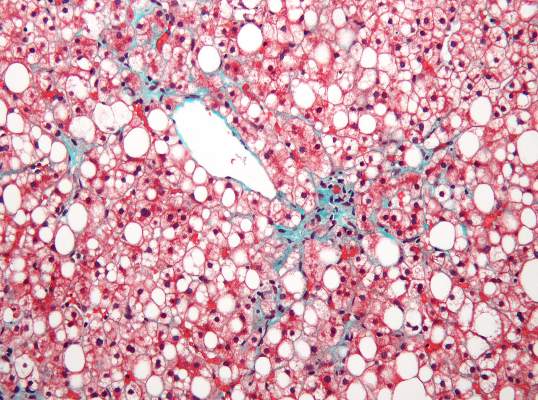
Researchers found an association between nonalcoholic fatty liver disease (NAFLD) and myocardial dysfunction and remodeling, according to a new study published in Hepatology.
“Both NAFLD and heart failure (particularly heart failure with preserved ejection fraction) are obesity-related conditions that have reached epidemic proportions. We know from epidemiologic studies that persons with NAFLD are more likely to die from cardiovascular disease than from liver-related death. This risk seems to be proportional to the amount of fat in the liver and is independent of the presence of nonalcoholic steatohepatitis (NASH). There have been numerous studies that have focused on the relationship between NAFLD and coronary artery disease, but very little work has been done to determine relationships with heart failure,” Dr. Lisa B. VanWagner of Northwestern University in Chicago noted. She continued, “There are several well-established major risk factors for the development of clinical heart failure, including coronary artery disease, diabetes, and hypertension, all of which are also closely associated with NAFLD. However, whether NAFLD is independently associated with subclinical myocardial remodeling or dysfunction that may lead to the development of clinical heart failure is unknown.”
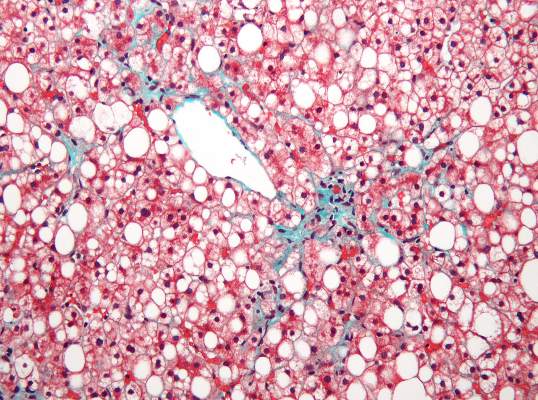
NAFLD and heart failure are both associated with obesity. Likewise, there is evidence that NAFLD may also be related to endothelial dysfunction, coronary plaques, coronary artery calcifications, as well as being an independent risk factor for cardiovascular disease.
Dr. VanWagner and her colleagues conducted a cross-sectional study of 2,713 patients from the CARDIA (Coronary Artery Risk Development in Young Adults) study to understand any associations between NAFLD and abnormalities in left ventricular (LV) function and structure. Study participants completed CT quantification of liver fat and echocardiography with Doppler during the 25-year follow-up to the initial study (Hepatology 2015;62:773-83 [doi:10.1002/hep.27869]). Participants were excluded from analysis if they had missing or incomplete imaging, pregnancy, a history of MI or heart failure, cirrhosis, hepatitis, or chronic liver disease risk factors, or if they weighed more than 450 pounds,
Of the 2,713 subjects included in analysis, 48% were black and 58.8% were female. NAFLD was detected in 10% (n = 271) of participants. Those with NAFLD were more likely to be white males with metabolic syndrome and who were obese and had higher CT-measured levels of visceral adipose tissue, and an increased waist circumference and waist-to-hip ratio. Insulin resistance markers such as elevated fasting glucose, elevated C-reactive protein, and hypertriglyceridemia were more common in the participants with NAFLD.
Study participants with NAFLD had signs of myocardial remodeling such as more left ventricular wall thickness, LV end-diastolic volume, left aortic volume index, and LV mass index. Likewise, NAFLD was associated with more circumferential strain and global longitudinal strain but no differences in ejection fraction.
Subclinical systolic dysfunction (P less than .001 for the trend), subclinical diastolic dysfunction with impaired left ventricular relaxation (34.6% vs. 23.6%; P less than .0001), and elevated LV filling pressures (33.3% vs. 23.7%; P less than .001) was more common in NAFLD participants, compared with non-NAFLD subjects.
After researchers adjusted for health behaviors and demographic factors, evidence of NAFLD was associated with worse GLS (P less than .0001). Finally, NAFLD was associated with subclinical cardiac remodeling and dysfunction even after adjustment for body mass index and heart failure risk factors (P less than .01).
Dr. VanWagner summarized, “NAFLD may not necessarily be a ‘benign condition’ as previously thought. In our study, we determined liver fat by CT scan, which admittedly detects fat at a higher level (typically greater than 30%) than for example on MRI, which can detect fat as low as 5%. A fatty liver detected on CT or even on [ultrasound], which has similar sensitivity as CT for detecting liver fat should prompt evaluation for additional cardiovascular risk factors and treatment of identified abnormalities to reduce [atherosclerotic cardiovascular disease] and [heart failure] risk. Currently, our study only shows associations between liver fat and subclinical changes in the myocardium and causality cannot be determined. [On the basis] of our data, we cannot recommend screening for HF [heart failure] in this population, but future studies are needed to determine if NAFLD in fact lies in the casual pathway for the development of clinical HF.”
The investigators reported multiple supporting sources, including the National Institutes of Health, American Association for the Study of Liver Disease Foundation, and the American Heart Association. Dr. Lewis reported receiving grants from Novo Nordisk.
Researchers found an association between nonalcoholic fatty liver disease (NAFLD) and myocardial dysfunction and remodeling, according to a new study published in Hepatology.
“Both NAFLD and heart failure (particularly heart failure with preserved ejection fraction) are obesity-related conditions that have reached epidemic proportions. We know from epidemiologic studies that persons with NAFLD are more likely to die from cardiovascular disease than from liver-related death. This risk seems to be proportional to the amount of fat in the liver and is independent of the presence of nonalcoholic steatohepatitis (NASH). There have been numerous studies that have focused on the relationship between NAFLD and coronary artery disease, but very little work has been done to determine relationships with heart failure,” Dr. Lisa B. VanWagner of Northwestern University in Chicago noted. She continued, “There are several well-established major risk factors for the development of clinical heart failure, including coronary artery disease, diabetes, and hypertension, all of which are also closely associated with NAFLD. However, whether NAFLD is independently associated with subclinical myocardial remodeling or dysfunction that may lead to the development of clinical heart failure is unknown.”
NAFLD and heart failure are both associated with obesity. Likewise, there is evidence that NAFLD may also be related to endothelial dysfunction, coronary plaques, coronary artery calcifications, as well as being an independent risk factor for cardiovascular disease.
Dr. VanWagner and her colleagues conducted a cross-sectional study of 2,713 patients from the CARDIA (Coronary Artery Risk Development in Young Adults) study to understand any associations between NAFLD and abnormalities in left ventricular (LV) function and structure. Study participants completed CT quantification of liver fat and echocardiography with Doppler during the 25-year follow-up to the initial study (Hepatology 2015;62:773-83 [doi:10.1002/hep.27869]). Participants were excluded from analysis if they had missing or incomplete imaging, pregnancy, a history of MI or heart failure, cirrhosis, hepatitis, or chronic liver disease risk factors, or if they weighed more than 450 pounds,
Of the 2,713 subjects included in analysis, 48% were black and 58.8% were female. NAFLD was detected in 10% (n = 271) of participants. Those with NAFLD were more likely to be white males with metabolic syndrome and who were obese and had higher CT-measured levels of visceral adipose tissue, and an increased waist circumference and waist-to-hip ratio. Insulin resistance markers such as elevated fasting glucose, elevated C-reactive protein, and hypertriglyceridemia were more common in the participants with NAFLD.
Study participants with NAFLD had signs of myocardial remodeling such as more left ventricular wall thickness, LV end-diastolic volume, left aortic volume index, and LV mass index. Likewise, NAFLD was associated with more circumferential strain and global longitudinal strain but no differences in ejection fraction.
Subclinical systolic dysfunction (P less than .001 for the trend), subclinical diastolic dysfunction with impaired left ventricular relaxation (34.6% vs. 23.6%; P less than .0001), and elevated LV filling pressures (33.3% vs. 23.7%; P less than .001) was more common in NAFLD participants, compared with non-NAFLD subjects.
After researchers adjusted for health behaviors and demographic factors, evidence of NAFLD was associated with worse GLS (P less than .0001). Finally, NAFLD was associated with subclinical cardiac remodeling and dysfunction even after adjustment for body mass index and heart failure risk factors (P less than .01).
Dr. VanWagner summarized, “NAFLD may not necessarily be a ‘benign condition’ as previously thought. In our study, we determined liver fat by CT scan, which admittedly detects fat at a higher level (typically greater than 30%) than for example on MRI, which can detect fat as low as 5%. A fatty liver detected on CT or even on [ultrasound], which has similar sensitivity as CT for detecting liver fat should prompt evaluation for additional cardiovascular risk factors and treatment of identified abnormalities to reduce [atherosclerotic cardiovascular disease] and [heart failure] risk. Currently, our study only shows associations between liver fat and subclinical changes in the myocardium and causality cannot be determined. [On the basis] of our data, we cannot recommend screening for HF [heart failure] in this population, but future studies are needed to determine if NAFLD in fact lies in the casual pathway for the development of clinical HF.”
The investigators reported multiple supporting sources, including the National Institutes of Health, American Association for the Study of Liver Disease Foundation, and the American Heart Association. Dr. Lewis reported receiving grants from Novo Nordisk.
Researchers found an association between nonalcoholic fatty liver disease (NAFLD) and myocardial dysfunction and remodeling, according to a new study published in Hepatology.
“Both NAFLD and heart failure (particularly heart failure with preserved ejection fraction) are obesity-related conditions that have reached epidemic proportions. We know from epidemiologic studies that persons with NAFLD are more likely to die from cardiovascular disease than from liver-related death. This risk seems to be proportional to the amount of fat in the liver and is independent of the presence of nonalcoholic steatohepatitis (NASH). There have been numerous studies that have focused on the relationship between NAFLD and coronary artery disease, but very little work has been done to determine relationships with heart failure,” Dr. Lisa B. VanWagner of Northwestern University in Chicago noted. She continued, “There are several well-established major risk factors for the development of clinical heart failure, including coronary artery disease, diabetes, and hypertension, all of which are also closely associated with NAFLD. However, whether NAFLD is independently associated with subclinical myocardial remodeling or dysfunction that may lead to the development of clinical heart failure is unknown.”
NAFLD and heart failure are both associated with obesity. Likewise, there is evidence that NAFLD may also be related to endothelial dysfunction, coronary plaques, coronary artery calcifications, as well as being an independent risk factor for cardiovascular disease.
Dr. VanWagner and her colleagues conducted a cross-sectional study of 2,713 patients from the CARDIA (Coronary Artery Risk Development in Young Adults) study to understand any associations between NAFLD and abnormalities in left ventricular (LV) function and structure. Study participants completed CT quantification of liver fat and echocardiography with Doppler during the 25-year follow-up to the initial study (Hepatology 2015;62:773-83 [doi:10.1002/hep.27869]). Participants were excluded from analysis if they had missing or incomplete imaging, pregnancy, a history of MI or heart failure, cirrhosis, hepatitis, or chronic liver disease risk factors, or if they weighed more than 450 pounds,
Of the 2,713 subjects included in analysis, 48% were black and 58.8% were female. NAFLD was detected in 10% (n = 271) of participants. Those with NAFLD were more likely to be white males with metabolic syndrome and who were obese and had higher CT-measured levels of visceral adipose tissue, and an increased waist circumference and waist-to-hip ratio. Insulin resistance markers such as elevated fasting glucose, elevated C-reactive protein, and hypertriglyceridemia were more common in the participants with NAFLD.
Study participants with NAFLD had signs of myocardial remodeling such as more left ventricular wall thickness, LV end-diastolic volume, left aortic volume index, and LV mass index. Likewise, NAFLD was associated with more circumferential strain and global longitudinal strain but no differences in ejection fraction.
Subclinical systolic dysfunction (P less than .001 for the trend), subclinical diastolic dysfunction with impaired left ventricular relaxation (34.6% vs. 23.6%; P less than .0001), and elevated LV filling pressures (33.3% vs. 23.7%; P less than .001) was more common in NAFLD participants, compared with non-NAFLD subjects.
After researchers adjusted for health behaviors and demographic factors, evidence of NAFLD was associated with worse GLS (P less than .0001). Finally, NAFLD was associated with subclinical cardiac remodeling and dysfunction even after adjustment for body mass index and heart failure risk factors (P less than .01).
Dr. VanWagner summarized, “NAFLD may not necessarily be a ‘benign condition’ as previously thought. In our study, we determined liver fat by CT scan, which admittedly detects fat at a higher level (typically greater than 30%) than for example on MRI, which can detect fat as low as 5%. A fatty liver detected on CT or even on [ultrasound], which has similar sensitivity as CT for detecting liver fat should prompt evaluation for additional cardiovascular risk factors and treatment of identified abnormalities to reduce [atherosclerotic cardiovascular disease] and [heart failure] risk. Currently, our study only shows associations between liver fat and subclinical changes in the myocardium and causality cannot be determined. [On the basis] of our data, we cannot recommend screening for HF [heart failure] in this population, but future studies are needed to determine if NAFLD in fact lies in the casual pathway for the development of clinical HF.”
The investigators reported multiple supporting sources, including the National Institutes of Health, American Association for the Study of Liver Disease Foundation, and the American Heart Association. Dr. Lewis reported receiving grants from Novo Nordisk.
FROM HEPATOLOGY
Key clinical point: Researchers found an association between nonalcoholic fatty liver disease and myocardial dysfunction and remodeling.
Major finding: Subclinical systolic dysfunction (P less than .001 for the trend), subclinical diastolic dysfunction with impaired left ventricular relaxation (P less than .0001), and elevated LV filling pressures (P less than .001) was more common in participants with NAFLD than in those without.
Data source: A cross-sectional study of 2,713 patients from the CARDIA study using CT quantification of liver fat and echocardiography with Doppler during the 25-year follow-up to the initial study.
Disclosures: The investigators reported multiple supporting sources, including the National Institutes of Health, American Association for the Study of Liver Disease Foundation, and the American Heart Association. Dr. Lewis reported receiving grants from Novo Nordisk.
Ledipasvir-sofosbuvir plus ribavirin in advanced HCV does well
Combination treatment with ledipasvir, sofosbuvir, and ribavirin for chronic hepatitis C virus infection led to sustained viral response (SVR) rates of 86%-89% among nontransplanted patients and 60%-100% among transplant recipients, according to a study published in the September issue of Gastroenterology.
“Rates of SVR were over 85% in every group of patients with Child-Pugh class [CPC] B decompensated cirrhosis – in those who had and had not undergone liver transplantation, as well as those who were receiving 12 and 24 weeks of treatment,” said Dr. Michael Charlton of Intermountain Medical Center in Salt Lake City, and his associates. “Similar response rates were observed in Child-Pugh class C patients who had not undergone liver transplantation. Rates of response were numerically lower in liver transplant recipients with Child-Pugh class C disease, but the small sample size ... makes this a preliminary observation.”
Patients with chronic HCV infection and advanced liver disease have a poor prognosis because of their risk of liver failure and hepatocellular carcinoma and because they have very limited treatment options. Chances of reinfection are 100% if patients have detectable virus at transplantation, and reinfection increases rates of subsequent graft loss, morbidity, and mortality, the investigators noted.
To assess the recently approved sofosbuvir-ledipasvir regimen, they conducted an open-label, phase II trial (SOLAR-1) of the combination plus ribavirin in 337 HCV-infected patients with advanced liver disease, including transplant recipients. Nearly all (99%) of the patients had HCV genotype 1 infection, while 1% had genotype 4 infection. The investigators randomized patients to receive 90 mg ledipasvir and 400 mg sofosbuvir in a fixed-dose daily regimen for either 12 or 24 weeks in combination with ribavirin, which was dosed based on body weight, tolerance of side effects, and extent of liver disease. Patients with CPC C cirrhosis received lower doses of ribavirin because of increased risk of hemotoxicity (Gastroenterology 2015 May 15. doi:10.1053/j.gastro.2015.05.010).
Nontransplanted patients who had decompensated cirrhosis achieved SVR12 or SVR24 rates of 86%-89%, even if they had CPC C decompensated disease, the researchers reported. “Our results also demonstrate that SVR12 in patients with decompensated cirrhosis is associated with early improvements in CPC and MELD [Model for End-Stage Liver Disease] scores, suggesting that eradication of the virus can rapidly improve hepatic function by attenuating the injury and inflammation due to HCV replication,” they said. Patients with CPC B disease also had significant improvements in albumin and bilirubin levels after 4 weeks of treatment.
Among transplant recipients who were noncirrhotic or were in compensated cirrhosis, SVR rates ranged from 96% to 98%, regardless of treatment duration or presence of cirrhosis, Dr. Charlton and associates reported. Among transplant recipients with decompensated cirrhosis, SVR rates were 86%-88% for the subgroup with CPC B disease, but were 60% for CPC C patients who were treated for 12 weeks, and were 75% for CPC C patients who were treated for 24 weeks. In contrast, all six patients with fibrosing cholestatic hepatitis achieved SVR and also experienced large drops in total bilirubin levels within 2-4 weeks of starting treatment, the researchers said. Finally, among the seven patients who underwent liver transplantation either during treatment or before posttreatment week 12, six achieved virologic response after surgery, and one died of multiorgan failure and septic shock 1 day after testing negative for HCV RNA.
In all, 13 patients (4%) discontinued treatment because of adverse events, primarily liver decompensation, the researchers reported. Adverse events that led more than one patient to stop treatment included sepsis, renal failure, dyspnea, and gastrointestinal hemorrhage. Patients were more likely to stop taking ribavirin if they were treated for 24 weeks or had worsening disease. Ten patients died on study, but none of the deaths were thought to be related to treatment, the researchers wrote.
Dr. Charlton disclosed ties with Gilead Sciences, maker of sofosbuvir and ledipasvir. Gilead funded the study. Four coauthors reported having no conflicts; the other 25 investigators reported employment or other financial ties with numerous pharmaceutical companies.
Combination treatment with ledipasvir, sofosbuvir, and ribavirin for chronic hepatitis C virus infection led to sustained viral response (SVR) rates of 86%-89% among nontransplanted patients and 60%-100% among transplant recipients, according to a study published in the September issue of Gastroenterology.
“Rates of SVR were over 85% in every group of patients with Child-Pugh class [CPC] B decompensated cirrhosis – in those who had and had not undergone liver transplantation, as well as those who were receiving 12 and 24 weeks of treatment,” said Dr. Michael Charlton of Intermountain Medical Center in Salt Lake City, and his associates. “Similar response rates were observed in Child-Pugh class C patients who had not undergone liver transplantation. Rates of response were numerically lower in liver transplant recipients with Child-Pugh class C disease, but the small sample size ... makes this a preliminary observation.”
Patients with chronic HCV infection and advanced liver disease have a poor prognosis because of their risk of liver failure and hepatocellular carcinoma and because they have very limited treatment options. Chances of reinfection are 100% if patients have detectable virus at transplantation, and reinfection increases rates of subsequent graft loss, morbidity, and mortality, the investigators noted.
To assess the recently approved sofosbuvir-ledipasvir regimen, they conducted an open-label, phase II trial (SOLAR-1) of the combination plus ribavirin in 337 HCV-infected patients with advanced liver disease, including transplant recipients. Nearly all (99%) of the patients had HCV genotype 1 infection, while 1% had genotype 4 infection. The investigators randomized patients to receive 90 mg ledipasvir and 400 mg sofosbuvir in a fixed-dose daily regimen for either 12 or 24 weeks in combination with ribavirin, which was dosed based on body weight, tolerance of side effects, and extent of liver disease. Patients with CPC C cirrhosis received lower doses of ribavirin because of increased risk of hemotoxicity (Gastroenterology 2015 May 15. doi:10.1053/j.gastro.2015.05.010).
Nontransplanted patients who had decompensated cirrhosis achieved SVR12 or SVR24 rates of 86%-89%, even if they had CPC C decompensated disease, the researchers reported. “Our results also demonstrate that SVR12 in patients with decompensated cirrhosis is associated with early improvements in CPC and MELD [Model for End-Stage Liver Disease] scores, suggesting that eradication of the virus can rapidly improve hepatic function by attenuating the injury and inflammation due to HCV replication,” they said. Patients with CPC B disease also had significant improvements in albumin and bilirubin levels after 4 weeks of treatment.
Among transplant recipients who were noncirrhotic or were in compensated cirrhosis, SVR rates ranged from 96% to 98%, regardless of treatment duration or presence of cirrhosis, Dr. Charlton and associates reported. Among transplant recipients with decompensated cirrhosis, SVR rates were 86%-88% for the subgroup with CPC B disease, but were 60% for CPC C patients who were treated for 12 weeks, and were 75% for CPC C patients who were treated for 24 weeks. In contrast, all six patients with fibrosing cholestatic hepatitis achieved SVR and also experienced large drops in total bilirubin levels within 2-4 weeks of starting treatment, the researchers said. Finally, among the seven patients who underwent liver transplantation either during treatment or before posttreatment week 12, six achieved virologic response after surgery, and one died of multiorgan failure and septic shock 1 day after testing negative for HCV RNA.
In all, 13 patients (4%) discontinued treatment because of adverse events, primarily liver decompensation, the researchers reported. Adverse events that led more than one patient to stop treatment included sepsis, renal failure, dyspnea, and gastrointestinal hemorrhage. Patients were more likely to stop taking ribavirin if they were treated for 24 weeks or had worsening disease. Ten patients died on study, but none of the deaths were thought to be related to treatment, the researchers wrote.
Dr. Charlton disclosed ties with Gilead Sciences, maker of sofosbuvir and ledipasvir. Gilead funded the study. Four coauthors reported having no conflicts; the other 25 investigators reported employment or other financial ties with numerous pharmaceutical companies.
Combination treatment with ledipasvir, sofosbuvir, and ribavirin for chronic hepatitis C virus infection led to sustained viral response (SVR) rates of 86%-89% among nontransplanted patients and 60%-100% among transplant recipients, according to a study published in the September issue of Gastroenterology.
“Rates of SVR were over 85% in every group of patients with Child-Pugh class [CPC] B decompensated cirrhosis – in those who had and had not undergone liver transplantation, as well as those who were receiving 12 and 24 weeks of treatment,” said Dr. Michael Charlton of Intermountain Medical Center in Salt Lake City, and his associates. “Similar response rates were observed in Child-Pugh class C patients who had not undergone liver transplantation. Rates of response were numerically lower in liver transplant recipients with Child-Pugh class C disease, but the small sample size ... makes this a preliminary observation.”
Patients with chronic HCV infection and advanced liver disease have a poor prognosis because of their risk of liver failure and hepatocellular carcinoma and because they have very limited treatment options. Chances of reinfection are 100% if patients have detectable virus at transplantation, and reinfection increases rates of subsequent graft loss, morbidity, and mortality, the investigators noted.
To assess the recently approved sofosbuvir-ledipasvir regimen, they conducted an open-label, phase II trial (SOLAR-1) of the combination plus ribavirin in 337 HCV-infected patients with advanced liver disease, including transplant recipients. Nearly all (99%) of the patients had HCV genotype 1 infection, while 1% had genotype 4 infection. The investigators randomized patients to receive 90 mg ledipasvir and 400 mg sofosbuvir in a fixed-dose daily regimen for either 12 or 24 weeks in combination with ribavirin, which was dosed based on body weight, tolerance of side effects, and extent of liver disease. Patients with CPC C cirrhosis received lower doses of ribavirin because of increased risk of hemotoxicity (Gastroenterology 2015 May 15. doi:10.1053/j.gastro.2015.05.010).
Nontransplanted patients who had decompensated cirrhosis achieved SVR12 or SVR24 rates of 86%-89%, even if they had CPC C decompensated disease, the researchers reported. “Our results also demonstrate that SVR12 in patients with decompensated cirrhosis is associated with early improvements in CPC and MELD [Model for End-Stage Liver Disease] scores, suggesting that eradication of the virus can rapidly improve hepatic function by attenuating the injury and inflammation due to HCV replication,” they said. Patients with CPC B disease also had significant improvements in albumin and bilirubin levels after 4 weeks of treatment.
Among transplant recipients who were noncirrhotic or were in compensated cirrhosis, SVR rates ranged from 96% to 98%, regardless of treatment duration or presence of cirrhosis, Dr. Charlton and associates reported. Among transplant recipients with decompensated cirrhosis, SVR rates were 86%-88% for the subgroup with CPC B disease, but were 60% for CPC C patients who were treated for 12 weeks, and were 75% for CPC C patients who were treated for 24 weeks. In contrast, all six patients with fibrosing cholestatic hepatitis achieved SVR and also experienced large drops in total bilirubin levels within 2-4 weeks of starting treatment, the researchers said. Finally, among the seven patients who underwent liver transplantation either during treatment or before posttreatment week 12, six achieved virologic response after surgery, and one died of multiorgan failure and septic shock 1 day after testing negative for HCV RNA.
In all, 13 patients (4%) discontinued treatment because of adverse events, primarily liver decompensation, the researchers reported. Adverse events that led more than one patient to stop treatment included sepsis, renal failure, dyspnea, and gastrointestinal hemorrhage. Patients were more likely to stop taking ribavirin if they were treated for 24 weeks or had worsening disease. Ten patients died on study, but none of the deaths were thought to be related to treatment, the researchers wrote.
Dr. Charlton disclosed ties with Gilead Sciences, maker of sofosbuvir and ledipasvir. Gilead funded the study. Four coauthors reported having no conflicts; the other 25 investigators reported employment or other financial ties with numerous pharmaceutical companies.
FROM GASTROENTEROLOGY
Key clinical point: Ledipasvir-sofosbuvir plus ribavirin for 12 weeks achieved high SVR rates among patients with hepatitis C virus infection and advanced liver disease.
Major finding: Rates of SVR exceeded 85% in every cohort of Child-Pugh class B decompensated cirrhosis, regardless of treatment duration or transplantation status.
Data source: Randomized open-label phase II study of 337 patients with chronic HCV infection and advanced liver disease.
Disclosures: Dr. Charlton disclosed ties with Gilead Sciences, maker of sofosbuvir and ledipasvir. Gilead funded the study. Four coauthors reported having no conflicts; the other 25 investigators reported employment or other financial ties with numerous pharmaceutical companies.
Less posttransplant primary biliary cirrhosis with preventive UDCA
Only 21% of liver transplantation patients who received ursodeoxycholic acid (UDCA) after surgery developed recurrent primary biliary cirrhosis, compared with 62% of patients who did not receive the bile acid, researchers reported in the Journal of Hepatology.
The results provide strong evidence that routinely giving liver transplant patients UDCA can prevent or delay recurrent primary biliary cirrhosis, said Alexie Bosch at Hôpital Edouard Herriot in Lyon, France, and his associates.
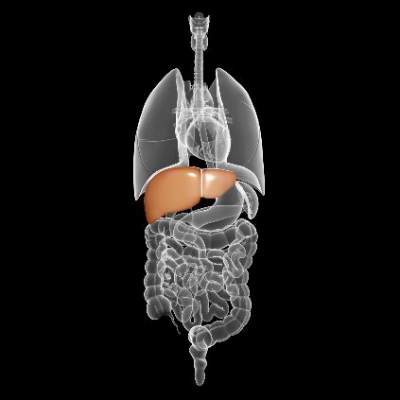
Primary biliary cirrhosis can recur after liver transplantation and increases the chances of graft dysfunction, the researchers noted. UDCA is the only approved medical treatment for primary biliary cirrhosis in the United States or Europe, but no research team has studied its potential to prevent recurrent primary biliary cirrhosis after liver transplantation, they added. Therefore, they retrospectively studied 90 patients with primary biliary cirrhosis who underwent liver transplantation at five centers in France and Switzerland between 1988 and 2010. In all, 21% of patients received oral UDCA (10-15 mg/kg per day in two divided doses) within 2 weeks after their operation, while the rest received it only if they developed biopsy-confirmed recurrent primary biliary cirrhosis. Biopsies were taken at posttransplant year 1 and every 5 years after that, or when clinically indicated, the investigators noted (J Hepatol. 2015 Aug. 14. doi: 10.1016/j.jhep.2015.07.038).
Patients who received preventive UDCA had a lower cumulative rate of recurrence throughout 15 years of postsurgical follow-up (P = .014), the researchers reported. The chances of recurrent primary biliary cirrhosis at 5, 10, and 15 years after transplantation were 11%, 21%, and 40% in the UDCA group, compared with 32%, 53%, and 70% for patients who did not receive prophylactic UDCA, they added. A multivariable analysis showed that recurrent primary biliary cirrhosis was associated with not receiving prophylactic UDCA (hazard ratio, 0.32; 95% confidence interval, 0.11, 0.91), but was not linked to donor age, Model For End-Stage Liver Disease (MELD) score, or sex mismatch between donor and recipient, the investigators said. Preventive UDCA also was tied to a 1.6-year longer median time to recurrence, although the trend did not reach statistical significance.
Although the study was retrospective and most patients who received UDCA were treated at one transplant center, all centers had similar histologic findings for recurrent primary biliary cirrhosis, said the researchers. Biopsies also were histologically similar regardless of whether they were event driven or obtained based on the study protocol, and time to recurrence did not vary based on biopsy type, they added. “In our multivariate analysis, we took care to account for all risk factors and confounders, as well as to test multilevel models in order to exclude potential misleading results and center effects,” they emphasized. “Given the extremely limited feasibility of prospective studies and the good tolerance and acceptability of long-term UDCA therapy, these results support the extended use of UDCA as prophylaxis for primary biliary cirrhosis recurrence after liver transplantation.”
The researchers declared no funding sources and reported having no conflicts of interest.
Only 21% of liver transplantation patients who received ursodeoxycholic acid (UDCA) after surgery developed recurrent primary biliary cirrhosis, compared with 62% of patients who did not receive the bile acid, researchers reported in the Journal of Hepatology.
The results provide strong evidence that routinely giving liver transplant patients UDCA can prevent or delay recurrent primary biliary cirrhosis, said Alexie Bosch at Hôpital Edouard Herriot in Lyon, France, and his associates.
Primary biliary cirrhosis can recur after liver transplantation and increases the chances of graft dysfunction, the researchers noted. UDCA is the only approved medical treatment for primary biliary cirrhosis in the United States or Europe, but no research team has studied its potential to prevent recurrent primary biliary cirrhosis after liver transplantation, they added. Therefore, they retrospectively studied 90 patients with primary biliary cirrhosis who underwent liver transplantation at five centers in France and Switzerland between 1988 and 2010. In all, 21% of patients received oral UDCA (10-15 mg/kg per day in two divided doses) within 2 weeks after their operation, while the rest received it only if they developed biopsy-confirmed recurrent primary biliary cirrhosis. Biopsies were taken at posttransplant year 1 and every 5 years after that, or when clinically indicated, the investigators noted (J Hepatol. 2015 Aug. 14. doi: 10.1016/j.jhep.2015.07.038).
Patients who received preventive UDCA had a lower cumulative rate of recurrence throughout 15 years of postsurgical follow-up (P = .014), the researchers reported. The chances of recurrent primary biliary cirrhosis at 5, 10, and 15 years after transplantation were 11%, 21%, and 40% in the UDCA group, compared with 32%, 53%, and 70% for patients who did not receive prophylactic UDCA, they added. A multivariable analysis showed that recurrent primary biliary cirrhosis was associated with not receiving prophylactic UDCA (hazard ratio, 0.32; 95% confidence interval, 0.11, 0.91), but was not linked to donor age, Model For End-Stage Liver Disease (MELD) score, or sex mismatch between donor and recipient, the investigators said. Preventive UDCA also was tied to a 1.6-year longer median time to recurrence, although the trend did not reach statistical significance.
Although the study was retrospective and most patients who received UDCA were treated at one transplant center, all centers had similar histologic findings for recurrent primary biliary cirrhosis, said the researchers. Biopsies also were histologically similar regardless of whether they were event driven or obtained based on the study protocol, and time to recurrence did not vary based on biopsy type, they added. “In our multivariate analysis, we took care to account for all risk factors and confounders, as well as to test multilevel models in order to exclude potential misleading results and center effects,” they emphasized. “Given the extremely limited feasibility of prospective studies and the good tolerance and acceptability of long-term UDCA therapy, these results support the extended use of UDCA as prophylaxis for primary biliary cirrhosis recurrence after liver transplantation.”
The researchers declared no funding sources and reported having no conflicts of interest.
Only 21% of liver transplantation patients who received ursodeoxycholic acid (UDCA) after surgery developed recurrent primary biliary cirrhosis, compared with 62% of patients who did not receive the bile acid, researchers reported in the Journal of Hepatology.
The results provide strong evidence that routinely giving liver transplant patients UDCA can prevent or delay recurrent primary biliary cirrhosis, said Alexie Bosch at Hôpital Edouard Herriot in Lyon, France, and his associates.
Primary biliary cirrhosis can recur after liver transplantation and increases the chances of graft dysfunction, the researchers noted. UDCA is the only approved medical treatment for primary biliary cirrhosis in the United States or Europe, but no research team has studied its potential to prevent recurrent primary biliary cirrhosis after liver transplantation, they added. Therefore, they retrospectively studied 90 patients with primary biliary cirrhosis who underwent liver transplantation at five centers in France and Switzerland between 1988 and 2010. In all, 21% of patients received oral UDCA (10-15 mg/kg per day in two divided doses) within 2 weeks after their operation, while the rest received it only if they developed biopsy-confirmed recurrent primary biliary cirrhosis. Biopsies were taken at posttransplant year 1 and every 5 years after that, or when clinically indicated, the investigators noted (J Hepatol. 2015 Aug. 14. doi: 10.1016/j.jhep.2015.07.038).
Patients who received preventive UDCA had a lower cumulative rate of recurrence throughout 15 years of postsurgical follow-up (P = .014), the researchers reported. The chances of recurrent primary biliary cirrhosis at 5, 10, and 15 years after transplantation were 11%, 21%, and 40% in the UDCA group, compared with 32%, 53%, and 70% for patients who did not receive prophylactic UDCA, they added. A multivariable analysis showed that recurrent primary biliary cirrhosis was associated with not receiving prophylactic UDCA (hazard ratio, 0.32; 95% confidence interval, 0.11, 0.91), but was not linked to donor age, Model For End-Stage Liver Disease (MELD) score, or sex mismatch between donor and recipient, the investigators said. Preventive UDCA also was tied to a 1.6-year longer median time to recurrence, although the trend did not reach statistical significance.
Although the study was retrospective and most patients who received UDCA were treated at one transplant center, all centers had similar histologic findings for recurrent primary biliary cirrhosis, said the researchers. Biopsies also were histologically similar regardless of whether they were event driven or obtained based on the study protocol, and time to recurrence did not vary based on biopsy type, they added. “In our multivariate analysis, we took care to account for all risk factors and confounders, as well as to test multilevel models in order to exclude potential misleading results and center effects,” they emphasized. “Given the extremely limited feasibility of prospective studies and the good tolerance and acceptability of long-term UDCA therapy, these results support the extended use of UDCA as prophylaxis for primary biliary cirrhosis recurrence after liver transplantation.”
The researchers declared no funding sources and reported having no conflicts of interest.
FROM THE JOURNAL OF HEPATOLOGY
Key clinical point: Treatment with prophylactic ursodeoxycholic acid might help prevent recurrent primary biliary cirrhosis after liver transplantation.
Major finding: Patients who received preventive UDCA had a lower cumulative rate of recurrence throughout 15 years of follow-up (P = .014).
Data source: Multicenter retrospective study of 90 patients who underwent liver transplantation for primary biliary cirrhosis.
Disclosures: The researchers declared no funding sources and reported having no conflicts of interest.
Cirrhosis in HCV often goes unreported
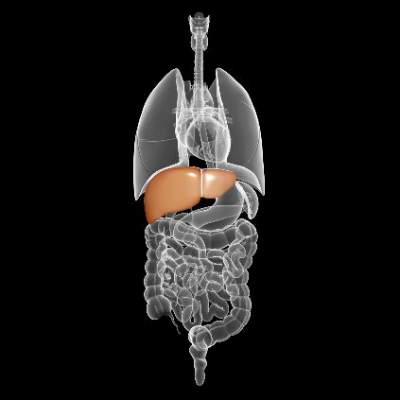
More than 28% of patients with chronic hepatitis C (CHC) virus infection met at least one criterion for cirrhosis, while only 7% had biopsy confirmation of the condition, investigators reported in the August issue of the American Journal of Gastroenterology.
Furthermore, only half of the patients with a positive biopsy had been given an associated ICD-9-CM code, said Dr. Stuart Gordon at Henry Ford Health System in Detroit and his associates. Cirrhosis in CHC therefore might often go unreported, leading to “overly conservative” estimates of its prevalence, associated health care costs, and the cost-effectiveness of the newer HCV treatments, they said.
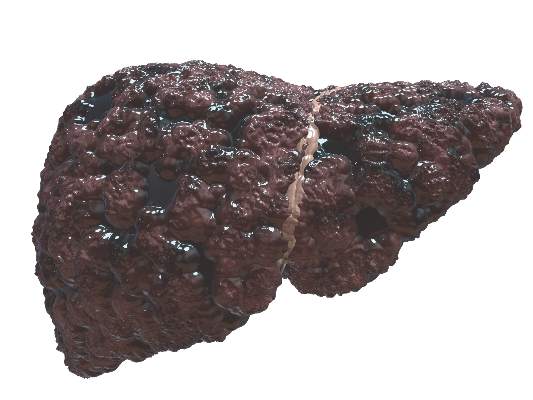
The researchers analyzed data for 9,783 patients with CHC from the Chronic Hepatitis Cohort Study who were treated between 2006 and 2010. They compared the prevalence of biopsy-confirmed cirrhosis (Metavir stage 4 or pathologist’s report) with the proportion of patients who met at least one of four criteria: positive biopsy; Fibrosis-4 score of at least 5.88, or the presence of a diagnosis or procedural code for cirrhosis or hepatic decompensation. Patients averaged 55 years of age, and most were white males with health insurance, the researchers said (Am. J. Gastroenterol. 2015;110:1169-77).
In all, 28.5% of CHC patients met at least one of the four criteria, including 22% who met the Fibrosis-4 threshold, 6.8% who were biopsy positive, and 5.7% and 4.9% who had a diagnostic or procedural code for cirrhosis or hepatic decompensation, respectively, said the investigators. Patients had significantly greater odds of cirrhosis (P less than .05) if they were older, male, Asian, Hispanic, had genotype 3 HCV infection, HIV coinfection, or a history of antiviral treatment, alcohol abuse, or diabetes, they added. “Our findings are the first in the United States to attempt an accurate estimate of the prevalence of cirrhosis in the CHC patient population at large,” the researchers concluded. “Use of additional parameters suggests a fourfold higher prevalence of cirrhosis than is revealed by biopsy alone. These findings suggest that cirrhosis in CHC patients may be significantly underdocumented and underdiagnosed.”
The CDC Foundation funds the Chronic Hepatitis Cohort Study. Dr. Gordon reported financial relationships with numerous makers of anti-HCV therapies. The other investigators reported having no conflicts of interest.
More than 28% of patients with chronic hepatitis C (CHC) virus infection met at least one criterion for cirrhosis, while only 7% had biopsy confirmation of the condition, investigators reported in the August issue of the American Journal of Gastroenterology.
Furthermore, only half of the patients with a positive biopsy had been given an associated ICD-9-CM code, said Dr. Stuart Gordon at Henry Ford Health System in Detroit and his associates. Cirrhosis in CHC therefore might often go unreported, leading to “overly conservative” estimates of its prevalence, associated health care costs, and the cost-effectiveness of the newer HCV treatments, they said.
The researchers analyzed data for 9,783 patients with CHC from the Chronic Hepatitis Cohort Study who were treated between 2006 and 2010. They compared the prevalence of biopsy-confirmed cirrhosis (Metavir stage 4 or pathologist’s report) with the proportion of patients who met at least one of four criteria: positive biopsy; Fibrosis-4 score of at least 5.88, or the presence of a diagnosis or procedural code for cirrhosis or hepatic decompensation. Patients averaged 55 years of age, and most were white males with health insurance, the researchers said (Am. J. Gastroenterol. 2015;110:1169-77).
In all, 28.5% of CHC patients met at least one of the four criteria, including 22% who met the Fibrosis-4 threshold, 6.8% who were biopsy positive, and 5.7% and 4.9% who had a diagnostic or procedural code for cirrhosis or hepatic decompensation, respectively, said the investigators. Patients had significantly greater odds of cirrhosis (P less than .05) if they were older, male, Asian, Hispanic, had genotype 3 HCV infection, HIV coinfection, or a history of antiviral treatment, alcohol abuse, or diabetes, they added. “Our findings are the first in the United States to attempt an accurate estimate of the prevalence of cirrhosis in the CHC patient population at large,” the researchers concluded. “Use of additional parameters suggests a fourfold higher prevalence of cirrhosis than is revealed by biopsy alone. These findings suggest that cirrhosis in CHC patients may be significantly underdocumented and underdiagnosed.”
The CDC Foundation funds the Chronic Hepatitis Cohort Study. Dr. Gordon reported financial relationships with numerous makers of anti-HCV therapies. The other investigators reported having no conflicts of interest.
More than 28% of patients with chronic hepatitis C (CHC) virus infection met at least one criterion for cirrhosis, while only 7% had biopsy confirmation of the condition, investigators reported in the August issue of the American Journal of Gastroenterology.
Furthermore, only half of the patients with a positive biopsy had been given an associated ICD-9-CM code, said Dr. Stuart Gordon at Henry Ford Health System in Detroit and his associates. Cirrhosis in CHC therefore might often go unreported, leading to “overly conservative” estimates of its prevalence, associated health care costs, and the cost-effectiveness of the newer HCV treatments, they said.
The researchers analyzed data for 9,783 patients with CHC from the Chronic Hepatitis Cohort Study who were treated between 2006 and 2010. They compared the prevalence of biopsy-confirmed cirrhosis (Metavir stage 4 or pathologist’s report) with the proportion of patients who met at least one of four criteria: positive biopsy; Fibrosis-4 score of at least 5.88, or the presence of a diagnosis or procedural code for cirrhosis or hepatic decompensation. Patients averaged 55 years of age, and most were white males with health insurance, the researchers said (Am. J. Gastroenterol. 2015;110:1169-77).
In all, 28.5% of CHC patients met at least one of the four criteria, including 22% who met the Fibrosis-4 threshold, 6.8% who were biopsy positive, and 5.7% and 4.9% who had a diagnostic or procedural code for cirrhosis or hepatic decompensation, respectively, said the investigators. Patients had significantly greater odds of cirrhosis (P less than .05) if they were older, male, Asian, Hispanic, had genotype 3 HCV infection, HIV coinfection, or a history of antiviral treatment, alcohol abuse, or diabetes, they added. “Our findings are the first in the United States to attempt an accurate estimate of the prevalence of cirrhosis in the CHC patient population at large,” the researchers concluded. “Use of additional parameters suggests a fourfold higher prevalence of cirrhosis than is revealed by biopsy alone. These findings suggest that cirrhosis in CHC patients may be significantly underdocumented and underdiagnosed.”
The CDC Foundation funds the Chronic Hepatitis Cohort Study. Dr. Gordon reported financial relationships with numerous makers of anti-HCV therapies. The other investigators reported having no conflicts of interest.
FROM THE AMERICAN JOURNAL OF GASTROENTEROLOGY
Key clinical point: Cirrhosis might be more common among patients with HCV virus infection than studies based on ICD-9 codes would suggest.
Major finding: 28.5% of patients met more than one of four criteria for cirrhosis, but only 7% had a positive biopsy.
Data source: Observational study of 9,783 patients with chronic HCV infection from the Chronic Hepatitis Cohort Study.
Disclosures: The CDC Foundation funds the Chronic Hepatitis Cohort Study. Dr. Gordon reported financial relationships with numerous makers of therapies for chronic HCV infection. The other investigators reported having no conflicts of interest.
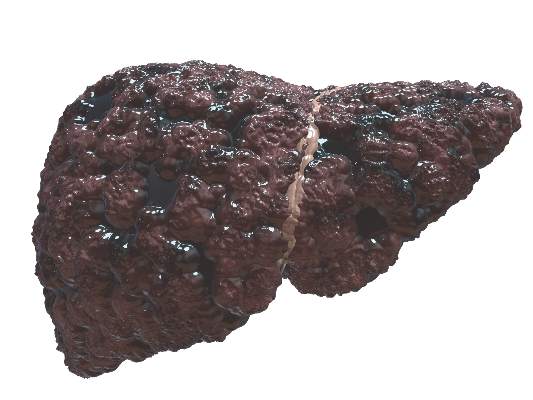
Online resource provides updated HCV tx guidelines
The newest guidelines for testing, managing, and treating hepatitis C infections in adults are part of a “living document” – a constantly updated online resource that reflects the ever-changing world of HCV research.
A joint venture of the American Association for the Study of Liver Diseases (AASLD) and the Infectious Diseases Society of America (IDSA), the document puts cutting-edge science in the hands of clinicians, Dr. Gary L. Davis wrote (Hepatology 2015 June 25 [doi:10.1002/hep.27950]). The continuously updated version may be accessed at any time at www.hcvguidelines.org.
“The pace of hepatitis C virus (HCV) drug development in recent years has accelerated dramatically,” wrote Dr. Davis, cochair for the AASLD/IDSA HCV Guidance writing group. “Such information and advice can be difficult to access readily given the diverse sources from which information is available, and the sometimes lengthy time needed for publication of original articles and scholarly perspectives. Traditional practice guidelines for more established areas of medicine and care often take years to develop and bring to publication. In the new era in hepatitis C treatment, such a process would not be nimble or timely enough to address the needs of patients with HCV infection, practitioners caring for these patients, or payers approving therapies for use.”
The online guidelines “will undergo real-time revisions as the field evolves,” Dr. Davis noted. A panel of 26 hepatologists and infectious diseases specialists and a patient advocate developed the original consensus recommendations.
The new update contains recommendations for direct antiviral drug regimens in treatment-naive patients and for all six HCV genotypes. A second section examines the recommended regimens for patients who have failed treatment with PEG-interferon and ribavirin, with or without a direct antiviral agent.
The document also gives guidance for managing patients with and without a sustained viral response and concludes with a section on treating special patient populations (decompensated cirrhosis, post-transplant HCV infections, renal impairment, and coinfection with HIV).
[email protected]
AGA Resource
AGA offers a Hepatitis C Clinical Service Line through the AGA Roadmap to the Future of Practice to help you provide high-quality patient care. Learn more at http://www.gastro.org/patient-care/conditions-diseases/hepatitis-c.
The newest guidelines for testing, managing, and treating hepatitis C infections in adults are part of a “living document” – a constantly updated online resource that reflects the ever-changing world of HCV research.
A joint venture of the American Association for the Study of Liver Diseases (AASLD) and the Infectious Diseases Society of America (IDSA), the document puts cutting-edge science in the hands of clinicians, Dr. Gary L. Davis wrote (Hepatology 2015 June 25 [doi:10.1002/hep.27950]). The continuously updated version may be accessed at any time at www.hcvguidelines.org.
“The pace of hepatitis C virus (HCV) drug development in recent years has accelerated dramatically,” wrote Dr. Davis, cochair for the AASLD/IDSA HCV Guidance writing group. “Such information and advice can be difficult to access readily given the diverse sources from which information is available, and the sometimes lengthy time needed for publication of original articles and scholarly perspectives. Traditional practice guidelines for more established areas of medicine and care often take years to develop and bring to publication. In the new era in hepatitis C treatment, such a process would not be nimble or timely enough to address the needs of patients with HCV infection, practitioners caring for these patients, or payers approving therapies for use.”
The online guidelines “will undergo real-time revisions as the field evolves,” Dr. Davis noted. A panel of 26 hepatologists and infectious diseases specialists and a patient advocate developed the original consensus recommendations.
The new update contains recommendations for direct antiviral drug regimens in treatment-naive patients and for all six HCV genotypes. A second section examines the recommended regimens for patients who have failed treatment with PEG-interferon and ribavirin, with or without a direct antiviral agent.
The document also gives guidance for managing patients with and without a sustained viral response and concludes with a section on treating special patient populations (decompensated cirrhosis, post-transplant HCV infections, renal impairment, and coinfection with HIV).
[email protected]
AGA Resource
AGA offers a Hepatitis C Clinical Service Line through the AGA Roadmap to the Future of Practice to help you provide high-quality patient care. Learn more at http://www.gastro.org/patient-care/conditions-diseases/hepatitis-c.
The newest guidelines for testing, managing, and treating hepatitis C infections in adults are part of a “living document” – a constantly updated online resource that reflects the ever-changing world of HCV research.
A joint venture of the American Association for the Study of Liver Diseases (AASLD) and the Infectious Diseases Society of America (IDSA), the document puts cutting-edge science in the hands of clinicians, Dr. Gary L. Davis wrote (Hepatology 2015 June 25 [doi:10.1002/hep.27950]). The continuously updated version may be accessed at any time at www.hcvguidelines.org.
“The pace of hepatitis C virus (HCV) drug development in recent years has accelerated dramatically,” wrote Dr. Davis, cochair for the AASLD/IDSA HCV Guidance writing group. “Such information and advice can be difficult to access readily given the diverse sources from which information is available, and the sometimes lengthy time needed for publication of original articles and scholarly perspectives. Traditional practice guidelines for more established areas of medicine and care often take years to develop and bring to publication. In the new era in hepatitis C treatment, such a process would not be nimble or timely enough to address the needs of patients with HCV infection, practitioners caring for these patients, or payers approving therapies for use.”
The online guidelines “will undergo real-time revisions as the field evolves,” Dr. Davis noted. A panel of 26 hepatologists and infectious diseases specialists and a patient advocate developed the original consensus recommendations.
The new update contains recommendations for direct antiviral drug regimens in treatment-naive patients and for all six HCV genotypes. A second section examines the recommended regimens for patients who have failed treatment with PEG-interferon and ribavirin, with or without a direct antiviral agent.
The document also gives guidance for managing patients with and without a sustained viral response and concludes with a section on treating special patient populations (decompensated cirrhosis, post-transplant HCV infections, renal impairment, and coinfection with HIV).
[email protected]
AGA Resource
AGA offers a Hepatitis C Clinical Service Line through the AGA Roadmap to the Future of Practice to help you provide high-quality patient care. Learn more at http://www.gastro.org/patient-care/conditions-diseases/hepatitis-c.
FDA approves Daklinza for HCV genotype 3 infections
The U.S. Food and Drug Administration has approved Daklinza (daclatasvir), a hepatitis C virus (HCV) drug that, when used in combination with sofosbuvir, does not require coadministration of interferon or ribavirin for the treatment of HCV genotype 3 infections, the agency announced in a statement on July 24, 2015.

In a clinical trial, 152 treatment-naive and treatment-experienced participants with chronic HCV genotype 3 infection received Daklinza 60 mg plus sofosbuvir 400 mg once daily for 12 weeks, and were monitored for 24 weeks post treatment; 98% of the treatment-naive participants with no cirrhosis of the liver (and 58% of the treatment-naive participants with cirrhosis) achieved a sustained virologic response. Among the participants who were treatment experienced, 92% with no cirrhosis of the liver and 69% with cirrhosis achieved sustained virologic response.
“Today’s approval provides a new option for patients with genotype 3 HCV, including those patients who cannot tolerate ribavirin,” said Dr. Edward Cox, director of the Office of Antimicrobial Products in the FDA’s Center for Drug Evaluation and Research, in a statement.
The most common side effects of Daklinza with sofosbuvir were fatigue and headache.
According to the Centers for Disease Control and Prevention, approximately 2.7 million Americans are infected with HCV of which approximately 10 percent are genotype 3.
Daklinza is marketed by Bristol-Myers Squibb, based in Princeton, N.J.
Read the full FDA statement at: www.fda.gov/NewsEvents/Newsroom/PressAnnouncements/ucm455888.htm.
AGA Resource
Through the AGA Roadmap to the Future of Practice, AGA offers a Hepatitis C Clinical Service line to support high-quality patient care, which is available at http://www.gastro.org/patient-care/conditions-diseases/hepatitis-c.
The recent FDA approval of Daklinza and Technivie for hepatitis C offer some additional weapons in the treatment of hepatitis C; however, their approval does not dramatically alter the treatment landscape at this point. Technivie is FDA approved for genotype 4, a small fraction of patients with hepatitis C, and does not offer much improvement over off-label use of Harvoni or Viekira Pak for genotype 4 patients. Daklinza is FDA approved in combination with sofosbuvir for 12 weeks for treatment-naive patients with genotype 3 and should also be considered for off-label use for genotype 2 patients.
While SVRs for noncirrhotic treatment-naive genotype 3 patients are high, achieving high SVRs in patients with cirrhosis requires treatment extension to 24 weeks to achieve an SVR around 90% at a cost of nearly $300,000. While this is an improvement on sofosbuvir plus ribavirin for treatment-experienced patients with cirrhosis, it nevertheless is an extremely expensive option that will likely be met with resistance from payers. It will also likely be displaced as a treatment option for genotype 2 and 3 patients when Gilead's pan-genotypic NS5A inhibitor (GS-5816) makes it to market as anticipated within the next year.
Dr. Sean Koppe is director of hepatology at the University of Illinois Hospital & Health Sciences System, Chicago. He has no conflicts of interest.
The recent FDA approval of Daklinza and Technivie for hepatitis C offer some additional weapons in the treatment of hepatitis C; however, their approval does not dramatically alter the treatment landscape at this point. Technivie is FDA approved for genotype 4, a small fraction of patients with hepatitis C, and does not offer much improvement over off-label use of Harvoni or Viekira Pak for genotype 4 patients. Daklinza is FDA approved in combination with sofosbuvir for 12 weeks for treatment-naive patients with genotype 3 and should also be considered for off-label use for genotype 2 patients.
While SVRs for noncirrhotic treatment-naive genotype 3 patients are high, achieving high SVRs in patients with cirrhosis requires treatment extension to 24 weeks to achieve an SVR around 90% at a cost of nearly $300,000. While this is an improvement on sofosbuvir plus ribavirin for treatment-experienced patients with cirrhosis, it nevertheless is an extremely expensive option that will likely be met with resistance from payers. It will also likely be displaced as a treatment option for genotype 2 and 3 patients when Gilead's pan-genotypic NS5A inhibitor (GS-5816) makes it to market as anticipated within the next year.
Dr. Sean Koppe is director of hepatology at the University of Illinois Hospital & Health Sciences System, Chicago. He has no conflicts of interest.
The recent FDA approval of Daklinza and Technivie for hepatitis C offer some additional weapons in the treatment of hepatitis C; however, their approval does not dramatically alter the treatment landscape at this point. Technivie is FDA approved for genotype 4, a small fraction of patients with hepatitis C, and does not offer much improvement over off-label use of Harvoni or Viekira Pak for genotype 4 patients. Daklinza is FDA approved in combination with sofosbuvir for 12 weeks for treatment-naive patients with genotype 3 and should also be considered for off-label use for genotype 2 patients.
While SVRs for noncirrhotic treatment-naive genotype 3 patients are high, achieving high SVRs in patients with cirrhosis requires treatment extension to 24 weeks to achieve an SVR around 90% at a cost of nearly $300,000. While this is an improvement on sofosbuvir plus ribavirin for treatment-experienced patients with cirrhosis, it nevertheless is an extremely expensive option that will likely be met with resistance from payers. It will also likely be displaced as a treatment option for genotype 2 and 3 patients when Gilead's pan-genotypic NS5A inhibitor (GS-5816) makes it to market as anticipated within the next year.
Dr. Sean Koppe is director of hepatology at the University of Illinois Hospital & Health Sciences System, Chicago. He has no conflicts of interest.
The U.S. Food and Drug Administration has approved Daklinza (daclatasvir), a hepatitis C virus (HCV) drug that, when used in combination with sofosbuvir, does not require coadministration of interferon or ribavirin for the treatment of HCV genotype 3 infections, the agency announced in a statement on July 24, 2015.
In a clinical trial, 152 treatment-naive and treatment-experienced participants with chronic HCV genotype 3 infection received Daklinza 60 mg plus sofosbuvir 400 mg once daily for 12 weeks, and were monitored for 24 weeks post treatment; 98% of the treatment-naive participants with no cirrhosis of the liver (and 58% of the treatment-naive participants with cirrhosis) achieved a sustained virologic response. Among the participants who were treatment experienced, 92% with no cirrhosis of the liver and 69% with cirrhosis achieved sustained virologic response.
“Today’s approval provides a new option for patients with genotype 3 HCV, including those patients who cannot tolerate ribavirin,” said Dr. Edward Cox, director of the Office of Antimicrobial Products in the FDA’s Center for Drug Evaluation and Research, in a statement.
The most common side effects of Daklinza with sofosbuvir were fatigue and headache.
According to the Centers for Disease Control and Prevention, approximately 2.7 million Americans are infected with HCV of which approximately 10 percent are genotype 3.
Daklinza is marketed by Bristol-Myers Squibb, based in Princeton, N.J.
Read the full FDA statement at: www.fda.gov/NewsEvents/Newsroom/PressAnnouncements/ucm455888.htm.
AGA Resource
Through the AGA Roadmap to the Future of Practice, AGA offers a Hepatitis C Clinical Service line to support high-quality patient care, which is available at http://www.gastro.org/patient-care/conditions-diseases/hepatitis-c.
The U.S. Food and Drug Administration has approved Daklinza (daclatasvir), a hepatitis C virus (HCV) drug that, when used in combination with sofosbuvir, does not require coadministration of interferon or ribavirin for the treatment of HCV genotype 3 infections, the agency announced in a statement on July 24, 2015.
In a clinical trial, 152 treatment-naive and treatment-experienced participants with chronic HCV genotype 3 infection received Daklinza 60 mg plus sofosbuvir 400 mg once daily for 12 weeks, and were monitored for 24 weeks post treatment; 98% of the treatment-naive participants with no cirrhosis of the liver (and 58% of the treatment-naive participants with cirrhosis) achieved a sustained virologic response. Among the participants who were treatment experienced, 92% with no cirrhosis of the liver and 69% with cirrhosis achieved sustained virologic response.
“Today’s approval provides a new option for patients with genotype 3 HCV, including those patients who cannot tolerate ribavirin,” said Dr. Edward Cox, director of the Office of Antimicrobial Products in the FDA’s Center for Drug Evaluation and Research, in a statement.
The most common side effects of Daklinza with sofosbuvir were fatigue and headache.
According to the Centers for Disease Control and Prevention, approximately 2.7 million Americans are infected with HCV of which approximately 10 percent are genotype 3.
Daklinza is marketed by Bristol-Myers Squibb, based in Princeton, N.J.
Read the full FDA statement at: www.fda.gov/NewsEvents/Newsroom/PressAnnouncements/ucm455888.htm.
AGA Resource
Through the AGA Roadmap to the Future of Practice, AGA offers a Hepatitis C Clinical Service line to support high-quality patient care, which is available at http://www.gastro.org/patient-care/conditions-diseases/hepatitis-c.

FDA approves oral interferon-free treatment for genotype 4 HCV infection
The first interferon-free treatment for people with genotype 4 hepatitis C infection has been approved by the Food and Drug Administration.
On July 24, the FDA approved a combination of three antivirals – ombitasvir, paritaprevir, and ritonavir – for use with ribavirin for treating hepatitis C virus (HCV) genotype 4 infections in people without cirrhosis, according to the agency’s statement announcing the approval. The combination tablet will be marketed as Technivie, by Abbvie. Ombitasvir is an HCV NS5A inhibitor, paritaprevir is an HCV NS3/4A protease inhibitor, and ritonavir is an HCV CYP3A inhibitor.

Technivie “is the first drug that has demonstrated safety and efficacy to treat genotype 4 HCV infections without the need for coadministration of interferon,” the statement said. It is administered orally. Technivie is a fixed-dose combination of paritaprevir/ritonavir (150/100 mg) co-formulated with ombitasvir (25 mg); it is dosed once a day and should be taken with a meal. It is co-administered with weight-based RBV (1000mg or 1200mg in divided doses, twice a day), taken with food, according to the company's statement announcing approval.
The FDA statement refers to that study of 135 people with chronic HCV genotype 4 infections and no cirrhosis, treated with the three antivirals plus ribavirin once a day for 12 weeks (91 patients), or without ribavirin (44 patients) for 12 weeks. All the patients on the three-drug combination plus ribavirin achieved a sustained virologic response (SVR12) 12 weeks after stopping treatment (no HCV detected in the blood) vs. 91% of those who did not take ribavirin. Fatigue, weakness, nausea, insomnia, pruritus and other skin reactions are among the most common adverse events associated with treatment with Technivie and ribavirin, according to the FDA statement.
The statement adds that the prescribing information includes a warning that elevations of liver enzymes up to greater than five times the upper limit of normal occurred in about 1% of the patients in clinical trials, which were more common among women taking contraceptives that contain ethinyl estradiol. Before starting treatment, women should discontinue contraceptives that containing ethinyl estradiol, and “hepatic laboratory testing should be performed during the first 4 weeks of treatment, and as clinically indicated thereafter,” the FDA statement said.
The three antivirals included in Technivie, plus dasabuvir (an HCV nonnucleoside NS5B polymerase inhibitor), are copackaged in the Viekira Pak, which was approved for the treatment of HCV genotype 1 chronic HCV infection, with or without ribavirin in 2014, and is also manufactured by Abbvie.
About 2.7 million people in the United States have chronic HCV infection, according to the Centers for Disease Control and Prevention. HCV genotype 4 is one of the least common types of HCV in the United States.
*This story was updated 7/24/2015.
AGA Resource
Through the AGA Roadmap to the Future of Practice, AGA offers a Hepatitis C Clinical Service line to support high-quality patient care, which is available at http://www.gastro.org/patient-care/conditions-diseases/hepatitis-c.
The recent FDA approval of Daklinza and Technivie for hepatitis C offer some additional weapons in the treatment of hepatitis C; however, their approval does not dramatically alter the treatment landscape at this point. Technivie is FDA approved for genotype 4, a small fraction of patients with hepatitis C, and does not offer much improvement over off-label use of Harvoni or Viekira Pak for genotype 4 patients. Daklinza is FDA approved in combination with sofosbuvir for 12 weeks for treatment-naive patients with genotype 3 and should also be considered for off-label use for genotype 2 patients.
While SVRs for noncirrhotic treatment-naive genotype 3 patients are high, achieving high SVRs in patients with cirrhosis requires treatment extension to 24 weeks to achieve an SVR around 90% at a cost of nearly $300,000. While this is an improvement on sofosbuvir plus ribavirin for treatment-experienced patients with cirrhosis, it nevertheless is an extremely expensive option that will likely be met with resistance from payers. It will also likely be displaced as a treatment option for genotype 2 and 3 patients when Gilead's pan-genotypic NS5A inhibitor (GS-5816) makes it to market as anticipated within the next year.
Dr. Sean Koppe is director of hepatology at the University of Illinois Hospital & Health Sciences System, Chicago. He has no conflicts of interest.
The recent FDA approval of Daklinza and Technivie for hepatitis C offer some additional weapons in the treatment of hepatitis C; however, their approval does not dramatically alter the treatment landscape at this point. Technivie is FDA approved for genotype 4, a small fraction of patients with hepatitis C, and does not offer much improvement over off-label use of Harvoni or Viekira Pak for genotype 4 patients. Daklinza is FDA approved in combination with sofosbuvir for 12 weeks for treatment-naive patients with genotype 3 and should also be considered for off-label use for genotype 2 patients.
While SVRs for noncirrhotic treatment-naive genotype 3 patients are high, achieving high SVRs in patients with cirrhosis requires treatment extension to 24 weeks to achieve an SVR around 90% at a cost of nearly $300,000. While this is an improvement on sofosbuvir plus ribavirin for treatment-experienced patients with cirrhosis, it nevertheless is an extremely expensive option that will likely be met with resistance from payers. It will also likely be displaced as a treatment option for genotype 2 and 3 patients when Gilead's pan-genotypic NS5A inhibitor (GS-5816) makes it to market as anticipated within the next year.
Dr. Sean Koppe is director of hepatology at the University of Illinois Hospital & Health Sciences System, Chicago. He has no conflicts of interest.
The recent FDA approval of Daklinza and Technivie for hepatitis C offer some additional weapons in the treatment of hepatitis C; however, their approval does not dramatically alter the treatment landscape at this point. Technivie is FDA approved for genotype 4, a small fraction of patients with hepatitis C, and does not offer much improvement over off-label use of Harvoni or Viekira Pak for genotype 4 patients. Daklinza is FDA approved in combination with sofosbuvir for 12 weeks for treatment-naive patients with genotype 3 and should also be considered for off-label use for genotype 2 patients.
While SVRs for noncirrhotic treatment-naive genotype 3 patients are high, achieving high SVRs in patients with cirrhosis requires treatment extension to 24 weeks to achieve an SVR around 90% at a cost of nearly $300,000. While this is an improvement on sofosbuvir plus ribavirin for treatment-experienced patients with cirrhosis, it nevertheless is an extremely expensive option that will likely be met with resistance from payers. It will also likely be displaced as a treatment option for genotype 2 and 3 patients when Gilead's pan-genotypic NS5A inhibitor (GS-5816) makes it to market as anticipated within the next year.
Dr. Sean Koppe is director of hepatology at the University of Illinois Hospital & Health Sciences System, Chicago. He has no conflicts of interest.
The first interferon-free treatment for people with genotype 4 hepatitis C infection has been approved by the Food and Drug Administration.
On July 24, the FDA approved a combination of three antivirals – ombitasvir, paritaprevir, and ritonavir – for use with ribavirin for treating hepatitis C virus (HCV) genotype 4 infections in people without cirrhosis, according to the agency’s statement announcing the approval. The combination tablet will be marketed as Technivie, by Abbvie. Ombitasvir is an HCV NS5A inhibitor, paritaprevir is an HCV NS3/4A protease inhibitor, and ritonavir is an HCV CYP3A inhibitor.
Technivie “is the first drug that has demonstrated safety and efficacy to treat genotype 4 HCV infections without the need for coadministration of interferon,” the statement said. It is administered orally. Technivie is a fixed-dose combination of paritaprevir/ritonavir (150/100 mg) co-formulated with ombitasvir (25 mg); it is dosed once a day and should be taken with a meal. It is co-administered with weight-based RBV (1000mg or 1200mg in divided doses, twice a day), taken with food, according to the company's statement announcing approval.
The FDA statement refers to that study of 135 people with chronic HCV genotype 4 infections and no cirrhosis, treated with the three antivirals plus ribavirin once a day for 12 weeks (91 patients), or without ribavirin (44 patients) for 12 weeks. All the patients on the three-drug combination plus ribavirin achieved a sustained virologic response (SVR12) 12 weeks after stopping treatment (no HCV detected in the blood) vs. 91% of those who did not take ribavirin. Fatigue, weakness, nausea, insomnia, pruritus and other skin reactions are among the most common adverse events associated with treatment with Technivie and ribavirin, according to the FDA statement.
The statement adds that the prescribing information includes a warning that elevations of liver enzymes up to greater than five times the upper limit of normal occurred in about 1% of the patients in clinical trials, which were more common among women taking contraceptives that contain ethinyl estradiol. Before starting treatment, women should discontinue contraceptives that containing ethinyl estradiol, and “hepatic laboratory testing should be performed during the first 4 weeks of treatment, and as clinically indicated thereafter,” the FDA statement said.
The three antivirals included in Technivie, plus dasabuvir (an HCV nonnucleoside NS5B polymerase inhibitor), are copackaged in the Viekira Pak, which was approved for the treatment of HCV genotype 1 chronic HCV infection, with or without ribavirin in 2014, and is also manufactured by Abbvie.
About 2.7 million people in the United States have chronic HCV infection, according to the Centers for Disease Control and Prevention. HCV genotype 4 is one of the least common types of HCV in the United States.
*This story was updated 7/24/2015.
AGA Resource
Through the AGA Roadmap to the Future of Practice, AGA offers a Hepatitis C Clinical Service line to support high-quality patient care, which is available at http://www.gastro.org/patient-care/conditions-diseases/hepatitis-c.
The first interferon-free treatment for people with genotype 4 hepatitis C infection has been approved by the Food and Drug Administration.
On July 24, the FDA approved a combination of three antivirals – ombitasvir, paritaprevir, and ritonavir – for use with ribavirin for treating hepatitis C virus (HCV) genotype 4 infections in people without cirrhosis, according to the agency’s statement announcing the approval. The combination tablet will be marketed as Technivie, by Abbvie. Ombitasvir is an HCV NS5A inhibitor, paritaprevir is an HCV NS3/4A protease inhibitor, and ritonavir is an HCV CYP3A inhibitor.
Technivie “is the first drug that has demonstrated safety and efficacy to treat genotype 4 HCV infections without the need for coadministration of interferon,” the statement said. It is administered orally. Technivie is a fixed-dose combination of paritaprevir/ritonavir (150/100 mg) co-formulated with ombitasvir (25 mg); it is dosed once a day and should be taken with a meal. It is co-administered with weight-based RBV (1000mg or 1200mg in divided doses, twice a day), taken with food, according to the company's statement announcing approval.
The FDA statement refers to that study of 135 people with chronic HCV genotype 4 infections and no cirrhosis, treated with the three antivirals plus ribavirin once a day for 12 weeks (91 patients), or without ribavirin (44 patients) for 12 weeks. All the patients on the three-drug combination plus ribavirin achieved a sustained virologic response (SVR12) 12 weeks after stopping treatment (no HCV detected in the blood) vs. 91% of those who did not take ribavirin. Fatigue, weakness, nausea, insomnia, pruritus and other skin reactions are among the most common adverse events associated with treatment with Technivie and ribavirin, according to the FDA statement.
The statement adds that the prescribing information includes a warning that elevations of liver enzymes up to greater than five times the upper limit of normal occurred in about 1% of the patients in clinical trials, which were more common among women taking contraceptives that contain ethinyl estradiol. Before starting treatment, women should discontinue contraceptives that containing ethinyl estradiol, and “hepatic laboratory testing should be performed during the first 4 weeks of treatment, and as clinically indicated thereafter,” the FDA statement said.
The three antivirals included in Technivie, plus dasabuvir (an HCV nonnucleoside NS5B polymerase inhibitor), are copackaged in the Viekira Pak, which was approved for the treatment of HCV genotype 1 chronic HCV infection, with or without ribavirin in 2014, and is also manufactured by Abbvie.
About 2.7 million people in the United States have chronic HCV infection, according to the Centers for Disease Control and Prevention. HCV genotype 4 is one of the least common types of HCV in the United States.
*This story was updated 7/24/2015.
AGA Resource
Through the AGA Roadmap to the Future of Practice, AGA offers a Hepatitis C Clinical Service line to support high-quality patient care, which is available at http://www.gastro.org/patient-care/conditions-diseases/hepatitis-c.

Daclatasvir plus sofosbuvir safe and effective in HCV/HIV coinfection
Patients treated with daclatasvir and sofosbuvir for hepatitis C who are coinfected with HIV have shown a significant virologic response, regardless of whether they had already been treated for their hepatitis C infection, according to data presented at the International AIDS Society Conference on HIV Pathogenesis, Treatment & Prevention.
The open-label ALLY-2 study – published simultaneously in the July 21 online edition of the New England Journal of Medicine – in 151 previously untreated patients with hepatitis C and HIV, and 52 previously treated patients, showed 12 weeks of treatment with NS5A inhibitor daclatasvir and sofosbuvir achieved a sustained virologic response in 96.4% of untreated patients and 97.7% of previously treated patients with HCV genotype 1, with no adverse effects on HIV-1 suppression.
Among previously untreated patients treated for 8 weeks, the response rate was 75.6%, and there were no study-drug discontinuations because of adverse events (N. Engl. J. Med. 2015 July 21 [doi:10.1056/NEJMoa1503153]).
“The lower efficacy observed after 8 weeks of treatment suggests that 12 weeks of therapy may be preferred for most patients with HIV-HCV coinfection,” wrote Dr. David L. Wyles of the University of California, San Diego, and his coauthors.
Bristol-Myers Squibb supported the study. Dr. Wyles reported serving as a scientific consultant to Bristol-Myers Squibb and Gilead Sciences. Some coauthors declared grants, personal fees, and speakers fees from pharmaceutical companies, including Bristol-Myers Squibb, and several authors are employees of Bristol-Myers Squibb.
Patients treated with daclatasvir and sofosbuvir for hepatitis C who are coinfected with HIV have shown a significant virologic response, regardless of whether they had already been treated for their hepatitis C infection, according to data presented at the International AIDS Society Conference on HIV Pathogenesis, Treatment & Prevention.
The open-label ALLY-2 study – published simultaneously in the July 21 online edition of the New England Journal of Medicine – in 151 previously untreated patients with hepatitis C and HIV, and 52 previously treated patients, showed 12 weeks of treatment with NS5A inhibitor daclatasvir and sofosbuvir achieved a sustained virologic response in 96.4% of untreated patients and 97.7% of previously treated patients with HCV genotype 1, with no adverse effects on HIV-1 suppression.
Among previously untreated patients treated for 8 weeks, the response rate was 75.6%, and there were no study-drug discontinuations because of adverse events (N. Engl. J. Med. 2015 July 21 [doi:10.1056/NEJMoa1503153]).
“The lower efficacy observed after 8 weeks of treatment suggests that 12 weeks of therapy may be preferred for most patients with HIV-HCV coinfection,” wrote Dr. David L. Wyles of the University of California, San Diego, and his coauthors.
Bristol-Myers Squibb supported the study. Dr. Wyles reported serving as a scientific consultant to Bristol-Myers Squibb and Gilead Sciences. Some coauthors declared grants, personal fees, and speakers fees from pharmaceutical companies, including Bristol-Myers Squibb, and several authors are employees of Bristol-Myers Squibb.
Patients treated with daclatasvir and sofosbuvir for hepatitis C who are coinfected with HIV have shown a significant virologic response, regardless of whether they had already been treated for their hepatitis C infection, according to data presented at the International AIDS Society Conference on HIV Pathogenesis, Treatment & Prevention.
The open-label ALLY-2 study – published simultaneously in the July 21 online edition of the New England Journal of Medicine – in 151 previously untreated patients with hepatitis C and HIV, and 52 previously treated patients, showed 12 weeks of treatment with NS5A inhibitor daclatasvir and sofosbuvir achieved a sustained virologic response in 96.4% of untreated patients and 97.7% of previously treated patients with HCV genotype 1, with no adverse effects on HIV-1 suppression.
Among previously untreated patients treated for 8 weeks, the response rate was 75.6%, and there were no study-drug discontinuations because of adverse events (N. Engl. J. Med. 2015 July 21 [doi:10.1056/NEJMoa1503153]).
“The lower efficacy observed after 8 weeks of treatment suggests that 12 weeks of therapy may be preferred for most patients with HIV-HCV coinfection,” wrote Dr. David L. Wyles of the University of California, San Diego, and his coauthors.
Bristol-Myers Squibb supported the study. Dr. Wyles reported serving as a scientific consultant to Bristol-Myers Squibb and Gilead Sciences. Some coauthors declared grants, personal fees, and speakers fees from pharmaceutical companies, including Bristol-Myers Squibb, and several authors are employees of Bristol-Myers Squibb.
FROM NEJM
Key clinical point: Daclatasvir and sofosbuvir therapy achieves sustained virologic response in patients coinfected with hepatitis C and HIV, without compromising HIV suppression.
Major finding: Treatment with NS5A inhibitor daclatasvir and sofosbuvir achieved a sustained virologic response in 96.4% of untreated patients and 97.7% of previously treated patients with HCV genotype 1.
Data source: A prospective, open-label study in 203 untreated and treated patients with hepatitis C and HIV.
Disclosures: Bristol-Myers Squibb supported the study. Dr. Wyles reported serving as a scientific consultant to Bristol-Myers Squibb and Gilead Sciences. Some coauthors declared grants, personal fees, and speakers fees from pharmaceutical companies, including Bristol-Myers Squibb, and several authors are employees of Bristol-Myers Squibb.