User login
Novel HCV therapies found cost effective, with caveats
Two different statistical models found that novel therapies for chronic HCV infection, particularly the combination of sofosbuvir and ledipasvir, are cost effective in most patients, according to separate reports published online March 17 in Annals of Internal Medicine.
However, both groups of researchers cautioned that if these expensive agents are made available to the millions of eligible patients across the country, it would have an immense impact on health care costs for both public and private payers.

The novel therapies, which typically contain sofosbuvir in combination with ledipasvir, simeprevir, or daclatasvir, substantially reduce the length of treatment, achieve much higher rates of sustained viral response (SVR), and offer interferon-free alternatives for patients who can’t tolerate or don’t respond to standard interferon-based treatments. But it is unclear whether these benefits justify their profound expense, compared with current care. Both statistical models were developed to examine this issue, but from different perspectives.
In one study, funded primarily by the National Institutes of Health, investigators constructed a model that simulated 120 possible clinical courses of HCV-infected adults based on different ages and sexes, treatment histories, HCV genotypes, fibrosis scores, and interferon tolerances. For each of these patient profiles, they ran simulations in which patients received either “the old standard of care” (peginterferon and ribavirin, either with or without boceprevir and telaprevir) or sofosbuvir plus ledipasvir.
The average per-patient cost of standard care ranged from $15,000 to $71,000, depending on the patient profile, while that of sofosbuvir-ledipasvir ranged from $66,000 to $154,000, said Jagpreet Chhatwal, Ph.D., of the University of Texas MD Anderson Cancer Center, Houston, and his associates.
Compared with standard care, treating 10,000 patients with sofosbuvir-ledipasvir was projected to prevent 600 cases of decompensated cirrhosis, 310 cases of hepatocellular carcinoma (HCC), 60 liver transplantations, and 550 liver-related deaths, which would result in substantial cost savings. Also, compared with standard care, the incremental cost-effectiveness ratio of sofosbuvir-ledipasvir was $55,400 per additional quality-of-life-year (QALY) gained, which falls well within the accepted range for therapies for other medical conditions. Thus, the new therapy proved to be cost-effective for most HCV patients (Ann. Intern. Med. 2015 March 17 [doi:10.7326/M14-1336]). But there was an important caveat: Many more patients would be eligible for the novel therapies than for the standard care, because the novel therapies are much more easily tolerated. With the addition of so many eligible patients, the resources needed to treat them “could be immense and unsustainable.” Compared with standard care, giving these novel HCV therapies to all eligible patients “would cost an additional $65 billion in the next 5 years,” which would not be counterbalanced by the estimated $16 billion saved by preventing cirrhosis, HCC, and transplantations.
Therefore, “despite the cost-effectiveness of [novel] HCV treatments, our analysis shows that it is unaffordable at the current price,” Dr. Chhatwal and his associates said.
In the other study, funded primarily by CVS Health, researchers developed a discrete-event simulation model of the natural history and progression of liver disease in treatment-naive patients, categorized by whether they were infected with HCV genotype 1, 2, or 3. Several possible treatment regimens were considered for each genotype, and the SVR rates they were projected to attain were derived from those reported in clinical trials, said Mehdi Najafzadeh, Ph.D., of the division of pharmacoepidemiology and pharmacoeconomics, Brigham and Women’s Hospital and Harvard Medical School, Boston, and his associates.
“From a societal perspective, the newly approved PEG-free regimen of sofosbuvir-ledipasvir for 12 weeks could be very cost-effective relative to usual care (costing $12,825/QALY gained) for patients with HCV genotype 1.” This treatment proved to be the optimal strategy in the greatest number of simulations involving genotype 1.
Similarly, for genotype 3 the combination of sofosbuvir plus ledipasvir plus ribavirin for 12 weeks cost $73,000/QALY gained, compared with usual care. This also represents “relatively good value.” However, for genotype 2 the most cost-effective novel therapy, sofosbuvir-ribavirin, was $110,168/QALY gained, which is not considered cost-effective, Dr. Najafzadeh and his associates said (Ann. Intern. Med. 2015 March 17 [doi:10.7326;M14-1152]). Again, an important caveat to these findings was that, at their current prices, the cost of these drugs were not outweighed by the savings that accrued from preventing the complications of HCV. And “regardless of the cost-effectiveness of novel HCV treatments, there is considerable concern that their very high prices could substantially increase short-term overall drug spending for many public and private payers,” the investigators noted.
However, the fact that these regimens don’t reduce health care costs “is an exceptionally high bar” to hold them to – one that “is generally not expected when evaluating whether a new strategy represents good value for the money,” they added.
The recent development and widespread use of well-tolerated and highly efficacious direct-acting antiviral agents (DAAs) represent a paradigm shift in which the retail cost of treatment is now the most significant barrier to hepatitis C virus (HCV) eradication. While we have begun to learn the medical value of curing HCV in the context of the staggering burden of chronic liver disease, much less is known about the economic value of the cost of therapy. There has been swift public outcry over the $1,000 per pill price tag of sofosbuvir, and demand for the medications remains high as nearly all HCV-infected patients are now treatment eligible. Despite the high cost, these two studies collectively demonstrate a favorable incremental cost-effectiveness ratio per adjusted life-year relative to interferon-containing regimens in most patients with HCV: genotype 1, treatment-experienced, and cirrhotics.
These studies illustrate the paradox at the crux of the issue: How can the novel HCV therapies be both cost effective for most HCV patients but simultaneously unaffordable for payers? Although the price of achieving a sustained virologic response (SVR) is reduced with the DAA regimens, the cost of treating all infected patients in the United States could exceed $300 billion, which greatly outweighs the short-term cost of the annual HCV-related burden (approximately $6.5 billion [Hepatology 2013;57:2164-70]).
Treatment of other chronic illness such as HIV may incur greater costs but are distributed over a lifetime. Additionally, the current payers may not be the recipients of the downstream financial benefits of prevented liver-related outcomes. Ultimately, value depends on perspective; payers may balk at the price for the same cure that our patients consider invaluable.
Dr. J.P. Norvell is assistant professor of medicine, Emory University, Atlanta. He has been a consultant to Gilead Sciences.
The recent development and widespread use of well-tolerated and highly efficacious direct-acting antiviral agents (DAAs) represent a paradigm shift in which the retail cost of treatment is now the most significant barrier to hepatitis C virus (HCV) eradication. While we have begun to learn the medical value of curing HCV in the context of the staggering burden of chronic liver disease, much less is known about the economic value of the cost of therapy. There has been swift public outcry over the $1,000 per pill price tag of sofosbuvir, and demand for the medications remains high as nearly all HCV-infected patients are now treatment eligible. Despite the high cost, these two studies collectively demonstrate a favorable incremental cost-effectiveness ratio per adjusted life-year relative to interferon-containing regimens in most patients with HCV: genotype 1, treatment-experienced, and cirrhotics.
These studies illustrate the paradox at the crux of the issue: How can the novel HCV therapies be both cost effective for most HCV patients but simultaneously unaffordable for payers? Although the price of achieving a sustained virologic response (SVR) is reduced with the DAA regimens, the cost of treating all infected patients in the United States could exceed $300 billion, which greatly outweighs the short-term cost of the annual HCV-related burden (approximately $6.5 billion [Hepatology 2013;57:2164-70]).
Treatment of other chronic illness such as HIV may incur greater costs but are distributed over a lifetime. Additionally, the current payers may not be the recipients of the downstream financial benefits of prevented liver-related outcomes. Ultimately, value depends on perspective; payers may balk at the price for the same cure that our patients consider invaluable.
Dr. J.P. Norvell is assistant professor of medicine, Emory University, Atlanta. He has been a consultant to Gilead Sciences.
The recent development and widespread use of well-tolerated and highly efficacious direct-acting antiviral agents (DAAs) represent a paradigm shift in which the retail cost of treatment is now the most significant barrier to hepatitis C virus (HCV) eradication. While we have begun to learn the medical value of curing HCV in the context of the staggering burden of chronic liver disease, much less is known about the economic value of the cost of therapy. There has been swift public outcry over the $1,000 per pill price tag of sofosbuvir, and demand for the medications remains high as nearly all HCV-infected patients are now treatment eligible. Despite the high cost, these two studies collectively demonstrate a favorable incremental cost-effectiveness ratio per adjusted life-year relative to interferon-containing regimens in most patients with HCV: genotype 1, treatment-experienced, and cirrhotics.
These studies illustrate the paradox at the crux of the issue: How can the novel HCV therapies be both cost effective for most HCV patients but simultaneously unaffordable for payers? Although the price of achieving a sustained virologic response (SVR) is reduced with the DAA regimens, the cost of treating all infected patients in the United States could exceed $300 billion, which greatly outweighs the short-term cost of the annual HCV-related burden (approximately $6.5 billion [Hepatology 2013;57:2164-70]).
Treatment of other chronic illness such as HIV may incur greater costs but are distributed over a lifetime. Additionally, the current payers may not be the recipients of the downstream financial benefits of prevented liver-related outcomes. Ultimately, value depends on perspective; payers may balk at the price for the same cure that our patients consider invaluable.
Dr. J.P. Norvell is assistant professor of medicine, Emory University, Atlanta. He has been a consultant to Gilead Sciences.
Two different statistical models found that novel therapies for chronic HCV infection, particularly the combination of sofosbuvir and ledipasvir, are cost effective in most patients, according to separate reports published online March 17 in Annals of Internal Medicine.
However, both groups of researchers cautioned that if these expensive agents are made available to the millions of eligible patients across the country, it would have an immense impact on health care costs for both public and private payers.
The novel therapies, which typically contain sofosbuvir in combination with ledipasvir, simeprevir, or daclatasvir, substantially reduce the length of treatment, achieve much higher rates of sustained viral response (SVR), and offer interferon-free alternatives for patients who can’t tolerate or don’t respond to standard interferon-based treatments. But it is unclear whether these benefits justify their profound expense, compared with current care. Both statistical models were developed to examine this issue, but from different perspectives.
In one study, funded primarily by the National Institutes of Health, investigators constructed a model that simulated 120 possible clinical courses of HCV-infected adults based on different ages and sexes, treatment histories, HCV genotypes, fibrosis scores, and interferon tolerances. For each of these patient profiles, they ran simulations in which patients received either “the old standard of care” (peginterferon and ribavirin, either with or without boceprevir and telaprevir) or sofosbuvir plus ledipasvir.
The average per-patient cost of standard care ranged from $15,000 to $71,000, depending on the patient profile, while that of sofosbuvir-ledipasvir ranged from $66,000 to $154,000, said Jagpreet Chhatwal, Ph.D., of the University of Texas MD Anderson Cancer Center, Houston, and his associates.
Compared with standard care, treating 10,000 patients with sofosbuvir-ledipasvir was projected to prevent 600 cases of decompensated cirrhosis, 310 cases of hepatocellular carcinoma (HCC), 60 liver transplantations, and 550 liver-related deaths, which would result in substantial cost savings. Also, compared with standard care, the incremental cost-effectiveness ratio of sofosbuvir-ledipasvir was $55,400 per additional quality-of-life-year (QALY) gained, which falls well within the accepted range for therapies for other medical conditions. Thus, the new therapy proved to be cost-effective for most HCV patients (Ann. Intern. Med. 2015 March 17 [doi:10.7326/M14-1336]). But there was an important caveat: Many more patients would be eligible for the novel therapies than for the standard care, because the novel therapies are much more easily tolerated. With the addition of so many eligible patients, the resources needed to treat them “could be immense and unsustainable.” Compared with standard care, giving these novel HCV therapies to all eligible patients “would cost an additional $65 billion in the next 5 years,” which would not be counterbalanced by the estimated $16 billion saved by preventing cirrhosis, HCC, and transplantations.
Therefore, “despite the cost-effectiveness of [novel] HCV treatments, our analysis shows that it is unaffordable at the current price,” Dr. Chhatwal and his associates said.
In the other study, funded primarily by CVS Health, researchers developed a discrete-event simulation model of the natural history and progression of liver disease in treatment-naive patients, categorized by whether they were infected with HCV genotype 1, 2, or 3. Several possible treatment regimens were considered for each genotype, and the SVR rates they were projected to attain were derived from those reported in clinical trials, said Mehdi Najafzadeh, Ph.D., of the division of pharmacoepidemiology and pharmacoeconomics, Brigham and Women’s Hospital and Harvard Medical School, Boston, and his associates.
“From a societal perspective, the newly approved PEG-free regimen of sofosbuvir-ledipasvir for 12 weeks could be very cost-effective relative to usual care (costing $12,825/QALY gained) for patients with HCV genotype 1.” This treatment proved to be the optimal strategy in the greatest number of simulations involving genotype 1.
Similarly, for genotype 3 the combination of sofosbuvir plus ledipasvir plus ribavirin for 12 weeks cost $73,000/QALY gained, compared with usual care. This also represents “relatively good value.” However, for genotype 2 the most cost-effective novel therapy, sofosbuvir-ribavirin, was $110,168/QALY gained, which is not considered cost-effective, Dr. Najafzadeh and his associates said (Ann. Intern. Med. 2015 March 17 [doi:10.7326;M14-1152]). Again, an important caveat to these findings was that, at their current prices, the cost of these drugs were not outweighed by the savings that accrued from preventing the complications of HCV. And “regardless of the cost-effectiveness of novel HCV treatments, there is considerable concern that their very high prices could substantially increase short-term overall drug spending for many public and private payers,” the investigators noted.
However, the fact that these regimens don’t reduce health care costs “is an exceptionally high bar” to hold them to – one that “is generally not expected when evaluating whether a new strategy represents good value for the money,” they added.
Two different statistical models found that novel therapies for chronic HCV infection, particularly the combination of sofosbuvir and ledipasvir, are cost effective in most patients, according to separate reports published online March 17 in Annals of Internal Medicine.
However, both groups of researchers cautioned that if these expensive agents are made available to the millions of eligible patients across the country, it would have an immense impact on health care costs for both public and private payers.
The novel therapies, which typically contain sofosbuvir in combination with ledipasvir, simeprevir, or daclatasvir, substantially reduce the length of treatment, achieve much higher rates of sustained viral response (SVR), and offer interferon-free alternatives for patients who can’t tolerate or don’t respond to standard interferon-based treatments. But it is unclear whether these benefits justify their profound expense, compared with current care. Both statistical models were developed to examine this issue, but from different perspectives.
In one study, funded primarily by the National Institutes of Health, investigators constructed a model that simulated 120 possible clinical courses of HCV-infected adults based on different ages and sexes, treatment histories, HCV genotypes, fibrosis scores, and interferon tolerances. For each of these patient profiles, they ran simulations in which patients received either “the old standard of care” (peginterferon and ribavirin, either with or without boceprevir and telaprevir) or sofosbuvir plus ledipasvir.
The average per-patient cost of standard care ranged from $15,000 to $71,000, depending on the patient profile, while that of sofosbuvir-ledipasvir ranged from $66,000 to $154,000, said Jagpreet Chhatwal, Ph.D., of the University of Texas MD Anderson Cancer Center, Houston, and his associates.
Compared with standard care, treating 10,000 patients with sofosbuvir-ledipasvir was projected to prevent 600 cases of decompensated cirrhosis, 310 cases of hepatocellular carcinoma (HCC), 60 liver transplantations, and 550 liver-related deaths, which would result in substantial cost savings. Also, compared with standard care, the incremental cost-effectiveness ratio of sofosbuvir-ledipasvir was $55,400 per additional quality-of-life-year (QALY) gained, which falls well within the accepted range for therapies for other medical conditions. Thus, the new therapy proved to be cost-effective for most HCV patients (Ann. Intern. Med. 2015 March 17 [doi:10.7326/M14-1336]). But there was an important caveat: Many more patients would be eligible for the novel therapies than for the standard care, because the novel therapies are much more easily tolerated. With the addition of so many eligible patients, the resources needed to treat them “could be immense and unsustainable.” Compared with standard care, giving these novel HCV therapies to all eligible patients “would cost an additional $65 billion in the next 5 years,” which would not be counterbalanced by the estimated $16 billion saved by preventing cirrhosis, HCC, and transplantations.
Therefore, “despite the cost-effectiveness of [novel] HCV treatments, our analysis shows that it is unaffordable at the current price,” Dr. Chhatwal and his associates said.
In the other study, funded primarily by CVS Health, researchers developed a discrete-event simulation model of the natural history and progression of liver disease in treatment-naive patients, categorized by whether they were infected with HCV genotype 1, 2, or 3. Several possible treatment regimens were considered for each genotype, and the SVR rates they were projected to attain were derived from those reported in clinical trials, said Mehdi Najafzadeh, Ph.D., of the division of pharmacoepidemiology and pharmacoeconomics, Brigham and Women’s Hospital and Harvard Medical School, Boston, and his associates.
“From a societal perspective, the newly approved PEG-free regimen of sofosbuvir-ledipasvir for 12 weeks could be very cost-effective relative to usual care (costing $12,825/QALY gained) for patients with HCV genotype 1.” This treatment proved to be the optimal strategy in the greatest number of simulations involving genotype 1.
Similarly, for genotype 3 the combination of sofosbuvir plus ledipasvir plus ribavirin for 12 weeks cost $73,000/QALY gained, compared with usual care. This also represents “relatively good value.” However, for genotype 2 the most cost-effective novel therapy, sofosbuvir-ribavirin, was $110,168/QALY gained, which is not considered cost-effective, Dr. Najafzadeh and his associates said (Ann. Intern. Med. 2015 March 17 [doi:10.7326;M14-1152]). Again, an important caveat to these findings was that, at their current prices, the cost of these drugs were not outweighed by the savings that accrued from preventing the complications of HCV. And “regardless of the cost-effectiveness of novel HCV treatments, there is considerable concern that their very high prices could substantially increase short-term overall drug spending for many public and private payers,” the investigators noted.
However, the fact that these regimens don’t reduce health care costs “is an exceptionally high bar” to hold them to – one that “is generally not expected when evaluating whether a new strategy represents good value for the money,” they added.
FROM ANNALS OF INTERNAL MEDICINE
Key clinical point: Two separate computerized statistical models found that new HCV therapies are cost effective in most cases, with important caveats.
Major finding: Compared with standard care, treating 10,000 patients with sofosbuvir-ledipasvir was projected to prevent 600 cases of decompensated cirrhosis, 310 cases of hepatocellular carcinoma, 60 liver transplantations, and 550 liver-related deaths.
Data source: A microsimulation model of the cost-effectiveness of various HCV therapies, and a discrete-event simulation model of cost-effectiveness from a societal standpoint.
Disclosures: Dr. Chhatwal’s study was supported by the National Center for Advancing Translational Sciences and the Veterans Affairs Health Services Research and Development Center for Innovations in Quality, Effectiveness, and Safety. Dr. Najafzadeh’s study was supported by an unrestricted grant from CVS Health to Brigham and Women’s Hospital and by a Canadian Institutes of Health Research fellowship. Both research groups’ financial disclosures are available at www.annals.org.

ASCEND trial to test HCV treatment in primary care setting
The new ASCEND trial will examine whether primary care physicians can use a new antiviral therapy to treat hepatitis C virus as effectively as specialists do, according to a press release from the National Institutes of Health.
While past treatments for HCV were long-term, complex, and generally required a specialist physician, new drug developments may not require such in-depth treatment and could be handled by a primary care physician. The ASCEND study will involve 600 patients in the Washington, D.C. area, with 350 patients continuing their normal treatment with a specialist, and 250 patients receiving their treatment at a primary care location. Both groups will receive the same medication.
“The recent advent of direct-acting antiviral medications has offered promising new treatment options for people who are chronically infected with hepatitis C,” Dr. Anthony S. Fauci, director of the National Institute of Allergy and Infectious Disease, said. “The ASCEND study will help determine whether these medications are similarly effective when administered in an urban, community-based setting.”
Find the full press release on the NIH website.
The new ASCEND trial will examine whether primary care physicians can use a new antiviral therapy to treat hepatitis C virus as effectively as specialists do, according to a press release from the National Institutes of Health.
While past treatments for HCV were long-term, complex, and generally required a specialist physician, new drug developments may not require such in-depth treatment and could be handled by a primary care physician. The ASCEND study will involve 600 patients in the Washington, D.C. area, with 350 patients continuing their normal treatment with a specialist, and 250 patients receiving their treatment at a primary care location. Both groups will receive the same medication.
“The recent advent of direct-acting antiviral medications has offered promising new treatment options for people who are chronically infected with hepatitis C,” Dr. Anthony S. Fauci, director of the National Institute of Allergy and Infectious Disease, said. “The ASCEND study will help determine whether these medications are similarly effective when administered in an urban, community-based setting.”
Find the full press release on the NIH website.
The new ASCEND trial will examine whether primary care physicians can use a new antiviral therapy to treat hepatitis C virus as effectively as specialists do, according to a press release from the National Institutes of Health.
While past treatments for HCV were long-term, complex, and generally required a specialist physician, new drug developments may not require such in-depth treatment and could be handled by a primary care physician. The ASCEND study will involve 600 patients in the Washington, D.C. area, with 350 patients continuing their normal treatment with a specialist, and 250 patients receiving their treatment at a primary care location. Both groups will receive the same medication.
“The recent advent of direct-acting antiviral medications has offered promising new treatment options for people who are chronically infected with hepatitis C,” Dr. Anthony S. Fauci, director of the National Institute of Allergy and Infectious Disease, said. “The ASCEND study will help determine whether these medications are similarly effective when administered in an urban, community-based setting.”
Find the full press release on the NIH website.
Infliximab most common cause of drug-induced liver injury
Infliximab caused liver injury in 8.3% of treated patients in a prospective study, exceeding rates for other tumor necrosis factor-alpha antagonists, investigators reported online in Clinical Gastroenterology and Hepatology.
The findings show that “liver injury associated with the use of TNF-alpha antagonists is more common than previously reported, occurring in 1 in 120 of those exposed to infliximab,” said Dr. Einar S. Björnsson at the University of Iceland in Reykjavik and his associates. Furthermore, neither anti-TNF treatment dose nor baseline antinuclear acid antibody (ANA) status predicted which patients would develop drug-induced liver injury (DILI), the researchers said.
Since emerging in the 1990s, anti-TNF agents have dramatically altered the treatment landscape for autoimmune diseases such as rheumatoid arthritis, psoriasis, and inflammatory bowel disease. Although they are known to cause liver damage in some patients, data on the topic mainly come from single case reports, the researchers said (Clin. Gastroenterol. Hepatol. 2014 [doi: http://dx.doi.org/10.1016/j.cgh.2014.07.062]) To better understand the association, the researchers prospectively studied patients who received anti-TNF agents between 2009 and 2013 at the University Hospital in Iceland. They defined liver injury as aspartate aminotransferase or alanine aminotransferase (ALT) levels that were at least triple the normal upper limit, or alkaline phosphatase levels of at least double the upper limit.
A total of 1,776 patients were treated with anti-TNF agents during the 5-year study period, the researchers reported. In all, 11 developed drug-induced liver injury (DILI), of which nine cases were caused by infliximab, they said. Liver injury developed in 8.3% of patients treated with infliximab, compared with only 3.7% of those who received adalimumab and 2.3% of those given etanercept, they added. In a past analysis, the researchers calculated that one in every 148 patients would develop DILI during 2 years of treatment with infliximab (Gastroenterology 2014;144:1419-25). Patients who developed DILI on one anti-TNF agent were able to switch therapies without DILI recurring, the investigators said. Seven patients were switched from infliximab to adalimumab, etanercept, or both, and one was switched to infliximab after developing DILI on adalimumab, they added.
The researchers also compared the 11 cases to 22 randomized controls matched by age, sex, underlying condition, and treatment. Notably, among the 11 patients diagnosed with DILI, just 1 (9%) was receiving methotrexate at the time of diagnosis, compared with 59% of the controls (P = .009), they reported. “The reason for this is not clear,” they added. “Methotrexate has been shown to lead to a decrease in circulating autoantibodies in cutaneous lupus erythematosus, but the influence of methotrexate could not be confirmed during infliximab treatment.”
Five of the 11 patients with DILI had liver biopsies, of which three showed severe acute hepatitis, two indicated mild unspecified chronic hepatitis, and one showed pure canalicular cholestasis, the researchers reported. About half the patients needed steroids acutely, but “the vast majority” did not need long-term steroid treatment, they said. Exactly how anti-TNF agents cause liver injury remains unclear, they added. Future studies might evaluate whether these drugs trigger CD4 T cells to react against liver cells, as is the case in classic autoimmune hepatitis, they said.
The researchers reported no funding sources and declared having no conflicts of interest.
Infliximab caused liver injury in 8.3% of treated patients in a prospective study, exceeding rates for other tumor necrosis factor-alpha antagonists, investigators reported online in Clinical Gastroenterology and Hepatology.
The findings show that “liver injury associated with the use of TNF-alpha antagonists is more common than previously reported, occurring in 1 in 120 of those exposed to infliximab,” said Dr. Einar S. Björnsson at the University of Iceland in Reykjavik and his associates. Furthermore, neither anti-TNF treatment dose nor baseline antinuclear acid antibody (ANA) status predicted which patients would develop drug-induced liver injury (DILI), the researchers said.
Since emerging in the 1990s, anti-TNF agents have dramatically altered the treatment landscape for autoimmune diseases such as rheumatoid arthritis, psoriasis, and inflammatory bowel disease. Although they are known to cause liver damage in some patients, data on the topic mainly come from single case reports, the researchers said (Clin. Gastroenterol. Hepatol. 2014 [doi: http://dx.doi.org/10.1016/j.cgh.2014.07.062]) To better understand the association, the researchers prospectively studied patients who received anti-TNF agents between 2009 and 2013 at the University Hospital in Iceland. They defined liver injury as aspartate aminotransferase or alanine aminotransferase (ALT) levels that were at least triple the normal upper limit, or alkaline phosphatase levels of at least double the upper limit.
A total of 1,776 patients were treated with anti-TNF agents during the 5-year study period, the researchers reported. In all, 11 developed drug-induced liver injury (DILI), of which nine cases were caused by infliximab, they said. Liver injury developed in 8.3% of patients treated with infliximab, compared with only 3.7% of those who received adalimumab and 2.3% of those given etanercept, they added. In a past analysis, the researchers calculated that one in every 148 patients would develop DILI during 2 years of treatment with infliximab (Gastroenterology 2014;144:1419-25). Patients who developed DILI on one anti-TNF agent were able to switch therapies without DILI recurring, the investigators said. Seven patients were switched from infliximab to adalimumab, etanercept, or both, and one was switched to infliximab after developing DILI on adalimumab, they added.
The researchers also compared the 11 cases to 22 randomized controls matched by age, sex, underlying condition, and treatment. Notably, among the 11 patients diagnosed with DILI, just 1 (9%) was receiving methotrexate at the time of diagnosis, compared with 59% of the controls (P = .009), they reported. “The reason for this is not clear,” they added. “Methotrexate has been shown to lead to a decrease in circulating autoantibodies in cutaneous lupus erythematosus, but the influence of methotrexate could not be confirmed during infliximab treatment.”
Five of the 11 patients with DILI had liver biopsies, of which three showed severe acute hepatitis, two indicated mild unspecified chronic hepatitis, and one showed pure canalicular cholestasis, the researchers reported. About half the patients needed steroids acutely, but “the vast majority” did not need long-term steroid treatment, they said. Exactly how anti-TNF agents cause liver injury remains unclear, they added. Future studies might evaluate whether these drugs trigger CD4 T cells to react against liver cells, as is the case in classic autoimmune hepatitis, they said.
The researchers reported no funding sources and declared having no conflicts of interest.
Infliximab caused liver injury in 8.3% of treated patients in a prospective study, exceeding rates for other tumor necrosis factor-alpha antagonists, investigators reported online in Clinical Gastroenterology and Hepatology.
The findings show that “liver injury associated with the use of TNF-alpha antagonists is more common than previously reported, occurring in 1 in 120 of those exposed to infliximab,” said Dr. Einar S. Björnsson at the University of Iceland in Reykjavik and his associates. Furthermore, neither anti-TNF treatment dose nor baseline antinuclear acid antibody (ANA) status predicted which patients would develop drug-induced liver injury (DILI), the researchers said.
Since emerging in the 1990s, anti-TNF agents have dramatically altered the treatment landscape for autoimmune diseases such as rheumatoid arthritis, psoriasis, and inflammatory bowel disease. Although they are known to cause liver damage in some patients, data on the topic mainly come from single case reports, the researchers said (Clin. Gastroenterol. Hepatol. 2014 [doi: http://dx.doi.org/10.1016/j.cgh.2014.07.062]) To better understand the association, the researchers prospectively studied patients who received anti-TNF agents between 2009 and 2013 at the University Hospital in Iceland. They defined liver injury as aspartate aminotransferase or alanine aminotransferase (ALT) levels that were at least triple the normal upper limit, or alkaline phosphatase levels of at least double the upper limit.
A total of 1,776 patients were treated with anti-TNF agents during the 5-year study period, the researchers reported. In all, 11 developed drug-induced liver injury (DILI), of which nine cases were caused by infliximab, they said. Liver injury developed in 8.3% of patients treated with infliximab, compared with only 3.7% of those who received adalimumab and 2.3% of those given etanercept, they added. In a past analysis, the researchers calculated that one in every 148 patients would develop DILI during 2 years of treatment with infliximab (Gastroenterology 2014;144:1419-25). Patients who developed DILI on one anti-TNF agent were able to switch therapies without DILI recurring, the investigators said. Seven patients were switched from infliximab to adalimumab, etanercept, or both, and one was switched to infliximab after developing DILI on adalimumab, they added.
The researchers also compared the 11 cases to 22 randomized controls matched by age, sex, underlying condition, and treatment. Notably, among the 11 patients diagnosed with DILI, just 1 (9%) was receiving methotrexate at the time of diagnosis, compared with 59% of the controls (P = .009), they reported. “The reason for this is not clear,” they added. “Methotrexate has been shown to lead to a decrease in circulating autoantibodies in cutaneous lupus erythematosus, but the influence of methotrexate could not be confirmed during infliximab treatment.”
Five of the 11 patients with DILI had liver biopsies, of which three showed severe acute hepatitis, two indicated mild unspecified chronic hepatitis, and one showed pure canalicular cholestasis, the researchers reported. About half the patients needed steroids acutely, but “the vast majority” did not need long-term steroid treatment, they said. Exactly how anti-TNF agents cause liver injury remains unclear, they added. Future studies might evaluate whether these drugs trigger CD4 T cells to react against liver cells, as is the case in classic autoimmune hepatitis, they said.
The researchers reported no funding sources and declared having no conflicts of interest.
Key clinical point: Infliximab was the most common anti–tumor necrosis factor-alpha agent linked to liver injury.
Major finding: Rates of drug-induced liver injury were highest among patients treated with infliximab (8.3%), compared with 3.7% for adalimumab and 2.3% for etanercept.
Data source: Prospective study of 11 cases of drug-induced liver injury and 22 controls.
Disclosures: The researchers declared no funding sources or conflicts of interest.
Case studies highlight HCV health care transmission risk
Hospitals should carefully monitor equipment for hepatitis C virus contamination and the possibility of health care transmission, according to a Feb. 27 report from the Centers for Disease Control and Prevention.

The CDC report focuses on two specific cases of health care–transmitted HCV. In 2010, a patient without HCV in a New Jersey hospital was treated by an anesthesiologist who had immediately beforehand treated someone with HCV. Despite the single commonality between the two patients, patient A contracted HCV.
In 2011, a patient in Wisconsin with a history of diabetes and chronic renal disease was diagnosed with HCV-4, a subtype of the disease that is rare in that part of the world. The infection occurred in 2009, when this patient had a kidney transplant at the same time as a patient with HCV-4 also was having a kidney transplant. The two transplants shared a surgeon, but the source of infection was likely a perfusion machine where an HCV-positive kidney and an HCV-negative kidney were both stored without cleaning the machine.
“These cases illustrate the importance of partnerships and communication between public health and health care professionals to ensure that basic infection control and injection safety practices are optimized wherever health care is delivered,” the CDC investigators concluded.
Read the full report in the MMWR (2015;64:165-70).
Hospitals should carefully monitor equipment for hepatitis C virus contamination and the possibility of health care transmission, according to a Feb. 27 report from the Centers for Disease Control and Prevention.
The CDC report focuses on two specific cases of health care–transmitted HCV. In 2010, a patient without HCV in a New Jersey hospital was treated by an anesthesiologist who had immediately beforehand treated someone with HCV. Despite the single commonality between the two patients, patient A contracted HCV.
In 2011, a patient in Wisconsin with a history of diabetes and chronic renal disease was diagnosed with HCV-4, a subtype of the disease that is rare in that part of the world. The infection occurred in 2009, when this patient had a kidney transplant at the same time as a patient with HCV-4 also was having a kidney transplant. The two transplants shared a surgeon, but the source of infection was likely a perfusion machine where an HCV-positive kidney and an HCV-negative kidney were both stored without cleaning the machine.
“These cases illustrate the importance of partnerships and communication between public health and health care professionals to ensure that basic infection control and injection safety practices are optimized wherever health care is delivered,” the CDC investigators concluded.
Read the full report in the MMWR (2015;64:165-70).
Hospitals should carefully monitor equipment for hepatitis C virus contamination and the possibility of health care transmission, according to a Feb. 27 report from the Centers for Disease Control and Prevention.
The CDC report focuses on two specific cases of health care–transmitted HCV. In 2010, a patient without HCV in a New Jersey hospital was treated by an anesthesiologist who had immediately beforehand treated someone with HCV. Despite the single commonality between the two patients, patient A contracted HCV.
In 2011, a patient in Wisconsin with a history of diabetes and chronic renal disease was diagnosed with HCV-4, a subtype of the disease that is rare in that part of the world. The infection occurred in 2009, when this patient had a kidney transplant at the same time as a patient with HCV-4 also was having a kidney transplant. The two transplants shared a surgeon, but the source of infection was likely a perfusion machine where an HCV-positive kidney and an HCV-negative kidney were both stored without cleaning the machine.
“These cases illustrate the importance of partnerships and communication between public health and health care professionals to ensure that basic infection control and injection safety practices are optimized wherever health care is delivered,” the CDC investigators concluded.
Read the full report in the MMWR (2015;64:165-70).

Two regimens achieve high response in HCV/HIV coinfection
Patients coinfected with HIV and hepatitis C genotype 1 show high response rates to a three-drug regimen of ombitasvir, paritaprevir codosed with ritonavir, and dasabuvir, plus ribavirin, according to an open-label, uncontrolled pilot study published in JAMA.
Among the 63 patients – who were either HCV treatment-naive or had previously experienced treatment failure with peginteferon plus ribavirin – treated with the all-oral ombitasvir, paritaprevir codosed with ritonavir, and dasabuvir (known as 3D) plus ribavirin regimen, 94% of those treated for 12 weeks and 91% of those treated for 24 weeks achieved a sustained virologic response 12 weeks (SVR12) after treatment.

There were no confirmed HIV breakthroughs or serious adverse events – even though the study group included some patients with compensated cirrhosis – although around half of patients experienced treatment-related fatigue, 19% experienced insomnia, 18% experienced nausea, and 16% experienced headache (JAMA 2015 Feb. 23 [doi:10.1001/jama.2015.1328]).
“The efficacy and safety of the 3D-plus-ribavirin regimen for patients co-infected with HCV/HIV-1 need to be further investigated in larger studies; however, response rates reported here are similar to those in studies of HCV-monoinfected patients, which suggest that difficult-to-cure patients, such as prior [pegylated interferon] null responders with cirrhosis and HCV genotype 1a, may benefit from longer treatment duration,” wrote Dr. Mark S. Sulkowski, director of the viral hepatitis center and professor of medicine at Johns Hopkins University, Baltimore, and his colleagues.
In another study, researchers found that a 12-week course of a fixed-dose combination of ledipasvir and sofosbuvir in treatment-naive patients with hepatitis C genotype 1 and HIV coinfection achieved sustained virologic response rates of 98% at 12 weeks after treatment.
The open-label, phase 2b study in 50 patients recorded one case of relapse at week 4, which may have been linked to resistance-associated mutation, but no discontinuations or serious adverse events attributable to the study drug (JAMA 2015 Feb. 23 [doi:10.1001/jama.2015.1373]).
The study excluded individuals with cirrhosis, but many participants had poor prognostic factors, including African American race, male sex, IL28B non-CC genotype, and genotype 1a infection.
“These results show for the first time, to our knowledge, that an interferon- and ribavirin-free therapy is associated with high SVR rates in patients co-infected with HCV and HIV,” wrote Dr. Anu Osinusi of the University of Maryland, Baltimore, and her colleagues.
Dr. Sulkowski’s study was funded by AbbVie. Some of his coauthors declared a range of funding and consultancies from pharmaceutical companies including AbbVie and several coauthors are employees of AbbVie.
Dr. Osinusi’s study was funded by the National Institutes of Health, the German Research Foundation, and Gilead Sciences. Four coauthors reported speaking engagements, consultancies, fees, grants, stocks and other support from pharmaceutical companies including Gilead.
Treatment of hepatitis C and HIV coinfection is complicated by HIV clinicians’ reluctance to use interferon alfa and hepatologists’ hesitation in treating patients with HIV; however, these two studies show the potential of new treatment regimens of all-oral direct antiviral agents.
With liver disease the second-leading cause of death in people with HIV, the high virologic response rates observed in these studies suggest that future barriers to prevention of unnecessary deaths caused by hepatitis C may be related to failures of the health care system.
Dr. Camilla S. Graham is with the viral hepatitis center at Beth Israel Deaconess Medical Center, Boston. These comments are taken from an accompanying editorial (JAMA 2015 Feb. 23 [doi:10.1001/jama.2015.1111]). There were no conflicts of interest declared.
Treatment of hepatitis C and HIV coinfection is complicated by HIV clinicians’ reluctance to use interferon alfa and hepatologists’ hesitation in treating patients with HIV; however, these two studies show the potential of new treatment regimens of all-oral direct antiviral agents.
With liver disease the second-leading cause of death in people with HIV, the high virologic response rates observed in these studies suggest that future barriers to prevention of unnecessary deaths caused by hepatitis C may be related to failures of the health care system.
Dr. Camilla S. Graham is with the viral hepatitis center at Beth Israel Deaconess Medical Center, Boston. These comments are taken from an accompanying editorial (JAMA 2015 Feb. 23 [doi:10.1001/jama.2015.1111]). There were no conflicts of interest declared.
Treatment of hepatitis C and HIV coinfection is complicated by HIV clinicians’ reluctance to use interferon alfa and hepatologists’ hesitation in treating patients with HIV; however, these two studies show the potential of new treatment regimens of all-oral direct antiviral agents.
With liver disease the second-leading cause of death in people with HIV, the high virologic response rates observed in these studies suggest that future barriers to prevention of unnecessary deaths caused by hepatitis C may be related to failures of the health care system.
Dr. Camilla S. Graham is with the viral hepatitis center at Beth Israel Deaconess Medical Center, Boston. These comments are taken from an accompanying editorial (JAMA 2015 Feb. 23 [doi:10.1001/jama.2015.1111]). There were no conflicts of interest declared.
Patients coinfected with HIV and hepatitis C genotype 1 show high response rates to a three-drug regimen of ombitasvir, paritaprevir codosed with ritonavir, and dasabuvir, plus ribavirin, according to an open-label, uncontrolled pilot study published in JAMA.
Among the 63 patients – who were either HCV treatment-naive or had previously experienced treatment failure with peginteferon plus ribavirin – treated with the all-oral ombitasvir, paritaprevir codosed with ritonavir, and dasabuvir (known as 3D) plus ribavirin regimen, 94% of those treated for 12 weeks and 91% of those treated for 24 weeks achieved a sustained virologic response 12 weeks (SVR12) after treatment.
There were no confirmed HIV breakthroughs or serious adverse events – even though the study group included some patients with compensated cirrhosis – although around half of patients experienced treatment-related fatigue, 19% experienced insomnia, 18% experienced nausea, and 16% experienced headache (JAMA 2015 Feb. 23 [doi:10.1001/jama.2015.1328]).
“The efficacy and safety of the 3D-plus-ribavirin regimen for patients co-infected with HCV/HIV-1 need to be further investigated in larger studies; however, response rates reported here are similar to those in studies of HCV-monoinfected patients, which suggest that difficult-to-cure patients, such as prior [pegylated interferon] null responders with cirrhosis and HCV genotype 1a, may benefit from longer treatment duration,” wrote Dr. Mark S. Sulkowski, director of the viral hepatitis center and professor of medicine at Johns Hopkins University, Baltimore, and his colleagues.
In another study, researchers found that a 12-week course of a fixed-dose combination of ledipasvir and sofosbuvir in treatment-naive patients with hepatitis C genotype 1 and HIV coinfection achieved sustained virologic response rates of 98% at 12 weeks after treatment.
The open-label, phase 2b study in 50 patients recorded one case of relapse at week 4, which may have been linked to resistance-associated mutation, but no discontinuations or serious adverse events attributable to the study drug (JAMA 2015 Feb. 23 [doi:10.1001/jama.2015.1373]).
The study excluded individuals with cirrhosis, but many participants had poor prognostic factors, including African American race, male sex, IL28B non-CC genotype, and genotype 1a infection.
“These results show for the first time, to our knowledge, that an interferon- and ribavirin-free therapy is associated with high SVR rates in patients co-infected with HCV and HIV,” wrote Dr. Anu Osinusi of the University of Maryland, Baltimore, and her colleagues.
Dr. Sulkowski’s study was funded by AbbVie. Some of his coauthors declared a range of funding and consultancies from pharmaceutical companies including AbbVie and several coauthors are employees of AbbVie.
Dr. Osinusi’s study was funded by the National Institutes of Health, the German Research Foundation, and Gilead Sciences. Four coauthors reported speaking engagements, consultancies, fees, grants, stocks and other support from pharmaceutical companies including Gilead.
Patients coinfected with HIV and hepatitis C genotype 1 show high response rates to a three-drug regimen of ombitasvir, paritaprevir codosed with ritonavir, and dasabuvir, plus ribavirin, according to an open-label, uncontrolled pilot study published in JAMA.
Among the 63 patients – who were either HCV treatment-naive or had previously experienced treatment failure with peginteferon plus ribavirin – treated with the all-oral ombitasvir, paritaprevir codosed with ritonavir, and dasabuvir (known as 3D) plus ribavirin regimen, 94% of those treated for 12 weeks and 91% of those treated for 24 weeks achieved a sustained virologic response 12 weeks (SVR12) after treatment.
There were no confirmed HIV breakthroughs or serious adverse events – even though the study group included some patients with compensated cirrhosis – although around half of patients experienced treatment-related fatigue, 19% experienced insomnia, 18% experienced nausea, and 16% experienced headache (JAMA 2015 Feb. 23 [doi:10.1001/jama.2015.1328]).
“The efficacy and safety of the 3D-plus-ribavirin regimen for patients co-infected with HCV/HIV-1 need to be further investigated in larger studies; however, response rates reported here are similar to those in studies of HCV-monoinfected patients, which suggest that difficult-to-cure patients, such as prior [pegylated interferon] null responders with cirrhosis and HCV genotype 1a, may benefit from longer treatment duration,” wrote Dr. Mark S. Sulkowski, director of the viral hepatitis center and professor of medicine at Johns Hopkins University, Baltimore, and his colleagues.
In another study, researchers found that a 12-week course of a fixed-dose combination of ledipasvir and sofosbuvir in treatment-naive patients with hepatitis C genotype 1 and HIV coinfection achieved sustained virologic response rates of 98% at 12 weeks after treatment.
The open-label, phase 2b study in 50 patients recorded one case of relapse at week 4, which may have been linked to resistance-associated mutation, but no discontinuations or serious adverse events attributable to the study drug (JAMA 2015 Feb. 23 [doi:10.1001/jama.2015.1373]).
The study excluded individuals with cirrhosis, but many participants had poor prognostic factors, including African American race, male sex, IL28B non-CC genotype, and genotype 1a infection.
“These results show for the first time, to our knowledge, that an interferon- and ribavirin-free therapy is associated with high SVR rates in patients co-infected with HCV and HIV,” wrote Dr. Anu Osinusi of the University of Maryland, Baltimore, and her colleagues.
Dr. Sulkowski’s study was funded by AbbVie. Some of his coauthors declared a range of funding and consultancies from pharmaceutical companies including AbbVie and several coauthors are employees of AbbVie.
Dr. Osinusi’s study was funded by the National Institutes of Health, the German Research Foundation, and Gilead Sciences. Four coauthors reported speaking engagements, consultancies, fees, grants, stocks and other support from pharmaceutical companies including Gilead.
FROM JAMA

NASH on the rise as a cause of liver transplants
Since 2004, there’s been almost a tripling of the number of nonalcoholic steatohepatitis patients waiting for liver transplants; the condition is now the second leading reason to be put on the waiting list in the United States, according to a study published in the March issue of Gastroenterology.*
Even so and for reasons that are not fully clear, adults with nonalcoholic steatohepatitis (NASH) are less likely to survive for 90 days on the wait list than are patients with alcoholic liver disease (ALD), and less likely to get a new liver within 90 days than are patients with ALD, hepatitis C virus (HCV), or a blend of both. For now, HCV remains the No. 1 reason for liver transplants in the United States (Gastroenterology 2014 Nov. 24 [doi: 10.1053/j.gastro.2014.11.039]).
“Our study provides valuable information about the changing epidemiology of chronic liver disease among wait-listed patients, and adds greatly to our understanding of the epidemiology of NASH in the United States,” the researchers wrote. The rapid rise in the prevalence of NASH is “a direct consequence of the worldwide obesity epidemic” as well as greater awareness of the condition. An expected decline in HCV-related cirrhosis due to effective antiviral therapy “will further contribute to the changing epidemiology of patients awaiting liver transplants in the United States,” said the authors, led by Dr. Robert Wong of the division of gastroenterology and hepatology at Highland Hospital, Oakland, Calif.
“Given the expected continued rise in the number of NASH patients awaiting liver transplant, additional research is needed to improve wait-list survival and ... outcomes among this cohort. In addition, the projection that overall donor availability will significantly diminish in the next 15-20 years emphasizes the need for additional research to improve liver transplant opportunities for NASH patients, including the option of living donor[s],” they said.
The researchers analyzed data from the United Network for Organ Sharing and Organ Procurement and Transplantation Network registry.
From 2004 to 2013, new wait-list registrants with NASH increased by 170% from 804 to 2,174; those with ALD increased by 45% from 1,400 to 2,024; and those with HCV increased by 14% from 2,887 to 3,291. Registrants with both HCV and ALD decreased by 9% from 880 to 803. NASH became the second-leading disease among liver transplant wait-list registrants in 2013.
Patients with ALD had a significantly higher Model for End-Stage Liver Disease (MELD) score at the time of registration than did others. However, after adjustment for MELD and other variables, patients with ALD were less likely to die within 90 days than were NASH patients (OR 0.77; 95% CI 0.67–0.89; P < .001). No difference was seen in wait-list mortality between NASH and HCV and HCV/ALD patients.
Compared with NASH, patients with HCV (OR 1.45; 95% CI 1.35–1.55; P < .001), ALD (OR 1.15; 95% CI: 1.06–1.24; P < .001), and HCV/ALD (OR 1.29; 95% CI 1.18–1.42; P < .001) were all significantly more likely to receive a liver after 3 months on the wait list.
A “potential explanation for these observations might be etiology-specific differences in disease progression, such that more aggressive etiologies (e.g., HCV or HCV/ALD) can have a more rapid rise in MELD score, receive liver transplant, and have lower wait-list mortality, and etiologies with less rapid progression (e.g., NASH) can have slower rise in MELD score over time, lower rates of LT, but no significant increase in wait-list mortality,” the investigators said.
Overall 1-year wait-list survival among NASH patients decreased from 42.8% in 2004-2008 to 25.6% in 2009-2013, and overall 1-year probability of receiving liver transplant among NASH patients also decreased from 42.1% in 2004-2008 to 39.6% in 2009-2013. The trends were similar for other etiologies, perhaps in part because there are more people waiting for a liver.
The authors said they have no financial conflicts to disclose.
*A change was made to the text on 3/12/2015.
Since 2004, there’s been almost a tripling of the number of nonalcoholic steatohepatitis patients waiting for liver transplants; the condition is now the second leading reason to be put on the waiting list in the United States, according to a study published in the March issue of Gastroenterology.*
Even so and for reasons that are not fully clear, adults with nonalcoholic steatohepatitis (NASH) are less likely to survive for 90 days on the wait list than are patients with alcoholic liver disease (ALD), and less likely to get a new liver within 90 days than are patients with ALD, hepatitis C virus (HCV), or a blend of both. For now, HCV remains the No. 1 reason for liver transplants in the United States (Gastroenterology 2014 Nov. 24 [doi: 10.1053/j.gastro.2014.11.039]).
“Our study provides valuable information about the changing epidemiology of chronic liver disease among wait-listed patients, and adds greatly to our understanding of the epidemiology of NASH in the United States,” the researchers wrote. The rapid rise in the prevalence of NASH is “a direct consequence of the worldwide obesity epidemic” as well as greater awareness of the condition. An expected decline in HCV-related cirrhosis due to effective antiviral therapy “will further contribute to the changing epidemiology of patients awaiting liver transplants in the United States,” said the authors, led by Dr. Robert Wong of the division of gastroenterology and hepatology at Highland Hospital, Oakland, Calif.
“Given the expected continued rise in the number of NASH patients awaiting liver transplant, additional research is needed to improve wait-list survival and ... outcomes among this cohort. In addition, the projection that overall donor availability will significantly diminish in the next 15-20 years emphasizes the need for additional research to improve liver transplant opportunities for NASH patients, including the option of living donor[s],” they said.
The researchers analyzed data from the United Network for Organ Sharing and Organ Procurement and Transplantation Network registry.
From 2004 to 2013, new wait-list registrants with NASH increased by 170% from 804 to 2,174; those with ALD increased by 45% from 1,400 to 2,024; and those with HCV increased by 14% from 2,887 to 3,291. Registrants with both HCV and ALD decreased by 9% from 880 to 803. NASH became the second-leading disease among liver transplant wait-list registrants in 2013.
Patients with ALD had a significantly higher Model for End-Stage Liver Disease (MELD) score at the time of registration than did others. However, after adjustment for MELD and other variables, patients with ALD were less likely to die within 90 days than were NASH patients (OR 0.77; 95% CI 0.67–0.89; P < .001). No difference was seen in wait-list mortality between NASH and HCV and HCV/ALD patients.
Compared with NASH, patients with HCV (OR 1.45; 95% CI 1.35–1.55; P < .001), ALD (OR 1.15; 95% CI: 1.06–1.24; P < .001), and HCV/ALD (OR 1.29; 95% CI 1.18–1.42; P < .001) were all significantly more likely to receive a liver after 3 months on the wait list.
A “potential explanation for these observations might be etiology-specific differences in disease progression, such that more aggressive etiologies (e.g., HCV or HCV/ALD) can have a more rapid rise in MELD score, receive liver transplant, and have lower wait-list mortality, and etiologies with less rapid progression (e.g., NASH) can have slower rise in MELD score over time, lower rates of LT, but no significant increase in wait-list mortality,” the investigators said.
Overall 1-year wait-list survival among NASH patients decreased from 42.8% in 2004-2008 to 25.6% in 2009-2013, and overall 1-year probability of receiving liver transplant among NASH patients also decreased from 42.1% in 2004-2008 to 39.6% in 2009-2013. The trends were similar for other etiologies, perhaps in part because there are more people waiting for a liver.
The authors said they have no financial conflicts to disclose.
*A change was made to the text on 3/12/2015.
Since 2004, there’s been almost a tripling of the number of nonalcoholic steatohepatitis patients waiting for liver transplants; the condition is now the second leading reason to be put on the waiting list in the United States, according to a study published in the March issue of Gastroenterology.*
Even so and for reasons that are not fully clear, adults with nonalcoholic steatohepatitis (NASH) are less likely to survive for 90 days on the wait list than are patients with alcoholic liver disease (ALD), and less likely to get a new liver within 90 days than are patients with ALD, hepatitis C virus (HCV), or a blend of both. For now, HCV remains the No. 1 reason for liver transplants in the United States (Gastroenterology 2014 Nov. 24 [doi: 10.1053/j.gastro.2014.11.039]).
“Our study provides valuable information about the changing epidemiology of chronic liver disease among wait-listed patients, and adds greatly to our understanding of the epidemiology of NASH in the United States,” the researchers wrote. The rapid rise in the prevalence of NASH is “a direct consequence of the worldwide obesity epidemic” as well as greater awareness of the condition. An expected decline in HCV-related cirrhosis due to effective antiviral therapy “will further contribute to the changing epidemiology of patients awaiting liver transplants in the United States,” said the authors, led by Dr. Robert Wong of the division of gastroenterology and hepatology at Highland Hospital, Oakland, Calif.
“Given the expected continued rise in the number of NASH patients awaiting liver transplant, additional research is needed to improve wait-list survival and ... outcomes among this cohort. In addition, the projection that overall donor availability will significantly diminish in the next 15-20 years emphasizes the need for additional research to improve liver transplant opportunities for NASH patients, including the option of living donor[s],” they said.
The researchers analyzed data from the United Network for Organ Sharing and Organ Procurement and Transplantation Network registry.
From 2004 to 2013, new wait-list registrants with NASH increased by 170% from 804 to 2,174; those with ALD increased by 45% from 1,400 to 2,024; and those with HCV increased by 14% from 2,887 to 3,291. Registrants with both HCV and ALD decreased by 9% from 880 to 803. NASH became the second-leading disease among liver transplant wait-list registrants in 2013.
Patients with ALD had a significantly higher Model for End-Stage Liver Disease (MELD) score at the time of registration than did others. However, after adjustment for MELD and other variables, patients with ALD were less likely to die within 90 days than were NASH patients (OR 0.77; 95% CI 0.67–0.89; P < .001). No difference was seen in wait-list mortality between NASH and HCV and HCV/ALD patients.
Compared with NASH, patients with HCV (OR 1.45; 95% CI 1.35–1.55; P < .001), ALD (OR 1.15; 95% CI: 1.06–1.24; P < .001), and HCV/ALD (OR 1.29; 95% CI 1.18–1.42; P < .001) were all significantly more likely to receive a liver after 3 months on the wait list.
A “potential explanation for these observations might be etiology-specific differences in disease progression, such that more aggressive etiologies (e.g., HCV or HCV/ALD) can have a more rapid rise in MELD score, receive liver transplant, and have lower wait-list mortality, and etiologies with less rapid progression (e.g., NASH) can have slower rise in MELD score over time, lower rates of LT, but no significant increase in wait-list mortality,” the investigators said.
Overall 1-year wait-list survival among NASH patients decreased from 42.8% in 2004-2008 to 25.6% in 2009-2013, and overall 1-year probability of receiving liver transplant among NASH patients also decreased from 42.1% in 2004-2008 to 39.6% in 2009-2013. The trends were similar for other etiologies, perhaps in part because there are more people waiting for a liver.
The authors said they have no financial conflicts to disclose.
*A change was made to the text on 3/12/2015.
FROM GASTROENTEROLOGY
Key clinical point: As the epidemiology of liver transplantation changes in the United States, more needs to be done to ensure good outcomes in NASH patients.
Major finding: From 2004 to 2013, new wait-list registrants with NASH increased by 170% from 804 to 2,174.
Data source: The United Network for Organ Sharing and Organ Procurement and Transplantation Network registry.
Disclosures: The authors said they have no relevant disclosures.
Threefold increase in cirrhosis risk with HCV
Individuals with hepatitis C infection are three times more likely to develop cirrhosis than are those who are hepatitis C negative, and fibrosis progression is pronounced within the first 5 years after infection, a retrospective cohort study has found.
Analysis of 10-year follow-up data from 1,840 individuals in a national database of hepatitis C (HCV) infected veterans, and 1,840 uninfected controls, found 18.4% of HCV+ individuals developed cirrhosis, compared with 6.1% of uninfected individuals, and they had a significantly higher rate of hepatic decompensation events (1.79% vs. 0.33%).
Increasing age, white race, hypertension, anemia, and a history of alcohol abuse were associated with a higher risk of cirrhosis among HCV+ individuals, but baseline or recent history of alcohol abuse or dependence did not significantly impact risk, according to a paper published online in JAMA Internal Medicine (2015;175:178-85 [doi:10.1001/jamainternmed.2014.6502]).

“Our study shows that fibrosis progression after HCV infection starts early and that a substantial proportion of HCV-infected persons develop significant fibrosis or cirrhosis within the first 5-10 years of infection [but] on the other hand, progression of cirrhosis to hepatic decompensation is uncommon in the first 9 years after cirrhosis,” wrote Dr. Adeel A. Butt of the University of Pittsburgh, and colleagues.
The National Institutes of Health and the VA Pittsburgh Healthcare System supported the study. Two authors declared receiving grants and fees from private industry.
Individuals with hepatitis C infection are three times more likely to develop cirrhosis than are those who are hepatitis C negative, and fibrosis progression is pronounced within the first 5 years after infection, a retrospective cohort study has found.
Analysis of 10-year follow-up data from 1,840 individuals in a national database of hepatitis C (HCV) infected veterans, and 1,840 uninfected controls, found 18.4% of HCV+ individuals developed cirrhosis, compared with 6.1% of uninfected individuals, and they had a significantly higher rate of hepatic decompensation events (1.79% vs. 0.33%).
Increasing age, white race, hypertension, anemia, and a history of alcohol abuse were associated with a higher risk of cirrhosis among HCV+ individuals, but baseline or recent history of alcohol abuse or dependence did not significantly impact risk, according to a paper published online in JAMA Internal Medicine (2015;175:178-85 [doi:10.1001/jamainternmed.2014.6502]).
“Our study shows that fibrosis progression after HCV infection starts early and that a substantial proportion of HCV-infected persons develop significant fibrosis or cirrhosis within the first 5-10 years of infection [but] on the other hand, progression of cirrhosis to hepatic decompensation is uncommon in the first 9 years after cirrhosis,” wrote Dr. Adeel A. Butt of the University of Pittsburgh, and colleagues.
The National Institutes of Health and the VA Pittsburgh Healthcare System supported the study. Two authors declared receiving grants and fees from private industry.
Individuals with hepatitis C infection are three times more likely to develop cirrhosis than are those who are hepatitis C negative, and fibrosis progression is pronounced within the first 5 years after infection, a retrospective cohort study has found.
Analysis of 10-year follow-up data from 1,840 individuals in a national database of hepatitis C (HCV) infected veterans, and 1,840 uninfected controls, found 18.4% of HCV+ individuals developed cirrhosis, compared with 6.1% of uninfected individuals, and they had a significantly higher rate of hepatic decompensation events (1.79% vs. 0.33%).
Increasing age, white race, hypertension, anemia, and a history of alcohol abuse were associated with a higher risk of cirrhosis among HCV+ individuals, but baseline or recent history of alcohol abuse or dependence did not significantly impact risk, according to a paper published online in JAMA Internal Medicine (2015;175:178-85 [doi:10.1001/jamainternmed.2014.6502]).
“Our study shows that fibrosis progression after HCV infection starts early and that a substantial proportion of HCV-infected persons develop significant fibrosis or cirrhosis within the first 5-10 years of infection [but] on the other hand, progression of cirrhosis to hepatic decompensation is uncommon in the first 9 years after cirrhosis,” wrote Dr. Adeel A. Butt of the University of Pittsburgh, and colleagues.
The National Institutes of Health and the VA Pittsburgh Healthcare System supported the study. Two authors declared receiving grants and fees from private industry.
Key clinical point: Individuals with hepatitis C infection are three times more likely to develop cirrhosis than are those who are hepatitis C negative.
Major finding: The incidence of fibrosis in HCV+ individuals was 18.4% compared to 6.1% in uninfected individuals.
Data source: Retrospective cohort study of 1,840 HCV+ individuals.
Disclosures: The National Institutes of Health and the VA Pittsburgh Healthcare System supported the study. Two authors declared receiving grants and fees from private industry.
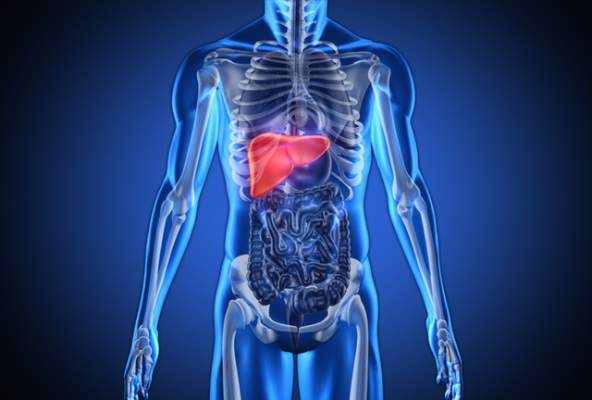
Human liver cells can induce antiviral reaction against hepatitis C
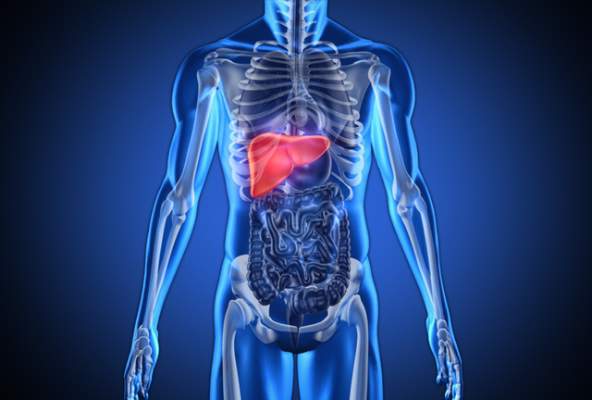
Immunity against the hepatitis C virus can be induced by cultured primary human liver sinusoidal endothelial cells, according to a study published in the February issue of Gastroenterology (doi:10.1053/j.gastro.2014.10.040).
“We found HLSECs [primary human LSECs] express many of the receptors implicated in HCV [hepatitis C virus] attachment and entry and HLSEC-to-hepatocyte contact was dispensable for uptake,” wrote lead author Dr. Silvia M. Giugliano of the University of Colorado, Denver, and her associates.
In a cohort study, investigators exposed HLSECs and immortalized liver endothelial cells (TMNK-1) to several variants of HCV: full-length transmitted/founder virus, sucrose-purified Japanese fulminant hepatitis–1 (JFH-1), a virus encoding a luciferase reporter, and the HCV-specific pathogen-associated molecular pattern molecules (PAMP, substrate for RIG-I). Cells were analyzed by using polymerase chain reaction (PCR), immunofluorescence, and immunohistochemical assays.
Results showed that HLSECs, regardless of contact between cells, were able to internalize HCV when exposed to it and replicate, though not translate HCV RNA. The HCV RNA “induced consistent and broad transcription of multiple interferons (IFNs) [via] pattern recognition receptors (TLR7 and retinoic acid-inducible gene 1).” Furthermore, supernatants from primary HLSECs transfected with HCV-specific PAMP molecules had larger inductions of IFNs and IFN-stimulated genes in HLSECs.
“Conditioned media from IFN-stimulated HLSECs induced expression of antiviral genes by uninfected primary human hepatocytes,” wrote Dr. Giugliano and her coauthors. “Exosomes, derived from HLSECs following stimulation with either type I or type III IFNs, controlled HCV replication in a dose-dependent manner.”
However, the investigators say that more study is required to understand why HCV is able to present so persistently if the means to combat the virus are so apparent in the immune system.
“These results raise a number of intriguing questions, for example, how the use of exogenous IFN to treat viral hepatitis could be expected to induce additional, previously unrecognized antiviral mechanisms involving HLSECs,” says the study. “Further work is warranted to understand why despite these innate immune responses, HCV is able to establish persistence and fail eradication with IFN-based antiviral therapy.”
The study supported by grants R21-AI103361 and U19 AI 1066328; Dr. Rosen received a Merit Review grant and Dr. Shaw received grant R21-AI 106000. The authors reported no financial conflicts of interest.
Liver sinusoidal endothelial cells (LSECs) are a large component of the liver immune system but are not very well characterized for their role in diseases like chronic hepatitis C virus (HCV) infection. Dr. Giugliano and her associates tested the antiviral activity of primary human LSECs and an immortalized LSEC cell line (TMNK-1), following exposure to several viral variants. These included naturally

|
| Dr. Arash Grakoui |
occurring founder genotype 1a virus, a JFH-1 infectious clone (cloned originally from a patient with fulminant hepatitis), a modified cell culture of adaptive JFH-1 virus expressing luciferase reporter, and HCV-specific pathogen-associated molecular pattern poly UC RNA that is a substrate for RIG-I. They found LSECs were able to acquire HCV in an LSEC-to-hepatocyte–contact independent manner but that these cells were not permissive for productive infection (replication). Importantly, viral RNA through HCV uptake induced robust transcription of type I and III interferon (IFN) by LSECs via TLR7 and RIG-I pathways. LSEC-derived IFN had antiviral effects on HCV-infected human hepatoma cell line, Huh7.5 cells in vitro, and this effect was mediated through the production of exosomes. The authors concluded that LSECs likely have an important antiviral role in HCV infection through bystander induction of an antiviral state. This study highlights the idea that these cells can function similarly to other innate/phagocytic cells like monocytes/macrophages and furthers the idea that innate activation of LSECs may have protective effects on the antiviral state of hepatocytes. Mechanisms of antiviral immunity by LSECs, whether it occurs through exosomes or IFN, will have a significant impact in the field as the answers will have relevance to numerous facets of liver immunology, including gene transfer, organ transplant, and response to other hepatotropic infections.
Dr. Arash Grakoui is an associate professor jointly appointed in the departments of medicine, division of infectious diseases and Yerkes National Primate Research Center, department of microbiology and immunology at Emory University, Atlanta. He has no conflicts of interest.
Liver sinusoidal endothelial cells (LSECs) are a large component of the liver immune system but are not very well characterized for their role in diseases like chronic hepatitis C virus (HCV) infection. Dr. Giugliano and her associates tested the antiviral activity of primary human LSECs and an immortalized LSEC cell line (TMNK-1), following exposure to several viral variants. These included naturally
|
|
| Dr. Arash Grakoui |
occurring founder genotype 1a virus, a JFH-1 infectious clone (cloned originally from a patient with fulminant hepatitis), a modified cell culture of adaptive JFH-1 virus expressing luciferase reporter, and HCV-specific pathogen-associated molecular pattern poly UC RNA that is a substrate for RIG-I. They found LSECs were able to acquire HCV in an LSEC-to-hepatocyte–contact independent manner but that these cells were not permissive for productive infection (replication). Importantly, viral RNA through HCV uptake induced robust transcription of type I and III interferon (IFN) by LSECs via TLR7 and RIG-I pathways. LSEC-derived IFN had antiviral effects on HCV-infected human hepatoma cell line, Huh7.5 cells in vitro, and this effect was mediated through the production of exosomes. The authors concluded that LSECs likely have an important antiviral role in HCV infection through bystander induction of an antiviral state. This study highlights the idea that these cells can function similarly to other innate/phagocytic cells like monocytes/macrophages and furthers the idea that innate activation of LSECs may have protective effects on the antiviral state of hepatocytes. Mechanisms of antiviral immunity by LSECs, whether it occurs through exosomes or IFN, will have a significant impact in the field as the answers will have relevance to numerous facets of liver immunology, including gene transfer, organ transplant, and response to other hepatotropic infections.
Dr. Arash Grakoui is an associate professor jointly appointed in the departments of medicine, division of infectious diseases and Yerkes National Primate Research Center, department of microbiology and immunology at Emory University, Atlanta. He has no conflicts of interest.
Liver sinusoidal endothelial cells (LSECs) are a large component of the liver immune system but are not very well characterized for their role in diseases like chronic hepatitis C virus (HCV) infection. Dr. Giugliano and her associates tested the antiviral activity of primary human LSECs and an immortalized LSEC cell line (TMNK-1), following exposure to several viral variants. These included naturally
|
|
| Dr. Arash Grakoui |
occurring founder genotype 1a virus, a JFH-1 infectious clone (cloned originally from a patient with fulminant hepatitis), a modified cell culture of adaptive JFH-1 virus expressing luciferase reporter, and HCV-specific pathogen-associated molecular pattern poly UC RNA that is a substrate for RIG-I. They found LSECs were able to acquire HCV in an LSEC-to-hepatocyte–contact independent manner but that these cells were not permissive for productive infection (replication). Importantly, viral RNA through HCV uptake induced robust transcription of type I and III interferon (IFN) by LSECs via TLR7 and RIG-I pathways. LSEC-derived IFN had antiviral effects on HCV-infected human hepatoma cell line, Huh7.5 cells in vitro, and this effect was mediated through the production of exosomes. The authors concluded that LSECs likely have an important antiviral role in HCV infection through bystander induction of an antiviral state. This study highlights the idea that these cells can function similarly to other innate/phagocytic cells like monocytes/macrophages and furthers the idea that innate activation of LSECs may have protective effects on the antiviral state of hepatocytes. Mechanisms of antiviral immunity by LSECs, whether it occurs through exosomes or IFN, will have a significant impact in the field as the answers will have relevance to numerous facets of liver immunology, including gene transfer, organ transplant, and response to other hepatotropic infections.
Dr. Arash Grakoui is an associate professor jointly appointed in the departments of medicine, division of infectious diseases and Yerkes National Primate Research Center, department of microbiology and immunology at Emory University, Atlanta. He has no conflicts of interest.
Immunity against the hepatitis C virus can be induced by cultured primary human liver sinusoidal endothelial cells, according to a study published in the February issue of Gastroenterology (doi:10.1053/j.gastro.2014.10.040).
“We found HLSECs [primary human LSECs] express many of the receptors implicated in HCV [hepatitis C virus] attachment and entry and HLSEC-to-hepatocyte contact was dispensable for uptake,” wrote lead author Dr. Silvia M. Giugliano of the University of Colorado, Denver, and her associates.
In a cohort study, investigators exposed HLSECs and immortalized liver endothelial cells (TMNK-1) to several variants of HCV: full-length transmitted/founder virus, sucrose-purified Japanese fulminant hepatitis–1 (JFH-1), a virus encoding a luciferase reporter, and the HCV-specific pathogen-associated molecular pattern molecules (PAMP, substrate for RIG-I). Cells were analyzed by using polymerase chain reaction (PCR), immunofluorescence, and immunohistochemical assays.
Results showed that HLSECs, regardless of contact between cells, were able to internalize HCV when exposed to it and replicate, though not translate HCV RNA. The HCV RNA “induced consistent and broad transcription of multiple interferons (IFNs) [via] pattern recognition receptors (TLR7 and retinoic acid-inducible gene 1).” Furthermore, supernatants from primary HLSECs transfected with HCV-specific PAMP molecules had larger inductions of IFNs and IFN-stimulated genes in HLSECs.
“Conditioned media from IFN-stimulated HLSECs induced expression of antiviral genes by uninfected primary human hepatocytes,” wrote Dr. Giugliano and her coauthors. “Exosomes, derived from HLSECs following stimulation with either type I or type III IFNs, controlled HCV replication in a dose-dependent manner.”
However, the investigators say that more study is required to understand why HCV is able to present so persistently if the means to combat the virus are so apparent in the immune system.
“These results raise a number of intriguing questions, for example, how the use of exogenous IFN to treat viral hepatitis could be expected to induce additional, previously unrecognized antiviral mechanisms involving HLSECs,” says the study. “Further work is warranted to understand why despite these innate immune responses, HCV is able to establish persistence and fail eradication with IFN-based antiviral therapy.”
The study supported by grants R21-AI103361 and U19 AI 1066328; Dr. Rosen received a Merit Review grant and Dr. Shaw received grant R21-AI 106000. The authors reported no financial conflicts of interest.
Immunity against the hepatitis C virus can be induced by cultured primary human liver sinusoidal endothelial cells, according to a study published in the February issue of Gastroenterology (doi:10.1053/j.gastro.2014.10.040).
“We found HLSECs [primary human LSECs] express many of the receptors implicated in HCV [hepatitis C virus] attachment and entry and HLSEC-to-hepatocyte contact was dispensable for uptake,” wrote lead author Dr. Silvia M. Giugliano of the University of Colorado, Denver, and her associates.
In a cohort study, investigators exposed HLSECs and immortalized liver endothelial cells (TMNK-1) to several variants of HCV: full-length transmitted/founder virus, sucrose-purified Japanese fulminant hepatitis–1 (JFH-1), a virus encoding a luciferase reporter, and the HCV-specific pathogen-associated molecular pattern molecules (PAMP, substrate for RIG-I). Cells were analyzed by using polymerase chain reaction (PCR), immunofluorescence, and immunohistochemical assays.
Results showed that HLSECs, regardless of contact between cells, were able to internalize HCV when exposed to it and replicate, though not translate HCV RNA. The HCV RNA “induced consistent and broad transcription of multiple interferons (IFNs) [via] pattern recognition receptors (TLR7 and retinoic acid-inducible gene 1).” Furthermore, supernatants from primary HLSECs transfected with HCV-specific PAMP molecules had larger inductions of IFNs and IFN-stimulated genes in HLSECs.
“Conditioned media from IFN-stimulated HLSECs induced expression of antiviral genes by uninfected primary human hepatocytes,” wrote Dr. Giugliano and her coauthors. “Exosomes, derived from HLSECs following stimulation with either type I or type III IFNs, controlled HCV replication in a dose-dependent manner.”
However, the investigators say that more study is required to understand why HCV is able to present so persistently if the means to combat the virus are so apparent in the immune system.
“These results raise a number of intriguing questions, for example, how the use of exogenous IFN to treat viral hepatitis could be expected to induce additional, previously unrecognized antiviral mechanisms involving HLSECs,” says the study. “Further work is warranted to understand why despite these innate immune responses, HCV is able to establish persistence and fail eradication with IFN-based antiviral therapy.”
The study supported by grants R21-AI103361 and U19 AI 1066328; Dr. Rosen received a Merit Review grant and Dr. Shaw received grant R21-AI 106000. The authors reported no financial conflicts of interest.
FROM GASTROENTEROLOGY
Key clinical point: Cultured primary human liver sinusoidal endothelial cells (HLSECs) induce self-amplifying interferon-mediated responses and release of exosomes with antiviral activity, thus allowing it to mediate immunity against the hepatitis C virus (HCV).
Major finding: HLSECs and CV-specific PAMP molecules induced IFNs and replicated HCV RNA when exposed to various forms of HCV.
Data source: Cohort study
Disclosures: Study supported by grants R21-AI103361 and U19 AI 1066328; Dr. Rosen received a Merit Review grant and Dr. Shaw received grant R21-AI 106000. The authors reported no financial conflicts of interest.
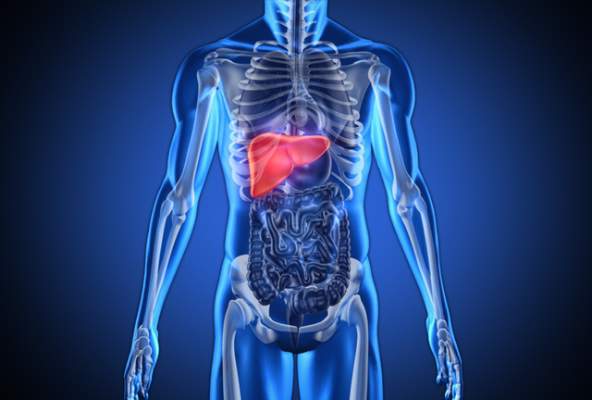
HCV continuum critical to providing better care in urban areas
By mapping the testing and care of patients with the hepatitis C virus on a continuum, health care providers can get a better picture of the stages at which the disease is being managed effectively and where along the spectrum there may be room for greater improvement, according to a study published in Hepatology.
“This continuum provides a ‘real-life’ snapshot of how this disease is being managed in a major U.S. urban center,” according to the investigators, led by Kendra Viner, Ph.D., of the Philadelphia Department of Public Health (PDPH). “Many patients are lost at each stage, highlighting the need to raise awareness among health care professionals and at-risk populations about appropriate hepatitis testing, referral, support, and care.”

In a retrospective, population-based study, Dr. Viner and her coinvestigators – all of whom are also with PDPH – examined reports of hepatitis filed in the city between January 2010 and December 2013. During this time, 70% of hepatitis reports were from electronic laboratory reporting (ELR), 25% were from fax or phone reports, and the remaining 5% came from “active case findings.” Investigators also used enhanced surveillance data to find hepatitis cases reported during the study period (Hepatology 2014 ([doi:10.1002/hep.27584]).
Using population estimates from the 2010 United States Census, the American Community Survey (ACS), and the National Health and Nutrition Examination Survey (NHANES), the authors were also able to estimate hepatitis C (HCV) seroprevalence in certain demographics. The HCV care continuum (HCV-CoC) was defined as follows: stage 1: HCV Ab screening; stage 2: HCV Ab and RNA testing; stage 3: RNA-confirmation and continuing care; stage 4: RNA-confirmation, care, and HCV treatment.
Based on their estimates, Dr. Viner and her associates postulated that of approximately 1,584,848 Philadelphia residents, 47,207 (2.9%) would have HCV, with test results anticipated for 28,990 (61%) of those individuals. Positive HCV results were received for 13,596 individuals, of whom 6,383 (47%) had a positive HCV RNA test. Of these, 1,745 (27%) were in care, and 956 (15%) had received or were currently receiving treatment.
“These findings elucidate how few HCV-infected residents are successfully mobilized from screening through confirmatory testing and into care and treatment,” wrote Dr. Viner and her coauthors. “Understanding and addressing the specific reasons why patients are lost at each stage is critical if public health and clinical care practitioners hope to affect the outcomes of chronic HCV infection.”
In each category of testing and treatment, men presented nearly twice as often as women: 61% vs. 39%, Ab only; 64% vs. 36%, Ab plus RNA; 64% vs. 36%, Ab plus RNA with no antiviral treatment; and 71% vs. 29%, Ab plus RNA with antiviral treatment, respectively (P < .001). Patients aged 45-64 years presented the most often for both genders (P < .001), and blacks and whites were most common in the study population (P < .001).
The investigators noted that their findings were consistent with national estimates, which say that fewer than half of a city’s population would have HCV infections, and that 3%-5% of cases would be underreported, thus possibly explaining some missing cases in their own data.
“To promote movement through the continuum of HCV care, state and local health departments need to devise ways to improve surveillance and enhance screening and linkage and retention in HCV care services,” concluded the authors. “However, none of this can happen effectively without strong federal support and greater efforts to promote an implementation science agenda that pulls on surveillance data to execute the CDC’s recommendation for routine baby boomer and risk-based screening, and enhance the HCV care continuum,” they added.
The authors reported no financial conflicts of interest.
AGA Resources
AGA provides a HCV Clinical Service Line at www.gastro.org/practice/clinical-service-line/hcv-clinical-service-line.
By mapping the testing and care of patients with the hepatitis C virus on a continuum, health care providers can get a better picture of the stages at which the disease is being managed effectively and where along the spectrum there may be room for greater improvement, according to a study published in Hepatology.
“This continuum provides a ‘real-life’ snapshot of how this disease is being managed in a major U.S. urban center,” according to the investigators, led by Kendra Viner, Ph.D., of the Philadelphia Department of Public Health (PDPH). “Many patients are lost at each stage, highlighting the need to raise awareness among health care professionals and at-risk populations about appropriate hepatitis testing, referral, support, and care.”
In a retrospective, population-based study, Dr. Viner and her coinvestigators – all of whom are also with PDPH – examined reports of hepatitis filed in the city between January 2010 and December 2013. During this time, 70% of hepatitis reports were from electronic laboratory reporting (ELR), 25% were from fax or phone reports, and the remaining 5% came from “active case findings.” Investigators also used enhanced surveillance data to find hepatitis cases reported during the study period (Hepatology 2014 ([doi:10.1002/hep.27584]).
Using population estimates from the 2010 United States Census, the American Community Survey (ACS), and the National Health and Nutrition Examination Survey (NHANES), the authors were also able to estimate hepatitis C (HCV) seroprevalence in certain demographics. The HCV care continuum (HCV-CoC) was defined as follows: stage 1: HCV Ab screening; stage 2: HCV Ab and RNA testing; stage 3: RNA-confirmation and continuing care; stage 4: RNA-confirmation, care, and HCV treatment.
Based on their estimates, Dr. Viner and her associates postulated that of approximately 1,584,848 Philadelphia residents, 47,207 (2.9%) would have HCV, with test results anticipated for 28,990 (61%) of those individuals. Positive HCV results were received for 13,596 individuals, of whom 6,383 (47%) had a positive HCV RNA test. Of these, 1,745 (27%) were in care, and 956 (15%) had received or were currently receiving treatment.
“These findings elucidate how few HCV-infected residents are successfully mobilized from screening through confirmatory testing and into care and treatment,” wrote Dr. Viner and her coauthors. “Understanding and addressing the specific reasons why patients are lost at each stage is critical if public health and clinical care practitioners hope to affect the outcomes of chronic HCV infection.”
In each category of testing and treatment, men presented nearly twice as often as women: 61% vs. 39%, Ab only; 64% vs. 36%, Ab plus RNA; 64% vs. 36%, Ab plus RNA with no antiviral treatment; and 71% vs. 29%, Ab plus RNA with antiviral treatment, respectively (P < .001). Patients aged 45-64 years presented the most often for both genders (P < .001), and blacks and whites were most common in the study population (P < .001).
The investigators noted that their findings were consistent with national estimates, which say that fewer than half of a city’s population would have HCV infections, and that 3%-5% of cases would be underreported, thus possibly explaining some missing cases in their own data.
“To promote movement through the continuum of HCV care, state and local health departments need to devise ways to improve surveillance and enhance screening and linkage and retention in HCV care services,” concluded the authors. “However, none of this can happen effectively without strong federal support and greater efforts to promote an implementation science agenda that pulls on surveillance data to execute the CDC’s recommendation for routine baby boomer and risk-based screening, and enhance the HCV care continuum,” they added.
The authors reported no financial conflicts of interest.
AGA Resources
AGA provides a HCV Clinical Service Line at www.gastro.org/practice/clinical-service-line/hcv-clinical-service-line.
By mapping the testing and care of patients with the hepatitis C virus on a continuum, health care providers can get a better picture of the stages at which the disease is being managed effectively and where along the spectrum there may be room for greater improvement, according to a study published in Hepatology.
“This continuum provides a ‘real-life’ snapshot of how this disease is being managed in a major U.S. urban center,” according to the investigators, led by Kendra Viner, Ph.D., of the Philadelphia Department of Public Health (PDPH). “Many patients are lost at each stage, highlighting the need to raise awareness among health care professionals and at-risk populations about appropriate hepatitis testing, referral, support, and care.”
In a retrospective, population-based study, Dr. Viner and her coinvestigators – all of whom are also with PDPH – examined reports of hepatitis filed in the city between January 2010 and December 2013. During this time, 70% of hepatitis reports were from electronic laboratory reporting (ELR), 25% were from fax or phone reports, and the remaining 5% came from “active case findings.” Investigators also used enhanced surveillance data to find hepatitis cases reported during the study period (Hepatology 2014 ([doi:10.1002/hep.27584]).
Using population estimates from the 2010 United States Census, the American Community Survey (ACS), and the National Health and Nutrition Examination Survey (NHANES), the authors were also able to estimate hepatitis C (HCV) seroprevalence in certain demographics. The HCV care continuum (HCV-CoC) was defined as follows: stage 1: HCV Ab screening; stage 2: HCV Ab and RNA testing; stage 3: RNA-confirmation and continuing care; stage 4: RNA-confirmation, care, and HCV treatment.
Based on their estimates, Dr. Viner and her associates postulated that of approximately 1,584,848 Philadelphia residents, 47,207 (2.9%) would have HCV, with test results anticipated for 28,990 (61%) of those individuals. Positive HCV results were received for 13,596 individuals, of whom 6,383 (47%) had a positive HCV RNA test. Of these, 1,745 (27%) were in care, and 956 (15%) had received or were currently receiving treatment.
“These findings elucidate how few HCV-infected residents are successfully mobilized from screening through confirmatory testing and into care and treatment,” wrote Dr. Viner and her coauthors. “Understanding and addressing the specific reasons why patients are lost at each stage is critical if public health and clinical care practitioners hope to affect the outcomes of chronic HCV infection.”
In each category of testing and treatment, men presented nearly twice as often as women: 61% vs. 39%, Ab only; 64% vs. 36%, Ab plus RNA; 64% vs. 36%, Ab plus RNA with no antiviral treatment; and 71% vs. 29%, Ab plus RNA with antiviral treatment, respectively (P < .001). Patients aged 45-64 years presented the most often for both genders (P < .001), and blacks and whites were most common in the study population (P < .001).
The investigators noted that their findings were consistent with national estimates, which say that fewer than half of a city’s population would have HCV infections, and that 3%-5% of cases would be underreported, thus possibly explaining some missing cases in their own data.
“To promote movement through the continuum of HCV care, state and local health departments need to devise ways to improve surveillance and enhance screening and linkage and retention in HCV care services,” concluded the authors. “However, none of this can happen effectively without strong federal support and greater efforts to promote an implementation science agenda that pulls on surveillance data to execute the CDC’s recommendation for routine baby boomer and risk-based screening, and enhance the HCV care continuum,” they added.
The authors reported no financial conflicts of interest.
AGA Resources
AGA provides a HCV Clinical Service Line at www.gastro.org/practice/clinical-service-line/hcv-clinical-service-line.
FROM HEPATOLOGY
Key clinical point: Education regarding appropriate hepatitis testing, referral, support, and care is critical to mitigating loss of patients at each stage of the hepatitis C virus treatment continuum.
Major finding: Across an HCV care continuum with approximately 1,584,848 Philadelphia residents, 47,207 (2.9%) were estimated to have HCV. Positive HCV results were received for 13,596 individuals, of whom 6,383 (47%) had a positive HCV RNA test. Of these, 1,745 (27%) were in care, and 956 (15%) had received or were currently receiving treatment.
Data source: Retrospective population-based study.
Disclosures: Authors reported no financial conflicts of interest.

Updated HIV, HCV, HBV blood product screening test approved
An updated version of a blood screening assay that detects human immunodeficiency virus type 1 (HIV-1), hepatitis C virus (HCV), and hepatitis B virus (HBV) in donated blood has been approved by the Food and Drug Administration, the manufacturer, Roche, recently announced.
In a Jan. 9 press release, the company said that its “cobas TaqScreen MPX Test, v2.0” was approved for use “in the detection and identification” of HIV, HCV, and HBV in donations of human whole blood and blood components including source plasma. The test “provides increased sensitivity and is the only FDA approved test to simultaneously detect and identify the most critical viral targets in one simple, ready-to-use assay.,“ according to the statement.
An updated version of a blood screening assay that detects human immunodeficiency virus type 1 (HIV-1), hepatitis C virus (HCV), and hepatitis B virus (HBV) in donated blood has been approved by the Food and Drug Administration, the manufacturer, Roche, recently announced.
In a Jan. 9 press release, the company said that its “cobas TaqScreen MPX Test, v2.0” was approved for use “in the detection and identification” of HIV, HCV, and HBV in donations of human whole blood and blood components including source plasma. The test “provides increased sensitivity and is the only FDA approved test to simultaneously detect and identify the most critical viral targets in one simple, ready-to-use assay.,“ according to the statement.
An updated version of a blood screening assay that detects human immunodeficiency virus type 1 (HIV-1), hepatitis C virus (HCV), and hepatitis B virus (HBV) in donated blood has been approved by the Food and Drug Administration, the manufacturer, Roche, recently announced.
In a Jan. 9 press release, the company said that its “cobas TaqScreen MPX Test, v2.0” was approved for use “in the detection and identification” of HIV, HCV, and HBV in donations of human whole blood and blood components including source plasma. The test “provides increased sensitivity and is the only FDA approved test to simultaneously detect and identify the most critical viral targets in one simple, ready-to-use assay.,“ according to the statement.