User login
Combo improves PFS in untreated CLL
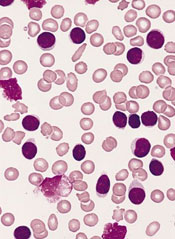
Results of a phase 3 study suggest that adding ofatumumab to chlorambucil can improve progression-free survival (PFS) in treatment-naïve patients with chronic lymphocytic leukemia (CLL).
Ofatumumab plus chlorambucil improved the median PFS by 71% compared to chlorambucil alone.
The combination also improved the overall response rate, duration of response, and time to next treatment.
However, patients in the combination arm had a higher rate of grade 3 or greater adverse events (AEs).
Researchers reported these results in The Lancet. The study, known as COMPLEMENT 1, was funded by GlaxoSmithKline and Genmab A/S.
The study included 447 patients with previously untreated CLL for whom fludarabine-based therapy was considered inappropriate. Patients were randomized to treatment with up to 12 cycles of ofatumumab in combination with chlorambucil (n=221) or up to 12 cycles of chlorambucil alone (n=226).
The study’s primary endpoint was the median PFS, which was 22.4 months in the combination arm and 13.1 months in the chlorambucil arm (hazard ratio [HR]=0.57, P<0.0001). This improvement in PFS was observed in most subgroups, irrespective of age, gender, disease stage, and prognostic factors.
As for secondary endpoints, patients in the combination arm had a higher overall response rate than patients in the chlorambucil arm—82% and 69%, respectively (odds ratio=2.16, P=0.001).
And combination treatment increased the duration of response compared to chlorambucil alone—22.1 months and 13.2 months, respectively (HR=0.56, P<0.001).
Patients in the combination arm also experienced a significantly longer time to next therapy compared to the chlorambucil arm—39.8 months and 24.7 months, respectively (HR=0.49, P<0.0001).
Safety data
The most common AEs (occurring in at least 2% of patients) were neutropenia, thrombocytopenia, anemia, infections, and infusion-related reactions.
Neutropenia occurred more frequently in the combination arm (27% vs 18%), as did infusion-related reactions (67% vs 0%) and infections (46% vs 42%). But thrombocytopenia and anemia were more frequent in the chlorambucil arm (26% vs 14% and 13% vs 9%, respectively).
The incidence of grade 3 or greater AEs was higher in the combination arm than the chlorambucil arm—50% and 43%, respectively.
Grade 3/4 infusion-related reactions occurred in 10% of patients in the combination arm, leading to drug withdrawal in 3% of patients and hospitalization in 2% of patients. No fatal infusion-related reactions were reported.
The most common infections were respiratory tract infections, with an incidence of 27% in the combination arm and 31% in the chlorambucil arm. There were similar frequencies of sepsis (3% and 2%, respectively) and opportunistic infections between the arms (4% and 5%, respectively).
The incidence of AEs leading to treatment withdrawal was 13% in both arms. And the incidence of death during treatment or within 60 days after the last dose was 3% in both arms.
These data formed the basis for regulatory approvals of ofatumumab (Arzerra) in the US and European Union, as well as the recent inclusion of ofatumumab plus chlorambucil in the National Comprehensive Cancer Network treatment guidelines. 
Results of a phase 3 study suggest that adding ofatumumab to chlorambucil can improve progression-free survival (PFS) in treatment-naïve patients with chronic lymphocytic leukemia (CLL).
Ofatumumab plus chlorambucil improved the median PFS by 71% compared to chlorambucil alone.
The combination also improved the overall response rate, duration of response, and time to next treatment.
However, patients in the combination arm had a higher rate of grade 3 or greater adverse events (AEs).
Researchers reported these results in The Lancet. The study, known as COMPLEMENT 1, was funded by GlaxoSmithKline and Genmab A/S.
The study included 447 patients with previously untreated CLL for whom fludarabine-based therapy was considered inappropriate. Patients were randomized to treatment with up to 12 cycles of ofatumumab in combination with chlorambucil (n=221) or up to 12 cycles of chlorambucil alone (n=226).
The study’s primary endpoint was the median PFS, which was 22.4 months in the combination arm and 13.1 months in the chlorambucil arm (hazard ratio [HR]=0.57, P<0.0001). This improvement in PFS was observed in most subgroups, irrespective of age, gender, disease stage, and prognostic factors.
As for secondary endpoints, patients in the combination arm had a higher overall response rate than patients in the chlorambucil arm—82% and 69%, respectively (odds ratio=2.16, P=0.001).
And combination treatment increased the duration of response compared to chlorambucil alone—22.1 months and 13.2 months, respectively (HR=0.56, P<0.001).
Patients in the combination arm also experienced a significantly longer time to next therapy compared to the chlorambucil arm—39.8 months and 24.7 months, respectively (HR=0.49, P<0.0001).
Safety data
The most common AEs (occurring in at least 2% of patients) were neutropenia, thrombocytopenia, anemia, infections, and infusion-related reactions.
Neutropenia occurred more frequently in the combination arm (27% vs 18%), as did infusion-related reactions (67% vs 0%) and infections (46% vs 42%). But thrombocytopenia and anemia were more frequent in the chlorambucil arm (26% vs 14% and 13% vs 9%, respectively).
The incidence of grade 3 or greater AEs was higher in the combination arm than the chlorambucil arm—50% and 43%, respectively.
Grade 3/4 infusion-related reactions occurred in 10% of patients in the combination arm, leading to drug withdrawal in 3% of patients and hospitalization in 2% of patients. No fatal infusion-related reactions were reported.
The most common infections were respiratory tract infections, with an incidence of 27% in the combination arm and 31% in the chlorambucil arm. There were similar frequencies of sepsis (3% and 2%, respectively) and opportunistic infections between the arms (4% and 5%, respectively).
The incidence of AEs leading to treatment withdrawal was 13% in both arms. And the incidence of death during treatment or within 60 days after the last dose was 3% in both arms.
These data formed the basis for regulatory approvals of ofatumumab (Arzerra) in the US and European Union, as well as the recent inclusion of ofatumumab plus chlorambucil in the National Comprehensive Cancer Network treatment guidelines.
Results of a phase 3 study suggest that adding ofatumumab to chlorambucil can improve progression-free survival (PFS) in treatment-naïve patients with chronic lymphocytic leukemia (CLL).
Ofatumumab plus chlorambucil improved the median PFS by 71% compared to chlorambucil alone.
The combination also improved the overall response rate, duration of response, and time to next treatment.
However, patients in the combination arm had a higher rate of grade 3 or greater adverse events (AEs).
Researchers reported these results in The Lancet. The study, known as COMPLEMENT 1, was funded by GlaxoSmithKline and Genmab A/S.
The study included 447 patients with previously untreated CLL for whom fludarabine-based therapy was considered inappropriate. Patients were randomized to treatment with up to 12 cycles of ofatumumab in combination with chlorambucil (n=221) or up to 12 cycles of chlorambucil alone (n=226).
The study’s primary endpoint was the median PFS, which was 22.4 months in the combination arm and 13.1 months in the chlorambucil arm (hazard ratio [HR]=0.57, P<0.0001). This improvement in PFS was observed in most subgroups, irrespective of age, gender, disease stage, and prognostic factors.
As for secondary endpoints, patients in the combination arm had a higher overall response rate than patients in the chlorambucil arm—82% and 69%, respectively (odds ratio=2.16, P=0.001).
And combination treatment increased the duration of response compared to chlorambucil alone—22.1 months and 13.2 months, respectively (HR=0.56, P<0.001).
Patients in the combination arm also experienced a significantly longer time to next therapy compared to the chlorambucil arm—39.8 months and 24.7 months, respectively (HR=0.49, P<0.0001).
Safety data
The most common AEs (occurring in at least 2% of patients) were neutropenia, thrombocytopenia, anemia, infections, and infusion-related reactions.
Neutropenia occurred more frequently in the combination arm (27% vs 18%), as did infusion-related reactions (67% vs 0%) and infections (46% vs 42%). But thrombocytopenia and anemia were more frequent in the chlorambucil arm (26% vs 14% and 13% vs 9%, respectively).
The incidence of grade 3 or greater AEs was higher in the combination arm than the chlorambucil arm—50% and 43%, respectively.
Grade 3/4 infusion-related reactions occurred in 10% of patients in the combination arm, leading to drug withdrawal in 3% of patients and hospitalization in 2% of patients. No fatal infusion-related reactions were reported.
The most common infections were respiratory tract infections, with an incidence of 27% in the combination arm and 31% in the chlorambucil arm. There were similar frequencies of sepsis (3% and 2%, respectively) and opportunistic infections between the arms (4% and 5%, respectively).
The incidence of AEs leading to treatment withdrawal was 13% in both arms. And the incidence of death during treatment or within 60 days after the last dose was 3% in both arms.
These data formed the basis for regulatory approvals of ofatumumab (Arzerra) in the US and European Union, as well as the recent inclusion of ofatumumab plus chlorambucil in the National Comprehensive Cancer Network treatment guidelines.
System can diagnose lymphoma, other diseases

Photo by Daniel Sone
Scientists say a smartphone-based system could bring rapid, accurate molecular diagnosis of cancers and other diseases to locations lacking the latest medical technology.
In PNAS, the group explained how the digital diffraction diagnosis (D3) system collects detailed microscopic images for digital analysis of the molecular composition of cells and tissues.
In pilot experiments, the system enabled accurate diagnoses of lymphoma and cervical cancer.
“The emerging genomic and biological data for various cancers, which can be essential to choosing the most appropriate therapy, supports the need for molecular profiling strategies that are more accessible to providers, clinical investigators, and patients,” said study author Cesar Castro, MD, of Massachusetts General Hospital in Boston.
“And we believe the platform we have developed provides essential features at an extraordinarily low cost.”
The D3 system features an imaging module with a battery-powered LED light clipped onto a standard smartphone that records high-resolution imaging data with its camera.
With a greater field of view than traditional microscopy, the D3 system is capable of recording data on more than 100,000 cells from a blood or tissue sample in a single image. The data can then be transmitted for analysis to a remote graphic-processing server via a secure, encrypted cloud service, and the results returned to the point of care.
For molecular analysis of tumors, a sample of blood or tissue is labeled with microbeads that bind to known cancer-related molecules and loaded into the D3 imaging module.
After the image is recorded and data transmitted to the server, the presence of specific molecules is detected by analyzing the diffraction patterns generated by the microbeads. The use of variously sized or coated beads may offer unique diffraction signatures to facilitate detection.
A numerical algorithm the researchers developed can distinguish cells from beads and analyze as much as 10 MB of data in less than nine hundredths of a second.
In a pilot test with cancer cell lines, the D3 system detected the presence of tumor proteins with an accuracy matching that of the current gold standard for molecular profiling. And the system’s larger field of view enabled simultaneous analysis of more than 100,000 cells at a time.
The researchers also conducted analyses of cervical biopsy samples from 25 women with abnormal PAP smears—samples collected along with those used for clinical diagnosis—using microbeads tagged with antibodies against 3 published markers of cervical cancer.
Based on the number of antibody-tagged microbeads binding to cells, D3 analysis promptly and reliably categorized biopsy samples as high-risk, low-risk, or benign. Results matched those of conventional pathologic analysis.
In addition, D3 analysis of fine-needle lymph node biopsy samples was accurately able to differentiate 4 patients whose lymphoma diagnosis was confirmed by conventional pathology from another 4 patients with benign lymph node enlargement.
Along with protein analyses, the D3 system was enhanced to successfully detect DNA—in this instance, from human papilloma virus—with great sensitivity.
In all of these tests, results were available in under an hour and at a cost of $1.80 per assay, a price that would be expected to drop with further refinement of the D3 system.
“We expect that the D3 platform will enhance the breadth and depth of cancer screening in a way that is feasible and sustainable for resource limited-settings,” said Ralph Weissleder, MD, PhD, also of Massachusetts General Hospital.
“By taking advantage of the increased penetration of mobile phone technology worldwide, the system should allow the prompt triaging of suspicious or high-risk cases that could help to offset delays caused by limited pathology services in those regions and reduce the need for patients to return for follow-up care, which is often challenging for them.”
The researchers’ next steps are to investigate D3’s ability to analyze protein and DNA markers of other disease catalysts, integrate the software with larger databases, and conduct clinical studies in settings such as care-delivery sites in developing countries or rural areas.
Massachusetts General Hospital has filed a patent application covering the D3 technology.
Photo by Daniel Sone
Scientists say a smartphone-based system could bring rapid, accurate molecular diagnosis of cancers and other diseases to locations lacking the latest medical technology.
In PNAS, the group explained how the digital diffraction diagnosis (D3) system collects detailed microscopic images for digital analysis of the molecular composition of cells and tissues.
In pilot experiments, the system enabled accurate diagnoses of lymphoma and cervical cancer.
“The emerging genomic and biological data for various cancers, which can be essential to choosing the most appropriate therapy, supports the need for molecular profiling strategies that are more accessible to providers, clinical investigators, and patients,” said study author Cesar Castro, MD, of Massachusetts General Hospital in Boston.
“And we believe the platform we have developed provides essential features at an extraordinarily low cost.”
The D3 system features an imaging module with a battery-powered LED light clipped onto a standard smartphone that records high-resolution imaging data with its camera.
With a greater field of view than traditional microscopy, the D3 system is capable of recording data on more than 100,000 cells from a blood or tissue sample in a single image. The data can then be transmitted for analysis to a remote graphic-processing server via a secure, encrypted cloud service, and the results returned to the point of care.
For molecular analysis of tumors, a sample of blood or tissue is labeled with microbeads that bind to known cancer-related molecules and loaded into the D3 imaging module.
After the image is recorded and data transmitted to the server, the presence of specific molecules is detected by analyzing the diffraction patterns generated by the microbeads. The use of variously sized or coated beads may offer unique diffraction signatures to facilitate detection.
A numerical algorithm the researchers developed can distinguish cells from beads and analyze as much as 10 MB of data in less than nine hundredths of a second.
In a pilot test with cancer cell lines, the D3 system detected the presence of tumor proteins with an accuracy matching that of the current gold standard for molecular profiling. And the system’s larger field of view enabled simultaneous analysis of more than 100,000 cells at a time.
The researchers also conducted analyses of cervical biopsy samples from 25 women with abnormal PAP smears—samples collected along with those used for clinical diagnosis—using microbeads tagged with antibodies against 3 published markers of cervical cancer.
Based on the number of antibody-tagged microbeads binding to cells, D3 analysis promptly and reliably categorized biopsy samples as high-risk, low-risk, or benign. Results matched those of conventional pathologic analysis.
In addition, D3 analysis of fine-needle lymph node biopsy samples was accurately able to differentiate 4 patients whose lymphoma diagnosis was confirmed by conventional pathology from another 4 patients with benign lymph node enlargement.
Along with protein analyses, the D3 system was enhanced to successfully detect DNA—in this instance, from human papilloma virus—with great sensitivity.
In all of these tests, results were available in under an hour and at a cost of $1.80 per assay, a price that would be expected to drop with further refinement of the D3 system.
“We expect that the D3 platform will enhance the breadth and depth of cancer screening in a way that is feasible and sustainable for resource limited-settings,” said Ralph Weissleder, MD, PhD, also of Massachusetts General Hospital.
“By taking advantage of the increased penetration of mobile phone technology worldwide, the system should allow the prompt triaging of suspicious or high-risk cases that could help to offset delays caused by limited pathology services in those regions and reduce the need for patients to return for follow-up care, which is often challenging for them.”
The researchers’ next steps are to investigate D3’s ability to analyze protein and DNA markers of other disease catalysts, integrate the software with larger databases, and conduct clinical studies in settings such as care-delivery sites in developing countries or rural areas.
Massachusetts General Hospital has filed a patent application covering the D3 technology.
Photo by Daniel Sone
Scientists say a smartphone-based system could bring rapid, accurate molecular diagnosis of cancers and other diseases to locations lacking the latest medical technology.
In PNAS, the group explained how the digital diffraction diagnosis (D3) system collects detailed microscopic images for digital analysis of the molecular composition of cells and tissues.
In pilot experiments, the system enabled accurate diagnoses of lymphoma and cervical cancer.
“The emerging genomic and biological data for various cancers, which can be essential to choosing the most appropriate therapy, supports the need for molecular profiling strategies that are more accessible to providers, clinical investigators, and patients,” said study author Cesar Castro, MD, of Massachusetts General Hospital in Boston.
“And we believe the platform we have developed provides essential features at an extraordinarily low cost.”
The D3 system features an imaging module with a battery-powered LED light clipped onto a standard smartphone that records high-resolution imaging data with its camera.
With a greater field of view than traditional microscopy, the D3 system is capable of recording data on more than 100,000 cells from a blood or tissue sample in a single image. The data can then be transmitted for analysis to a remote graphic-processing server via a secure, encrypted cloud service, and the results returned to the point of care.
For molecular analysis of tumors, a sample of blood or tissue is labeled with microbeads that bind to known cancer-related molecules and loaded into the D3 imaging module.
After the image is recorded and data transmitted to the server, the presence of specific molecules is detected by analyzing the diffraction patterns generated by the microbeads. The use of variously sized or coated beads may offer unique diffraction signatures to facilitate detection.
A numerical algorithm the researchers developed can distinguish cells from beads and analyze as much as 10 MB of data in less than nine hundredths of a second.
In a pilot test with cancer cell lines, the D3 system detected the presence of tumor proteins with an accuracy matching that of the current gold standard for molecular profiling. And the system’s larger field of view enabled simultaneous analysis of more than 100,000 cells at a time.
The researchers also conducted analyses of cervical biopsy samples from 25 women with abnormal PAP smears—samples collected along with those used for clinical diagnosis—using microbeads tagged with antibodies against 3 published markers of cervical cancer.
Based on the number of antibody-tagged microbeads binding to cells, D3 analysis promptly and reliably categorized biopsy samples as high-risk, low-risk, or benign. Results matched those of conventional pathologic analysis.
In addition, D3 analysis of fine-needle lymph node biopsy samples was accurately able to differentiate 4 patients whose lymphoma diagnosis was confirmed by conventional pathology from another 4 patients with benign lymph node enlargement.
Along with protein analyses, the D3 system was enhanced to successfully detect DNA—in this instance, from human papilloma virus—with great sensitivity.
In all of these tests, results were available in under an hour and at a cost of $1.80 per assay, a price that would be expected to drop with further refinement of the D3 system.
“We expect that the D3 platform will enhance the breadth and depth of cancer screening in a way that is feasible and sustainable for resource limited-settings,” said Ralph Weissleder, MD, PhD, also of Massachusetts General Hospital.
“By taking advantage of the increased penetration of mobile phone technology worldwide, the system should allow the prompt triaging of suspicious or high-risk cases that could help to offset delays caused by limited pathology services in those regions and reduce the need for patients to return for follow-up care, which is often challenging for them.”
The researchers’ next steps are to investigate D3’s ability to analyze protein and DNA markers of other disease catalysts, integrate the software with larger databases, and conduct clinical studies in settings such as care-delivery sites in developing countries or rural areas.
Massachusetts General Hospital has filed a patent application covering the D3 technology.
Chemotherapy and stem-cell transplantation combination appears safe
In a population of patients with hematologic malignancies who refuse blood product transfusions, high-dose chemotherapy (HDC) followed by autologous stem-cell transplantation (ASCT) in the absence of hematopoietic support was shown to be relatively safe, according to a report published online April 13 in the Journal of Clinical Oncology.
From May of 1996 to March of 2014 at Pennsylvania Hospital, 125 Jehovah’s Witness patients with lymphoma (n = 55), multiple myeloma (n = 68), or amyloidosis (n = 2) were treated with HDC and ASCT without transfusion through the use of basic blood management techniques. These techniques included priming pretransplantation hemoglobin with erythropoiesis stimulating agents and intravenous iron, limiting iatrogenic blood loss by minimizing phlebotomy, and controlling or preventing bleeding with hemostatic agents, according to Dr. Patricia Ford and her colleagues at the hospital.
They described the low incidence of bleeding even in the absence of prophylactic platelet transfusions, which, they noted, challenges current American Society of Clinical Oncology guidelines that recommend transfusions at platelet counts less than 10 x 103/mcL. “The absence of major bleeding events observed at platelet counts greater than 5 x 10³/mcL … suggests that a transfusion threshold trigger of 5 x 10³/mcL may be appropriate in a select patient population,” they wrote (J. Clin. Oncol. 2015 April 13 [doi: 10.1200/JCO.2014.57.9912]).
Among the patients treated with HDC and ASCT, those with multiple myeloma (n = 68) received melphalan 200 mg/m2,and those with lymphoma (n = 55) received carmustine 300mg/m2 day 1, cyclophosphamide 1,500 mg/m2 days 2-5, and VP16 700 mg/m2 per day on days 2-4.
At 100 days post transplantation, 115 patients (92%) were still alive. Treatment-related mortality due to anemia, sepsis, pancytopenia, or cardiac events occurred in six patients (4.8%).
Out of 18 bleeding episodes, 2 were major (one grade 4 hemorrhagic temporal infarction with retinal hemorrhages and one grade 3 GI bleed) and 16 were minor. There were no bleeding-associated fatalities.
Cardiac complications occurred at an unexpectedly high rate of 32% (40 patients) and resulted in three treatment-related deaths. Subsequently, all candidates older than 50 years or at risk for cardiac disease were required to undergo cardiac consultation prior to transplantation. Given the cardiovascular risk associated with this population, in addition to ECHO testing, stress testing in patients with suspected coronary artery disease is recommended, the researchers wrote.
On the basis of the observed low mortality and morbidity, Dr. Ford and her associates suggested that HDC followed by ASCT be offered to certain patients who refuse or who have medical contraindications to transfusions, stating that simple blood management strategies were an effective alternative in select patients.
In a population of patients with hematologic malignancies who refuse blood product transfusions, high-dose chemotherapy (HDC) followed by autologous stem-cell transplantation (ASCT) in the absence of hematopoietic support was shown to be relatively safe, according to a report published online April 13 in the Journal of Clinical Oncology.
From May of 1996 to March of 2014 at Pennsylvania Hospital, 125 Jehovah’s Witness patients with lymphoma (n = 55), multiple myeloma (n = 68), or amyloidosis (n = 2) were treated with HDC and ASCT without transfusion through the use of basic blood management techniques. These techniques included priming pretransplantation hemoglobin with erythropoiesis stimulating agents and intravenous iron, limiting iatrogenic blood loss by minimizing phlebotomy, and controlling or preventing bleeding with hemostatic agents, according to Dr. Patricia Ford and her colleagues at the hospital.
They described the low incidence of bleeding even in the absence of prophylactic platelet transfusions, which, they noted, challenges current American Society of Clinical Oncology guidelines that recommend transfusions at platelet counts less than 10 x 103/mcL. “The absence of major bleeding events observed at platelet counts greater than 5 x 10³/mcL … suggests that a transfusion threshold trigger of 5 x 10³/mcL may be appropriate in a select patient population,” they wrote (J. Clin. Oncol. 2015 April 13 [doi: 10.1200/JCO.2014.57.9912]).
Among the patients treated with HDC and ASCT, those with multiple myeloma (n = 68) received melphalan 200 mg/m2,and those with lymphoma (n = 55) received carmustine 300mg/m2 day 1, cyclophosphamide 1,500 mg/m2 days 2-5, and VP16 700 mg/m2 per day on days 2-4.
At 100 days post transplantation, 115 patients (92%) were still alive. Treatment-related mortality due to anemia, sepsis, pancytopenia, or cardiac events occurred in six patients (4.8%).
Out of 18 bleeding episodes, 2 were major (one grade 4 hemorrhagic temporal infarction with retinal hemorrhages and one grade 3 GI bleed) and 16 were minor. There were no bleeding-associated fatalities.
Cardiac complications occurred at an unexpectedly high rate of 32% (40 patients) and resulted in three treatment-related deaths. Subsequently, all candidates older than 50 years or at risk for cardiac disease were required to undergo cardiac consultation prior to transplantation. Given the cardiovascular risk associated with this population, in addition to ECHO testing, stress testing in patients with suspected coronary artery disease is recommended, the researchers wrote.
On the basis of the observed low mortality and morbidity, Dr. Ford and her associates suggested that HDC followed by ASCT be offered to certain patients who refuse or who have medical contraindications to transfusions, stating that simple blood management strategies were an effective alternative in select patients.
In a population of patients with hematologic malignancies who refuse blood product transfusions, high-dose chemotherapy (HDC) followed by autologous stem-cell transplantation (ASCT) in the absence of hematopoietic support was shown to be relatively safe, according to a report published online April 13 in the Journal of Clinical Oncology.
From May of 1996 to March of 2014 at Pennsylvania Hospital, 125 Jehovah’s Witness patients with lymphoma (n = 55), multiple myeloma (n = 68), or amyloidosis (n = 2) were treated with HDC and ASCT without transfusion through the use of basic blood management techniques. These techniques included priming pretransplantation hemoglobin with erythropoiesis stimulating agents and intravenous iron, limiting iatrogenic blood loss by minimizing phlebotomy, and controlling or preventing bleeding with hemostatic agents, according to Dr. Patricia Ford and her colleagues at the hospital.
They described the low incidence of bleeding even in the absence of prophylactic platelet transfusions, which, they noted, challenges current American Society of Clinical Oncology guidelines that recommend transfusions at platelet counts less than 10 x 103/mcL. “The absence of major bleeding events observed at platelet counts greater than 5 x 10³/mcL … suggests that a transfusion threshold trigger of 5 x 10³/mcL may be appropriate in a select patient population,” they wrote (J. Clin. Oncol. 2015 April 13 [doi: 10.1200/JCO.2014.57.9912]).
Among the patients treated with HDC and ASCT, those with multiple myeloma (n = 68) received melphalan 200 mg/m2,and those with lymphoma (n = 55) received carmustine 300mg/m2 day 1, cyclophosphamide 1,500 mg/m2 days 2-5, and VP16 700 mg/m2 per day on days 2-4.
At 100 days post transplantation, 115 patients (92%) were still alive. Treatment-related mortality due to anemia, sepsis, pancytopenia, or cardiac events occurred in six patients (4.8%).
Out of 18 bleeding episodes, 2 were major (one grade 4 hemorrhagic temporal infarction with retinal hemorrhages and one grade 3 GI bleed) and 16 were minor. There were no bleeding-associated fatalities.
Cardiac complications occurred at an unexpectedly high rate of 32% (40 patients) and resulted in three treatment-related deaths. Subsequently, all candidates older than 50 years or at risk for cardiac disease were required to undergo cardiac consultation prior to transplantation. Given the cardiovascular risk associated with this population, in addition to ECHO testing, stress testing in patients with suspected coronary artery disease is recommended, the researchers wrote.
On the basis of the observed low mortality and morbidity, Dr. Ford and her associates suggested that HDC followed by ASCT be offered to certain patients who refuse or who have medical contraindications to transfusions, stating that simple blood management strategies were an effective alternative in select patients.
FROM THE JOURNAL OF CLINICAL ONCOLOGY
Key clinical point: In Jehovah’s Witness patients with relapsed lymphoma or multiple myeloma, high-dose chemotherapy (HDC) followed by autologous stem-cell transplantation (ASCT) was safely performed without hematopoietic support.
Major finding: At 100 days post transplantation, 115 patients (92%) were still alive. Treatment-related mortality due to anemia, sepsis, pancytopenia, or cardiac events occurred in six patients (4.8%). Cardiac complications occurred in 40 patients (32%). There were 18 bleeding episodes (2 major, 16 minor), and no bleeding-associated mortality.
Data source: A study of 125 Jehovah’s Witness patients with non-Hodgkin’s lymphoma (n = 36), Hodgkin’s lymphoma (n = 19), multiple myeloma (n = 68), and amyloidosis (n = 2) who were treated with HDC and ASCT without transfusion support.
Disclosures: Dr. Ford and coauthors reported having no disclosures.
Inhibitor controls WM long-term

Photo by Sam Odgen
Updated results of a phase 2 trial suggest the Bruton’s tyrosine kinase inhibitor ibrutinib can control Waldenstrom’s macroglobulinemia (WM) long-term.
In previously treated WM patients, ibrutinib produced an overall response rate of 91%.
The 2-year overall survival rate was 95%, and 69% of patients had not progressed at 2 years.
Researchers reported these results in NEJM. The research was supported by Pharmacyclics, Janssen Pharmaceuticals, and several foundations.
An earlier analysis of data from this trial supported the US Food and Drug Administration’s approval of ibrutinib as the first treatment for WM.
“These findings herald a new era for the treatment of Waldenstrom’s macroglobulinemia and show how genome sequencing can lead to the discovery of cancer mutations that can be specifically targeted by new therapies,” said study author Steven Treon, MD, PhD, of the Dana-Farber Cancer Institute in Boston, Massachusetts.
Dr Treon and his colleagues enrolled 63 WM patients on this trial. The patients had received a median of 2 prior therapies (range, 1-9), 56 patients (89%) had the MYD88L265P mutation, and 21 (34%) had the CXCR4WHIM mutation.
Patients received ibrutinib at 420 mg once daily until disease progression or unacceptable toxicity. After a median treatment duration of 19.1 months (range, 0.5-29.7 months), the overall response rate was 91%. The median time to response was 4 weeks.
Investigator-determined responses were impacted by the MYD88 and CXCR4 mutations. Patients carrying MYD88L265P and CXCR4WT achieved the highest responses, with a 100% overall response rate and 91% major response rate.
For all patients, the estimated progression-free and overall survival rates at 24 months were 69% and 95%, respectively.
“The results are remarkable when you consider that patients had received an average of 2 prior therapies, and 40% showed no response to the previous treatments,” Dr Treon said. “The findings herald a new era for the treatment of Waldenstrom’s macroglobulinemia.”
Dr Treon and his colleagues also said ibrutinib was well-tolerated. At the time of analysis, 68% of patients remained on therapy.
The most common grade 2-4 adverse events were neutropenia (22%) and thrombocytopenia (14%). Grade 3 or higher neutropenia and thrombocytopenia occurred in 9 (14%) and 8 (13%) patients, respectively.
Ibrutinib-related neutropenia and thrombocytopenia were reversible but required a dose reduction in 3 patients and treatment discontinuation in 4 patients.
Grade 2 or higher bleeding events occurred in 4 patients, and there were 15 infections considered possibly related to ibrutinib.
Treatment-related atrial fibrillation (AFib) occurred in 3 patients, all of whom had a prior history of paroxysmal AFib. AFib resolved when treatment was withheld, and all 3 patients were able to continue on therapy per protocol without an additional event.
Photo by Sam Odgen
Updated results of a phase 2 trial suggest the Bruton’s tyrosine kinase inhibitor ibrutinib can control Waldenstrom’s macroglobulinemia (WM) long-term.
In previously treated WM patients, ibrutinib produced an overall response rate of 91%.
The 2-year overall survival rate was 95%, and 69% of patients had not progressed at 2 years.
Researchers reported these results in NEJM. The research was supported by Pharmacyclics, Janssen Pharmaceuticals, and several foundations.
An earlier analysis of data from this trial supported the US Food and Drug Administration’s approval of ibrutinib as the first treatment for WM.
“These findings herald a new era for the treatment of Waldenstrom’s macroglobulinemia and show how genome sequencing can lead to the discovery of cancer mutations that can be specifically targeted by new therapies,” said study author Steven Treon, MD, PhD, of the Dana-Farber Cancer Institute in Boston, Massachusetts.
Dr Treon and his colleagues enrolled 63 WM patients on this trial. The patients had received a median of 2 prior therapies (range, 1-9), 56 patients (89%) had the MYD88L265P mutation, and 21 (34%) had the CXCR4WHIM mutation.
Patients received ibrutinib at 420 mg once daily until disease progression or unacceptable toxicity. After a median treatment duration of 19.1 months (range, 0.5-29.7 months), the overall response rate was 91%. The median time to response was 4 weeks.
Investigator-determined responses were impacted by the MYD88 and CXCR4 mutations. Patients carrying MYD88L265P and CXCR4WT achieved the highest responses, with a 100% overall response rate and 91% major response rate.
For all patients, the estimated progression-free and overall survival rates at 24 months were 69% and 95%, respectively.
“The results are remarkable when you consider that patients had received an average of 2 prior therapies, and 40% showed no response to the previous treatments,” Dr Treon said. “The findings herald a new era for the treatment of Waldenstrom’s macroglobulinemia.”
Dr Treon and his colleagues also said ibrutinib was well-tolerated. At the time of analysis, 68% of patients remained on therapy.
The most common grade 2-4 adverse events were neutropenia (22%) and thrombocytopenia (14%). Grade 3 or higher neutropenia and thrombocytopenia occurred in 9 (14%) and 8 (13%) patients, respectively.
Ibrutinib-related neutropenia and thrombocytopenia were reversible but required a dose reduction in 3 patients and treatment discontinuation in 4 patients.
Grade 2 or higher bleeding events occurred in 4 patients, and there were 15 infections considered possibly related to ibrutinib.
Treatment-related atrial fibrillation (AFib) occurred in 3 patients, all of whom had a prior history of paroxysmal AFib. AFib resolved when treatment was withheld, and all 3 patients were able to continue on therapy per protocol without an additional event.
Photo by Sam Odgen
Updated results of a phase 2 trial suggest the Bruton’s tyrosine kinase inhibitor ibrutinib can control Waldenstrom’s macroglobulinemia (WM) long-term.
In previously treated WM patients, ibrutinib produced an overall response rate of 91%.
The 2-year overall survival rate was 95%, and 69% of patients had not progressed at 2 years.
Researchers reported these results in NEJM. The research was supported by Pharmacyclics, Janssen Pharmaceuticals, and several foundations.
An earlier analysis of data from this trial supported the US Food and Drug Administration’s approval of ibrutinib as the first treatment for WM.
“These findings herald a new era for the treatment of Waldenstrom’s macroglobulinemia and show how genome sequencing can lead to the discovery of cancer mutations that can be specifically targeted by new therapies,” said study author Steven Treon, MD, PhD, of the Dana-Farber Cancer Institute in Boston, Massachusetts.
Dr Treon and his colleagues enrolled 63 WM patients on this trial. The patients had received a median of 2 prior therapies (range, 1-9), 56 patients (89%) had the MYD88L265P mutation, and 21 (34%) had the CXCR4WHIM mutation.
Patients received ibrutinib at 420 mg once daily until disease progression or unacceptable toxicity. After a median treatment duration of 19.1 months (range, 0.5-29.7 months), the overall response rate was 91%. The median time to response was 4 weeks.
Investigator-determined responses were impacted by the MYD88 and CXCR4 mutations. Patients carrying MYD88L265P and CXCR4WT achieved the highest responses, with a 100% overall response rate and 91% major response rate.
For all patients, the estimated progression-free and overall survival rates at 24 months were 69% and 95%, respectively.
“The results are remarkable when you consider that patients had received an average of 2 prior therapies, and 40% showed no response to the previous treatments,” Dr Treon said. “The findings herald a new era for the treatment of Waldenstrom’s macroglobulinemia.”
Dr Treon and his colleagues also said ibrutinib was well-tolerated. At the time of analysis, 68% of patients remained on therapy.
The most common grade 2-4 adverse events were neutropenia (22%) and thrombocytopenia (14%). Grade 3 or higher neutropenia and thrombocytopenia occurred in 9 (14%) and 8 (13%) patients, respectively.
Ibrutinib-related neutropenia and thrombocytopenia were reversible but required a dose reduction in 3 patients and treatment discontinuation in 4 patients.
Grade 2 or higher bleeding events occurred in 4 patients, and there were 15 infections considered possibly related to ibrutinib.
Treatment-related atrial fibrillation (AFib) occurred in 3 patients, all of whom had a prior history of paroxysmal AFib. AFib resolved when treatment was withheld, and all 3 patients were able to continue on therapy per protocol without an additional event.
How vitamin D fights lymphoma

to engulf two particles
Vitamin D can stimulate macrophages to kill lymphoma cells, according to research published in Science Translational Medicine.
The researchers found that activation of the vitamin D signaling pathway activates the antitumor activity of tumor-associated macrophages and improves the efficacy of antibody-dependent cellular cytotoxicity.
The team said these results support the use of vitamin D supplements to boost the effectiveness of existing lymphoma therapies.
Heiko Bruns, PhD, of the University Hospital Erlangen in Germany, and his colleagues knew that vitamin D plays a central role in regulating macrophages, and macrophages often fail to kill tumor cells, partly because of cancer’s ability to evade immune detection.
Previous research has shown that lymphoma patients with low vitamin D levels do not respond to chemotherapy or immunotherapy as well as their peers. And this prompted the recommendation that such patients should take vitamin D supplements before and during treatment.
To uncover the mechanism behind vitamin D’s potential benefits, Dr Bruns and his colleagues analyzed how the vitamin affects macrophages’ ability to fight lymphoma cells.
The researchers found that vitamin D stimulated macrophages to secrete a peptide called cathelicidin, which kills lymphoma cells by damaging their mitochondria.
Macrophages from lymphoma patients were unable to properly metabolize vitamin D. Therefore, the macrophages produced fewer cathelicidin peptides and failed to kill the lymphoma cells.
Treating the macrophages with vitamin D boosted the production of cathelicidin and, in turn, lymphoma cell death.
Similarly, the researchers found that, in healthy individuals with vitamin D deficiency, vitamin D supplements triggered macrophages to release more cathelicidin, making them more effective against cultured lymphoma cells.
Furthermore, treating macrophages from lymphoma patients with both vitamin D and rituximab killed lymphoma cells more effectively than treatment with rituximab alone.
The researchers said these results suggest vitamin D can potentially enhance immunotherapy to more effectively treat lymphoma.
to engulf two particles
Vitamin D can stimulate macrophages to kill lymphoma cells, according to research published in Science Translational Medicine.
The researchers found that activation of the vitamin D signaling pathway activates the antitumor activity of tumor-associated macrophages and improves the efficacy of antibody-dependent cellular cytotoxicity.
The team said these results support the use of vitamin D supplements to boost the effectiveness of existing lymphoma therapies.
Heiko Bruns, PhD, of the University Hospital Erlangen in Germany, and his colleagues knew that vitamin D plays a central role in regulating macrophages, and macrophages often fail to kill tumor cells, partly because of cancer’s ability to evade immune detection.
Previous research has shown that lymphoma patients with low vitamin D levels do not respond to chemotherapy or immunotherapy as well as their peers. And this prompted the recommendation that such patients should take vitamin D supplements before and during treatment.
To uncover the mechanism behind vitamin D’s potential benefits, Dr Bruns and his colleagues analyzed how the vitamin affects macrophages’ ability to fight lymphoma cells.
The researchers found that vitamin D stimulated macrophages to secrete a peptide called cathelicidin, which kills lymphoma cells by damaging their mitochondria.
Macrophages from lymphoma patients were unable to properly metabolize vitamin D. Therefore, the macrophages produced fewer cathelicidin peptides and failed to kill the lymphoma cells.
Treating the macrophages with vitamin D boosted the production of cathelicidin and, in turn, lymphoma cell death.
Similarly, the researchers found that, in healthy individuals with vitamin D deficiency, vitamin D supplements triggered macrophages to release more cathelicidin, making them more effective against cultured lymphoma cells.
Furthermore, treating macrophages from lymphoma patients with both vitamin D and rituximab killed lymphoma cells more effectively than treatment with rituximab alone.
The researchers said these results suggest vitamin D can potentially enhance immunotherapy to more effectively treat lymphoma.
to engulf two particles
Vitamin D can stimulate macrophages to kill lymphoma cells, according to research published in Science Translational Medicine.
The researchers found that activation of the vitamin D signaling pathway activates the antitumor activity of tumor-associated macrophages and improves the efficacy of antibody-dependent cellular cytotoxicity.
The team said these results support the use of vitamin D supplements to boost the effectiveness of existing lymphoma therapies.
Heiko Bruns, PhD, of the University Hospital Erlangen in Germany, and his colleagues knew that vitamin D plays a central role in regulating macrophages, and macrophages often fail to kill tumor cells, partly because of cancer’s ability to evade immune detection.
Previous research has shown that lymphoma patients with low vitamin D levels do not respond to chemotherapy or immunotherapy as well as their peers. And this prompted the recommendation that such patients should take vitamin D supplements before and during treatment.
To uncover the mechanism behind vitamin D’s potential benefits, Dr Bruns and his colleagues analyzed how the vitamin affects macrophages’ ability to fight lymphoma cells.
The researchers found that vitamin D stimulated macrophages to secrete a peptide called cathelicidin, which kills lymphoma cells by damaging their mitochondria.
Macrophages from lymphoma patients were unable to properly metabolize vitamin D. Therefore, the macrophages produced fewer cathelicidin peptides and failed to kill the lymphoma cells.
Treating the macrophages with vitamin D boosted the production of cathelicidin and, in turn, lymphoma cell death.
Similarly, the researchers found that, in healthy individuals with vitamin D deficiency, vitamin D supplements triggered macrophages to release more cathelicidin, making them more effective against cultured lymphoma cells.
Furthermore, treating macrophages from lymphoma patients with both vitamin D and rituximab killed lymphoma cells more effectively than treatment with rituximab alone.
The researchers said these results suggest vitamin D can potentially enhance immunotherapy to more effectively treat lymphoma.
Inhibitor gets orphan designation for DLBCL
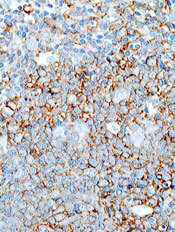
The US Food and Drug Administration (FDA) has granted orphan drug designation to CUDC-907 for the treatment of diffuse large B-cell lymphoma (DLBCL).
CUDC-907 is an oral, dual inhibitor of histone deacetylase and phosphoinositide 3-kinase enzymes. It is currently under investigation in phase 1 trials in patients with relapsed or refractory lymphomas, multiple myeloma, and advanced/relapsed solid tumors.
The FDA grants orphan status to products intended for treating diseases that affect fewer than 200,000 people in the US. Orphan designation qualifies the drug’s developer—in this case, Curis, Inc.—with incentives such as tax credits for qualified trials, the ability to apply for annual grant funding, and 7 years of market exclusivity once the drug is approved.
Phase 1 data
At the 2013 ASH Annual Meeting, researchers presented interim data from a phase 1, dose-escalation trial of CUDC-907 in patients with advanced lymphoma or multiple myeloma.
Thirteen patients had received CUDC-907 on either once-daily (QD) or twice-weekly (BIW) schedules at doses of 30 mg QD (n=7), 60 mg QD (n=3), or 60 mg BIW (n=3).
Dose-limiting toxicities (DLTs) of grade 3 diarrhea and grade 4 hyperglycemia were reported in 1 patient at the 60 mg QD dose. The most frequent grade 3 or 4 adverse events reported in 2 or more patients included thrombocytopenia, diarrhea, and neutropenia. Tolerability limited the ability to further dose escalate using the QD schedule.
No DLTs or dose interruptions were reported for patients enrolled on the BIW schedule. So dose escalation is ongoing with the BIW schedule as well as a separate, thrice-weekly treatment schedule.
Of the 13 patients treated, 11 were evaluable for response. One patient with mixed follicular lymphoma/DLBCL achieved a partial response, with a 70% reduction in a single target lesion observed at the 30 mg QD dose level.
Seven other patients met criteria for stable disease, including 4 with stable disease lasting at least 4 cycles of treatment.
Following the ASH presentation, Curis reported additional data from a subset of patients that suggest CUDC-907 has antitumor activity in patients with DLBCL.
For the November 10, 2014, data cutoff period, 8 patients with DLBCL were evaluable. One of these patients had a complete response, 2 had a partial response (tumor shrinkage greater than 50%), and 4 had tumor shrinkage ranging from 5% to 46%.
The dose-escalation stage of the trial is nearing completion, and Curis expects to present full data this year. Curis has also initiated an expansion cohort to further evaluate CUDC-907 in patients with DLBCL or multiple myeloma at the recommended phase 2 dose.
The US Food and Drug Administration (FDA) has granted orphan drug designation to CUDC-907 for the treatment of diffuse large B-cell lymphoma (DLBCL).
CUDC-907 is an oral, dual inhibitor of histone deacetylase and phosphoinositide 3-kinase enzymes. It is currently under investigation in phase 1 trials in patients with relapsed or refractory lymphomas, multiple myeloma, and advanced/relapsed solid tumors.
The FDA grants orphan status to products intended for treating diseases that affect fewer than 200,000 people in the US. Orphan designation qualifies the drug’s developer—in this case, Curis, Inc.—with incentives such as tax credits for qualified trials, the ability to apply for annual grant funding, and 7 years of market exclusivity once the drug is approved.
Phase 1 data
At the 2013 ASH Annual Meeting, researchers presented interim data from a phase 1, dose-escalation trial of CUDC-907 in patients with advanced lymphoma or multiple myeloma.
Thirteen patients had received CUDC-907 on either once-daily (QD) or twice-weekly (BIW) schedules at doses of 30 mg QD (n=7), 60 mg QD (n=3), or 60 mg BIW (n=3).
Dose-limiting toxicities (DLTs) of grade 3 diarrhea and grade 4 hyperglycemia were reported in 1 patient at the 60 mg QD dose. The most frequent grade 3 or 4 adverse events reported in 2 or more patients included thrombocytopenia, diarrhea, and neutropenia. Tolerability limited the ability to further dose escalate using the QD schedule.
No DLTs or dose interruptions were reported for patients enrolled on the BIW schedule. So dose escalation is ongoing with the BIW schedule as well as a separate, thrice-weekly treatment schedule.
Of the 13 patients treated, 11 were evaluable for response. One patient with mixed follicular lymphoma/DLBCL achieved a partial response, with a 70% reduction in a single target lesion observed at the 30 mg QD dose level.
Seven other patients met criteria for stable disease, including 4 with stable disease lasting at least 4 cycles of treatment.
Following the ASH presentation, Curis reported additional data from a subset of patients that suggest CUDC-907 has antitumor activity in patients with DLBCL.
For the November 10, 2014, data cutoff period, 8 patients with DLBCL were evaluable. One of these patients had a complete response, 2 had a partial response (tumor shrinkage greater than 50%), and 4 had tumor shrinkage ranging from 5% to 46%.
The dose-escalation stage of the trial is nearing completion, and Curis expects to present full data this year. Curis has also initiated an expansion cohort to further evaluate CUDC-907 in patients with DLBCL or multiple myeloma at the recommended phase 2 dose.
The US Food and Drug Administration (FDA) has granted orphan drug designation to CUDC-907 for the treatment of diffuse large B-cell lymphoma (DLBCL).
CUDC-907 is an oral, dual inhibitor of histone deacetylase and phosphoinositide 3-kinase enzymes. It is currently under investigation in phase 1 trials in patients with relapsed or refractory lymphomas, multiple myeloma, and advanced/relapsed solid tumors.
The FDA grants orphan status to products intended for treating diseases that affect fewer than 200,000 people in the US. Orphan designation qualifies the drug’s developer—in this case, Curis, Inc.—with incentives such as tax credits for qualified trials, the ability to apply for annual grant funding, and 7 years of market exclusivity once the drug is approved.
Phase 1 data
At the 2013 ASH Annual Meeting, researchers presented interim data from a phase 1, dose-escalation trial of CUDC-907 in patients with advanced lymphoma or multiple myeloma.
Thirteen patients had received CUDC-907 on either once-daily (QD) or twice-weekly (BIW) schedules at doses of 30 mg QD (n=7), 60 mg QD (n=3), or 60 mg BIW (n=3).
Dose-limiting toxicities (DLTs) of grade 3 diarrhea and grade 4 hyperglycemia were reported in 1 patient at the 60 mg QD dose. The most frequent grade 3 or 4 adverse events reported in 2 or more patients included thrombocytopenia, diarrhea, and neutropenia. Tolerability limited the ability to further dose escalate using the QD schedule.
No DLTs or dose interruptions were reported for patients enrolled on the BIW schedule. So dose escalation is ongoing with the BIW schedule as well as a separate, thrice-weekly treatment schedule.
Of the 13 patients treated, 11 were evaluable for response. One patient with mixed follicular lymphoma/DLBCL achieved a partial response, with a 70% reduction in a single target lesion observed at the 30 mg QD dose level.
Seven other patients met criteria for stable disease, including 4 with stable disease lasting at least 4 cycles of treatment.
Following the ASH presentation, Curis reported additional data from a subset of patients that suggest CUDC-907 has antitumor activity in patients with DLBCL.
For the November 10, 2014, data cutoff period, 8 patients with DLBCL were evaluable. One of these patients had a complete response, 2 had a partial response (tumor shrinkage greater than 50%), and 4 had tumor shrinkage ranging from 5% to 46%.
The dose-escalation stage of the trial is nearing completion, and Curis expects to present full data this year. Curis has also initiated an expansion cohort to further evaluate CUDC-907 in patients with DLBCL or multiple myeloma at the recommended phase 2 dose.
Protein proves essential for hematopoietic recovery

in the bone marrow
New research suggests the cell survival protein MCL-1, a target for a number of new anticancer agents, is essential for hematopoietic recovery.
Investigators found that reducing MCL-1 levels hindered hematopoietic recovery after chemotherapy and radiotherapy caused extensive destruction of mature blood cells.
Reducing MCL-1 also impaired reconstitution of the bone marrow after hematopoietic stem cell transplant (HSCT).
“Our previous research has shown that targeting MCL-1 could be used with great success for treating certain blood cancers,” said Alex Delbridge, PhD, of the Walter and Eliza Hall Institute of Medical Research in Melbourne, Victoria, Australia.
“However, we have now shown that MCL-1 is also critical for emergency recovery of the blood cell system after cancer therapy-induced blood cell loss.”
Dr Delbridge and his colleagues reported these findings in Blood.
Experiments in mice revealed that loss of a single MCL-1 allele, which reduced MCL-1 protein levels, greatly compromised the immune system and hindered red blood cell recovery after treatment with 5-fluorouracil, γ-irradiation, or HSCT.
Further investigation showed that the pro-apoptotic gene PUMA plays a key role in this phenomenon, as MCL-1 inhibits PUMA. In mice, knocking out PUMA alleviated—but did not eliminate—the HSC survival defect caused by deletion of both MCL-1 alleles.
“This exquisite dependency on MCL-1 for emergency blood cell production has important implications for potential cancer treatments involving MCL-1 inhibitors,” Dr Delbridge said.
“If MCL-1 inhibitors are to be used in combination with other cancer therapies, careful monitoring of the blood cell system will be needed,” added Stephanie Grabow, PhD, also of the Walter and Eliza Hall Institute.
“Our institute colleagues are working to evaluate a potential new drug to treat blood cancers by targeting MCL-1. Our findings suggest that MCL-1 inhibitors and chemotherapeutic drugs should not be used simultaneously.”
Dr Delbridge said this research also offers insights that could help improve HSCT.
“Stem cell transplants can be dangerous because, until the blood cell system is functionally restored, patients are vulnerable to infection,” he said. “Our research suggests that increasing levels of MCL-1 or decreasing the activity of opposing proteins could be a viable strategy for speeding up the regeneration process and reducing the risk of infection after stem cell transplantation.”
in the bone marrow
New research suggests the cell survival protein MCL-1, a target for a number of new anticancer agents, is essential for hematopoietic recovery.
Investigators found that reducing MCL-1 levels hindered hematopoietic recovery after chemotherapy and radiotherapy caused extensive destruction of mature blood cells.
Reducing MCL-1 also impaired reconstitution of the bone marrow after hematopoietic stem cell transplant (HSCT).
“Our previous research has shown that targeting MCL-1 could be used with great success for treating certain blood cancers,” said Alex Delbridge, PhD, of the Walter and Eliza Hall Institute of Medical Research in Melbourne, Victoria, Australia.
“However, we have now shown that MCL-1 is also critical for emergency recovery of the blood cell system after cancer therapy-induced blood cell loss.”
Dr Delbridge and his colleagues reported these findings in Blood.
Experiments in mice revealed that loss of a single MCL-1 allele, which reduced MCL-1 protein levels, greatly compromised the immune system and hindered red blood cell recovery after treatment with 5-fluorouracil, γ-irradiation, or HSCT.
Further investigation showed that the pro-apoptotic gene PUMA plays a key role in this phenomenon, as MCL-1 inhibits PUMA. In mice, knocking out PUMA alleviated—but did not eliminate—the HSC survival defect caused by deletion of both MCL-1 alleles.
“This exquisite dependency on MCL-1 for emergency blood cell production has important implications for potential cancer treatments involving MCL-1 inhibitors,” Dr Delbridge said.
“If MCL-1 inhibitors are to be used in combination with other cancer therapies, careful monitoring of the blood cell system will be needed,” added Stephanie Grabow, PhD, also of the Walter and Eliza Hall Institute.
“Our institute colleagues are working to evaluate a potential new drug to treat blood cancers by targeting MCL-1. Our findings suggest that MCL-1 inhibitors and chemotherapeutic drugs should not be used simultaneously.”
Dr Delbridge said this research also offers insights that could help improve HSCT.
“Stem cell transplants can be dangerous because, until the blood cell system is functionally restored, patients are vulnerable to infection,” he said. “Our research suggests that increasing levels of MCL-1 or decreasing the activity of opposing proteins could be a viable strategy for speeding up the regeneration process and reducing the risk of infection after stem cell transplantation.”
in the bone marrow
New research suggests the cell survival protein MCL-1, a target for a number of new anticancer agents, is essential for hematopoietic recovery.
Investigators found that reducing MCL-1 levels hindered hematopoietic recovery after chemotherapy and radiotherapy caused extensive destruction of mature blood cells.
Reducing MCL-1 also impaired reconstitution of the bone marrow after hematopoietic stem cell transplant (HSCT).
“Our previous research has shown that targeting MCL-1 could be used with great success for treating certain blood cancers,” said Alex Delbridge, PhD, of the Walter and Eliza Hall Institute of Medical Research in Melbourne, Victoria, Australia.
“However, we have now shown that MCL-1 is also critical for emergency recovery of the blood cell system after cancer therapy-induced blood cell loss.”
Dr Delbridge and his colleagues reported these findings in Blood.
Experiments in mice revealed that loss of a single MCL-1 allele, which reduced MCL-1 protein levels, greatly compromised the immune system and hindered red blood cell recovery after treatment with 5-fluorouracil, γ-irradiation, or HSCT.
Further investigation showed that the pro-apoptotic gene PUMA plays a key role in this phenomenon, as MCL-1 inhibits PUMA. In mice, knocking out PUMA alleviated—but did not eliminate—the HSC survival defect caused by deletion of both MCL-1 alleles.
“This exquisite dependency on MCL-1 for emergency blood cell production has important implications for potential cancer treatments involving MCL-1 inhibitors,” Dr Delbridge said.
“If MCL-1 inhibitors are to be used in combination with other cancer therapies, careful monitoring of the blood cell system will be needed,” added Stephanie Grabow, PhD, also of the Walter and Eliza Hall Institute.
“Our institute colleagues are working to evaluate a potential new drug to treat blood cancers by targeting MCL-1. Our findings suggest that MCL-1 inhibitors and chemotherapeutic drugs should not be used simultaneously.”
Dr Delbridge said this research also offers insights that could help improve HSCT.
“Stem cell transplants can be dangerous because, until the blood cell system is functionally restored, patients are vulnerable to infection,” he said. “Our research suggests that increasing levels of MCL-1 or decreasing the activity of opposing proteins could be a viable strategy for speeding up the regeneration process and reducing the risk of infection after stem cell transplantation.”
‘Junk’ RNA produces lymphoma phenotype

New research suggests the non-coding BRAF pseudogene can produce a lymphoma phenotype in mice.
Pseudogenes, a sub-class of long non-coding RNA that developed from the genome’s protein-coding genes but lost the ability to produce proteins, have long been considered genomic “junk.”
Yet the retention of pseudogenes during evolution has suggested they may have biological functions and contribute to disease development.
Now, researchers have provided evidence that one of these pseudogenes does have a role in causing cancer, and they described the discovery in Cell.
The investigators found that, independent of any other mutations, abnormal amounts of the BRAF pseudogene led to the development of an aggressive, lymphoma-like disease in mice.
The team said this finding suggests pseudogenes may play a primary role in a variety of diseases, and the functional genome could be much larger than we thought.
“Our mouse model of the BRAF pseudogene developed cancer as rapidly and aggressively as it would if you were to express the protein-coding BRAF oncogene,” said study author Pier Paolo Pandolfi, MD, PhD, of Harvard Medical School in Boston, Massachusetts.
“It’s remarkable that this very aggressive phenotype, resembling human diffuse large B-cell lymphoma, was driven by a piece of so-called ‘junk RNA.’”
The researchers’ discovery hinges on the concept of competing endogenous RNAs (ceRNA), a functional capability for pseudogenes Dr Pandolfi and his colleagues described almost 5 years ago. The team discovered that pseudogenes and other noncoding RNAs could act as “decoys” to divert and sequester microRNAs away from their protein-coding counterparts to regulate gene expression.
“Our discovery of these ‘decoys’ revealed a new role for messenger RNA, demonstrating that, beyond serving as a genetic intermediary in the protein-making process, messenger RNAs could actually regulate expression of one another through this sophisticated new ceRNA ‘language,’” Dr Pandolfi said.
He and his colleagues showed that, when these decoys prevented microRNAs from fulfilling their regulatory function, there could be severe consequences, including making cancer cells more aggressive.
With their new research, the investigators wanted to determine if this same ceRNA cross-talk took place in a living organism and if it would result in similar consequences.
“We conducted a proof-of-principle experiment using the BRAF pseudogene,” explained Florian Karreth, PhD, a fellow in the Pandolfi lab. “We investigated whether this pseudogene exerts critical functions in the context of a whole organism and whether its disruption contributes to the development of disease.”
The researchers focused on the BRAF pseudogene because of its potential ability to regulate levels of the BRAF protein, a well-known proto-oncogene linked to numerous cancer types. In addition, the BRAF pseudogene is known to exist in both humans and mice.
The team began by testing the BRAF pseudogene in tissue culture. Their findings showed that, when overexpressed, the pseudogene operated as a microRNA decoy that increased amounts of the BRAF protein.
This, in turn, stimulated the MAPK signaling cascade, a pathway through which the BRAF protein controls cell proliferation, differentiation, and survival and which is commonly found to be hyperactive in cancer.
The investigators went on to create a mouse model in which the BRAF pseudogene was overexpressed. And they found these mice developed an aggressive, lymphoma-like cancer.
“This cancer of B-lymphocytes manifested primarily in the spleens of the animals but also infiltrated other organs, including the kidneys and liver,” Dr Karreth said. “We were particularly surprised by the development of such a dramatic phenotype in response to BRAF pseudogene overexpression alone since the development of full-blown cancer usually requires two or more mutational events.”
Mice overexpressing the BRAF pseudogene displayed higher levels of the BRAF protein and hyperactivation of the MAPK pathway, which suggests this axis is critical to cancer development.
The researchers confirmed this by inhibiting the MAPK pathway with GSK1120212, a MEK inhibitor that dramatically reduced the cancer cells’ ability to infiltrate the liver in transplantation experiments.
The investigators further validated the microRNA decoy function of the BRAF pseudogene by creating two additional transgenic mice, one overexpressing the front half of the BRAF pseudogene, and the other overexpressing the back half.
Both of these mouse models developed the same lymphoma phenotype as the mice overexpressing the full-length pseudogene, a result the researchers described as “astonishing.”
“We never expected that portions of the BRAF pseudogene could elicit a phenotype,” Dr Karreth said. “[W]hen both front and back halves induced lymphomas, we were certain the BRAF pseudogene was functioning as a microRNA decoy.”
The investigators also found the BRAF pseudogene is overexpressed in human B-cell lymphomas, and the genomic region containing the BRAF pseudogene is commonly amplified in a variety of human cancers. This suggests the group’s murine findings are of relevance to human cancer development.
Moreover, the researchers found that silencing the BRAF pseudogene in human cancer cell lines that expressed higher levels led to reduced cell proliferation. This reinforces the importance of the pseudogene and suggests a therapy that reduces BRAF pseudogene levels may be beneficial to certain cancer patients.
“While we have been busy focusing on the genome’s 20,000 coding genes, we have neglected perhaps as many as 100,000 noncoding genetic units,” Dr Pandolfi noted. “Our new findings not only tell us that we need to characterize the role of all of these non-coding pseudogenes in cancer, but, more urgently, suggest that we need to increase our understanding of the non-coding ‘junk’ of the genome and incorporate this information into our personalized medicine assays.”
“The game has to start now. We have to sequence and analyze the genome and the RNA transcripts from the non-coding space.”
New research suggests the non-coding BRAF pseudogene can produce a lymphoma phenotype in mice.
Pseudogenes, a sub-class of long non-coding RNA that developed from the genome’s protein-coding genes but lost the ability to produce proteins, have long been considered genomic “junk.”
Yet the retention of pseudogenes during evolution has suggested they may have biological functions and contribute to disease development.
Now, researchers have provided evidence that one of these pseudogenes does have a role in causing cancer, and they described the discovery in Cell.
The investigators found that, independent of any other mutations, abnormal amounts of the BRAF pseudogene led to the development of an aggressive, lymphoma-like disease in mice.
The team said this finding suggests pseudogenes may play a primary role in a variety of diseases, and the functional genome could be much larger than we thought.
“Our mouse model of the BRAF pseudogene developed cancer as rapidly and aggressively as it would if you were to express the protein-coding BRAF oncogene,” said study author Pier Paolo Pandolfi, MD, PhD, of Harvard Medical School in Boston, Massachusetts.
“It’s remarkable that this very aggressive phenotype, resembling human diffuse large B-cell lymphoma, was driven by a piece of so-called ‘junk RNA.’”
The researchers’ discovery hinges on the concept of competing endogenous RNAs (ceRNA), a functional capability for pseudogenes Dr Pandolfi and his colleagues described almost 5 years ago. The team discovered that pseudogenes and other noncoding RNAs could act as “decoys” to divert and sequester microRNAs away from their protein-coding counterparts to regulate gene expression.
“Our discovery of these ‘decoys’ revealed a new role for messenger RNA, demonstrating that, beyond serving as a genetic intermediary in the protein-making process, messenger RNAs could actually regulate expression of one another through this sophisticated new ceRNA ‘language,’” Dr Pandolfi said.
He and his colleagues showed that, when these decoys prevented microRNAs from fulfilling their regulatory function, there could be severe consequences, including making cancer cells more aggressive.
With their new research, the investigators wanted to determine if this same ceRNA cross-talk took place in a living organism and if it would result in similar consequences.
“We conducted a proof-of-principle experiment using the BRAF pseudogene,” explained Florian Karreth, PhD, a fellow in the Pandolfi lab. “We investigated whether this pseudogene exerts critical functions in the context of a whole organism and whether its disruption contributes to the development of disease.”
The researchers focused on the BRAF pseudogene because of its potential ability to regulate levels of the BRAF protein, a well-known proto-oncogene linked to numerous cancer types. In addition, the BRAF pseudogene is known to exist in both humans and mice.
The team began by testing the BRAF pseudogene in tissue culture. Their findings showed that, when overexpressed, the pseudogene operated as a microRNA decoy that increased amounts of the BRAF protein.
This, in turn, stimulated the MAPK signaling cascade, a pathway through which the BRAF protein controls cell proliferation, differentiation, and survival and which is commonly found to be hyperactive in cancer.
The investigators went on to create a mouse model in which the BRAF pseudogene was overexpressed. And they found these mice developed an aggressive, lymphoma-like cancer.
“This cancer of B-lymphocytes manifested primarily in the spleens of the animals but also infiltrated other organs, including the kidneys and liver,” Dr Karreth said. “We were particularly surprised by the development of such a dramatic phenotype in response to BRAF pseudogene overexpression alone since the development of full-blown cancer usually requires two or more mutational events.”
Mice overexpressing the BRAF pseudogene displayed higher levels of the BRAF protein and hyperactivation of the MAPK pathway, which suggests this axis is critical to cancer development.
The researchers confirmed this by inhibiting the MAPK pathway with GSK1120212, a MEK inhibitor that dramatically reduced the cancer cells’ ability to infiltrate the liver in transplantation experiments.
The investigators further validated the microRNA decoy function of the BRAF pseudogene by creating two additional transgenic mice, one overexpressing the front half of the BRAF pseudogene, and the other overexpressing the back half.
Both of these mouse models developed the same lymphoma phenotype as the mice overexpressing the full-length pseudogene, a result the researchers described as “astonishing.”
“We never expected that portions of the BRAF pseudogene could elicit a phenotype,” Dr Karreth said. “[W]hen both front and back halves induced lymphomas, we were certain the BRAF pseudogene was functioning as a microRNA decoy.”
The investigators also found the BRAF pseudogene is overexpressed in human B-cell lymphomas, and the genomic region containing the BRAF pseudogene is commonly amplified in a variety of human cancers. This suggests the group’s murine findings are of relevance to human cancer development.
Moreover, the researchers found that silencing the BRAF pseudogene in human cancer cell lines that expressed higher levels led to reduced cell proliferation. This reinforces the importance of the pseudogene and suggests a therapy that reduces BRAF pseudogene levels may be beneficial to certain cancer patients.
“While we have been busy focusing on the genome’s 20,000 coding genes, we have neglected perhaps as many as 100,000 noncoding genetic units,” Dr Pandolfi noted. “Our new findings not only tell us that we need to characterize the role of all of these non-coding pseudogenes in cancer, but, more urgently, suggest that we need to increase our understanding of the non-coding ‘junk’ of the genome and incorporate this information into our personalized medicine assays.”
“The game has to start now. We have to sequence and analyze the genome and the RNA transcripts from the non-coding space.”
New research suggests the non-coding BRAF pseudogene can produce a lymphoma phenotype in mice.
Pseudogenes, a sub-class of long non-coding RNA that developed from the genome’s protein-coding genes but lost the ability to produce proteins, have long been considered genomic “junk.”
Yet the retention of pseudogenes during evolution has suggested they may have biological functions and contribute to disease development.
Now, researchers have provided evidence that one of these pseudogenes does have a role in causing cancer, and they described the discovery in Cell.
The investigators found that, independent of any other mutations, abnormal amounts of the BRAF pseudogene led to the development of an aggressive, lymphoma-like disease in mice.
The team said this finding suggests pseudogenes may play a primary role in a variety of diseases, and the functional genome could be much larger than we thought.
“Our mouse model of the BRAF pseudogene developed cancer as rapidly and aggressively as it would if you were to express the protein-coding BRAF oncogene,” said study author Pier Paolo Pandolfi, MD, PhD, of Harvard Medical School in Boston, Massachusetts.
“It’s remarkable that this very aggressive phenotype, resembling human diffuse large B-cell lymphoma, was driven by a piece of so-called ‘junk RNA.’”
The researchers’ discovery hinges on the concept of competing endogenous RNAs (ceRNA), a functional capability for pseudogenes Dr Pandolfi and his colleagues described almost 5 years ago. The team discovered that pseudogenes and other noncoding RNAs could act as “decoys” to divert and sequester microRNAs away from their protein-coding counterparts to regulate gene expression.
“Our discovery of these ‘decoys’ revealed a new role for messenger RNA, demonstrating that, beyond serving as a genetic intermediary in the protein-making process, messenger RNAs could actually regulate expression of one another through this sophisticated new ceRNA ‘language,’” Dr Pandolfi said.
He and his colleagues showed that, when these decoys prevented microRNAs from fulfilling their regulatory function, there could be severe consequences, including making cancer cells more aggressive.
With their new research, the investigators wanted to determine if this same ceRNA cross-talk took place in a living organism and if it would result in similar consequences.
“We conducted a proof-of-principle experiment using the BRAF pseudogene,” explained Florian Karreth, PhD, a fellow in the Pandolfi lab. “We investigated whether this pseudogene exerts critical functions in the context of a whole organism and whether its disruption contributes to the development of disease.”
The researchers focused on the BRAF pseudogene because of its potential ability to regulate levels of the BRAF protein, a well-known proto-oncogene linked to numerous cancer types. In addition, the BRAF pseudogene is known to exist in both humans and mice.
The team began by testing the BRAF pseudogene in tissue culture. Their findings showed that, when overexpressed, the pseudogene operated as a microRNA decoy that increased amounts of the BRAF protein.
This, in turn, stimulated the MAPK signaling cascade, a pathway through which the BRAF protein controls cell proliferation, differentiation, and survival and which is commonly found to be hyperactive in cancer.
The investigators went on to create a mouse model in which the BRAF pseudogene was overexpressed. And they found these mice developed an aggressive, lymphoma-like cancer.
“This cancer of B-lymphocytes manifested primarily in the spleens of the animals but also infiltrated other organs, including the kidneys and liver,” Dr Karreth said. “We were particularly surprised by the development of such a dramatic phenotype in response to BRAF pseudogene overexpression alone since the development of full-blown cancer usually requires two or more mutational events.”
Mice overexpressing the BRAF pseudogene displayed higher levels of the BRAF protein and hyperactivation of the MAPK pathway, which suggests this axis is critical to cancer development.
The researchers confirmed this by inhibiting the MAPK pathway with GSK1120212, a MEK inhibitor that dramatically reduced the cancer cells’ ability to infiltrate the liver in transplantation experiments.
The investigators further validated the microRNA decoy function of the BRAF pseudogene by creating two additional transgenic mice, one overexpressing the front half of the BRAF pseudogene, and the other overexpressing the back half.
Both of these mouse models developed the same lymphoma phenotype as the mice overexpressing the full-length pseudogene, a result the researchers described as “astonishing.”
“We never expected that portions of the BRAF pseudogene could elicit a phenotype,” Dr Karreth said. “[W]hen both front and back halves induced lymphomas, we were certain the BRAF pseudogene was functioning as a microRNA decoy.”
The investigators also found the BRAF pseudogene is overexpressed in human B-cell lymphomas, and the genomic region containing the BRAF pseudogene is commonly amplified in a variety of human cancers. This suggests the group’s murine findings are of relevance to human cancer development.
Moreover, the researchers found that silencing the BRAF pseudogene in human cancer cell lines that expressed higher levels led to reduced cell proliferation. This reinforces the importance of the pseudogene and suggests a therapy that reduces BRAF pseudogene levels may be beneficial to certain cancer patients.
“While we have been busy focusing on the genome’s 20,000 coding genes, we have neglected perhaps as many as 100,000 noncoding genetic units,” Dr Pandolfi noted. “Our new findings not only tell us that we need to characterize the role of all of these non-coding pseudogenes in cancer, but, more urgently, suggest that we need to increase our understanding of the non-coding ‘junk’ of the genome and incorporate this information into our personalized medicine assays.”
“The game has to start now. We have to sequence and analyze the genome and the RNA transcripts from the non-coding space.”
Fish oil may cause chemoresistance

Consuming certain types of fish and taking fish oil supplements may induce chemoresistance, according to research published in JAMA Oncology.
Researchers found that herring and mackerel, as well as 6 different types of fish oil supplements, raised blood levels of the fatty acid 16:4(n-3).
And experiments in mice showed that small amounts of either purified 16:4(n-3) or fish oil induced resistance to the chemotherapy drug cisplatin.
Emile E. Voest, MD, PhD, of the Netherlands Cancer Institute in Amsterdam, and his colleagues conducted this multi-part study.
In one part, the team conducted a survey to determine the rate of fish oil use among patients undergoing cancer treatment (n=118). Thirty-five patients (30%) reported regular use of nutritional supplements, and 13 (11%) said they used supplements containing omega-3 fatty acids.
For another part of the study, the researchers evaluated 6 types of fish oil supplements. All of them contained relevant amounts of 16:4(n-3), ranging from 0.2 µM to 5.7 µM.
The team also recruited healthy volunteers to examine blood levels of 16:4(n-3) after the ingestion of fish oil supplements (n=30) and fish (n=20).
Volunteers had increased blood levels of 16:4(n-3) after the recommended daily amount of 10 mL of fish oil and after a 50 mL dose. Subjects had an almost-complete normalization of blood levels 8 hours after a 10 mL fish oil dose, but they had a more prolonged elevation of fatty acid levels after a 50 mL dose.
Eating 100 grams of herring and mackerel also increased blood levels of 16:4(n-3) compared with tuna, which did not affect blood levels, and salmon,
which resulted in a small, short-lived peak.
Finally, experiments in mice showed that as little as 2.5 pmol of purified 16:4(n-3) or 1 µL of fish oil was sufficient to induce resistance to the chemotherapy drug cisplatin.
The fish oil/cisplatin combination had no significant impact on mouse tumors when compared to vehicle control treatment. The estimated tumor volume difference was 44.1 mm3 (P >0.99).
When the researchers compared cisplatin alone to cisplatin plus 16:4(n-3), the estimated tumor volume difference was 95.5 mm3 (P=0 .04). When they compared vehicle control to cisplatin alone, there was an estimated tumor volume difference of 142.4 mm3 (P=0.001).
The team said these results suggest that simultaneous exposure to chemotherapy and fish oil may be detrimental to cancer patients. So until further data become available, patients should avoid consuming fish oil from the day before chemotherapy until the day after.
Consuming certain types of fish and taking fish oil supplements may induce chemoresistance, according to research published in JAMA Oncology.
Researchers found that herring and mackerel, as well as 6 different types of fish oil supplements, raised blood levels of the fatty acid 16:4(n-3).
And experiments in mice showed that small amounts of either purified 16:4(n-3) or fish oil induced resistance to the chemotherapy drug cisplatin.
Emile E. Voest, MD, PhD, of the Netherlands Cancer Institute in Amsterdam, and his colleagues conducted this multi-part study.
In one part, the team conducted a survey to determine the rate of fish oil use among patients undergoing cancer treatment (n=118). Thirty-five patients (30%) reported regular use of nutritional supplements, and 13 (11%) said they used supplements containing omega-3 fatty acids.
For another part of the study, the researchers evaluated 6 types of fish oil supplements. All of them contained relevant amounts of 16:4(n-3), ranging from 0.2 µM to 5.7 µM.
The team also recruited healthy volunteers to examine blood levels of 16:4(n-3) after the ingestion of fish oil supplements (n=30) and fish (n=20).
Volunteers had increased blood levels of 16:4(n-3) after the recommended daily amount of 10 mL of fish oil and after a 50 mL dose. Subjects had an almost-complete normalization of blood levels 8 hours after a 10 mL fish oil dose, but they had a more prolonged elevation of fatty acid levels after a 50 mL dose.
Eating 100 grams of herring and mackerel also increased blood levels of 16:4(n-3) compared with tuna, which did not affect blood levels, and salmon,
which resulted in a small, short-lived peak.
Finally, experiments in mice showed that as little as 2.5 pmol of purified 16:4(n-3) or 1 µL of fish oil was sufficient to induce resistance to the chemotherapy drug cisplatin.
The fish oil/cisplatin combination had no significant impact on mouse tumors when compared to vehicle control treatment. The estimated tumor volume difference was 44.1 mm3 (P >0.99).
When the researchers compared cisplatin alone to cisplatin plus 16:4(n-3), the estimated tumor volume difference was 95.5 mm3 (P=0 .04). When they compared vehicle control to cisplatin alone, there was an estimated tumor volume difference of 142.4 mm3 (P=0.001).
The team said these results suggest that simultaneous exposure to chemotherapy and fish oil may be detrimental to cancer patients. So until further data become available, patients should avoid consuming fish oil from the day before chemotherapy until the day after.
Consuming certain types of fish and taking fish oil supplements may induce chemoresistance, according to research published in JAMA Oncology.
Researchers found that herring and mackerel, as well as 6 different types of fish oil supplements, raised blood levels of the fatty acid 16:4(n-3).
And experiments in mice showed that small amounts of either purified 16:4(n-3) or fish oil induced resistance to the chemotherapy drug cisplatin.
Emile E. Voest, MD, PhD, of the Netherlands Cancer Institute in Amsterdam, and his colleagues conducted this multi-part study.
In one part, the team conducted a survey to determine the rate of fish oil use among patients undergoing cancer treatment (n=118). Thirty-five patients (30%) reported regular use of nutritional supplements, and 13 (11%) said they used supplements containing omega-3 fatty acids.
For another part of the study, the researchers evaluated 6 types of fish oil supplements. All of them contained relevant amounts of 16:4(n-3), ranging from 0.2 µM to 5.7 µM.
The team also recruited healthy volunteers to examine blood levels of 16:4(n-3) after the ingestion of fish oil supplements (n=30) and fish (n=20).
Volunteers had increased blood levels of 16:4(n-3) after the recommended daily amount of 10 mL of fish oil and after a 50 mL dose. Subjects had an almost-complete normalization of blood levels 8 hours after a 10 mL fish oil dose, but they had a more prolonged elevation of fatty acid levels after a 50 mL dose.
Eating 100 grams of herring and mackerel also increased blood levels of 16:4(n-3) compared with tuna, which did not affect blood levels, and salmon,
which resulted in a small, short-lived peak.
Finally, experiments in mice showed that as little as 2.5 pmol of purified 16:4(n-3) or 1 µL of fish oil was sufficient to induce resistance to the chemotherapy drug cisplatin.
The fish oil/cisplatin combination had no significant impact on mouse tumors when compared to vehicle control treatment. The estimated tumor volume difference was 44.1 mm3 (P >0.99).
When the researchers compared cisplatin alone to cisplatin plus 16:4(n-3), the estimated tumor volume difference was 95.5 mm3 (P=0 .04). When they compared vehicle control to cisplatin alone, there was an estimated tumor volume difference of 142.4 mm3 (P=0.001).
The team said these results suggest that simultaneous exposure to chemotherapy and fish oil may be detrimental to cancer patients. So until further data become available, patients should avoid consuming fish oil from the day before chemotherapy until the day after.
Test predicts DLBCL relapse better than CT, team says

Photo by Larry Young
Surveillance of circulating tumor DNA (ctDNA) can help predict relapse in most patients with diffuse large B-cell lymphoma before there is clinical evidence of the disease, according to a study published in The Lancet Oncology.
Investigators analyzed ctDNA using the clonoSEQ minimal residual disease (MRD) test and found they could predict relapse with a positive predictive value (PPV) of 88% and a negative predictive value (NPV) of 98%.
The test detected relapse a median of 3.5 months quicker than computed tomography (CT) scans.
“Patients with DLBCL with low amounts of disease at relapse have better survival than those with more disease, which is the rationale for surveillance CT scans,” said study author Wyndham Wilson, MD, PhD, of the National Cancer Institute in Bethesda, Maryland.
“Because the ctDNA test detects disease at a molecular level, it detects microscopic disease, which cannot be detected by CT scans, and may improve patient survival. Furthermore, ctDNA is non-invasive and can be employed as frequently needed, unlike surveillance CT scans, which expose patients to radiation and intravenous contrast.”
For this study, Dr Wilson and his colleagues evaluated 126 DLBCL patients who had participated in clinical trials from May 1993 to June 2013 and were followed for a median of 11 years post-treatment.
Surveillance monitoring
To investigate whether ctDNA monitoring could overcome the limitations of standard imaging techniques, the researchers compared serial ctDNA samples to CT scans taken at the same time post-treatment in patients who had achieved complete remission. This was known as “surveillance monitoring.”
The investigators performed surveillance monitoring of ctDNA in 107 patients who achieved complete remission.
The hazard ratio for clinical disease progression was 228 for patients who had detectable ctDNA during surveillance, when compared to patients with undetectable ctDNA (P<0.0001).
Surveillance ctDNA had a PPV of 88.2% and an NPV of 97.8%. And it revealed the risk of recurrence at a median of 3.5 months (range, 0-200 months) before there was evidence of clinical disease.
Interim monitoring
The researchers also analyzed whether the presence of ctDNA at the beginning of the third cycle of treatment predicted relapse, regardless of whether patients achieved complete remission by the end of treatment. This was known as “interim monitoring.”
Of the 108 patients included in the interim monitoring analysis, ctDNA was detected in 24 patients, 15 of whom eventually relapsed. Only 17 of the 84 patients with undetectable interim ctDNA relapsed.
Five years after the interim serum samples were taken, 80.2% of the patients who were negative for ctDNA were relapse-free, as were 41.7% of patients who were positive for ctDNA (P<0.0001).
Detectable interim ctDNA had a PPV of 62.5% and an NPV of 79.8%.
Fourteen of the 15 patients with detectable ctDNA who relapsed did so within 6 months of the end of treatment, as did 7 of the 17 patients without interim ctDNA.
Based on these results, the investigators concluded that surveillance monitoring of ctDNA identifies DLBCL patients at risk of disease recurrence before clinical evidence of disease in most patients, and interim monitoring of ctDNA is a promising biomarker to identify patients at high risk of treatment failure.
This research was funded by Adaptive Biotechnologies, the company developing the clonoSEQ MRD test, as well as the National Cancer Institute.
Photo by Larry Young
Surveillance of circulating tumor DNA (ctDNA) can help predict relapse in most patients with diffuse large B-cell lymphoma before there is clinical evidence of the disease, according to a study published in The Lancet Oncology.
Investigators analyzed ctDNA using the clonoSEQ minimal residual disease (MRD) test and found they could predict relapse with a positive predictive value (PPV) of 88% and a negative predictive value (NPV) of 98%.
The test detected relapse a median of 3.5 months quicker than computed tomography (CT) scans.
“Patients with DLBCL with low amounts of disease at relapse have better survival than those with more disease, which is the rationale for surveillance CT scans,” said study author Wyndham Wilson, MD, PhD, of the National Cancer Institute in Bethesda, Maryland.
“Because the ctDNA test detects disease at a molecular level, it detects microscopic disease, which cannot be detected by CT scans, and may improve patient survival. Furthermore, ctDNA is non-invasive and can be employed as frequently needed, unlike surveillance CT scans, which expose patients to radiation and intravenous contrast.”
For this study, Dr Wilson and his colleagues evaluated 126 DLBCL patients who had participated in clinical trials from May 1993 to June 2013 and were followed for a median of 11 years post-treatment.
Surveillance monitoring
To investigate whether ctDNA monitoring could overcome the limitations of standard imaging techniques, the researchers compared serial ctDNA samples to CT scans taken at the same time post-treatment in patients who had achieved complete remission. This was known as “surveillance monitoring.”
The investigators performed surveillance monitoring of ctDNA in 107 patients who achieved complete remission.
The hazard ratio for clinical disease progression was 228 for patients who had detectable ctDNA during surveillance, when compared to patients with undetectable ctDNA (P<0.0001).
Surveillance ctDNA had a PPV of 88.2% and an NPV of 97.8%. And it revealed the risk of recurrence at a median of 3.5 months (range, 0-200 months) before there was evidence of clinical disease.
Interim monitoring
The researchers also analyzed whether the presence of ctDNA at the beginning of the third cycle of treatment predicted relapse, regardless of whether patients achieved complete remission by the end of treatment. This was known as “interim monitoring.”
Of the 108 patients included in the interim monitoring analysis, ctDNA was detected in 24 patients, 15 of whom eventually relapsed. Only 17 of the 84 patients with undetectable interim ctDNA relapsed.
Five years after the interim serum samples were taken, 80.2% of the patients who were negative for ctDNA were relapse-free, as were 41.7% of patients who were positive for ctDNA (P<0.0001).
Detectable interim ctDNA had a PPV of 62.5% and an NPV of 79.8%.
Fourteen of the 15 patients with detectable ctDNA who relapsed did so within 6 months of the end of treatment, as did 7 of the 17 patients without interim ctDNA.
Based on these results, the investigators concluded that surveillance monitoring of ctDNA identifies DLBCL patients at risk of disease recurrence before clinical evidence of disease in most patients, and interim monitoring of ctDNA is a promising biomarker to identify patients at high risk of treatment failure.
This research was funded by Adaptive Biotechnologies, the company developing the clonoSEQ MRD test, as well as the National Cancer Institute.
Photo by Larry Young
Surveillance of circulating tumor DNA (ctDNA) can help predict relapse in most patients with diffuse large B-cell lymphoma before there is clinical evidence of the disease, according to a study published in The Lancet Oncology.
Investigators analyzed ctDNA using the clonoSEQ minimal residual disease (MRD) test and found they could predict relapse with a positive predictive value (PPV) of 88% and a negative predictive value (NPV) of 98%.
The test detected relapse a median of 3.5 months quicker than computed tomography (CT) scans.
“Patients with DLBCL with low amounts of disease at relapse have better survival than those with more disease, which is the rationale for surveillance CT scans,” said study author Wyndham Wilson, MD, PhD, of the National Cancer Institute in Bethesda, Maryland.
“Because the ctDNA test detects disease at a molecular level, it detects microscopic disease, which cannot be detected by CT scans, and may improve patient survival. Furthermore, ctDNA is non-invasive and can be employed as frequently needed, unlike surveillance CT scans, which expose patients to radiation and intravenous contrast.”
For this study, Dr Wilson and his colleagues evaluated 126 DLBCL patients who had participated in clinical trials from May 1993 to June 2013 and were followed for a median of 11 years post-treatment.
Surveillance monitoring
To investigate whether ctDNA monitoring could overcome the limitations of standard imaging techniques, the researchers compared serial ctDNA samples to CT scans taken at the same time post-treatment in patients who had achieved complete remission. This was known as “surveillance monitoring.”
The investigators performed surveillance monitoring of ctDNA in 107 patients who achieved complete remission.
The hazard ratio for clinical disease progression was 228 for patients who had detectable ctDNA during surveillance, when compared to patients with undetectable ctDNA (P<0.0001).
Surveillance ctDNA had a PPV of 88.2% and an NPV of 97.8%. And it revealed the risk of recurrence at a median of 3.5 months (range, 0-200 months) before there was evidence of clinical disease.
Interim monitoring
The researchers also analyzed whether the presence of ctDNA at the beginning of the third cycle of treatment predicted relapse, regardless of whether patients achieved complete remission by the end of treatment. This was known as “interim monitoring.”
Of the 108 patients included in the interim monitoring analysis, ctDNA was detected in 24 patients, 15 of whom eventually relapsed. Only 17 of the 84 patients with undetectable interim ctDNA relapsed.
Five years after the interim serum samples were taken, 80.2% of the patients who were negative for ctDNA were relapse-free, as were 41.7% of patients who were positive for ctDNA (P<0.0001).
Detectable interim ctDNA had a PPV of 62.5% and an NPV of 79.8%.
Fourteen of the 15 patients with detectable ctDNA who relapsed did so within 6 months of the end of treatment, as did 7 of the 17 patients without interim ctDNA.
Based on these results, the investigators concluded that surveillance monitoring of ctDNA identifies DLBCL patients at risk of disease recurrence before clinical evidence of disease in most patients, and interim monitoring of ctDNA is a promising biomarker to identify patients at high risk of treatment failure.
This research was funded by Adaptive Biotechnologies, the company developing the clonoSEQ MRD test, as well as the National Cancer Institute.